Etnedal

Birdwatching - Langtjedn

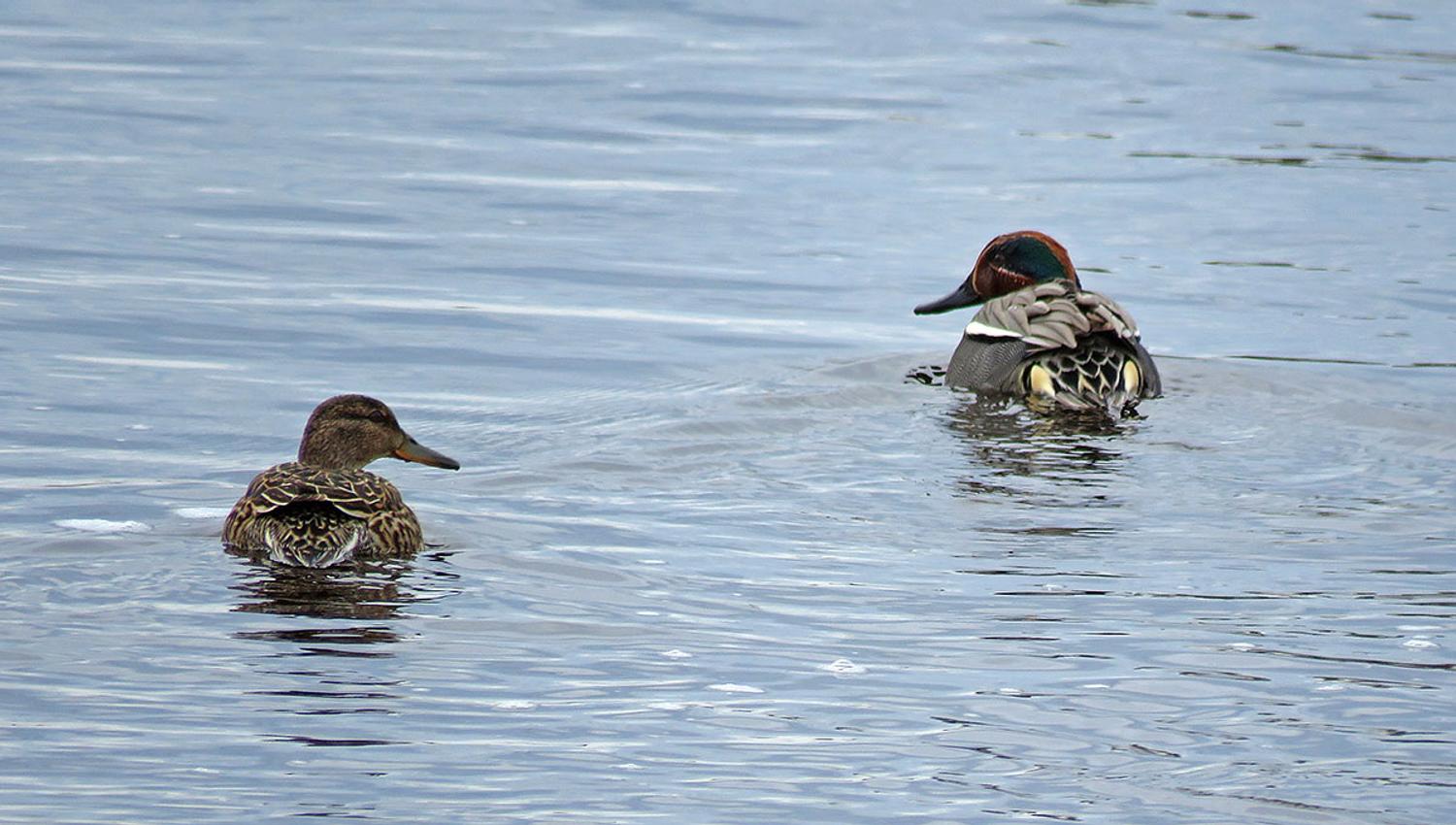
  • Eurasian Teal (Anas crecca), female on the left and male on the right. It is our smallest duck and breed in lakes and ponds in forests but also small
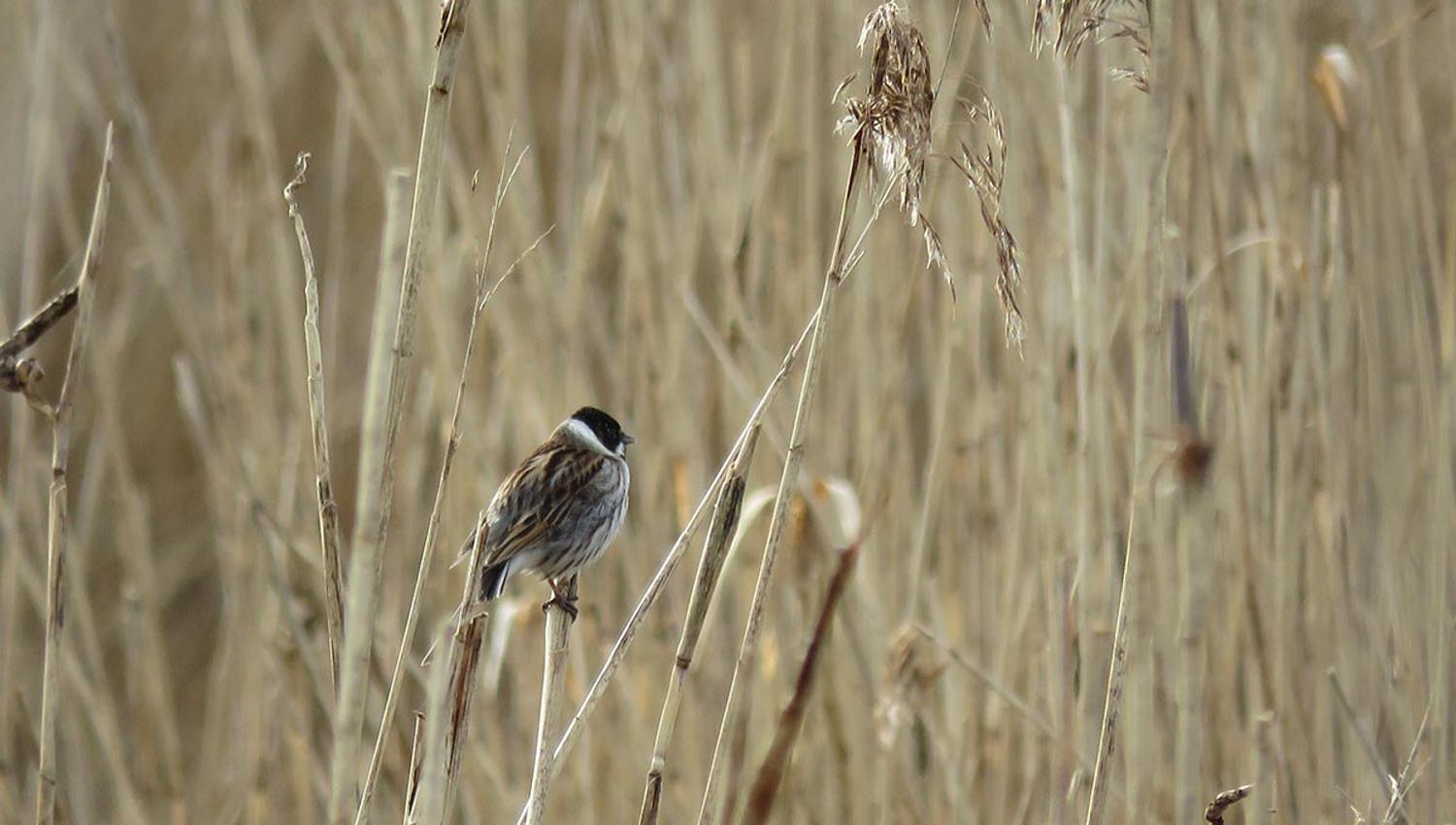
  • Male Reed bunting (Emberiza schoeniclus) sitting og a reed straw
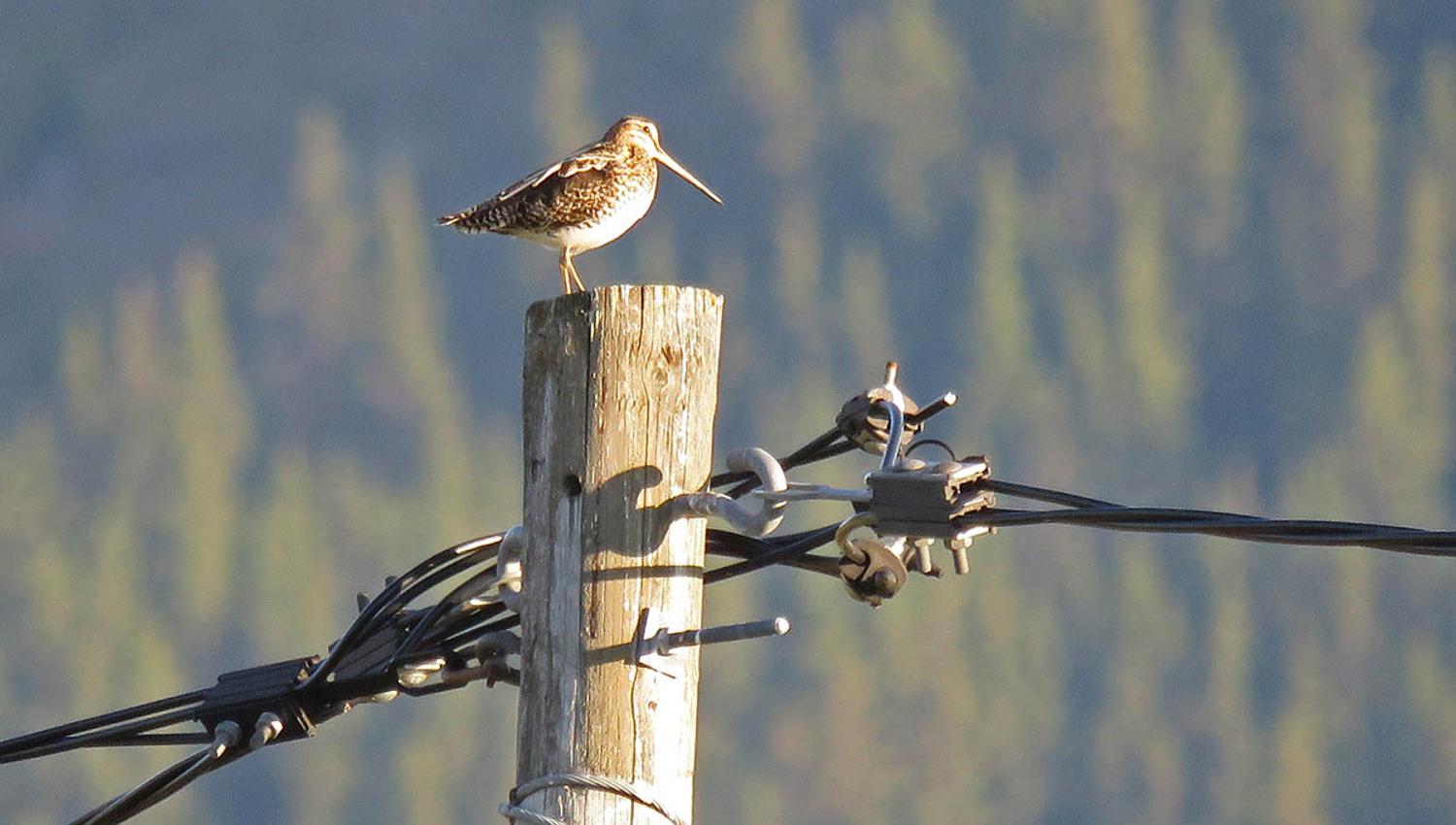
  • Common Snipe (Gallinago gallinago) sometimes expose themselves on poles in spring and are regularly observed at Langtjedn and on the Stølsvidda platea
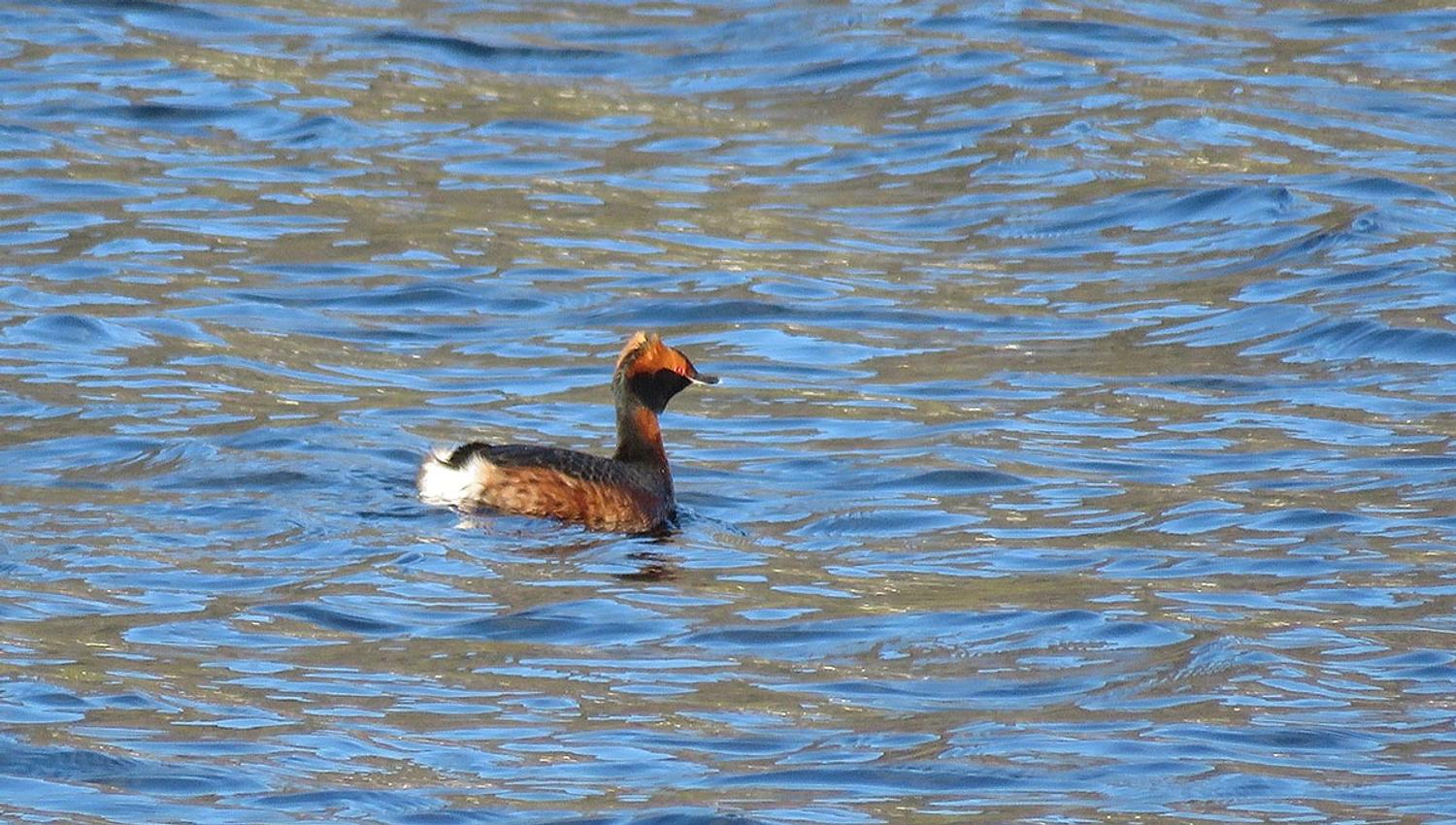
  • Slavonian Grebe (Podiceps auritus) swimming on the water, lit by the evening sun. The water is blue.
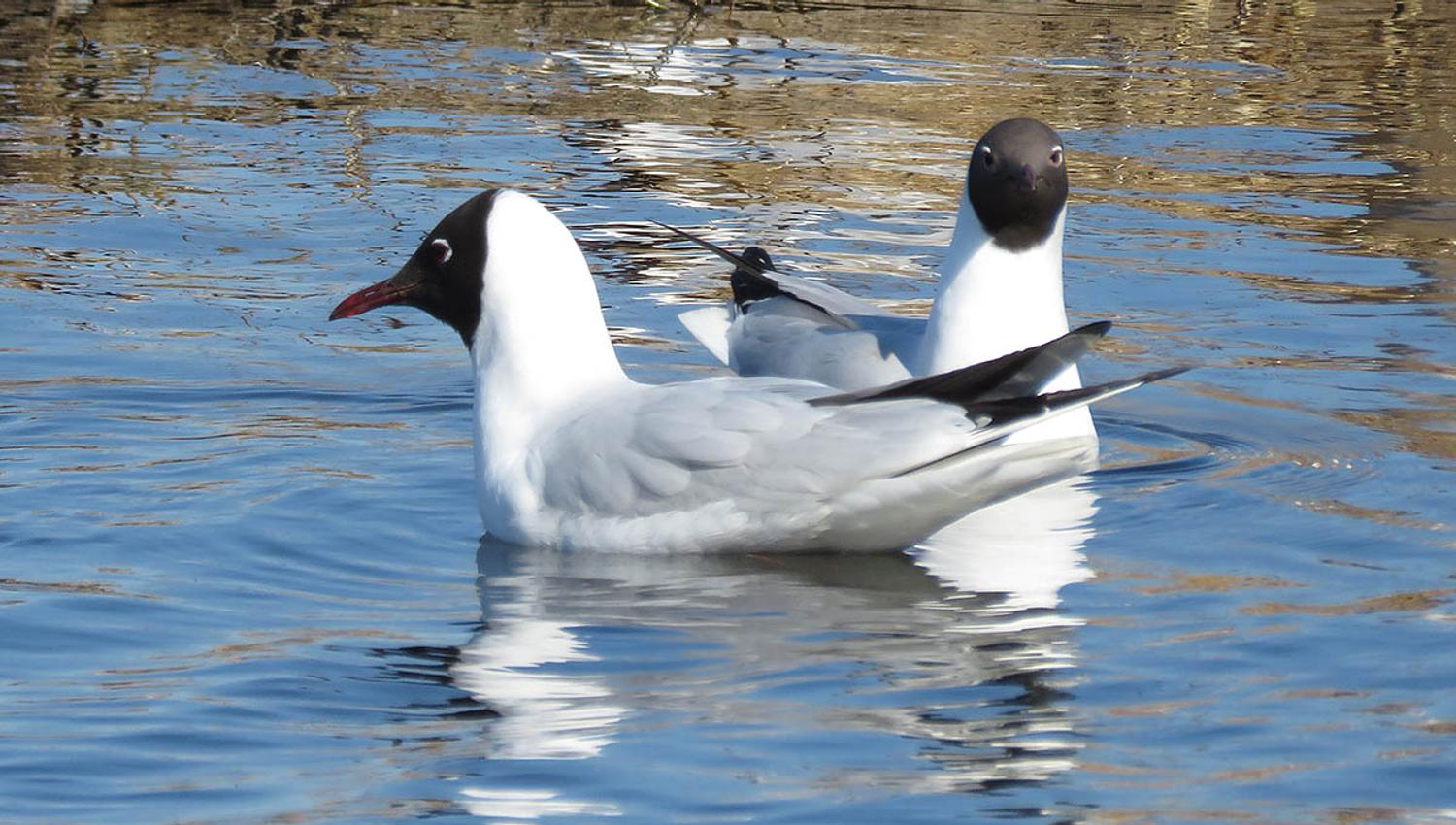
  • Black-headed Gull (Chroicocephalus ridibundus), once abundant, is now listed as vulnerable. At Langtjedn they find favouable breeding conditions.
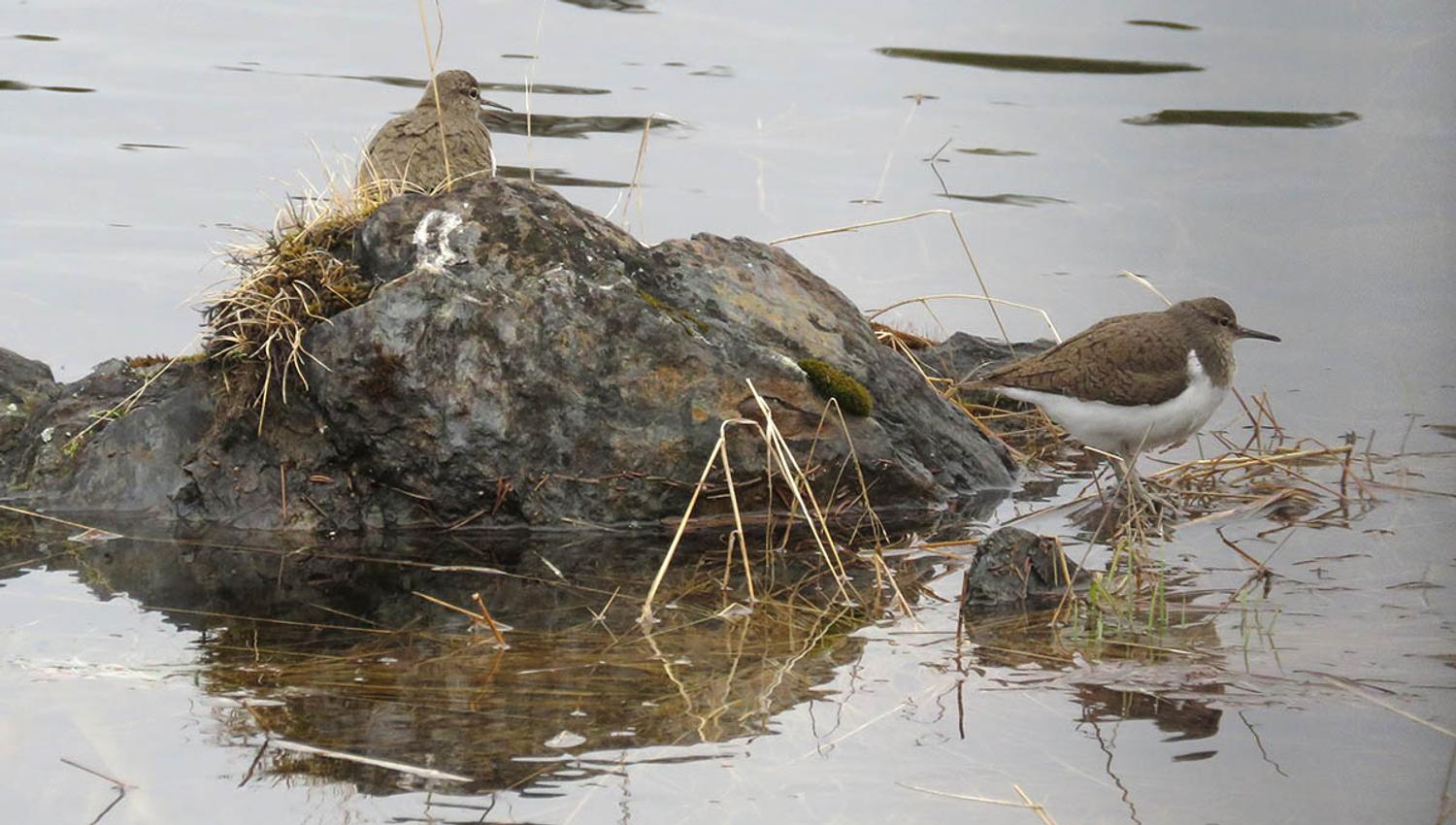
  • A pair of Common Sandpipers (Actitis hypoleucos) on a rock in the water
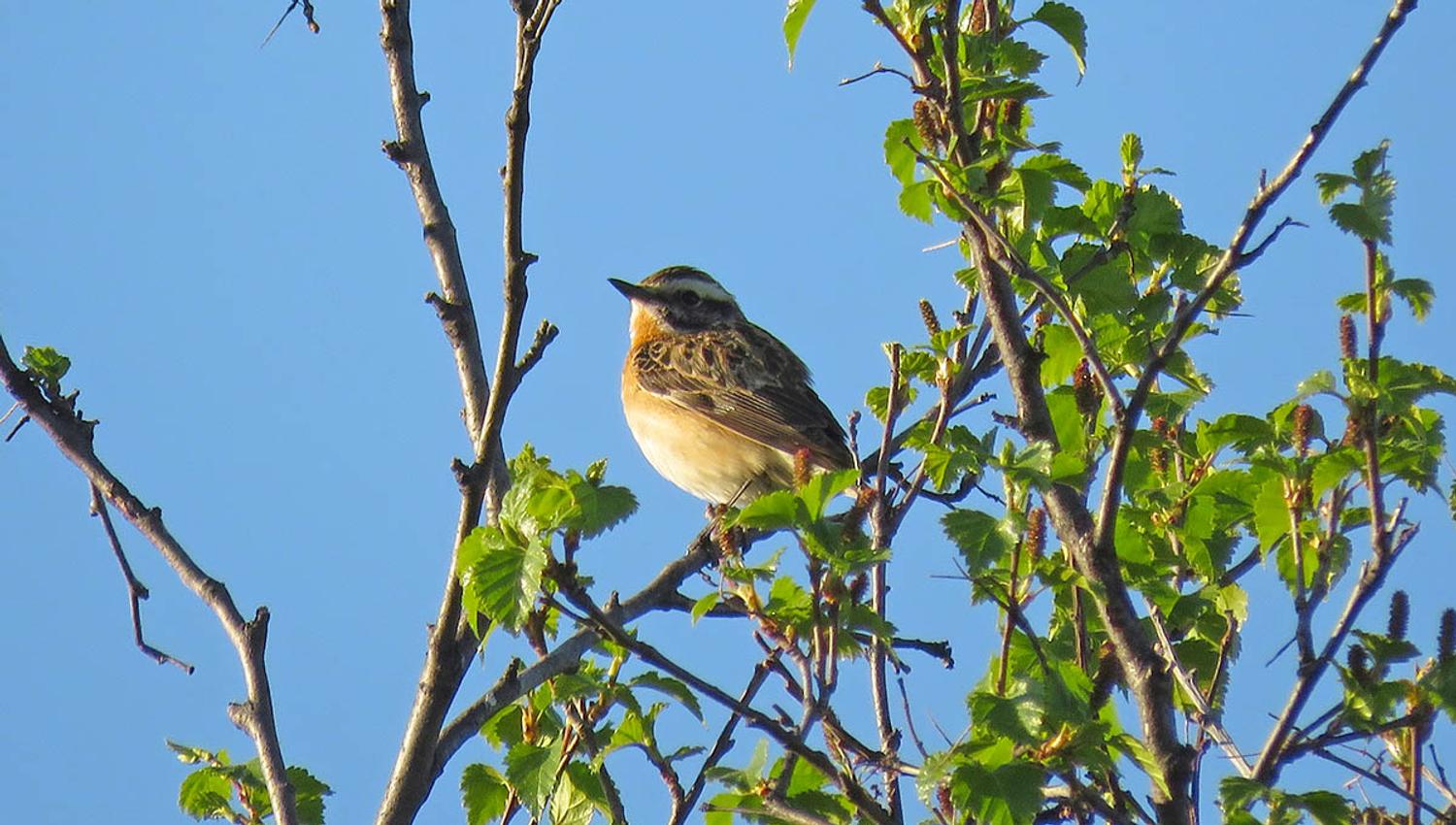
  • Whinchat (Saxicola rubetra) breed in the lowlands up to low alpine areas in Valdres. It prefers open country with shrubs such as rough pastureland and
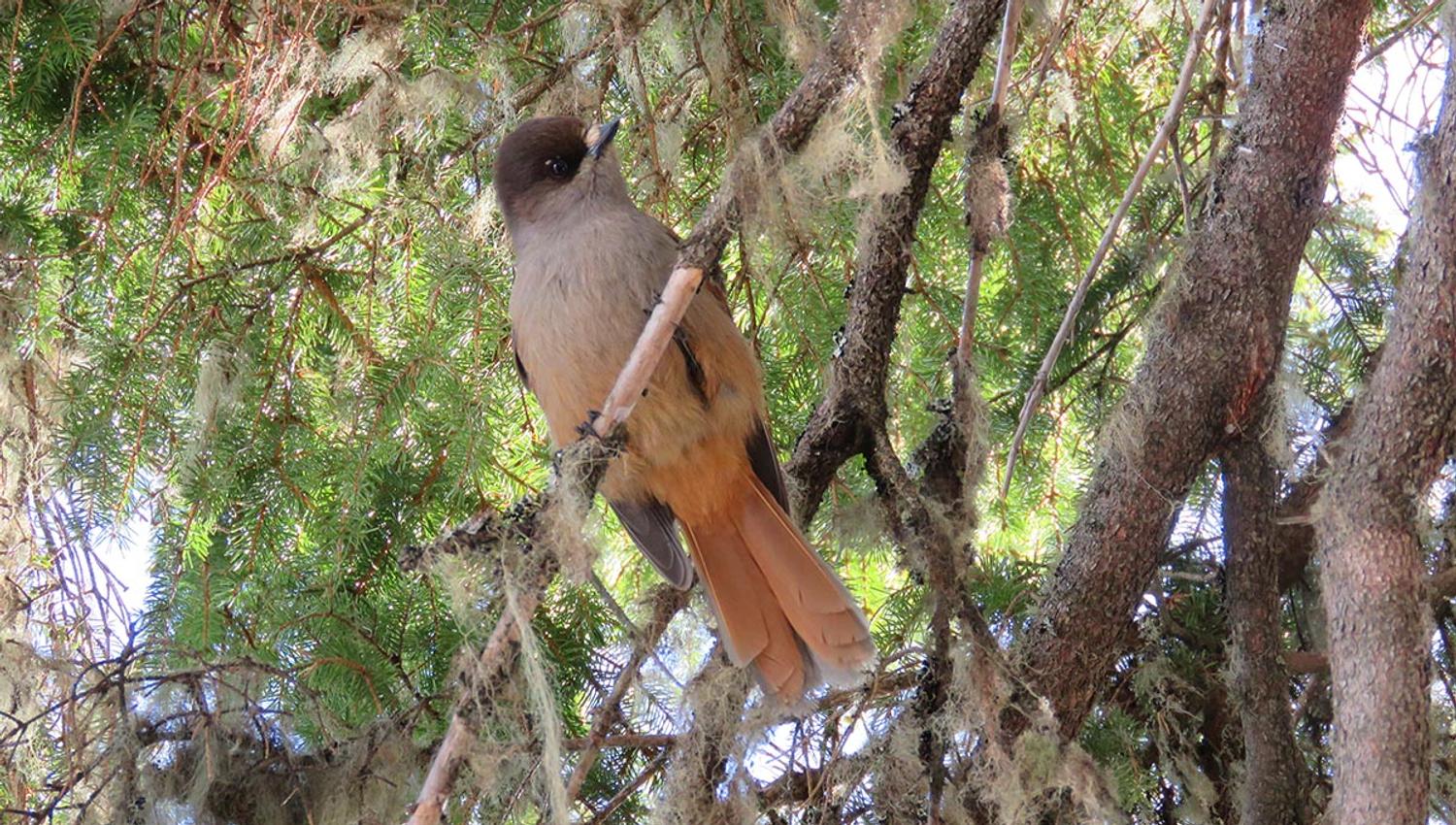
  • The Siberian Jay (Perisoreus infaustus) ia a typical bird of montane spruce forests and quite common in Valdres.
  • Send us an e-mail

  • (+47) 61 35 94 10

Langtjedn is a small nature reserve which is easily accessible from the road near Gamlestølen in Etnedal. The lake itself is shallow and productive, and it is fringed by varied wetlands and spruce forest. Half of the 82 bird species that have been recorded in the reserve are wetland birds of both lowlands and mountains.


Among regular species are Horned/Slavonian Grebe (1 breeding pair), Eurasian Teal, Common Goldeneye, Tufted Duck, Velvet Scoter, Common Snipe, Common Redshank, Green Sandpiper, Eurasian Curlew, Yellow Wagtail, Whinchat, Redwing, Black-headed Gull, Northern Hawk Owl and Siberian Jay.


Please act responsibly when visiting and don't disturb the birds. You can move freely in the area throughout the year, but it is not allowed to set up camouflages or tents, fly drones or operate model boats on the lake. Dogs must be kept on a lead at all times.


Source: Valdres Destinasjon