Vega
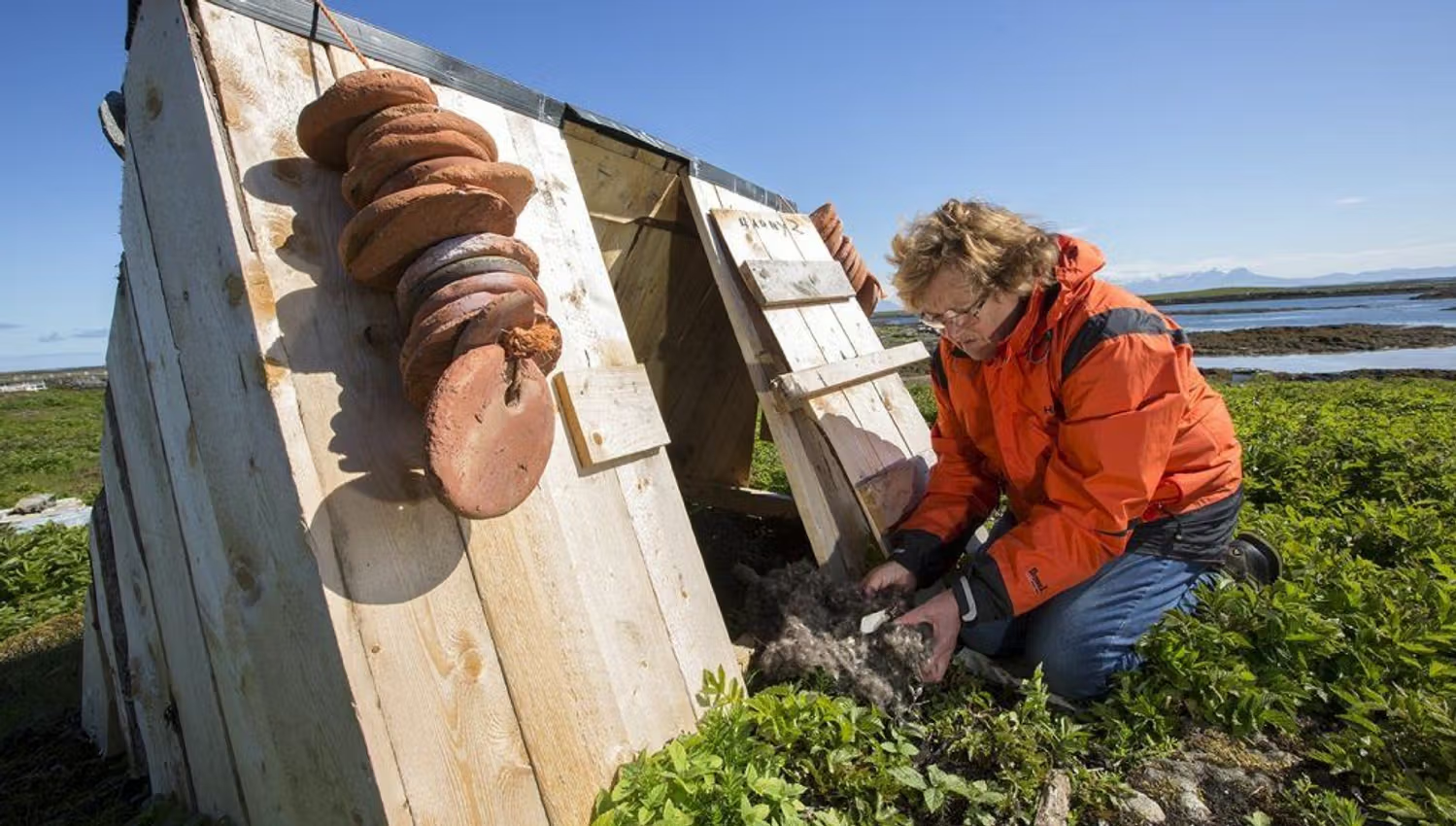
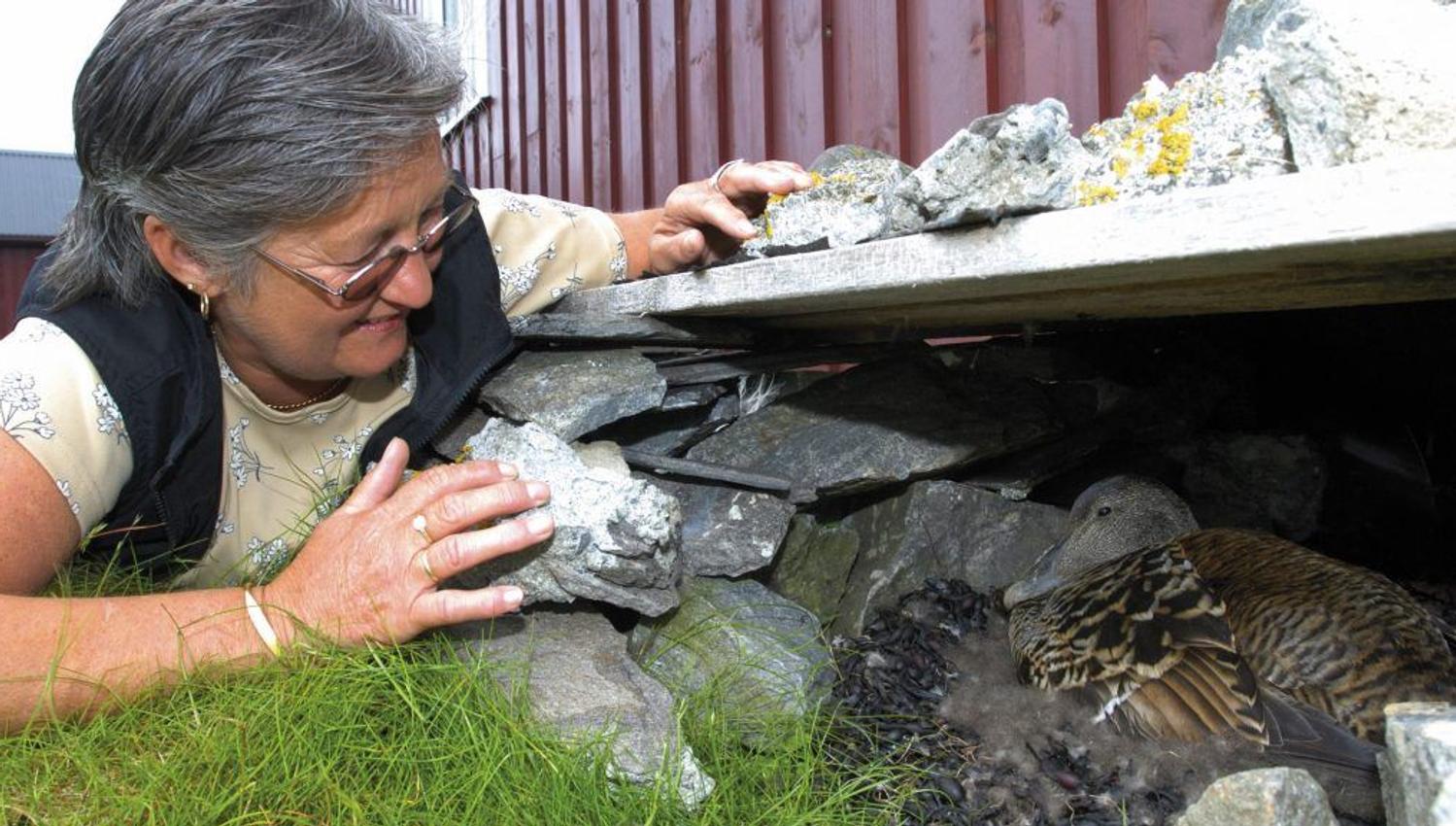
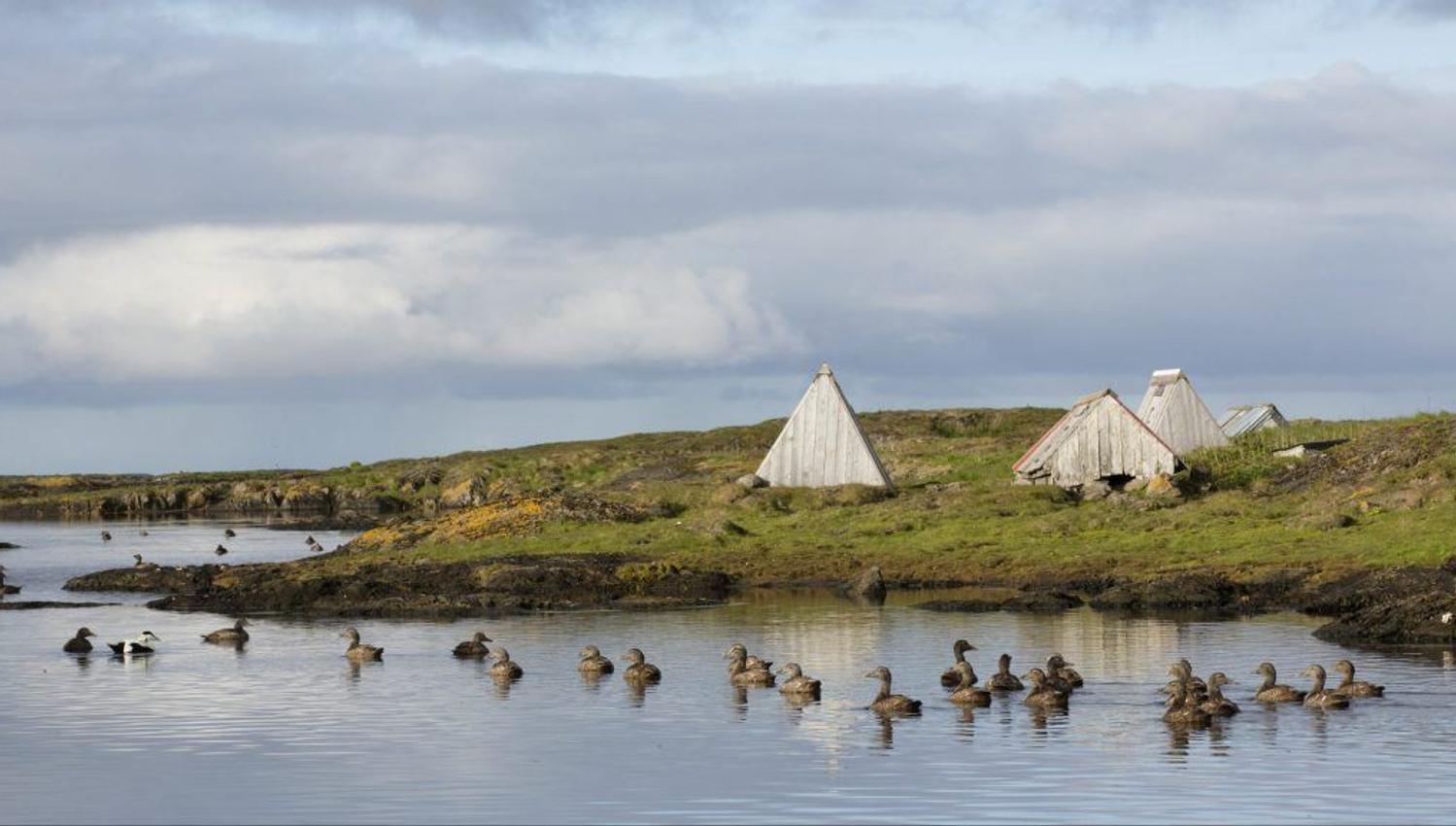
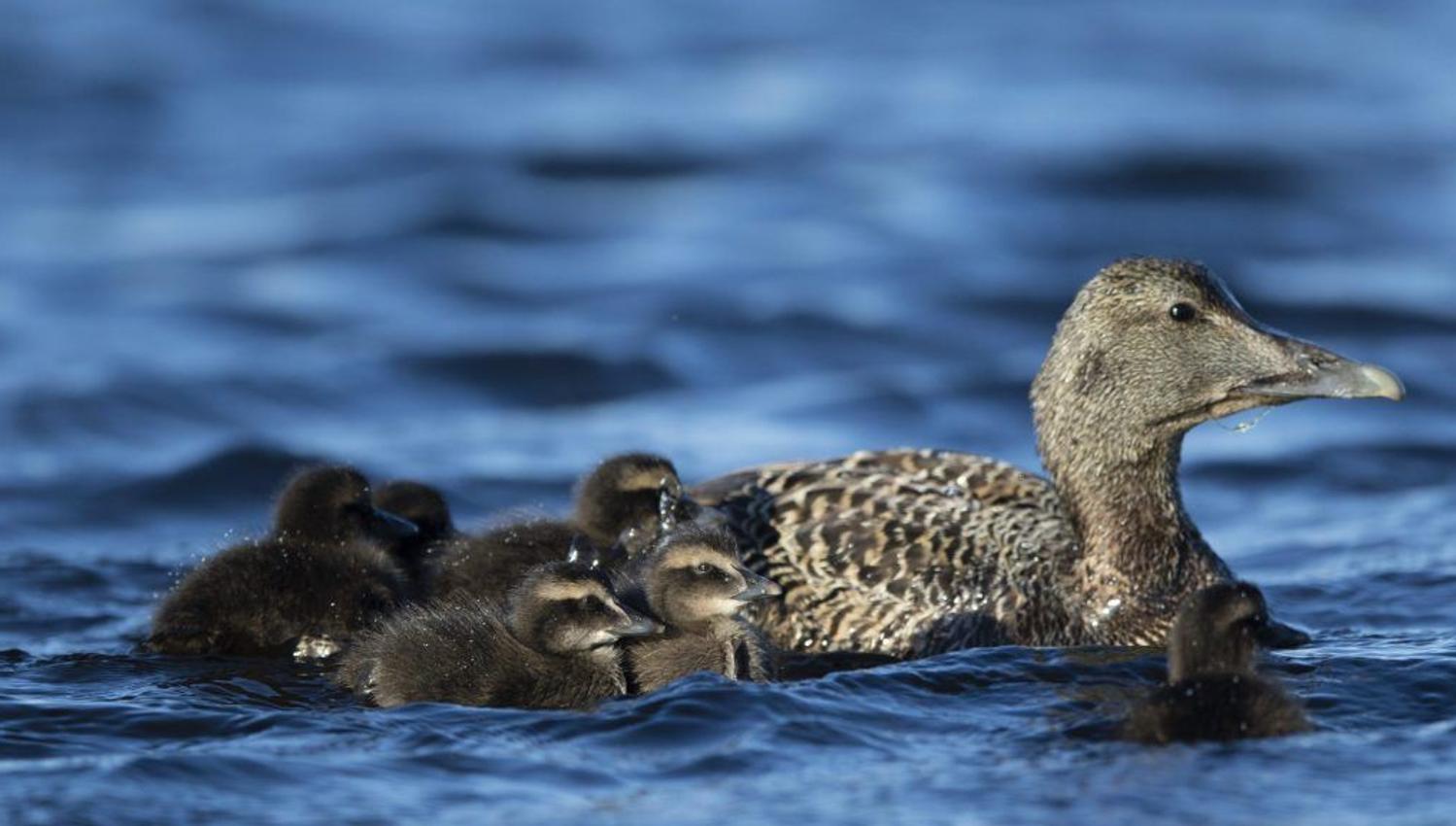
The unique tradition of bird guardianship and eiderdown harvesting kept alive on the island community of Lånan is the main reason why the Vega Archipelago was inscribed on UNESCO’s World Heritage List in 2004. In June and July, visitors can travel out to this remote island cluster and experience first-hand the close and carefully balanced relationship between people and eider ducks.
Life on the outer Helgeland coast has always been lived on the edge. Small island communities are scattered across a seascape of low, bare skerries and islands. On calm summer days the surroundings are strikingly beautiful, but in autumn and winter the coast is exposed and unforgiving. For this reason, collecting eiderdown became an important secondary source of income for the fishing farmers who settled here. It was especially valuable because women could carry out the work while the men were away at sea.
The bird guardians built small shelters for the eider ducks, preparing nesting places lined with cleaned seaweed and protecting the birds from predators such as sea eagles and mink until the ducklings were safely on the water. Left behind in the nests was the precious eiderdown – an exclusive natural material that is still worth almost its weight in gold. The down was carefully cleaned and sold for duvets and pillows for royalty and nobility, providing a vital income along this weather-beaten coast.
This tradition is still very much alive today. On Lånan, visitors can see how the birds are cared for and how the down is collected with great care, respect, and genuine affection for the birds that have found shelter here for centuries.
Eider duck safari in June
In June, the eider ducks are nesting and incubating the next generation. This period is known as the protection season, during which all movement on the islands must take place together with a bird guardian. On an Eider Duck Safari, visitors are guided to see where the birds live, and under the safe supervision of the guardians, experience a rare and gentle close encounter with the nesting birds.
Guests will be able to feel genuine eiderdown and learn about the time-consuming process of cleaning it to the high standard required for the world’s finest eiderdown duvets. At the exhibition in the barn, and over coffee in the home of one of the bird guardians, stories are shared about life on Lånan in the past and present.
This is a unique and exclusive experience, offering the closest possible insight into a living World Heritage tradition.
In 2026, Lånan can be visited every Sunday in June, with boat transport to and from Vega.
Visiting Lånan in July
When most of the eider ducks leave their nests around 1 July, Lånan opens for guided visits where guests can move more freely around the island. The bird guardians are then fully occupied with collecting and cleaning the season’s down, and on fair-weather days this work can be seen taking place outdoors in the summer sun.
Between tasks, the guardians are happy to spend time with visitors and often invite them on a gentle walk through the eider ducks’ domain. Guests will see the e-houses (the small shelters where the ducks nest) and learn how the birds are cared for, and how the down is collected and cleaned so it can be used in the finest duvets.
Visitors will also hear stories from life on Lånan – about growing up on this remote island “out at sea”, about boarding school life on Skogsholmen, and about how Lånan was affected by the Second World War. The stories are many, and the bird guardians look forward to sharing them.
The visit always ends with coffee and krinalefse served in the barn, where guests can also see the photo exhibition documenting life here, past and present.
This is a rare opportunity to experience a small, living island community where history has partly stood still, yet continues to be carefully preserved with respect for nature, animals, and the people who have built their lives here.
Source: Visit Helgeland