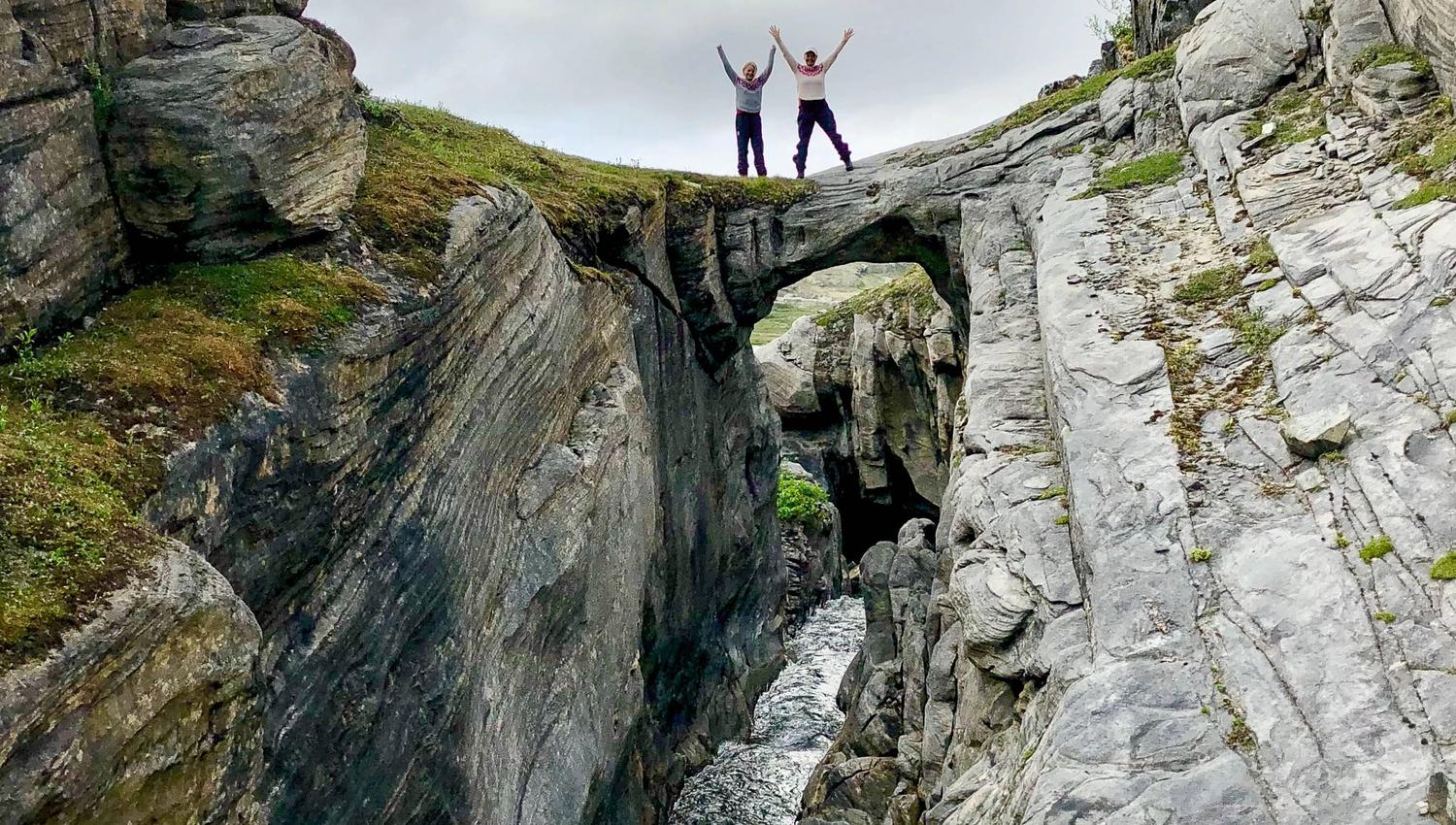
The name Láhko comes from the Sámi language and means "high-lying, expansive plateau." The national park is renowned for its unique karst landscape—a terrain shaped over thousands of years as water has dissolved limestone bedrock, creating caves, fissures, underground waterways and striking geological formations.
Láhko National Park was established in 2012 to protect Norway’s largest continuous area of alpine karst. The landscape is wild, open and remarkably tranquil, offering nature experiences unlike those found in many other Norwegian national parks. The park borders Saltfjellet–Svartisen National Park and the Langvassdalen–Ruffedalen Nature Reserve, forming part of one of Salten’s largest connected protected wilderness areas.
The limestone-rich bedrock supports a rich diversity of plants, insects and other small wildlife, while the park’s many lakes and waterways provide excellent fishing opportunities. Many of the geological features and natural values found in Láhko are rare, irreplaceable and highly vulnerable to disturbance.
Experiences
Láhko offers wide-open mountain plateaus, fascinating geology and excellent opportunities for both hiking and fishing. It is an ideal destination for those seeking outstanding nature experiences away from the busiest tourist areas.
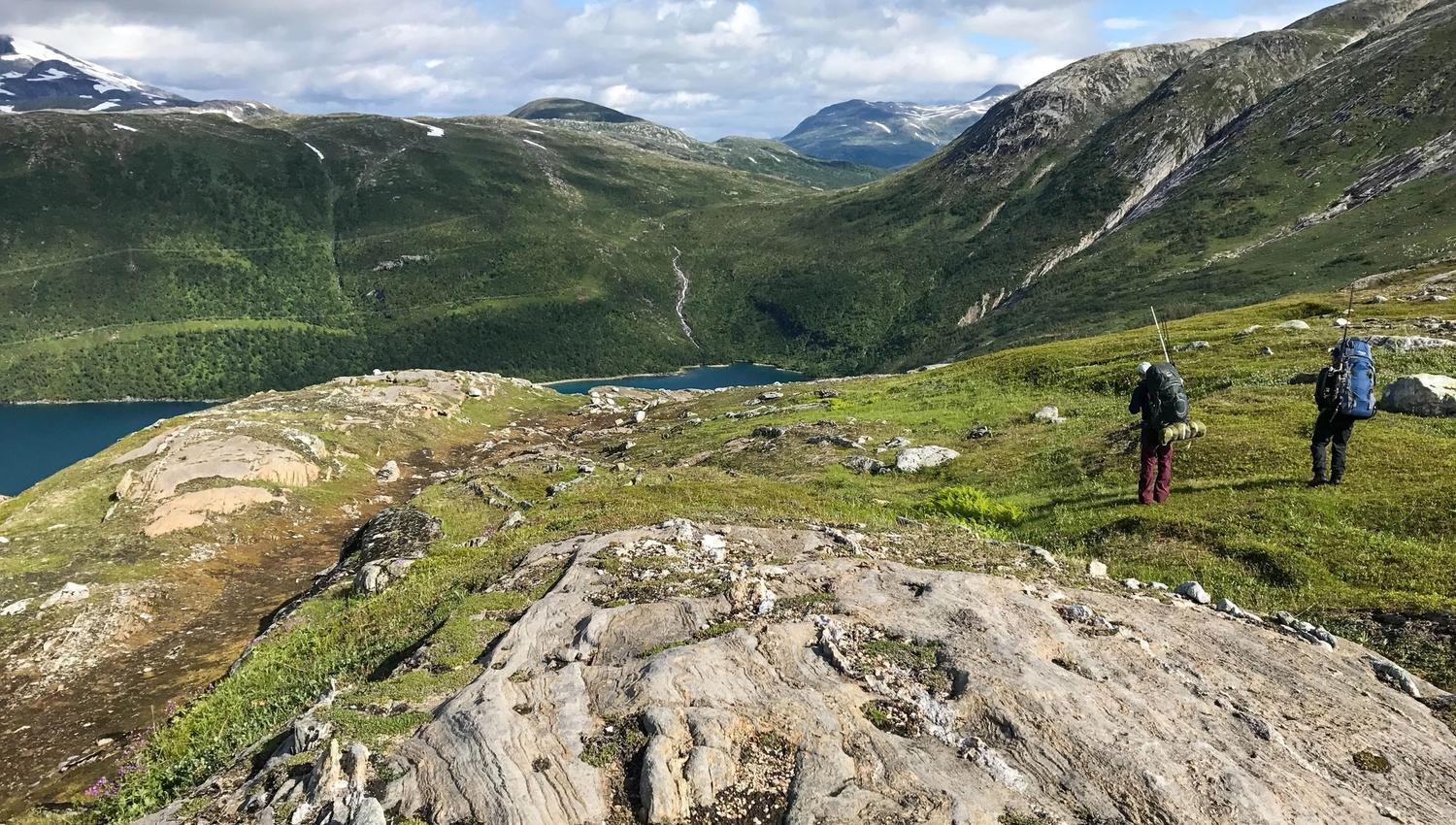
From Namnløshøgda, a marked trail leads north towards Fellvatnet and Langvatnet. Along the way, visitors encounter the distinctive karst landscape that makes the national park so unique. Several of the lakes are well known for their excellent fishing, and in some locations boats can be rented through local hunting and fishing associations.
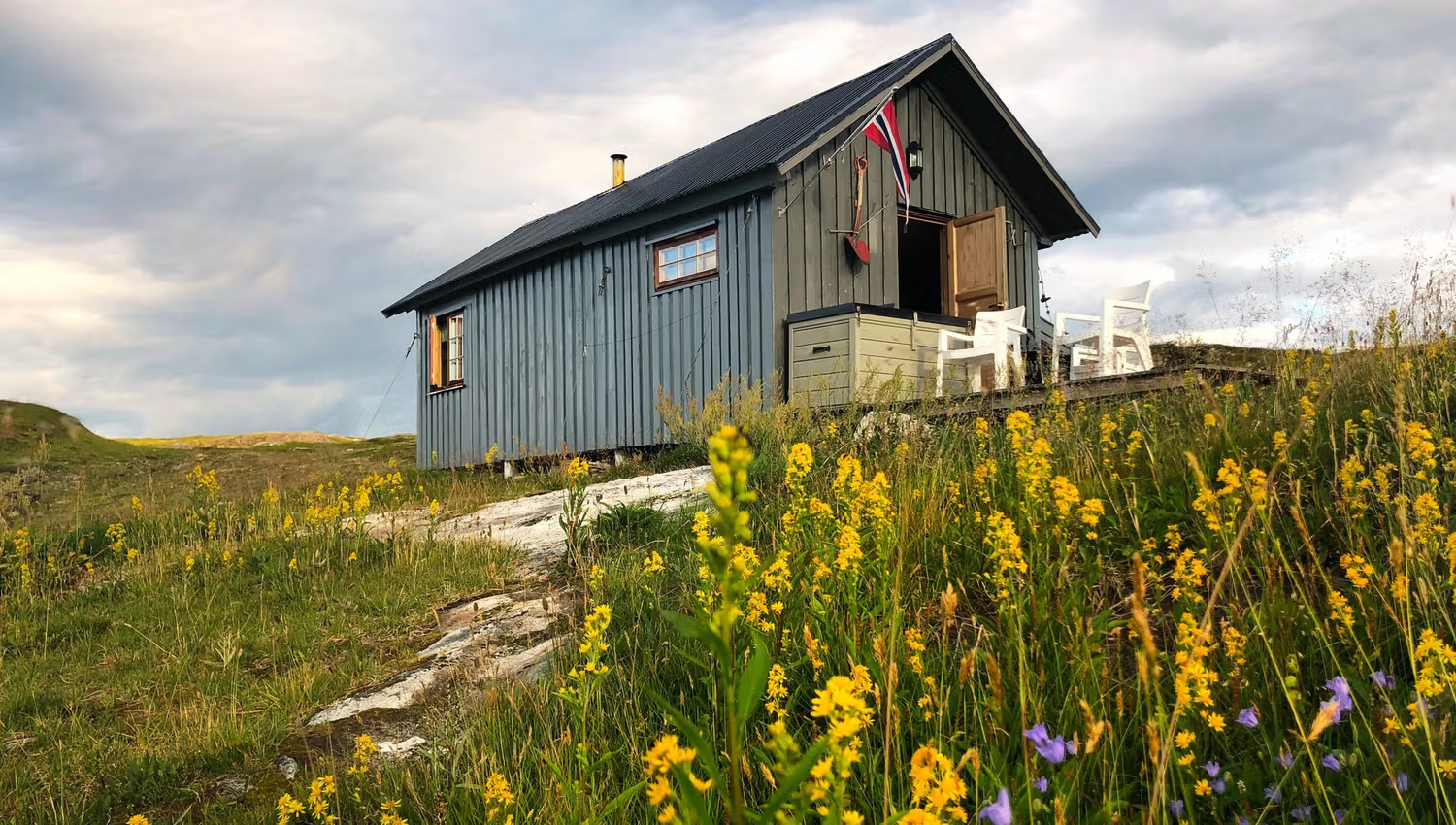
In the northern part of the park, several rental cabins are operated by local hunting and fishing associations, including Glomfjord Hunting and Fishing Association (JFF) and Gildeskål Hunting and Fishing Association (JFF). At Fellvatnet, visitors will also find Fellvasstua, a mountain cabin operated by the Bodø and Surrounding Area Trekking Association (Bodø og Omegns Turistforening).
Facilities and Visitor Information
Láhko is a wilderness area with limited visitor facilities and few marked trails beyond the main routes. The terrain can be challenging to navigate, and weather conditions may change rapidly. Visitors should be well prepared, carry a map and appropriate equipment, and be aware that mobile phone coverage is unavailable in many parts of the park.
The karst landscape is particularly fragile and easily damaged. Please take extra care around caves, underground water systems and sensitive vegetation, and always carry out everything you bring with you. By practising Leave No Trace principles, visitors help preserve the unique natural values of Láhko for future generations.
Recommended Trailheads
Namnløshøgda is the most popular starting point for exploring Láhko National Park. From here, a marked trail leads north towards Fellvatnet and Langvatnet, providing access to much of the park’s remarkable karst landscape as well as several excellent fishing lakes.
Fellvatnet is also an important base for multi-day hikes, offering access to Fellvasstua and several rental cabins operated by local hunting and fishing associations.
Source: Visit Bodö