Grue Finnskog
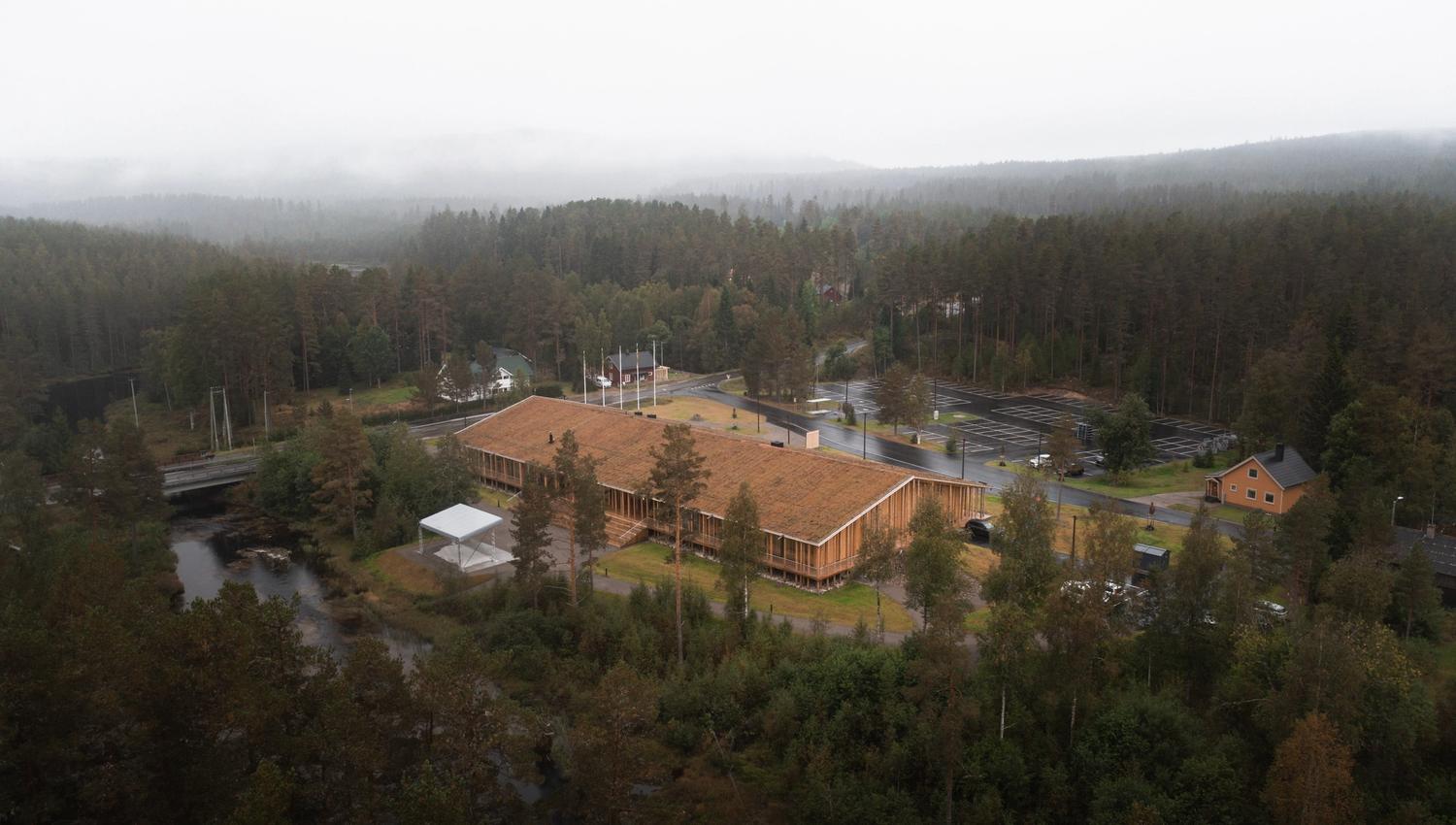
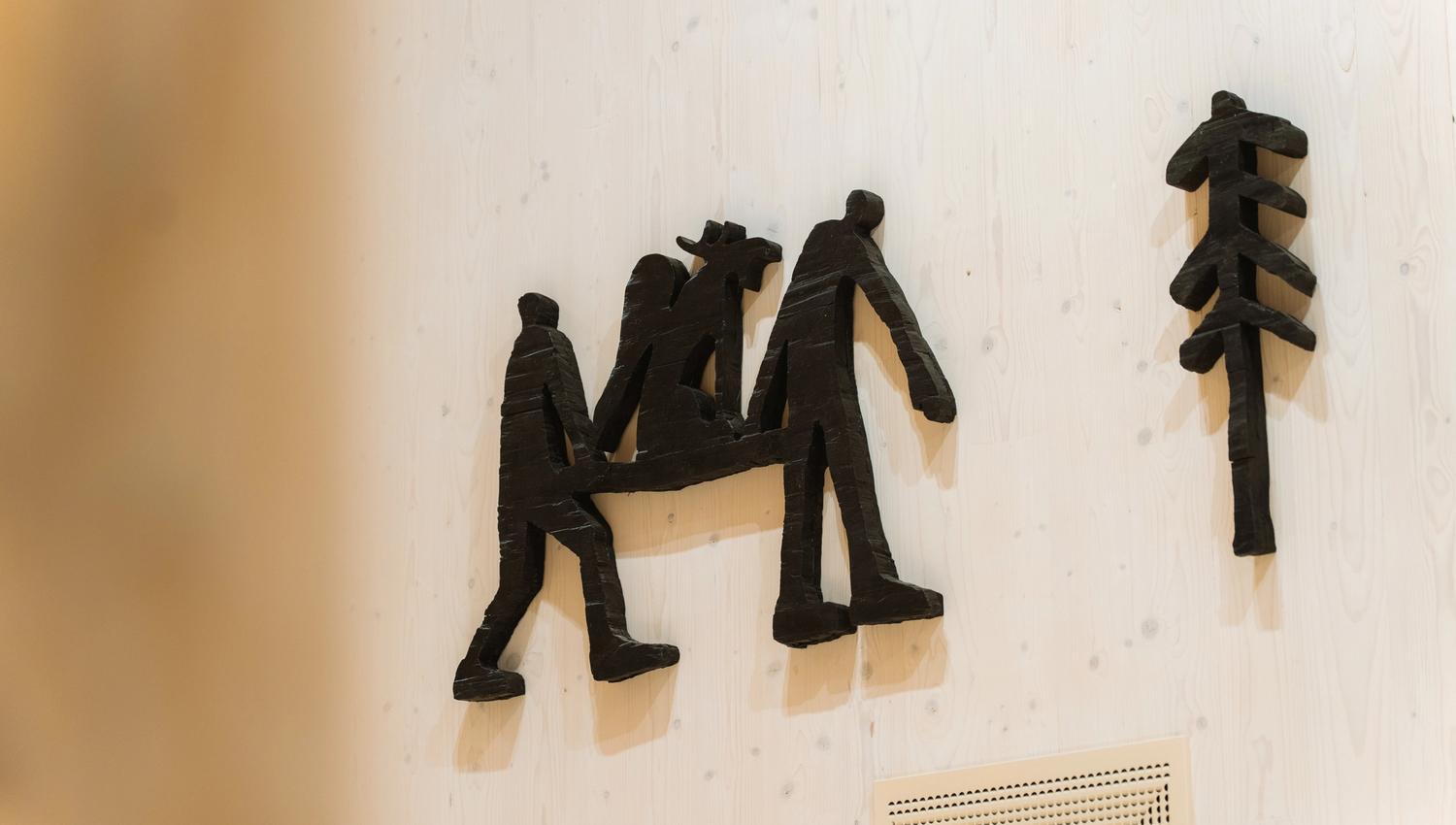
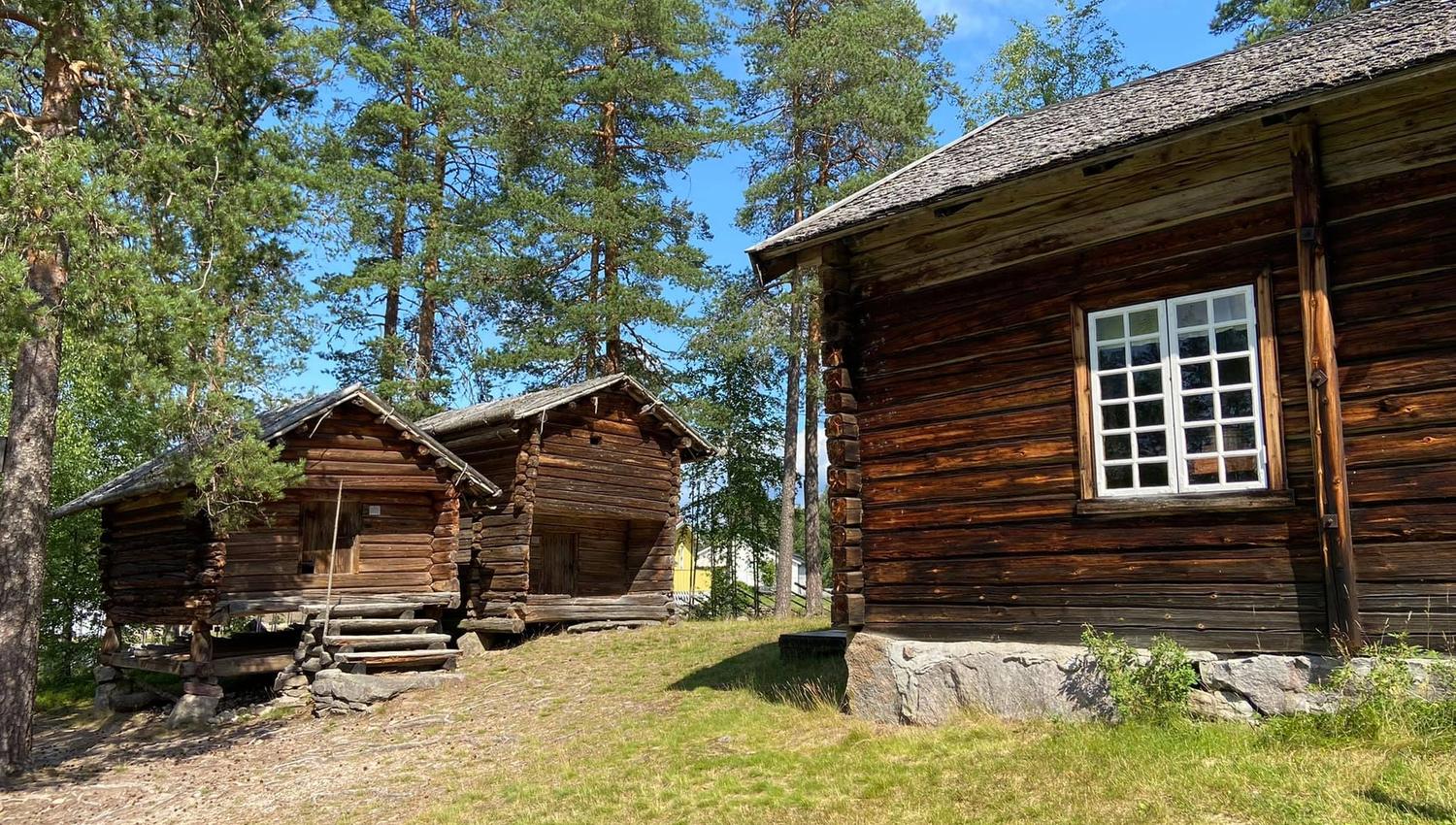
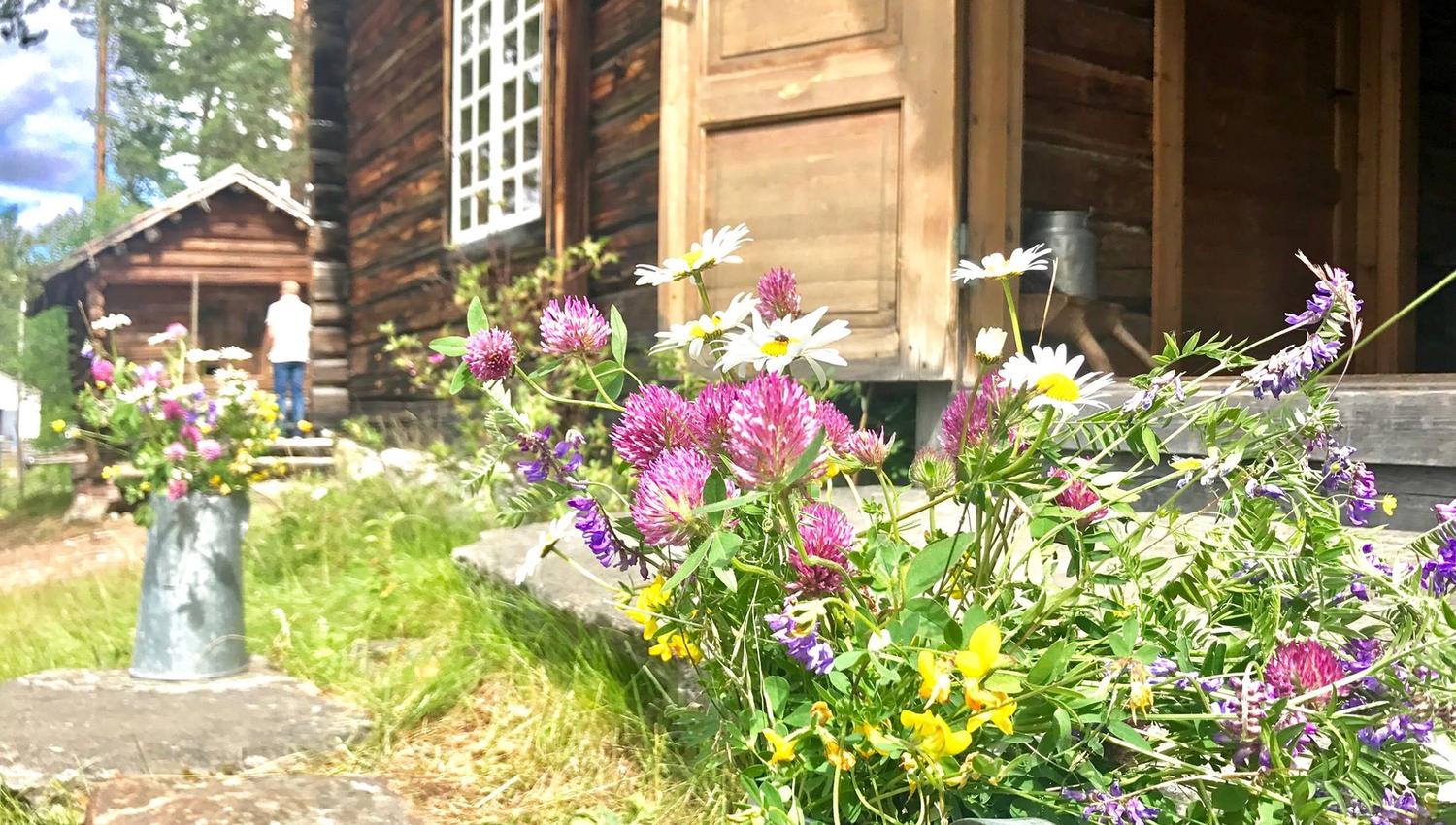
On Saturday, 25th of October 2025, the new Norwegian Forest Finn Museum will finally open! At last, visitors to the Norwegian side of Finnskogen can learn all about the unique Forest Finn culture under one roof at Svullrya, in the heart of Finnskogen.
Experience the Norwegian forest finn museum
When the forest finns immigrated to Eastern Norway in the 17th century, they introduced several traditions and customs that did not previously exist in Norwegian culture and everyday life. The forest finn smoke rooms, agricultural buildings and smoke baths have been unique types of buildings in Norway now for almost 400 years.
The forest finns also brought with them other customs and traditions related to food production, such as sowing rye in ashes and a number of traditional dishes such as "motti & flesk" (pork meat and lingonberries) , slippu (pork meat, potatoes, lingonberries) and hallo (lingonberries and roasted oat flour). The border area between Norway and Sweden in Solør is considered to be the core area of forest finn settlement on the Norwegian side.
• Read more about Forest Finn culture
On Saturday 25th of October 2025, the new Forest Finn Museum, which has been eagerly awaited for many years, will finally open, offering a fascinating insight into Forest Finn culture.
The Norwegian forest finn museum is an amalgamation of four older cultural preservation institutions that worked with Finnish forest history and culture: Gruetunet museum (established 1942), Finnetunet (established 1942), Austmarka historielag (established 1977) and Åsnes Finnskog historielag (established 1990).
Together, these four institutions founded the Norwegian Forest-Finnish Museum in December 2005. Right from the establishment, the four have actively collaborated with conservation and communication within their areas.
Gruetunet
Gruetunet is the oldest museum under the Norwegian forest finn museum. It was established in 1942 to save a listed building that was about to be demolished to make way for housing.
On the museum grounds, you will find 25 buildings, divided into the main courtyard, farmstead and seats. In the 1960s, Gruetunet was one of the most visited party venues in the whole of Eastern Norway, and several of the buildings from this party period are housed in a separate section of the open-air museum. There have been many such "people's parks" for outdoor parties in the south-eastern part of Hedmark.
Finnetunet
Finnetunet was founded in 1942, but due to the World War and other factors, practical development did not begin until the 1950s. All the buildings have been moved here from Grue Finnskog and Brandval Finnskog. Altogether, the museum's 13 buildings show the principle of how a Finnish forest farm might have looked in earlier times.
Finnetunet is open all year round and is one of the few museums in Scandinavia that displays all three types of forest Finnish buildings that are heated with smoke stoves; smoking room, smoke sauna and rie.
Austmarka histoielag
Austmarka historielag was founded in 1977, and has its open-air museum, Austmarka Bygdetun, on the site of the former Kiærsaga in the center of Austmarka. The history team also owns Holmen mølle in Austmarka, which has been preserved in its original location and which can be used for demonstration painting.
In the village yard there is also a smoke sauna where those interested can take part in bathing on the last Saturday of the month throughout autumn, winter and spring.
Åsnes Finnskog historielag
The history team was founded in 1990 and works mainly within the Finnskog part of Åsnes municipality, they own two fine facilities preserved in their original location: The Tyskeberget farm and Faldaasen school.
Faldaasen school was the village school for the Fallåsen ridge and is today located far into the forest in relation to what are now the settlements on Åsnes Finnskog. At that time there was a large settlement in many hamlets scattered around the forests.
Tyskeberget with the entire building environment, infield and chattels is now the starting point for much of the history team's activities.
Source: Visit Øst-Norge