The Entry/Exit System (EES) is now fully operational across all border crossing points in Norway and the Schengen Area, requiring non-EU nationals to register their biometric data upon arrival.
New requirements to travel to Europe

Two European border control systems affect most non-EU citizens travelling to Norway for short stays: the Entry/Exit System (EES), which is now fully operational, and the European Travel Information and Authorisation System (ETIAS), which is expected to begin operating in the last quarter of 2026.
What is the EES?
The Entry/Exit System (EES) is an automated data system for registering non-EU nationals who enter Europe for a short stay. For the purpose of the EES, a 'non-EU national' means a traveller who is not a national of any European Union country, or of Iceland, Liechtenstein, Norway, or Switzerland.
The EES replaces manual passport stamps for non-EU travellers entering the Schengen Area. The EES applies to visitors with short-stay visas or visa-free entry for up to 90 days within a 180-day period.
When a traveller enters the Schengen Area for the first time, their identity, travel document data, and biometric information (facial image and fingerprints) will be registered. On later entries, this information will be used to verify identity. The system will also log the time and place of entry and exit, and any refusals of entry.
The EES is now fully operational across all border crossing points in Norway and the Schengen Area.
More information on the EES is available on the European Union's EES website and Politiet.no.
What is ETIAS?
Another EU programme relating to border control is the European Travel Information and Authorisation System (ETIAS).
ETIAS is a required travel authorisation for visa-exempt travellers visiting Europe/the Schengen Area for short stays of up to 90 days within any 180-day period.
ETIAS is not a visa, but rather a travel authorisation required before travelling to the border. It does not guarantee entry and travellers must still go through the usual border control upon arrival.
The authorisation is linked to the traveller’s passport and is valid for three years. If the passport expires before then, the authorisation is only valid until the passport expires.
When will ETIAS be introduced?
ETIAS is currently not in operation, and no applications for travel authorisations are being accepted at this point.
The European Commission will announce the exact start date several months in advance. This website will also be updated once the start date has been set.
You can learn more about ETIAS on the European Union's ETIAS website.
FAQs about the new rules
1. What are the new entry rules for Europe?
Once ETIAS is launched, visa-exempt travellers will need an ETIAS travel authorisation prior to travelling. The Entry/Exit System (EES) is now fully operational and travellers are registered upon entry.
2. Do I need a visa to travel to Europe?
If you are a visa-exempt traveller, you do not need a visa for a short stay of up to 90 days within any 180-day period. Once ETIAS is launched, you will need to obtain an ETIAS travel authorisation before travelling.
3. What is ETIAS?
ETIAS is a required travel authorisation for visa-exempt travellers. It is not a visa and does not guarantee entry and travellers must still go through border control upon arrival.
4. How long is the ETIAS valid?
ETIAS is linked to your passport and is valid for three years. If your passport expires before then, the authorisation is only valid until your passport expires.
5. Which countries require ETIAS?
All Schengen Area countries, including Norway, Iceland and Switzerland will be introducing ETIAS.
6. When do the new rules come into effect?
EES is now fully operational across the Schengen Area. ETIAS is currently not in operation, and no applications for travel authorisations are being accepted at this point. The European Commission will announce the exact start date several months in advance.
Ready to go?
Everything you need to know before visiting Norway





Take advantage of top offers
See our selection of trusted companies that work hard to make you happy all through your trip.
 Brim ExplorerQuiet fjord tours on award-winning electric catamarans in Oslo, Tromsø, Lofoten, and Svalbard.
 CityboxModern and affordable hotels in central locations in Oslo, Bergen, and Kristiansand.
 NorgesbookingBook your perfect cabin stay in the fjords, mountains, and valleys of Norway.
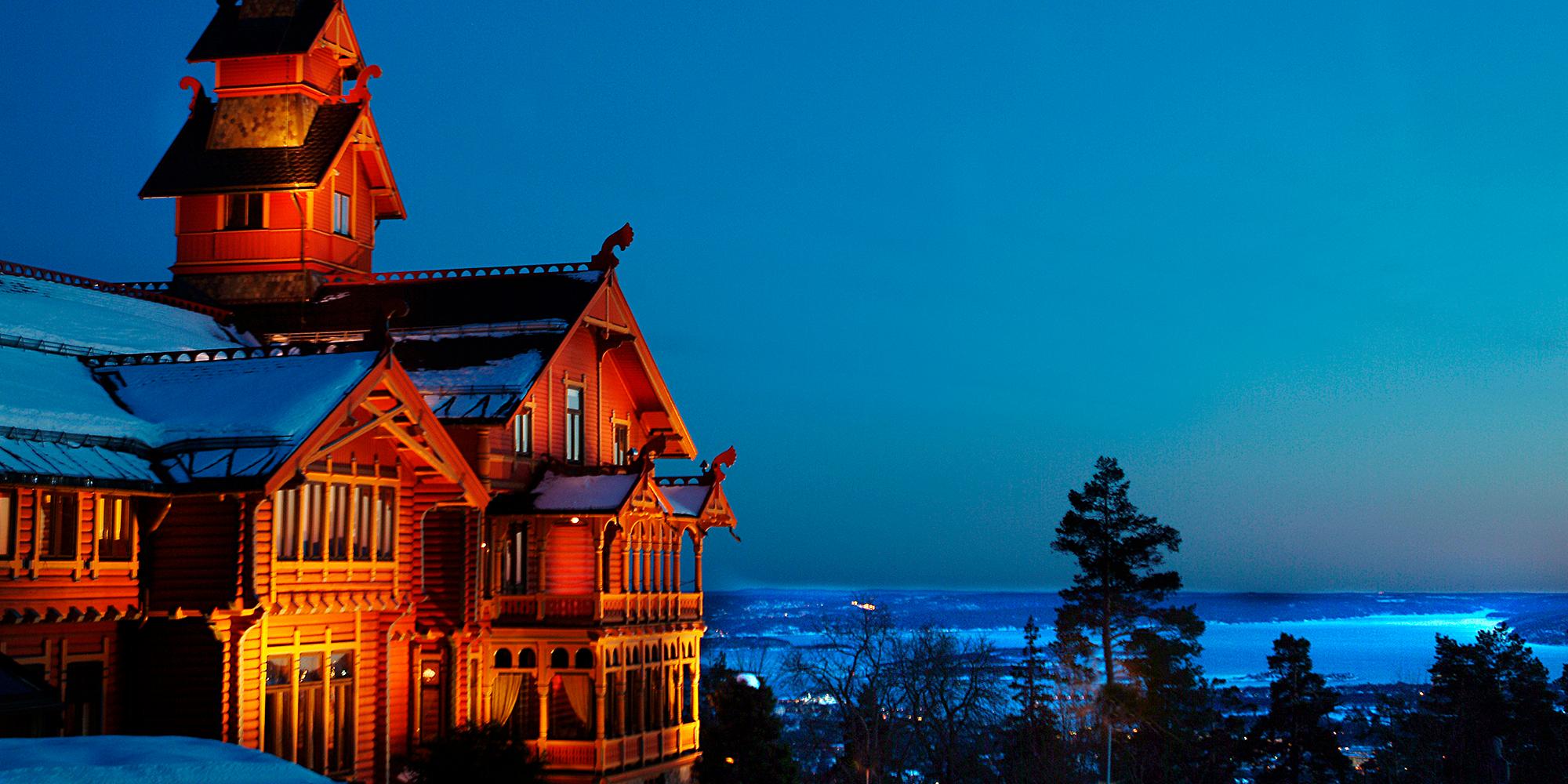 Scandic HotelsExperience Nordic hotel hospitality at its finest at more than 90 hotels across Norway. Special offers are available.
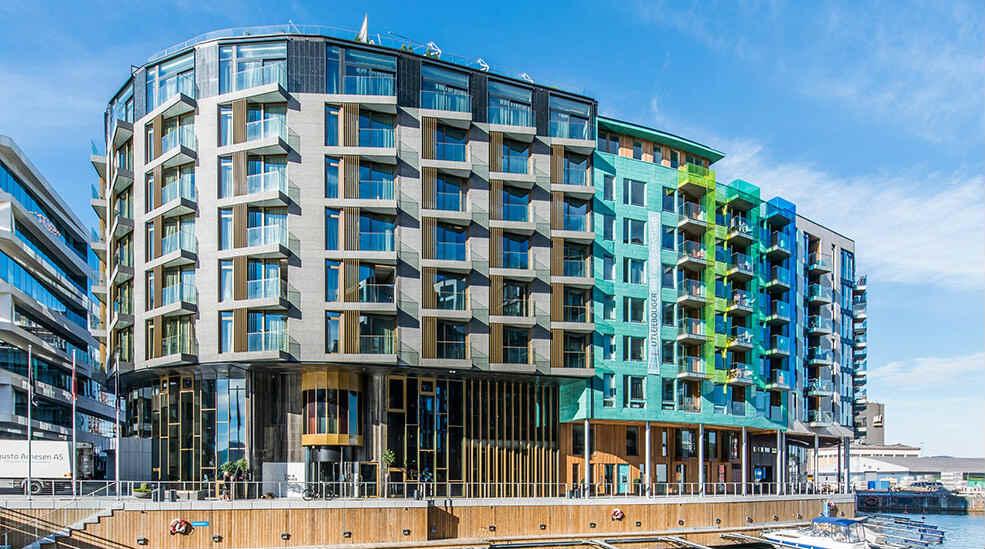 StrawberryA different hotel company! Look out for great weekend deals at more than 100 hotels in Norway.
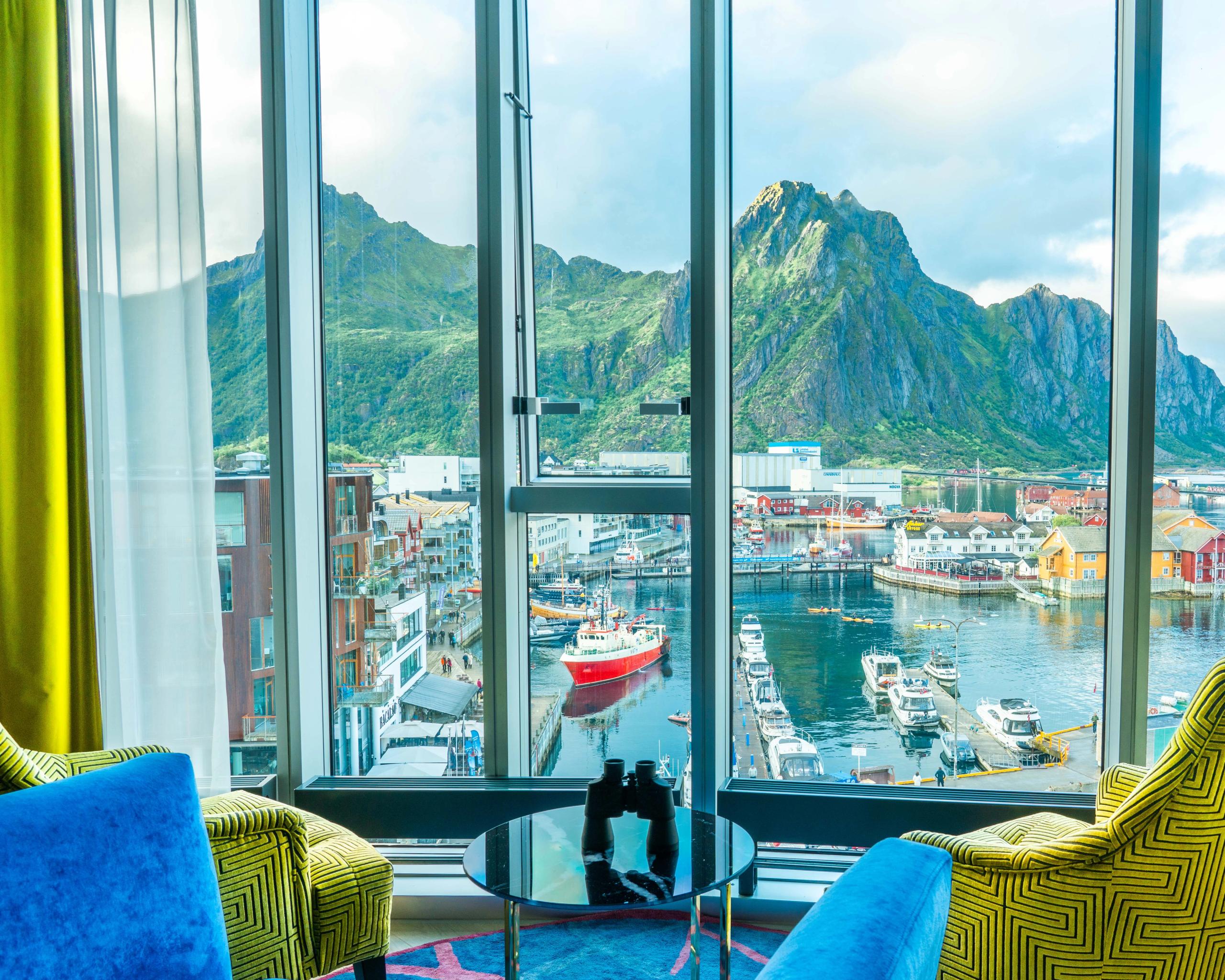 Thon Hotels ASFantastic breakfast included! Experience true comfort and reasonable rates at our 80 hotels in Norway.
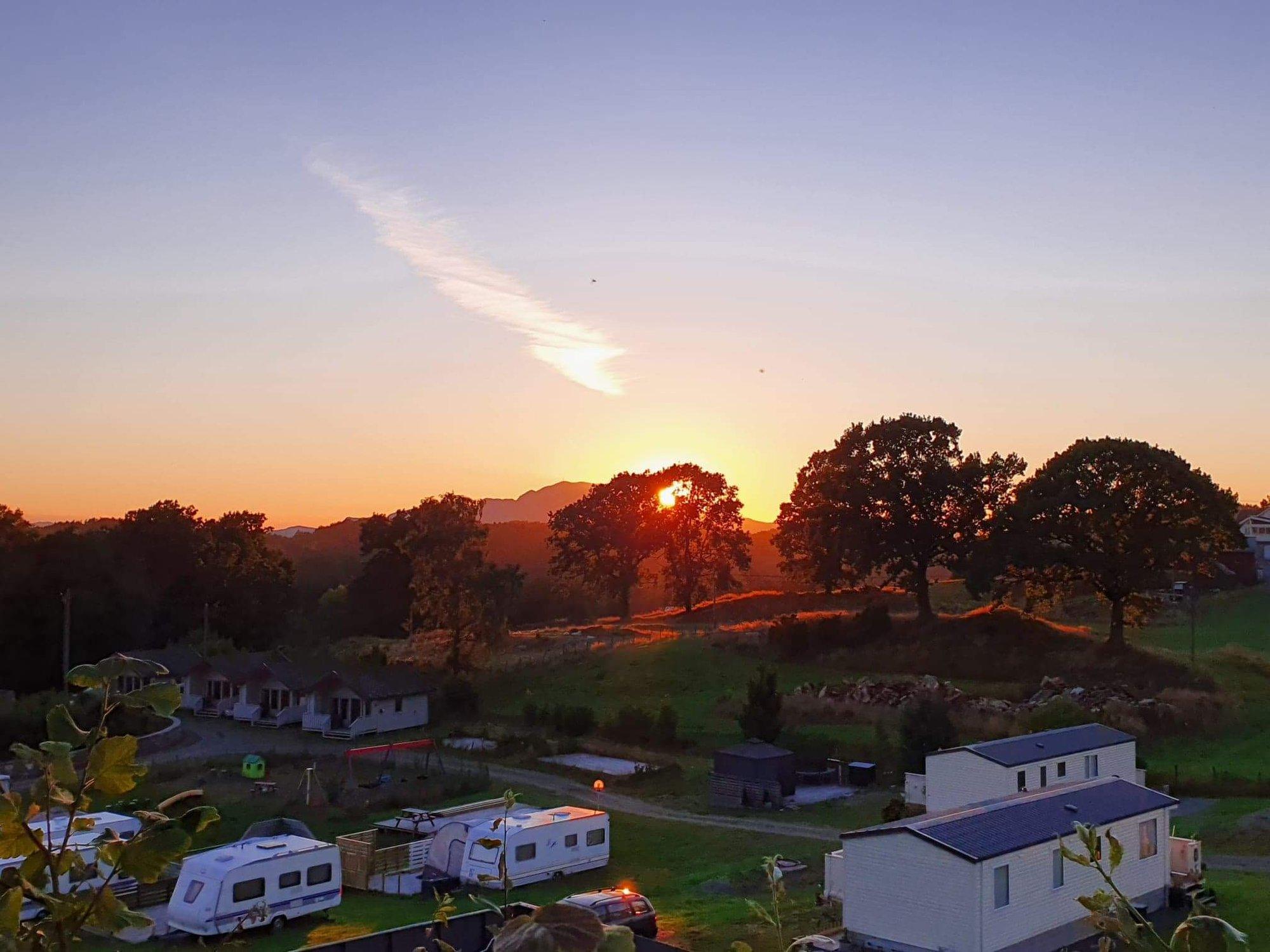 CampcationBook a camping stay in stunning and unique locations all across Norway with Campcation.
 Classic Norway HotelsWhen the hotel is the destination. Book a night to remember in one of Norway's most unique and distinctive hotels.
 50 Degrees North NordicChoose between unforgettable tailormade individual trips and small, exclusive group tours of Norway.
 Radisson HotelsGreat value offers and comfortable quality stays in Norway´s major cities, airports, and ski resorts.
 Authentic ScandinaviaTravel curated by locals. Our tailormade tours suit every type of traveller and budget.
 Booknordics.comUnique holiday packages, adventure hotels, tours, and activities.
 Fjord ToursHome of Norway in a Nutshell, Norway's most popular tour. Fjords, mountains, and stunning destinations — all in one trip!
 Go FjordsBook fantastic tours and experiences! We offer tours in Oslo, Bergen, Stavanger, Lofoten, the North Cape, and more.
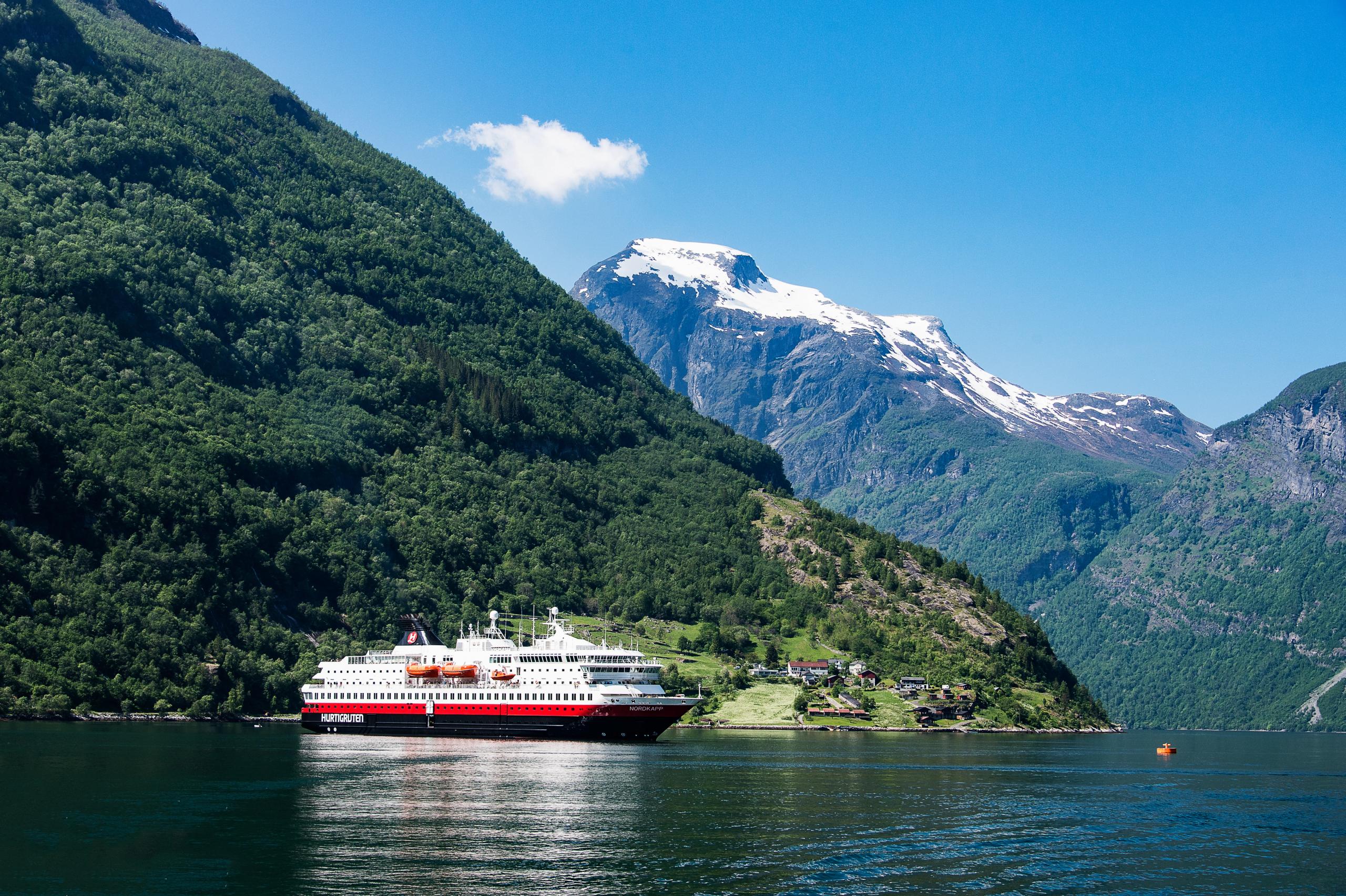 HurtigrutenExperience the world's most beautiful sea voyage on an unforgettable cruise along the stunning Norwegian coast.
 Norrøna AdventureGet ready for expeditions and adventure holidays with Norrøna Adventure. Hiking, skiing, and biking trips.
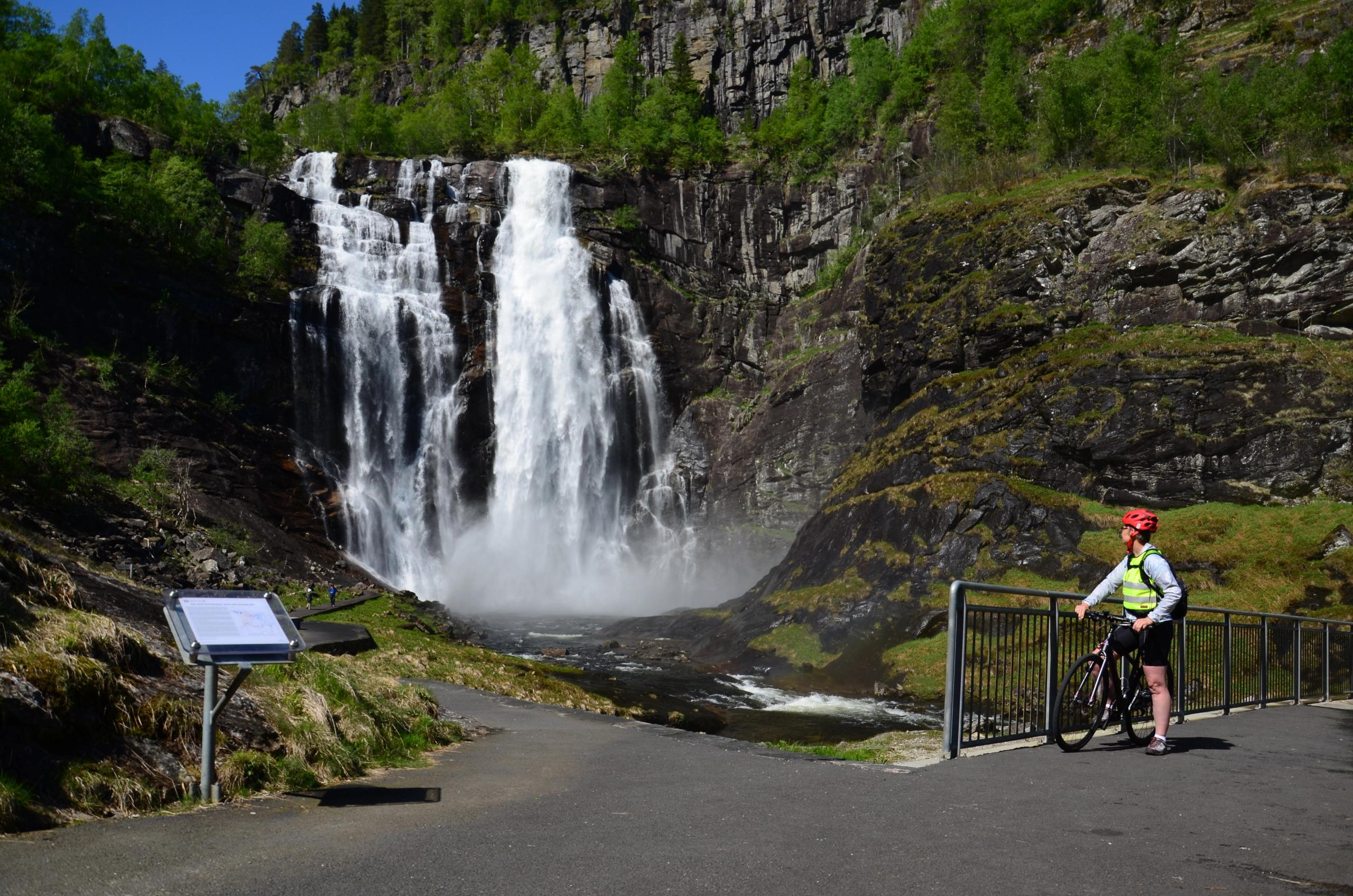 Discover NorwayOffers a range of exciting self-guided hiking, biking, and skiing holidays in Norway. Luggage transfer included.
 Norwegian HolidaysLow-price package holidays with Norwegian. Book your flight, hotel, and rental car all in one place.
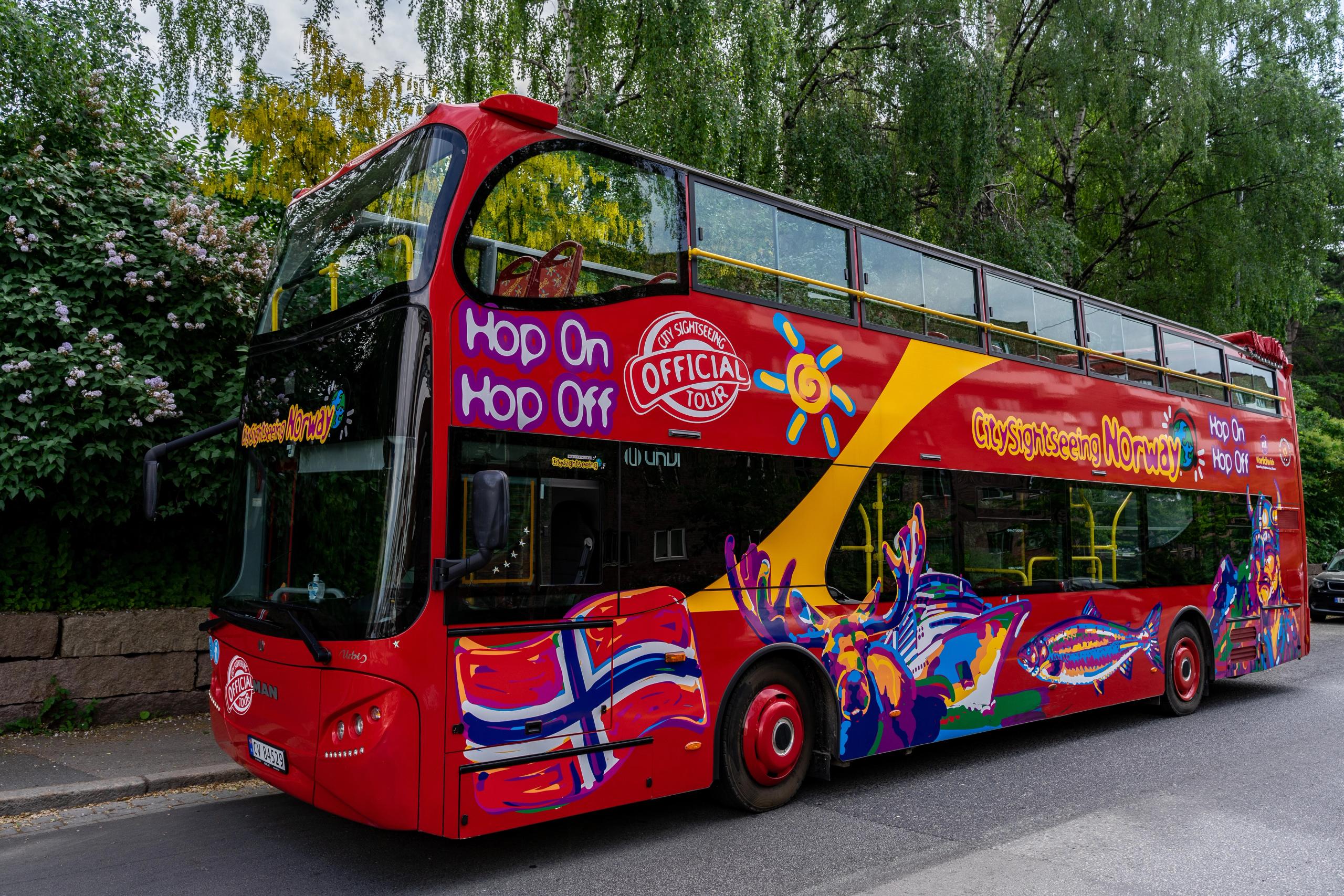 StrömmaSightseeing by bus and boat in several major tourist spots and cities in Norway.
 Up NorwayBespoke luxury hand-picked by local experts. We combine your preferences and our knowledge to make an unforgettable journey.
 Arctic Campers ASDo you want to try van life? Explore Norway in comfort and style with our smart and cosy campervans.
 Auto EuropeAlways a smooth car rental experience. Search and compare rental rates. Free cancellation up to 24 hours prior to pick-up.
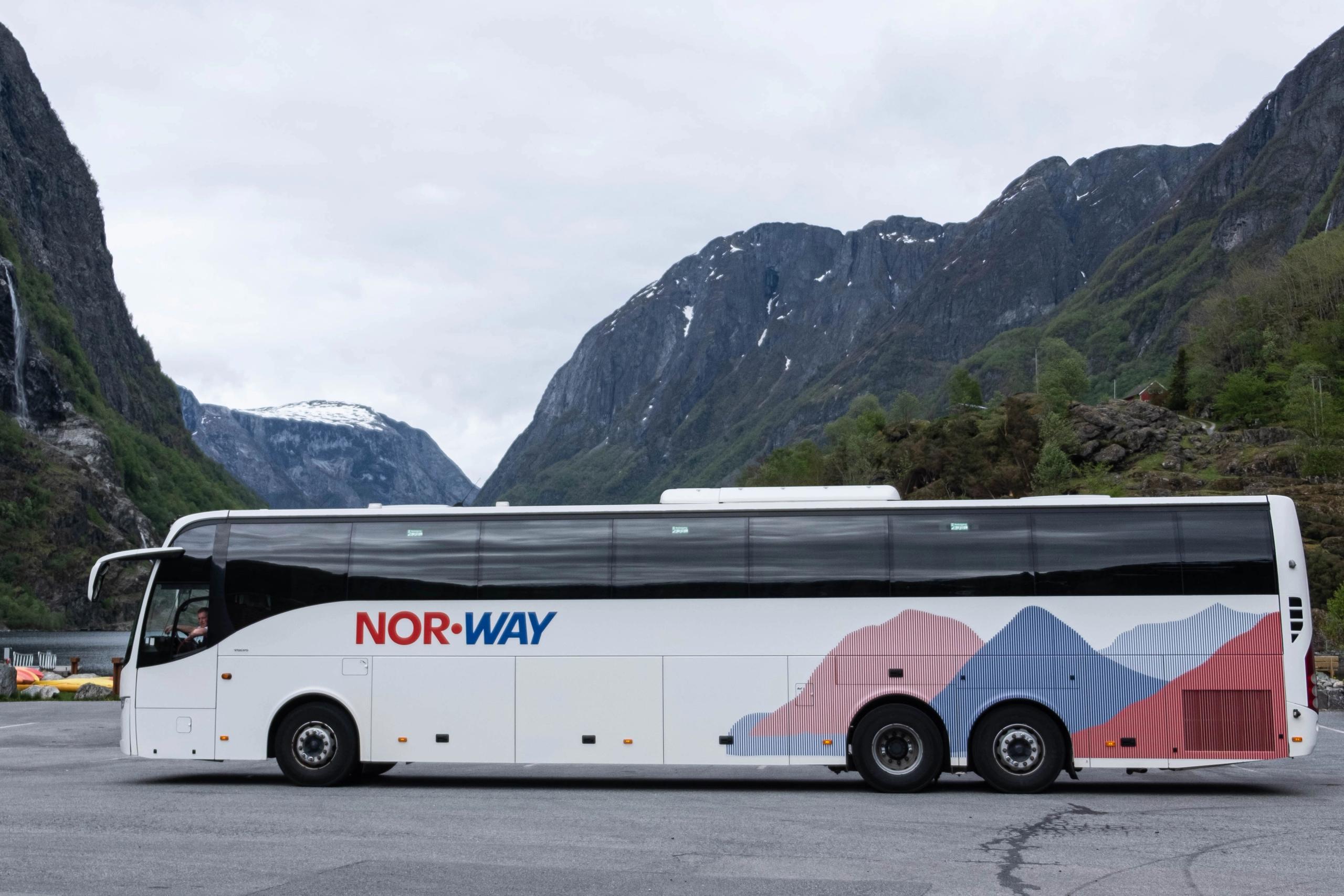 NOR-WAY BussekspressEnjoy scenic views on comfortable bus trips to the fjords and from city to city with our express buses.
 Rent-A-Wreck of Scandinavia ASThe smart and affordable car rental alternative.
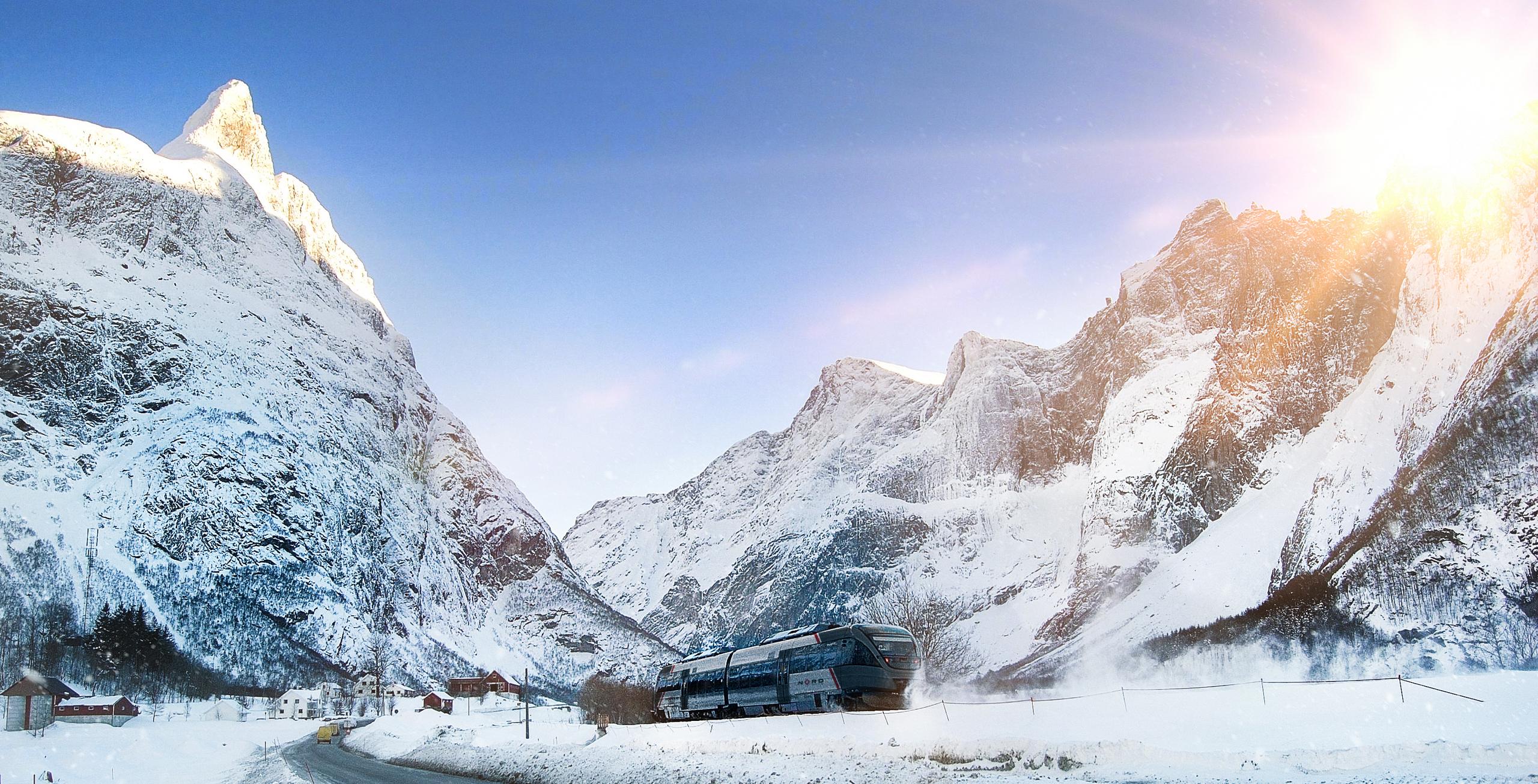 SJ NordSJ NORD - the adventure starts on the train
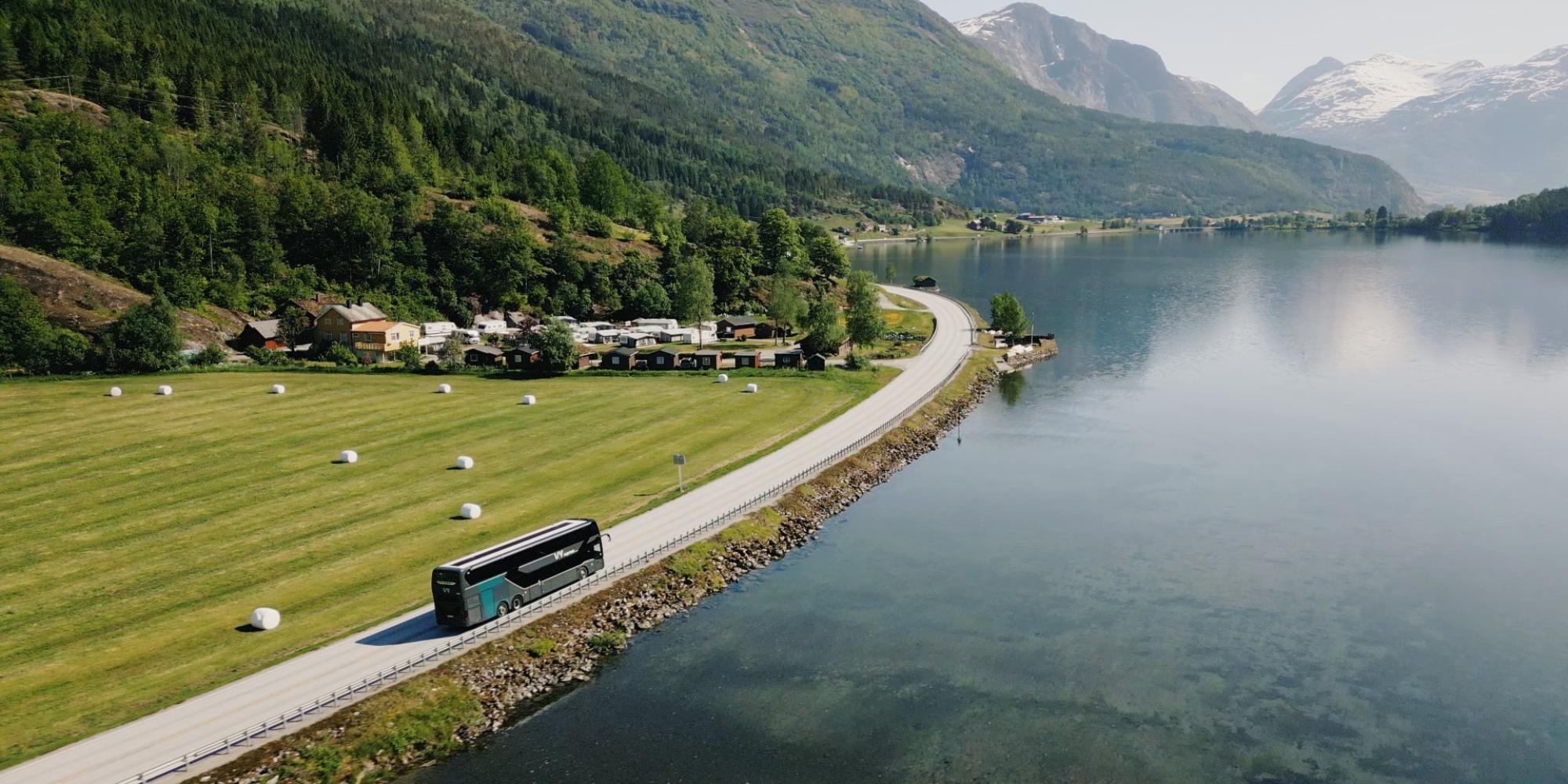 Vy expressDiscover Norway on comfortable express buses that take you between major cities, mountains, and fjords.
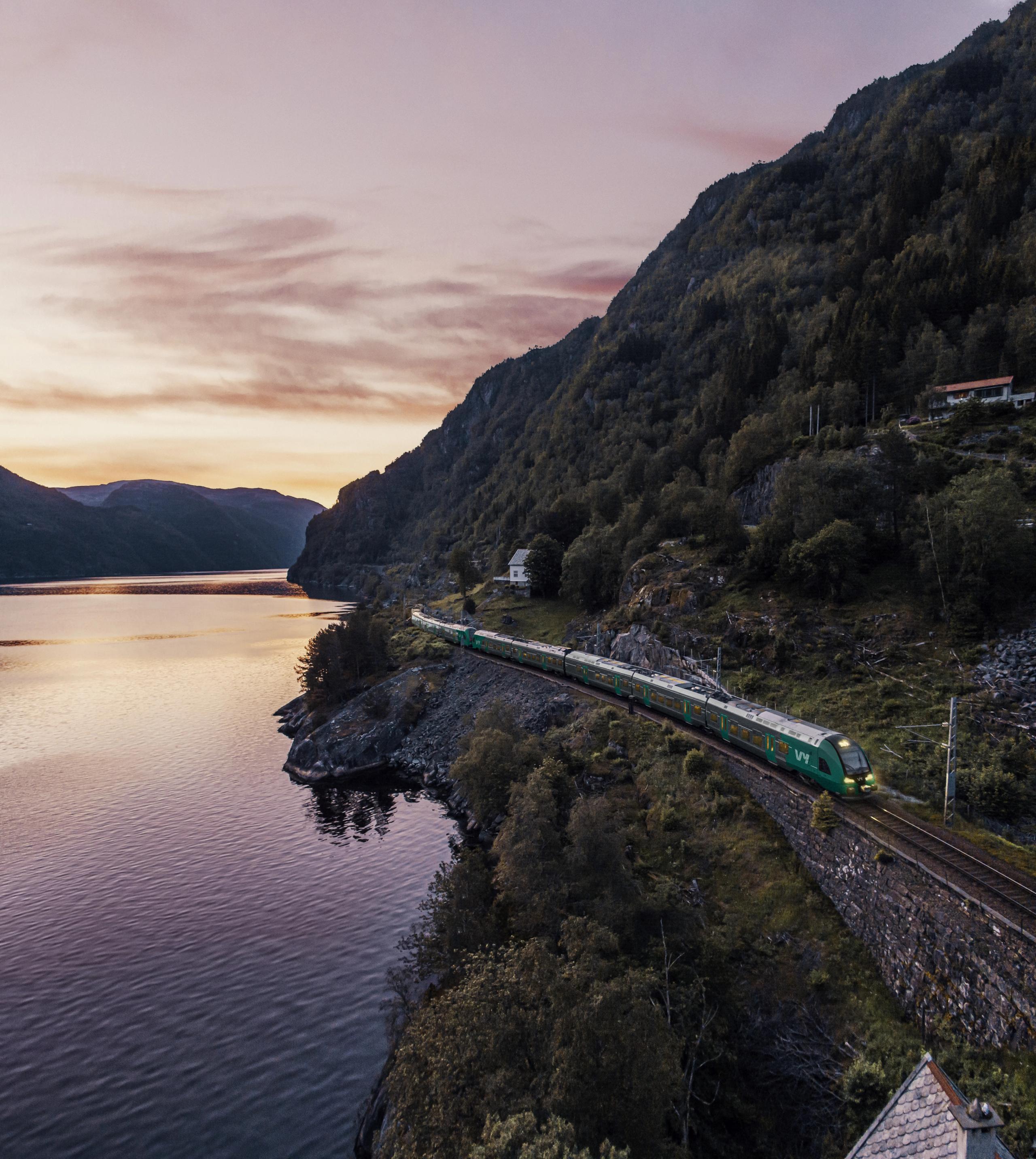 Vy TrainGlide through scenery on a train between Oslo and Bergen on the Bergen Railway and explore the greater Oslo region.
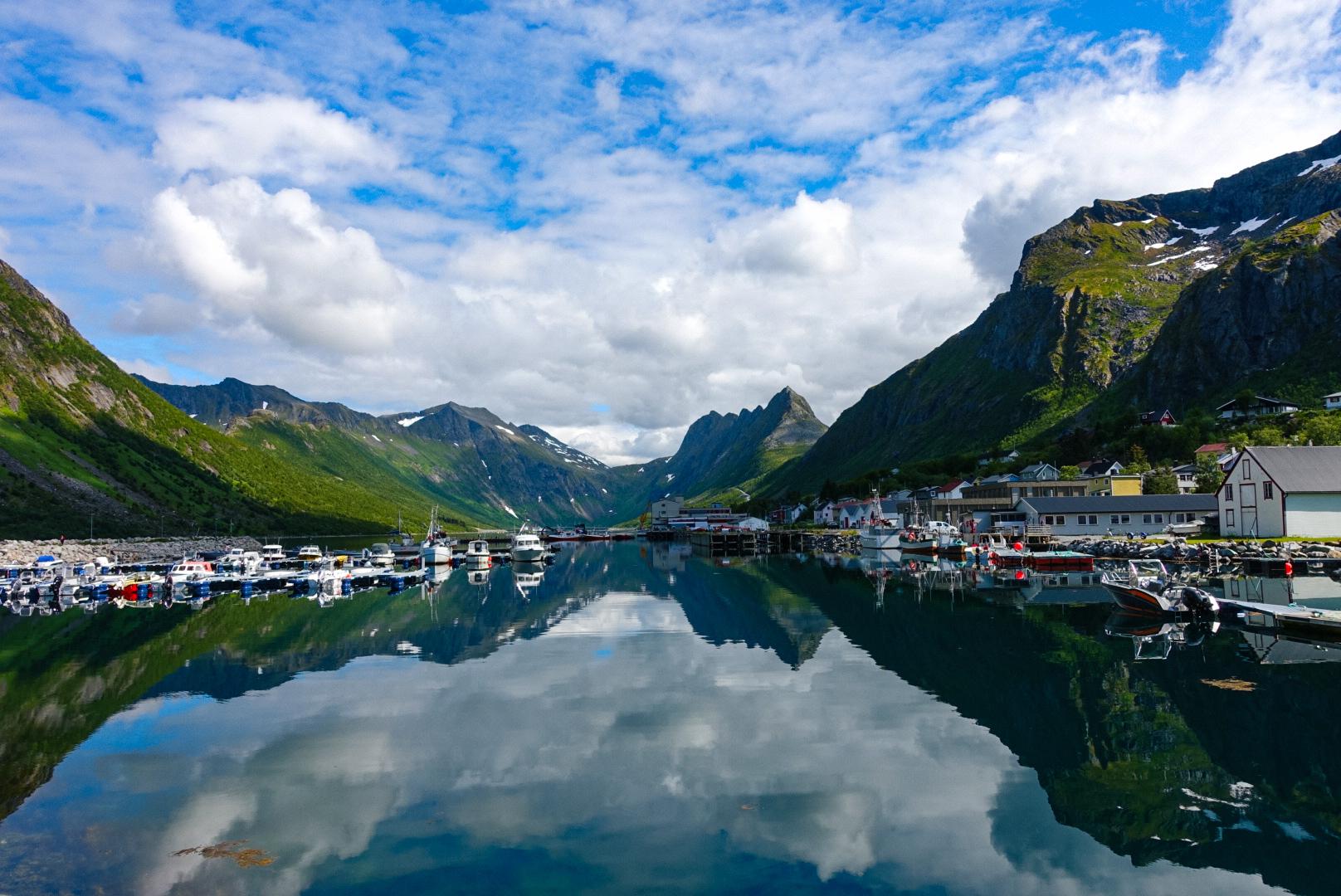 My Nordic TravelChoose between DIY itineraries and pre-packaged holidays to the very best destinations in Norway.
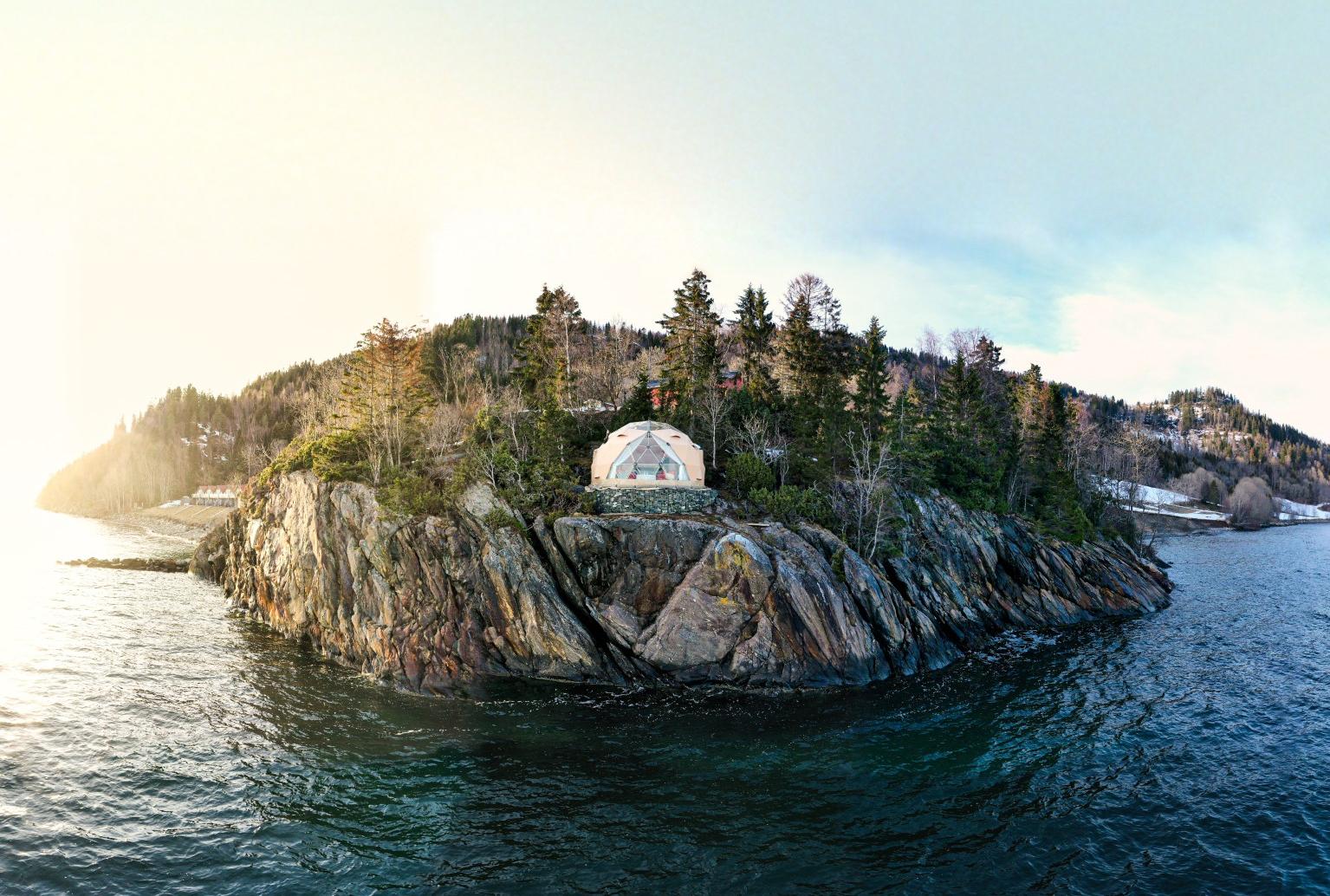 CampanyonUnique camping in nature. Book a stay in a treehouse or glamping tent or rent a motorhome pitch.
 NorwegianNorwegian offers cheap flights in Norway and direct flights from more than 70 European destinations. Book flights through our low fare calendar to your destinations.
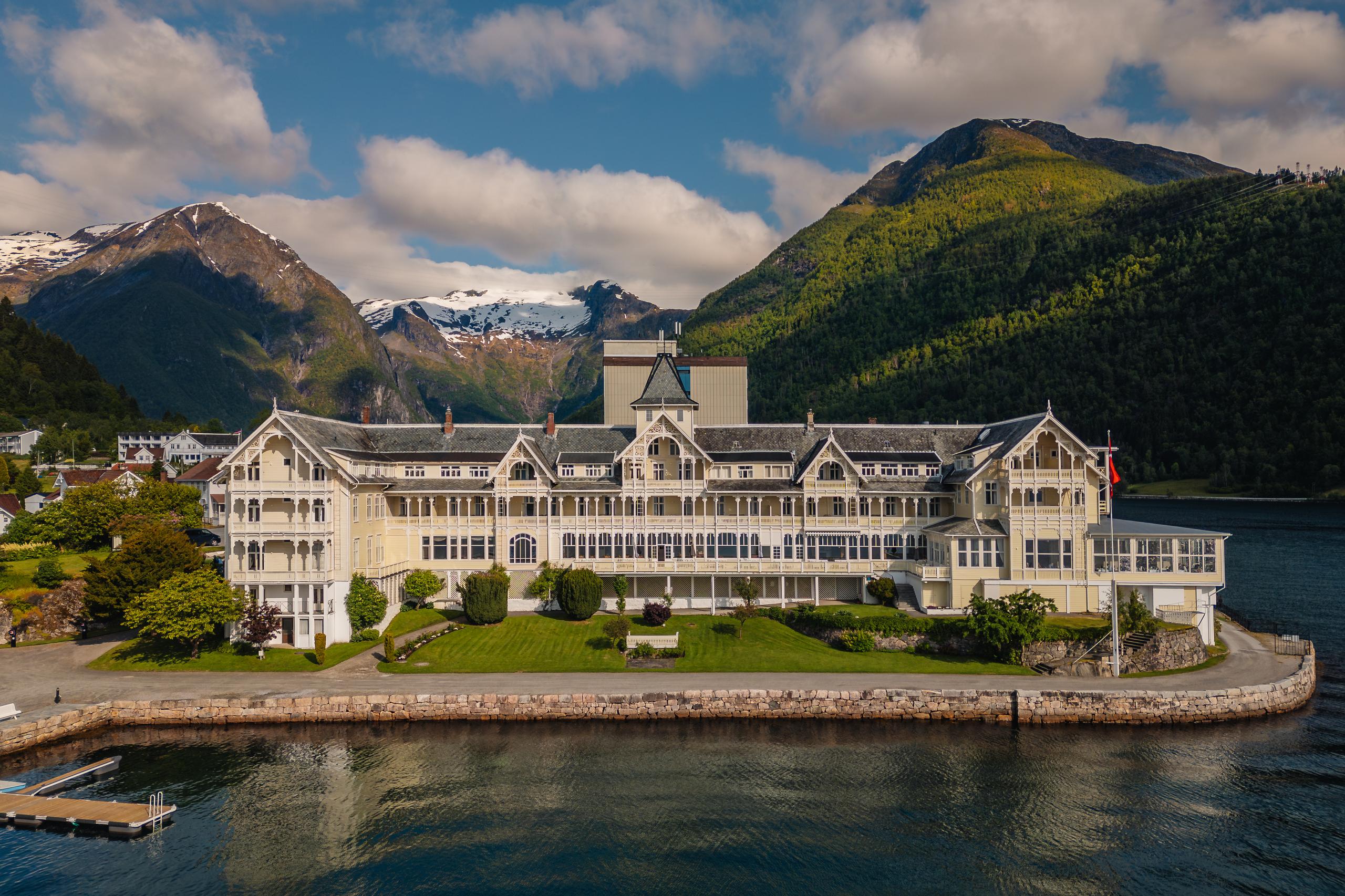 De HistoriskeHave an unforgettable stay at one of Norway's unique, authentic historic hotels. Enjoy first-class dining experiences and a broad range of activities.
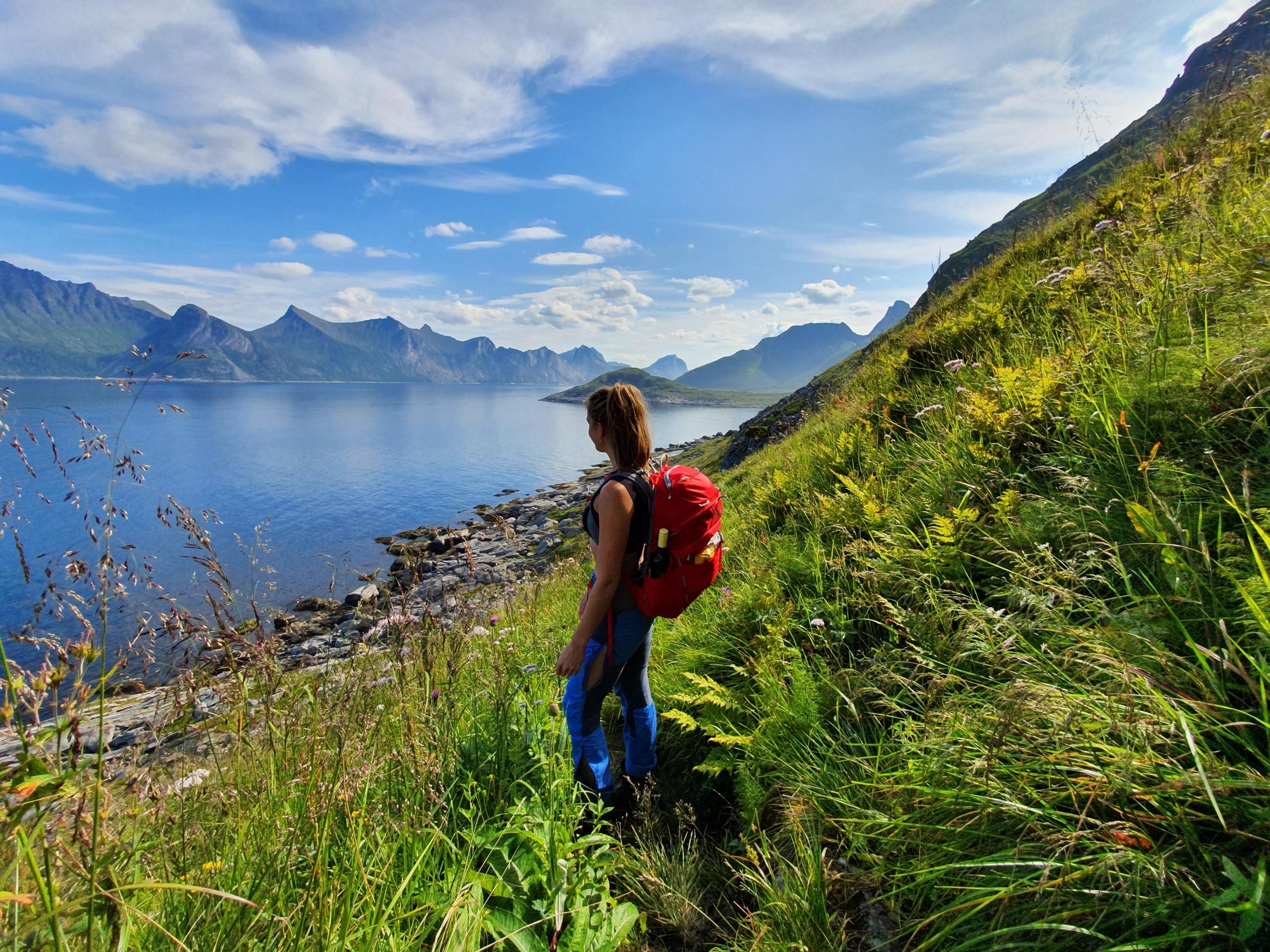 CampioNorway's biggest camping booking site. Find the best camping and motorhome pitches throughout Norway.