A new exhibition at the Kon-Tiki Museum in Oslo brings the story of Thor Heyerdahl into the present day through new perspectives, interactive exhibits, and the vision of the legendary explorer's granddaughter.

Bringing
Kon-Tiki to life
Through a new exhibition
“You can’t buy a ticket to paradise. You have to find it within yourself.”
Thor Heyerdahl
Adventurer
Thor Heyerdahl, the Norwegian explorer best known for the Kon-Tiki expedition, became world-famous for his daring journeys and unconventional theories.
Today, his granddaughter, Liv Heyerdahl, is helping preserve his legacy and share it with a new generation at Oslo's Kon-Tiki Museum.
Thor Heyerdahl became world-famous for crossing the Pacific Ocean on a balsa wood raft in 1947. But according to his granddaughter, the legacy he left behind is not just about the journeys:
A love story
Before Kon-Tiki, Thor Heyerdahl was a young student of zoology and geography, fascinated by nature. Together with his young wife, Liv, he dreamed of leaving modern society behind and living closer to nature.
The day after their wedding in 1936, the couple set sail for the remote island of Fatu Hiva in Polynesia. He was 22, she was 20.
During his time there, Heyerdahl became increasingly interested in how people had first reached the Pacific islands. At the time, most researchers believed Polynesia had been populated exclusively from Asia. Heyerdahl developed a controversial theory that people may also have sailed from South America across the Pacific Ocean.
When his ideas were dismissed by the scientific establishment, he decided to prove that such a journey was possible.
In 1947, he crossed the Pacific on the balsa wood raft Kon-Tiki.
Back in Norway, his wife Liv Heyerdahl bore major responsibilities of her own. During much of the Second World War, she cared for their two young sons. In the years leading up to the Kon-Tiki expedition, she supported Thor’s work while also raising the children.

For Liv Heyerdahl, the exhibition is not only about preserving her grandfather’s legacy, but also about ensuring that it continues to inspire new generations.
“My grandfather left behind a remarkable life’s work, and my task is to make it relevant and accessible for the generations growing up today.”
Liv Heyerdahl
Director at the Kon-Tiki Museum
A museum you can experience
The new exhibition marks a shift in how that story is communicated.
"As both director of the museum and Thor Heyerdahl’s granddaughter, I feel a great responsibility to carry forward an important legacy," says Heyerdahl.
She describes the new exhibition as being much more interactive than before.
"It communicates through multiple channels and invites visitors to really get involved."
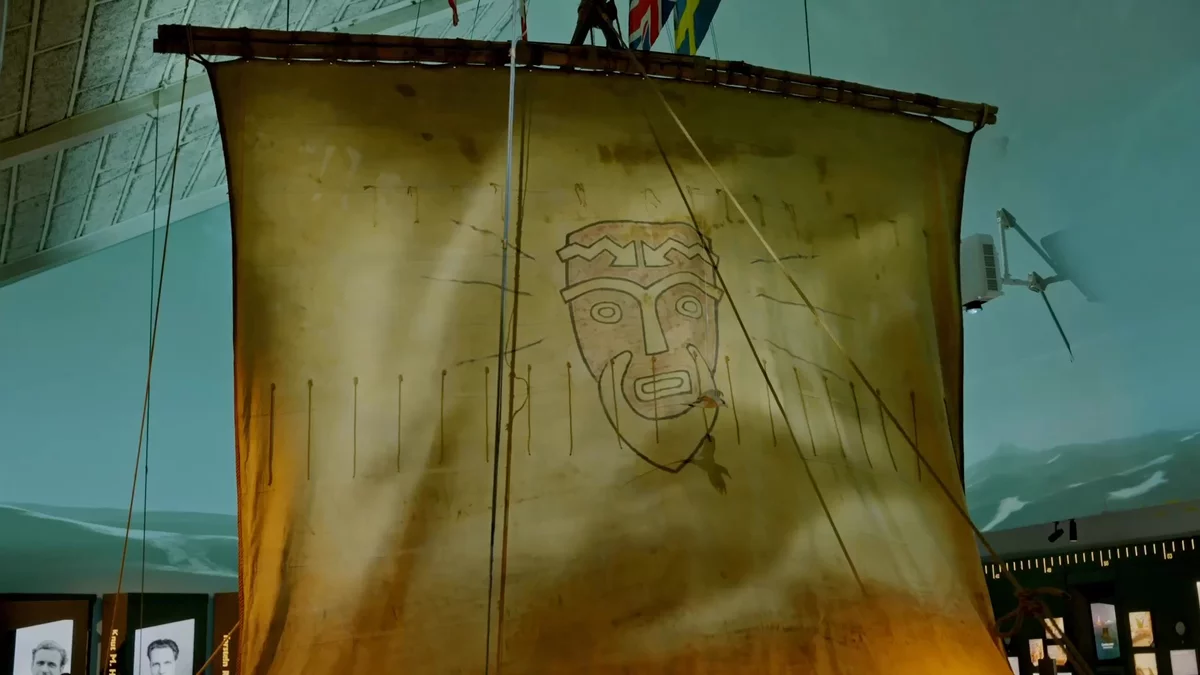
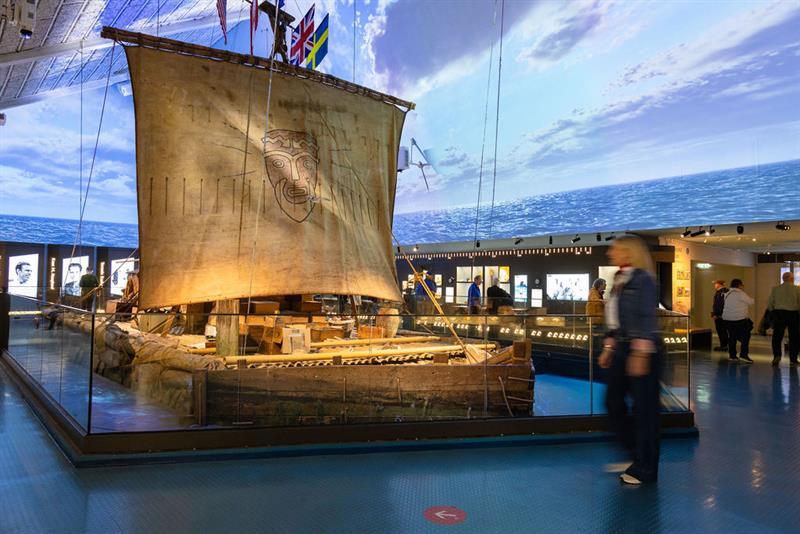
Soundscapes, projections, and archival recordings guide visitors through the Kon-Tiki hall, while interactive installations allow them to steer a raft and explore life beneath the surface.
"We wanted to create something with energy, colour, and life," she says.
The exhibition also highlights stories that have long remained in the background.
The Easter Island collection
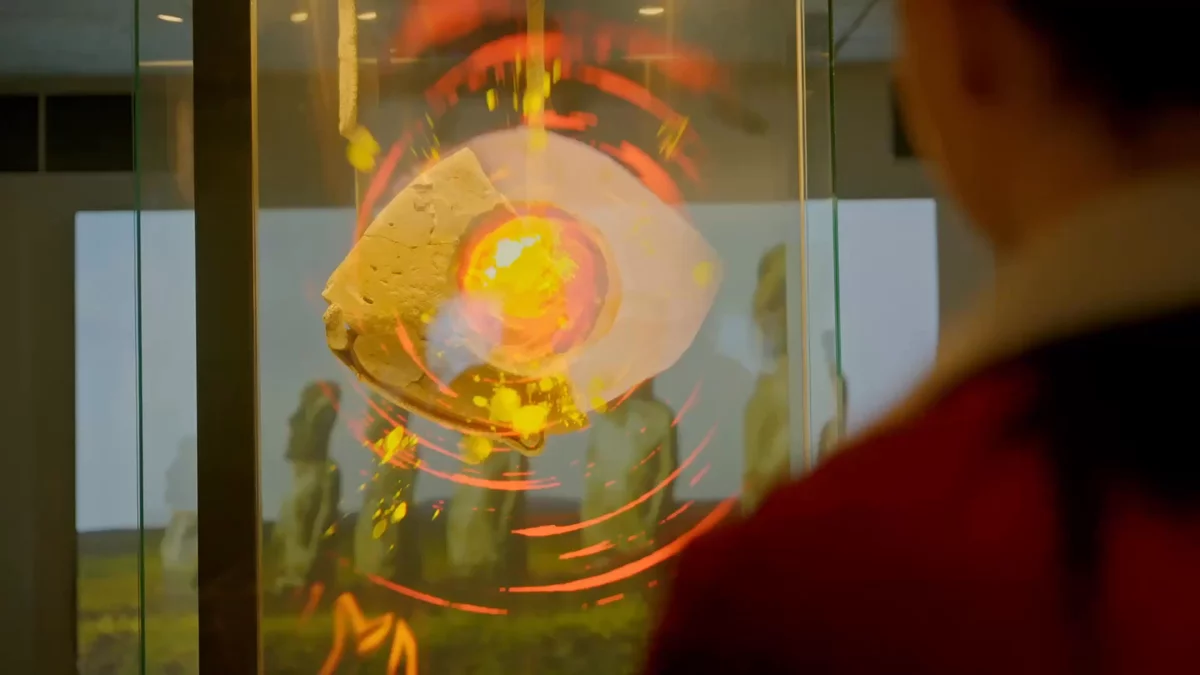
The exhibition also features artefacts brought to Norway from Easter Island in connection with Thor Heyerdahl’s expedition in 1956.
The Islanders permitted Heyerdahl to take the pieces with him for research purposes on the condition that some of them would eventually be returned.
"It was never the intention for all of them to remain here permanently," says Liv Heyerdahl.
Parts of the collection, including human remains, have already been formally returned to representatives from Rapa Nui, while other pieces remain at the museum until the community is ready to receive them.
For now, visitors still have a rare opportunity to see some of these artefacts on display at the museum. The plan is to create 3D replicas before the originals are returned.
Why Heyerdahl still matters
For Liv Heyerdahl, her grandfather's relevance lies not only in the expeditions, but in the mindset behind them.
"He faced a lot of pushback, but he kept believing in his ideas," she says.
She also points to his concern for the environment. Long before climate issues became mainstream, Thor Heyerdahl documented pollution at sea and spoke out internationally.
During the Tigris expedition in 1978, he burned his own boat in protest against war and conflict.
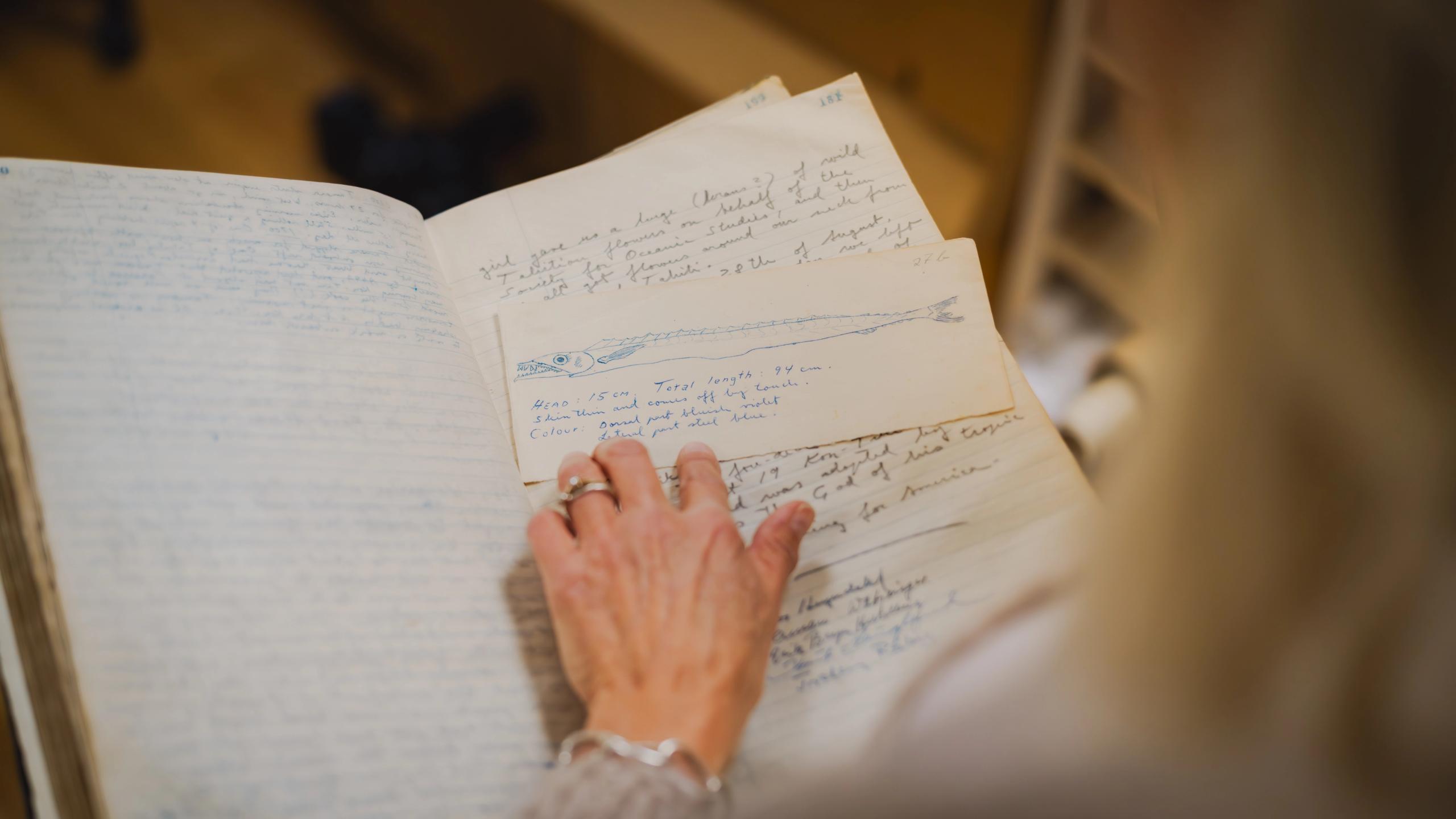
The museum archive contains handwritten diaries, letters, photographs, and notes from Thor Heyerdahl’s travels.
“It’s important to keep these stories alive”
Liv Heyerdahl
Director at the Kon-Tiki Museum
Exploring Bygdøy
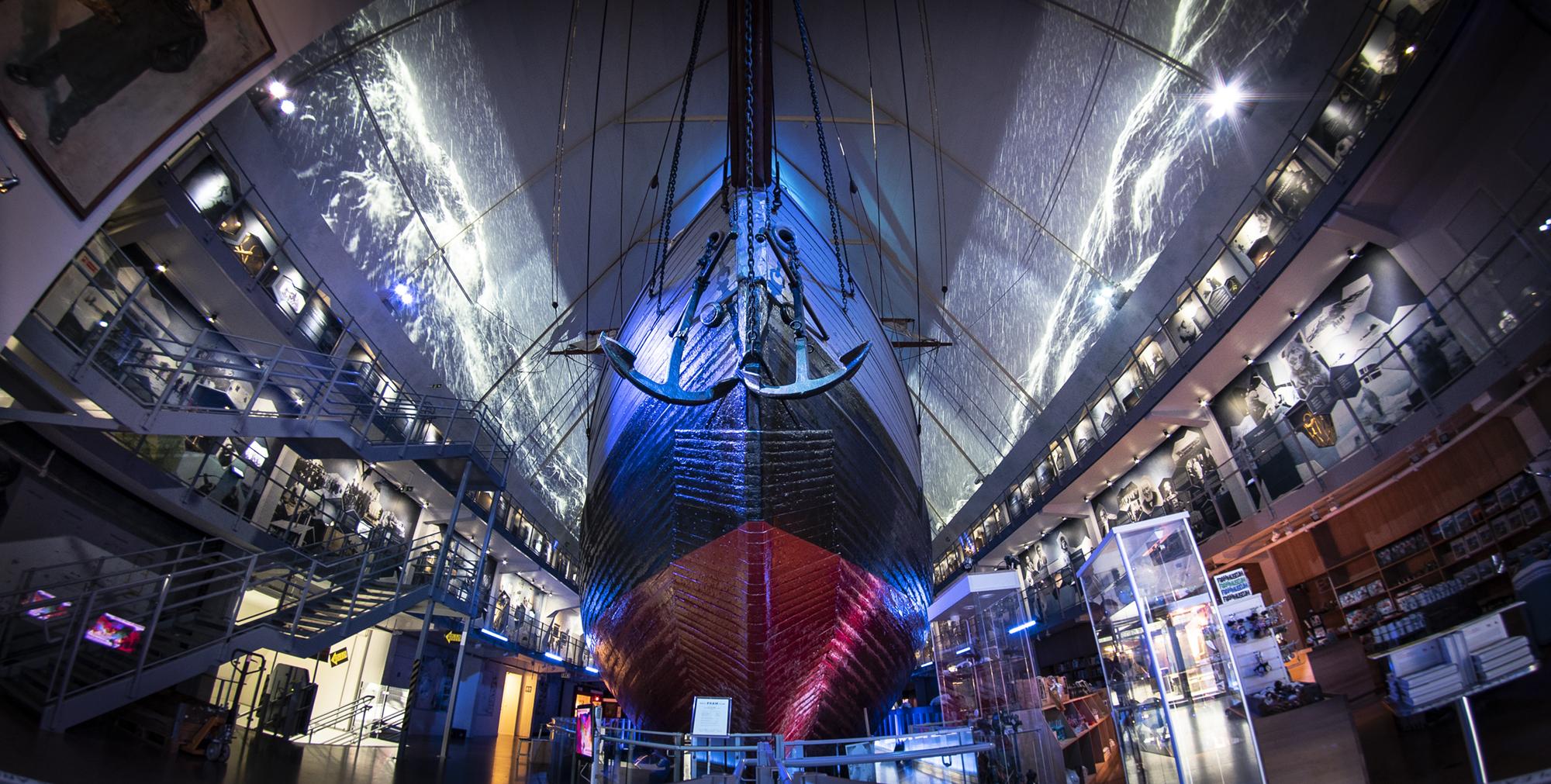
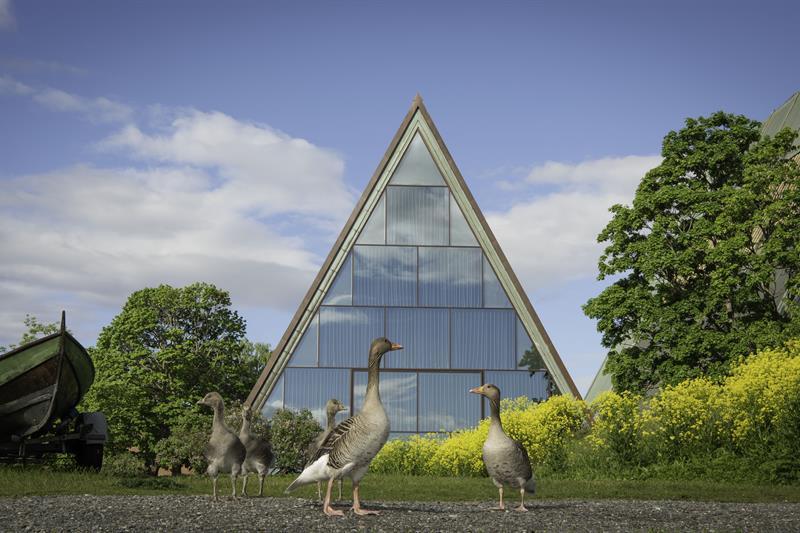
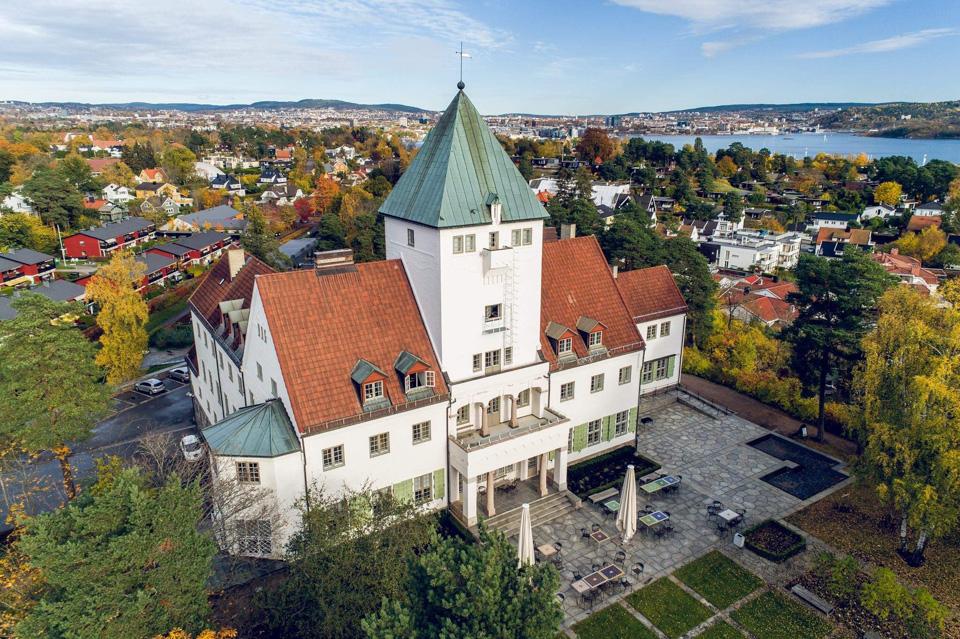
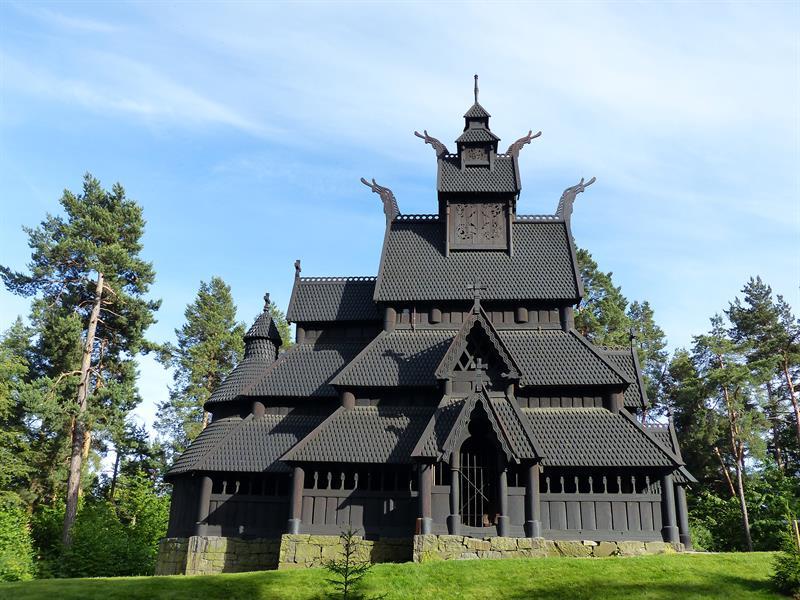
Located on the Bygdøy peninsula, the Kon-Tiki Museum is next door to several of Oslo's most popular museums, including the Fram Museum, the Norwegian Maritime Museum, and more.
Take advantage of top offers
See our selection of trusted companies that work hard to make you happy all through your trip.
 Brim ExplorerQuiet fjord tours on award-winning electric catamarans in Oslo, Tromsø, Lofoten, and Svalbard.
 CityboxModern and affordable hotels in central locations in Oslo, Bergen, and Kristiansand.
 NorgesbookingBook your perfect cabin stay in the fjords, mountains, and valleys of Norway.
 Scandic HotelsExperience Nordic hotel hospitality at its finest at more than 90 hotels across Norway. Special offers are available.
 StrawberryA different hotel company! Look out for great weekend deals at more than 100 hotels in Norway.
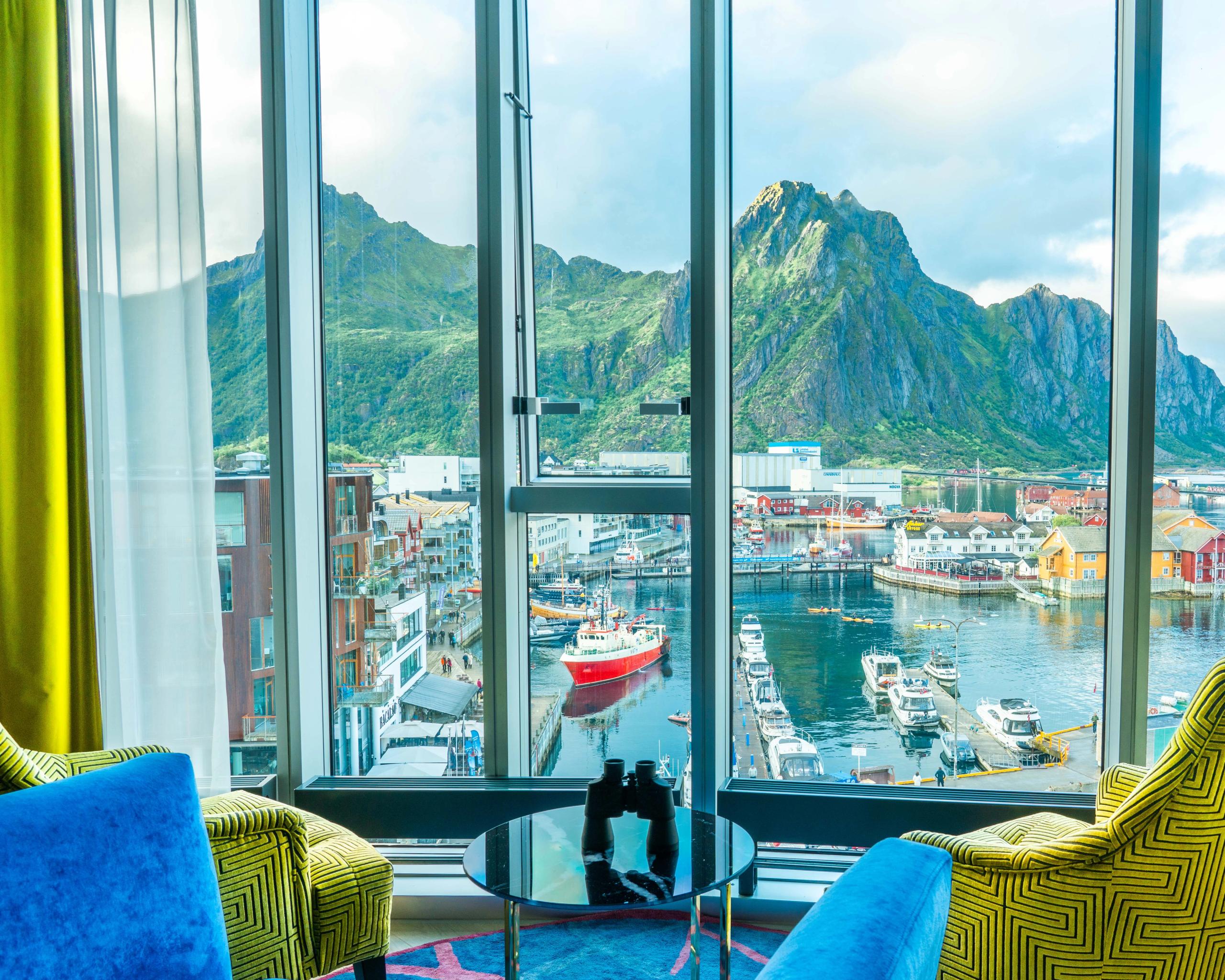 Thon Hotels ASFantastic breakfast included! Experience true comfort and reasonable rates at our 80 hotels in Norway.
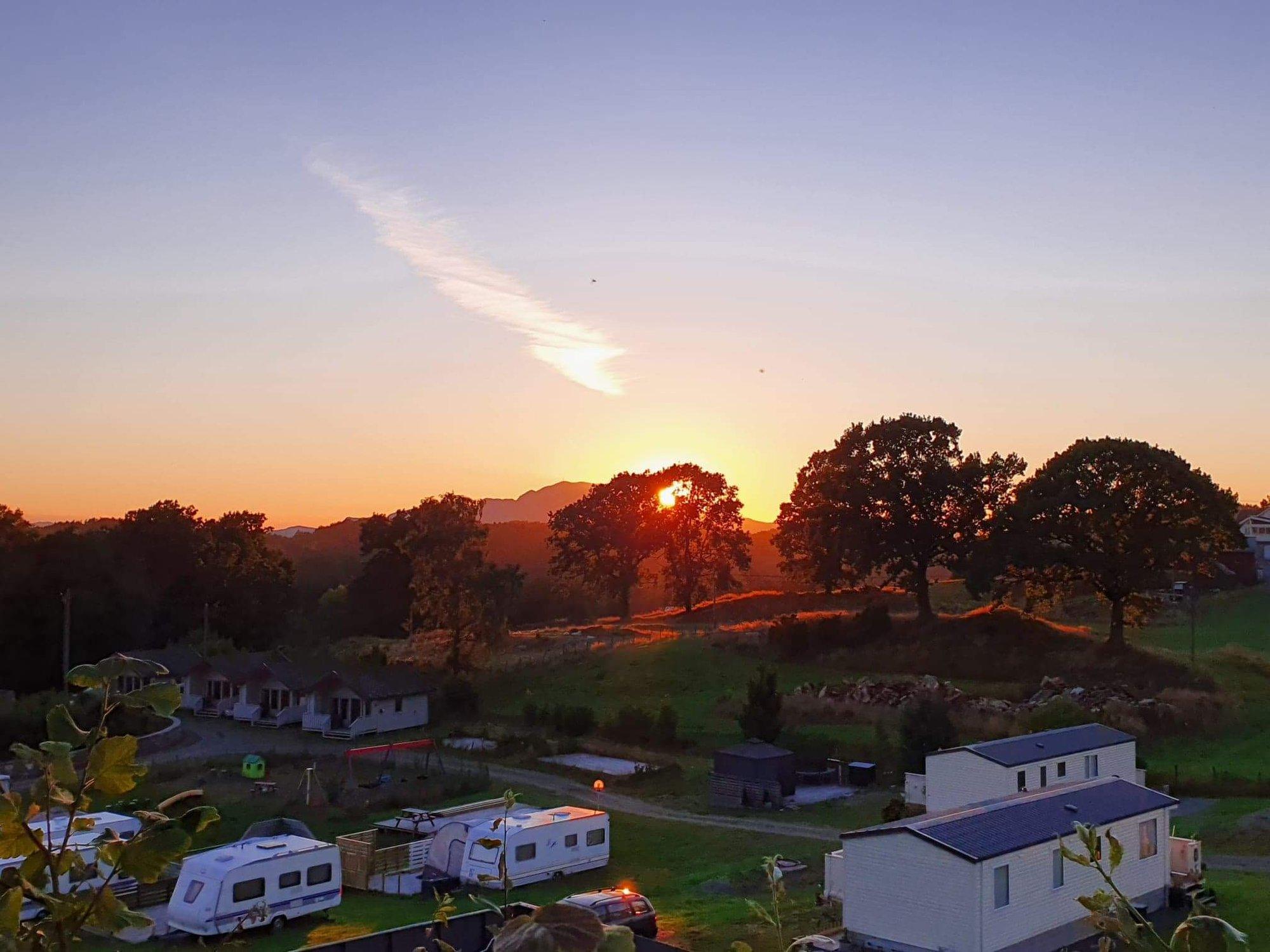 CampcationBook a camping stay in stunning and unique locations all across Norway with Campcation.
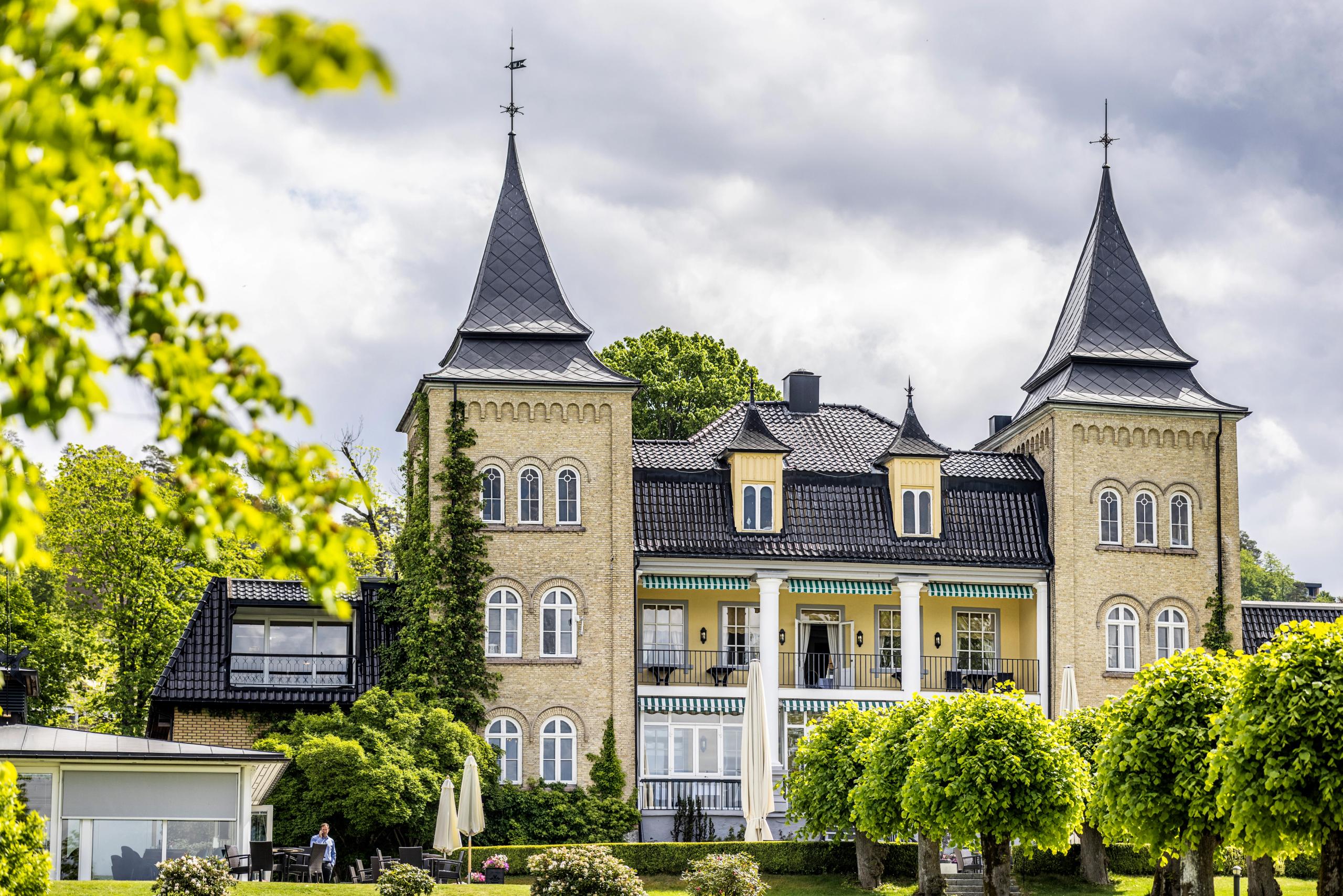 Classic Norway HotelsWhen the hotel is the destination. Book a night to remember in one of Norway's most unique and distinctive hotels.
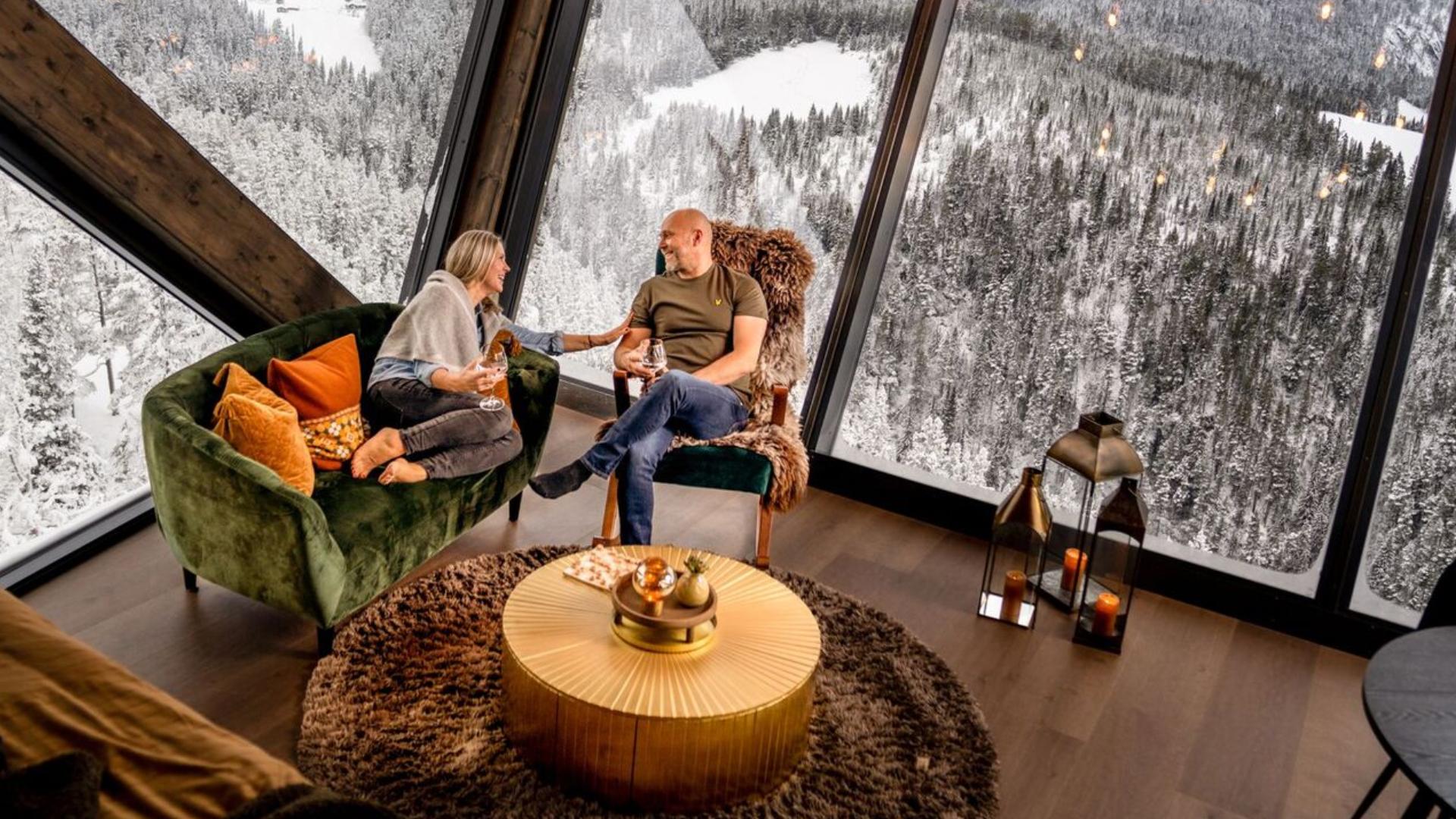 50 Degrees North NordicChoose between unforgettable tailormade individual trips and small, exclusive group tours of Norway.
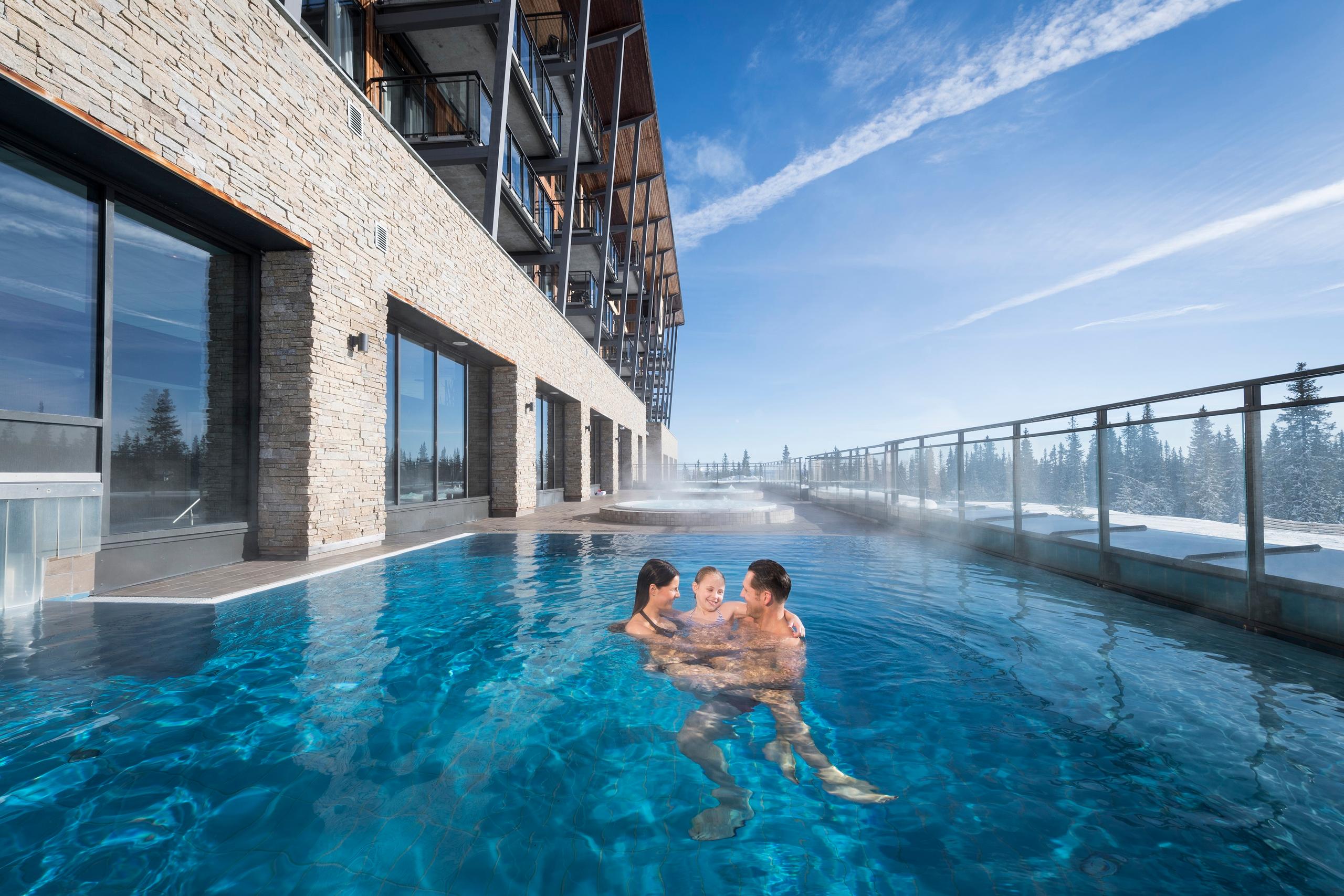 Radisson HotelsGreat value offers and comfortable quality stays in Norway´s major cities, airports, and ski resorts.
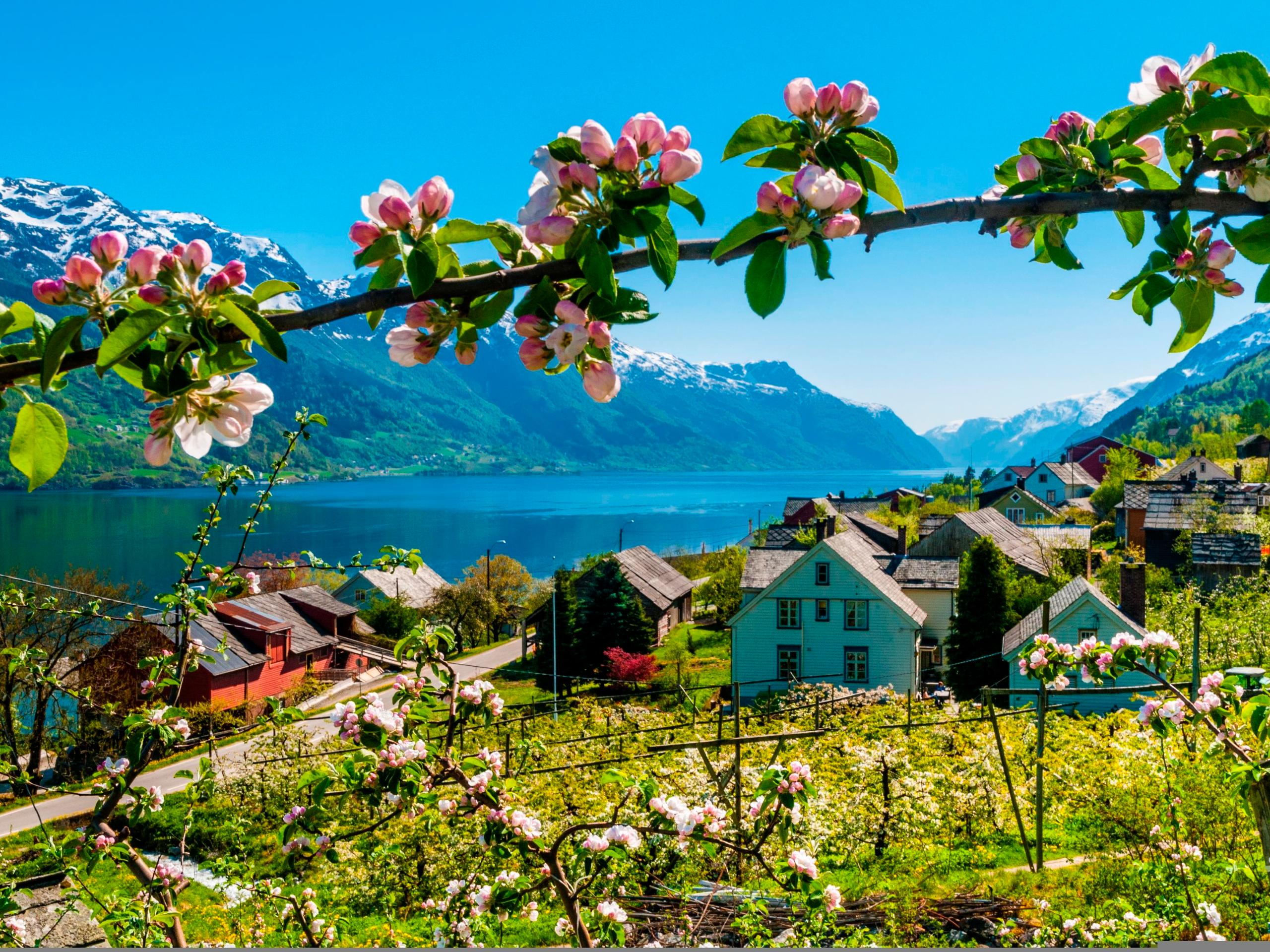 Authentic ScandinaviaTravel curated by locals. Our tailormade tours suit every type of traveller and budget.
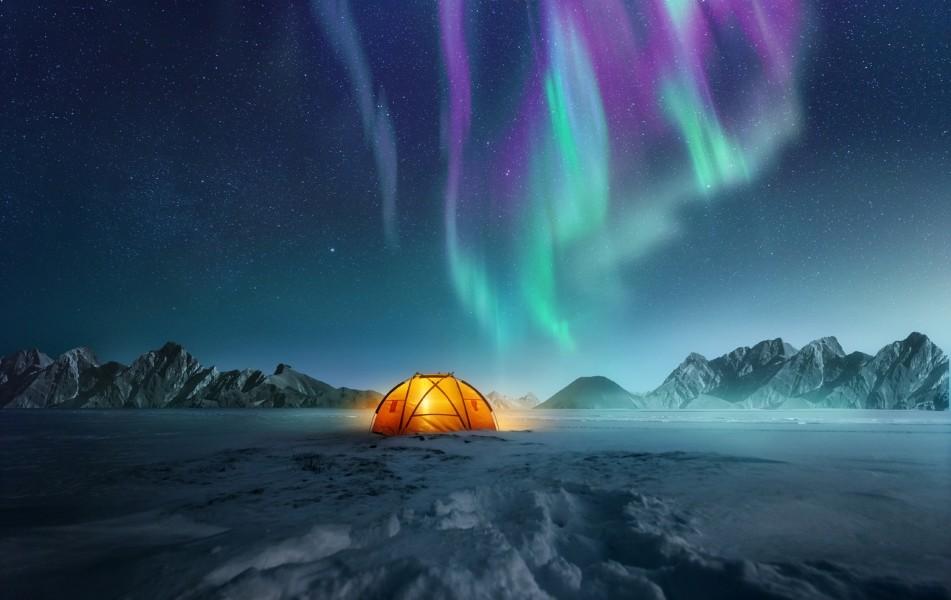 Booknordics.comUnique holiday packages, adventure hotels, tours, and activities.
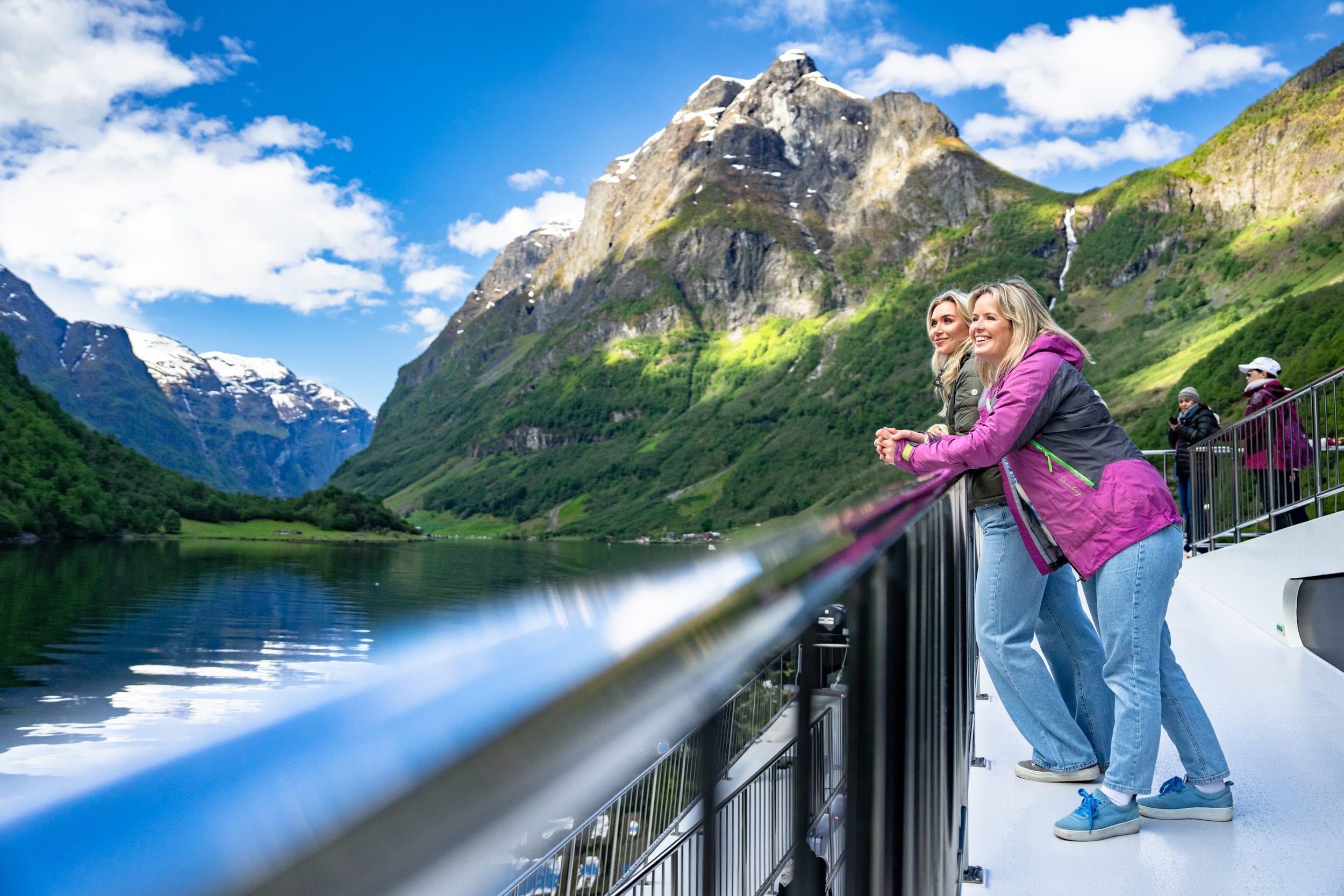 Fjord ToursHome of Norway in a Nutshell, Norway's most popular tour. Fjords, mountains, and stunning destinations — all in one trip!
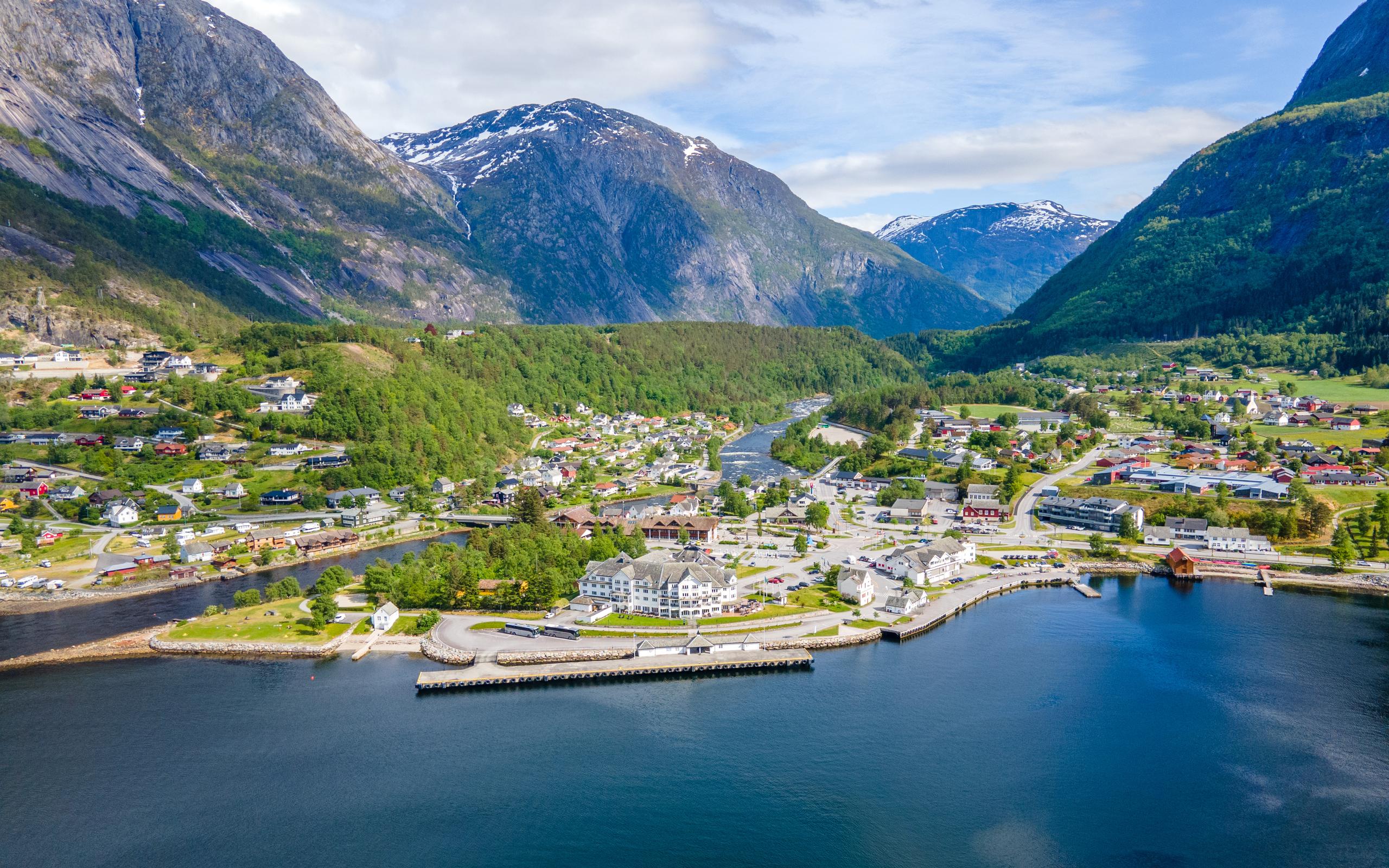 Go FjordsBook fantastic tours and experiences! We offer tours in Oslo, Bergen, Stavanger, Lofoten, the North Cape, and more.
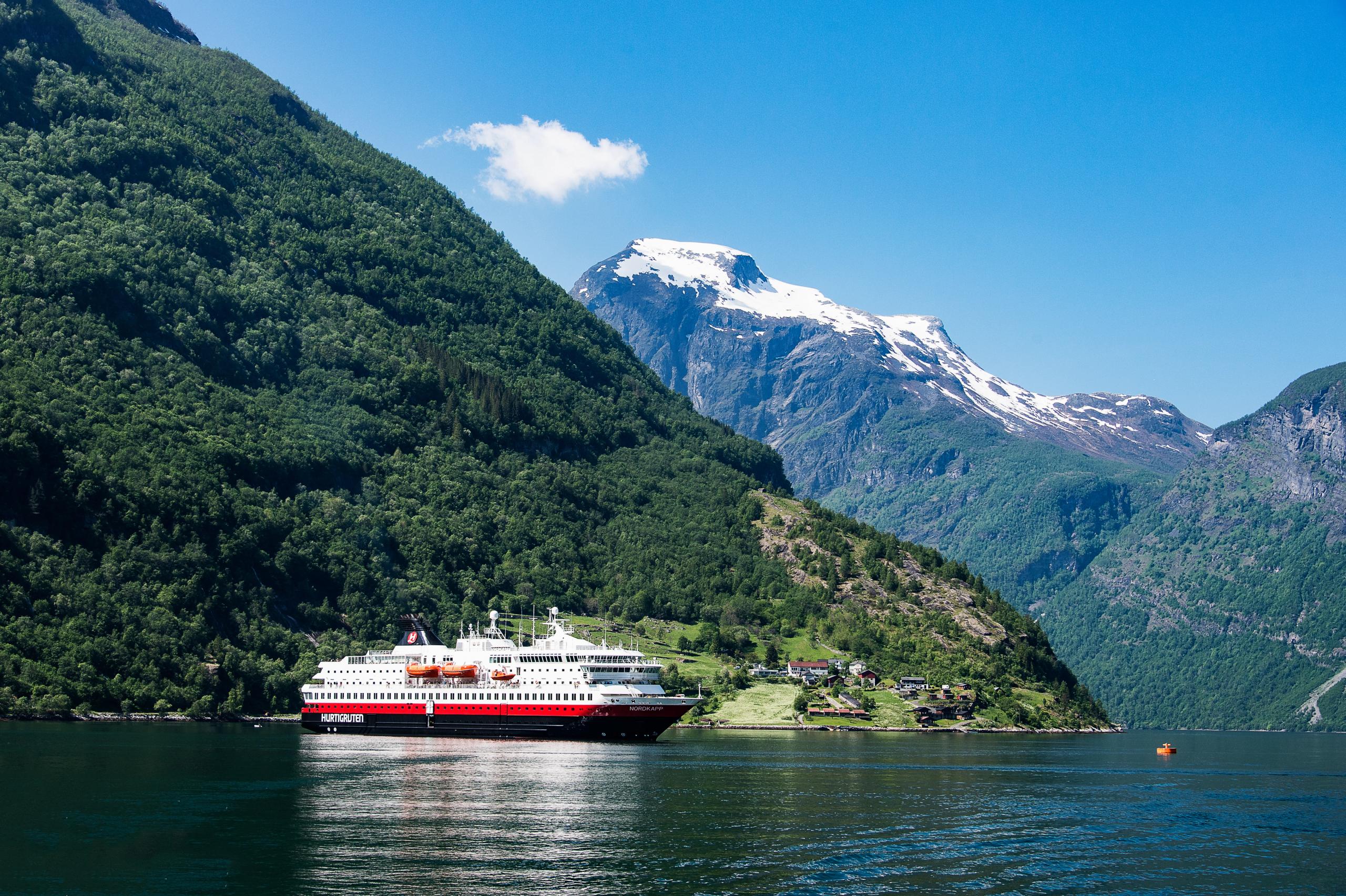 HurtigrutenExperience the world's most beautiful sea voyage on an unforgettable cruise along the stunning Norwegian coast.
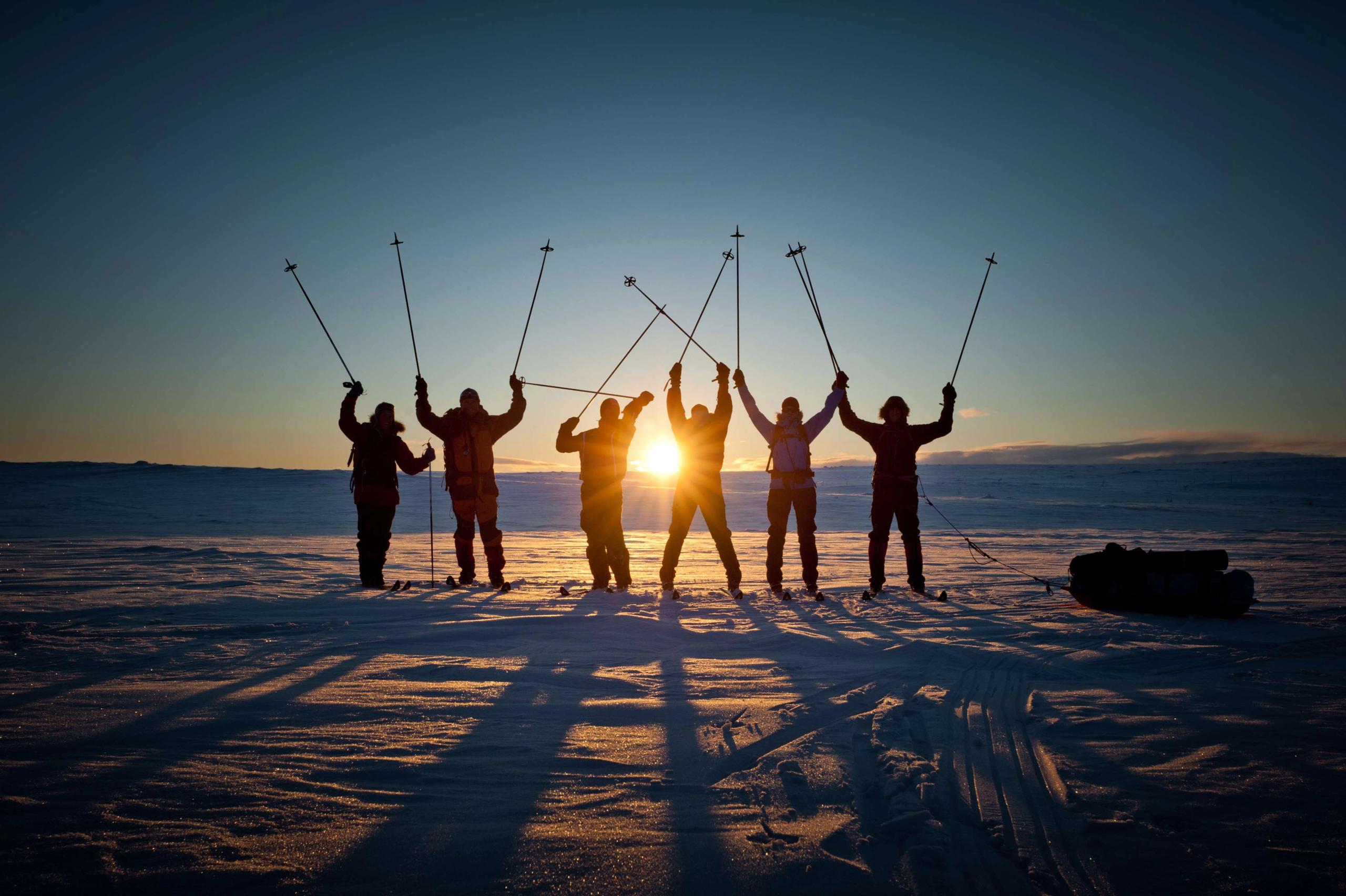 Norrøna AdventureGet ready for expeditions and adventure holidays with Norrøna Adventure. Hiking, skiing, and biking trips.
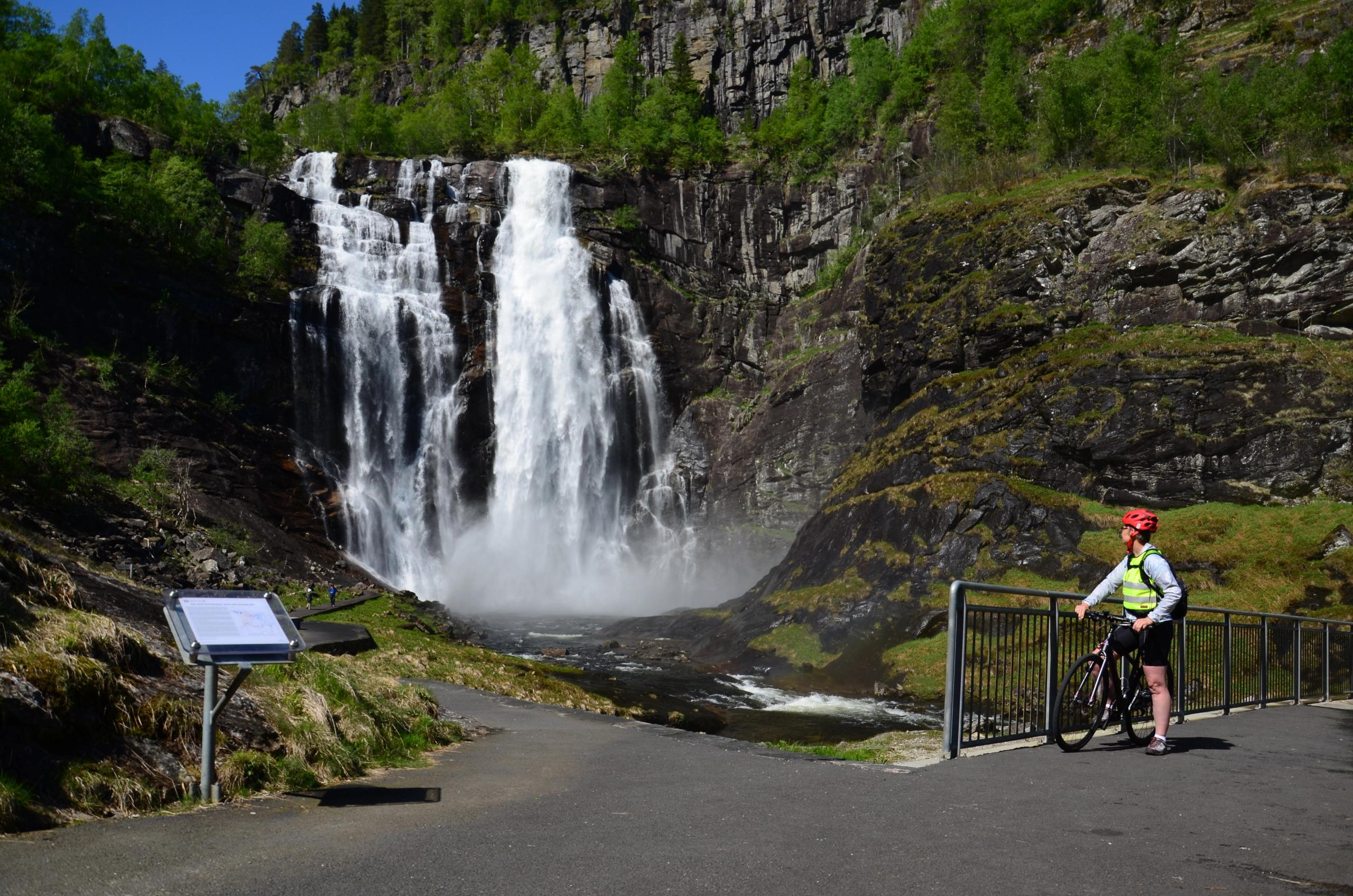 Discover NorwayOffers a range of exciting self-guided hiking, biking, and skiing holidays in Norway. Luggage transfer included.
 Norwegian HolidaysLow-price package holidays with Norwegian. Book your flight, hotel, and rental car all in one place.
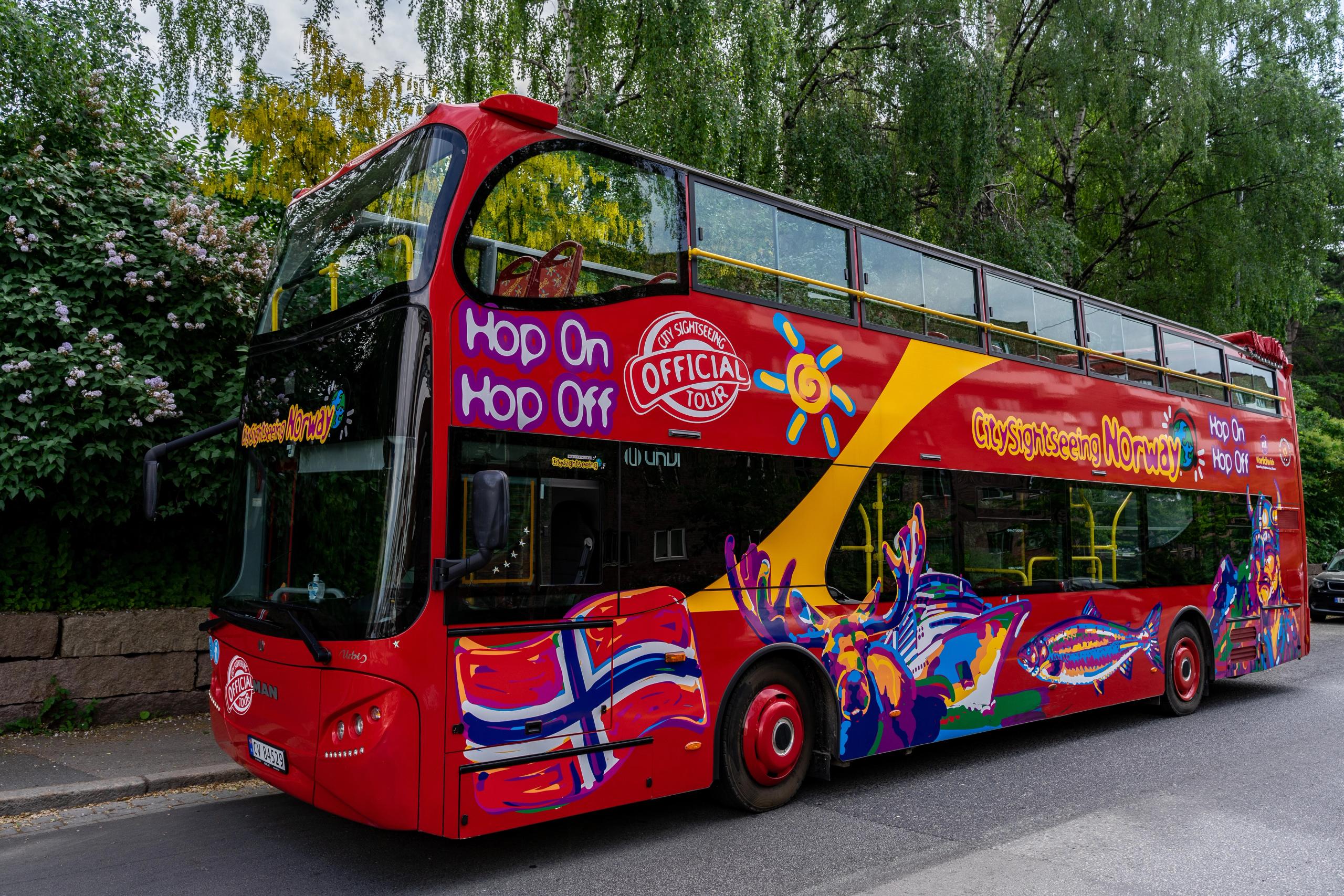 StrömmaSightseeing by bus and boat in several major tourist spots and cities in Norway.
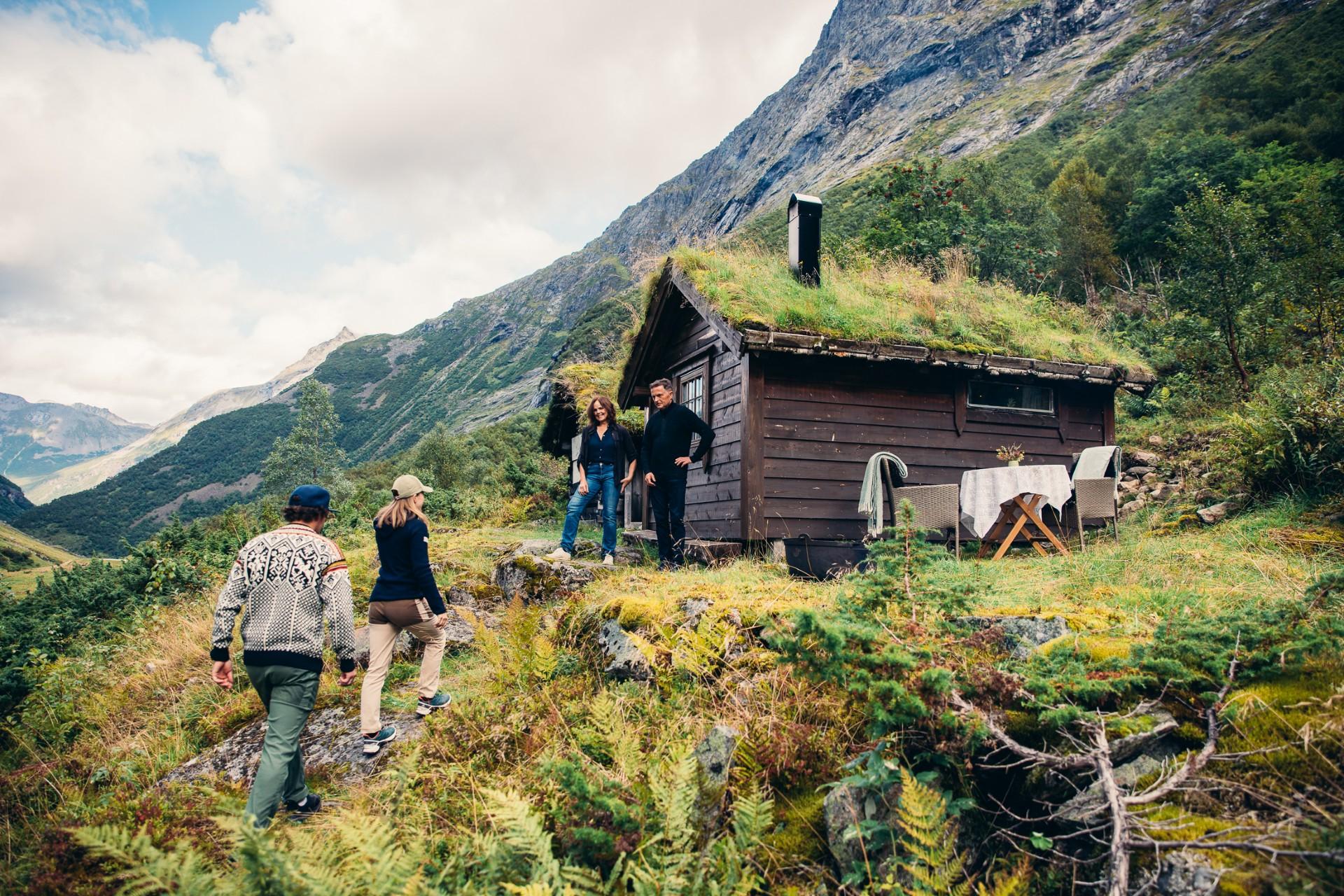 Up NorwayBespoke luxury hand-picked by local experts. We combine your preferences and our knowledge to make an unforgettable journey.
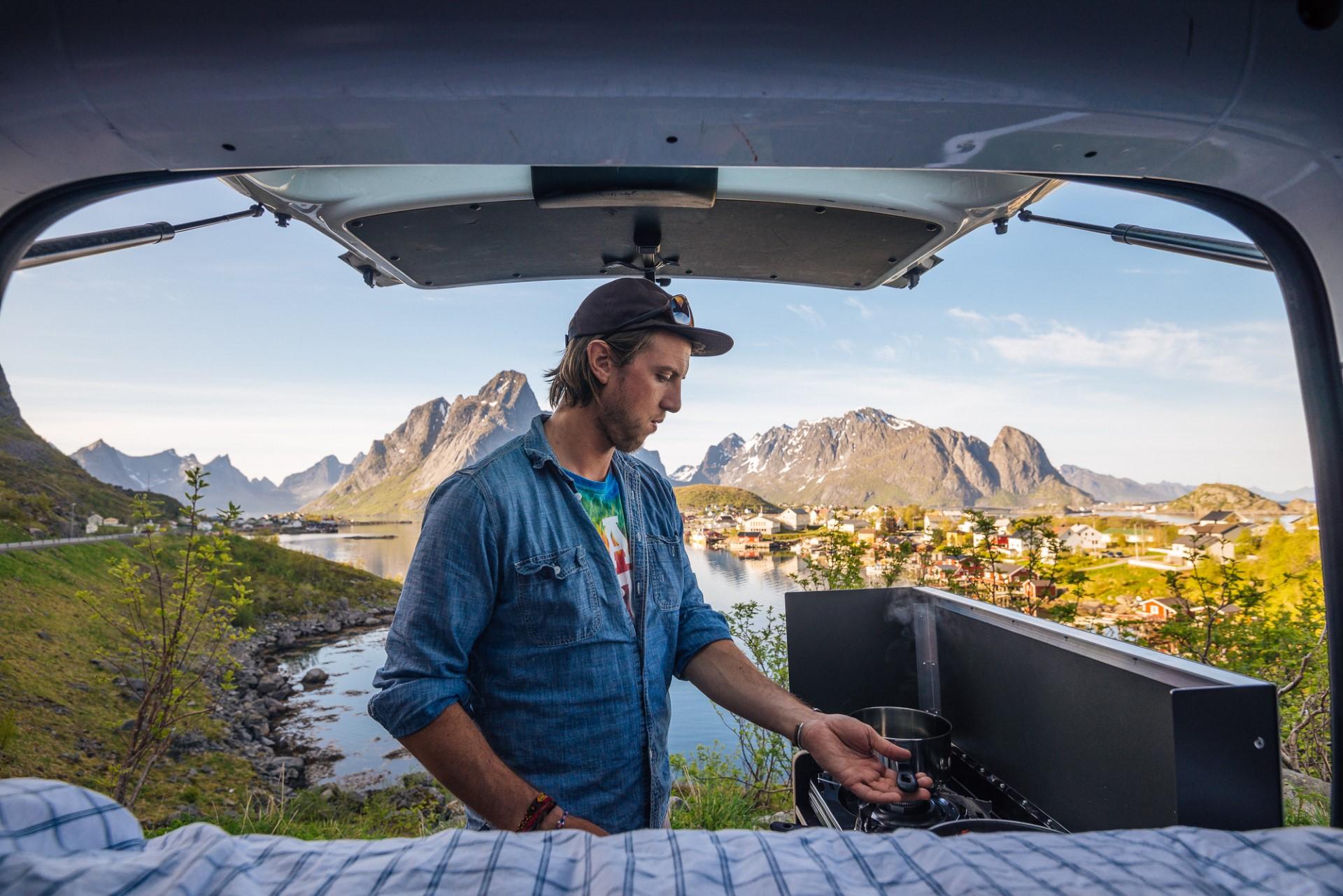 Arctic Campers ASDo you want to try van life? Explore Norway in comfort and style with our smart and cosy campervans.
 Auto EuropeAlways a smooth car rental experience. Search and compare rental rates. Free cancellation up to 24 hours prior to pick-up.
 NOR-WAY BussekspressEnjoy scenic views on comfortable bus trips to the fjords and from city to city with our express buses.
 Rent-A-Wreck of Scandinavia ASThe smart and affordable car rental alternative.
 SJ NordSJ NORD - the adventure starts on the train
 Vy expressDiscover Norway on comfortable express buses that take you between major cities, mountains, and fjords.
 Vy TrainGlide through scenery on a train between Oslo and Bergen on the Bergen Railway and explore the greater Oslo region.
 My Nordic TravelChoose between DIY itineraries and pre-packaged holidays to the very best destinations in Norway.
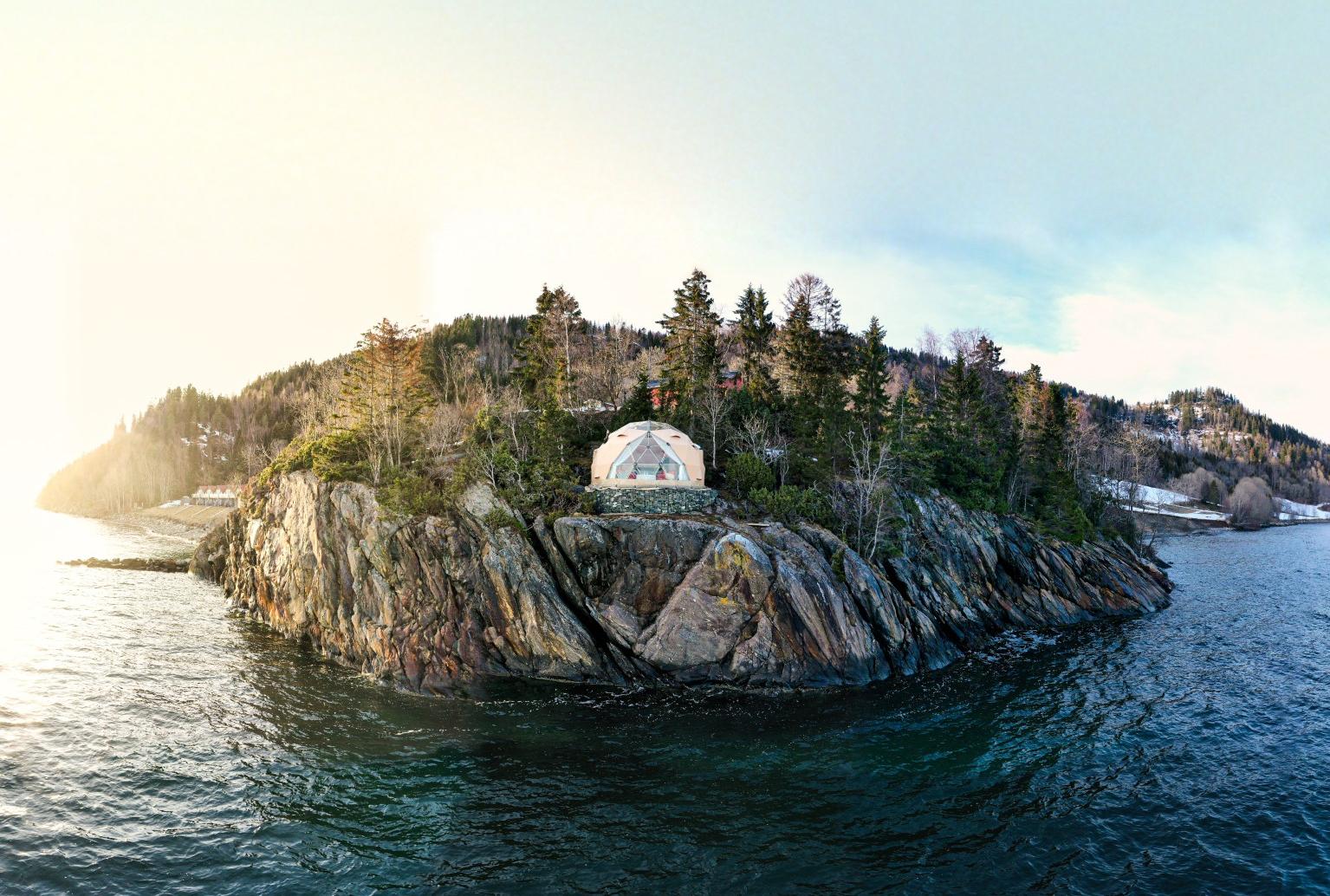 CampanyonUnique camping in nature. Book a stay in a treehouse or glamping tent or rent a motorhome pitch.
 NorwegianNorwegian offers cheap flights in Norway and direct flights from more than 70 European destinations. Book flights through our low fare calendar to your destinations.
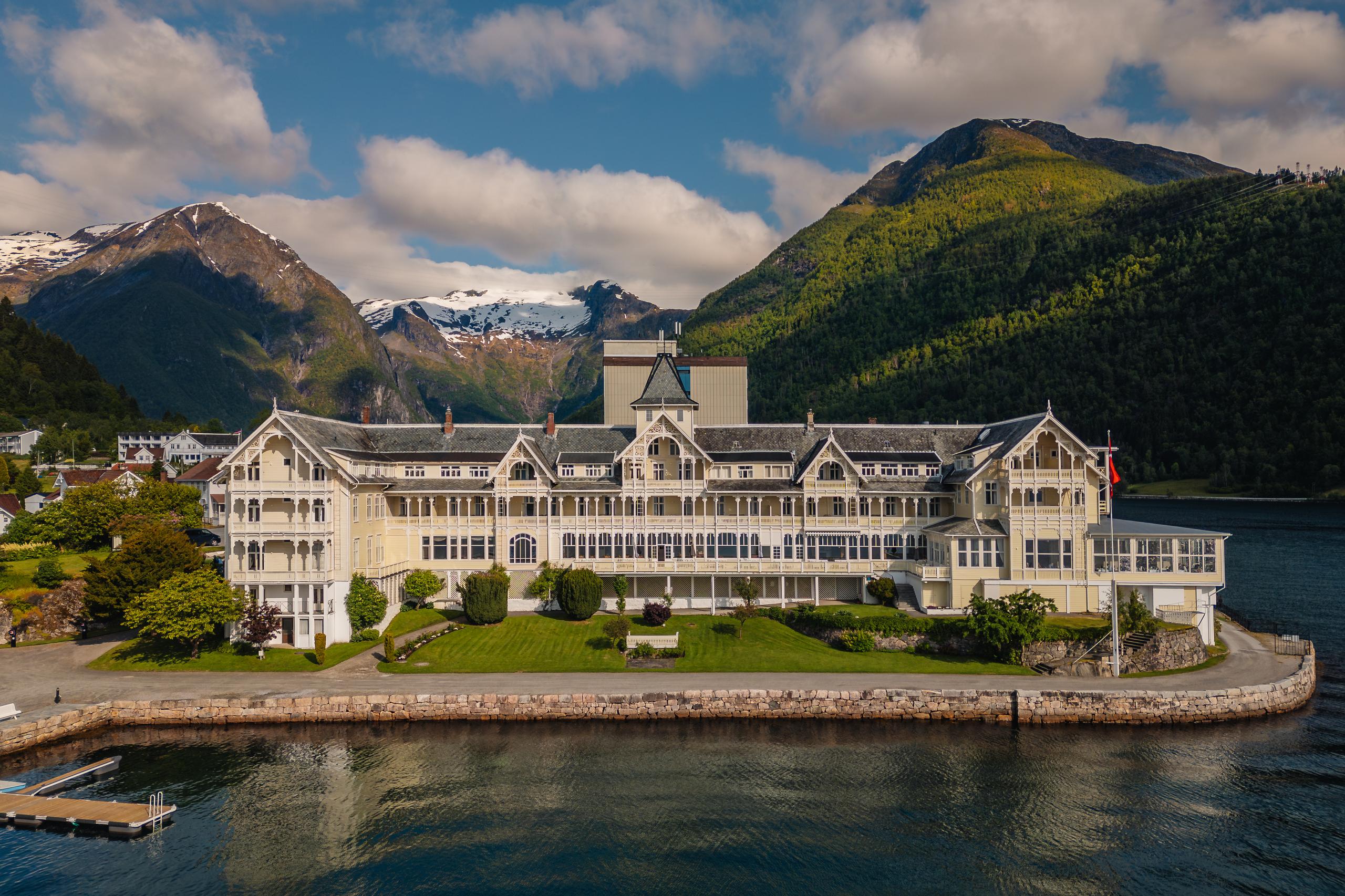 De HistoriskeHave an unforgettable stay at one of Norway's unique, authentic historic hotels. Enjoy first-class dining experiences and a broad range of activities.
 CampioNorway's biggest camping booking site. Find the best camping and motorhome pitches throughout Norway.