Dramatic battles and important events that impacted world history. Read our guide to key WWII sites and important events in Norway during the Second World War, including the battle of Narvik, the sinking of the Blücher at Oscarsborg, and the heavy water sabotage mission at Rjukan.
A guide to
World War II sites
"Visiting historic war sites is increasingly popular. We receive a lot of queries from people who suddenly discover that a family member has been involved or affected by the Second World War. Although it's a topic that has perhaps not always been as easy to discuss, the generation that is now growing up is curious, asks questions, and wants answers," says Ann Kristin Kristensen at the Narvik War and Peace Centre.
The Narvik War and Peace Centre is the northernmost of Norway's seven peace and human rights centres. The centre runs the Narvik War Museum, where you can learn about the battle of Narvik during the Second World War.
"There are many kinds of sites from the war. They can include places where fighting occurred or locations of monuments and memorials. In Narvik, we have very many monuments that mark different aspects of the war, which lots of people wish to visit. The cemetery here and Beisfjord detention camp are also important sites to many visitors," says Ann Kristin.
The battle of Narvik
In spring 1940, both Germany and the Allied forces sent ships, planes and soldiers to Narvik. The small city located at the innermost section of the Ofotfjord and the surrounding area became the site of the biggest battles of the war on Norwegian soil,during which Norwegian soldiers were involved in the fighting.
Gaining control of Narvik harbour was key to both the Germans and the Allies, since it secured access to iron ore from Sweden, used in the manufacture of weapons and equipment.
For 62 days, soldiers from Norway, Great Britain, France, and Poland fought against the Germans, in both dramatic sea battles and in the mountains around Narvik. The Norwegian and Allied forces were eventually able to retake the city and drive the Germans out, resulting in Hitler's first strategic defeat.
After being retaken, Narvik was levelled to the ground by German bomber planes, both as an act of revenge and in order to destroy infrastructure that could benefit the Allies. When the Allies withdrew, the Germans returned to Narvik. In the end, the Norwegians surrendered, and Narvik remained under German control until the liberation in 1945.
Narvik is an important chapter in World War II history for all the countries involved. Streets and schools have been named after the city in both Poland, the UK, and France.
New film about the battle of Narvik
Countless films have been made about the Second World War. A film about the battle of Narvik in Norway has now also been released.
Kampen om Narvik – Hitlers første nederlag ("The Battle of Narvik — Hitler's First Defeat") was released in cinemas on 25 December 2022. Since its release on Netflix, it has become one of the most watched films on the streaming service!
The film centres around the story of young Corporal Gunnar Tofte, played by Carl Martin Eggesbø, and his wife, chambermaid Ingrid Tofte, played by Kristine Hartgen.
Shot on location in both Narvik, Rjukan, and Oslo, the exciting film features a key scene on Norddalsbrua outside Narvik:
World War II sites around Narvik
One can find many sites and remnants of battles from World War II in Narvik and the surrounding area.
At the Narvik War Museum, you can learn more about what took place during the dramatic days in 1940. The museum also offers experiences tailor-made for children.
The Historic WWII landscape contains a series of monuments on the stretch from Narvik to Bardufoss that serve as a memorial to the dramatic battles.
On Bjørnfjell, you can join a guided WWII history walk to several important wartime sites. Learn how the Ofotbanen railway line played an essential role in transporting iron ore, stroll along the historic Rallarveien (Navvies' road), and see the spectacular Norddalsbrua bridge, where key scenes of the major motion picture Kampen om Narvik were shot.
Several interesting walks, WWII sites and museums in the area are shown below:


Visit more historic locations!
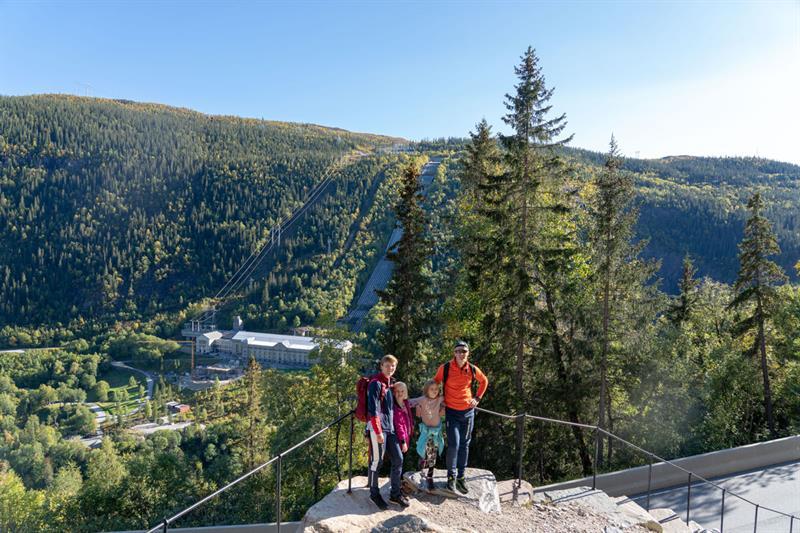
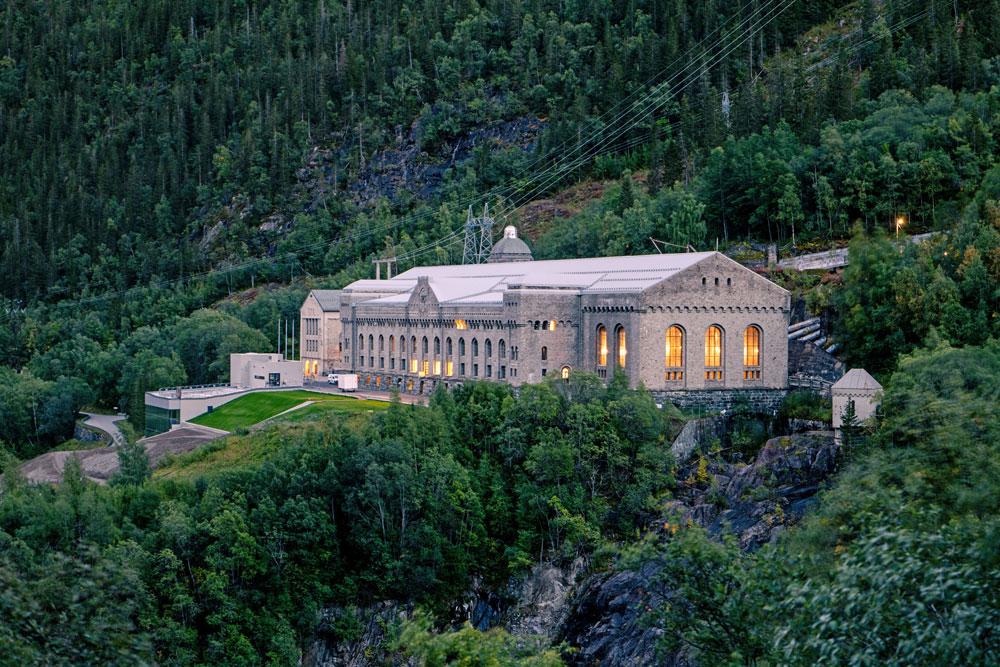
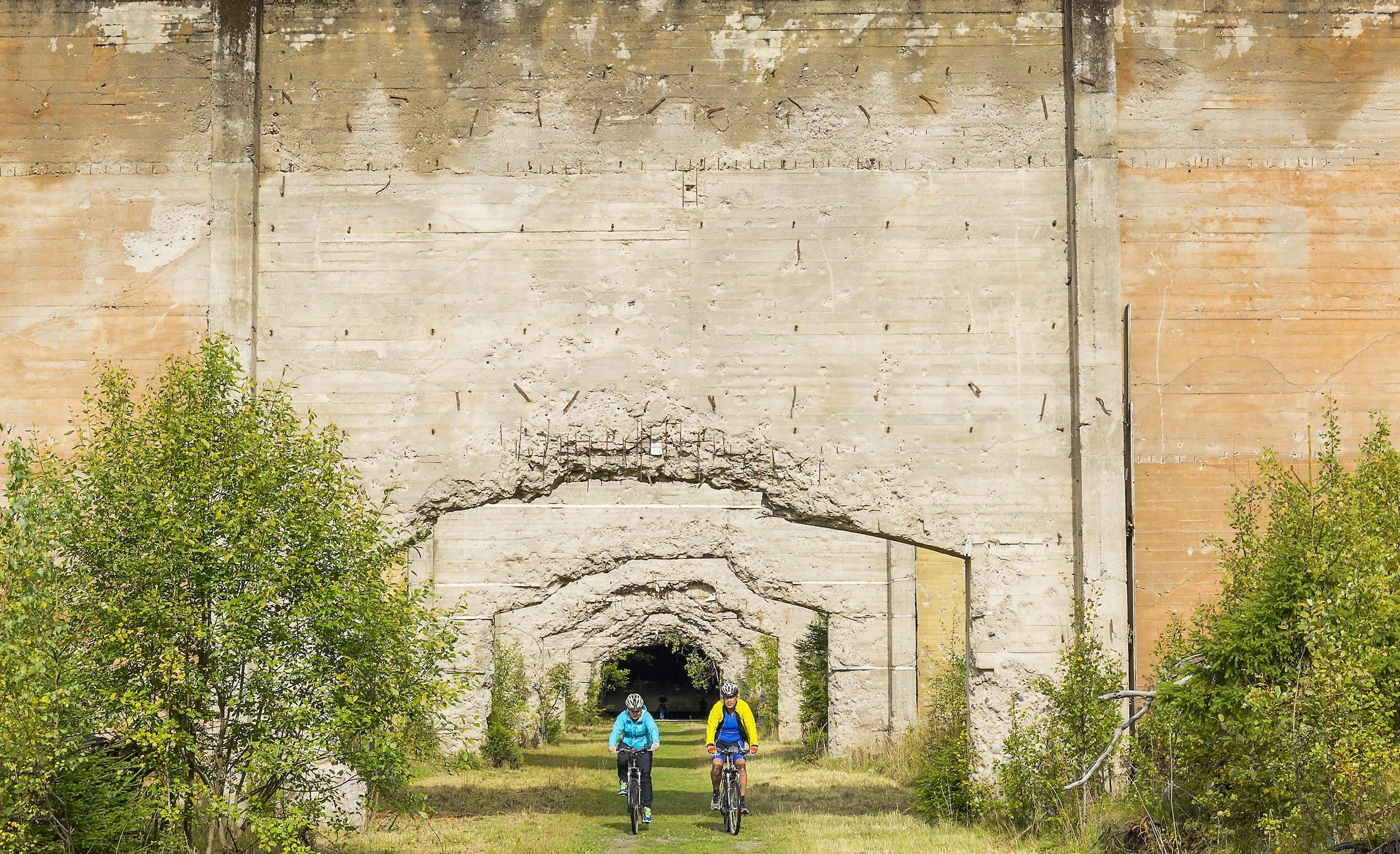
You can find places that were at the centre of dramatic events during the Second World War throughout Norway, such as Vemork in Rjukan (pictured).
Here are a few you won't want to miss:
1. The heavy water cellar in Rjukan
During the Second World War, the fight for heavy water took place at Vemork by Rjukan, which was then the biggest power plant in Norway. The Germans wished to use the heavy water to attempt to build an atomic bomb. However, thanks to four dramatic sabotage missions, their attempts were thwarted.
Today, the venerable power plant has been refurbished to house the Norwegian Industrial Workers Museum. The exhibition Heroes of Telemark dramatises the four sabotage missions, among other things.
In autumn 2017, an exciting project was launched at Vemork, in which the heavy water cellar was excavated and found to be intact. You can also join an exclusive tour of the heavy water cellar, where a new museum opened in 2022.
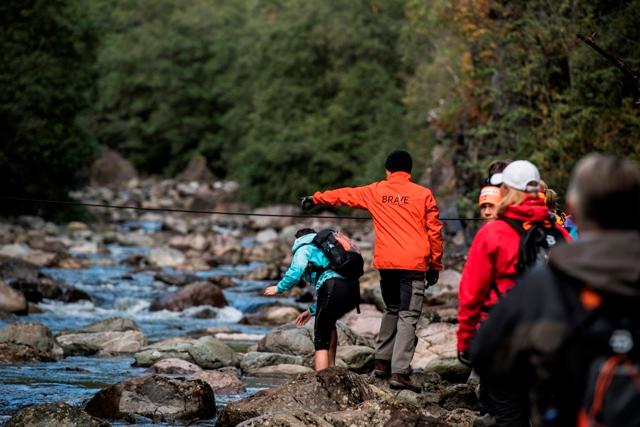
Join a guided tour of the saboteur route and discover more about Vemork:
 Rjukan
Exhibition at Vemork " The heavy water saboteurs "
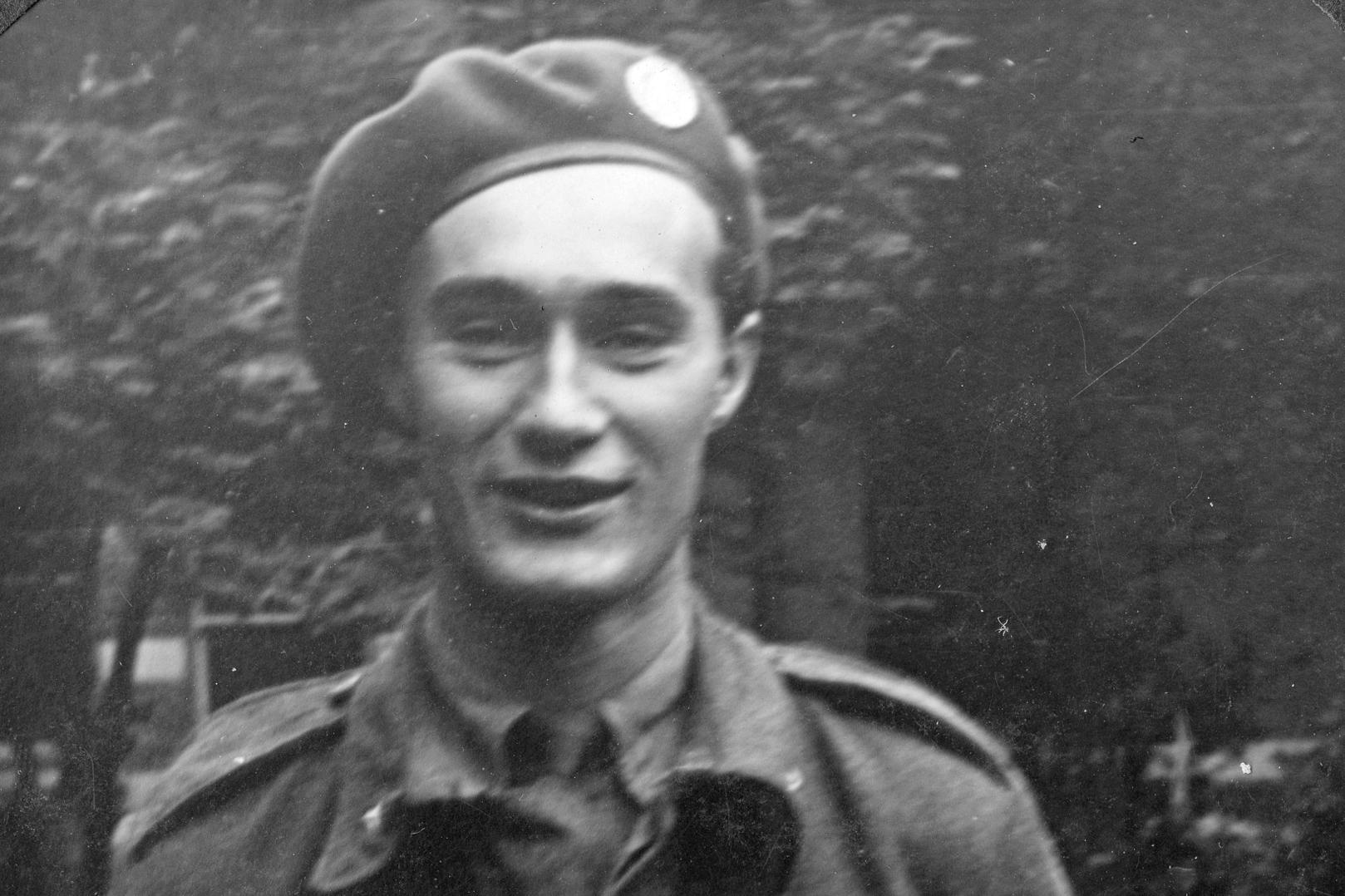
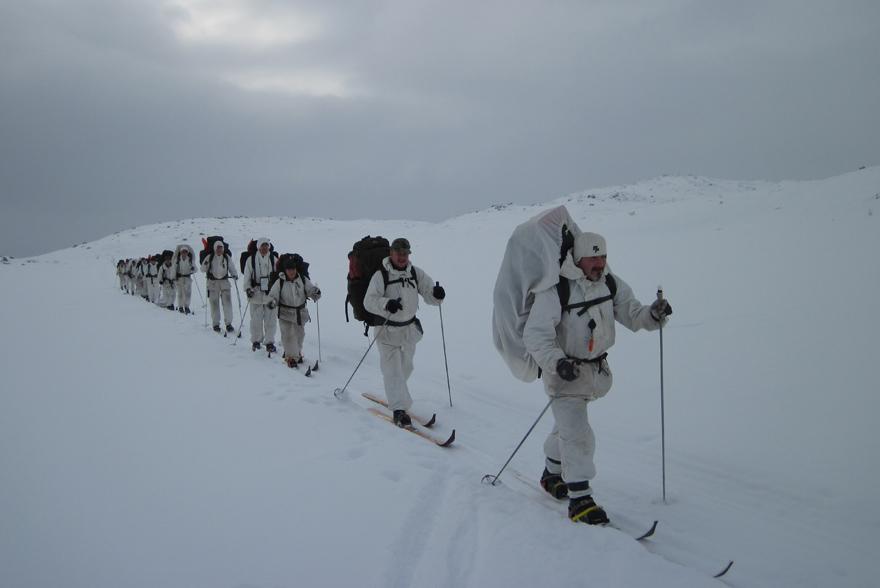
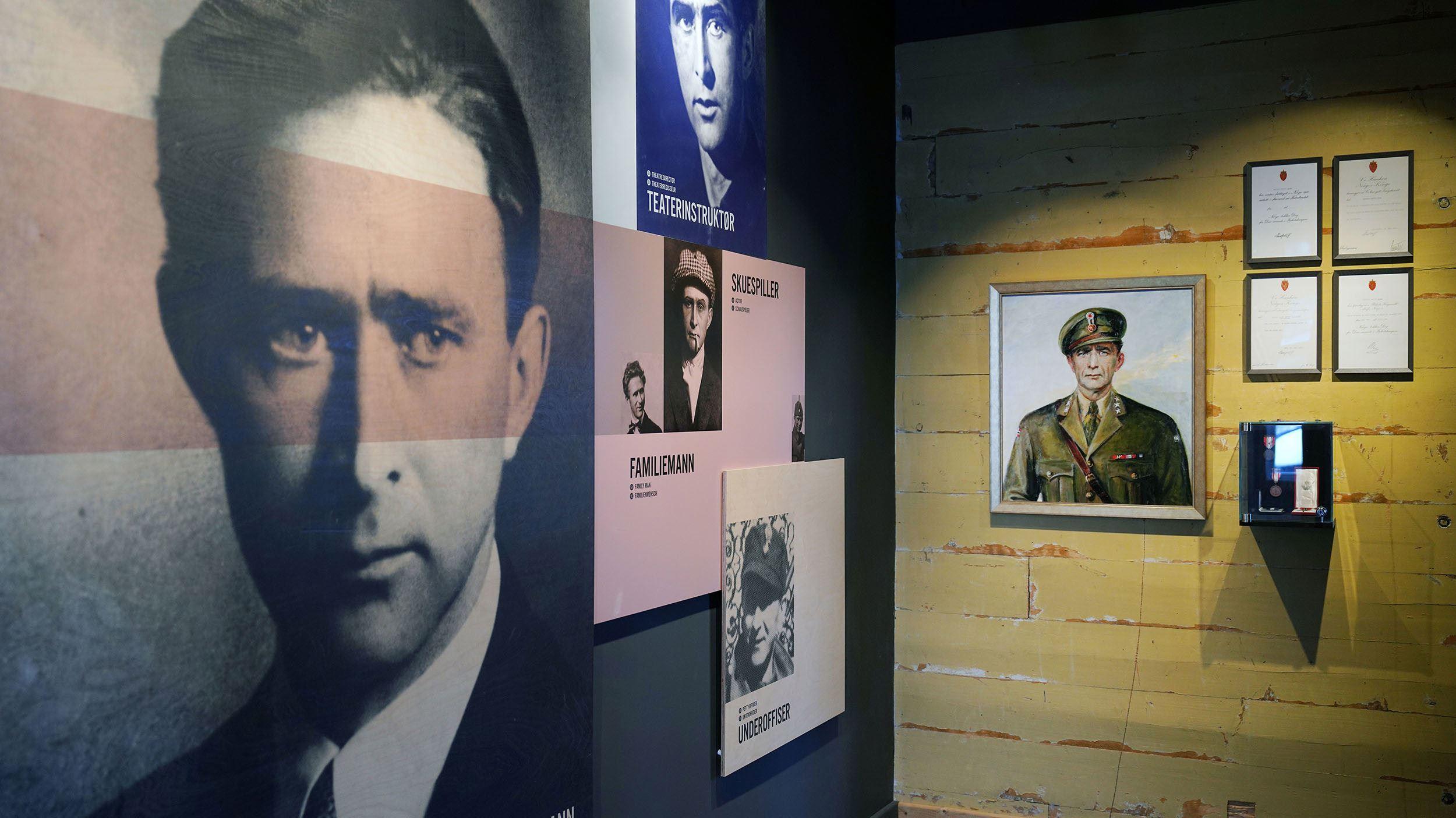
The exhibition presents the 11 saboters who participated in the action, what role and military degree they had and what they did after the action. It will be placed in Café Vemork and the audience will be able to experience the saboteurs close by. Operation Gunnerside was a success. Under the leadership of fJoachim Rønneberg, the sabotagers managed to sneak into the heavy water fabric and blow out the heavy water system. The sabotage who carried out the action on the night of February 28 left without being detected by German guards. No one was hurt and no life was lost. This action is one of the most famous sabotage actions of World War II.
2. Oscarsborg Fortress
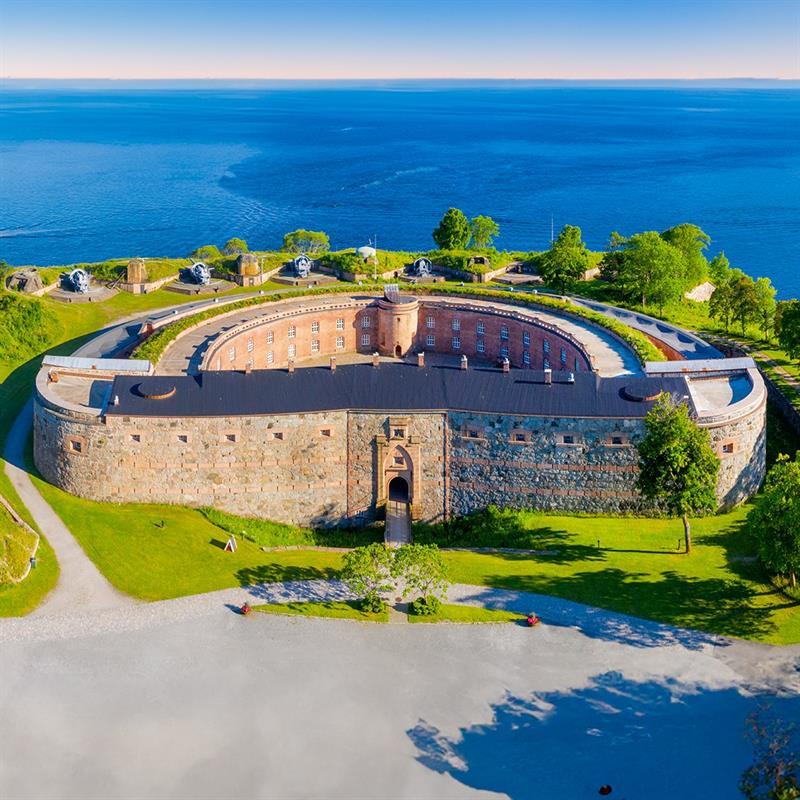
The Oscarsborg fortress lies in the middle of Drøbaksundet sound. On 9 April 1940, the fortress halted the German attack on Oslo by sinking Blücher, Germany's second-biggest cruiser. The sinking of Blücher was key to the successful evacuation of the King, the parliament and the government.
At the Oscarsborg Museum, you can learn more about the history of the fortress, through both topical exhibitions and guided tours.
You can reach the fortress by taking the ferry from Drøbak. The ferry runs year-round and the trip takes about 10 minutes.
3. The battle of Gudbrandsdalen
In April 1940, Kvam in Gudbrandsdalen was at the centre of the fiercest fighting in southern Norway. Norwegian and British forces fought against German soldier in the small community, and about 70 houses and buildings were destroyed by fire, including the church in Kvam.
The fighting in Kvam forms the basis of the Gudbrandsdal War Collection, which opened in 1995. Kvam peace park is located beside the museum, where you will find a monument to those who fell during the Second World War.
4. Altmark in Jøssingfjord
Jøssingfjord in Rogaland is famous for the Altmark incident that took place there in February 1940.
The German ship Altmark passed through Norwegian waters on its voyage back to Germany with several hundred British prisoners of war on board, escorted by a Norwegian torpedo boat. The ship was discovered by the British, resulting in a battle in which several Germans were killed, and the British prisoners were rescued.
5. Coastal forts
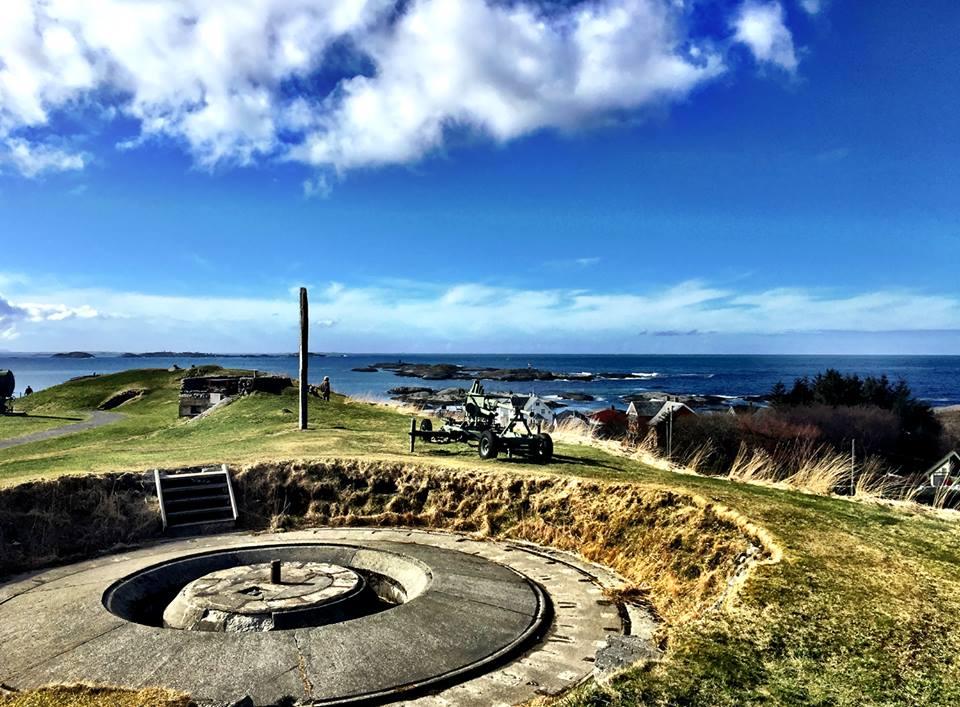
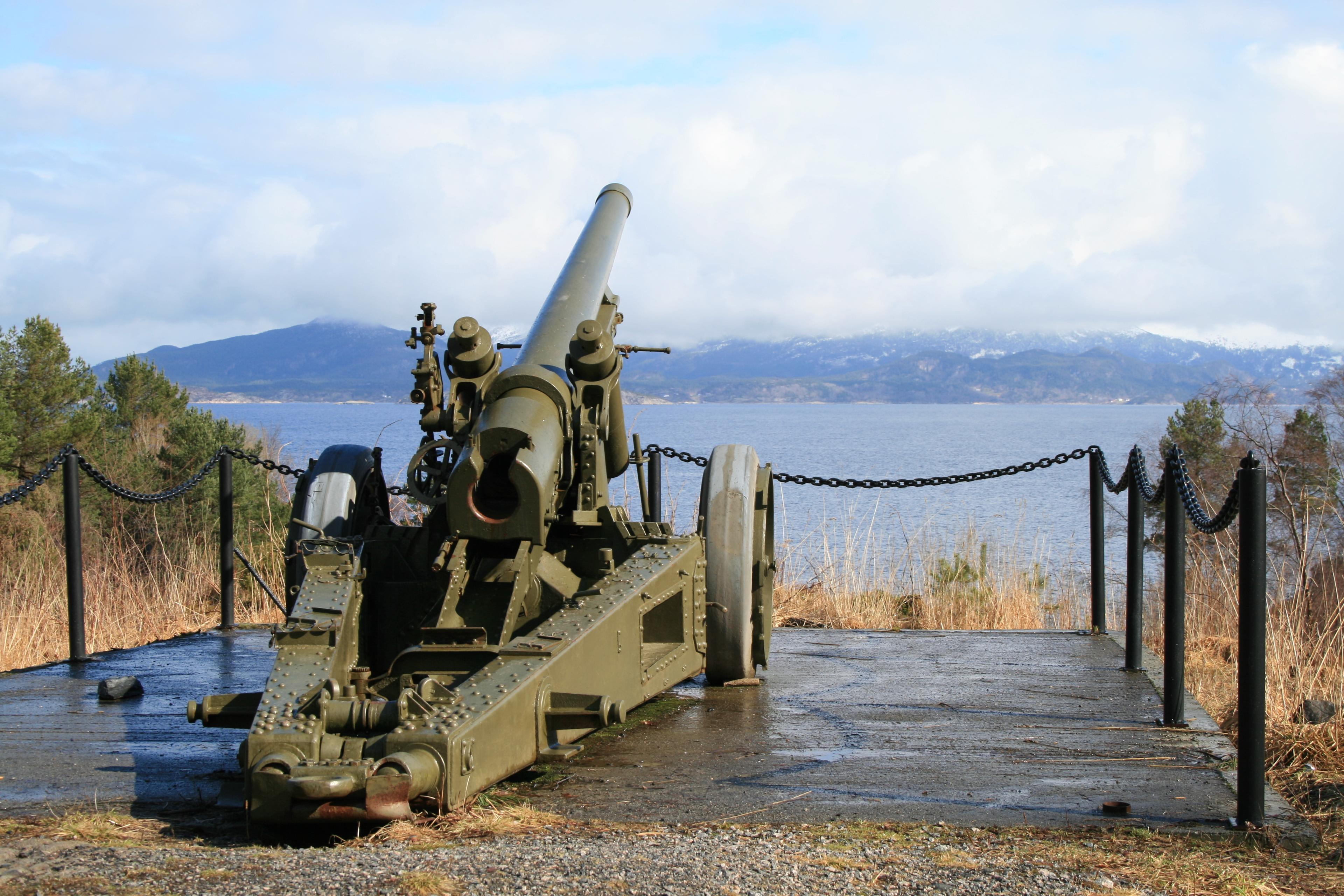
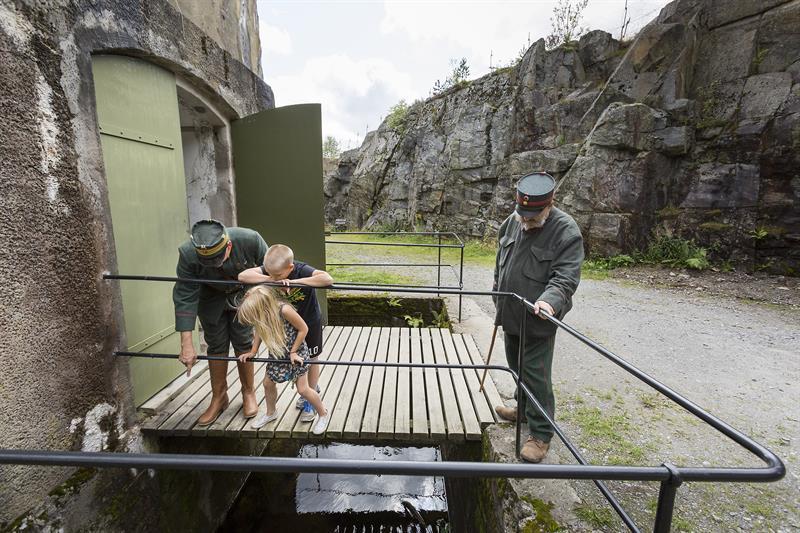
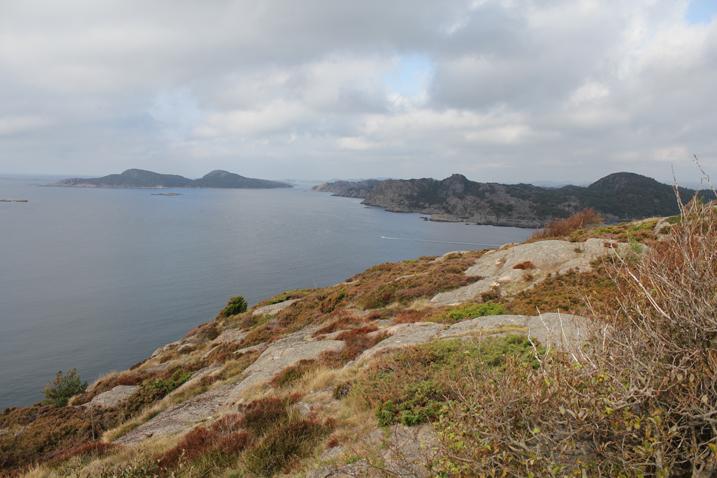
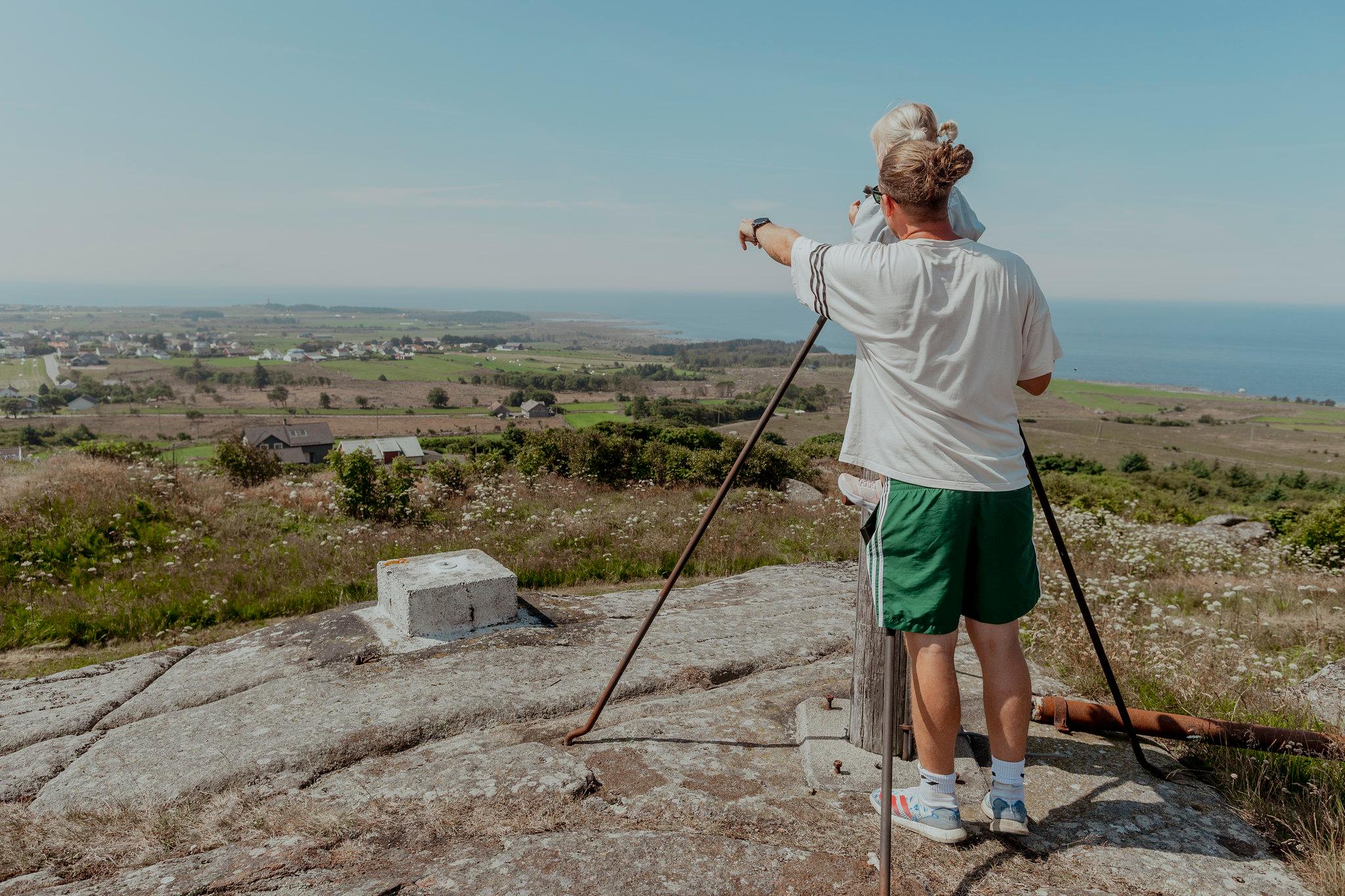
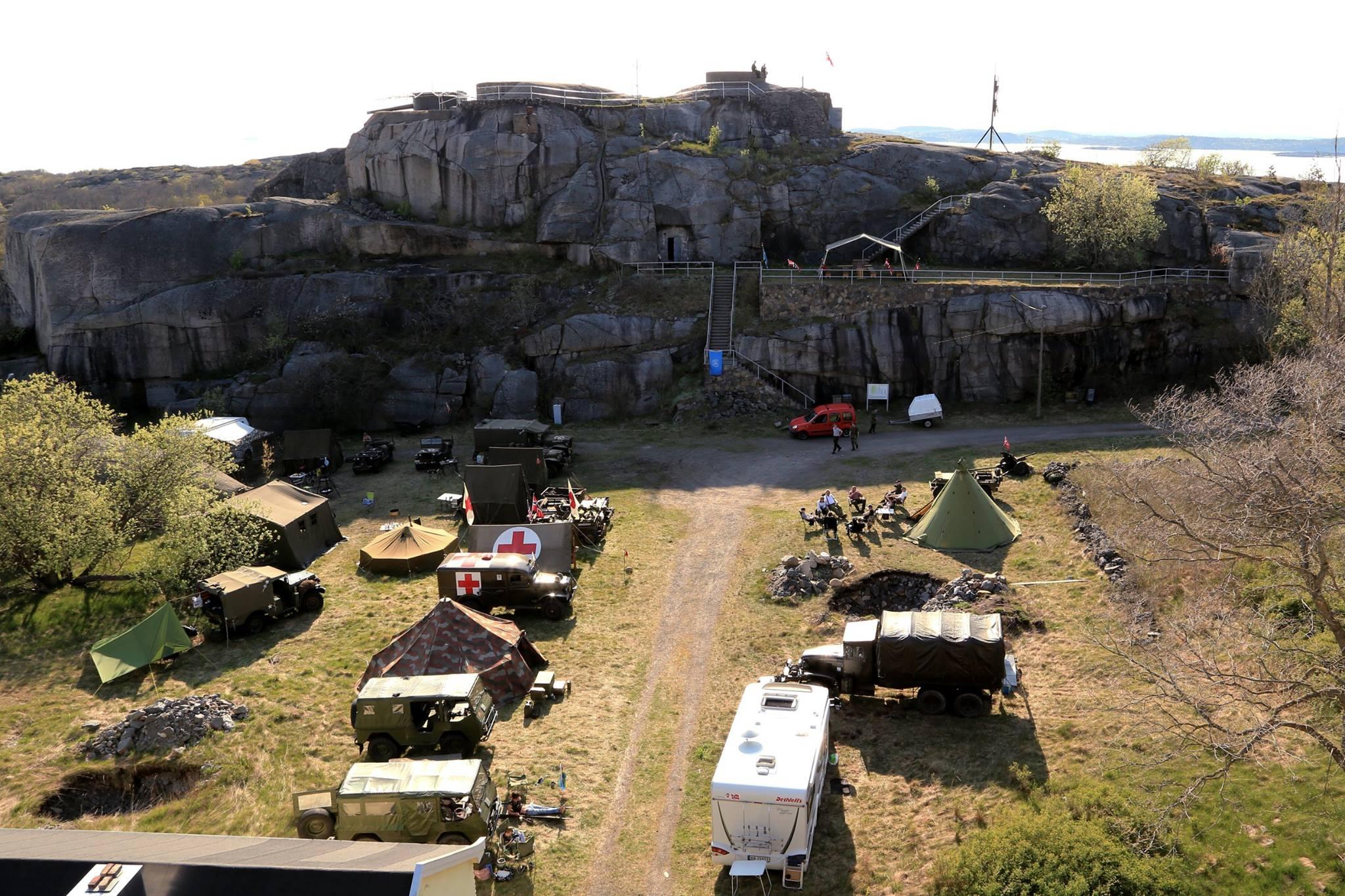
Along the coast, you can find a number of coastal forts that were built during the Second World War. Many of the forts offer guided tours in summer, and you can simply visit many forts on your own.
Explore forts from the Second World War:
 Kragerø
Gunnarsholmen Fortress / Recreational area
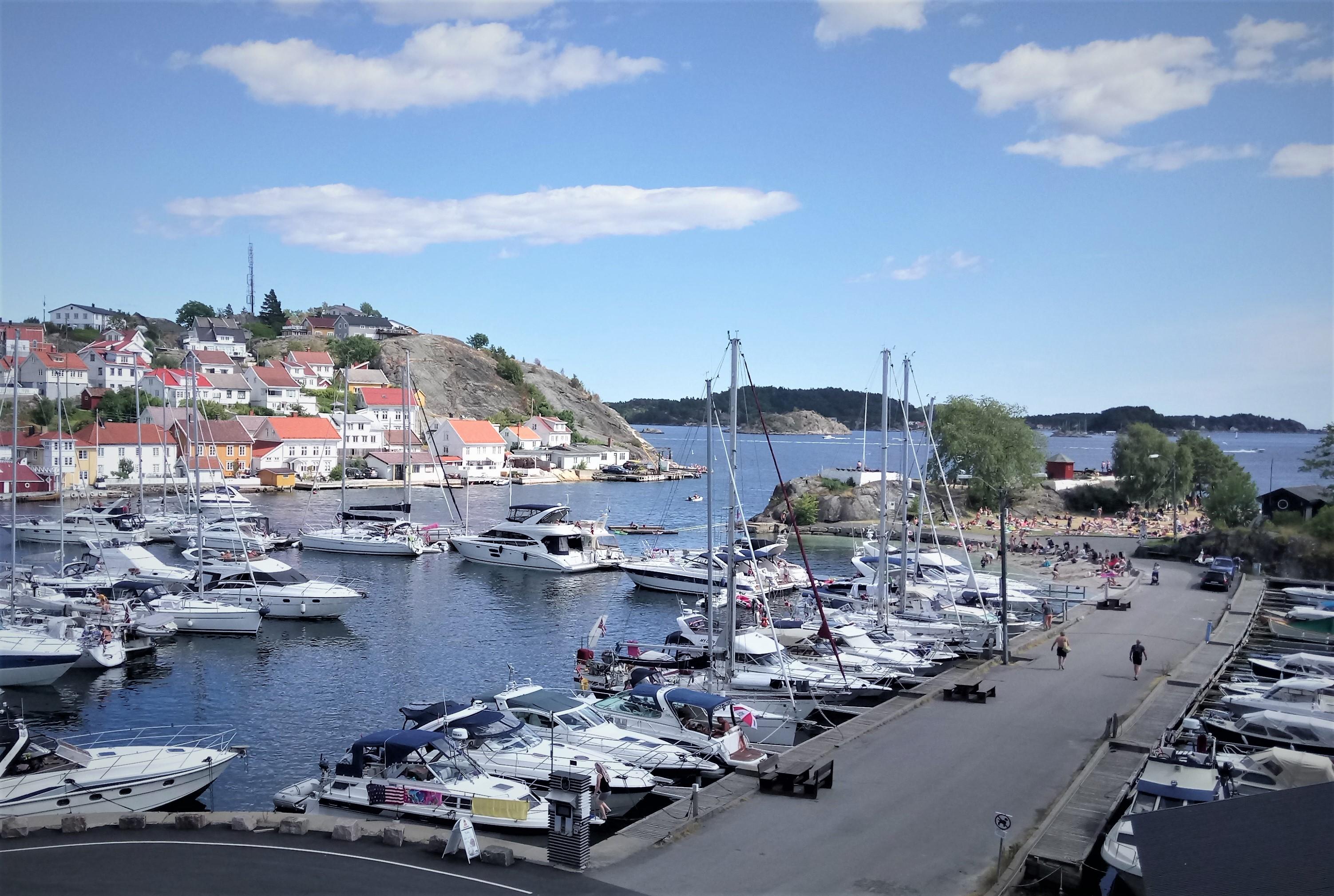
Gunnarsholmen is located a just short walk from the town center and was originally an old coastal fort which protected Kragerø in the 18th and 19th century when warships and pirates threatened the city. Today it is an open area with a nice sand beach and a salt water swimmingpool for kids.

6. Norwegian prison camps
There were several prison camps in Norway during the Second World War. Grini was the biggest camp. In total, about 20,000 people were imprisoned at Grini. Most were Norwegian, but Poles, Soviets, and Frenchmen were also held captive there.
The Grini Museum is today housed in one of the camp's barracks. Here, you can explore topics like arrests, guards, and illegal communication through text, photos, and objects.
Falstad prison camp was located in Nord-Trøndelag. More than 4,200 prisoners were held captive there during the WWII. Most of the prisoners were Norwegian, but Russians, Yugoslavians, Danes, and Poles were also held there.
Today, the former prison buildings are home to the Falstad Centre, one of seven peace and human rights centres in Norway. The site is both a memorial and a national centre for the history of Second World War prisoners and human rights. In the Falstadskogen forest, a two-minute drive from the centre, lies the Arkbusering memorial by Norwegian sculptor Odd Hilt, who was himself imprisoned at Falstad.
Read more about the history of Falstad:
 Ekne
EkneThe Falstad Forest - a memorial from WWII
Falstad Forest - Execution Site and Memorial Amidst the lush Falstad Forest, small stone pyramids emerge among the grass and bushes, serving as memorials to the horrifying events that took place there during World War II. It is estimated that over 200 prisoners of war were executed in Falstad Forest, although there is uncertainty regarding the exact number and identities. After the war, from the summer of 1945 to 1953, Norwegian authorities conducted several exhumations. Those who were recovered were given a proper burial in regular cemeteries elsewhere in Norway or in memorial cemeteries. Today, Falstad Forest is a place to remember the horrors of war, contemplate the hustle and bustle of everyday life, and take a moment of silence to appreciate how well-off we are in Norway today... The "Arkebusering" Memorial Just a 2-minute drive from the Falstad Center, you'll reach Falstad Forest with the "Arkebusering" (Execution) memorial by Odd Hilt. Odd Hilt was a former prisoner at Falstad who managed to escape to Sweden. The monument portrays three prisoners with distinct facial expressions and individual ways of resisting the anonymous, faceless war machinery hidden behind helmets and rifles. Hiking Trail from the Falstad Center You can also walk from the Falstad Center to Falstad Forest via a trail that spans approximately 2 km and runs alongside a small river. Along the way, you'll cross 22 bridges. Ekne
EkneFalstadsenteret - museum and war memorial
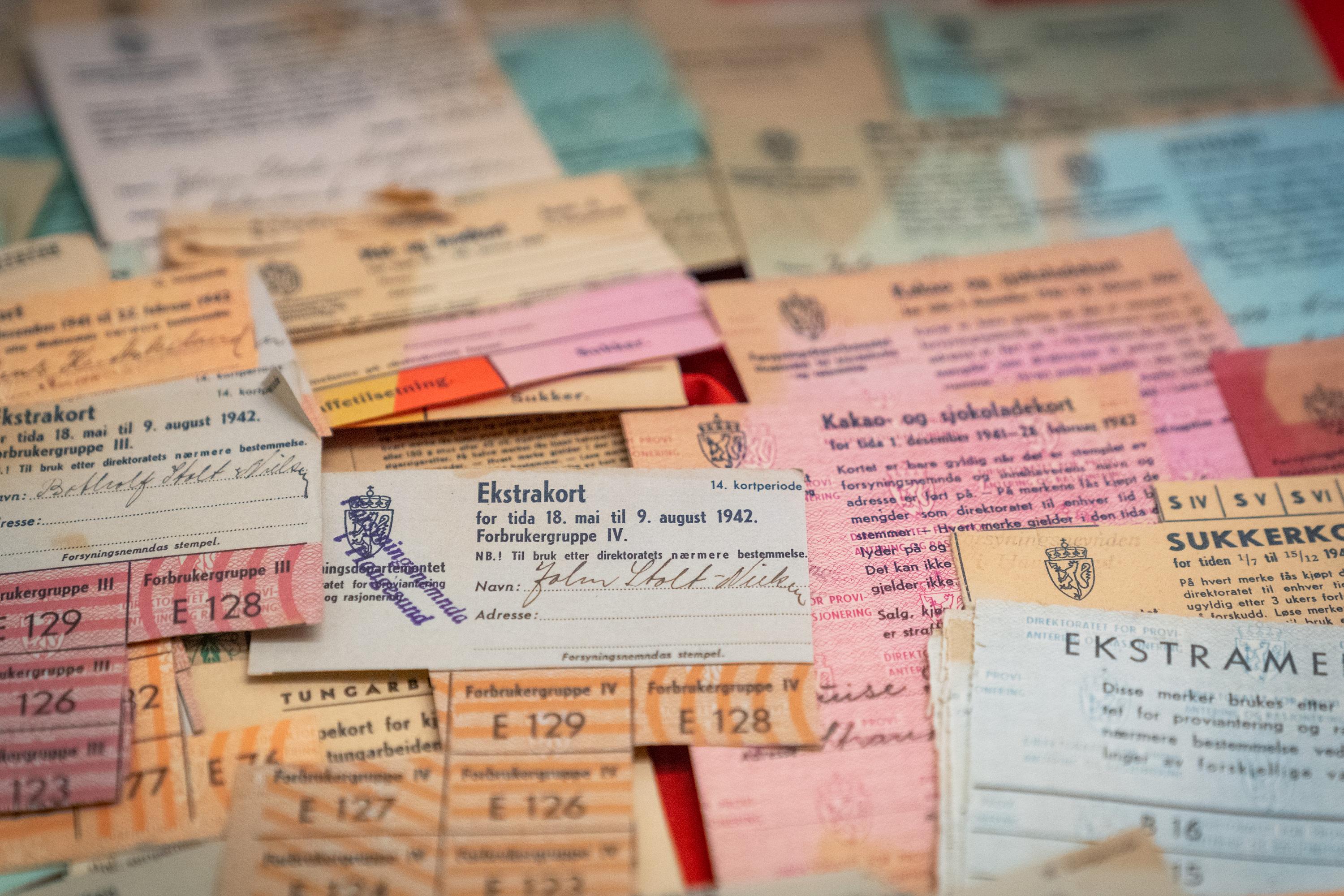
The Falstadsenteret in Levanger is a museum, war memorial and national human rights centre for the education and documentation of the history of imprisonment during the Second World War, humanitarian international law, and human rights. In addition to permanent and temproary exhibitions, there is a huge collection of photos from the from WW II and the initial period after the liberation. The Falstad Centre is located in buildings that once formed the SS Strafgefangenenlager Falstad. Today, you can learn about and reflect upon the harrowing history contained within Falstad, as well as learn more about human rights. At any time, you can visit various exhibitions, the library, and the centre's museum shop which offers books and other items. You will certainly not leave Falstad unaffected. This visit puts your own life and daily routine into perspective! DIGITAL "GUIDED" TOUR Not all the buildings from the historical prison camp still exist. Therefore, the Falstad Centre has created a digital reconstruction of the camp as it appeared in 1945. Using provided tablets, visitors can experience a unique perspective on history by wandering through the former camp landscape. The virtual tour features numerous eyewitness accounts and other historical materials from the war. This experience is available in Norwegian, English, Russian, and German. EXHIBITIONS "Face to face" ("Ansikt til ansikt") The permanent exhibition "face to face" in the main builing deals with the history of Falstad prison camp (SS Strafgefangenenlager Falstad) during World War II. The story, the fate of the prisoners, and the genocide are conveyed through photographs, texts, interviews, historical artefacts and video clips. It also provides a comprehensive representation of the rise of Nazism, the Holocaust and the Nazi camp system. Furthermore, the exhibition also shows how World War II impacted later periods through the establishment of the UN and the emergence of modern human rights. TEMPORARY EXHIBITIONS Several changing exhibitions are displayed annually on the ground floor – including borrowed and self-produced exhibitions, art exhibitions, and historical exhibitions, thematically linked to Falstad as a place and to the centre's field of expertise: the history of war prisoners, memory culture, and human rights. Summer Exhibitions 2024 (22 June - 11 August) "Løvnes Meets Hilt": This summer's art exhibition focuses on human dignity and solidarity, featuring portraits drawn by Odd Hilt during his captivity in 1941-42, combined with new works by the renowned artist Håvard Løvnes. "The Birch Tree": For over 100 years, the birch tree stood in the courtyard of Falstad as a silent witness to changing times. In autumn 2023, this symbolic tree had to be felled. This exhibition presents historical sources showing the birch tree from the 1920s to the present day. THE SCULPTURE RE-REMEMBERING Re-Rembering by artist Tore Reisch is displayed In the courtyard. Through this wooden sculpture, Reisch raises questions about whether traumatic events and personal experiences from captivity and deprivation of freedom can be transmitted to new generations. CARD INDEX An open card index contains three thousand cards with the names of prisoners who were held here at some point. These are copies of the actual documents found here (the originals are preserved by the National Archives). Each card includes information such as name, reason for arrest, duration of captivity, and what happened to them after they were sent from here – if they made it out of here alive. COMMANDANT'S RESIDENCE (KOMMANDANTBOLIGEN) The commandant's residence was built by prisoners for the German camp leadership in 1943. Today, the building is used as exhibition space and classrooms for school groups. Faces of Power (Maktens ansikter) In the basement of the commandant's residence, you will find the permanent exhibition "Faces of Power," which stimulates reflection and conversation about power and the perpetrators of war. Every summer, there is also an exhibition on the first floor of the commandant's residence. The exhibition and theme change from year to year. THE FALSTAD FOREST - WAR MEMORIAL 2 minutes by car from Falstadsenteret you arrive at the Falstad Forest with the memorial "Arkbusering" by Odd Hilt. Odd Hilt himself was a prisoner at Falstad and managed to escape to Sweden. The monument shows 3 prisoners with distinct facial features and distinct individual way of behavious up against the anonymous, unassuming war machine hidden behind helmets and rifles. Executions It is believed that over 200 people were executed here in the forest, but there is an uncertainty related to the number and identity. After the war, from the summer of 1945 to 1953, the Norwegian authorities have conducted several excavations here. They have given those who have been found a grave in ordinary cemeteries elsewhere in Norway or in honor cemeteries.
7. Memorial plaques – Stolpersteine
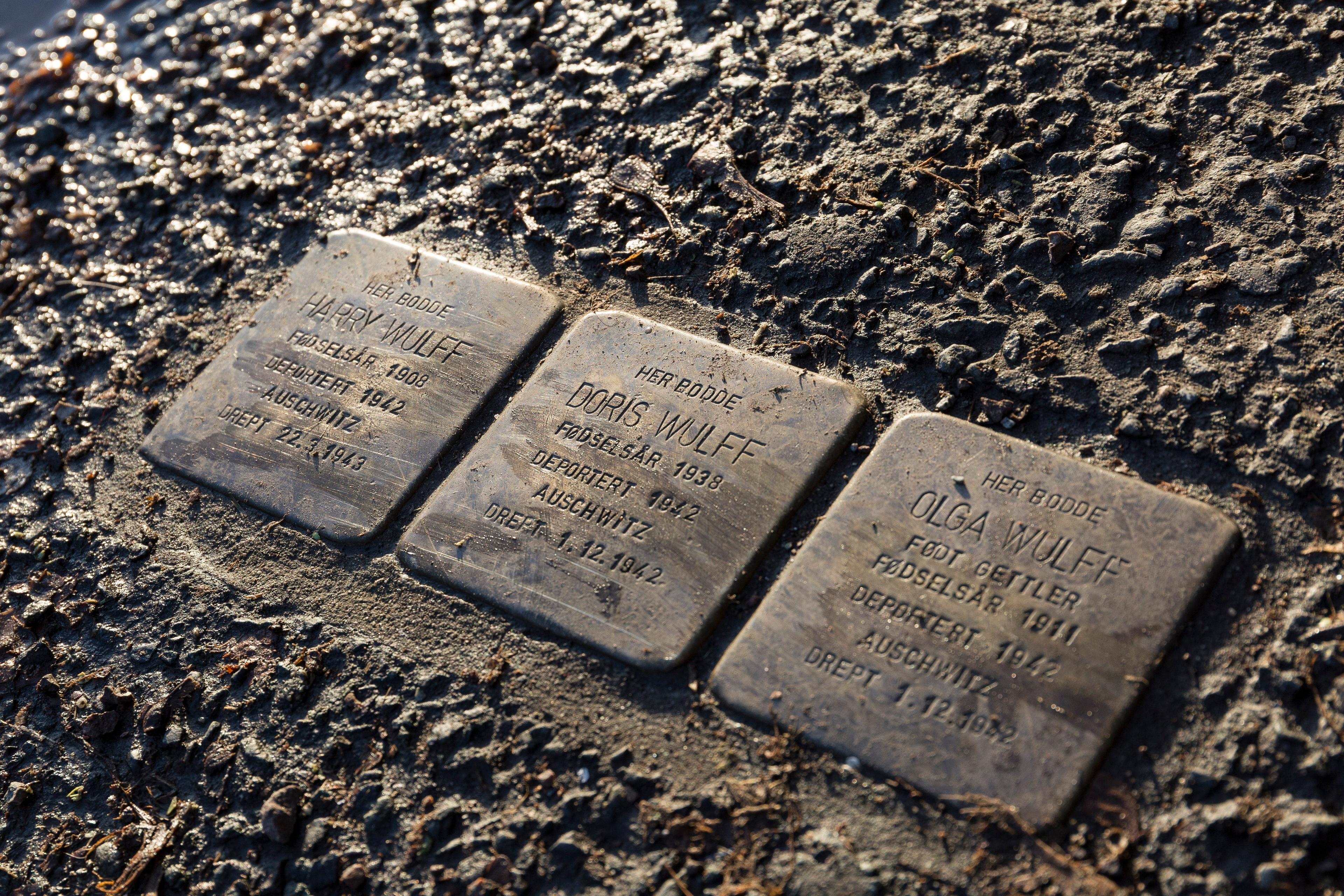
In 26 countries in Europe you can find Stolpersteine, stumbling blocks, a memorial that is set into the pavement at sites where Jews and other victims of the Nazis lived or worked when they were deported and killed. The project was started in 1993 by German artist Gunter Demnig, and The Oslo Jewish Museum brought it to Norway.
You can find several stumbling blocks throughout the country, from Berlevåg and Hammerfest in the north, to Ogna outside Egersund in the south. Each memorial is inlaid with an engraved brass plaque with the person's name, year of birth, year of deportation, and site and date of death.
Here is where you can find stumbling blocks in Norway:
 Oslo
OsloStolpersteine: memorial cobblestones
The Stolpersteine (literally "stumbling stones") are World War II memorials placed into the sidewalk in places where Jews and other victims lived until they were deported and killed by the Nazis. Each stone represents a single person, and includes a brass plate engraved with their name, birth year, deportation year, and date and place of death. In Oslo there are 393 such stones as of September 2020. At snublestein.no (in Norwegian) you can see where the stones in Oslo are located and find information about each of the commemorated individuals. About the Stolpestein project The project was started by German artist Gunter Demnig in 1994, when he placed the first stone on the sidewalk in Cologne. Since then more than 60,000 stones have been placed in 22 European countries. In 2010 the Oslo Jewish Museum brought the project to Norway and placed the first stones at Calmeyers gate 15, where the museum is located in a former synagogue. The house in front of the synagogue was home to 28 Jews in 1942, and 19 of them, several of them children, were deported and killed in Auschwitz. Each of these 19 victims are remembered with a stone outside the museum. The other 217 stones in Oslo are spread across large parts of the city, including Frogner, Vika, St. Hanshaugen, Grünerløkka, Tøyen and Grønland. The stones on the photo above are located in Uelands gate 14 near Alexander Kiellands plass.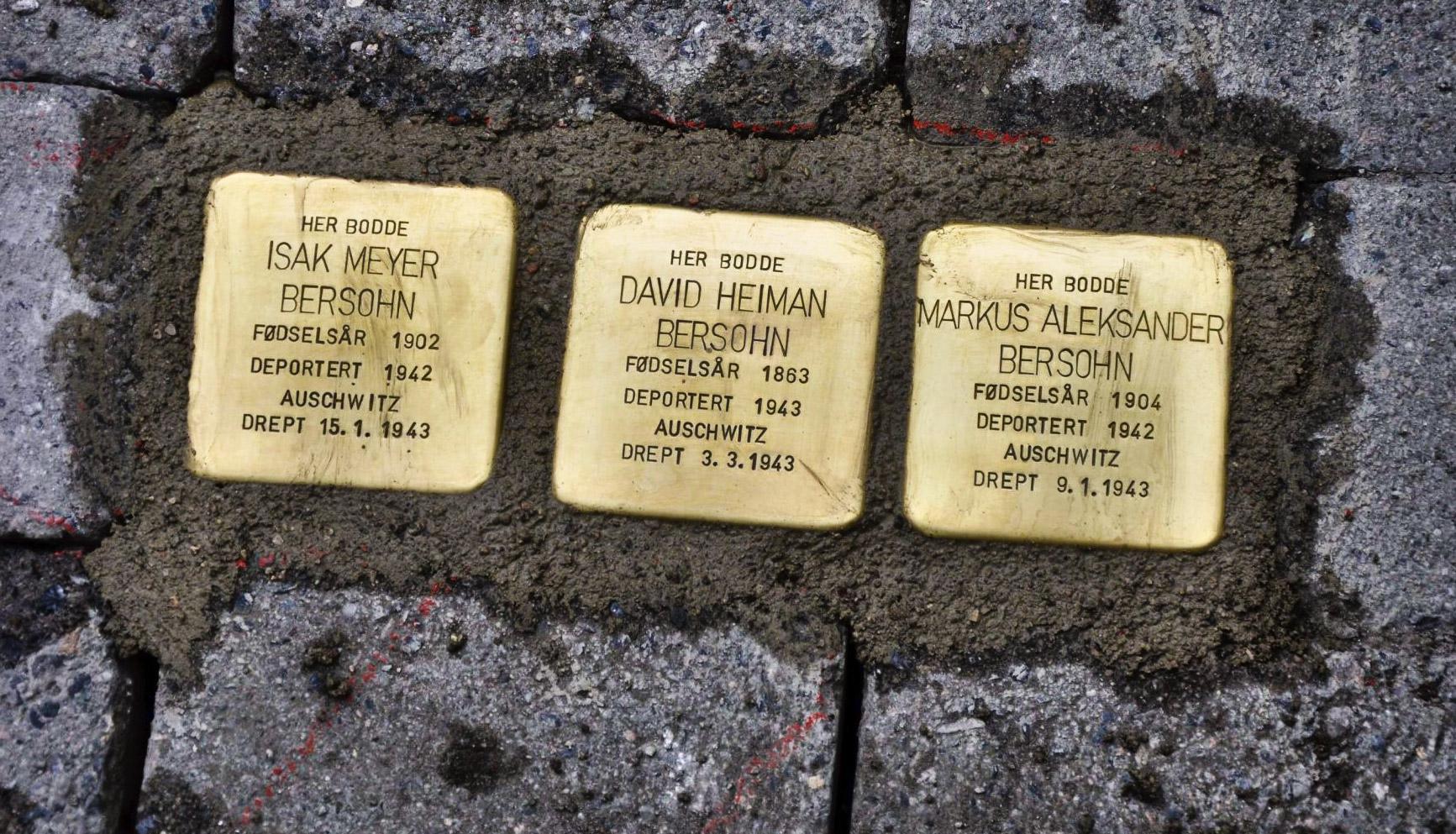 Jevnaker
Second World War memorial - The stumble stones in Jevnaker
The stumble stones in Jevnaker - Second World War memorial The stumble stones is simple, yet important memorials dedicated to those who fell to the Nazis during the second World War. The stones is embedded into the pavement where Jews and other victims resided until they were deported and killed. Each stumble stone represents a single human life with their name, date of birth, deportation date as well as place and date of death engraved on a brass plate. In Jevnaker you will find three such stumble stones, all in memory of the Bersohn family who met their end in Auschwitz. Here you may read the stories of their lives, which was torn from them far too early. - David Heyman Bersohn (1863 - 1943) - Isak Meyer Bersohn (1902 - 1943) - Markus Aleksander Bersohn (1904 - 1943) (The national stumble stone-webpage is unfortunately only in Norwegian, but can be read in English using browsers with auto-translation, such as Google Chrome) About the “Stolpersteine”-project (German for Stumble stone) The Stumble stone project was initiated by a German artist named Gunter Demnig I 1994, when he placed the first stumble stone in Køln. Since then more than 60 000 stumble stones have bloomed across 22 European countries. The stumble stones made their way to Norway in 2010 managed by the Jewish Museum, who placed the first stumble stones in Calmeyers gate 15.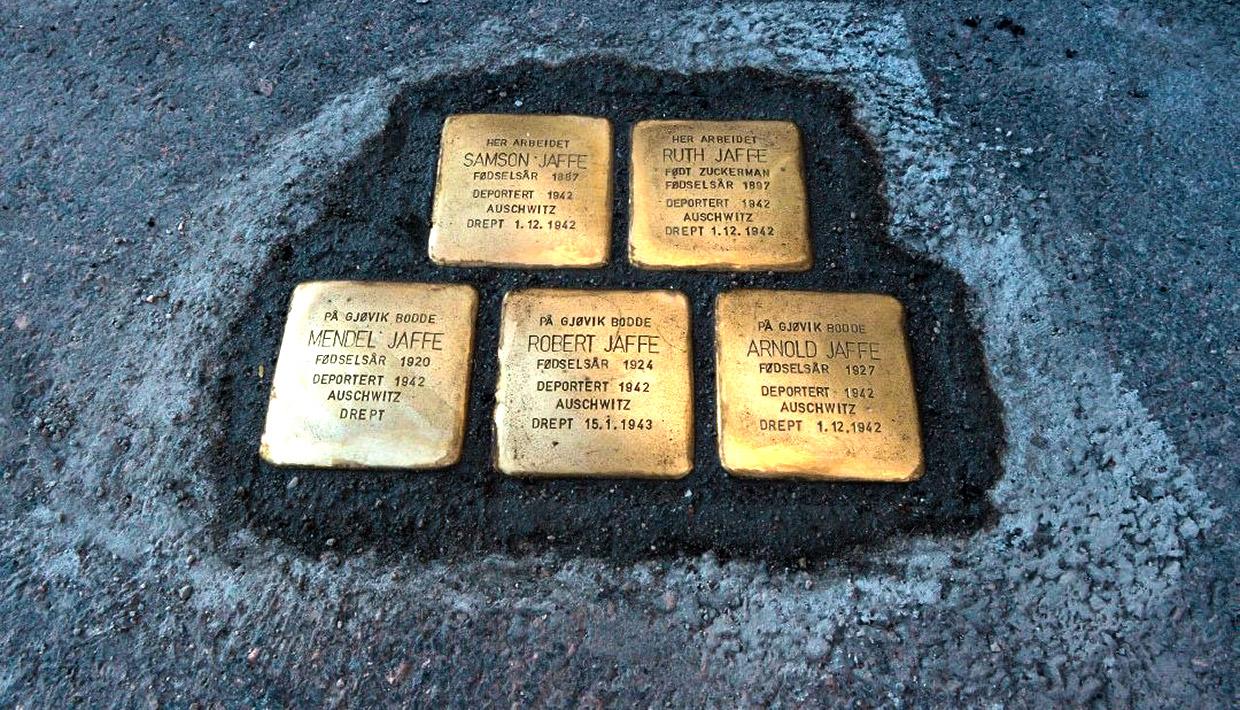 Gjøvik
Second World War memorial - The stumble stones in Gjøvik
The stumble stones in Gjøvik - Second World War memorial The stumble stones is simple, yet important memorials dedicated to those who fell to the Nazis during the second World War. The stones is embedded into the pavement where Jews and other victims resided until they were deported and killed. Each stumble stone represents a single human life with their name, date of birth, deportation date as well as place and date of death engraved on a brass plate. In Gjøvik you will find five such stumble stones, all in memory of the Jaffe family who met their end in Auschwitz. Here you may read the stories of their lives, which was torn from them far too early. - Samson Jaffe (1887 - 1942) - Ruth Jaffe (1897 - 1942) - Mendel Jaffe (1920 - ?) - Robert Jaffe (1924 -1943 ) - Arnold Jaffe (1927 -1942) (The national stumble stone-webpage is unfortunately only in Norwegian, but can be read in English using browsers with auto-translation, such as Google Chrome) About the “Stolpersteine”-project (German for Stumble stone) The Stumble stone project was initiated by a German artist named Gunter Demnig I 1994, when he placed the first stumble stone in Køln. Since then more than 60 000 stumble stones have bloomed across 22 European countries. The stumble stones made their way to Norway in 2010 managed by the Jewish Museum, who placed the first stumble stones in Calmeyers gate 15.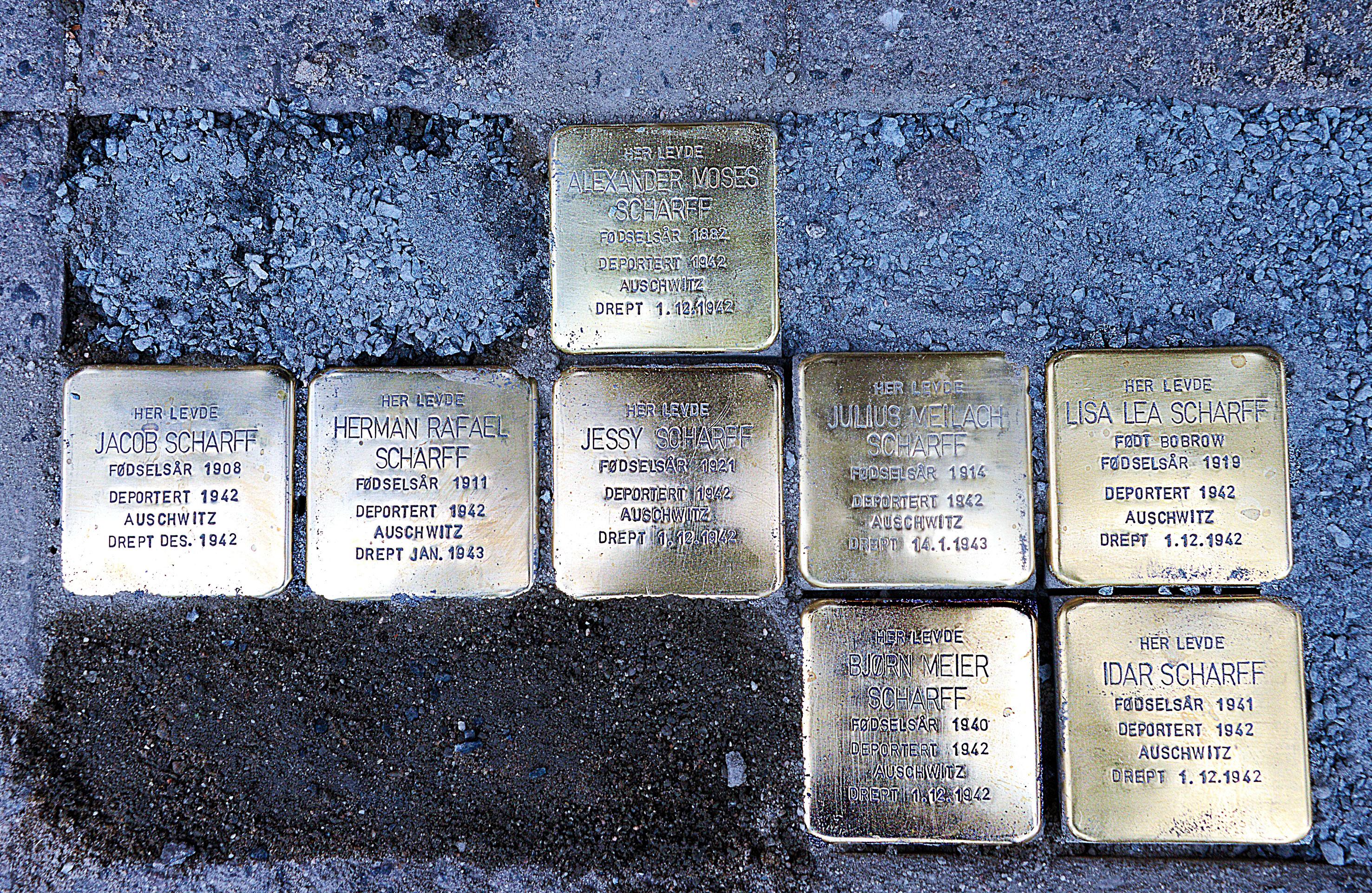 Hønefoss
Second World War memorial - The stumble stones in Hønefoss
The stumble stones in Hønefoss - Second World War memorial The stumble stones is simple, yet important memorials dedicated to those who fell to the Nazis during the second World War. The stones is embedded into the pavement where Jews and other victims resided until they were deported and killed. Each stumble stone represents a single human life with their name, date of birth, deportation date as well as place and date of death engraved on a brass plate. In Hønefoss you will find eight such stumble stones, all in memory of the Scharff family who met their end in Auschwitz. Here you may read the stories of their lives, which was torn from them far too early. - Alexander Moses Scharff (1882 - 1942) - Jacob Scharff (1908 - 1942) - Herman Rafael Scharff (1911 - 1943) - Julius Meilach Scharff (1914 - 1943) - Lisa Lea Scharff (1919 - 1942) - Jessy Scharff (1921 - 1942) - Bjørn Meier Scharff (1940 - 1942) - Idar Scharff (1941 - 1942) (The national stumble stone-webpage is unfortunately only in Norwegian, but can be read in English using browsers with auto-translation, such as Google Chrome) About the “Stolpersteine”-project (German for Stumble stone) The Stumble stone project was initiated by a German artist named Gunter Demnig I 1994, when he placed the first stumble stone in Køln. Since then more than 60 000 stumble stones have bloomed across 22 European countries. The stumble stones made their way to Norway in 2010 managed by the Jewish Museum, who placed the first stumble stones in Calmeyers gate 15.
More WWII memorials and museums
 Oslo
OsloNorway's Resistance Museum
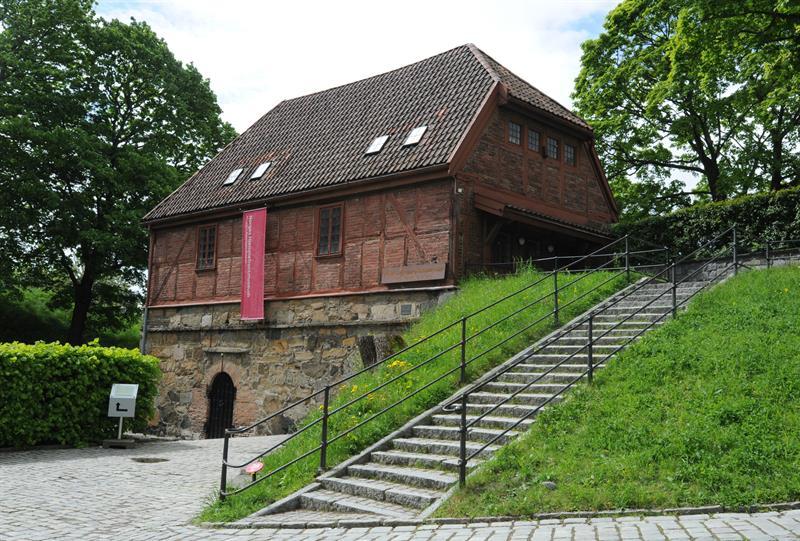
Museum at Akershus Fortress that documents Norway's domestic World War II history from the years 1940-1945. The exhibitions have re-created five years of occupation through pictures, documents, posters, objects, models, original copies of newspapers and recordings. The Restistance Museum is located in a building from the 17th century, adjoining the memorial for Norwegian patriots executed during the war. Norwegian name: Norges Hjemmefrontmuseum
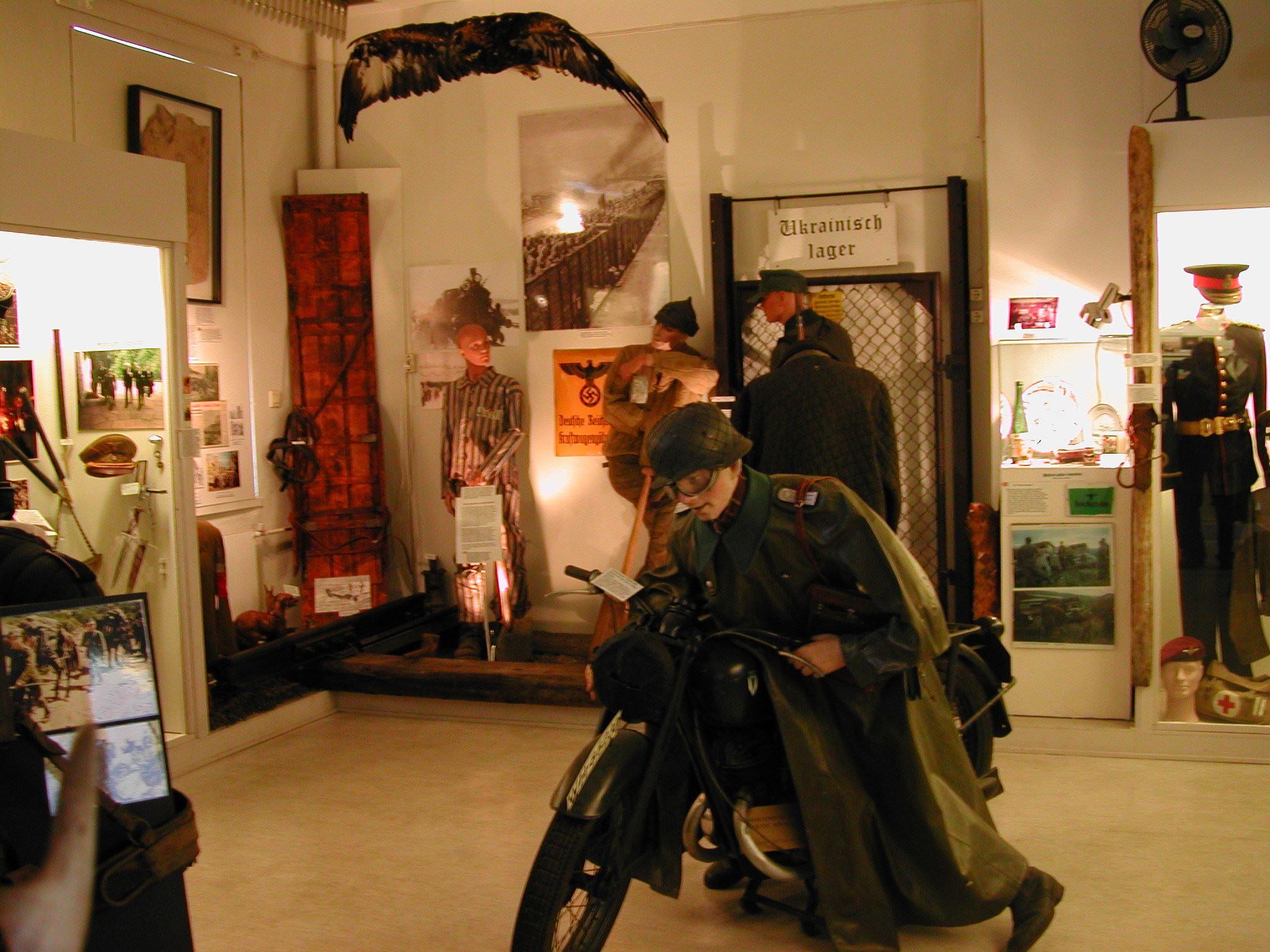
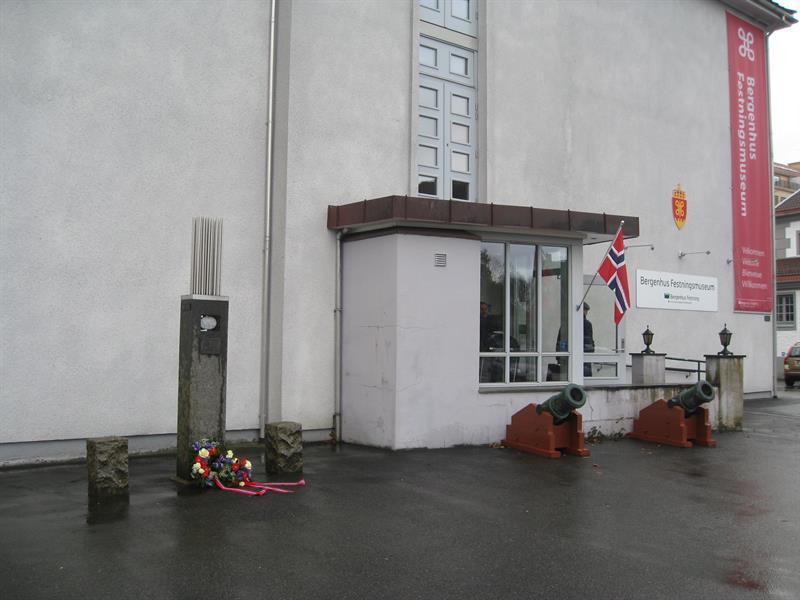
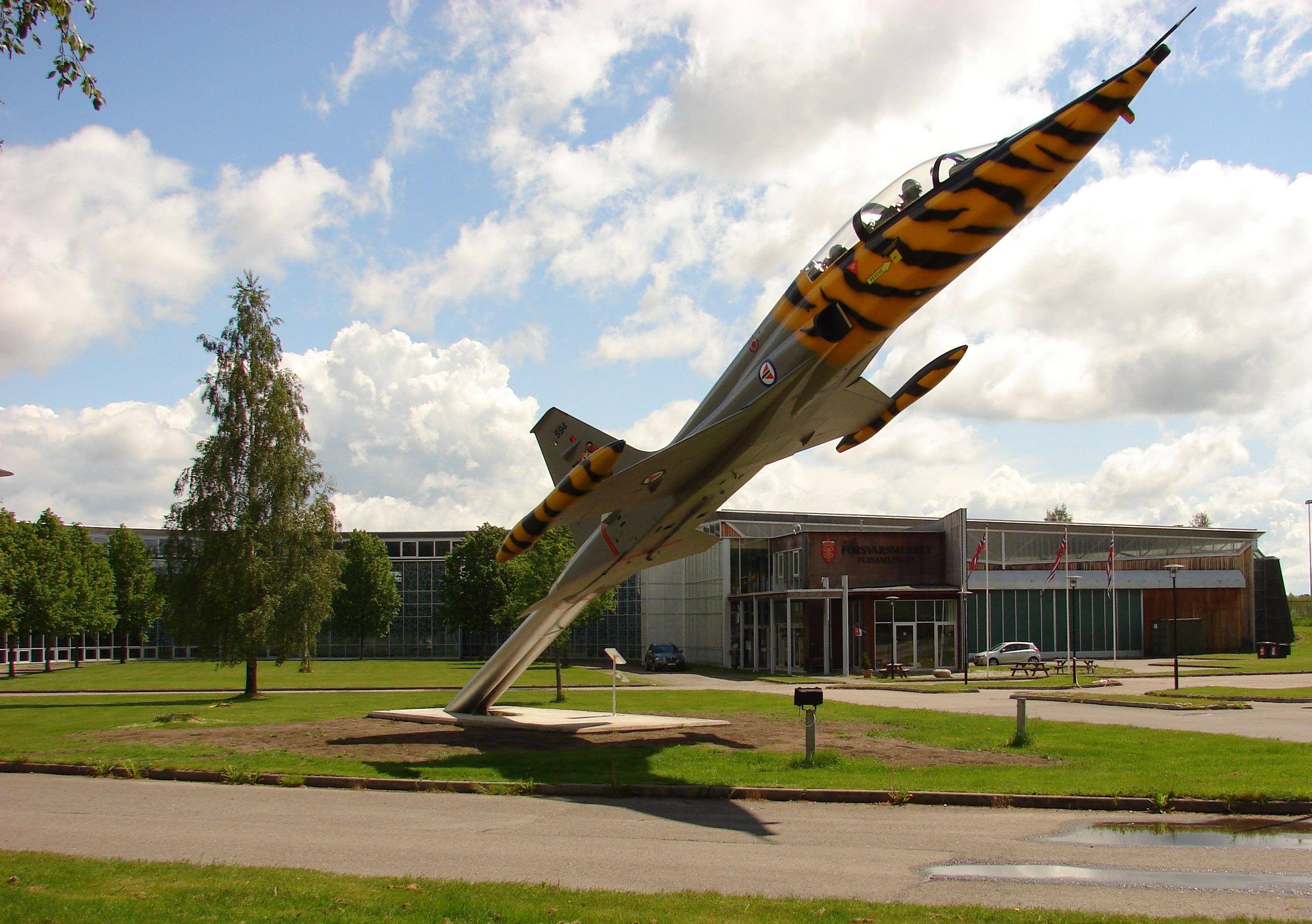
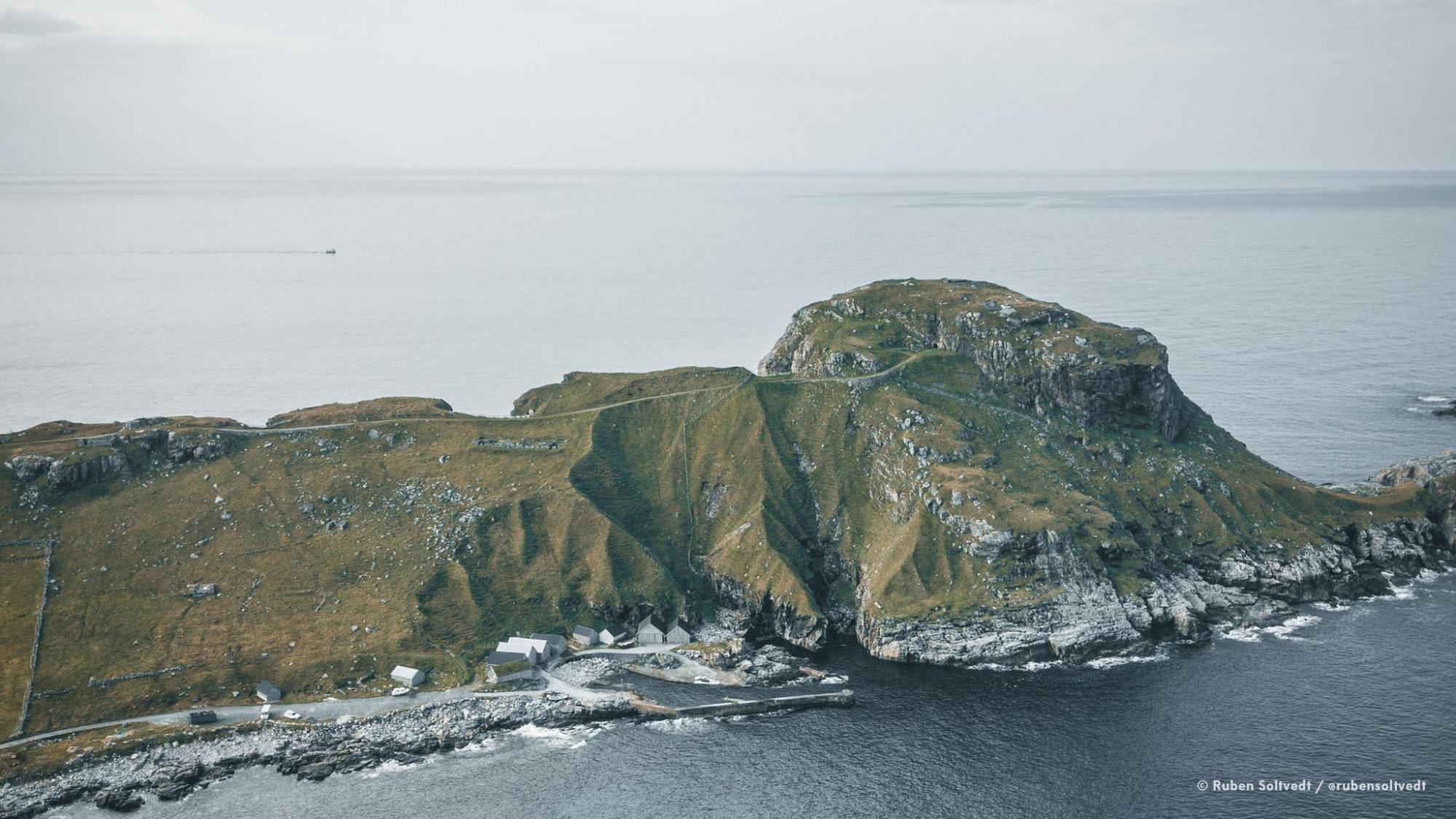
Find forts, museums, and war memorials
Take advantage of top offers
See our selection of trusted companies that work hard to make you happy all through your trip.
 Brim ExplorerQuiet fjord tours on award-winning electric catamarans in Oslo, Tromsø, Lofoten, and Svalbard.
 CityboxModern and affordable hotels in central locations in Oslo, Bergen, and Kristiansand.
 NorgesbookingBook your perfect cabin stay in the fjords, mountains, and valleys of Norway.
 Scandic HotelsExperience Nordic hotel hospitality at its finest at more than 90 hotels across Norway. Special offers are available.
 StrawberryA different hotel company! Look out for great weekend deals at more than 100 hotels in Norway.
 Thon Hotels ASFantastic breakfast included! Experience true comfort and reasonable rates at our 80 hotels in Norway.
 CampcationBook a camping stay in stunning and unique locations all across Norway with Campcation.
 Classic Norway HotelsWhen the hotel is the destination. Book a night to remember in one of Norway's most unique and distinctive hotels.
 50 Degrees North NordicChoose between unforgettable tailormade individual trips and small, exclusive group tours of Norway.
 Radisson HotelsGreat value offers and comfortable quality stays in Norway´s major cities, airports, and ski resorts.
 Authentic ScandinaviaTravel curated by locals. Our tailormade tours suit every type of traveller and budget.
 Booknordics.comUnique holiday packages, adventure hotels, tours, and activities.
 Fjord ToursHome of Norway in a Nutshell, Norway's most popular tour. Fjords, mountains, and stunning destinations — all in one trip!
 Go FjordsBook fantastic tours and experiences! We offer tours in Oslo, Bergen, Stavanger, Lofoten, the North Cape, and more.
 HurtigrutenExperience the world's most beautiful sea voyage on an unforgettable cruise along the stunning Norwegian coast.
 Norrøna AdventureGet ready for expeditions and adventure holidays with Norrøna Adventure. Hiking, skiing, and biking trips.
 Discover NorwayOffers a range of exciting self-guided hiking, biking, and skiing holidays in Norway. Luggage transfer included.
 Norwegian HolidaysLow-price package holidays with Norwegian. Book your flight, hotel, and rental car all in one place.
 StrömmaSightseeing by bus and boat in several major tourist spots and cities in Norway.
 Up NorwayBespoke luxury hand-picked by local experts. We combine your preferences and our knowledge to make an unforgettable journey.
 Arctic Campers ASDo you want to try van life? Explore Norway in comfort and style with our smart and cosy campervans.
 Auto EuropeAlways a smooth car rental experience. Search and compare rental rates. Free cancellation up to 24 hours prior to pick-up.
 NOR-WAY BussekspressEnjoy scenic views on comfortable bus trips to the fjords and from city to city with our express buses.
 Rent-A-Wreck of Scandinavia ASThe smart and affordable car rental alternative.
 SJ NordSJ NORD - the adventure starts on the train
 Vy expressDiscover Norway on comfortable express buses that take you between major cities, mountains, and fjords.
 Vy TrainGlide through scenery on a train between Oslo and Bergen on the Bergen Railway and explore the greater Oslo region.
 My Nordic TravelChoose between DIY itineraries and pre-packaged holidays to the very best destinations in Norway.
 CampanyonUnique camping in nature. Book a stay in a treehouse or glamping tent or rent a motorhome pitch.
 NorwegianNorwegian offers cheap flights in Norway and direct flights from more than 70 European destinations. Book flights through our low fare calendar to your destinations.
 De HistoriskeHave an unforgettable stay at one of Norway's unique, authentic historic hotels. Enjoy first-class dining experiences and a broad range of activities.
 CampioNorway's biggest camping booking site. Find the best camping and motorhome pitches throughout Norway.
 Benzini CampersThe adventure of your life starts here. Book a campervan with Benzini Campers now.