Highlights in the Magma Geopark
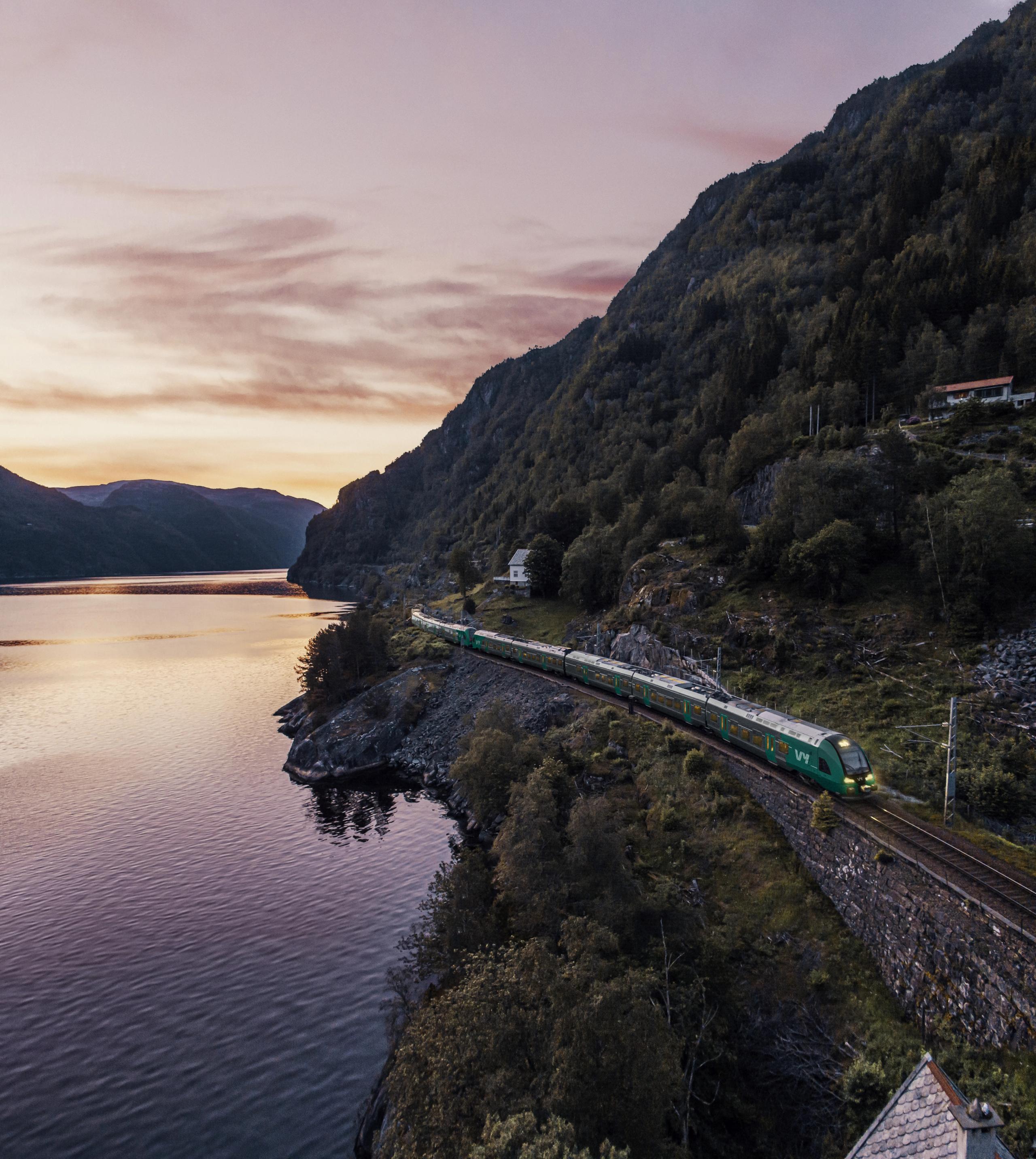
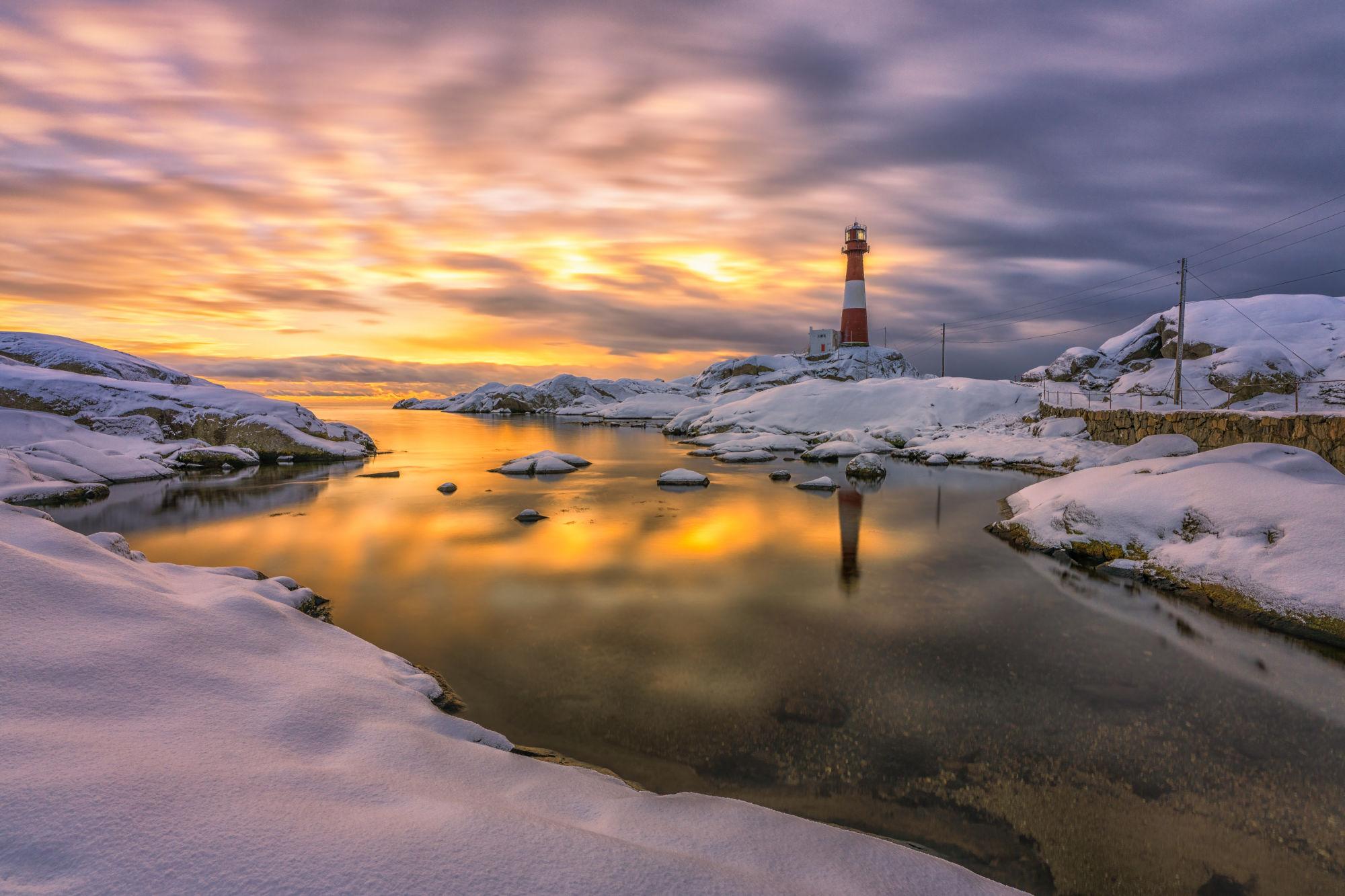
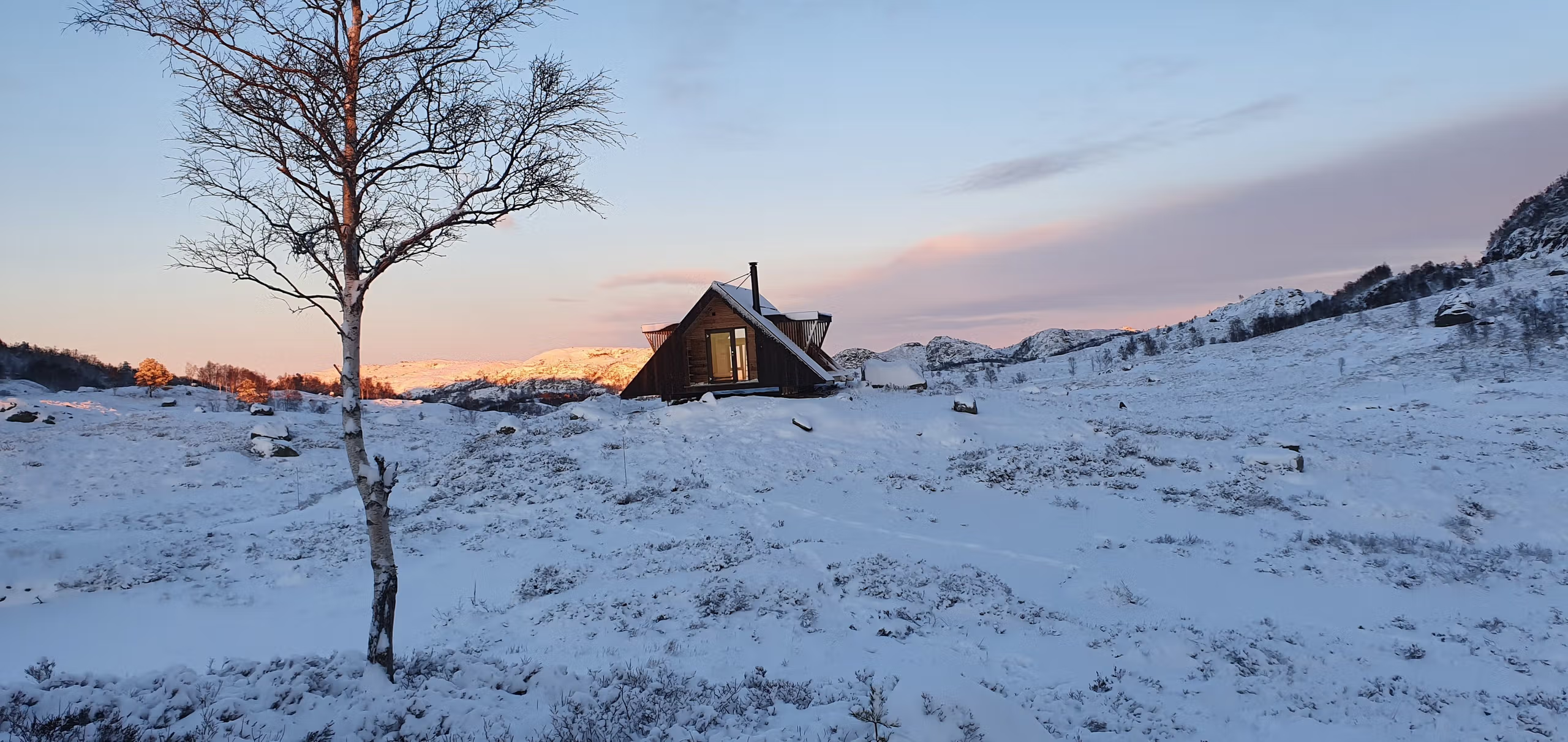
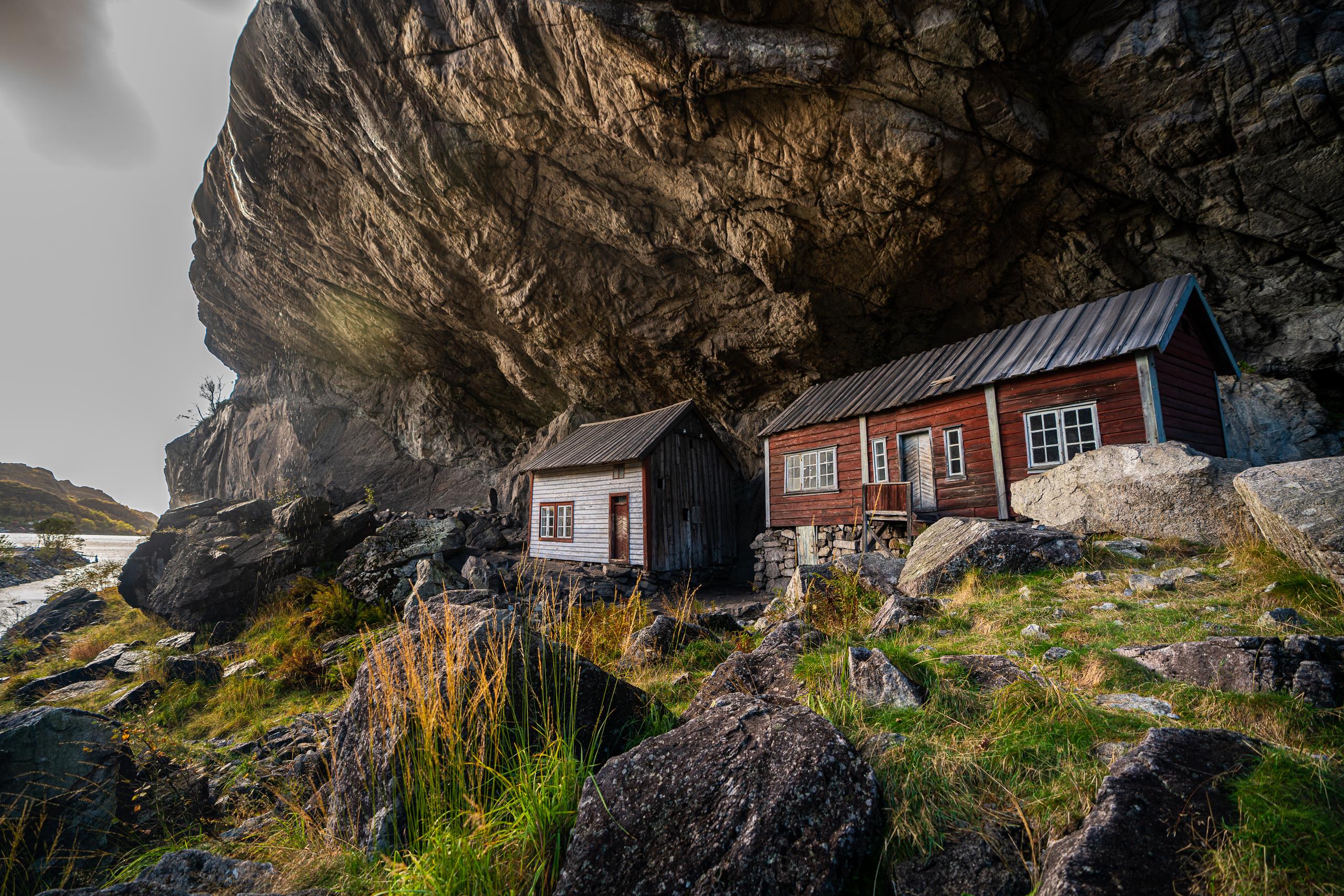
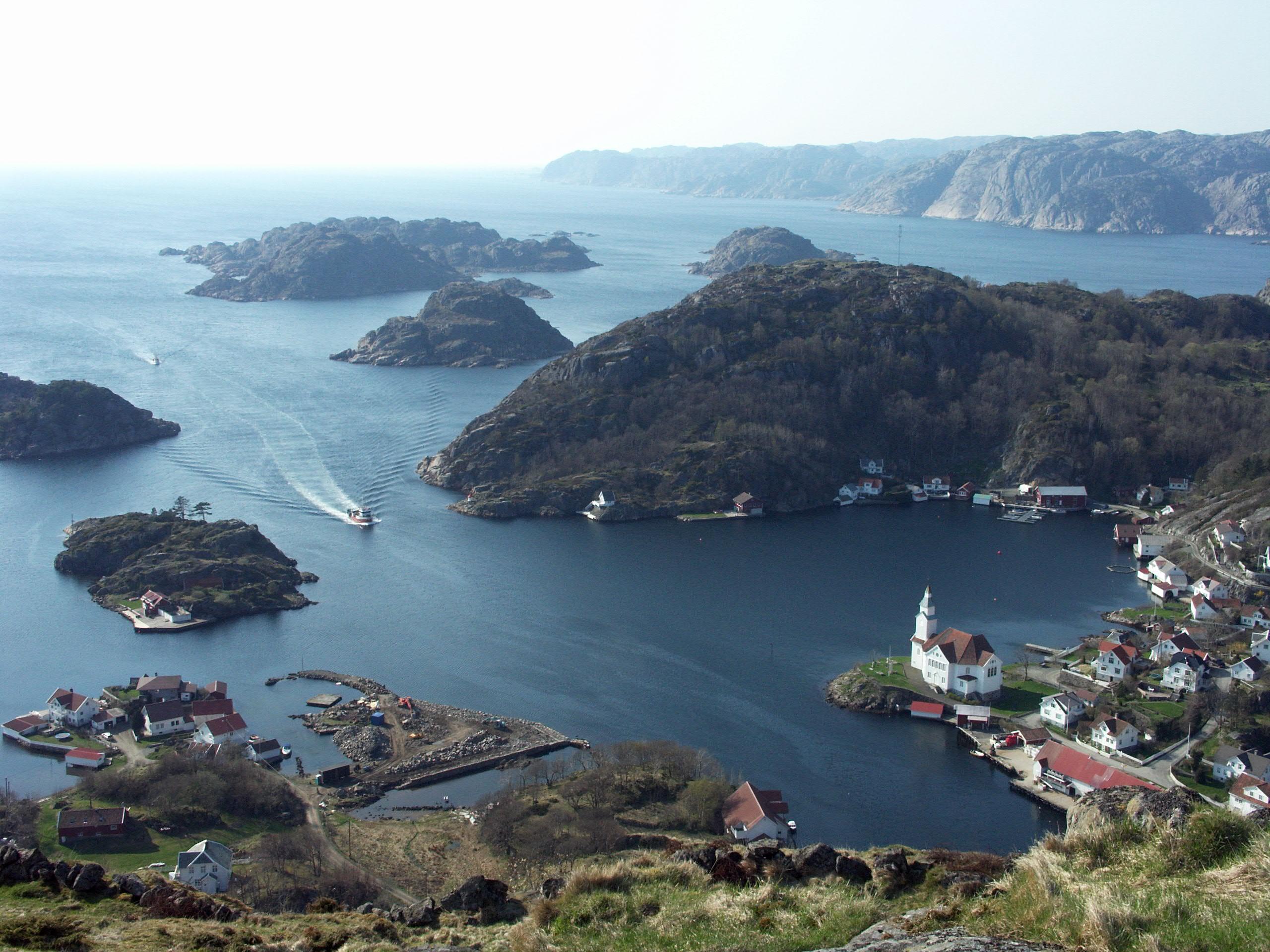
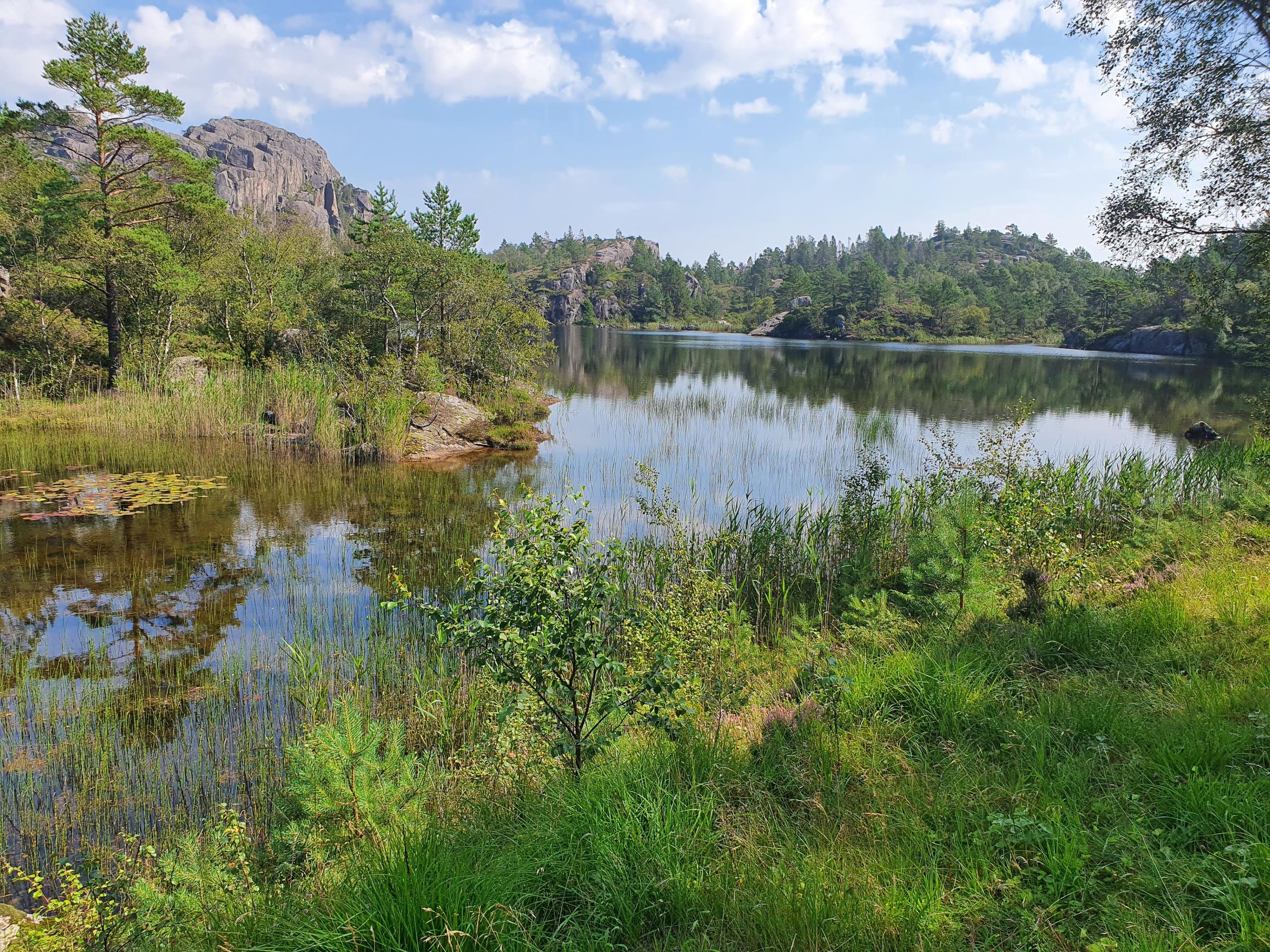
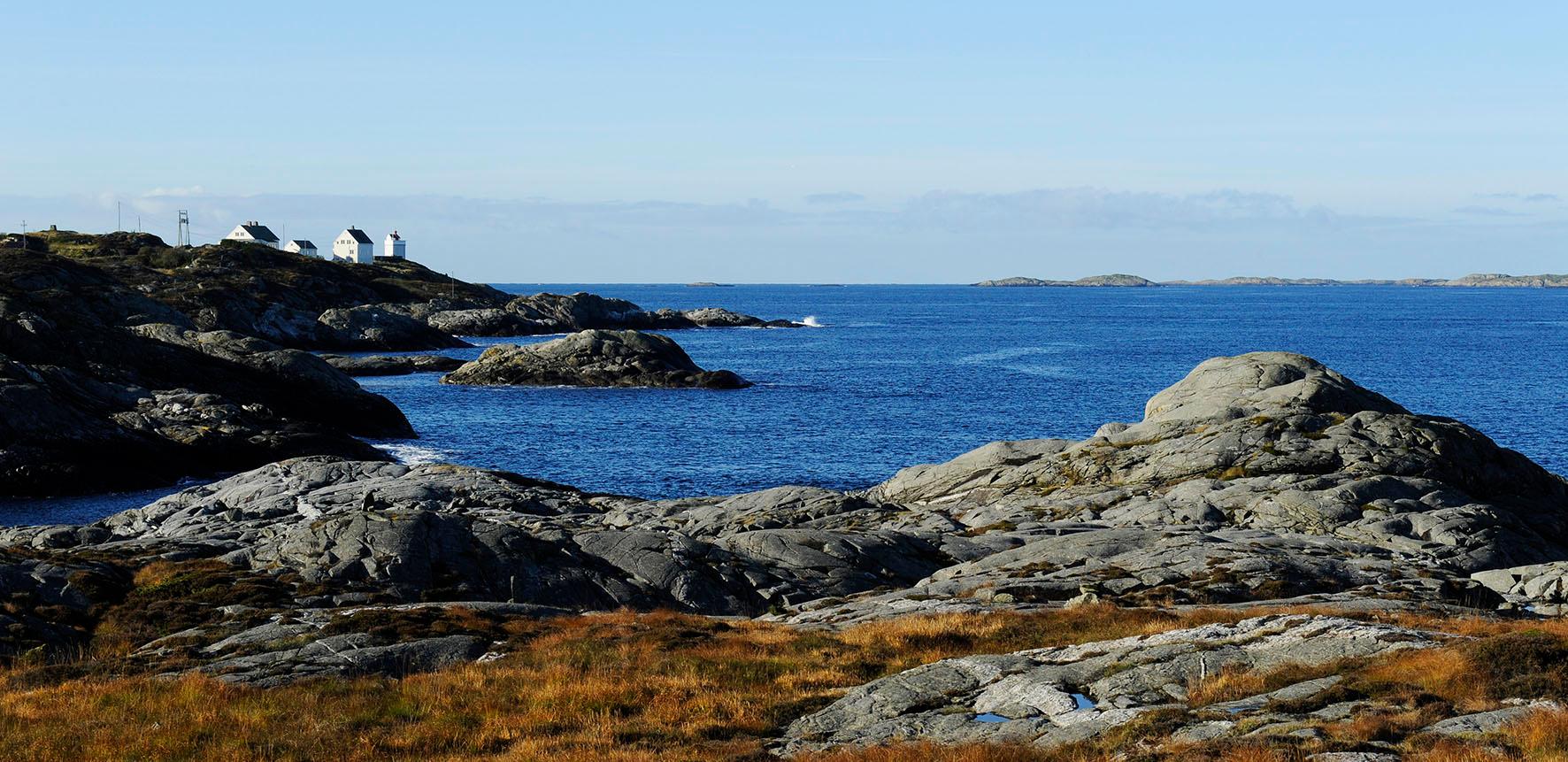
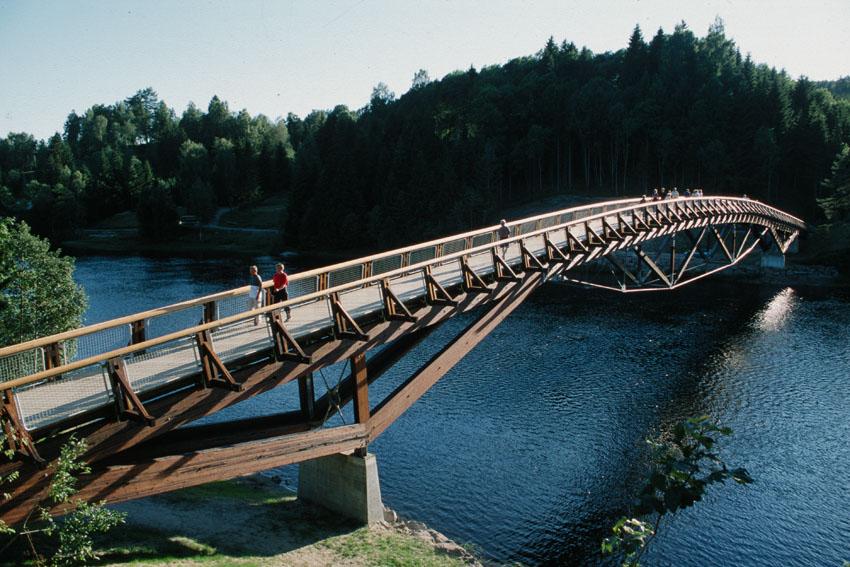
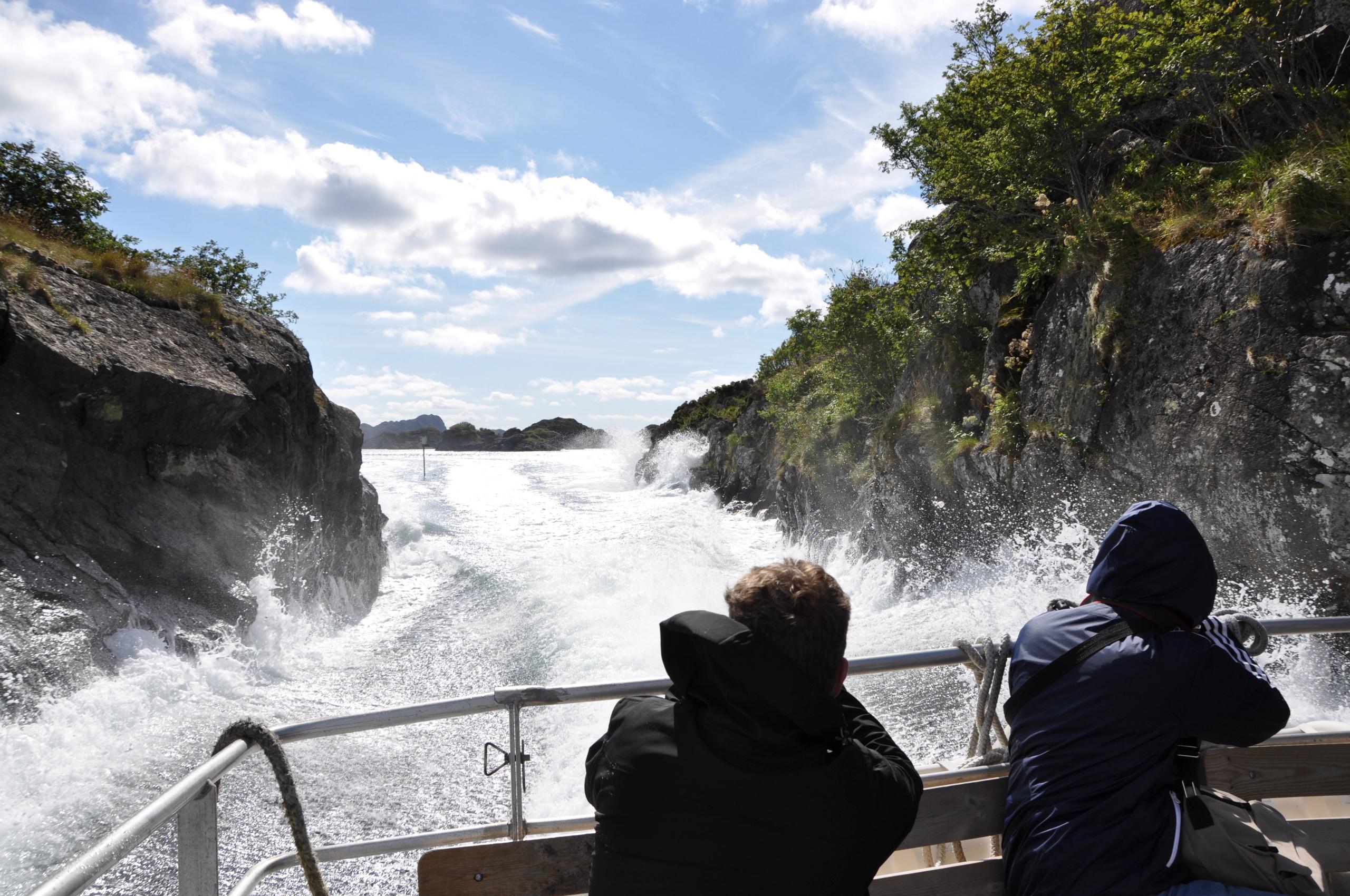
Magma UNESCO Global Geopark is located in Southwestern Norway, spanning across the municipalities of Egersund, Flekkefjord, Sokndal, Bjerkreim, and Lund.
You don’t have to be a geologist to be amazed.
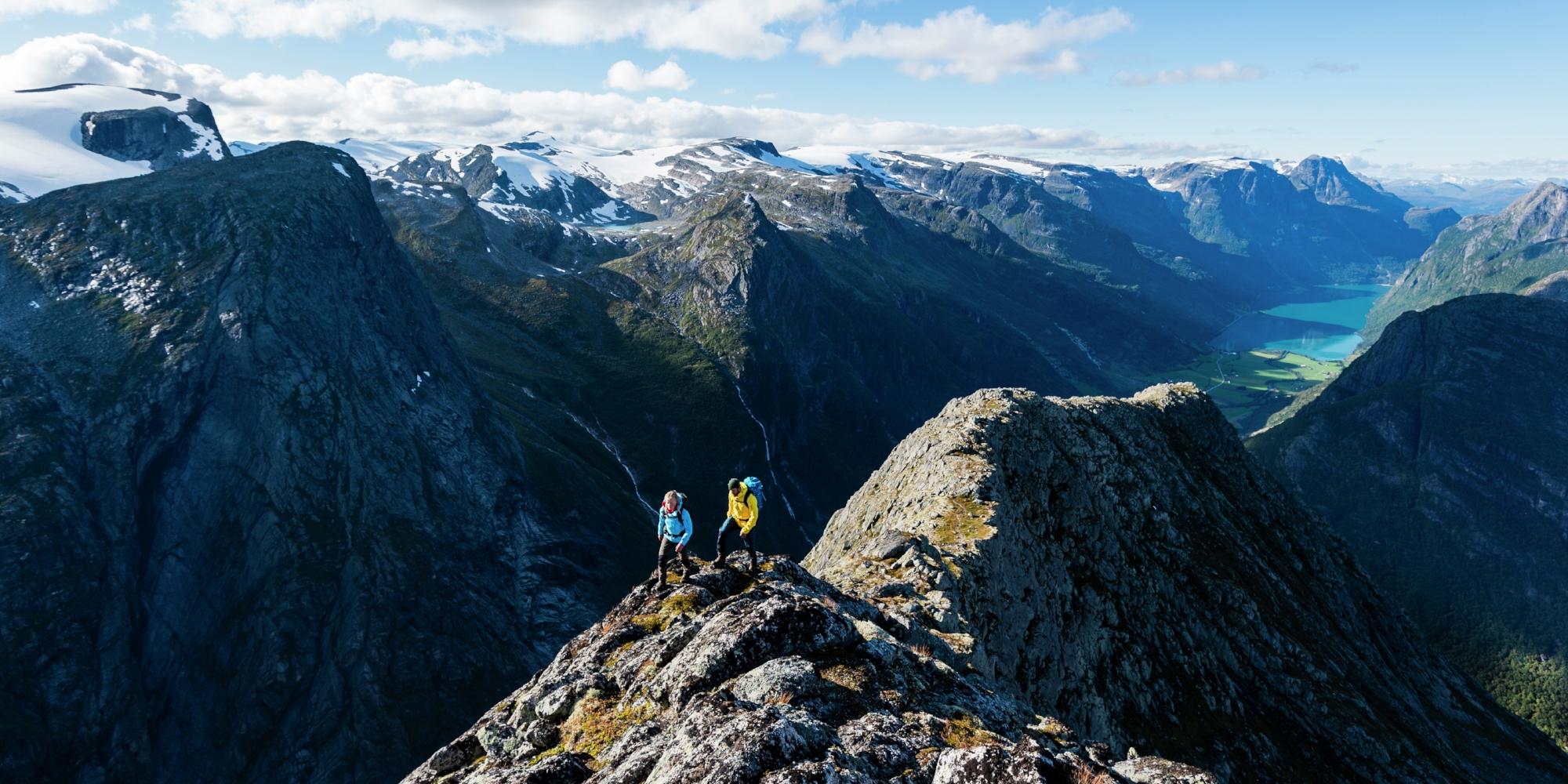
Imagine standing in a landscape shaped by volcanoes, glaciers, and oceans – where every cliff, stone, and valley tells a story shaped over millions of years.
Across Norway, five UNESCO Global Geoparks invite you to explore geological wonders, local culture and outdoor adventures.
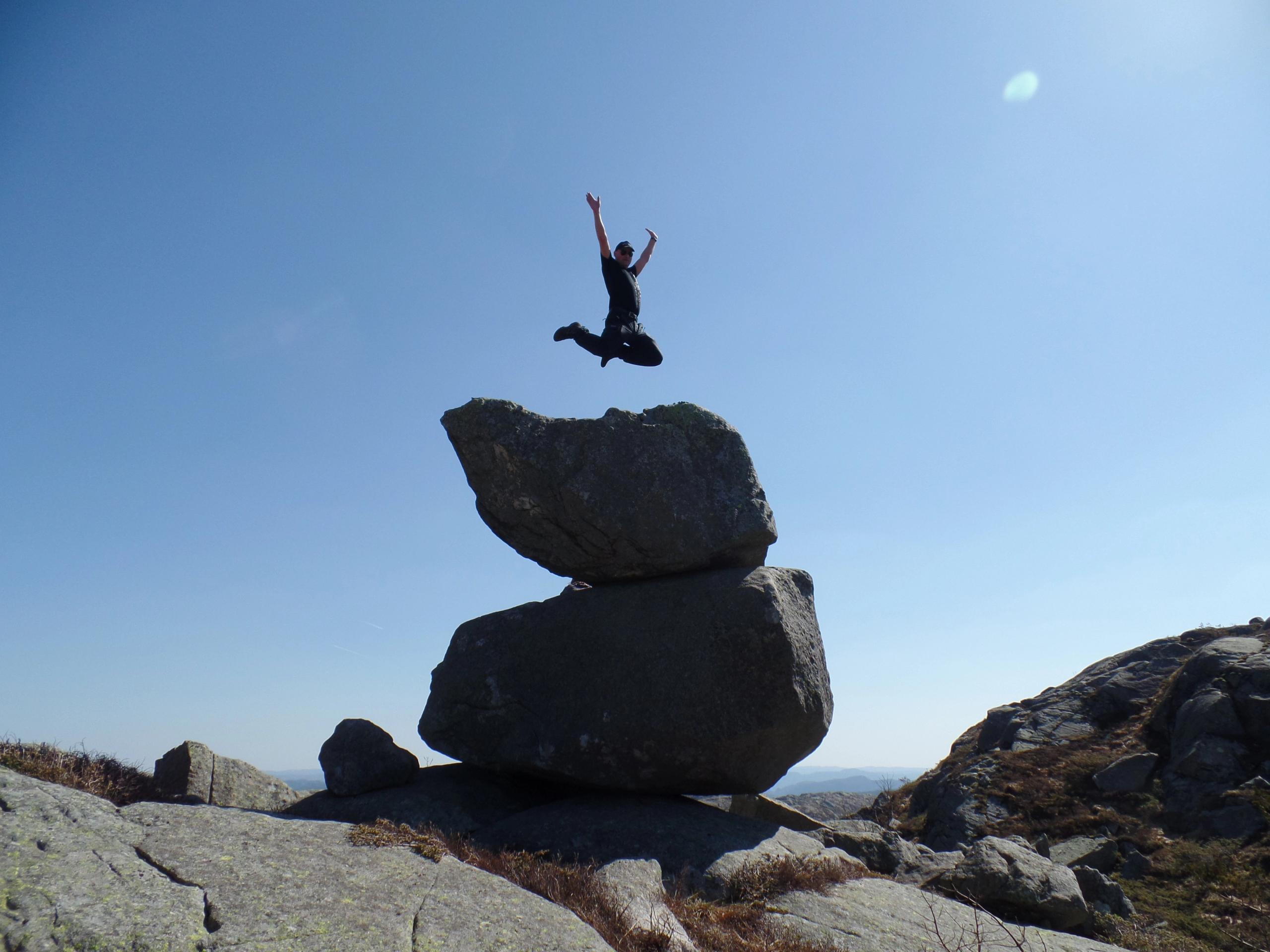
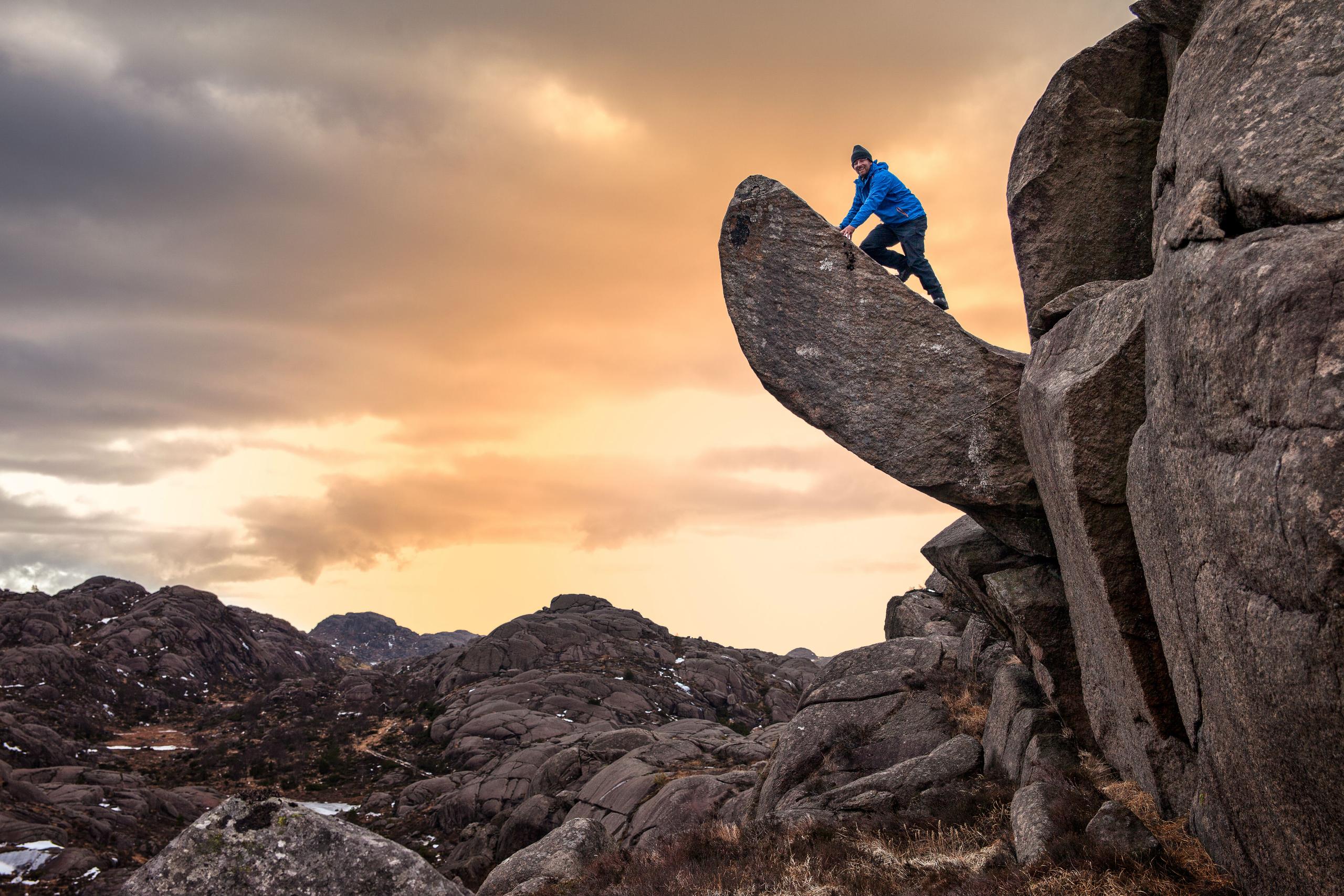
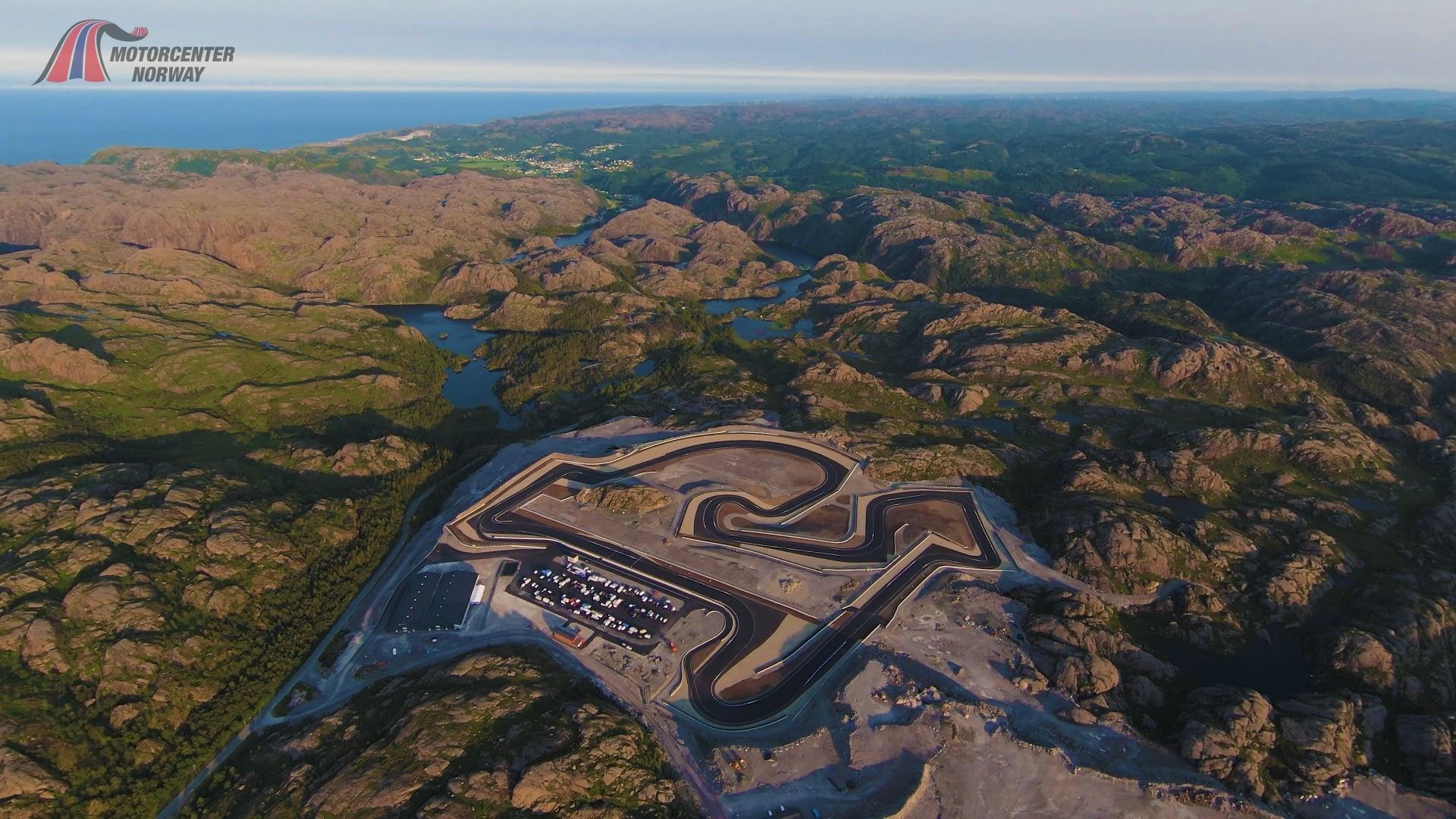
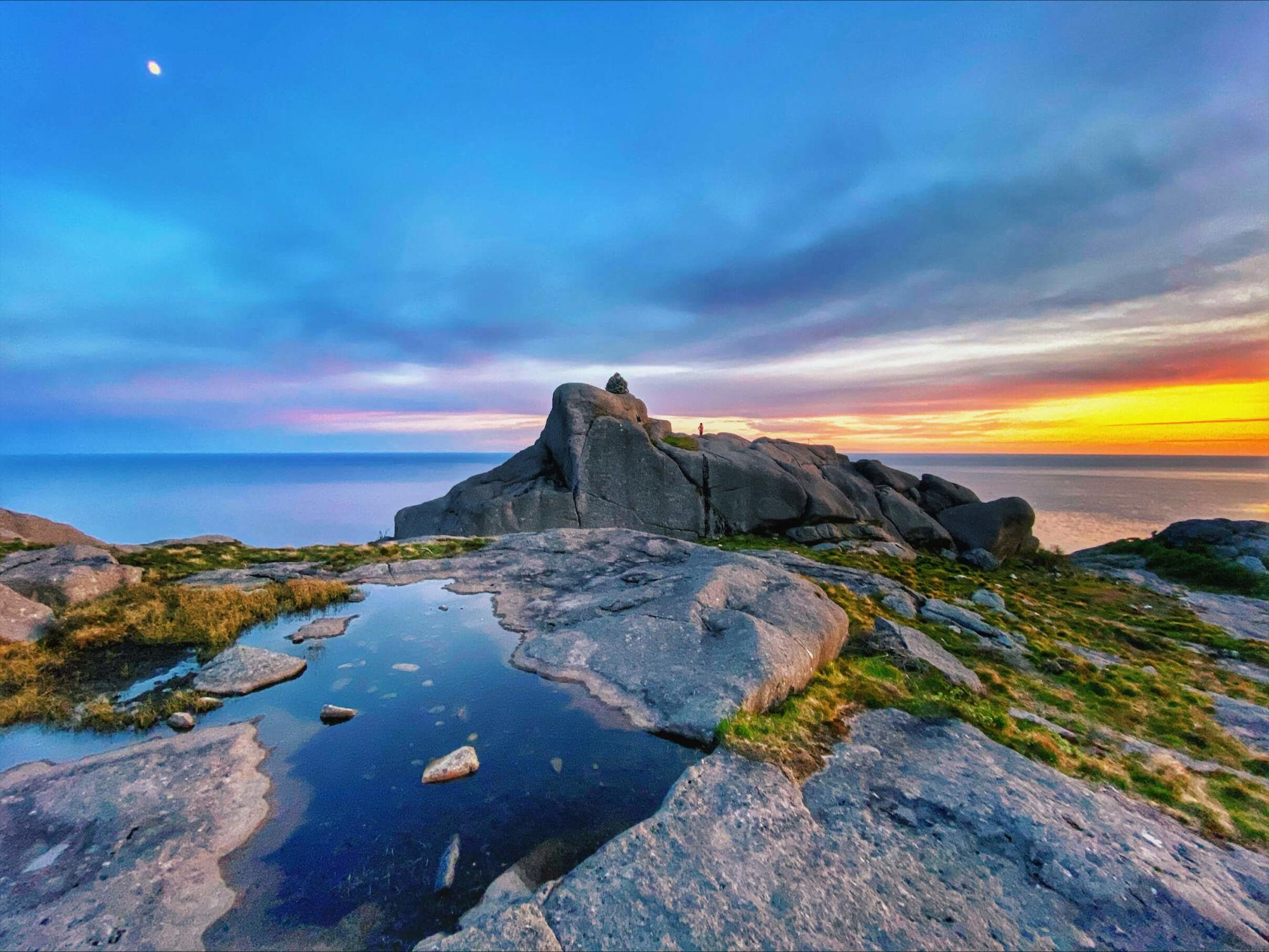
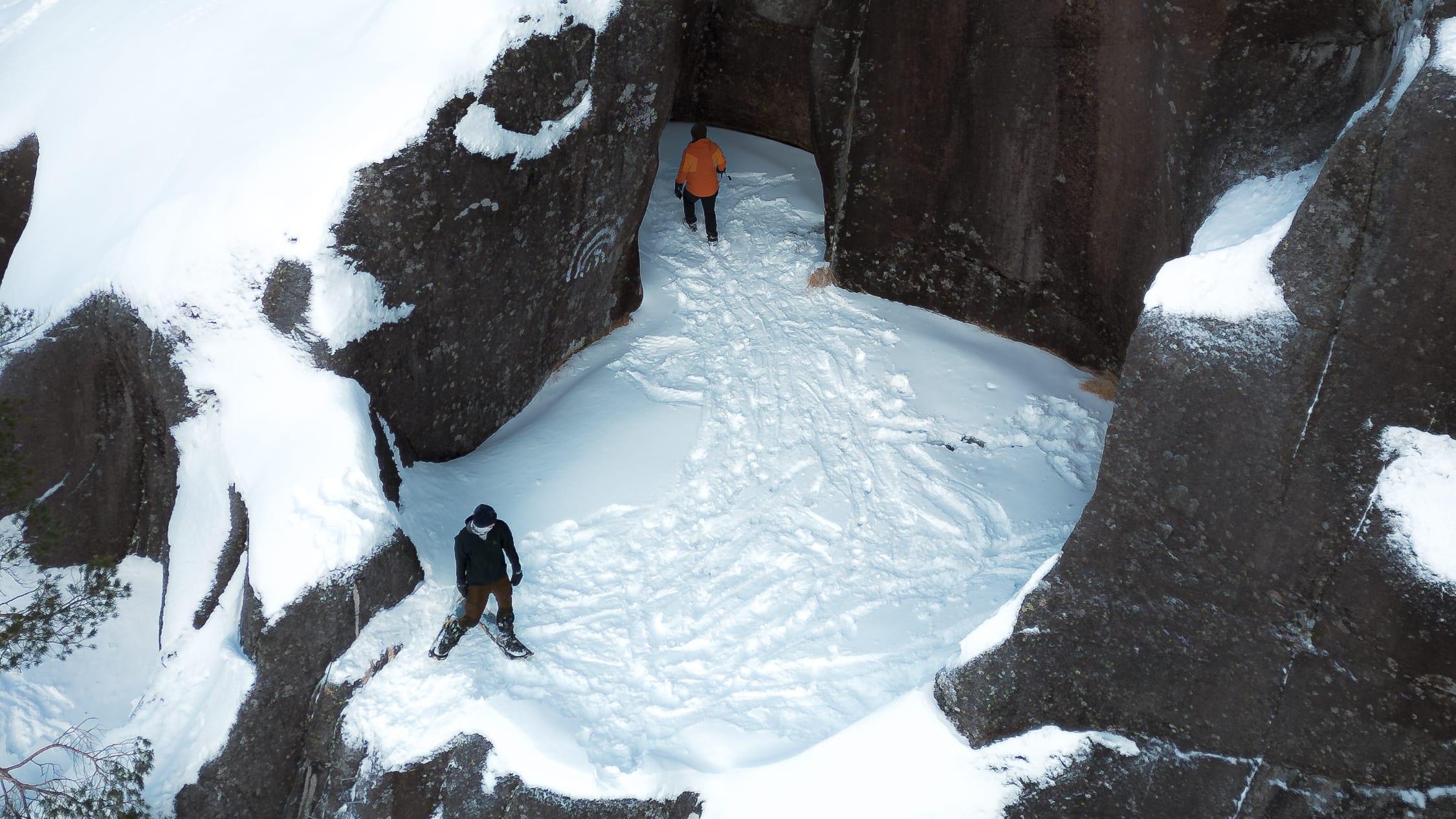
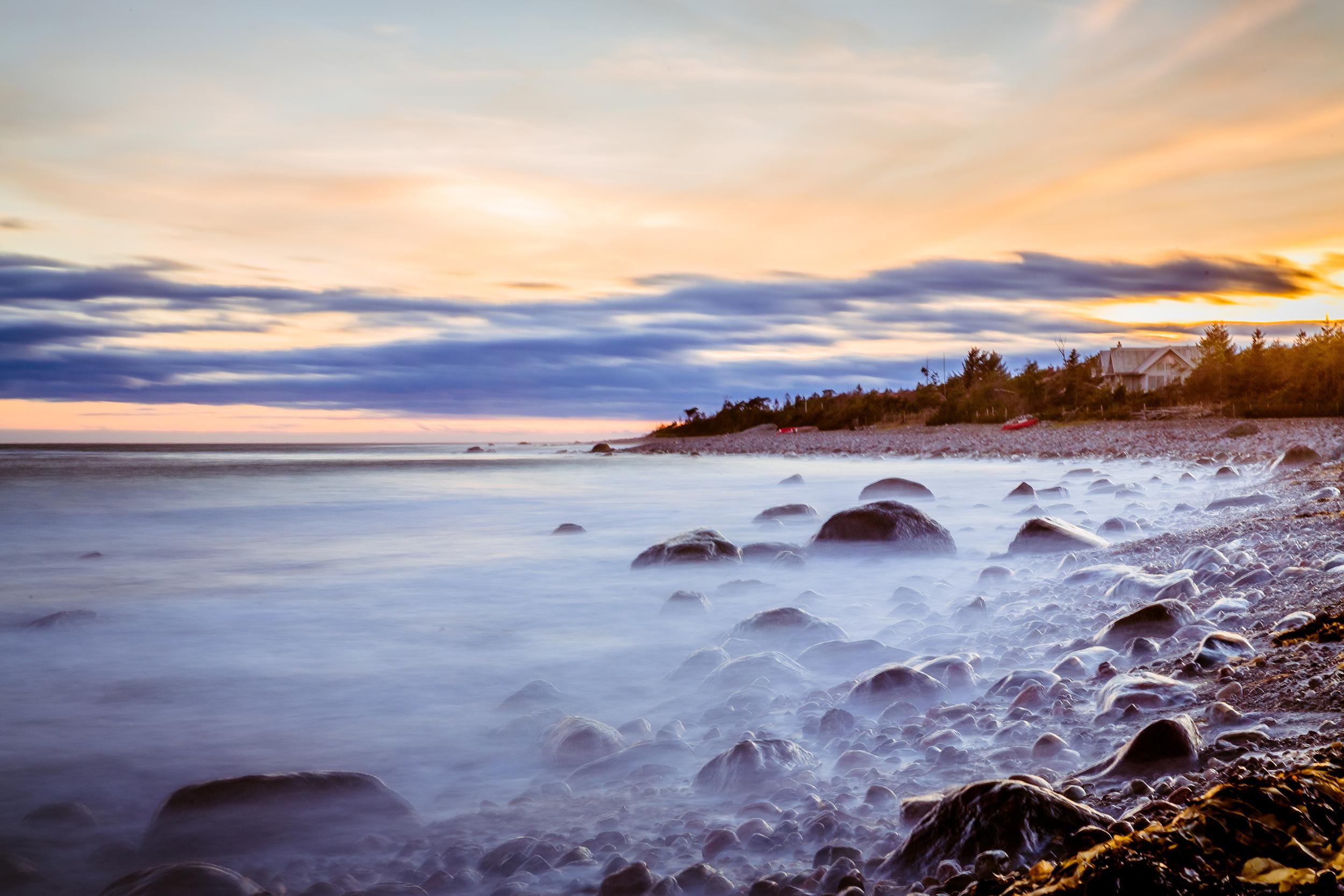
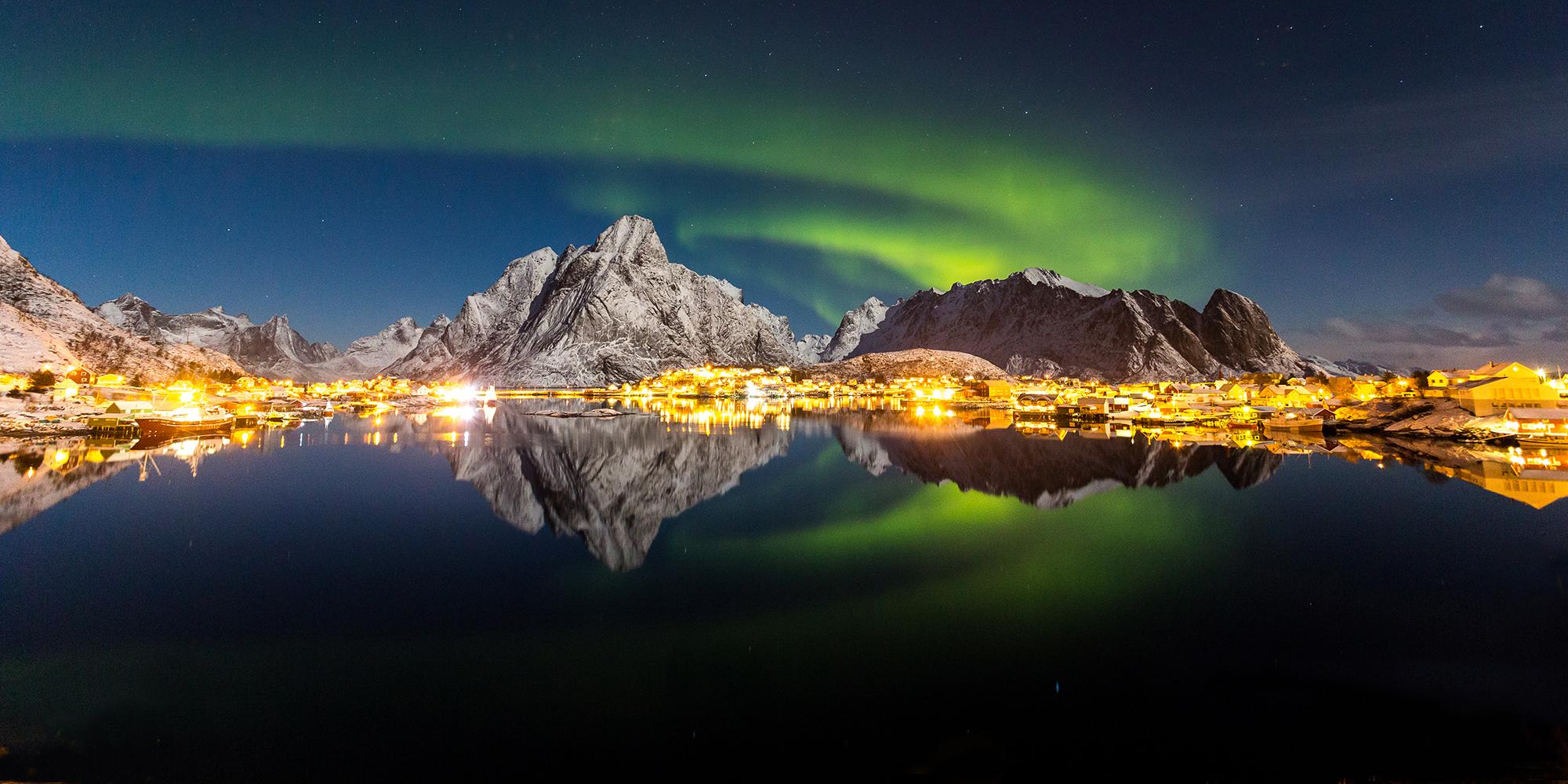
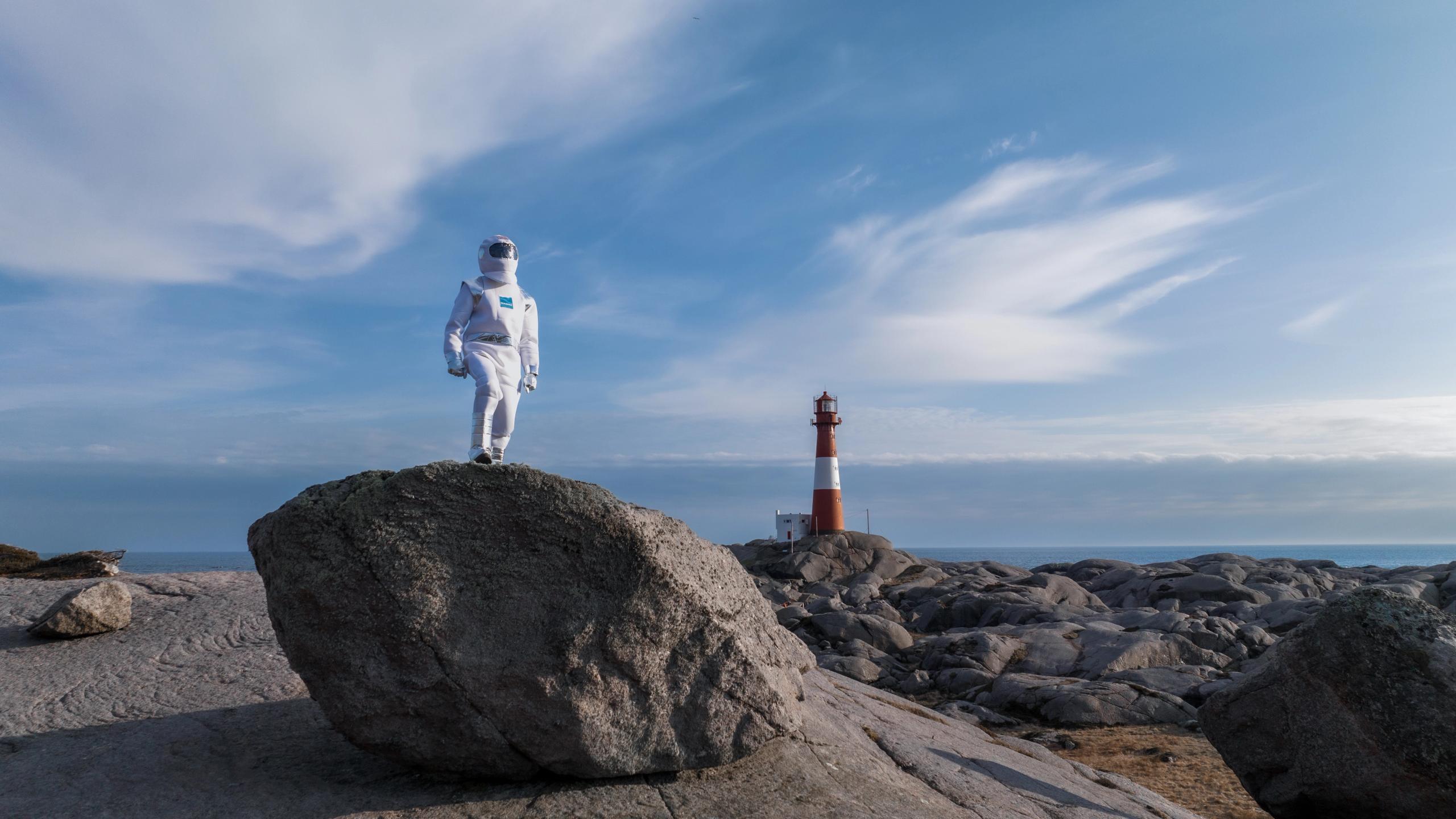
A visit to Magma Geopark is the closest you’ll get to walking on the Moon, without ever leaving Earth. The dramatic lunar landscape is the result of a rare rock type called anorthosite, the very same rock type found on the moon.
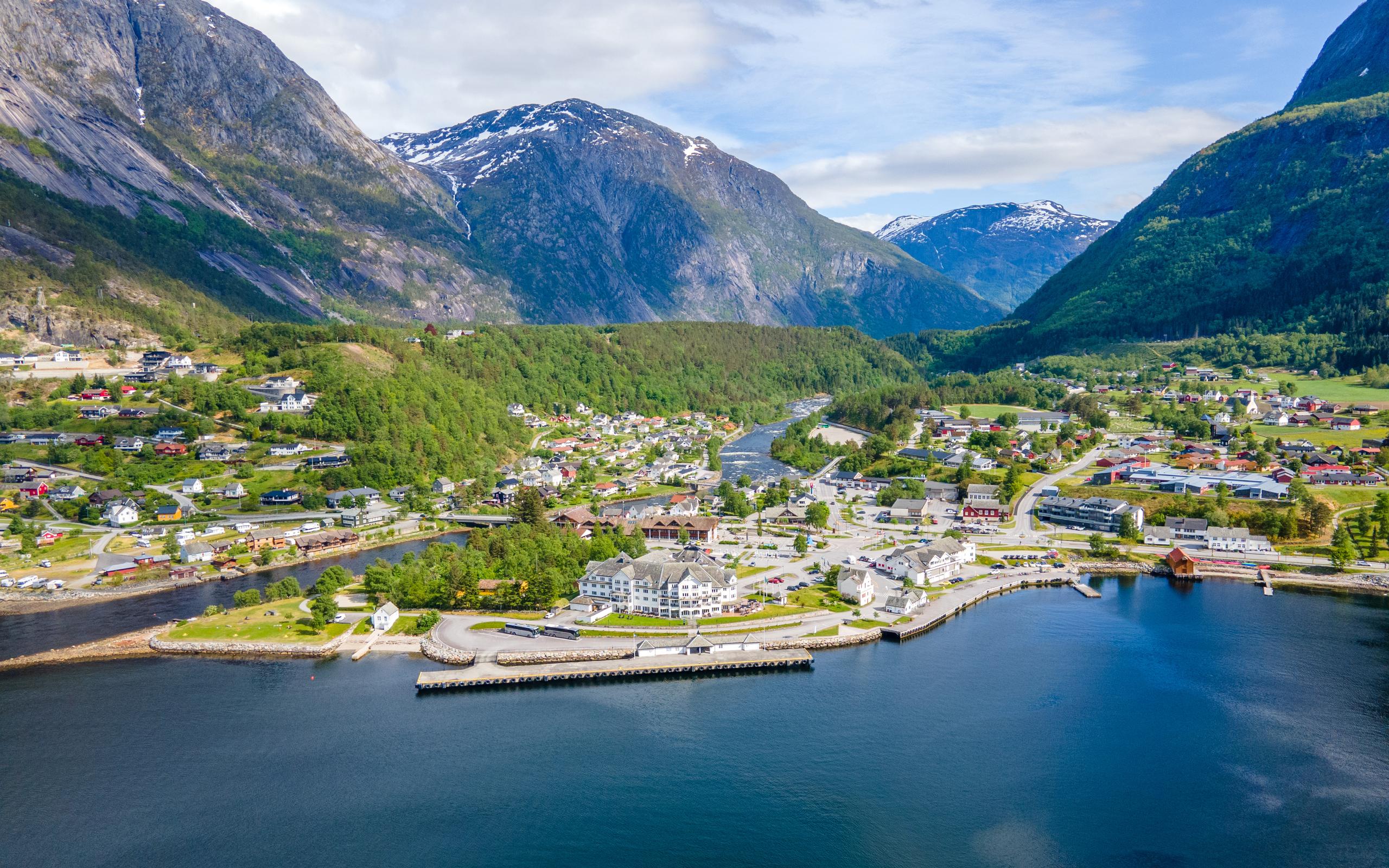
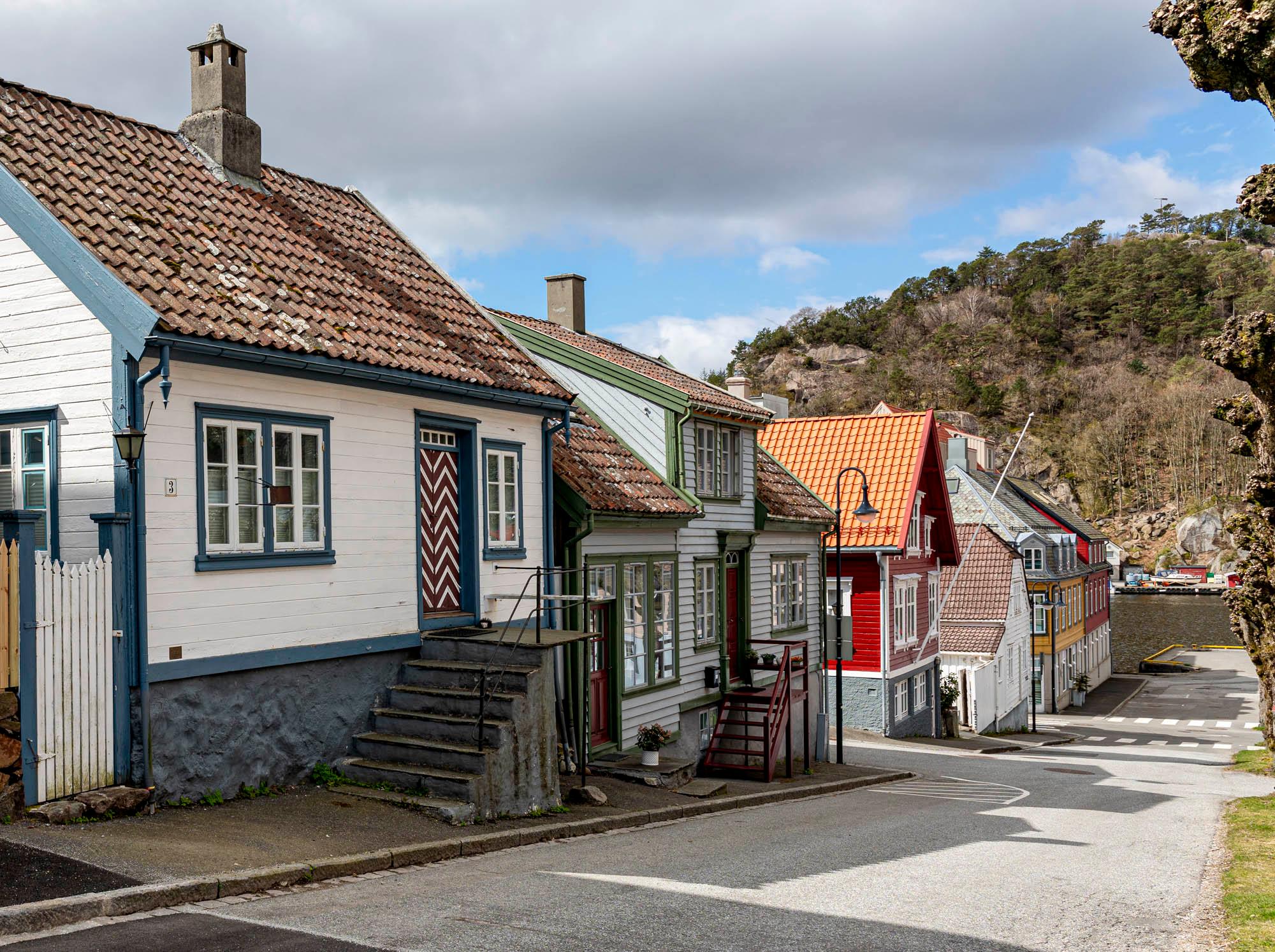
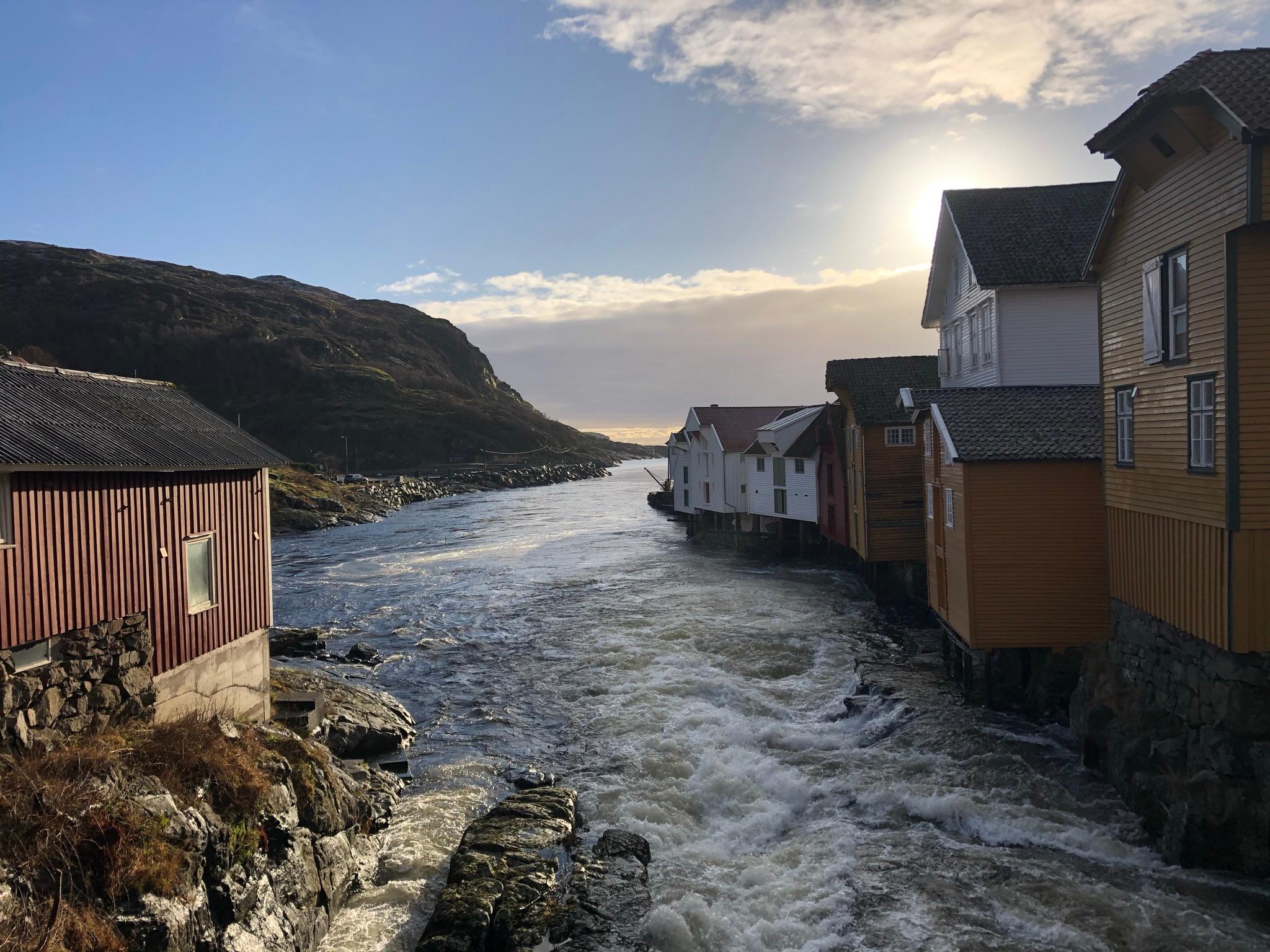
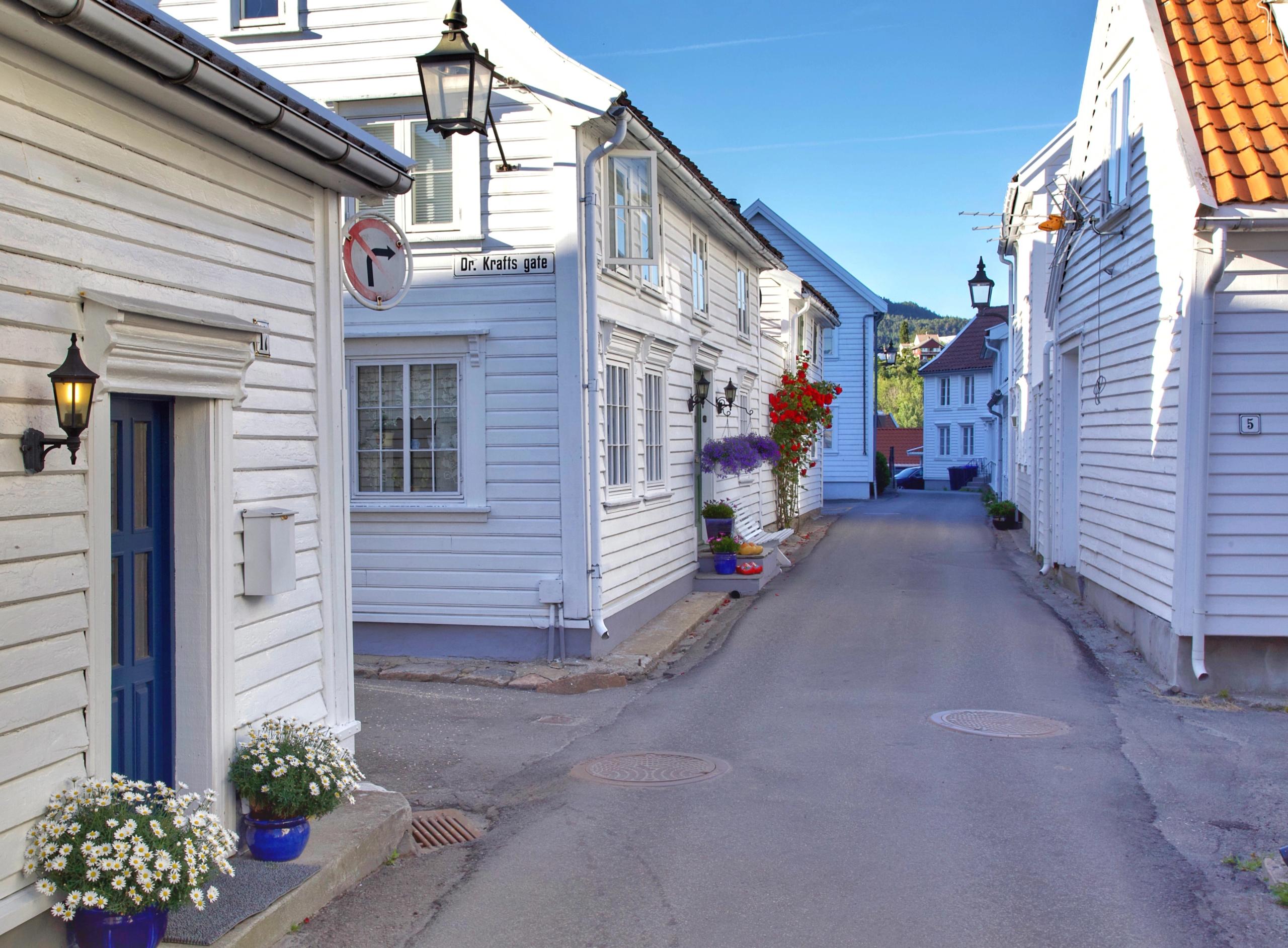
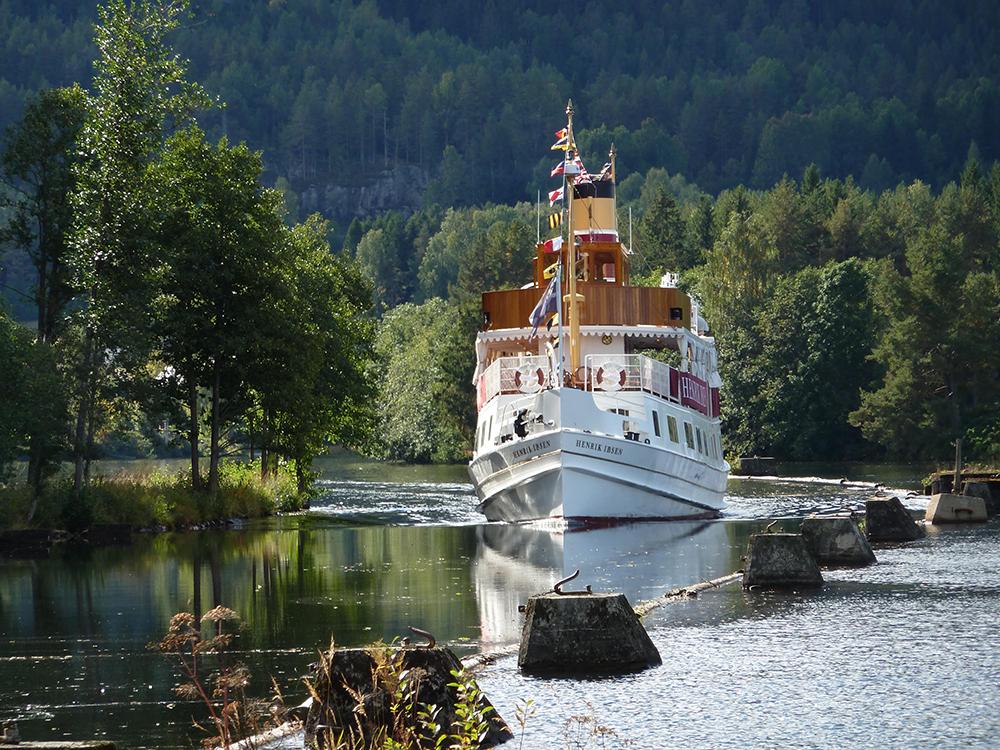
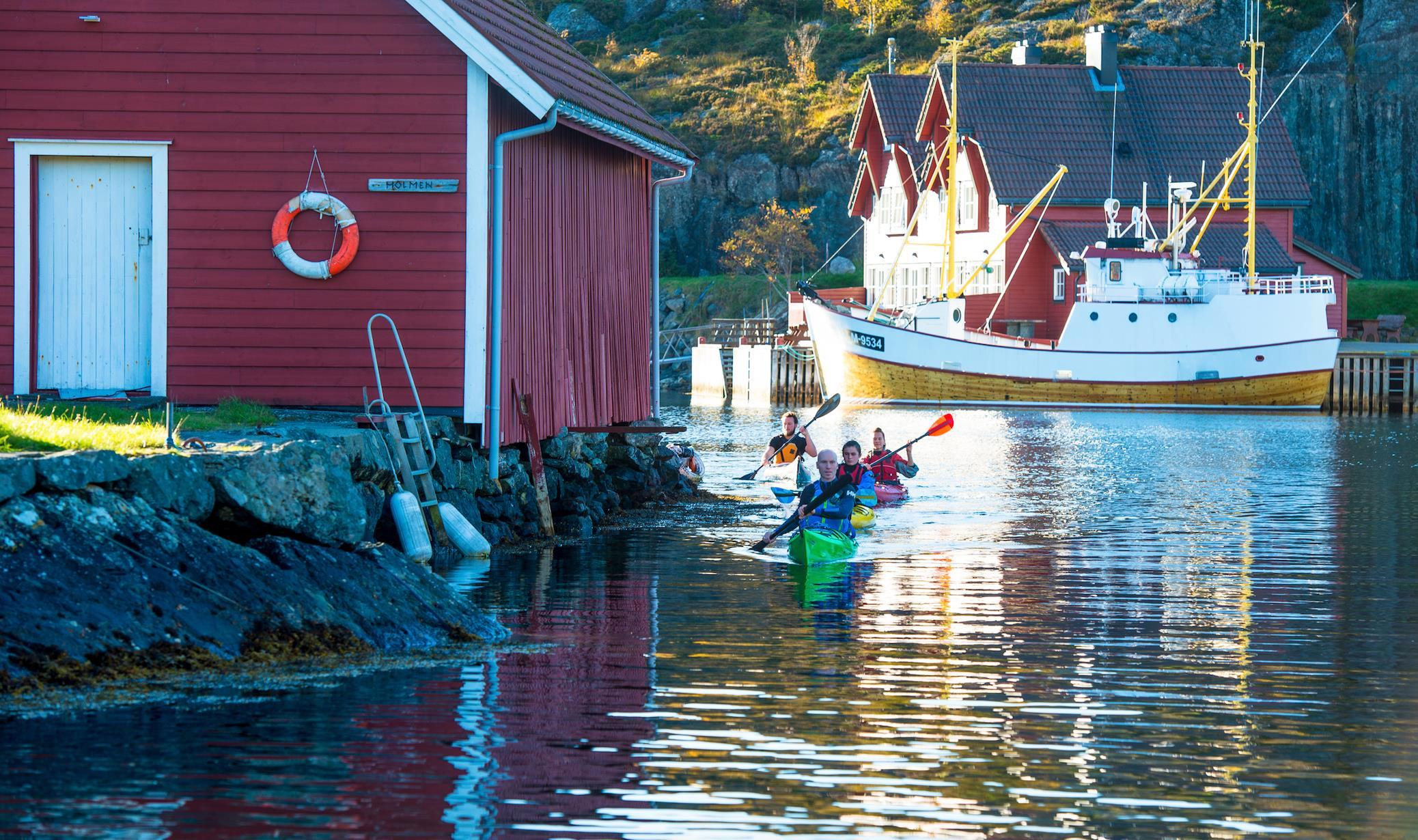
Discover the three historic wooden towns, Flekkefjord, Egersund and Sogndalstrand, and explore the wild country roads in Magma Geopark.
Source: Magma Geopark
Magma UNESCO Global Geopark is located in Southwestern Norway, spanning across the municipalities of Egersund, Flekkefjord, Sokndal, Bjerkreim, and Lund.
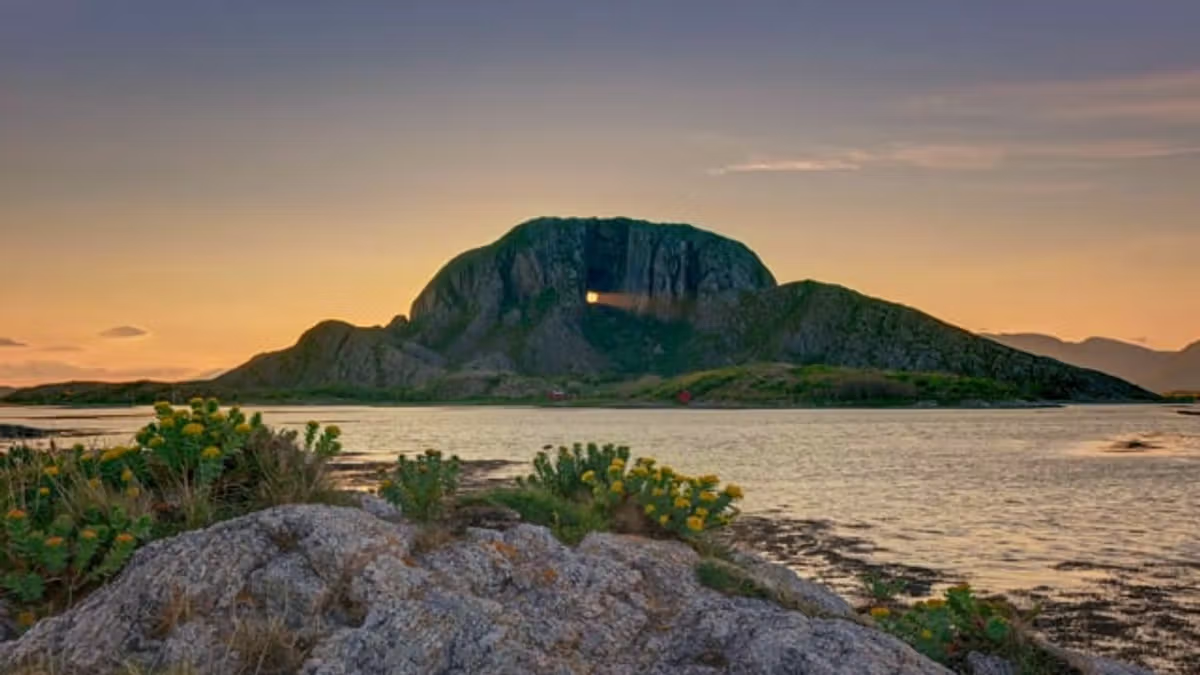
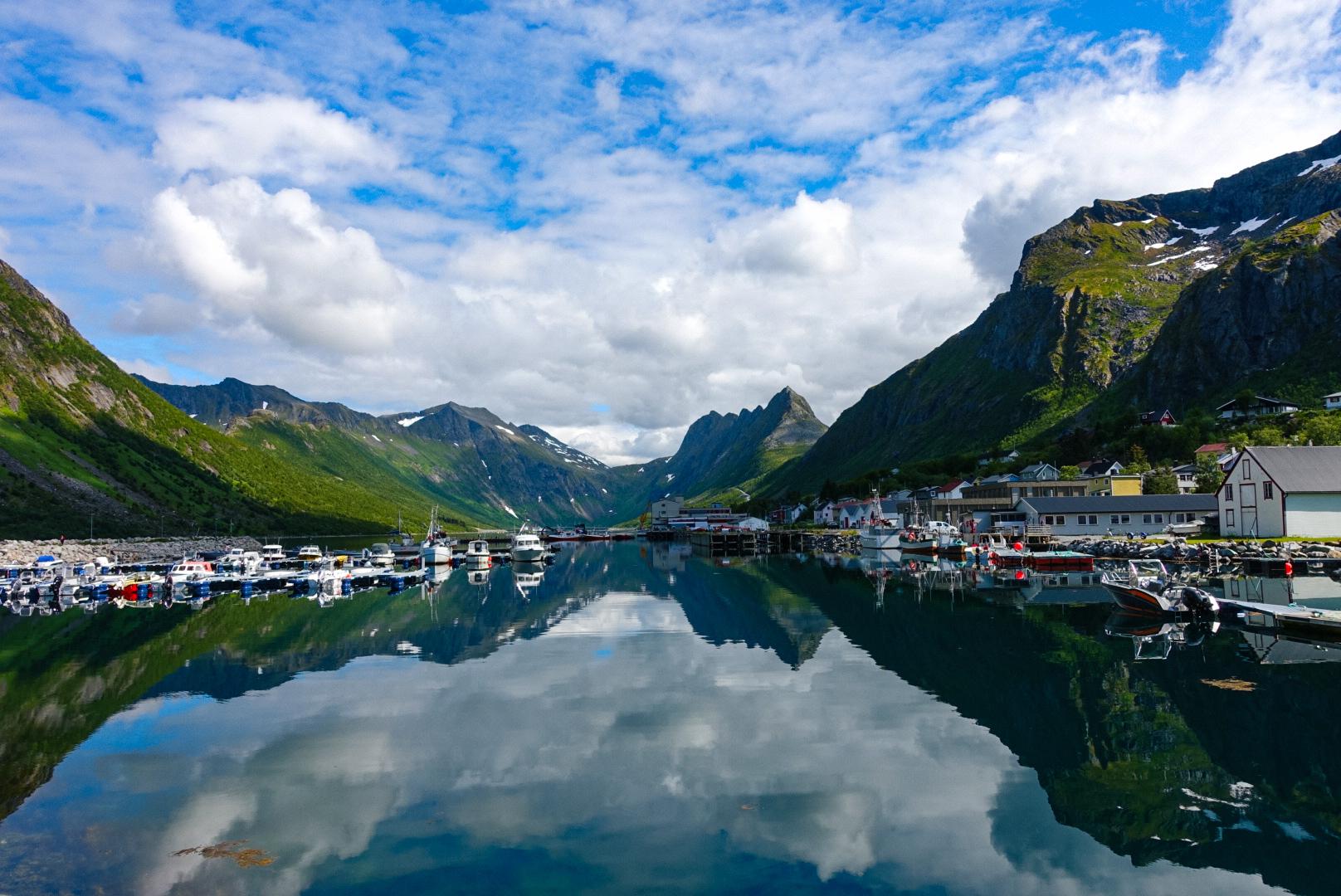
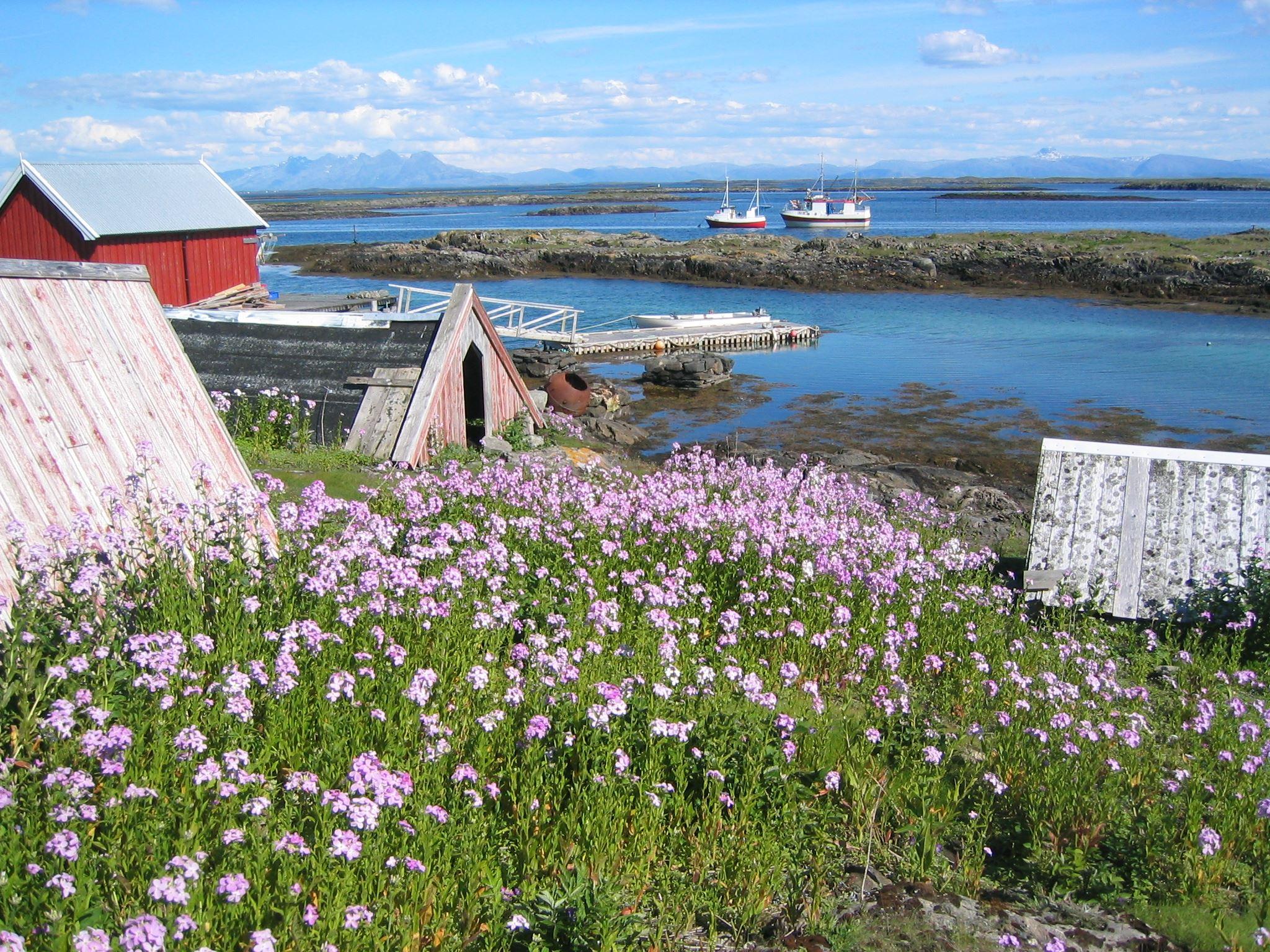
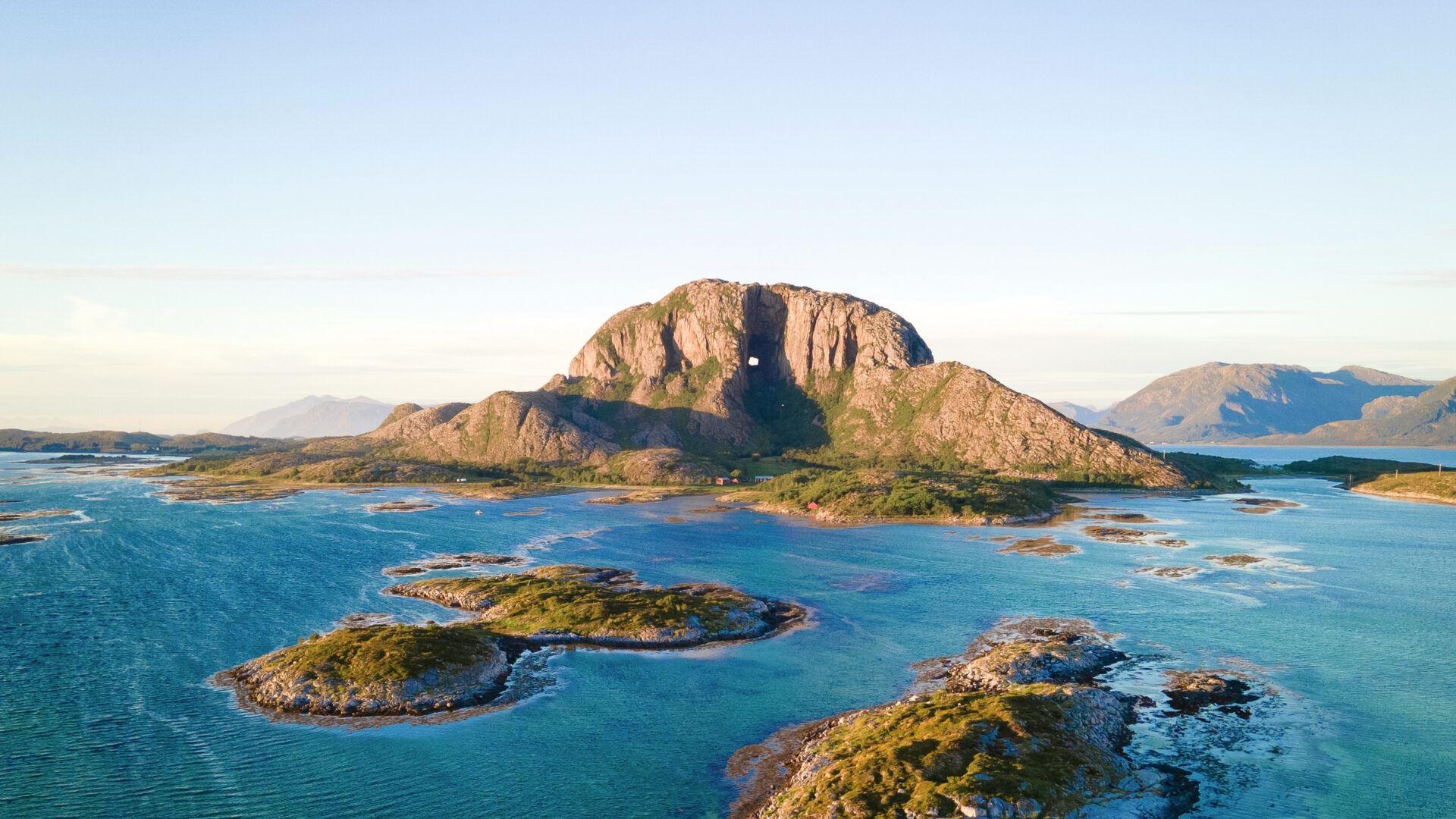
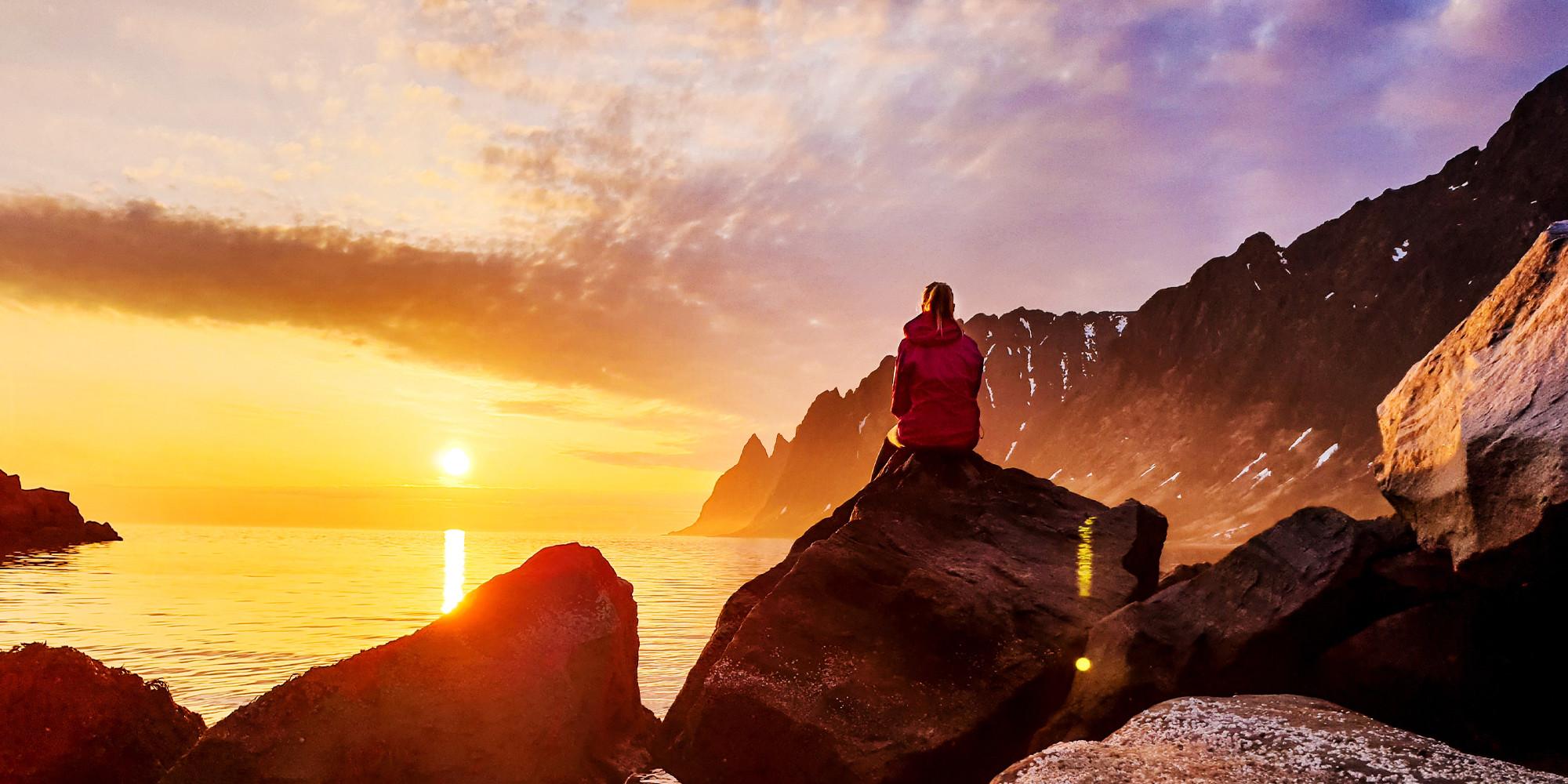
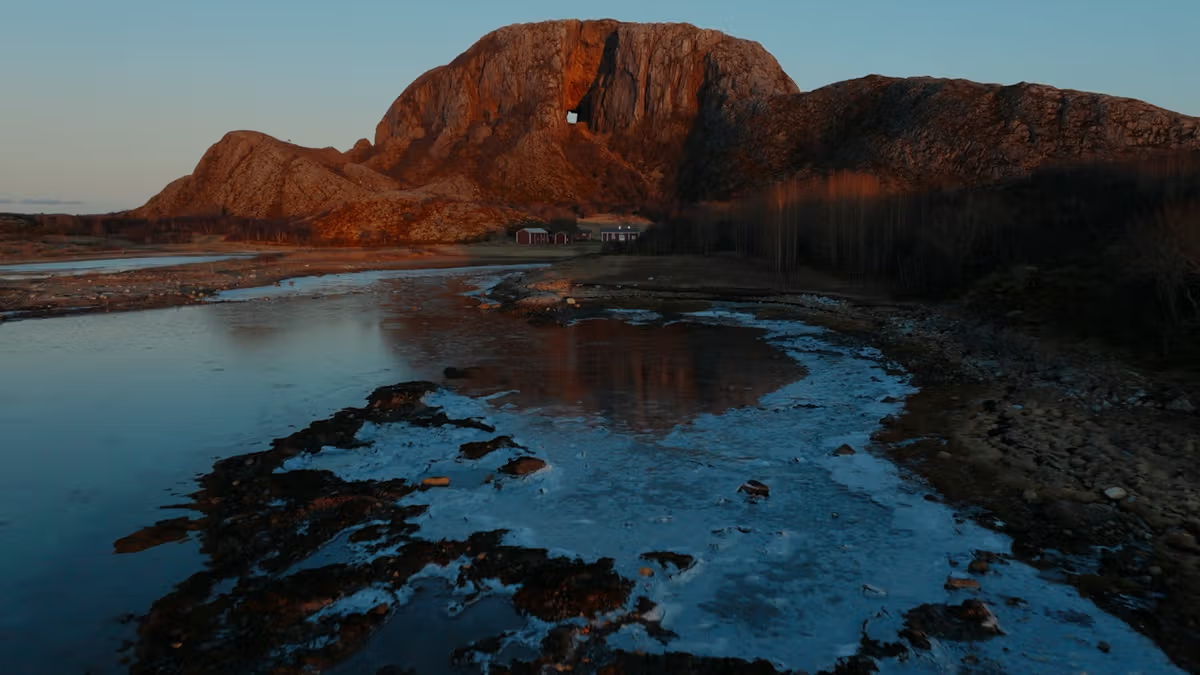
Named after trolls and full of myth, Trollfjell Geopark stretches across one of Norway’s largest continuous strandflats – a glacier-carved coastal landscape dotted with thousands of islands and peaks like the legendary Torghatten, known for its famous hole.
Source: Trollfjell Geopark
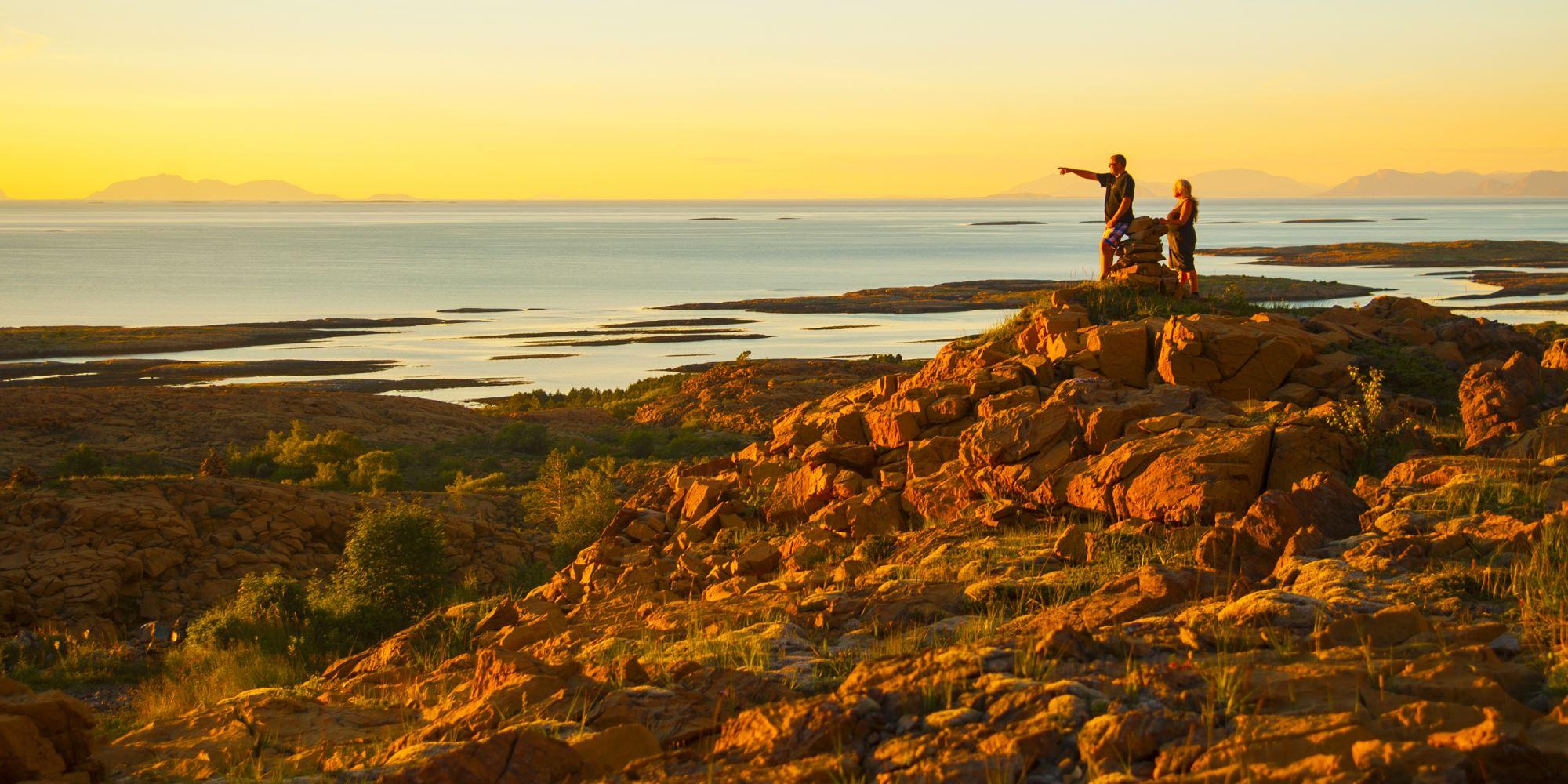
Within Trollfjell Geopark, you'll also find Leka Island in Trøndelag, designated as Norway's Geological National Monument.
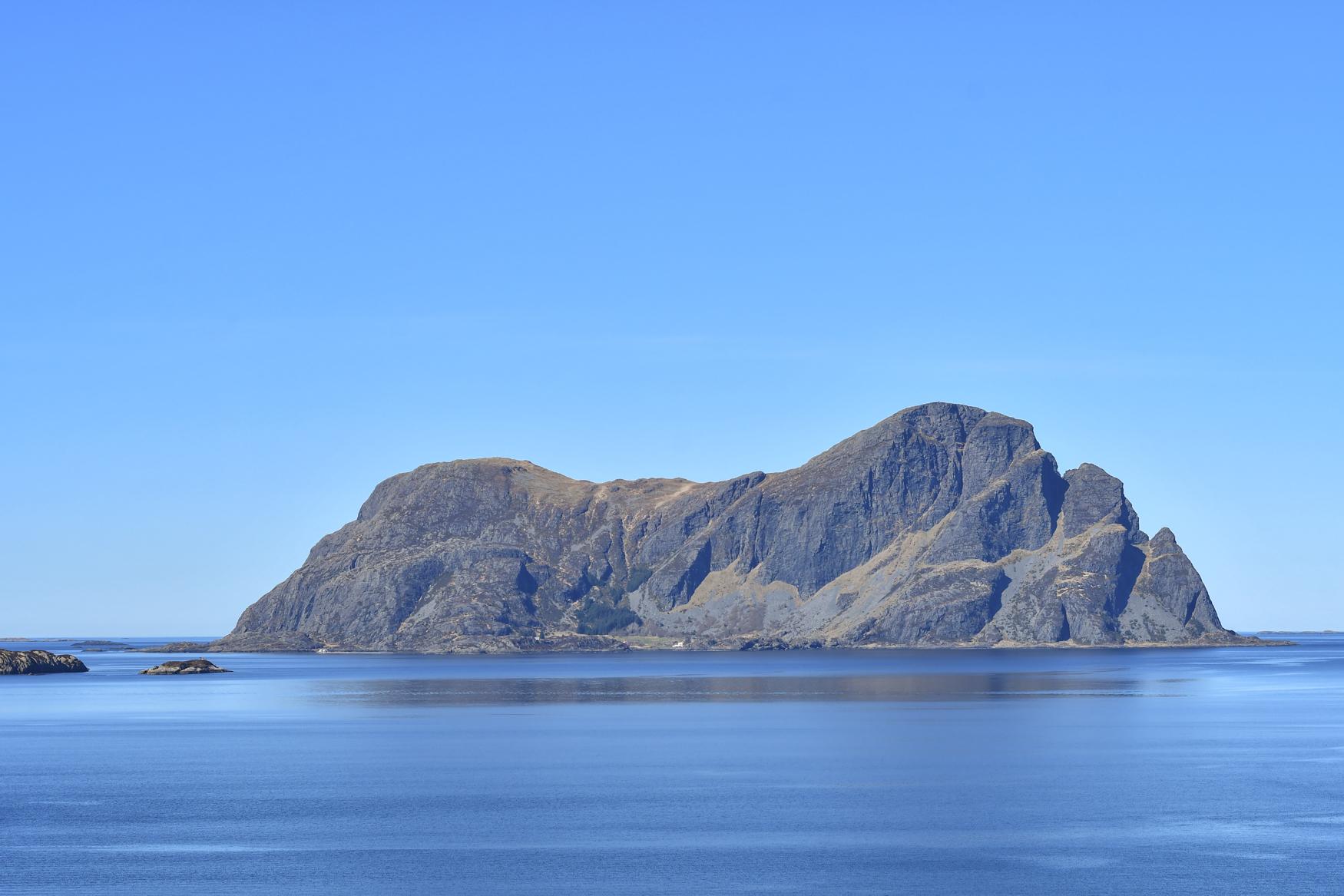
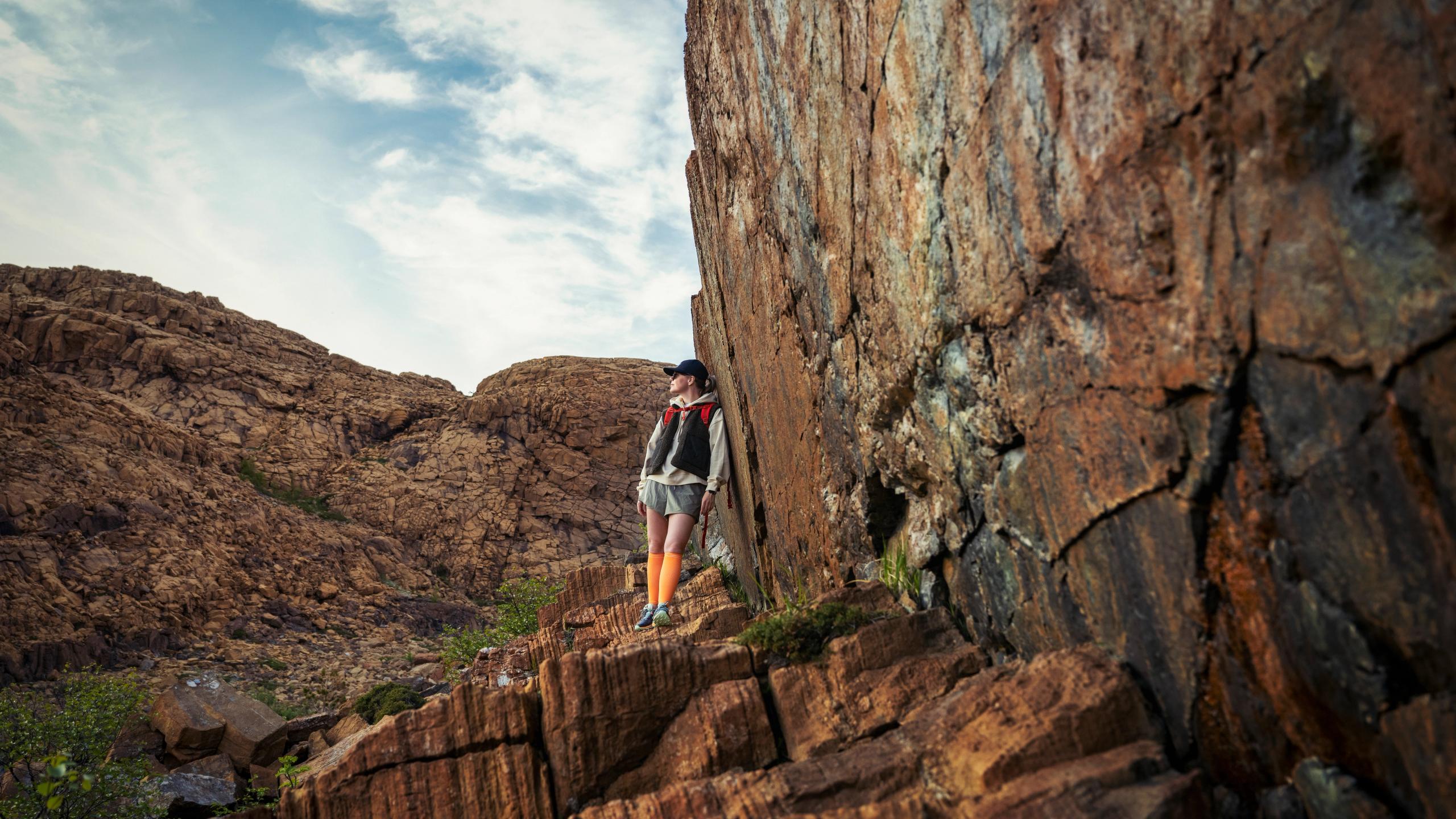
The island’s unique red and yellow rock landscape was shaped by ancient continent collisions, with layers of oceanic crust being exposed, making it one of the few places in the world where you can actually walk on Earth's interior!
Source: Visit Leka
Trollfjell Geopark is on the coast of central Norway, in the counties of Nordland and Trøndelag. It covers six areas: Brønnøy, Vega, Vevelstad, Sømna, Bindal, and Leka.
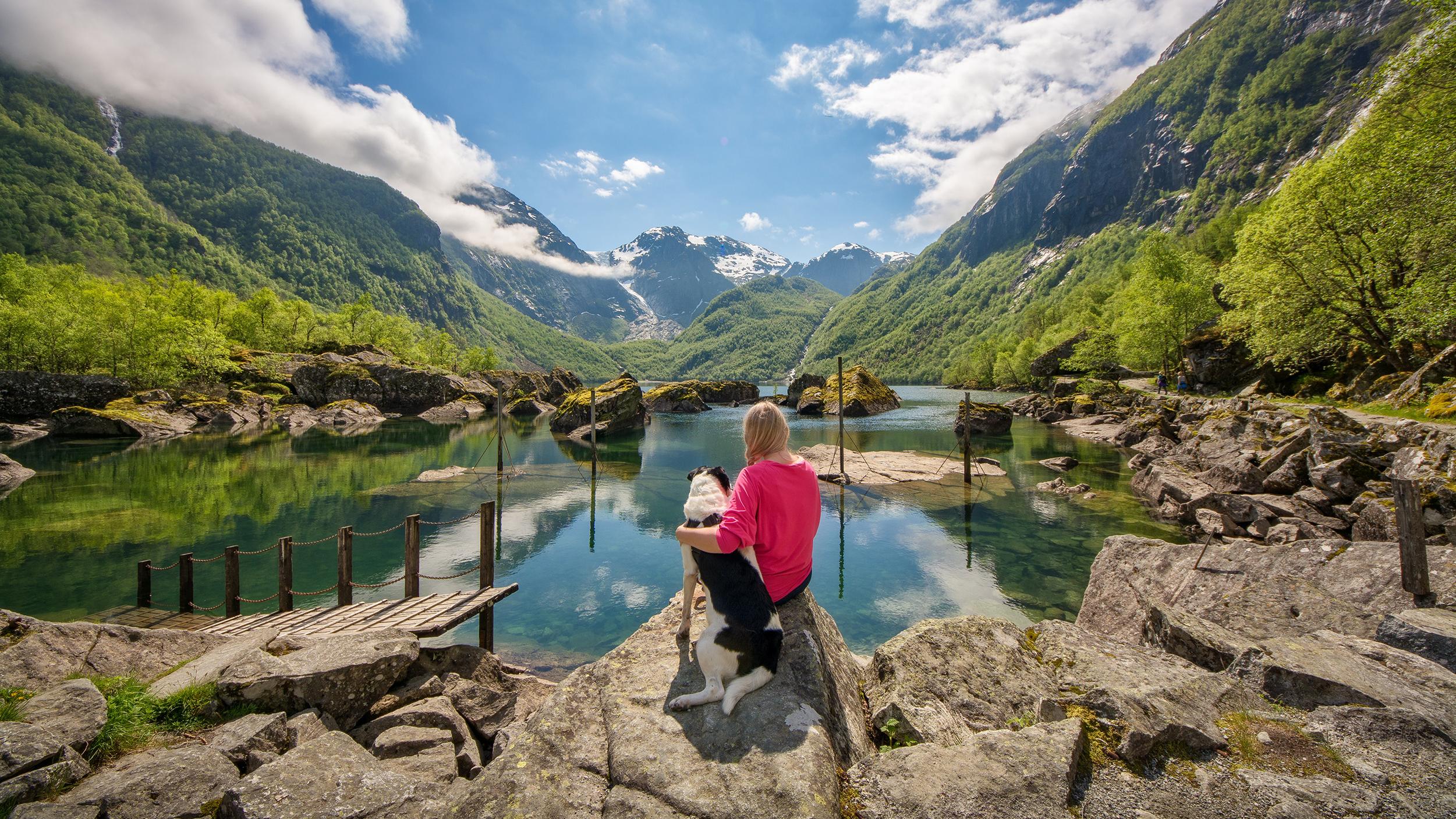
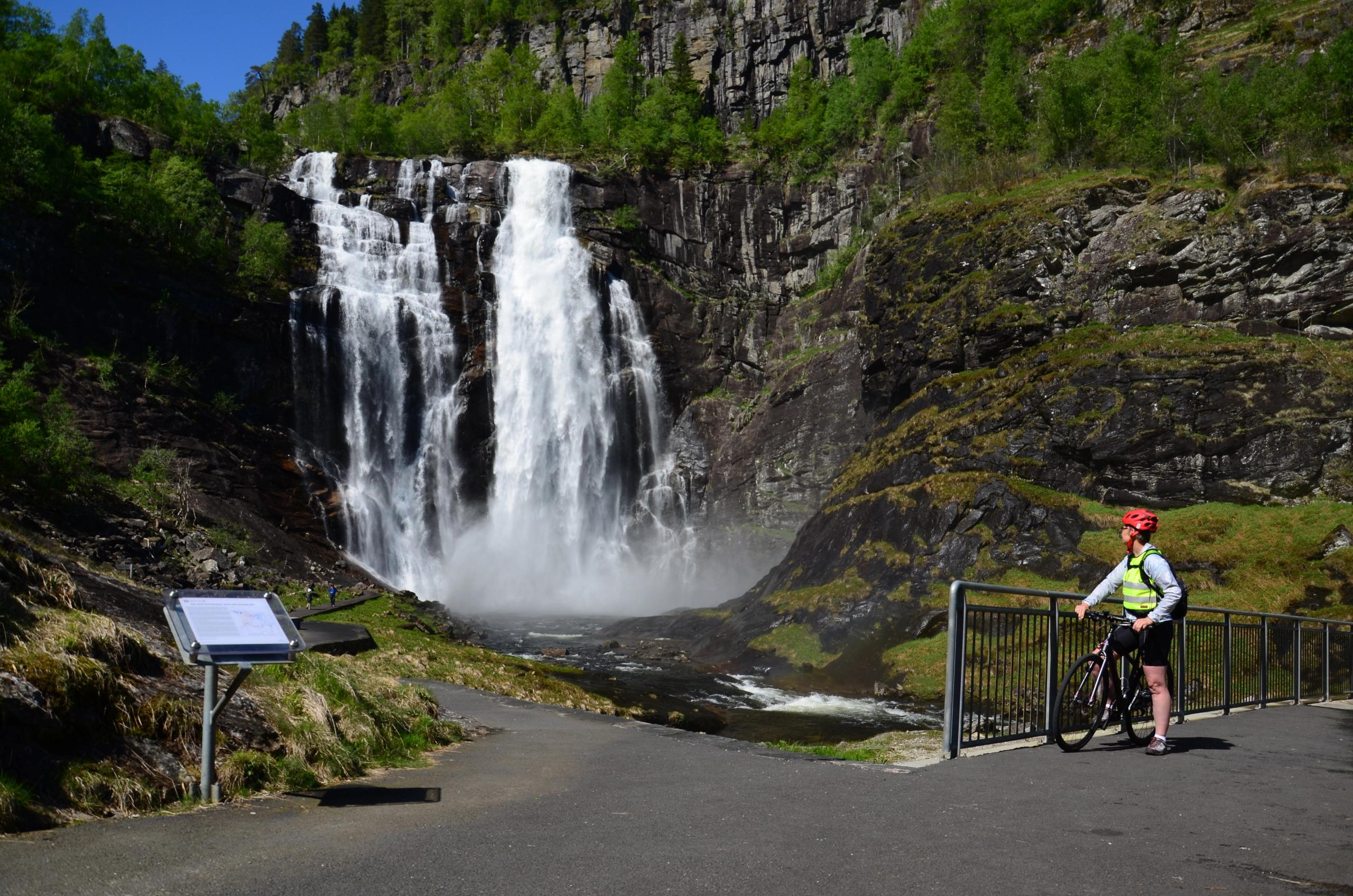
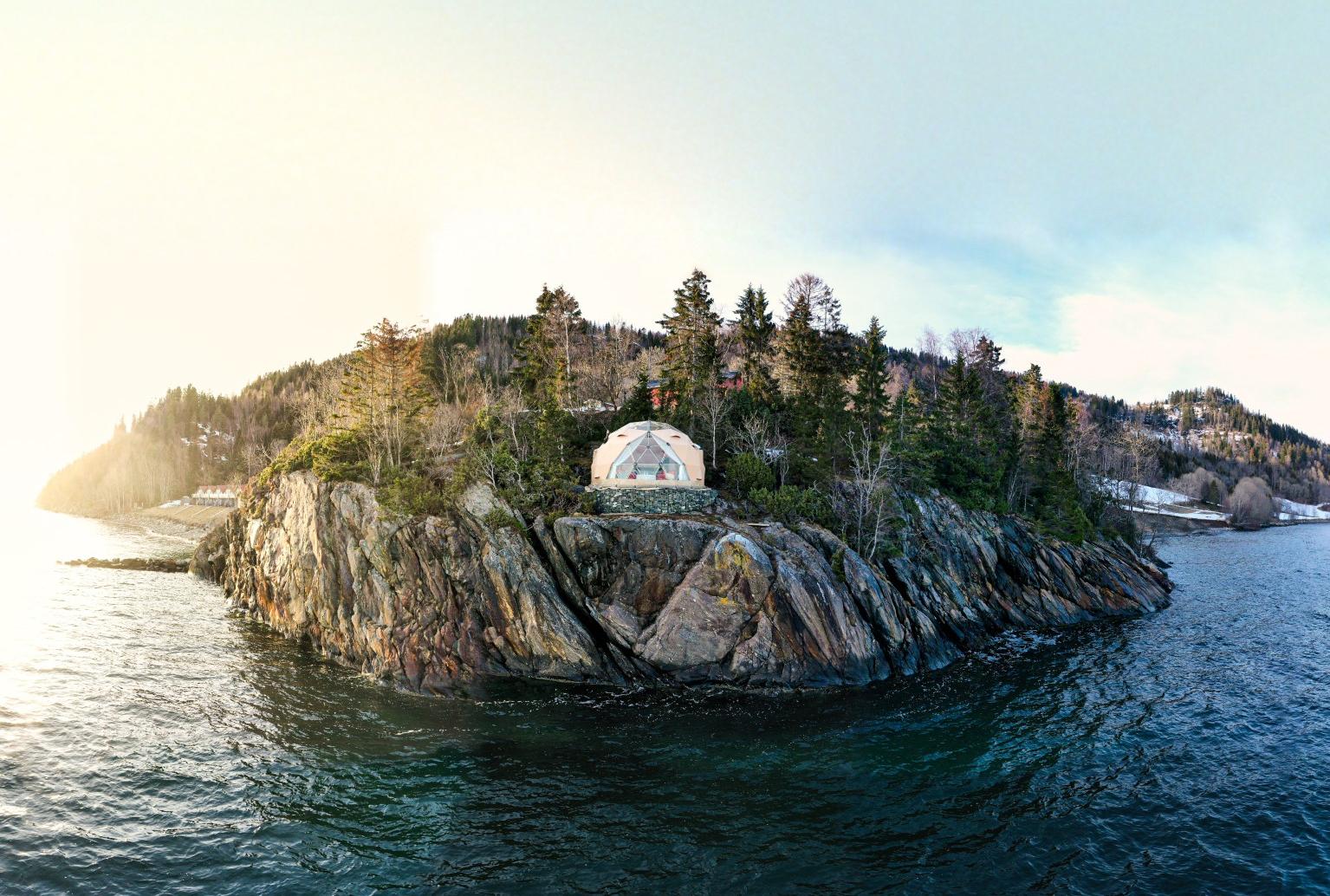
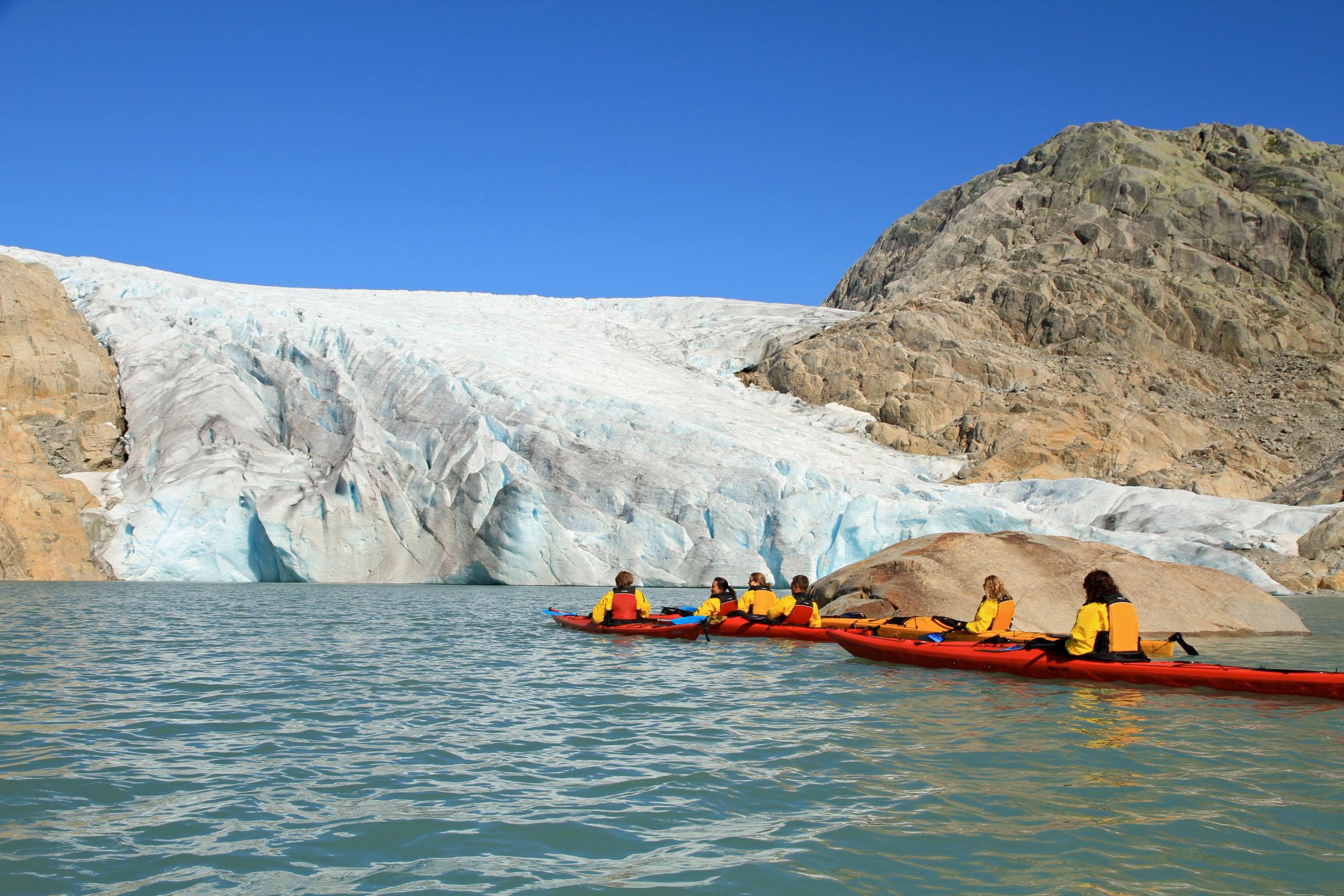
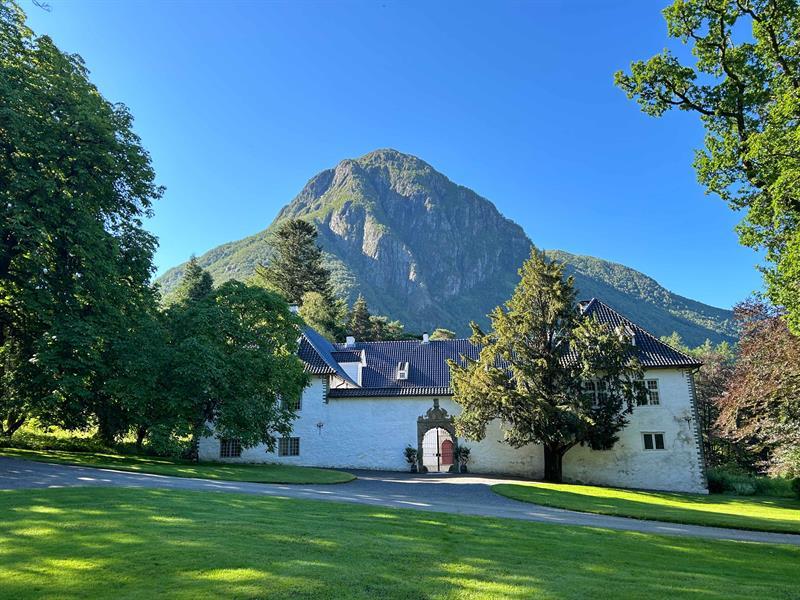
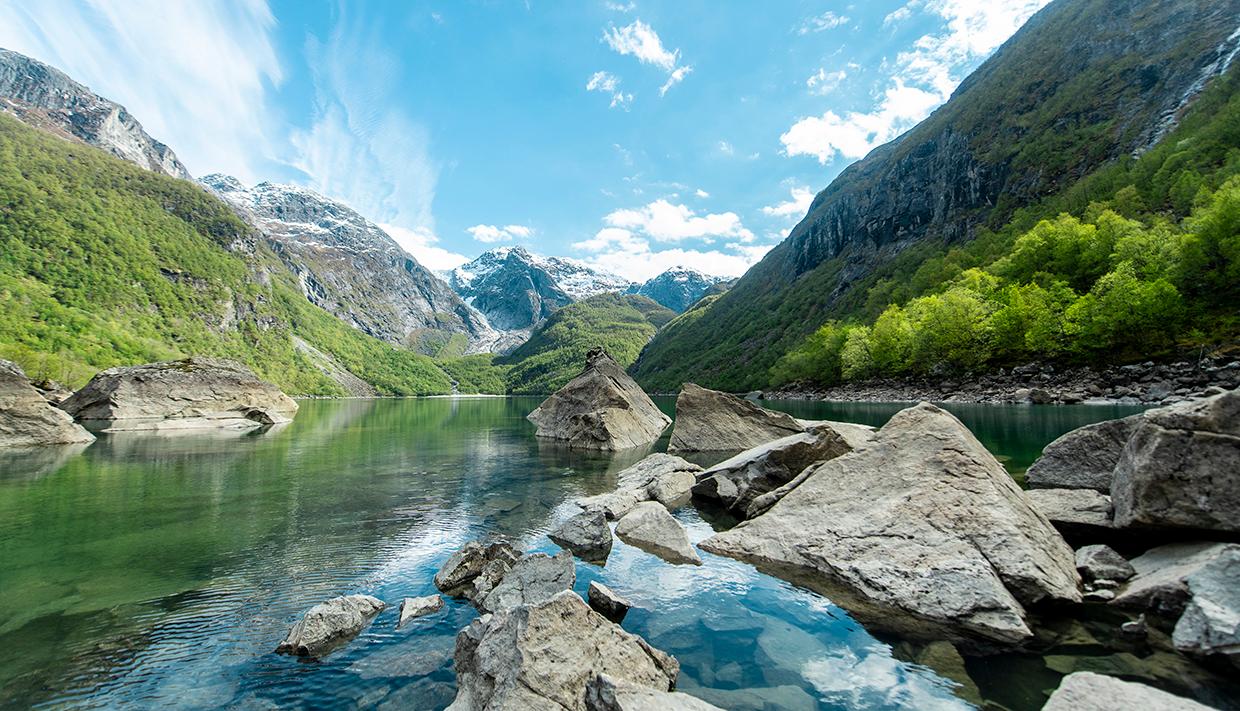
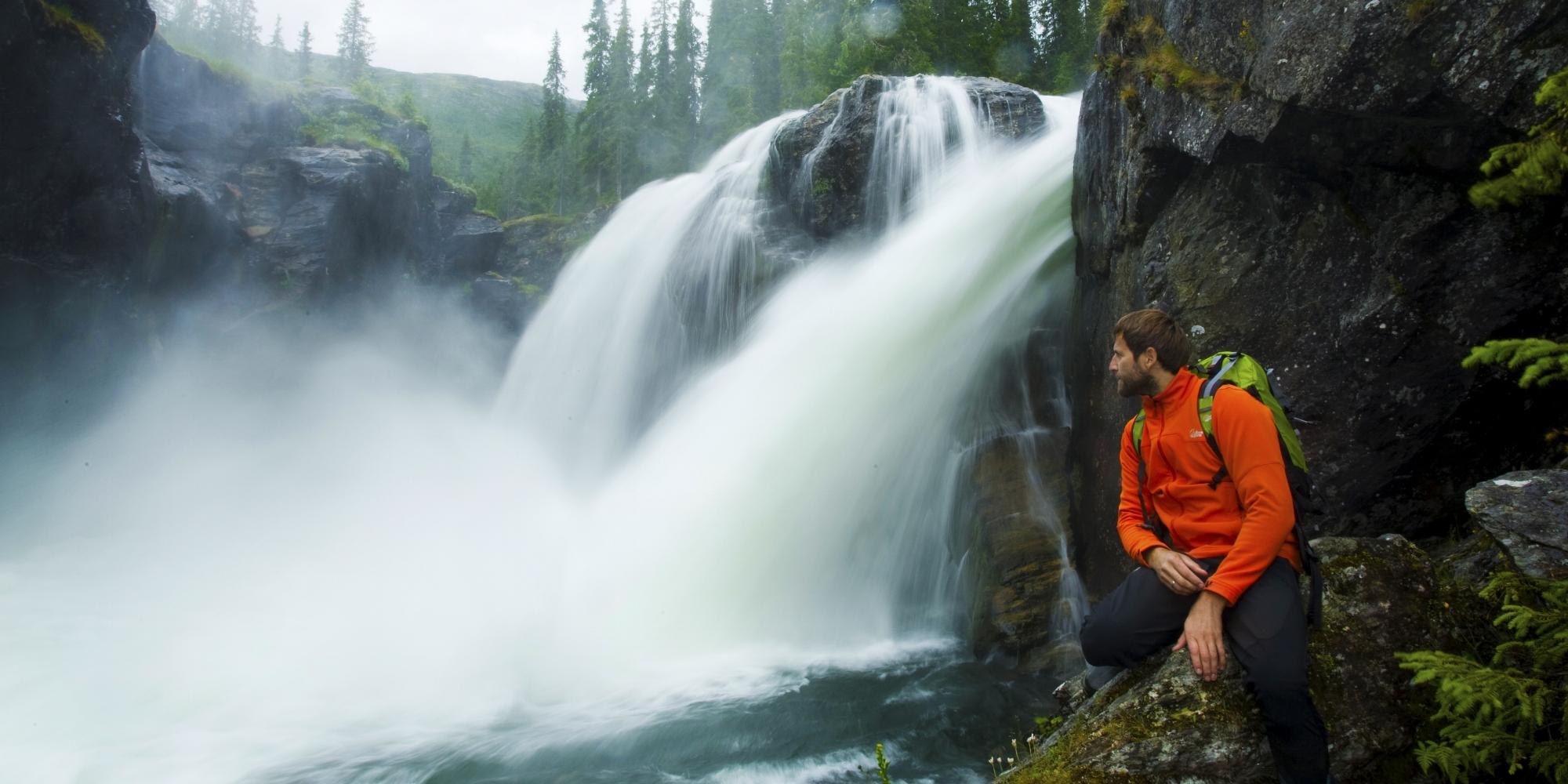
Discover Sunnhordland Geopark and a landscape shaped by fire, ice, and time.
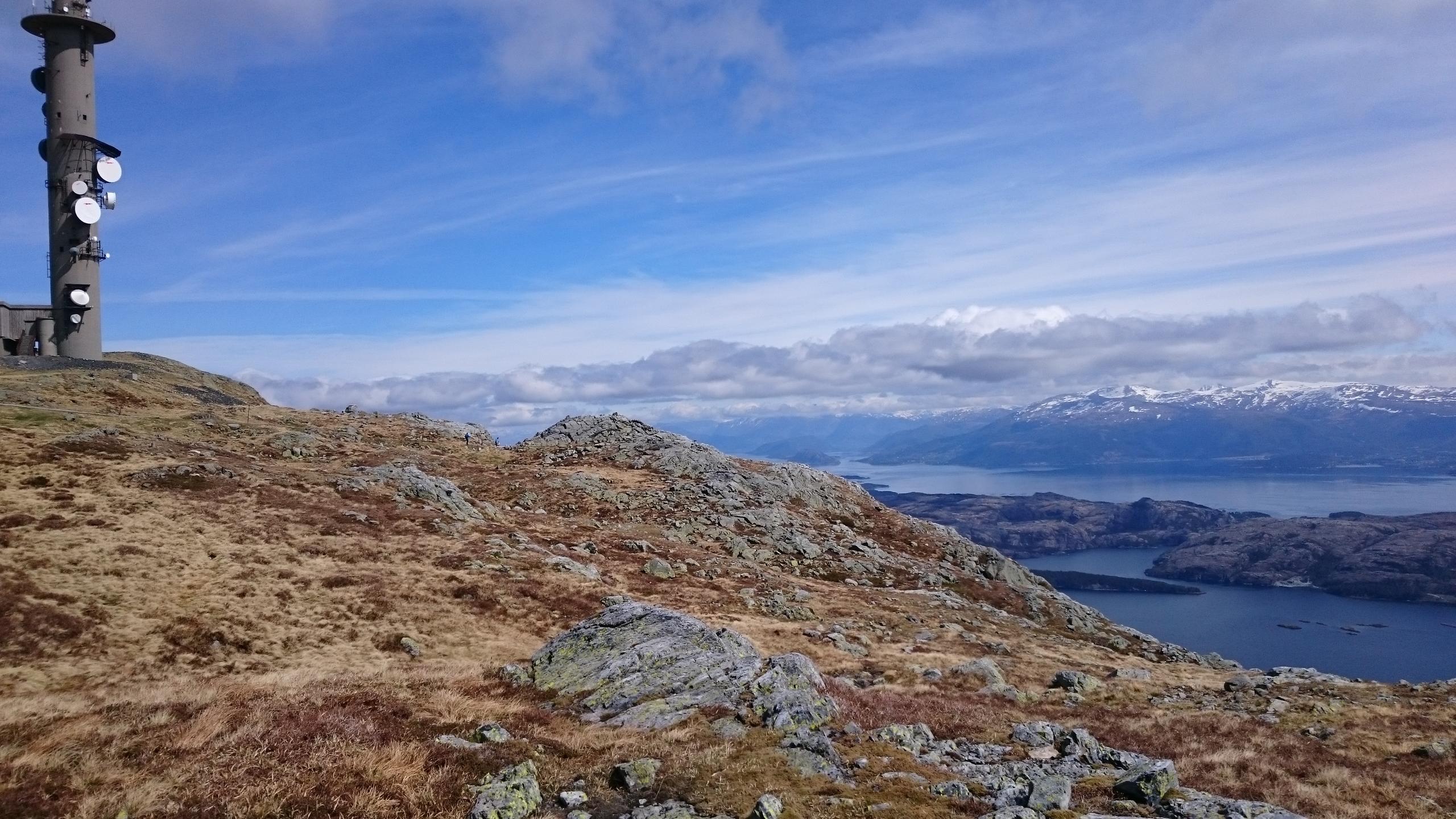
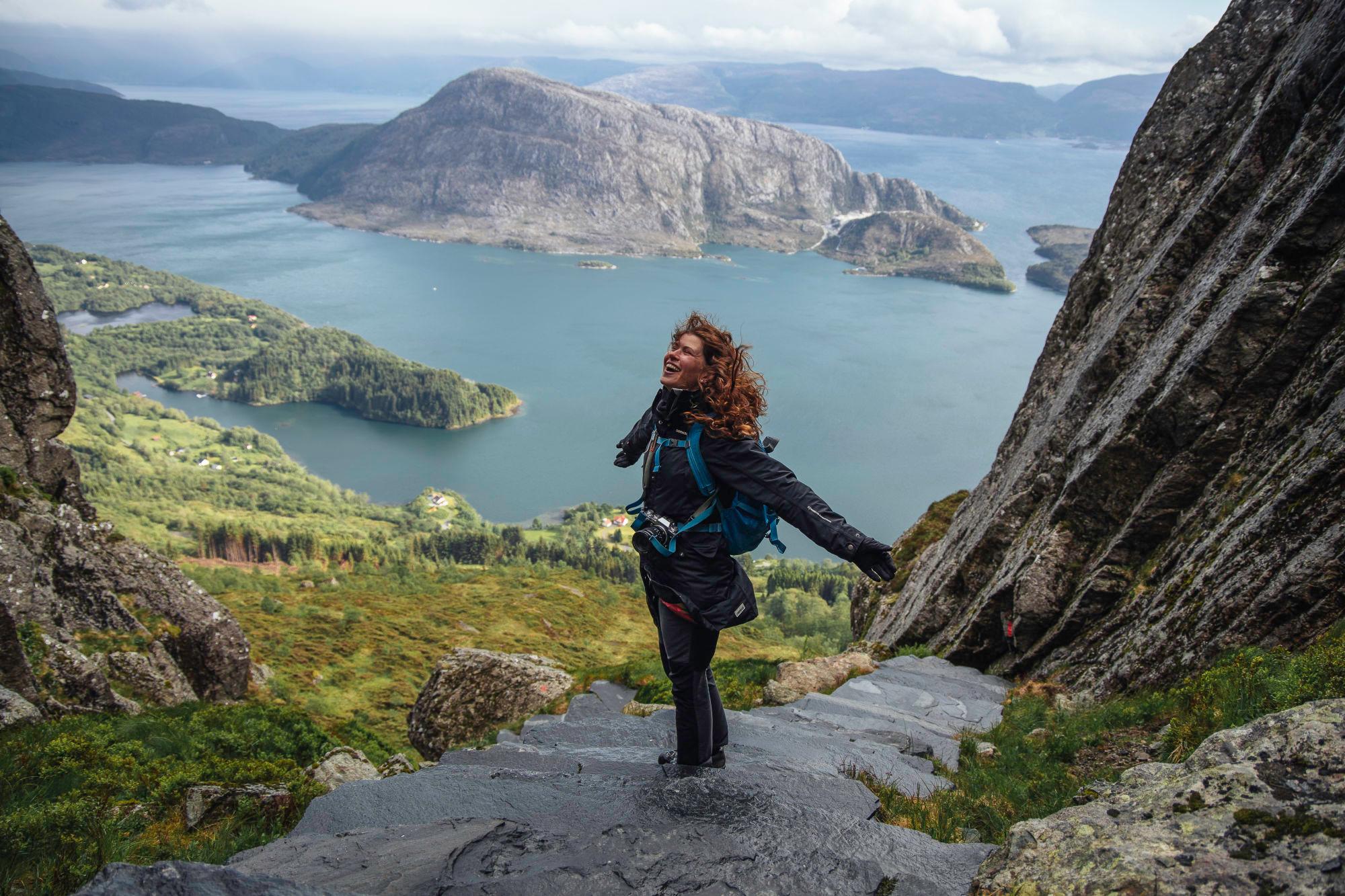
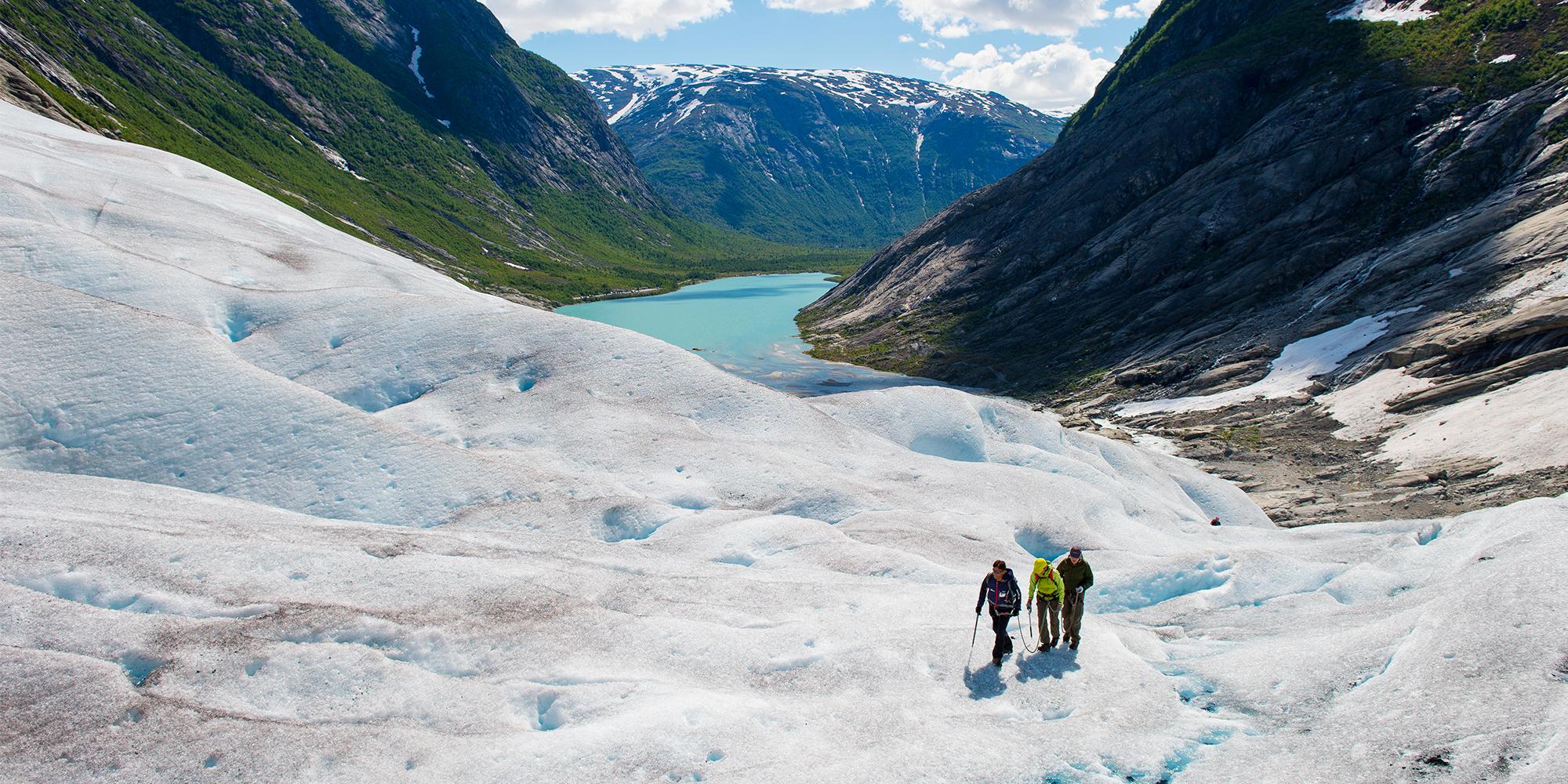
Volcanoes, plate tectonics and glaciers have carved a region that stretches from the open sea to alpine mountains, where thousands of islands lie scattered along the coast and waterfalls tumble into deep blue fjords.
Source: Sunnhordland Geopark
Geopark Sunnhordland received status as UNESCO Global Geopark in 2023. Geopark Sunnhordland is located in the western part of Norway, in the county of Vestland.

Gea Norvegica, Scandinavia’s first UNESCO Global Geopark, features the Fen Complex near Ulefoss – the remains of a 580-million-year-old volcano and one of Europe’s most unique geological sites.
The park is also home to larvikite, a rare shimmering blue rock found almost nowhere else and used worldwide in architecture.
Source: UNESCO
The geopark is in Telemark and Vestfold county, and includes the municipalities of Larvik, Bamble, Kragerø, Nome, Porsgrunn, Siljan and Skien.
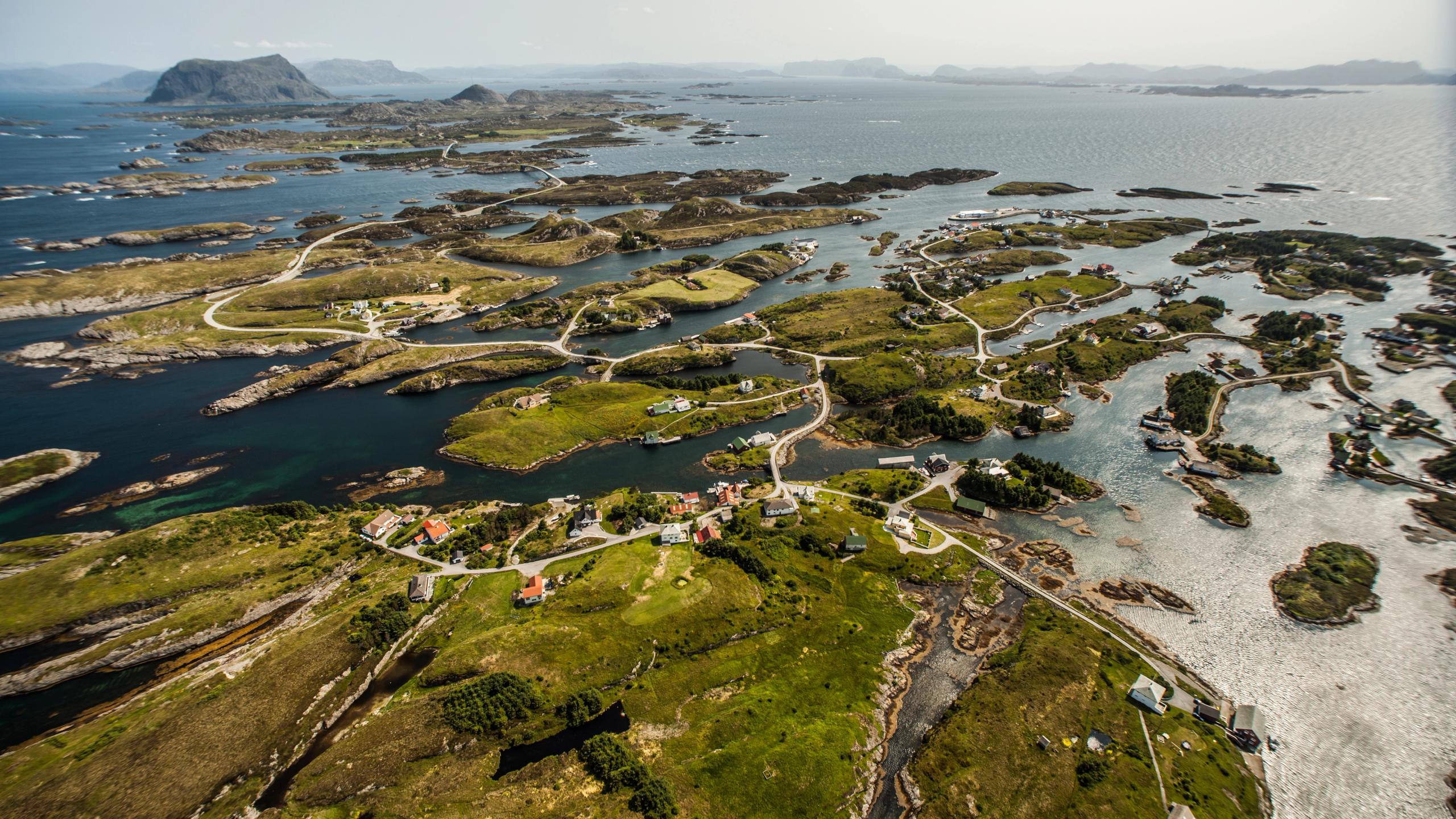
Here you'll find some of the most visible traces of the Caledonian mountain range, which once towered higher than the Himalayas, formed over 400 million years ago.
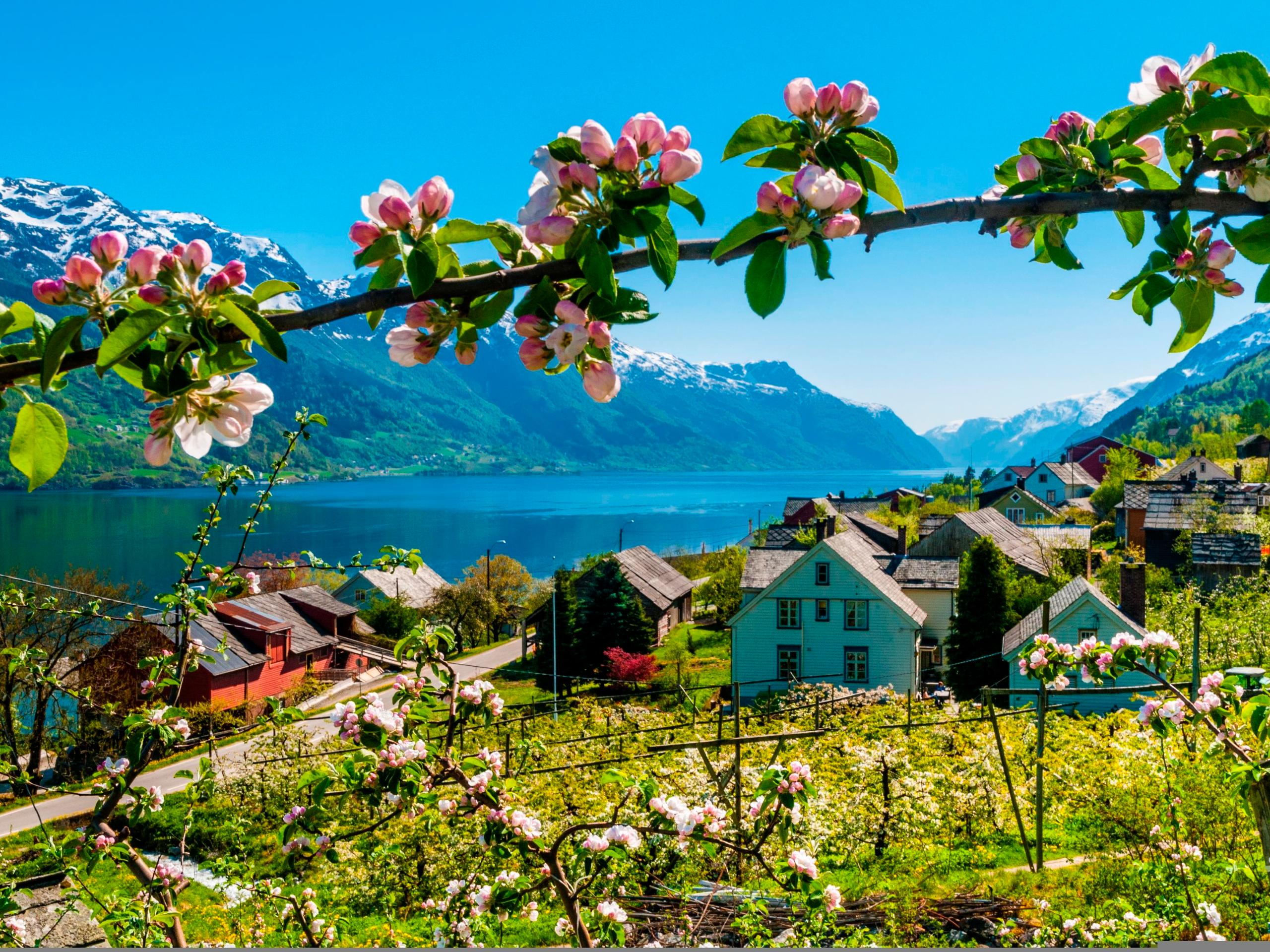
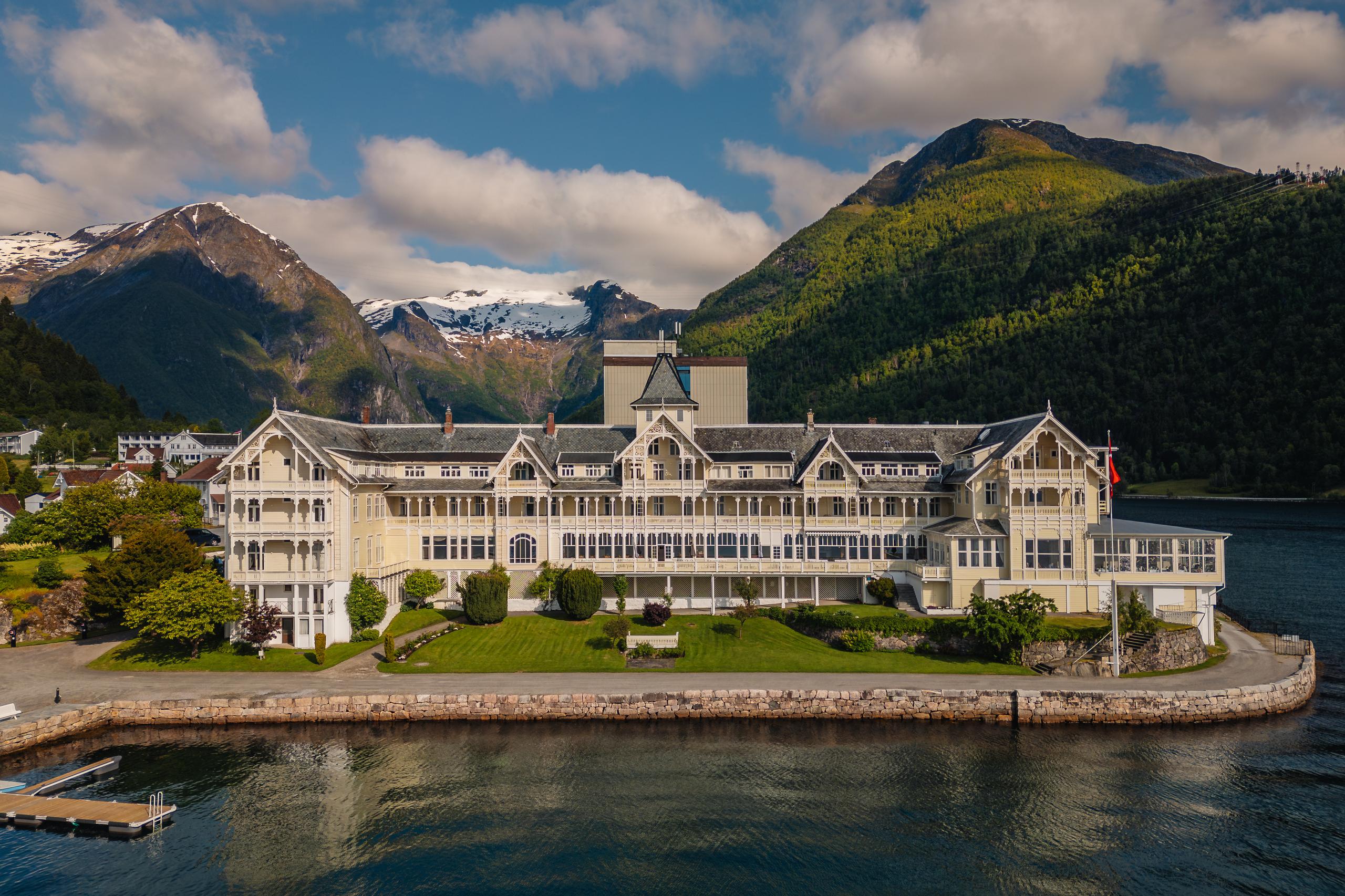
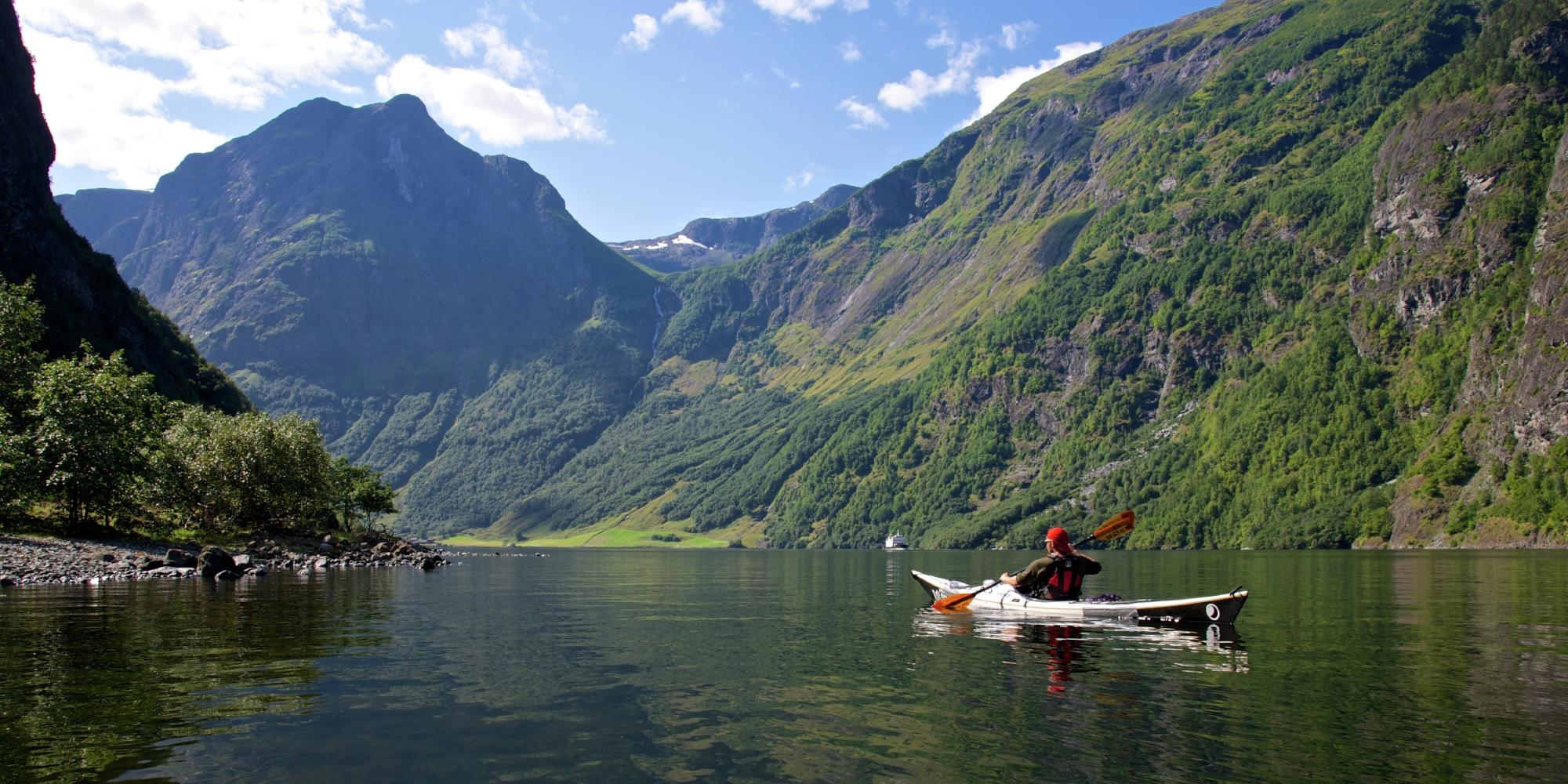
Explore a breathtaking mix of stunning fjords, towering peaks, unique rock formations, and countless small islands dotting the coastline.
Sources: Fjord Norway / The Fjord Coast Regional- and Geopark
The Fjordcoast Regional- and Geopark lies in Fjord Norway, covering the municipalities of Solund, Hyllestad, Fjaler, Askvoll, and Sunnfjord.
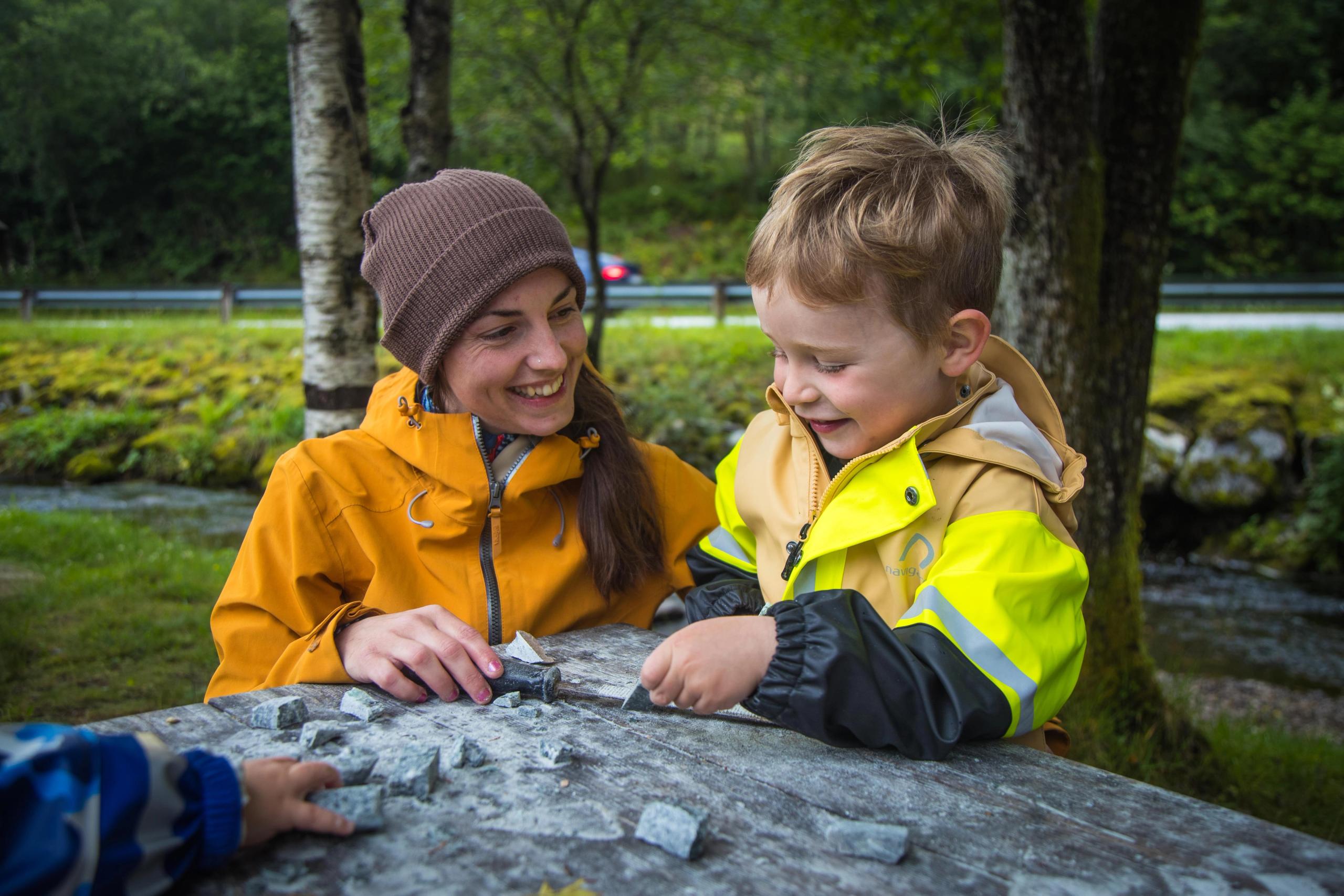
The area you are entering is part of a geopark, where landscapes and geological formations have been shaped over millions of years. They are living outdoor museums and require our respect and care. By behaving responsibly, we help preserve not only the remarkable natural heritage but also the ecosystems and wildlife that depend on it. This ensures that future generations can enjoy the same beauty and wonder that you experience today.
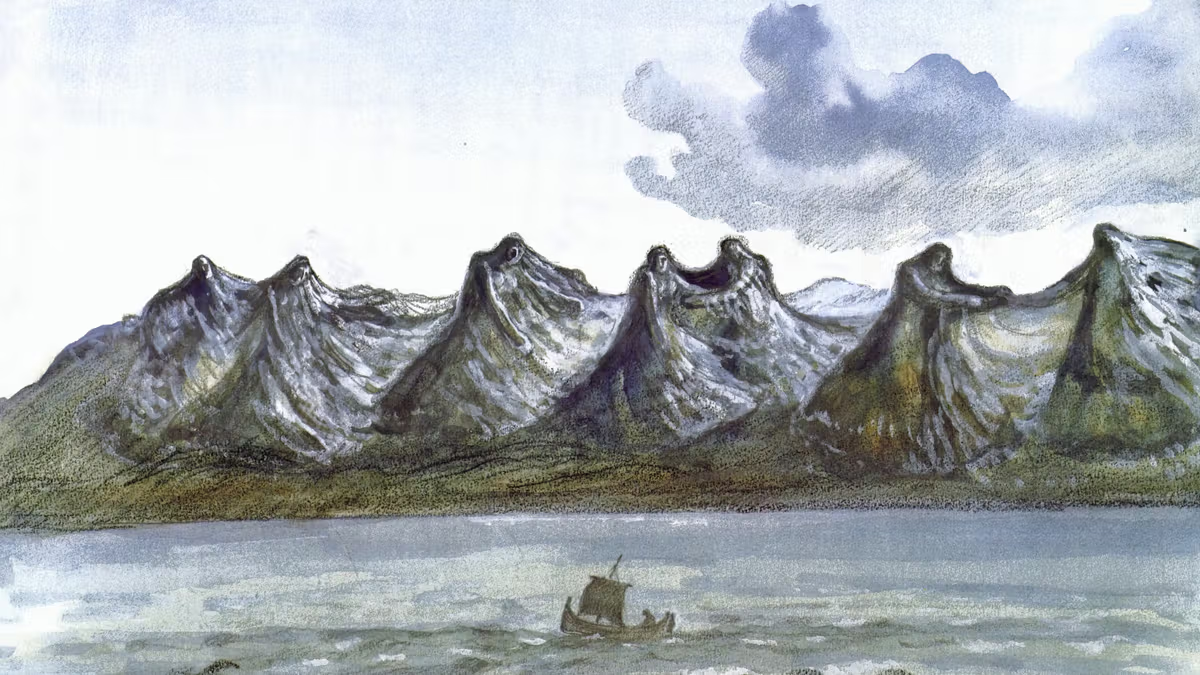
Uncover five hidden tales about Norway's most iconic landscapes – from north to south.
See our selection of trusted companies that work hard to make you happy all through your trip.