They conquered lands from England in the north to Italy in the south. The fierce Normans, descendants of Scandinavian Vikings, left their mark across Europe, perhaps more than you might think.
2027 – European Year of the Normans
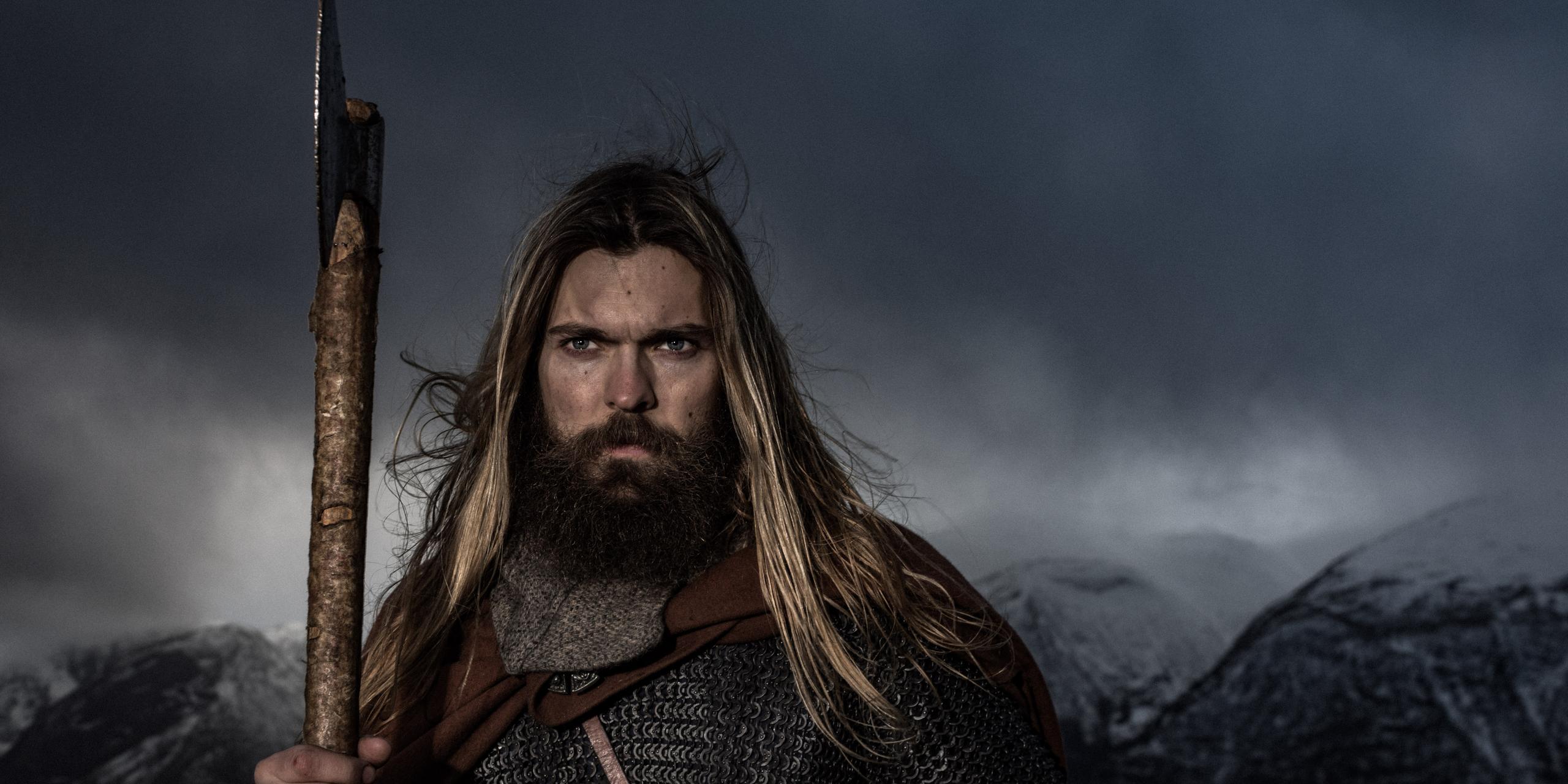
A Viking in Flåm
Berge/Knoff/Natural Light - Visitnorway.com
The year is 911. The Viking chief Rollo, said to be of Norwegian descent, settles in today’s Normandy in Northern France with his Viking army, on land given to him by the Frankish king, Charles the Simple.
This is the beginning of the Normans of Normandy – the descendants of Scandinavian Vikings, Norwegians and Danes, who became knights, kings of England and rulers of Sicily in the years to come.
2027 marks the 1,000th anniversary of the birth of William the Conqueror – the Duke of Normandy and later King of England – in Falaise, France. The anniversary is celebrated across Europe. The Normans have had a large impact on European culture and history, especially in England, France and Italy.
But who were the Normans exactly? Was their founding father really from Norway? And what allowed them to gain a foothold in large parts of Europe? This is the story of the Vikings who became Normans!
Rollo – Norwegian or Danish?
Scandinavian Vikings had been raiding Europe since the late 700s, and they soon found their way up the Seine. In 841 they burned Rouen, and for decades the Frankish kings were unable to stop them.
One of the Viking chiefs on the Seine was Rollo. He had spent years raiding in England, Frisia and along the Seine.
In 911, Rollo attacked Paris and Chartres. But King Charles the Simple responded with an offer: a large area at the mouth of the Seine, in return for defending the Frankish kingdom against other Vikings and converting to Christianity.
The land Rollo was given became known as Normandy, meaning “the land of the Northmen”. But which Northmen? The word “Northmen” was used for anyone from the North, and since the late 1800s, Norwegian and Danish historians have argued over whether Rollo came from Norway or Denmark.
Norse sources from the late 1100s claim that Rollo was Gange-Rolv – Rolv the Walker – the son of an earl from Møre on Norway’s west coast.
According to the sagas, he was so big that no horse could carry him, so he had to walk. When Rollo went raiding in Norway, King Harald Fairhair – often called Norway’s first king – banished him because the king had strictly forbidden plundering within his own country.
However, the oldest sources, written in Normandy from around the year 1000, say the Viking chief was Danish. One even names his home – Fakse in Denmark.
Many historians believe the evidence points mostly to Norwegian origins, but there is no definitive answer.
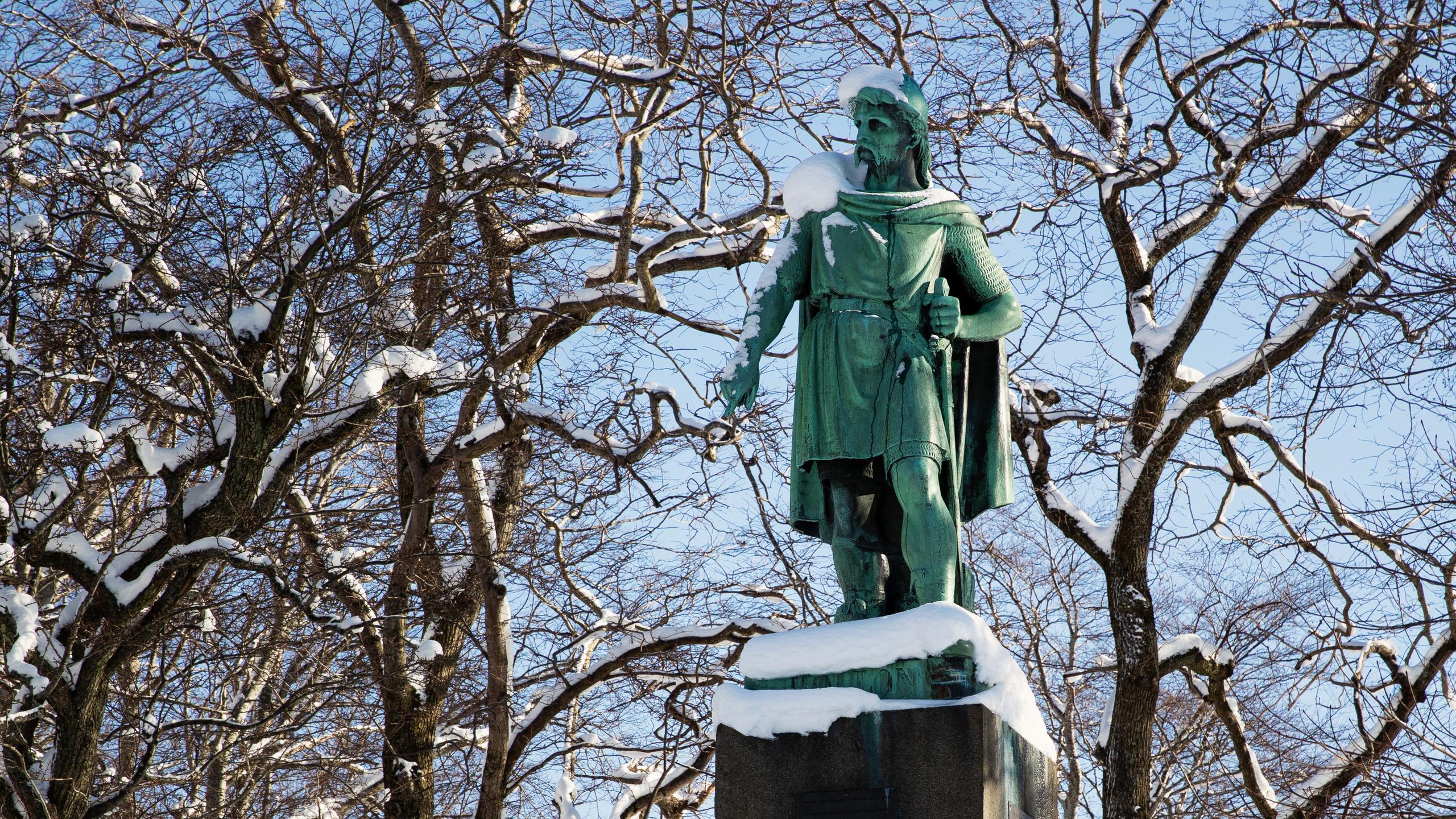
In Ålesund in Western Norway, you can see a statue of Rollo, or Gange-Rolv, in the town park – a gift from Rouen in 1911.
The statue of Rollo, also known as Gange-Rolv, in Ålesund's town park
Kristin Støylen / Visitnorthwest
Who were the Normans?
The Normans were descendants of Scandinavian Vikings and the Frankish people they settled among. They adapted to medieval European life, and the newcomers married local women, became Christians and learned French.
Skilled warriors, they kept the daring of their Viking ancestors, and set out to win land far from home – in England, Southern Italy and Sicily, and even on the coast of North Africa. Their Viking forefathers had mostly fought on foot, but Norman knights in the armies fought on horseback and came to be feared across Europe. Yet the Normans were not only warriors, but also talented builders and administrators.
The Norman conquest of England
For generations, Rollo’s descendants had ruled Normandy. Around 1027, one of them, William, was born in the town of Falaise. He was the illegitimate son of the Duke of Normandy and a woman named Herleva, said to be a local tanner’s daughter, which is why he was known as William the Bastard. Still, he became duke as a young boy.
In 1066 William and his Normans crossed the English Channel and defeated the English king Harold Godwinson at the Battle of Hastings. Just three weeks earlier, Harold had defeated the Norwegian king Harald Hardrada, who fell at the Battle of Stamford Bridge. That autumn, England was invaded by a Viking king and a descendant of Vikings, and it was the Normans who won. William became known as William the Conqueror, the king who began building the Tower of London.
The conquest changed England. The Norman elite replaced the Anglo-Saxon nobility, and castles and great stone cathedrals rose across the country, in cities such as Durham, Canterbury and Winchester. In 1086, William had his kingdom recorded in the Domesday Book, one of Europe’s most detailed medieval records. The Normans also influenced the English language, which still has thousands of words from Norman French, such as “beef”, “pork” and “castle”.
From England, the Normans later pushed into Wales, and from 1169, into Ireland, where they met Dublin, a town founded by Norwegian Vikings centuries earlier.
Psst! The famous Bayeux Tapestry tells the story of William the Conqueror and the Battle of Hastings. It’s on English soil for the first time in almost 1,000 years, on display at the British Museum until July 2027. The UNESCO-listed tapestry is considered one of the greatest artworks of the Middle Ages.
All the way to Sicily
While some Normans went to England, others headed south. Norman knights came to Southern Italy hired as mercenaries, and within decades they had taken over much of the region. By 1091, they had also conquered all of Sicily. At the court in Palermo, Norman, Greek and Arab culture blended together.
The biggest traces of the Normans can be seen in Palermo, Cefalù and Monreale, where Norman palaces and cathedrals combining Western, Arab and Byzantine styles are now a UNESCO World Heritage Site – among them the Palatine Chapel in Palermo and the cathedral of Monreale.
The Norman era in Europe lasted around 300 years, until the French king conquered Normandy in 1204. Over time, the Normans merged with the people they ruled and became English, French and Italian, but their castles and churches still stand from England to Sicily. In many ways, the Normans became one of the Vikings’ most lasting legacies in Europe.
Now, 1,000 years after the birth of William the Conqueror, you can take part in celebrations honouring him and the Normans, whether it’s in Norway, Denmark, England, France or Italy.
Check out the Millenium’s official website for an overview of all the events taking place in 2027. Or head to Norway, where many of the Normans’ Viking ancestors came from.
Sources: Store norske leksikon, Lex – Danmarks Nationalleksikon, UNESCO, Britannica, The British Museum, Historic Royal Palaces, The National Archives, Région Normandie, Normandy Tourism, Choose Normandy, Millenium, Museum of the Viking Age.
Explore more!
Visit the main Viking attractions in Norway – from north to south.
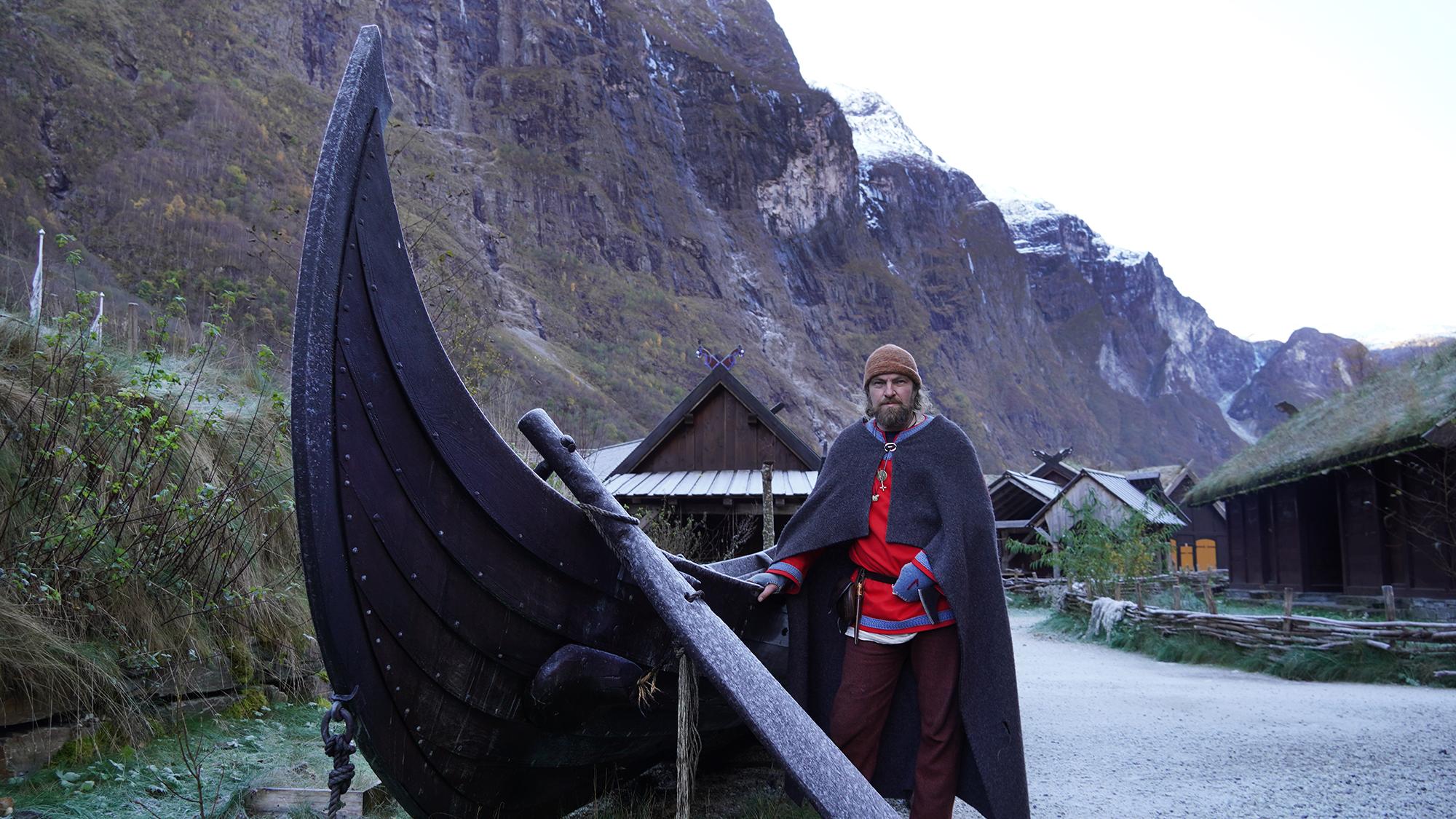
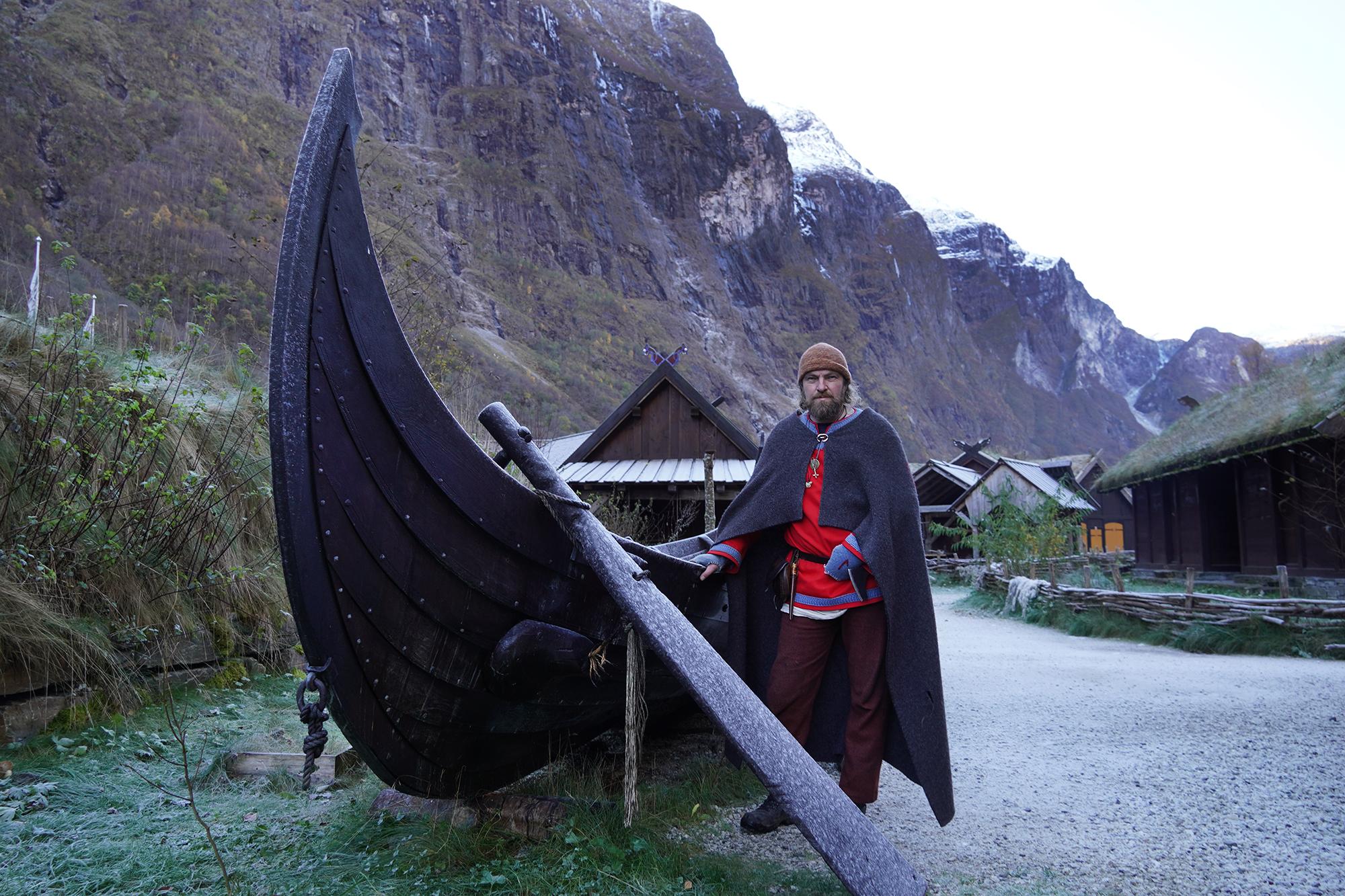
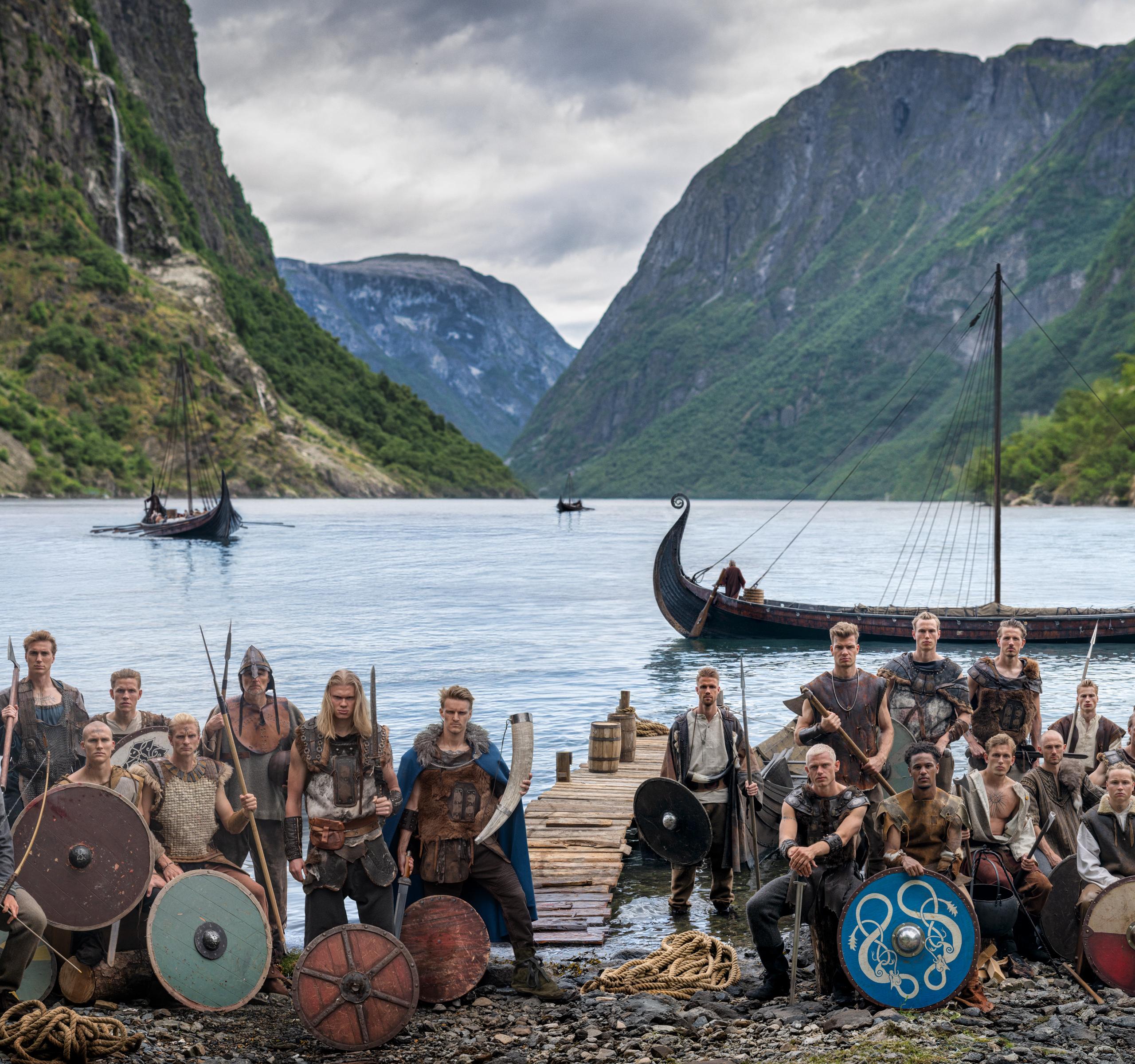
Viking in front of a viking ship in Viking Village in Gudvangen
Christine Baglo/Visitnorway.com
Celebrate the Normans in Norway in 2027
These places honour the Normans with exhibitions and textile art.
 Book nowJevnaker
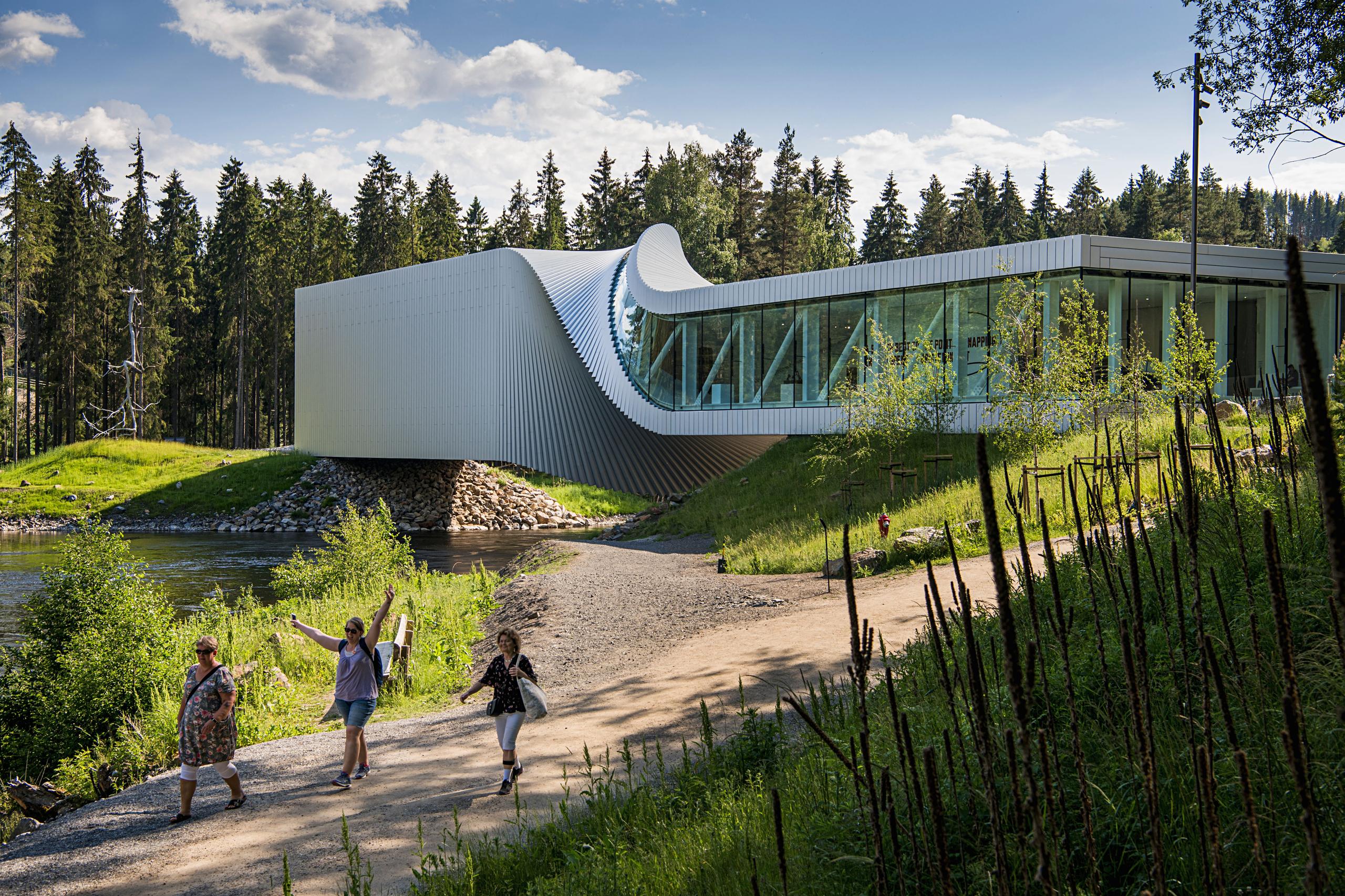
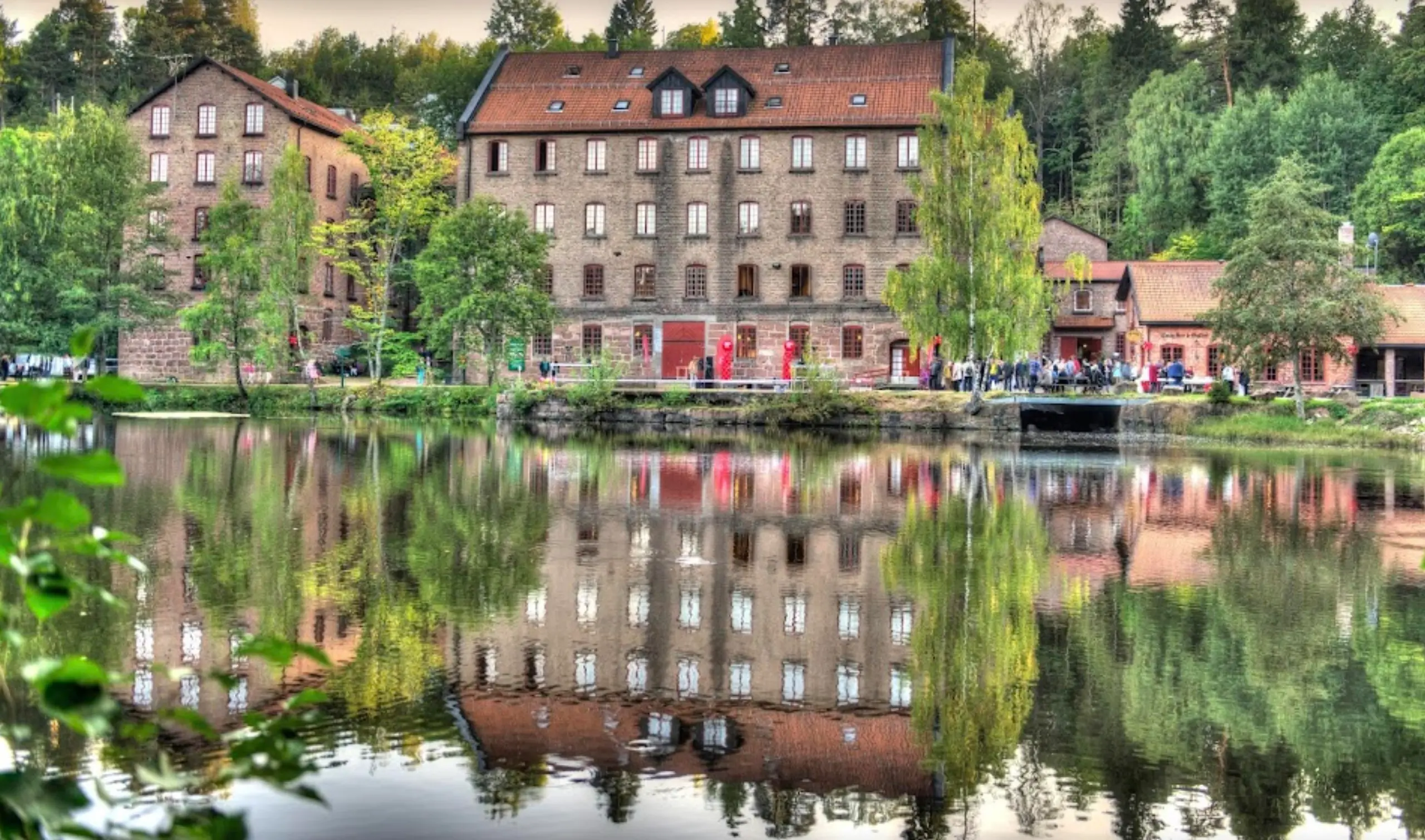
Kistefos-Museet - History, art, playfulness and picturesque
Experience Kistefos-Museum: industrial museum, art Hall and sculpture park Kistefos is one of Europe´s most important sculpture parks for contemporary art. Built on the grounds of a historical pulp pill, Kistefos today comprises an industrial museum, two art galleries and an impressive sculpture park in scenic surroundings. It has a mission to conserve the buildings and industrial heritage of the area whilst also celebrating the best of Norwegian and international contemporary art. Seson 2026 is May 9 - Octobre 11. Take the Bus from Oslo til Kistefos - read about the sites Note: Tickets must be purchased in advanced. Available between 30.april - 30 october 2022. The bus leaves from Oslo busstation ( Cental station) and stops at Kistefos and Hadeland Glassverk. It is also possible to shuttle between the two sites with the same bus. Read more about the bus and tickets here. Sculpture Park Each year the sculpture park is expanded with one or more sculptures. Today it contains 46 sculptures by prominent contemporary artists such as Yayoi Kusama, Claes Oldenburg, Fernando Botero, Tony Cragg, Olafur Eliasson, and Anish Kapoor. Many of the sculptures are made site-specific and directly inspired by the area, nature, and history of Kistefos. The works range from the monumental to the unobtrusive, the profound to the playful. The expression of the sculptures changes with the weather and the season - making a visit to the sculpture park a year-round experience. Art Every year, Kistefos presents new art exhibitions by highly recognized national and international artists in our two galleries, The Twist and Nybruket Gallery. The architectural masterpiece The Twist is both a gallery, a bridge, and a sculpture, all in one. The 1.000 square meters building takes a sculptural form, twisting at the midway point as it crosses the Randselva river to connect the north and south sides - turning the journey through the park into a loop. The Twist is designed by BIG - Bjarke Ingels and is a unique exhibition space with varied light sources and view over the river. Nybruket Gallery is located in one of the old factory buildings of A/S Kistefos Træsliberi. The factory heritage has been preserved, creating a beautiful framework for art. Industry The history of Kistefos started with the old wood pulp mill more than 100 years ago. A/S Kistefos Træsliberi was established by consul Anders Sveaas in 1889, a company that produced wood pulp at the site from 1889 to the mid-1950s. The production at Kistefos stopped in 1955, but the buildings and machines have been set in motion once again, creating a living factory for Kistefos´ visitors. Kistefos, as we know it today, was established in 1996 by Norwegian businessman and art collector Christen Sveaas, grandson of Anders Sveaas. The industrial history is a running theme throughout the park and is inextricably linked to Kistefos´ history. The river Randselva runs through the entire area and was in the early days the very foundation for the industry at the site. Today, it materializes as a beautiful and soothing signature. Contact us to tailor your experience Kistefos Museum is an outstanding stop during your weekend with friends, colleagues, or perhaps your entire family. We offer activities and experiences that engage and inspire across age groups and fields of interest. We focus on the act of conveying and will happily give you a guided tour tailored to your wishes. Feel free to contact us to get tips and assistance when planning your trip. Tickets Tickets can be purchased at the entrances, in one of the ticket machines Adults NOK 200,- Children (up to and including 16) Free Students NOK 100,- (20 - 25 years old or a valid student ID) Senior NOK 170,-


Read more





Take advantage of top offers
See our selection of trusted companies that work hard to make you happy all through your trip.
Brim Explorer
Brim ExplorerQuiet fjord tours on award-winning electric catamarans in Oslo, Tromsø, Lofoten, and Svalbard.
City box
CityboxModern and affordable hotels in central locations in Oslo, Bergen, and Kristiansand.
Blazerbu - Norgesbooking
NorgesbookingBook your perfect cabin stay in the fjords, mountains, and valleys of Norway.
Scandic Hotels
Scandic HotelsExperience Nordic hotel hospitality at its finest at more than 90 hotels across Norway. Special offers are available.
The Thief / Strawberry
StrawberryA different hotel company! Look out for great weekend deals at more than 100 hotels in Norway.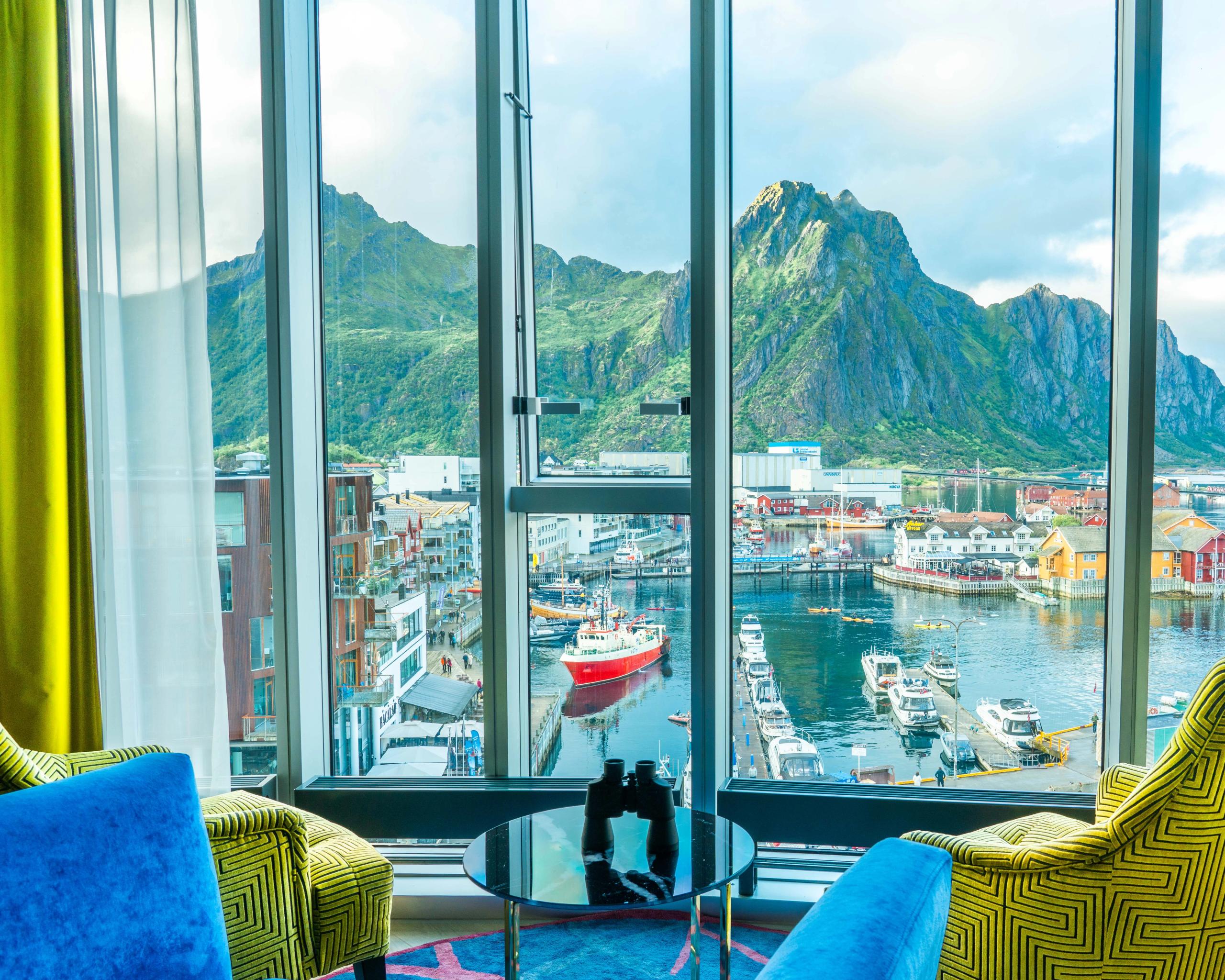
Thon Hotel
Thon Hotels ASFantastic breakfast included! Experience true comfort and reasonable rates at our 80 hotels in Norway.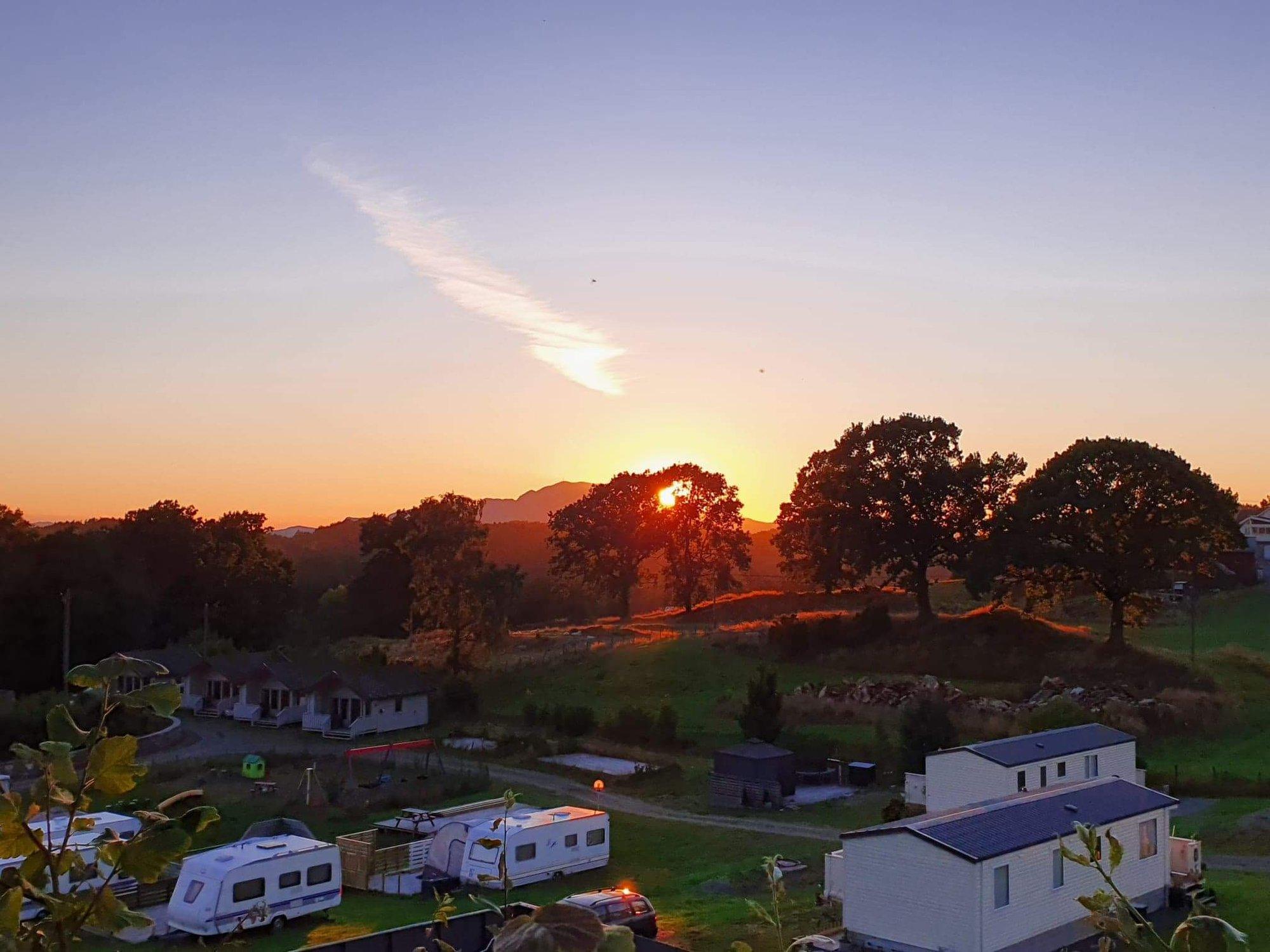
Campcation
CampcationBook a camping stay in stunning and unique locations all across Norway with Campcation.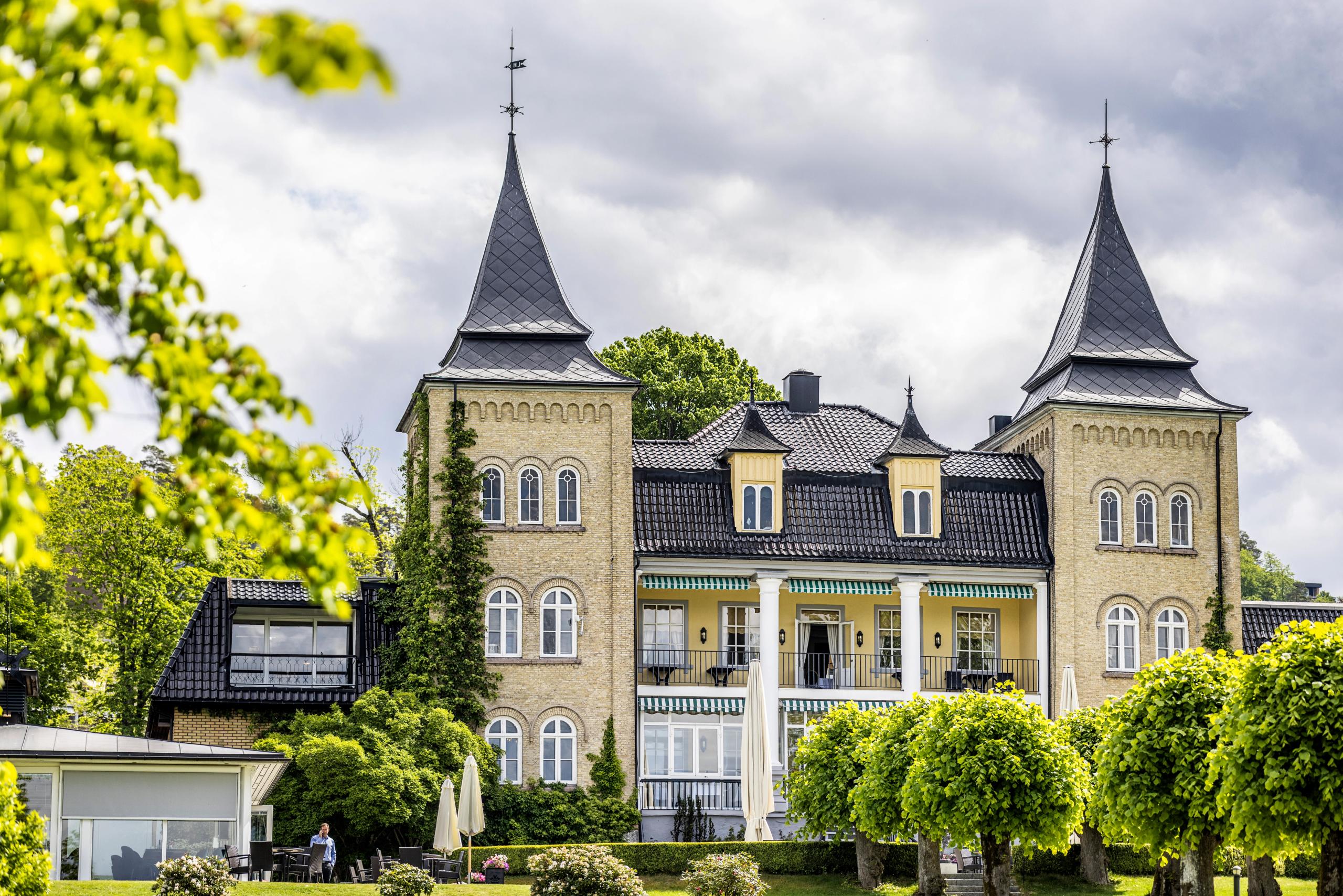
RAISFOTO
Classic Norway HotelsWhen the hotel is the destination. Book a night to remember in one of Norway's most unique and distinctive hotels.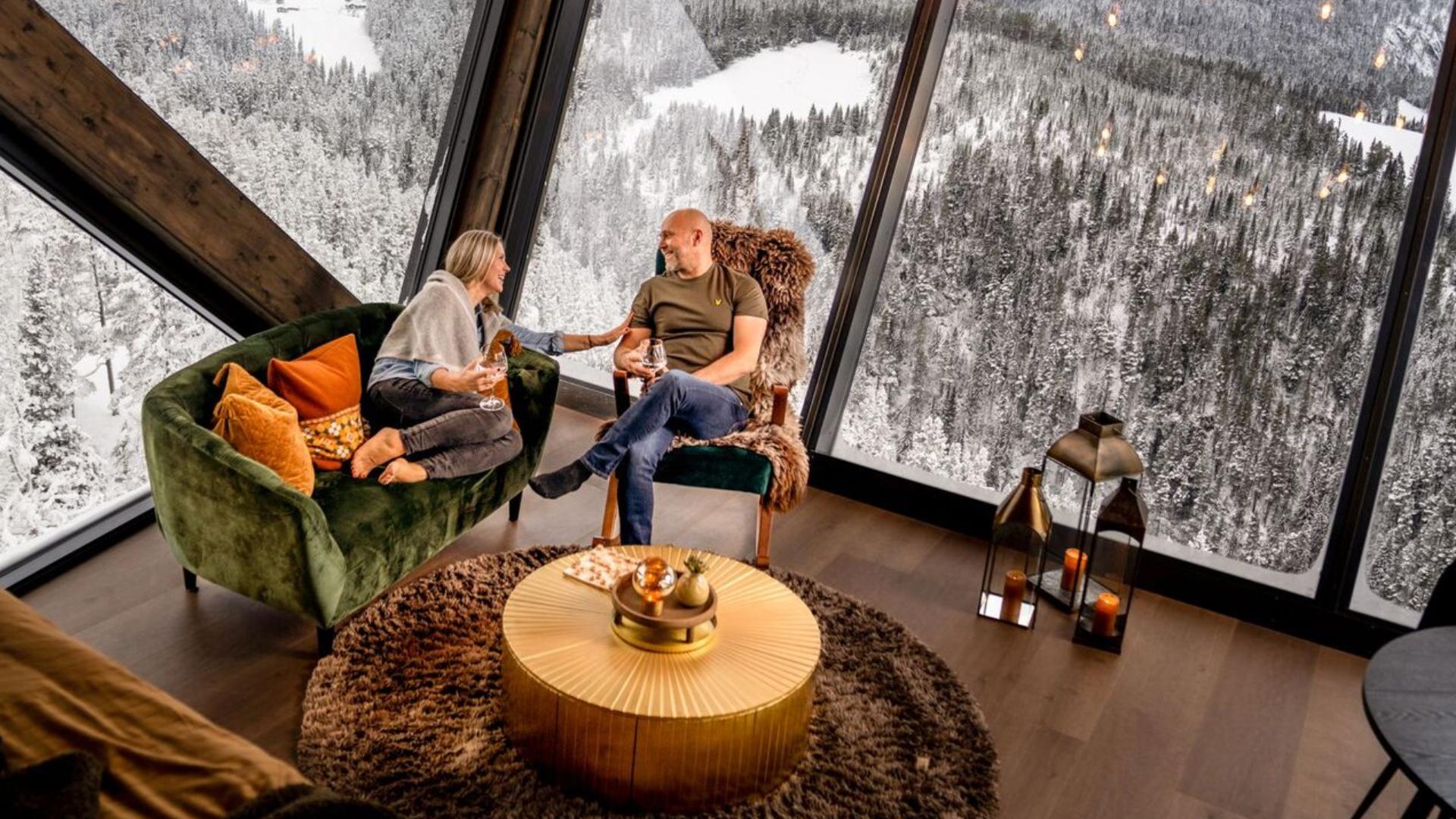
Eagle Nest Eco Lodge
50 Degrees North NordicChoose between unforgettable tailormade individual trips and small, exclusive group tours of Norway.
skinorway.co.uk
Radisson HotelsGreat value offers and comfortable quality stays in Norway´s major cities, airports, and ski resorts.
Robin-Strand - Fjord Norway / Authentic Scandinavia
Authentic ScandinaviaTravel curated by locals. Our tailormade tours suit every type of traveller and budget.
Booknordics.com /iStock.com/Solarseven
Booknordics.comUnique holiday packages, adventure hotels, tours, and activities.
Fjord Tours - Sverre Hjørnevik
Fjord ToursHome of Norway in a Nutshell, Norway's most popular tour. Fjords, mountains, and stunning destinations — all in one trip!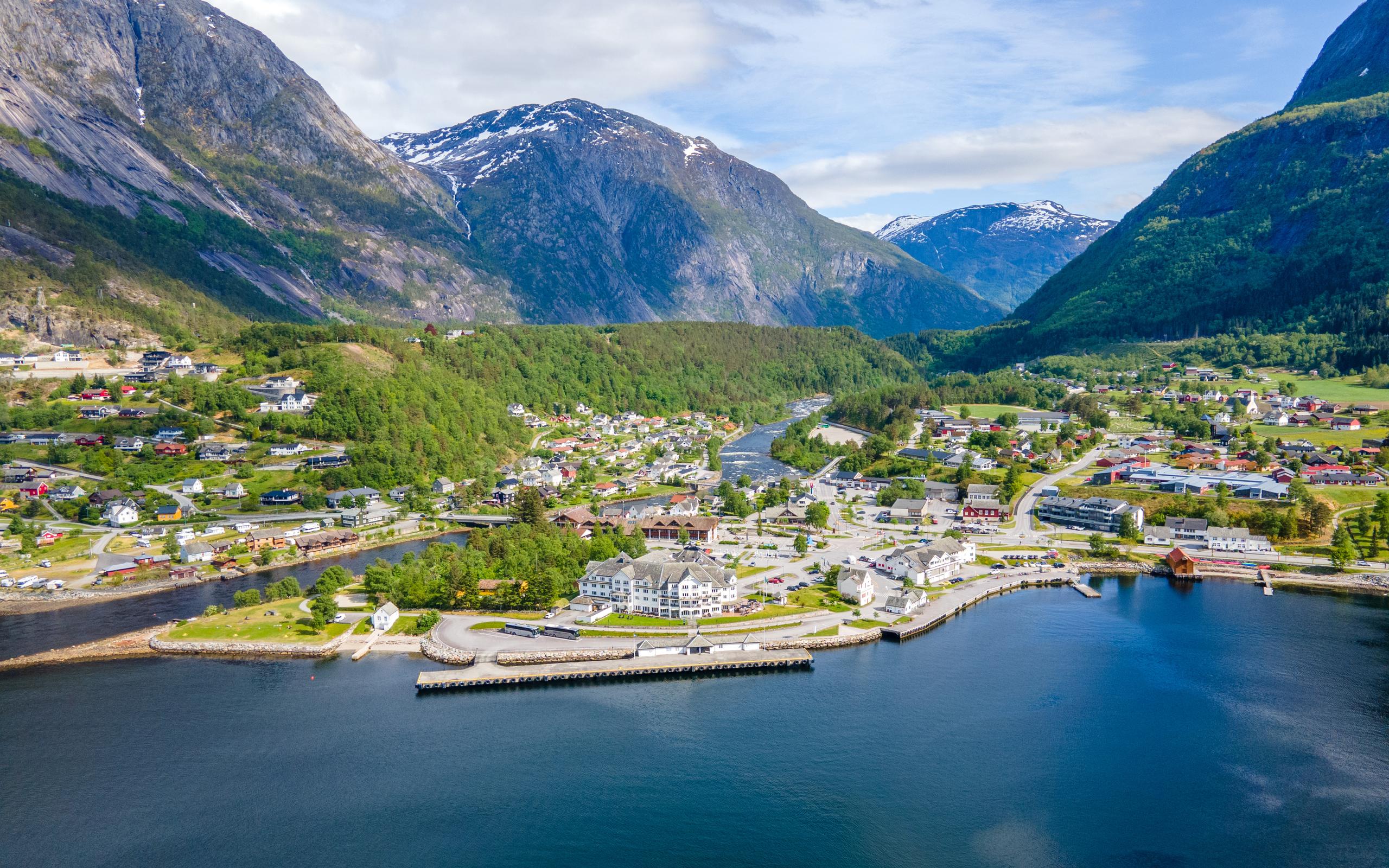
Bob Andre Engelsen / Go fjords
Go FjordsBook fantastic tours and experiences! We offer tours in Oslo, Bergen, Stavanger, Lofoten, the North Cape, and more.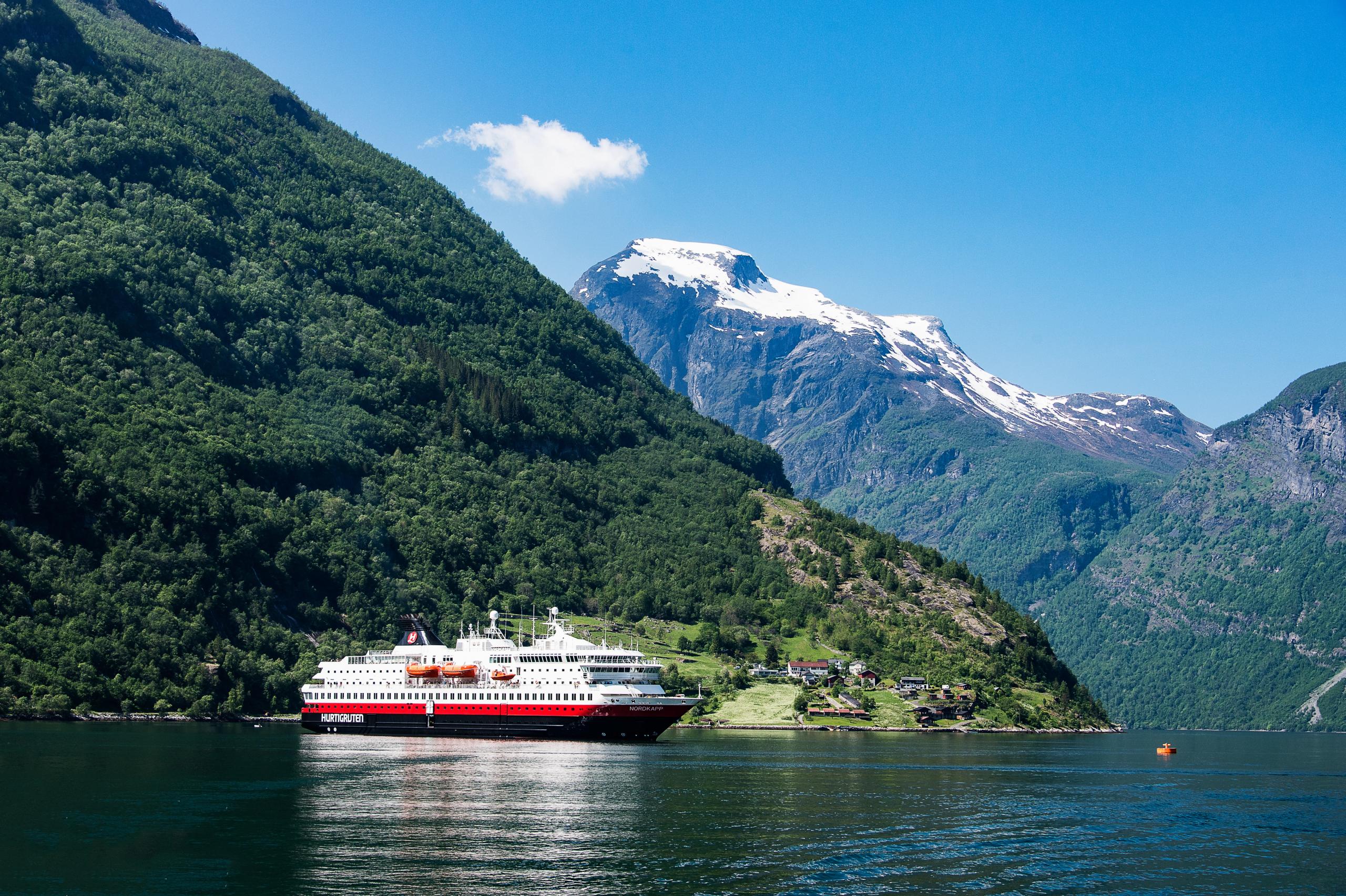
Photo Competition
HurtigrutenExperience the world's most beautiful sea voyage on an unforgettable cruise along the stunning Norwegian coast.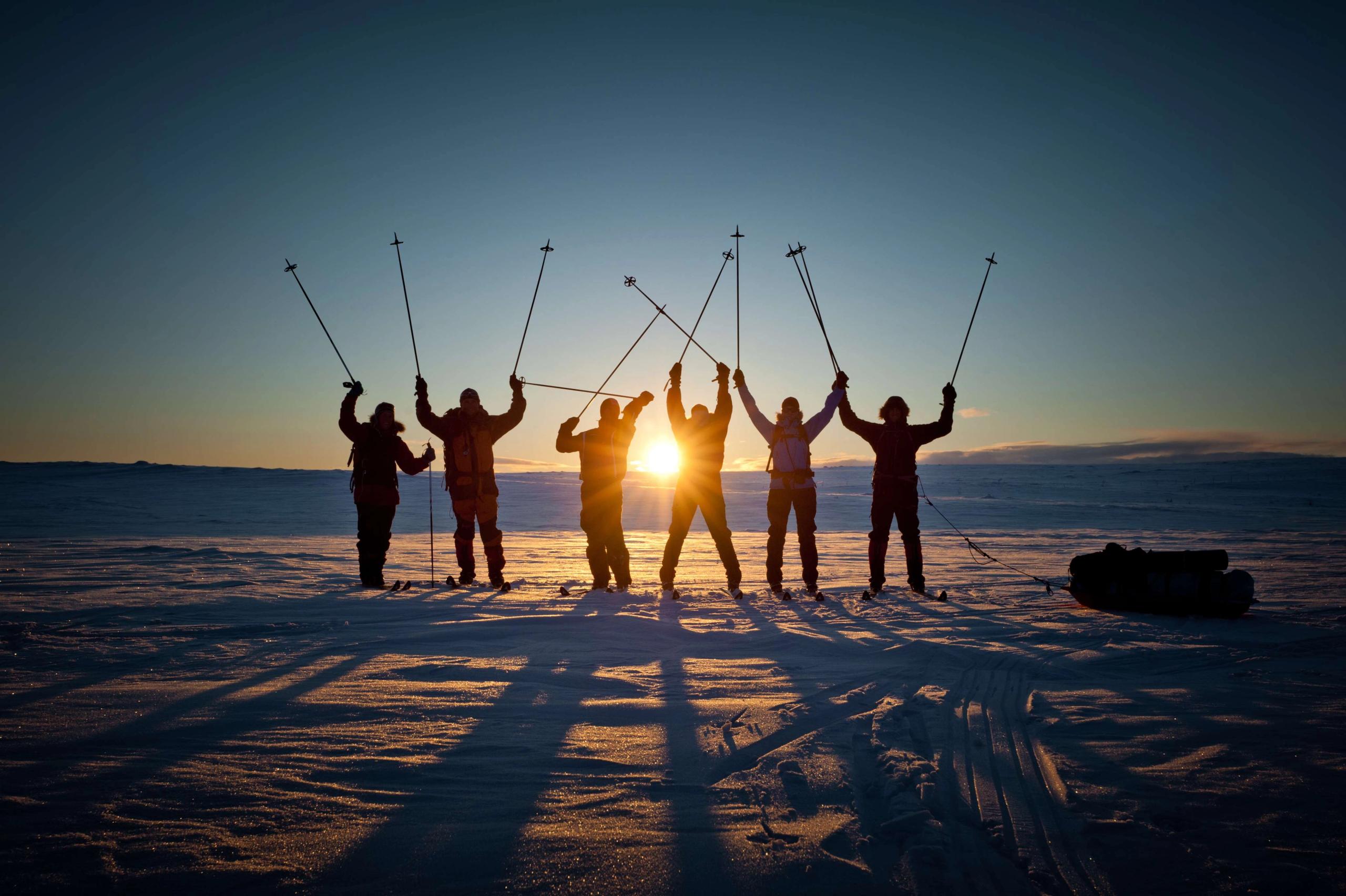
Tonje Werner
Norrøna AdventureGet ready for expeditions and adventure holidays with Norrøna Adventure. Hiking, skiing, and biking trips.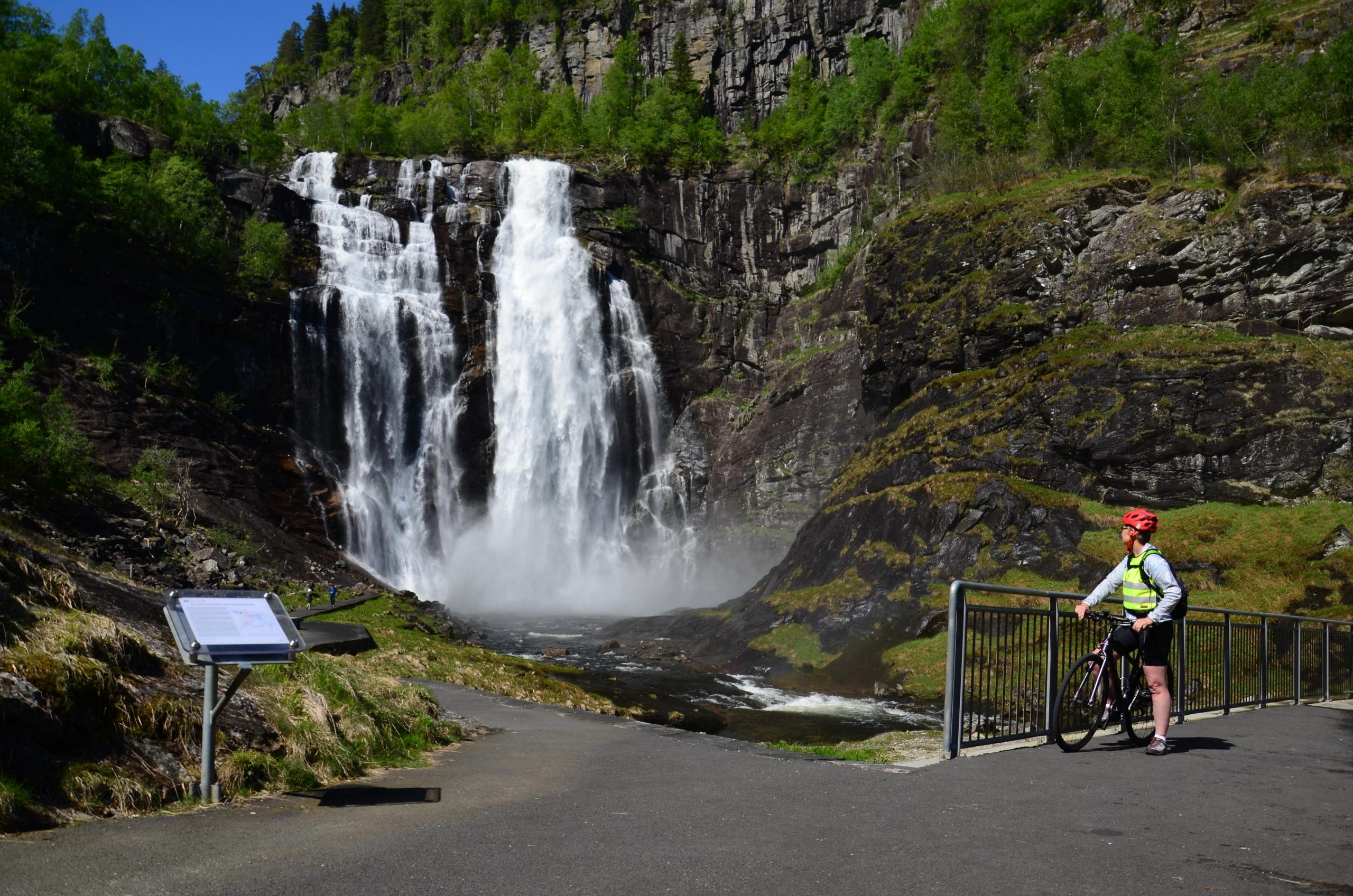
Discover Norway
Discover NorwayOffers a range of exciting self-guided hiking, biking, and skiing holidays in Norway. Luggage transfer included.
Norwegian
Norwegian HolidaysLow-price package holidays with Norwegian. Book your flight, hotel, and rental car all in one place.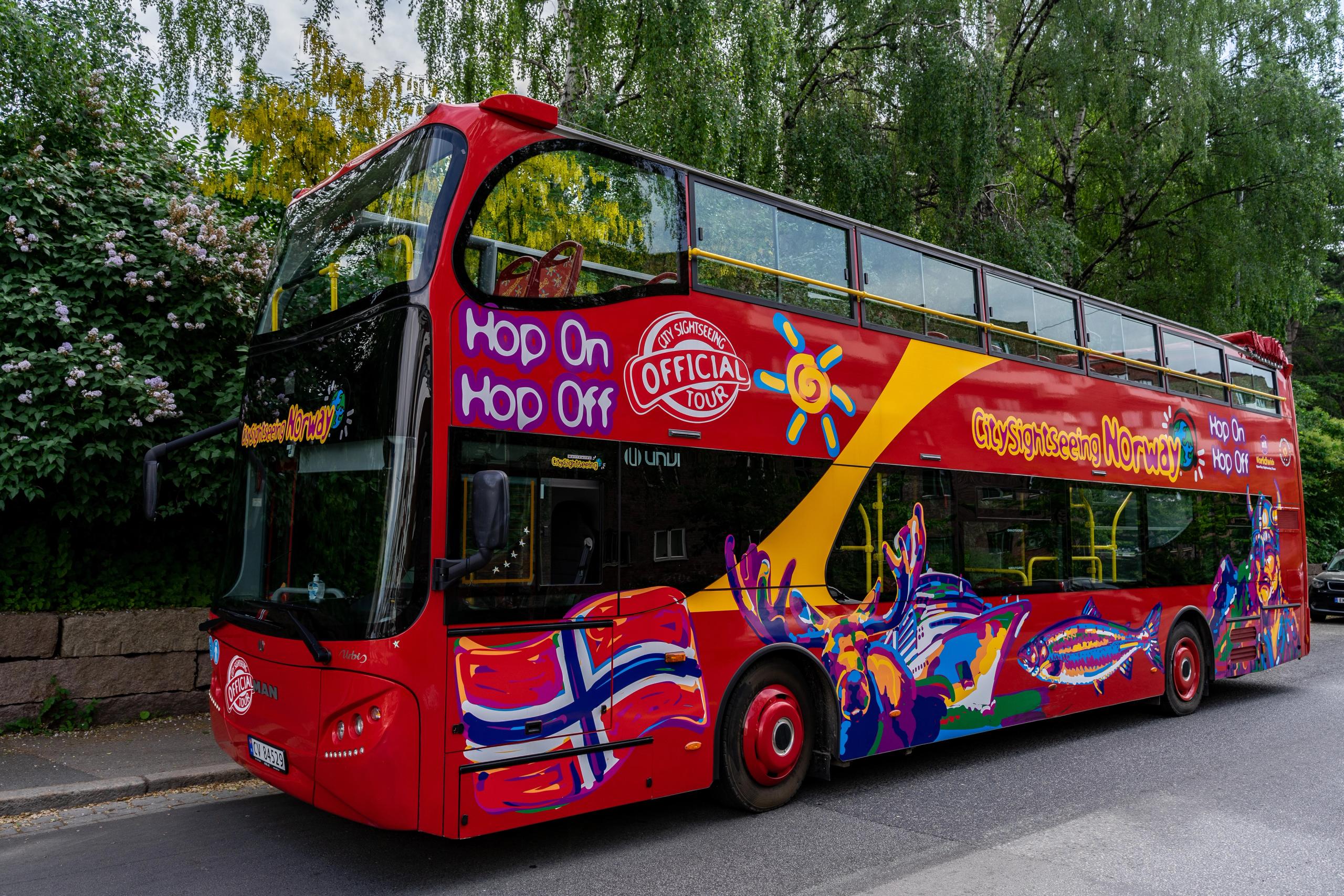
Stromma
StrömmaSightseeing by bus and boat in several major tourist spots and cities in Norway.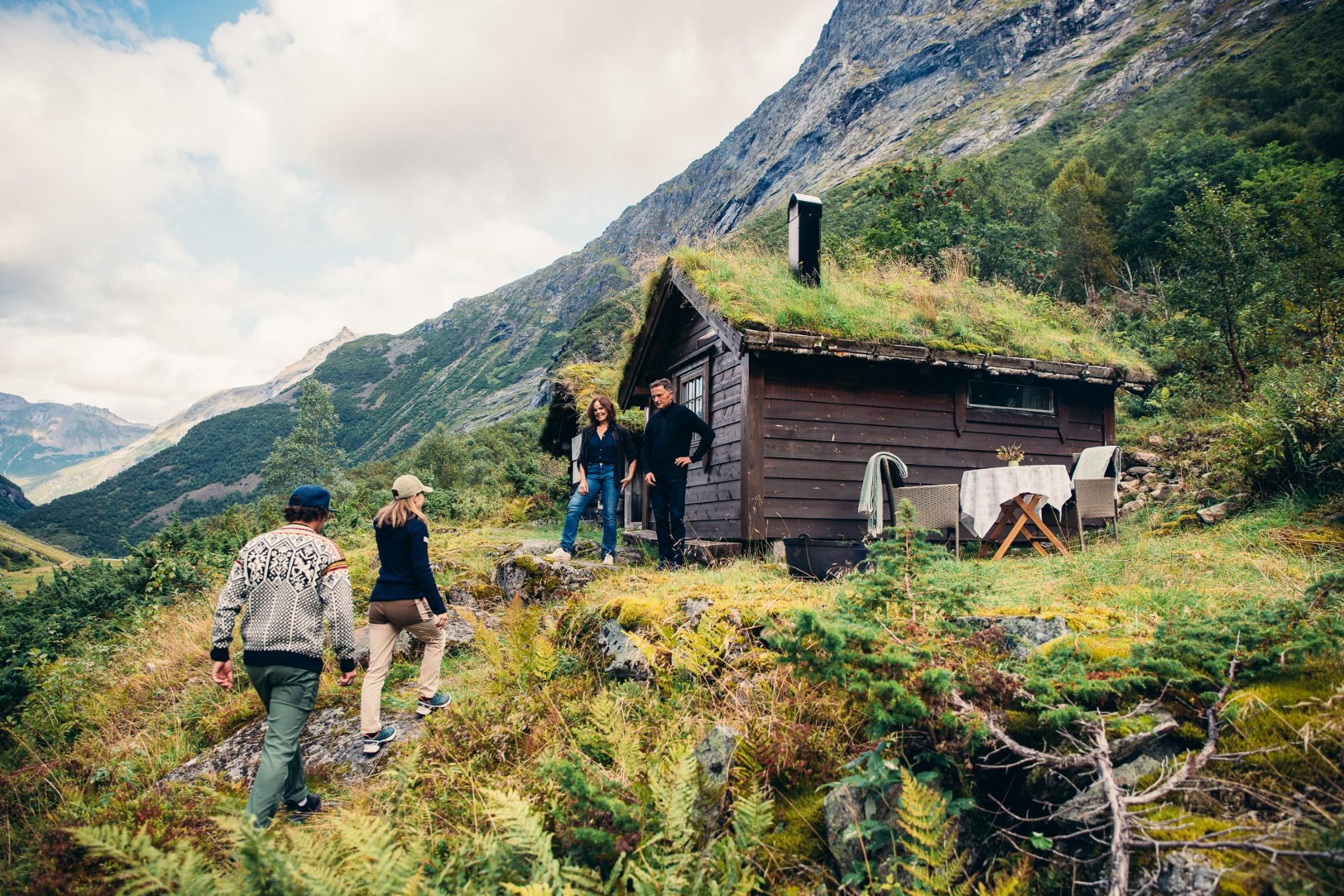
Photo: Aron Klein / Up Norway
Up NorwayBespoke luxury hand-picked by local experts. We combine your preferences and our knowledge to make an unforgettable journey.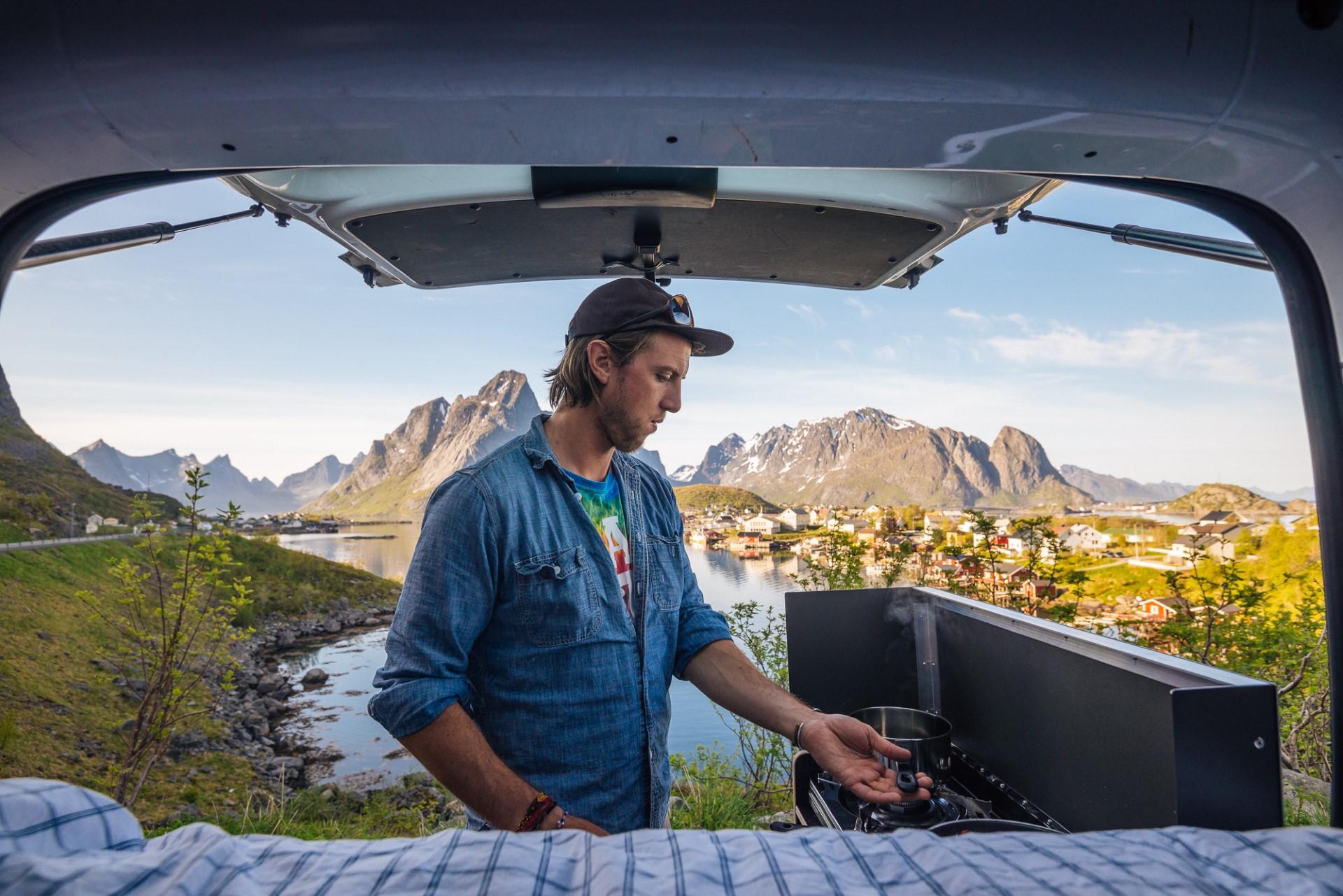
Arctic Campers
Arctic Campers ASDo you want to try van life? Explore Norway in comfort and style with our smart and cosy campervans.
Auto Europe
Auto EuropeAlways a smooth car rental experience. Search and compare rental rates. Free cancellation up to 24 hours prior to pick-up.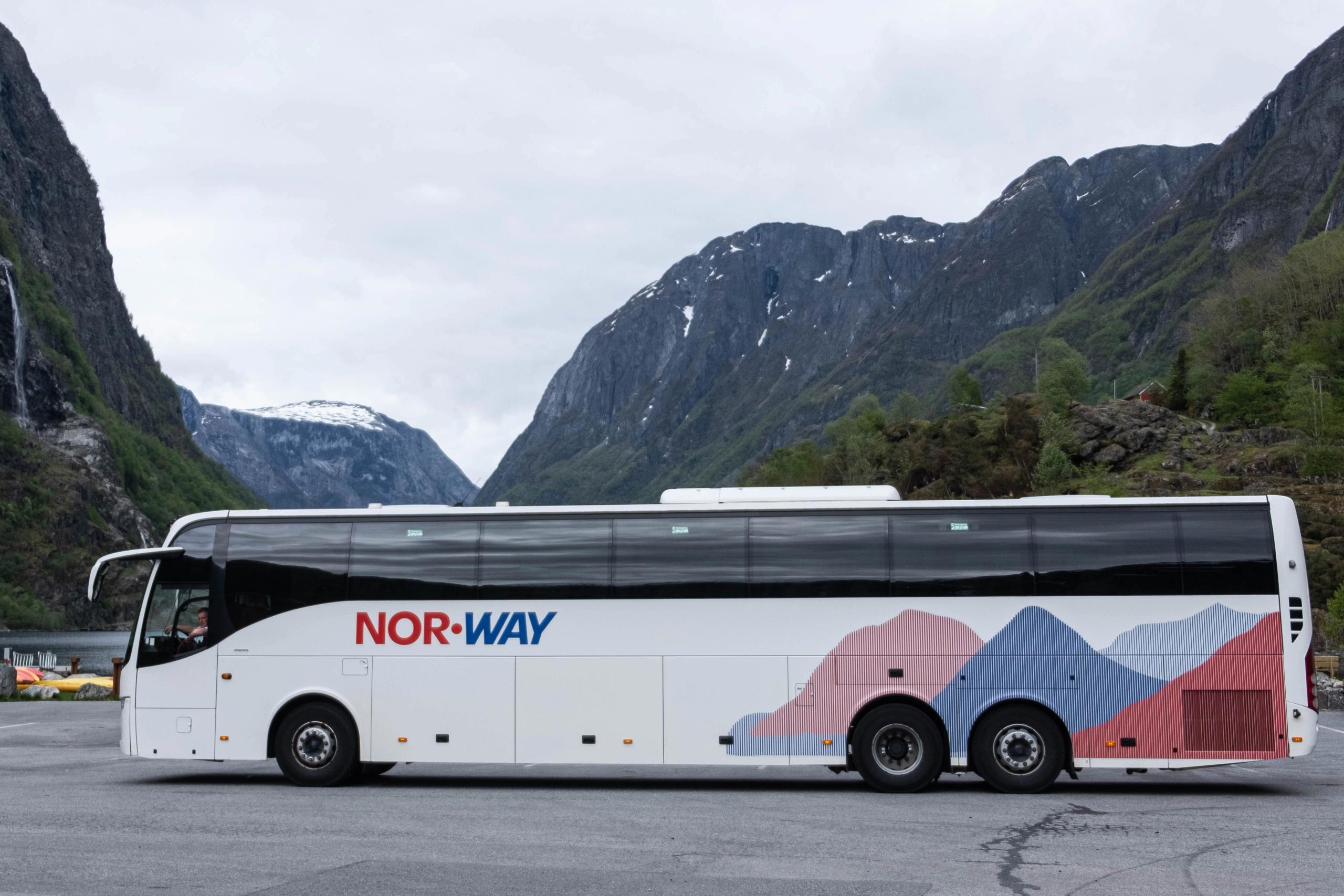
NOR-WAY
NOR-WAY BussekspressEnjoy scenic views on comfortable bus trips to the fjords and from city to city with our express buses.
Shutterstock / Rent-A-Wreck
Rent-A-Wreck of Scandinavia ASThe smart and affordable car rental alternative.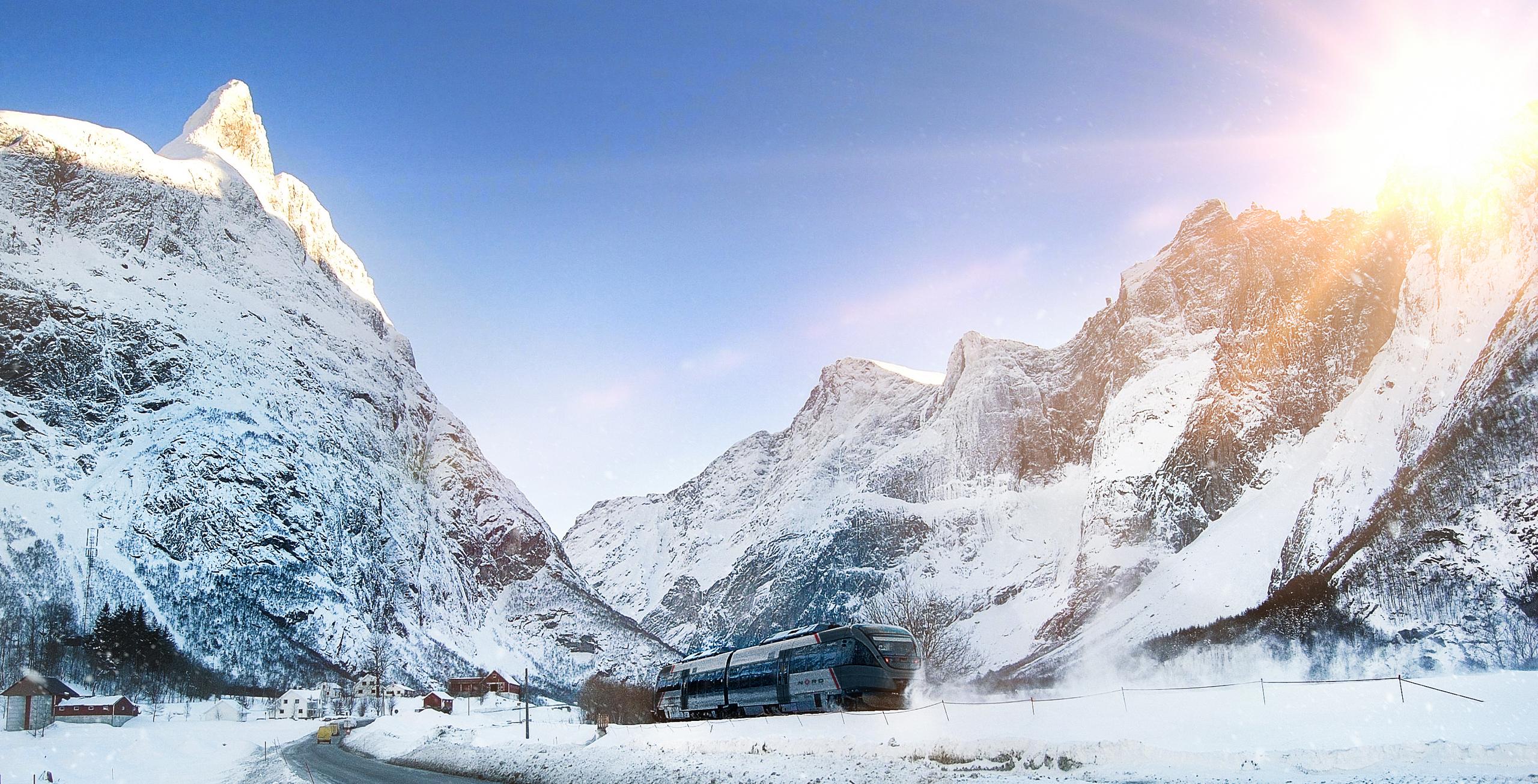
SJ Nord
SJ NordSJ NORD - the adventure starts on the train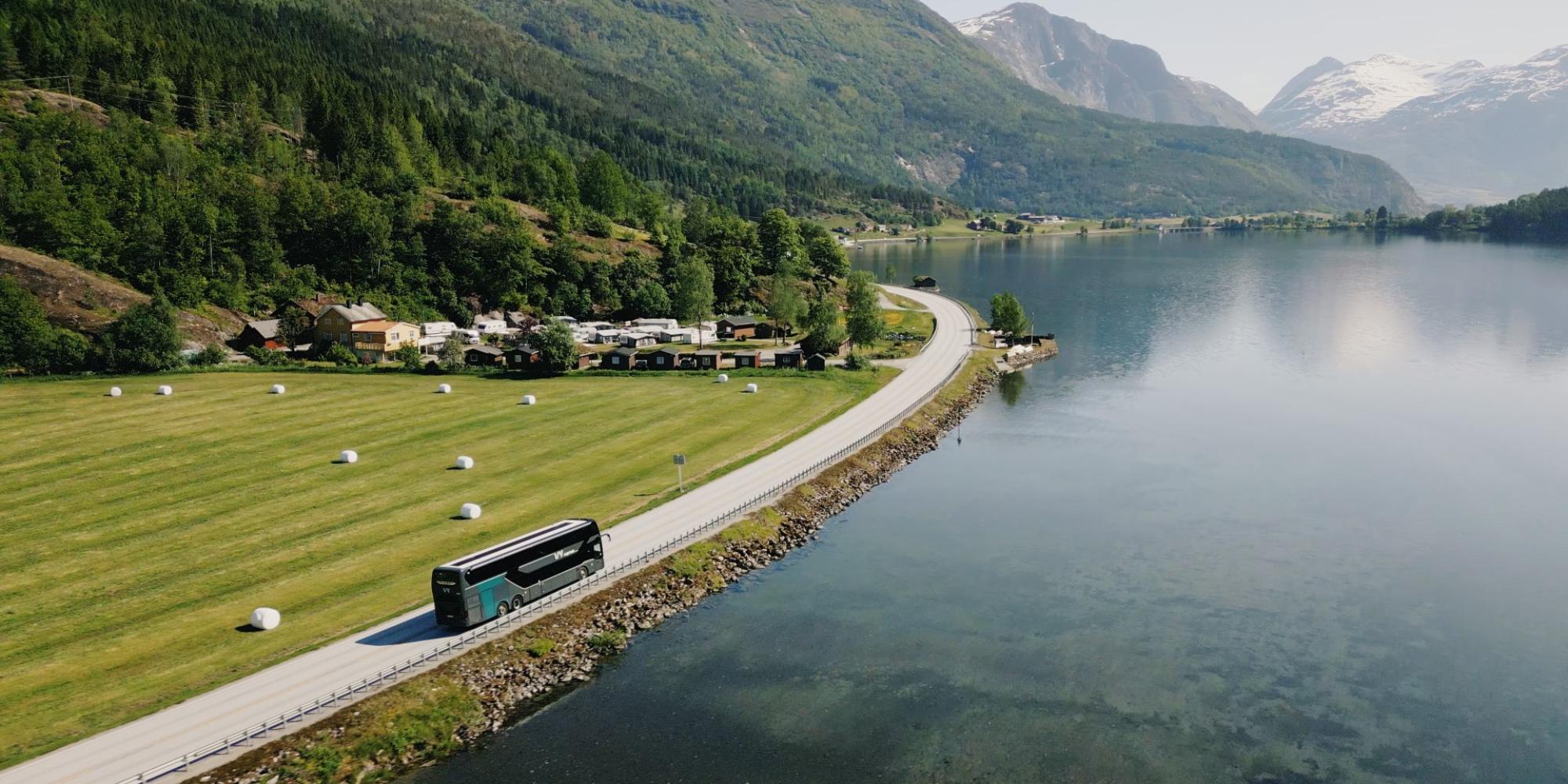
Vy / Kjetil Sunde
Vy expressDiscover Norway on comfortable express buses that take you between major cities, mountains, and fjords.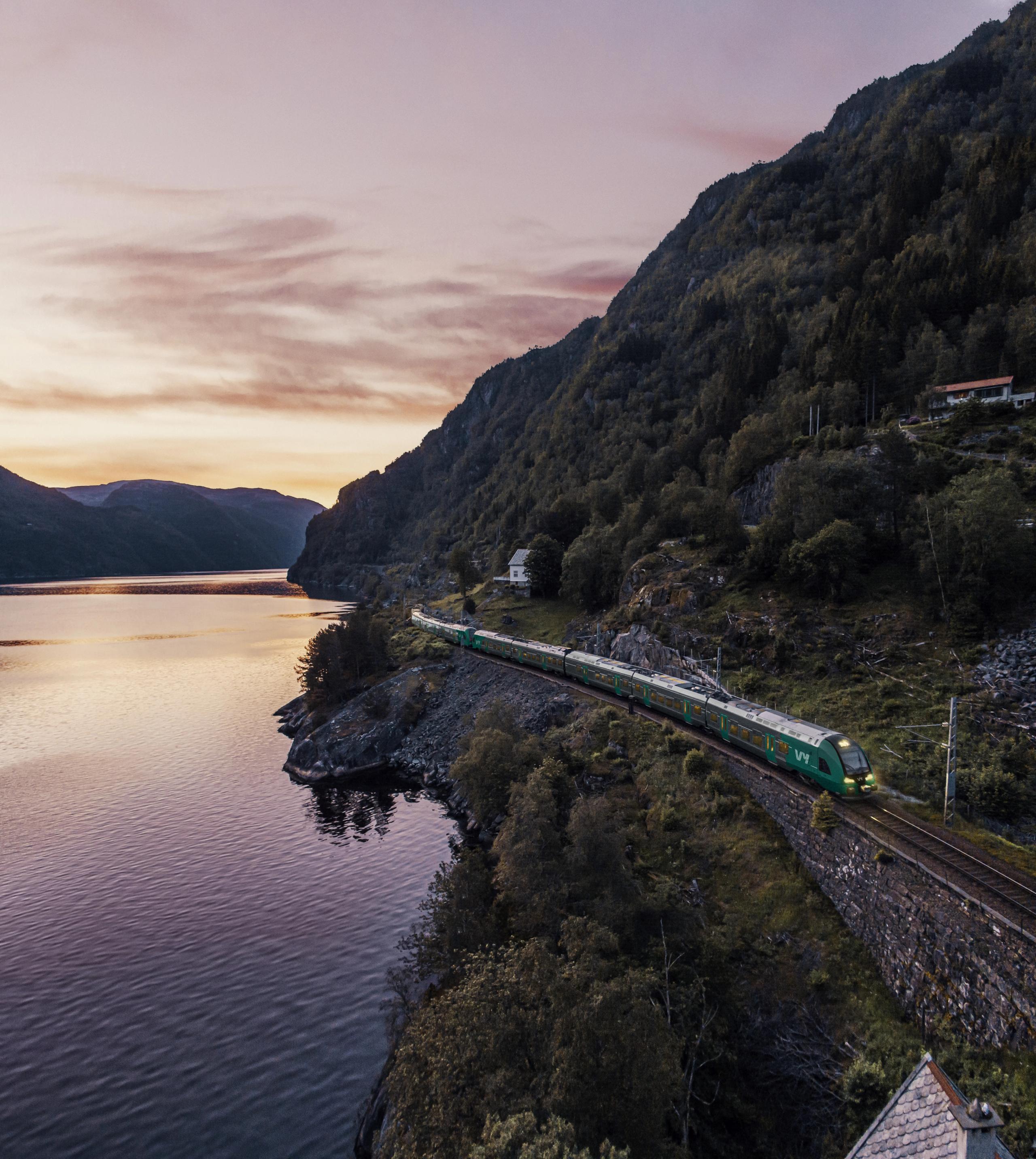
Aksel Jermstad
Vy TrainGlide through scenery on a train between Oslo and Bergen on the Bergen Railway and explore the greater Oslo region.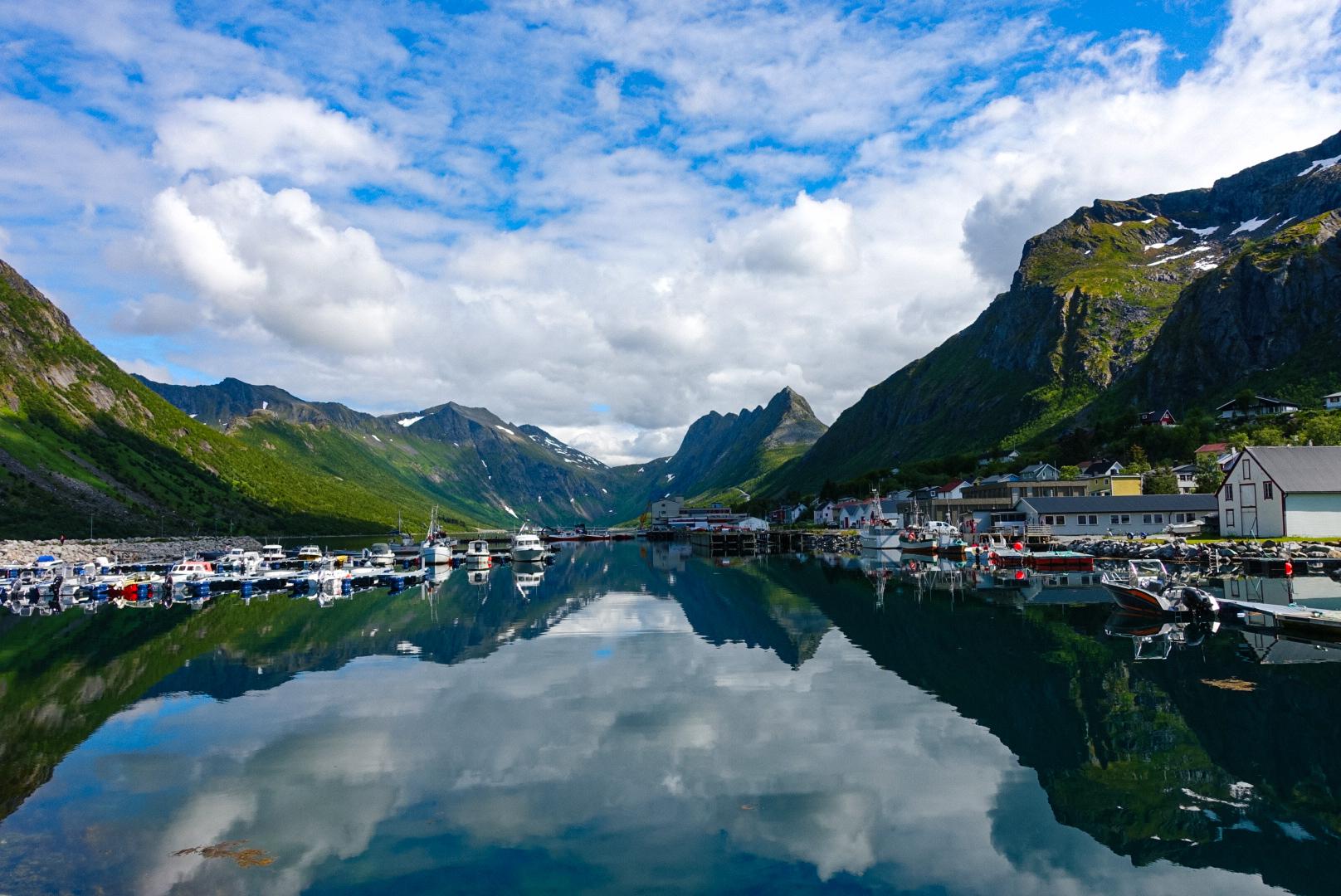
Ruta Zak
My Nordic TravelChoose between DIY itineraries and pre-packaged holidays to the very best destinations in Norway.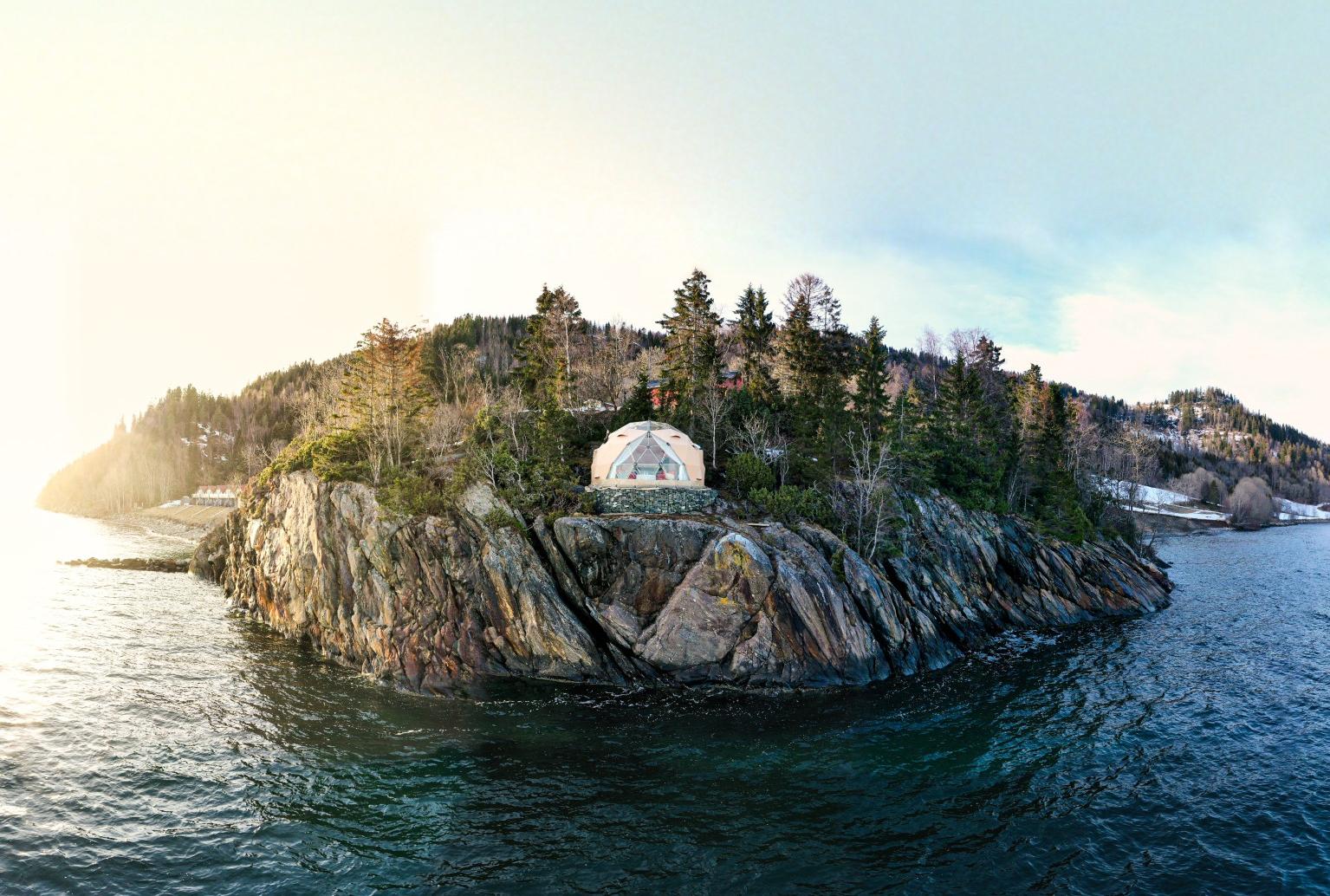
d
CampanyonUnique camping in nature. Book a stay in a treehouse or glamping tent or rent a motorhome pitch.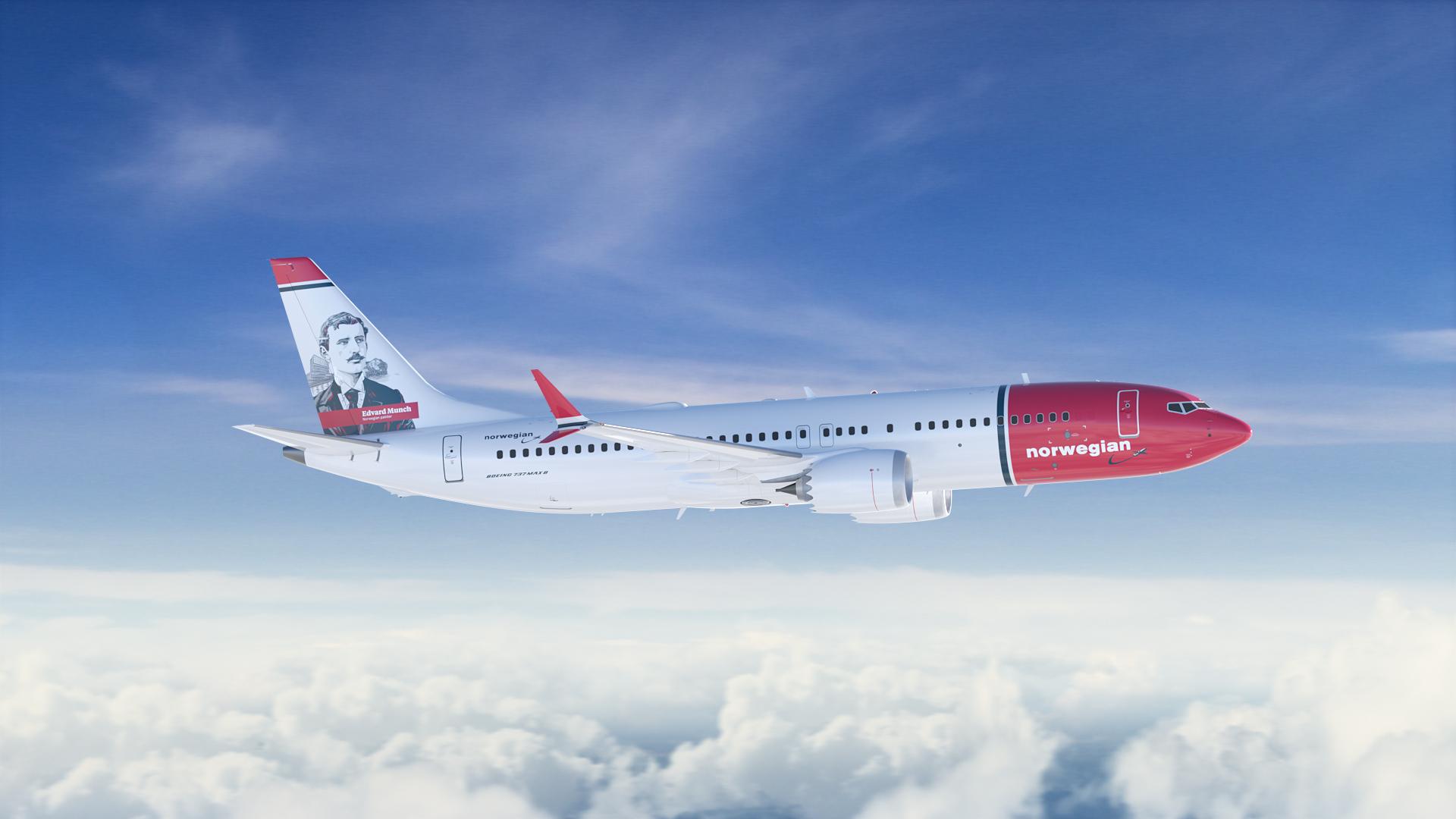
Norwegian
NorwegianNorwegian offers cheap flights in Norway and direct flights from more than 70 European destinations. Book flights through our low fare calendar to your destinations.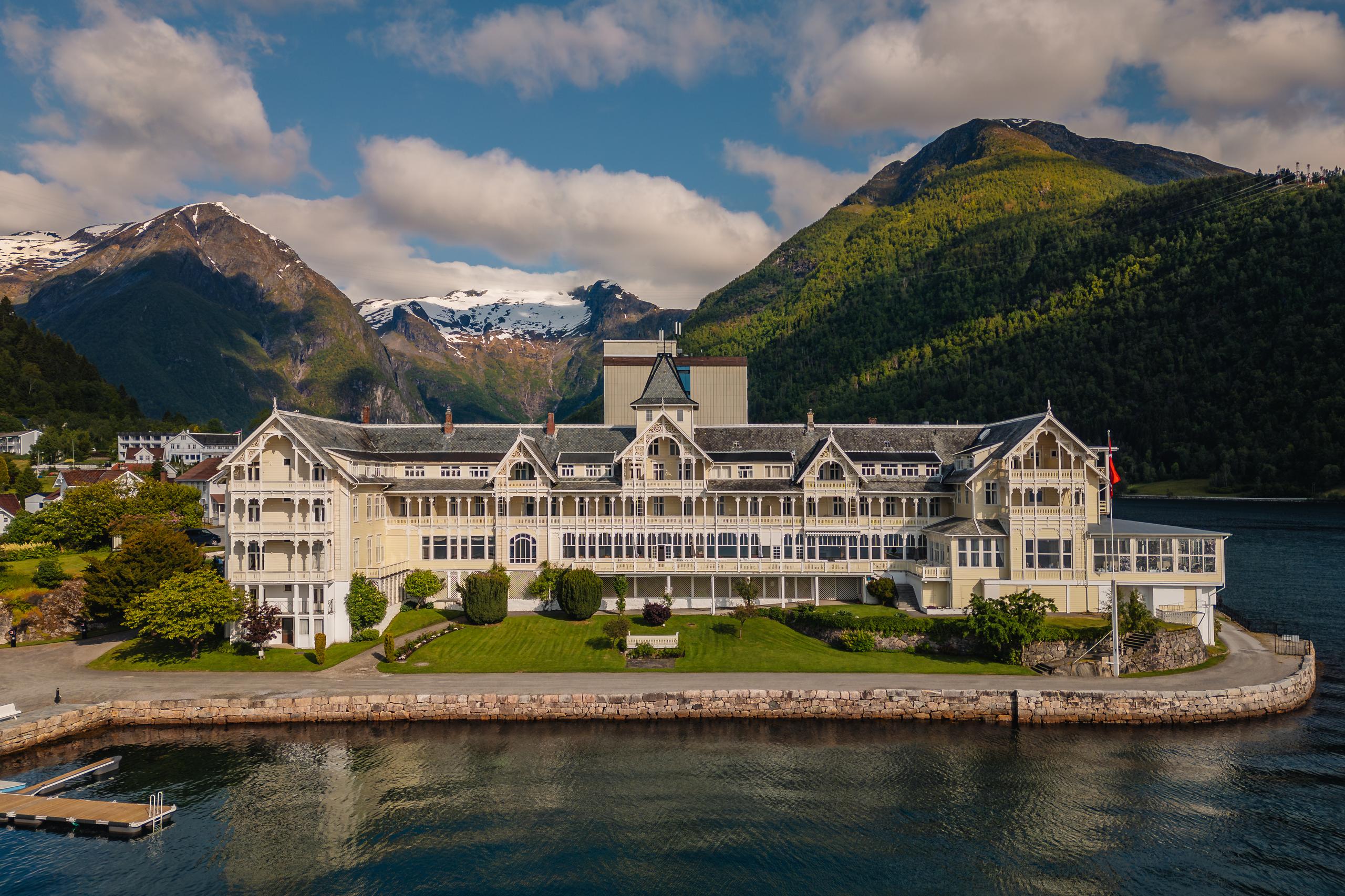
De Historiske/Kviknes Hotel
De HistoriskeHave an unforgettable stay at one of Norway's unique, authentic historic hotels. Enjoy first-class dining experiences and a broad range of activities.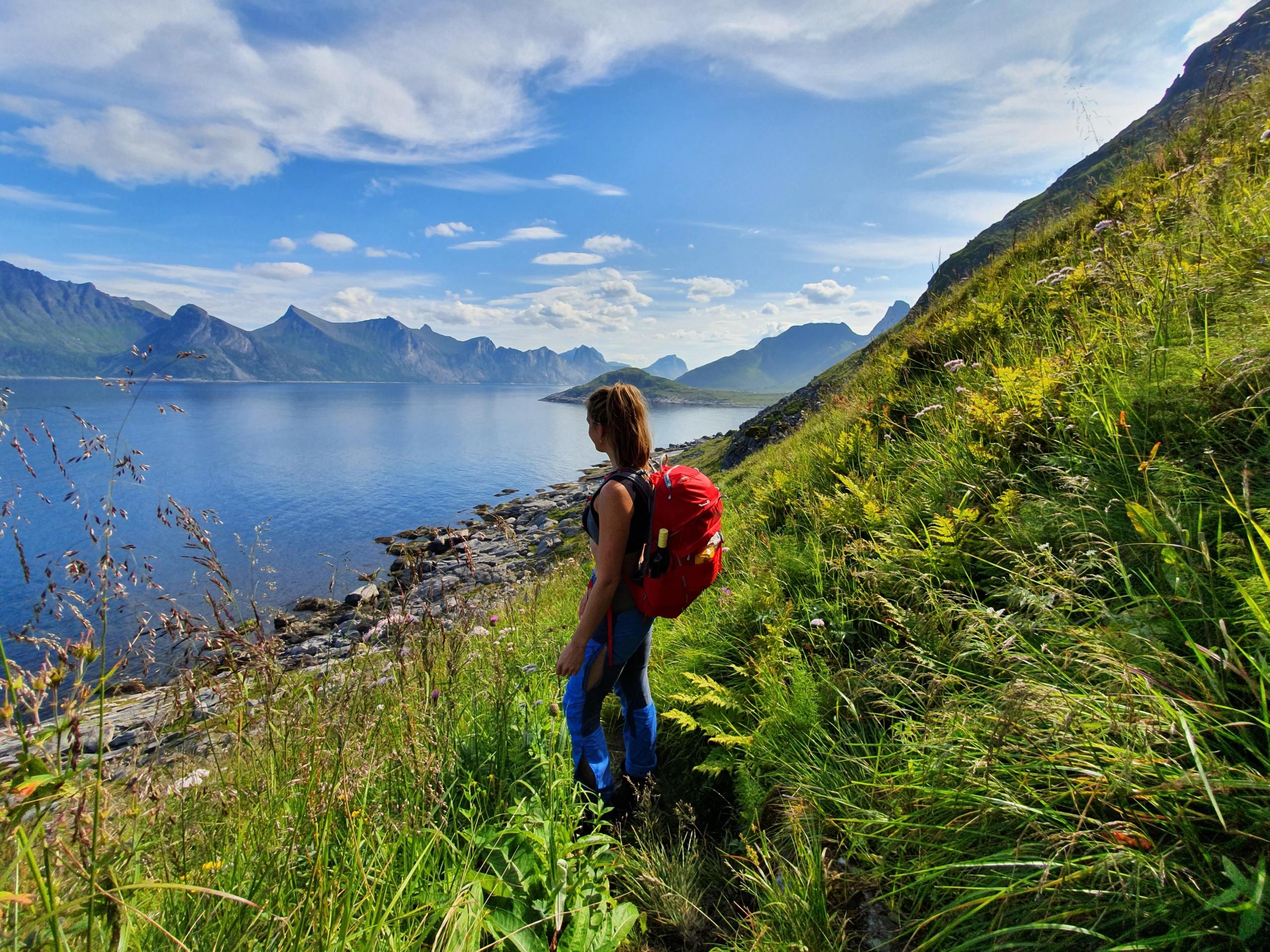
Johanne Eikeset - Campio
CampioNorway's biggest camping booking site. Find the best camping and motorhome pitches throughout Norway.