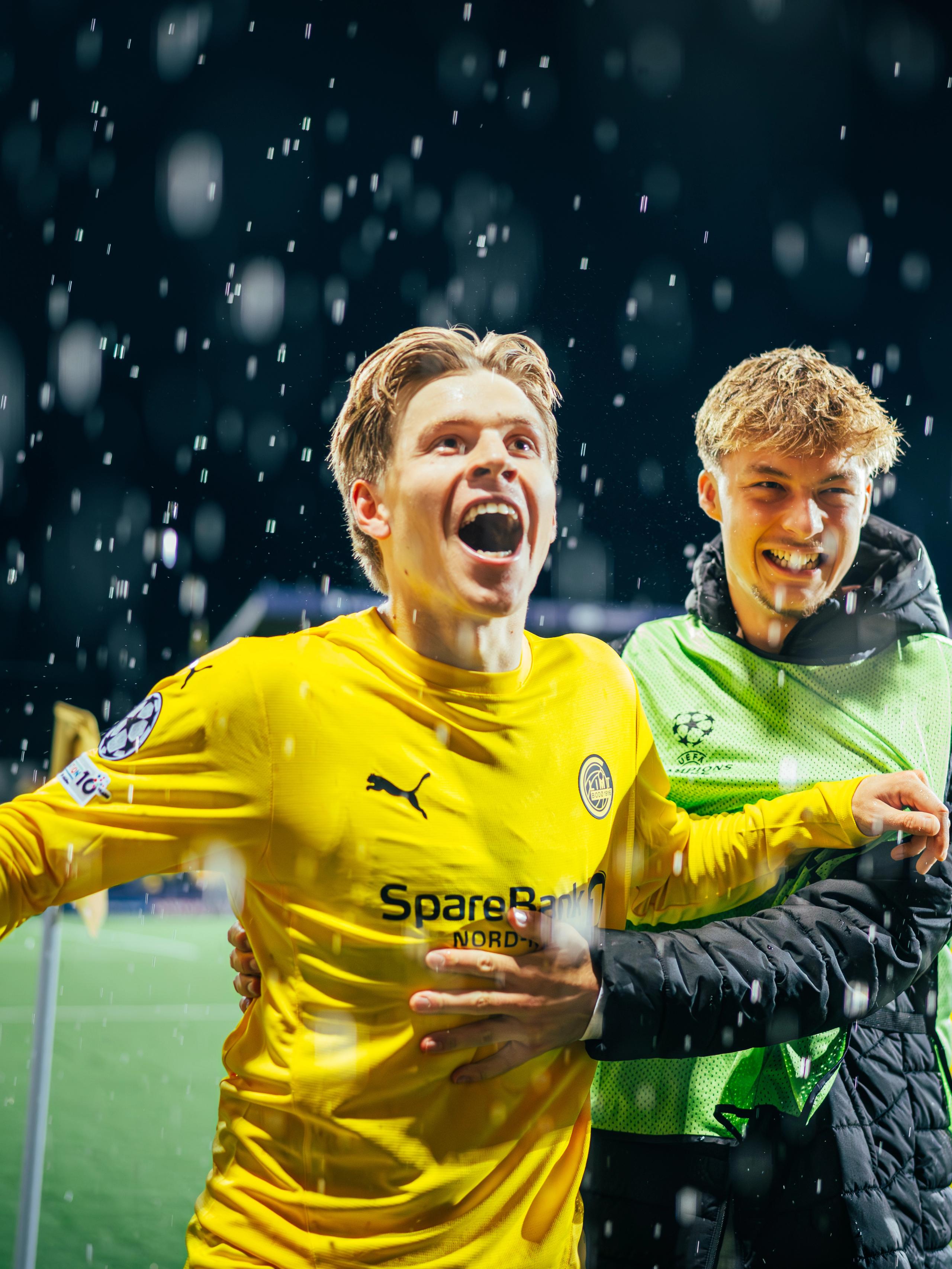
Norwegian fans captivated the world with the Viking Row during the 2026 World Cup. The viral chant is a Viking-inspired fan ritual, rooted in ancient Norwegian rowing traditions, fjords, and life by the sea.
Norway's viral tribute
The Norwegian
Viking Row
Norway might not have won the World Cup, but they definitely won people's hearts! The fans brought Norway to everyone's attention with their infectious rowing chant. So much so that the world started rowing with us, and it was even featured in the final's half-time show. Whether you loved it or hated it, the rowing chant took the 2026 World Cup by storm!
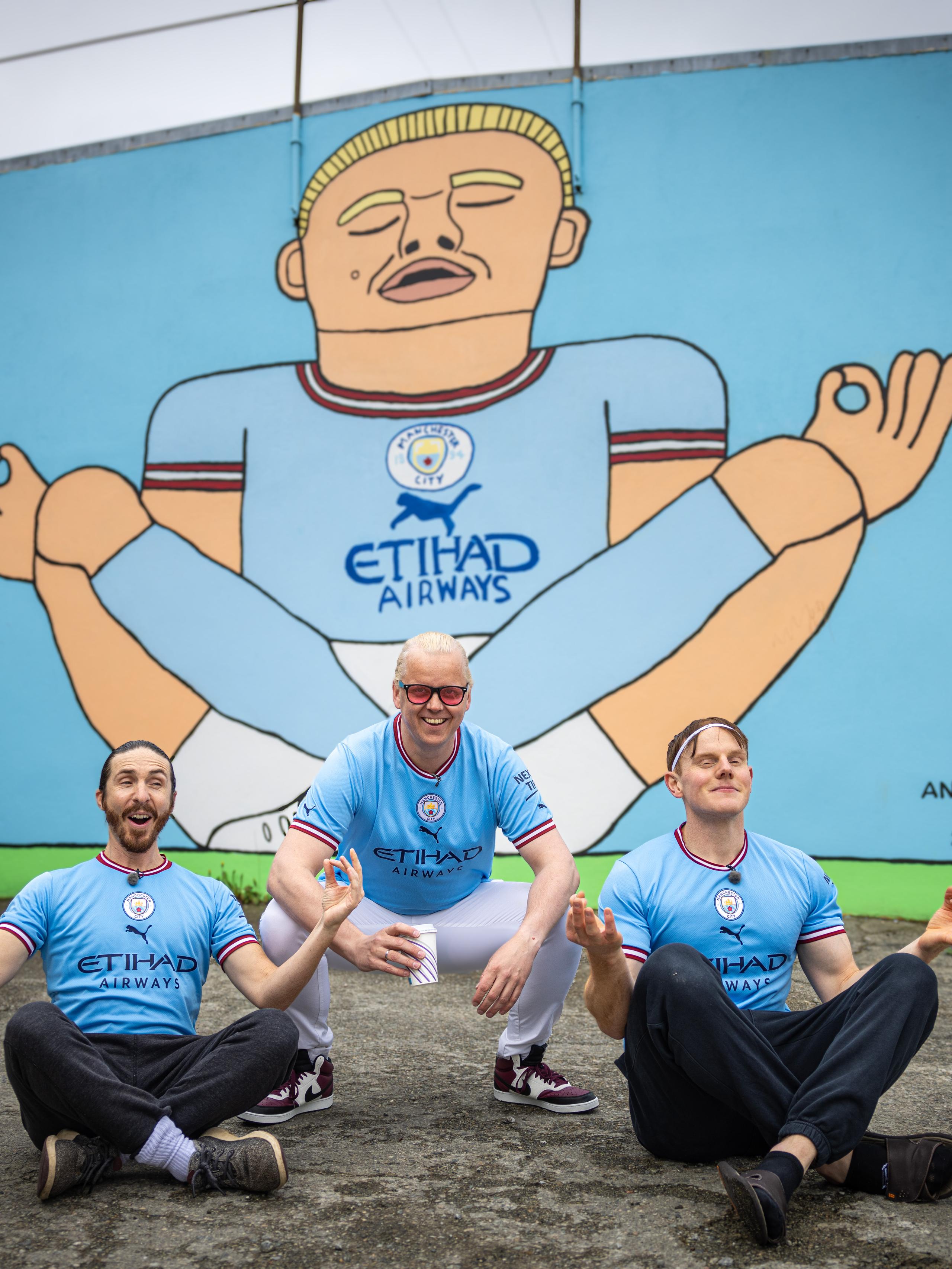
The crowds in red, white, and blue sat down, one behind the other. Arms reaching forward. Bodies leaning back. A chant rose. Ro! Then the whole group began to row – not on water, but on pavements and subway platforms, in stadiums, and in the weirdest public places, such as New York's Times Square, as well as in offices, schools, and even in the Norwegian Parliament.
And now, it seems that Ro! is here to stay, and it has even become an international motivational chant. Whenever someone needs that little extra push, or achieve something extraordinary, it's there: Ro!
Norway's unique chant
From Times square in New York to the Norwegian Parliament – the Norwegian Viking Row was everywhere!
Rowing at Times Square in New York
The Norwegian Parliament rowing for the national team
How the Viking Row began
The Viking Row grew out of Norwegian football culture: a communal celebration in which supporters sit in lines and row in rhythm, as if powering an invisible longship through the crowd. It travelled with Norwegian fans abroad, turning city squares, train stations and stadiums into temporary Viking ships.
The chant, Ro!, symbolises Norwegians rowing ashore before a match, ready for 'battle'.
No instructions. No equipment. You simply sit down, grab an imaginary oar, join the rhythm and become part of the crew.
That may be why it caught on so quickly.
The Viking Row explained
Why it feels so Norwegian
The Viking Row is rooted in the most Norwegian of all traditions: Vikings, boats, sea spray, and people who look suspiciously comfortable in bad weather.
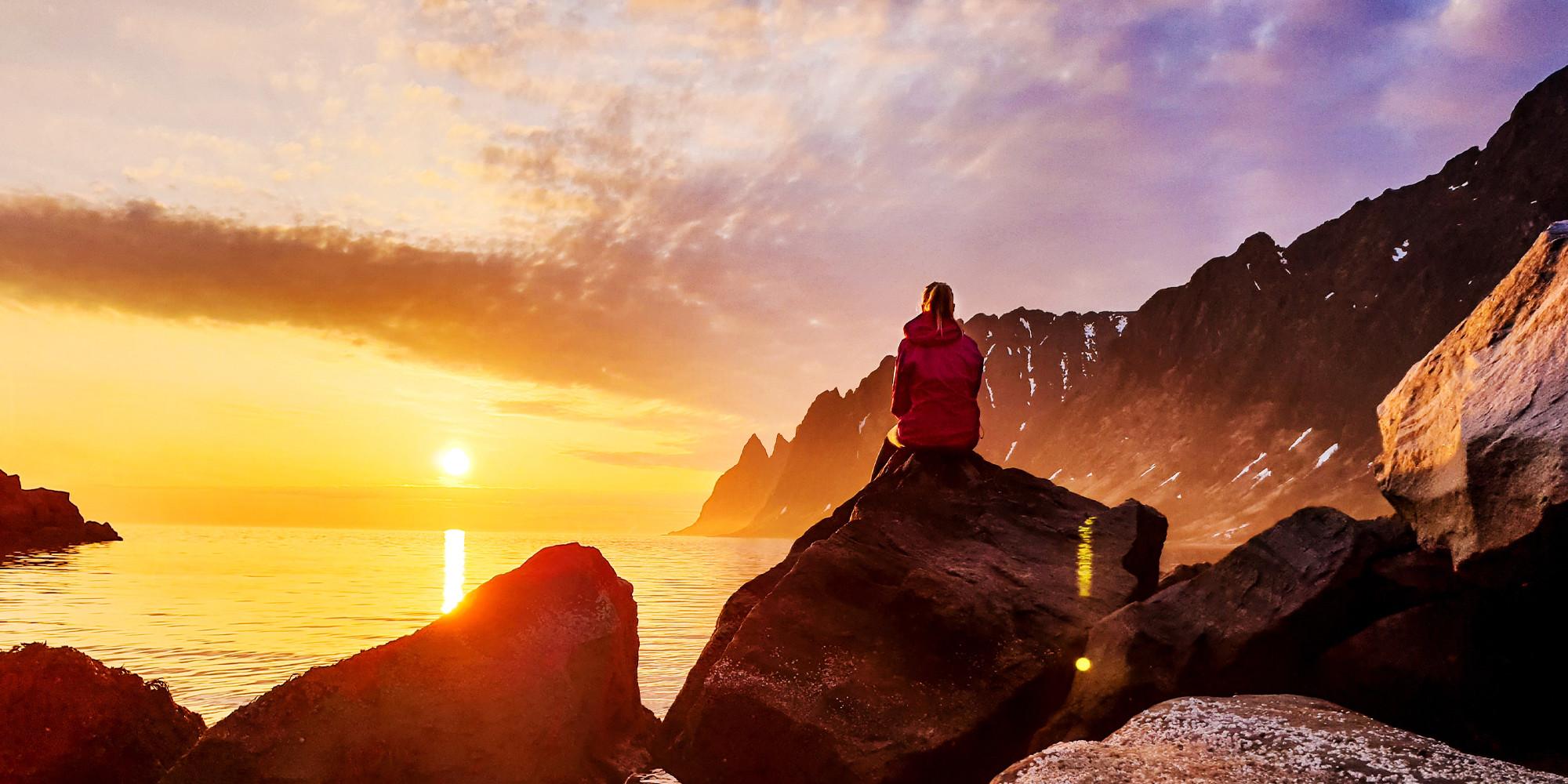
Norway is a long, narrow country by the sea. Our coastline is full of fjords, islands, skerries and sounds. For most of our history, water was not an obstacle. It was the main road.
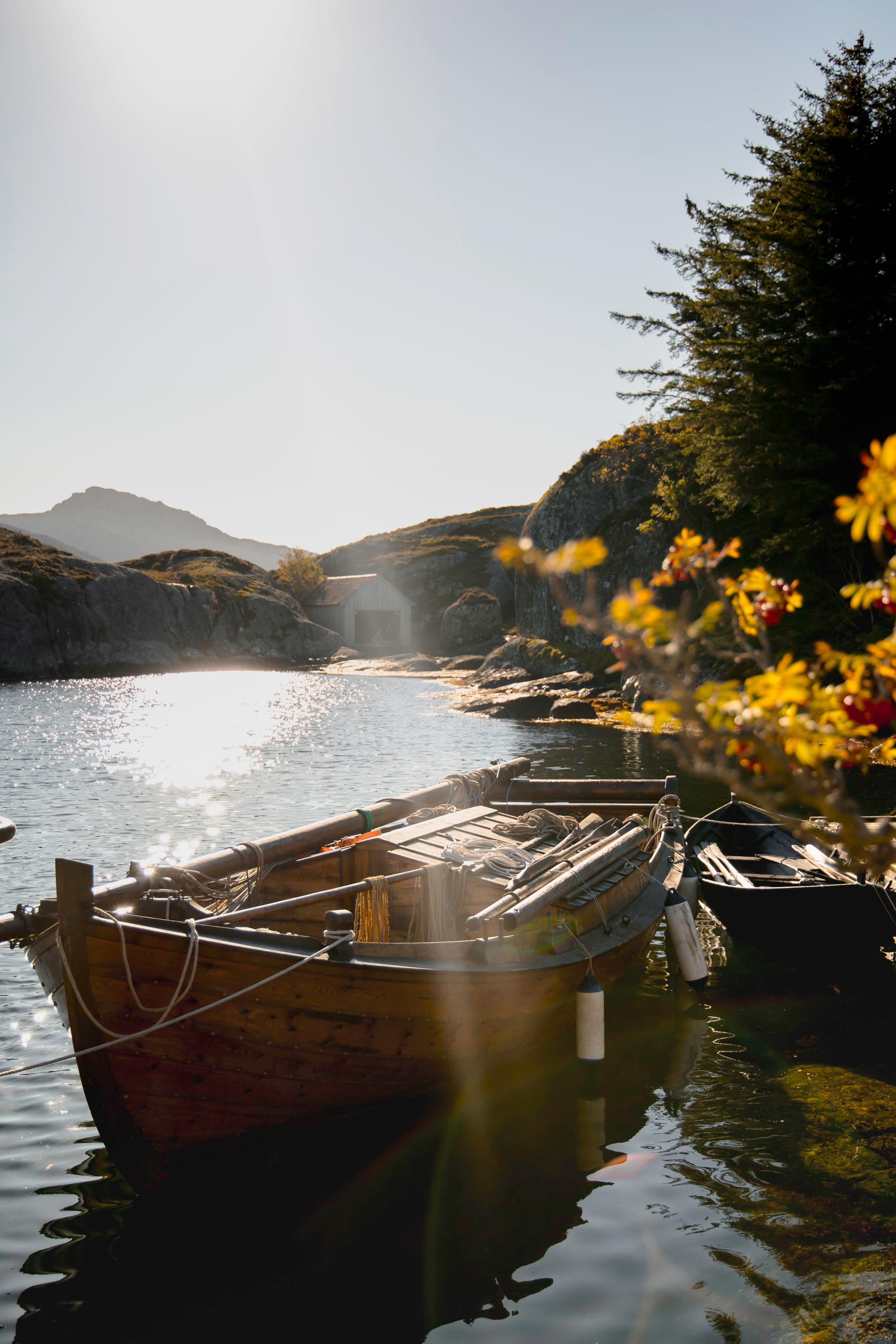
Before tunnels, bridges, ferries, railways and motorways, Norwegians travelled by boat. We rowed to fish. We rowed to trade. We rowed to church, markets, neighbouring farms and across fjords.
On inland lakes, boats were local lifelines too. When the ice melted in spring, people could once again move cargo, animals, timber, food and news across the water.
The sea, the lakes, and the fjords were Norway's main transport network right up until the late 20th century, remaining so in many places due to Norway's topography.
From Viking ships to football
The Viking and rowing reference is not just a gimmick. It's our spirit!
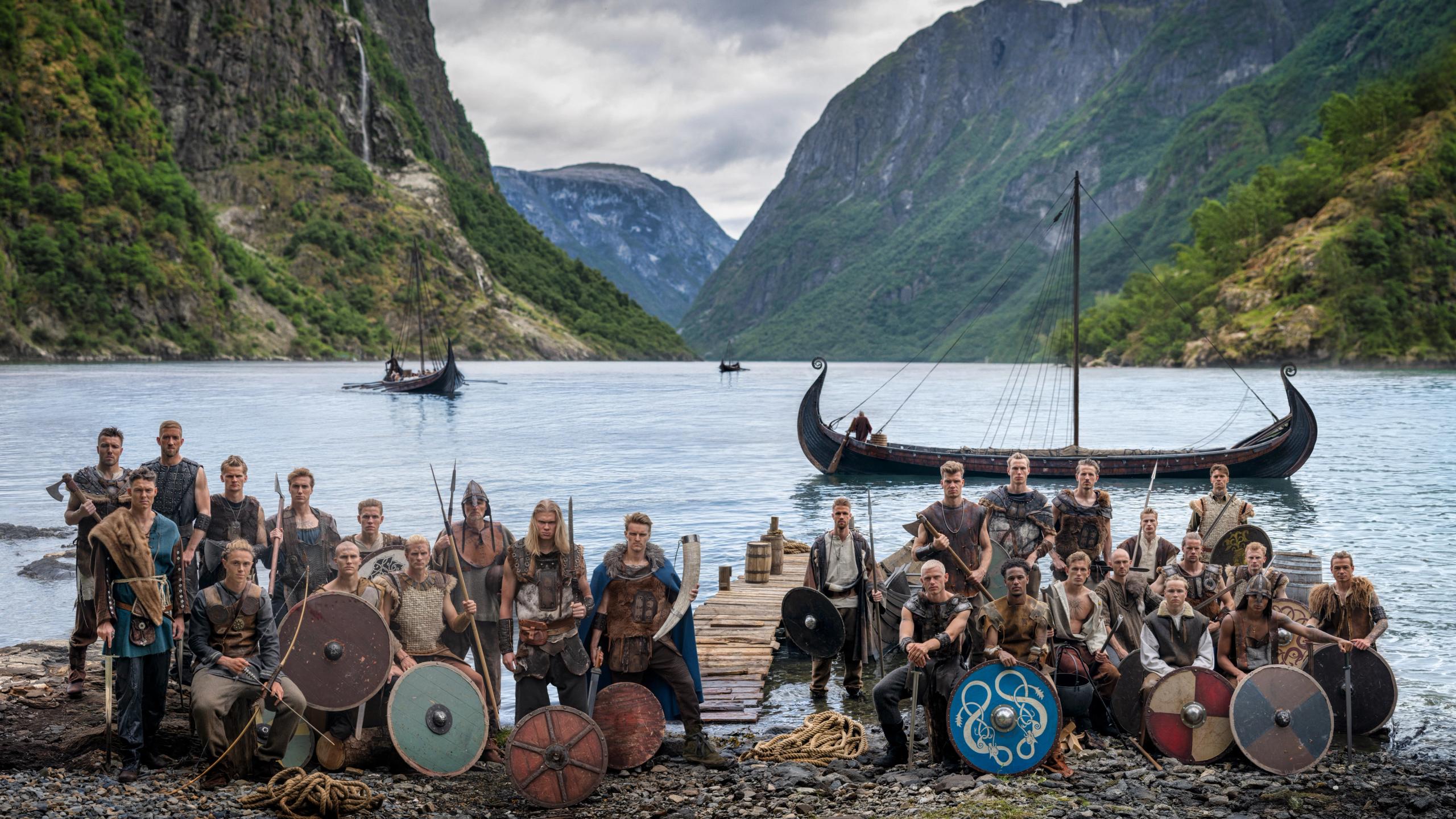
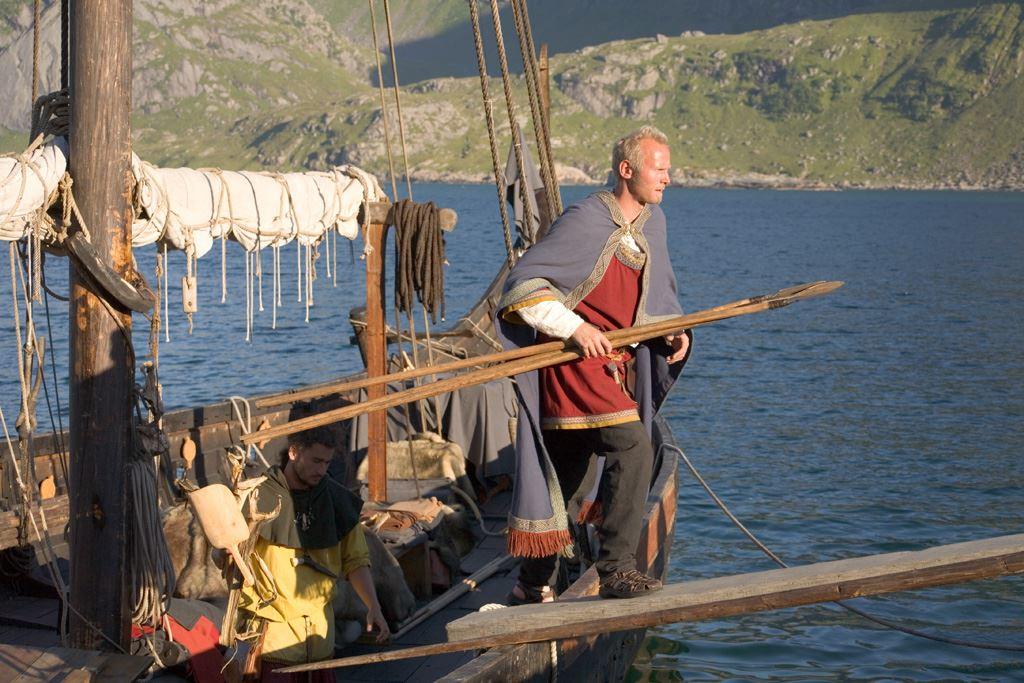
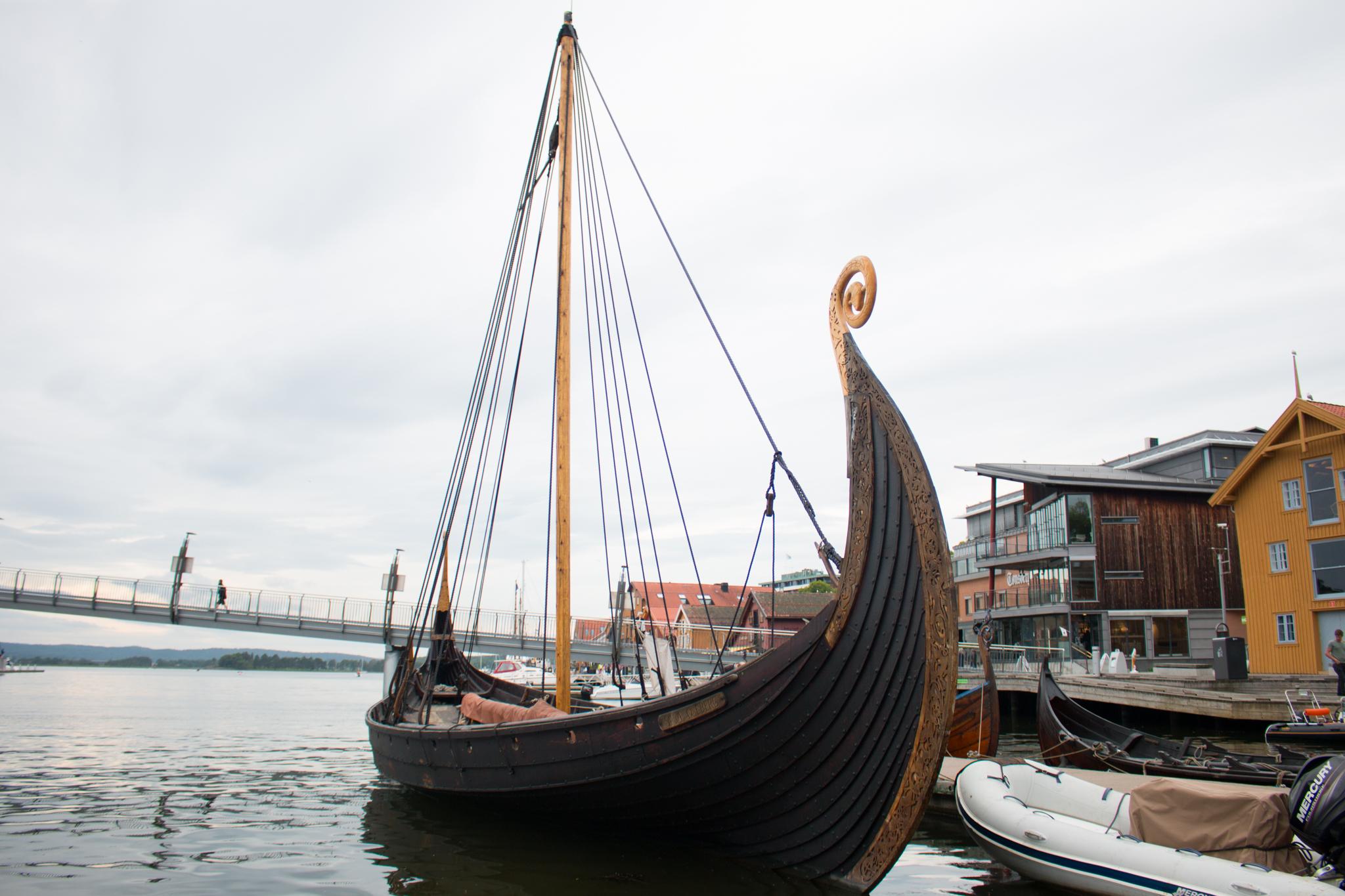
In the Viking Age, Scandinavian seafarers travelled vast distances by ship. Their vessels were built for speed, flexibility and endurance, using sails when the wind allowed and oars when muscle power was needed. These boats carried people, animals, and all sorts of goods along coasts, up rivers, and across open seas to far away destinations.
Around the year 1,000, Norse explorers led by Leif Erikson embarked from Greenland, becoming the first known Europeans to reach North America. They docked at a place they called Vinland, in what is now Newfoundland, Canada. An astonishing achievement of navigation, boatbuilding, courage, and rowing. A lot of rowing!
So when Norwegian fans sat down to row in unison, they were actually tapping into a powerful tradition of a crew, rhythm, and a shared goal.
That is also why it works so well for football supporters. It's all about a team, a crowd and a boat depending on the same thing: coordination. And a fierce drive to keep moving forward, even through rough seas.
Rowing for fish and trade
Long after the Viking Age, rowing remained part of everyday Norwegian life. Along the coast, open boats carried fishermen from all over the country to some of the richest waters in Europe.
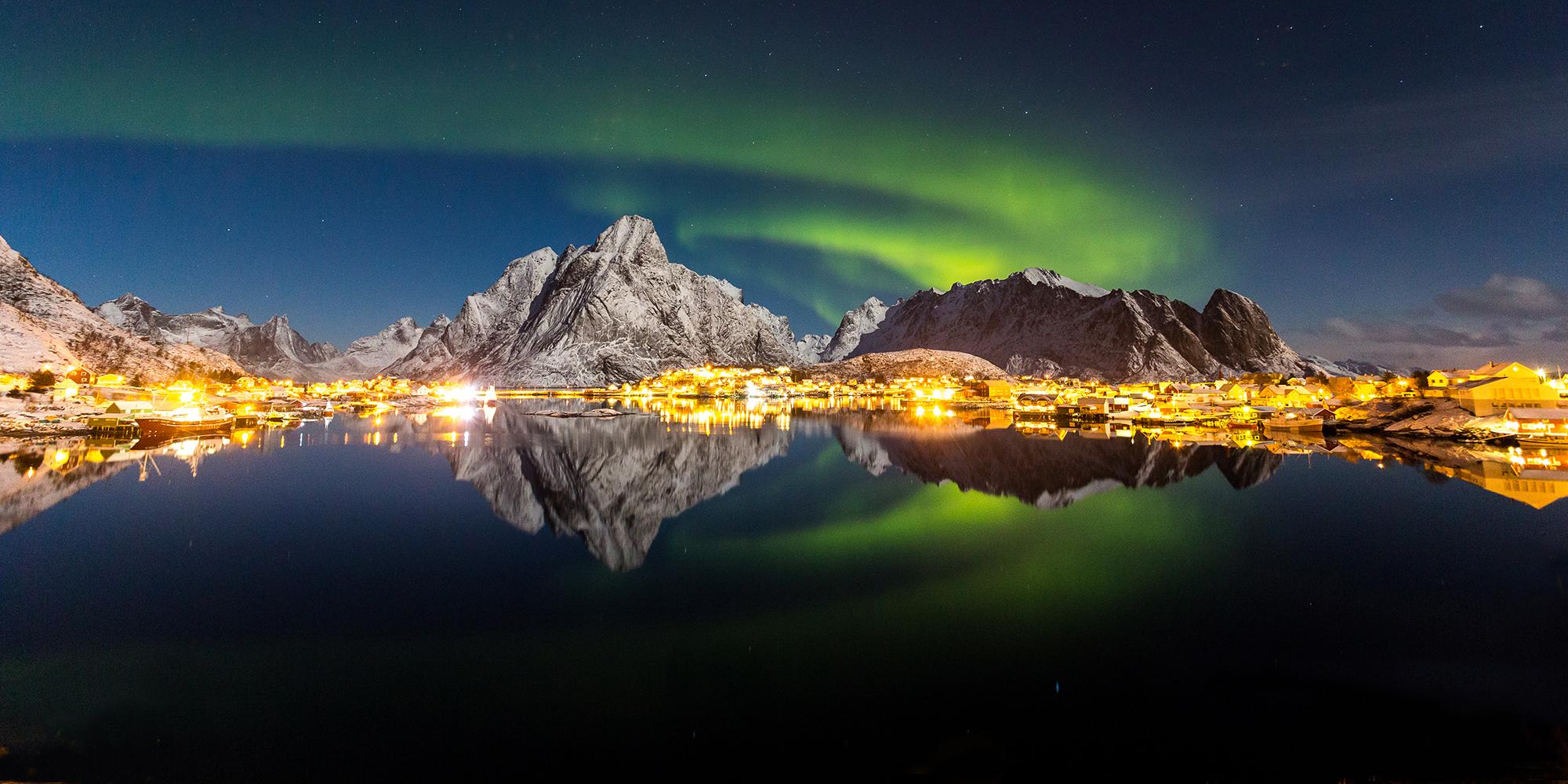
In Northern Norway, the Lofoten fishery became legendary. For more than a thousand years, fishermen sailed and rowed, often in open boats, to Lofoten in winter to catch skrei, the cod that migrates to the shores of Lofoten, Vesterålen, and the rest of Northern Norway, from February to April.
The journeys were hard, cold, and dangerous, and were made because the sea provided a livelihood and food on the table. The fishing industry shaped coastal communities, trade routes, seasonal rhythms and Norwegian identity. It's even said that Skrei was the fish that built Norway, and founded beautiful trade cities like Trondheim and Bergen.
Rowing was hard work. To row was to survive. To row was to take part in one of the great shared traditions of the Norwegian coast.
The fjord was a road
Even the word “fjord” tells a travel story. The word fjord stems from the Norse fjorðr, meaning to go, pass, or cross over. Rowing boats were everywhere.
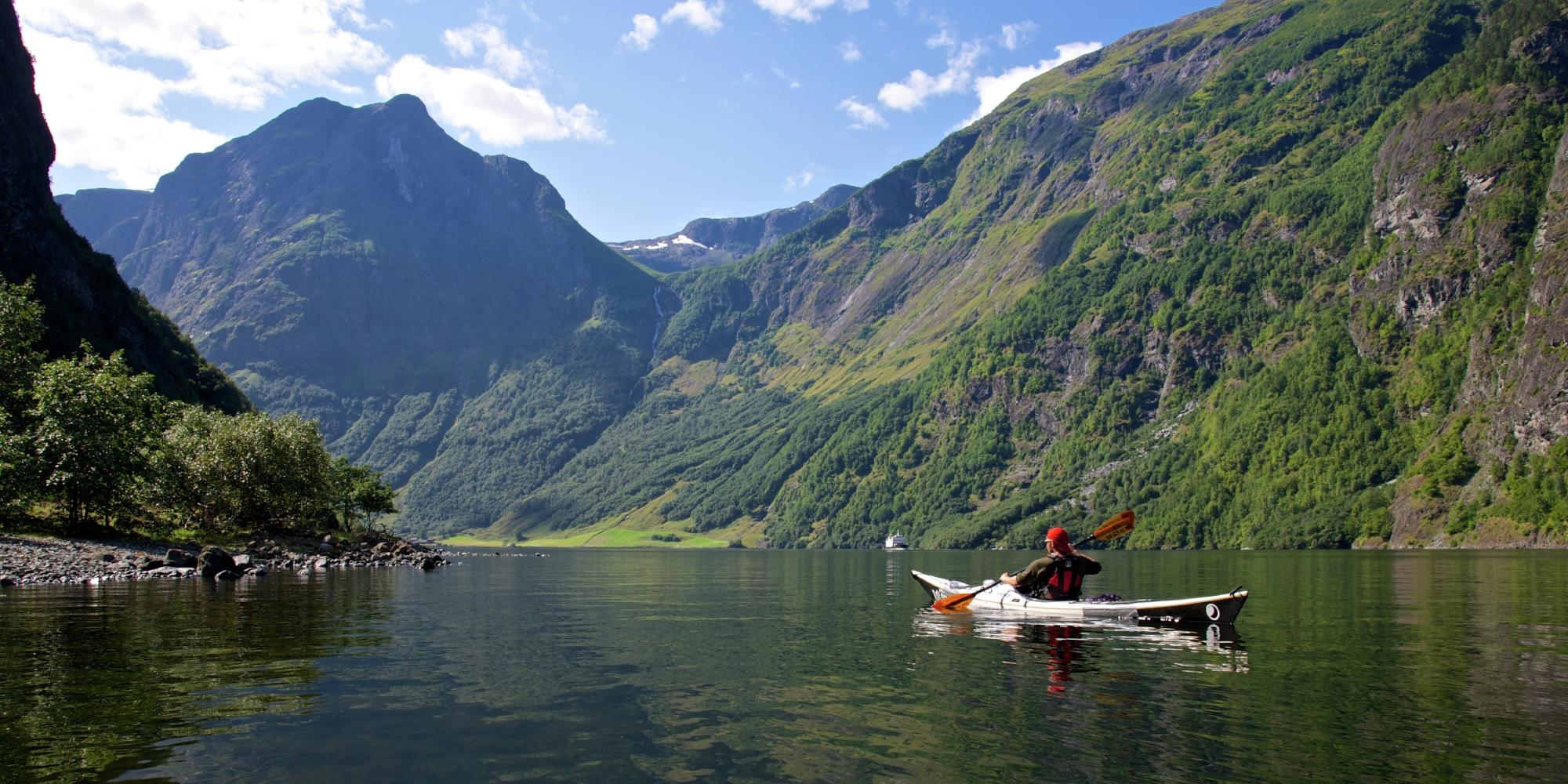
Today, visitors often experience fjords as dramatic scenery: steep mountains, still water, waterfalls, and tiny farms clinging to steep green mountainsides. But for centuries, they were also practical travel routes.
The fjord connected people who were separated by mountains. Boats could connect communities that were otherwise treacherous to reach on foot.
Join the Viking Row
The Viking Row is joyful because it compresses so much Norwegian history into one fun experession.
And perhaps that is the secret. Rowing is one of the simplest images of togetherness. Everyone faces the same direction and moves in unison.
For a coastal nation, that feeling runs deep. Norway was built by people who knew water, weather, boats, and oars. We rowed because the water was a way of life.
It's in our blood, in the Norwegian spirit.
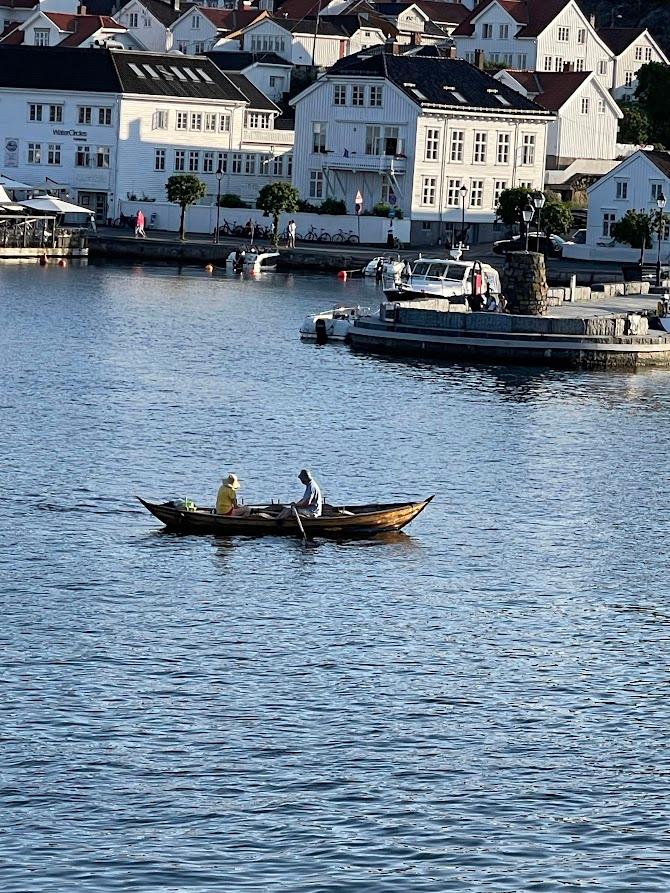
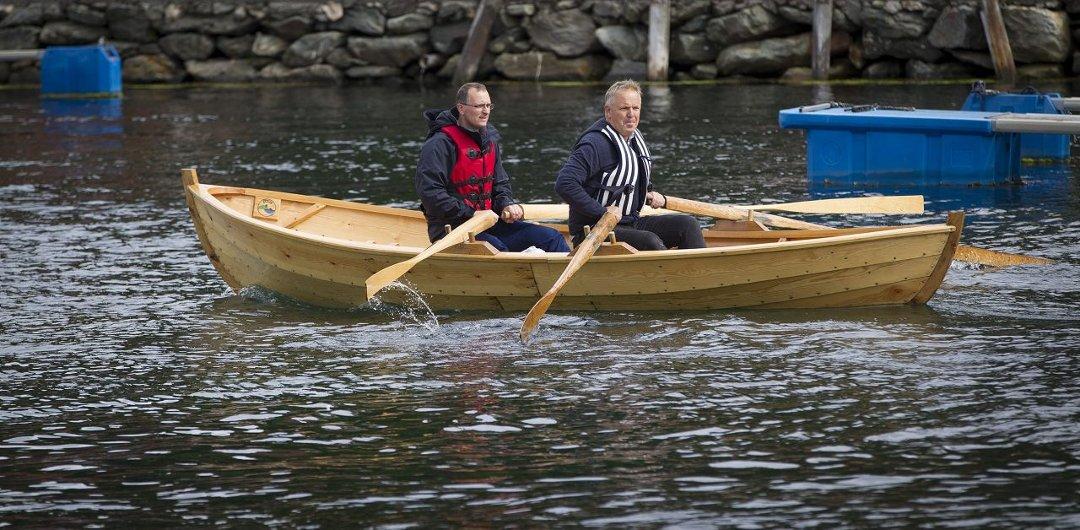
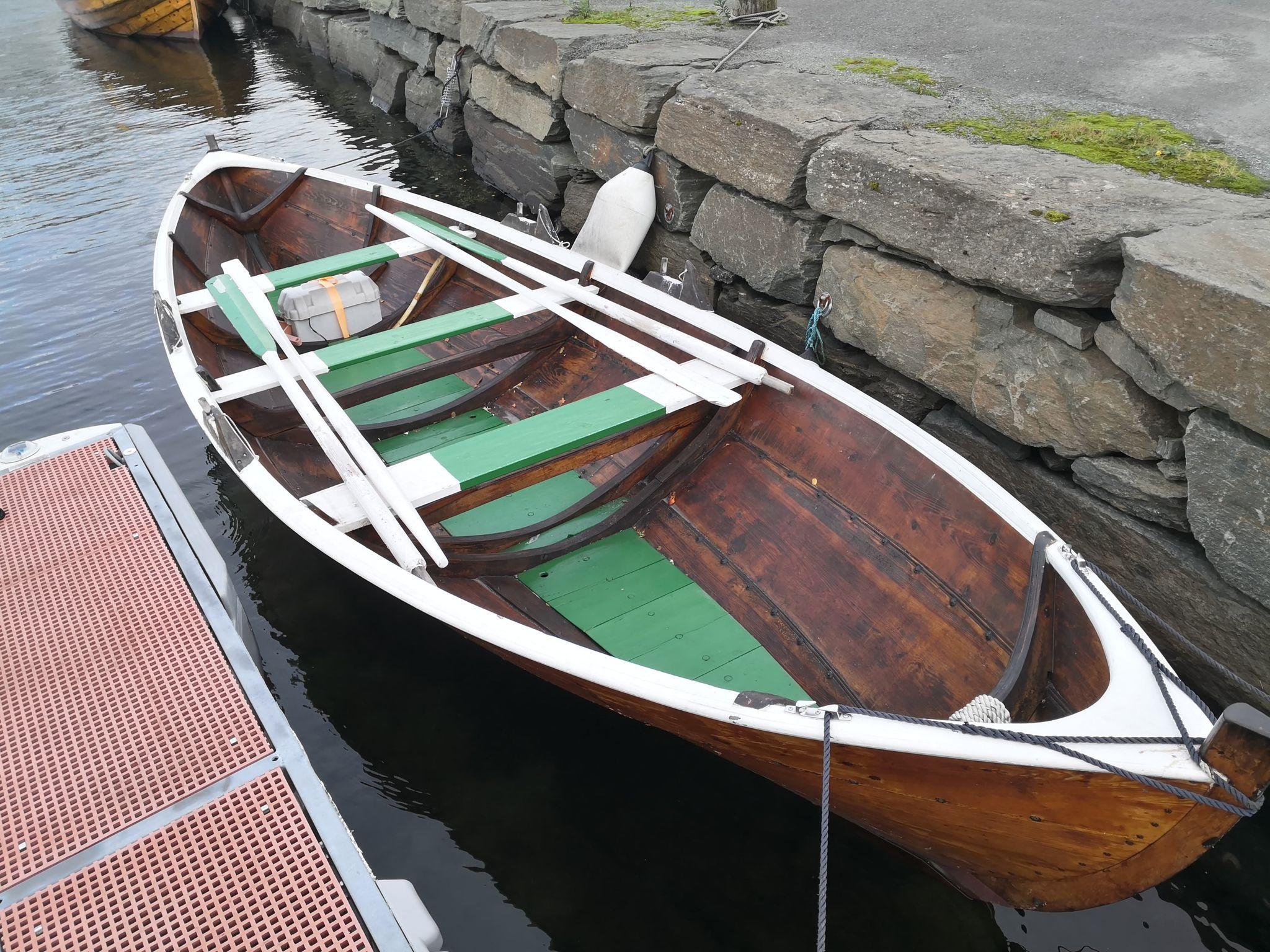
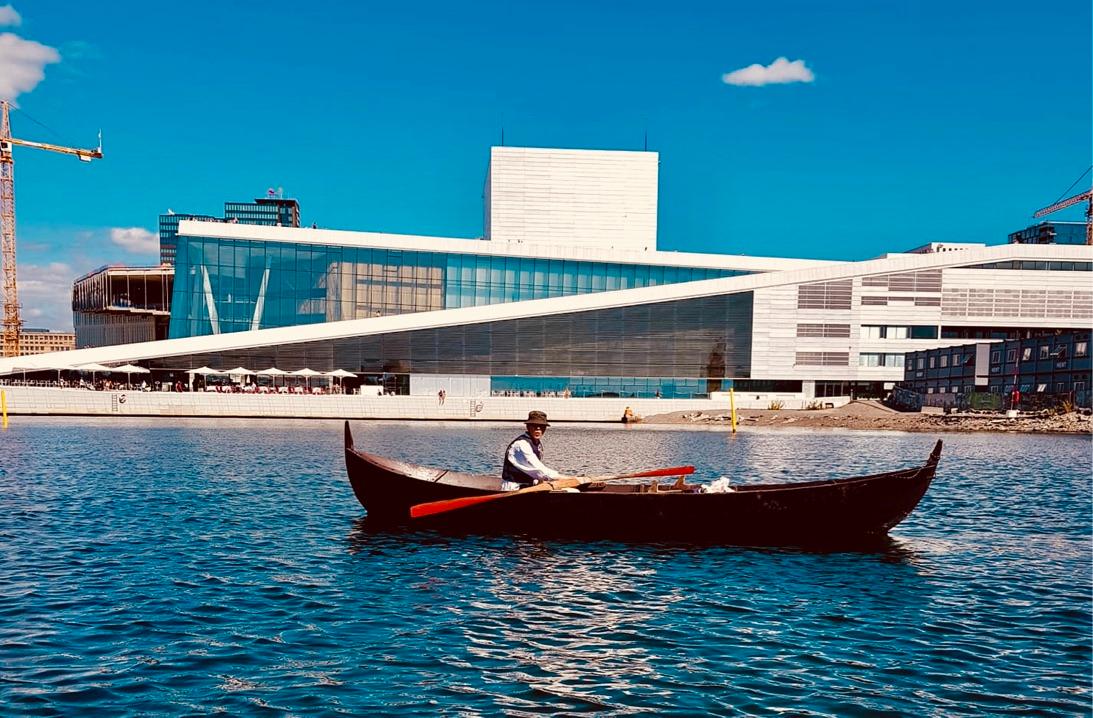
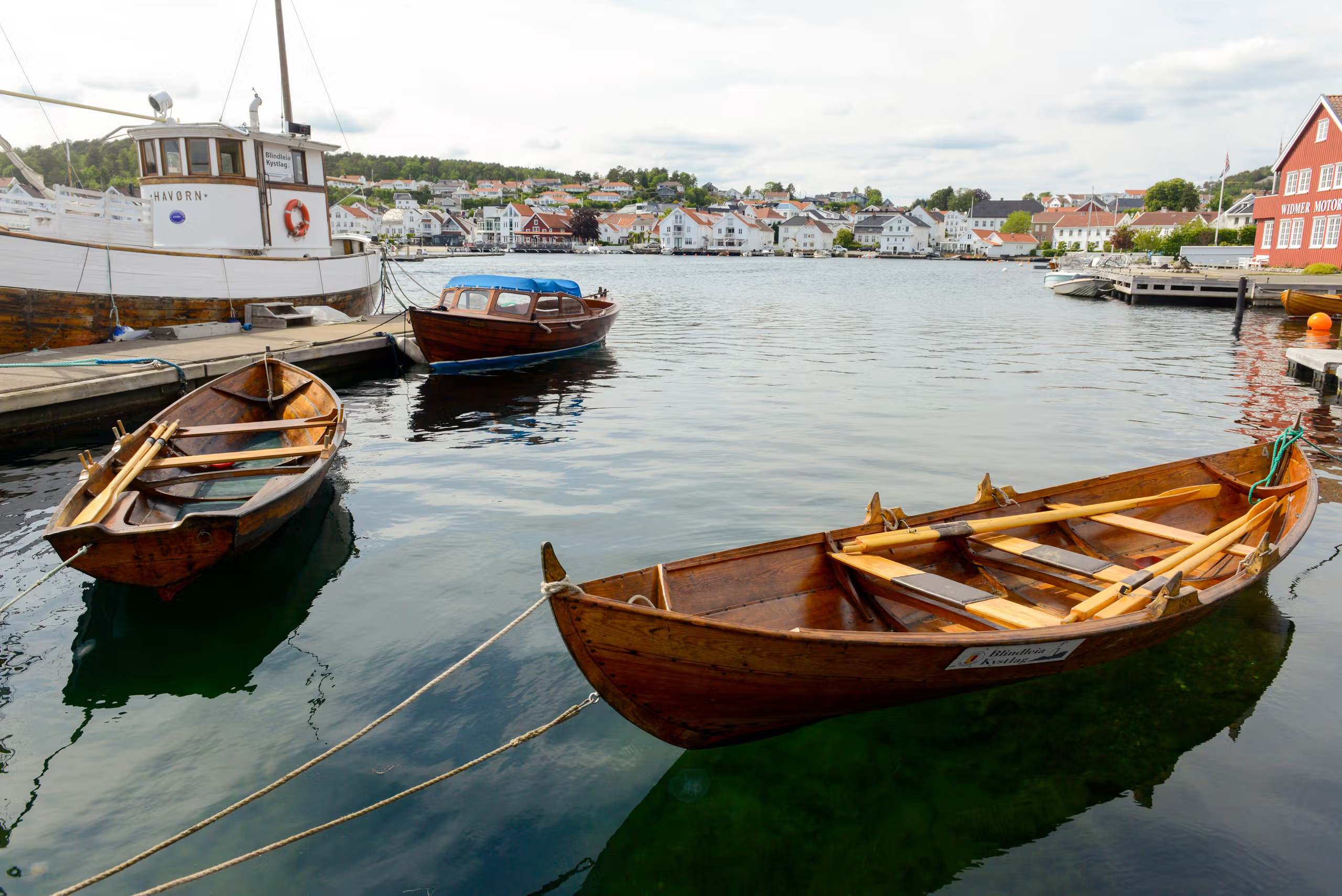
But you're invited to take part, too! Find out what it was like by renting a rowing boat at one of Norway's many lakes and fjords. Test your crew, work on your technique, and enjoy the wonderful silence in nature!
Come and experience the Viking spirit for yourself!
Row, row, row your boat
…a boat on a quiet lake, a historical boat, or even a Viking ship!
 Haugesund
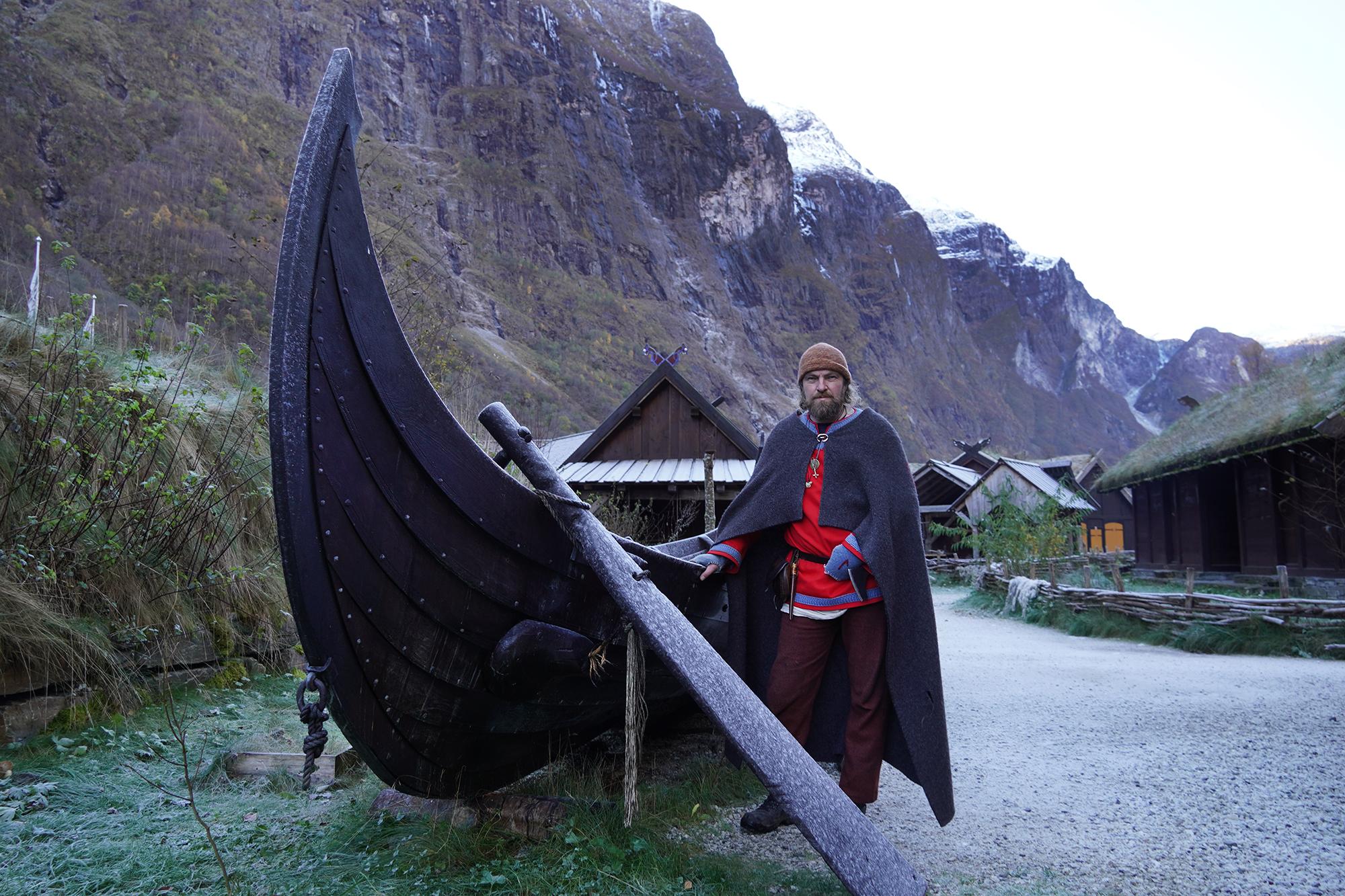
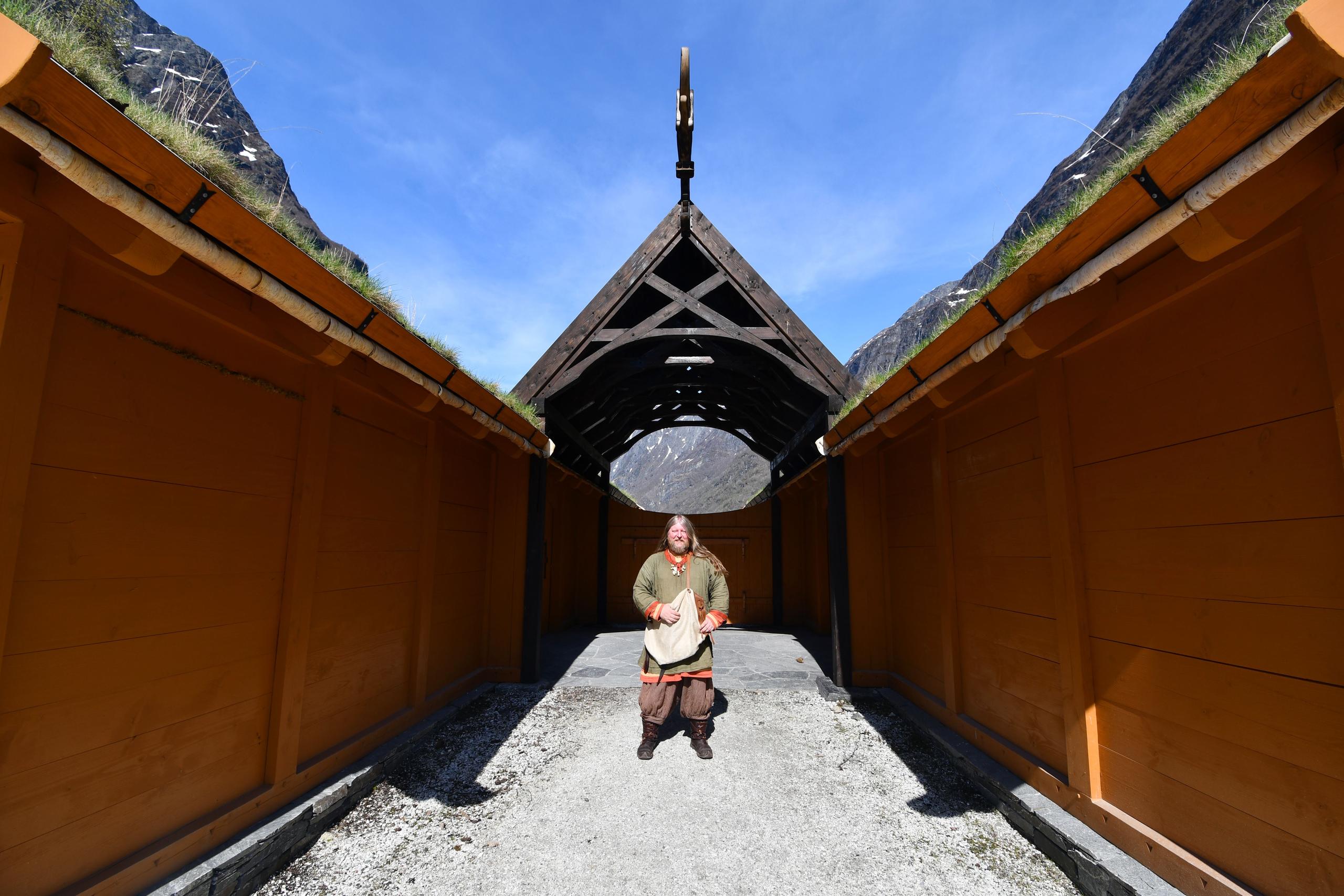
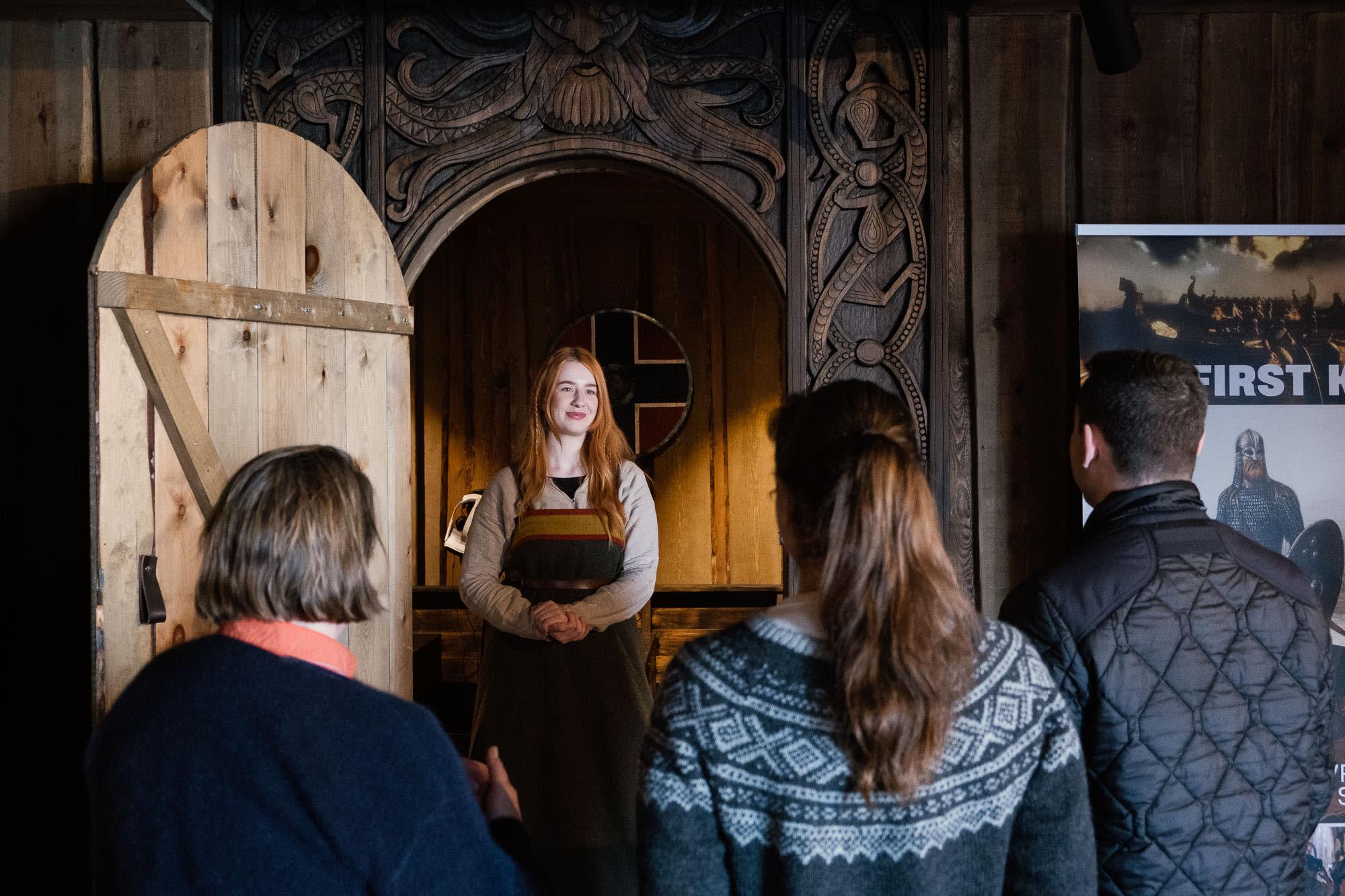
Viking experiences
Learn more about Norway's Viking culture. Here are some of the top experiences.
 Book nowBøstad
Lofotr Vikingmuseum
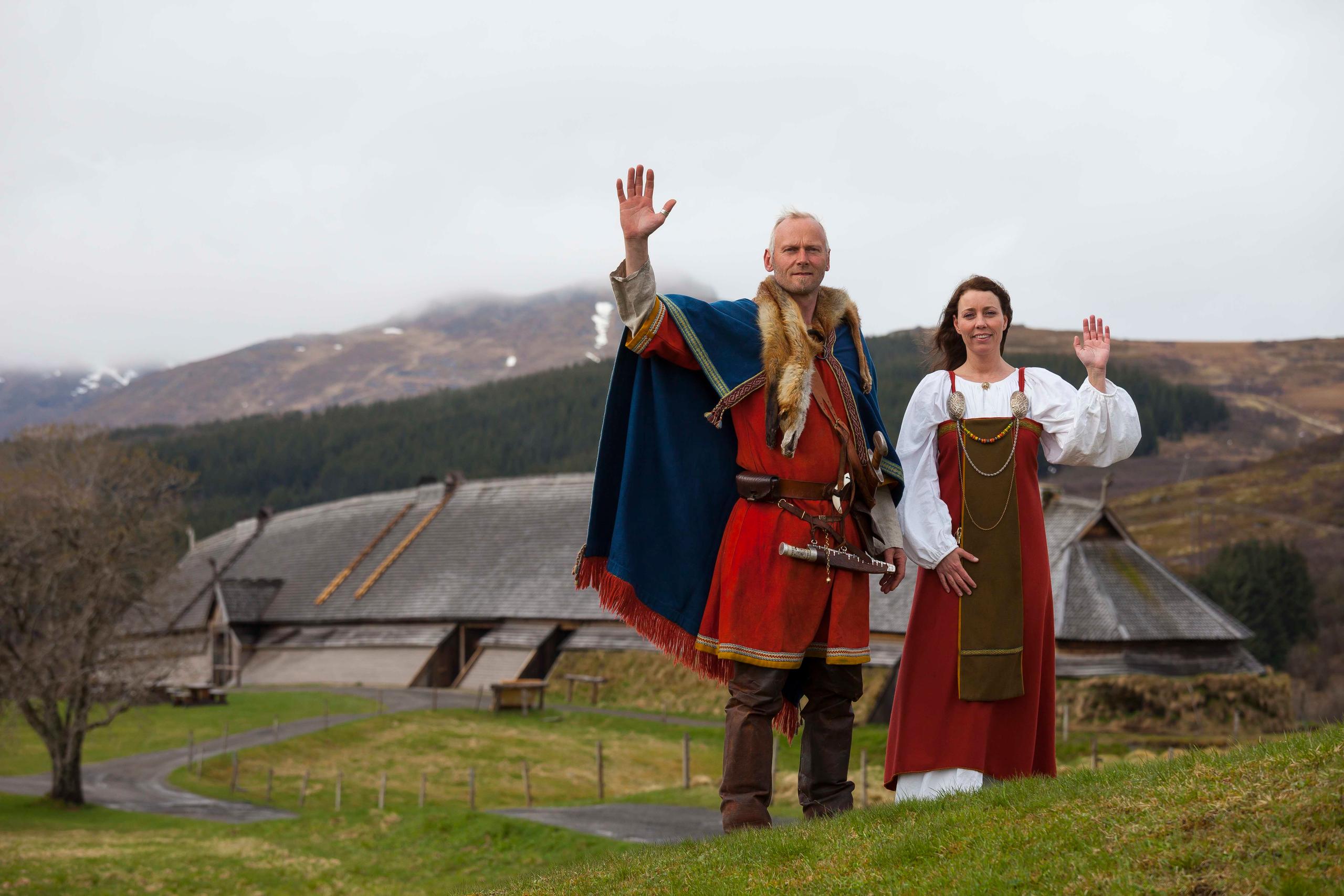
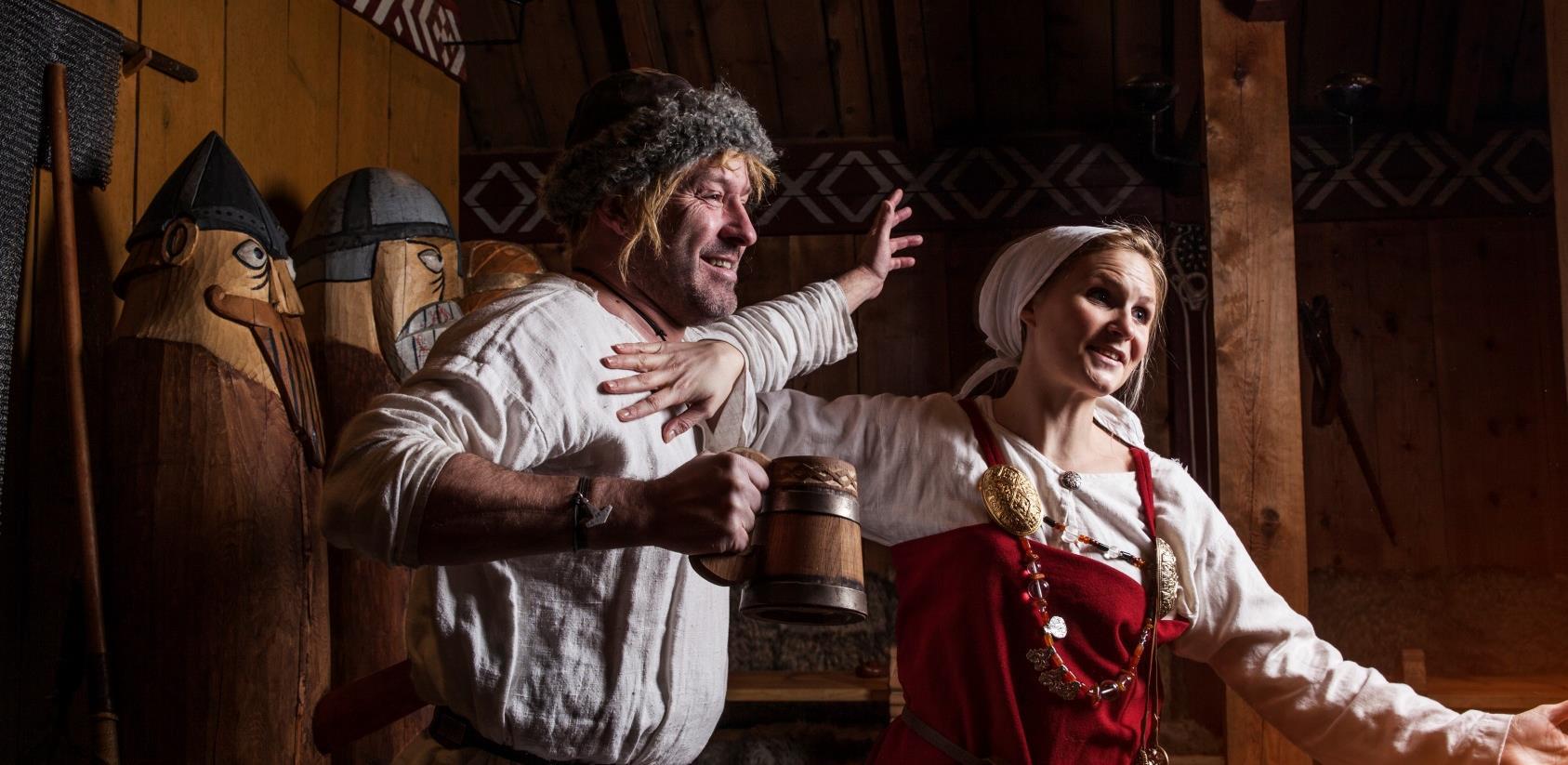
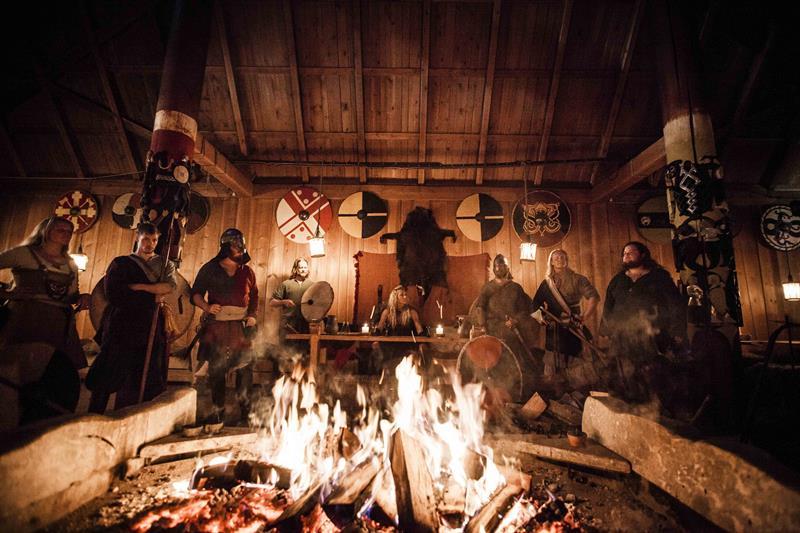
An Impressive Reconstruction of the Largest Longhouse Found from the Viking Age. During the Iron Age, there were 10-15 chieftain seats in Northern Norway, and one of these was located at Borg in Lofoten. This is the only place where the actual chieftain’s farm has been confirmed. Today, you can experience a living Viking Age environment at the museum in Borg, offering wonderful experiences for the whole family. Learn about the Viking Age and test your Viking skills through games and activities. An impressive reconstruction of the largest longhouse ever found from the Viking Age stands tall at Borg, where the original discovery was made. The chieftain and his wife at Borg were wealthy and powerful, and their house was a staggering 83 meters long! Step inside—smell the tar and the fire, hear the sounds of craftsmen at work, and admire the beautiful decorations and architecture. Step inside—and join us on a journey back in time, more than 1,000 years into the past.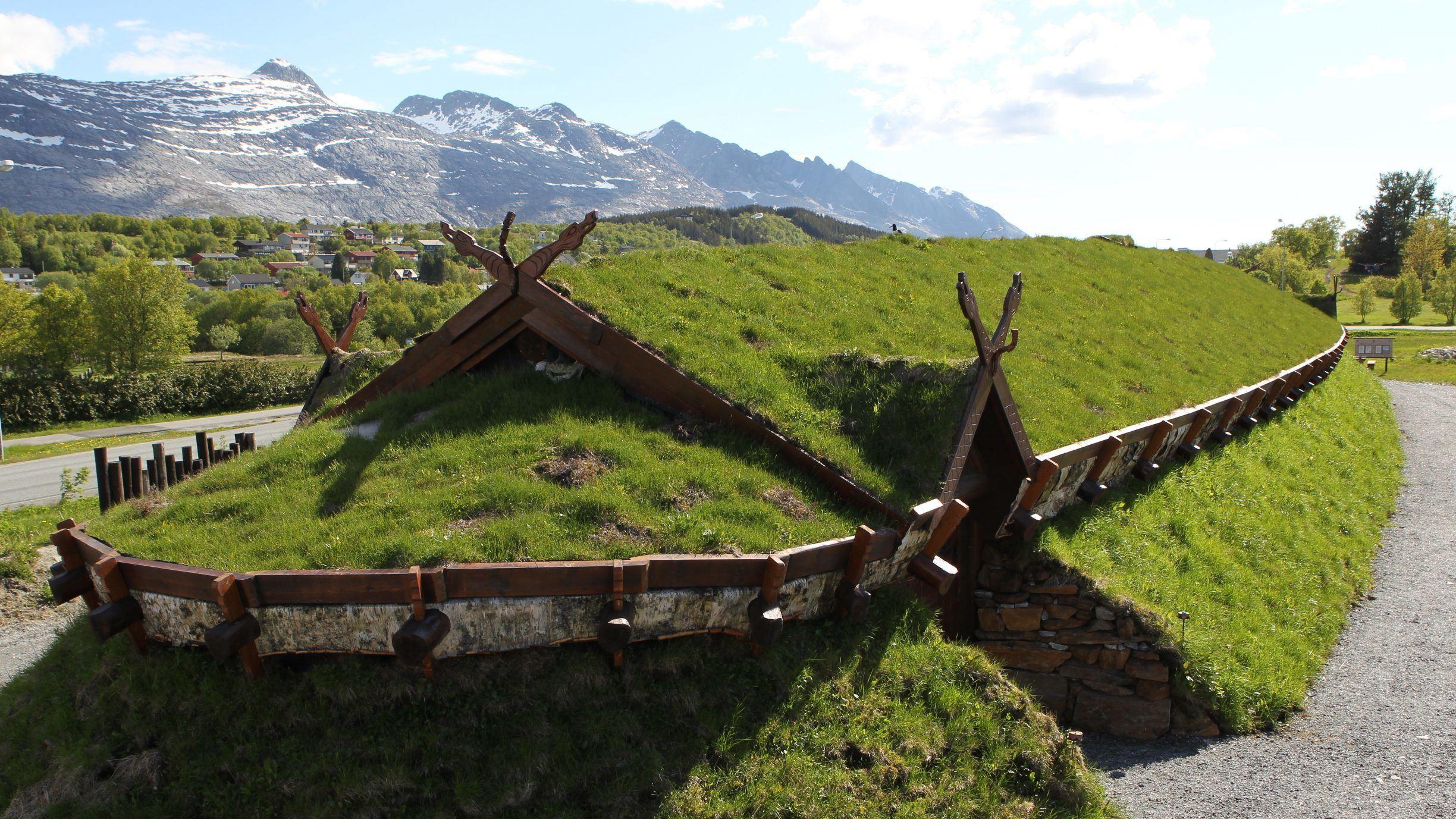 Sandnessjøen
 Verdal
Typically Norwegian
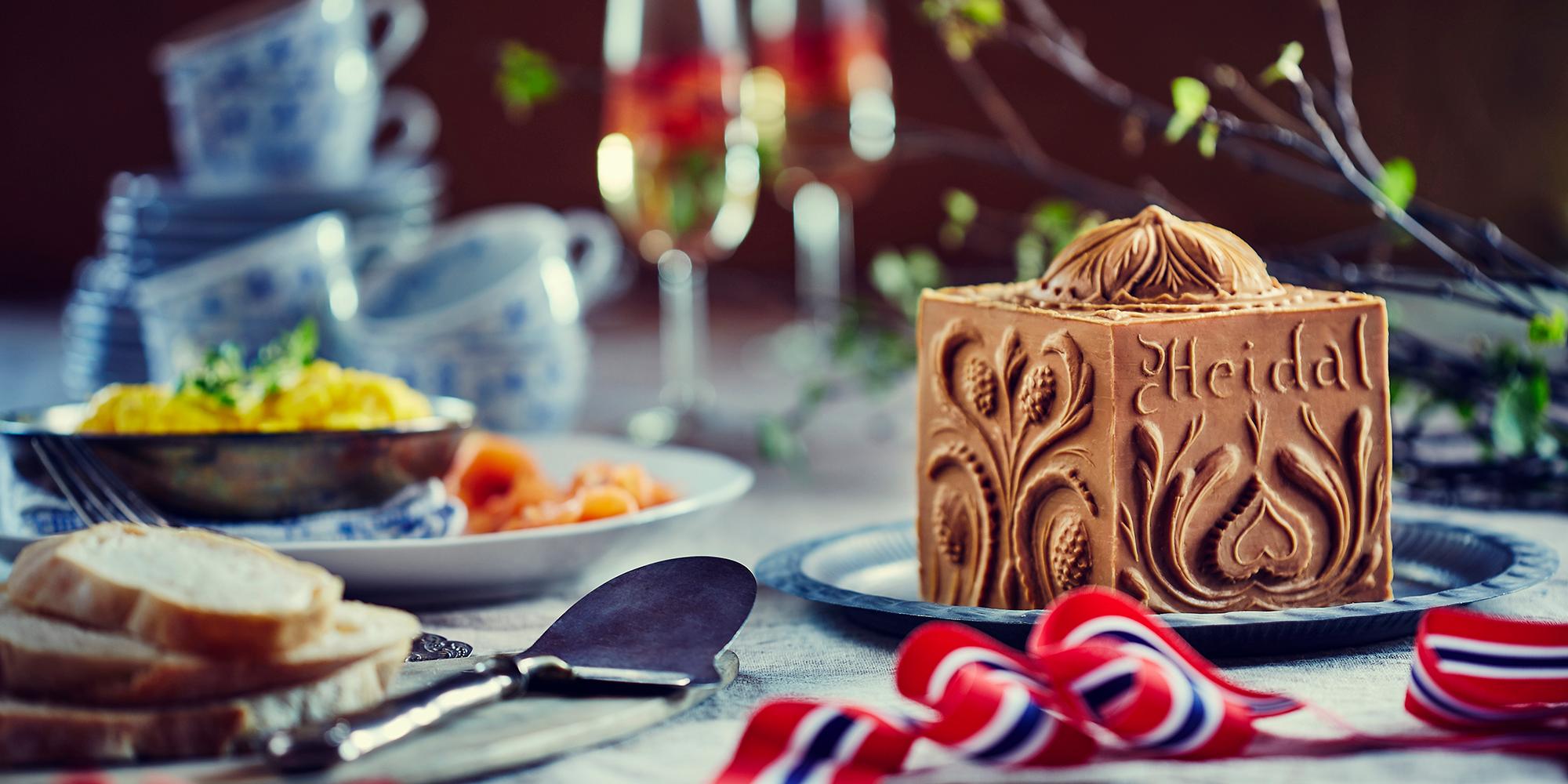
Explore the Viking spirit, the fjords and, of course, brunost, the sweet chees that powers the Norwegian football team!