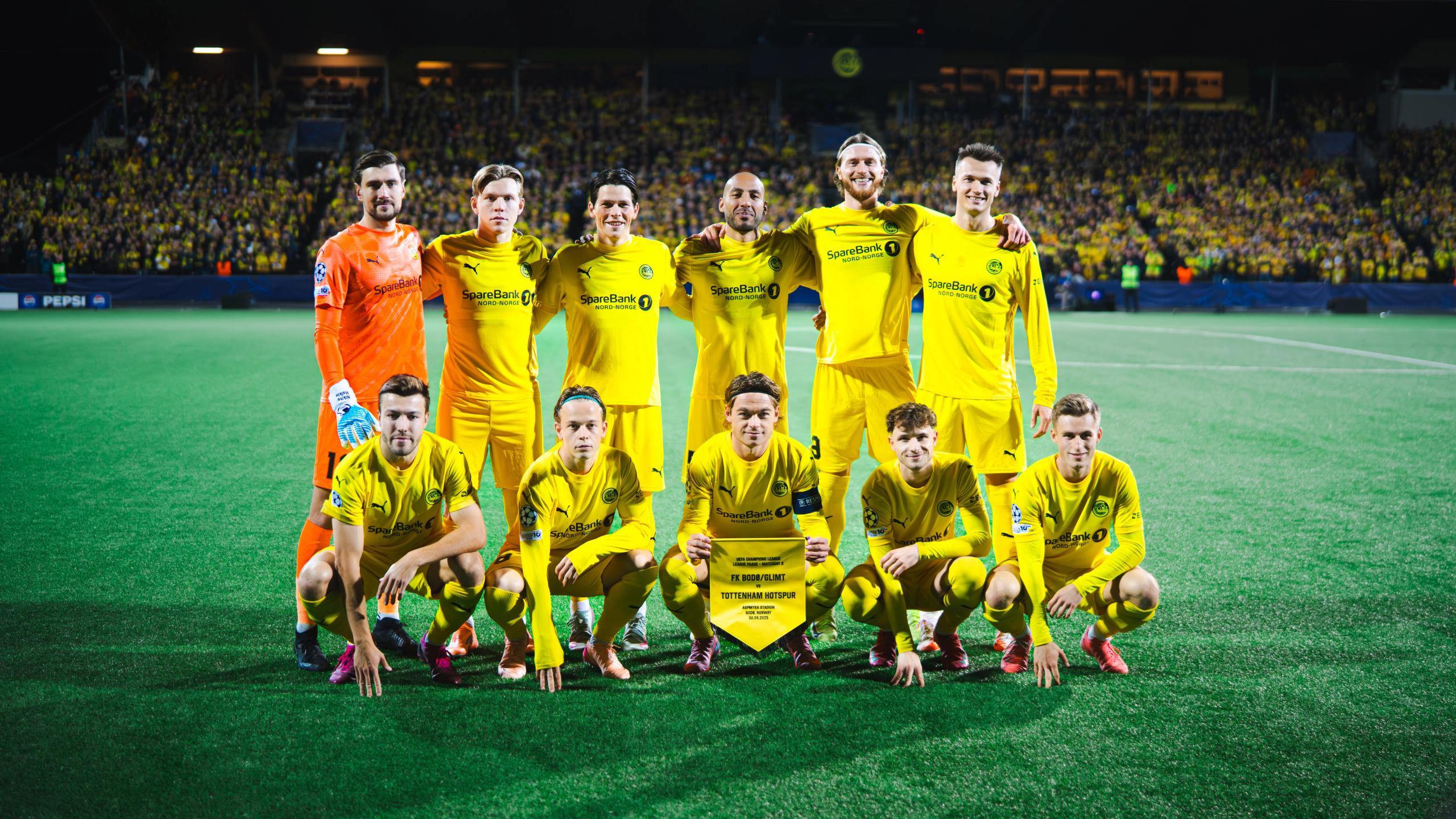
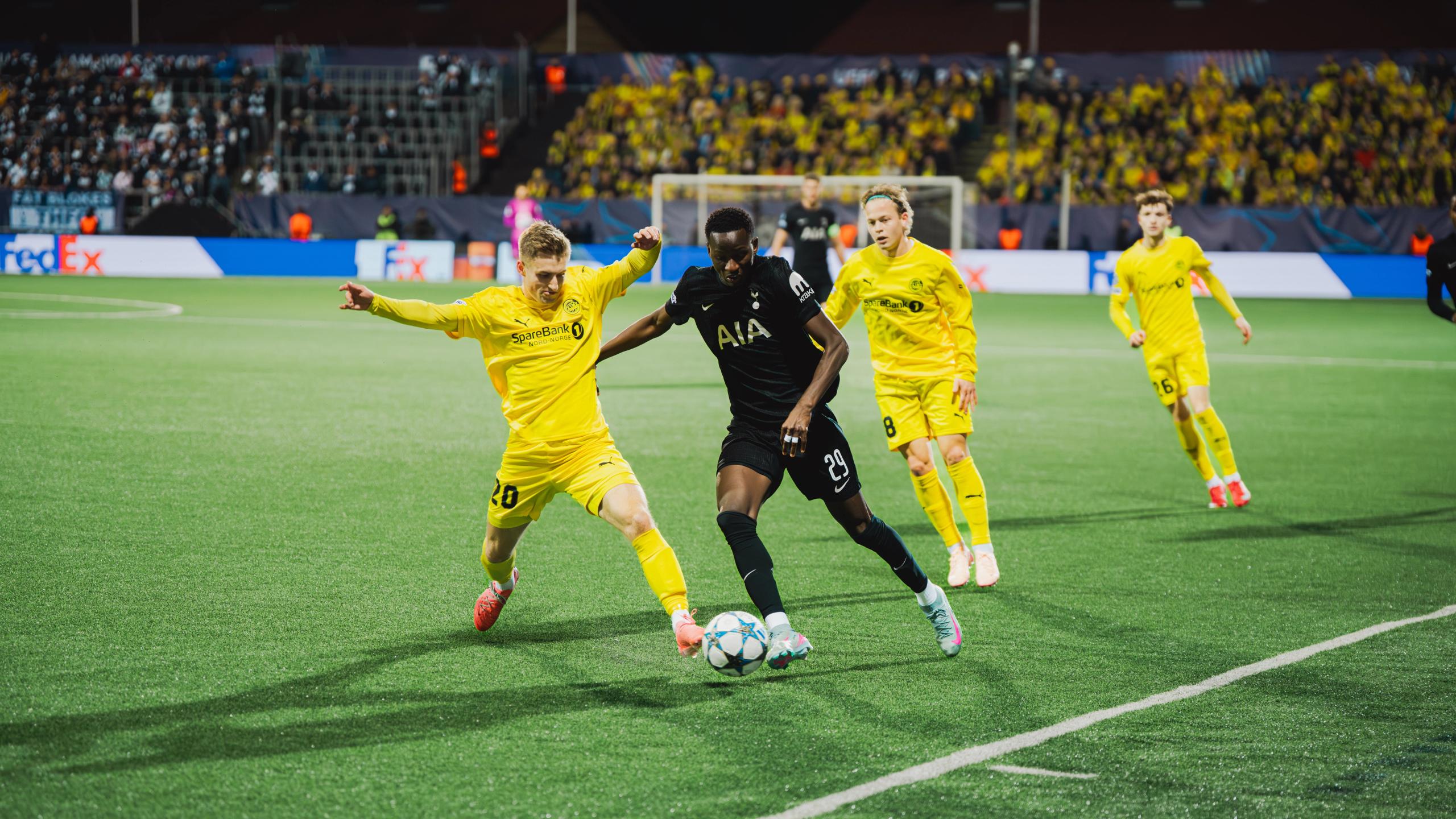
Norwegian football club Bodø/Glimt brought UEFA Champions League north of the Arctic Circle for the very first time. The club's success is not only a story about how greatness can grow in the most unlikely places, it's also a story about a progressive city, full of determined and creative people.

Football fever above
the Arctic Circle
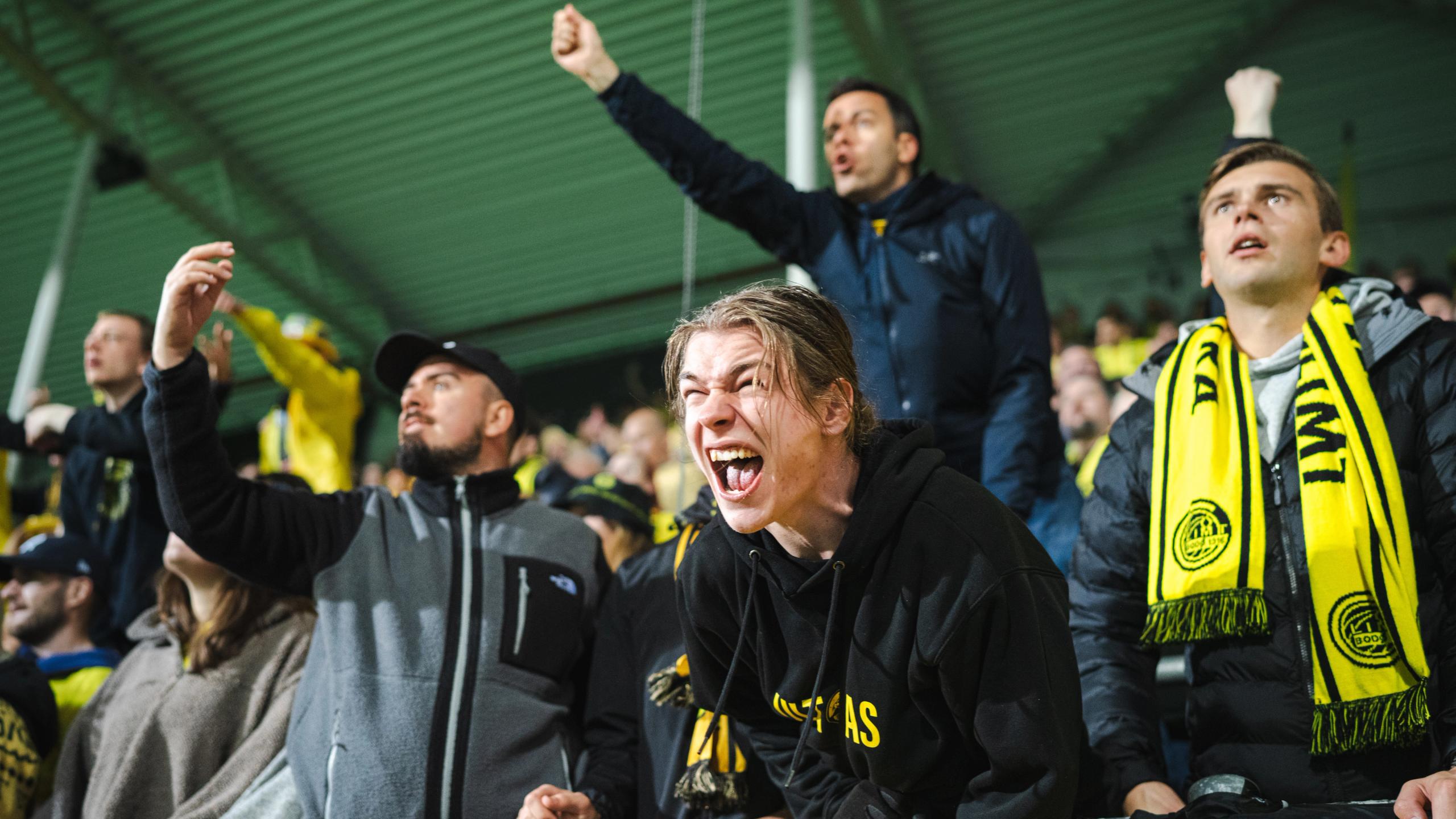
There's a 'yellow fever' in the Arctic.
How did a team consisting of 70 per cent Norwegians, many from one of the most remote and windblown places in Europe, end up in the UEFA Champions League?
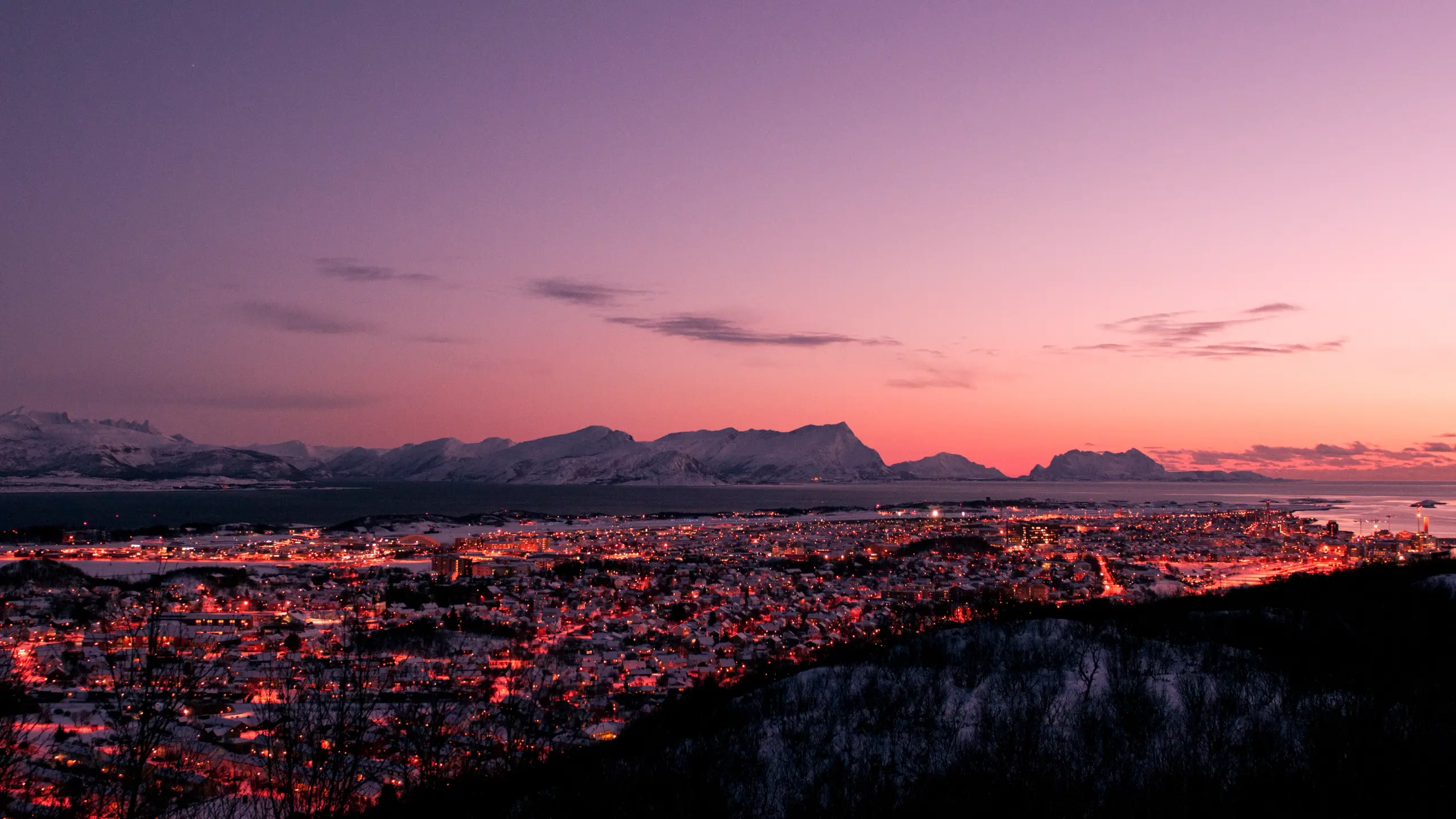
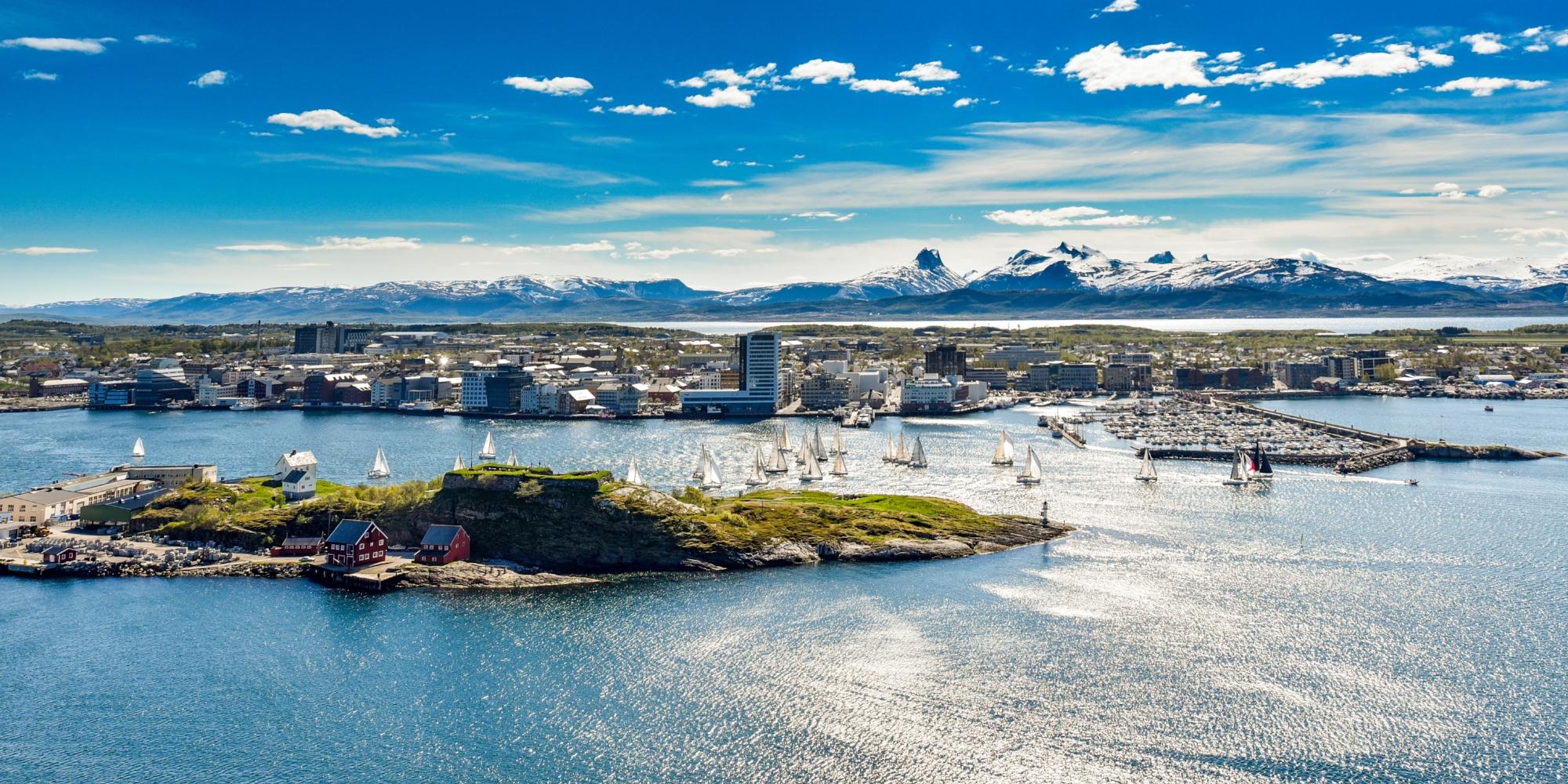
Only 53,000 people live in the small Arctic city of Bodø. Just enough to fill up a standard football stadium in Europe.
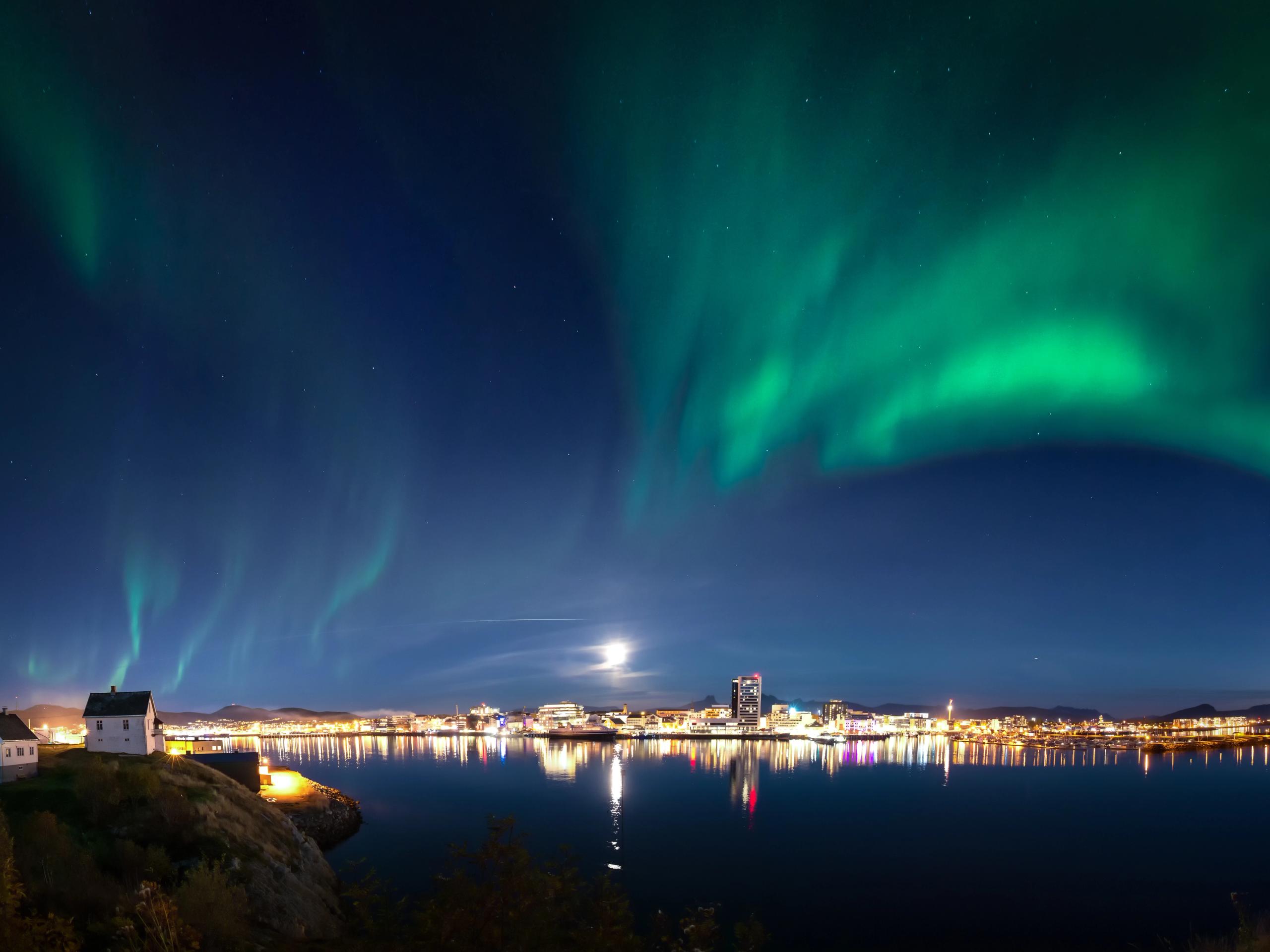
Up here, the sun hides behind the mountains a large part of the year.
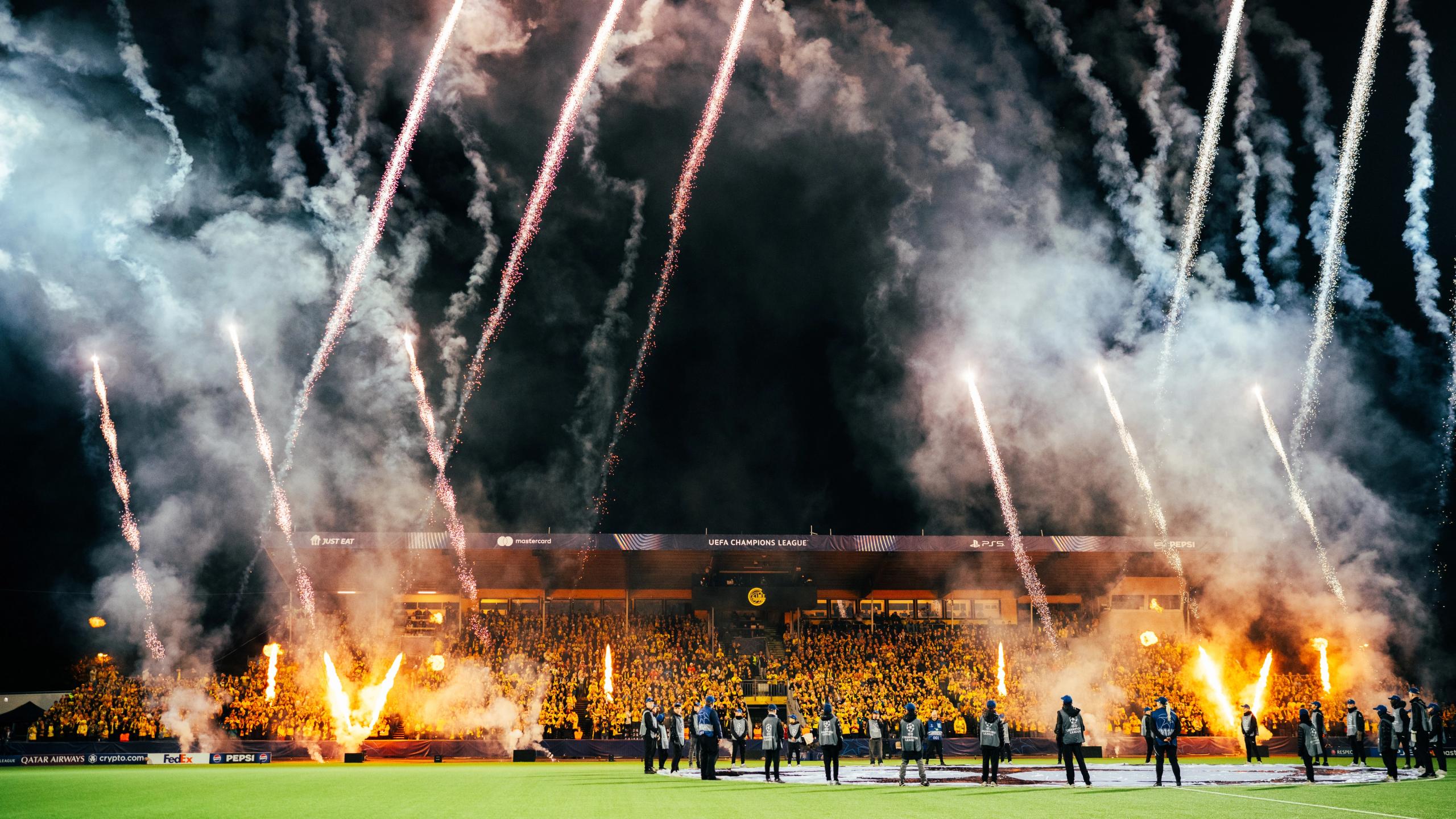
And the home stadium has space for just 8,270 fans.
Just a few years ago, die-hard fans, known as J-feltet, were collecting empties for a bit of deposit money just to keep the club going.
There are no billionaires financing these lads.
Just pure passion.
Welcome to the yellow city!
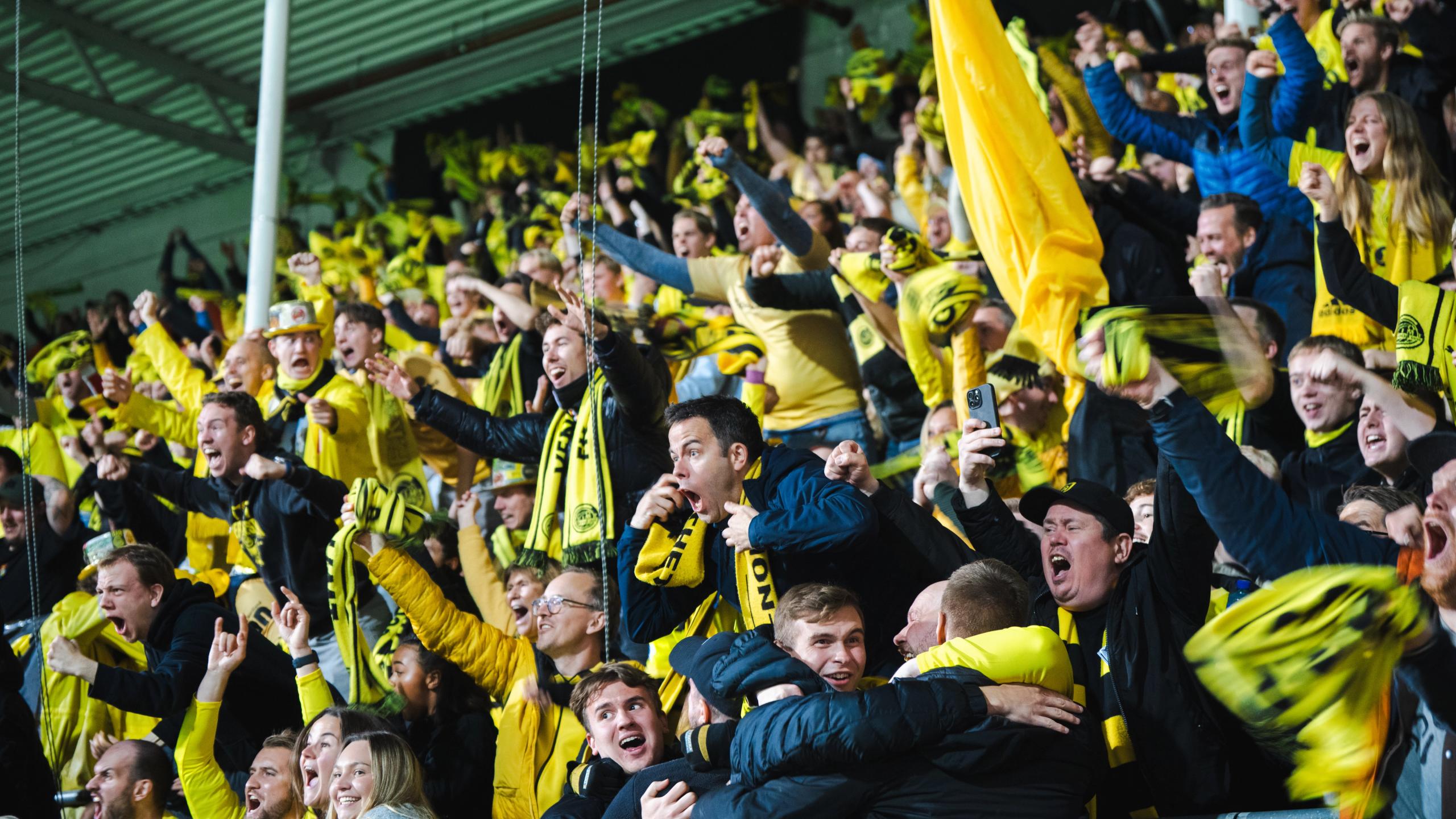
"We went from having an almost empty stadium just a few years ago, to now be competing in the UEFA Champions League. It feels unreal," says Raymond Limstrand Jakobsen, a fierce Bodø/Glimt supporter.
Bodø/Glimt's recent success has sent an earthquake through Northern Norway. It doesn't matter if it's match day or not, you still see yellow flags waving proudly in the northern wind all over Bodø, even outside the local fire station. And the Northern Norwegians? They couldn't be more proud.
"We walk a little taller. We smile more. And at the same time, we can’t help but laugh to ourselves and think: 'What on earth is going on?'," says Jakobsen.
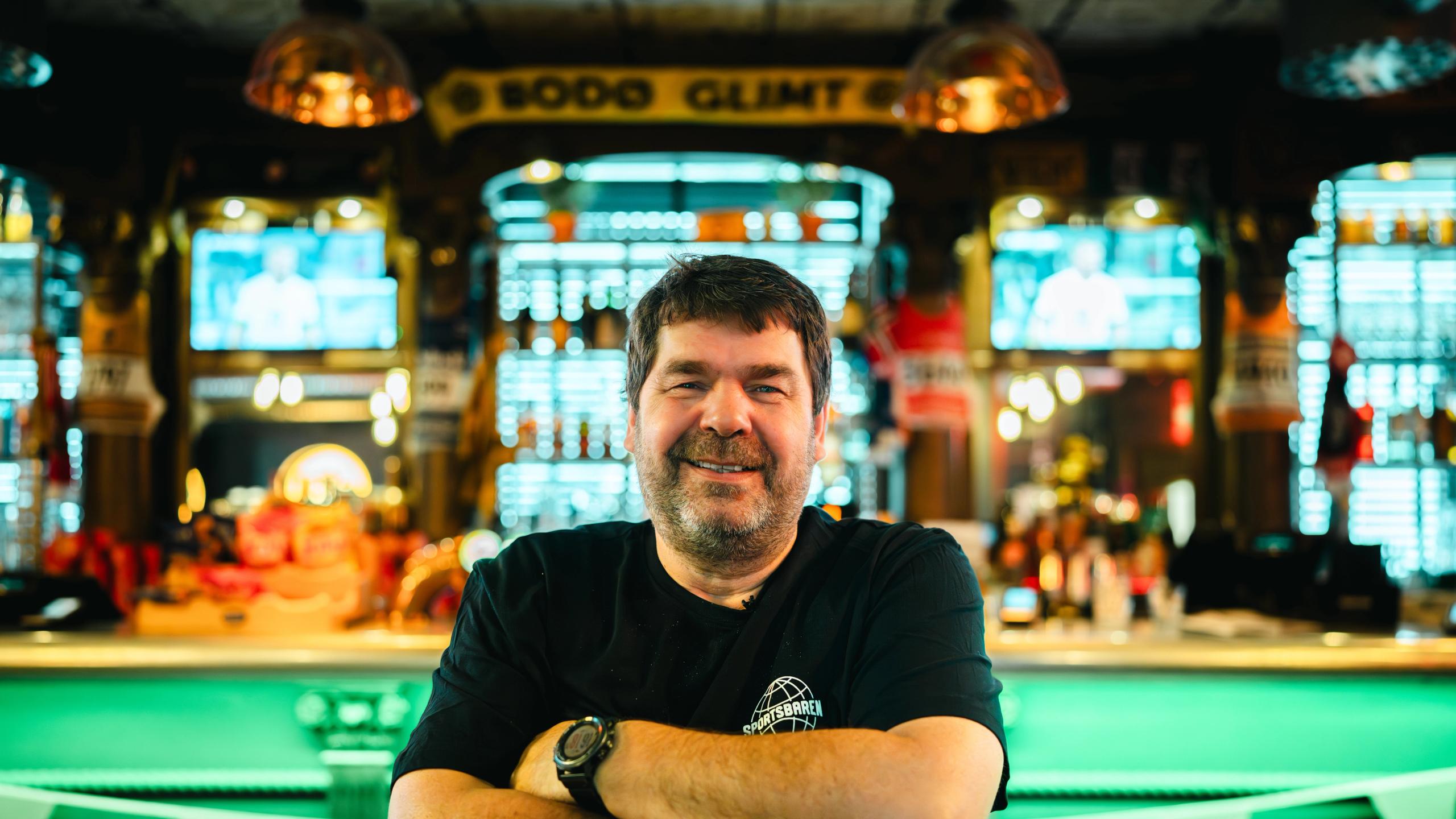
"There's a wave of positivity in town, and a lot of passion. And yes, Champions League is tougher and more edgy than the national league, but that's also how Northern Norwegians are. We are toughened by the weather," says Kjetil Linchausen, Managing Director of Sportsbaren – a popular football pub and meeting point in the city.
When it's match day in Bodø, everyone, from small kids to grandparents, wears yellow. Don't be surprised if the person in front of you in the supermarket is wearing the complete Bodø/Glimt kit, even hours before the match. And pre-partying is not just for adults – some kindergartens and schools celebrate match day in their own way: by singing Bodø/Glimt songs at the top of their lungs!
Football fever in the Arctic is unlike anything else!
Nowhere else in the world is a knitted supporter jumper so essential. Wool is gold in the Arctic.
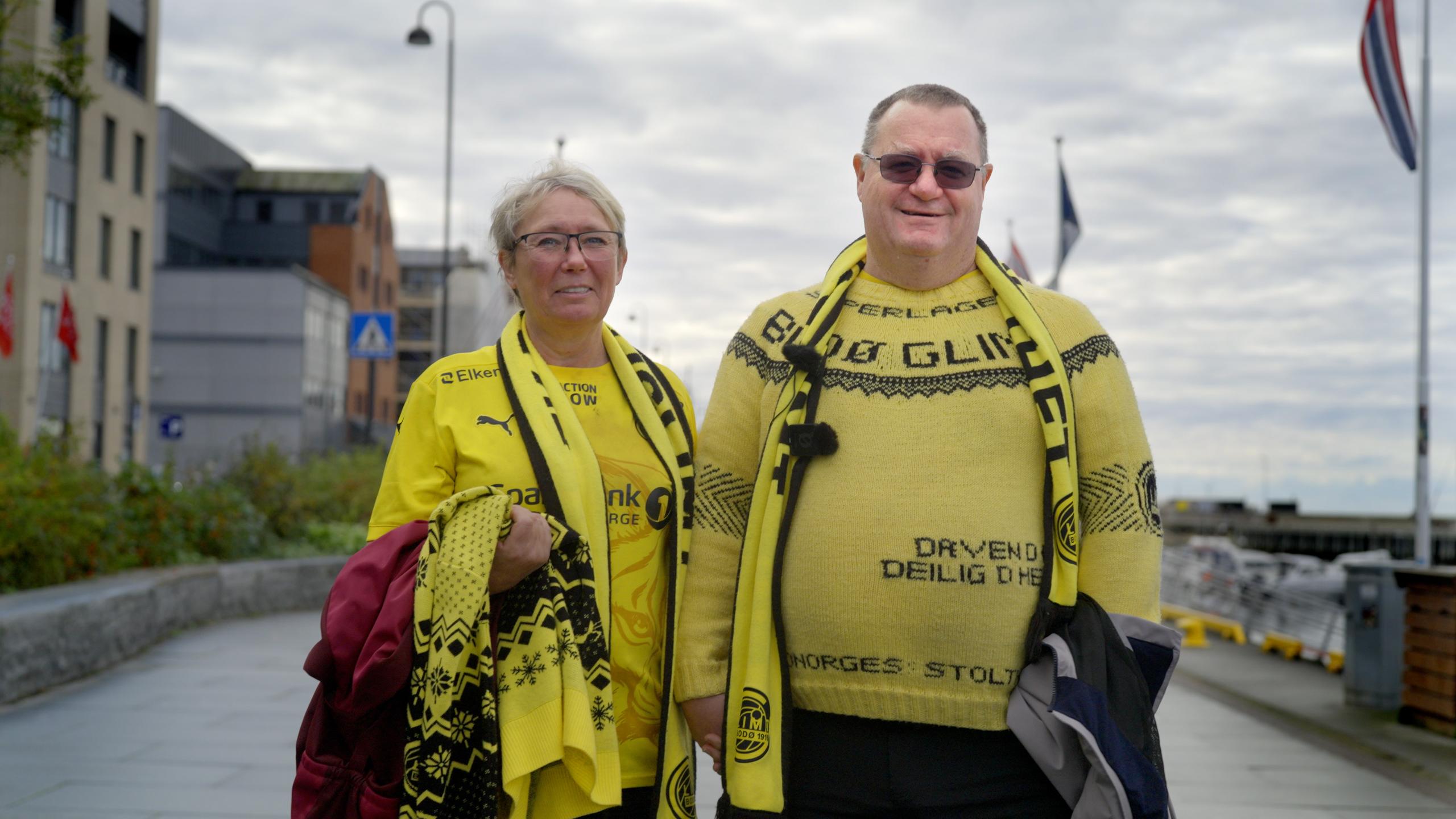
“My wife knitted this jumper for me when we were down in Braga for the B/G away match.”
“The wind up here is full of tiny devils, so we need to dress properly!”
Ronny and his wife Wenche
Bodø/Glimt supporters
The rise of Bodø/Glimt
The city went wild when Glimt fulfilled its dream of making it to the UEFA Champions League.
"It's an extraordinary achievement. In 2016, Bodø/Glimt was relegated from Norway's top professional league, and the club had been on the verge of financial ruin for years. Since then, things have only gone one way, and that's up," says Thomas Solberg, leader of the Bodø/Glimt supporter club, J-feltet.
The team's success in Eliteserien in 2024, Norway's equivalent to the Premier League, and its recent achievements in Europe, stand in stark contrast to where it stood just a few years ago.
Back in 2010, the club was on the verge of bankruptcy, players sometimes went months without salary, and the Northern Norwegians were forced to get creative to save their favourite team.
Time to roll up our sleeves
Locals roamed the city for empty bottles to collect for deposit money, fishermen donated fish to the club to sell for profit, the local handball team donated its ticket revenue to Bodø/Glimt, and a massive fundraising push was announced on the local radio.
And as a front figure of the fundraising stood Runar Berg, former Bodø/Glimt player and uncle of Glimt's defensive midfielder Patrick Berg.
The Berg family has played a massive role in the club through eight decades. Harald “Dutte” Berg debuted for Bodø/Glimt in 1958. His sons Runar and Ørjan followed in the 1980s, Arild in 1993, and current player Patrick Berg in 2014.
Fast-forward to 2025, and the team stands as the richest club in the Norwegian league, all thanks to its focus on developing local players and sporting success.
But being a rich club in Norway is nothing compared to Glimt's opponents. To compare, the club had NOK 338 million in revenue in 2024 (about €28 899 000 EUR), while Manchester City had about NOK 9 billion (about €769 500 000).
But they made it, without any star power or financial muscle.
"Our boys"
So what changed? According to the locals, the success boils down to a combination of local talent, courage, and a unique coach from Bergen.
"We have dared to invest in young, local players, who have grown into becoming the supporting pillars of the team. It's quite unique to play with a team of almost only Norwegian players, many from Bodø and elsewhere in Northern Norway," says supporter and football podcaster Frank Tjærandsen Amundsen, adding that the locals of course refer to all the players as 'our boys'.
In total, Bodø/Glimt now boasts 19 Norwegian players on its team of 27.
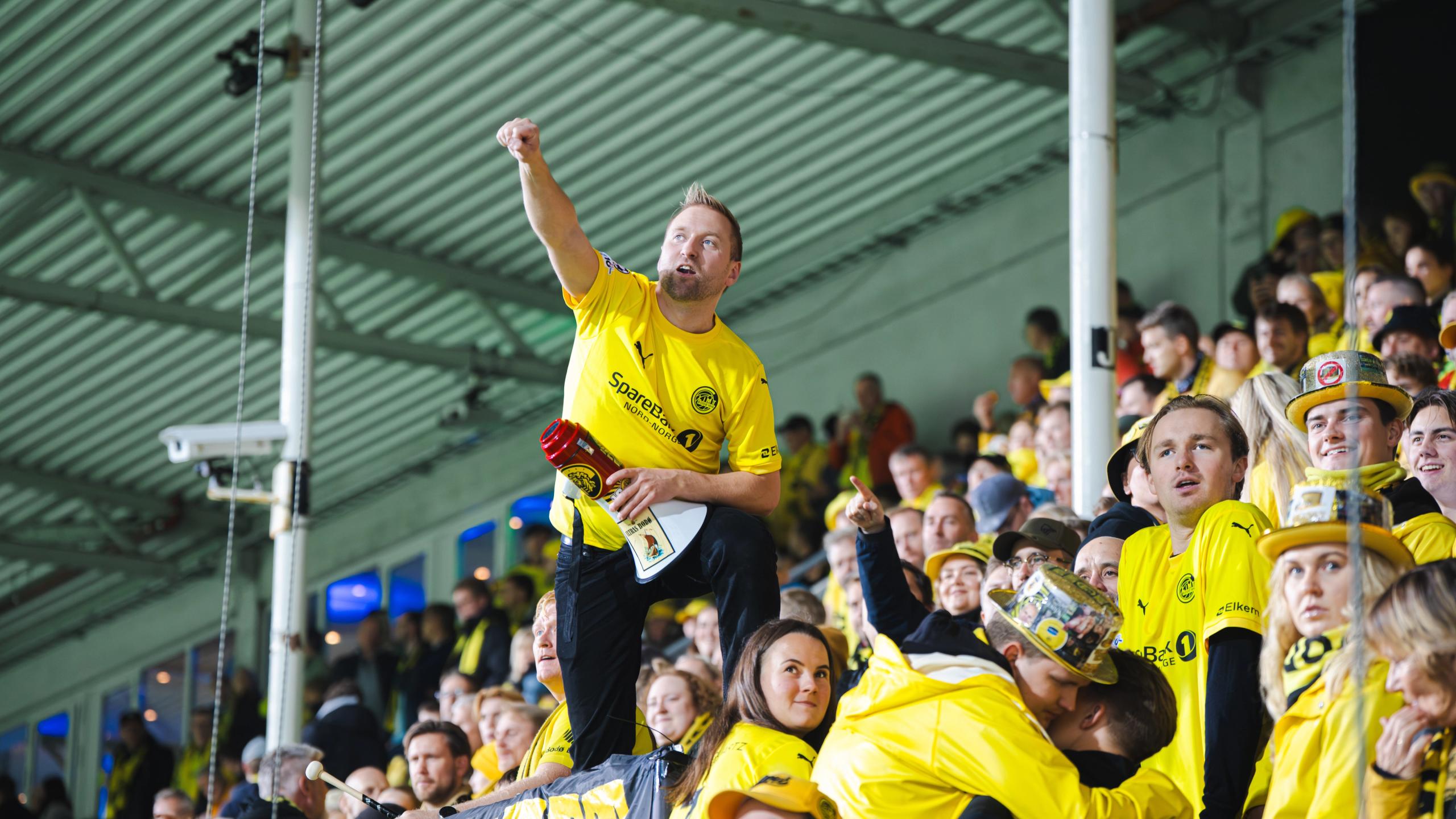
“Now, all the youngsters are dreaming about becoming a Bodø/Glimt player, not only in the city, but in Northern Norway in general.”
Frank Tjærandsen Amundsen
Supporter and football podcaster
The saviour: Kjetil Knutsen!
And then there's Kjetil Knutsen. Bodø/Glimts head coach since 2018. A man described as a teacher and 'the saviour from Bergen'.
"When he arrived, the focus in the team shifted. He preaches about how the team can progress, not how they can win. And there's a big focus on how the players work mentally as well as physically," says Raymond Limstrand Jakobsen.
The club has also received much attention for how it works with sports psychology. Even this aspect is a reflection of the city and it's history. The team's mental coach, Bjørn Mannsverk, is a former local air force pilot, which makes perfect sense in a city where the air force was based for years.
Learn more about Bodø/Glimt's impressive journey:
All the money in the world can't buy you one of the team's greatest assets: it's unique Arctic spirit.
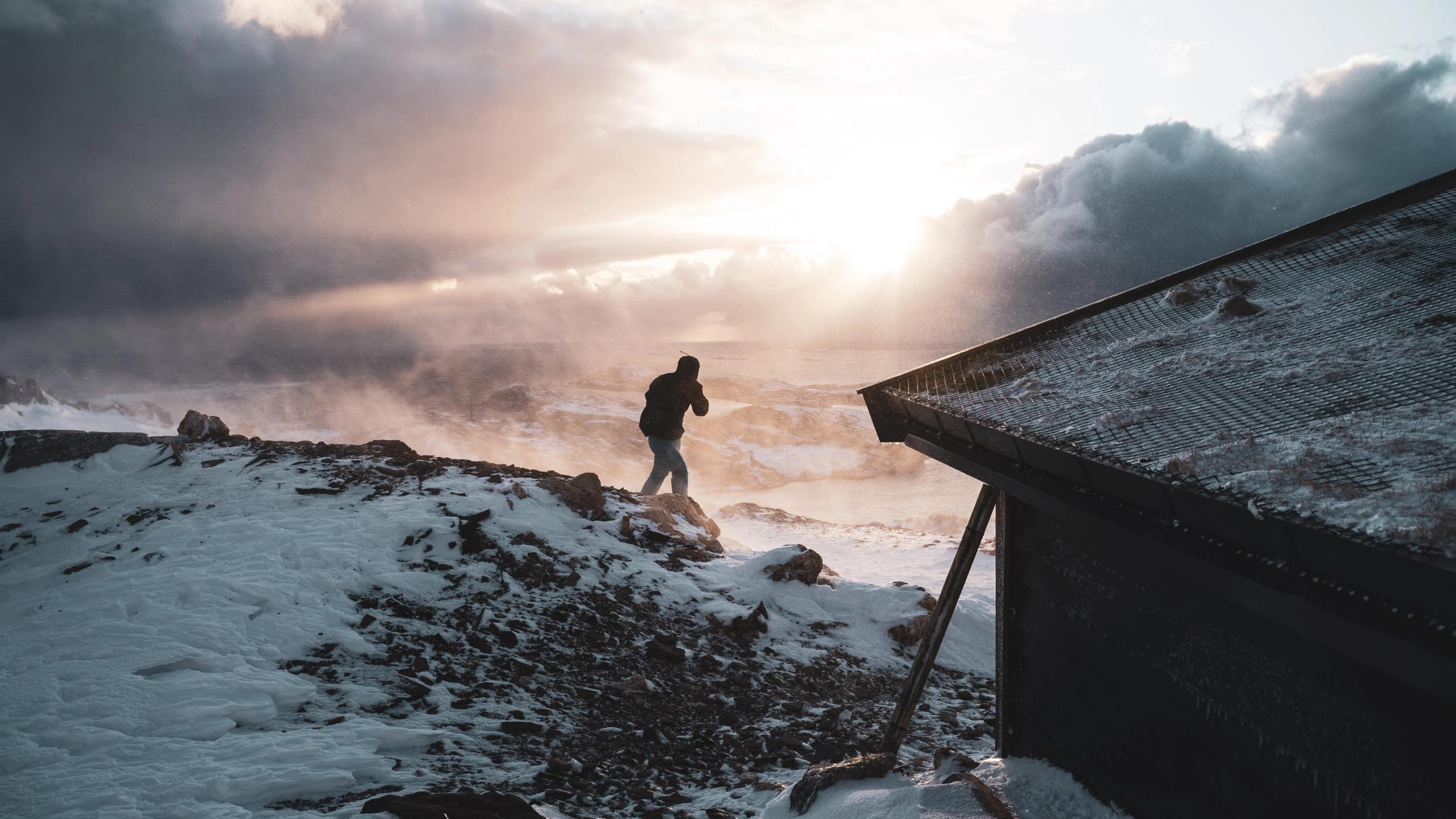
“Bodø has very strong winds, so we like to say that the people living here are naturally leaning-in.”
Odd Emil Ingebrigtsen
Mayor of Bodø
“'Vi står han av' is a typical Northern Norwegian saying, meaning 'We'll weather the storm'; a mentality people up north strongly identify with.”
The Arctic spirit
"We are used to rough conditions. This is also reflected in the city's history," says Odd Emil Ingebrigtsen, Bodø's mayor.
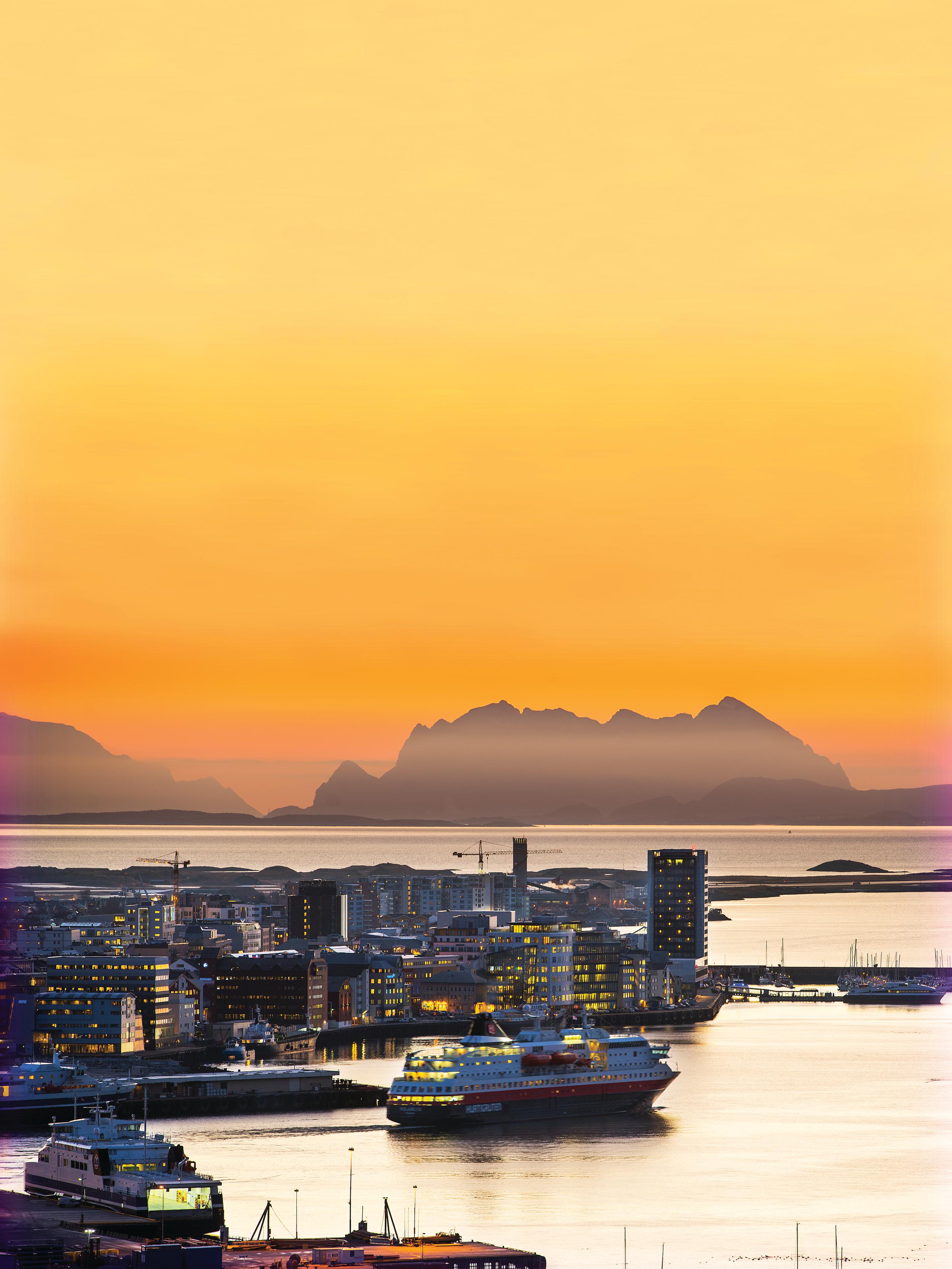
Bodø is a small city in Northern Norway, located just above the Arctic Circle. The city has transformed massively over a relatively short period of time; from being completely destroyed during the Second World War, to becoming a buzzing, modern mini-metropolis in the North.
It's not just the football culture that brings colour and energy to the city – its vibrant arts and culture scene adds even more life. In 2024, the city proudly held the title of European Capital of Culture.
Enjoy a football trip like no other!
"It's a city in constant development. There's major investment in hotels, new buildings, restaurants and culture. And this has happened at the same time as Bodø/Glimt's massive success. It does something to the people living here and the vibe in the city. Just look for smiling people and lots of yellow flags," says Raymond Limstrand Jakobsen, who's also Director of Sales at one of the most unique hotels in the North, the Wood Hotel, situated on a hilltop right outside the city centre, overlooking the epic Arctic landscapes.
North of the ordinary
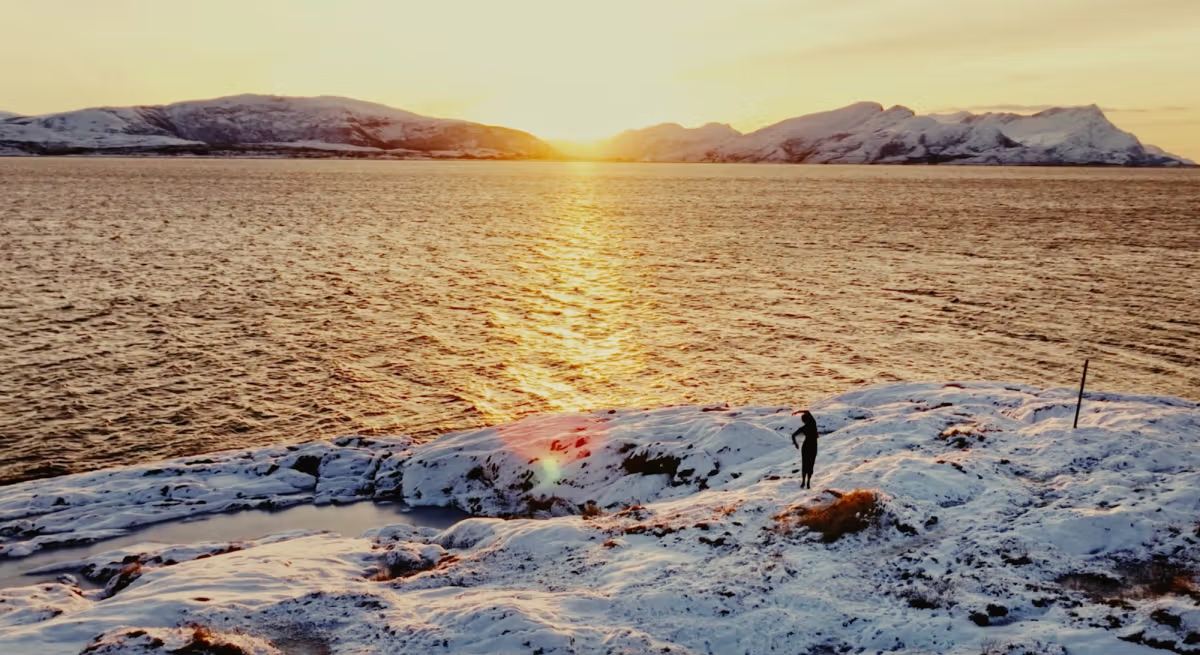
Life in Bodø has never been ordinary. In summer, the sun doesn't set for weeks, while in winter, it never rises. Overnight, a winter storm can cut off the city from the world. Wind is something to be expected every day. And let's not forget the snow, which can make a surprise appearance in mid-May, just when you thought that spring was coming.
In other words: Northern Norwegians know how to be prepared for anything – included going to an Arctic football match.
Learn from the locals, and get tips on how to dress warmly for an Arctic football match:
See it for yourself
Bodø is a wonderful destination where you can feel the football spirit all year, even if you don't get a ticket to the football match!
Flying time is 1.5 hours from Oslo, and you can literally walk from the airport to the stadium and the city centre.
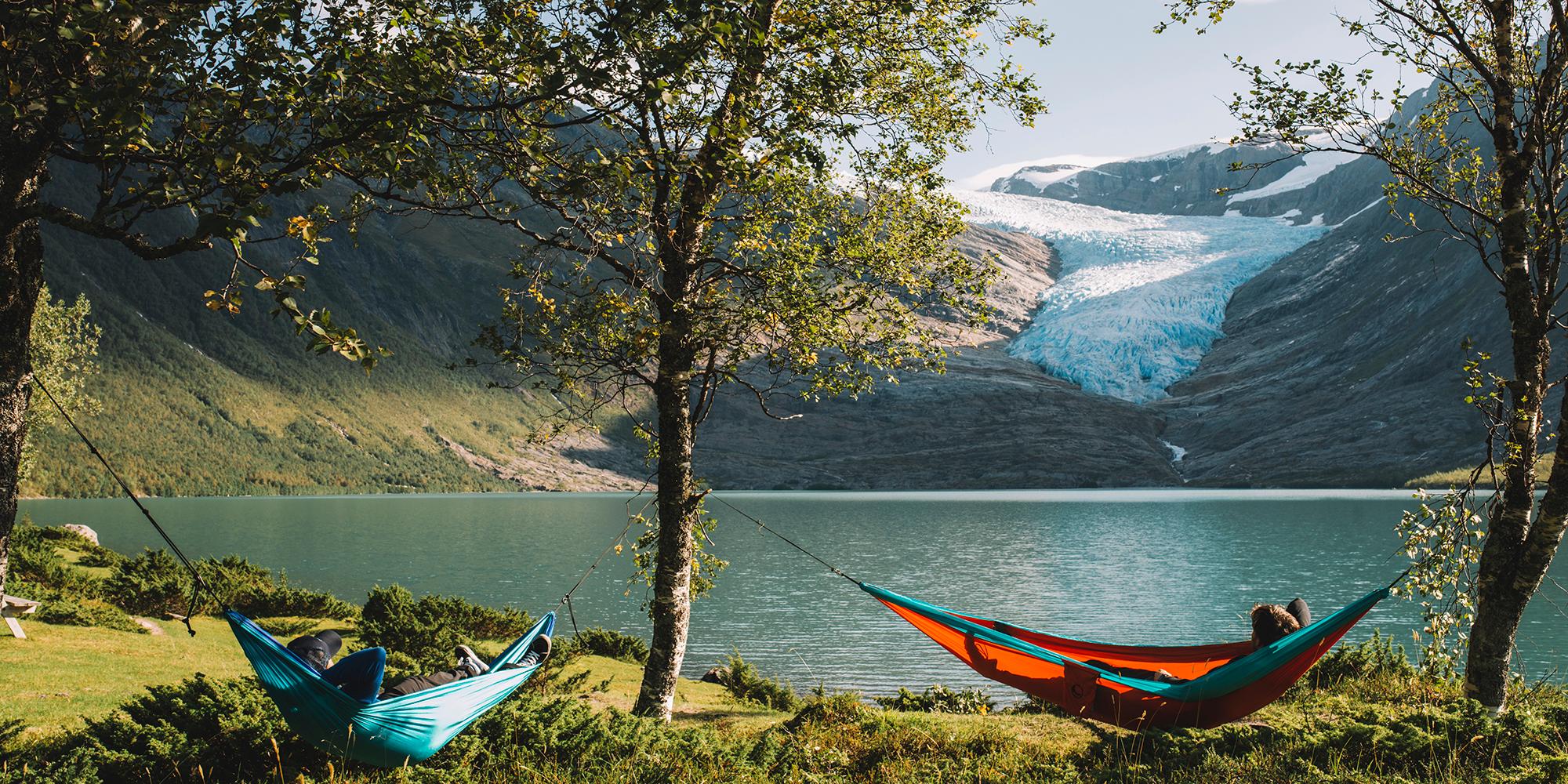
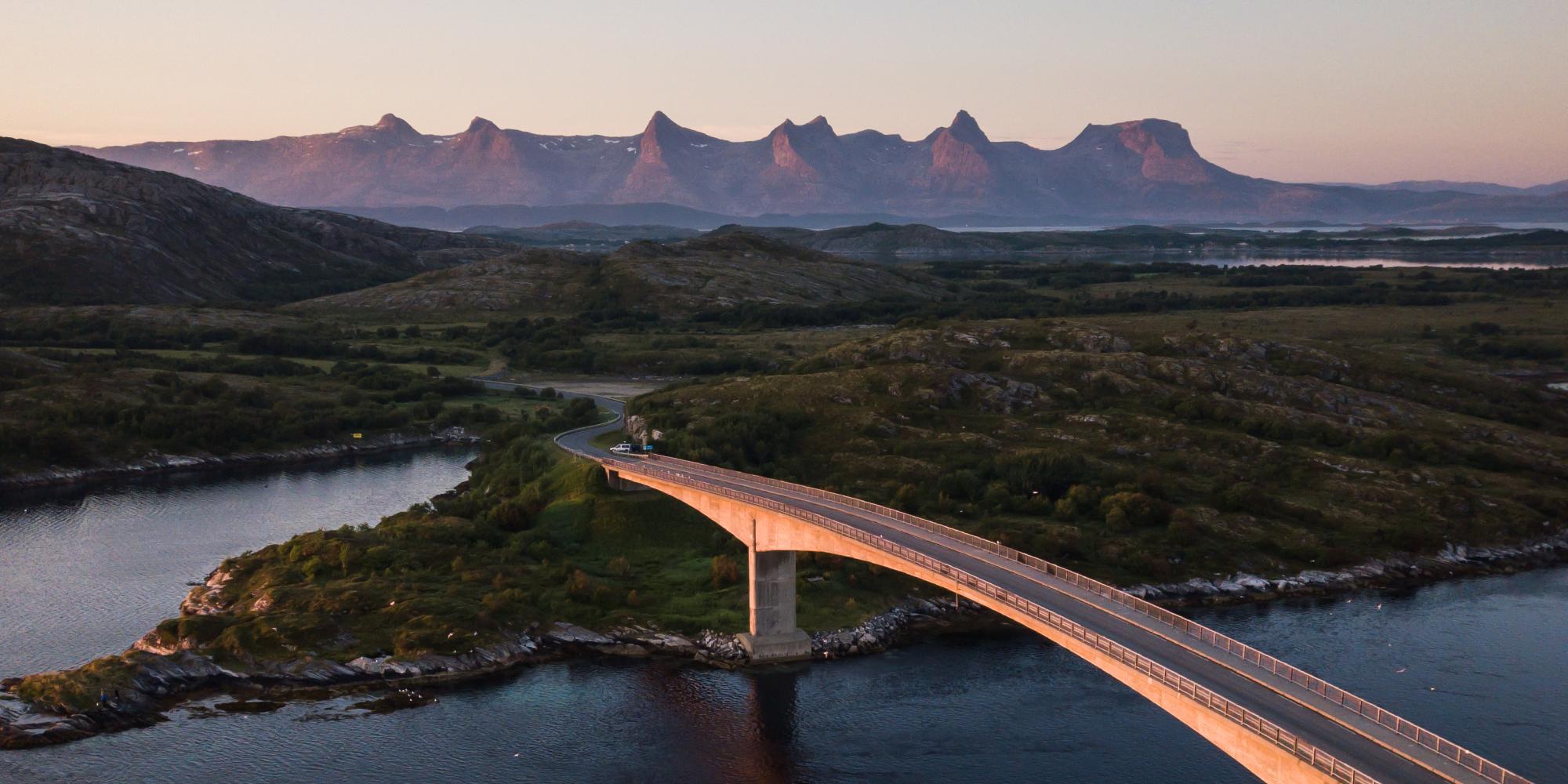
From here, you are just a scenic express boat ride away from more epic adventures in Arctic nature in places like Salten, Helgeland, Lofoten, and Narvik.
Are you ready for Bodø?
Travelling for a football match? Make sure to plan enough time to experience the whole city and the surrounding regions!
Take advantage of top offers
See our selection of trusted companies that work hard to make you happy all through your trip.
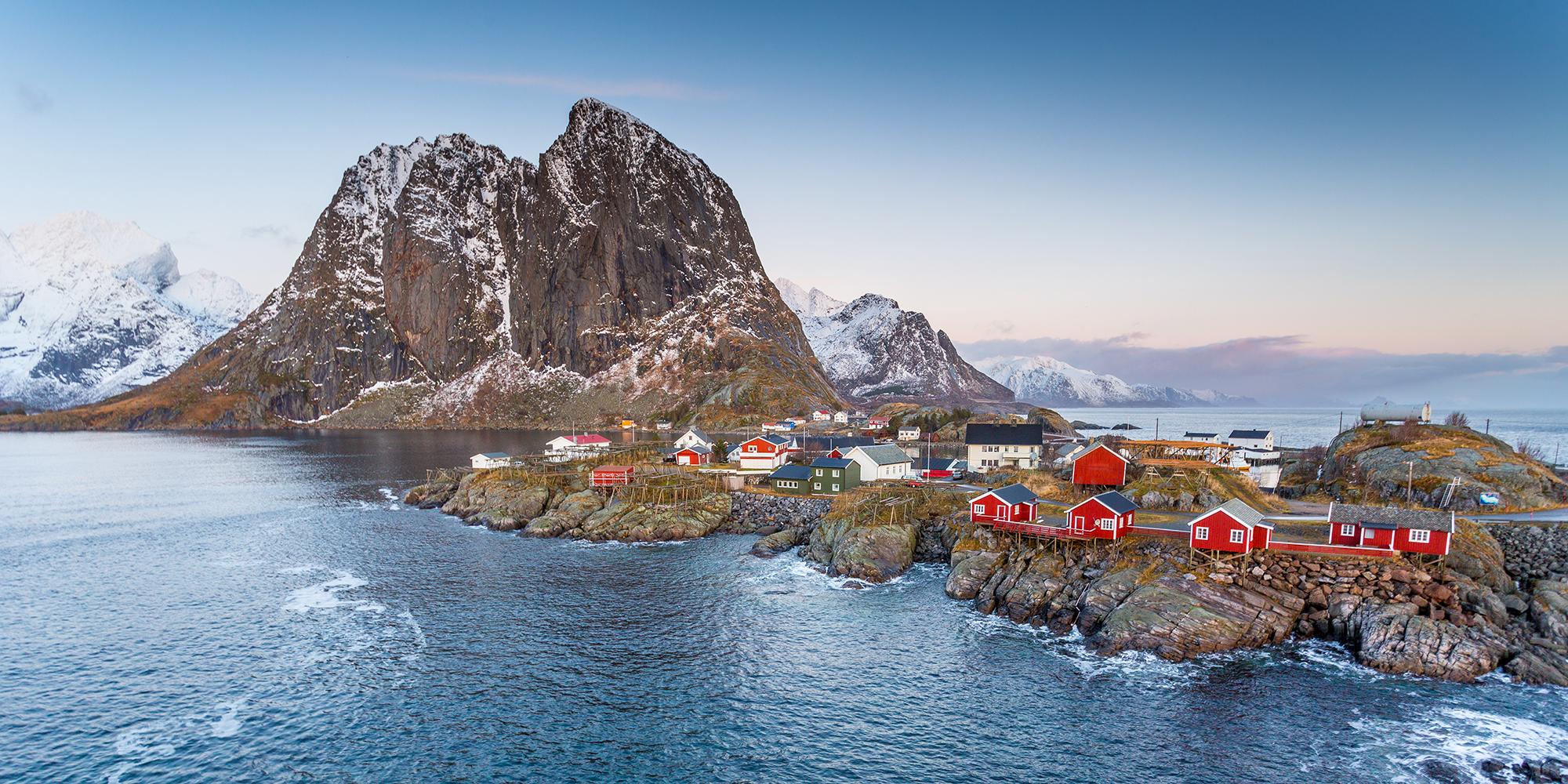
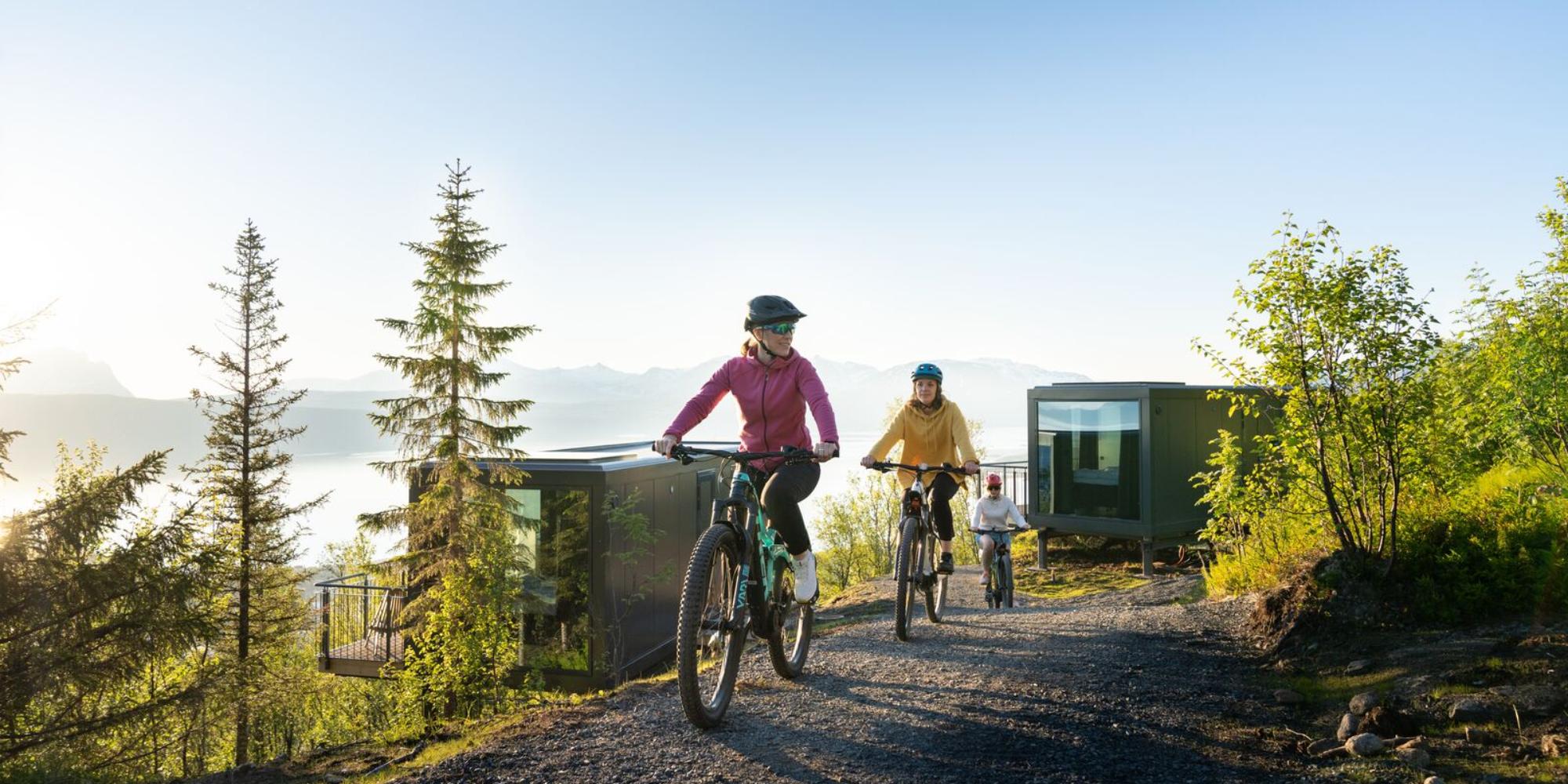
 Brim ExplorerQuiet fjord tours on award-winning electric catamarans in Oslo, Tromsø, Lofoten, and Svalbard.
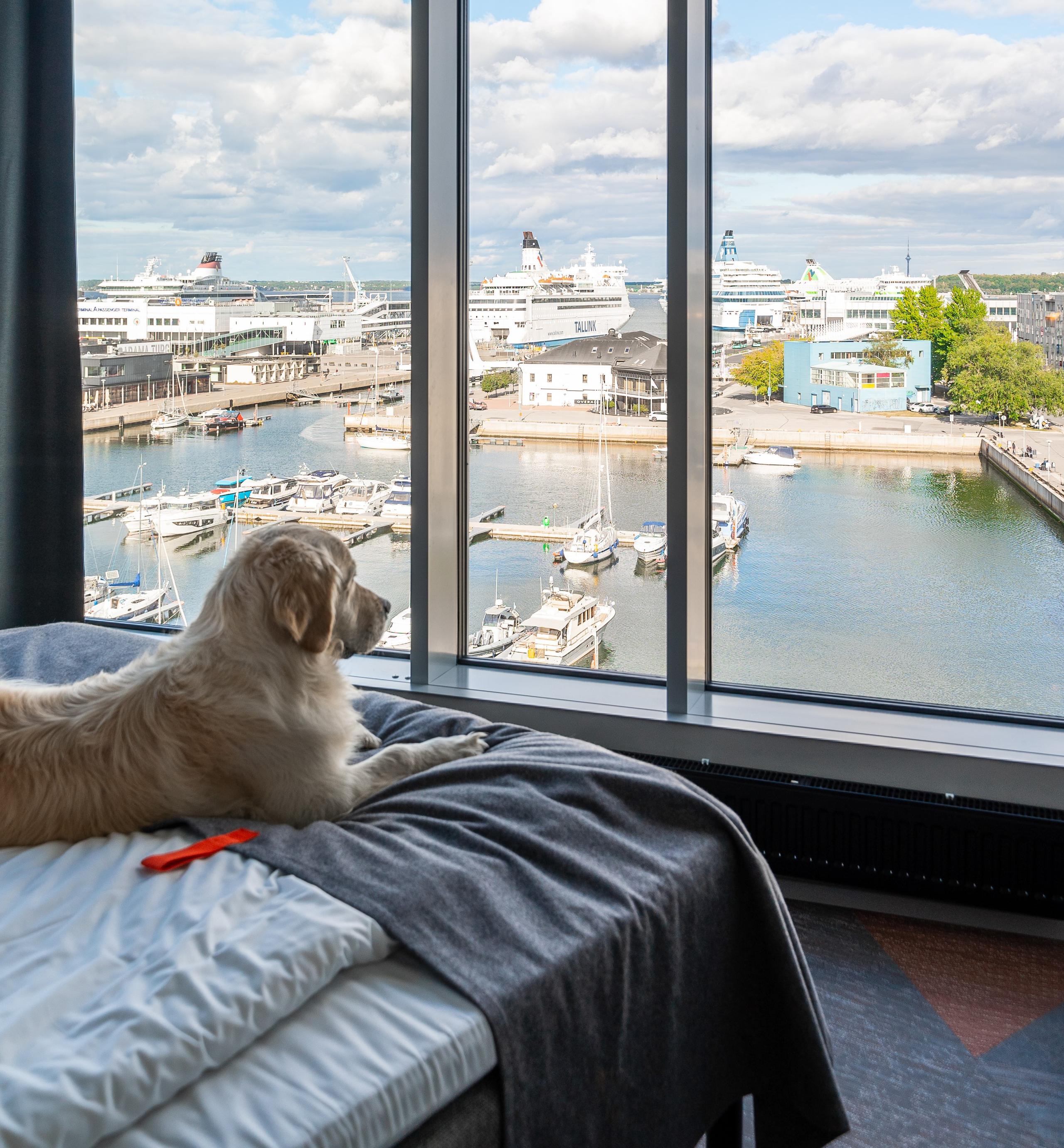 CityboxModern and affordable hotels in central locations in Oslo, Bergen, and Kristiansand.
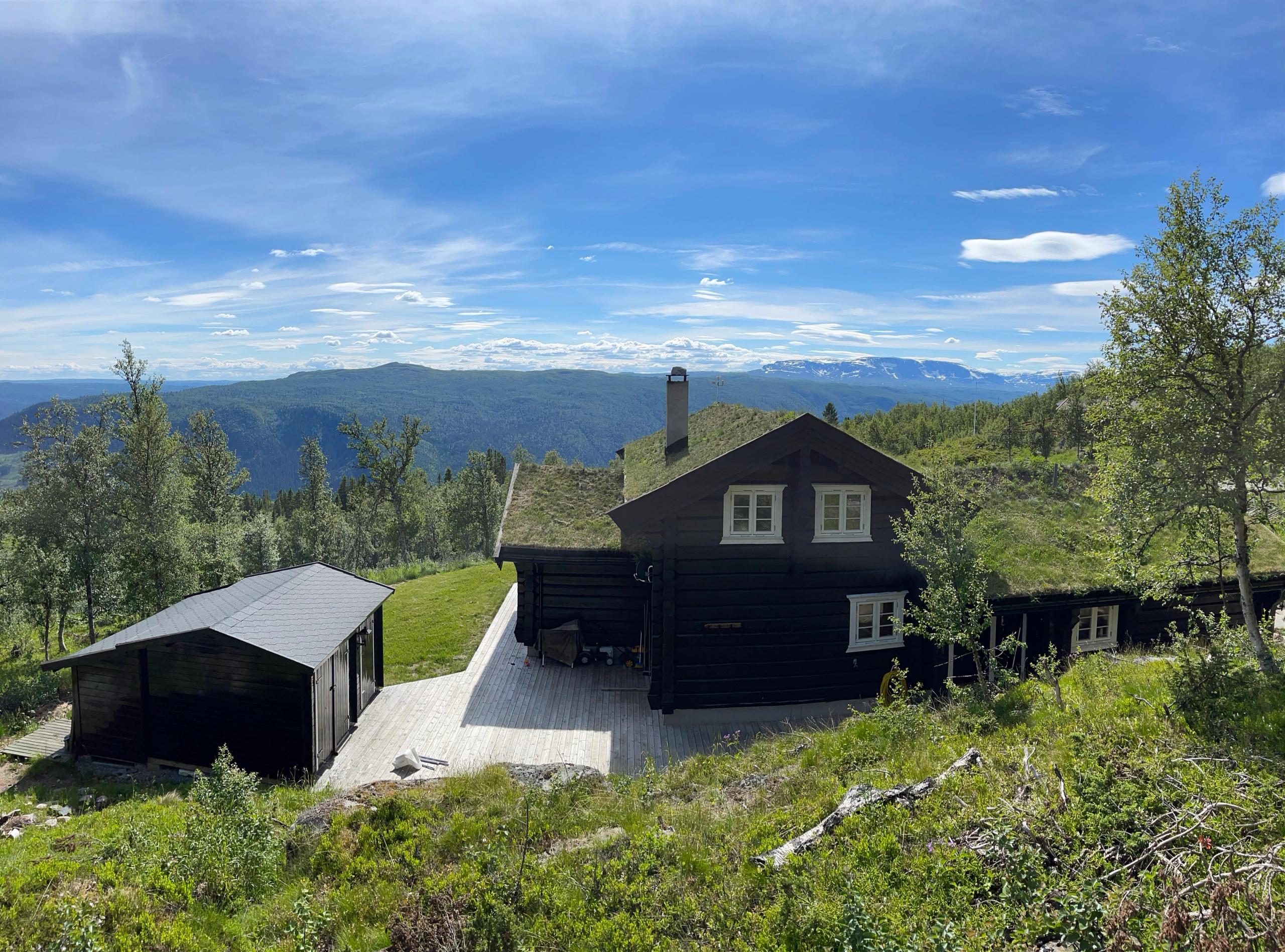 NorgesbookingBook your perfect cabin stay in the fjords, mountains, and valleys of Norway.
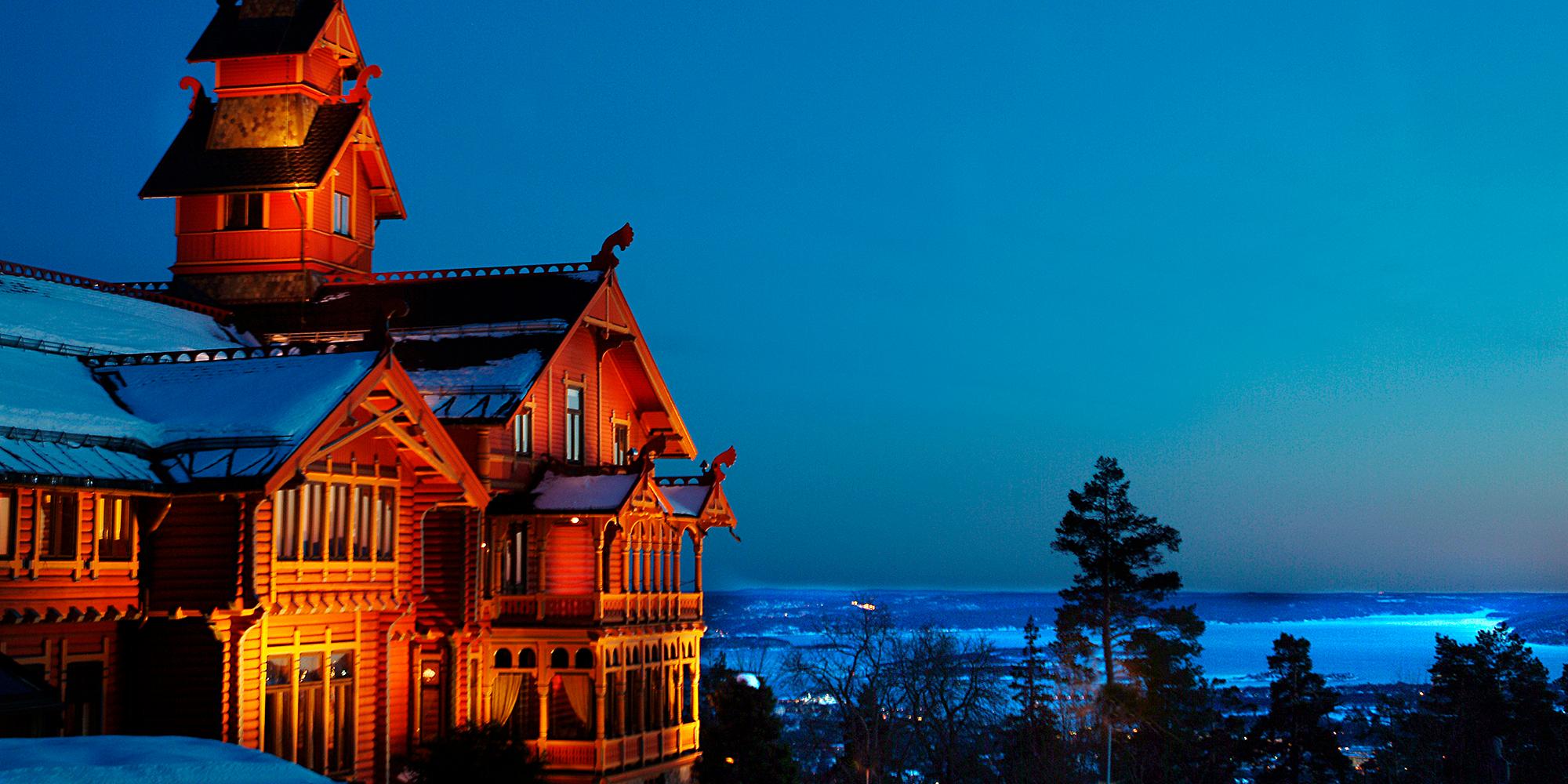 Scandic HotelsExperience Nordic hotel hospitality at its finest at more than 90 hotels across Norway. Special offers are available.
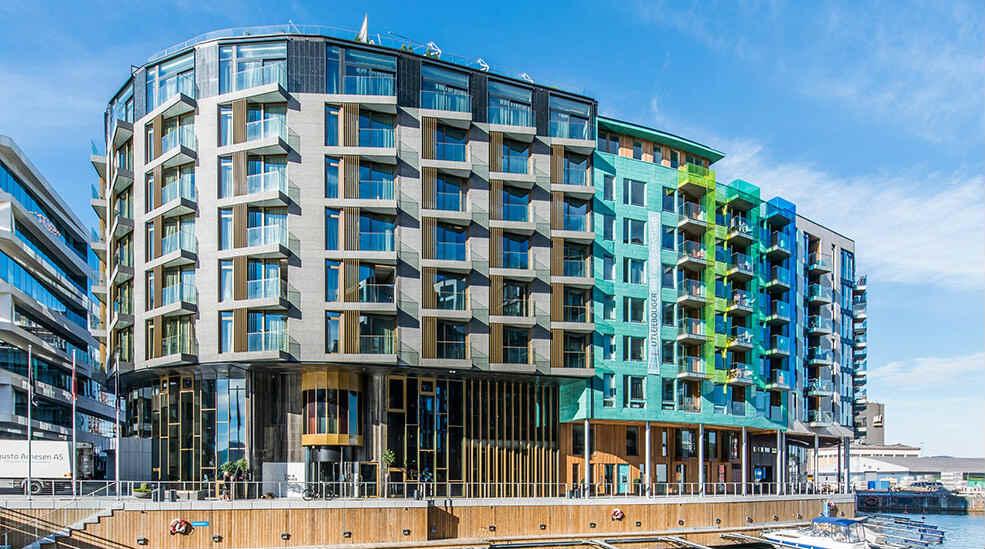 StrawberryA different hotel company! Look out for great weekend deals at more than 100 hotels in Norway.
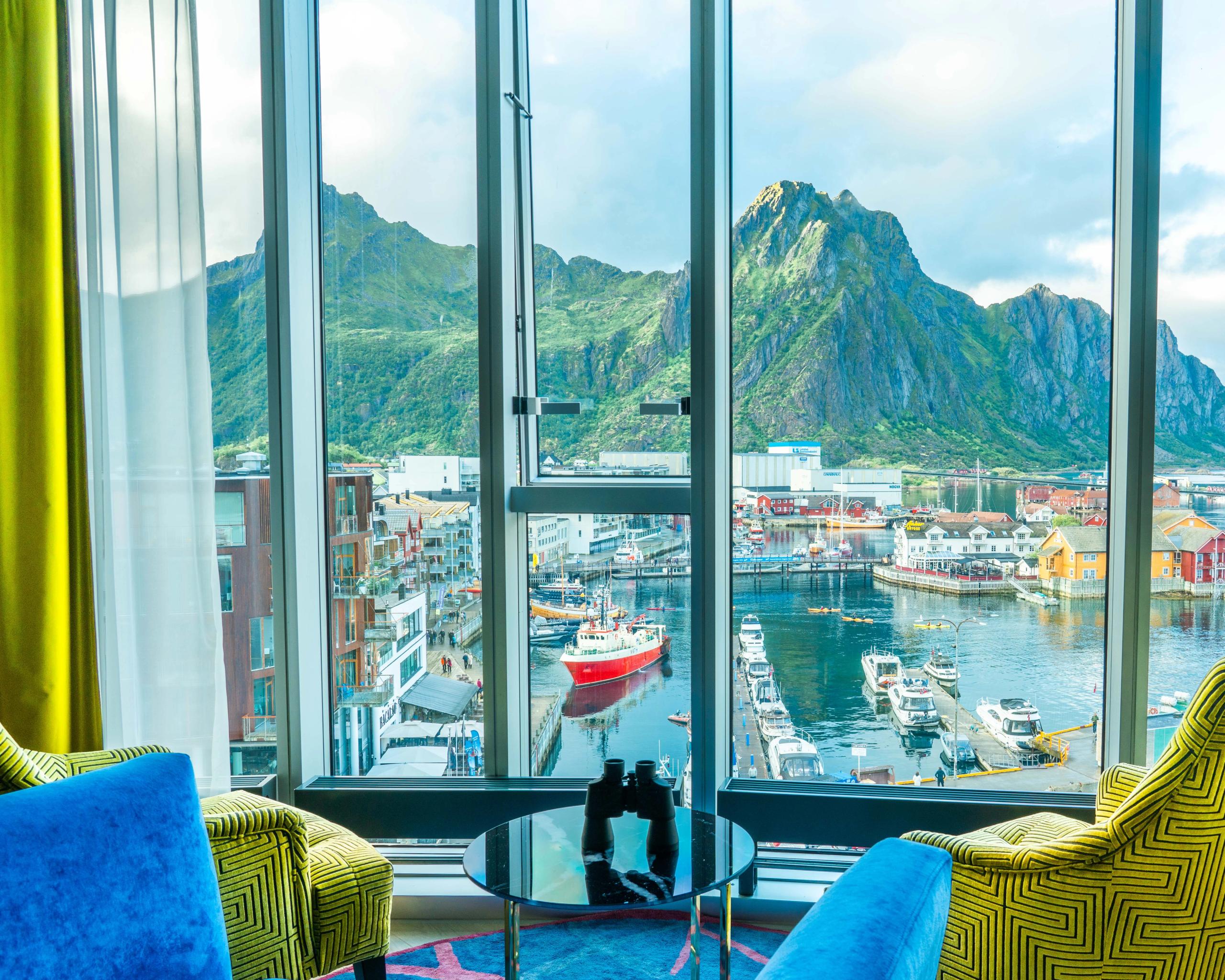 Thon Hotels ASFantastic breakfast included! Experience true comfort and reasonable rates at our 80 hotels in Norway.
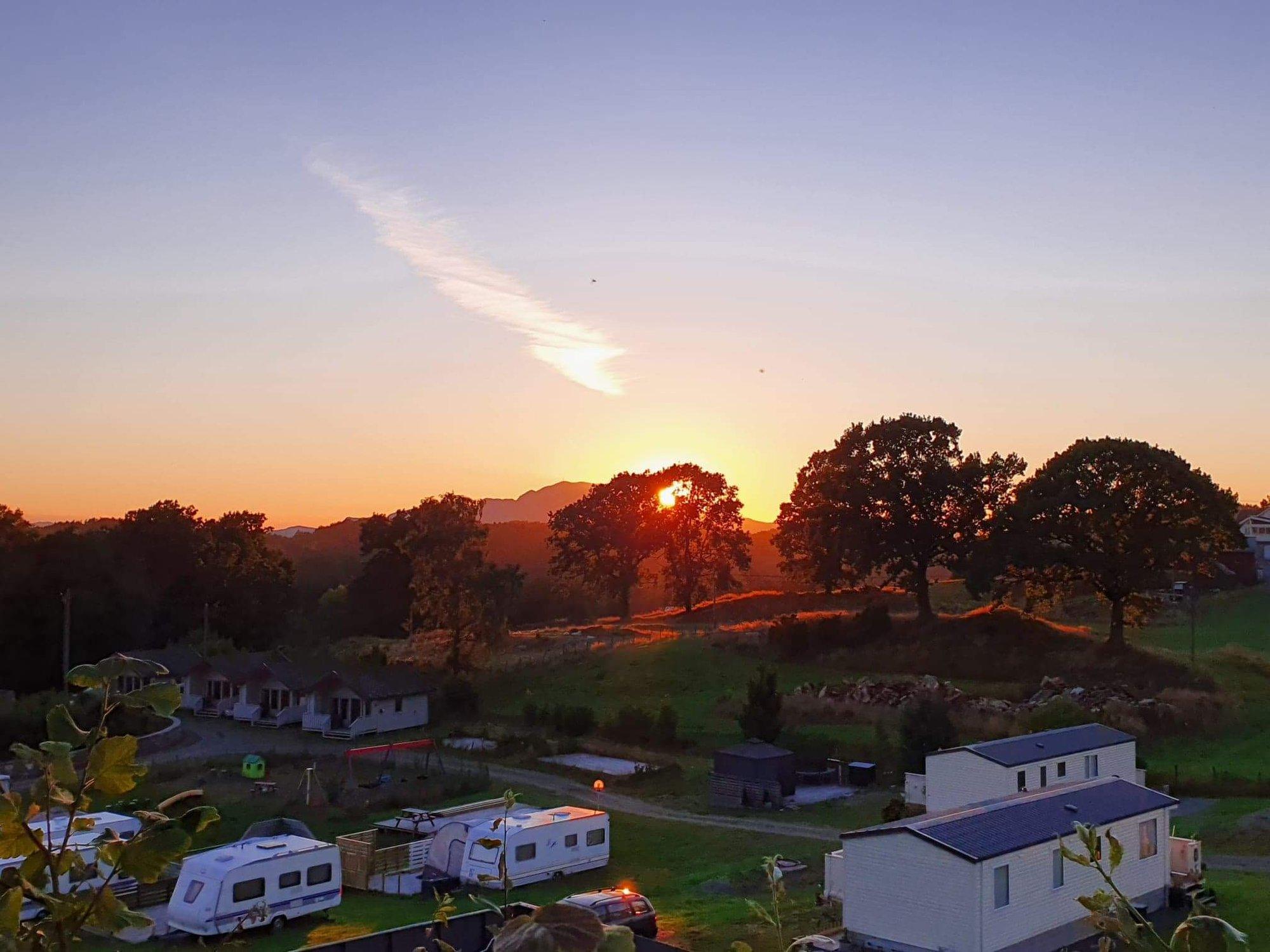 CampcationBook a camping stay in stunning and unique locations all across Norway with Campcation.
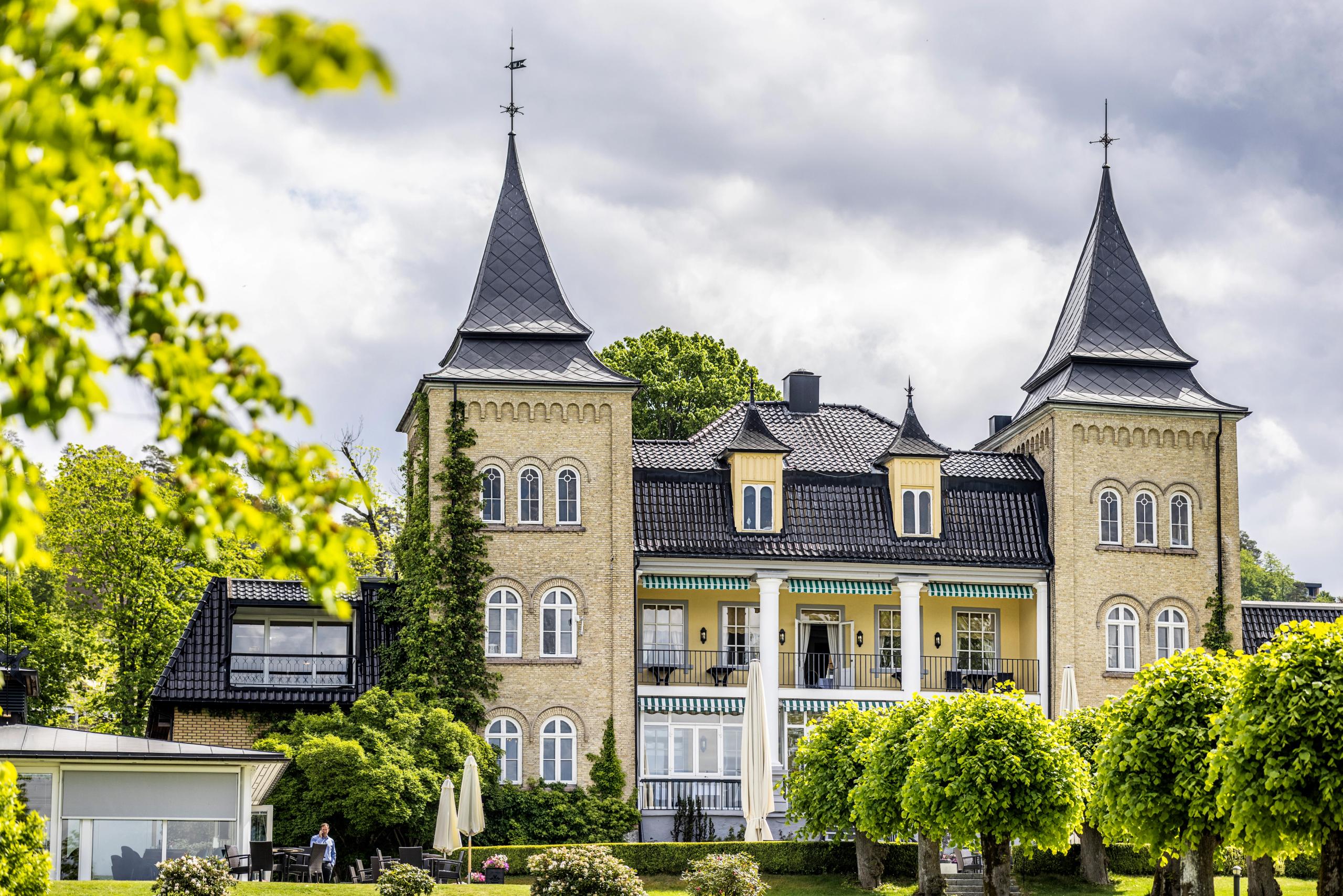 Classic Norway HotelsWhen the hotel is the destination. Book a night to remember in one of Norway's most unique and distinctive hotels.
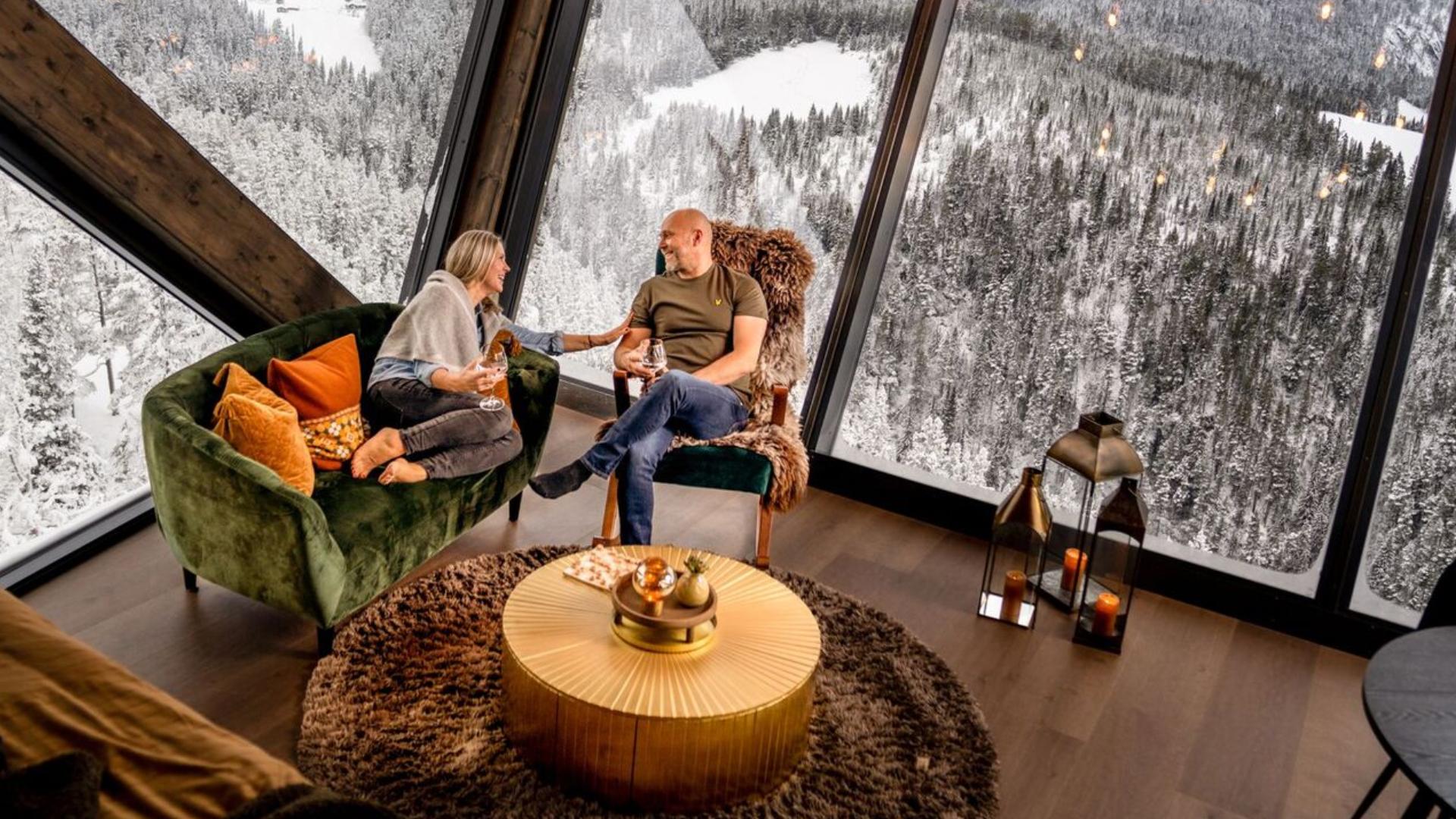 50 Degrees North NordicChoose between unforgettable tailormade individual trips and small, exclusive group tours of Norway.
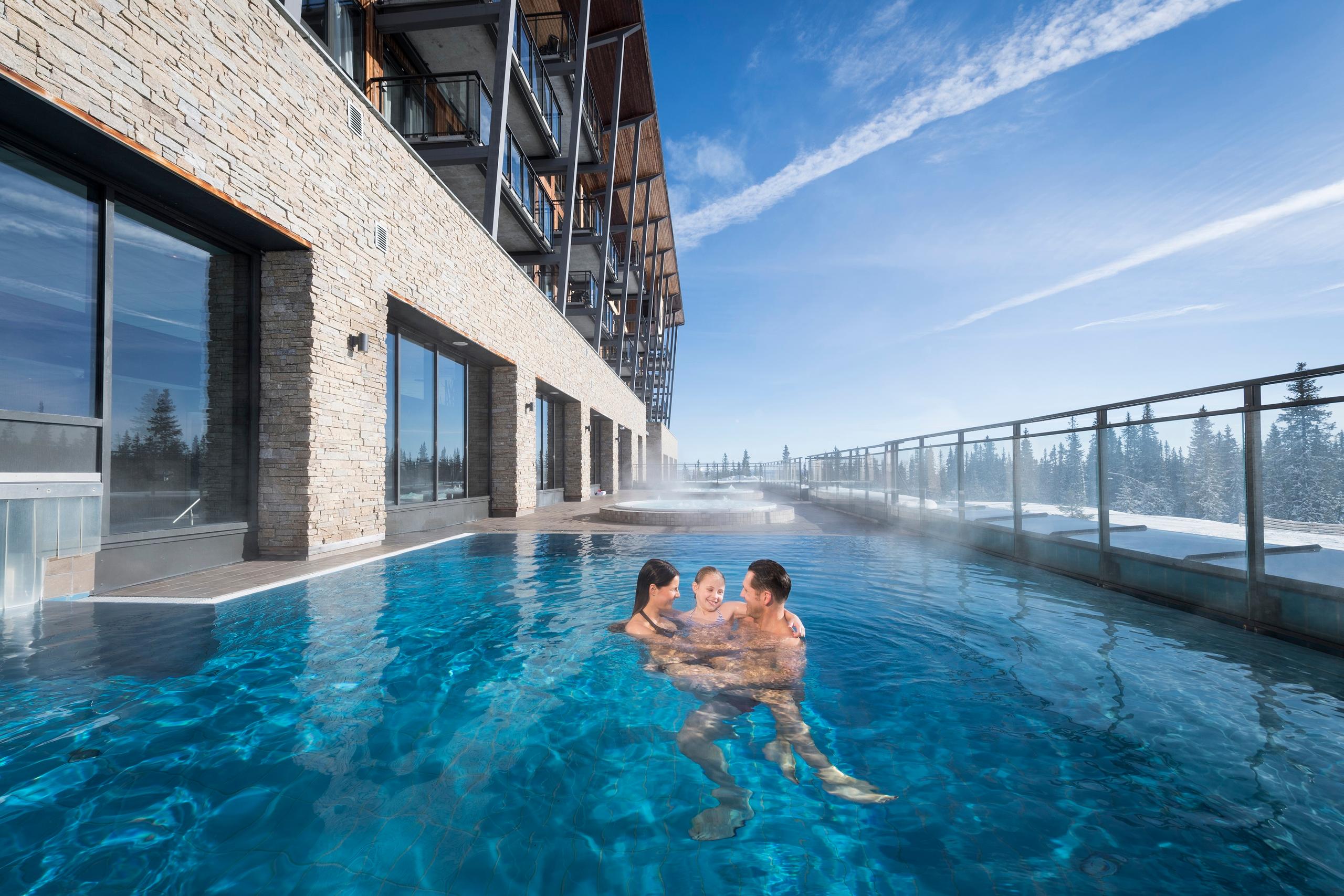 Radisson HotelsGreat value offers and comfortable quality stays in Norway´s major cities, airports, and ski resorts.
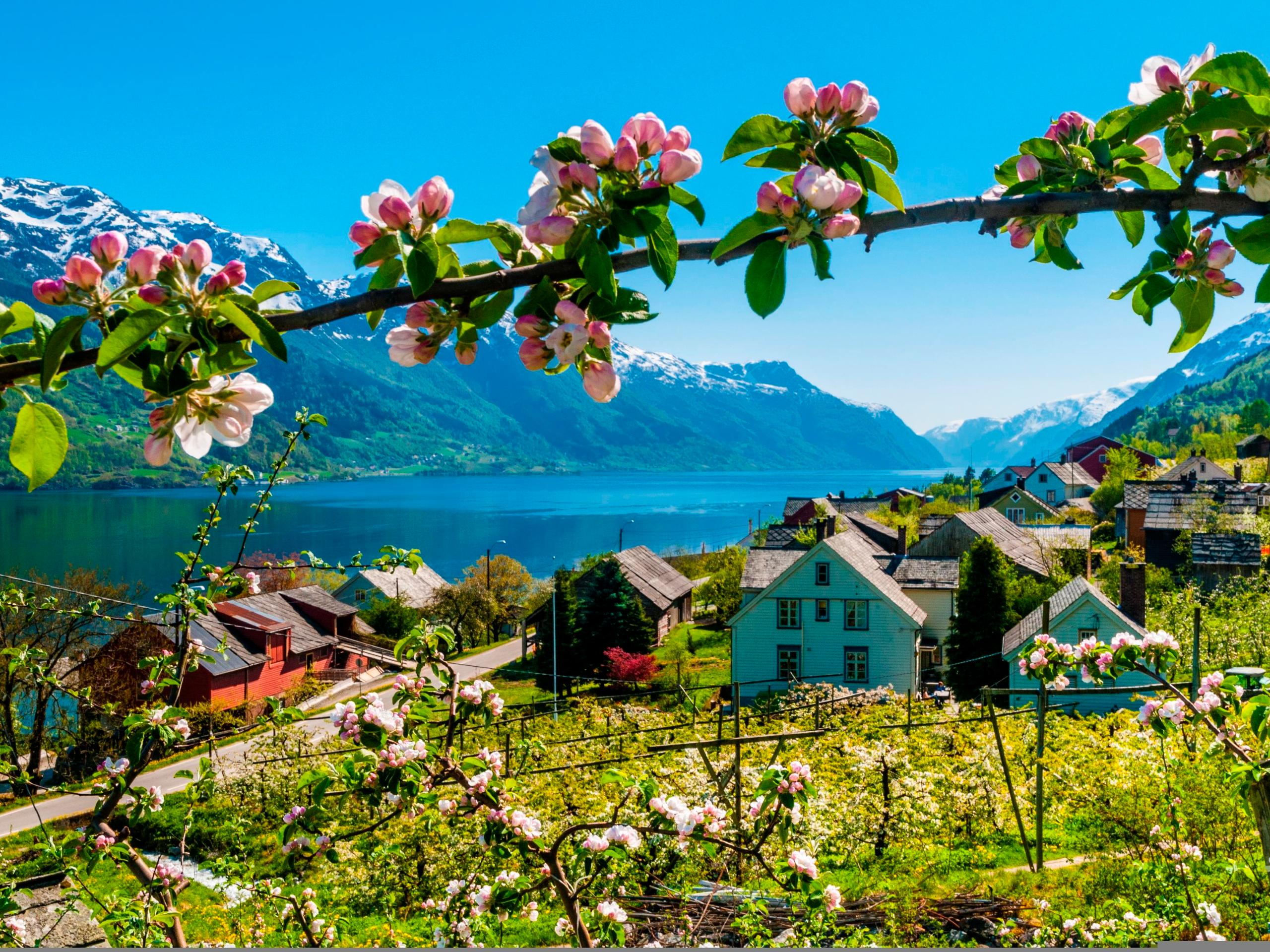 Authentic ScandinaviaTravel curated by locals. Our tailormade tours suit every type of traveller and budget.
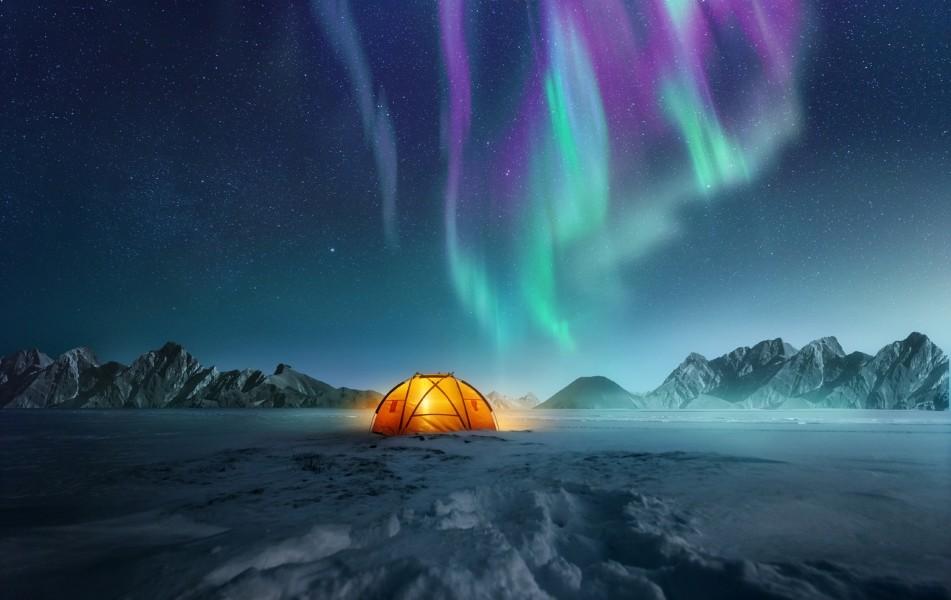 Booknordics.comUnique holiday packages, adventure hotels, tours, and activities.
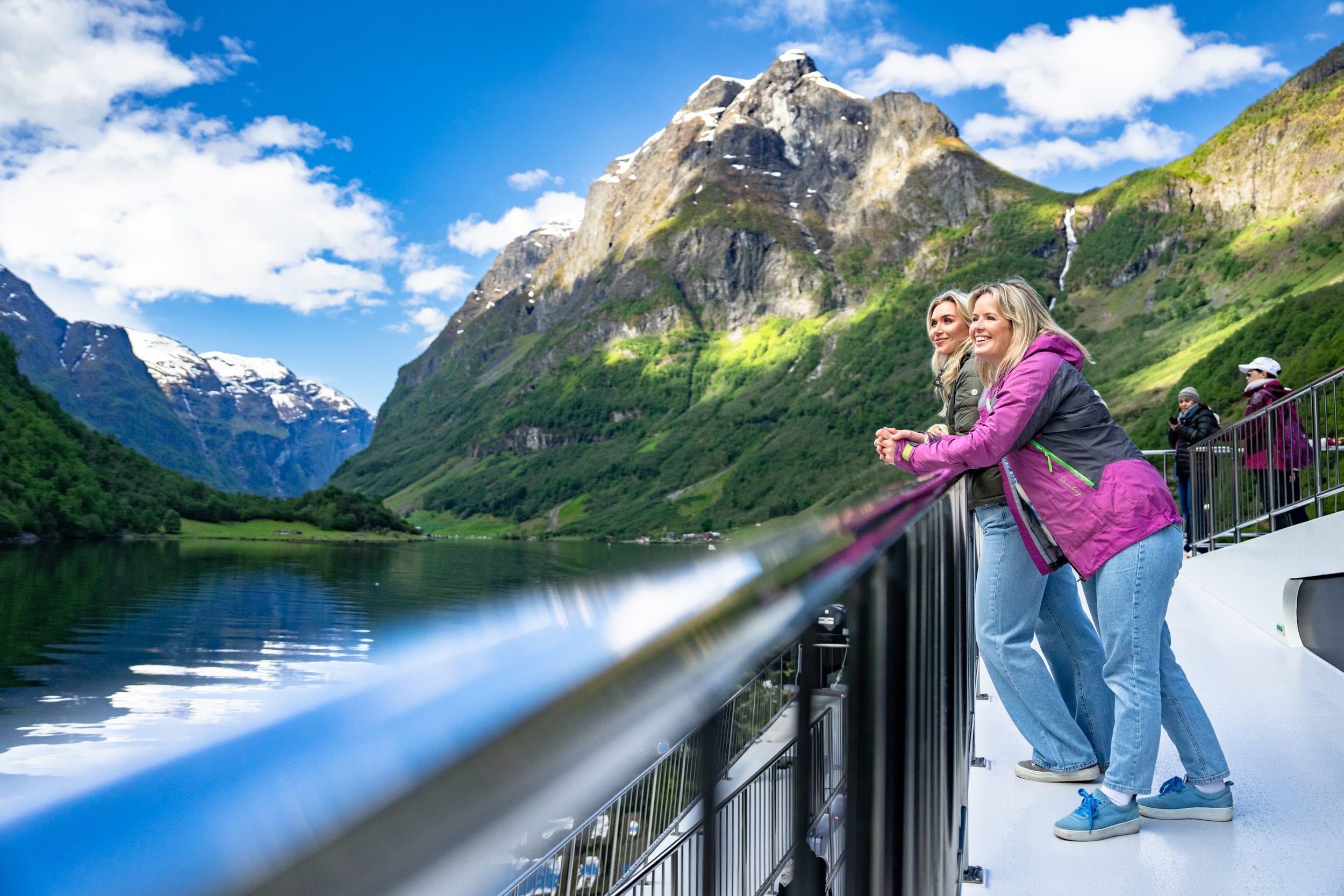 Fjord ToursHome of Norway in a Nutshell, Norway's most popular tour. Fjords, mountains, and stunning destinations — all in one trip!
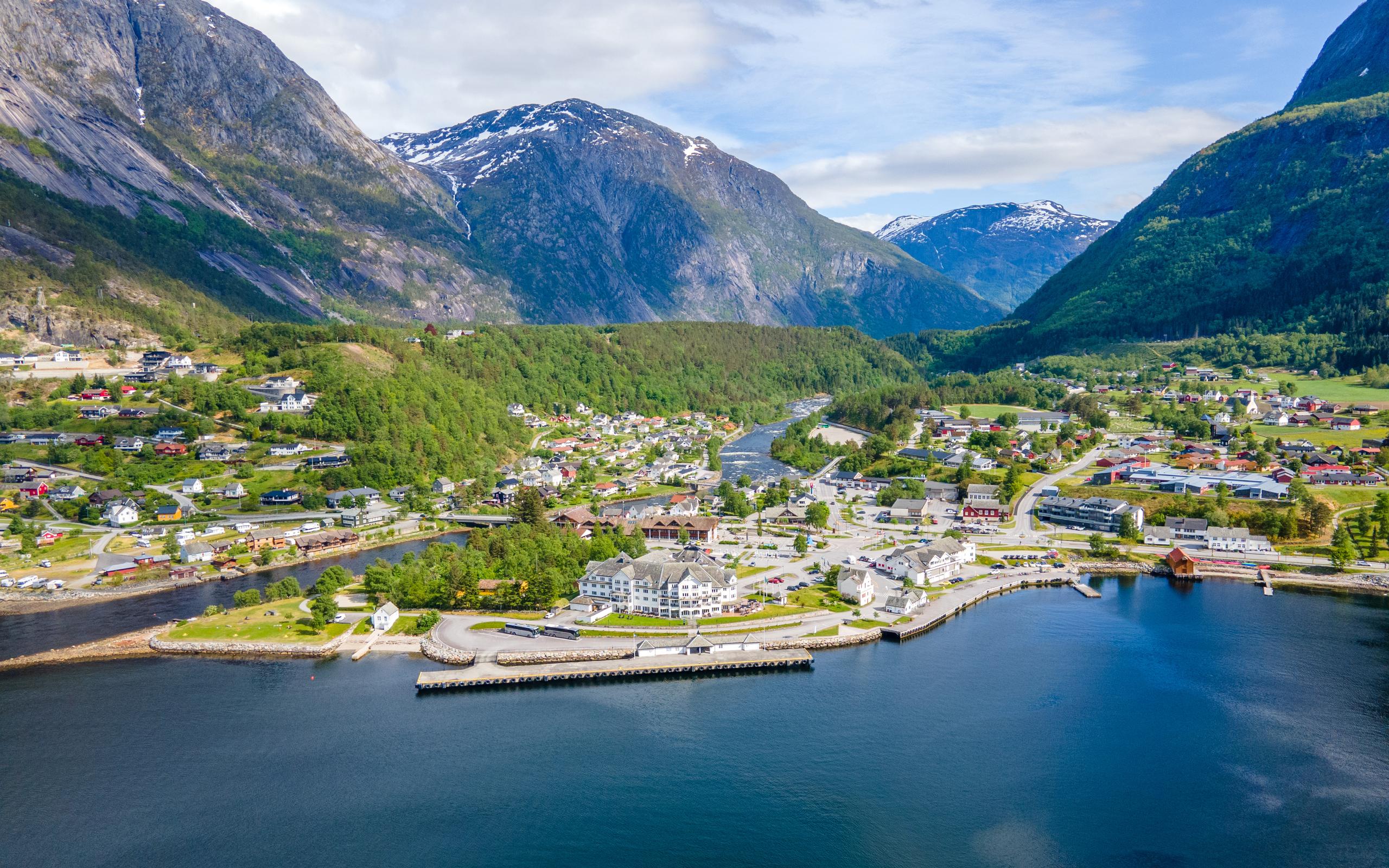 Go FjordsBook fantastic tours and experiences! We offer tours in Oslo, Bergen, Stavanger, Lofoten, the North Cape, and more.
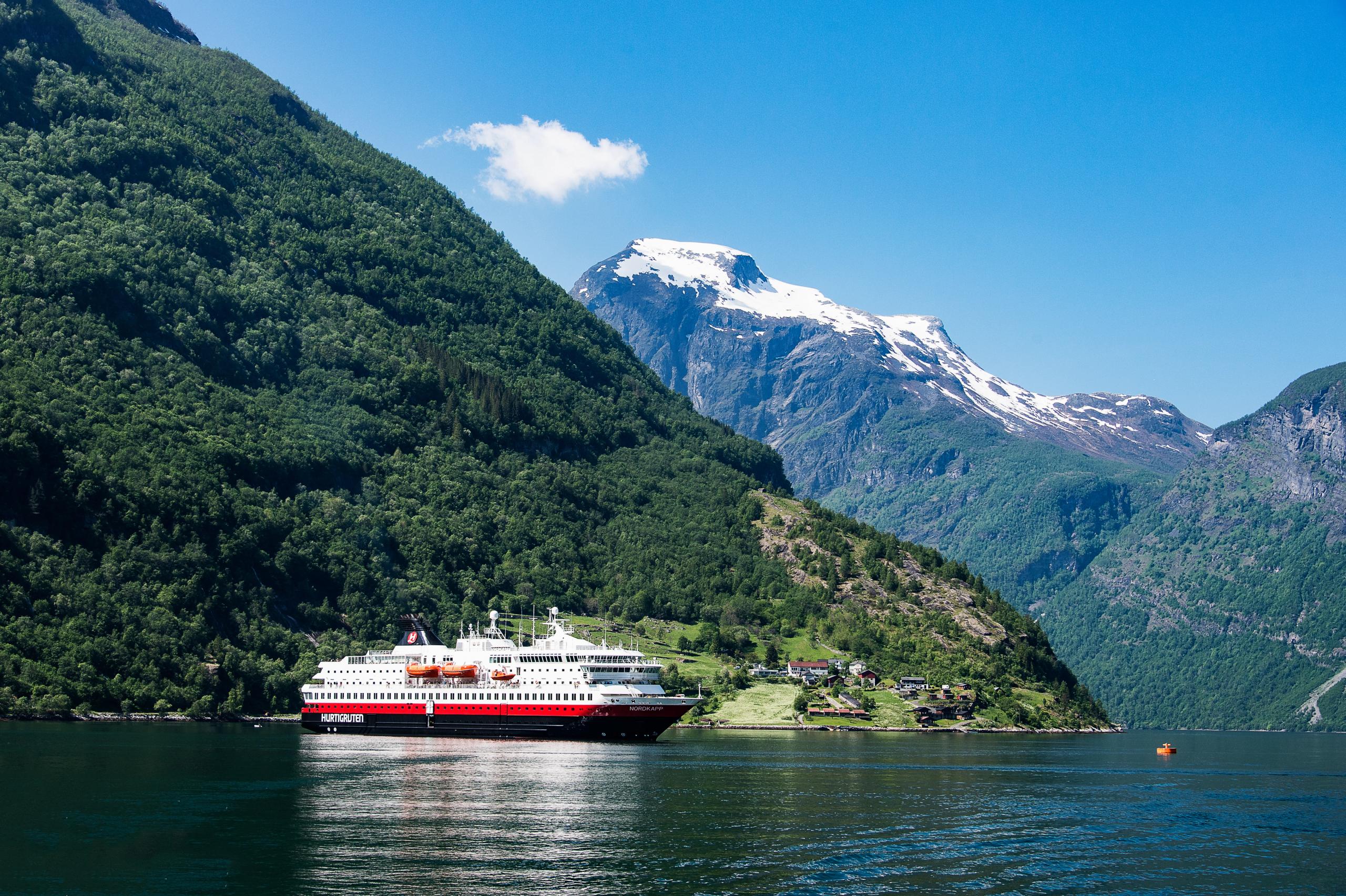 HurtigrutenExperience the world's most beautiful sea voyage on an unforgettable cruise along the stunning Norwegian coast.
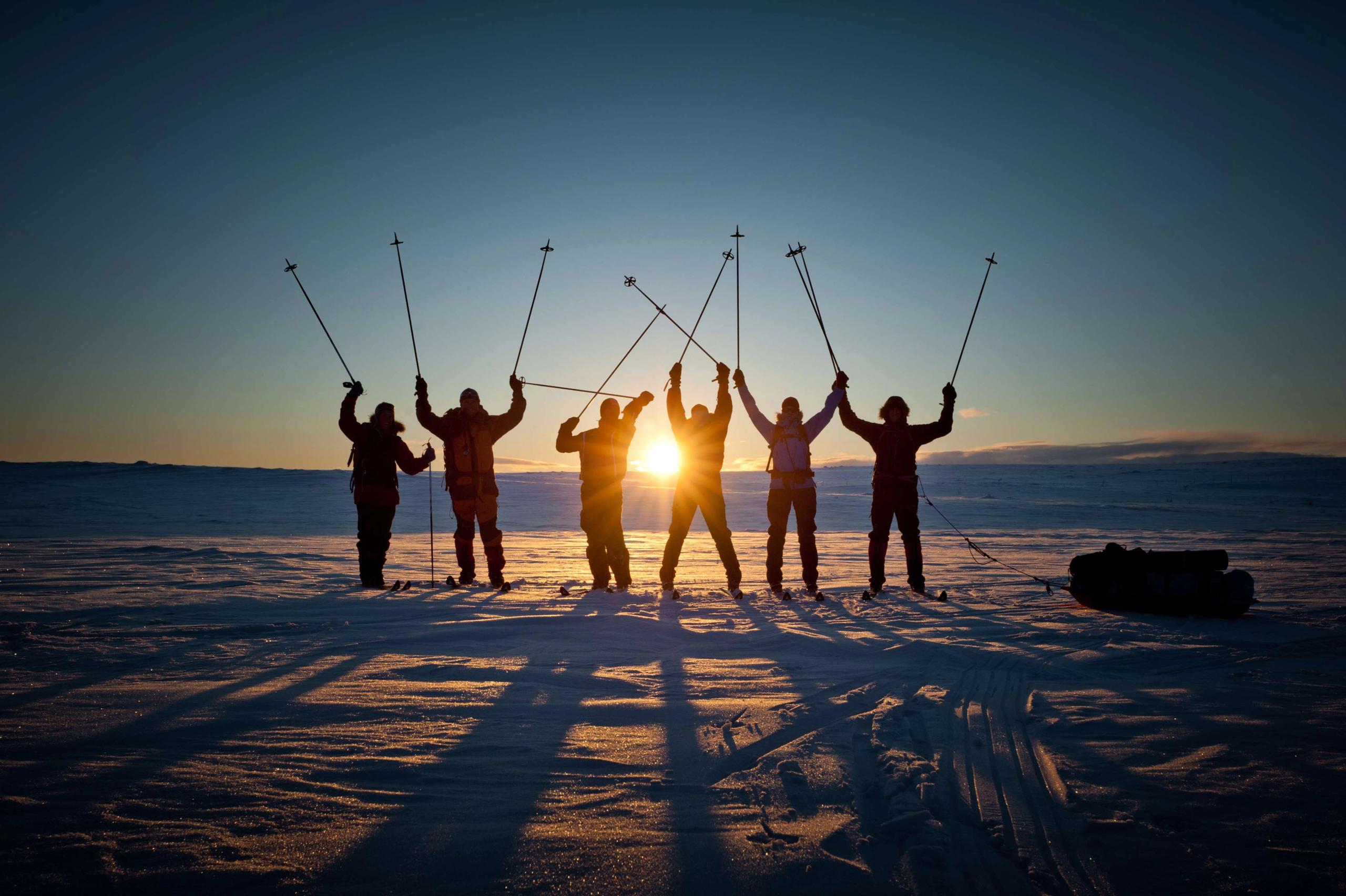 Norrøna AdventureGet ready for expeditions and adventure holidays with Norrøna Adventure. Hiking, skiing, and biking trips.
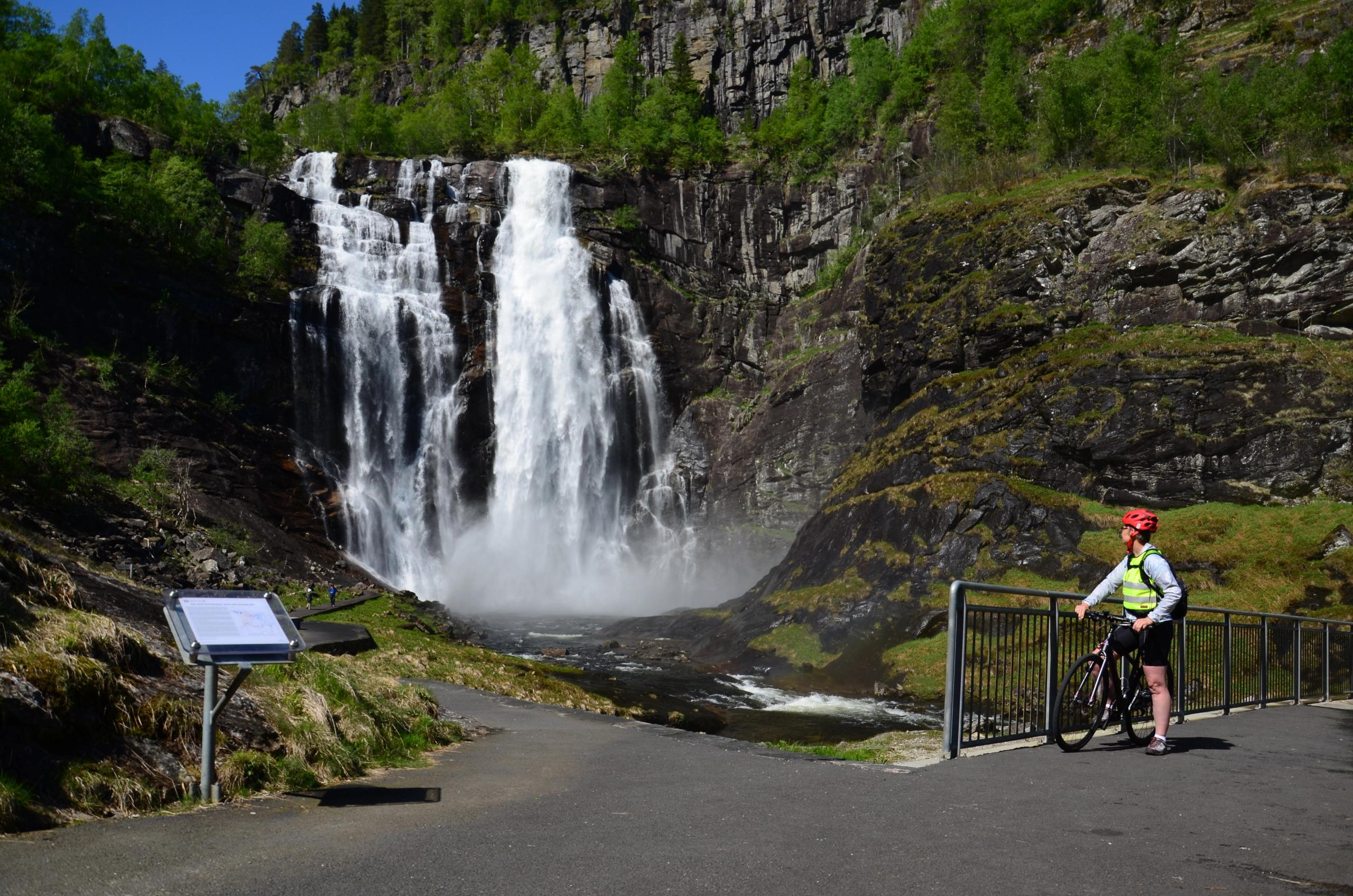 Discover NorwayOffers a range of exciting self-guided hiking, biking, and skiing holidays in Norway. Luggage transfer included.
 Norwegian HolidaysLow-price package holidays with Norwegian. Book your flight, hotel, and rental car all in one place.
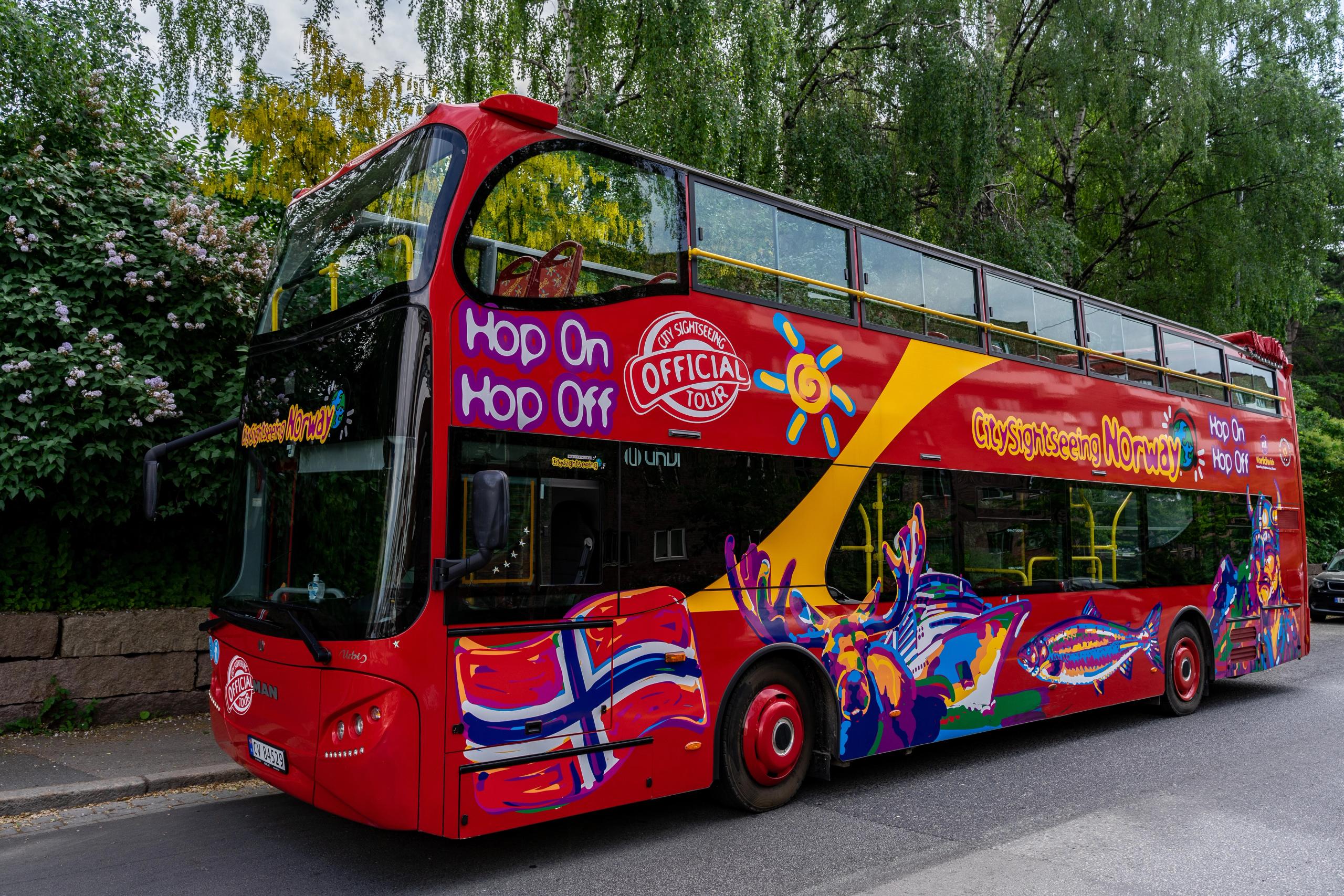 StrömmaSightseeing by bus and boat in several major tourist spots and cities in Norway.
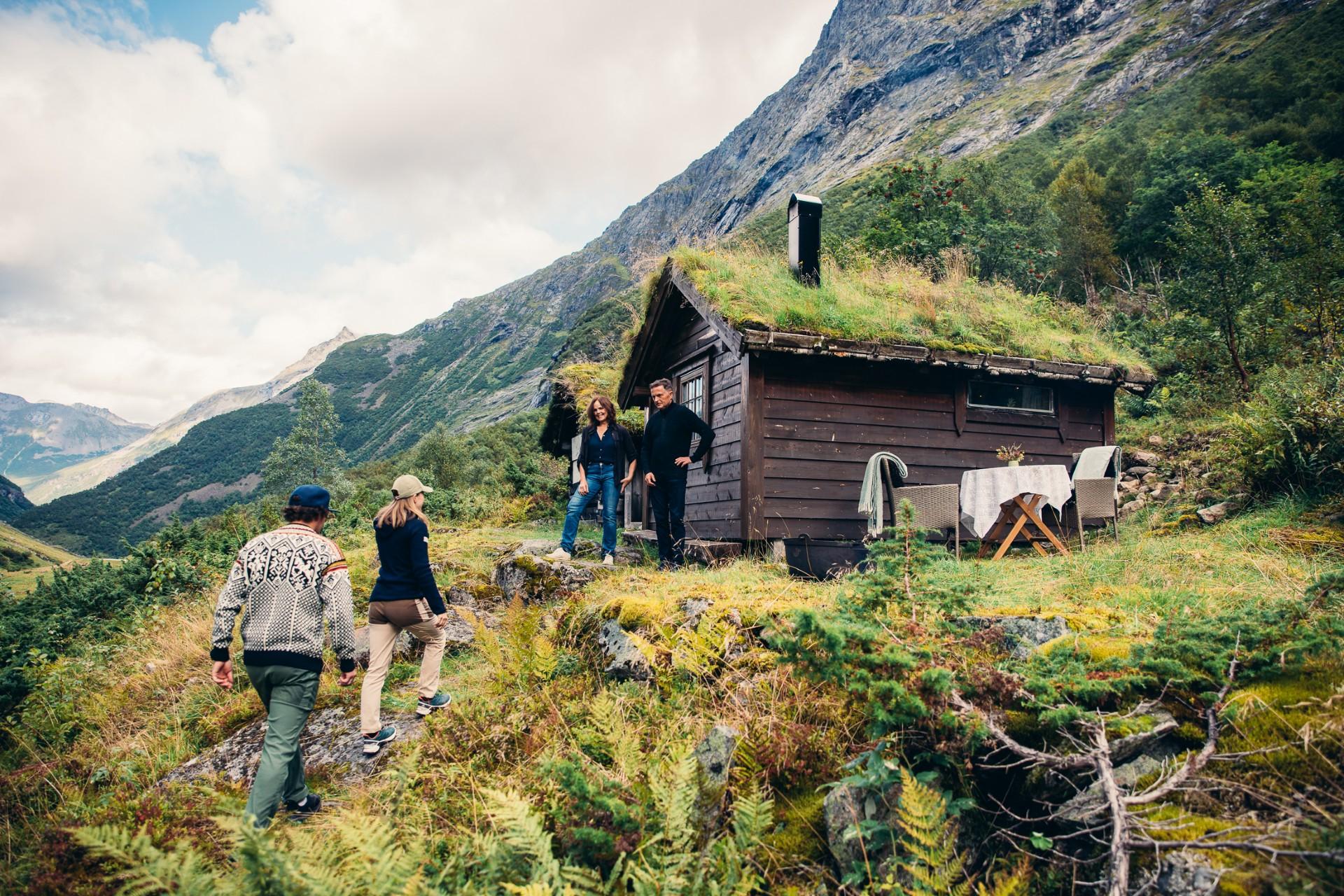 Up NorwayBespoke luxury hand-picked by local experts. We combine your preferences and our knowledge to make an unforgettable journey.
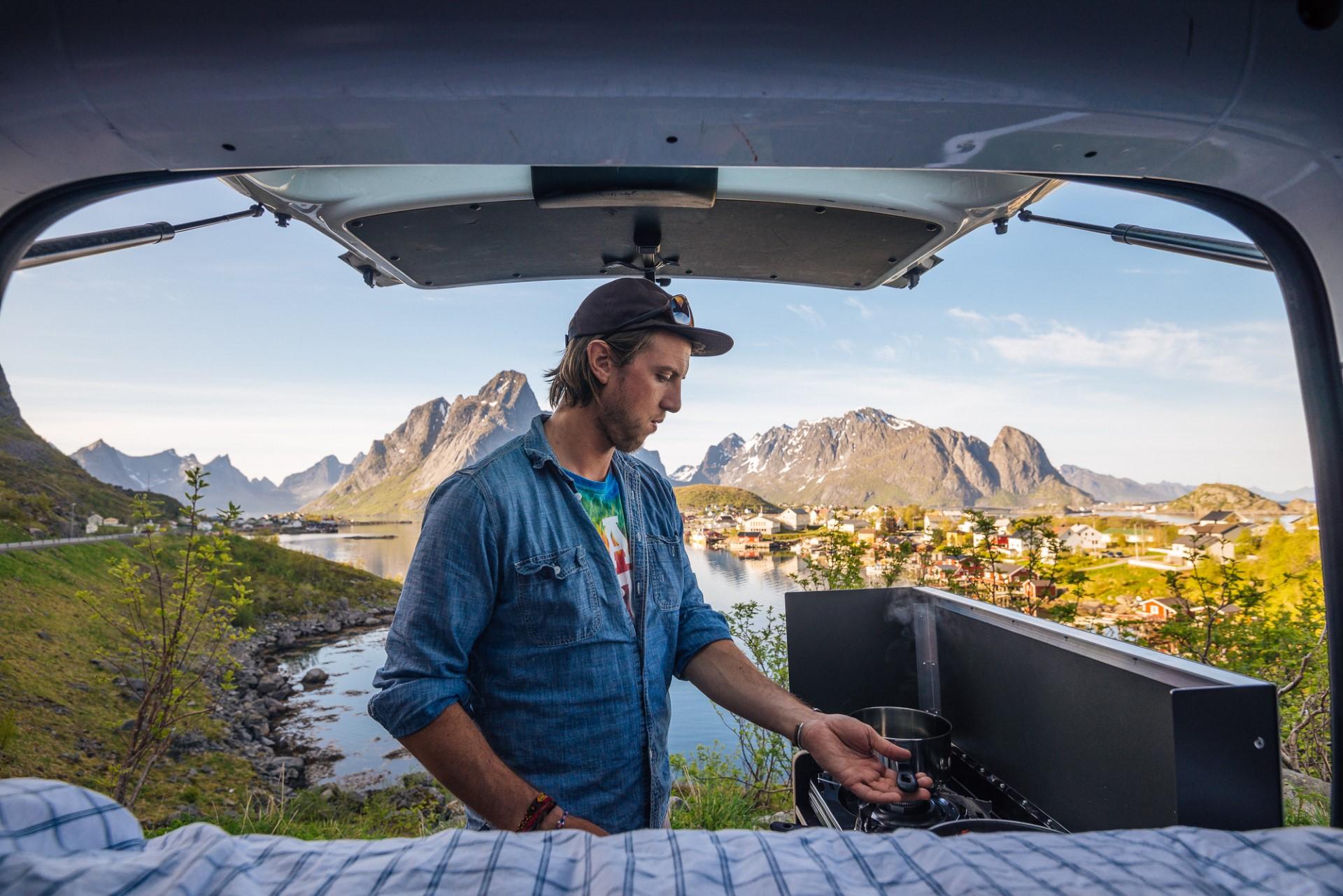 Arctic Campers ASDo you want to try van life? Explore Norway in comfort and style with our smart and cosy campervans.
 Auto EuropeAlways a smooth car rental experience. Search and compare rental rates. Free cancellation up to 24 hours prior to pick-up.
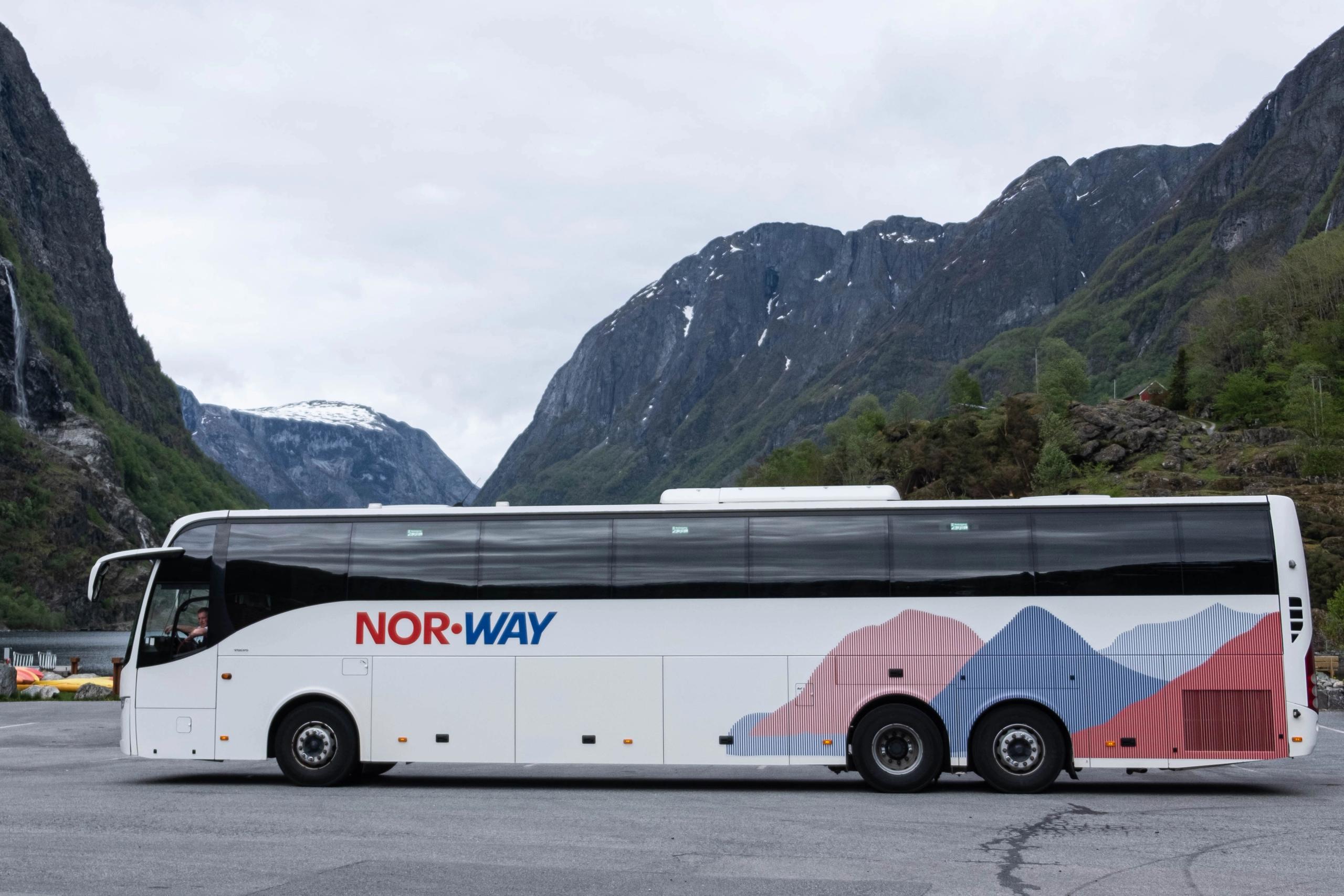 NOR-WAY BussekspressEnjoy scenic views on comfortable bus trips to the fjords and from city to city with our express buses.
 Rent-A-Wreck of Scandinavia ASThe smart and affordable car rental alternative.
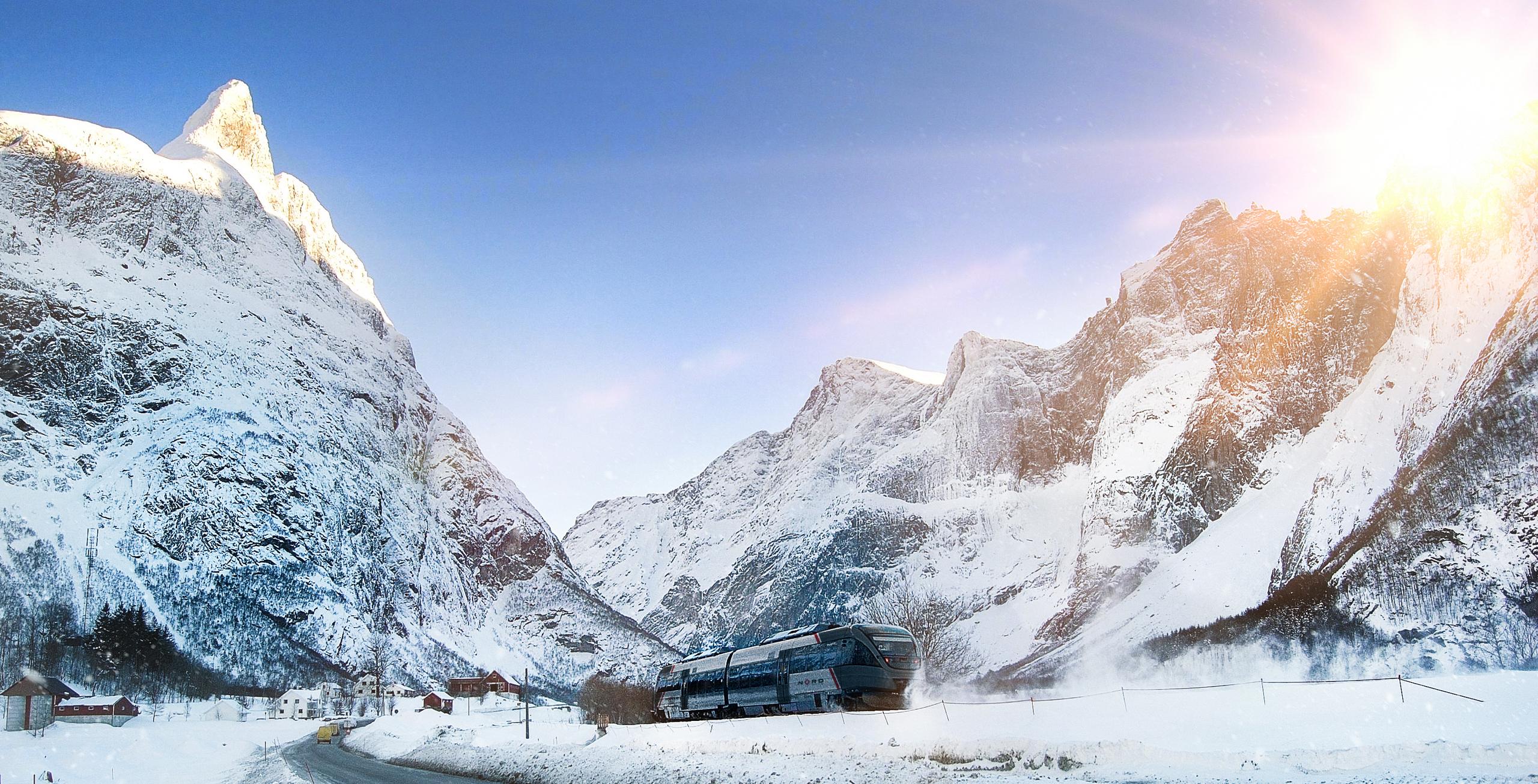 SJ NordSJ NORD - the adventure starts on the train
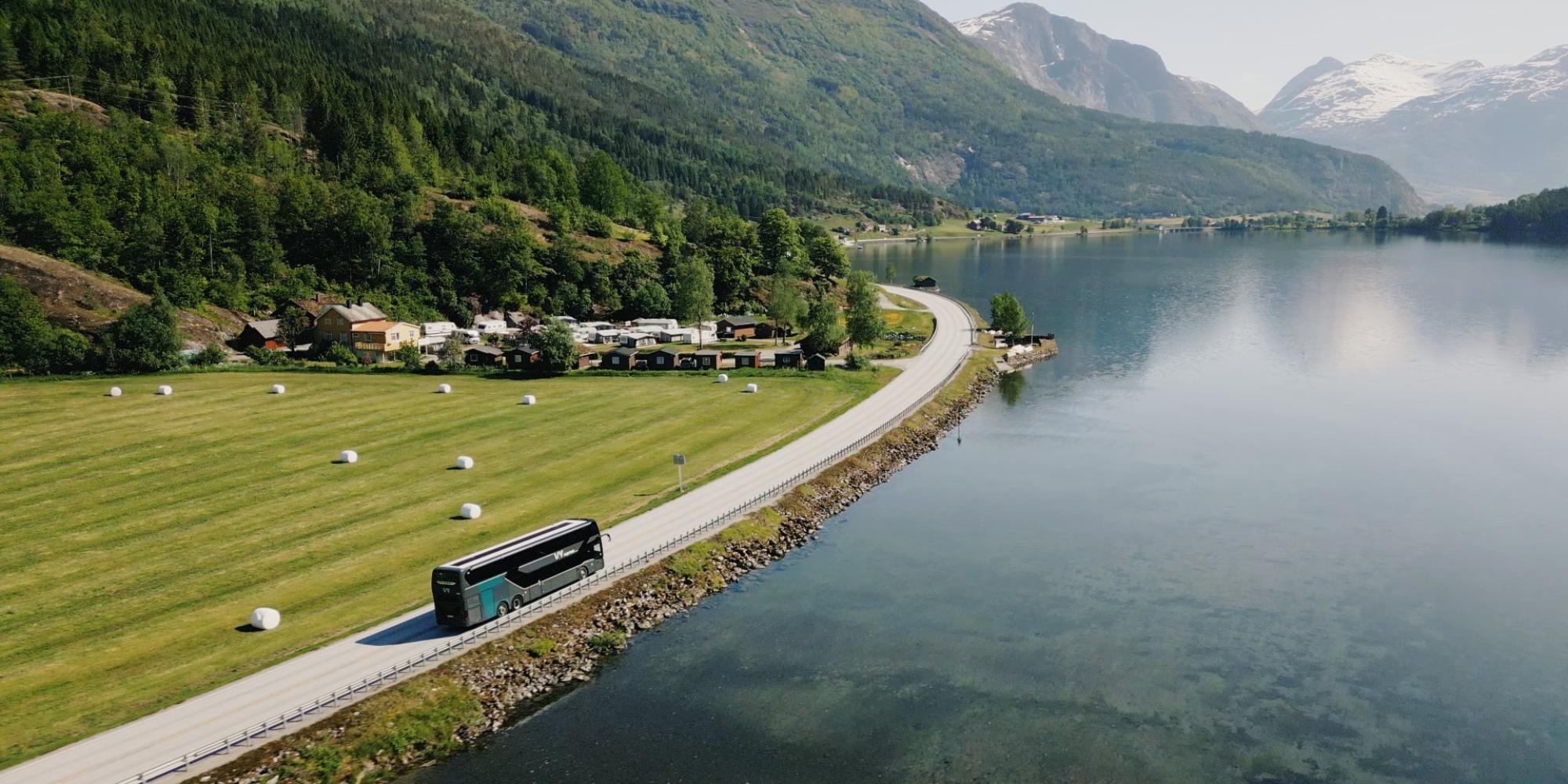 Vy expressDiscover Norway on comfortable express buses that take you between major cities, mountains, and fjords.
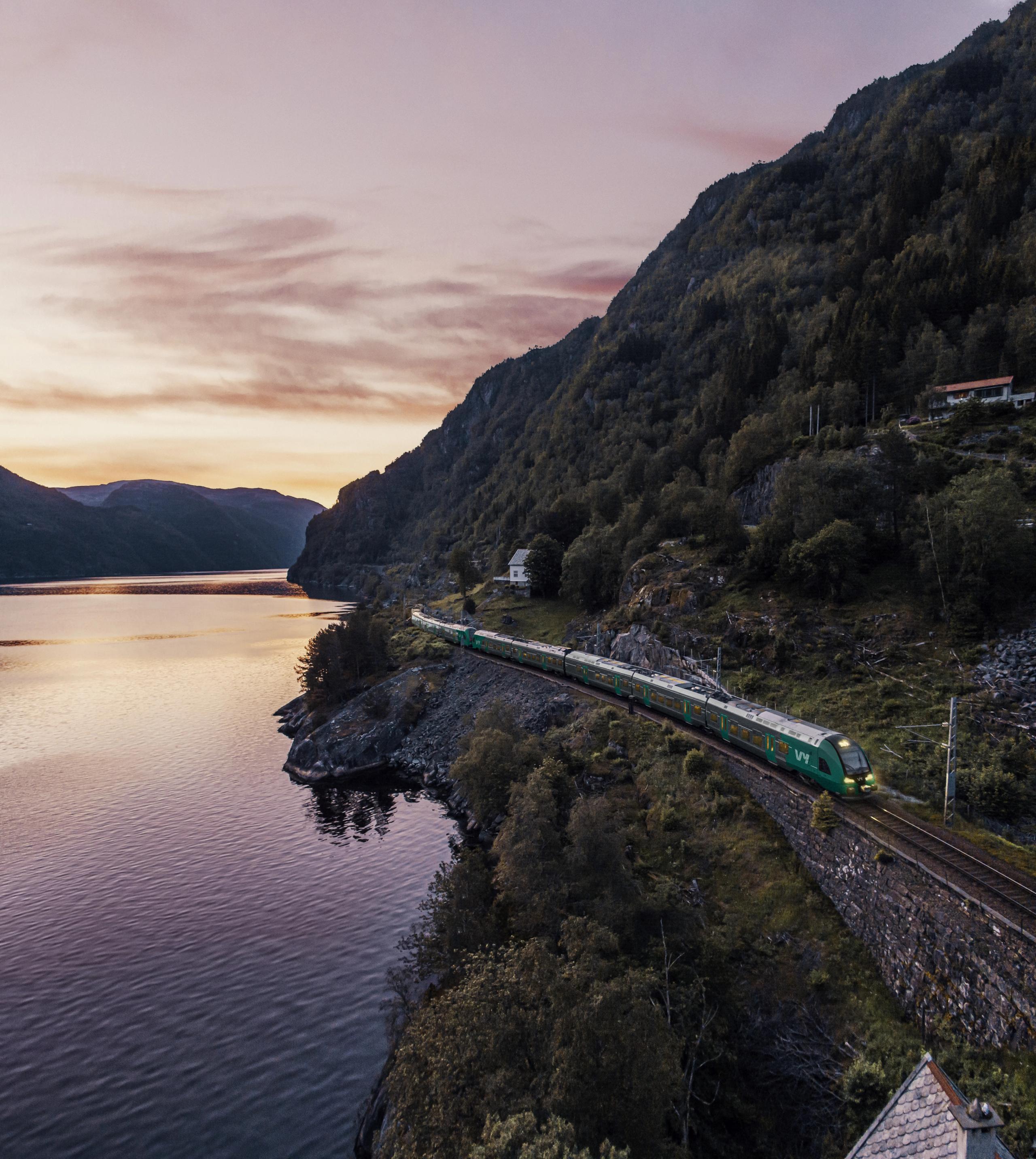 Vy TrainGlide through scenery on a train between Oslo and Bergen on the Bergen Railway and explore the greater Oslo region.
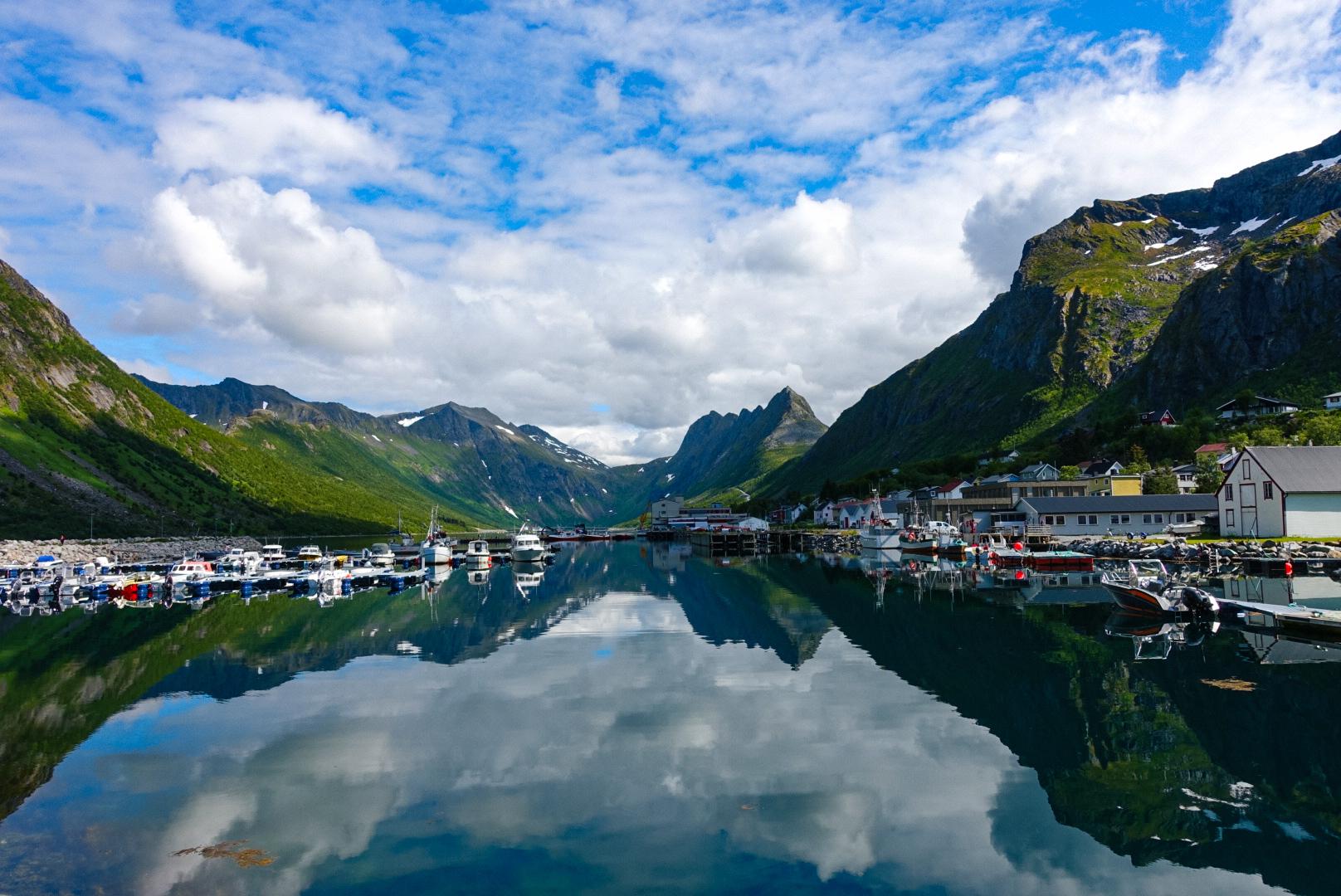 My Nordic TravelChoose between DIY itineraries and pre-packaged holidays to the very best destinations in Norway.
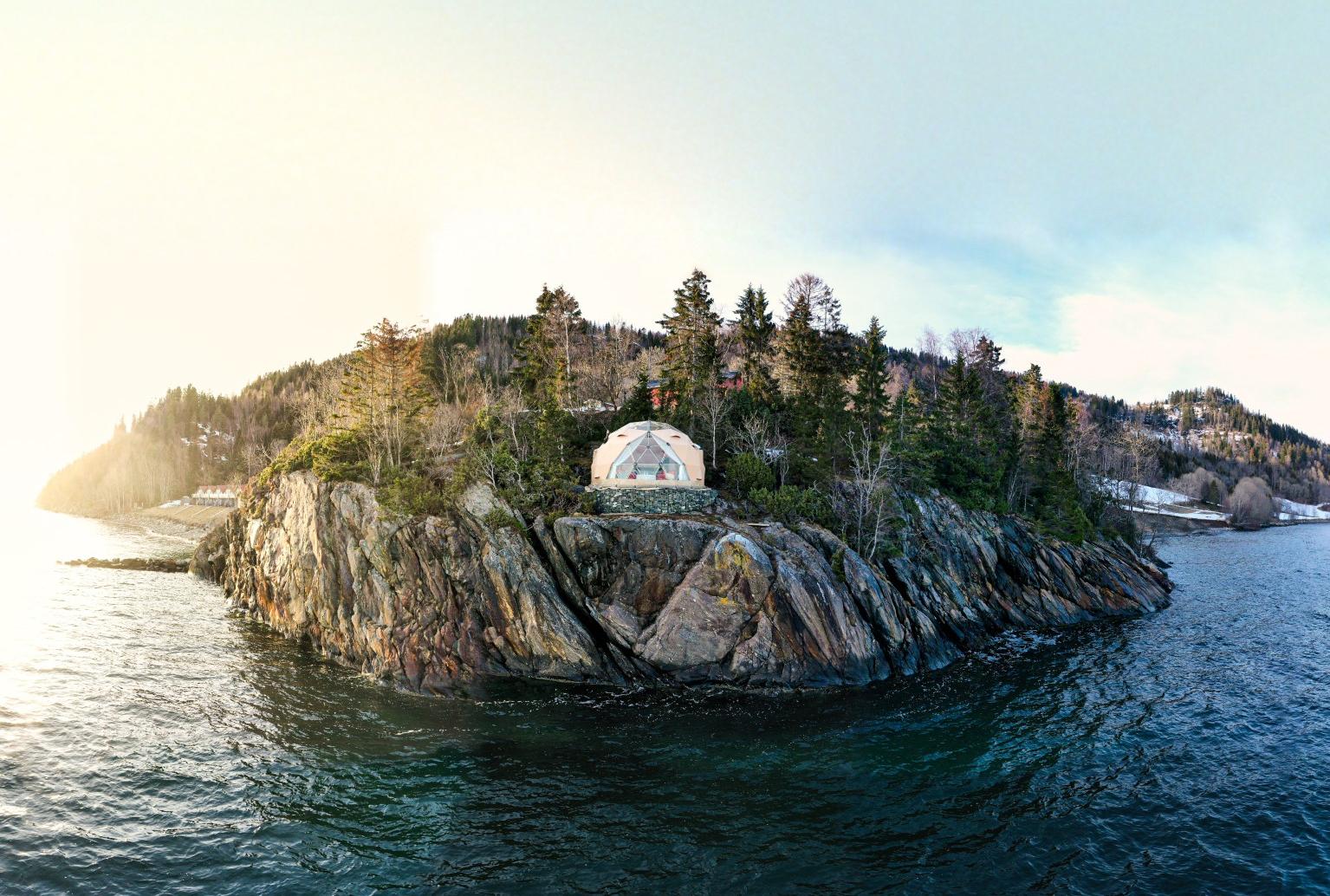 CampanyonUnique camping in nature. Book a stay in a treehouse or glamping tent or rent a motorhome pitch.
 NorwegianNorwegian offers cheap flights in Norway and direct flights from more than 70 European destinations. Book flights through our low fare calendar to your destinations.
 De HistoriskeHave an unforgettable stay at one of Norway's unique, authentic historic hotels. Enjoy first-class dining experiences and a broad range of activities.
 CampioNorway's biggest camping booking site. Find the best camping and motorhome pitches throughout Norway.