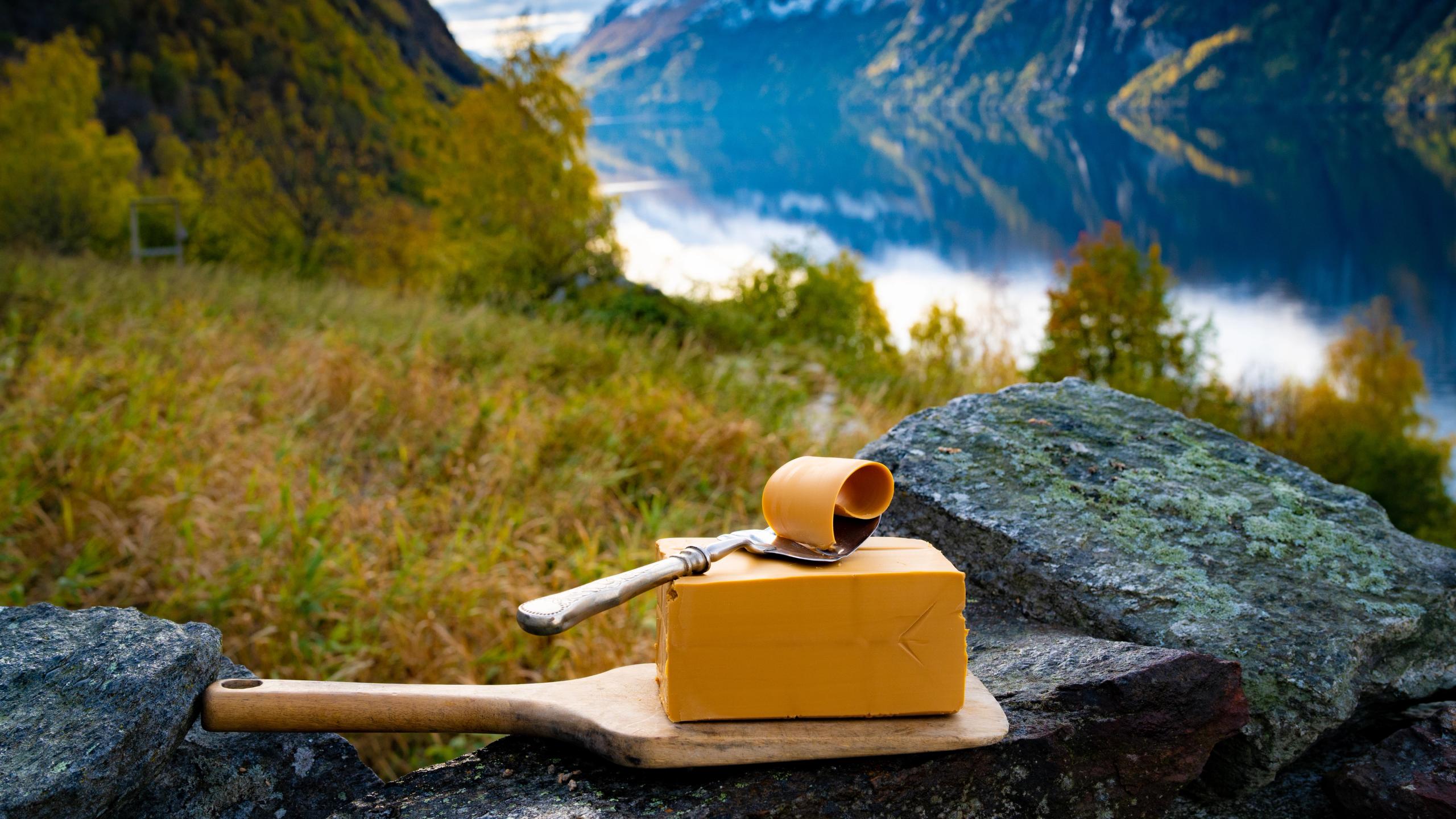
Brunost is one of Norway's most iconic foods. Sweet, with a rich, caramel-like flavour, it has been a Norwegian staple for generations.
NORWEGIAN BROWN CHEESE
Tasty cultural heritage
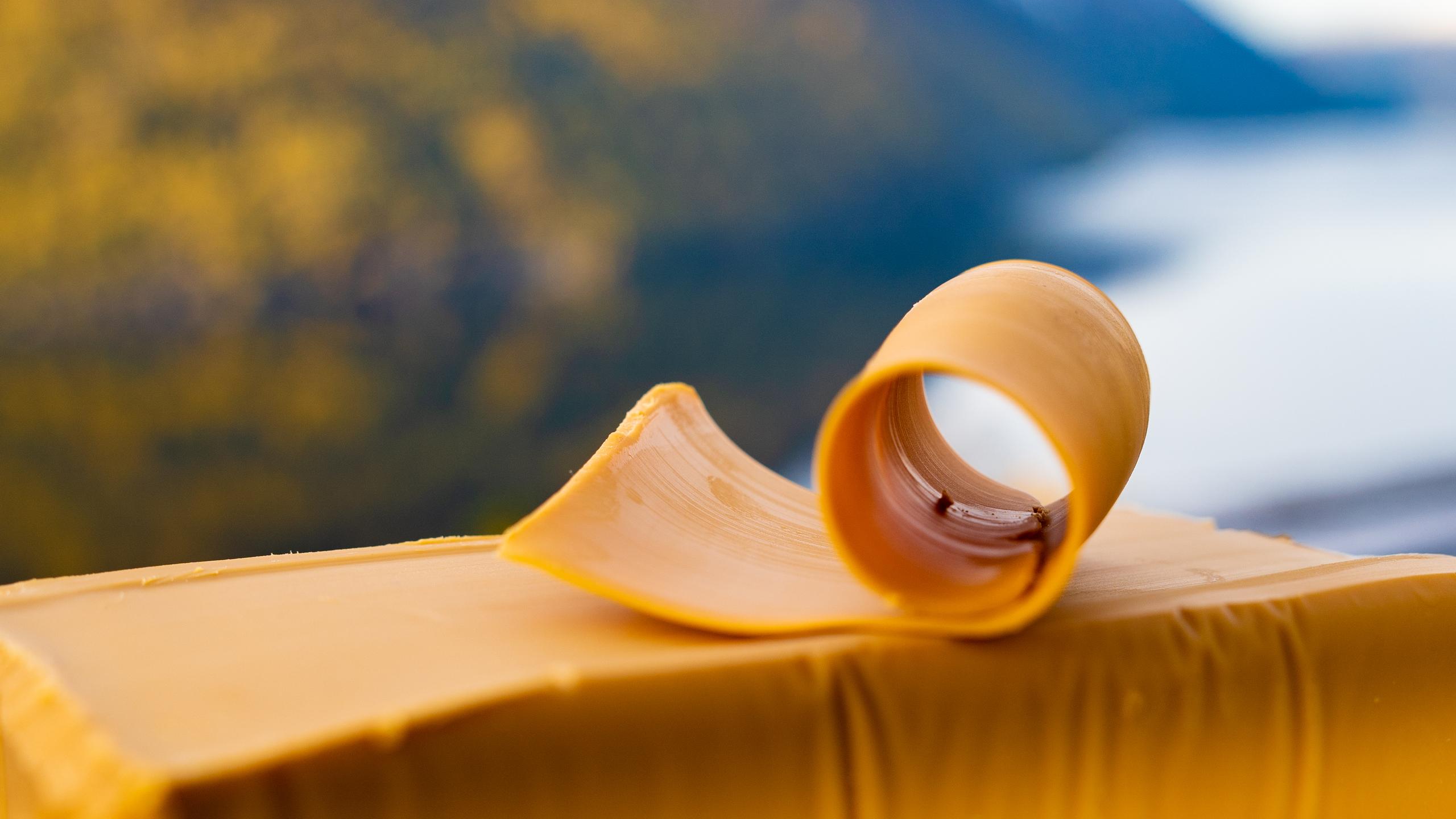
Soft, sweet and sharp – all at once.
The Norwegian brown cheese comes in many different flavours, each with a taste of local traditions.
And it is a must-try when you come to Norway!
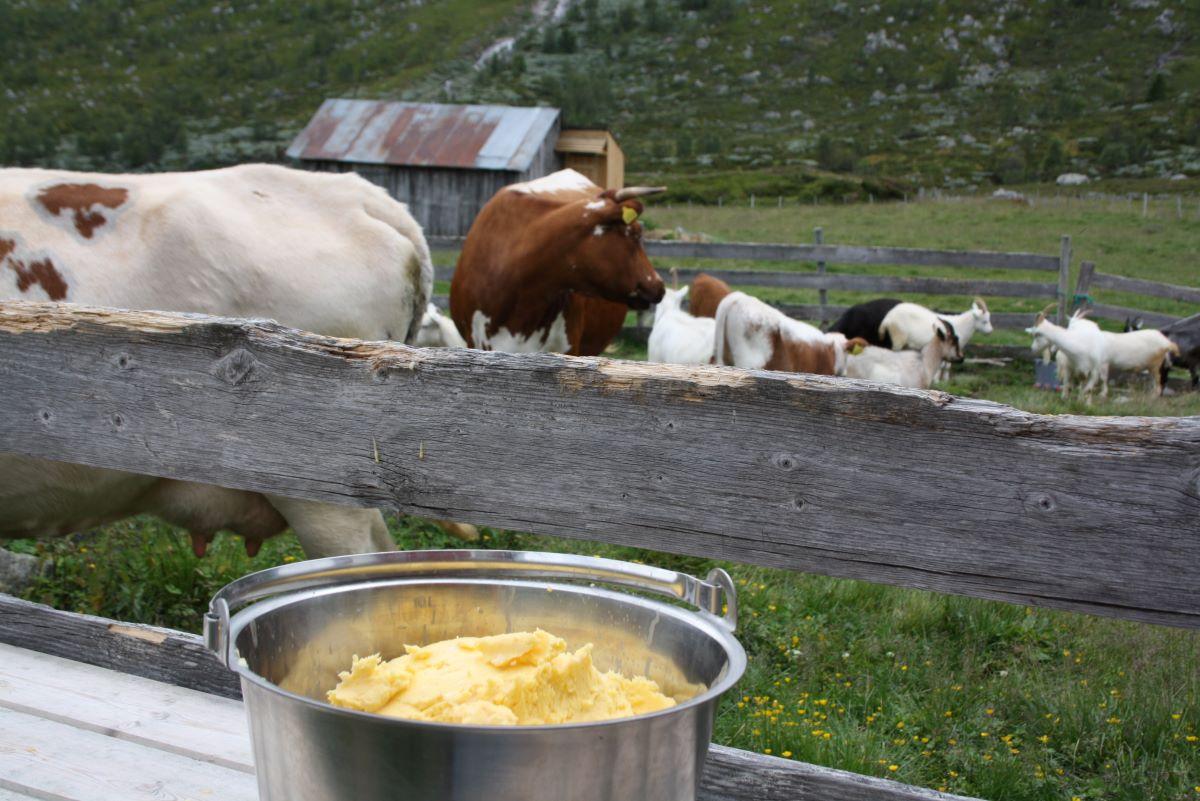
For centuries, the Norwegian brown cheese – or “brunost” as the locals say – has been made with the help from cute goats and cows.
Some say it’s a cultural treasure, with the taste of mountains, fjords and farm traditions.
The taste of brown cheese is difficult to describe, but tourists that visit Norway say that both the colour and the flavour reminds them of dulce de leche. It’s unique – and you either hate it or you love it.
Still, this caramel-looking cheese is eaten daily by many Norwegians, for example on a slice of bread for breakfast or as a snack. It is also known outside the country’s borders, as the brown cheese from Stordalen Gardsbruk won a silver medal in the World Cheese Awards 2018.
So you can’t come all this way and not try it for yourself. But be careful. If you fall in love, it can become a lifelong relationship. You might even end up like Norwegians living abroad, finding ways to get their precious slice of brown cheese even if they reside on the other side of the planet.
A cheesy story
Norway’s brown cheese traditions hark back to the days when the country was poor. People wanted to make the most of the resources they had available, even the left-over whey from regular cheese production, which is used in brown cheese. You see, the name “brown cheese” is a common Norwegian name for “whey cheese.” It is made with whey, milk, and cream.
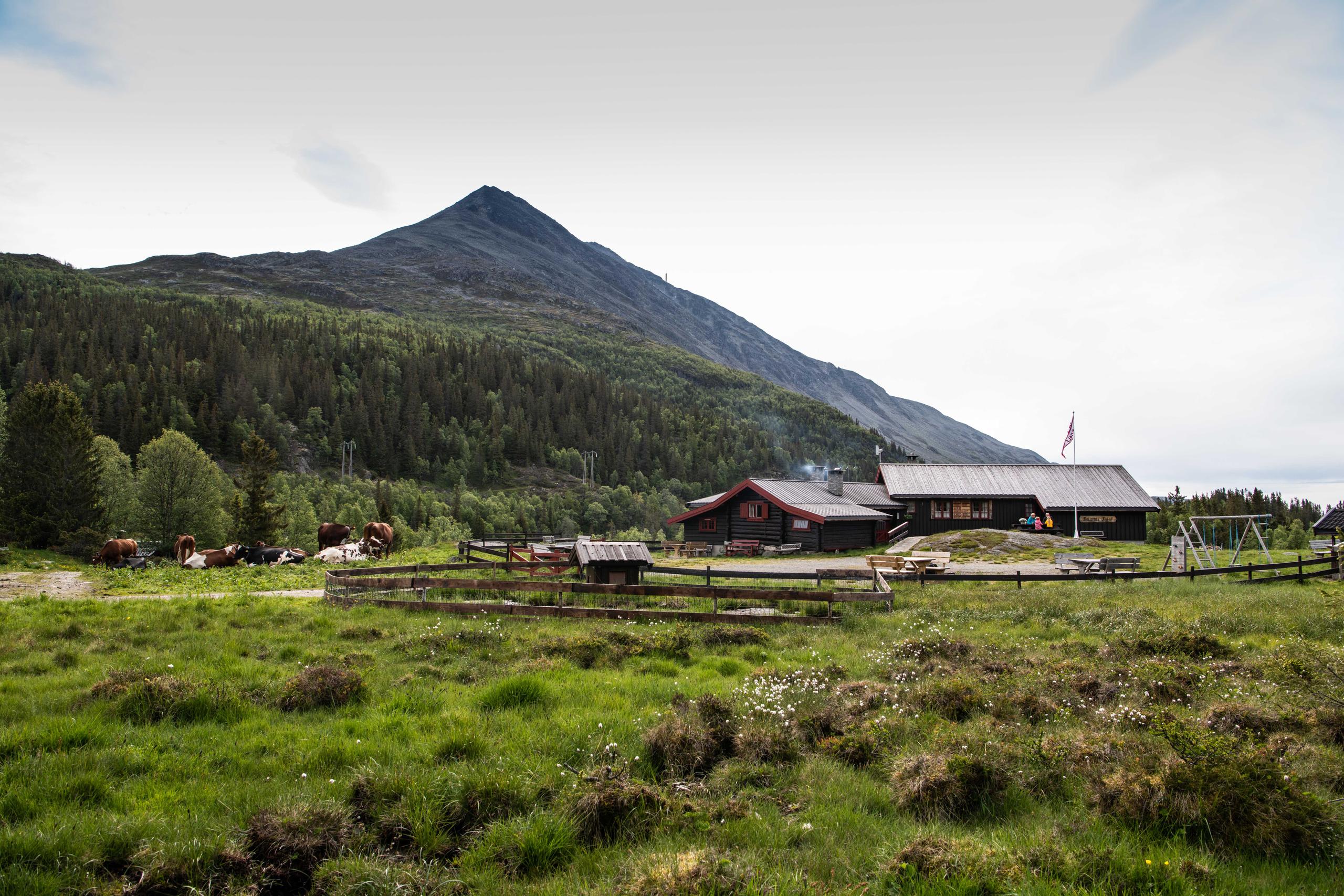
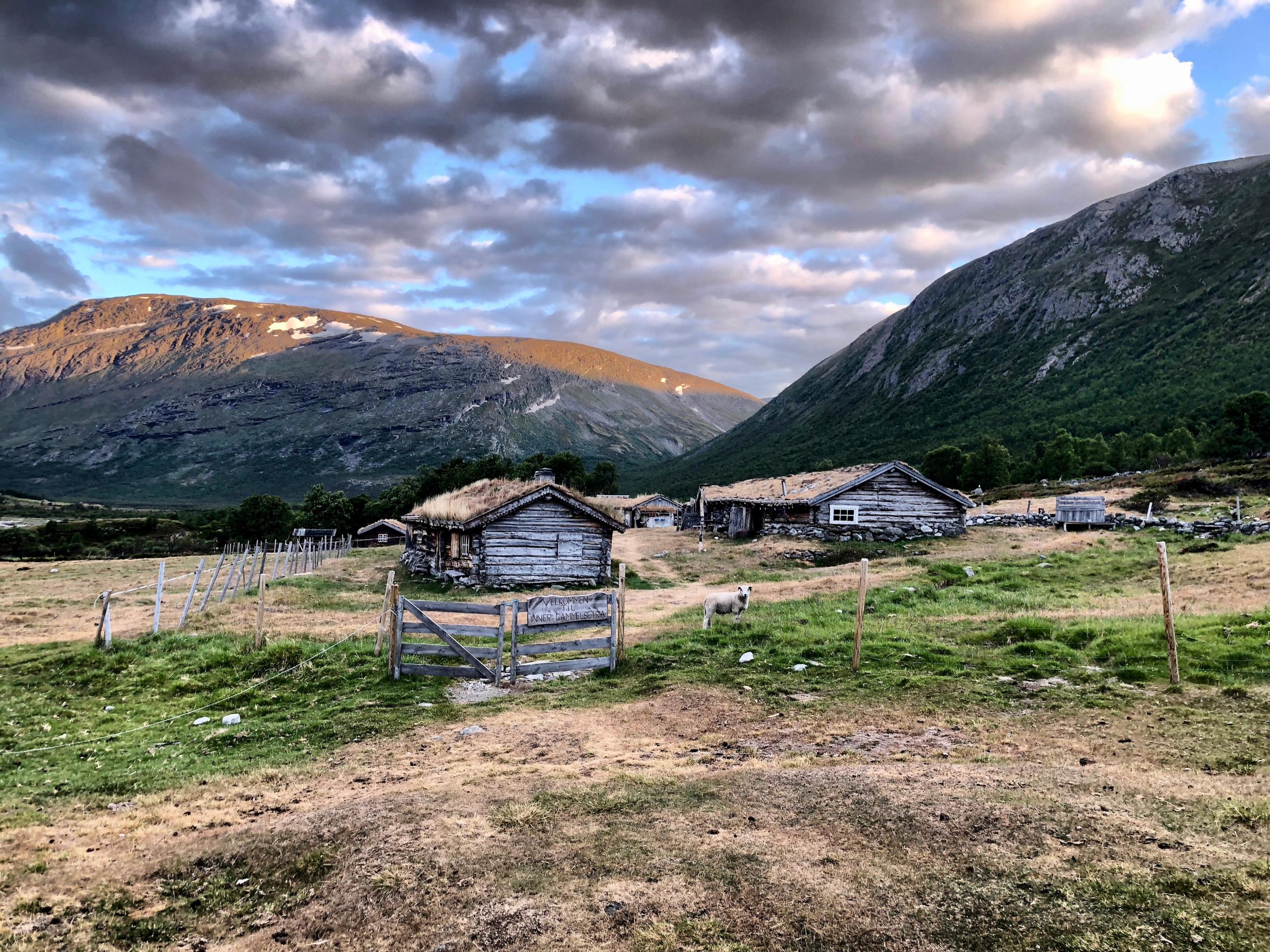
The cheese was first produced at mountain farms across the nation, and the different local recipes gave the products unique flavours. It was not uncommon for farms to have their own creamery, where they would supply themselves with as much product as needed. They also made cheese to trade for other goods at the local markets.
"The taste still differs from place to place in Norway, depending on what kind of milk is used, the animals’ diet, and boiling time", says Hege Krukhaug.
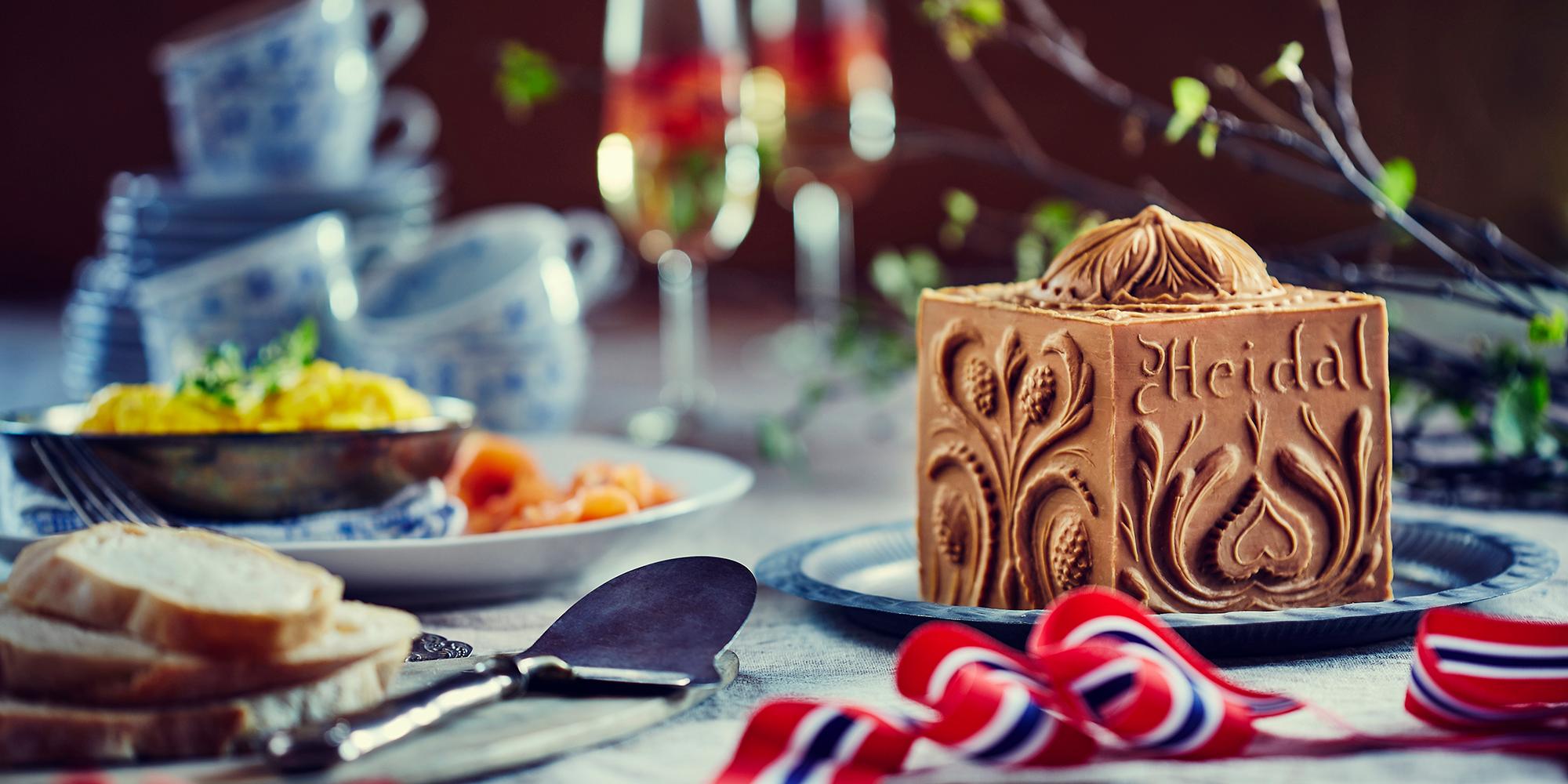
She is the owner of the cheese factory Heidal Ysteri, located north in the Gudbrandsdalen valley. For almost one hundred years, they’ve made the famous Heidal cheese.
Their creamery combines traditional handcraft and modern production systems to give the cheese the taste it is known for.
"We use both cow’s and goat’s milk, as combining the two gives it a nice balance", Krukhaug says.
The art of making brown cheese
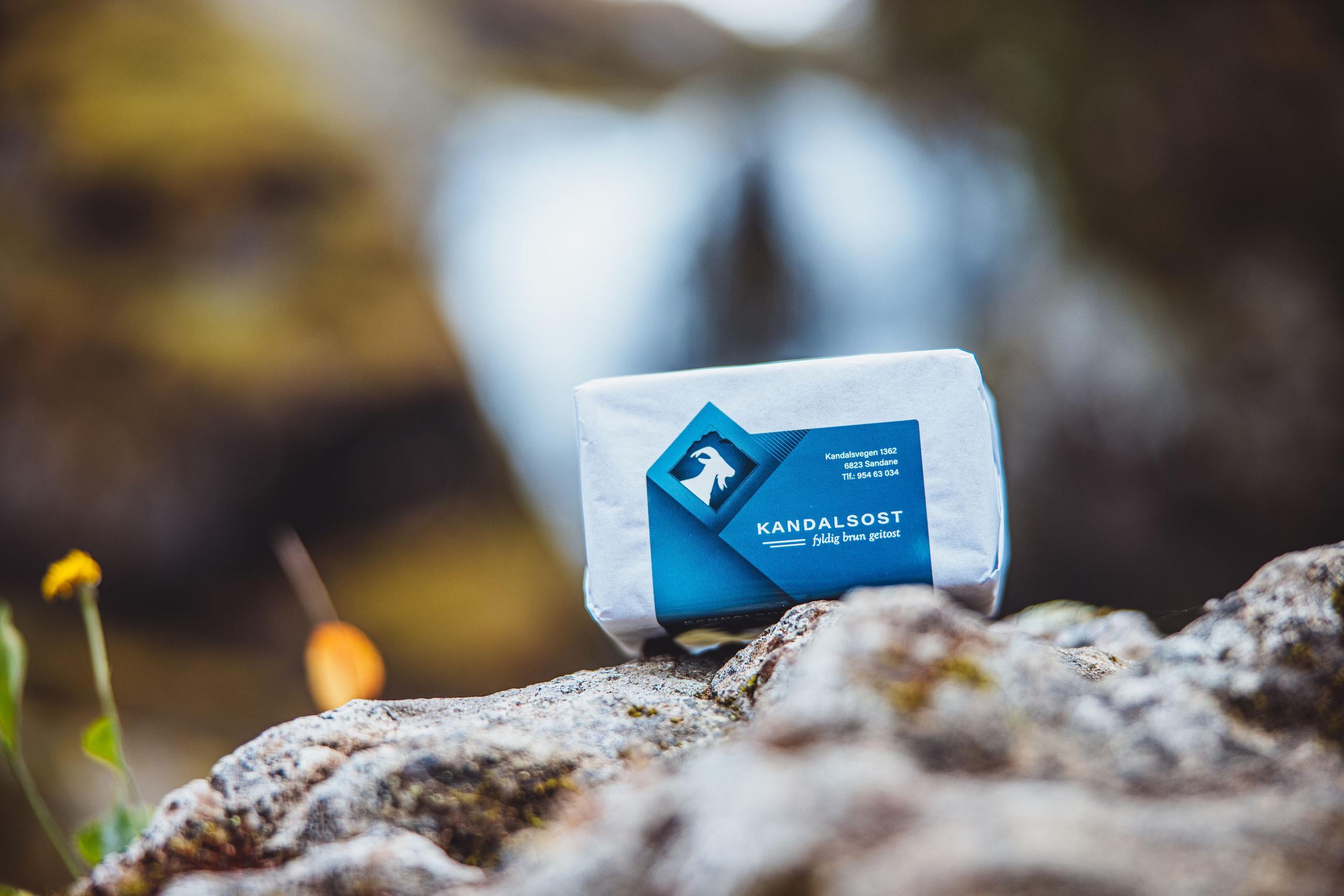
Another incredible spot to discover and purchase one of Norway’s finest (and award-winning) brown goat cheeses is Kandal Ysteri og Gardsmat, located in Gloppen, Western Norway.
Nestled in a truly breathtaking setting, the farm is framed by a cascading waterfall and a crystal-clear, emerald-green pond. Here, Solveig Thingnes Kandal and her son Erlend craft their cheese using milk from their own goats at the traditional Neretunet farm, continuing a proud cheese-making heritage that dates back over 130 years.
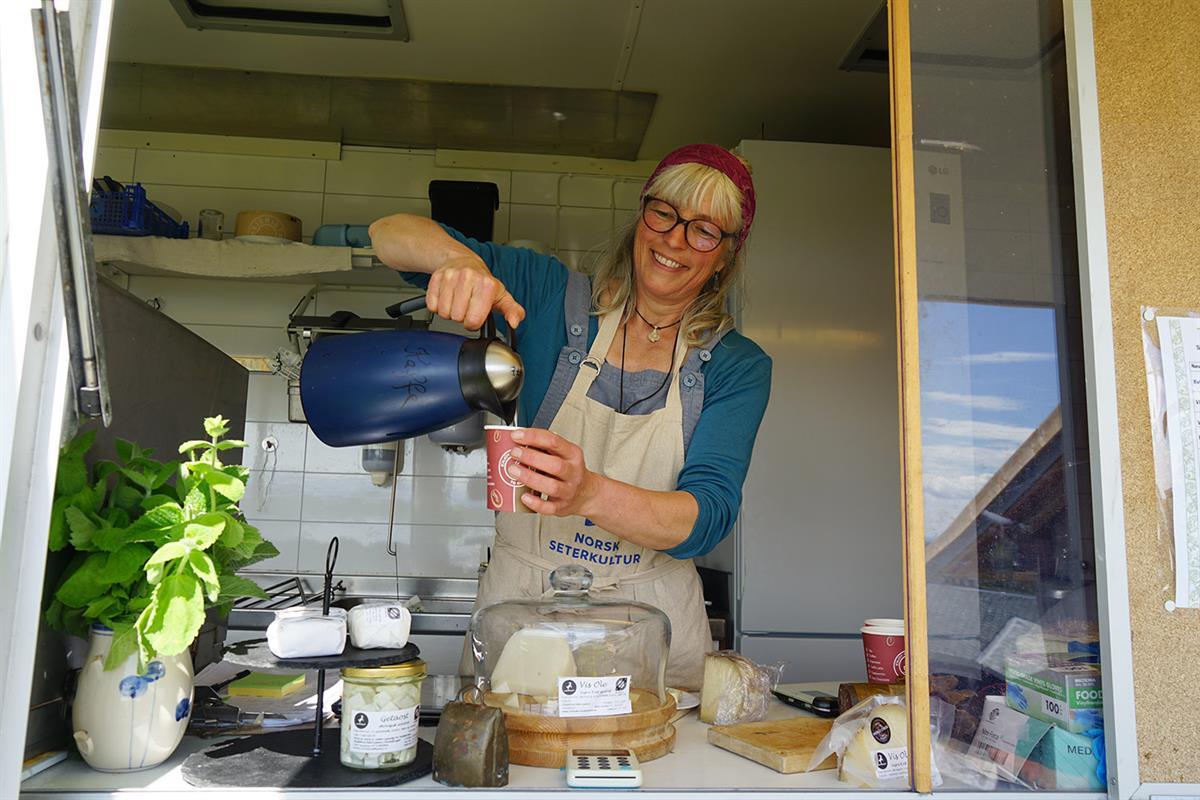
A charming summer café welcomes visitors on weekends, while self-service is available throughout the week.
A delightful detour, one you won’t forget, or regret!
Visit a mountain farm
Every year thousands of tourists come by to see how the cheese is made and to taste creations made of brown cheese, like ice cream. A few years ago, Hege and her staff put up a new building in the yard to convey the cultural heritage of brown cheese in Norway.
And they’re not alone. You can visit mountain farms around the country during the summer, and learn about traditions. Taste local delicacies, and, if there is a farm shop, buy something to bring home with you. Other fun farm activities include petting cute animals.
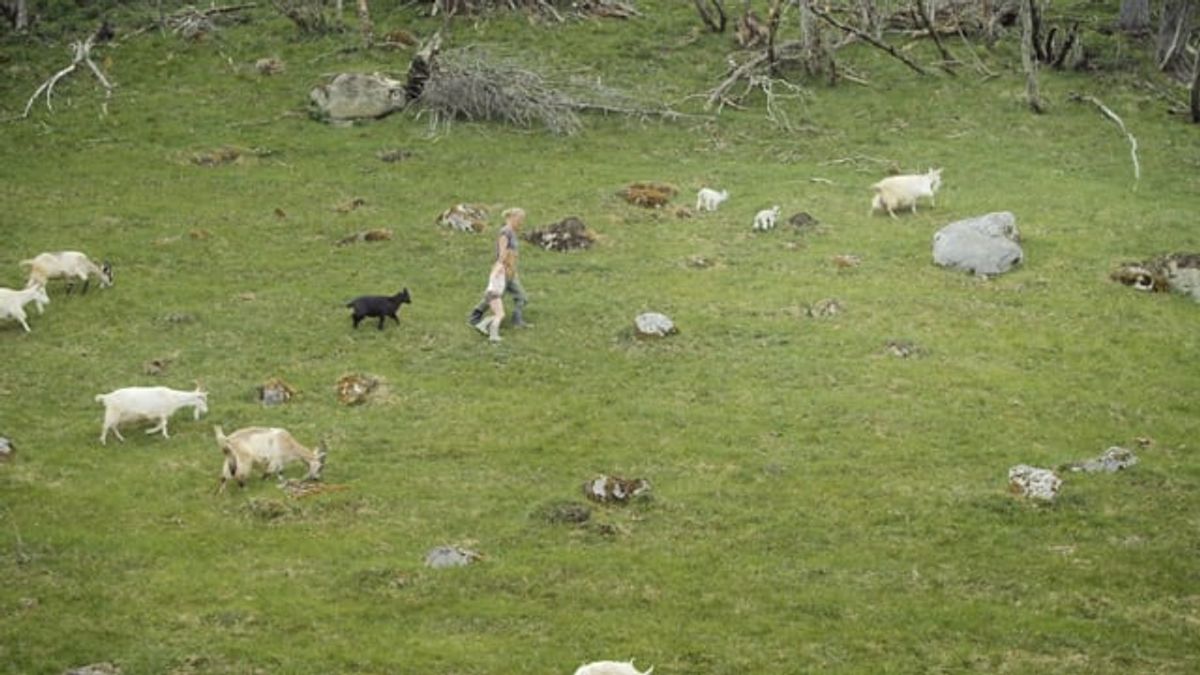
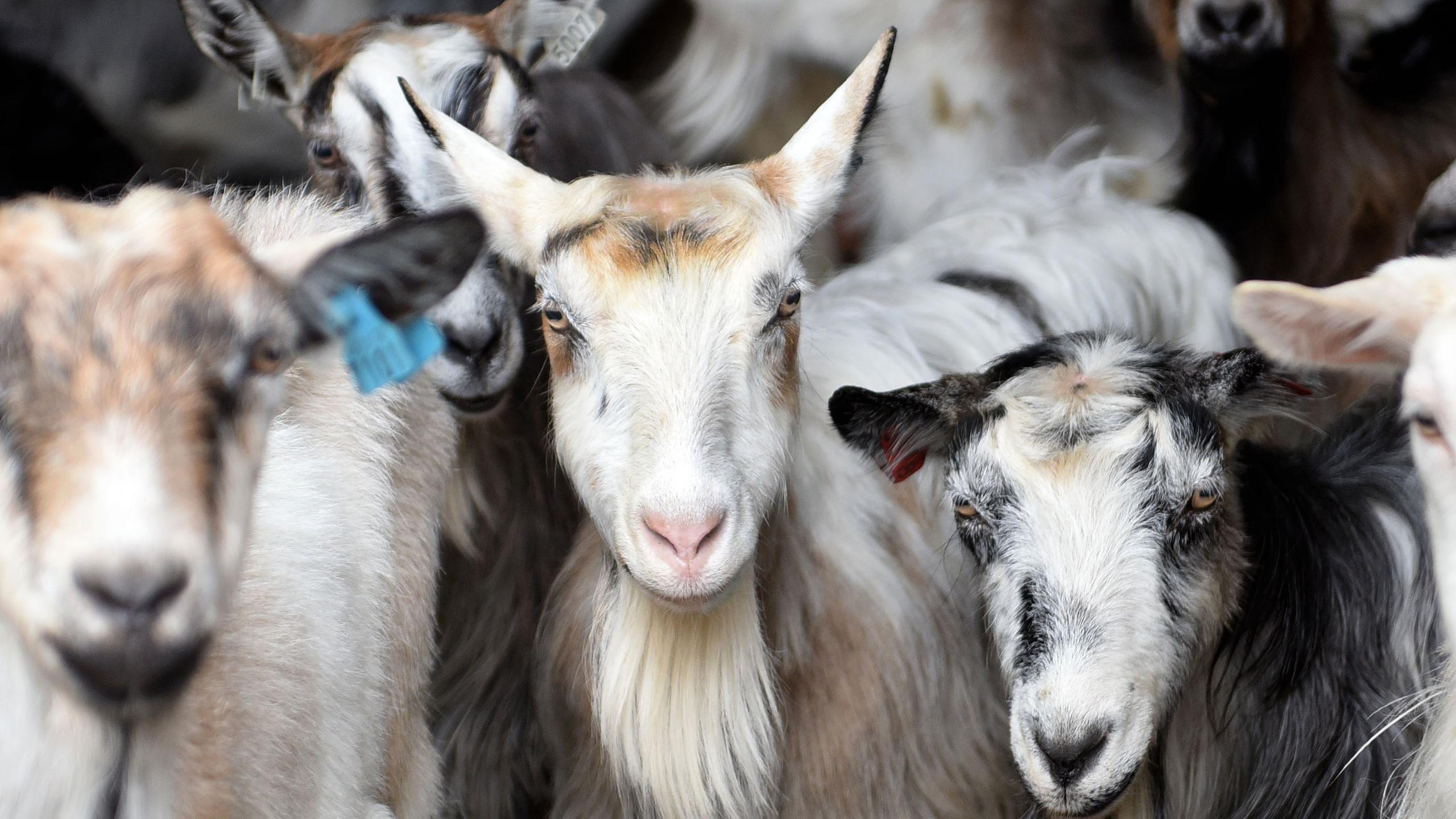
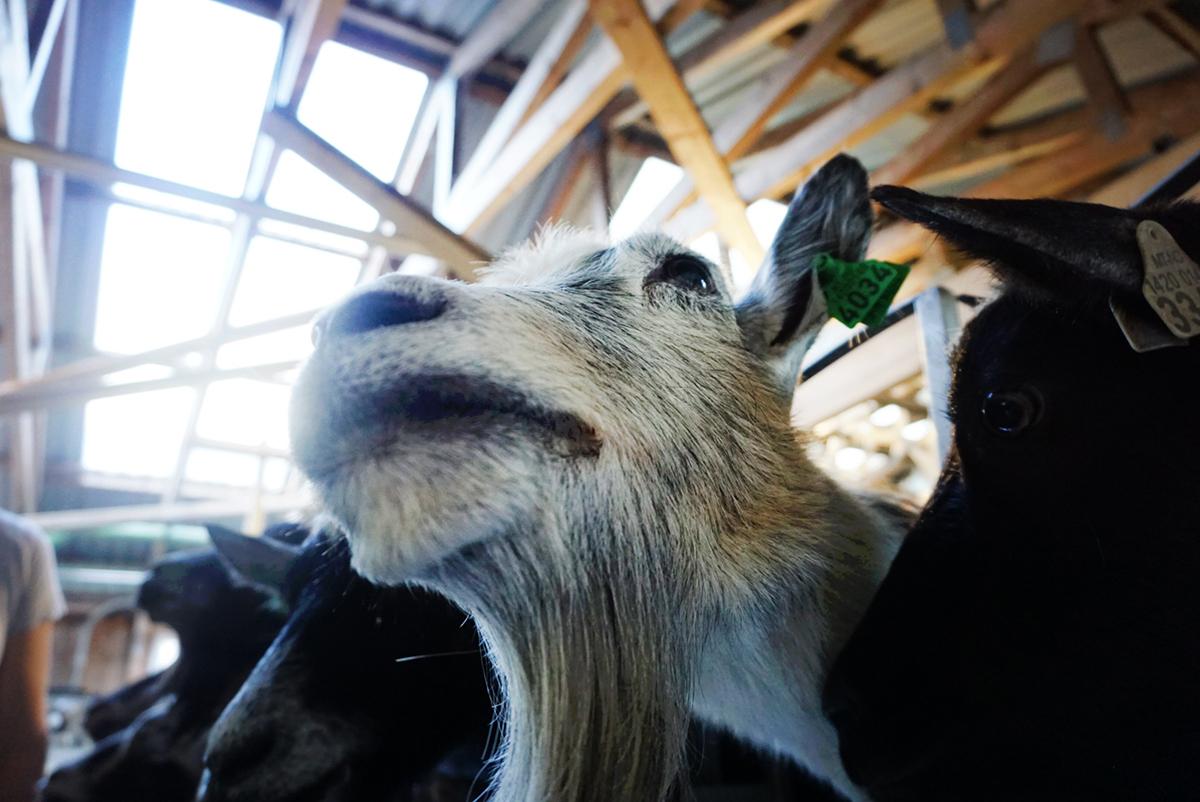
And sometimes the goats can’t get enough of you!
“Brown cheese is a vital part of our cultural identity, as well as an important source of income for many smaller societies, like here in Heidal”, Krukhaug says.
What makes the brown cheese brown?
The secret is to separate the curd used to make traditional cheese, and save the whey. When the whey is boiled with cream, the heat caramelises the mass. This gives the cheese its recognisable taste and colour. Boiling time determines how dark and rich the cheese will be.
“When it has cooled down, we put it into moulds and let them rest in the fridge until the next morning. Then we take them out and prepare them for sale”, Gunhild Borlaug tells.
She works as a brown cheese producer at Undredal Stølsysteri and explains that, unlike traditional cheese, brown cheese doesn't need to age. It’s actually best served fresh. The creamery where Borlaug works is the first Norwegian goat’s cheese factory to gain full authorisation to offer their white and brown cheese for sale throughout Europe.
The mysterious taste
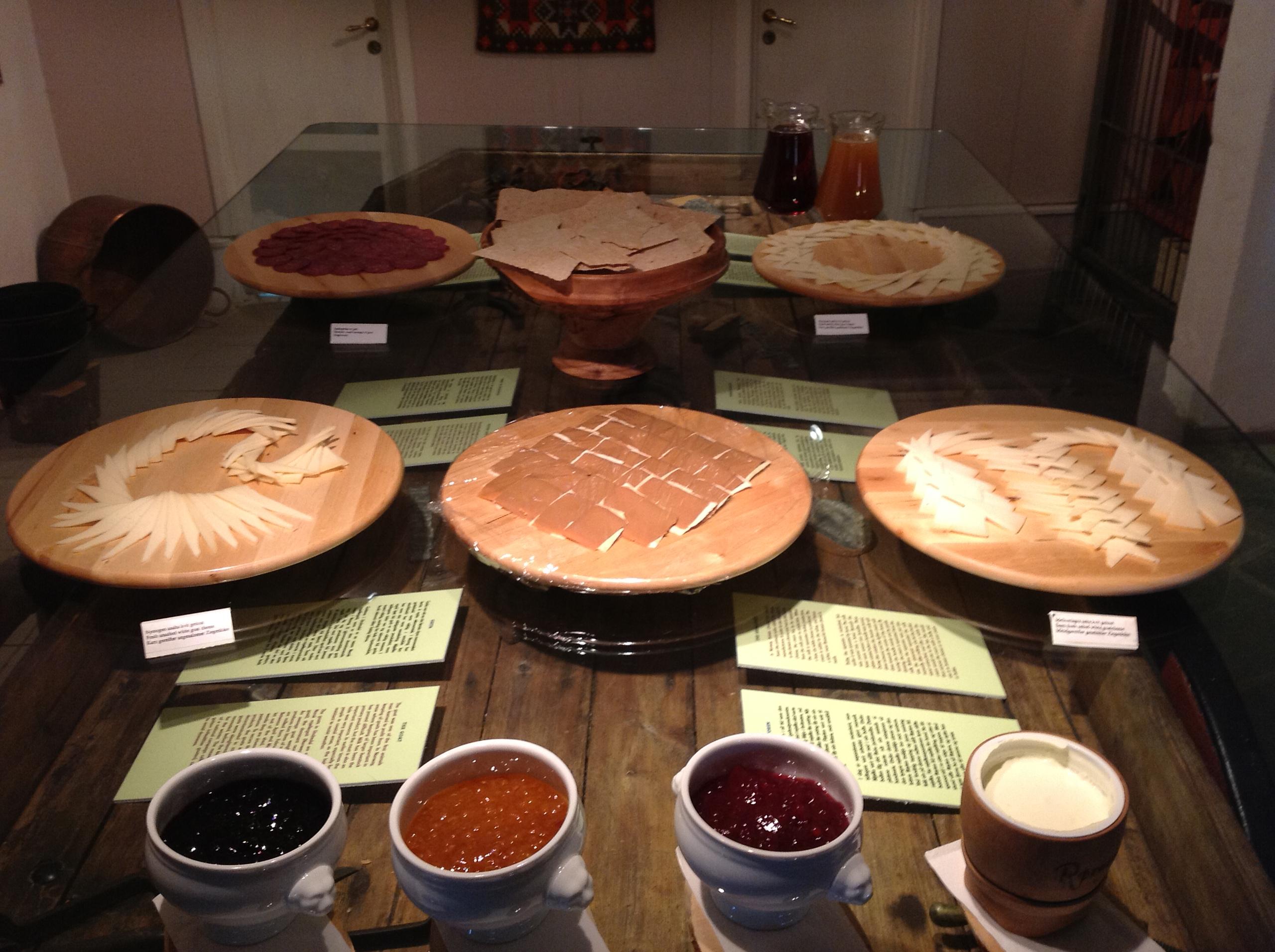
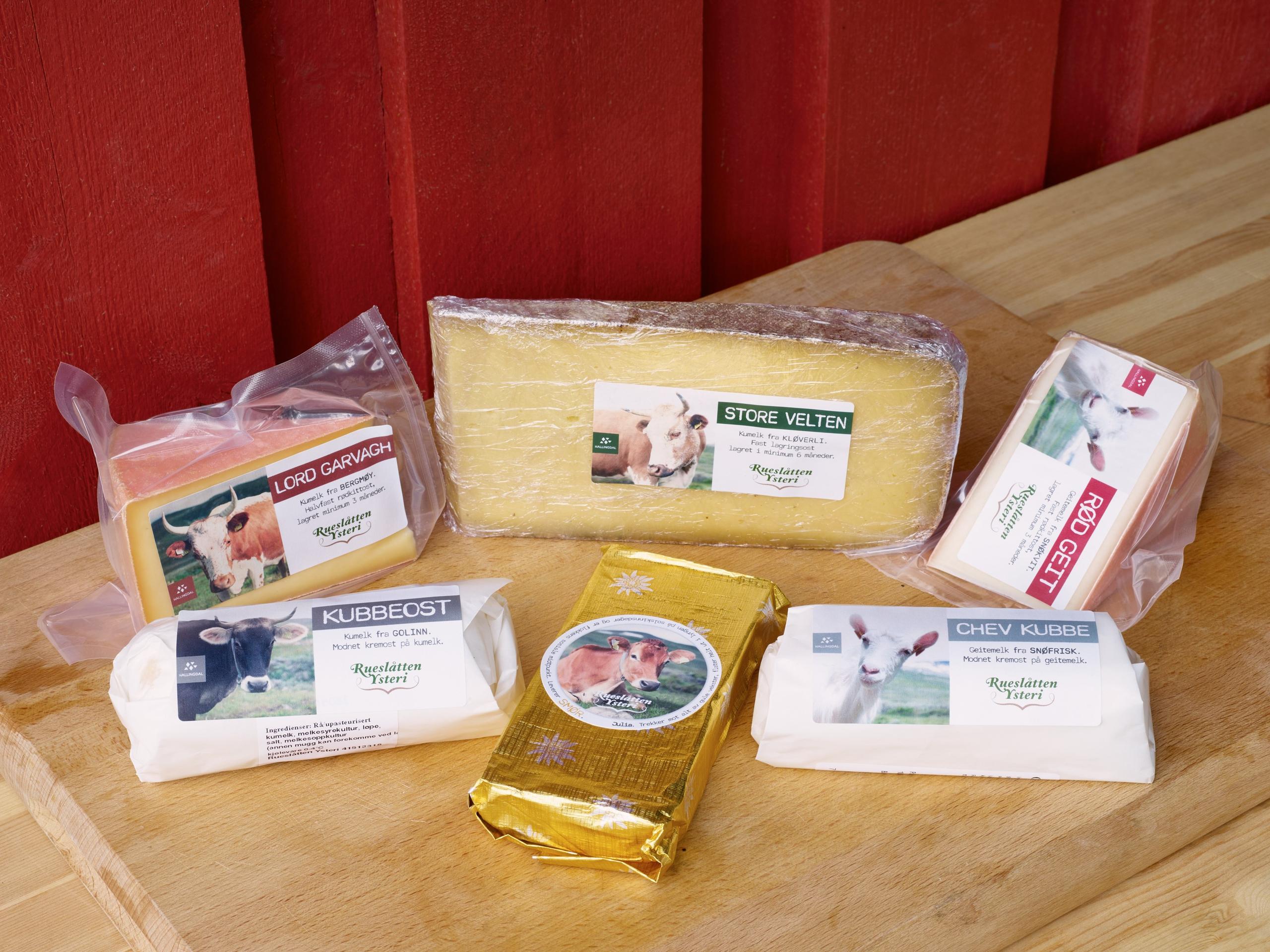
Some brown cheeses are made only with goat’s milk, and they have the sharpest kick of them all. The mildest flavours are found in brown cheese made with cow’s milk. A combination of the two gives you a perfect balance.
“Before tourists taste it, we tell them it’s almost like a caramel. The taste differs so much from regular cheese, so we have to prepare them”, Borlaug says.
From tradition to trendy
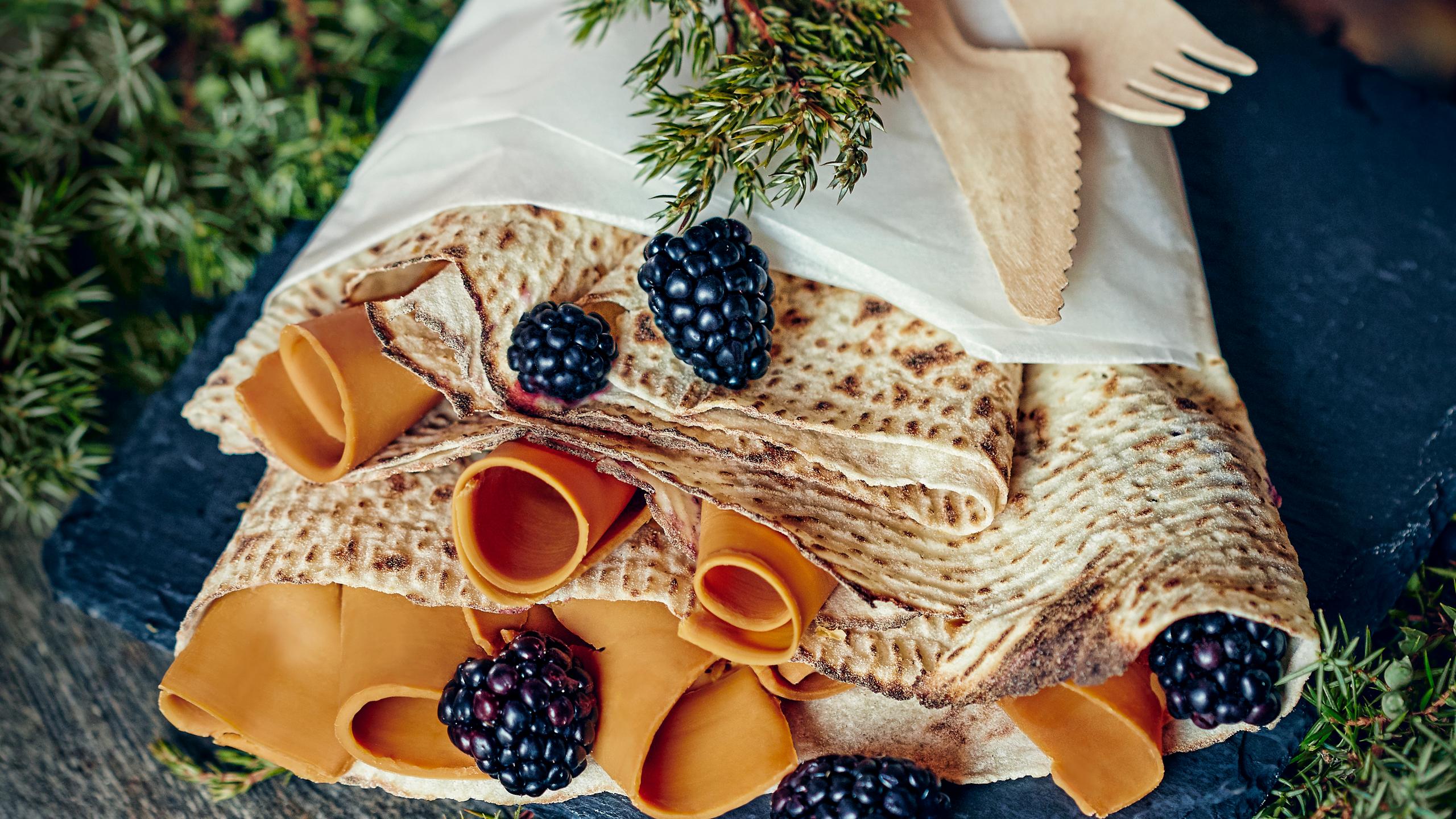
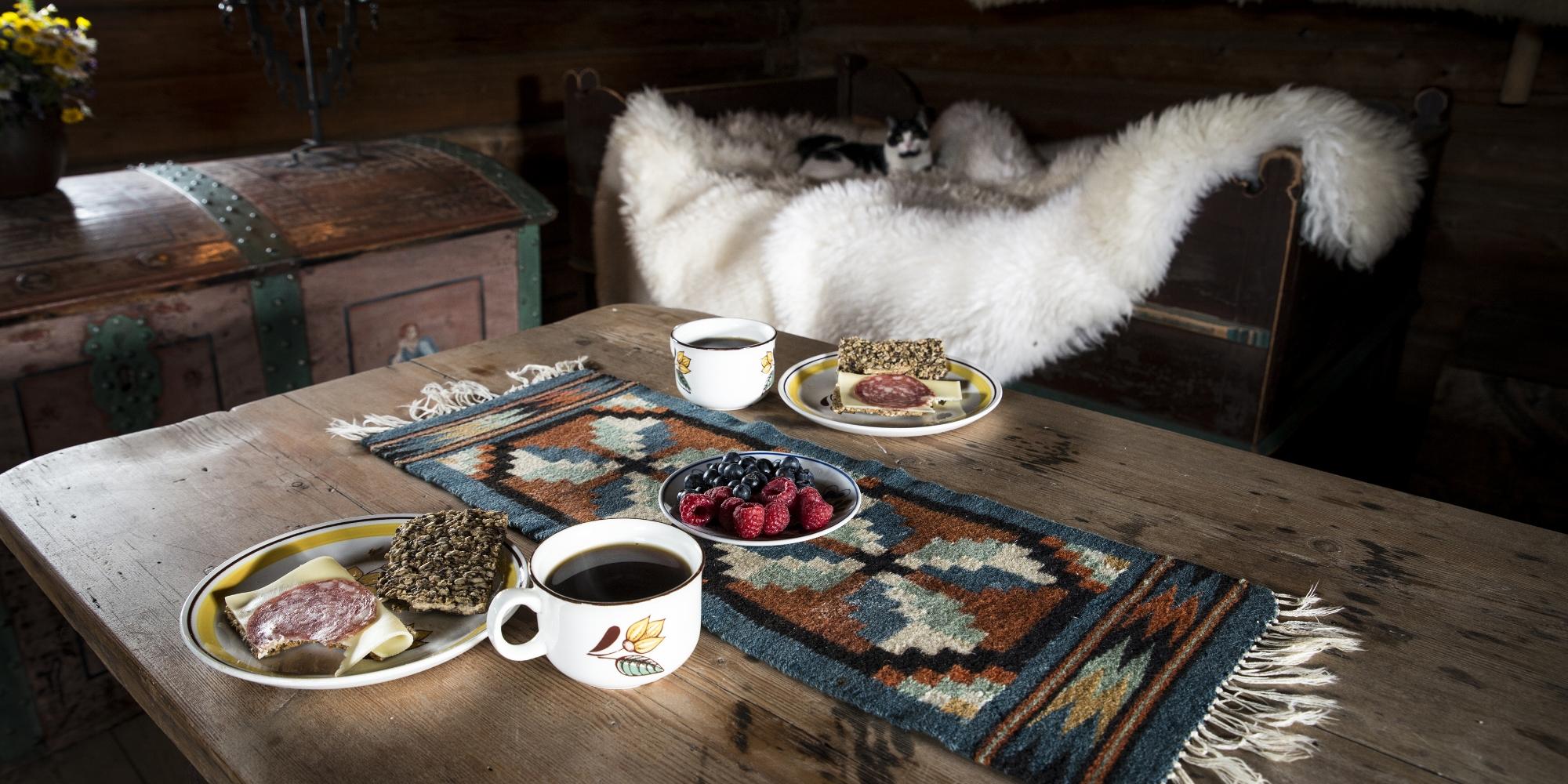
When Norwegians want to serve brown cheese, they use the unique cheese slicer invented by the Norwegian carpenter Thor Bjørklund. It makes it easy to slice off a sliver from the cheese, so you can eat it atop toast or on a crispbread. If you want a proper treat, brown cheese tastes heavenly on warm waffles as well.
This is the way it has been served for centuries, but lately, brown cheese has had a renaissance. Author Ane Nordvik released a cookbook where all the dishes include – you guessed it – brown cheese!
“This traditional product deserved to be explored even more”, Nordvik says.
She explains that she and her sister know that people use brown cheese as an ingredient for baking and cooking, but they couldn’t find many recorded recipes.
“From brown cheese burgers and panna cotta to different kinds of pastry, sweets, and candy. Some of the recipes did not work out well, but we gathered about a hundred of the successful ones in our book – and it is quite popular”, she says.
Following the release of the book, Nordvik has observed great interest for brown cheese – and not just in Norway.
“To my surprise, I found a lot of interest in brown cheese in South Korea. They even have several breakfast restaurants that serve brown cheese in various ways. It’s very exciting”, she says.
Brown cheese also pairs perfectly with chocolate, and many skilled chocolate makers use it as an ingredient when making excellent Norwegian gourmet chocolate!
Regional flavours
Carrying the rural history of Norway, brown cheese has become famous among hundreds of thousands of tourists who visit the country each year. With the regional variations, your tastebuds can literally experience the different regions.
Go on a culinary journey through Norway with Vy express! Stay in some of Norway’s homely farms or in one of the luxurious manor houses.
 Book nowHol
Hol Cheese Factory / Prestholt Goat Cheese
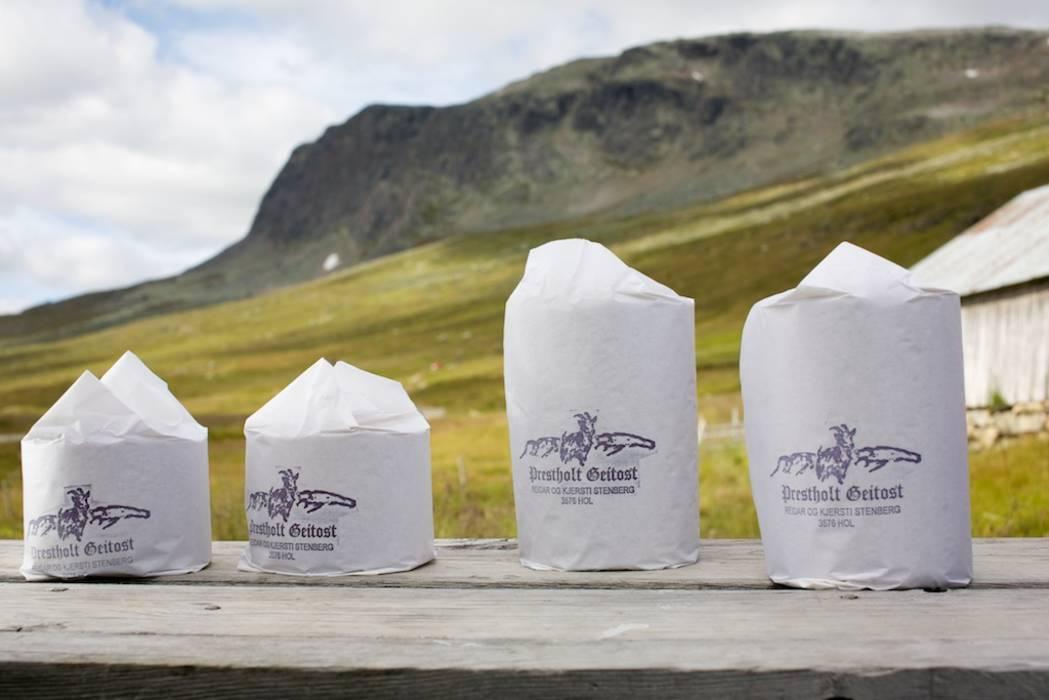
Prestholt Geitost is located at 1242 meters above sea level near Hallingskarvet, partially within Hallingskarvet National Park. Established in 1980, the family business started producing Ekte Geitost in 1990 at their newly purchased mountain farm, Prestholt. Today, they have expanded their production to include goat meat, goat salami, caramel, and chocolates at their home farm, Rudningen in Hol. The cheese dairy has moved to the former Joker grocery store in Hol town center. Hol Ysteri and local food store is located in Hol town center, offering an up-close view of cheese production and aging. It is part of the Prestholt Geitost family business, known for producing world-class cheese. The local food store features cheeses from across the Ostebygda region as well as imported varieties. You can also purchase goat meat here. Hol Ysteri shares a building with the rural bistro, Stundo. A nica and easy tour on bike in the area is around Holsfjorden, there is a whole year round walk from the centre up to the diffrent farms. They are members and active participants in the Bondens marked in Oslo and Drammen, as well as Bondens Torg in Kongsberg. The 3rd generation of cheese makers now runs the farm, mountain pasture, and production, with the 4th generation helping out. A popular hiking suggestion near Prestholtseter is the famous Sherpa stairs. It's a easier, scenic loop with fewer elevation changes. There's a toll road up to Prestholtseter near Hallingskarvet; pay on p-norge.no within 48 hours. Leave your car and use an (electric) bike to ride up the mountain. Prestholt Geitost has been producing cheese since the 1920s at Prestholtstølen, located at 1242 meters above sea level at the foot of Hallingskarvet. The Stenberg family moved to Rudningen farm in 1989 and began operating a mountain pasture and cheese production the following year. Today, they have around 250 dairy goats that move to the mountains in summer. The brown cheese is made at Prestholt, while the rest of the high-quality goat milk is transported to Tim Reidar at Hol Ysteri where 11 types of white cheese are produced, six of which carry the Prestholt Geitost logo. Prestholt Geitost is a traditional full-fat brown goat cheese with roots from Osterøy on the west coast. It is made from fresh goat milk in summer at Prestholtstølen and in winter at Hol Ysteri. Award-winning cheese, Prestholt Geitost is notable for its rich flavor. Leirgrøv Naturell is a white goat cheese with reduced lactose, named after the Leirgrøv mountain pasture where it's made. It matures for 6 months to 2 years, developing a mild, mineral taste. Leirgrøv 1242 is a stronger version made only in summer with summer milk, known for its herb and flower notes. Text: Geilo.com




Take advantage of top offers
See our selection of trusted companies that work hard to make you happy all through your trip.
 Brim ExplorerQuiet fjord tours on award-winning electric catamarans in Oslo, Tromsø, Lofoten, and Svalbard.
 CityboxModern and affordable hotels in central locations in Oslo, Bergen, and Kristiansand.
 NorgesbookingBook your perfect cabin stay in the fjords, mountains, and valleys of Norway.
 Scandic HotelsExperience Nordic hotel hospitality at its finest at more than 90 hotels across Norway. Special offers are available.
 StrawberryA different hotel company! Look out for great weekend deals at more than 100 hotels in Norway.
 Thon Hotels ASFantastic breakfast included! Experience true comfort and reasonable rates at our 80 hotels in Norway.
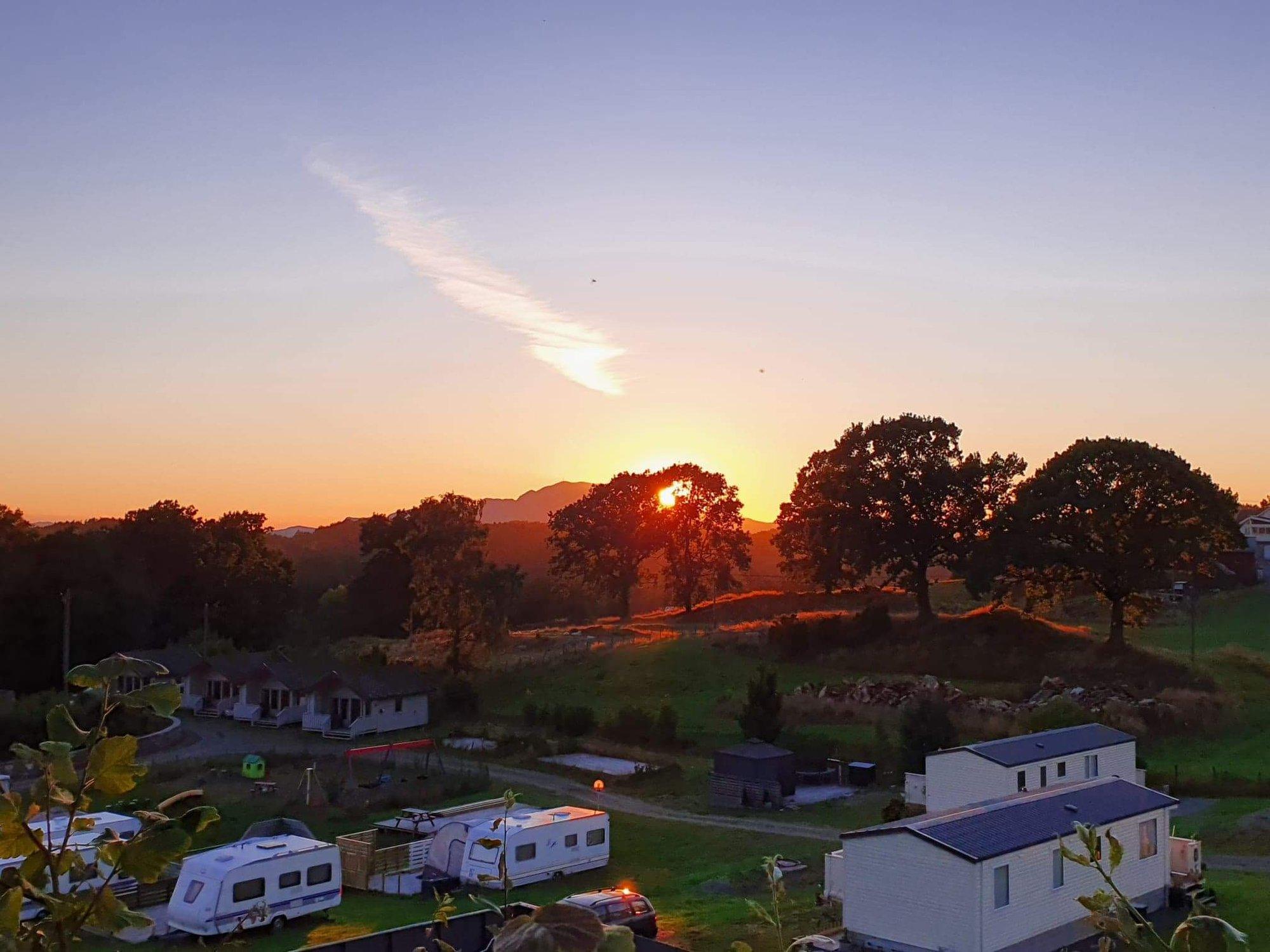 CampcationBook a camping stay in stunning and unique locations all across Norway with Campcation.
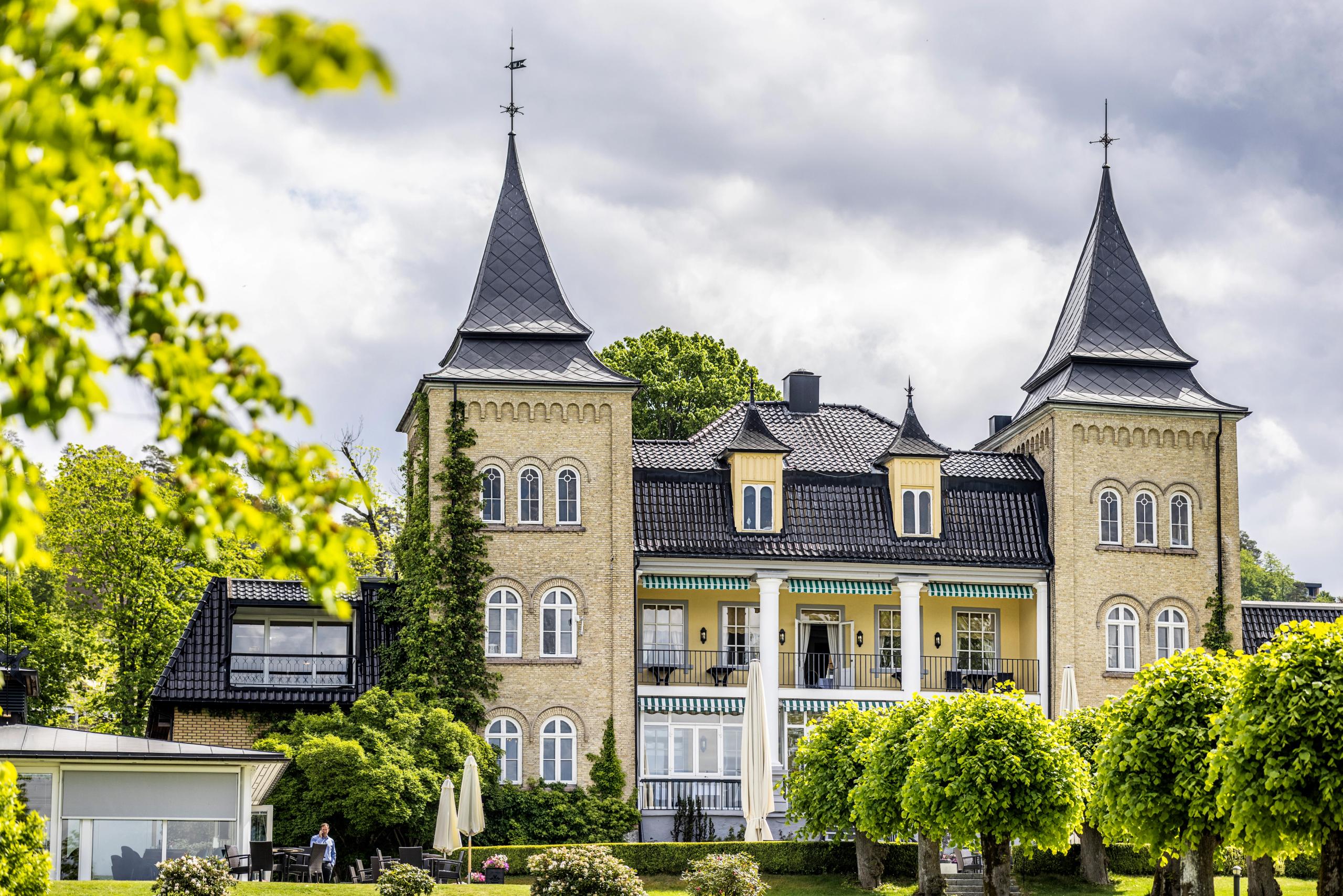 Classic Norway HotelsWhen the hotel is the destination. Book a night to remember in one of Norway's most unique and distinctive hotels.
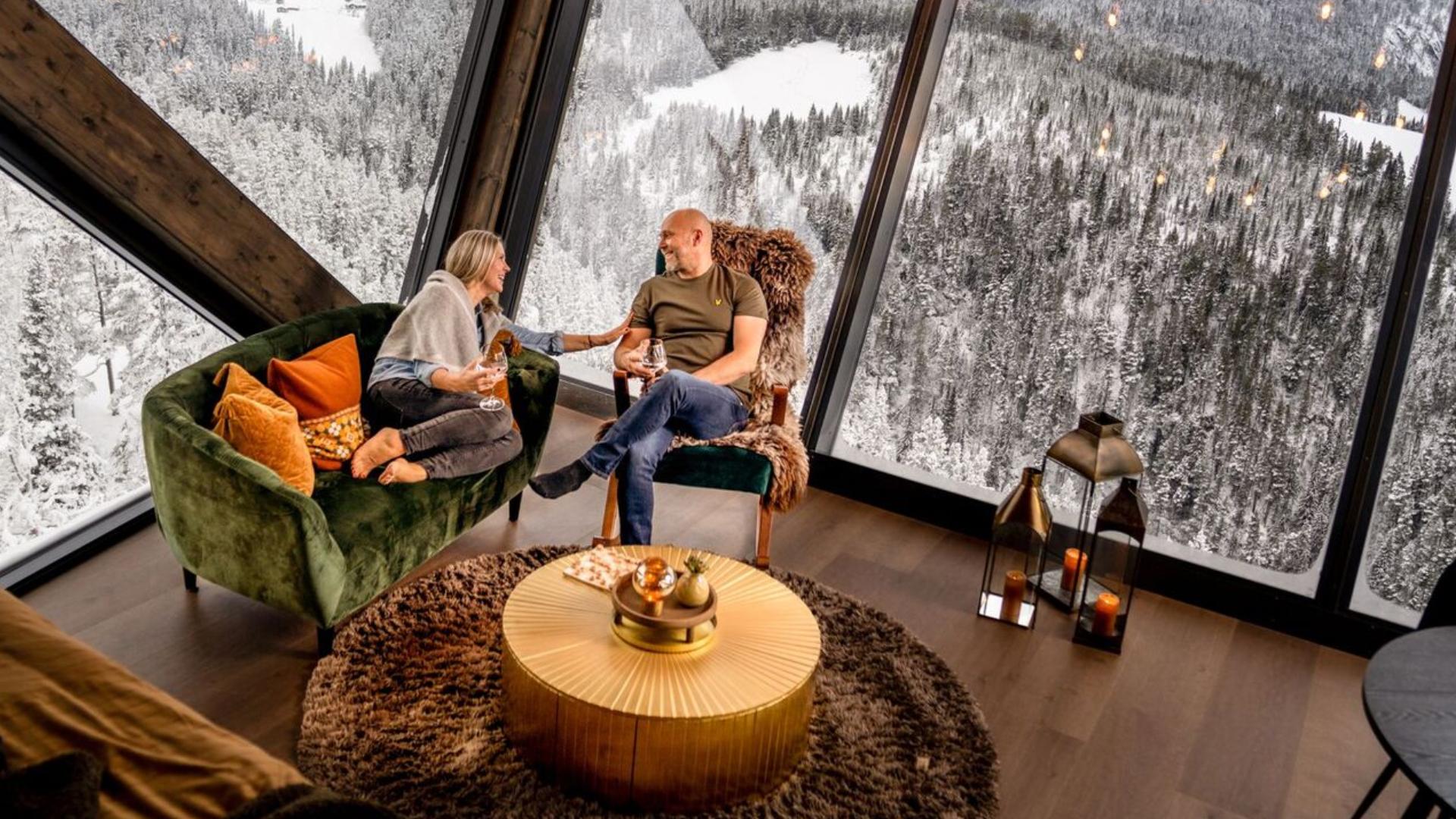 50 Degrees North NordicChoose between unforgettable tailormade individual trips and small, exclusive group tours of Norway.
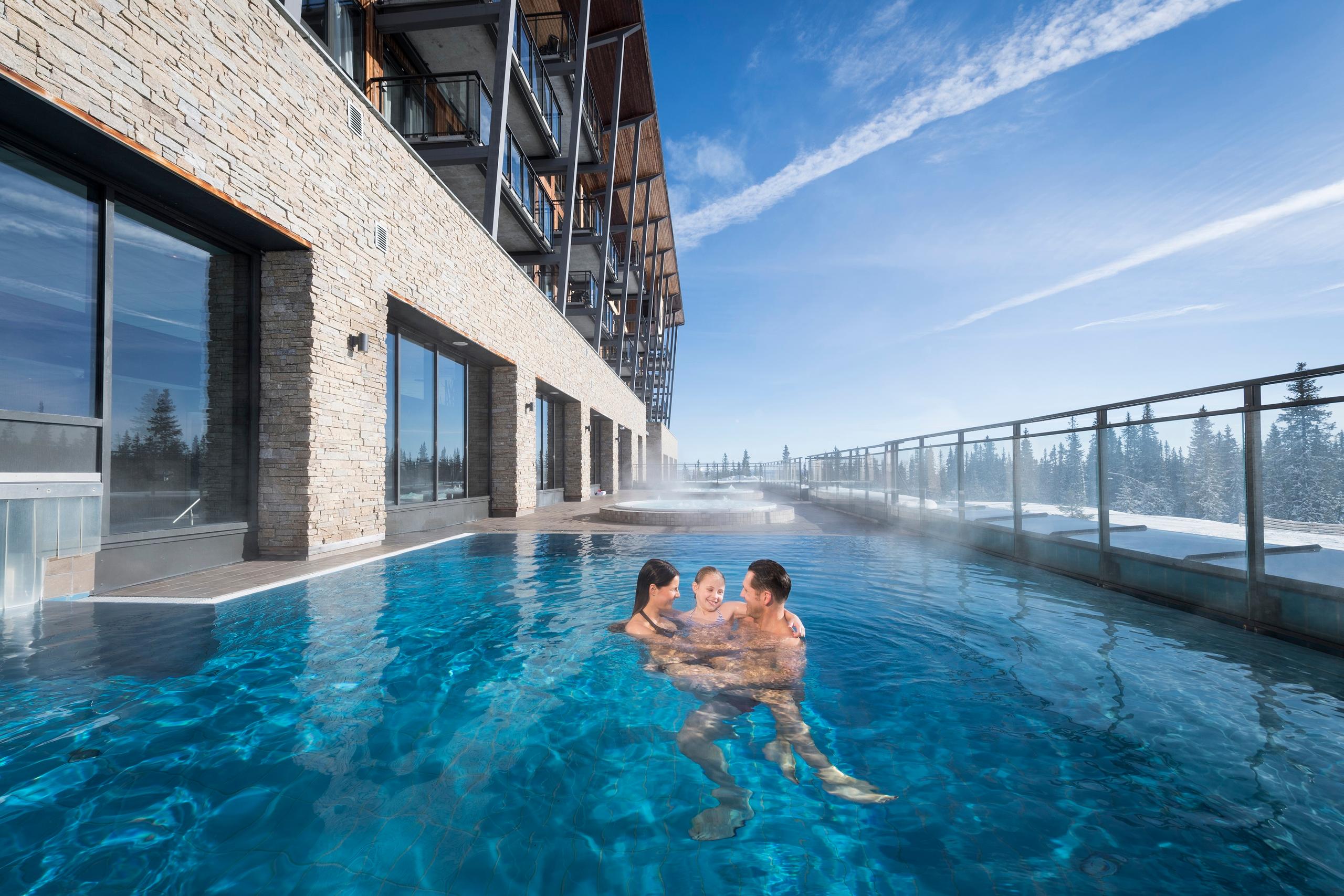 Radisson HotelsGreat value offers and comfortable quality stays in Norway´s major cities, airports, and ski resorts.
 Authentic ScandinaviaTravel curated by locals. Our tailormade tours suit every type of traveller and budget.
 Booknordics.comUnique holiday packages, adventure hotels, tours, and activities.
 Fjord ToursHome of Norway in a Nutshell, Norway's most popular tour. Fjords, mountains, and stunning destinations — all in one trip!
 Go FjordsBook fantastic tours and experiences! We offer tours in Oslo, Bergen, Stavanger, Lofoten, the North Cape, and more.
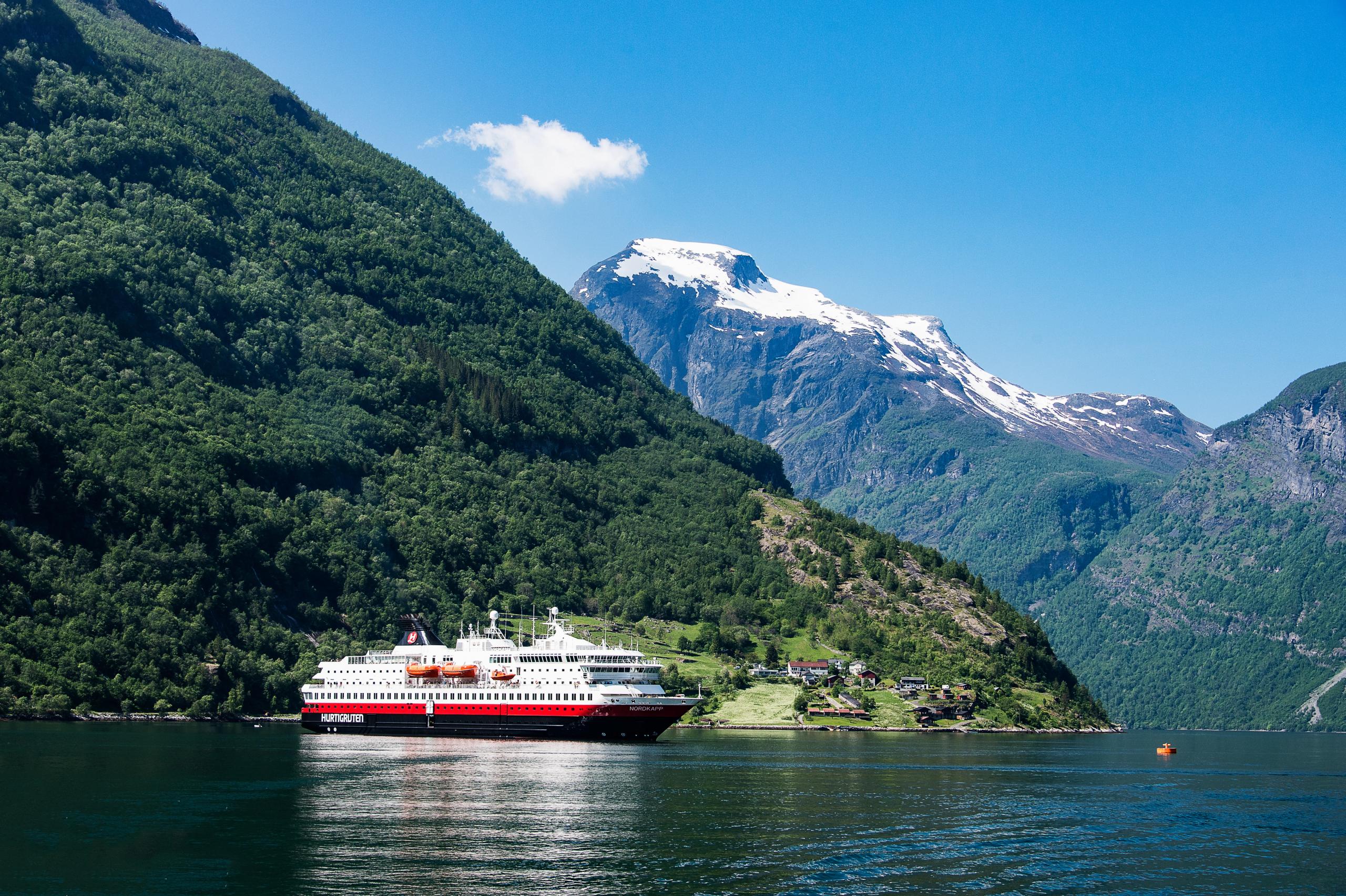 HurtigrutenExperience the world's most beautiful sea voyage on an unforgettable cruise along the stunning Norwegian coast.
 Norrøna AdventureGet ready for expeditions and adventure holidays with Norrøna Adventure. Hiking, skiing, and biking trips.
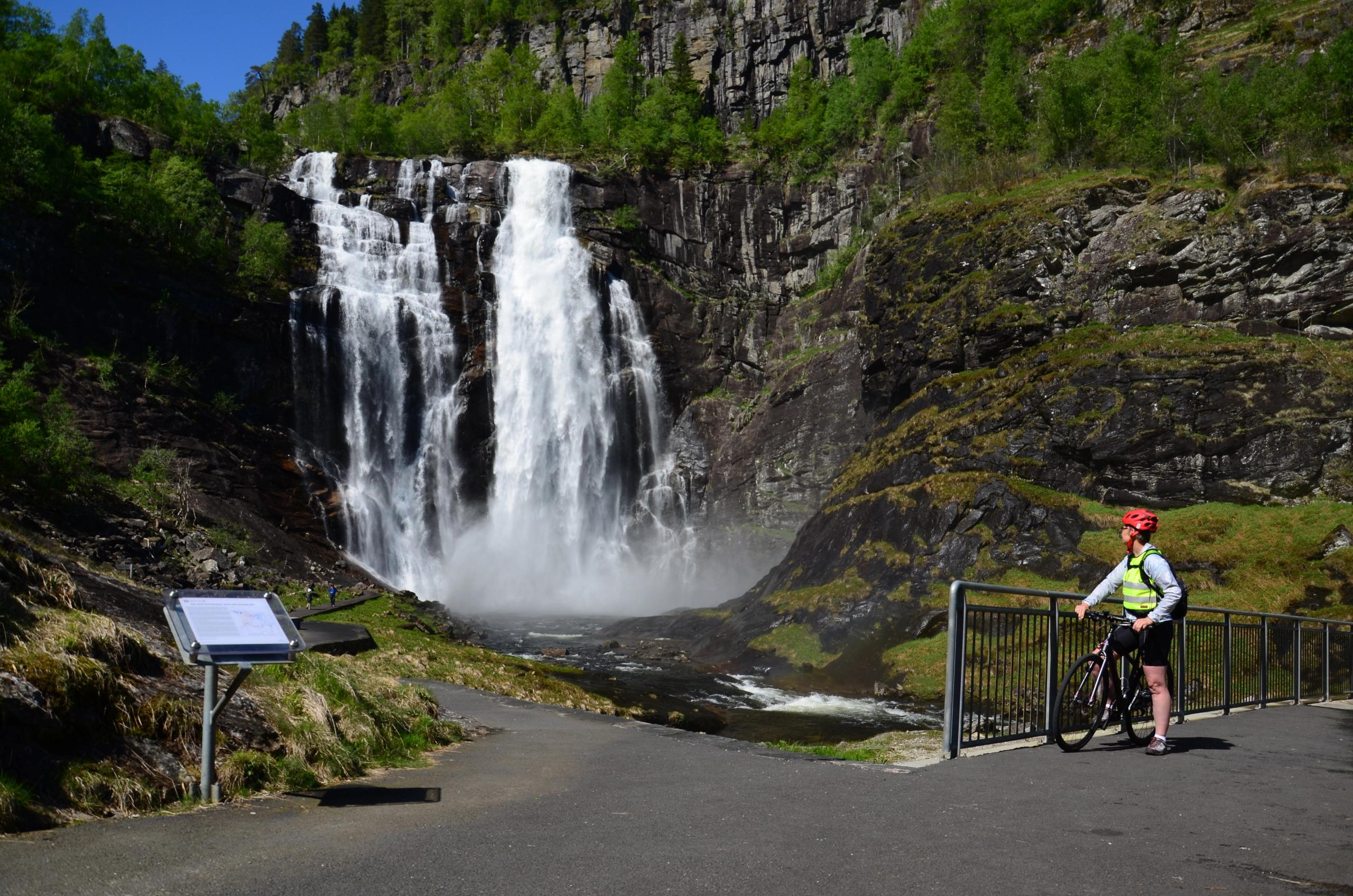 Discover NorwayOffers a range of exciting self-guided hiking, biking, and skiing holidays in Norway. Luggage transfer included.
 Norwegian HolidaysLow-price package holidays with Norwegian. Book your flight, hotel, and rental car all in one place.
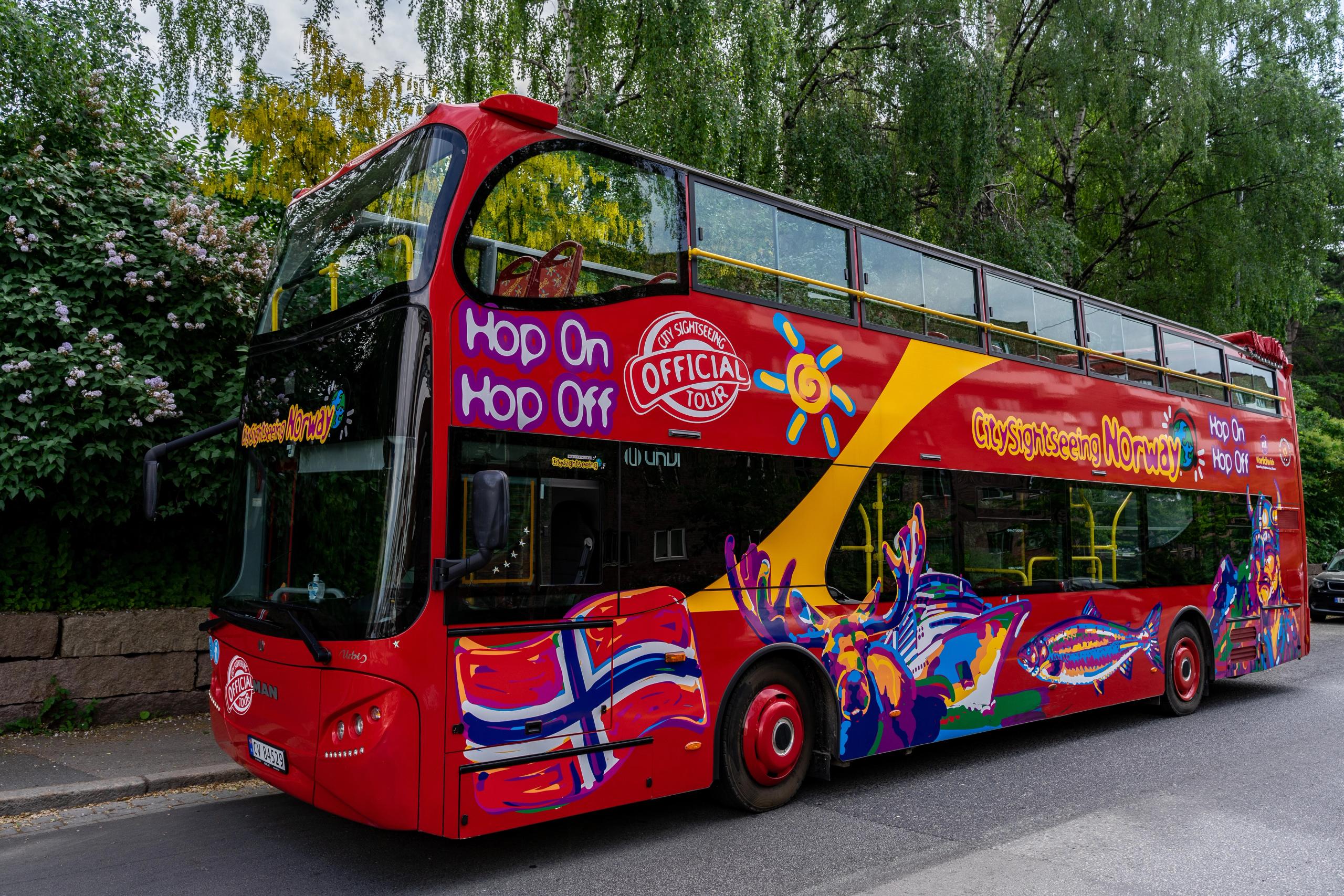 StrömmaSightseeing by bus and boat in several major tourist spots and cities in Norway.
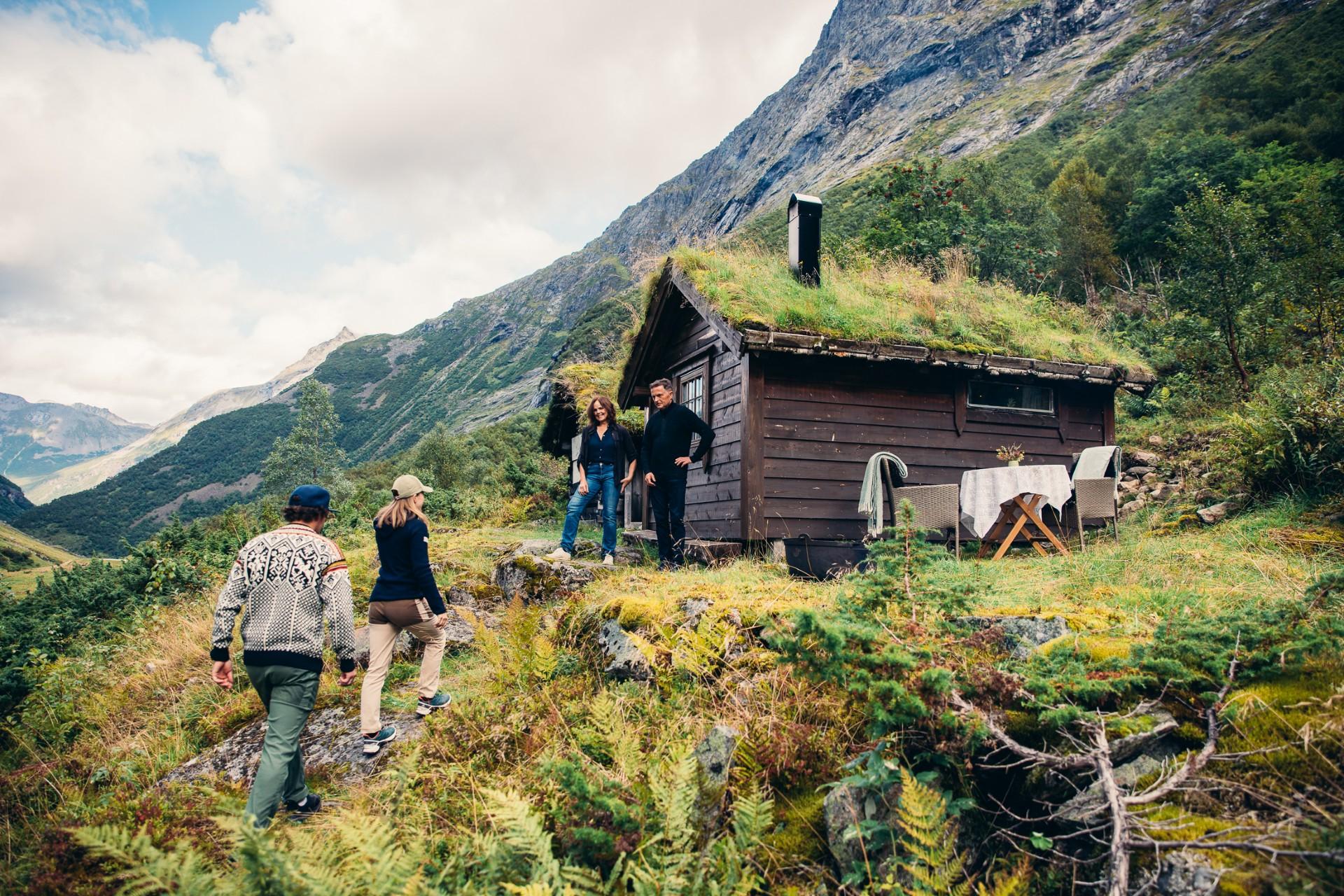 Up NorwayBespoke luxury hand-picked by local experts. We combine your preferences and our knowledge to make an unforgettable journey.
 Arctic Campers ASDo you want to try van life? Explore Norway in comfort and style with our smart and cosy campervans.
 Auto EuropeAlways a smooth car rental experience. Search and compare rental rates. Free cancellation up to 24 hours prior to pick-up.
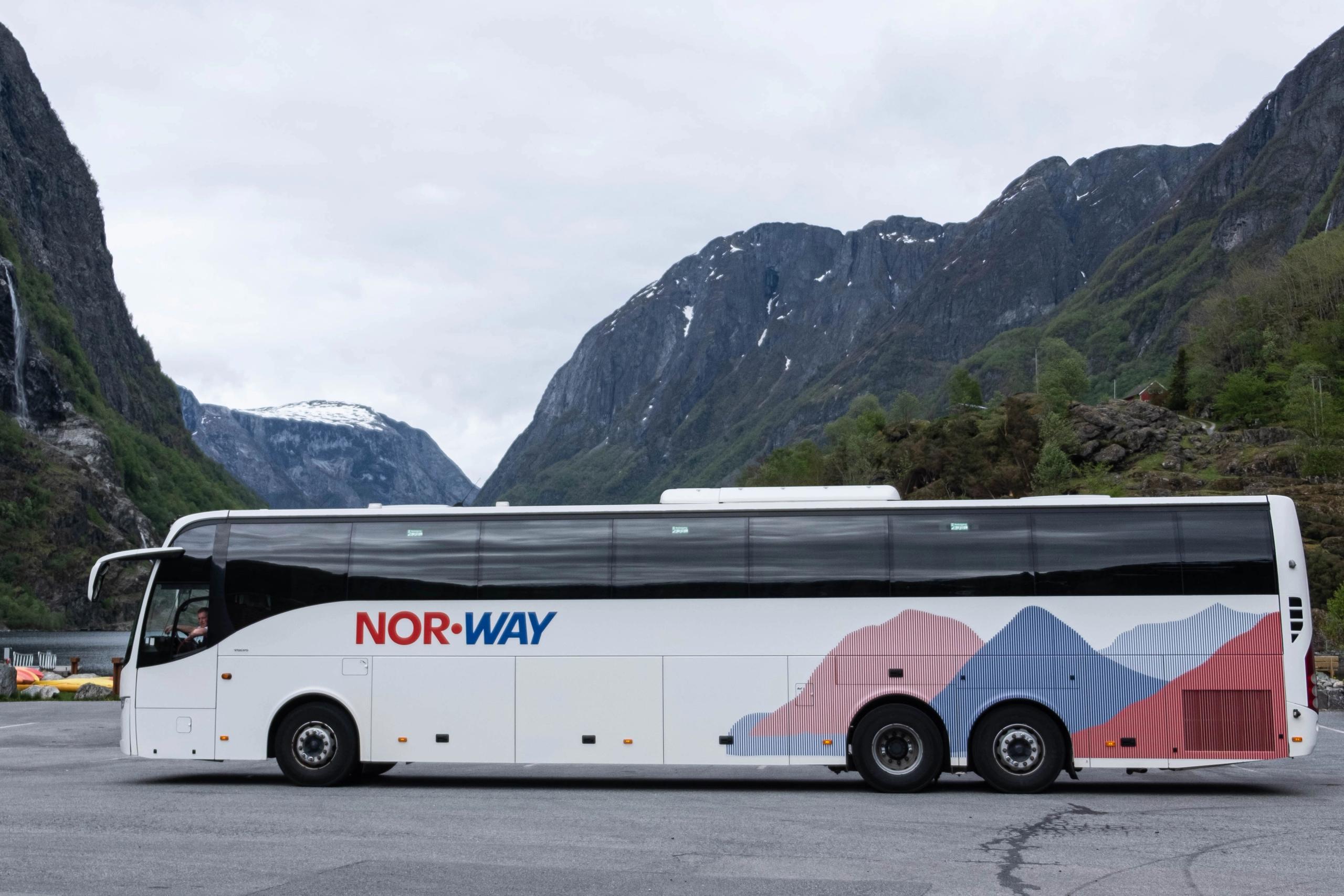 NOR-WAY BussekspressEnjoy scenic views on comfortable bus trips to the fjords and from city to city with our express buses.
 Rent-A-Wreck of Scandinavia ASThe smart and affordable car rental alternative.
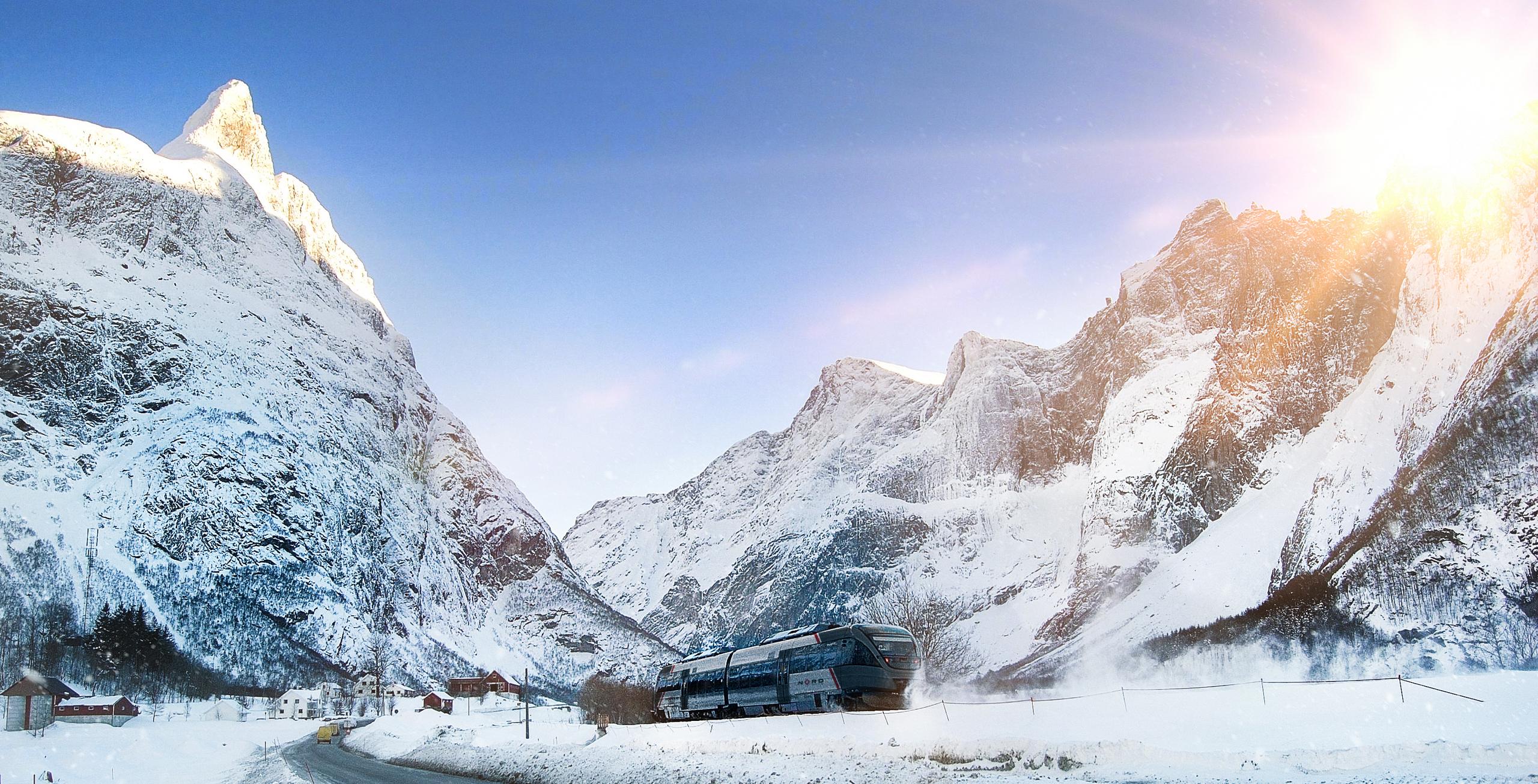 SJ NordSJ NORD - the adventure starts on the train
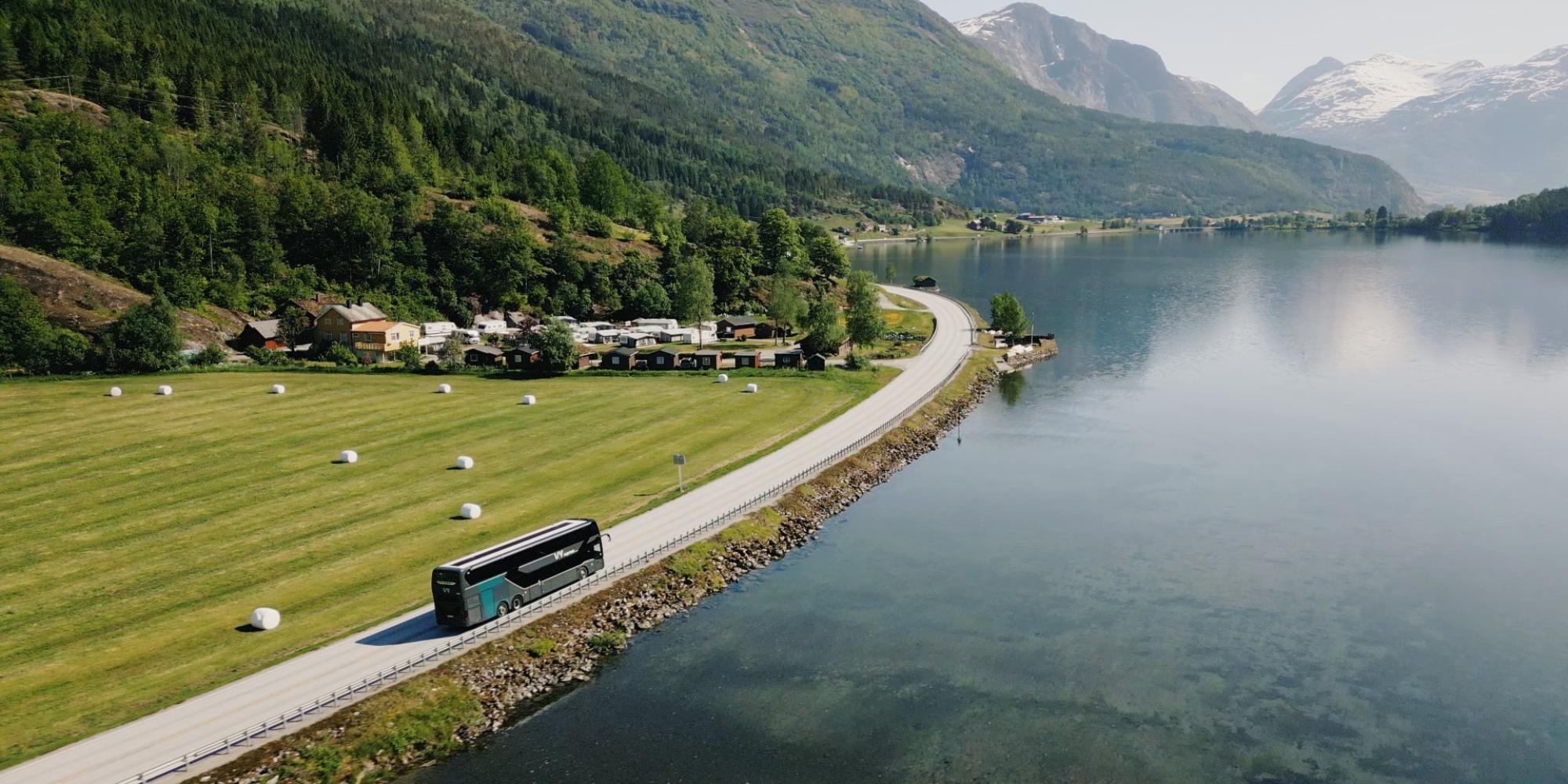 Vy expressDiscover Norway on comfortable express buses that take you between major cities, mountains, and fjords.
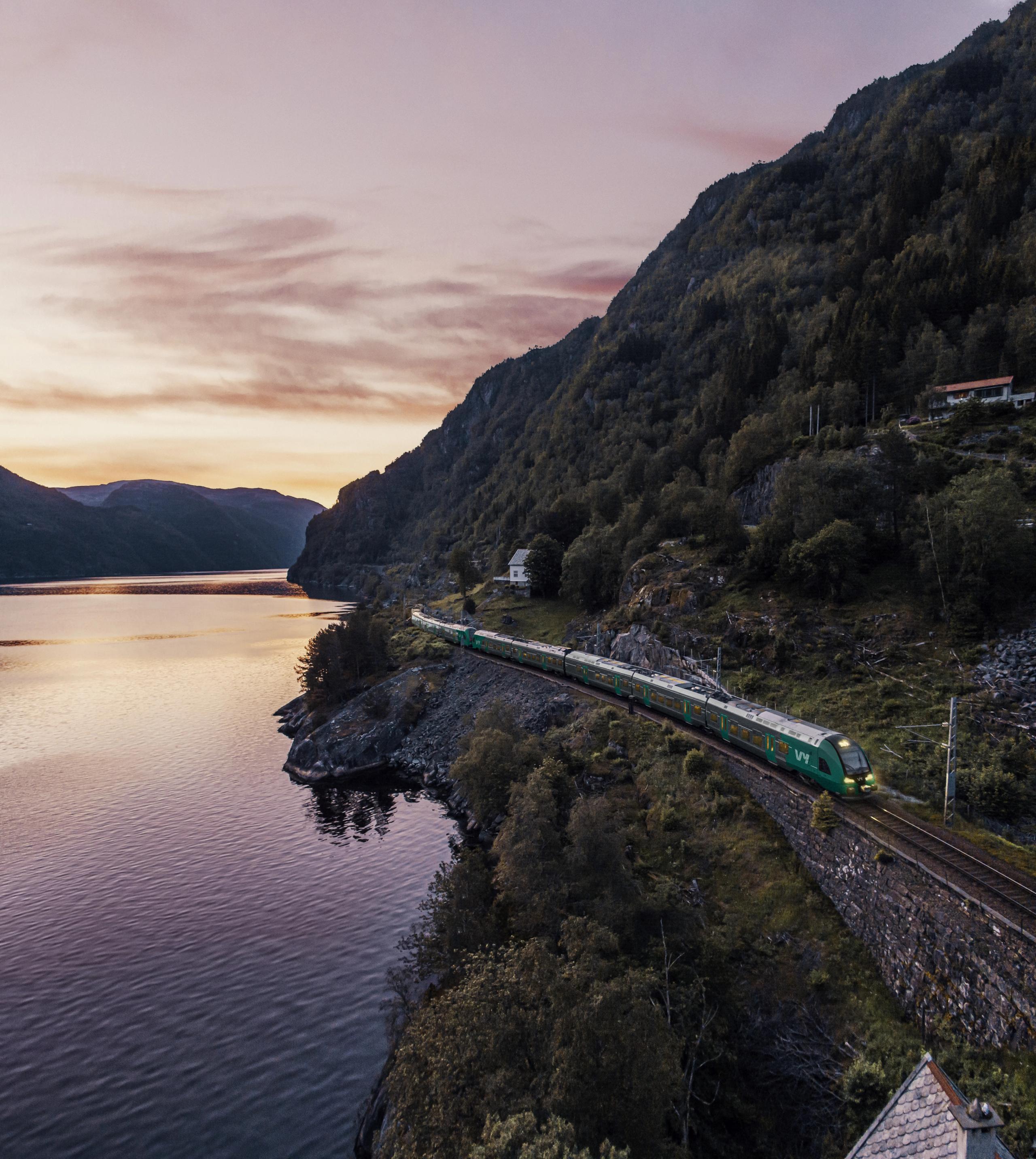 Vy TrainGlide through scenery on a train between Oslo and Bergen on the Bergen Railway and explore the greater Oslo region.
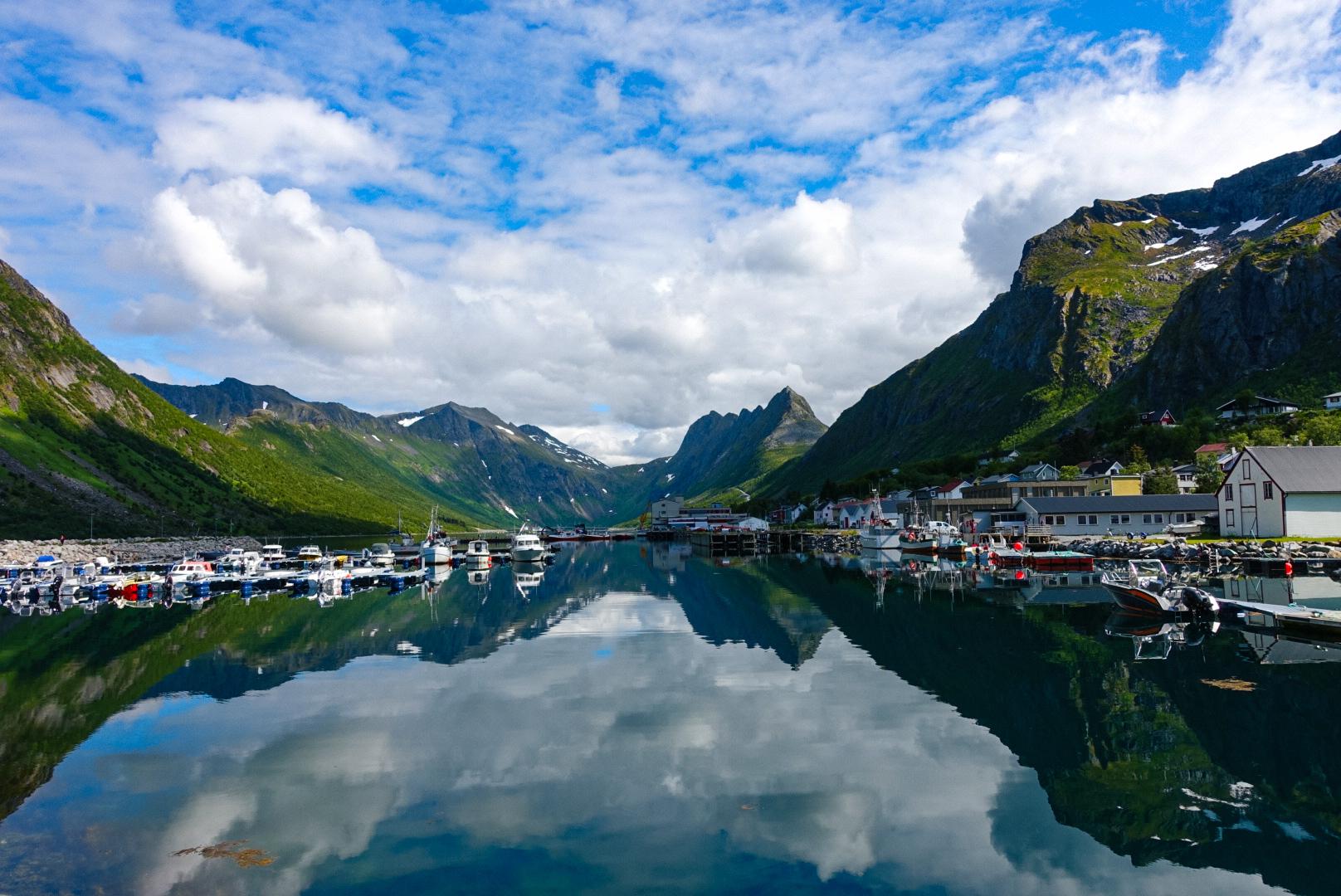 My Nordic TravelChoose between DIY itineraries and pre-packaged holidays to the very best destinations in Norway.
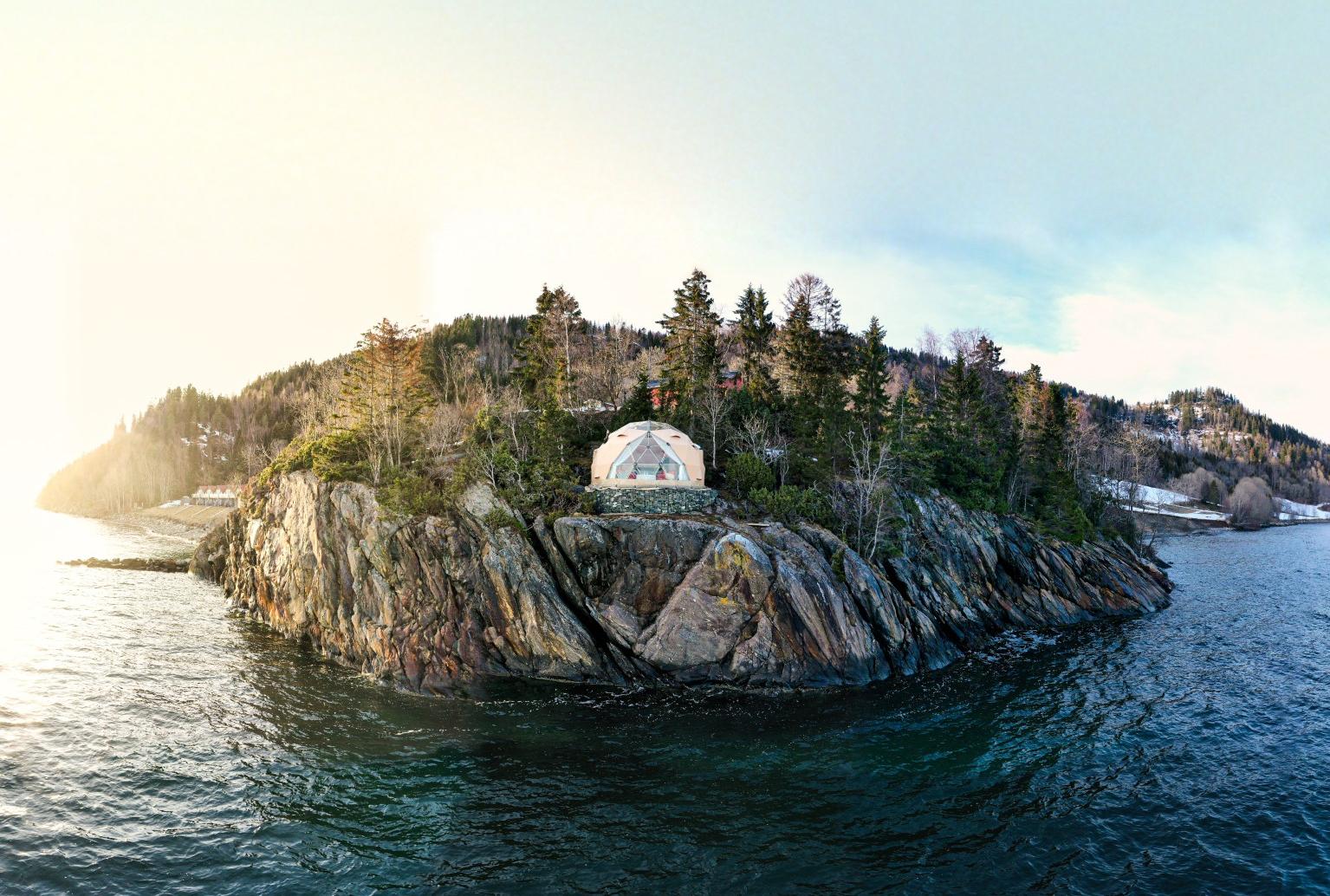 CampanyonUnique camping in nature. Book a stay in a treehouse or glamping tent or rent a motorhome pitch.
 NorwegianNorwegian offers cheap flights in Norway and direct flights from more than 70 European destinations. Book flights through our low fare calendar to your destinations.
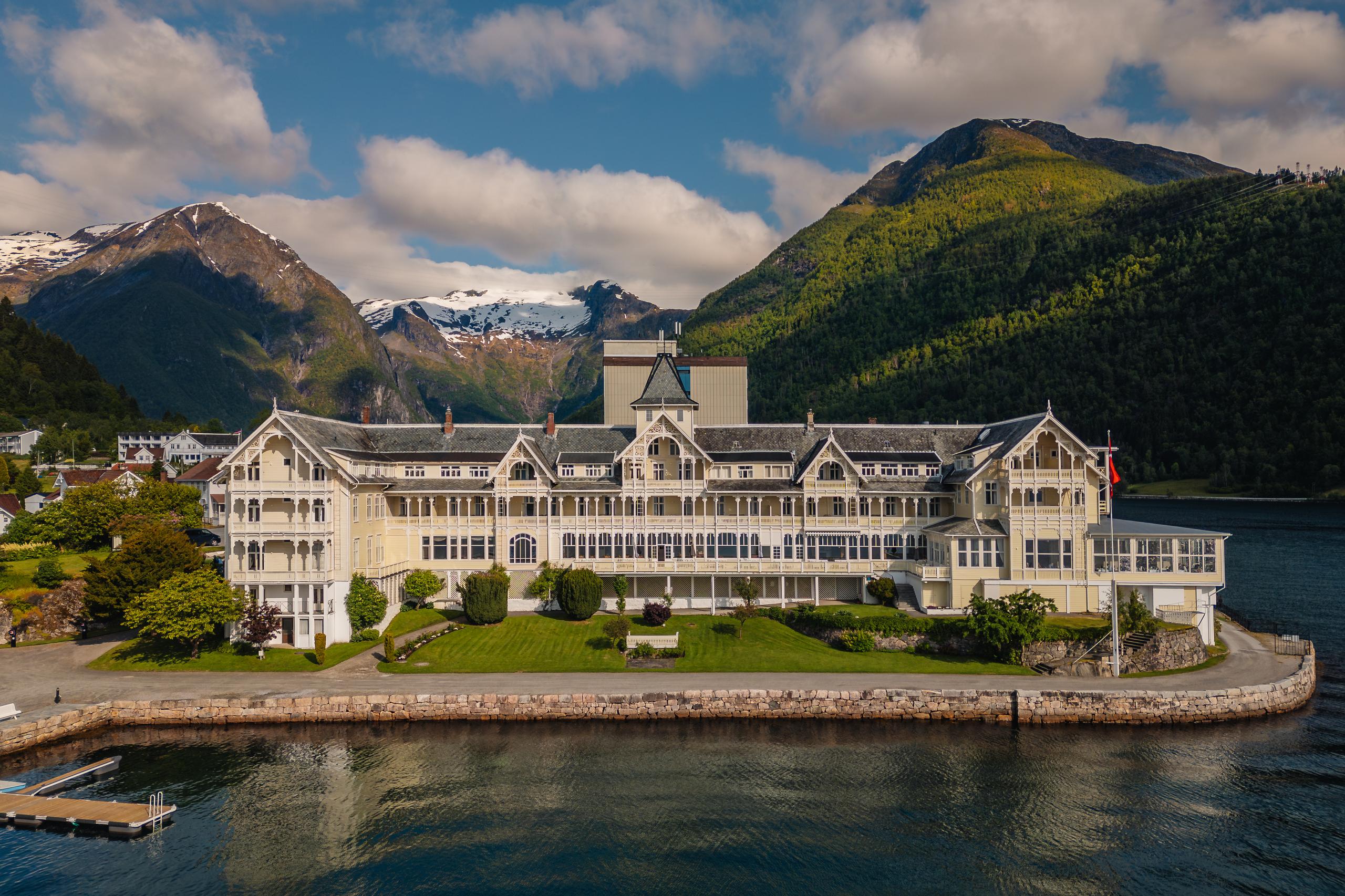 De HistoriskeHave an unforgettable stay at one of Norway's unique, authentic historic hotels. Enjoy first-class dining experiences and a broad range of activities.
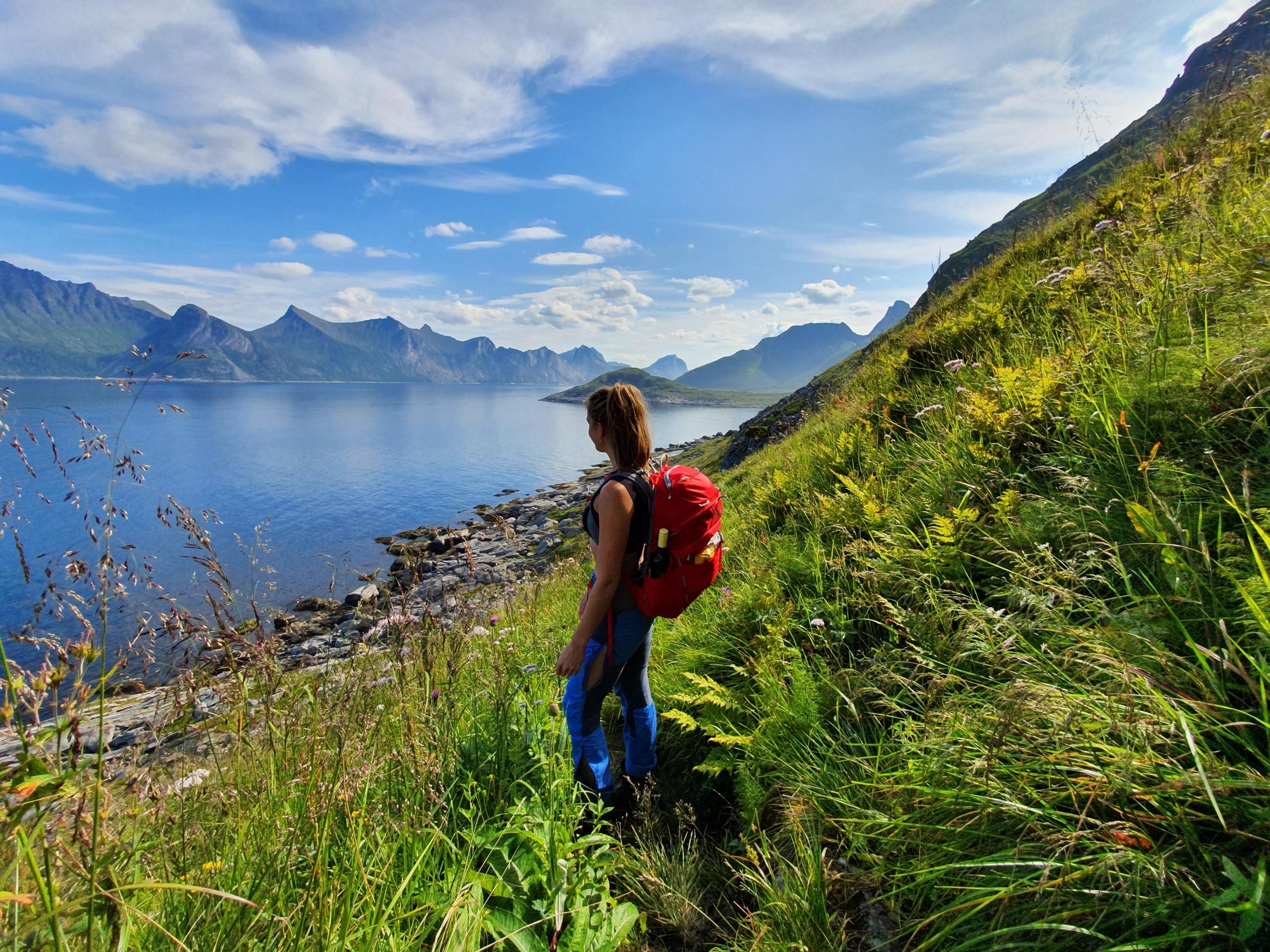 CampioNorway's biggest camping booking site. Find the best camping and motorhome pitches throughout Norway.