Norwegian cheese is some of the best in the world. Three of our cheeses have even won the top prize at the World Cheese Awards, in 2016, 2018, and 2023! Learn about Norwegian dairy farms and find out where you can get your hands on these tasty delights.
Try some of the world's best cheeses
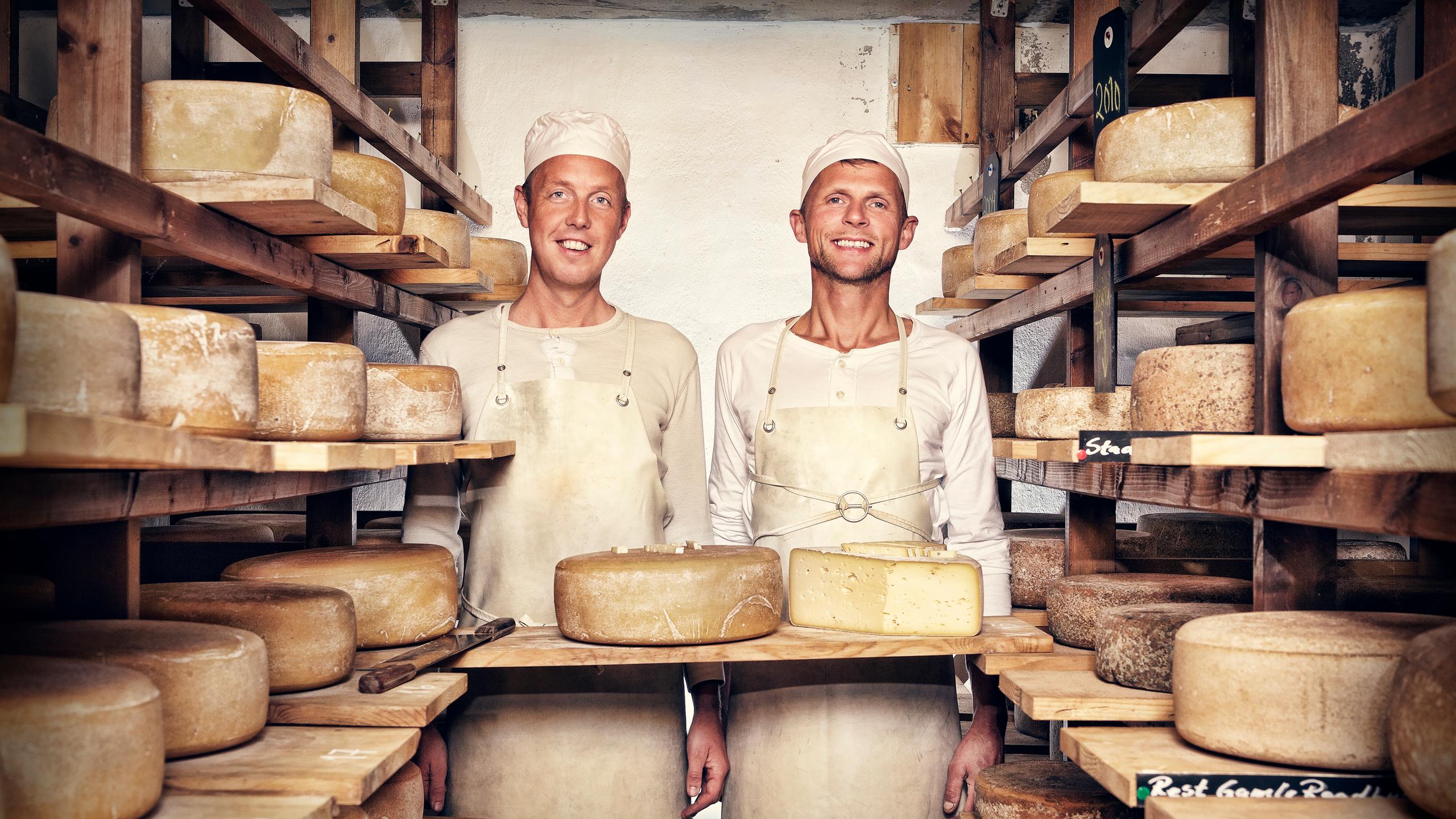
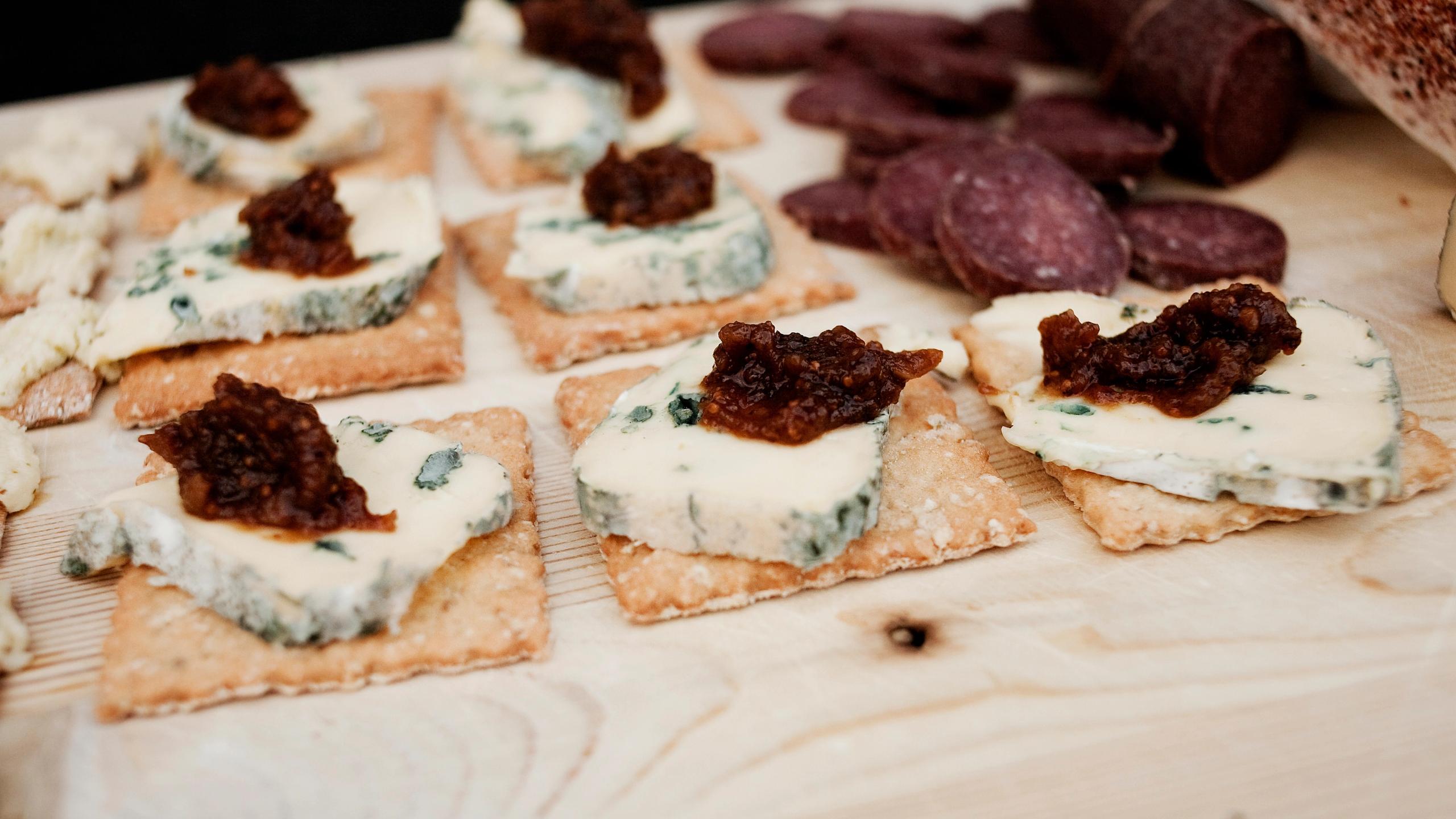
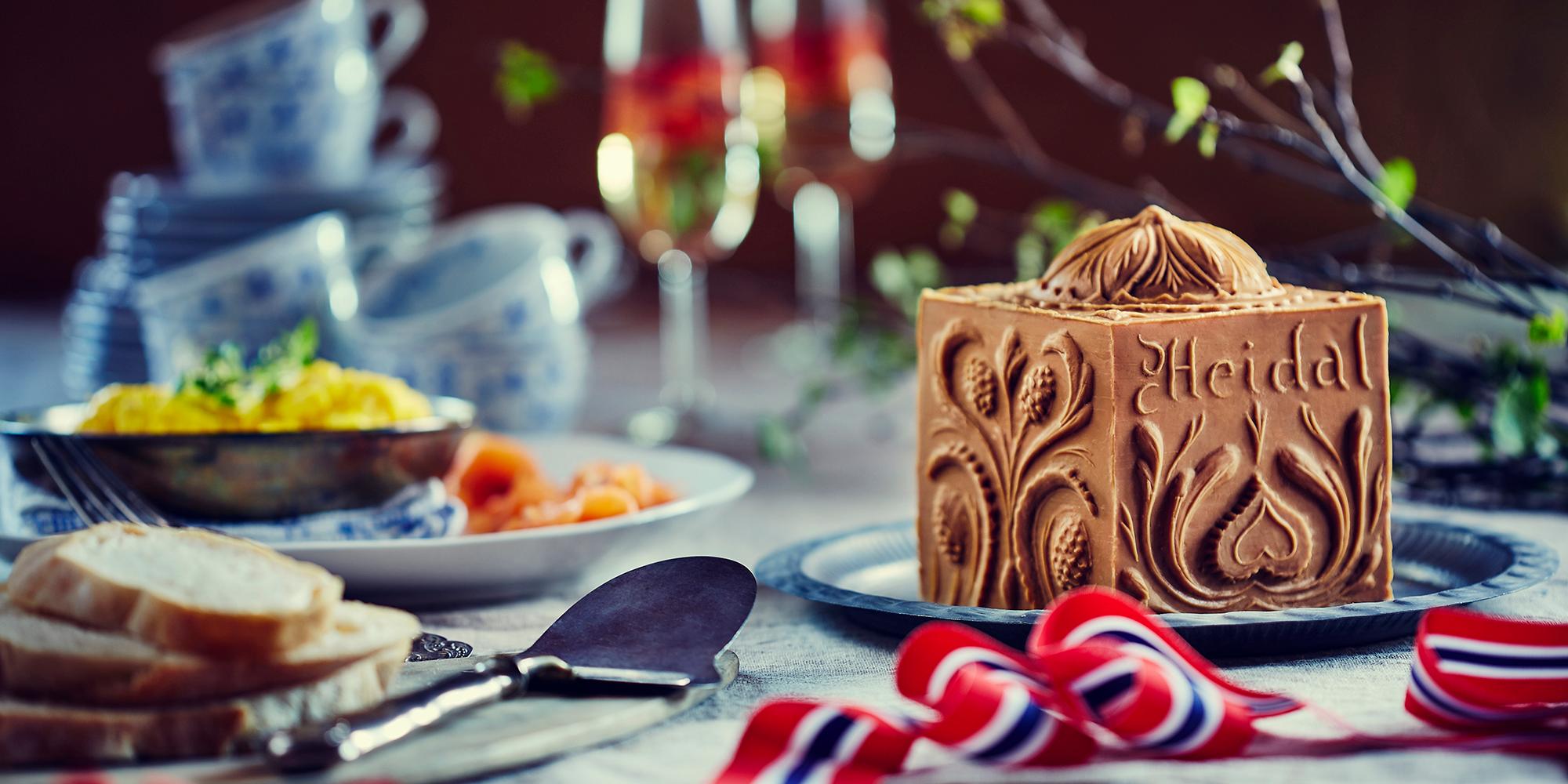
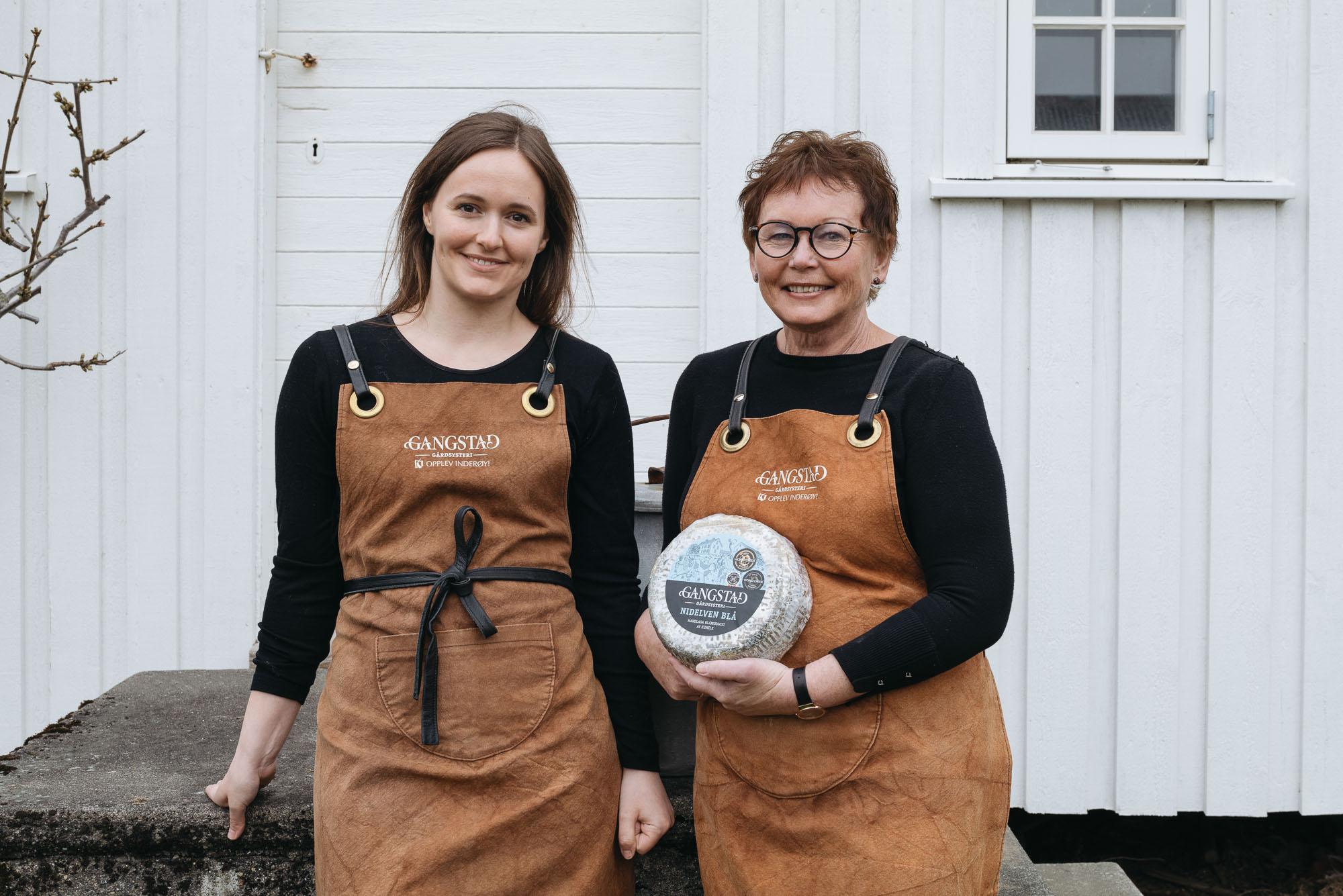
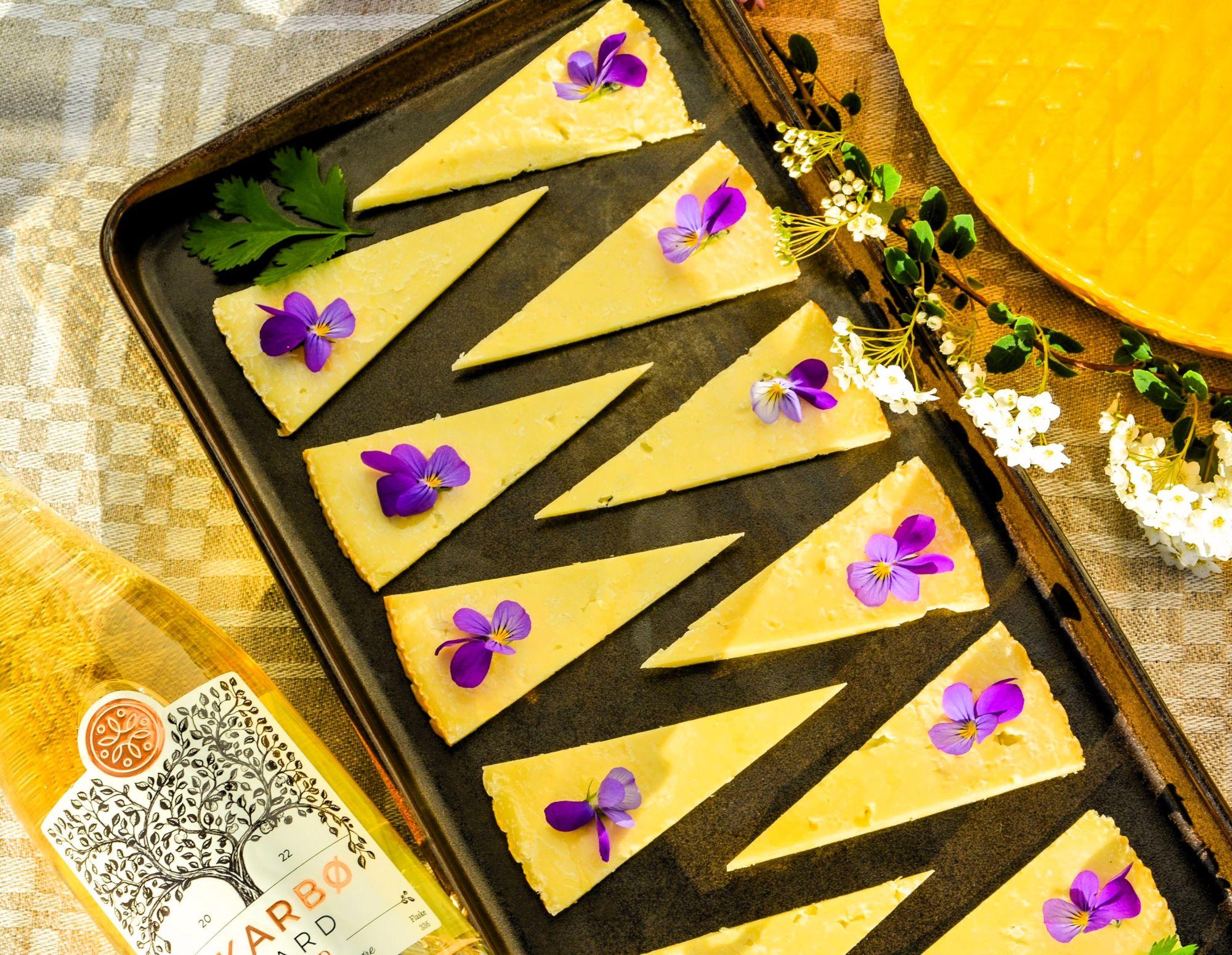
Learn about why so many Norwegian cheeses, including Nidelven Blå (pictured), are winning prizes around the world!
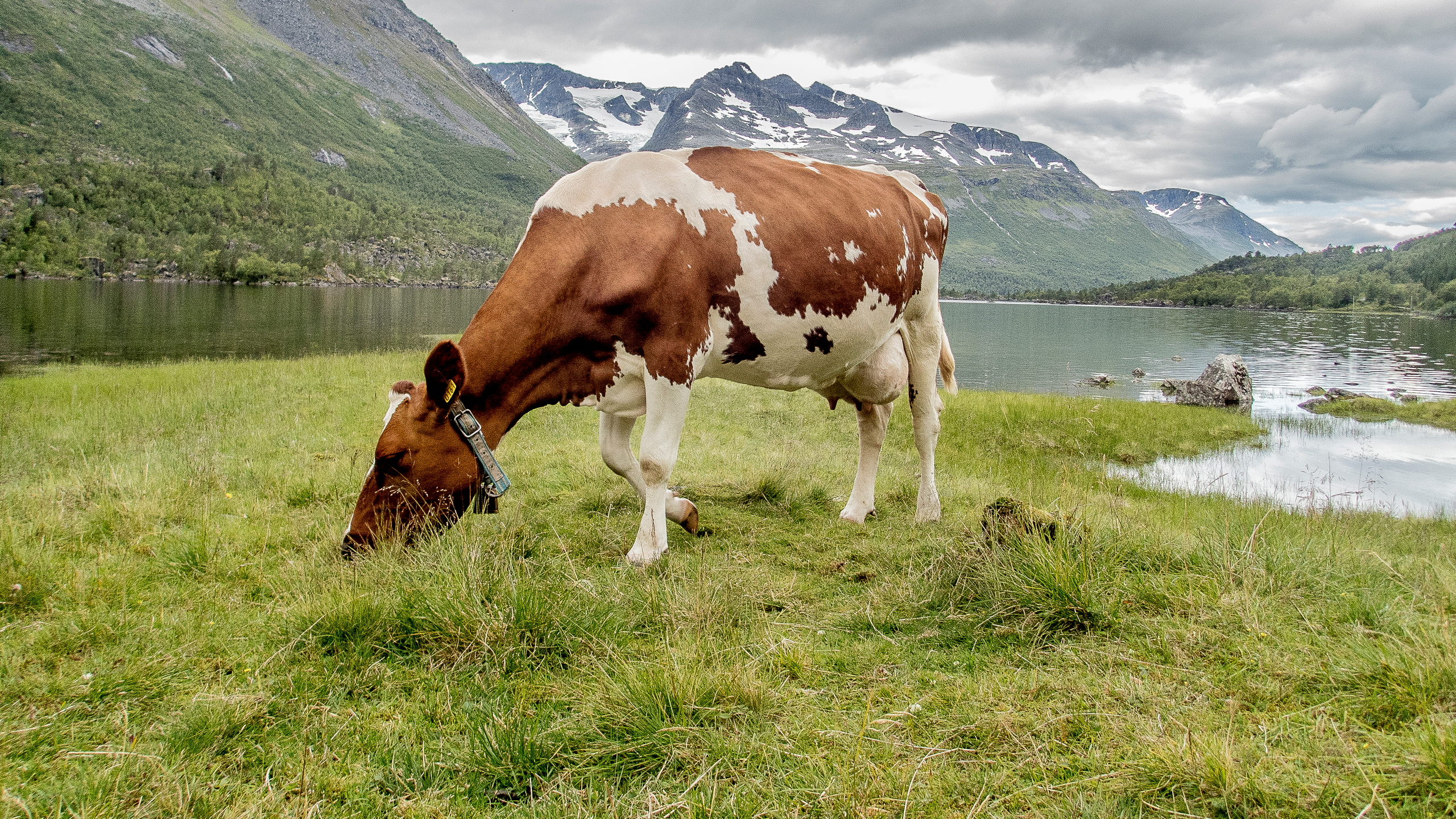
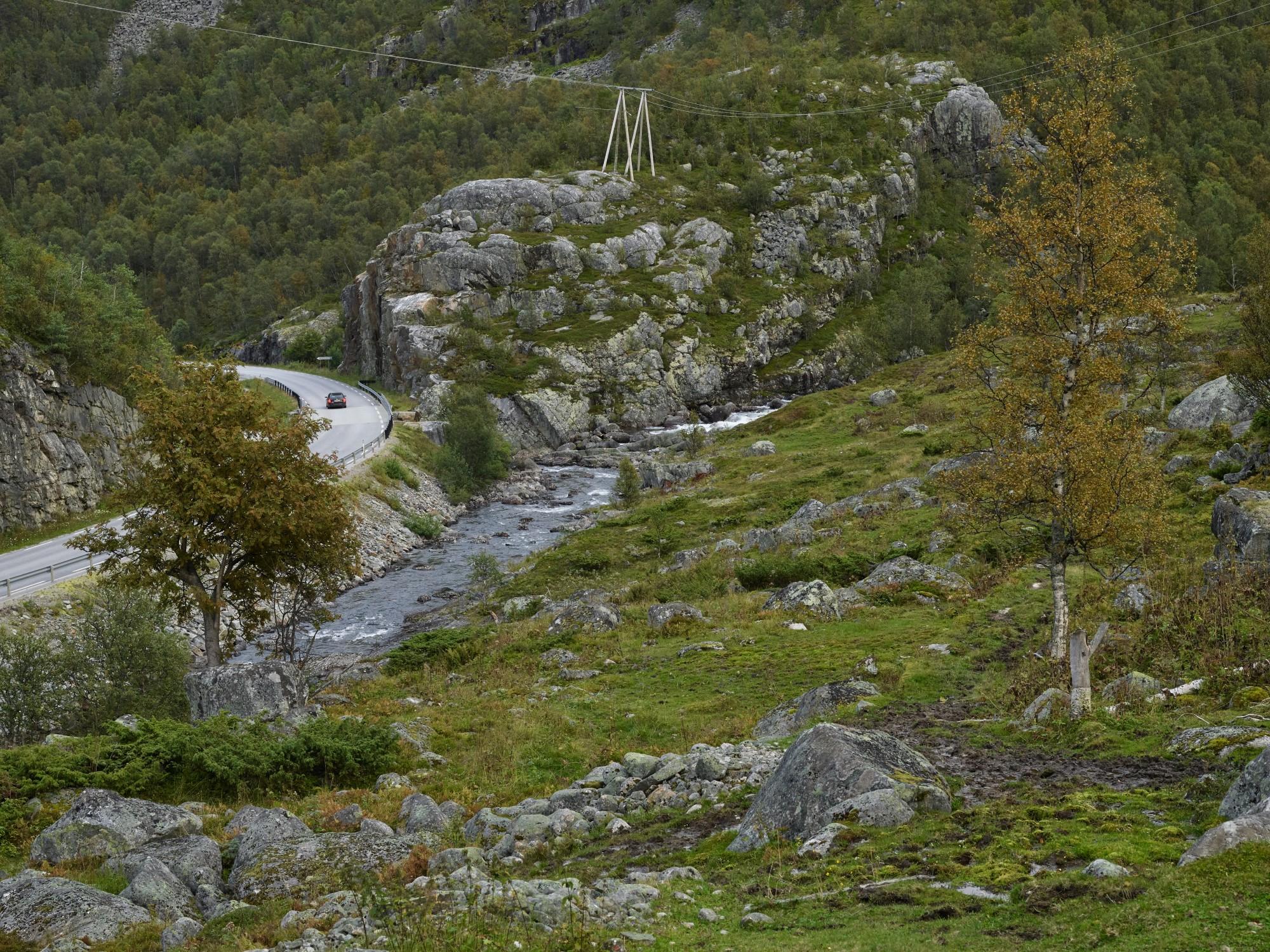
The answer is grazing here …
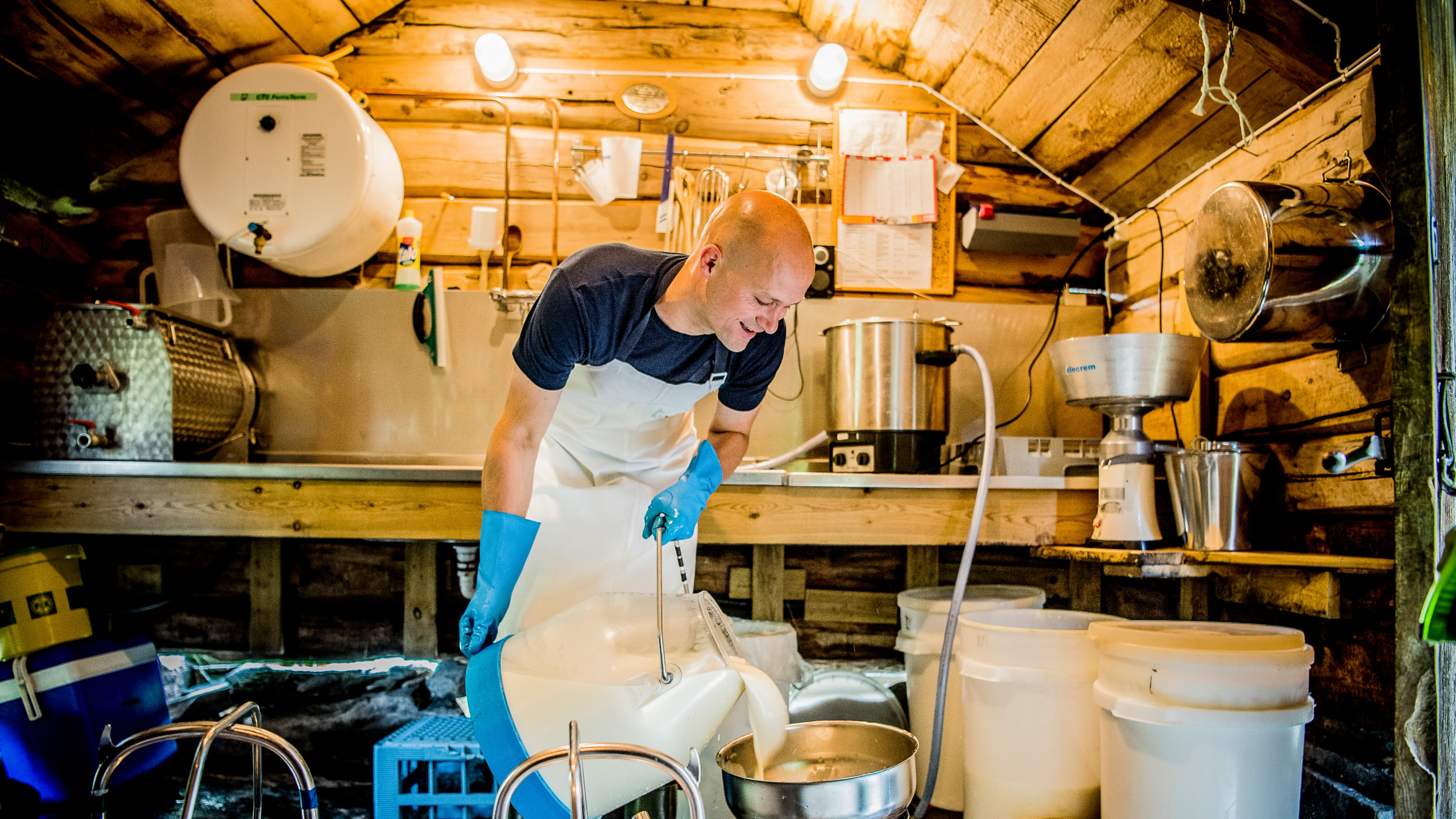
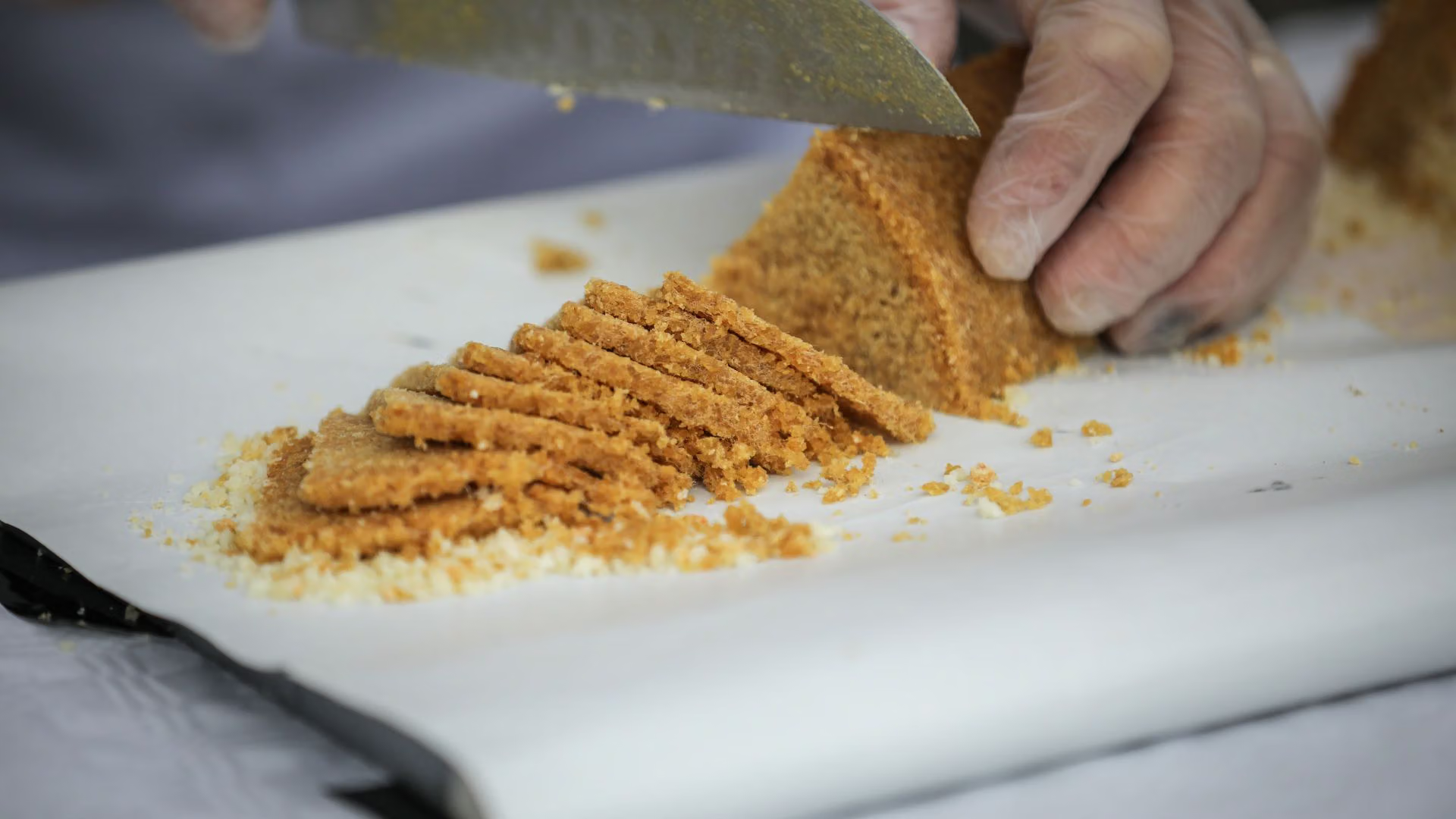
… and is processed here.
And the winner is ... Nidelven Blå!
2023 marked a record-breaking year for the World Cheese Awards, with more than 4,500 cheeses competing to become the world champion. This year, the prestigious competition was held in Trondheim in Trøndelag. The blue cheese “Nidelven Blå” from Gangstad Gårdsysteri became the world’s number one cheese.
“We’re a small dairy farm based just two hours outside Trondheim, so this happening on our home turf means a lot. Having all the crew from the dairy here makes it extra special,” says Maren Gangstad, general manager at Gangstad Gårdsysteri.
Do you want to sample this award-winning cheese? Gangstad Gårdsysteri is one of the highlights on the Golden Road, one of Norway’s tastiest cycling trips. Make sure to also try its Camembert and spreadable cheeses, too! The route is also home to plenty of other farm shops, eateries, and cafés that offer local produce, including incredible cheeses.
World-class cheese
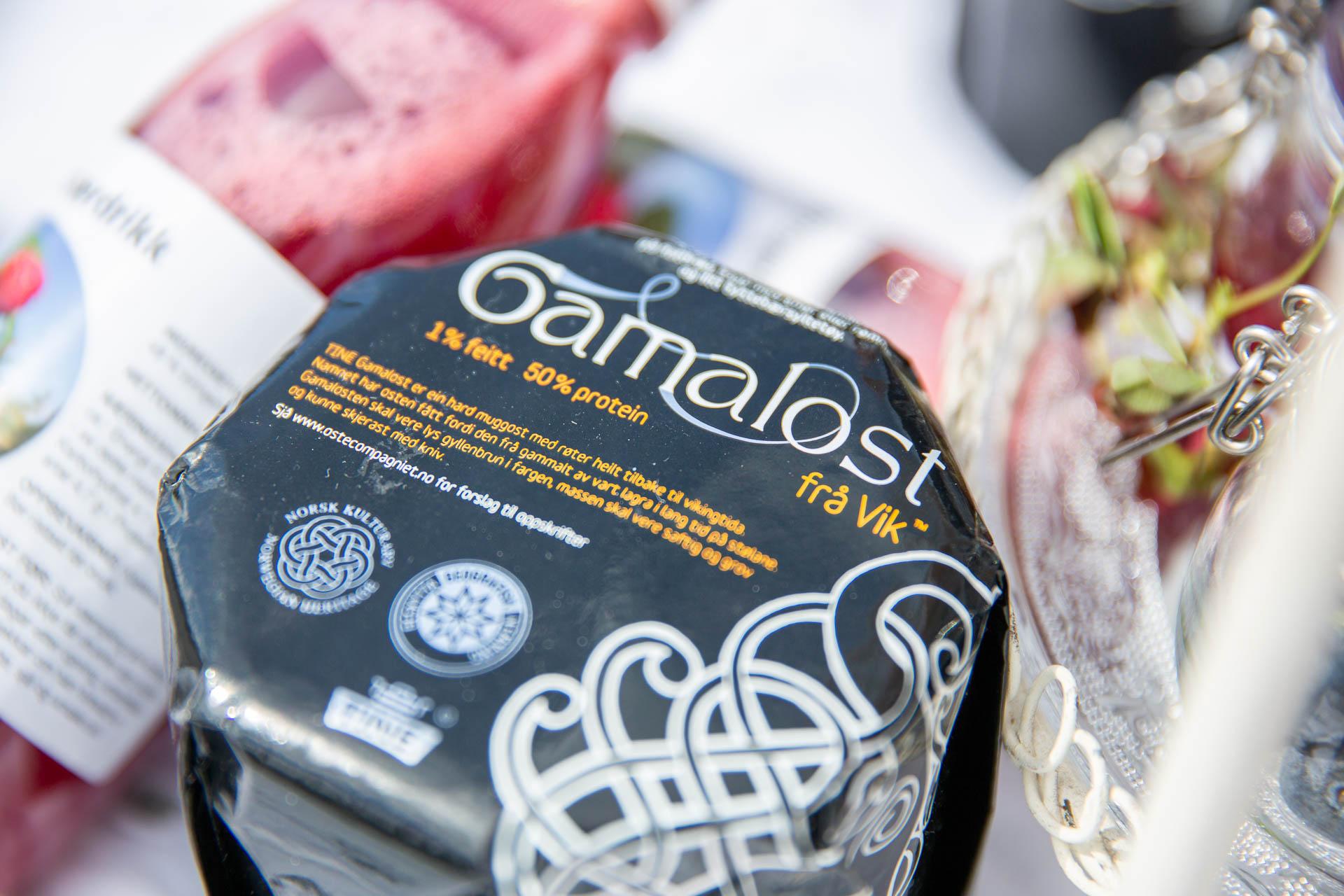
“ Kraftkar” from Tingvollost was the first Norwegian cheese to win the World Cheese Awards in 2016. That was when people really got a taste for Norwegian cheese. But how did we get there?
“The answer is threefold: changes in Norwegian farming traditions, changes in Norwegian tastes, and, last but not least, fantastic ingredients,” says Bernt Bucher-Johannessen.
Bucher-Johannessen is a Norwegian author and cheese connoisseur who is general manager of HANEN, an organisation that promotes the best of the Norwegian countryside. In his book Osteglad, or ‘The Pleasures of Cheese’, Bucher-Johannessen and his co-authors give readers a tour of our national cheese adventure.
“Around the year 2000, the law was amended to permit Norwegian farmers to produce more products than just the milk they delivered to the national dairy, including cheese from unpasteurised milk. For almost a century, this had not been common practice due to the fear of using unpasteurised milk,” says Bucher-Johannessen.
“People were influenced by Europe and inspired to revive local cheesemaking traditions. This, combined with the pioneer spirit among Norwegian farmers, became the start of a cheese revolution,” he explains.
Cheese rookies
Before this shift, Norwegians thought of cheese as something to use as a sandwich topping. This was reflected in the rather dull selection of cheeses available in most supermarkets. But the national palette changed in line with the growing popularity of Central European cuisine.
“The different characteristics of taste were recognised as something extraordinary. Local food production also received a boost, which set the stage for local cheesemakers. Today, they are among the world’s best.”
From Finnmark in Northern Norway to Rogaland in Fjord Norway: More than 110 local cheesemakers produce both white and brown cheese in different shapes and sizes. Some supply supermarkets at home and abroad, while others are limited to local shops and taking part in regional farmers markets.
“If you step into a Norwegian supermarket today, the situation is entirely different. You’ll find a large selection of Norwegian cheeses at the cheese counter,” says Bucher-Johannessen.
The great breakthrough
Much has happened since Kraftkar won the World Cheese Awards (WCA) in 2016. Since then, several of our cheesemakers have achieved top rankings at the international competition. The Gouda-style Fanaost won the WCA in 2018, while the brown cheese from Stordalen Gardsbruk won silver the same year, and Nidelven Blå was the latest winner in 2023.
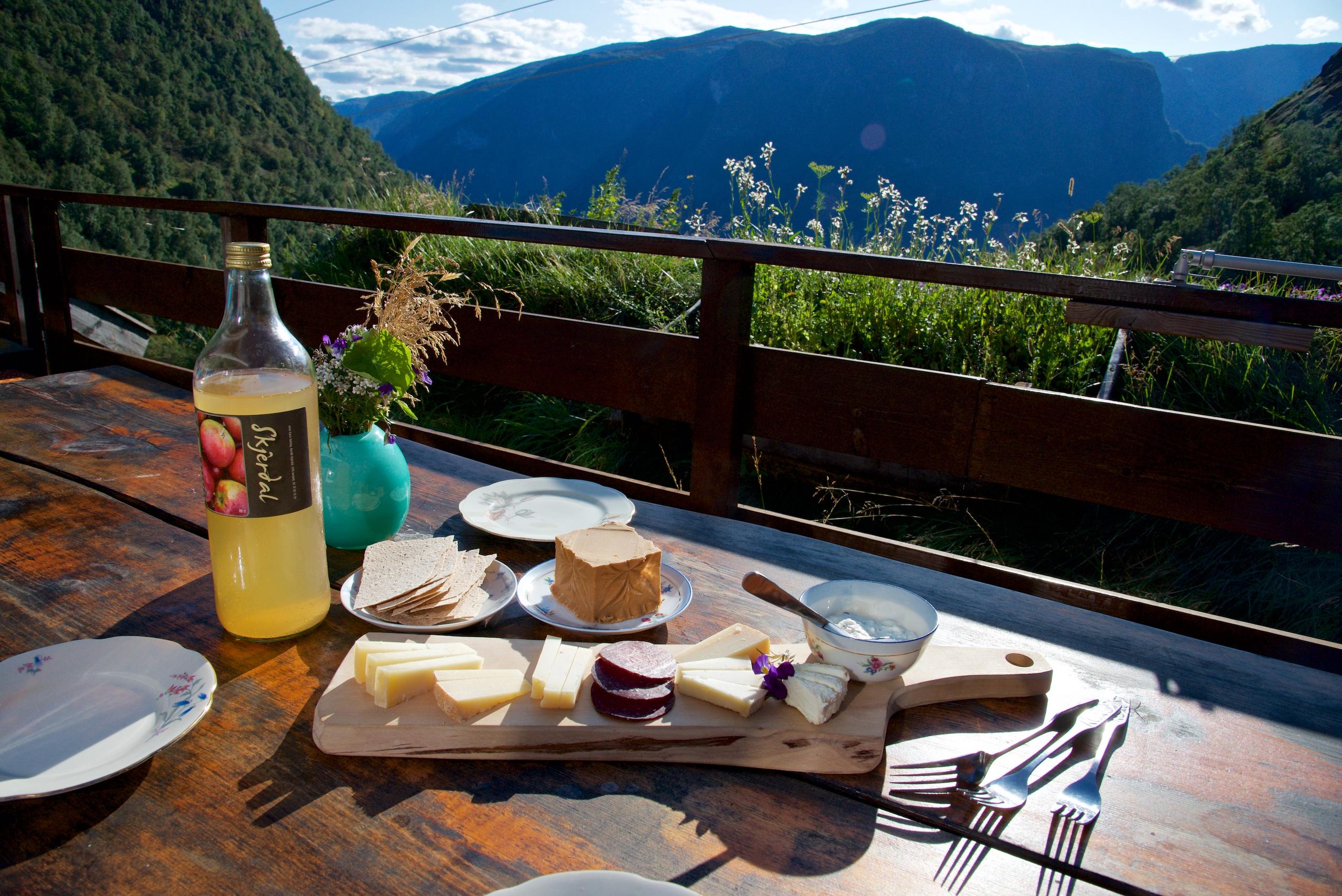
You can try all of the award-winning creations in Norway – and many more! Some are soft and mild. Others really pack a punch. You can even find a broad selection of spreadable cheeses.
Norwegian farms have some of the very best ingredients. Thanks to regional variations in taste, you can experience the different parts of the country with your taste buds!
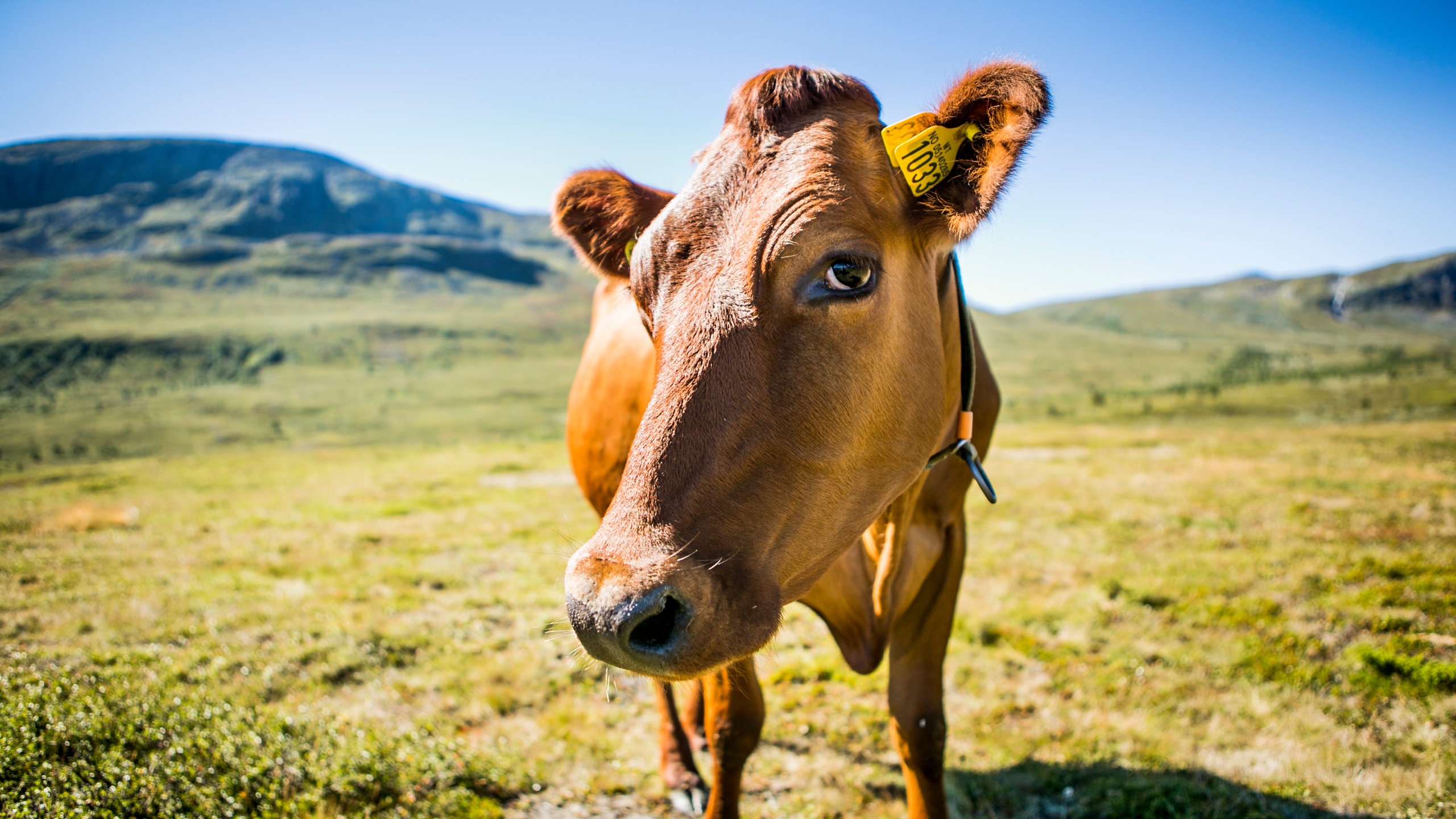
“Norwegian milk is unique, especially milk from cows that spend their summer holidays in the mountains eating nutritious wild grass. It’s probably the most typically Norwegian milk there is,” says Bucher-Johannessen.
In Bucher-Johannessen’s opinion, cheese made with this milk is a must-try when you come to Norway.
“This milk is called ‘stølsmelk’ and is more flavourful. It's also more yellow thanks to its beta carotene content. That’s the reason why Norwegian cheeses are sometimes referred to as ‘yellow cheese’,” he explains.
Visit a Norwegian dairy farm
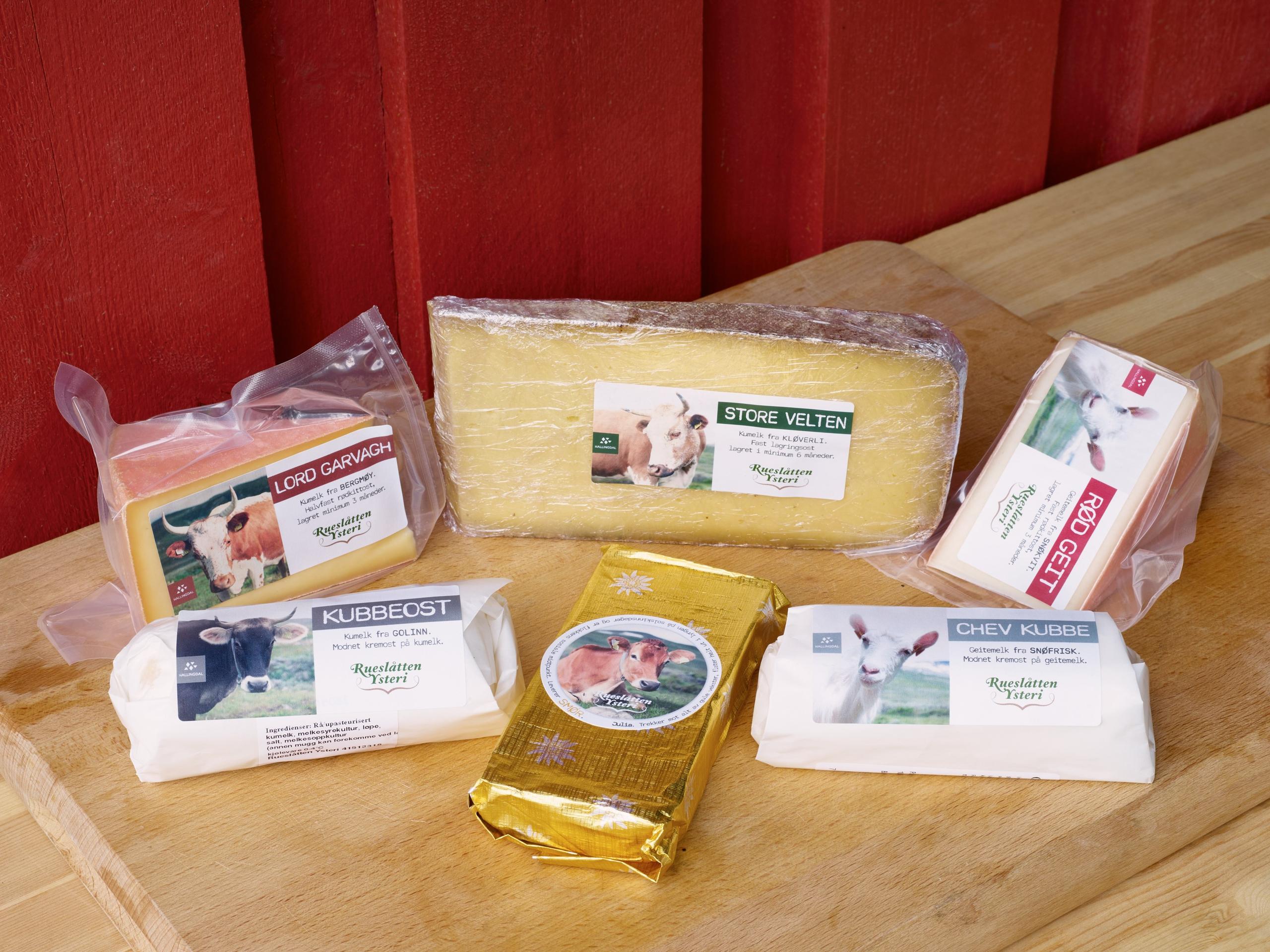
To discover your favourite cheese, visit a local cheese producer, or ysteri as we say. You can, for example, pop by Hol Ysteri in Hallingdal where they sell several award-winning cheeses from the region. Other ysteris that offer internationally acclaimed cheeses include Gangstad Gårdsysteri and Tingvollost in Trøndelag. Last but not least, Avdemsbue in Lesja is well worth a visit – part of the building is even cheese-shaped!
Norway also has several urban cheese producers. Check out Winther at Aker Brygge in Oslo or Stavanger Ysteri in the Stavanger region.
Many local farms welcome visitors, so you can see, taste and learn about Norwegian cheese heritage. You can also enjoy fun farm activities and pet animals. If you fall in love with the cosy atmosphere, book a farm stay! Don’t forget to bring home some treats from a farm shop.
If you come to Norway in summer, check out our mountain farms and find one where you can to taste our beloved sweet brown cheese.
Hot tip: check out Norsk Gardsost’s interactive map, which shows local dairy farms and creameries in Norway.
 Book nowHol
Hol Cheese Factory / Prestholt Goat Cheese
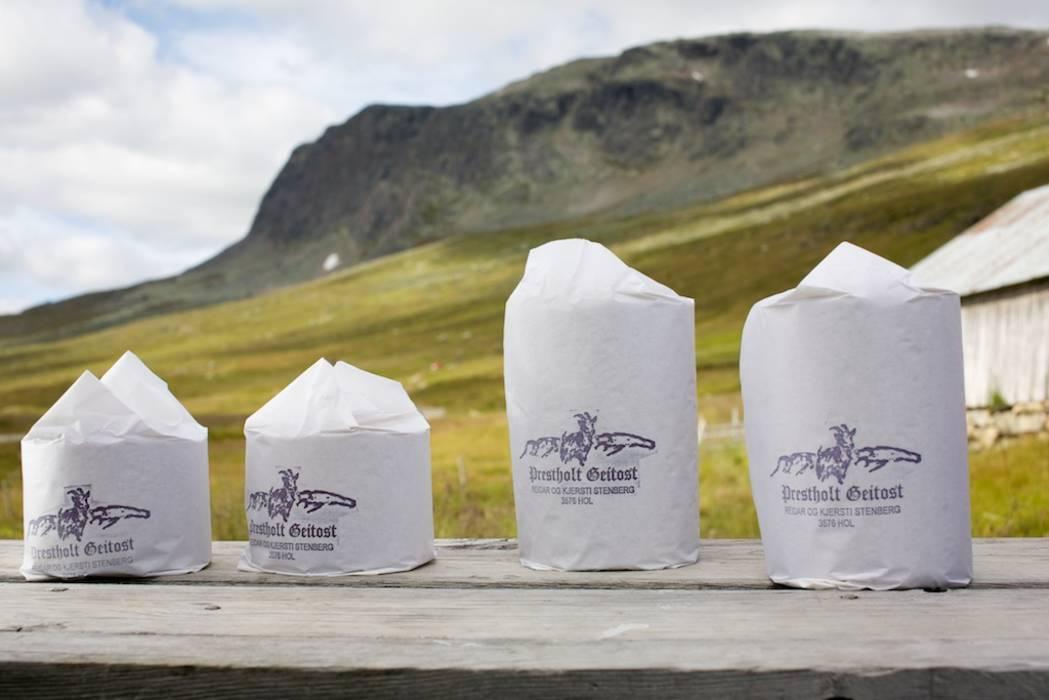
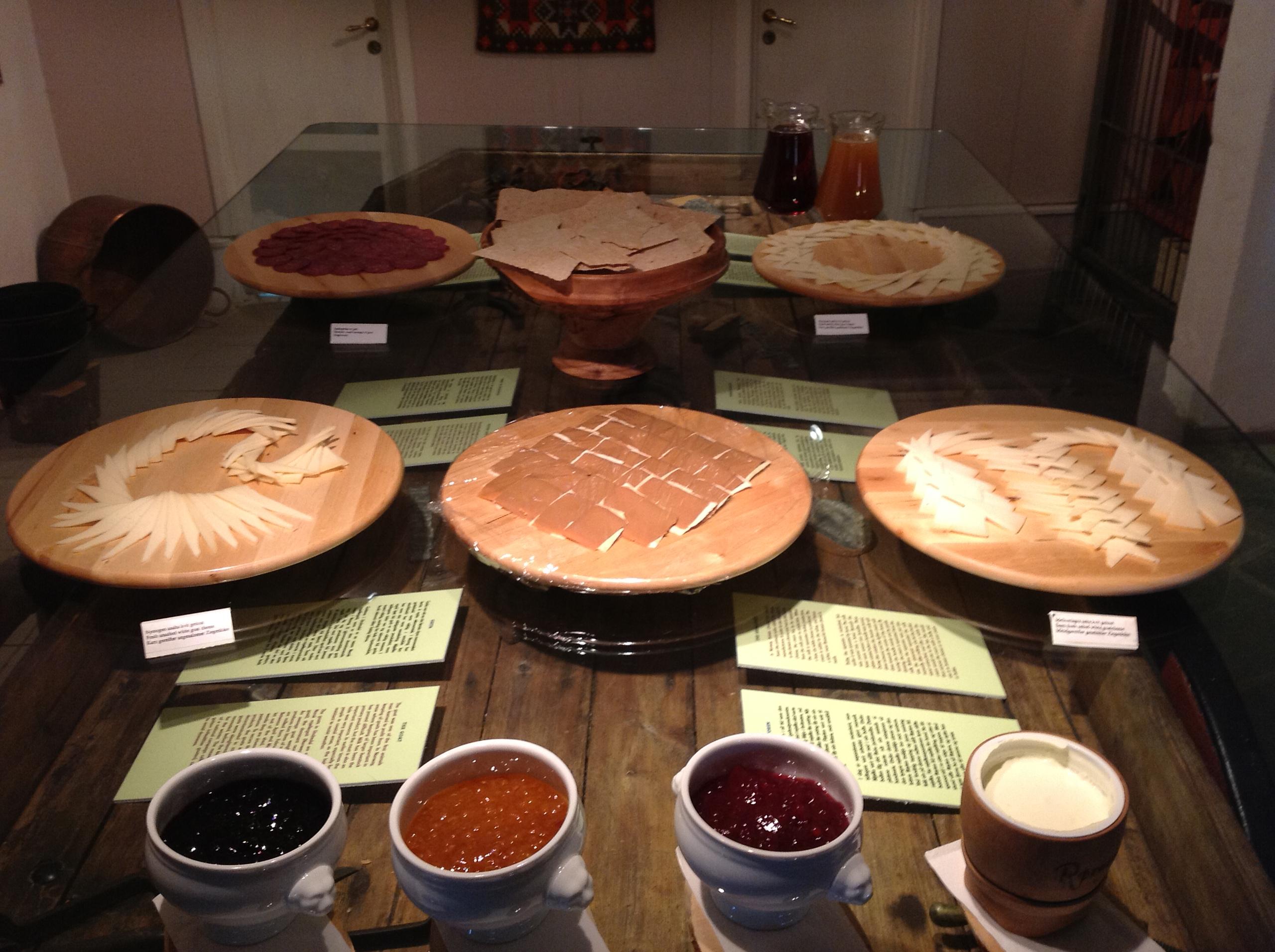
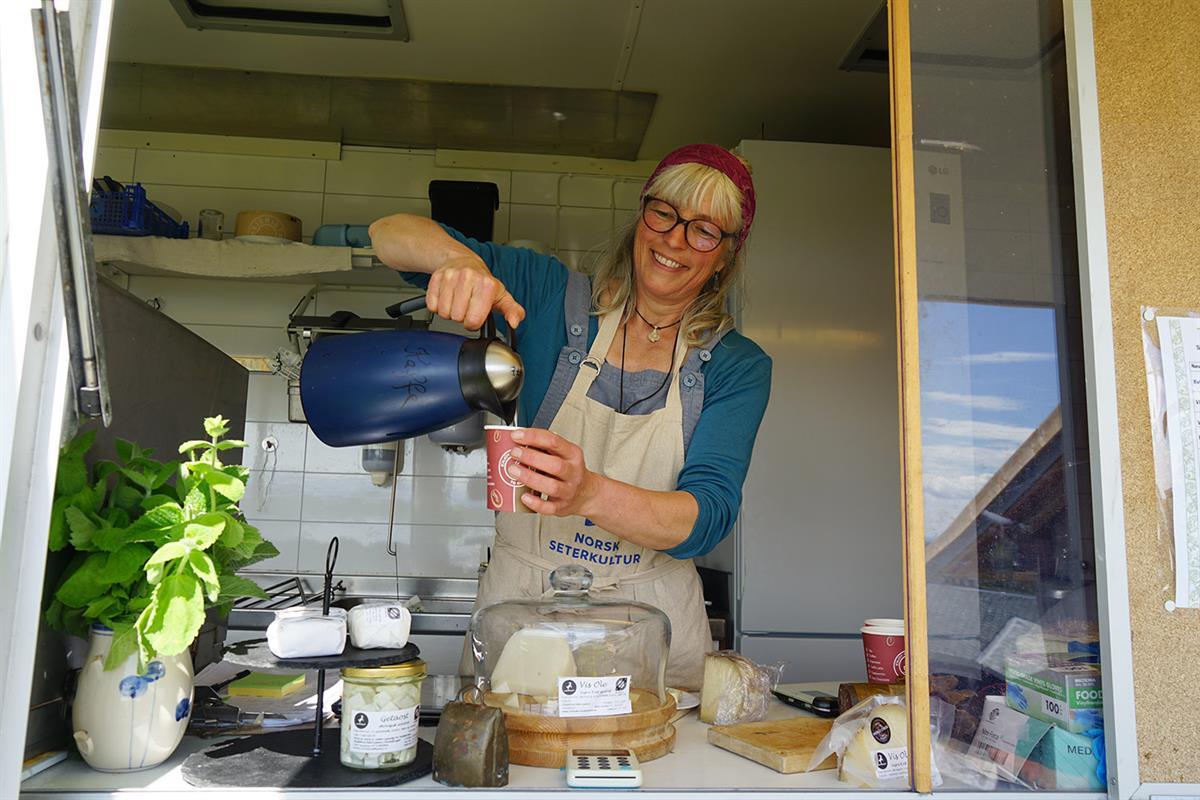
Prestholt Geitost is located at 1242 meters above sea level near Hallingskarvet, partially within Hallingskarvet National Park. Established in 1980, the family business started producing Ekte Geitost in 1990 at their newly purchased mountain farm, Prestholt. Today, they have expanded their production to include goat meat, goat salami, caramel, and chocolates at their home farm, Rudningen in Hol. The cheese dairy has moved to the former Joker grocery store in Hol town center. Hol Ysteri and local food store is located in Hol town center, offering an up-close view of cheese production and aging. It is part of the Prestholt Geitost family business, known for producing world-class cheese. The local food store features cheeses from across the Ostebygda region as well as imported varieties. You can also purchase goat meat here. Hol Ysteri shares a building with the rural bistro, Stundo. A nica and easy tour on bike in the area is around Holsfjorden, there is a whole year round walk from the centre up to the diffrent farms. They are members and active participants in the Bondens marked in Oslo and Drammen, as well as Bondens Torg in Kongsberg. The 3rd generation of cheese makers now runs the farm, mountain pasture, and production, with the 4th generation helping out. A popular hiking suggestion near Prestholtseter is the famous Sherpa stairs. It's a easier, scenic loop with fewer elevation changes. There's a toll road up to Prestholtseter near Hallingskarvet; pay on p-norge.no within 48 hours. Leave your car and use an (electric) bike to ride up the mountain. Prestholt Geitost has been producing cheese since the 1920s at Prestholtstølen, located at 1242 meters above sea level at the foot of Hallingskarvet. The Stenberg family moved to Rudningen farm in 1989 and began operating a mountain pasture and cheese production the following year. Today, they have around 250 dairy goats that move to the mountains in summer. The brown cheese is made at Prestholt, while the rest of the high-quality goat milk is transported to Tim Reidar at Hol Ysteri where 11 types of white cheese are produced, six of which carry the Prestholt Geitost logo. Prestholt Geitost is a traditional full-fat brown goat cheese with roots from Osterøy on the west coast. It is made from fresh goat milk in summer at Prestholtstølen and in winter at Hol Ysteri. Award-winning cheese, Prestholt Geitost is notable for its rich flavor. Leirgrøv Naturell is a white goat cheese with reduced lactose, named after the Leirgrøv mountain pasture where it's made. It matures for 6 months to 2 years, developing a mild, mineral taste. Leirgrøv 1242 is a stronger version made only in summer with summer milk, known for its herb and flower notes. Text: Geilo.com

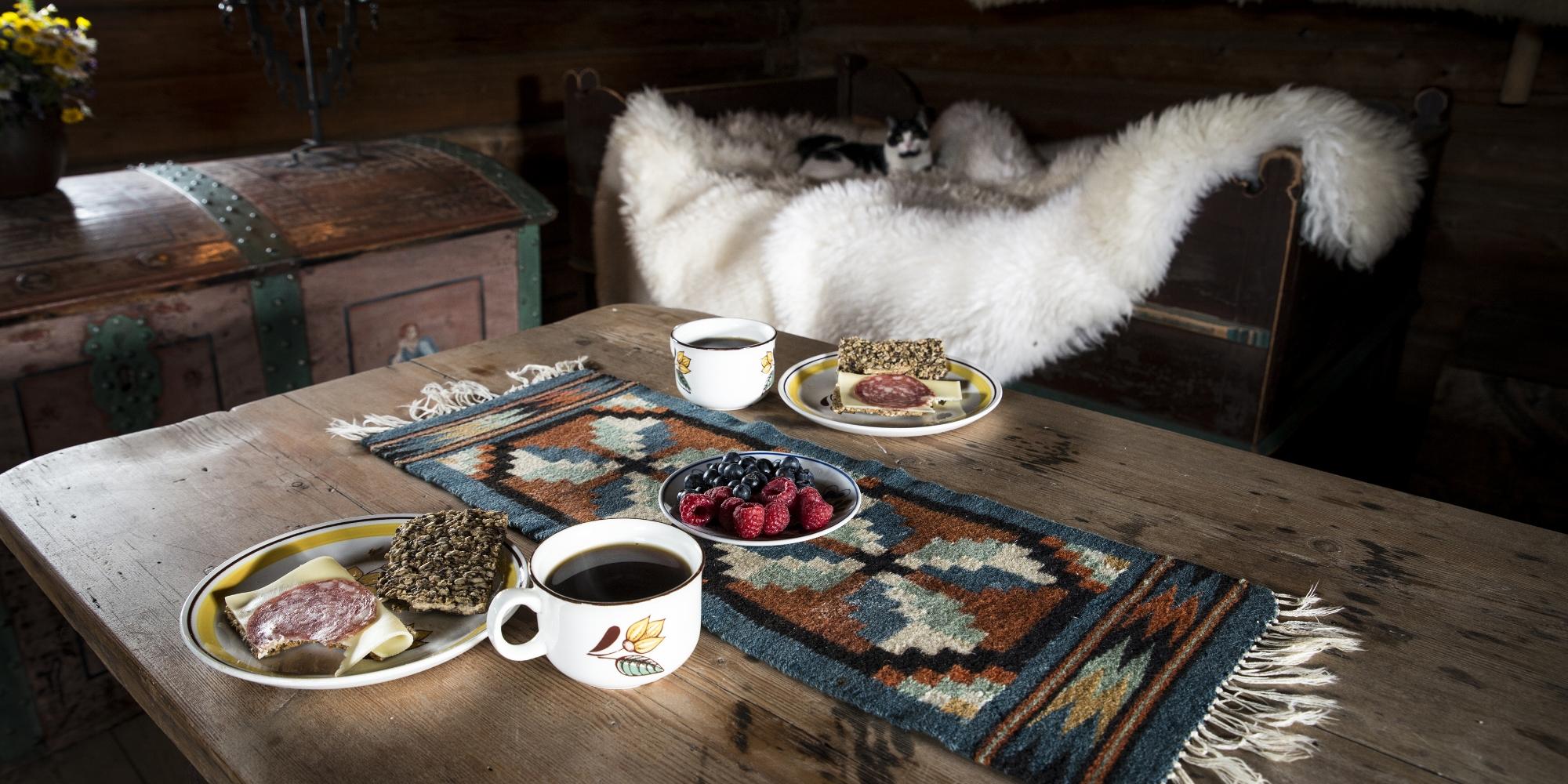
Did you know that Norwegians are among the world's biggest coffee drinkers?
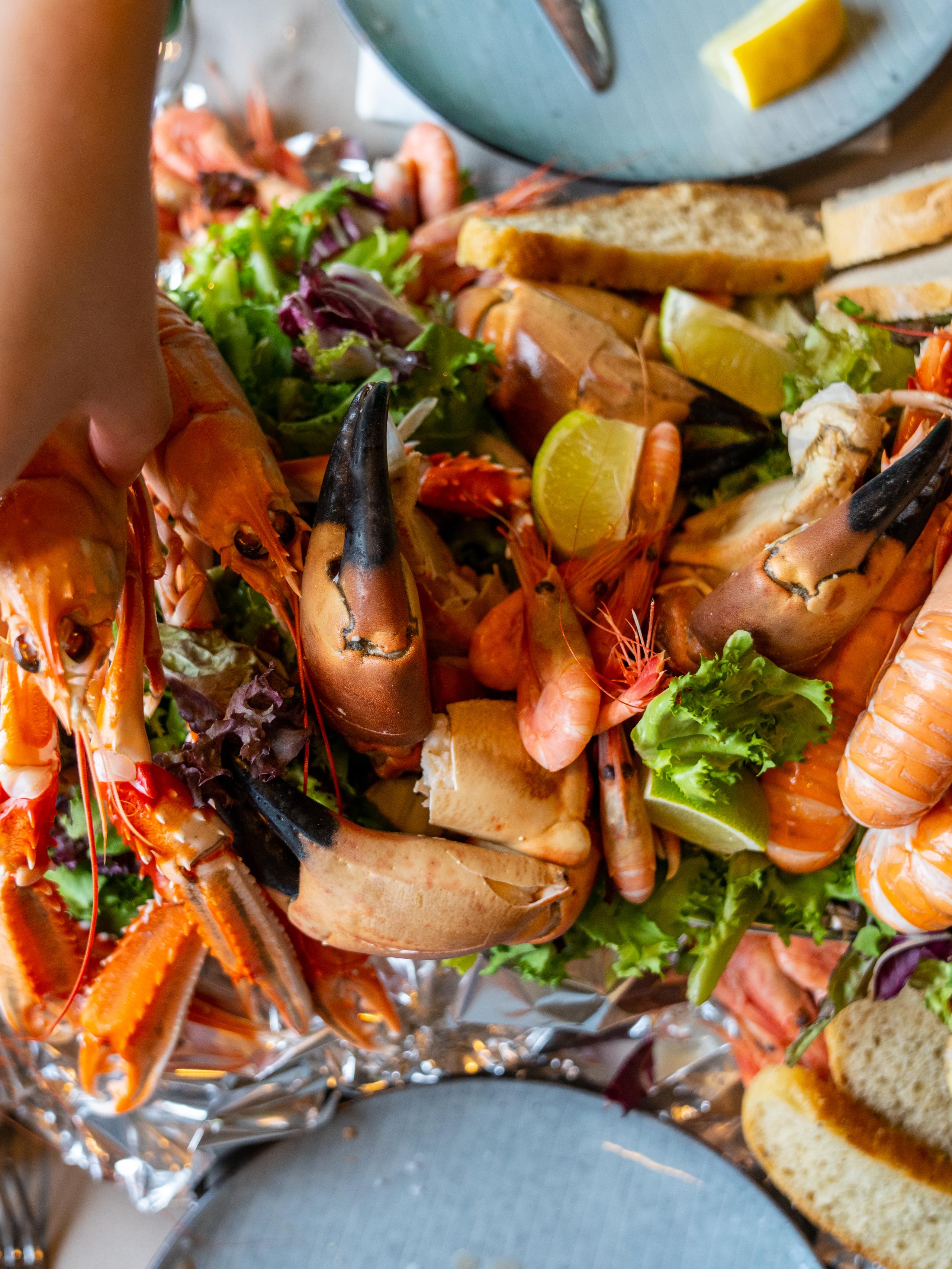
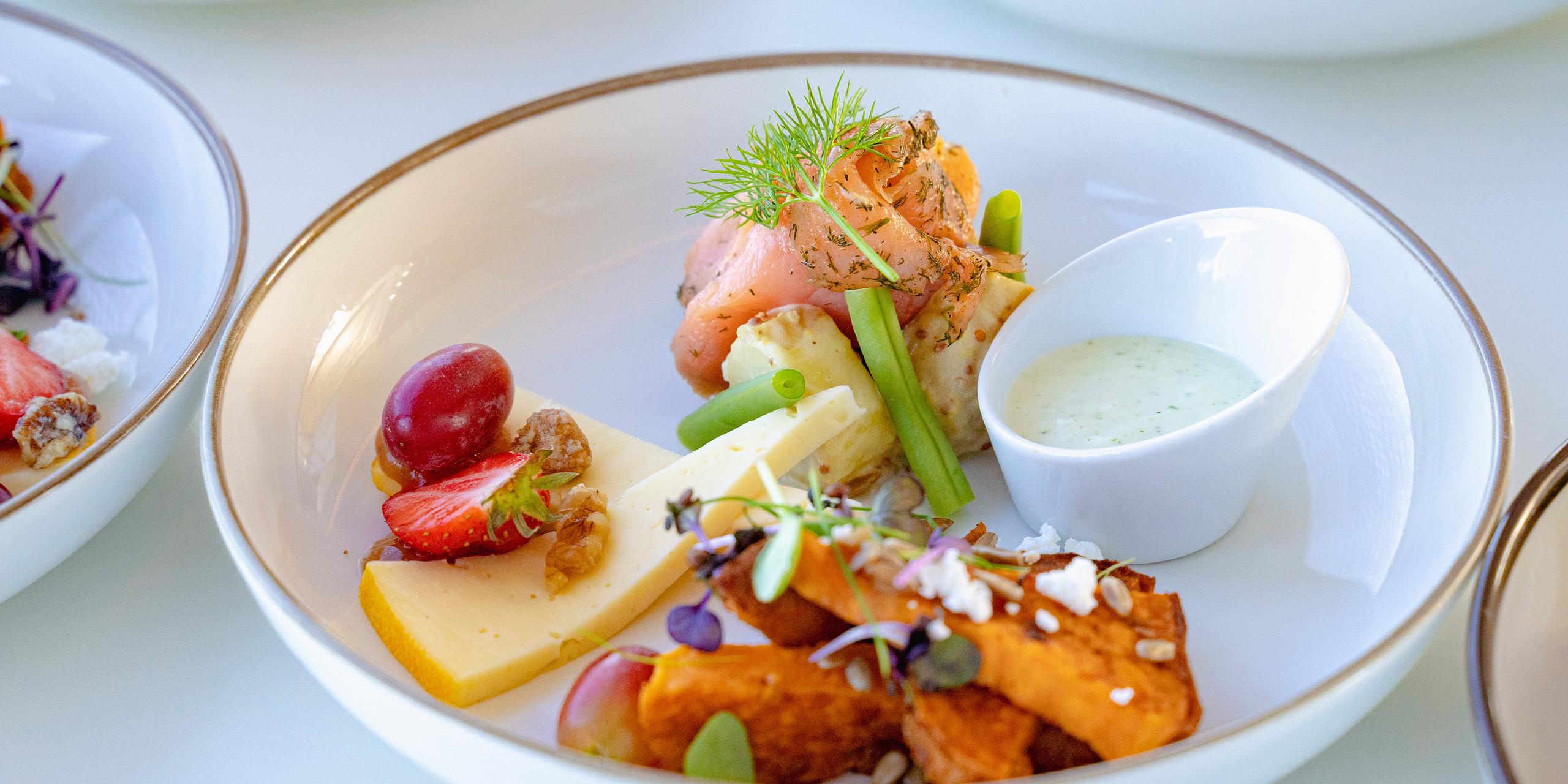
Let the seasons dictate what's on your plate.

Take advantage of top offers
See our selection of trusted companies that work hard to make you happy all through your trip.
 Brim ExplorerQuiet fjord tours on award-winning electric catamarans in Oslo, Tromsø, Lofoten, and Svalbard.
 CityboxModern and affordable hotels in central locations in Oslo, Bergen, and Kristiansand.
 NorgesbookingBook your perfect cabin stay in the fjords, mountains, and valleys of Norway.
 Scandic HotelsExperience Nordic hotel hospitality at its finest at more than 90 hotels across Norway. Special offers are available.
 StrawberryA different hotel company! Look out for great weekend deals at more than 100 hotels in Norway.
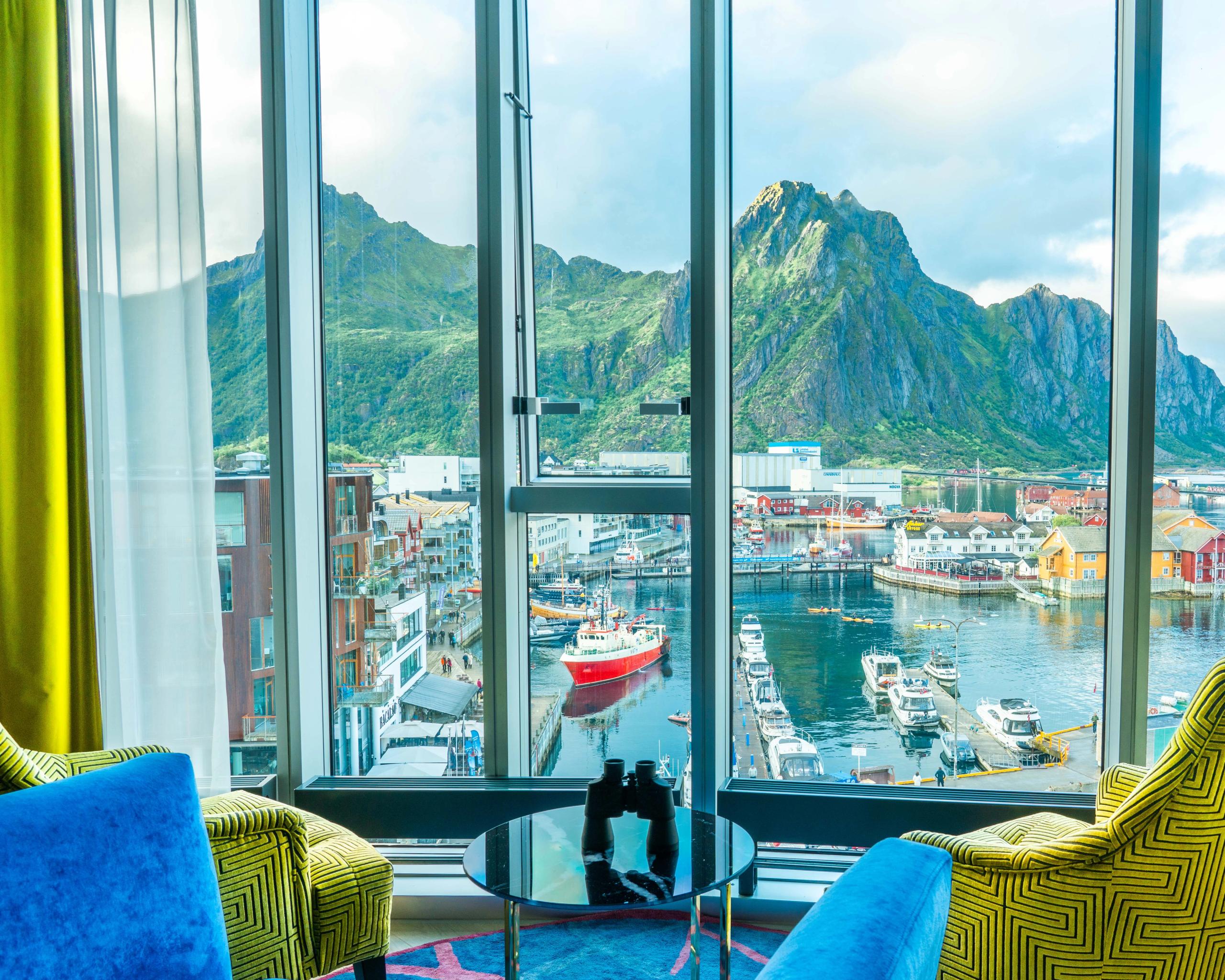 Thon Hotels ASFantastic breakfast included! Experience true comfort and reasonable rates at our 80 hotels in Norway.
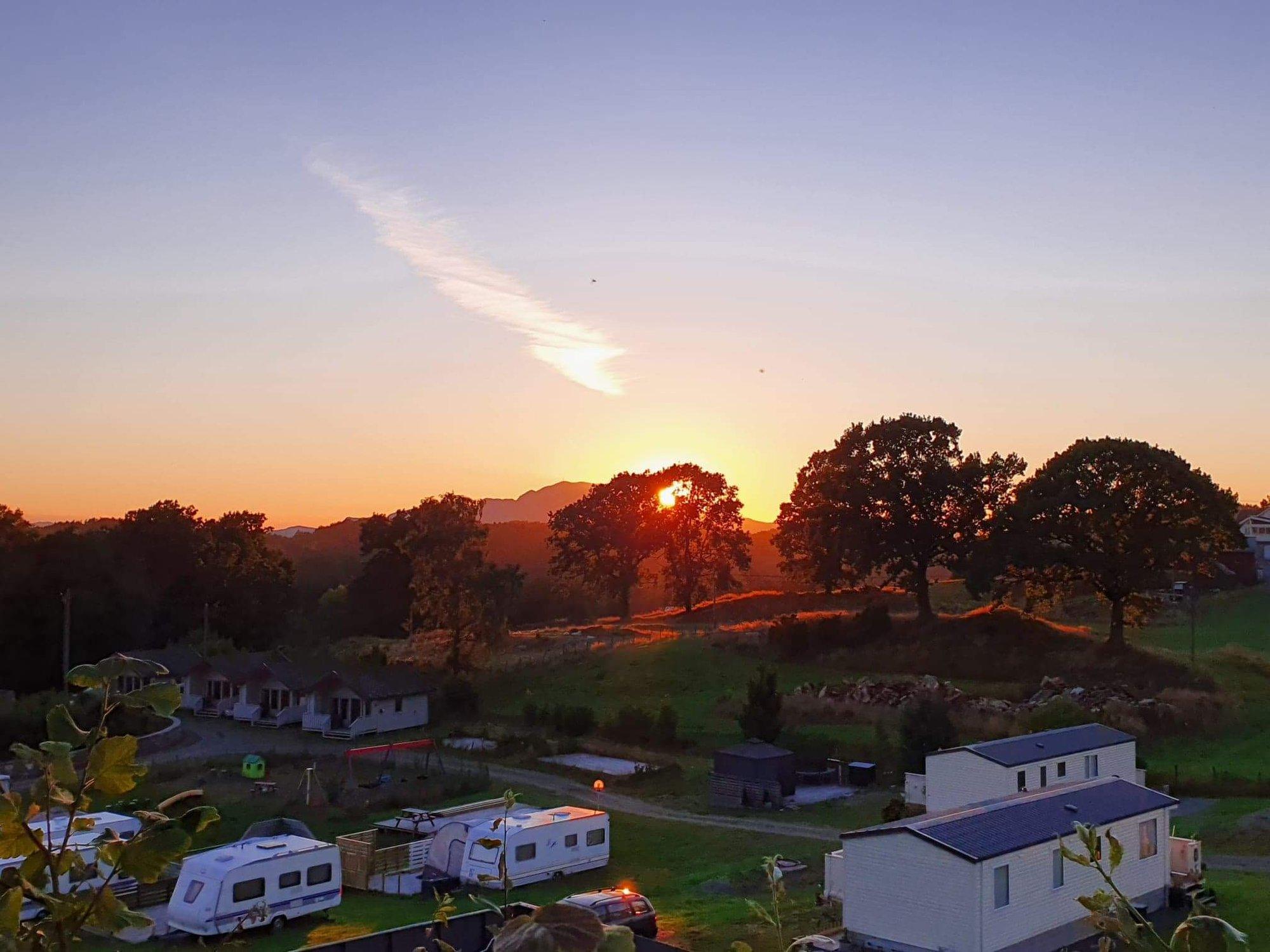 CampcationBook a camping stay in stunning and unique locations all across Norway with Campcation.
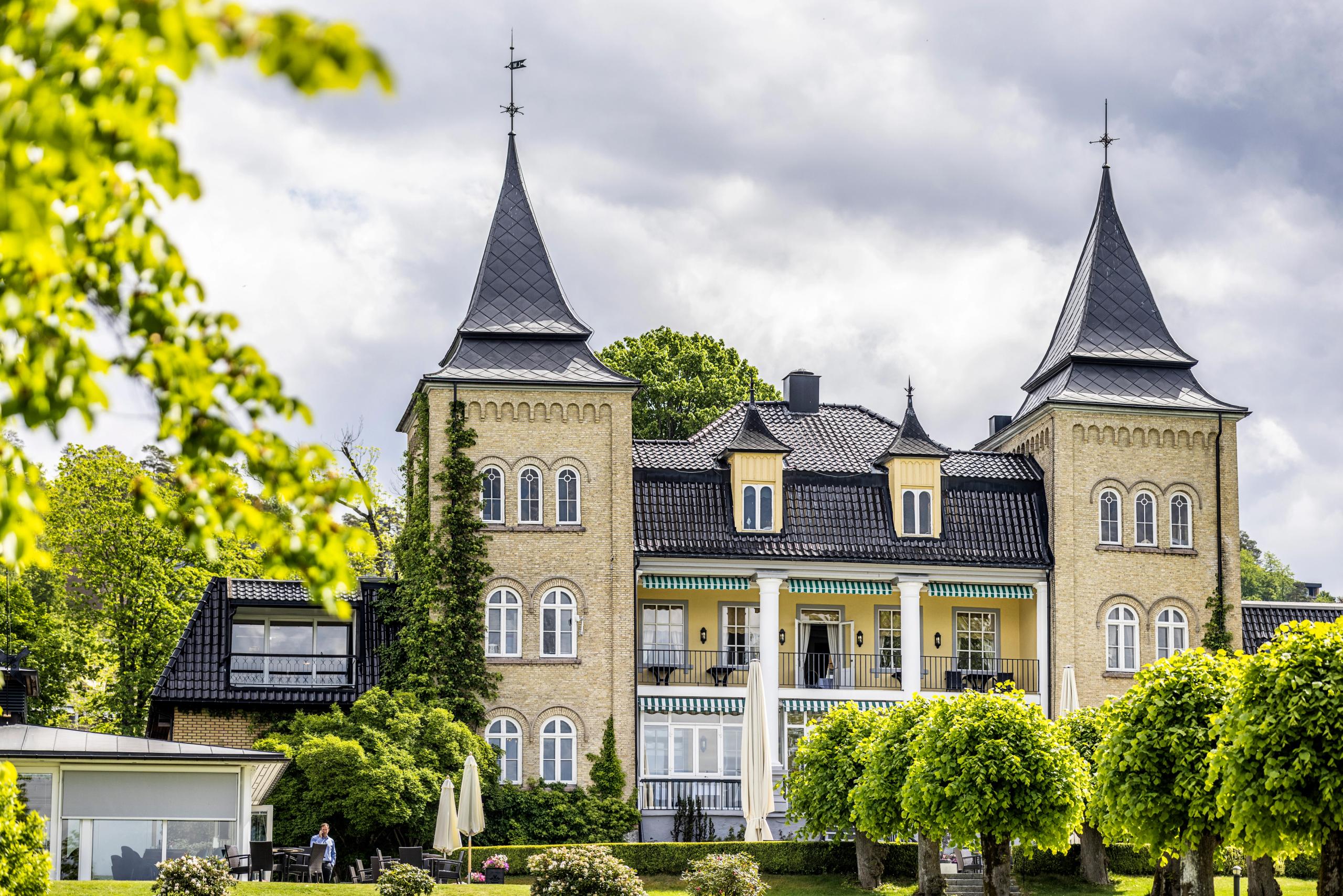 Classic Norway HotelsWhen the hotel is the destination. Book a night to remember in one of Norway's most unique and distinctive hotels.
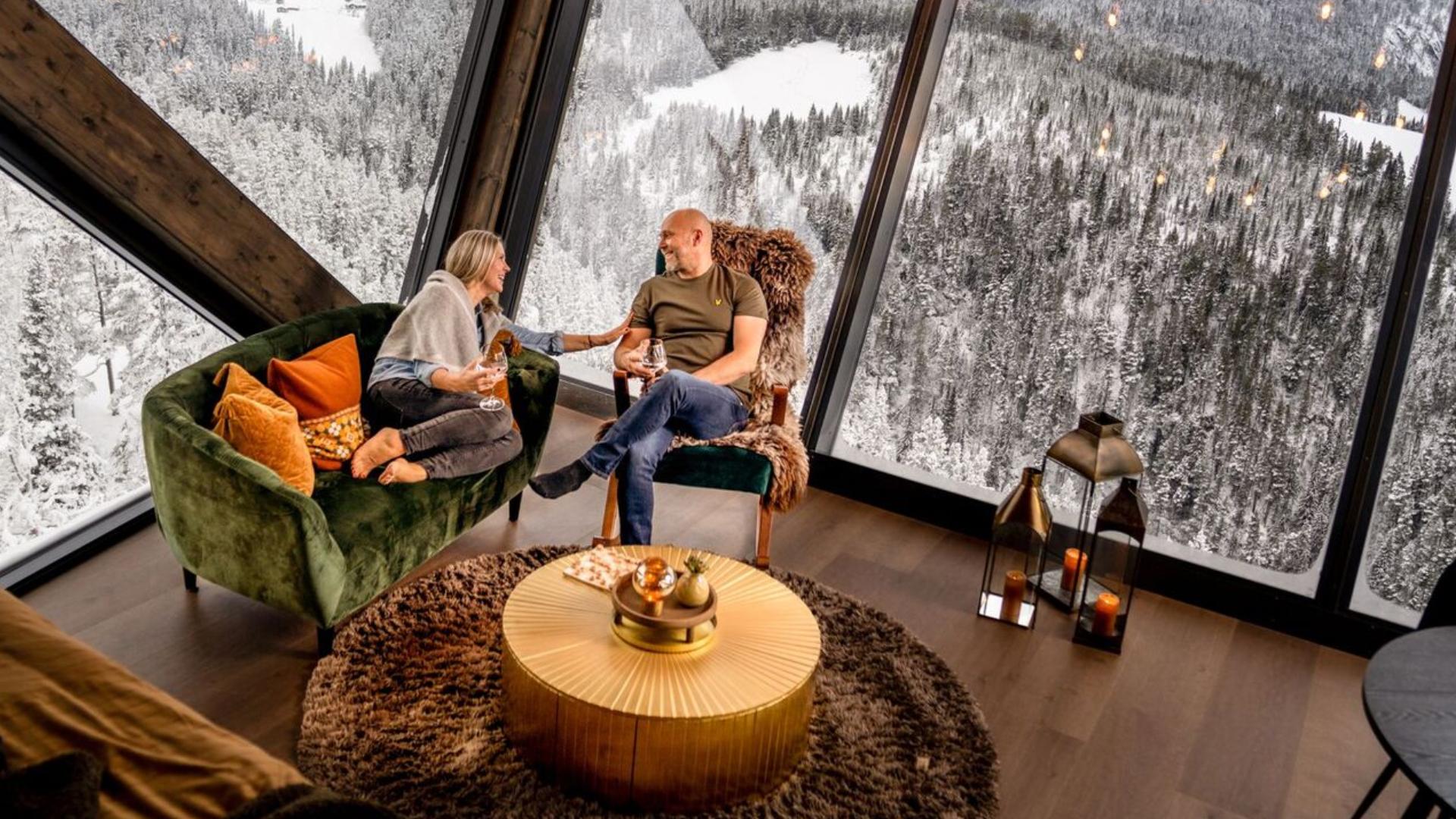 50 Degrees North NordicChoose between unforgettable tailormade individual trips and small, exclusive group tours of Norway.
 Radisson HotelsGreat value offers and comfortable quality stays in Norway´s major cities, airports, and ski resorts.
 Authentic ScandinaviaTravel curated by locals. Our tailormade tours suit every type of traveller and budget.
 Booknordics.comUnique holiday packages, adventure hotels, tours, and activities.
 Fjord ToursHome of Norway in a Nutshell, Norway's most popular tour. Fjords, mountains, and stunning destinations — all in one trip!
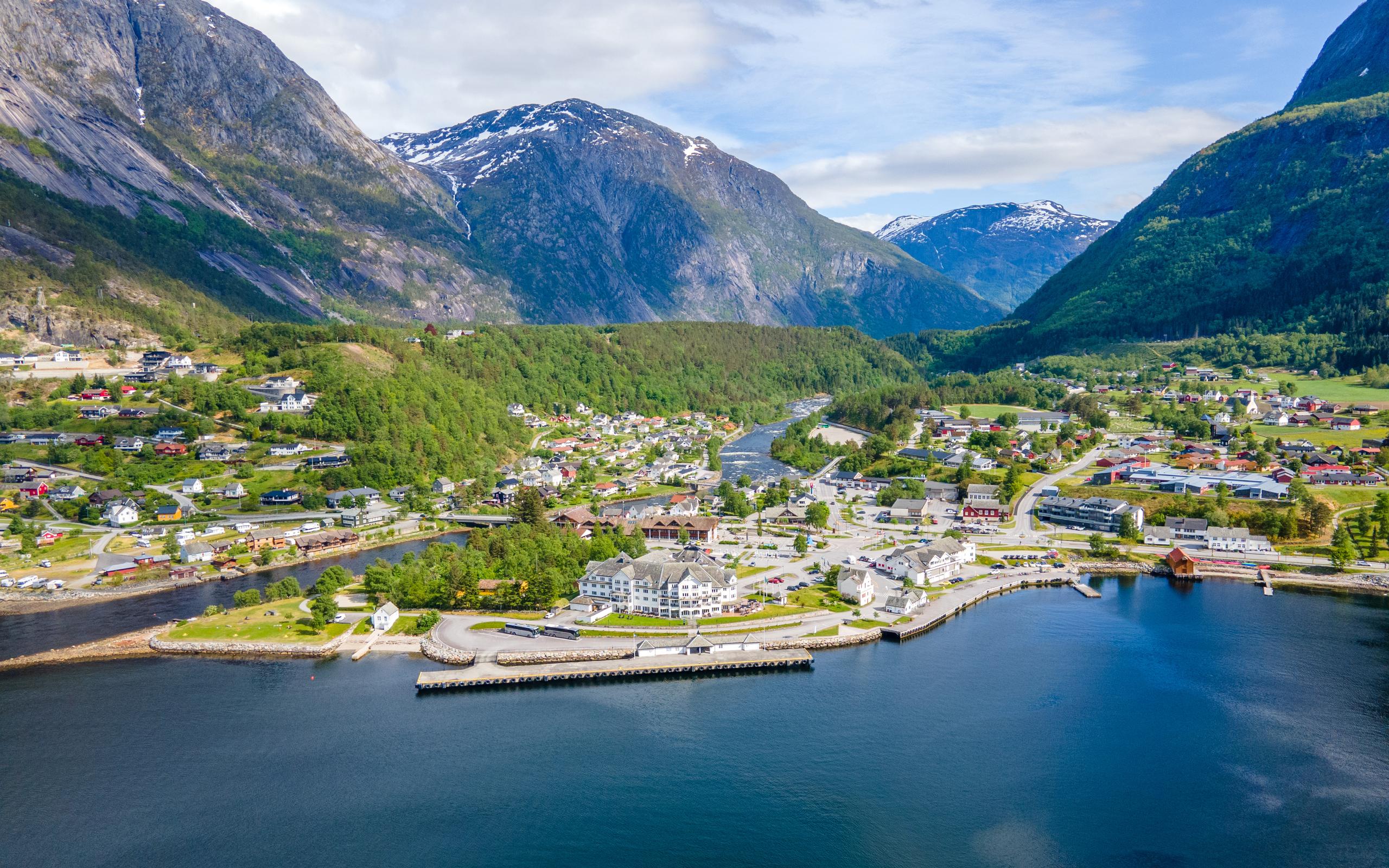 Go FjordsBook fantastic tours and experiences! We offer tours in Oslo, Bergen, Stavanger, Lofoten, the North Cape, and more.
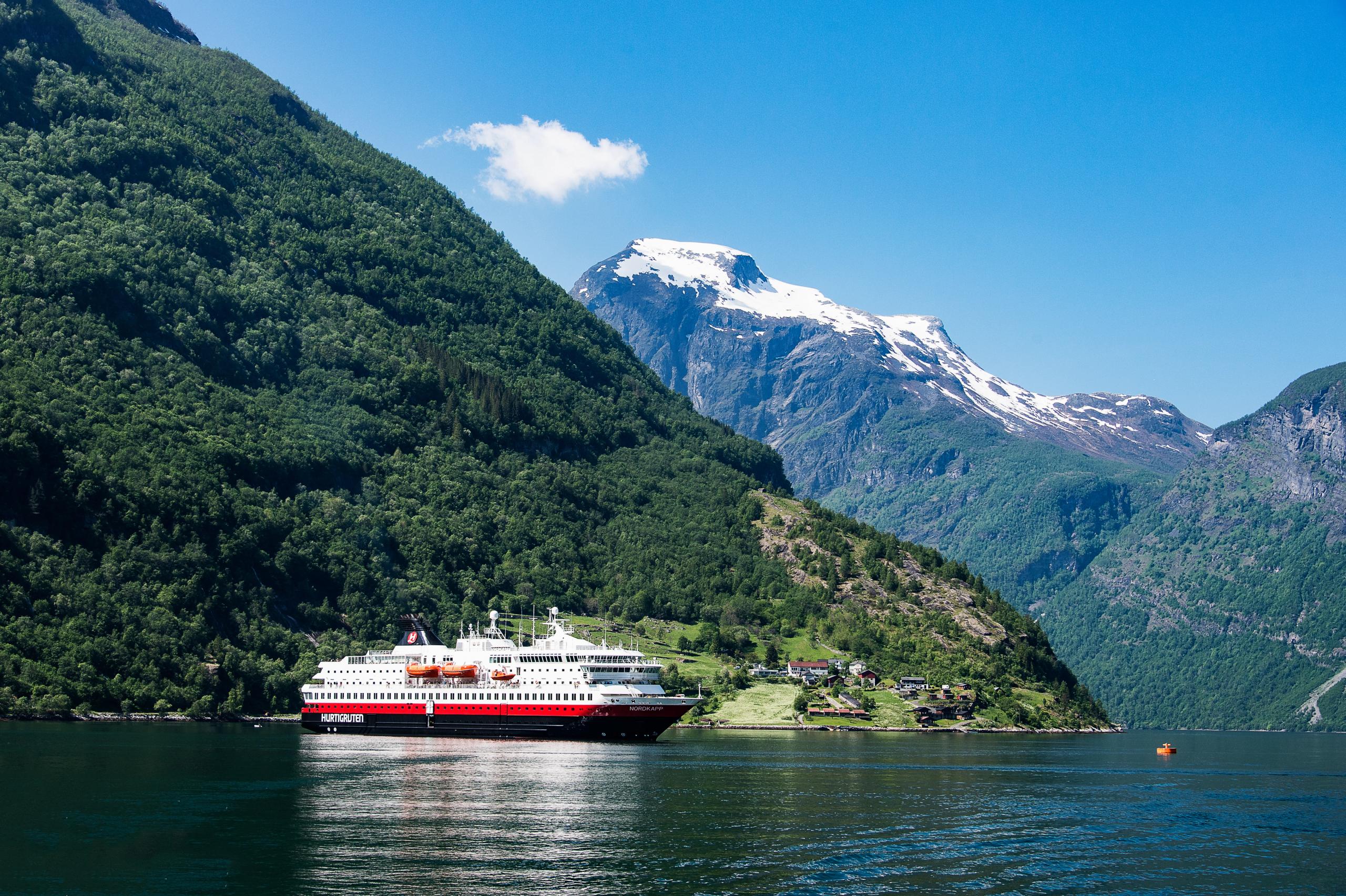 HurtigrutenExperience the world's most beautiful sea voyage on an unforgettable cruise along the stunning Norwegian coast.
 Norrøna AdventureGet ready for expeditions and adventure holidays with Norrøna Adventure. Hiking, skiing, and biking trips.
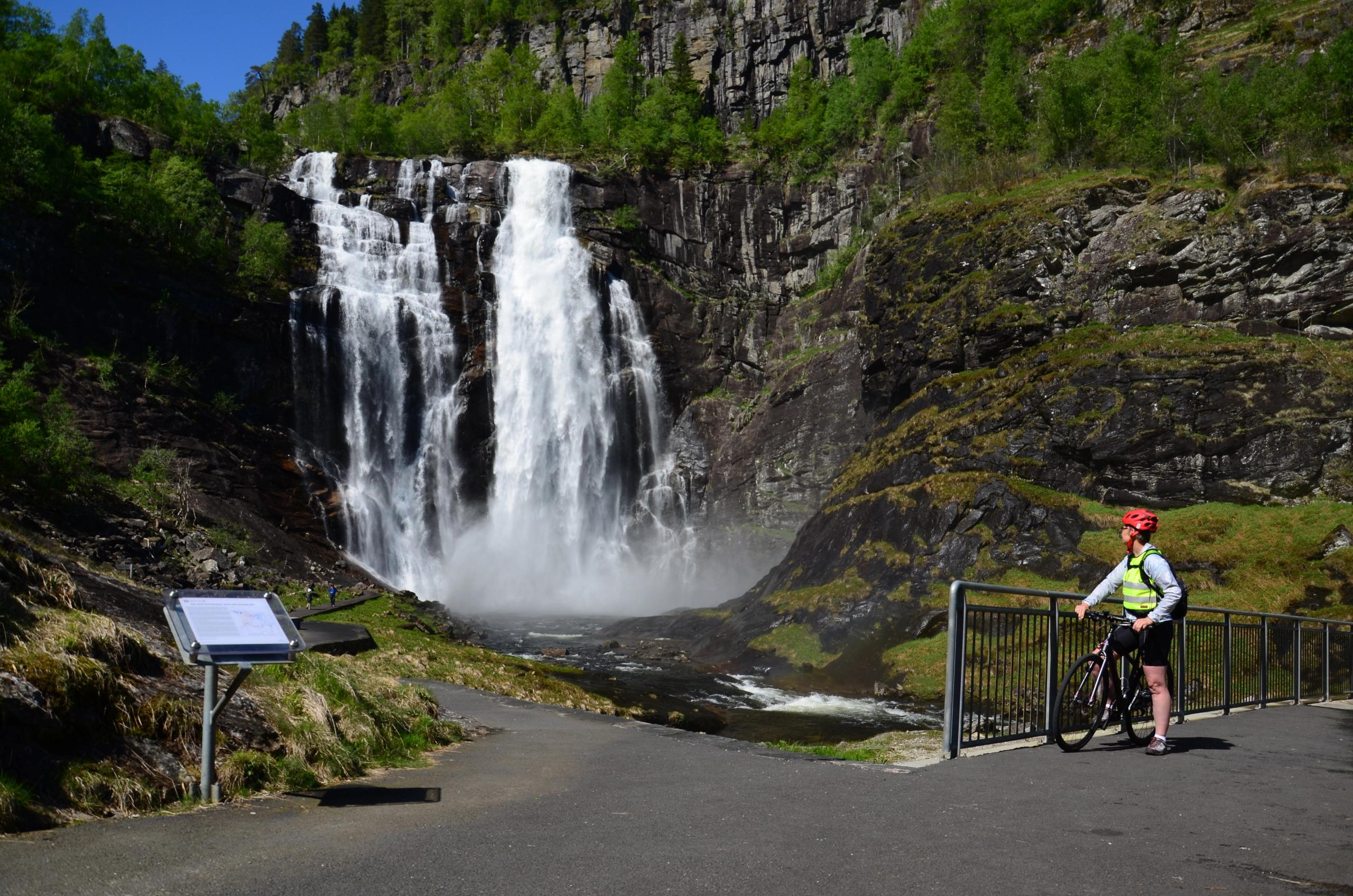 Discover NorwayOffers a range of exciting self-guided hiking, biking, and skiing holidays in Norway. Luggage transfer included.
 Norwegian HolidaysLow-price package holidays with Norwegian. Book your flight, hotel, and rental car all in one place.
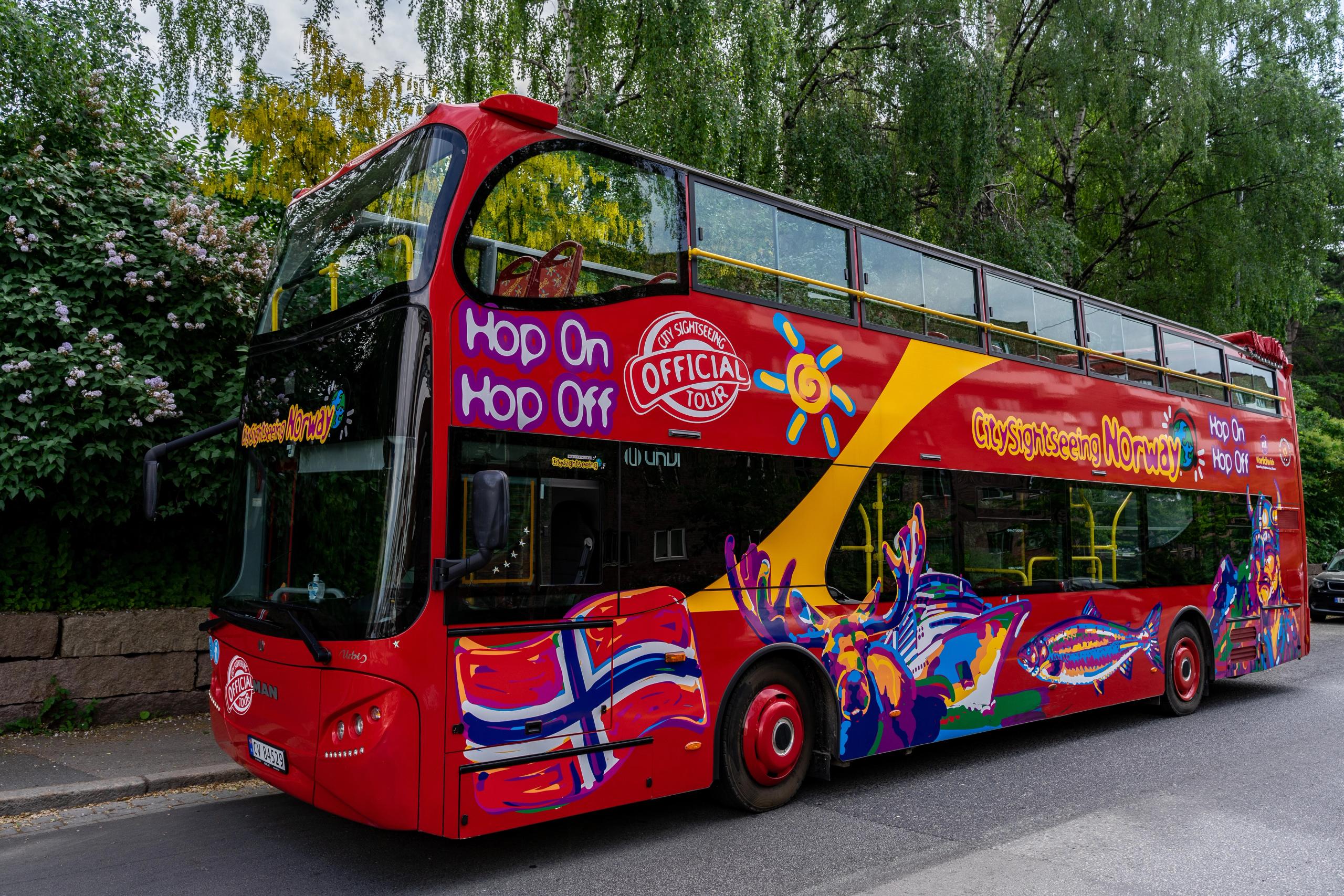 StrömmaSightseeing by bus and boat in several major tourist spots and cities in Norway.
 Up NorwayBespoke luxury hand-picked by local experts. We combine your preferences and our knowledge to make an unforgettable journey.
 Arctic Campers ASDo you want to try van life? Explore Norway in comfort and style with our smart and cosy campervans.
 Auto EuropeAlways a smooth car rental experience. Search and compare rental rates. Free cancellation up to 24 hours prior to pick-up.
 NOR-WAY BussekspressEnjoy scenic views on comfortable bus trips to the fjords and from city to city with our express buses.
 Rent-A-Wreck of Scandinavia ASThe smart and affordable car rental alternative.
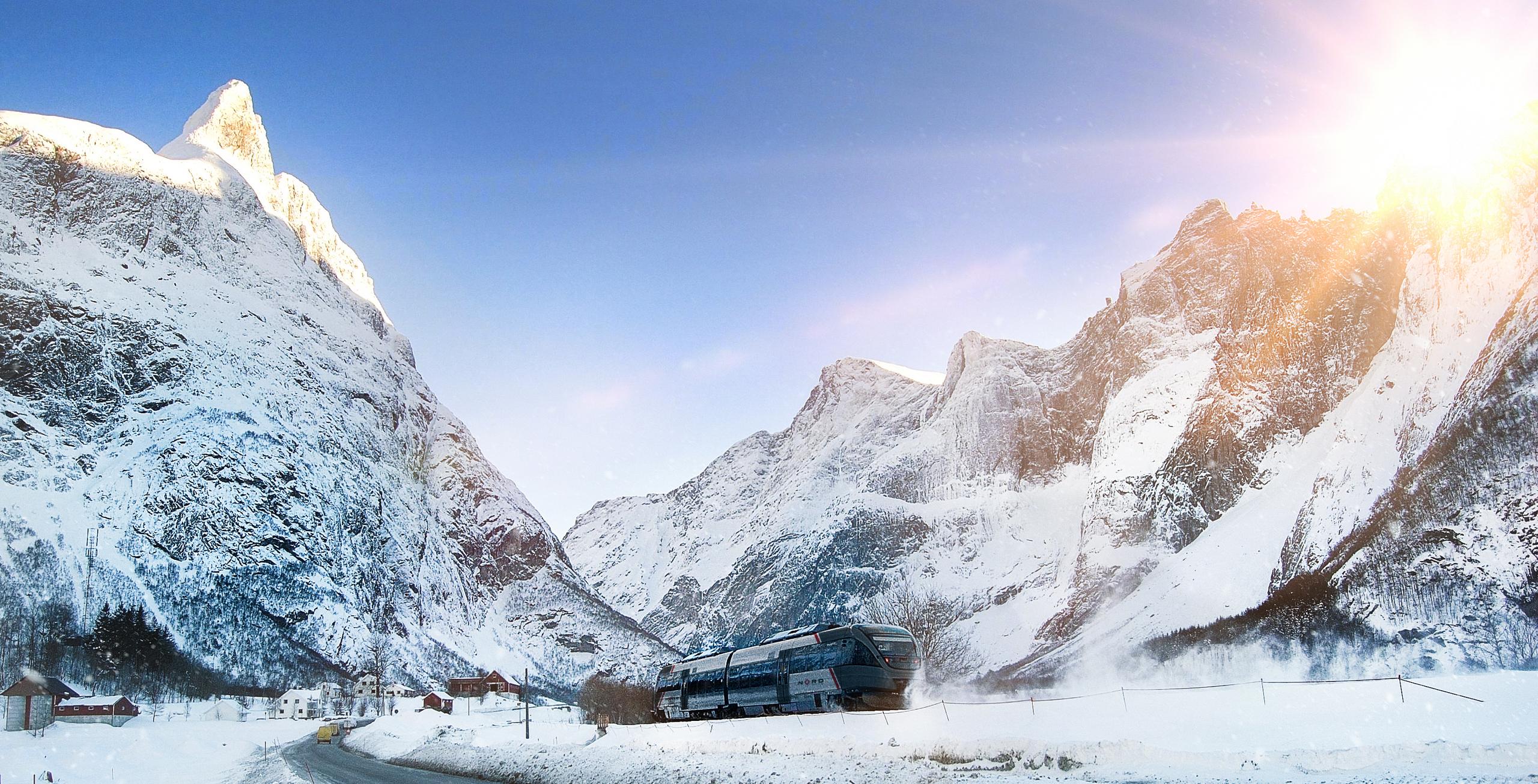 SJ NordSJ NORD - the adventure starts on the train
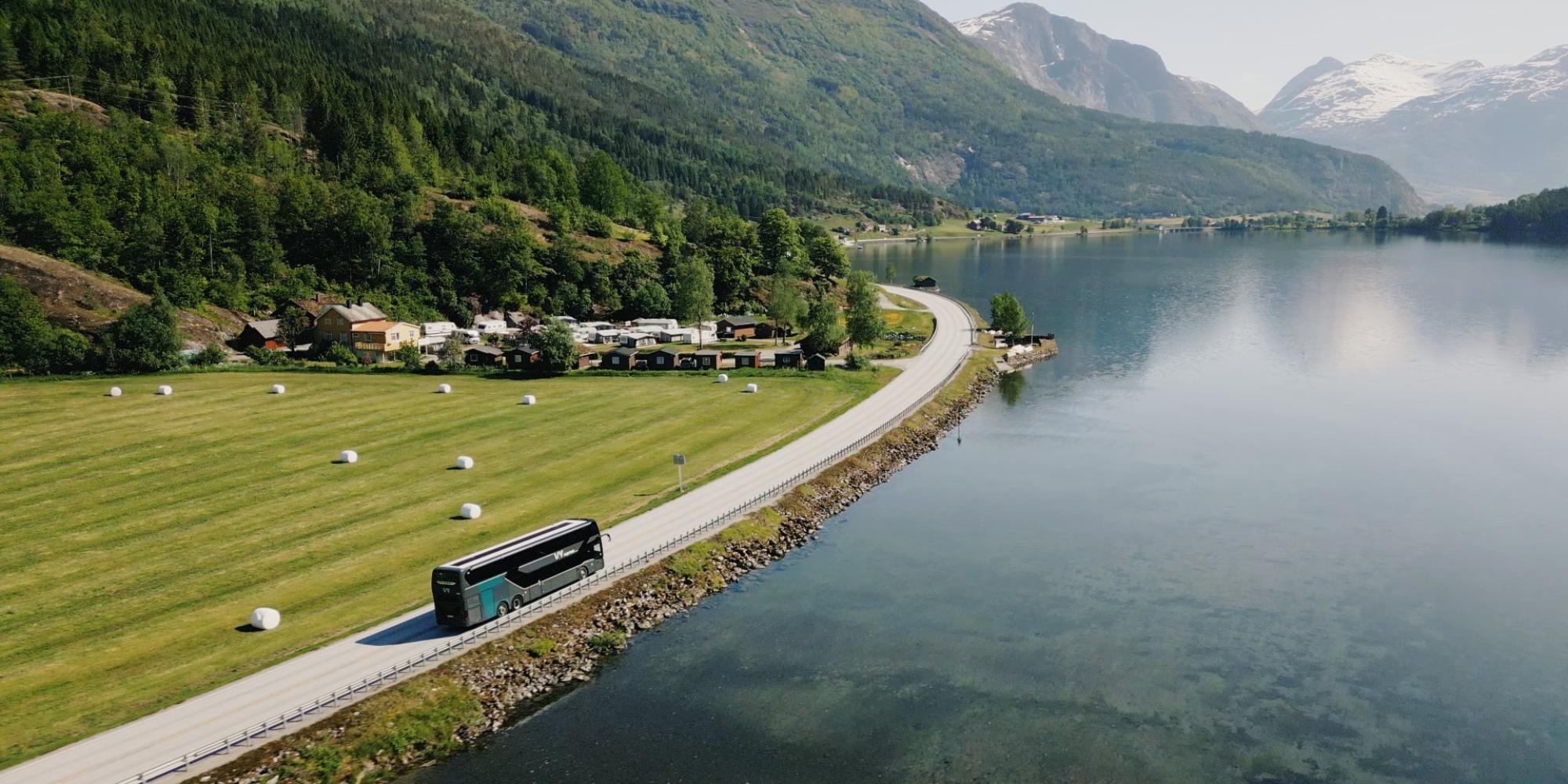 Vy expressDiscover Norway on comfortable express buses that take you between major cities, mountains, and fjords.
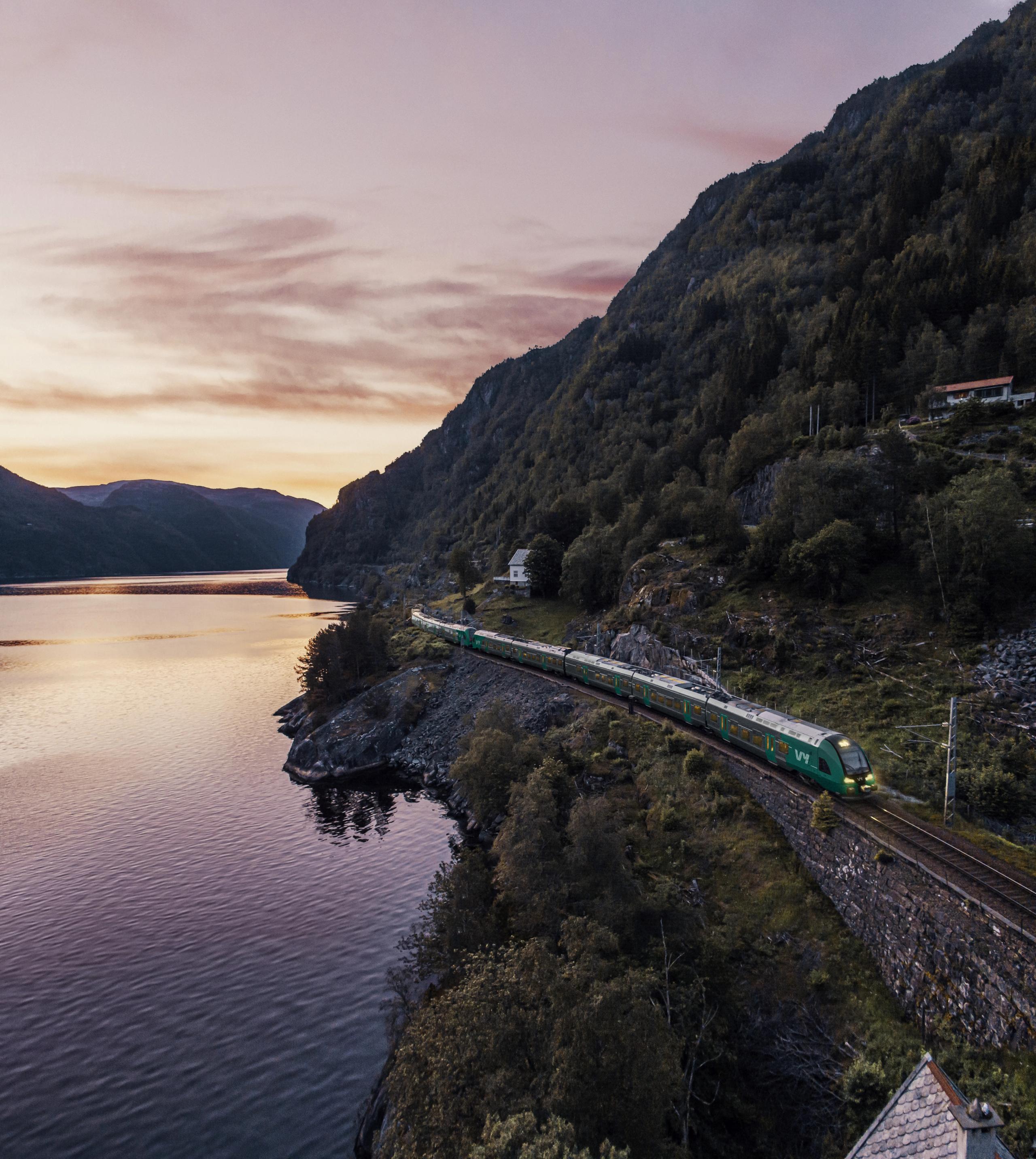 Vy TrainGlide through scenery on a train between Oslo and Bergen on the Bergen Railway and explore the greater Oslo region.
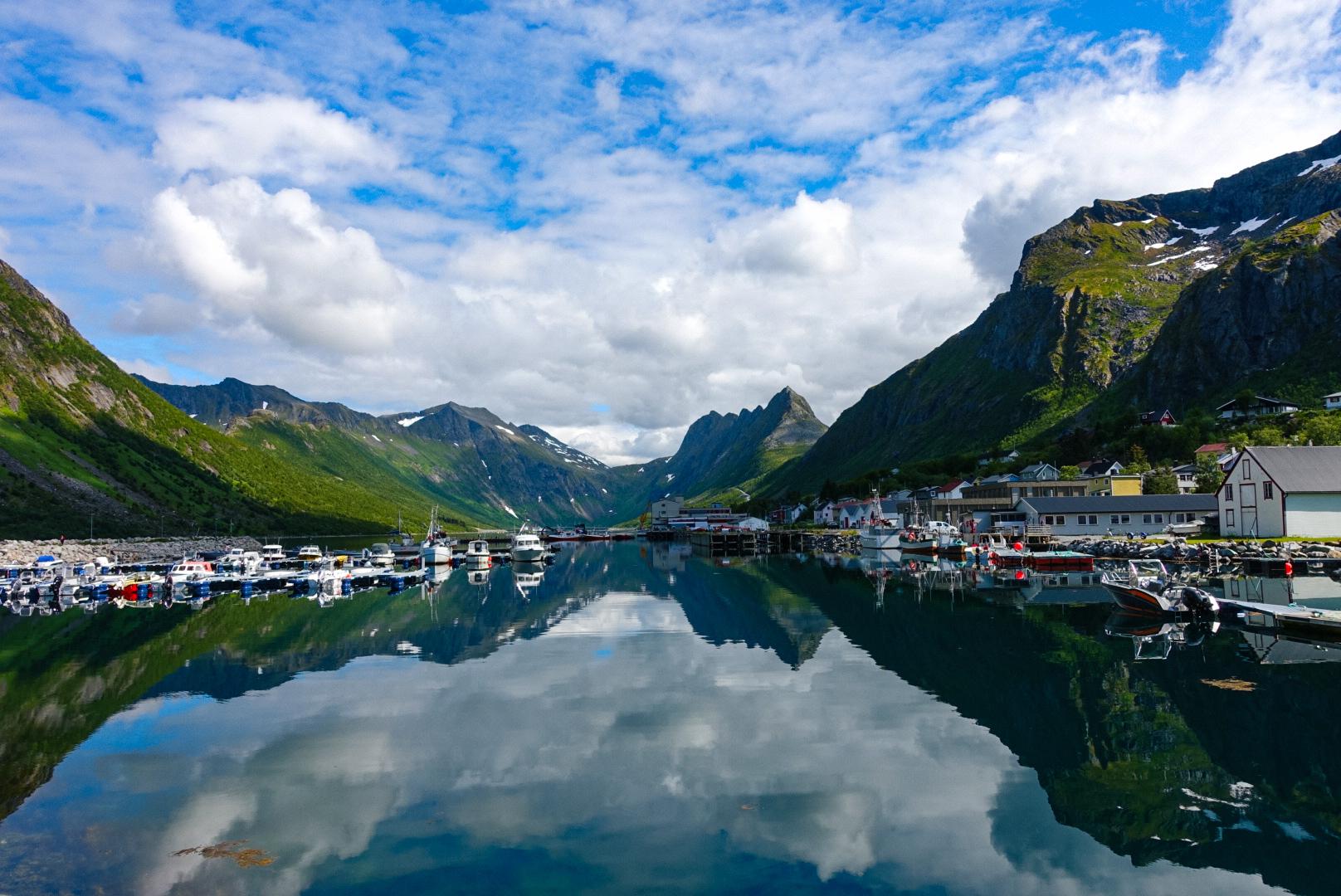 My Nordic TravelChoose between DIY itineraries and pre-packaged holidays to the very best destinations in Norway.
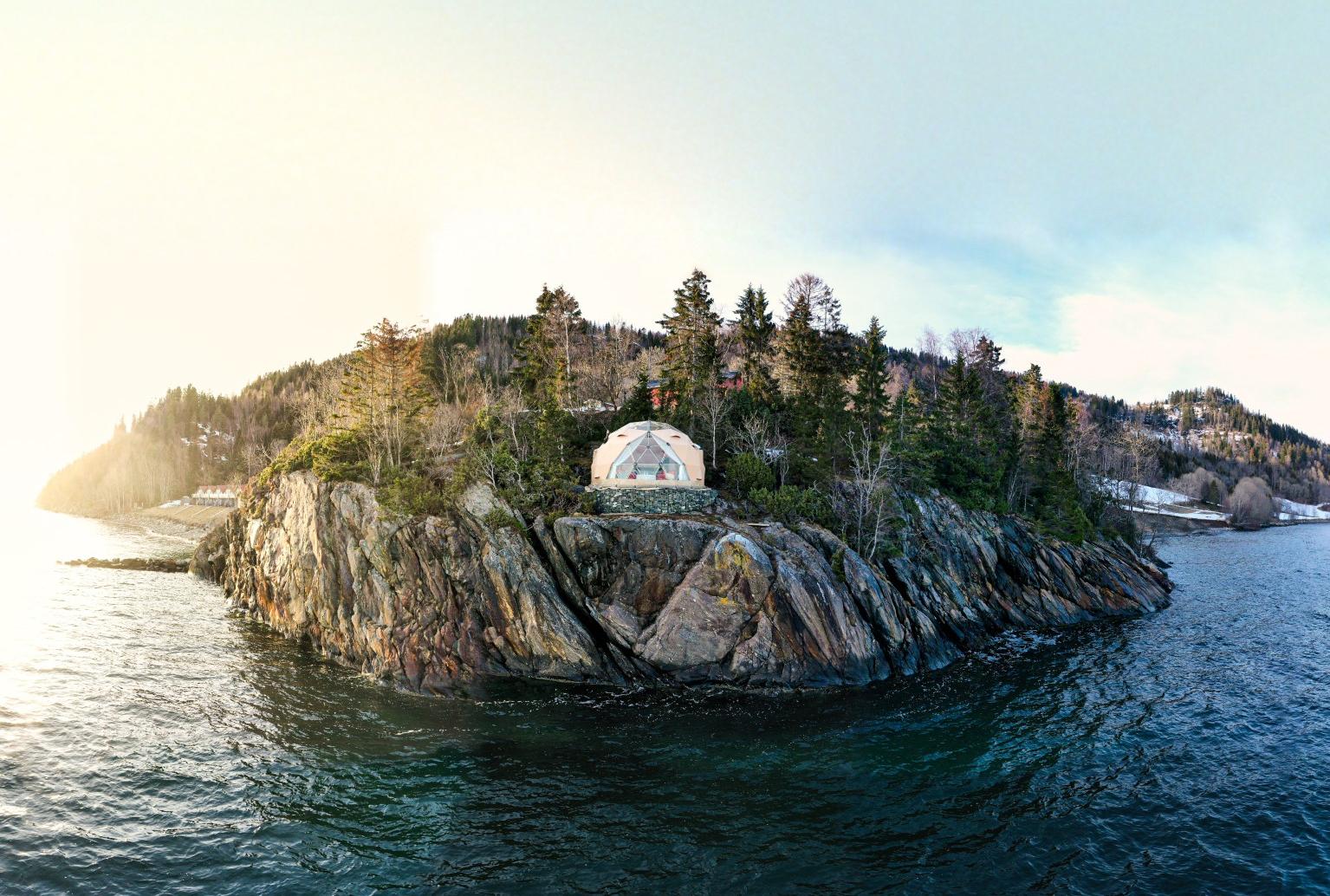 CampanyonUnique camping in nature. Book a stay in a treehouse or glamping tent or rent a motorhome pitch.
 NorwegianNorwegian offers cheap flights in Norway and direct flights from more than 70 European destinations. Book flights through our low fare calendar to your destinations.
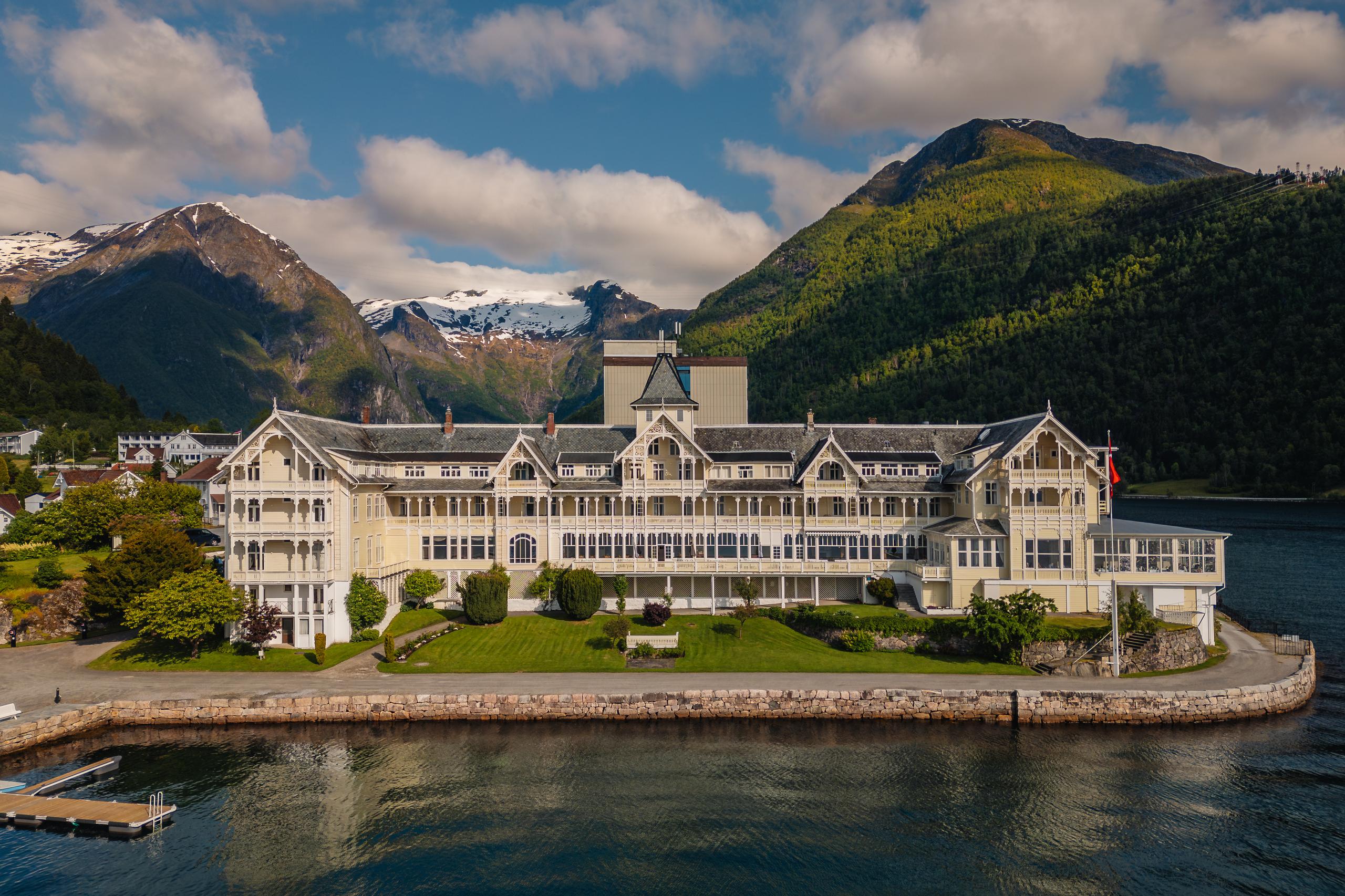 De HistoriskeHave an unforgettable stay at one of Norway's unique, authentic historic hotels. Enjoy first-class dining experiences and a broad range of activities.
 CampioNorway's biggest camping booking site. Find the best camping and motorhome pitches throughout Norway.