You might have heard of the Finnish sauna, but what about the Norwegian badstue? From Viking steam baths to floating sauna villages designed by leading architects, Norway's recent sauna boom is a fascinating story.
Badstue – Norway's unique sauna culture
Saunas, or badstuer, as we call them, are nothing new in Norway. In fact, historical evidence indicates they date all the way back to the time when Vikings dominated the seas.
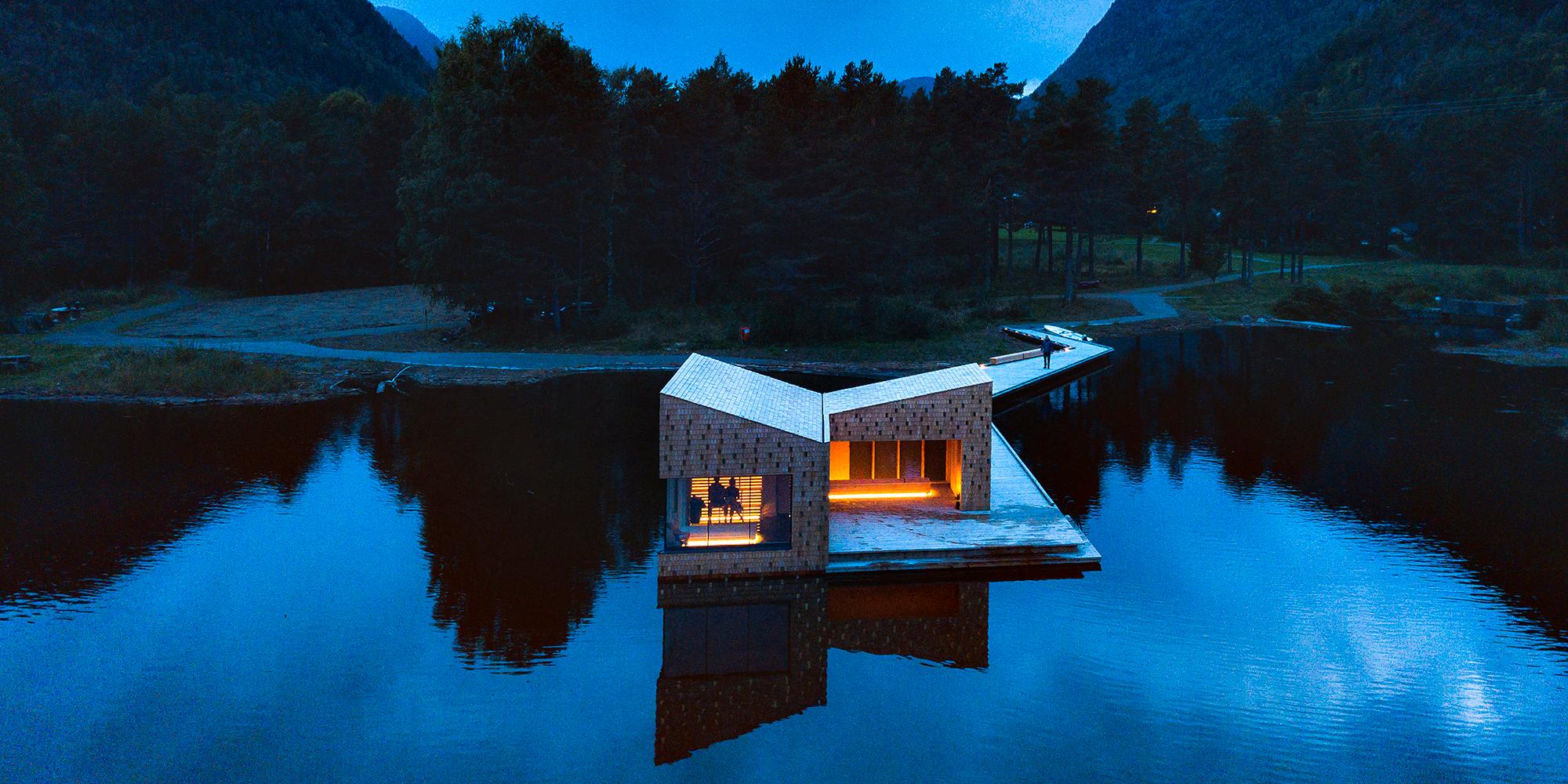
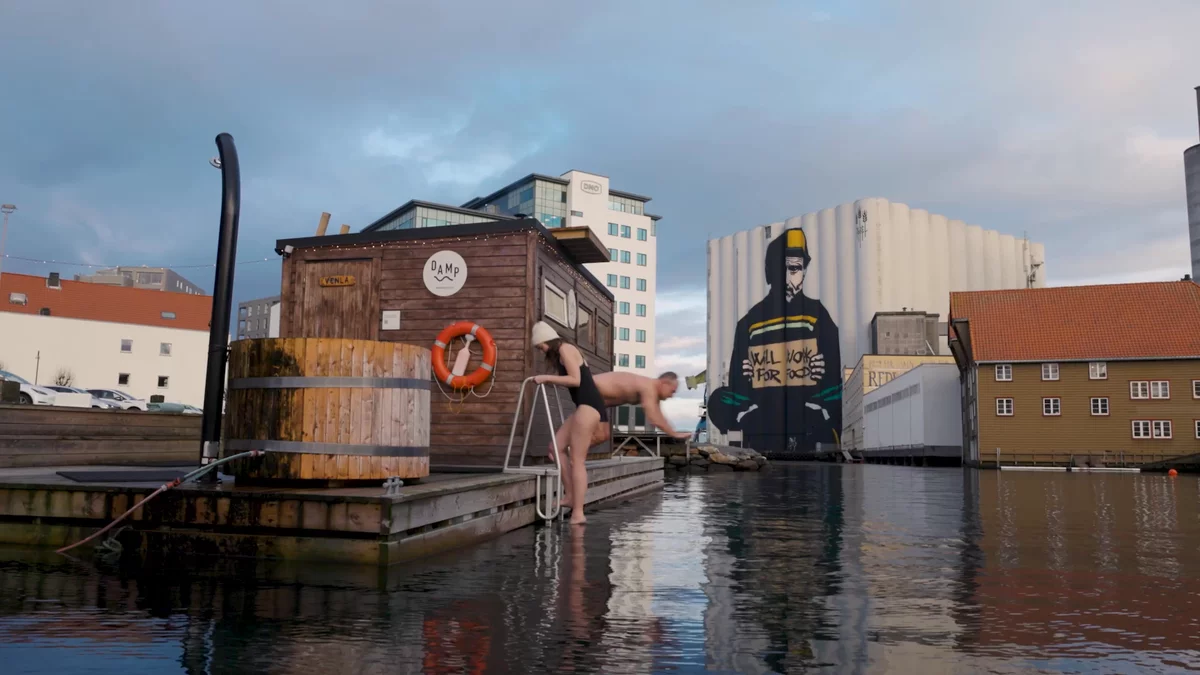
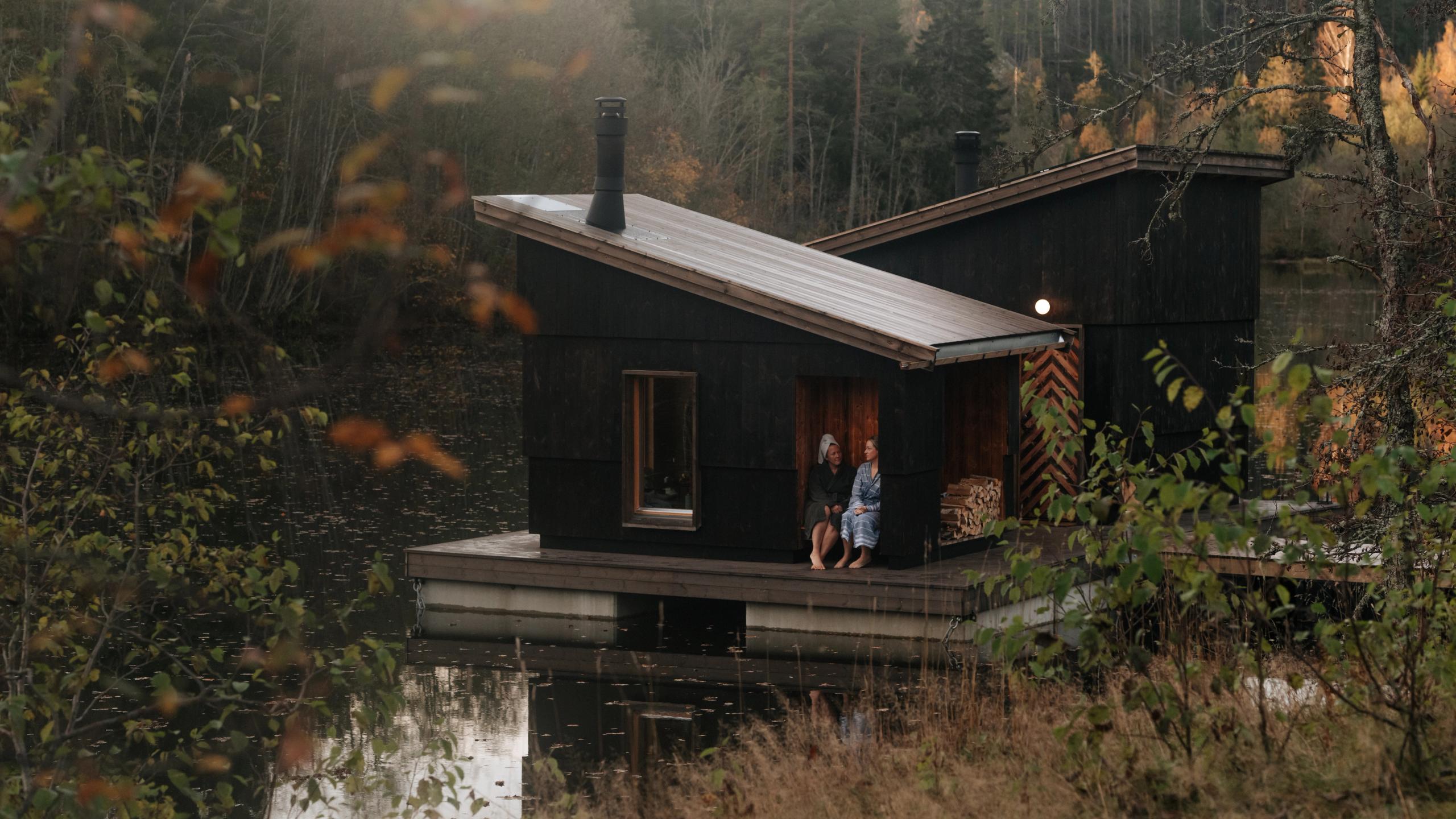
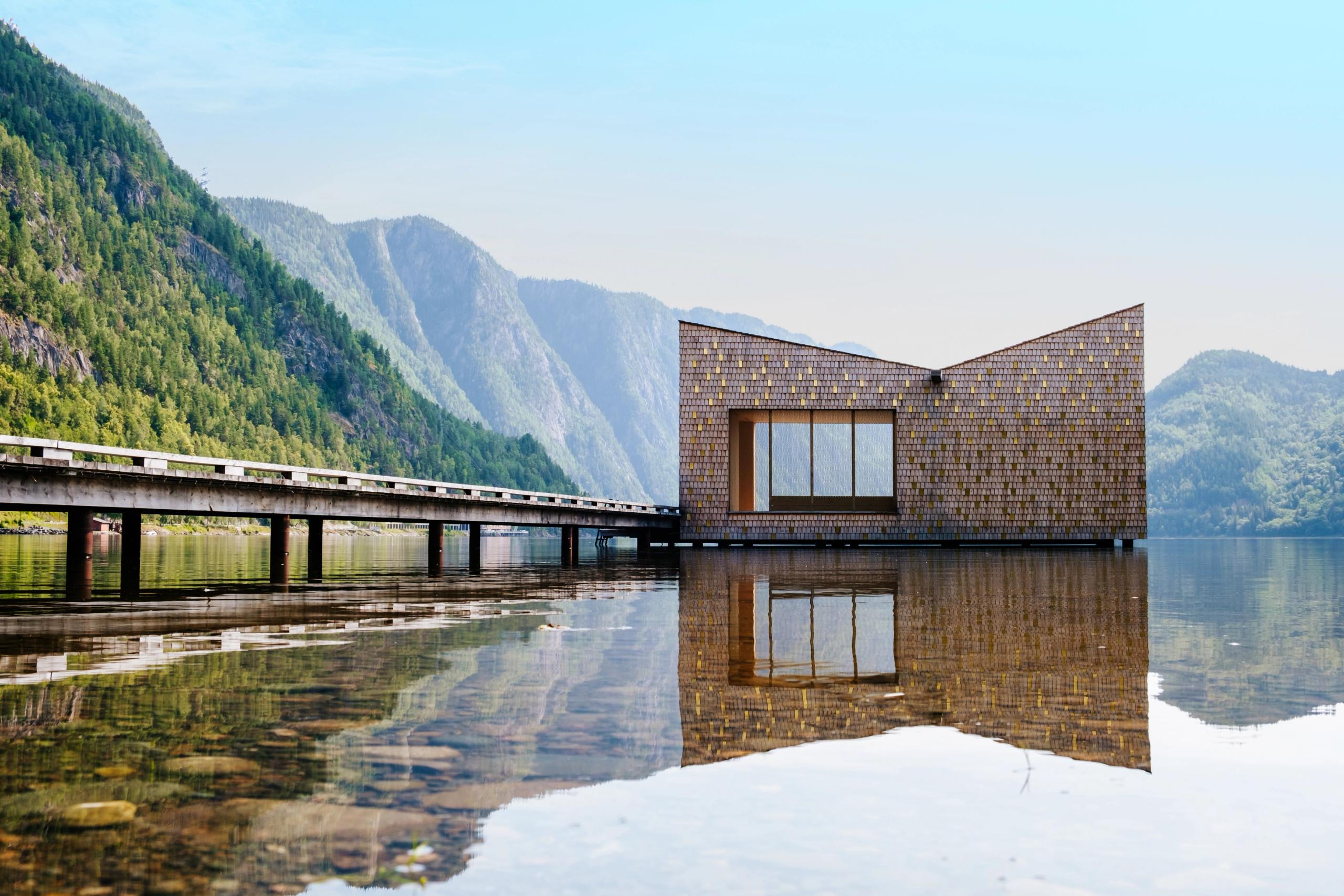
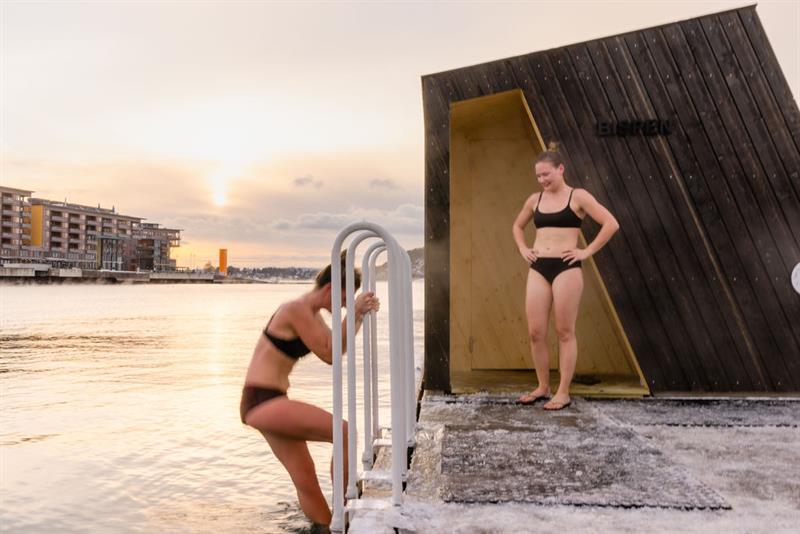
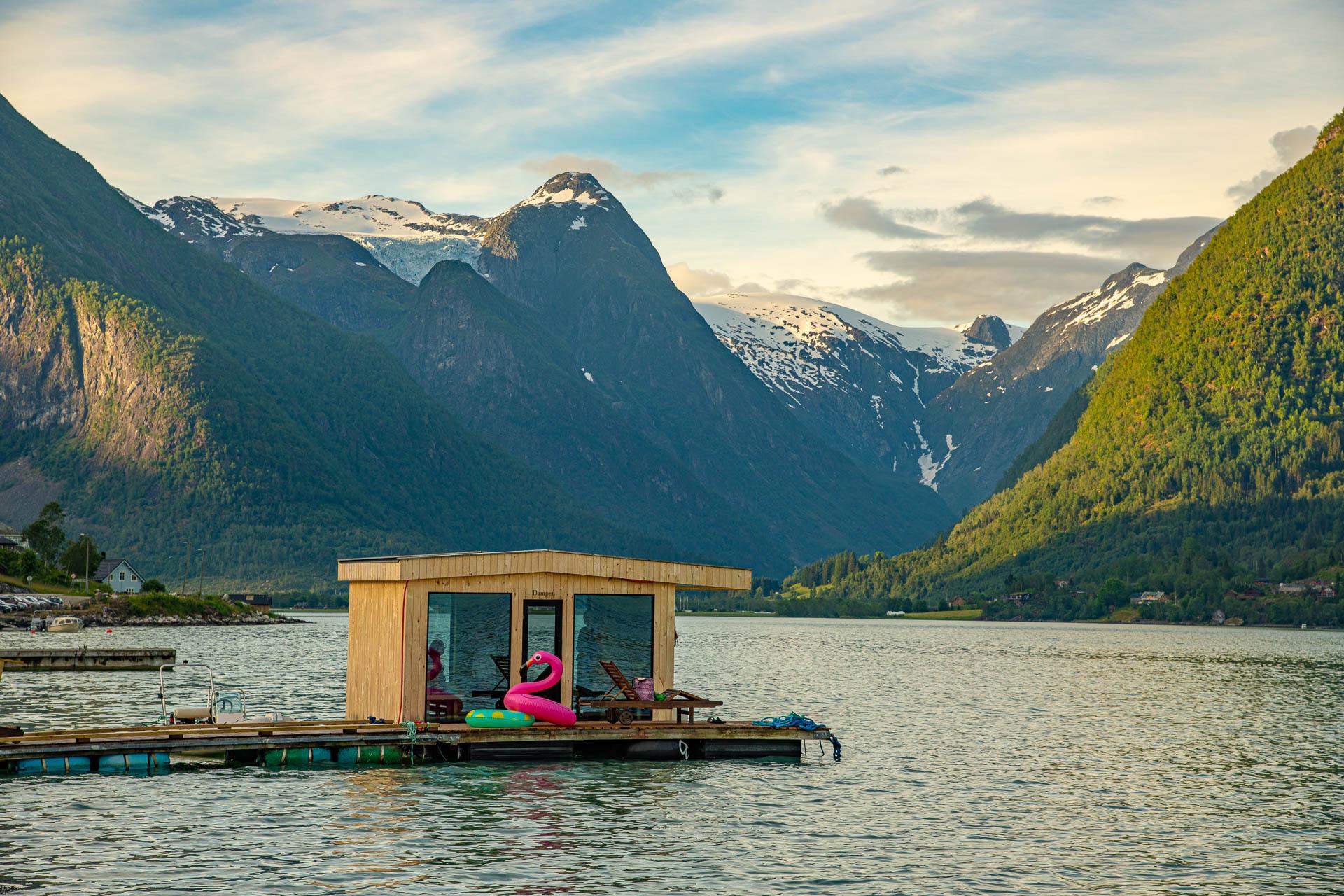
This part of our culture has been recently renewed with a fresh identity: Norway has become the land of the floating saunas, including spectacular fjord saunas!
“Nature-based, architecturally ambitious, socially accessible public saunas: that is the Norwegian model.”
Stig Arild Pettersen
Secretary General of the Norwegian Sauna Society
"In Norway we don’t say sauna, that word is Finnish. We say badstue. The badstue is the original bath. It’s right there in the word. Bad means bath and stue means a small house or room that was heated with a fireplace," explains Stig Arild Pettersen, Secretary General of the Norwegian Sauna Society and badstue aficionado.
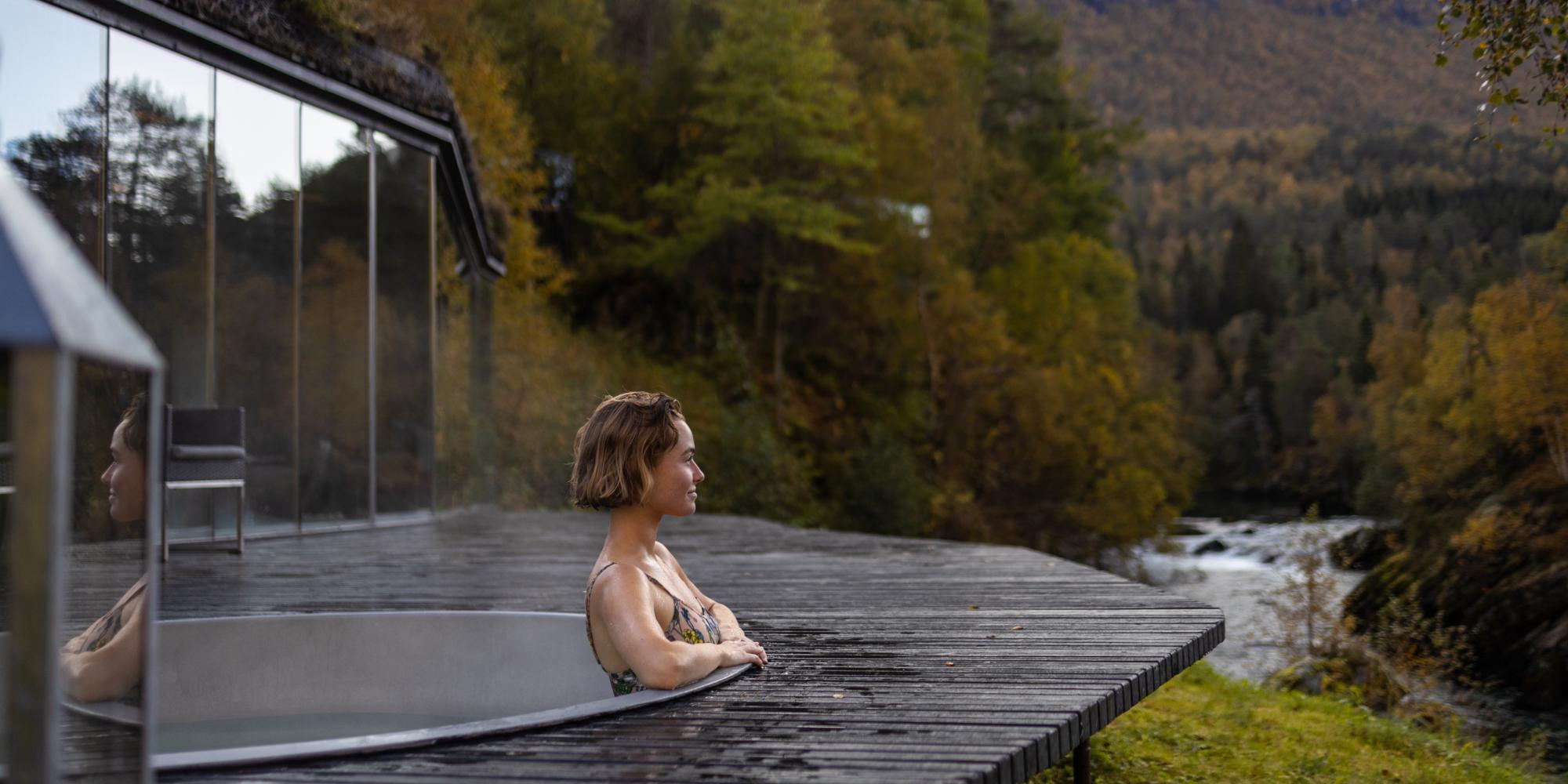
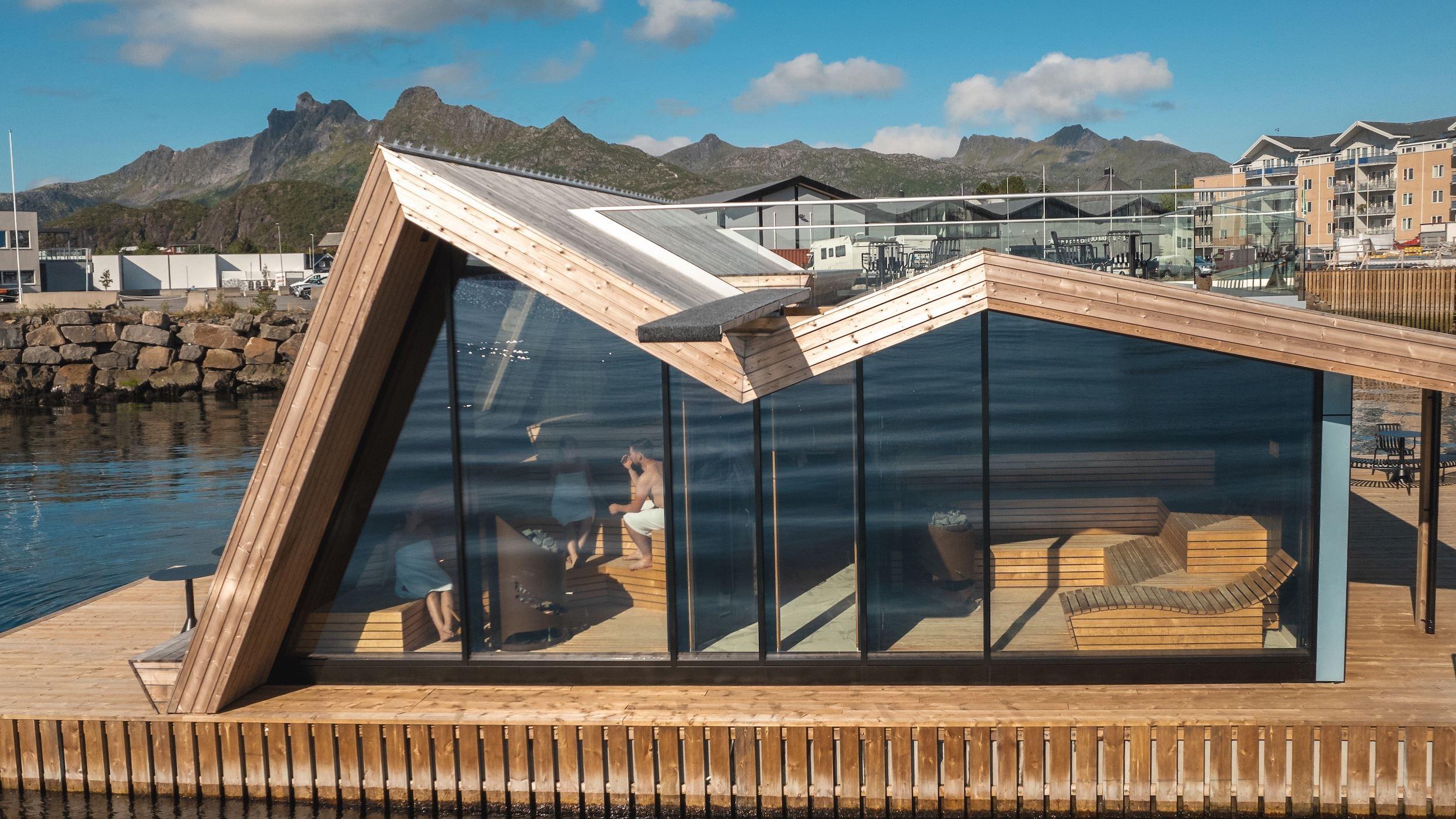
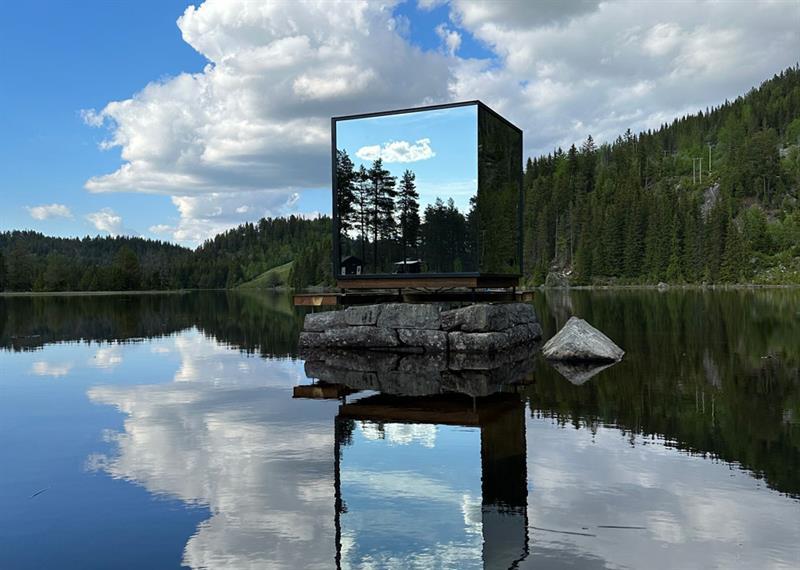
Beautiful wooden badstuer have become an increasingly distinctive feature of Norway’s urban and natural landscapes. For visitors, experiencing one of the country’s many spectacularly situated fjord and mountain saunas has become an essential year-round activity.
"Oslo is now known as the floating sauna capital of the world, and a global leader in the field," says Pettersen.
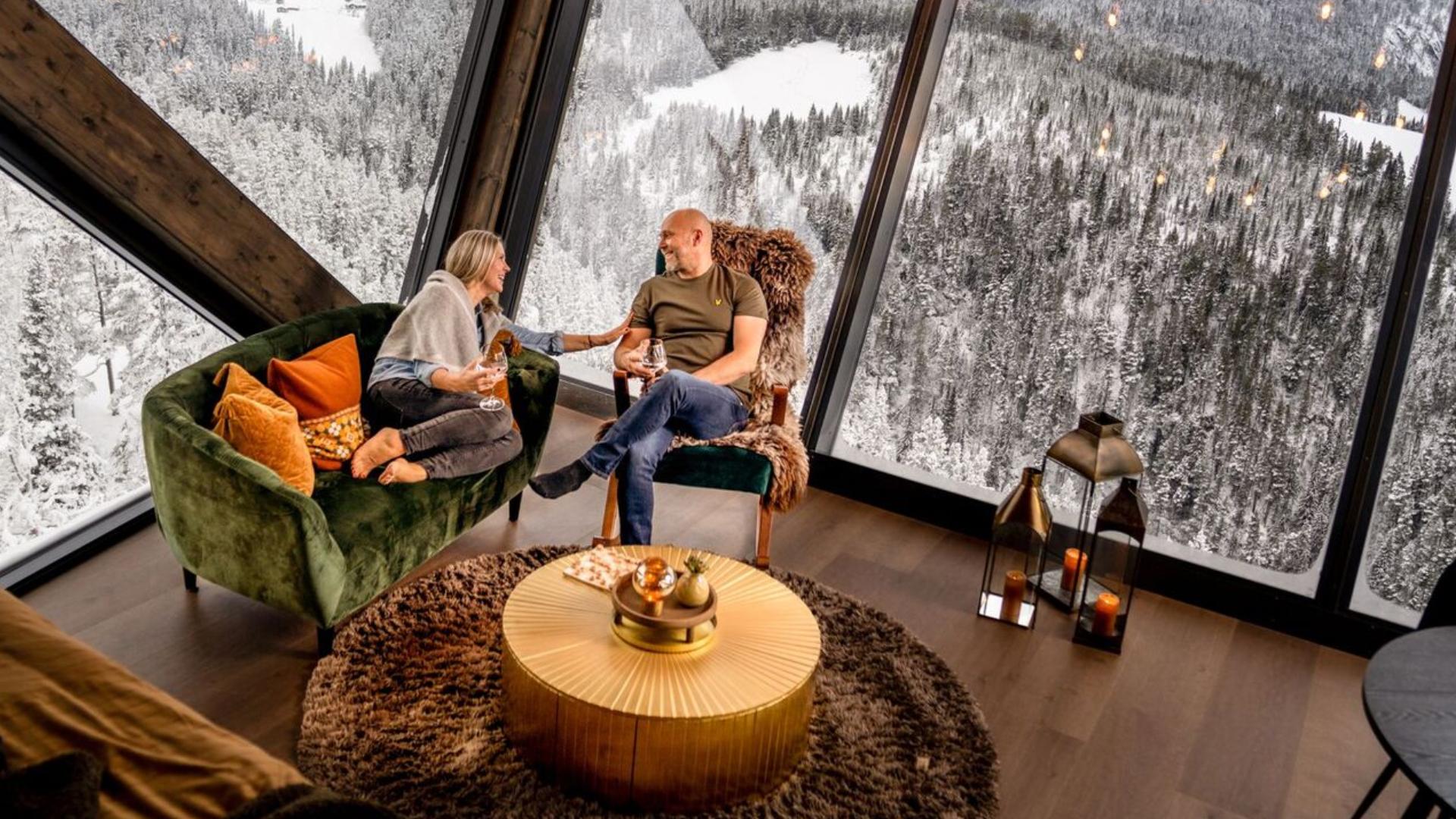
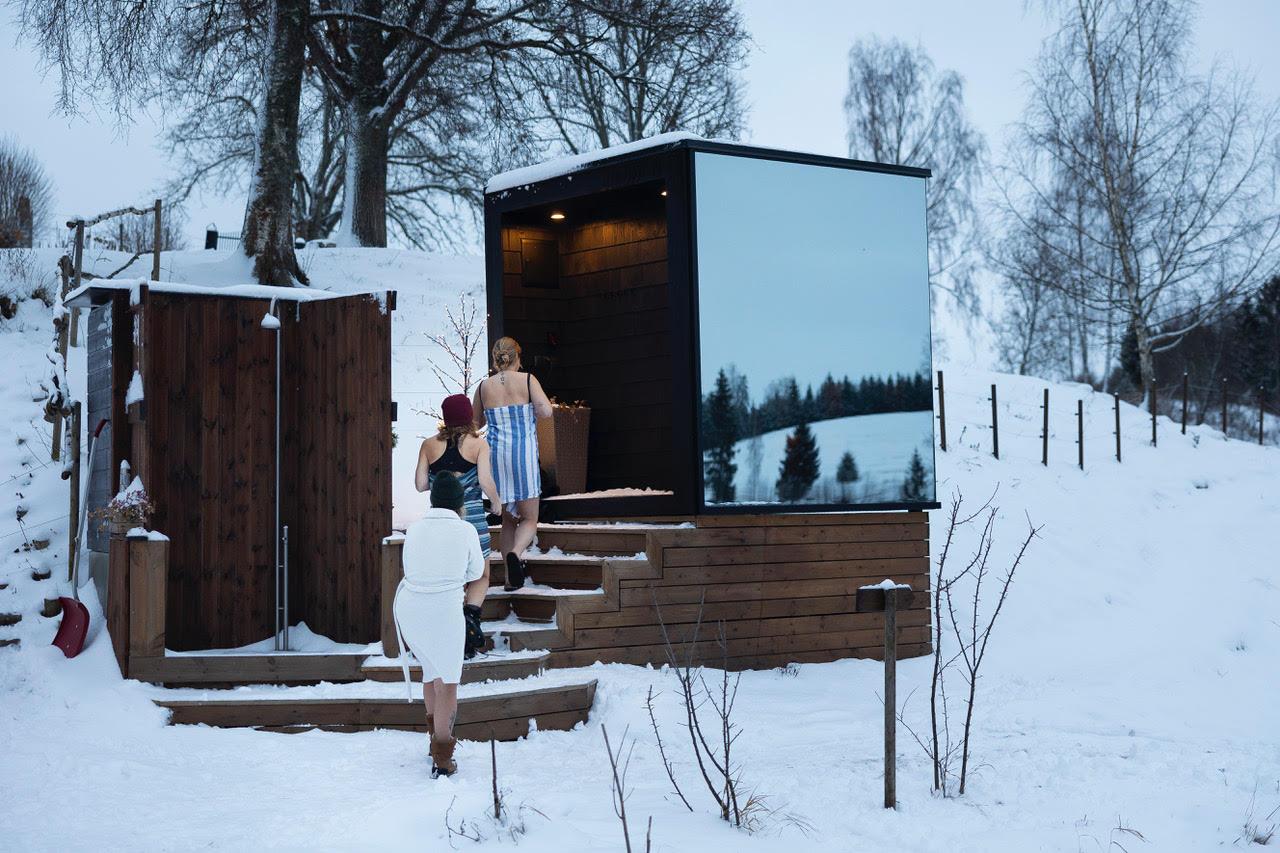
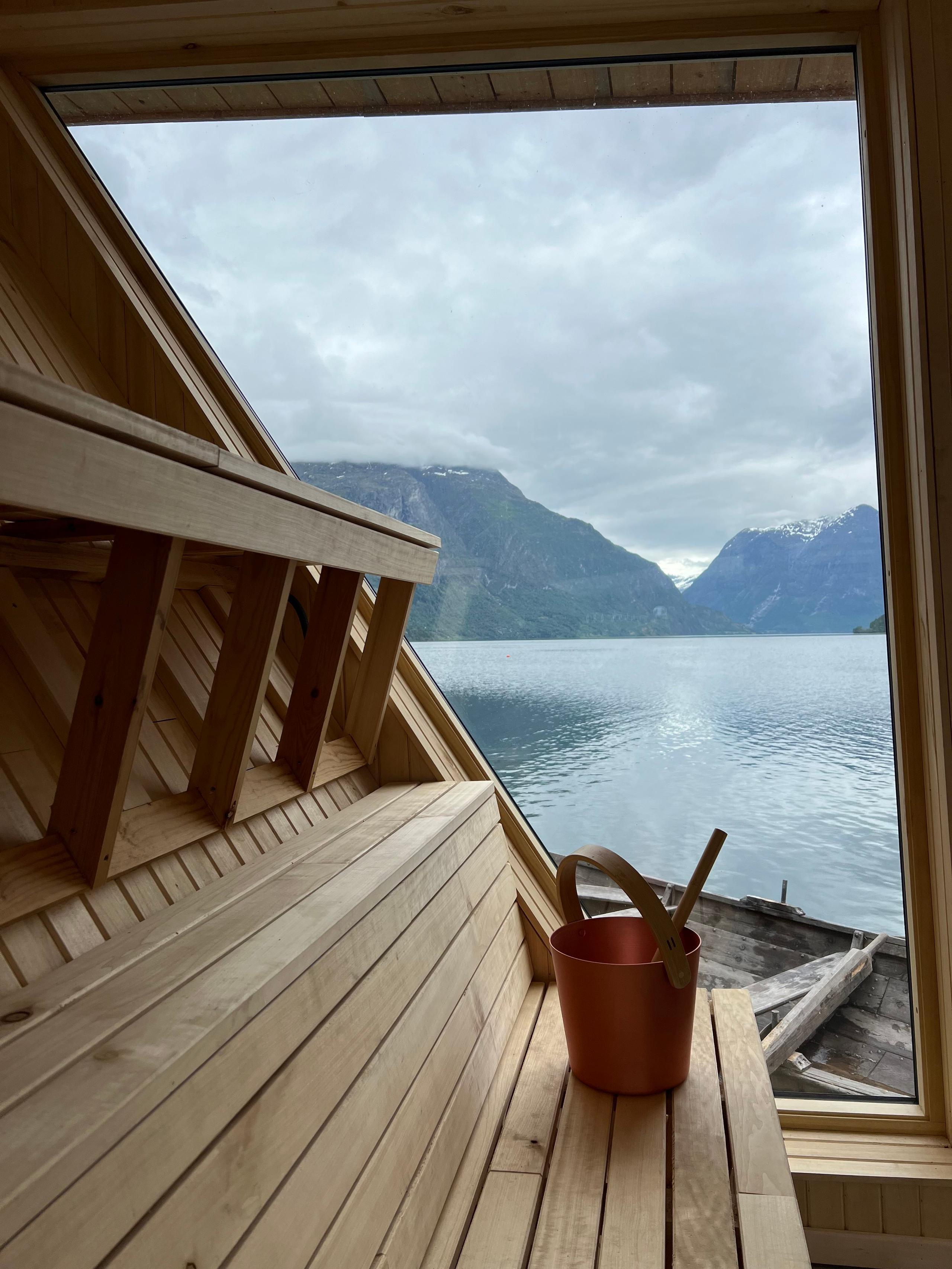
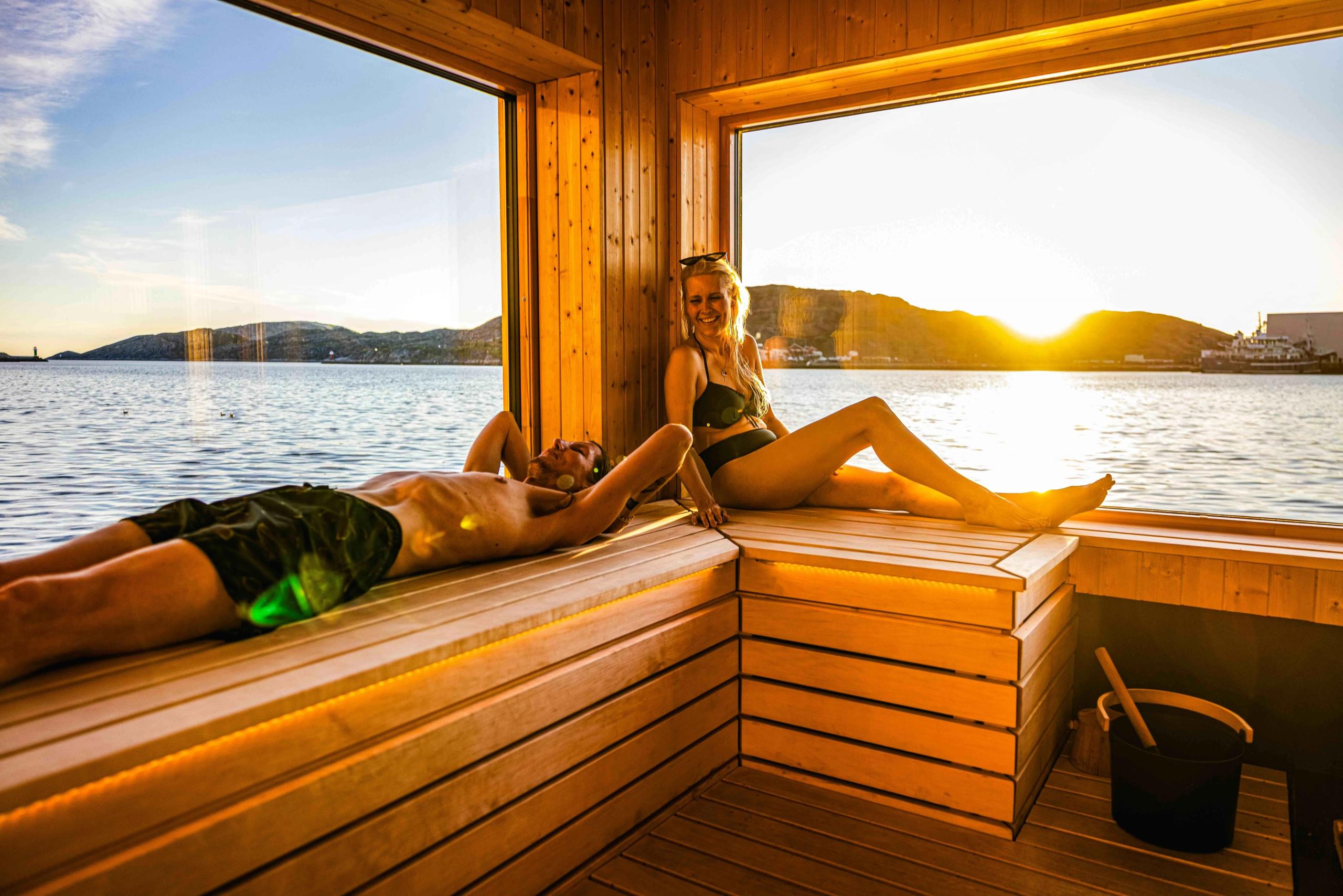
For a long time, modern Norwegian badstuer were often windowless boxes tucked away in the back of a basement. However, today a new generation of sleek saunas has moved out into the open. They can now be found along the coast, by fjords and lakes, on beaches, and in the mountains, offering breathtaking views through panoramic windows.
Viking heritage
But it wasn't always like this. The story of the Norwegian badstue is a complicated one. Sweat-bathing heritage can be found in several European countries, and we have no idea how long it's existed in Norway. It was, however, mentioned in The Sagas of the Viking Kings of Norway.
"There's very little documentation, but we do know that the Vikings used badstuer. The best documentation from the Middle Ages came from the Venetian nobleman and merchant, Pietro Querini," says Pettersen.
In 1432 Querini found himself in Røst, a small island above the Arctic Circle, after his ship was blown off course during a storm. He stayed for three months and observed the islanders.
People of all ages and genders would gather every Thursday and walk together, naked, down to the bathhouse.
Lost culture
"Bathing was actually something done in steam, not in water. Norwegians have cleaned themselves in badstuer for thousands of years," explains Pettersen.
100 years after Querini's visit, Norway became a Danish colony, and this was bad news for the Norwegian badstue culture.
The Danish king brought Protestantism to Norway, which led to a wave of Christian puritanism across the country. Through a series of laws and decrees, a ban on nudity was enforced, and this proved fatal to Norwegian badstue culture.
In the 1800s, badstue bathing had either died out or become a curiosity, and the buildings were repurposed for drying grain.
The badstue culture disappeared for around 300 years, with the only exception being Kven people and Forest Finns (minorities of Finnish origin), who preserved their own sauna culture in Norway.
Experience the architect-designed Kven sauna, Horisontti, in Vadsø, Varanger!
The renaissance of Norwegian badstue
Norway gained its independence about 200 years ago, and with time bacteria was discovered and hygiene became a virtue.
"Can you imagine that there were a few hundred years where people thought that cleanliness was a bad idea?," asks Pettersen.
This led to a revival of the Norwegian badstue. Modern badstuer were built all over the country and they had iron stoves instead of smoke.
By the 1950s there were more than 900 non-profit community badstuer, and a handful of these are still operating today.
In the 1960s, running water reached the countryside and badstuer were seen as unnecessary and backwards. People became wealthier in the 70s and 80s, and a trend of building badstuer in homes emerged.
"A lot of them ended up as storage because the culture and social aspect was gone. People didn't know what a good badstue felt like," says Pettersen.
Badstue boom
"There is a sort of collective memory of being a badstue people. We lost it for 300 years, but it’s there somewhere, in our bones, and it didn’t take much to bring it back," says Pettersen.
In 1999, Finnish architect Sami Rintala designed a floating sauna as part of an art project and placed it in the Hardangerfjord. It could stay there year-round, as the Gulf Stream keeps the Norwegian coastline mostly ice-free.
A few years later, in Oslo, a ramshackle floating sauna appeared on the fjord. It was built with driftwood by a group of anarchists, who had to move it around, as they didn't have docking permission from the authorities.
The Ministry of Foreign Affairs had a winter bathing club and they ended up helping the group gain a permit (in exchange for access to the sauna of course!). And thus, the Oslo Sauna Association was created.
Since then, hundreds of badstuer in all shapes and sizes have appeared all over Norway.
Full steam ahead
There is no right or wrong way when it comes to Norwegian badstue culture, as it was lost and had to start again from scratch. This means that there has been room to play.
"A lot of architects love designing modern saunas because they're small and cheaper to build. They get to be creative and work with the surrounding nature," says Pettersen.
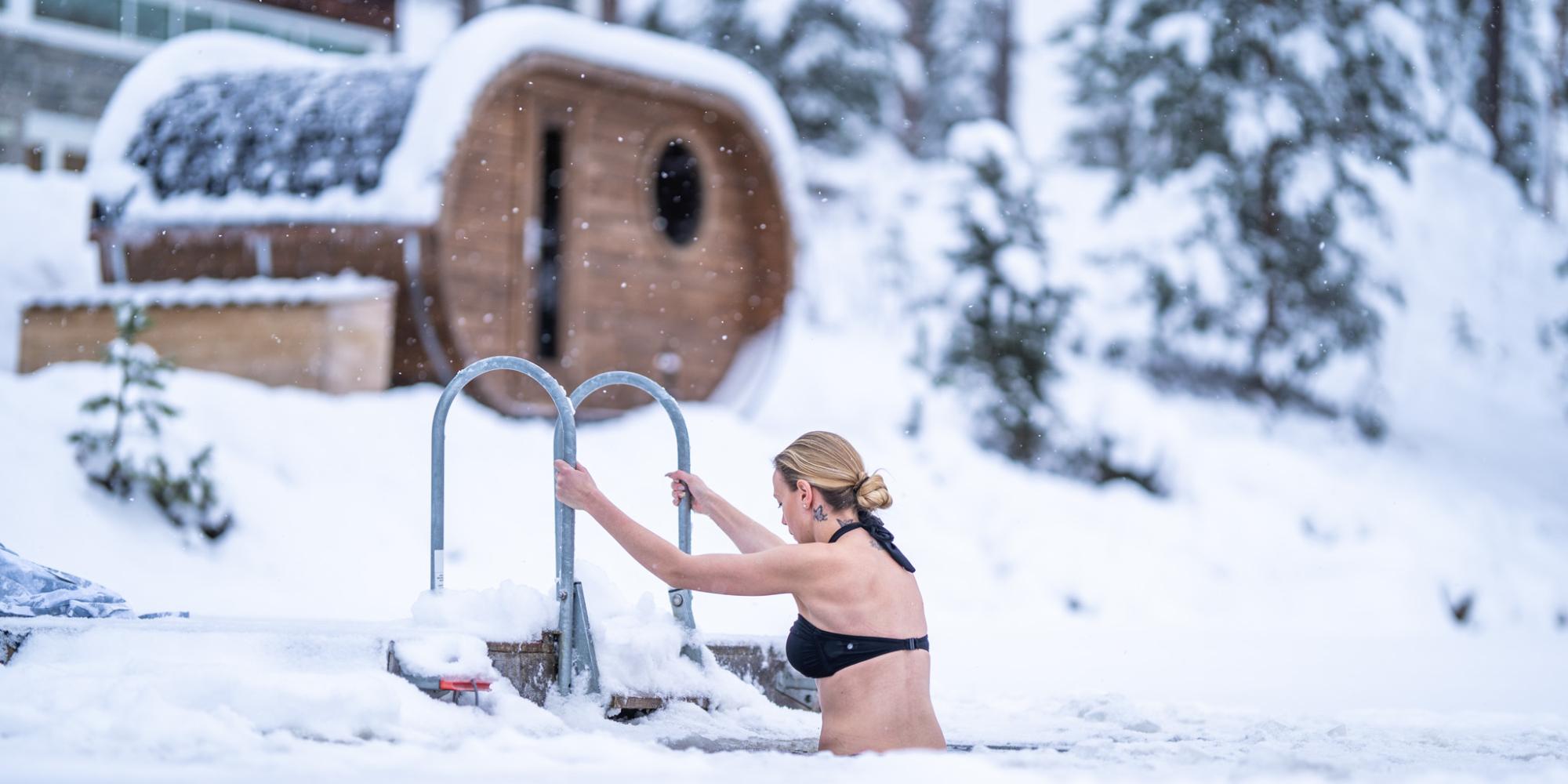
Nature is indeed playing a vital role in the revival. Norwegians love the great outdoors, so putting badstuer directly into Norwegian nature has become extremely popular, especially since they can be used all year!
Other factors that have helped in rebuilding the badstue culture are new building regulations, health and wellness trends, tourism, sauna rituals, a desire for digital detoxes, and the COVID-19 pandemic.
Making new friends
It also became a great place to socialise during the long winter months.
"A man in his 60s told me that he'd made his first friend in 20 years in a badstue. It's what you call a third space, outside of work and home life. There's no pressure or digital distractions, so it's easy to relax and socialise," says Pettersen.
New badstuer are still popping up all over Norway, so you can most likely experience them wherever you go.
"There are so many cool and different badstuer, so we encourage people to explore and find their favourite," says Pettersen.
And it might be a difficult choice: just check out these sleek sauna rafts at the Sukkerbiten floating sauna village, right next to the Munch Museum and the Oslo Opera House. This is also where you'll find the award-winning and wheelchair-friendly Trosten sauna.
Are you ready to warm up? Don't forget your bathing suit when travelling to Norway, any time of year!
Sauna heaven
Check out some of Norway's most unique saunas and sauna villages, where striking architecture and stunning surroundings come together to create a sublime experience.
 Book nowSofiemyr
Sauna and bath
Discover our selection of saunas, hot tubs and spas and give yourself, good colleagues and friends a respite from everyday life. Enjoy a while in a hot sauna, take an ice-cold dive and feel the heat spreading in your body afterwards. Join the sauna and ice bathing trend.
Read more
Find more inspiration for your next trip to Norway.