When you visit Norway and enjoy the many marked hiking trails, freshly painted buildings, clean beaches, and public spaces – that’s often the result of the Norwegian dugnad spirit!
DUGNAD:
The Norwegian spirit of solidarity and togetherness
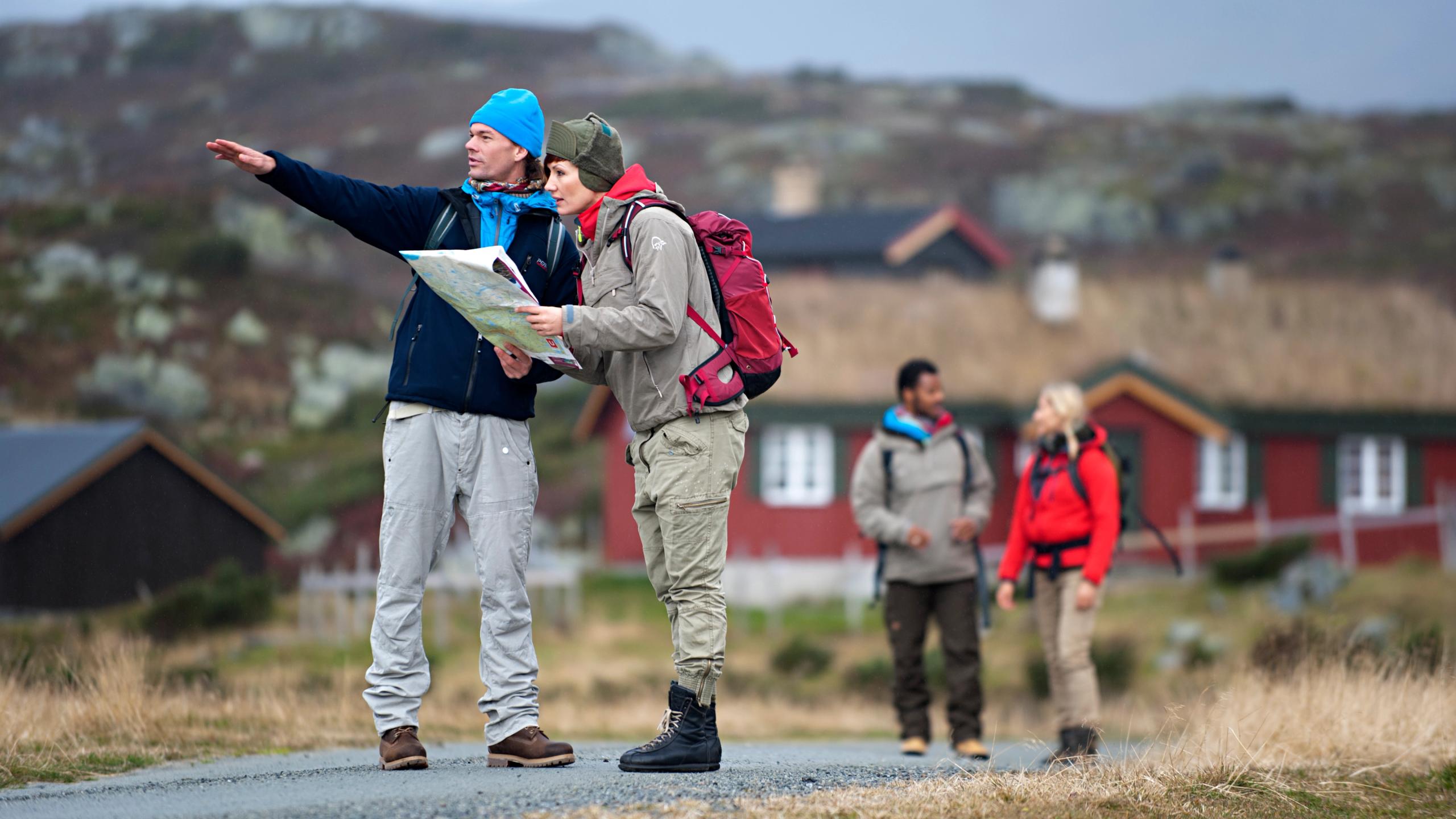
When you're hiking on a marked trail in Norway...
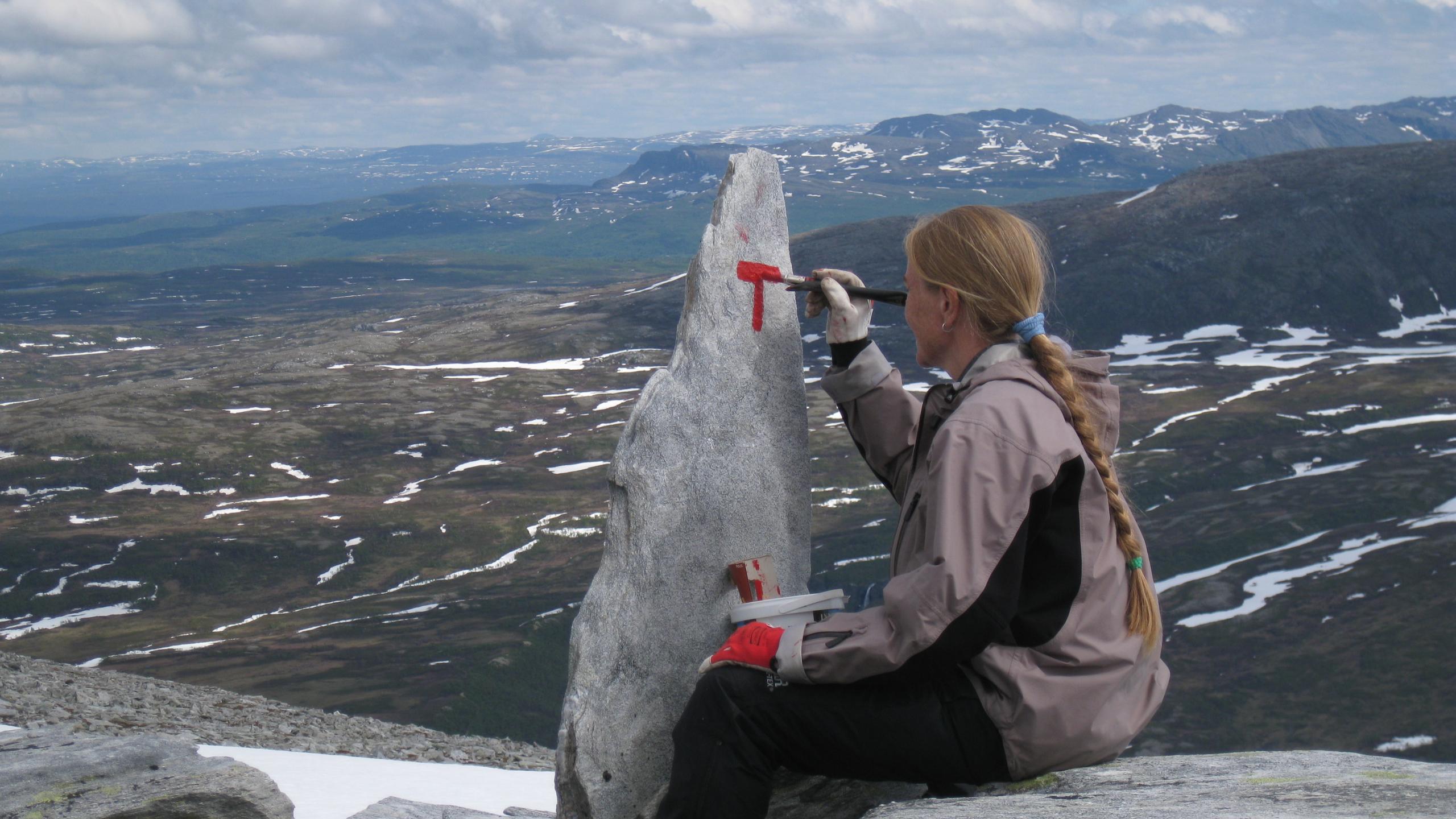
...you should send a big "THANK YOU" to these folks!
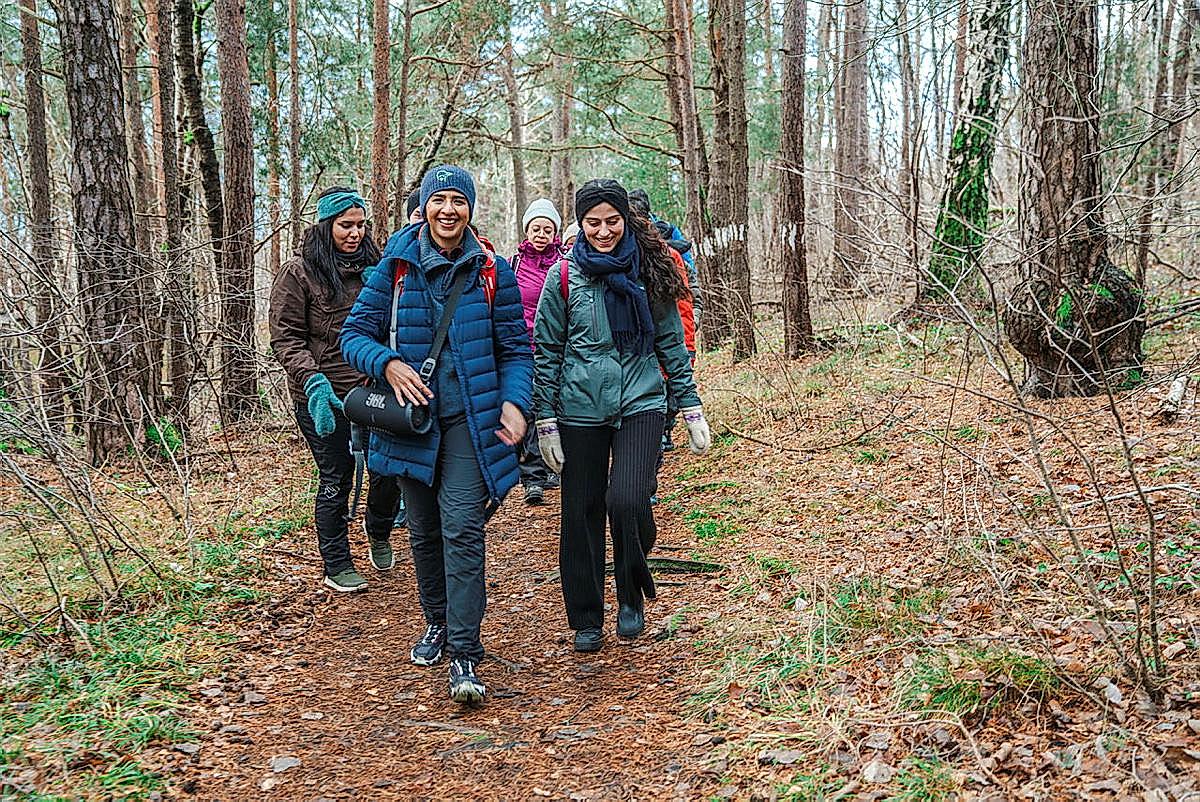
The volunteers in the Norwegian Trekking Association (DNT) mark and maintain thousands of kilometres of trails and hundreds of cabins all over Norway, taking part in a giant dugnad that benefits us all!
Dugnad is all about rolling up your sleeves, working side by side, and contributing to something bigger than yourself.
An ancient Norwegian tradition
Dugnad is a unique Norwegian concept that menas voluntary, unpaid work done collectively for a shared purpose. The word has roots dating back to the Old Norse term dugnaðr, which means help, support, or being capable.
Historically, dugnad emerged as a necessary form of cooperation on Norwegian farms. Neighbours helped each other with hard work like building houses, gathering hay, or harvesting crops. Jobs that are too big for one family. In return, they would receive help when they needed it. In this way, dugnad became an important part of both social and economic life in the countryside.
But perhaps it wasn’t just community spirit that made people show up for communal work in the old days. The host was expected to end the day's work with beer and a party, which no doubt worked wonders for everyone’s motivation!
The modern dugnad
As Norway became more modern and urban, dugnad changed, but the idea stayed the same: people helping out for the greater good. Today, dugnad takes place in housing associations, sports teams, schools, and local communities. People paint, clean, build, or fundraise, and the reward is often waffles, coffee, ice cream, or maybe even a couple of beers.
Dugnad has come to symbolise the Norwegian spirit of solidarity and togetherness. It was actually voted Norway’s national word in 2004. Even in today’s more individualistic society, dugnad still shows the importance of community, responsibility, and helping each other.
The trail dugnad
The Norwegian Trekking Association (DNT) is the ultimate boss when it comes to dugnads, volunteering, and taking care of Norway’s great outdoors!
Anyone with an interest in nature and the outdoors can become a volunteer with DNT. Much of DNT’s important work involves marking and maintaining an extensive network of hiking trails and winter routes across the country. DNT also operates over 600 cabins, ranging from simple self-service huts to fully staffed mountain lodges.
DNT also offers organised hikes, courses, and activities for all age groups – in both summer and winter. There are also special programs for children, youth, and families, including hikes, camps, and a range of outdoor activities.
And much of the work is carried out by volunteers on a dugnad basis, especially by local member associations.
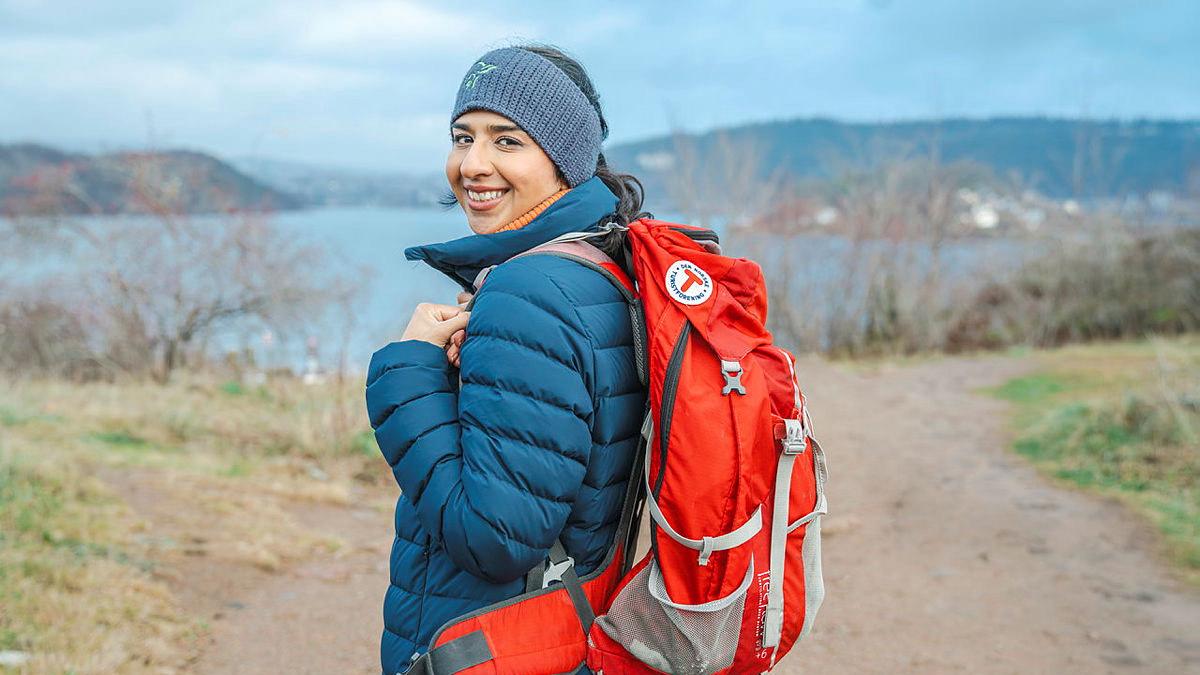
"Volunteering brings me joy, a sense of achievement, and belonging. It feels good to be part of something bigger than myself and to feel the connection we create together in nature."
– Jevi Majid
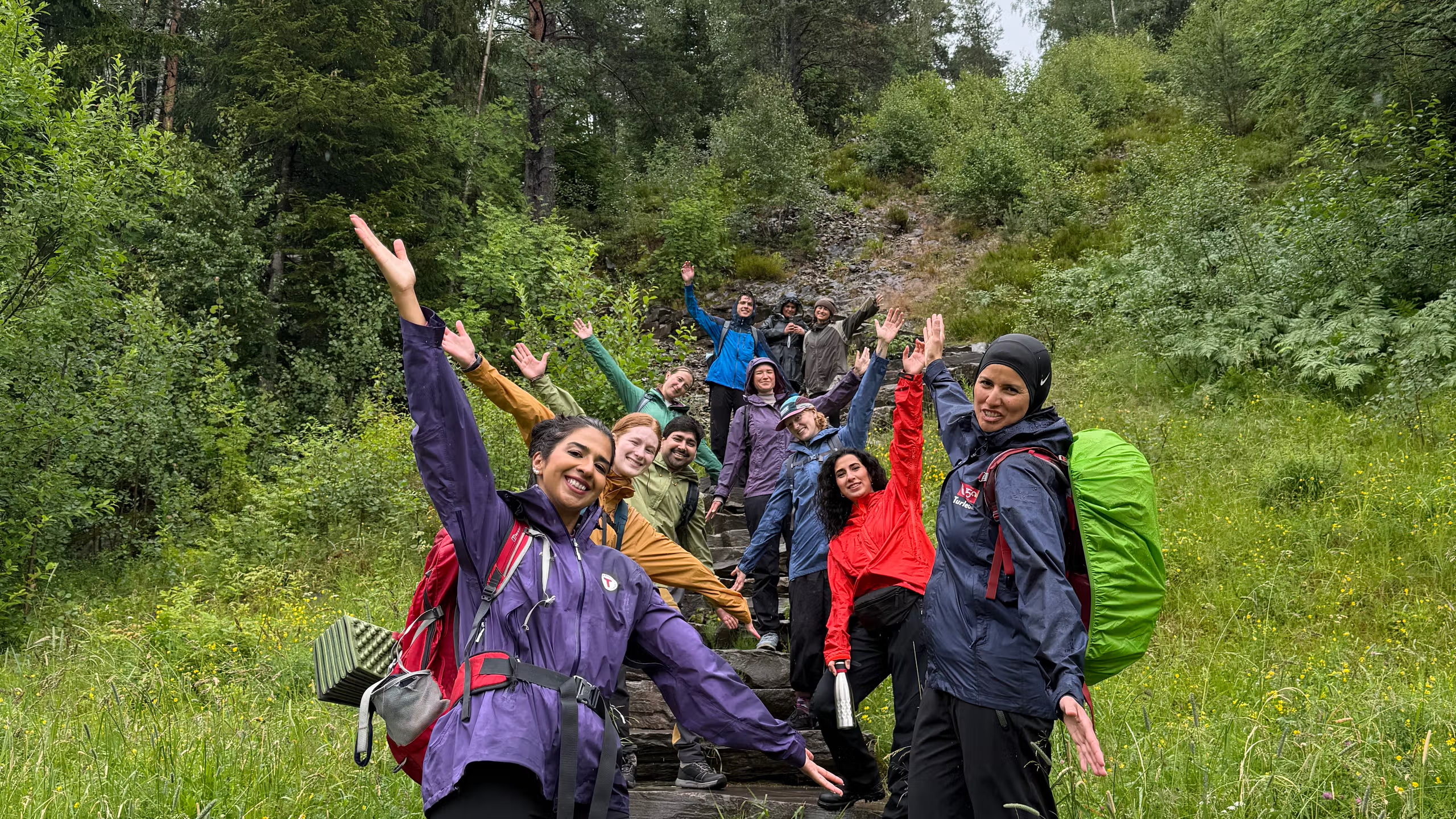
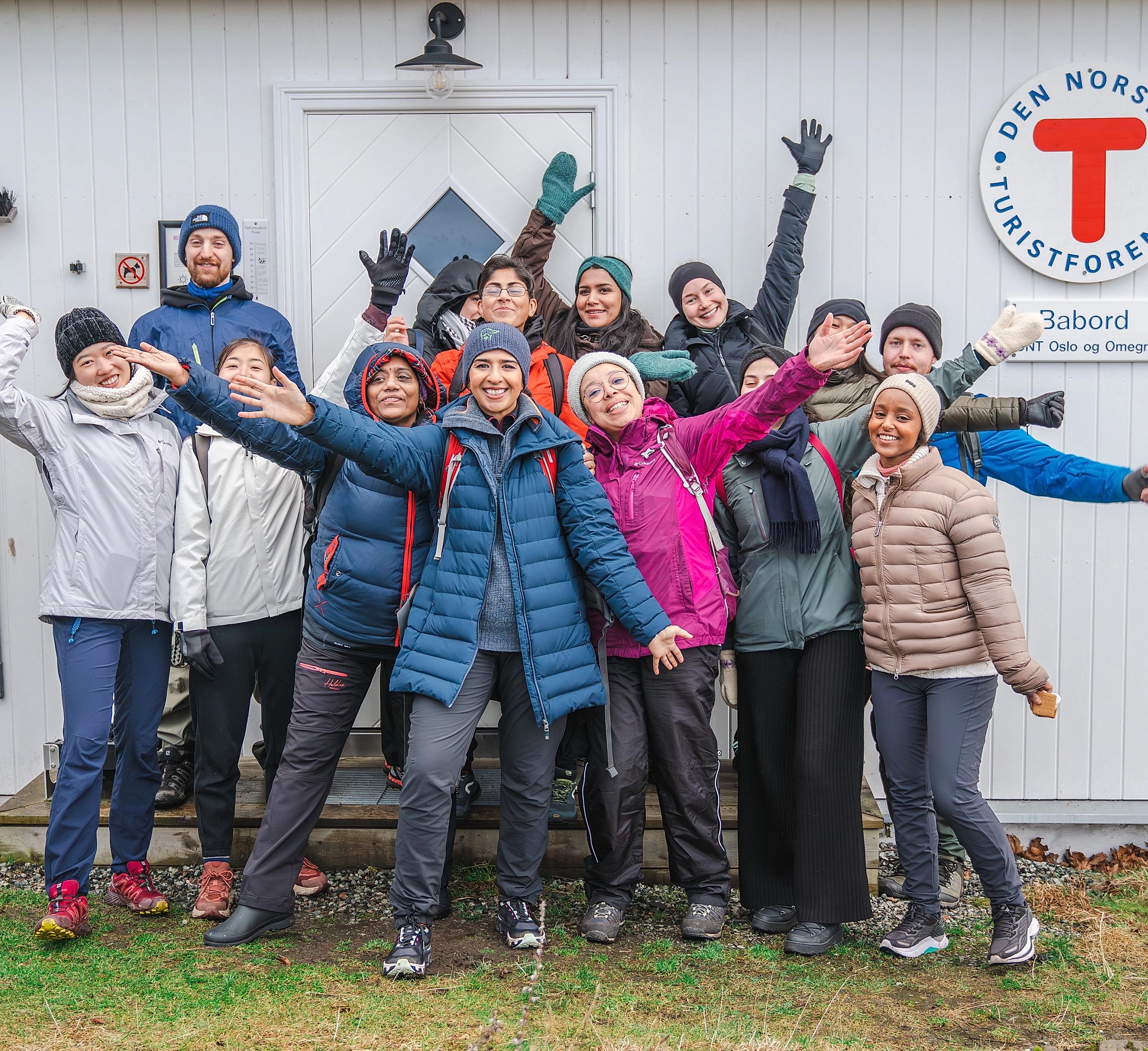
Jevi Majid, a 44-year-old single mother living in Oslo, volunteers with DNT Oslo og Omegn.
She has extensive experience working with diversity, inclusion, and volunteerism, and is passionate about creating a sense of community and safe spaces, both in nature and in the local area.
In her free time, she enjoys running, going on hikes, and getting involved in meaningful projects. She also leads Norway’s only running group for minority women.
"I am a volunteer because it gives me the opportunity to make a positive contribution to society and meet people I wouldn’t otherwise connect with. I believe in the power of community, and dugnad is a great way to build bridges between people. Passionate individuals drive society forward, and volunteerism helps boost minority communities as well. I absolutely love the Norwegian nature," says Jevi.
Who can take part in dugnad?
Dugnad is for everyone: both young and old. It's fun to work as a volunteer when it's for the common good. And when the job is done, we all sit down together and enjoy coffee, hot dogs, and waffles!
There are 548 volunteer centres in Norway, and 98% of them are members of the Norwegian Volunteer Central Association (NFS), which is a national umbrella organisation that supports and represents volunteer centres across Norway, providing help, advice, and resources, and ensuring they all offer good and consistent services.
"The spirit of dugnad is a counterbalance to an individualistic society. It helps us view the local community as something we belong to and should nurture. Volunteering replaces exclusion with inclusion. Volunteering also provides training in a variety of skills for those outside the workforce. It can combat feelings of loneliness and social exclusion. Everyone should feel they belong," says Gijs Mans, general secretary of the NFS.
Types of dugnad:
Local neighbourhoods and common gardens
Dugnad often involves cleaning and tidying up the neighbourhood. Skipping it may lead to guilt, bad neighbourly vibes, and maybe even bad karma! But by helping out, you earn the right to enjoy shared spaces. Typical tasks include tidying outdoor areas, washing or painting, planting flowers, raking leaves, mowing lawns, and maintaining playgrounds.
Nature and beach cleanups
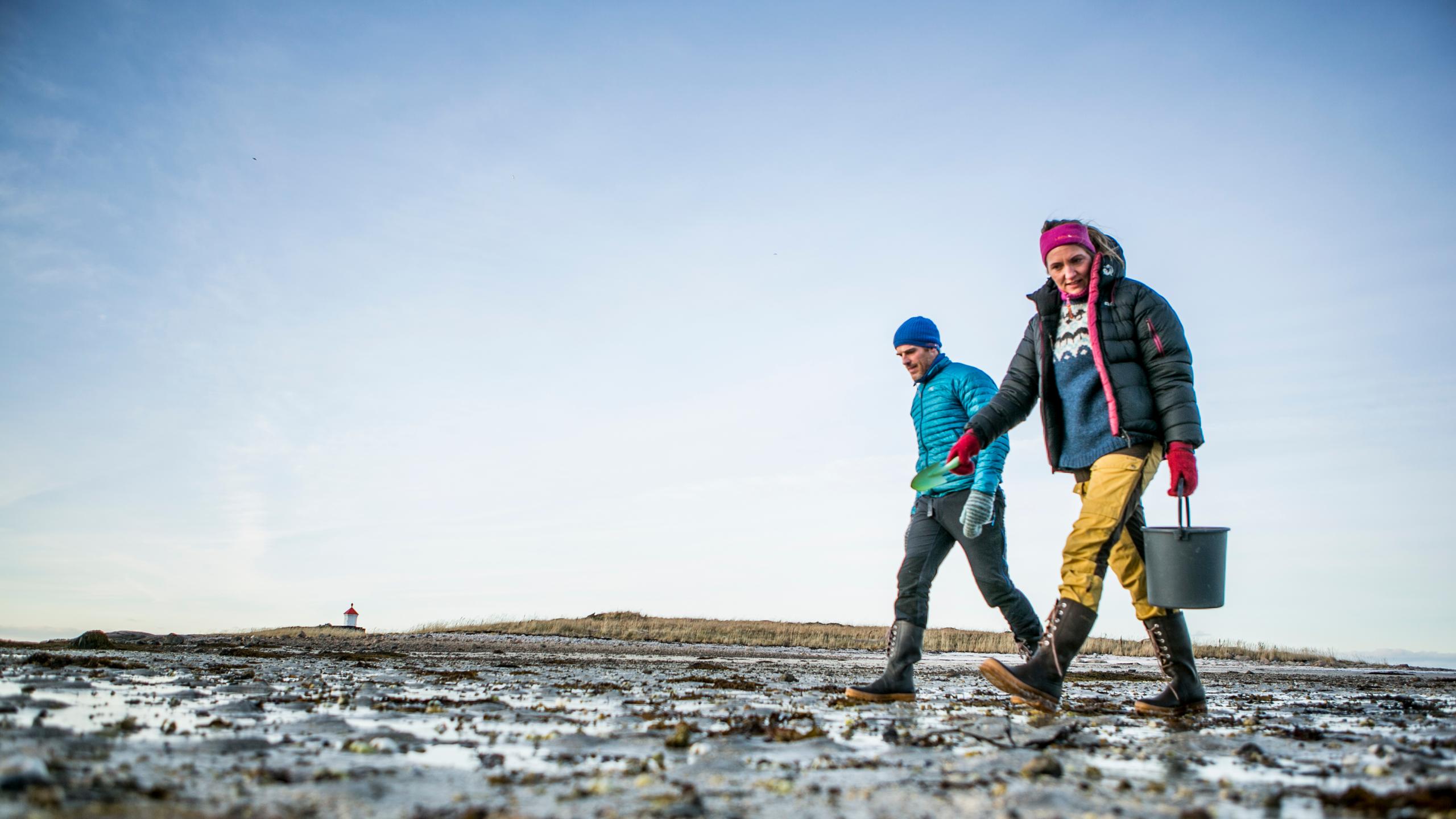
Littering and plastic pollution are serious problems impacting our environment. The ocean washes ashore some of the rubbish, littering our beautiful beaches and swimming spots. The more people that join, the more rubbish we can remove, together. It's normal to pick up rubbish along beaches or hiking trails, mark and maintain routes and cabins, chop trees, lay stones, and generally improve trail conditions.
Sports and leisure activities
Whether your kids are into football, skiing or horse back riding, the whole family heads out together to help out at a dugnad to maintain the sporting facilities or host an event. It teaches kids teamwork and the value of contributing. Choose between cleaning club houses or sports facilities, baking or selling goods at kiosks or ticket booths, marking ski and hiking trails or driving kids to games or tournaments.
Schools and pre-schools
At all schools and pre-schools, it's normal to clean classrooms or outdoor areas, paint and repair playground equipment, bake and help at school events, organise end-of-year parties, holiday fairs, or raffles, and more.
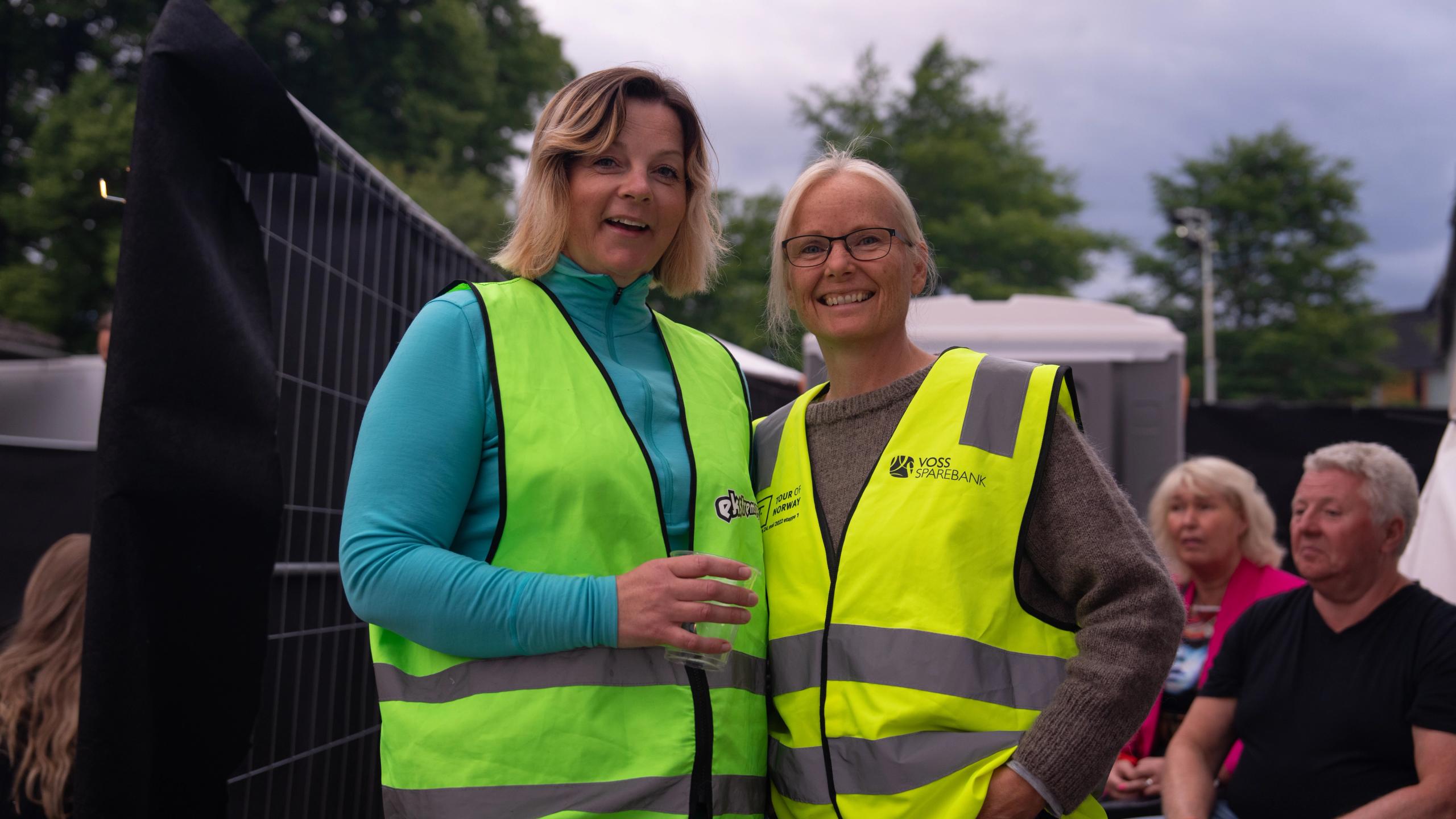
Volunteering at festivals
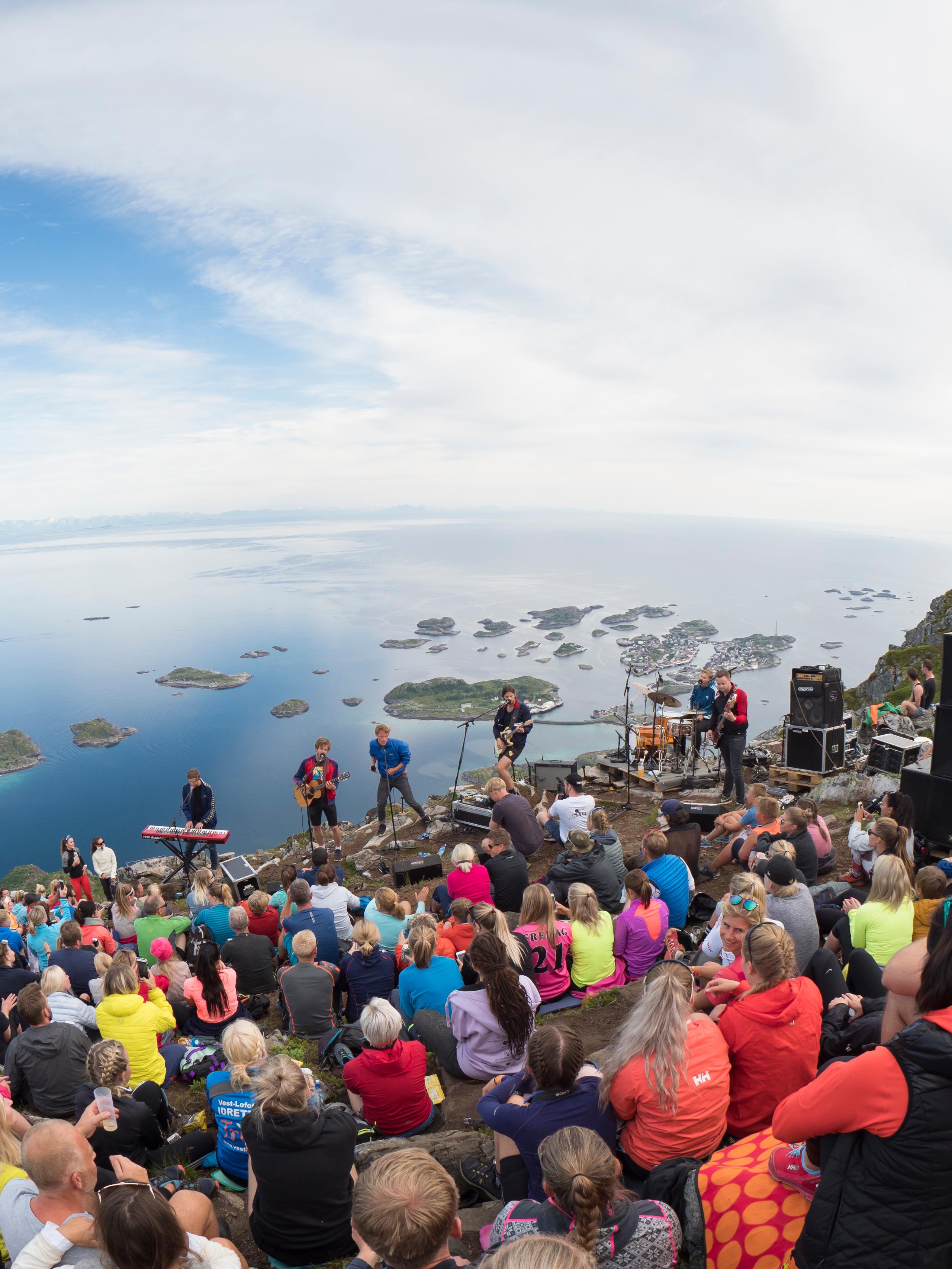
Want to see your favourite artist, but the tickets are a bit pricy? No worries! Most festivals in Norway rely on volunteers to make it all happen. Help out by selling merch, serving food, or setting up the stage – and get a discount or a free festival pass in return!
Remember, it feels good to lend a helping hand. When the work is done, sit down for a coffee and a treat like waffles or sweet buns, called boller in Norwegian.
Dugnad tourism at Træna
Become a 'dugnad tourist' and get free accommodation in exchange for helping clean up in Træna in Northern Norway!
The concept was introduced in Træna in 2021 and has since organised volunteer tourist weeks several times.
It has attracted great international interest. The New York Times listed Træna as one of the six best places to volunteer as a volunteer tourist, and it has received over 100 applicants internationally.
"Participants get the opportunity to make a positive impact on the environment, while experiencing a different kind of travel. For us, it's about creating a destination that takes responsibility for ensuring that tourism activities do not deplete nature, but rather give something back," says Moa Björnson, CEO at Træna 365 AS.


Take advantage of top offers
See our selection of trusted companies that work hard to make you happy all through your trip.
 Brim ExplorerQuiet fjord tours on award-winning electric catamarans in Oslo, Tromsø, Lofoten, and Svalbard.
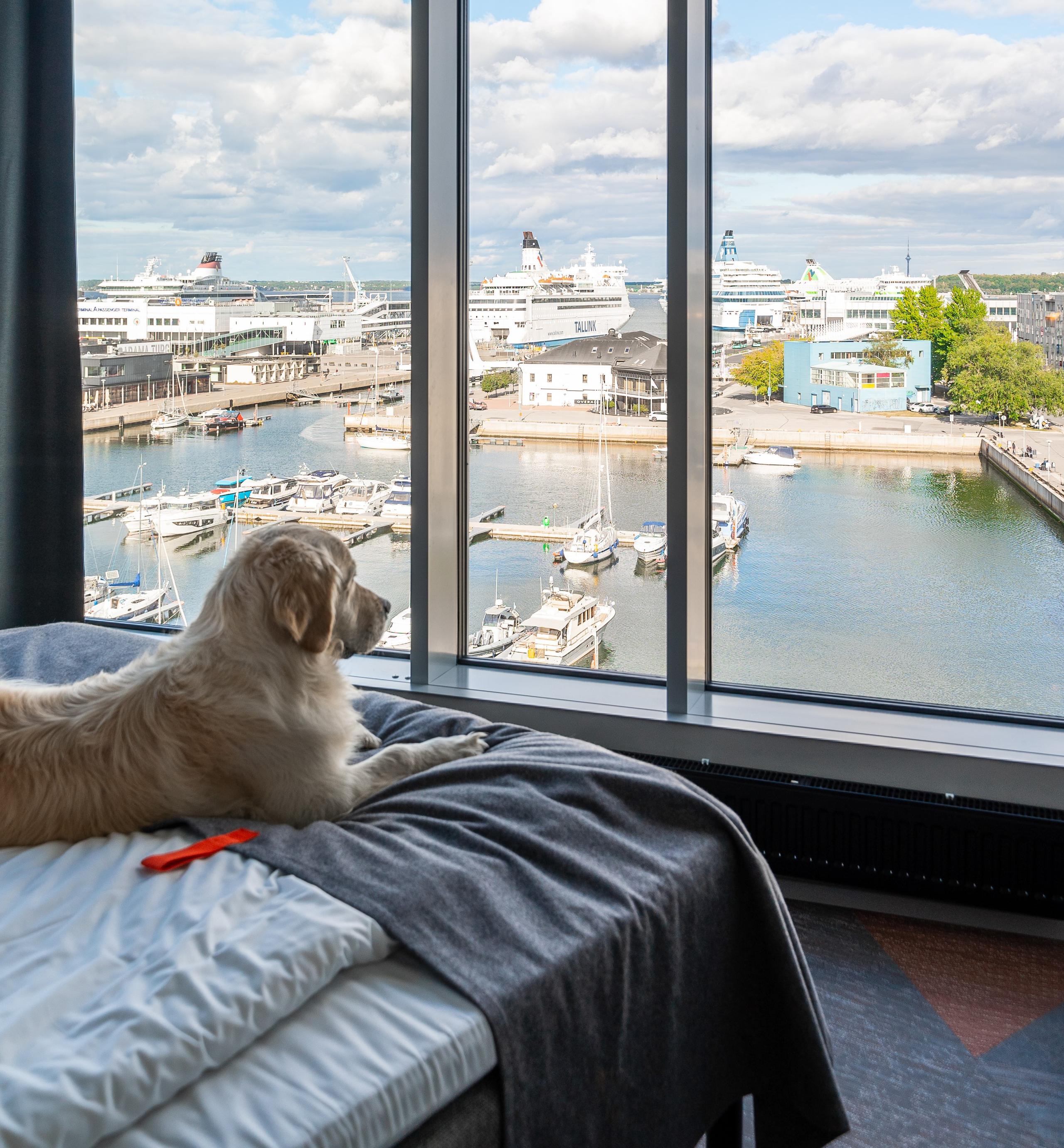 CityboxModern and affordable hotels in central locations in Oslo, Bergen, and Kristiansand.
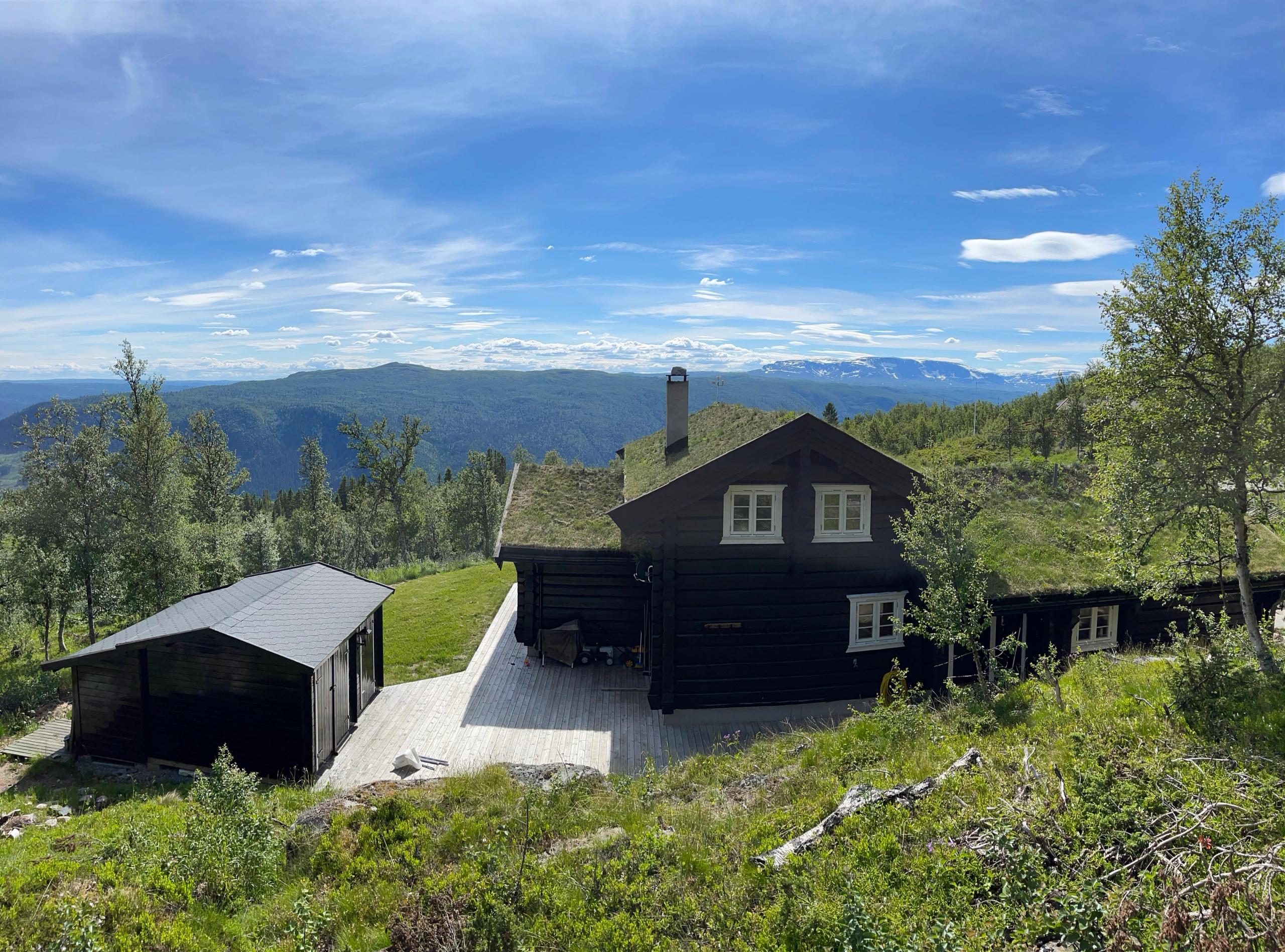 NorgesbookingBook your perfect cabin stay in the fjords, mountains, and valleys of Norway.
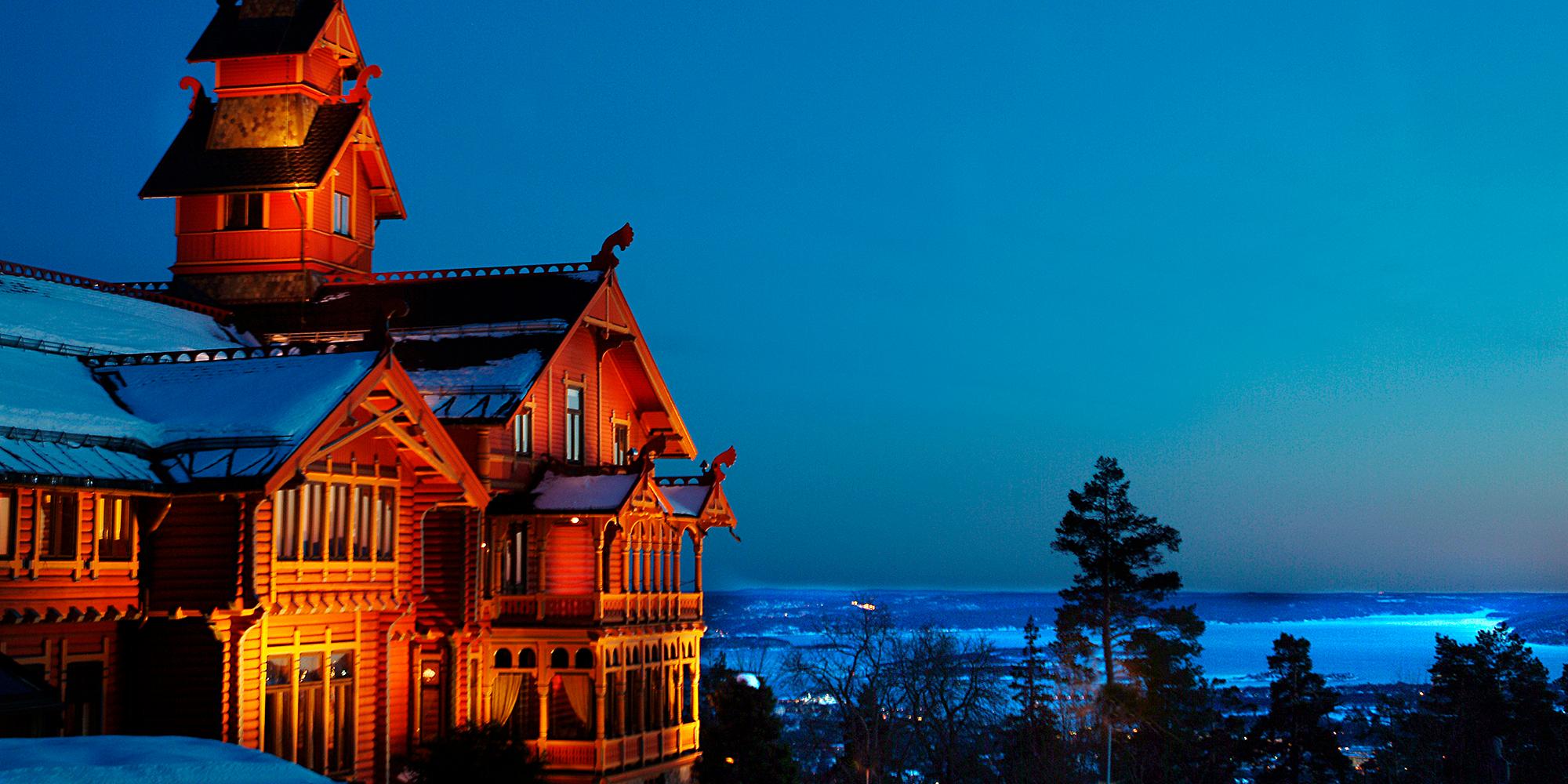 Scandic HotelsExperience Nordic hotel hospitality at its finest at more than 90 hotels across Norway. Special offers are available.
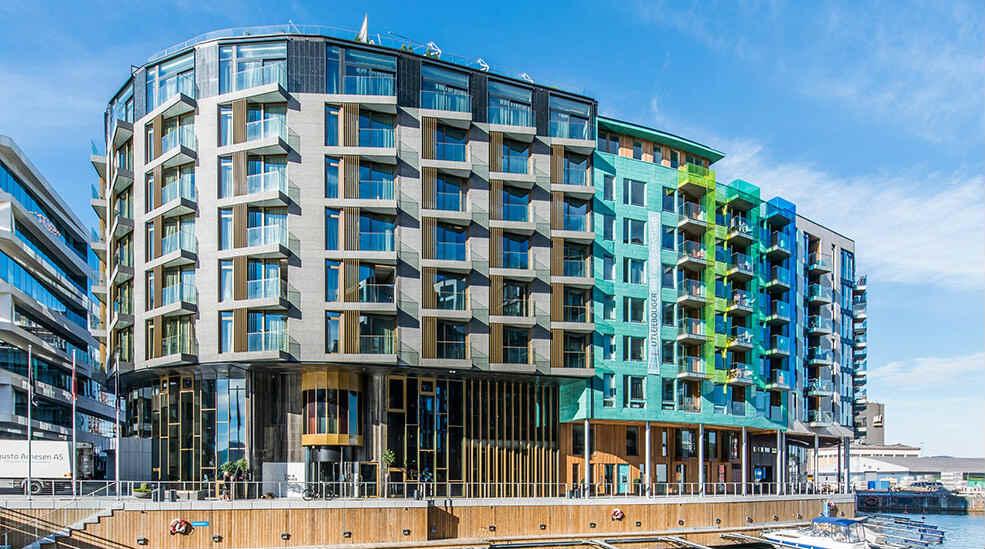 StrawberryA different hotel company! Look out for great weekend deals at more than 100 hotels in Norway.
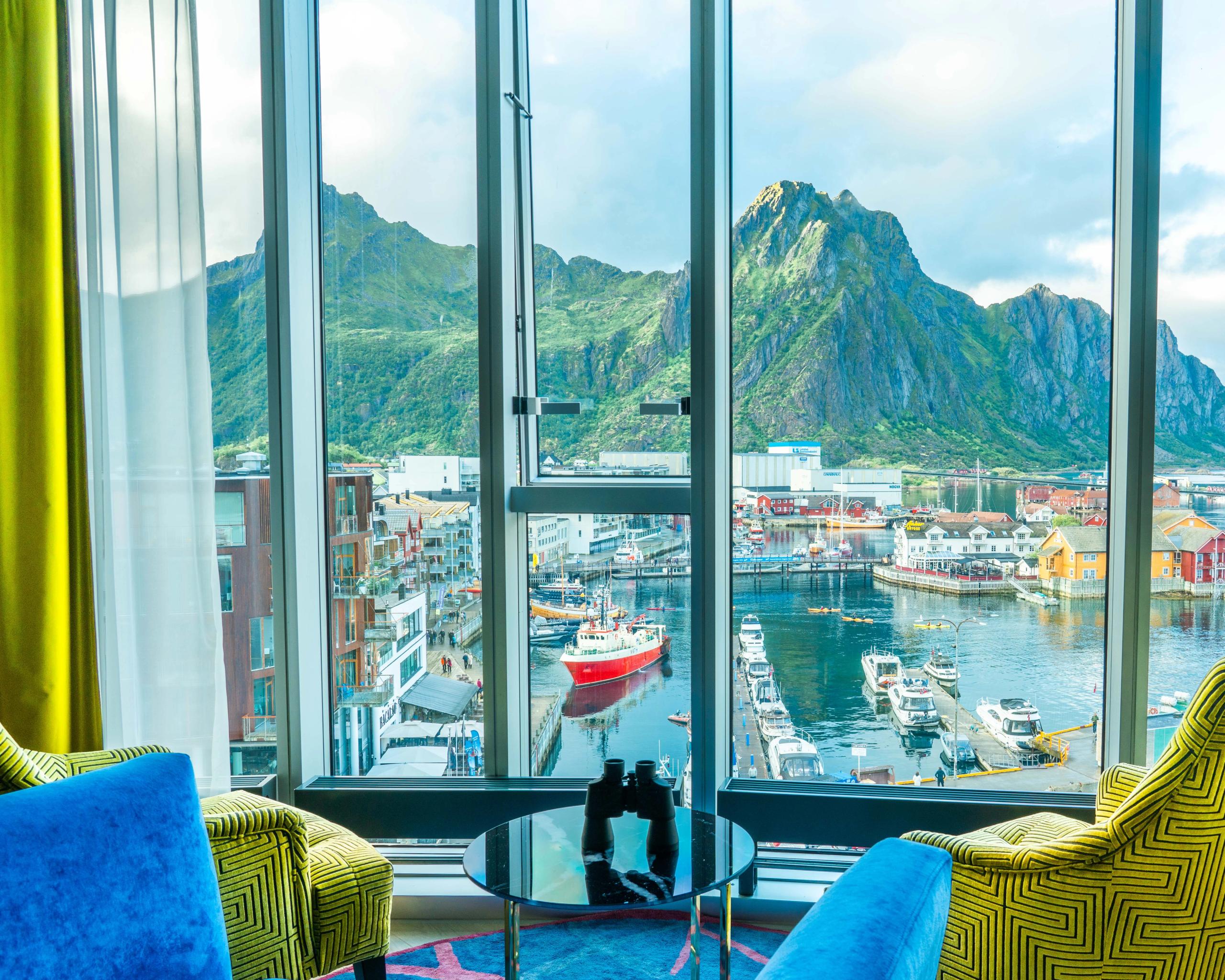 Thon Hotels ASFantastic breakfast included! Experience true comfort and reasonable rates at our 80 hotels in Norway.
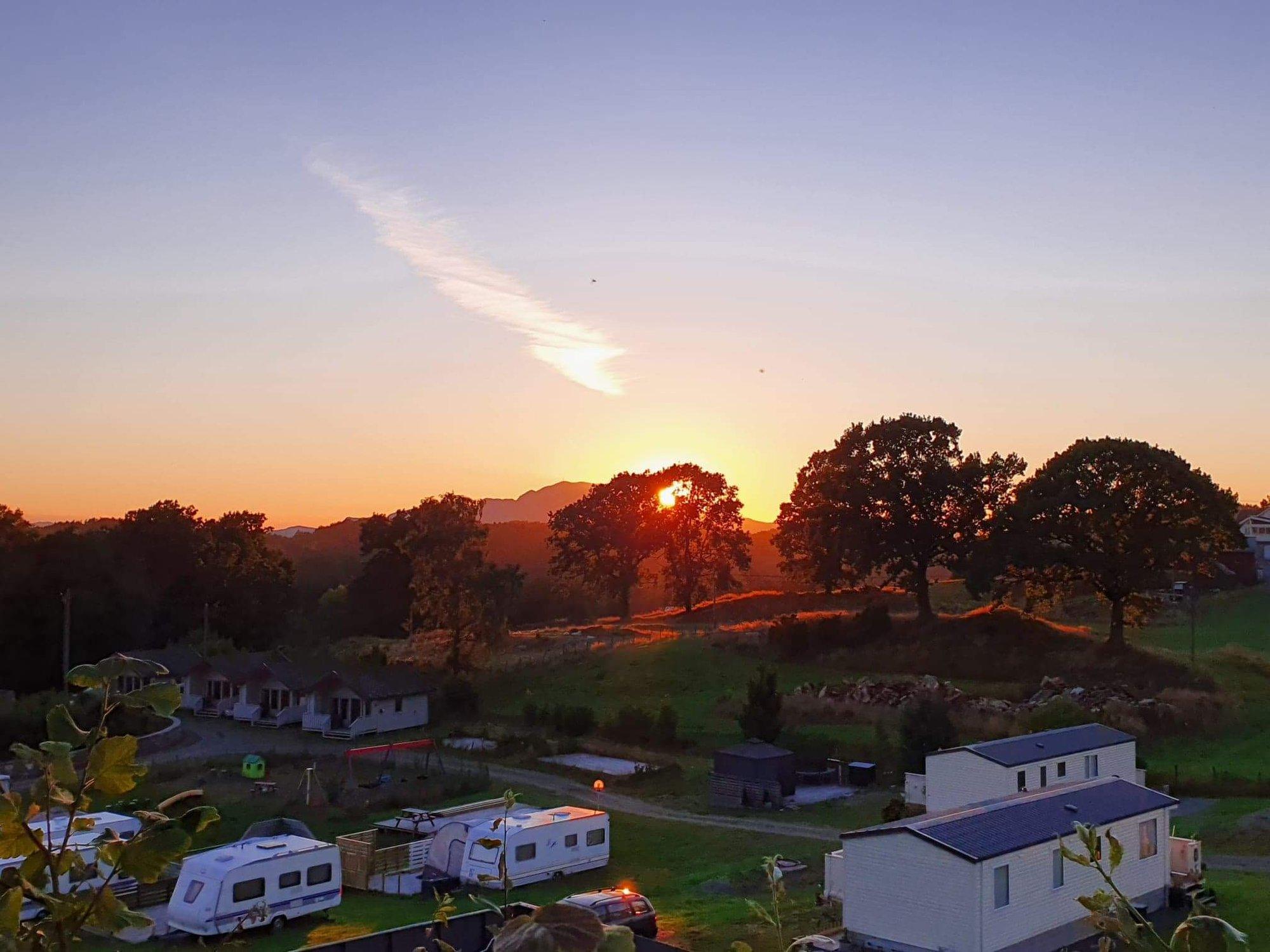 CampcationBook a camping stay in stunning and unique locations all across Norway with Campcation.
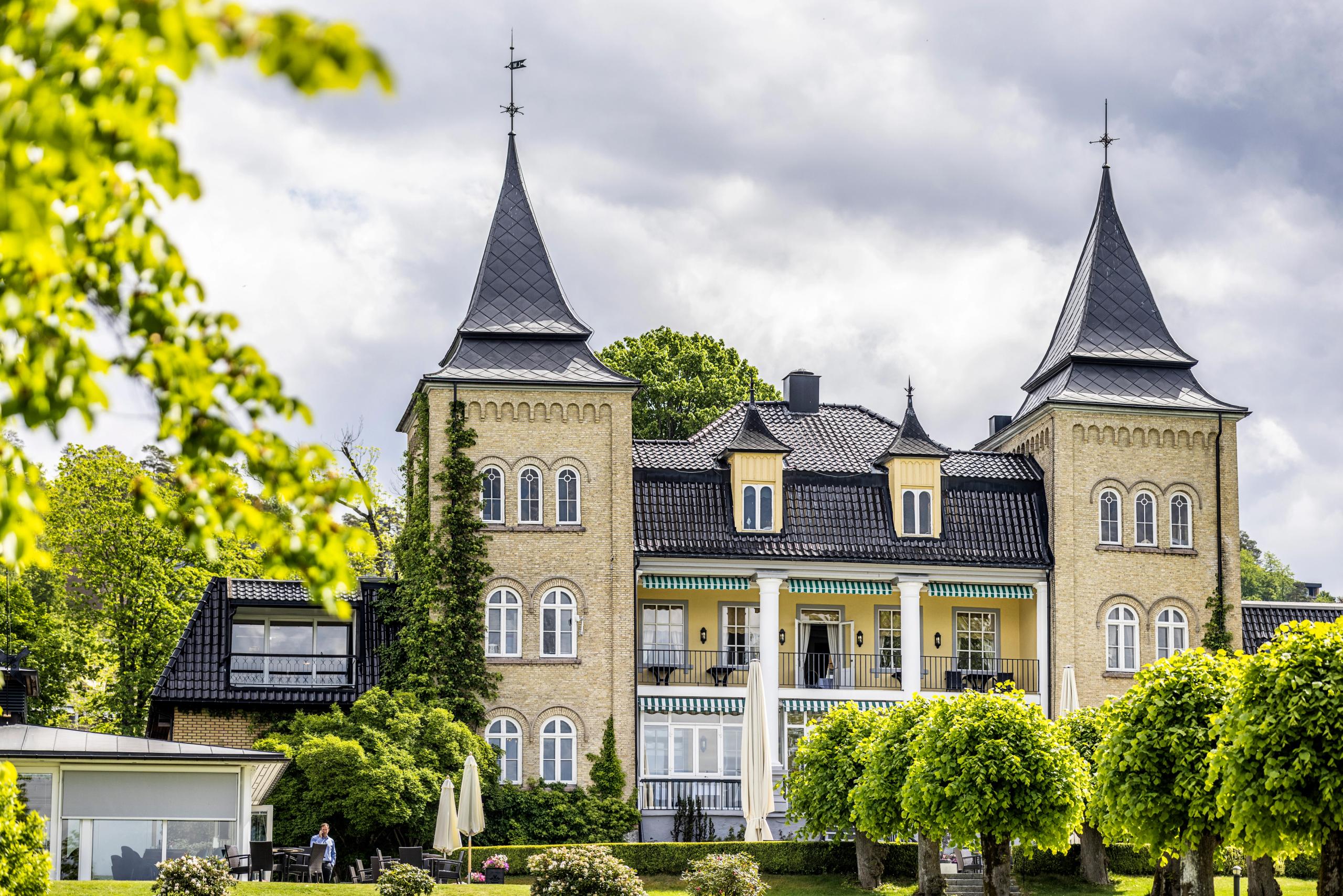 Classic Norway HotelsWhen the hotel is the destination. Book a night to remember in one of Norway's most unique and distinctive hotels.
 50 Degrees North NordicChoose between unforgettable tailormade individual trips and small, exclusive group tours of Norway.
 Radisson HotelsGreat value offers and comfortable quality stays in Norway´s major cities, airports, and ski resorts.
 Authentic ScandinaviaTravel curated by locals. Our tailormade tours suit every type of traveller and budget.
 Booknordics.comUnique holiday packages, adventure hotels, tours, and activities.
 Fjord ToursHome of Norway in a Nutshell, Norway's most popular tour. Fjords, mountains, and stunning destinations — all in one trip!
 Go FjordsBook fantastic tours and experiences! We offer tours in Oslo, Bergen, Stavanger, Lofoten, the North Cape, and more.
 HurtigrutenExperience the world's most beautiful sea voyage on an unforgettable cruise along the stunning Norwegian coast.
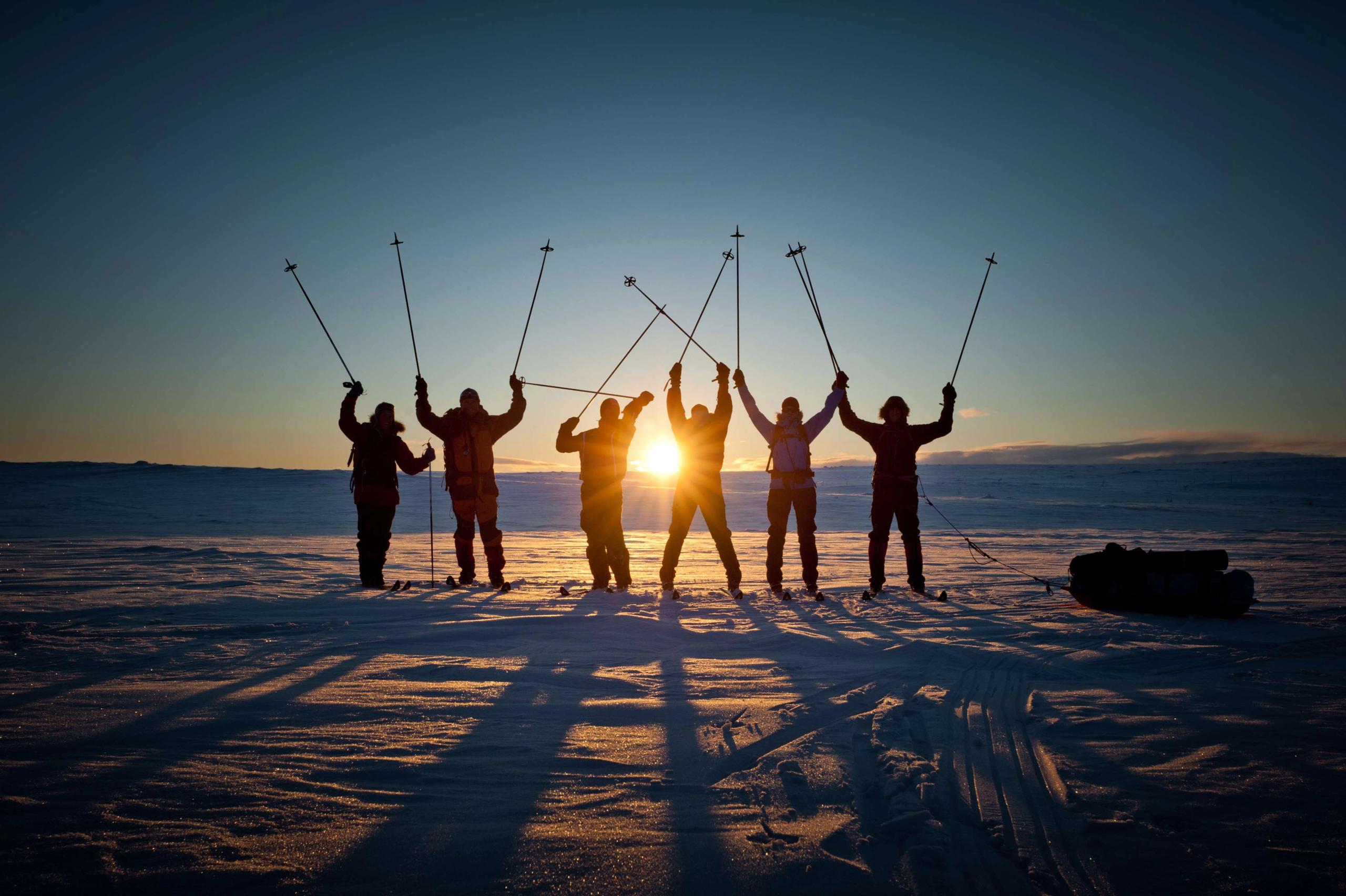 Norrøna AdventureGet ready for expeditions and adventure holidays with Norrøna Adventure. Hiking, skiing, and biking trips.
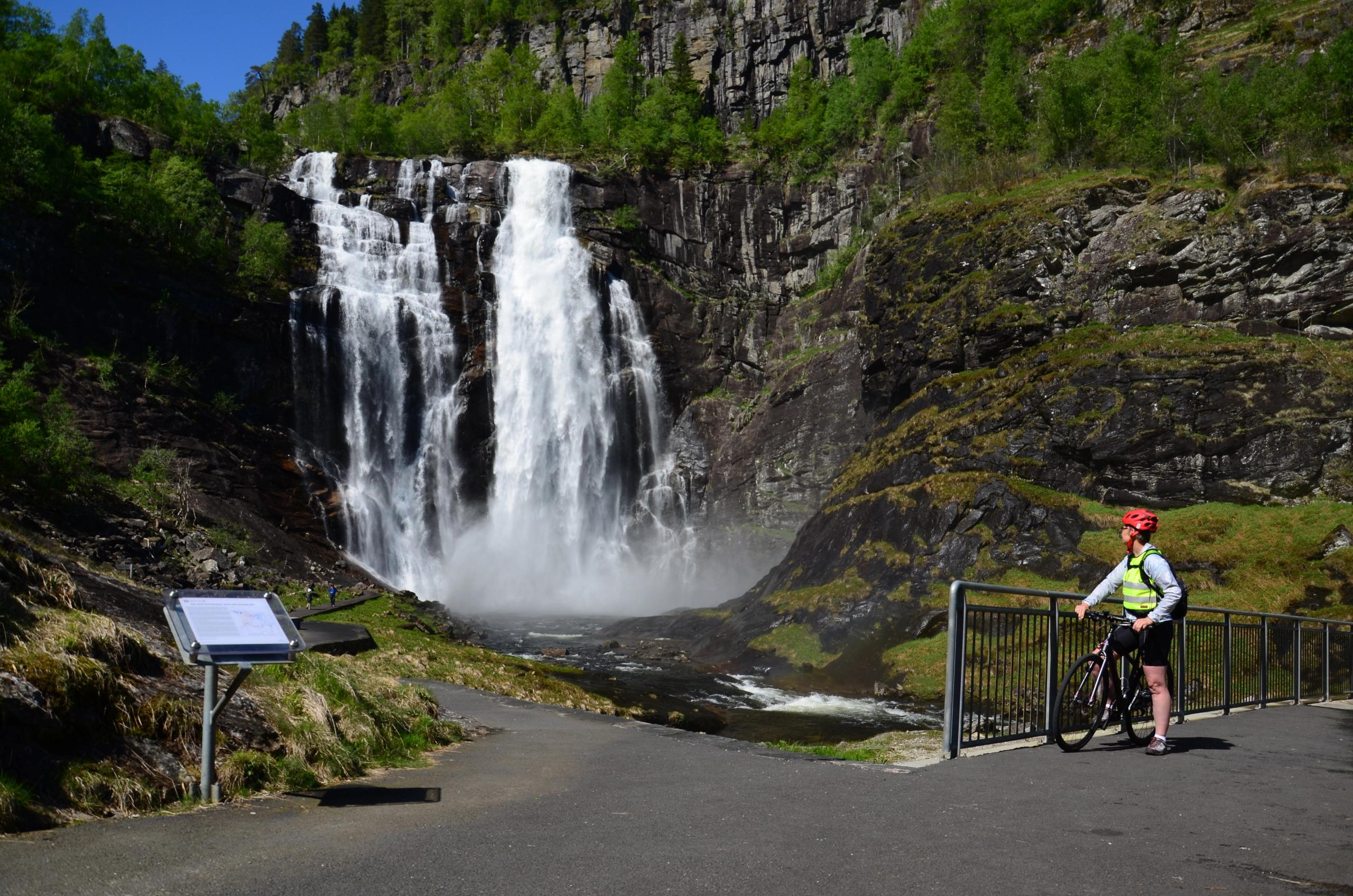 Discover NorwayOffers a range of exciting self-guided hiking, biking, and skiing holidays in Norway. Luggage transfer included.
 Norwegian HolidaysLow-price package holidays with Norwegian. Book your flight, hotel, and rental car all in one place.
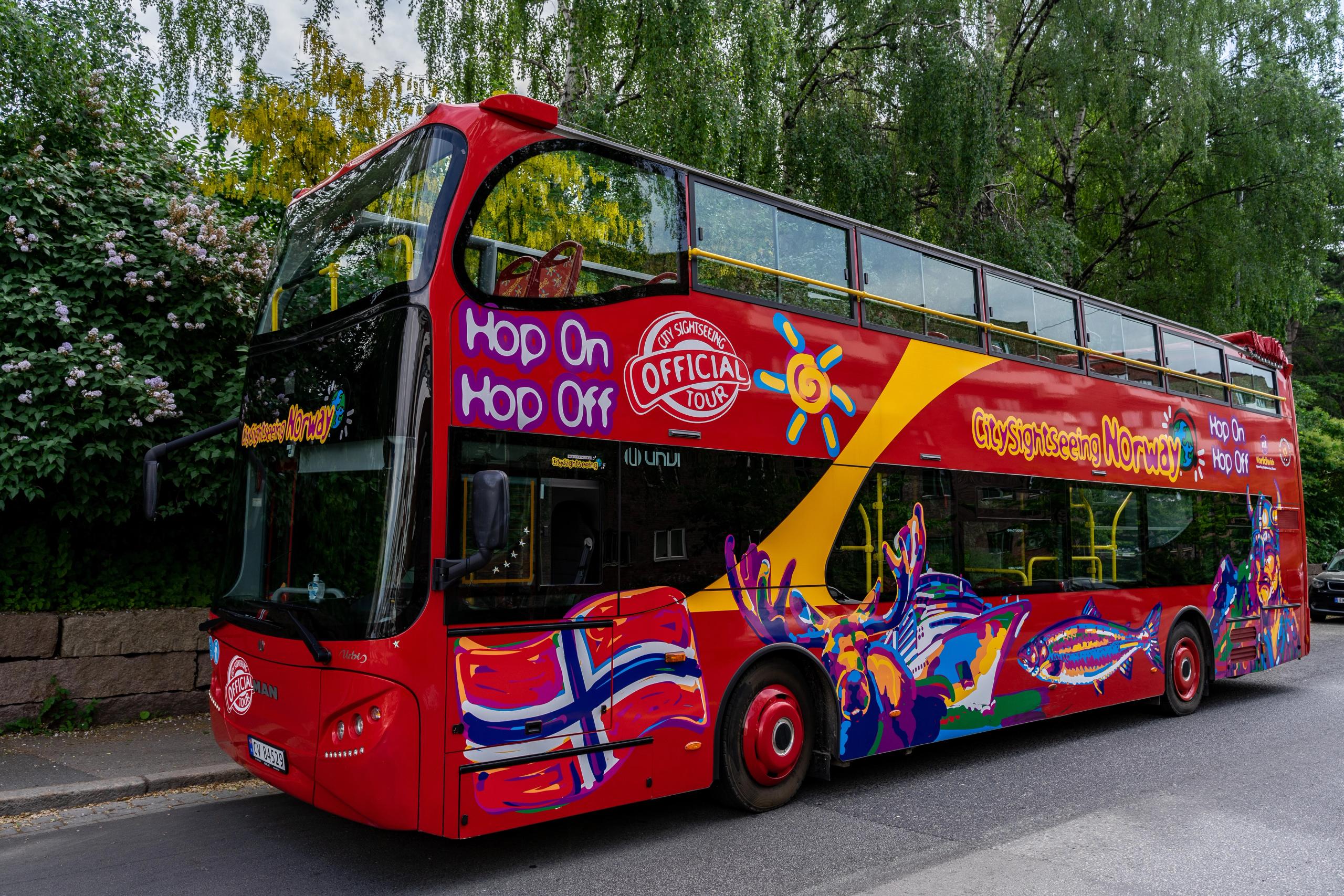 StrömmaSightseeing by bus and boat in several major tourist spots and cities in Norway.
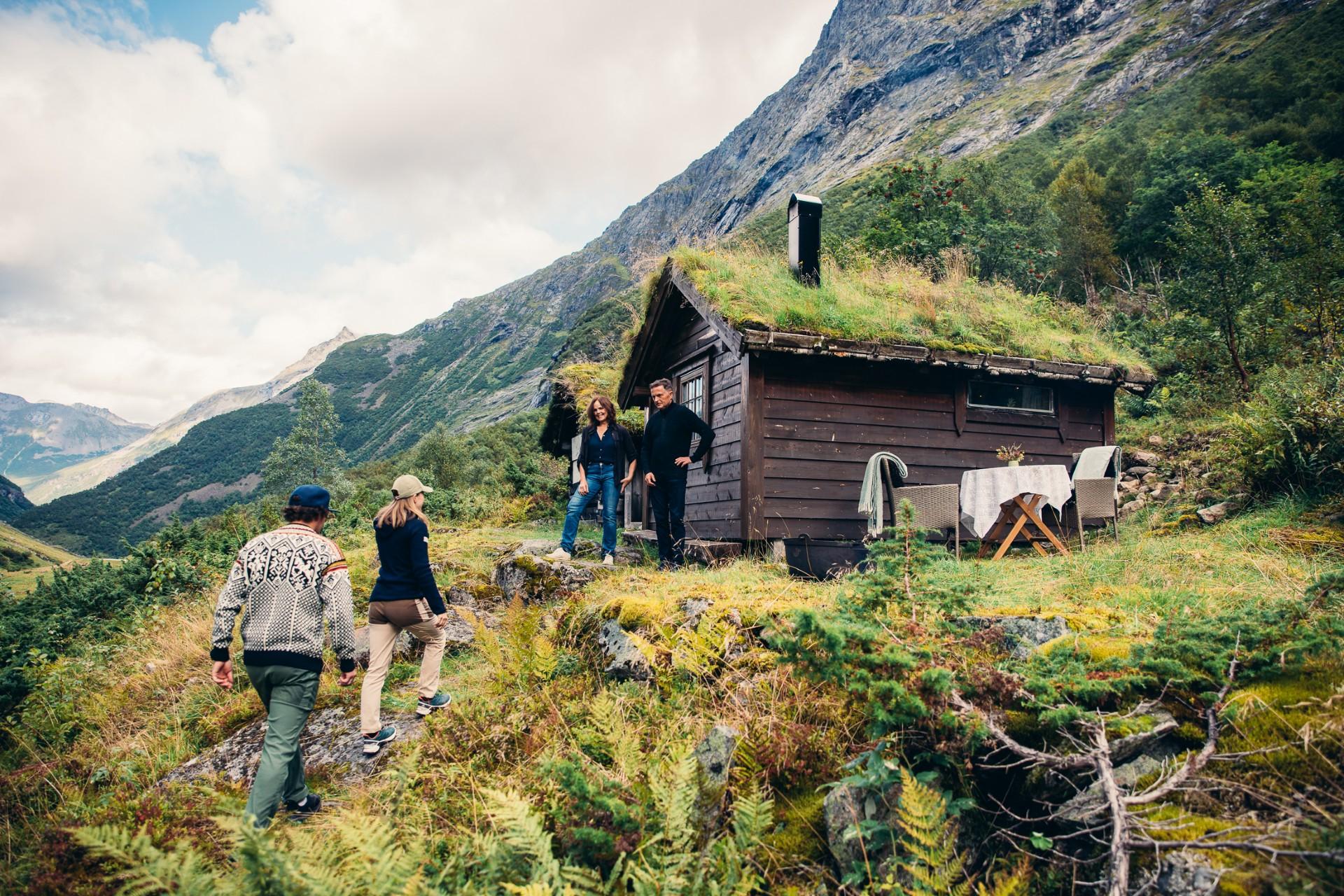 Up NorwayBespoke luxury hand-picked by local experts. We combine your preferences and our knowledge to make an unforgettable journey.
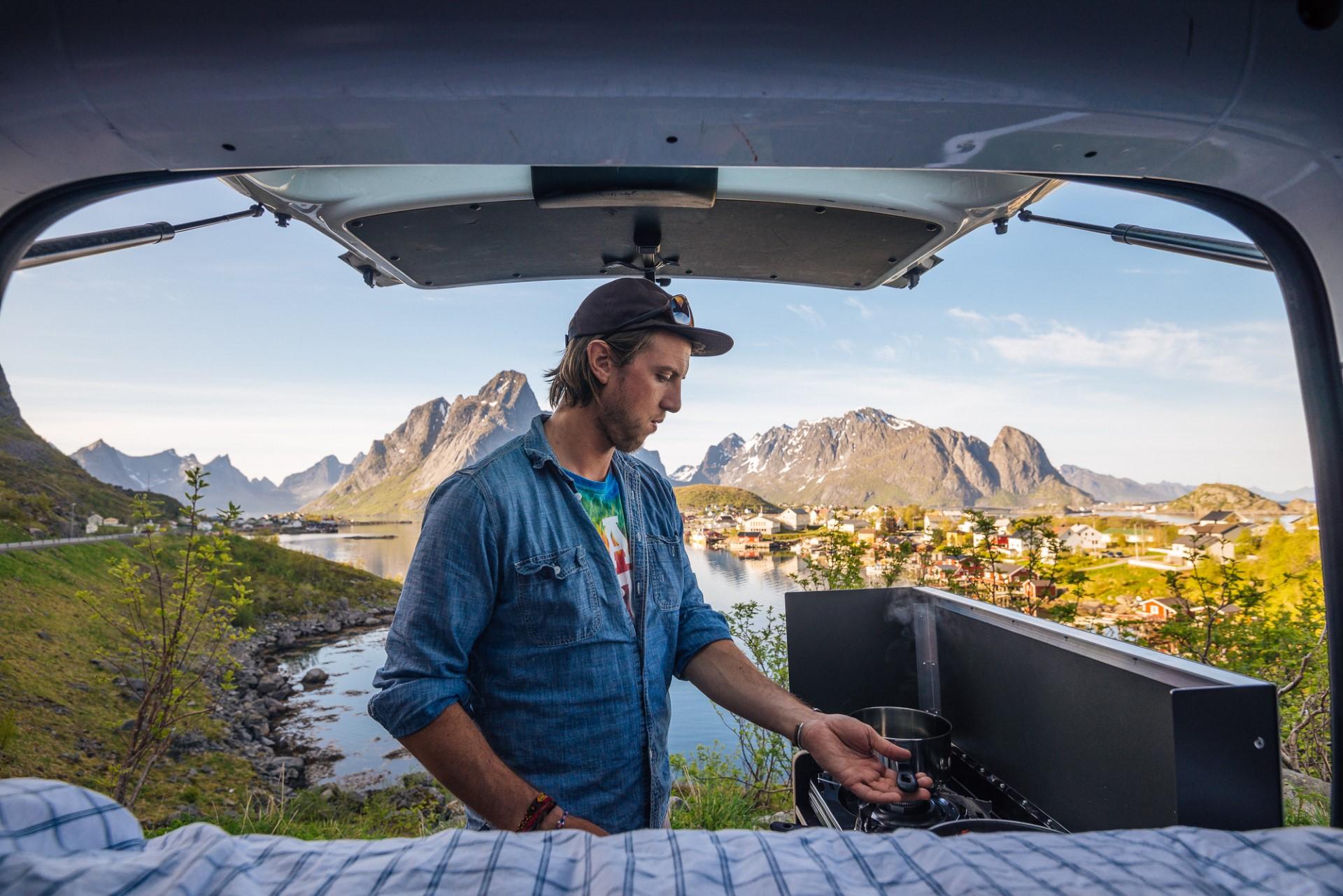 Arctic Campers ASDo you want to try van life? Explore Norway in comfort and style with our smart and cosy campervans.
 Auto EuropeAlways a smooth car rental experience. Search and compare rental rates. Free cancellation up to 24 hours prior to pick-up.
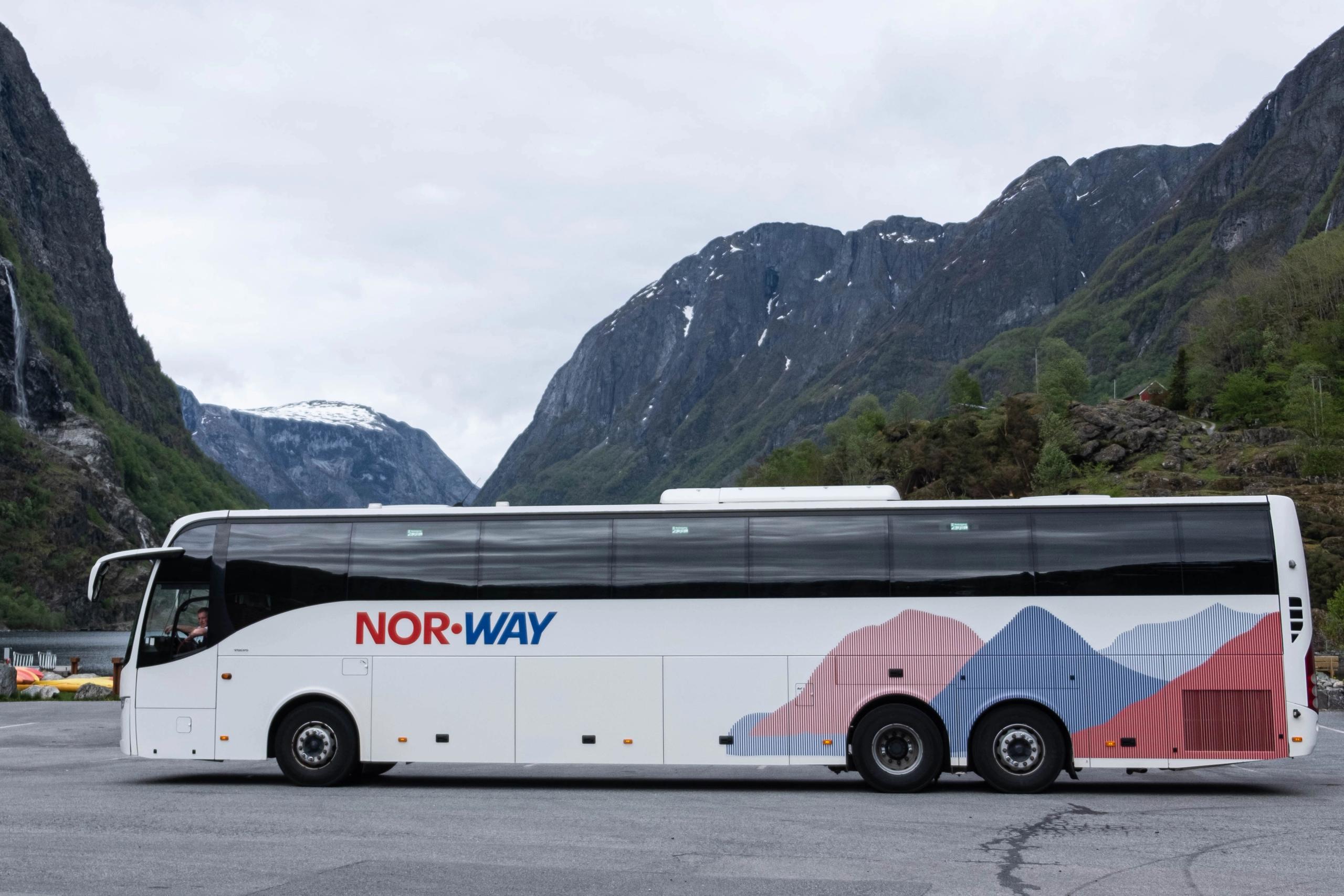 NOR-WAY BussekspressEnjoy scenic views on comfortable bus trips to the fjords and from city to city with our express buses.
 Rent-A-Wreck of Scandinavia ASThe smart and affordable car rental alternative.
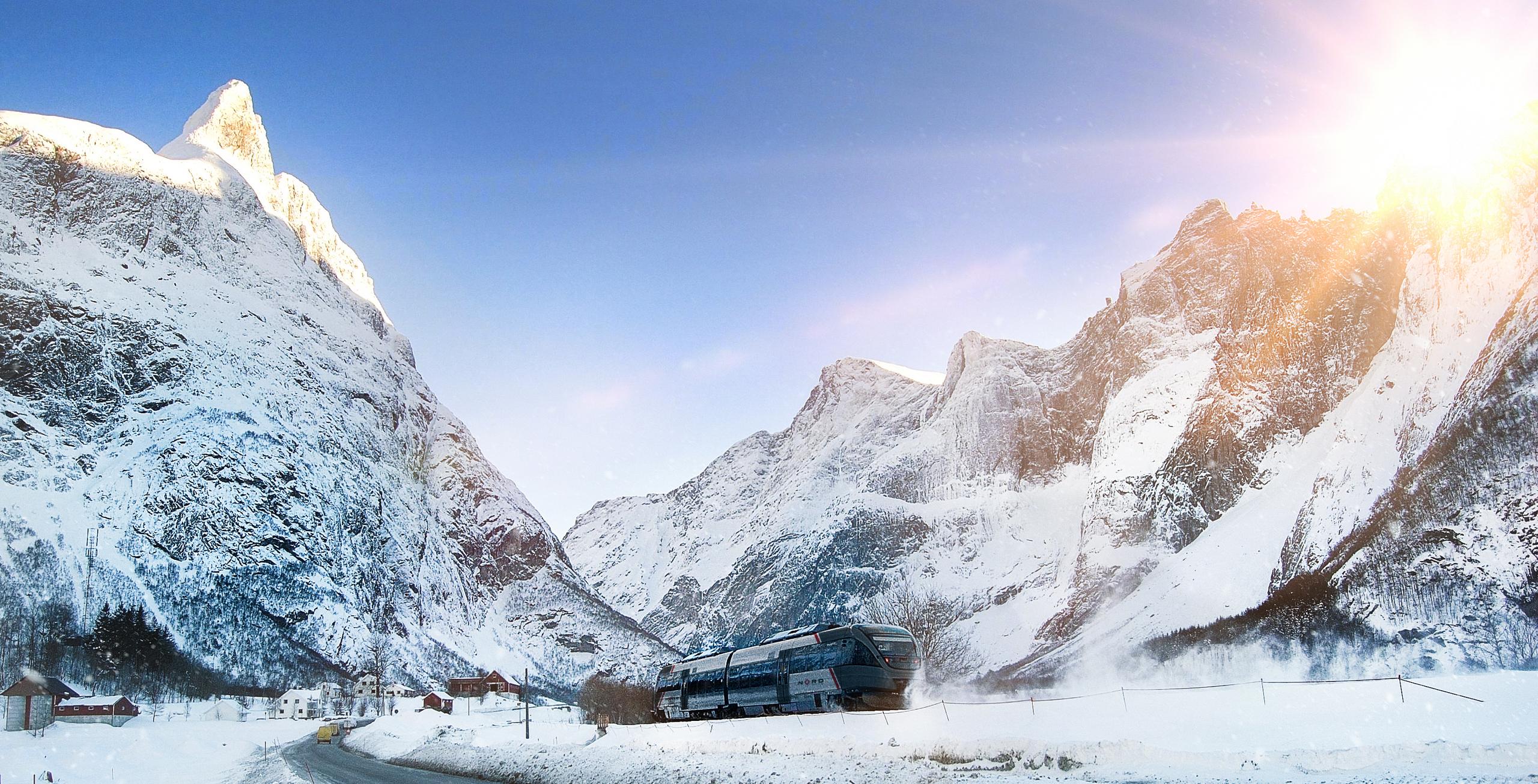 SJ NordSJ NORD - the adventure starts on the train
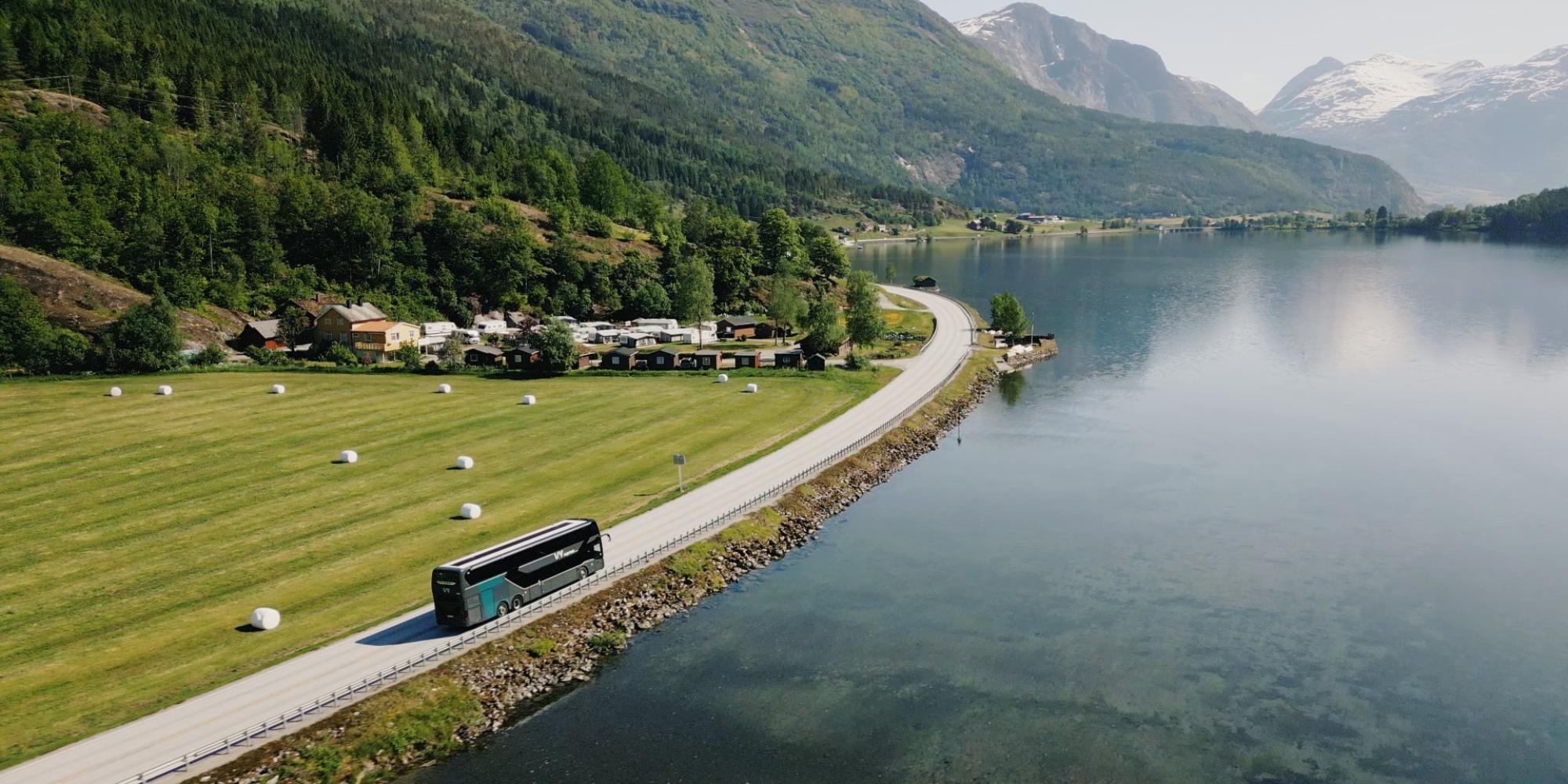 Vy expressDiscover Norway on comfortable express buses that take you between major cities, mountains, and fjords.
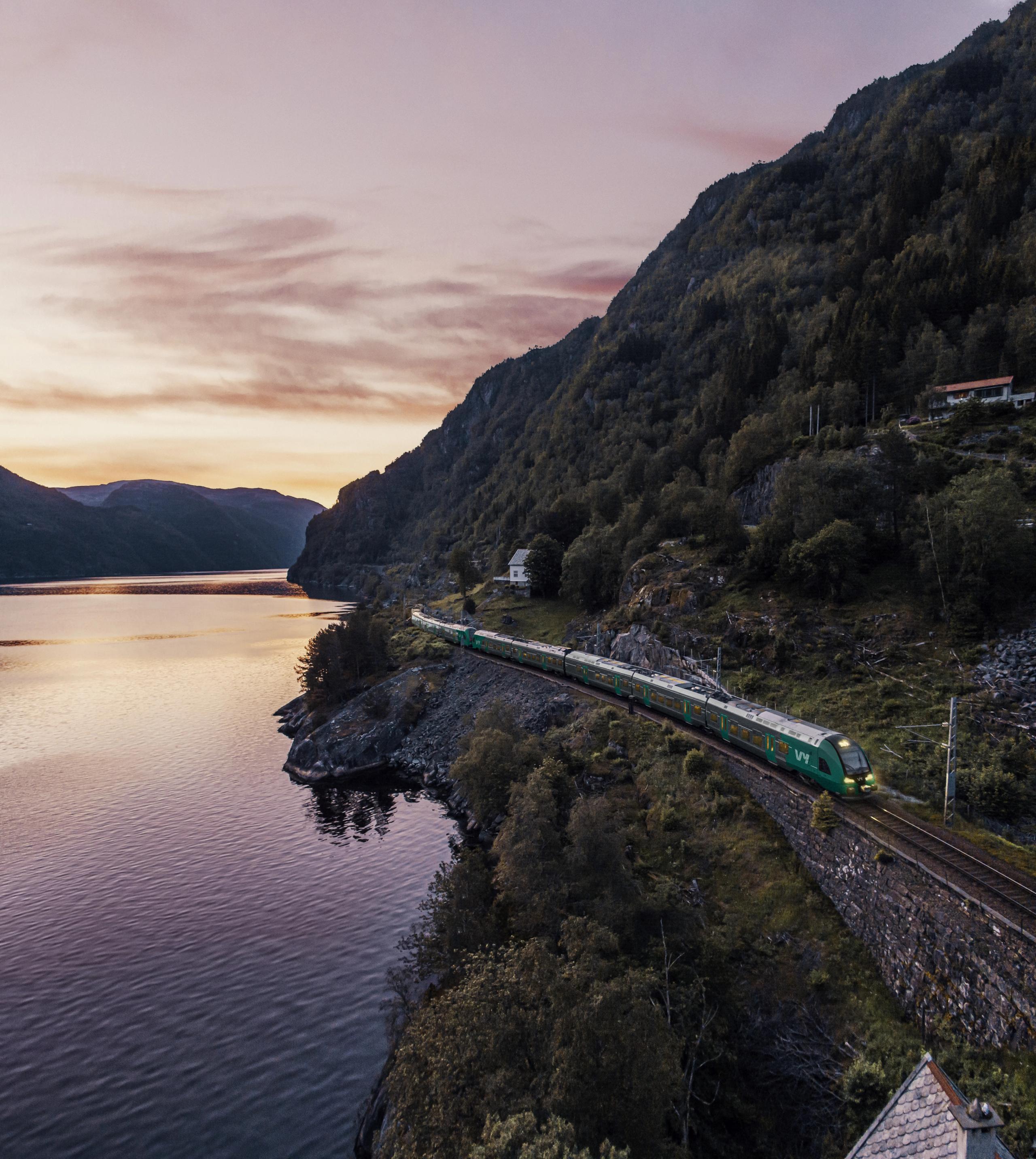 Vy TrainGlide through scenery on a train between Oslo and Bergen on the Bergen Railway and explore the greater Oslo region.
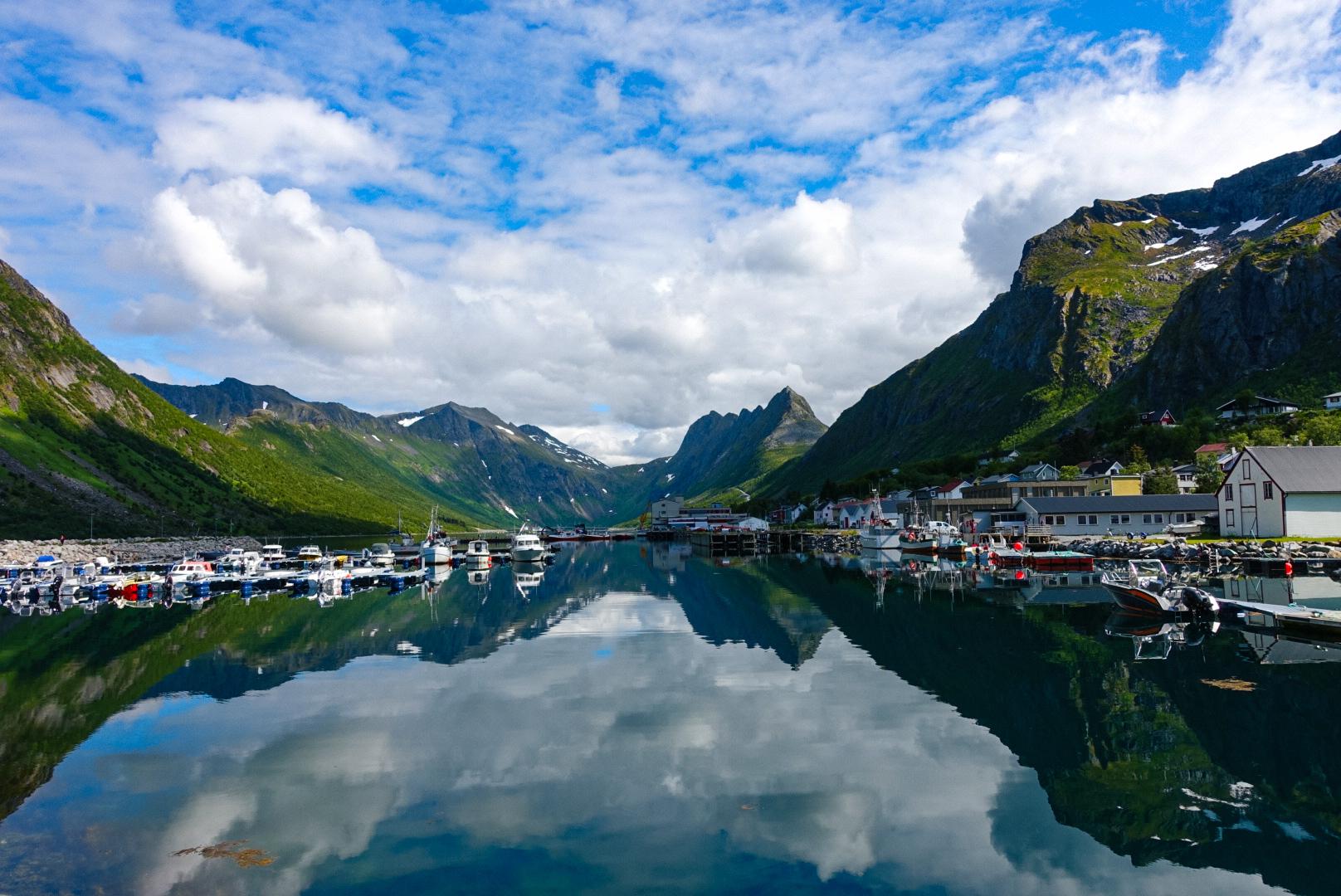 My Nordic TravelChoose between DIY itineraries and pre-packaged holidays to the very best destinations in Norway.
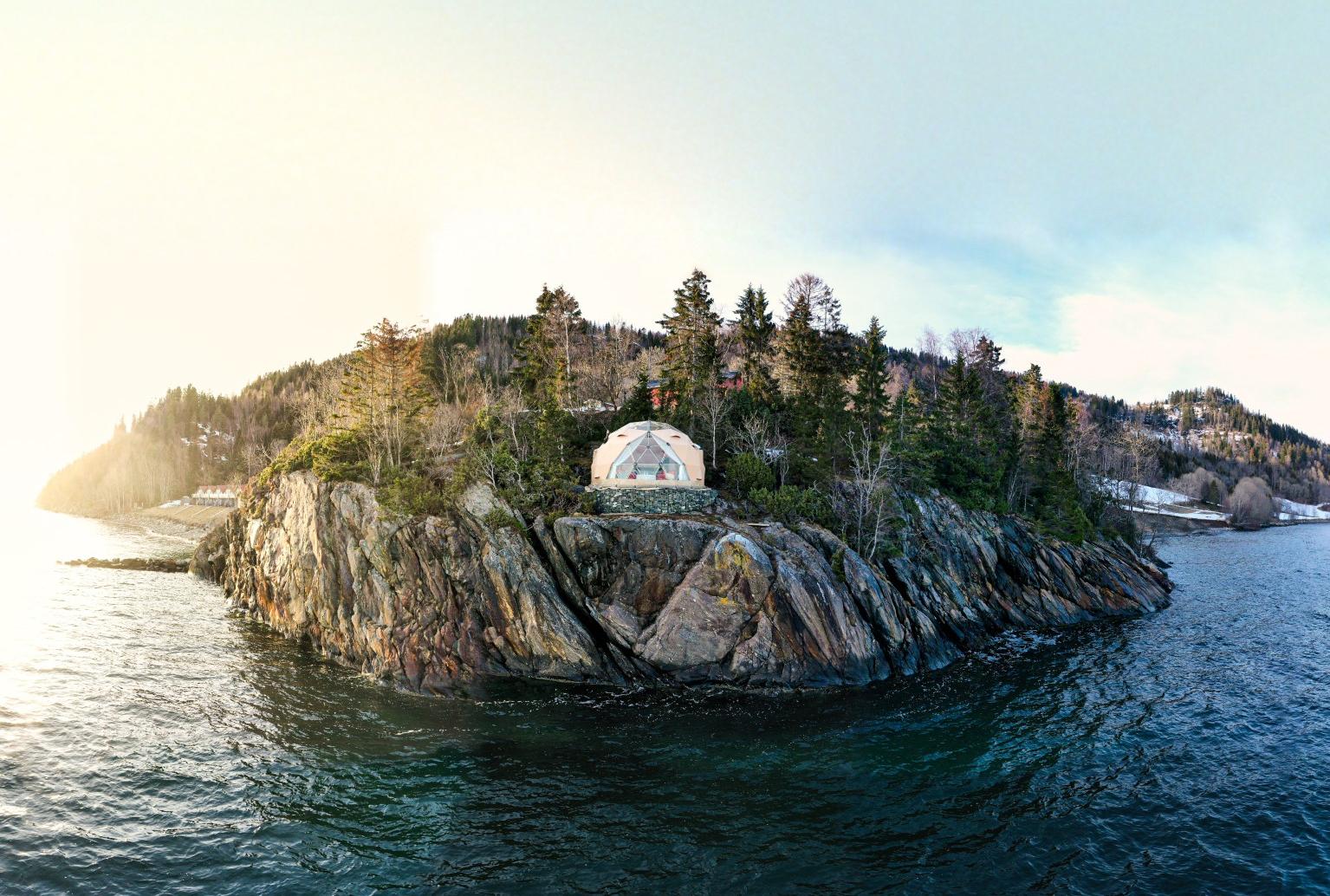 CampanyonUnique camping in nature. Book a stay in a treehouse or glamping tent or rent a motorhome pitch.
 NorwegianNorwegian offers cheap flights in Norway and direct flights from more than 70 European destinations. Book flights through our low fare calendar to your destinations.
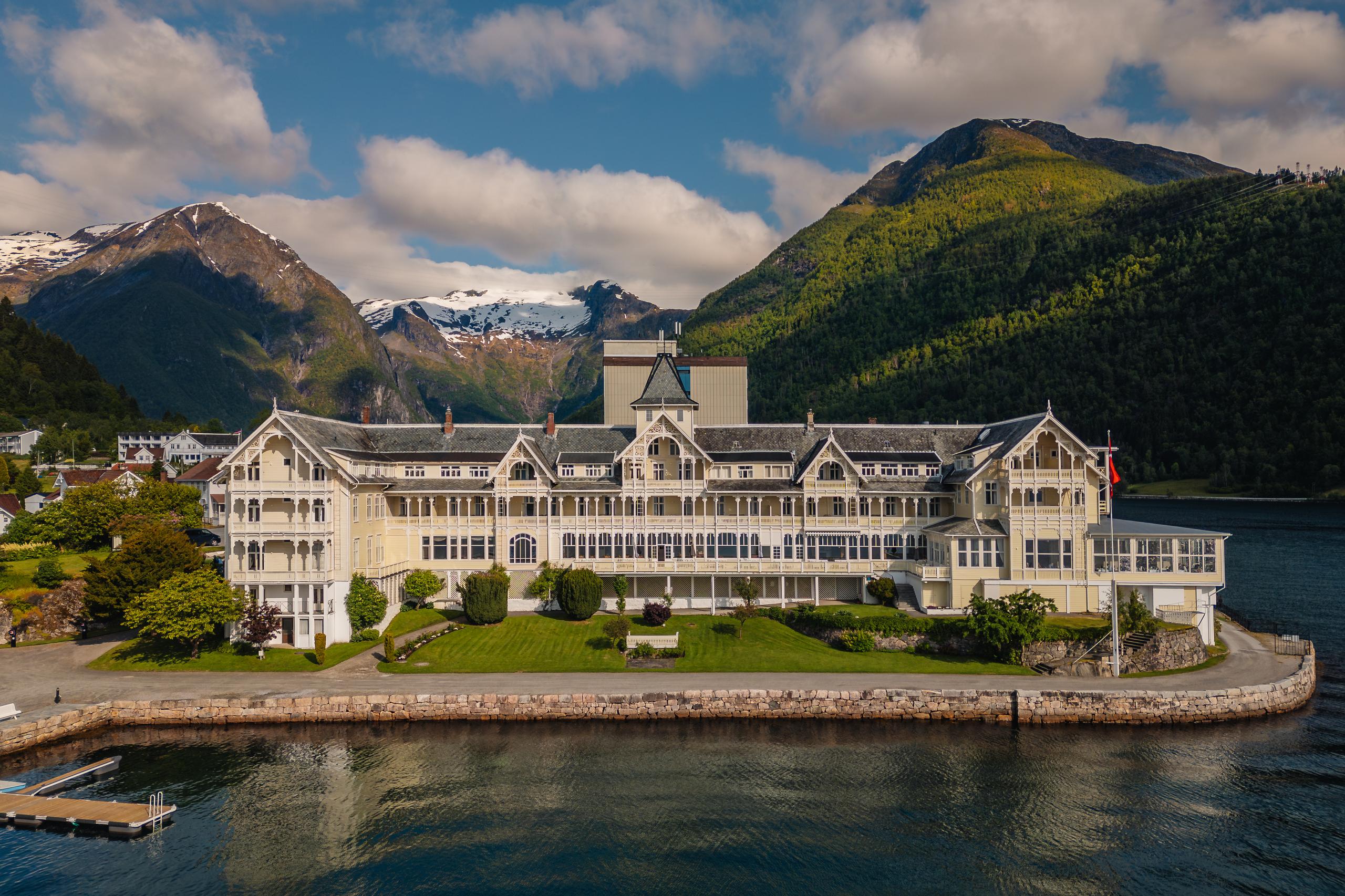 De HistoriskeHave an unforgettable stay at one of Norway's unique, authentic historic hotels. Enjoy first-class dining experiences and a broad range of activities.
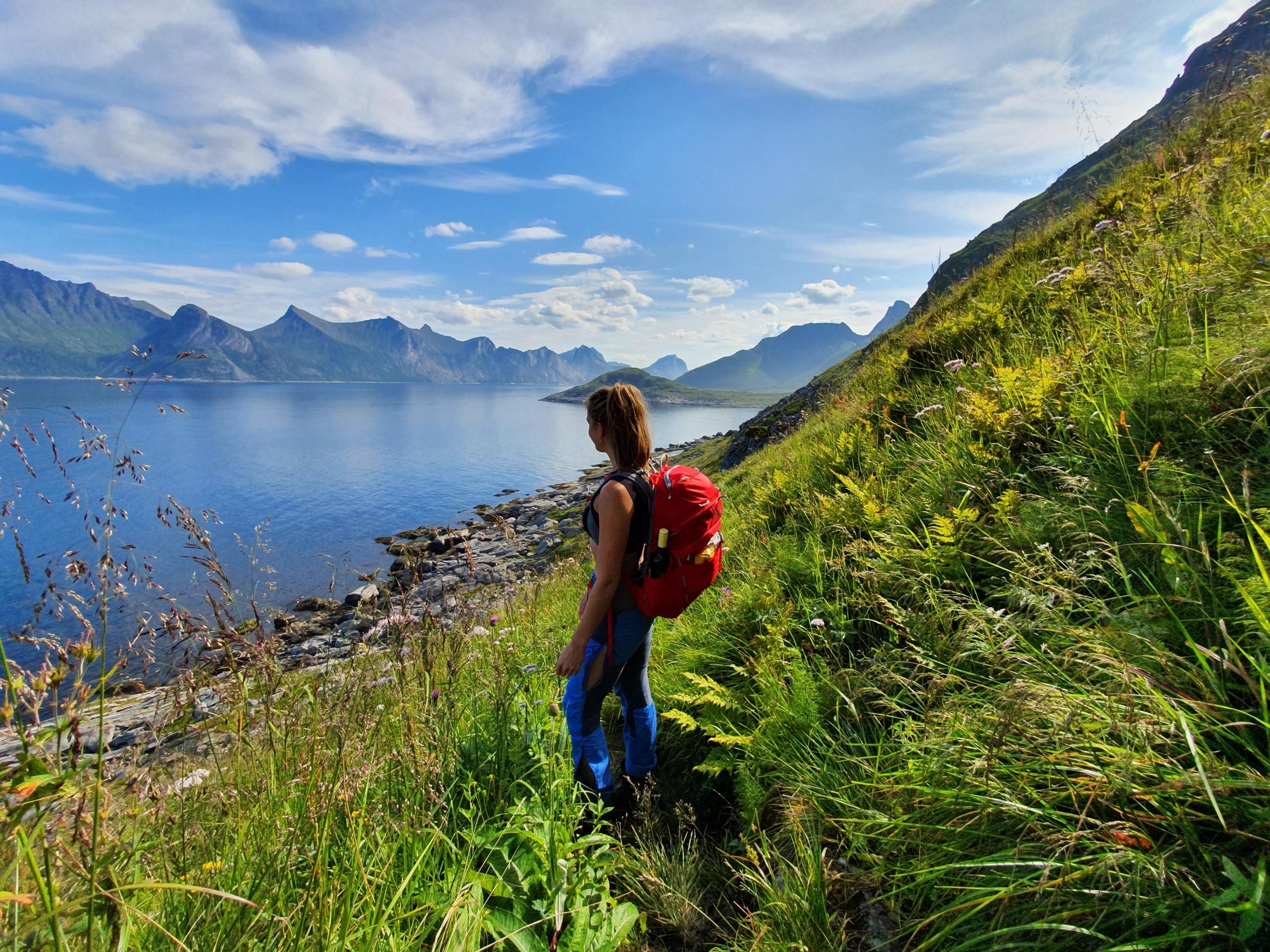 CampioNorway's biggest camping booking site. Find the best camping and motorhome pitches throughout Norway.