“The City in the Sea”
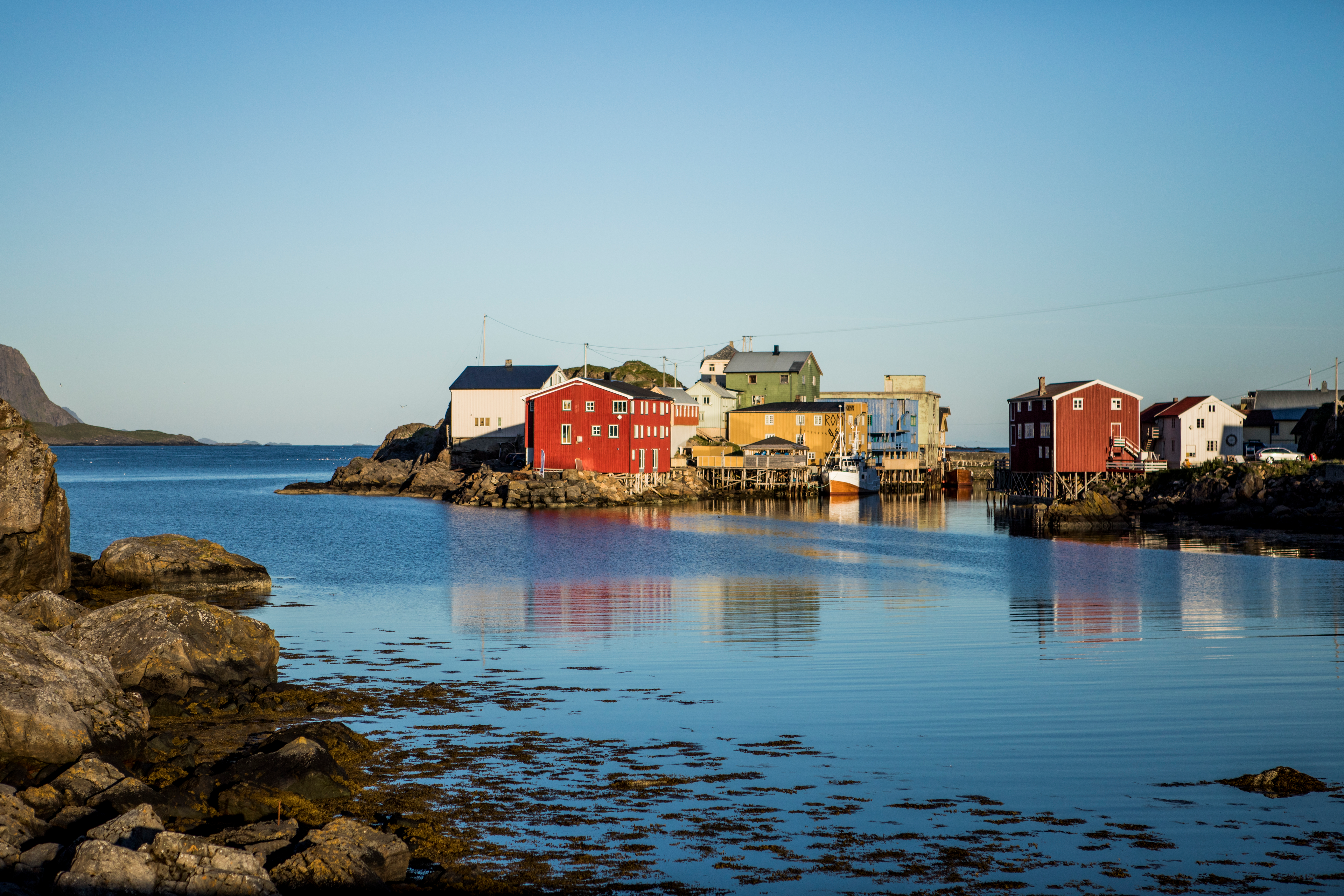
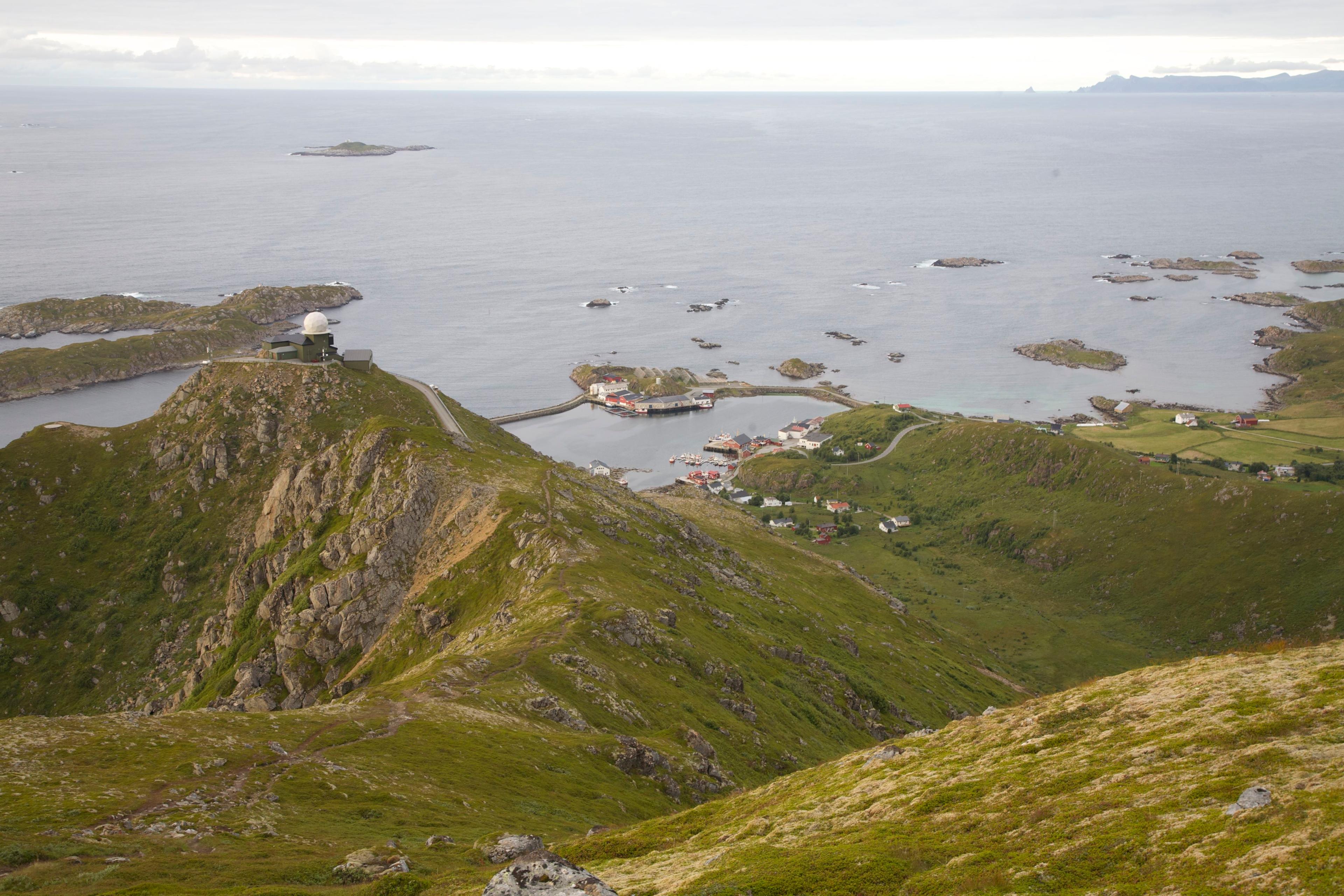
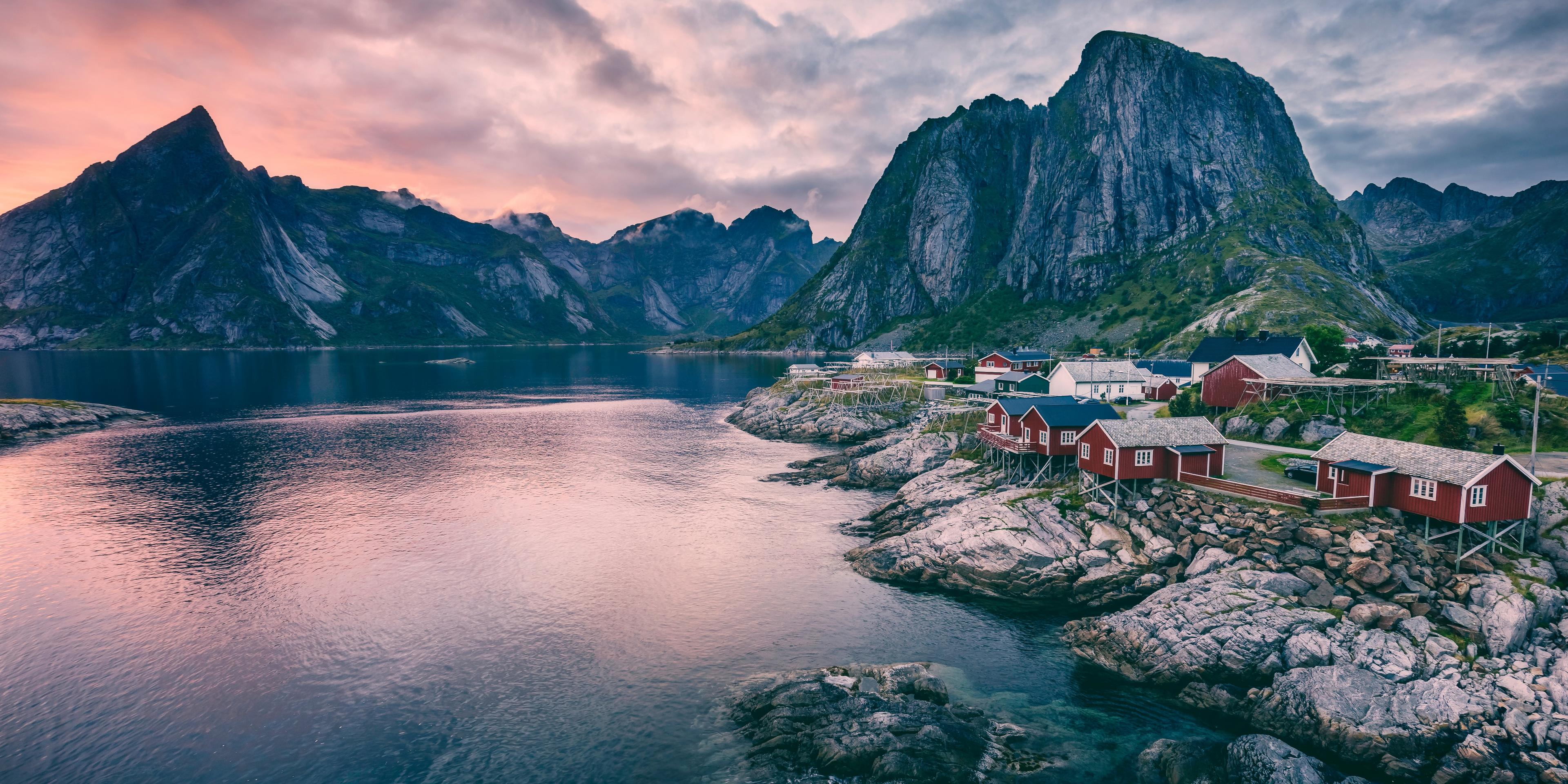
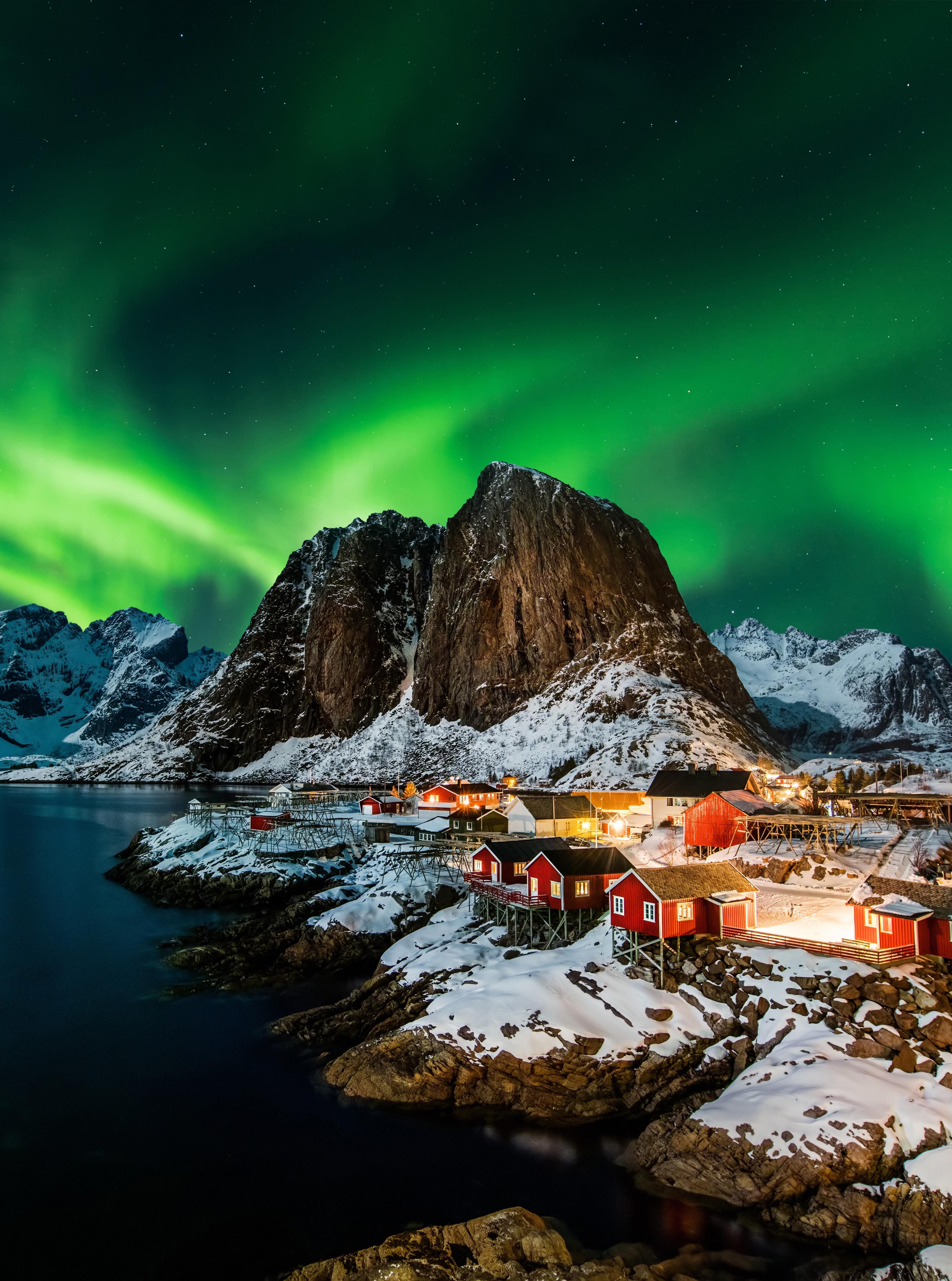
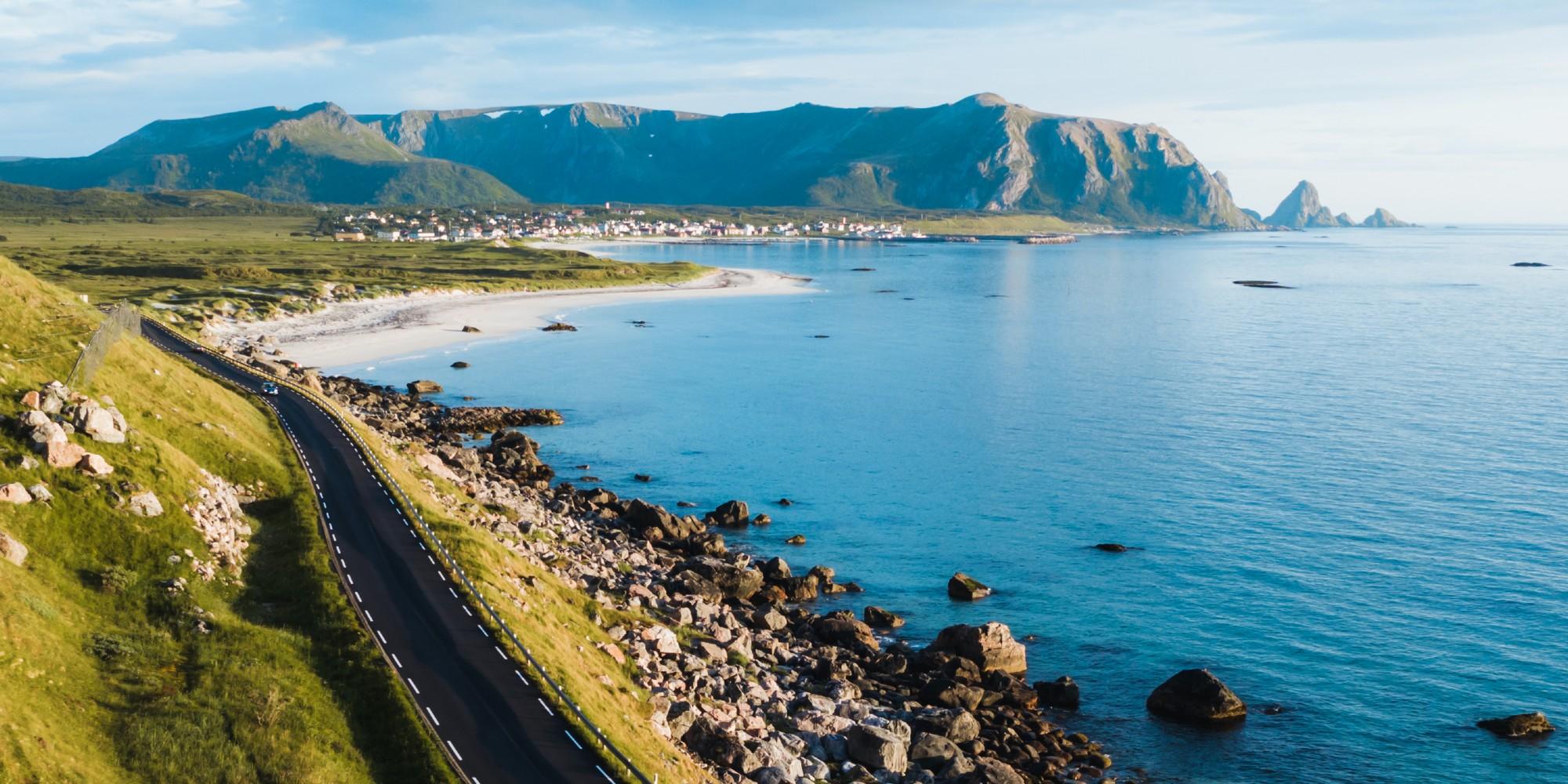
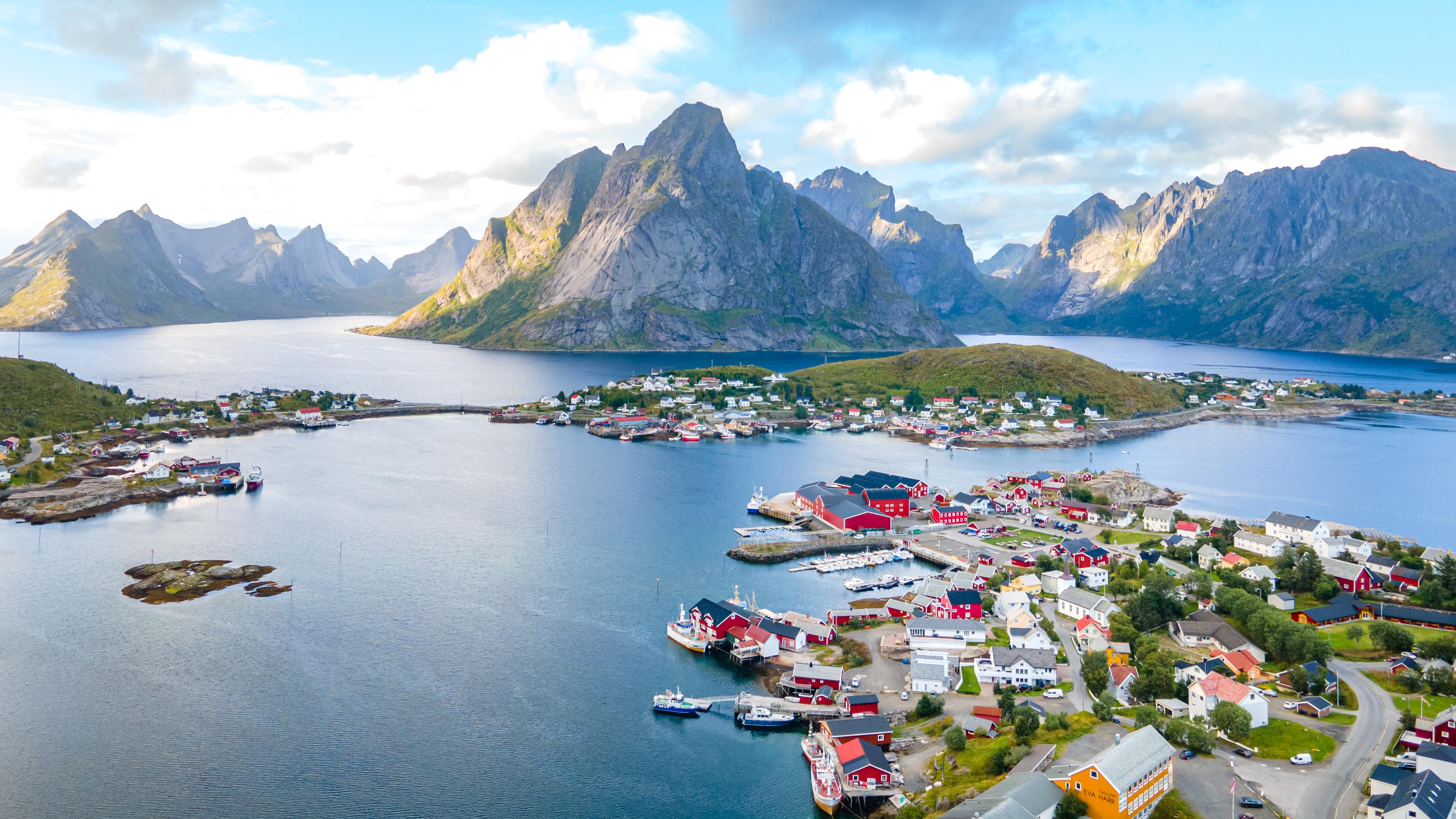
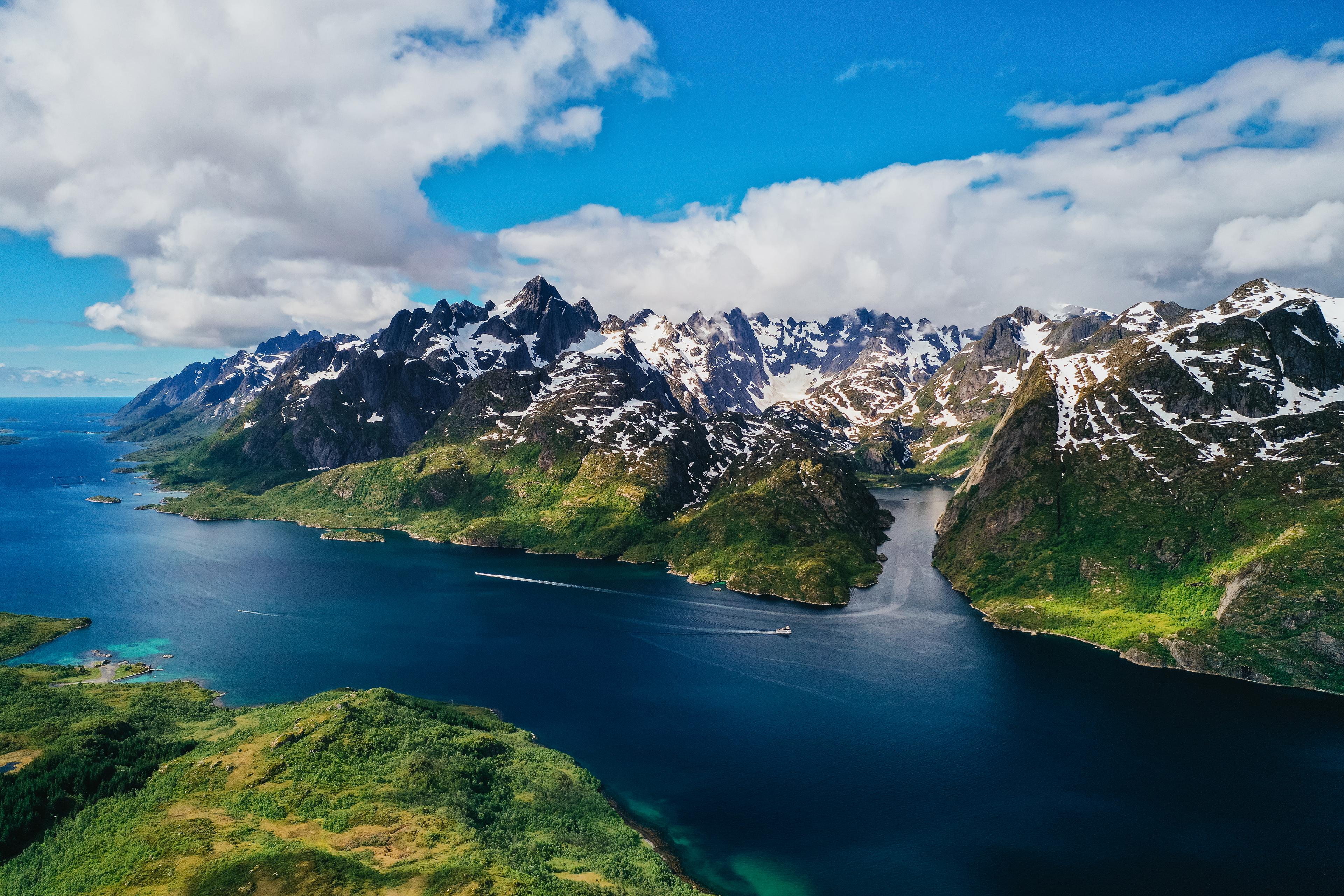
The Nyksund experience starts before you even reach the village itself. A narrow road that winds between mountain walls on one side and the open sea on the other provides glimpses of what awaits you. At the end of what feels like a desolate stretch, the small village's colourful buildings suddenly appear, their colours really popping against the dramatic natural surroundings.
"It's really unique. It's this combination of an extremely dense urban location, but set in such raw and brutal nature."
Sven Erik Tøien, local architect
Each and every house has its own distinct character, and some are built up on the hillside due to a lack of space – after all, there are 30 people who live here permanently!
Rise and fall
Around a hundred years ago, Nyksund was one of the largest and most important fishing villages in Vesterålen. Located north of Lofoten, at the outer edge of the wild and beautiful Vesterålen archipelago, Nyksund's proximity to fishing grounds made it an attractive fishing village.
During the skrei (Atlantic cod) season in winter, the population of Nyksund increased by several hundred people. The busy life along the quay led to a need for more space for processing the fish as Nyksund is concentrated on two small islands, Nyksundøya and Ungsmaløya, connected by a narrow breakwater.
"There was little space available on these islands for buildings. When the activities required more space, the operations were simply jammed inside the existing space," says Tøien.
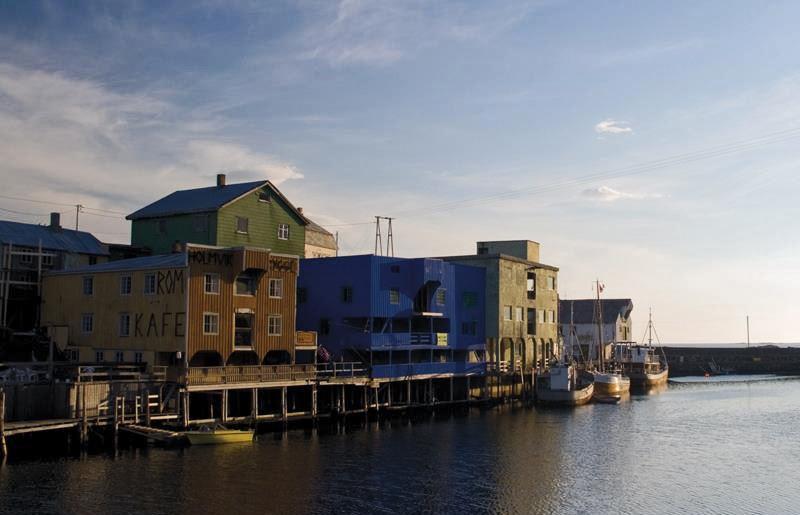
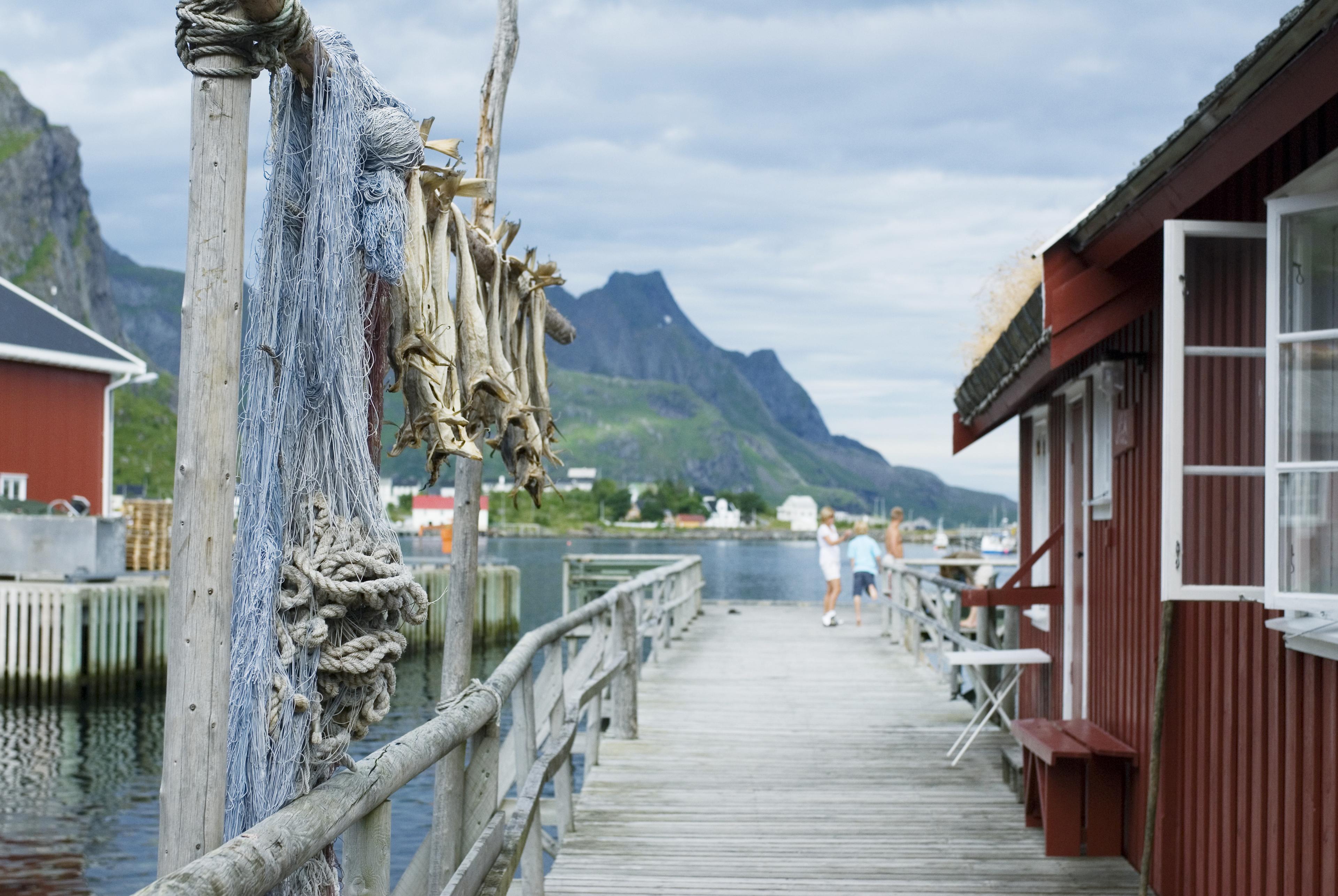
Today, you can still see remnants of how the docks were built up to two and three floors high for loading and unloading fish – proof that Nyksund once had a booming economy.
But things went downhill in the 20th century. New technology was adopted in the form of engines and bigger vessels, and the harbour in Nyksund became too small. The fishing village of Myre took over as the most important harbour in the area, and the village was abandoned entirely in the early 1970s. Nyksund became a ghost town.
A new start
The old fishing village in many ways remains a living museum, much thanks to a a group of German enthusiasts who came to Nyksund in the 1980s. One of them, Karl Heinz Nickel, fell in love with the place so much that he started projects to rebuild it. He created lots of new activity in the place through a variety of projects.
Nyksund has been through several construction phases over the years. Around 2000, Ssemjon Gerlitz from Düsseldorf became a 'Nyksunder' by choice, when he joined the building project. The group spent a lot of time salvaging materials from the old fishing era, and started restoring the guesthouse Holmvik Brygge on the dock. Today, it's like a small living museum where you can experience 100 years of fishing history.
"It took several years before people realised that it was not rubbish we were collecting, but culture," says Ssemjon.
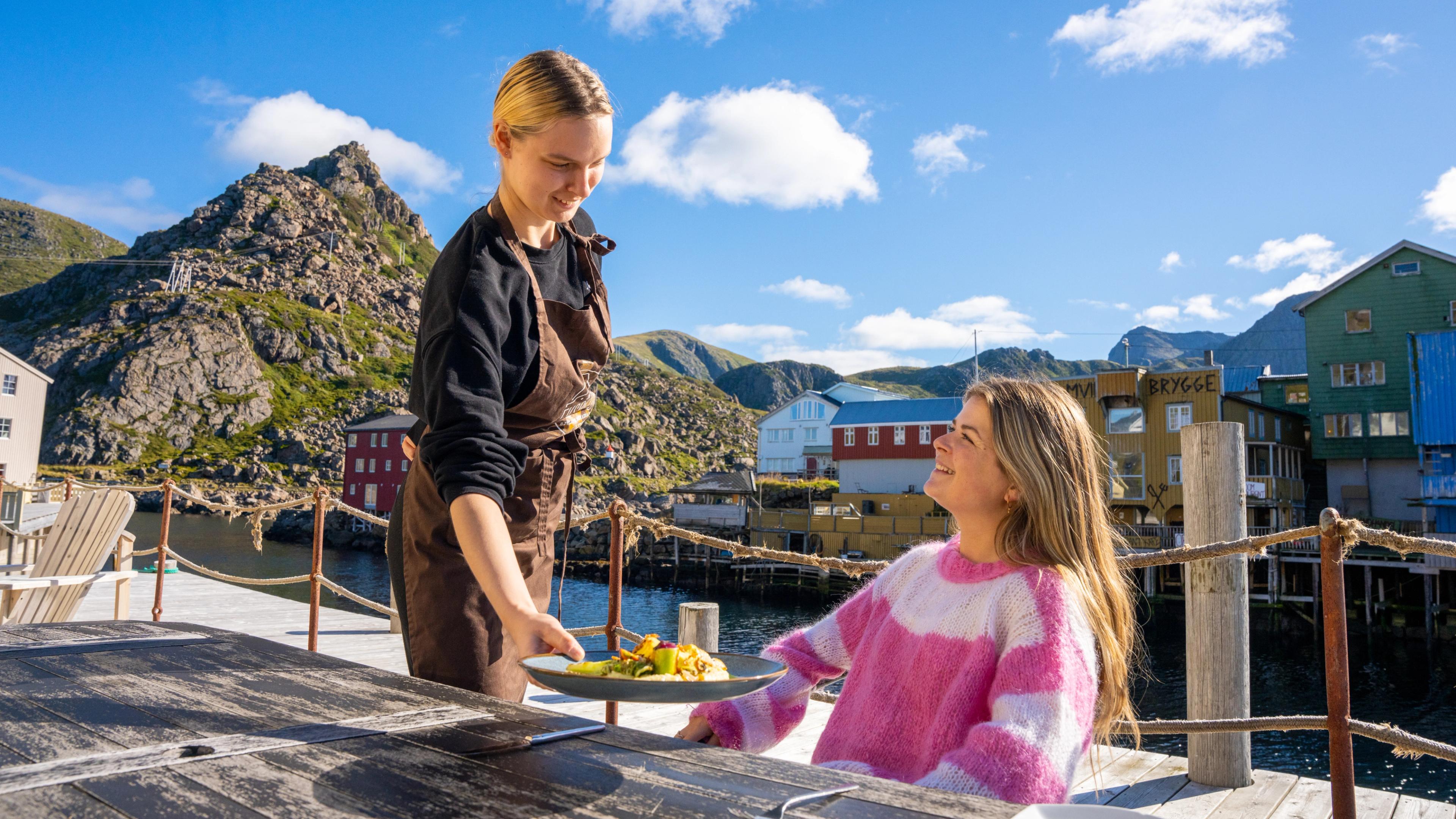
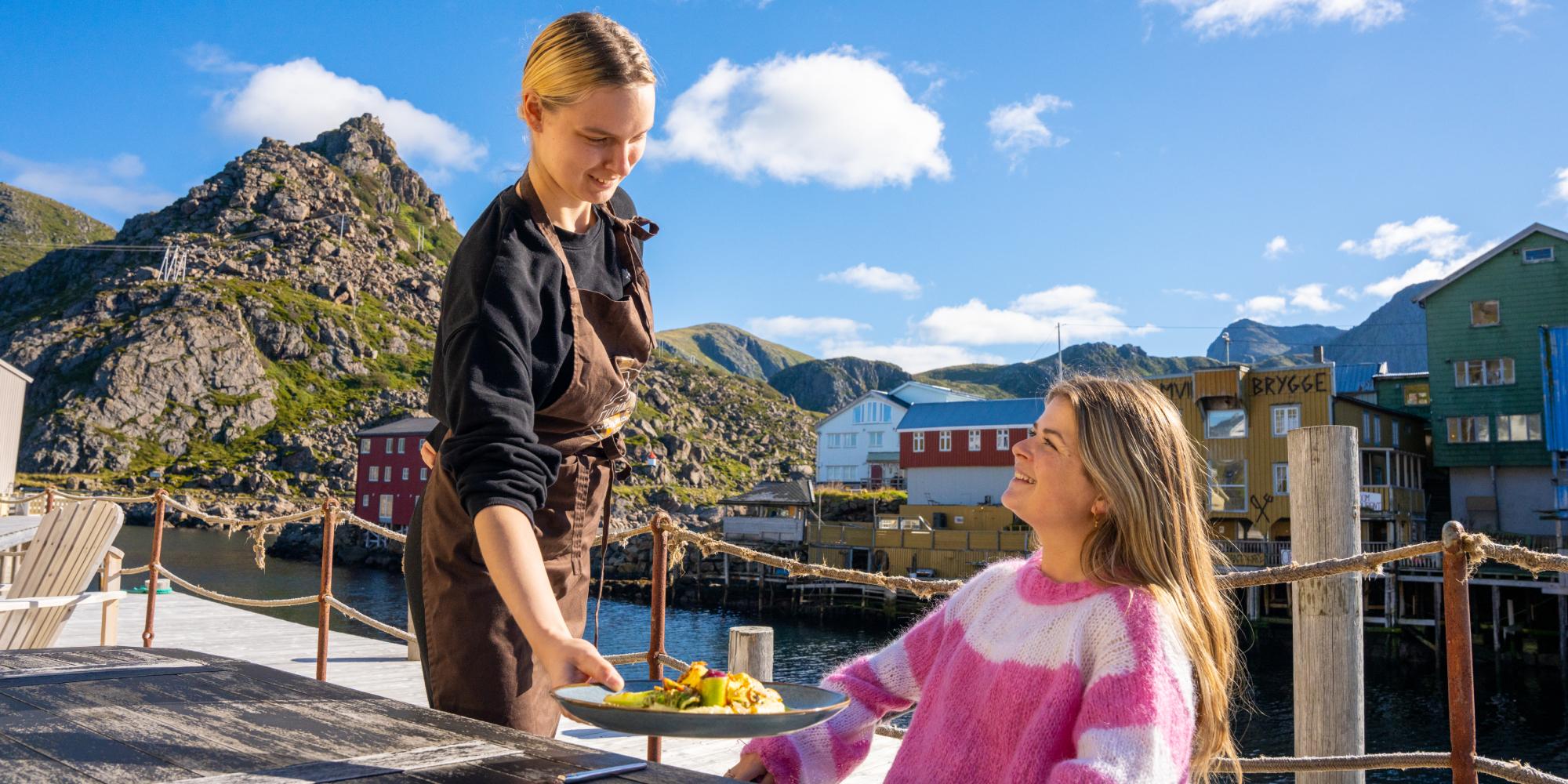
Original antique doors are now being reused at his guesthouse at Holmvik Brygge, environmentally certified accommodation which offers rooms in a historical guest house, separate studio apartments, and even an entire house (ideal for groups).