Along the glittering coastline and archipelago towards Skagerrak, there are hidden gems and treasures on every corner and in every alleyway. Experience the charm of Norway's most characteristic wooden house towns, from Kragerø to Kristiansand.
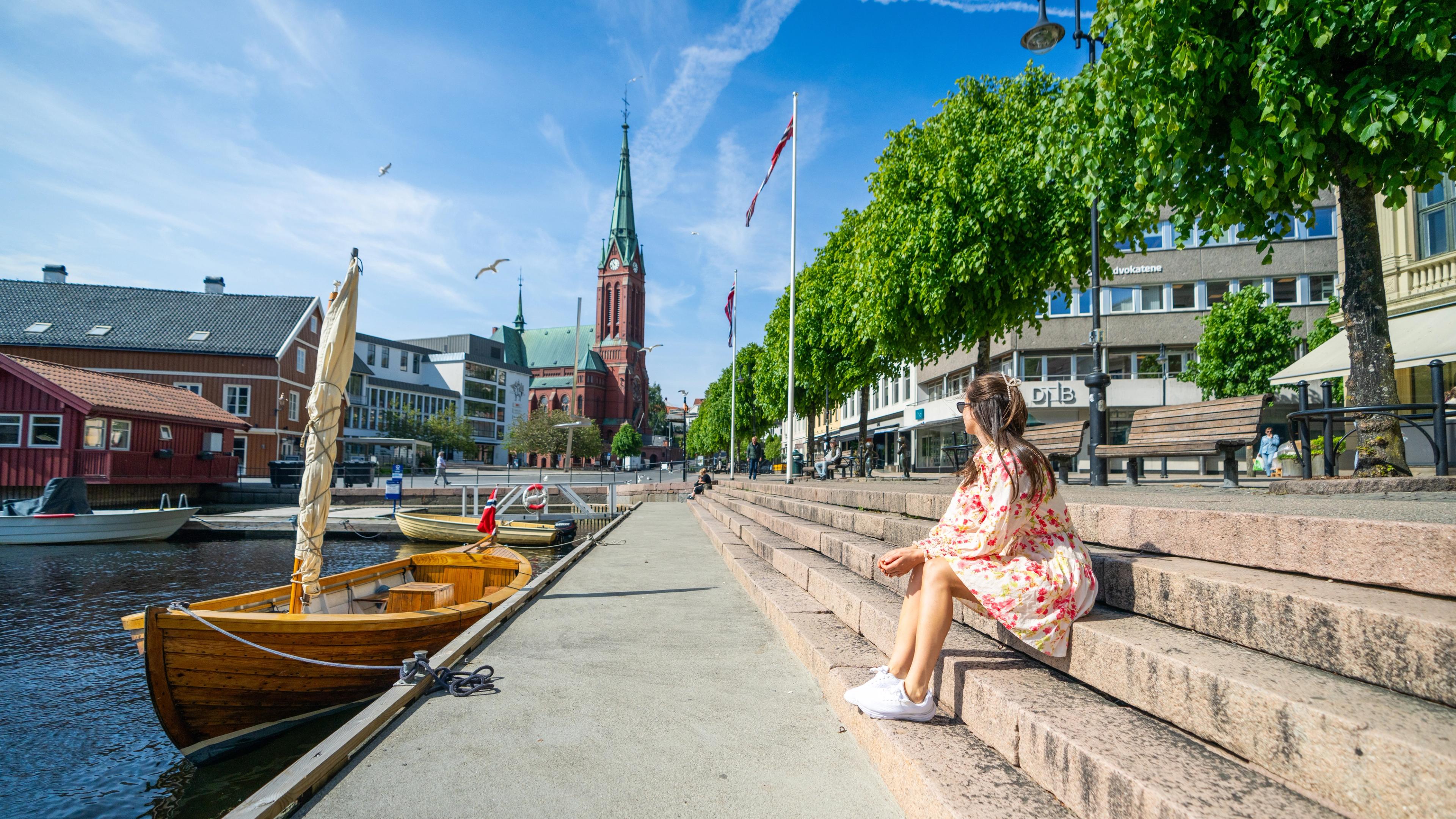
Wooden house towns
of Southern Norway
A journey through charming coastal gems
Discover the Norwegians' own holiday favourite!
Explore the cosy, small towns that lie like pearls on a string along the coast between Oslo and Kristiansand, in Sørlandet, Southern Norway.
Welcome to the beautiful Trehusbyene, which can be directly translated as 'wooden house towns'.
Artist Ferdinand Finne once named them "The Norwegian version of the Greek cities", a pretty good comparison as they cling to the hills above the sea, bathed in the sun and sea breeze.
But there is one major difference...
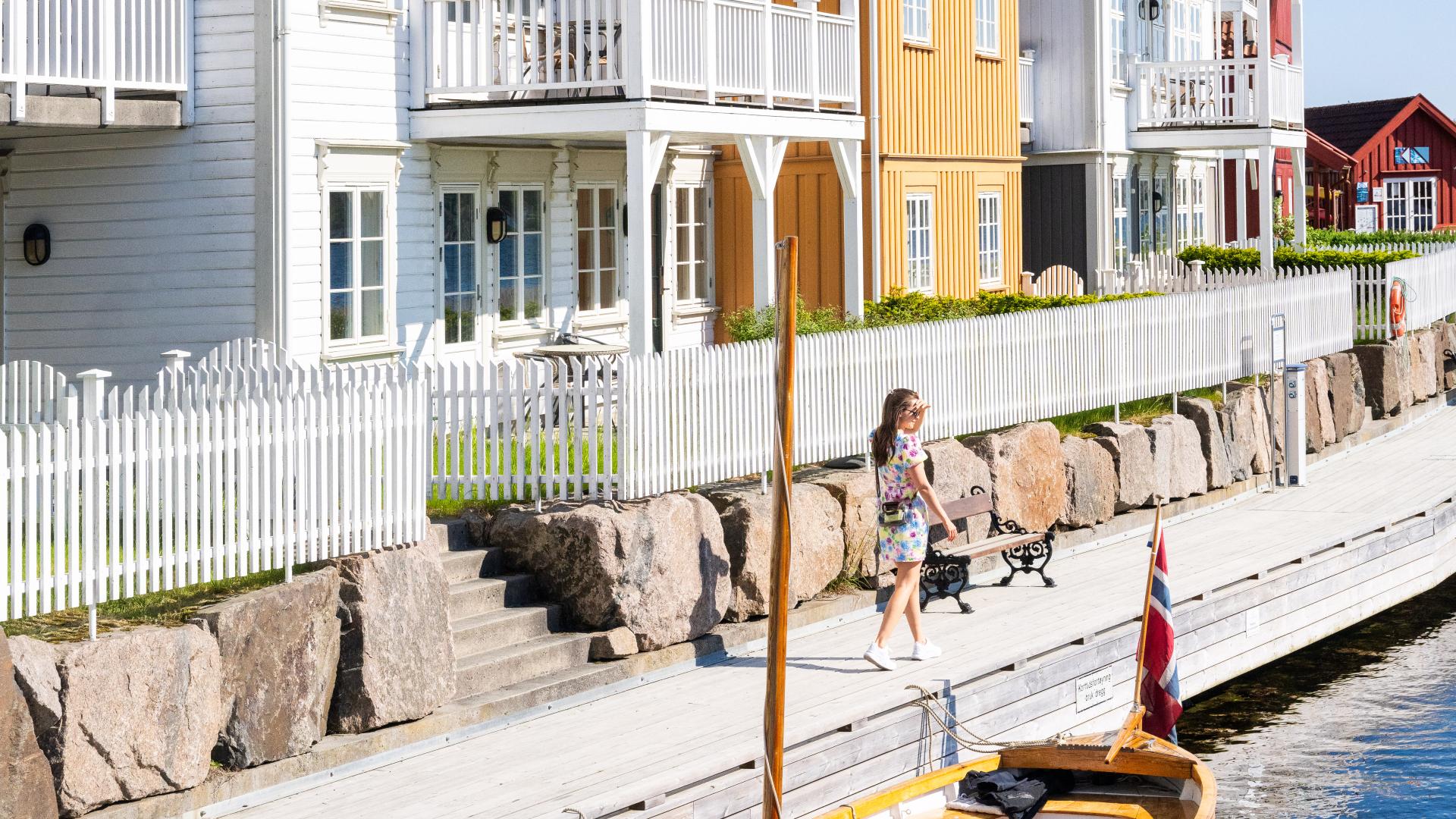
... almost everything, from houses to fences, wharf boards and even boats, is made of wood!
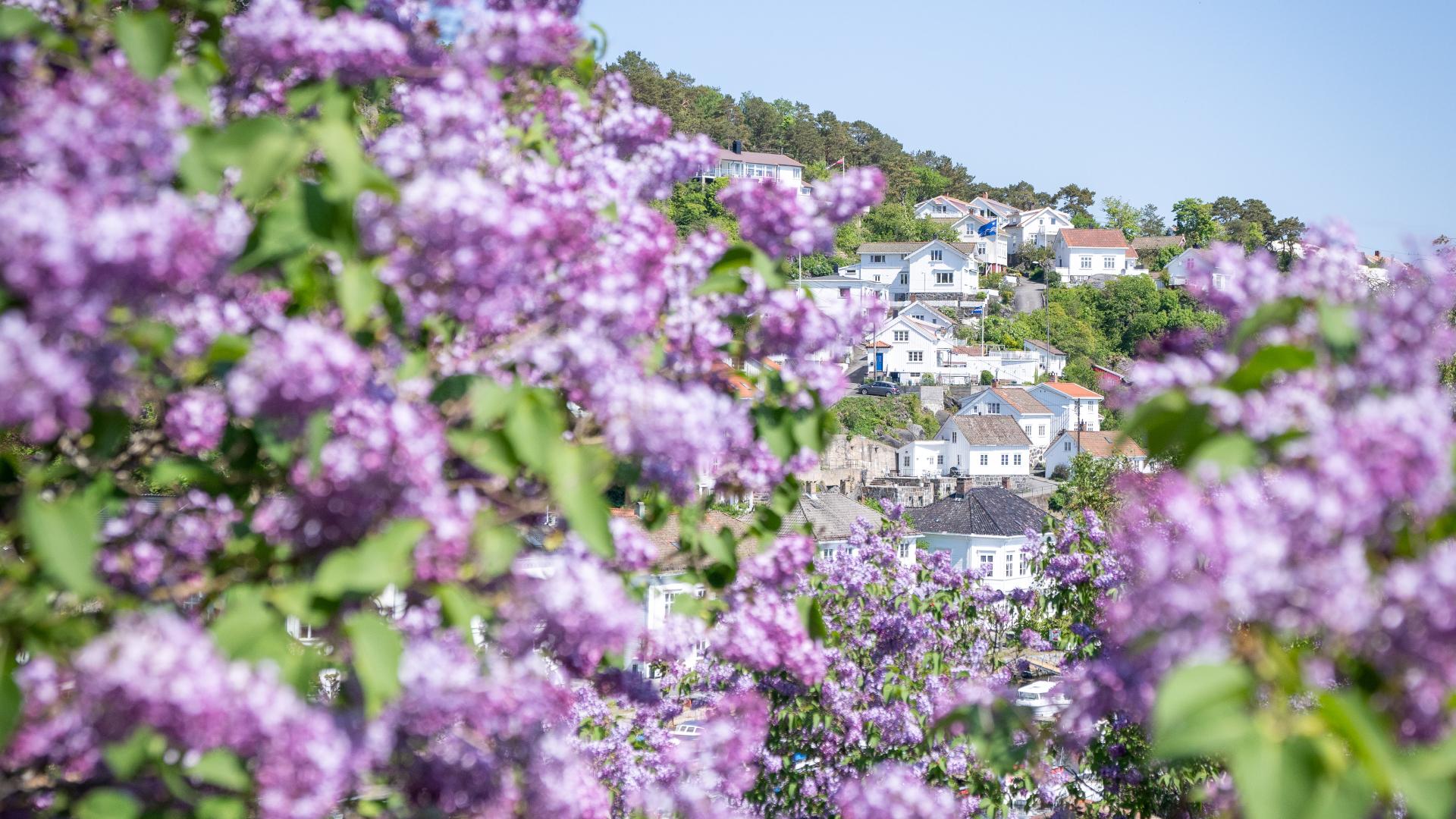
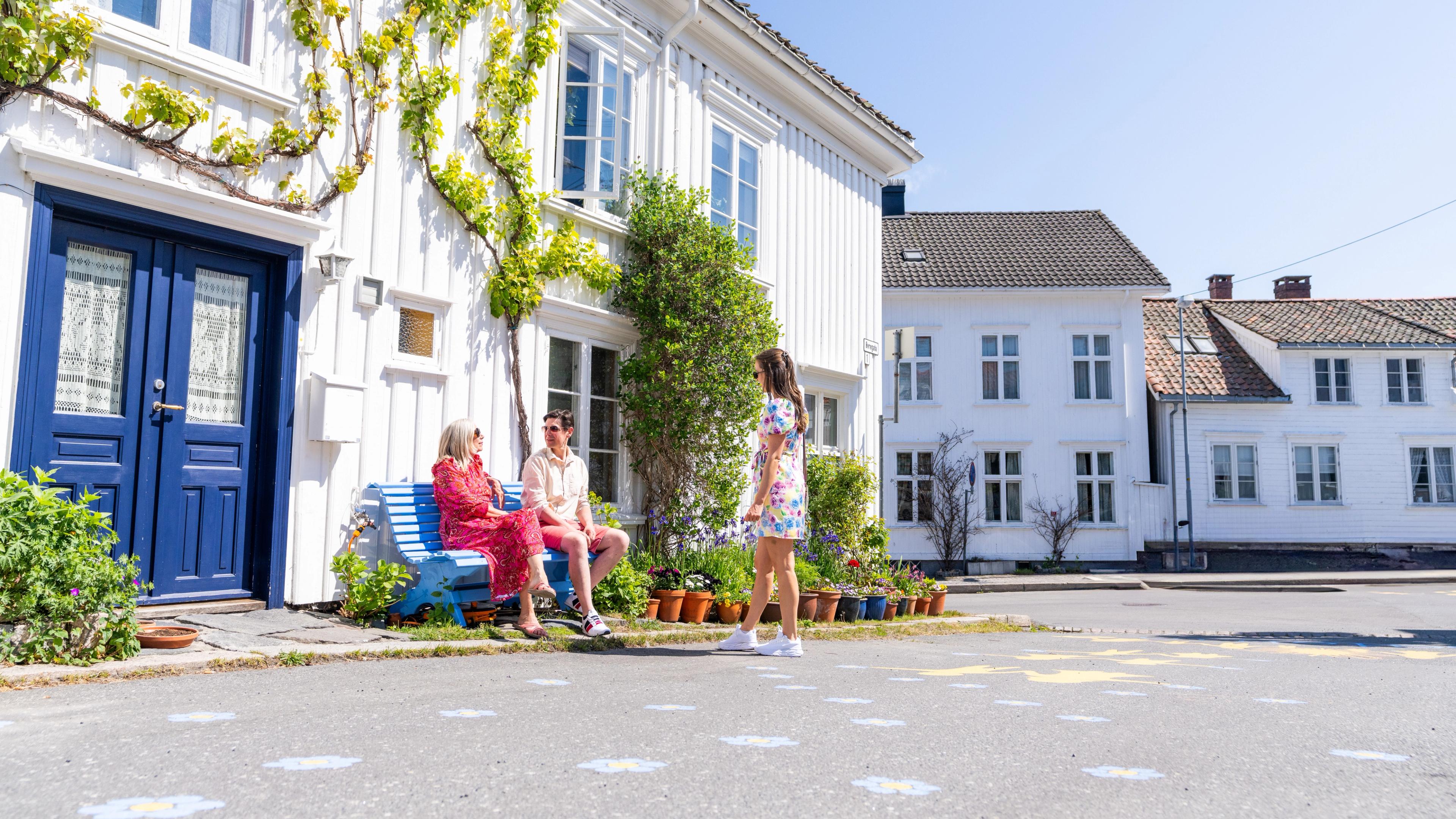
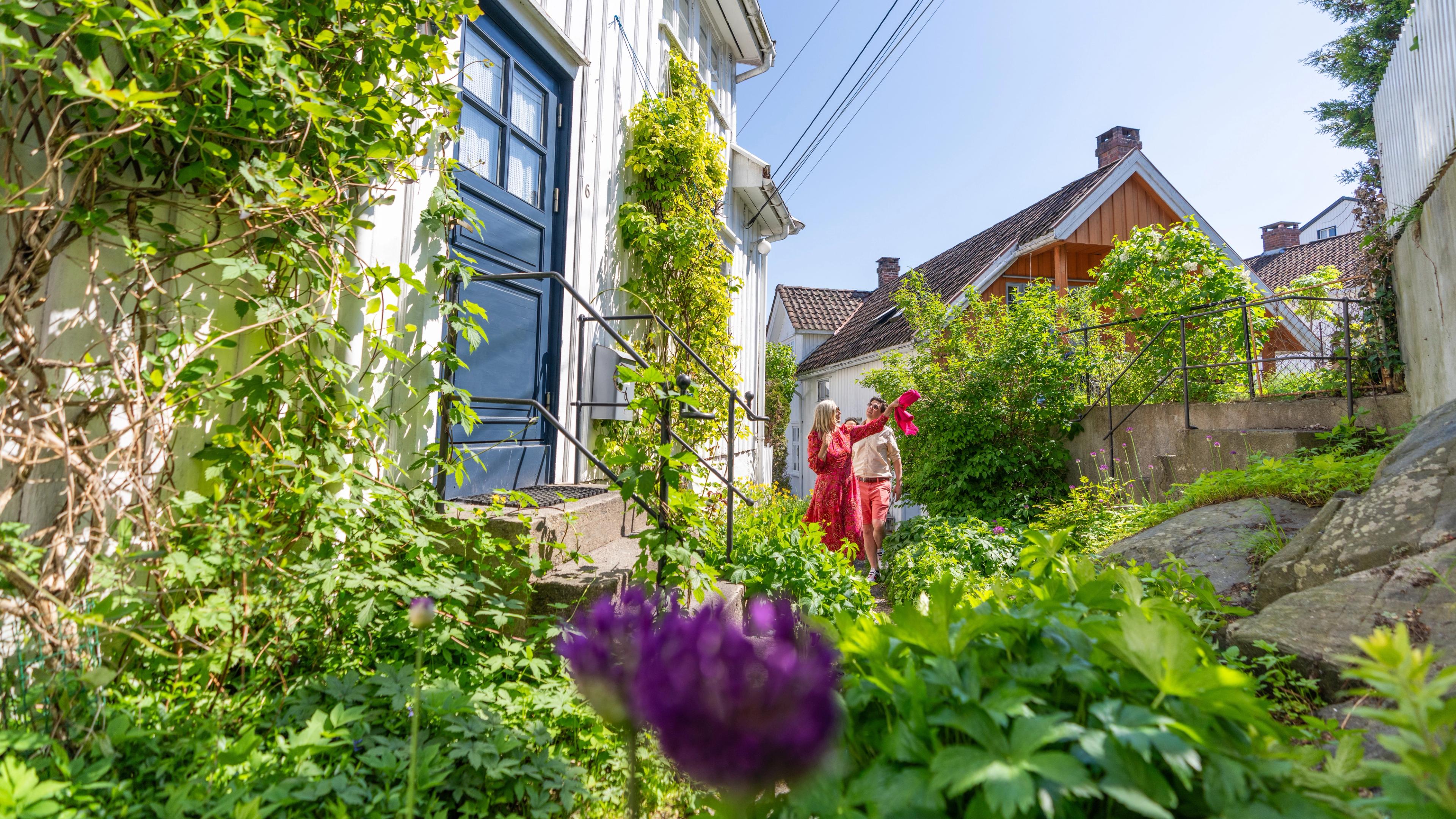
... cosy neighbourhoods with paths that wind through narrow alleyways, surrounded by flowers...
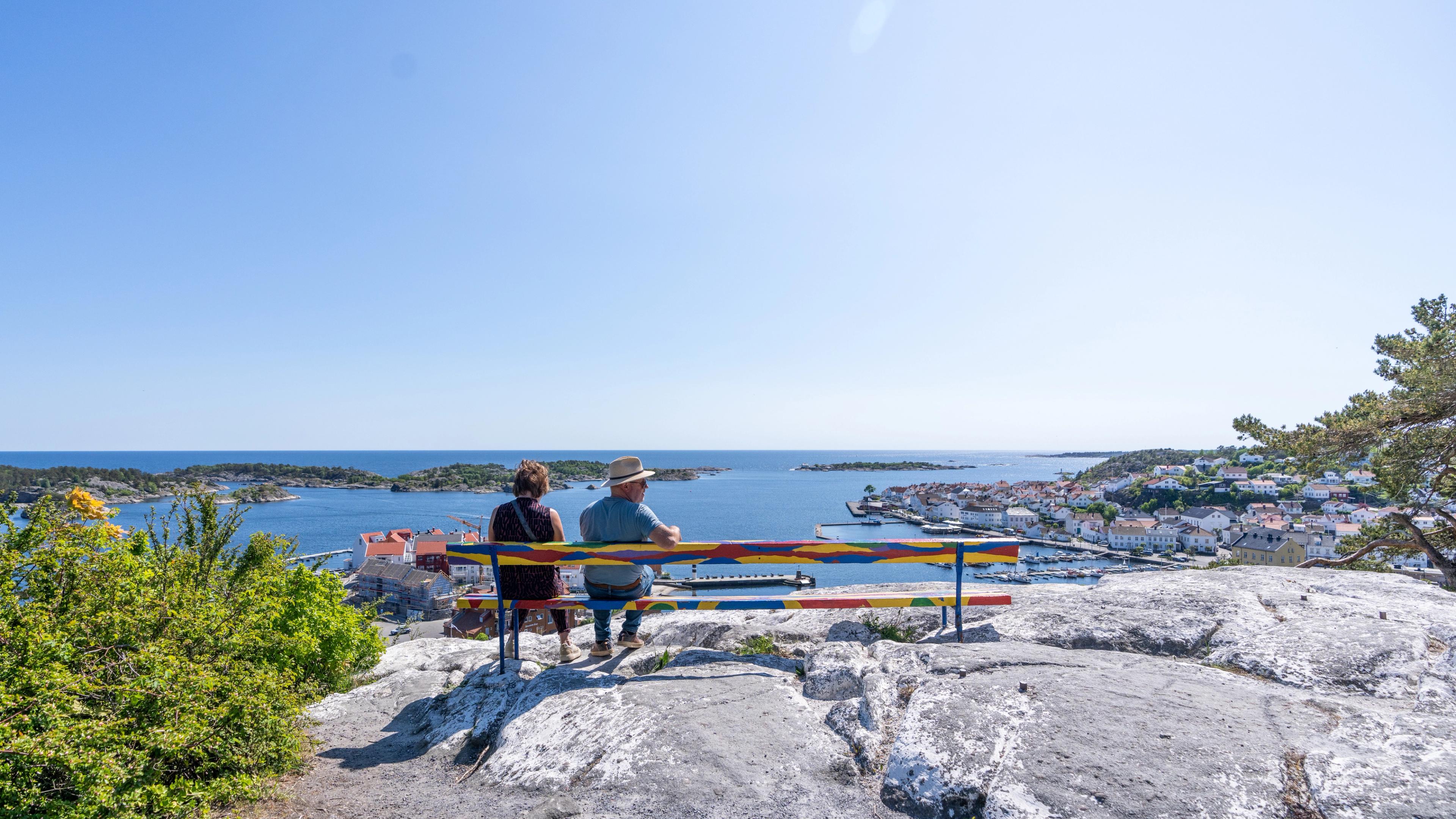
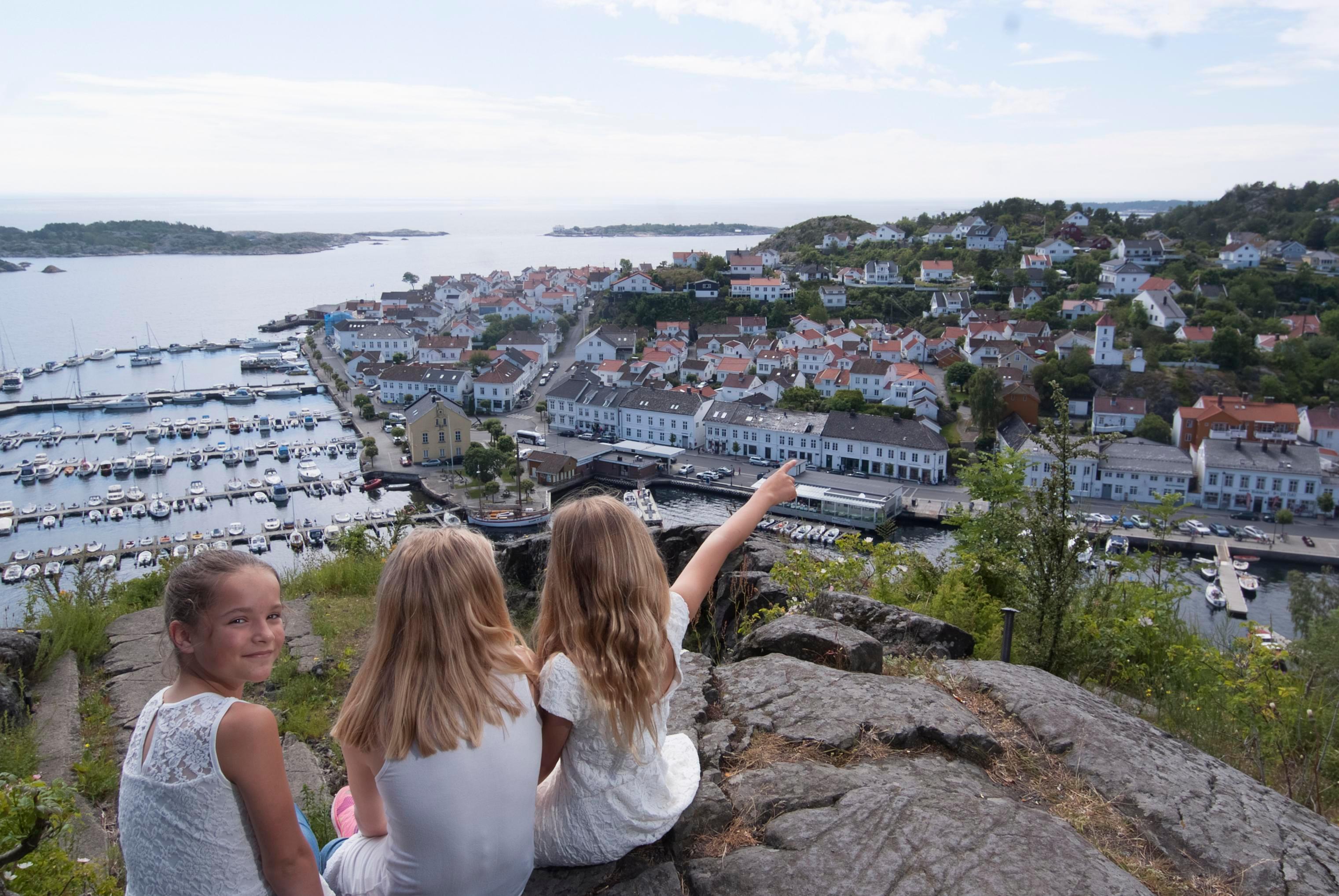
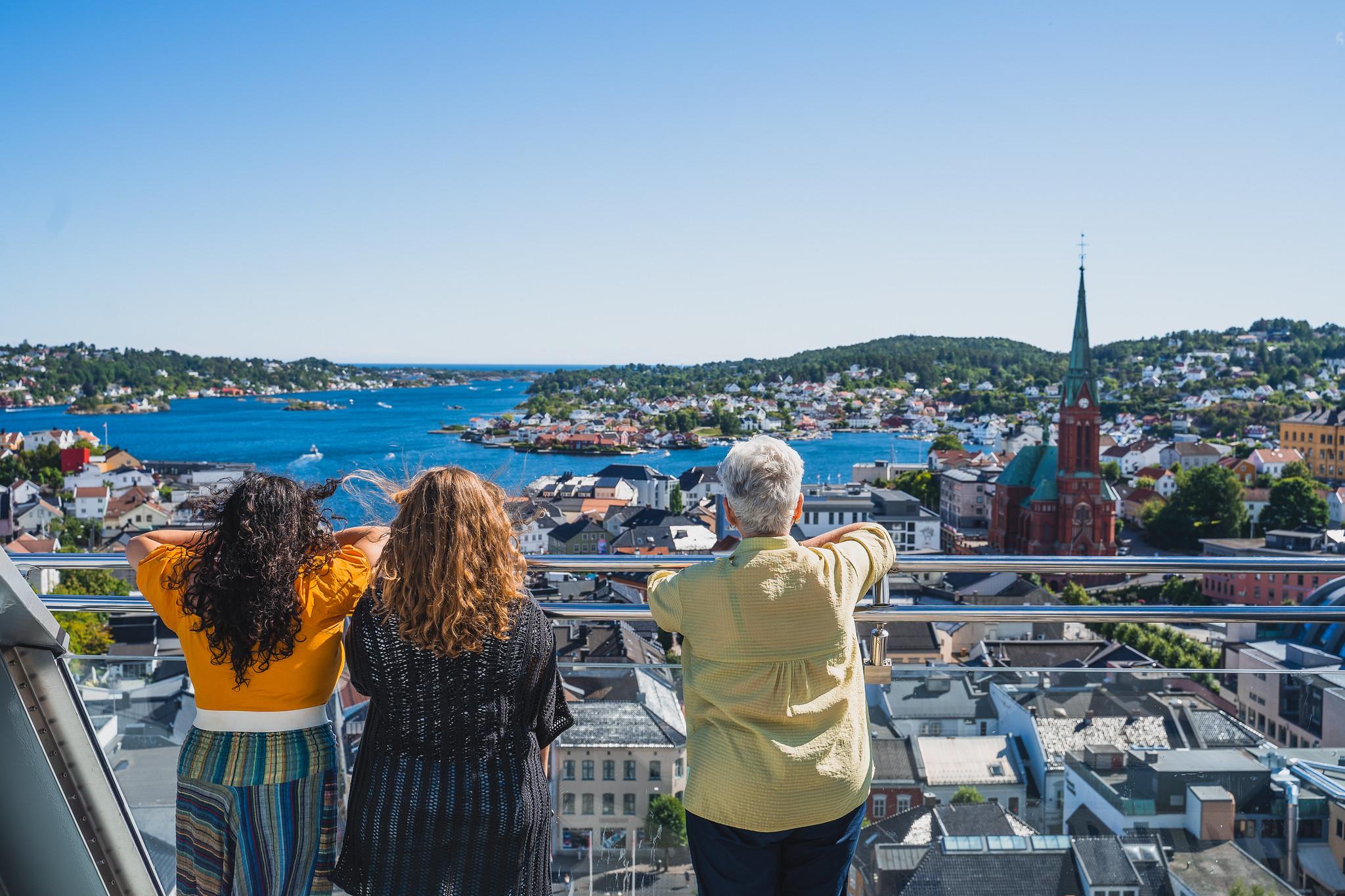
... or the many great views of the Skagerrak strait, both from the top of a hill ...
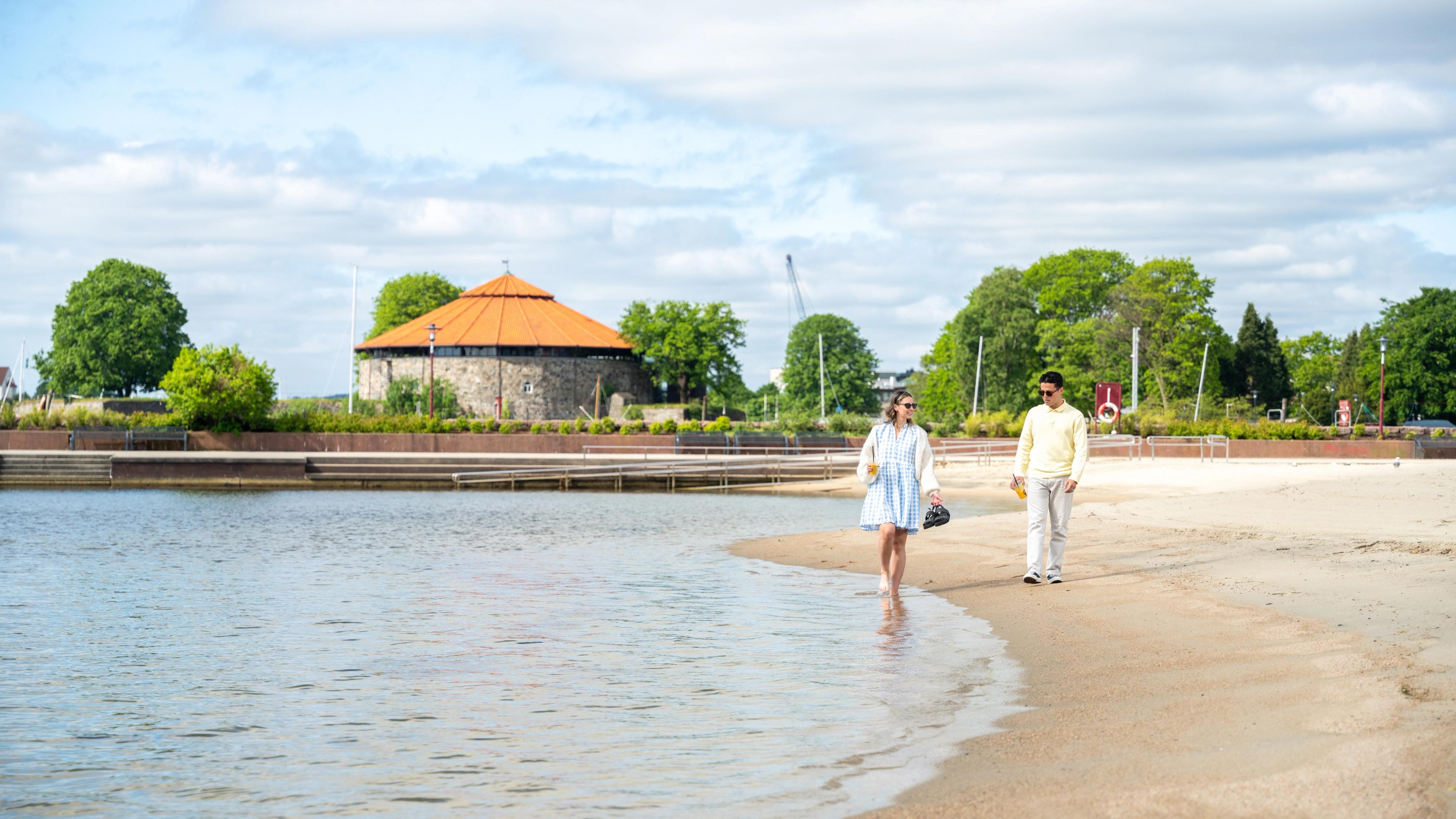
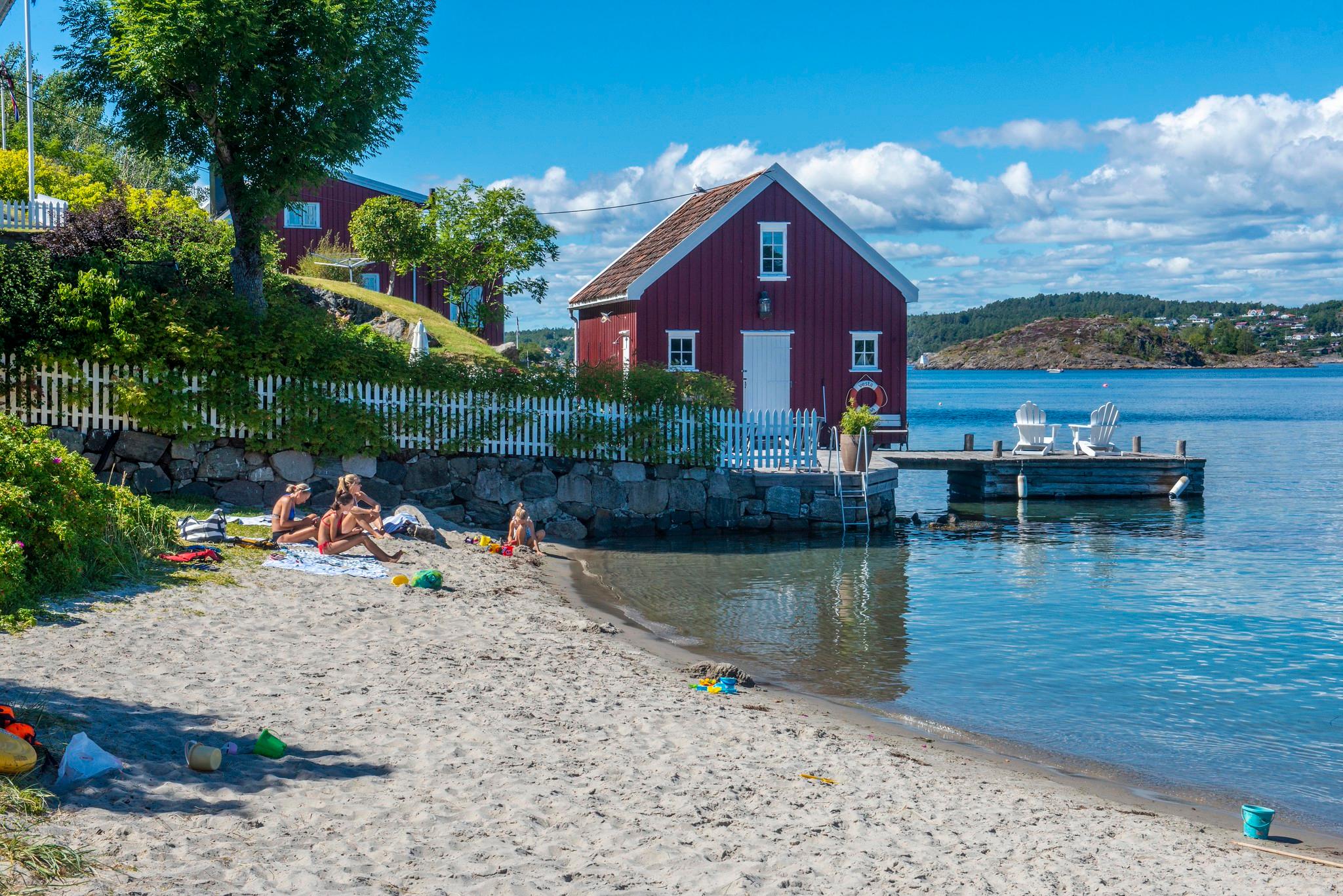
... or so close to the sea that you could dip your toe in it.
You don't need to plan many activities on your journey here, as sightseeing, historical strolls, people watching from harbour-side restaurants and shopping are all exciting on their own. But if you would like some other options, there are plenty more things to do in the area.
Let's take a look!
It's a delightful, sunny morning in Risør. That's an almost clichéd description of Norwegian summer in one of the many picturesque wooden house towns of Southern Norway.
We stroll around in the charming, narrow streets, surrounded by white-painted, wooden houses and small picket fences covered by blooming flowers, while catching an occasional glimpse of the sea.
Flower shops, niche boutiques and restaurants lie side by side. It's almost like stepping out of a time machine. Even the people seem to be as calm as the sea breeze. The only noise comes from seagulls screeching and a small boat puttering by.
We take a break at the local bakery to have a cup of coffee and ice cream in the sun, while enjoying a little people watching.
This relaxed pace is exactly what it's like to vacation in the small towns of Southern Norway. They look quite similar, but each has its very own distinct charm, highlights and history.
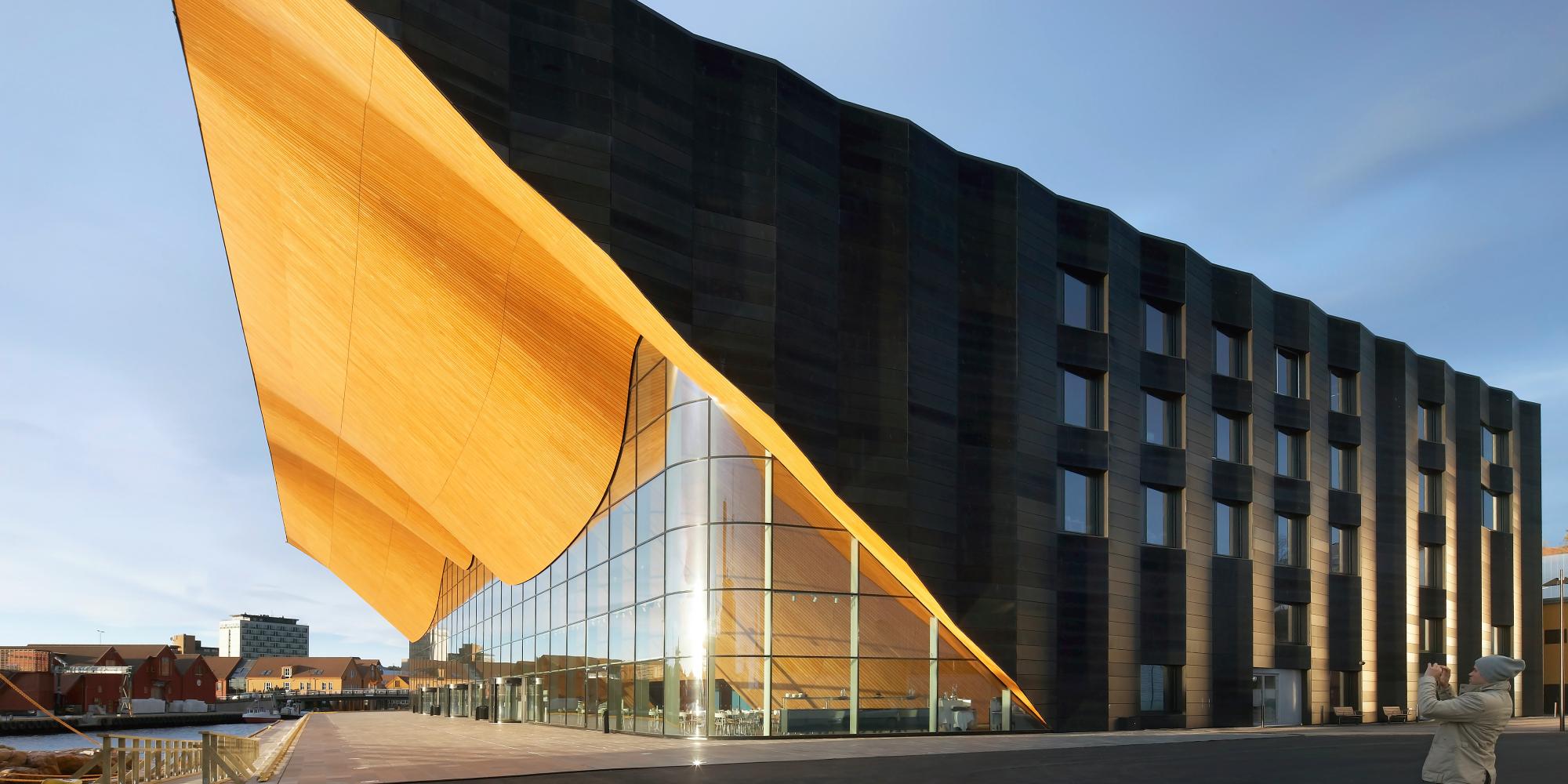
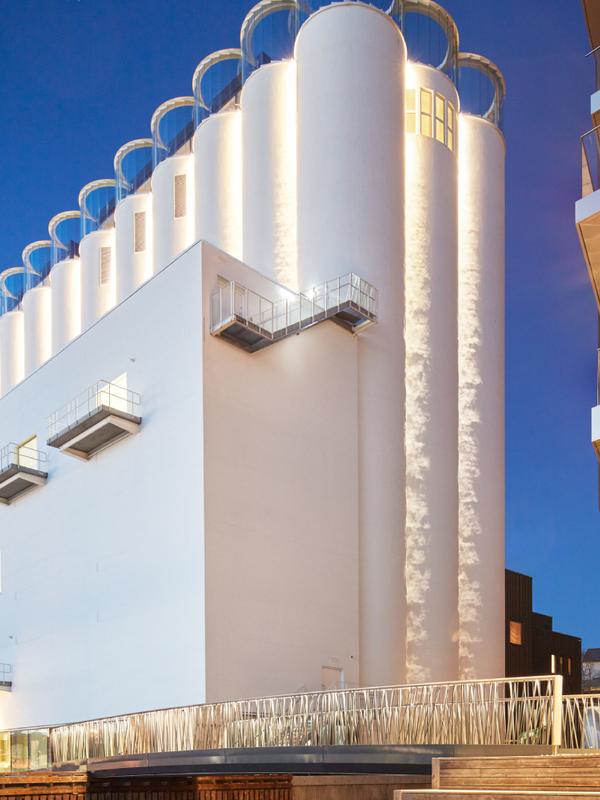
The Kunstsilo art centre in Kristiansand. Photo: Fredrik Ahlsen/Visitnorway.com
A hidden gem
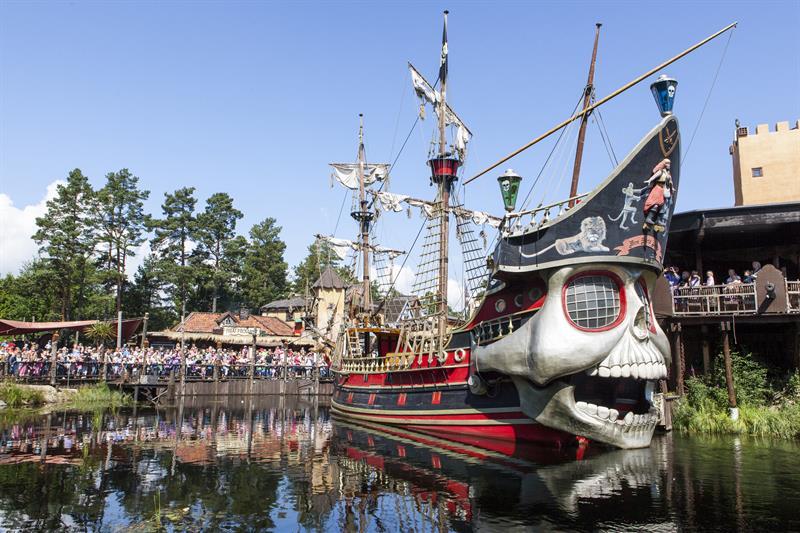
Southern Norway is known for being one of Norway's leading destinations for the whole family, with lots of popular attractions, like the Dyreparken Zoo and Amusement Park in Kristiansand. But this part of the country is also a perfect escape for adults and a gem for seasoned travels who like culture and great food.
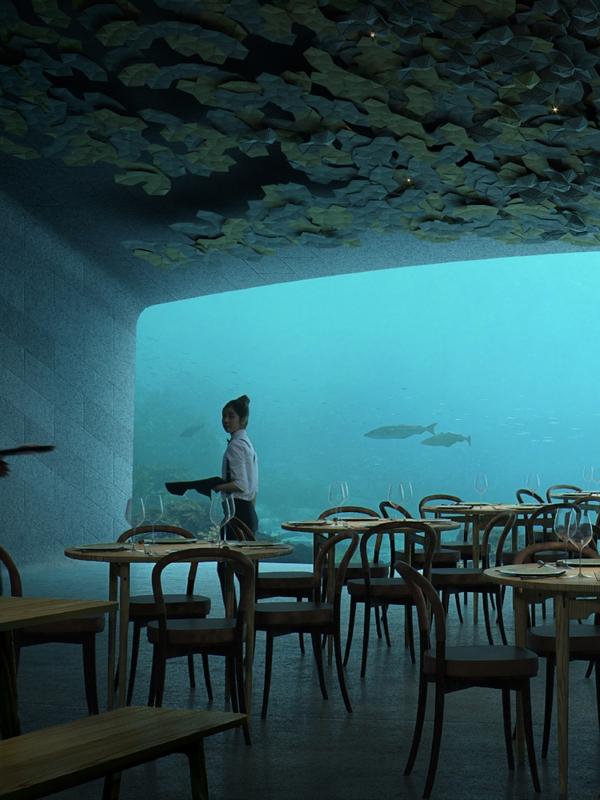
Apart from the sleepy, cosy towns themselves, attractions include the spectacular new Kunstsilo art centre and Kilden performing arts centre in Kristiansand. You are also close to a world-class dining experience under water, at the spectacular restaurant Under.
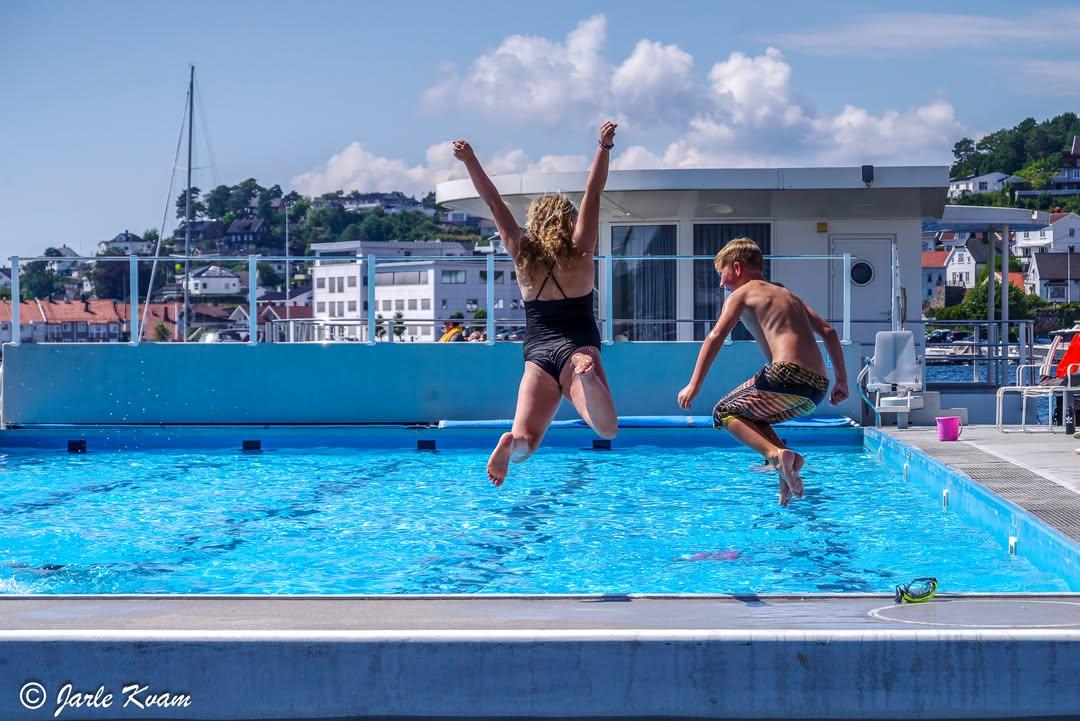
The towns offer local art, culture, niche shopping, rural luxury, and archipelago charm. In summer, the beautiful swimming spots and numerous pier restaurants, perfect for enjoying seafood with marina views, are a must.
But how did these towns get their characteristic look? Let's step back in time for a moment.
The birth of the wooden house towns
With the rise of ship traffic at Skagerrak in the 16th century, Southern Norway became an important area for international trade.
"The big forests along the coast contained oak wood, which was highly sought after by foreign traders, especially from Denmark, Holland and the British Isles, and was used to build both houses and vessels," says Terje Ellefsen, a guide who offers historical walks in Lillesand and the surrounding area.
The trade led the small settlements to grow into increasingly prosperous cities. It also opened the Norwegians' eyes to international trends, with seamen brining home architectural styles and techniques from abroad, which later influenced other parts of the country as well.
"Many of the architectural and building trends in Norway started in the towns along the coast," says Ellefsen.
White paint – why?
Initially, houses in Southern Norway were left unpainted, or they were painted in reddish, ocher and sand tones due to the limited availability of pigments. However, seamen noticed white-painted houses abroad, and expensive, imported white paint from England (which contained lead) became a status symbol, which was gradually adopted by the wealthy.
"Less affluent homeowners might paint just their facades white, leaving their rear-facing walls in cheaper colours. This can still be seen as many homeowners today are encouraged to preserve the original appearance of their houses," says Iver Holter-Andersen, who works part-time as a guide in Kristiansand and knows the area extremely well.
Eventually, more affordable and safer zinc-based white paint was developed, making it widely accessible.
"The paint then became available to most people, and the trend quickly spread," adds Holter-Andersen.
Another fun fact one sees on a historical stroll is that vertical panels on houses, which made them look taller and more elegant, were more costly to replace in the damp coastal climate. Less wealthy owners therefore often used horizontal panels, which were easier and cheaper to repair.
Jump directly to a city or scroll down for more inspiration!
(PS: join us for two bonus getaways: archipelago idyll in Lyngør and rural luxury at Boen Gård) ✨

“It's very charming, and gives you a feeling of going back in time. Many cities have old towns, but here – almost everything is an old town!”
Terje Ellefsen
Historical sightseeing guide in Lillesand
The ultimate route
Wooden house towns from Kragerø to Kristiansand
Even though the towns have the same flavour, they are all unique in their own way. If you have a couple of days, we recommend spending time exploring several of them. They are very walkable and the town centres are small and cosy.
Join us through the small, white-painted towns along the Southern Norway coast!
Kragerø
"The crown jewel of the coastal towns"
Even though Kragerø is located just outside Agder County, and therefore not strictly within the area called Sørlandet, it is still considered as a "wooden house town of Southern Norway", and the first town on our list.
The city can thank iconic Norwegian painter, Edvard Munch, for its nickname "The crown jewel of the coastal towns". He coined it while living at Skrubben in Kragerø, from 1909 to 1915, a time during which he experienced one of his most intensely creative periods.
Kragerø is still known for its many charming art galleries and niche shops. Buy an ice cream at the marina and stroll around the narrow streets that wind through the heart of the town. A ferry crosses daily to the island of Jomfruland, home to a national park and a summer café, gallery, and a lighthouse you can visit. Perfect for a day out!
Risør
"The White Town by Skagerrak"
If you travel from Oslo or from the ferry port at Sandefjord or Larvik, Risør will be the second city on this trip.
When entering Risør, you can drive all the way down to the harbour and start your sightseeing stroll from there. Risør is known as "The White Town by Skagerrak". In addition to all the white houses, it is also home to Risørflekken – a white chalk-painted rock just above the town that is visible for 12 nautical miles. The landmark has been an invaluable aide to seafarers for more than 400 years and is said to have been painted by Dutch sailors. In 1641, King Christian IV decreed that the local customs officer shall maintain it, something which is still being done to this day. Risør was a popular port for the export of oak wood. The port once had the fifth-largest sailing fleet in Norway.
"The old part of Amsterdam stands on a foundation of wood from Norwegian forests. The town hall on Dam Square in Amsterdam, which opened in 1655, rests on 13,659 oak piles," says Thomas Juell.
He works part-time as a guide at Risør Church and is an expert on the town and its history.
"The town has grown and changed over the years, as the ocean originally went much further into the town. Indeed, the entire town square was once part of the ocean. It has gradually been filled in with ballast based on soil and stone. When someone removed their kitchen floor a few years ago in the old Trekta area, they suddenly found the original stairs leading down to what once was the ocean", he tells.
In addition to Trekta, there are also many other cosy neighbourhoods to explore, such as Kastellet Kamperhaug, Enghaven and Tangen. There are local bakeries and many small shops with lots of treasures to be found. Risør are also especially known for their many local artists, so here are plenty of opportunities to find some new art or souvenirs to bring home at their joint store Villvin Gallery.
You can also catch Norway’s oldest, wooden car ferry to carry you across the strait to Øysang, but if you rather rent a boat on your own, you may. However, if you do, be aware of the markers for reefs and shoals in the area.
"Risør has a very demanding coastline in the form of many reefs. Therefore, piloting was important in the old days. The old, grizzled pilots paid young lads to keep a sharp eye from the hill Storevarden for incoming sailships, they would then compete running down to tell their masters. The first pilot to make it out to that ship, would get the job", explains Juell.
Tvedestrand
"The Book Town"
Tvedestrand lies just a 30-minute drive south of Risør. A long and narrow main street winds from the top of the hill to the seafront, where you will find cosy restaurants and a venerable hotel. Tvedestrand (strand means beach, the name means 'beach belonging to the Tveite farm') was originally just a small beach area. But trade grew from 1750 when Næs Ironworks began using the area as a shipping port.
If you are a bookworm, you should definitely pay a visit to Tvedestrand. In 2003, the town became one of the world's book towns and is already the largest one in the Nordics. The town is home to some of Norway's leading antique shops and several bookshops, as well as a library and publishing house. It also hosts a wide selection of literary events throughout the year.
In addition to its classic wooden house streets and cosy atmosphere by the archipelago, Tvedestrand boasts Norway's narrowest house, Strykejernet (which also has entrances from the street on three floors), Norways largest outdoor water park in Tjenna, and several galleries and museums.
If you are travelling by car, we recommend driving a bit further outside the town and hopping on one of the "swimming ferries" that takes you out to beautiful beaches on the nearby islands.
There is a detour that you will not regret making – to the Lyngør islands!
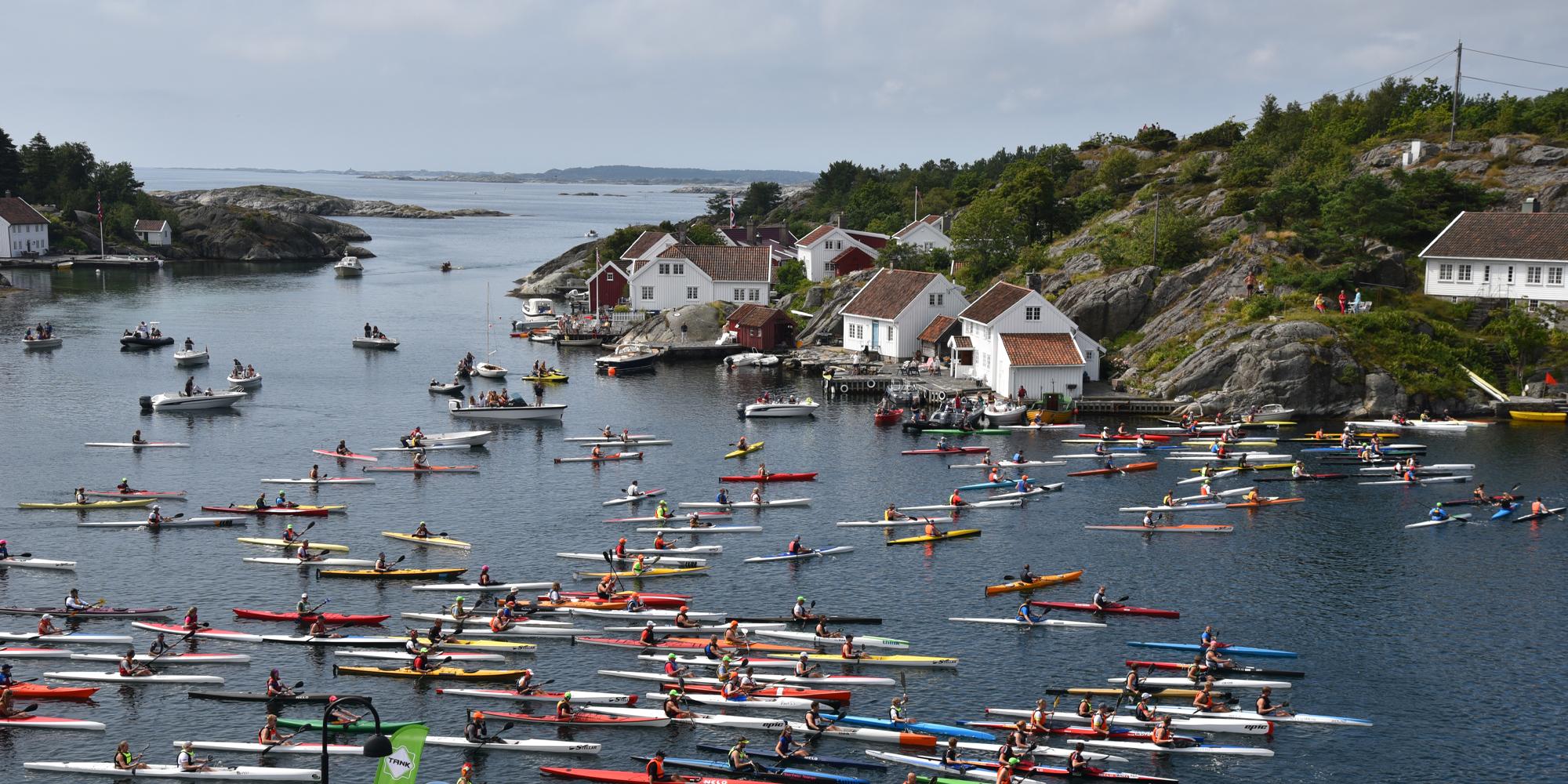
It is one of the few places left where there are no roads or cars, just good summer vibes, charming surroundings, and a historic atmosphere that will take you back in time.
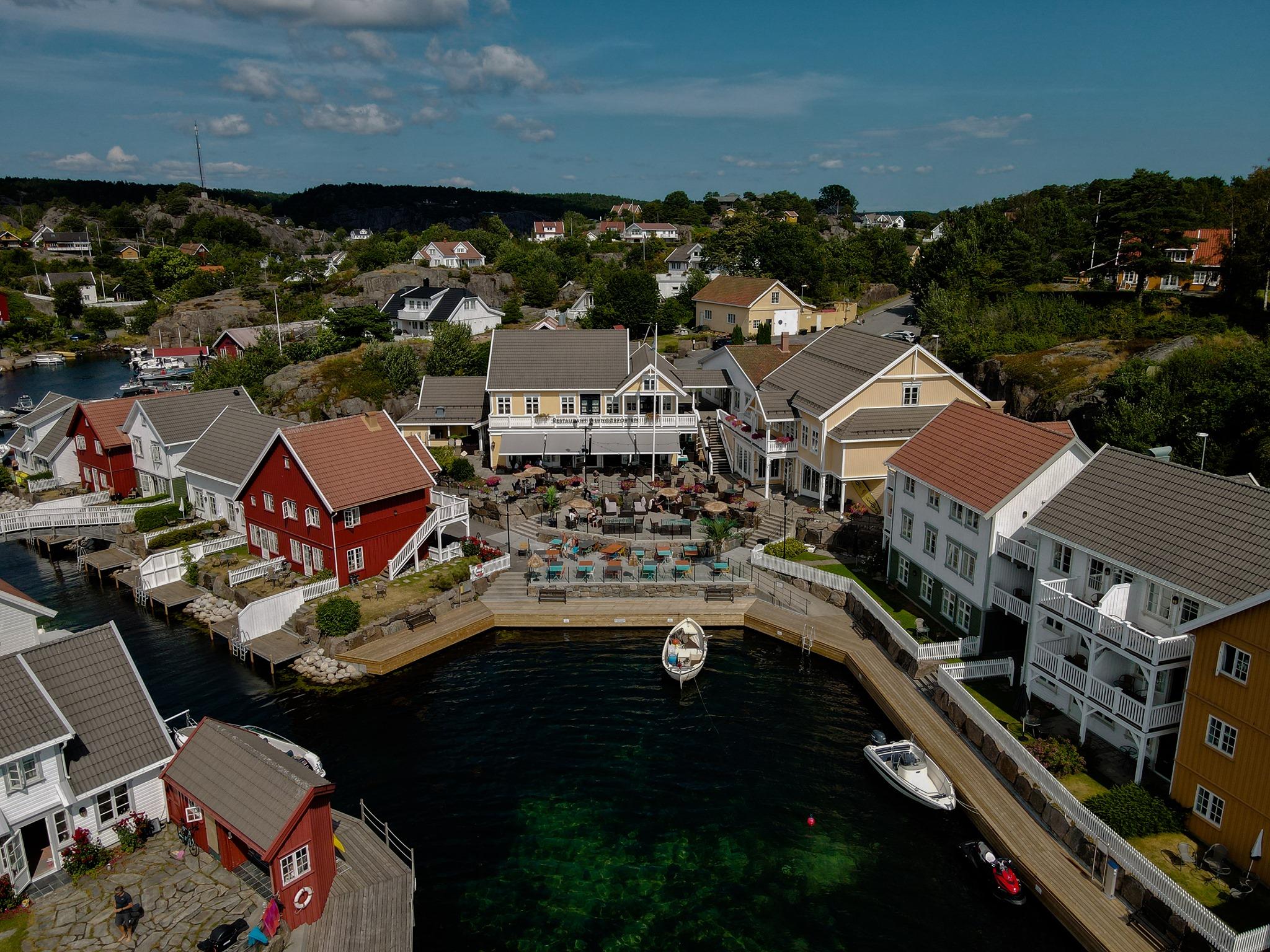
Only three families live here year around; the rest of the homeowners have summer homes. There is also a small shop and a restaurant.
Take the small ferry from Gjeving wharf, but make sure to check the departure times for your return, so you don't get stuck there for the night. Or why not check in to 'the book hotel', Lyngørporten, just across the strait on the mainland?
Arendal
"The city with two lighthouses"
Arendal was the leading seafaring city in Norway in the 17th to 19th centuries, with a very good position by the Skagerrak strait. As its nickname reveals, two lighthouses were built there in 1844, located next to each other to help seafarers navigate. It remains one of the biggest towns in the area.
"The city is also known as the 'Venice of the North' as it was built on seven islets and reefs. There were once long channels and ports throughout and the Tyholmen area used to be an islet with a bridge. Today this area is home to the oldest wooden houses, as it survived the worst city fires through the years thanks to being located on the islet," says Christina Sæthre, tourism consultant at the Arendal Tourist Office.
After the last fire, only brick houses were permitted to be built in the city centre. The popularity of brick structures was also a result of inspiration from traders who had been abroad. But some of them still wanted to use the old wood materials.
"When the old town hall (located at Tyholmen) was built, the architect originally wanted to use brick, but the wealthy man who built it said: 'No, I have a lot of wood material, so I want it to be in wood'. After three drafts of the plan they finally agreed, and the walls were built in wood, but painted to look like marble on the inside. This technique was later used in more houses and can be seen on the city tours that are offered in the summer," adds Sæthre.
Just as in Risør, the sea covered several parts of what is today the city core. Channels and ports in the city were filled little by little, and today the only remaining port is Pollen. This is a cosy and busy marina with restaurants side by side, which should definitely be visited if you are going to Arendal.
Even though Arendal is not the leading seafaring city any more, it is still a buzzling centre, especially when Norwegian politicians and business meet "the man in the street" to discuss current challenges every autumn at Arendalsuka. Here are also a lot of art- and cultural events going on all year around, and several museums, libraries and experiences that are fun for the whole family.
If you are seeking nature experiences, the city also has numerous beautiful sand beaches and bathing spots, hiking options as well as the Raet National Park, a Ra Moraine which they share with Grimstad and Tvedestrand as well. In summer, you can join small ferries out to Merdø, the two lighthouses (which also have accommodation) and other islands that lie in the national park area.
Grimstad
"The city of poets"
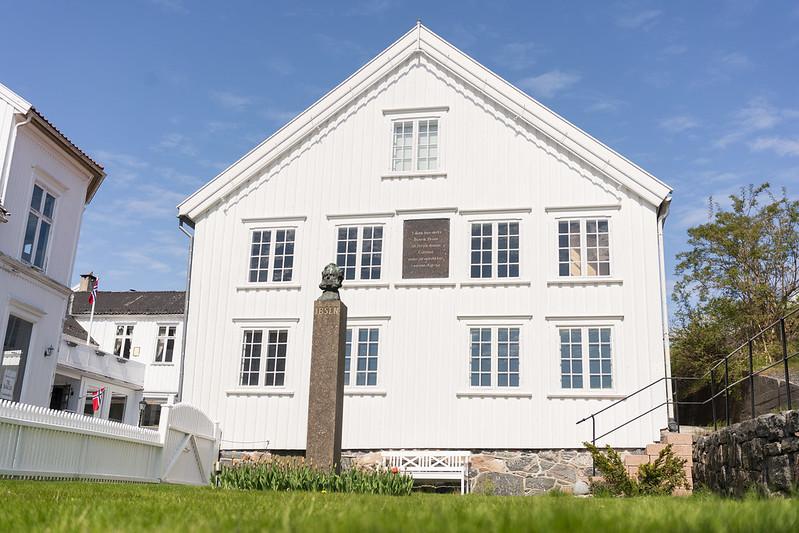
A little further south lies Grimstad. In addition to be a charming white-painted wooden town with narrow streets and picturesque alleyways, it is also known as "the city of poets". Two of Norway's most famous authors from the 19th century, Henrik Ibsen and Knut Hamsun, have lived here and left traces in both the city and their works. TheIbsen Museum in Grimstad is Norway’s oldest of its kind.
You can also do like two of Norway's (and Grimstad's) former best cyclists, Thor Hushovd and Dag Otto Lauritzen, and enjoy a bike ride along the seafront or on one of the many small roads that wind through the beautiful areas around the town. Bring a towel and have a swim on a beach or venture into Raet National Park by ferry. If you like local food, you should definitely pay a visit to the Hesnes Garden Centre and Café, located just a 10-minute ride from the town. Here, you can buy all kinds of wonderful flowers and plants, herbs and vegetables, as well as tasty local food.
The pedestrian streets are home to several small, independent shops and a wide selection of cafés and restaurants. If you love music and culture, check out what's on in Grimstad during your visit, as there are often festivals or concerts taking place.
Lillesand
Lillesand is the next stop on our wooden house journey through the South. Like the other towns we visited, it also features characteristic white houses and charming, narrow lanes. However, unlike many of the other towns, Lillesand has never suffered from a major fire, so most of the houses from the 18th century remain intact.
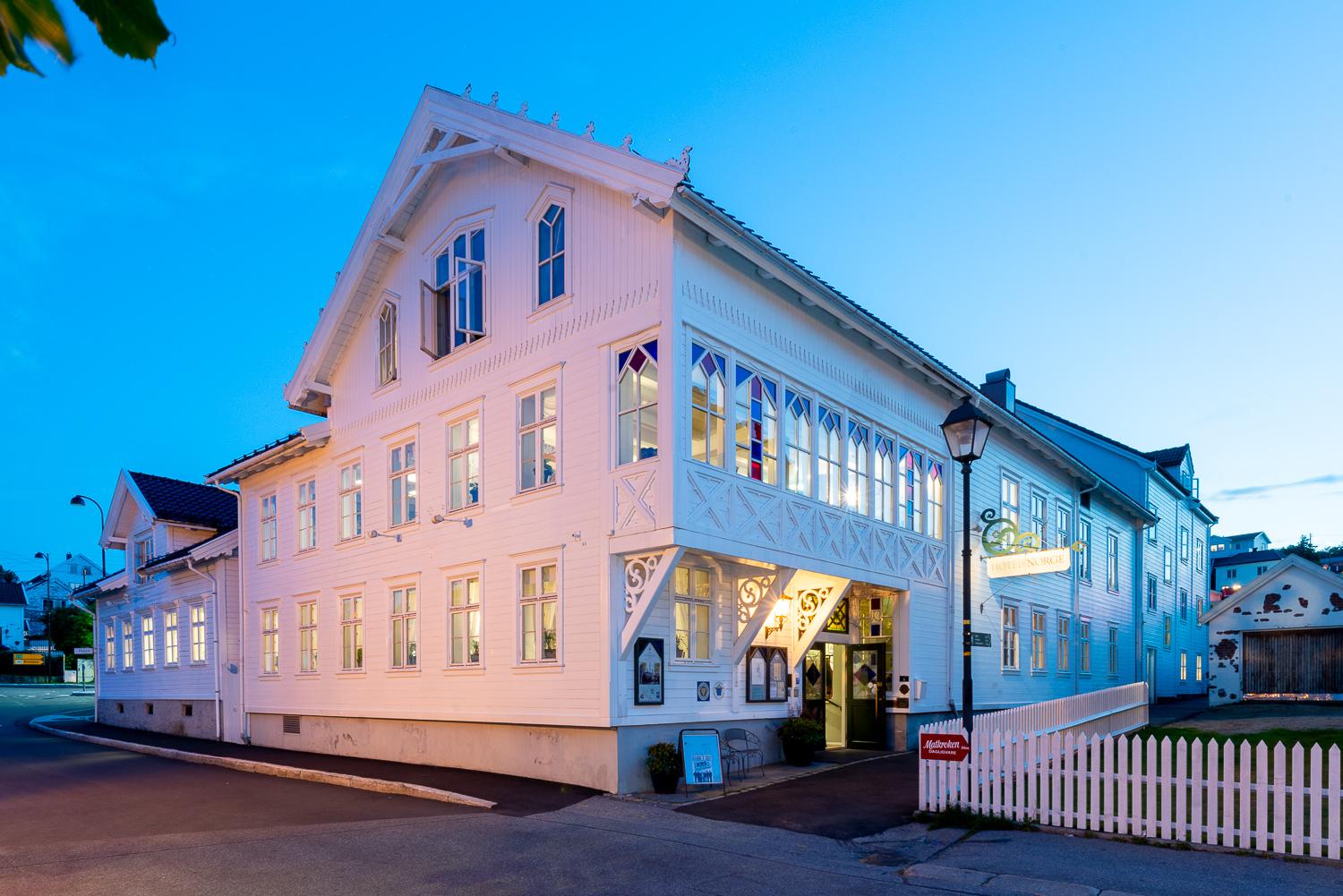
A must-see is the historic "Lillesand Hotel Norge", which Norwegian Nobel laureate Knut Hamsun often frequented in the 1930s.
A short walk from the hotel lies Lillesand harbour, with several restaurants and a lovely view. Stroll around and browse art galleries, niche shops, and museums.
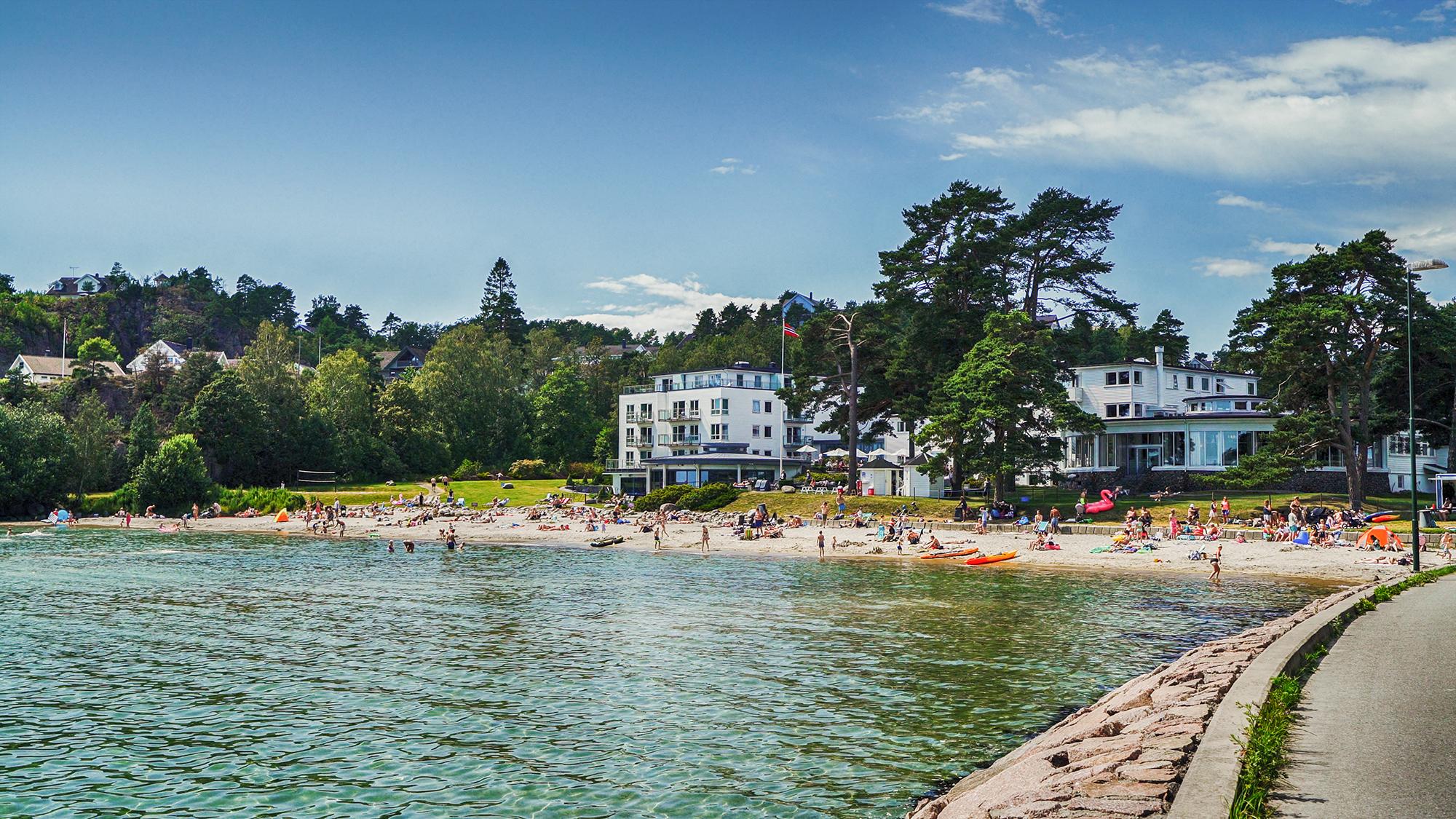
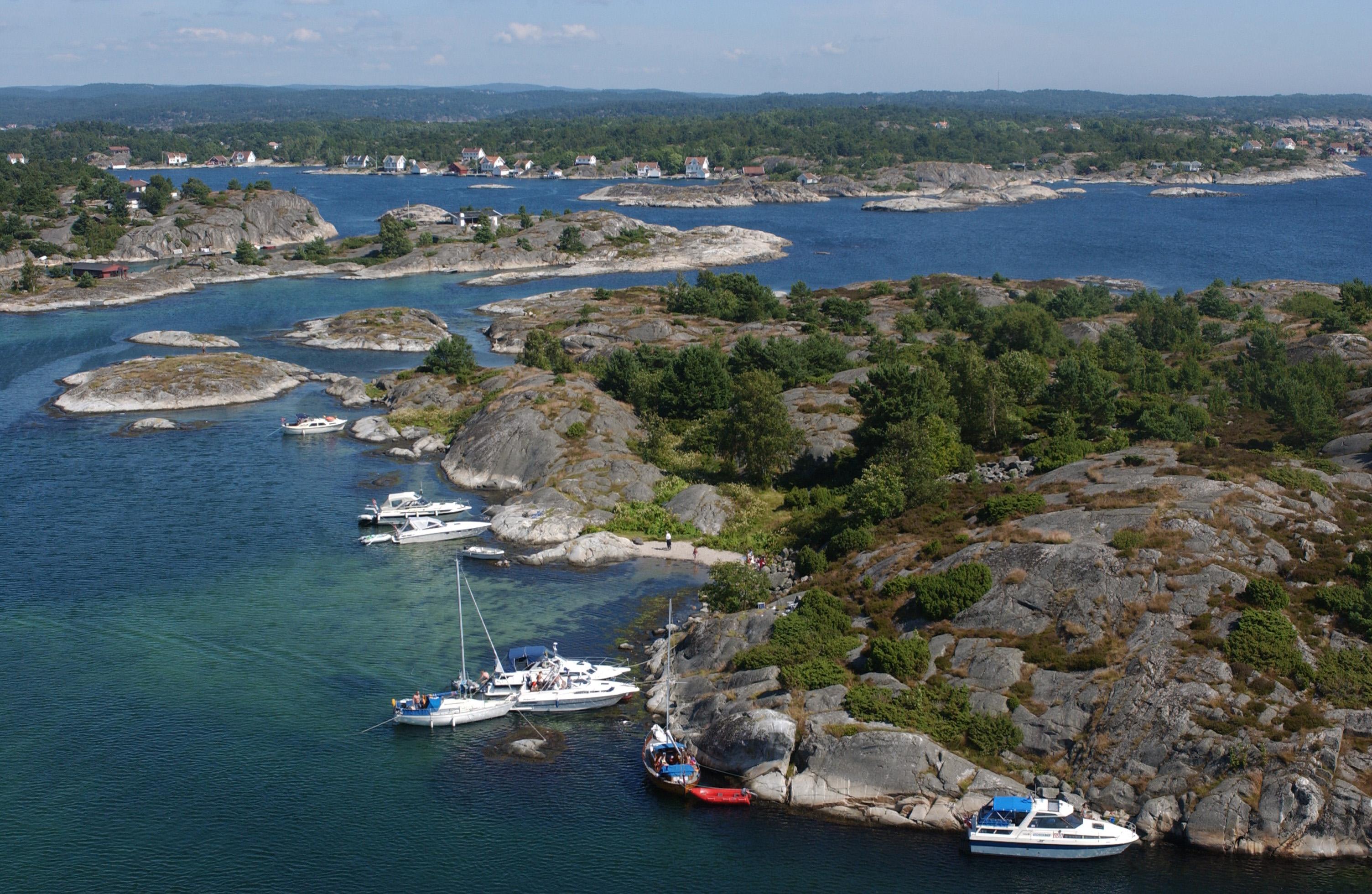
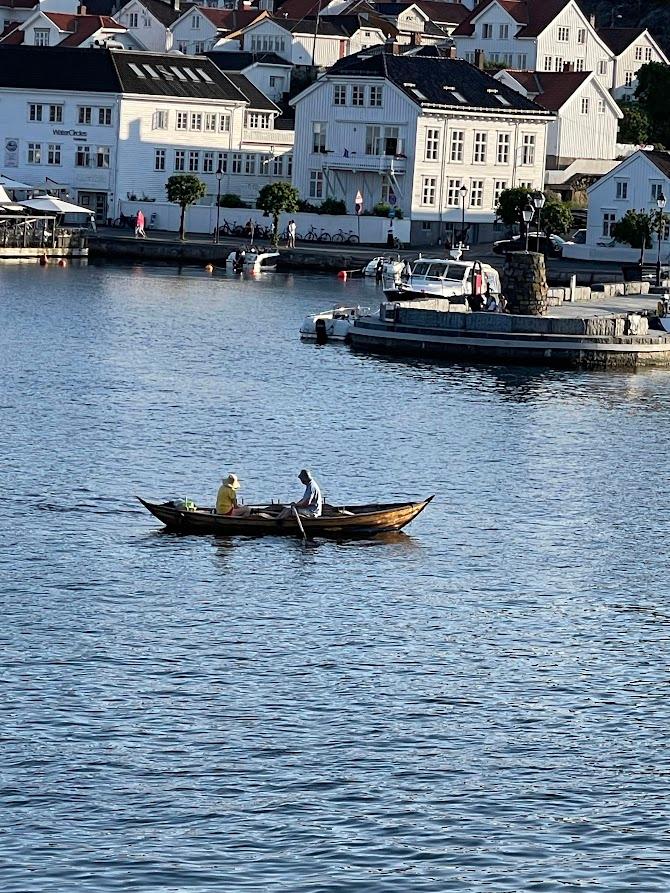
The Blindleia archipelago, with ports like Gamle Hellesund and Brekkestø, is perfect for a day by the sea. Go sailing, take a boat sightseeing trip, or enjoy a refreshing dip in the water. The little ferry Badebåden ('the swimming boat') takes you from Lillesand to the most beautiful swimming spots on the islands. You can also book a guided kayak trip or hire small row boats at Verven Kystkultursenter. For those with kids, the Kristiansand Zoo and Amusement Park is only a 20-minute drive away, and delivers fun for the whole family.
Hamsun is not the only poet who have spent much time in Lillesand through the years. Others well known authors like Kristian Krogh, Wilhelm Krag and Gabriel Scott were also big fans of the area.
"It is even said that Scott and Krag sat at a boarding house in Høvåg, put a compass on the map with Lillesand in the middle, and drew a circle for the area they thought should be defined as "Sørlandet" (Southern Norway). And thus the term was born", says Terje Ellefsen.
Lillesand and Grimstad are also known for baking the very special "Purke" bun, which can be described as a larger, longer and flatter version of a sweet bun with egg cream and raisins in the middle. That's a must-try when you are in the area, and you find it at the local bakeries!
Kristiansand
The last, but not least, of the cities on our journey is Kristiansand. The city was founded in 1641 through a decree issued by Christian IV, and designed as a Renaissance city with a grid street pattern (named Kvadraturen) that still remains and has given the city a unique and organised charm. The decree forced the bishopric from Stavanger and the merchants from Arendal to move to the new city, which continued to steadily grow to the urban centre it is today.
"Today, Kristiansand is Norway's 5th largest city, with a good mix of everything, both culturally and business-wise. The city has expanded physically as well, so there are now bigger distances, and it lies like a horseshoe around the fjord," says Iver Holter-Andersen, Agent for Sales & Marketing at Adventure Guide Southern Norway.
Holter-Andersen works as a tourist guide in Kristiansand, and is very knowledgeable about the city's history.
"A major fire in 1892 destroyed about a third of the city's wooden houses, and the affected area was rebuilt in brick. You can still visit what remains of the old town, called Posebyen, which contains the same kind of low, white-painted wooden houses, but in a more structured form. In this area, you also find the little gem, Posebyhaven. It's an oasis of a courtyard, offering a cosy sourdough bakery, several pop-up cafés, and a bar that hosts intimate concerts in summer," he says.
Holter-Andersen also recommends visiting the city beach by the old Christiansholm Fortress from 1672, and stroll along the channel to the bustling Fiskebrygga (The Fish Quay) where you can enjoy a refreshing ice cream or a tasty meal while watching the small boats in the marina. In 2024, the ice cream brand, Hennig Olsen (that runs the little shop here), can celebrate 100 years in the business. And it all started with a small shop in Kristiansand's main street, Markens gate in 1924, but today – the brand is the largest ice cream producer in the Nordics.
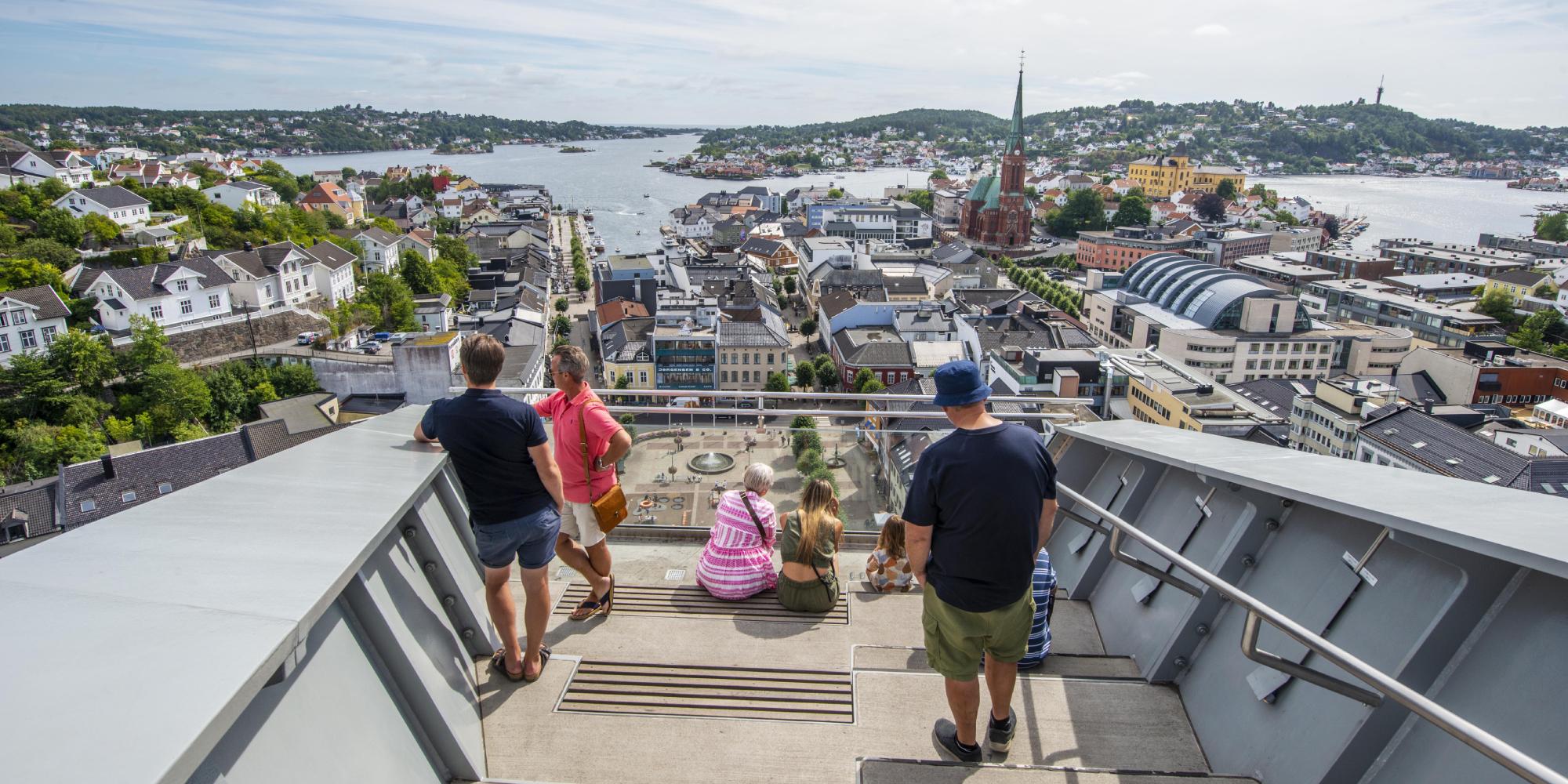
Right across the small bridge to the Odderøya island, you can also check out the stunning Kilden Performing Arts Center, which offers all sorts of concerts and Nordic modernism art, and the spectacular Kunstsilo art centre that opened in 2024. The fabulous view of the city from the rooftop bar is also something you shouldn't miss!
More wooden house towns
Don't miss Egersund, Flekkefjord, and Sogndalstrand in Rogaland County!
We know, it's hard to get enough of the cute and cosy wooden towns. But don’t worry, there are plenty more to visit! If you head west from Kristiansand towards Stavanger, you will in fact drive through three more of them.
Learn more about Flekkefjord, Sogndalstrand and Egersund, and consider including them in your holiday plans!
As mentioned, you should also take some time to explore beautiful Kragerø, which is located just north of Risør (about 20 minutes closer to Oslo).
Tired of hearing seagulls screech?
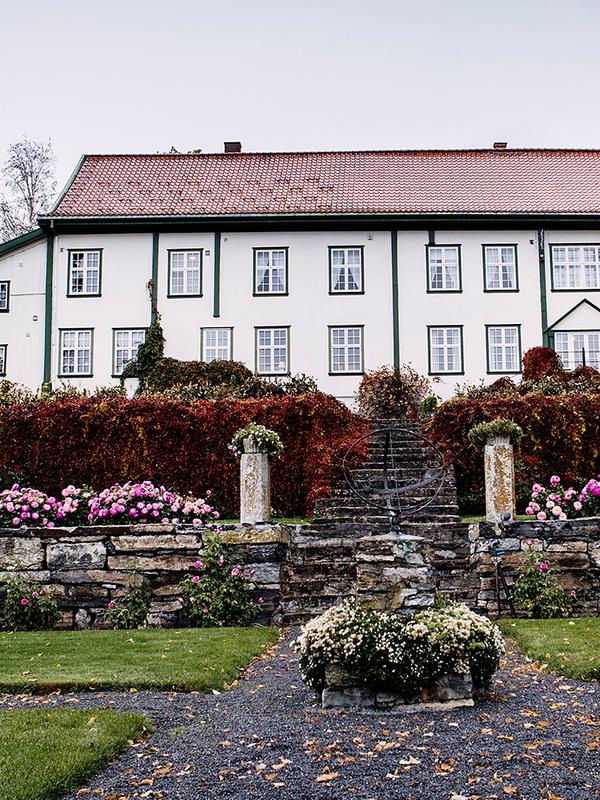
Escape to a rural adventure, just 20 minutes from Kristiansand and get ready to be treated like royalty at Boen Gård Manor Historic Hotel.
Stroll around in its beautiful gardens, enjoy the view of the river or a cup of tea under the trees by the gazebo. Indulge in a wonderful Michelin-starred meal and dream about lived life at the wonderful manor house, which was once owned by both kings and queens.
Ready to plan your trip?
Southern Norway awaits!
Discover more
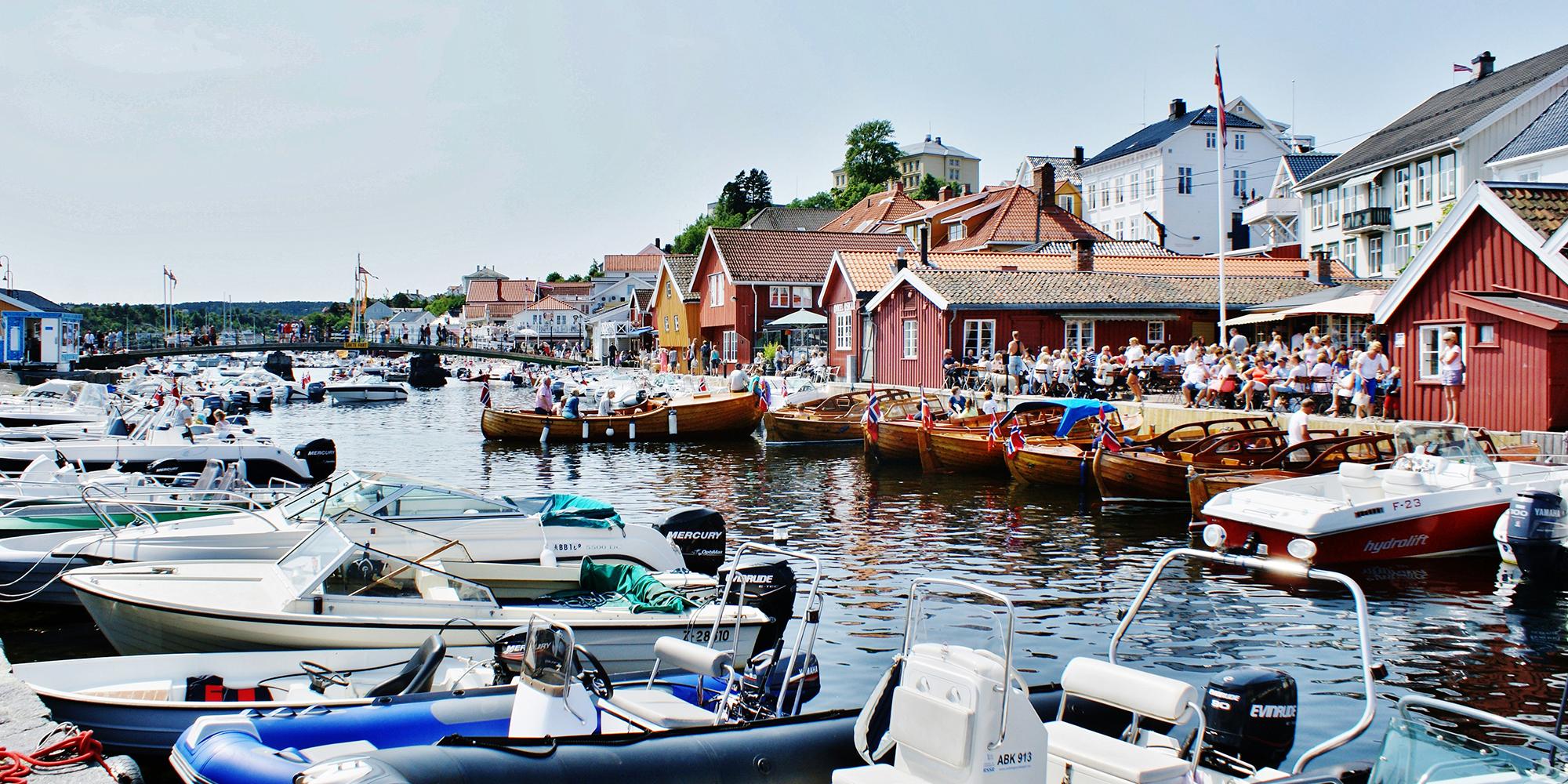
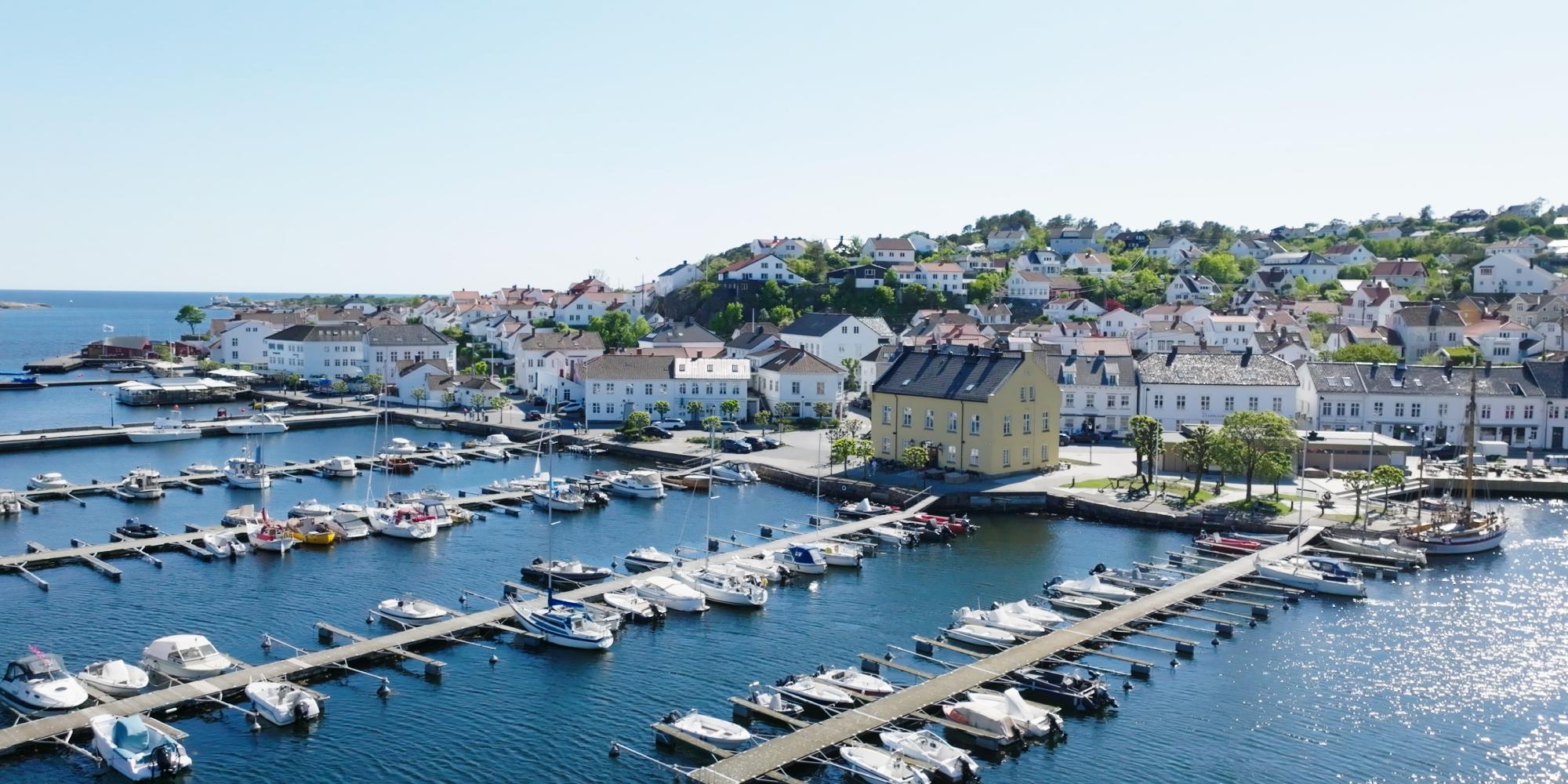
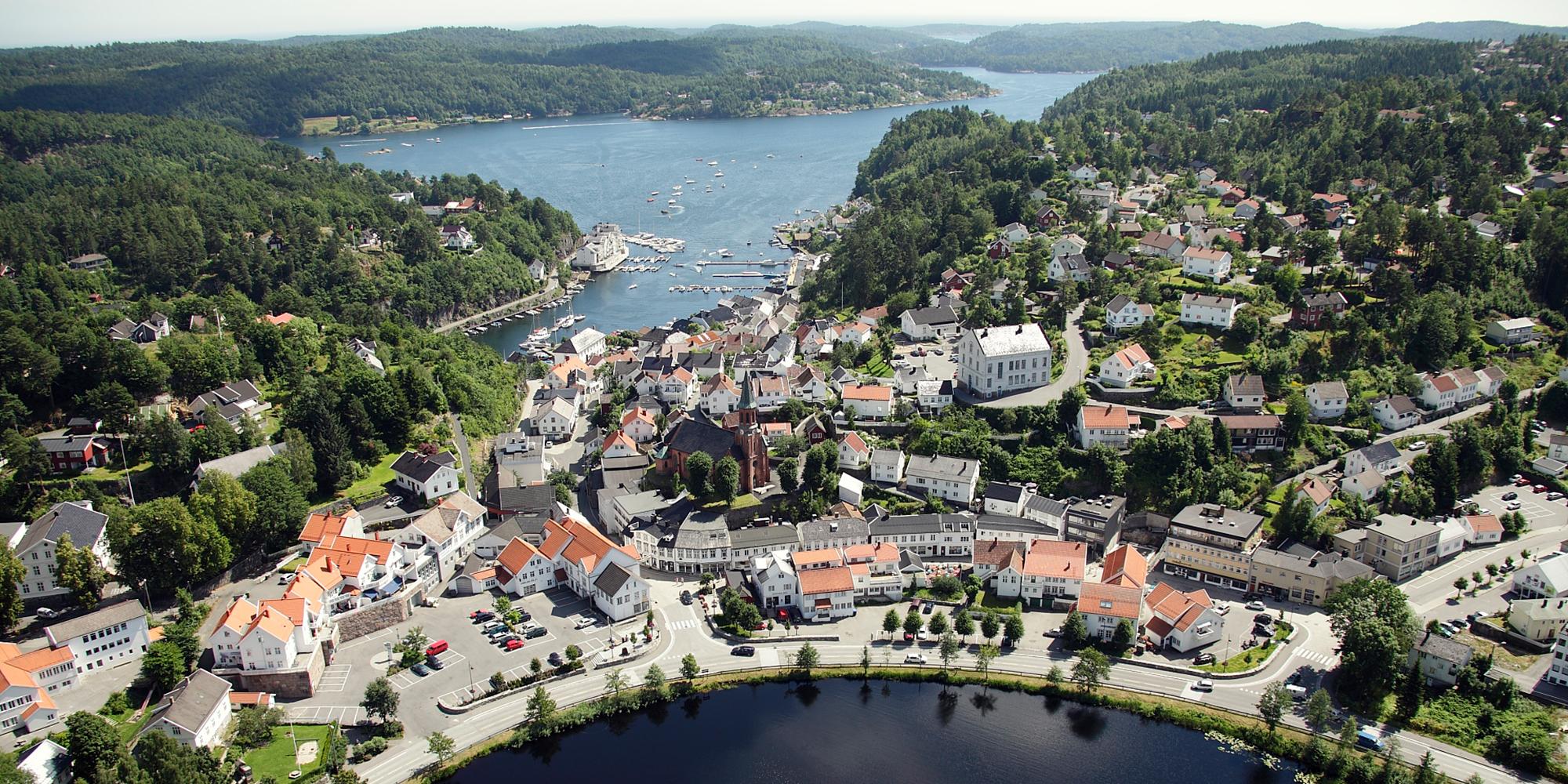
Learn more about Southern Norway's lovely towns

Feeling inspired?
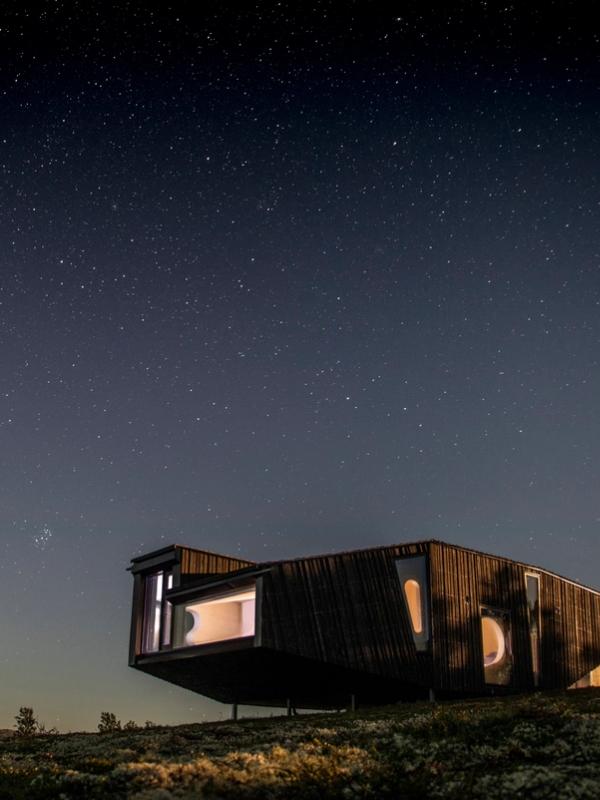
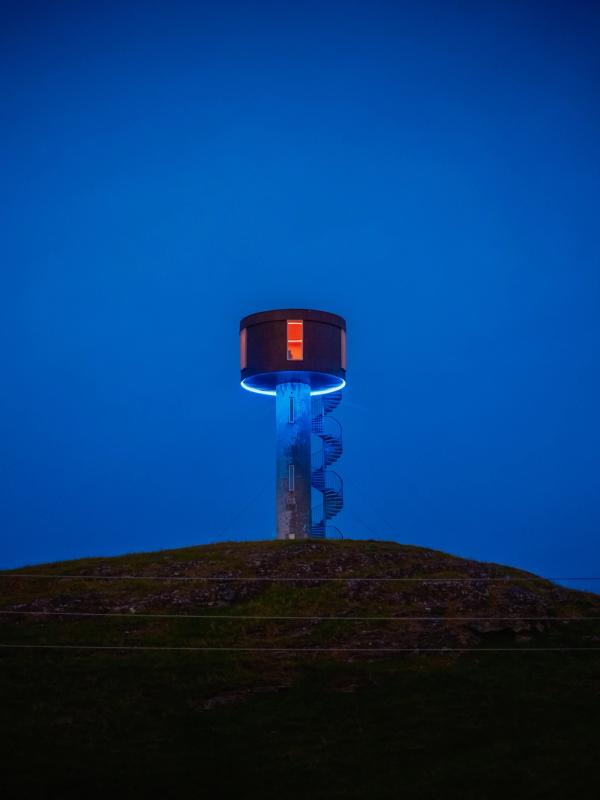
Explore Norwegian architecture, art and culture


Historic accommodation
Find hotels with real character

Fun for everyone
Find activities for the whole family in Southern Norway
 Grimstad
Tennis in Grimstad
 Grimstad
Fishing in Grimstad
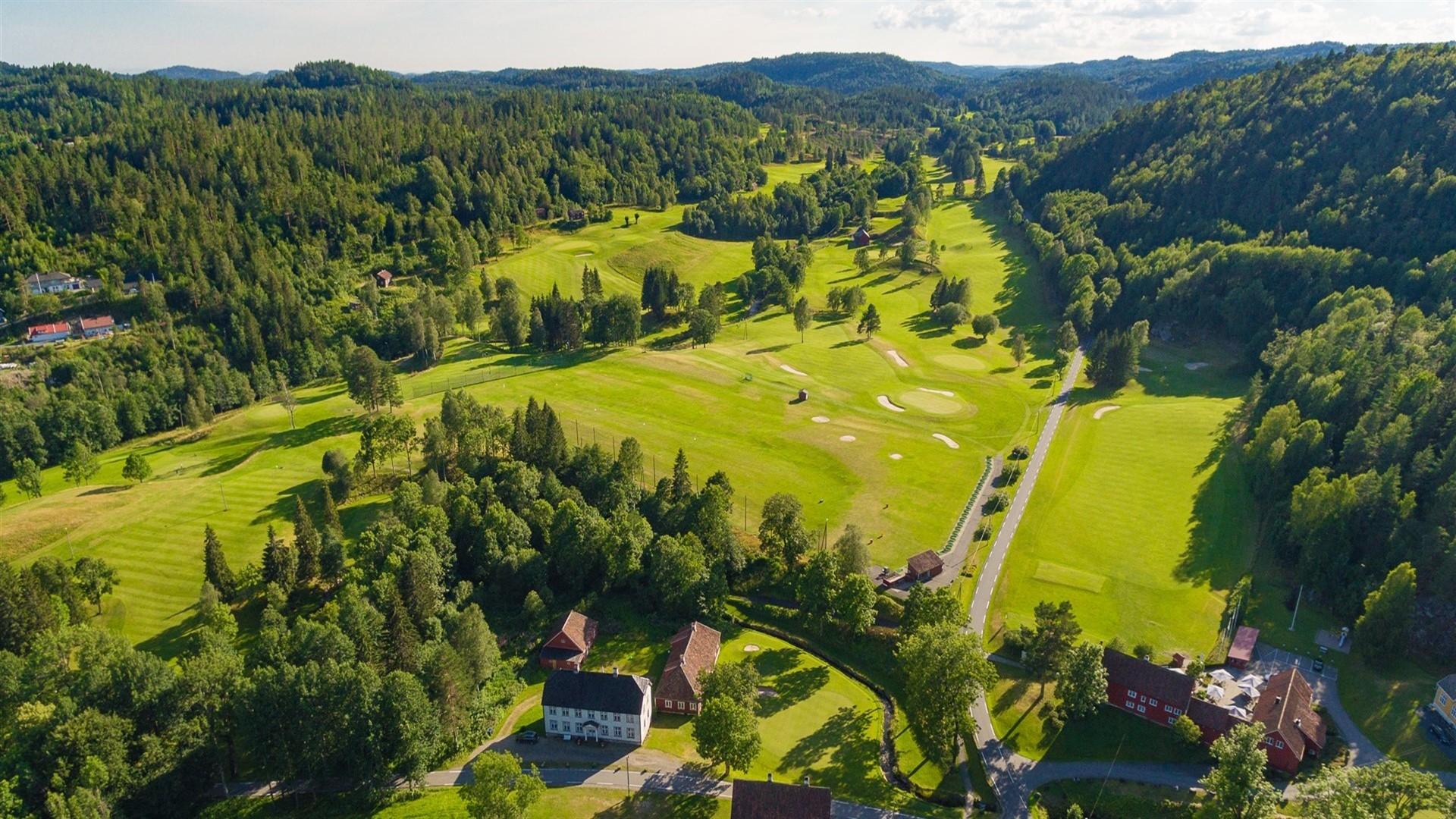 Nes Verk
Putball course in Tvedestrand
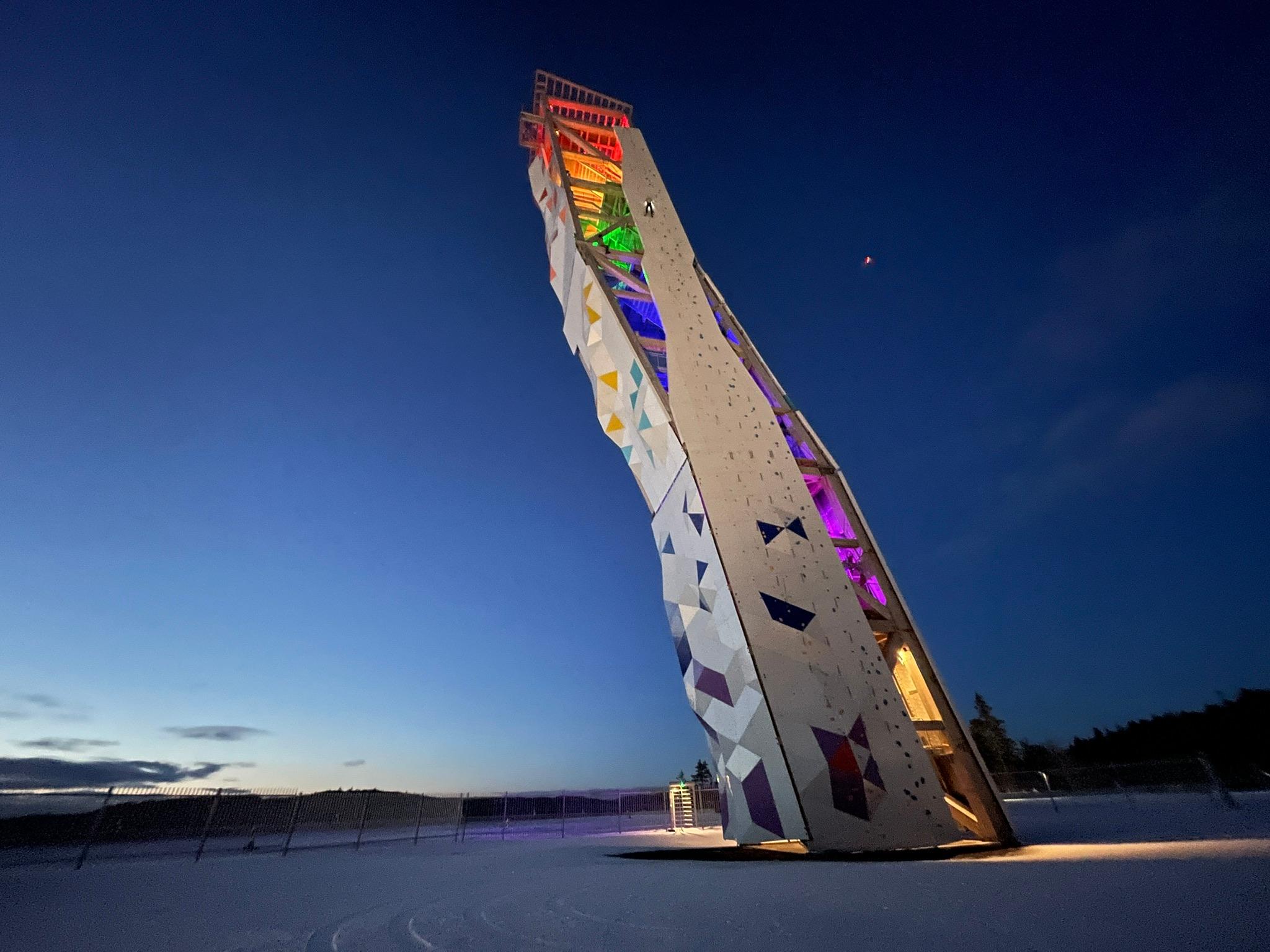 Lillesand
OVER climbing tower in Lillesand
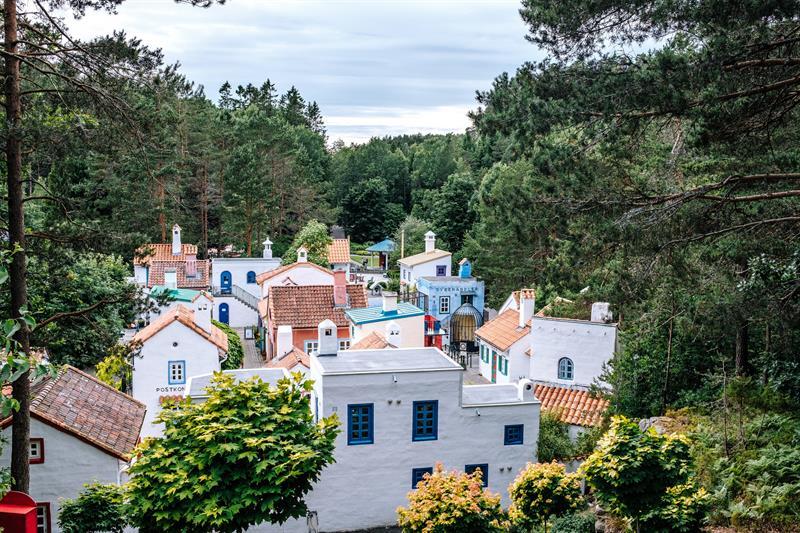 Kardemomme By
Kardemomme by in Kristiansand Zoo
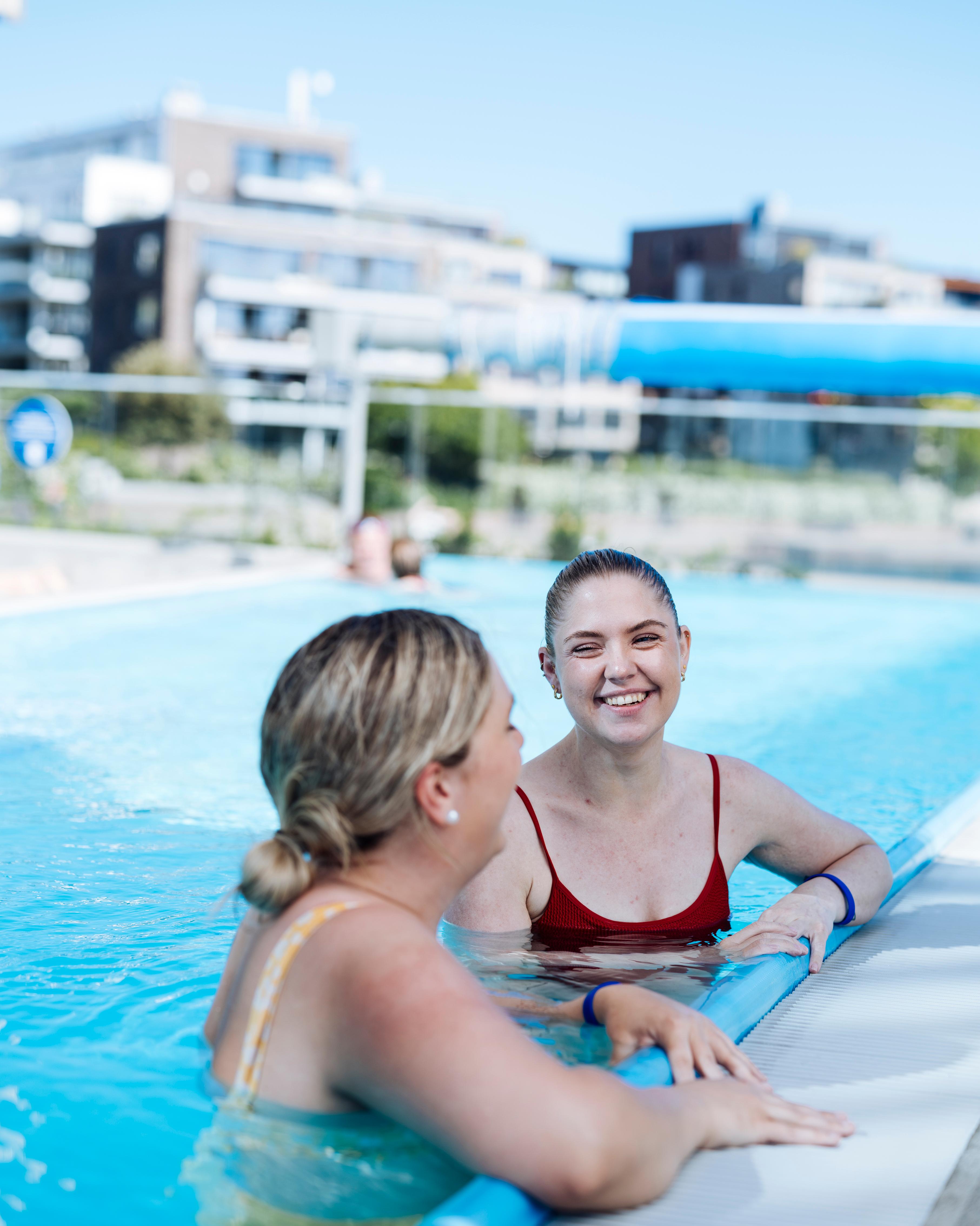 Book nowKristiansand S
Aquarama Waterpark
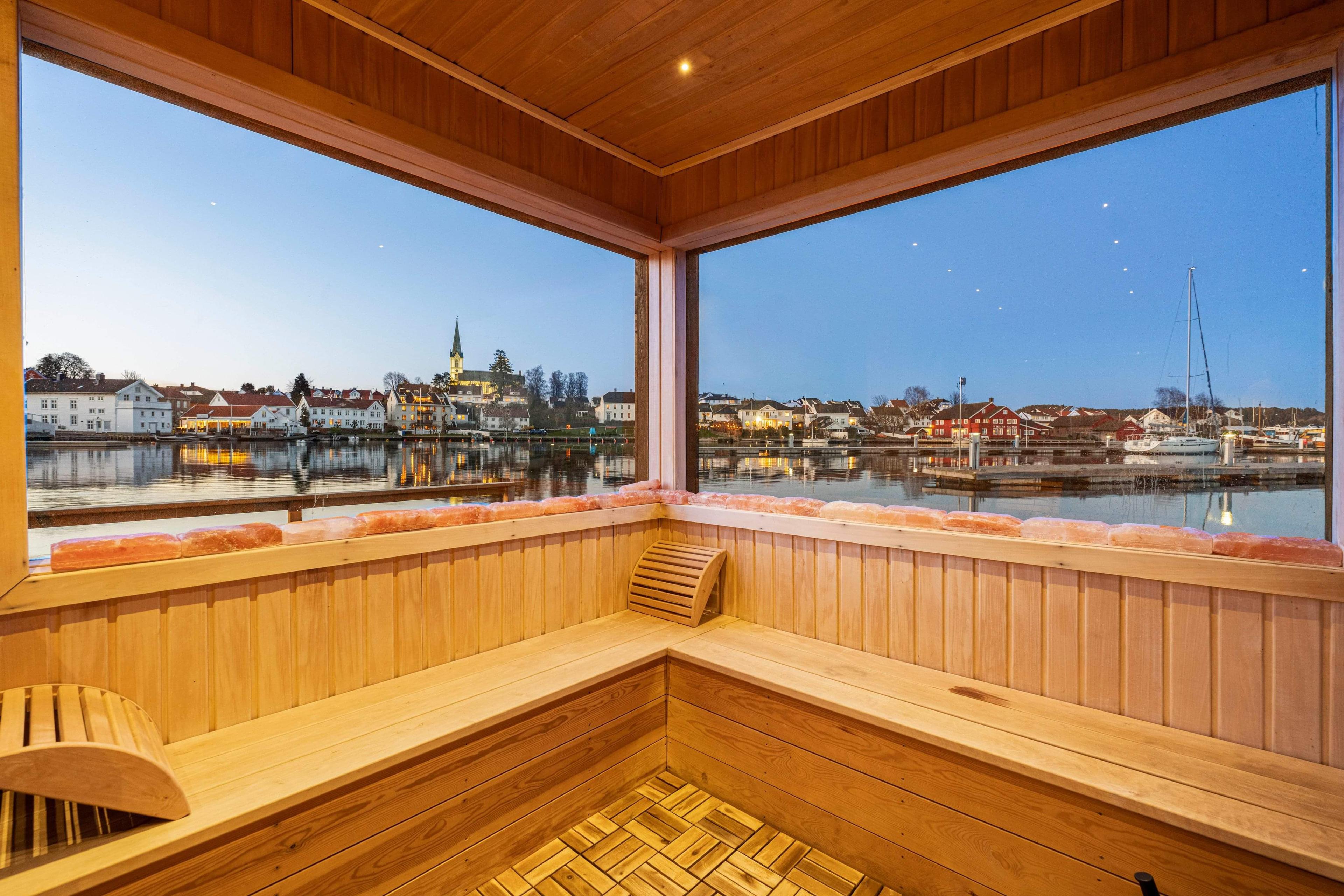 Lillesand
The sauna raft Lillesandkogen
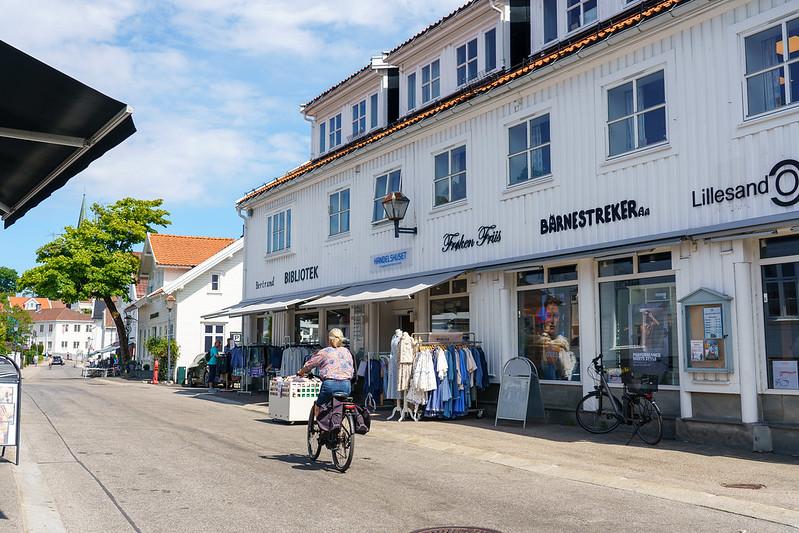 Lillesand
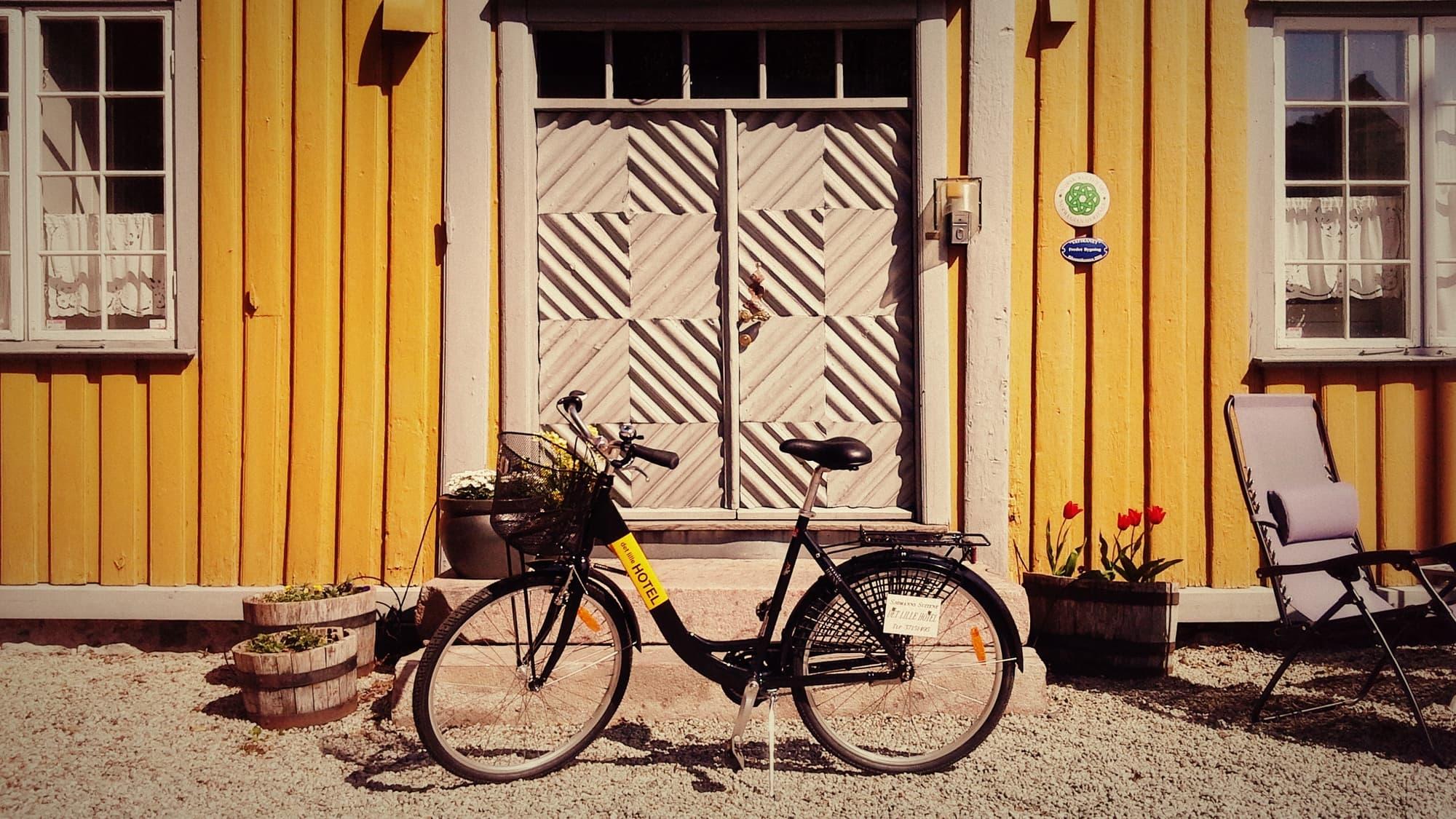
Bicycle hire in Lillesand
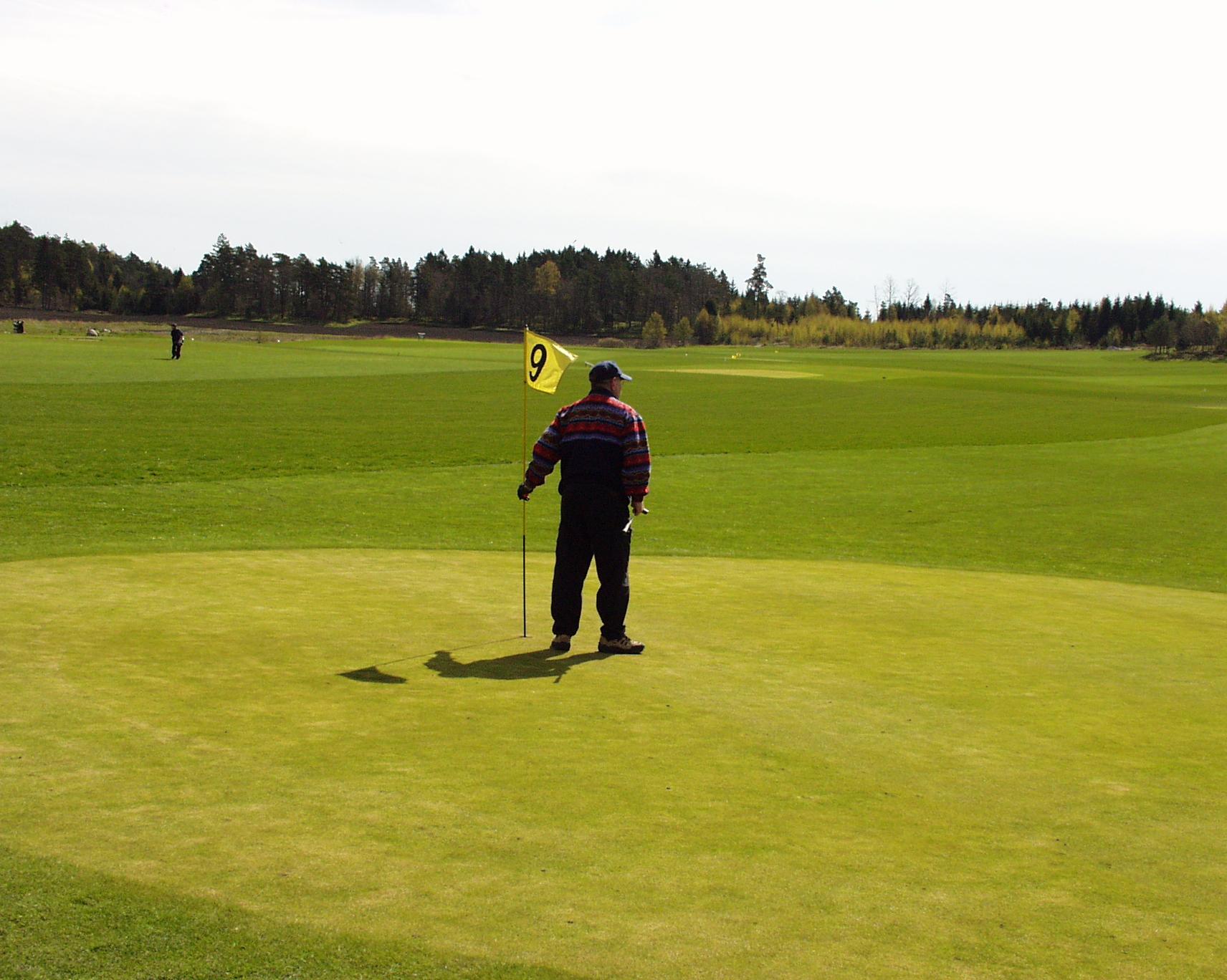 Grimstad
Grimstad Golfclub
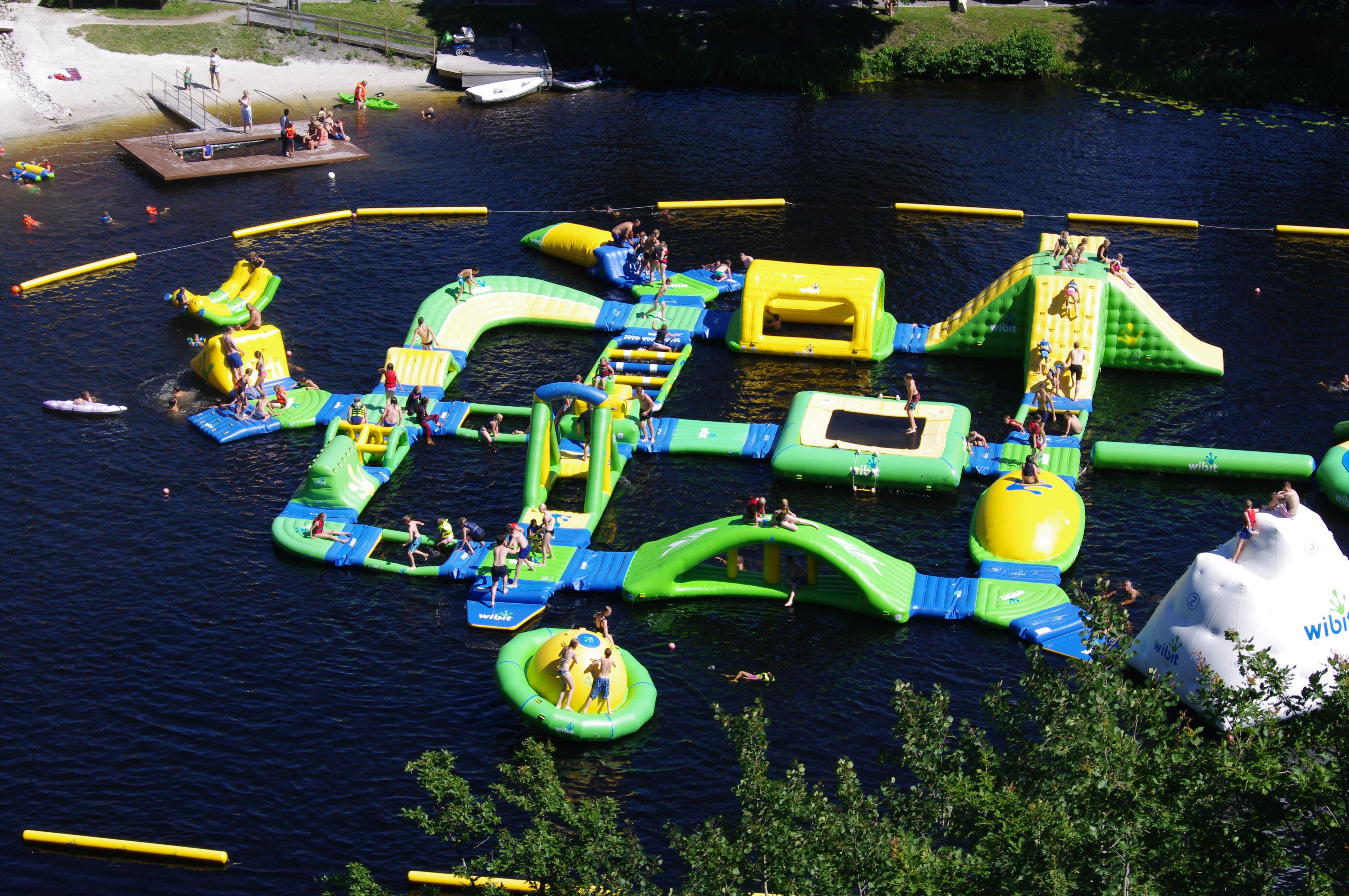 Tvedestrand
Tvedestrand Aquapark
 Grimstad
Grimstad Swimmingpool
 Lillesand
Blindleia archipelago in Lillesand
 Lillesand
Shopping in Lillesand


Travel better
...feel better. Here's how!