Birdwatching is big in Norway, and there are lots of exciting sites to visit. Learn where to experience the mighty Sea Eagle on a guided tour and hw to secure photos of cute Atlantic Puffins, and get excellent tips on where to travel from a birdwatching expert.
Go birdwatching
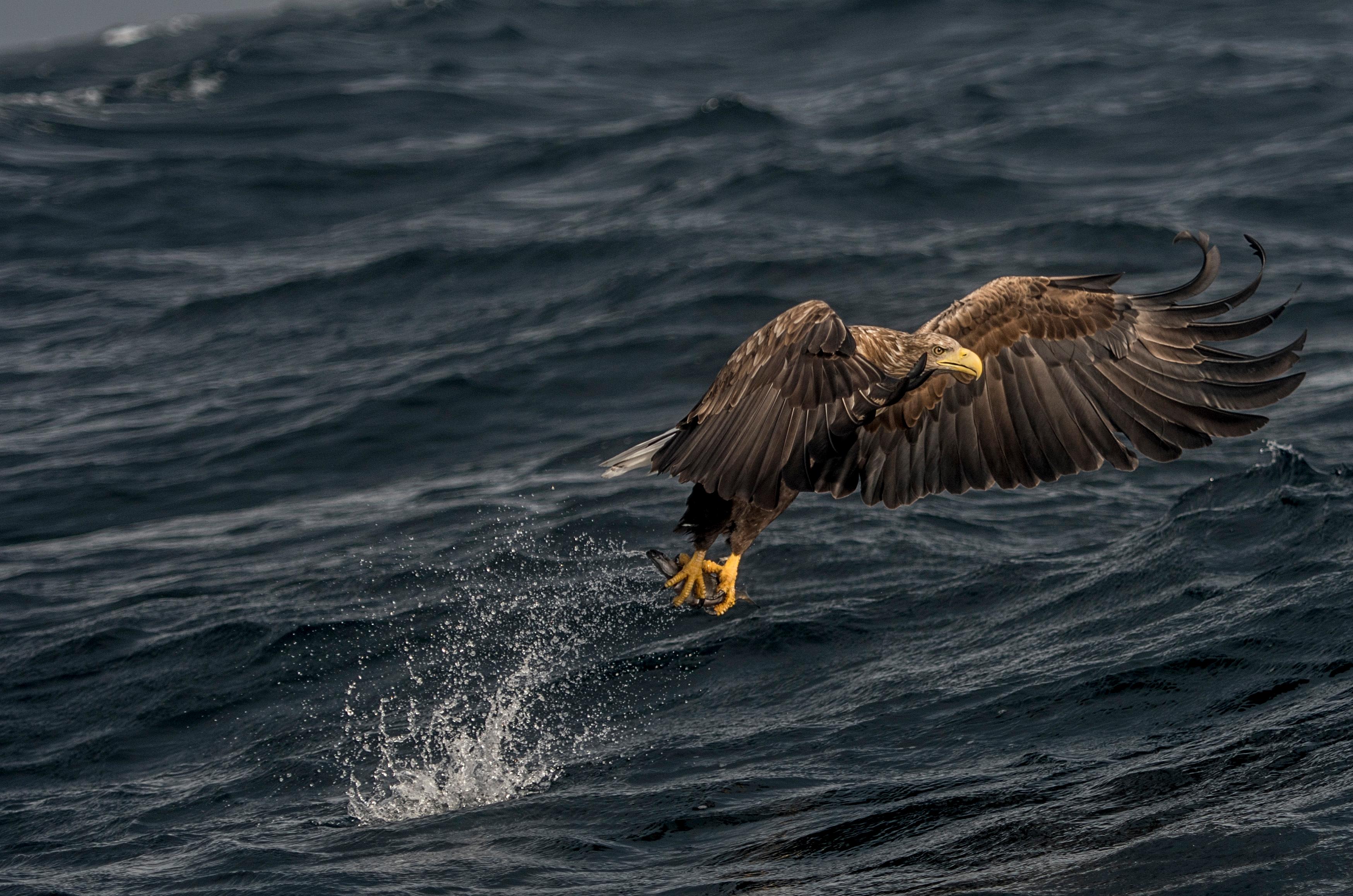
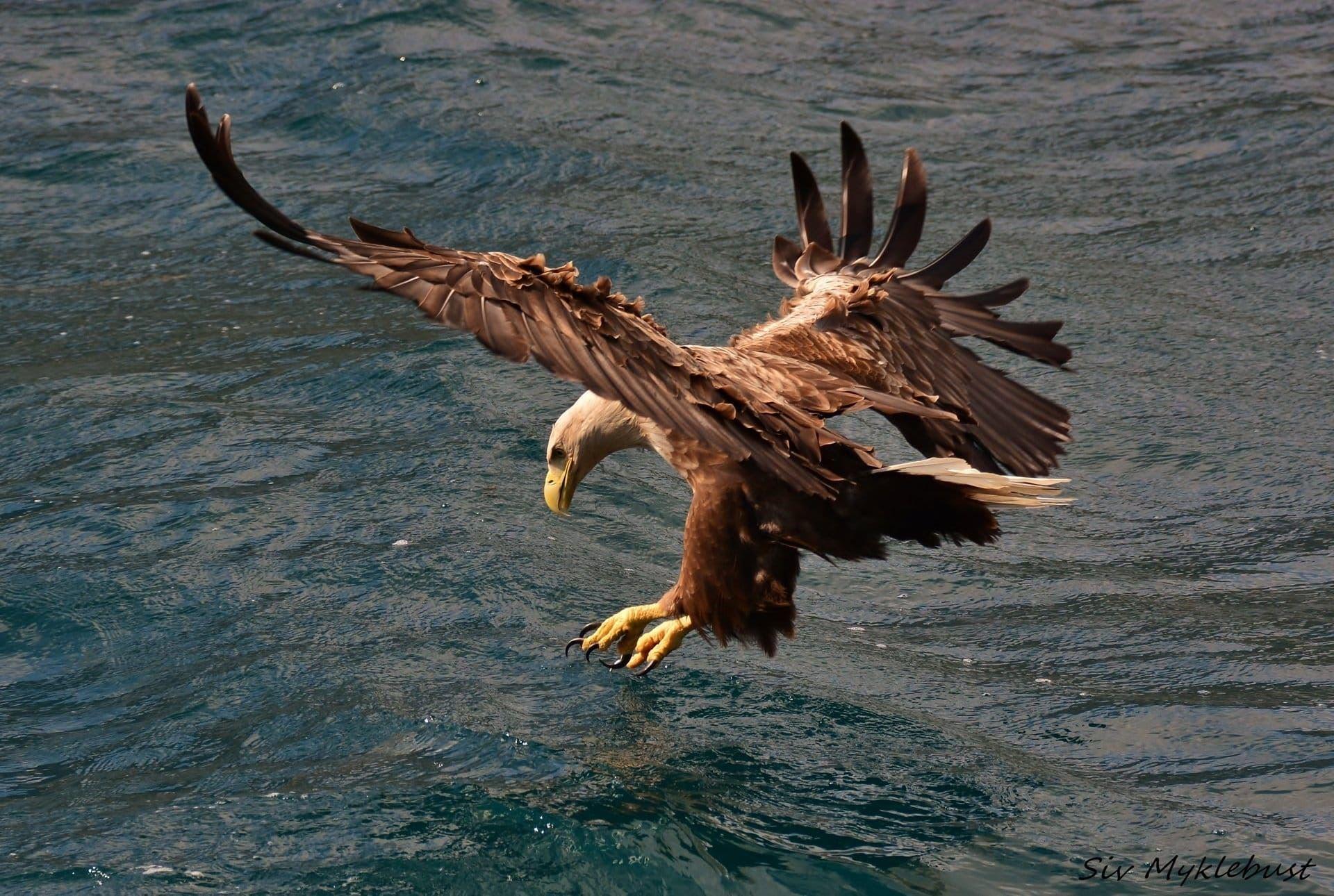
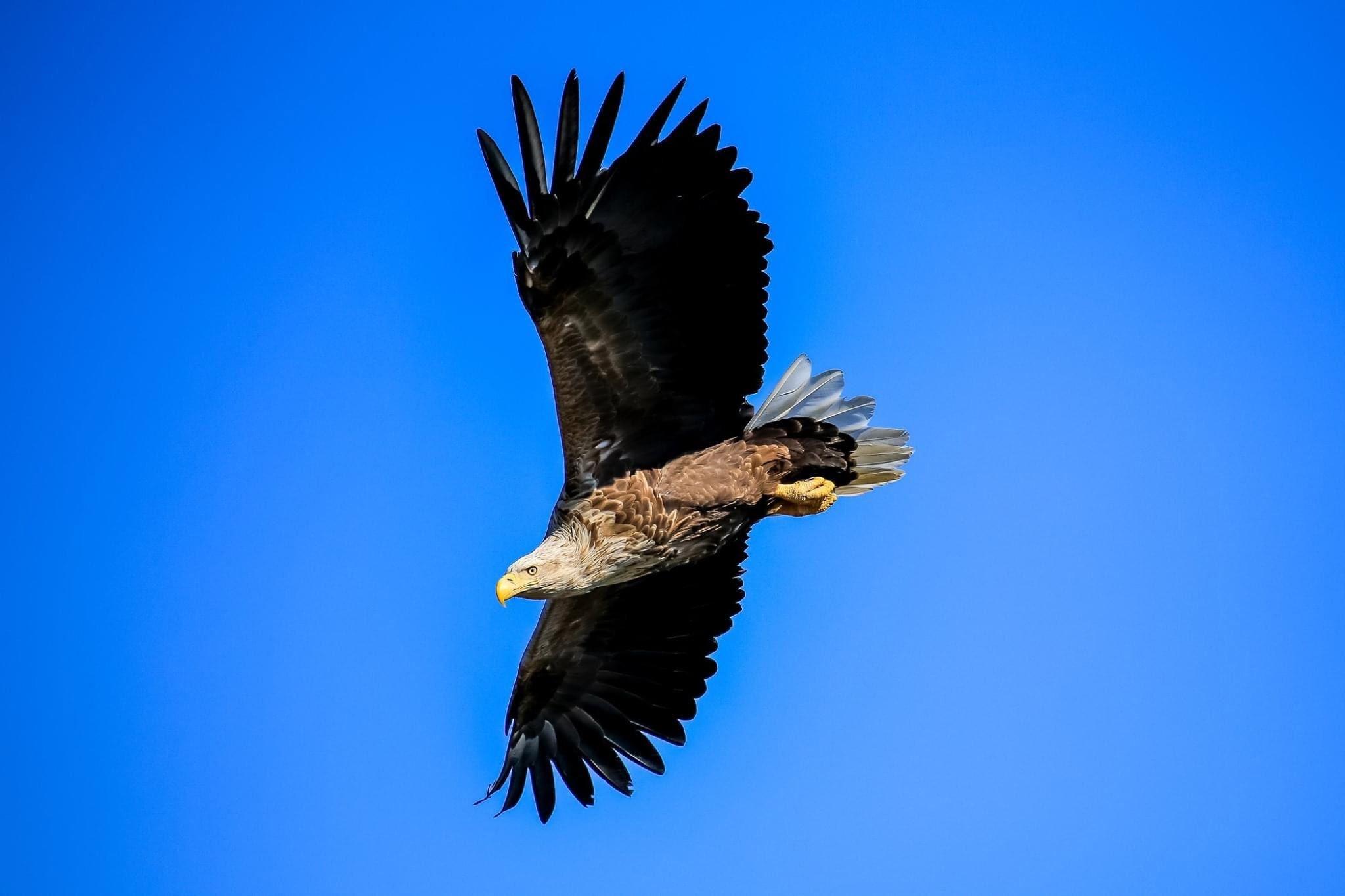
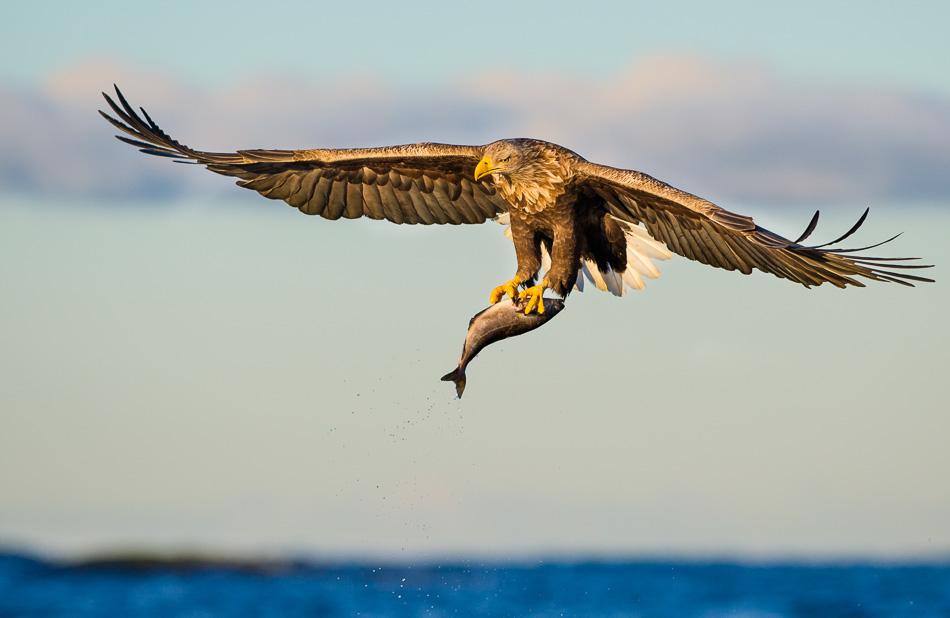
Catch a glimpse of the mighty Sea Eagle as it dives down to catch its dinner.
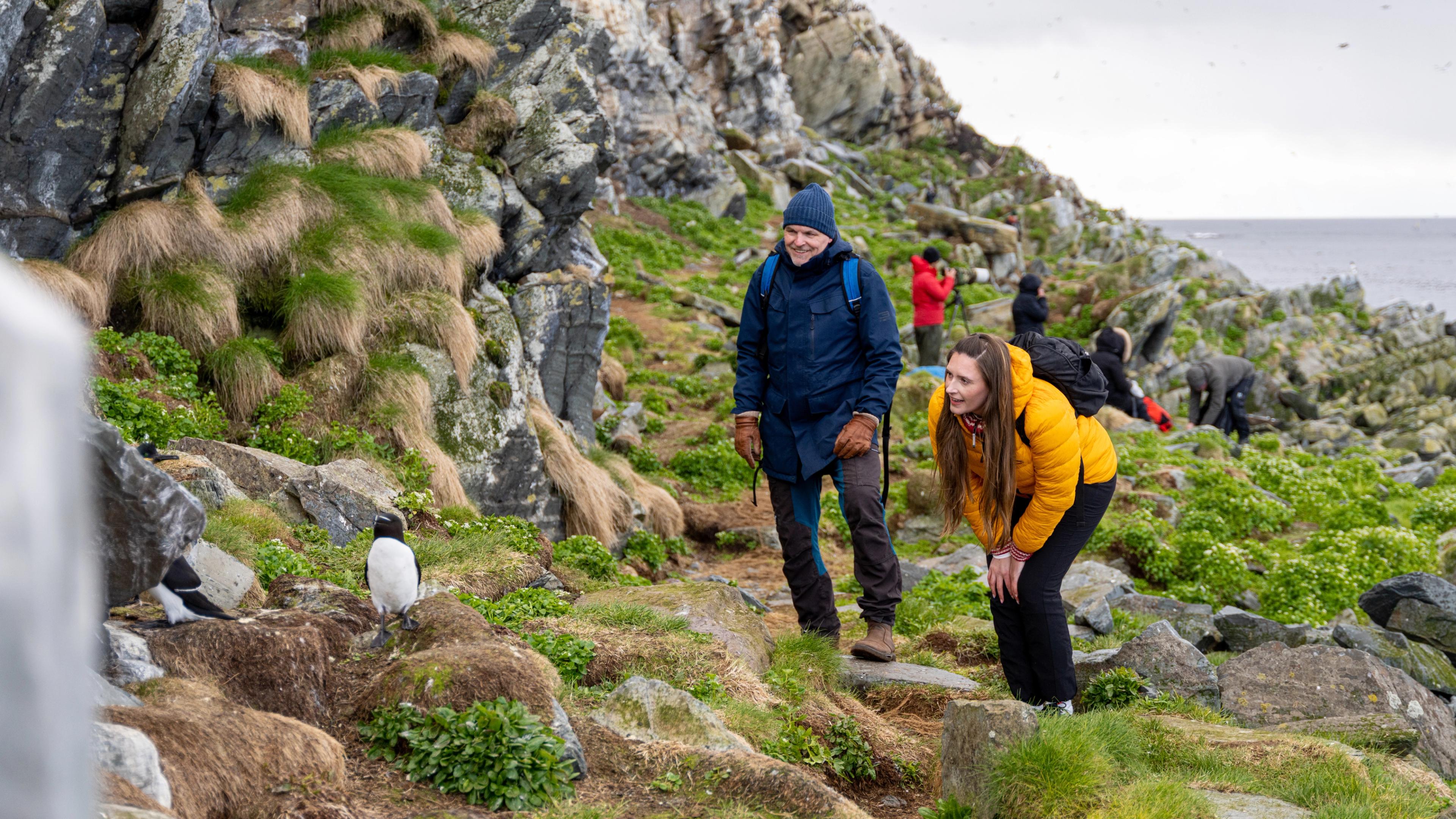
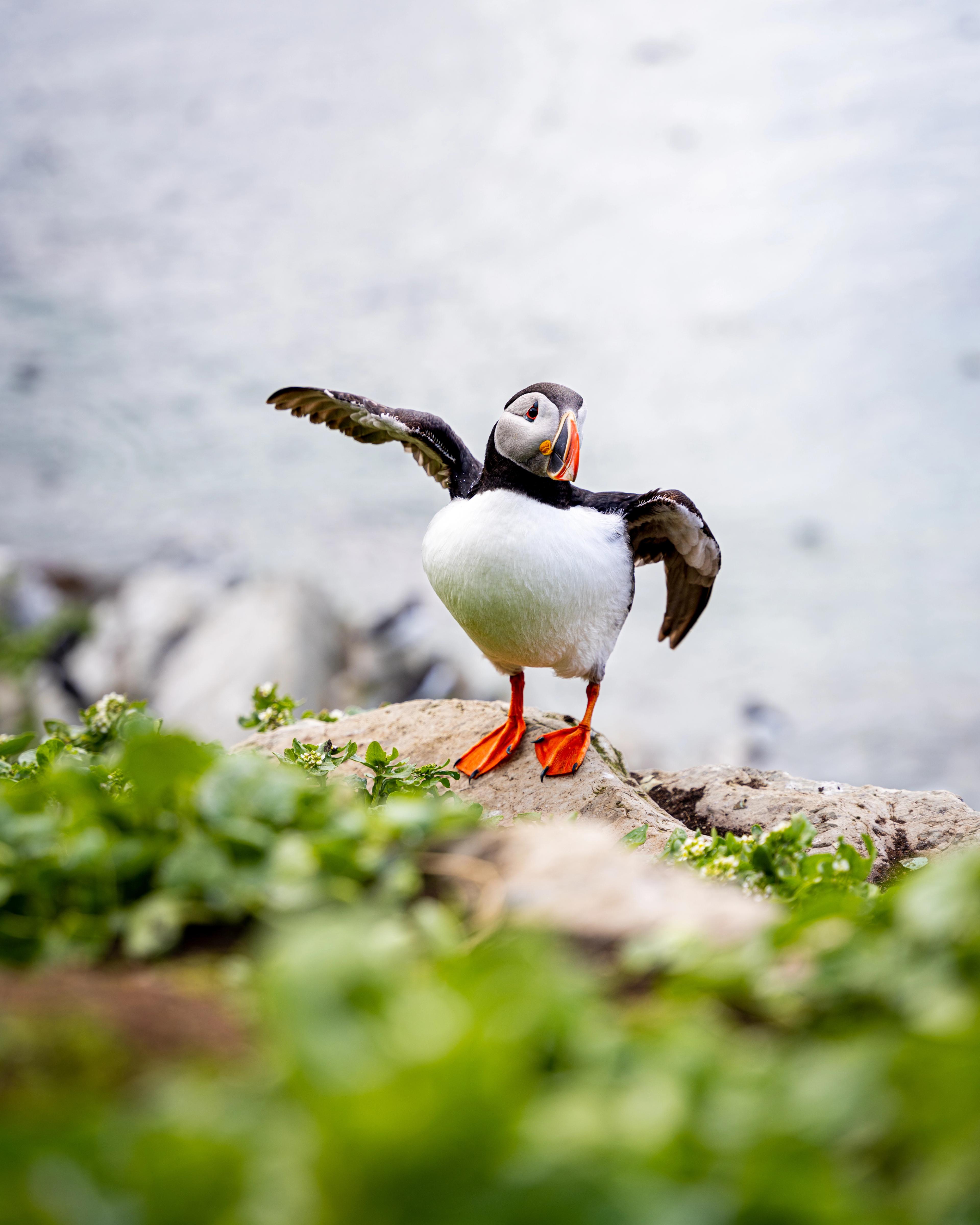
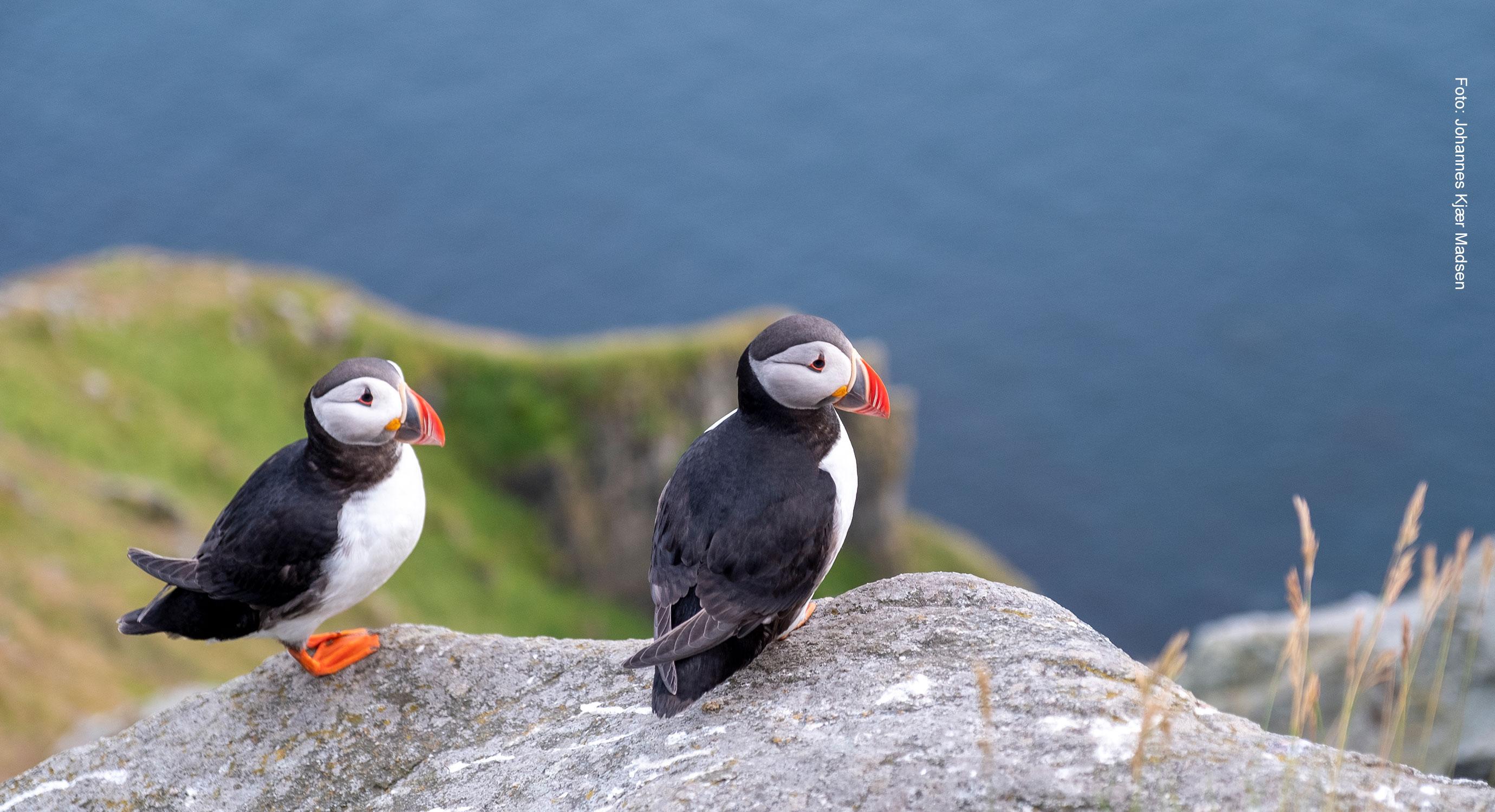
And experience huge Atlantic Puffin colonies, which come here to nest.
Whether you are a dedicated birder, a wildlife photographer, or just keen on seeing fascinating birds, Norway is a paradise!
Explore rich wildlife
Of the world’s approximately 9,000 bird species, around 300 have their natural habitat in Norway, in addition to approx. 200 rarer, migrating species found at certain places and times of the year.
Sea Eagles can be spotted along the coast from Southern Norway and all the way up to Varanger in Northern Norway. There are plenty of amazing guided Sea Eagle safaris you can join.
“Birdwatching and outdoor games on your phone, like Pokémon GO, have much of the same driving force that appeals to explorers,” says Bjørn Olav Tveit, author of A Birdwatcher’s Guide to Norway.
“The joy of birdwatching lies in exploring nature that you would normally miss. The more you delve into this hobby, the more you discover," he says. “To locate and find a rare specimen is like catching a huge trout. It’s all about tactics, knowledge, and endurance".
“Take the Arctic Warbler. It sings during two short weeks in late June, in the dense birch forest surrounding the beautiful Neiden church in Finnmark county. The rest of the year, this species is practically impossible to locate.”
“Vocally, the song is quite monotonous and boring,” admits Bjørn Olav admits. “But the fascination is about timing, location, and experiencing pristine nature. Especially when you know that this is one of the few places in Europe outside of Siberia you can expect to spot the little songbird of the north.”
Respect the environment
As a group, birdwatchers are almost always passionate about showing respect for the environment.
“There is a common unwritten code of conduct – you respect the nature and the wildlife,” says Bjørn Olav.
Unfortunately, nest looting does happen. But beware: “Local birdwatching enthusiasts and other locals will normally notice and eventually call the police if they observe humans or vehicles suspiciously close to a protected Gyrfalcon nest, for instance” says Bjørn Olav.
“Birdwatching is generally good for the environment, because it makes people conscious of the fragility of nature and the rarity of its wild animals,” he says, adding: “For example, birdwatchers keep an appropriate distance by bringing their smartphones to take pictures through their binoculars. You can even make good sound recordings from a considerable distance.”
If you want to spot some birds yourself, you can download illustrated apps, such as Birds of Northern Europe and Collins Bird Guide, both of which include recordings of the songs and calls of all the species you can hope to encounter.
On the website Artsobservasjoner.no, birdwatchers all over the country report their latest observations.
Where to observe wild birds
Pack your gear, head outdoors, be patient, and listen. Here are some fantastic birdwatching sites you should visit in Norway.
A long coast
The west coast is home to Norway’s world-famous seabird colonies. Islands such as Runde outside Ålesund, Røst in Lofoten and Lovund at the Helgeland coast are legendary in Norwegian ornithology and include huge colonies of Atlantic Puffins (Fratercula arctica).
The Varanger peninsula in Finnmark is one of Europe’s top birding areas. The peninsula is home to Arctic species such as Steller’s Eider (Polysticta stelleri), King Eider (Somateria spectabilis), Brünnich’s Guillemot (Uria lomvia) and Red-throated Pipit (Anthus cervinus), as well as Scandinavian species including the Northern Hawk Owl (Surnia ulula), Three-toed Woodpecker (Picoides tridactylus), Siberian Tit (Poecile cincta), Siberian Jay (Perisoreus infaustus), and Great Grey Owl (Strix nebulosa).
Northern Norway also has the biggest population of White-tailed Eagles in Europe. From here, the species has spread to most of the Norwegian coastline. Eagles from Norway have even been brought over to help repopulate Scotland with these majestic birds.
The idyllic islands of Smøla in Fjord Norway, are also a fantastic place to go on an eagle safari. This area is said to have one of the densest population of sea eagles in the world.
In Trøndelag you should visit Ørlandet on the coast outside of Trondheim. It's one of Norway's most important wetland areas and a natural stopover for migrating birds. Further into the Trondheimfjord, the island of Tautra is also a hotspot for birdwatching, with more than 269 different species to discover.
Suburban birdwatching
The Østensjøvannet lake a few kilometres southeast of Oslo city centre is a shallow and eutrophic lake with a habitat that is not commonly found in Norway. West of the city centre, you’ll find the nature reserve and bird observatory at Fornebu. Norway’s second-largest city, Bergen, is known for its mountain habitats and coniferous forests that you can explore just minutes from the city centre.
Go birdwatching
Find the perfect place to see your favourite bird, or join a guided birdwatching tour.
 Borhaug
Lista Bird Observatory - Bird watching in Lista
The Lista region has one of the highest population of different birds. They travel from all over the world to feed in Lista during the autumn, before making their long journey to the southern part of Europe. There are bird watching stations at Lista Fyr, Harnanger and other locations around the area.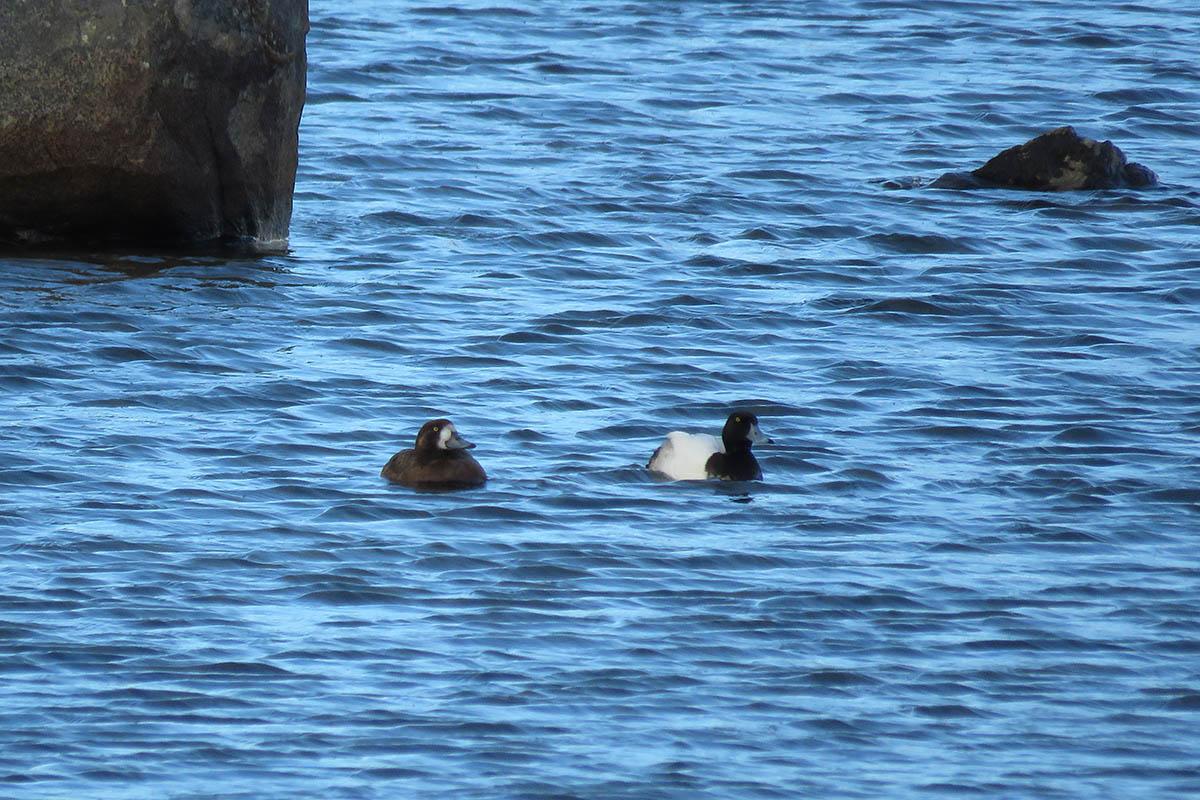 Beitostølen
Birdwatching - Valdresflye
Valdresflye is an alpine high mountain plateau south east of Jotunheimen and north west of Langsua National Park in the municipalities Øystre Slidre and Vågå. A number of sought-after mountain species can be found here. Many of them can be spotted right from the car, by driving slowly over the plateau (make use of the long lay-bys on both sides of the road to not obstruct traffic). The highest section of the road is usually the most productive. This tactic works especially well early in the season when the ground is still snow covered and the birds gather on bare spots and rocks close to the road. Later in the season we recommend to bird on foot. Park close by the café Flye1389 at the highest point of the road and follow the marked (but not signposted) trail towards the top of Fisketjernnuten (1527 m.a.s.l.). Temminck's Stint should be fairly easy to locate by ear and is found around the larger boulders close to the road. Northern Wheatear and Meadow Pipit are numerous. Further up (from approx. half way up the hill) Shore Lark and Rock Ptarmigan can be encountered. From the summit, continue off track in a north-easterly direction to the steep hillside towards Heimdalen. On the snow fields below the top plateau, Snow Bunting usually can be found well into summer. Return along the same way or descend off-track in a southerly direction where the mountain side is less steep. On rock fields at the foot of the mountain, Lapland Longspur (Lapland Bunting) is possible. On the Fisketjerna lakes there are often ducks, sometimes Long-tailed duck among them. To identify them a telescope is needed. Common Ringed Plover and Purple Sandpiper are easiest to find by walking around the lakes on the western side of the road. During some years Long-tailed Skuas visit Valdresflye, and Rough-legged Buzzard can be seen hunting overhead. In the cliffs on the eastern side of Synshorn (south of the Valdresflye plateau), kestrels usually breed. Around Heimdalsmunnen (north of the Valdresflye plateau) try for Ring Ouzel, Northern Wheatear and Bluethroat in the willows and the hillside towards Brurskardknappen. On the opposite side of the road, towards Leirungsdalen, Golden Plovers breed. Birding on Valdresflye can easily be combined with Jotunheimvegen. Directions: By car from either south or north along road 51 onto the Valdresflye high mountain plateau. By bus from Fagernes/Beitostølen or Vågå/Lom from approx. medio June (www.jvb.no and www.innlandstrafikk.no). Best season: From early June (depending on the snow conditions) to approx. medio July, preferably early during the day.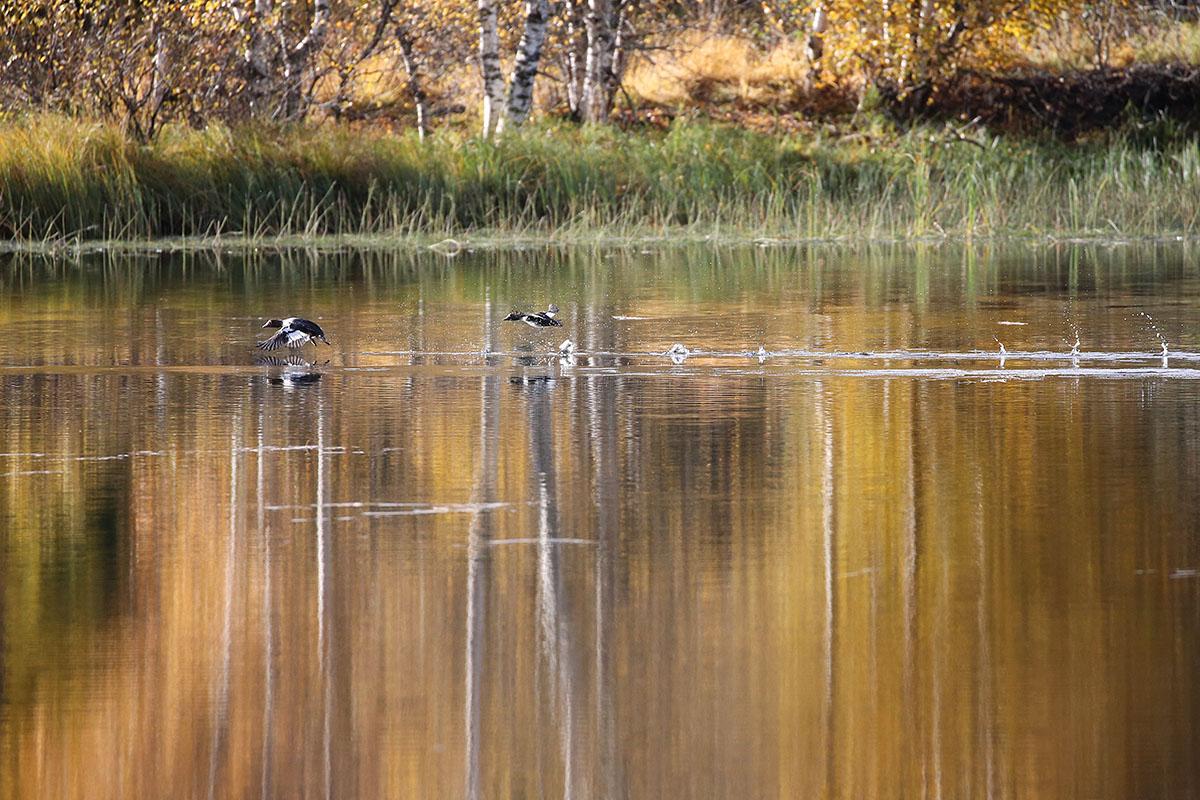 Lomen
LomenBirdwatching - Lomendelta
The Begna river forms a small delta where it mouthes into Lake Slidrefjorden (366 m.o.h.). This is an important stopover and refueling area for water birds in the upper Valdres region and is protected as Lomendeltaet Bird Sanctuary. A visit is primarily recommended during spring and autumn migration. Recorded species include Common Crane, Common Merganser, Arctic Diver, Horned Grebe, Whooper Swan, Mallard, Eurasian Wigeon, Common Goldeneye, Tufted Duck, Eurasian Teal and even occasionally Garganey. In addition to the water birds, you might find waders as Eurasian Curlew, Greenshank, Common, Green and Wood Sandpiper, Common and Jack Snipe, Spotted Crake, Northern Lapwing, gulls like Mew Gull and Black-headed Gull, Great Cormorant and passerienes as White and Grey Wagtail, thrushes, warblers, Dunnock, and Yellowhammer (to name a few). Keep watch for overflying raptors such as Kestrel and Rough-legged Buzzard. Directions: To get an overview and scan the area with a spotting scope, exit from the E16 approx. 200 m west of Lomen Auto and drive downhill to Lomen kraftstasjon (power station). From here, you can overlook and scan large parts of the outer delta area. Otherwise, exit towards Riste bru and park before the bridge (on the right). Scan from the bridge in both directions (binoculars) and explore on foot towards Hålimo Camping as well as along the driveway (closed for vehicles) upriver from the parking.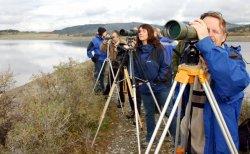 Gvarv
GvarvBirdwatching in the middle of Telemark
The Norwegian Ornithology Association of Telemark was started in 1968. It is the county group for the Norwegian Ornithology Association. Goals and tasks of the association include: to be a go-to partner for people in the general public interested in birds—to protect nature, especially birds—to stimulate interest in and better knowledge of birds and their lives. Bird watching in Telemark—Sauherad has an exciting bird community, as does the Bø river and the northern park of Telemarkvassdraget where it runs into Norsjø. Nome: Øra, Nomevann.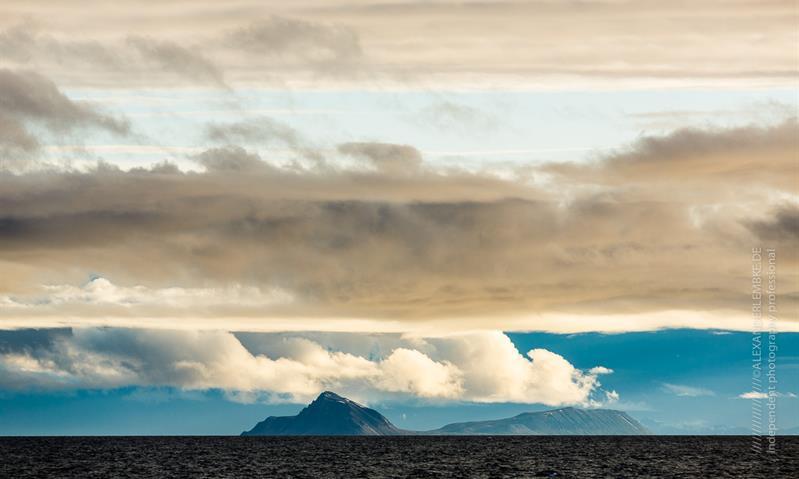 Book nowLongyearbyen
Bird Spotting Excursion, followed by Arctic BBQ - Spitzbergen Adventures
The summer season is owned by the birds. During those weeks we have a lot of bird species coming to Svalbard. They are all so wonderfull and deserve a special focus. Join us on a tour which puts the spotlight on those amazing creatures. If you are an ornithologist with special interests let us know before the tour. If you are curious about birds and would like to spend your time looking at them, our guide will give you more information.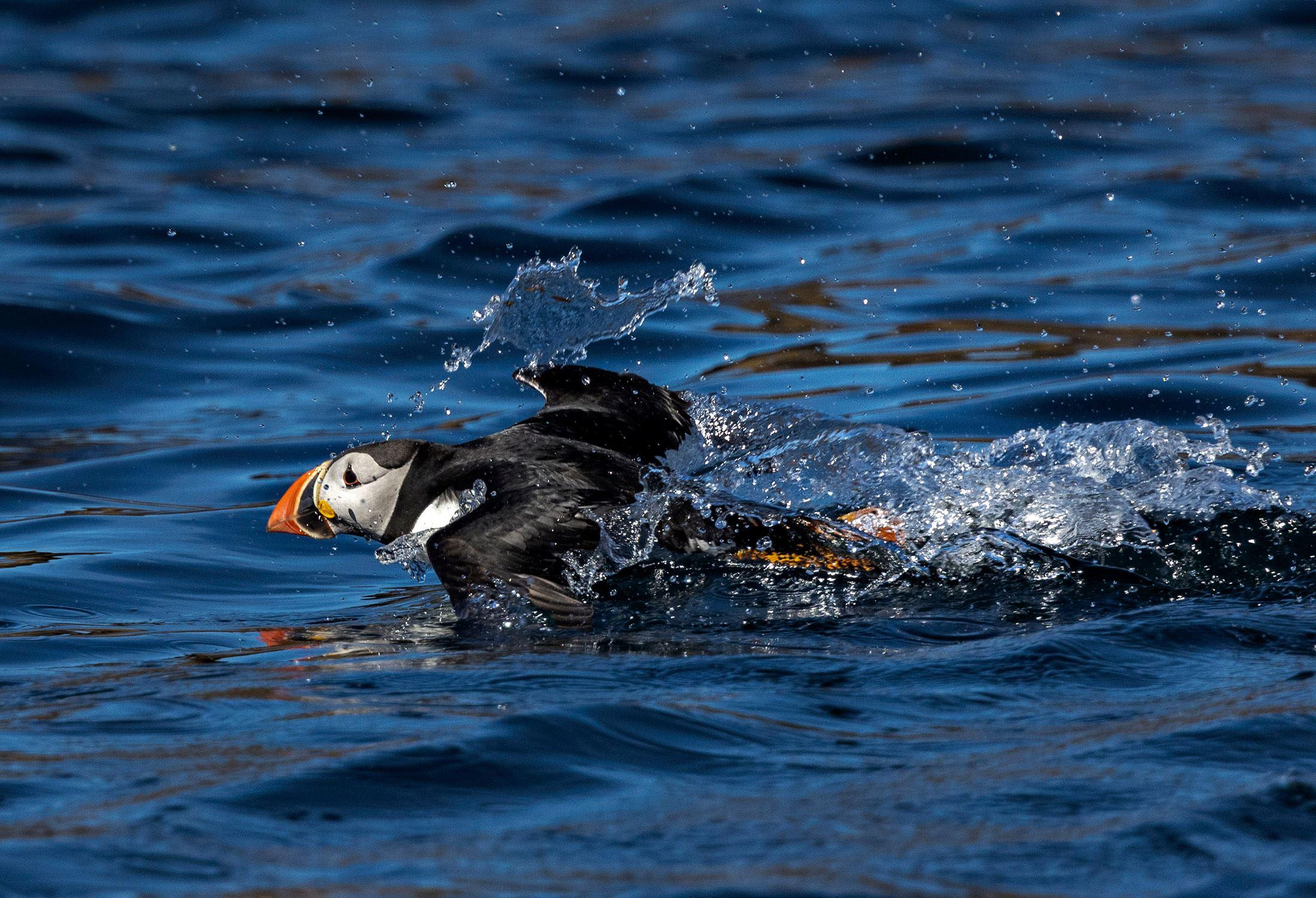 Myre
MyreSeal and bird safari - Seasafari Øksnes
Between 15th of April and 15th of August we get a horde of seabirds arriving at Anda lighthouse and the area outside Stø and Nyksund to nest. With steep mountain sides, beautiful views and a coast full of culture and history, this is an experience that you should make. Do the trip and experience the bustling birdlife on the outside with RIB!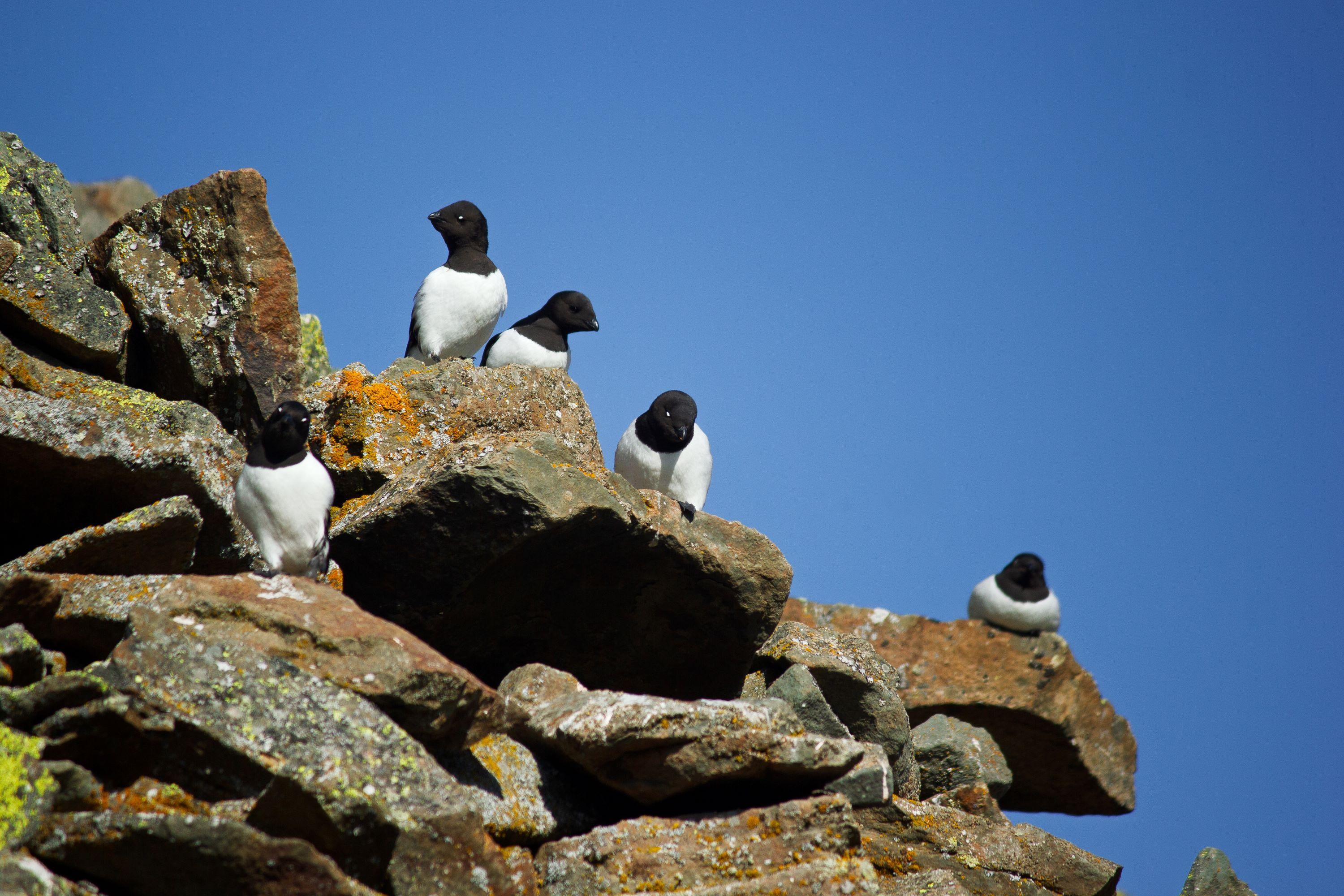 Book nowLongyearbyen
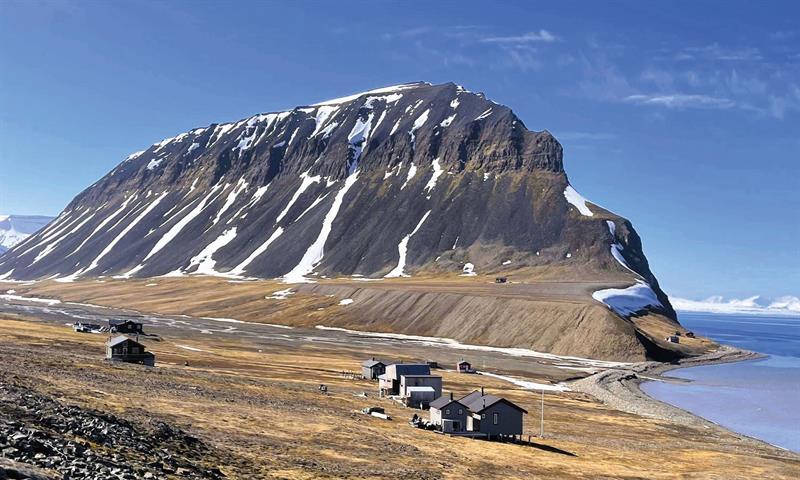
Stunning views and wildlife - Hike to the bird cliff Fuglefjella - Snowfox Travel
A true nature hike through the stunning valley of Bjørndalen, an area which is full of flora and fauna and where we might be able to observe wildlife. After our climb up to the summit of the bird cliff, we will enjoy the beautiful view over Isfjorden.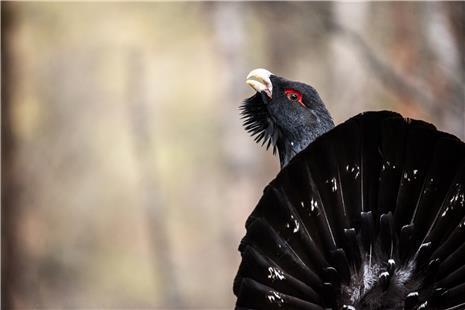 Book nowOppdal
Bird watching
The wilderness around Oppdal is known for its ecological diversity. With access to ancient forests, wetlands, and high mountains, it is possible to find many bird species within a relatively concentrated area. Go on a bird safari with experienced guides from Oppdal Safari. WOOD GROUSE - IN SPRING The black grouse is often described as “the most beautiful event of spring.” It brings a unique sense of tranquility to wander into the wood grouse forest in the afternoon while enjoying the smells and silence. The forest slowly comes to life after a long winter. After setting up the tent and as dusk falls, you might occasionally hear the wood grouse flying or walking to settle in the trees before descending to the arena the next morning to fight for their place. As soon as the sun begins to rise, the famous clicking and scraping sounds start. Naturally, you wake up to the commotion of the birds around the photo hide. It takes a couple of hours before it's light enough to take pictures, but time flies as these large birds run around the tent displaying their magnificence. The guide will take you to the tent, provide information, and set everything up; you will have the night to yourselves. The guide returns the next morning around nine to pick you up. By then, the birds usually have left the display area and returned to their feeding grounds. BLACK GROUSE - IN SPRING Black grouses is shown on Oppdal’s bogs throughout April and the first half of May, making them a popular sight and photo subject. It's not uncommon for black grouse to stumble over the tent guylines, sometimes coming within the camera's focus range! We head to the show area in the evening and set up the hide. Often, owls can be heard hooting on the bog's edge as you cozy up in your sleeping bag. The black grouse arrive at the show area as soon as night turns into day. The bog mounds around the tent become bustling with activity. The guide will take you to the hide and set up the camouflage. You will spend the night and morning with the blackcocks before the guide returns to pick you up at nine. BIRDWATCHING - IN SUMMER There are no guarantees on these birdwatching tours, but the guide will spend a lot of time early in the season mapping the occurrences as accurately as possible. If you wish to visit on a specific date, the guide can suggest which species you might see during your stay in Oppdal. If you come for one or more specific species, the guide can provide a setup indicating which species can be found at given times. Contact us for a pleasant birdwatching experience! For all tours: Clothing/equipment: Warm and preferably camouflaged clothing, gloves, hat, waterproof footwear, camera and tripod, packed lunch. Duration: Varies. Meeting point: Oppdal train station or another agreed location. Suitable for: Birdwatchers, photographers, families, groups of friends, companies, adventure seekers. Max number of participants: 3-15, depending on which birds you want to observe.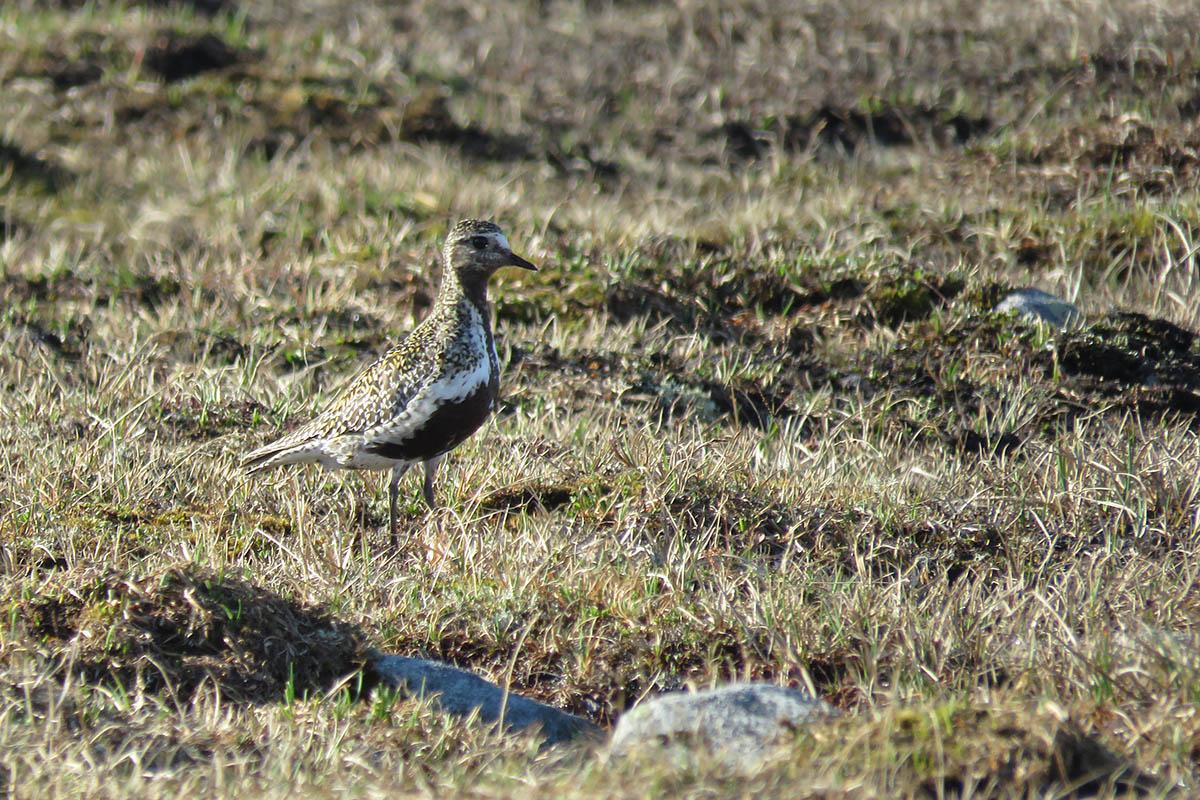 Beitostølen
Birdwatching - Jotunheimvegen
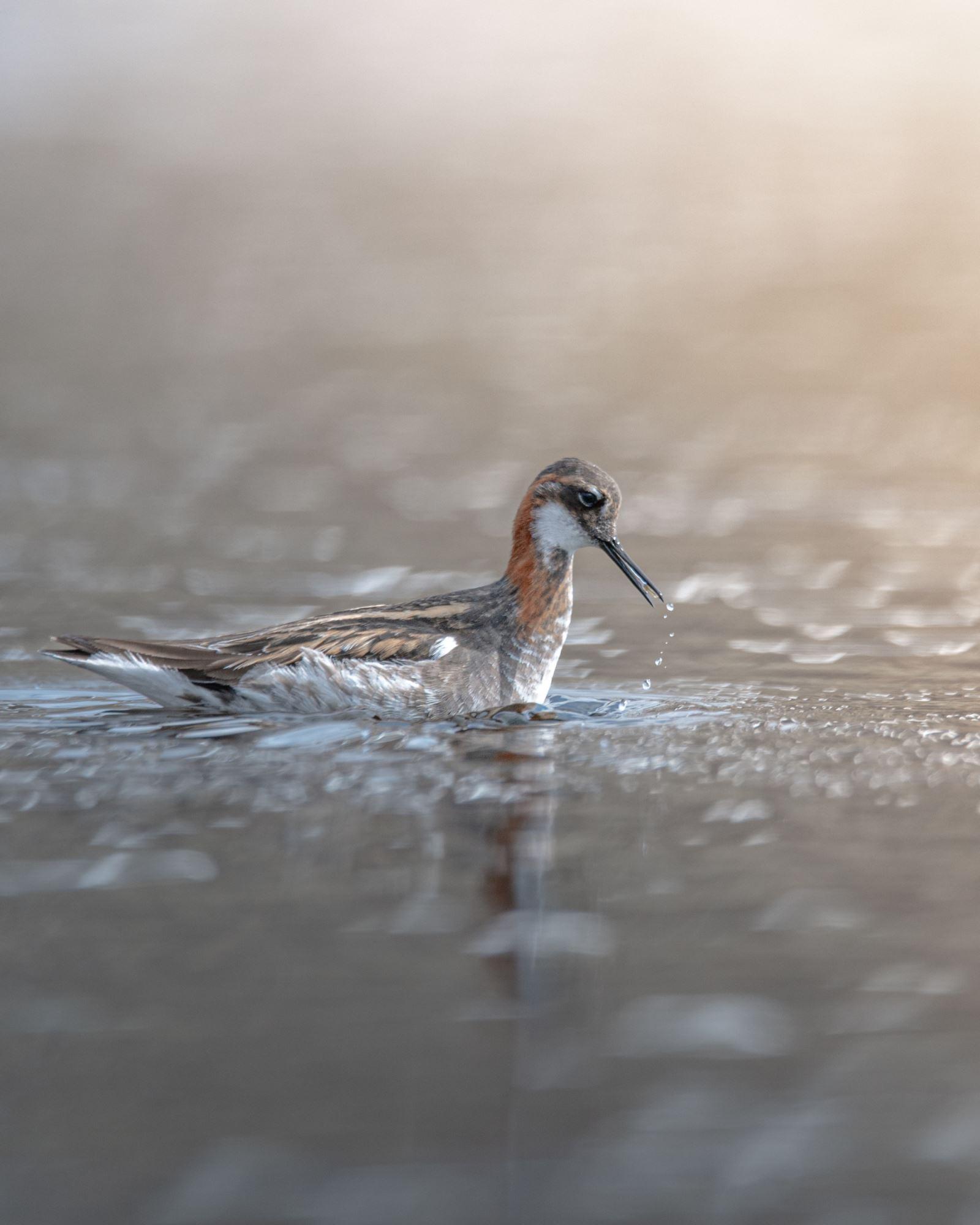
Jotunheimvegen along the northern shoreline of Lake Vinstre is especially productive in good rodent years, which means raptor years, specifically for Common Kestrel, Merlin, Short-eared Owl and Hen Harrier. In 2017, several individuals of Pallid Harrier were present throughout the summer. A few Arctic Terns usually can be observed hunting over the lake. Walks towards Urekkollen and further up Urekdalen, towards Gråhø or Keisaren can produce Bluethroat and Ring Ouzel in the willows and Common Ringed Plover and Golden Plover on flats in higher altitude, towards Keisaren also Common Greenshank. For a chance of Dunlin and Dotterel you have to walk far - all the way through Glupen and towards Valdresflye. At Lykkjestølane you might be able to see Lapland Longspur and Yellow Wagtail. The small lake on the Bjellbøllsøyne Island (south of Lykkjestølane) can hold Red-necked Phaparope (that is also true for the Stavtjerni lakes between the lakes Bygdin and Vinstre, prefereably early during summer). Lake Sanddalstjernet may have Black-throated Diver. Best season: June for waders, all summer through to early fall for raptors and short-eared owl. Directions: Signed exit from road 51 approx. 1.5 km north of Bygdin towards Jotunheimvegen. Tollroad (payable by card only). Tip: Birding along Jotunheimvegen is easily combined with a trip up to the Valdresflye mountain plateau.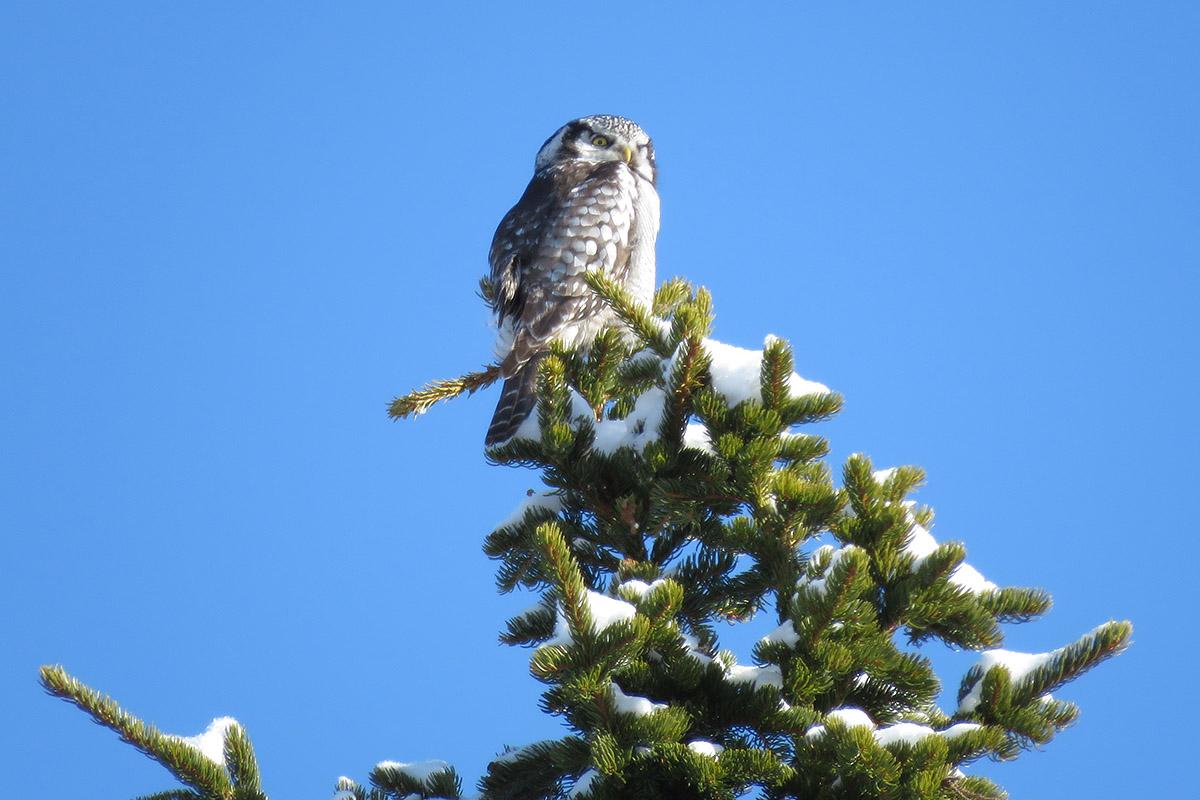 Ulnes
UlnesBirdwatching - Stølsvidda
Stølsvidda is a lower alpine plateau just at the tree line west in Valdres. It lies roughly between Tisleidalen to the southeast, the River Tisleia and Lake Tisleifjorden to the southwest, the Road Panoramavegen to the northwest and the main valley with lake Strandefjorden to the north. This is Valdres' realm of mountain farming with many summer mountain farm that are still in use even today. Cattle and goats graze freely during summer. The best areas for birdwatching lie to the south and southwest with the triangle between Furuset, Gauklia/Brattåsen and Langstølen as the core area. On Stølsvidda you will find a rich birdlife that spans from forest species like Capercaillie and Siberian Jay, open wetlands with a number of waders and breeding cranes to owls and raptors. The area is best explored from the car by driving on the farming roads with some stops along the way. Use your car as hide and bring a telescope. A popular round drive, among local birders called "the pizza circuit", is to drive to Tisleidalen and from the Joker store to follow the road Tisleivegen via Hermannstølen, Fløten and Furuset to Langestølen and from there to Vaset - either via Tyrisholt and Brattåsen or via Nøsen and along the road Panoramavegen - from where you return to Fagernes. Side trips and detours via Gauklia and towards Jaslangen are recommended. Typical species: From the toll barrier to Hermannstølen: Siberian Jay, Bullfinch and tits Around Hermannstølen: Black Grouse and Northern Hawk Owl during spring (March to April) Between Hermannstølen and Fløten: Capercaillie during spring (March to April) Around Fløten: Black Grouse and Northern Hawk Owl during spring (March to April) Between Fløten and Langestølen: Common Crane (April to May), Three-toed Woodpecker (year round), Tree Pipit (summer) At Langestølen: Black Grouse and Northern Hawk Owl during spring (March to April), Common Crane and waders such as Common Snipe, Northern Lapwing and Eurasian Curlew as well as Whinchat, Yellow Wagtail and Short-eared Owl (with luck Long-eared Owl) in May, Eurasian Wryneck and Lesser Spotted Woodpecker in June (the two latter in the birch forest north towards Flya) River Flya (where it flows close to the road): White-throated Dipper Around Tyrisholt: Bluethroat and Northern Wheatear in May-June, Great Snipe in the dwarf willows between Tyrisholt and Brattåsen in June, Short-eared Owl and Common Crane in May-June Around Brattåsen: Common Kestrel, Willow Ptarmigan Around the ponds south of Gauklia: Velvet Scoter, Black-throated Diver, Whimbrel and Curlew, Hen Harrier (and even Pallid) in May-June Jaslangen/Bridge over the River Buaråne: Common Redstart, Common Merganser/Goosander, White-throated Dipper At Rennsenn: Common Crane (in pairs from late May-June) River Sundheimselvi (Ulnes): White-throated dipper (all year) Tips: Start very early in the day, preferably before sunrise from the Joker store, and use the whole day in the area. The Black Grouse lek is often over an hour or two after sunrise. Directions: Via Tislevegen (toll road), exit from road 51 at the Jokers store in Tisleidalen or from Vaset via Road Panoramavegen (toll road). The toll fees can be paid by credit card.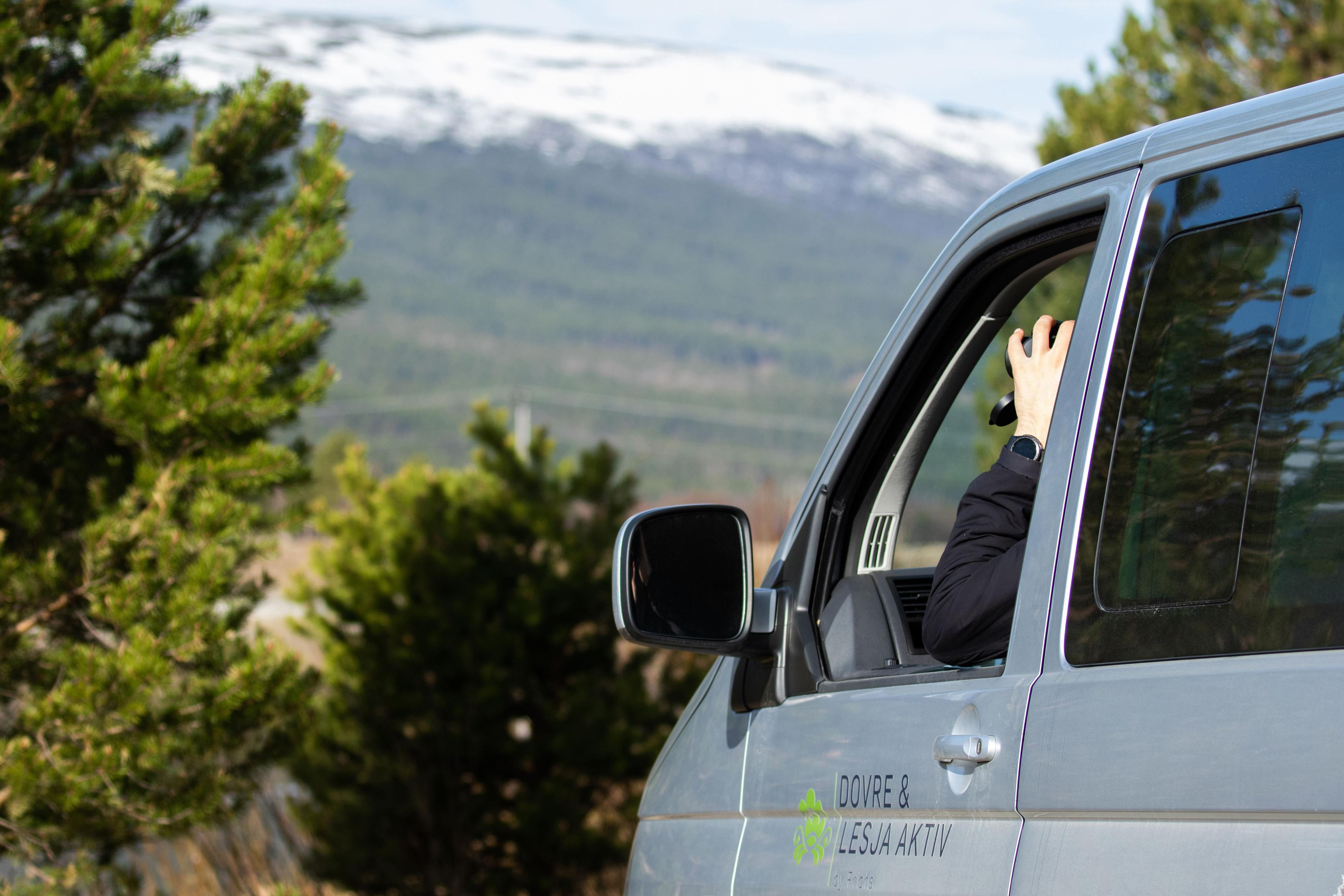 Hjerkinn
Birdwatching with Dovre og Lesja Aktiv
BIRD WATCHING IN LESJA - BY CAR When & where? May 6 - May 31 (Sunday, Tuesday&Thursday) 08:00 Sentralplassen 3A, Dombås (outside Frich’s Kafetaria) How early this safari can be arranged depends on snow melting/temperature. If spring comes early, this trip can be arranged in april too.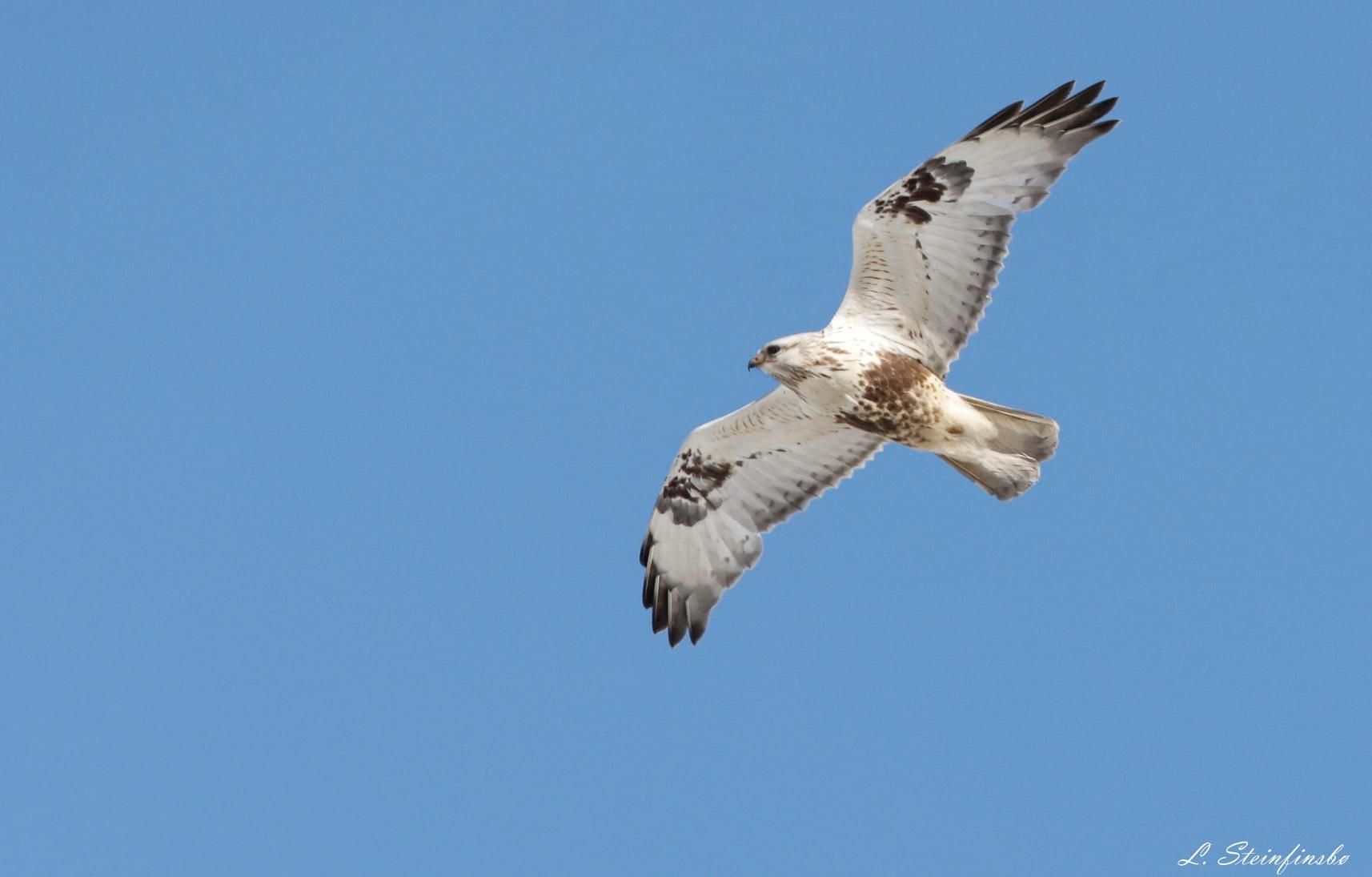 Etnedal
Birdwatching - Langsua NP and Hynna
The region between Gausdal and Valdres has had several names, such as Gausdal Vestfjell and Huldreheimen. After the extension and renaming of the former Ormtjernkampen National Park to Langsua National Park, however, Langsua has become the most commonly used name for the whole area. This is a large area with a distinct wilderness character featuring high altitude wetlands and montane spruce and birch forests. In connection to the Langsua National Park several nature reserves have been established, i.e. Røssjøen Nature Reserve, Oppsjømyra Nature Reserve and Hynna Nature Reserve. The bird life is represented by species typical for this environment. Here you will find Willow Ptarmigan, Black-throated Diver, Slavonian Grebe, Hen Harrier, Common Crane, Whimbrel, Common Greenshank, Green Sandpiper, Short-eared Owl, Whooper Swan, White-throated Dipper, Great Grey Shrike, and Siberian Jay, as well as Great Snipe and even Broad-billed Sandpiper. For the latter two the area is among the most important breeding grounds of the species in Norway. Of other wildlife, moose are abundant. The area is best explored by foot off the beaten track. You will need equipment and clothing accordingly. Kittilbu: The two lakes called Kittilbutjerna usually hold breeding Slavonian Grebe. At the eastern lake, there's a 3 km long circular cultural path leading through a nice biotope starting at Kittilbu Utmarksmuseum. At the western lake Kittilbutjønna, there's a bird hike close to the road. Oppsjømya: Lake Oppsjøen usually has at least two pairs of Black-throated Diver as well as Whooper Swan. Whimbrel, Green Sandpiper, Common Greenshank and in some years Broad-billed Sandpiper breed in the wettest parts of the wetland. The surrounding montane birch forest is home to Brambling and Redwing. Røssjøen/Ongeltjerna: Explore the areas on both sides of the road between Lenningen and Lundesetrene. In the hillside south of Røssjøkollane you can find the rare bearded bellflower (Campanula barbata), which has an isolated occurance just here in this limited area and otherwise only can be found in the Alps and Carpathian Mountains. To the East the lakes Ongeltjerna are worth a try. If you're lucky, you might find Red-necked Phalarope here, but chances are that it'll be "just" some Tufted Ducks. You might flush a Capercaillie in the forest, though. At Lundesetrene, Yellow Wagtail is a common sight. Hynna: Hynna Nature Reserve is an internationally important wetland with Ramsar-status. Here you will find many vulnerable bird species that need large areas of natural habitat such as Golden Eagle and Rough-legged Buzzard that hunt over the open land and cranes and waders that breed in the wetlands. Northern Hawk Owl may be seen on a lookout in a dead tree top, and on a walk in the light summer nights lekking Great Snipes may be observed. Best season: From early June when the road opens (it is closed during winter) to mid July. The waders start on their southward migration very early. Directions: Road 2442 (also called Vestfjellvegen) from either Fagernes/Etnedal or Gausdal. From Holsbrua, a side road leads all the way to the DNT cabin Liomseter. NB! This is a vulnerable environment. Please behave respectfully and avoid unnecessary disturbances of the birdlife. Please also make sure you have the equipment and knowledge needed for hikes in the wilderness. Stay safe.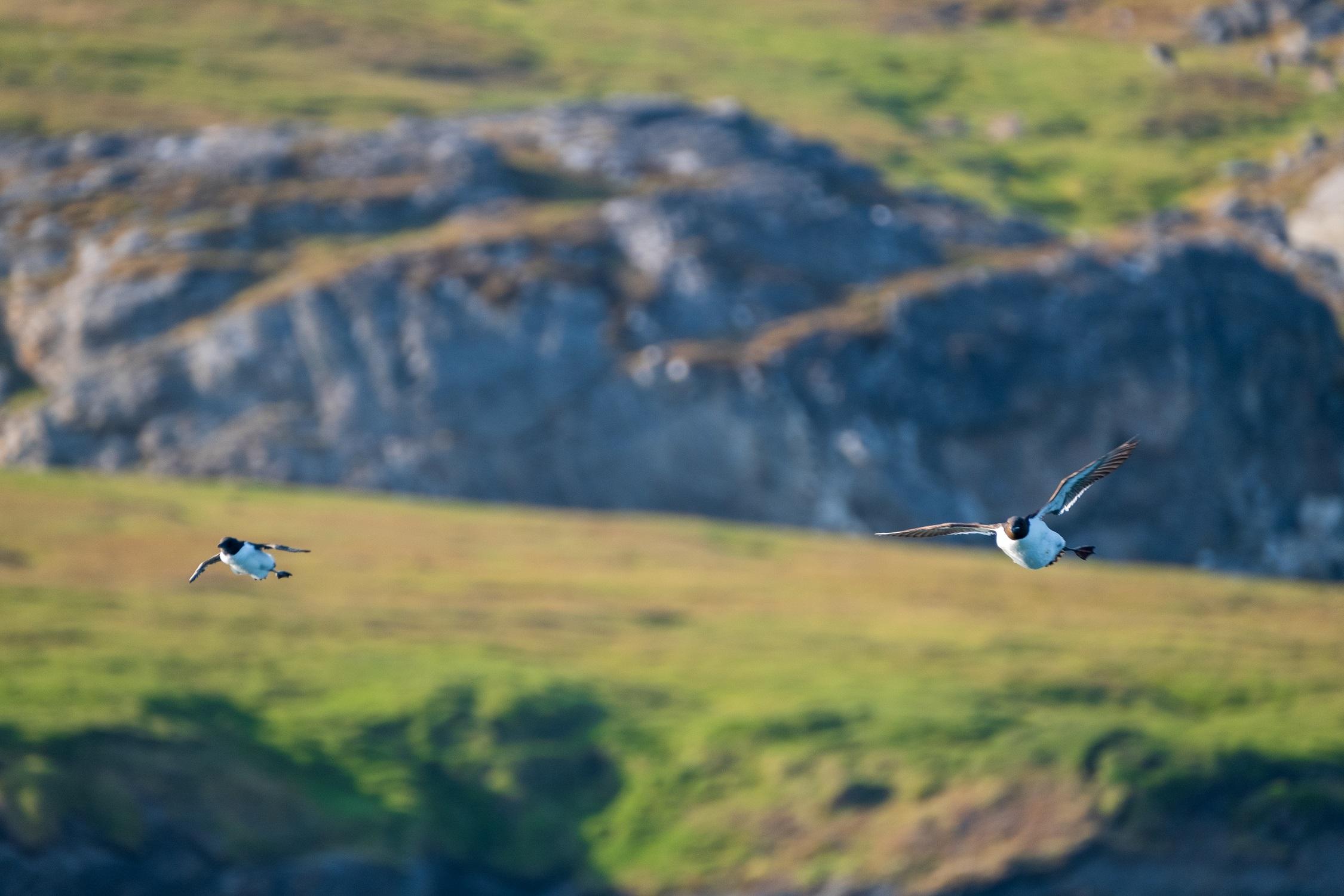 Book nowLongyearbyen
One of natures great events - The bird jumping in Trygghamna - Better Moments
Better Moments will offer you a chance to see Svalbard's biggest bird event during the summer – The bird jumping. For just a few days in July, the chicks will jump from their nests on the huge bird cliff Alkhorne and we will be there to see them spread their wings for the first time ever.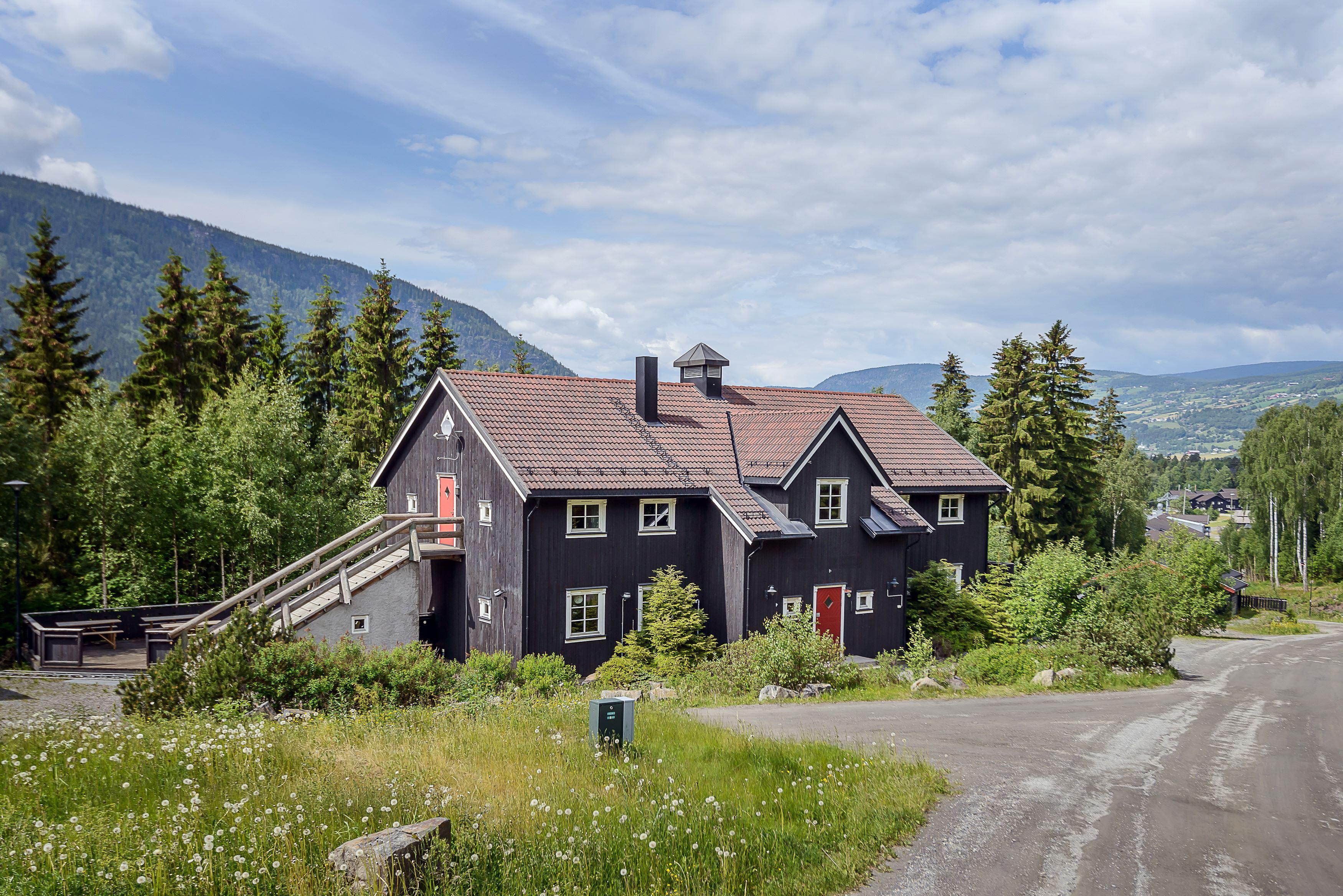 Øyer
ØyerLåven Storhytte
Låven Storhytte in Hafjell is on two floors with 11 bedrooms and 32 beds. The cabin is located in magnificent surroundings in the finish area in Hafjell. Short distance to Hafjell Alpine Center with ski rental, ski school, restaurants and gondola. Ski in ski out cabin during ski season with large private parking space. The price includes made beds, personal towels and bathrobes and firewood for the fireplace. Pets allowed at an additional cost.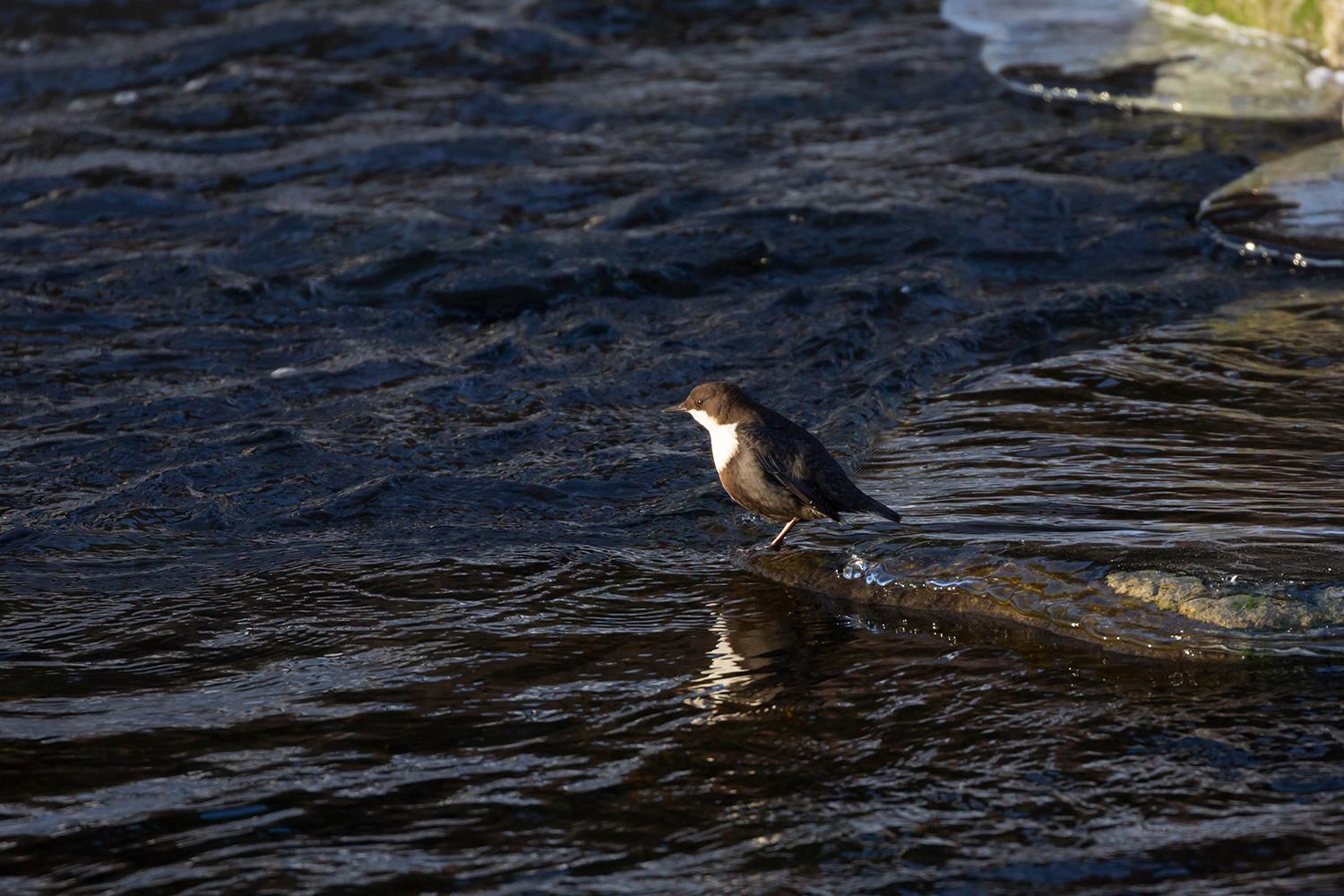 Fagernes
Birdwatching - Fagernes
"Urban birding" has become a thing withing birdwatching. Urban parks and gardens, often around ponds, can hold astonishing amounts of birds. For Valdres' part, it is Fagernes that is the town. Storøya, the peninsula at Lake Strandefjorden where the Valdres Folkemuseum is locted, is one of the places worth a visit, especially during migration and early summer. A natural path leads around and over the peninsula, and a number of species lives here throughout the year. Tits, Tree sparrows, Great spotted Woodpeckers, Fieldfares, Song thrushes, Barns swallows and Common swifts breed in and around the old museum buildings and trees and bushes throughout the area. Early mornings during May and the beginning of June are good for birding by ear, when the air is filled with song. Later during summer, the shrill srrii-srrii calls of the Common swifts fill the air above Fagernes. On the water close to shore Red-breasted mergansers are sometimes seen. European Goldfinches are present all year. The area is accessible for free outside the opening hours of the museum. In the River Neselva between the two pedestrian bridges by the waterfal and at the river mouth White-throated dippers are fairly regular. Especially during winter, several individuals usually can be observed. Around the river mouth below the lower bridge which rarely freezes over completely, sometimes ducks can be seen, too. At downtown Fagernes rowanberry trees av been planted which can attract large flocks of Fieldfares and Bohemian waxwings during late fall. Waxwings tend to be annual in smaller numbers and in a short time window, but in some years with fierce winters in the arctic and when the trees carry especially many berries there can be huge flocks which stay for longer periods. They tend to roost high up in the tops of the large birch trees in front of the town hall and sweep down into the berry trees when "the air is clear" until they are flushed by cars or pedestrians and retreat into the birch tops. If you stand still next to a berry tree, you may get them within 2 meters distance. At Hunkevika at the Spikarmoen-exit along Skrautvålsvegen, some whooper swans normally are present during migration and sometimes well into winter. Common goldeneyes also can be observed in this area.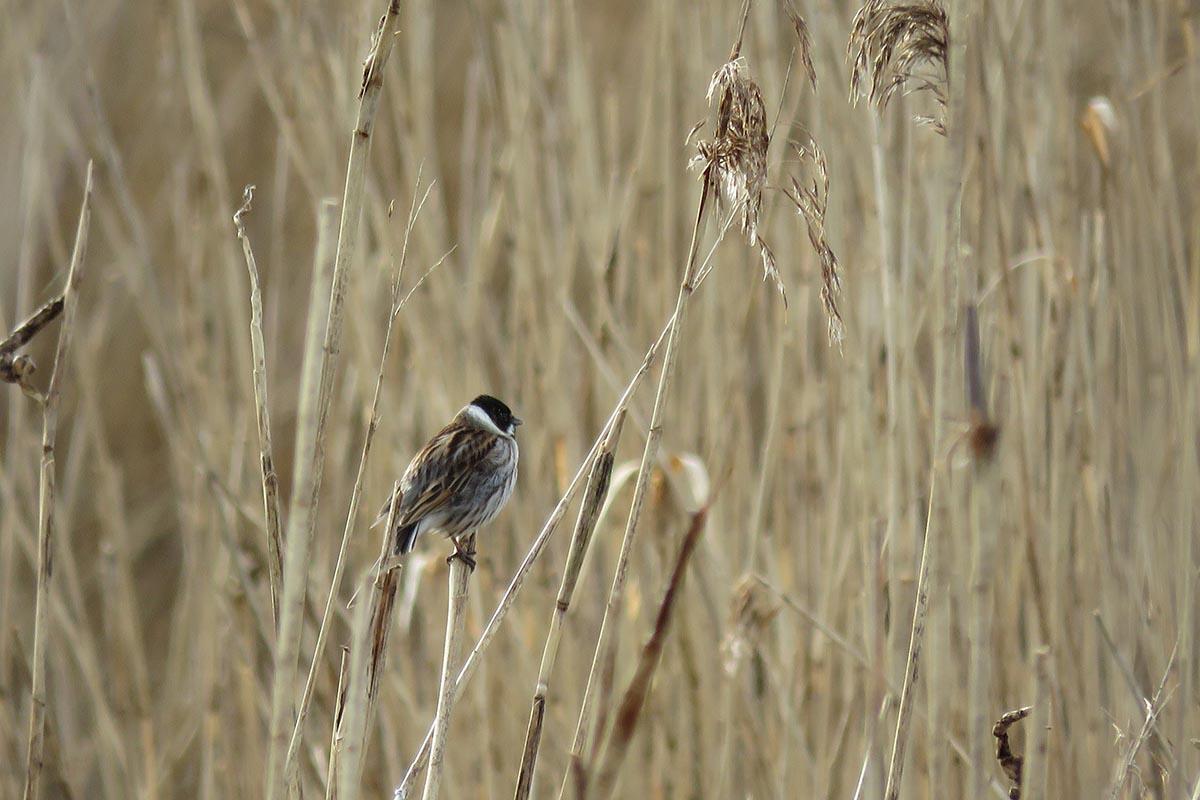 Etnedal
Birdwatching - Langtjedn
Langtjedn is a small nature reserve which is easily accessible from the road near Gamlestølen in Etnedal. The lake itself is shallow and productive, and it is fringed by varied wetlands and spruce forest. Half of the 82 bird species that have been recorded in the reserve are wetland birds of both lowlands and mountains. Among regular species are Horned/Slavonian Grebe (1 breeding pair), Eurasian Teal, Common Goldeneye, Tufted Duck, Velvet Scoter, Common Snipe, Common Redshank, Green Sandpiper, Eurasian Curlew, Yellow Wagtail, Whinchat, Redwing, Black-headed Gull, Northern Hawk Owl and Siberian Jay. Please act responsibly when visiting and don't disturb the birds. You can move freely in the area throughout the year, but it is not allowed to set up camouflages or tents, fly drones or operate model boats on the lake. Dogs must be kept on a lead at all times.
![images[1]](https://cdn.sanity.io/images/jlrwvnbf/commercial/7a3241117a52ca733a1e88033e64dd7897bf8e45-300x200.jpg?w=3840&q=75&fit=max&auto=format)

Eagle safaris
Get a close up of the majestic Sea Eagle on a guided safari in Norway.
 Book nowSvolvær
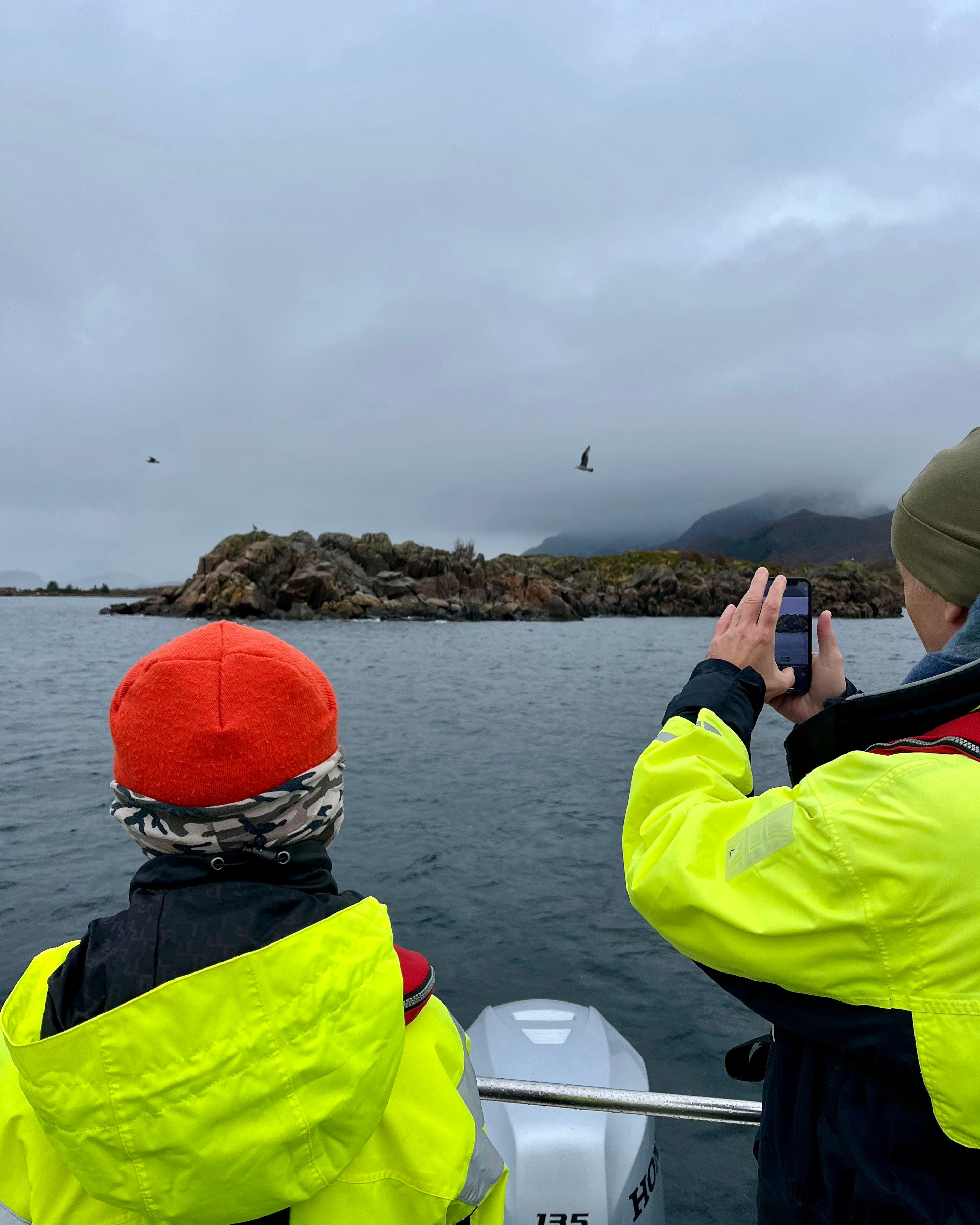
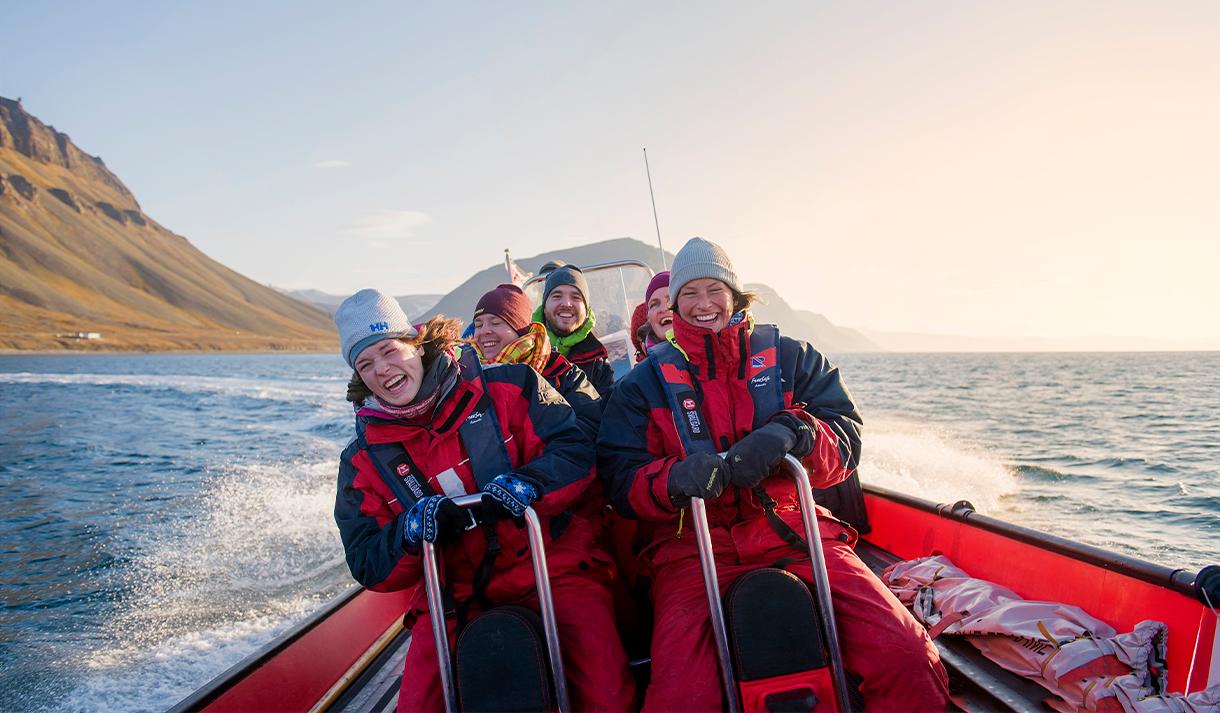
Trollfjord & Sea Eagle RIB Safari - Lofoten Explorer
Explore Lofoten along the coast with us. We take you safely to the magical Trollfjord, where the mountains are stretching 1000 meters high. On the way you will get a chance to meet the sea eagles, hopefully just a few meters from the boat. We guarantee an experience close to the elements. This is a 2 hours tour that fits the whole family.

Take advantage of top offers
See our selection of trusted companies that work hard to make you happy all through your trip.
 SJ NordSJ NORD - the adventure starts on the train
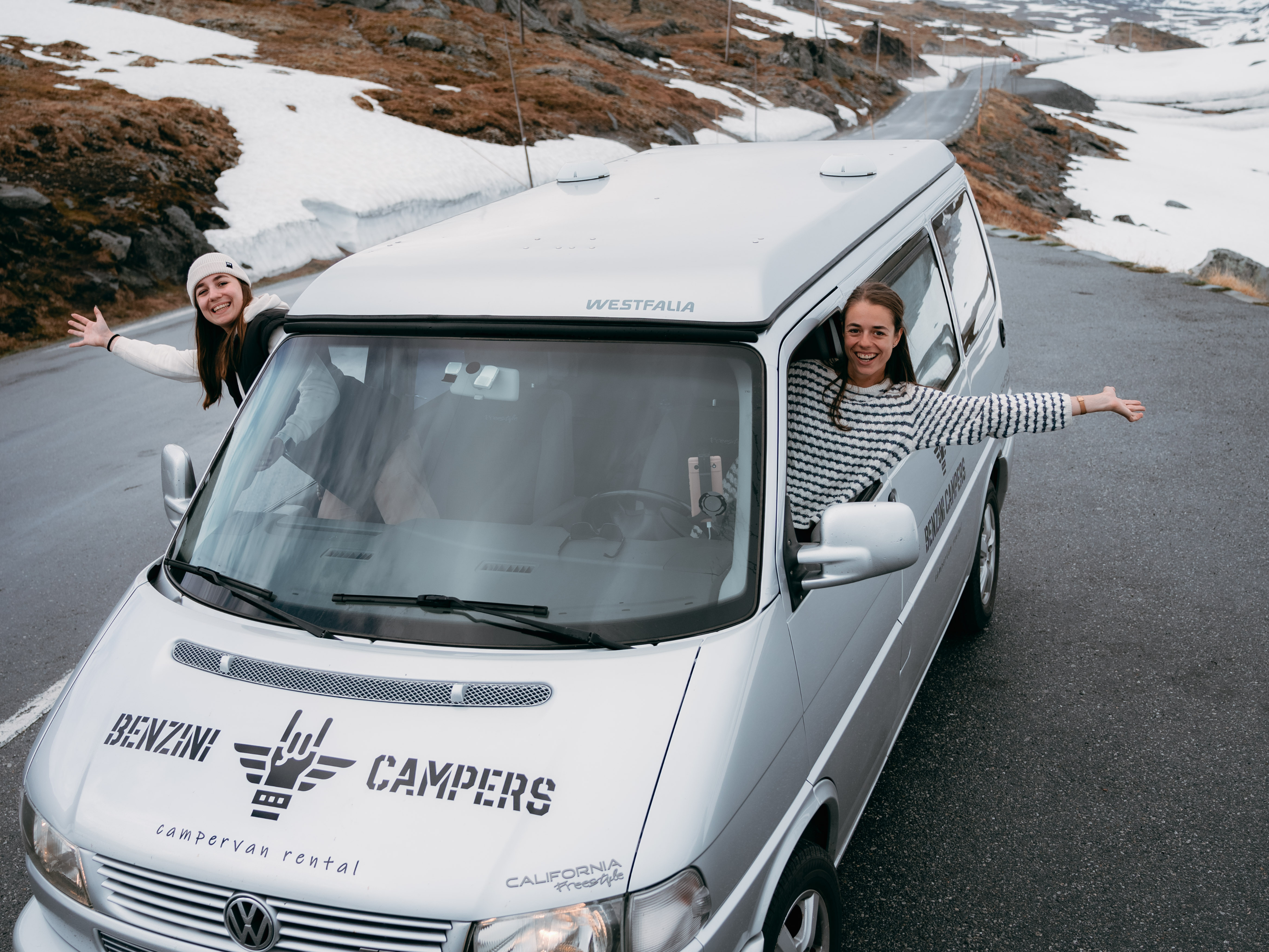 Benzini CampersThe adventure of your life starts here. Book a campervan with Benzini Campers now.
 Norrøna AdventureGet ready for expeditions and adventure holidays with Norrøna Adventure. Hiking, skiing, and biking trips.
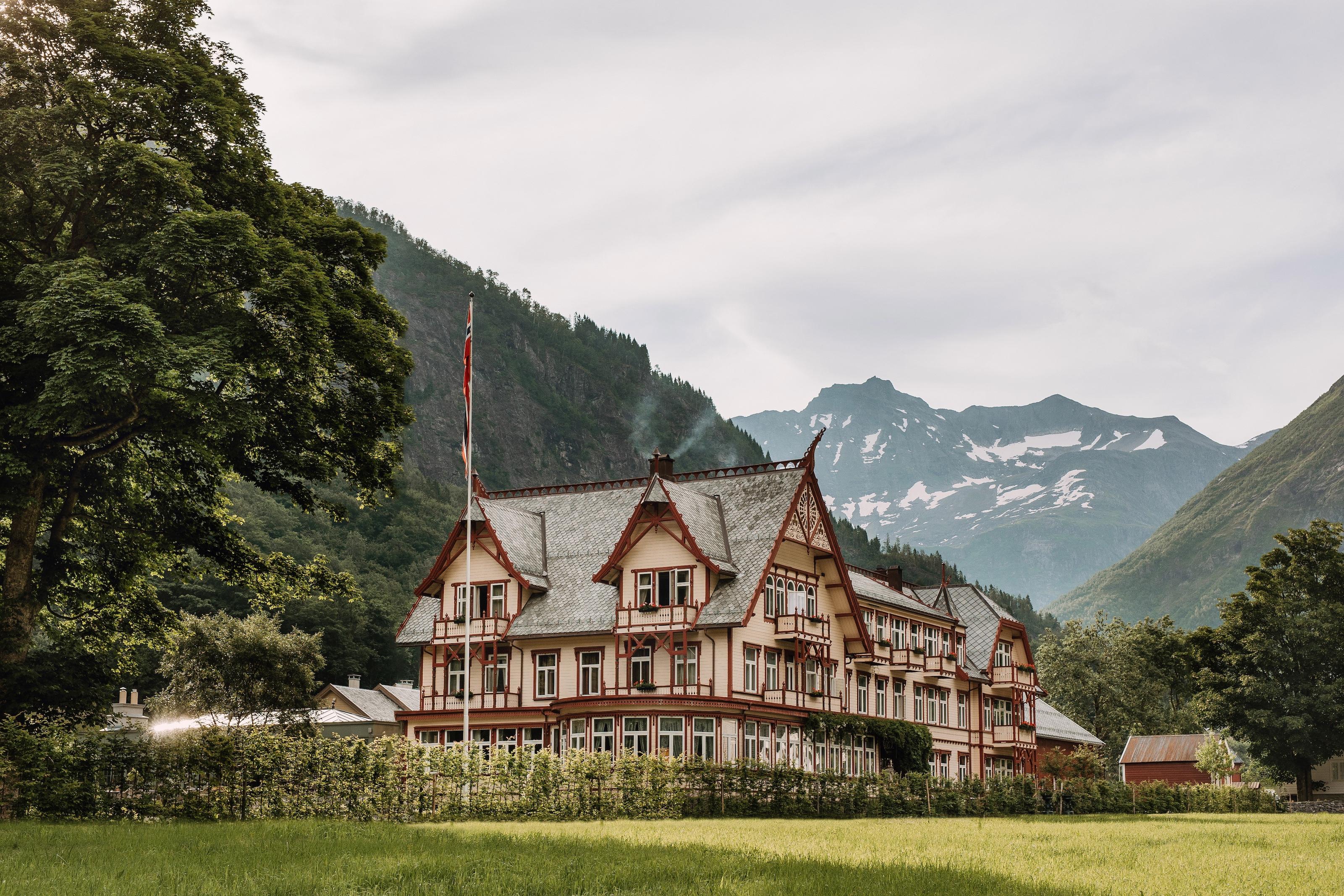 De HistoriskeHave an unforgettable stay at one of Norway's unique, authentic historic hotels. Enjoy first-class dining experiences and a broad range of activities.
 Brim ExplorerQuiet fjord tours on award-winning electric catamarans in Oslo, Tromsø, Lofoten, and Svalbard.
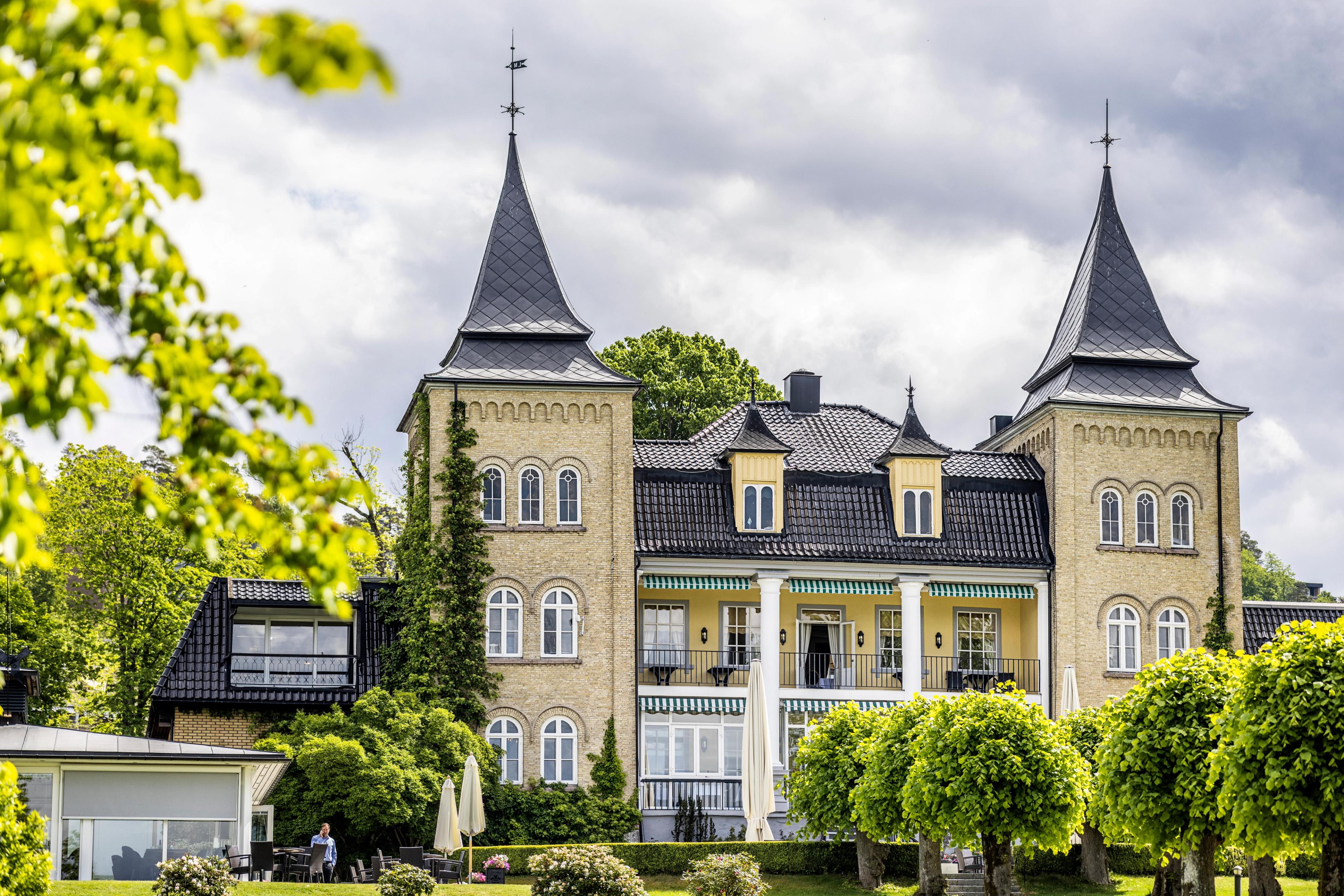 Classic Norway HotelsWhen the hotel is the destination. Book a night to remember in one of Norway's most unique and distinctive hotels.
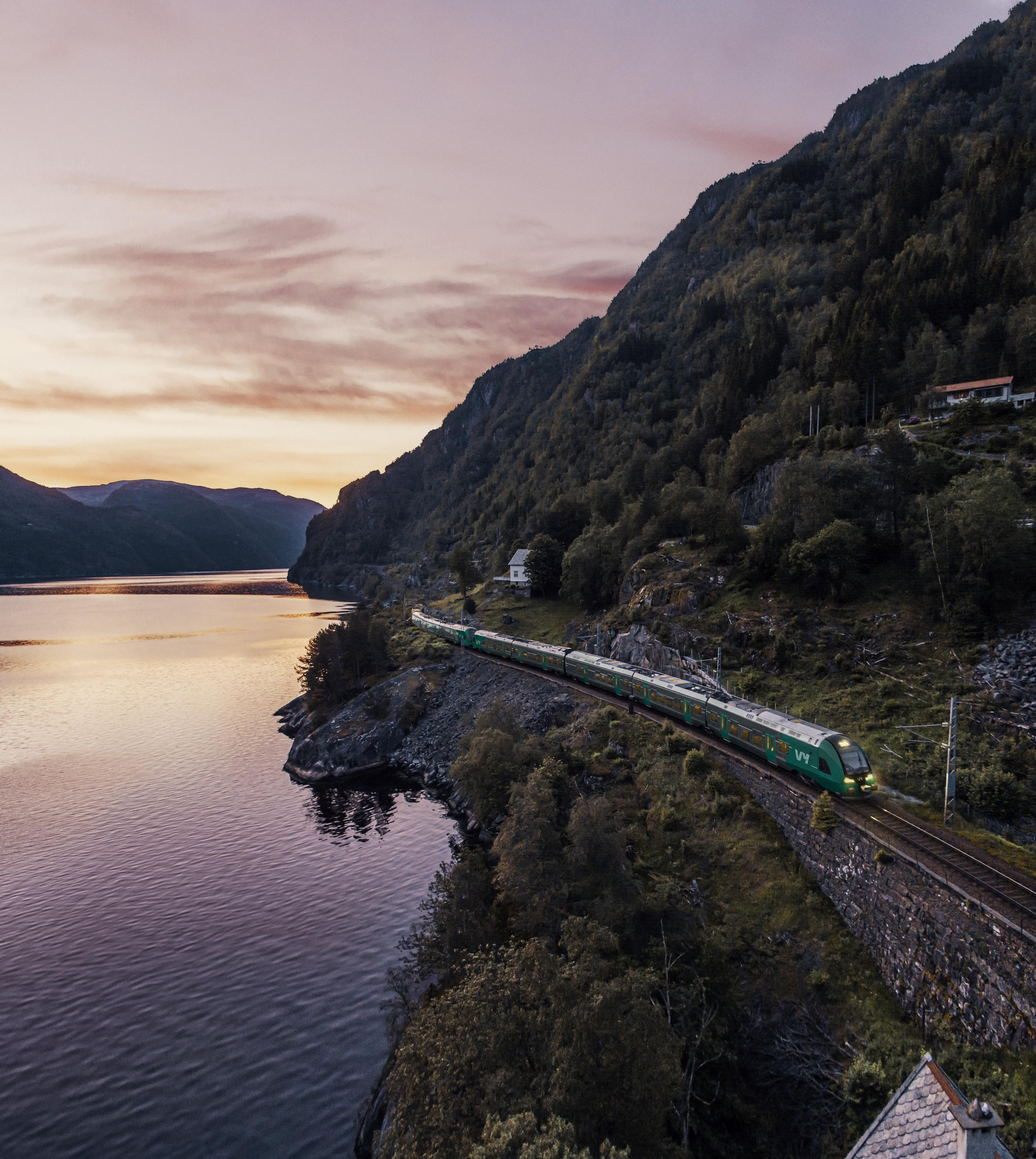 Vy TrainGlide through scenery on a train between Oslo and Bergen on the Bergen Railway and explore the greater Oslo region.
 CampanyonUnique camping in nature. Book a stay in a treehouse or glamping tent or rent a motorhome pitch.
 NorwegianNorwegian offers cheap flights in Norway and direct flights from more than 70 European destinations. Book flights through our low fare calendar to your destinations.
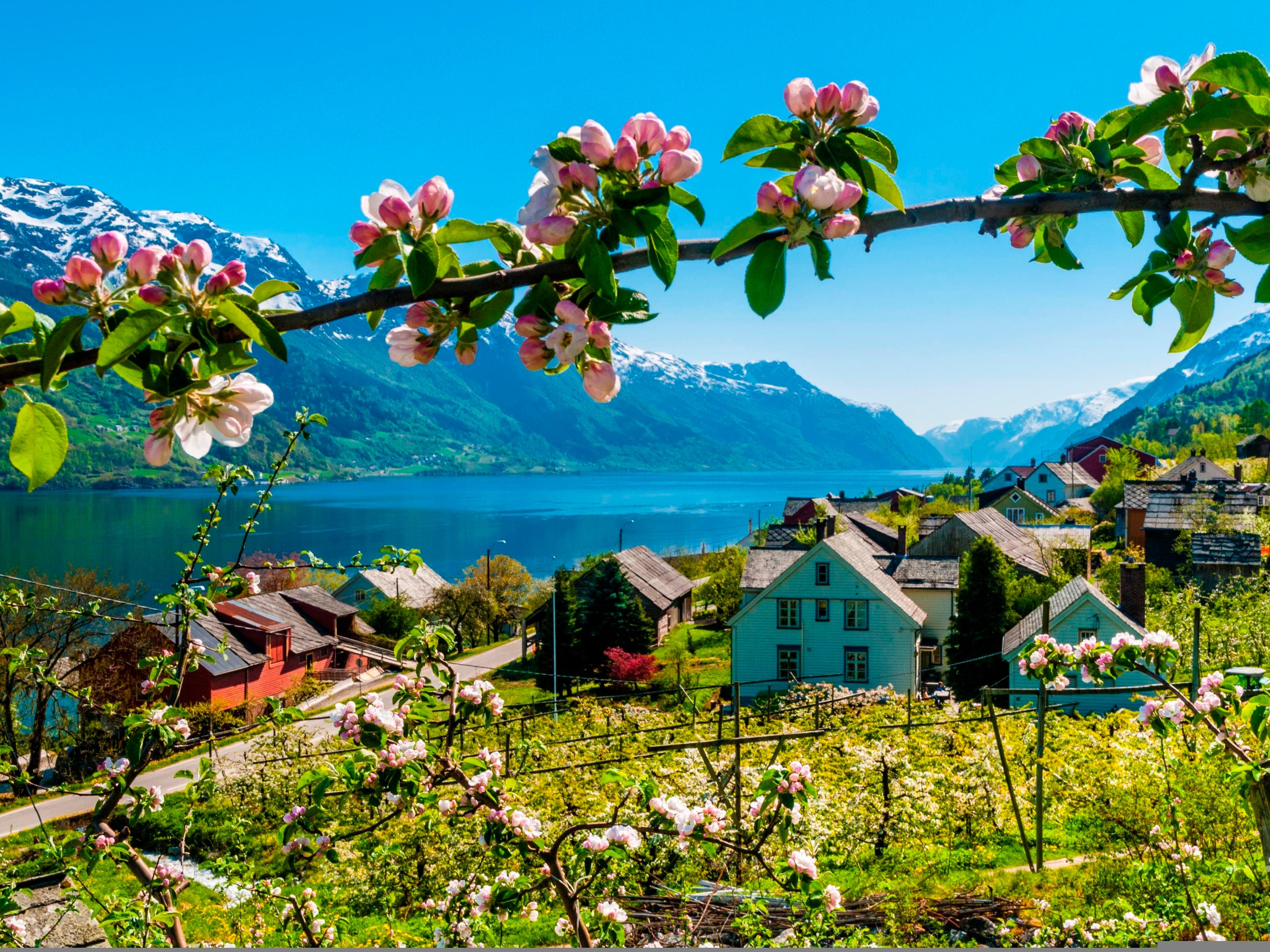 Authentic ScandinaviaTravel curated by locals. Our tailormade tours suit every type of traveller and budget.
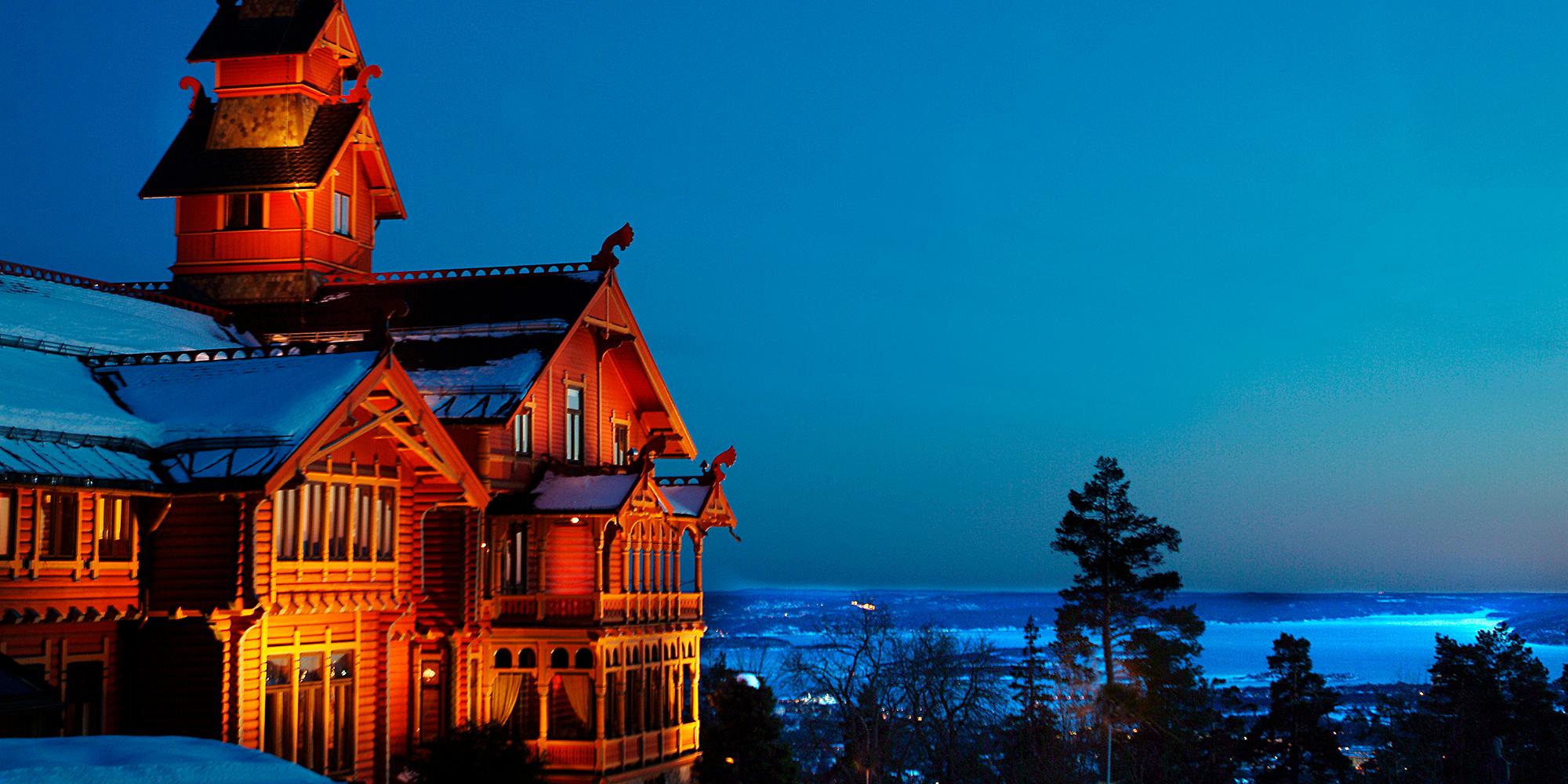 Scandic HotelsExperience Nordic hotel hospitality at its finest at more than 90 hotels across Norway. Special offers are available.
 Auto EuropeAlways a smooth car rental experience. Search and compare rental rates. Free cancellation up to 24 hours prior to pick-up.
 StrawberryA different hotel company! Look out for great weekend deals at more than 100 hotels in Norway.
 50 Degrees North NordicChoose between unforgettable tailormade individual trips and small, exclusive group tours of Norway.
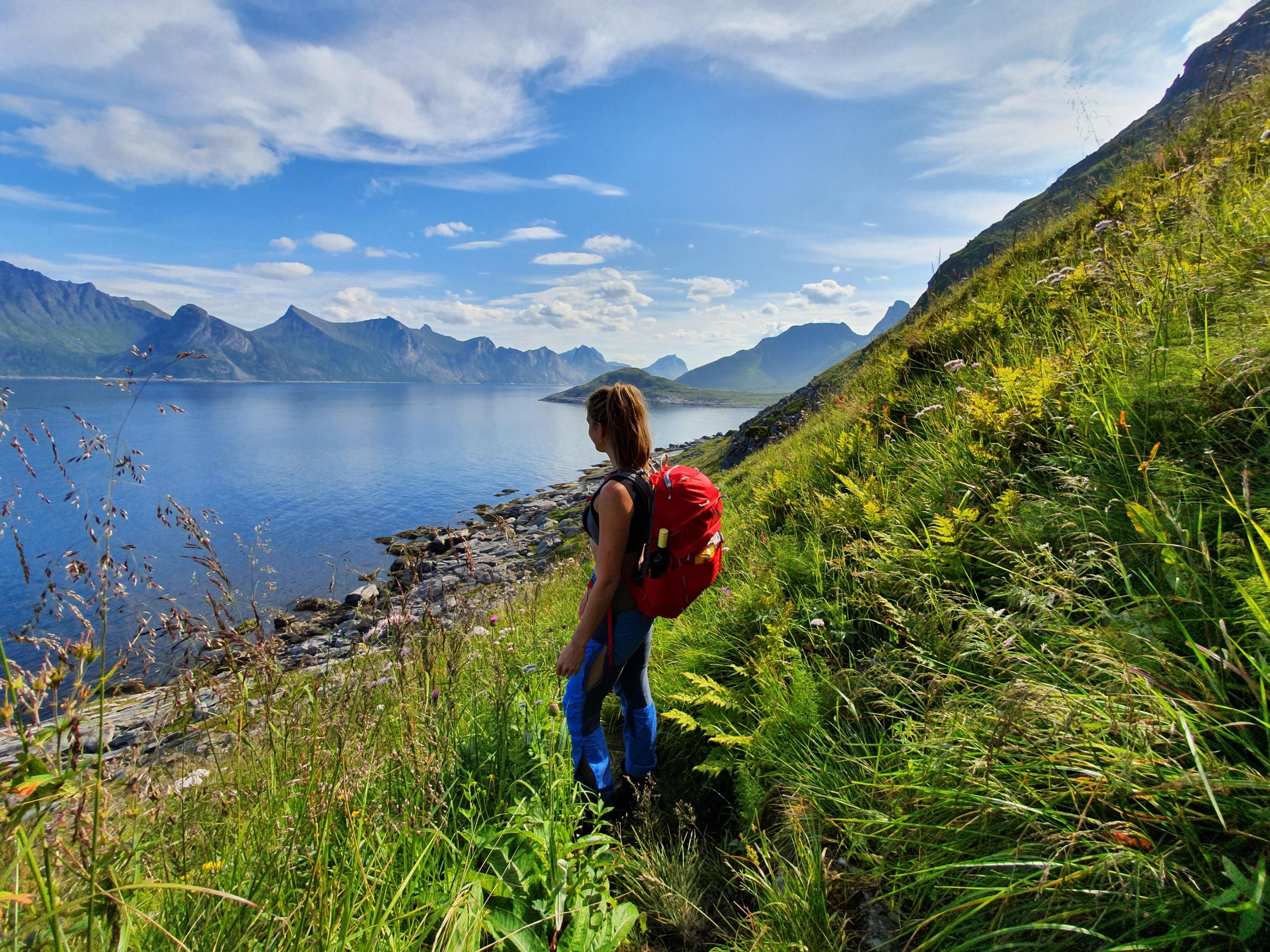 CampioNorway's biggest camping booking site. Find the best camping and motorhome pitches throughout Norway.
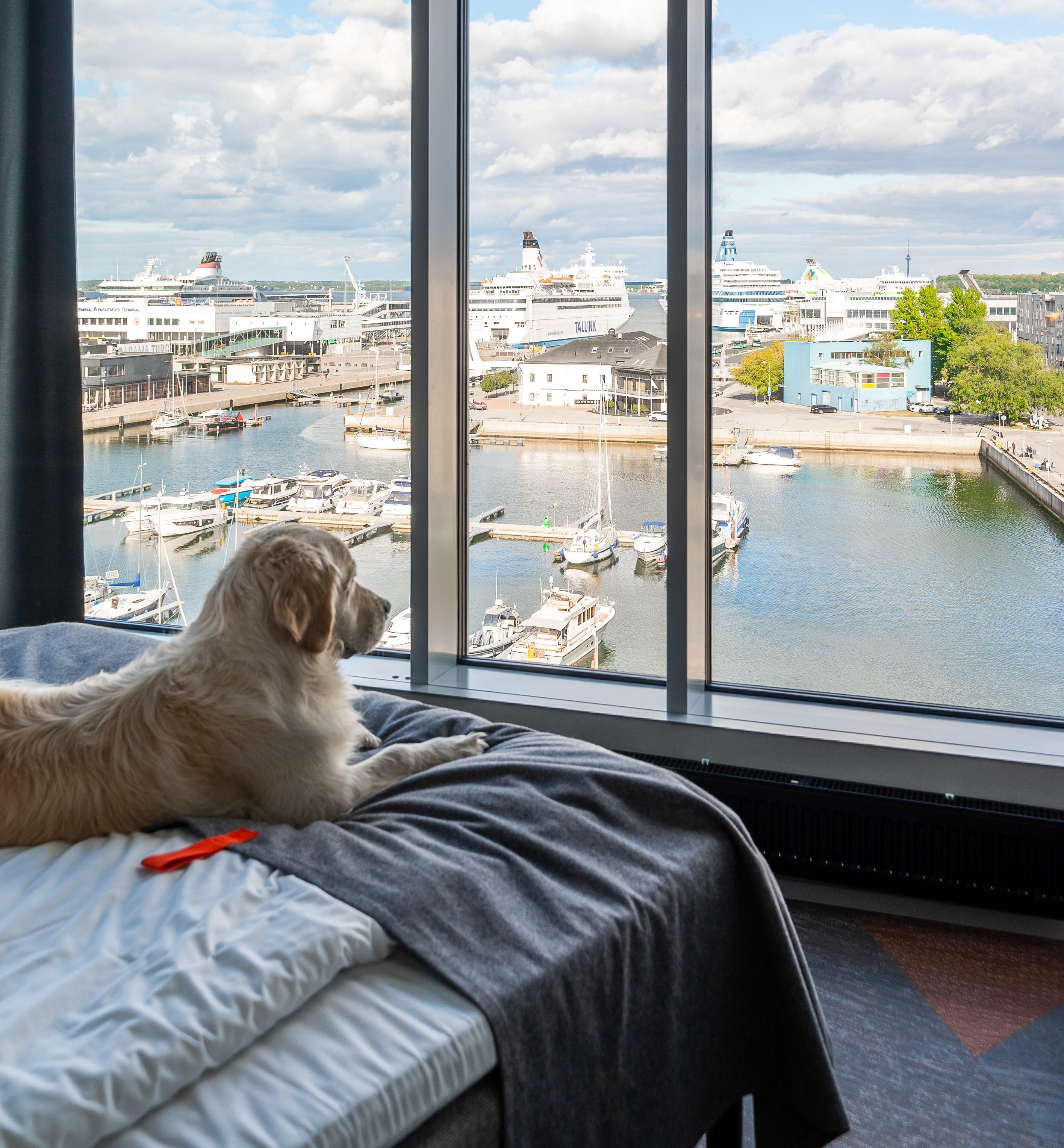 CityboxModern and affordable hotels in central locations in Oslo, Bergen, and Kristiansand.
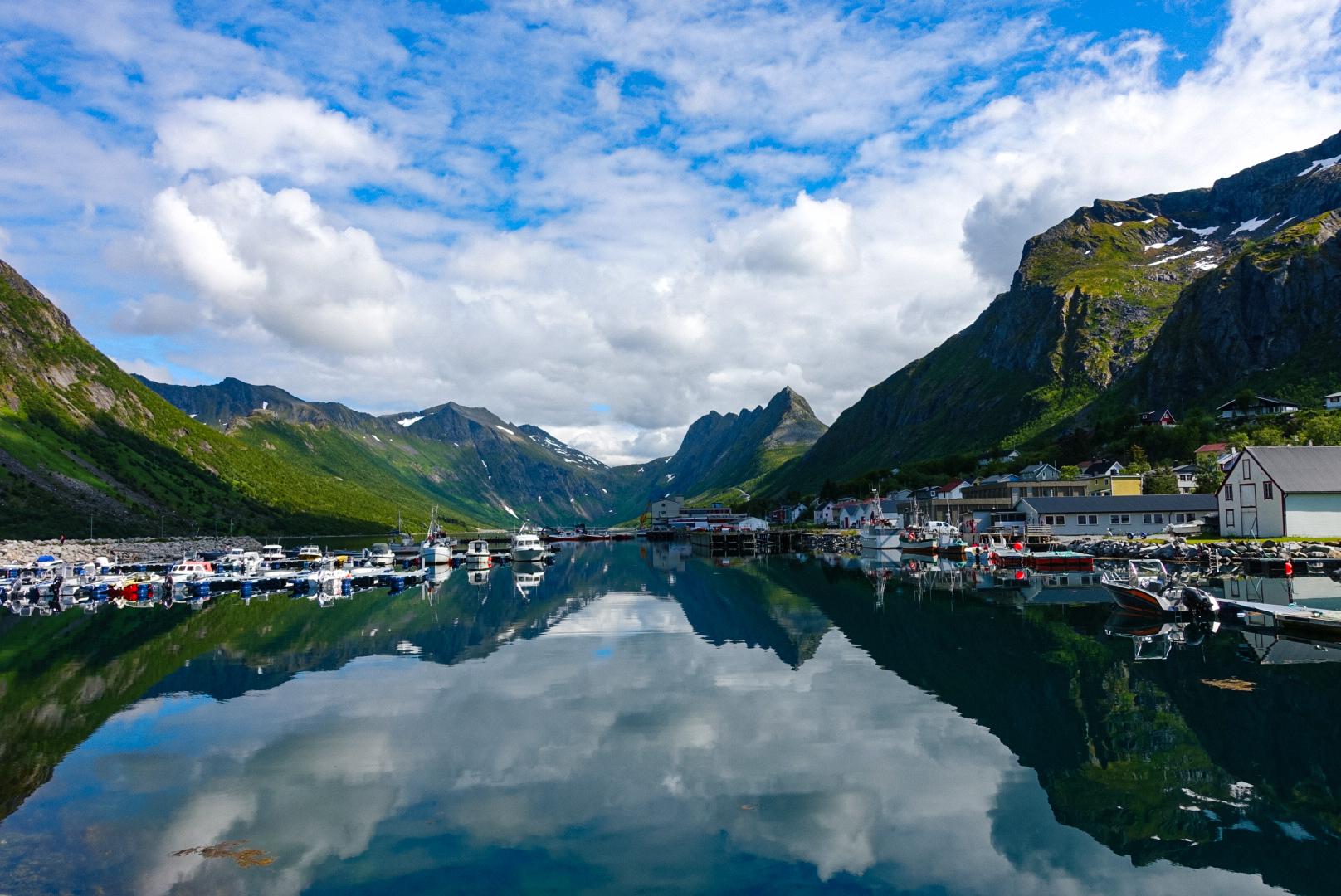 My Nordic TravelChoose between DIY itineraries and pre-packaged holidays to the very best destinations in Norway.
 Norwegian HolidaysLow-price package holidays with Norwegian. Book your flight, hotel, and rental car all in one place.
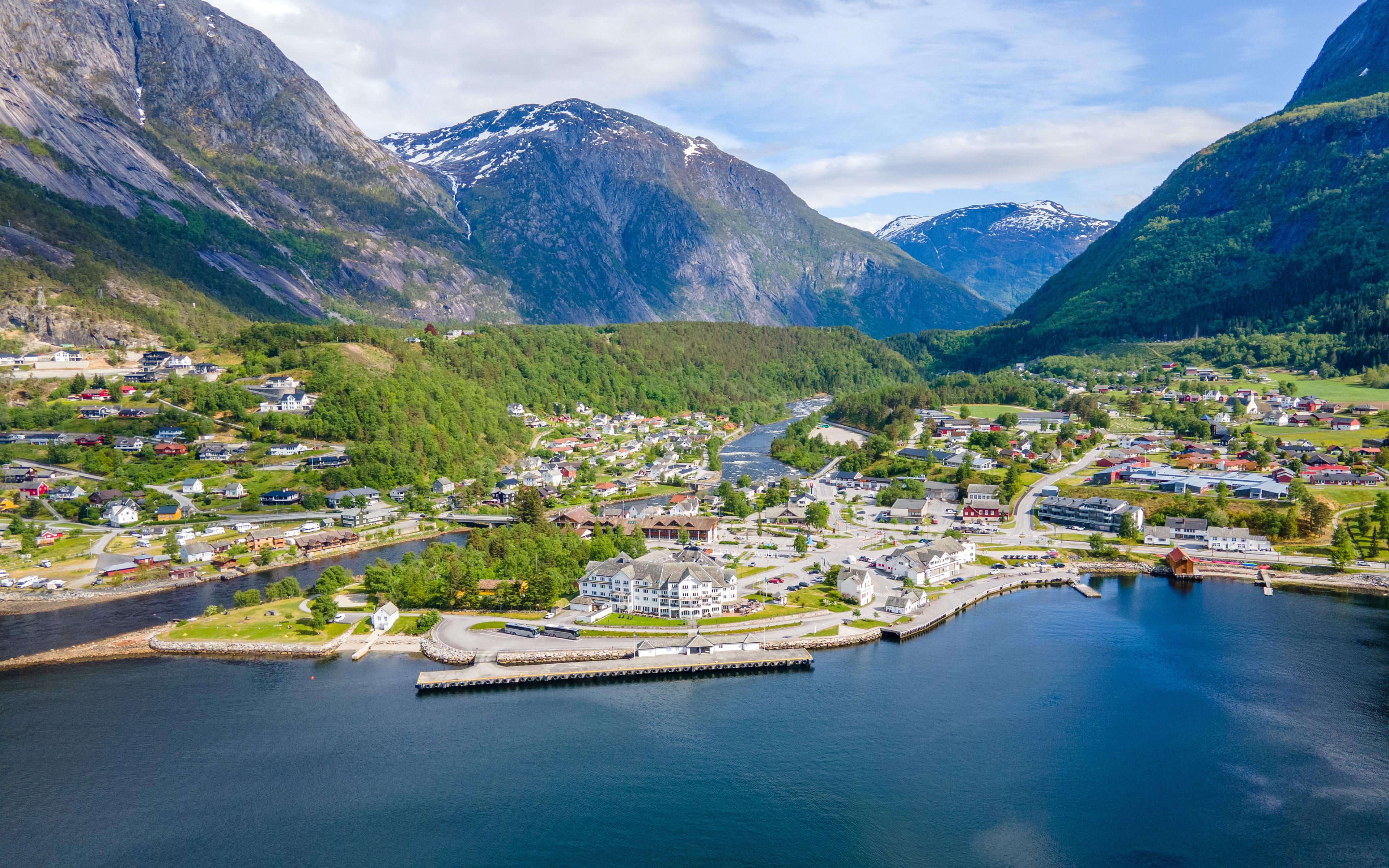 Go FjordsBook fantastic tours and experiences! We offer tours in Oslo, Bergen, Stavanger, Lofoten, the North Cape, and more.
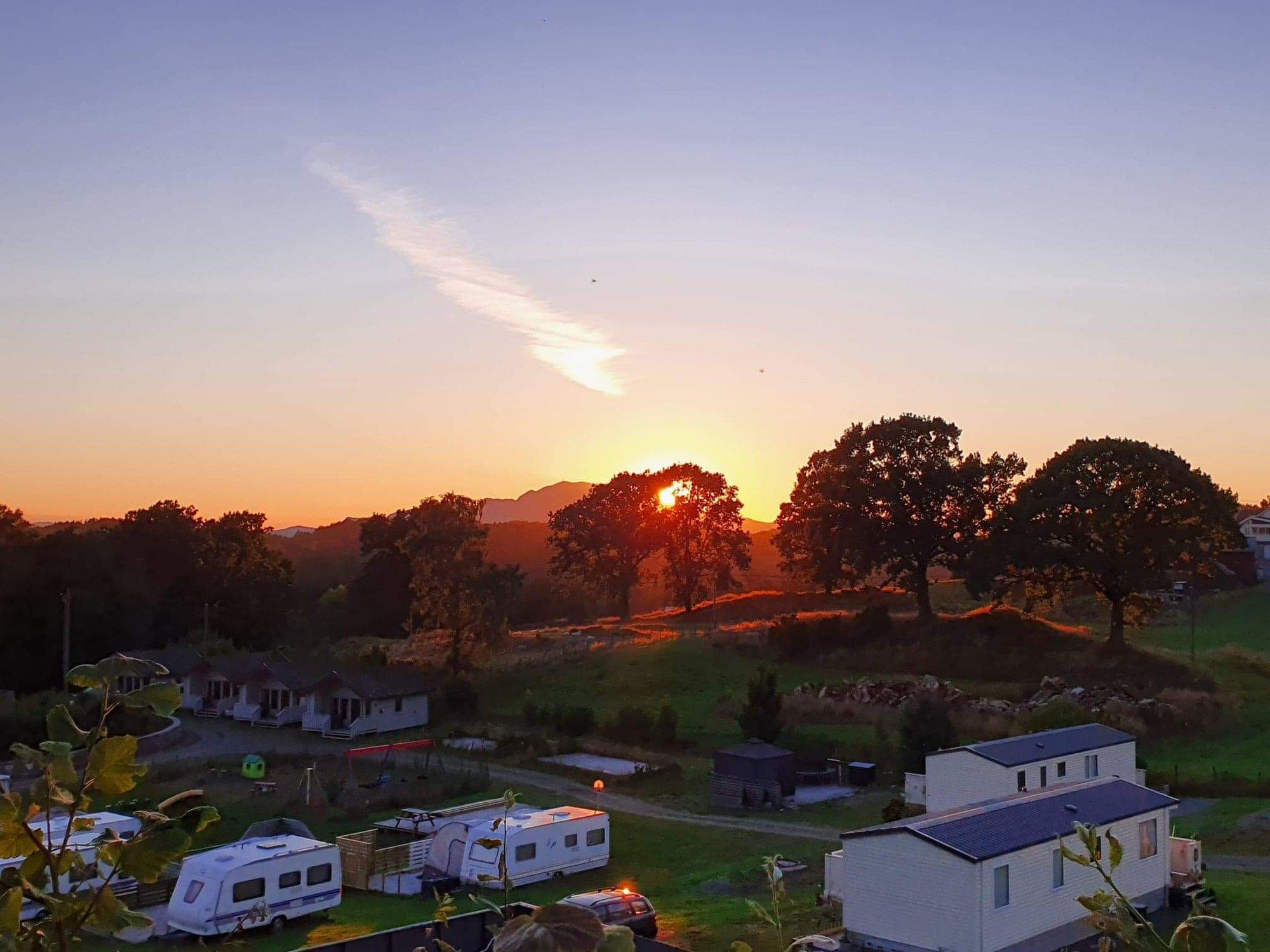 CampcationBook a camping stay in stunning and unique locations all across Norway with Campcation.
 Booknordics.comUnique holiday packages, adventure hotels, tours, and activities.
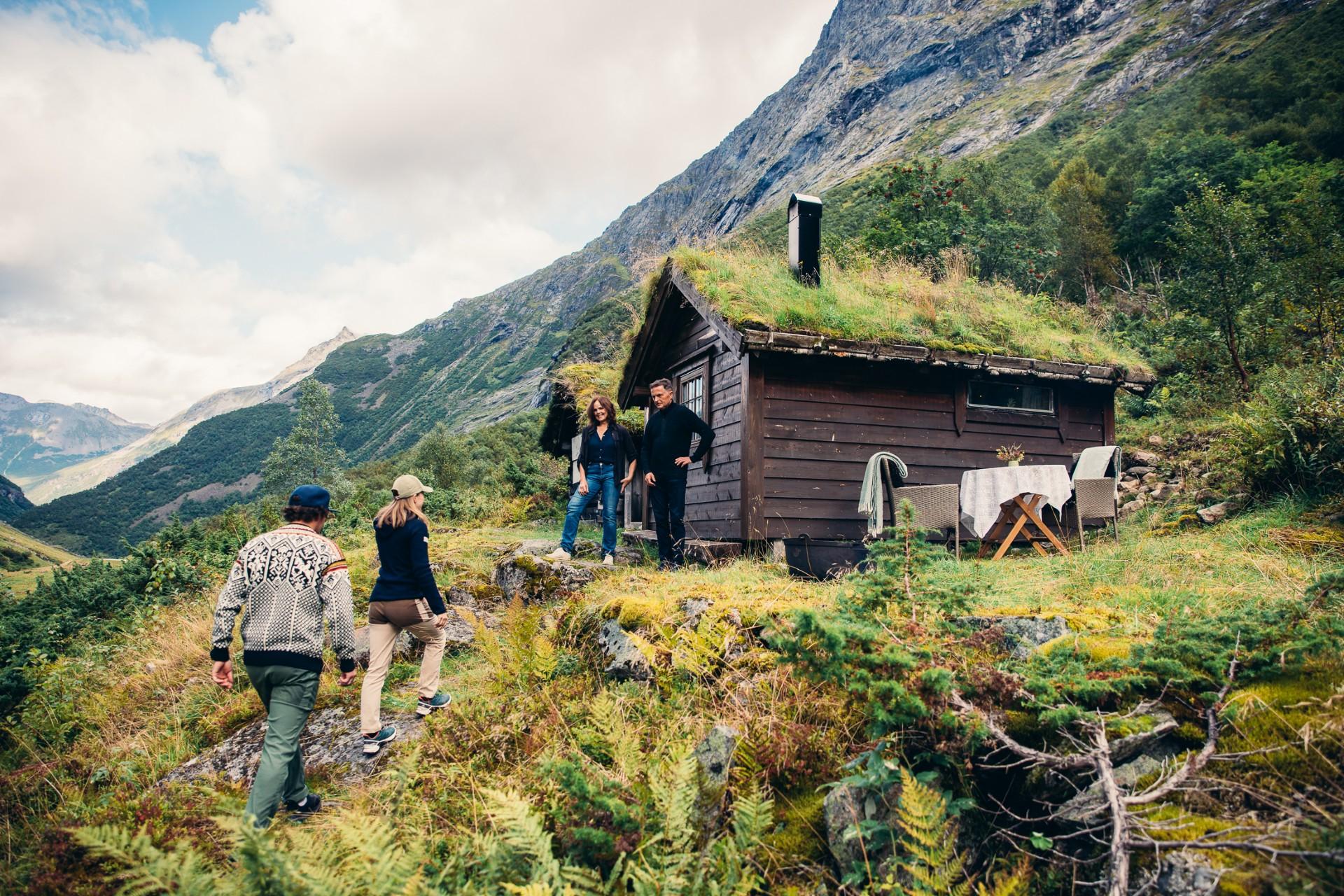 Up NorwayBespoke luxury hand-picked by local experts. We combine your preferences and our knowledge to make an unforgettable journey.
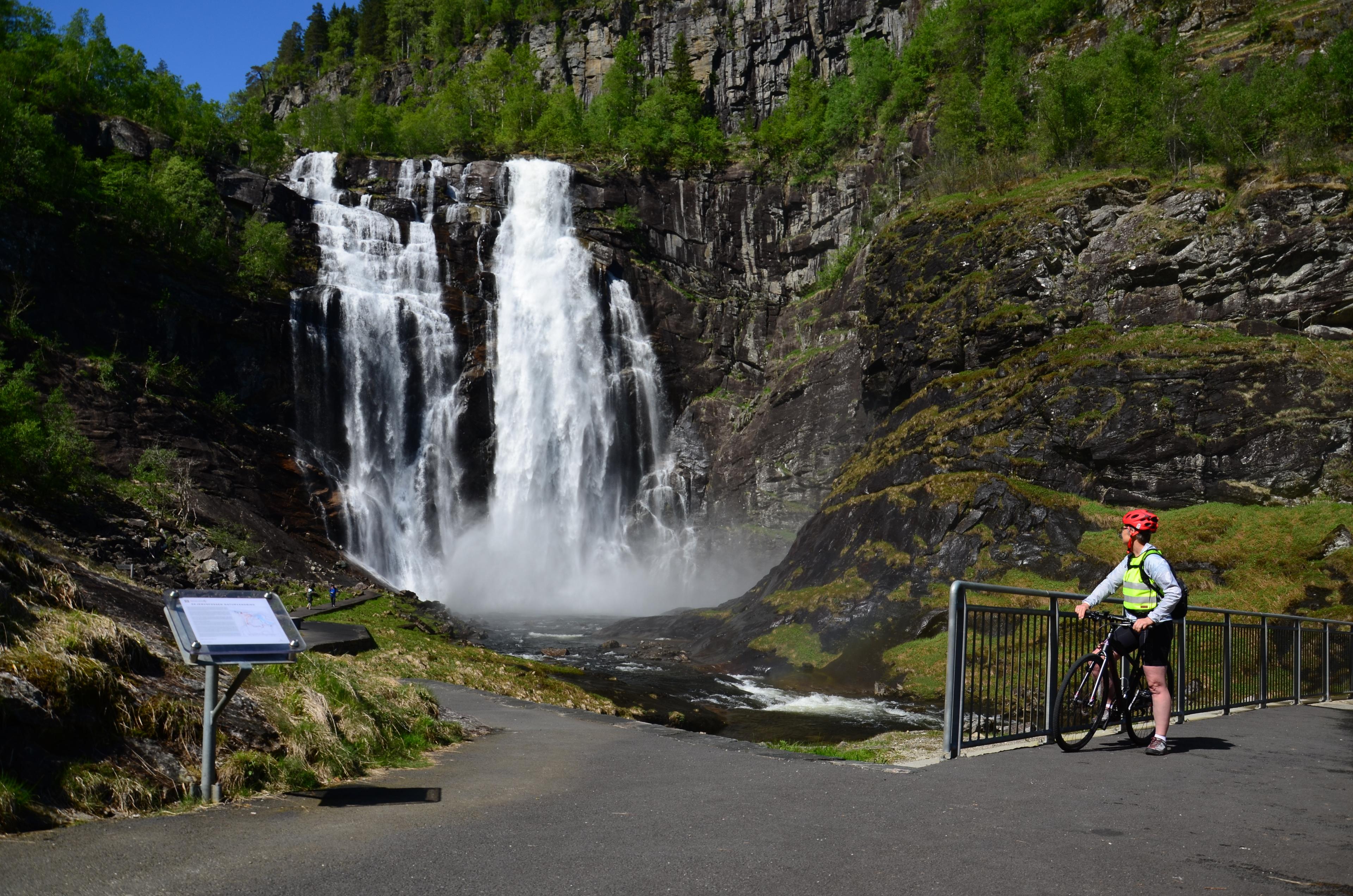 Discover NorwayOffers a range of exciting self-guided hiking, biking, and skiing holidays in Norway. Luggage transfer included.
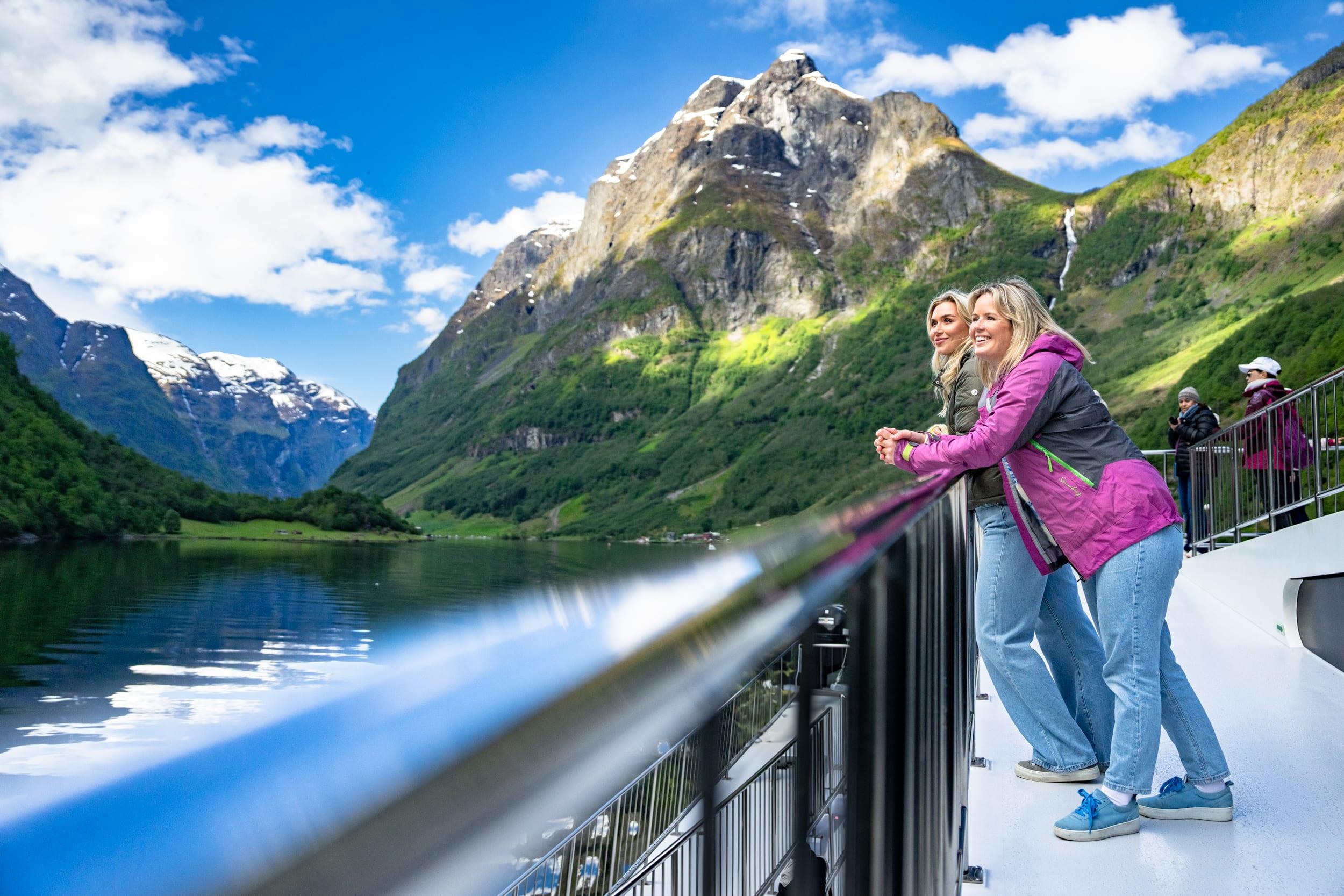 Fjord ToursHome of Norway in a Nutshell, Norway's most popular tour. Fjords, mountains, and stunning destinations — all in one trip!
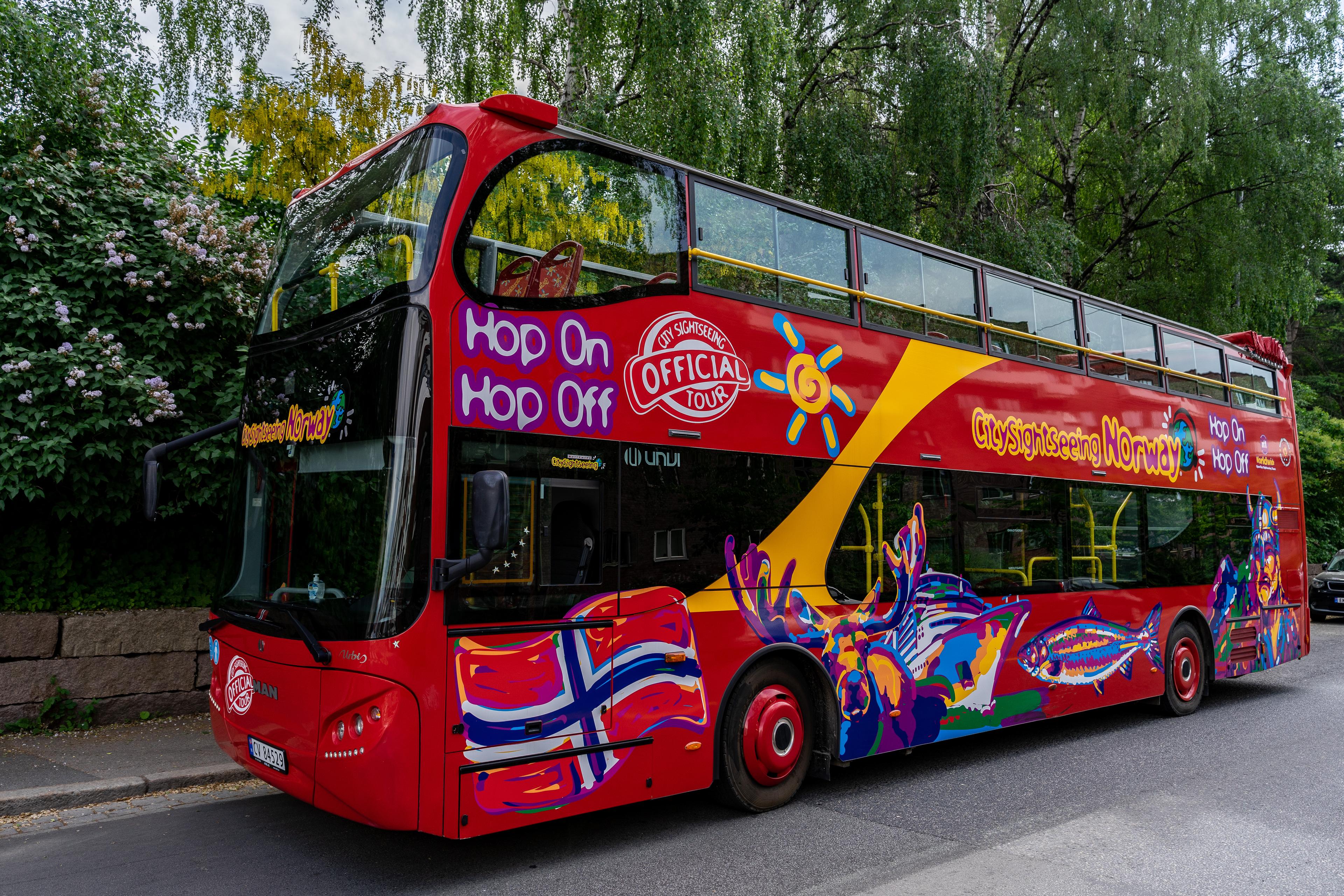 StrömmaSightseeing by bus and boat in several major tourist spots and cities in Norway.
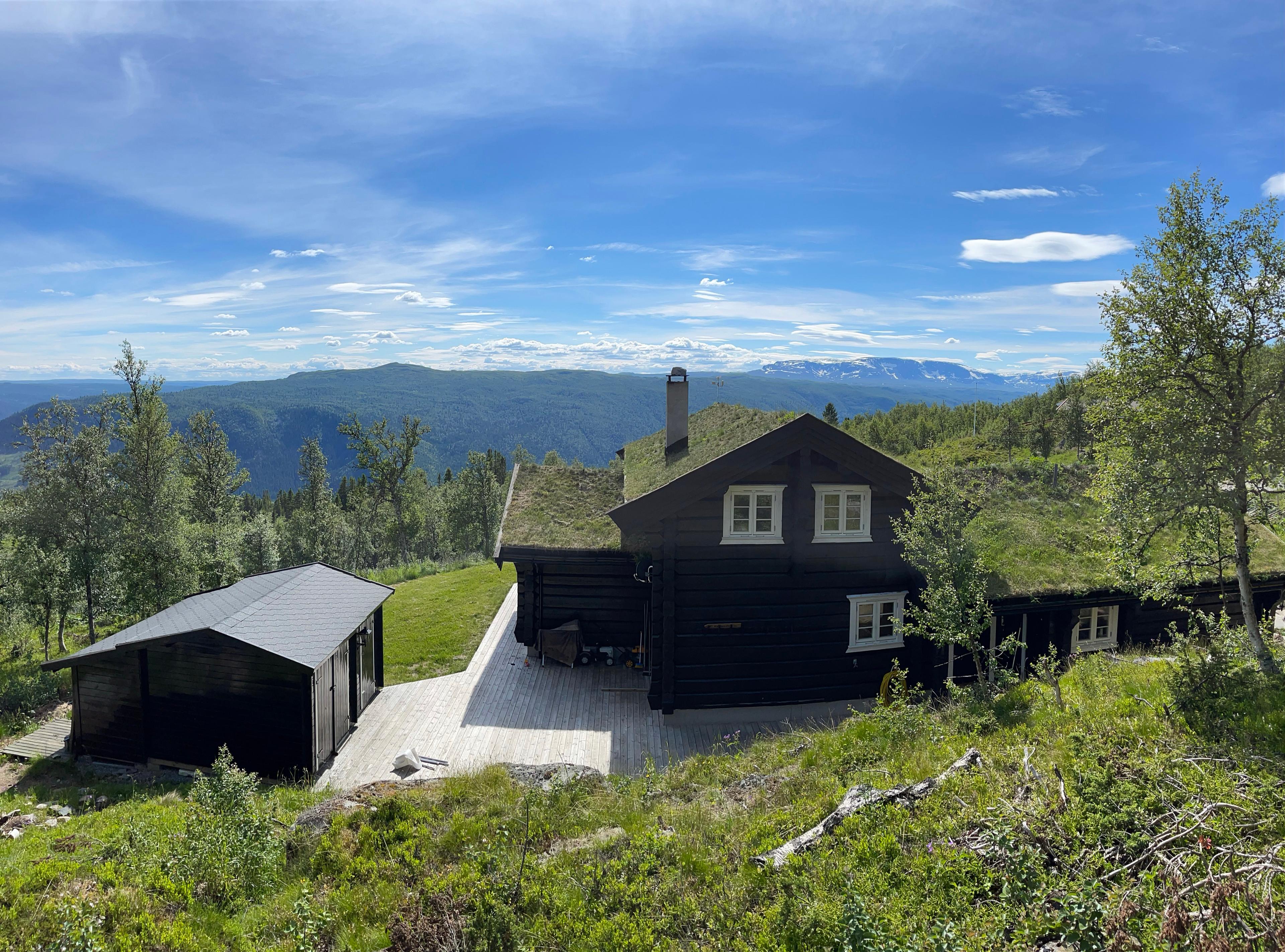 NorgesbookingBook your perfect cabin stay in the fjords, mountains, and valleys of Norway.
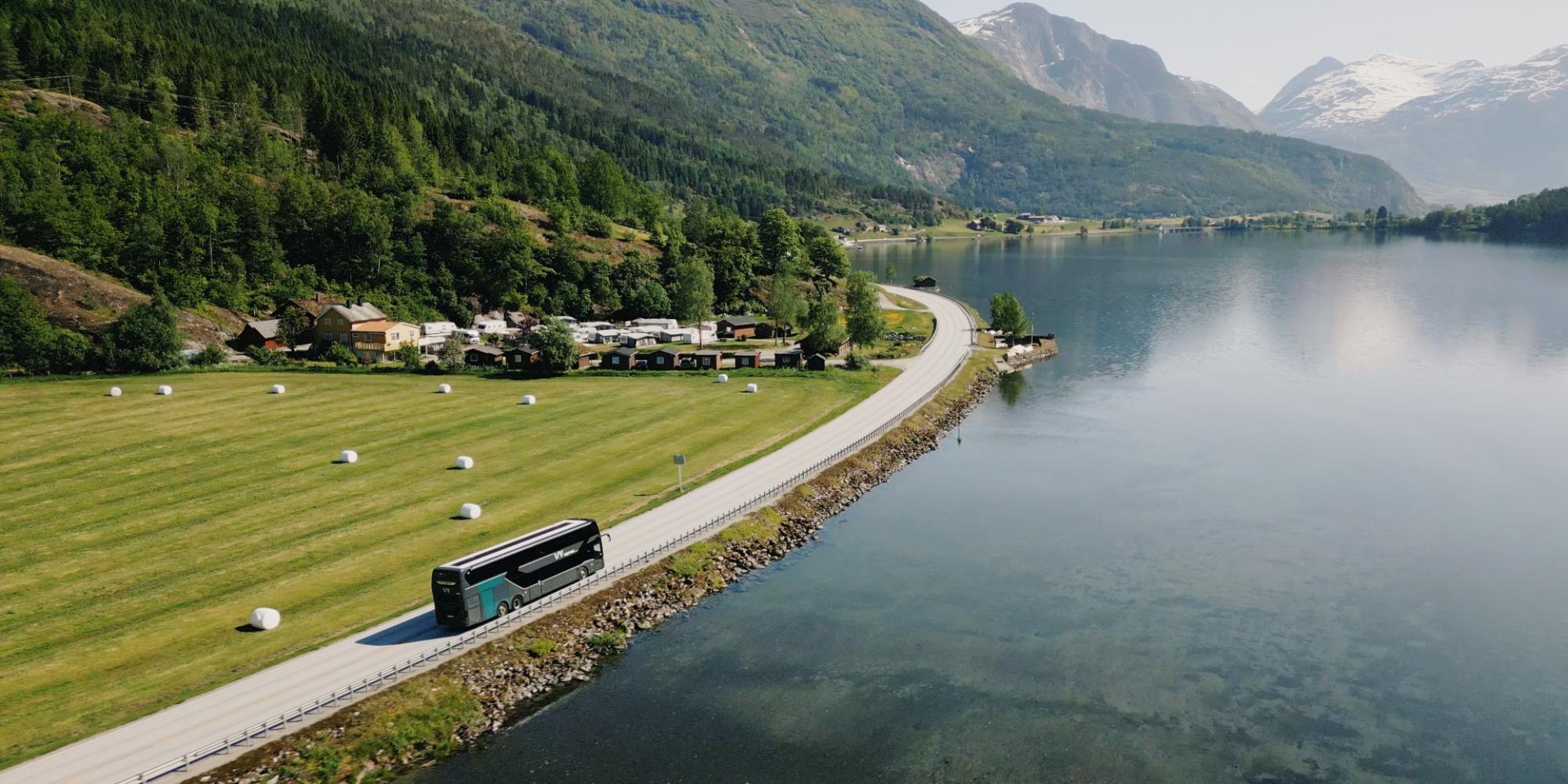 Vy expressDiscover Norway on comfortable express buses that take you between major cities, mountains, and fjords.
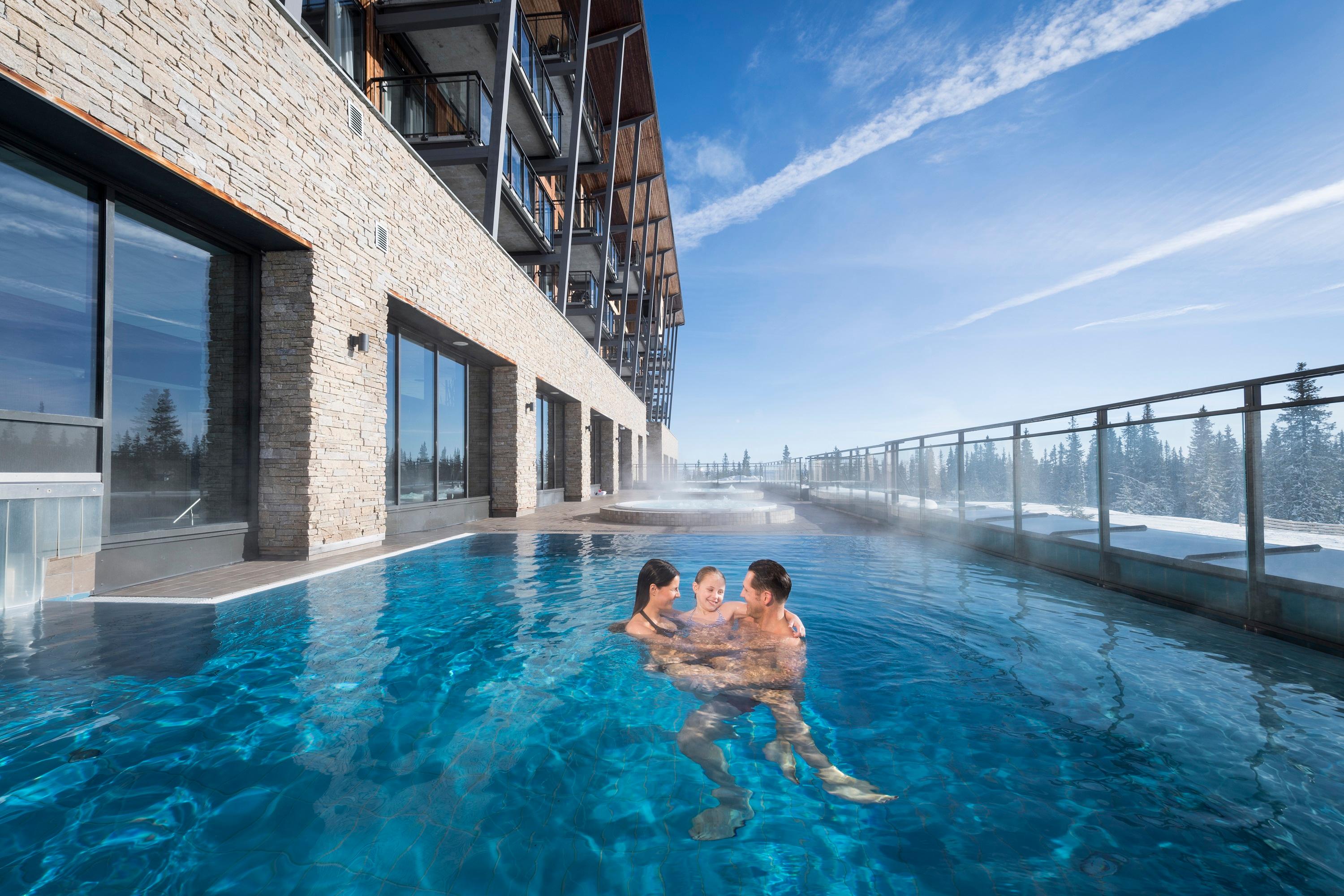 Radisson HotelsGreat value offers and comfortable quality stays in Norway´s major cities, airports, and ski resorts.
 Rent-A-Wreck of Scandinavia ASThe smart and affordable car rental alternative.
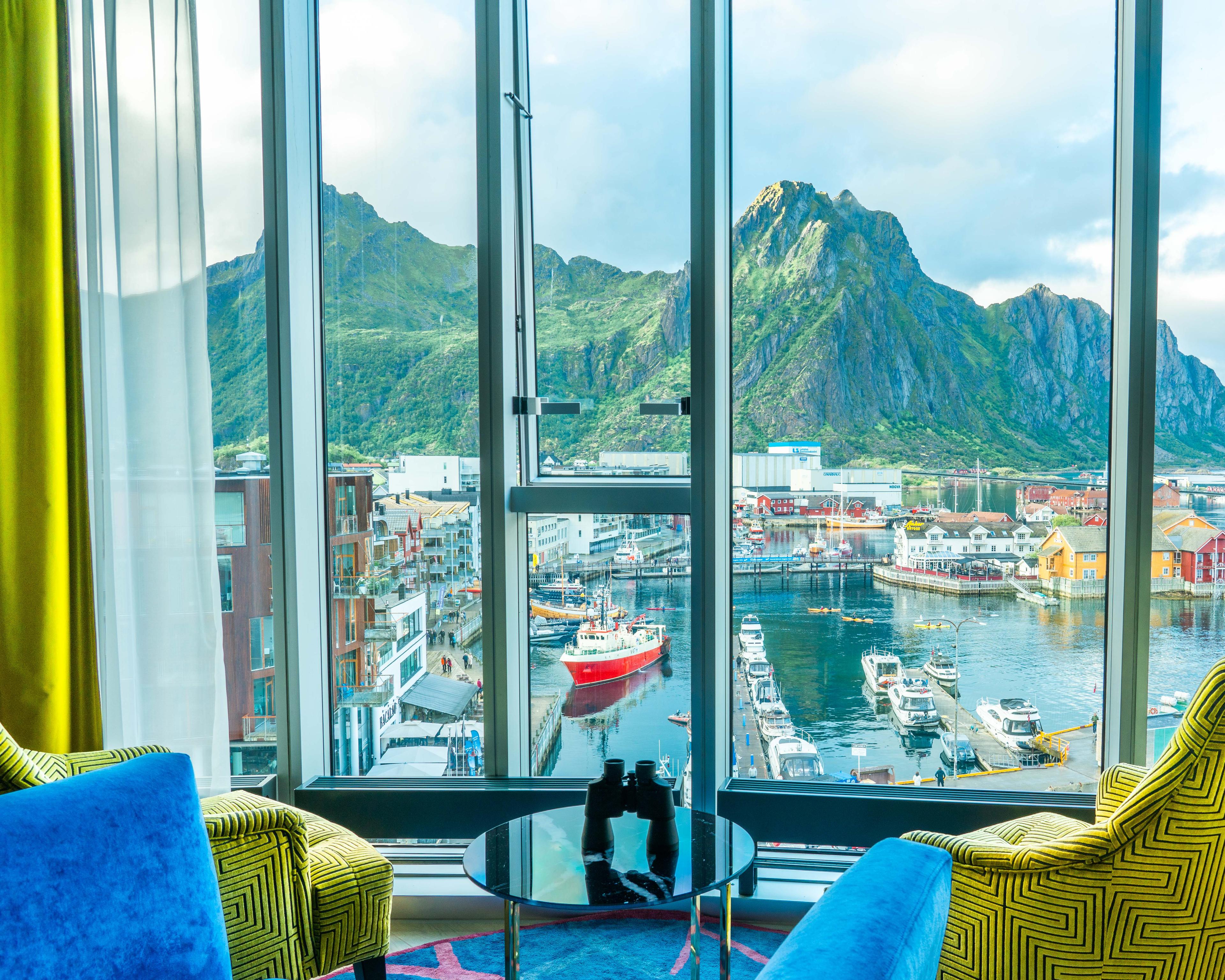 Thon Hotels ASFantastic breakfast included! Experience true comfort and reasonable rates at our 80 hotels in Norway.
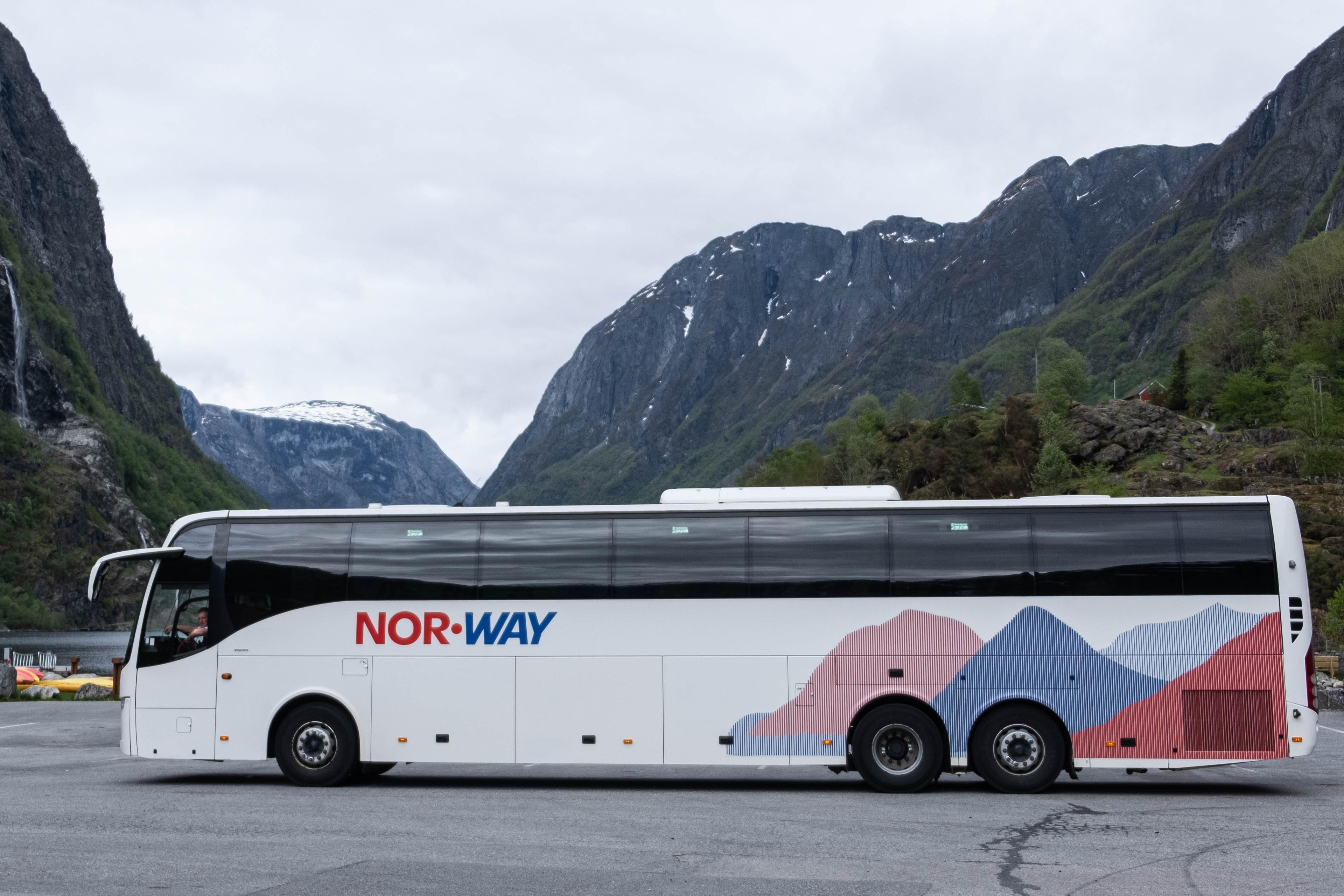 NOR-WAY BussekspressEnjoy scenic views on comfortable bus trips to the fjords and from city to city with our express buses.
 Fjord Travel NorwaySleep in an ice hotel, hunt the northern lights, and discover the magical fjords. Book your tour now!
 Arctic Campers ASDo you want to try van life? Explore Norway in comfort and style with our smart and cosy campervans.
 HurtigrutenExperience the world's most beautiful sea voyage on an unforgettable cruise along the stunning Norwegian coast.
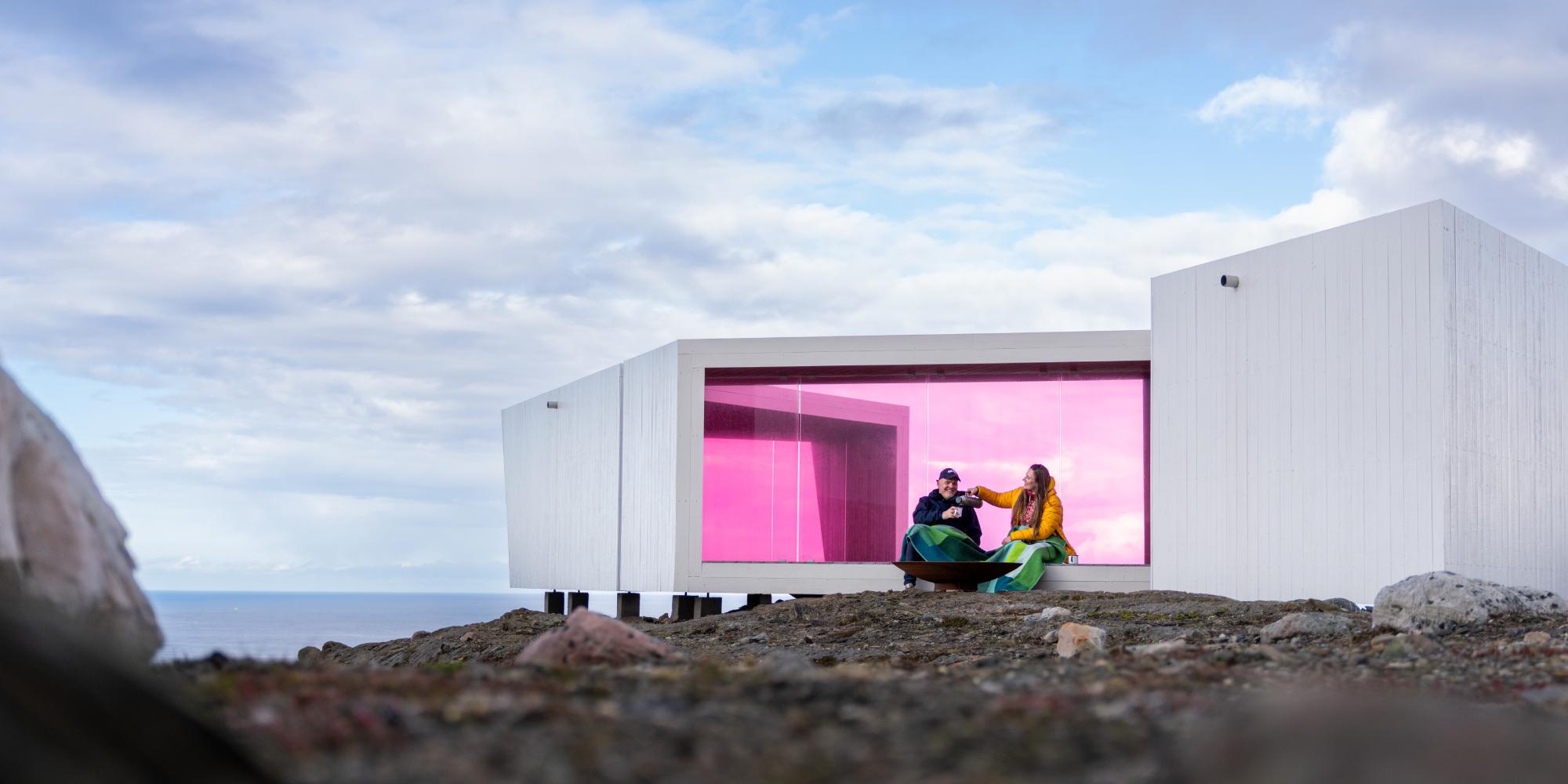
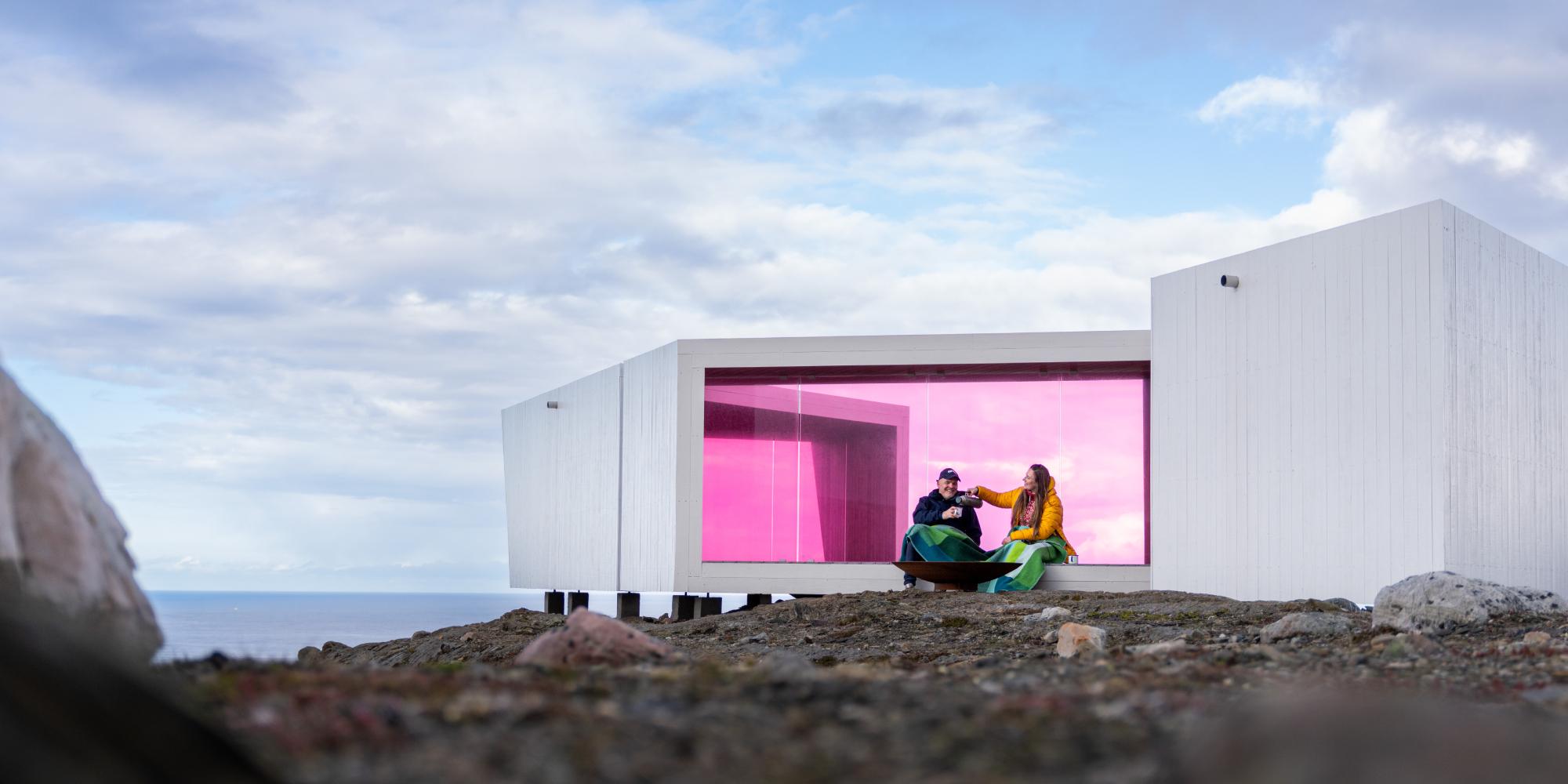
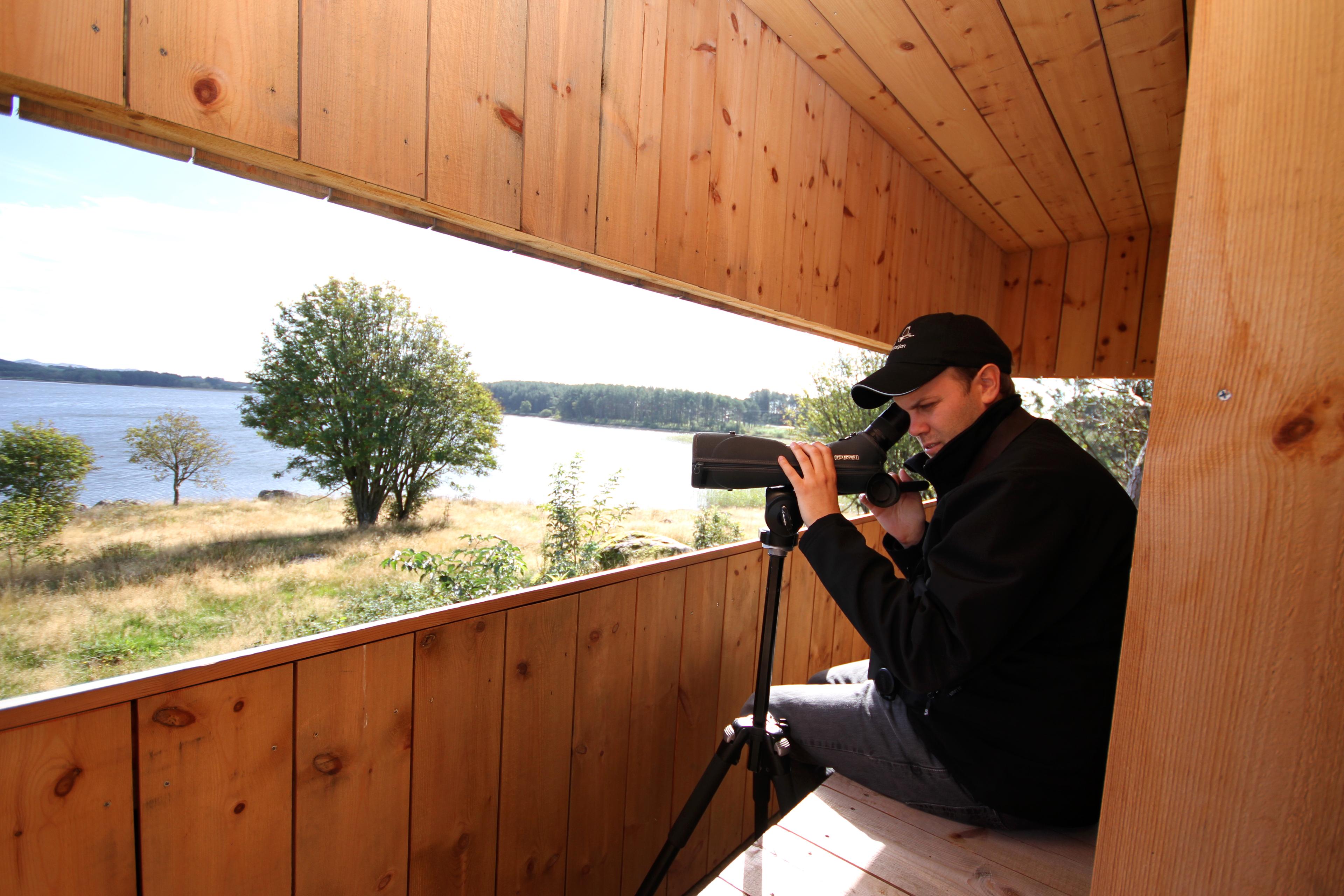
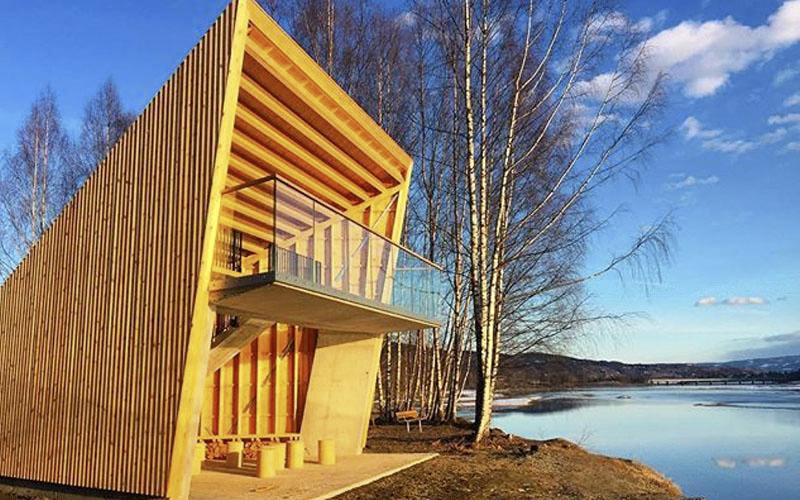
Bird hides
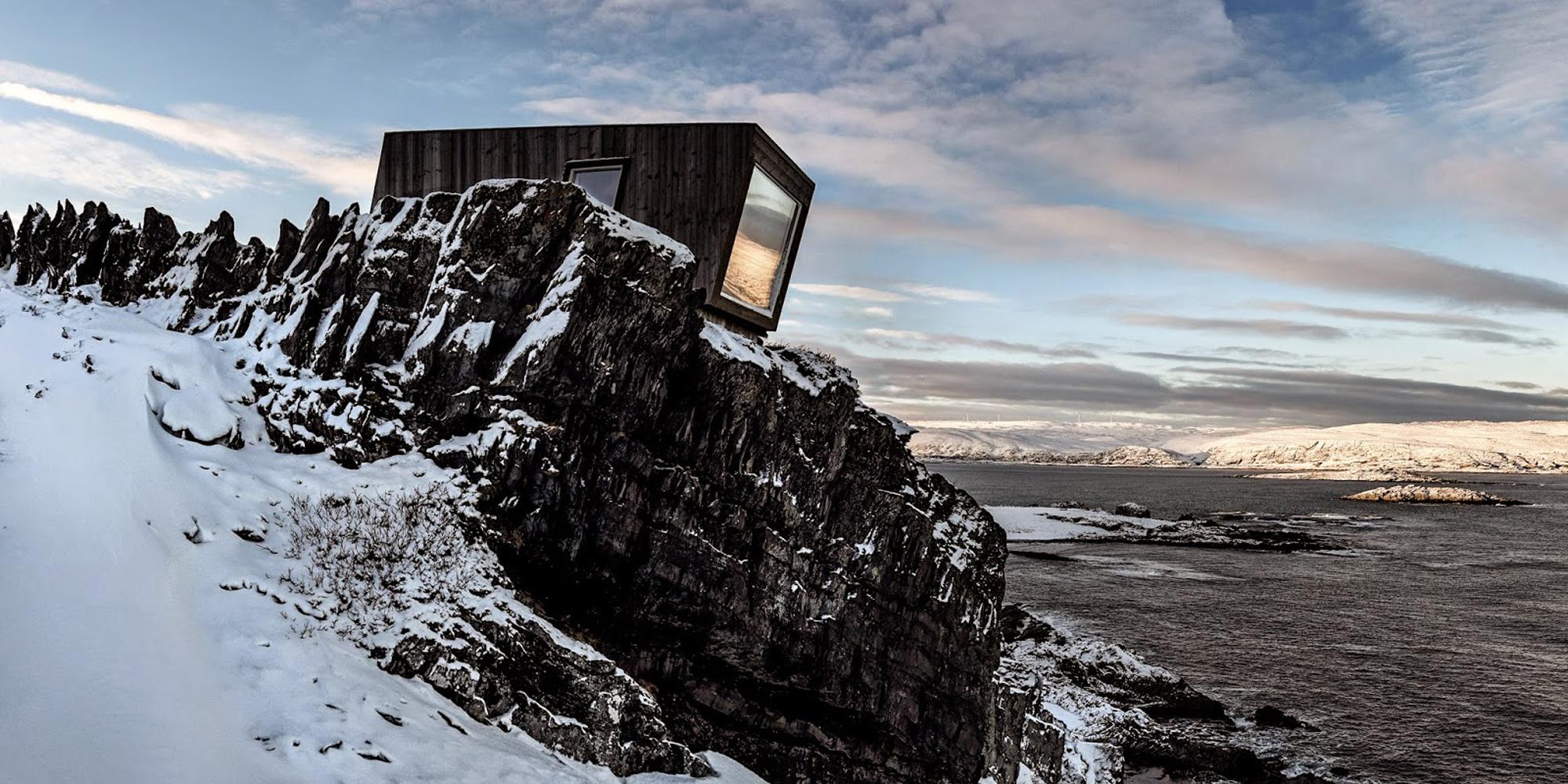
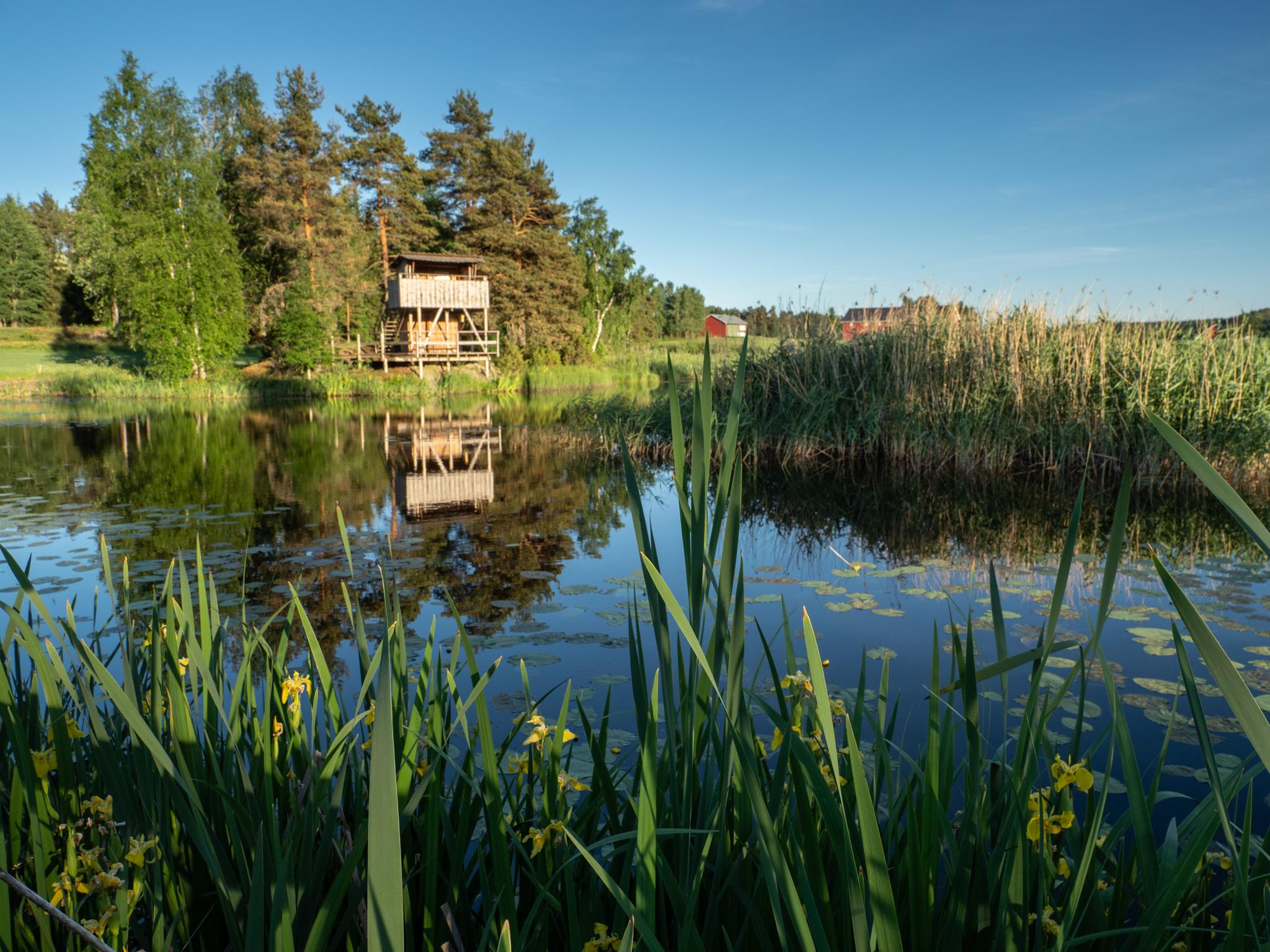
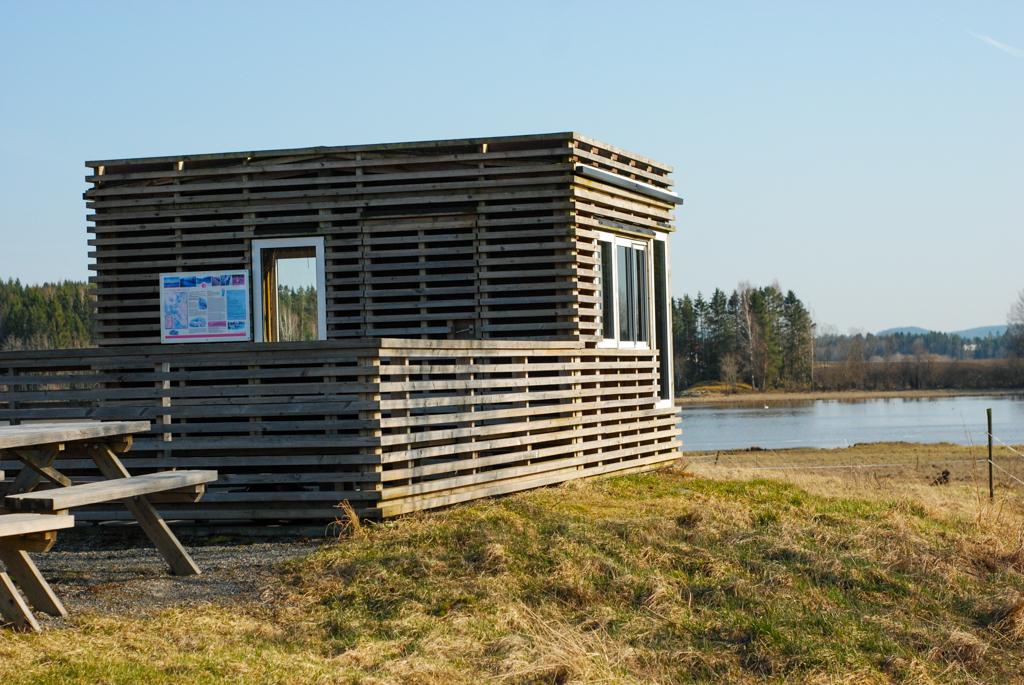
Many of Norway's bird hides and shelters are architectural gems, perfectly located in fantastic birdwatching areas. Check them out!