In the Setesdal valley, a passionate local community is reviving Norway's iconic wooden architectural heritage by building a traditional stave church, crafted using Viking Age techniques. The church is scheduled to be complete in 2030.

How to build a stave church
… without modern tools!
Imagine stepping 800 years back in time. Horses pull timber. No modern machines, power tools, or materials. Just wood, axes, skill …
… and a community determined to bring history to life.
Norway hasn’t seen these building methods in centuries.
But here, in Setesdal, a new stave church is rising up.

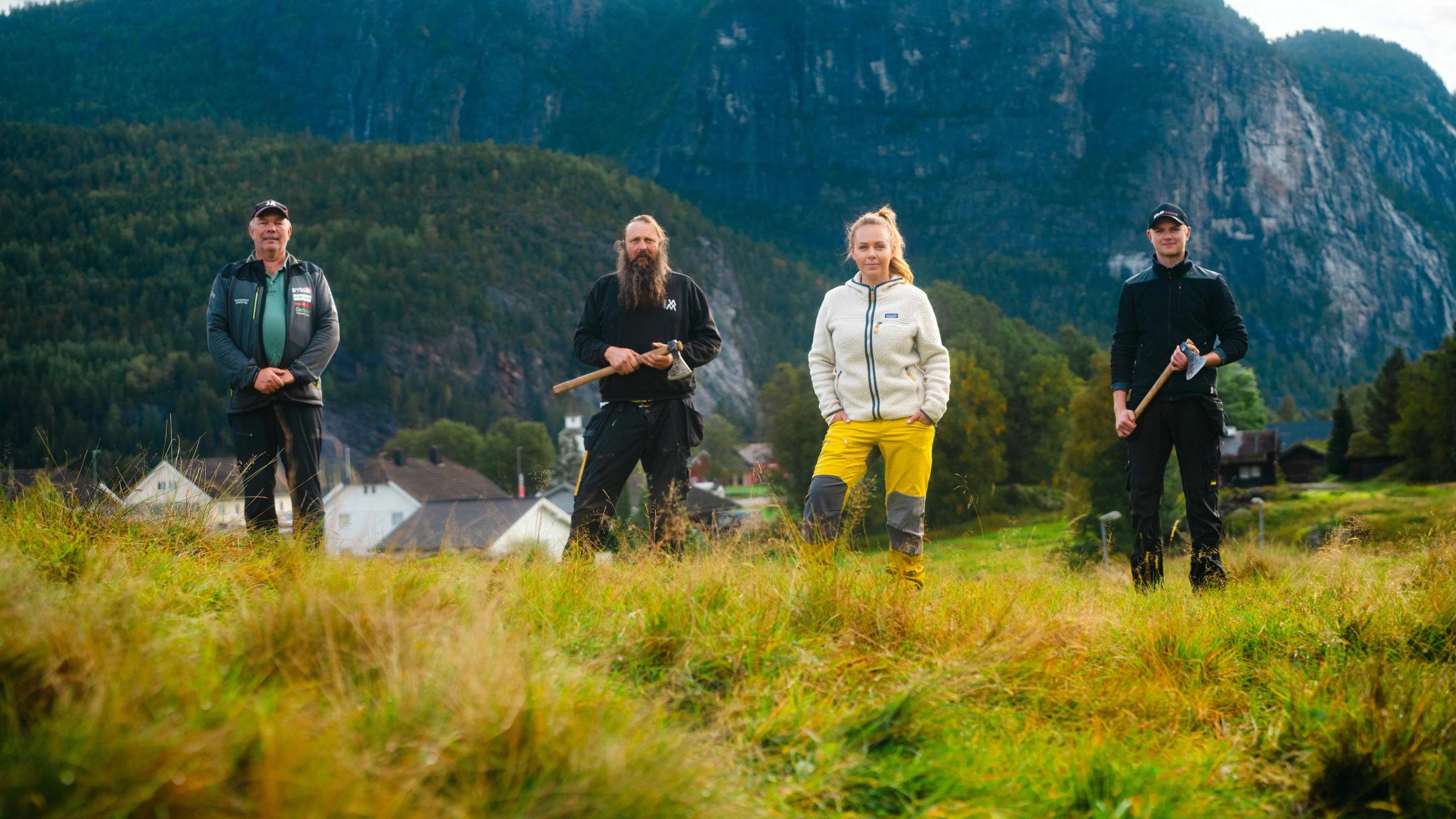
Sandra Birkenes, Project manager
A stave church rises up in Setesdal
"If we had known how big it was going to become, we might not have dared to start," says project manager Sandra Birkenes.
Building a stave church in the 21st century without using modern tools may sound like an extremely ambitious undertaking. Yet in Rysstad in the picturesque Setesdal Valley in Southern Norway, the local community is doing just that.
The original goal was to create an attraction for the village, which could boost tourism and local businesses in the valley. The project has since expanded far beyond the local area to become a national endeavour.
Viking heritage
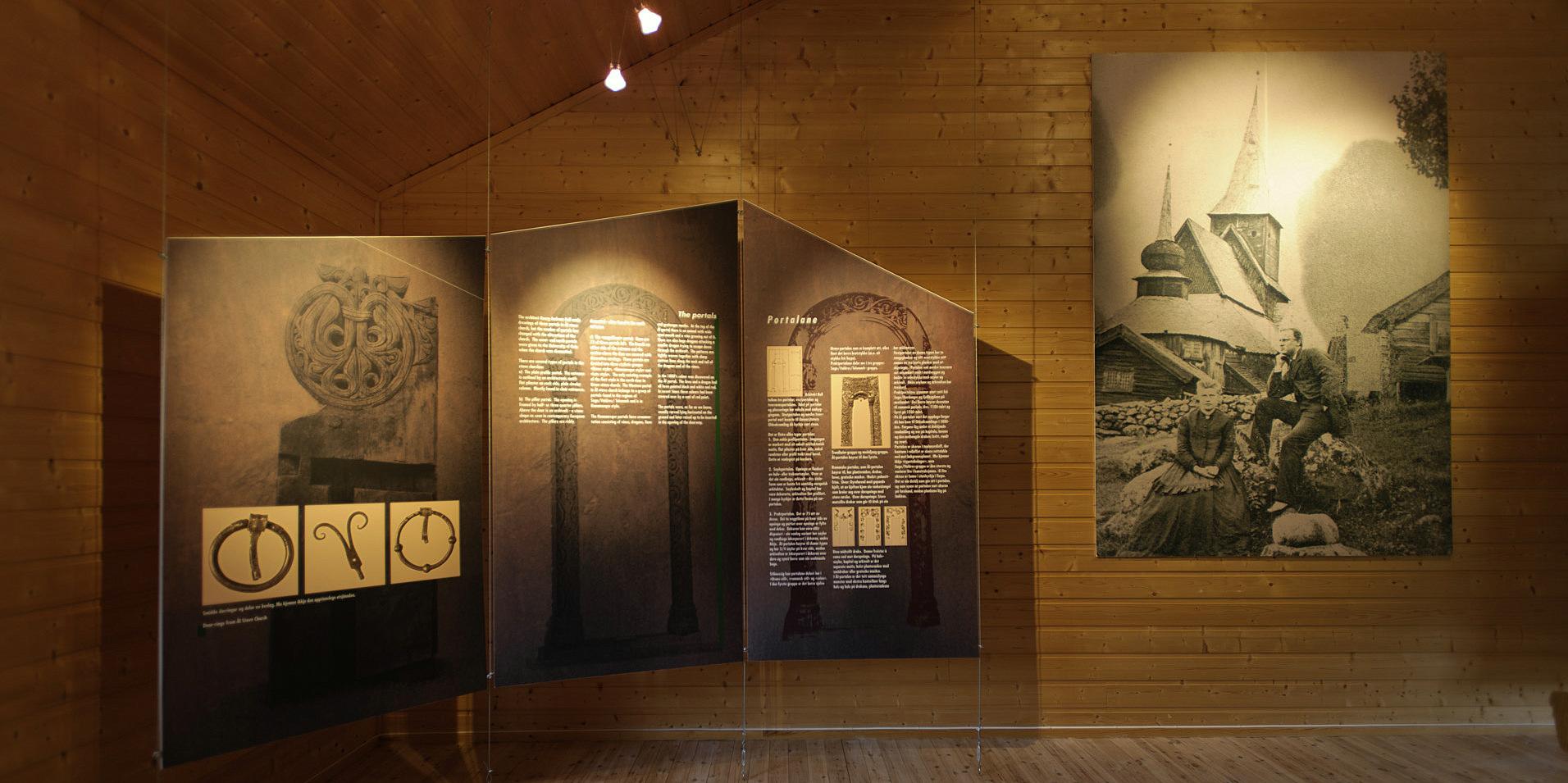
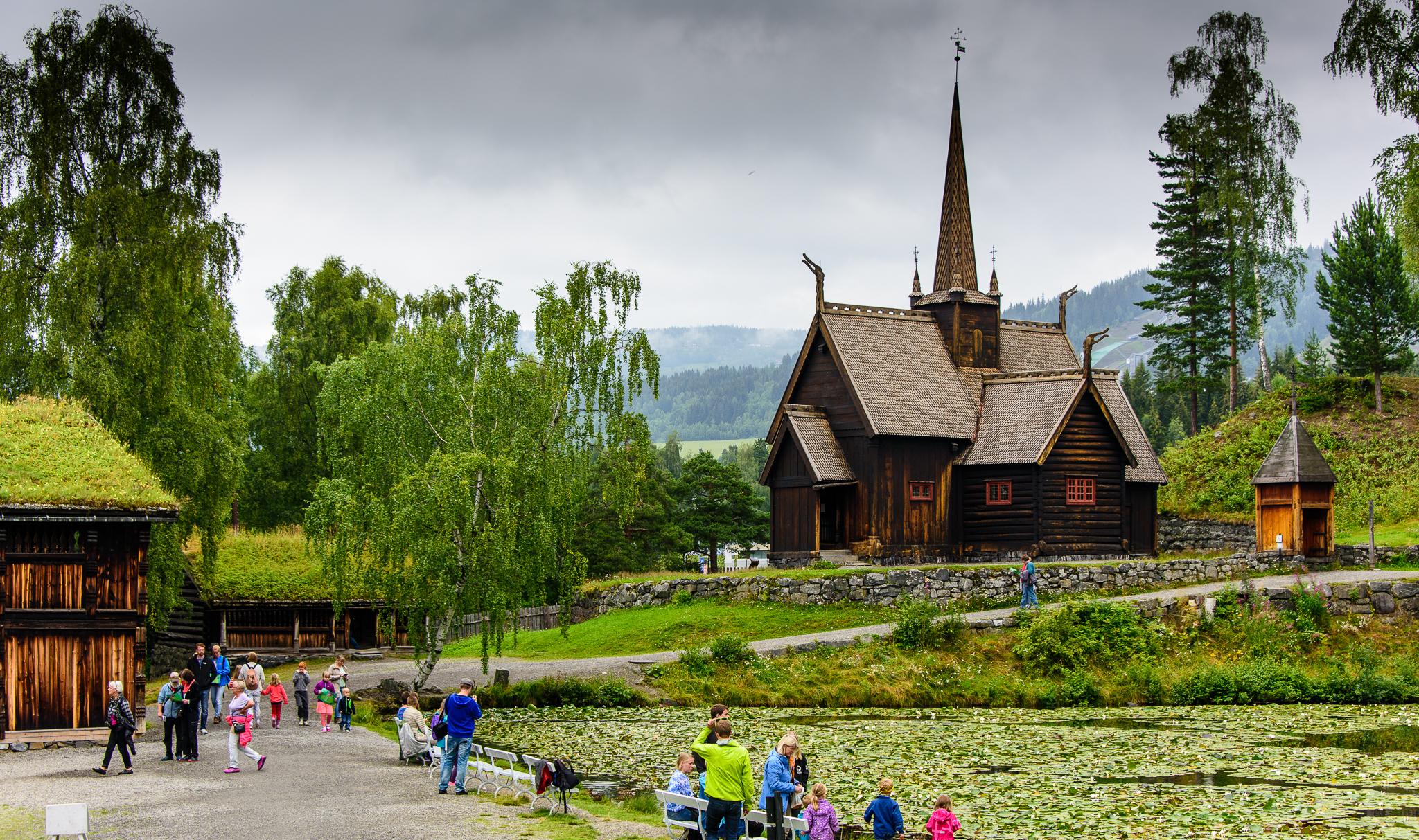
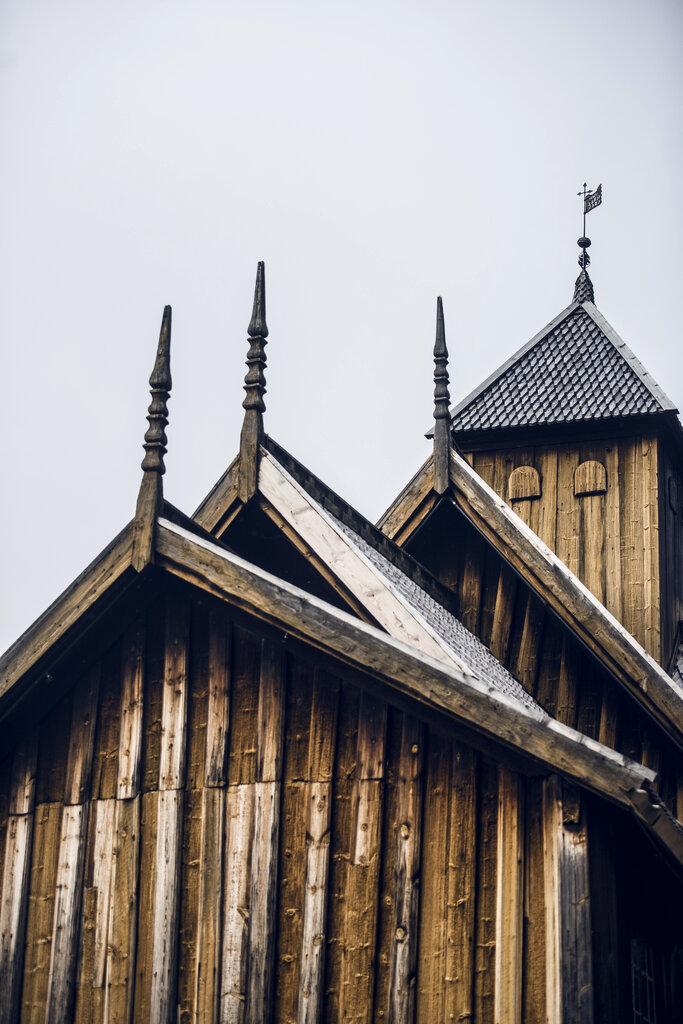
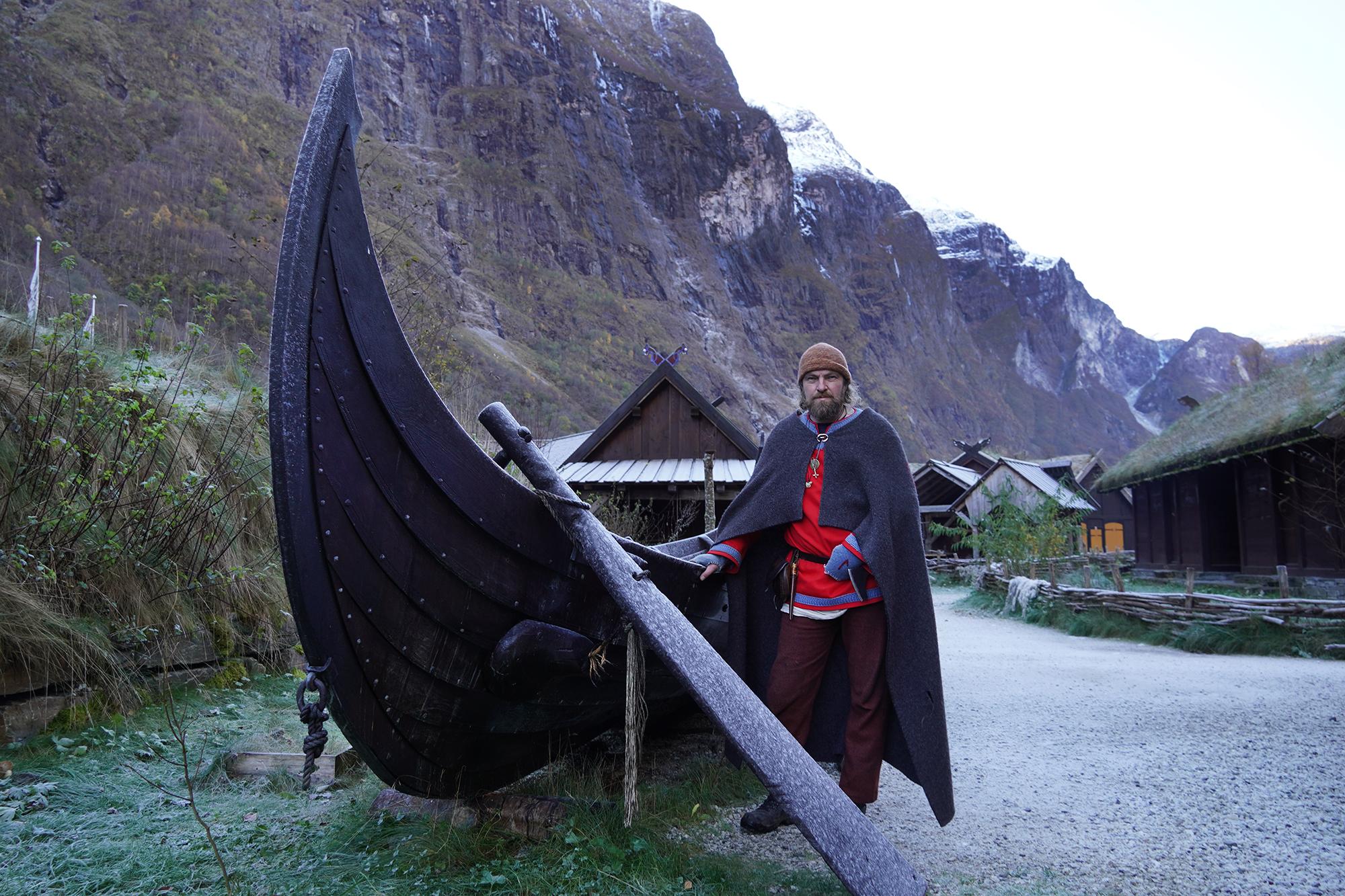
During the Middle Ages, when much of Europe was building cathedrals in stone, Norway was developing a unique wooden church tradition: Stave churches, named after their corner posts or staves, which feature timber frameworks with walls of upright planks.
Many are adorned with intricate carvings of Norse motifs, such as Viking ships, in addition to Christian symbols.
Stave churches were often built on ancient sacred sites, where people once gathered beneath the open sky to worship. At its peak, it's likely that Norway had between 1,300 and 2,000 stave churches.
By the 19th century, a combination on demographic changes, disrepair, new construction practices, fires, and new church laws led to most of these churches being lost. Today, only 28 remain, preserved as treasured monuments to Norway’s cultural heritage.
The reconstruction
When choosing a model for the stave church, the team looked to Norway's best-preserved example: the Borgund Stave Church in Lærdal in Fjord Norway. While the new church will include local details based on the team's own designs, Borgund offers the most precise blueprint.
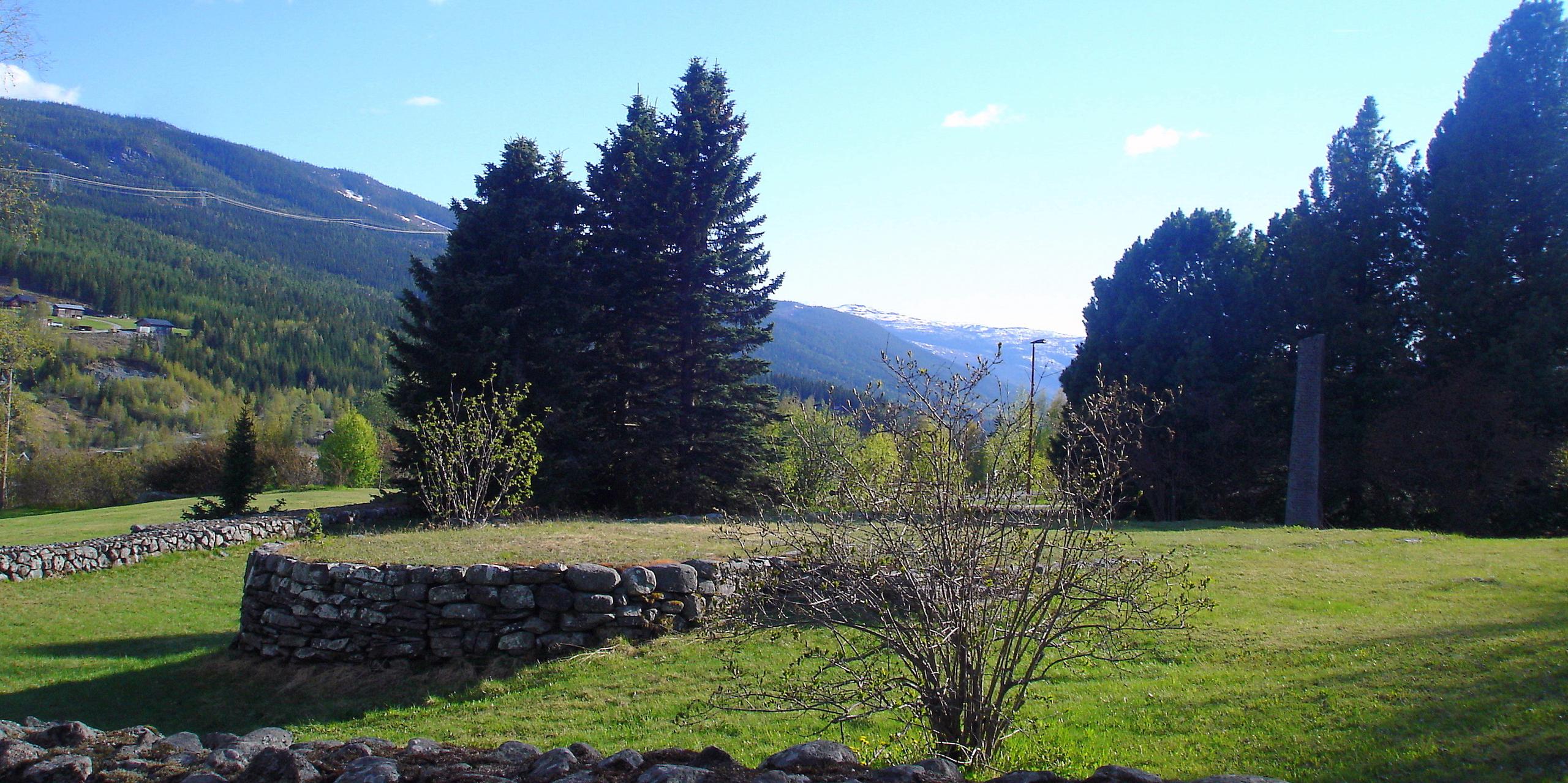
The Setesdal Valley was the historical home of the Hylestad stave church, which once stood in a field in Rysstad before being demolished in 1664.
A ground radar scan was conducted over the site where the church once stood. The results show that the church’s measurements are almost identical to those of Borgund stave church. Although the new church will not be built on the original site, as the site is protected, it will be located just across the river, next to the Setesdal Museum.
No modern tools
And the coolest part? The team's aim is to build the church using only techniques from the Middle Ages. Of course, this comes with its own set of challenges when meeting modern safety standards.
"When it comes to raising the 10-meter-high walls by hand… I’m really looking forward to seeing the construction process without any modern equipment like cranes," says Sandra.
Big questions like how the walls were originally raised, might even result in the team building twice to figure out which method was most likely used, she explains.
"We joke that we might end up like the church in Barcelona, which is never finished," she adds.
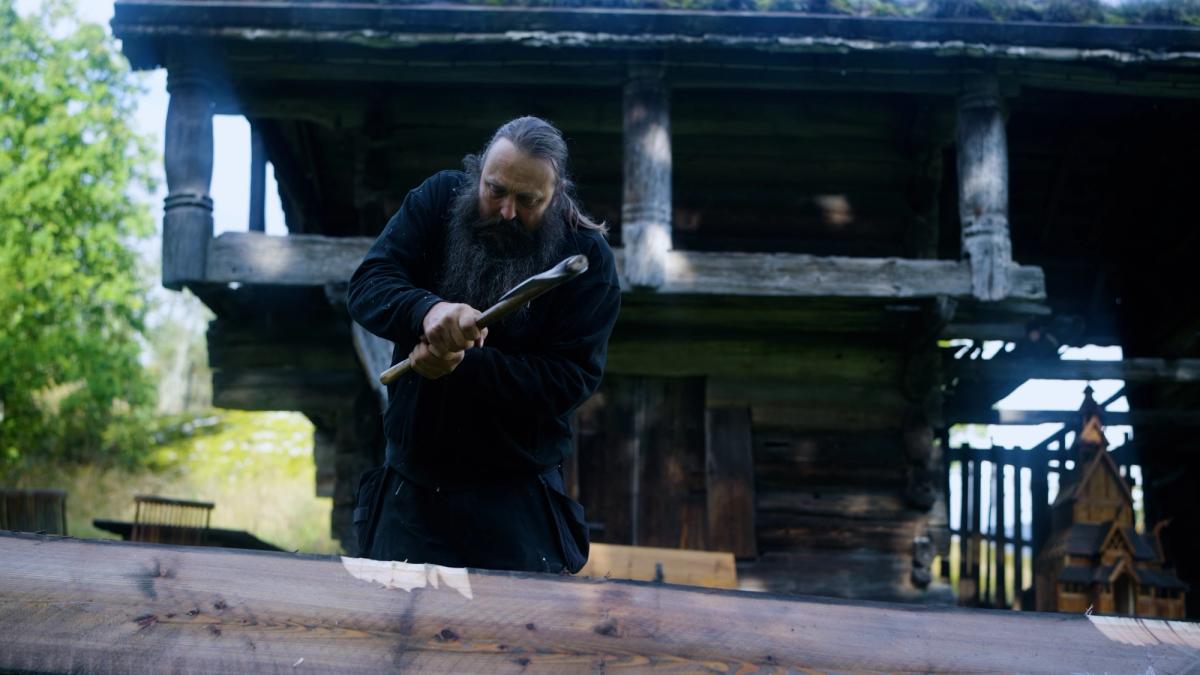
Even the tools used by craftsmen are handmade to replicate those from the period, allowing the builders to recreate the same marks in the timber as those found in the original churches.
In addition, sourcing the right timber is tricky, as they must use wood from slow-growing trees of the highest quality. While the original builders had easier access to these trees, the team hopes to find what they need locally in Setesdal, although they may need to look beyond the local area.
1,000 people at work
More than a thousand people, from eager students to master craftsmen, are contributing to the project.
One of the key people behind the project is Øyvind Mauren. What began as a hobby in carpentry at age 14 grew into a lifelong passion for historic buildings and the Middle Ages. Today, he works full-time restoring old buildings.
Together with Marton Laksesvela and Øyvind Jacob, he has already spent 1,800 hours in constructing the first model of the new stave church.
An open, living classroom
The project serves as important documentation and research to gain deeper understanding of Norwegian cultural heritage and building traditions.
The church is scheduled to be completed by 2029–2030. But it is already attracting widespread attention. The project will remain open to visitors throughout and will serve as an attraction right up until it is completed and beyond.
Visitors will be able to take part in activities during the building process, such as blacksmith work and wood carving. So if you've ever dreamed of stepping into the shoes of a Viking, here's your chance!
An exciting future
The incredible level of interest in the project has surprised the team.
"I thought it would be quite niche, but we’ve had inquiries from around the world about taking part, which could open doors to both national and international funding," says Sandra.
In fact, the project’s appeal has even caught the attention of international media. France TV visited the site and featured the project in a series on Norwegian stave churches.
The team also see opportunities for local businesses, like crafting a stave church beer together with a local brewery. “The building will be a landmark with a 'stop effect,' but beyond that, it will also open new opportunities for existing businesses,” Sandra adds.
Visit a stave church
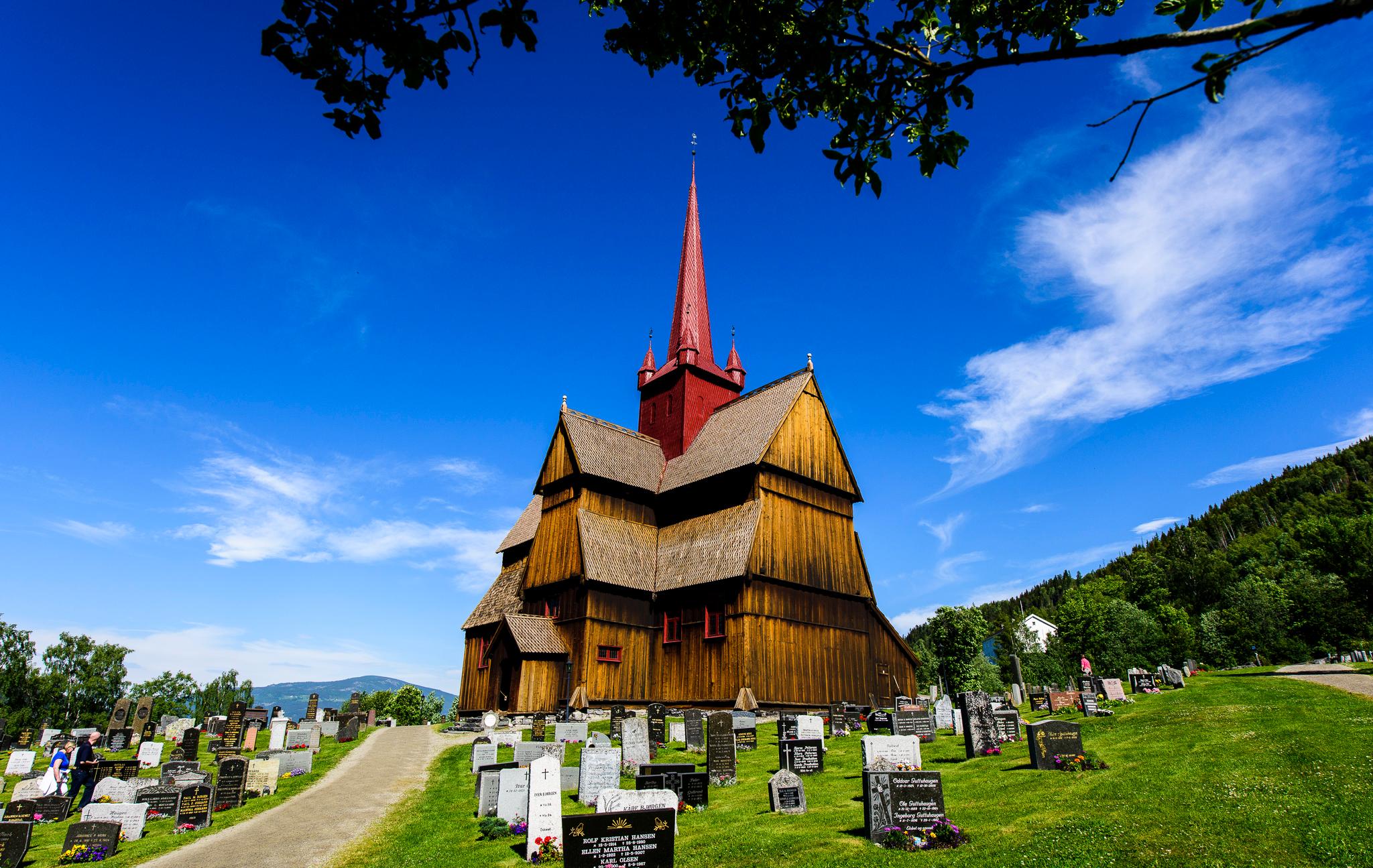
Today only 28 stave churches of varying sizes remain in more or less good condition.
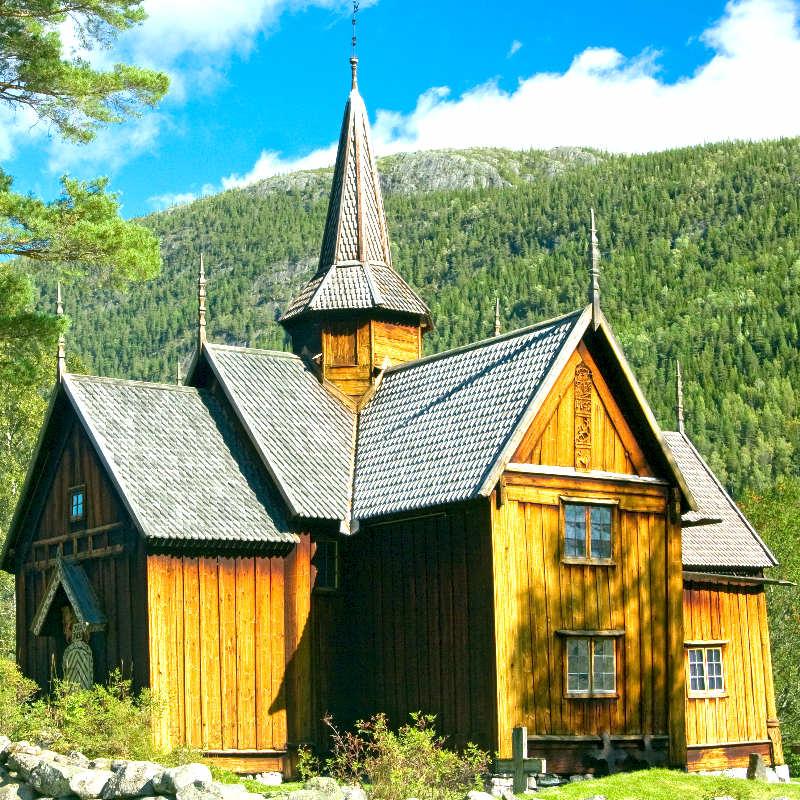
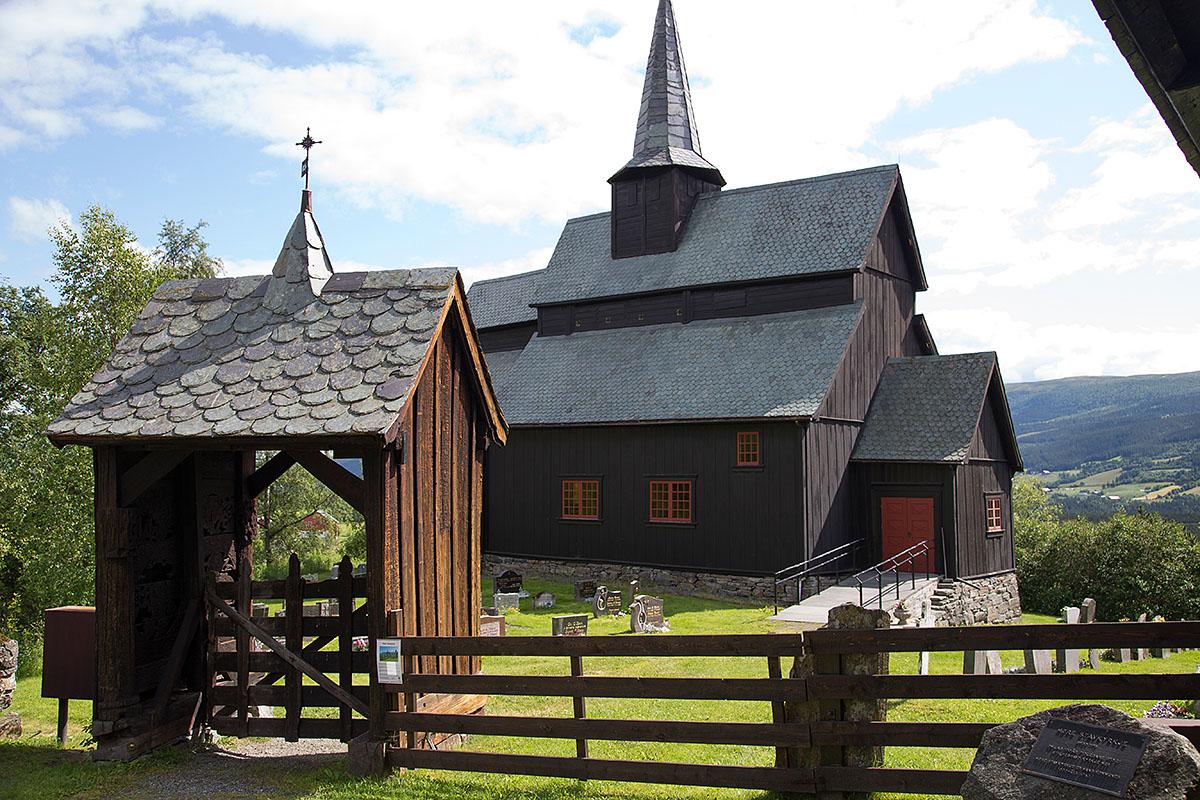
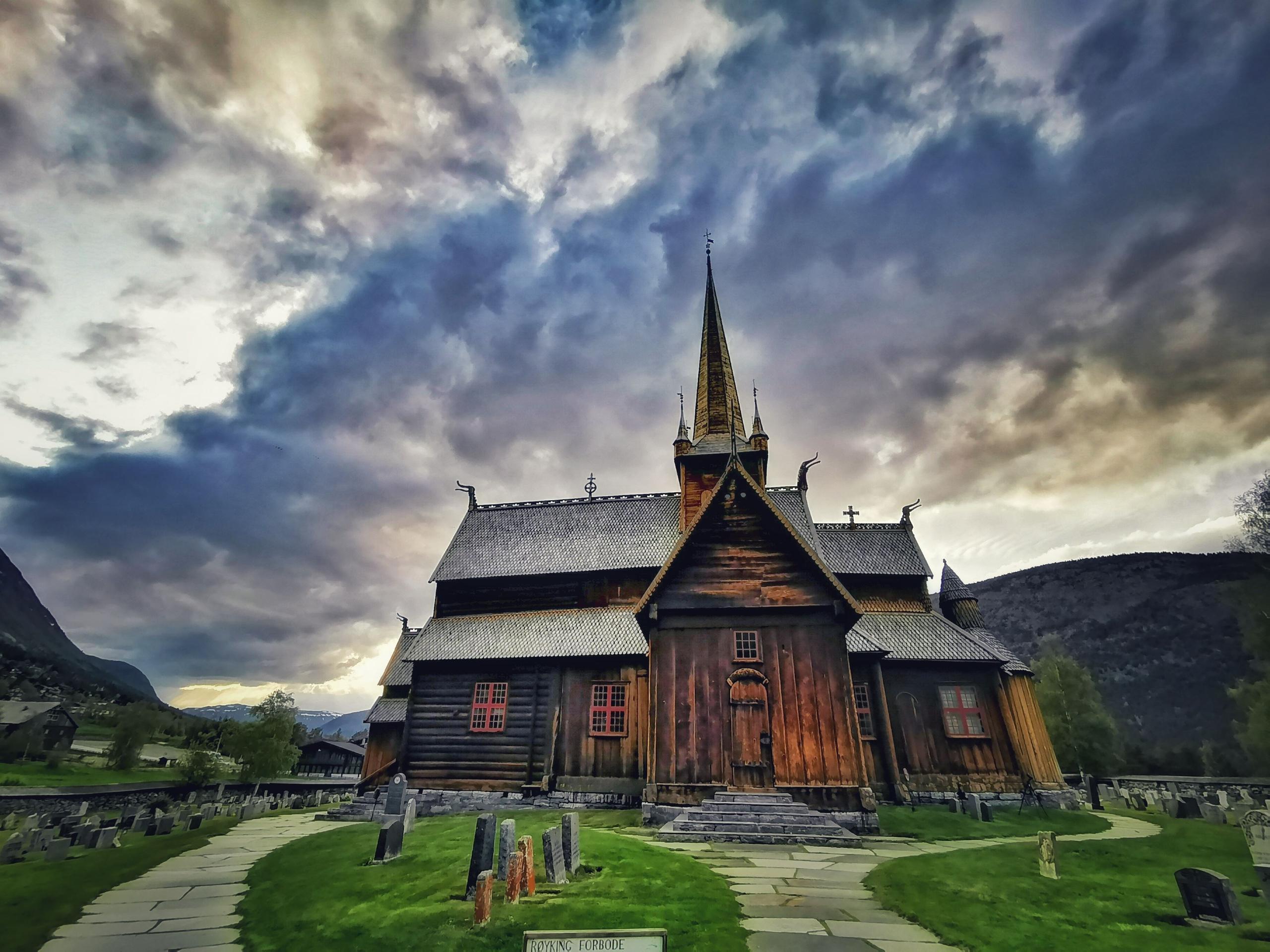
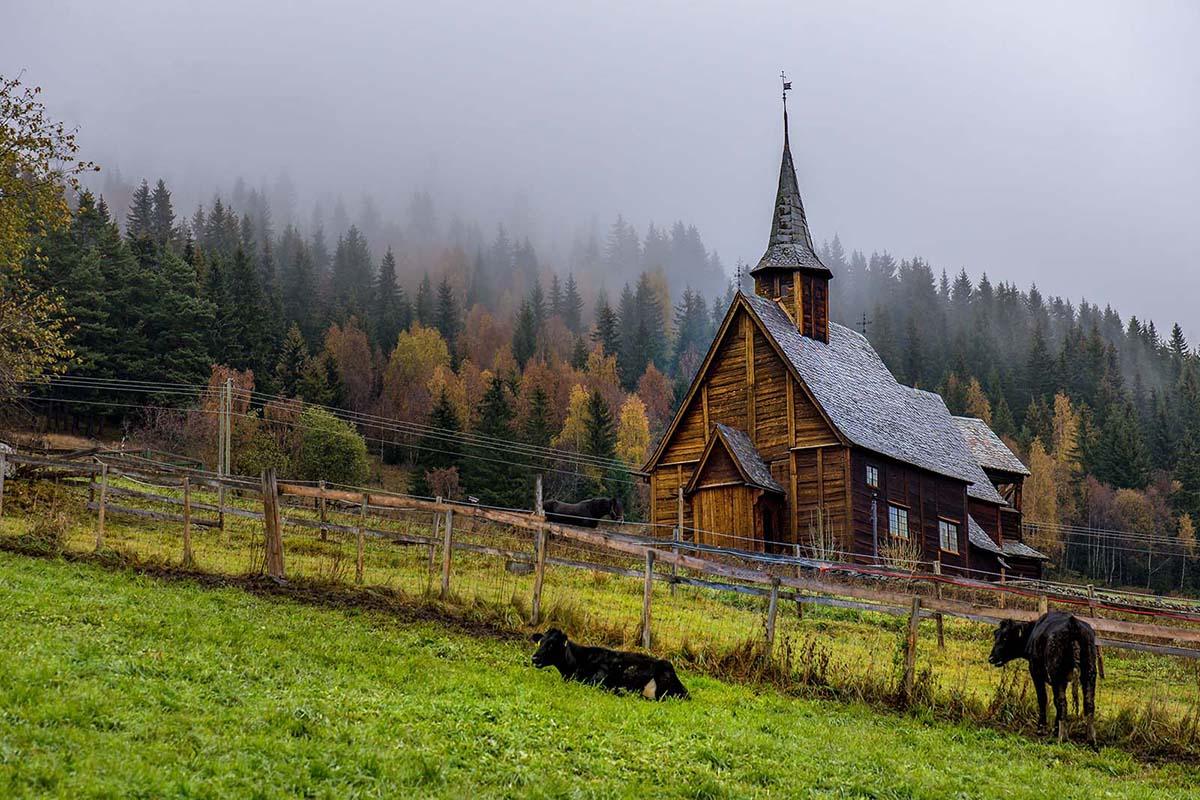
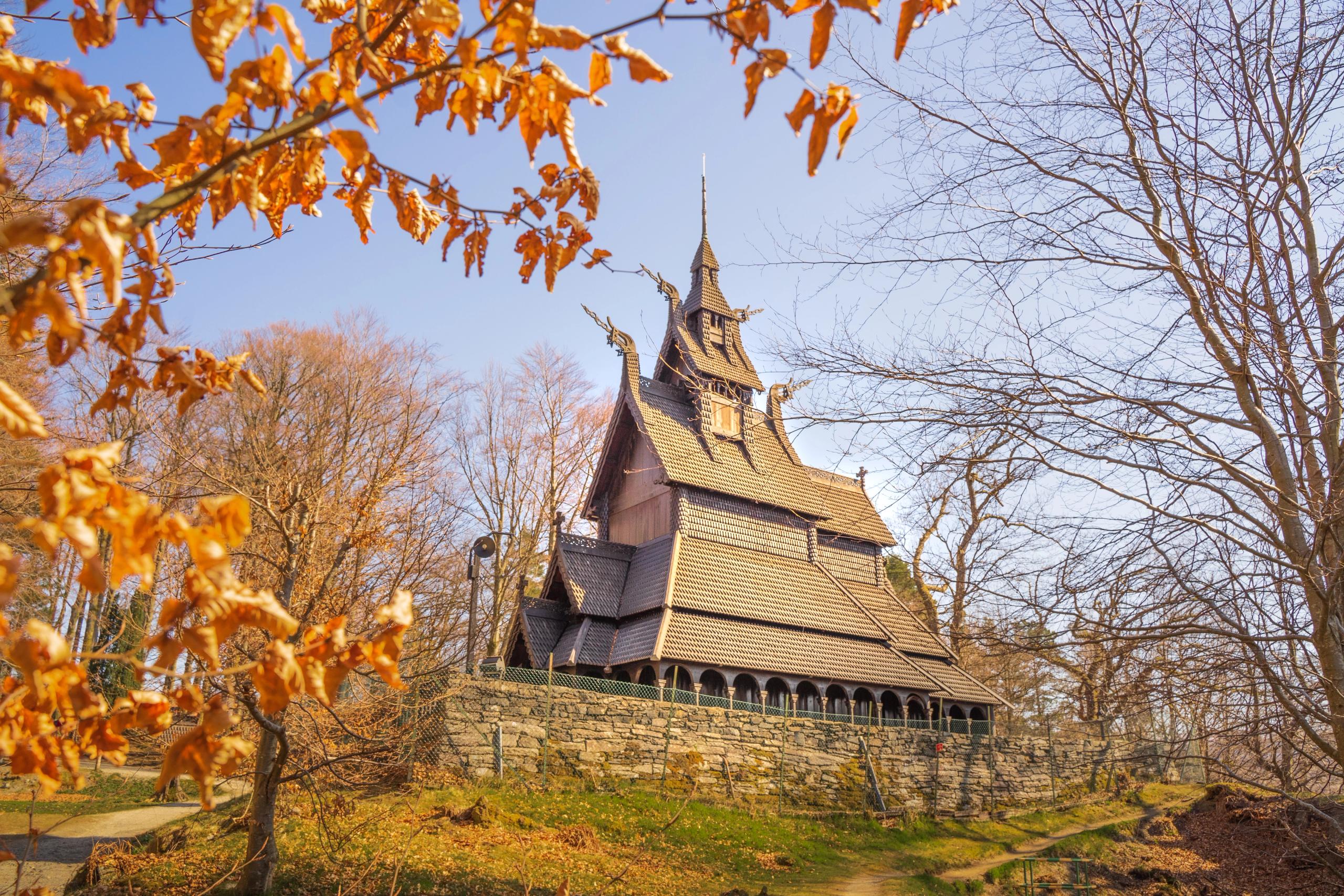
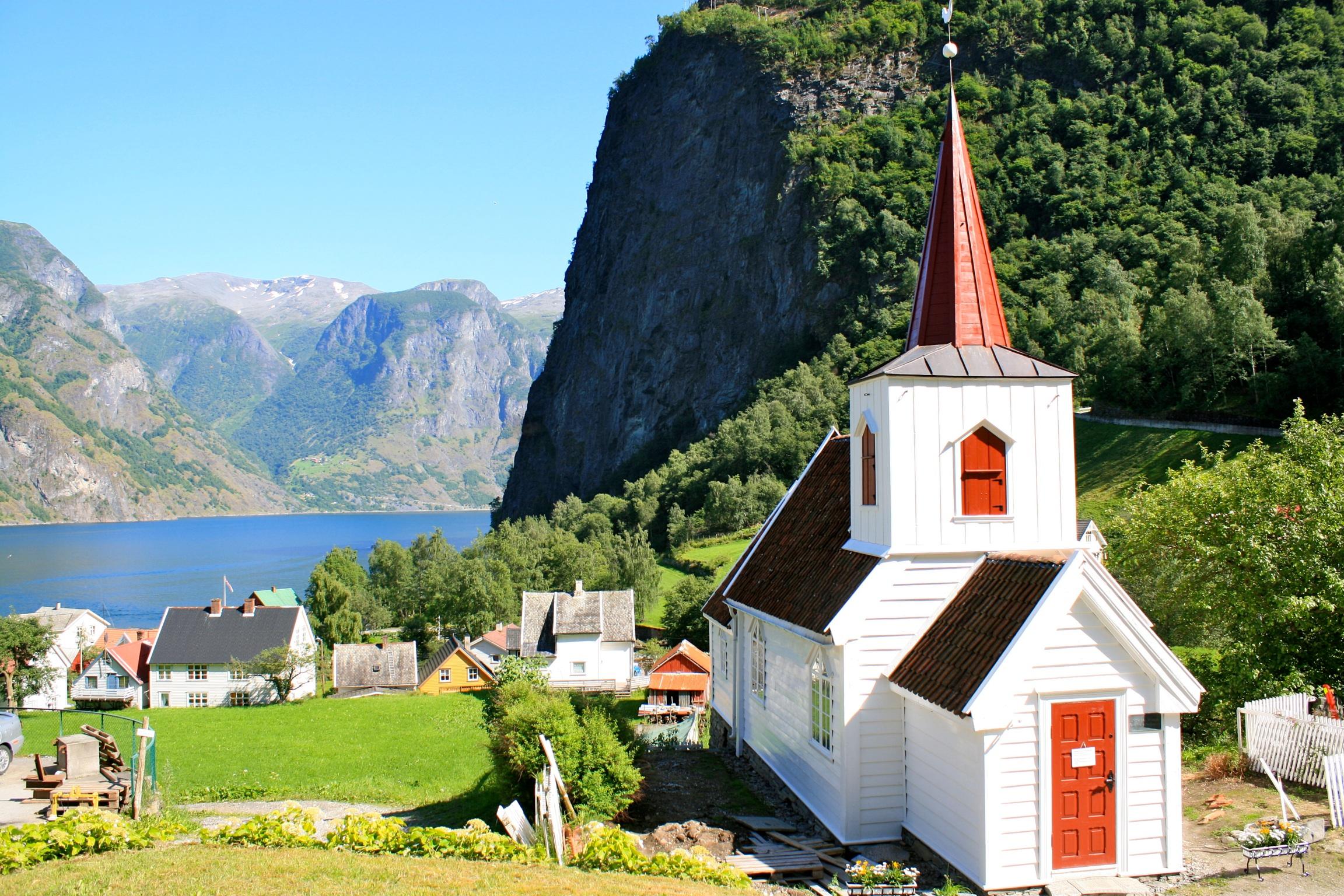
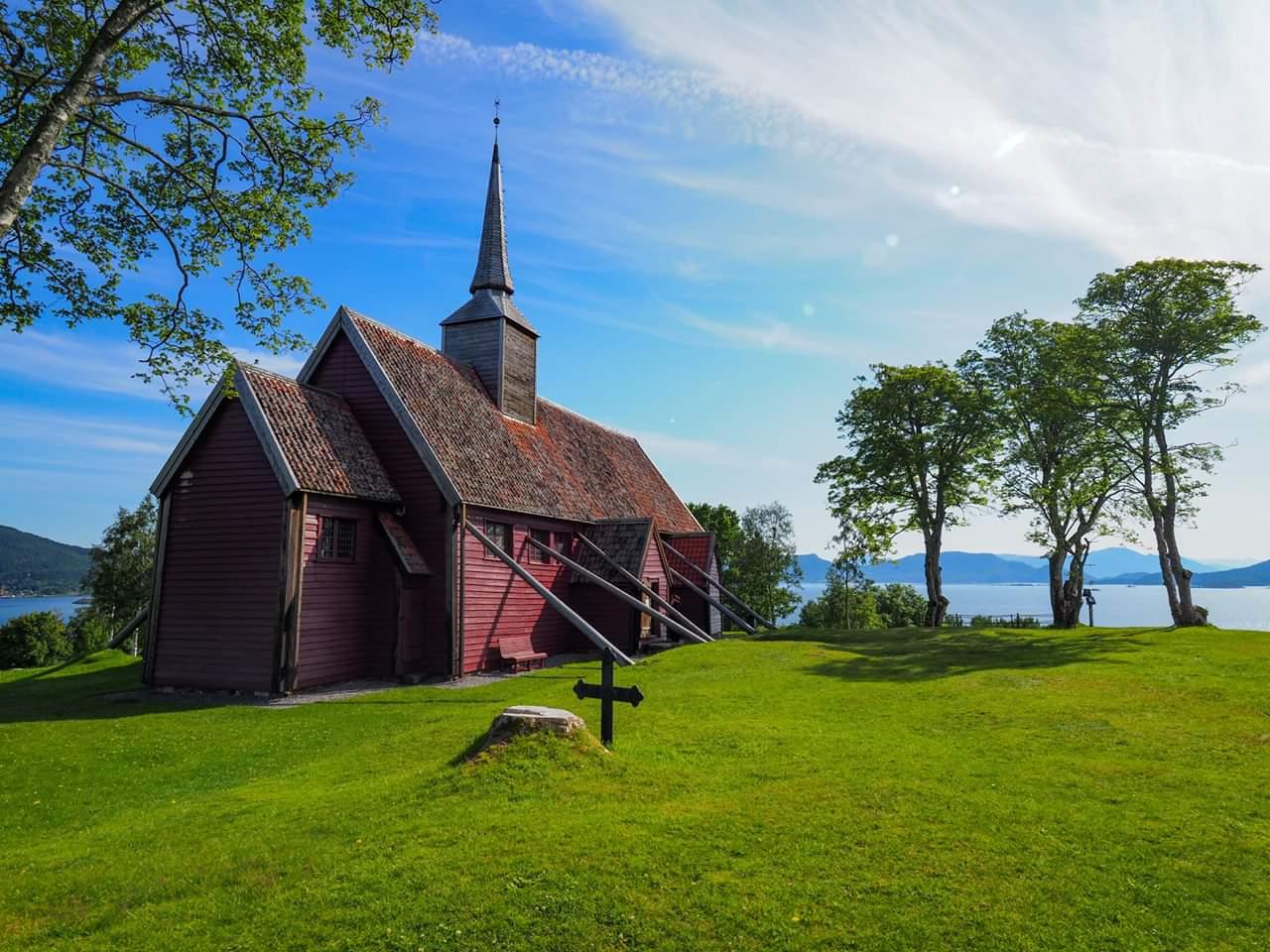
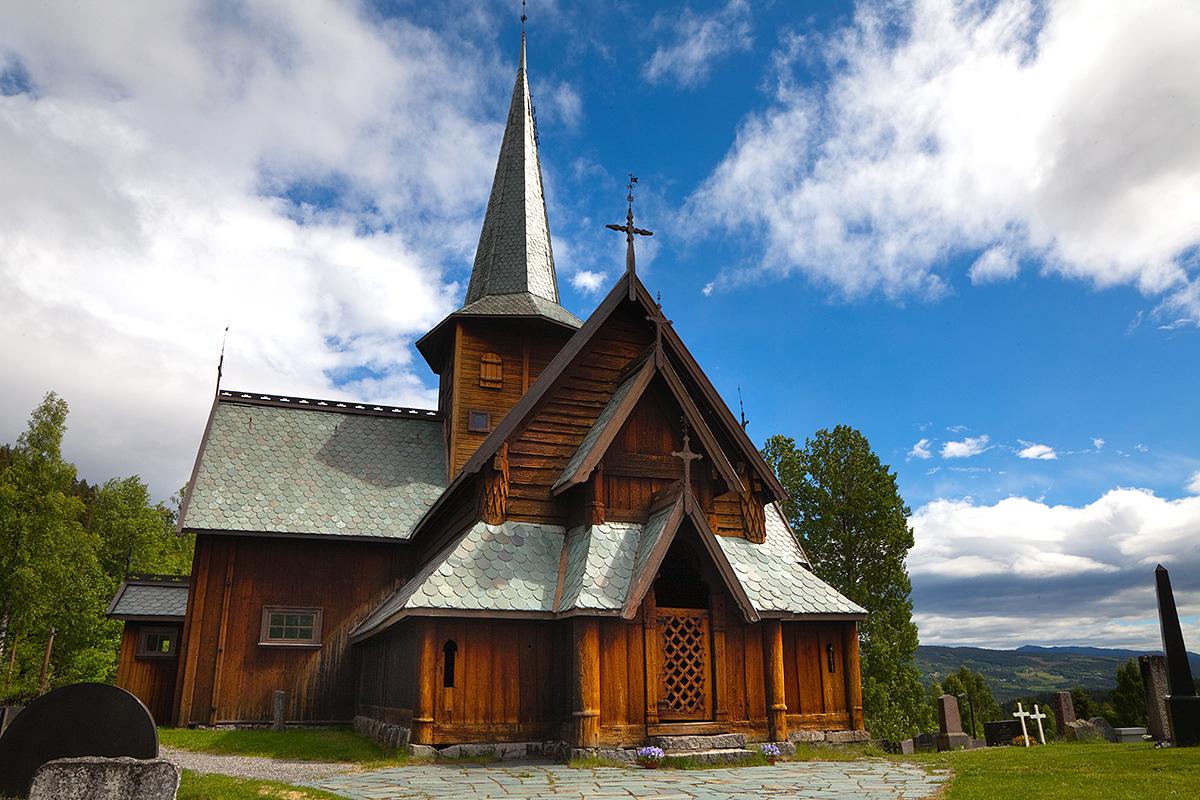
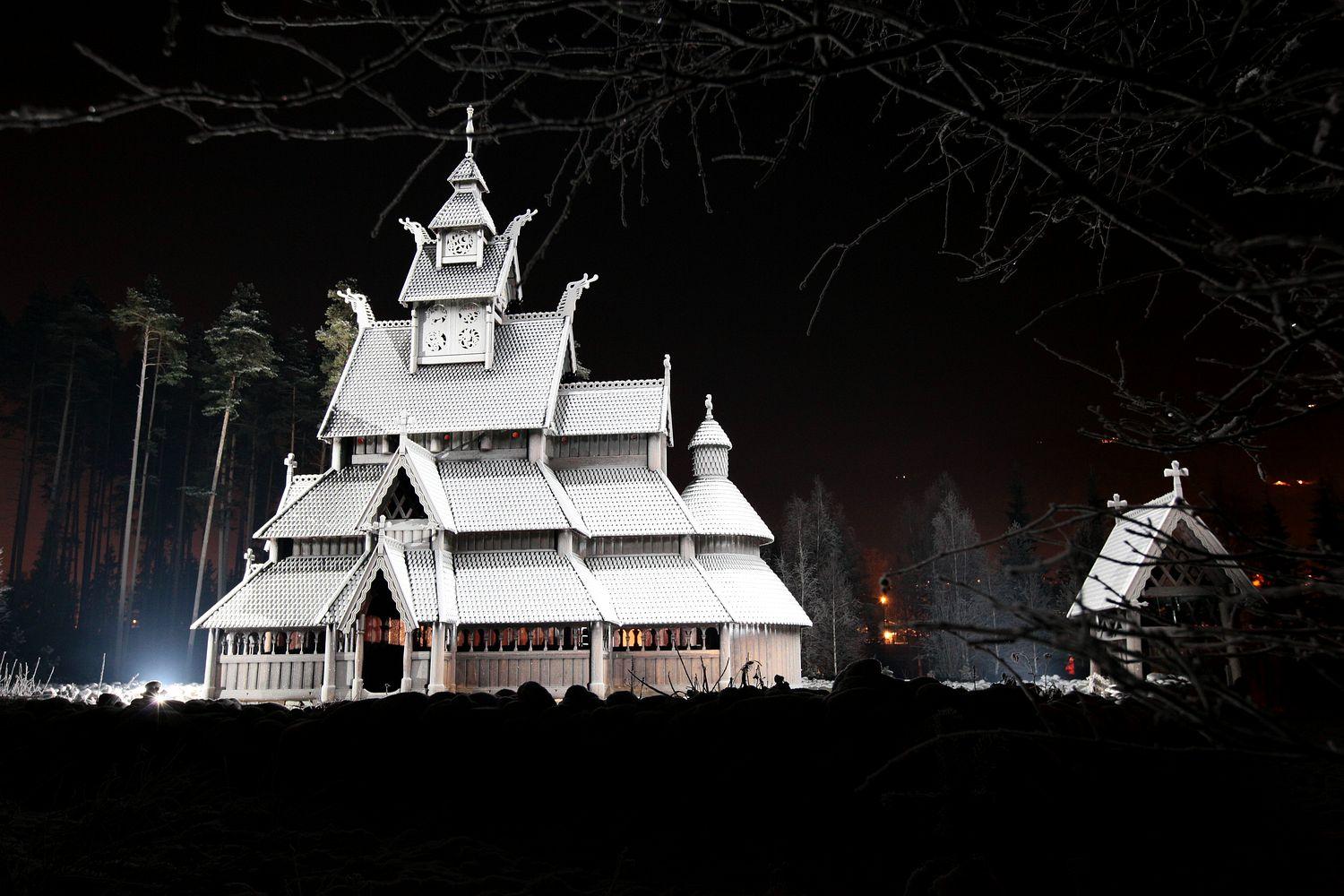
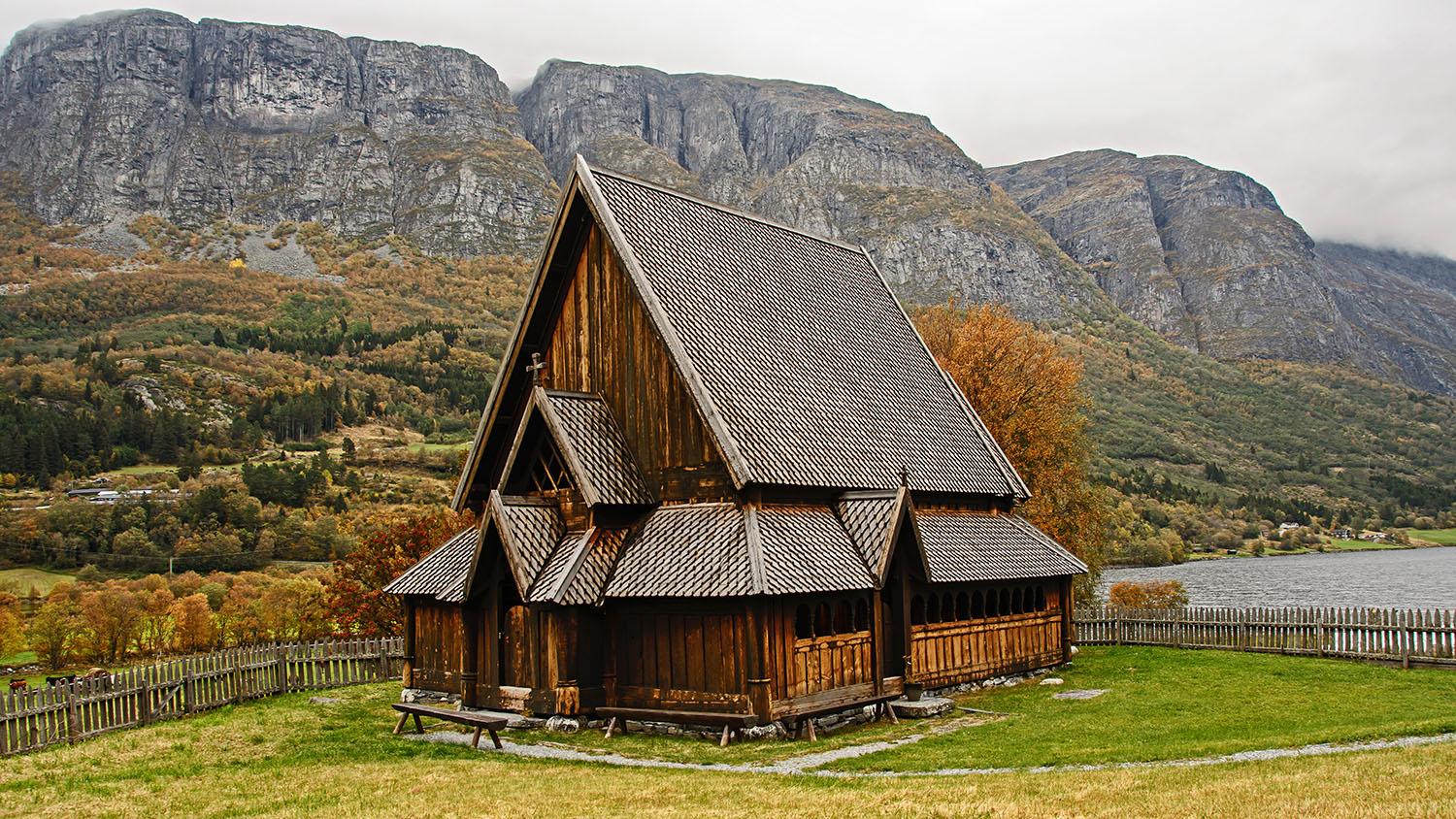
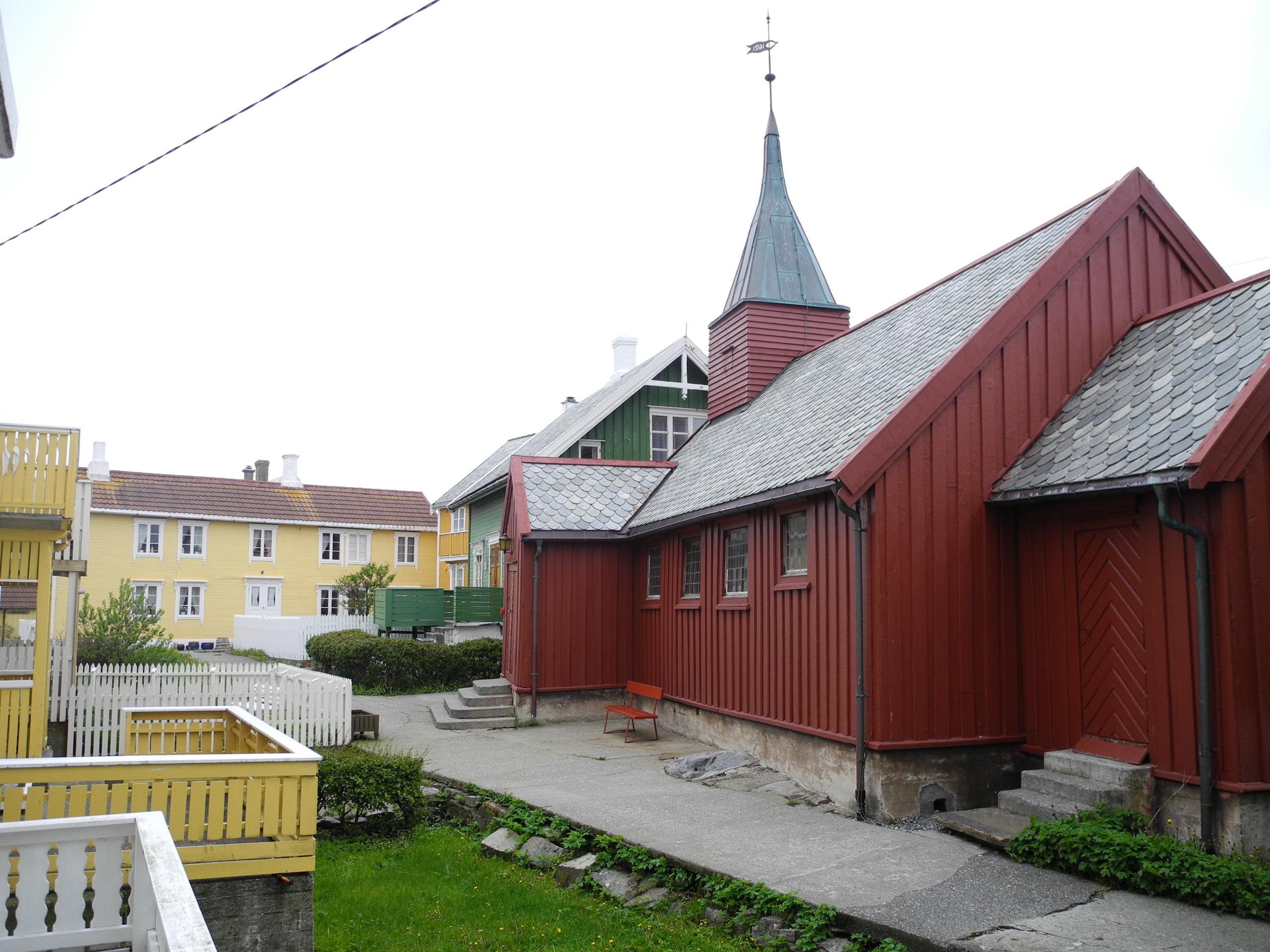
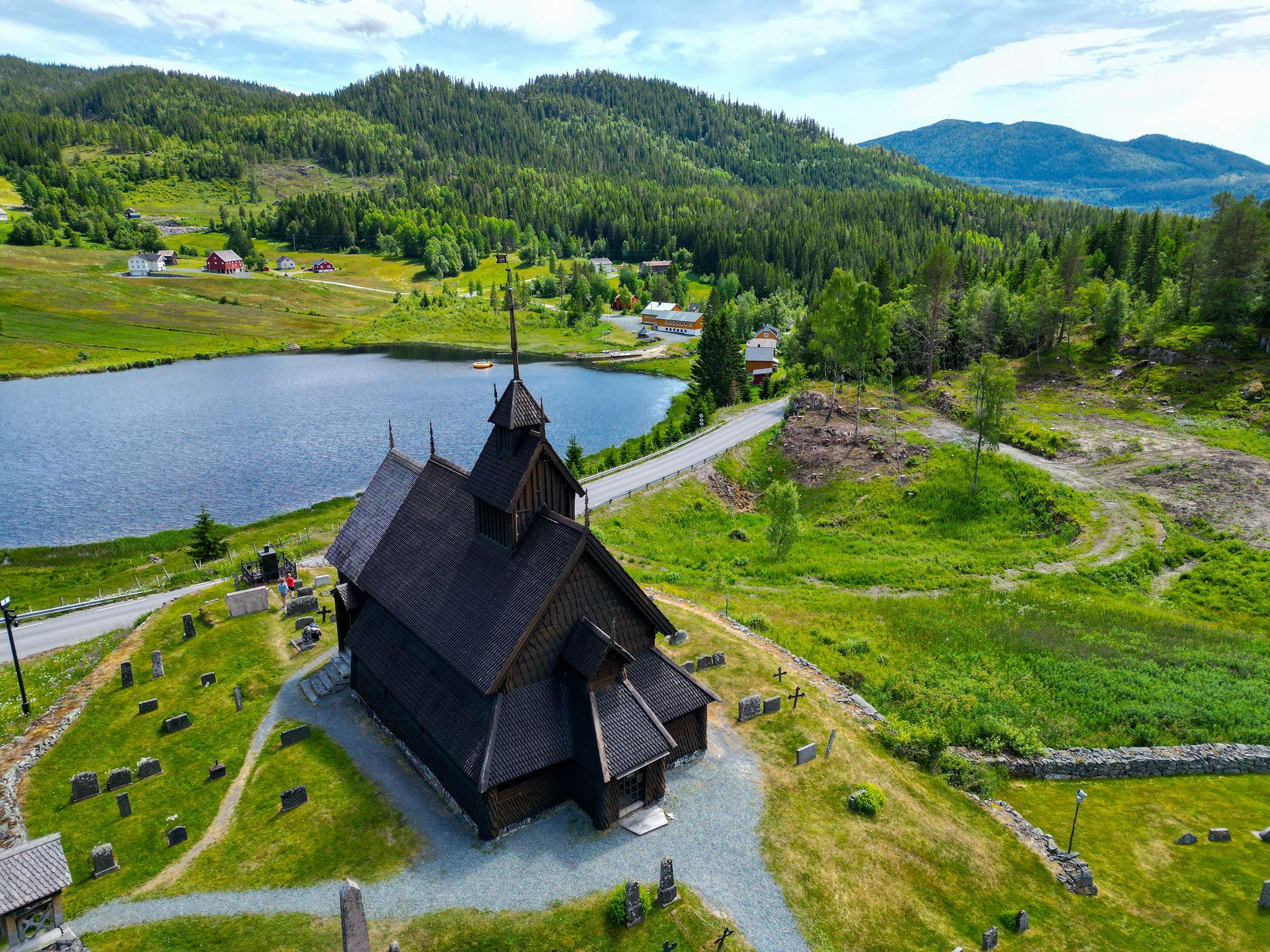
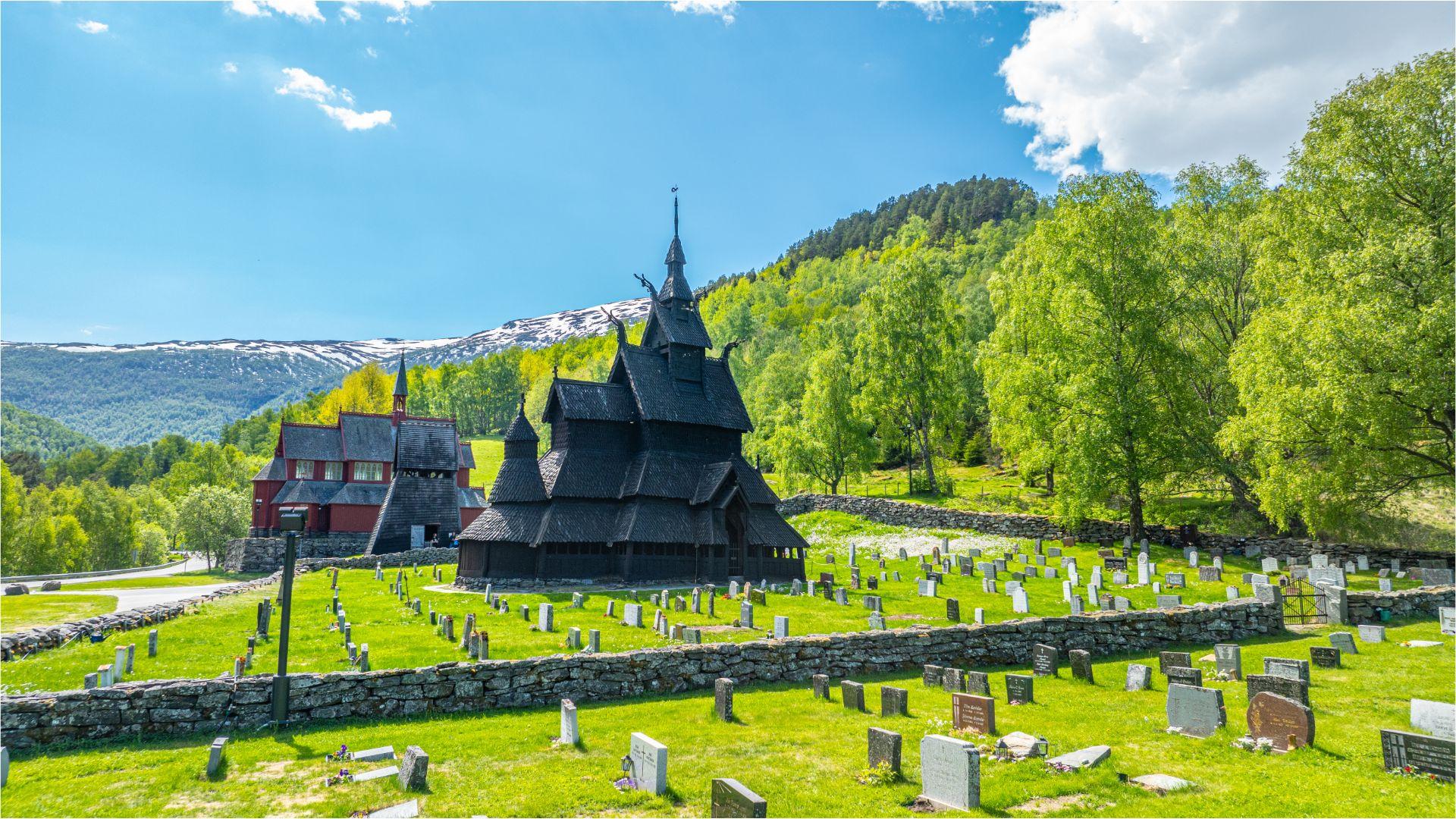
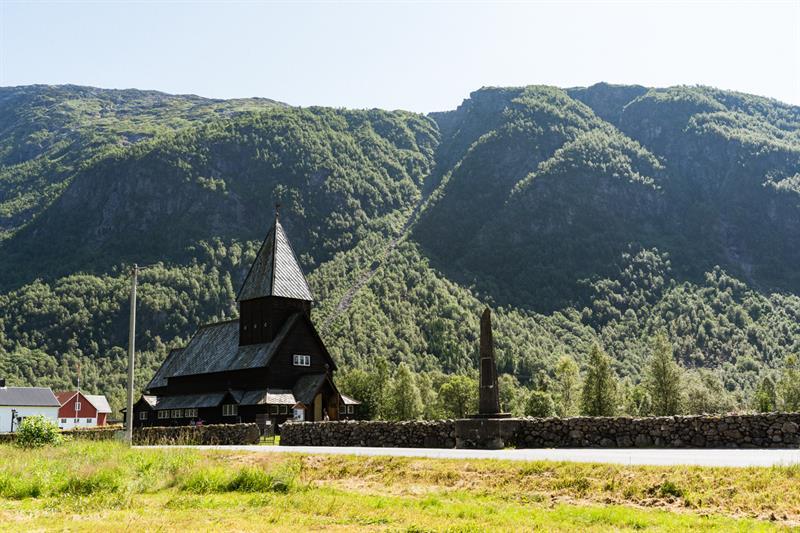
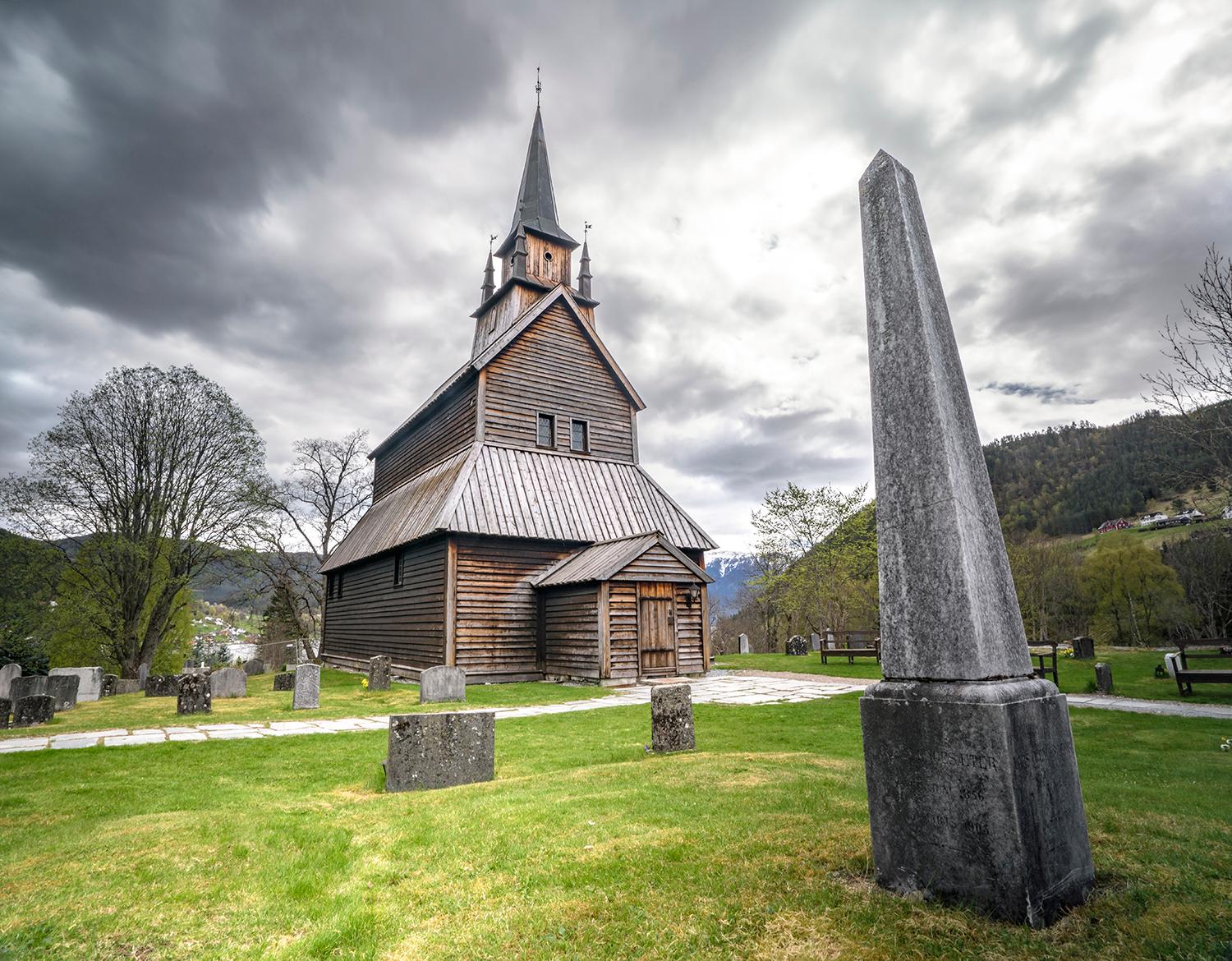
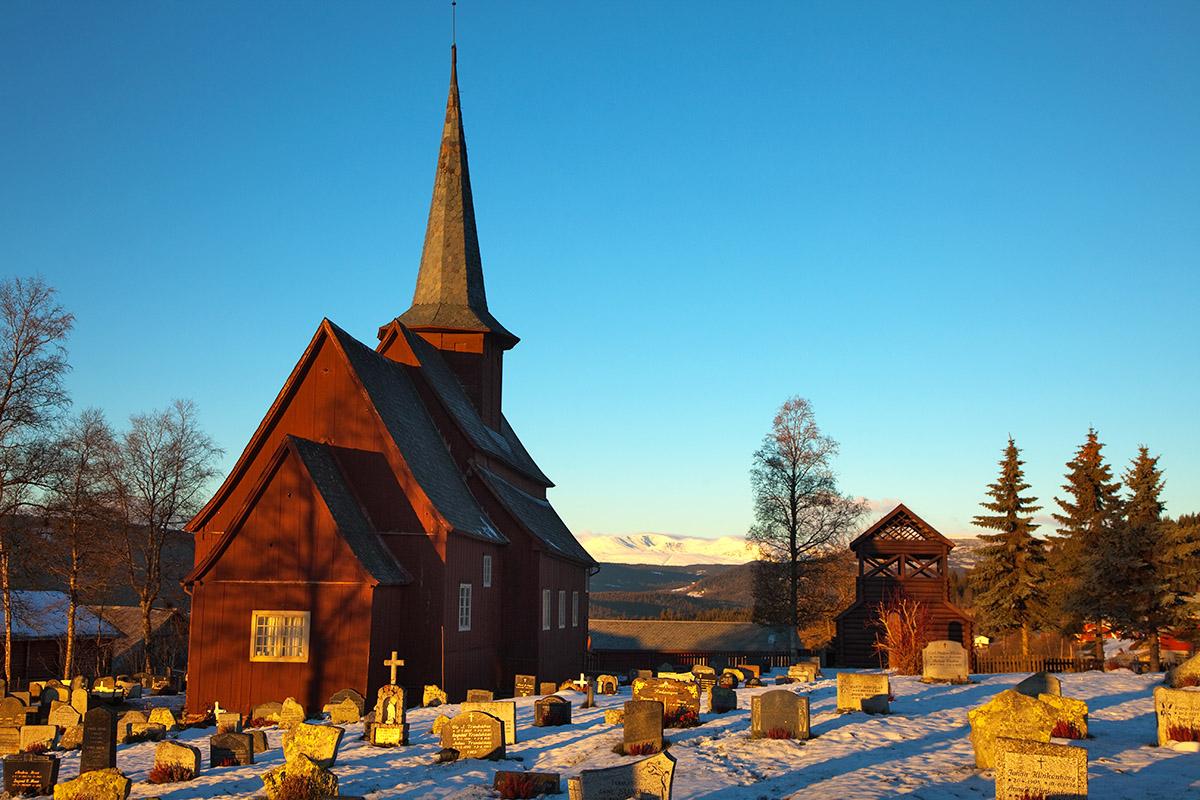
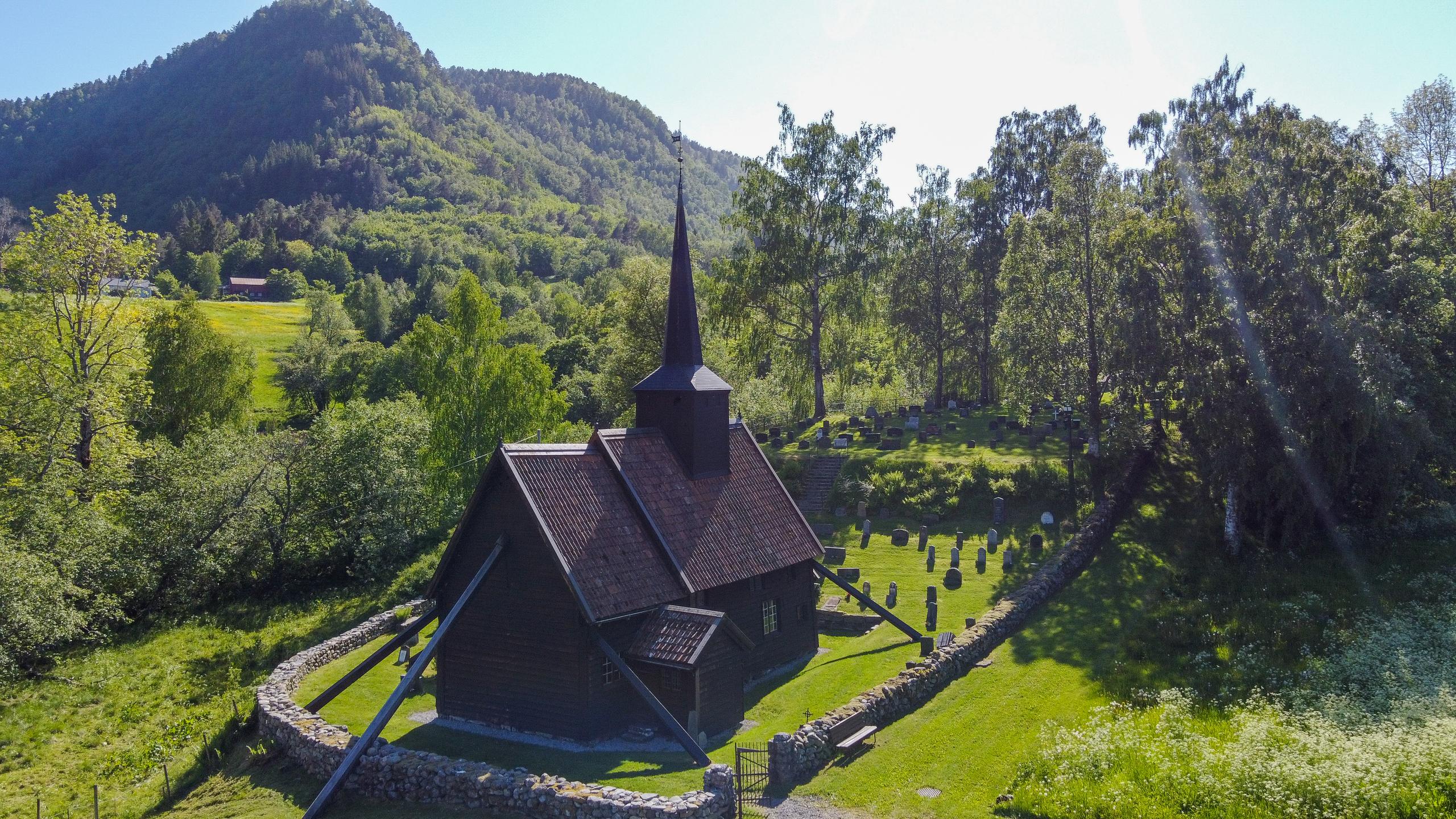
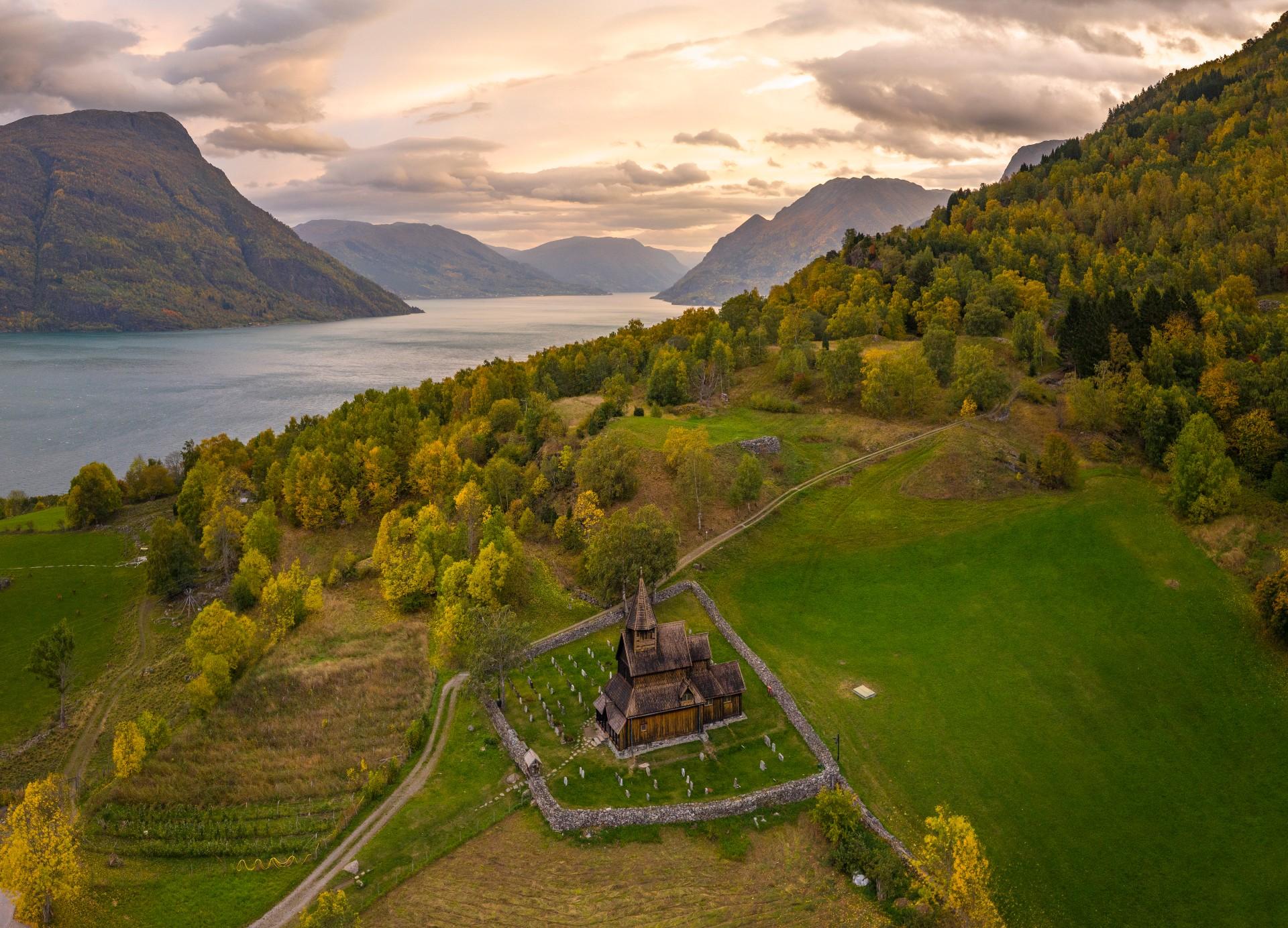
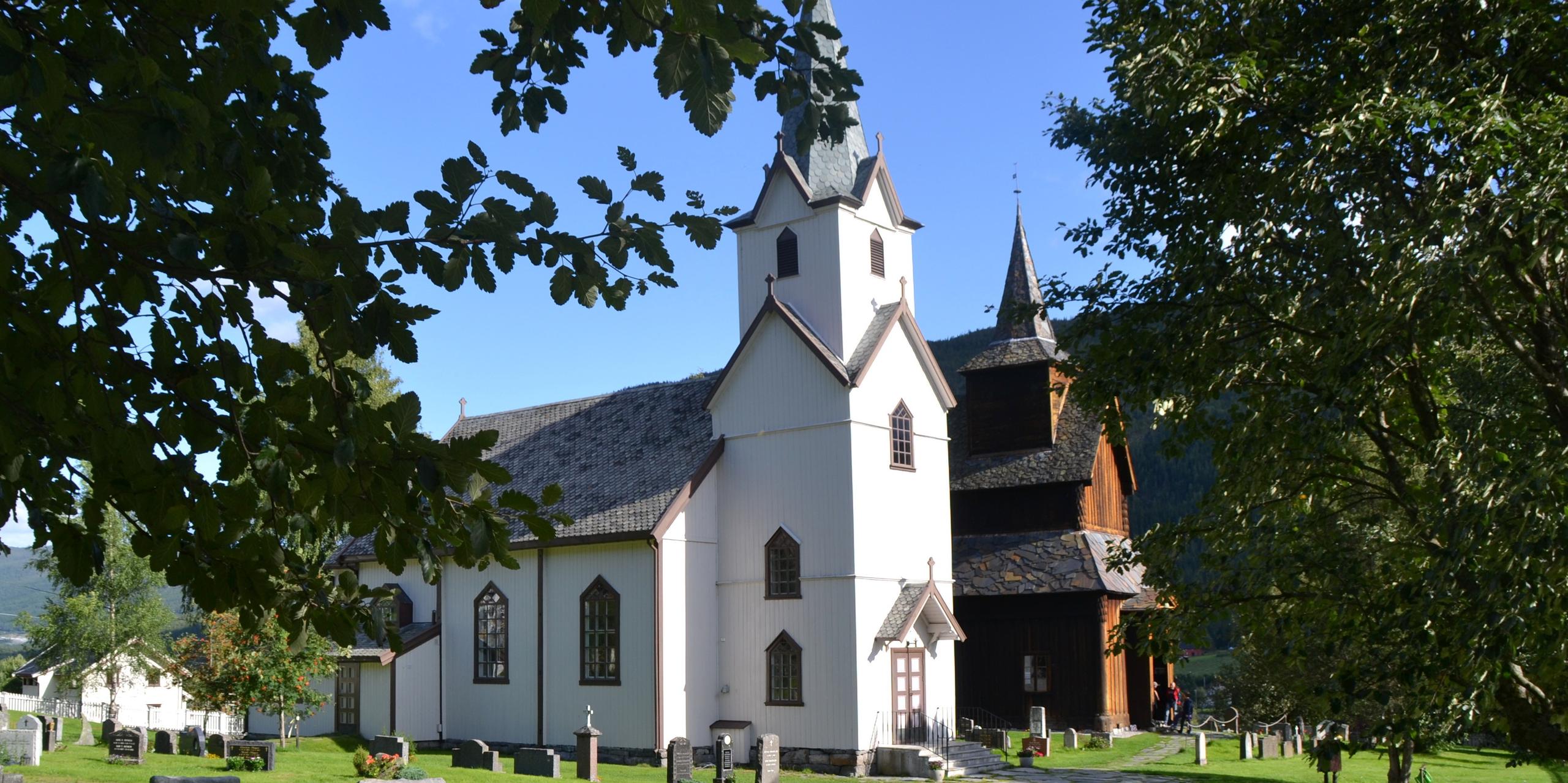
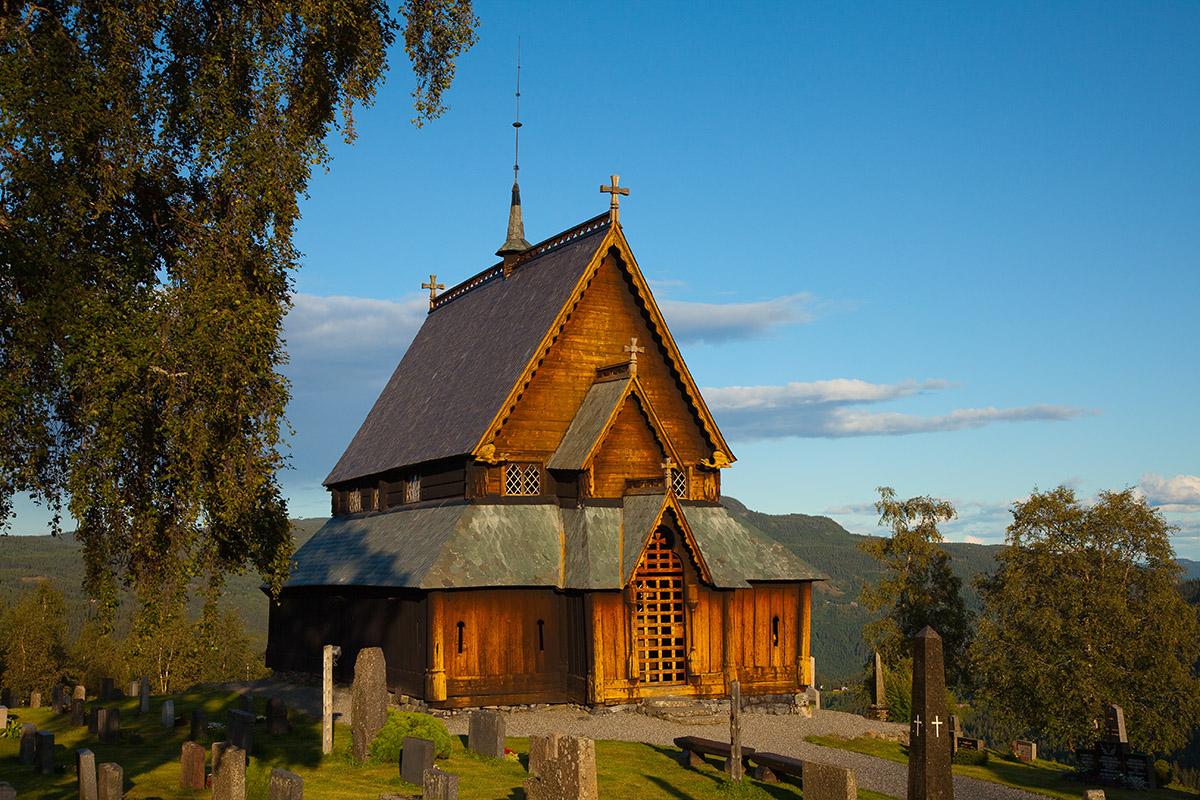
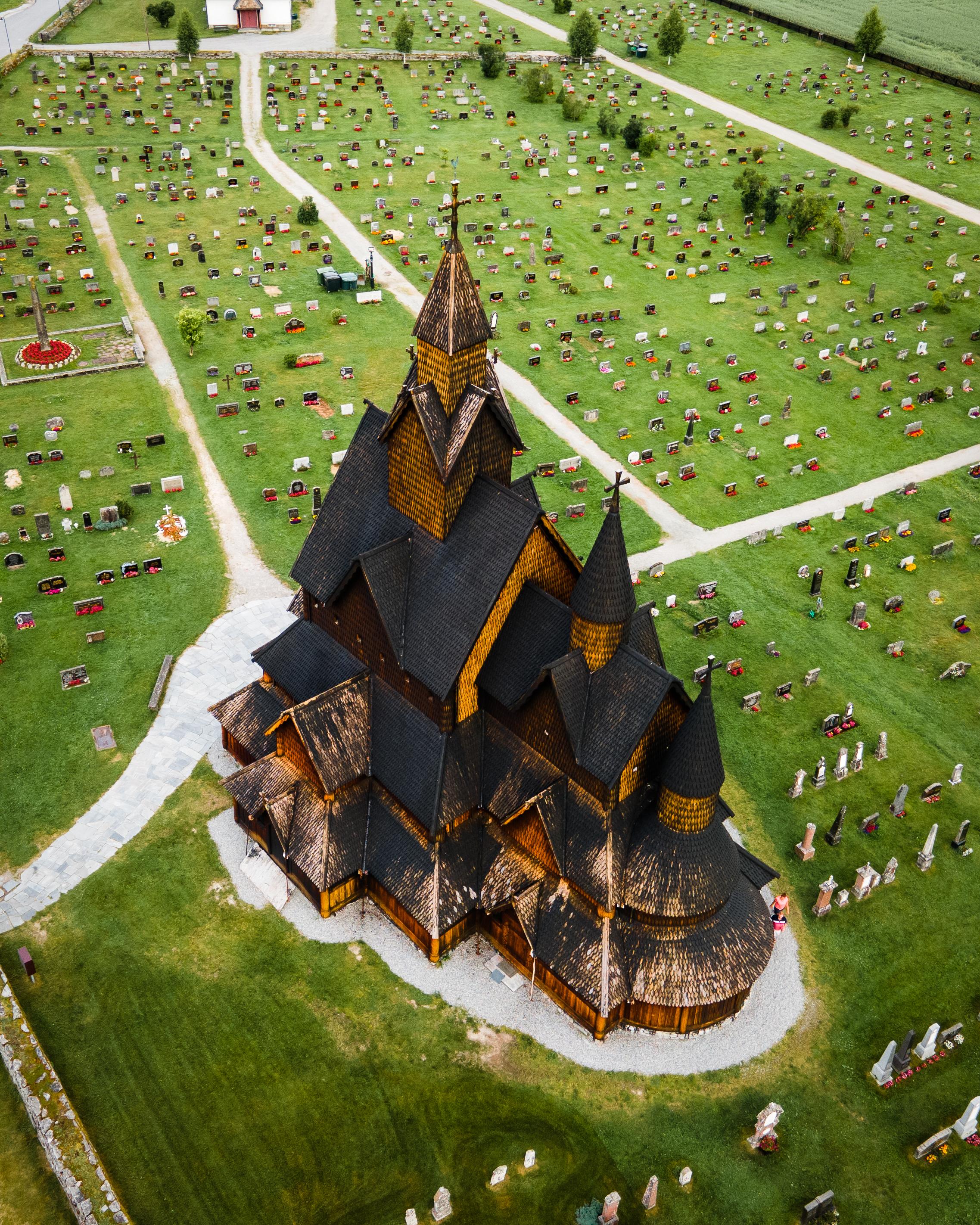
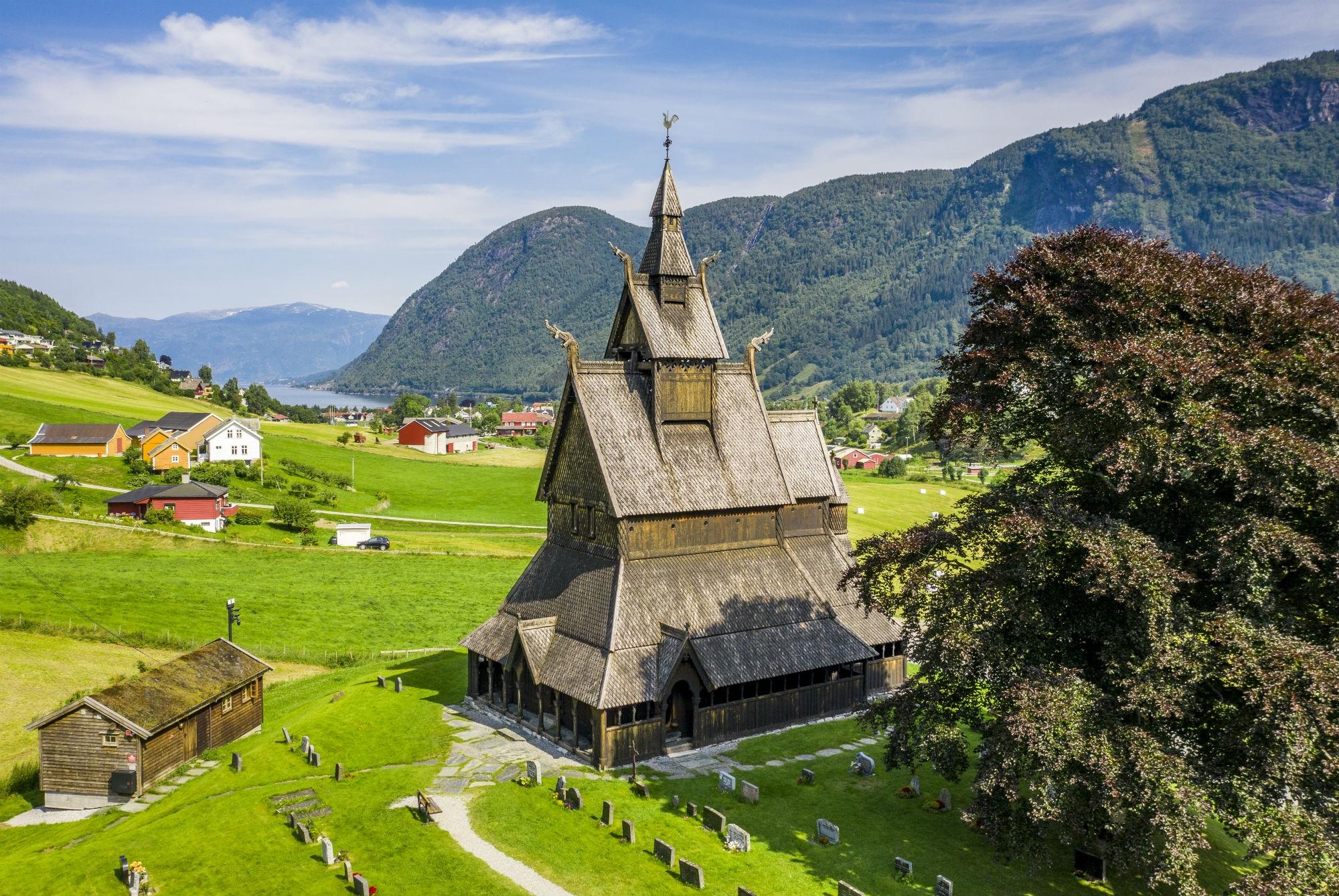
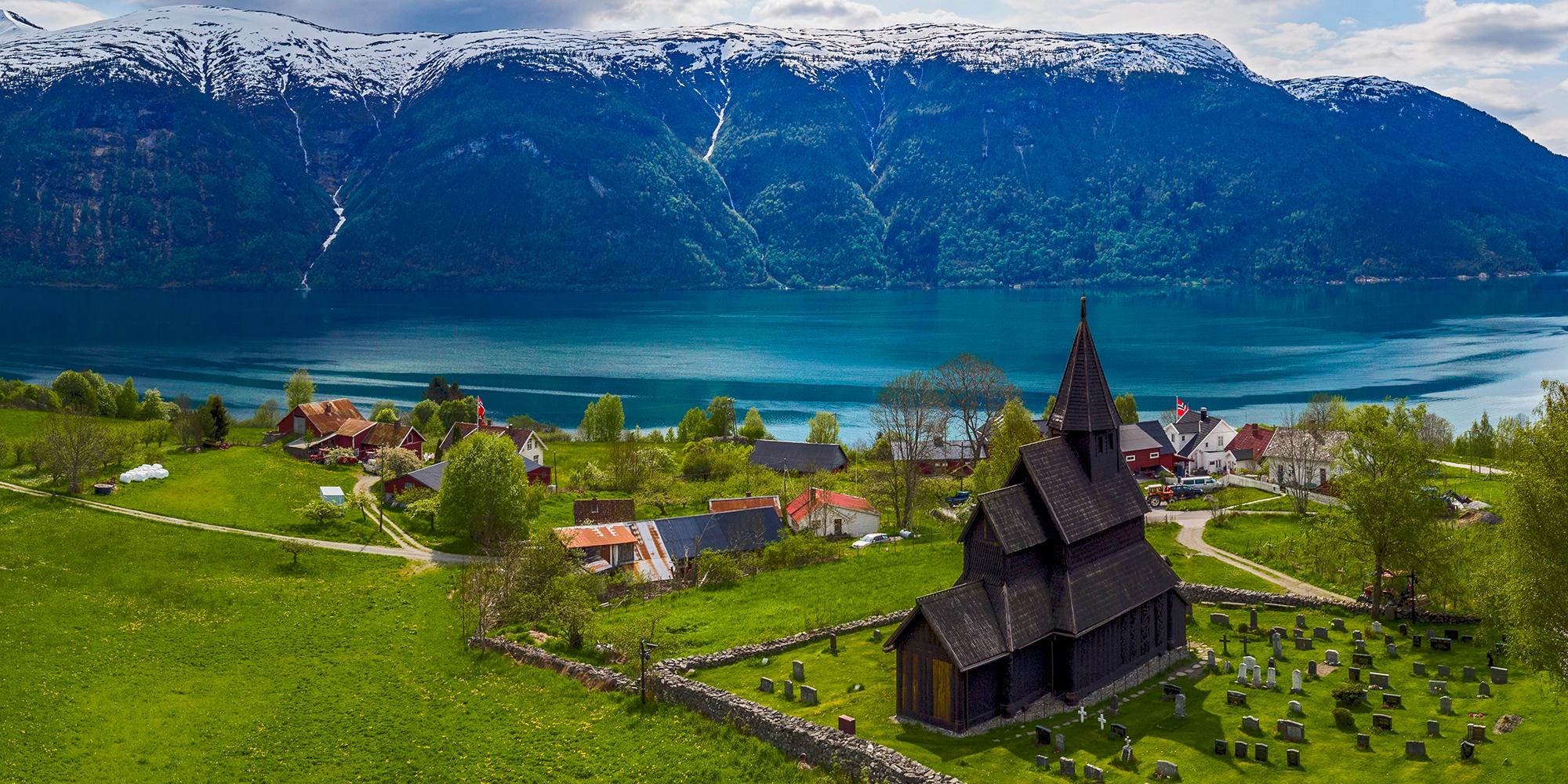
If you want to experience the best-preserved stave church, which also serves for the model for the new church being built in Setesdal, head to Borgund stave church in Lærdal in Fjord Norway. You can also see other beautiful examples of elaborate stave churches, including the UNESCO-listed Urnes stave church in Luster, Heddal stave church in Telemark, and the replica Fantoft stave church in Bergen, to name a few.

Stories from Setesdal
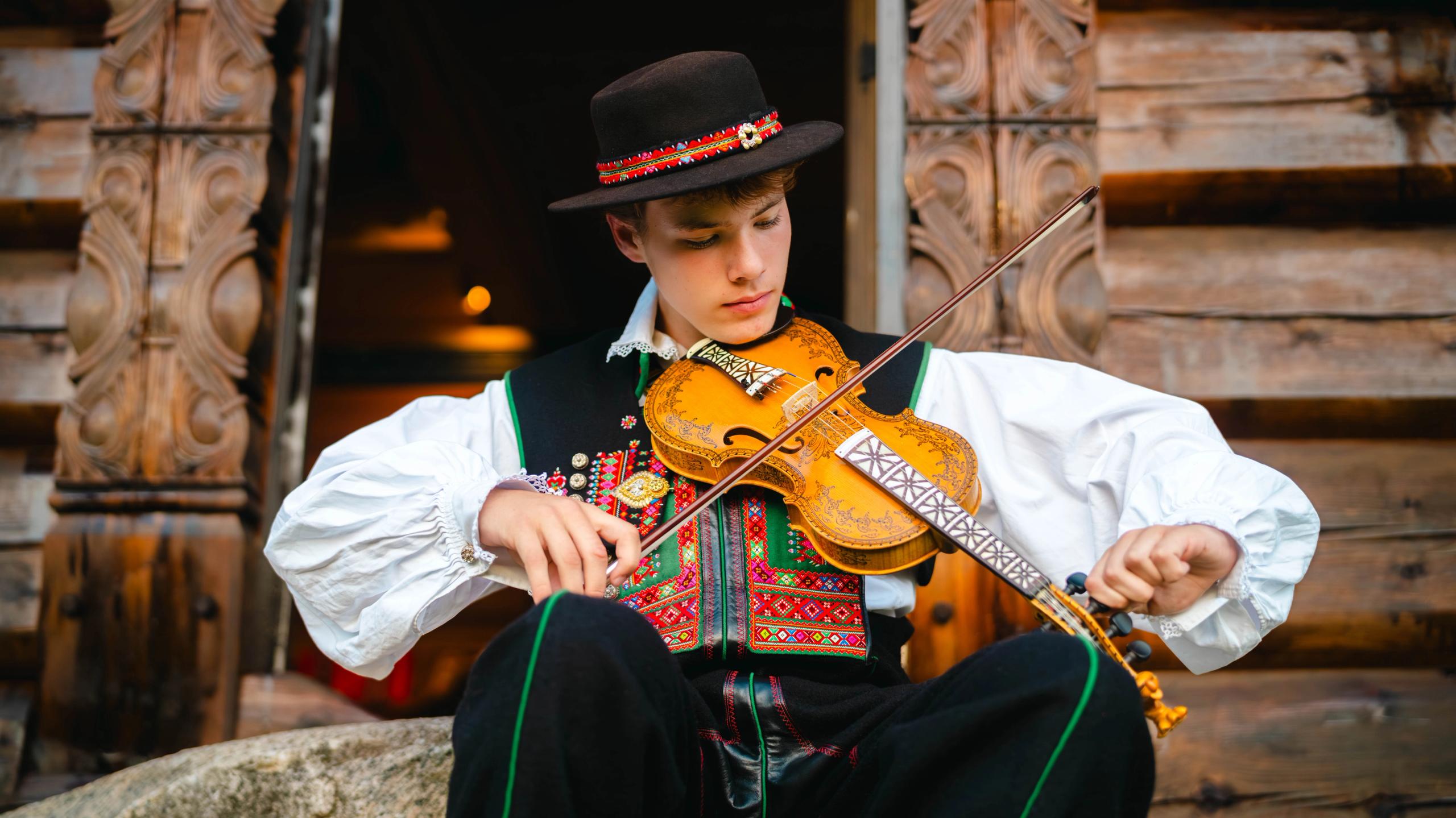
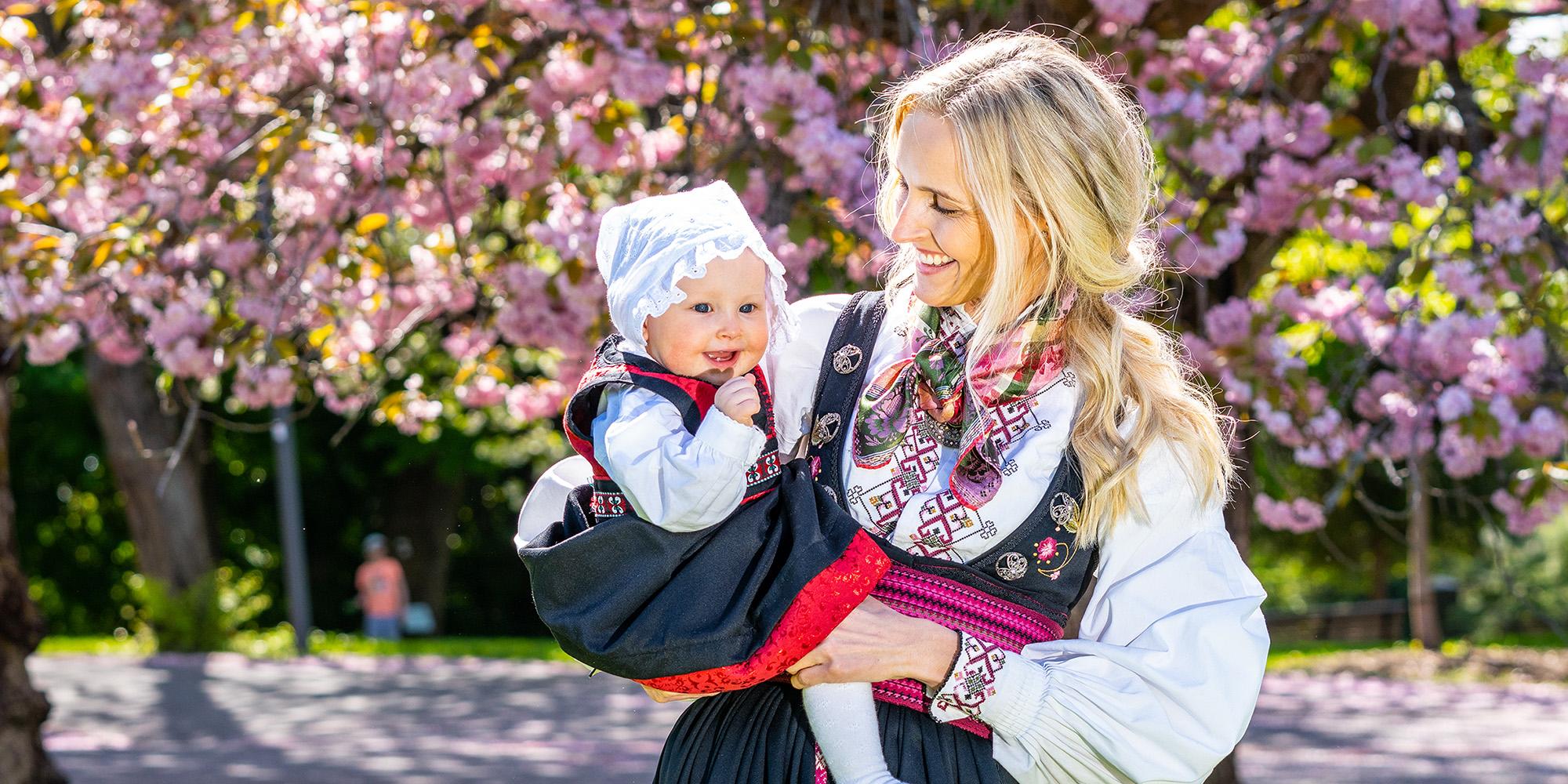
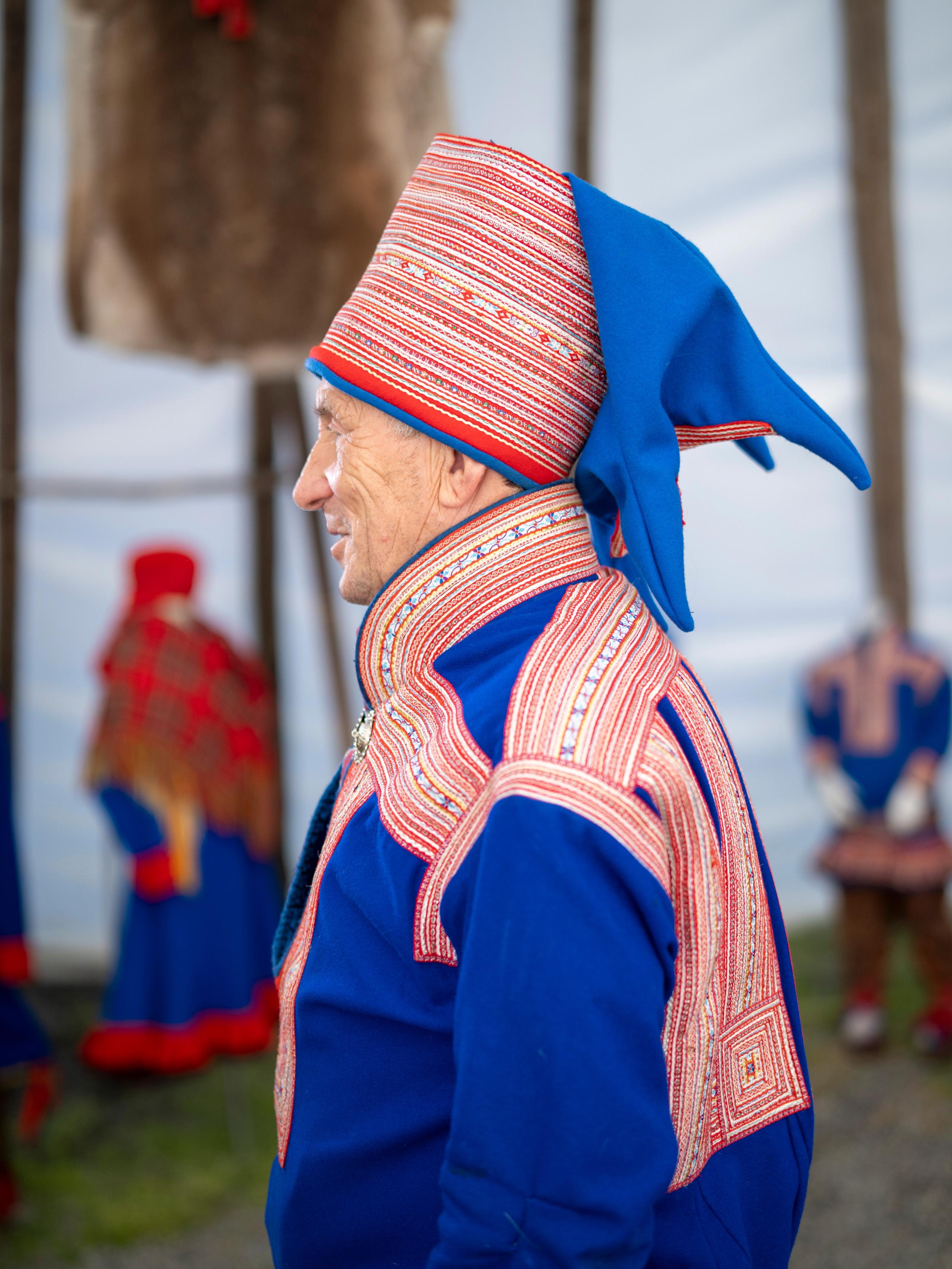
Discover the unique folk music of Setesdal in Southern Norway, recognized by UNESCO as Intangible Cultural Heritage.

Take advantage of top offers
See our selection of trusted companies that work hard to make you happy all through your trip.
 Brim ExplorerQuiet fjord tours on award-winning electric catamarans in Oslo, Tromsø, Lofoten, and Svalbard.
 CityboxModern and affordable hotels in central locations in Oslo, Bergen, and Kristiansand.
 NorgesbookingBook your perfect cabin stay in the fjords, mountains, and valleys of Norway.
 Scandic HotelsExperience Nordic hotel hospitality at its finest at more than 90 hotels across Norway. Special offers are available.
 StrawberryA different hotel company! Look out for great weekend deals at more than 100 hotels in Norway.
 Thon Hotels ASFantastic breakfast included! Experience true comfort and reasonable rates at our 80 hotels in Norway.
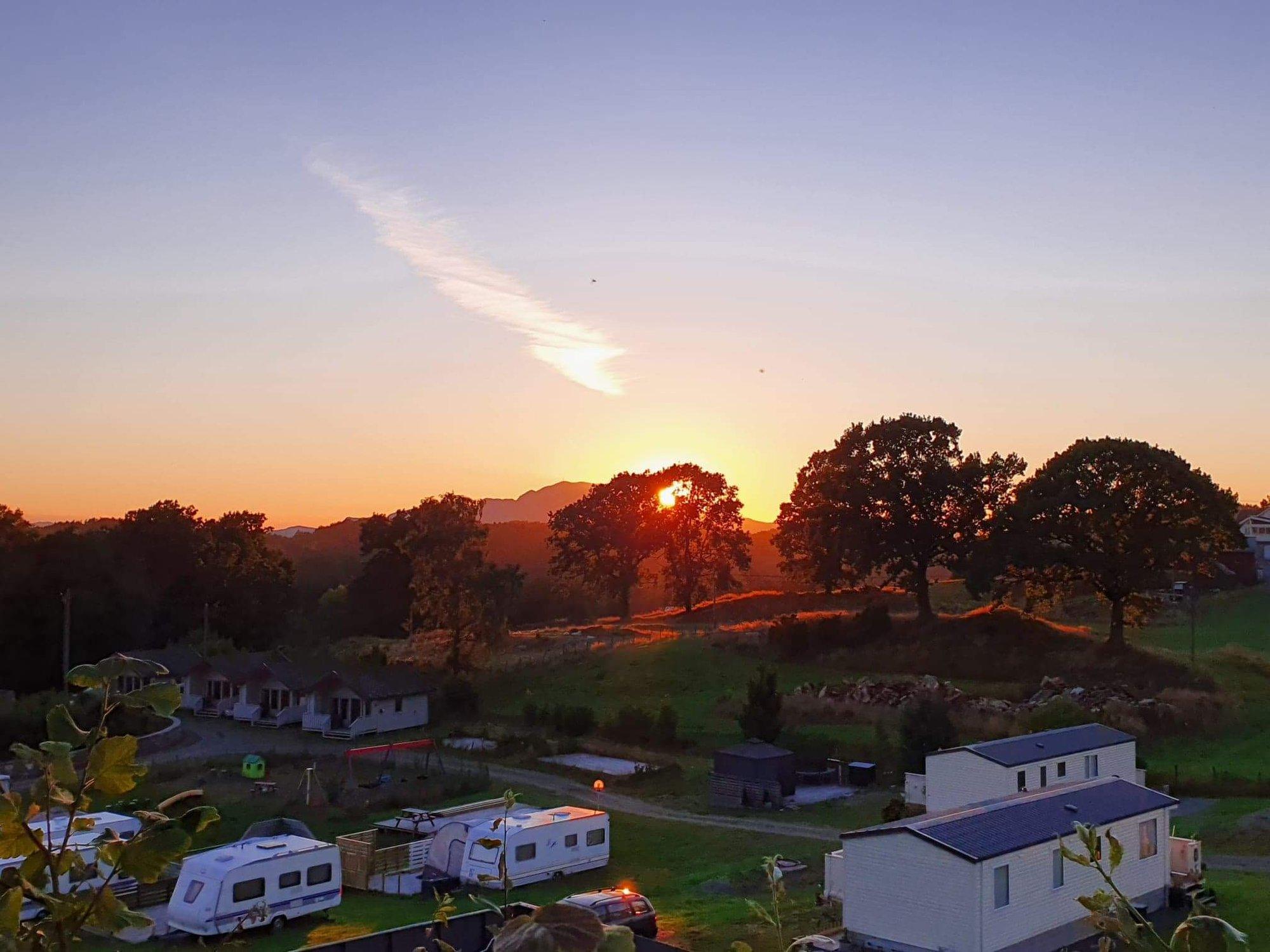 CampcationBook a camping stay in stunning and unique locations all across Norway with Campcation.
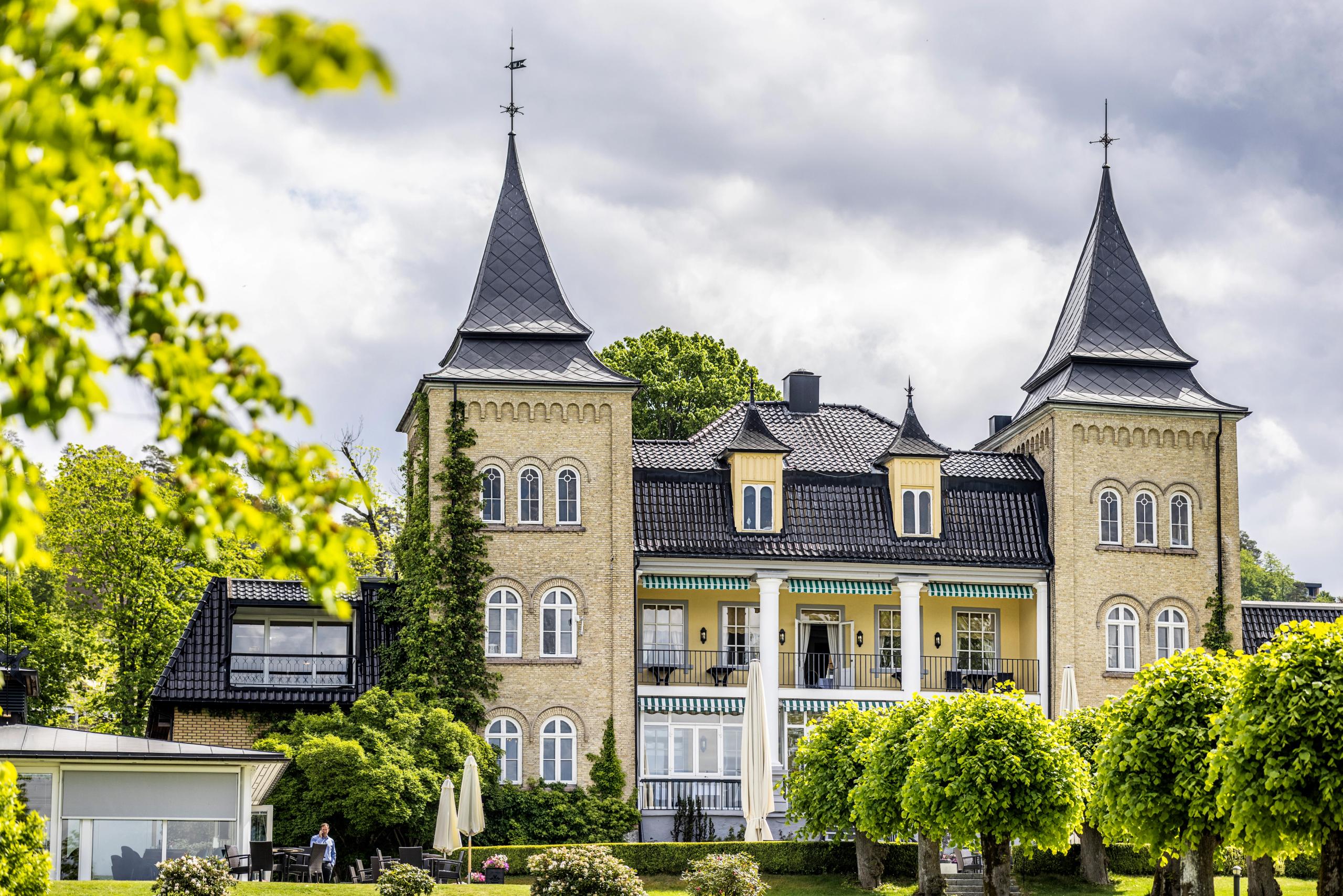 Classic Norway HotelsWhen the hotel is the destination. Book a night to remember in one of Norway's most unique and distinctive hotels.
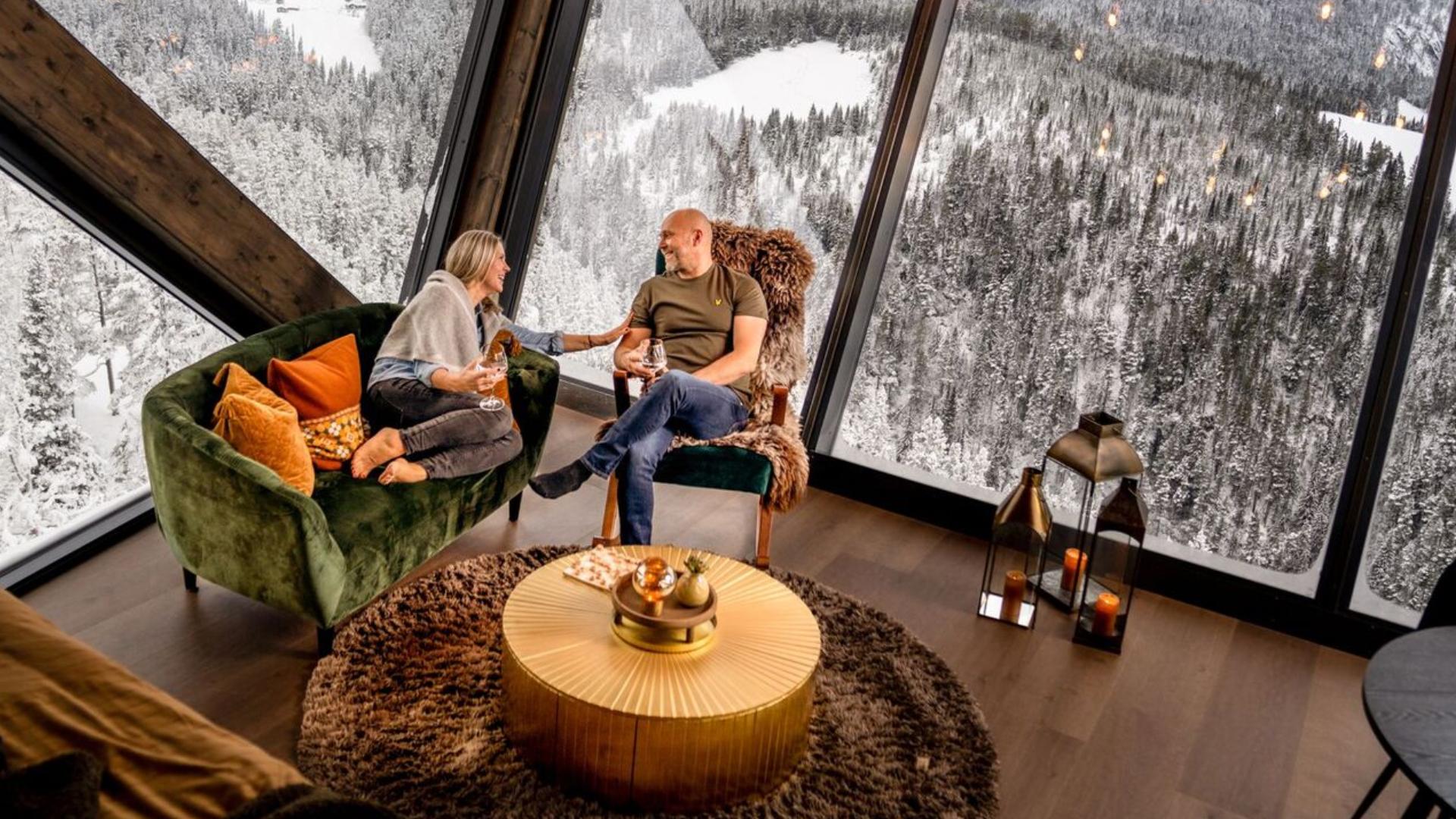 50 Degrees North NordicChoose between unforgettable tailormade individual trips and small, exclusive group tours of Norway.
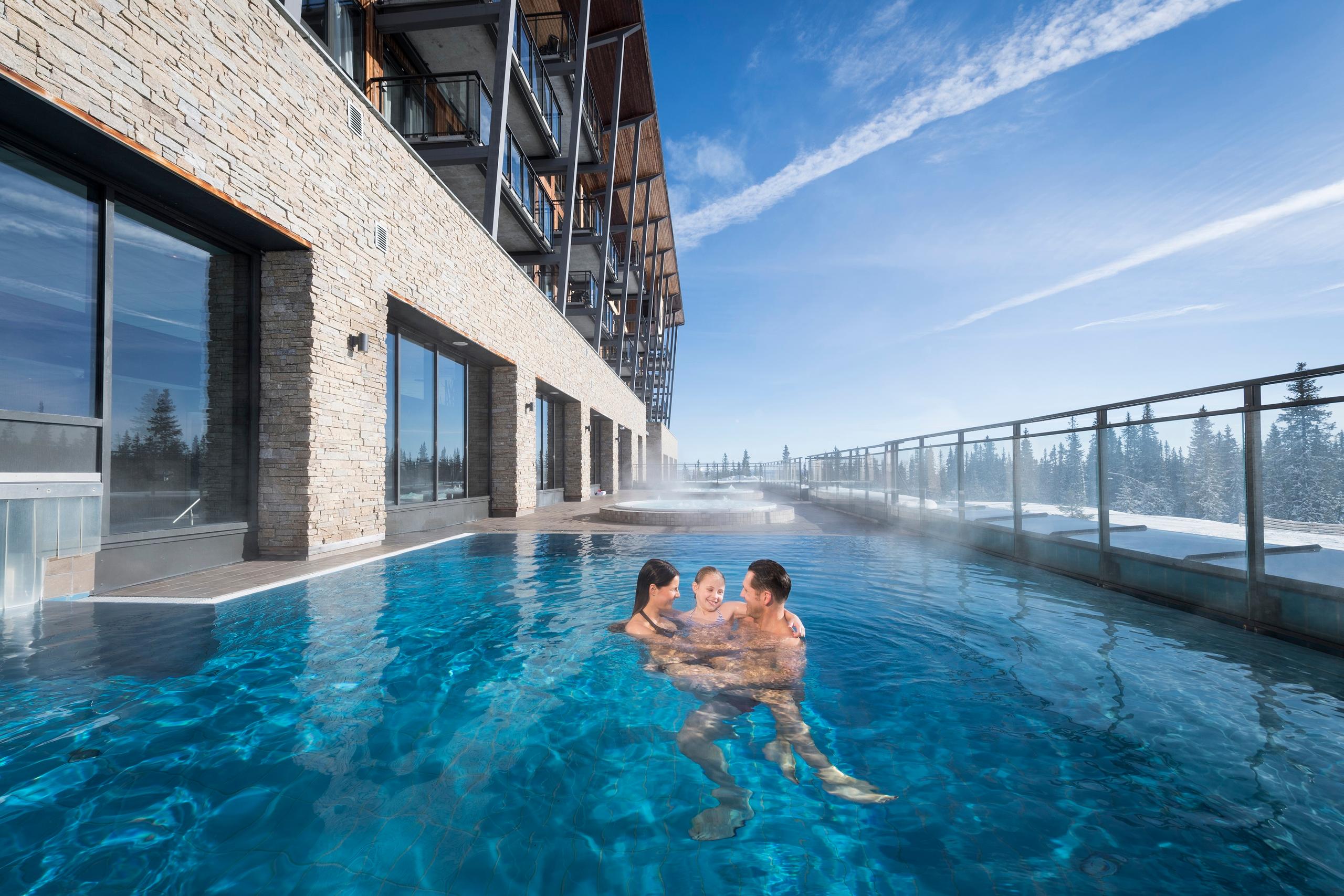 Radisson HotelsGreat value offers and comfortable quality stays in Norway´s major cities, airports, and ski resorts.
 Authentic ScandinaviaTravel curated by locals. Our tailormade tours suit every type of traveller and budget.
 Booknordics.comUnique holiday packages, adventure hotels, tours, and activities.
 Fjord ToursHome of Norway in a Nutshell, Norway's most popular tour. Fjords, mountains, and stunning destinations — all in one trip!
 Go FjordsBook fantastic tours and experiences! We offer tours in Oslo, Bergen, Stavanger, Lofoten, the North Cape, and more.
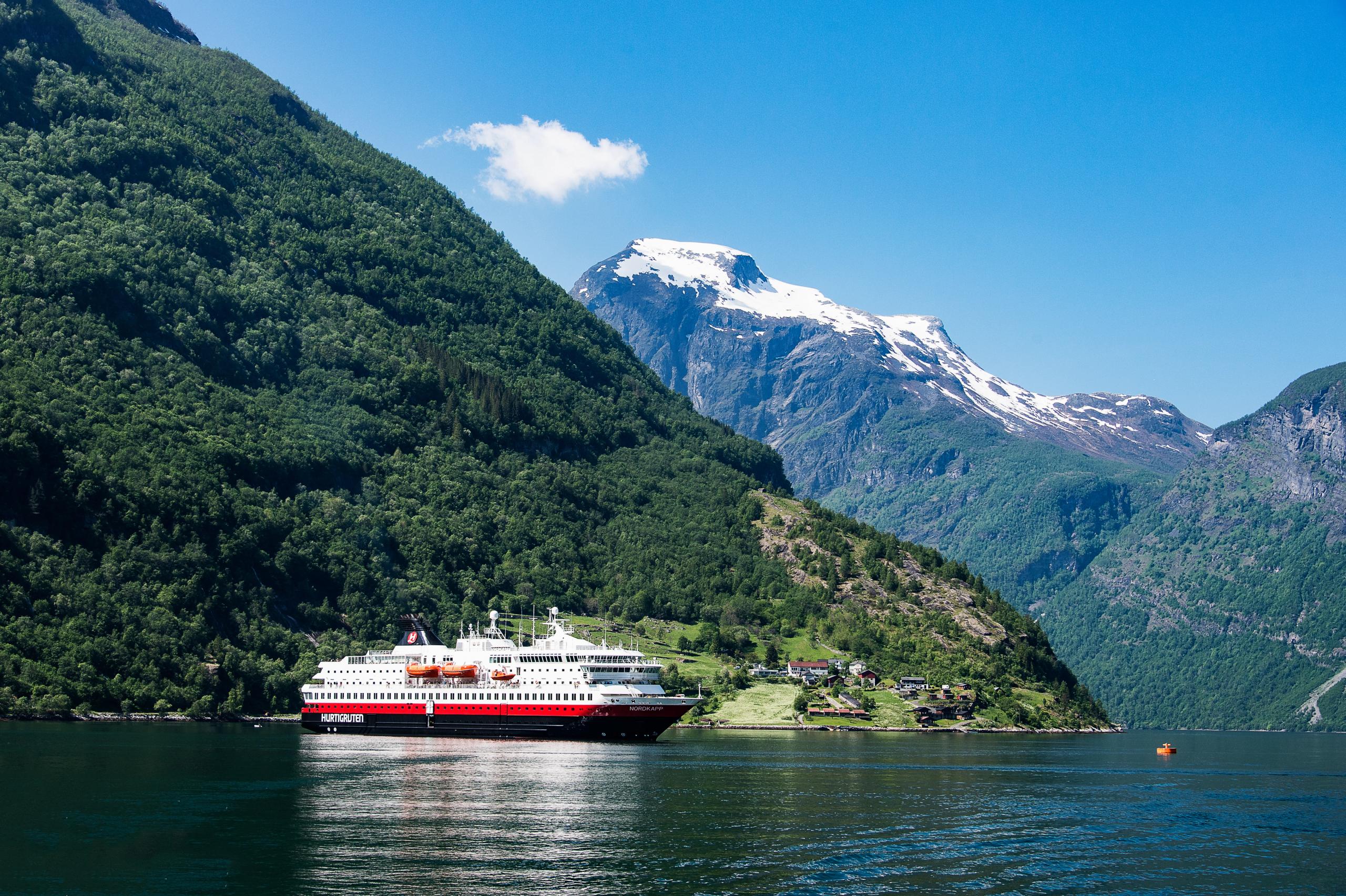 HurtigrutenExperience the world's most beautiful sea voyage on an unforgettable cruise along the stunning Norwegian coast.
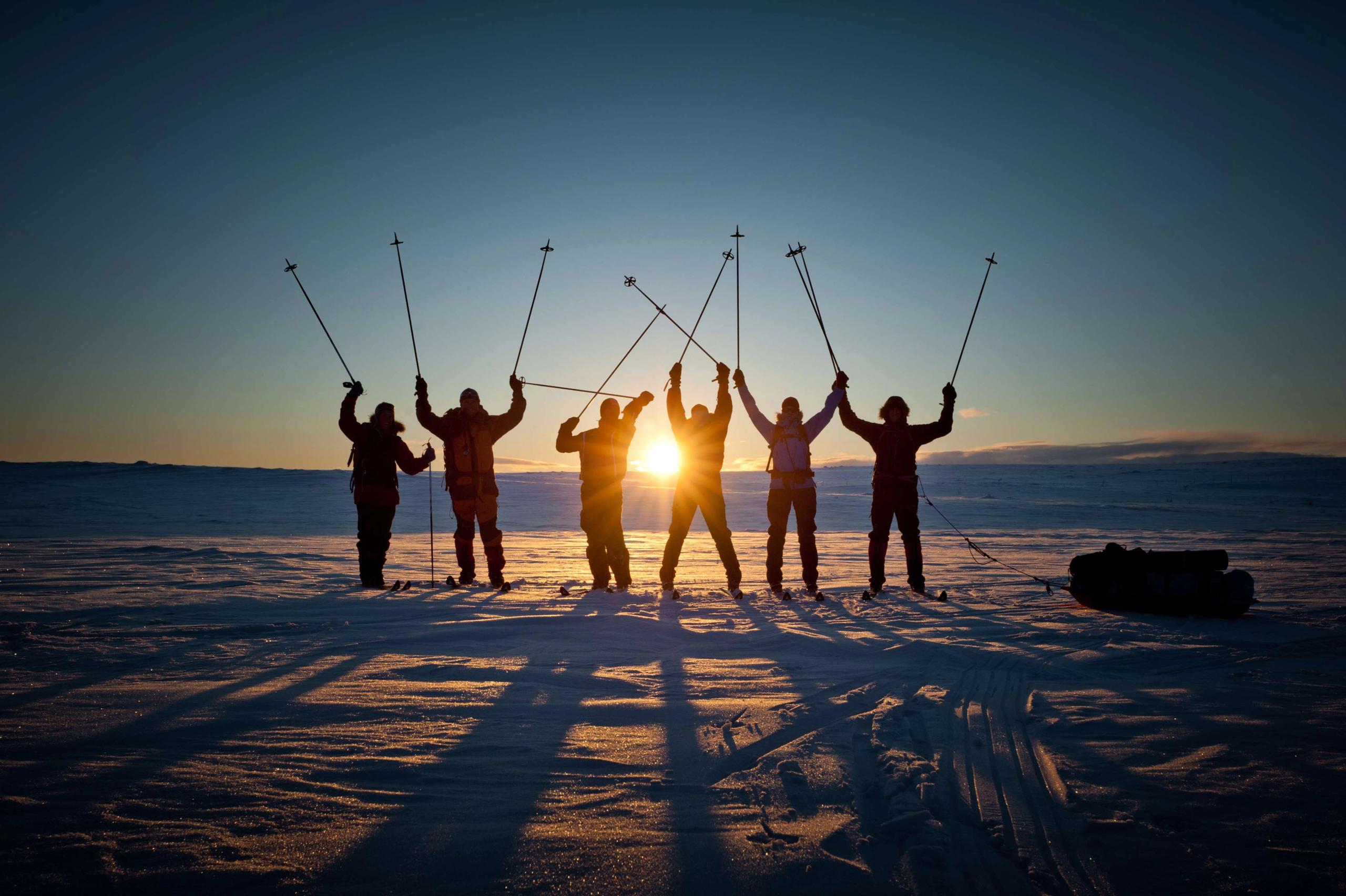 Norrøna AdventureGet ready for expeditions and adventure holidays with Norrøna Adventure. Hiking, skiing, and biking trips.
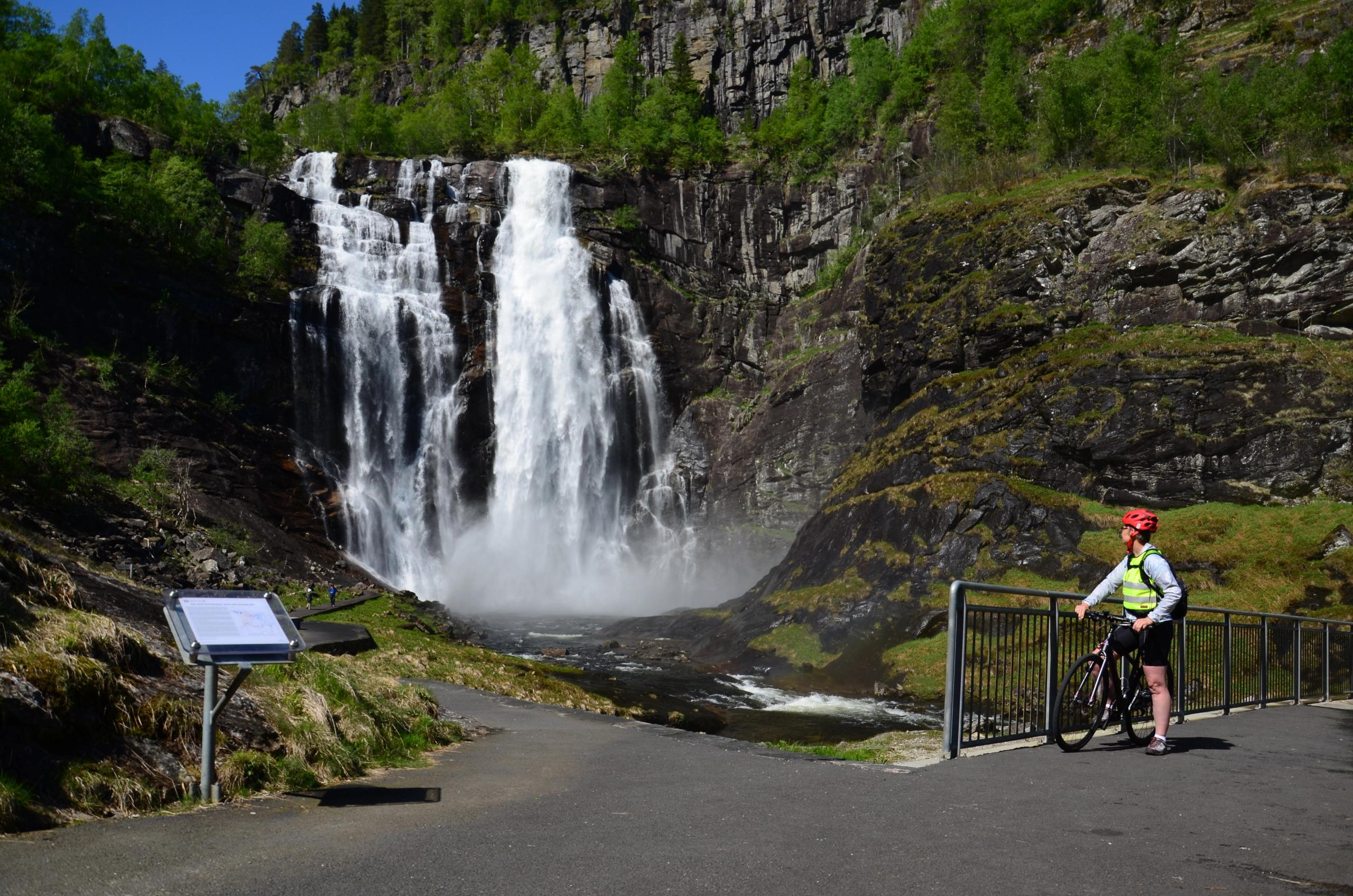 Discover NorwayOffers a range of exciting self-guided hiking, biking, and skiing holidays in Norway. Luggage transfer included.
 Norwegian HolidaysLow-price package holidays with Norwegian. Book your flight, hotel, and rental car all in one place.
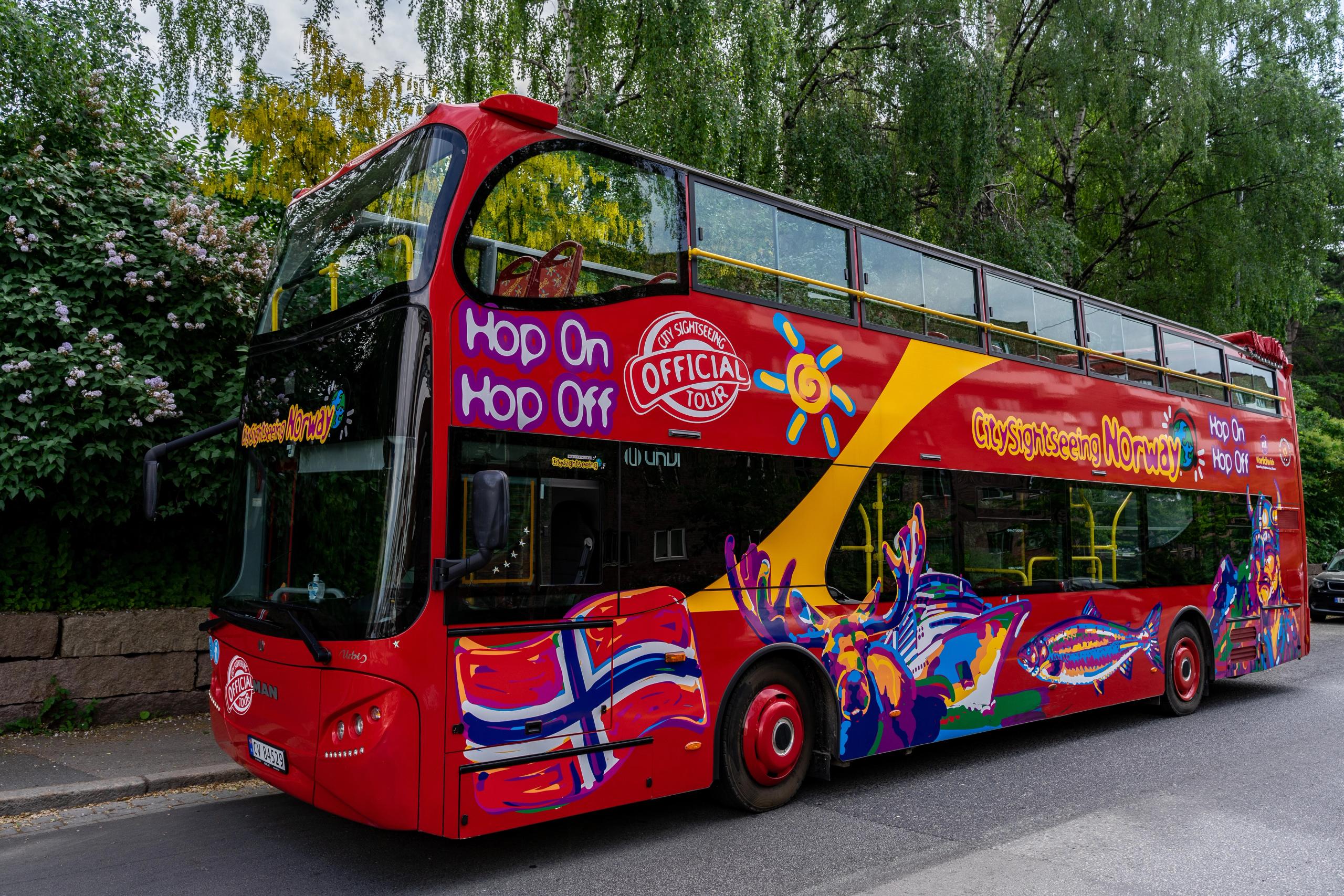 StrömmaSightseeing by bus and boat in several major tourist spots and cities in Norway.
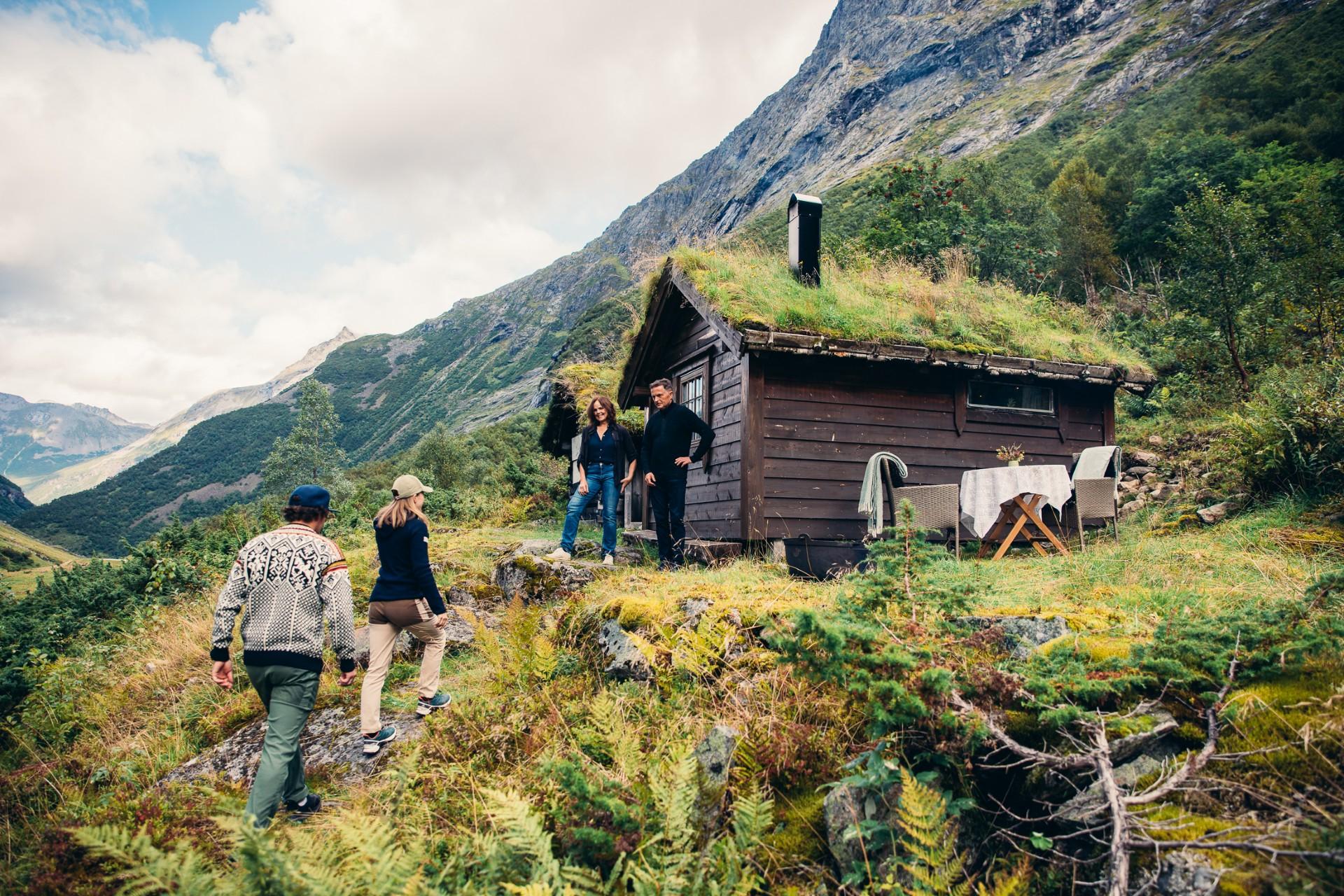 Up NorwayBespoke luxury hand-picked by local experts. We combine your preferences and our knowledge to make an unforgettable journey.
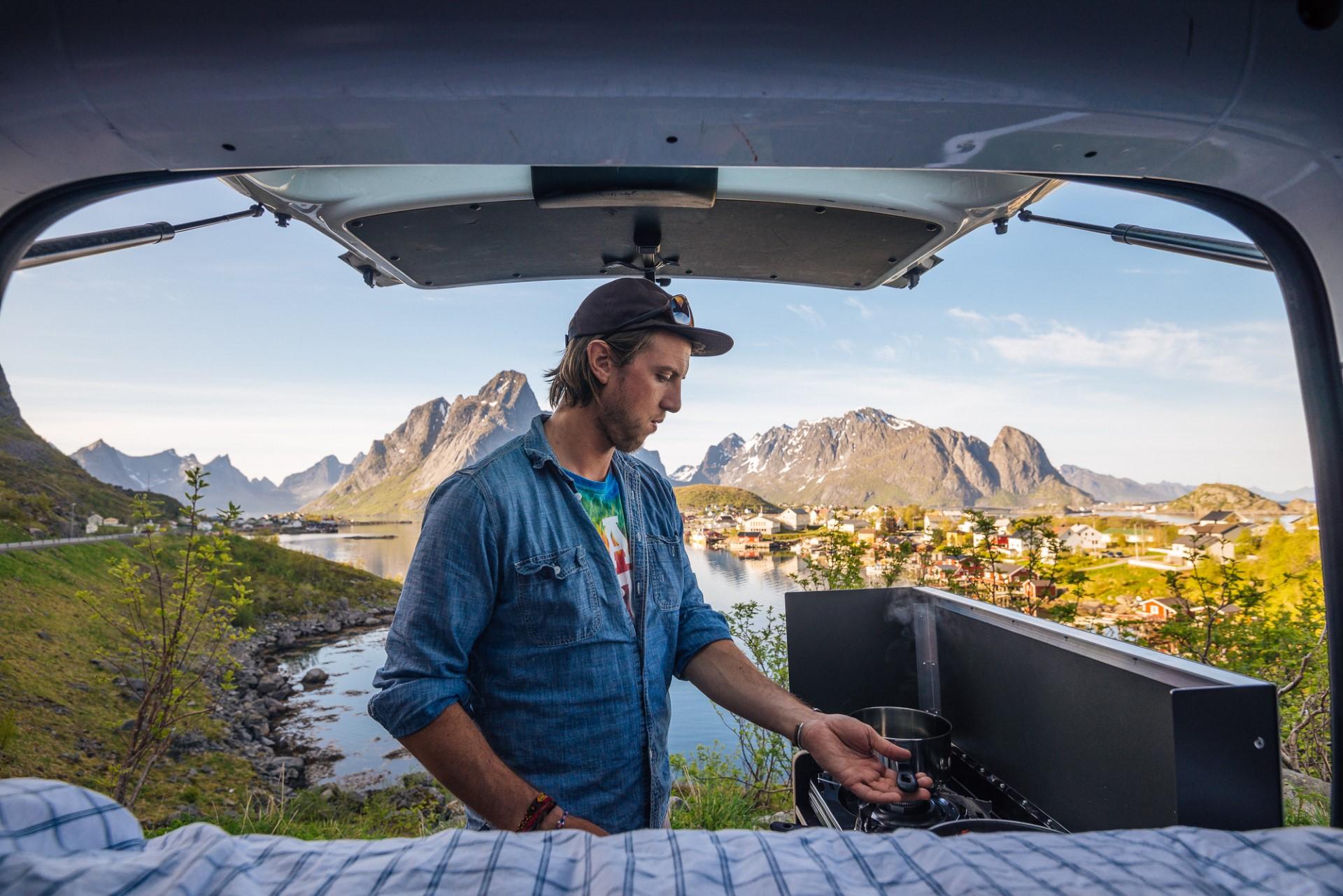 Arctic Campers ASDo you want to try van life? Explore Norway in comfort and style with our smart and cosy campervans.
 Auto EuropeAlways a smooth car rental experience. Search and compare rental rates. Free cancellation up to 24 hours prior to pick-up.
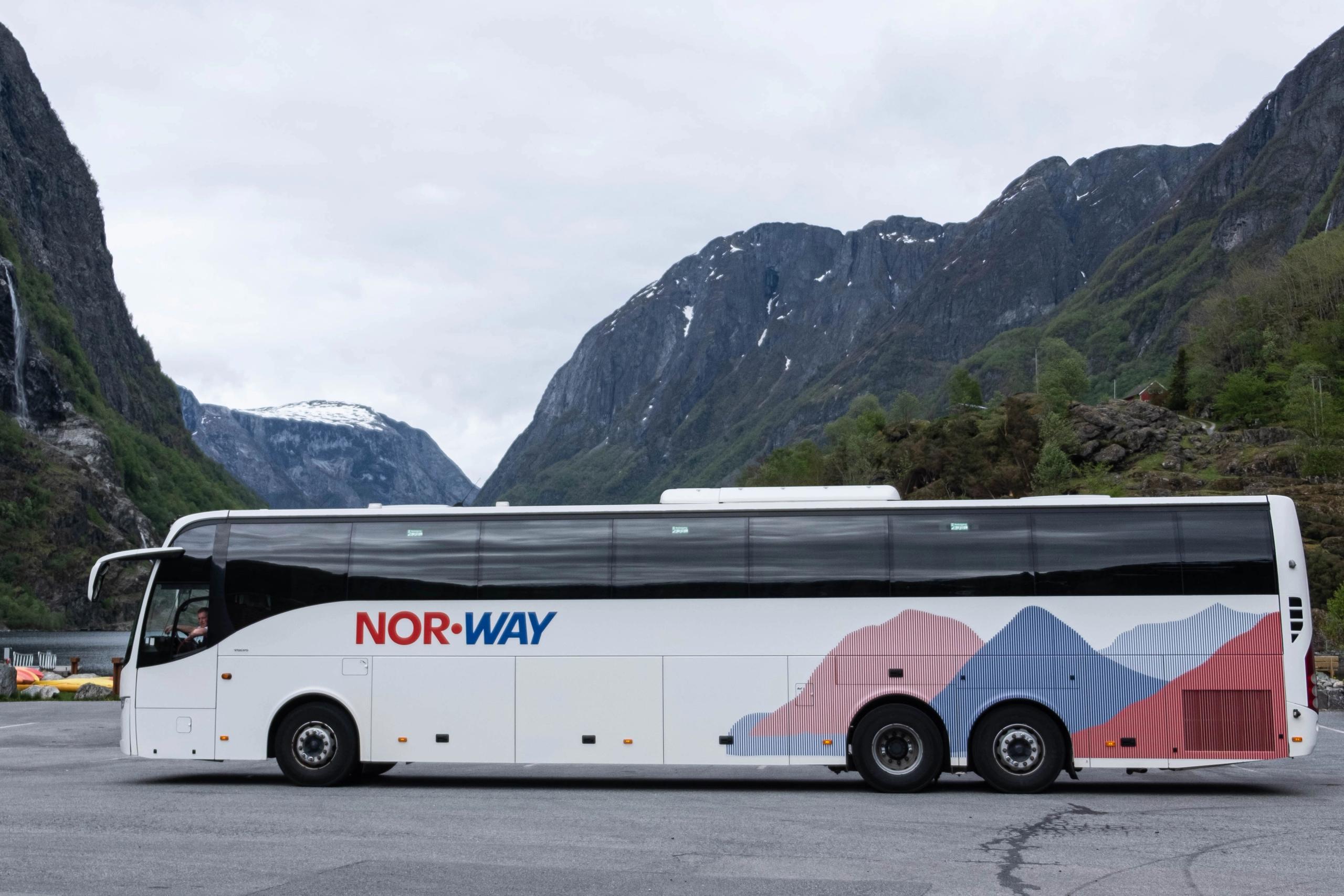 NOR-WAY BussekspressEnjoy scenic views on comfortable bus trips to the fjords and from city to city with our express buses.
 Rent-A-Wreck of Scandinavia ASThe smart and affordable car rental alternative.
 SJ NordSJ NORD - the adventure starts on the train
 Vy expressDiscover Norway on comfortable express buses that take you between major cities, mountains, and fjords.
 Vy TrainGlide through scenery on a train between Oslo and Bergen on the Bergen Railway and explore the greater Oslo region.
 My Nordic TravelChoose between DIY itineraries and pre-packaged holidays to the very best destinations in Norway.
 CampanyonUnique camping in nature. Book a stay in a treehouse or glamping tent or rent a motorhome pitch.
 NorwegianNorwegian offers cheap flights in Norway and direct flights from more than 70 European destinations. Book flights through our low fare calendar to your destinations.
 De HistoriskeHave an unforgettable stay at one of Norway's unique, authentic historic hotels. Enjoy first-class dining experiences and a broad range of activities.
 CampioNorway's biggest camping booking site. Find the best camping and motorhome pitches throughout Norway.