Living off the sea
The people of Norway have a long and rich history of living in symbiosis with the sea. The seasonal fishing of skrei (Arctic cod) is the reason people were able to survive so far north. Stockfish (dried skrei) was Norway's most important export for hundreds of year, and you can still breathe in the "smell of money", as they put it in Northern Norway, from the stockfish that hang on the racks in many of our operative fiskevær.
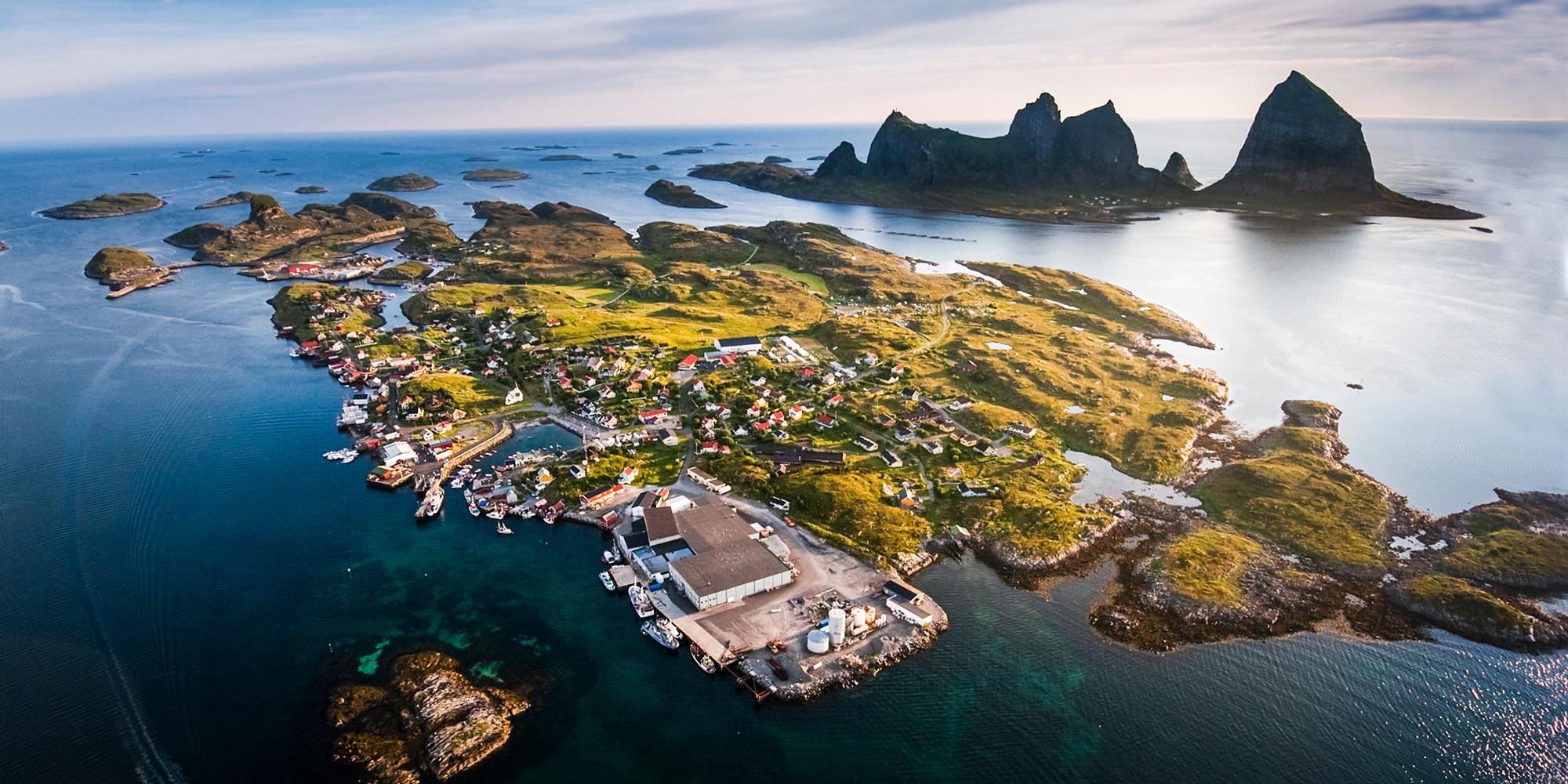
The growing trade with European countries led to the growth of prosperous cities and fiskevær appeared along the Norwegian coastline. Such villages are particularly along the coast of Fjord Norway, and in Northern Norway, which has the highest number.
Read more about how the fish called skrei built Norway.
The sea was the highway
In old times, there were often no other roads but the sea. That is why you find many of the most famous fiskevær in very unique and beautiful places that are close to fishing grounds. Although it can take a while to reach these islands and remote places by road, they were once situated right along the bustling "sea road".
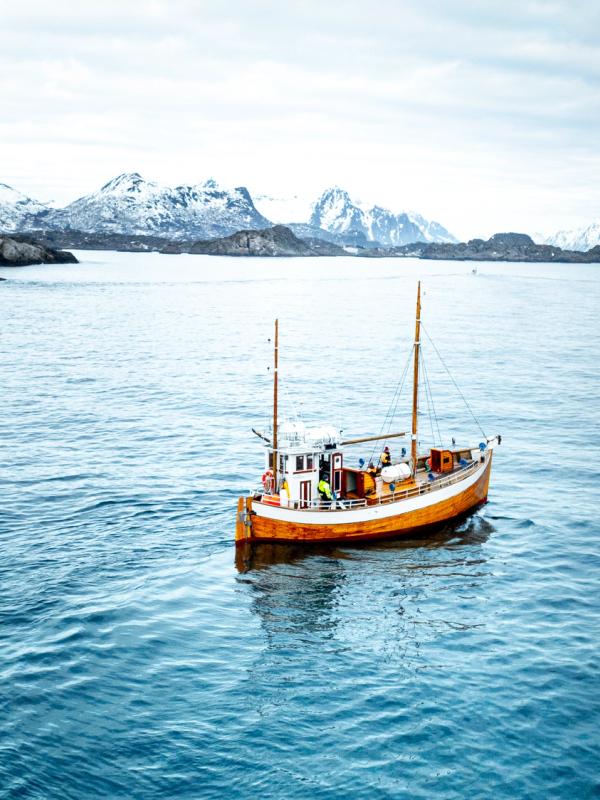
A good location was particularly important back when fishermen had to row their small wooden boats out to the fishing grounds, before the era of steam boats and small motorised fishing vessels, sjarker, became the norm, and they were able to fish further out to sea.
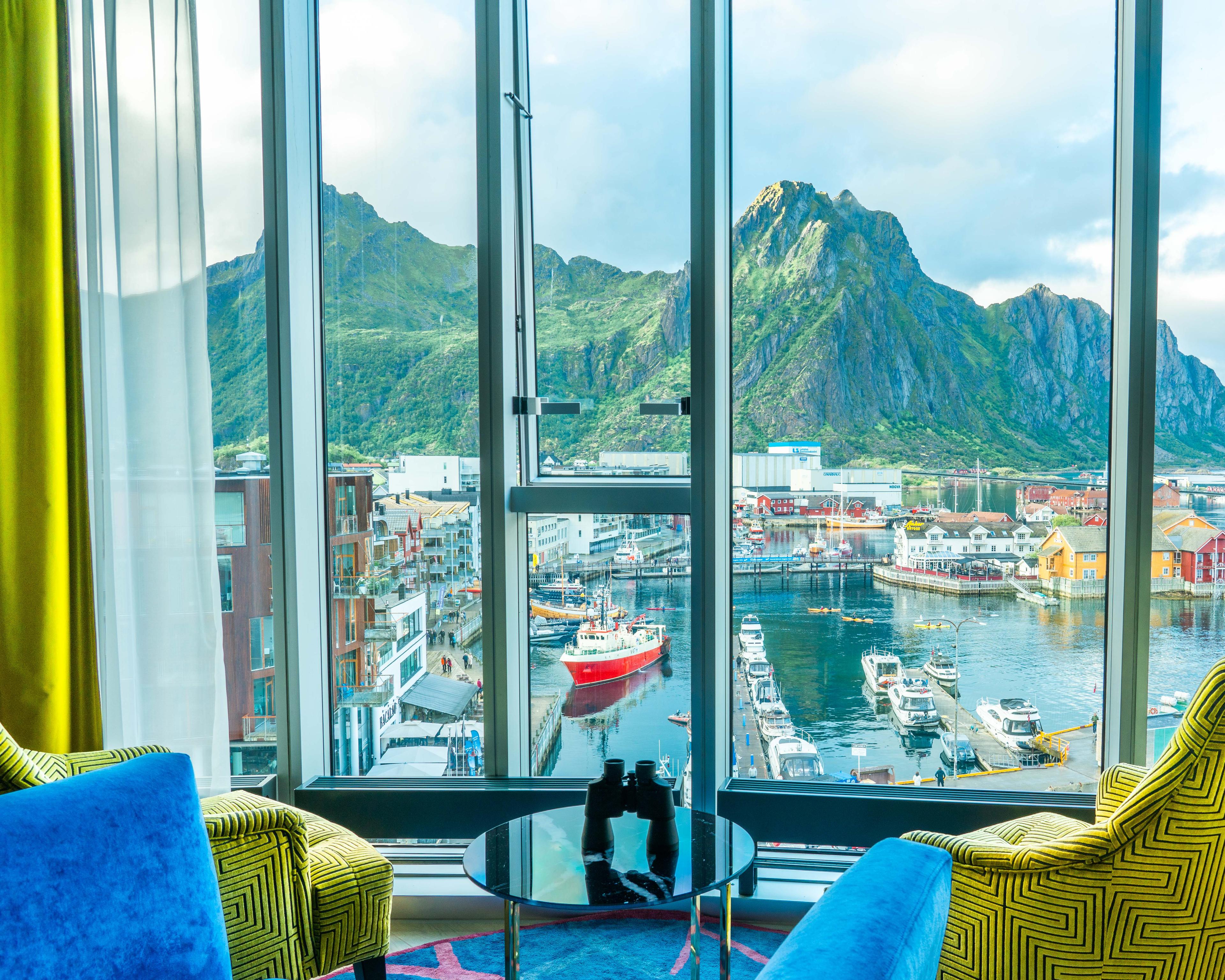
During skrei season, the small fishing village of Henningsvær in Lofoten would often be as crowded as this:
Houses by the sea
Tiny fiskevær provided basic housing for both locals and seasonal fishermen who came from all over the country, who lived off the bounty of the sea. But you can also find some stately væreierboliger, the houses where the væreier, the prosperous merchants, lived, and ruled over basically everything, from the store and the lodgings, to the fishing grounds and the harbour facilities, often even the church! Their power gradually declines, but many of these merchants remained prominent right up until the 1970s.
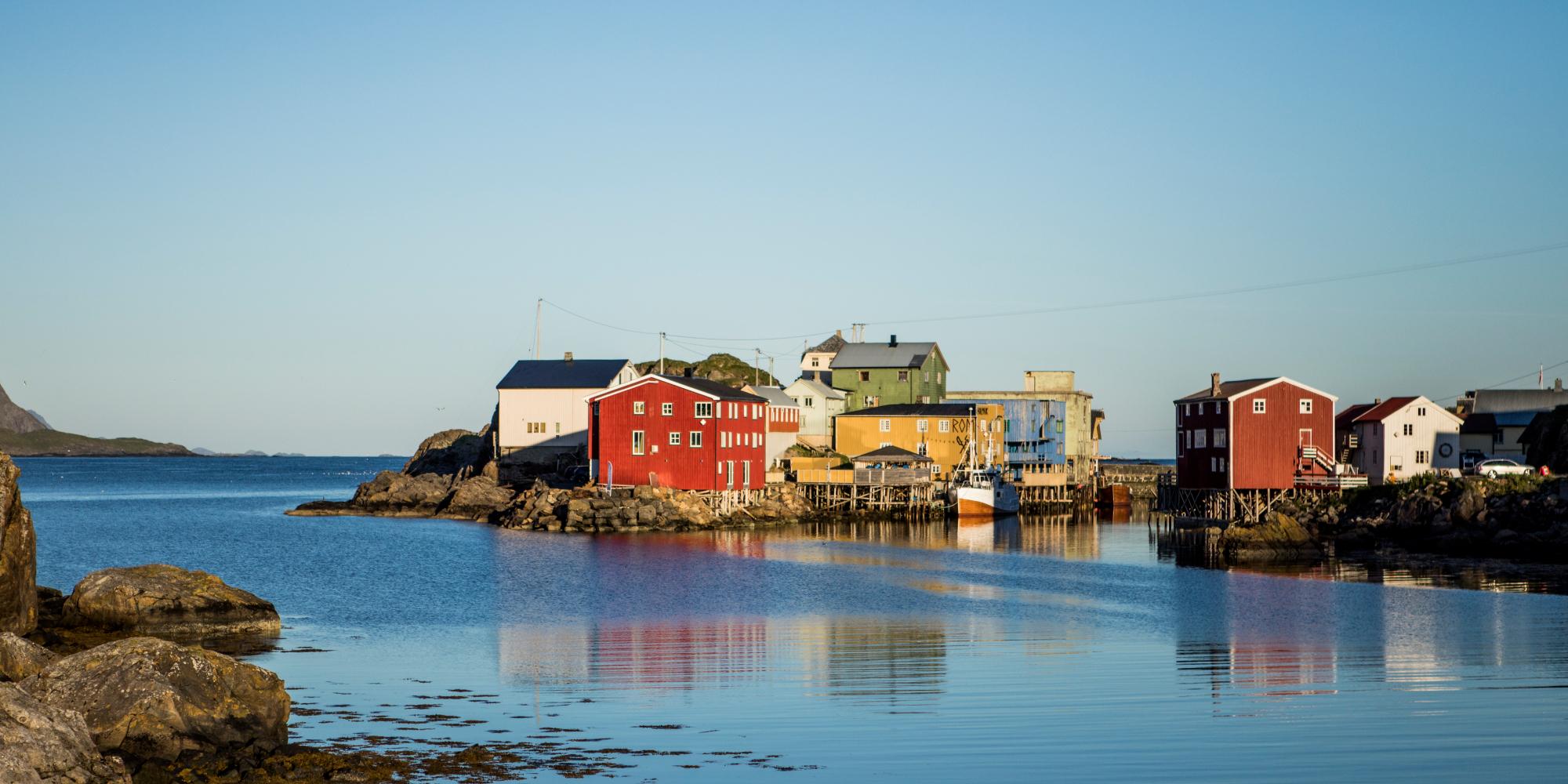
Their houses were often painted white, since this was the most expensive colour. The other houses were often painted ochre or red, as these paints were much cheaper. You will still find these shades on houses in many typical Norwegian fiskevær.
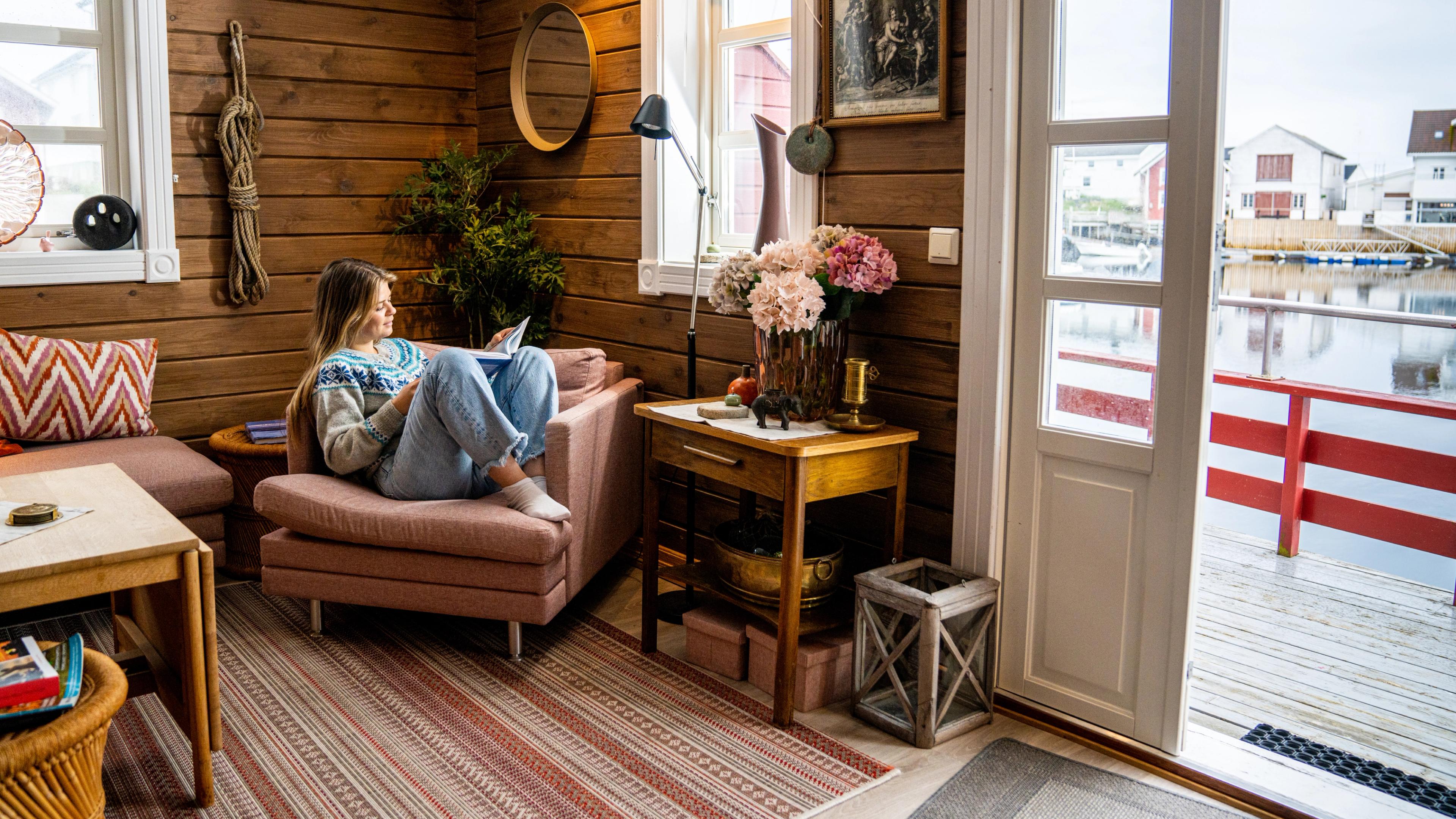
Refurbished fisherman's cabins, called rorbuer, are a popular form of accommodation today.
Modern fishing villages
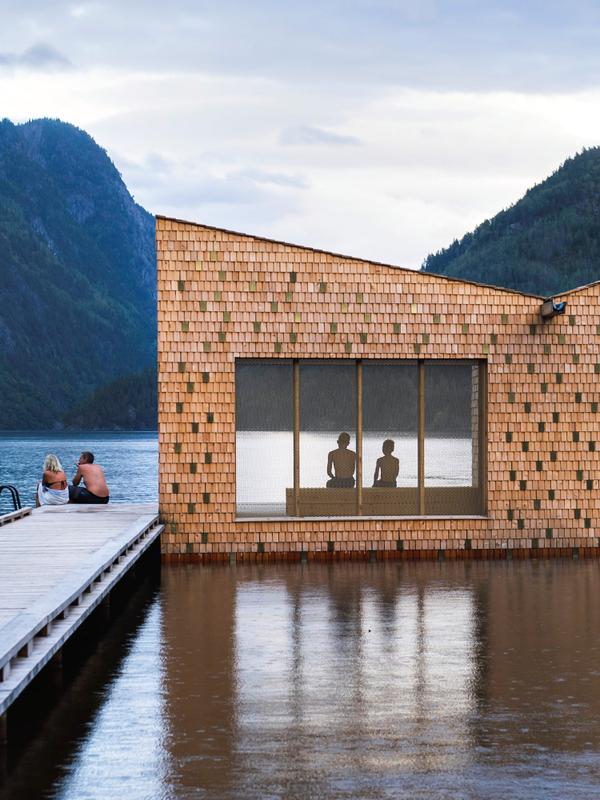
Although fishing is still important to many fiskevær, many of the traditional fishing villages have gained new life thanks to tourism and creative people who have moved there to open eateries, galleries, handicraft shops, and unique places to stay.
From Southern Norway through Fjord Norway and all the way up the coast to Kirkenes in Northern Norway, you'll find charming, authentic fishing villages that are well worth visiting. Some are perfect if you are looking for a quiet and peaceful place to relax, others are perfect for adventure-seekers and outdoor enthusiasts. Many also host festivals, from poetry and jazz to rock'n roll!
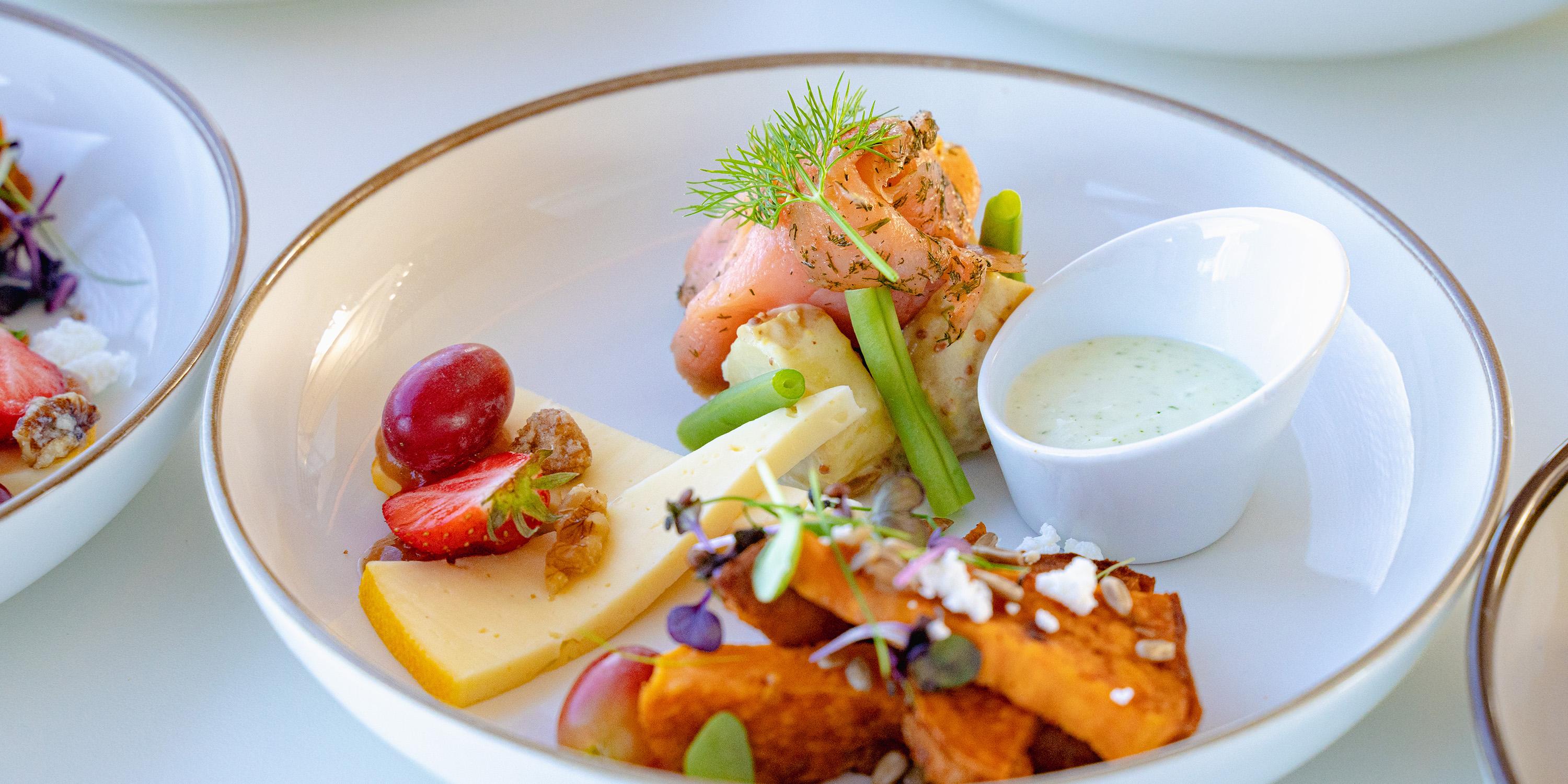
What they all have in common is their prime location by the sea, close to fishing grounds and natural harbours. Foodies are in for a treat with plenty to satisfy their tastebuds on the Norwegian coast, with plenty of fresh seafood and other locally sourced ingredients.
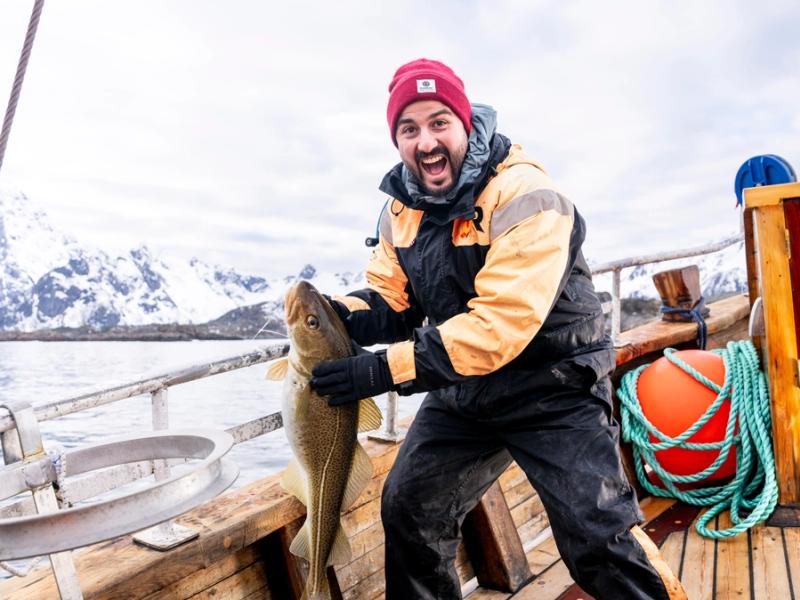
Do you want to catch a fish yourself? We know a sexy (!) little trick for improving your luck!
Northern Norway
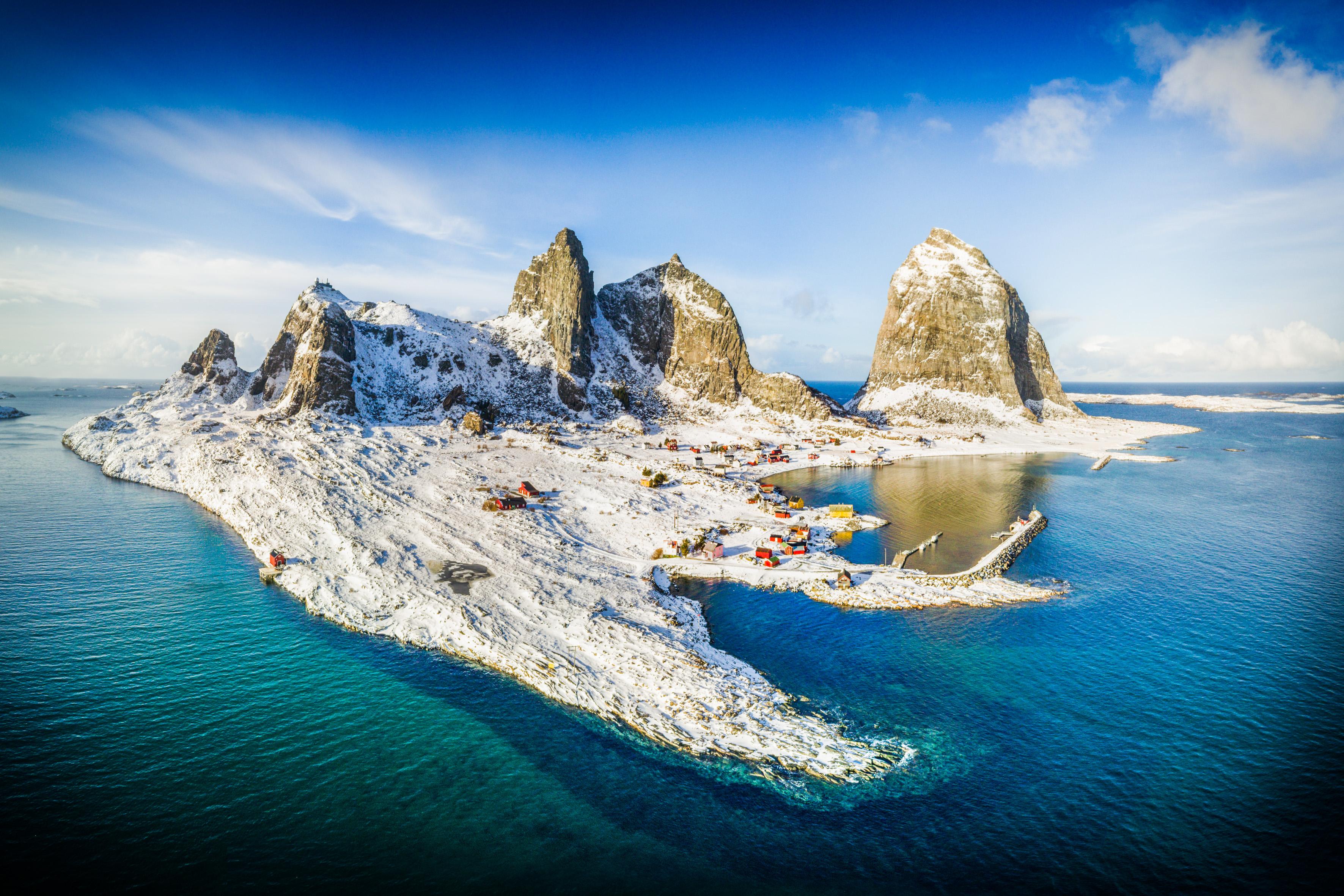
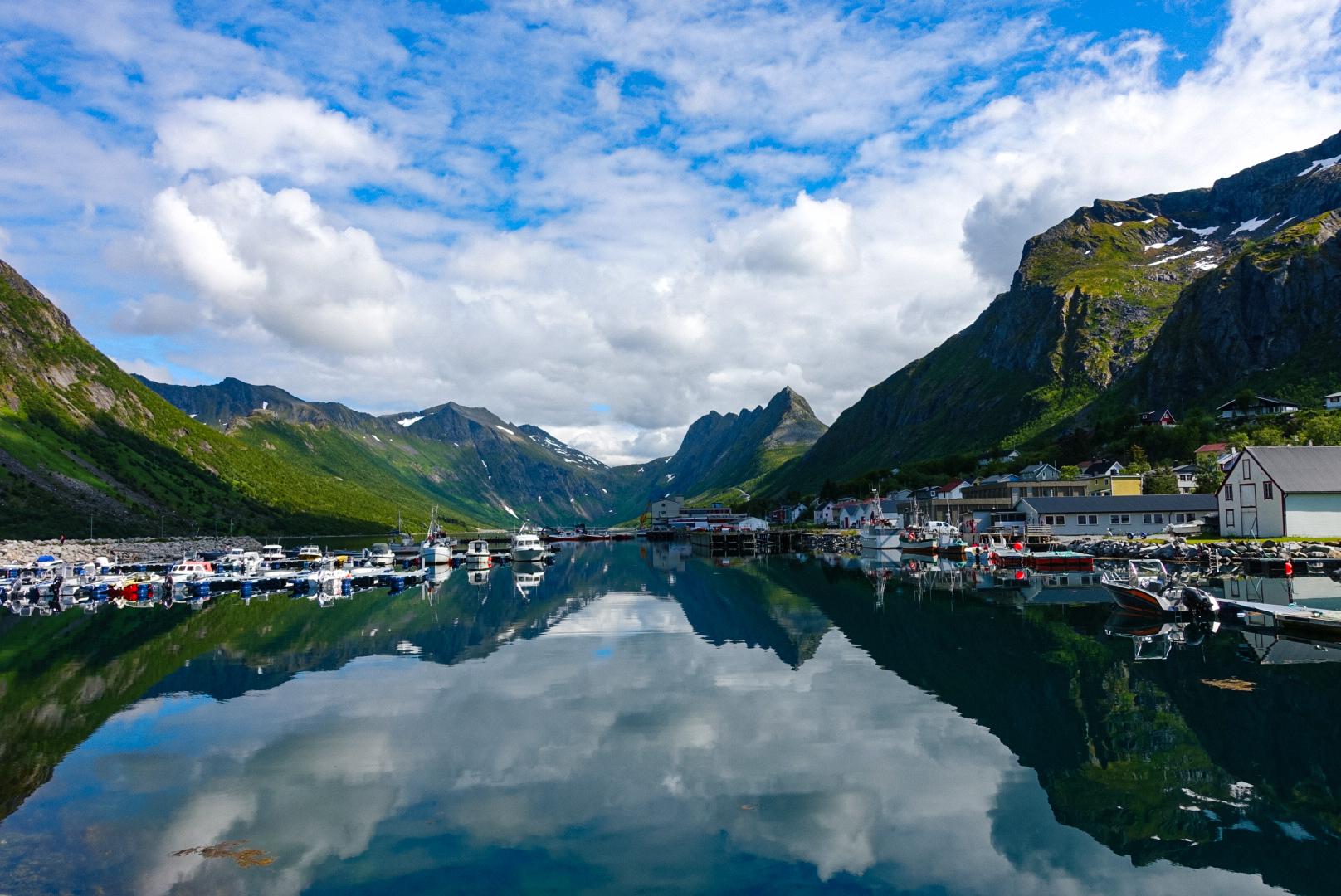
Most of Norway's most iconic fishing villages are found in Northern Norway. The typical photographed landscape motifs with red boathouses and fisherman's cabins nestled beneath mighty mountains are everywhere, along with plenty of evidence of Northern Norway's skrei fishing heritage.
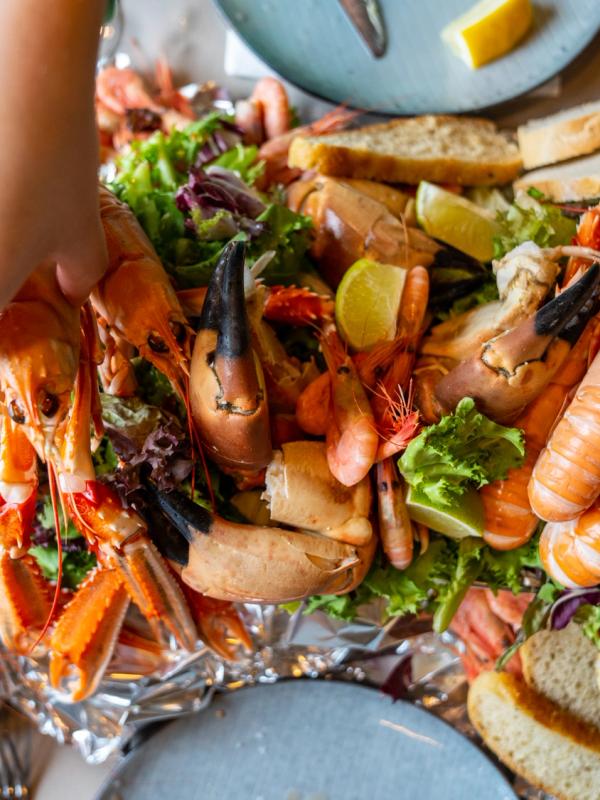
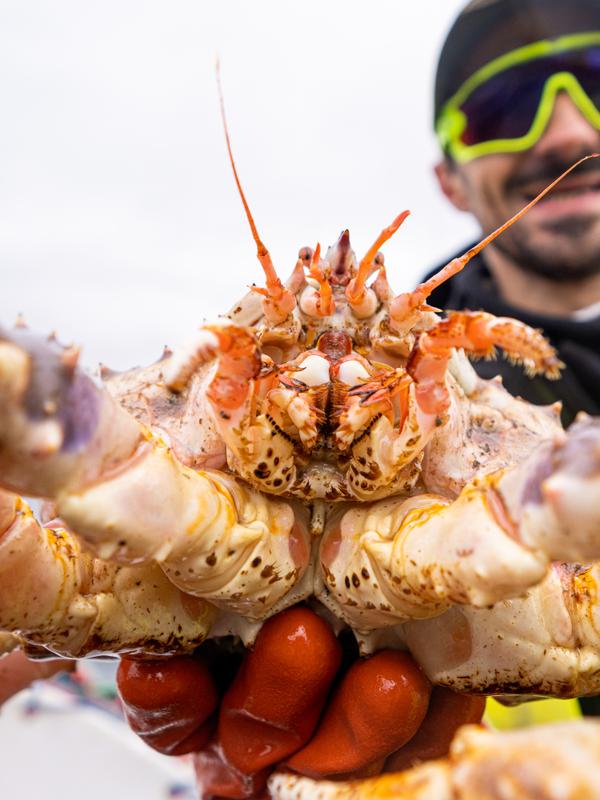
Sample traditional fiskesuppe (fish soup), bacalao, and skrei (Arctic cod) prepared in many different ways. Don't miss the mighty king crab, and of course you must try tørrfisk, stockfish. The lamb in this area is also renowned.
Here are some of the most popular fiskevær:
Lofoten
Here, you can visit fiskevær after fiskevær! Henningsvær is probably the most famous fishing village, filled with hip cafés, restaurants, independent shops and world class art galleries, including the renowned Kaviar Factory. You can also enjoy yoga classes, saunas, and festivals at Trevarefabrikken, and join a climbing course at Klatrekaféen. There is certainly plenty to do here amidst the stunning scenery.
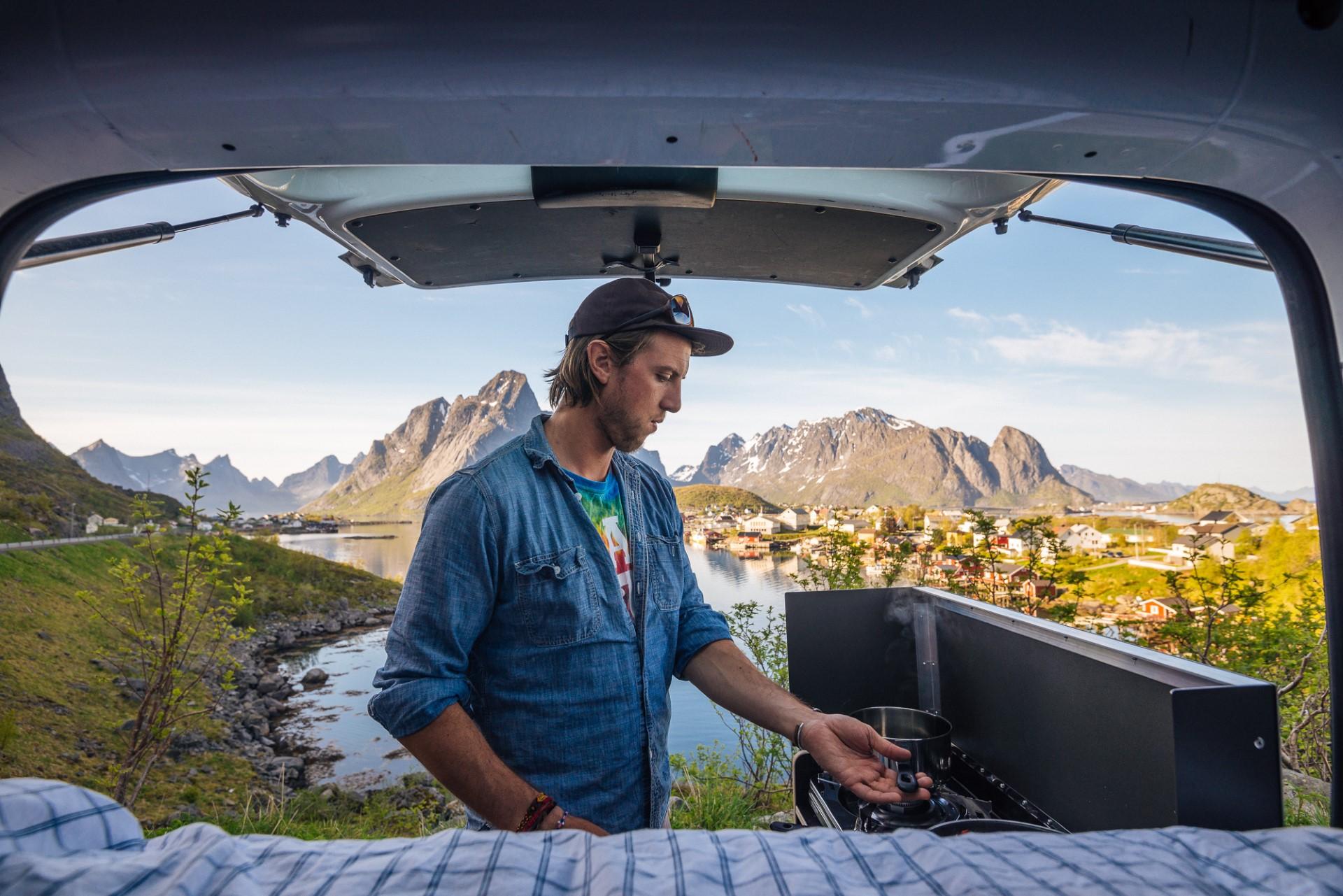
Kabelvåg, Ballstad and Stamsund are also popular places to stay and do activities like hiking, fishing and kayaking. Further out to sea, you'll find the famous fiskevær of Nusfjord, a cosy and living fiskevær museum, and the Instagram-friendly villages of Reine, Sørvågen and Å. Both Kabelvåg and Å are home to fascinating museums that present the history of the fishing villages.
It is also highly recommended to take a boat trip (free if you don't bring a car on the ferry!) to the fishing villages on the small islands of Skrova, Røst and Værøy, all of which have a thriving fishing industry.
Vesterålen
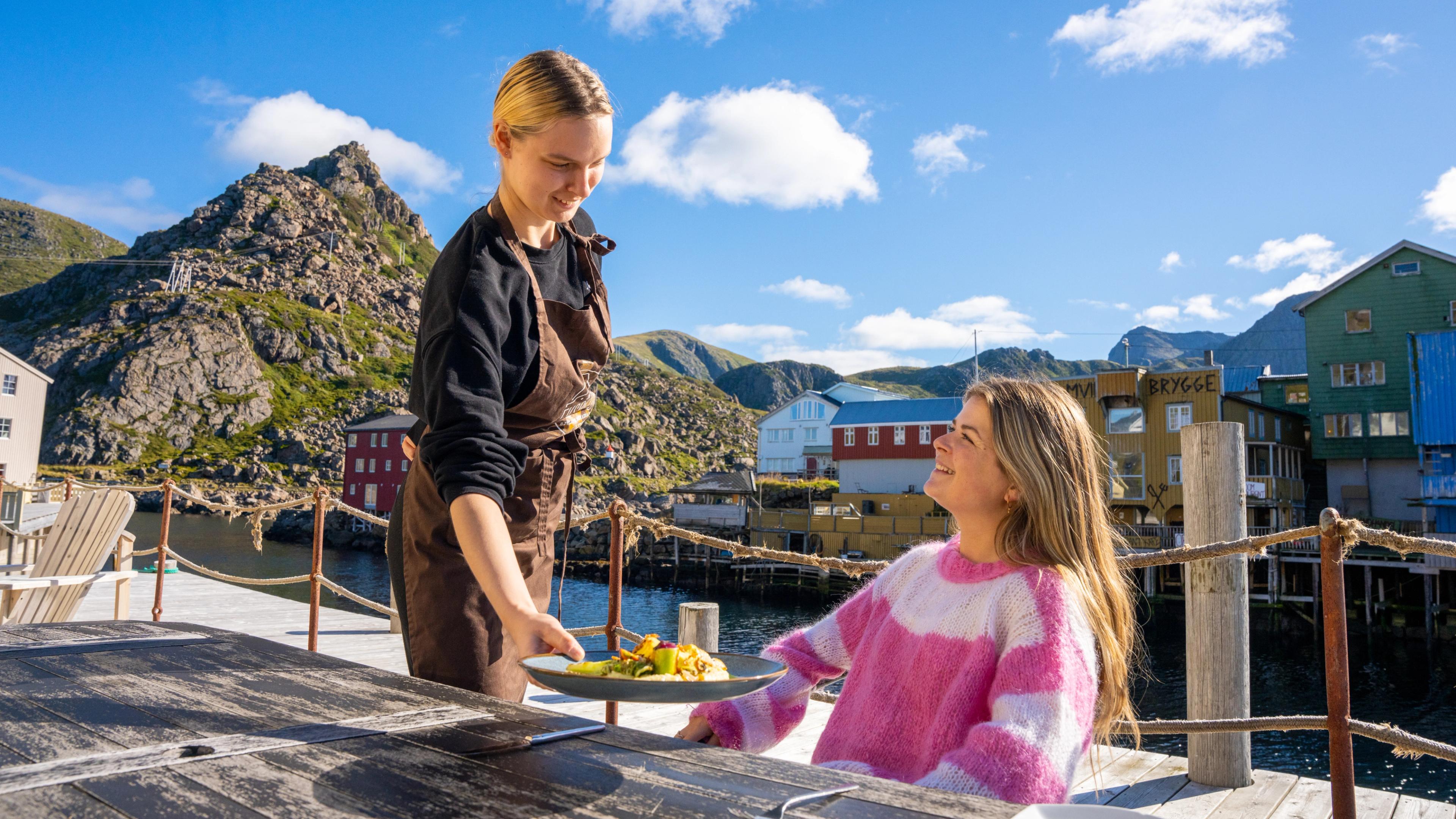
Here, you will find one of the most unique fiskevær in Northern Norway: Nyksund. From being one of the most important fishing villages in the 20th century, Nyksund became a ghost town in the 1970s. However, in recent decades, an enthusiastic group of people from Germany have been a driving force in a revival of the village. Today, this small and quirky community of just a dozen habitants is home to several good restaurants, art galleries, places to stay, and even a recording studio. It has a very creative and hip vibe found nowhere else, and is a popular place for remote workers and digital nomads.
Another small fishing village in Vesterålen is Stø, where you can join a whale safari. There are also whale watching tours from Andenes, a bigger town that offers lots of activities and which is even home to the Andøya Space Center. Skipnes and Tinden are tiny gems, and great places to visit during summer, while Myre is a more modern fishing port.