Outdoor recreation is a major part of the Norwegian identity, and access to nature is protected by law. You are free to enjoy the great outdoors – as long as you leave nothing behind and show respect for nature and property.
The right to roam
Enjoying Norway, responsibly
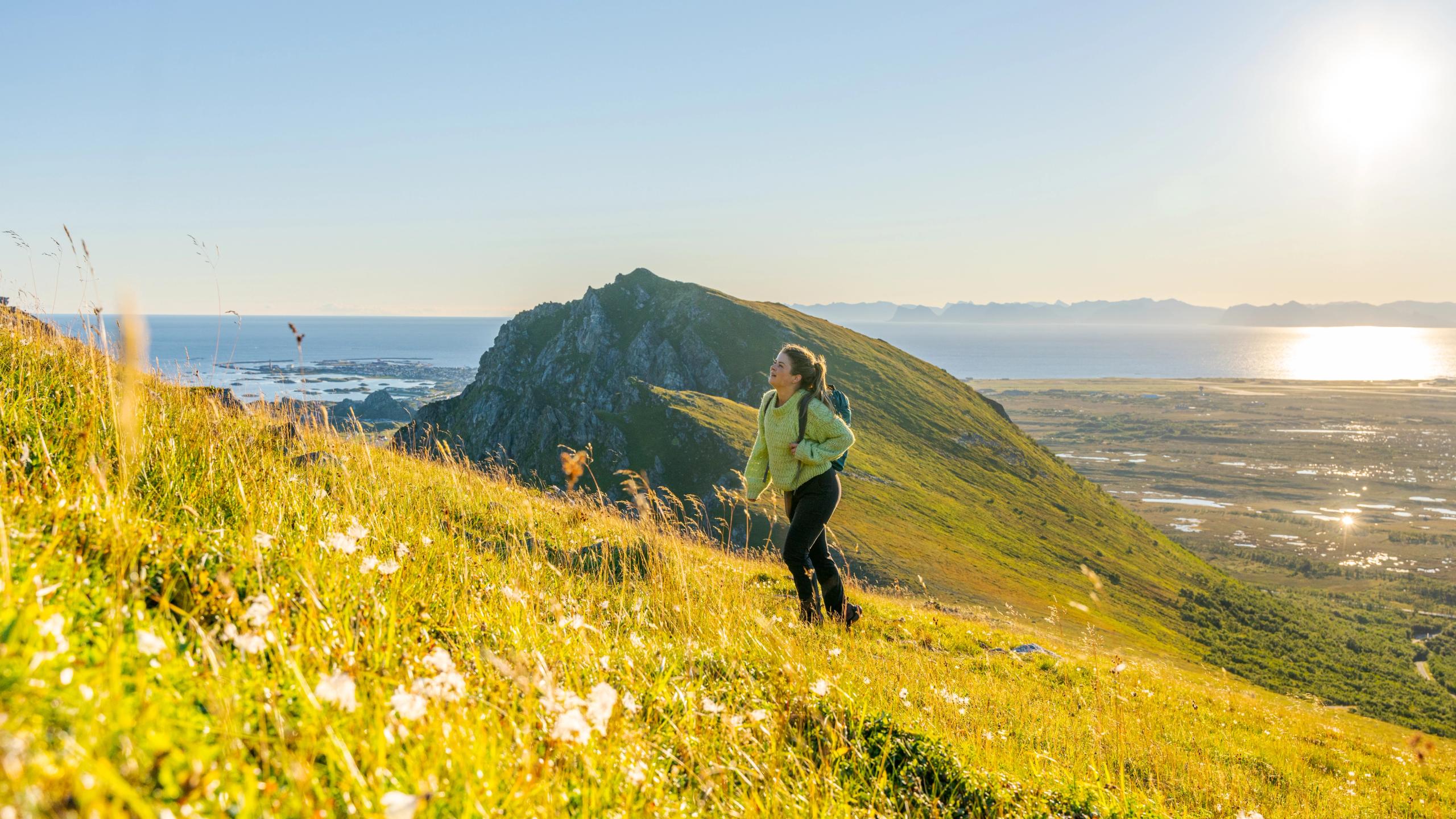
In Norway, the right to roam – known as Allemannsretten – is a long-established and legally protected right that gives everyone the freedom to enjoy the outdoors regardless of land ownership. Its roots lie deep in Norway’s history and are preserved in the Outdoor Recreation Act.
This right allows people to walk, cycle, ski, swim and camp in a tent in uncultivated land (utmark) without needing the landowner’s permission across most of the country.
Please note that certain areas, especially those facing high visitor numbers or containing vulnerable landscapes, may enforce local restrictions, such as limits on camping, additional conservation rules, or seasonal closures. Always check local signs and information to make sure your visit supports nature conservation and respects local regulations.
The right to roam also comes with some important duties.
The main rules are easy: be considerate and thoughtful. Don't damage nature and your surroundings, and respect the wildlife. Leave the landscape as you would want to find it.
The right to hike
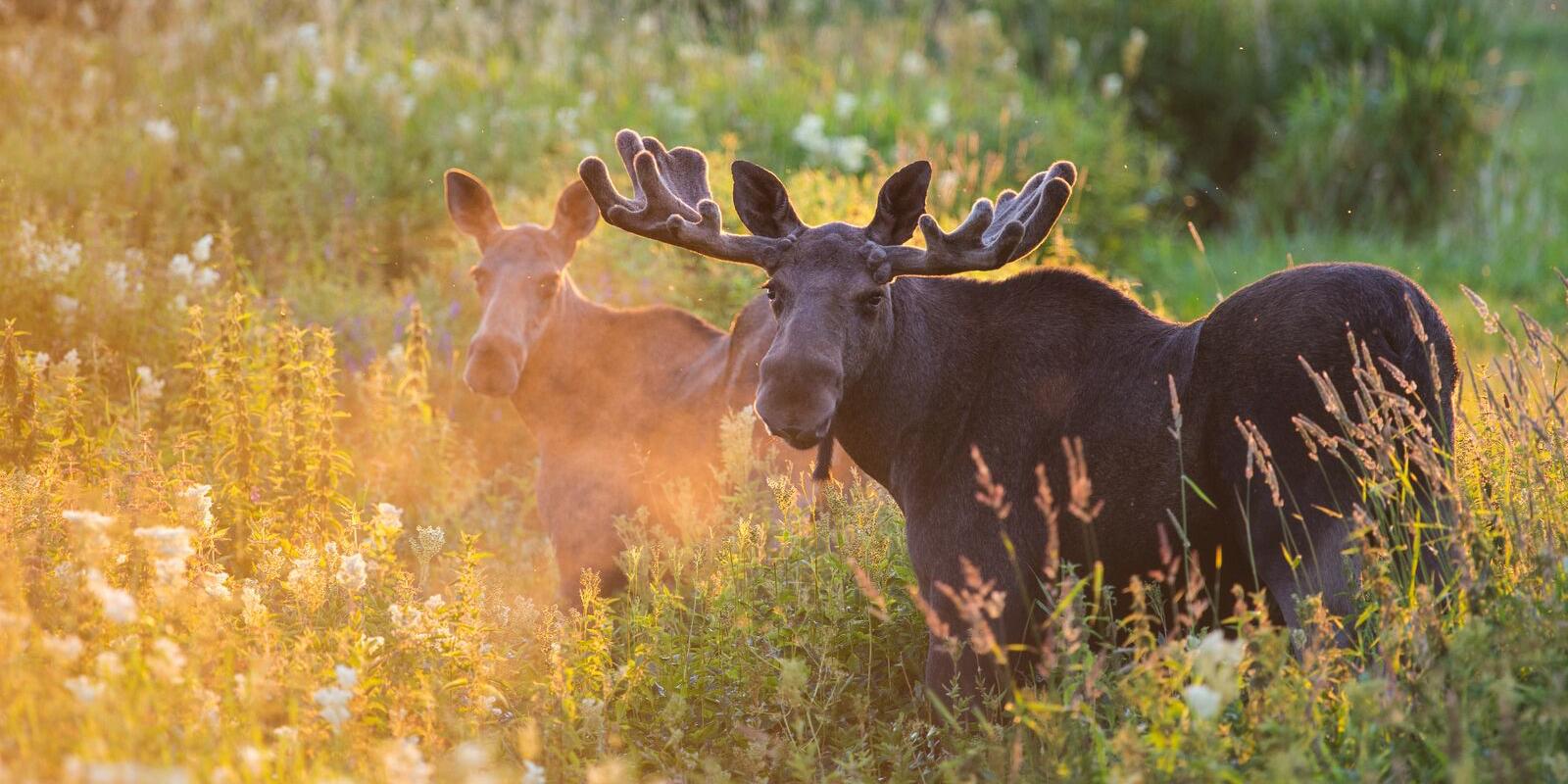
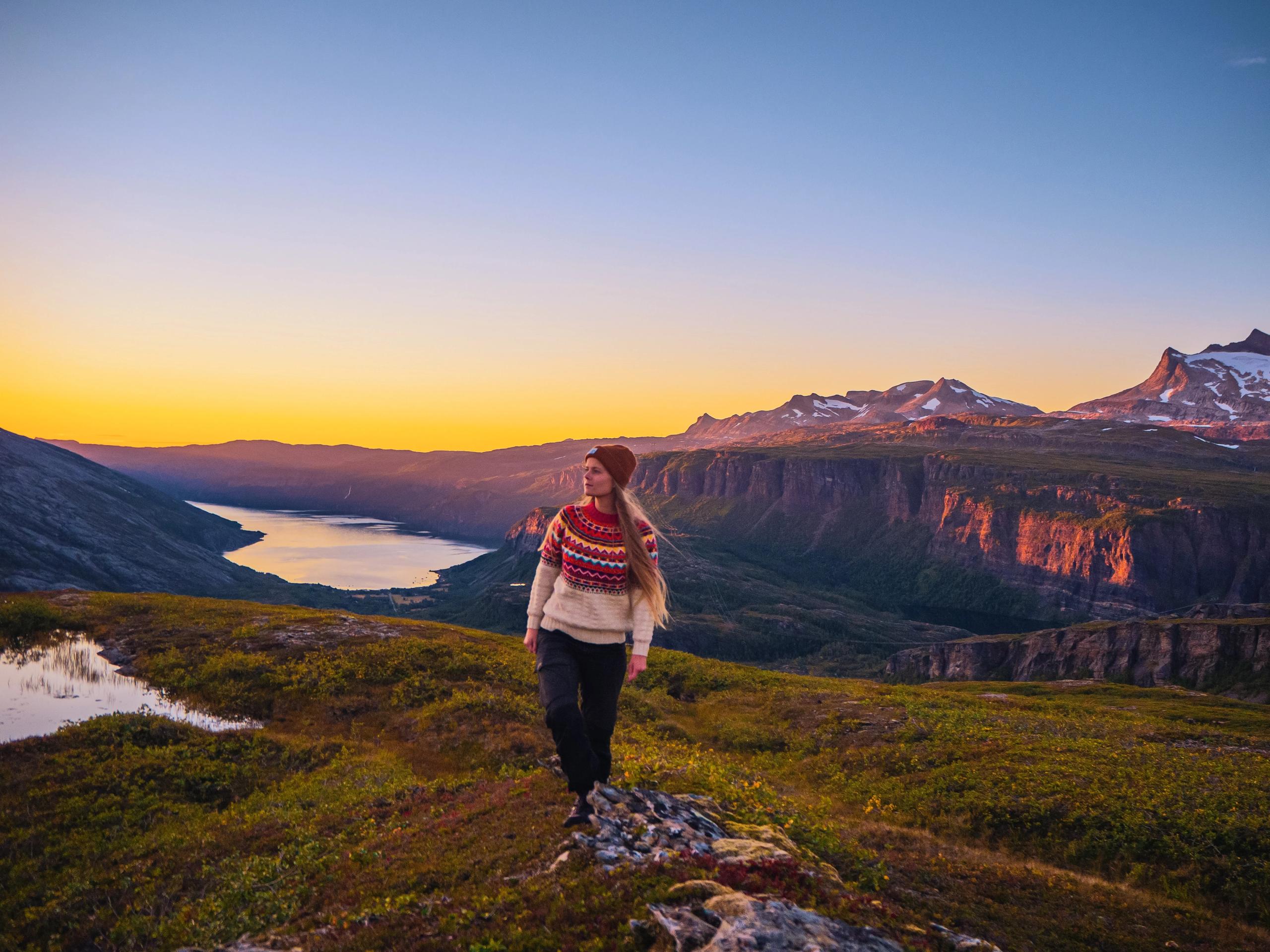
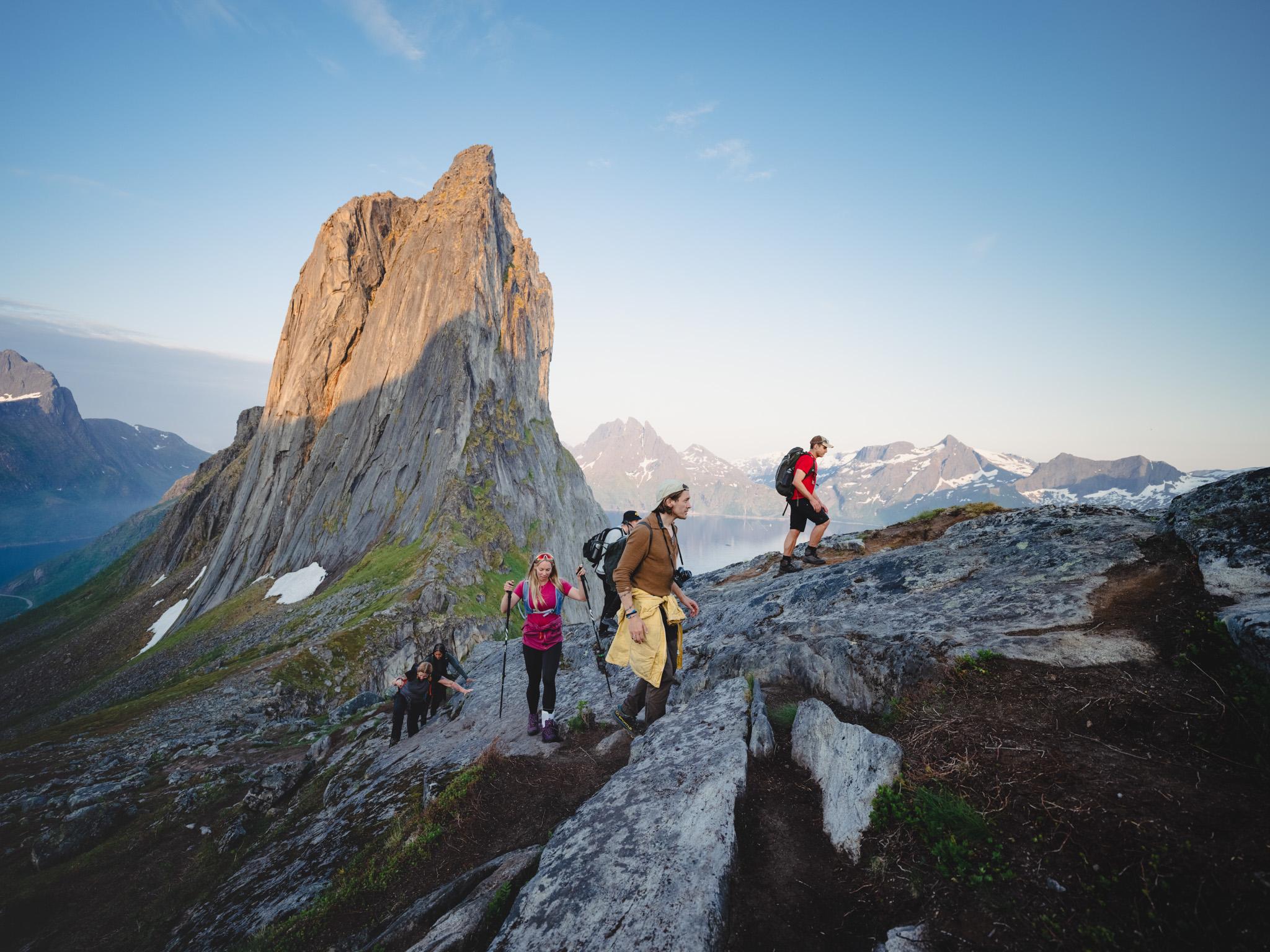
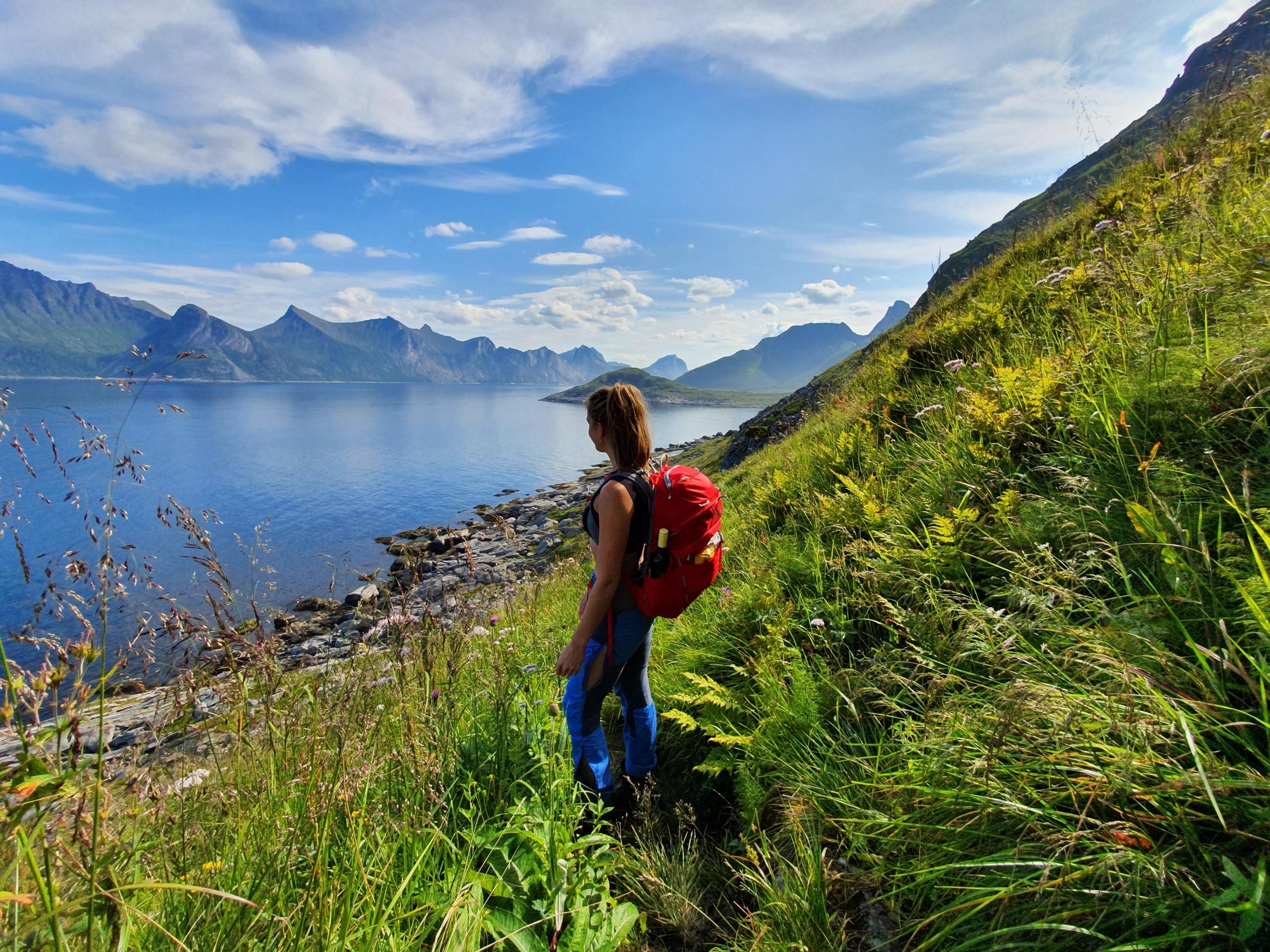
Norway has almost endless possibilities when it comes to exploring wild nature. You can go hiking almost everywhere, but please respect areas where hiking is not recommended, for example in places with vulnerable wildlife, including areas where wild reindeer roam. Many popular hikes are closed or not recommended in the winter season.
The right to roam also comes with some important obligations. You probably already know the basics:
- Take only photos, leave only bootprints.
- Dispose of waste responsibly – leave no traces behind.
- Stay on marked trails and paths.
- Be considerate of wildlife – observe from a distance.
- Travel and hike safely – plan ahead and know your limits.
- When nature calls, head to a restroom – avoid going outside.
- Please respect local culture and cultural heritage, and support local businesses.
- Share your experiences responsibly – inspire others to care.
The right to camp
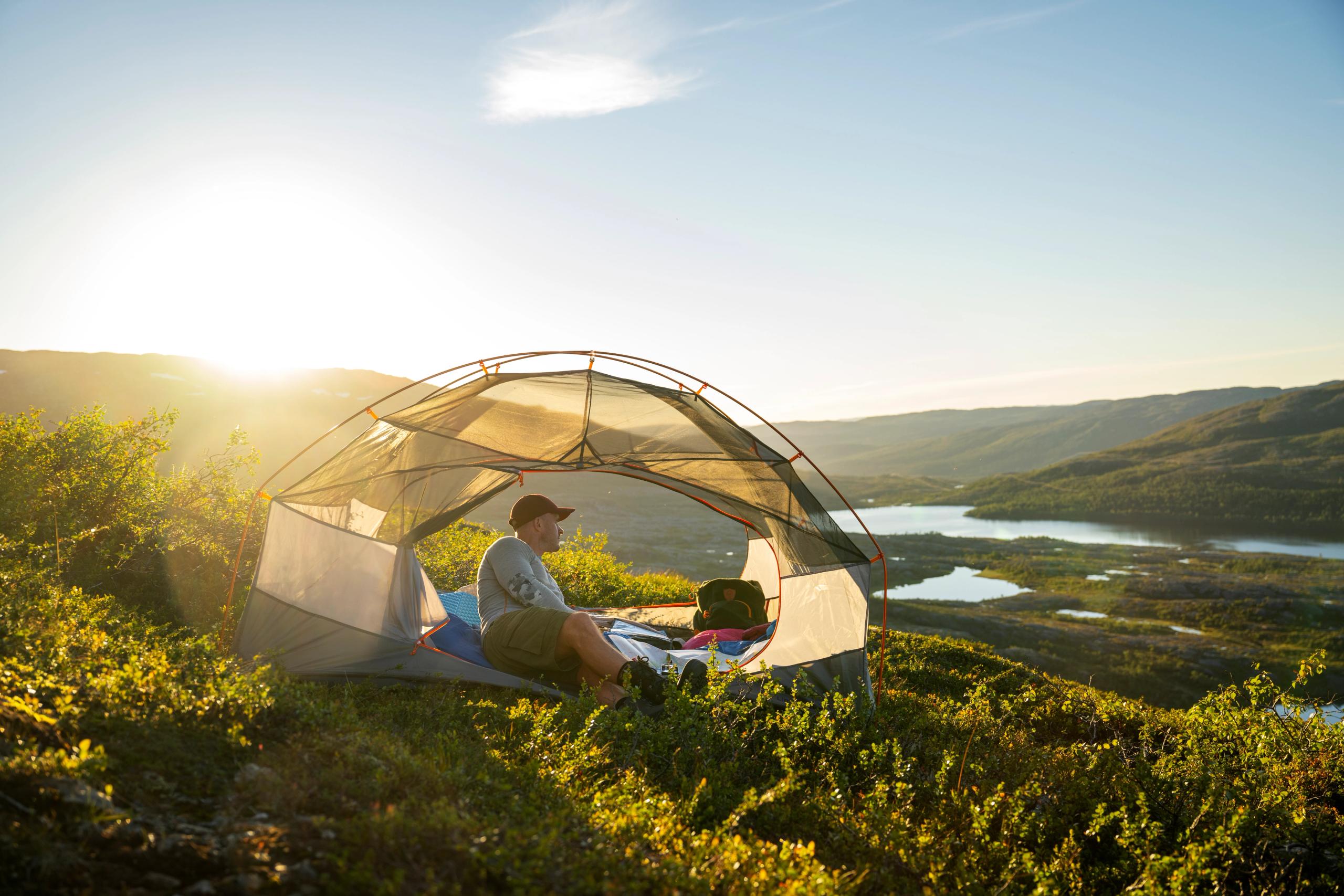
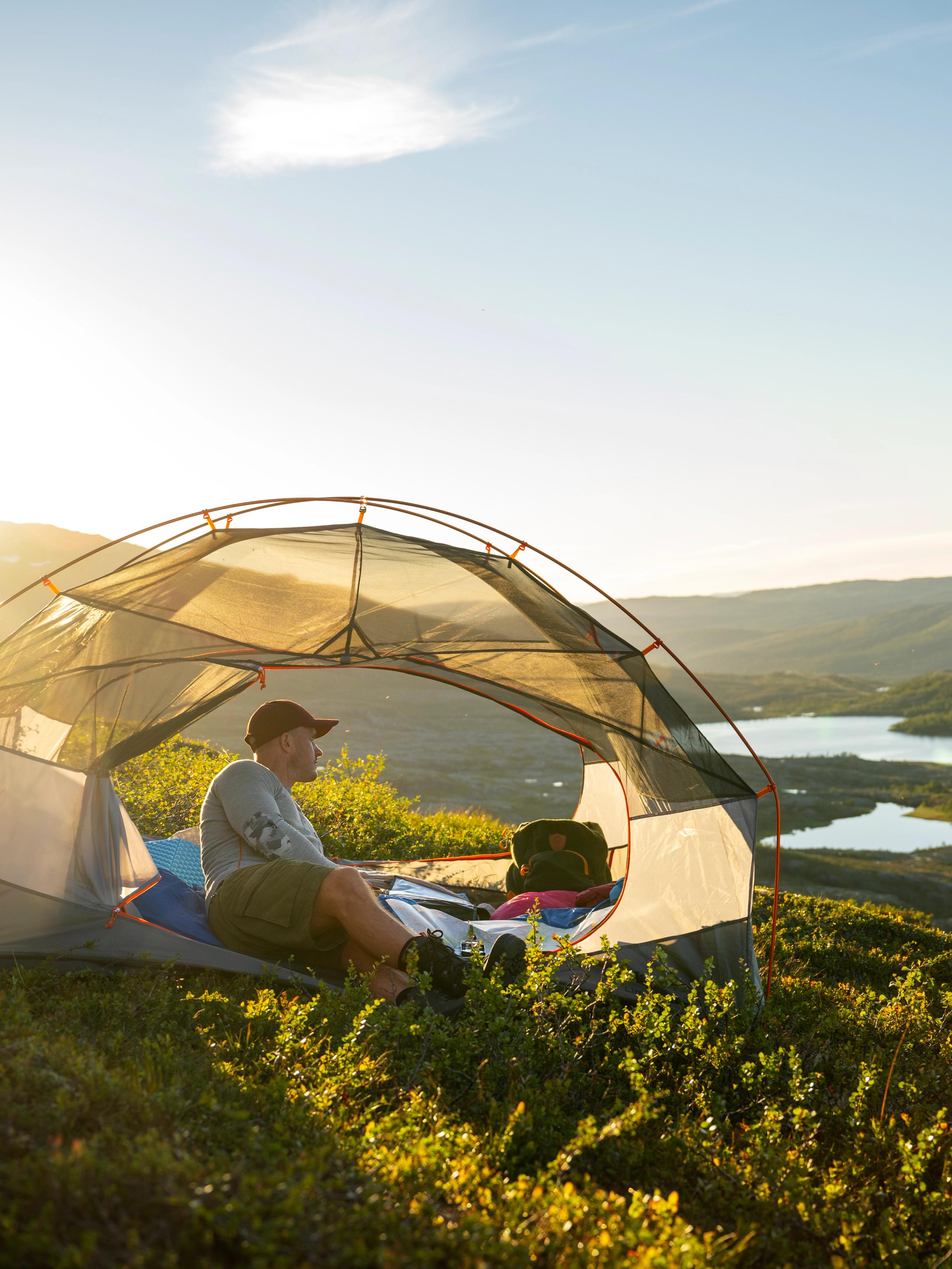
You may pitch a tent, or sleep under the stars, almost anywhere in the countryside, forests or mountains, as long as you stay at least 150 metres away from the nearest inhabited house or cabin.
However, camping in a tent has become very popular in recent years, and this also puts pressure on nature, especially at the most well-known and “Insta-friendly” spots. It can also create conflicts with local residents.
Several popular tourist areas now have their own rules for camping, particularly in Lofoten and parts of Fjord Norway. In these places, using designated campsites is recommended.
If you’re unsure, always ask a local – and respect any “NO CAMPING” signs.
Other rules may also apply in protected areas, especially in nature reserves and national parks, in order to protect vulnerable wildlife and plant habitats.
If you want to stay for more than two nights in the same place, you must ask the landowner's permission, except in the mountains or in very remote areas.
Comfortable campsites
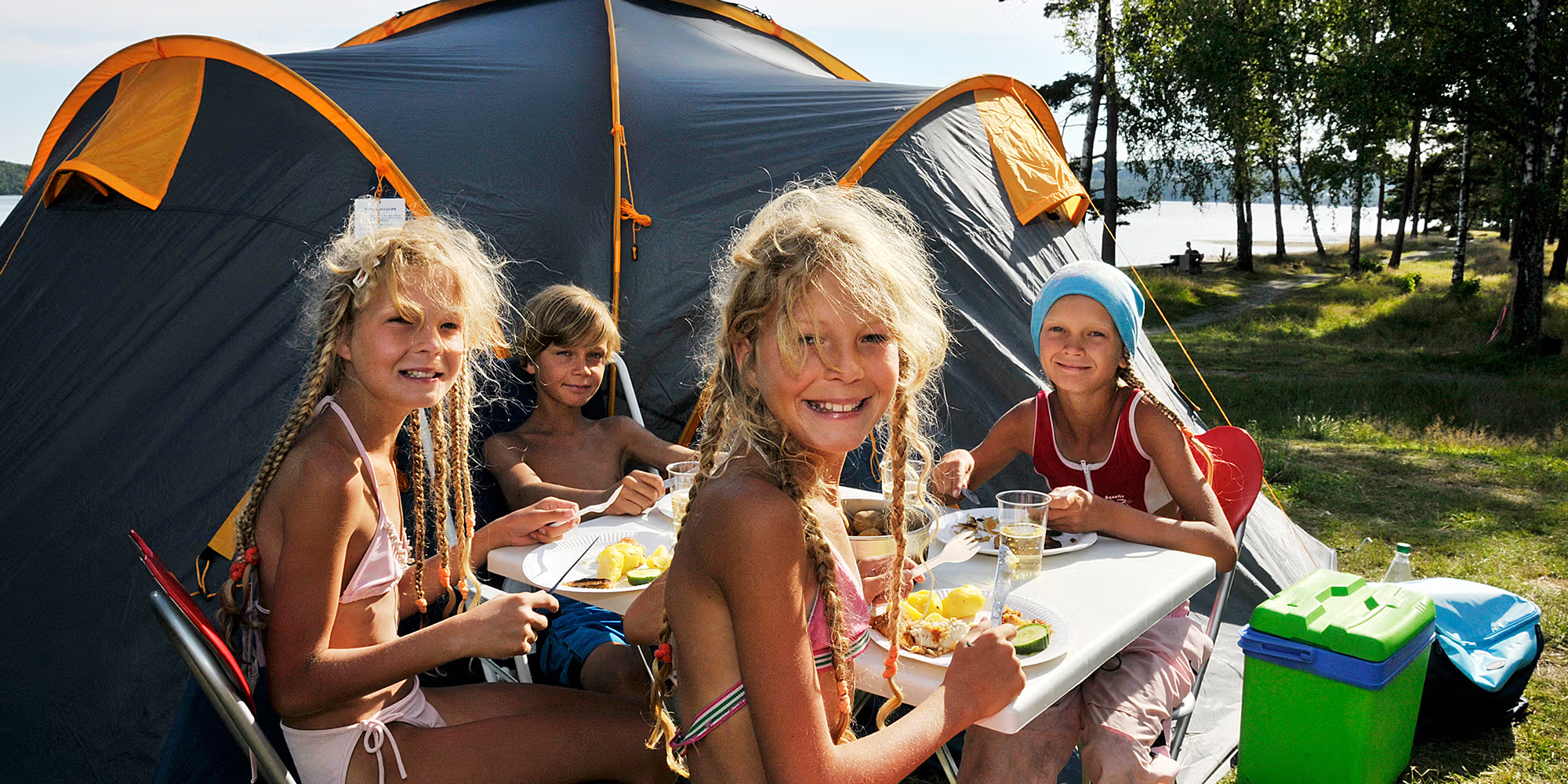
If you want easy access to sanitary facilities, a kitchen and so on – a campsite has everything you need! There are more than a thousand campsites all across Norway, often situated in idyllic areas, close to mountains, fjords and lakes.
You can find a pitch for your tent, caravan or motorhome, as well as campsite cabins of varying standards and prices.
Many of the campsites also offer lots of fun activities for the whole family.
What about motorhomes and caravans?
While the right to roam gives wide access to nature, it does not give unrestricted freedom to park caravans or motorhomes anywhere. The right to roam applies to people, not vehicles.
The rules for caravanning are more regulated than for tents. Cars, motorhomes and caravans may only be driven or parked where motor vehicle laws allow.
- You can park on the roadside shoulder along public roads by uncultivated areas unless there are signs prohibiting parking. The same generally applies to private roads.
- Do not drive or park on uncultivated land.
- Keep a distance of at least 150 metres from houses and cabins.
- Don't camp in the same place for more than two nights unless you have permission from the landowner.
Campfires are prohibited
Be aware that campfires in nature are prohibited from 15 April to 15 September. They can nevertheless be allowed in places where the fire hazard is low, such as by the sea or at an approved campfire site. However, you should always check that there is no danger. Note that in extreme drought, even barbecues, gas burners, and camping stoves are prohibited. If you want to make a campfire, bring firewood from home or a shop or use twigs that are already on the ground. Do not saw or break fresh branches.
Last but not least, always remember: If you light a campfire or barbecue, you are legally responsible for ensuring that it is safe, that the fire does not spread, and that it is completely extinguished before you leave. Check the forest fire risk on yr.no.
Some basic campfire rules:
- Make sure you are at a site that allows campfires.
- Make sure there are no fire bans and that it isn’t too windy.
- Place extra wood upwind and away from the fire.
- After lighting the fire, throw the match into the flames.
- Never leave a campfire unattended.
- Keep water and a shovel nearby.
- When leaving your fire, ensure that it is fully extinguished. Use water and stir the coals with a shovel. Make sure the fire site is cold before you leave the campsite. If it’s too hot to touch, it’s too hot to leave.
- In case of fire: Call the fire department on emergency number 110, then try to extinguish the fire yourself. Don’t put yourself in harm’s way, though.
Foraging and fishing
In general, you may pick berries, mushrooms, and wildflowers, but special rules apply to cloudberries in Northern Norway.
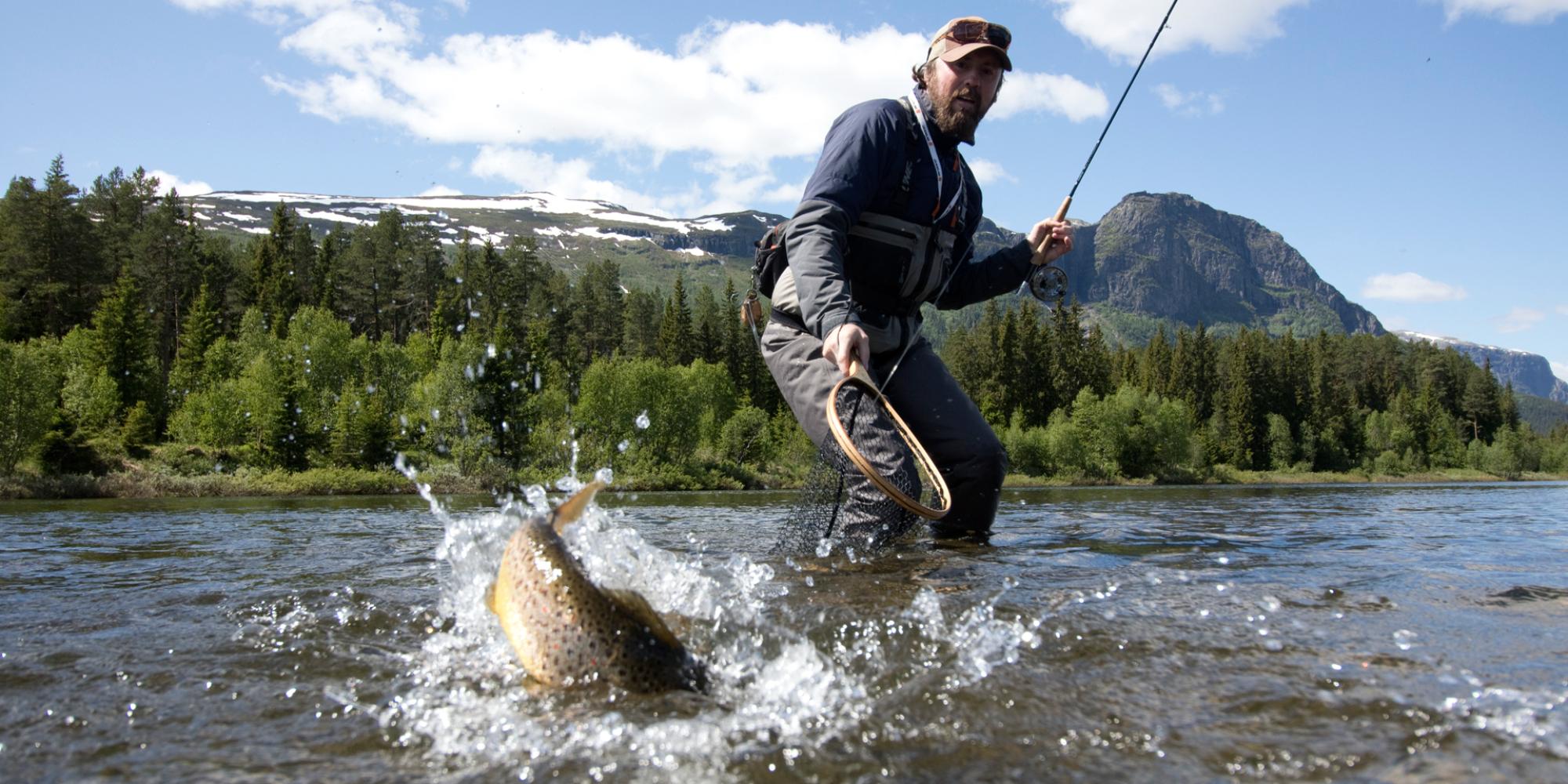
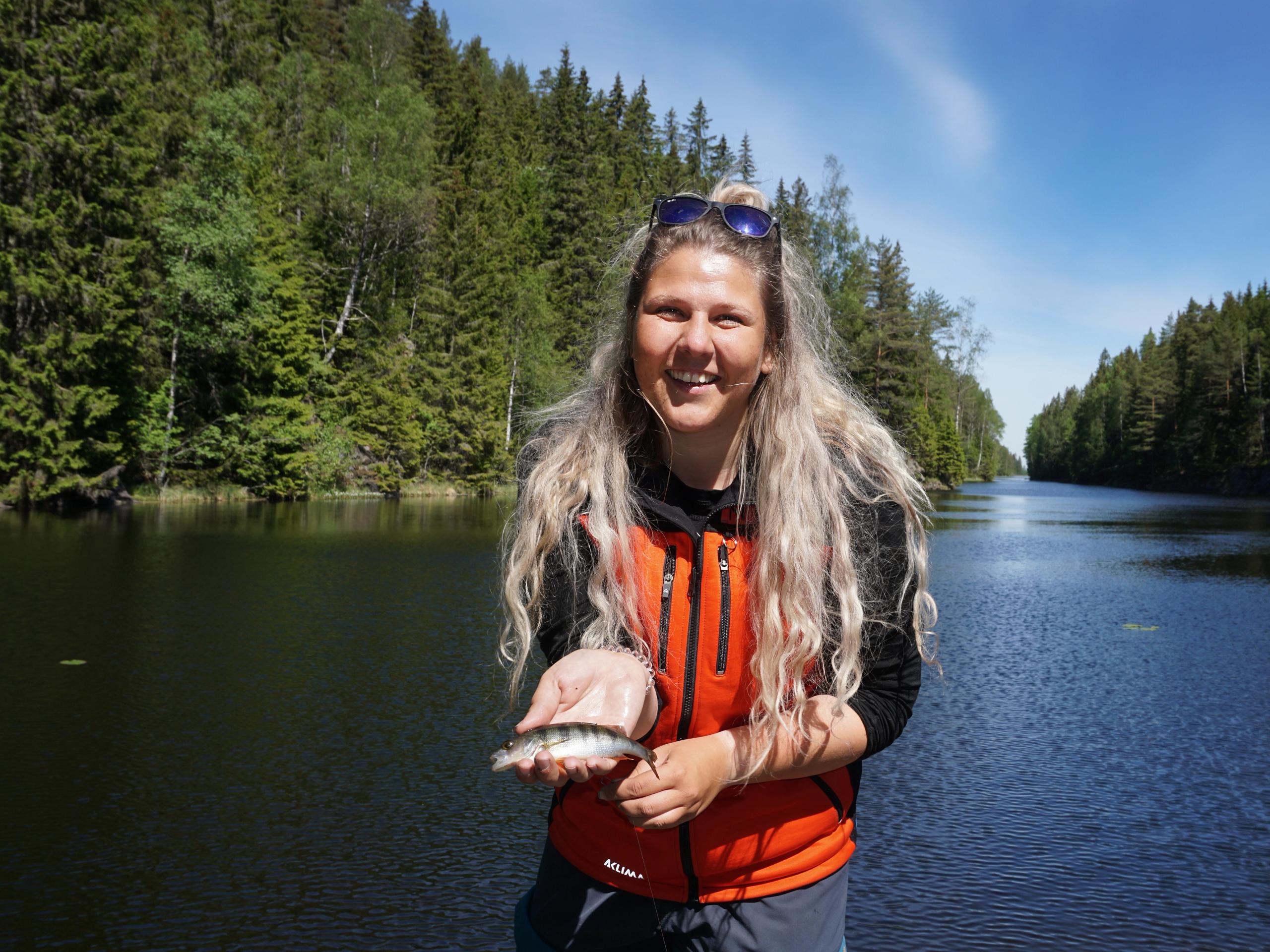
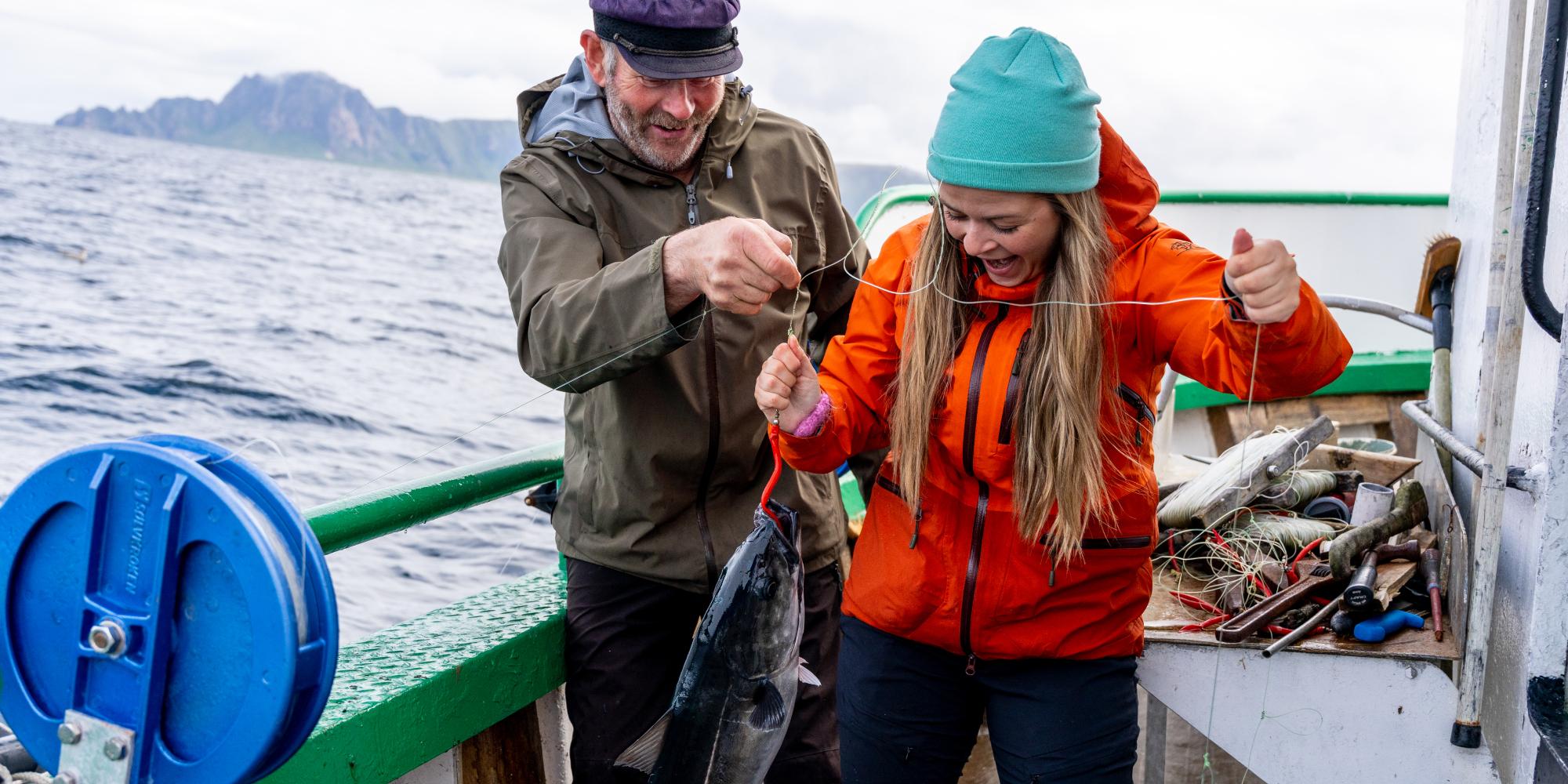
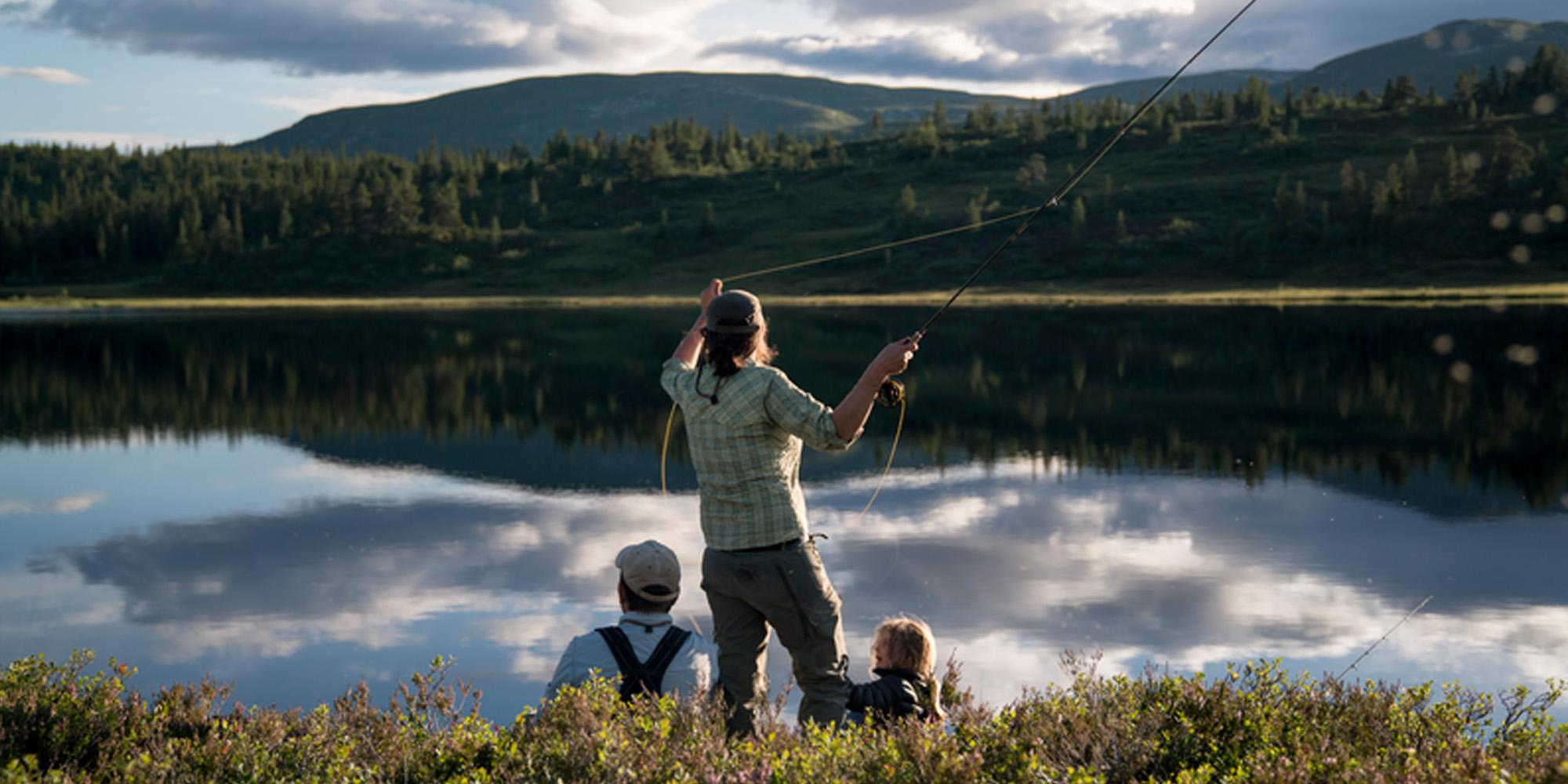
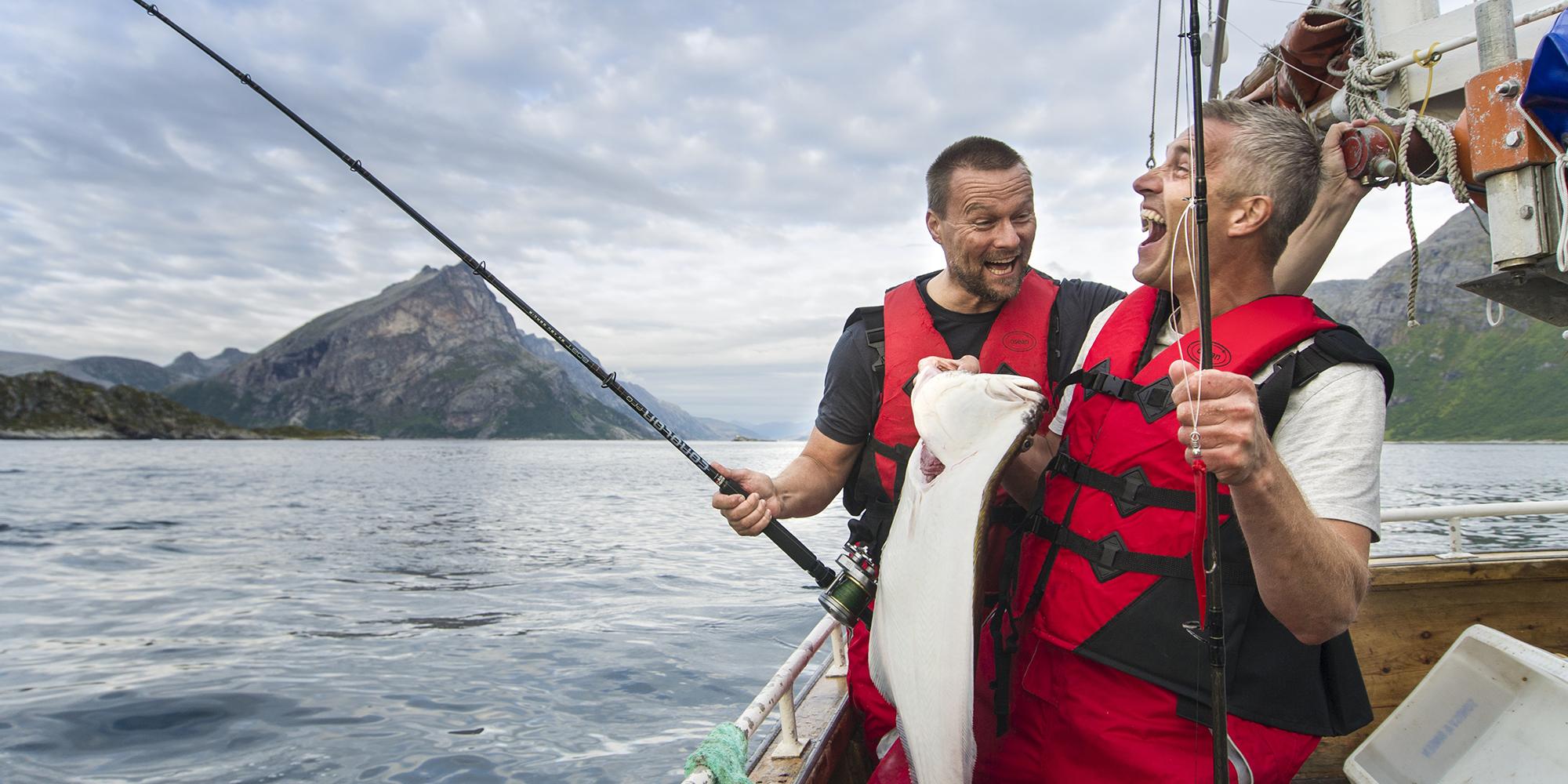
Norway has some of the best fishing areas in the world, and you may fish for saltwater species without a licence, as long as it is for your own use, but there are rules on how many kilos you may export across the border.
A lot more rules apply if you want to fish in inland waters. Almost all waters require a fishing licence, but there are also special rules for different landowners. Always check the local rules where you are heading.
NOTE: Always disinfect your fishing equipment between use in different waters, to prevent the spread of fish diseases!
Fishing in Norway
Respect for nature, animals and local inhabitants will make your visit even more pleasant for everybody. Enjoy your trip!
Before you go
Tips before you venture out into nature.
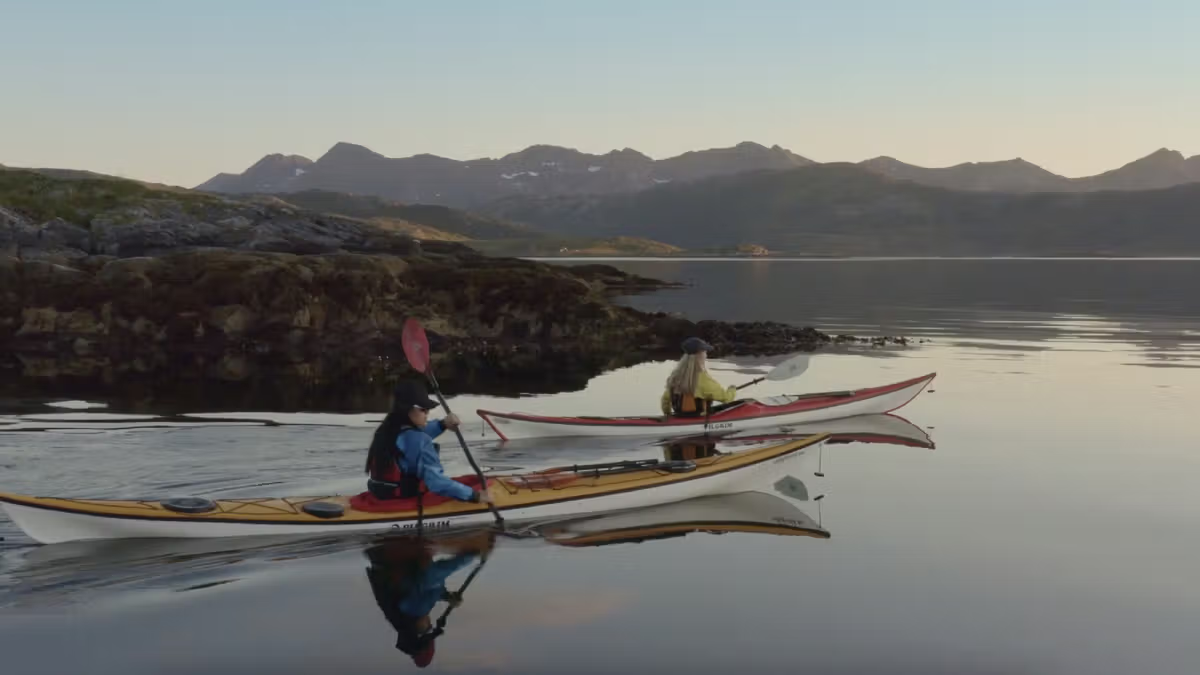
Sustainability first
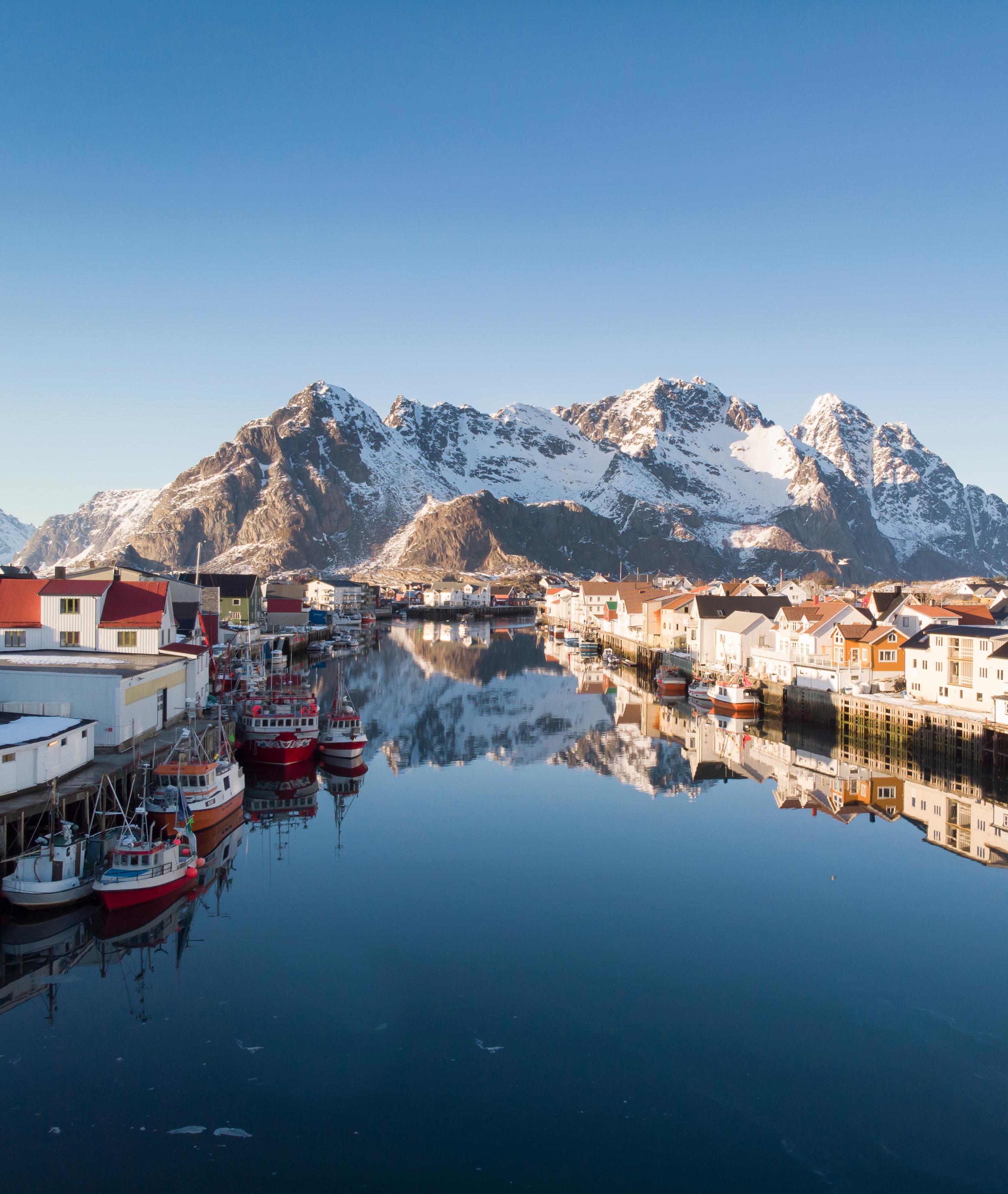
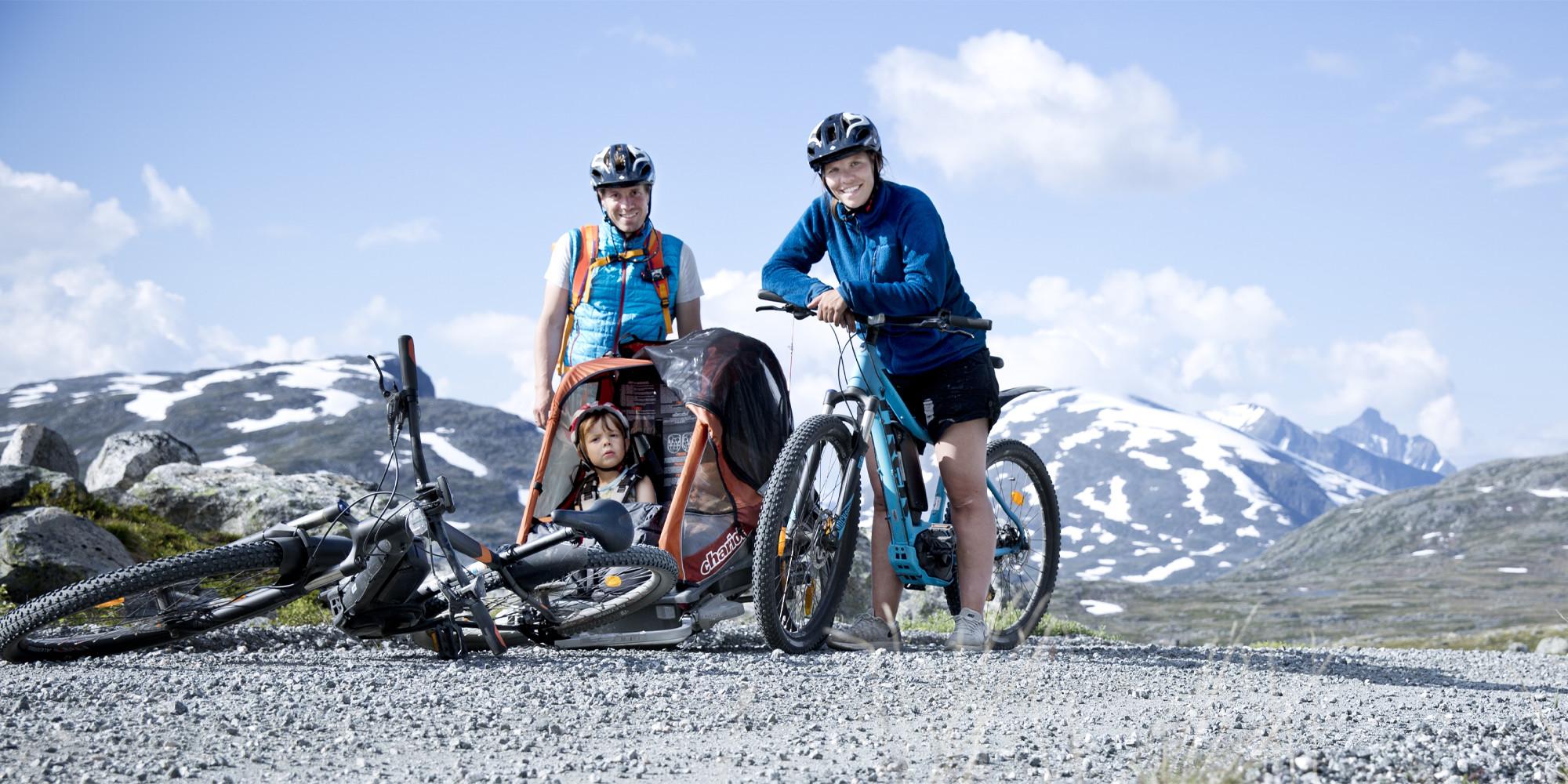
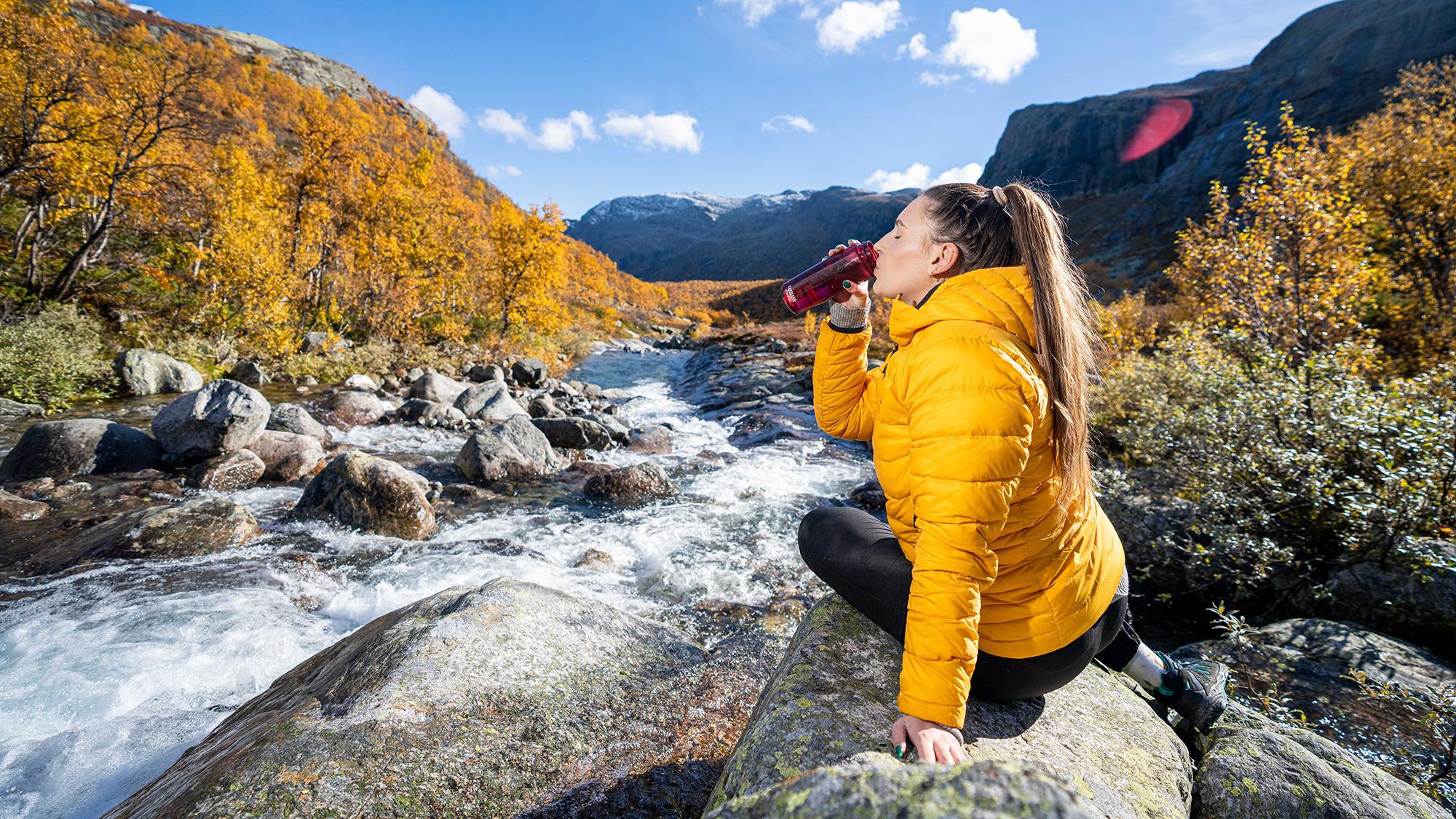
Discover exciting activities
Take advantage of top offers
See our selection of trusted companies that work hard to make you happy all through your trip.
 Brim ExplorerQuiet fjord tours on award-winning electric catamarans in Oslo, Tromsø, Lofoten, and Svalbard.
 CityboxModern and affordable hotels in central locations in Oslo, Bergen, and Kristiansand.
 NorgesbookingBook your perfect cabin stay in the fjords, mountains, and valleys of Norway.
 Scandic HotelsExperience Nordic hotel hospitality at its finest at more than 90 hotels across Norway. Special offers are available.
 StrawberryA different hotel company! Look out for great weekend deals at more than 100 hotels in Norway.
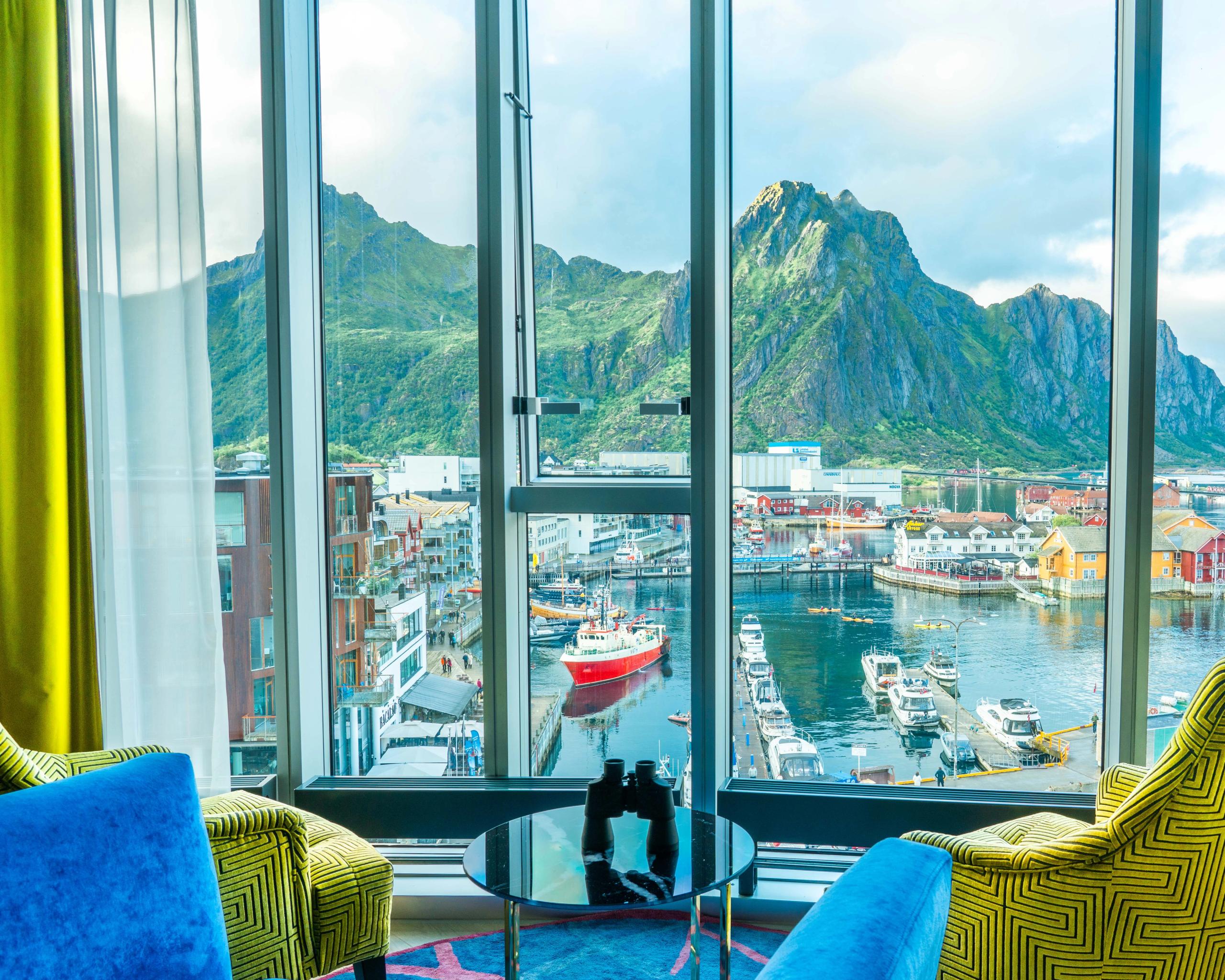 Thon Hotels ASFantastic breakfast included! Experience true comfort and reasonable rates at our 80 hotels in Norway.
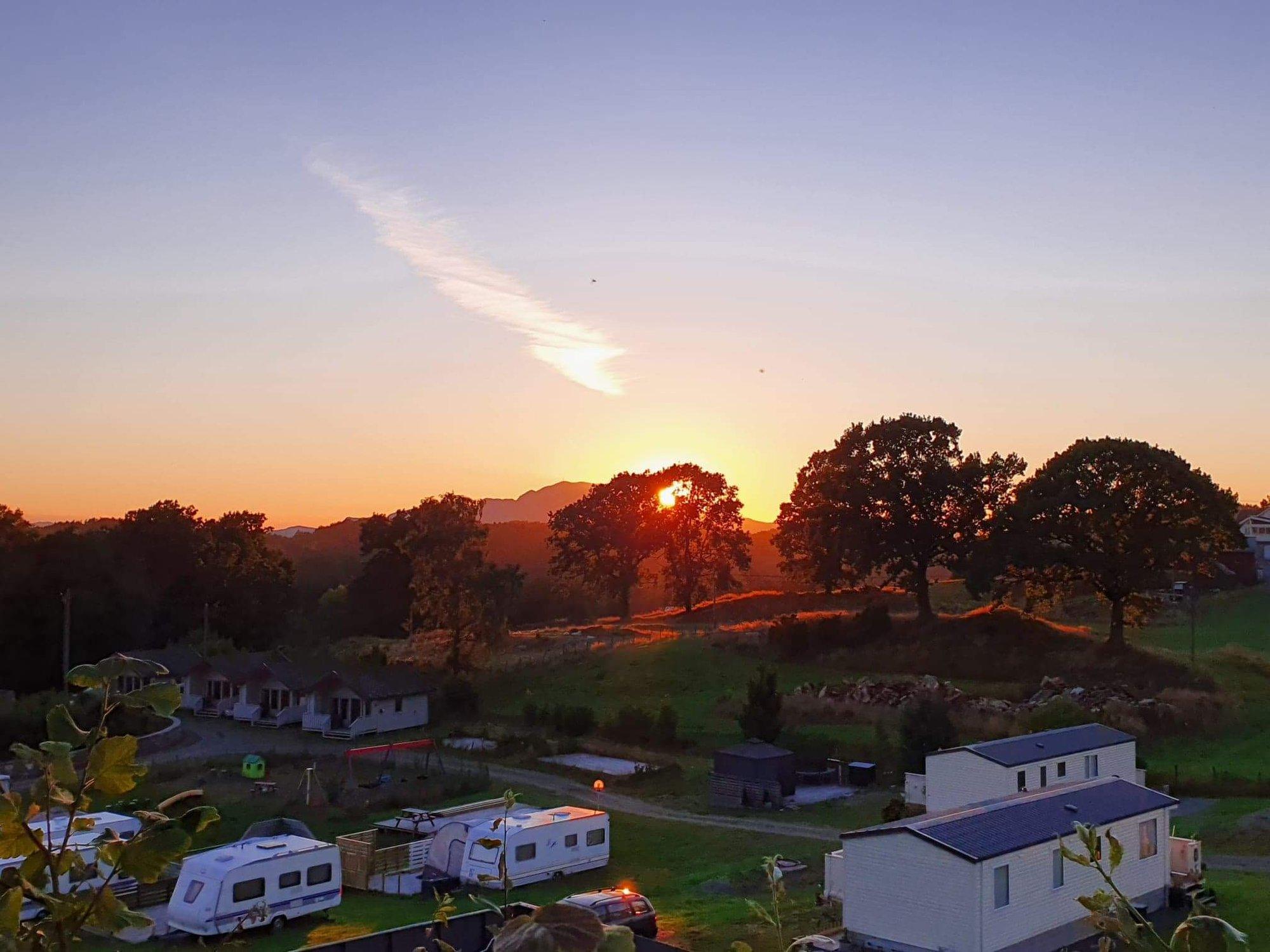 CampcationBook a camping stay in stunning and unique locations all across Norway with Campcation.
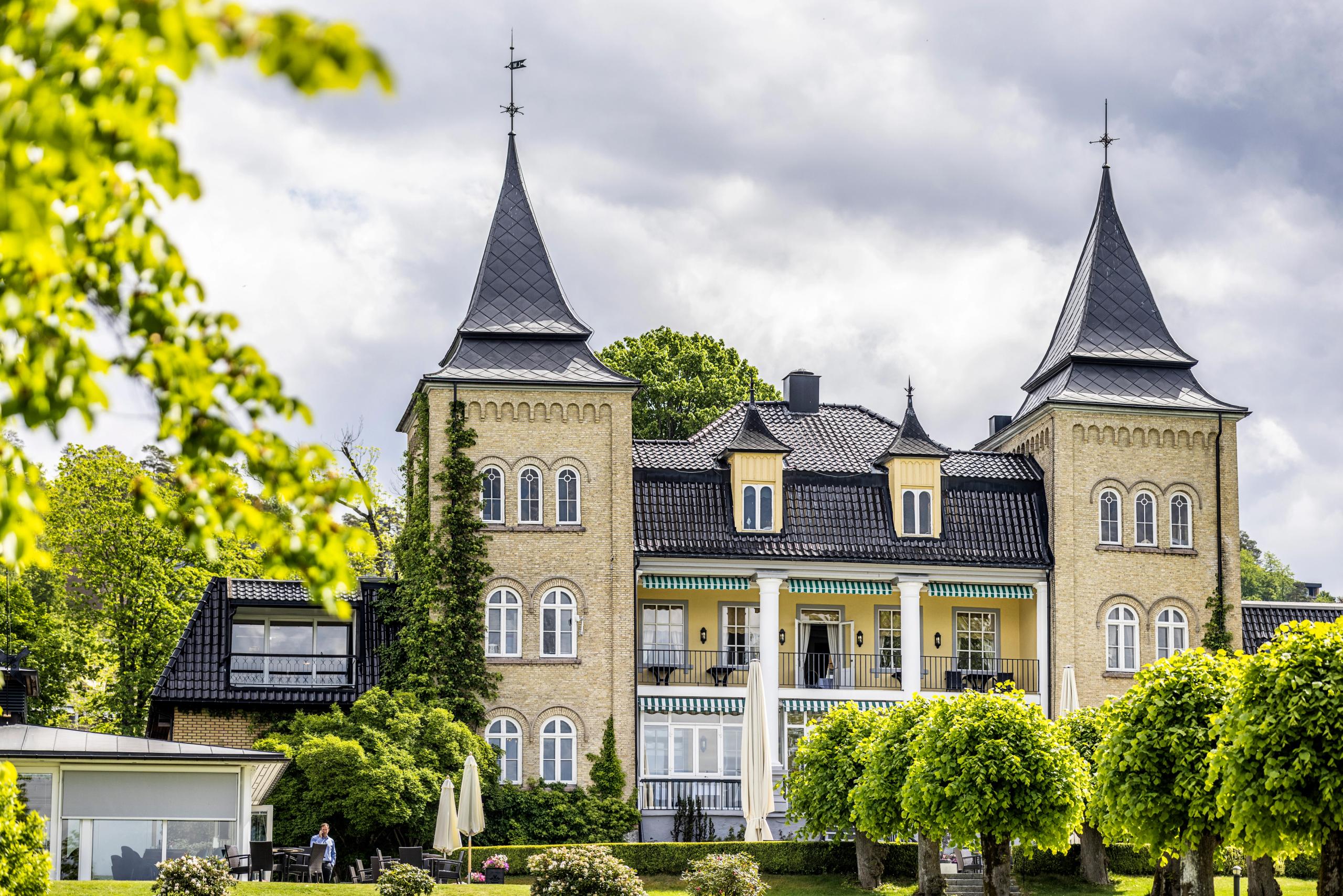 Classic Norway HotelsWhen the hotel is the destination. Book a night to remember in one of Norway's most unique and distinctive hotels.
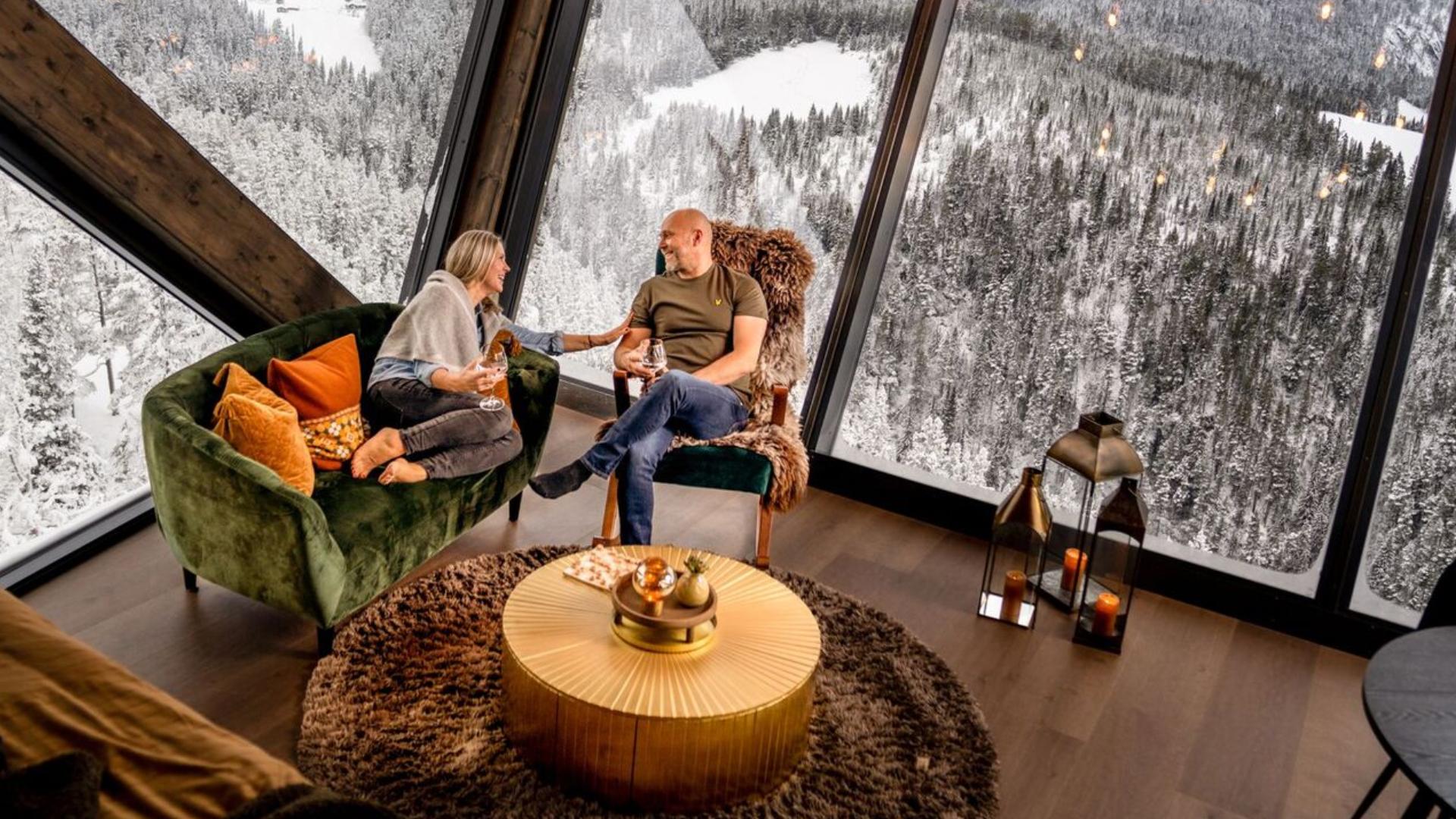 50 Degrees North NordicChoose between unforgettable tailormade individual trips and small, exclusive group tours of Norway.
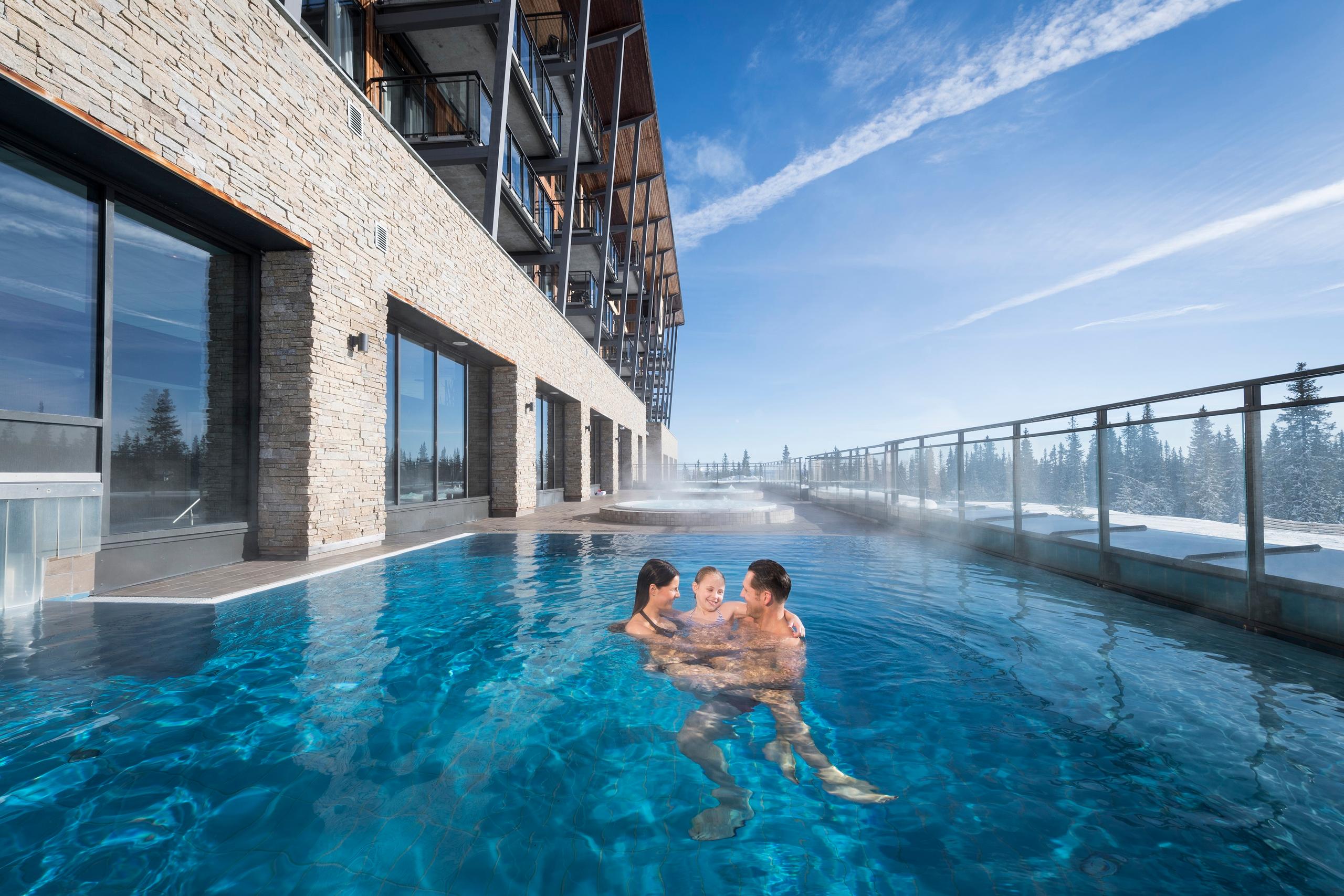 Radisson HotelsGreat value offers and comfortable quality stays in Norway´s major cities, airports, and ski resorts.
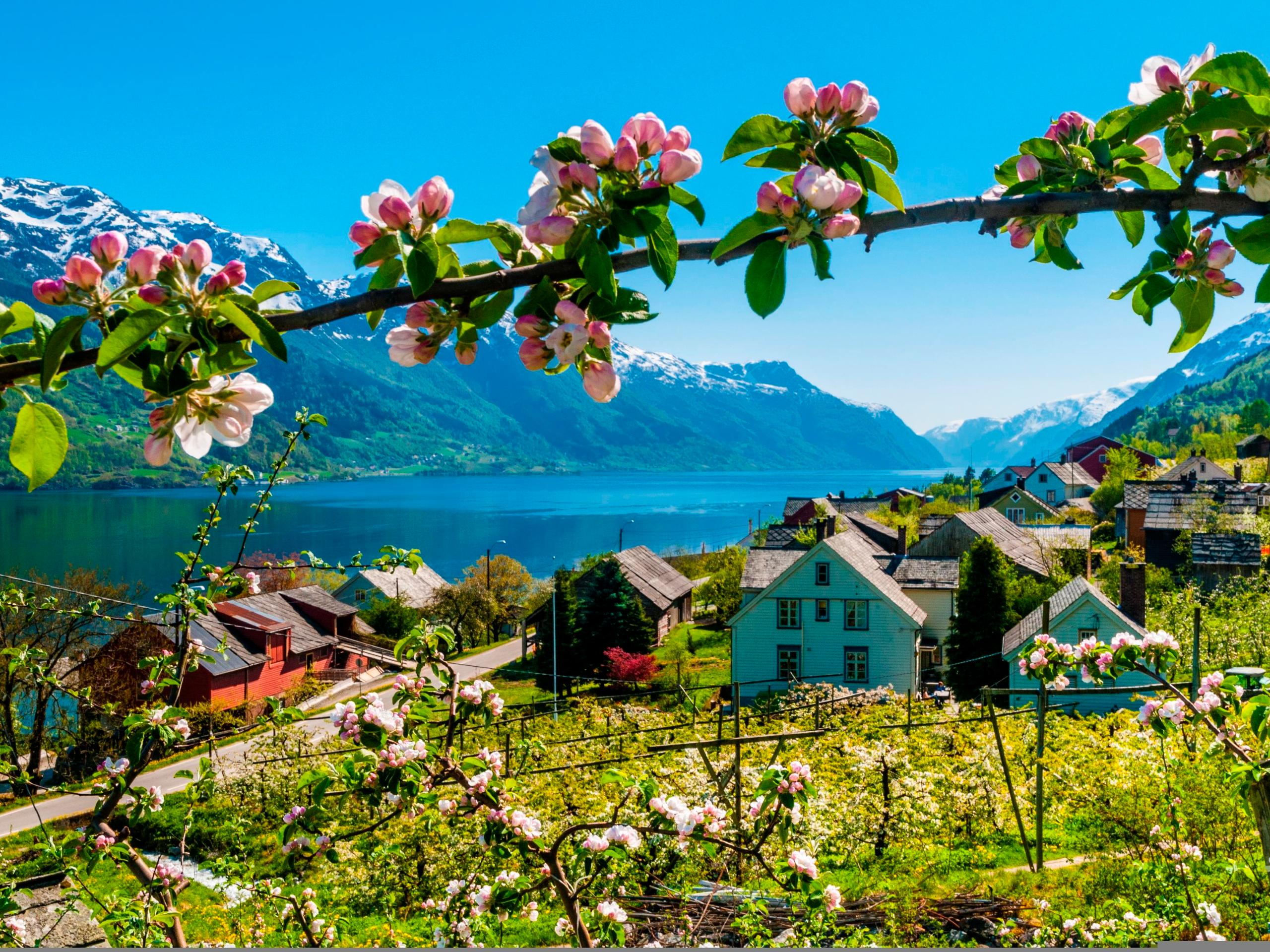 Authentic ScandinaviaTravel curated by locals. Our tailormade tours suit every type of traveller and budget.
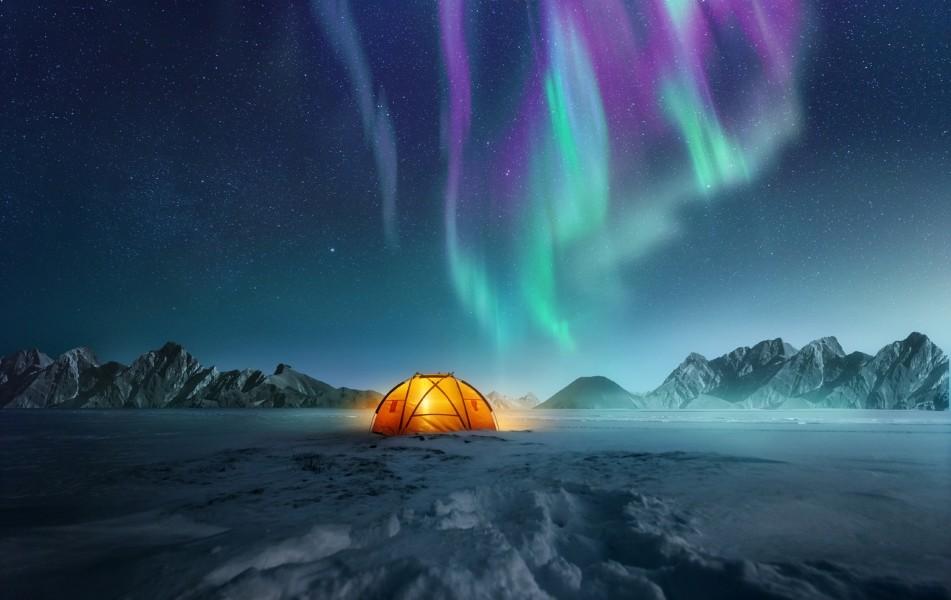 Booknordics.comUnique holiday packages, adventure hotels, tours, and activities.
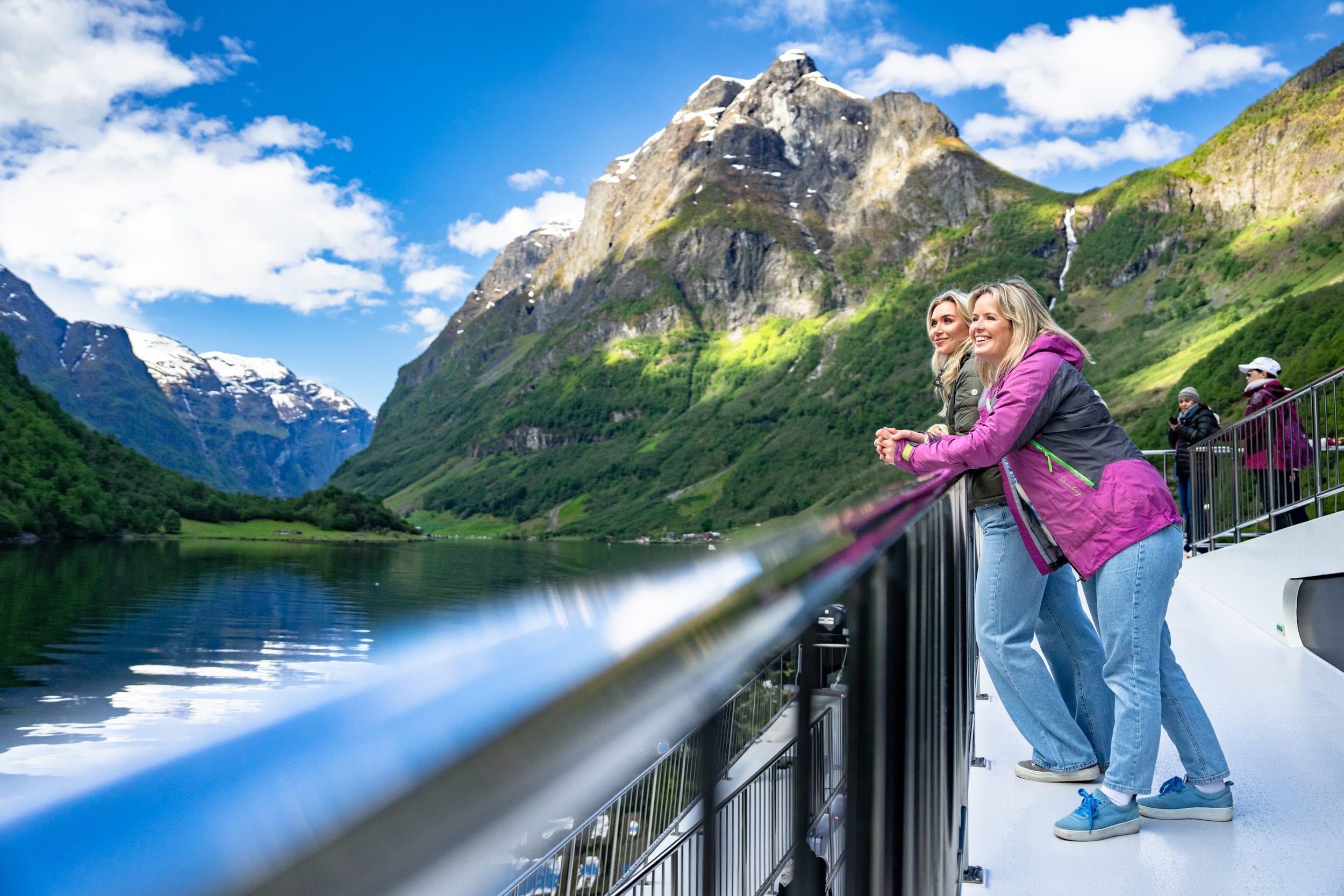 Fjord ToursHome of Norway in a Nutshell, Norway's most popular tour. Fjords, mountains, and stunning destinations — all in one trip!
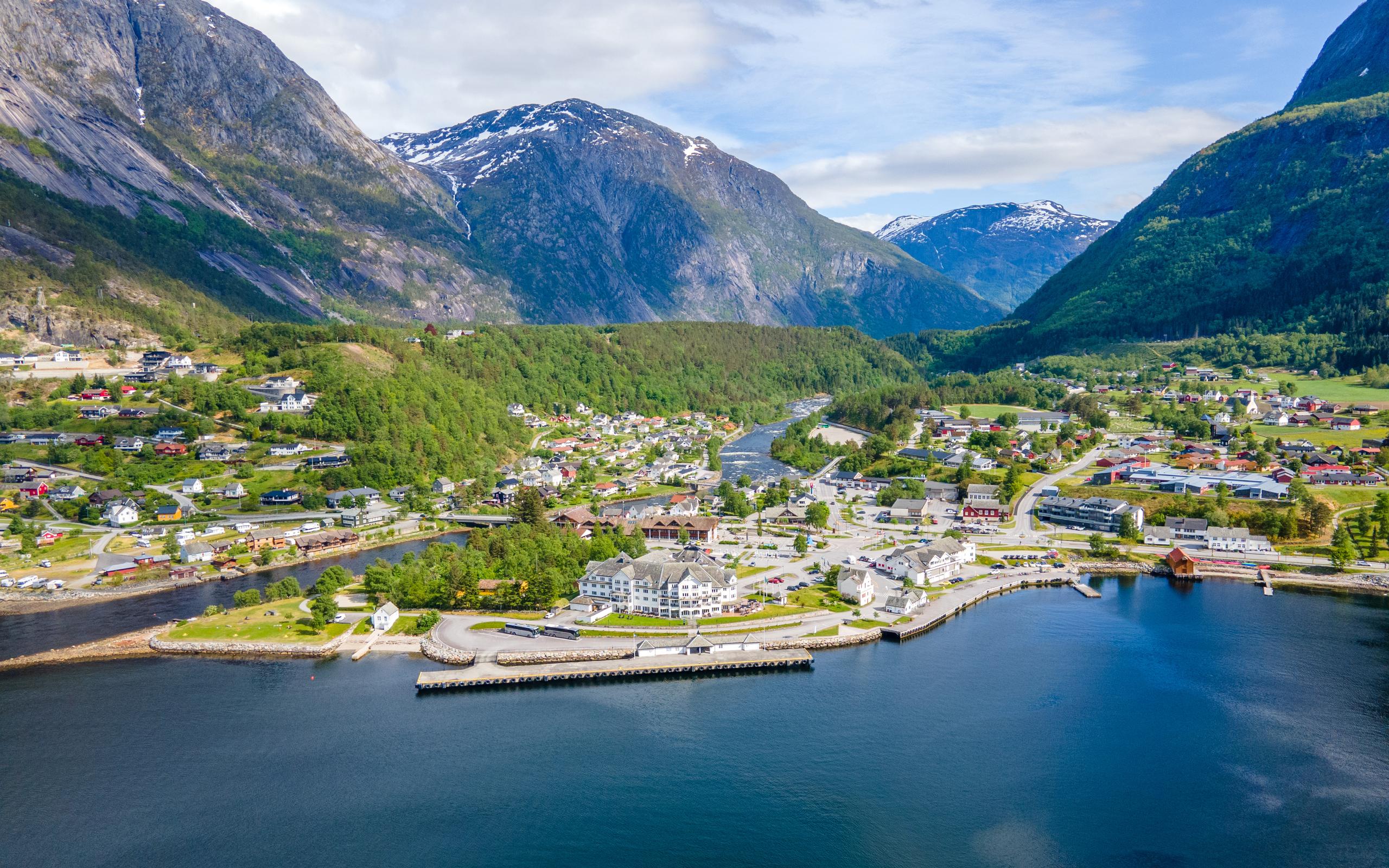 Go FjordsBook fantastic tours and experiences! We offer tours in Oslo, Bergen, Stavanger, Lofoten, the North Cape, and more.
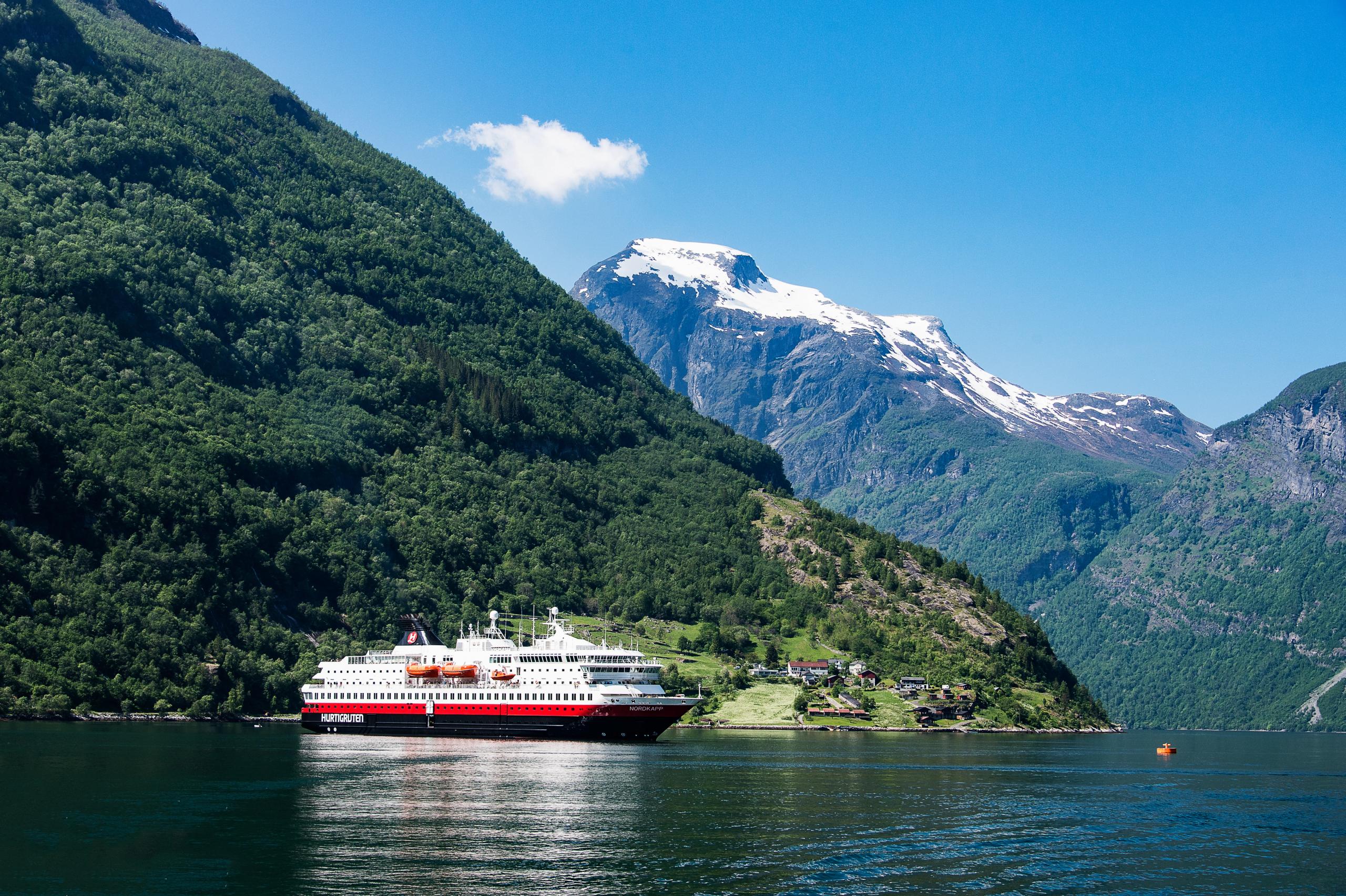 HurtigrutenExperience the world's most beautiful sea voyage on an unforgettable cruise along the stunning Norwegian coast.
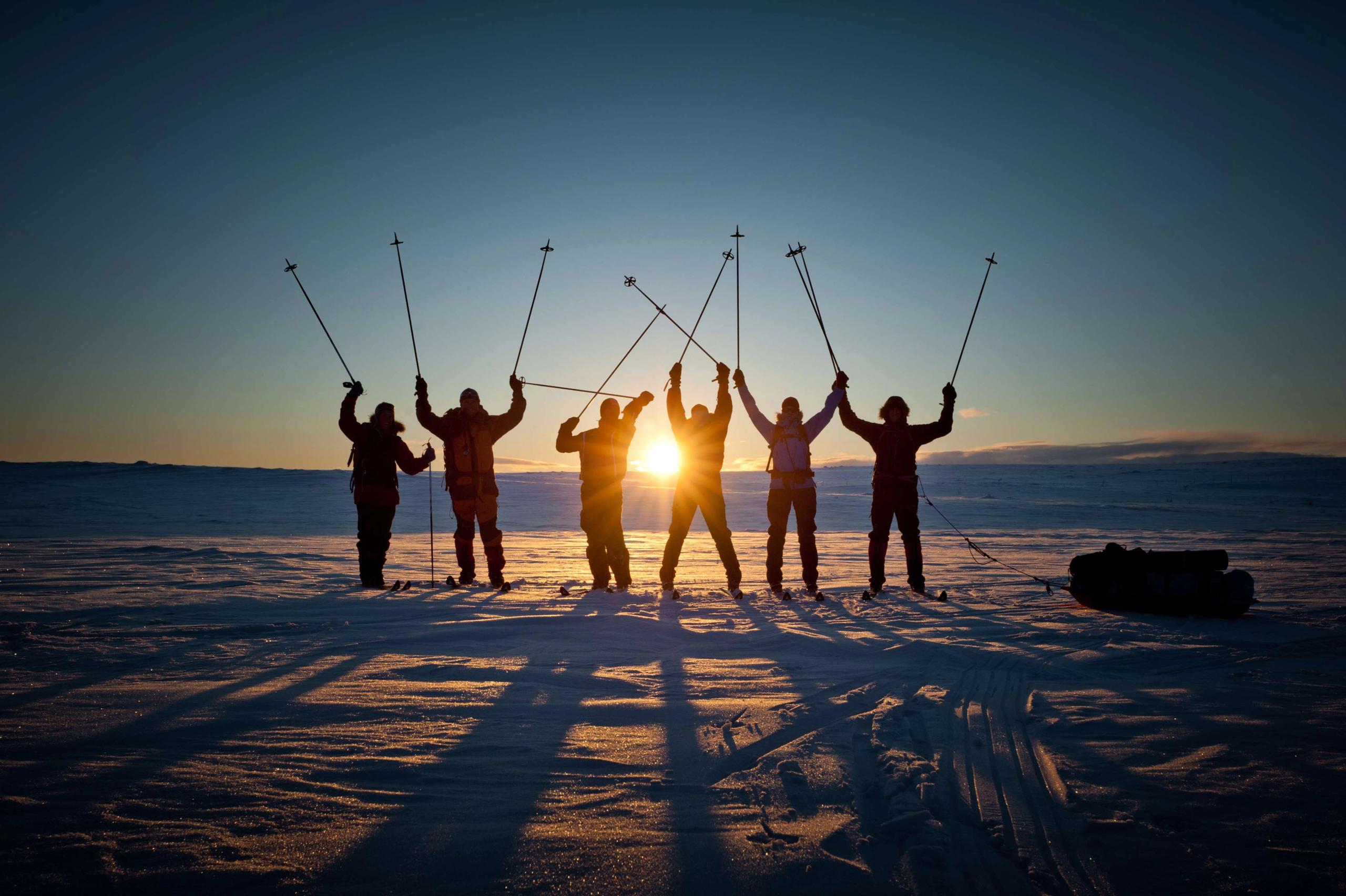 Norrøna AdventureGet ready for expeditions and adventure holidays with Norrøna Adventure. Hiking, skiing, and biking trips.
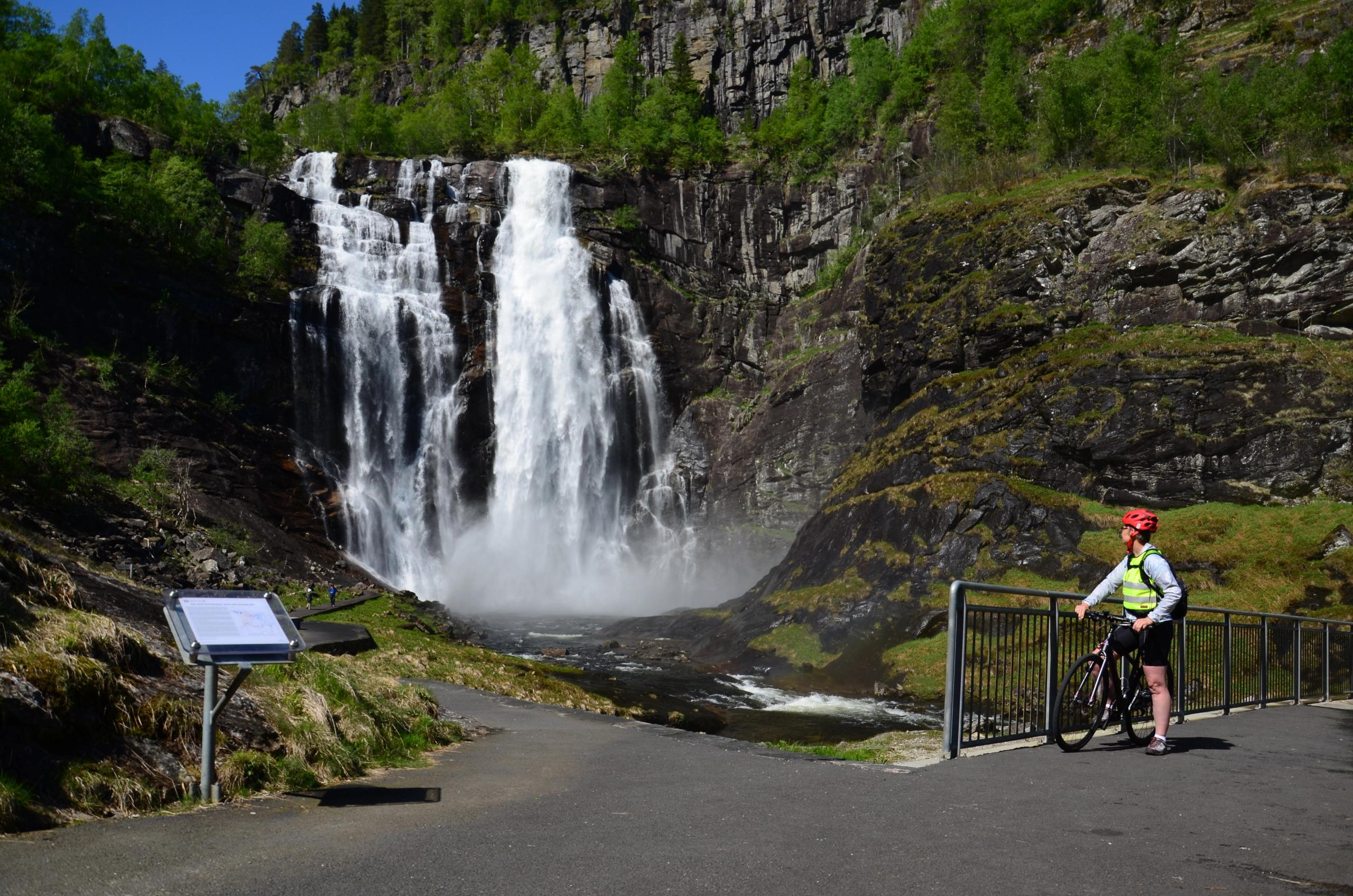 Discover NorwayOffers a range of exciting self-guided hiking, biking, and skiing holidays in Norway. Luggage transfer included.
 Norwegian HolidaysLow-price package holidays with Norwegian. Book your flight, hotel, and rental car all in one place.
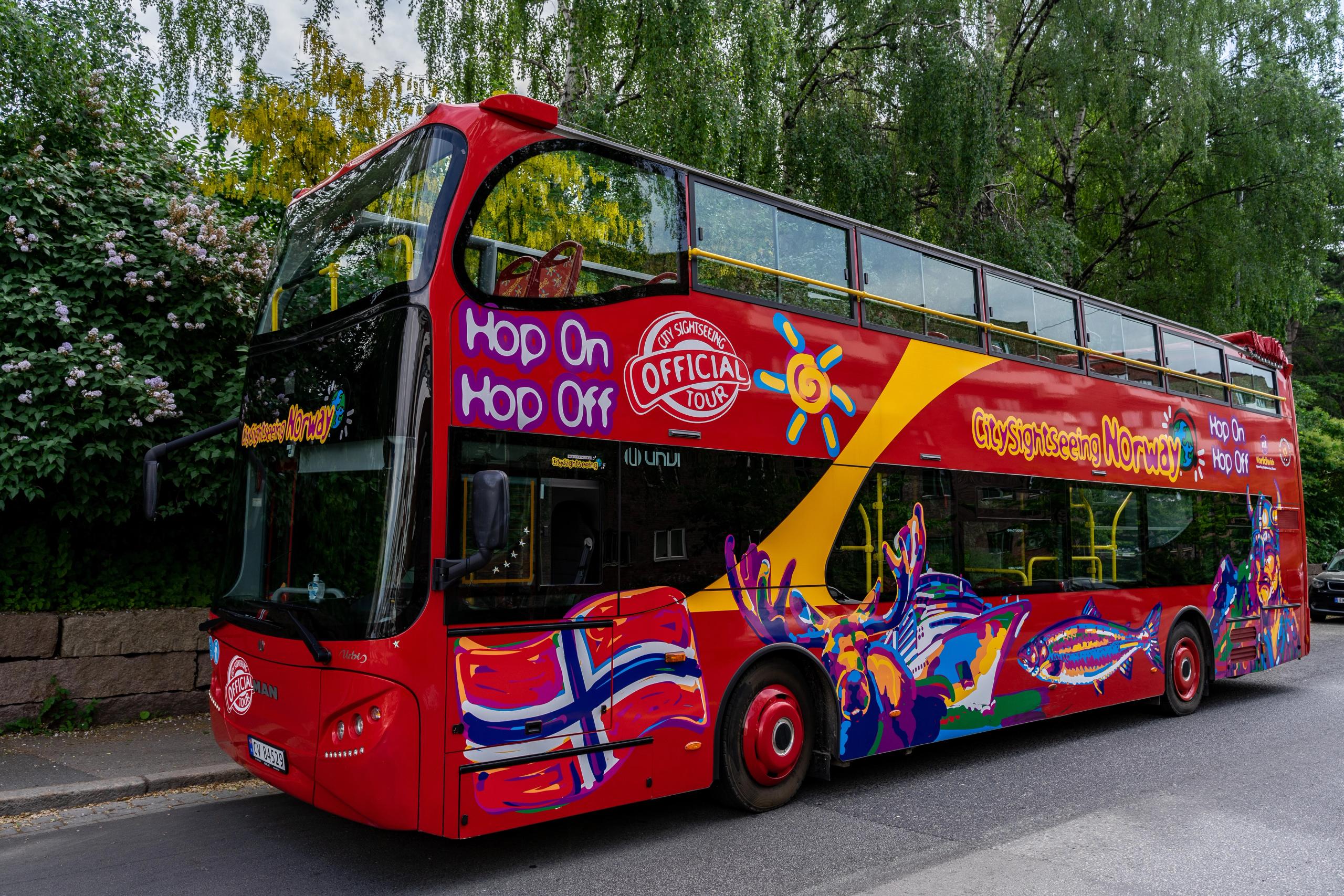 StrömmaSightseeing by bus and boat in several major tourist spots and cities in Norway.
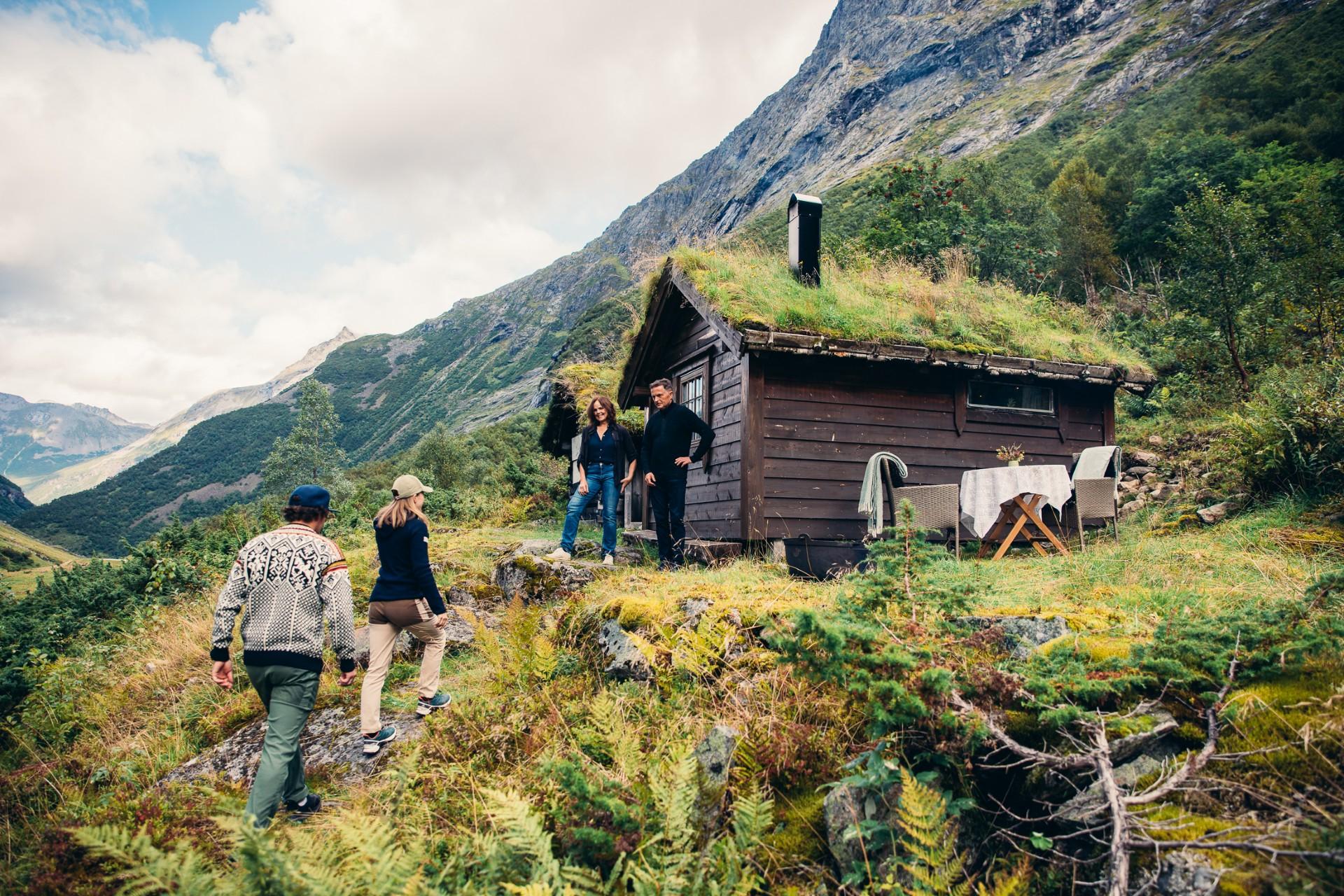 Up NorwayBespoke luxury hand-picked by local experts. We combine your preferences and our knowledge to make an unforgettable journey.
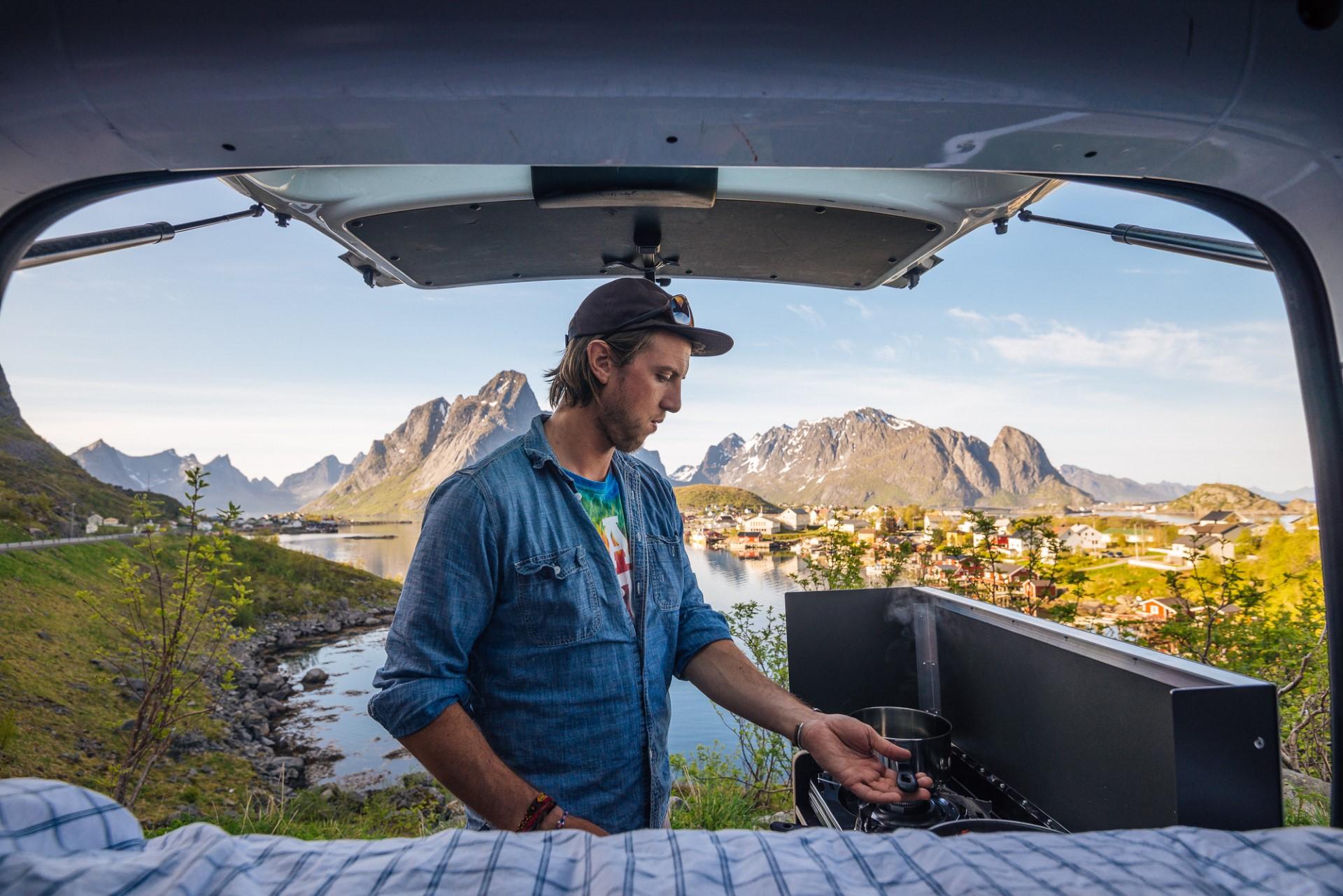 Arctic Campers ASDo you want to try van life? Explore Norway in comfort and style with our smart and cosy campervans.
 Auto EuropeAlways a smooth car rental experience. Search and compare rental rates. Free cancellation up to 24 hours prior to pick-up.
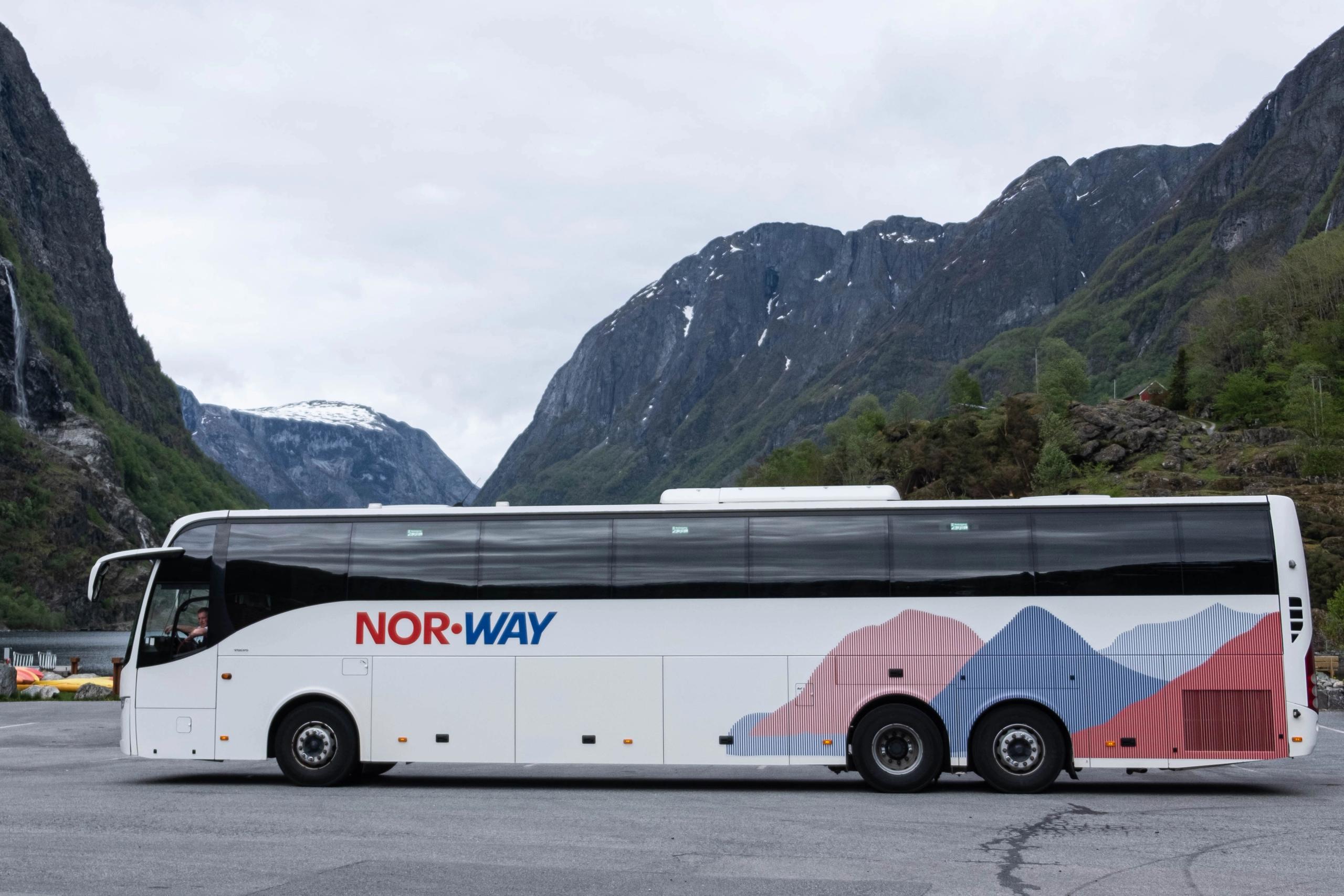 NOR-WAY BussekspressEnjoy scenic views on comfortable bus trips to the fjords and from city to city with our express buses.
 Rent-A-Wreck of Scandinavia ASThe smart and affordable car rental alternative.
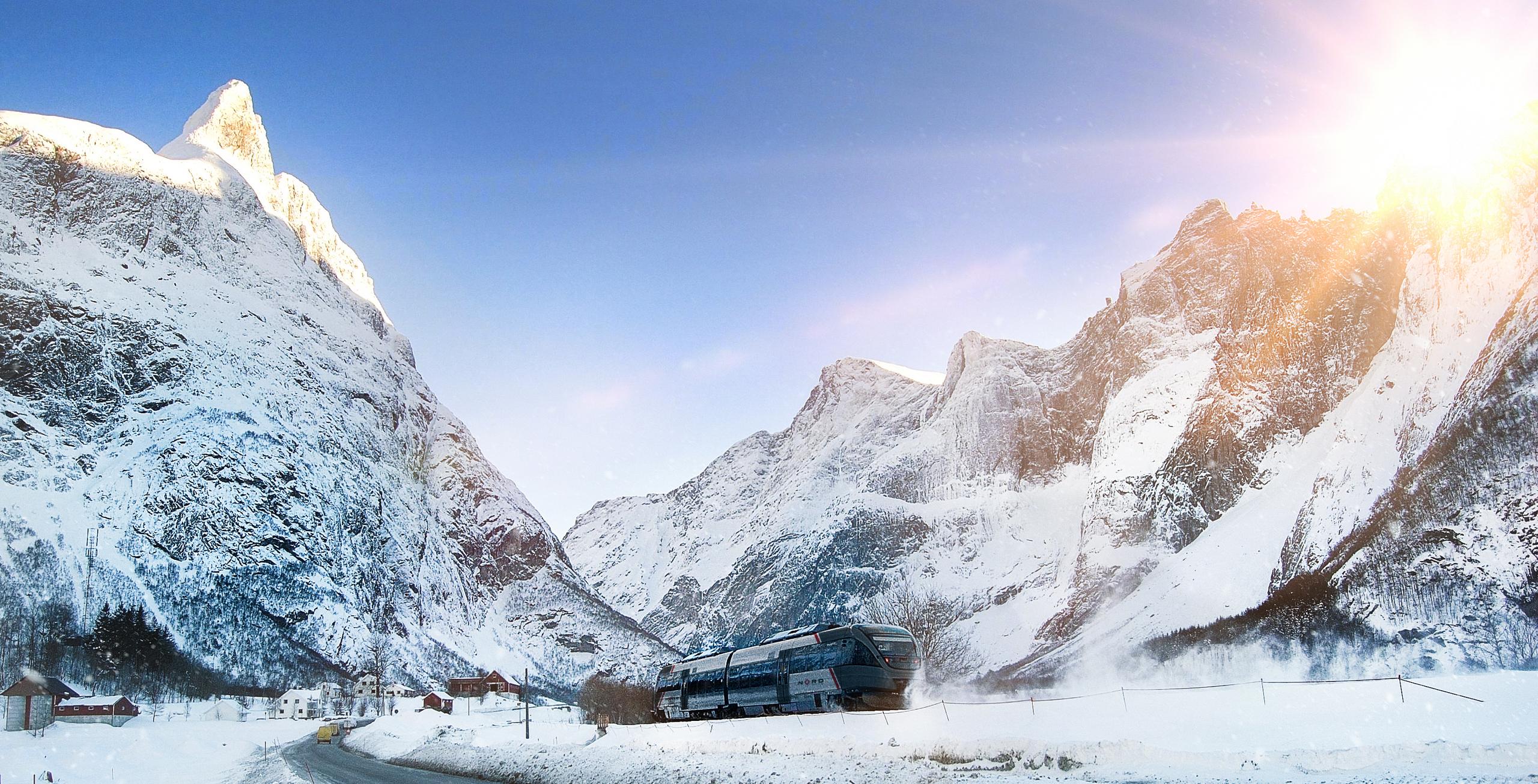 SJ NordSJ NORD - the adventure starts on the train
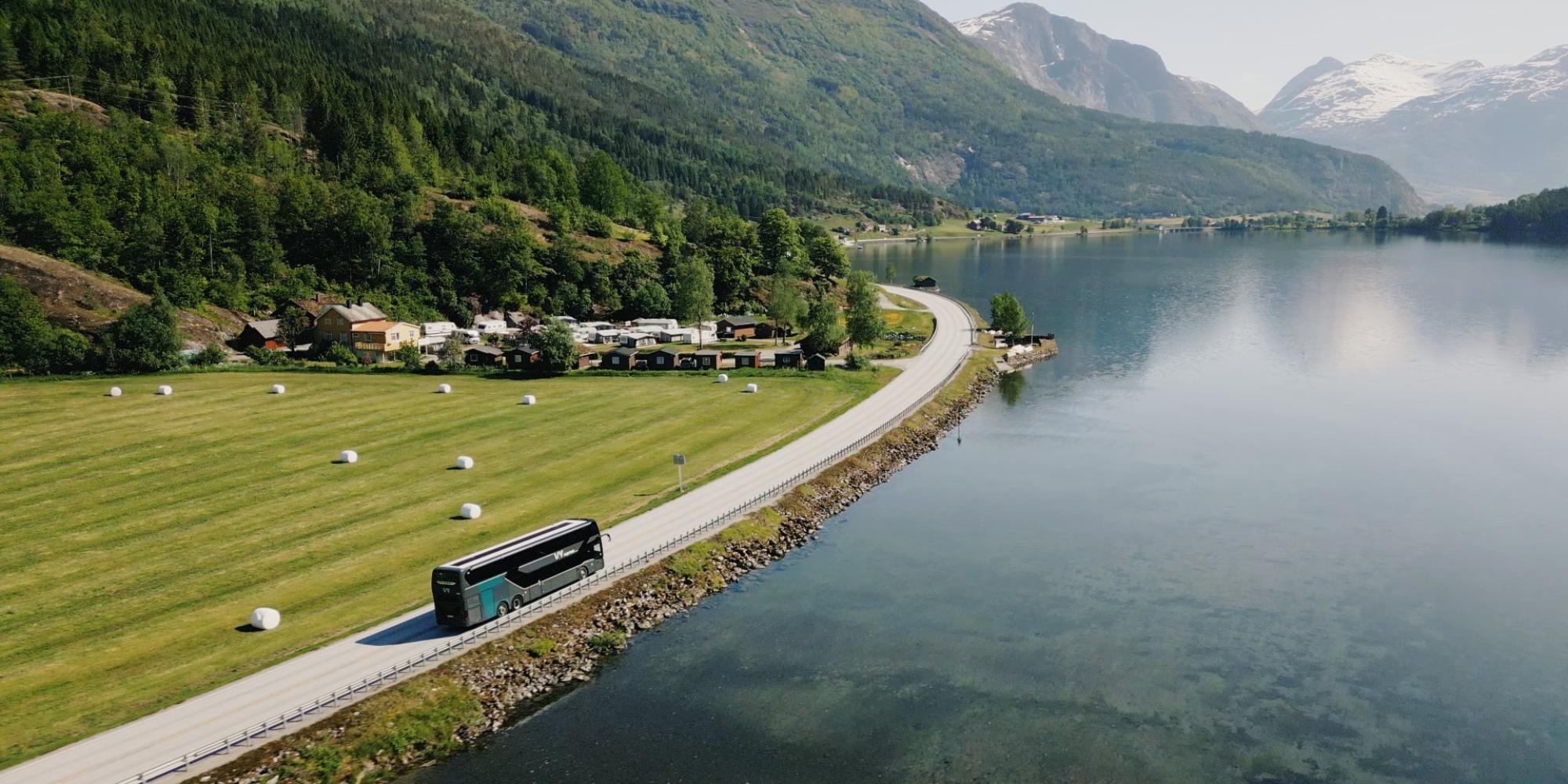 Vy expressDiscover Norway on comfortable express buses that take you between major cities, mountains, and fjords.
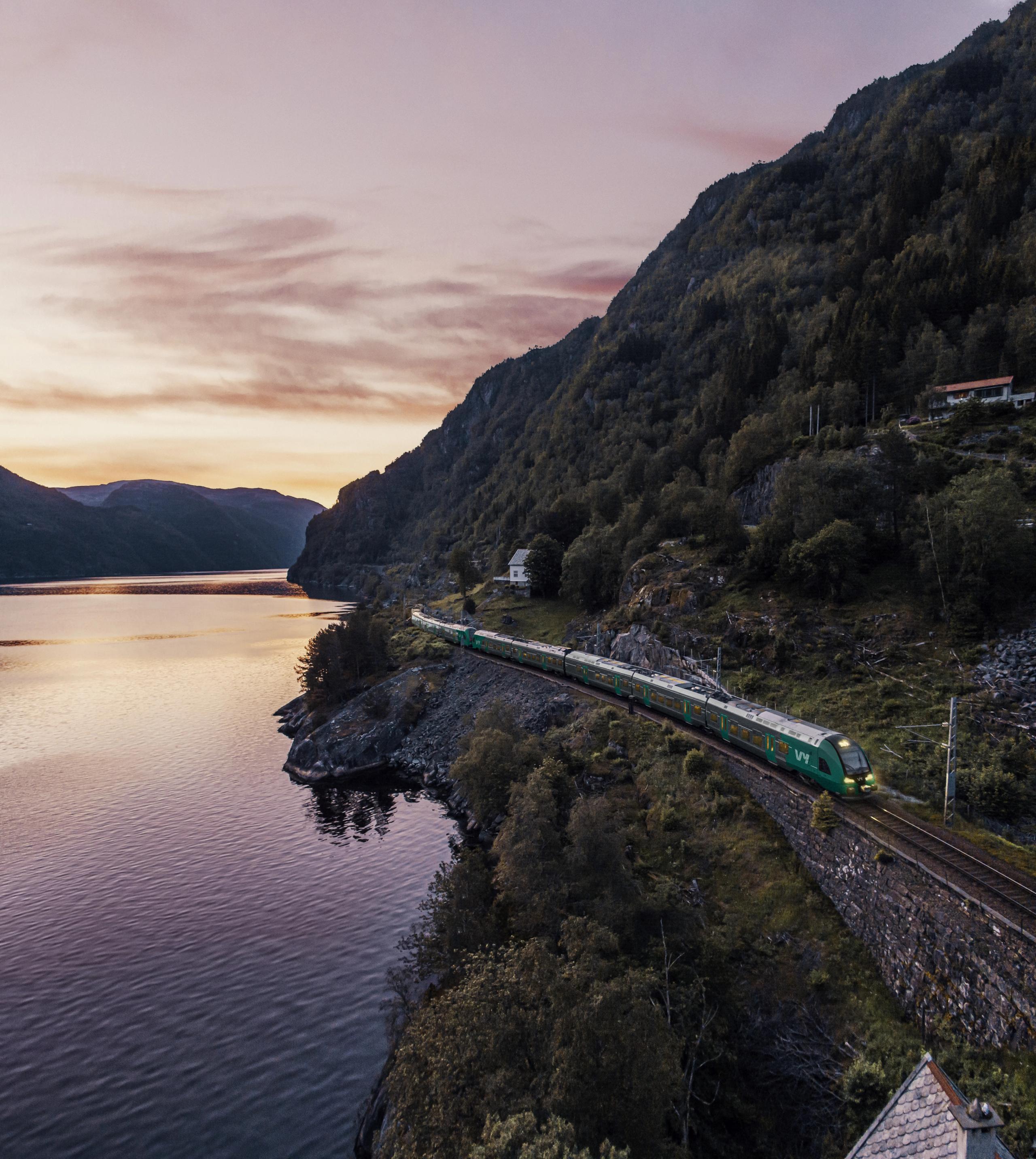 Vy TrainGlide through scenery on a train between Oslo and Bergen on the Bergen Railway and explore the greater Oslo region.
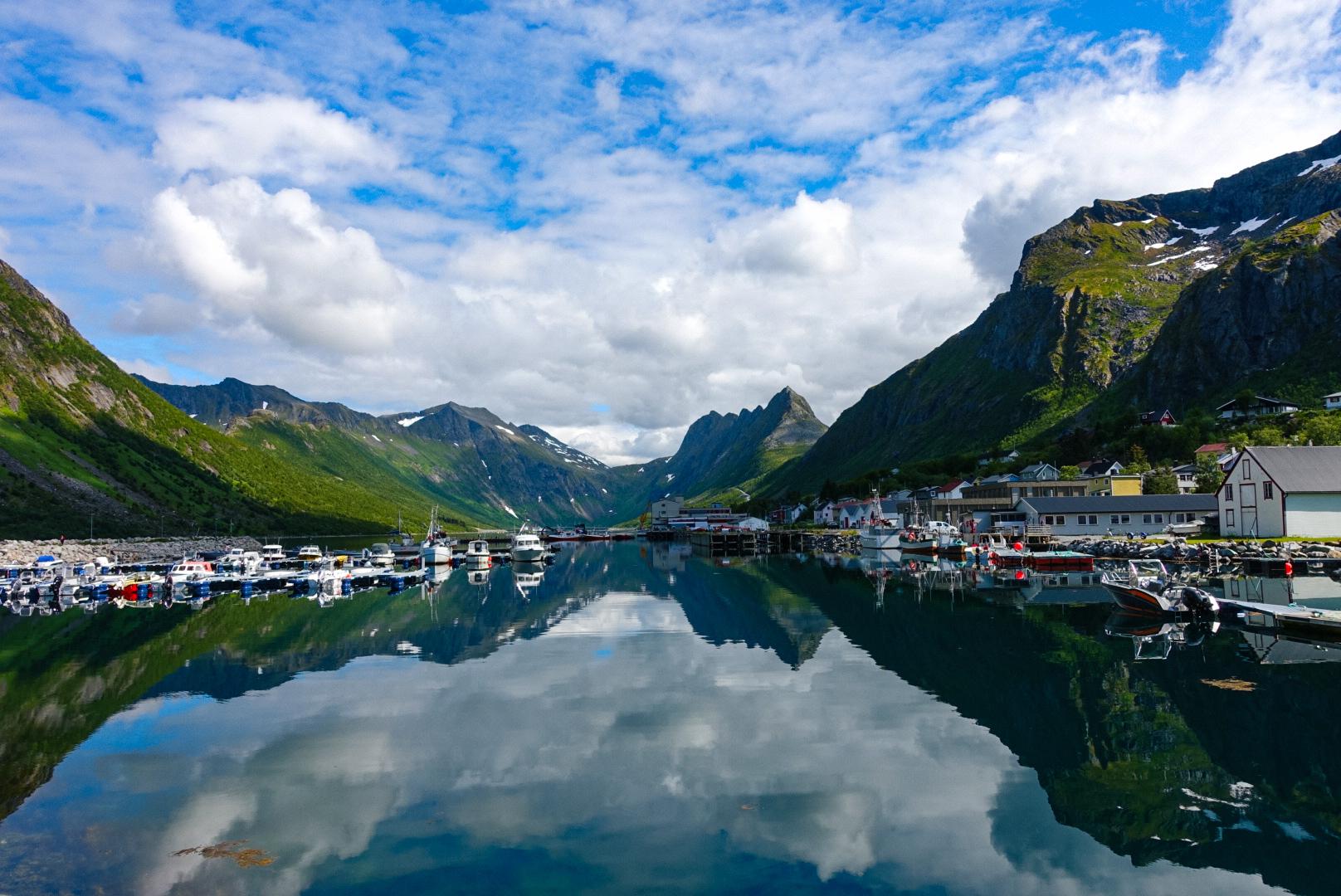 My Nordic TravelChoose between DIY itineraries and pre-packaged holidays to the very best destinations in Norway.
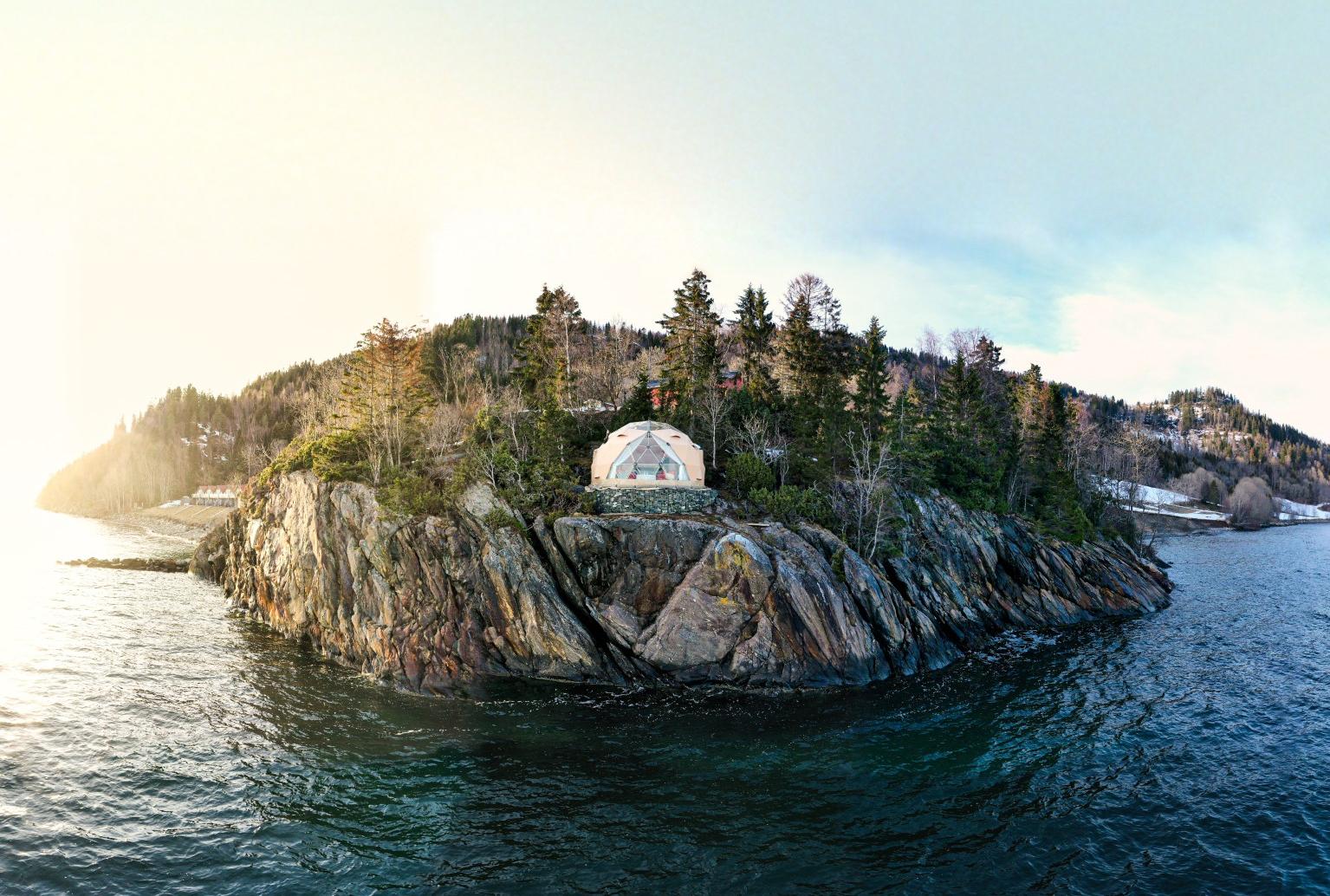 CampanyonUnique camping in nature. Book a stay in a treehouse or glamping tent or rent a motorhome pitch.
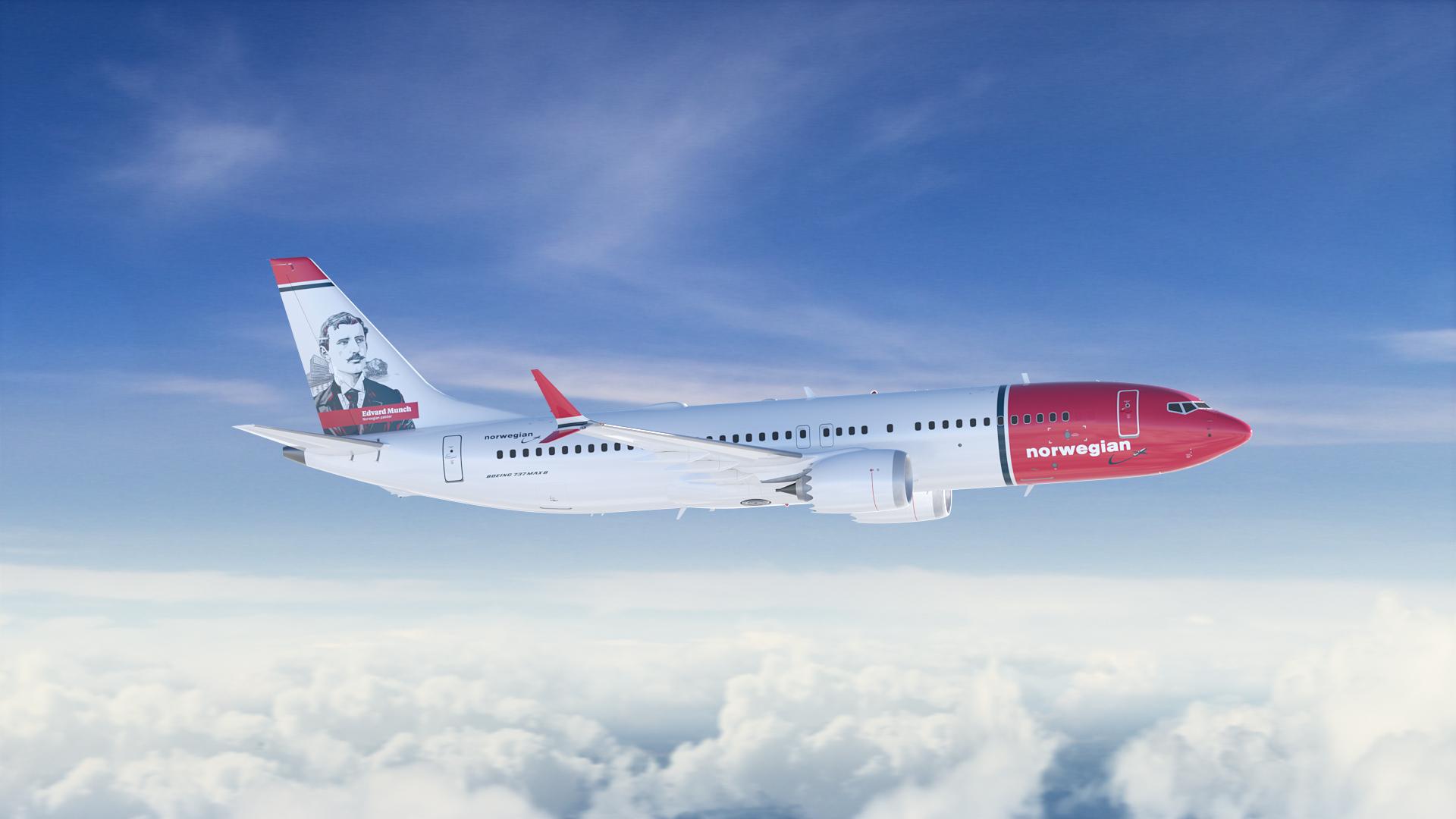 NorwegianNorwegian offers cheap flights in Norway and direct flights from more than 70 European destinations. Book flights through our low fare calendar to your destinations.
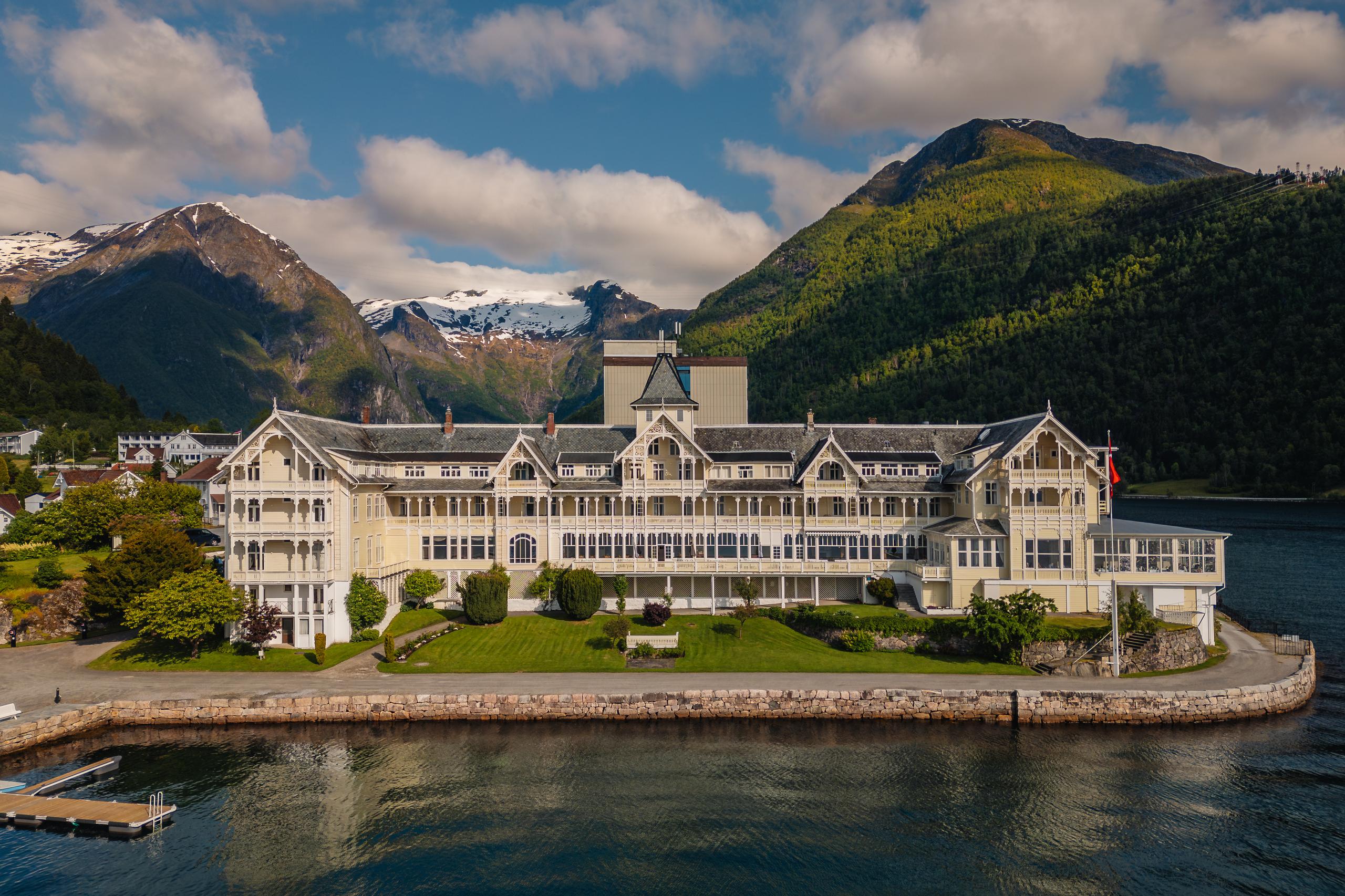 De HistoriskeHave an unforgettable stay at one of Norway's unique, authentic historic hotels. Enjoy first-class dining experiences and a broad range of activities.
 CampioNorway's biggest camping booking site. Find the best camping and motorhome pitches throughout Norway.