There was not an exact match for the language you toggled to. You have been redirected to the nearest matching page within this section.
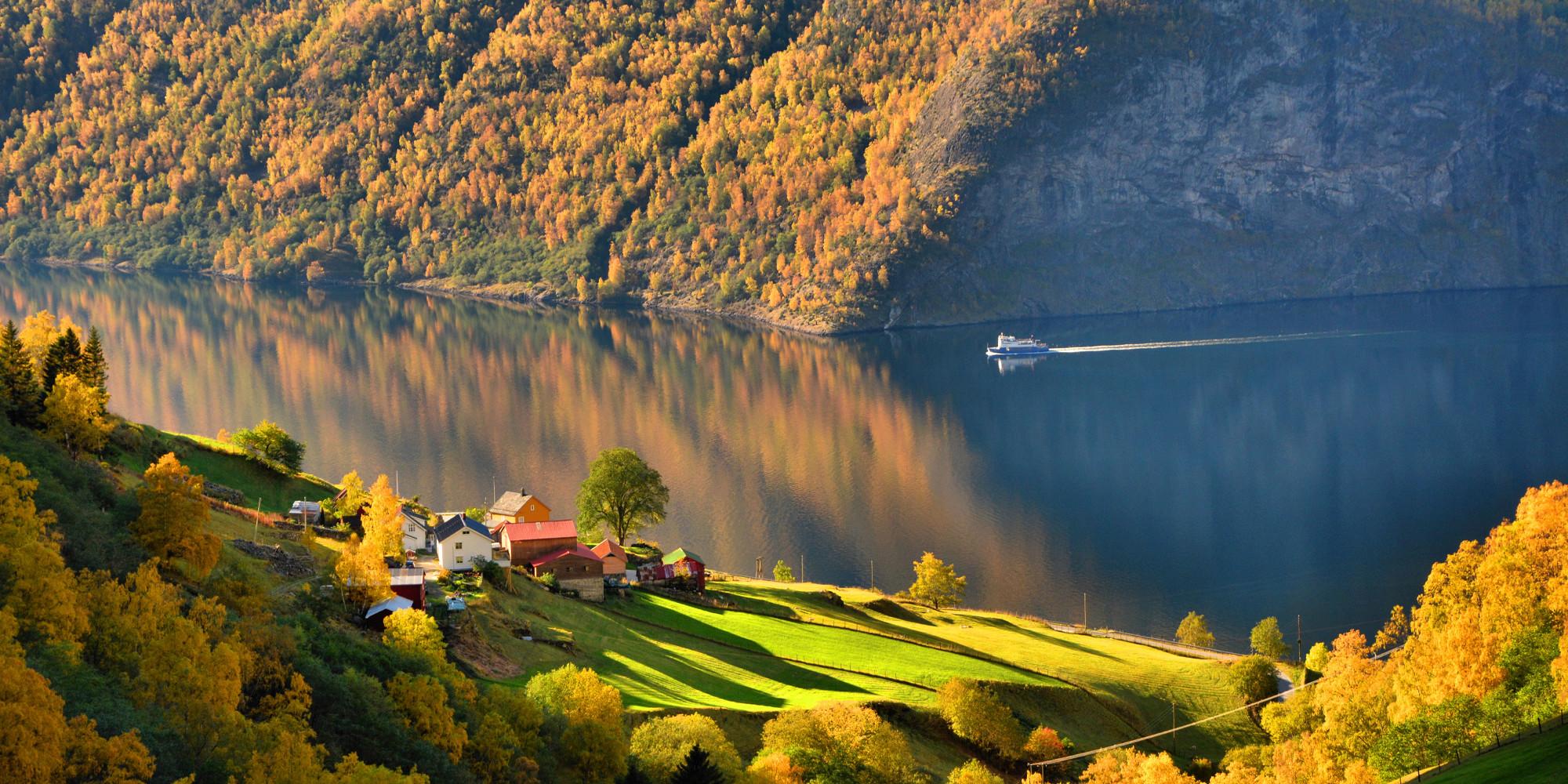
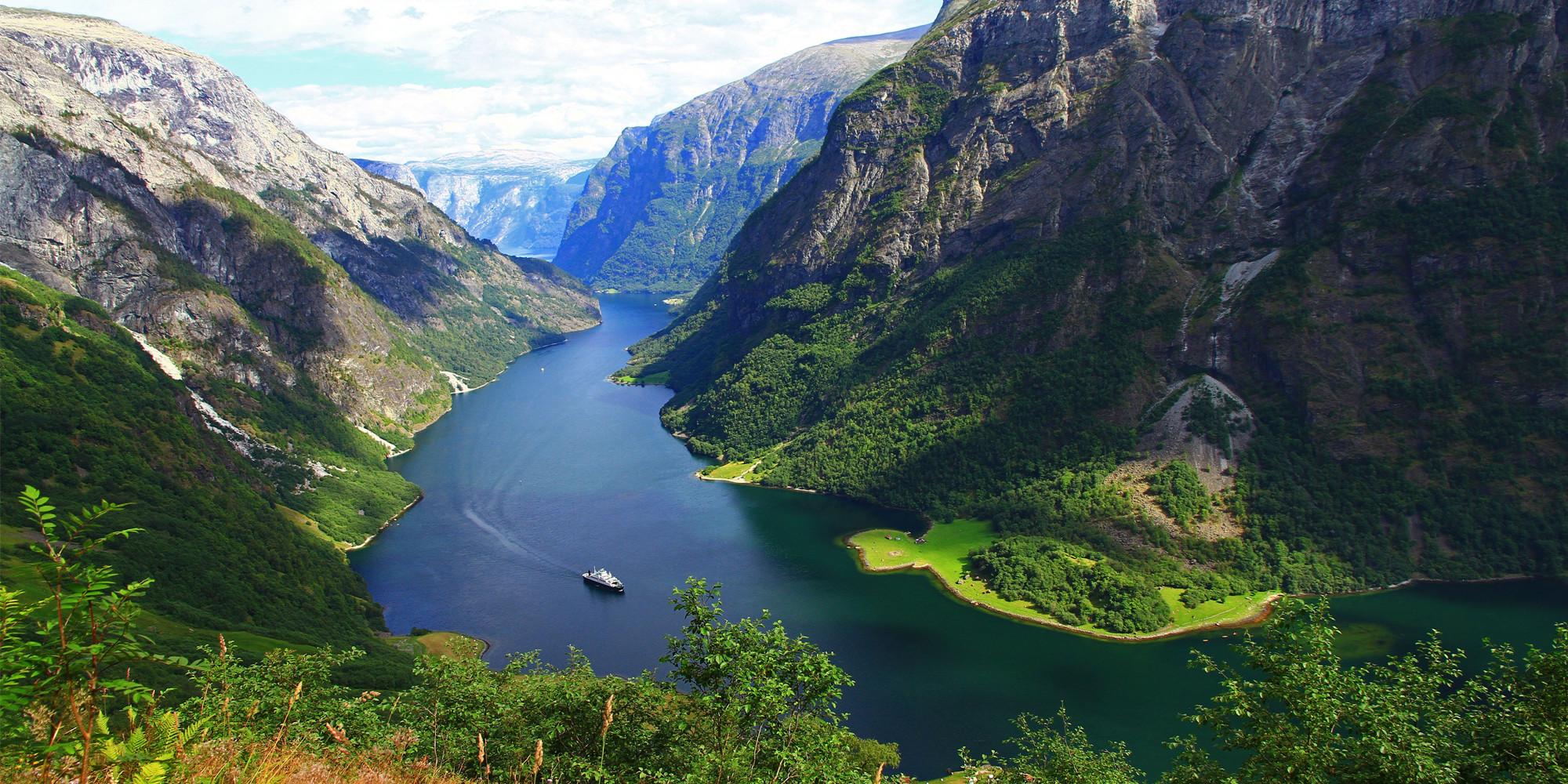
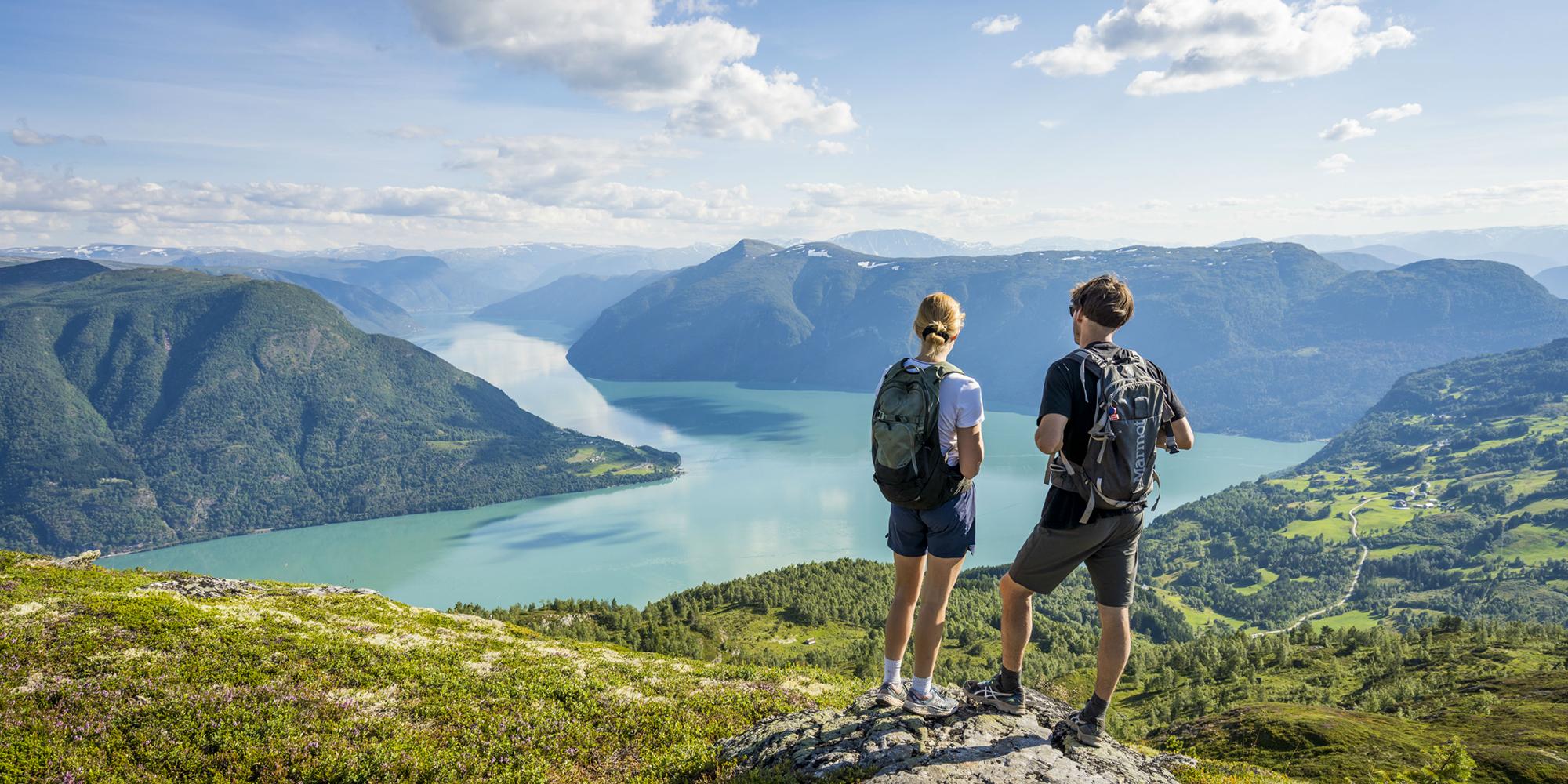
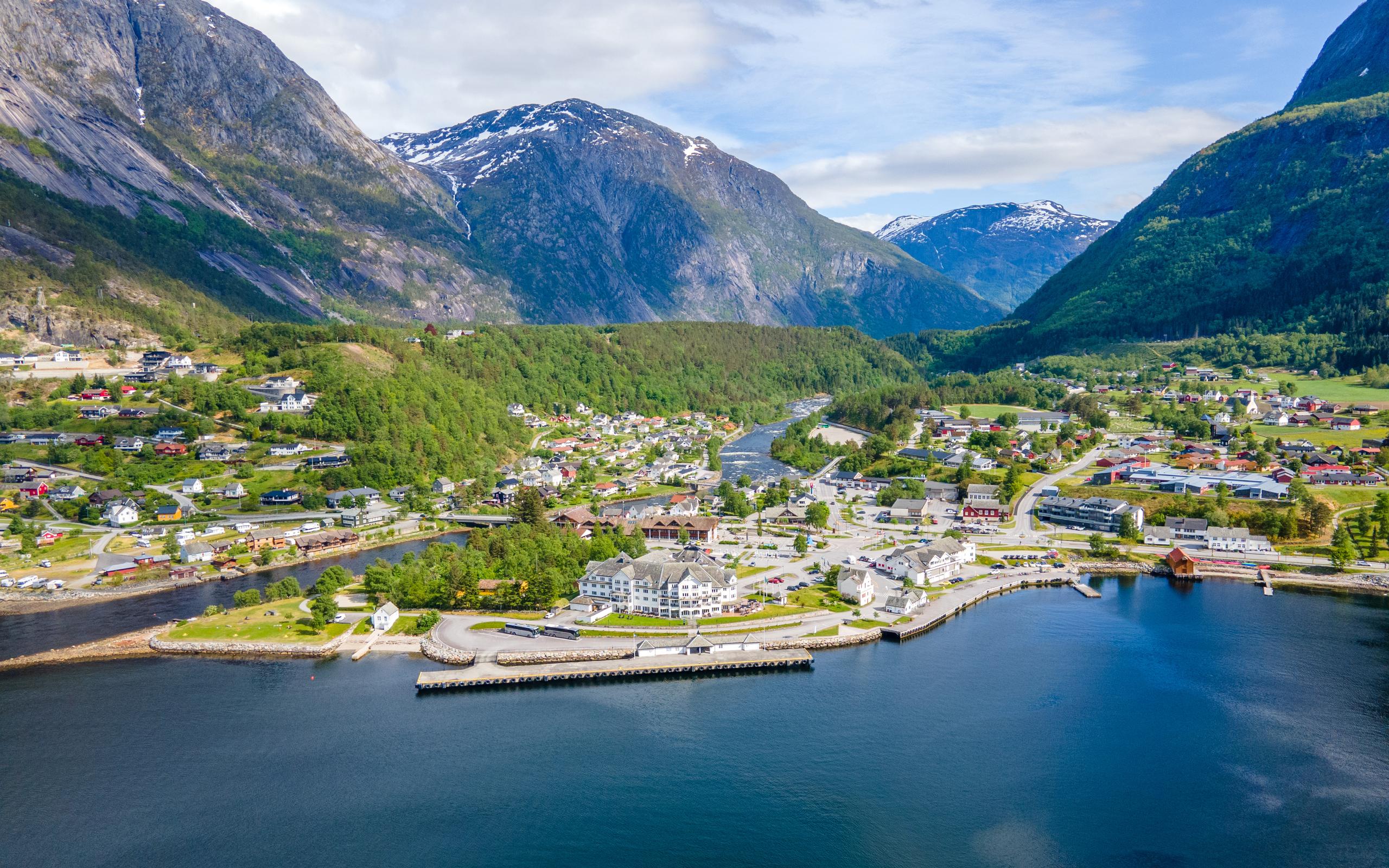
There are more than a thousand fjords in Norway, all along the coast. But most of the iconic ones – those you may have seen on the postcards, like the Nærøyfjord, the Sognefjord, the Lysefjord, and the Geirangerfjord – are located in Fjord Norway.
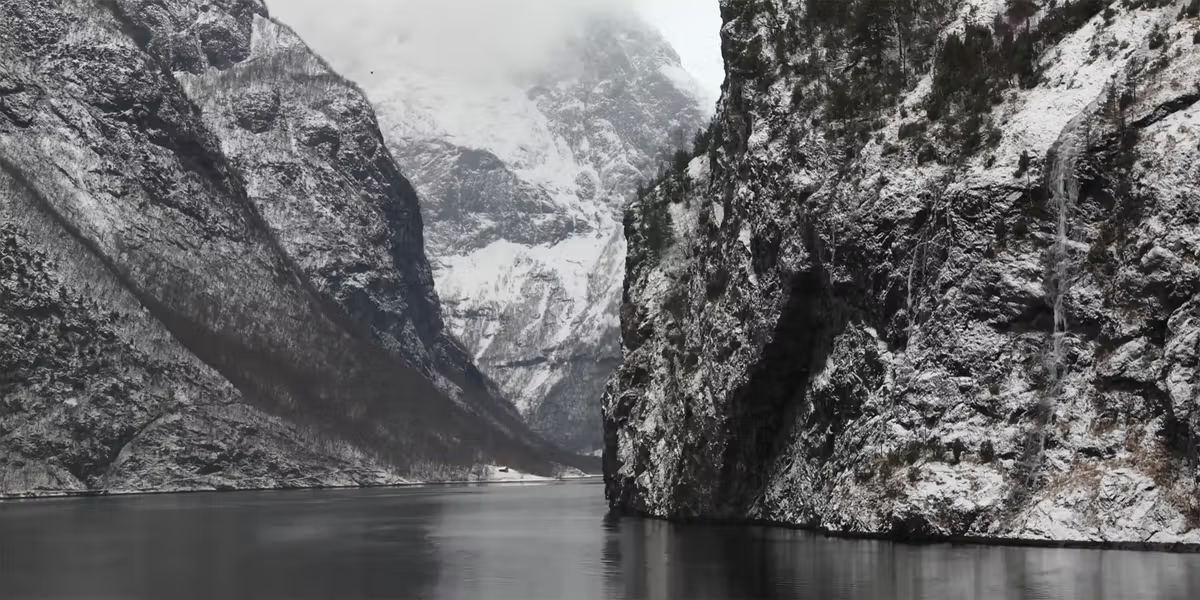
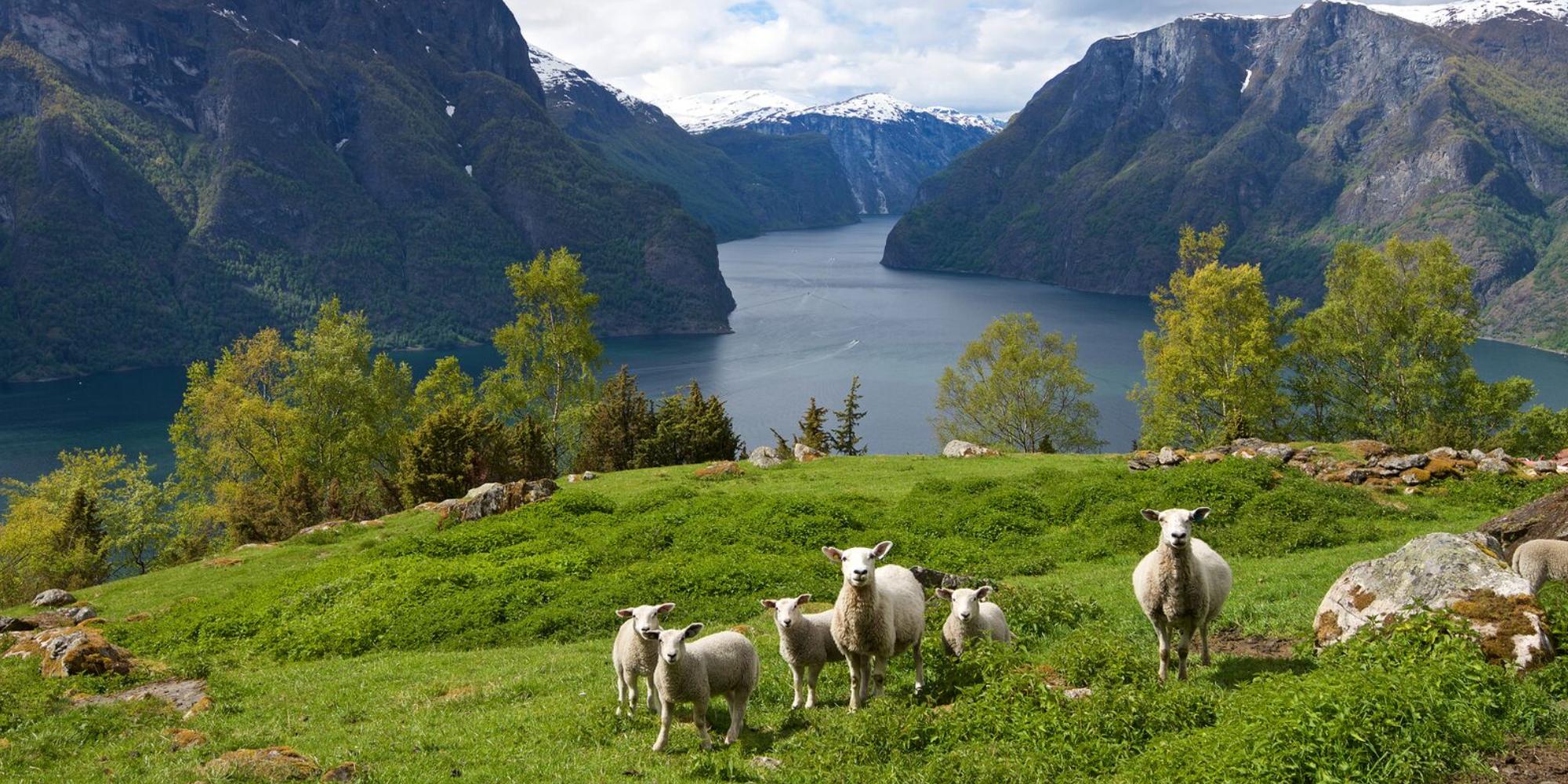
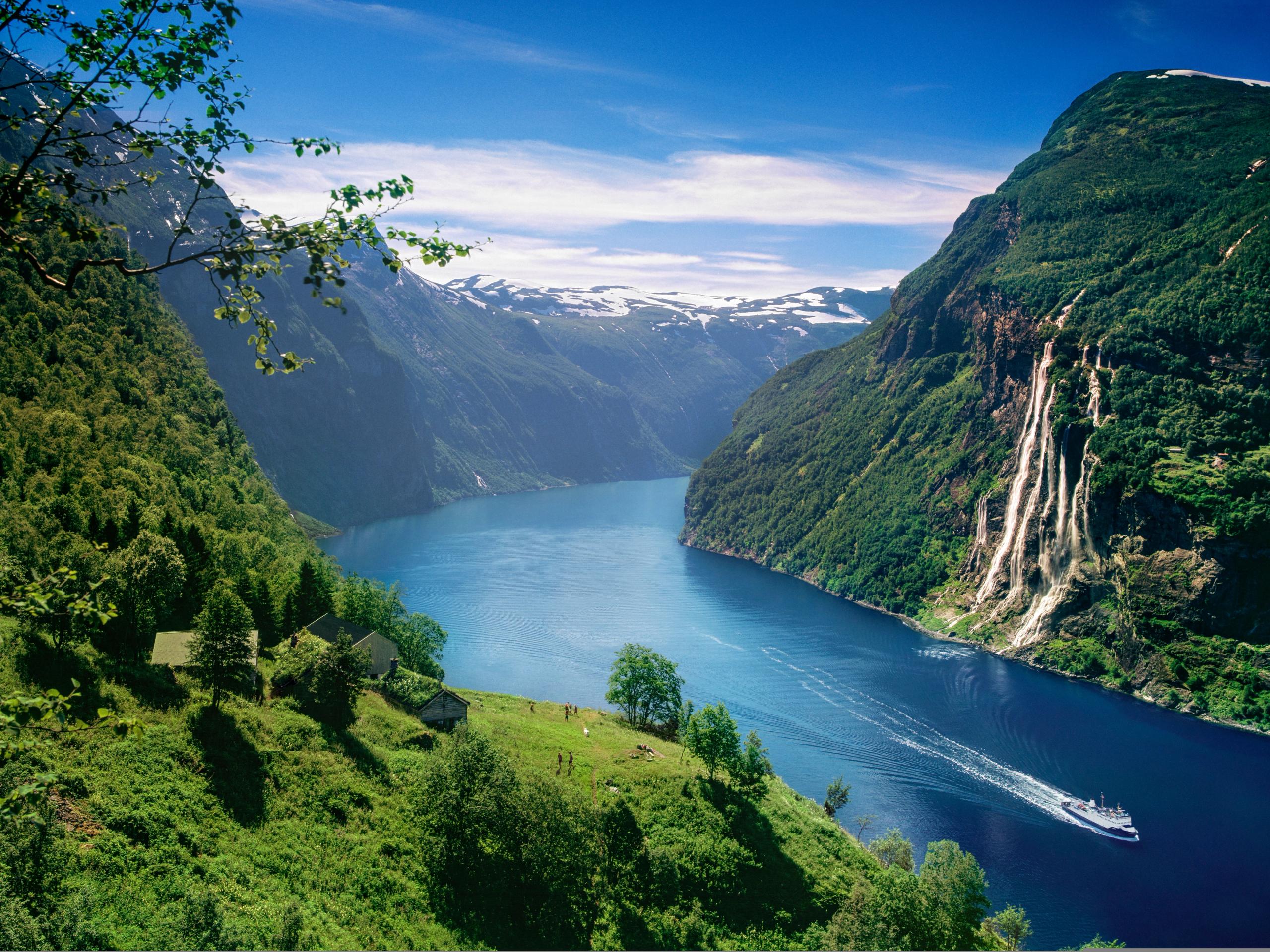
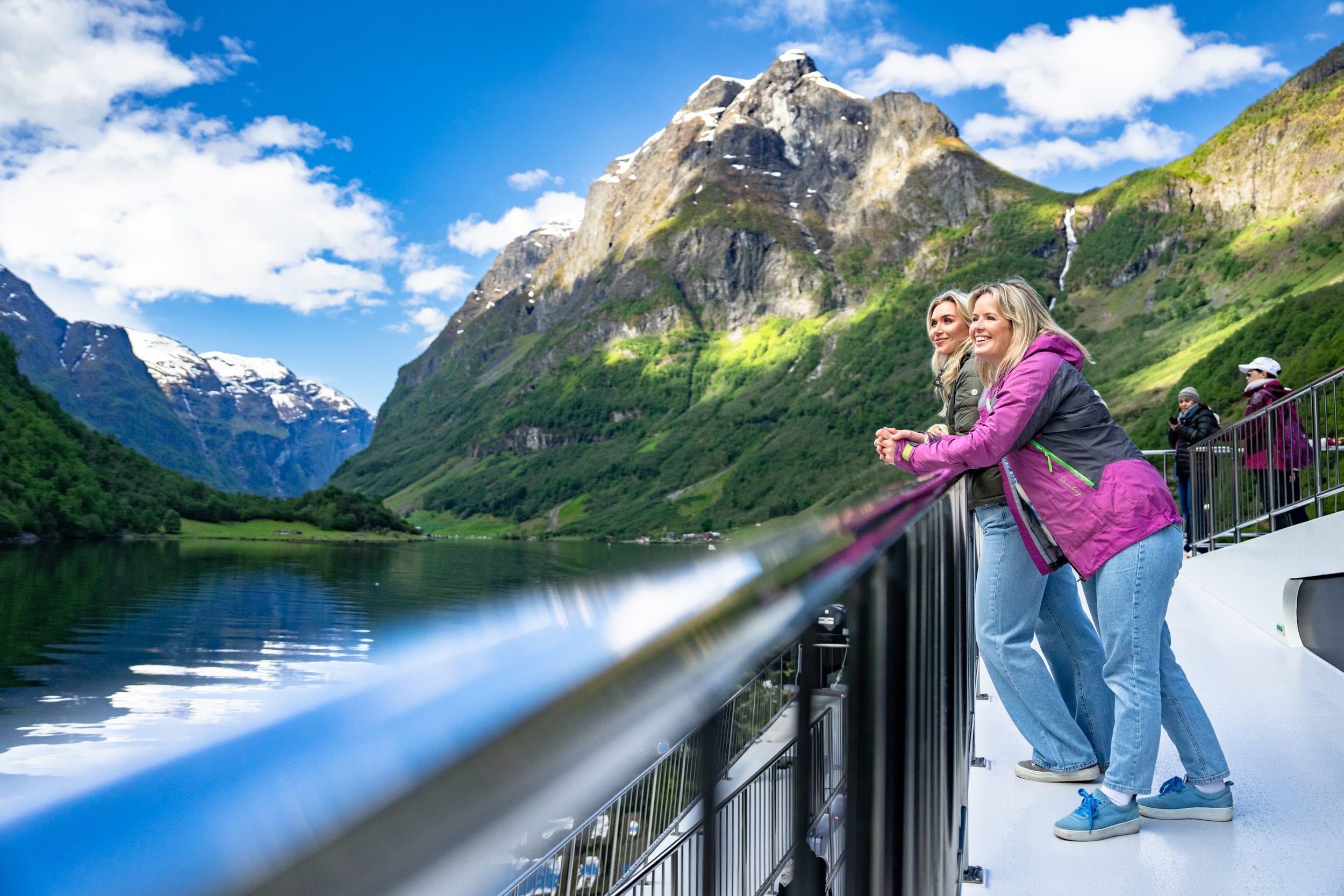
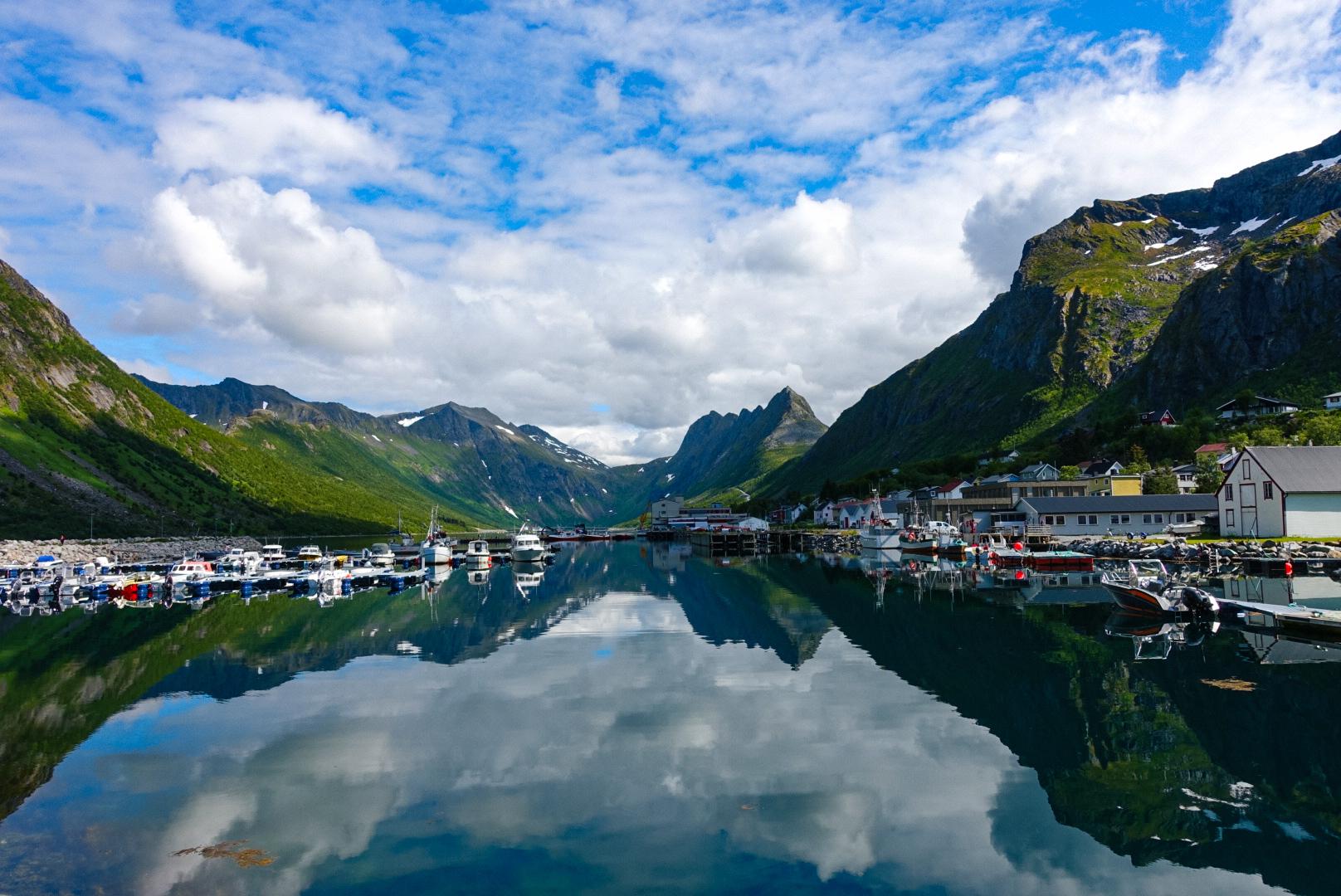
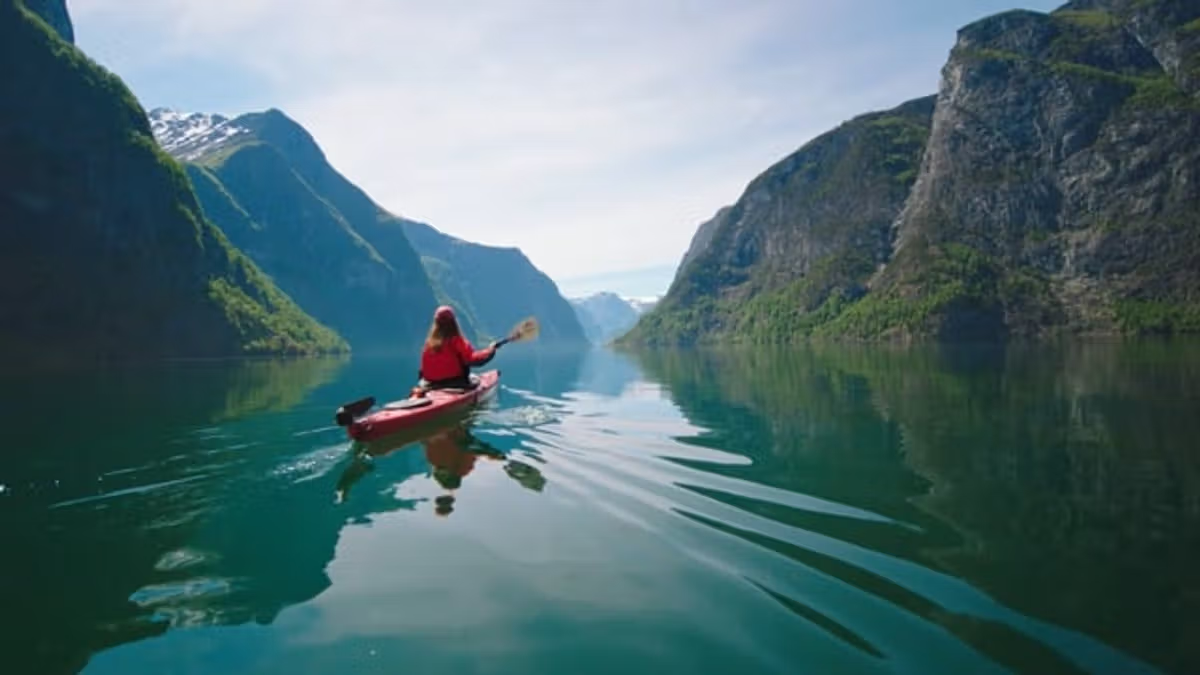
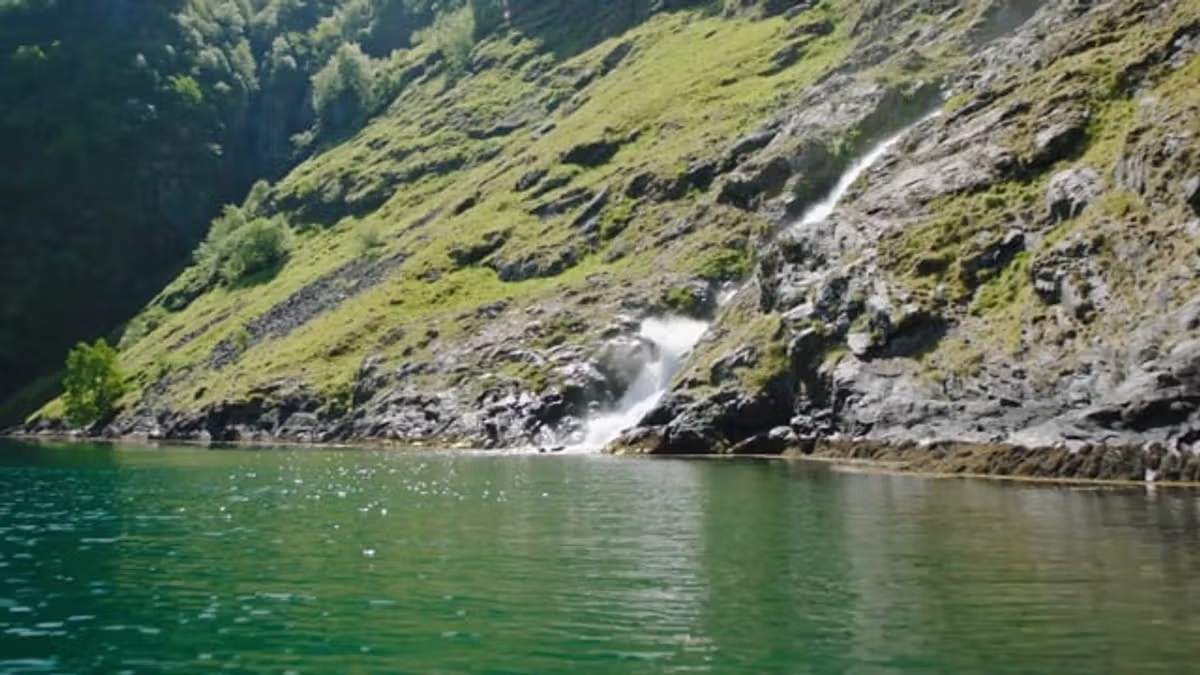
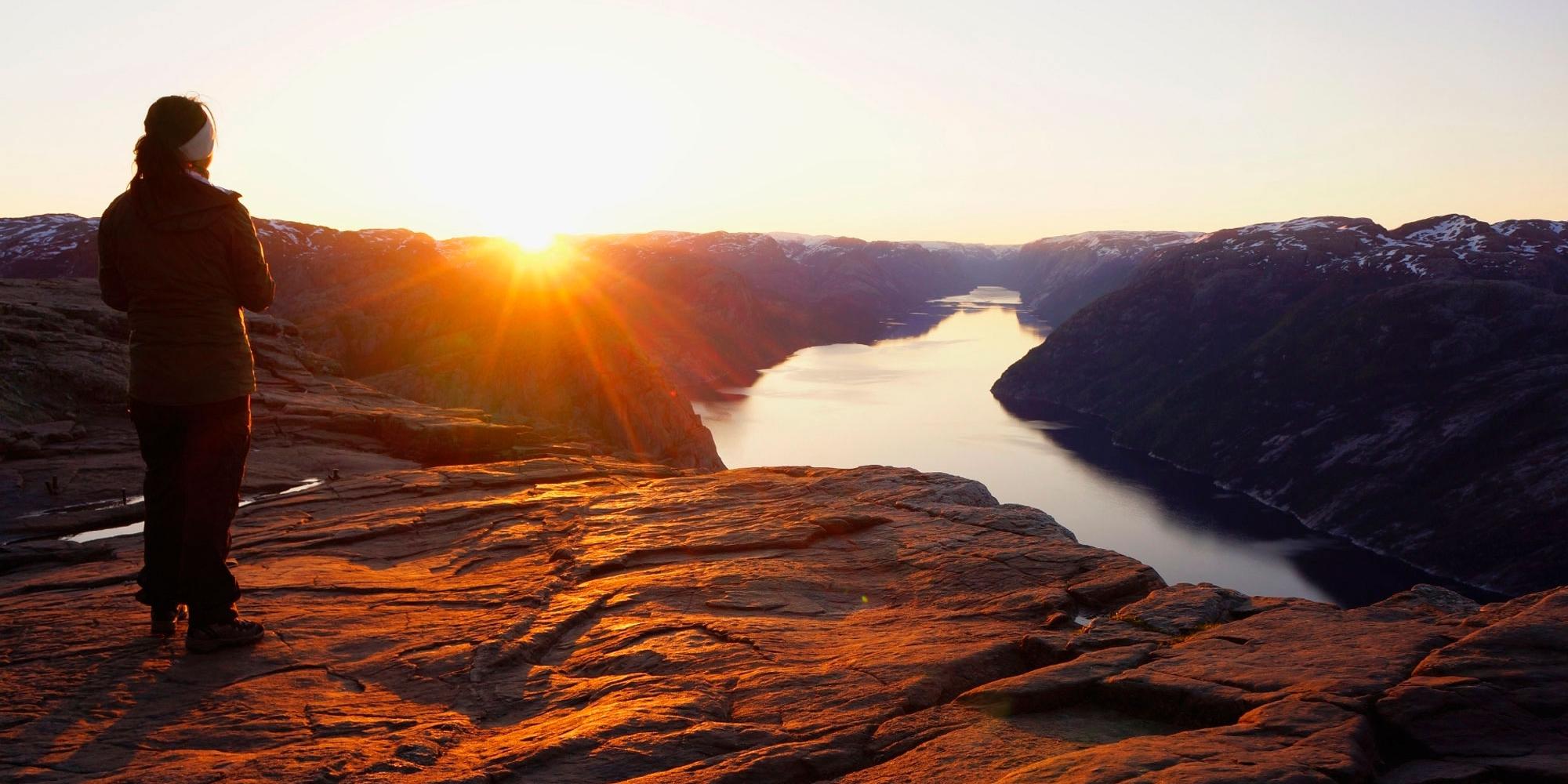
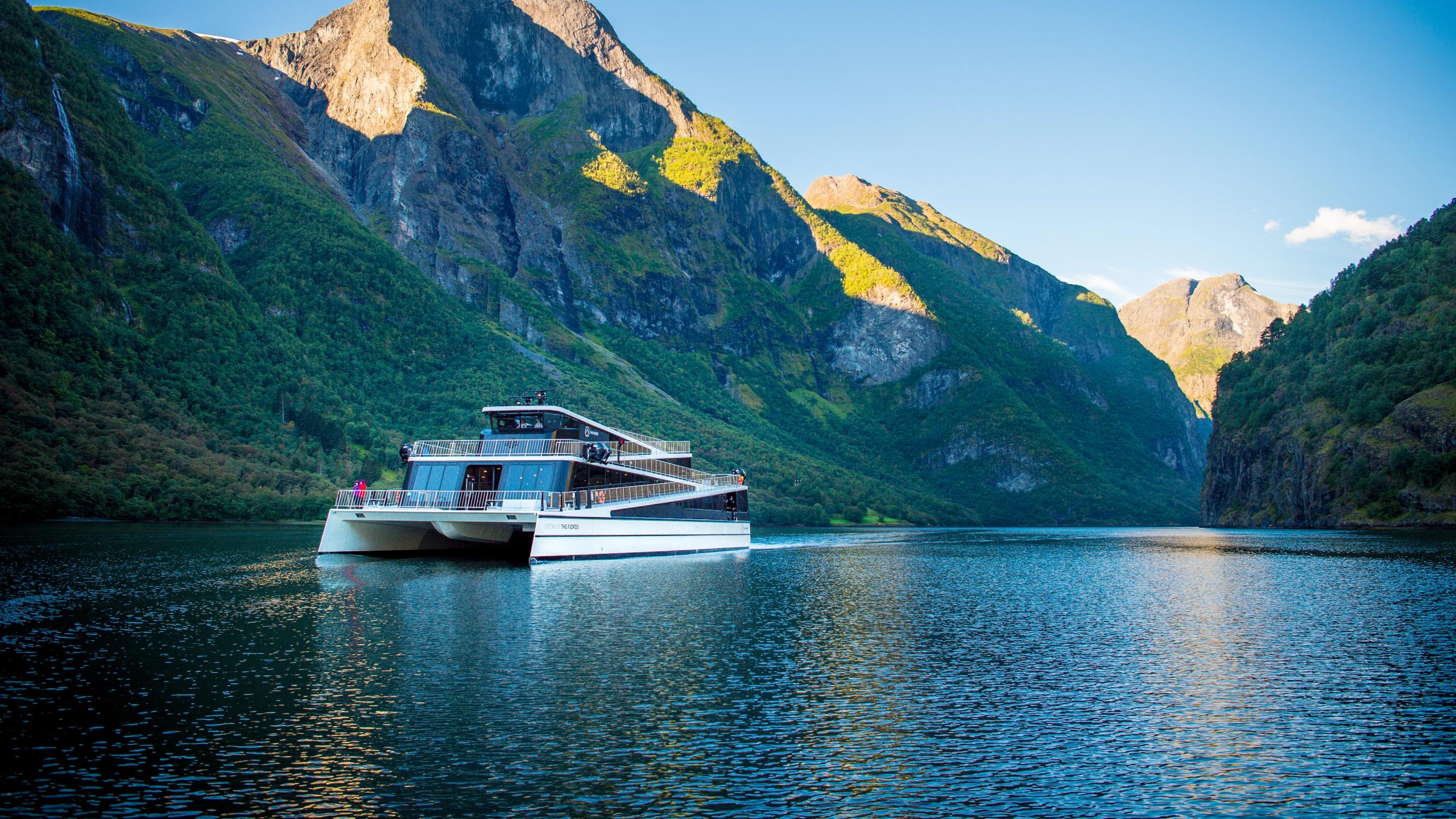
The fjords resemble still blue lakes, but consist of saltwater – they are prolonged arms of the seas, often reaching deep inland with majestic cliffs towering above on both sides.
Even though the fjords are often intertwined and you can sail from one fjord to another or back into the sea, visiting the fjords can make you feel like you are in a secluded universe.
However, the key to understanding why the fjords are perhaps the most important symbol of Norway – and amongst the country’s most popular attractions – lies in what they represent.
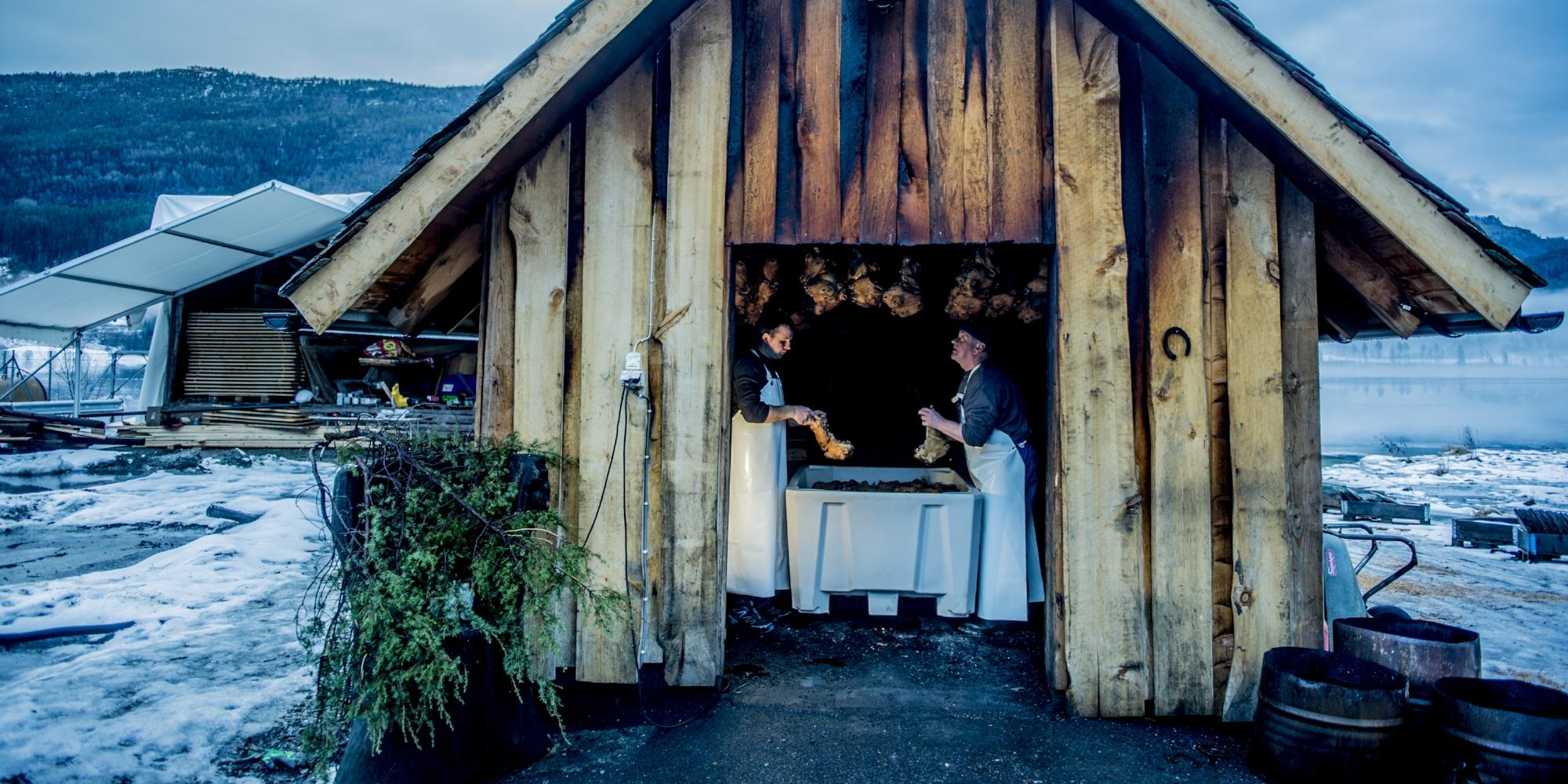
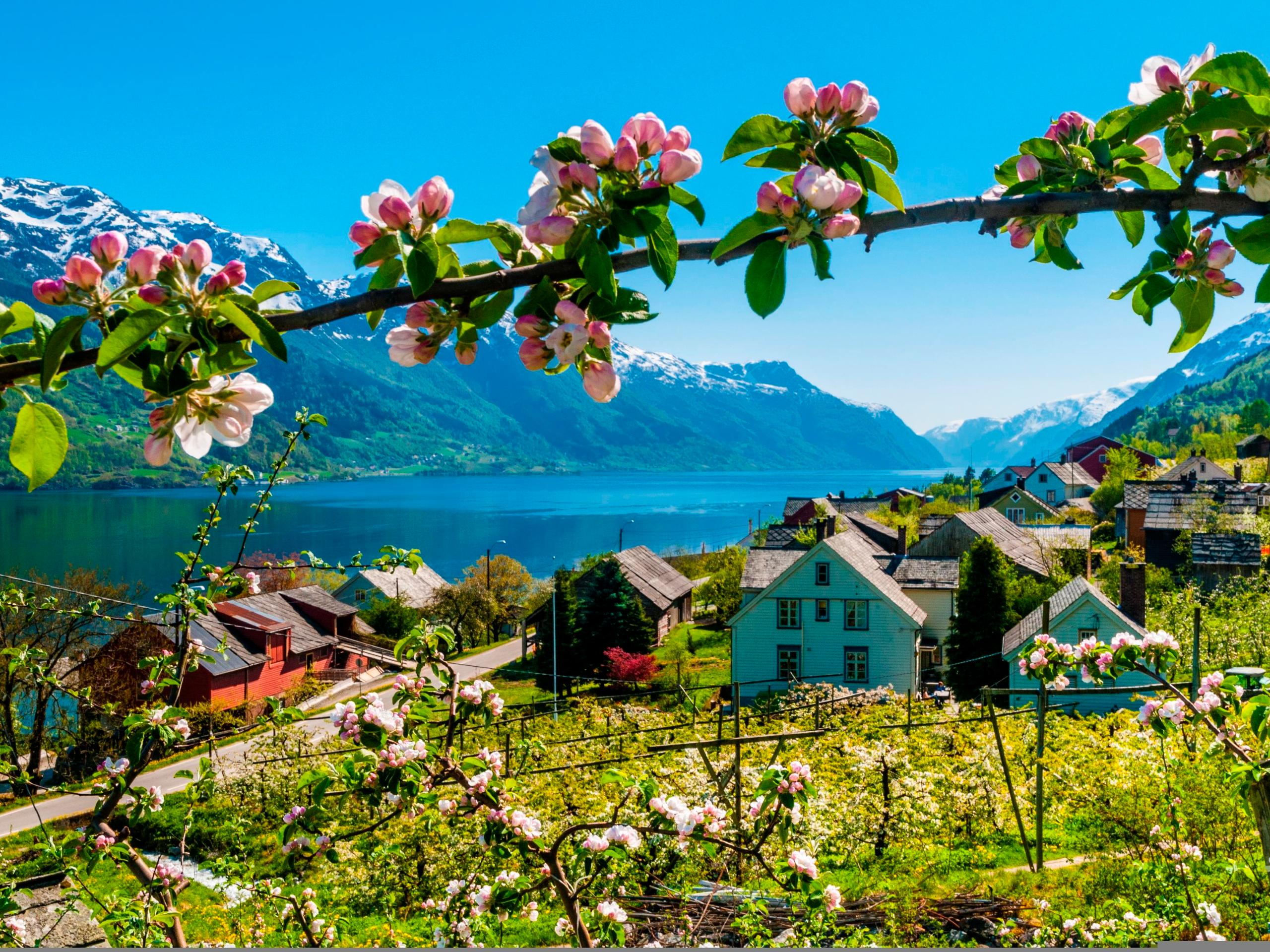
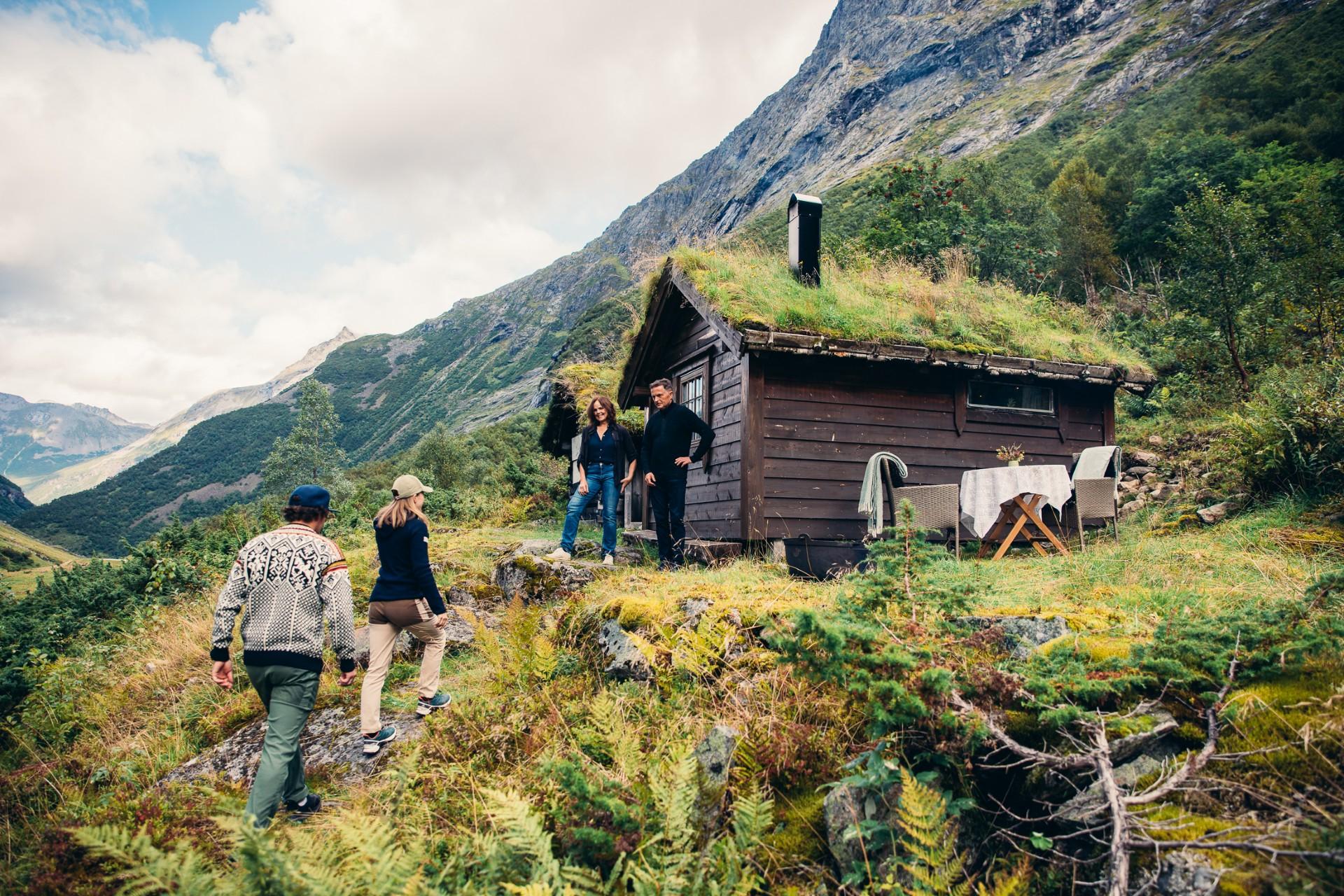
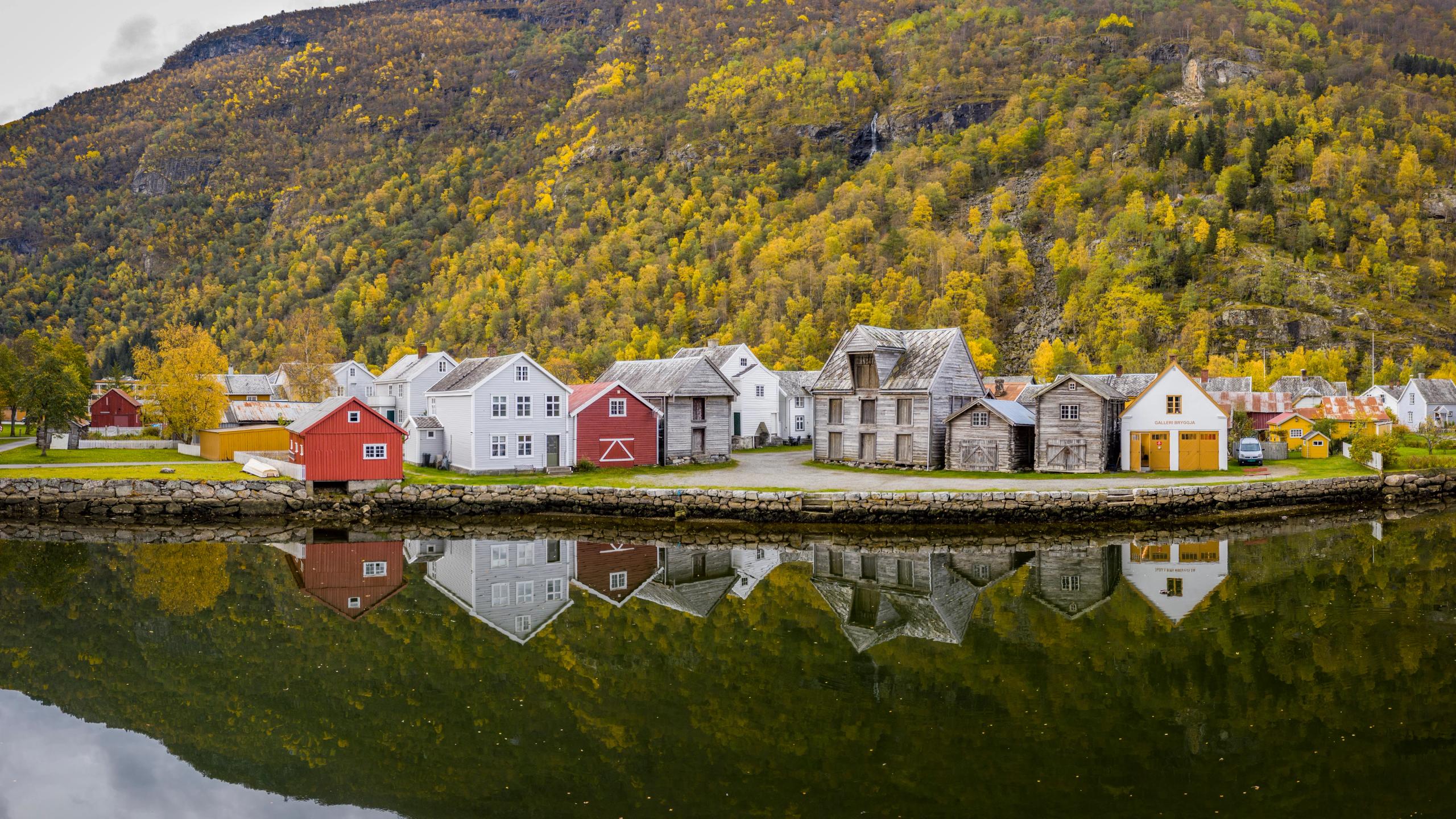
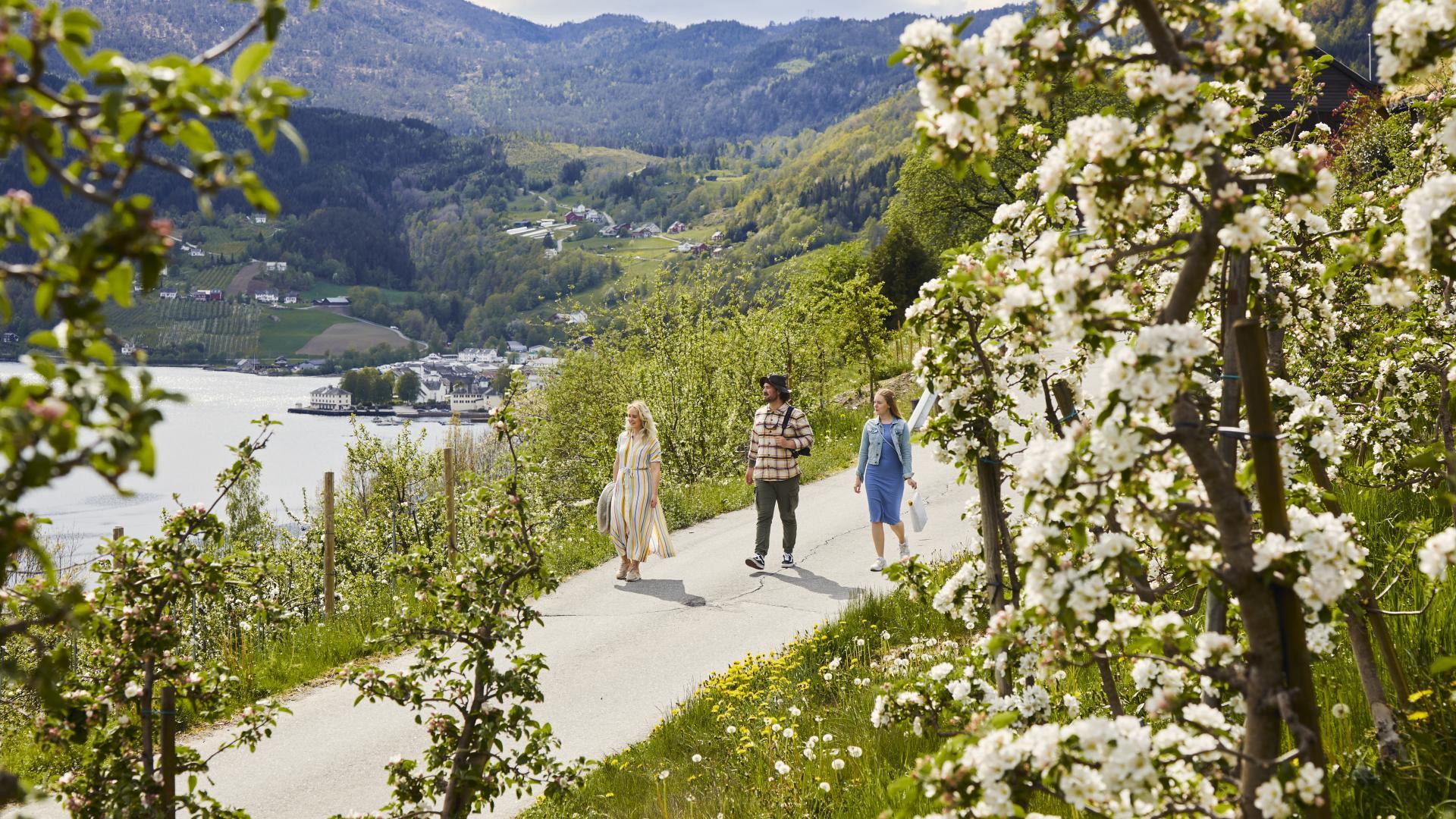
More than anything the fjords and the surrounding areas evoke images of a Norway of the past: A time when people lived as farmers in impossibly steep and rocky surroundings (in certain places they still do). A time when you could harvest from the blossoming fruit trees, and a sheep’s head was considered a delicacy (it still is).
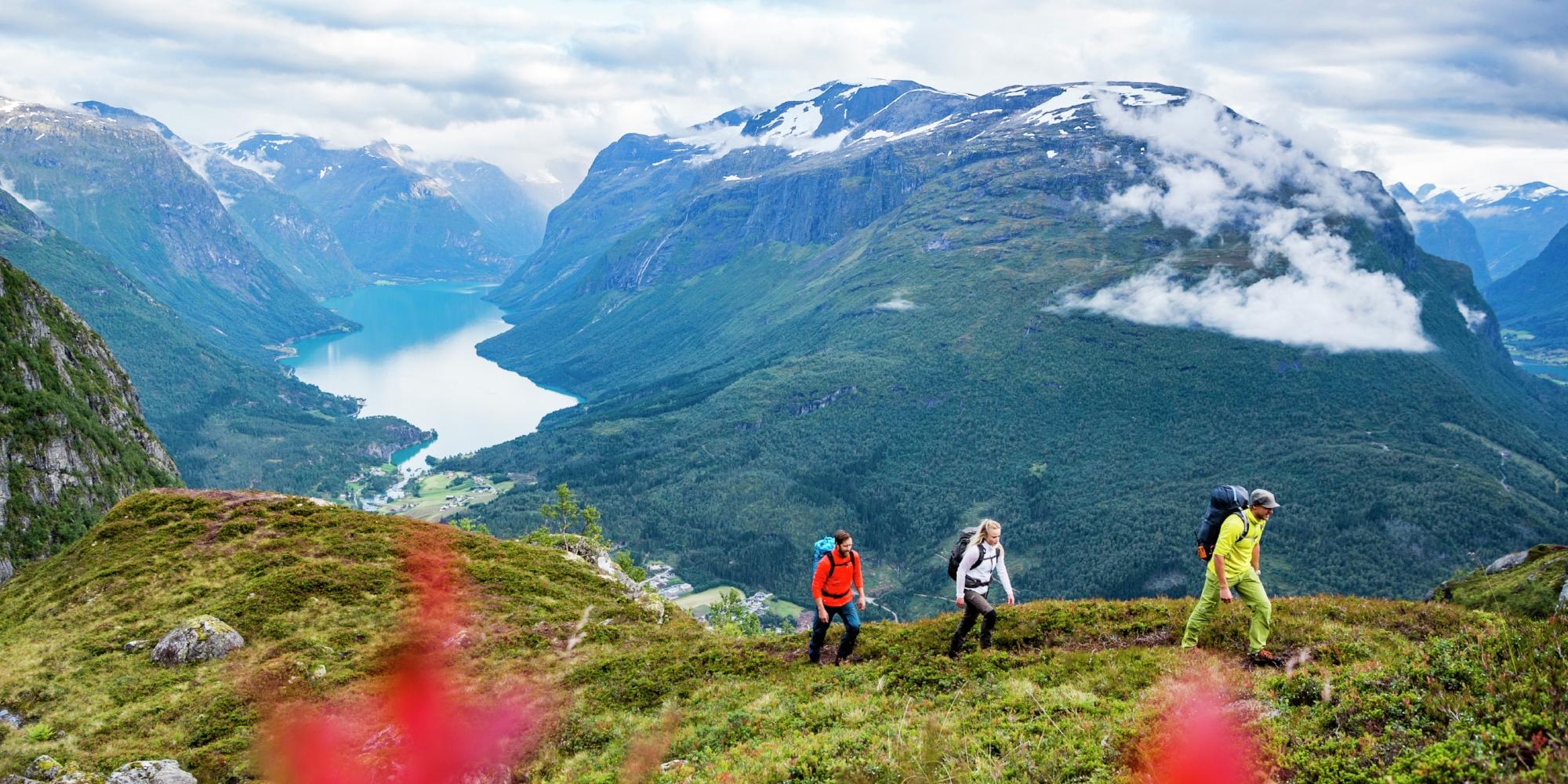
If the landscapes may seem untamed and wild, the fjord areas are nevertheless easy to explore both on your own and through guided tours. There are small villages spread throughout, and trails for both glacier walks and mountain hikes are plentiful.
Take only pictures, keep only memories
Norway is a country of outstanding natural beauty. Preserving this landscape, its communities, and the way of life, is essential for locals and visitors alike.
Norwegian philosophy is very much that conservation is everyone’s responsibility.
The locals try to leave as small a footprint as possible. Leave it as you would like to find it is the mantra, regardless of where you are.
It is all about the quality of life. Not only now, but for the time to come as well.
Learn more about sustainability in Norway.
The fjord landscape is ideal for combining activities, whether you just want to inhale the famous peace and quiet or get an adrenaline rush.
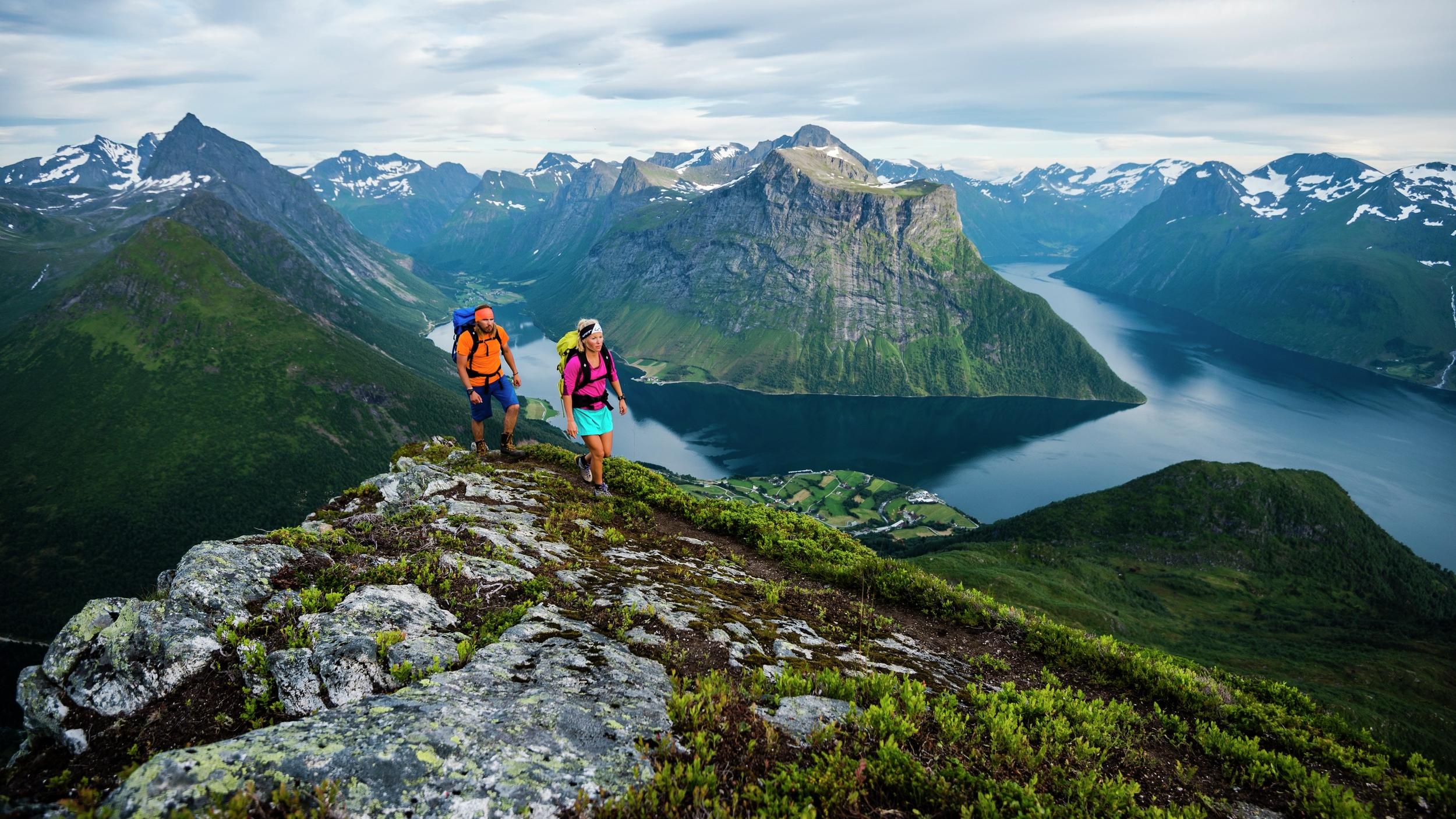
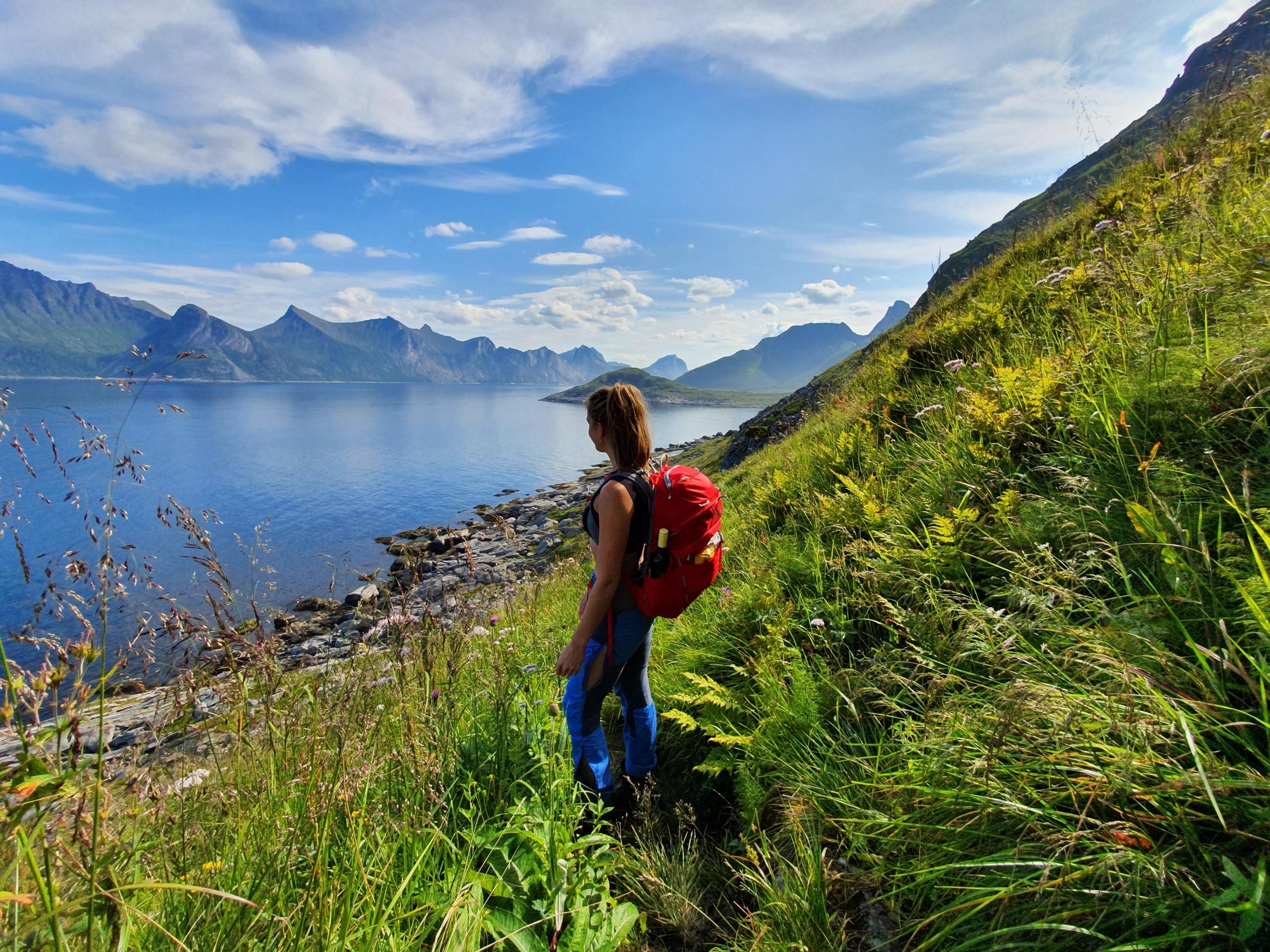
Start off with easy hiking and relaxing village and city walks, or take guided tours to viewing points and other vistas of fjords, mountains, and waterfalls.
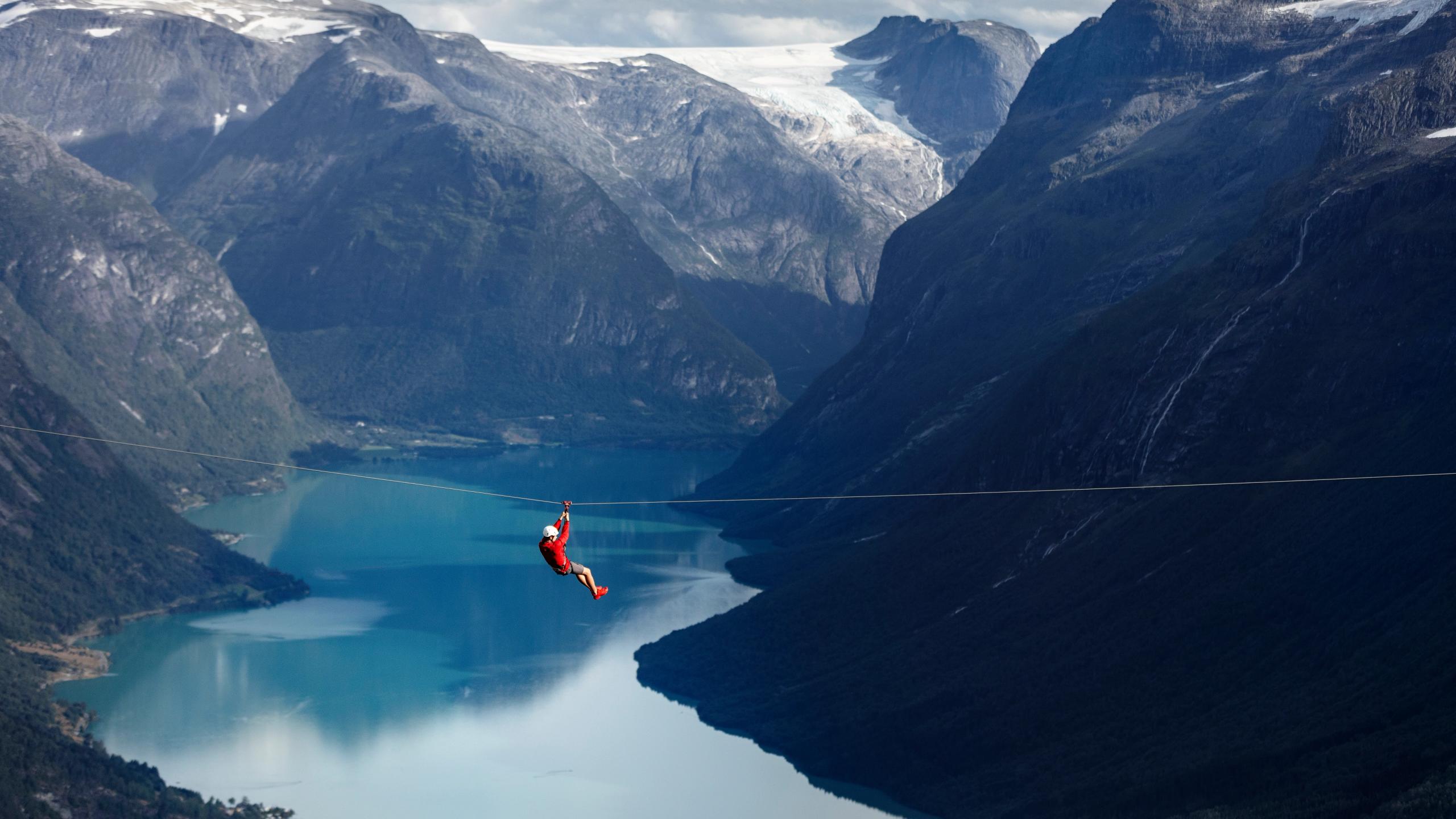
More demanding hiking includes uphill walks with rewarding views at the top. You can also explore by kayak, SUP (Stand up paddling board), rafting, glacier hiking, rock climbing, and via ferrata climbing routes. There are guided fishing tours on the sea, the fjords, rivers and lakes.
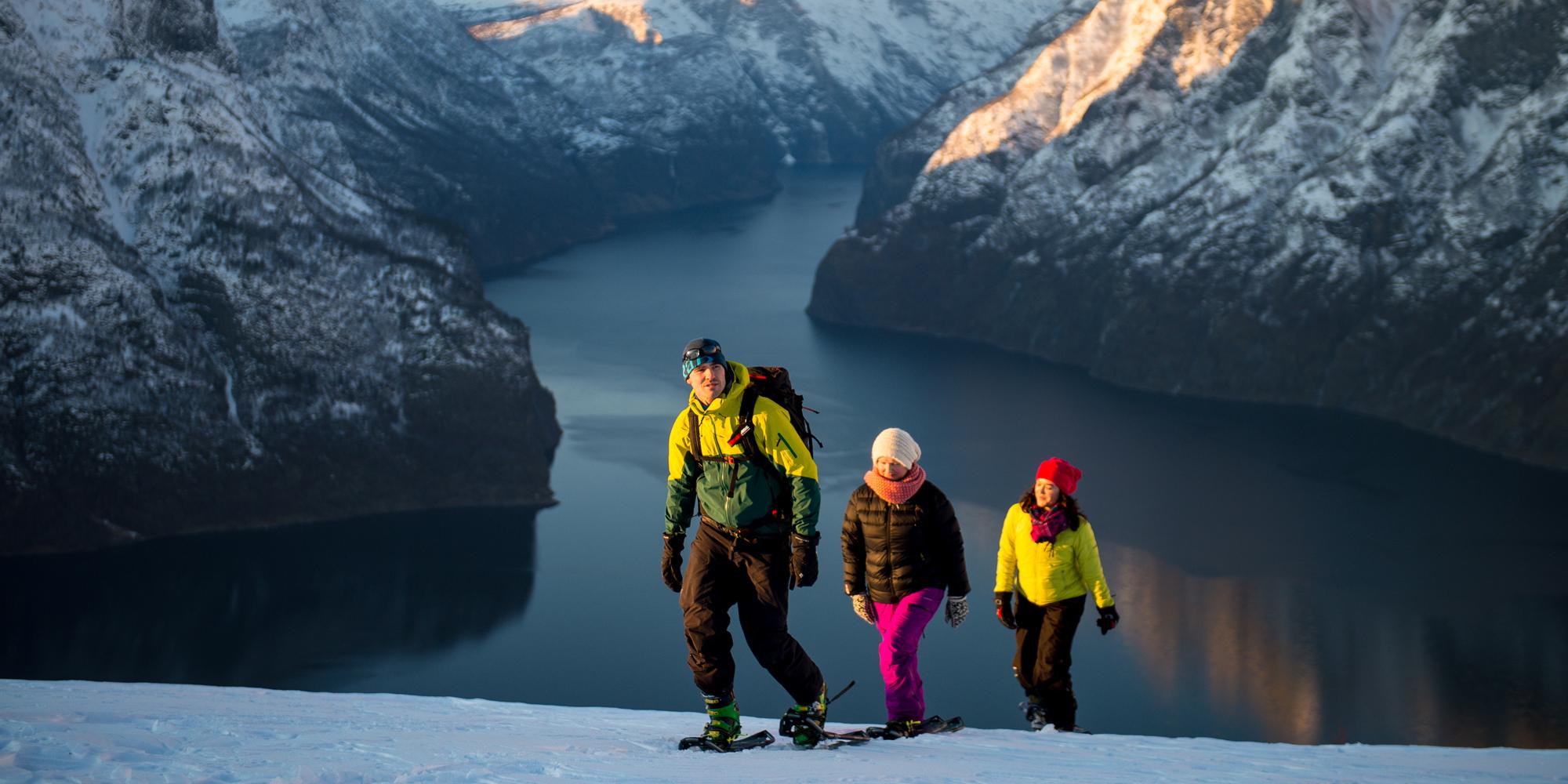
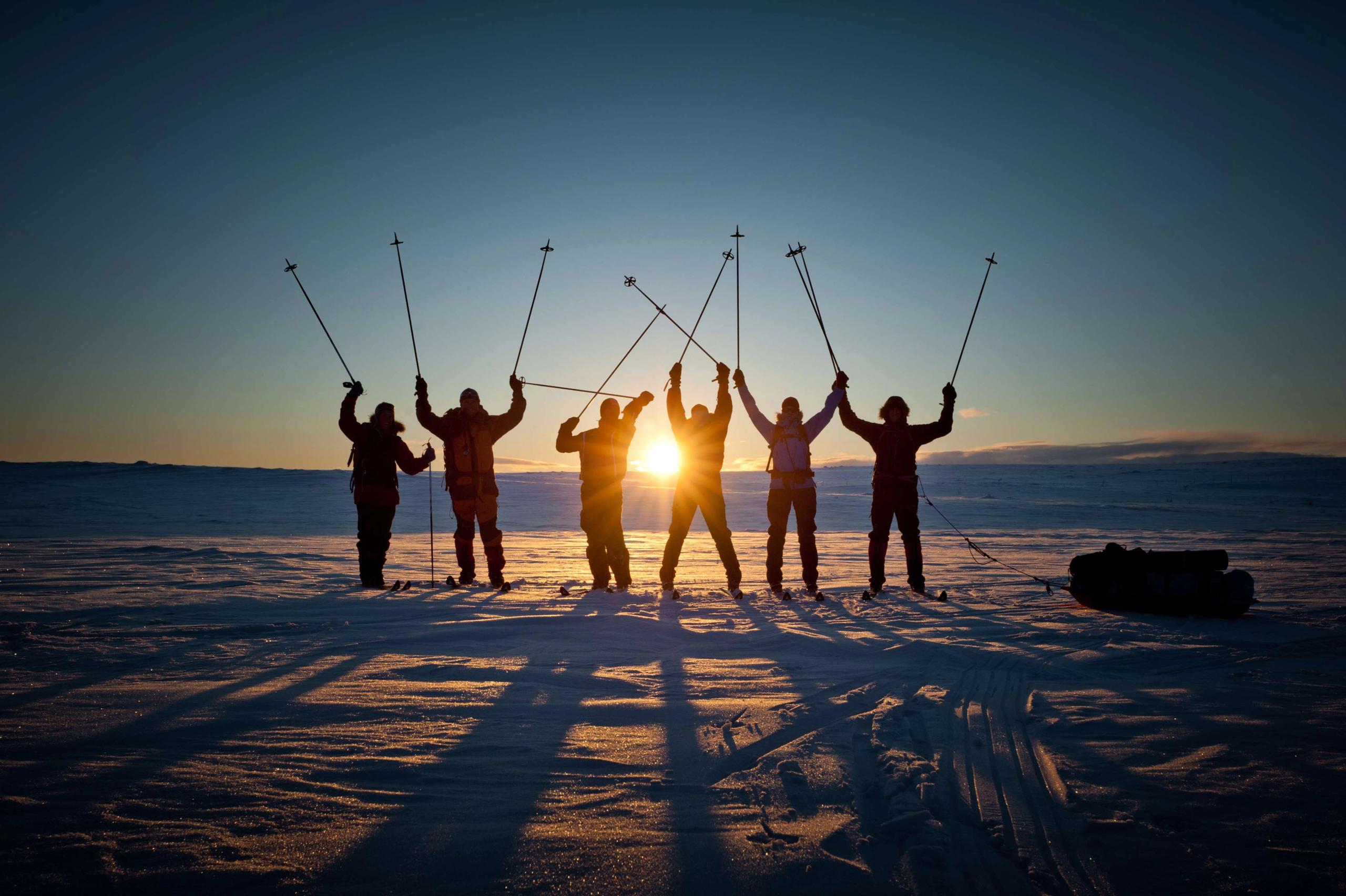
Go skiing all year round whilst looking down on a fjord, for example in the Sunnmøre Alps. Summer skiing is a popular activity that may be combined with swimming in a fjord earlier or later on the same day.
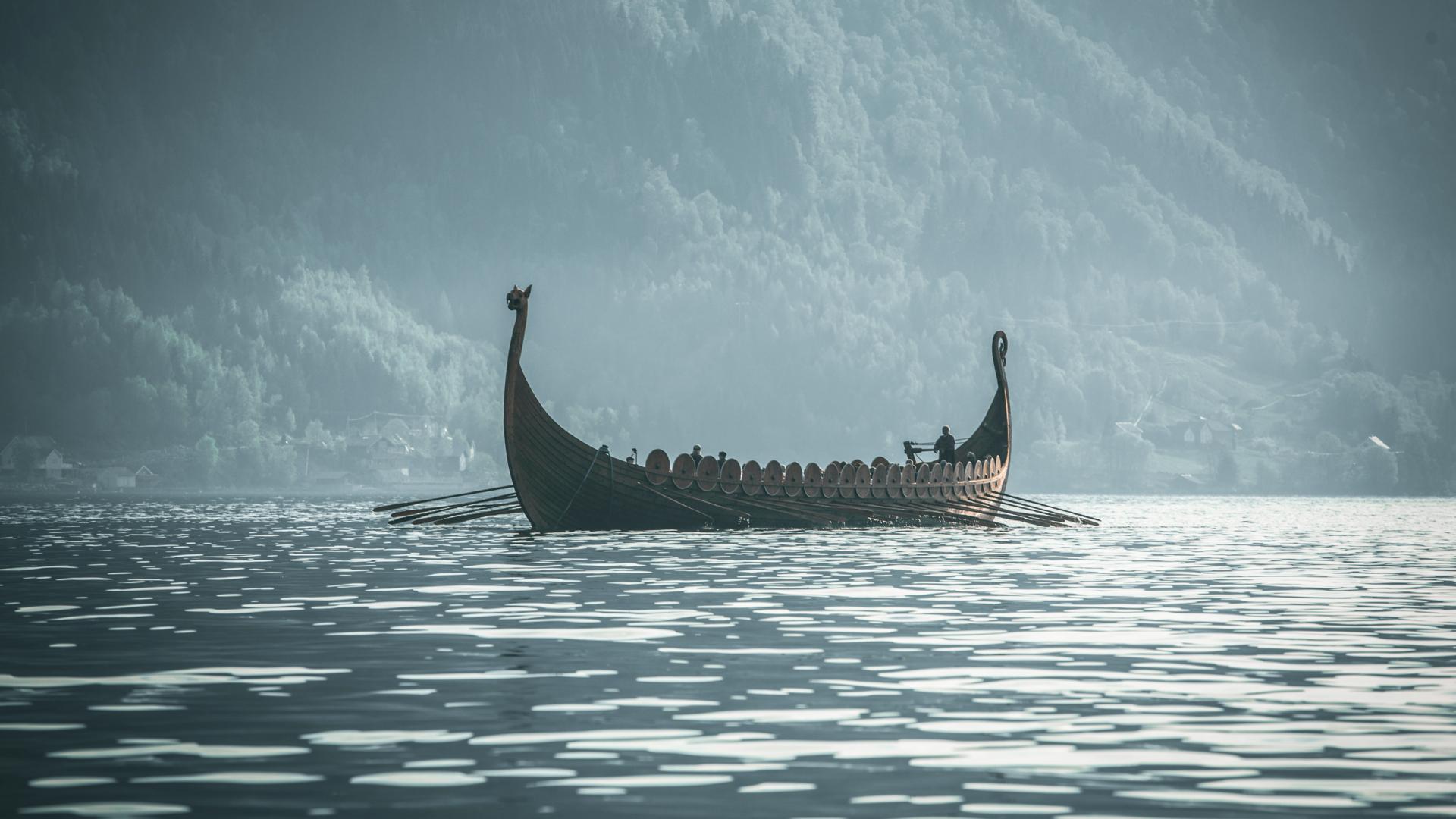
History buffs will find many historical sites, remnants of old buildings, art and folklore museums, open air museum, and Viking vestiges. Unesco World Heritage sites include Bryggen in Bergen, Urnes Stave Church, the fjords of Nærøyfjord and Geirangerfjord, and the surrounding landscapes.
There are several national parks in the area with marked trails, self-service cabins, staffed lodges, wild animals, lakes, rivers, glaciers, and visitor centers.
The fjords of Fjord Norway, exemplified by the Geirangerfjord and the Nærøyfjord, were granted World Heritage status by UNESCO in 2005.
In 2006, National Geographic put together a panel of experts to rank and reward the most popular World Heritage sites. The Norwegian fjords emerged as winners, above competitors such as Galapagos, the pyramids of Egypt, Grand Canyon, Angkor Wat, and Machu Picchu.
“This seems to confirm that Norwegians tend to take excellent care of their places compared to the rest of the world. These are skills that leaders in other places would do well to study and adapt to their own situations”, says Jonathan B. Tourtellot, Director of the Center for Sustainable Destinations, National Geographic Society.
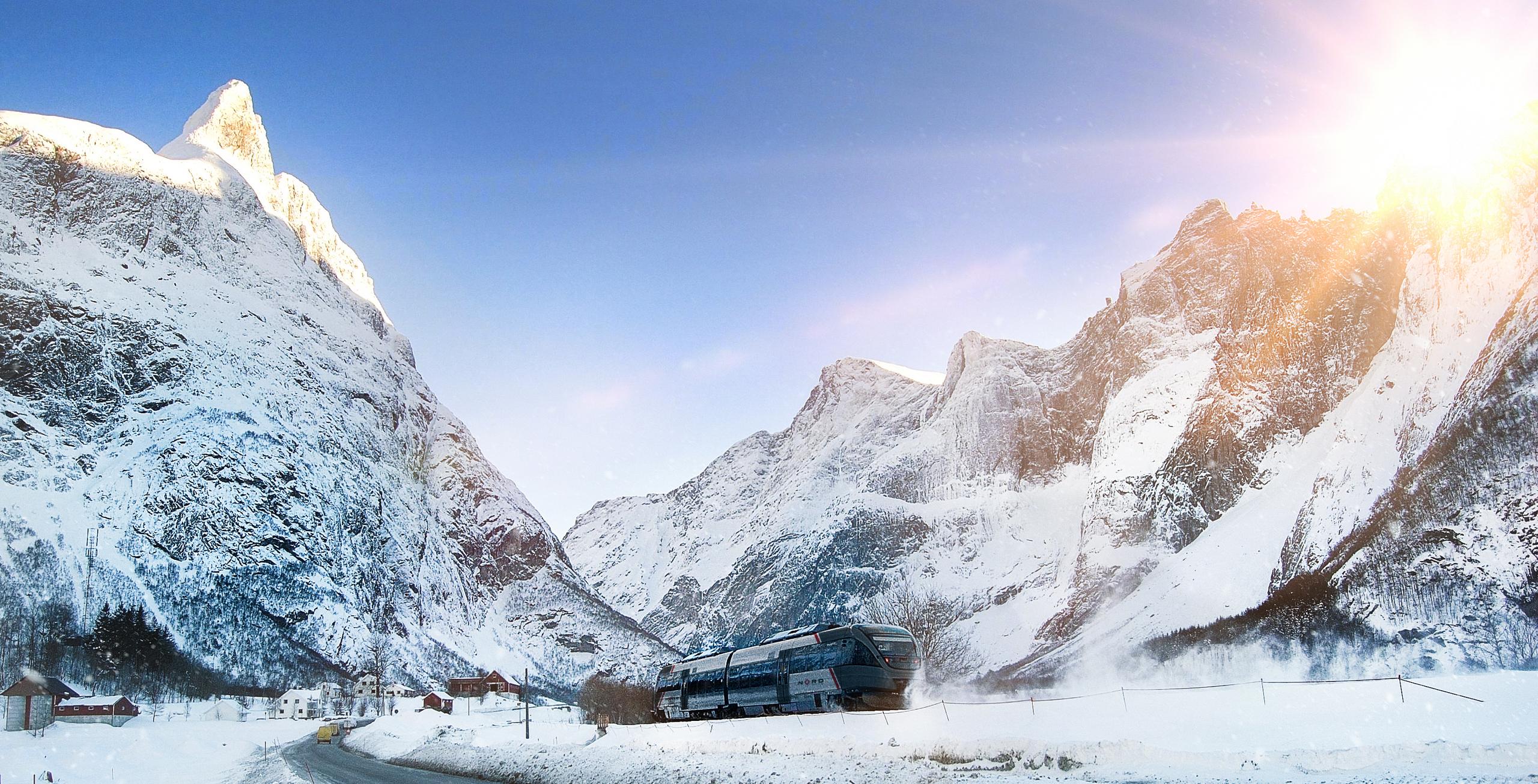
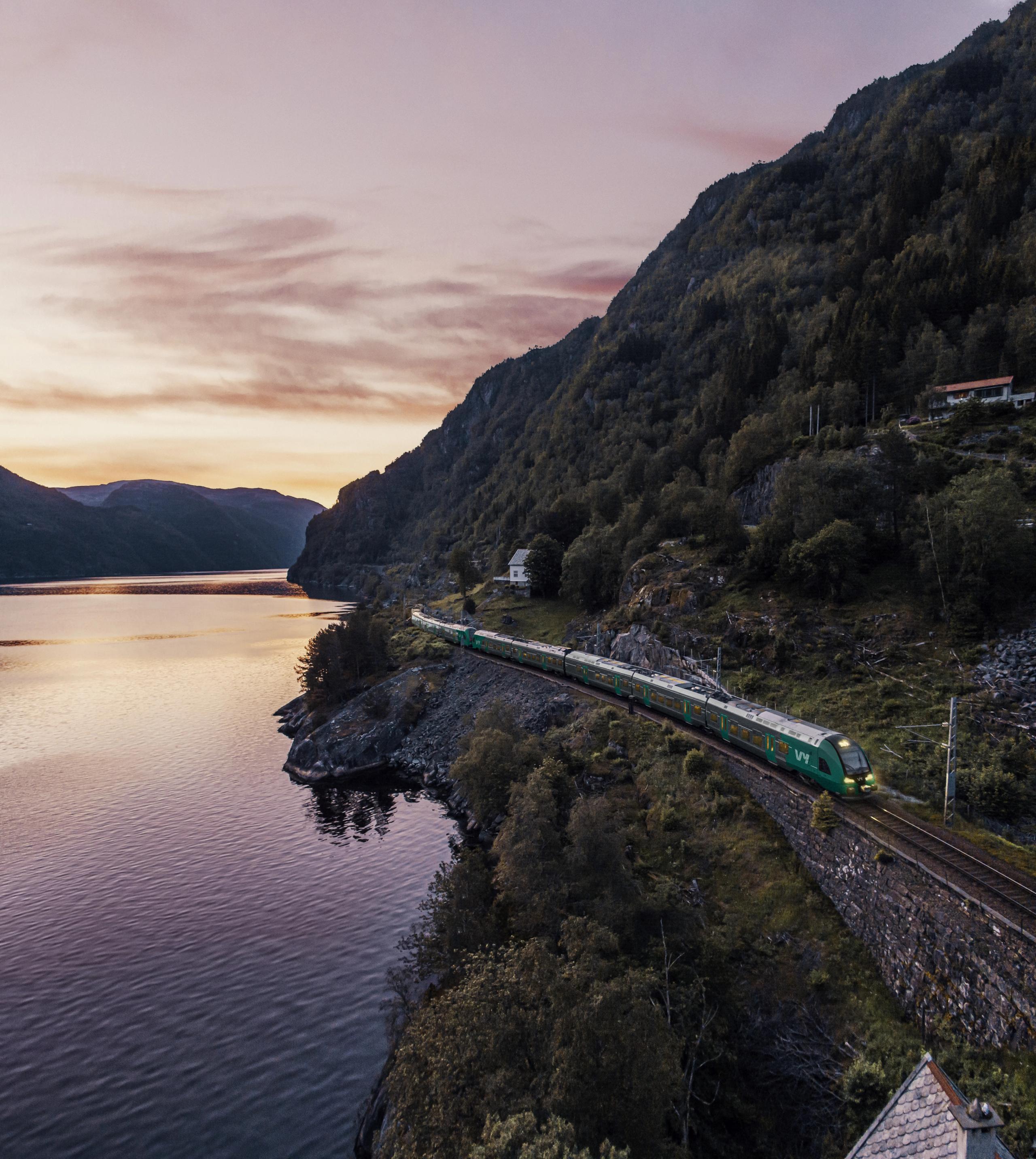
Arriving in Fjord Norway by train is a scenic experience and is often an easy way to access the fjords (except in Northern Norway).
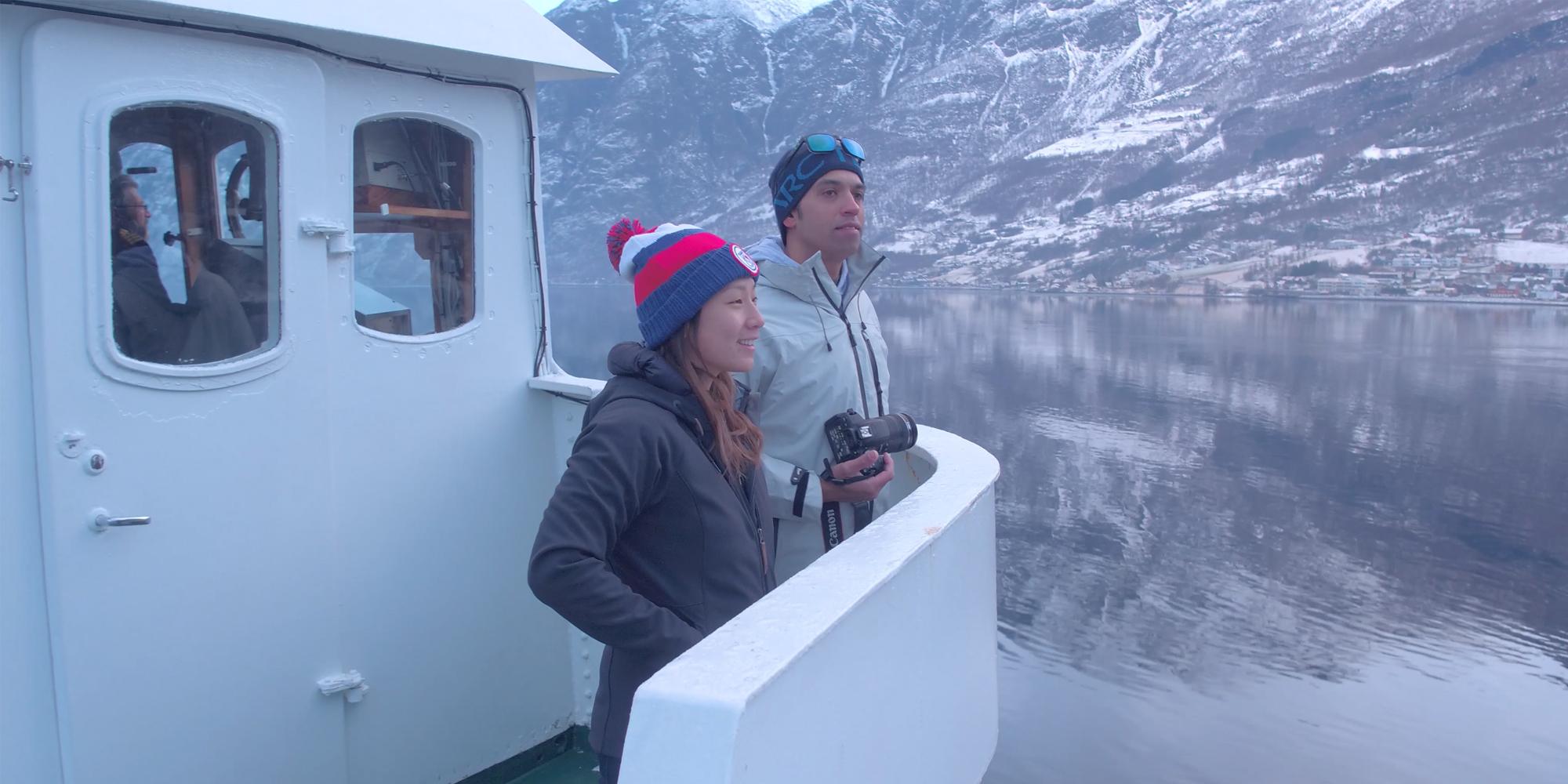
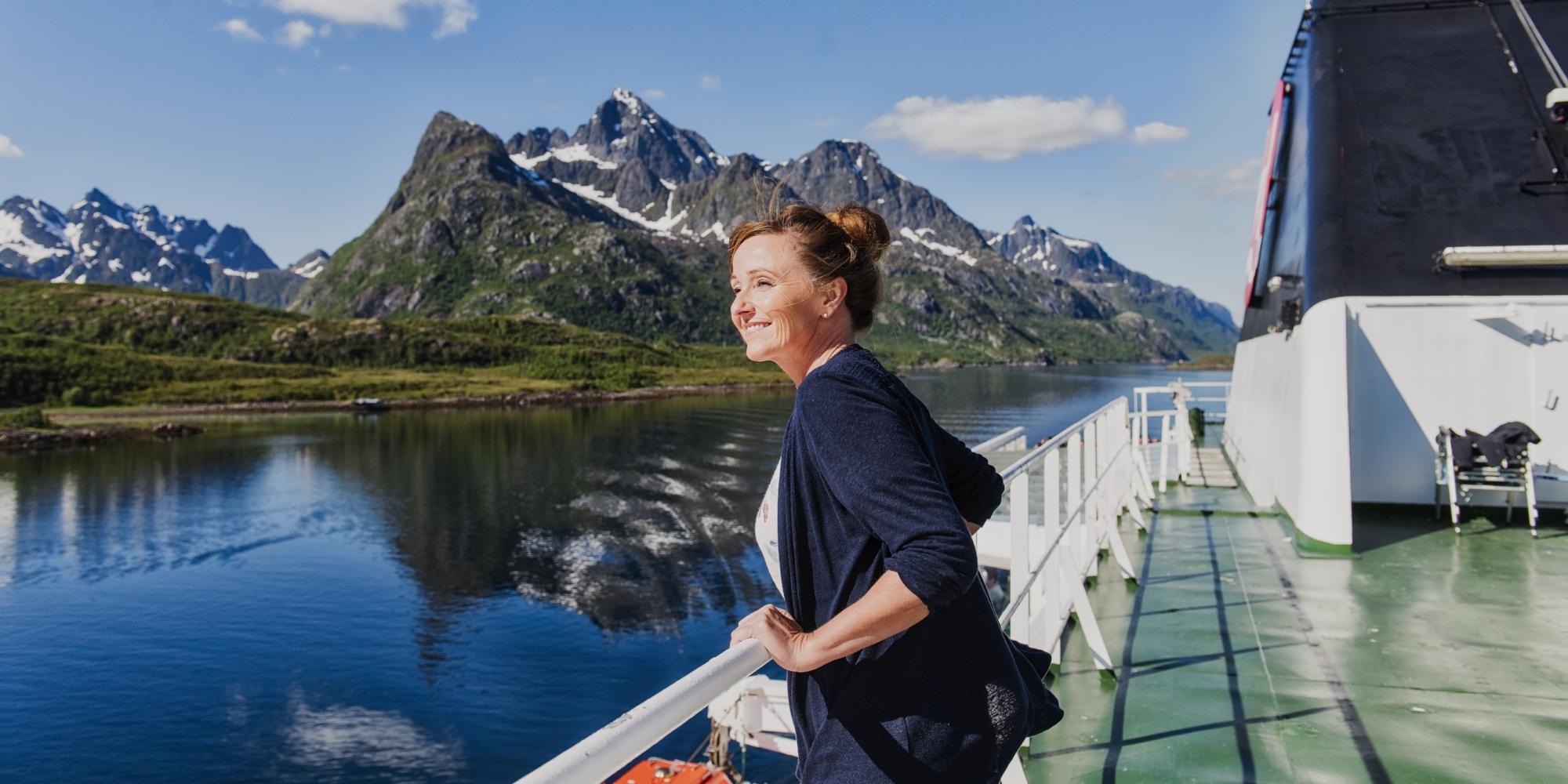
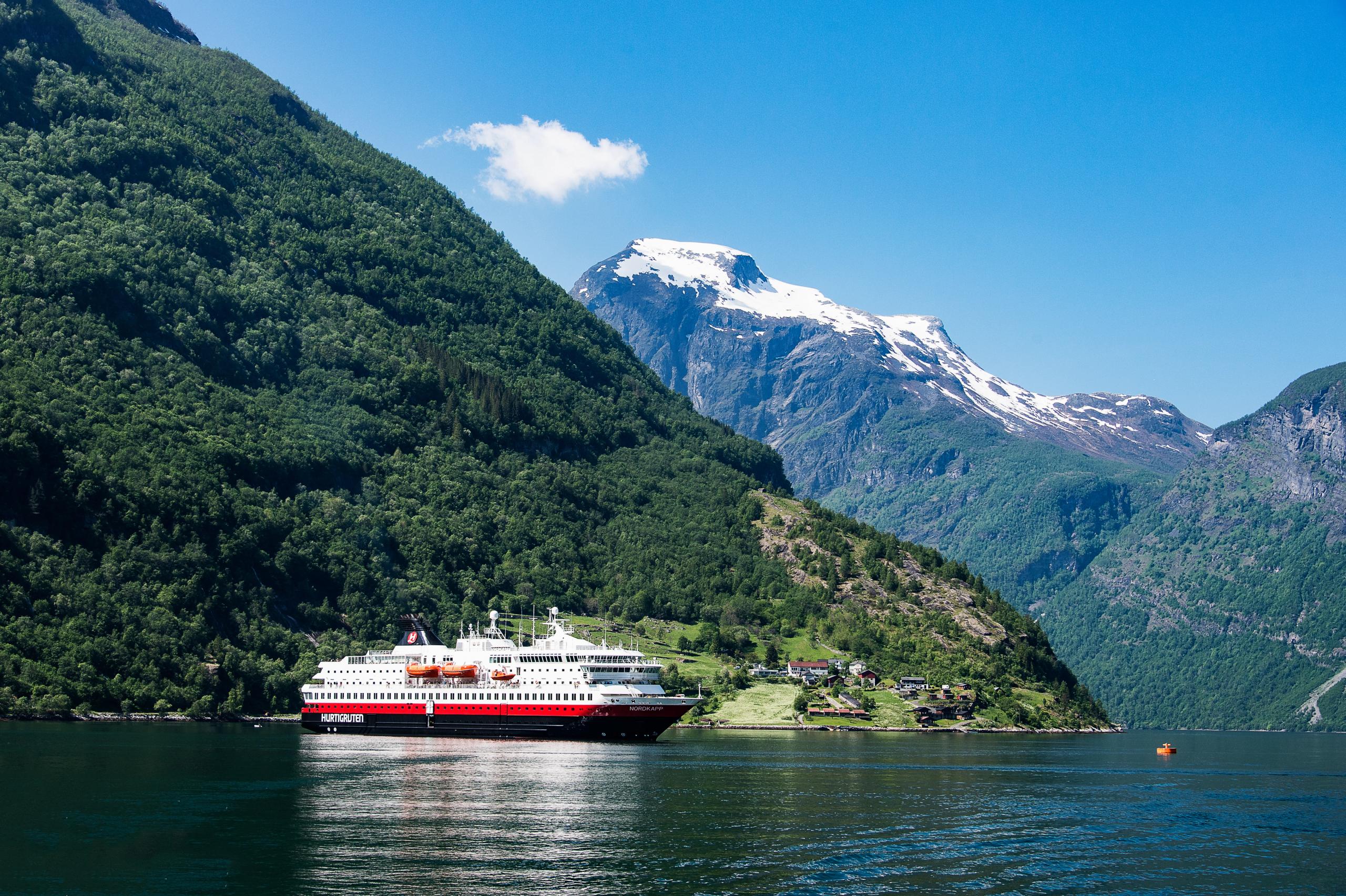
The traditional coastal express Hurtigruten calls at ports all along the coast of Fjord Norway.
Both short and more extensive guided tours are offered at most cities and places, and are effective and rewarding ways to explore the landscapes.
Electric driven ferries and other ferry services operate all year round.
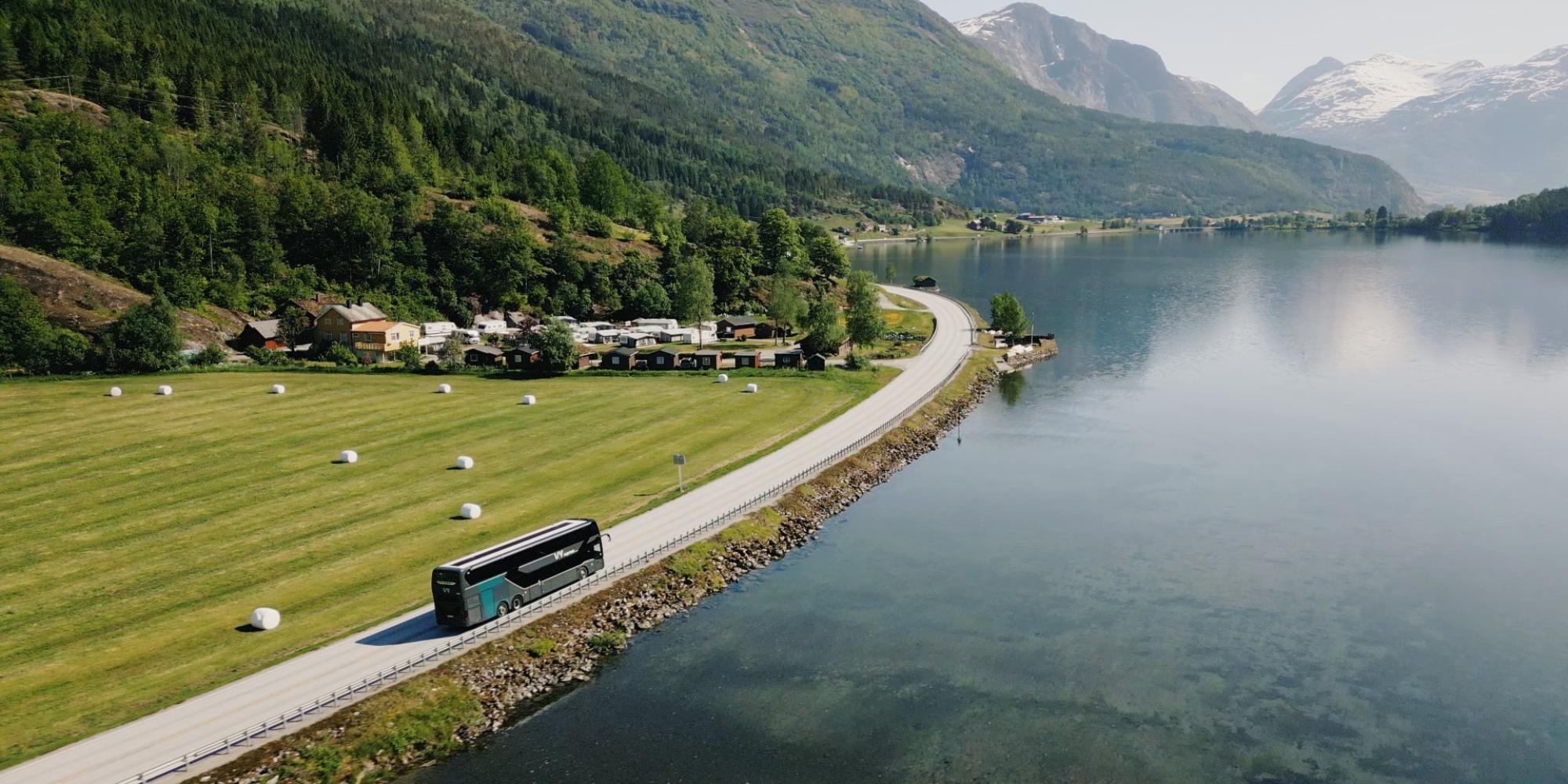
Tunnels and bridges tie Fjord Norway together and make travels by bus, caravans and cars easy.
Some bigger cities have national and international airport connections.
Arriving in Fjord Norway by train is a scenic experience and is often an easy way to access the fjords (except in Northern Norway).
The traditional coastal express Hurtigruten calls at ports all along the coast of Fjord Norway.
Both short and more extensive guided tours are offered at most cities and places, and are effective and rewarding ways to explore the landscapes.
Electric driven ferries and other ferry services operate all year round.
Tunnels and bridges tie Fjord Norway together and make travels by bus, caravans and cars easy.
Some bigger cities have national and international airport connections.
See Norway’s longest, deepest and most famous fjords.
Thursday, 29th March - first Tour for the season 2018. Classic way to experience the Geirangerfjord UNESCO…
MoreThursday, 29th March - first Tour for the season 2018. Classic way to experience the Geirangerfjord UNESCO…
Join in a fjord cruise and experience one of the most beautiful and popular fjord areas in Norway, the UNESCO…
MoreJoin in a fjord cruise and experience one of the most beautiful and popular fjord areas in Norway, the UNESCO…
Experience a journey through a landscape with views of majestic mountains, roaring waterfalls and idyllic…
MoreExperience a journey through a landscape with views of majestic mountains, roaring waterfalls and idyllic…
RIB rafting on the fjords. We are lucky enough to have 2 high speed rib rafts at our disposal. They give us a…
MoreRIB rafting on the fjords. We are lucky enough to have 2 high speed rib rafts at our disposal. They give us a…
The Geirangerfjord is a 15-kilometre-long branch of Storfjord, and is inscribed on UNESCO's World Heritage…
MoreThe Geirangerfjord is a 15-kilometre-long branch of Storfjord, and is inscribed on UNESCO's World Heritage…
Activity provider: Fjord Tours. The heights and highlights of Lysefjord and Western Norway—all in one day!…
MoreActivity provider: Fjord Tours. The heights and highlights of Lysefjord and Western Norway—all in one day!…
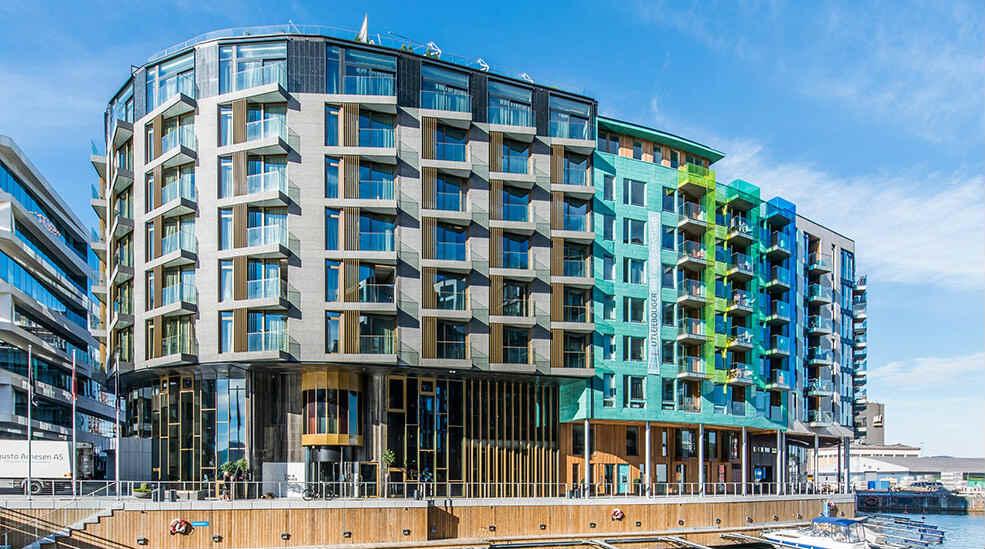
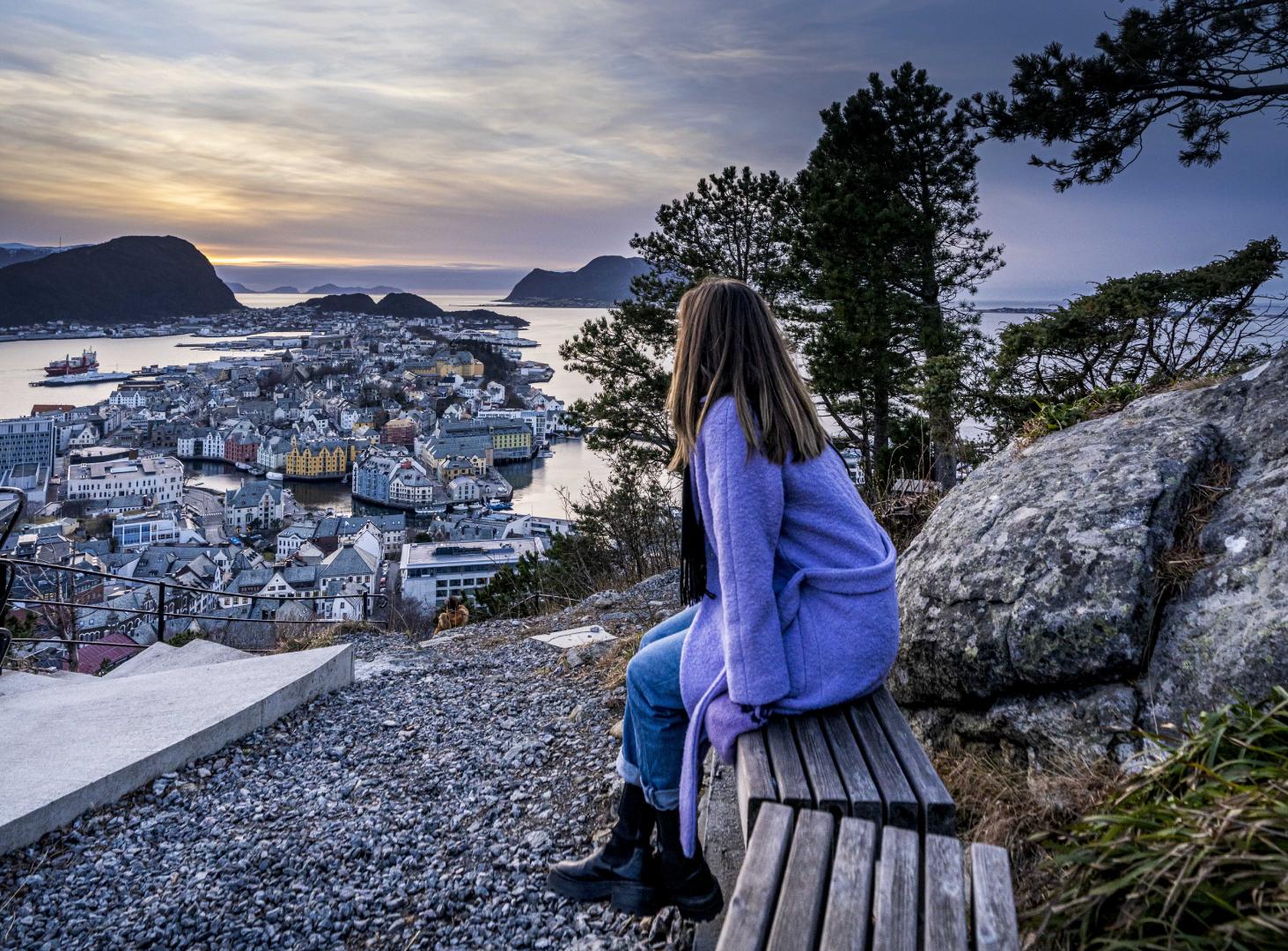
Where magnificent architecture meets the fjord landscape – Ålesund has wild Viking ancestry, an abundance of succulent seafood and jaw-dropping vistas.
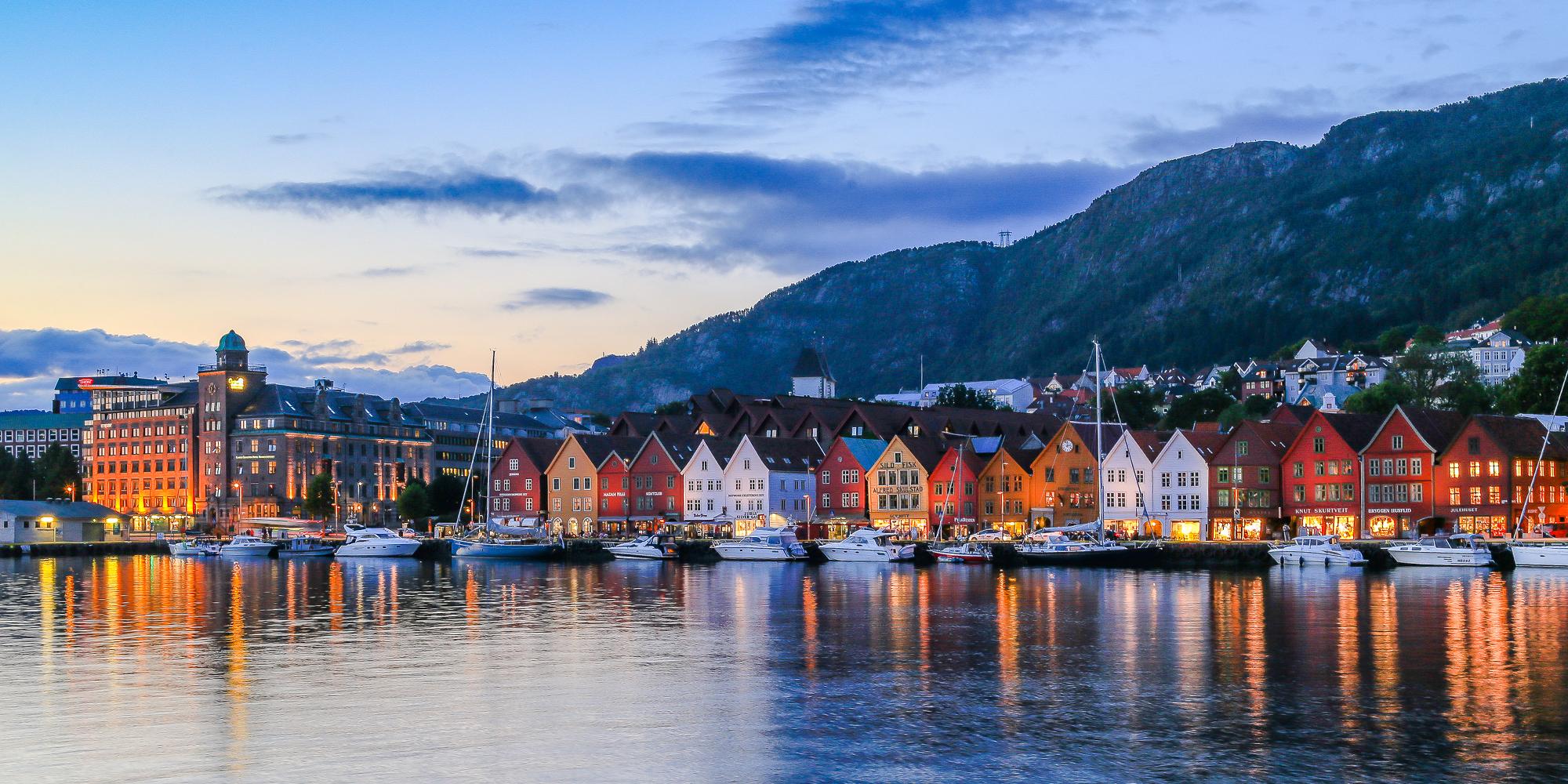
Bryggen, the old wharf of Bergen, has been a place of trade for a thousand years. But now the wares have changed.
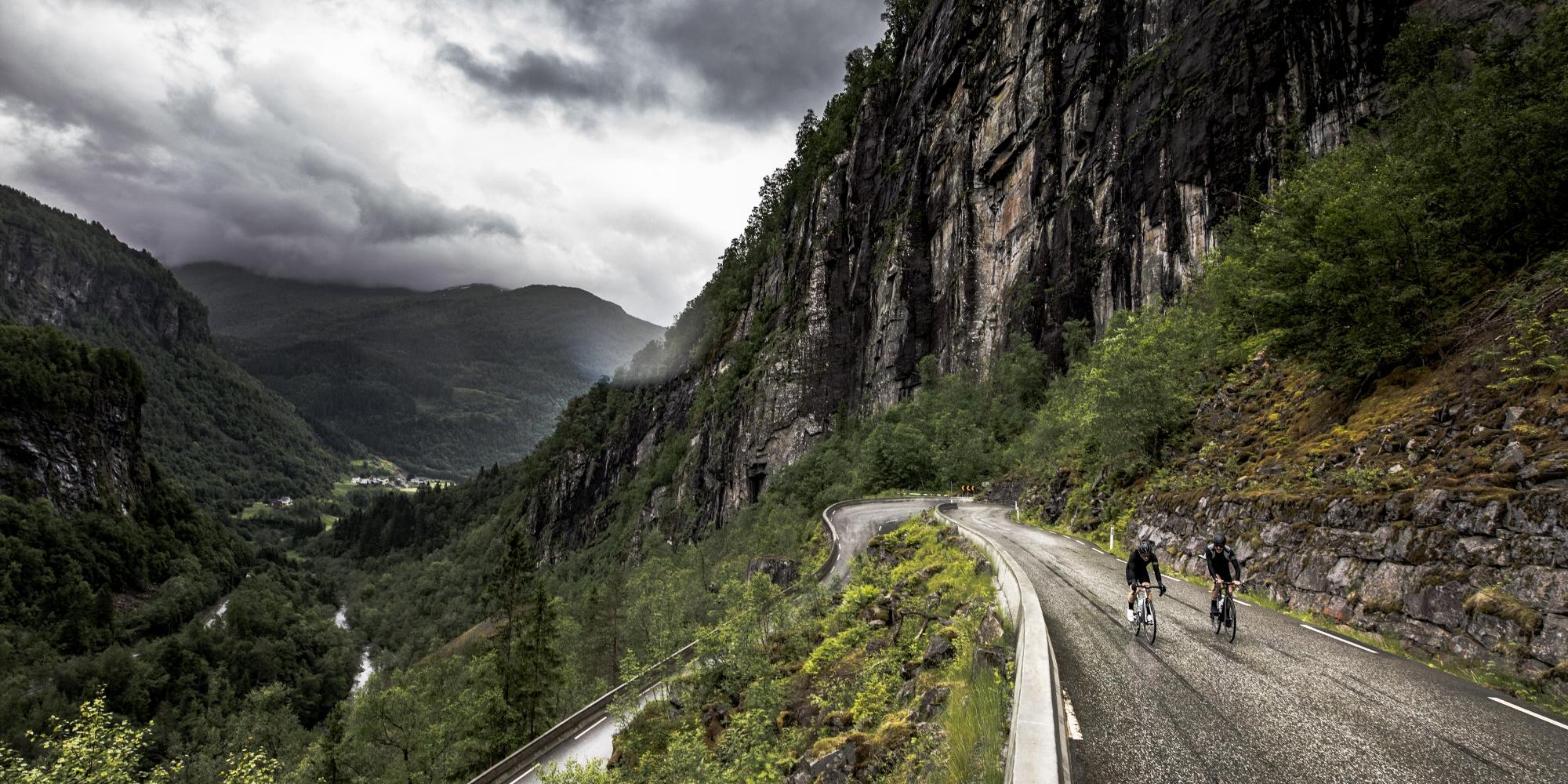
A group of dedicated Danish amateur bikers found a new road cycling paradise in the steep, winding mountain roads of Fjord Norway.
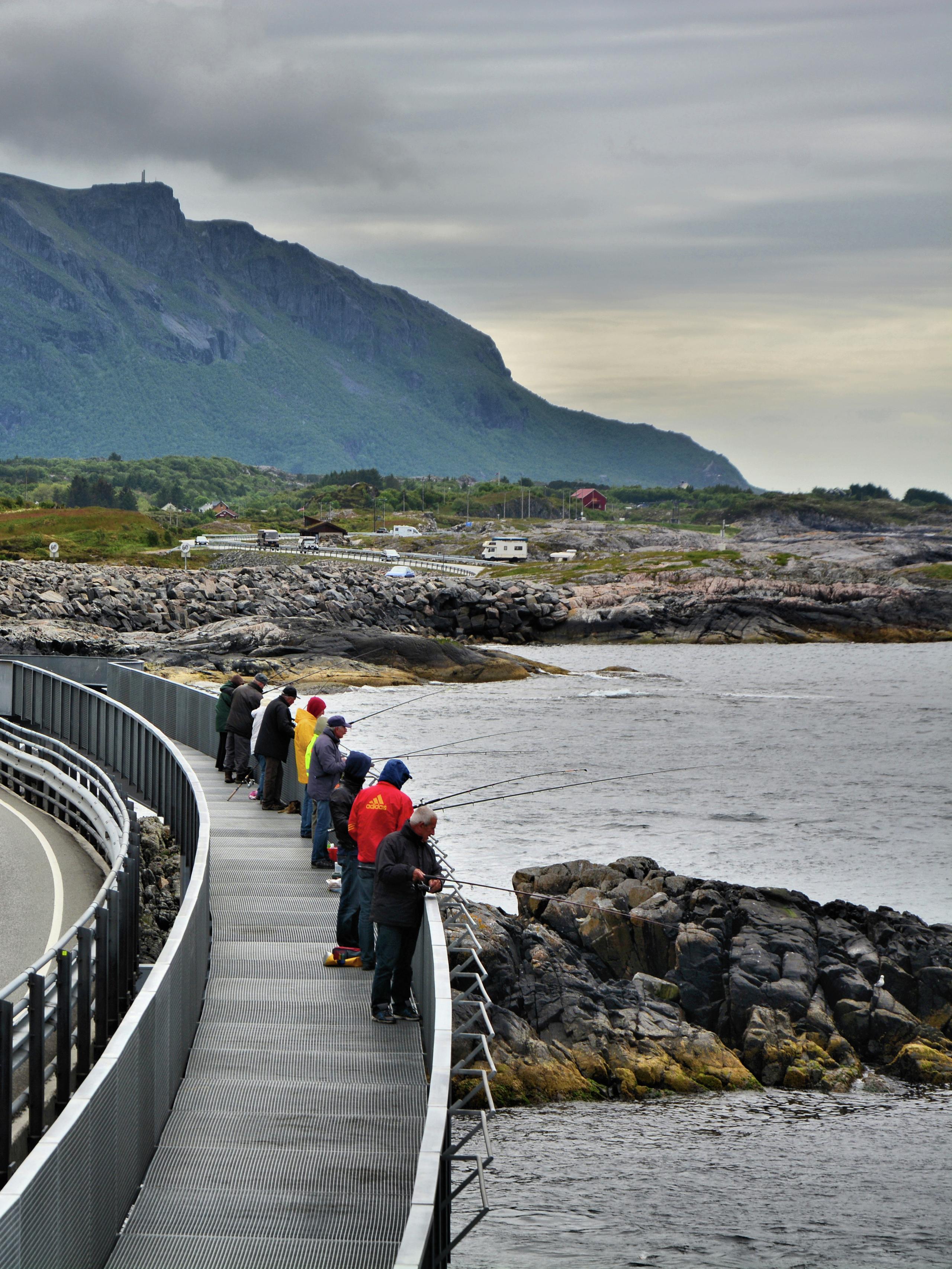
The Atlantic Road is beautiful and dramatic. But if you take a closer look, it has more to offer than just the amazing scenery.
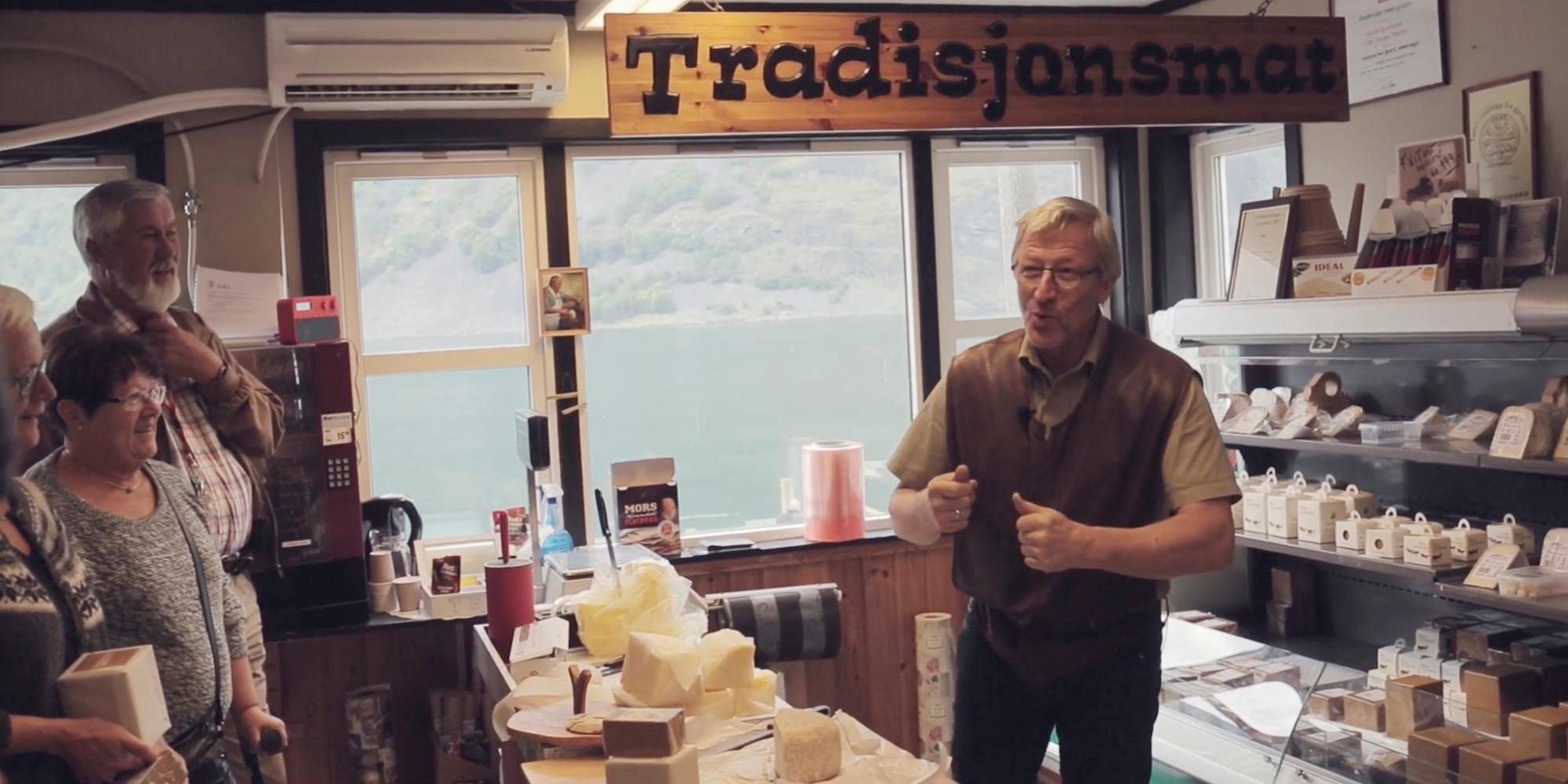
Over the past 30 years, Nærøyfjord and Undredal got roads and a lot more tourists. Other than that, things are more or less like they’ve always been.
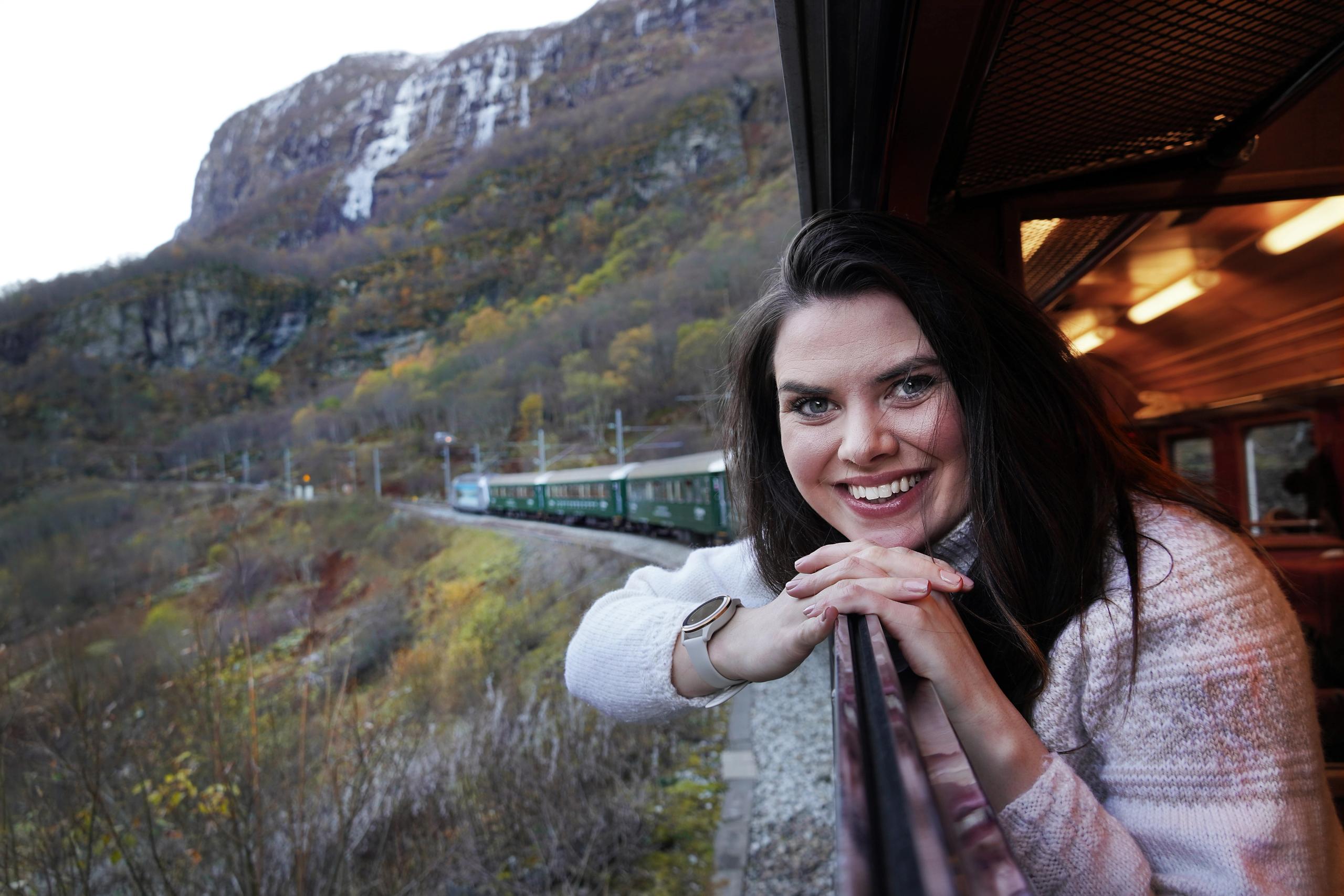
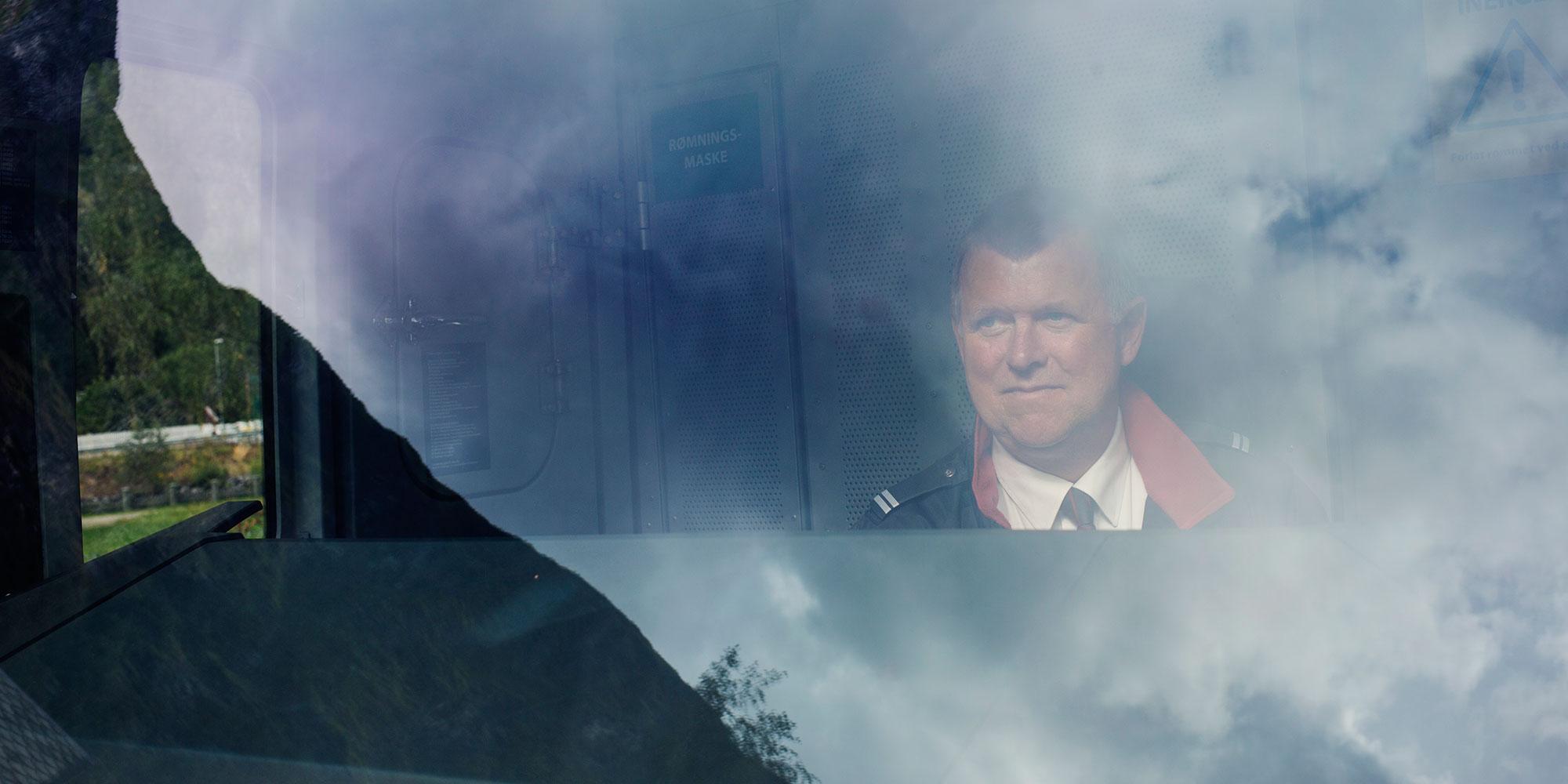
We joined the train driver and crew at work on the beautiful Flåm Railway.
There is only one way up to the peak of the mountain pass, and it’s as steep and winding as is gets. Part of these driving enthusiasts’ thrill is to see how their grand tourers stand the test. Join us for the yearly Gentlemen Drivers Weekend (GDW).
Where magnificent architecture meets the fjord landscape – Ålesund has wild Viking ancestry, an abundance of succulent seafood and jaw-dropping vistas.
Bryggen, the old wharf of Bergen, has been a place of trade for a thousand years. But now the wares have changed.
A group of dedicated Danish amateur bikers found a new road cycling paradise in the steep, winding mountain roads of Fjord Norway.
The Atlantic Road is beautiful and dramatic. But if you take a closer look, it has more to offer than just the amazing scenery.
Over the past 30 years, Nærøyfjord and Undredal got roads and a lot more tourists. Other than that, things are more or less like they’ve always been.
We joined the train driver and crew at work on the beautiful Flåm Railway.
There is only one way up to the peak of the mountain pass, and it’s as steep and winding as is gets. Part of these driving enthusiasts’ thrill is to see how their grand tourers stand the test. Join us for the yearly Gentlemen Drivers Weekend (GDW).
Norway is a country of natural beauty, with dramatic waterfalls, crystal clear fjords, and majestic mountains and glaciers. Preserving this landscape and its communities is essential for locals and visitors alike.
There is no need to wait until yo’re here to find out what you’d like to do. Filter your search and check out the offers below.
The glaciers, mountains, and waterfalls are all about raw, sublime power. On the other hand, natural wonders such as the northern lights, the midnight sun, the fjords, and quiet national parks highlight Norway’s serene qualities.
With almost 300 mountain peaks above 2,000 metres and numerous peaks, plateaus, and hills below, the Norwegian mountains can be as challenging as you want them to be.
Get introduced to some of Norway's most photogenic places.
Many people work hard to make your trip safe and sustainable. Meet ten of them and get a peak behind the scenes of everything from glacier hiking and whale safari to the art of local food.
Back to top