In Norway, natural formations are alive with stories – shaping not just the land, but the way Norwegians see their world.
Mythical Norway
Science tells us the Ice Age shaped Norway’s wild landscape.
But you’re not here for that story, are you?
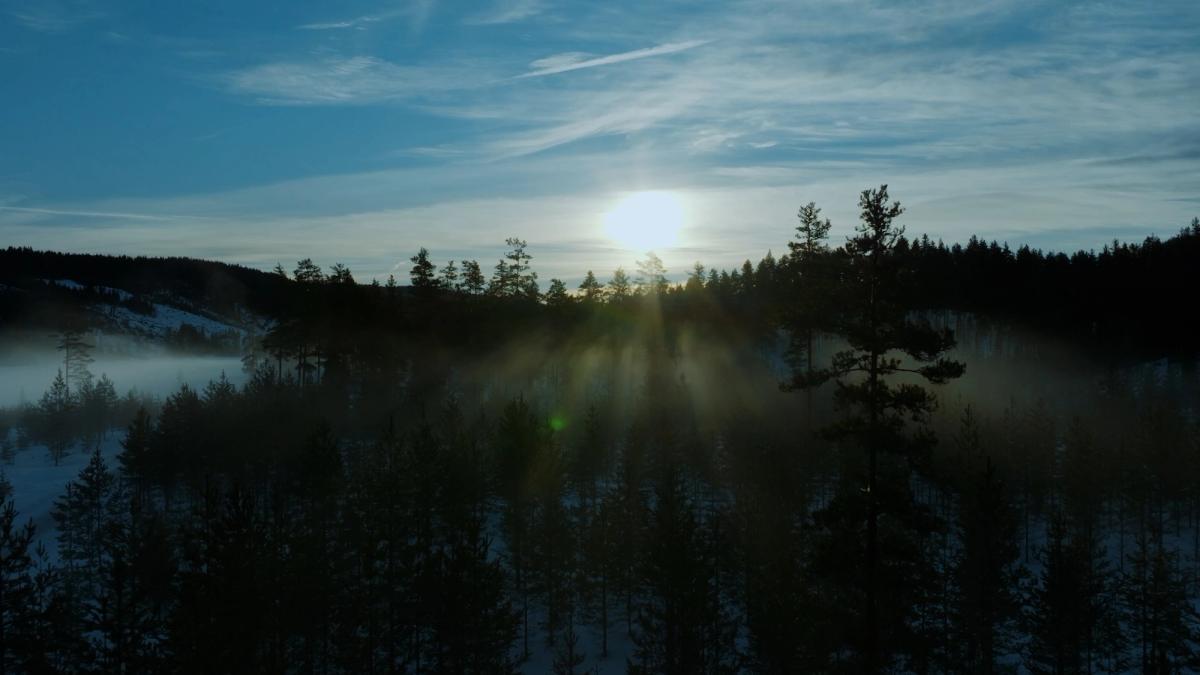
“We are not at all alone here in this forest.”
Merete
Forest keeper
Trolls, spirits, and hidden forest beings – some never left. They linger in the shadows …
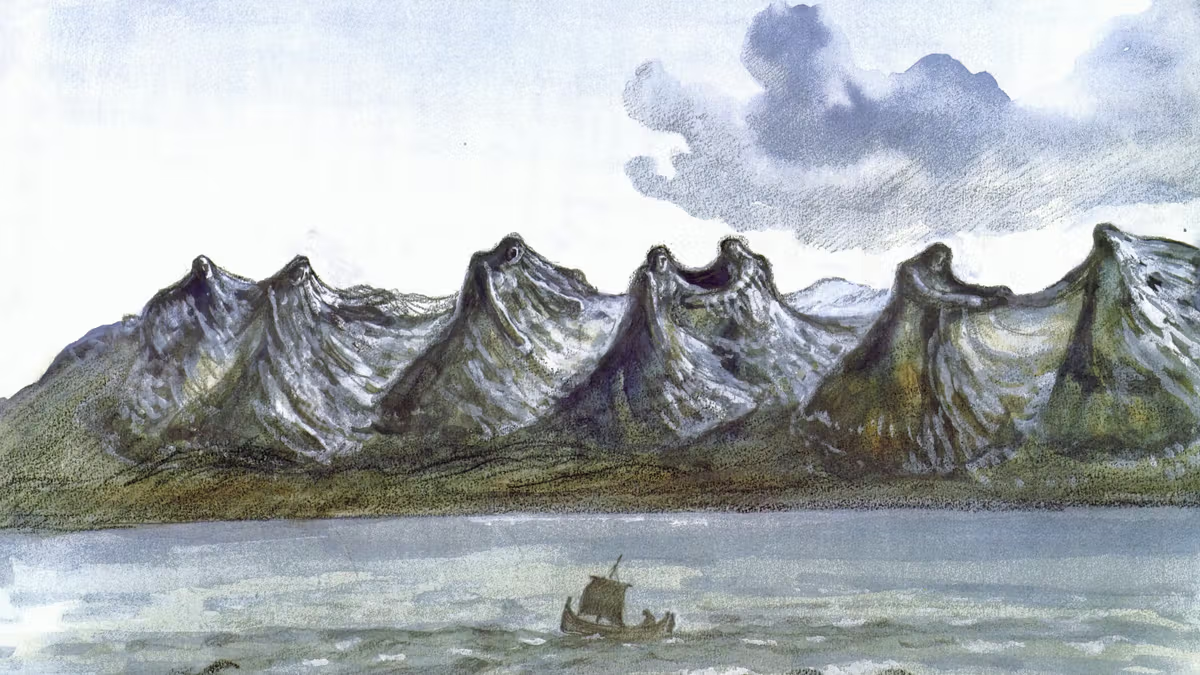
… or turned into stone and became the peaks you see today.
Read about the science of the fjords and mountains
What shaped Norway?
Have you ever wondered why the world looks the way it does? Why mountains rise so sharply, why valleys cut so deep, and fjords wind like veins through the land?
In Norway, the answers to those questions stem from both science and folklore.
Troll faces peek out from rough cliffs, their noses stick out from rocks, and caves gape like open mouths.
A hidden underworld
Stories have been passed down through generations, from village to village.
Tales of sea monsters and forest spirits were told to children – not just as stories, but as cautionary guides, keeping them away from treacherous swamps, deep lakes, and dangerous shores. Myths were used to keep children safe.
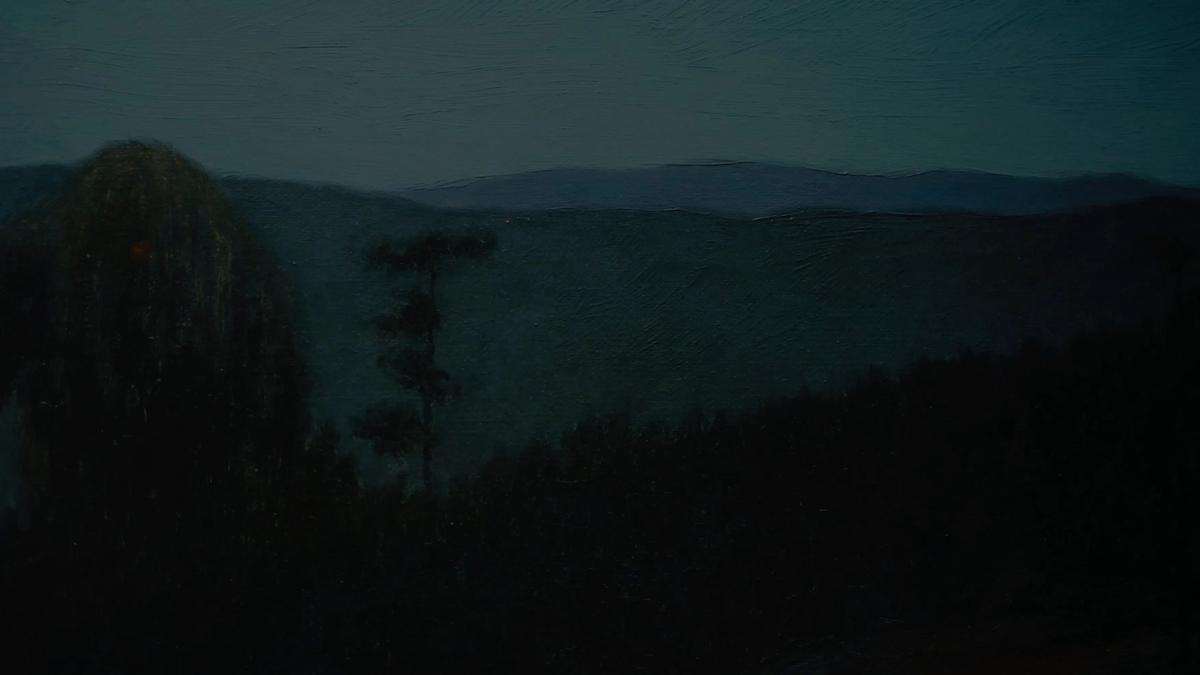
Few captured these mythical stories as vividly as Theodor Kittelsen (1857–1914), one of Norway’s most celebrated artists, forever known as the 'troll painter.'
At the National Museum in Oslo, you can experience some of his enchanting works.
Art from Theodor Kittelsen: The elusive Huldra lures men into the woods – beautiful from the front, yet a dangerous illusion, for behind she hides a hollow back and a cow’s tail that reveals her true nature. Those who follow her risk never returning. Draugen, a ghostly figure, rises from the sea to warn of storms, while Nøkken, a shape-shifting water spirit, lures people to the lakes with haunting fiddle music. And if you listen quietly beneath a waterfall, you may hear Fossegrimen playing on his harp.
Norwegian tales
Scroll down and uncover five hidden tales about Norway’s most iconic landscapes – from north to south.
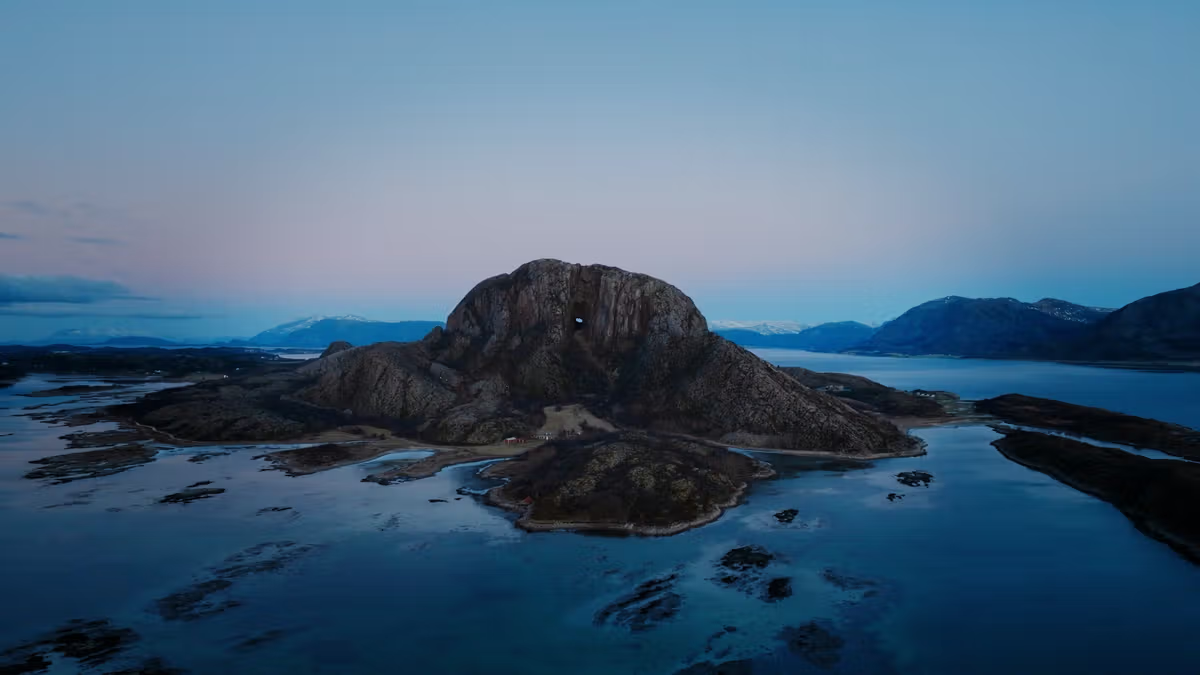
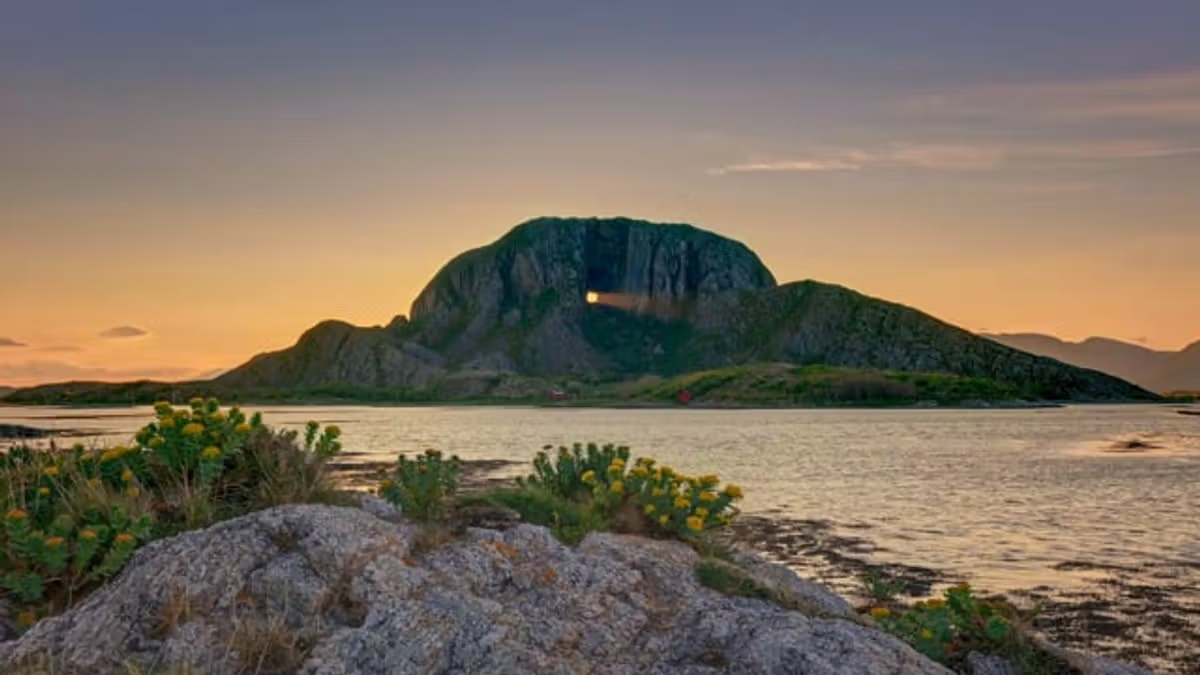
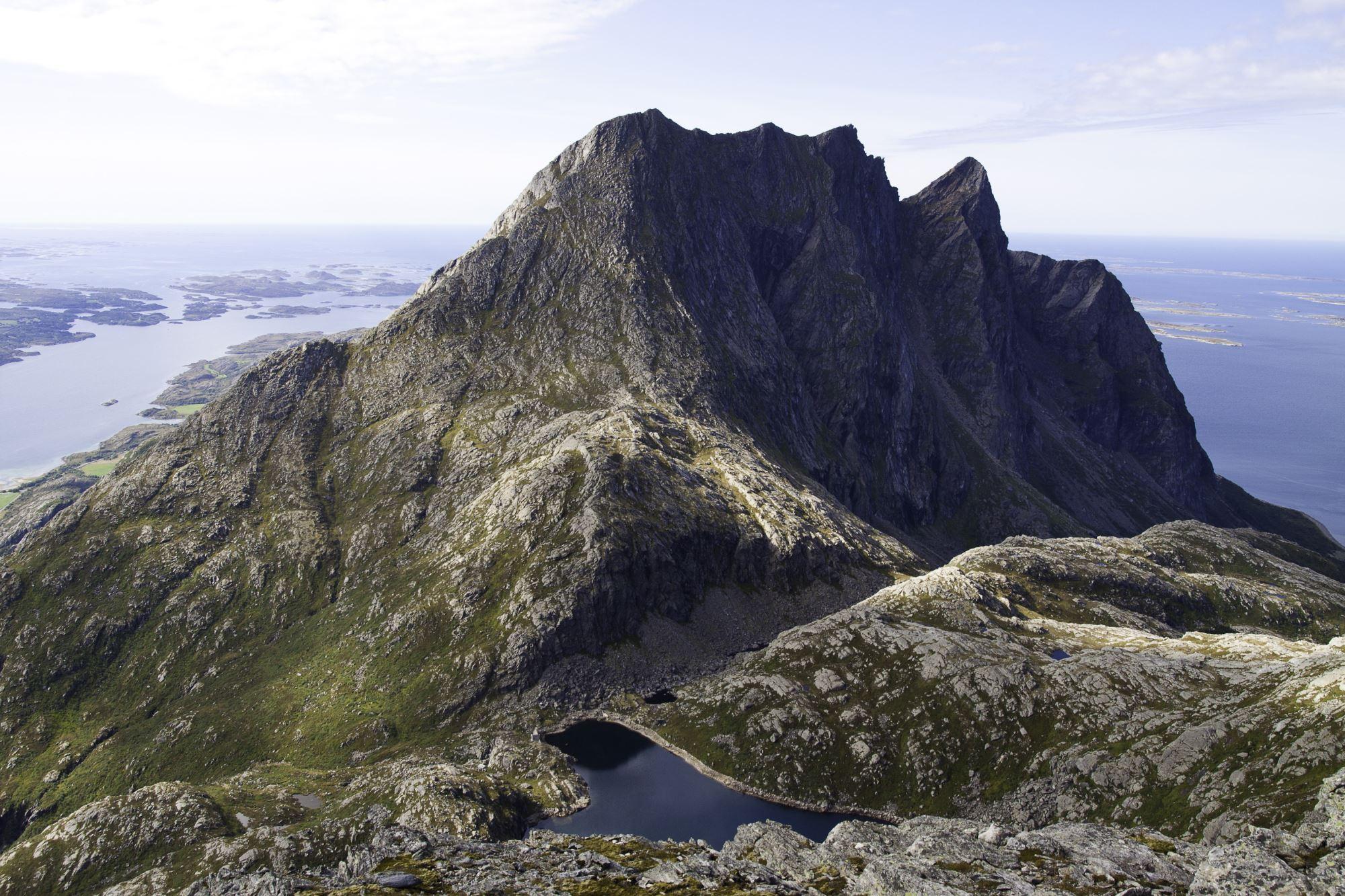
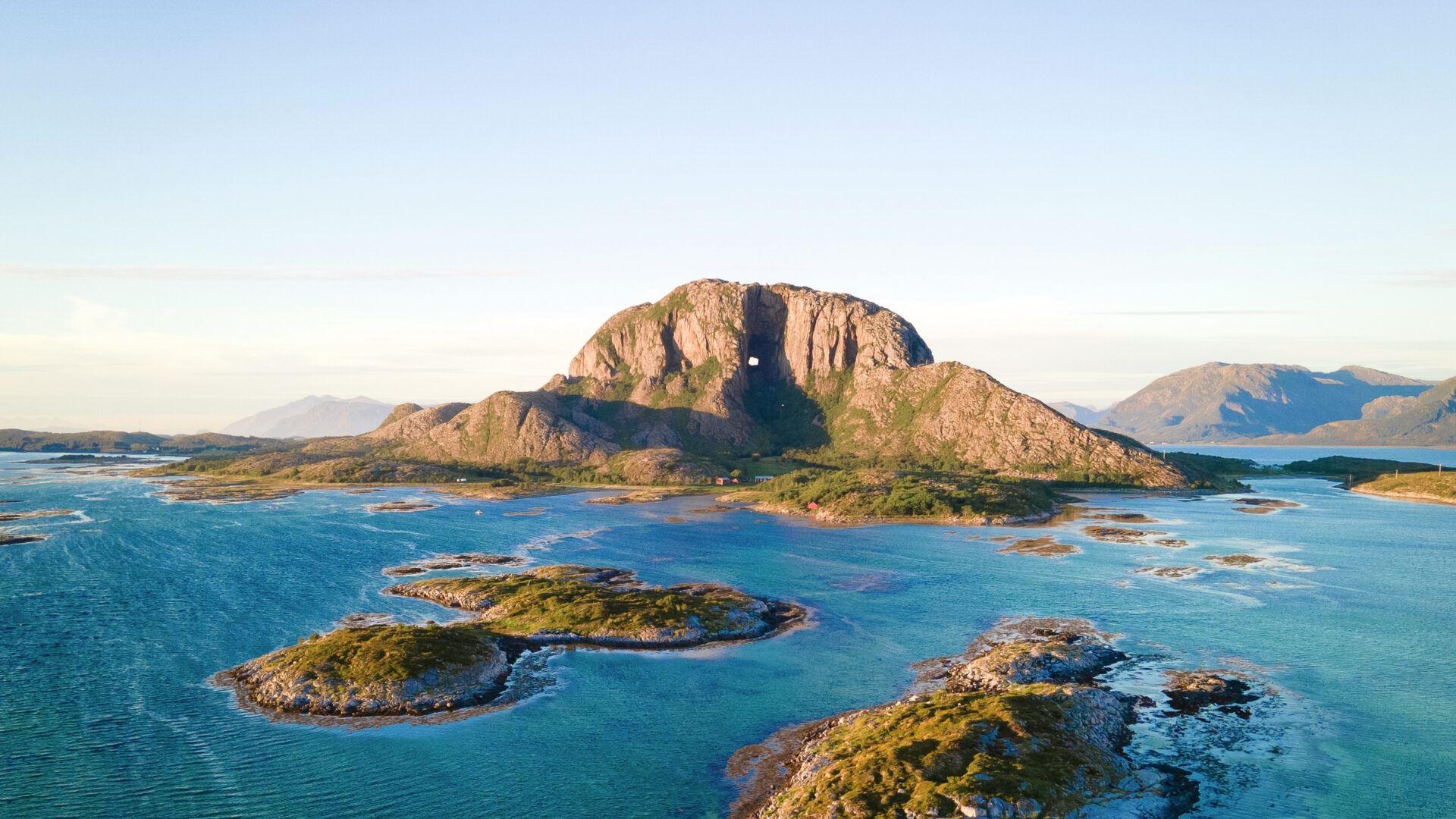
Off the Helgeland coast, Torghatten rises like a great dome, pierced by a giant hole straight through its middle.
According to legend, this was no work of nature.
Torghatten – the mountain with a hole
The iconic Torghatten, rising on the island of Torget near Brønnøysund in Nordland, is famed for its natural tunnel – 160 metres long, 35 metres high, and up to 20 metres wide.
Carved during the Scandinavian Ice Age, Torghatten’s tunnel also lives in local legend: a jealous troll shot an arrow at a fleeing maiden, but her protector, the troll Sømna, threw his hat into its path. The arrow pierced the hat, and as it fell into the sea the sun rose, turning them all to stone and shaping the mountain landscape as we see it today.
Walking through Torghatten’s tunnel feels like stepping into a moment frozen in time. A path takes you up to the opening in about 25–30 minutes – but please be cautious along the way.
The legend of Torghatten is part of the larger saga of how the Helgeland mountains were formed. Today, you can experience these legendary mountains for yourself: Dønnamannen, Hestmannen, Lekamøya and Vågakallen in Lofoten.
Watch the video and hear the saga of Torghatten
Jutulhogget – the giant's gorge
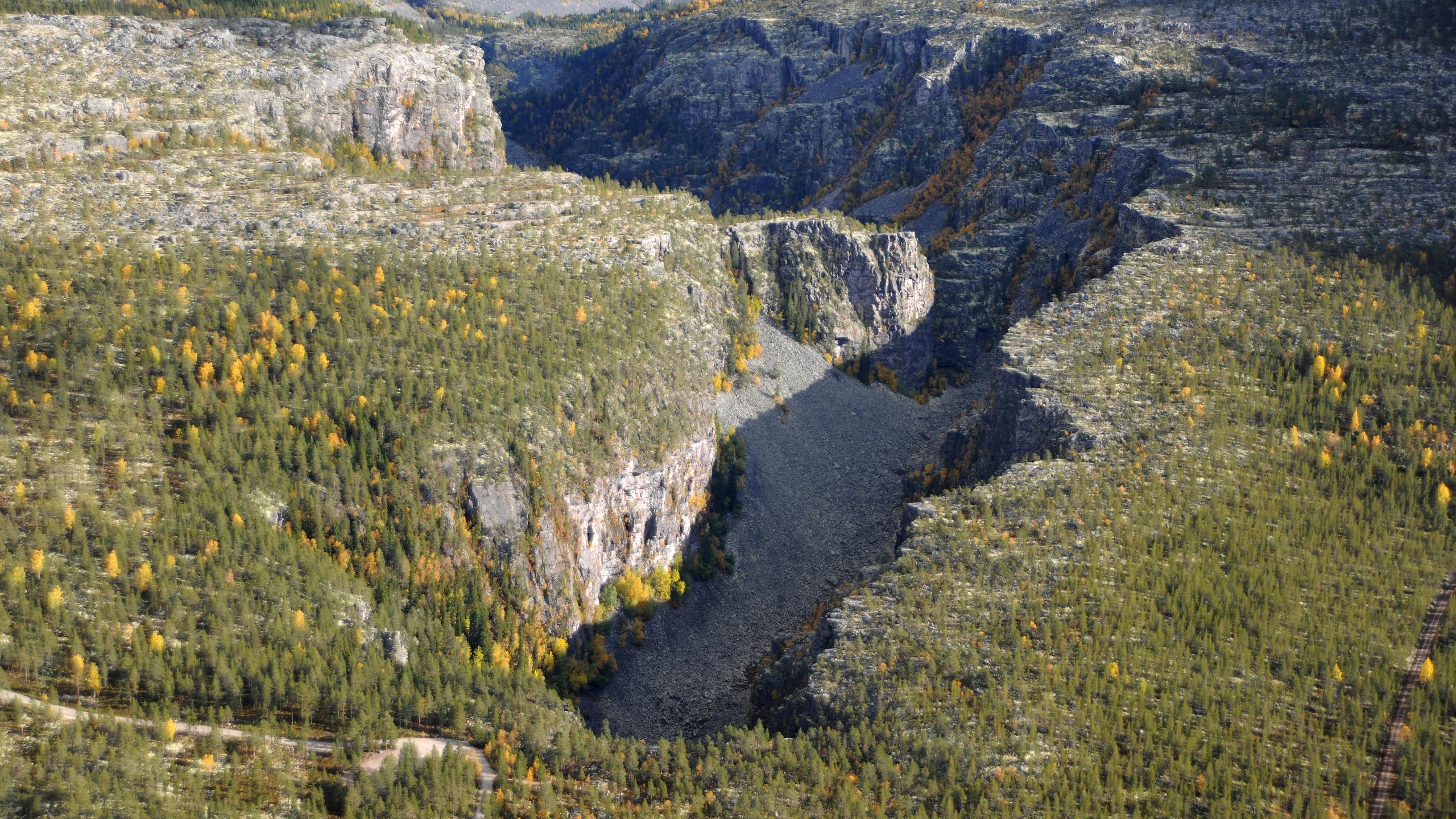
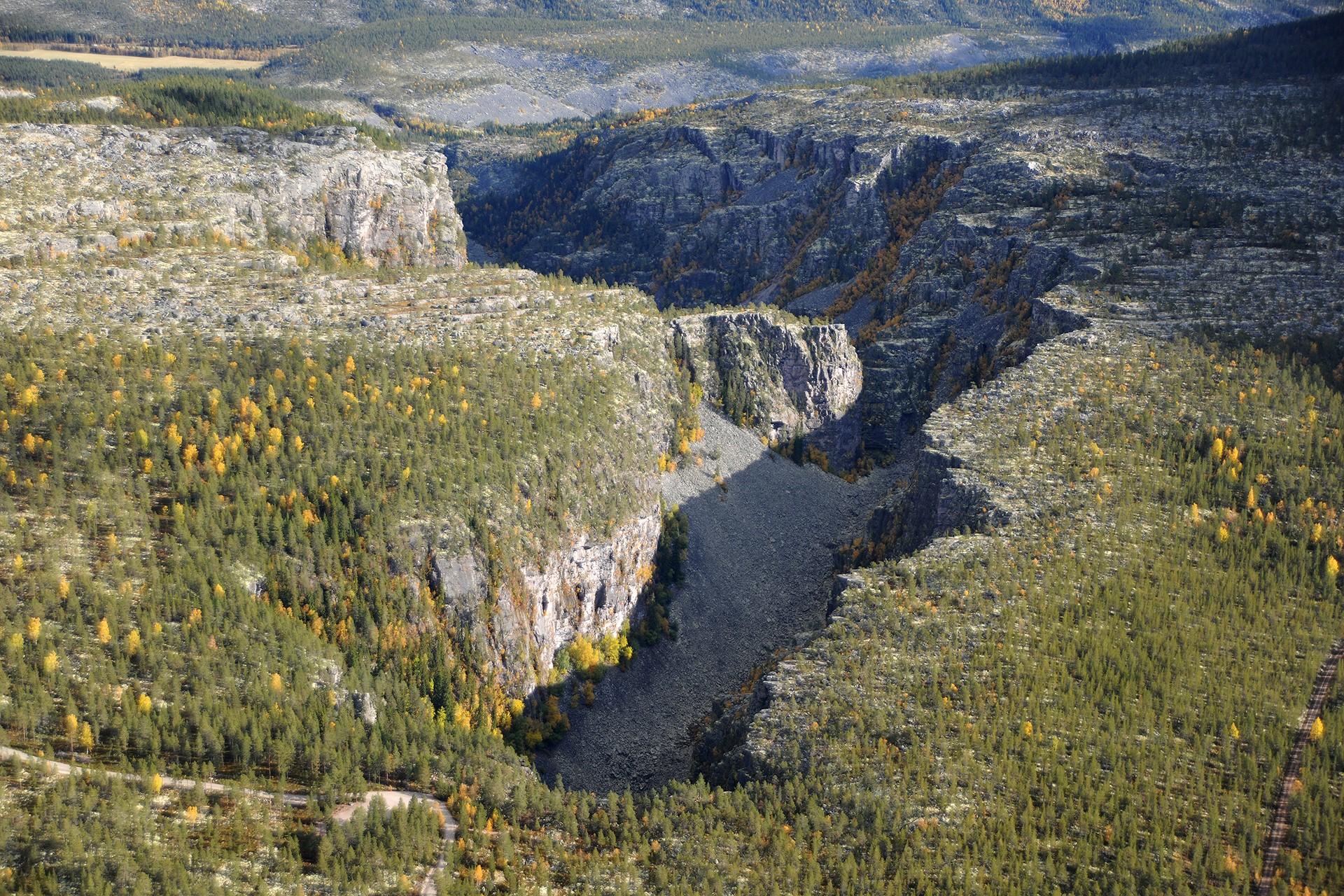
In Østerdalen, the dramatic ravine of Jutulhogget cuts across the landscape like a scar. This is one of Northern Europe’s largest canyons, carved during the last Ice Age 10,000 years ago, and it's listed as one of 100 geosites by the International Union of Geological Sciences. Its cliffs and slopes host a unique plant life, with species found nowhere else in the mountain region.
Folklore says the ravine was not carved by ice or water, but by the wrath of a “jutul” (giant) from the mountains. Angered by his rival in Rendalen, the giant hacked at the land to drain his neighbor’s lake. The myth truly adds a wild, timeless grandeur that you can still feel when standing on the edge of the ravine.
Enjoy the view from above, or experience it up close by descending the precipitous path – be careful not to dislodge any rocks!
… was it a giant jutul who made this?
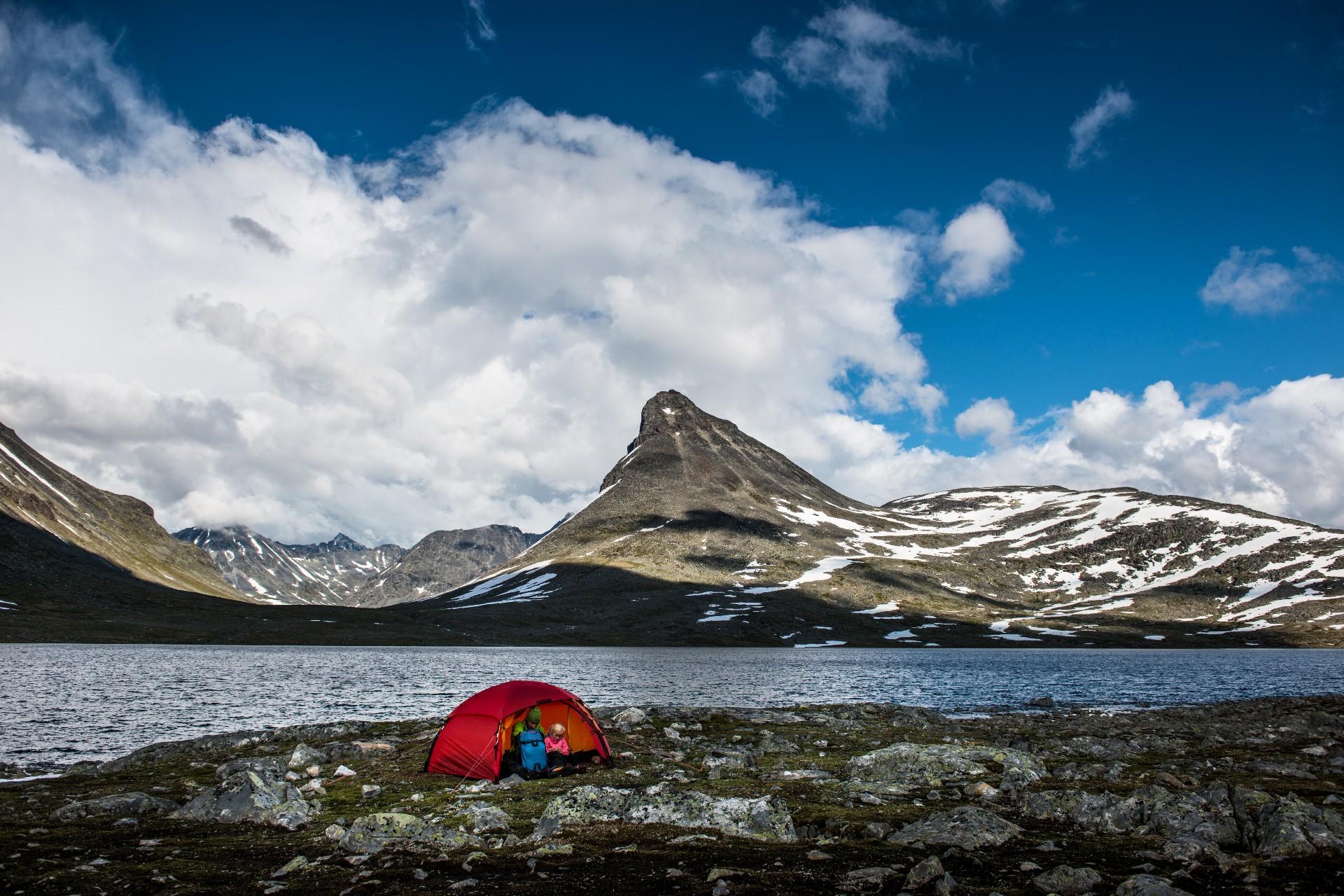
Jotunheimen – realm of the giants
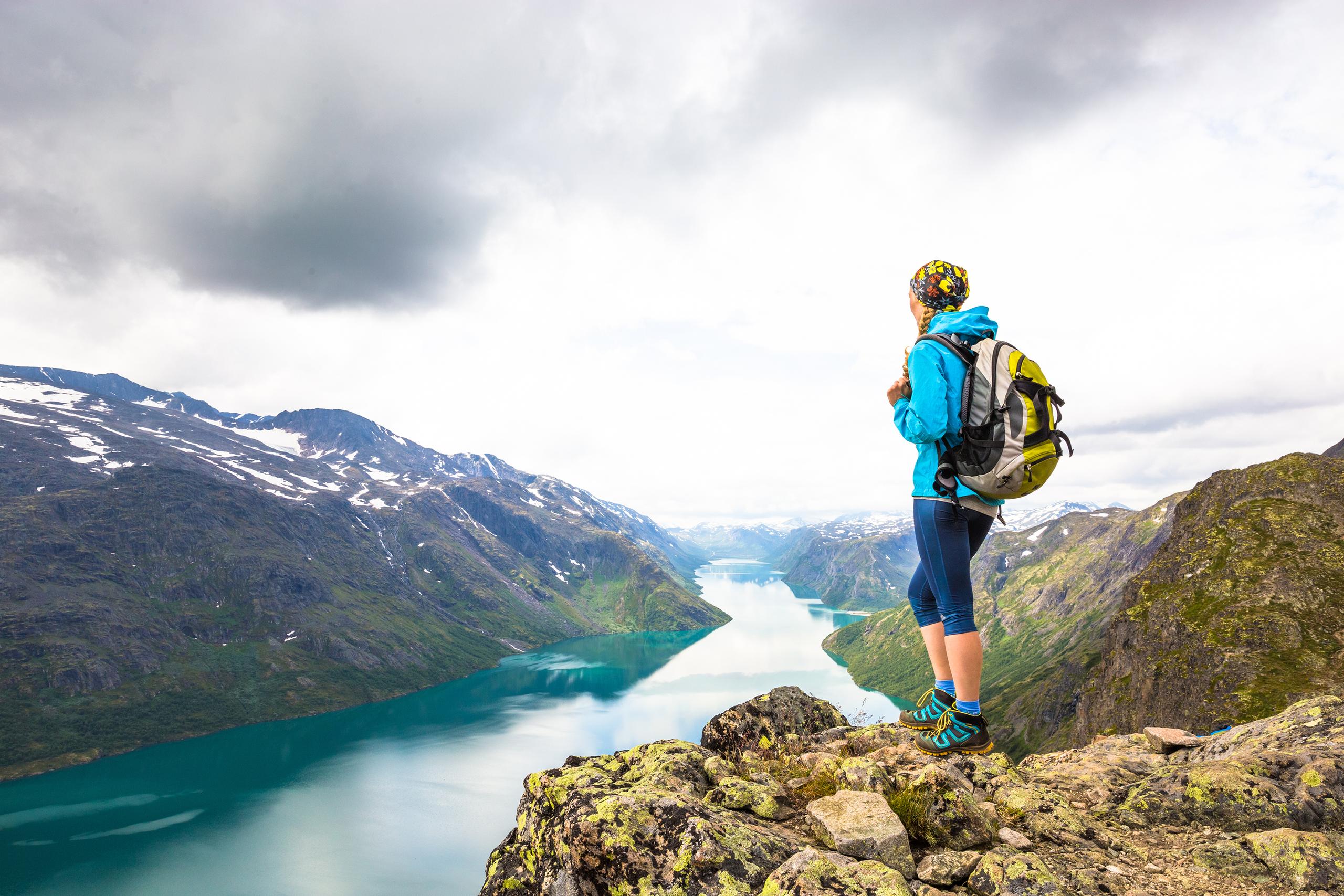
In Norse mythology, Jotunheimr was the home of the "jotner", formidable frost giants who opposed the gods, often associated with nature’s raw forces like ice, storms, and mountains.
Today, the Jotunheimen mountain range is a national park with sharp peaks, glacier valleys, and the highest mountain in Northern Europe, Galdhøpiggen. Hiking here, surrounded by vast silence and stone, it’s easy to understand why the ancients imagined giants striding across this land.
Explore Jotunheimen and prepare to become spellbound!
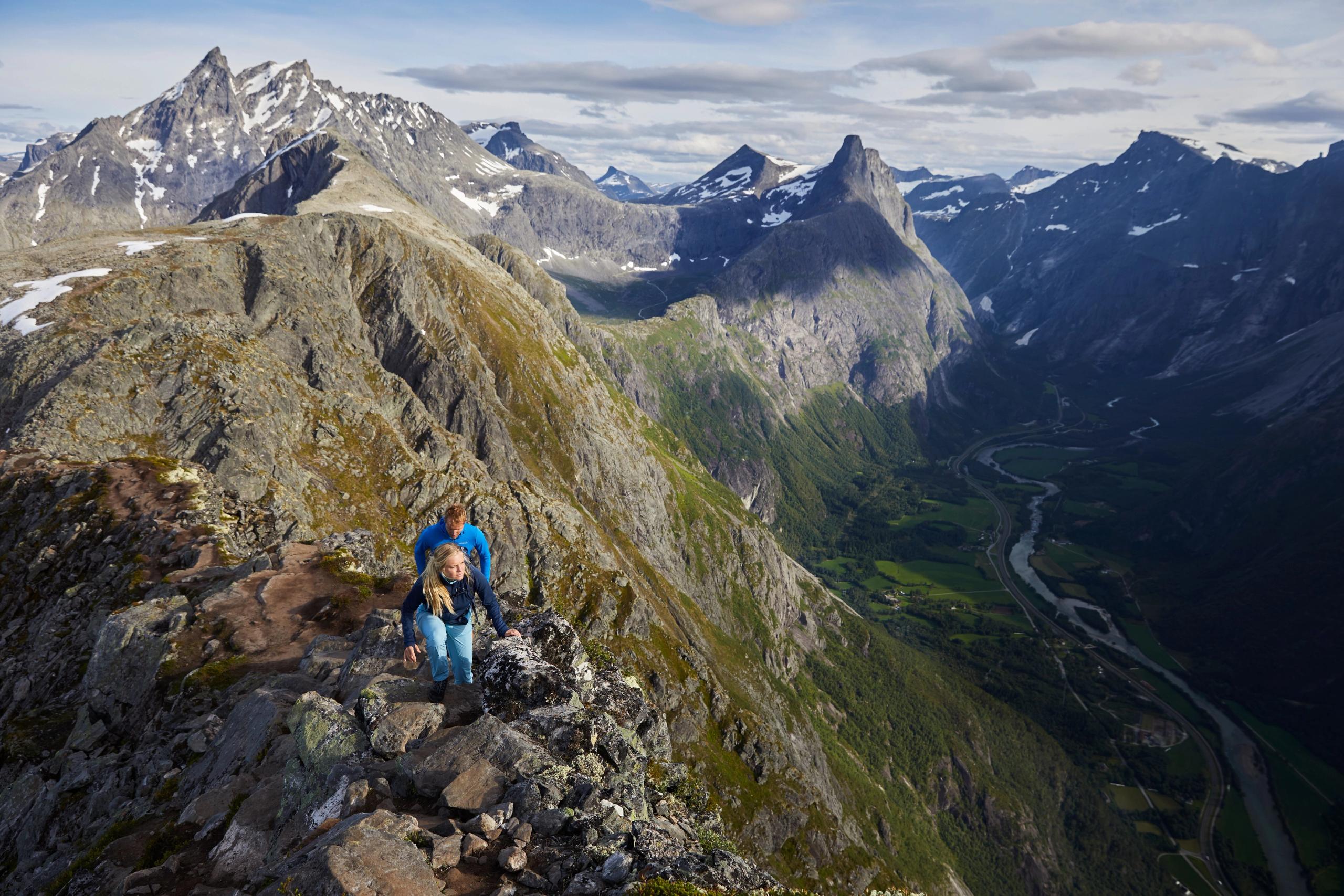
Trollheimen – home of the trolls
Trollheimen, “The Home of Trolls”, is a mountain area in Central Norway where jagged peaks rise above green valleys and clear rivers. The name comes from old tales of trolls – giant beings who roamed the Norwegian mountains and forests. But trolls ventured out only under the cover of night, for there was one thing they truly feared: sunlight.
Should they linger when the first rays of dawn touched the land, they would be frozen forever, turned to stone. Have you dared look closely enough to see one?
Troll Etiquette
1. Respect the forest 🌲
Tread lightly – trees, rocks, and streams are home to trolls, huldra, and other hidden spirits. Disturb them, and mischief may follow!
2. Keep your voice down🎶
Sing, laugh, or speak softly. Loud, rude behavior can anger trolls and forest spirits.
3. Stay on the path 🥾
Wanderers who stray too far risk getting lost – or being led astray by a mischievous huldra.
4. Leave no trace 🌿
Take your trash with you. Trolls frown on litter in their mountains, forests, and fjords.
5. Be curious, not greedy 👀
Admire nature and mythical sites, but don’t take rocks, plants, or treasures – they belong to the land (and maybe the trolls!).
6. Respect wildlife 🦌
Observe animals from a distance. Hunting, feeding, or chasing them can anger their hidden guardians.
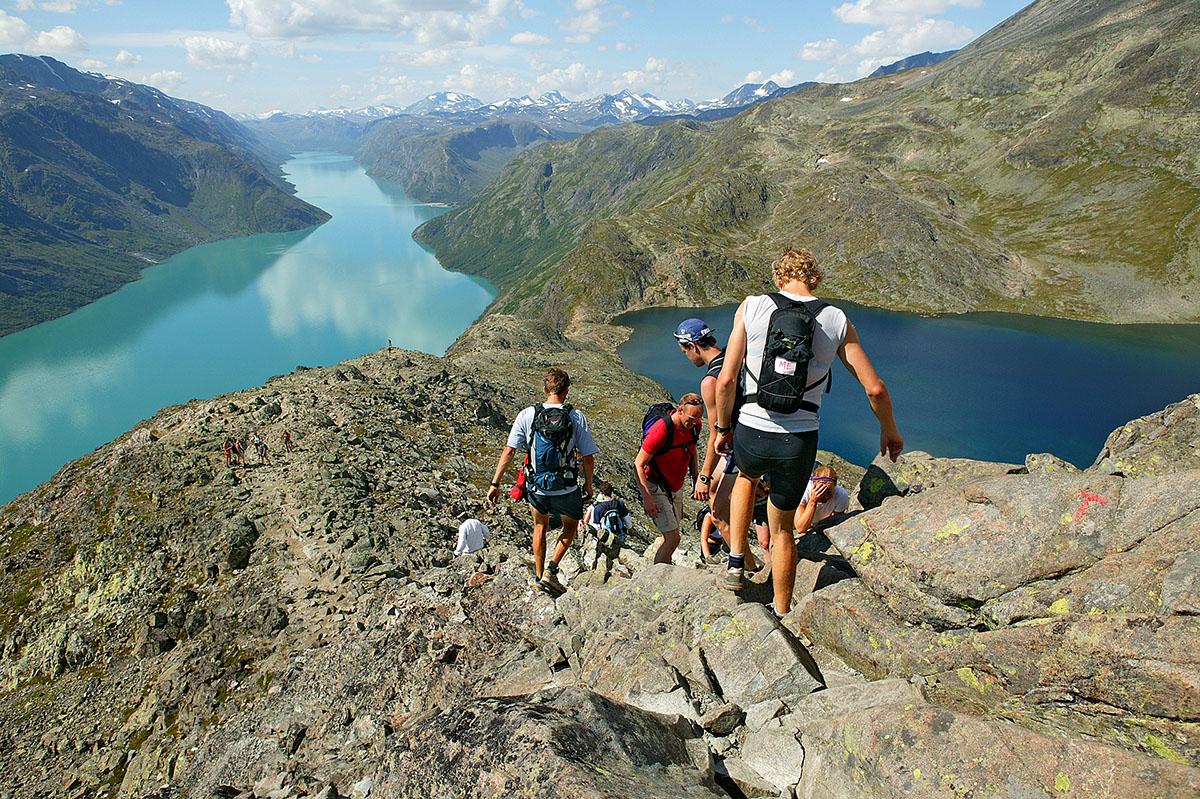
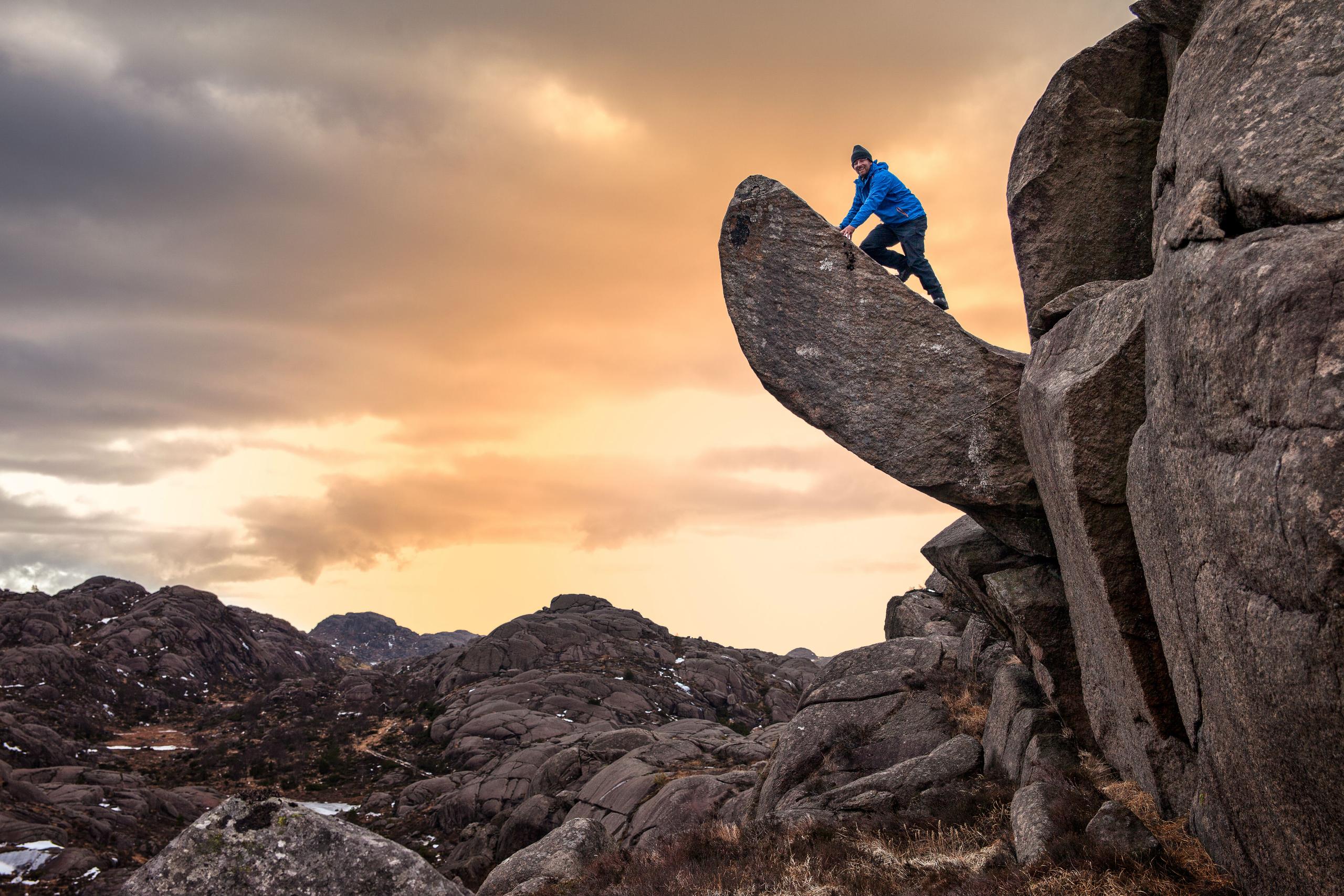
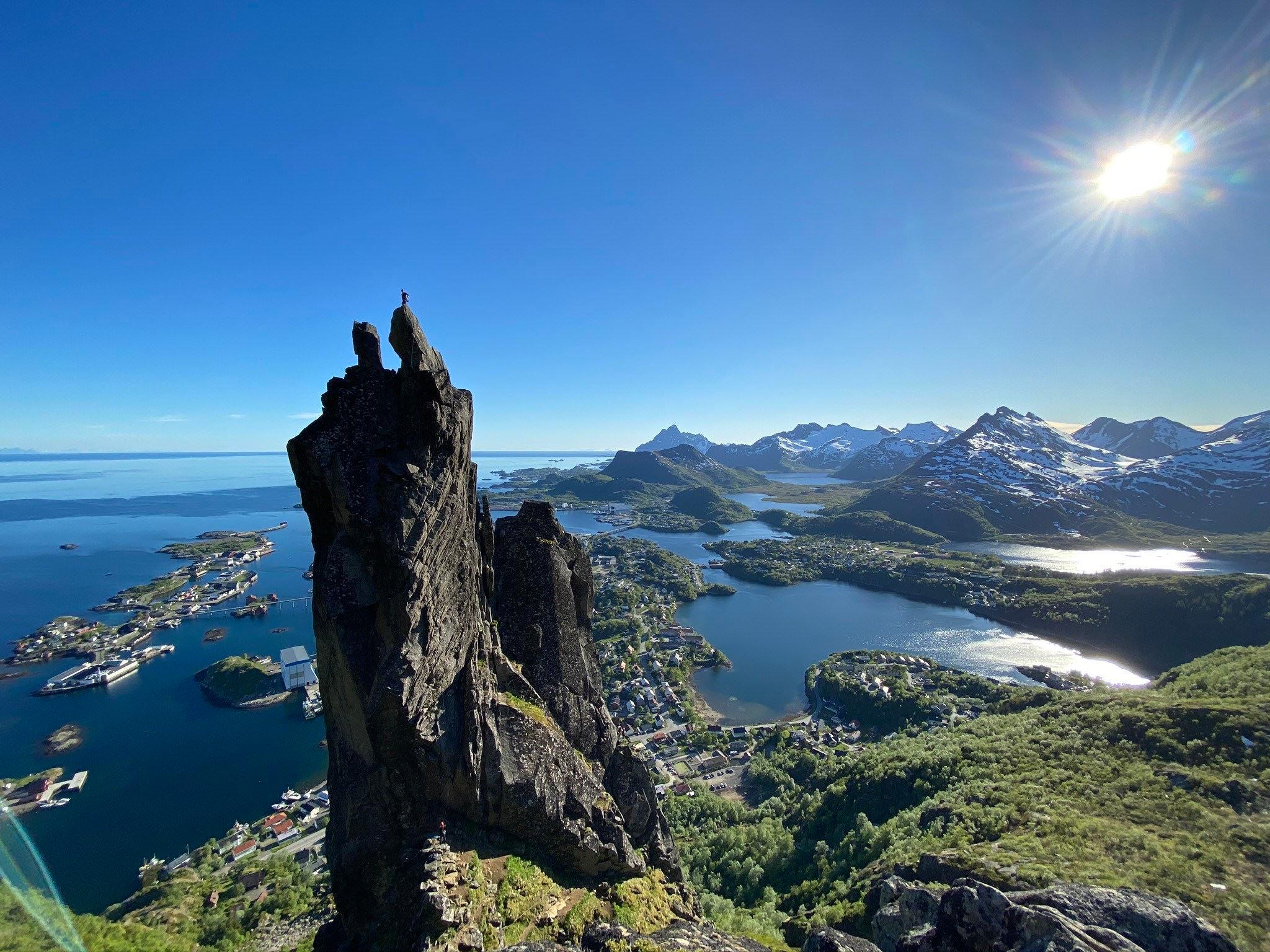
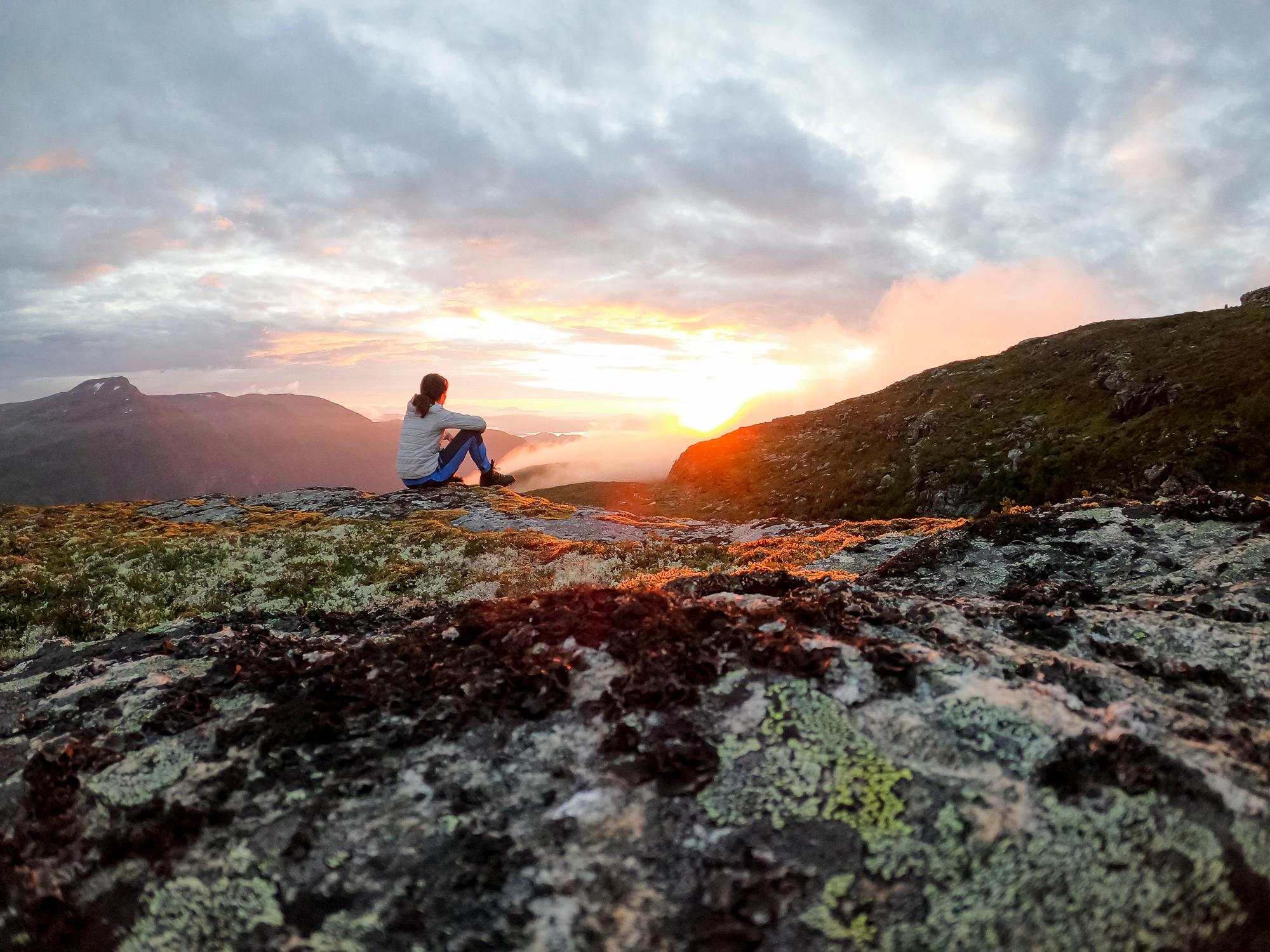
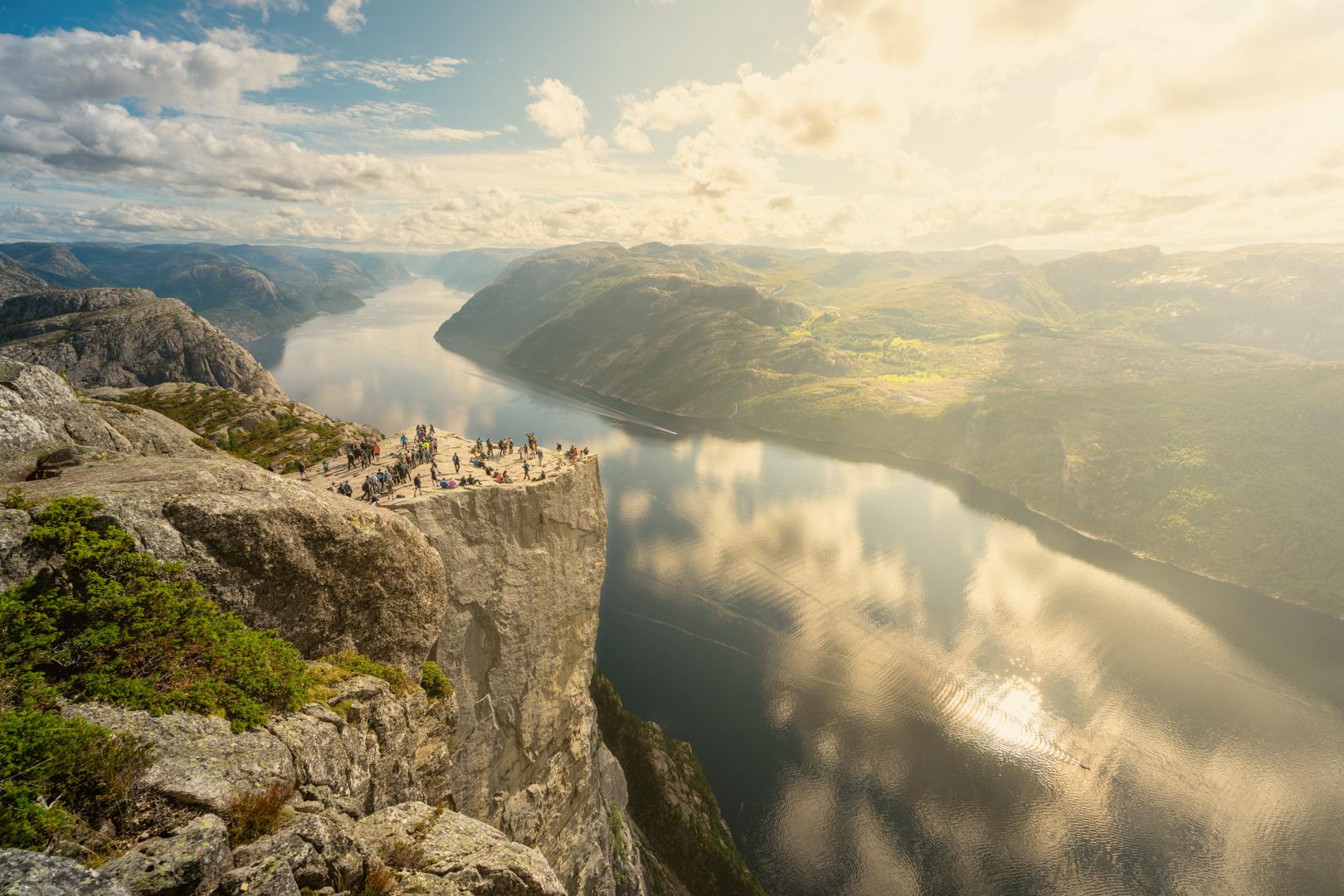
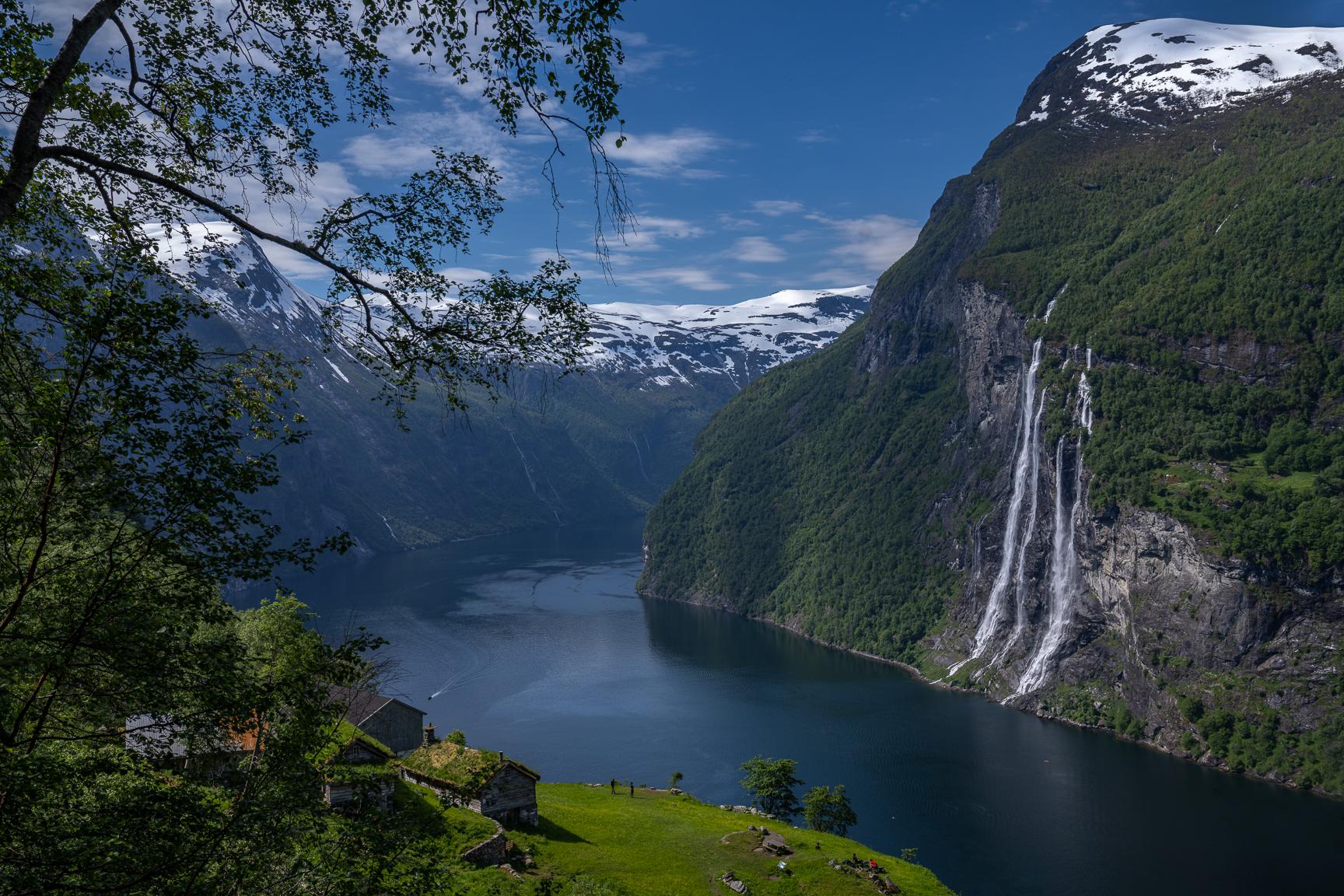
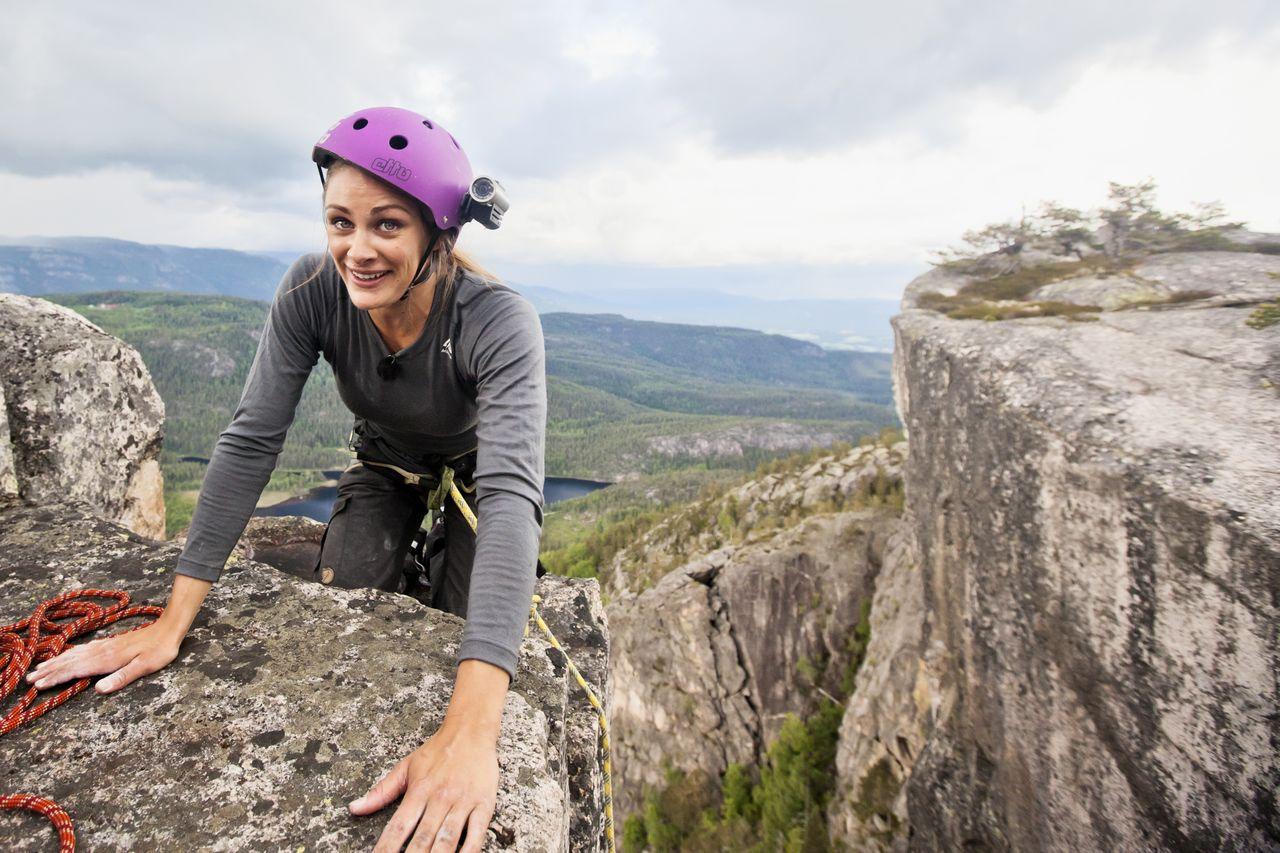
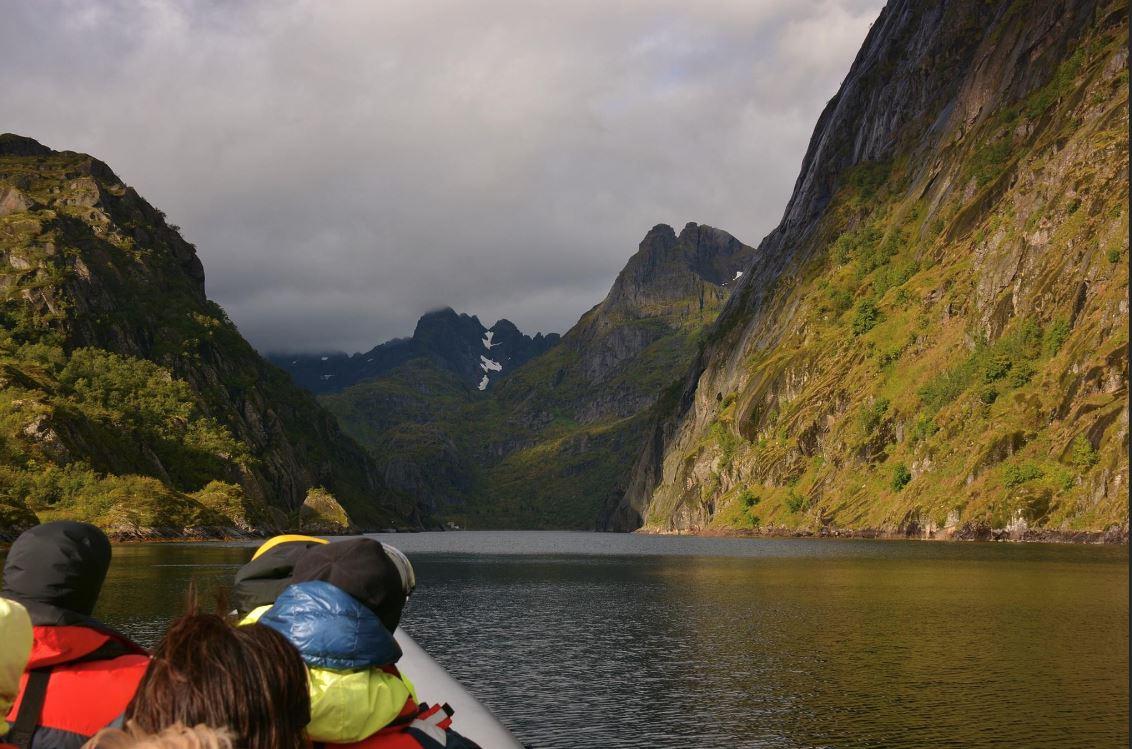
Visit our most spectacular nature formations
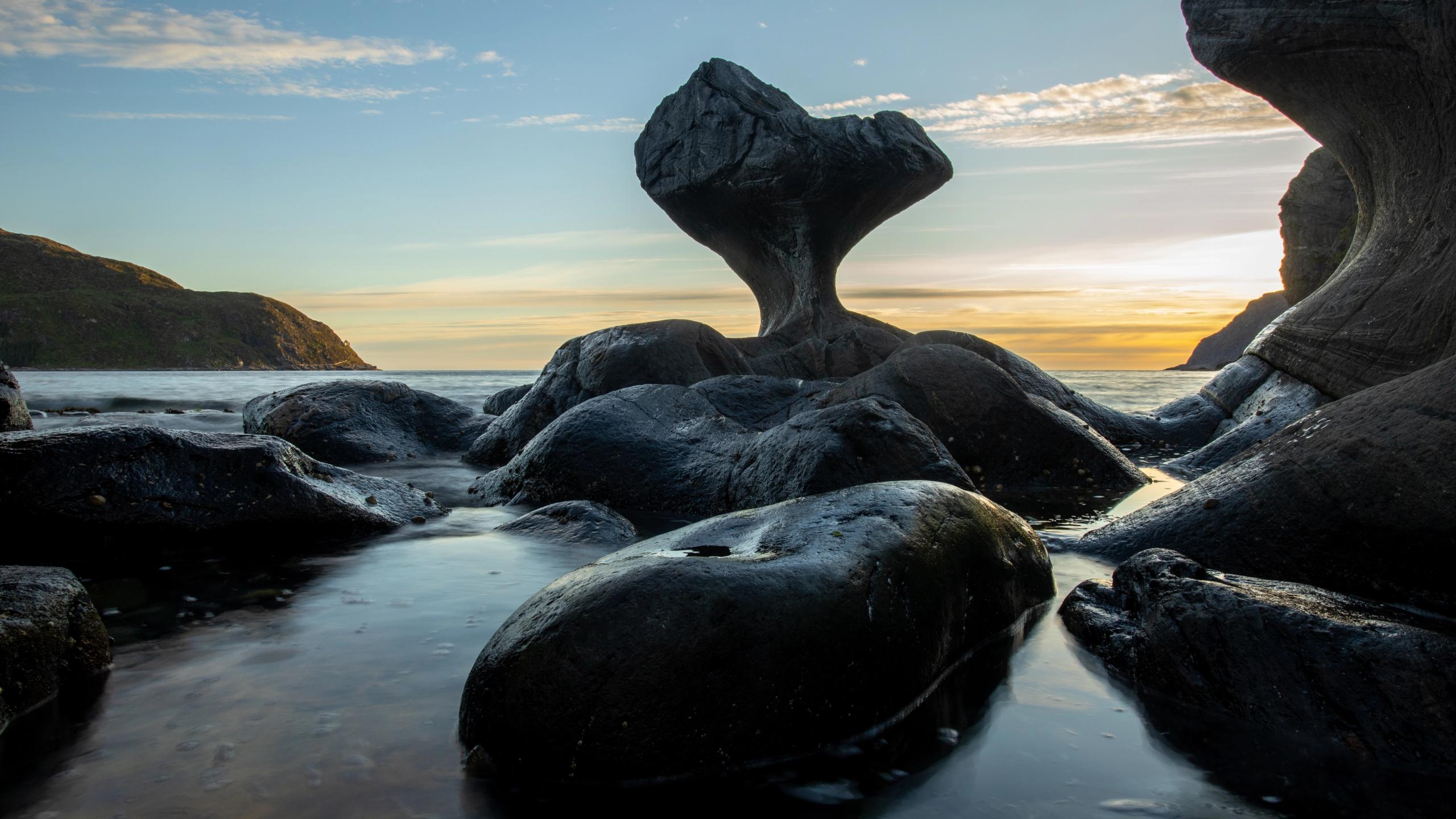
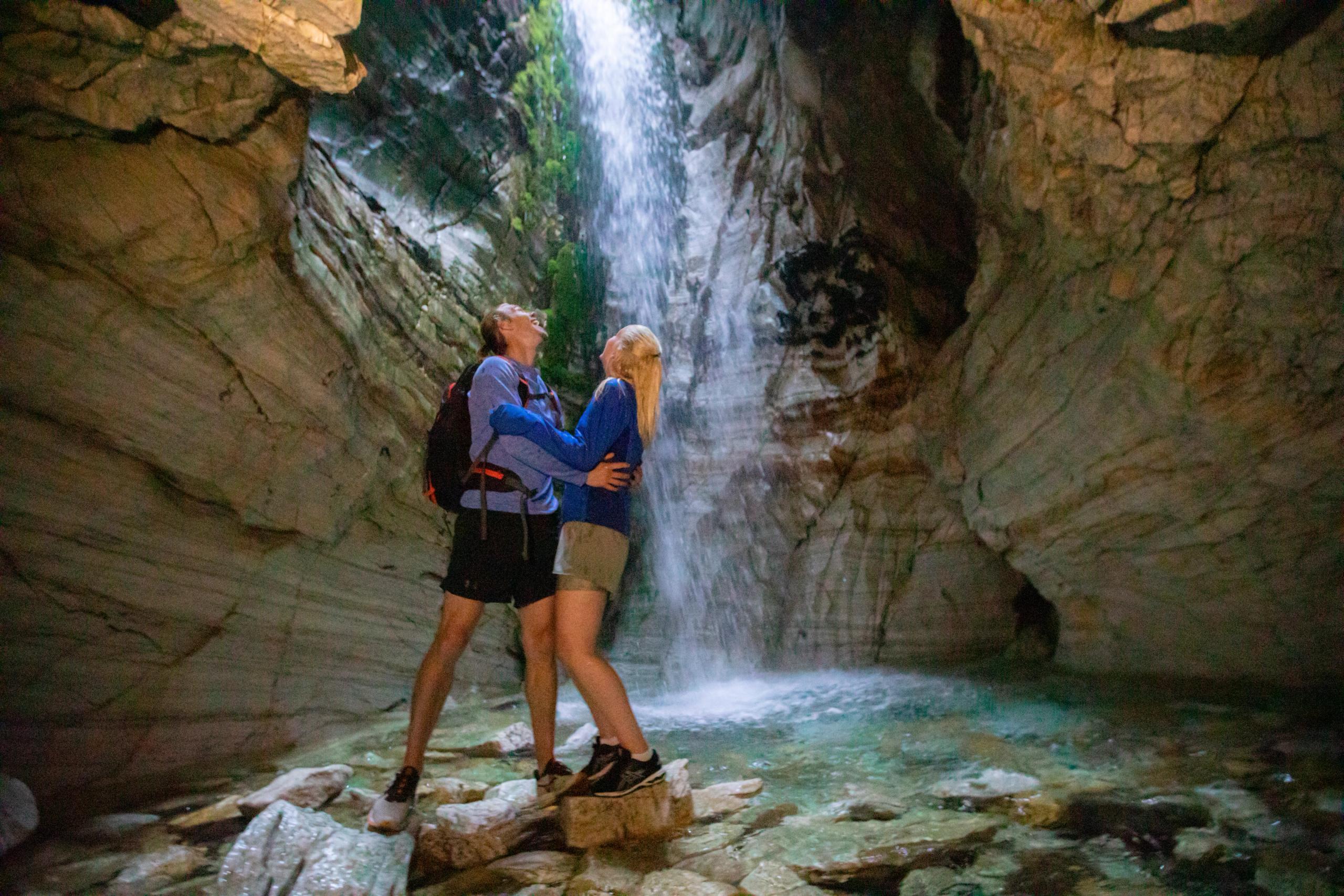
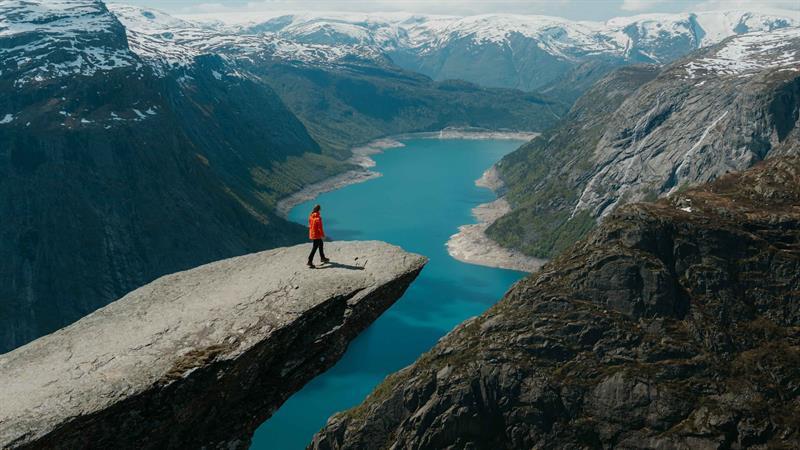
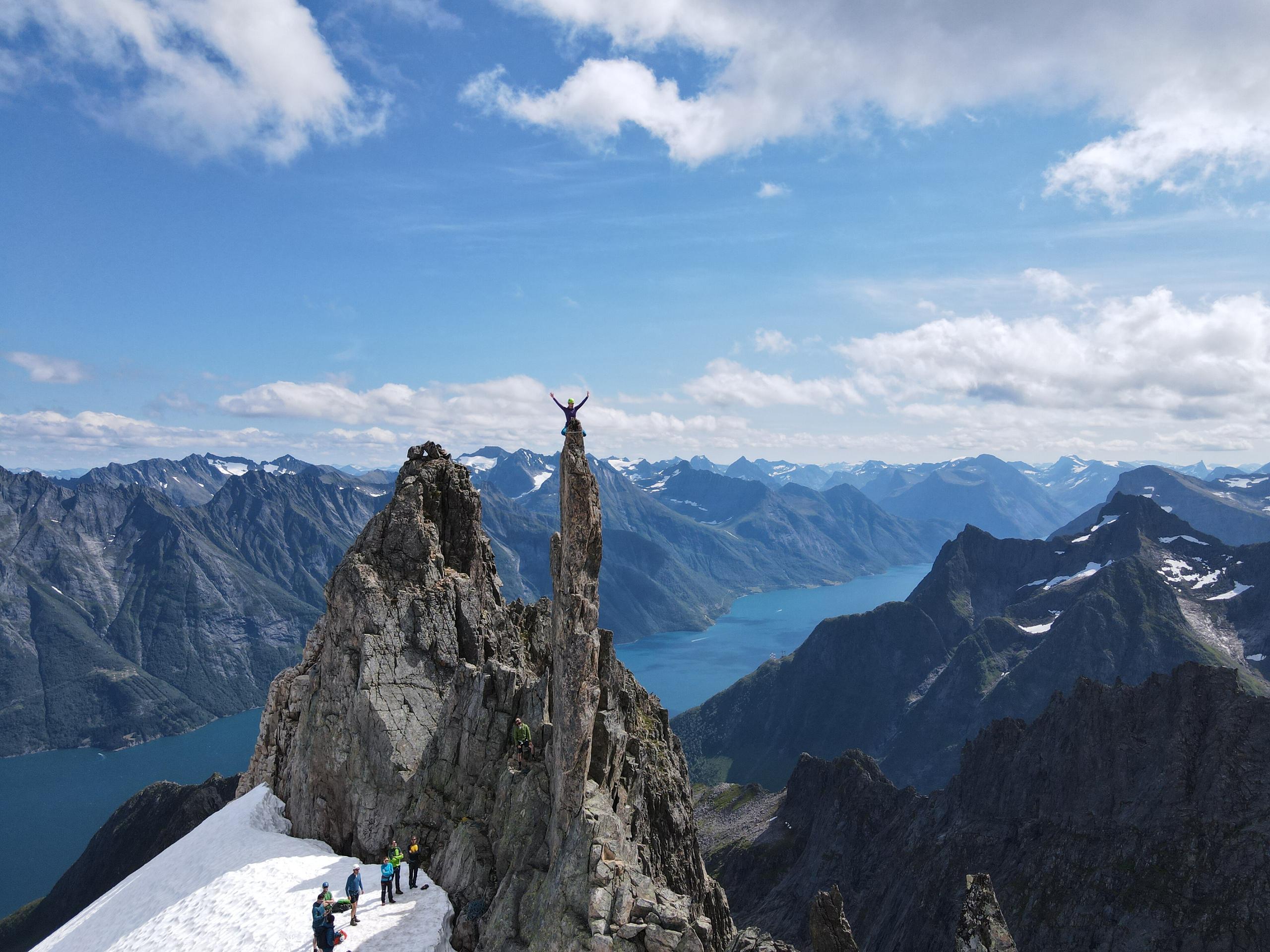
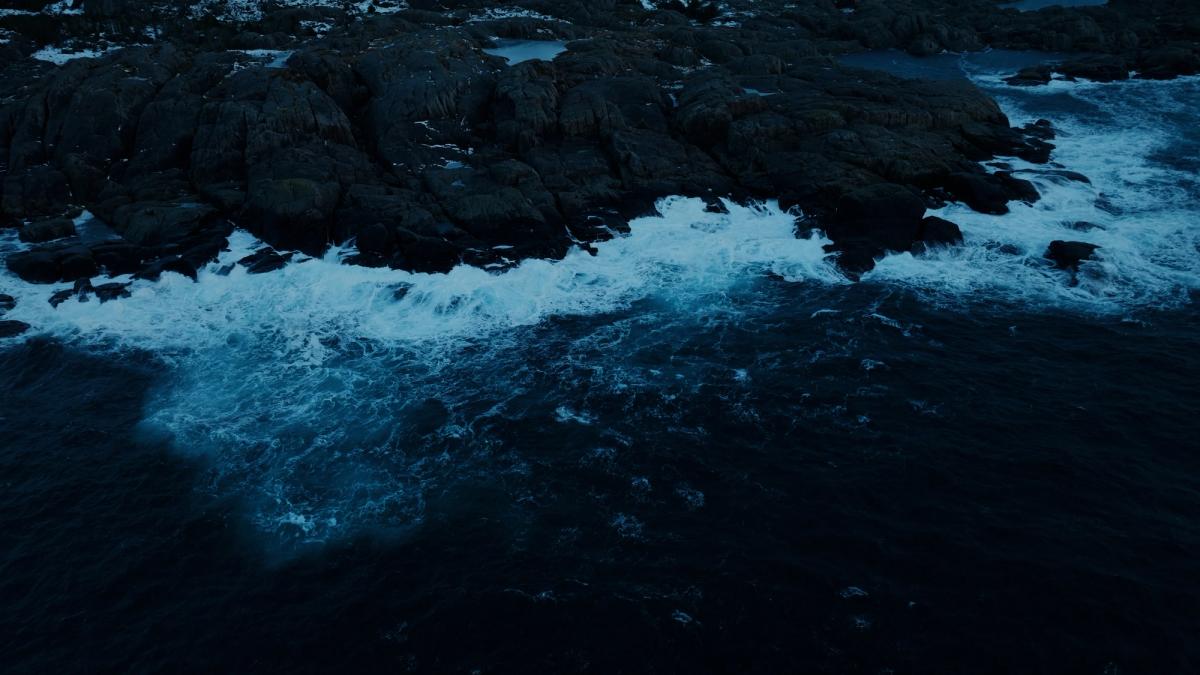
The waves off Norway’s rugged coast still whisper Viking sagas and stories of gods and monsters.
Sagas are deeply rooted in Norse mythology and the Viking Age – tales of heroes, gods and epic battles that offer a glimpse into how our ancestors saw the world.
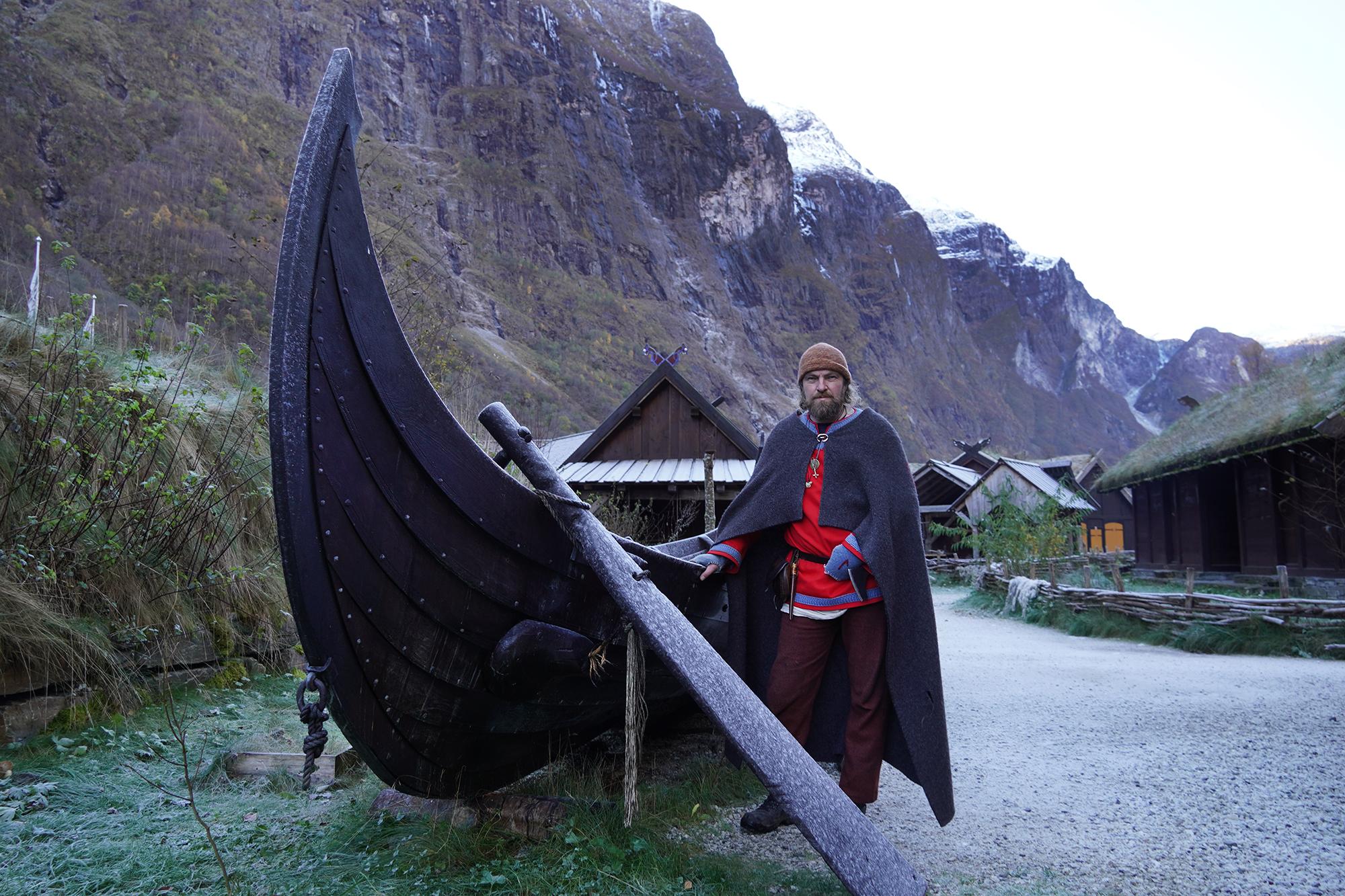
St. Olaf and the Midgard Serpent
One of the most famous figures in these sagas is St. Olaf, also known as Olaf Haraldsson, who was king of Norway from 1015 to 1028. His greatest impact, however, came after his death, which happened during the famous Battle of Stiklestad in 1030, a turning point that helped unite Norway and establish Christianity as the main religion.
According to the sagas, St. Olaf went on Viking expeditions from the age of twelve. On one such journey, he sailed south along the Norwegian coast to escape his enemies at Egersund, and when forced to bring his ship ashore, he split the rock with his ship's keel.
Watch the video and hear the saga of St. Olaf:
Another saga tells of St. Olaf's encounter with an evil worm, the Midgard Serpent (St. Olavsormen), in a field that is now part of Magma UNESCO Global Geopark. When the king triumphed over the serpent, its body is said to have become the long, grassy hill seen there today.
Source: Magma Geopark/Store Norske Leksikon
Our history and traditions
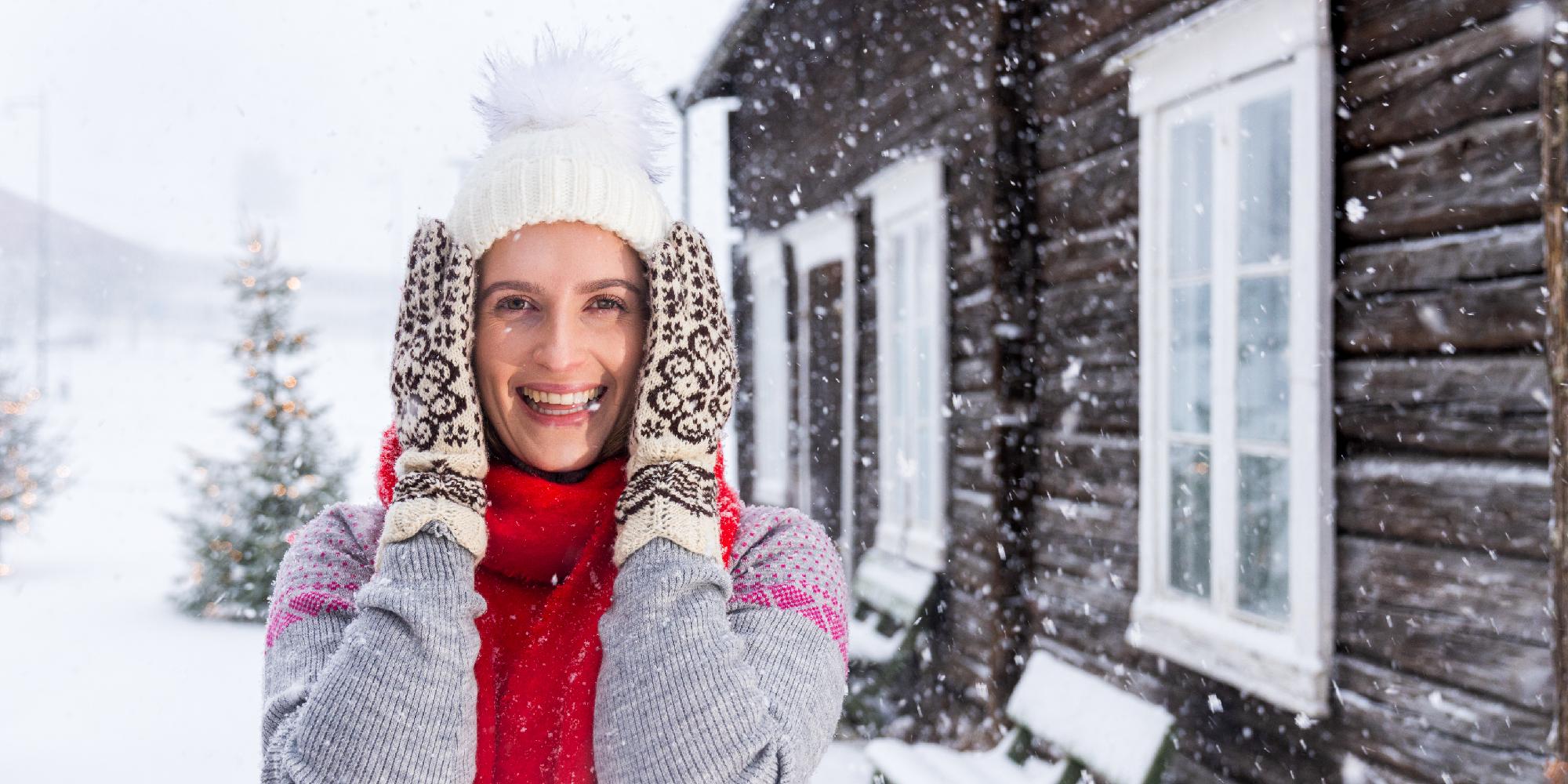
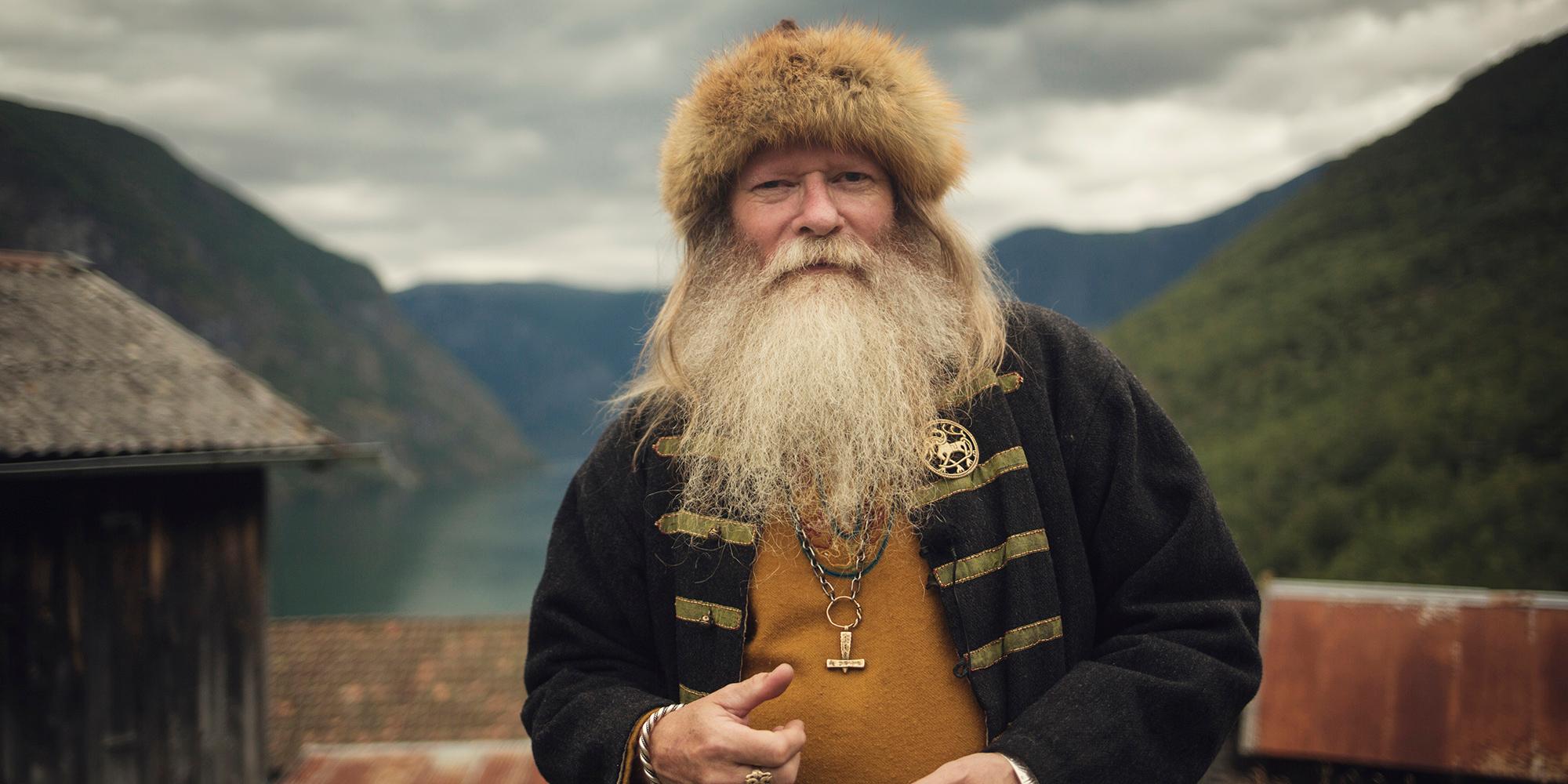
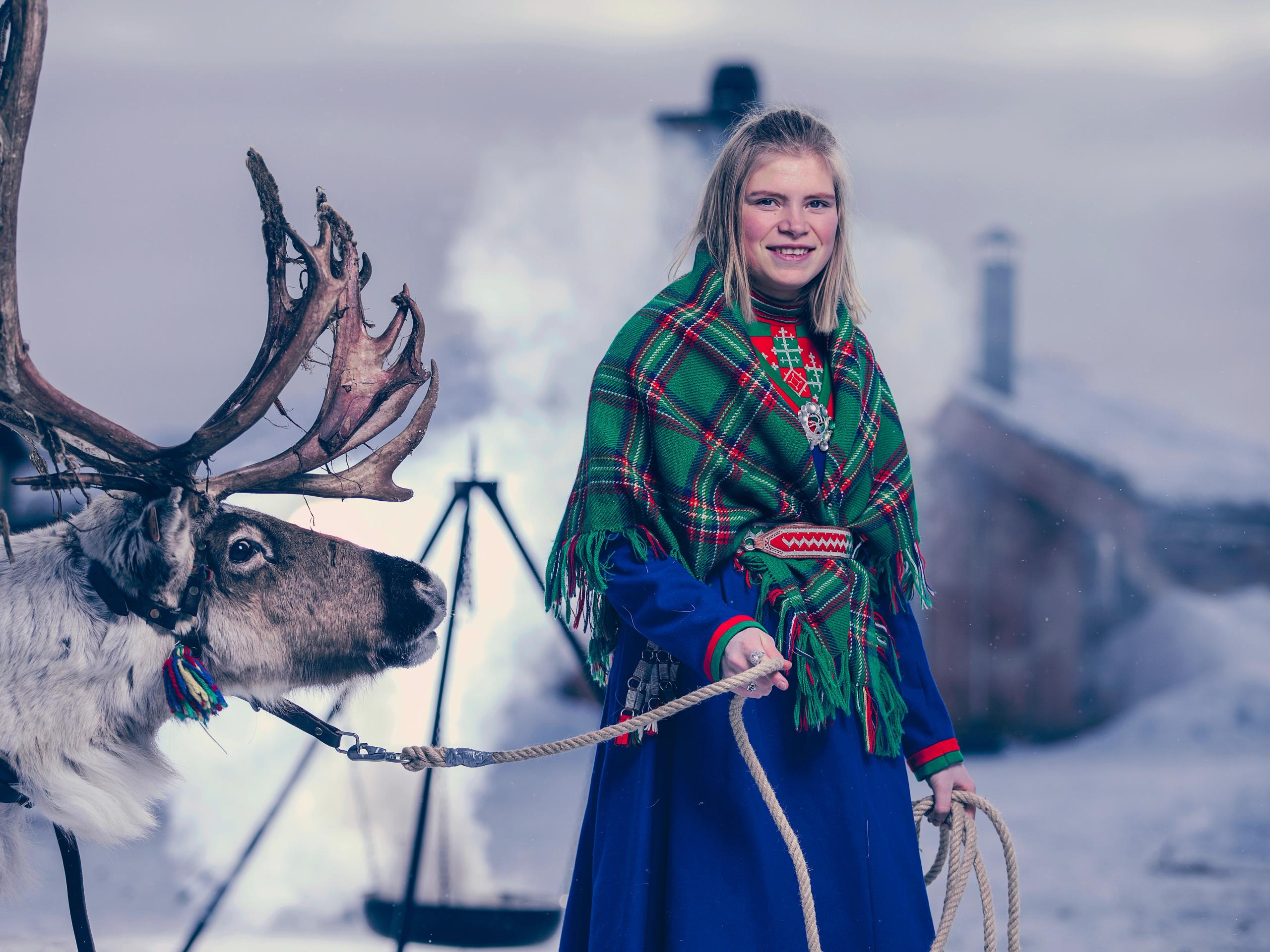
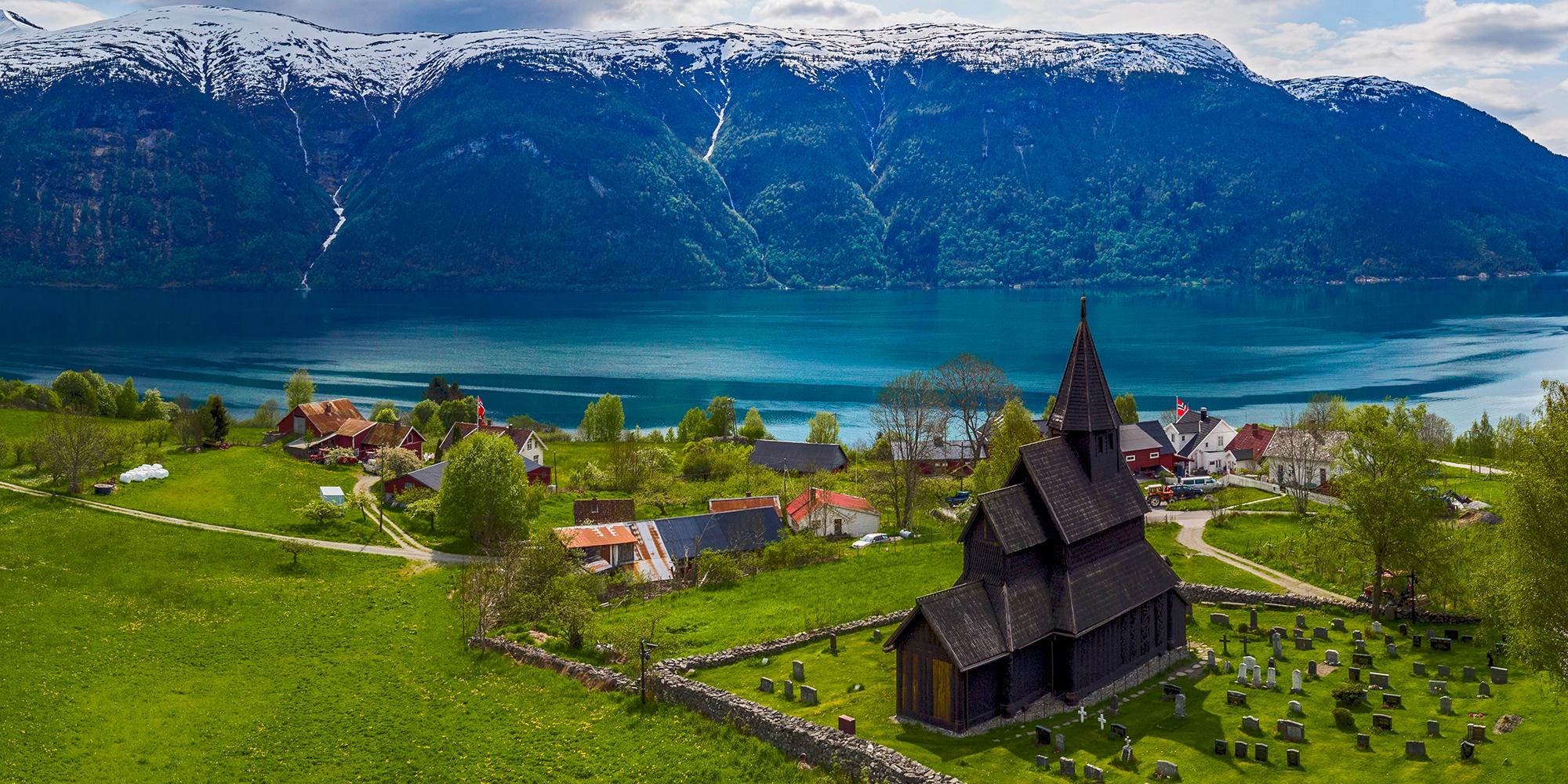
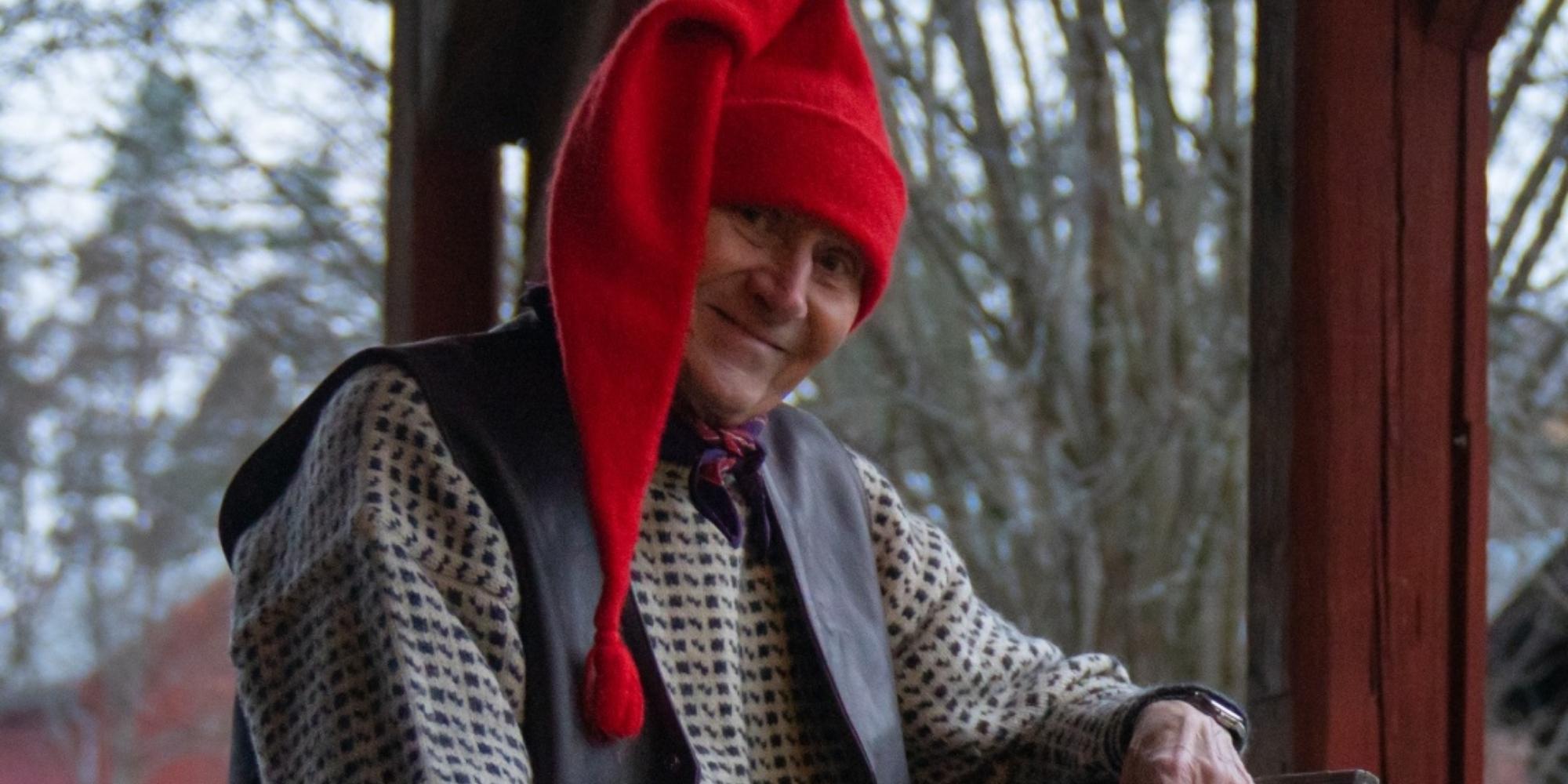
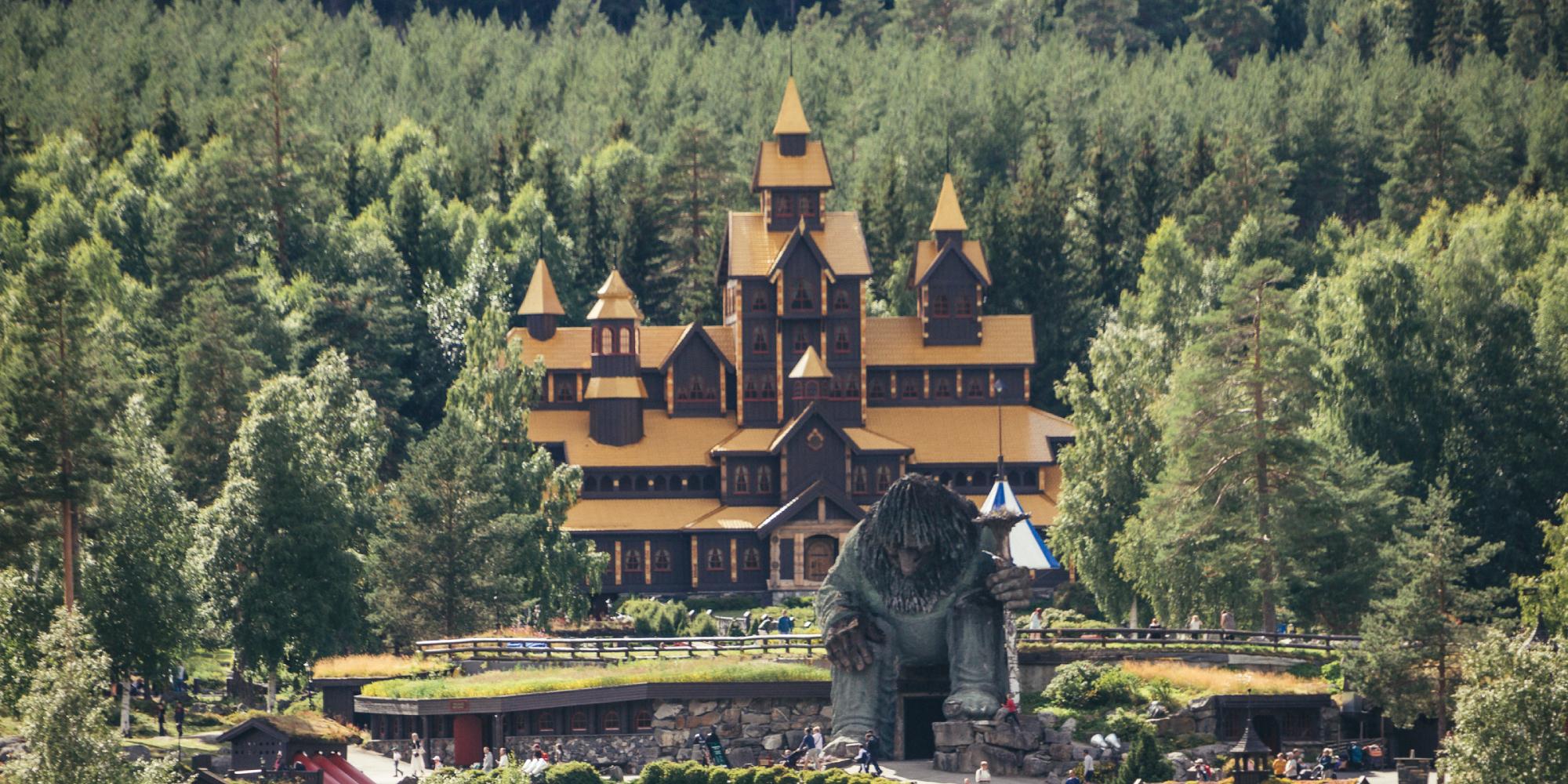
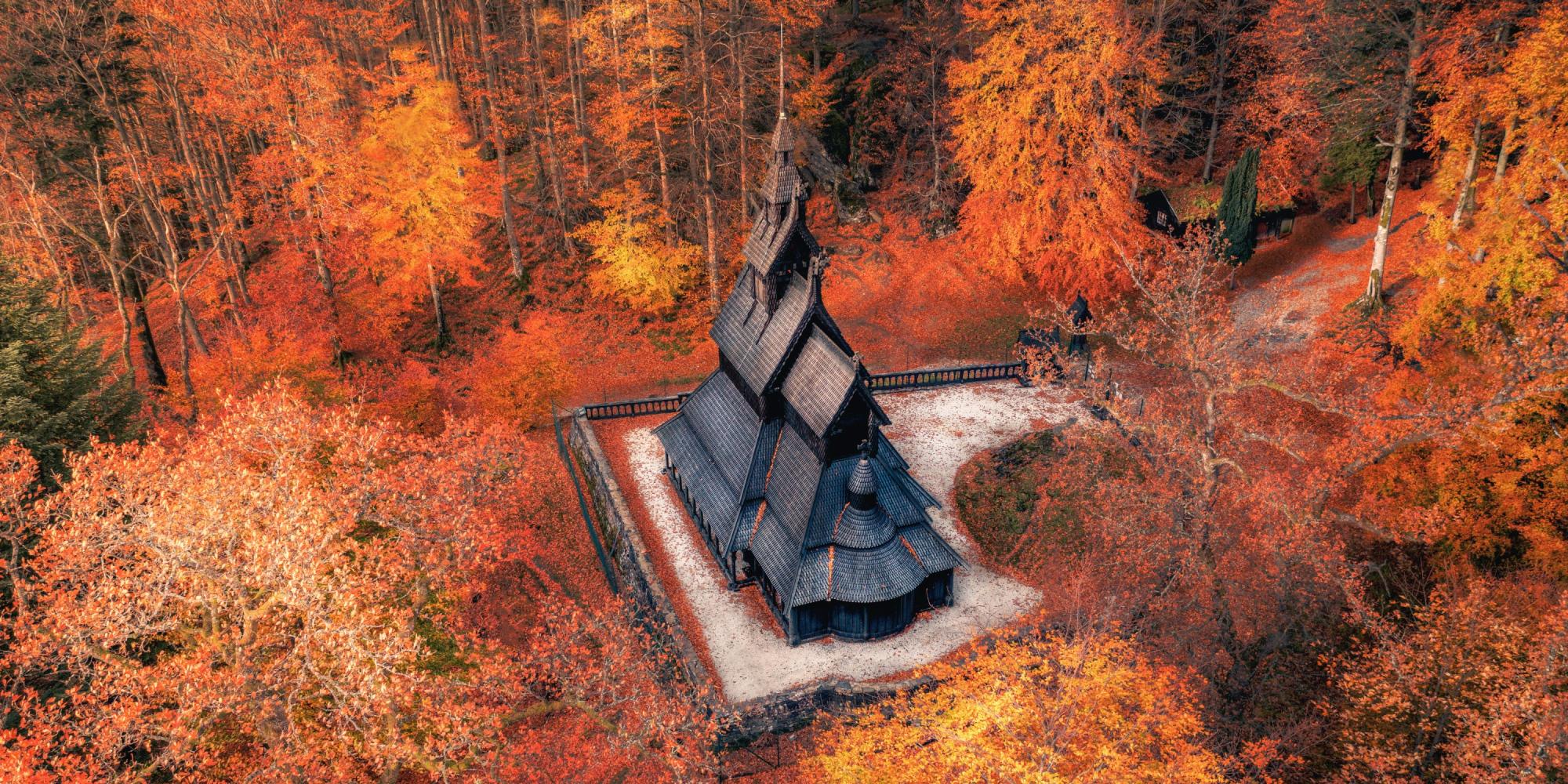
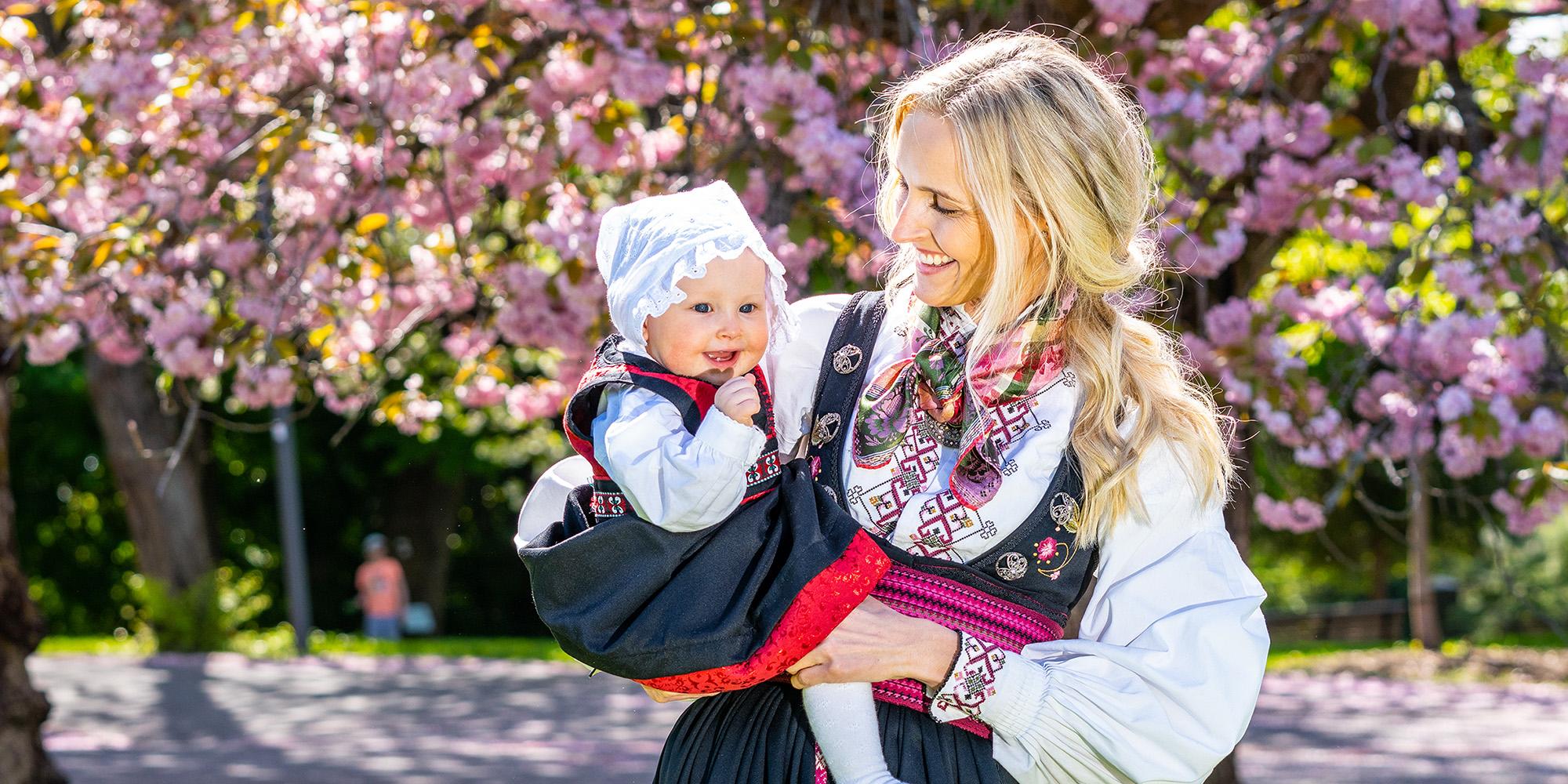
Norwegian natural phenomena
Explore the wild, untamed nature.
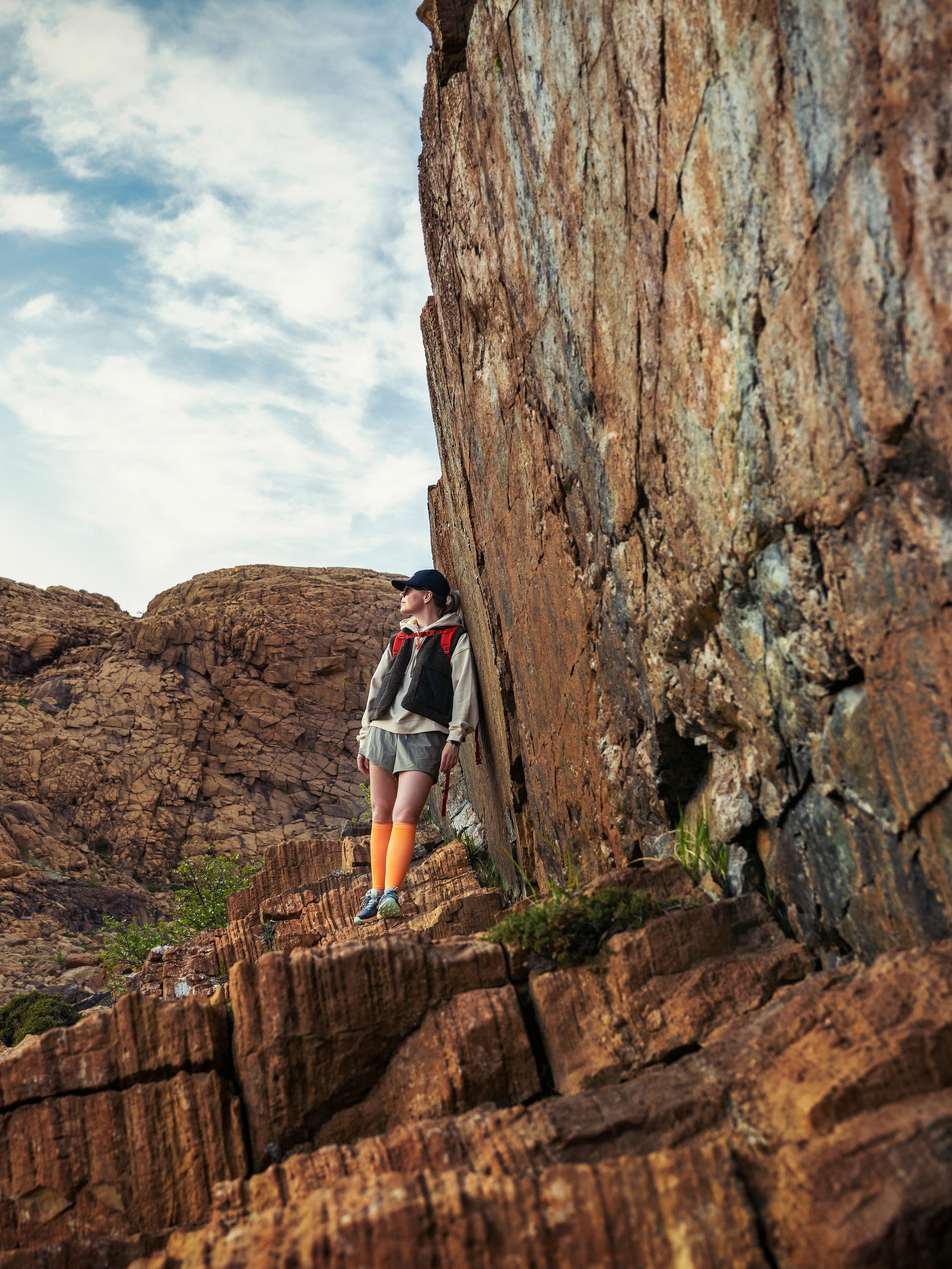
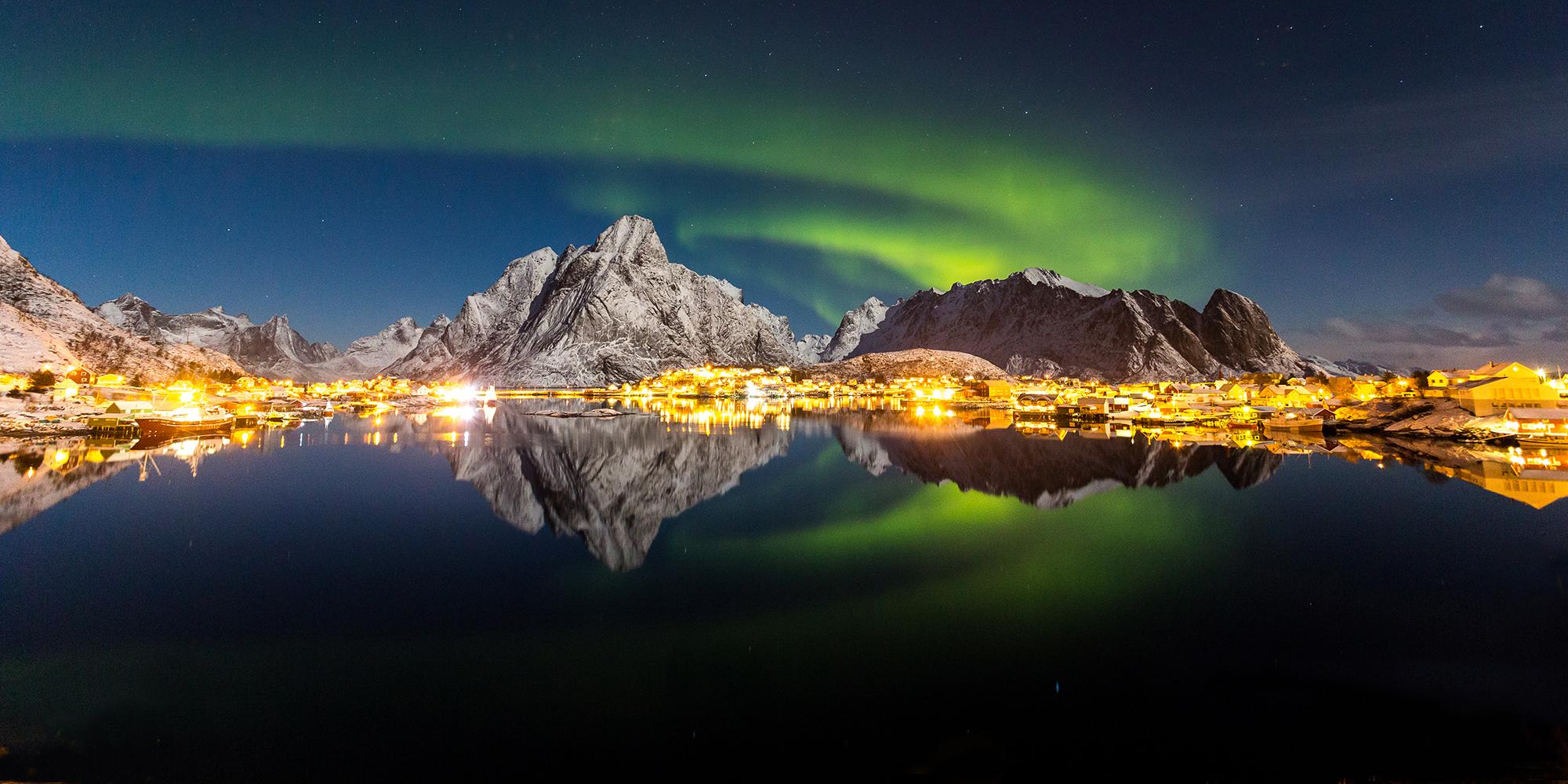
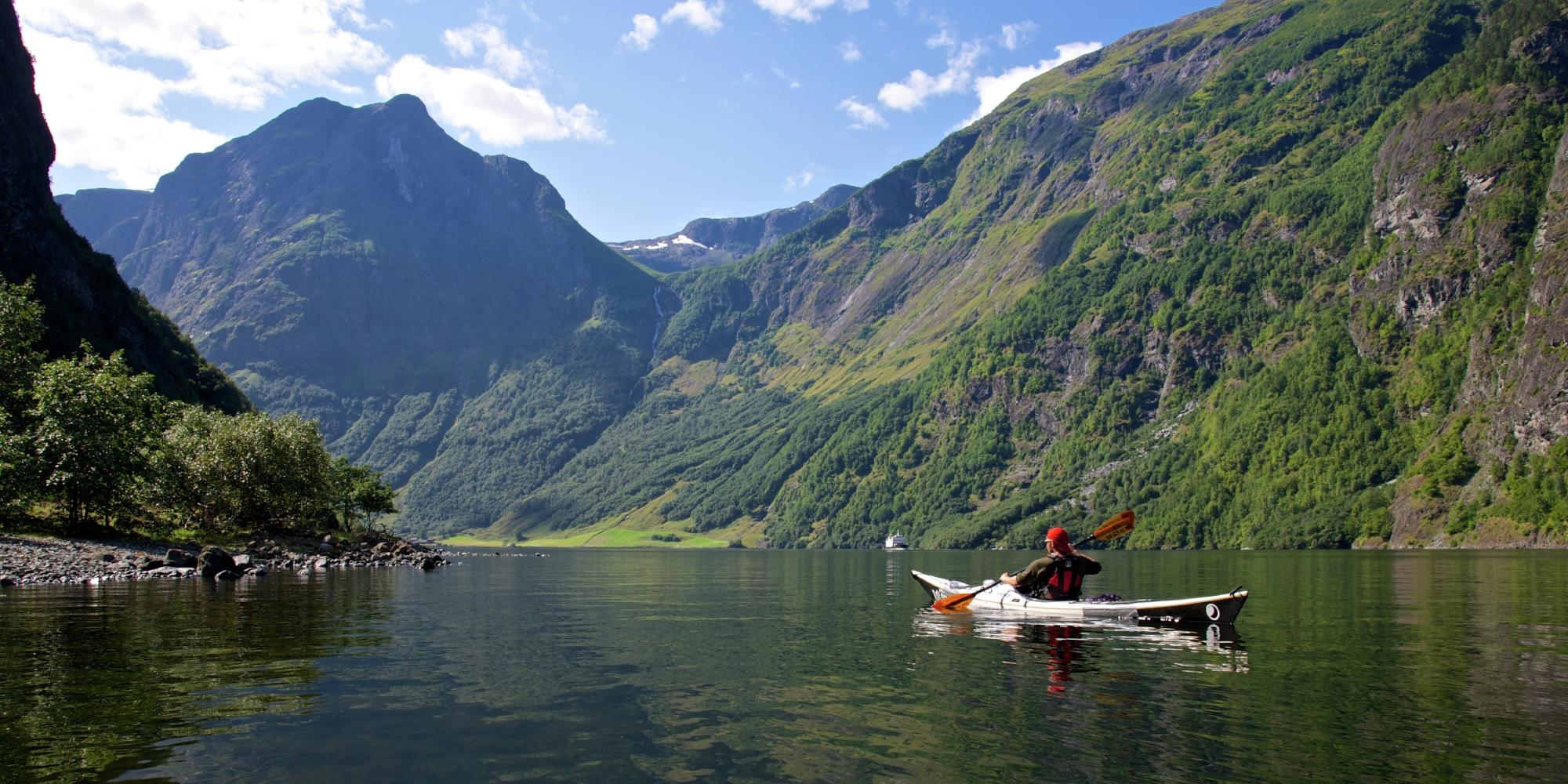
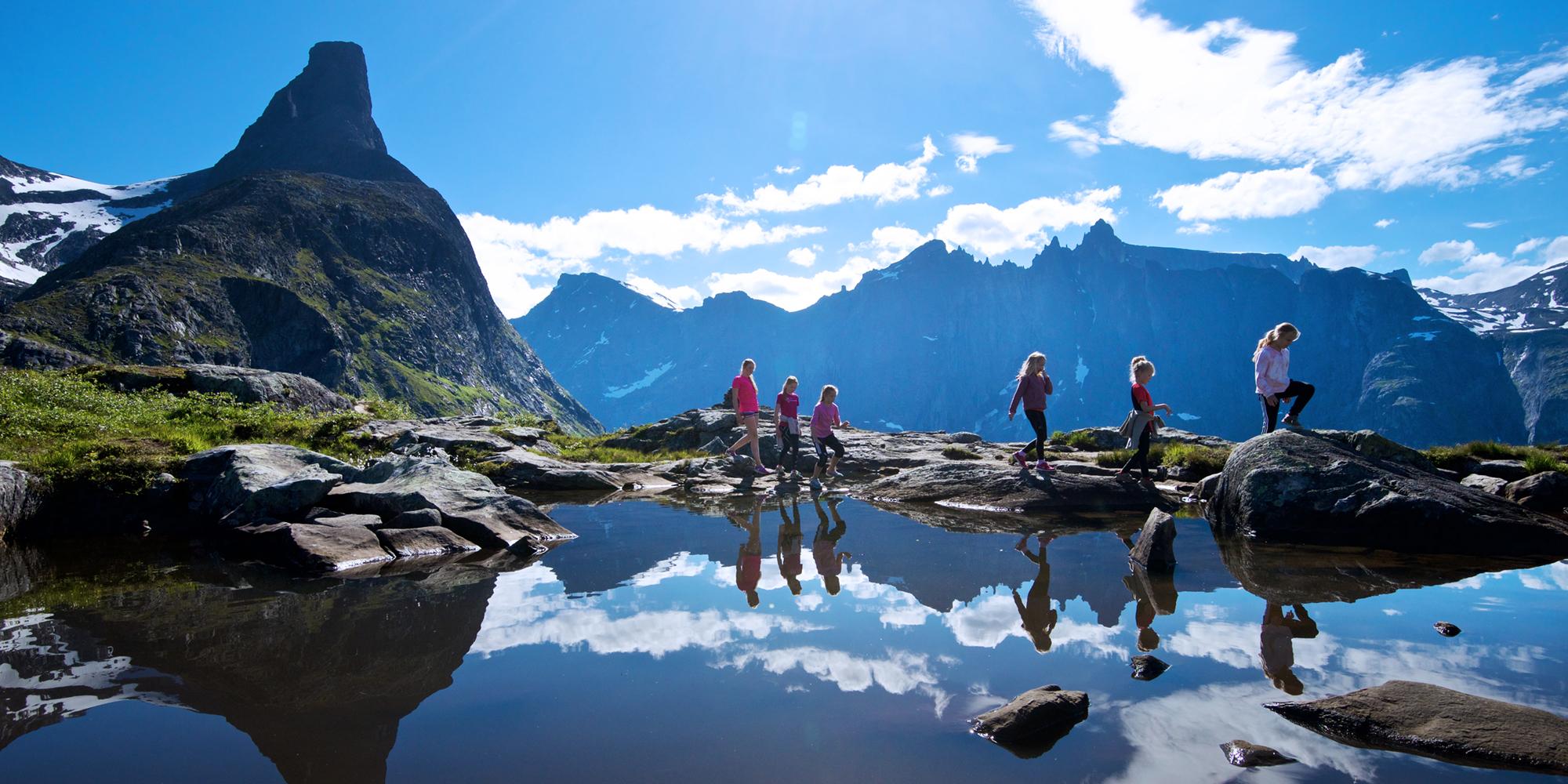
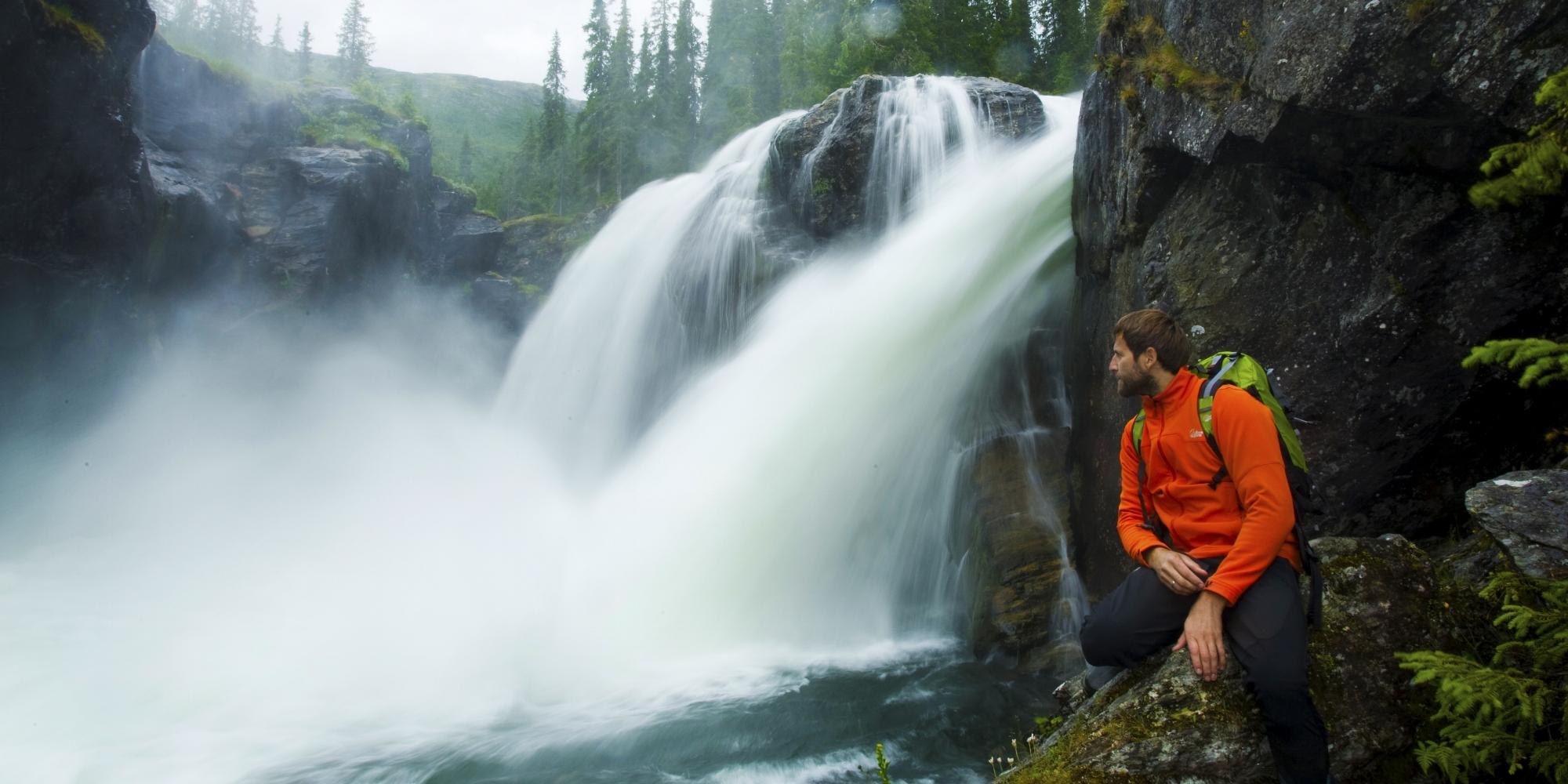
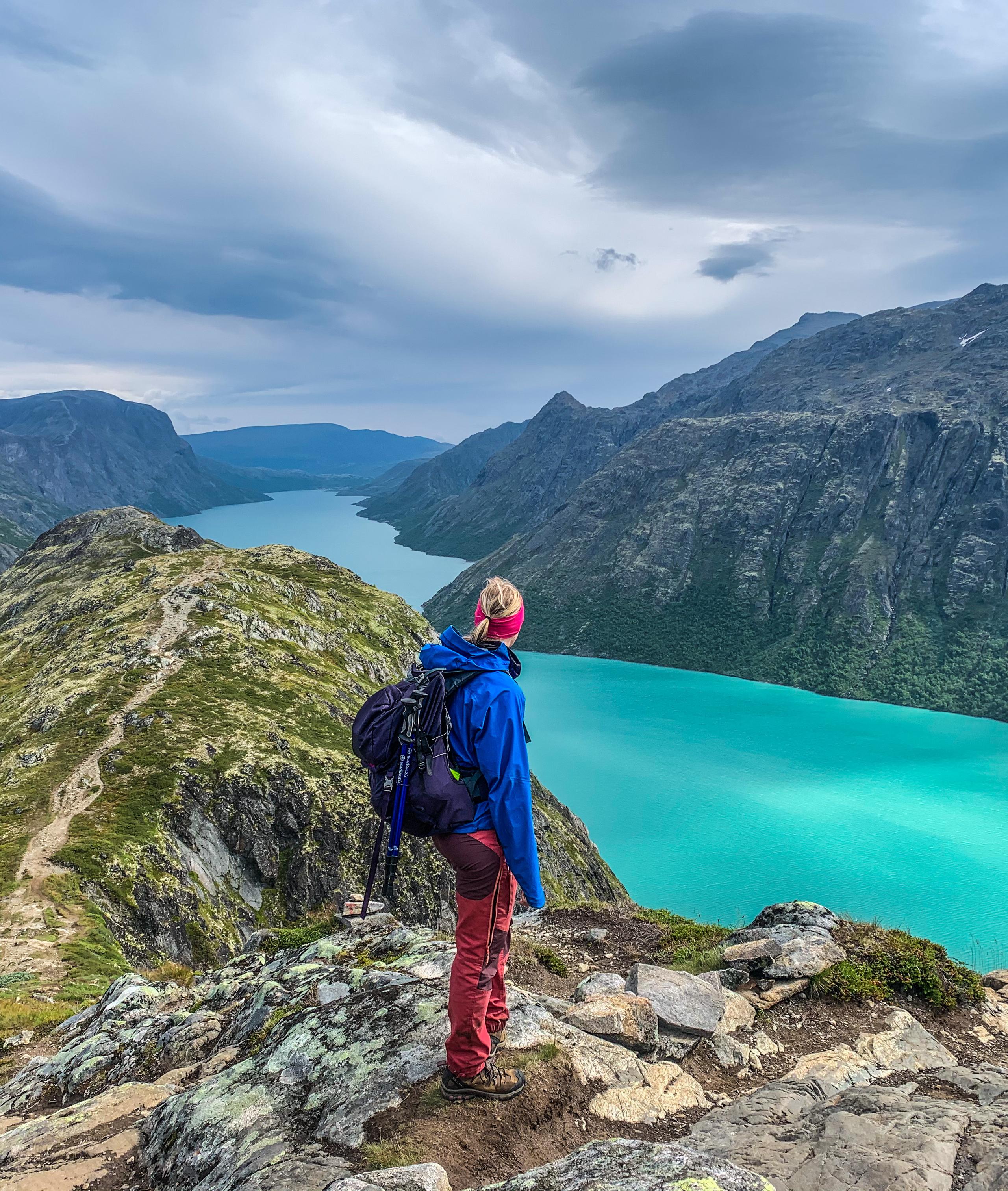
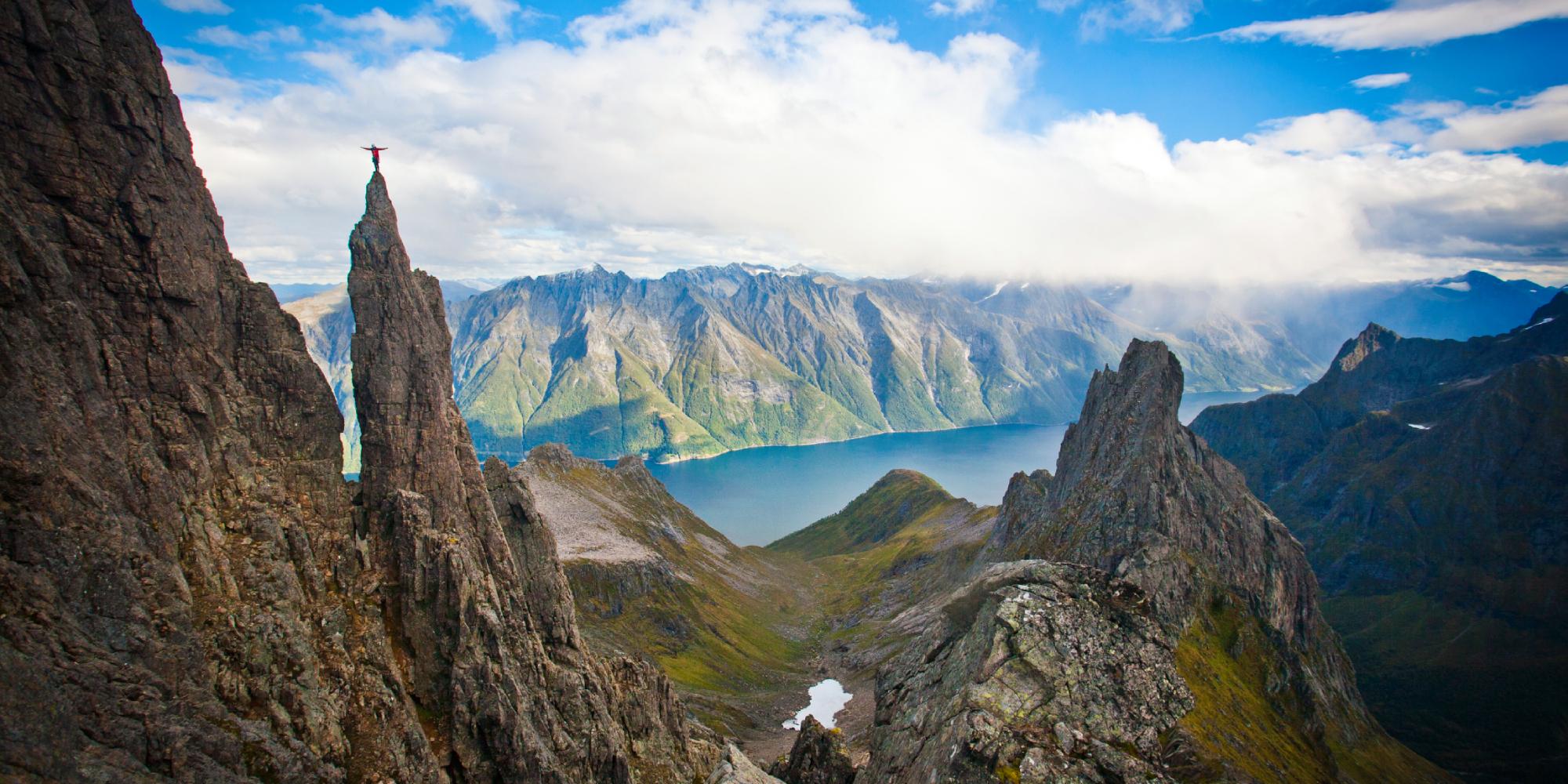
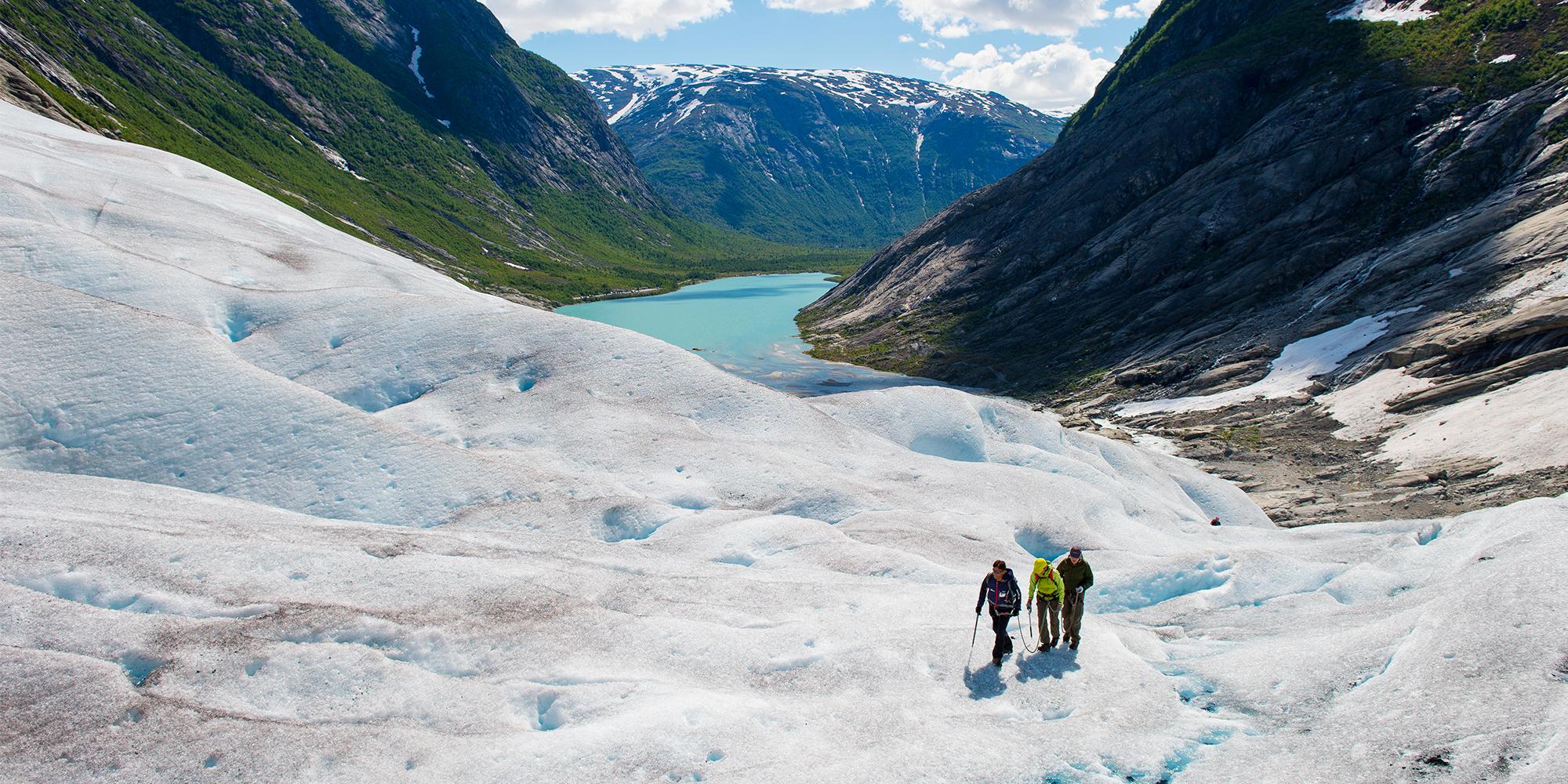
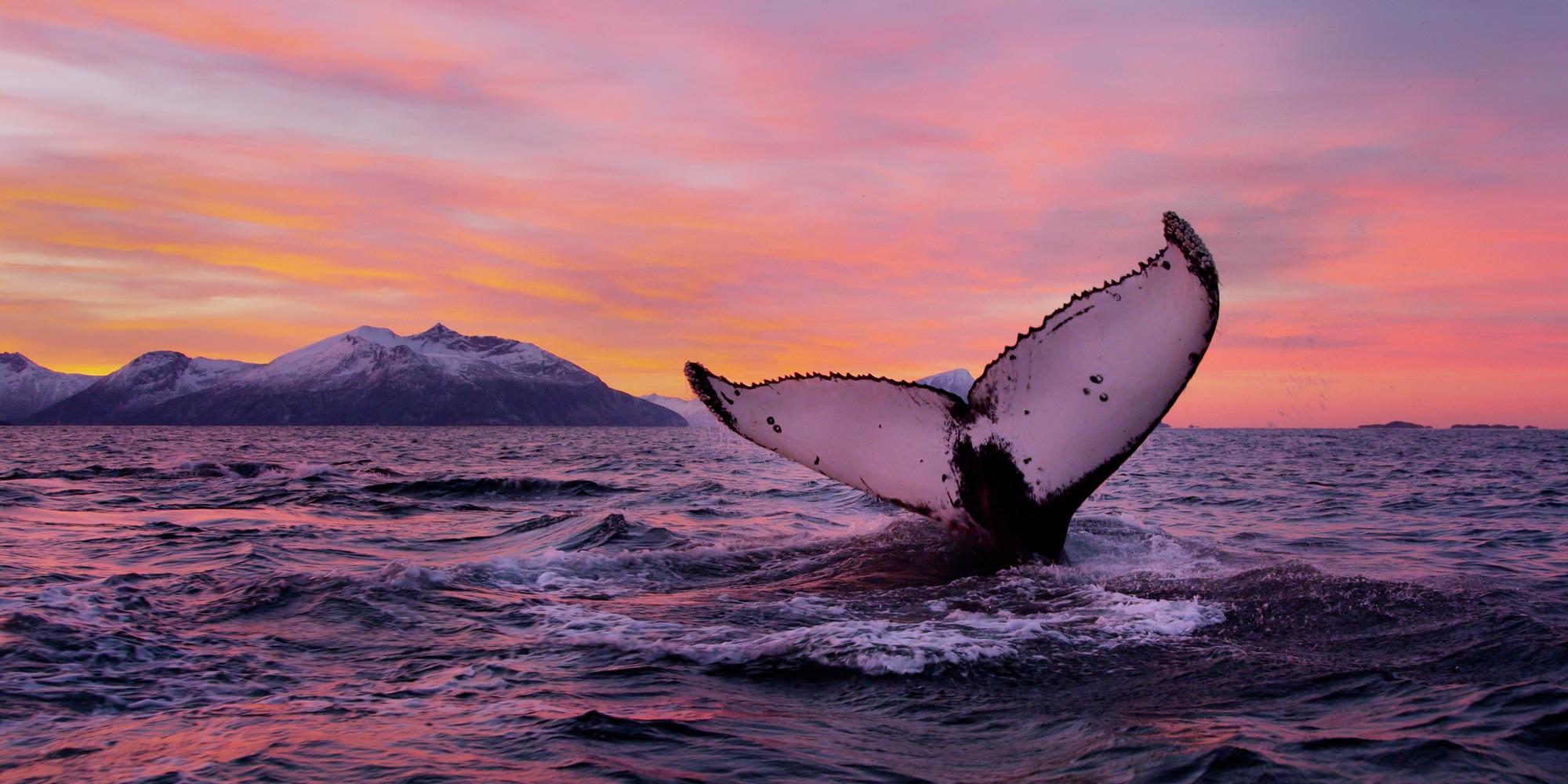
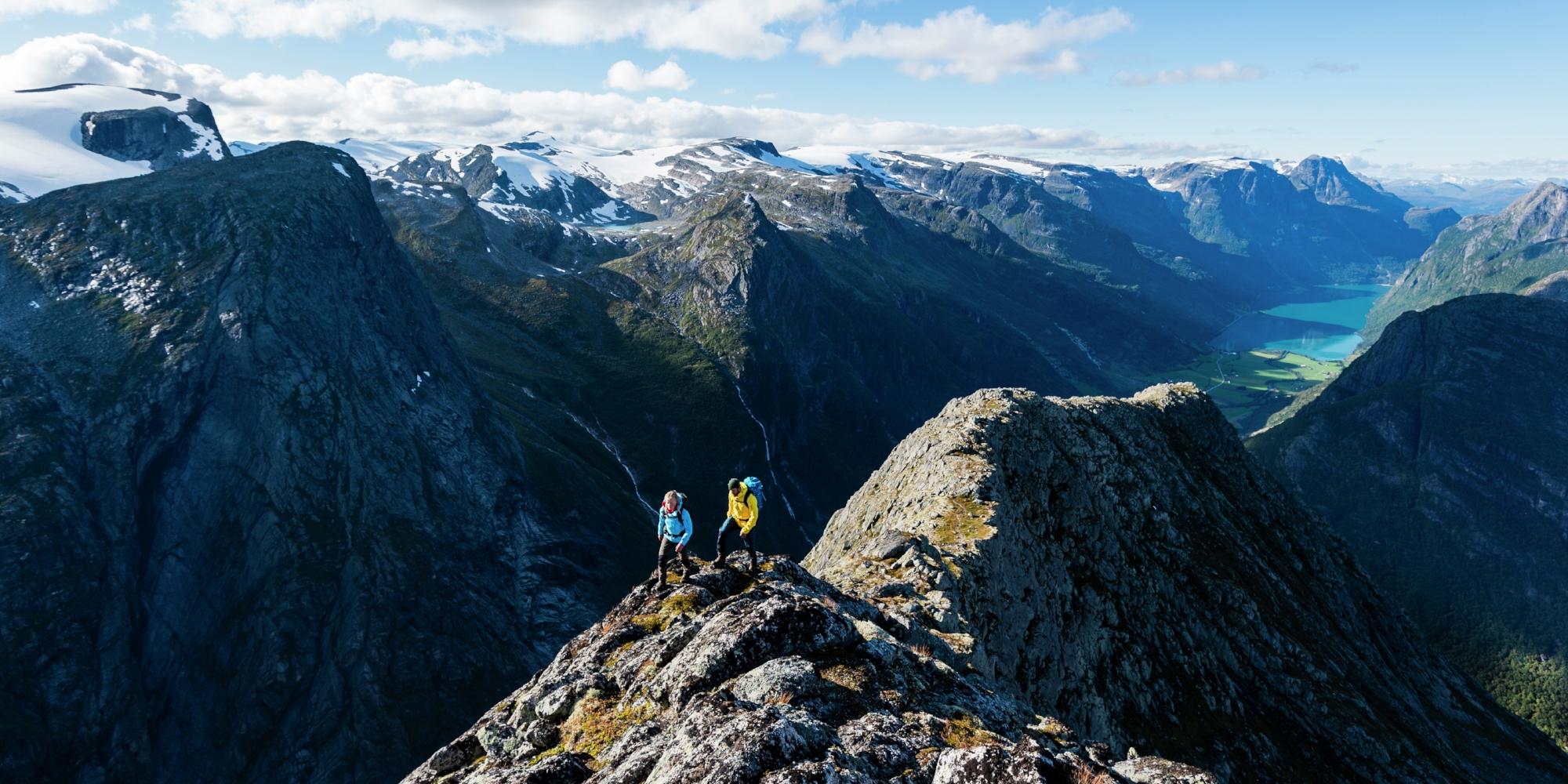
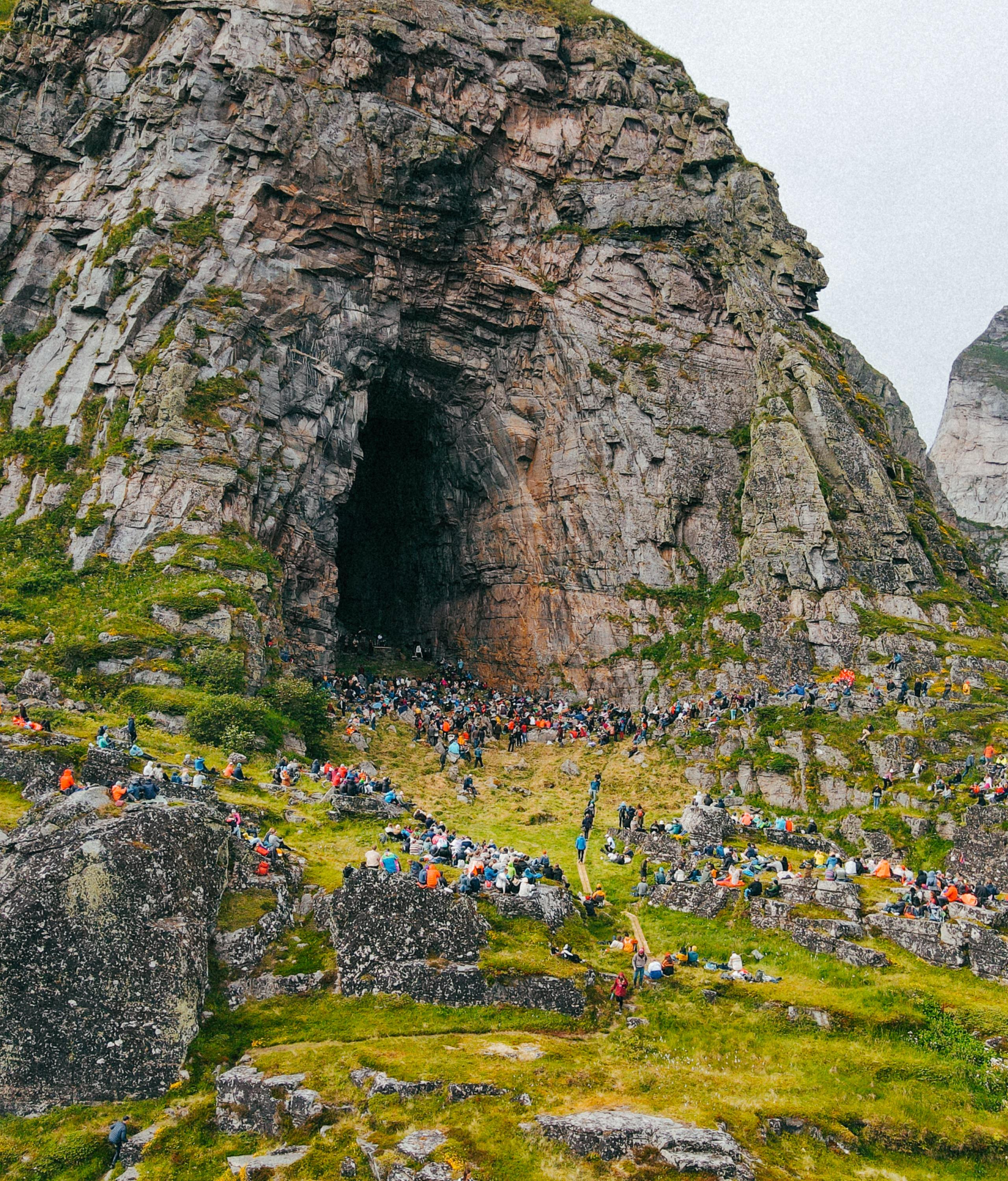
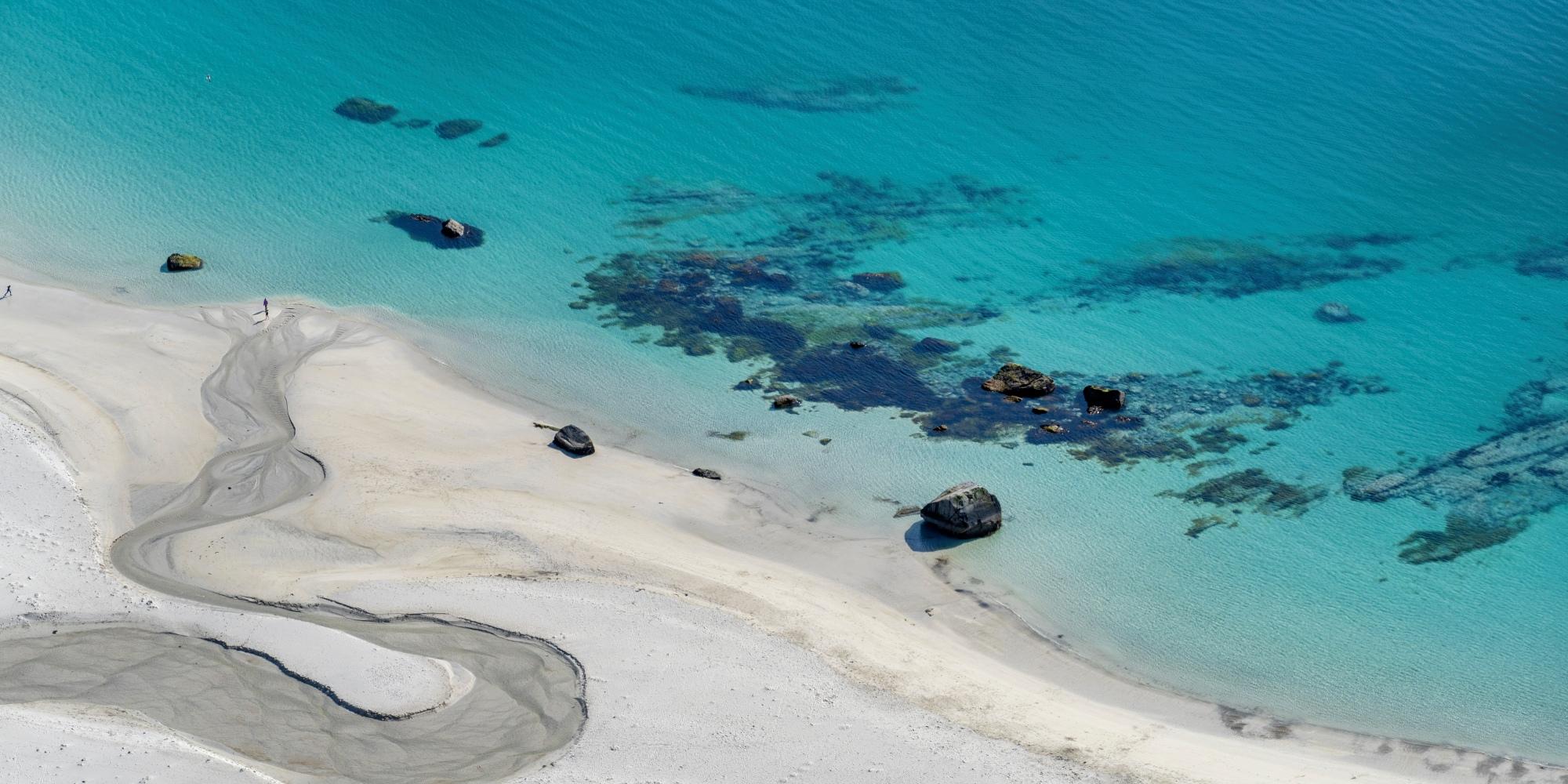
Once upon a time …
Watch the whole story unfold – get to know some of our most famous sagas in the landscapes that inspired them.
Take advantage of top offers
See our selection of trusted companies that work hard to make you happy all through your trip.
 Brim ExplorerQuiet fjord tours on award-winning electric catamarans in Oslo, Tromsø, Lofoten, and Svalbard.
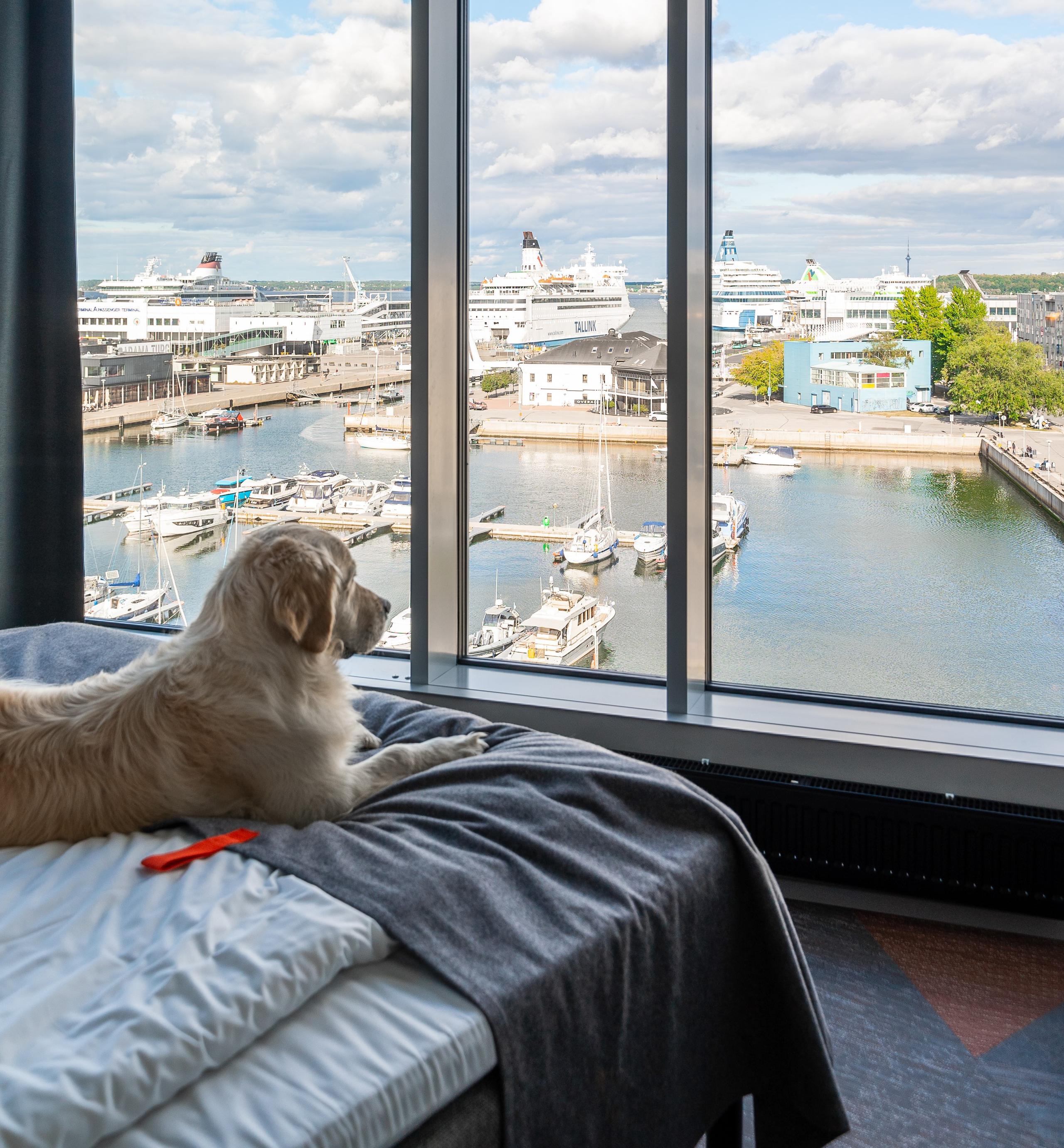 CityboxModern and affordable hotels in central locations in Oslo, Bergen, and Kristiansand.
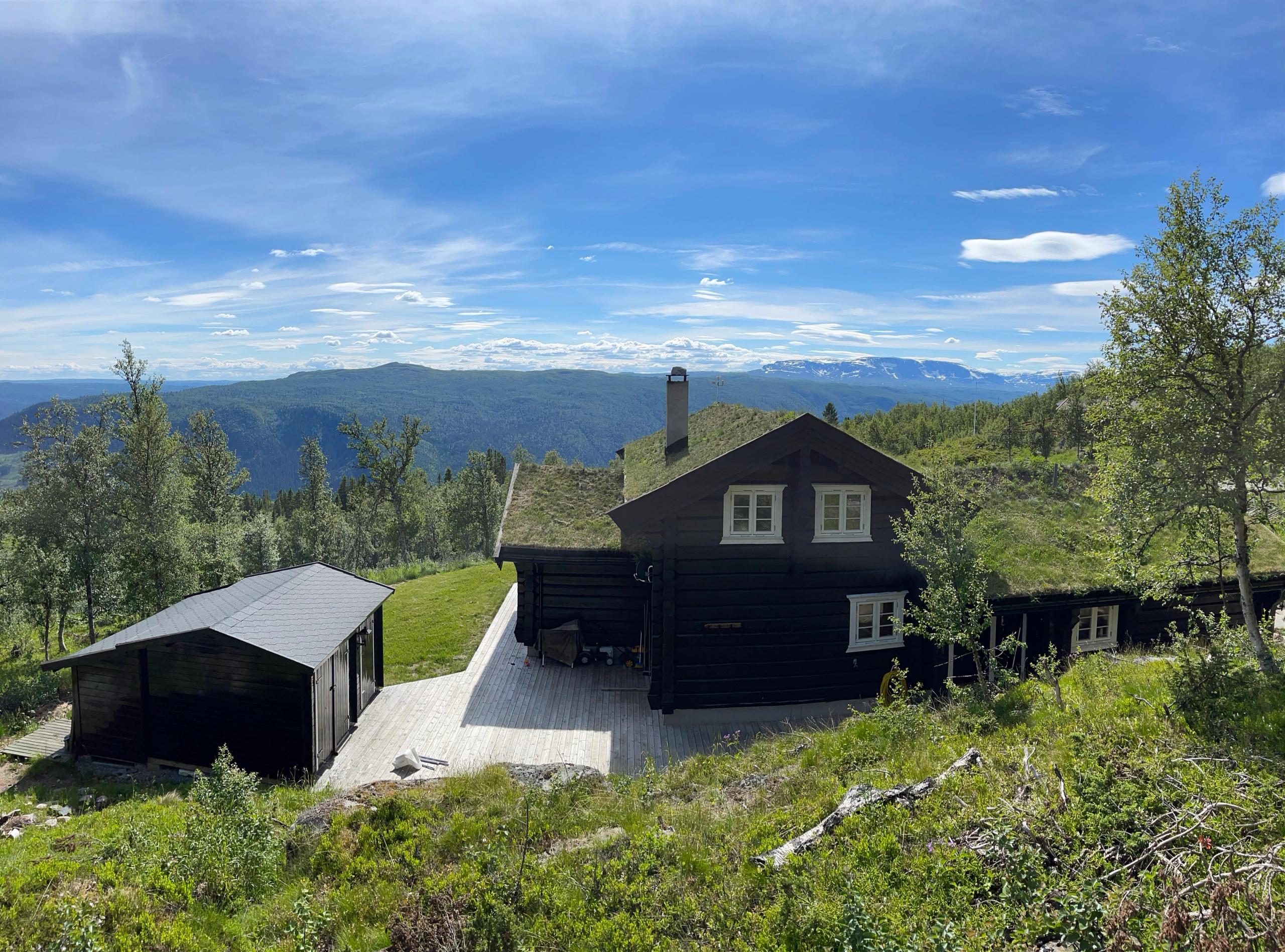 NorgesbookingBook your perfect cabin stay in the fjords, mountains, and valleys of Norway.
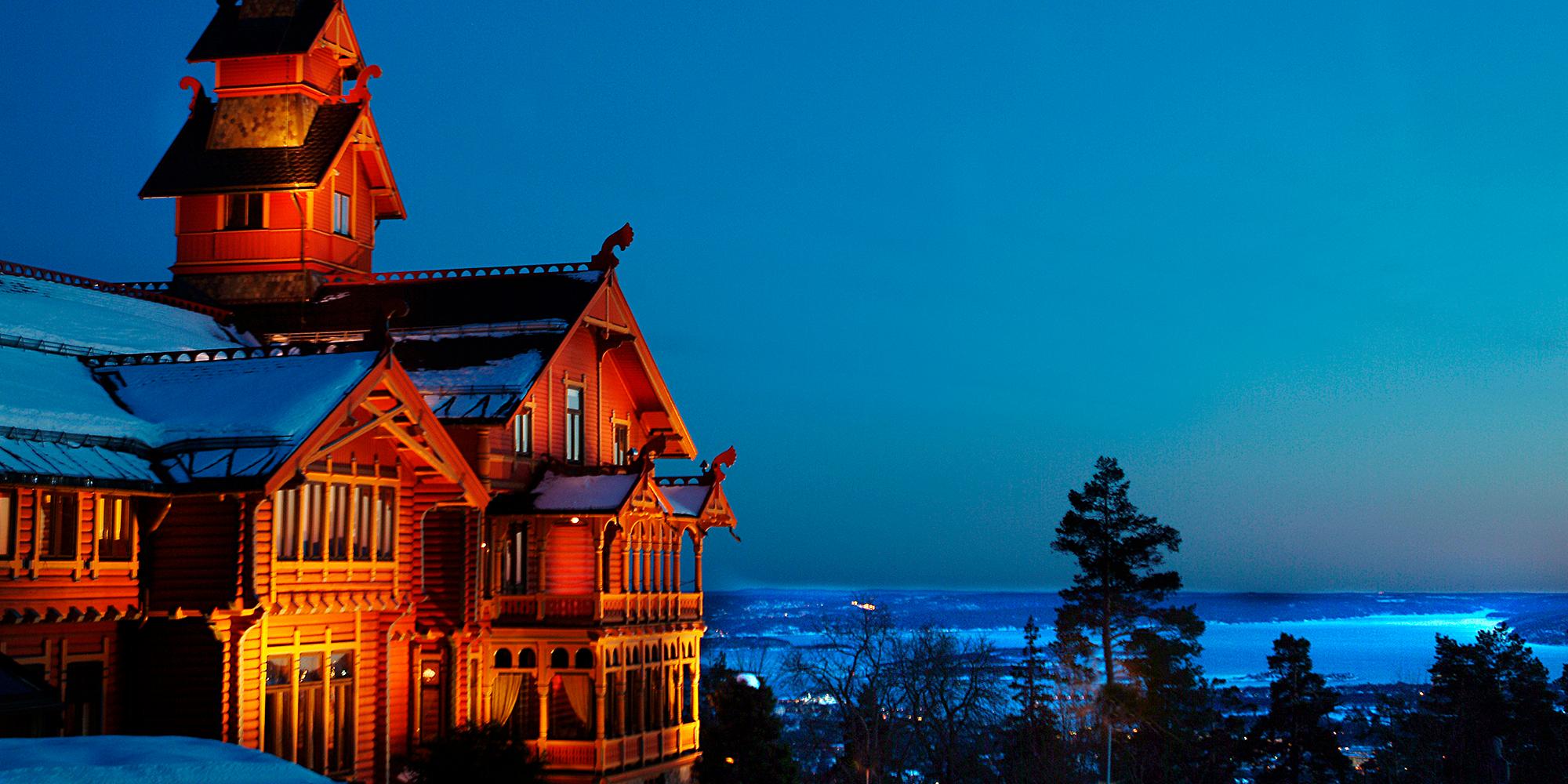 Scandic HotelsExperience Nordic hotel hospitality at its finest at more than 90 hotels across Norway. Special offers are available.
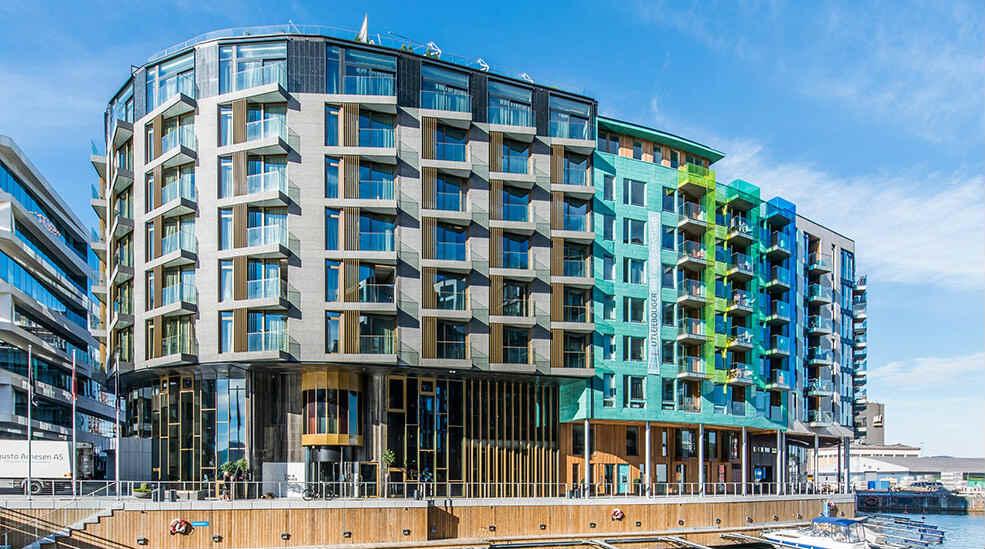 StrawberryA different hotel company! Look out for great weekend deals at more than 100 hotels in Norway.
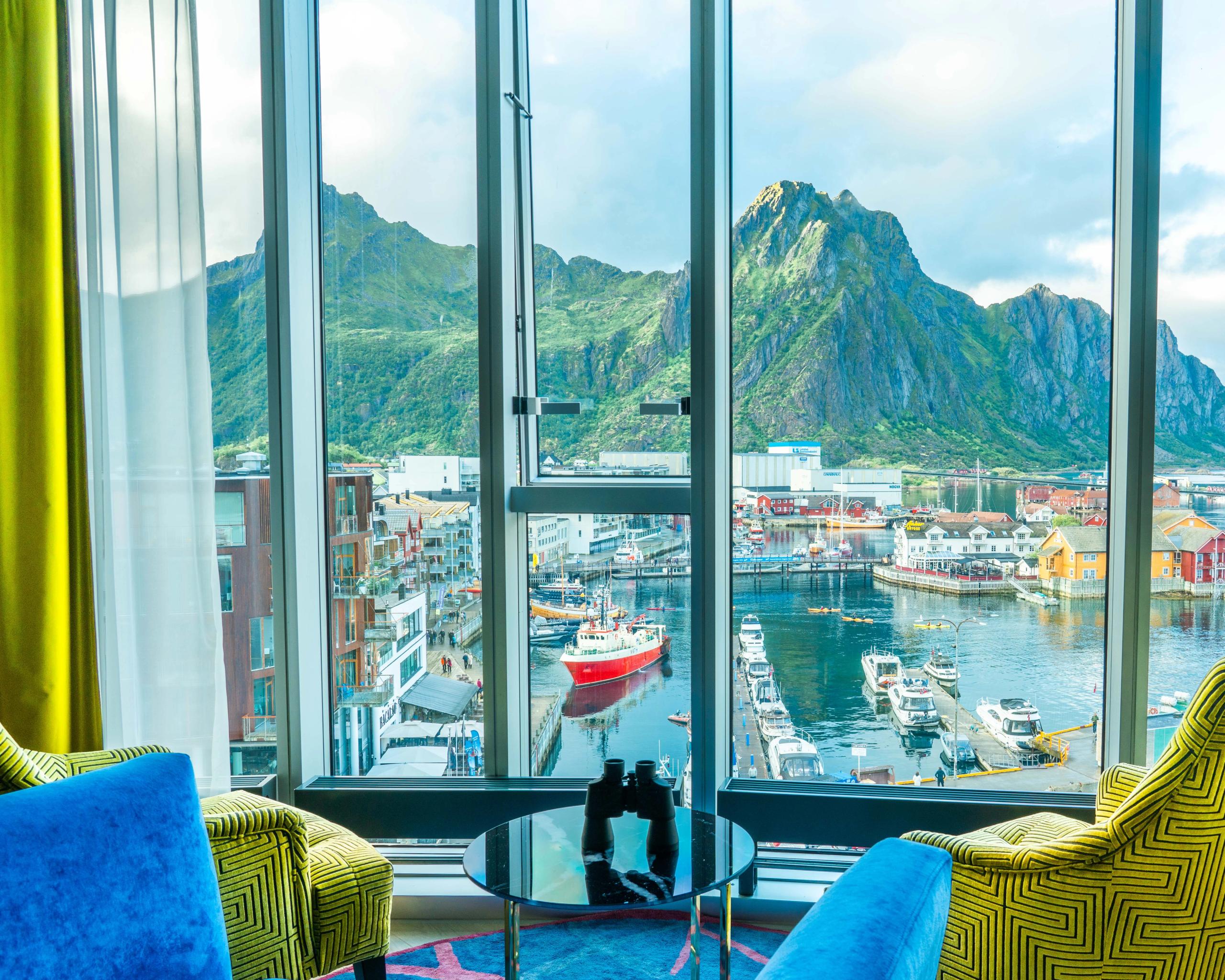 Thon Hotels ASFantastic breakfast included! Experience true comfort and reasonable rates at our 80 hotels in Norway.
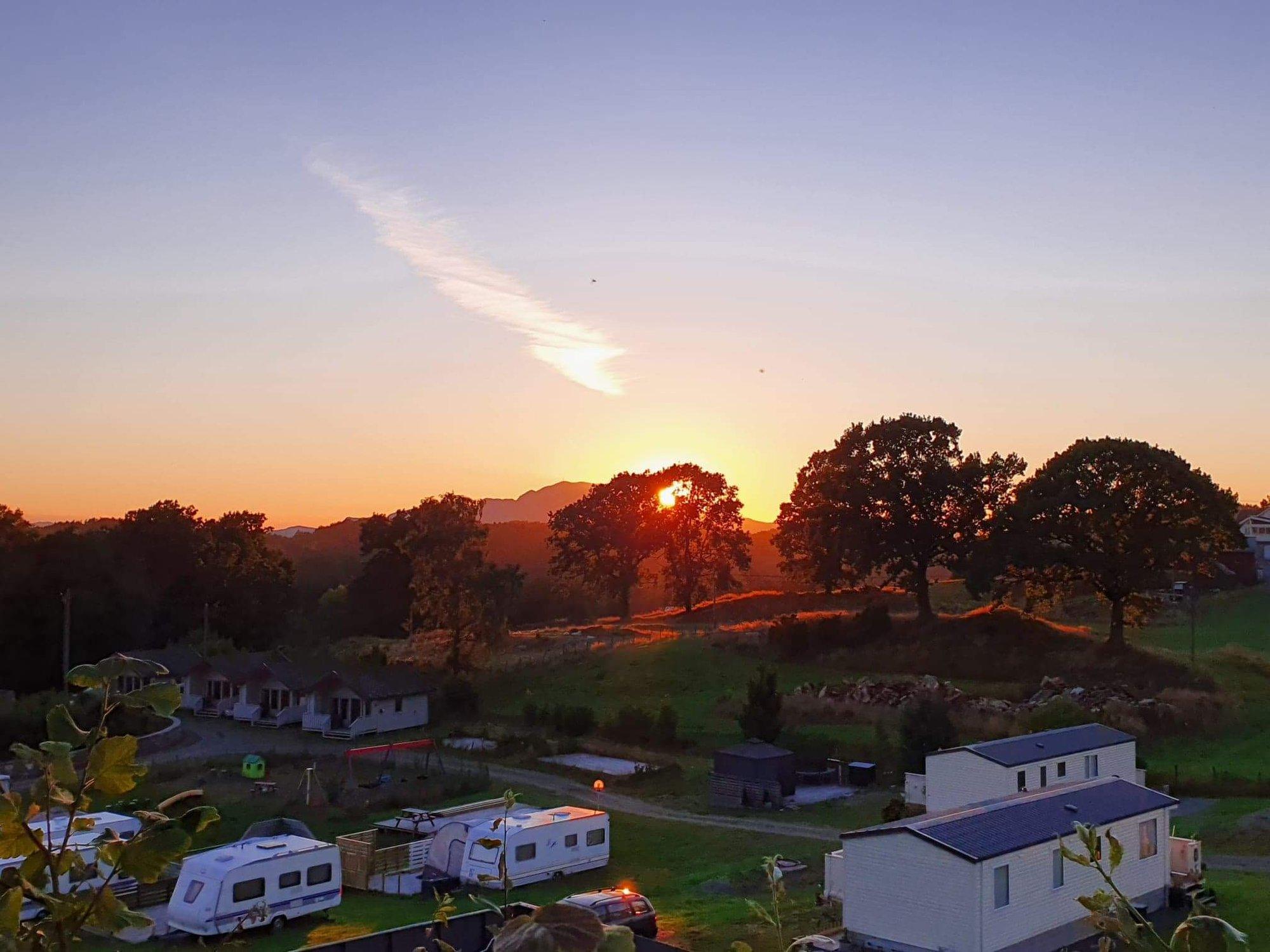 CampcationBook a camping stay in stunning and unique locations all across Norway with Campcation.
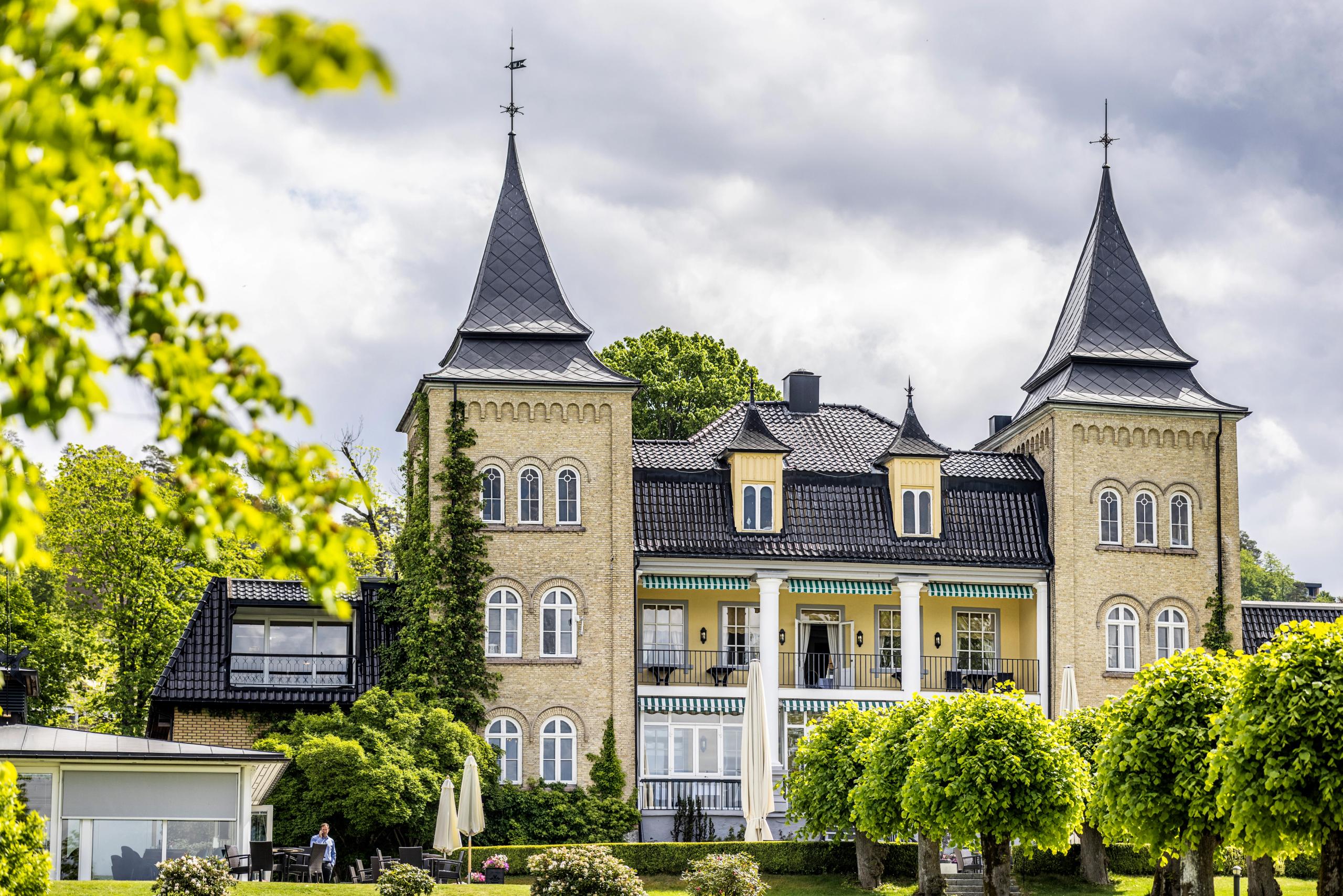 Classic Norway HotelsWhen the hotel is the destination. Book a night to remember in one of Norway's most unique and distinctive hotels.
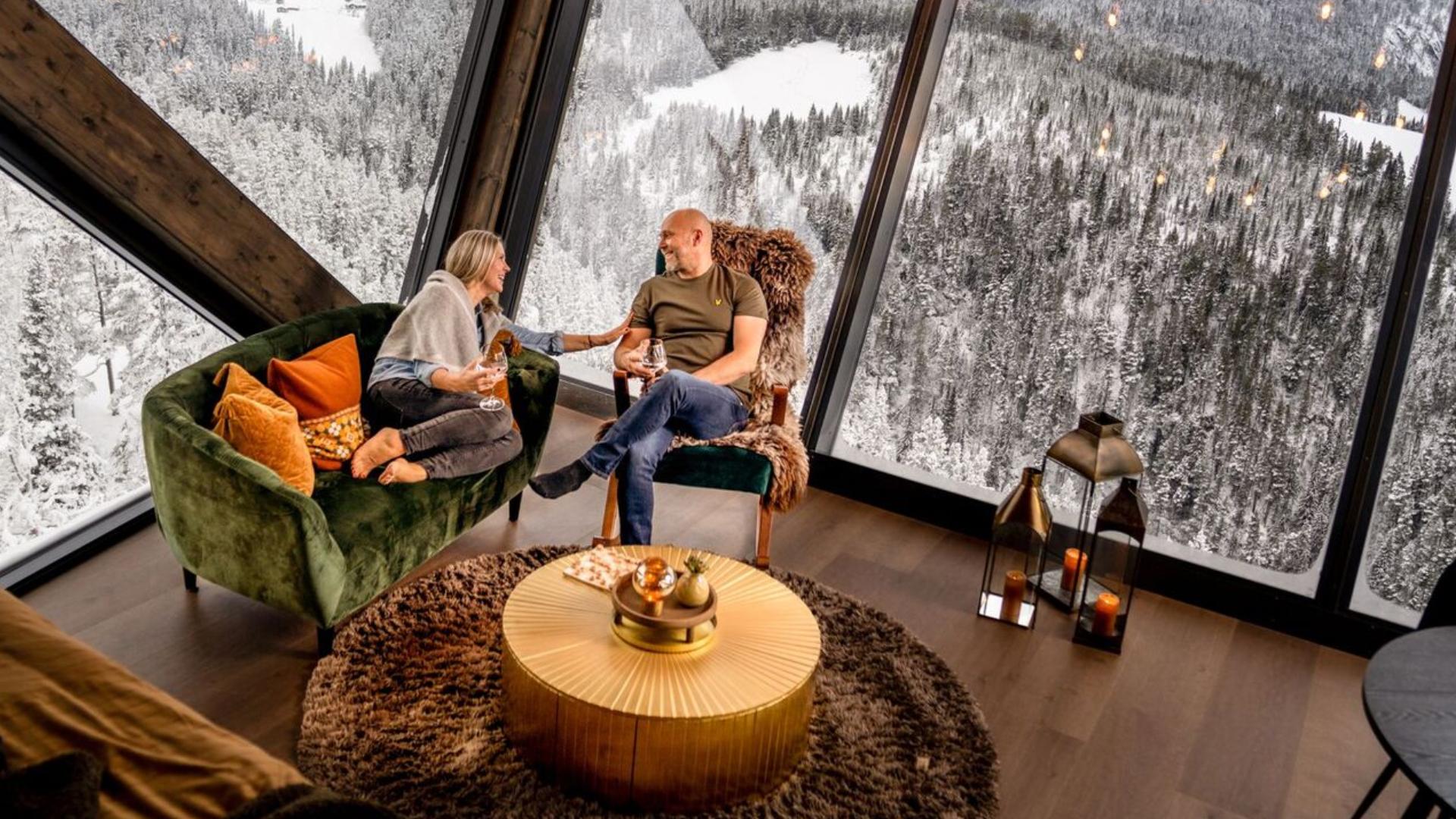 50 Degrees North NordicChoose between unforgettable tailormade individual trips and small, exclusive group tours of Norway.
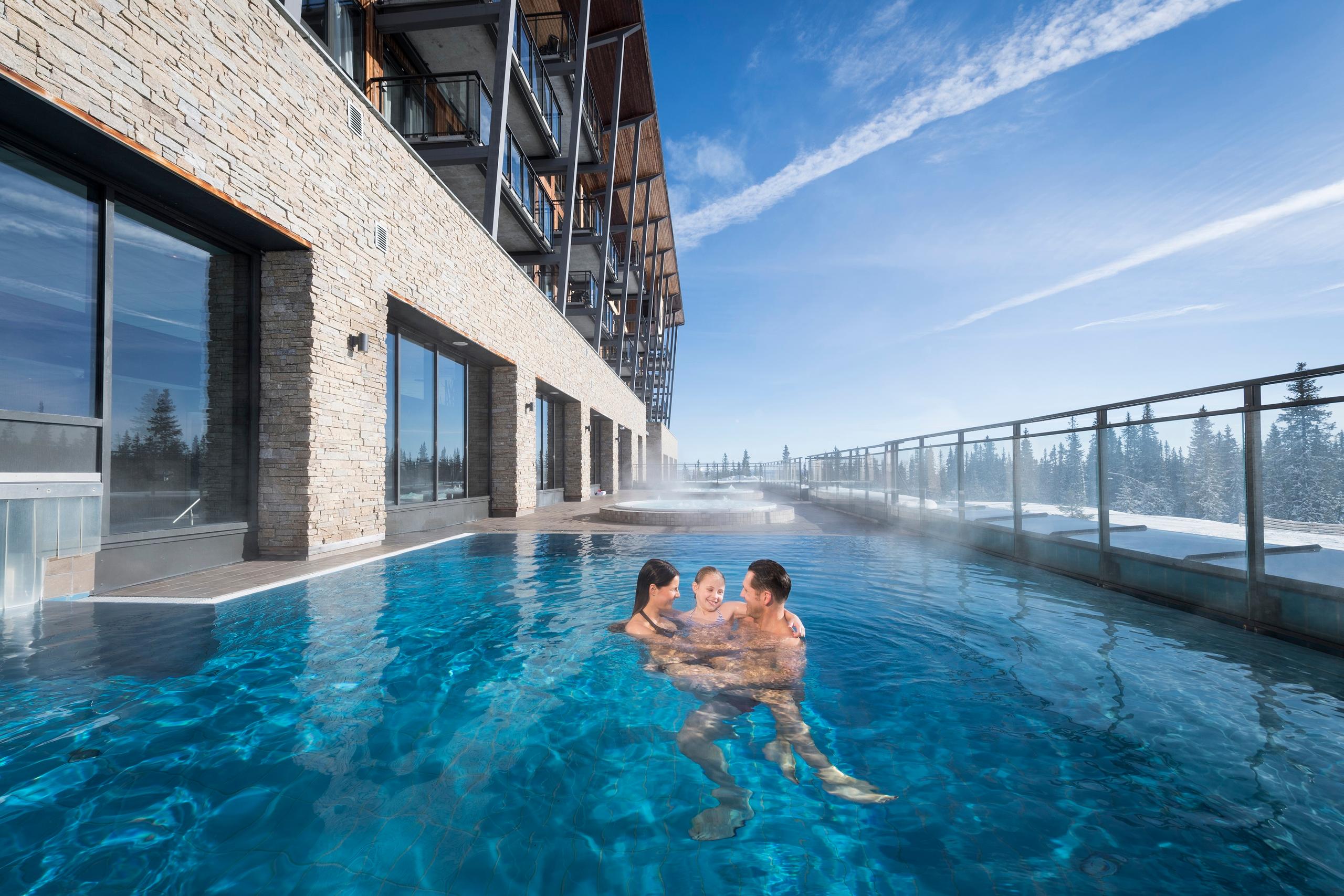 Radisson HotelsGreat value offers and comfortable quality stays in Norway´s major cities, airports, and ski resorts.
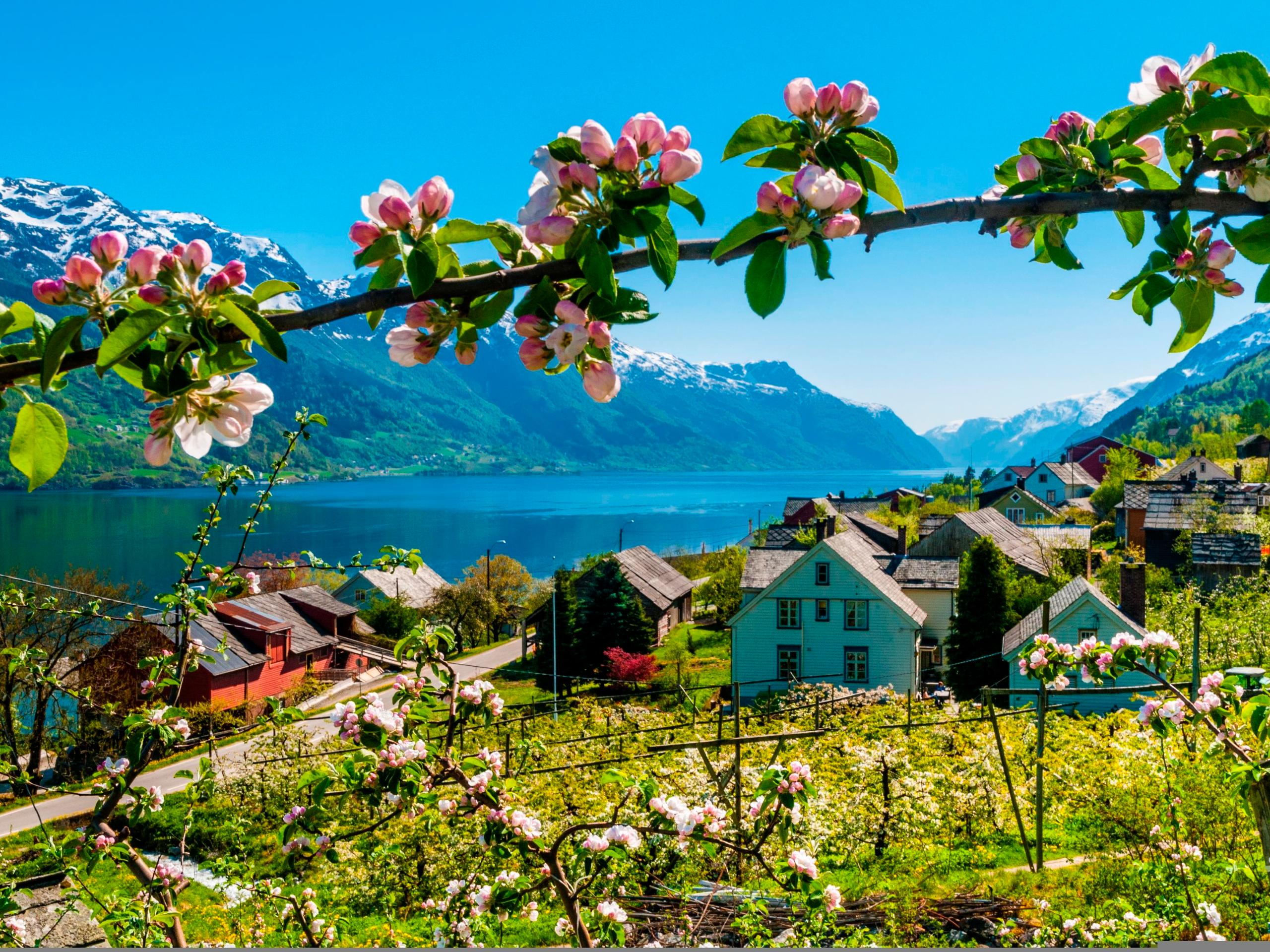 Authentic ScandinaviaTravel curated by locals. Our tailormade tours suit every type of traveller and budget.
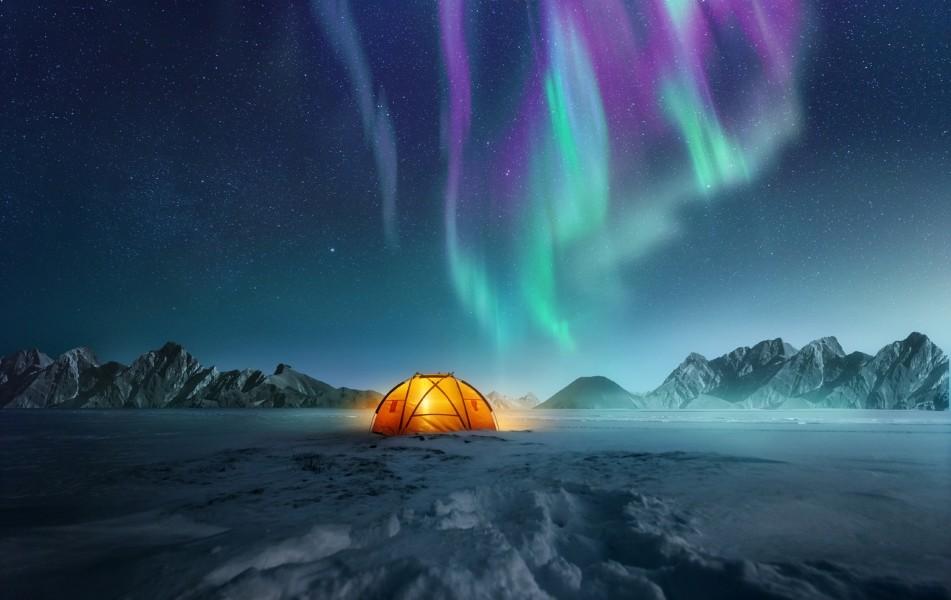 Booknordics.comUnique holiday packages, adventure hotels, tours, and activities.
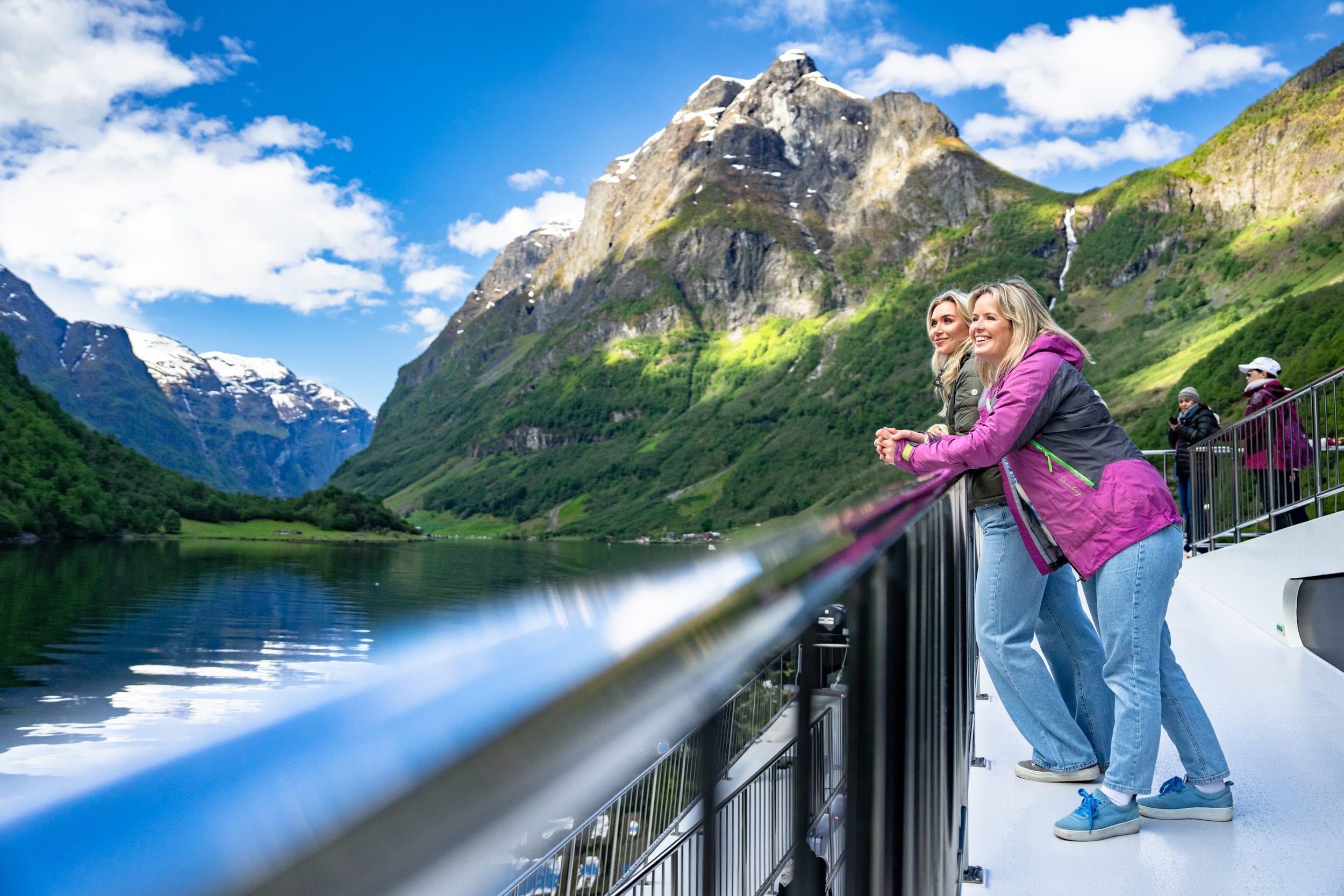 Fjord ToursHome of Norway in a Nutshell, Norway's most popular tour. Fjords, mountains, and stunning destinations — all in one trip!
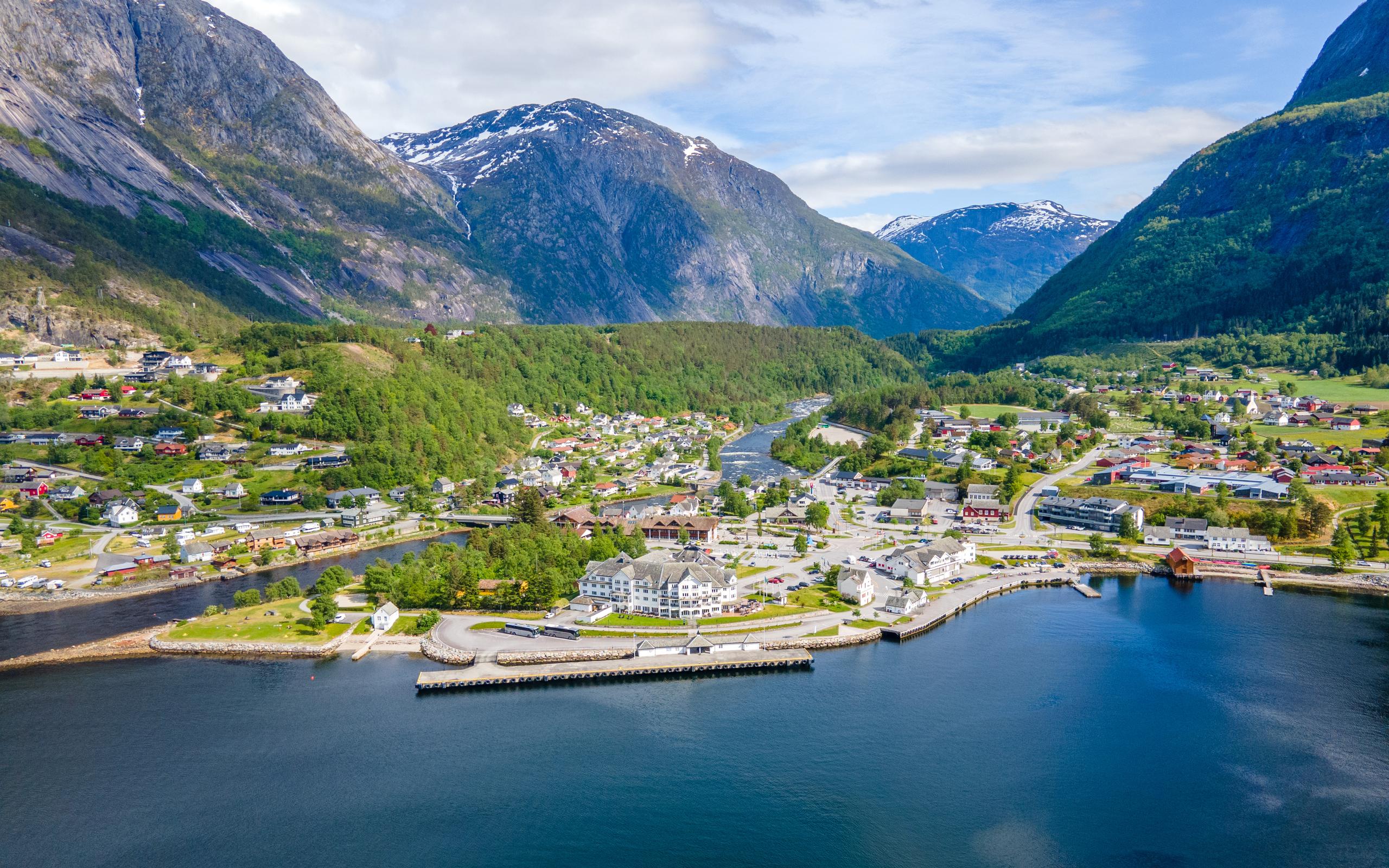 Go FjordsBook fantastic tours and experiences! We offer tours in Oslo, Bergen, Stavanger, Lofoten, the North Cape, and more.
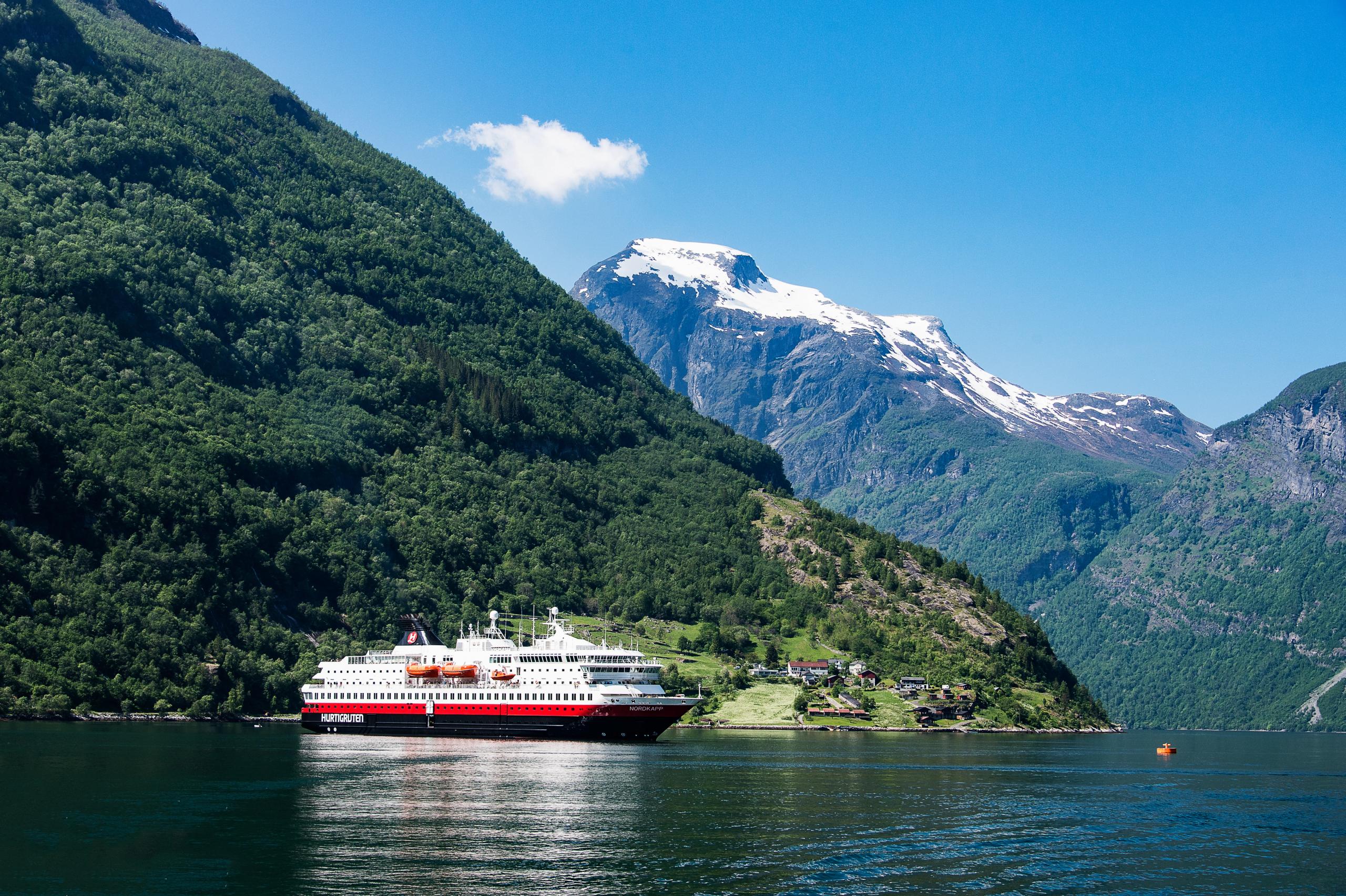 HurtigrutenExperience the world's most beautiful sea voyage on an unforgettable cruise along the stunning Norwegian coast.
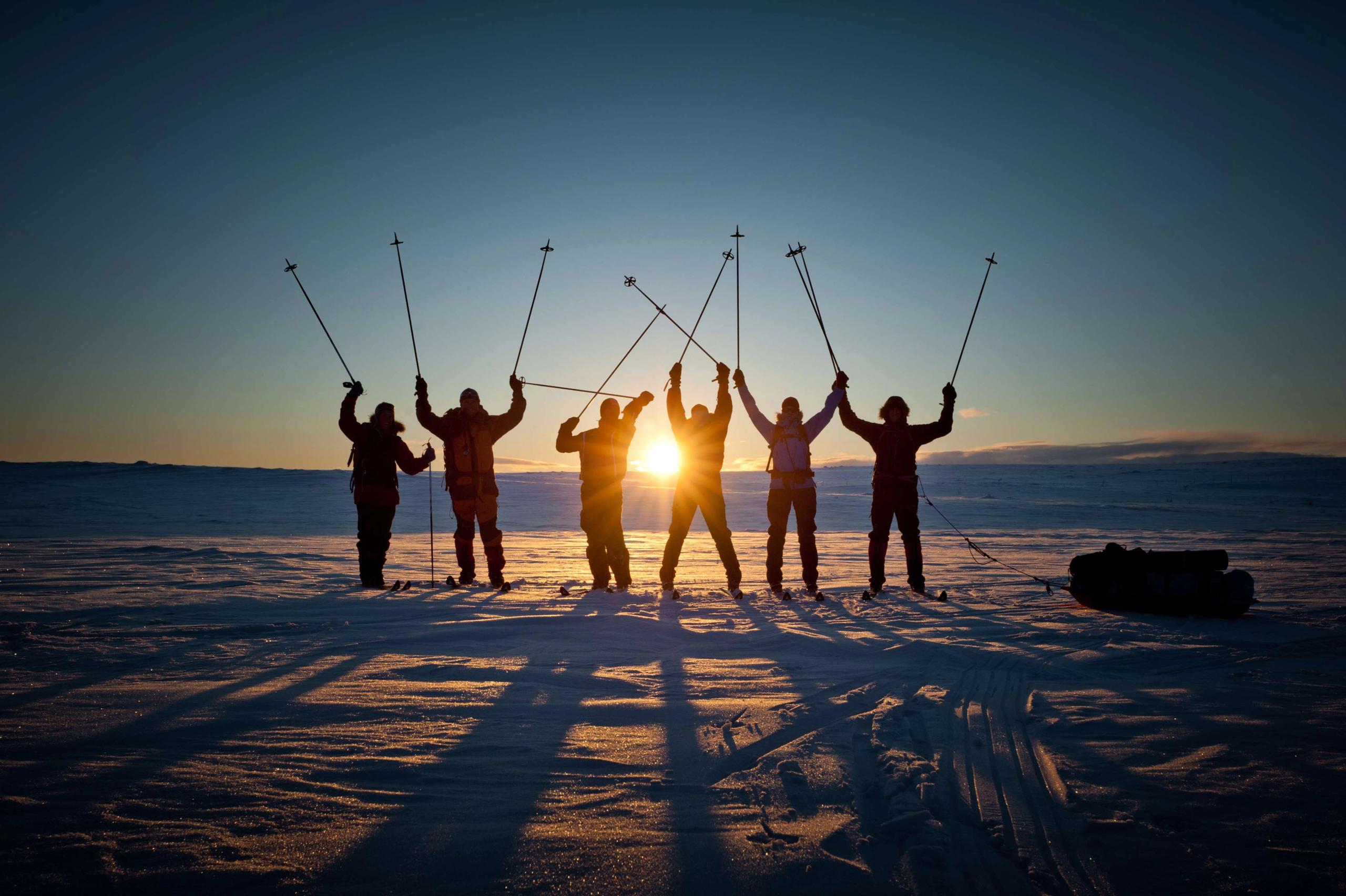 Norrøna AdventureGet ready for expeditions and adventure holidays with Norrøna Adventure. Hiking, skiing, and biking trips.
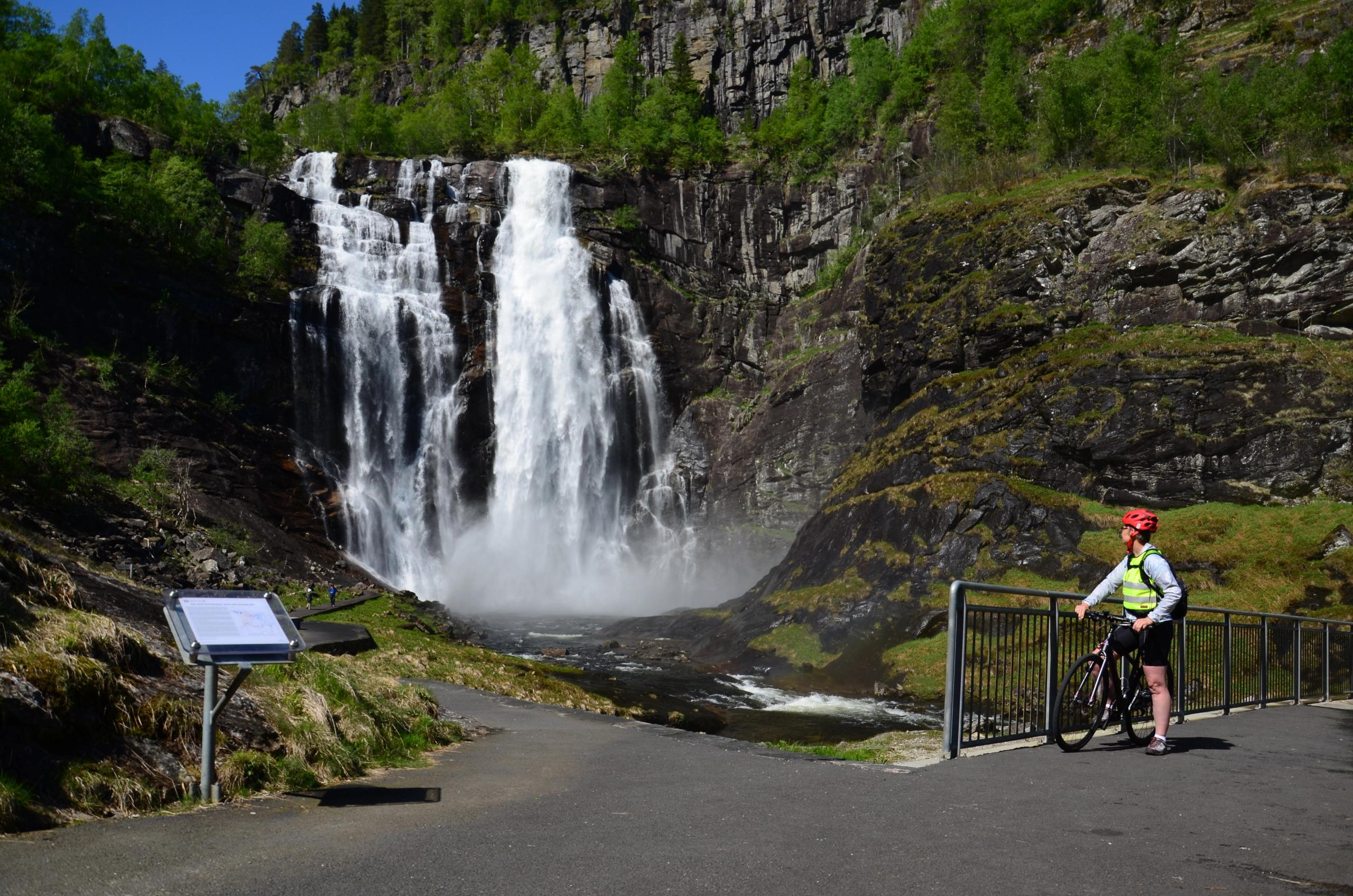 Discover NorwayOffers a range of exciting self-guided hiking, biking, and skiing holidays in Norway. Luggage transfer included.
 Norwegian HolidaysLow-price package holidays with Norwegian. Book your flight, hotel, and rental car all in one place.
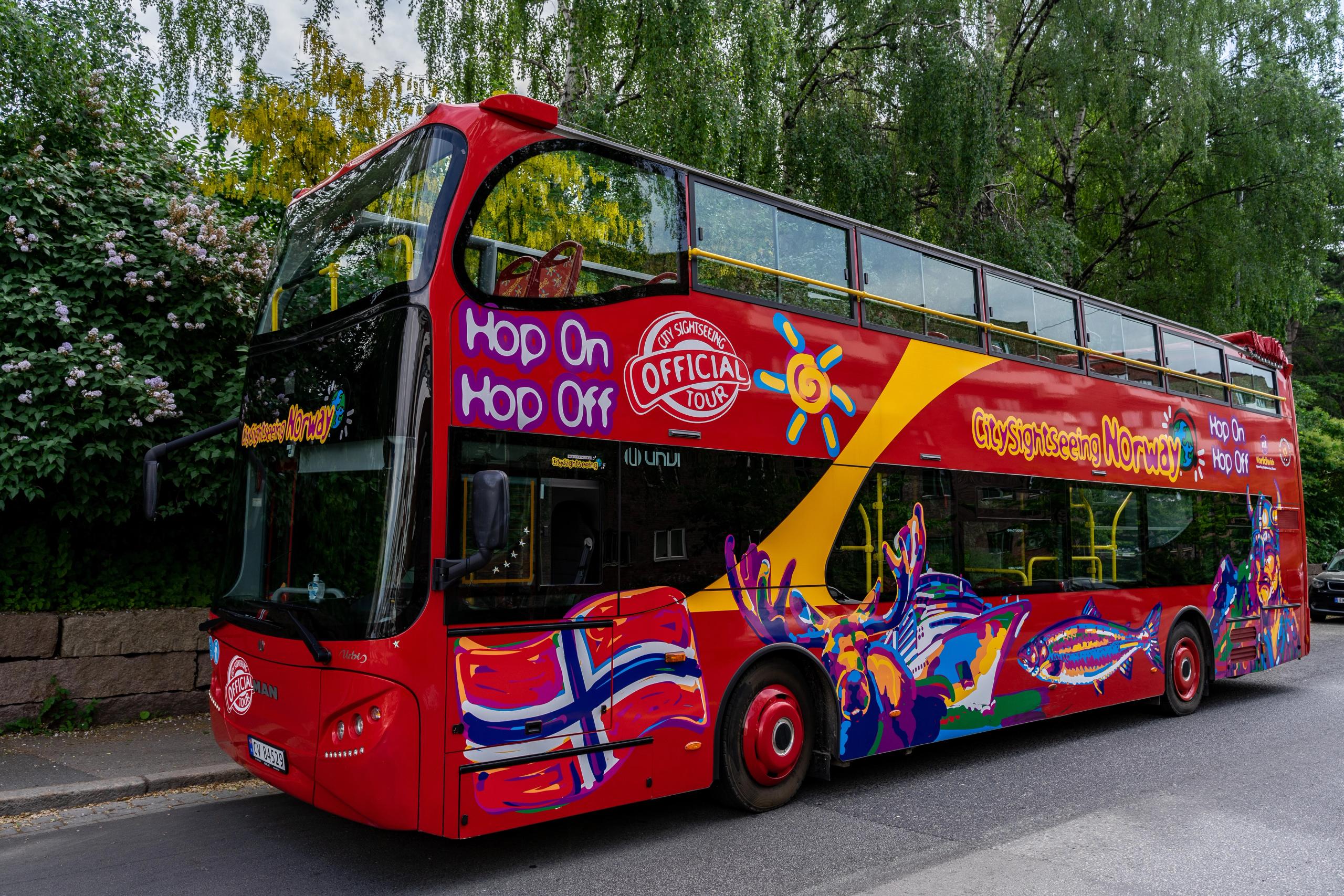 StrömmaSightseeing by bus and boat in several major tourist spots and cities in Norway.
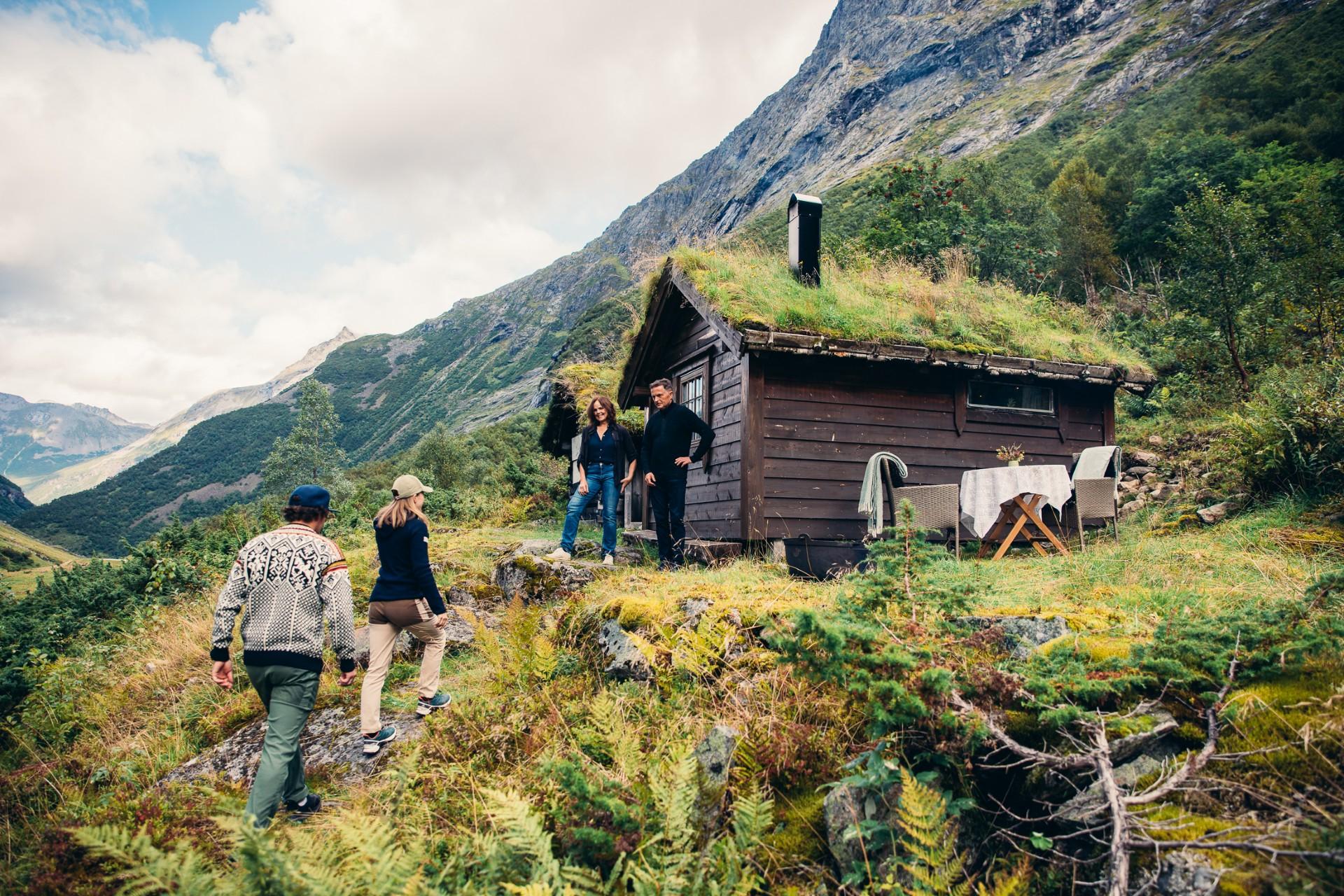 Up NorwayBespoke luxury hand-picked by local experts. We combine your preferences and our knowledge to make an unforgettable journey.
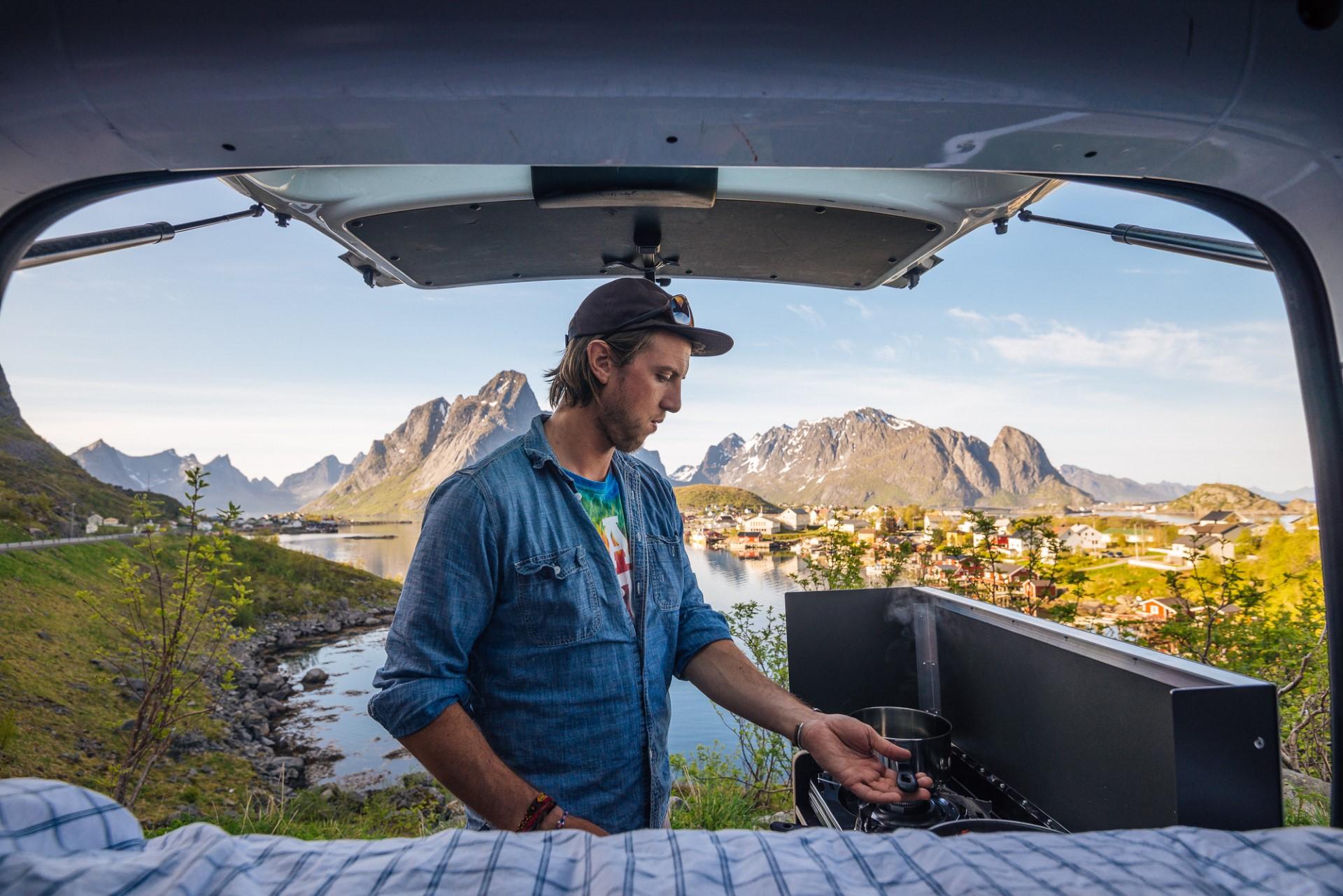 Arctic Campers ASDo you want to try van life? Explore Norway in comfort and style with our smart and cosy campervans.
 Auto EuropeAlways a smooth car rental experience. Search and compare rental rates. Free cancellation up to 24 hours prior to pick-up.
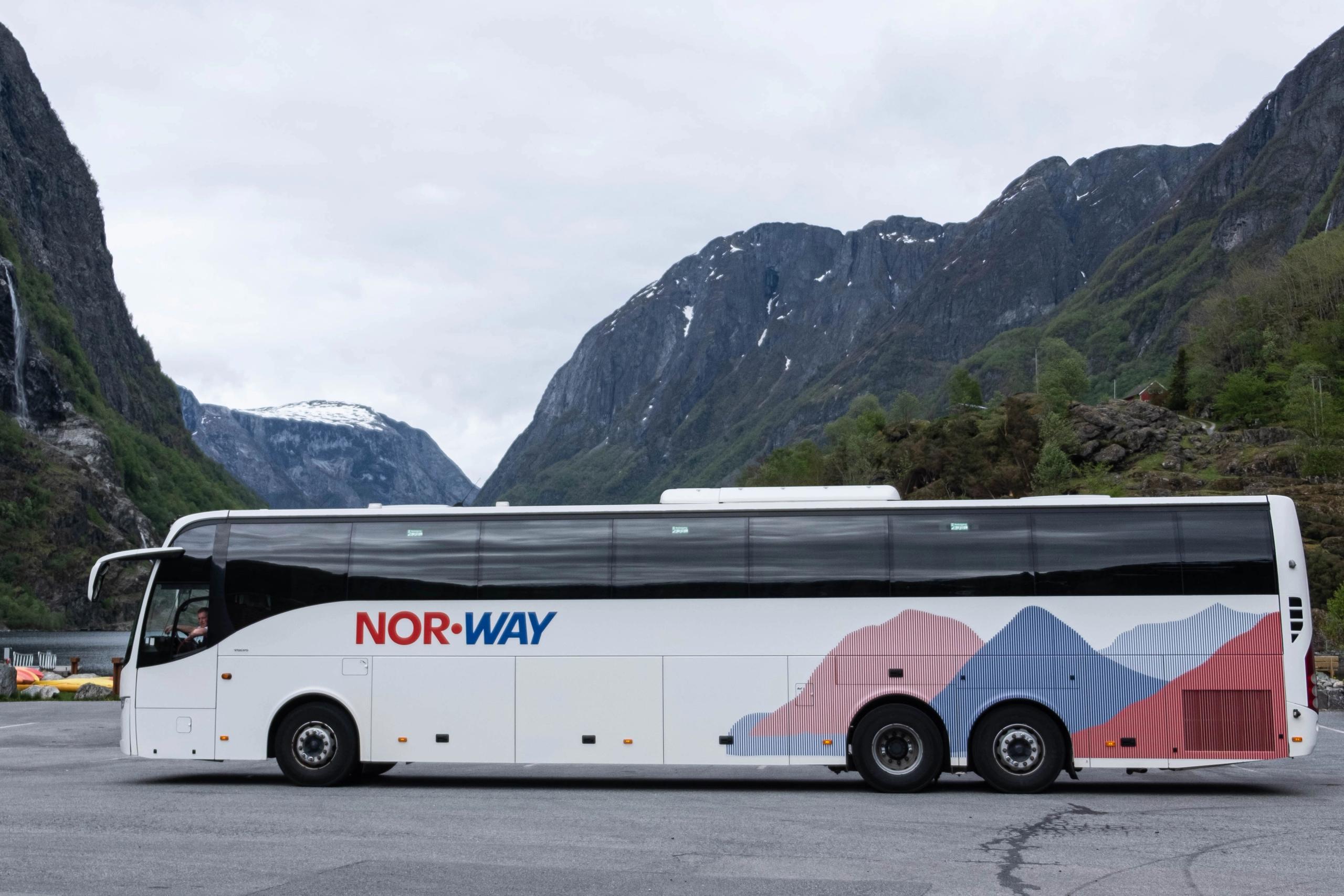 NOR-WAY BussekspressEnjoy scenic views on comfortable bus trips to the fjords and from city to city with our express buses.
 Rent-A-Wreck of Scandinavia ASThe smart and affordable car rental alternative.
 SJ NordSJ NORD - the adventure starts on the train
 Vy expressDiscover Norway on comfortable express buses that take you between major cities, mountains, and fjords.
 Vy TrainGlide through scenery on a train between Oslo and Bergen on the Bergen Railway and explore the greater Oslo region.
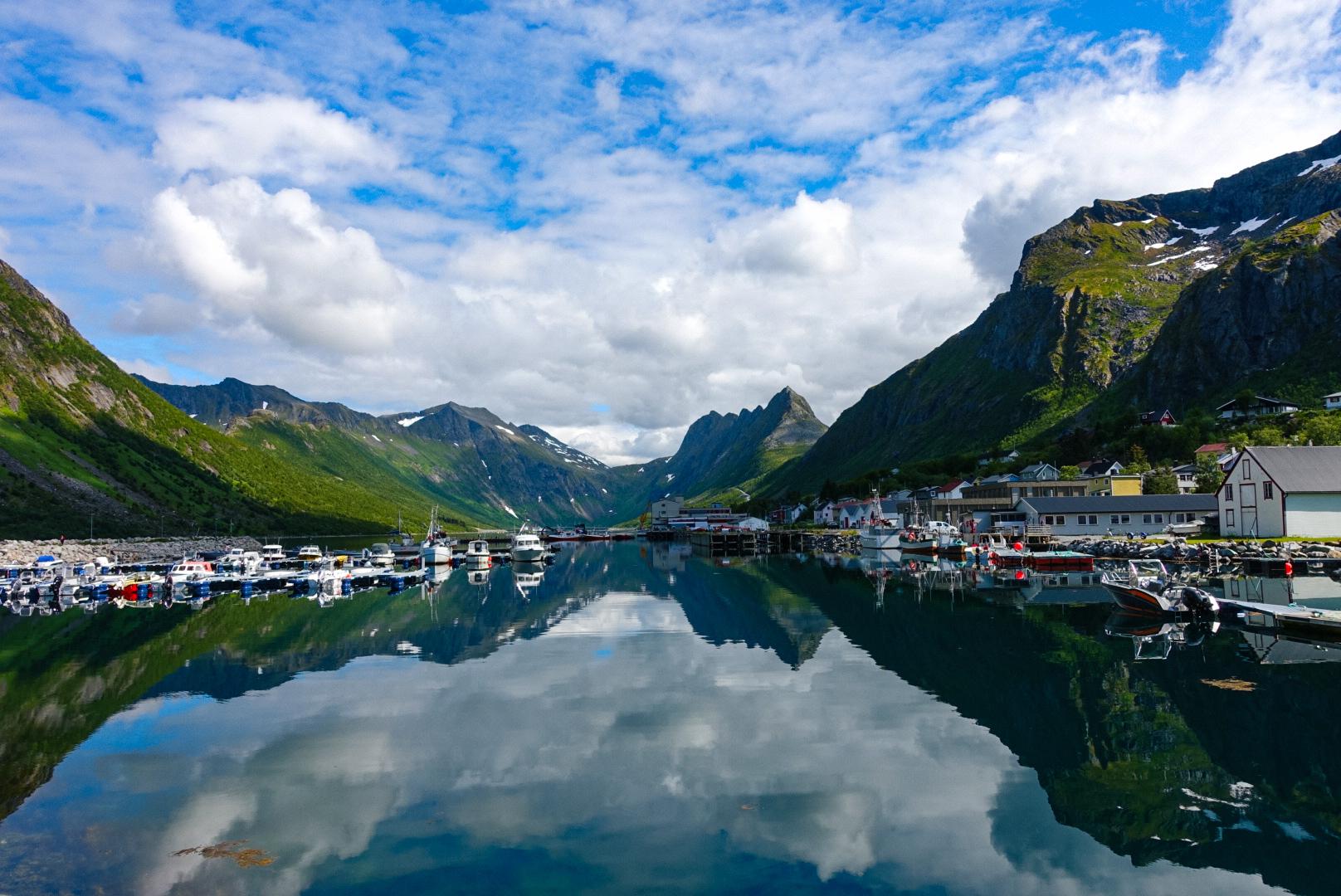 My Nordic TravelChoose between DIY itineraries and pre-packaged holidays to the very best destinations in Norway.
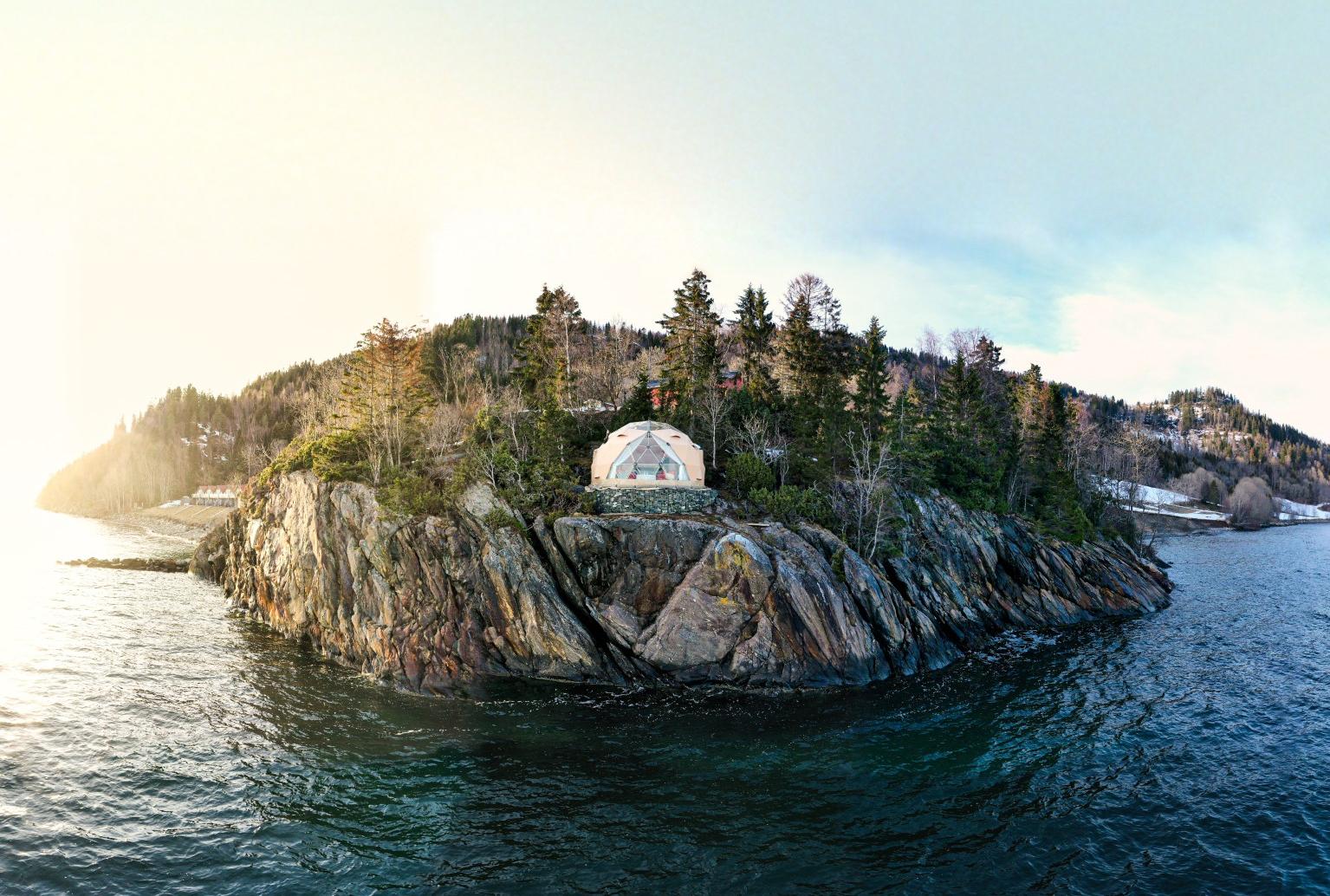 CampanyonUnique camping in nature. Book a stay in a treehouse or glamping tent or rent a motorhome pitch.
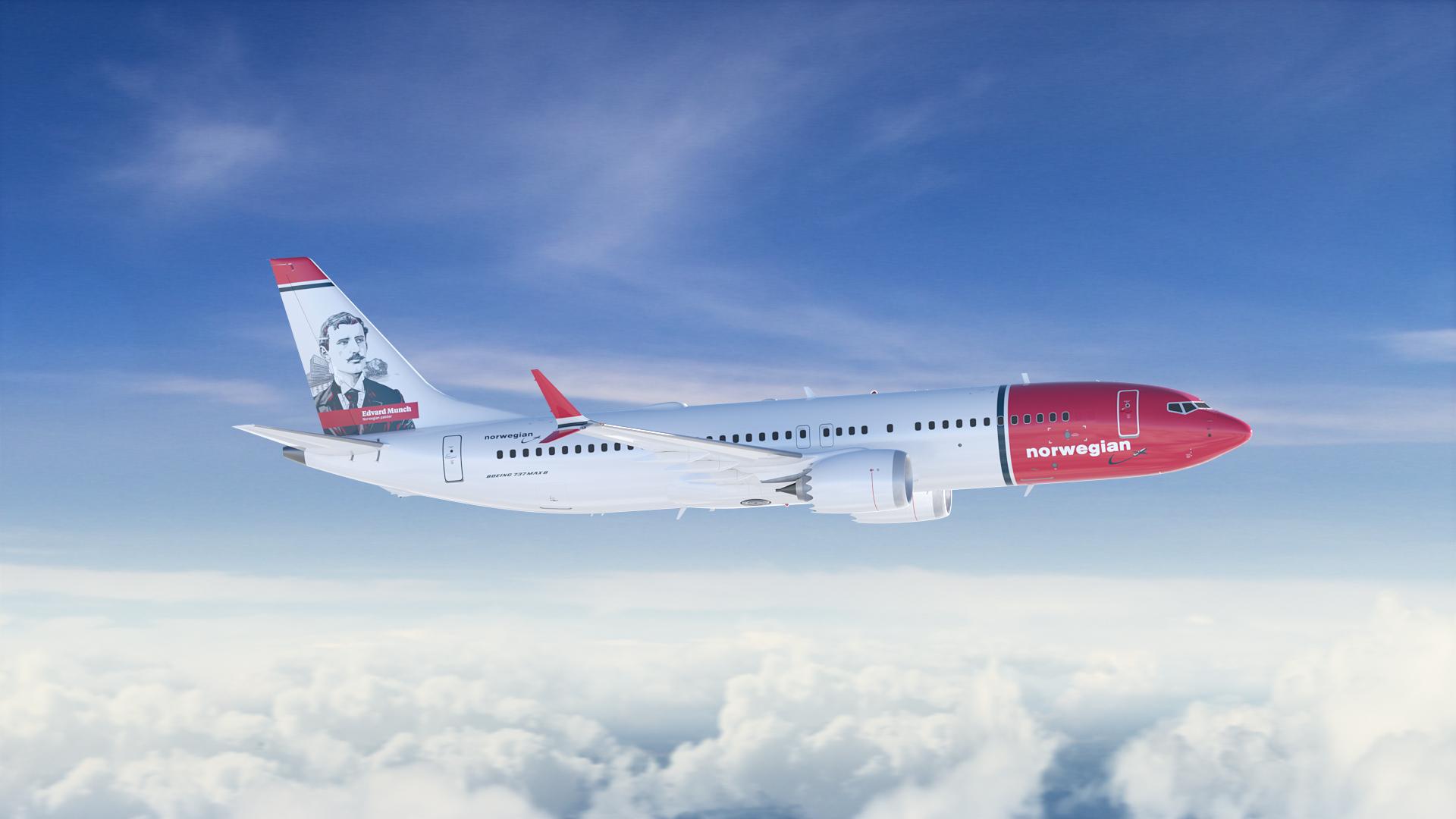 NorwegianNorwegian offers cheap flights in Norway and direct flights from more than 70 European destinations. Book flights through our low fare calendar to your destinations.
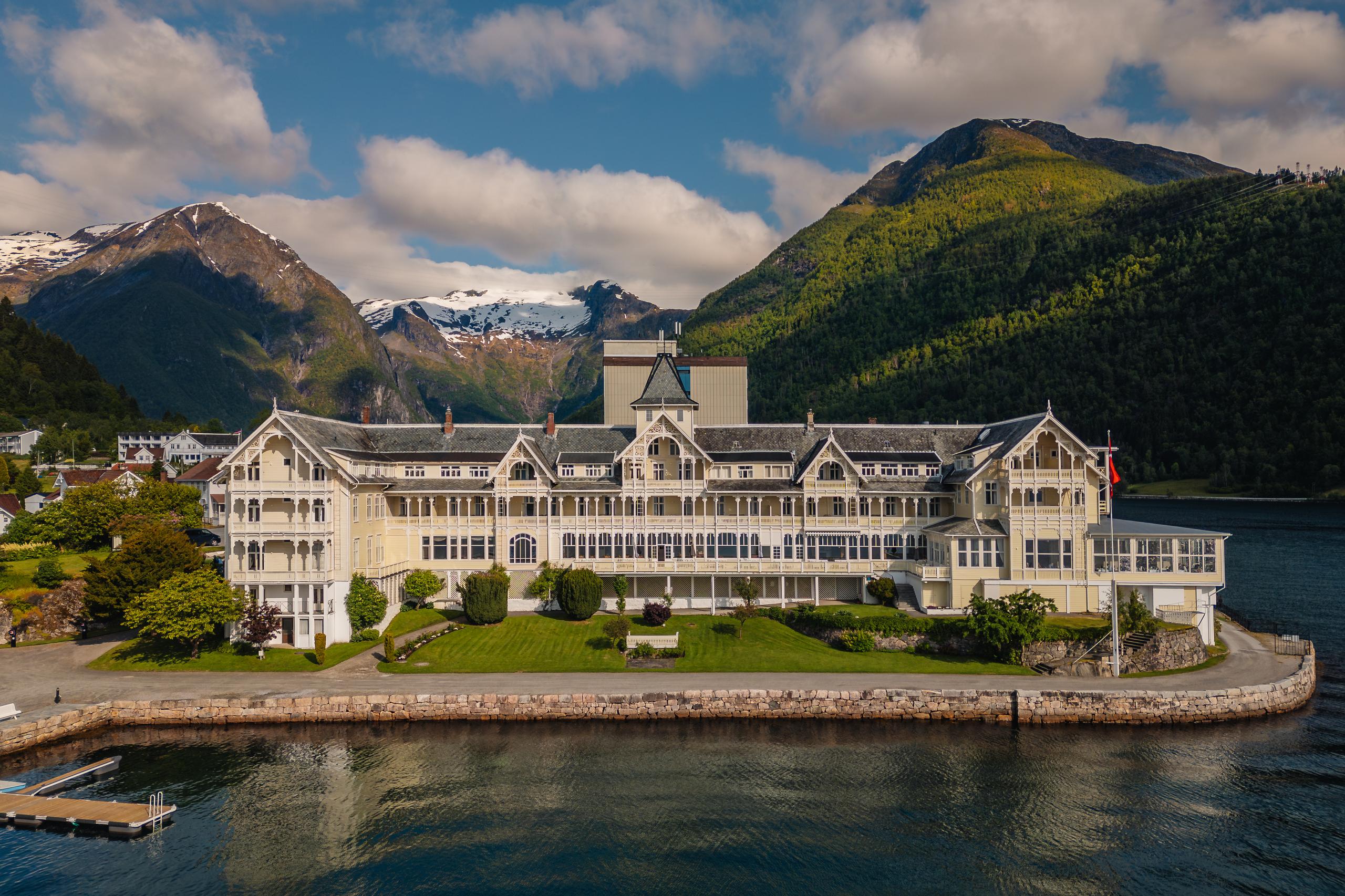 De HistoriskeHave an unforgettable stay at one of Norway's unique, authentic historic hotels. Enjoy first-class dining experiences and a broad range of activities.
 CampioNorway's biggest camping booking site. Find the best camping and motorhome pitches throughout Norway.