Learn all about iconic Norwegian sølje, the traditional silver jewellery worn with Norway’s national costume, the bunad, and meet the new generation of silversmiths who are crafting each piece by hand.
SØLJE
Traditional Norwegian bunad bling!
Ever noticed the sparkling pins on a Norwegian bunad?
Meet sølje!
They do more than just keep your shirt in place …
… they're also a small piece of our proud cultural heritage.
Made by master silversmiths, every swirl, leaf, and dot is handcrafted – yes, we're that serious.
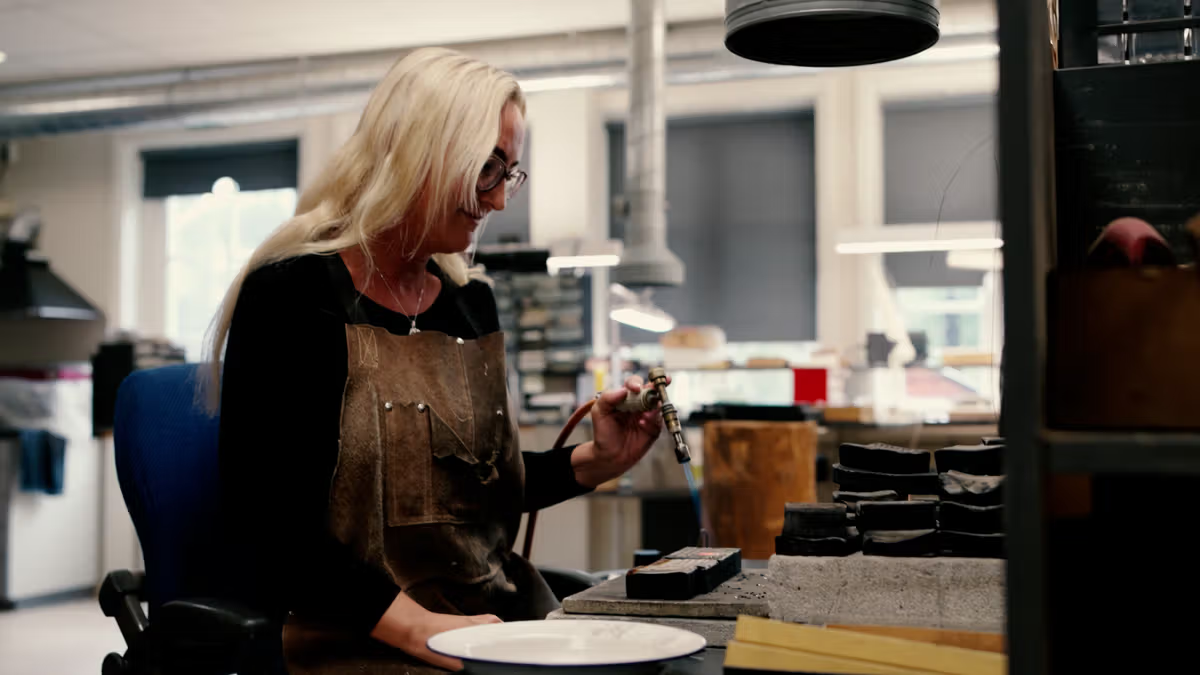
“You're in your own little world, giving it your all.”
Camilla Føreland
Silversmith at RysstadSylv
Some pieces cost as much as a small car – but can you really put a price on history you can wear?
With each step, dozens of silver discs tinkle – you can’t help but make a bold entrance.
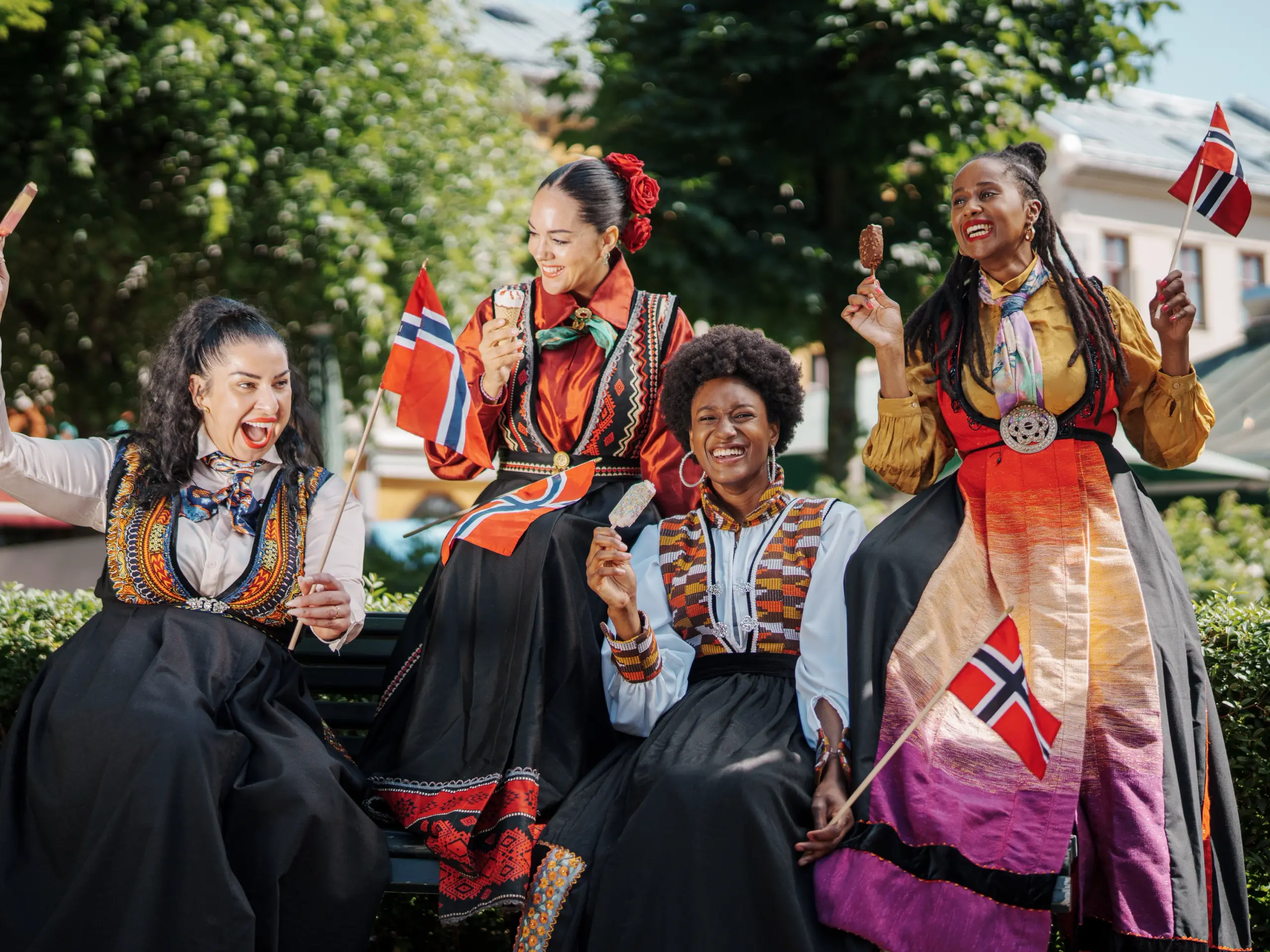
Norway’s national attire
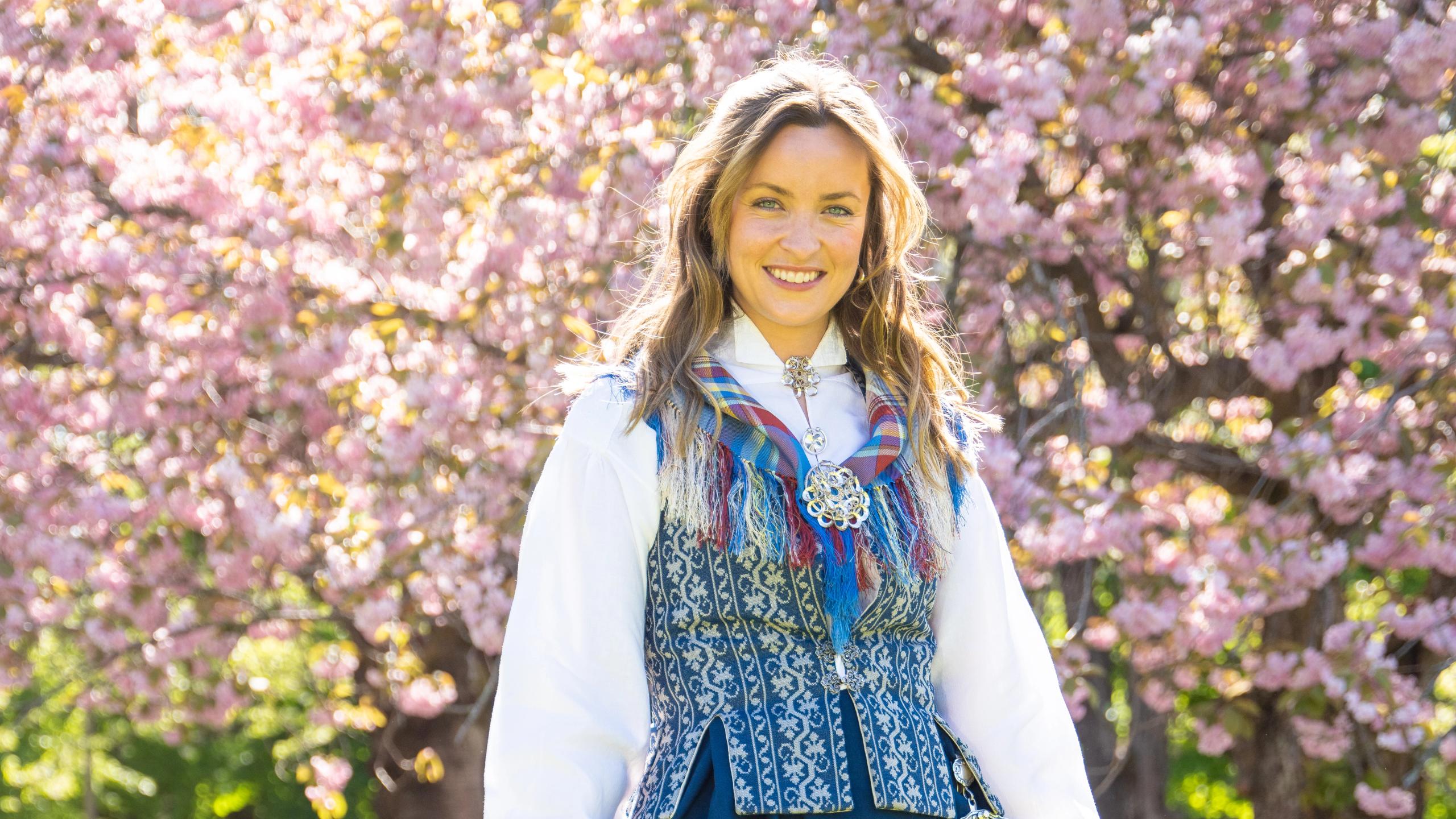
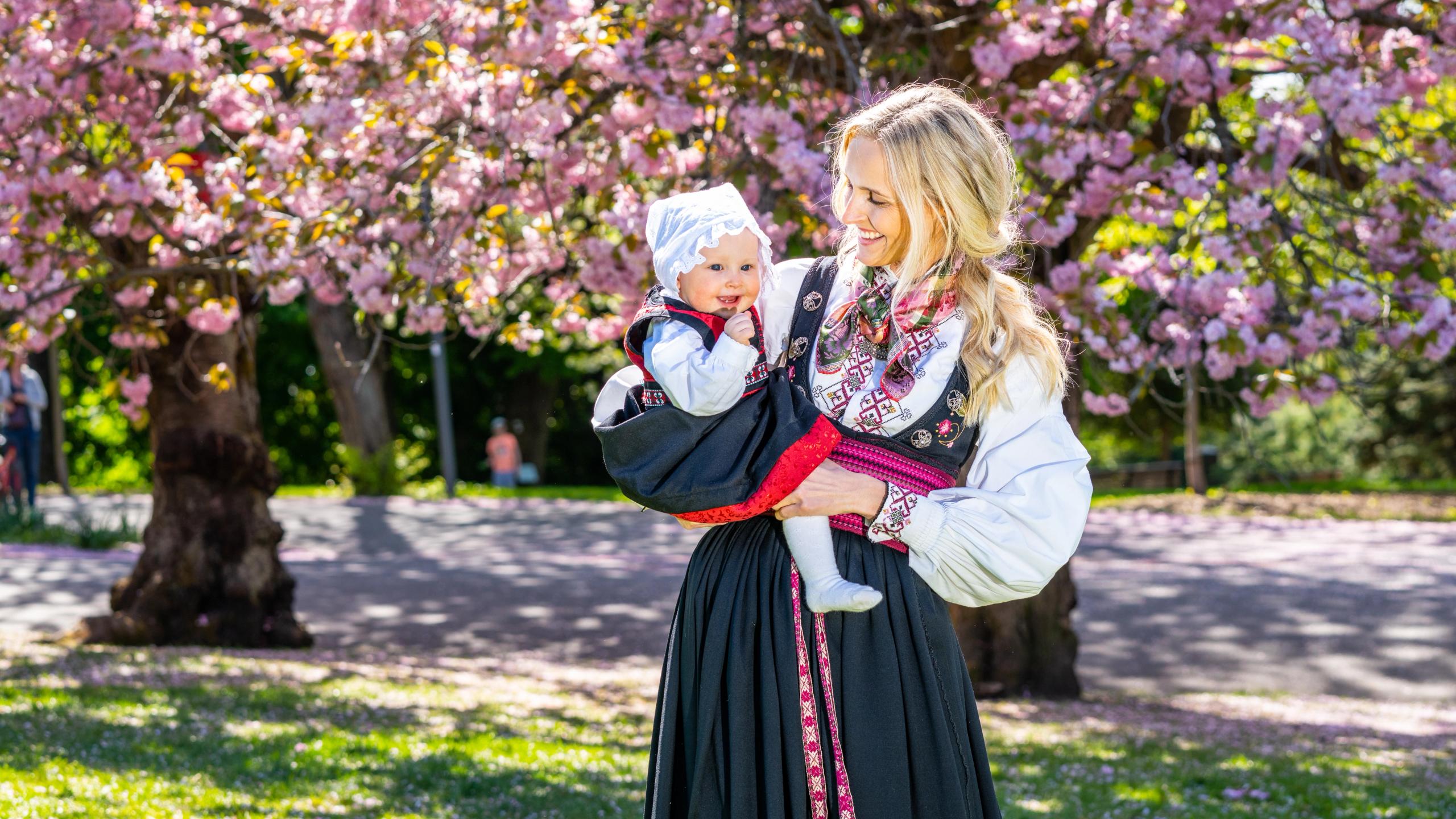
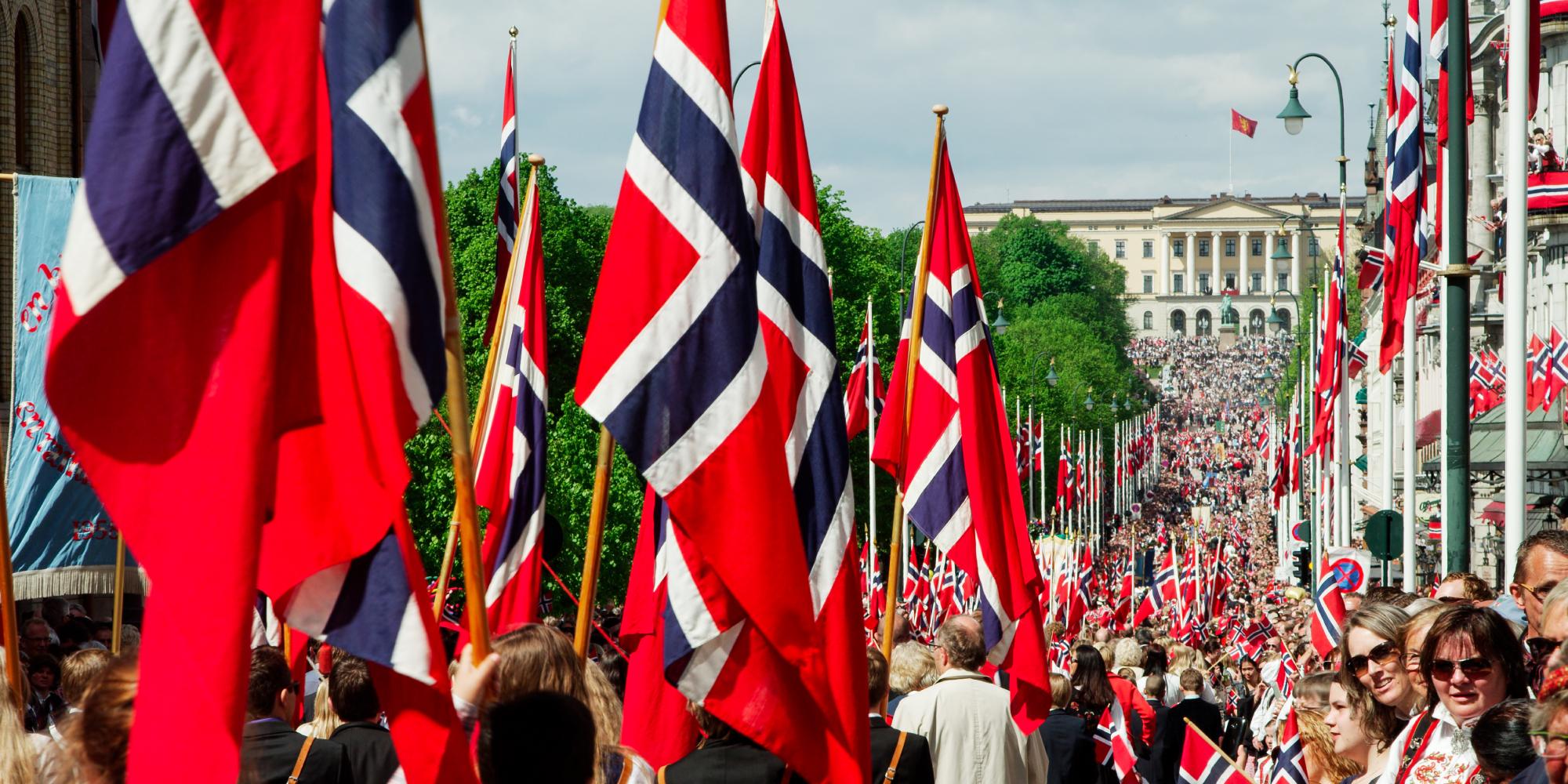
A bunad is a traditional Norwegian national costume, worn on Norway’s national day, and other festive occasions. Norway has around 450 bunads, each with unique patterns and colours representing a local region. Traditionally chosen based on family heritage or home town, today it is more acceptable, especially among the younger generations, to pick the style one likes best rather than choosing the local style.
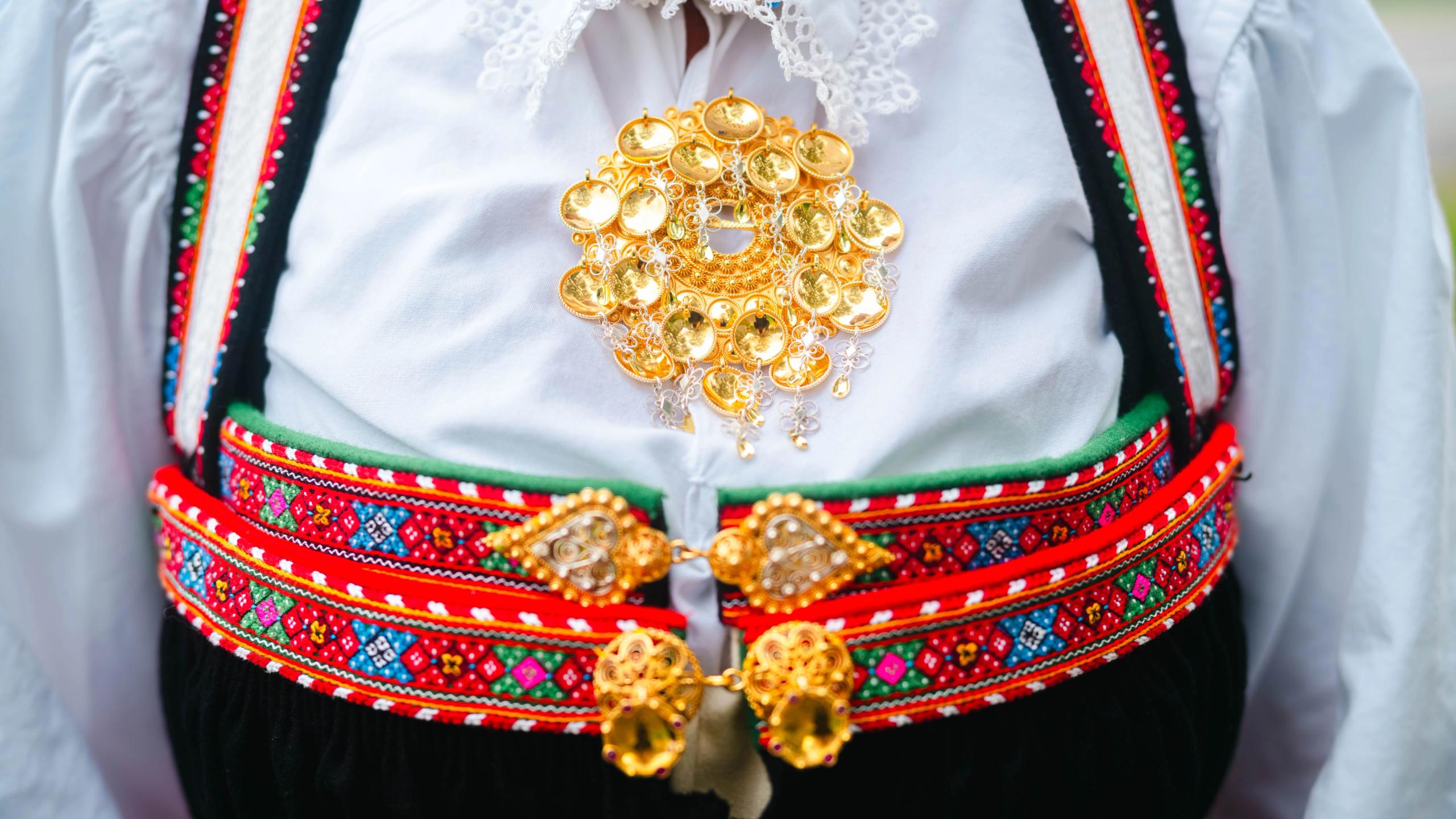
Creating a bunad takes time and skill, making it costly. Adding to its value is the sølje, the essential silver brooch, along with buttons, cufflinks and belt to complete the outfit.
Festdrakter, like bunads, are often adorned with søljer as well. They are a trendy, creative take on the traditional bunad. But unlike bunads, they are not tied to a specific heritage and were developed to offer a more accessible, inclusive, and often more affordable, alternative.
A silver heirloom
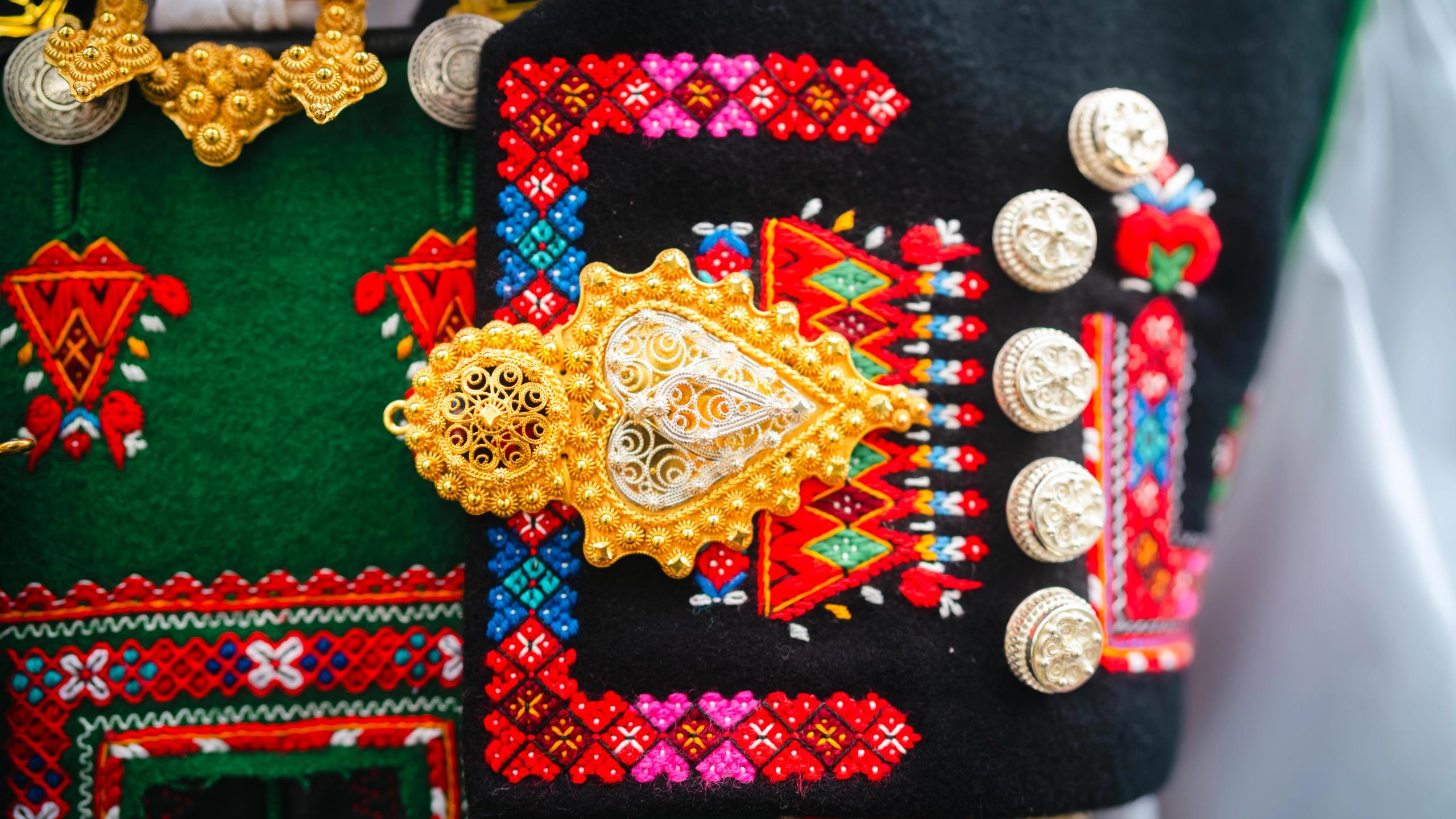
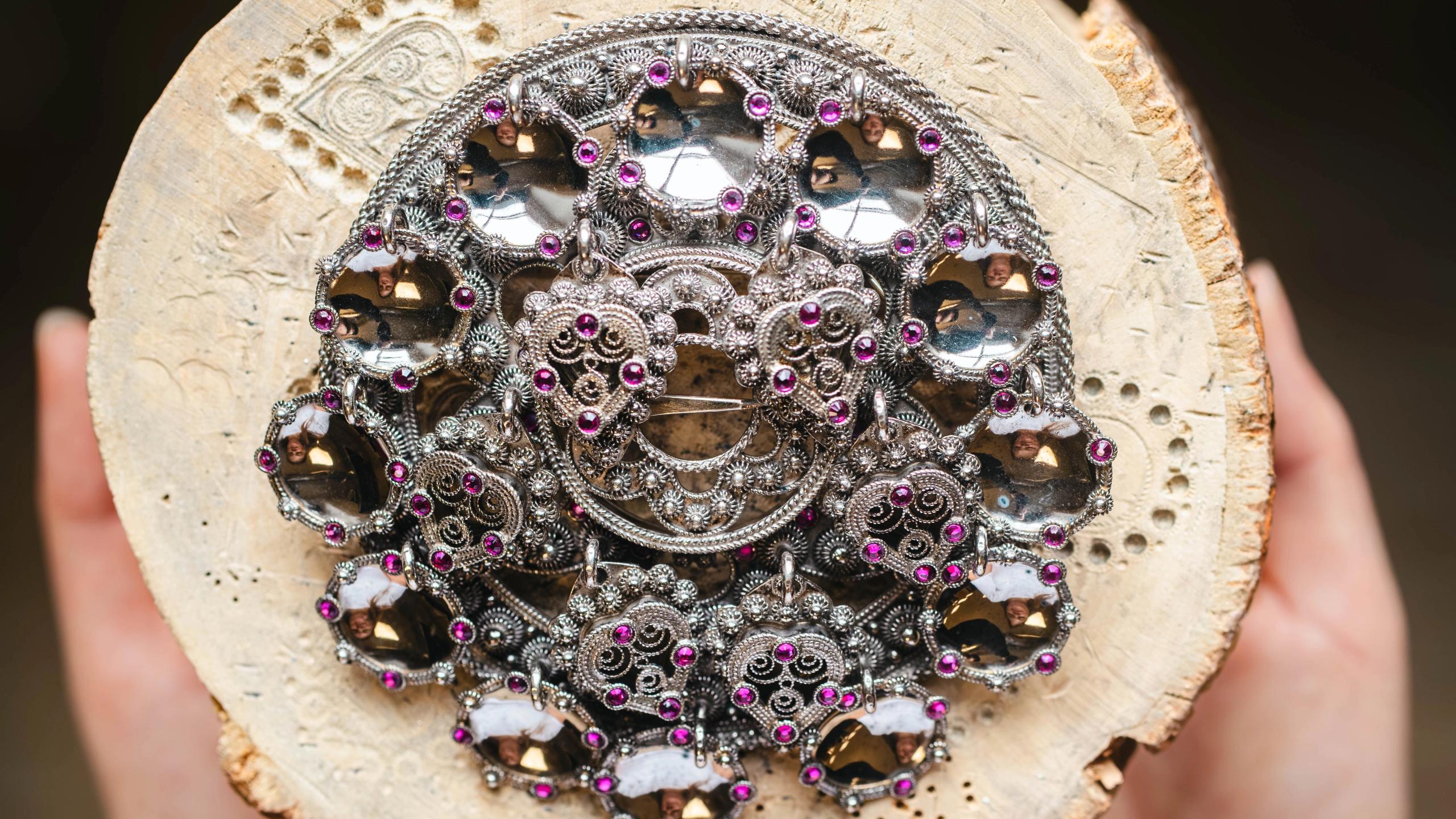
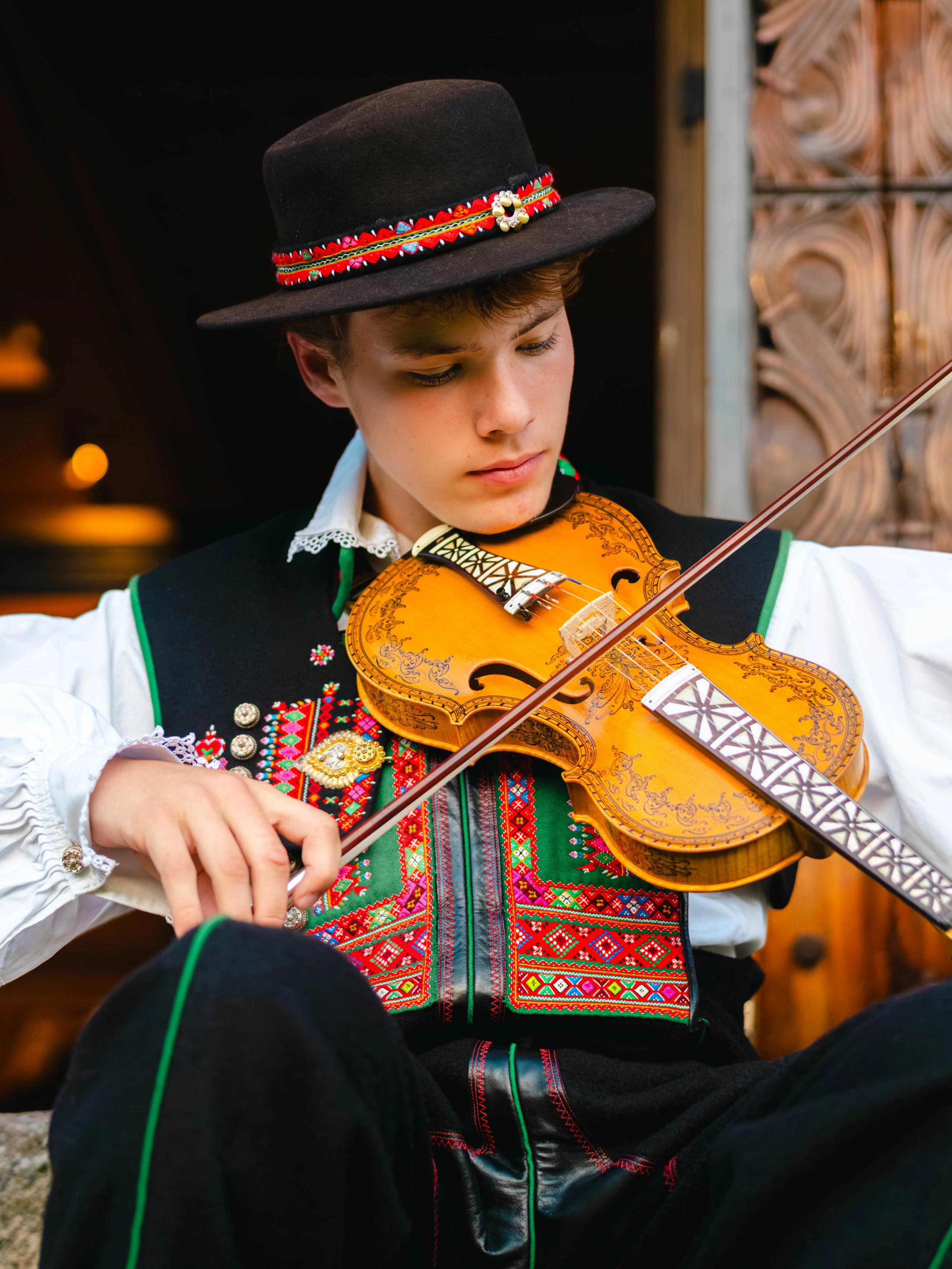
A sølje is really the crown jewel of the Norwegian bunad. Women often wear large, dazzling brooches with tiny discs that tinkle with every step, while men wear smaller, simpler versions on their vest or shirt.
Over time, the brooch has become a symbol of identity, pride, and family heritage. Made from sturdy silver, gilded silver, brass, or pewter, søljer are built to last, allowing them to be cherished and passed down through generations.
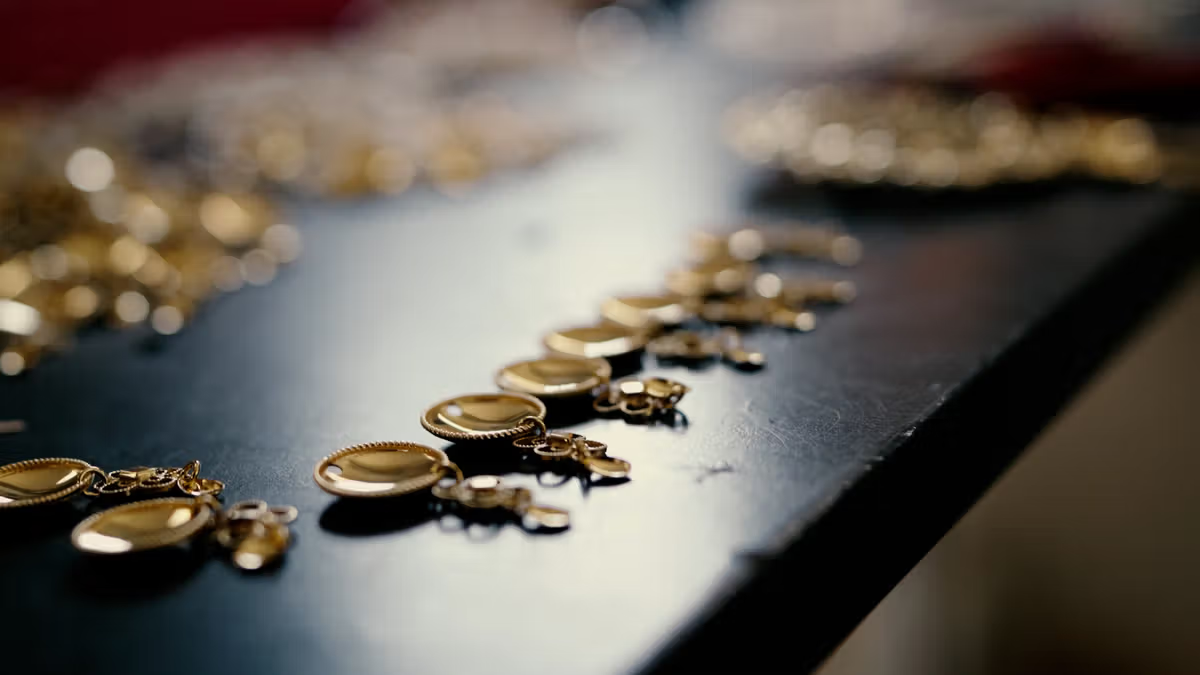
Silversmith valley
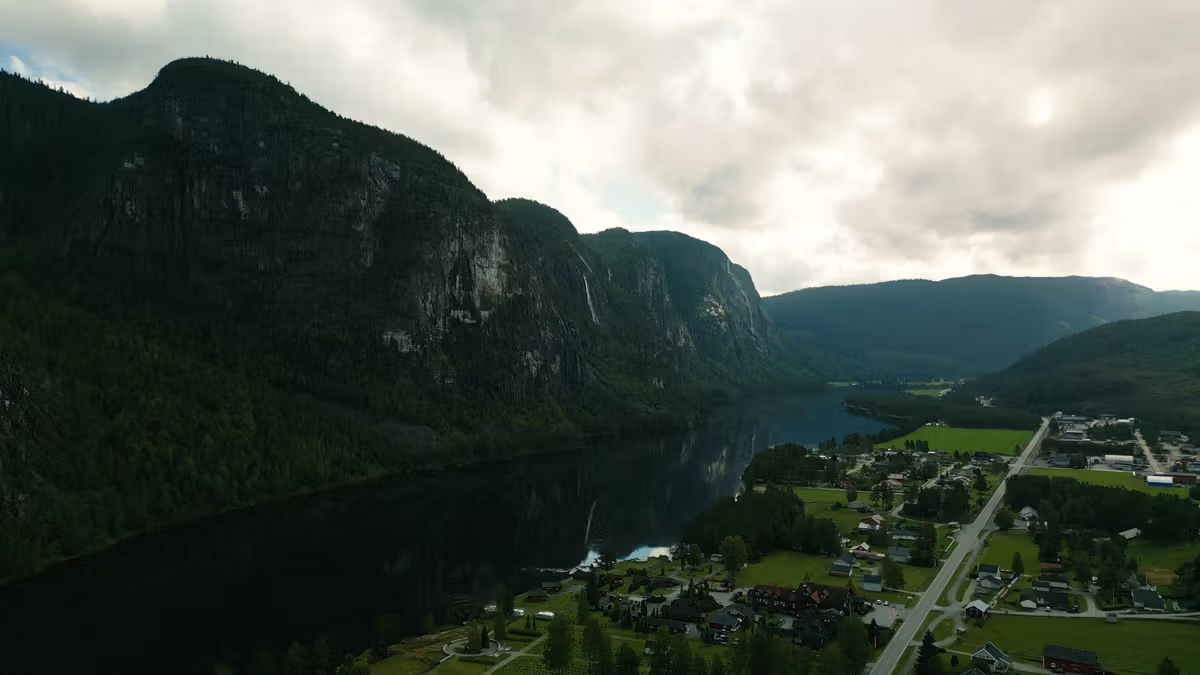
Setesdal in Southern Norway is often called the silversmith valley, for good reason!
In the past, nearly every other household in the valley was home to a silversmith, especially from the 1960s to the 1980s.
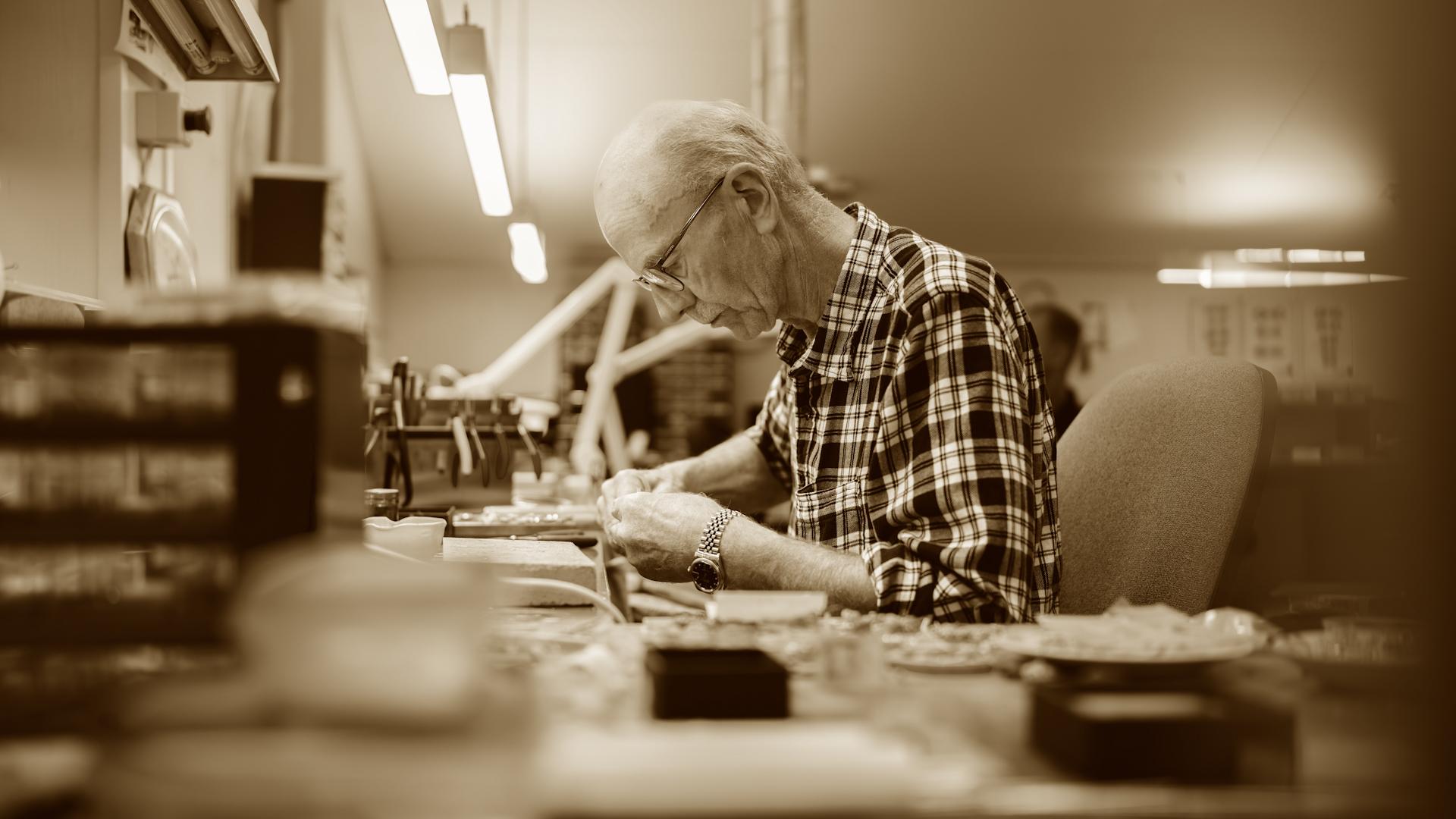
The crafting usually took place at a table by a window in the living room, where the light fell just right for careful work.
“Carrying on the tradition means a lot. Without me, it would have ended here.”
Jørund Rysstad
4th generation silversmith at Rysstadsylv
Old craft, new hands
Jørund Rysstad is part of the new generation of silversmiths at Rysstadsylv in the Setesdalen valley. He started crafting pieces when he was just eight years old, showing an early talent for the craft.
The Rysstad family, a long line of silversmiths, has been carrying on this tradition for 300 years – a heritage that began when their ancestors moved to Setesdal from Kongsberg, once Norway's great silver mining town. They made their living as blacksmiths, but one of the sons, Linder Andersen, also worked with silver. He is the first silversmith in Setesdal whose name we know. Legend has it that the silver he used was stolen from the mines in Kongsberg.
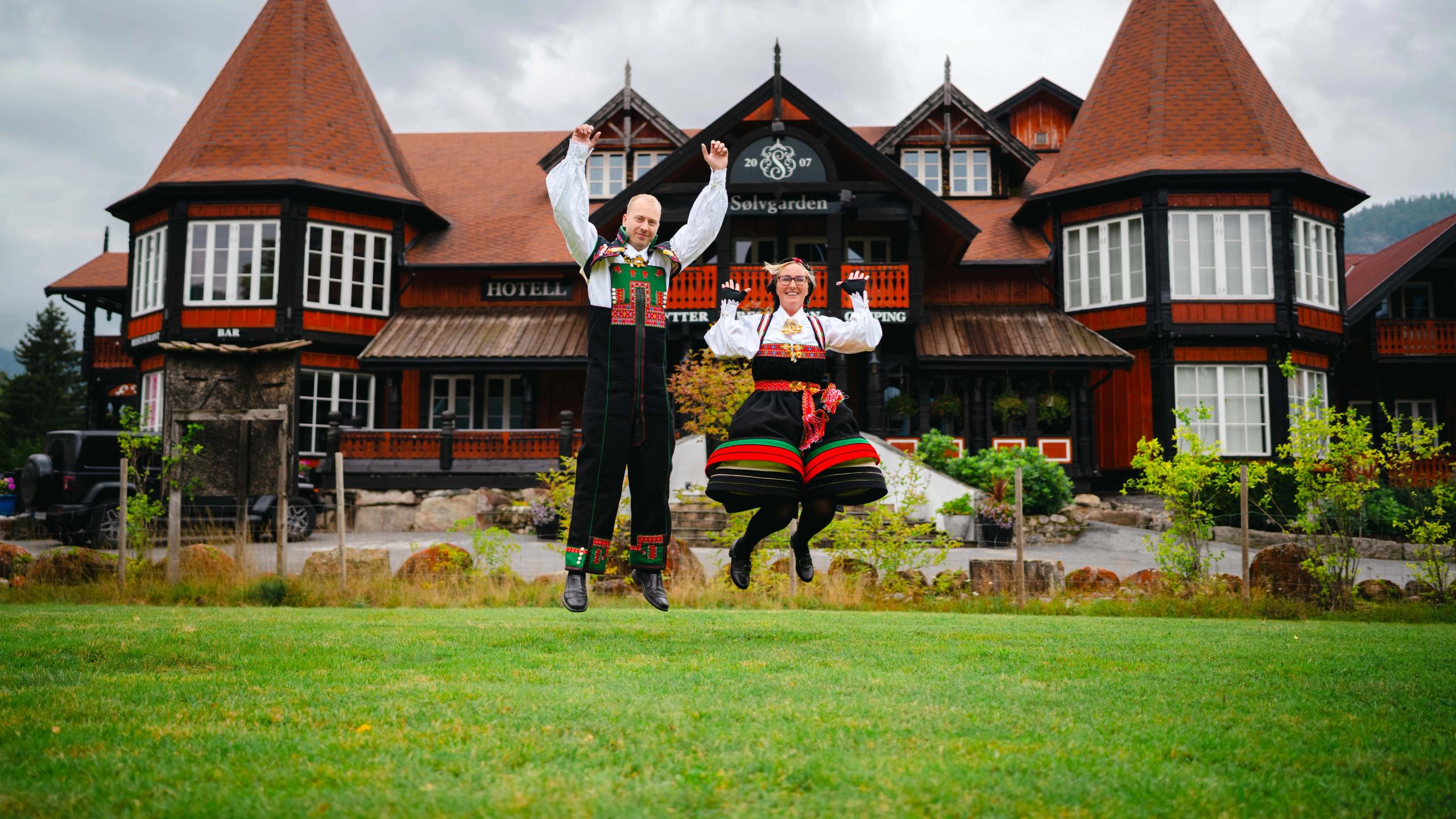
As the centuries passed, the craft evolved. Today, RysstadSylv is one of Southern Norway's largest silversmith workshops, specialising in handmade silver from Agder and Telemark. At Sølvgården Hotel, visitors can explore traditional silversmithing and purchase handcrafted pieces.
Silver, the slow way
RysstadSylv produce around 200-300 sets of bunad brooches a year. All the bunad silver they make is made the old fashioned way, using the same recipes, many of the same tools, and only slightly more modern soldering equipment.
Each brooch can take days or even weeks to complete, with silversmiths carefully hammering, shaping, and polishing the silver to achieve intricate detail and the perfect shine.
Photo: Adrian Leversby / Visitnorway.com
Sølje as unique as Norway’s regions
Every sølje tells a story about a place and its people. It's striking how different two sølje from neighbouring places can be, yet there are often shared features. It’s easy to imagine that local silversmiths drew inspiration from each other in nearby valleys.
Photos: Beer, Freia / Nordenfjeldske Kunstindustrimuseum
Silver and the supernatural
Silver has always held symbolic meaning in Norwegian tradition. It was believed to protect against supernatural dangers and was linked to religious values. Newborns often had small silver charms sewn into their clothes to keep mischievous spirits away. Silver was also thought to heal people and animals, stop bleeding, and improve the harvest. Families passed down silver and church gifts as protective amulets through generations.
Today, the tradition continues. Children receive silver as baptism gifts, teenagers are given silver or gold jewellery for their confirmation, and weddings often feature silver gifts.
Source: Store Norske Leksikon
Northern Norway’s silver haven
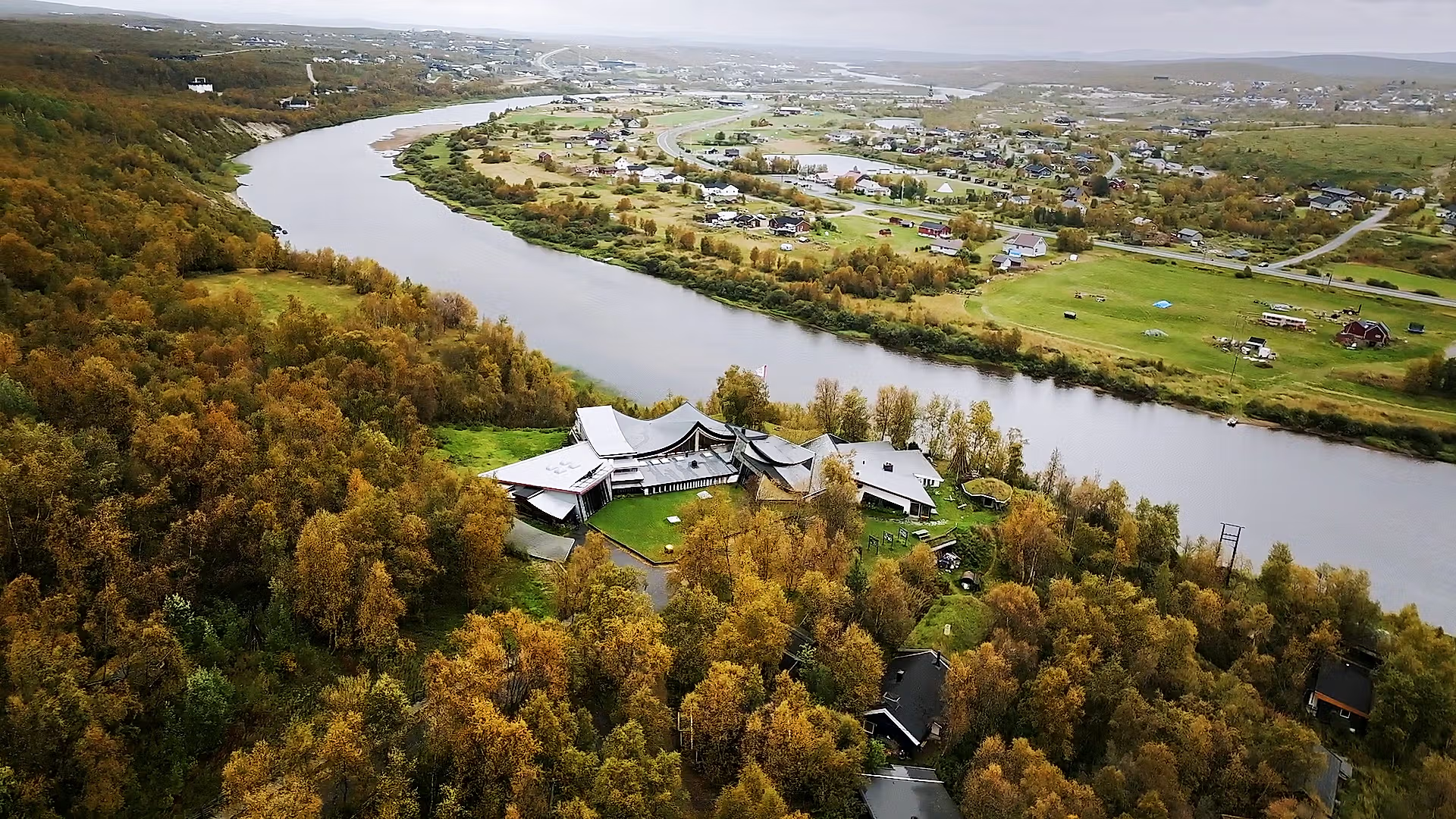
Another place you can see this very proud tradition is just outside Kautokeino in Finnmark, where you’ll find Juhls Silver Gallery, a one-of-a-kind destination for art and craftsmanship.
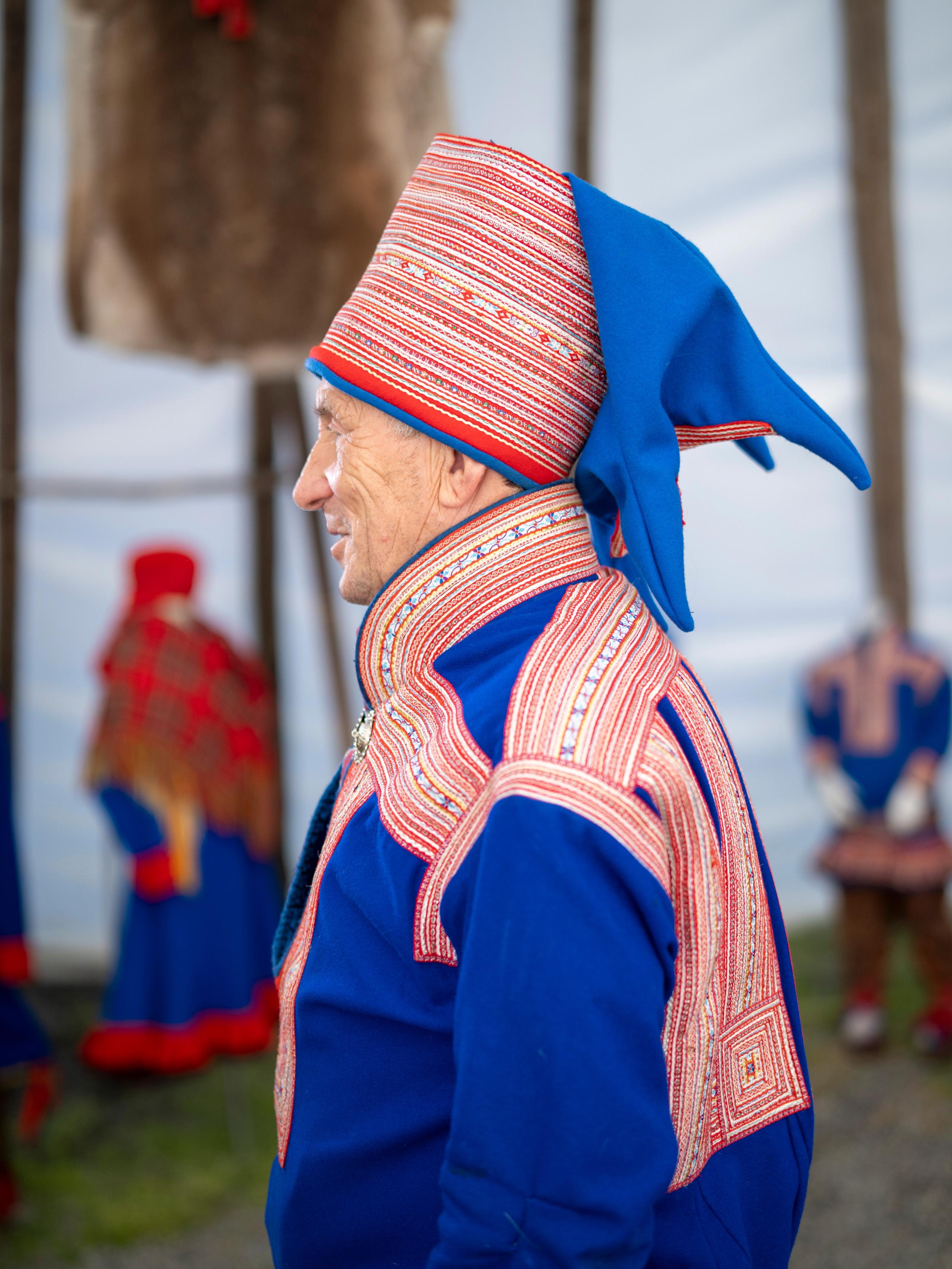
Built from the ground up over the past 60 years by Regine and Frank Juhl, the gallery has handcrafted koftesølv – the intricate sølje worn with the traditional Sámi clothing, the kofte (gákti in Northern Sámi).
Its story began when the local Sami community asked the couple to repair their treasured silver pieces. The Sami, known for their nomadic lifestyle, had long traded silver between the countries in the high north, and believed the precious metal brought protection and good fortune.
What started as simple restoration grew into a lifelong commitment to preserving and evolving the tradition of koftesølv and designing other silver jewellery items inspired by the raw beauty of Arctic nature.
See unique items come to life in a stunning setting overlooking the Alta River.
Discover more
Take advantage of top offers
See our selection of trusted companies that work hard to make you happy all through your trip.
 Brim ExplorerQuiet fjord tours on award-winning electric catamarans in Oslo, Tromsø, Lofoten, and Svalbard.
 CityboxModern and affordable hotels in central locations in Oslo, Bergen, and Kristiansand.
 NorgesbookingBook your perfect cabin stay in the fjords, mountains, and valleys of Norway.
 Scandic HotelsExperience Nordic hotel hospitality at its finest at more than 90 hotels across Norway. Special offers are available.
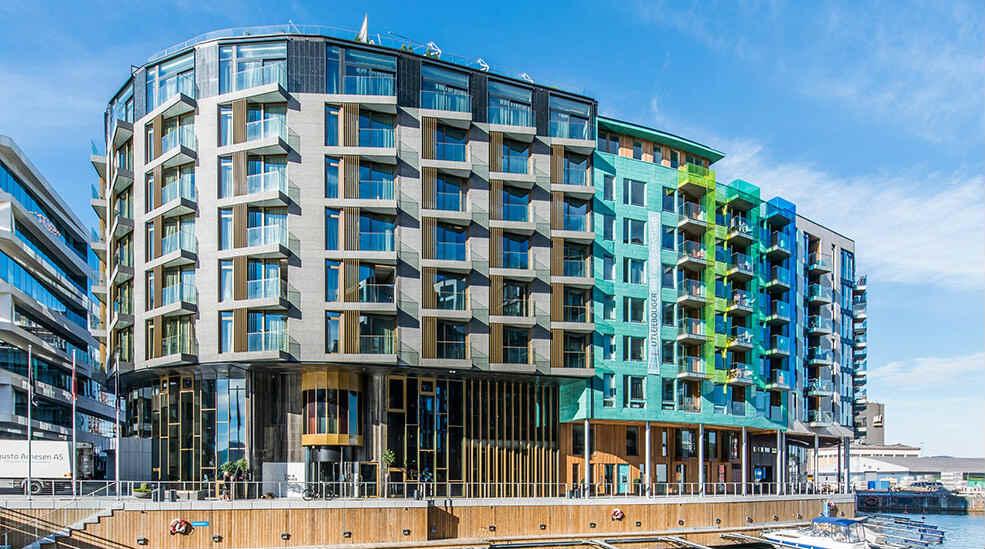 StrawberryA different hotel company! Look out for great weekend deals at more than 100 hotels in Norway.
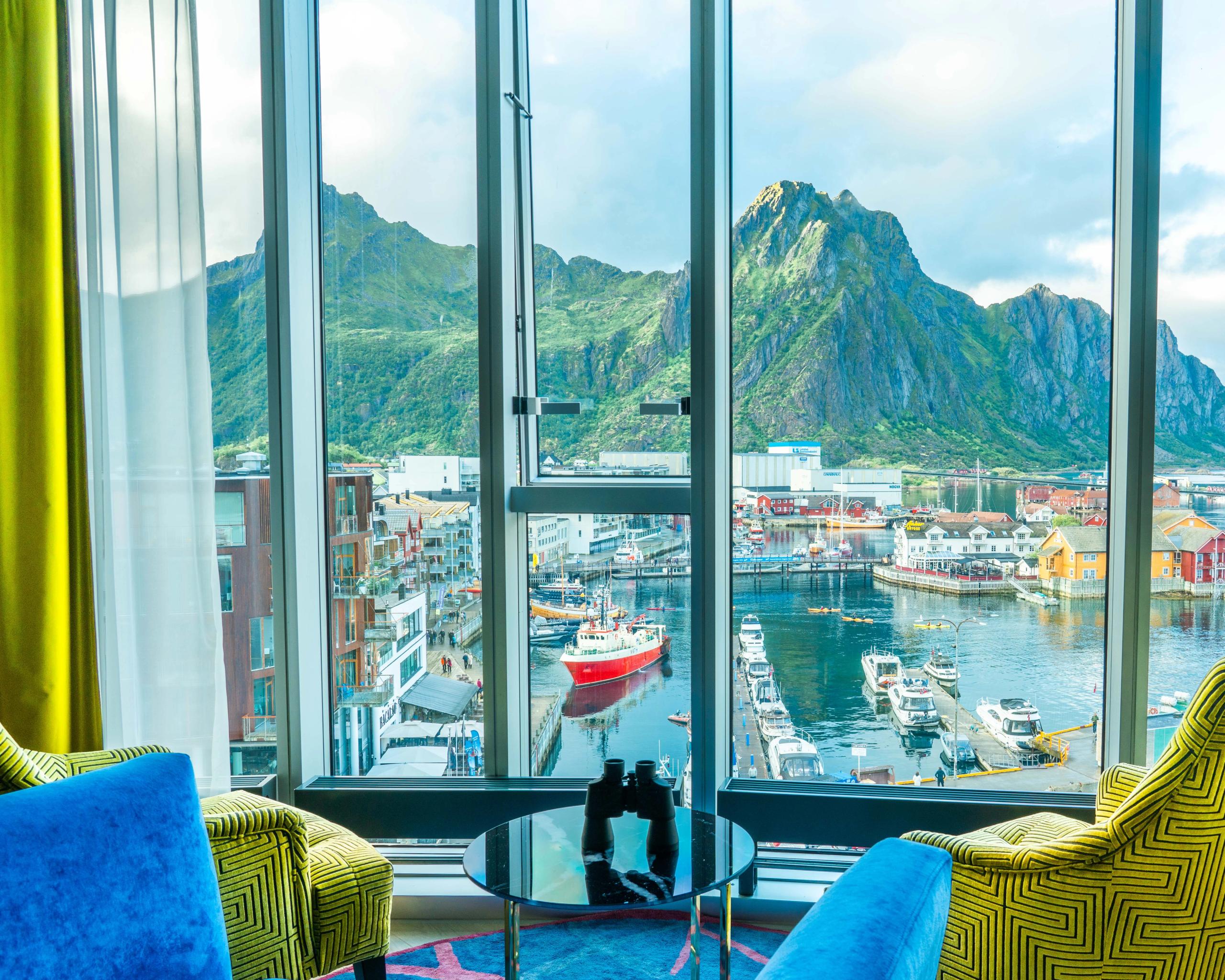 Thon Hotels ASFantastic breakfast included! Experience true comfort and reasonable rates at our 80 hotels in Norway.
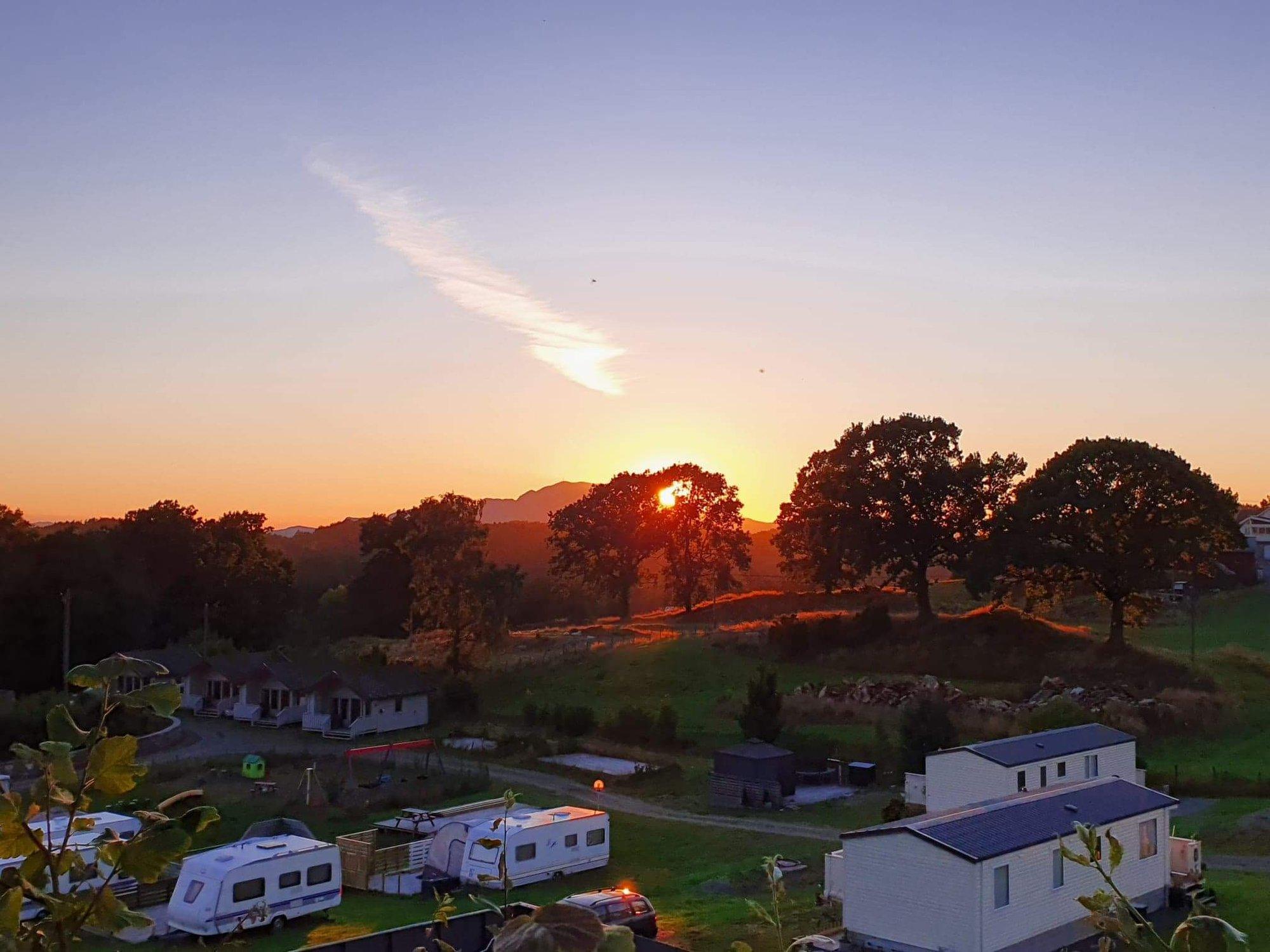 CampcationBook a camping stay in stunning and unique locations all across Norway with Campcation.
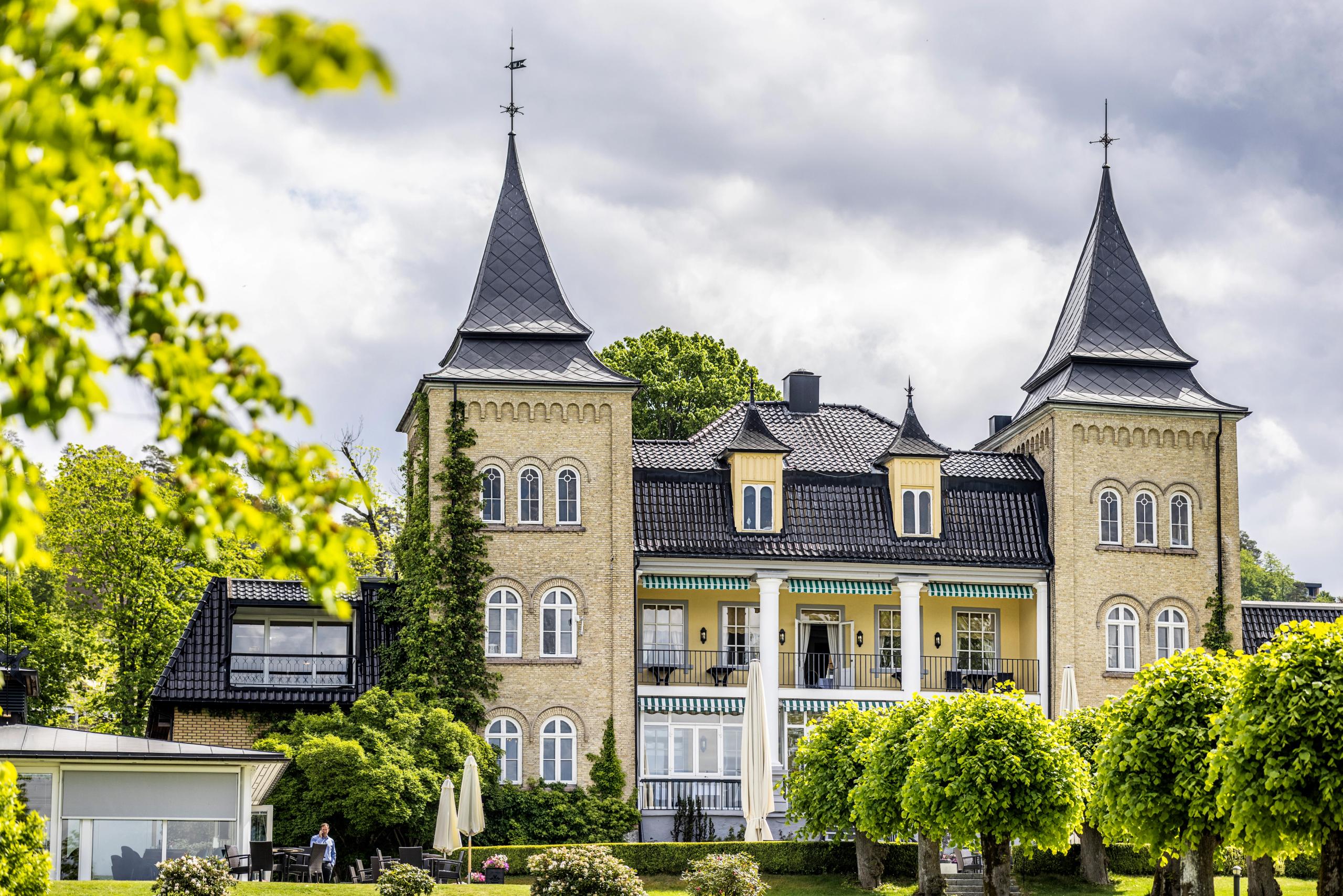 Classic Norway HotelsWhen the hotel is the destination. Book a night to remember in one of Norway's most unique and distinctive hotels.
 50 Degrees North NordicChoose between unforgettable tailormade individual trips and small, exclusive group tours of Norway.
 Radisson HotelsGreat value offers and comfortable quality stays in Norway´s major cities, airports, and ski resorts.
 Authentic ScandinaviaTravel curated by locals. Our tailormade tours suit every type of traveller and budget.
 Booknordics.comUnique holiday packages, adventure hotels, tours, and activities.
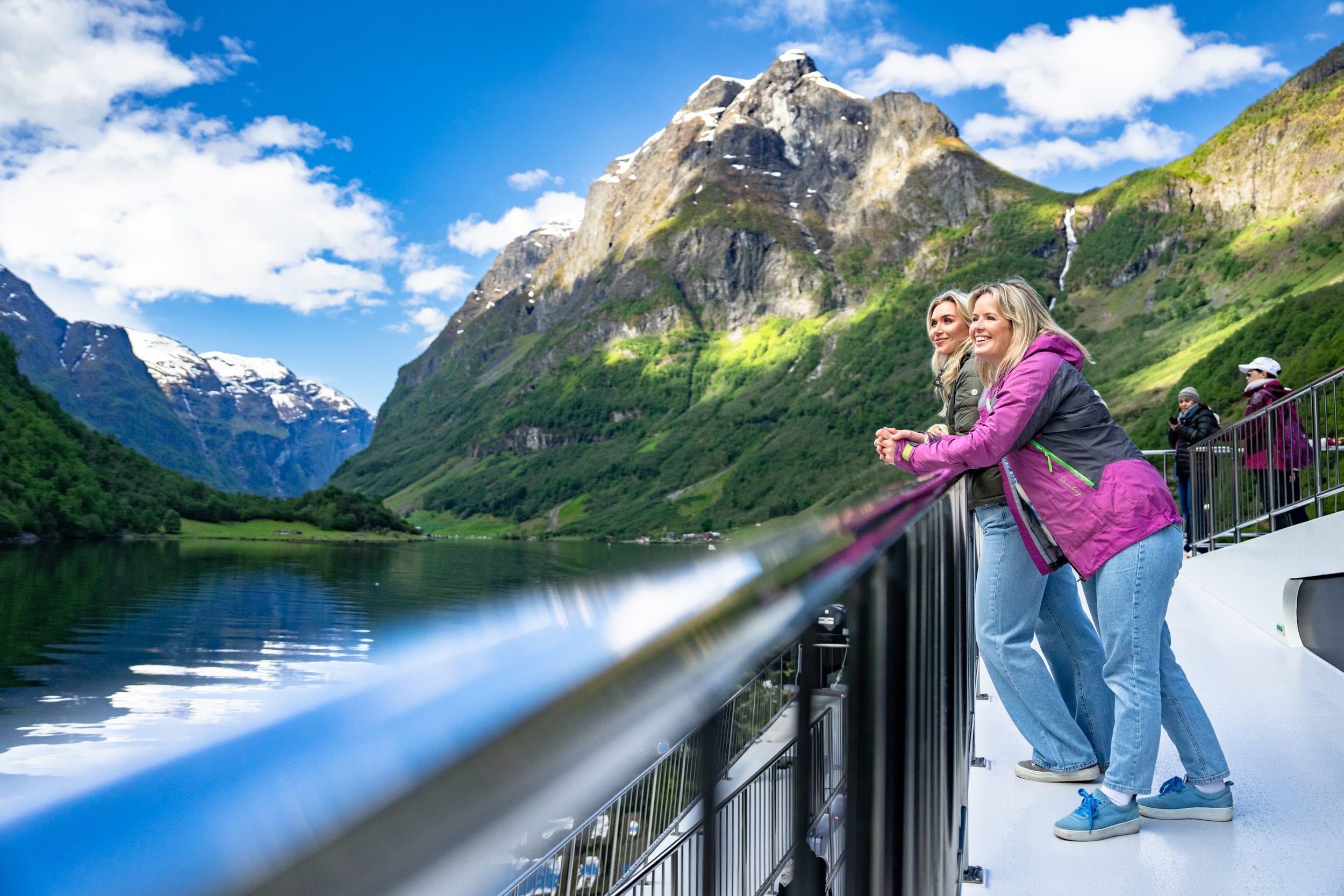 Fjord ToursHome of Norway in a Nutshell, Norway's most popular tour. Fjords, mountains, and stunning destinations — all in one trip!
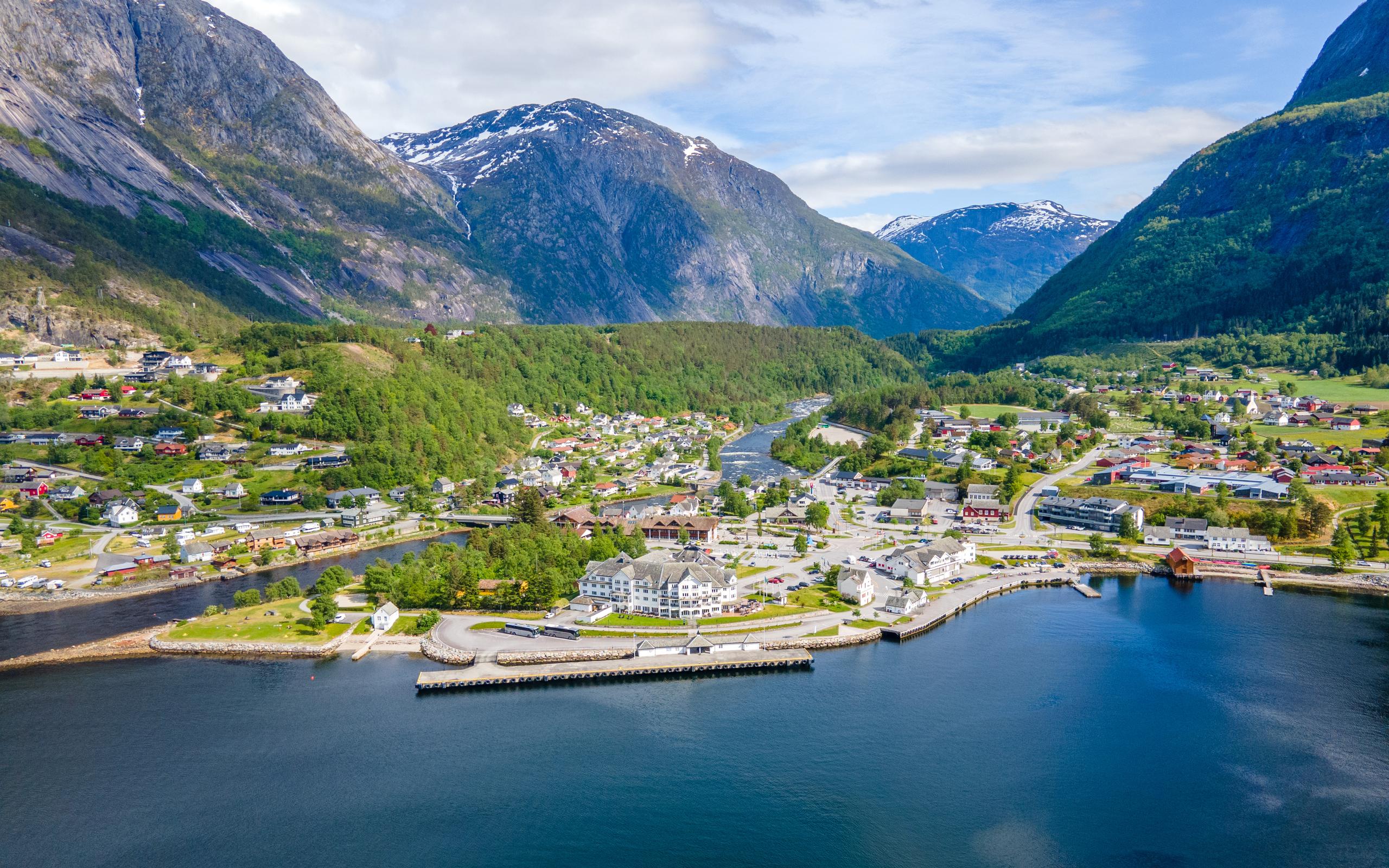 Go FjordsBook fantastic tours and experiences! We offer tours in Oslo, Bergen, Stavanger, Lofoten, the North Cape, and more.
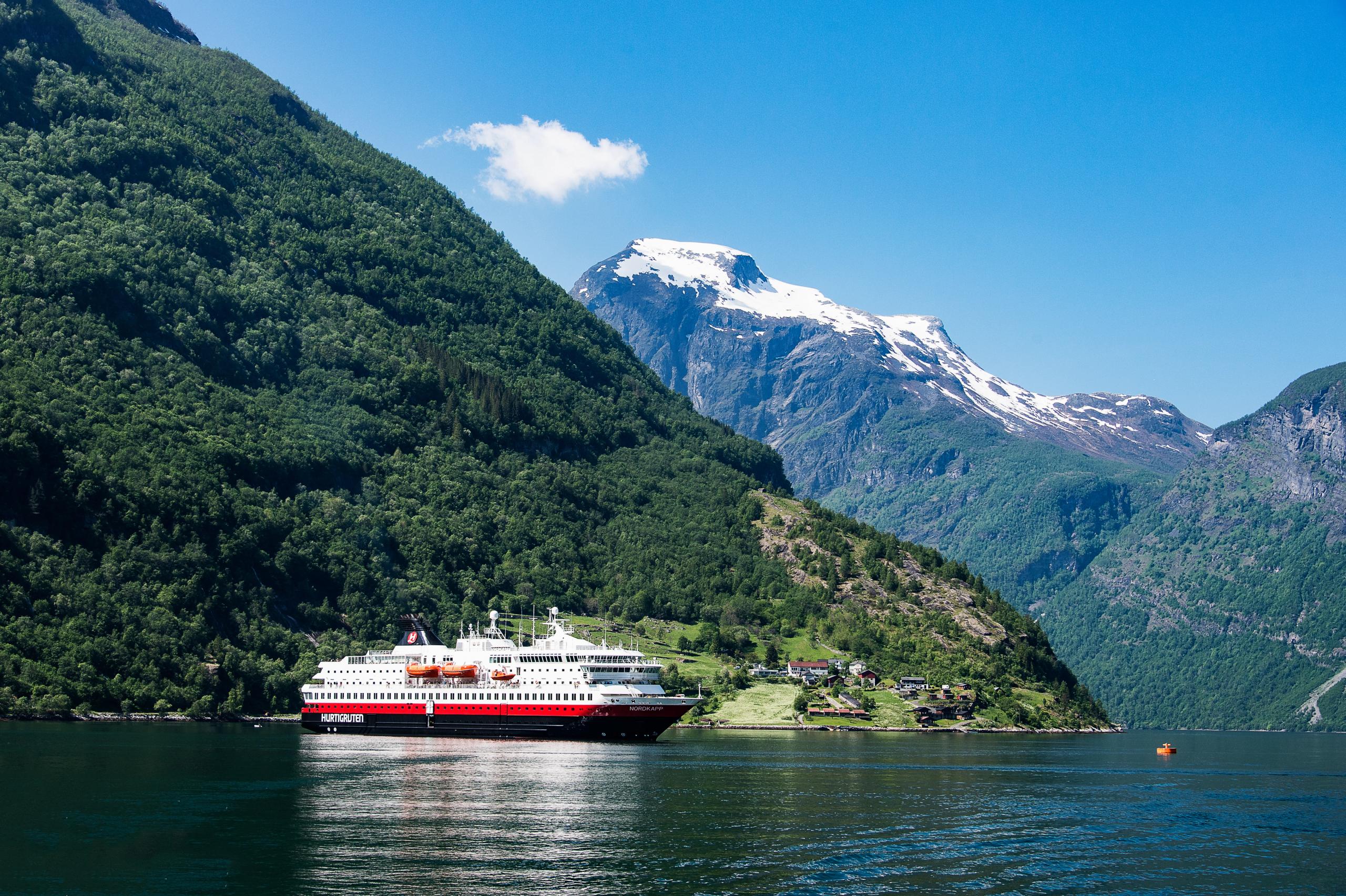 HurtigrutenExperience the world's most beautiful sea voyage on an unforgettable cruise along the stunning Norwegian coast.
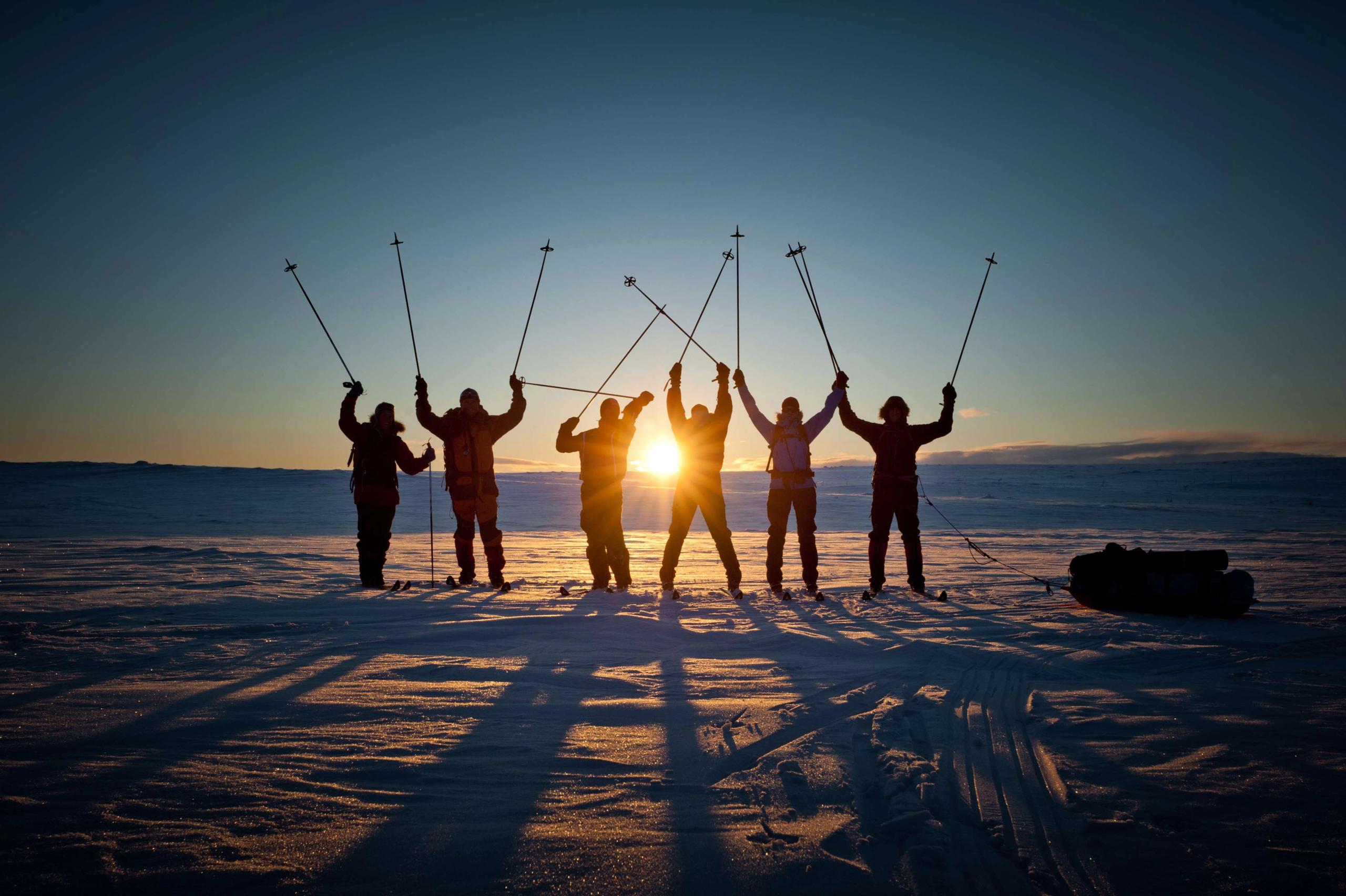 Norrøna AdventureGet ready for expeditions and adventure holidays with Norrøna Adventure. Hiking, skiing, and biking trips.
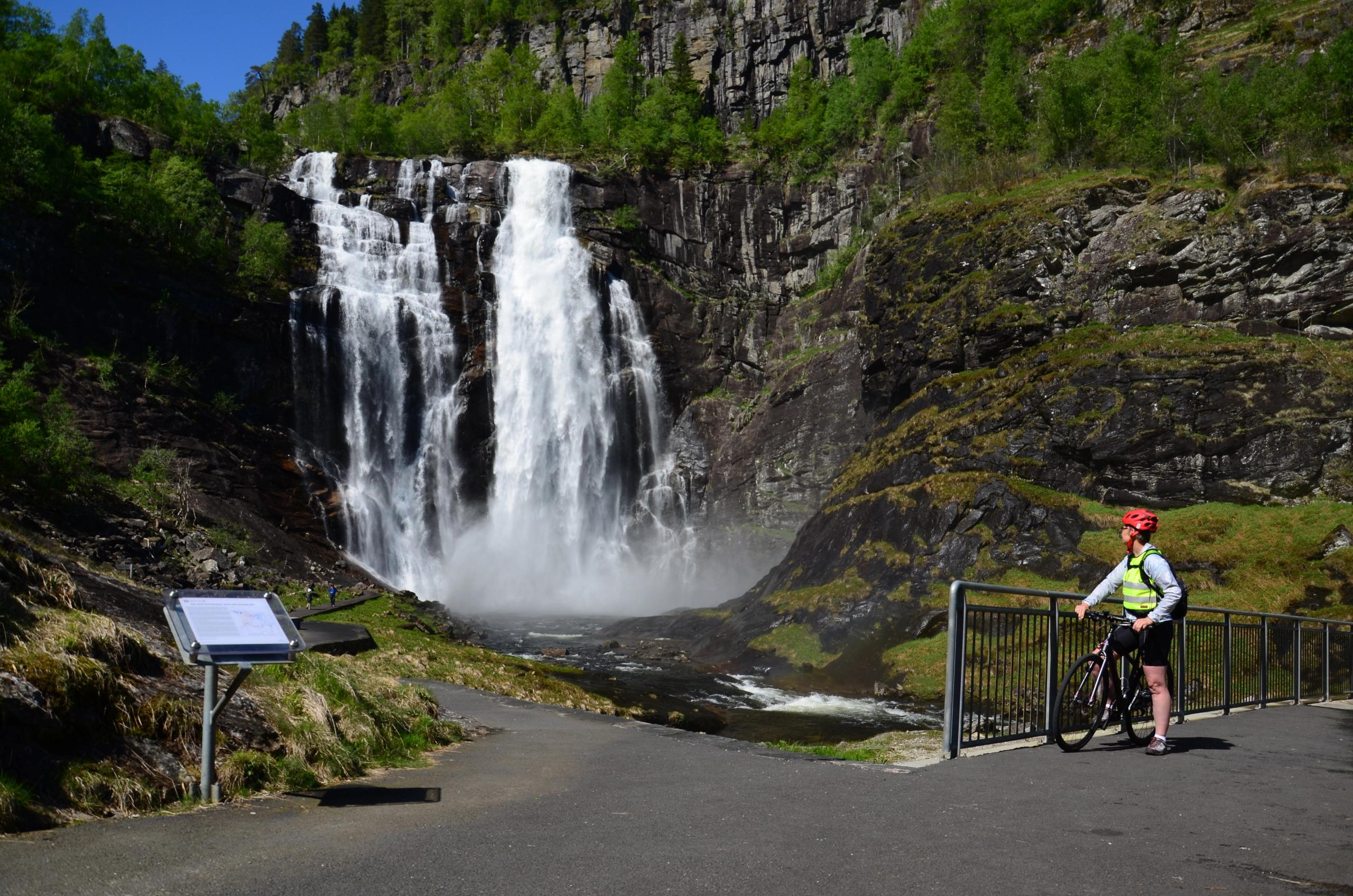 Discover NorwayOffers a range of exciting self-guided hiking, biking, and skiing holidays in Norway. Luggage transfer included.
 Norwegian HolidaysLow-price package holidays with Norwegian. Book your flight, hotel, and rental car all in one place.
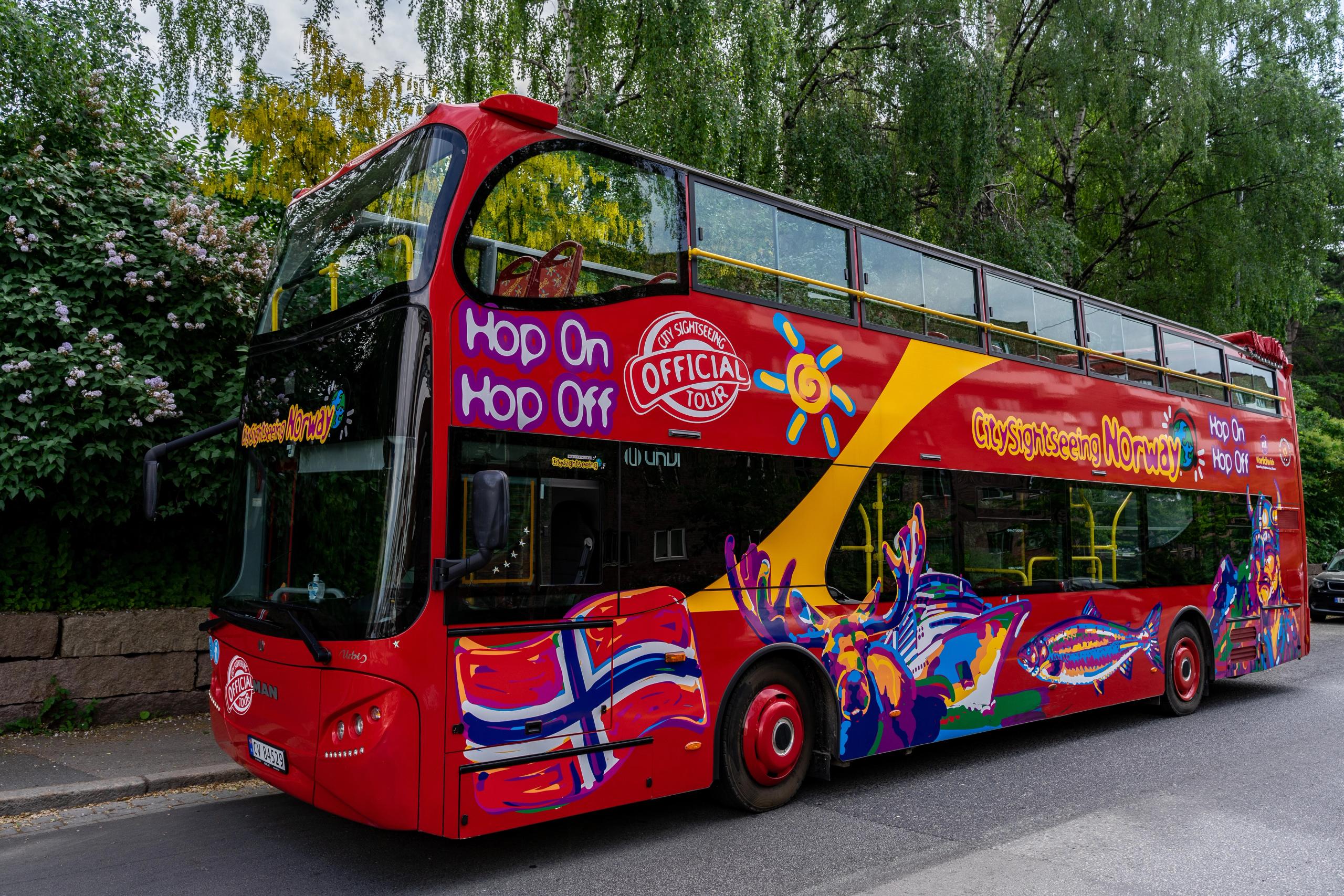 StrömmaSightseeing by bus and boat in several major tourist spots and cities in Norway.
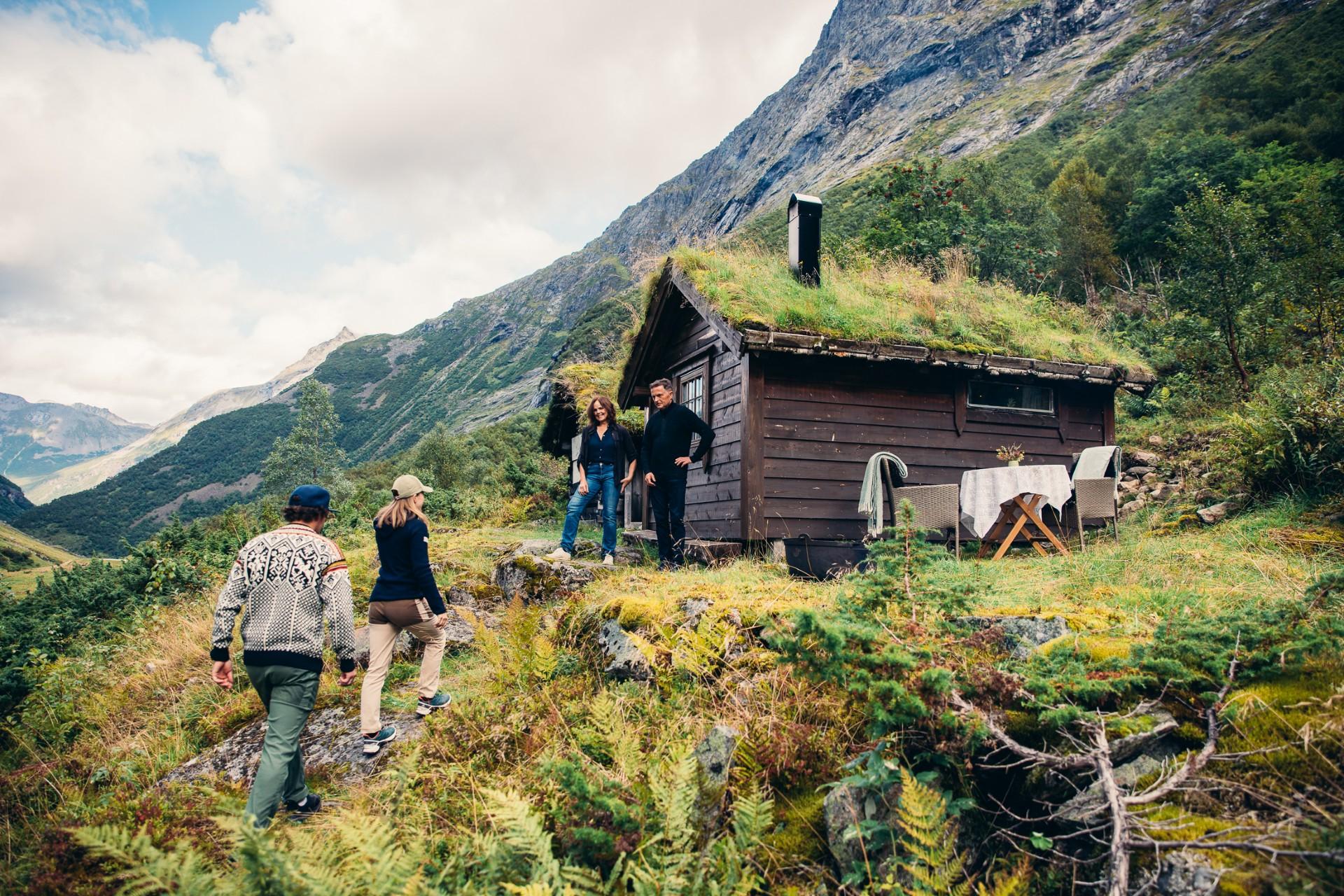 Up NorwayBespoke luxury hand-picked by local experts. We combine your preferences and our knowledge to make an unforgettable journey.
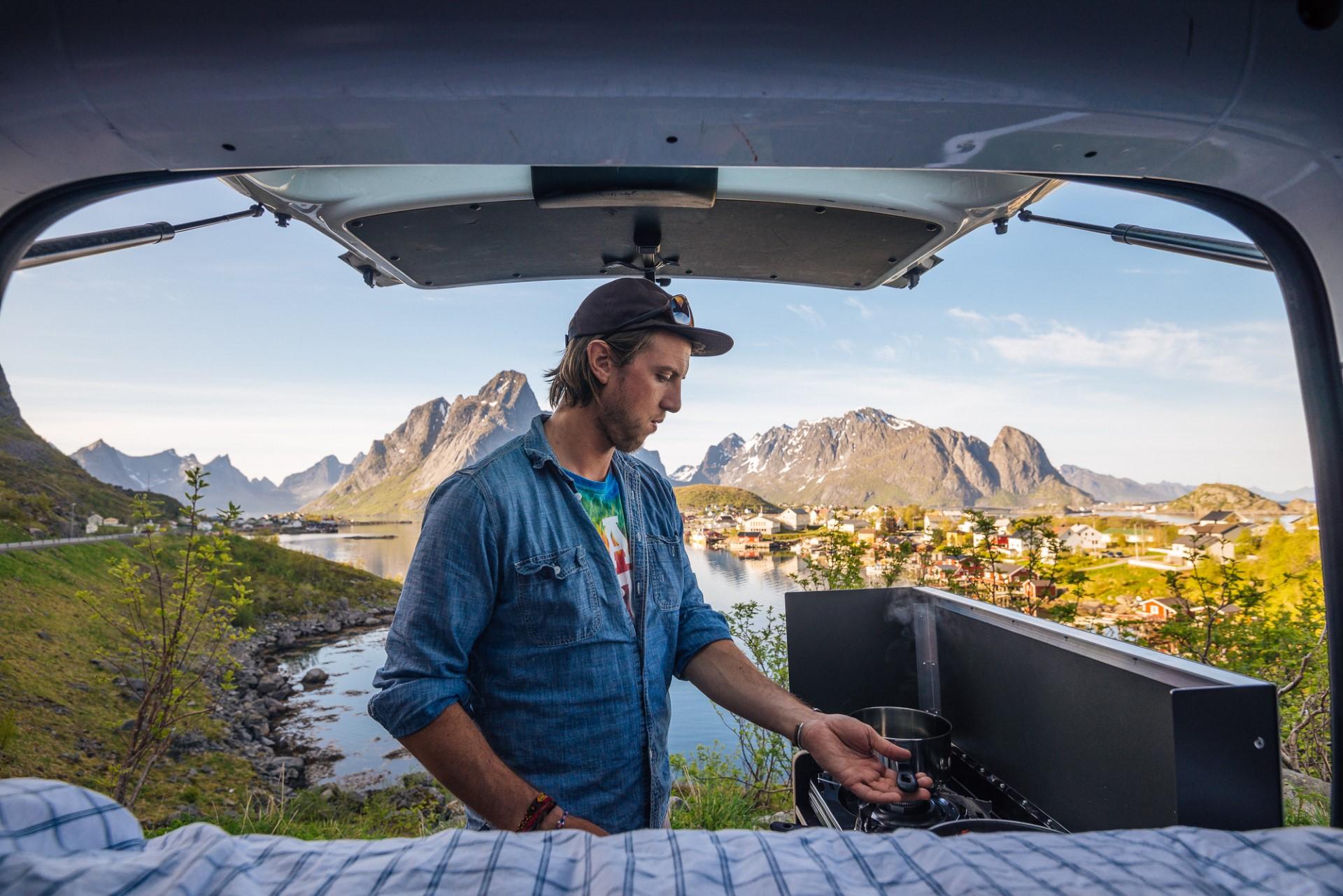 Arctic Campers ASDo you want to try van life? Explore Norway in comfort and style with our smart and cosy campervans.
 Auto EuropeAlways a smooth car rental experience. Search and compare rental rates. Free cancellation up to 24 hours prior to pick-up.
 NOR-WAY BussekspressEnjoy scenic views on comfortable bus trips to the fjords and from city to city with our express buses.
 Rent-A-Wreck of Scandinavia ASThe smart and affordable car rental alternative.
 SJ NordSJ NORD - the adventure starts on the train
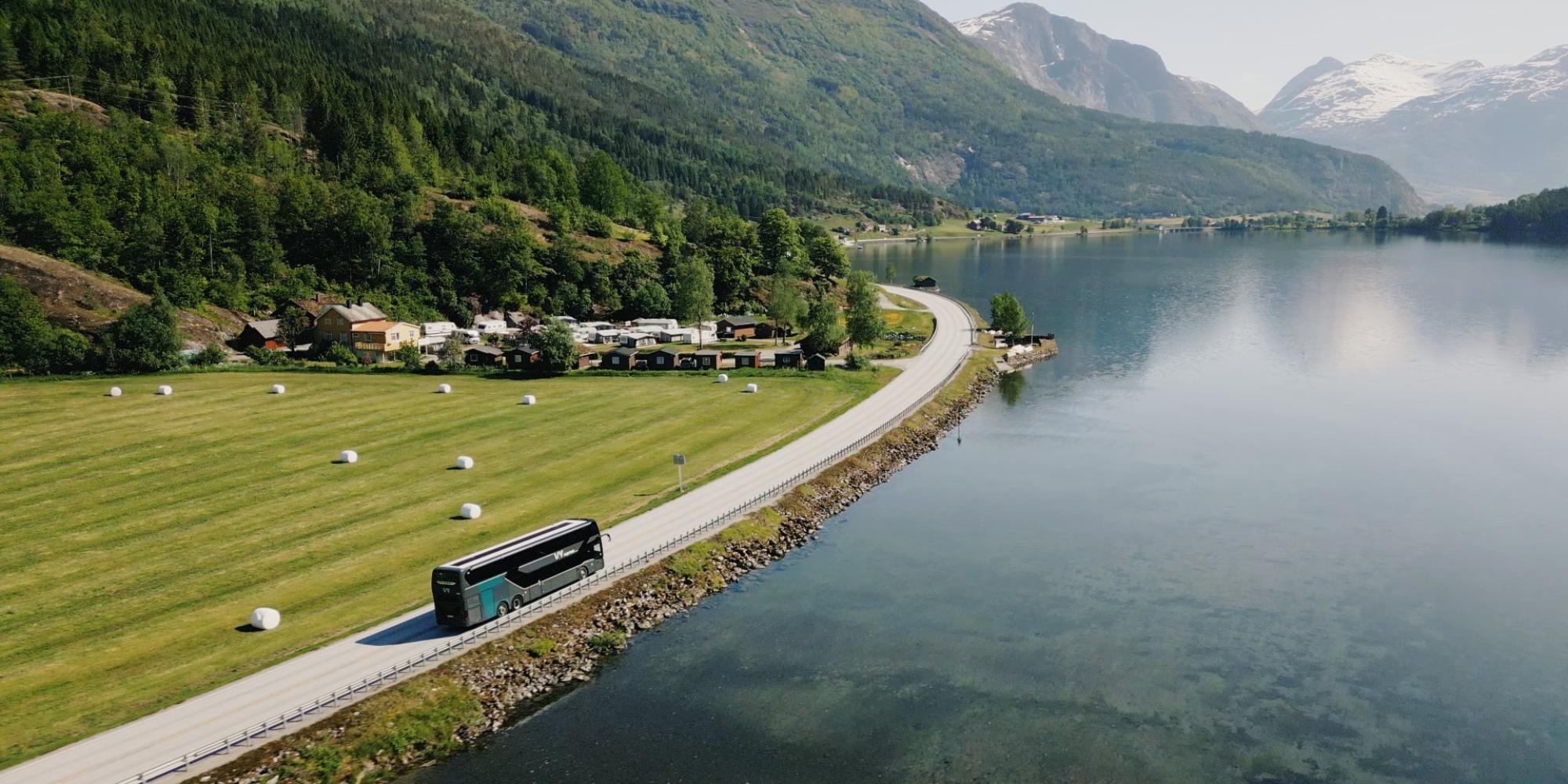 Vy expressDiscover Norway on comfortable express buses that take you between major cities, mountains, and fjords.
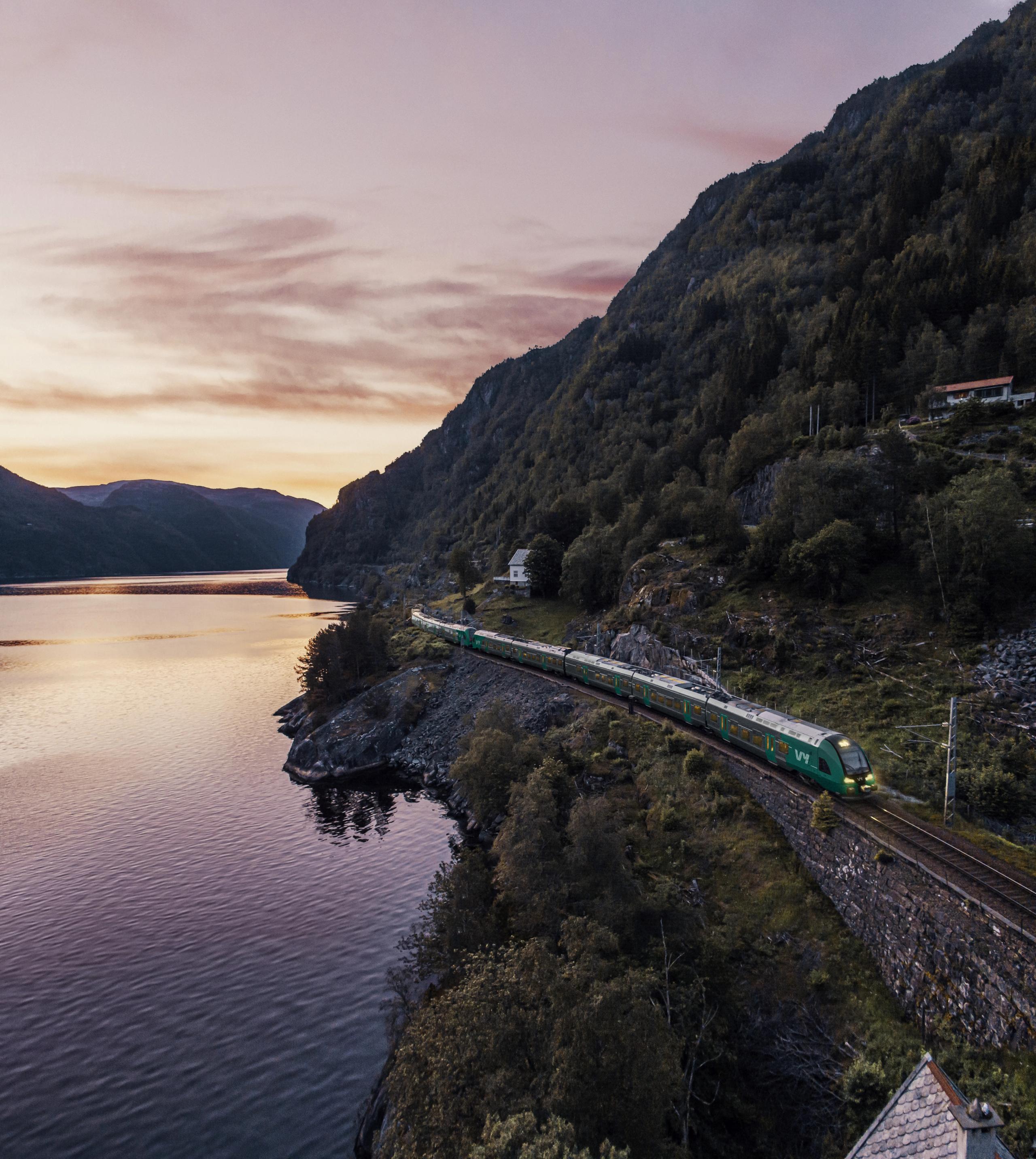 Vy TrainGlide through scenery on a train between Oslo and Bergen on the Bergen Railway and explore the greater Oslo region.
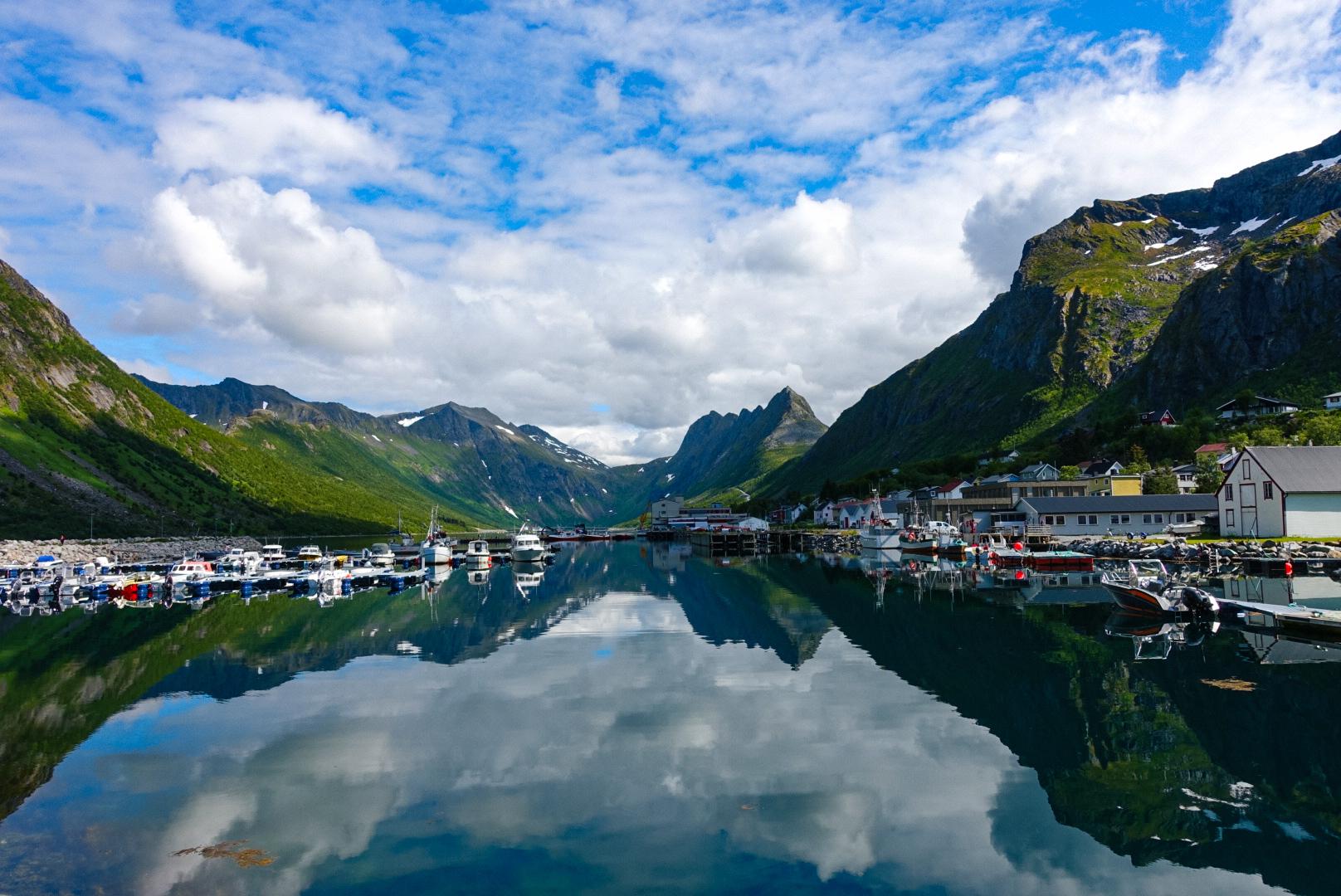 My Nordic TravelChoose between DIY itineraries and pre-packaged holidays to the very best destinations in Norway.
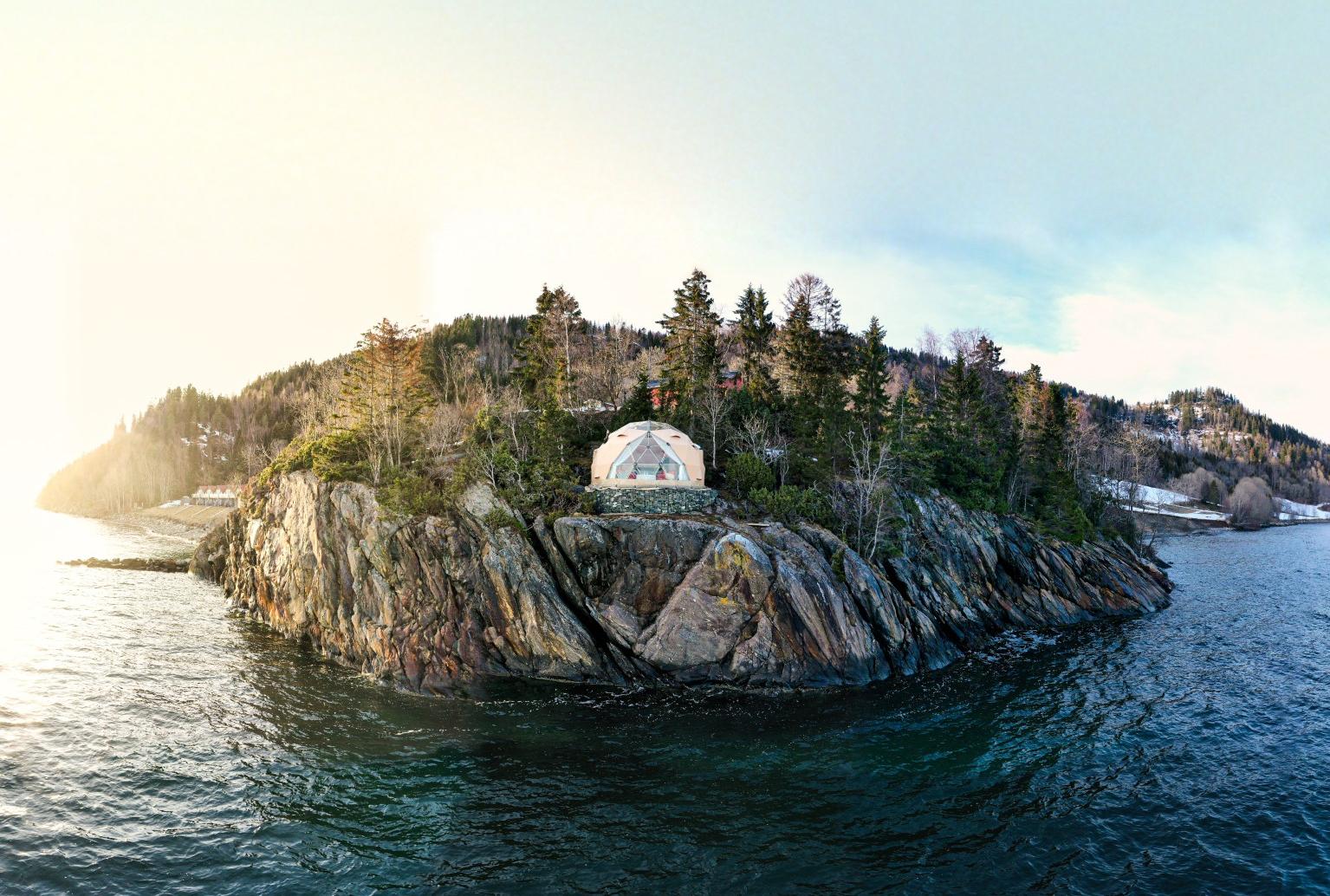 CampanyonUnique camping in nature. Book a stay in a treehouse or glamping tent or rent a motorhome pitch.
 NorwegianNorwegian offers cheap flights in Norway and direct flights from more than 70 European destinations. Book flights through our low fare calendar to your destinations.
 De HistoriskeHave an unforgettable stay at one of Norway's unique, authentic historic hotels. Enjoy first-class dining experiences and a broad range of activities.
 CampioNorway's biggest camping booking site. Find the best camping and motorhome pitches throughout Norway.