What does 'regenerative tourism' really mean, and how does it benefit travellers and locals? Visit Skåbu, where hotel owner Jannicke and her family have taken travel experiences in the mountains to the next level. Fine dining, preservation of historic buildings, free-range livestock, minimal food waste, and a focus on giving back to the local community – it's all possible, even in a small mountain village.
Regenerative tourism: Skåbu Fjellhotell
Travel that gives something back
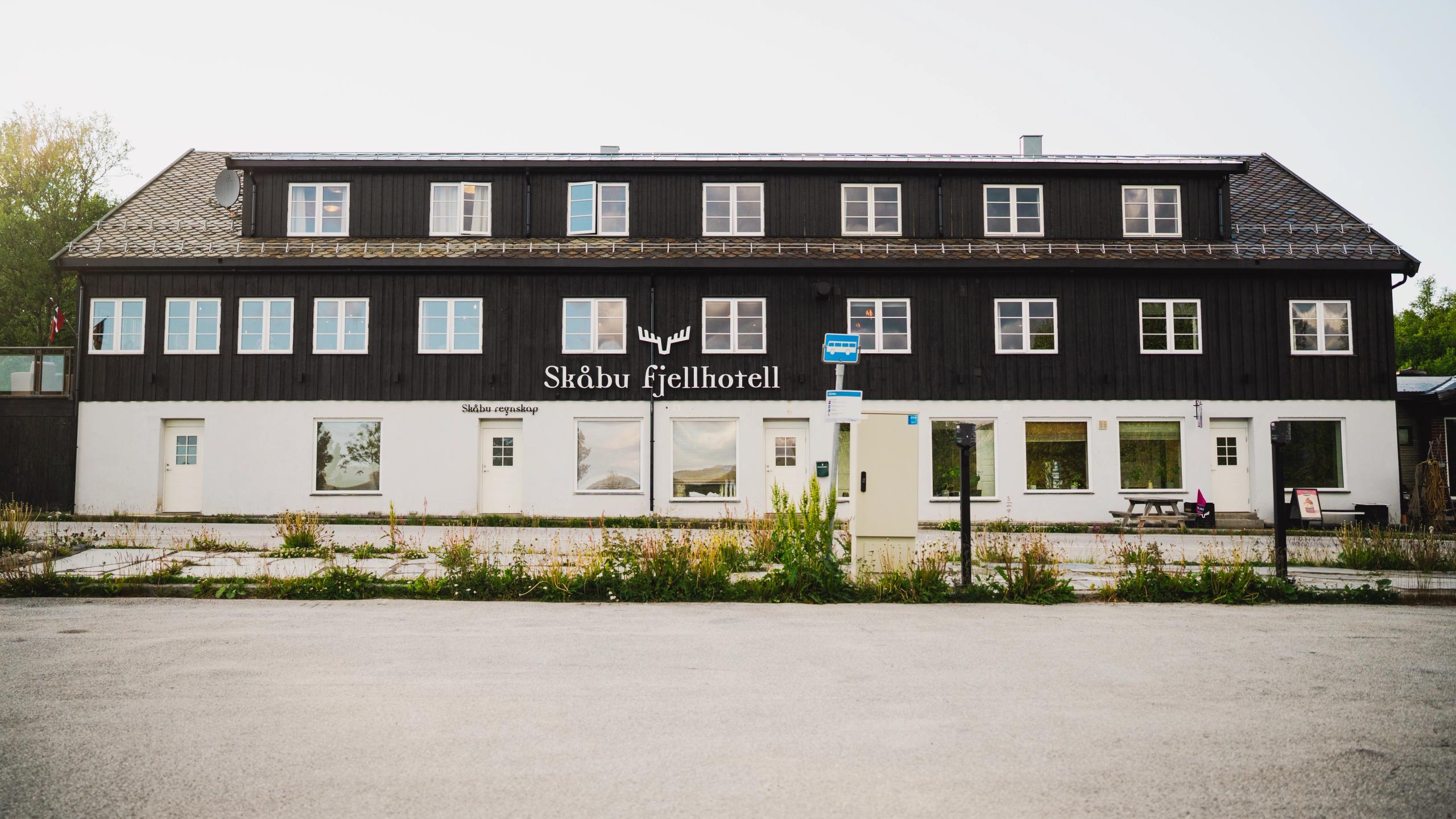
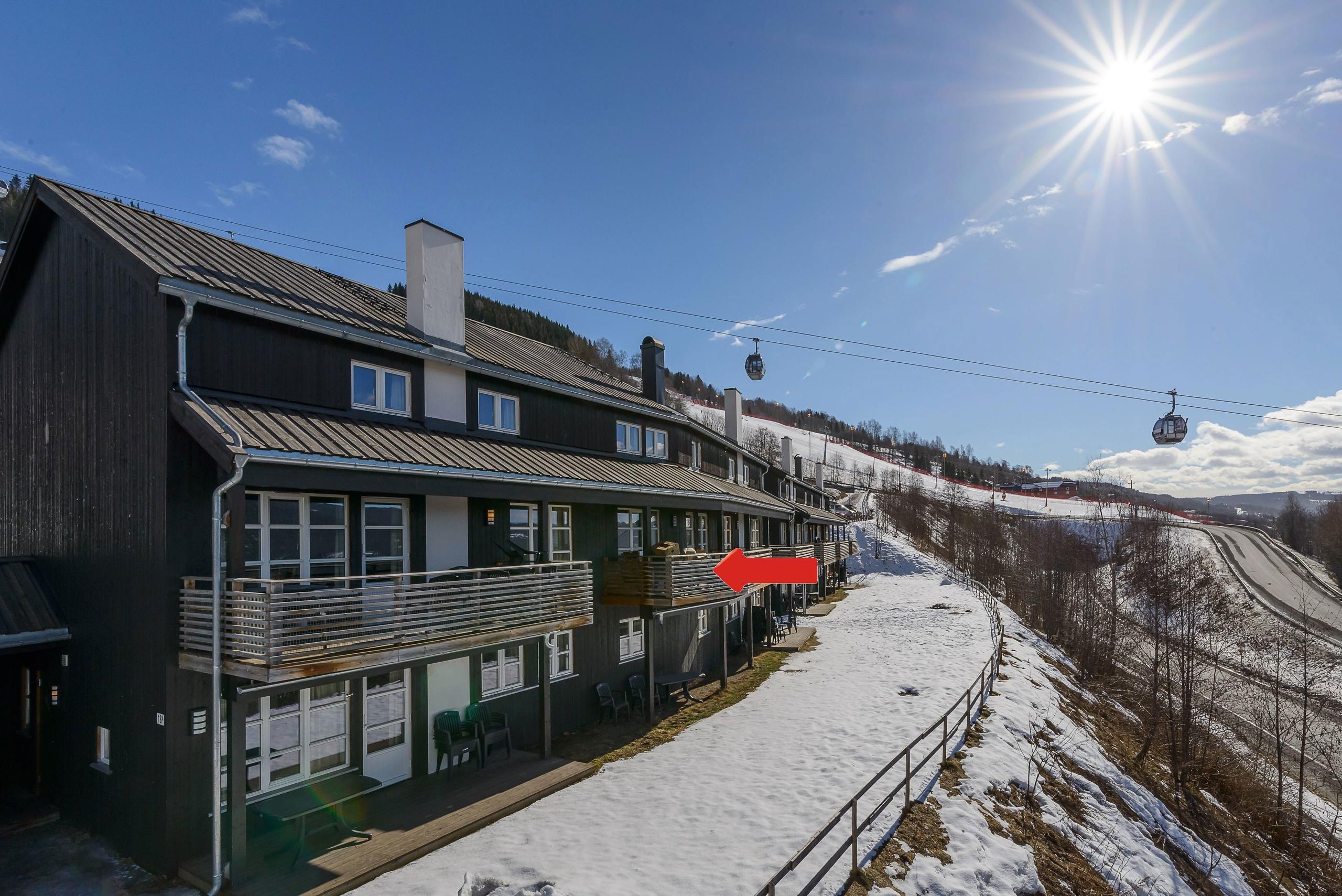
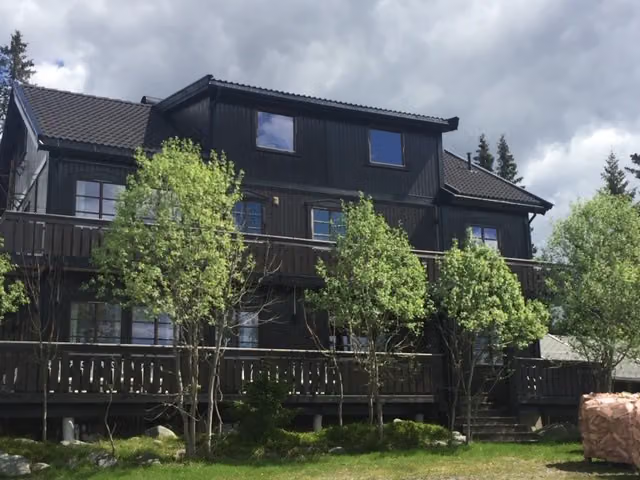
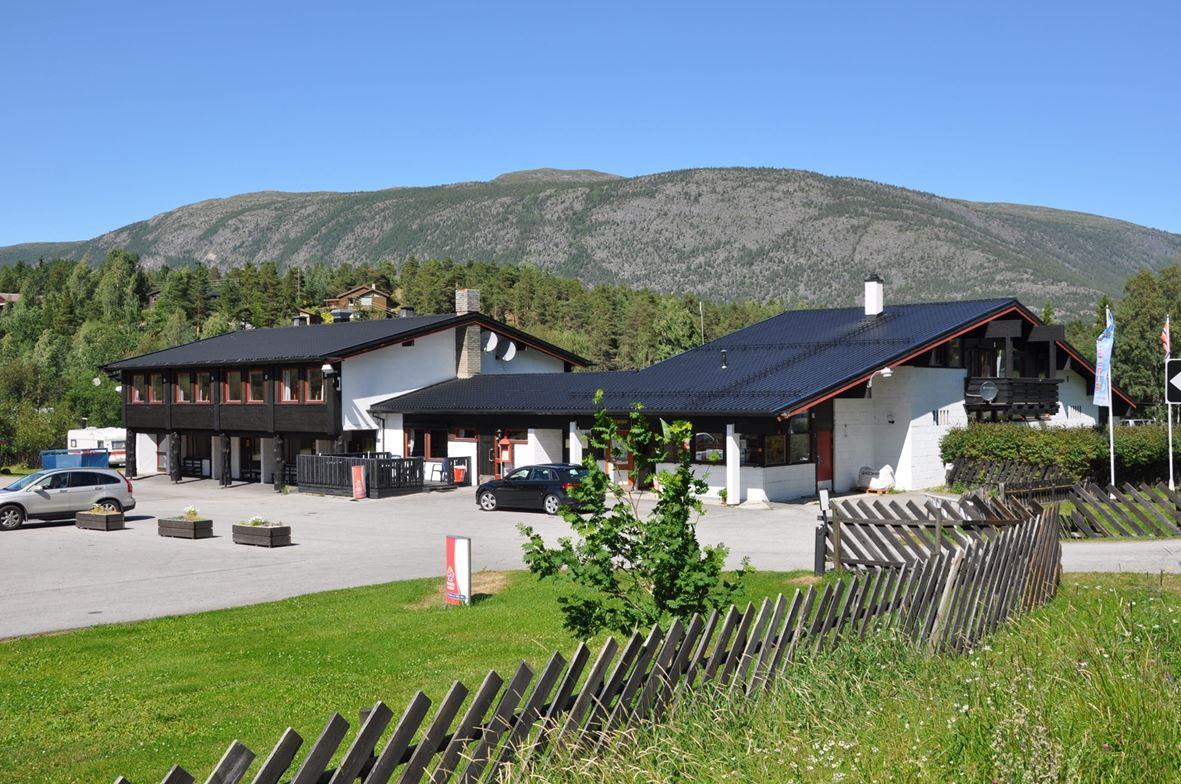
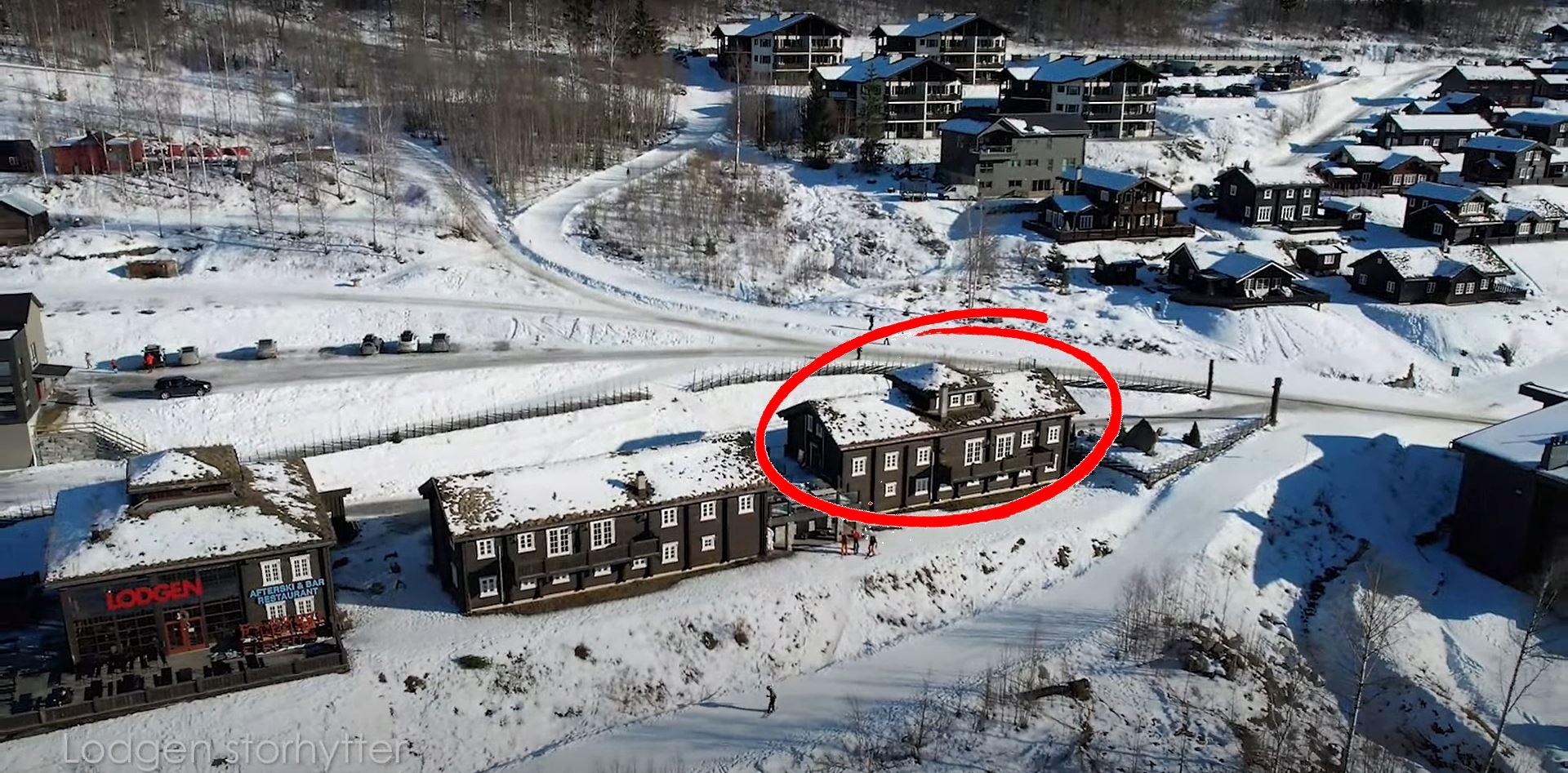
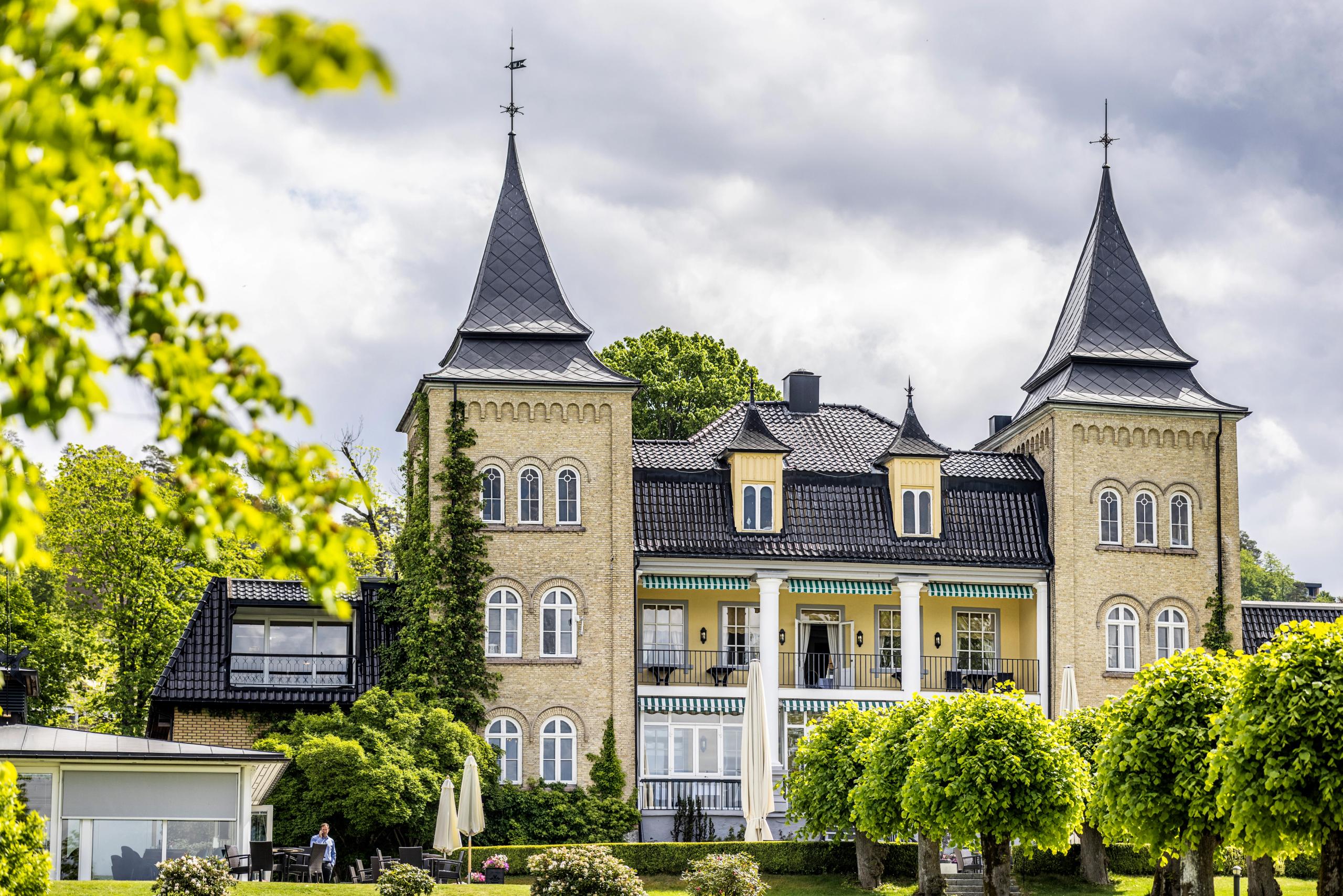
The exterior of this mountain hotel might look modest, but it's full of surprises.
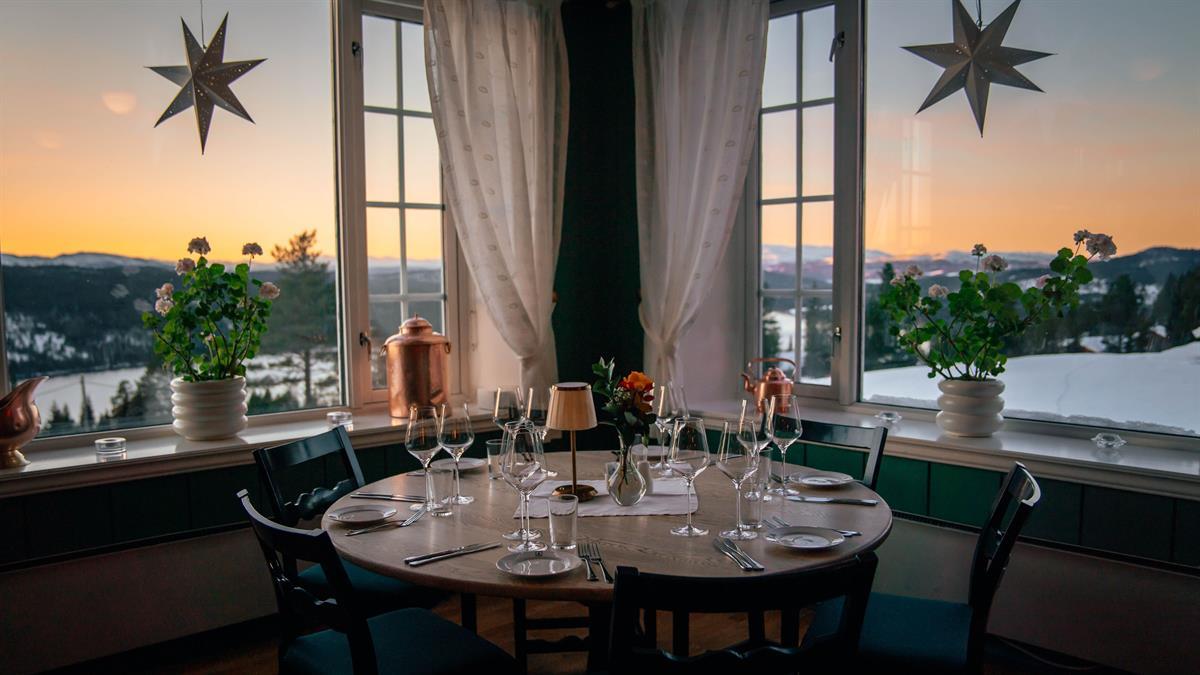
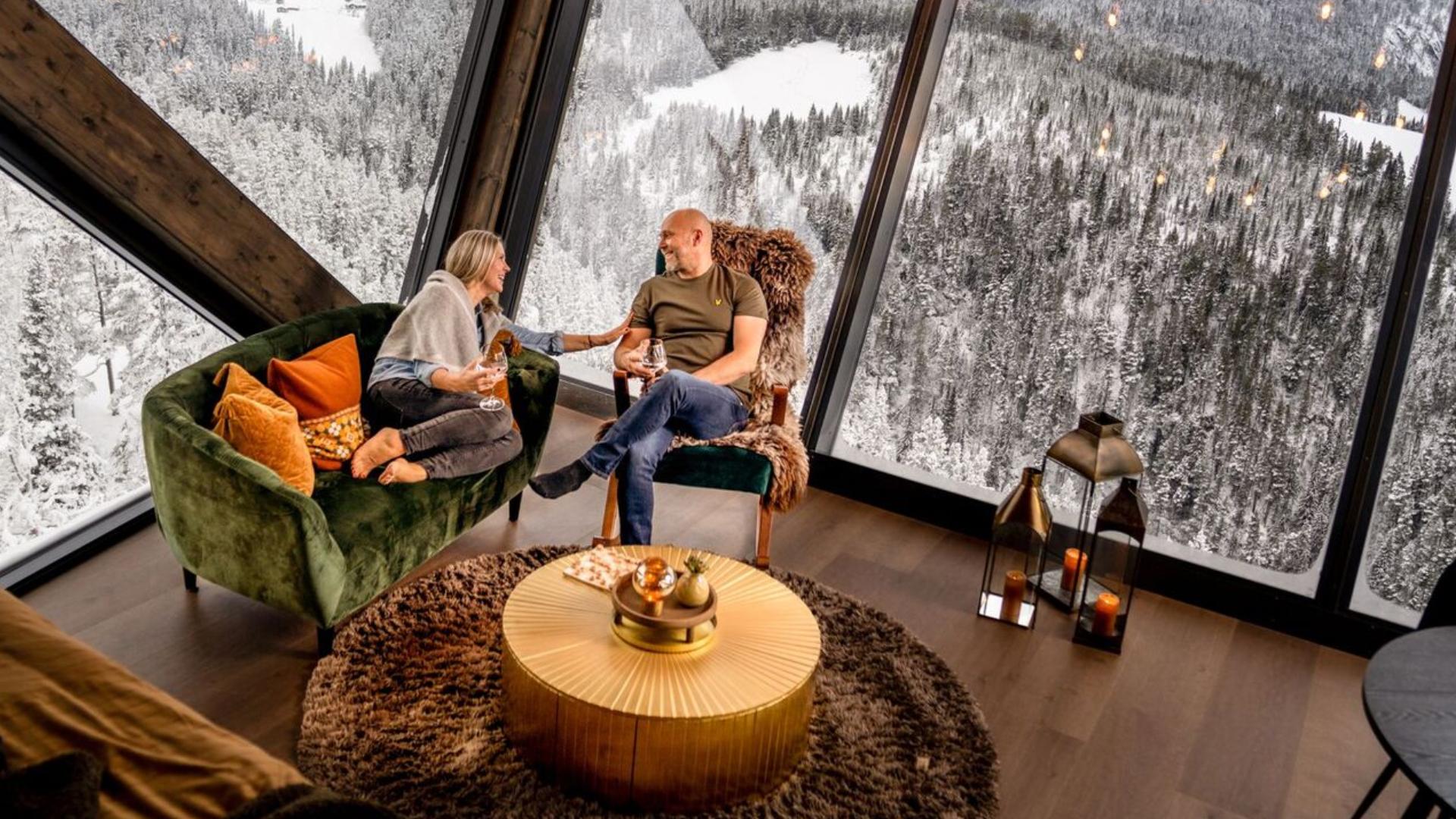
Welcome inside!
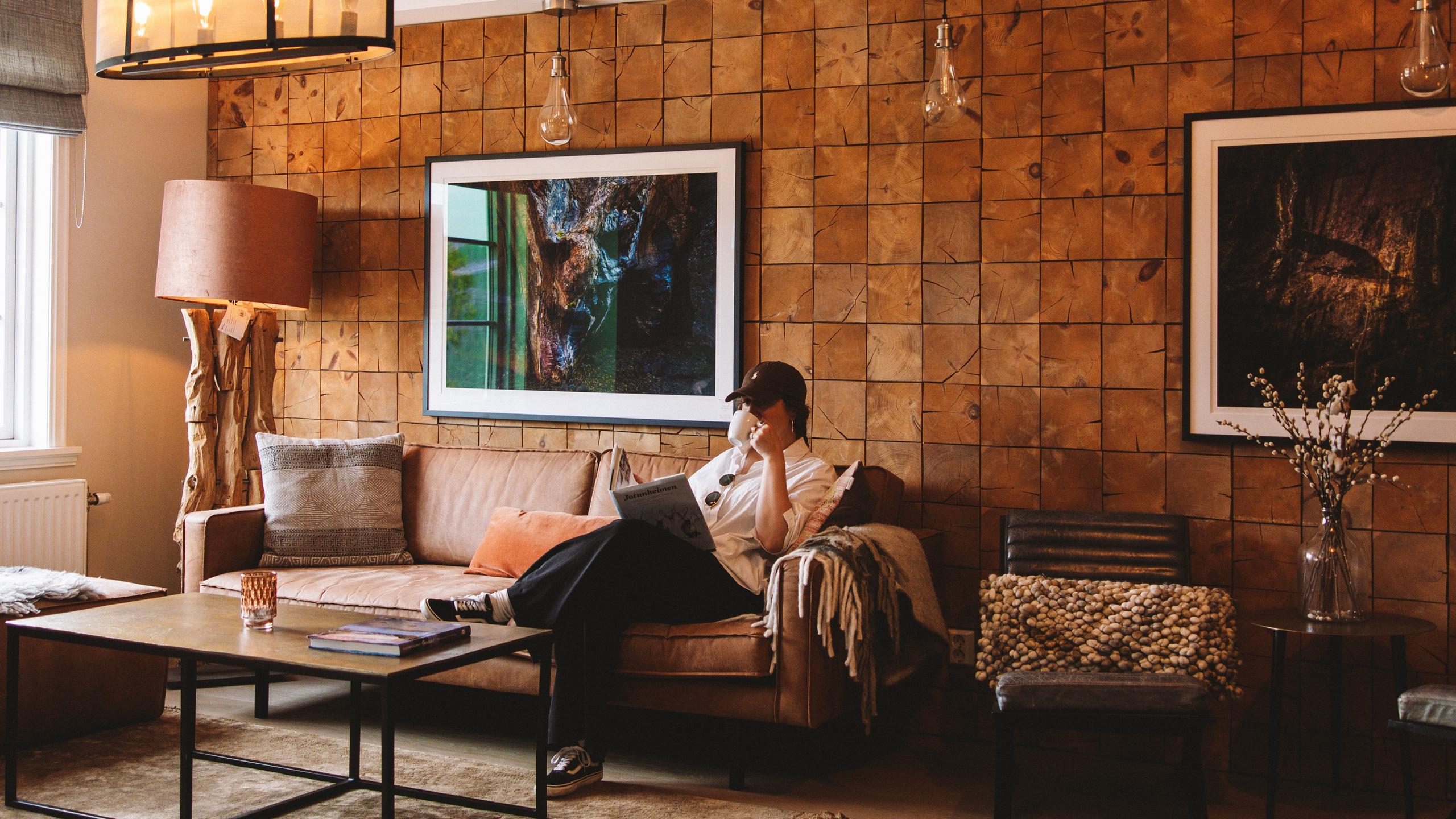
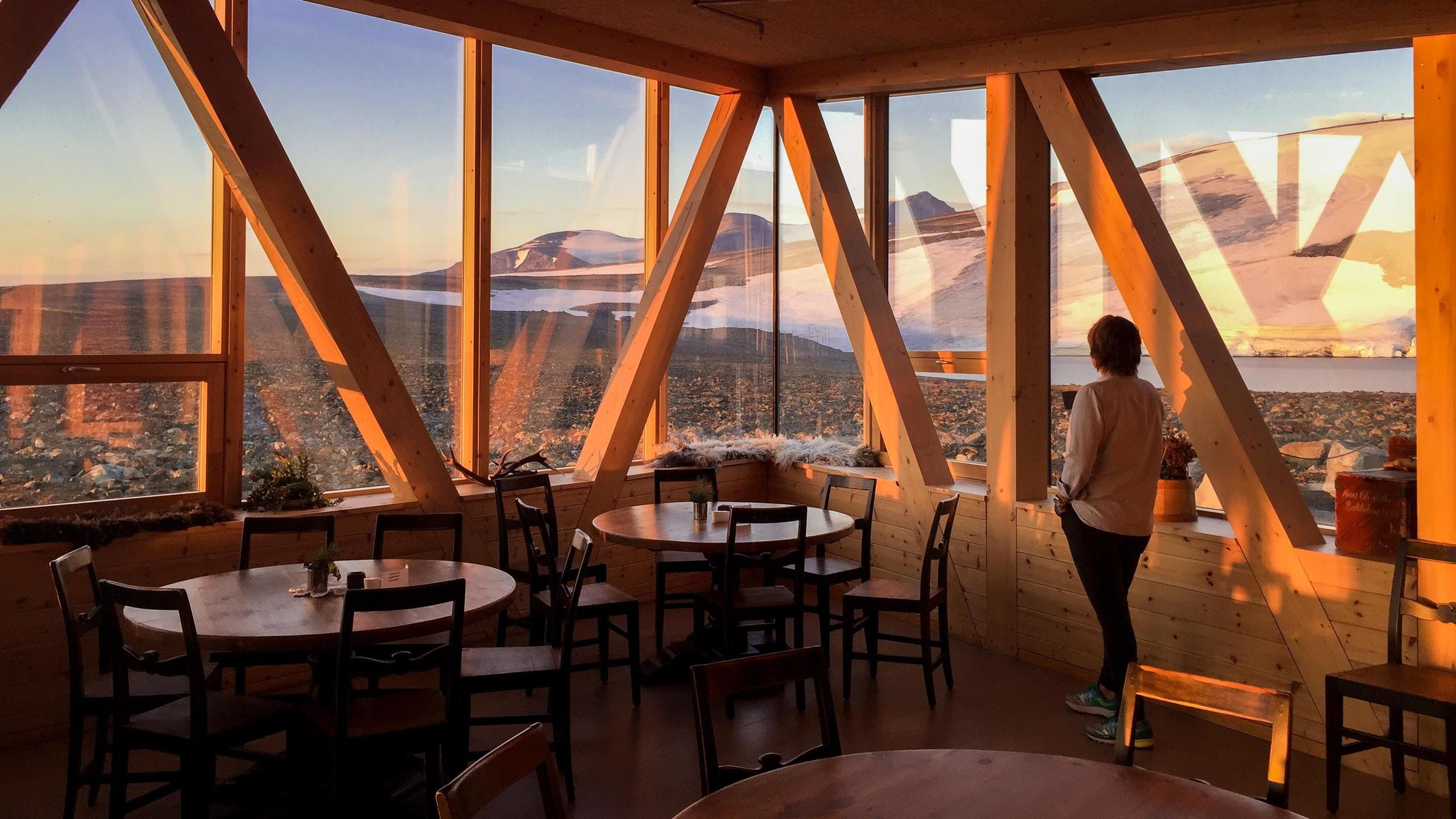
Skåbu Fjellhotell, located in Northern Europe's highest inhabited mountain village of Skåbu, in the Gudbrandsdalen valley, is a hidden gem. And not just due to its thoughtfully designed interior, which exudes mountain luxury.
The boutique hotel is in fact the first and only Northern European member of Regenerative Travel – a collection of independent hotels whose mission is to connect travellers with environmentally and socially impactful experiences around the world.
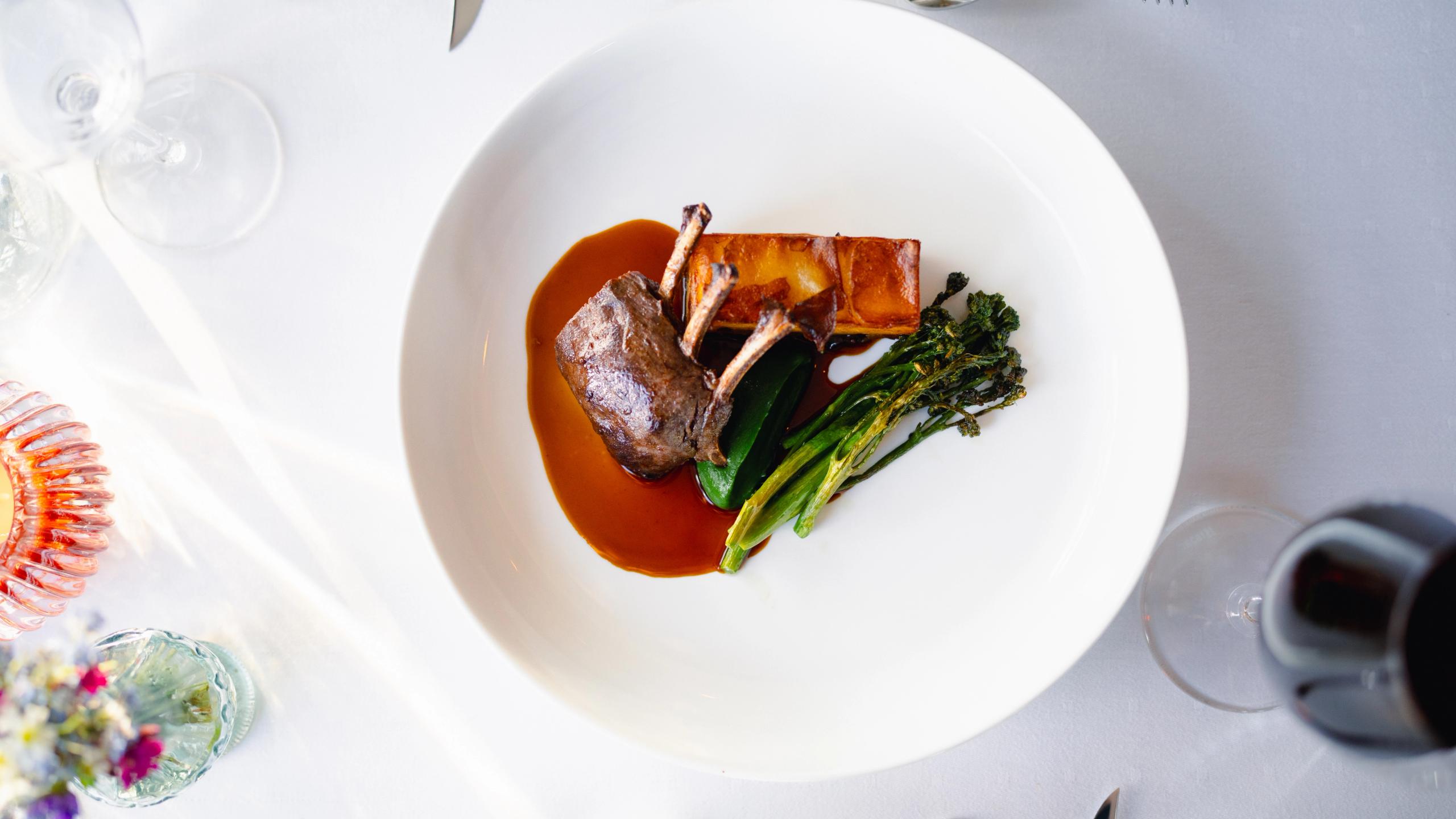
You can taste it in the restaurant …
You can see it in happy faces …
But most of all, you can feel it!
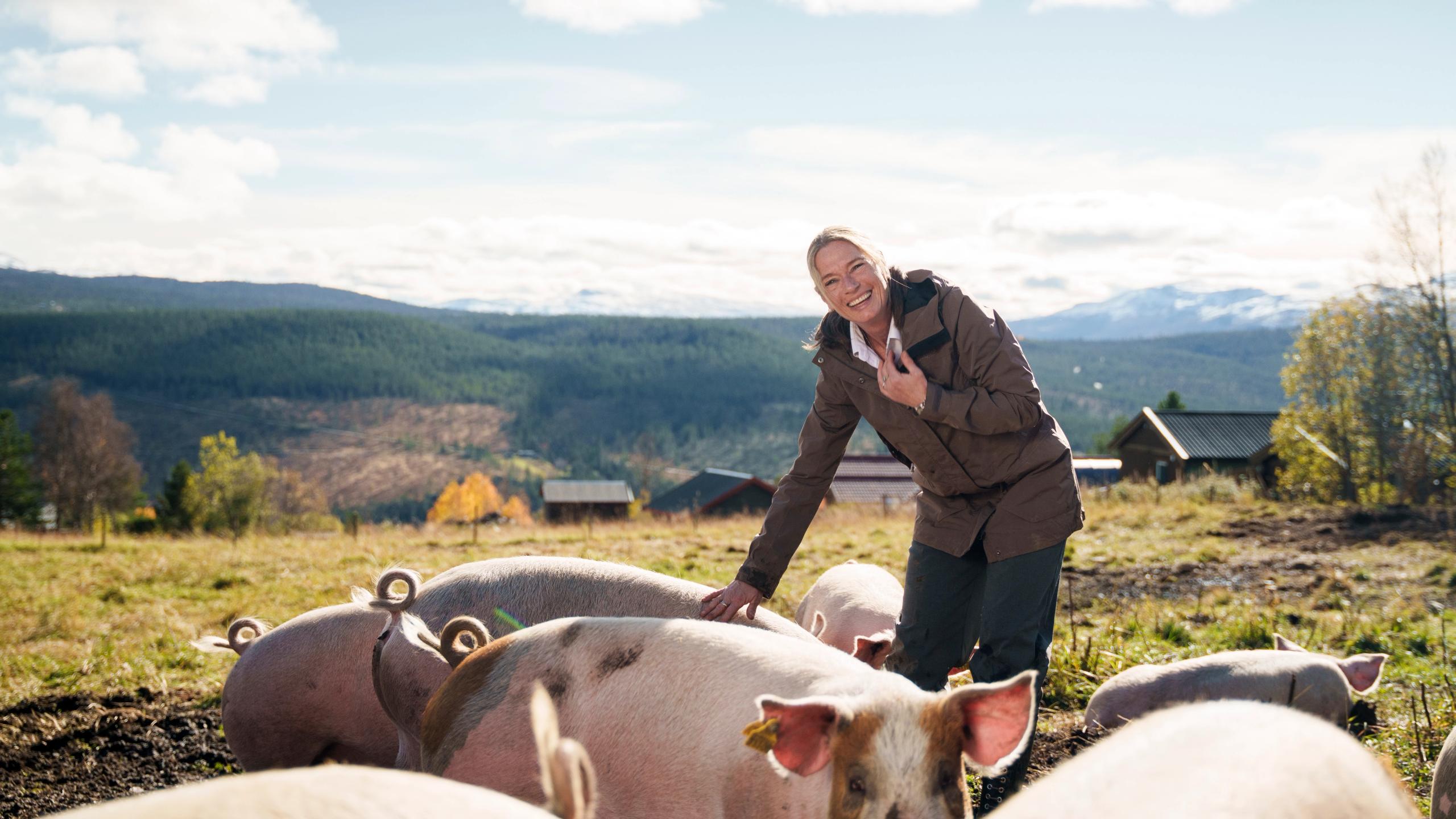
"When I first heard about regenerative tourism, I immediately became curious. I thought: this is exactly how we want to run the hotel, and it lines up perfectly with our established values," says Jannicke Haug Doksæter, Skåbu Fjellhotell's owner.
It all started when Jannicke's father, Sigurd Haug, bought the mountain farm Lykkja Fjellgard in Skåbu in 2008. He quickly felt in love with the village and the local community, and when the old co-op was up for sale, he snapped up the opportunity to become its new owner.
Since then, three generations of the Haug family have been involved at the mountain farm and in the making of the boutique hotel in the former co-op building.
"Preservation of local history, culture and tradition is an important part of our concept. We want to give something back to the local community as well as offering a unique experience for our guests," says Jannicke.
The transformation
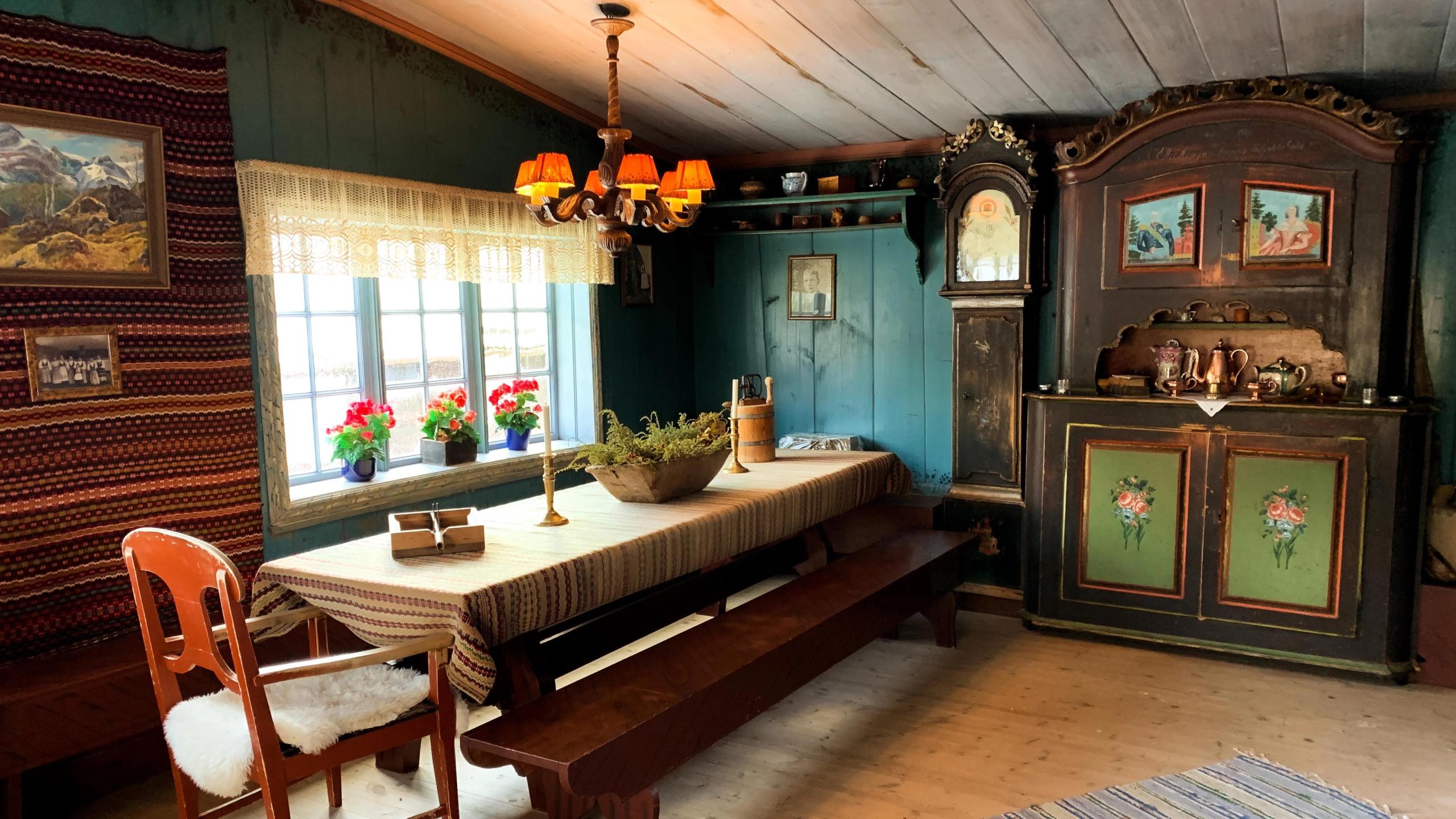
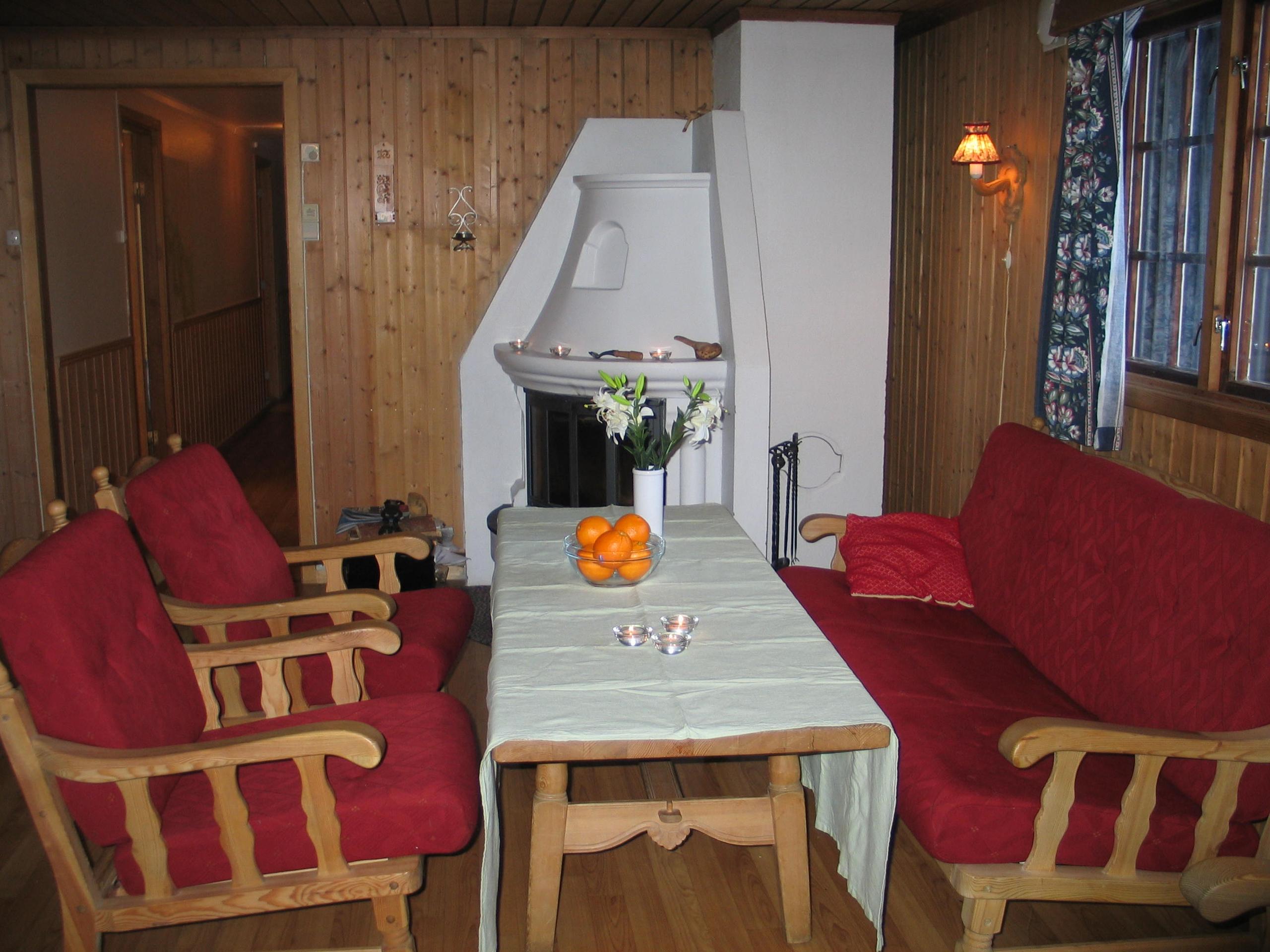
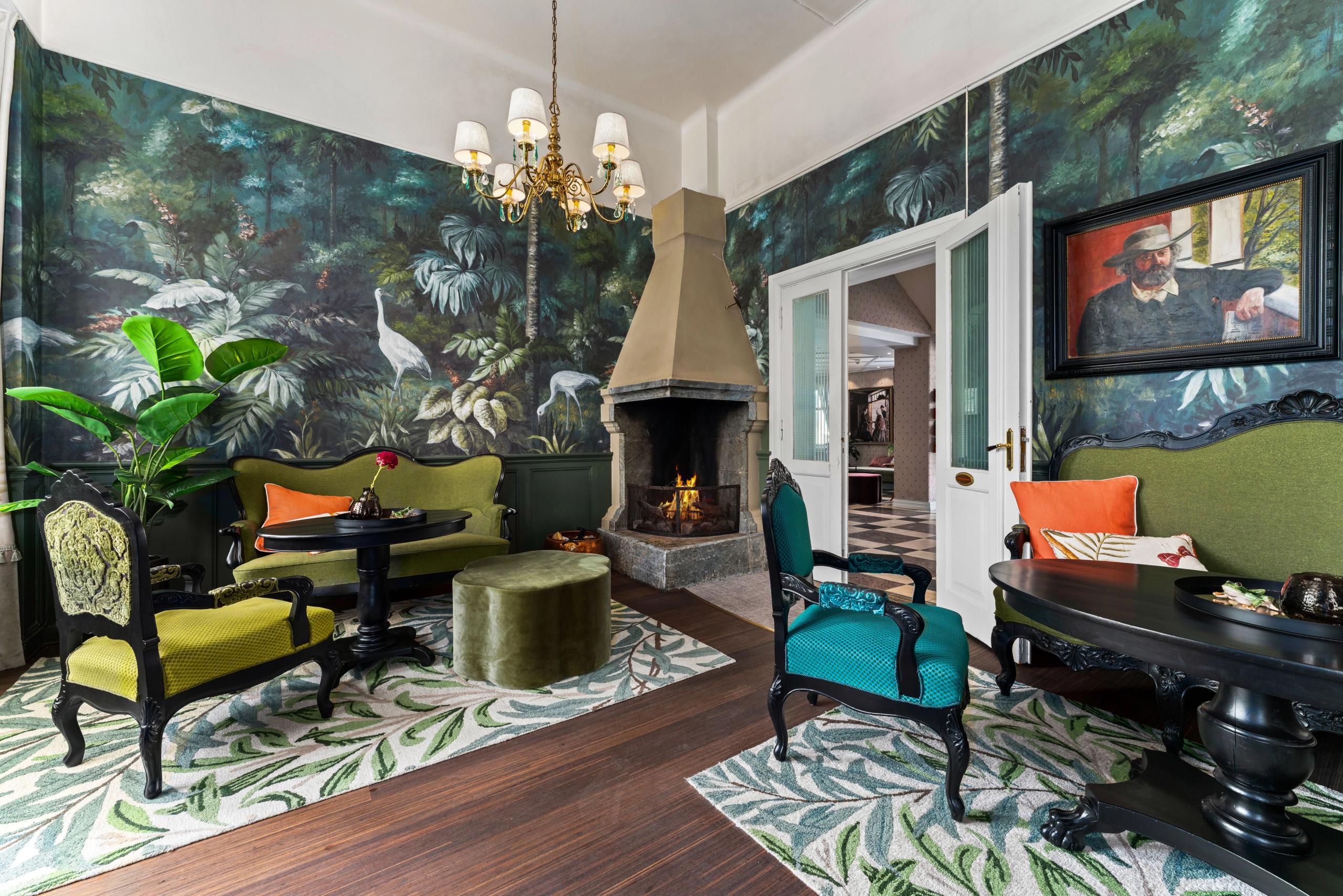
While renovating the co-op, the family focused on keeping the history and the tradition of the place alive. The colour palette and materials used were carefully selected to honour the space. Old furniture was also refused and blended in with the new, giving the hotel a warm and homely feel with a touch of mountain luxury.
"Local artwork adorns the walls and many of the materials used are native to the area. We got much of the furniture from an old hotel that was renovating," Jannicke explains.
It's all about the moose
"We take our guests on guided tours and educate them about moose. We also explain why we can't go too close to them in nature," says Jannicke.
The wilderness surrounding the hotel is home to a rich abundance of wildlife. Among other species, moose roams the forest. In fact, one of Europe's largest moose migrations take place here every year. The Skåbu team wants to give their guests the feeling of being in moose land, without disturbing the wildlife.
"Moose is a natural part of our area and the hotel's concept. They have been roaming the same trails for 10,000 years; it's fascinating. And I think it's important to communicate this to visitors," says Jannicke.
Skåbu is also a part of Elgland, a network of travel operators who aim to develop, market, and sell high-quality products and experiences related to the natural and cultural history of moose within their geographical area.
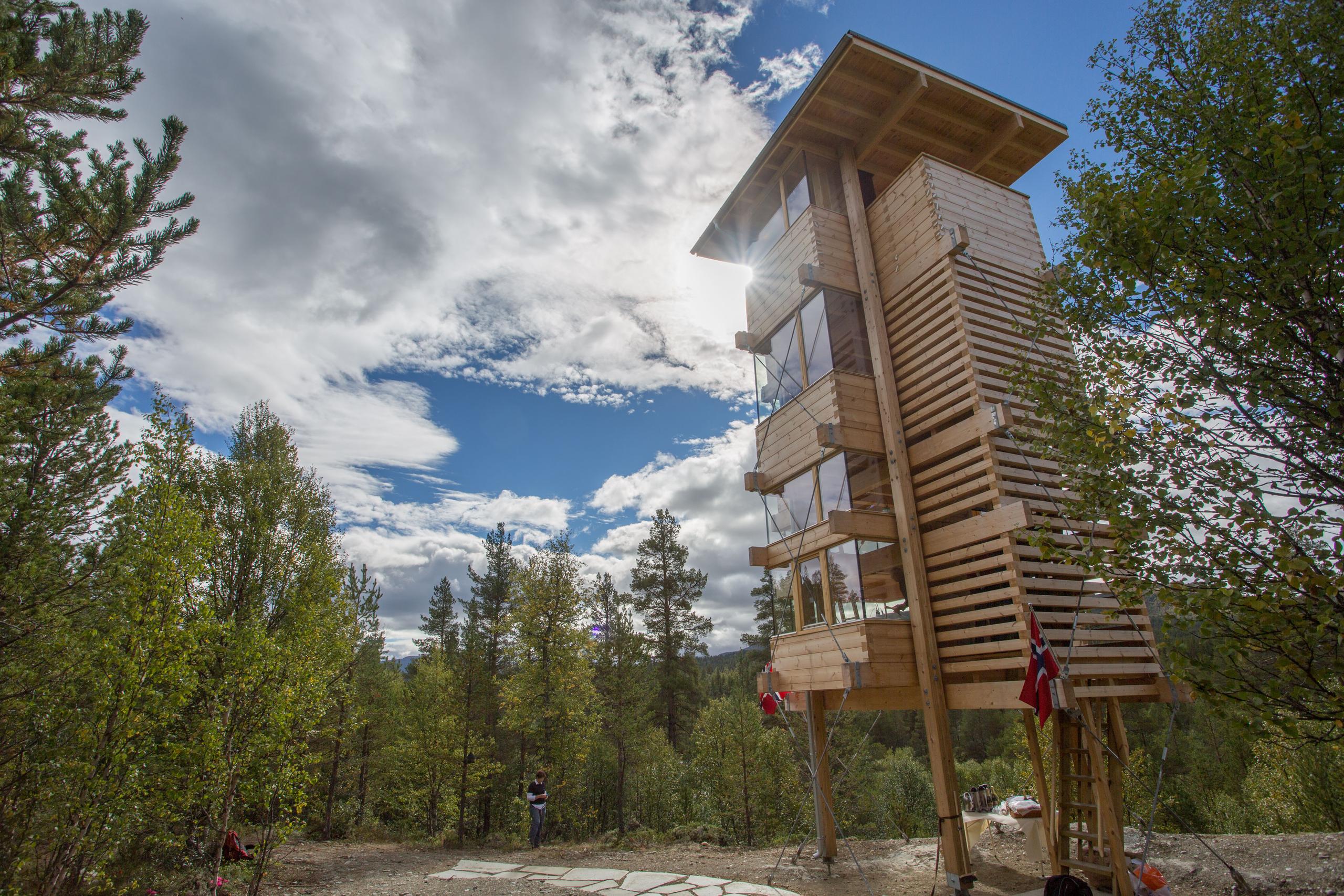
One unique moose experience that's close to Skåbu is Elgtårnet, the moose tower, in the Espedalen valley, operated by Ruten Fjellstue and Dalseter Fjellhotell.
Not only will it give you a close-up to nature and wildlife, it's also possible to spend the night in the 12-metre-high tower! Crucially, you can stay there without disturbing the wildlife.
Important note: always remember to keep a safe distance to wild animals! Always go with a guide if you want to explore the wildlife. Skåbu Fjellhotell also offers guided tours.
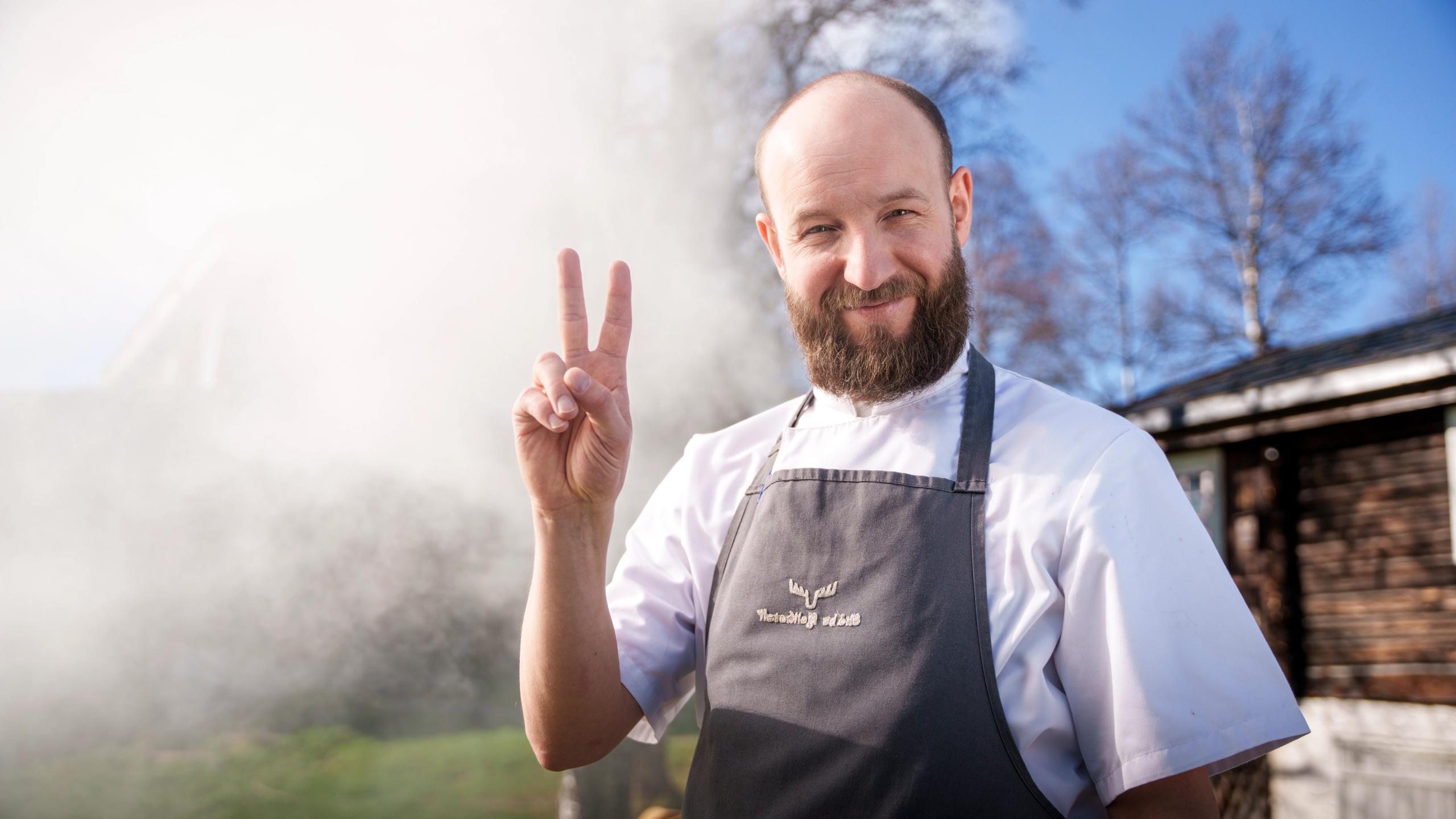
“We try to never use ingredients that are not native to the area.”
Lukasz B. Socha
Head chef, restaurant Skadir at Skåbu Hotel
From farm and forest to fork
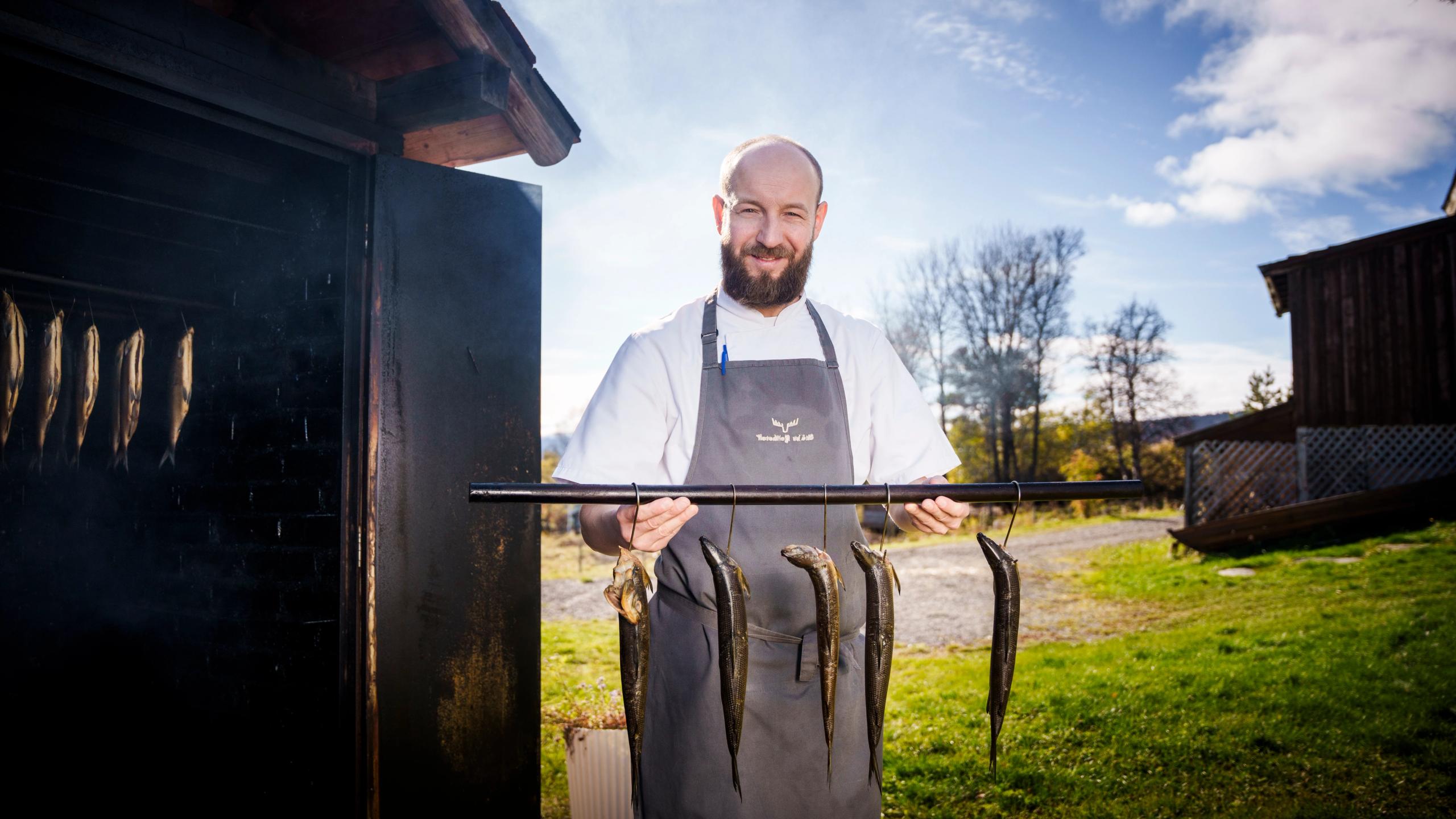
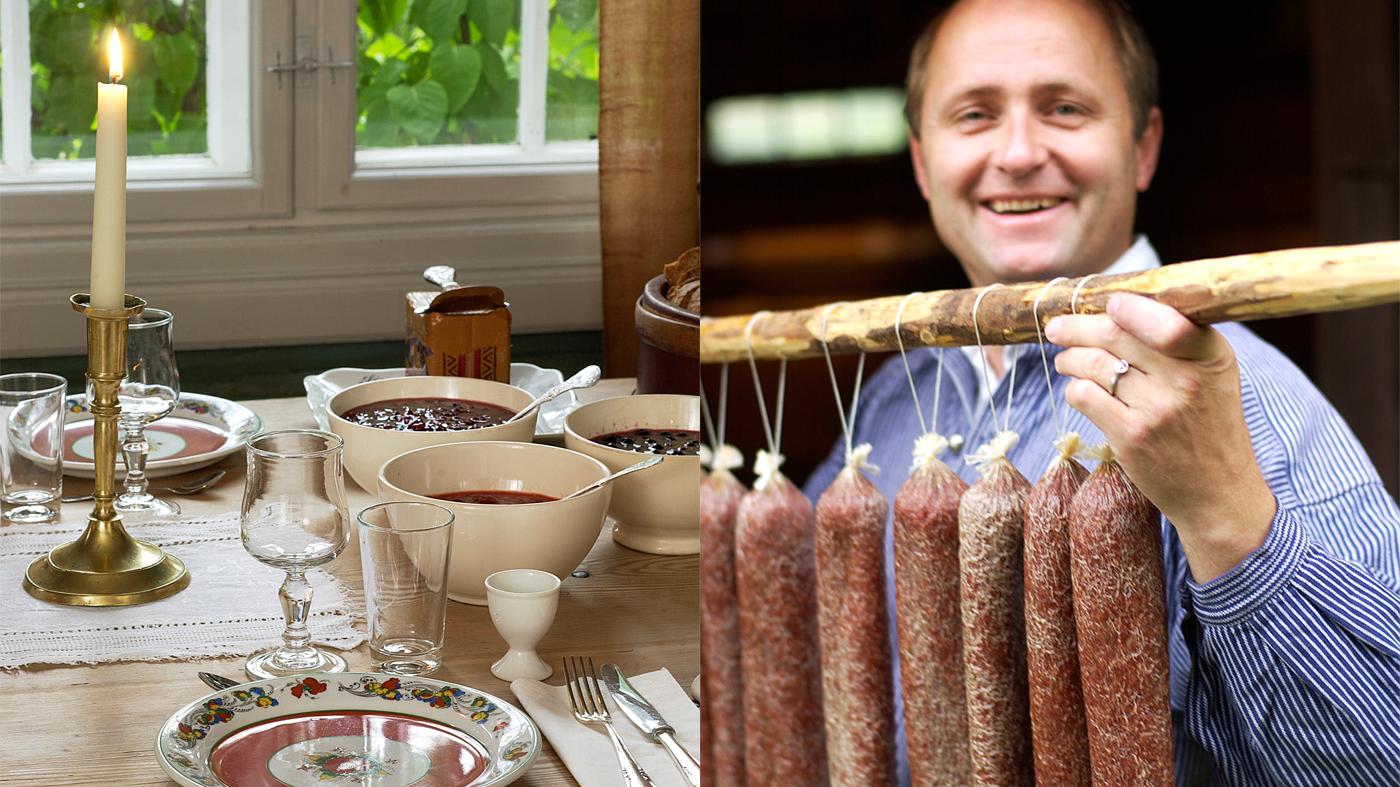
One key part of educating guests about moose is to tell them about how hunting in the area takes place. By using the meat and other game from the mountains, in combination with farming, the hotel is taking an important step towards self-sufficiency and the utilisation of local produce. And the result is amazing flavours are served at its restaurant, Skadir.
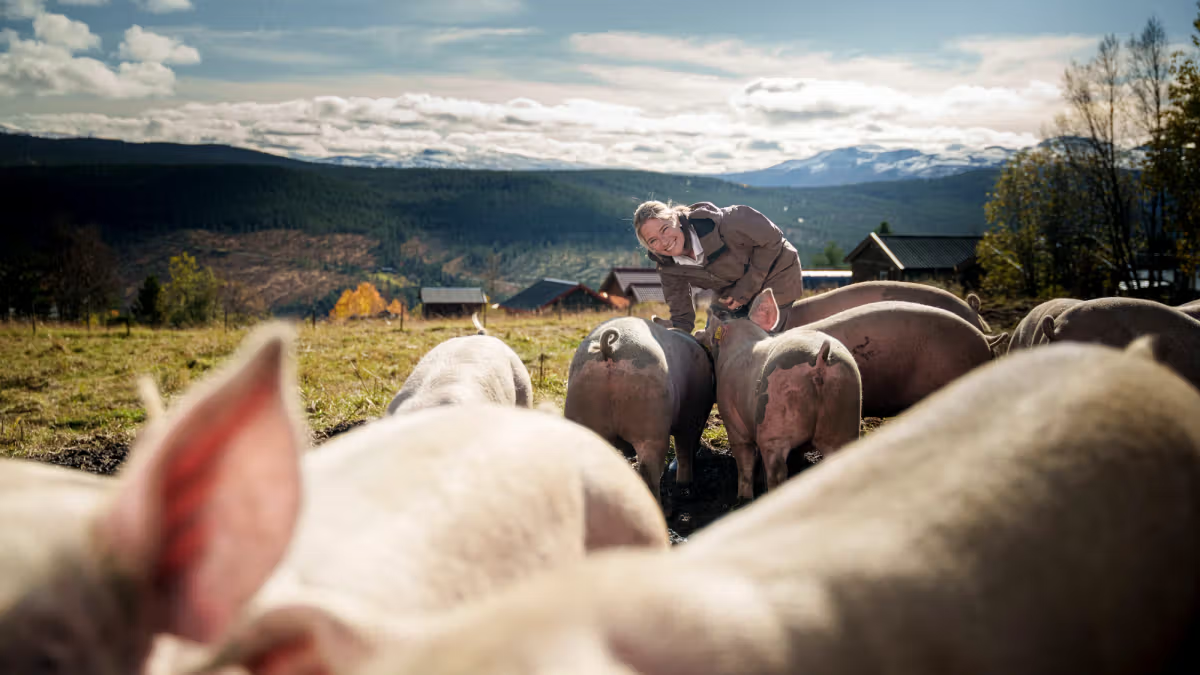
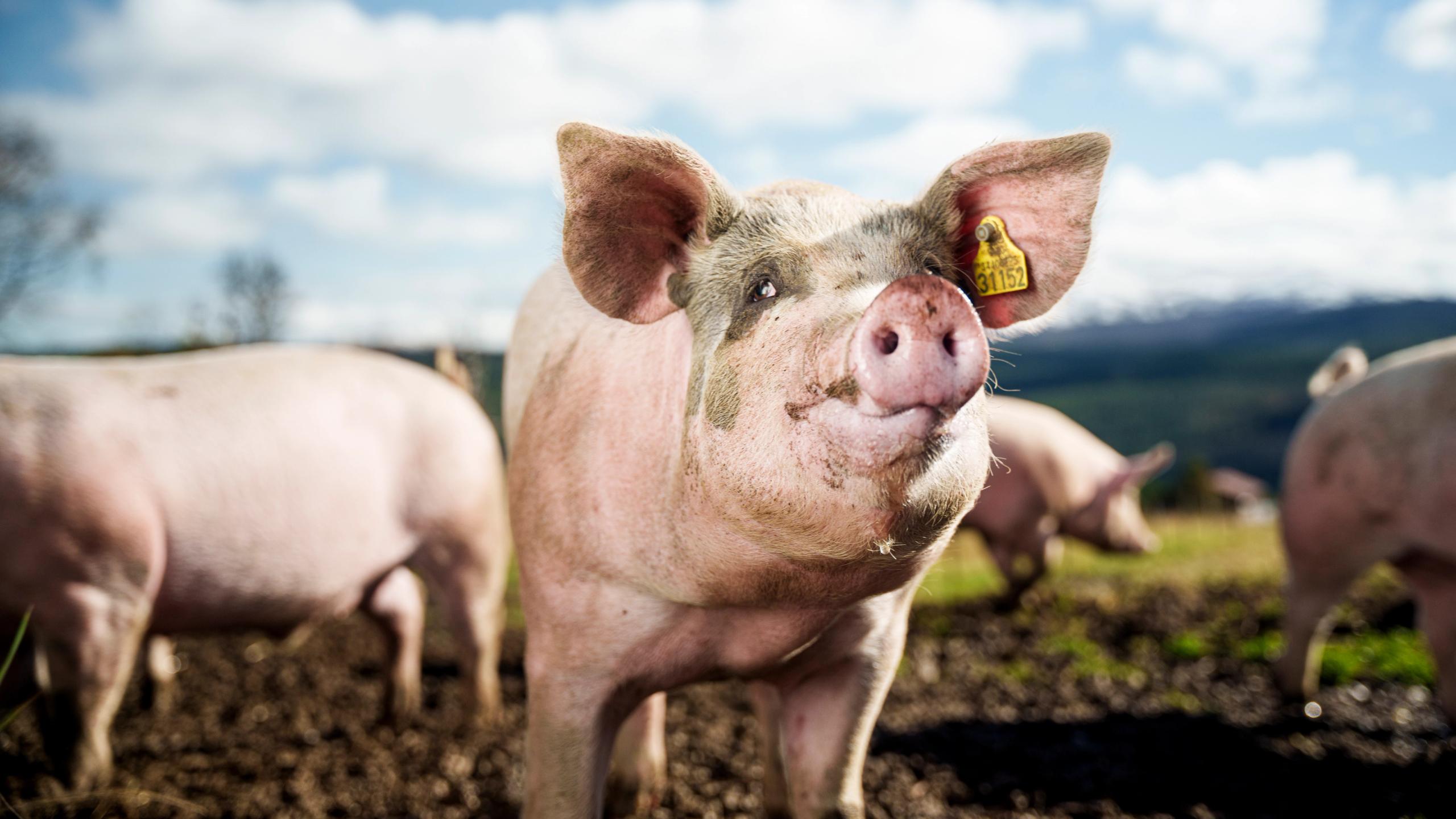
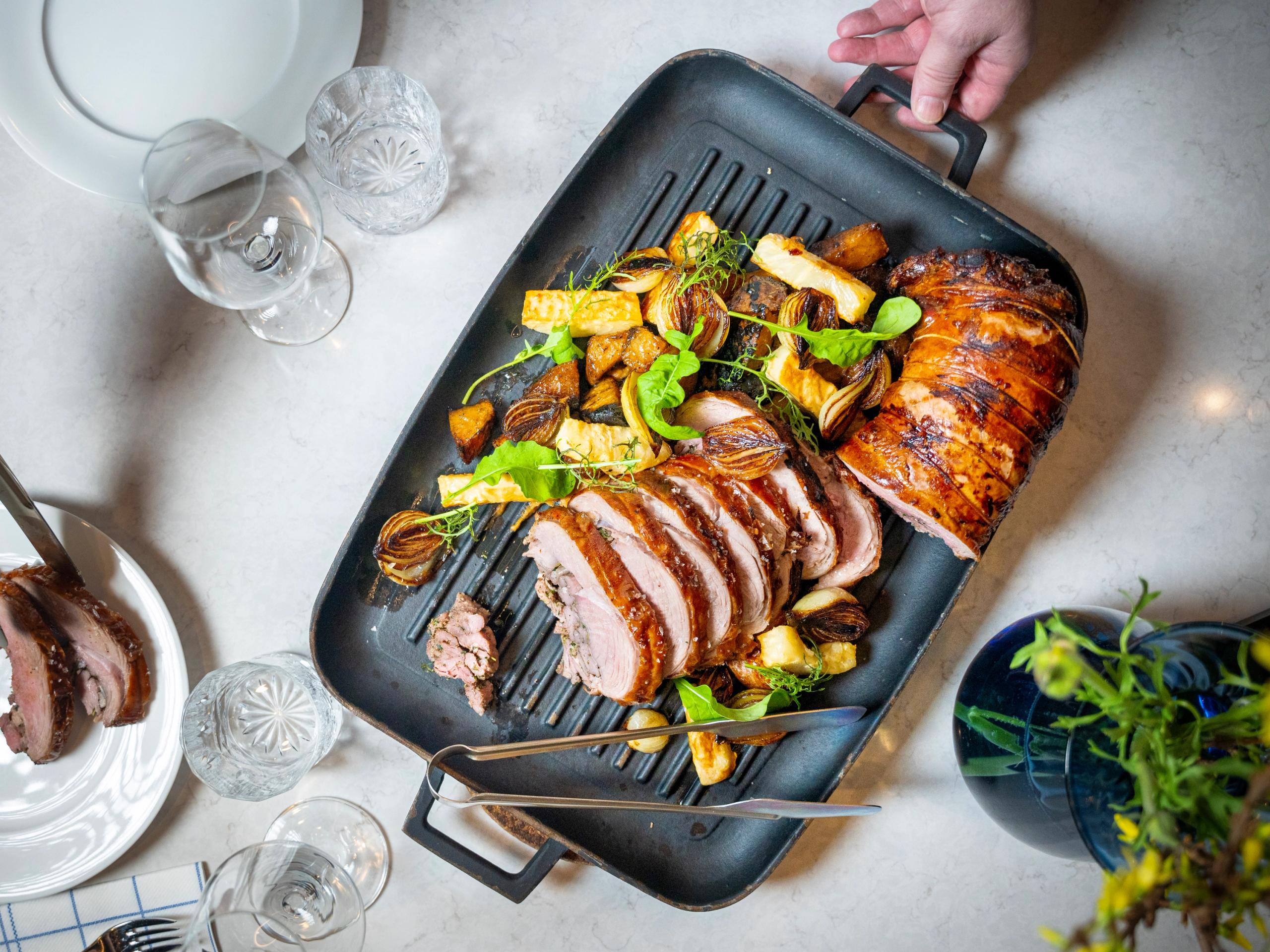
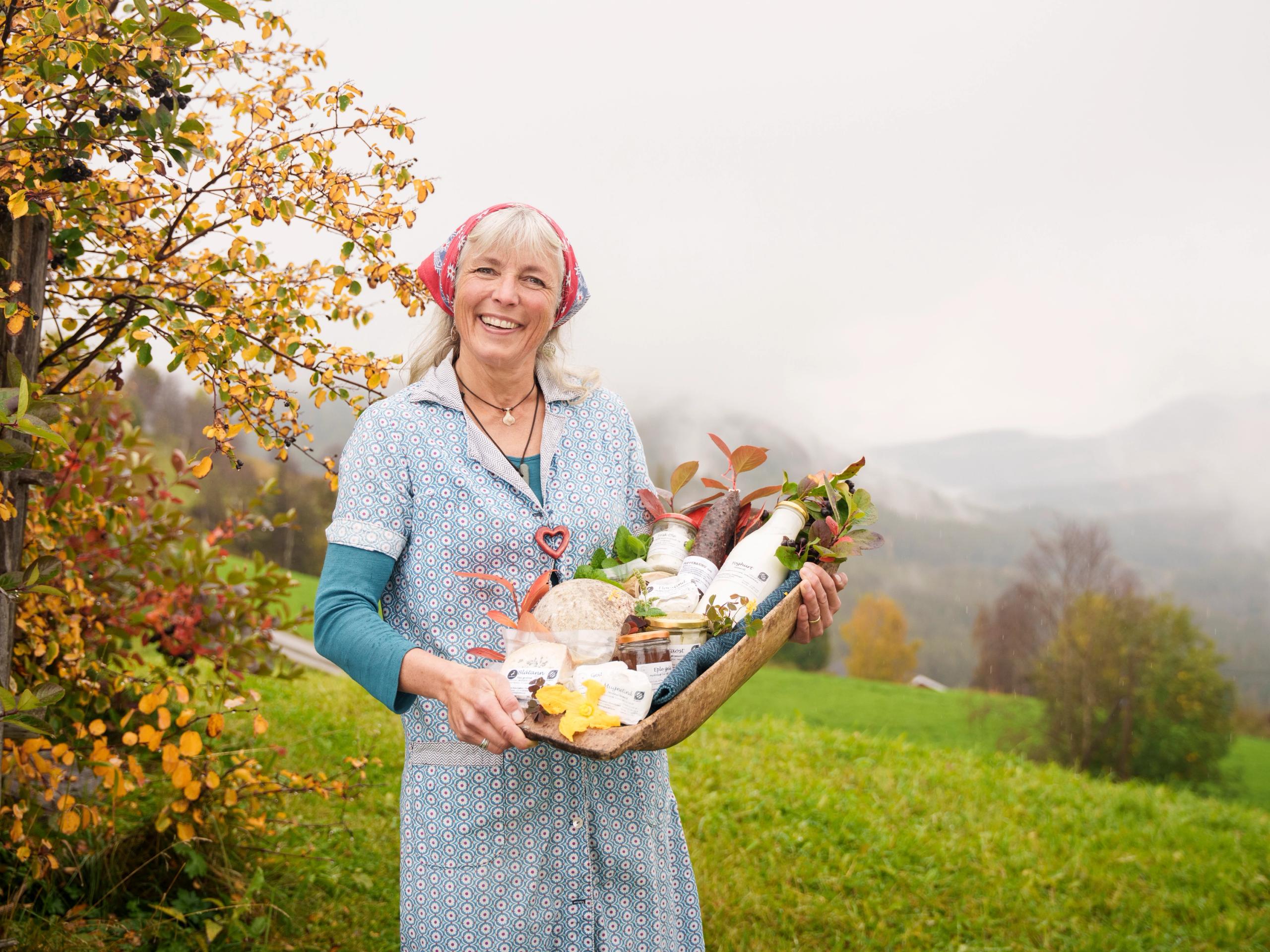
"Fish and game is bought from local hunters, we have our own free-range pig and sheep, and have also developed our own purchasing model that commits us to always try to use as much locally sourced ingredients as possible," says Jannicke, adding that it's important for them to ensure that the livestock lives a good and dignified life.
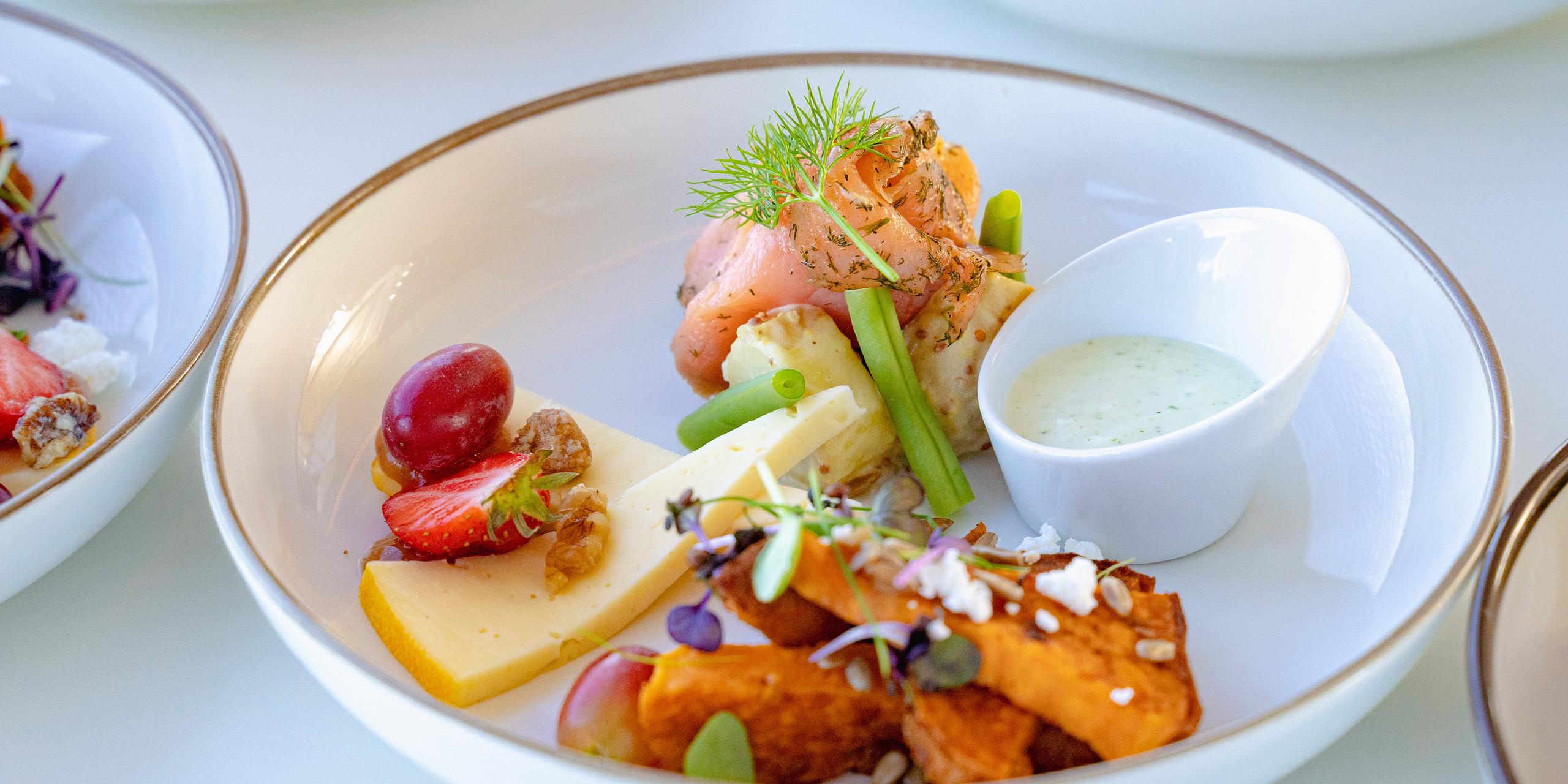
The result? Incredible locally sourced food, and an exciting menu that changes with the seasons. It's also worth mentioning that the hotel and its restaurant, with head chef Lukasz Socha in the lead, has gained three circles in the 360 Eat guide.
The hotel also has a cool take on how to reduce food waste from its restaurant.
"We boil the leftover food and serve it to our pigs. The pigs get nutritious feed, and we don't have to throw away food that is perfectly fine," tells Jannicke.
As a guest at the hotel, you automatically have a reservation in the restaurant, but you can also book a table there if you aren't staying at the hotel.
Skåbu Høyfjellsmat
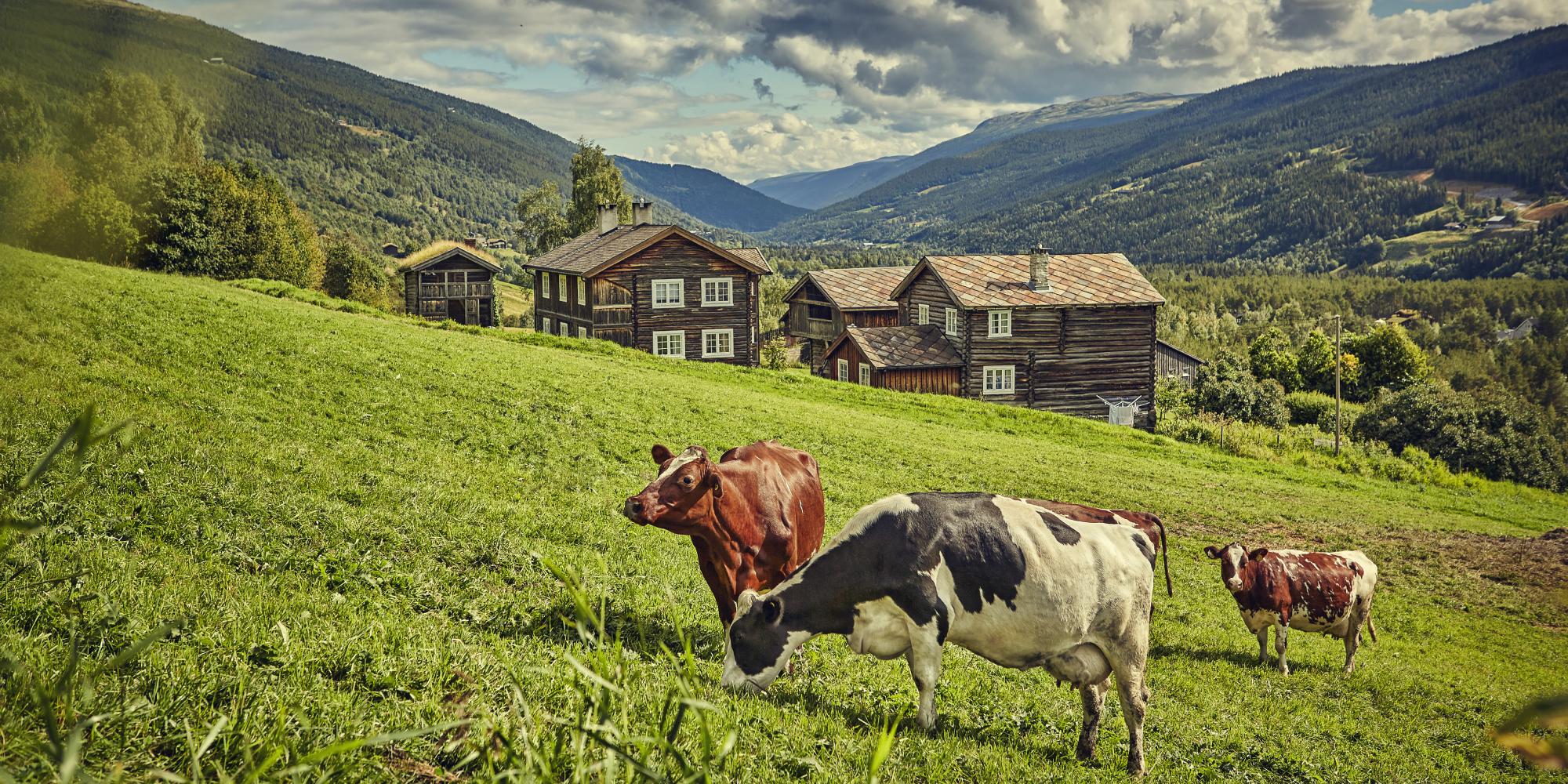
Skåbu also produces local food based on ingredients from its own farm, as well as fish and game from the area. If you want to bring some of these delicacies home, you can purchase them in the hotel lobby or at local markets.
The hotel also arranges farm visits to its mountain farm, Lykkja, where you can meet the animals and taste the farm's own produce.
Foodlab Skåbu
You can also attend food courses through Foodlab Skåbu. This is a concept that takes visitors through the process behind the mountain food. Learn how to sample from the nature, how to use the animals and cooking of the food.
Culinary traditions in the Gudbrandsdalen valley
Wilderness-based agriculture in the highlands has been a part of Norway's farming culture since the Stone Age. A great deal of the culinary experiences in the Gudbrandsdalen valley are based on these ancient traditions of mountain farms, deeply rooted in self-sufficiency and traditional preservation methods.
Here's a few things you should taste while visiting the valley:
- Brown cheese: Gudbrandsdalen is home to one of Norway's most famous ones, the Gudbrandsdalsost sweet brown cheese.
- Game: Reindeer meat and moose are must-try.
- Mountain farms: Cured meat, sour cream porridge, and Norwegian waffles are just some of the inviting flavours often served at farms in the mountains.
Find more restaurants and cafés in Gudbrandsdalen.
Photo: Fredrik Ahlsen / Visitnorway.com
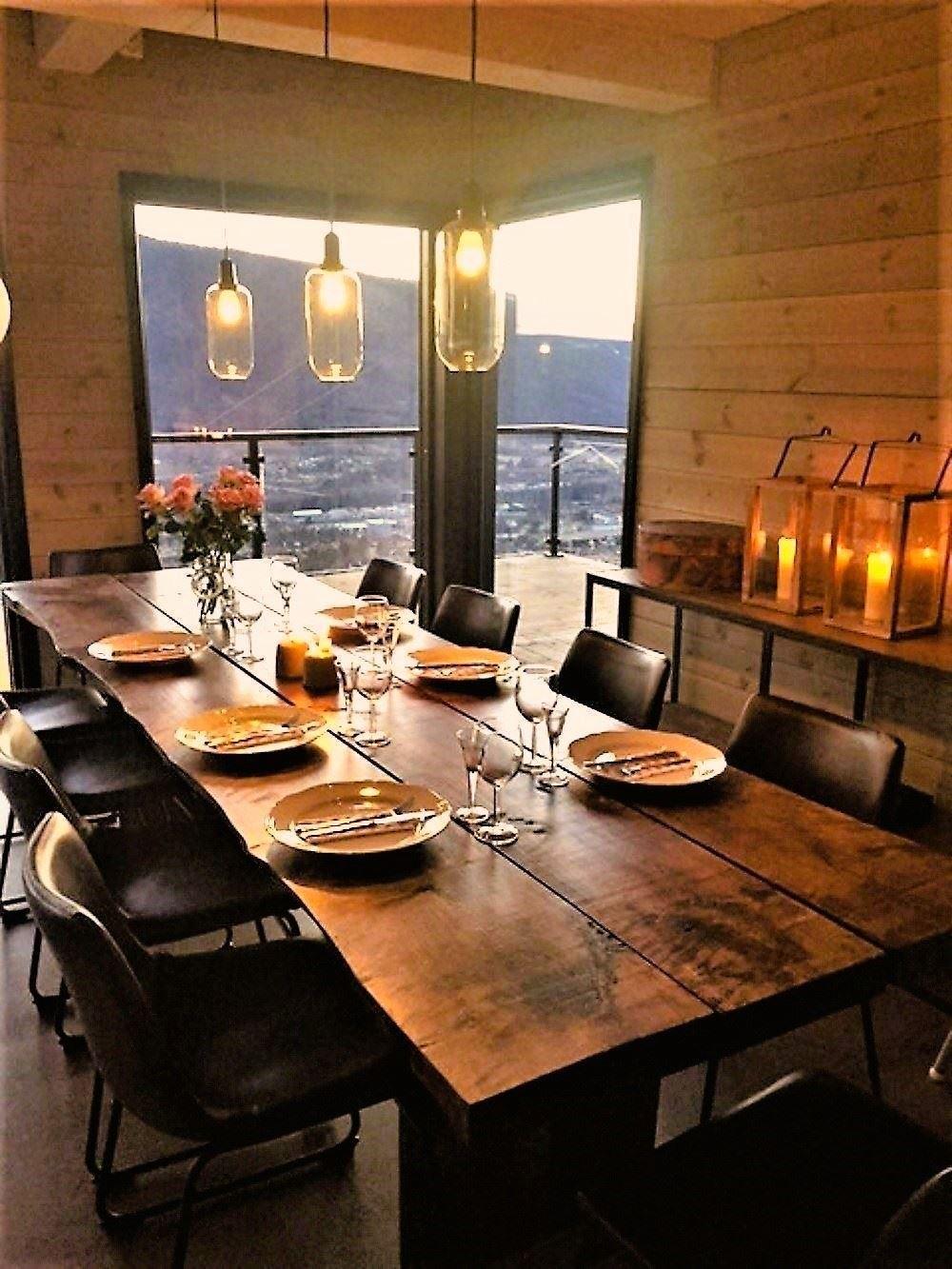
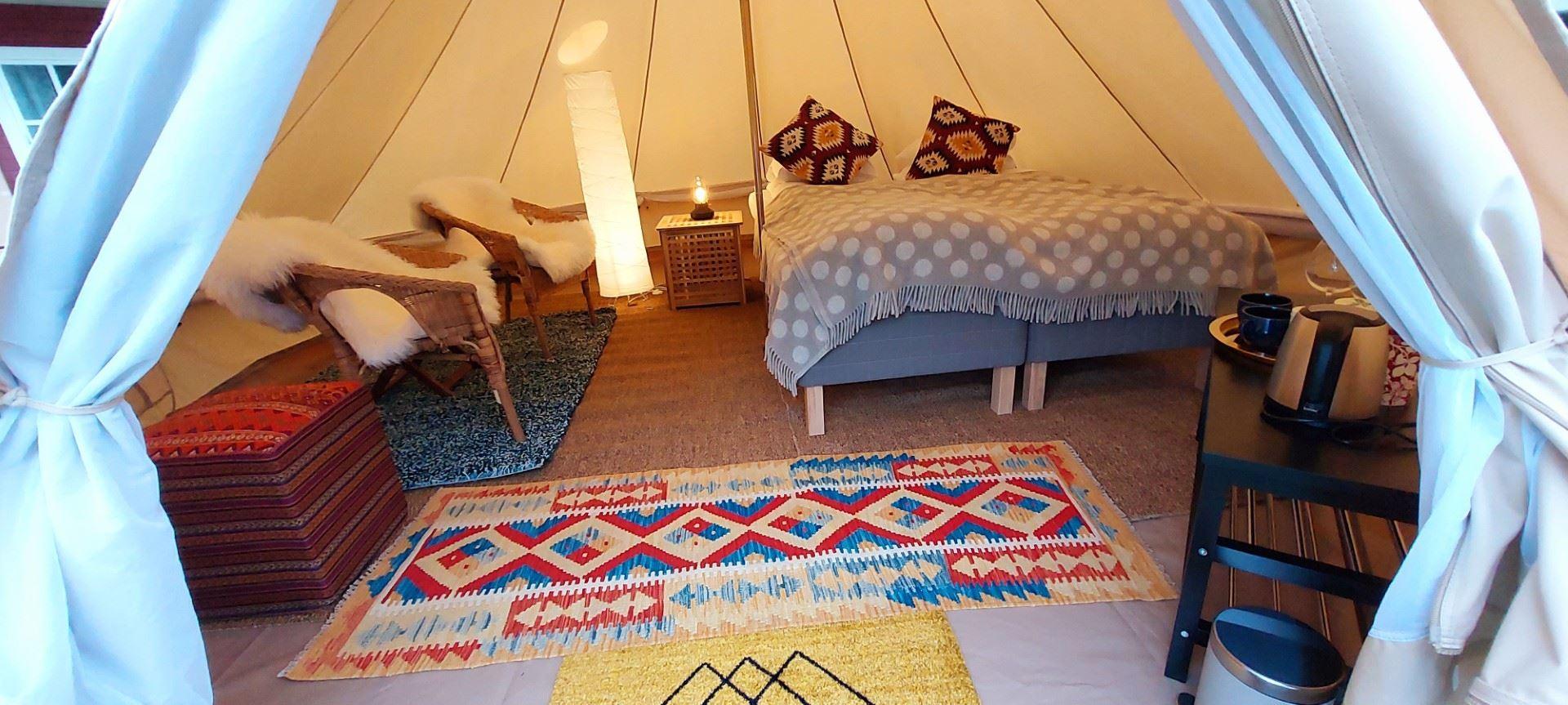
More places to stay
Find your home away from home in the valley.
 Book nowEspedalen
Ruten Fjellstue
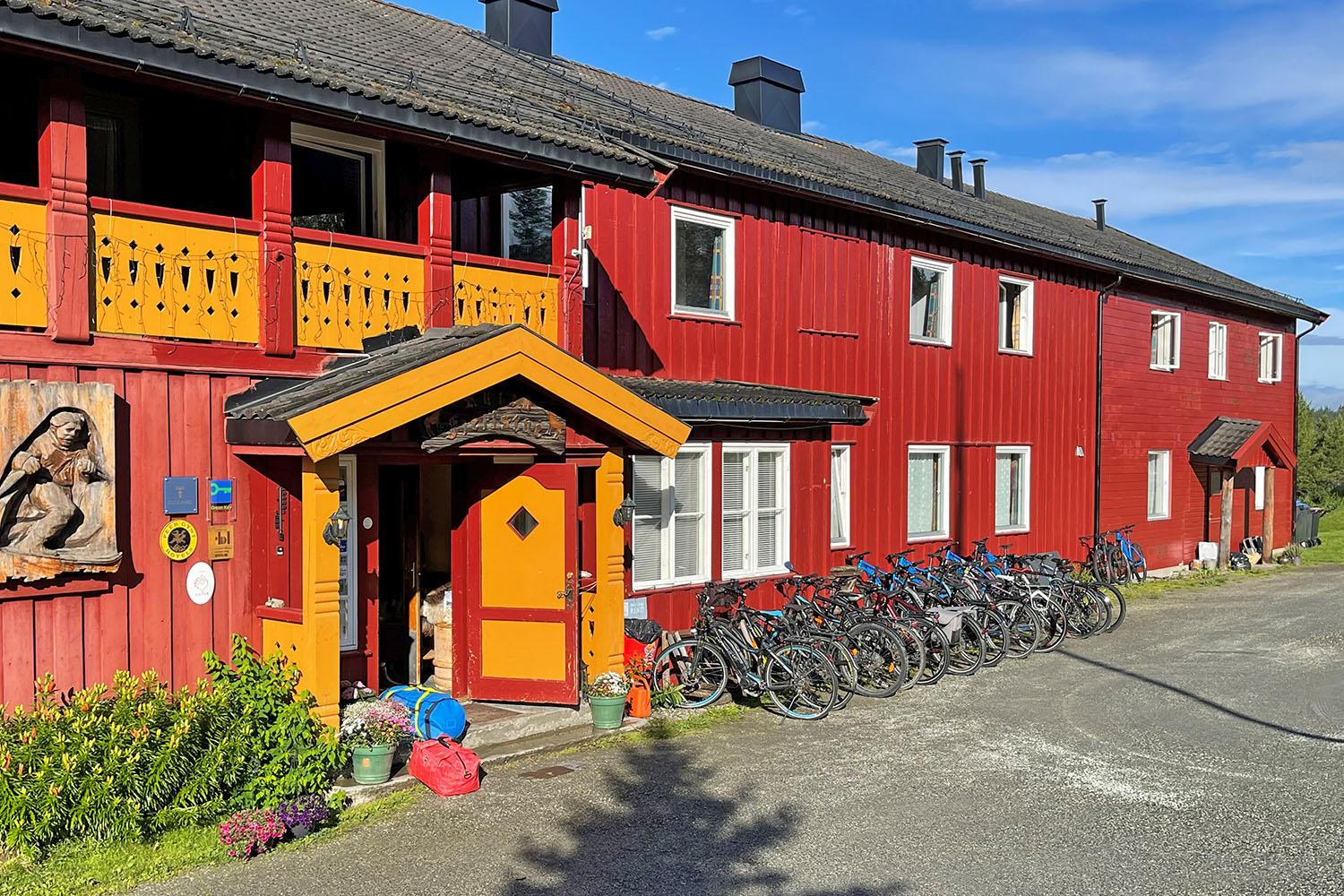
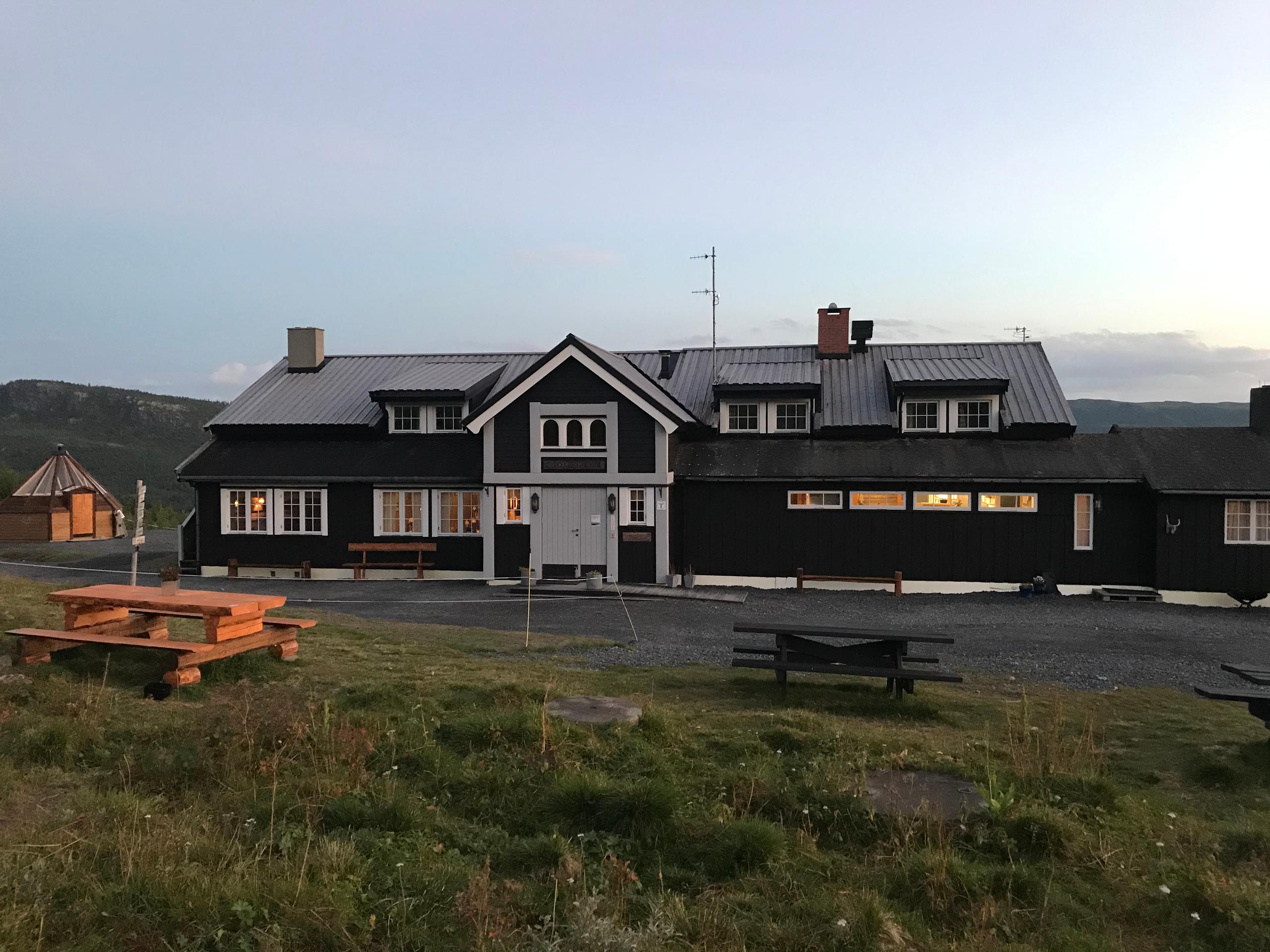
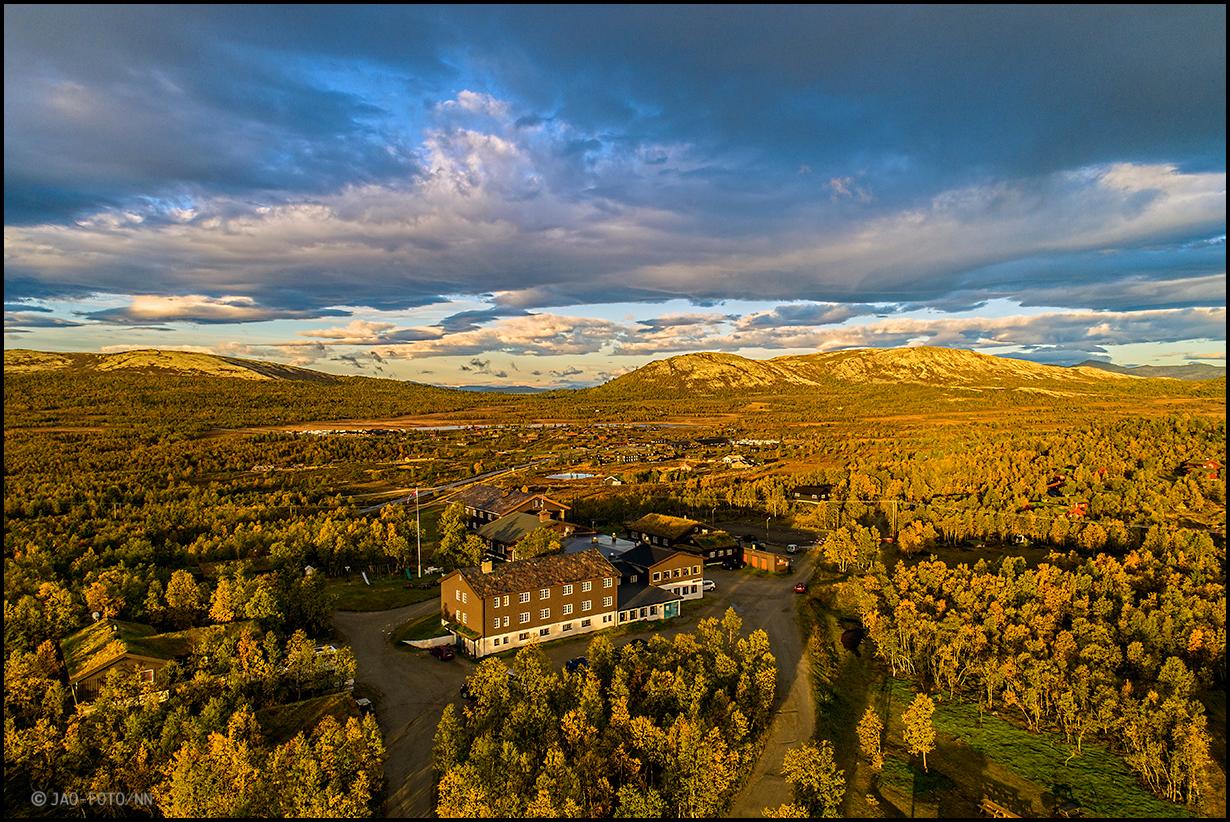
Ruten Fjellstue is located 860 meters above sea level, at the top of Espedalen, with views towards Langsua National Park, Sikkilsdalen and Jotunheimen. We are located along road fv255, 36 km from Vinstra train station, 80 km from Lillehammer train station and 60 km from Bygdin. It is a great base for hiking and cycling in the summer, and ski touring and cross country skiing during the winter time. We offer varied outdoor activity programs both in summer and winter. There is a ski school, snowshoeing, canoeing and kayaking (on the Espedalen waters), horse riding on the mountain trails, and guiding in moose country with coffee on the campfire. Mjølkevegen, the cycle ride from Vinstra to Gol, starts/ends at Ruten Fjellstue. We welcome cycle tourists, and we offer bike lockers, and a bike workshop for repairs or cleaning. Our catering service is flexible, so even if you arrive late we will arrange meals for you. Ruten is rich in history and has been welcoming tourists since 1939, and our cozy fireplace in the old house originates from the early 1800s. The current owners, Berit and Arthur, are 3rd generation hosts. We offer accommodation in homely surroundings, with simple en-suite rooms. The kitchen is the heart of our lodge, where we cook and serve local produce based on recipes that have been used here for generations, but with a modern twist.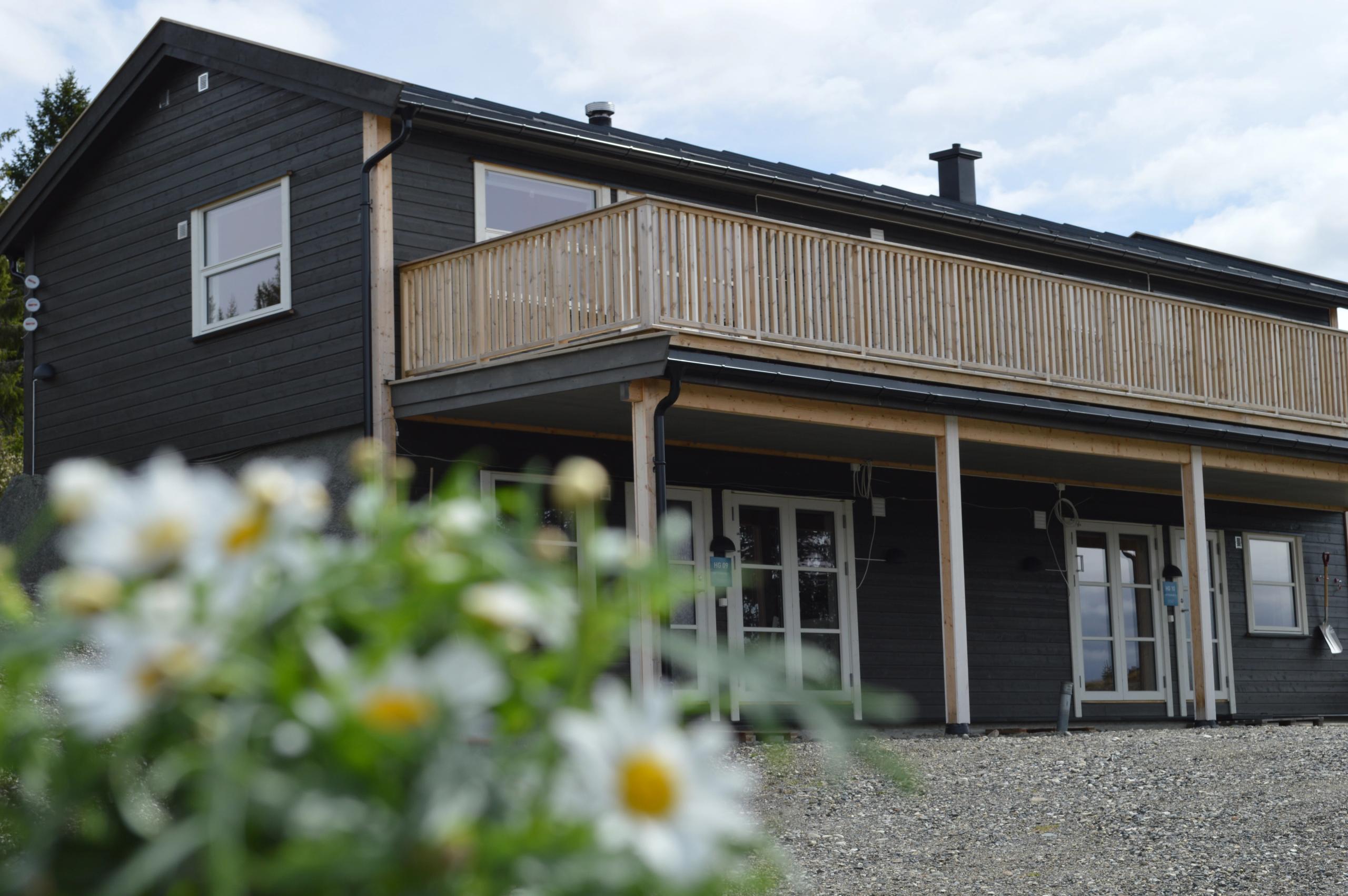 Book nowLillehammer
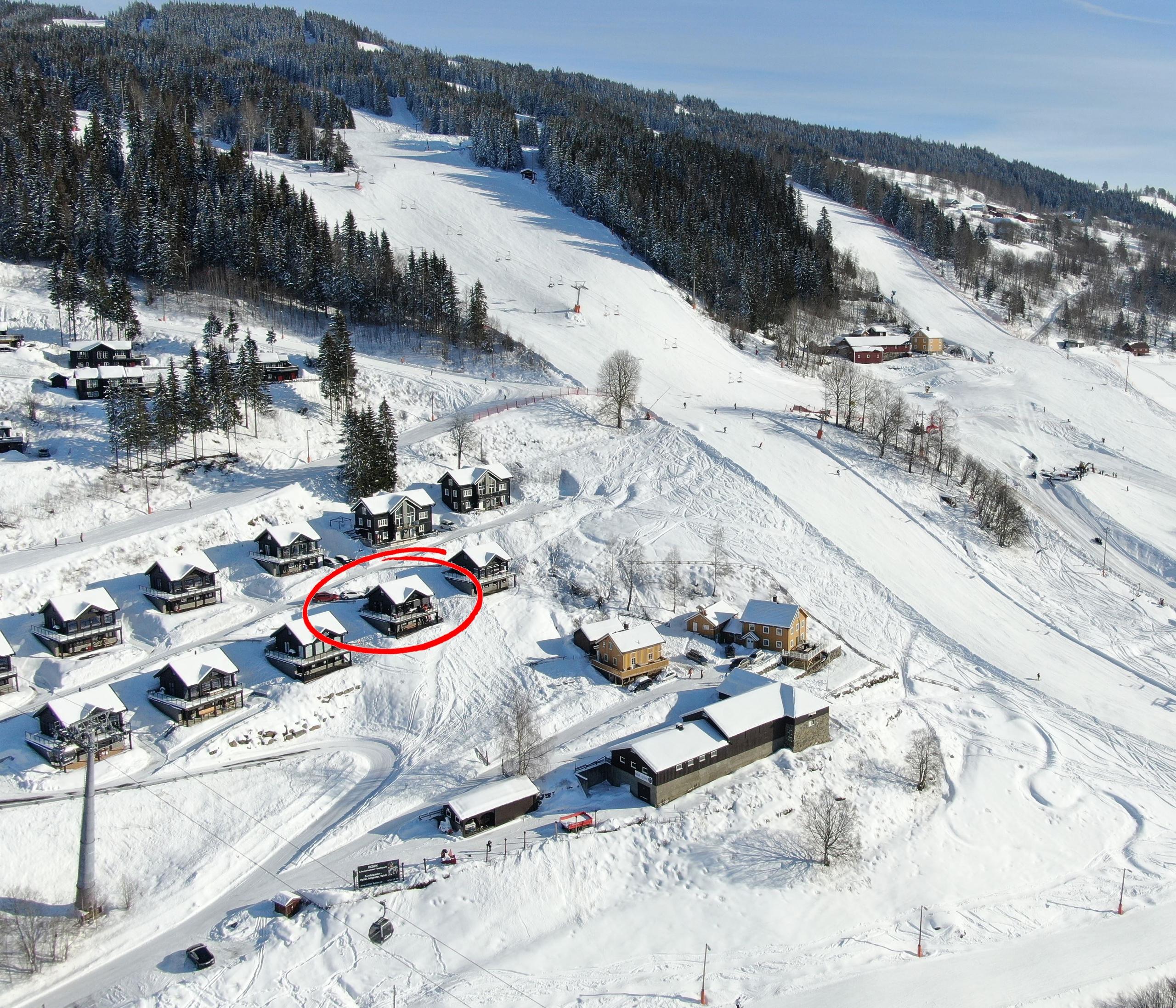
Apartments for rent Nordseter Fjellpark
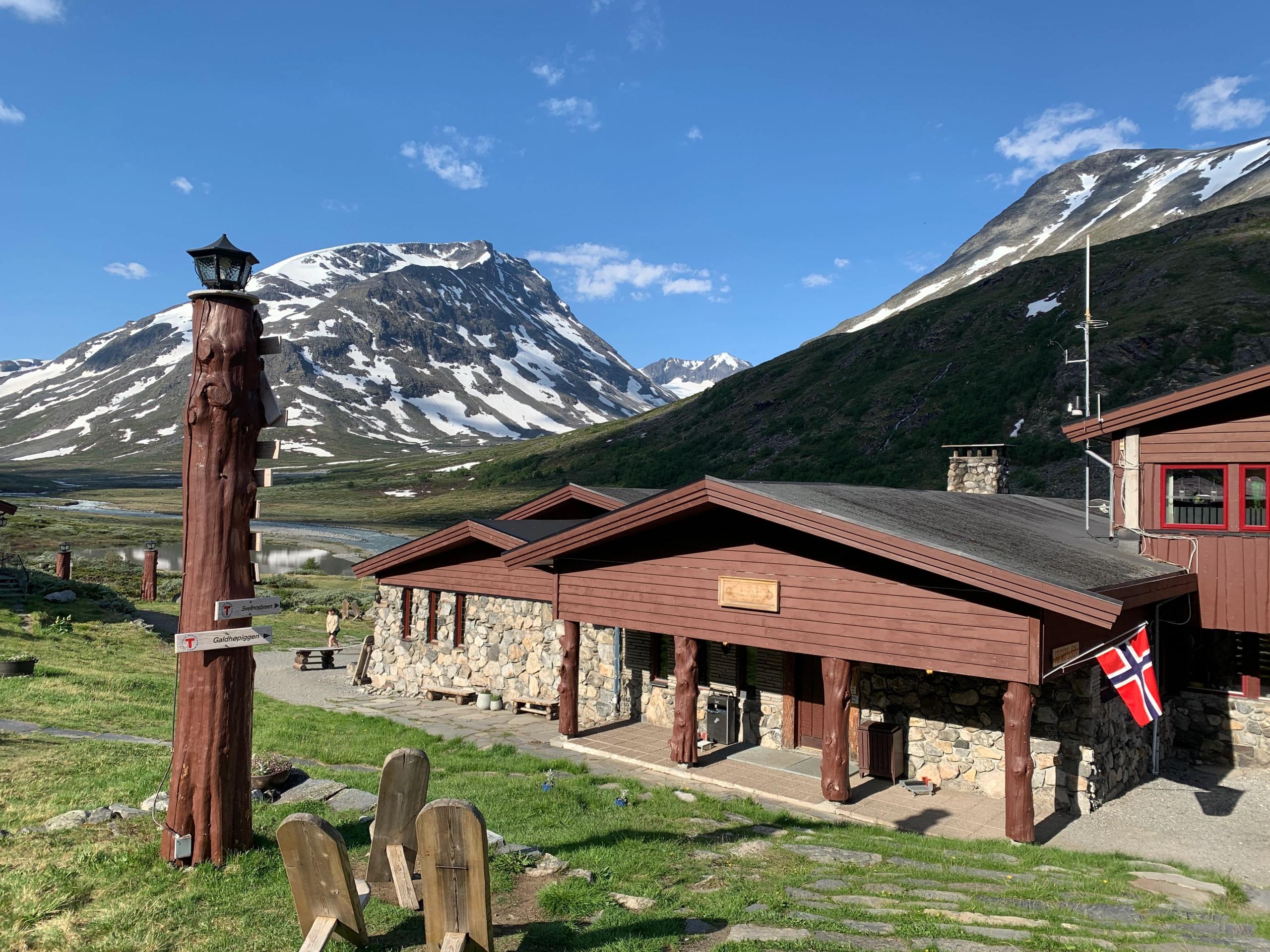
Nordseter Fjellpark is located in scenic surroundings on Nordseter, 850 m.o.h., 12 km from Lillehammer. Here you can connect completely with mountain tours and activities for the whole family. Apartments with dishwasher, Sauna,Fireplace, Free Wifi and HD Tv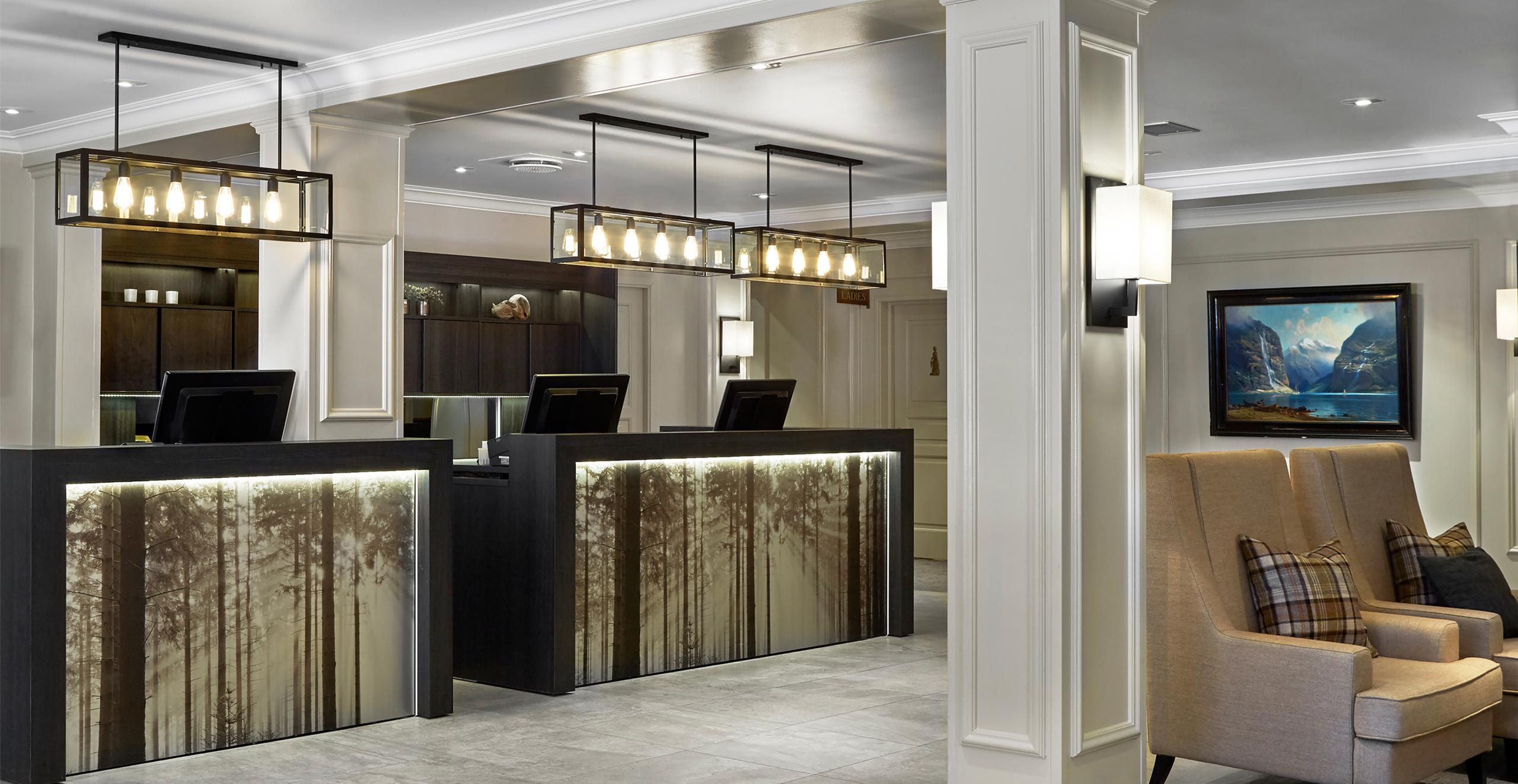 Book nowLillehammer
Scandic Lillehammer Hotel
The hotel is located in the centre of the picturesque town of Lillehammer, and is situated within the attractive and tranquil surroundings of its own private park. Only 200 m from Maihaugen Museum, and the Olympic Park, and 600 m from the main shopping street in Lillehammer. Book nowOtta
Rafting in Sjoa - Heidal Rafting
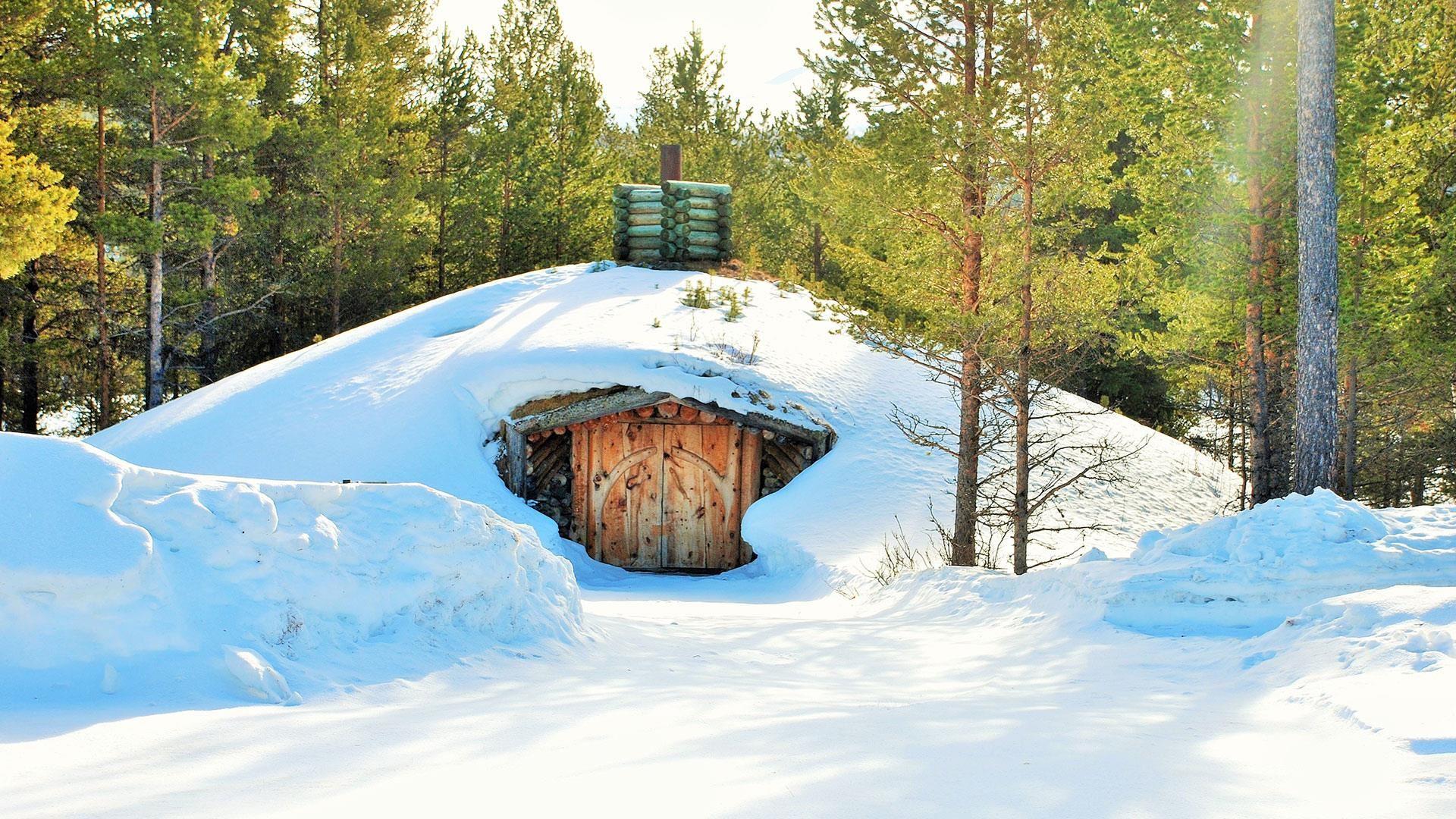
Heidal Rafting has been a destination of choice for exciting activities and comfortable accommodation in the Sjoa Valley since 1992. These take full advantage of our location in the heart of the valley, with easy access to the rivers, canyons, forests and peaks that attract adventurers from other parts of Norway and the rest of the world. Our rafting in Sjoa offering is just one aspect of what makes Heidal Rafting appealing. We also provide lodging and dining options that combine the best of traditional Norway with modern vacation convenience for a complete, and unique, experience.
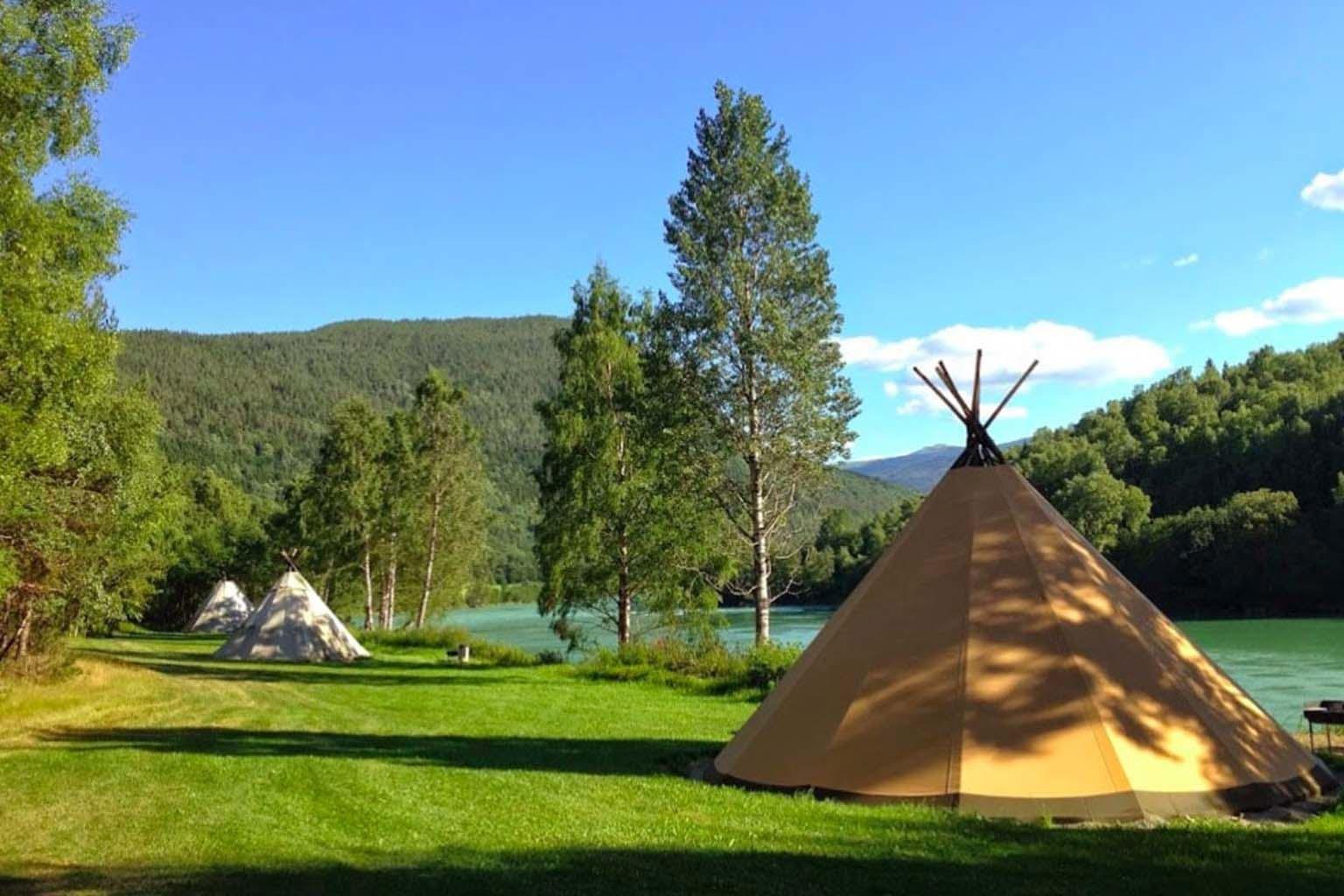
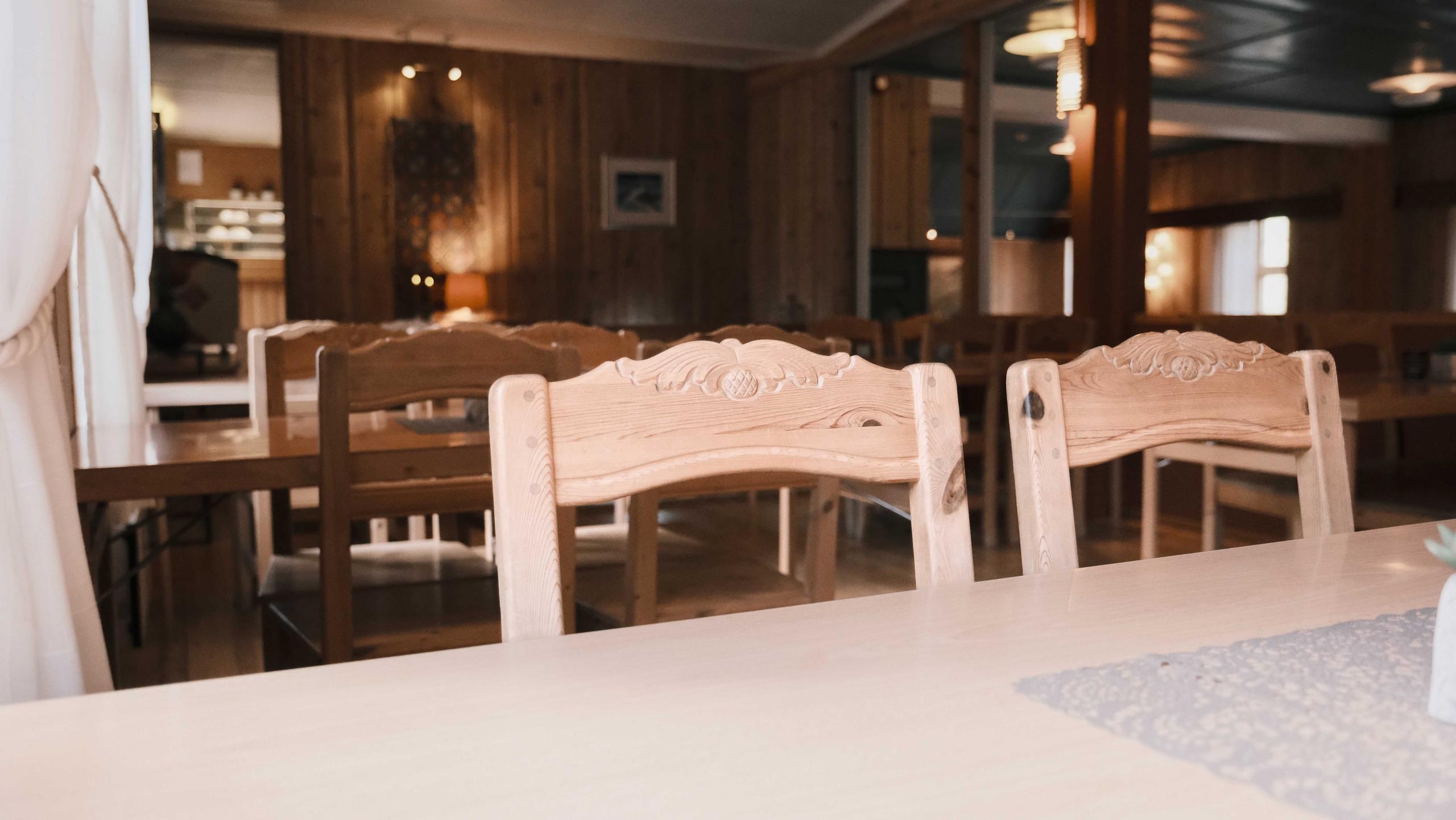
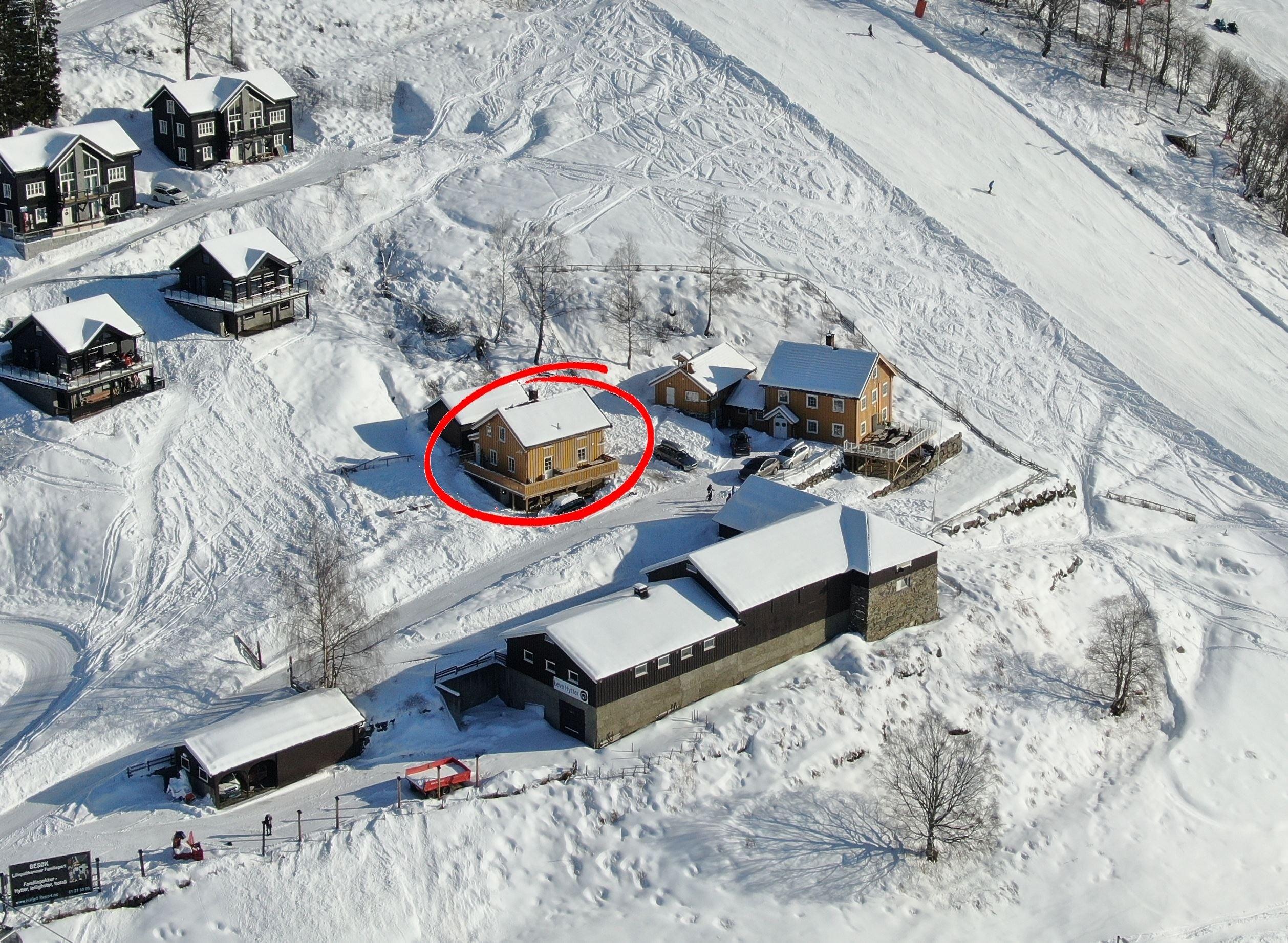
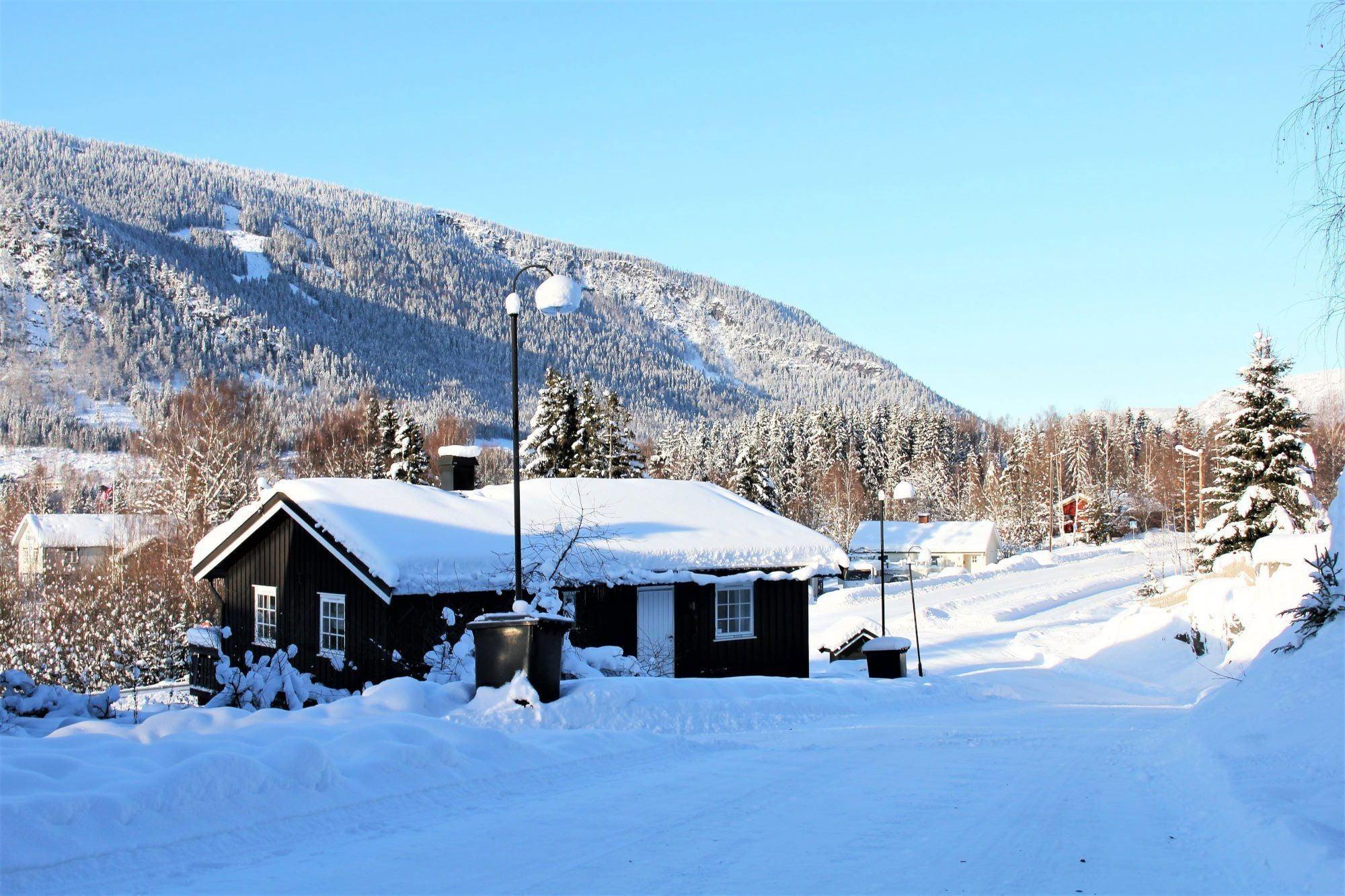
Book a gourmet holiday
Get great deals on culinary journeys in Norway from our partners.
 2,5 Hours ・ May - AugustBook now
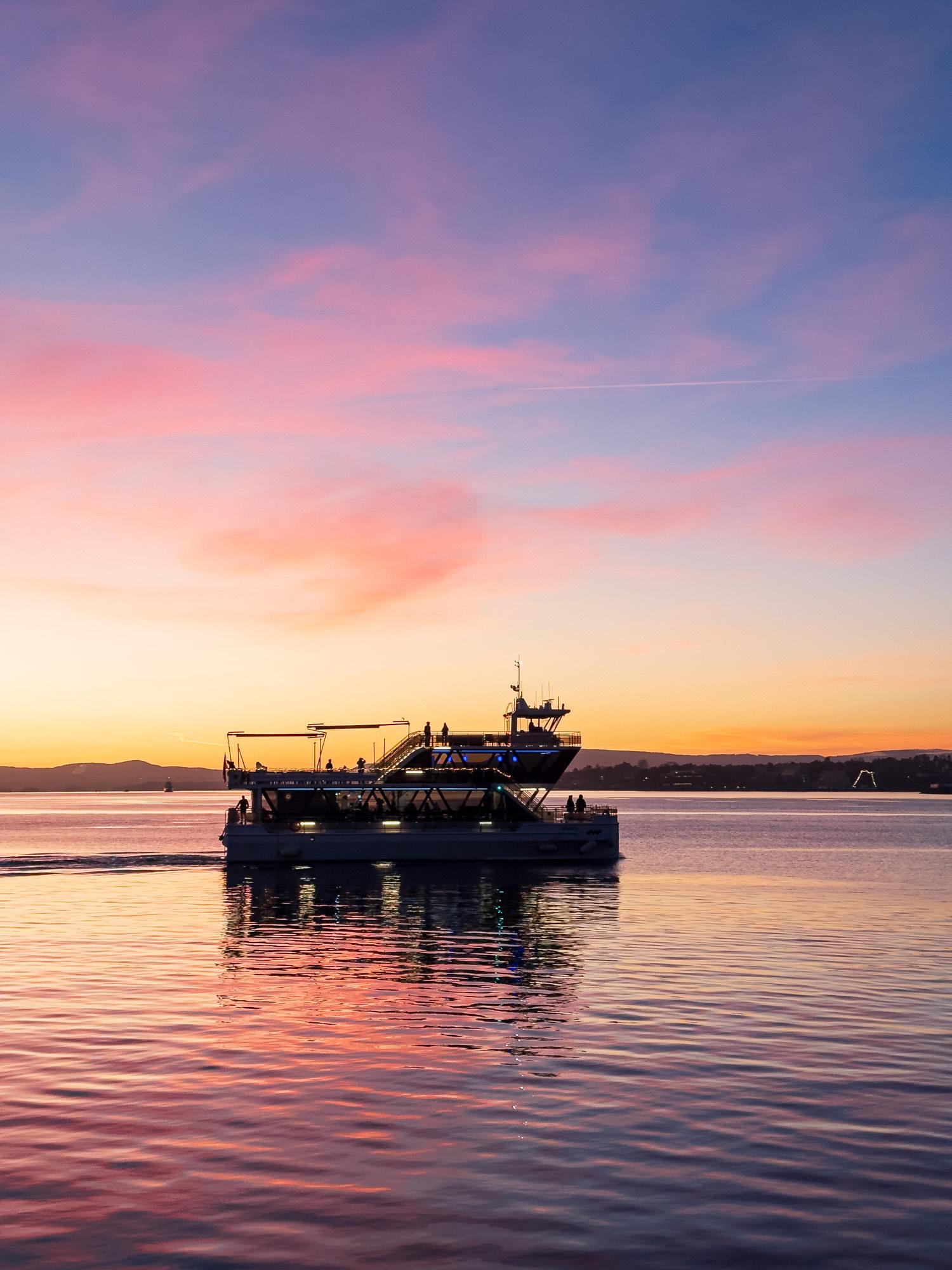
Stavanger Dinner Cruise
A 3-course dinner and fjord cruiseEnjoy a Nordic inspired 3-course dinner with panoramic views of the skyline and archipelago on board a quiet hybrid-electric ship. / Brim ExplorerPrice From 1 490 NOK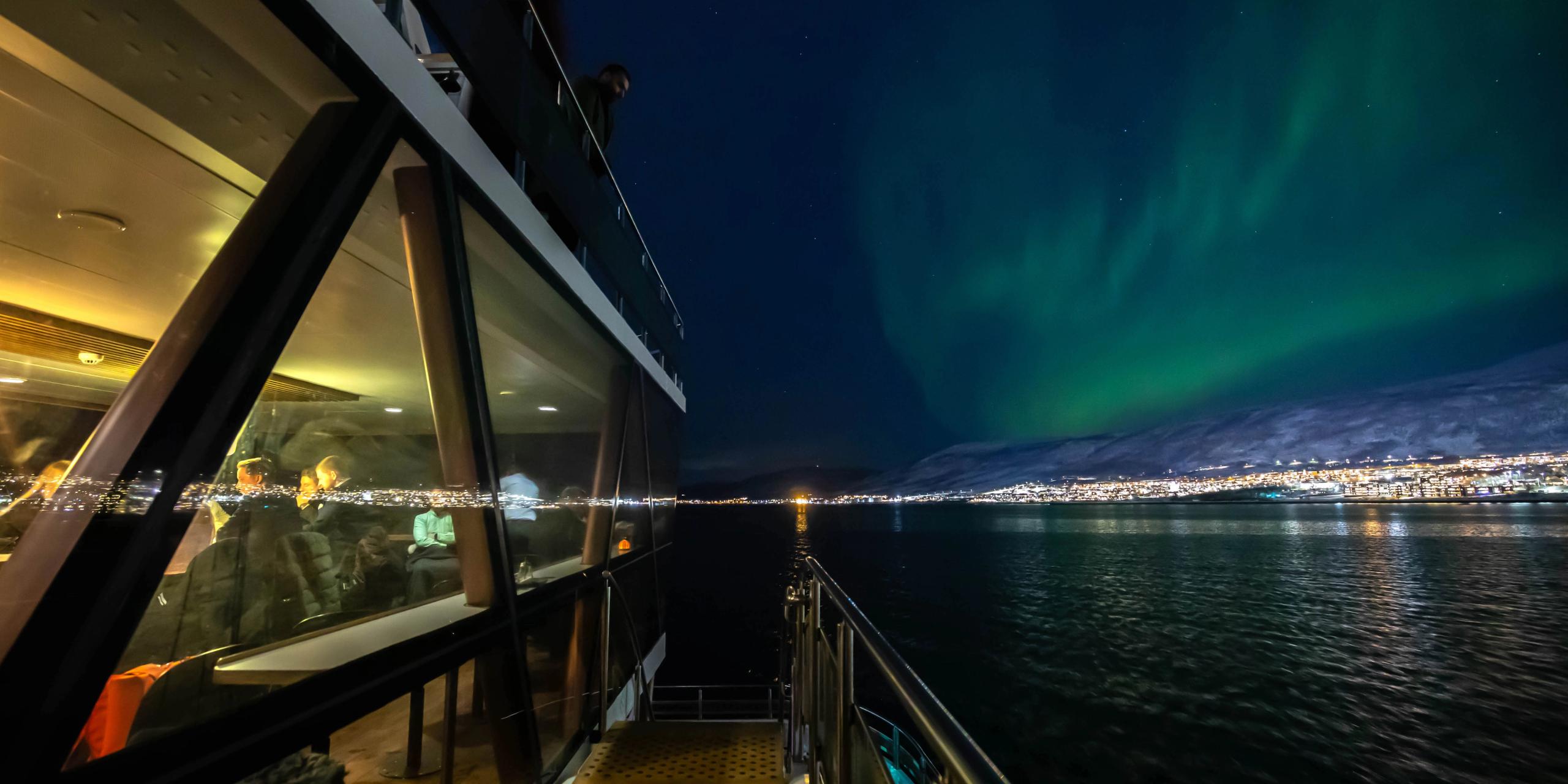 4 Hours ・ September - MarchBook now
Aurora dinner cruise
Boat tour in TromsøJoin a northern lights cruise and enjoy delicious arctic tapas from our partner in Tromsø, while hunting for the northern lights! / Brim ExplorerPrice From 1 890 NOK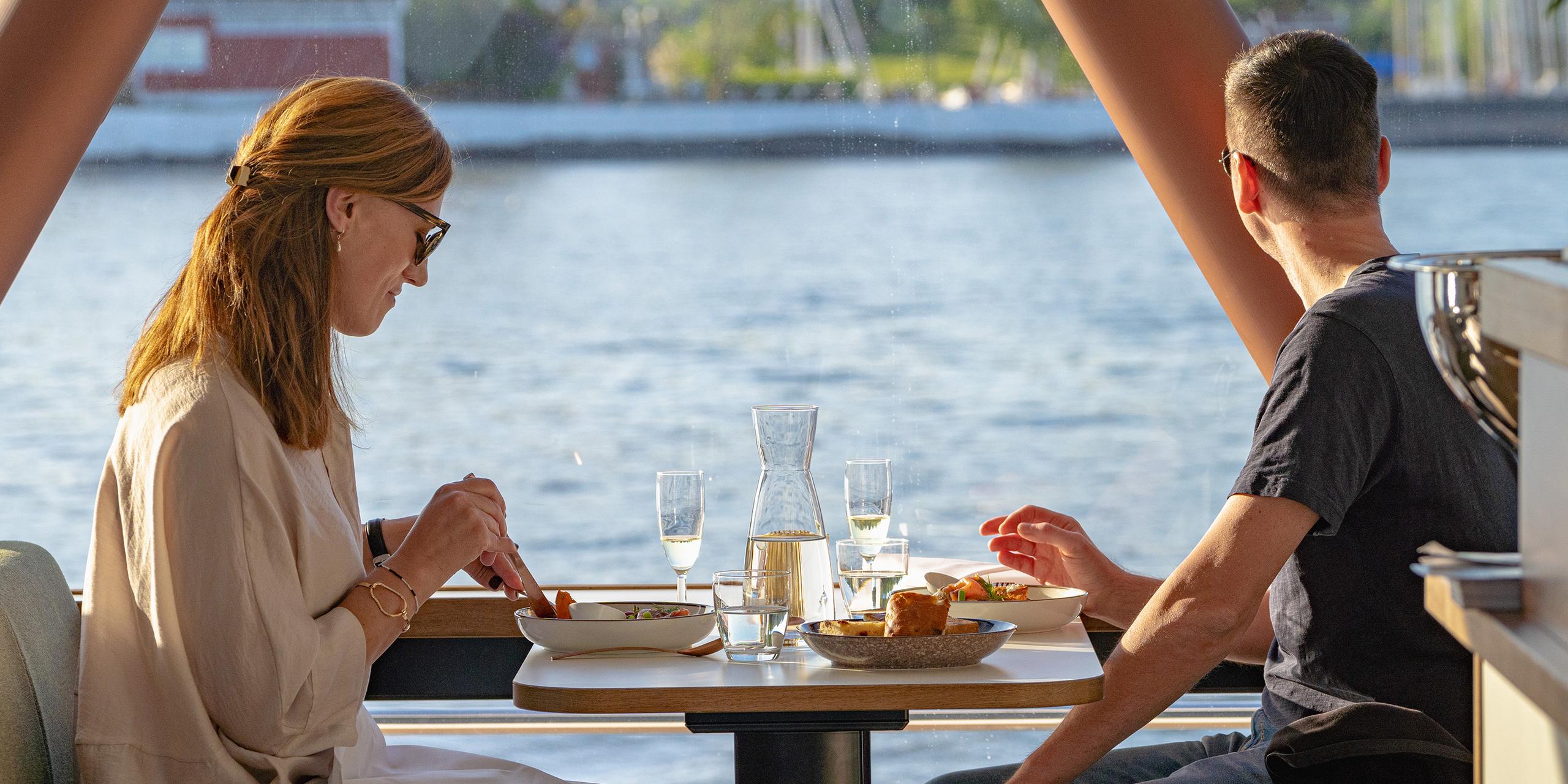 3 Hours ・ All yearBook now
Oslo dinner cruise
3-course meal cruise on the OslofjordEnjoy your dinner while cruising silently past the stunning skyline of Oslo with its modern and historic landmarks. A visit to Oslo is not complete without experiencing the Oslo fjord & the city from the water. / Brim ExplorerPrice From 1 490 NOK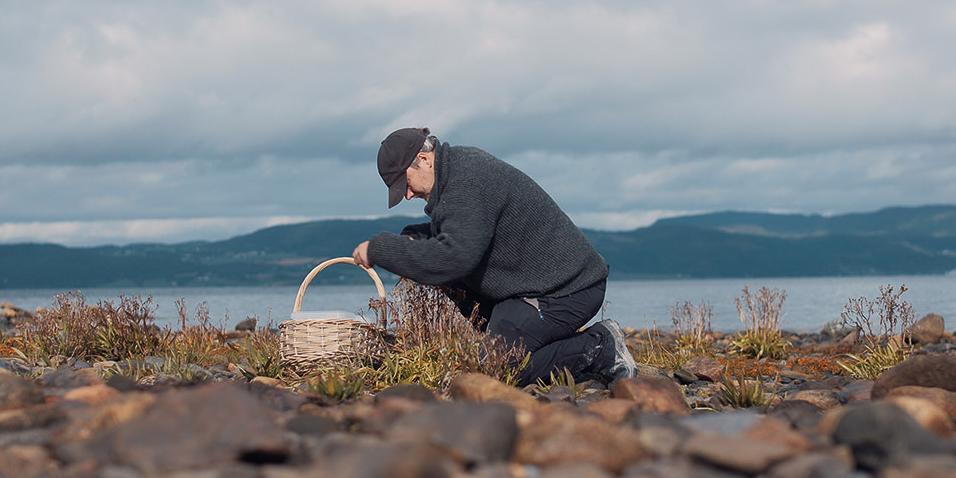 7 Days ・ All yearBook now
Norway for foodies
A road trip in and around TrondheimThis journey includes tasty culinary experiences: tastings and talks on biodynamic farming, microbrews, local food, foraging, sustainable food production, and Norwegian culinary traditions. Delicious! / Up NorwayPrice From 42 900 NOK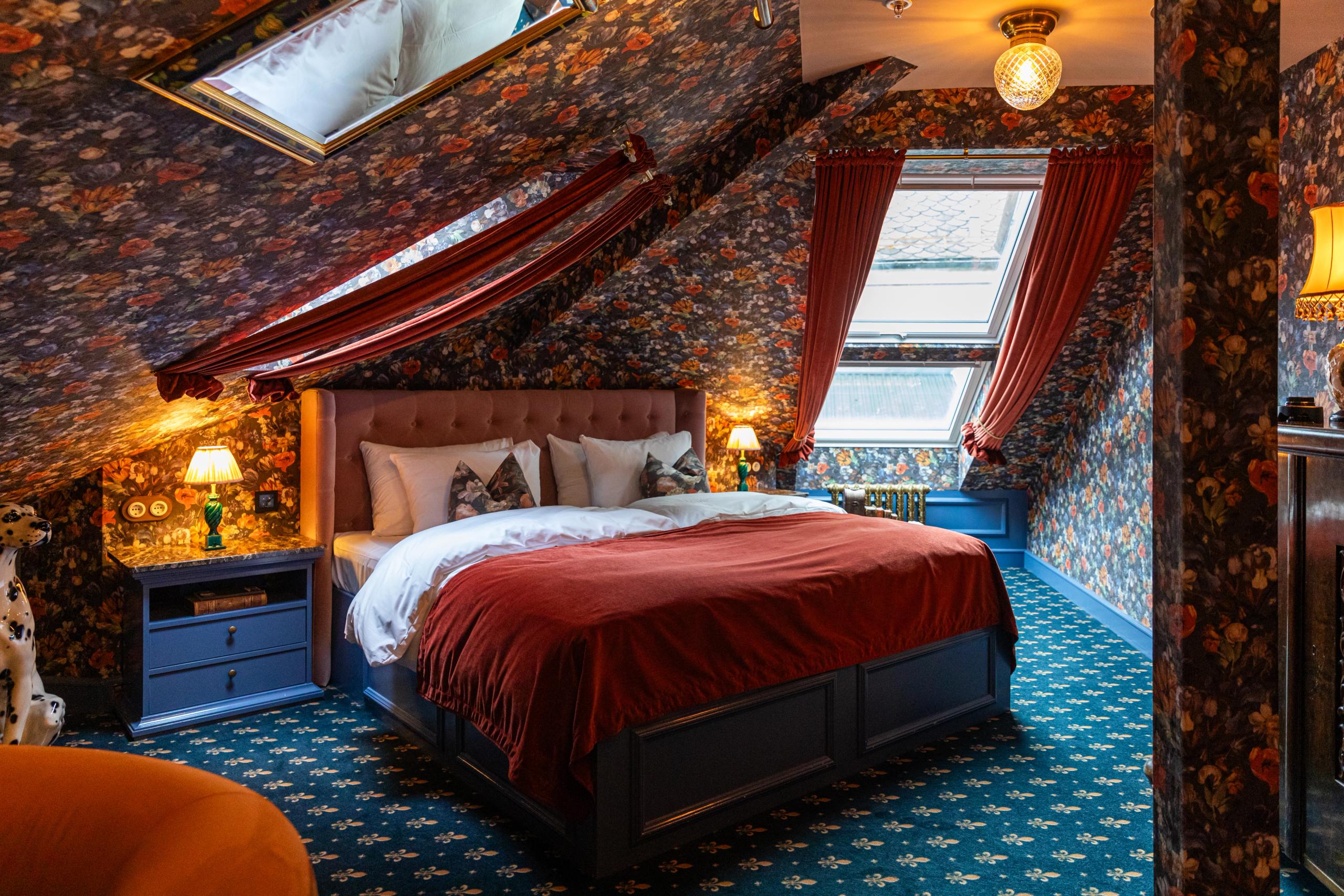 3 Days ・ All yearBook now
City break in style – Bergen
World Heritage and fjordcruiseIncludes a 2-night stay at stylish Charmante Skostredet Hôtel in Bergen, fjord cruise and historic dinner at Bryggen Tracteursted. / De HistoriskePrice From 4 500 NOK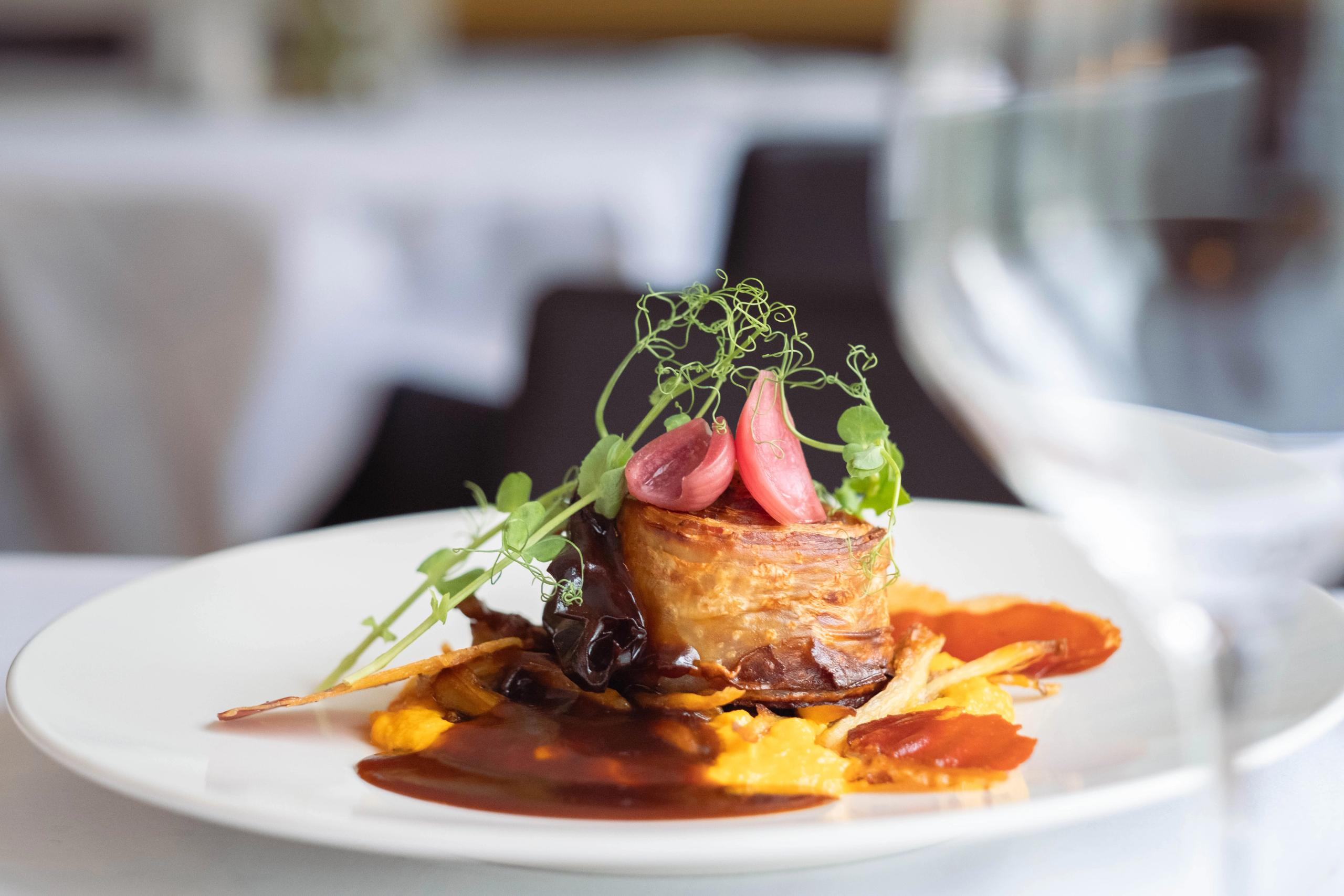 3 Days ・ All yearBook now
The best of Trøndelag
Røros to TrondheimExplore the World Heritage listed town of Røros and visit charming Orkanger in Trondheim. Enjoy the sights and tastes of the Trøndelag region and relax at two of our historic hotels. / De HistoriskePrice From 3 990 NOK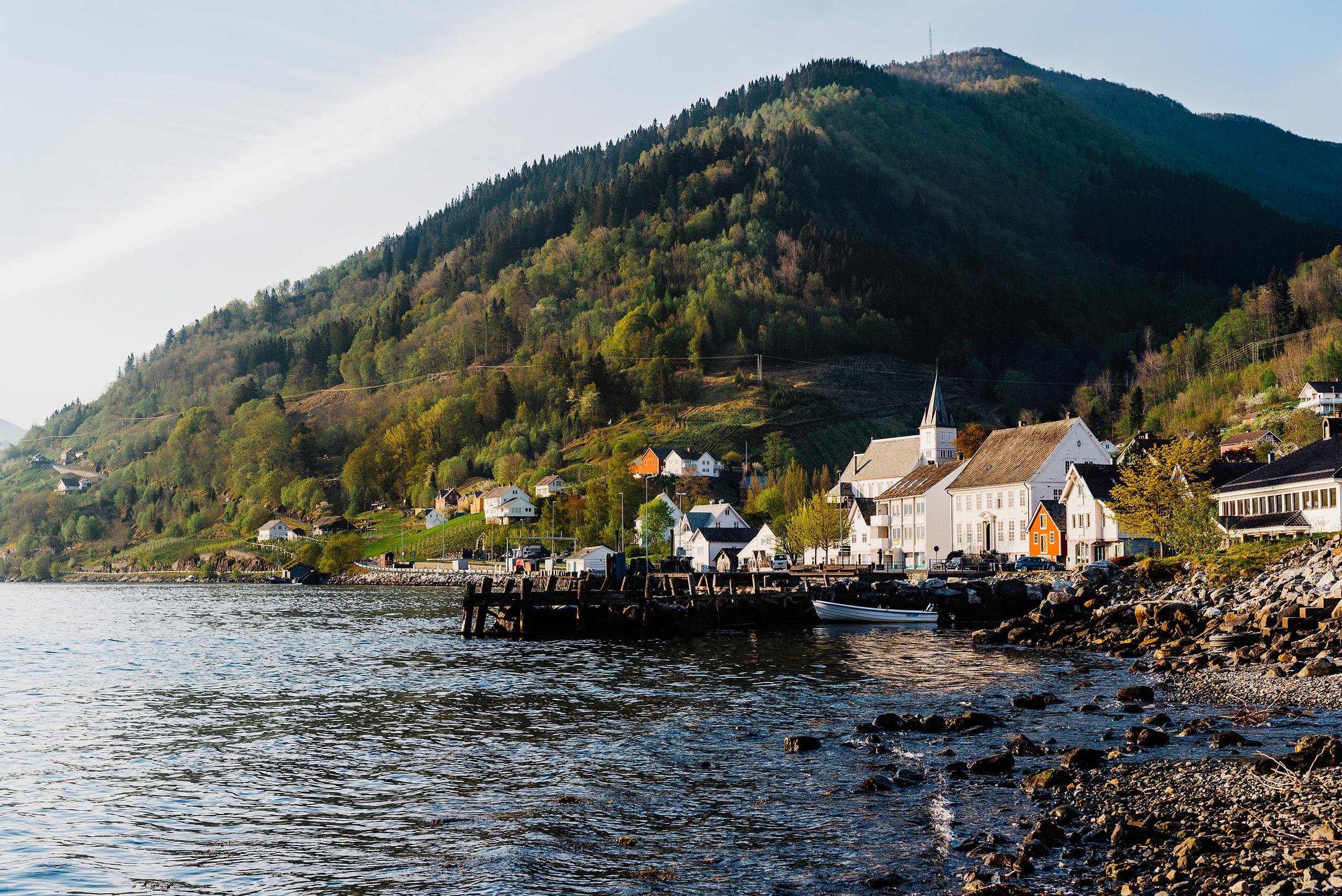 3 Days ・ June - AugustBook now
Cider safari in Hardanger
Cider farms and historic hotelsExperience the taste of Hardanger with this unique tour that combines accommodation at historic Utne Hotel and culinary experiences at Aga Sideri. / De HistoriskePrice From 6 990 NOK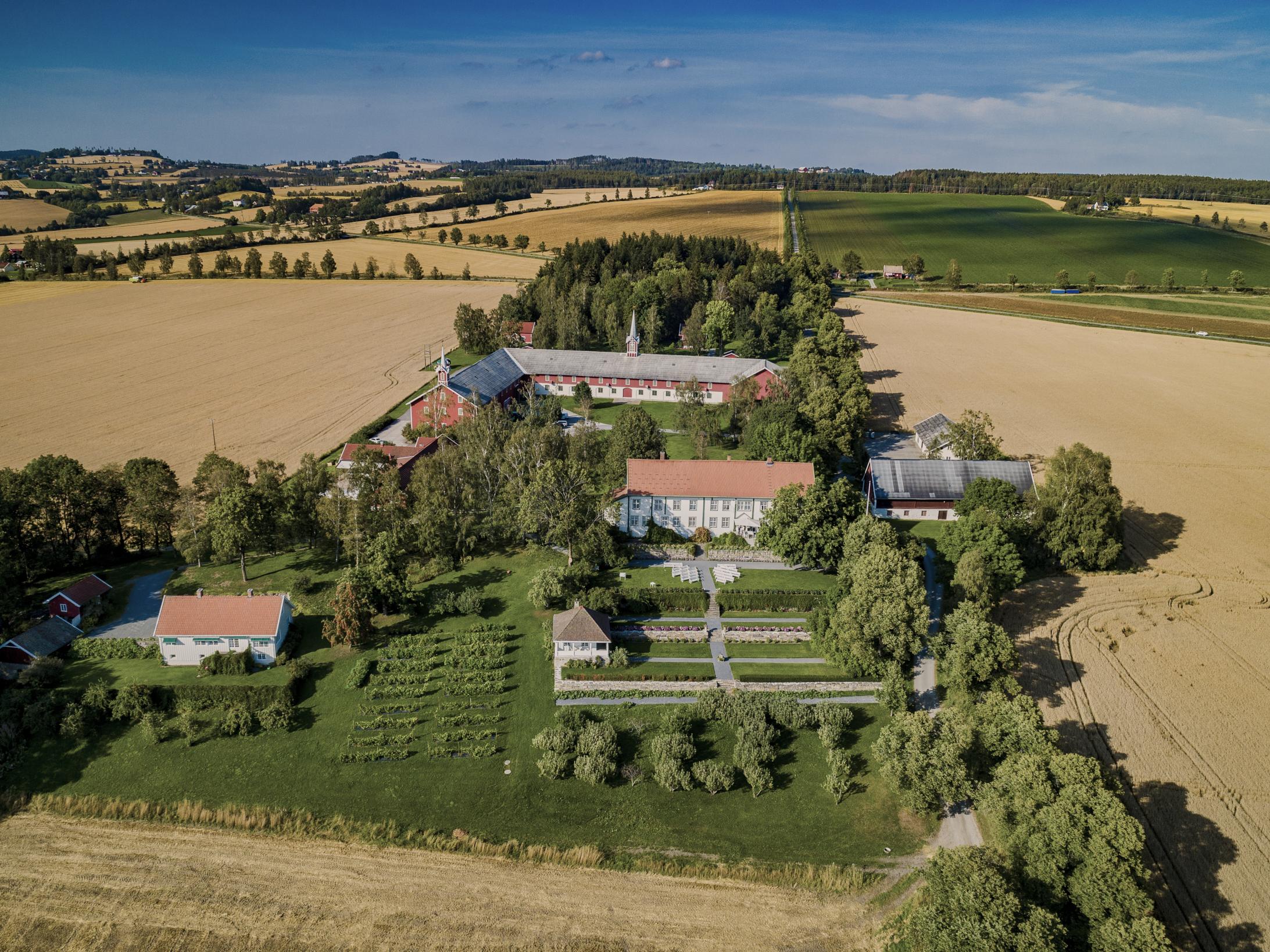 3 Days ・ July - AugustBook now
Manor hotel stays near Oslo
Historic farm and estate hotelsStay at the charming Losby Gods, close to Oslo, and Hoel Gård, in Norway’s Tuscany’, with 3-course dinner included. Enjoy the breathtaking views of Mjøsa lake. / De HistoriskePrice From 4 490 NOK
Take advantage of top offers
See our selection of trusted companies that work hard to make you happy all through your trip.
 Brim ExplorerQuiet fjord tours on award-winning electric catamarans in Oslo, Tromsø, Lofoten, and Svalbard.
 CityboxModern and affordable hotels in central locations in Oslo, Bergen, and Kristiansand.
 NorgesbookingBook your perfect cabin stay in the fjords, mountains, and valleys of Norway.
 Scandic HotelsExperience Nordic hotel hospitality at its finest at more than 90 hotels across Norway. Special offers are available.
 StrawberryA different hotel company! Look out for great weekend deals at more than 100 hotels in Norway.
 Thon Hotels ASFantastic breakfast included! Experience true comfort and reasonable rates at our 80 hotels in Norway.
 CampcationBook a camping stay in stunning and unique locations all across Norway with Campcation.
 Classic Norway HotelsWhen the hotel is the destination. Book a night to remember in one of Norway's most unique and distinctive hotels.
 50 Degrees North NordicChoose between unforgettable tailormade individual trips and small, exclusive group tours of Norway.
 Radisson HotelsGreat value offers and comfortable quality stays in Norway´s major cities, airports, and ski resorts.
 Authentic ScandinaviaTravel curated by locals. Our tailormade tours suit every type of traveller and budget.
 Booknordics.comUnique holiday packages, adventure hotels, tours, and activities.
 Fjord ToursHome of Norway in a Nutshell, Norway's most popular tour. Fjords, mountains, and stunning destinations — all in one trip!
 Go FjordsBook fantastic tours and experiences! We offer tours in Oslo, Bergen, Stavanger, Lofoten, the North Cape, and more.
 HurtigrutenExperience the world's most beautiful sea voyage on an unforgettable cruise along the stunning Norwegian coast.
 Norrøna AdventureGet ready for expeditions and adventure holidays with Norrøna Adventure. Hiking, skiing, and biking trips.
 Discover NorwayOffers a range of exciting self-guided hiking, biking, and skiing holidays in Norway. Luggage transfer included.
 Norwegian HolidaysLow-price package holidays with Norwegian. Book your flight, hotel, and rental car all in one place.
 StrömmaSightseeing by bus and boat in several major tourist spots and cities in Norway.
 Up NorwayBespoke luxury hand-picked by local experts. We combine your preferences and our knowledge to make an unforgettable journey.
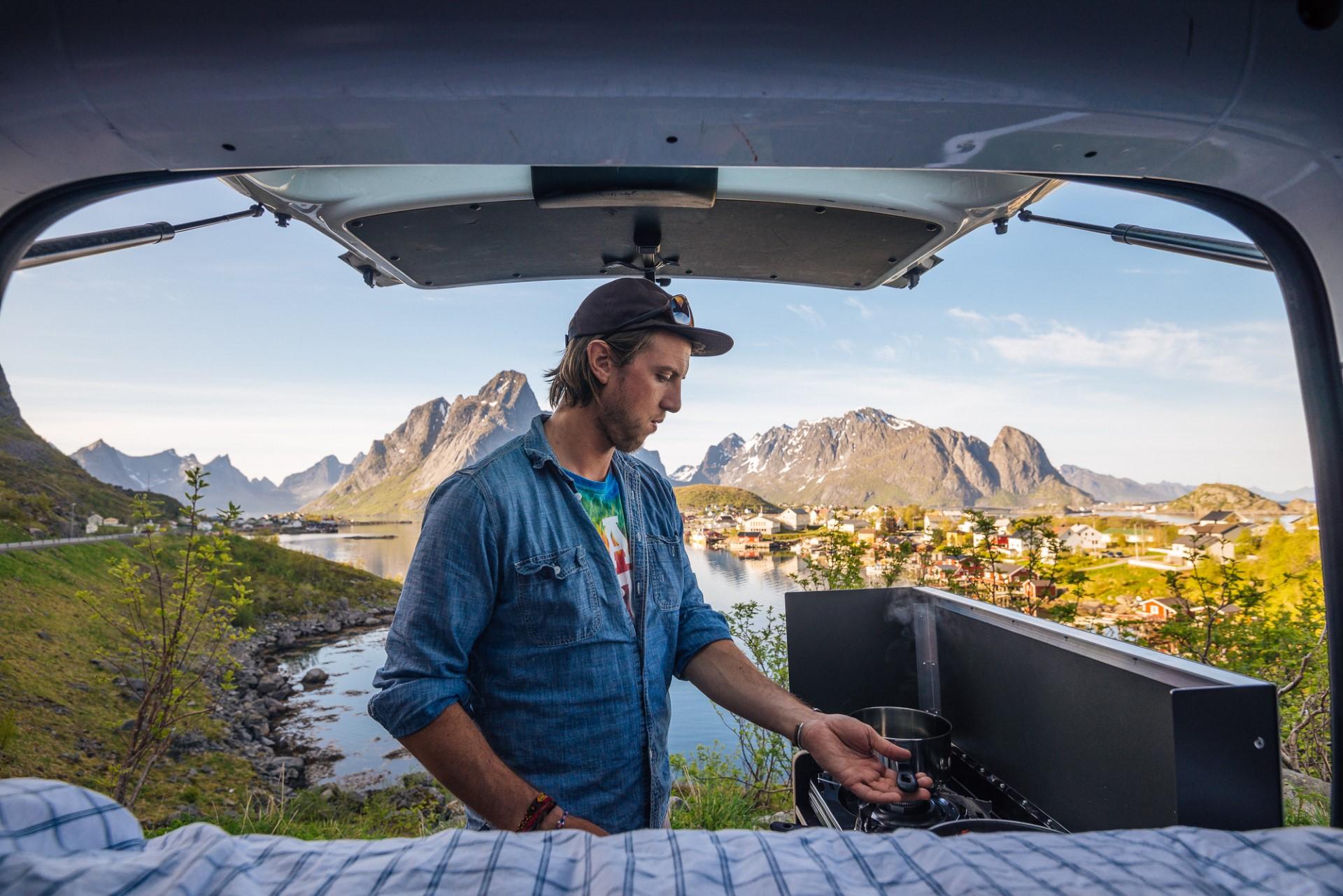 Arctic Campers ASDo you want to try van life? Explore Norway in comfort and style with our smart and cosy campervans.
 Auto EuropeAlways a smooth car rental experience. Search and compare rental rates. Free cancellation up to 24 hours prior to pick-up.
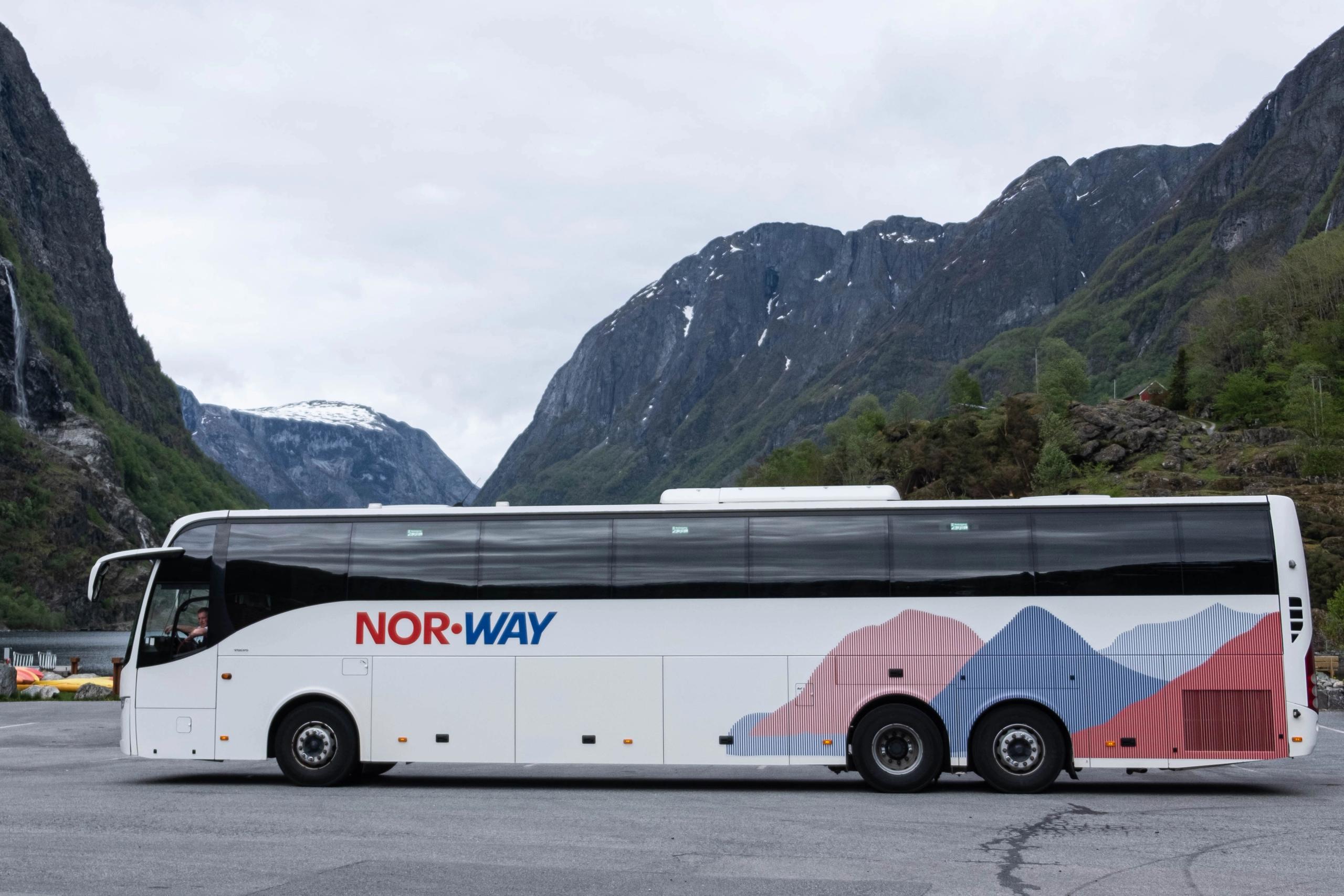 NOR-WAY BussekspressEnjoy scenic views on comfortable bus trips to the fjords and from city to city with our express buses.
 Rent-A-Wreck of Scandinavia ASThe smart and affordable car rental alternative.
 SJ NordSJ NORD - the adventure starts on the train
 Vy expressDiscover Norway on comfortable express buses that take you between major cities, mountains, and fjords.
 Vy TrainGlide through scenery on a train between Oslo and Bergen on the Bergen Railway and explore the greater Oslo region.
 My Nordic TravelChoose between DIY itineraries and pre-packaged holidays to the very best destinations in Norway.
 CampanyonUnique camping in nature. Book a stay in a treehouse or glamping tent or rent a motorhome pitch.
 NorwegianNorwegian offers cheap flights in Norway and direct flights from more than 70 European destinations. Book flights through our low fare calendar to your destinations.
 De HistoriskeHave an unforgettable stay at one of Norway's unique, authentic historic hotels. Enjoy first-class dining experiences and a broad range of activities.
 CampioNorway's biggest camping booking site. Find the best camping and motorhome pitches throughout Norway.