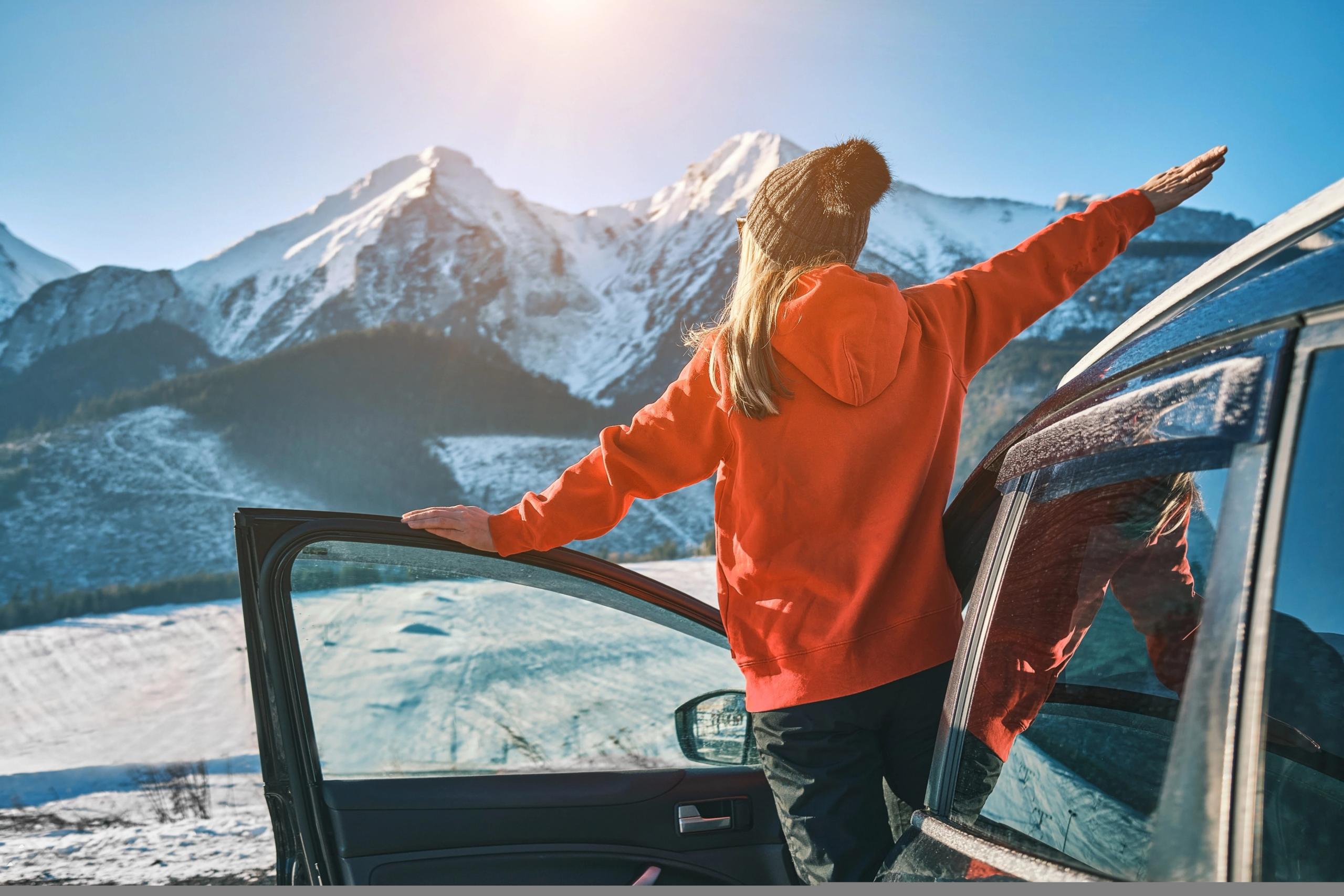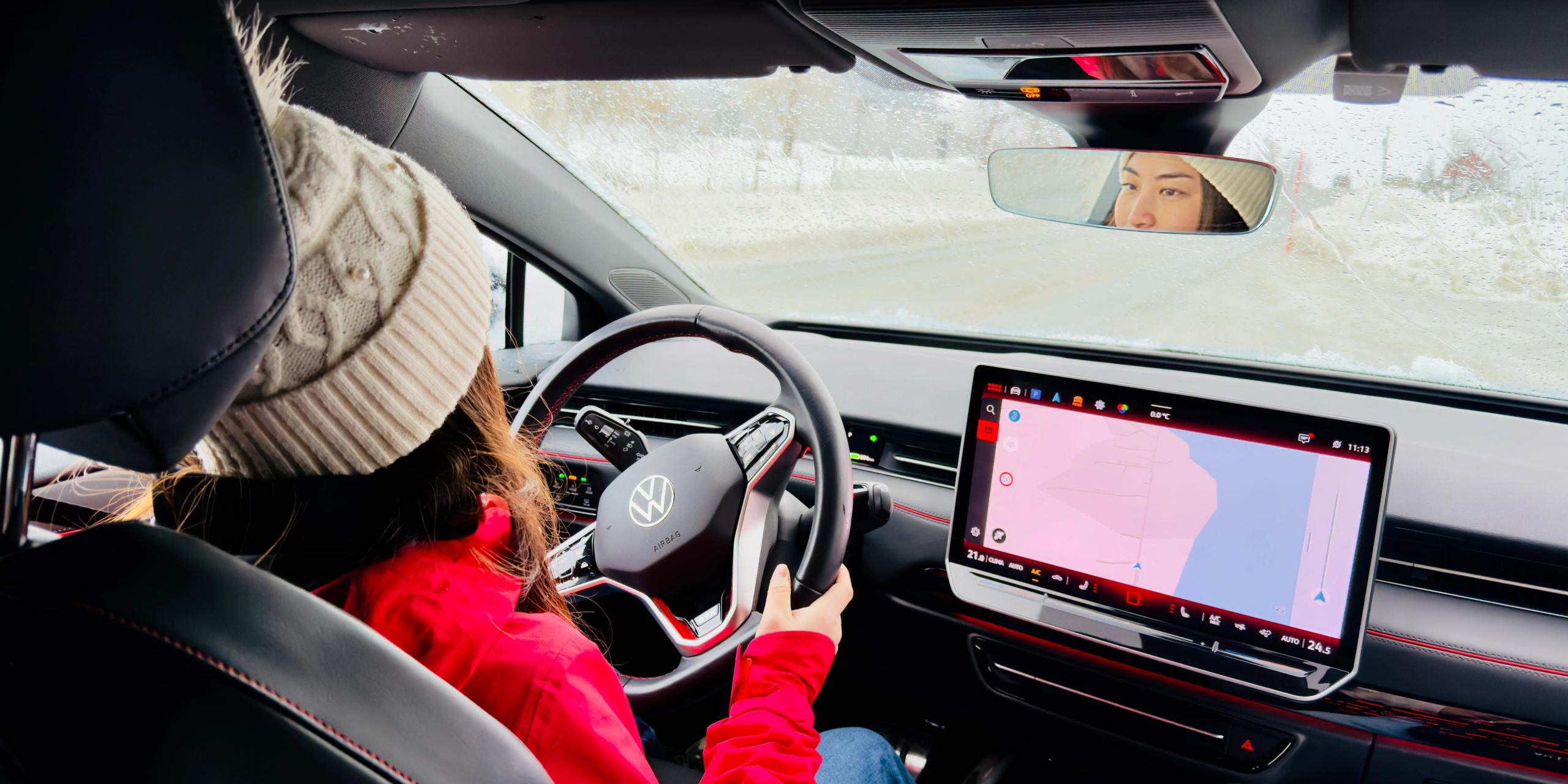
Driving a car is an excellent way to experience Norway at your own pace. But the driving conditions can sometimes be harsh, especially during winter and in rural areas.
Stay safe on the roads
Norway is one of the world's safest countries for road travel, and Norwegian drivers are known for being calm, courteous, and respectful of traffic rules.
Speed limits are generally well observed, and motorists are expected to show consideration for pedestrians, cyclists, and other road users.
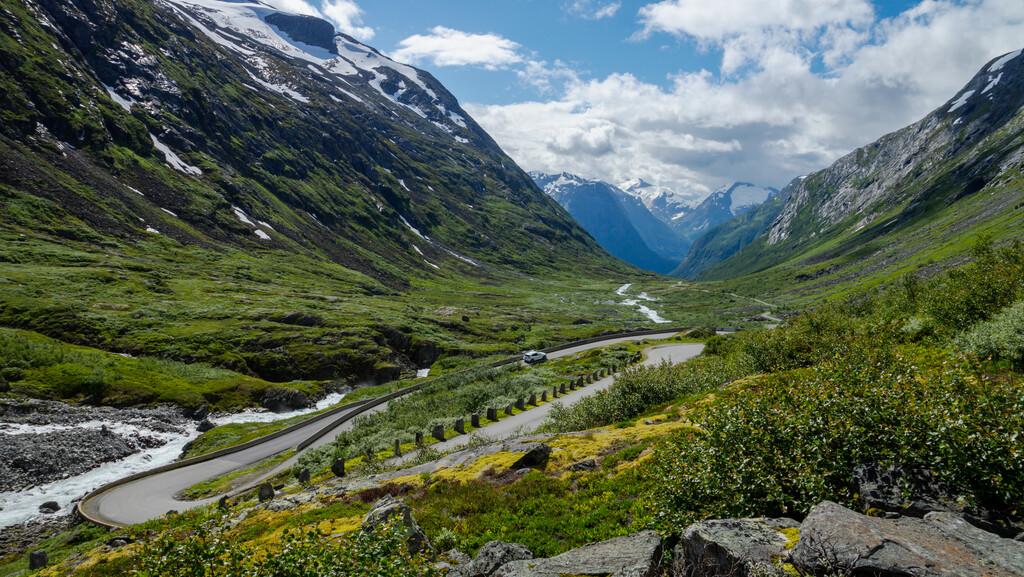
But driving conditions can vary a lot, and many roads are narrow, winding, and affected by changing weather, especially in mountain regions. Take your time, follow road signs, and adjust your speed to the conditions.
Please note that driving in Norway in winter is only recommended for drivers with experience in driving in winter conditions.
But with a little extra care, you can enjoy a safe and memorable journey through some of Europe's most spectacular landscapes.
Below, we have collected a series of articles that can give you further practical tips when you want to drive in Norway.
Travel Norway by car
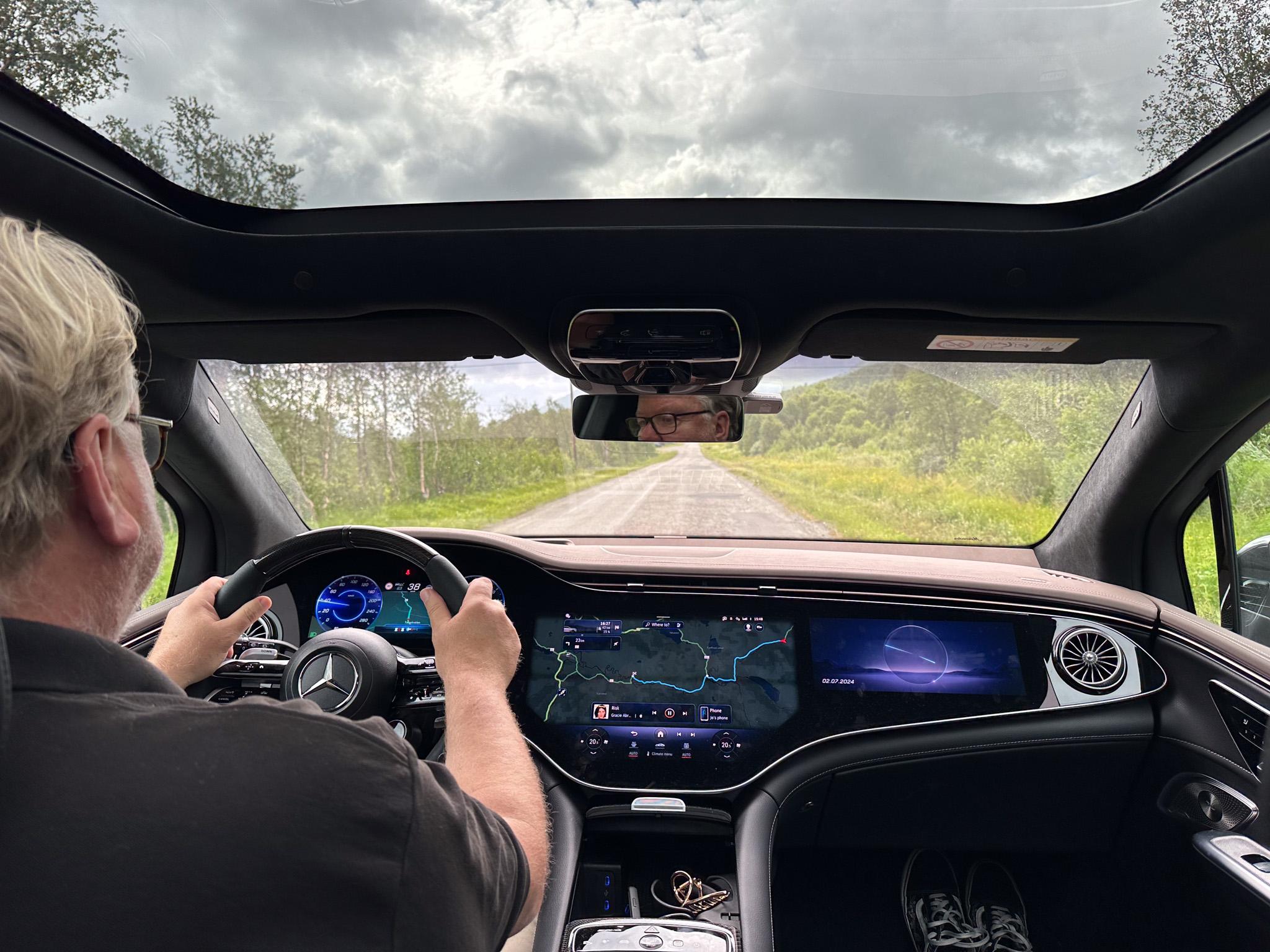
Are you ready for a Norwegian road trip? Read up on rules, how to pay on a ferry, cross mountain passes, and plan a road trip in an EV.
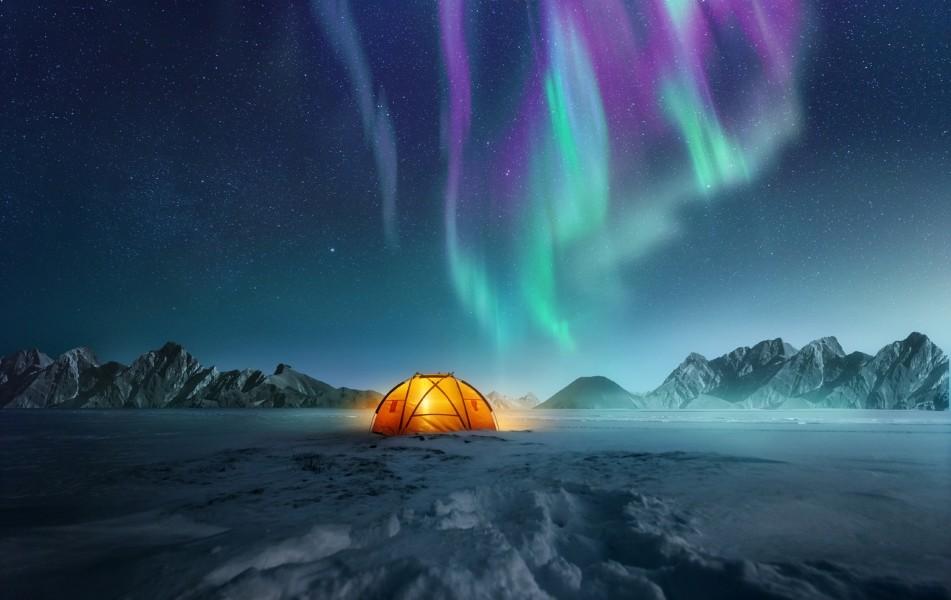
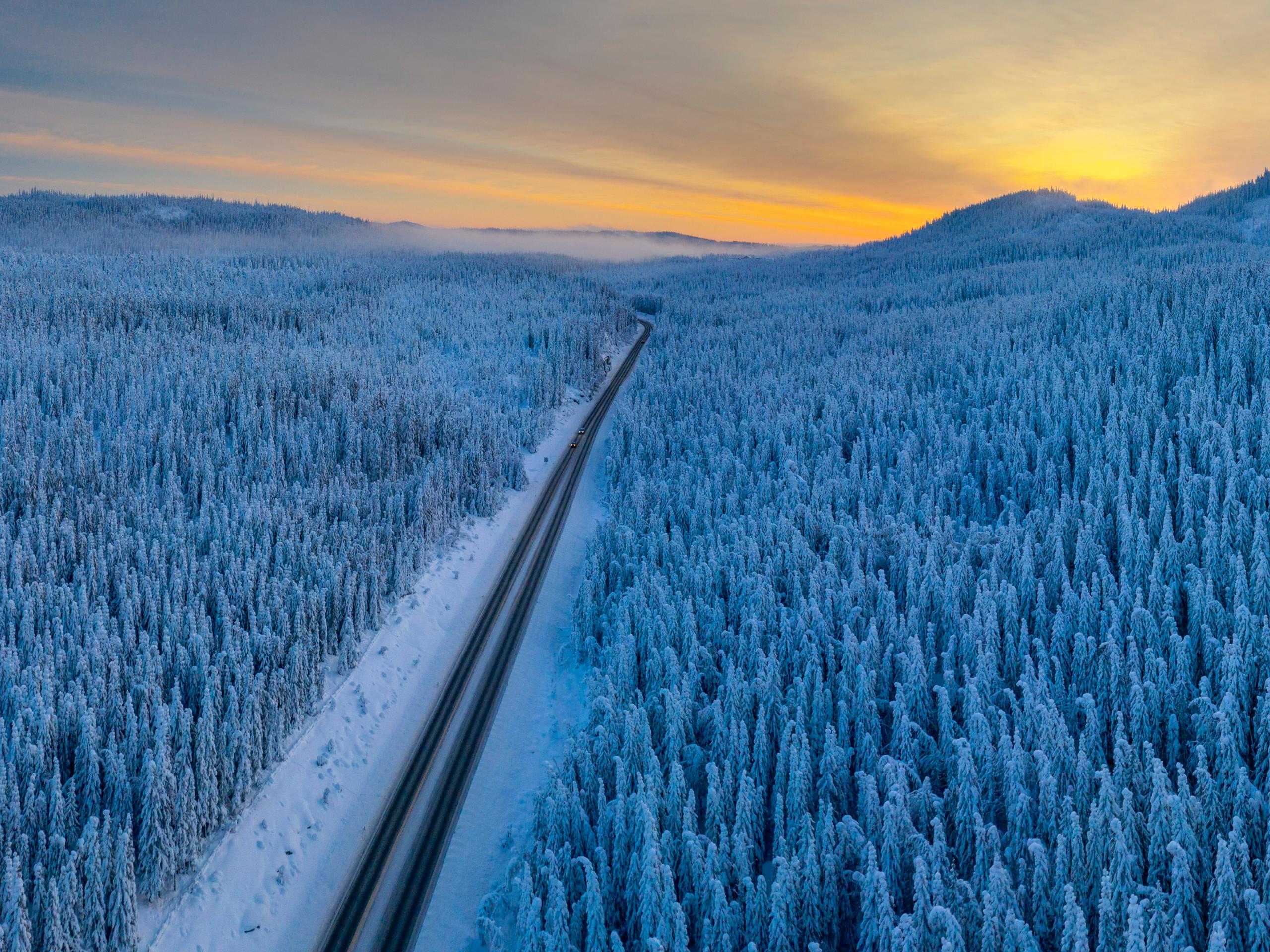
Driving in Norway in winter
Everything you need to know on how to drive in winter conditions.
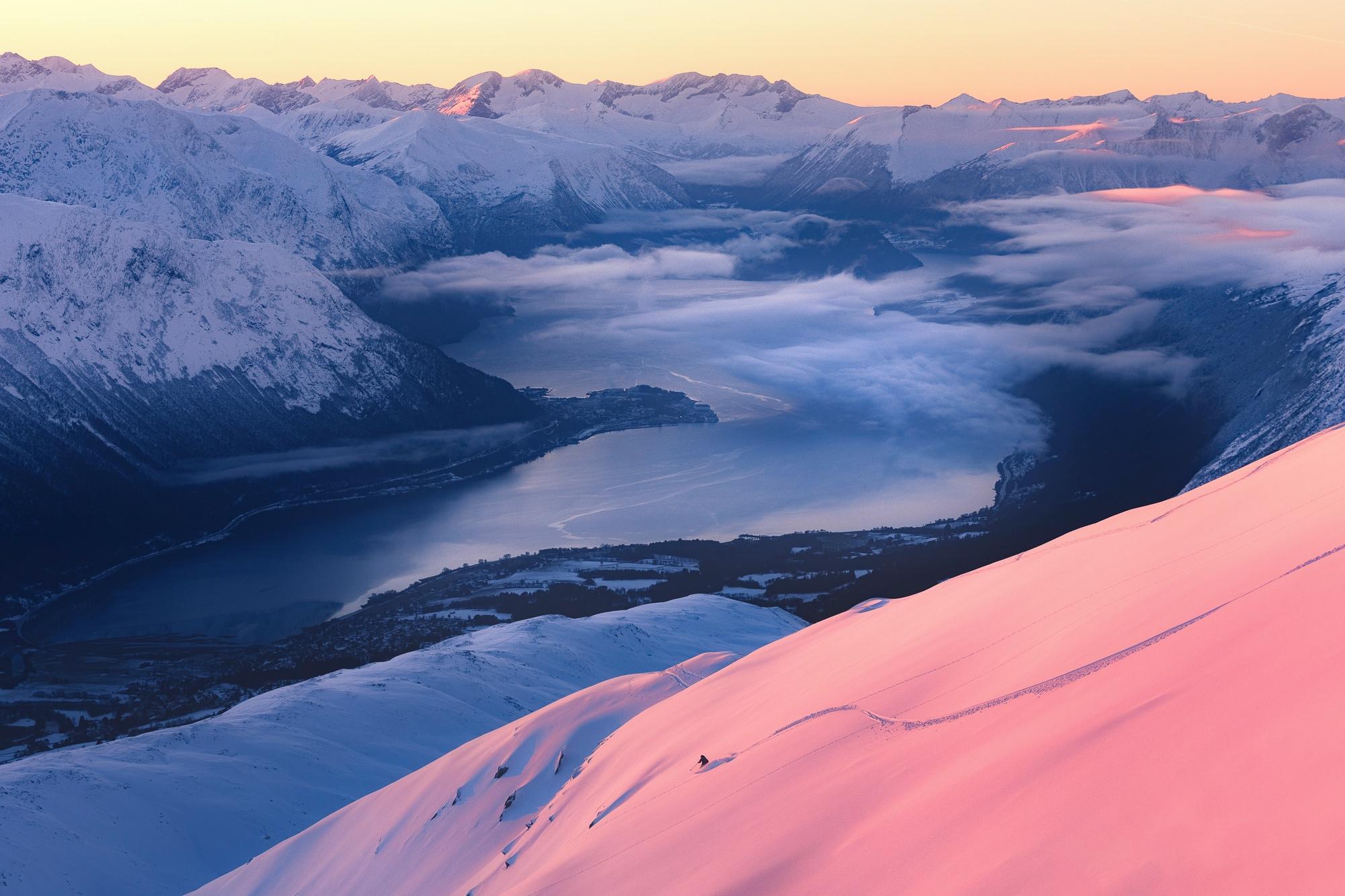

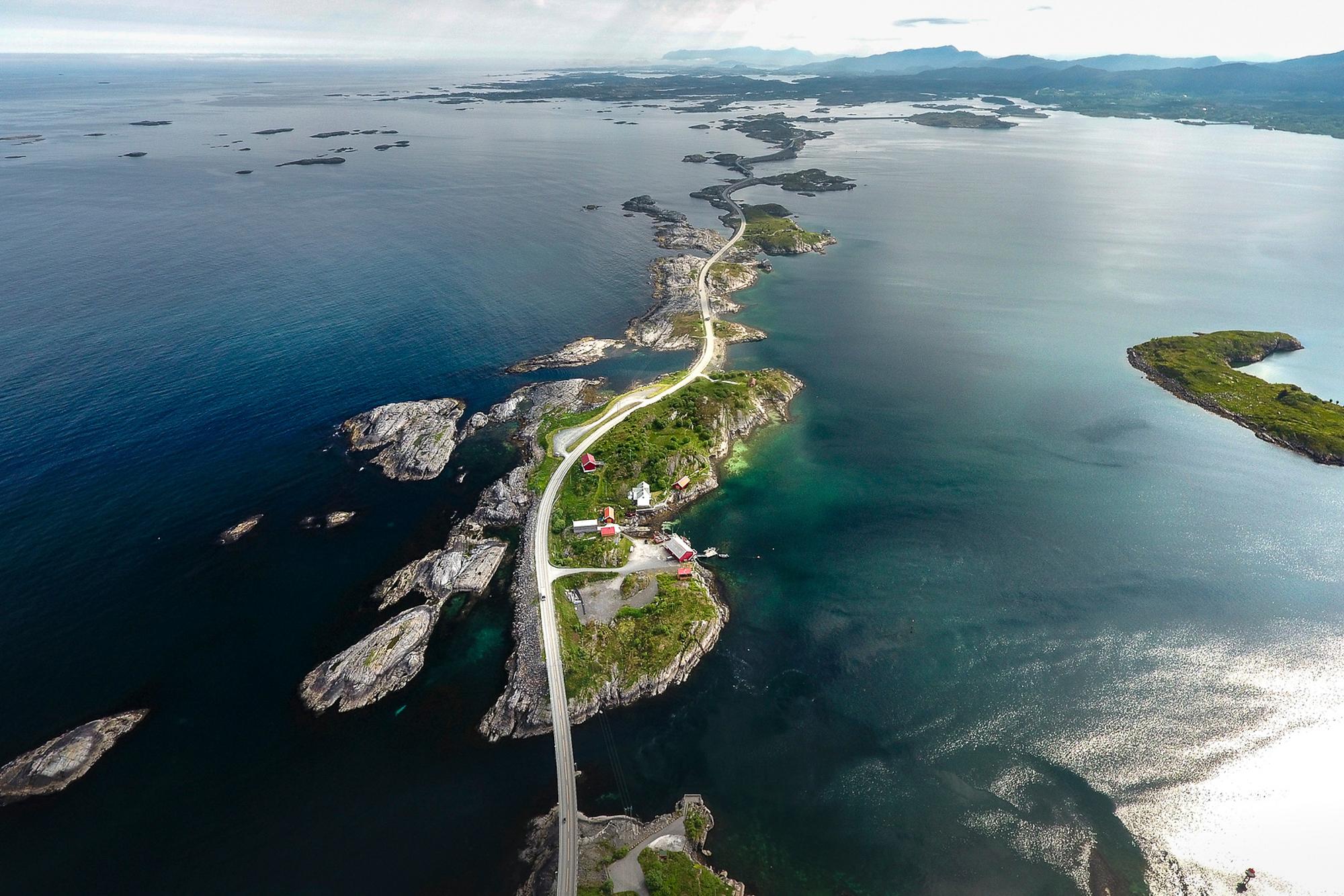
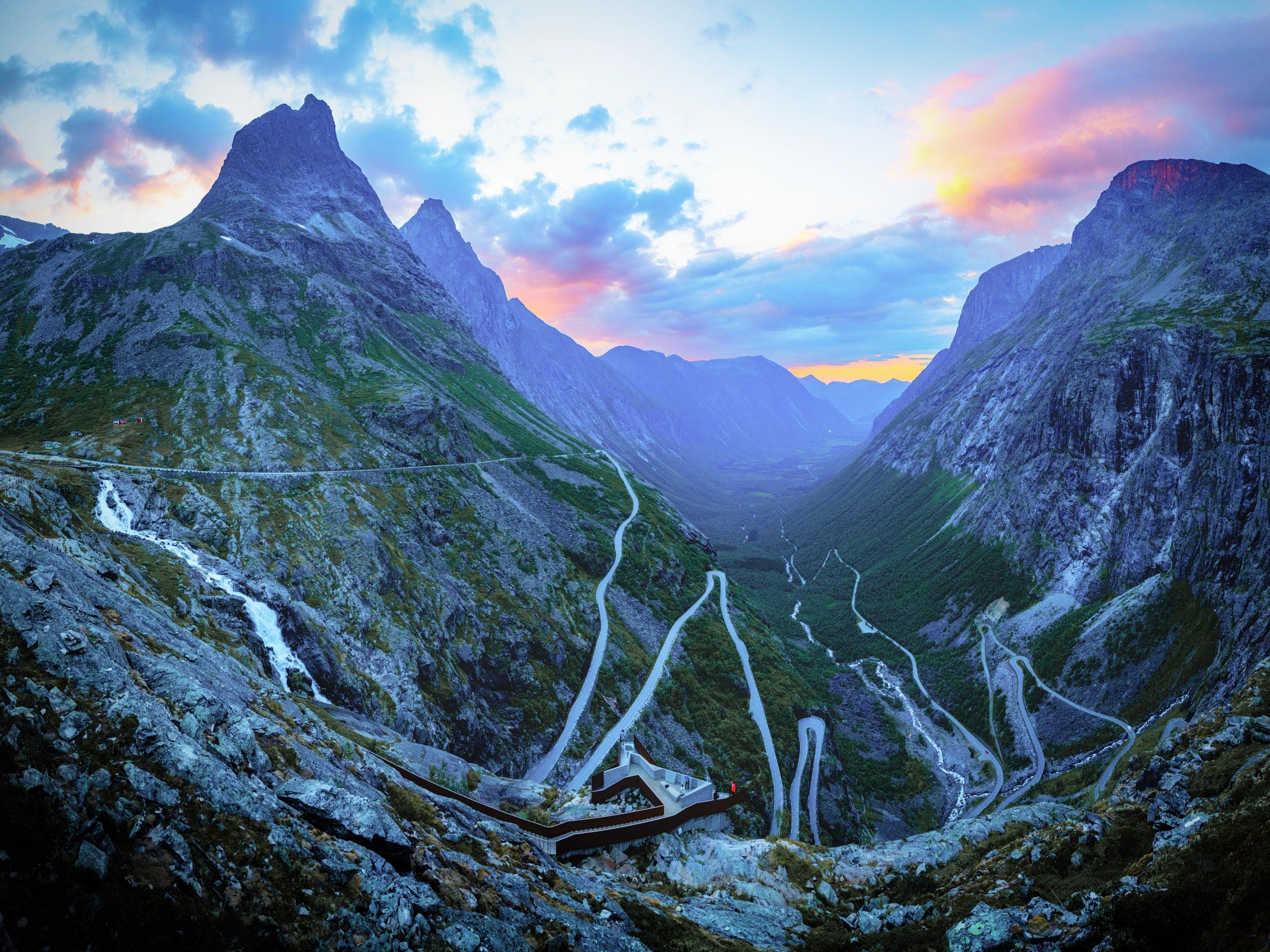
Norwegian Scenic Routes
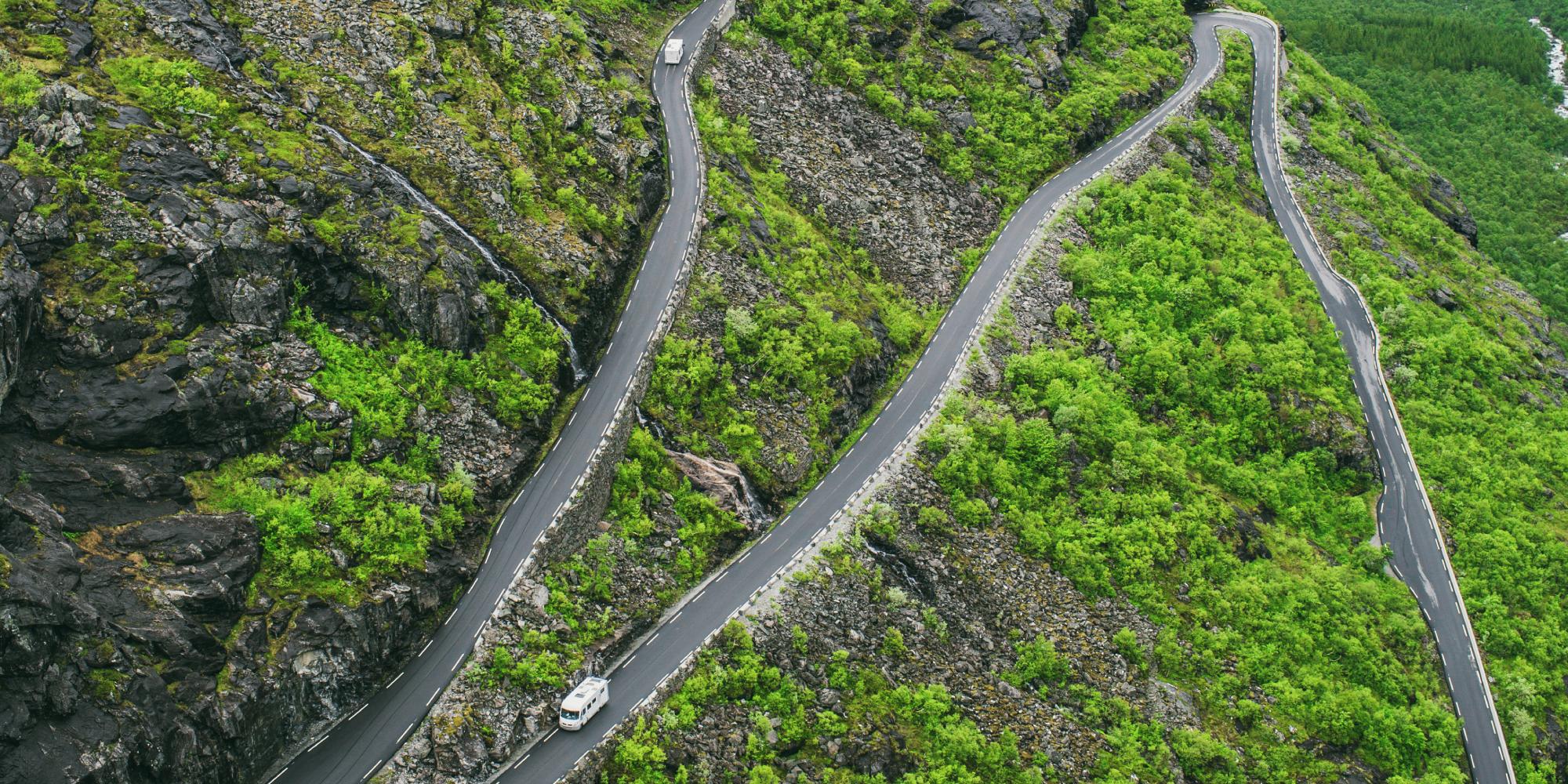
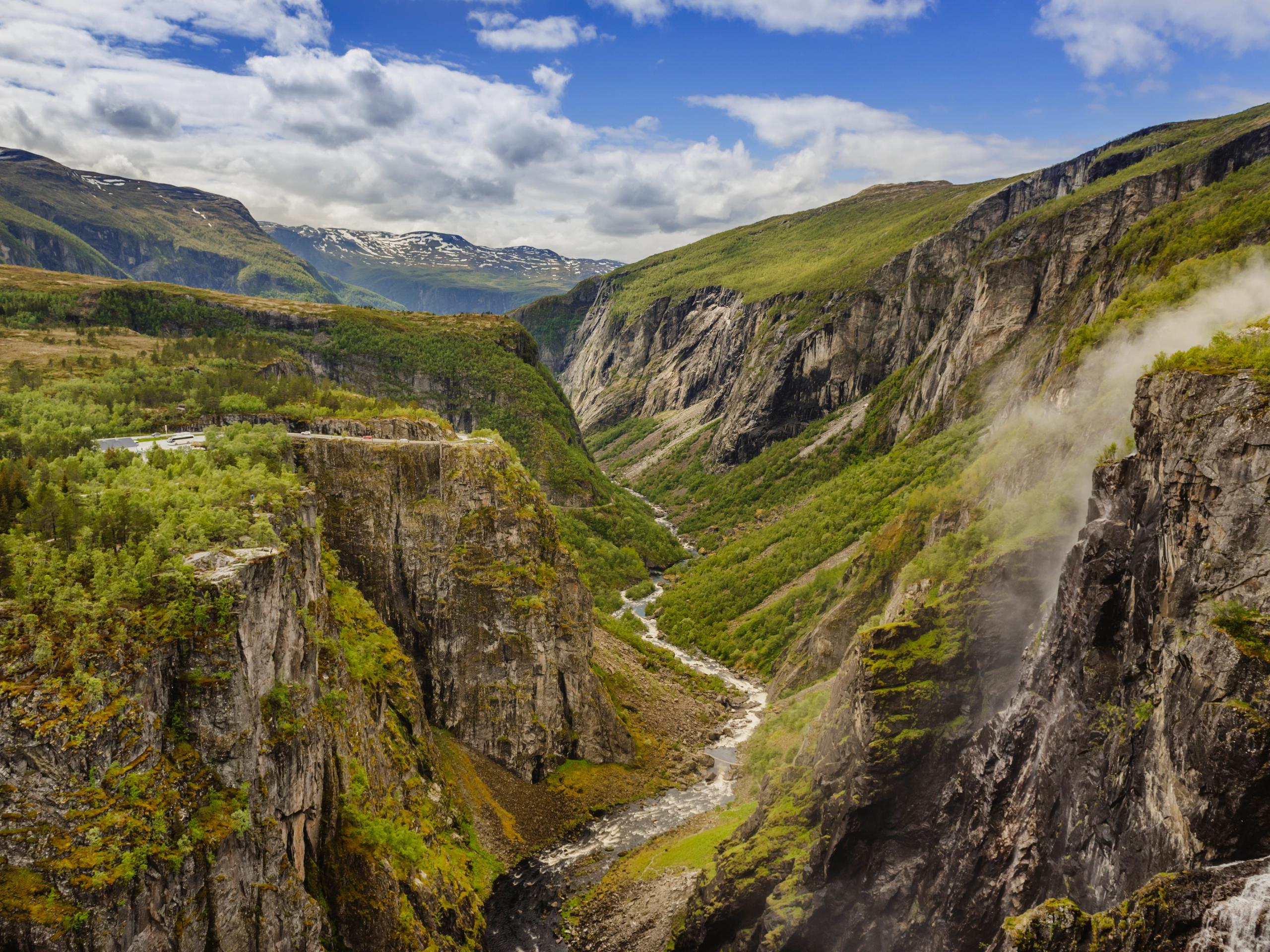
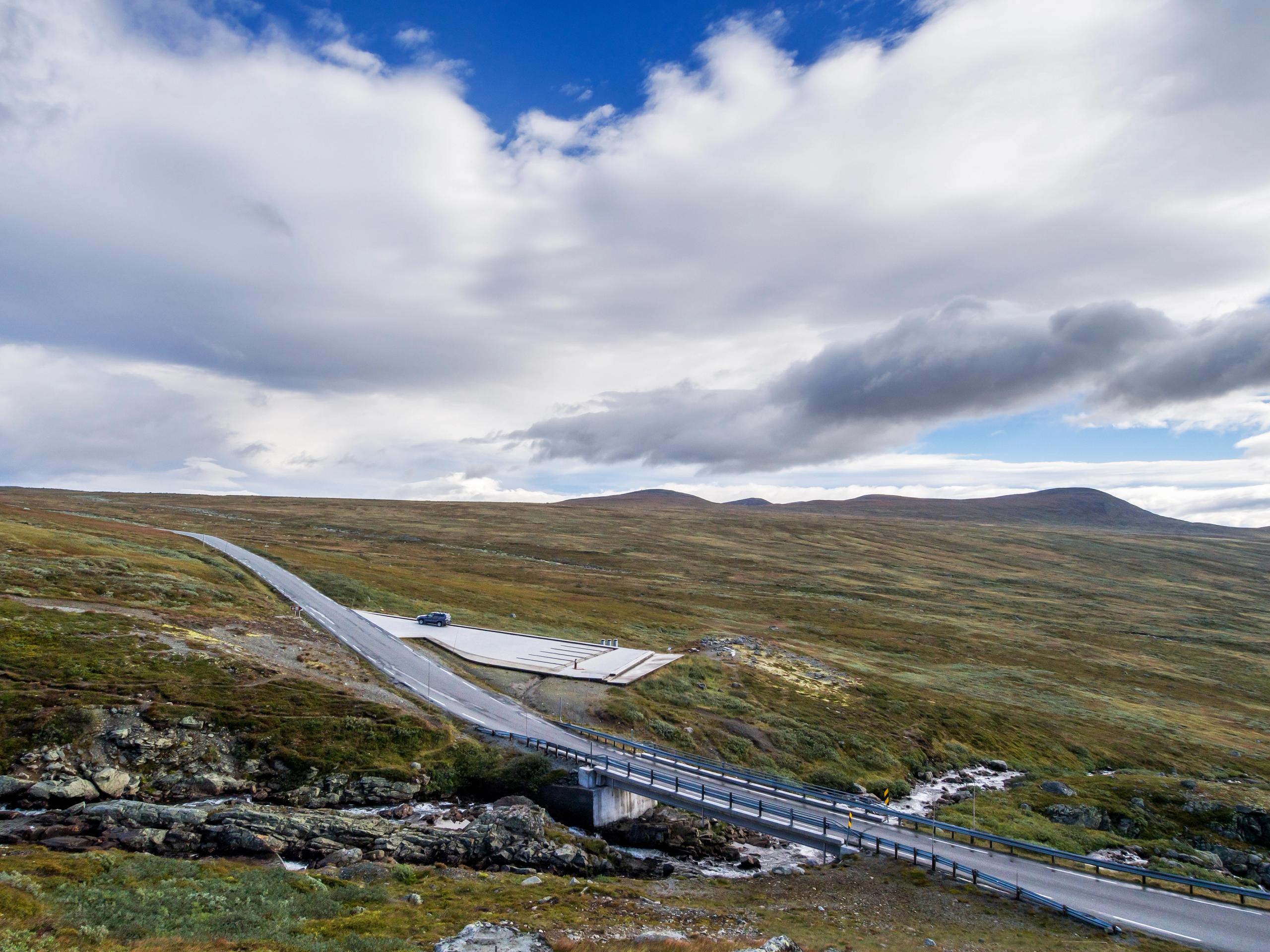
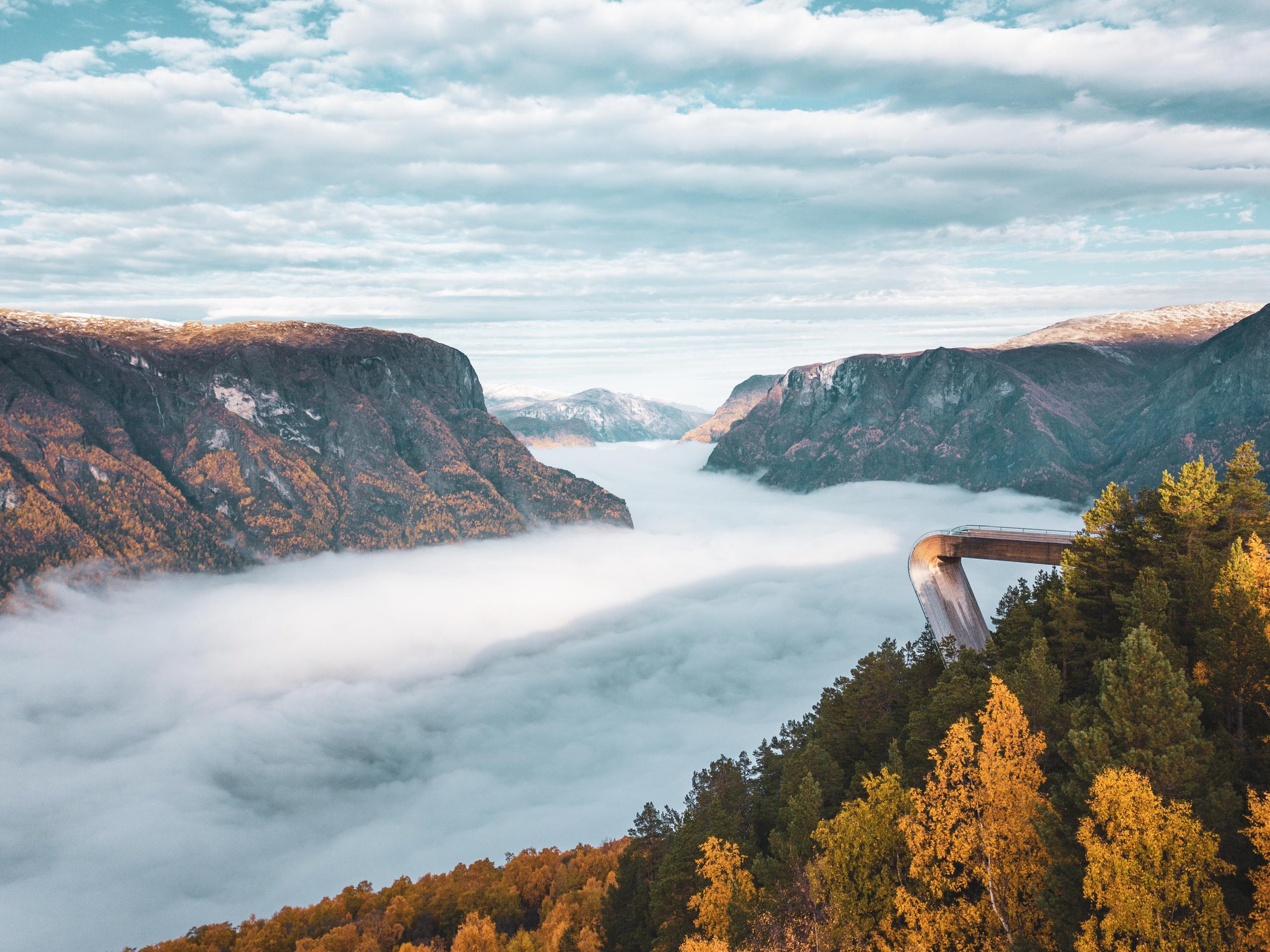
Explore the most beautiful drives in Norway! Find out what to experience along the routes, including lesser-known gems, accommodation, and wonderful detours.
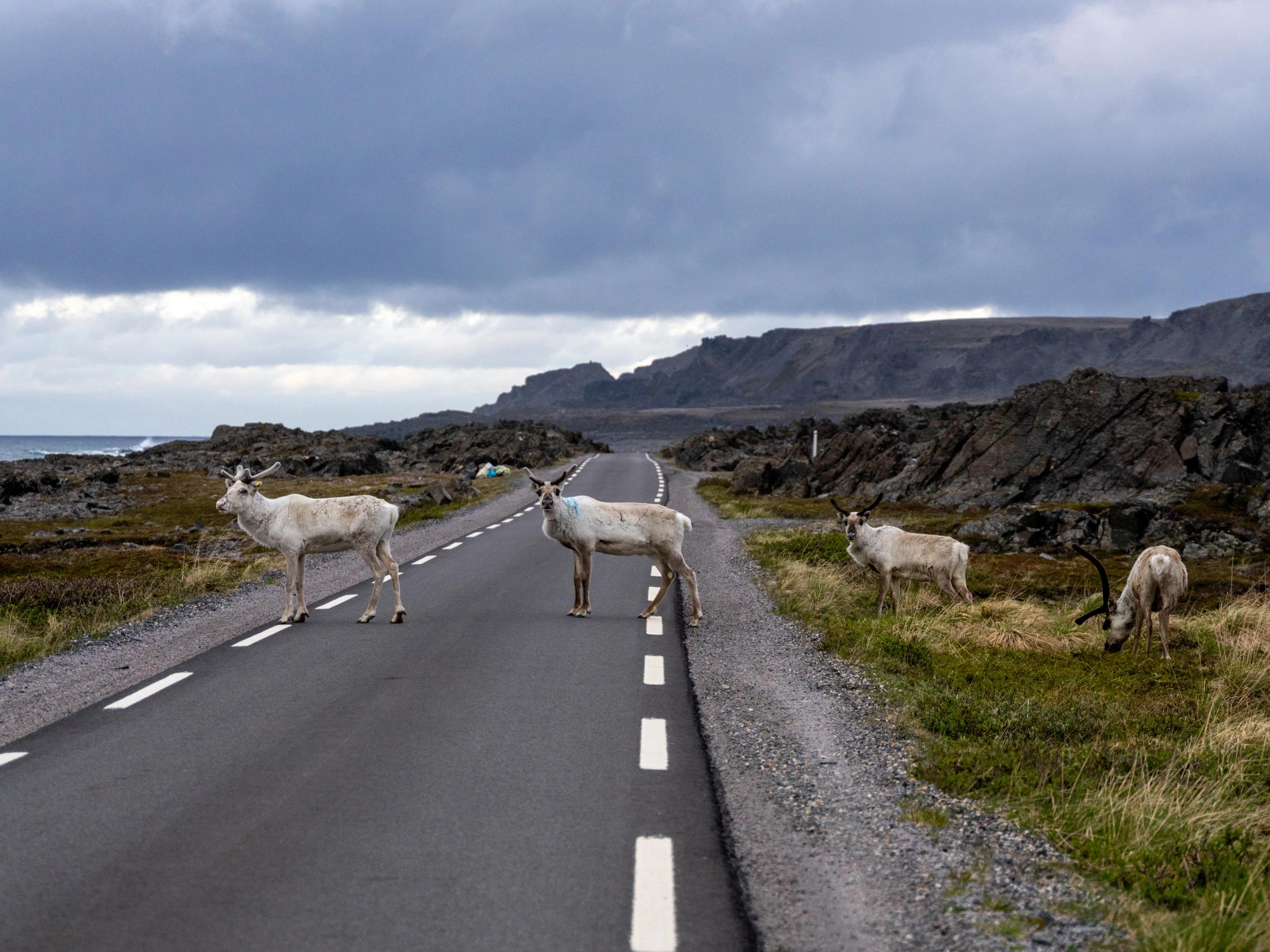
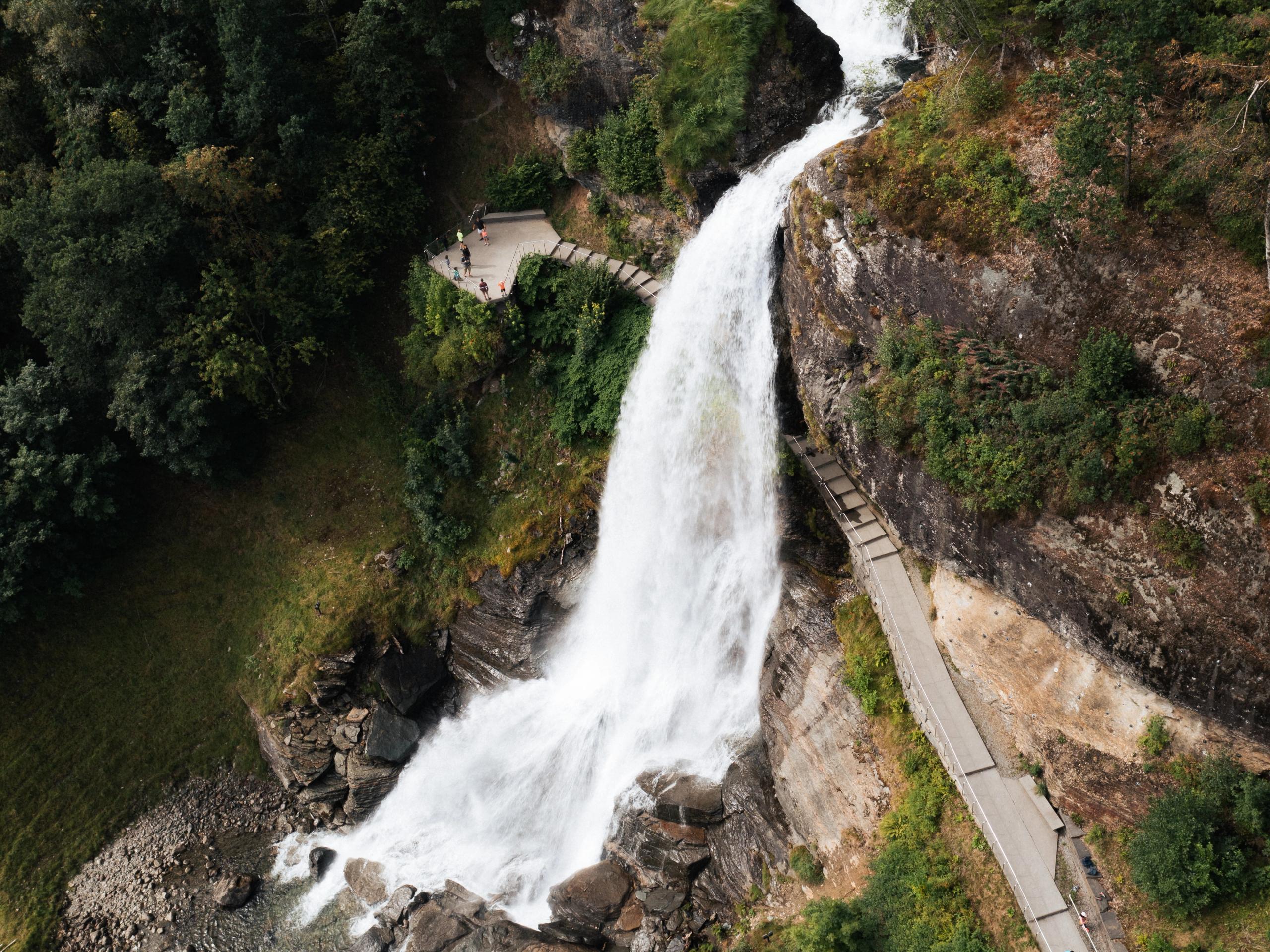
Tips for driving in Norway
Get useful tips before hitting the roads.
Driving in Norway - Speeding
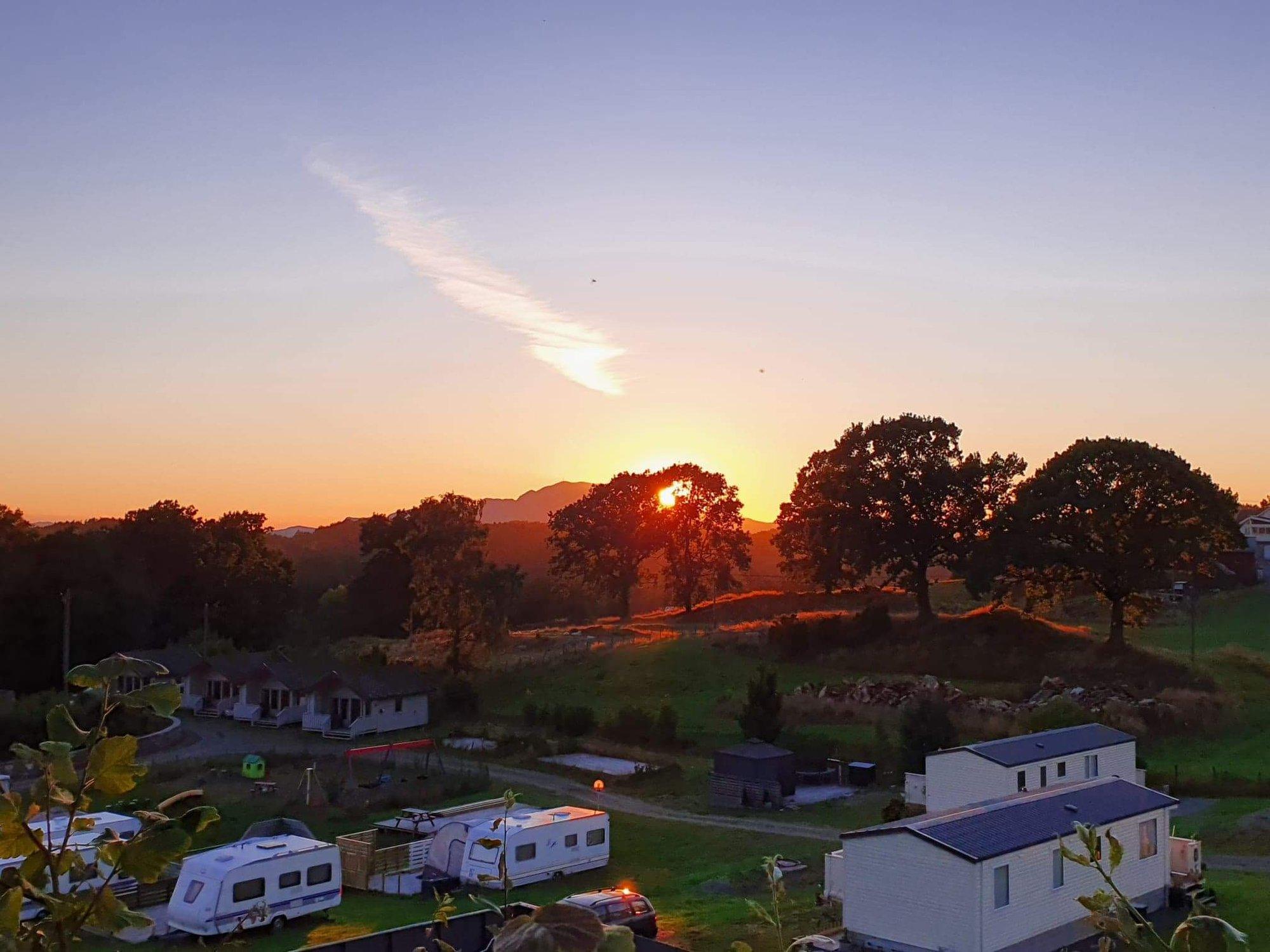
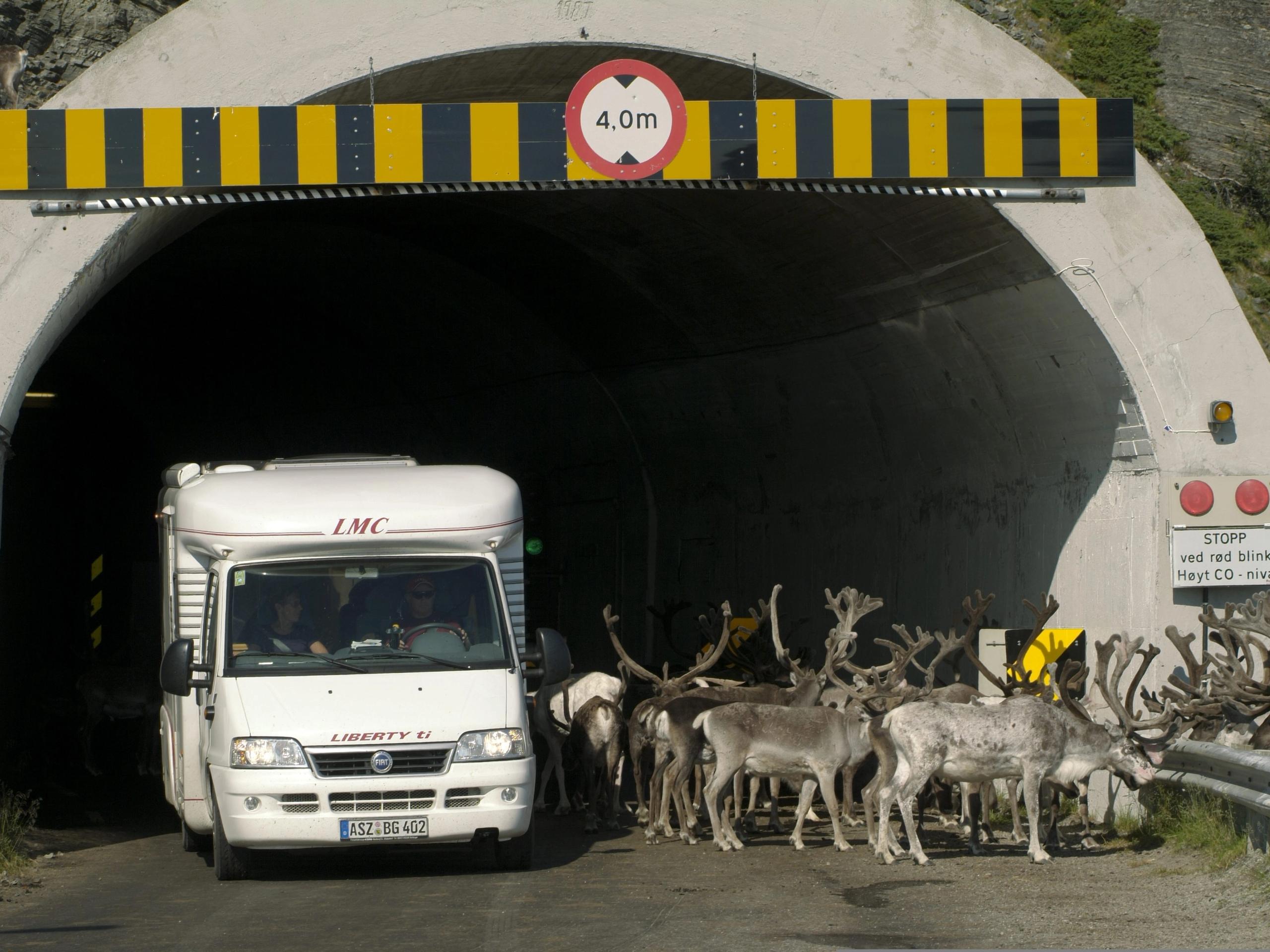
Driving in Norway - Caravan