Norwegian design is having a moment, with a new wave of designers on the scene. Classic Norwegian design icons are also being rediscovered and incorporated into new must-have pieces. We spoke to three well-known design players in Norway who are now enjoying major success!
Norwegian design
“Stylish Scandinavia”
You don’t have to eat form and function for breakfast and subscribe to a myriad of design magazines to have heard this expression before.
Scandinavian design first emerged as a common term in the 1950s, when designers from Norway and its neighbouring countries toured the world with their products, characterised by minimalism and functionality.
Norwegians haven’t perhaps been as skilled or eager as our Swedish and Danish neighbours in promoting our post-war design icons. But this may actually turn out be an advantage: the new generation of designers are now able to express themselves more freely, without having to constantly live up to a historic legacy.
Many are gaining international recognition. Although they work in a multitude of formats, the common thread is their willingness to experiment and take risks.
Where nature meets minimalism
Many Norwegian designers are now working with the international market in mind, inspired by global trends. This means that it can be difficult to define a unified Norwegian design, even though factors such as nature-inspired patterns and shapes, graceful lines, and a keen understanding for how to use light are prominent.
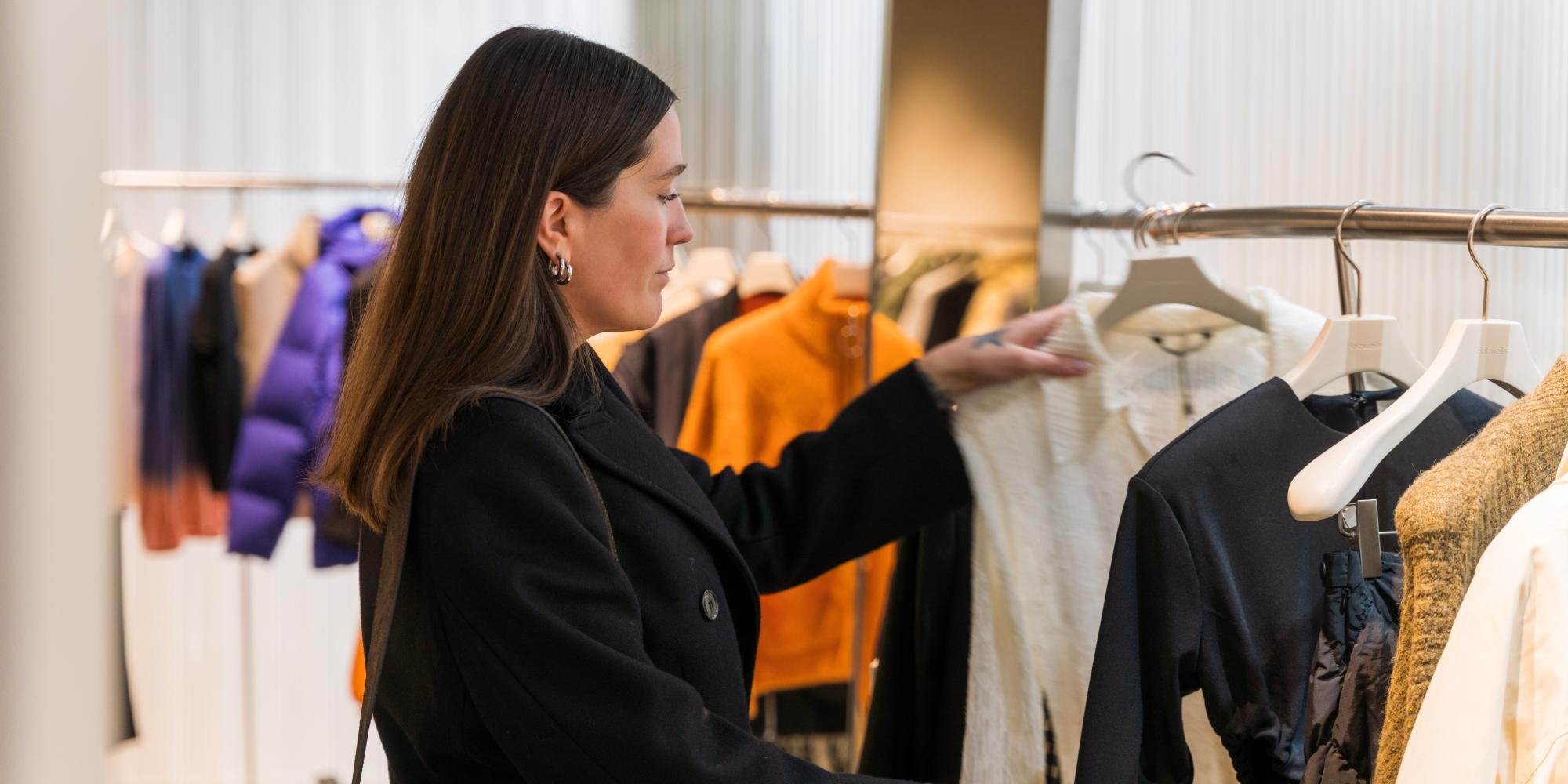
Norwegian nature has also left its mark on the work of many designers. It’s no coincidence that some of the most renowned clothing brands in recent years have produced rainwear, or warm garments made of wool. Many designers make clothes for ordinary people with a sense of style, while luxury clothing made by Norwegian fashion designers are more of a a rarity. Norwegian designers are renowned for lamps and lighting design – this is perhaps natural considering the long and dark winters!
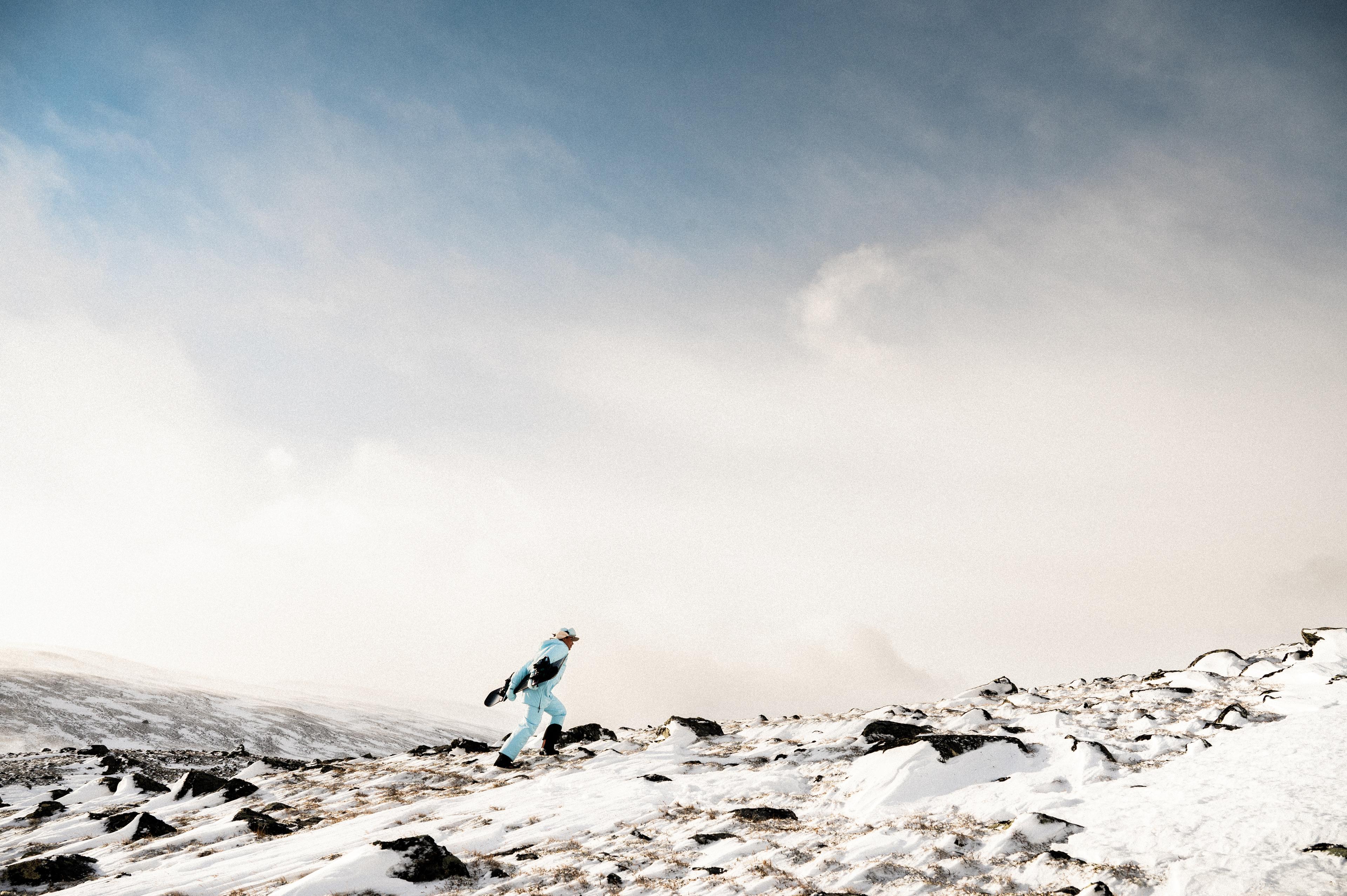
“Norwegian design says something genuine about who we are and how we live.”
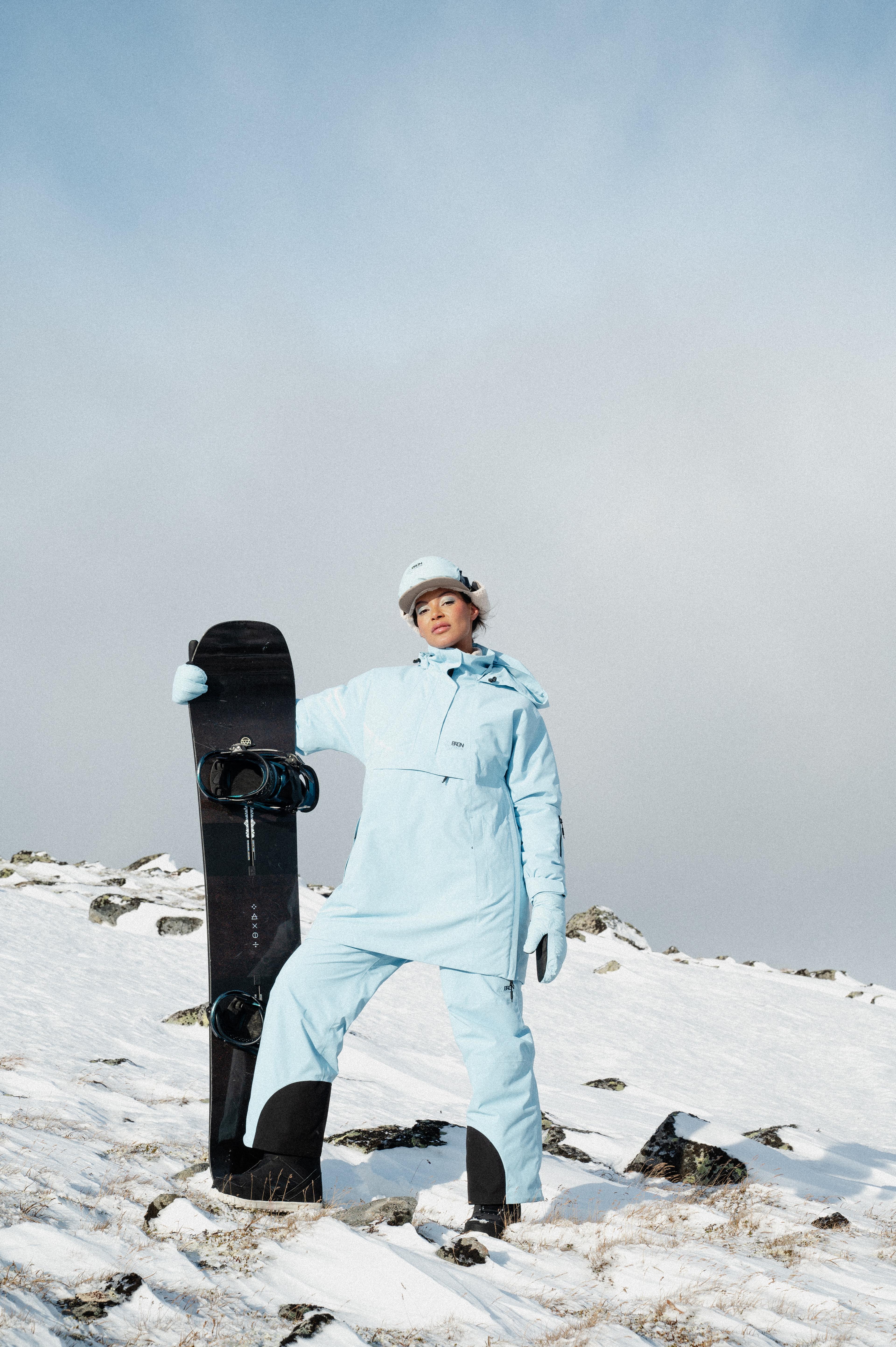
BRGN
Sleek rainwear and high-end fashion
Norway is home to plenty of designers who operate in the high end of the fashion spectrum. Several of their designs are sold in prominent fashion centres like New York, Tokyo, and Paris.
Norwegian Rain and Swims are two must-have designer rainwear brands, while Holzweiler produces a rather unique scarf collection in cashmere, silk and wool. The importance of seasons in Norway is underlined by a brand called Fall Winter Spring Summer that produces women’s clothing with a no-fuss Scandinavian aesthetic that balances femininity and masculinity in equal measure.
With a common desire to create excellent alternatives to traditional rainwear, Karine Trellevik Lunde and Ros-Mari Tobiassen Gaundal founded BRGN in 2015.
BRGN from Bergen
Karine in BRGN has a background in design from ESMOD and experience from both fashion and sports, while Ros-Mari has a business and finance background. Together, they wanted to build a brand that solves a real need, especially for those of us who live in weather-exposed cities!
How did BRGN come about?
"We started BRGN in 2015 after realising there was a big gap in the market. Bergen is known for its unpredictable weather, and we missed having outerwear that could handle the rain and look good. We wanted to create something you could wear to work, dinner, or on a walk without having to choose between style and functionality," say BRGN's founders.
What makes BRGN unique?
“We combine fashion and function in a way that few others do. Our jackets look like classic coats or trench coats with a modern cut, but they’re just as waterproof and technical as an outdoor jacket. We put a lot of effort into details, such as hidden zippers, magnetic buttons, and breathable materials. Everything we make should feel both practical and beautiful. In addition, we have a strong focus on ethics and sustainability throughout the entire value chain.”
What are BRGN’s plans for the future?
“To keep growing internationally, especially in markets like the UK and Northern Europe, where people can relate to our kind of weather. We want to strengthen our sustainability efforts and develop products with even longer lifespans. We don’t want to chase trends, but rather build a lasting universe around quality, functionality, and innovation.”
What is unique about Norwegian design?
“Norwegian design has a calmness and simplicity inspired by the nature around us. It’s often about quality, clean lines, and function over excess. I think many people appreciate the honest, down-to-earth approach we have here – it’s not just for decoration: it has to work in real life, too.”
“Norwegian design thrives on freedom. The absence of a dominant industry allows for openness and individuality.”
Kristine Five Melvær – Norwegian designer
A Norwegian designer's perspective
“I think Norwegian designers have a lot of freedom when creating new projects. Unlike our neighbouring countries, we don’t have a big national industry that brings everyone together, but that also means we’re less limited.”
“Since many designers search for partners outside Norway, there might be a tendency for each designer to cultivate their personal strengths, interests and expressions, thus adding to an already rich and broad field of young Norwegian design,” says Kristine Five Melvær, an award-winning designer of tableware, lighting, furniture, textile pieces and graphic design.
“Norwegian design makes life better”
Andreas Engesvik believes that poetry can improve design. The acclaimed Norwegian is an internationally renowned designer of furniture, tableware, and other industrial design for a variety of brands including Iittala, Muuto, Fontana Arte, Ligne Roset and Asplund. He is based in Oslo.
What makes Norwegian design unique?
“I think Norwegian design is somehow free and more poetic than its Scandinavian counterparts. Moreover, it’s undoubtedly rooted in strong Scandinavian design traditions, which have become more relevant than ever.”
How does Norwegian design play an international role?
“We live in a rapidly changing time, which happily forces us to think new. Design solutions from our part of the world thrive in resolving challenges. I also strongly believe that Oslo is an arena for innovation and design.”
Where do you go for design updates?
“I like to pay frequent visits to Norway Designs, a dignified, traditional shop with an unusually well-curated mix of classics, as well as small-scale products, by new talents in Oslo."
What’s your best buy ever?
“Well, it may be the Ekstrem chair I used to have in my house. Ekstrem, designed in 1972 by Terje Ekstrøm, is an independent piece of furniture designed with numerous unimaginable associations, a true masterpiece in the history of Norwegian design, and also fun to use."
If you were to sum it all up, what should we expect from Norwegian design?
“First and foremost, it has the solidity, functionality and ability to let people become emotionally attached to a piece before it breaks.”
Looking for more design?
A lot of exciting things are happening around Hadeland Glassverk. The glassworks is known for the beauty of its mouth-blown glass and its tradition of pushing the boundaries of production and design, while still adhering to the same methods it employed 250 years ago.
Glassblowing is a traditional Norwegian craft, with roots that go all the way back to the Norwegian glass industry of the 18th century!
At the Magnor Glassworks and Hadeland glassverk outside Oslo, you can see glassblowers in action and bring home your very own handmade piece.
Norwegian design

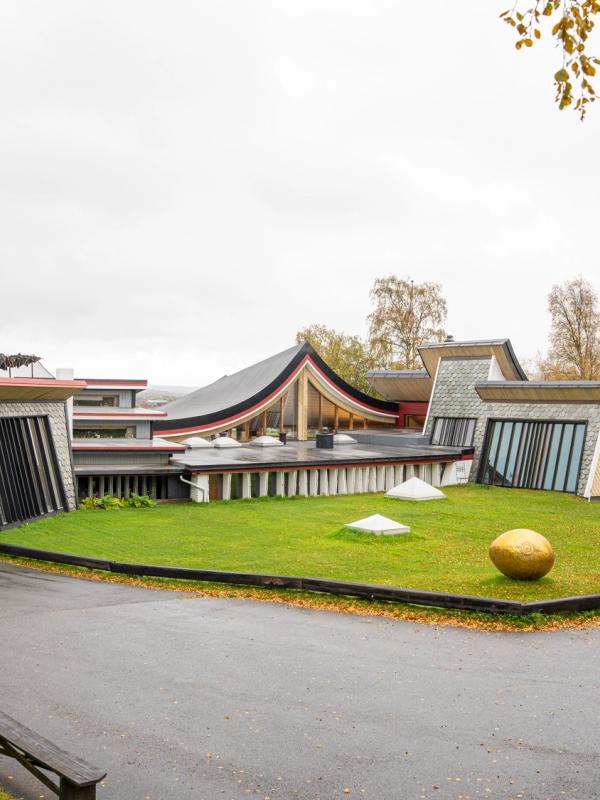
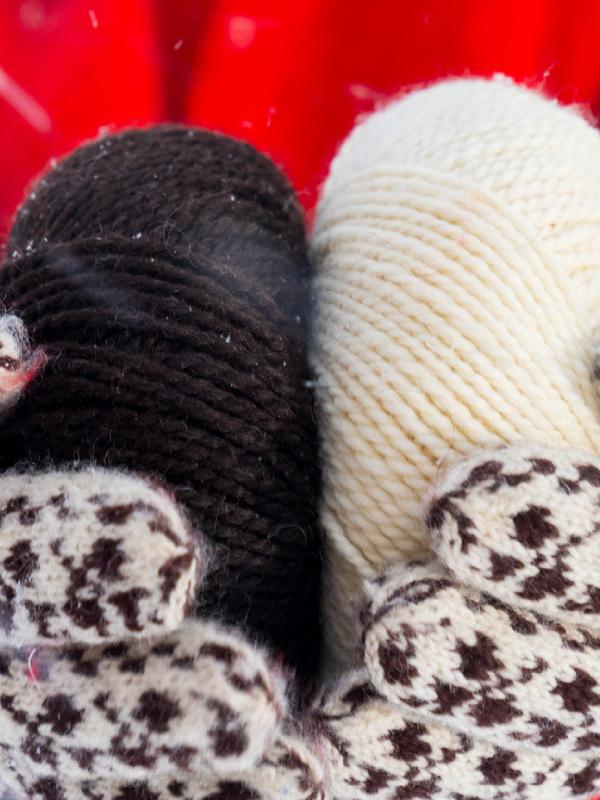

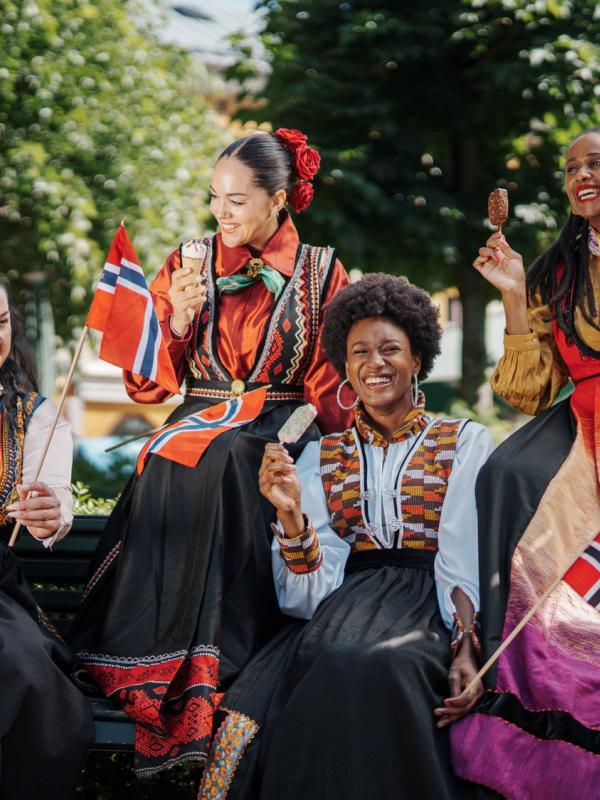
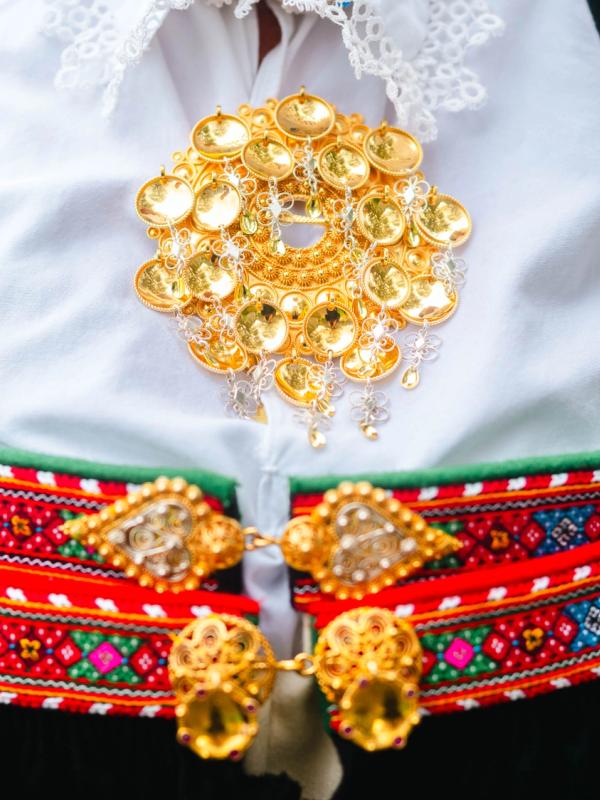

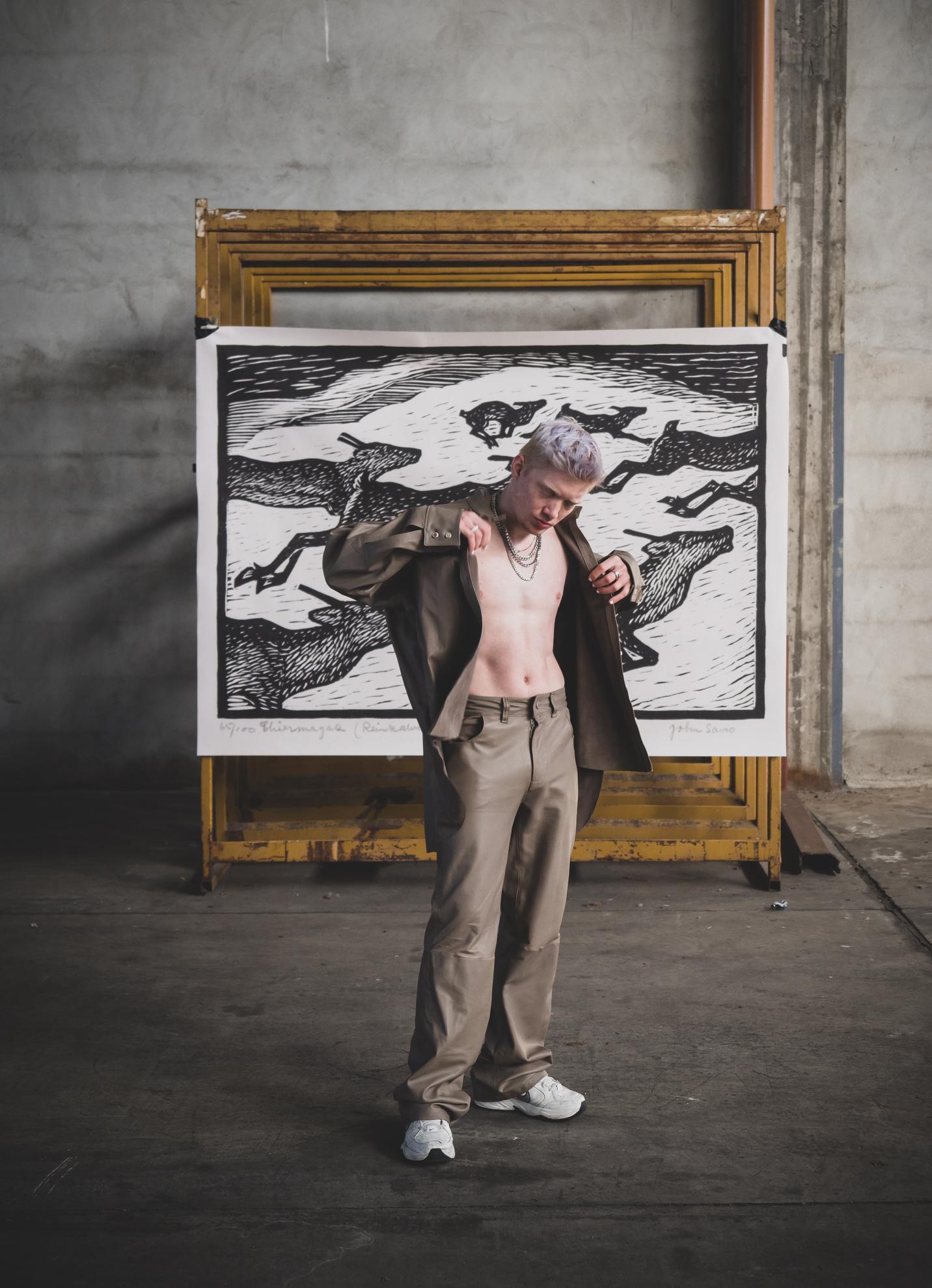
Fresh ideas are emerging and creative sparks are flying in the Norwegian Sami community these days!
Norwegian architecture



Shopping in Oslo
Influential Norwegian fashion editor Ida Elise Eide Einarsdottir reveals her favourite shopping spots in Oslo.
Take advantage of top offers
See our selection of trusted companies that work hard to make you happy all through your trip.
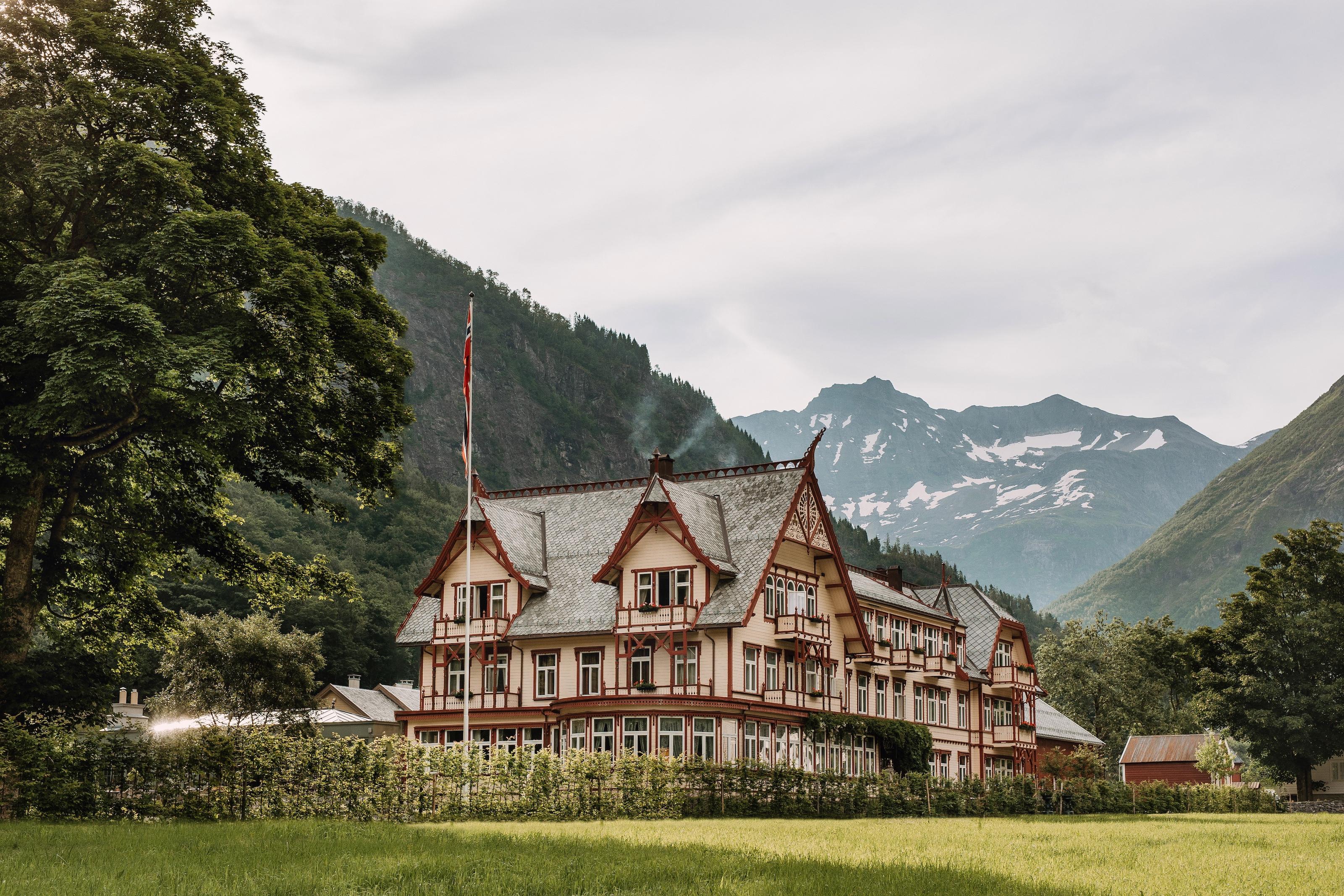 De HistoriskeHave an unforgettable stay at one of Norway's unique, authentic historic hotels. Enjoy first-class dining experiences and a broad range of activities.
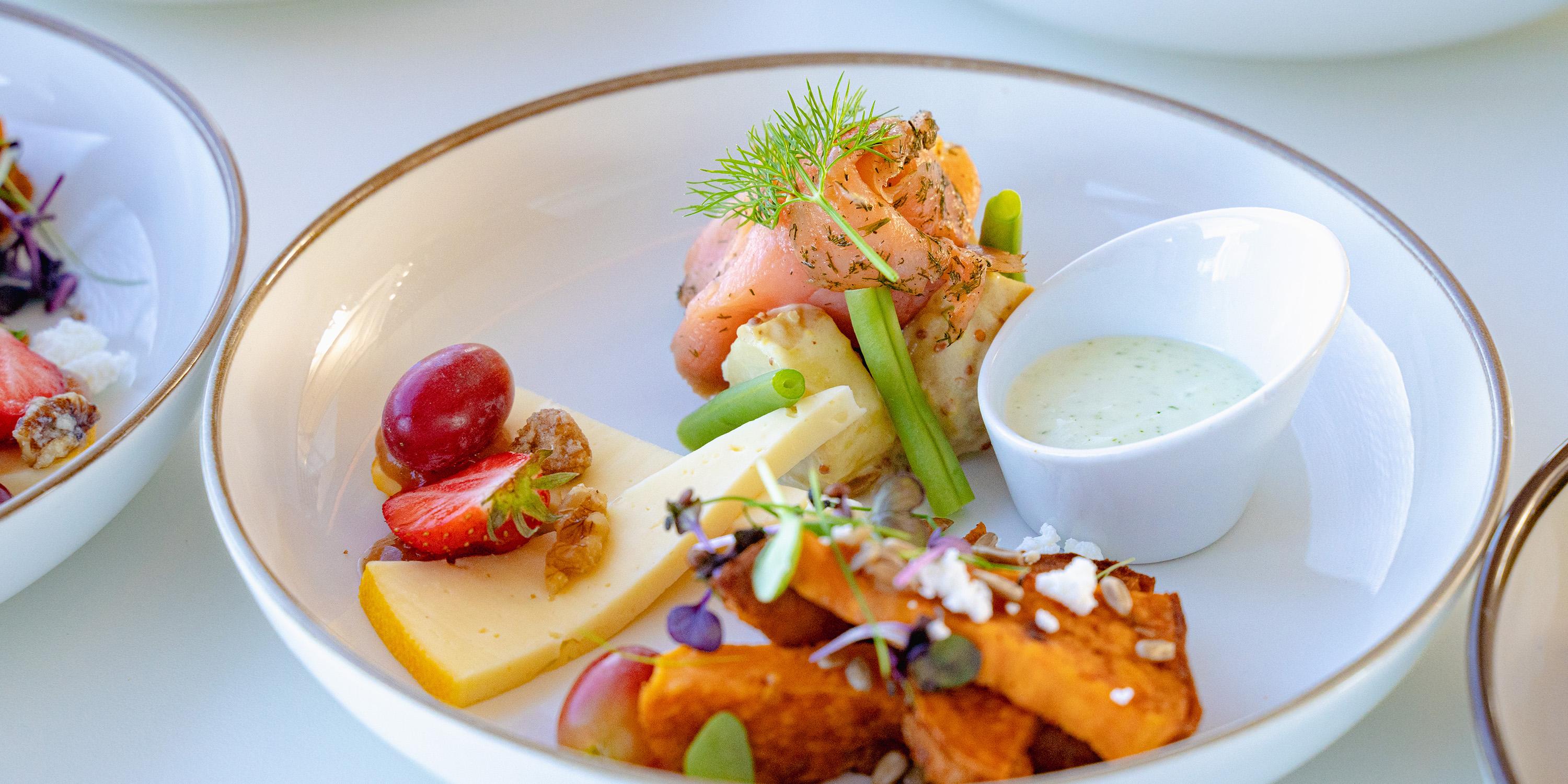 Brim ExplorerQuiet fjord tours on award-winning electric catamarans in Oslo, Tromsø, Lofoten, and Svalbard.
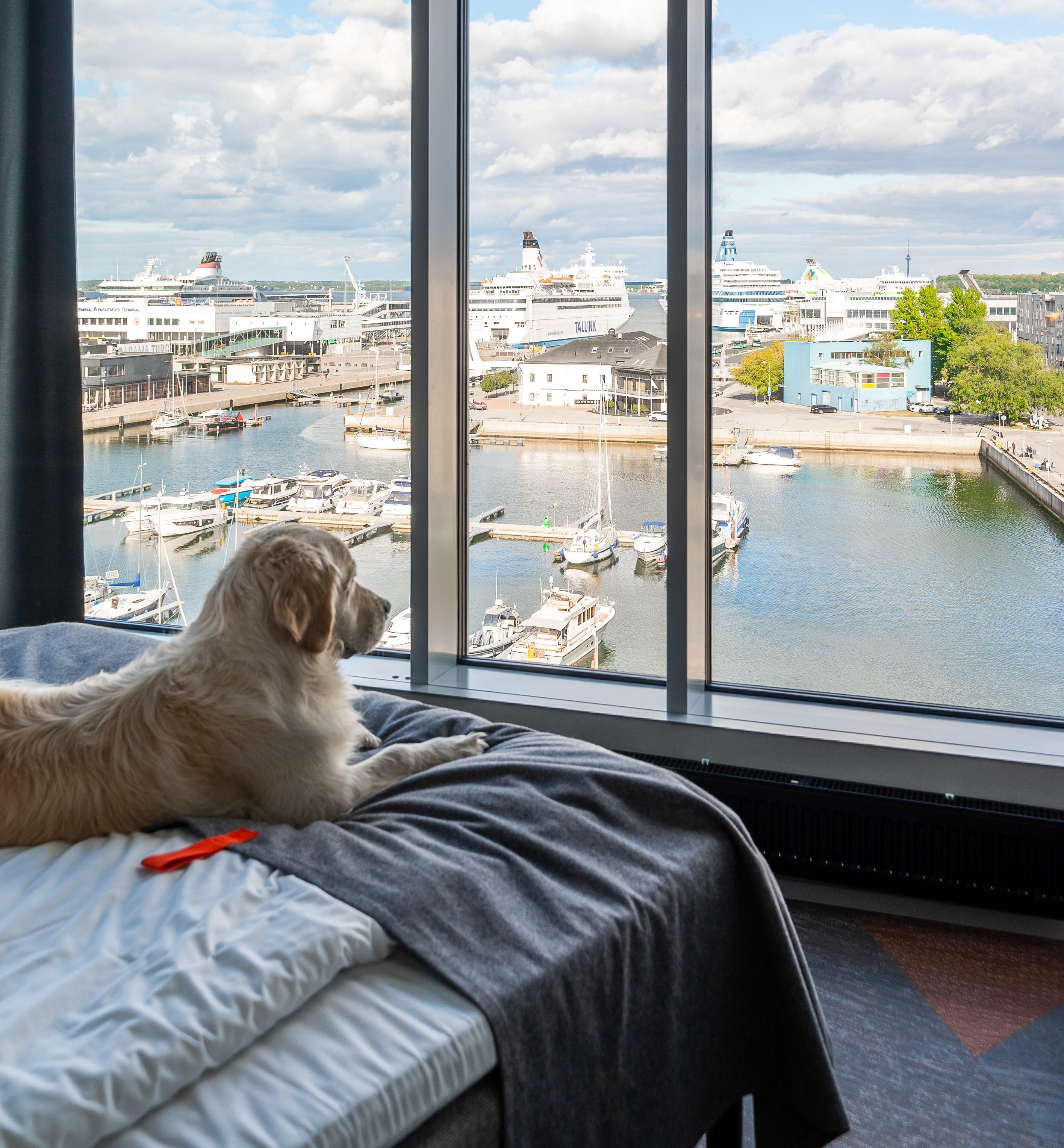 CityboxModern and affordable hotels in central locations in Oslo, Bergen, and Kristiansand.
 My Nordic TravelChoose between DIY itineraries and pre-packaged holidays to the very best destinations in Norway.
 Discover NorwayOffers a range of exciting self-guided hiking, biking, and skiing holidays in Norway. Luggage transfer included.
 Classic Norway HotelsWhen the hotel is the destination. Book a night to remember in one of Norway's most unique and distinctive hotels.
 Norwegian HolidaysLow-price package holidays with Norwegian. Book your flight, hotel, and rental car all in one place.
 Up NorwayBespoke luxury hand-picked by local experts. We combine your preferences and our knowledge to make an unforgettable journey.
 NorgesbookingBook your perfect cabin stay in the fjords, mountains, and valleys of Norway.
 Fjord Travel NorwaySleep in an ice hotel, hunt the northern lights, and discover the magical fjords. Book your tour now!
 Norrøna AdventureGet ready for expeditions and adventure holidays with Norrøna Adventure. Hiking, skiing, and biking trips.
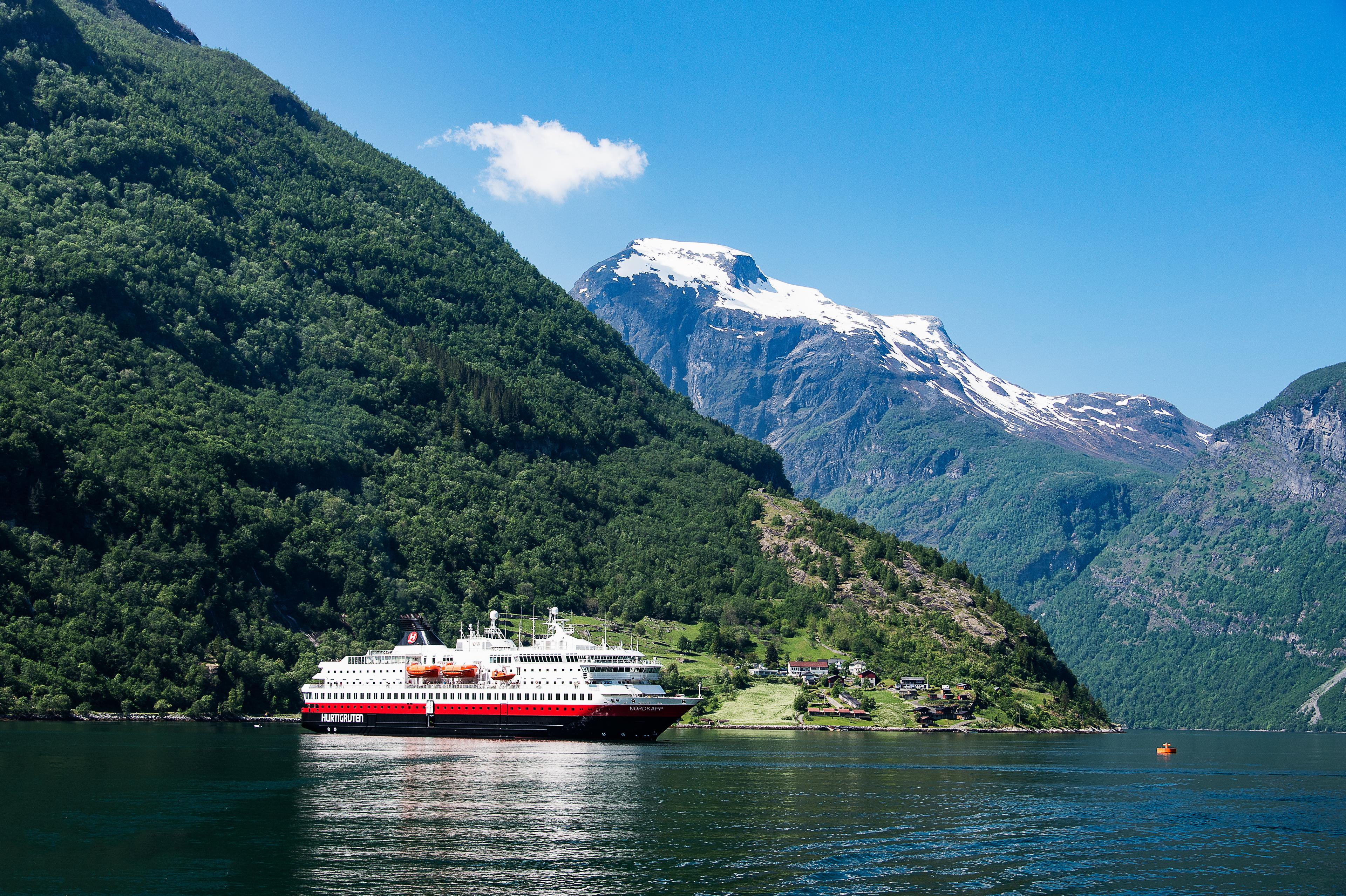 HurtigrutenExperience the world's most beautiful sea voyage on an unforgettable cruise along the stunning Norwegian coast.
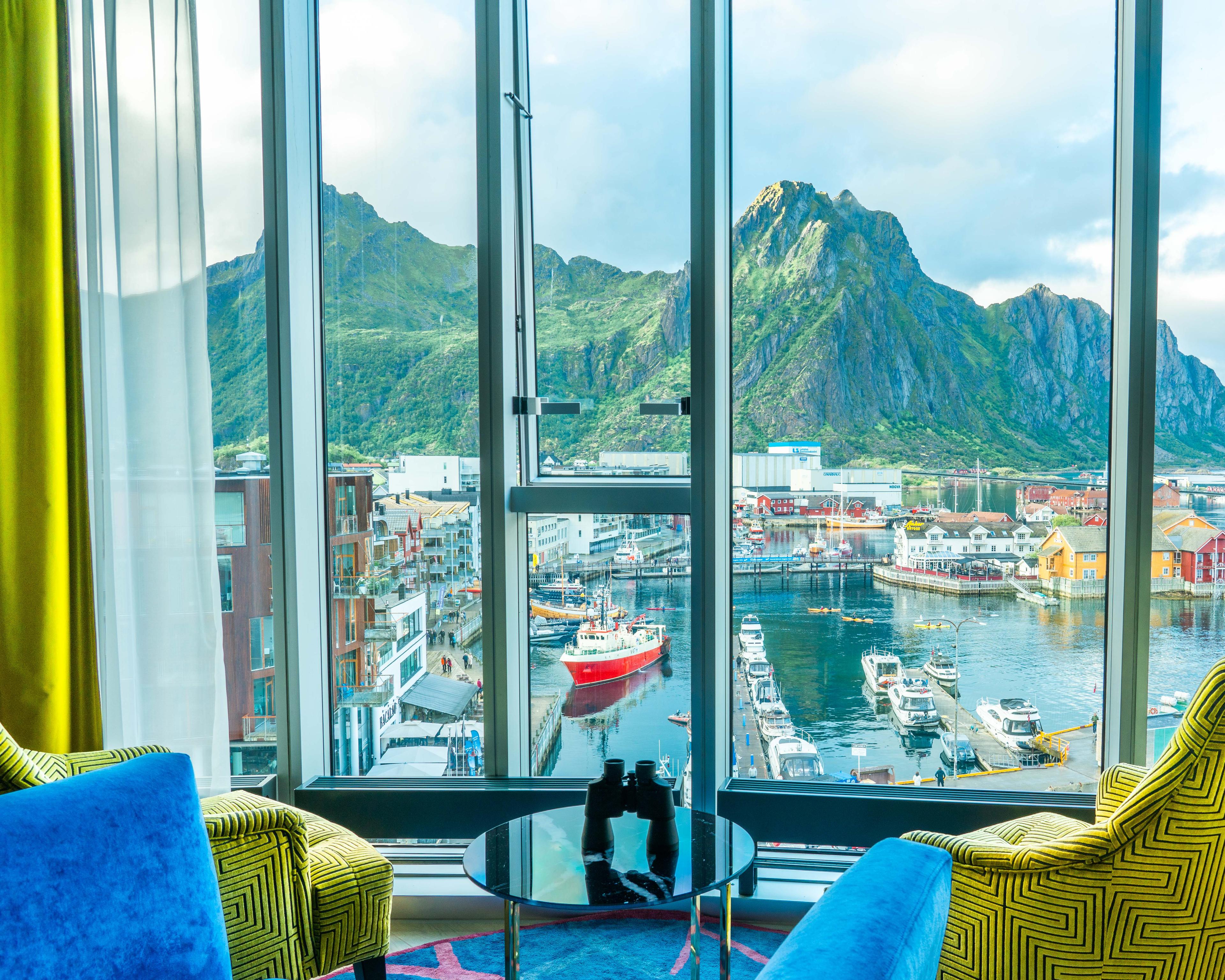 Thon Hotels ASFantastic breakfast included! Experience true comfort and reasonable rates at our 80 hotels in Norway.
 Auto EuropeAlways a smooth car rental experience. Search and compare rental rates. Free cancellation up to 24 hours prior to pick-up.
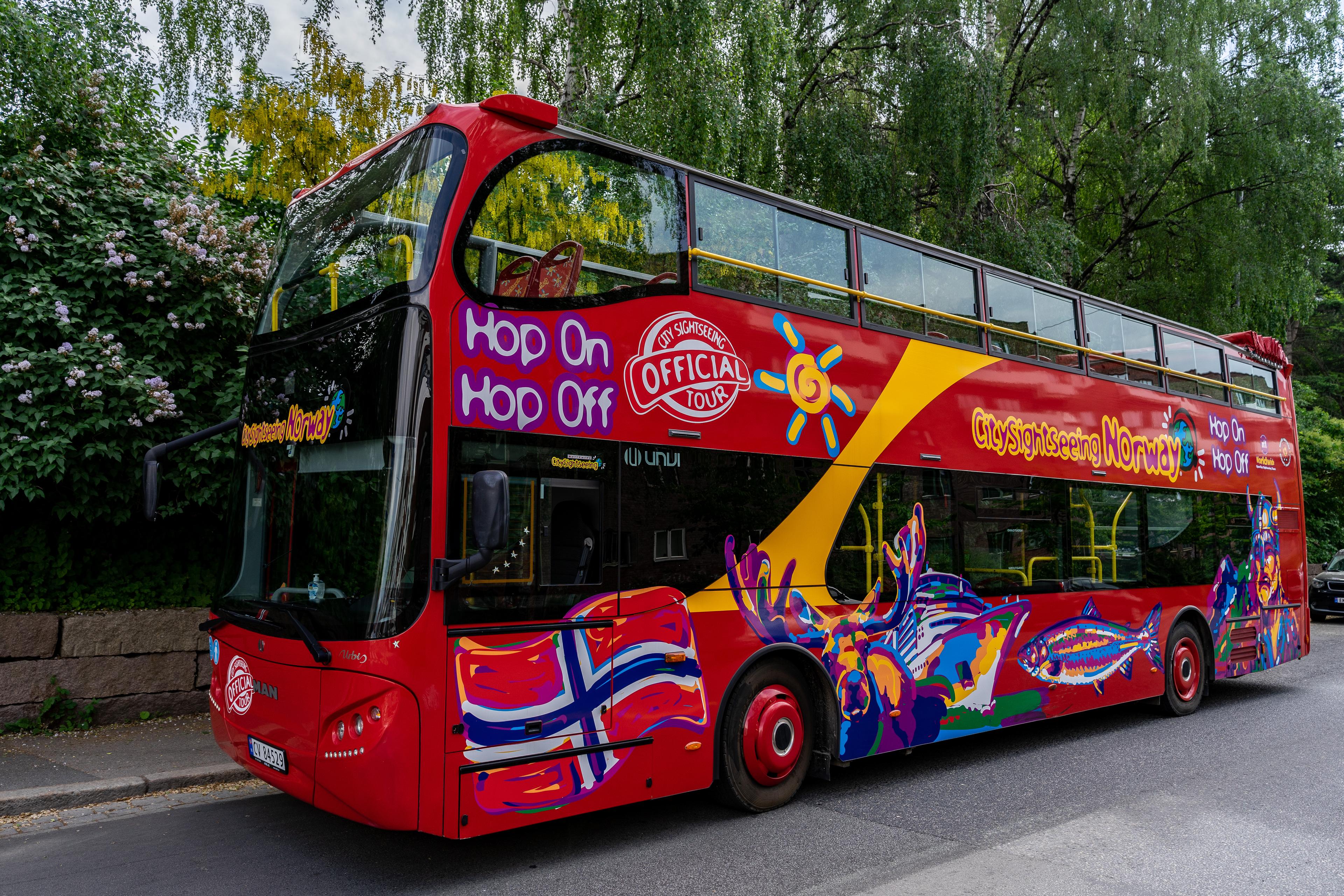 StrömmaSightseeing by bus and boat in several major tourist spots and cities in Norway.
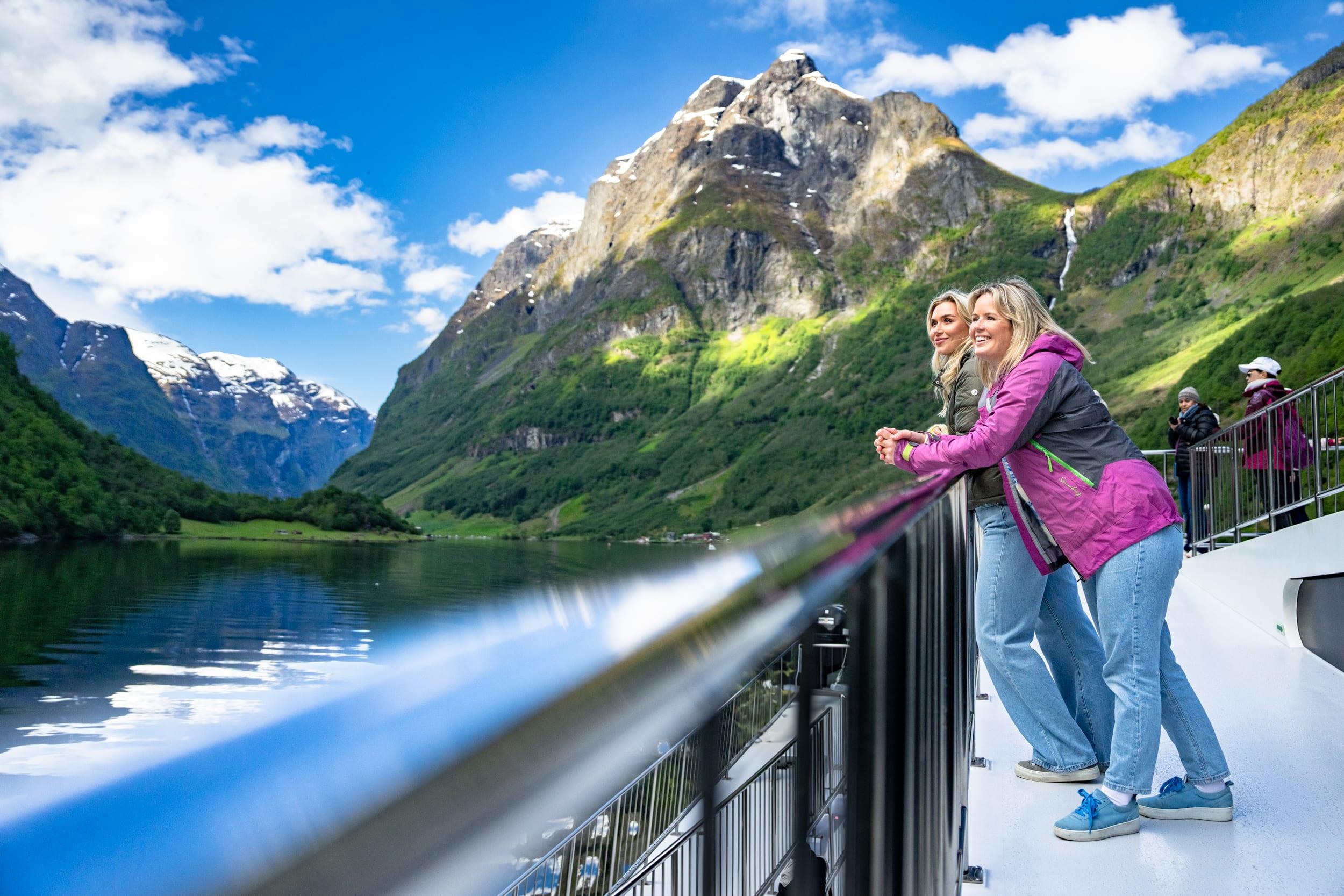 Fjord ToursHome of Norway in a Nutshell, Norway's most popular tour. Fjords, mountains, and stunning destinations — all in one trip!
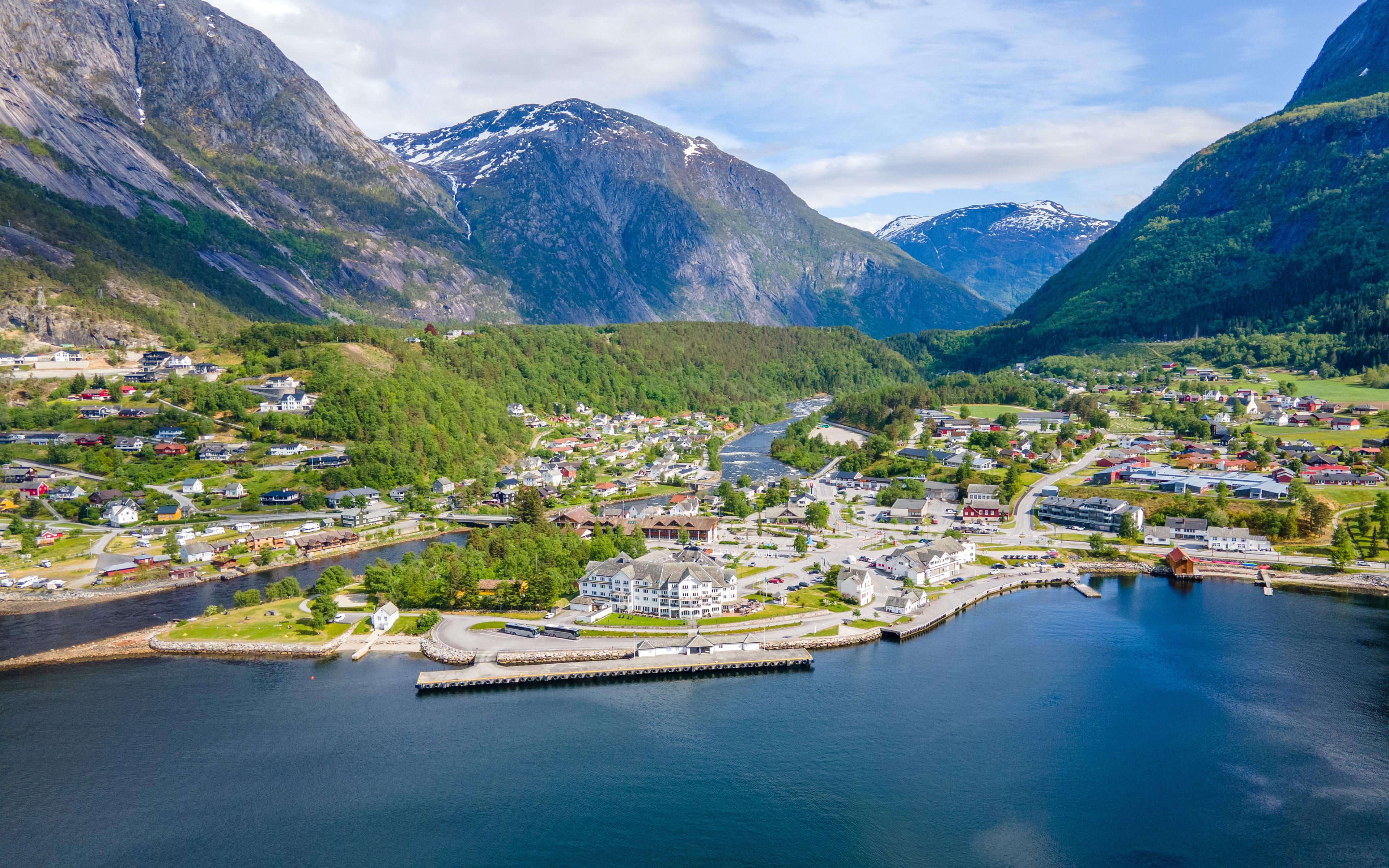 Go FjordsBook fantastic tours and experiences! We offer tours in Oslo, Bergen, Stavanger, Lofoten, the North Cape, and more.
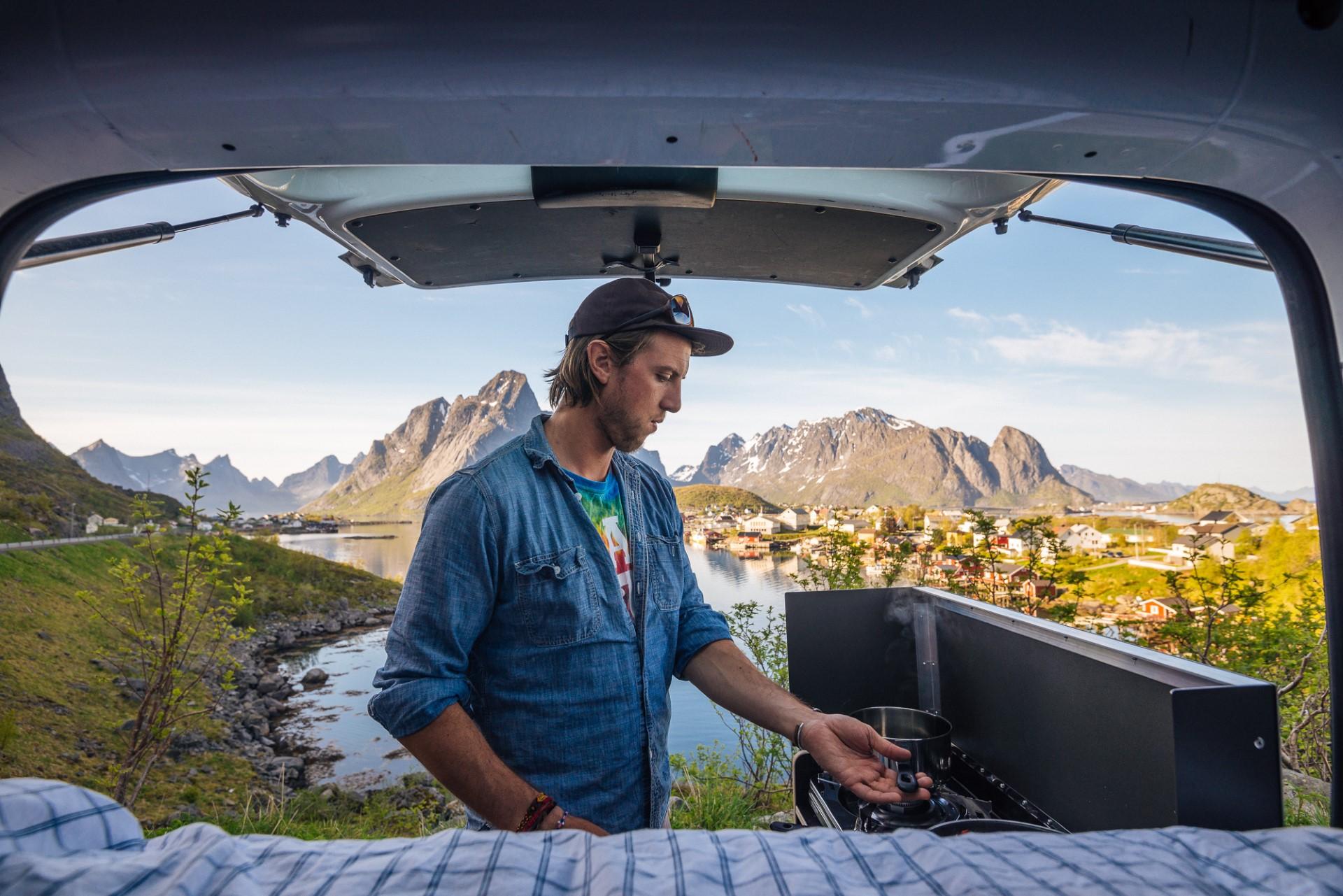 Arctic Campers ASDo you want to try van life? Explore Norway in comfort and style with our smart and cosy campervans.
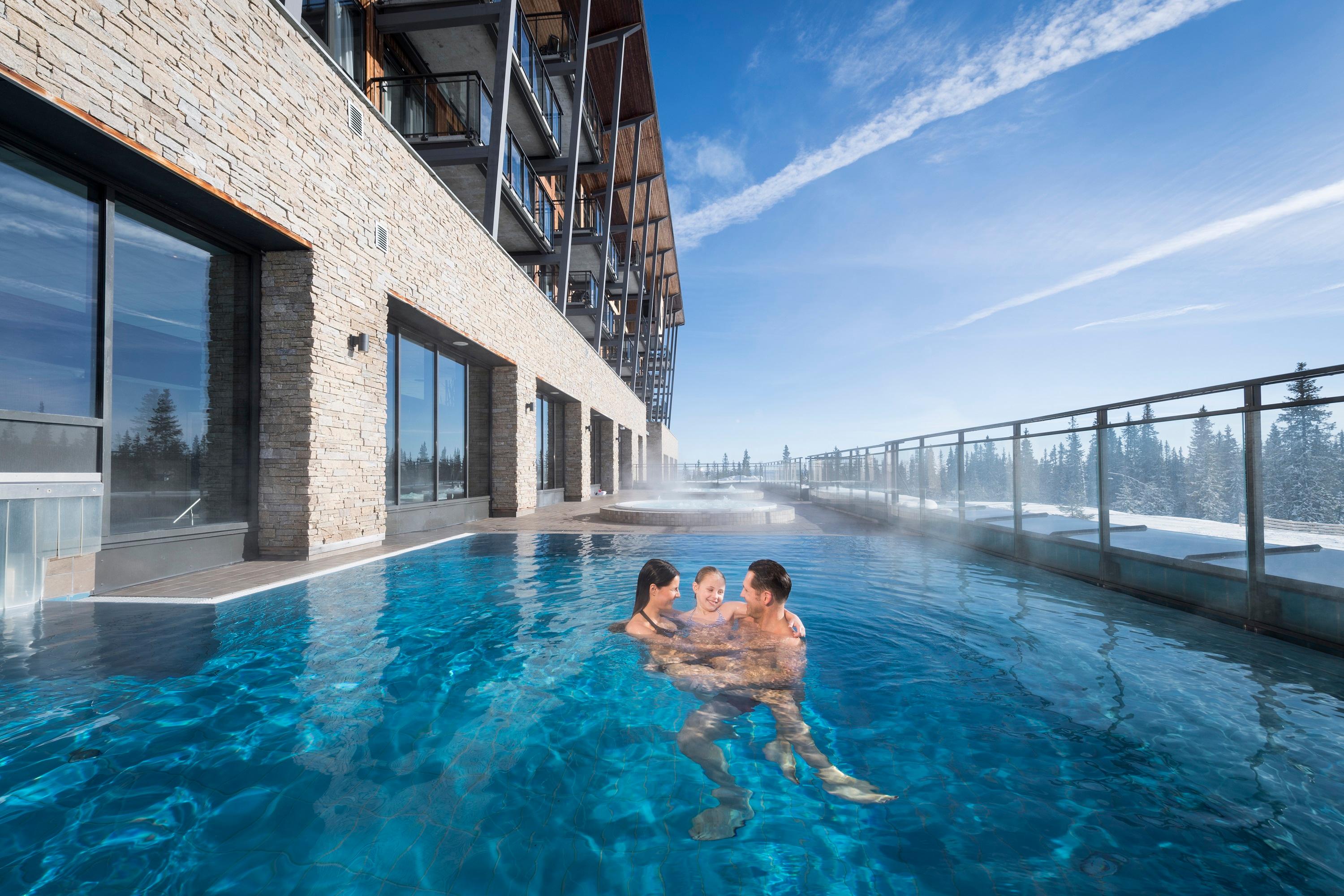 Radisson HotelsGreat value offers and comfortable quality stays in Norway´s major cities, airports, and ski resorts.
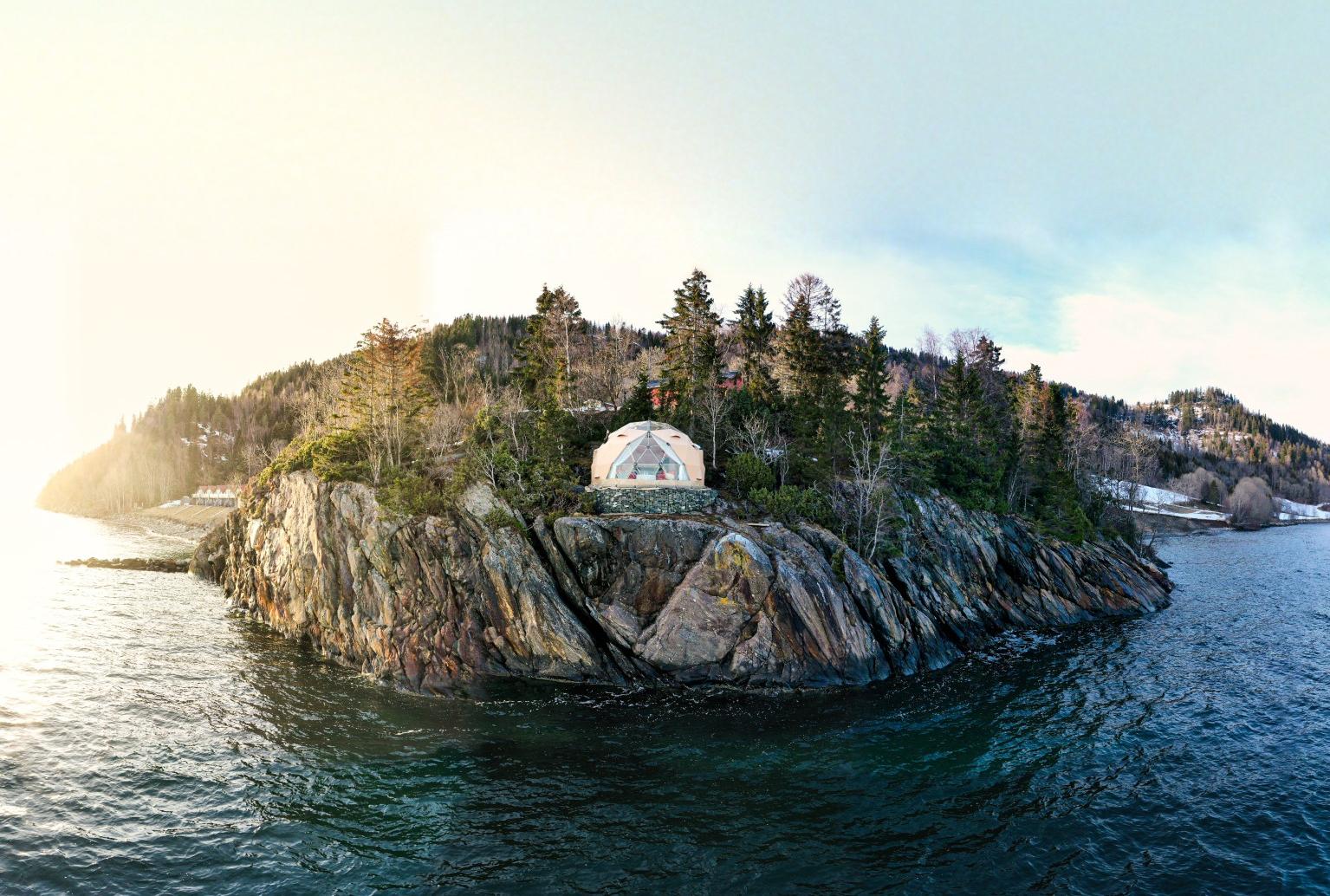 CampanyonUnique camping in nature. Book a stay in a treehouse or glamping tent or rent a motorhome pitch.
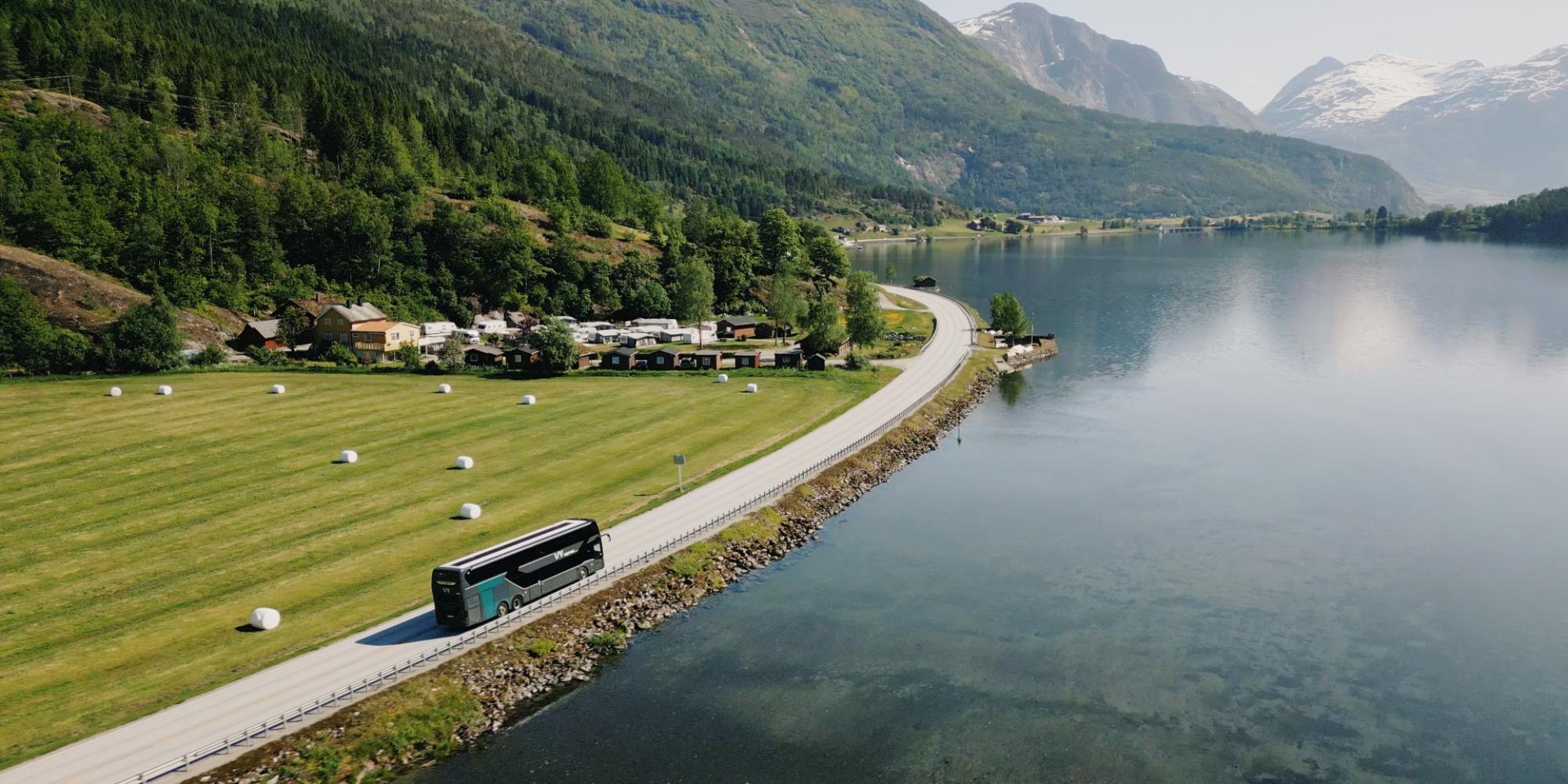 Vy expressDiscover Norway on comfortable express buses that take you between major cities, mountains, and fjords.
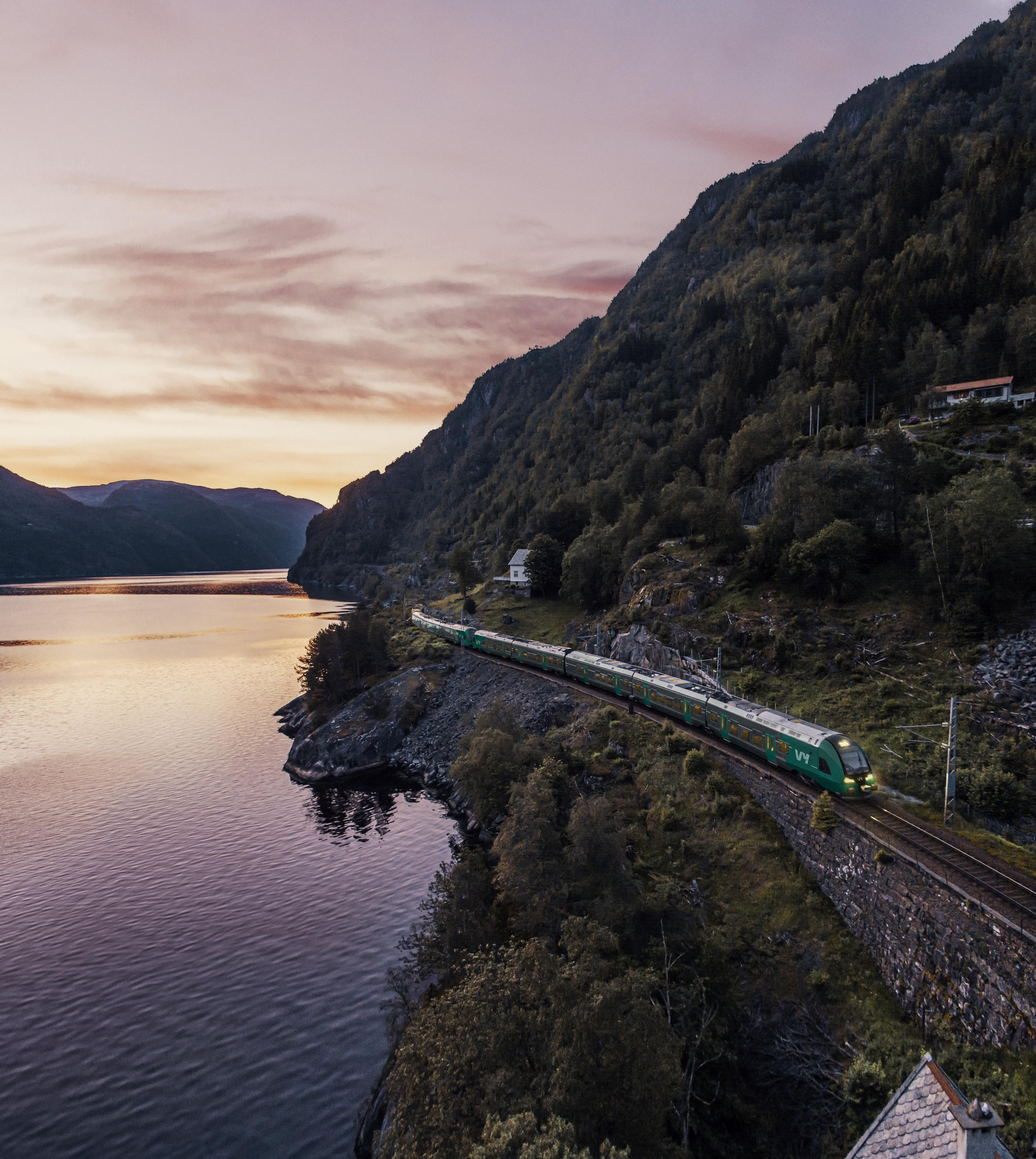 Vy TrainGlide through scenery on a train between Oslo and Bergen on the Bergen Railway and explore the greater Oslo region.
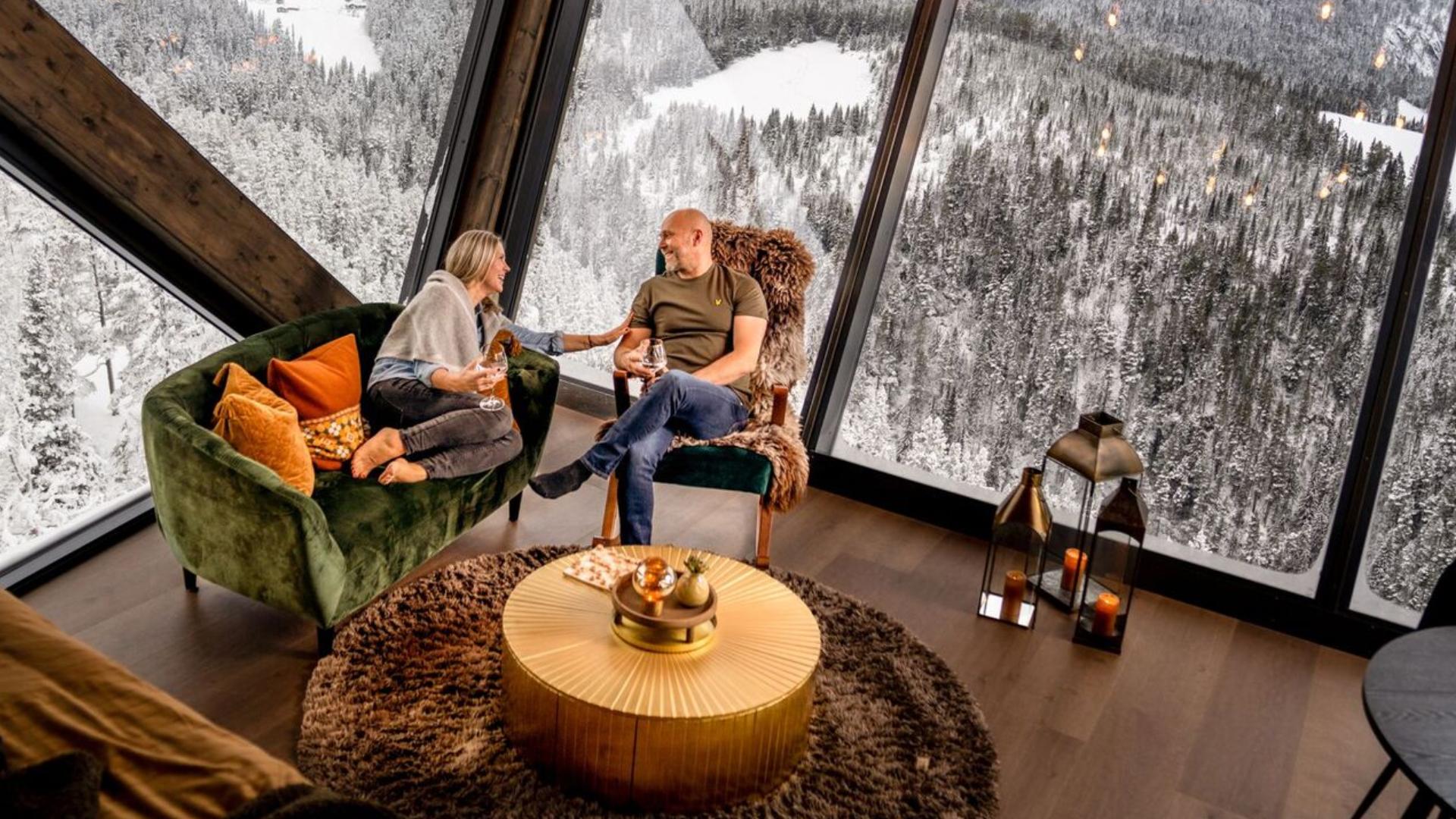 50 Degrees North NordicChoose between unforgettable tailormade individual trips and small, exclusive group tours of Norway.
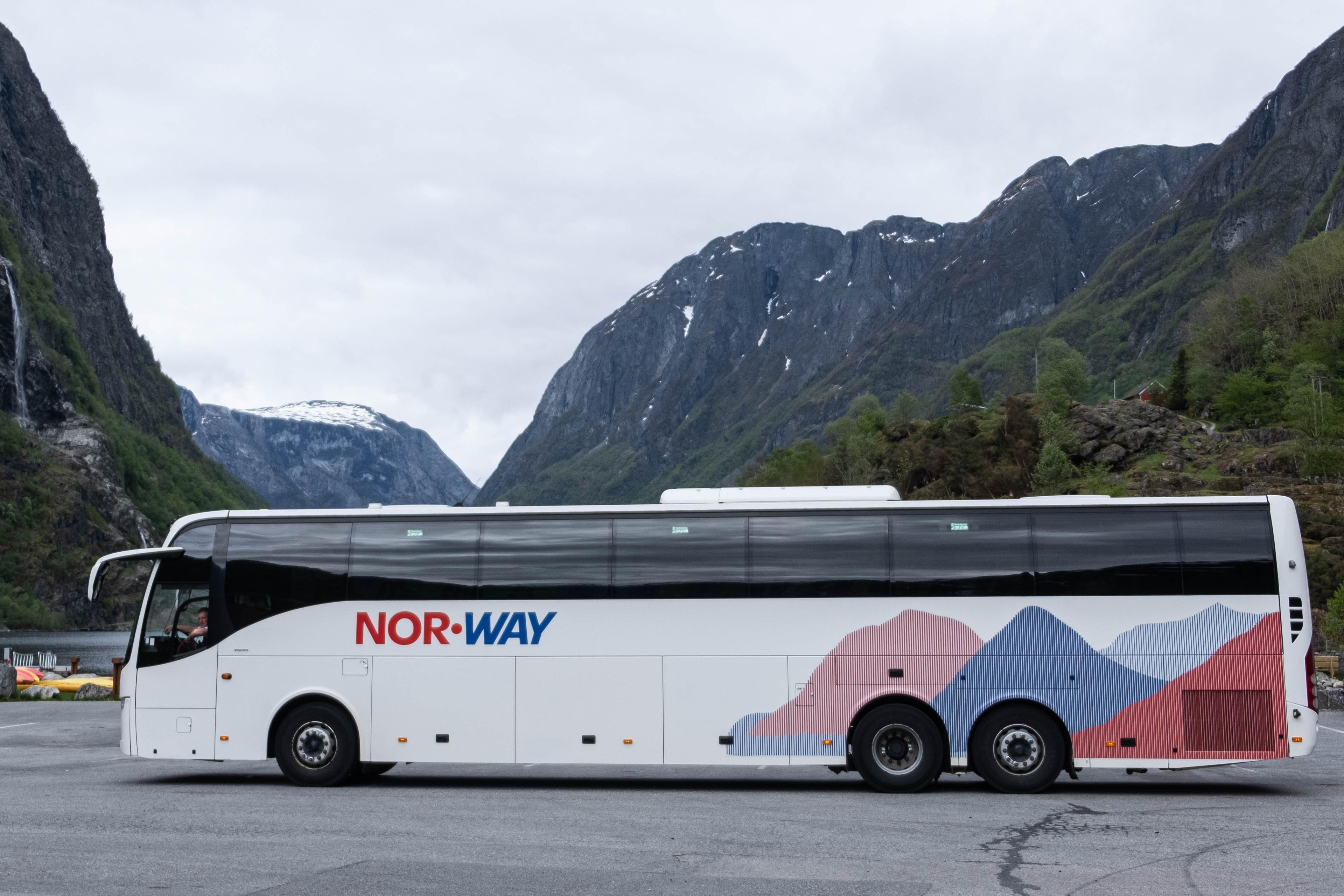 NOR-WAY BussekspressEnjoy scenic views on comfortable bus trips to the fjords and from city to city with our express buses.
 Rent-A-Wreck of Scandinavia ASThe smart and affordable car rental alternative.
 Booknordics.comUnique holiday packages, adventure hotels, tours, and activities.
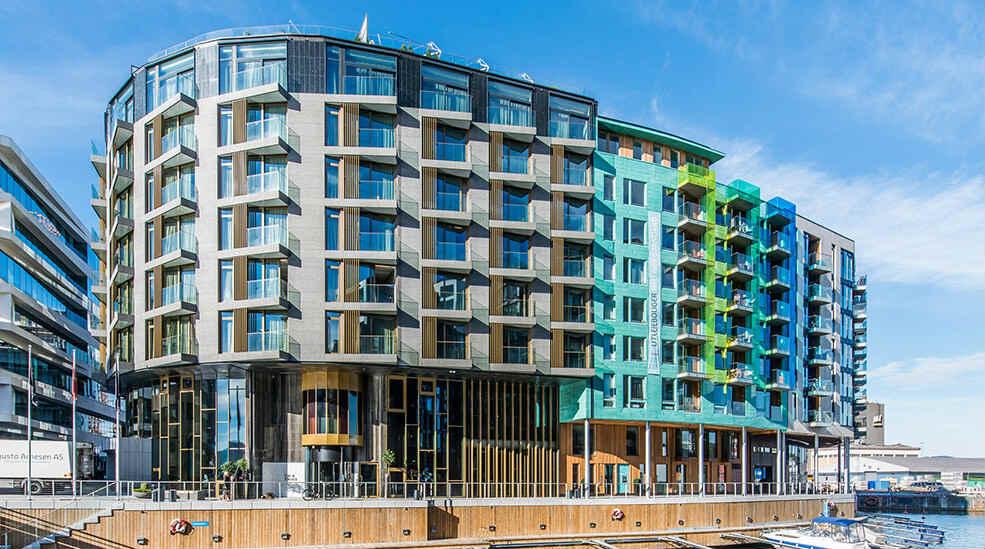 StrawberryA different hotel company! Look out for great weekend deals at more than 100 hotels in Norway.
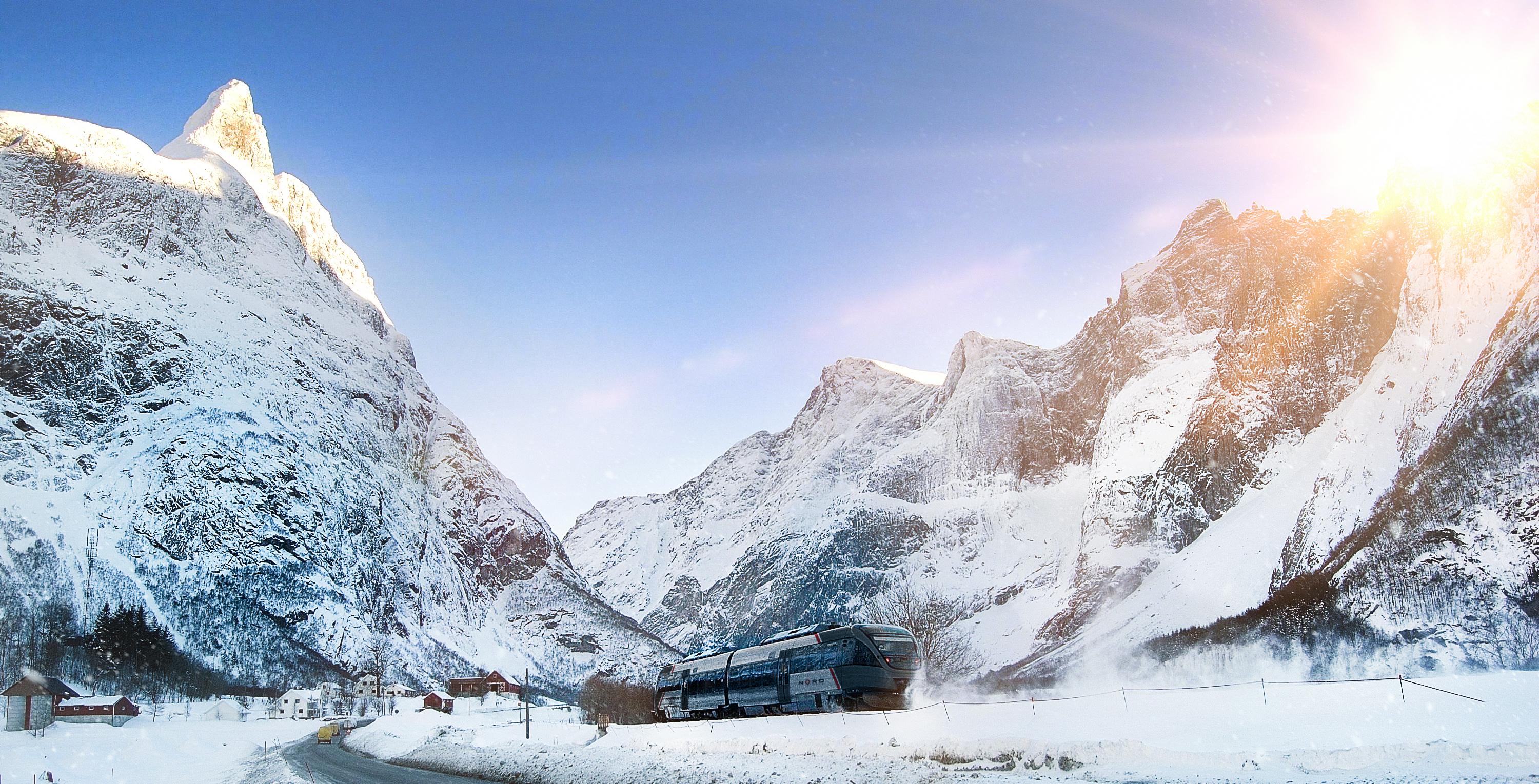 SJ NordSJ NORD - the adventure starts on the train
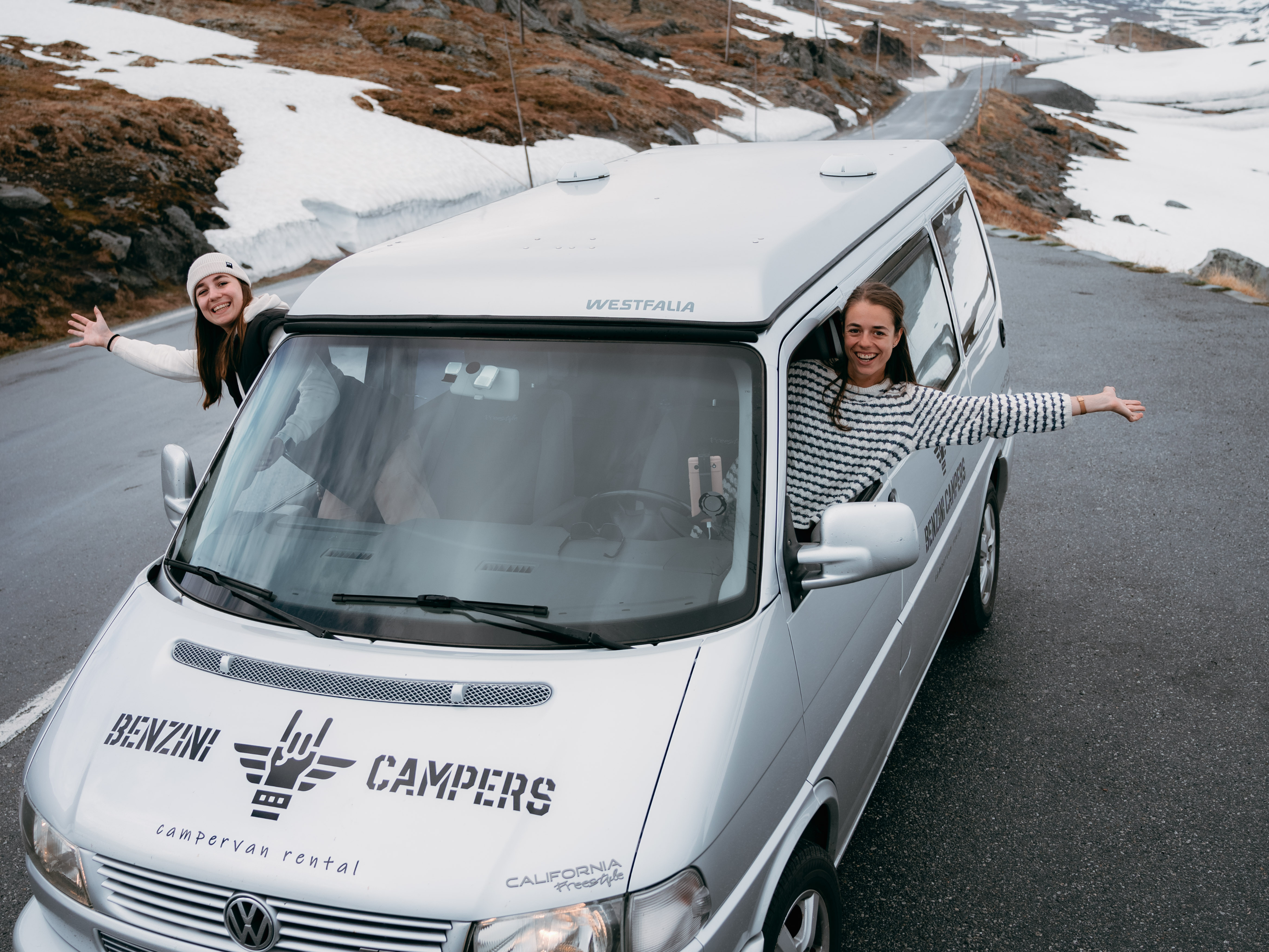 Benzini CampersThe adventure of your life starts here. Book a campervan with Benzini Campers now.
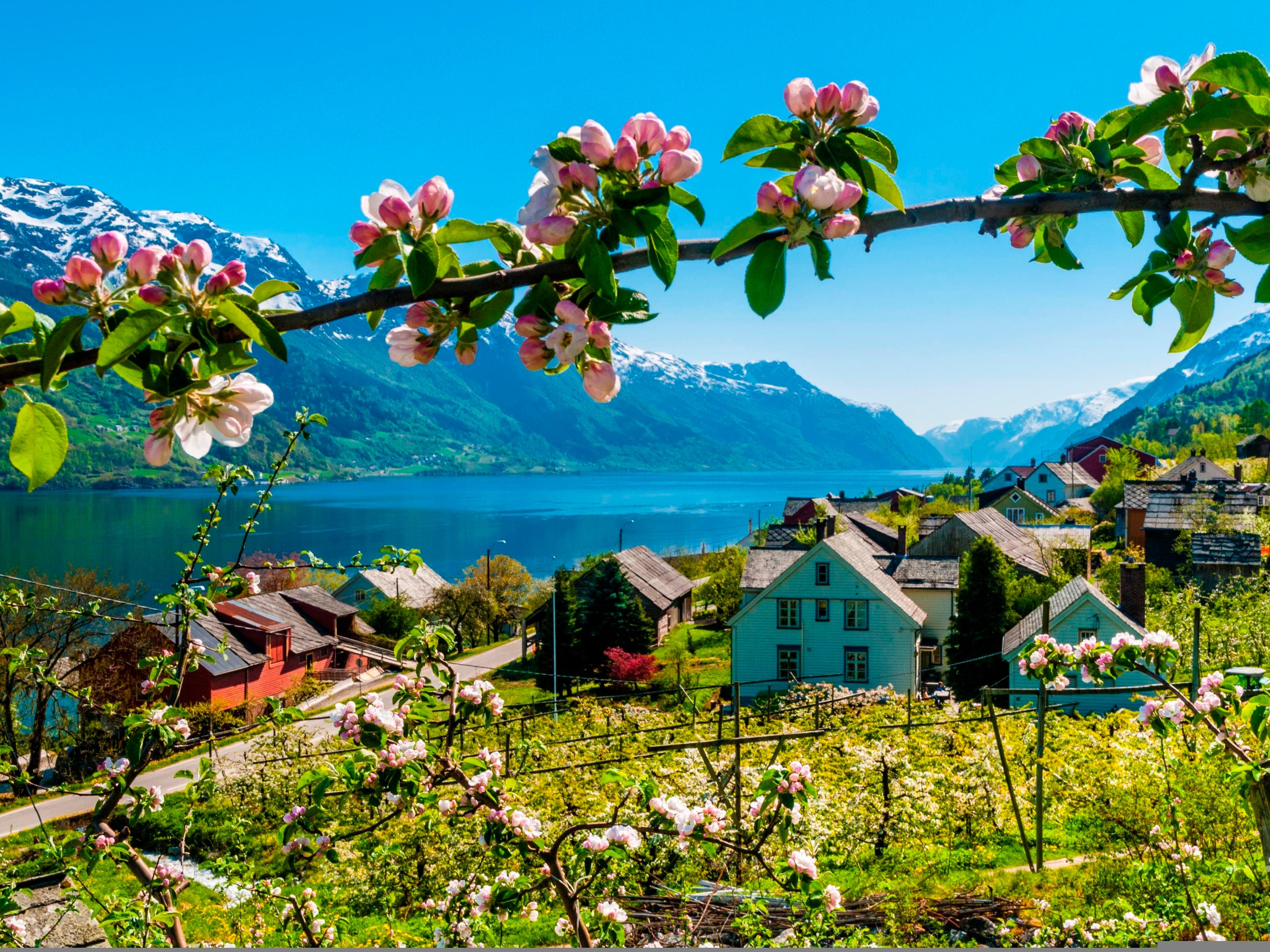 Authentic ScandinaviaTravel curated by locals. Our tailormade tours suit every type of traveller and budget.
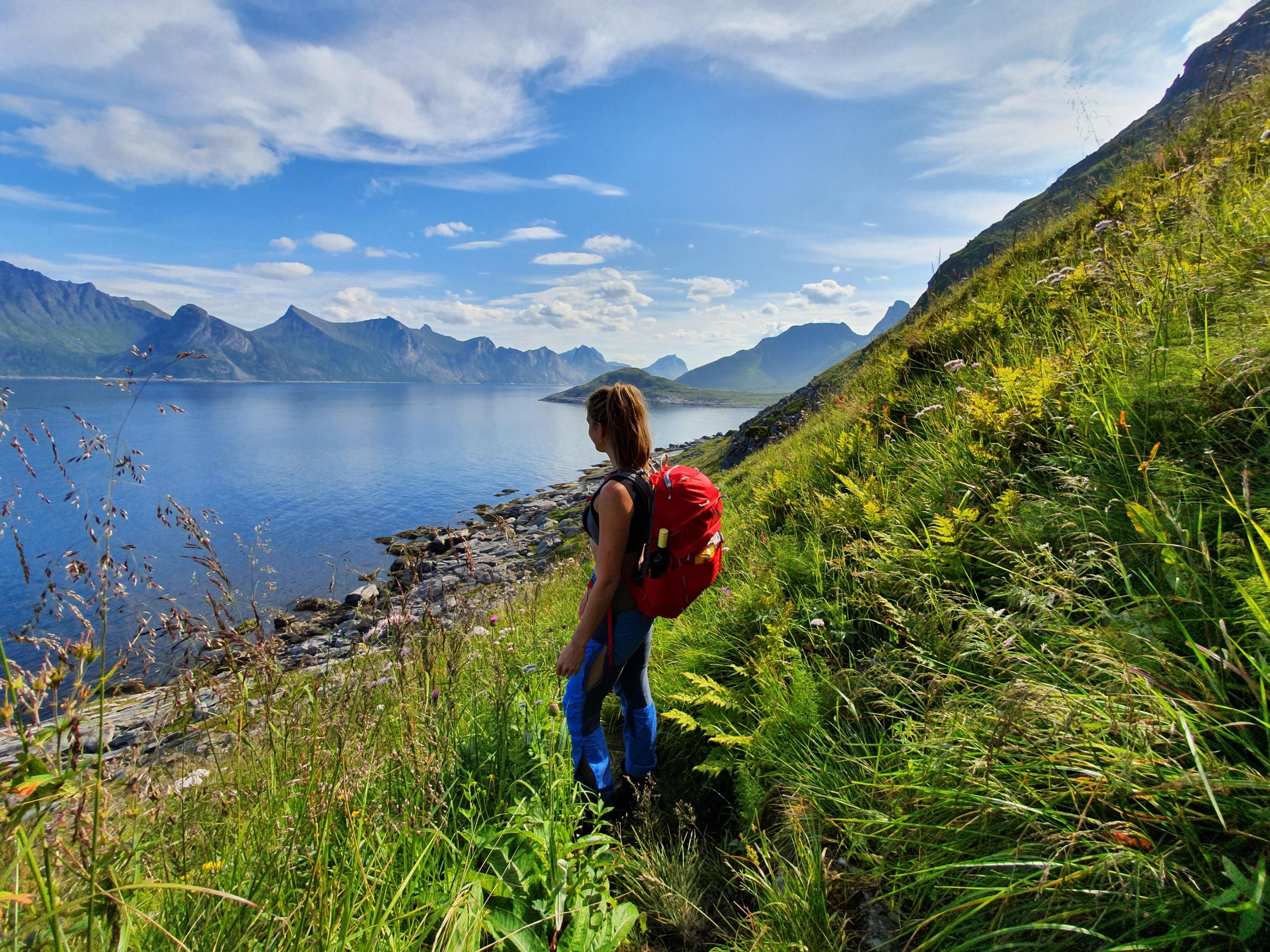 CampioNorway's biggest camping booking site. Find the best camping and motorhome pitches throughout Norway.
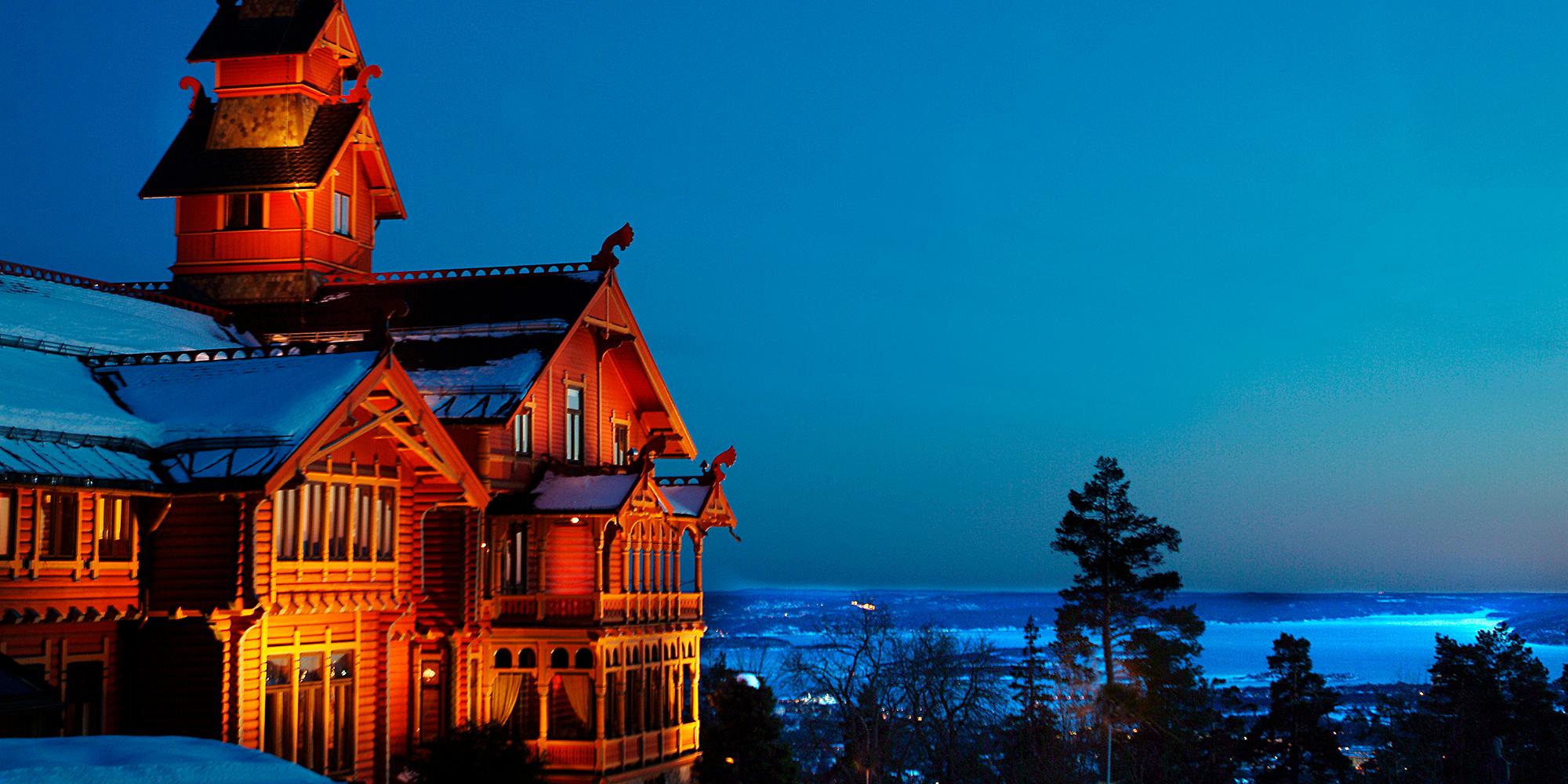 Scandic HotelsExperience Nordic hotel hospitality at its finest at more than 90 hotels across Norway. Special offers are available.
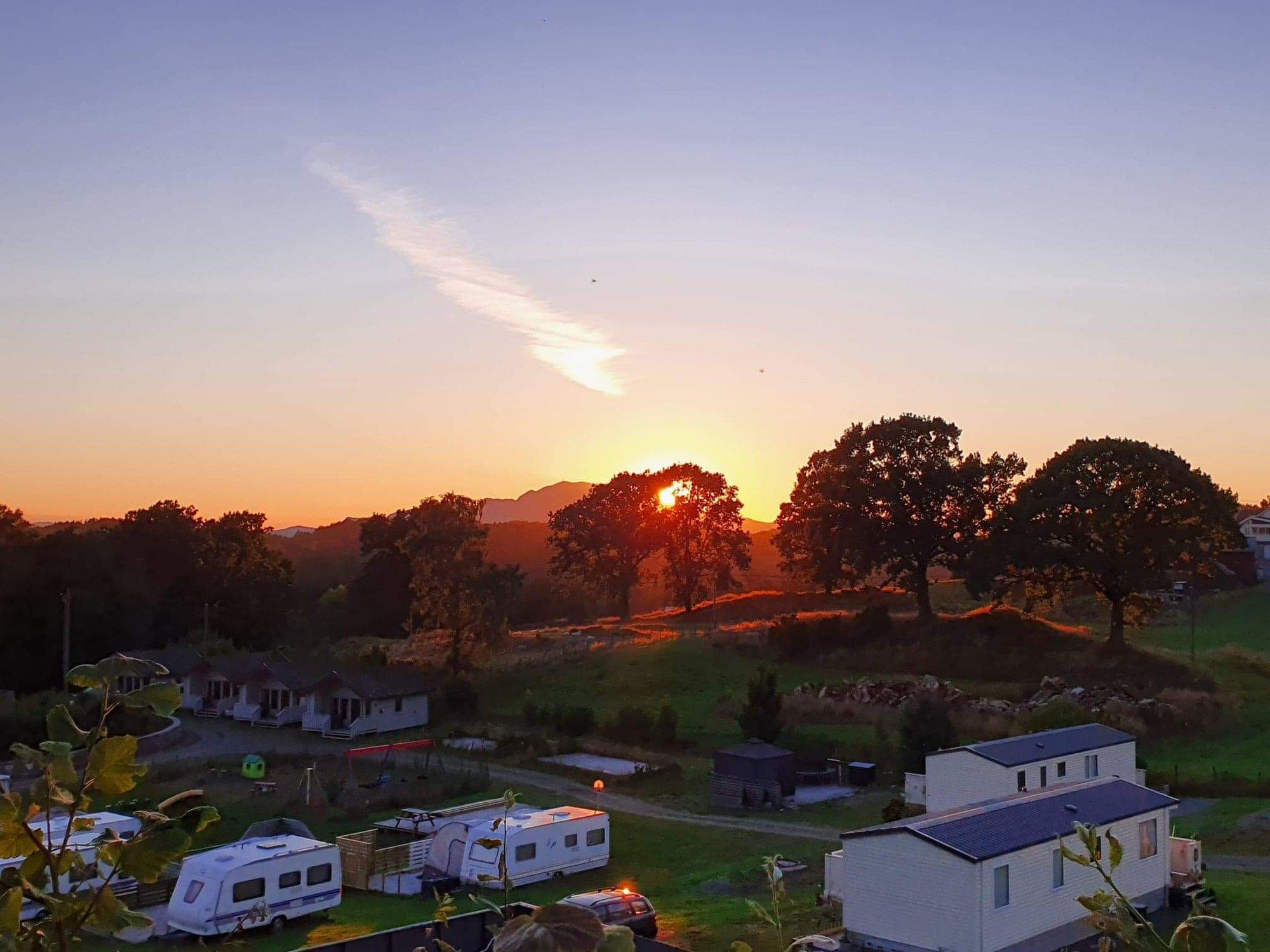 CampcationBook a camping stay in stunning and unique locations all across Norway with Campcation.
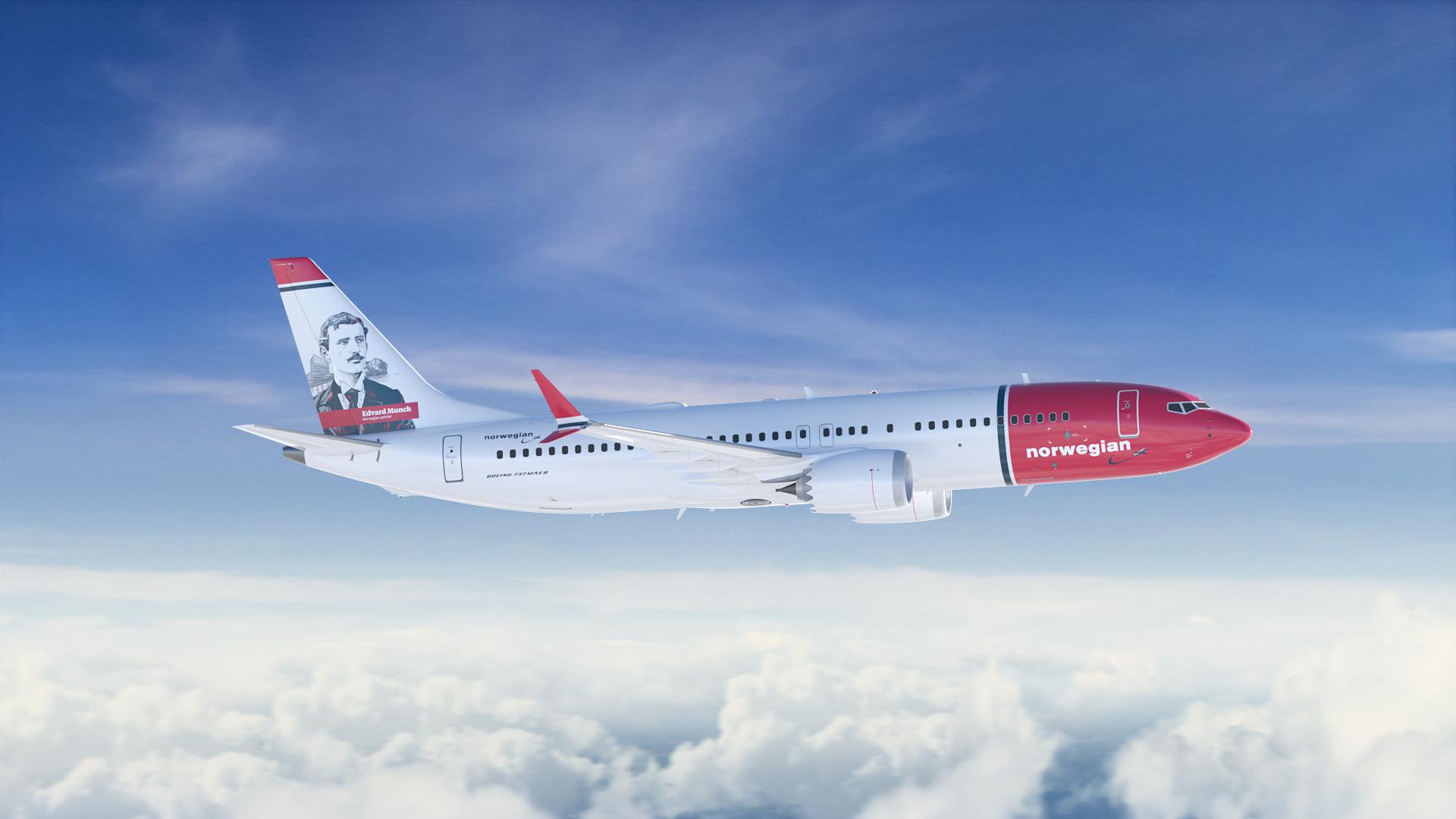 NorwegianNorwegian offers cheap flights in Norway and direct flights from more than 70 European destinations. Book flights through our low fare calendar to your destinations.