On wheels in winter
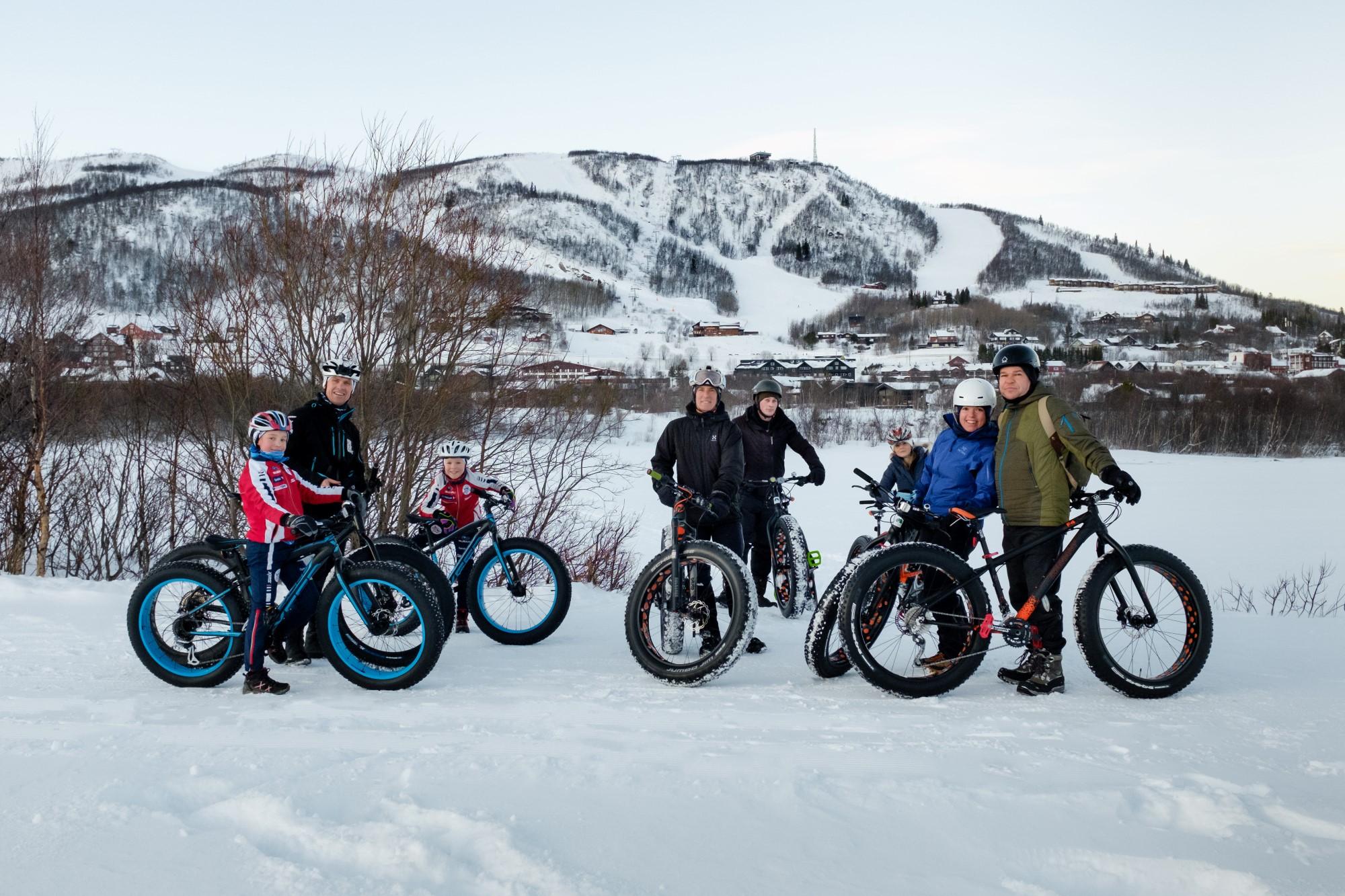
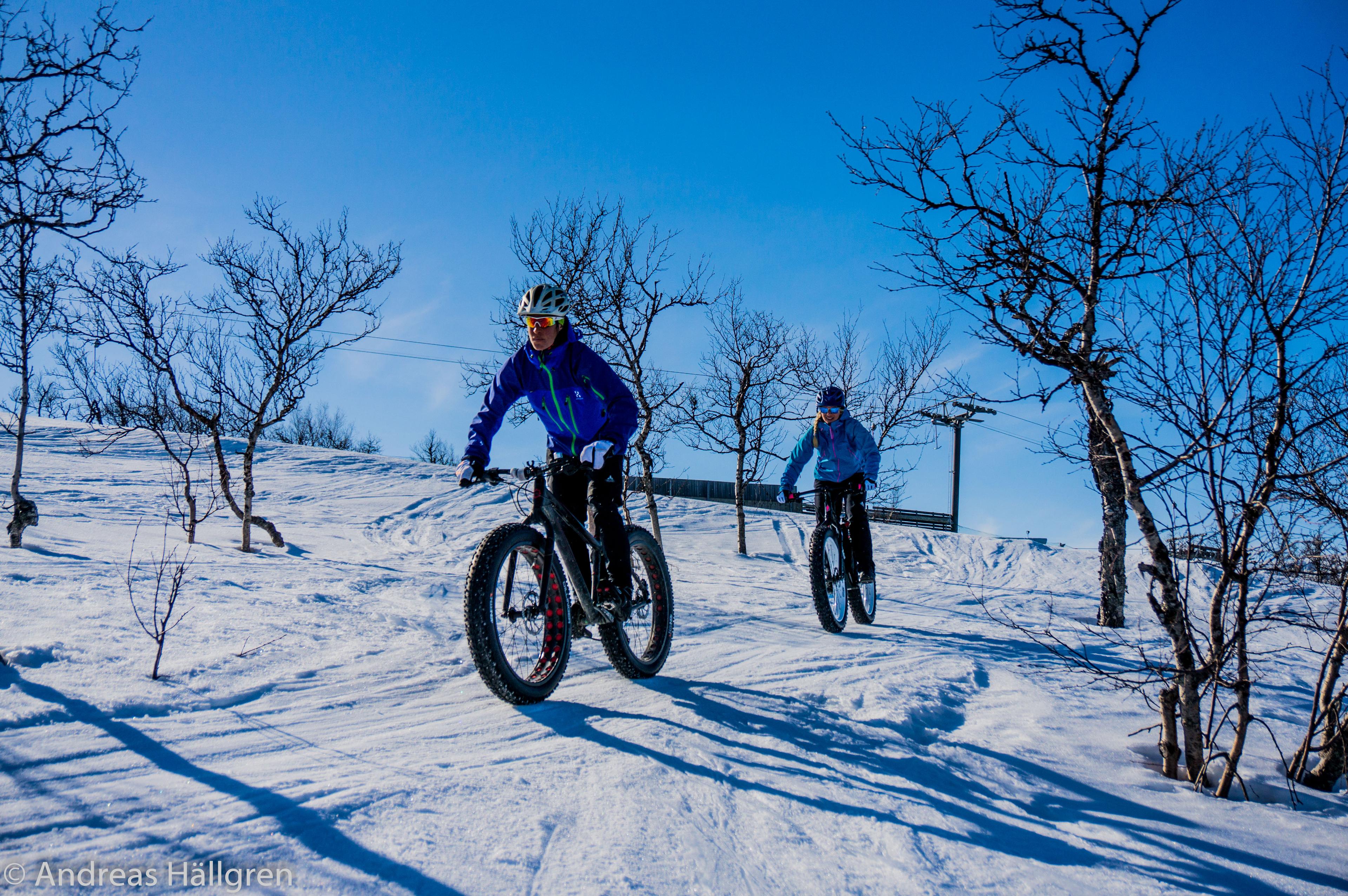
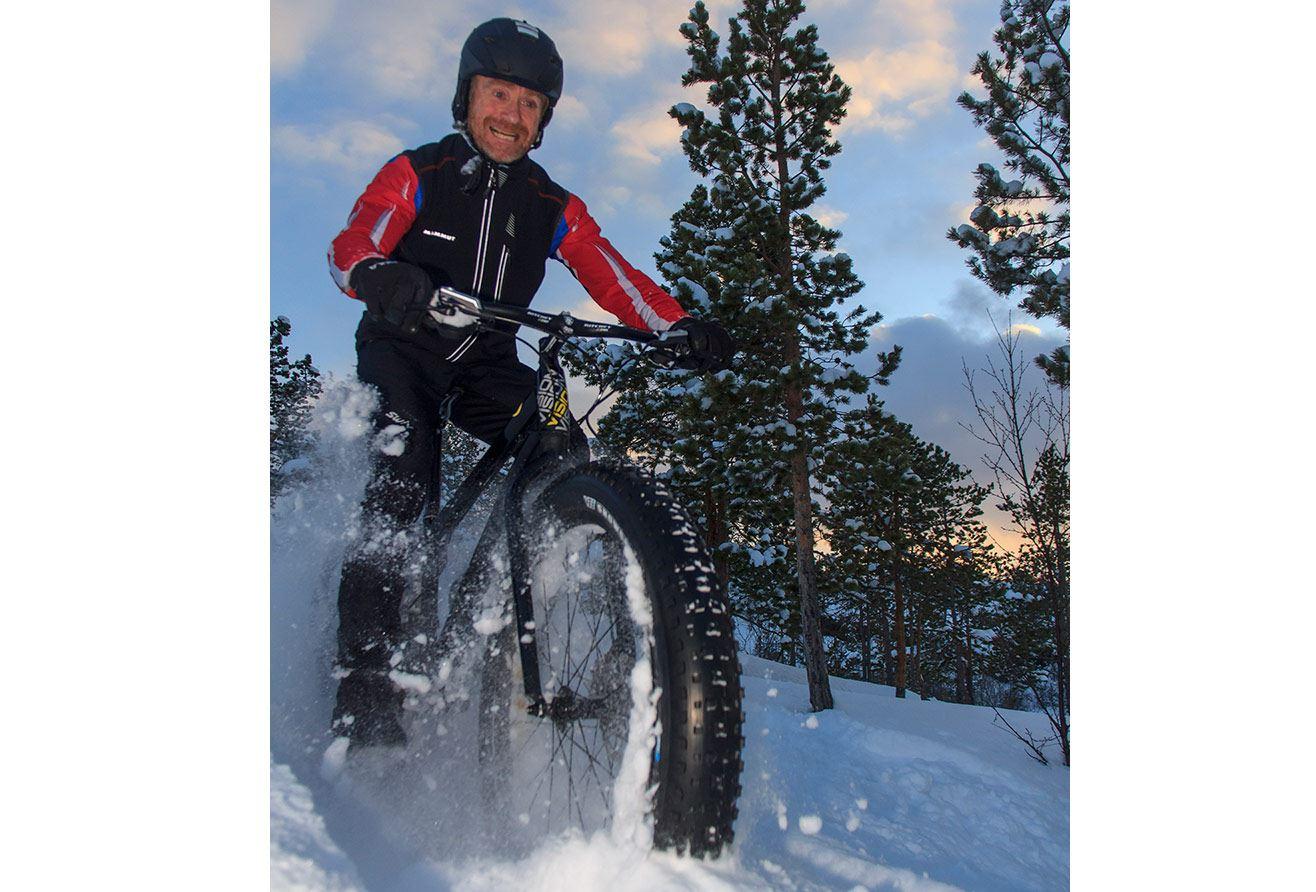
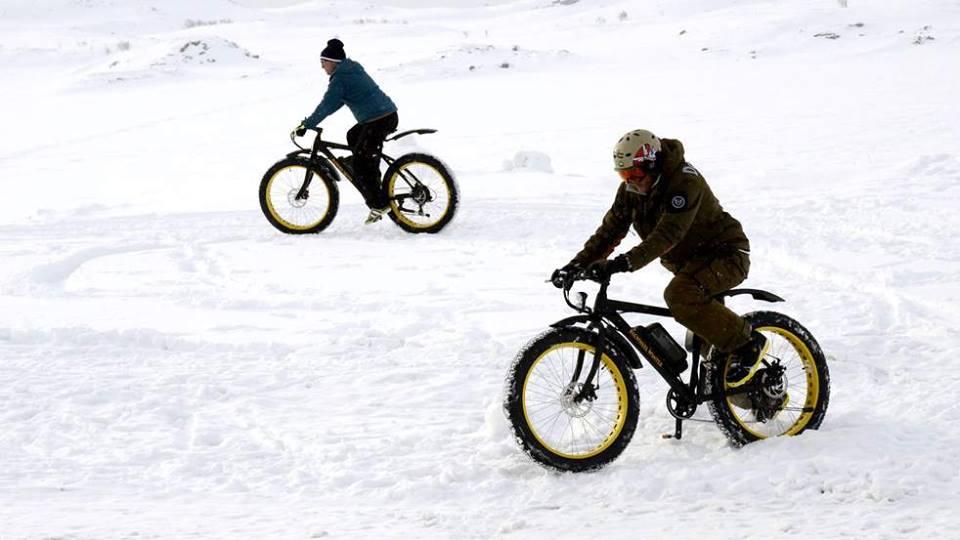
Fatbikes are made to give you a fun ride on snow and ice. The name refers to the bike's large wheels, which make it possible to bike in the winter landscape.
“I would say the main difference between cycling on a fatbike and a regular bicycle is the ground you're riding on. The weather and snow conditions can change from day to day, making the ride feel different each time! If you're cycling on solid ice, you can usually go fast and it's more similar to 'normal' biking. Heavy snow makes you go slower, and might give you more resistance,” says Nina Gässler, fatbike guide for Geilo Aktiv and founder of the Fat Viking fatbiking race.
When fatbiking on ice, it's common to use snow tires.
Tips for beginners
Fatbiking can be challenging, especially when riding uphill. As a beginner, a good way to start is therefore to practice in a flat landscape.
"My biggest tips for beginners would be to cycle in a low gear. Low gears will make the wheels spin more easily and maintain a more stable speed. Once the wheels are spinning, it's easy to ride the bike," says Nina.
Always remember to wear warm clothes, a helmet, and goggles when fatbiking!
"It's a winter activity. Put on warm, flexible clothes, like you would use for cross country skiing, and an extra layer on your upper body," says Nina.
When you're fatbiking, remember to be aware of other people in the area. Using cross country trails for fatbiking is frowned upon if the bike leaves deep ruts in the trail.
Guided fatbike tours
When you're new to fatbiking, it's always a good idea to go with a guide. They are experts on the area and will find the perfect trail for you. Tours can often be tailored to your skill level.
PS: Many guided tours also include facts and stories about the local nature and culture!