Norwegians are among the world’s biggest coffee drinkers. But over the past two decades, the country’s coffee culture has evolved far beyond simple filter coffee.
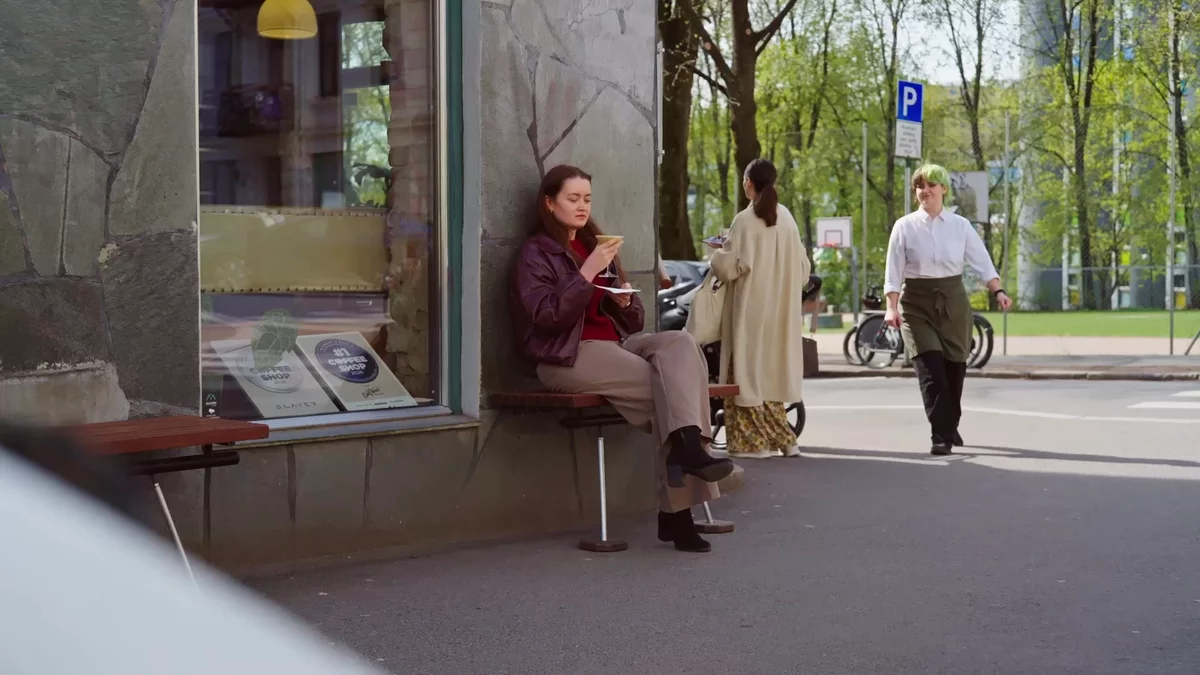
Crazy about coffee!
How coffee became a part of Norwegian identity
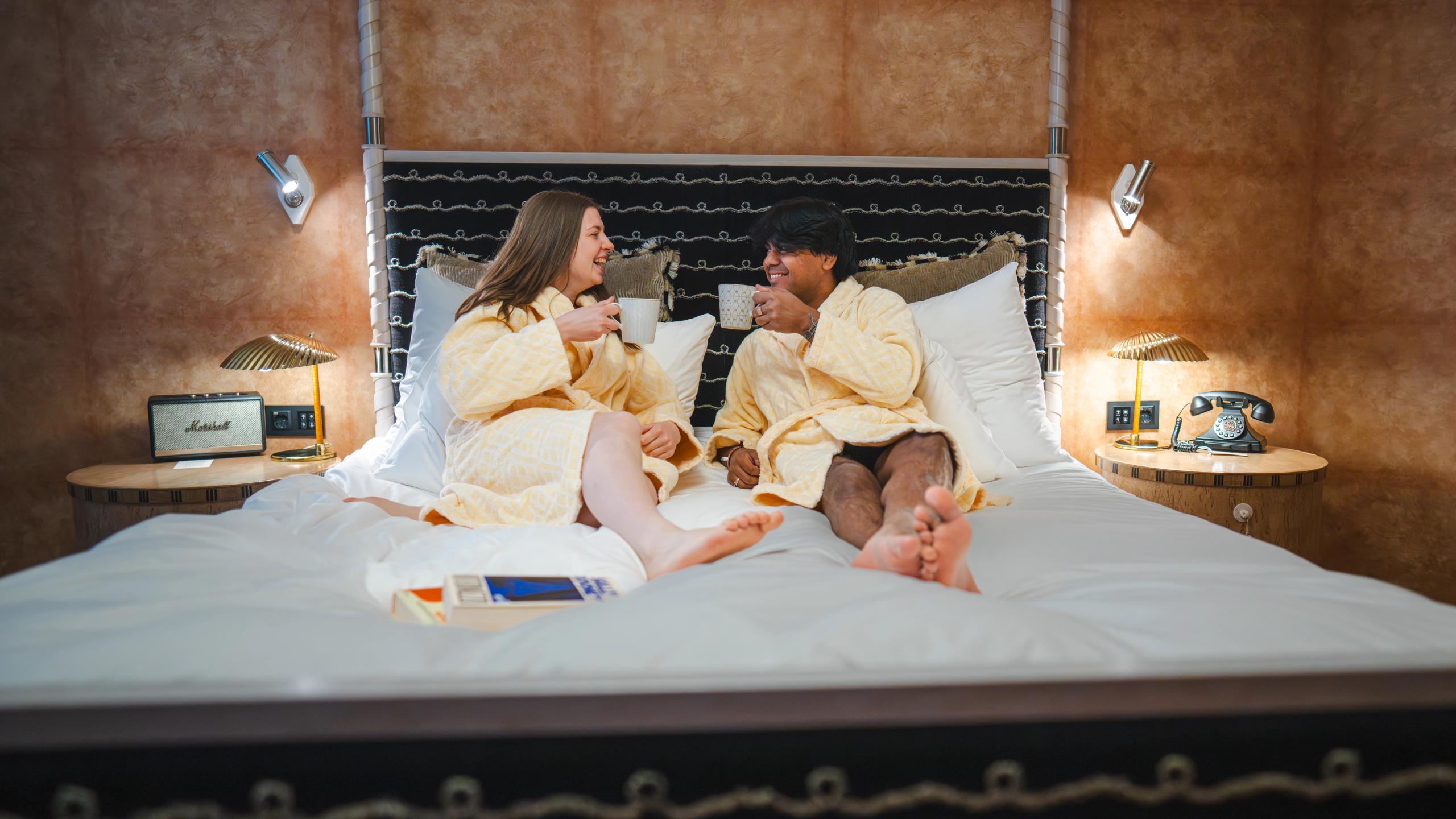
Morgenkaffe = morning coffee.
Kaffepause = coffee break.
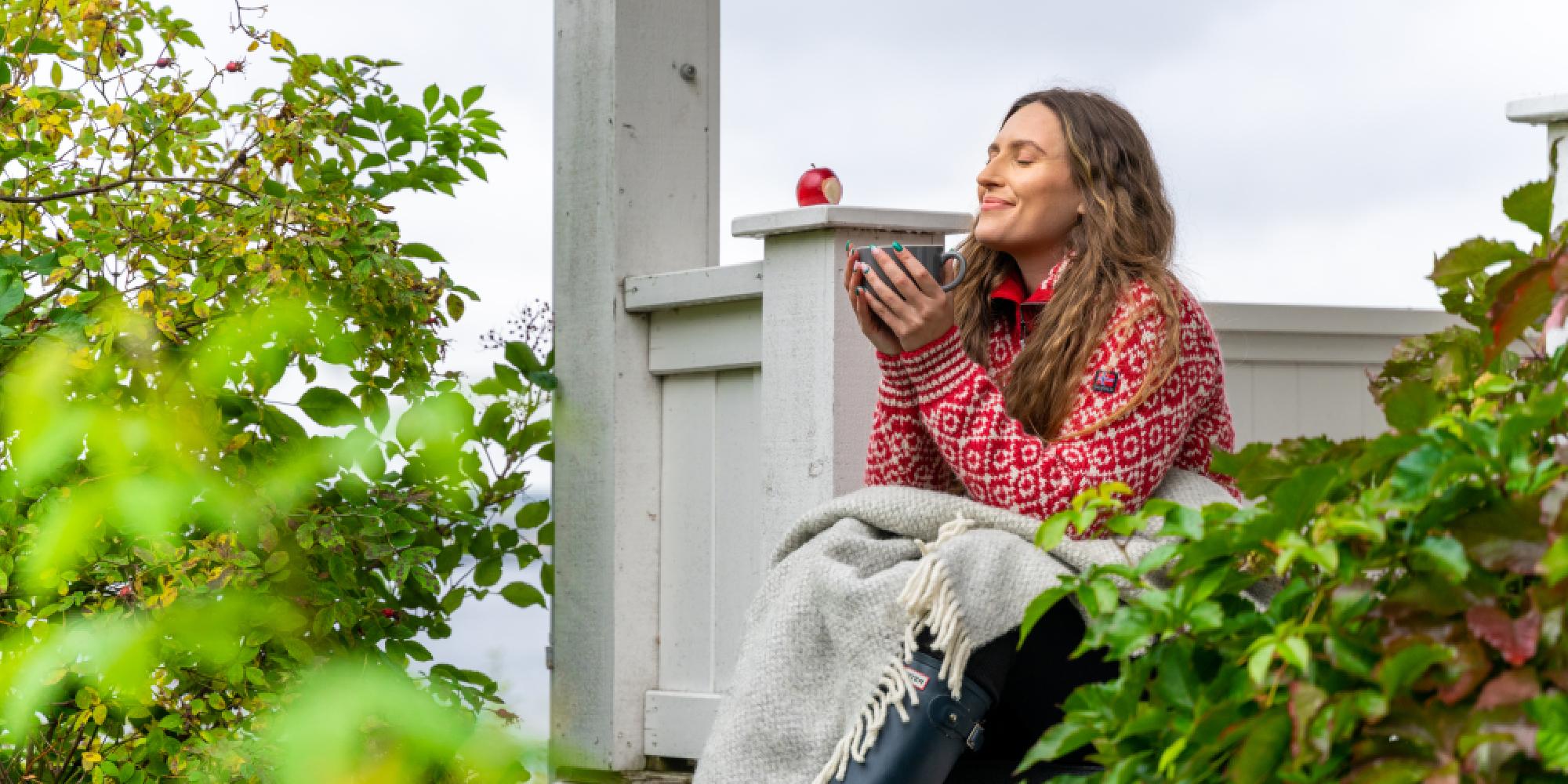
Kaffekos = cosy coffee time.
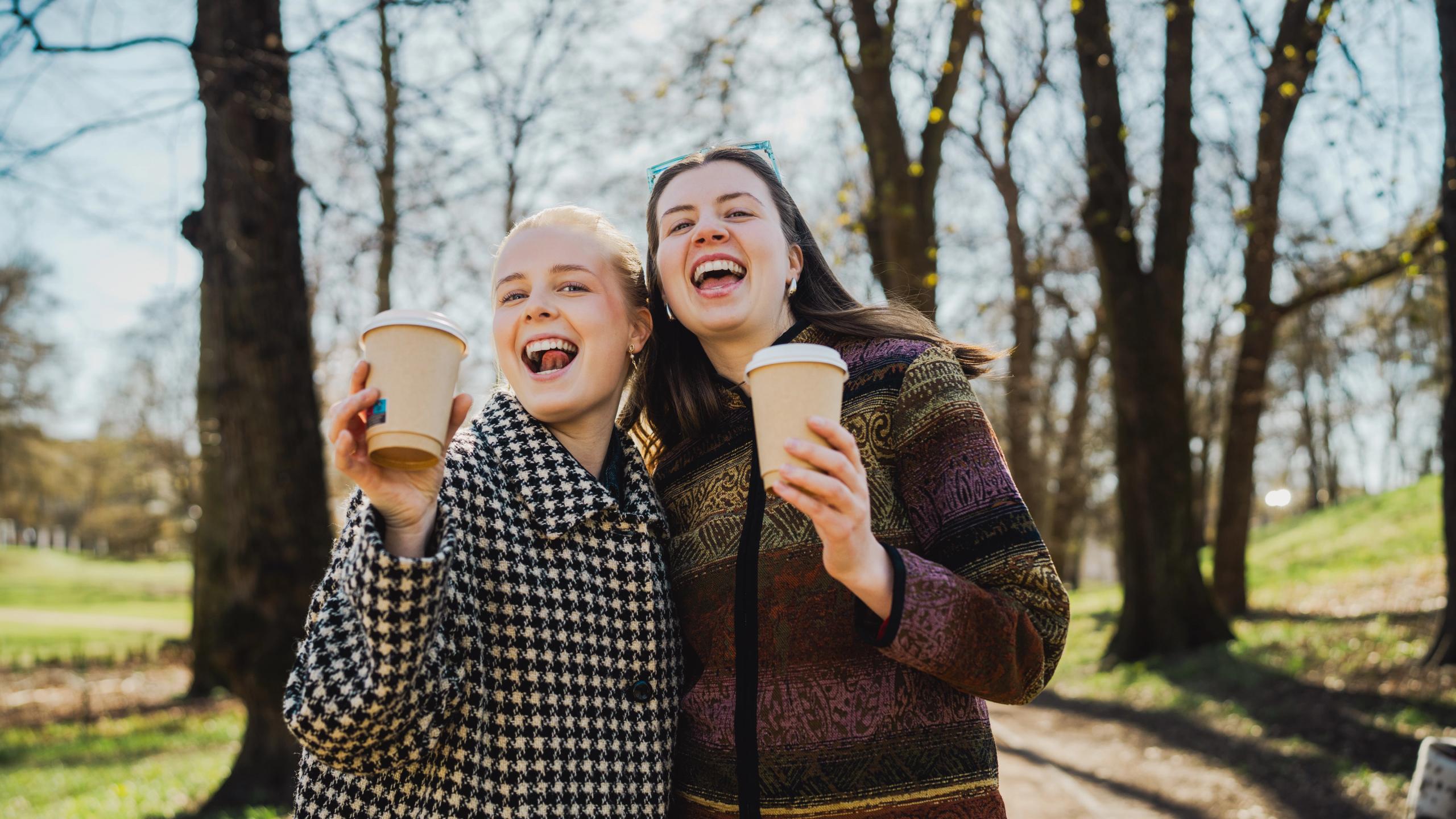
In Norway, there's always an excuse for coffee.
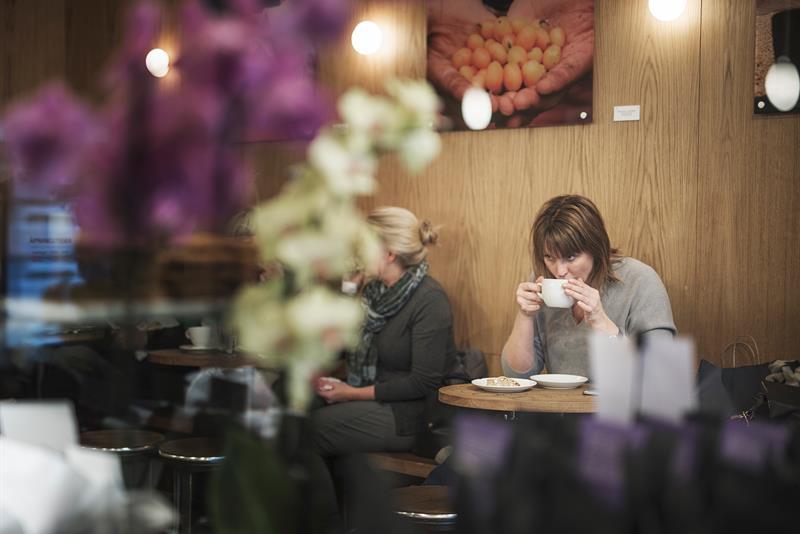
Coffee is everywhere in Norway.
It is poured before meetings begin, shared across kitchen tables and served almost automatically when guests arrive. The phrase shall we grab a coffee? often means much more than coffee itself.
It means: let’s talk.
"It's almost culturally defining," says Bjørn Grydeland from Norsk Kaffeinformasjon, the Norwegian Coffee Association.
"It reflects values that are deeply connected to Norwegian identity."
Coffee is the country's default way of meeting. Informal, accessible and low-threshold.
"Coffee is neutral," says Grydeland. "You don’t need alcohol, food or a special occasion."
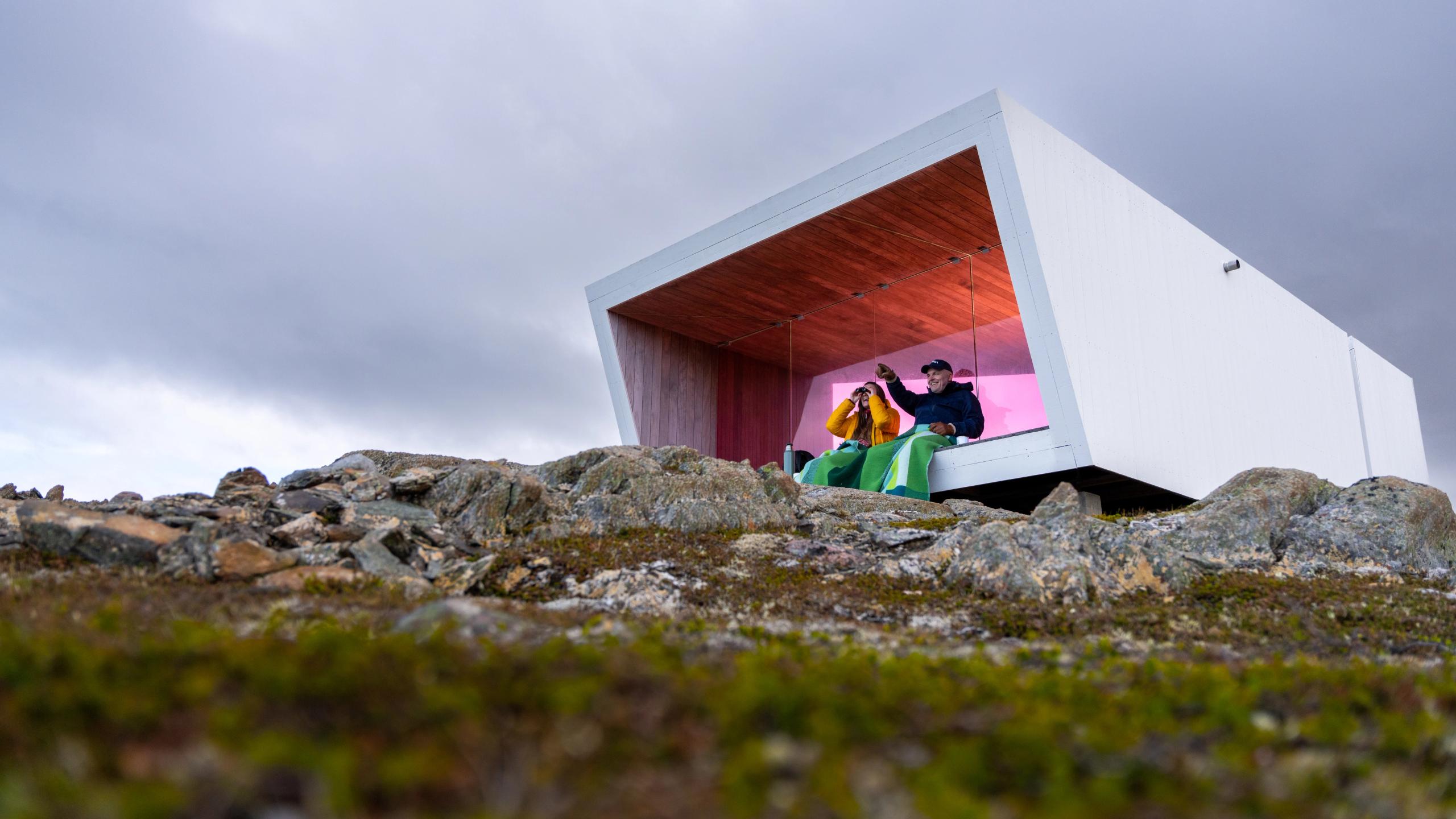
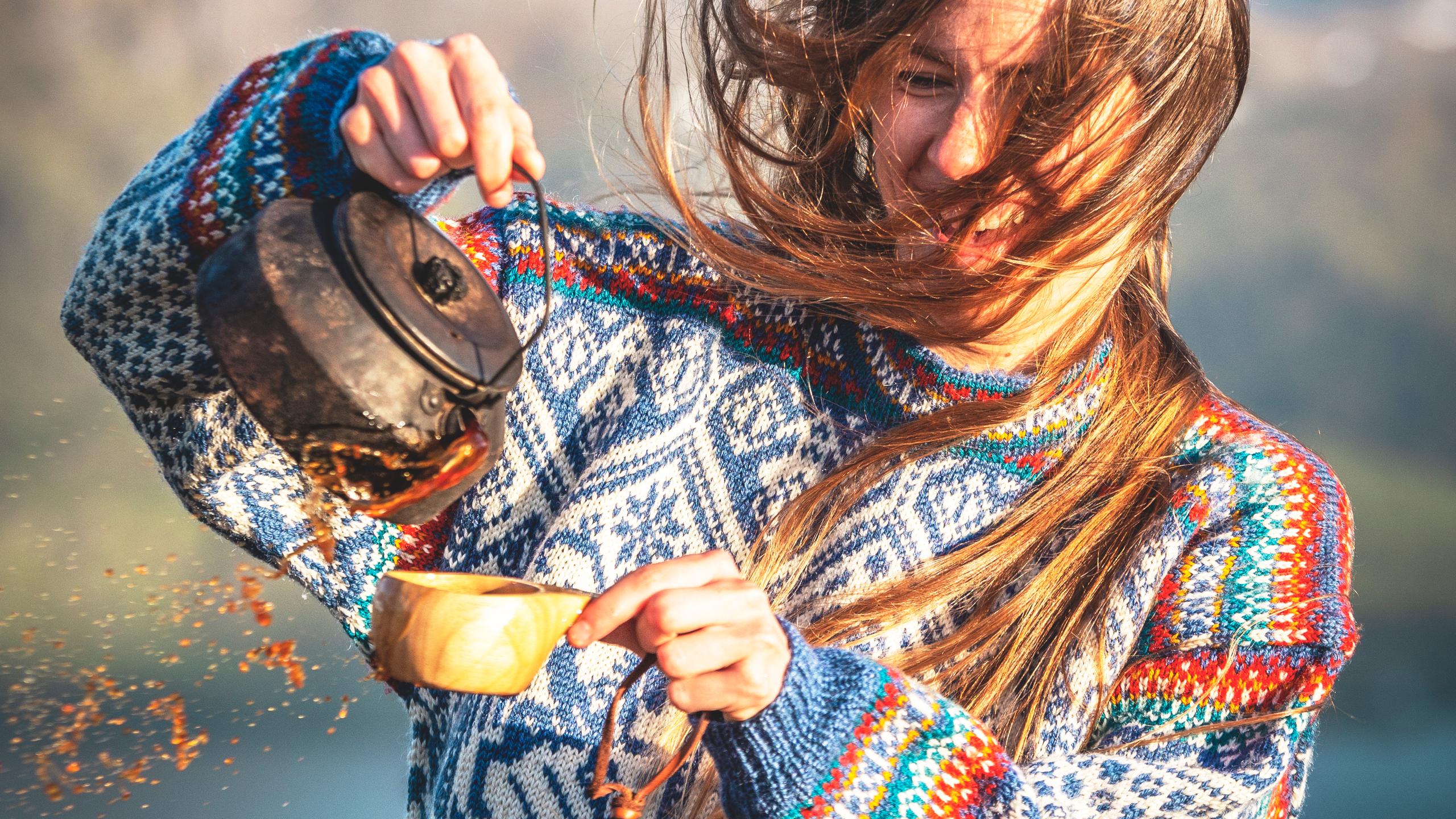
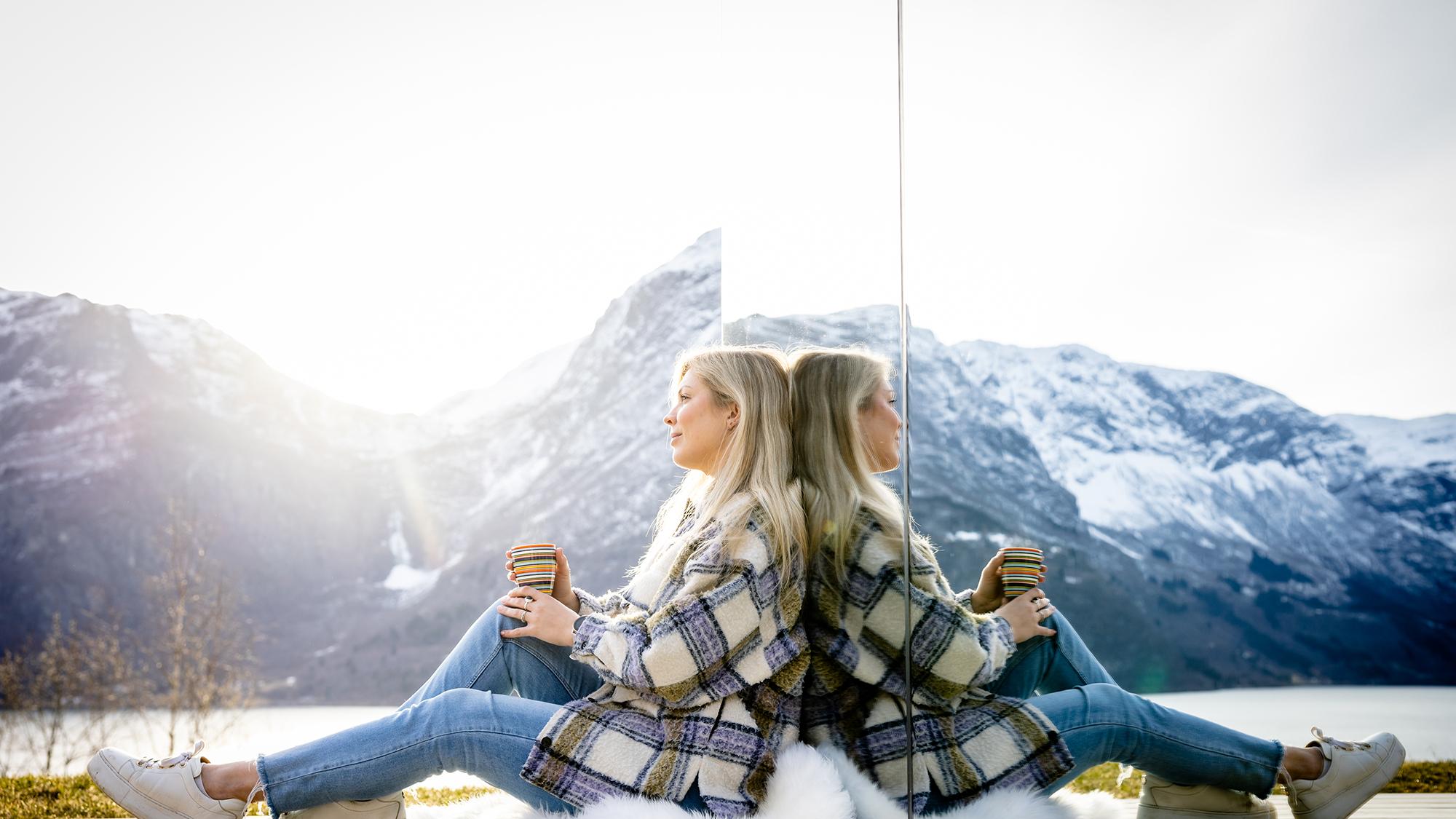
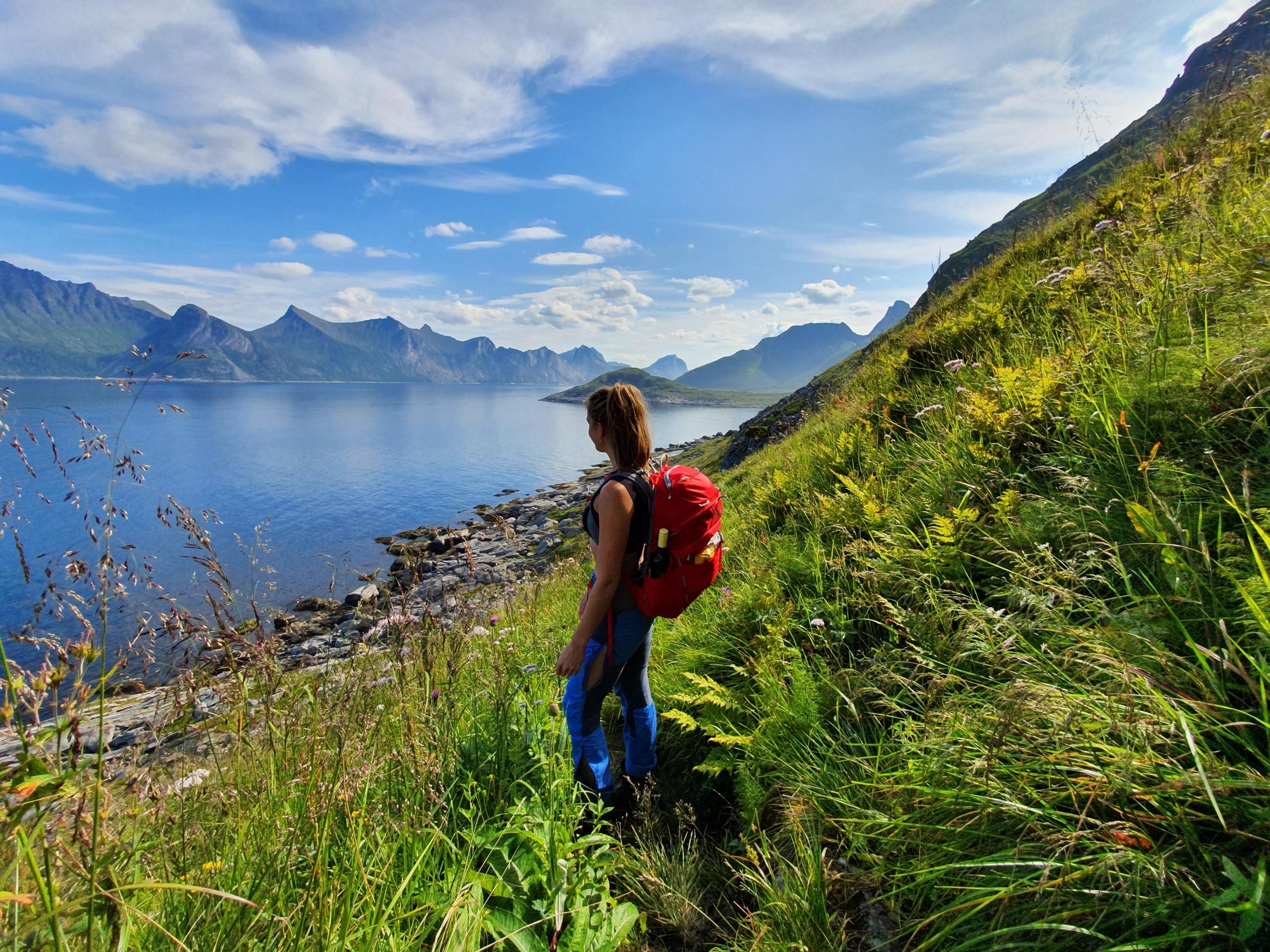
Enjoying the view? There's always coffee in the thermos.
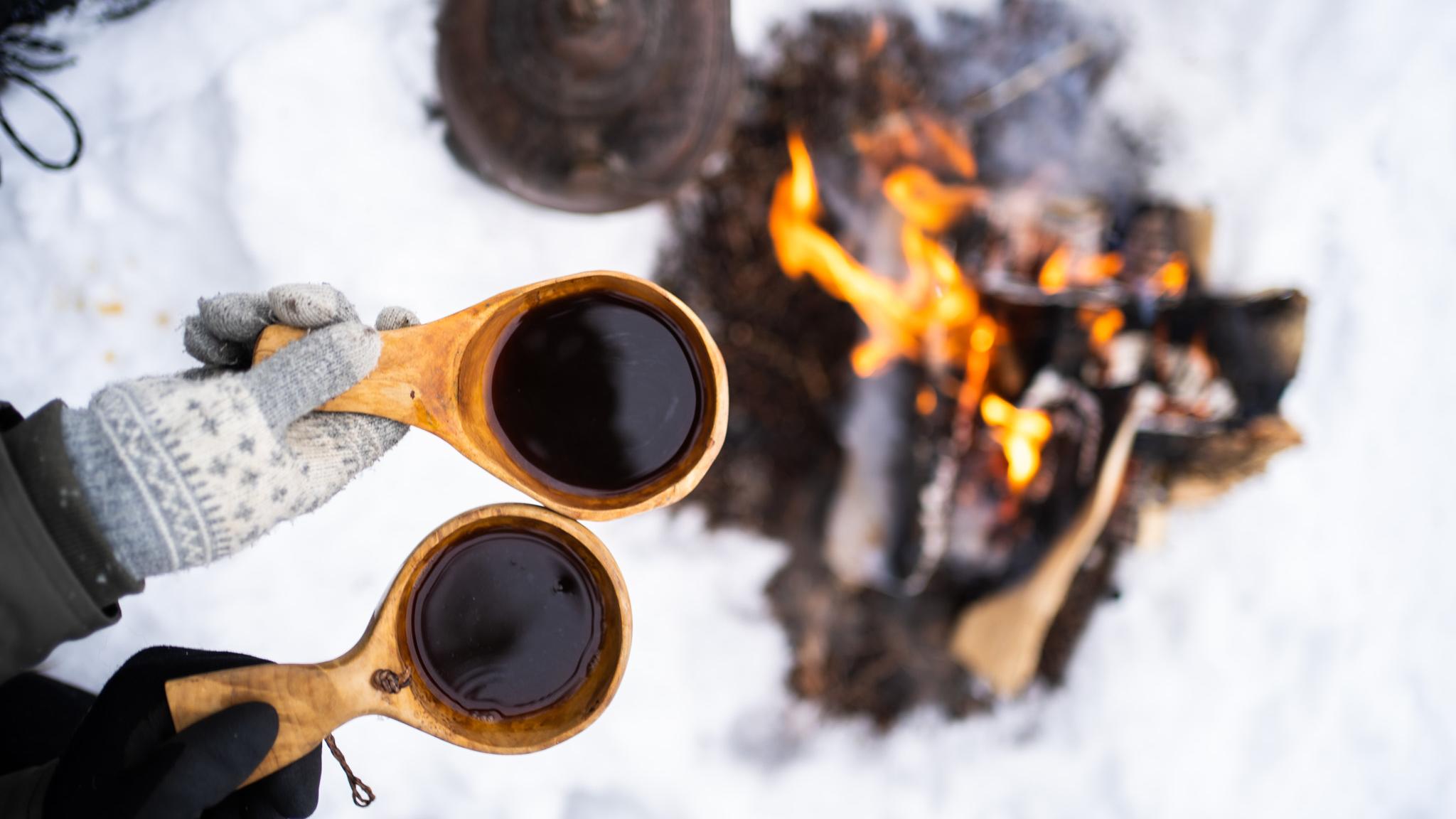
Turkaffe = hiking coffee, the perfect beverage for a break!
Norwegians even have a special hiking cup called a snyltekopp or 'leeching cup', because you never know when someone will offer you coffee!
A national drink
Norway's relationship with coffee stretches back hundreds of years.
At first, coffee was reserved for the wealthy. But during the 1800s, as alcohol became a growing social problem, coffee increasingly emerged as a sober alternative.
Coffee gradually became part of everyday Norwegian culture and a new way of gathering around the table.
Eventually, it became a national drink.
Today, Norway remains among the world’s biggest coffee-consuming countries – often second only to Finland in per capita consumption.
And despite changing habits and younger generations drinking slightly less coffee than before, coffee still holds an unusually strong position in Norwegian life.
According to the Norwegian Coffee Association, two out of three Norwegians drink coffee every day.
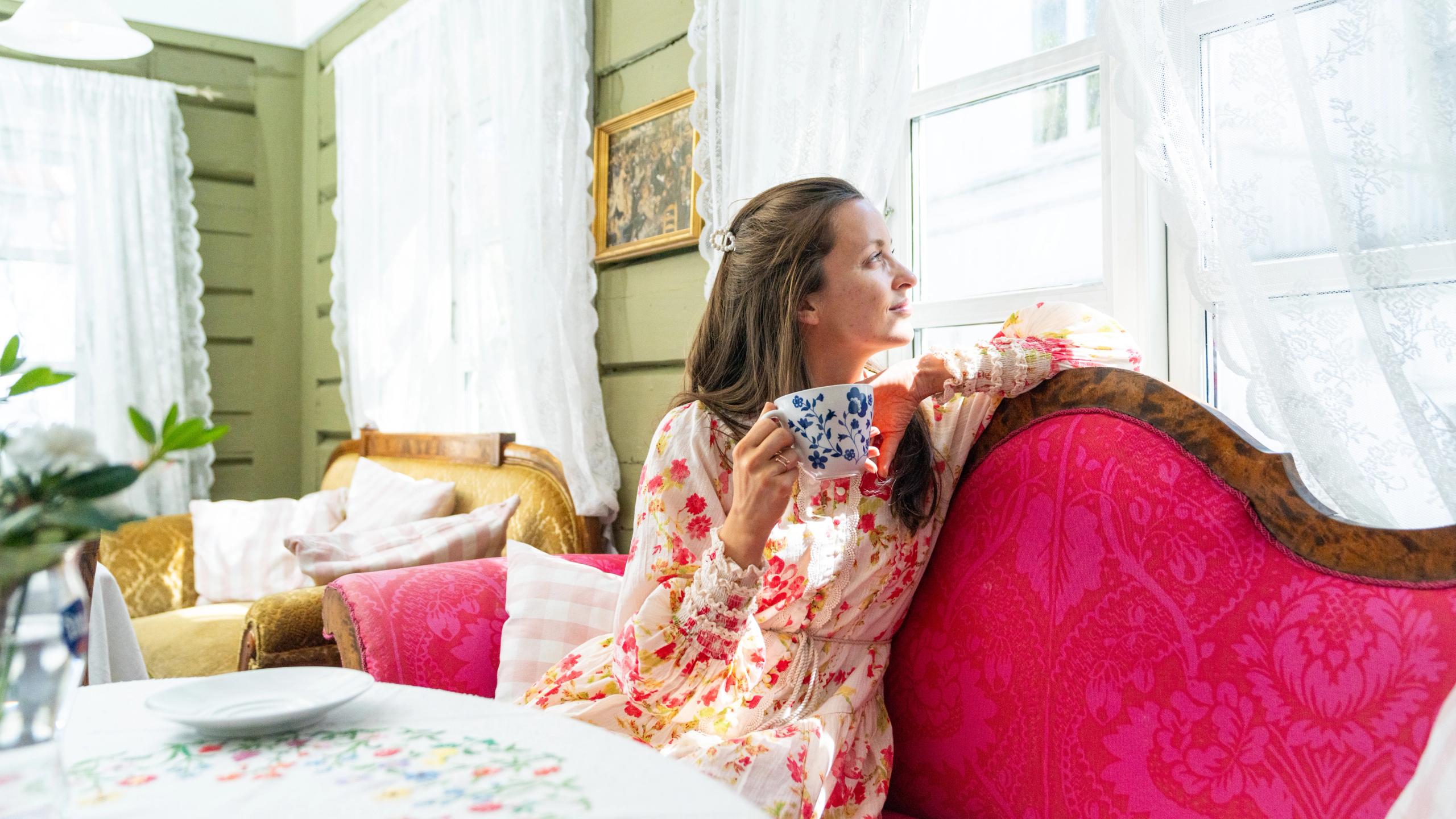
According to statistics, morning coffee is the most important coffee of all.
More than caffeine
According to Grydeland, coffee in Norway has never really been about luxury.
It is about accessibility.
"Coffee is low-threshold," he says. "You don't need a special occasion. It's an easy way for Norwegians to spend time together."
In many ways, coffee perfectly fits Norwegian culture: practical, informal and quietly social.
It softens awkwardness. Creates pauses. Gives people a reason to sit down together without making a big deal out of it.
That may also explain why coffee culture cuts so broadly across Norwegian society.
Everyone drinks coffee.
Or at least almost everyone.
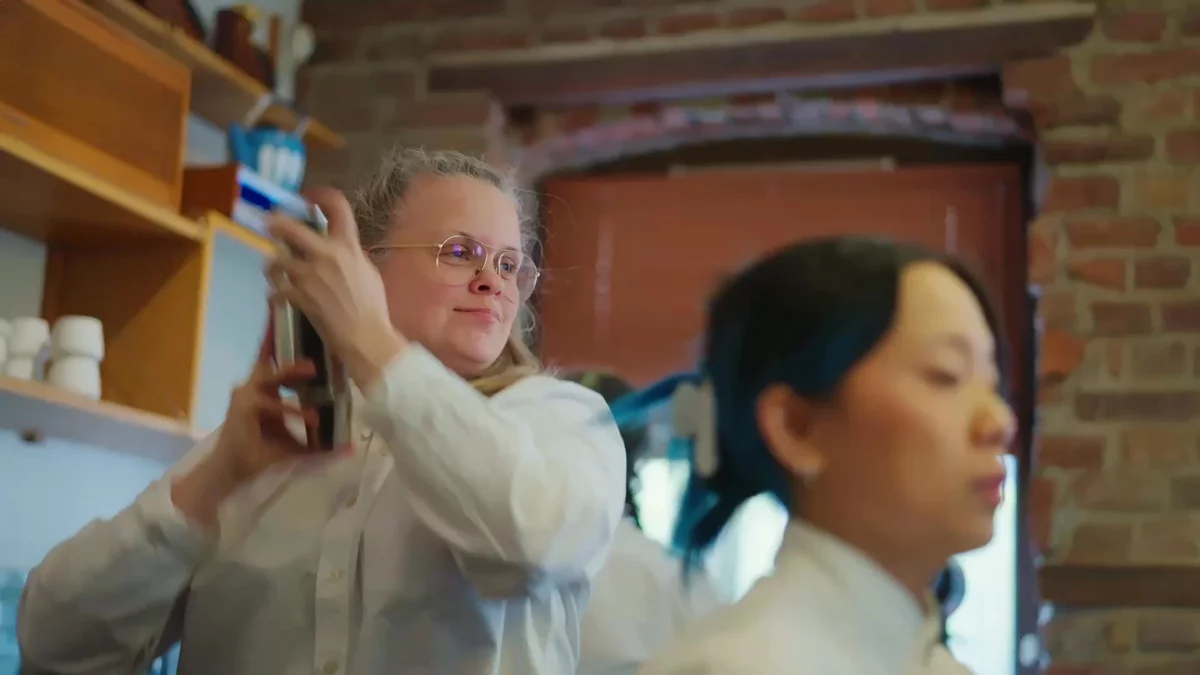
Even fancy Italian-style iced coffees have found their place in Norwegian coffee culture.
At one of the world’s best espresso bars, Tim Wendelboe in Oslo, the Cappuccino al Freddo has become a signature drink.
From boiled coffee to world champions
For decades, Norwegian coffee culture revolved around strong filter coffee and simple routines.
Then something changed.
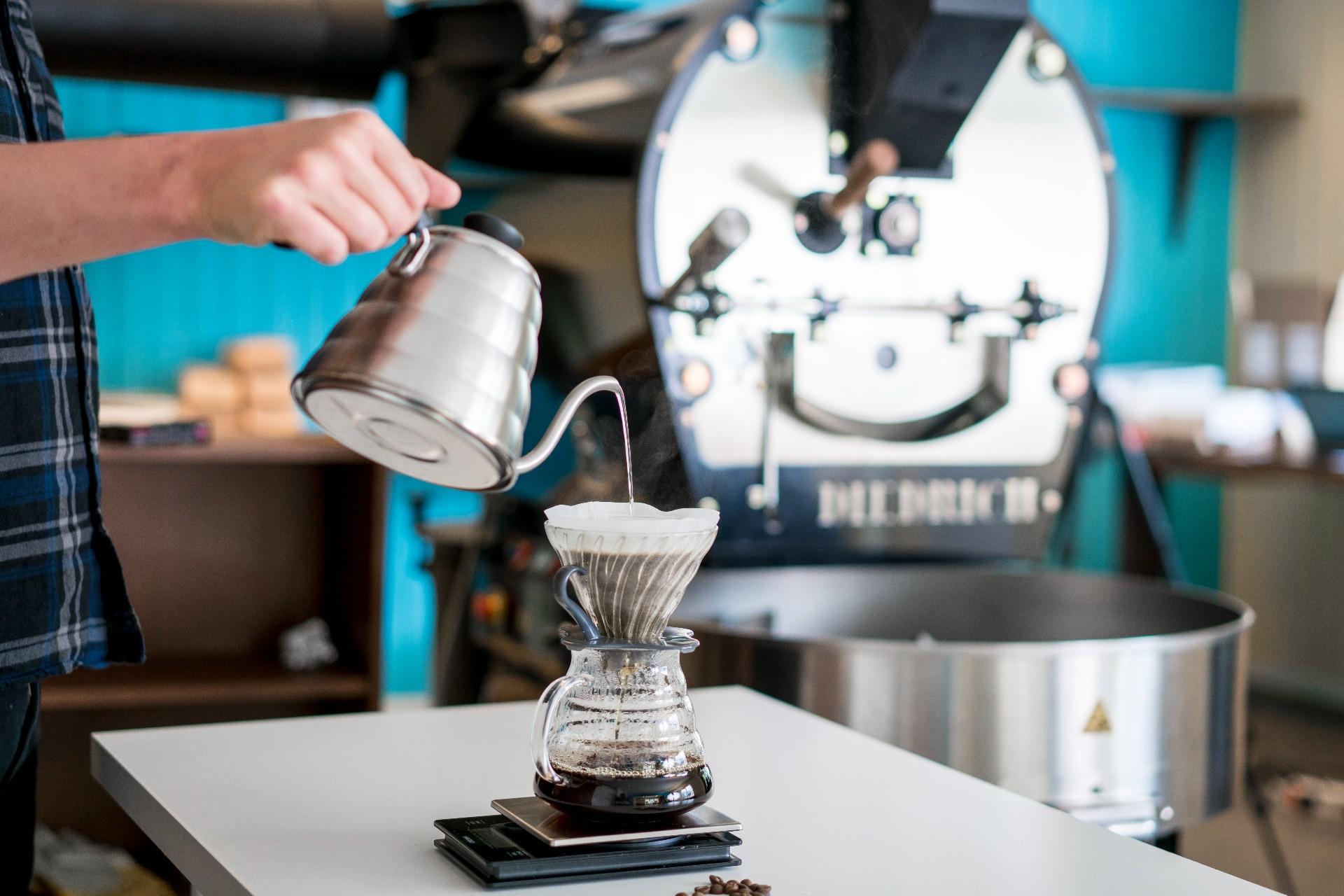
Around the late 1990s and early 2000s, specialty coffee began reshaping how Norwegians thought about coffee entirely. Suddenly, people cared about where the beans came from, how they were roasted and what coffee could actually taste like.
Norway also started producing world champions.
Baristas, brewers and roasters from Norway repeatedly placed at the very top of international competitions, helping establish the country as one of the world’s most respected specialty coffee nations.
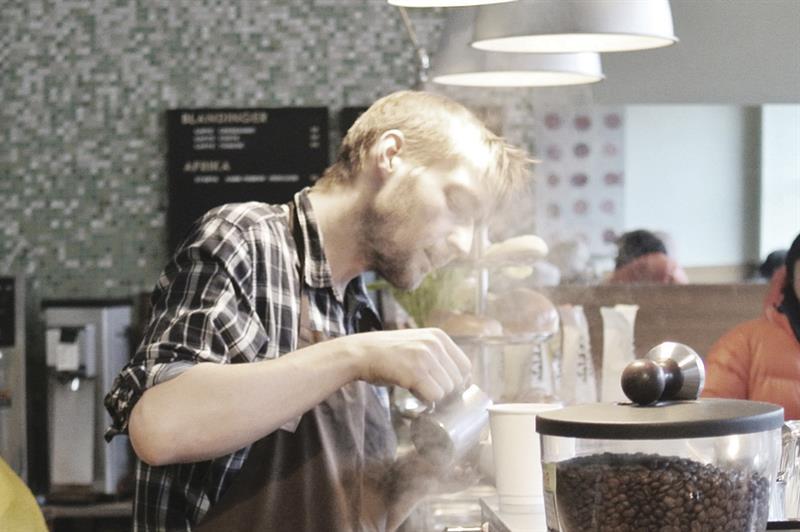
Among the best known is Tim Wendelboe, who won the World Barista Championship in 2004 and later became one of the defining figures of the Nordic light roast movement through his Tim Wendelboe Café and Roaster in Grünerløkka in Oslo.
Where coffee was once blended and anonymous, it gradually became more transparent and expressive.
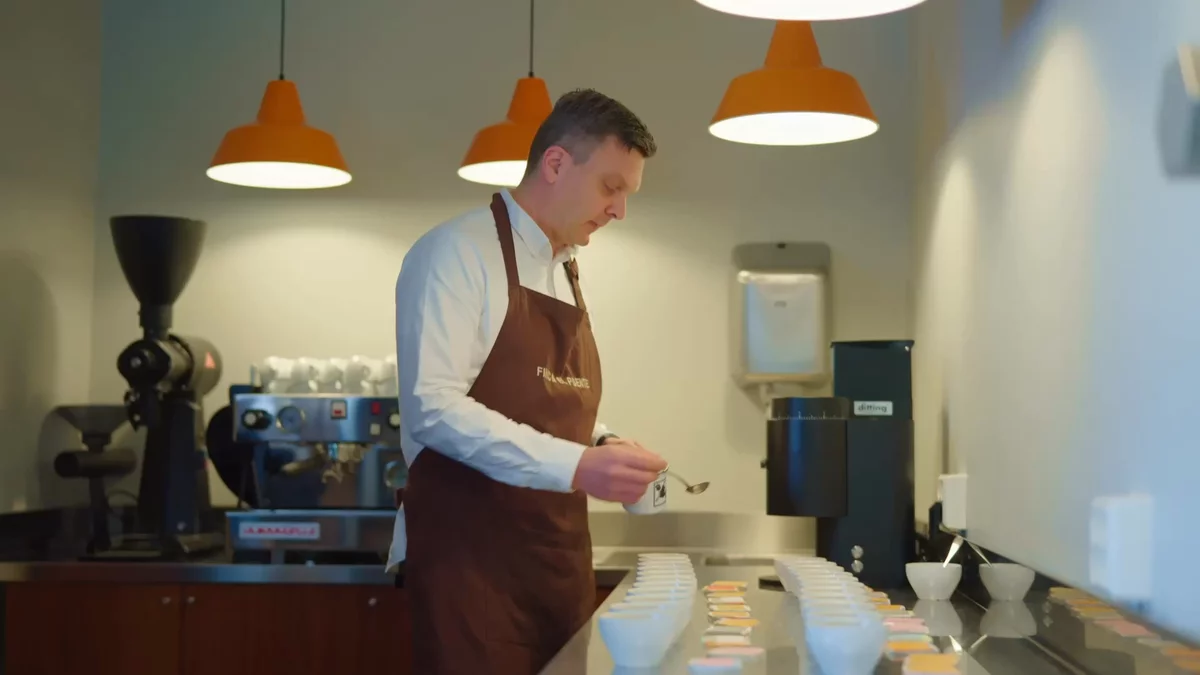
“Before, people wanted low acidity and strong coffee. Now, many prefers something more fruity and fresh”
Tim Wendelboe
World Barista Champion
Built for good coffee
Part of Norway's success comes from something surprisingly simple: water.
Norway's soft, clean water creates ideal conditions for brewing coffee well, giving cafés and home brewers an unusually strong starting point.
"That's a huge advantage," says Tim Wendelboe. "At the end of the day, it’s about raw materials."
Wendelboe knows a thing or two about good coffee. His Oslo café was recently ranked among the best coffee bars in the world.
Together with a generation of award-winning Norwegian baristas and roasters, he helped put Oslo firmly on the international coffee map.
Read the full interview with Tim Wendelboe about how Norwegian coffee evolved from everyday filter coffee into a globally respected specialty coffee culture:
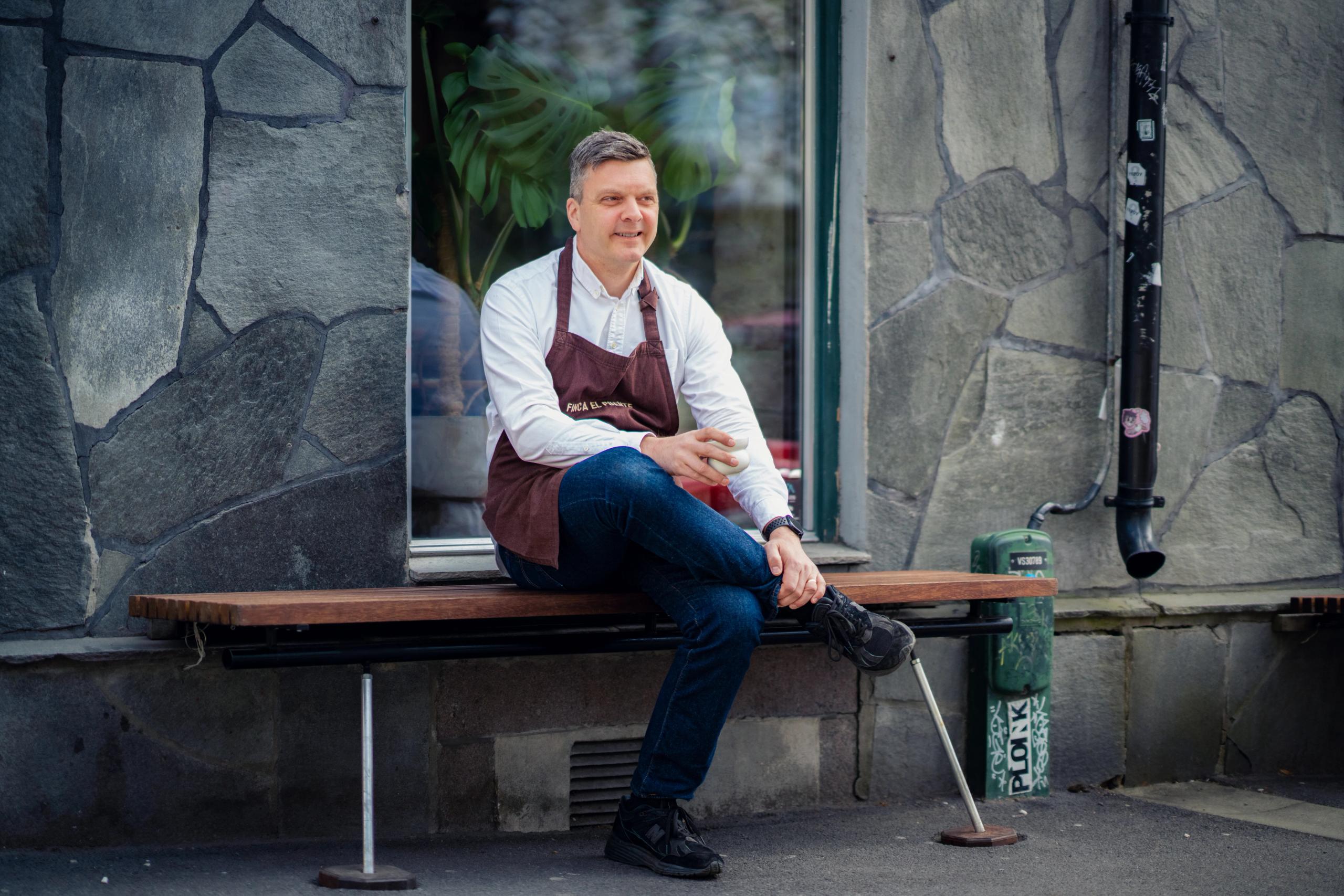
So where do I find great coffee?
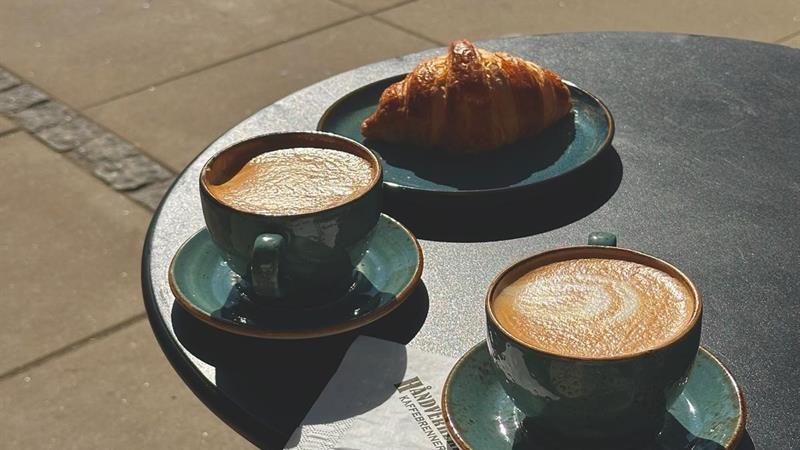
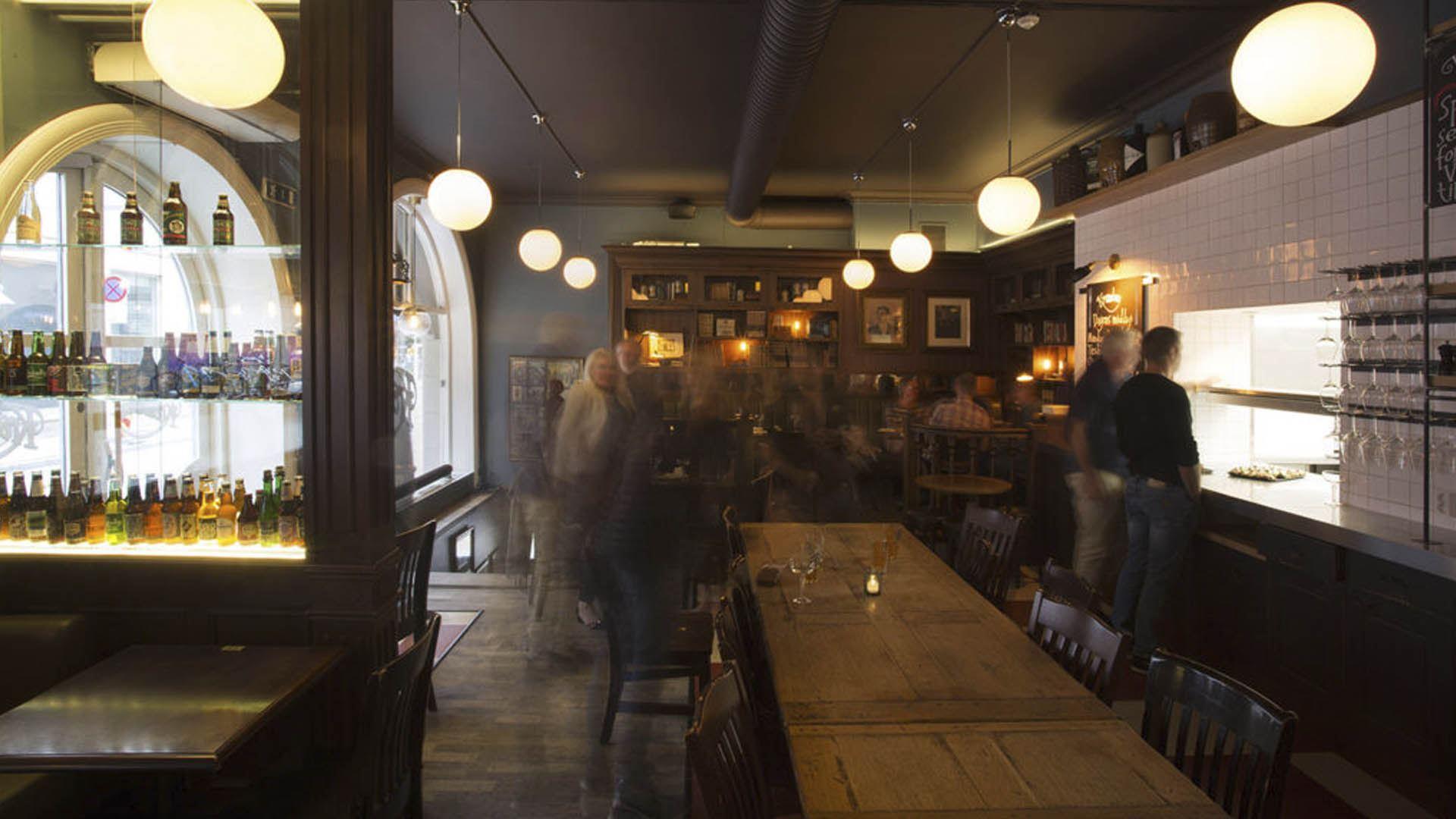
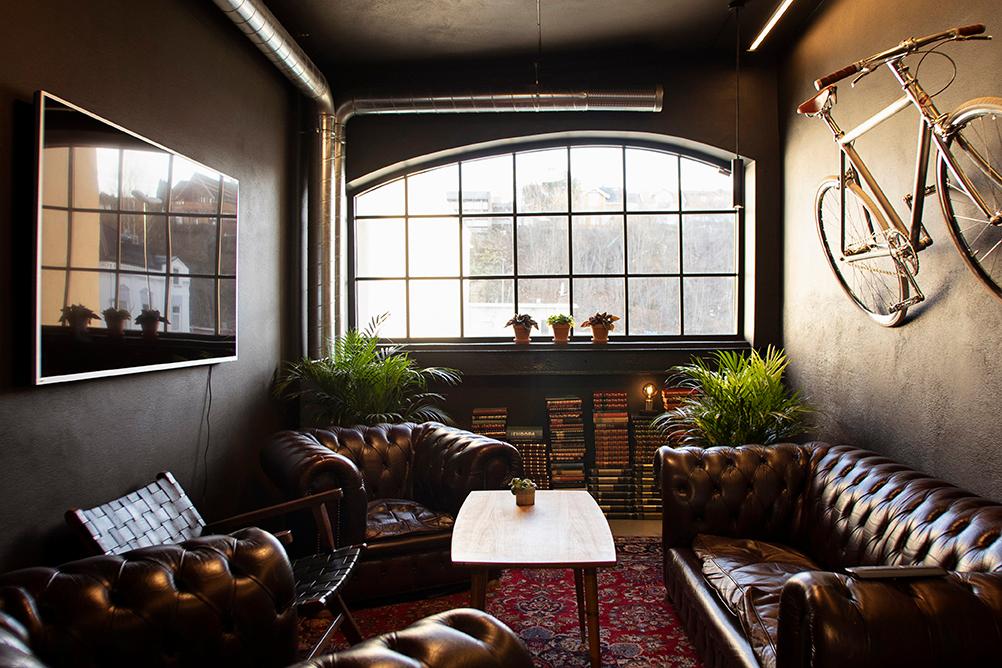
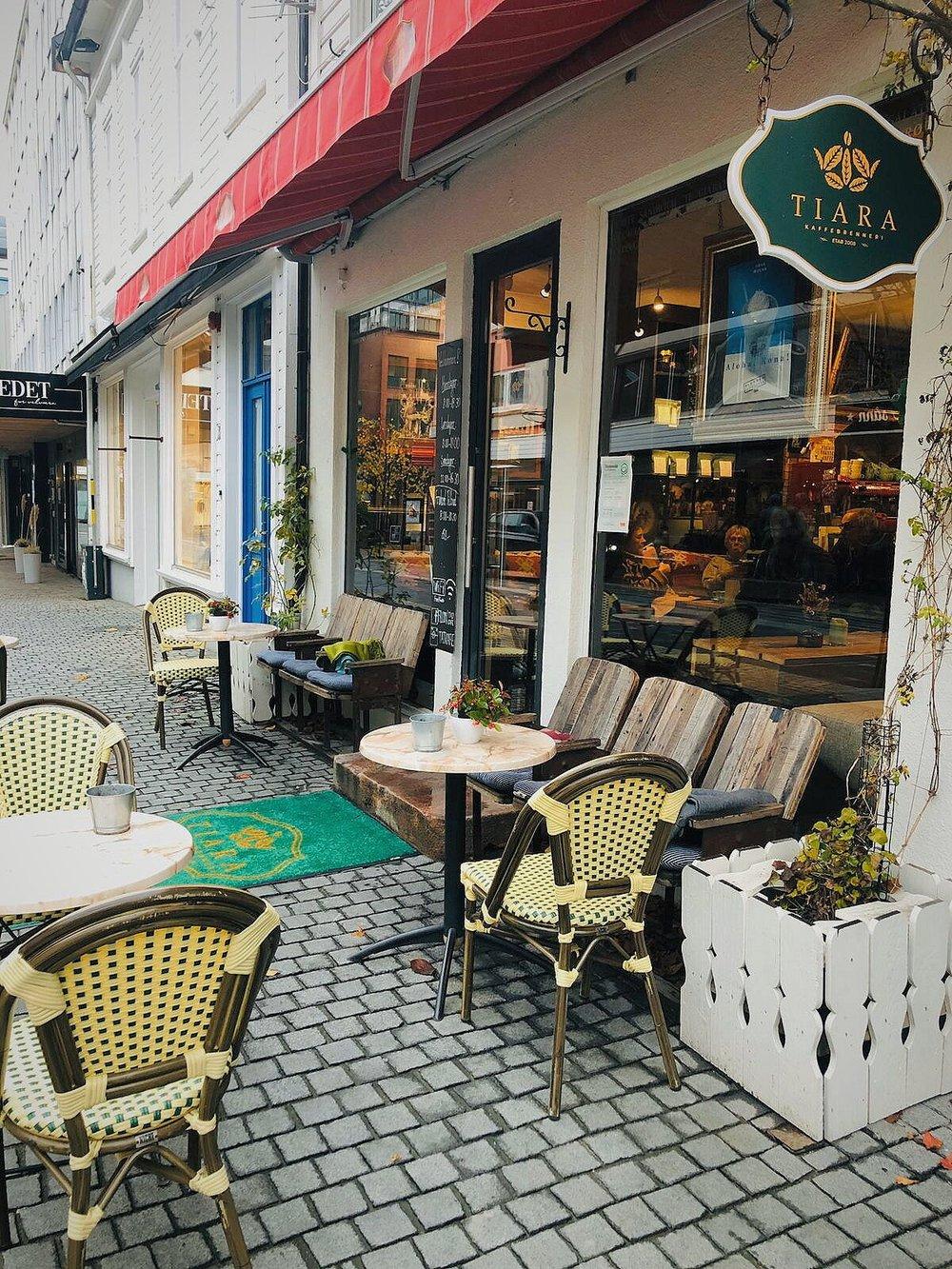
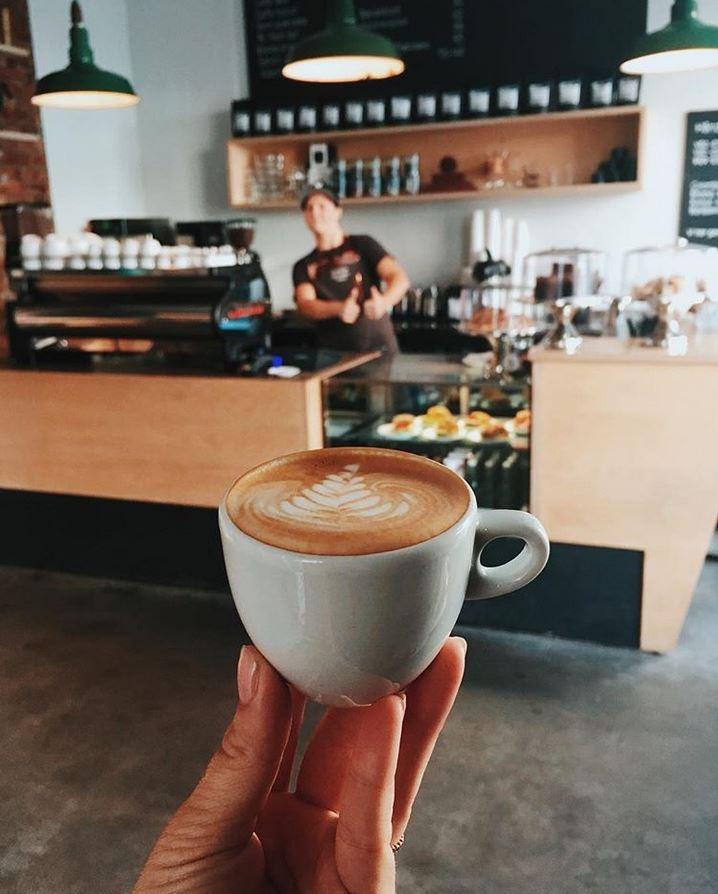
Pretty much everywhere. Over the past two decades, serious coffee roasters – or kaffebrennerier – have appeared all across Norway.
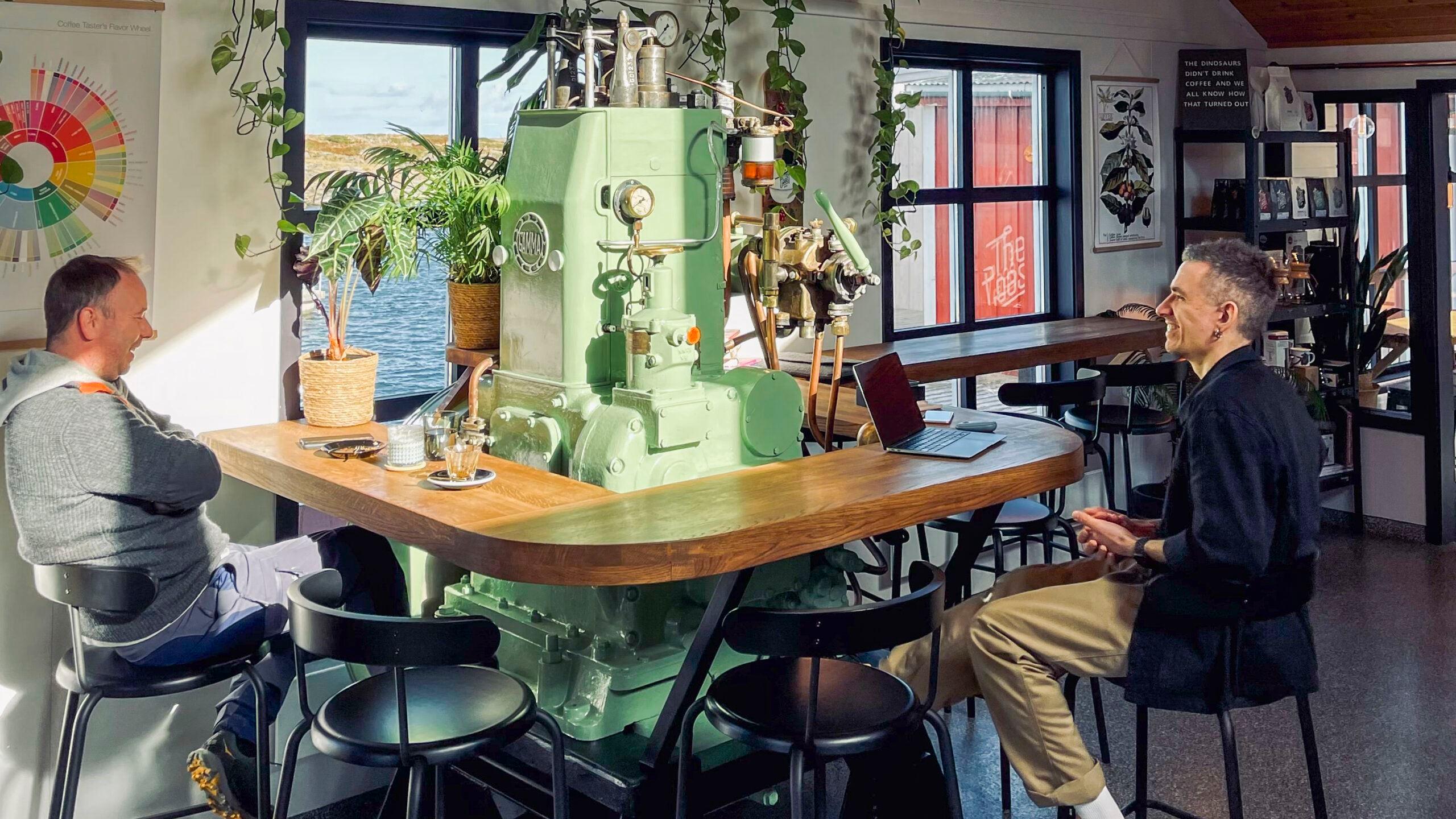
From big cities like Oslo and Bergen to more remote places like the islands of Lovund and Svalbard, passionate coffee people are roasting, brewing and serving coffee with their own styles, philosophies and favourite roasting profiles.
And there is coffee for almost every taste.
Some cafés lean toward darker French or Italian-style roasting, while others – like Tim Wendelboe – are known for lighter Nordic roasts with brighter, fruitier flavours.
One of the best things you can do while travelling in Norway is simply search for the word kaffebrenneri or kaffebar!
Chances are, good coffee is not far away.
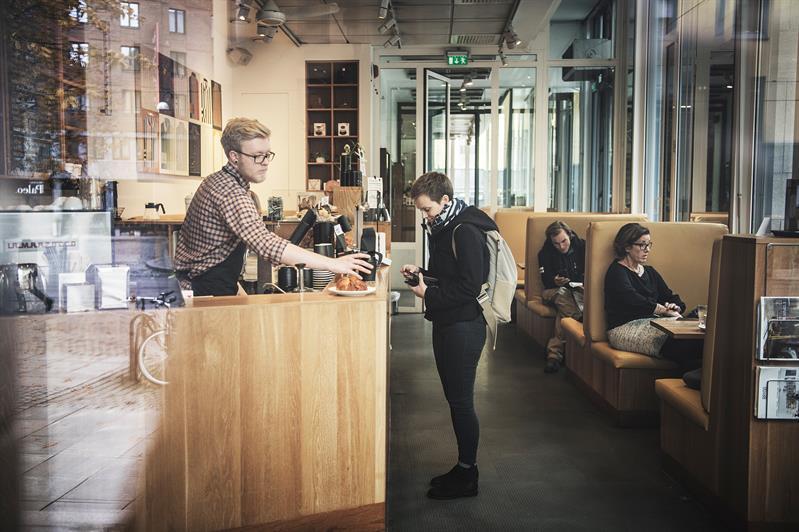
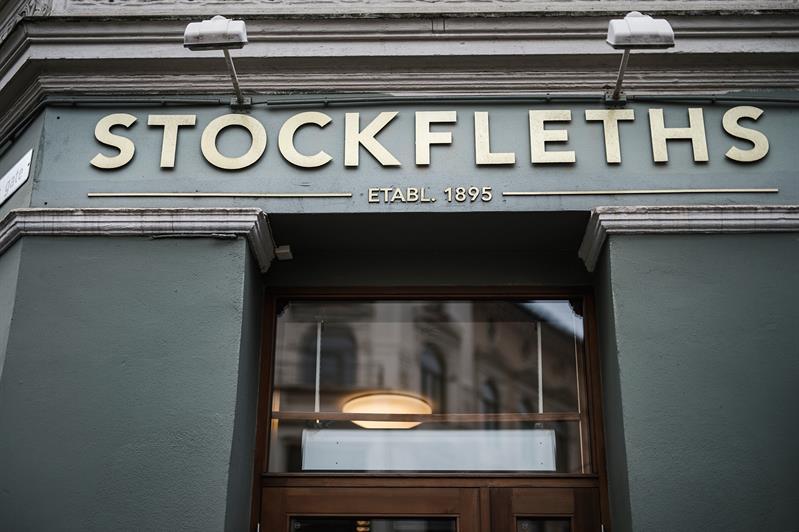
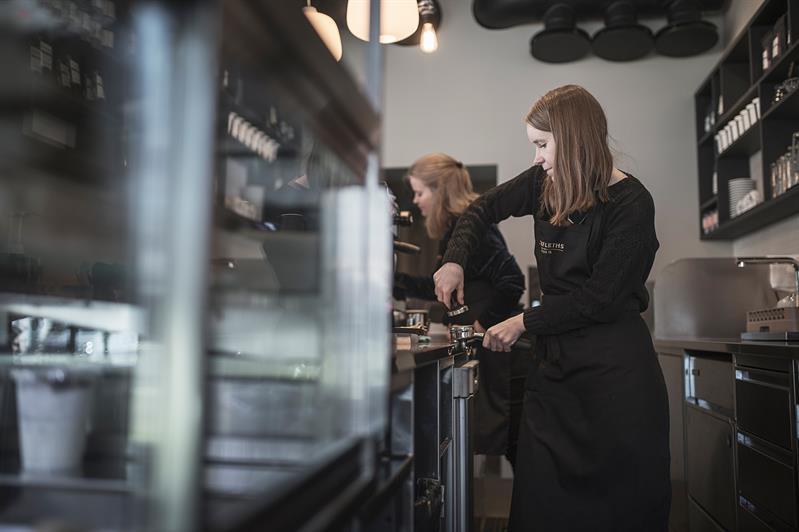
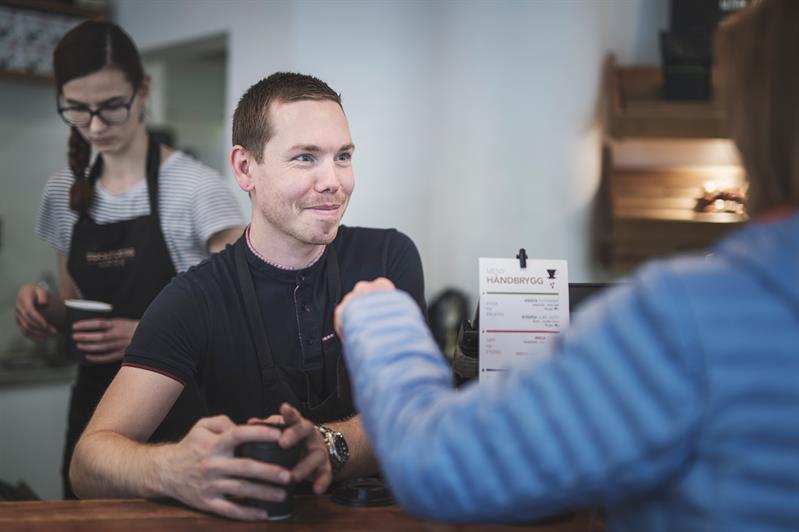
Where to get good coffee
Some of Norway's great coffee shops and roasters.
 Lyngdal
 Book nowGeilo
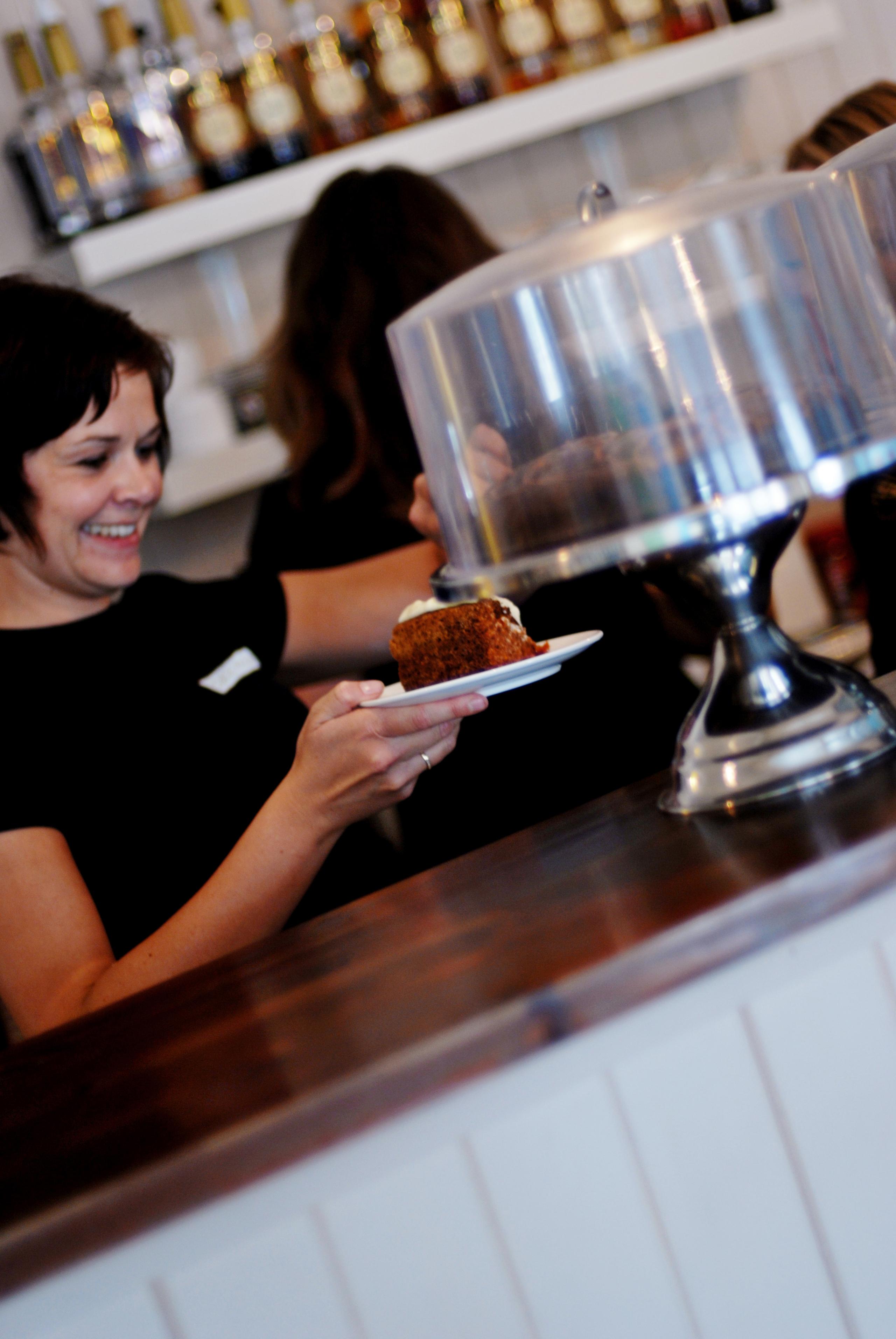
Cafe Mocca
Cafe Mocca opened in 2005 and have become popular among the residents of Geilo, the holiday home owners and other tourists. Cafe Mocca serve coffee of all types and flavours, cold beverages (both alcoholic and non), delicious soups, fresh homemade sandwiches, cakes, pastries and candy. Cafe Mocca also have other services such as Internett, and a fantastic sun filled outer seating area. Welcome to a great lunch , one of Hallingdals best coffees and a pleasant treatment experience with us at Cafe Mocca.
Norwegian food destinations
Join our gastronomic tour of Norway, from north to south.
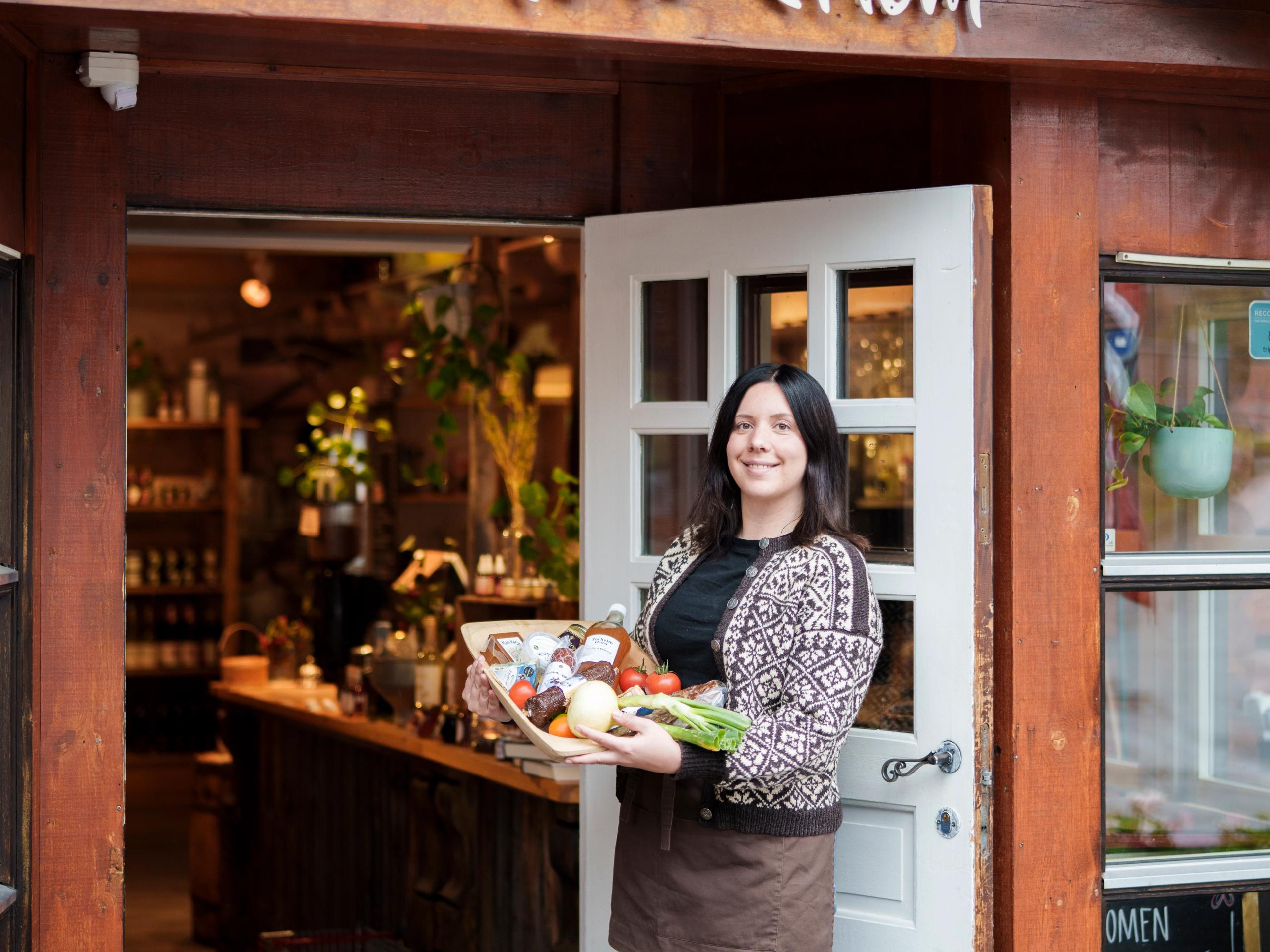
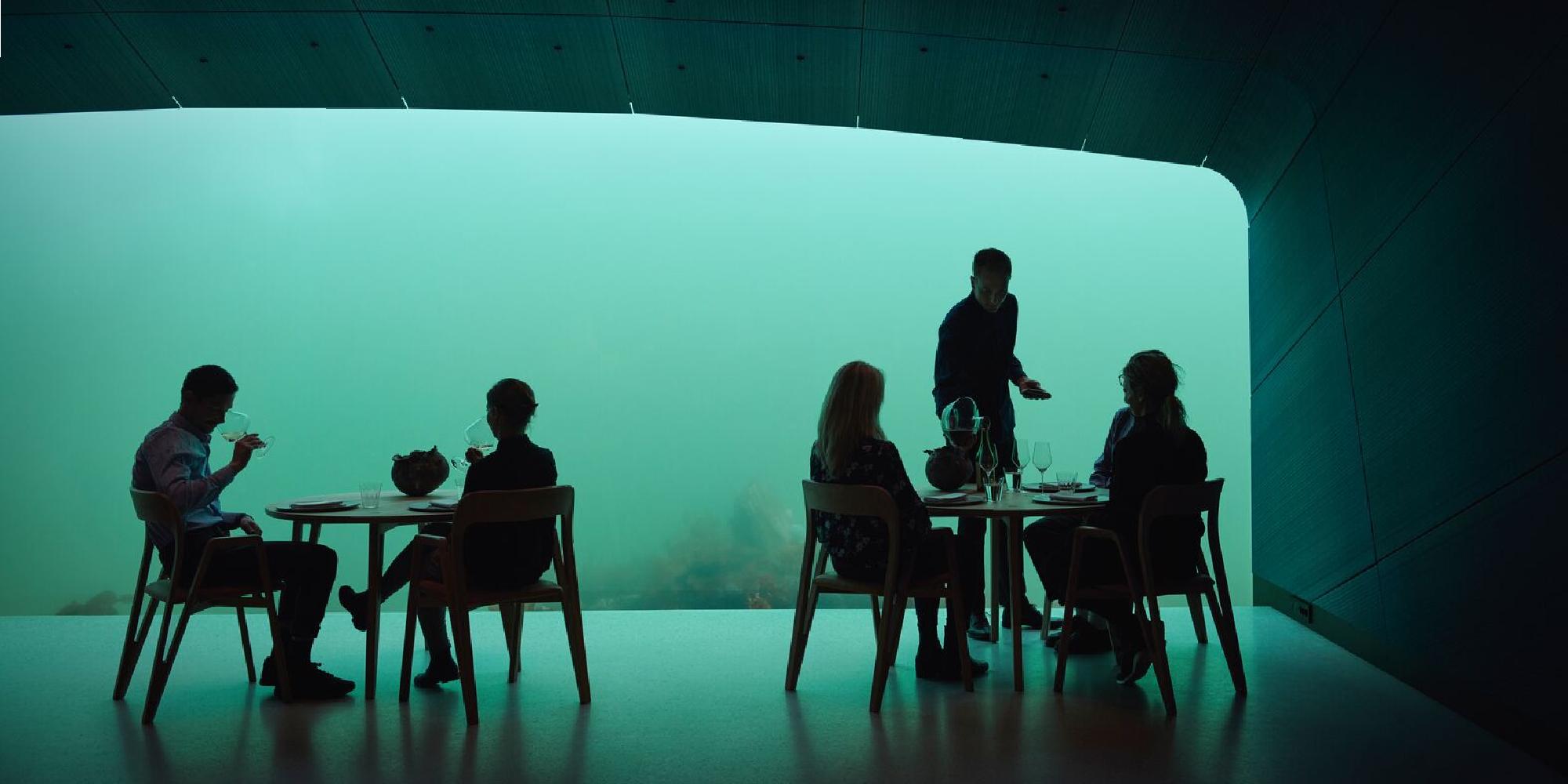
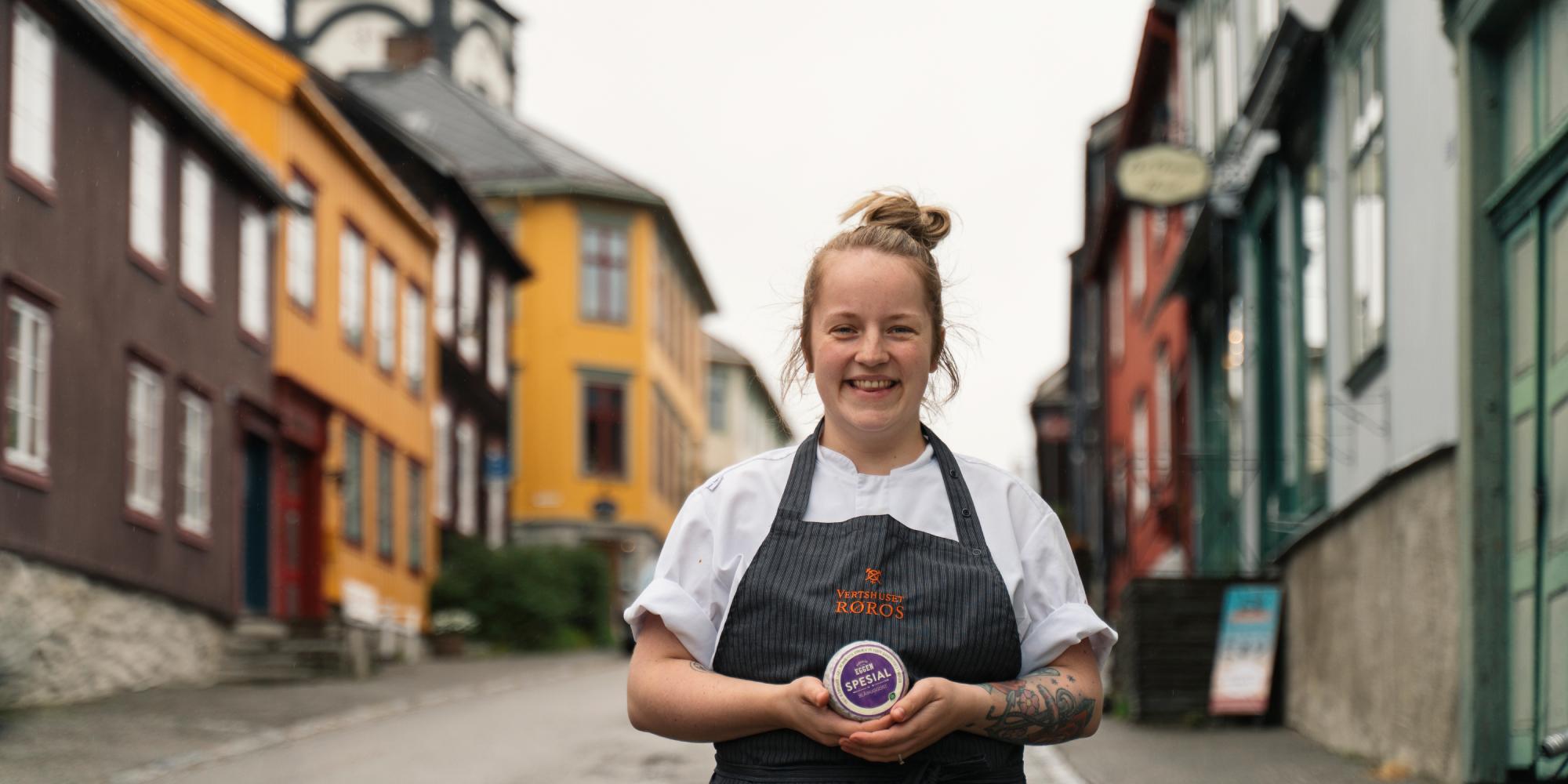
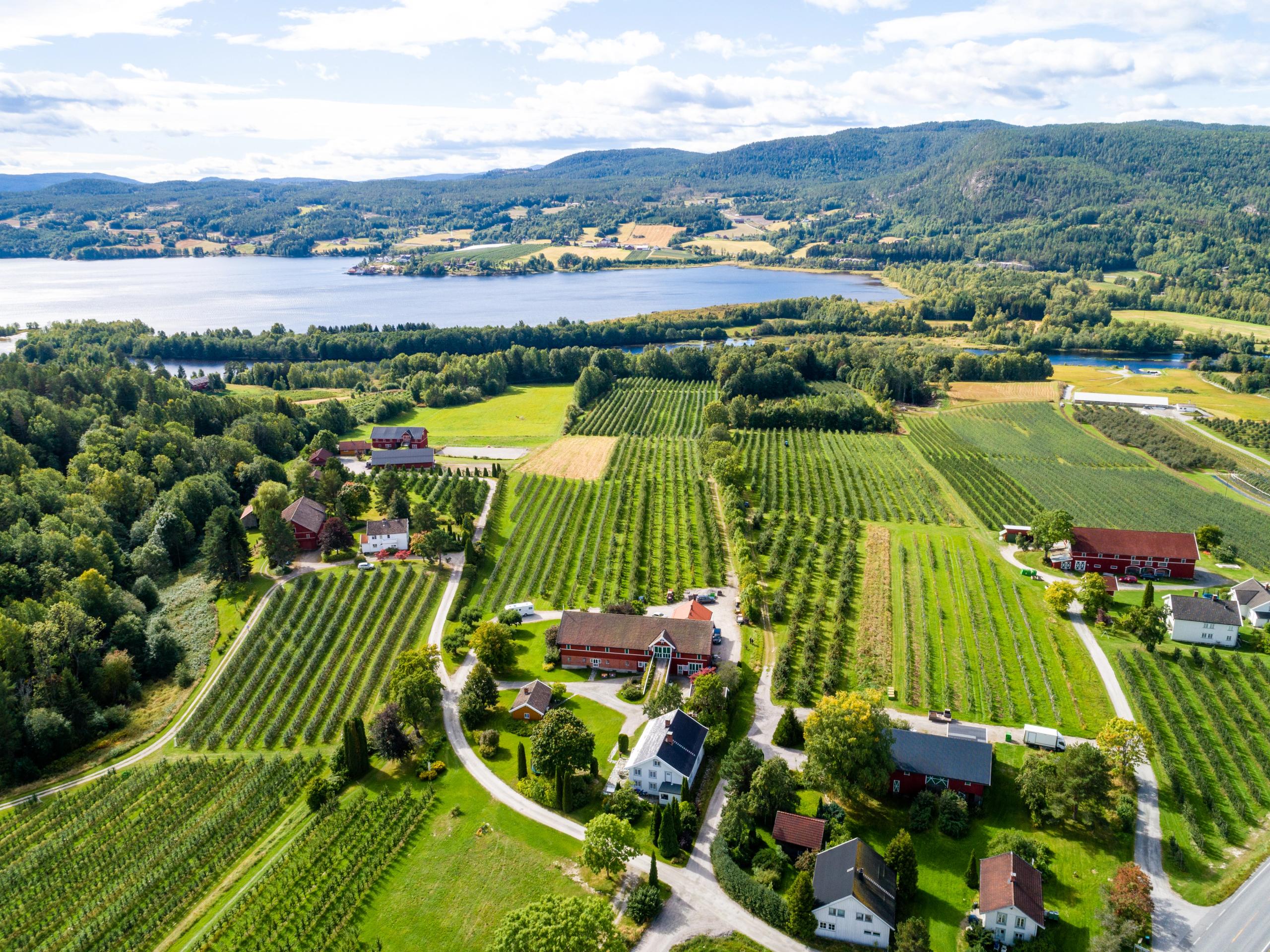

Take advantage of top offers
See our selection of trusted companies that work hard to make you happy all through your trip.
 Brim ExplorerQuiet fjord tours on award-winning electric catamarans in Oslo, Tromsø, Lofoten, and Svalbard.
 CityboxModern and affordable hotels in central locations in Oslo, Bergen, and Kristiansand.
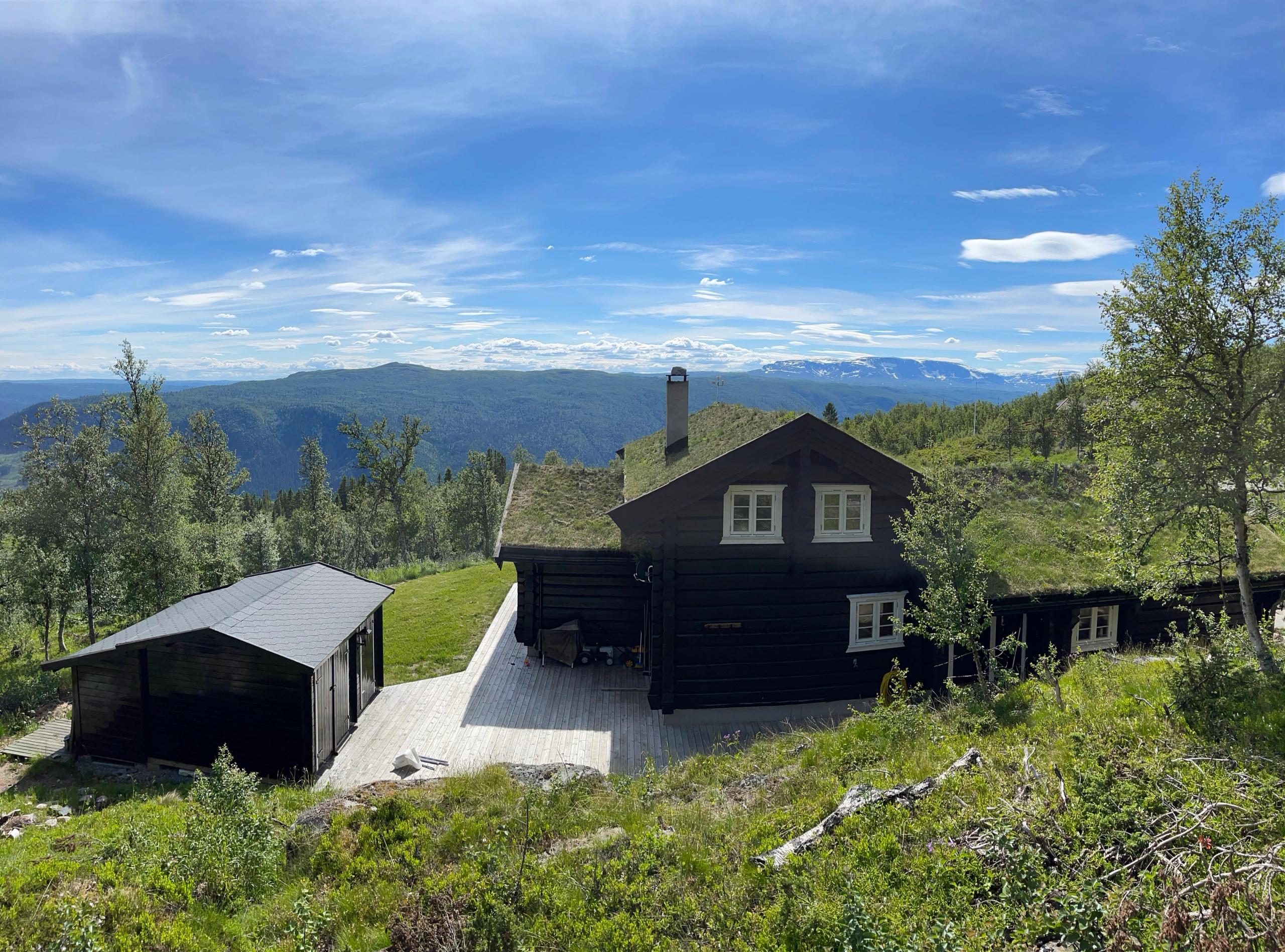 NorgesbookingBook your perfect cabin stay in the fjords, mountains, and valleys of Norway.
 Scandic HotelsExperience Nordic hotel hospitality at its finest at more than 90 hotels across Norway. Special offers are available.
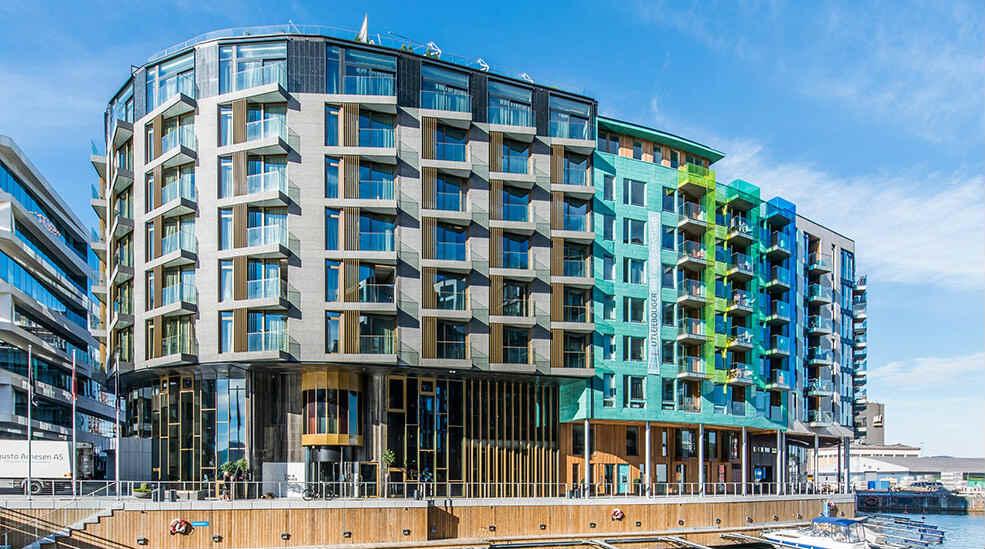 StrawberryA different hotel company! Look out for great weekend deals at more than 100 hotels in Norway.
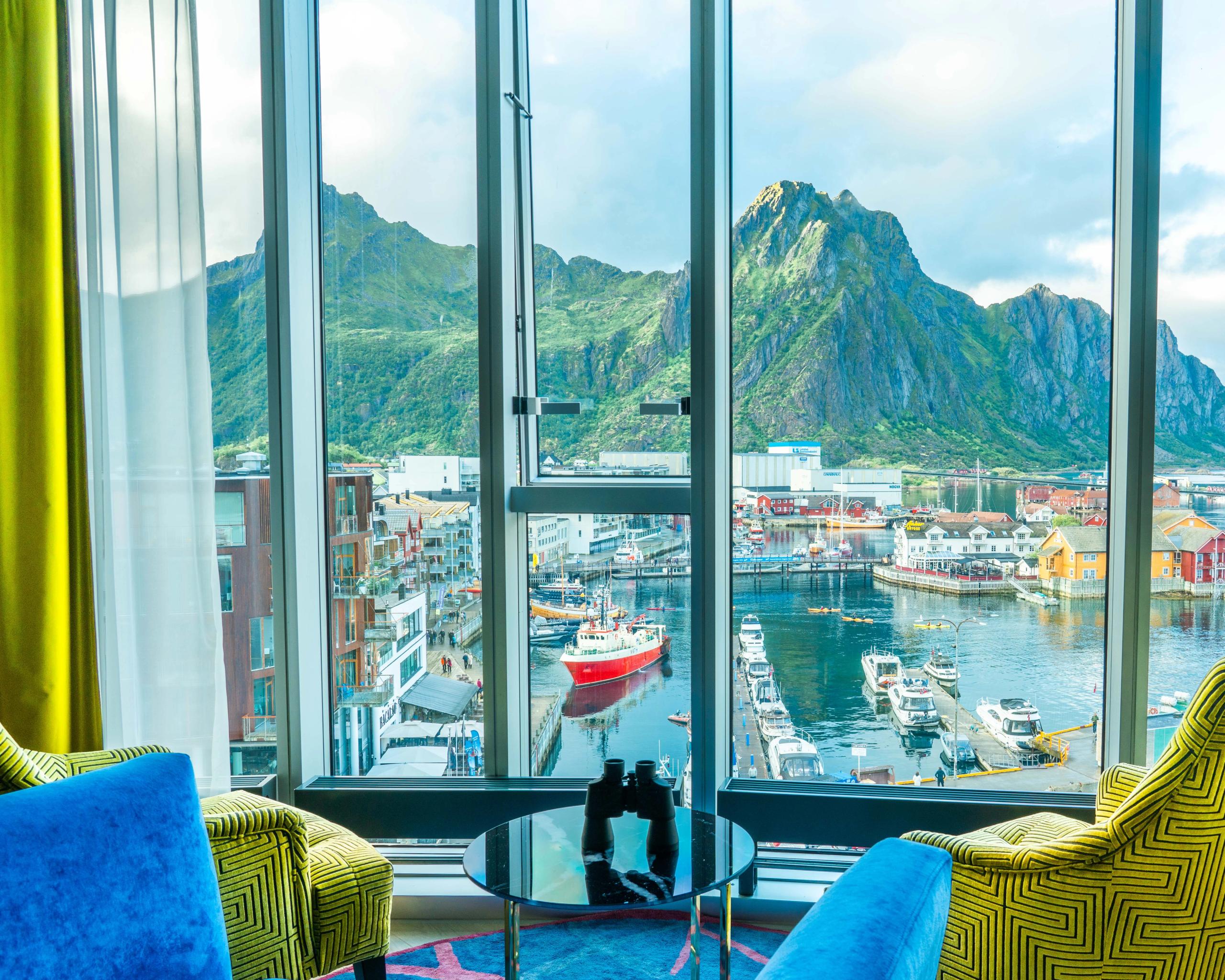 Thon Hotels ASFantastic breakfast included! Experience true comfort and reasonable rates at our 80 hotels in Norway.
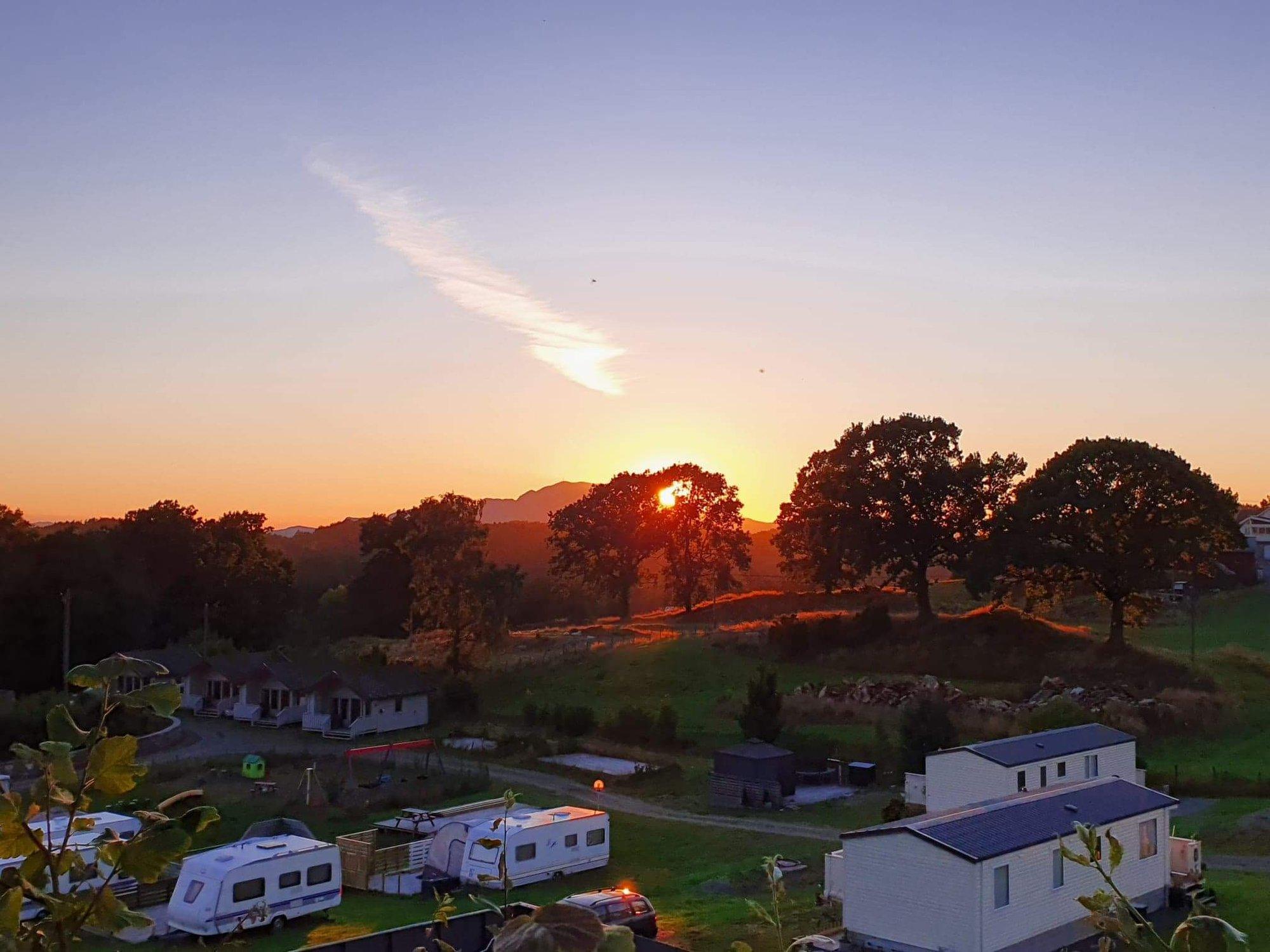 CampcationBook a camping stay in stunning and unique locations all across Norway with Campcation.
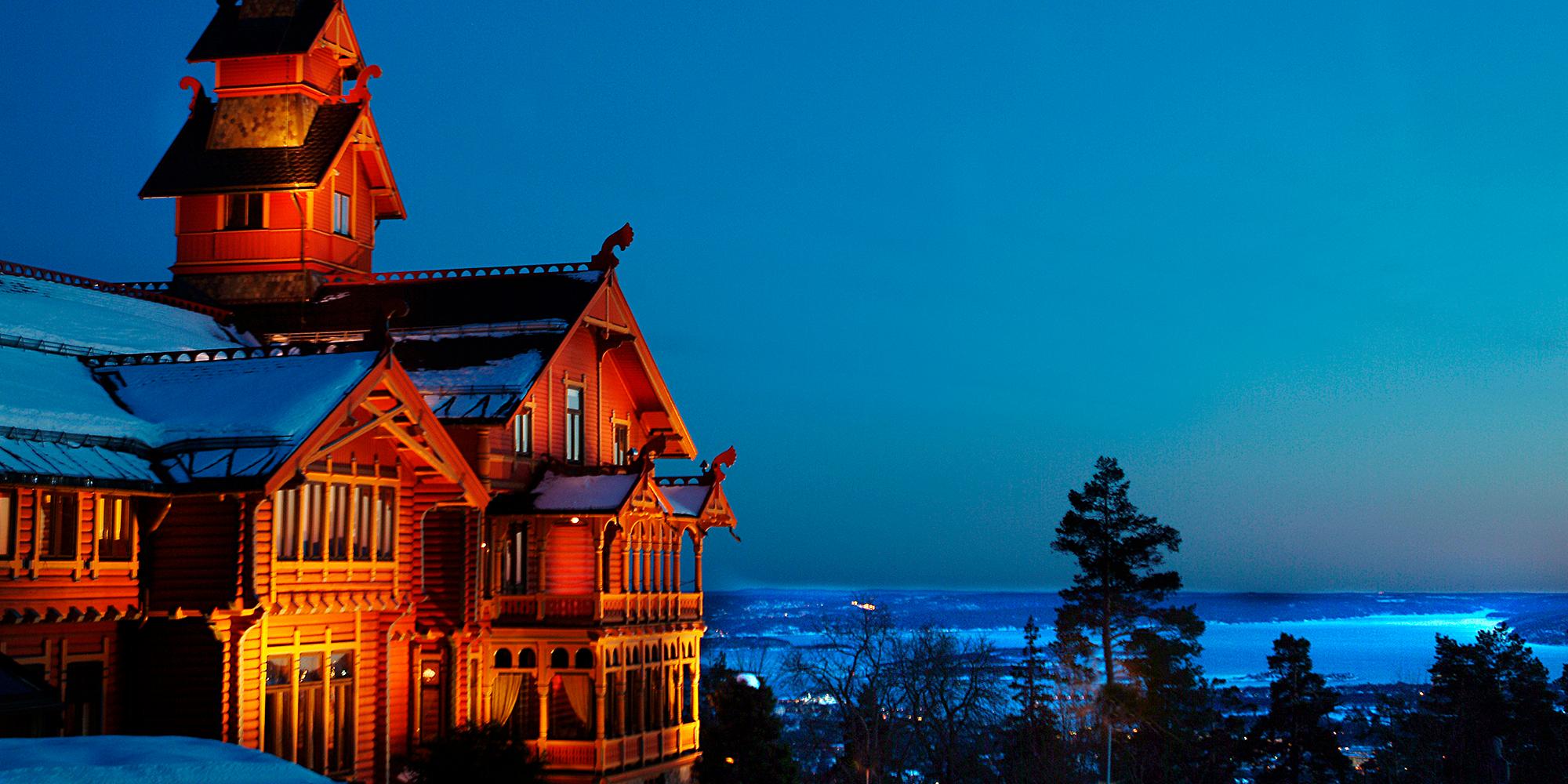
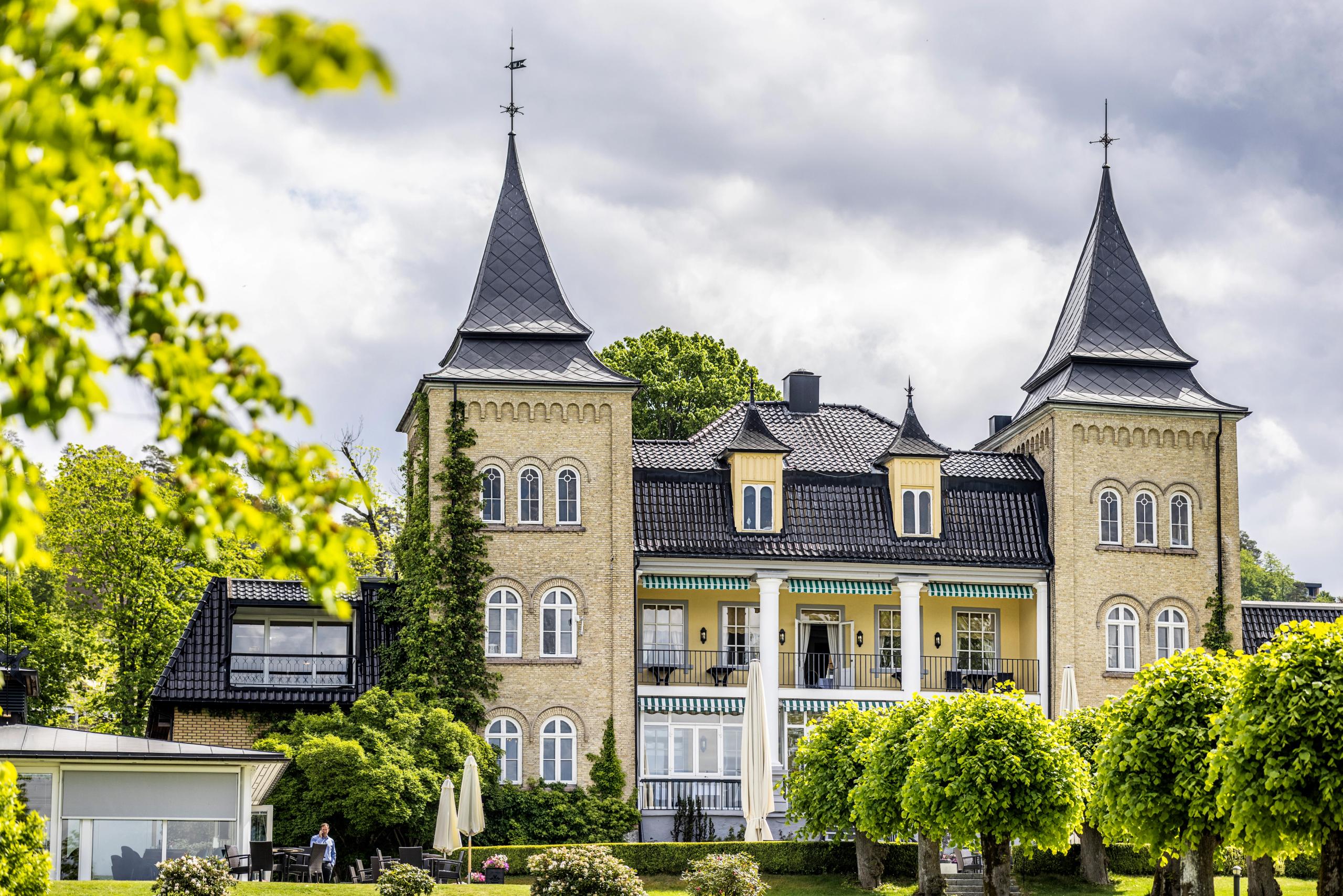 Classic Norway HotelsWhen the hotel is the destination. Book a night to remember in one of Norway's most unique and distinctive hotels.
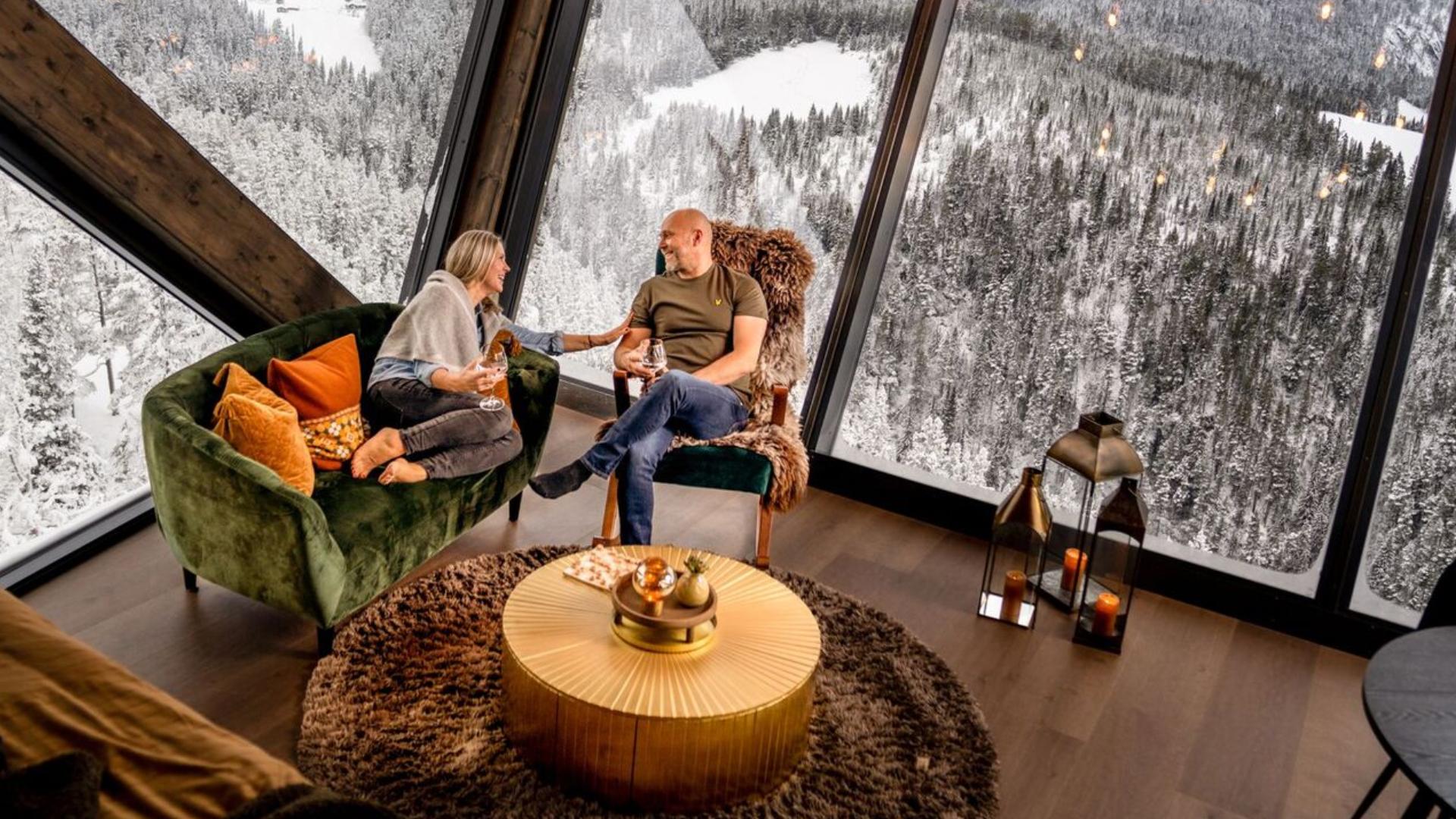 50 Degrees North NordicChoose between unforgettable tailormade individual trips and small, exclusive group tours of Norway.
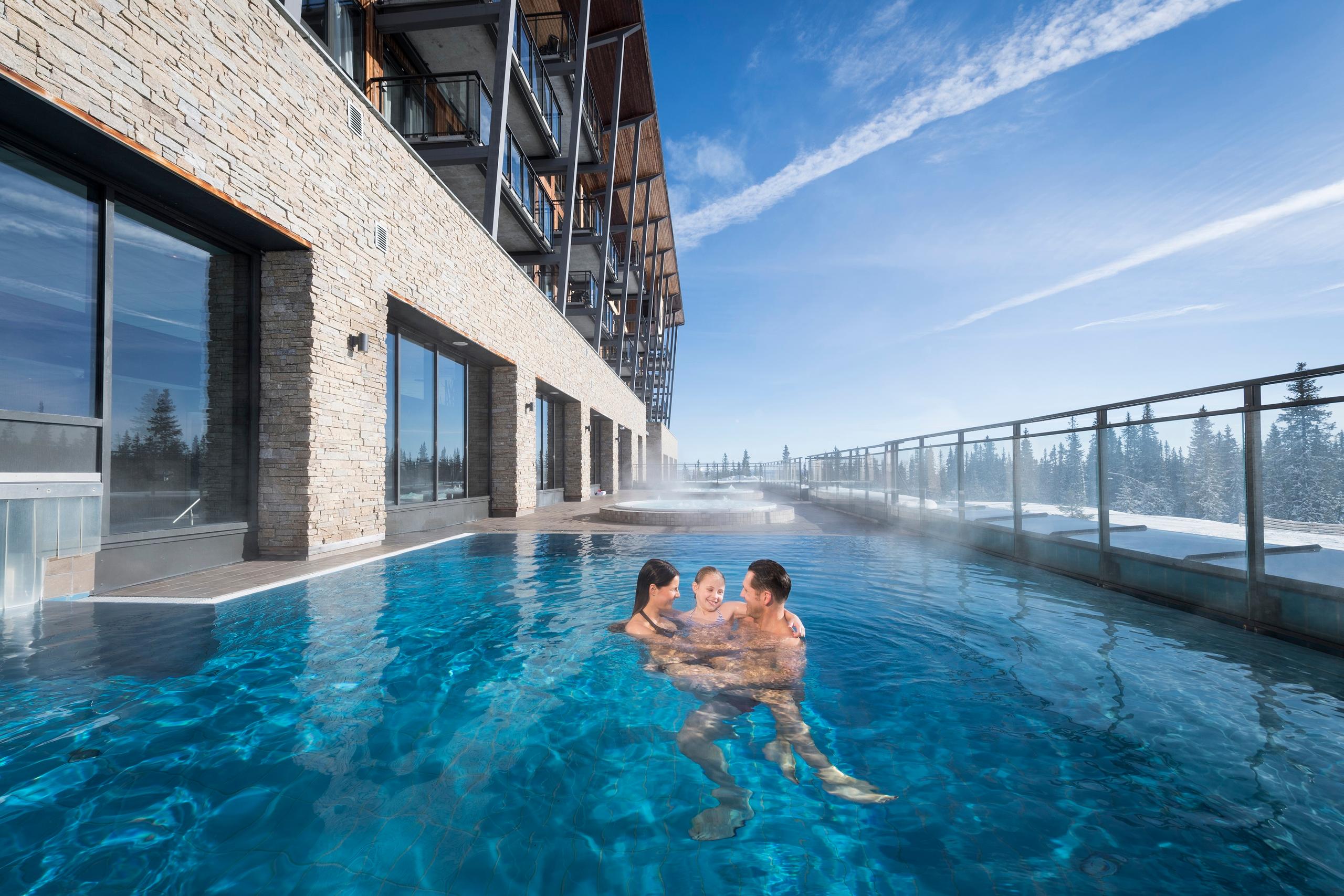 Radisson HotelsGreat value offers and comfortable quality stays in Norway´s major cities, airports, and ski resorts.
 Authentic ScandinaviaTravel curated by locals. Our tailormade tours suit every type of traveller and budget.
 Booknordics.comUnique holiday packages, adventure hotels, tours, and activities.
 Fjord ToursHome of Norway in a Nutshell, Norway's most popular tour. Fjords, mountains, and stunning destinations — all in one trip!
 Go FjordsBook fantastic tours and experiences! We offer tours in Oslo, Bergen, Stavanger, Lofoten, the North Cape, and more.
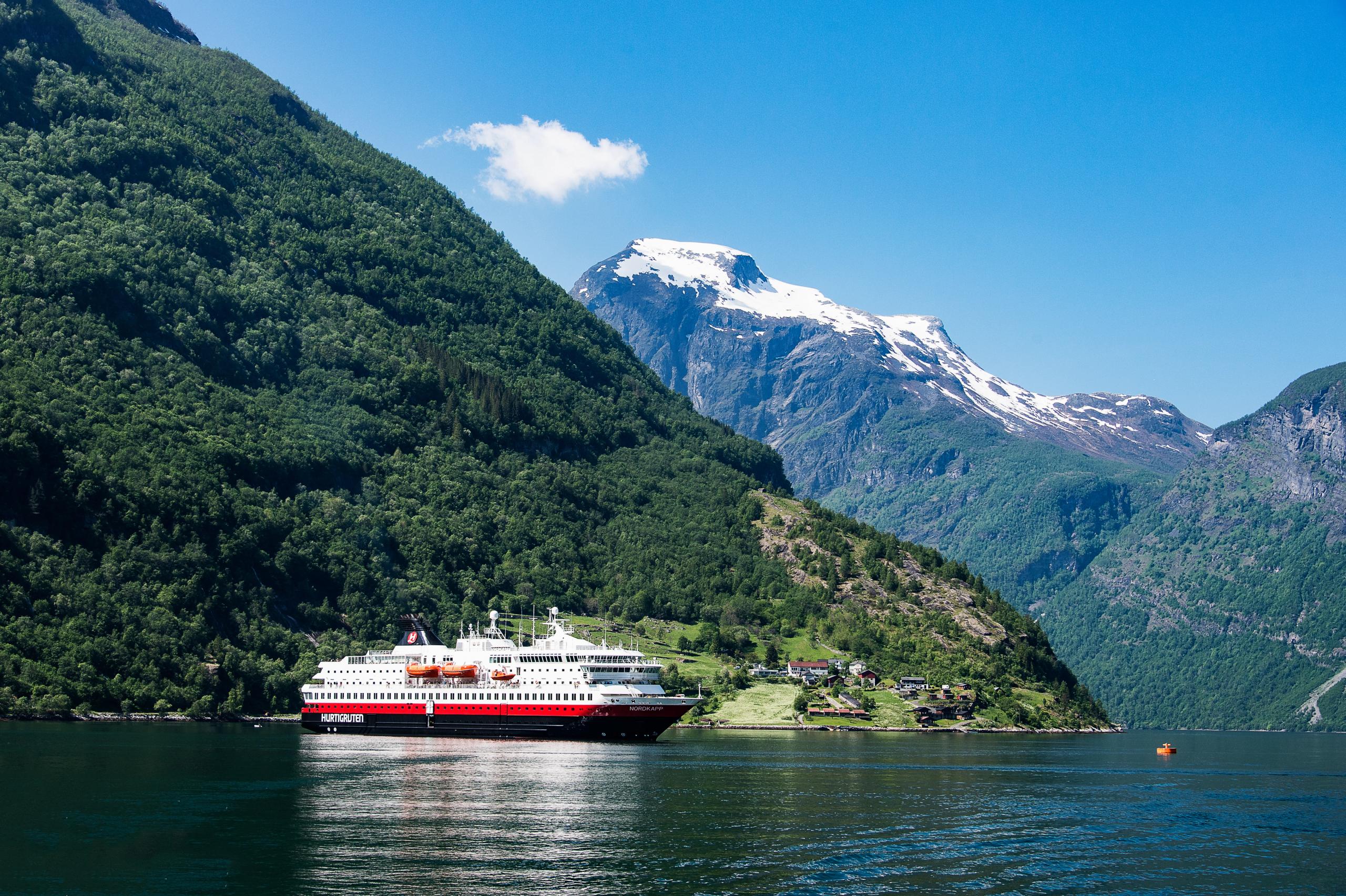 HurtigrutenExperience the world's most beautiful sea voyage on an unforgettable cruise along the stunning Norwegian coast.
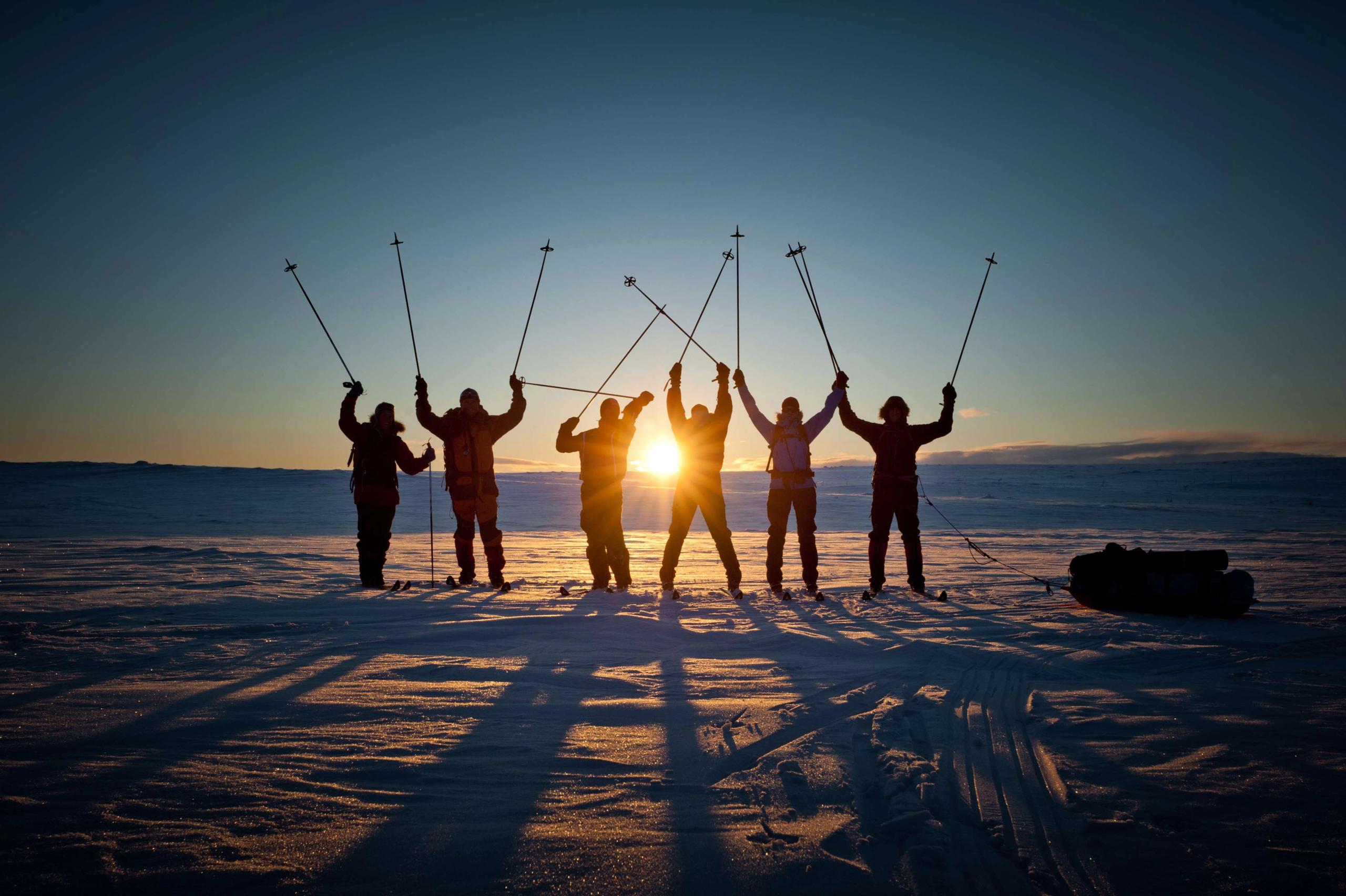 Norrøna AdventureGet ready for expeditions and adventure holidays with Norrøna Adventure. Hiking, skiing, and biking trips.
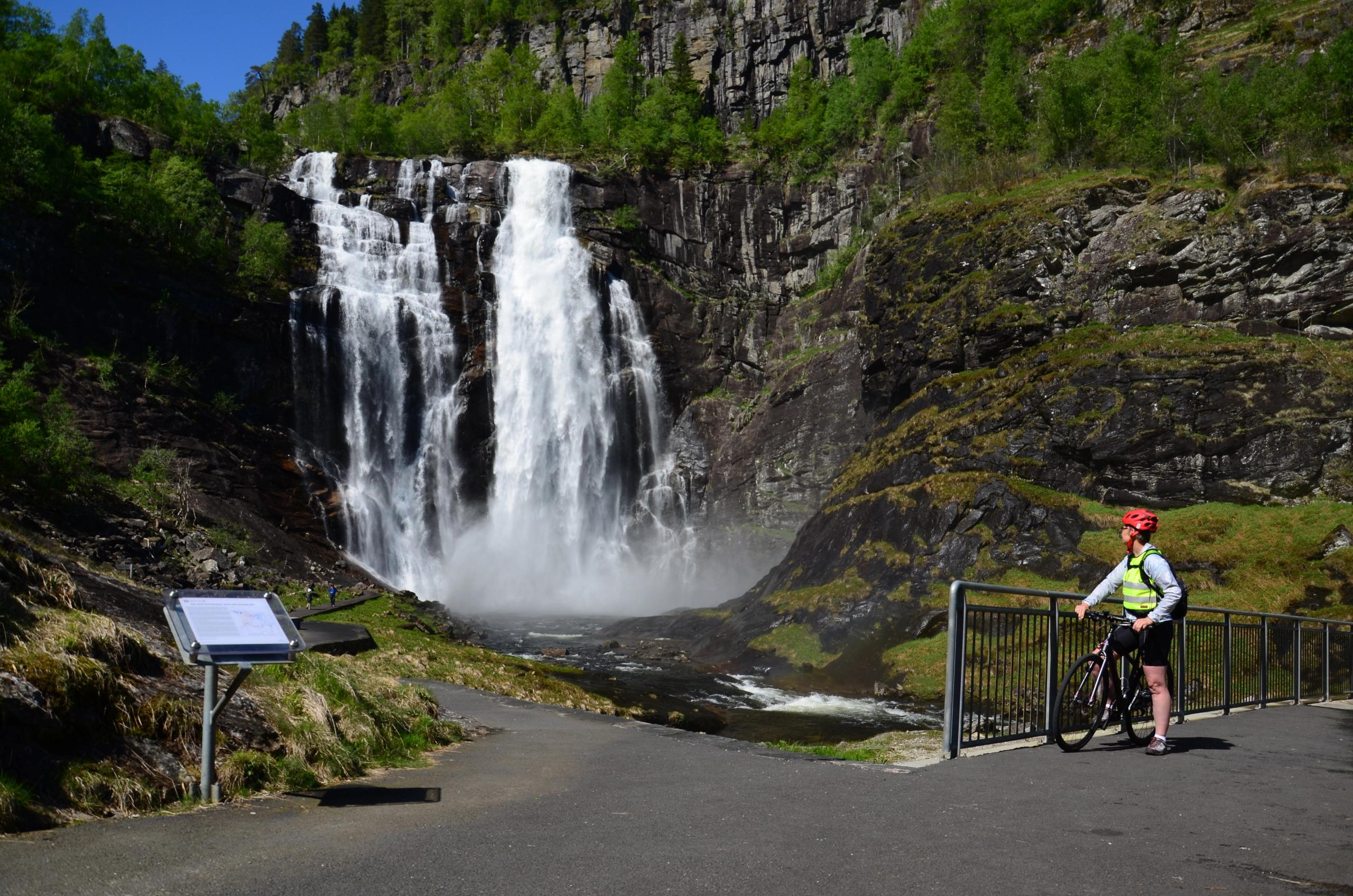 Discover NorwayOffers a range of exciting self-guided hiking, biking, and skiing holidays in Norway. Luggage transfer included.
 Norwegian HolidaysLow-price package holidays with Norwegian. Book your flight, hotel, and rental car all in one place.
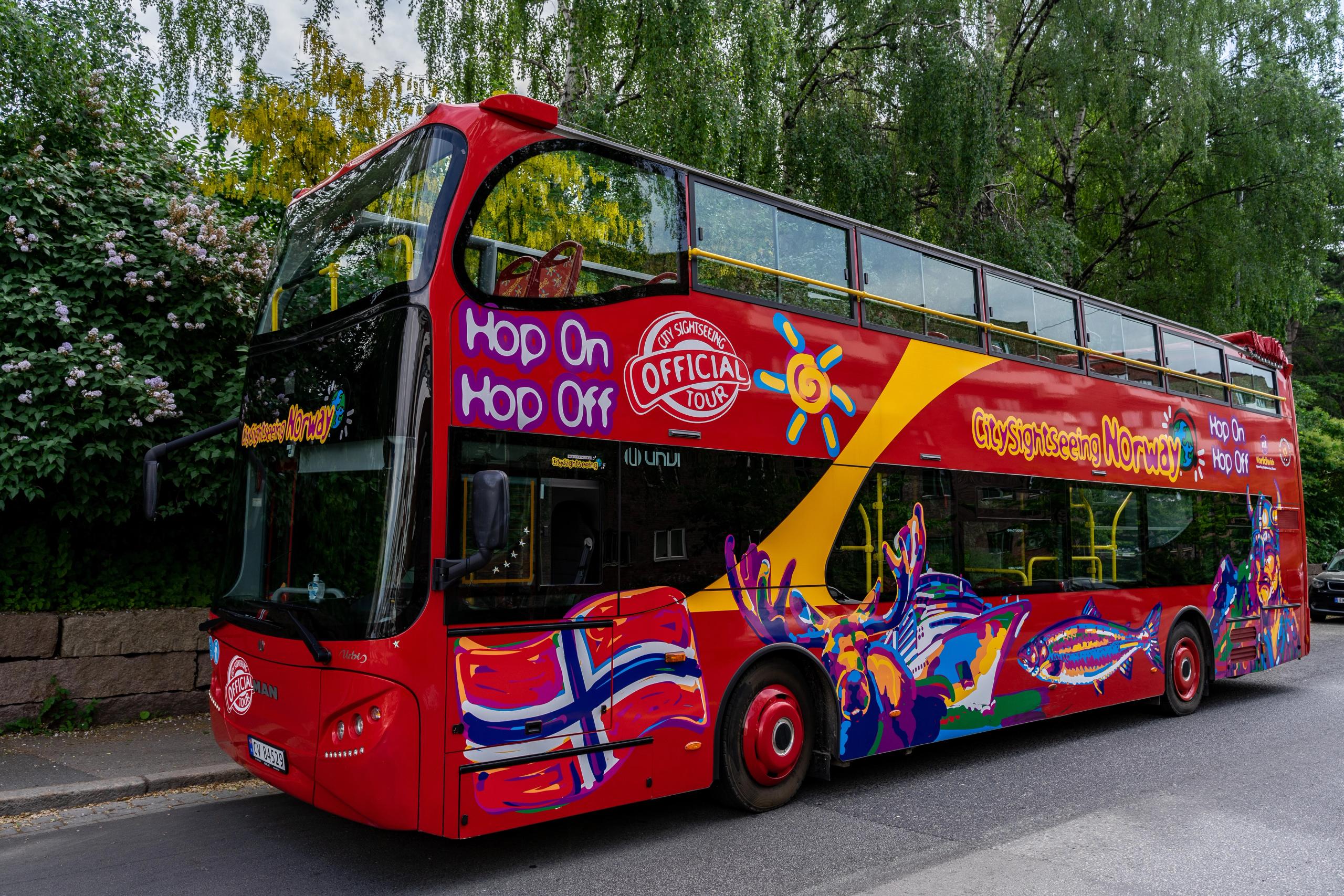 StrömmaSightseeing by bus and boat in several major tourist spots and cities in Norway.
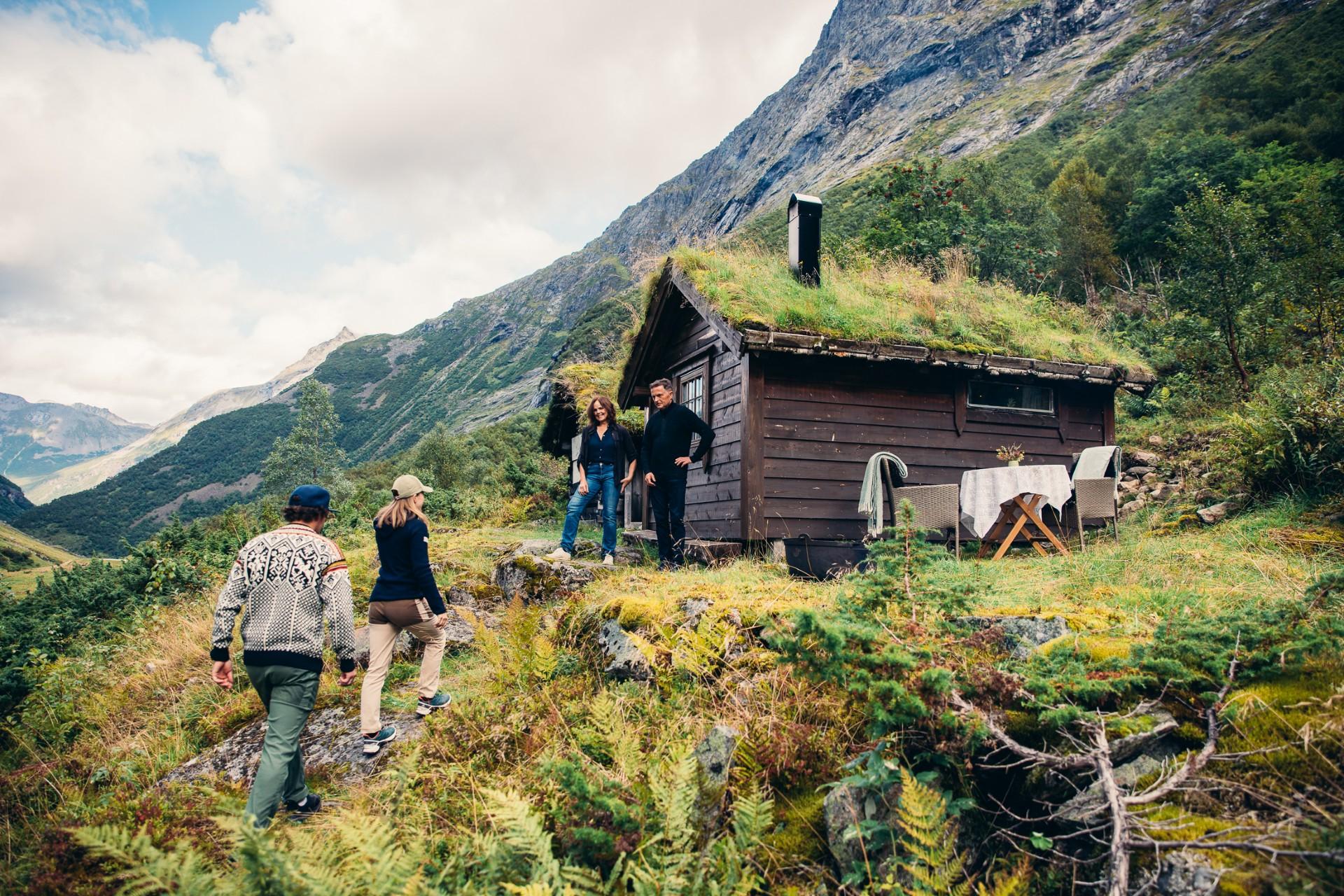 Up NorwayBespoke luxury hand-picked by local experts. We combine your preferences and our knowledge to make an unforgettable journey.
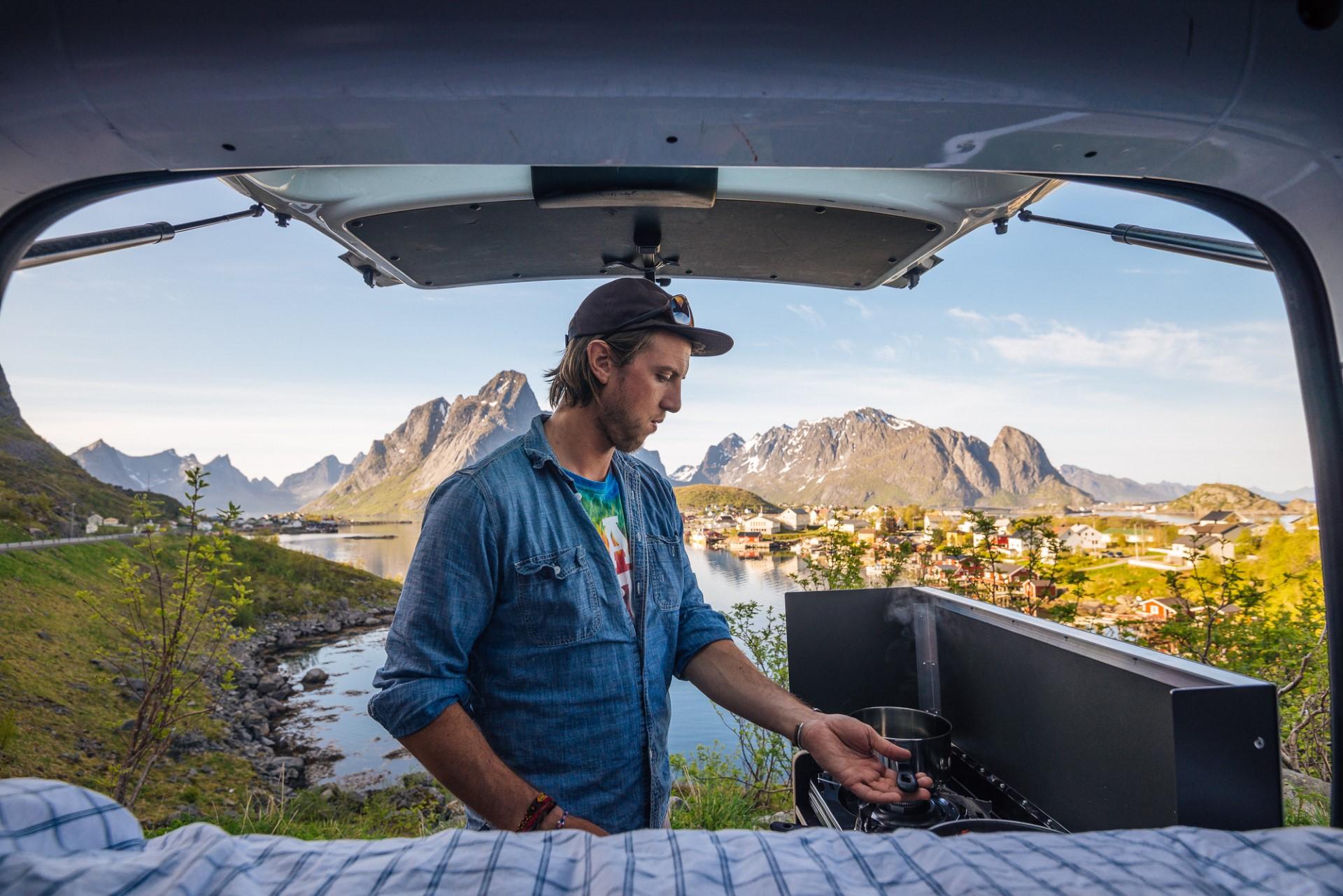 Arctic Campers ASDo you want to try van life? Explore Norway in comfort and style with our smart and cosy campervans.
 Auto EuropeAlways a smooth car rental experience. Search and compare rental rates. Free cancellation up to 24 hours prior to pick-up.
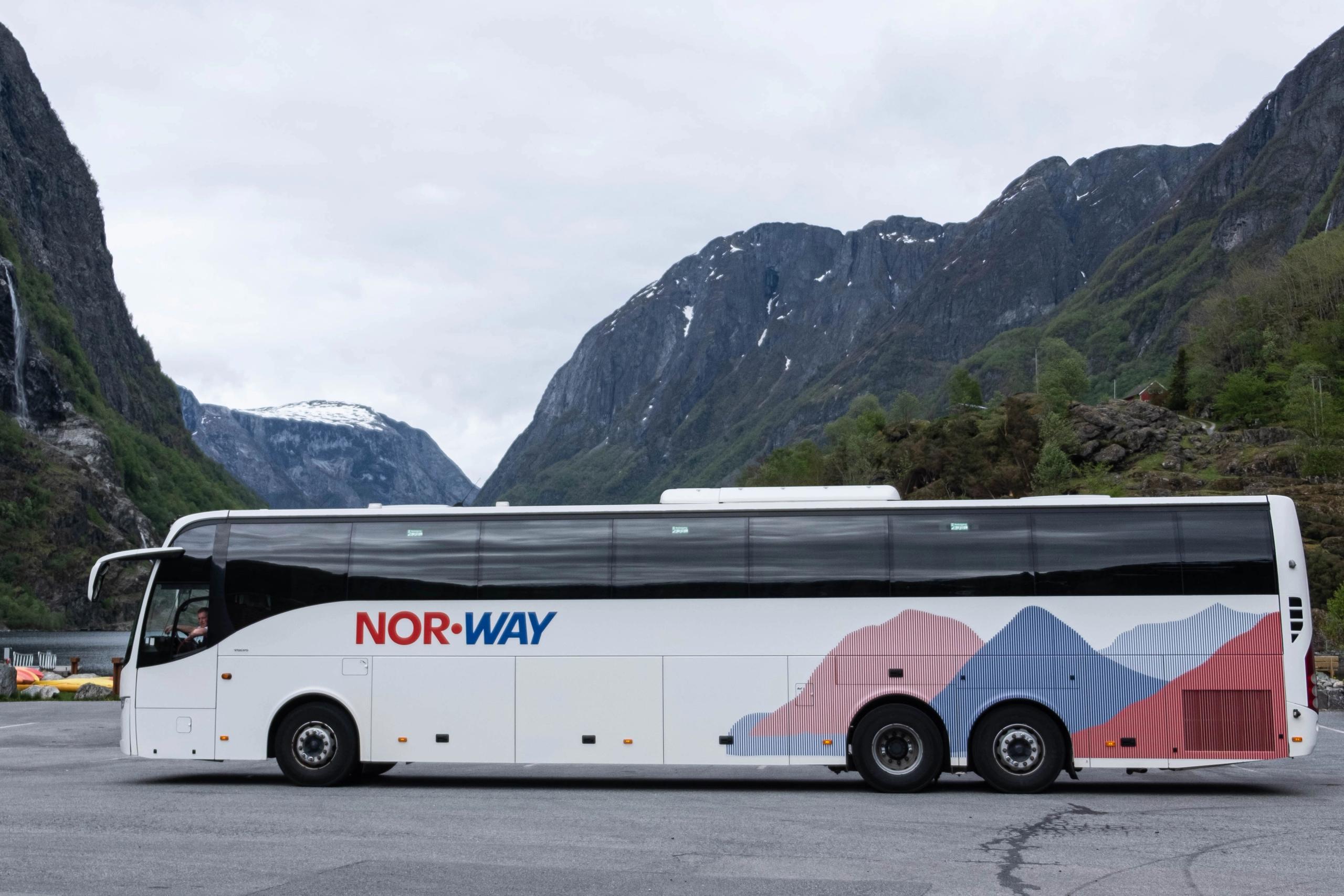 NOR-WAY BussekspressEnjoy scenic views on comfortable bus trips to the fjords and from city to city with our express buses.
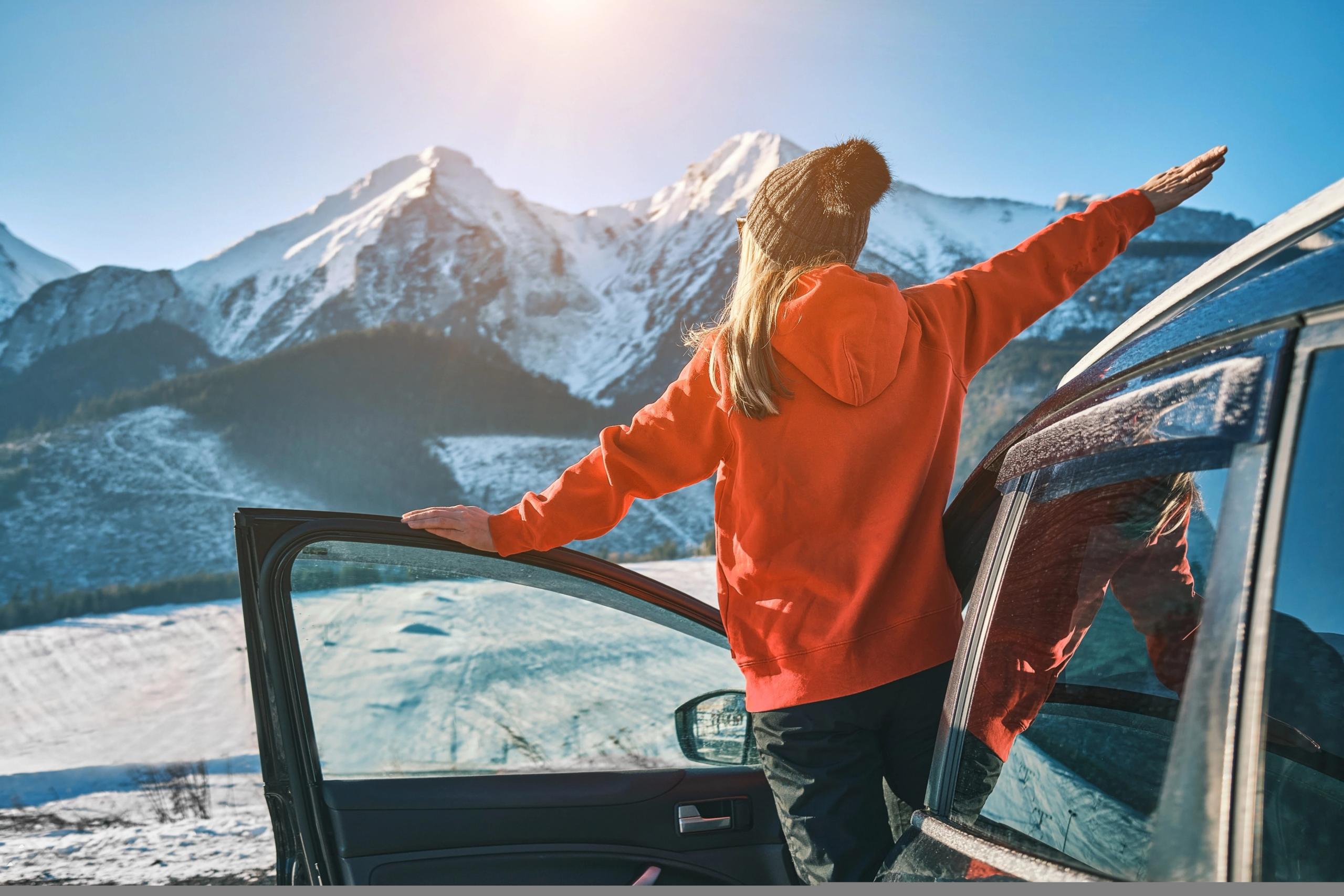 Rent-A-Wreck of Scandinavia ASThe smart and affordable car rental alternative.
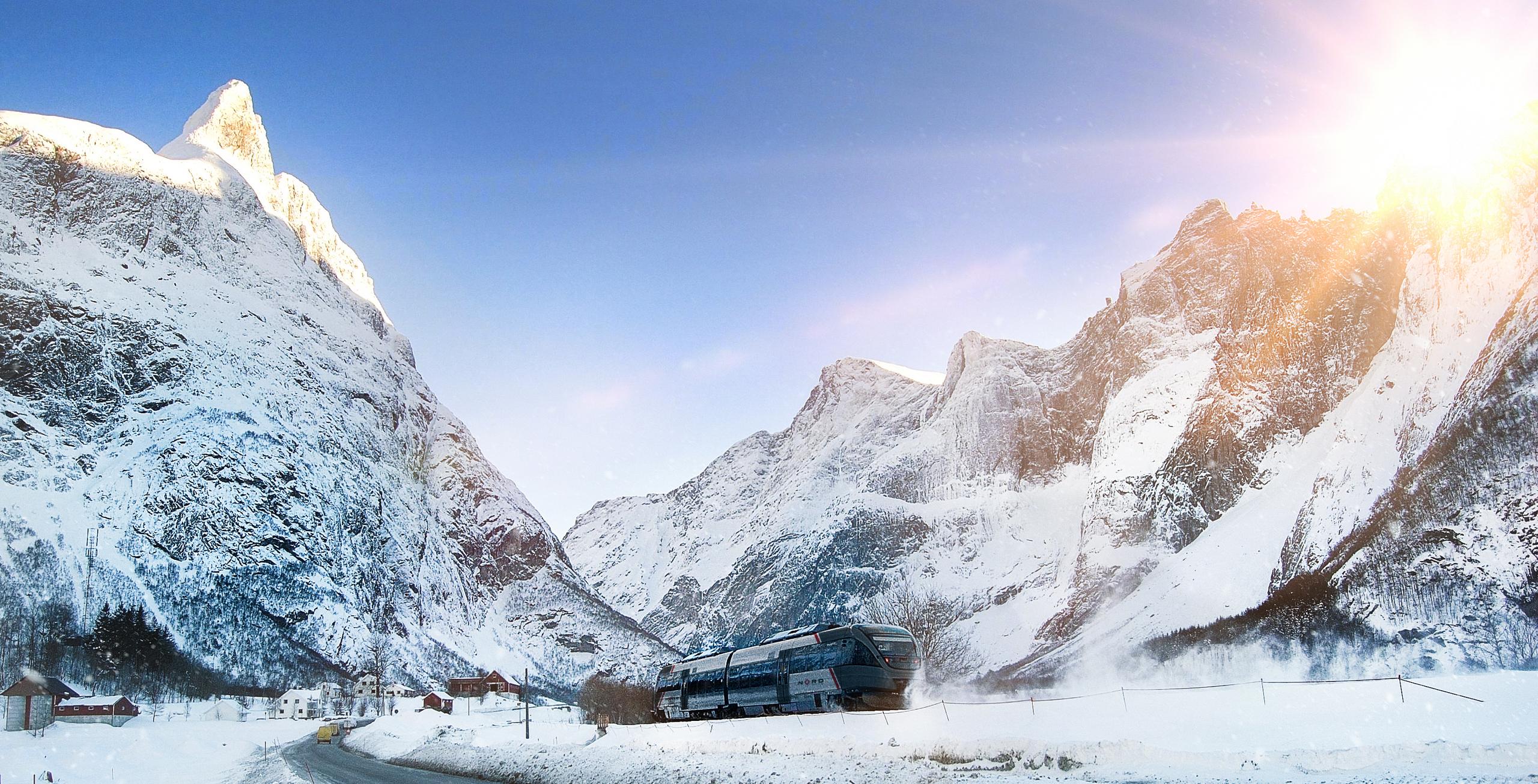 SJ NordSJ NORD - the adventure starts on the train
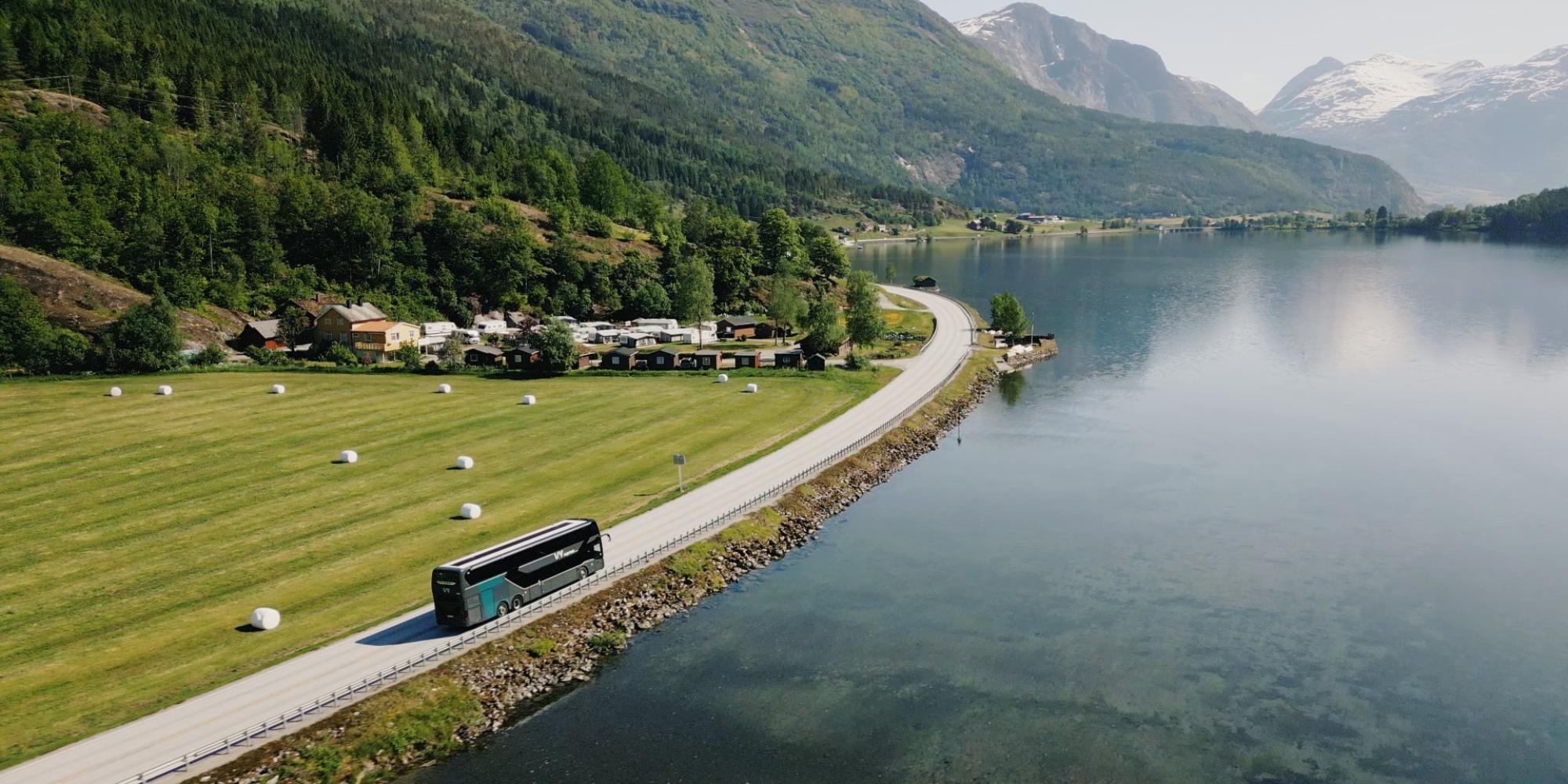 Vy expressDiscover Norway on comfortable express buses that take you between major cities, mountains, and fjords.
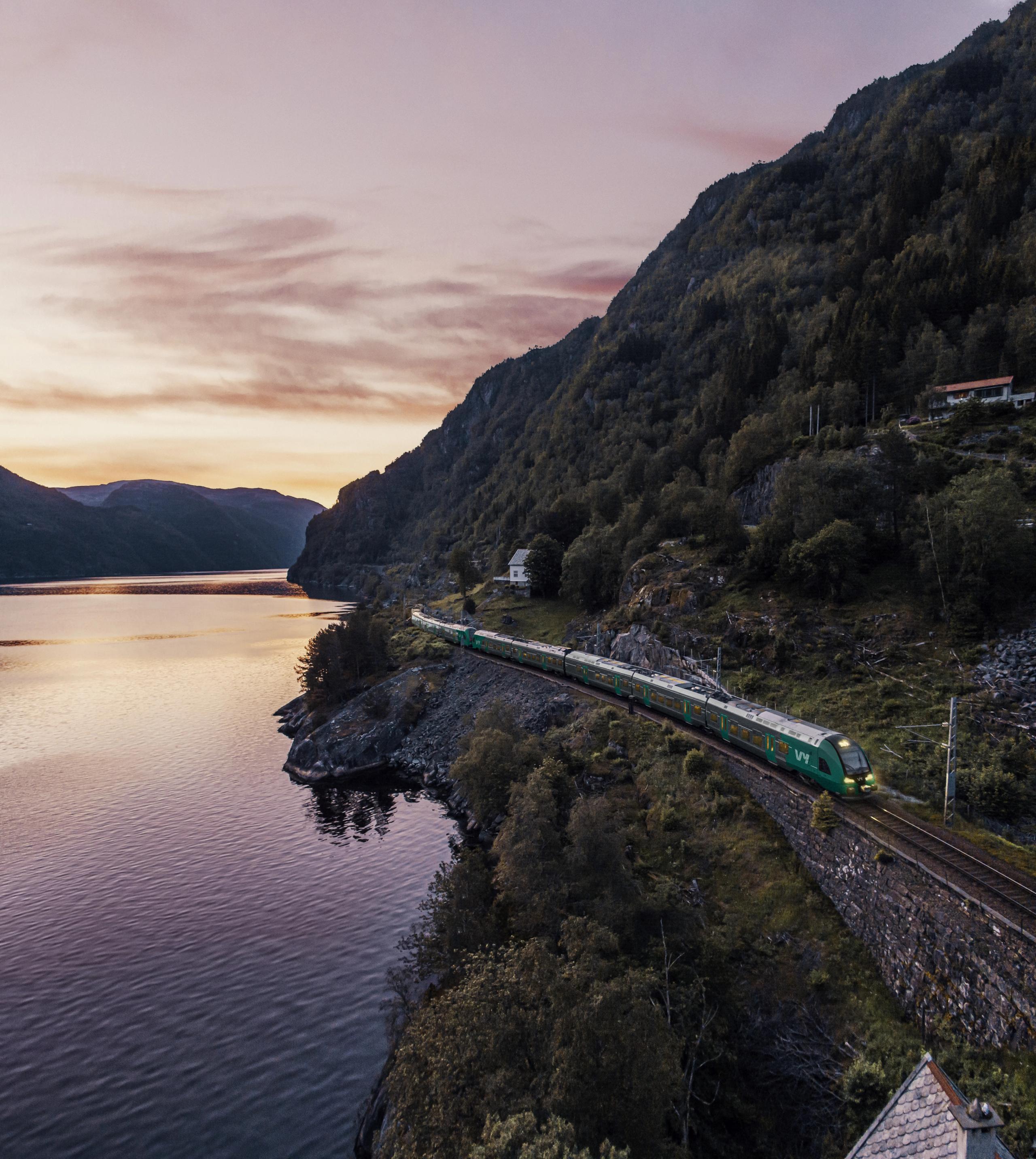 Vy TrainGlide through scenery on a train between Oslo and Bergen on the Bergen Railway and explore the greater Oslo region.
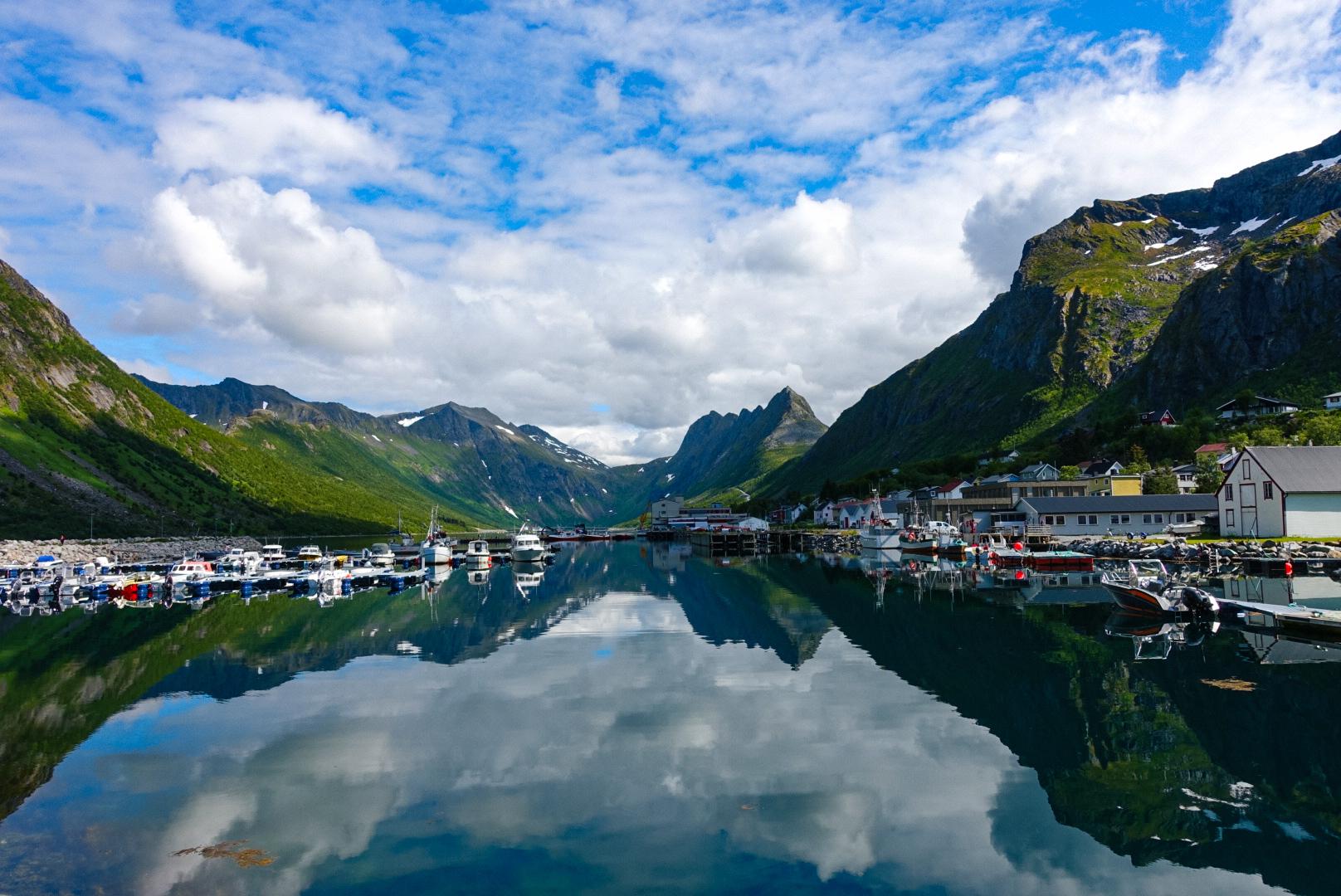 My Nordic TravelChoose between DIY itineraries and pre-packaged holidays to the very best destinations in Norway.
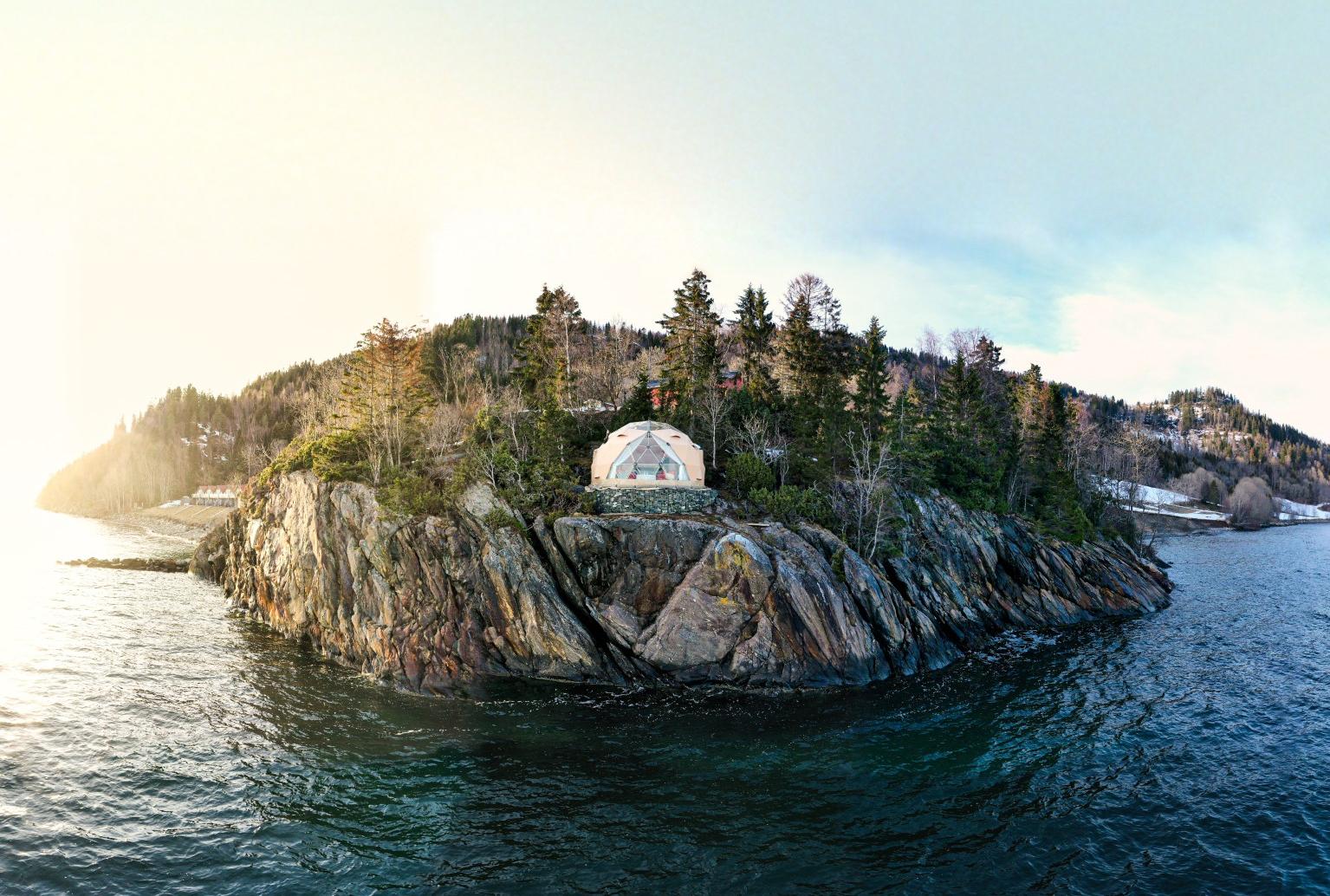 CampanyonUnique camping in nature. Book a stay in a treehouse or glamping tent or rent a motorhome pitch.
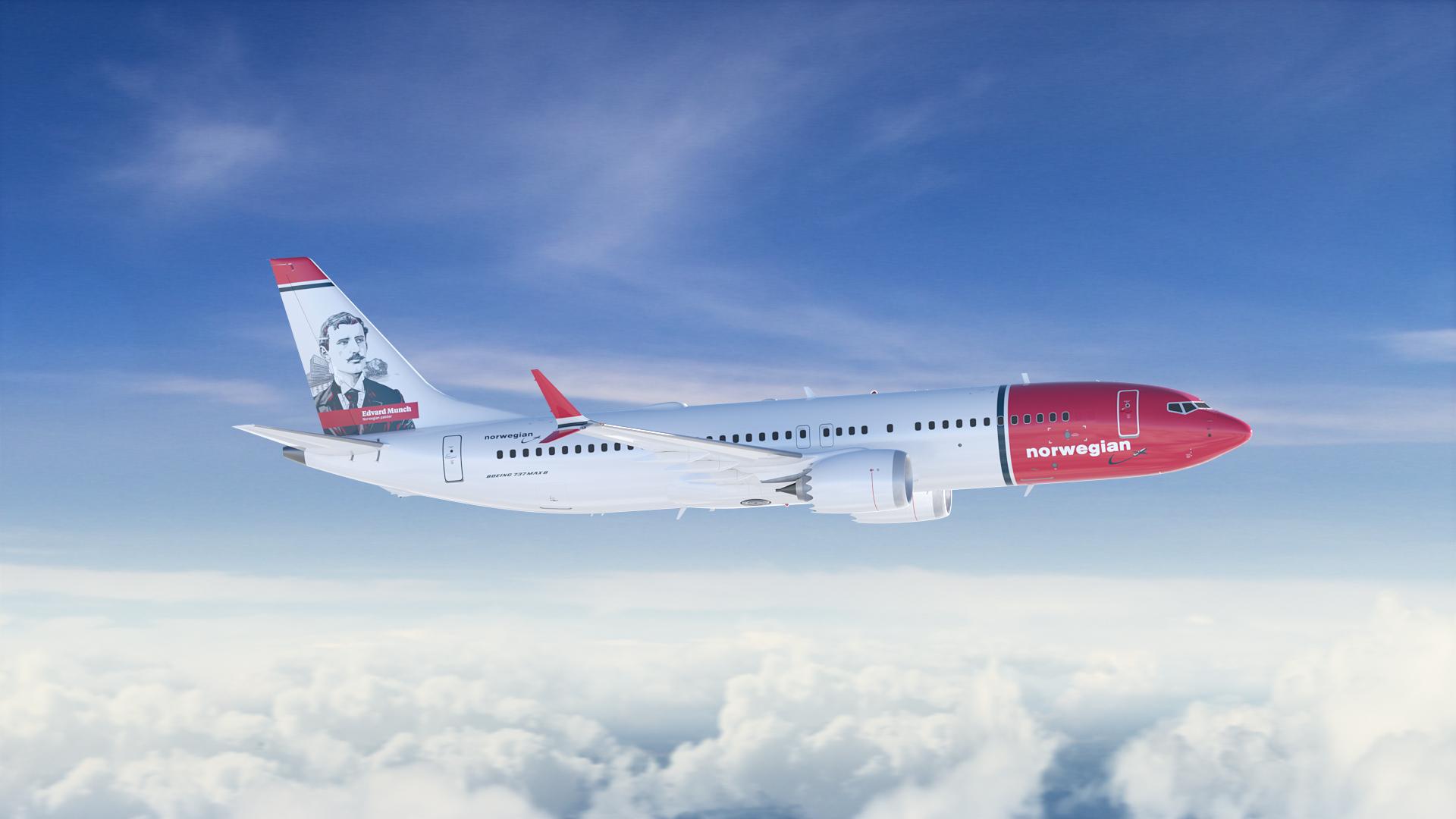 NorwegianNorwegian offers cheap flights in Norway and direct flights from more than 70 European destinations. Book flights through our low fare calendar to your destinations.
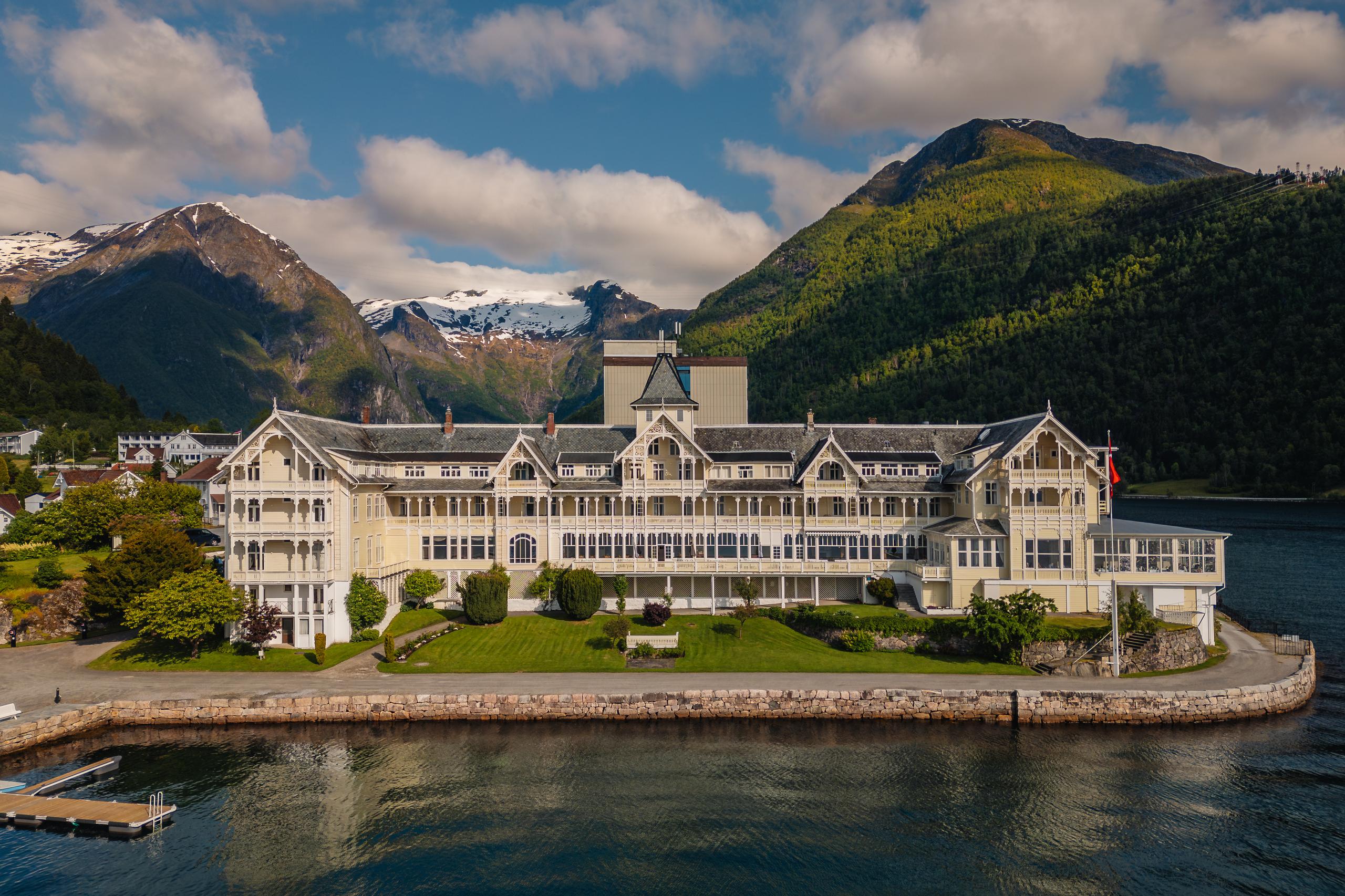 De HistoriskeHave an unforgettable stay at one of Norway's unique, authentic historic hotels. Enjoy first-class dining experiences and a broad range of activities.
 CampioNorway's biggest camping booking site. Find the best camping and motorhome pitches throughout Norway.