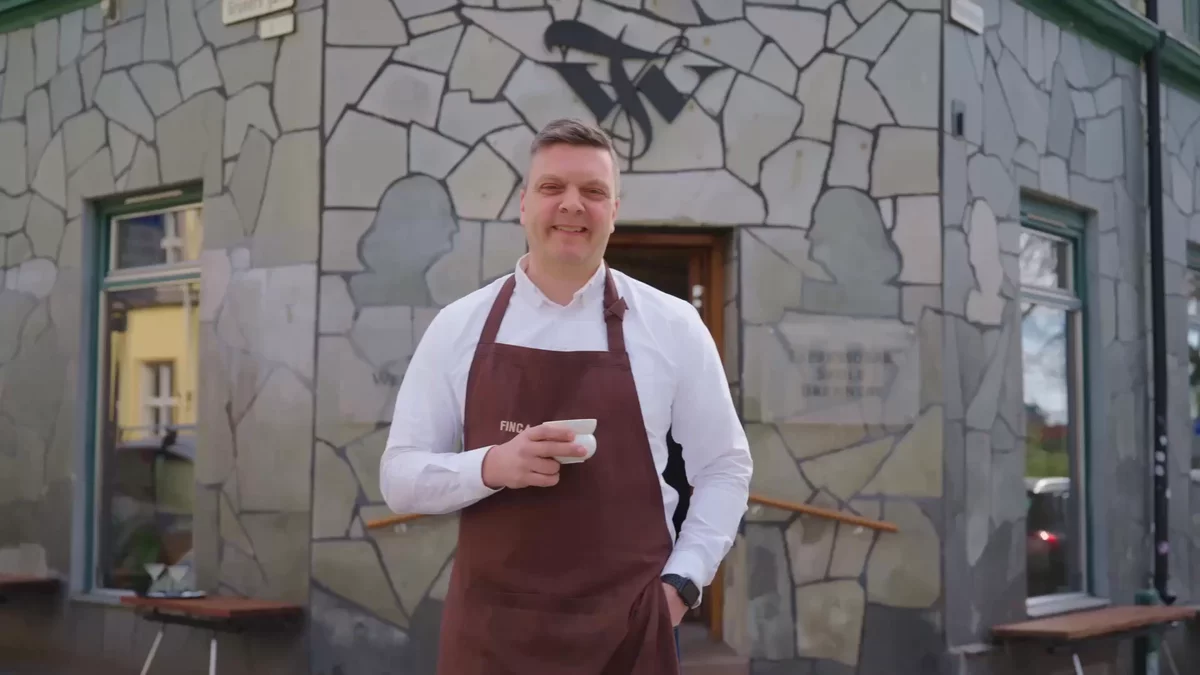
Ranked among the world’s best coffee bars for years, Tim Wendelboe built up his destination in Oslo's Grünerløkka based on a quiet obsession with taste and precision and the belief that coffee can always be improved.
Visit one of the world's best coffee bars
This is where Oslo's modern coffee revolution began.
Meet Tim Wendelboe, the World Barista Champion who helped put Oslo on the global coffee map.
At Tim Wendelboe, the coffee arrives lighter than many people expect.
Bright. Fresh. Almost tea-like.
Not dark chocolate and roasted bitterness, but pronounced fruity sweetness, bright acidity and floral notes, the kind of Nordic light roast coffee that helped put Oslo on the global coffee map.
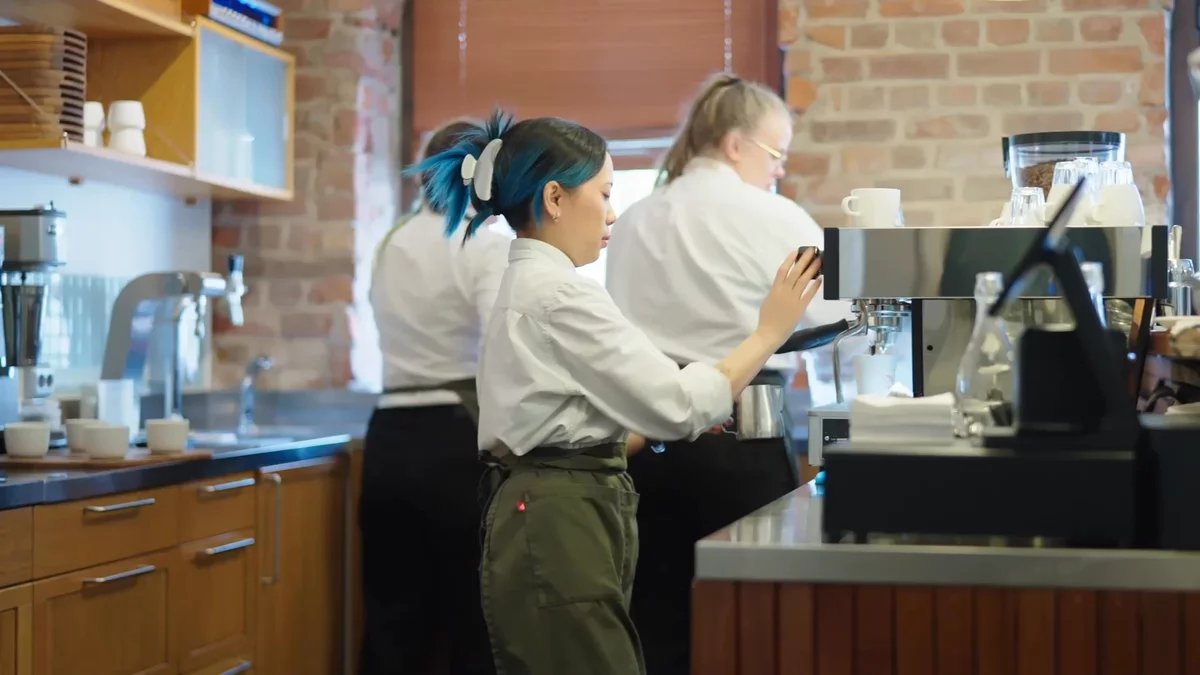
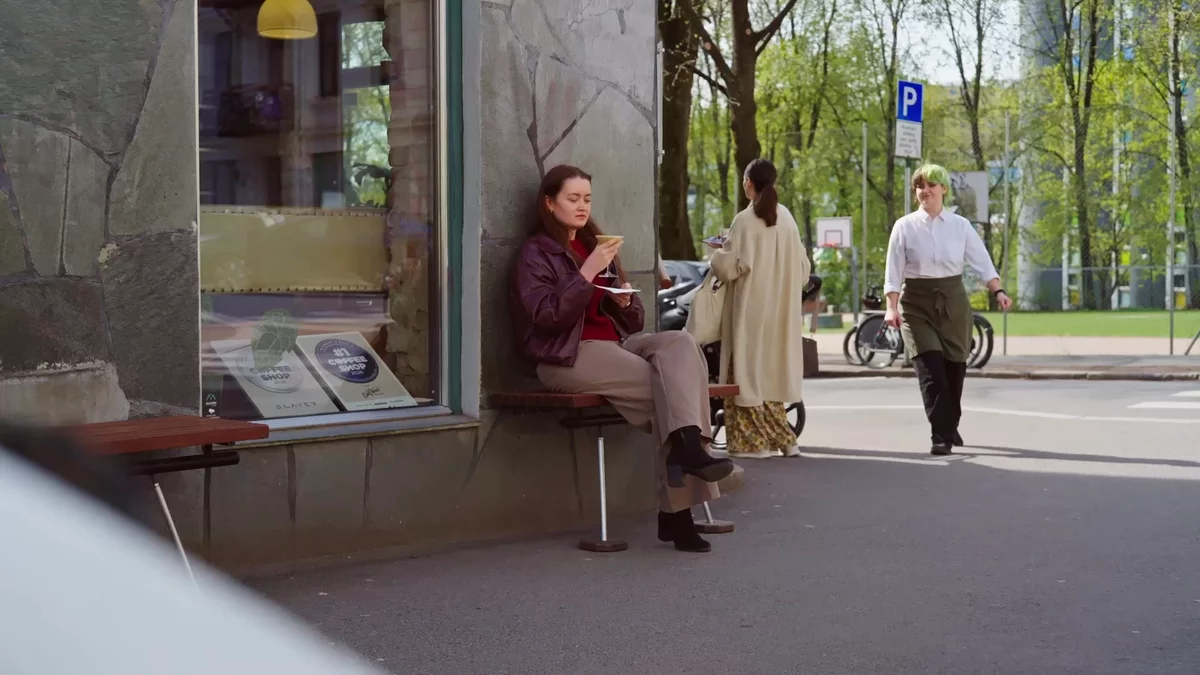
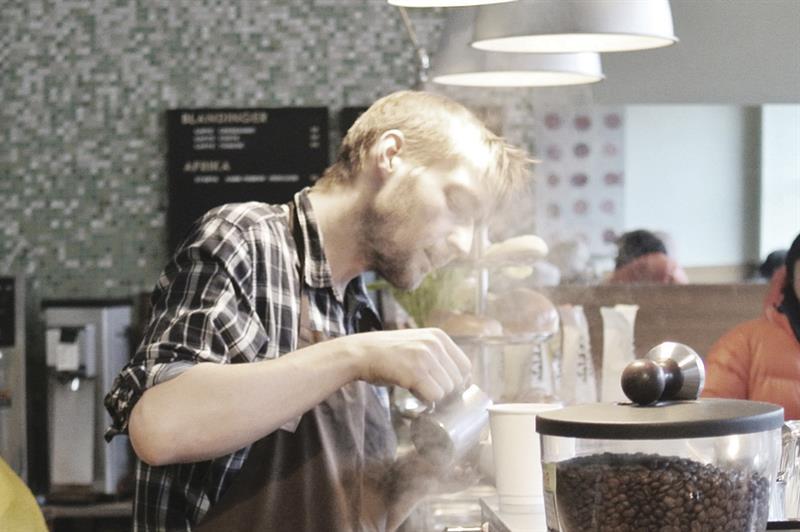
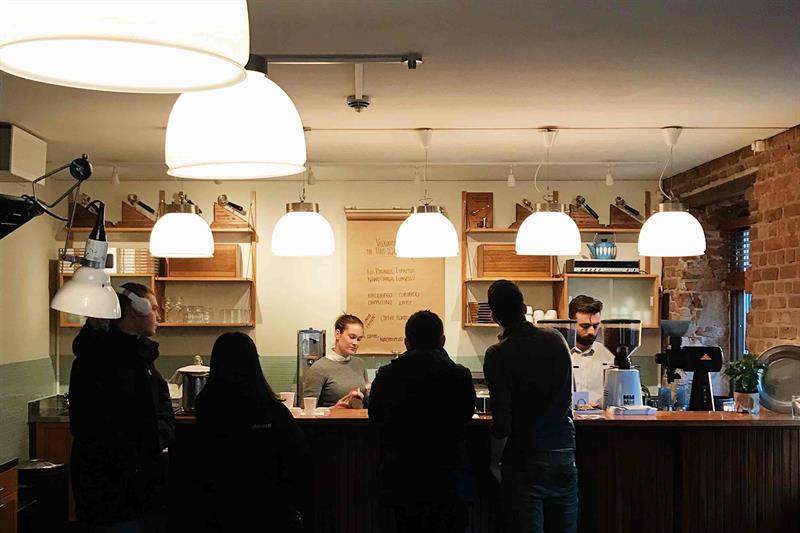
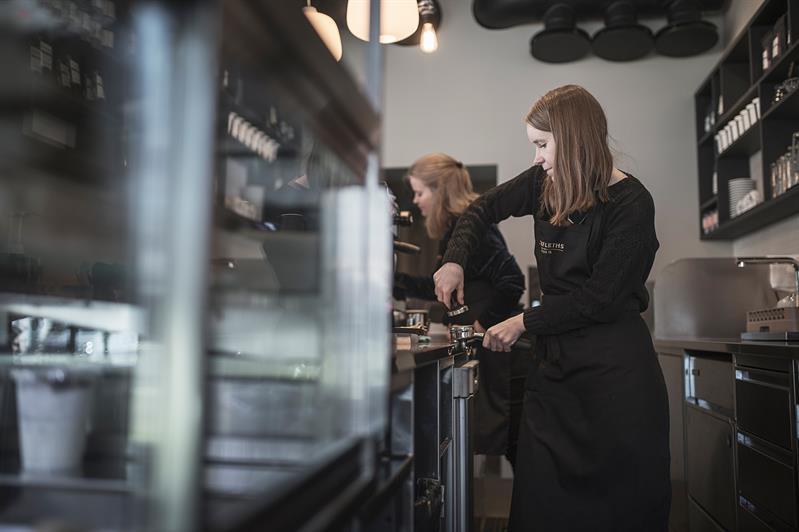
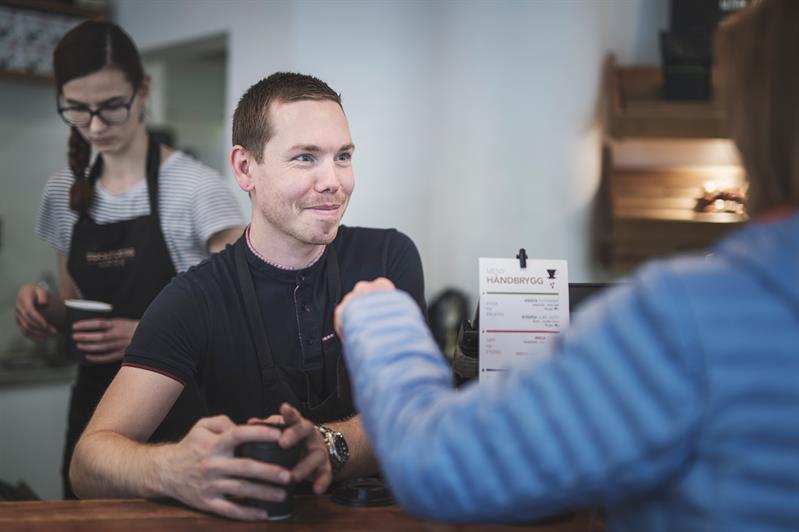
Inside the small Oslo café, coffee loving tourists line up beside locals and regulars. Espresso machines hiss constantly while baristas move quickly behind the counter. On the wall behind the counter, trophies hint at the café's international recognition.
It is busy without ever feeling chaotic.
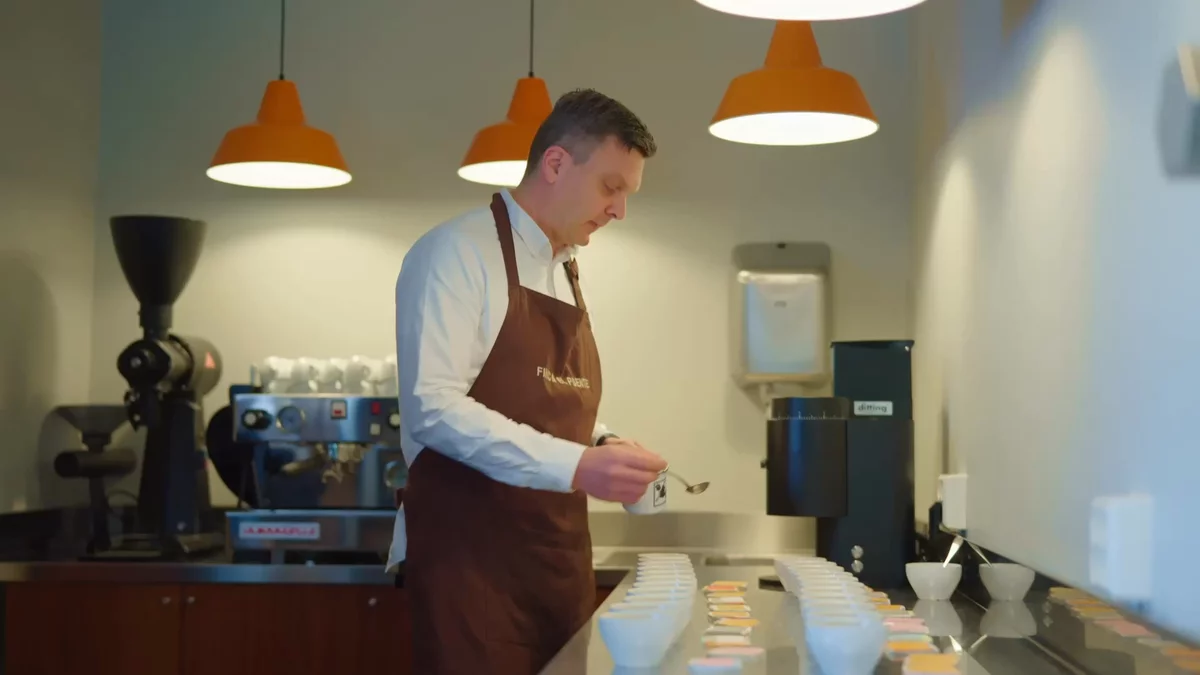
In a separate room behind the café, Wendelboe stands over rows of coffee cups, silently tasting with a spoon. This is his Monday morning ritual.
He slurps loudly, deliberately, pulling air through the coffee to better taste it.
“It’s like training. You have to taste all the time to get good at it.”
Tim Wendelboe
World Barista Champion
In one of the world’s biggest coffee-drinking countries, Tim Wendelboe has spent decades refining his craft, helping turn Oslo into one of the world’s most respected coffee cities.
This small café has become one of its main destinations.
From syrup latte to world champion
It is hard to imagine now, but Wendelboe did not even like coffee when he first started working with it.
"I started with lattes and syrup," he says, laughing. "I think I drank mocha with coconut syrup. It tasted like a Bounty bar."
He began working as a barista in 1998, long before specialty coffee became mainstream in Norway.
Back then, coffee was mostly about strength and routine.
"People wanted low acidity and strong coffee," he says. "Now many prefer something more fruity and fresh."
Over the following years, Wendelboe became one of the defining figures in modern coffee culture. After winning silver at the World Barista Championship in 2001 and 2002, he became World Barista Champion in 2004 – achievements that later helped him launch his own café and roaster in the hip Grünerløkka neighbourhood in Oslo.
But for him, coffee was never about trophies.
"Why come here otherwise?"
According to Wendelboe, coffee has changed dramatically over the last twenty years.
"The raw materials are much better now," he says. "There’s much more variation."
Where coffee was once blended anonymously, specialty coffee introduced a stronger focus on farms, regions and processing methods.
"Before, single-plantation coffee wasn’t really common," he says. "Now people care where their coffee comes from."
That shift also changed customers themselves.
"A lot of people say they don’t like acidic coffee," he says. "But when they taste it, they often find that they in fact do."
Part of his philosophy is to challenge people slightly.
"Why come here if you just want the same thing you always drink?"
That mindset shapes the café’s entire approach.
New employees spend up to six months training, not only learning brewing techniques, but also customer service.
Built by hand
The café itself mirrors the philosophy behind it: practical, understated and carefully considered.
When Wendelboe opened the space, he had little money.
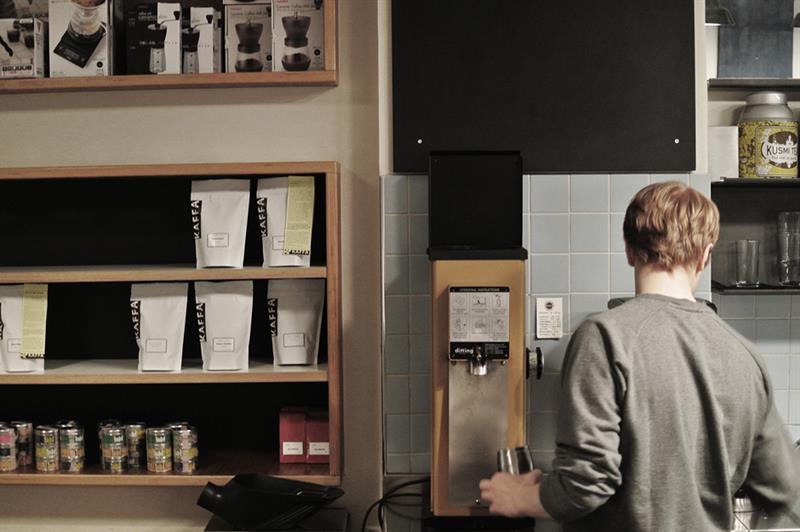
The café used to be an old neighbourhood hair salon with a distinctly 1960s interior. Instead of throwing everything away, he chose to reuse many of the original materials.
He rebuilt much of the space himself, and the counter was made from the old teak ceiling.
"There were a lot of great materials here," he says. "So we reused them."
Even today, he still sands and refinishes the floors himself every year.
The Oslo effect
Norway's soft, pure water makes it easier to brew good coffee, something Wendelboe sees as a major advantage.
Combined with a generation of ambitious Norwegian baristas and roasters, Oslo gradually became one of the world's most influential coffee cities.
Places like the also very famous Fuglen coffee shop and roaster, centrally located at Youngstorget, helped export Nordic coffee culture internationally, especially to Japan, where they now have several Fuglen coffee shops.
For Wendelboe, the work is never really finished.
"Coffee is constantly changing," he says. "So we make small adjustments all the time."
Even after roasting, patience matters.
"When coffee is very fresh, everything just tastes roasted," he says. "At home, I usually let it rest for around two weeks before brewing."
Despite the international recognition, he has no interest in opening more cafés.
For Wendelboe, this small space, once home to blowdryers and scissors as Grete's Salon, tiled by her husband and decorated in a distinctly 1960s style, remains the café he wants to keep improving.
More premium coffee shops
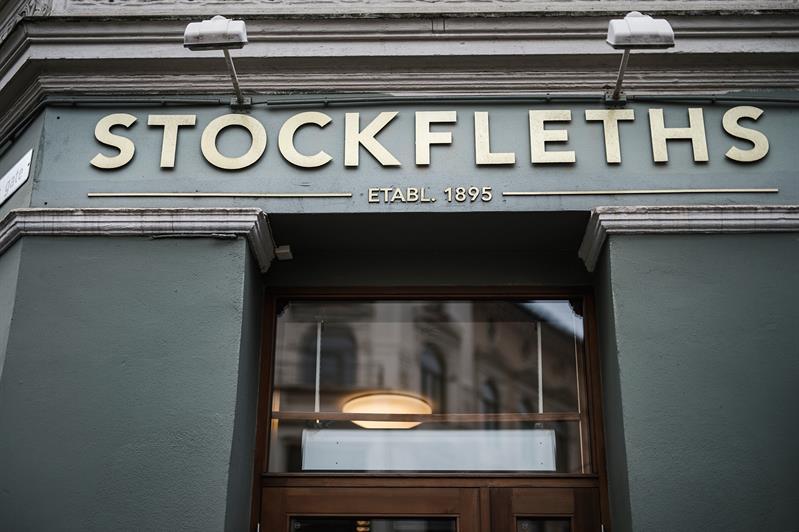
The oldest, Stockfleths, has existed for more than 130 years!

Norwegian food destinations
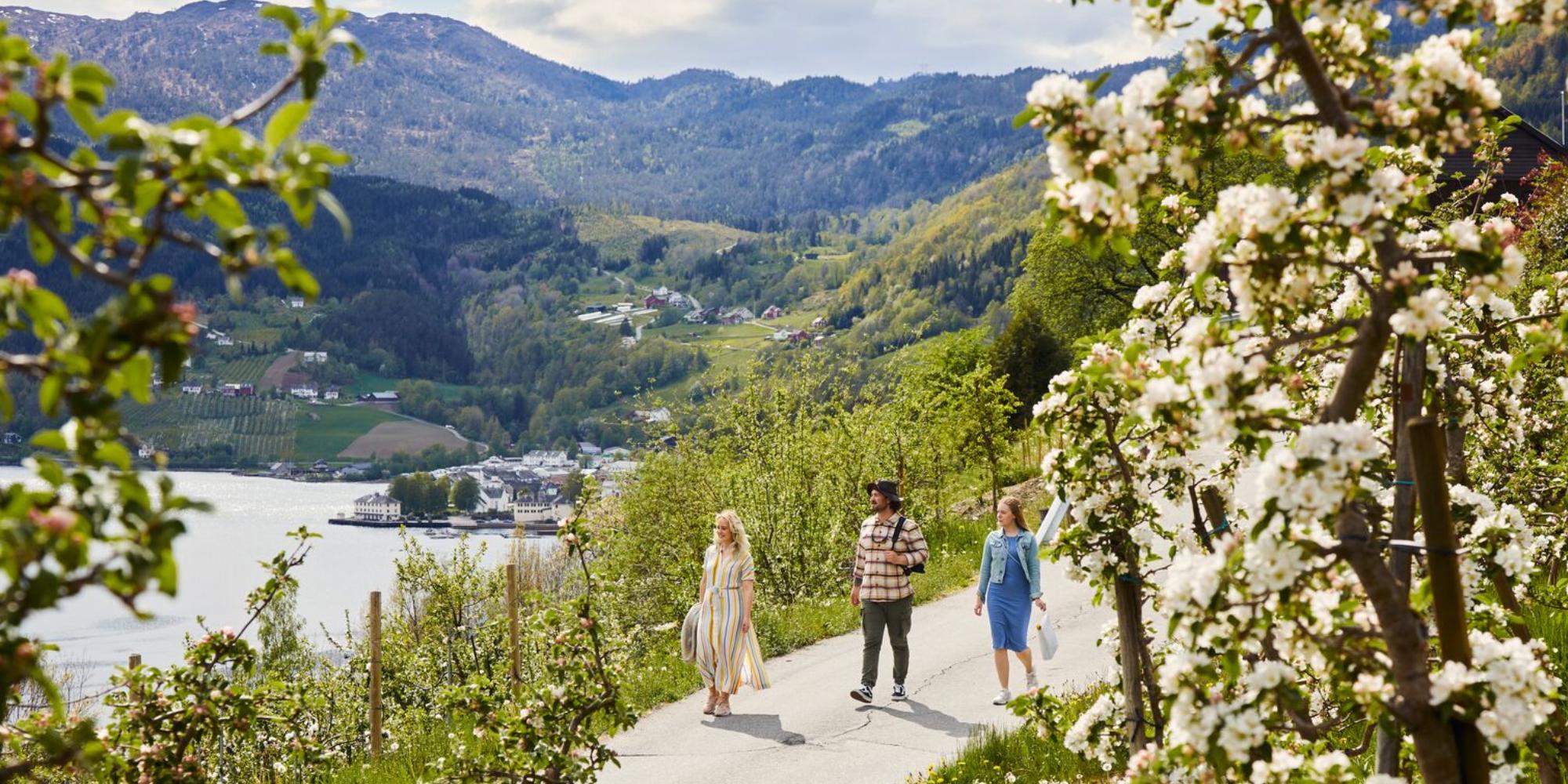
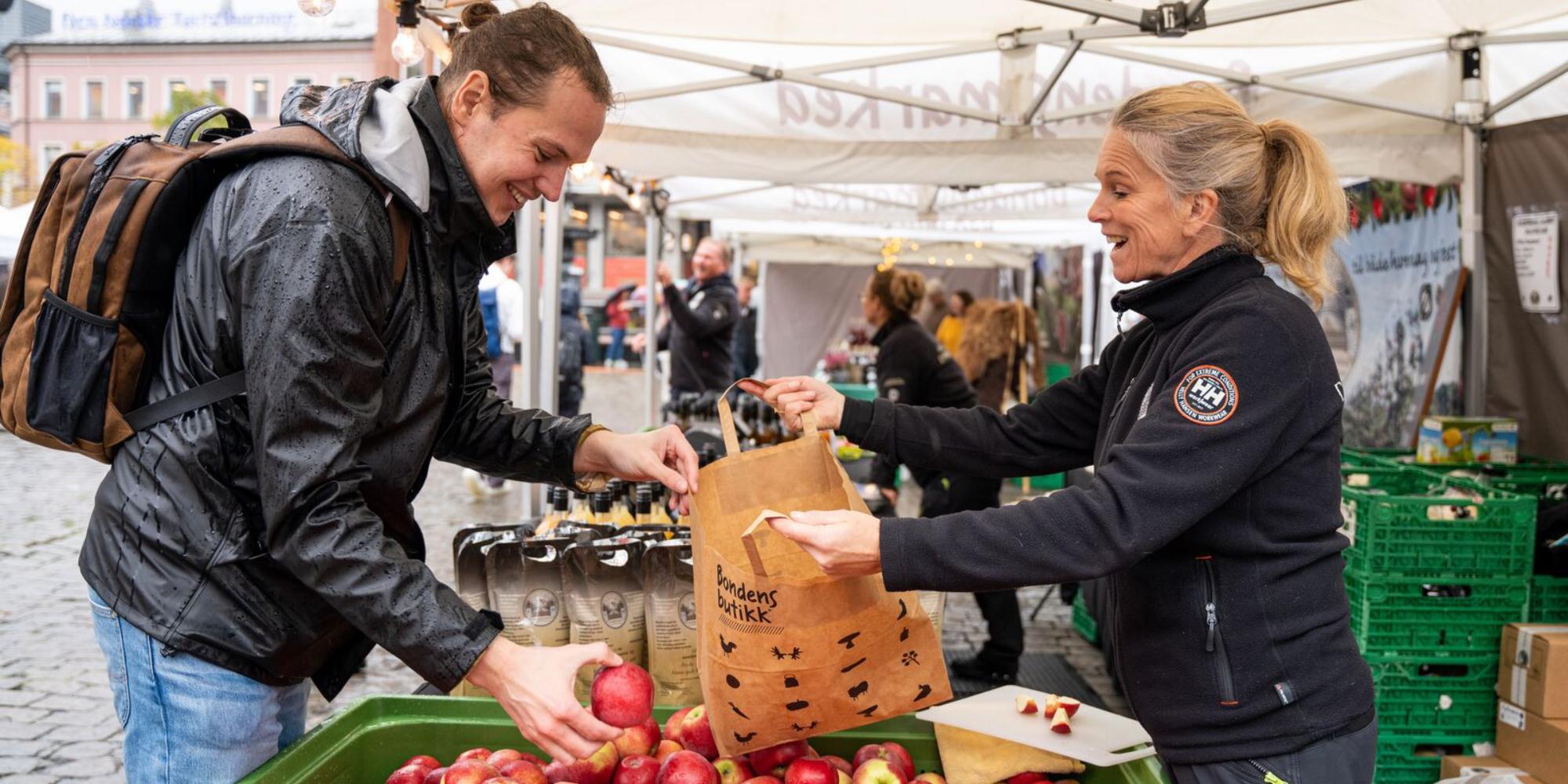
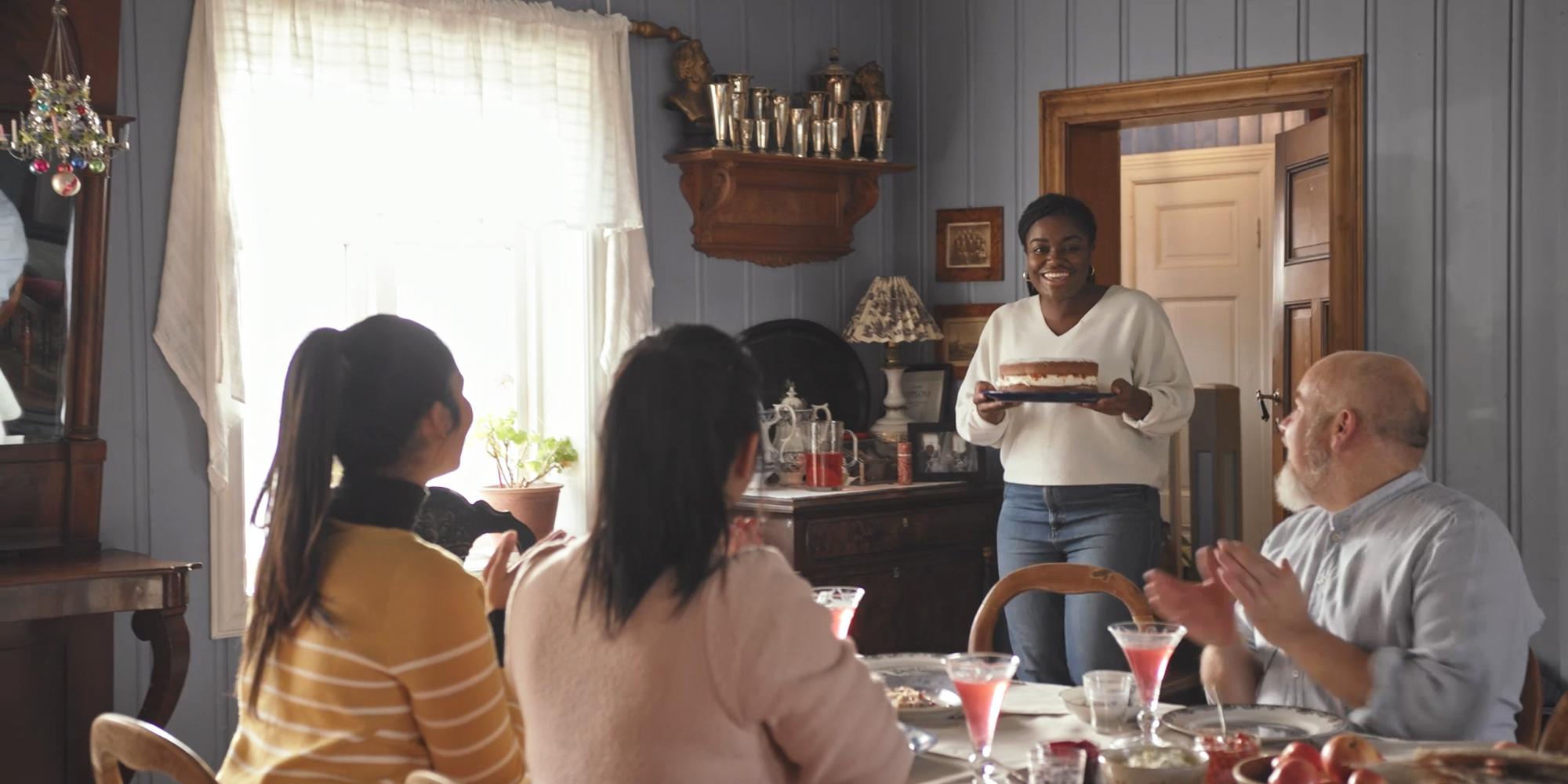
Join our gastronomic tour of Norway, from north to south.

More of Oslo
Get ready for you next city break.
Take advantage of top offers
See our selection of trusted companies that work hard to make you happy all through your trip.
 Brim ExplorerQuiet fjord tours on award-winning electric catamarans in Oslo, Tromsø, Lofoten, and Svalbard.
 CityboxModern and affordable hotels in central locations in Oslo, Bergen, and Kristiansand.
 NorgesbookingBook your perfect cabin stay in the fjords, mountains, and valleys of Norway.
 Scandic HotelsExperience Nordic hotel hospitality at its finest at more than 90 hotels across Norway. Special offers are available.
 StrawberryA different hotel company! Look out for great weekend deals at more than 100 hotels in Norway.
 Thon Hotels ASFantastic breakfast included! Experience true comfort and reasonable rates at our 80 hotels in Norway.
 CampcationBook a camping stay in stunning and unique locations all across Norway with Campcation.
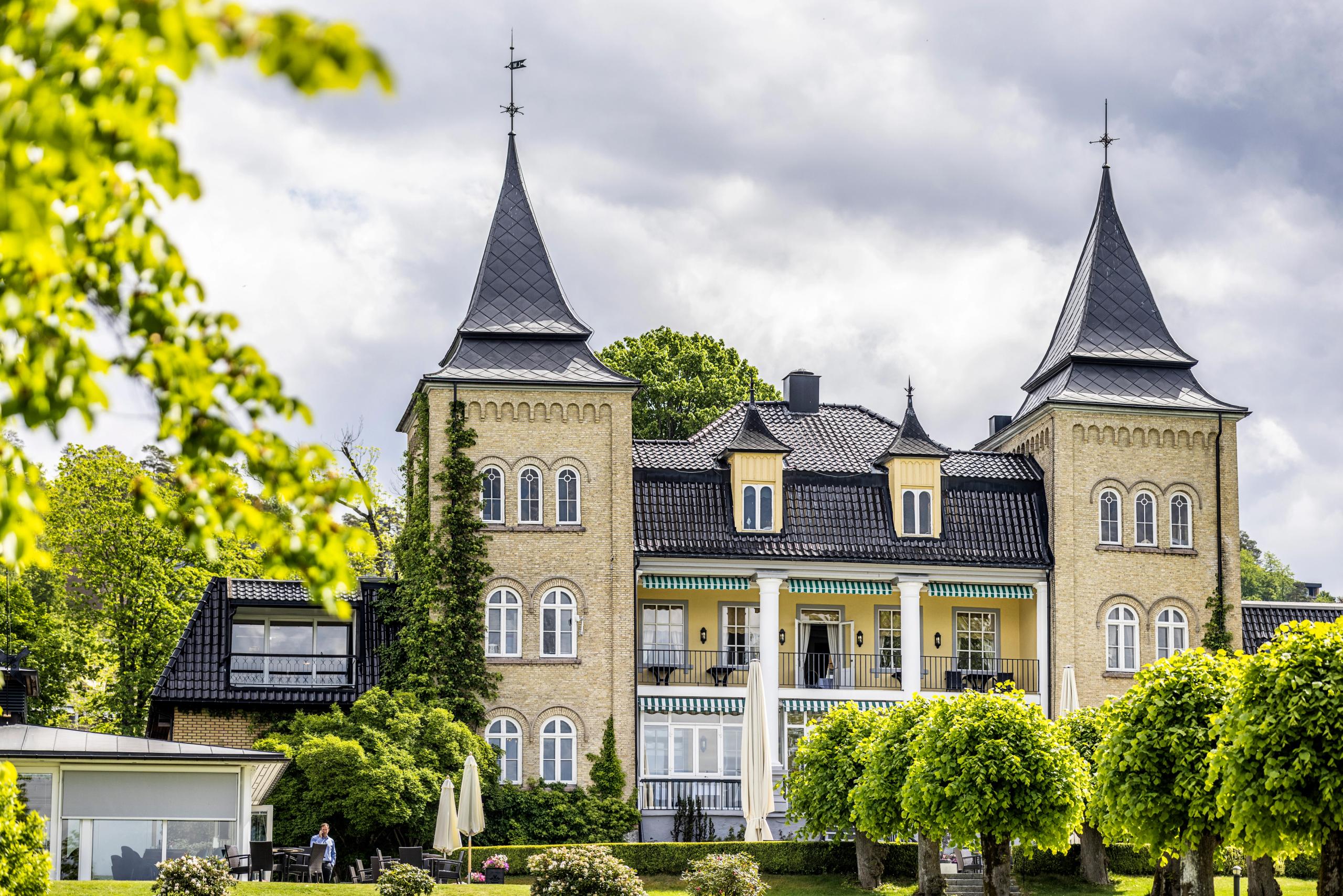 Classic Norway HotelsWhen the hotel is the destination. Book a night to remember in one of Norway's most unique and distinctive hotels.
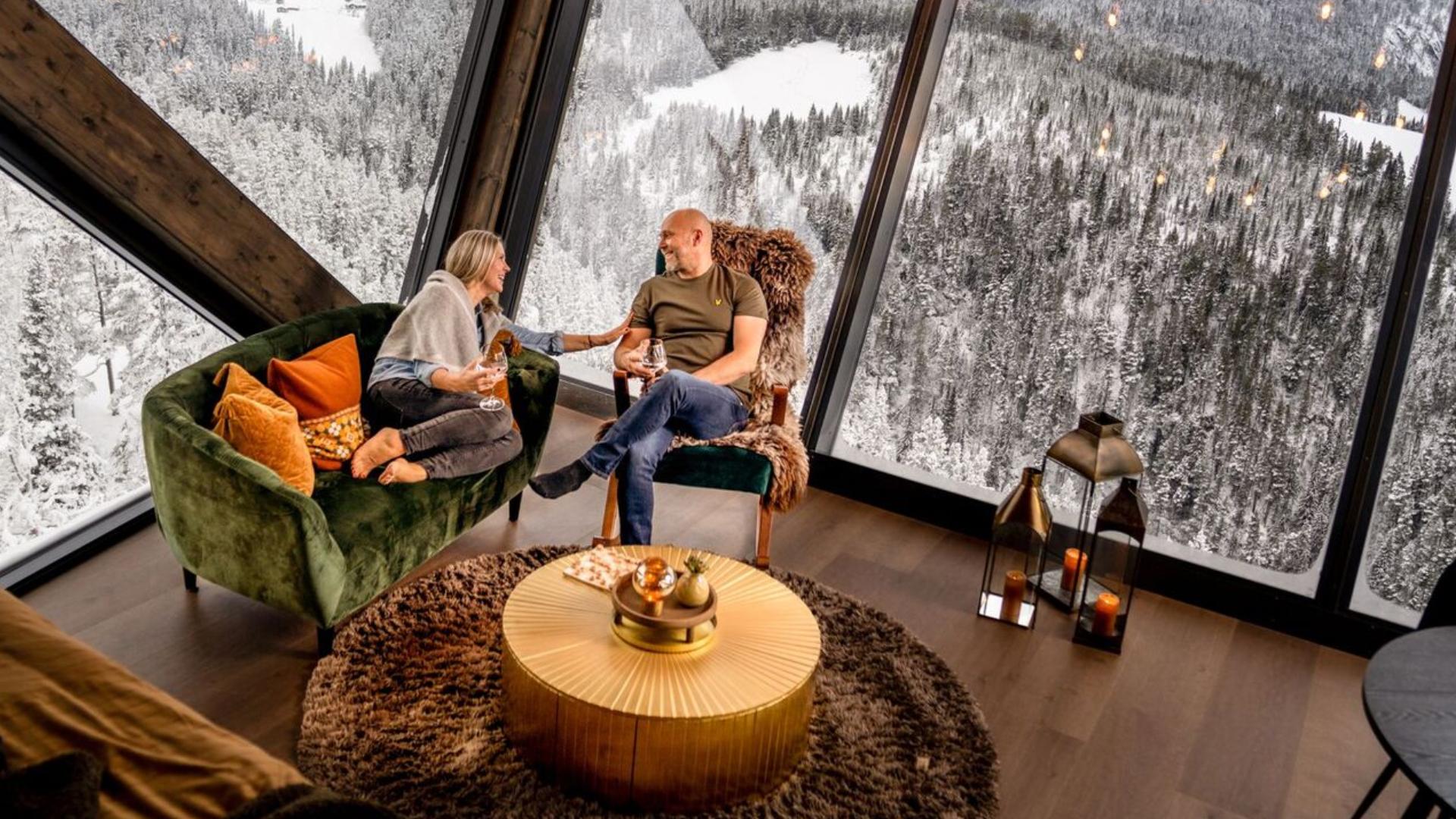 50 Degrees North NordicChoose between unforgettable tailormade individual trips and small, exclusive group tours of Norway.
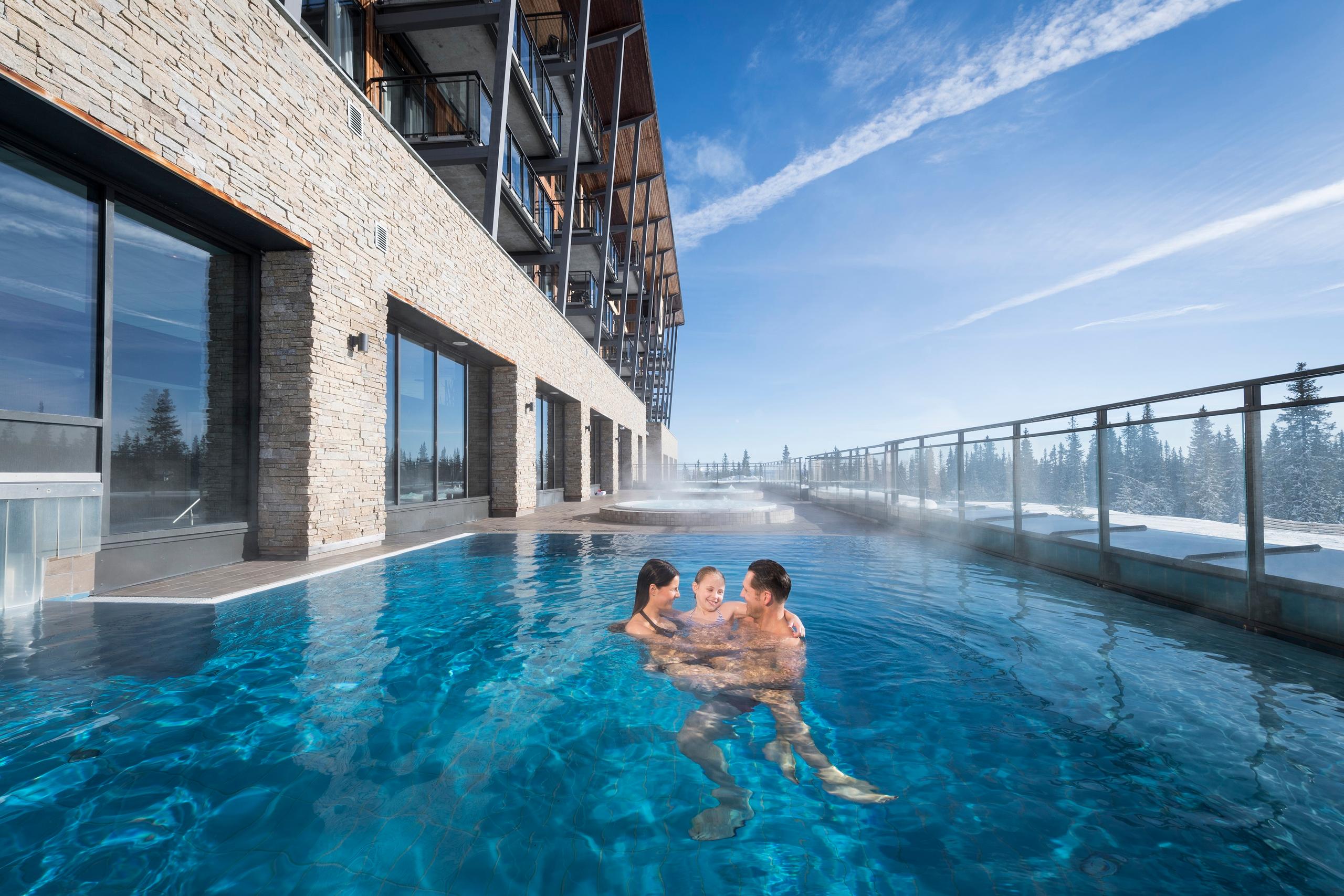 Radisson HotelsGreat value offers and comfortable quality stays in Norway´s major cities, airports, and ski resorts.
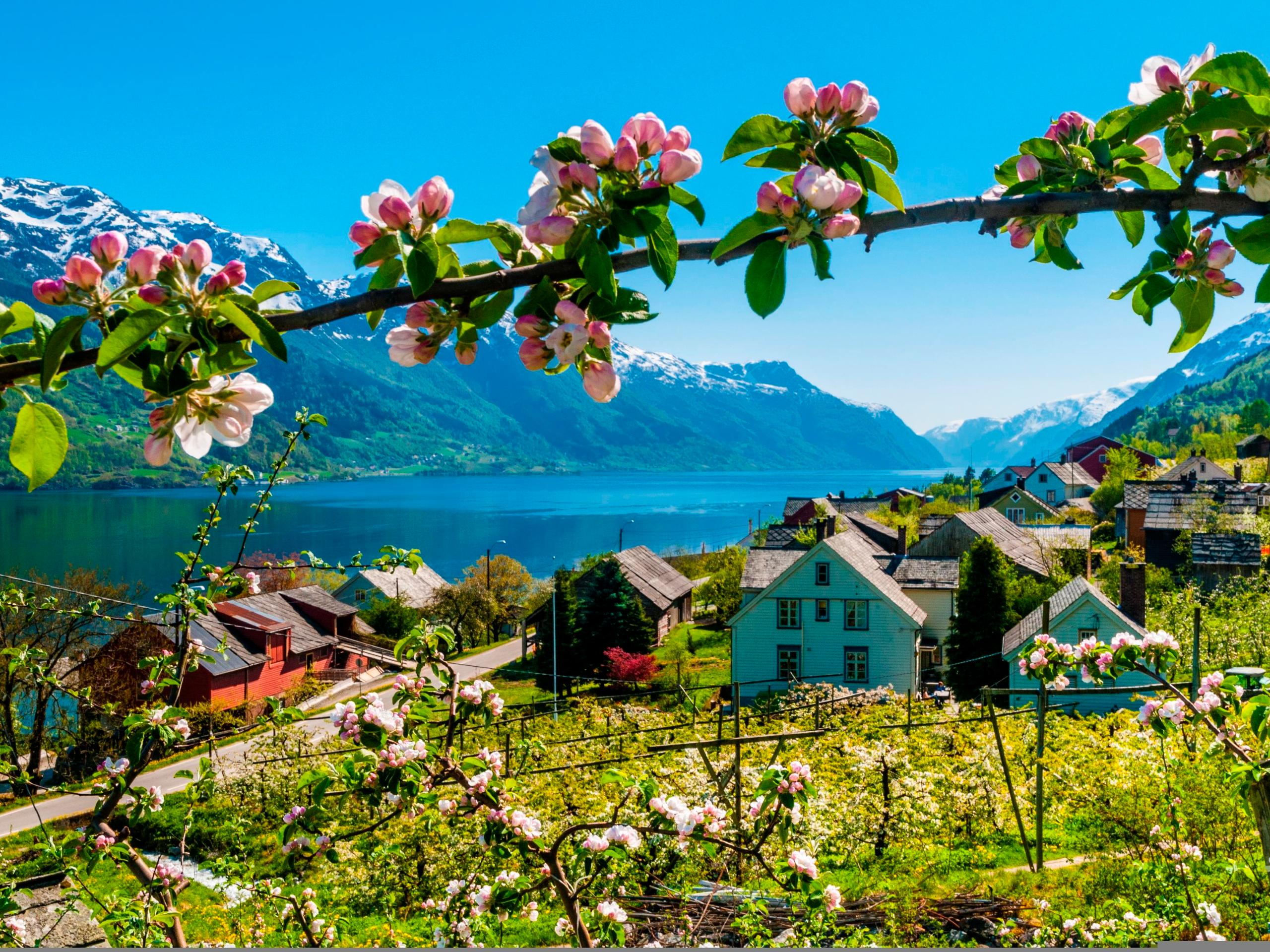 Authentic ScandinaviaTravel curated by locals. Our tailormade tours suit every type of traveller and budget.
 Booknordics.comUnique holiday packages, adventure hotels, tours, and activities.
 Fjord ToursHome of Norway in a Nutshell, Norway's most popular tour. Fjords, mountains, and stunning destinations — all in one trip!
 Go FjordsBook fantastic tours and experiences! We offer tours in Oslo, Bergen, Stavanger, Lofoten, the North Cape, and more.
 HurtigrutenExperience the world's most beautiful sea voyage on an unforgettable cruise along the stunning Norwegian coast.
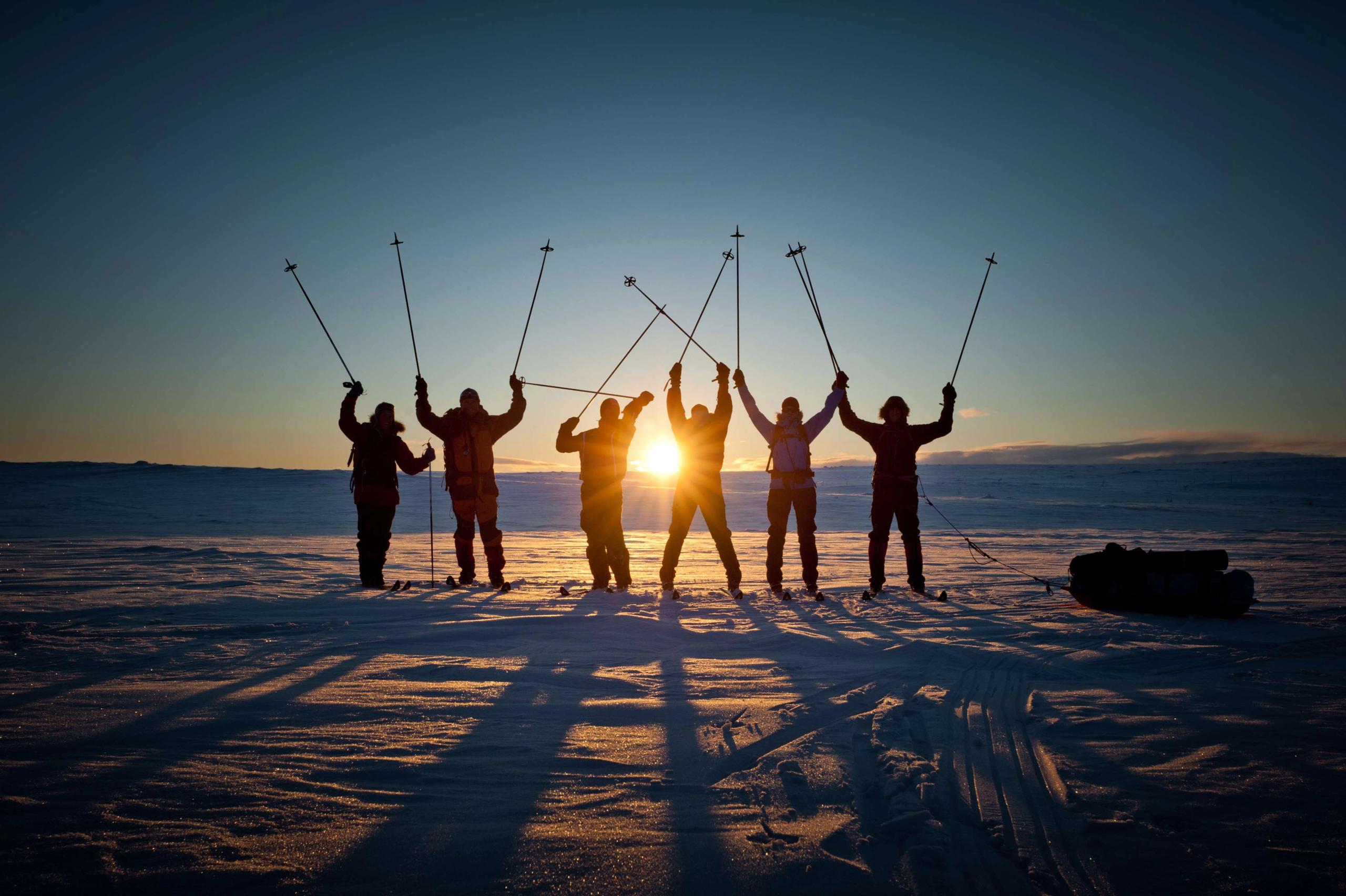 Norrøna AdventureGet ready for expeditions and adventure holidays with Norrøna Adventure. Hiking, skiing, and biking trips.
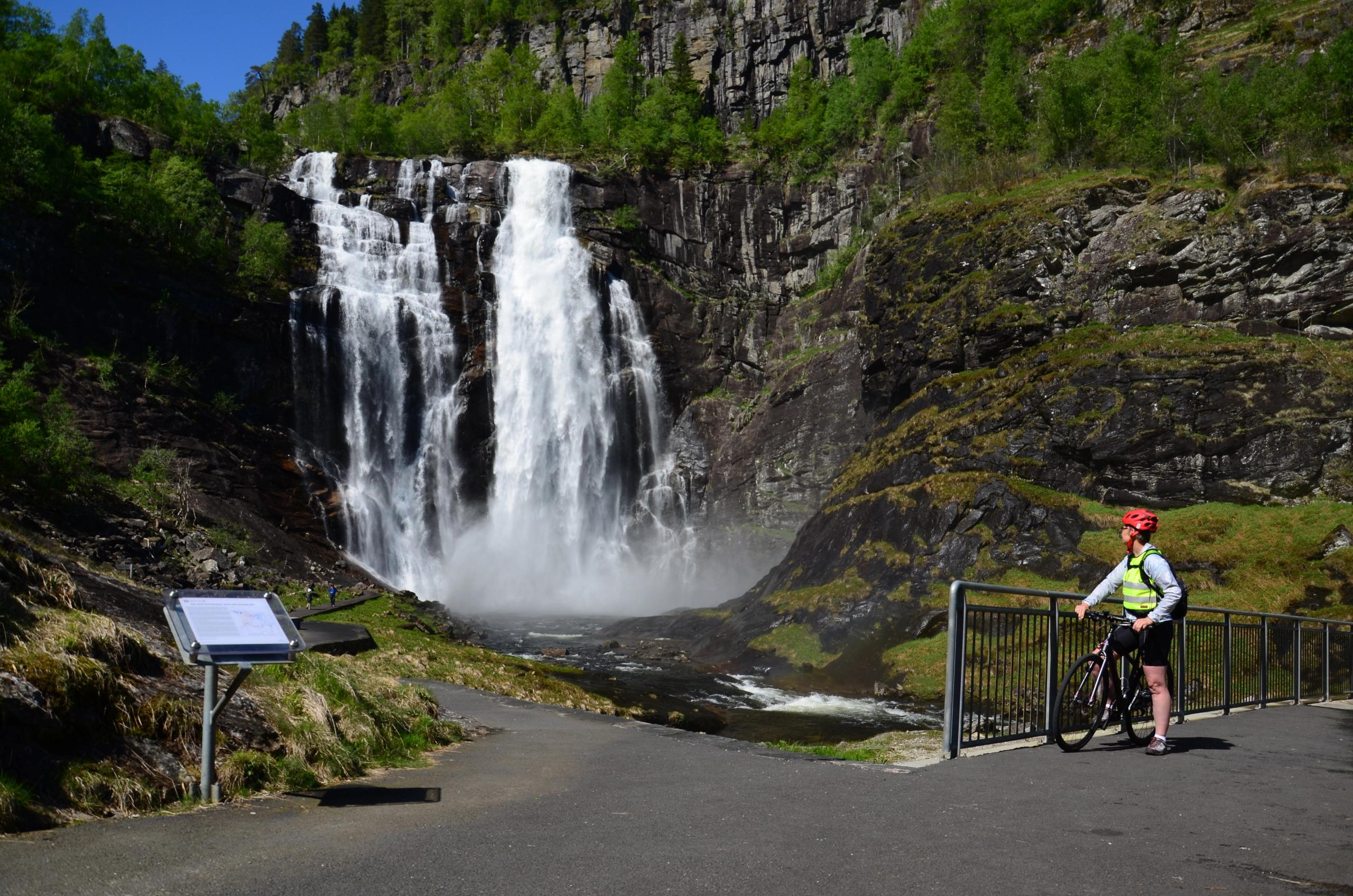 Discover NorwayOffers a range of exciting self-guided hiking, biking, and skiing holidays in Norway. Luggage transfer included.
 Norwegian HolidaysLow-price package holidays with Norwegian. Book your flight, hotel, and rental car all in one place.
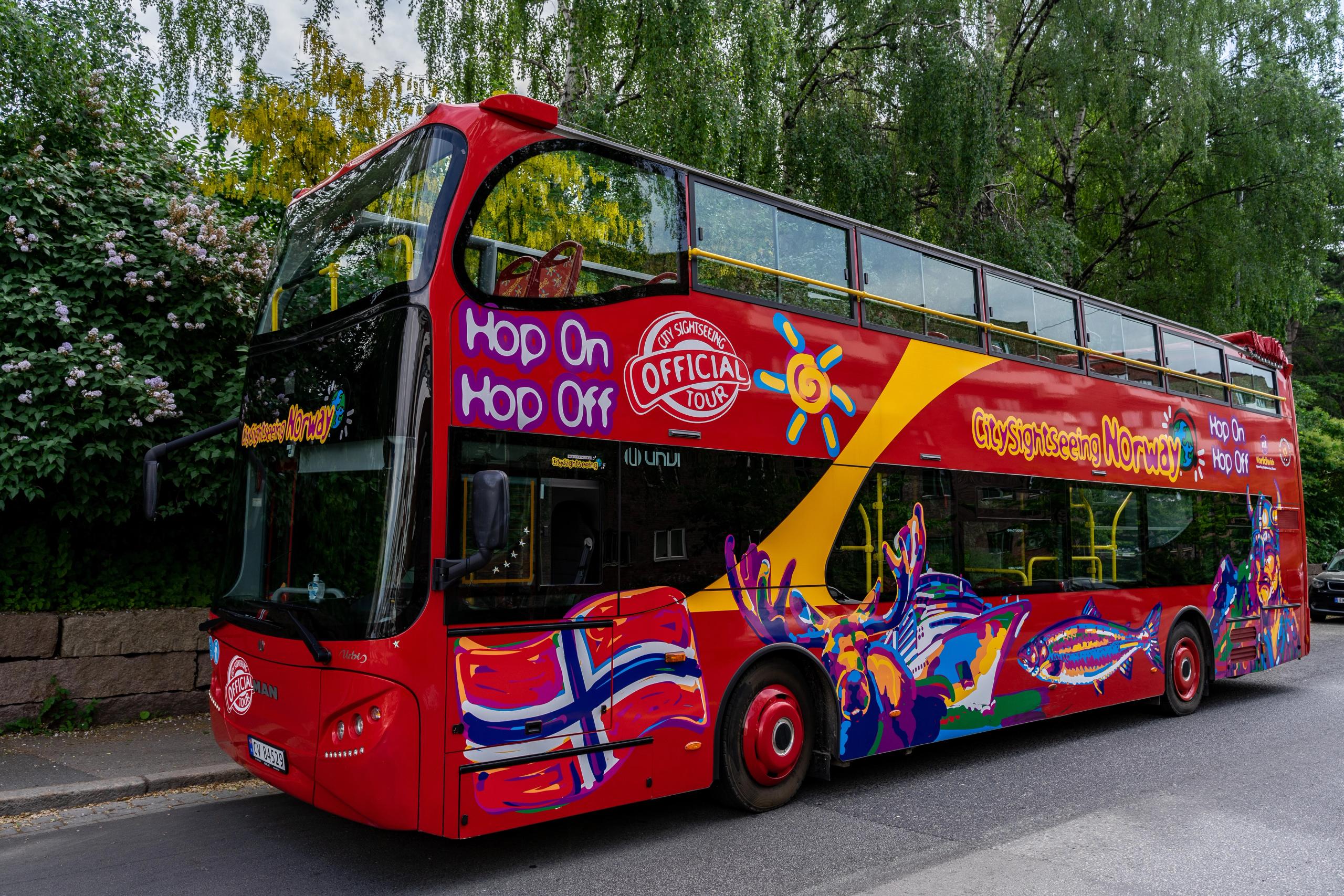 StrömmaSightseeing by bus and boat in several major tourist spots and cities in Norway.
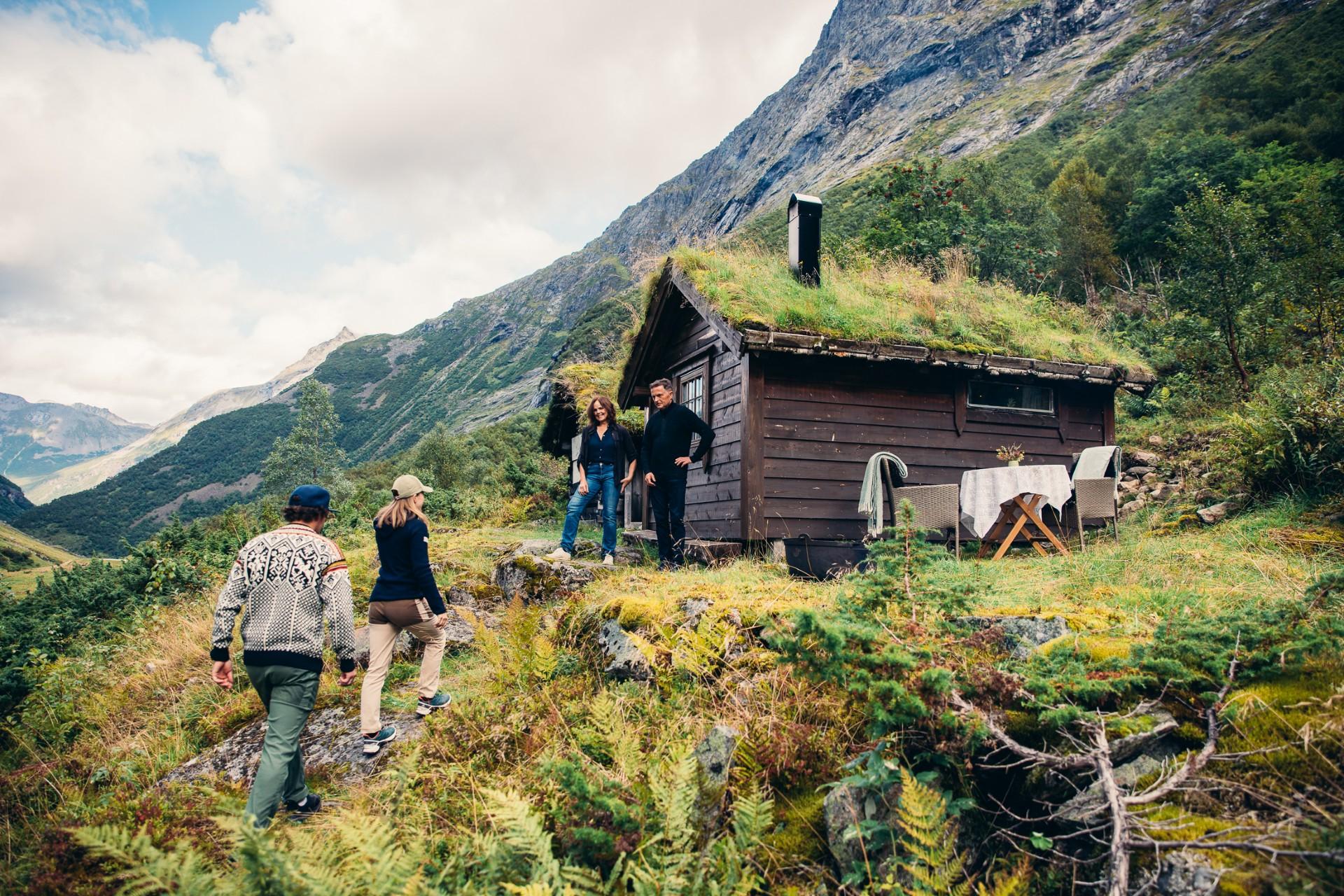 Up NorwayBespoke luxury hand-picked by local experts. We combine your preferences and our knowledge to make an unforgettable journey.
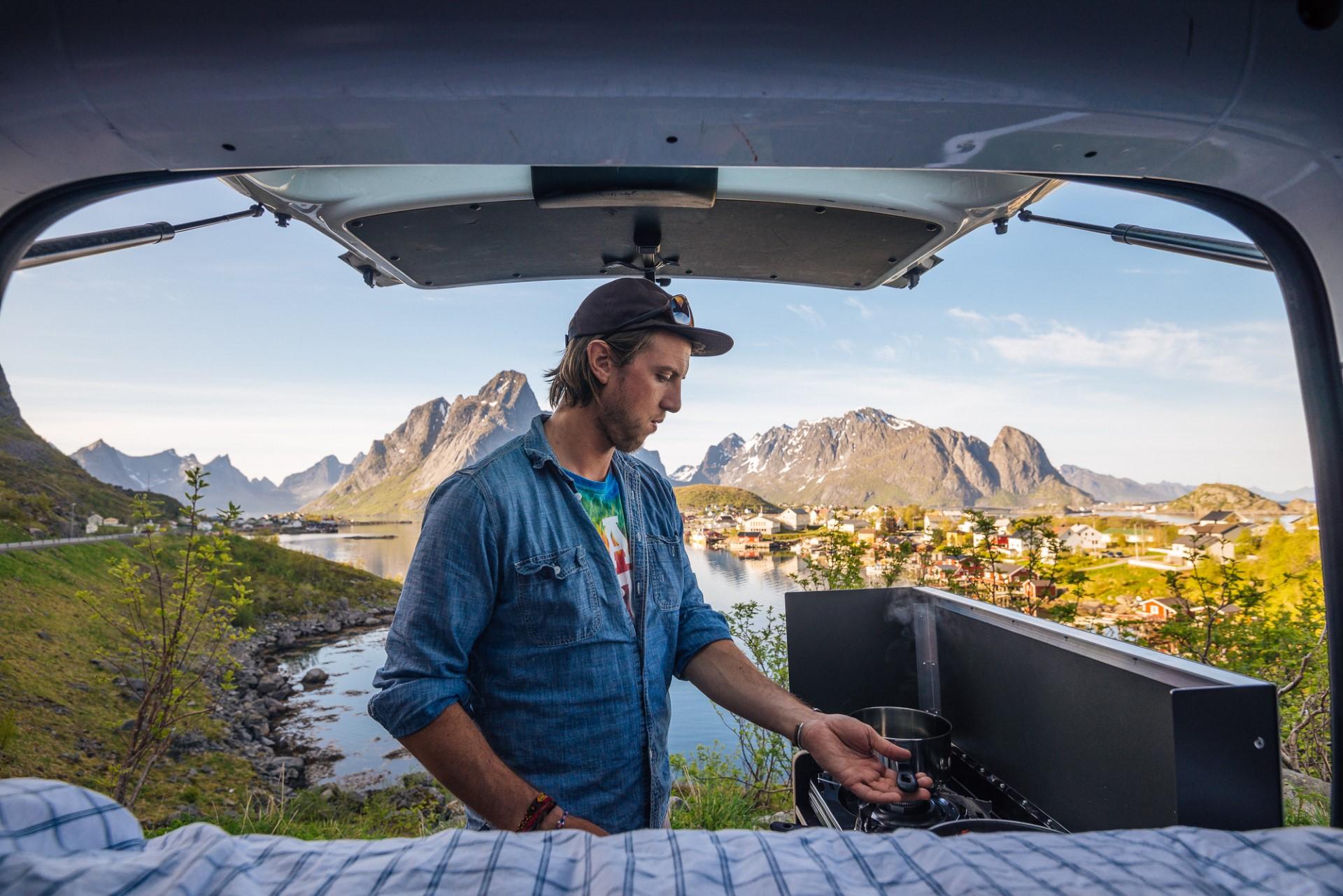 Arctic Campers ASDo you want to try van life? Explore Norway in comfort and style with our smart and cosy campervans.
 Auto EuropeAlways a smooth car rental experience. Search and compare rental rates. Free cancellation up to 24 hours prior to pick-up.
 NOR-WAY BussekspressEnjoy scenic views on comfortable bus trips to the fjords and from city to city with our express buses.
 Rent-A-Wreck of Scandinavia ASThe smart and affordable car rental alternative.
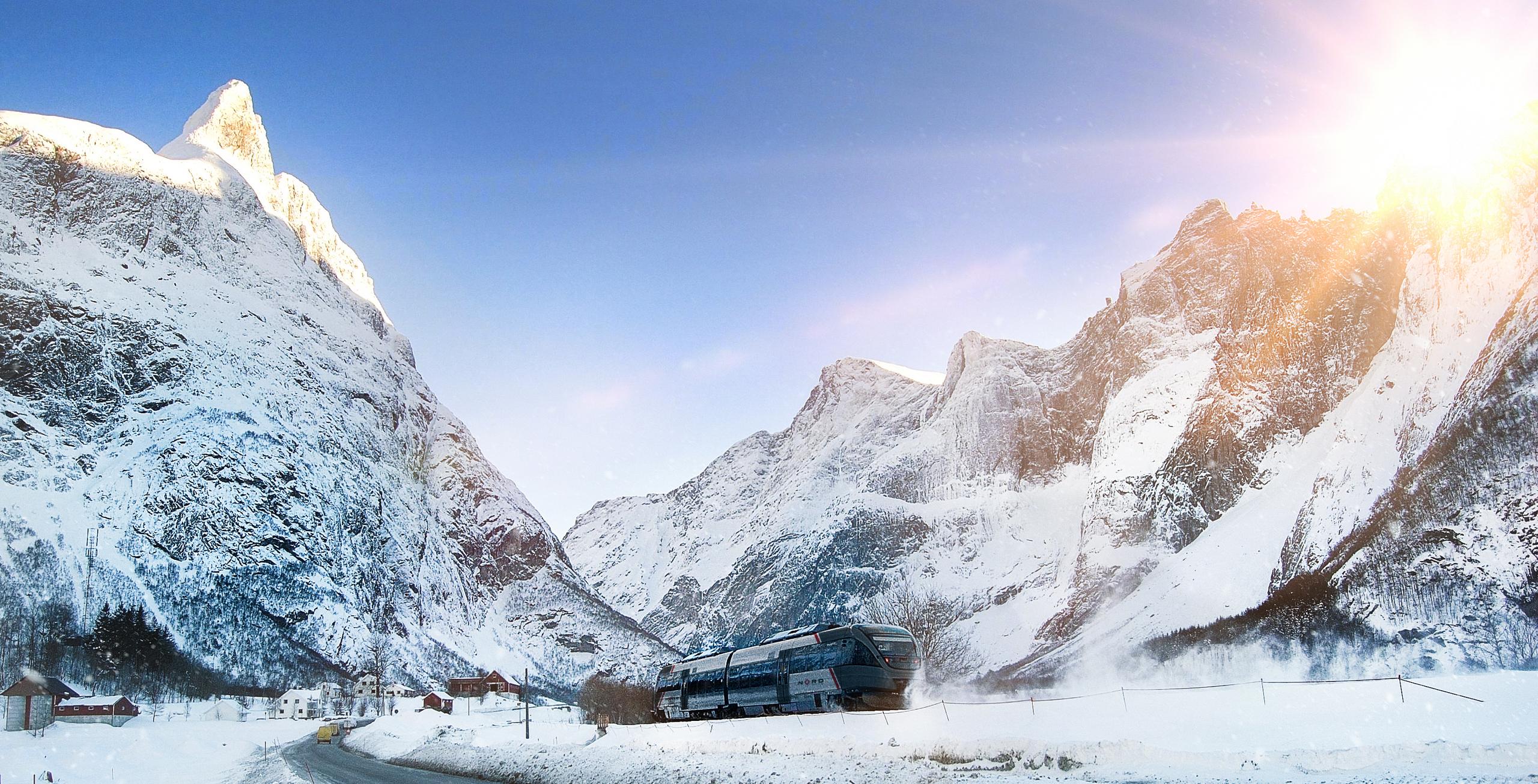 SJ NordSJ NORD - the adventure starts on the train
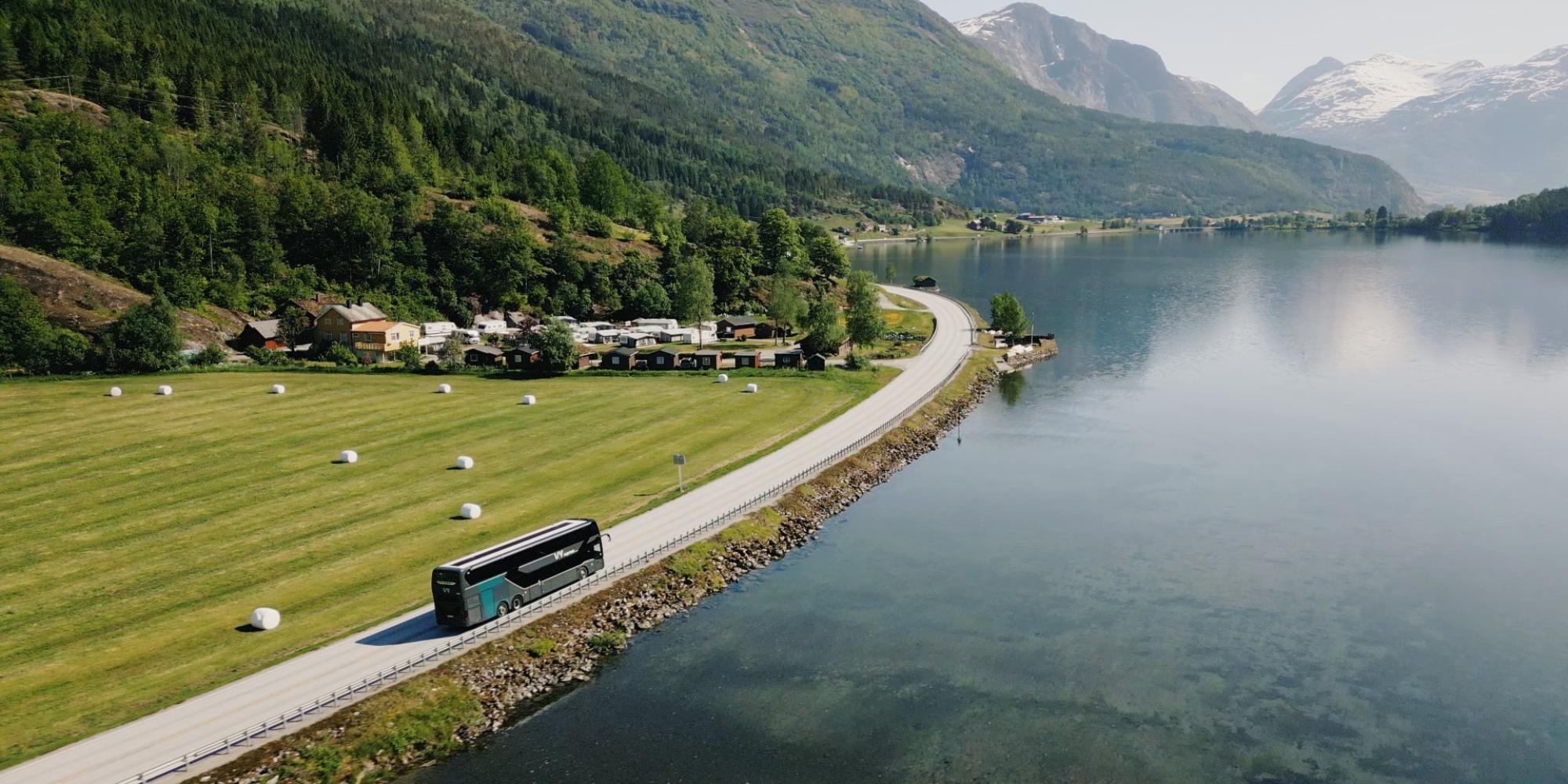 Vy expressDiscover Norway on comfortable express buses that take you between major cities, mountains, and fjords.
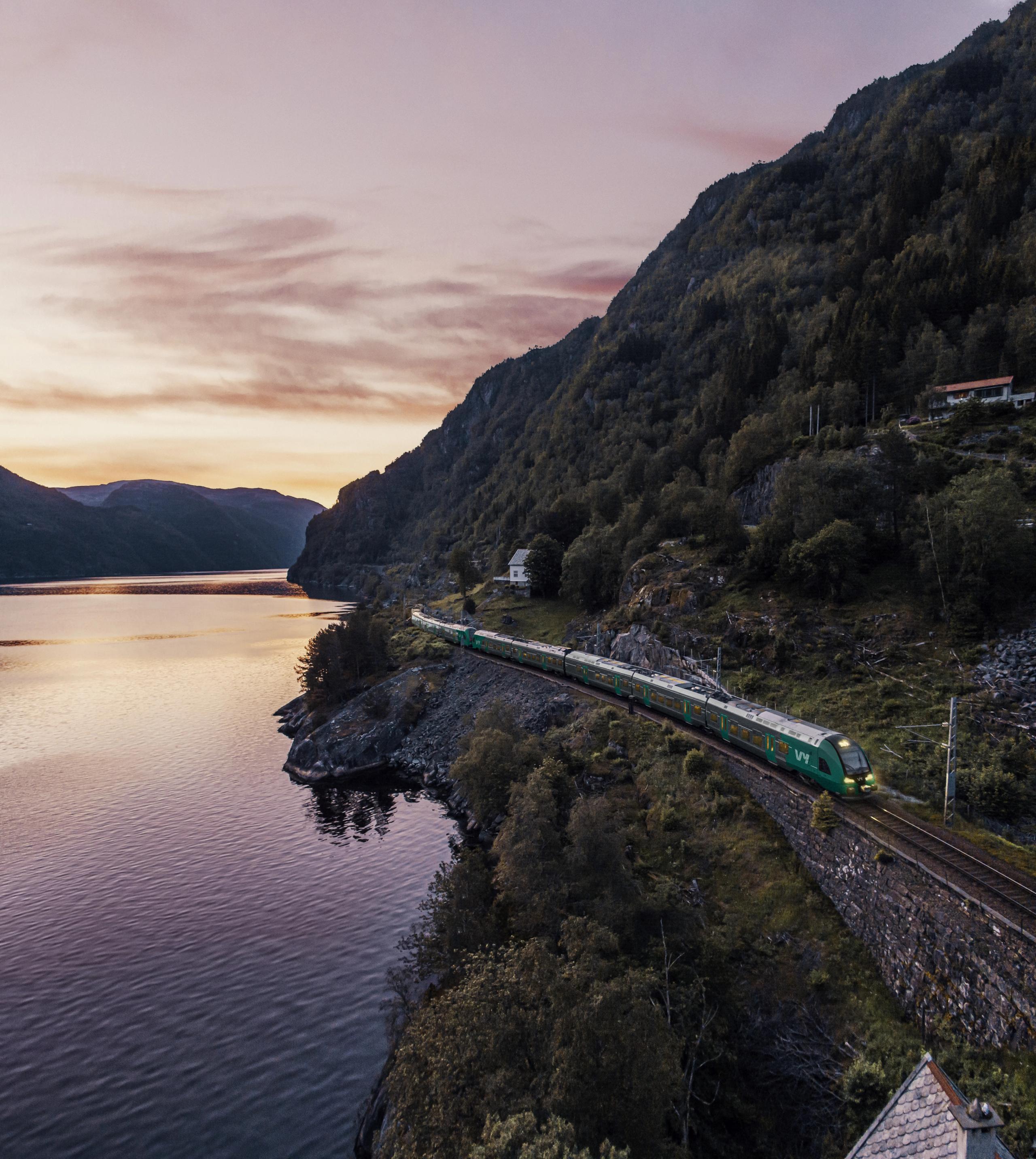 Vy TrainGlide through scenery on a train between Oslo and Bergen on the Bergen Railway and explore the greater Oslo region.
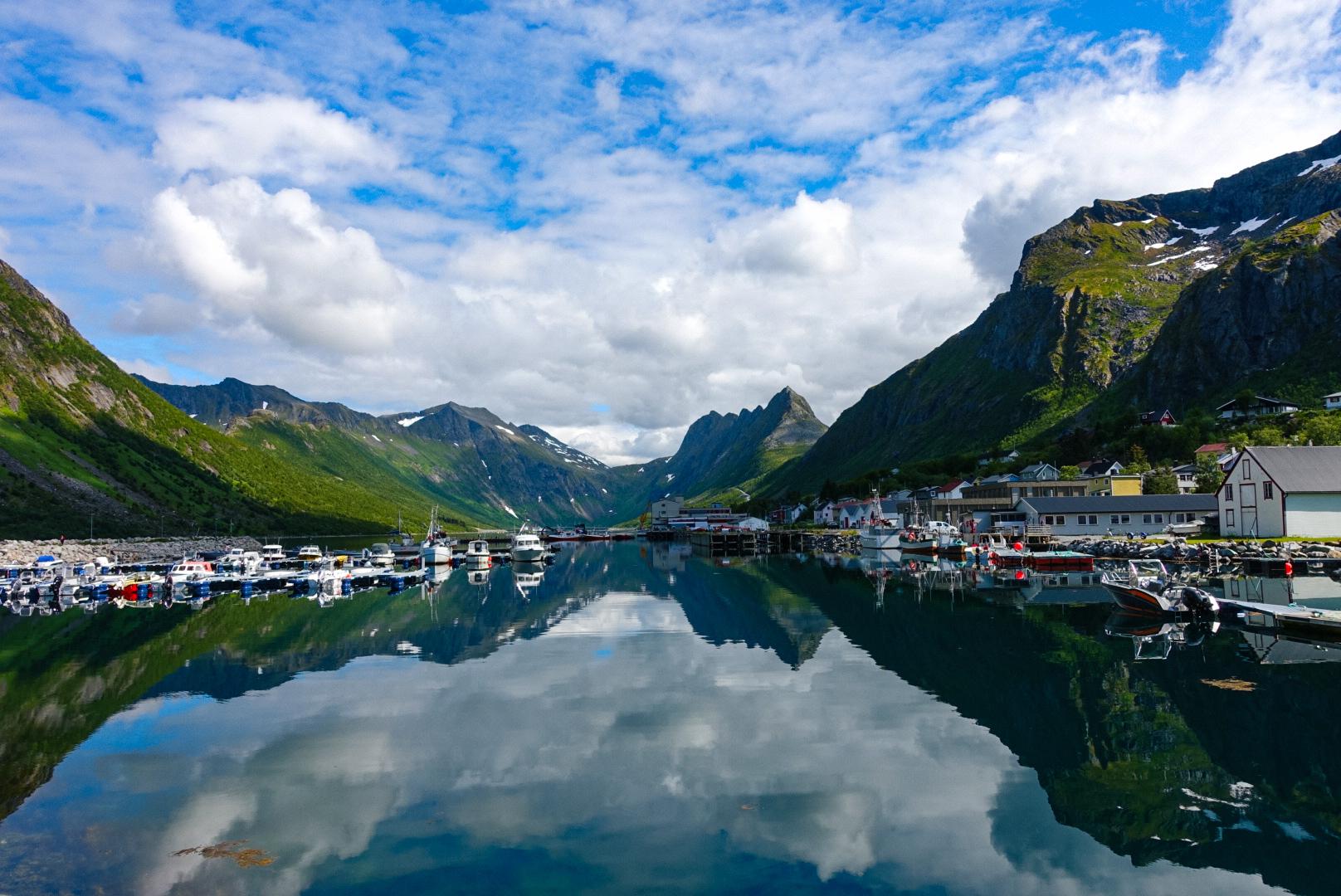 My Nordic TravelChoose between DIY itineraries and pre-packaged holidays to the very best destinations in Norway.
 CampanyonUnique camping in nature. Book a stay in a treehouse or glamping tent or rent a motorhome pitch.
 NorwegianNorwegian offers cheap flights in Norway and direct flights from more than 70 European destinations. Book flights through our low fare calendar to your destinations.
 De HistoriskeHave an unforgettable stay at one of Norway's unique, authentic historic hotels. Enjoy first-class dining experiences and a broad range of activities.
 CampioNorway's biggest camping booking site. Find the best camping and motorhome pitches throughout Norway.