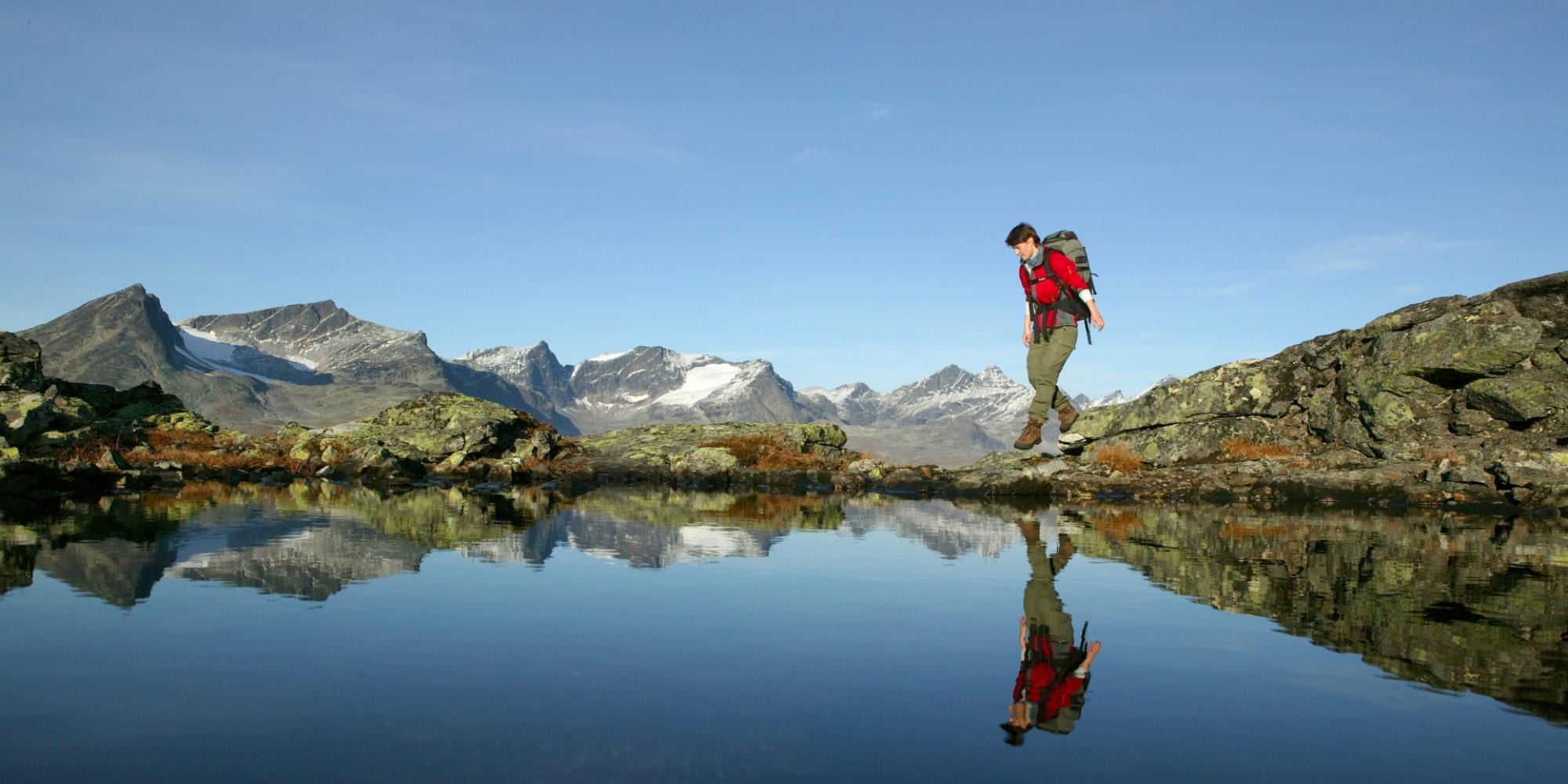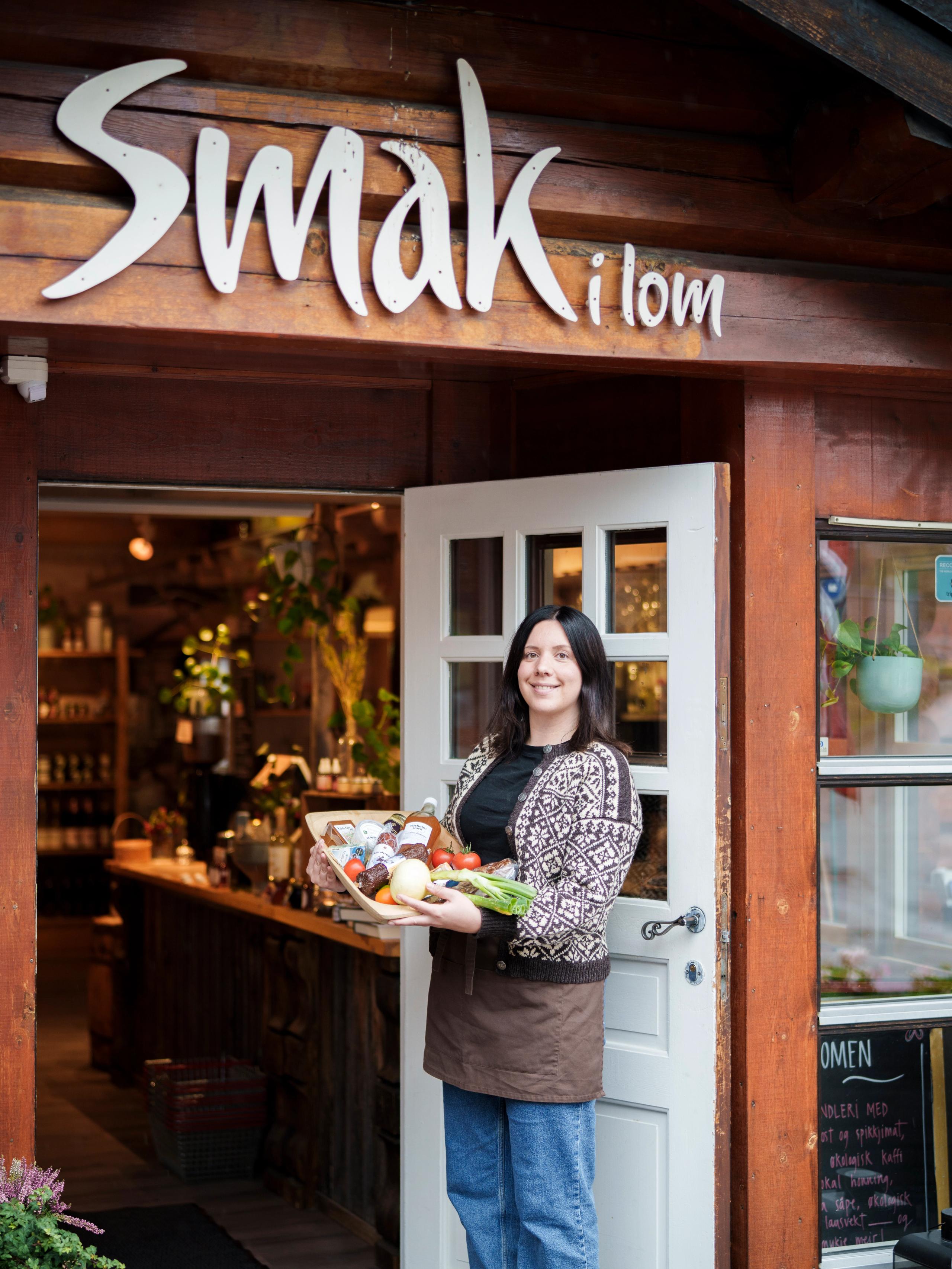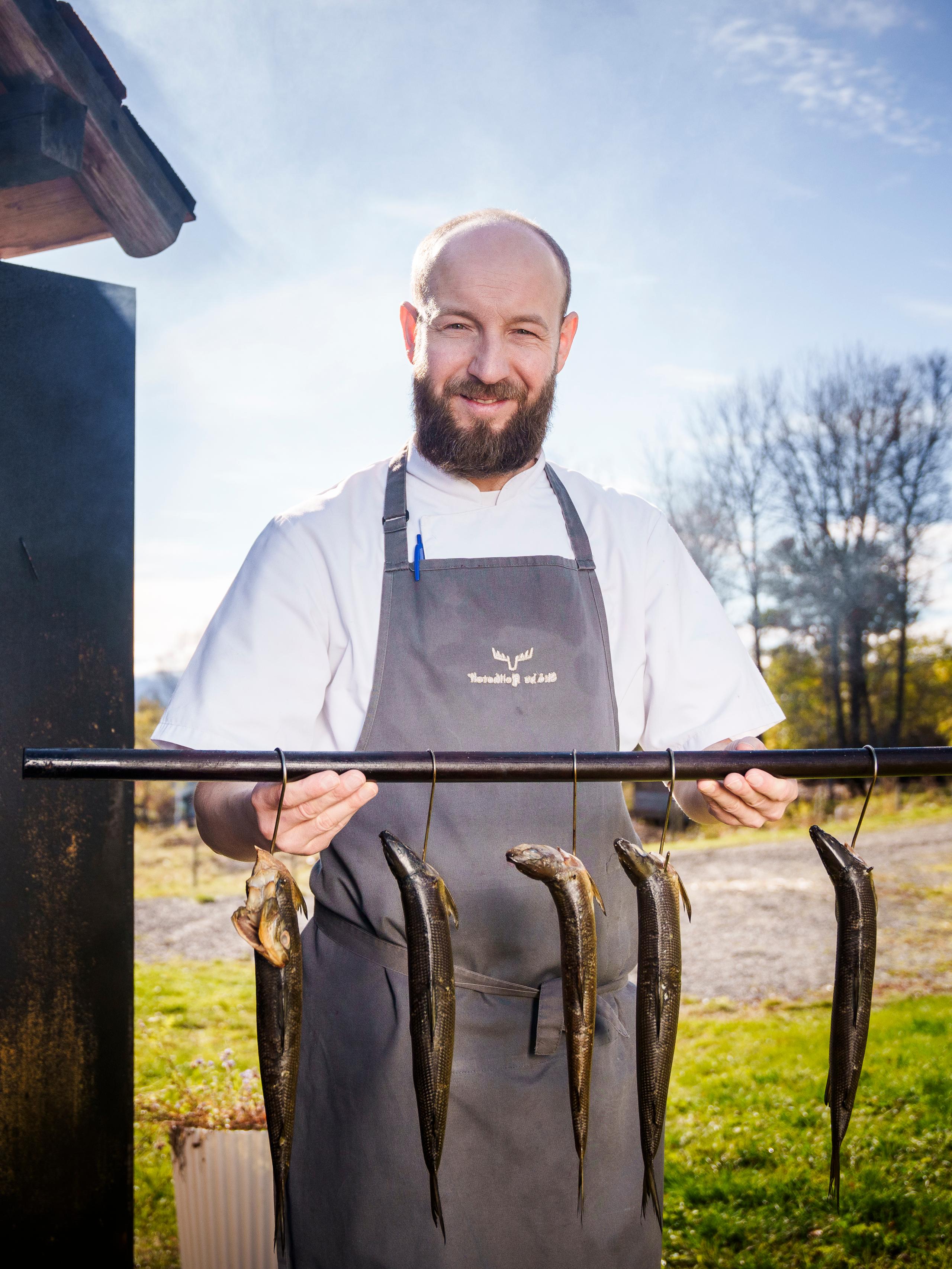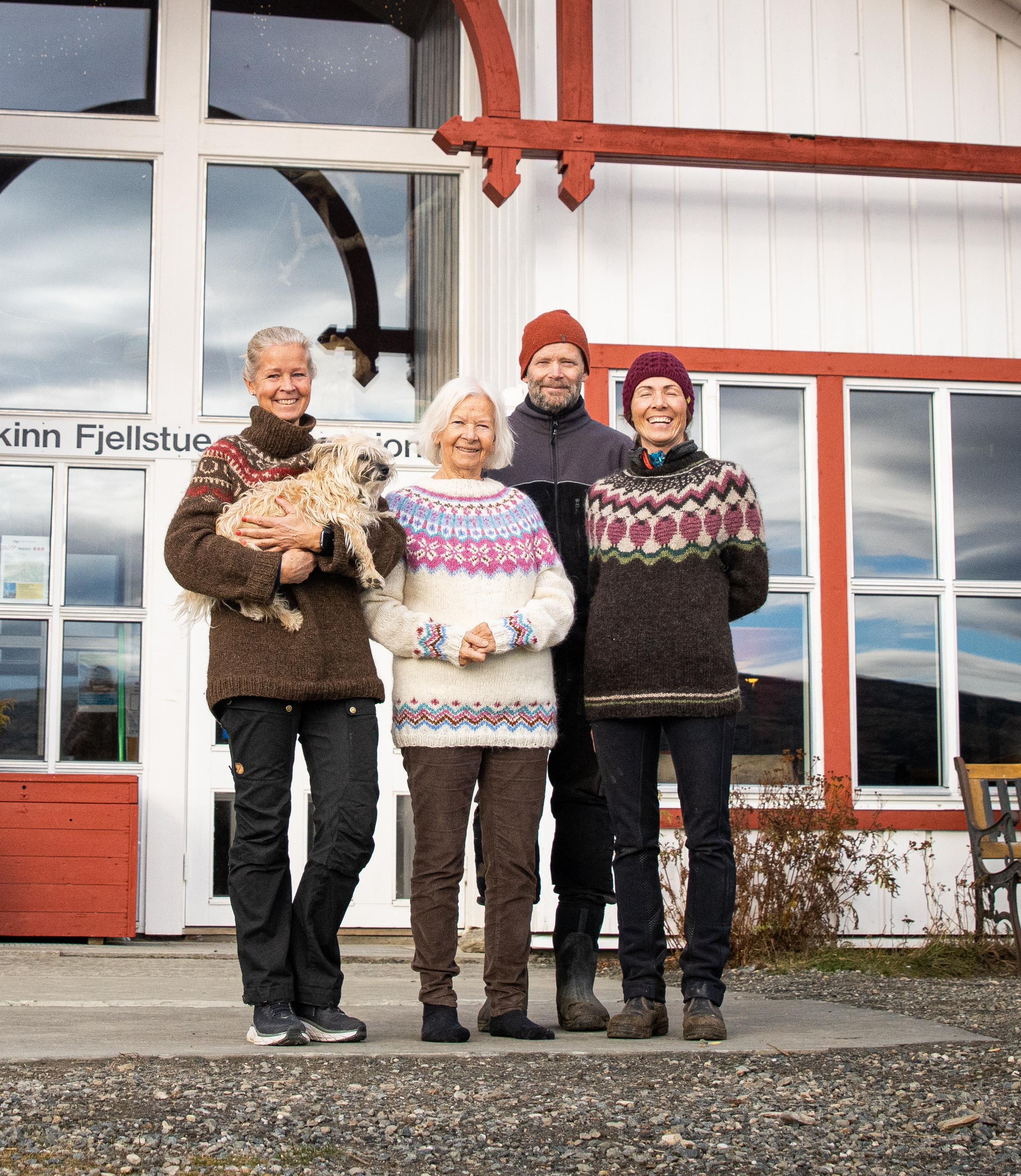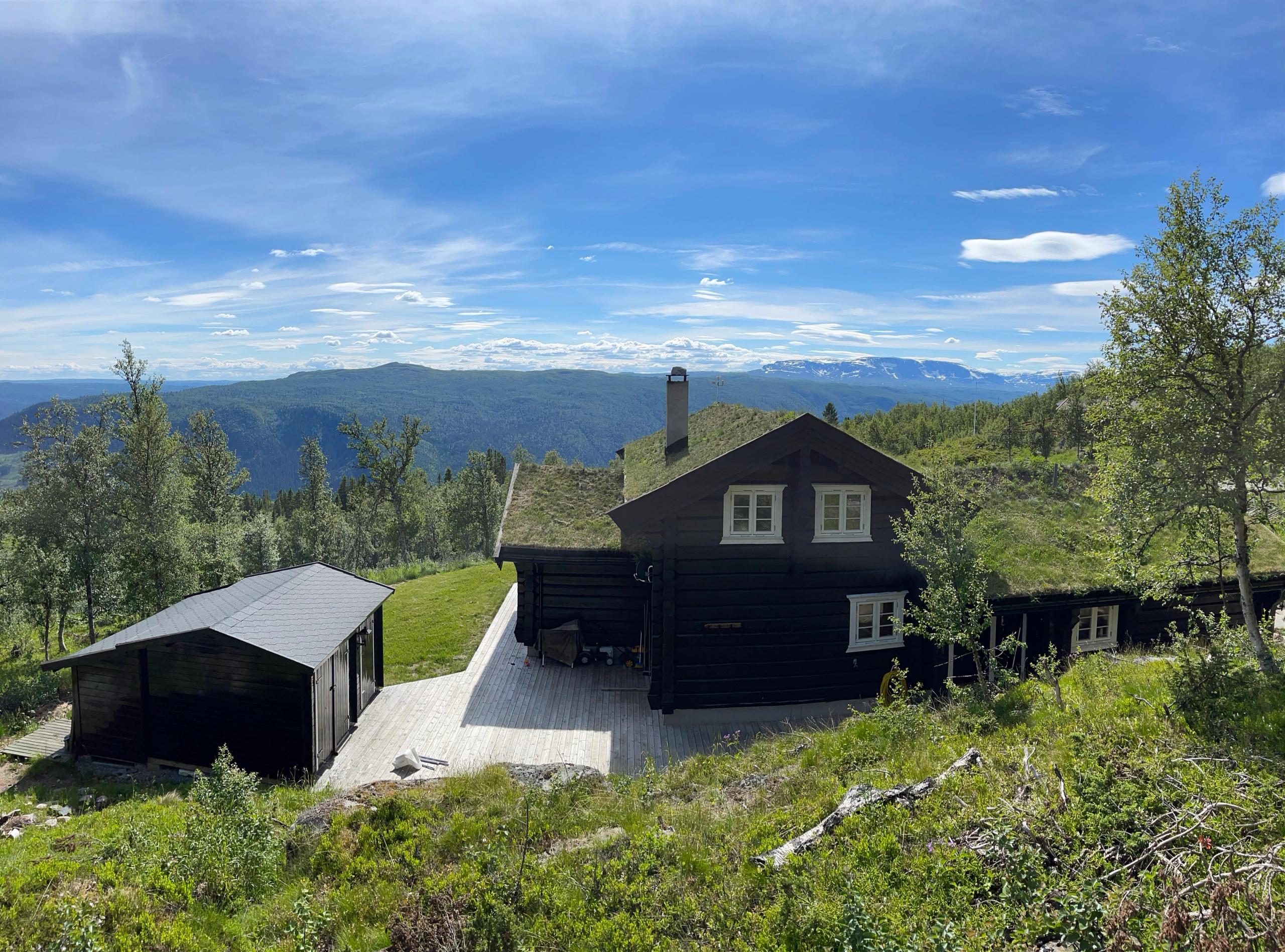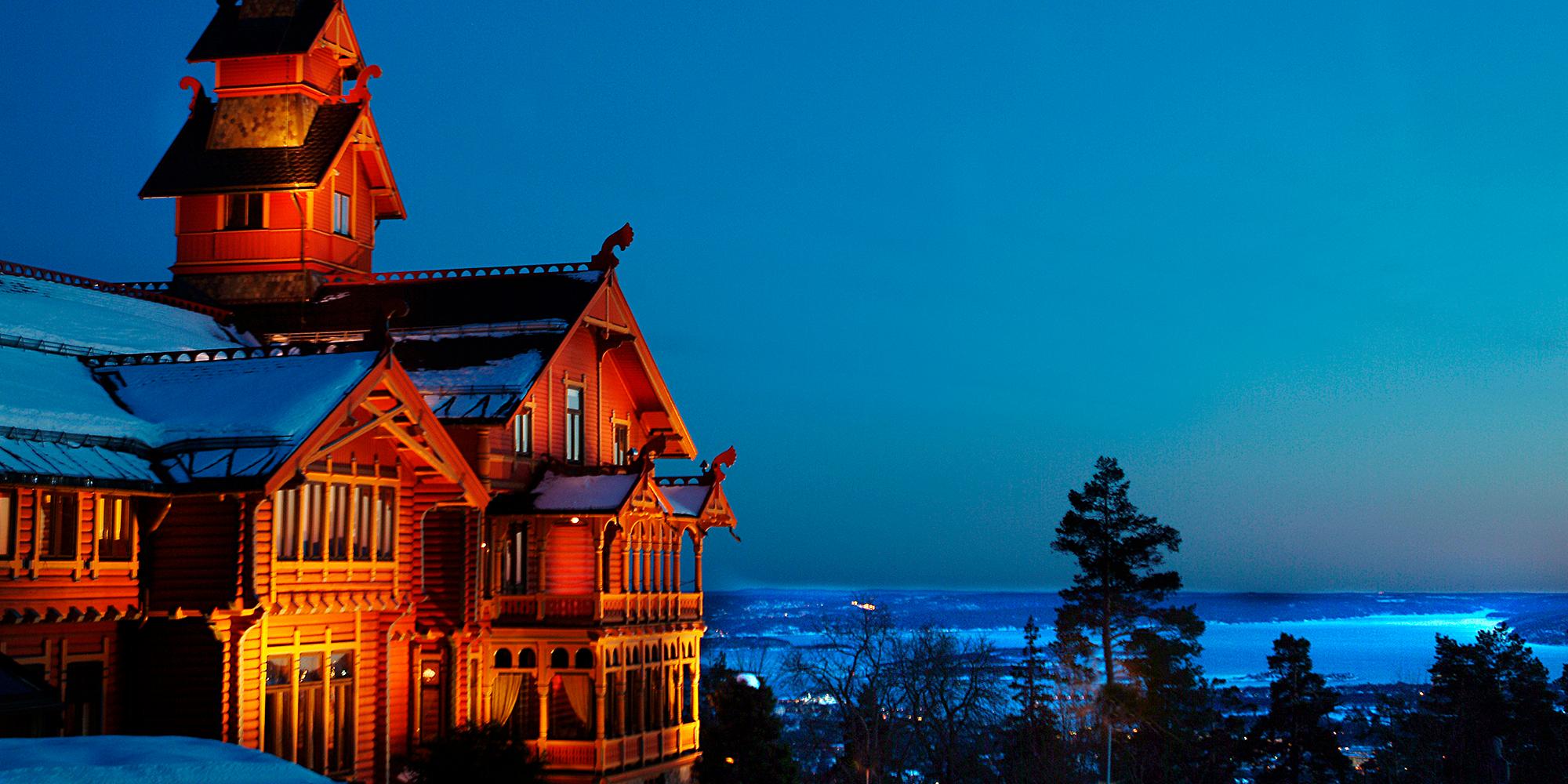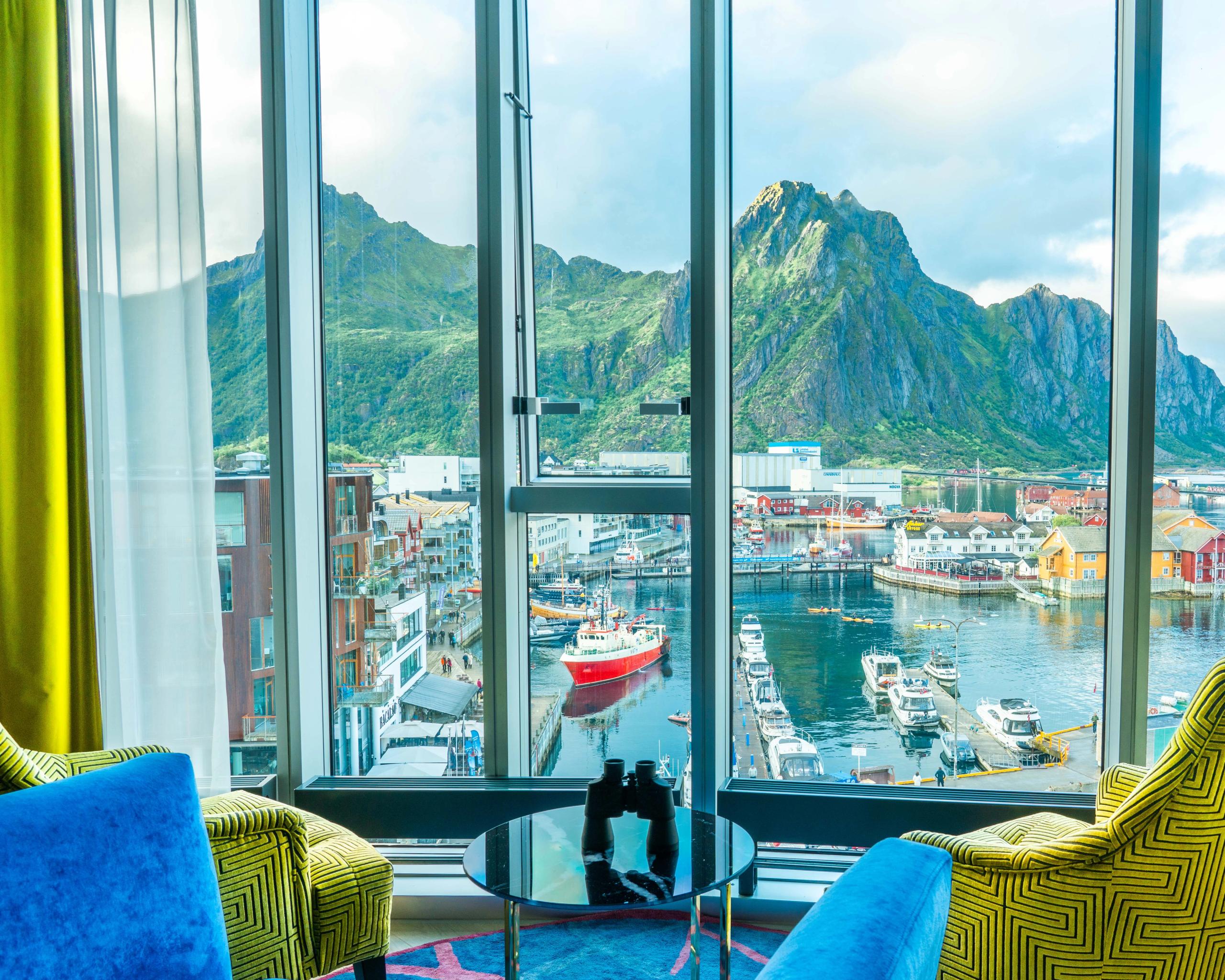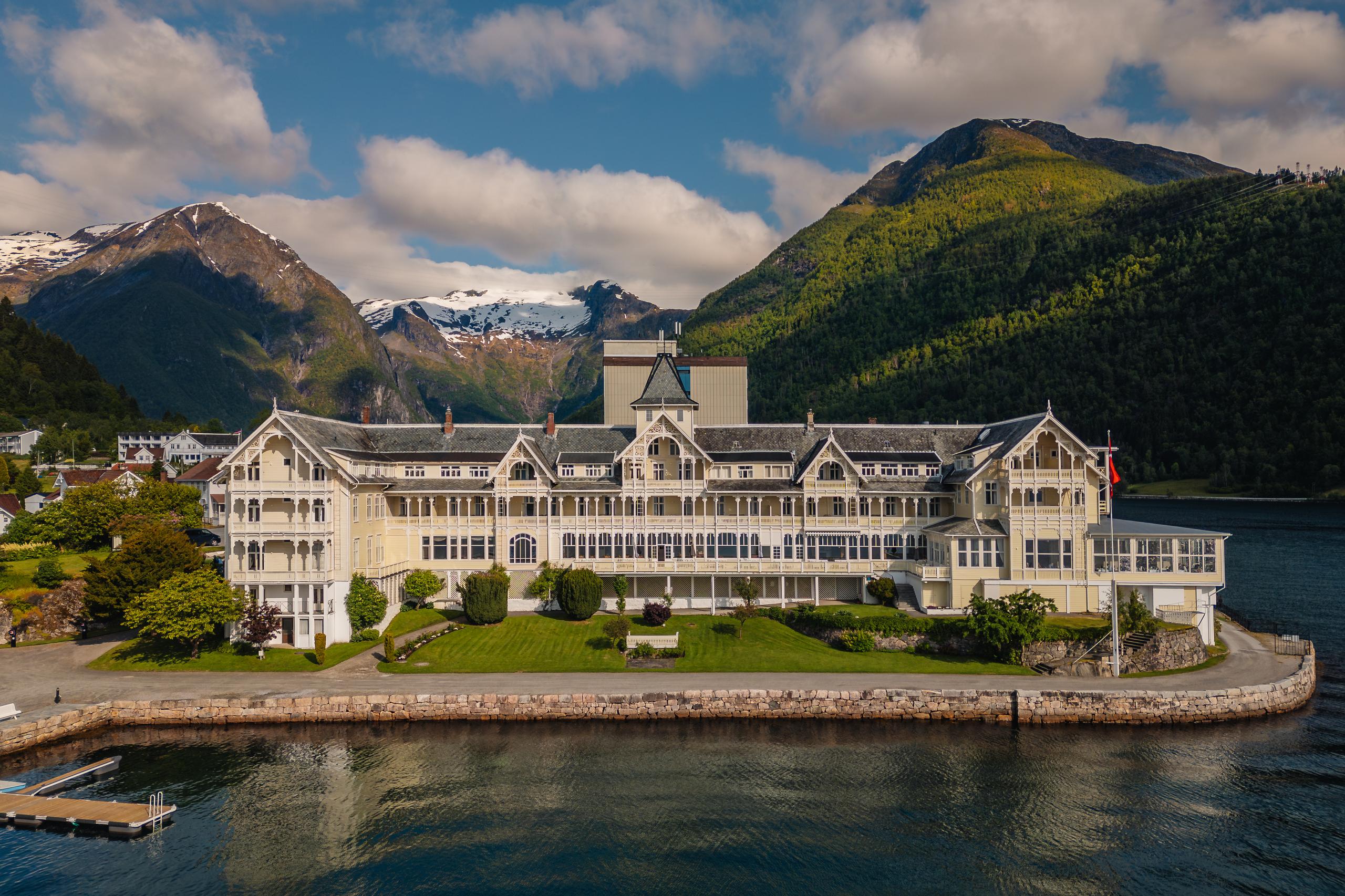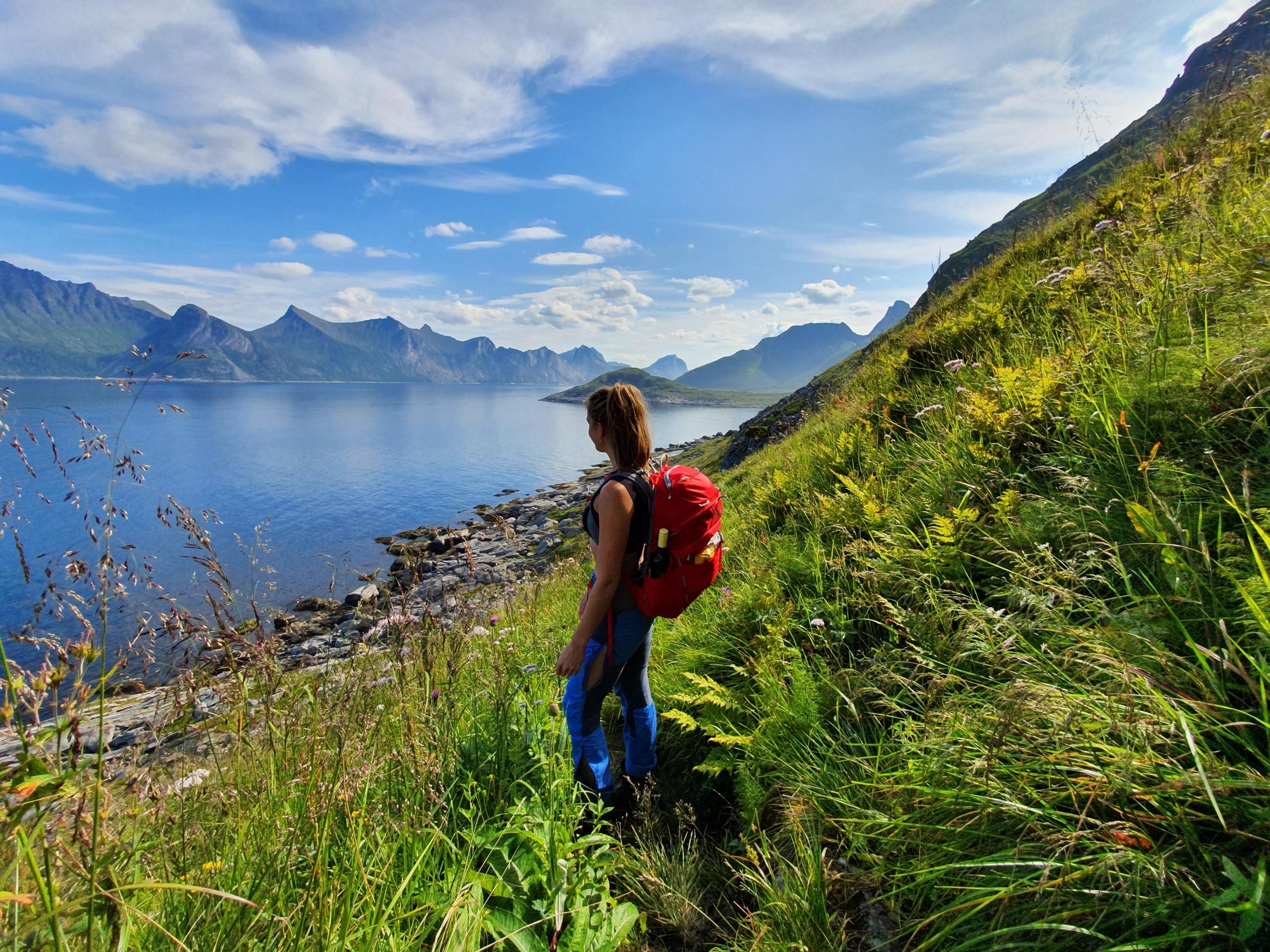
Award-winning cheeses, game with a taste of the mountains, an epic Norwegian Scenic Route through the Jotunheimen mountains, and plenty of must-visit traditional Norwegian mountain lodges. Join us on a tasty trip through the Valdres region and the Valdresflye Scenic Route.
A taste of the
Valdres region
A culinary journey through the mountains
and valleys of Eastern Norway
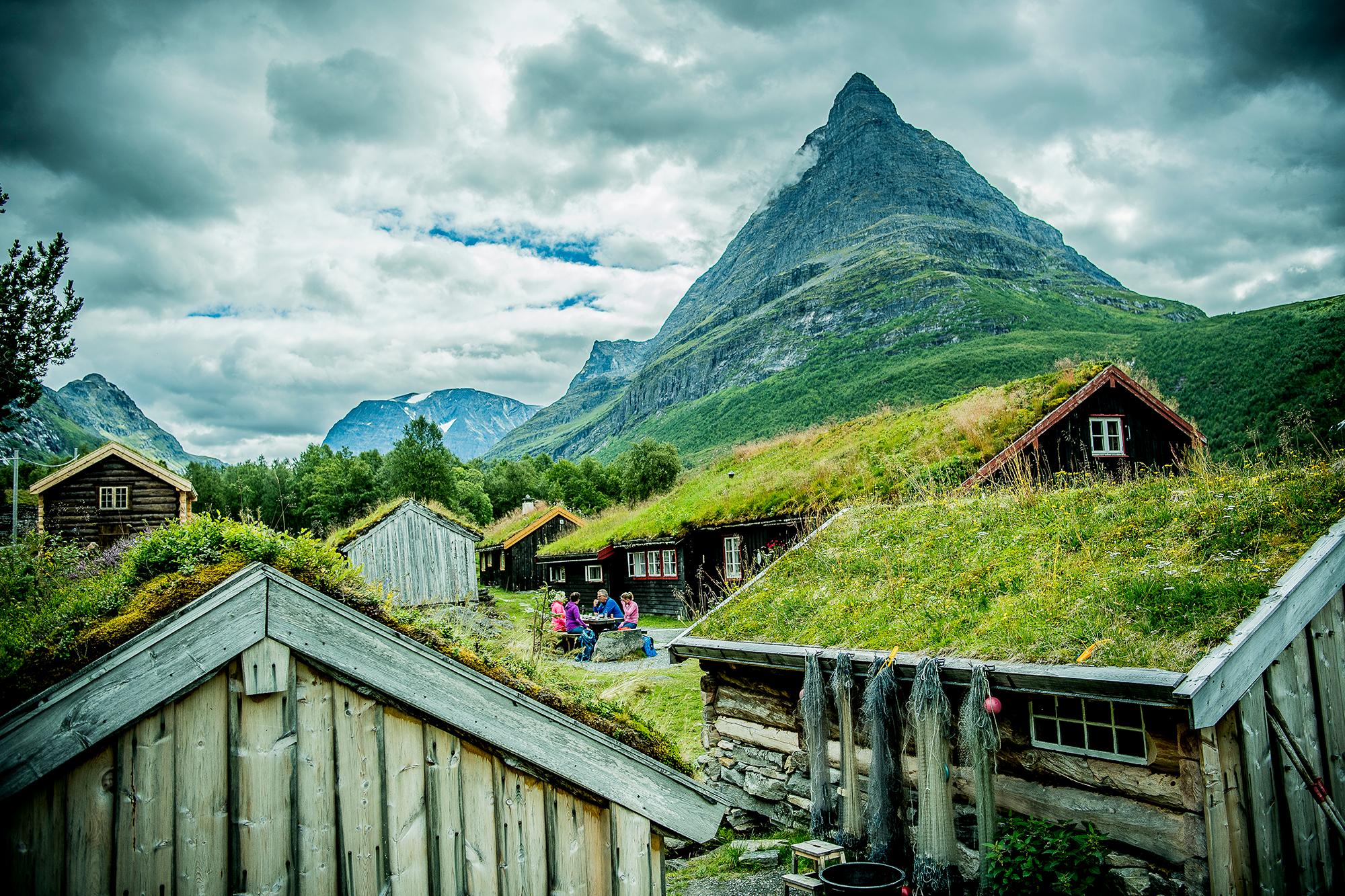
Nowhere else in Northern Europe has as many operative summer mountain farms as right here in the Valdres region.
Thanks to dedicated locals, the old traditions are being kept alive, and the flavours of the region keep evolving.
Lush valleys in the south and mighty mountains in the north provide wonderful contrasts, something you notice in both the landscape and the kitchen.
When you also add a solid serving of sustainability, nothing tastes better.
Welcome to Valdres!
The Valdres region lies about 2.5 hours drive north of Oslo, between the Gudbrandsdalen valley and Hallingdal in Eastern Norway.
In this guide, you will find tips on unique flavours and places to eat in the Valdres region and along the Valdresflye Scenic Route through the Jotunheimen mountains.
Get tips on where to go and what to taste, or go directly to:
Rakfisk from Valdres
There are plenty of must-try foods in Valdres, but this one in particular should be on your list.
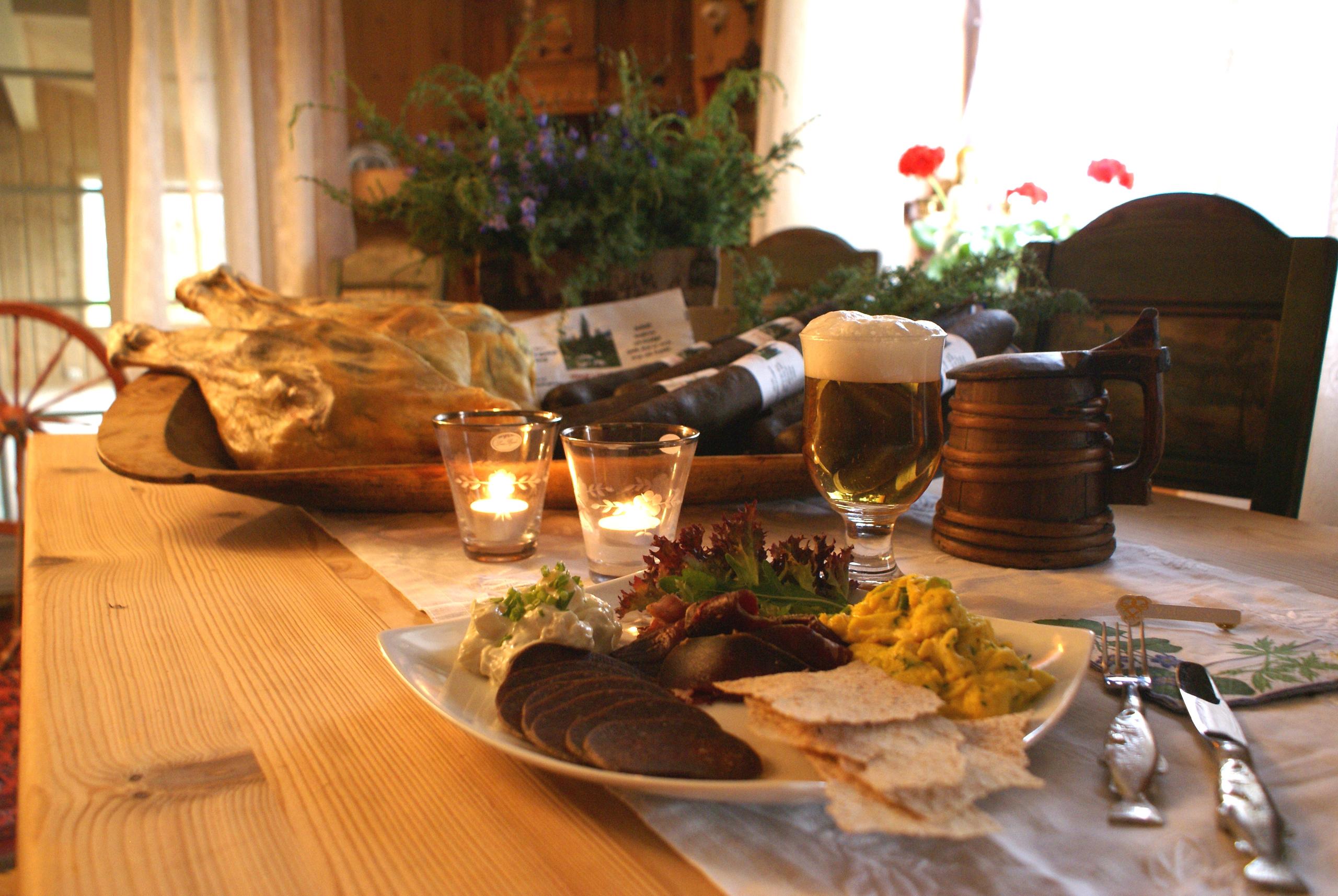
Valdres is the leading region in the production of rakfisk, semi-fermented trout, in Norway. This local delicacy gets its salty flavour and strong aroma through fermentation. The longer the fish ferments, the more savoury the taste will be. It's usually served as a main with lefse, flatbread, sour cream, red onions and butter on the side.
Rakfisk fra Valdres, Rakfisk from Valdres, is a Protected Geographical Indication (PGI), just like Parma and Serrano, meaning that it originates from a defined geographical area and unique tradition.
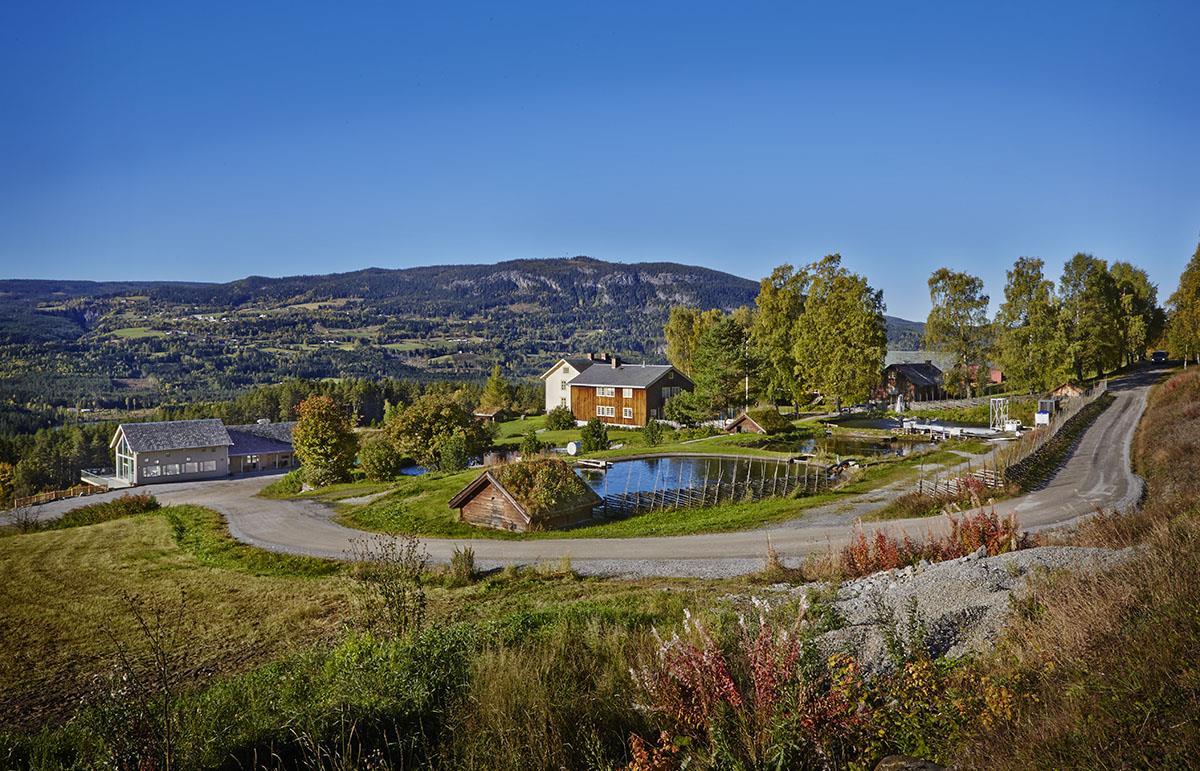
Only a handful of farms in Norway have a PGl label for their rakfisk. One is Noraker farm in Aurdal, in the southern part of the region.
Today, the farm is run by the 12th generation of the Noraker family, and their fish has frequently taken home first prize at the Norwegian Rakfish Festival's annual competition (held in Valdres, naturally).
During summer, groups can join a guided tour of the farm. Visit the farm shop where you can sample rakfisk and pick up some local treats.
Taste rakfisk
More place to sample rakfisk in Valdres. PS: don't miss the annual Norsk Rakfiskfestival, held in Fagernes.
“For me, the taste of Valdres is the taste of the mountains.”
Kathrin H. Aslaksby
Farmer at Nørrestogo farm – Skimakern & Budeia
Summer pasture farms
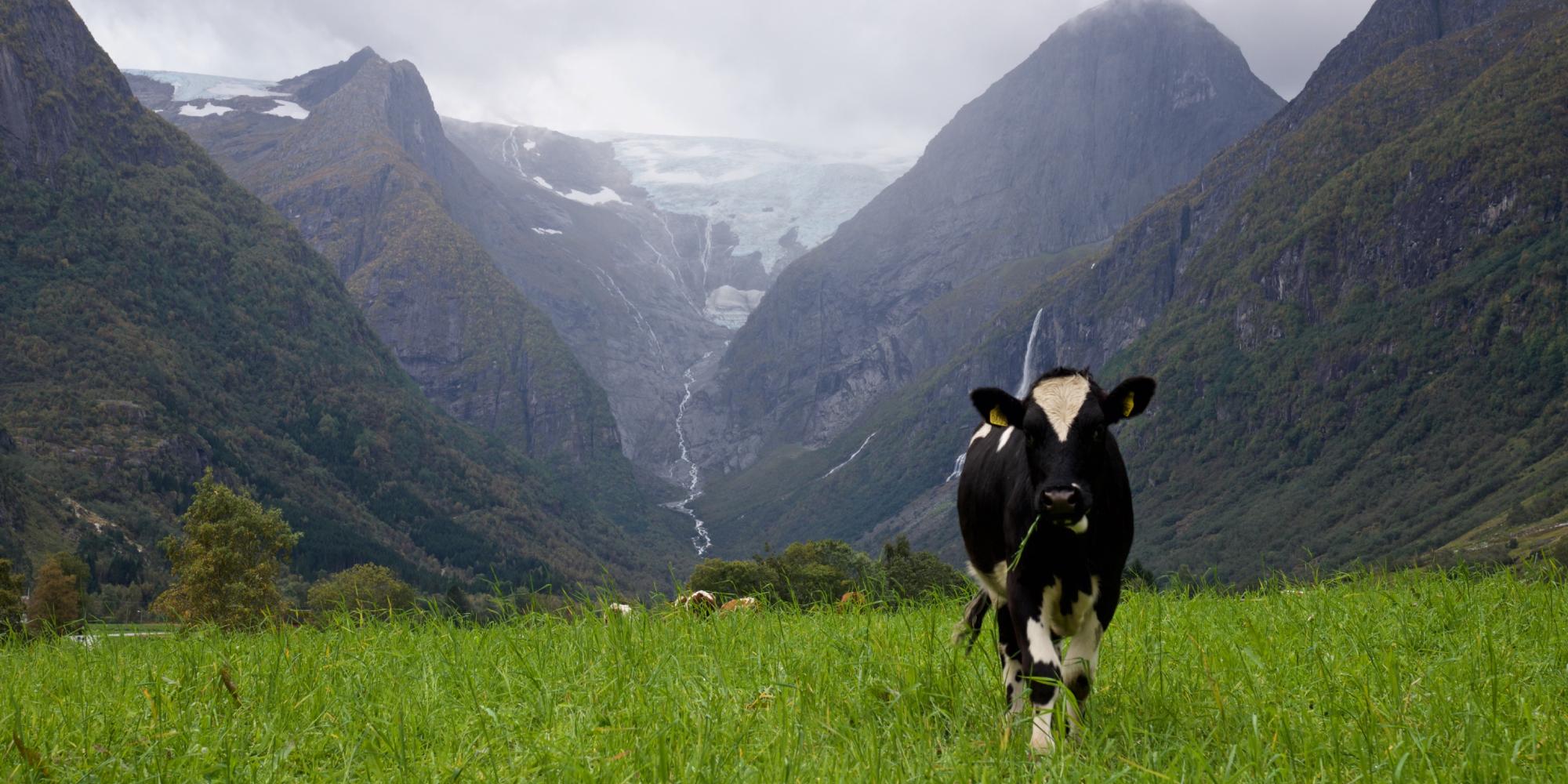
For centuries, summer pasture farms, have played an important role in Norwegian agriculture.
Before concentrated feed and other innovations were in use, it was absolutely necessary for farmers to move livestock, like cows, sheep and goats, up into the mountains during summer months to graze.
"In Valdres, this have been particularly important. There is very little land available for farming, so the resources in the outfields were extremely important," says farmer Kathrin H. Aslaksby.
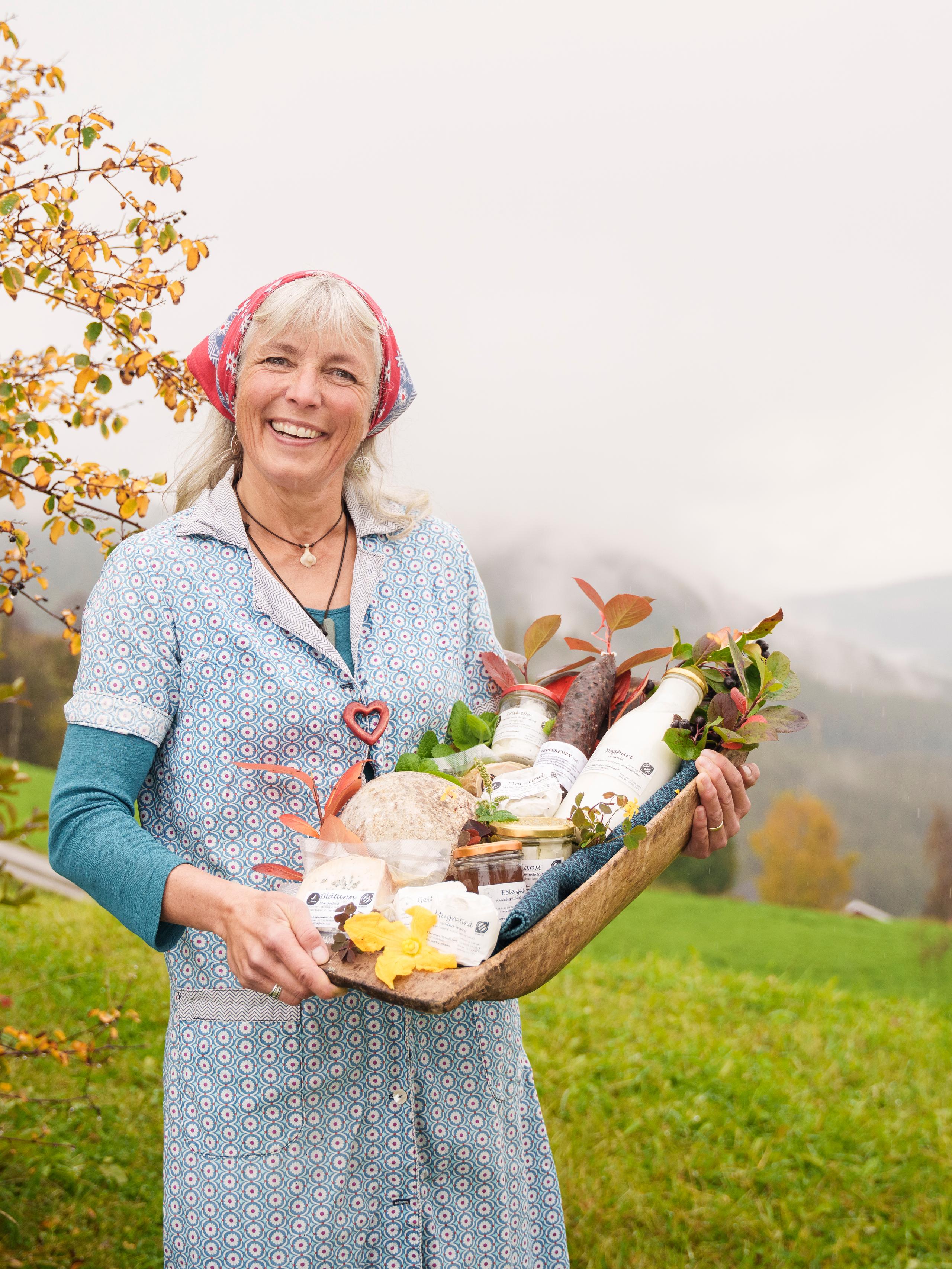
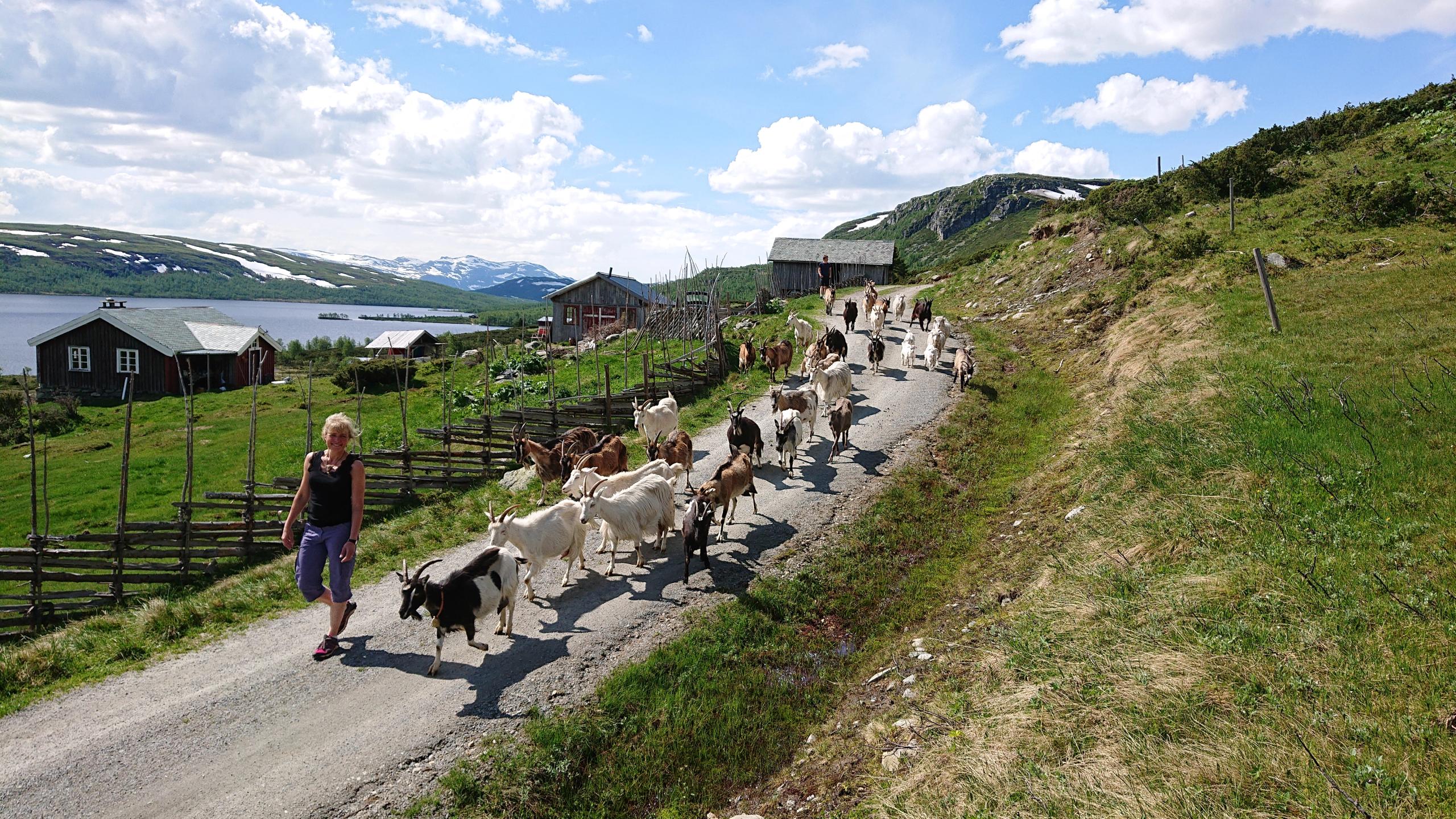
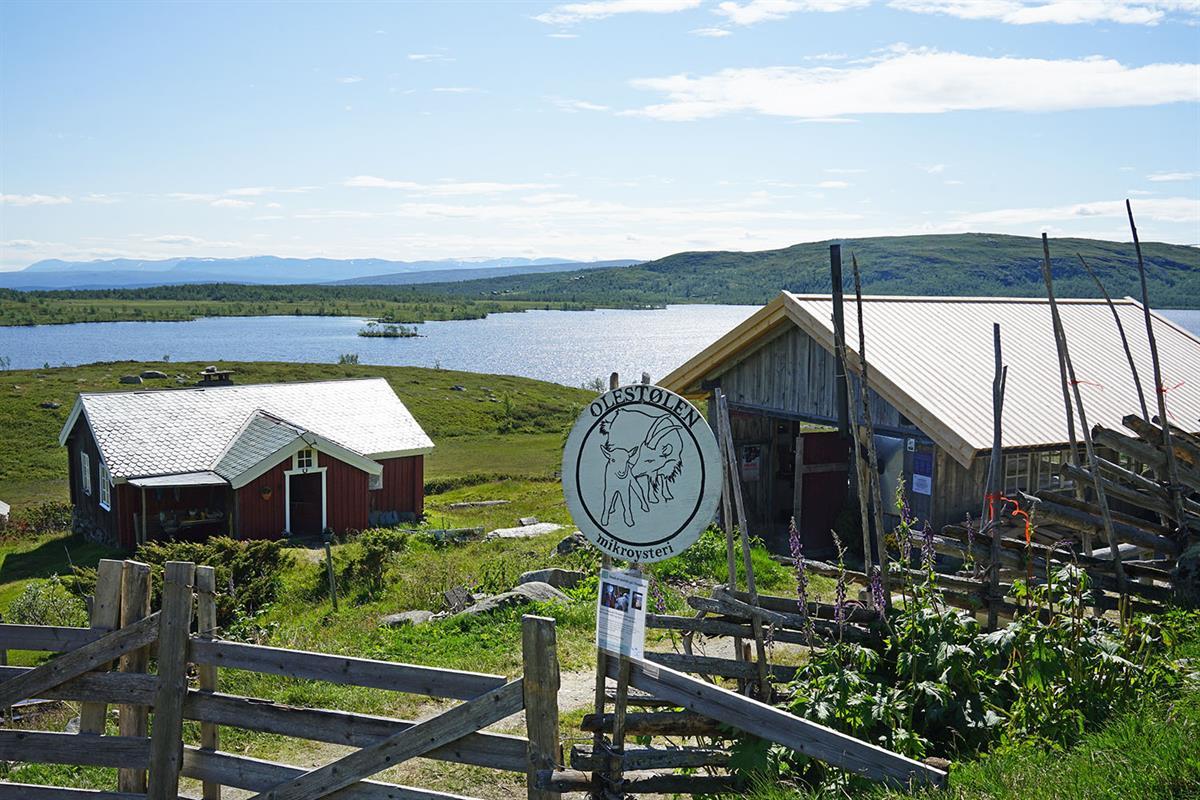
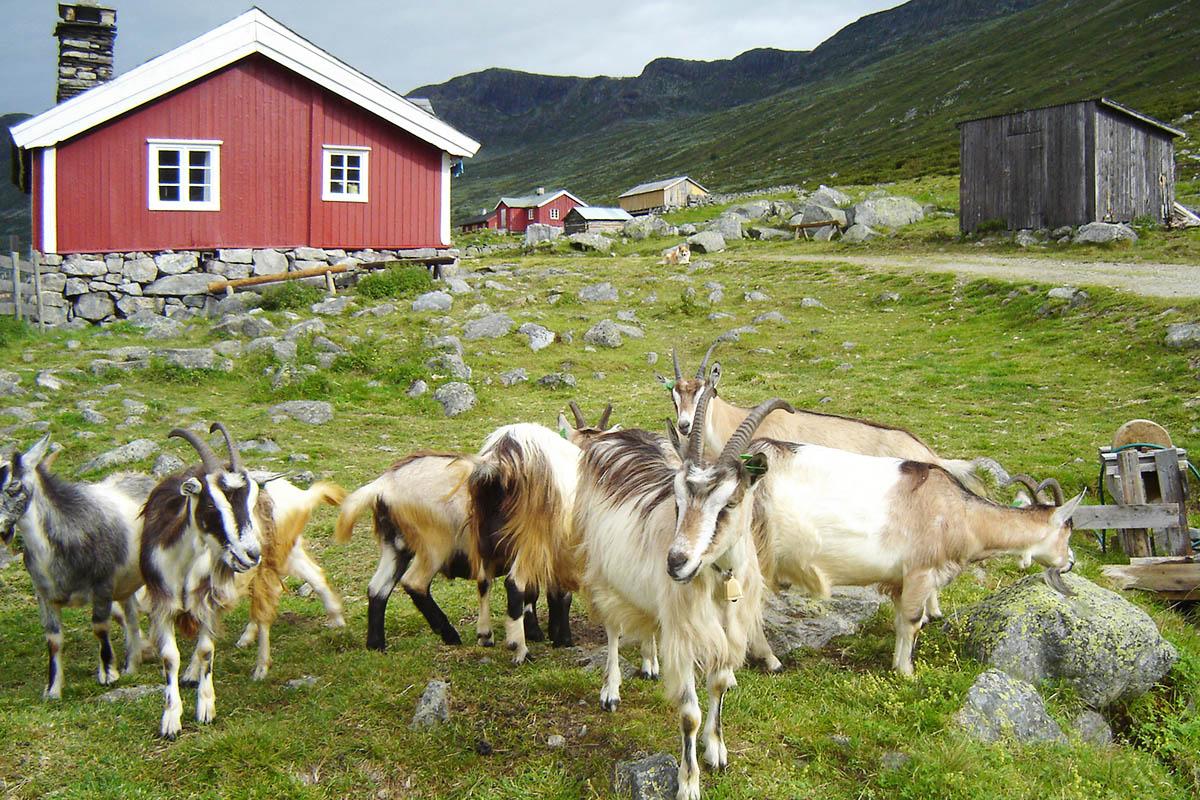
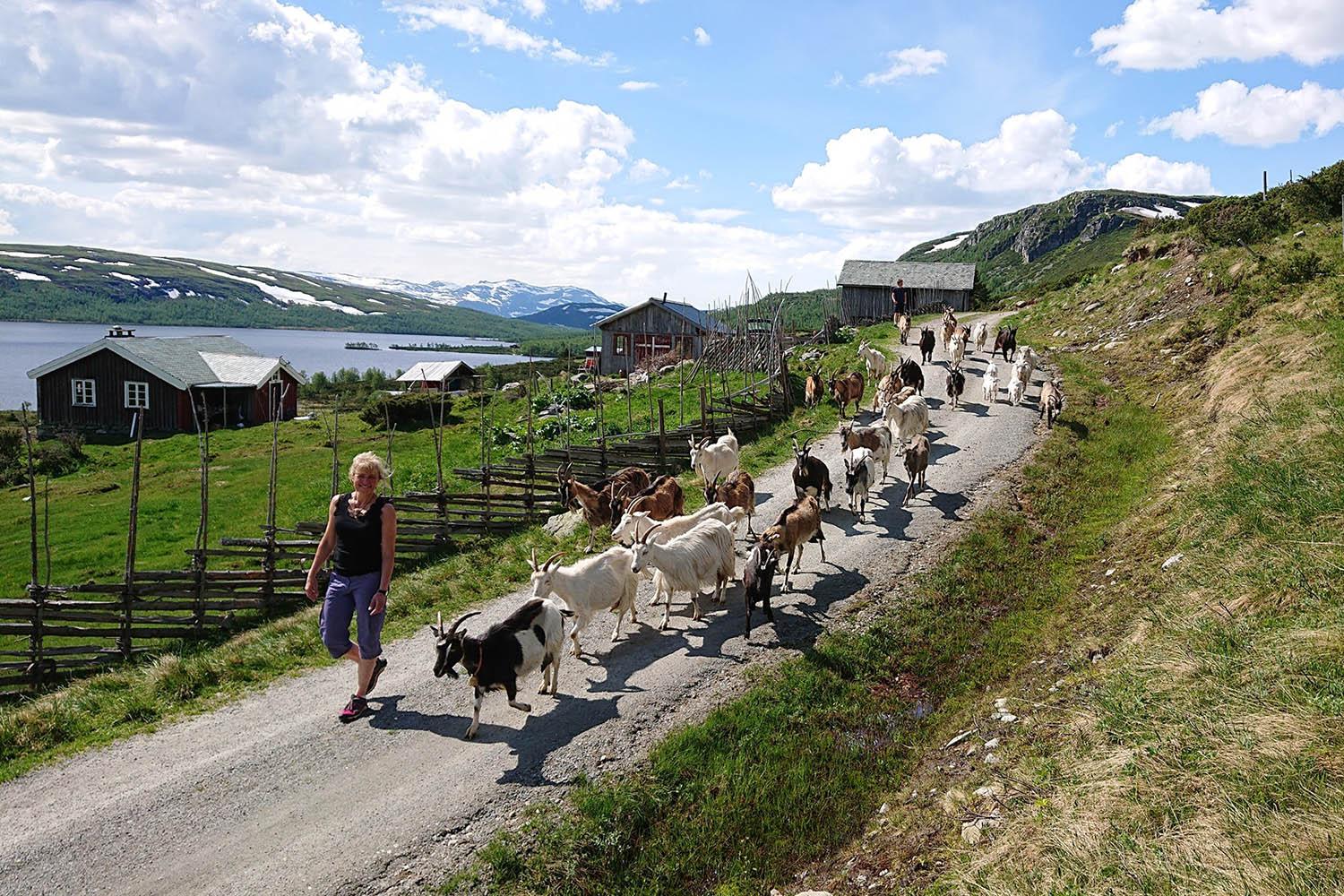
Since 2006, Kathrin and her family have been running the organic goat farm Nørrestogo and Olestølen summer pasture farm in Valdres. For them, it has been important to keep the tradition alive.
"There are not many summer pastures left, probably because it's impractical to move all the necessary equipment and animals to the mountains from the farms. But I think it's worth it, due to the fantastic grazing opportunities. Our goats roam freely day and night in the mountains, and then they come home full of the best milk you can imagine," says Kathrin.
Say cheese
According to Kathrin, happy grazing animals produce some of the world's best milk, which also results in the world's best cheese.
"Norwegian cheeses are among the best in the world, and have received many prizes at the World Cheese Awards. I think one of the main reason is that we have healthy livestock with amazing grazing opportunities," says Kathrin.
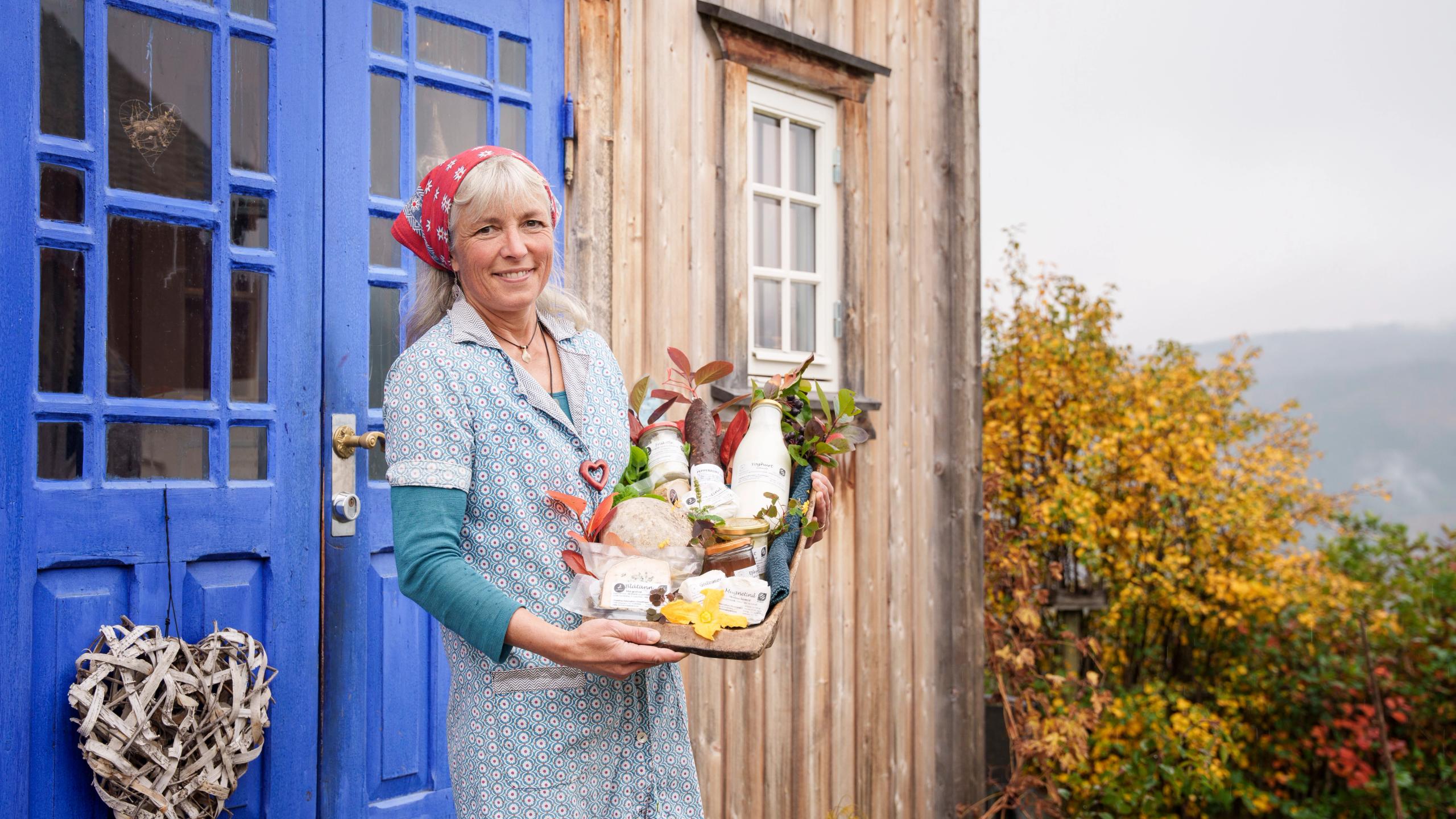
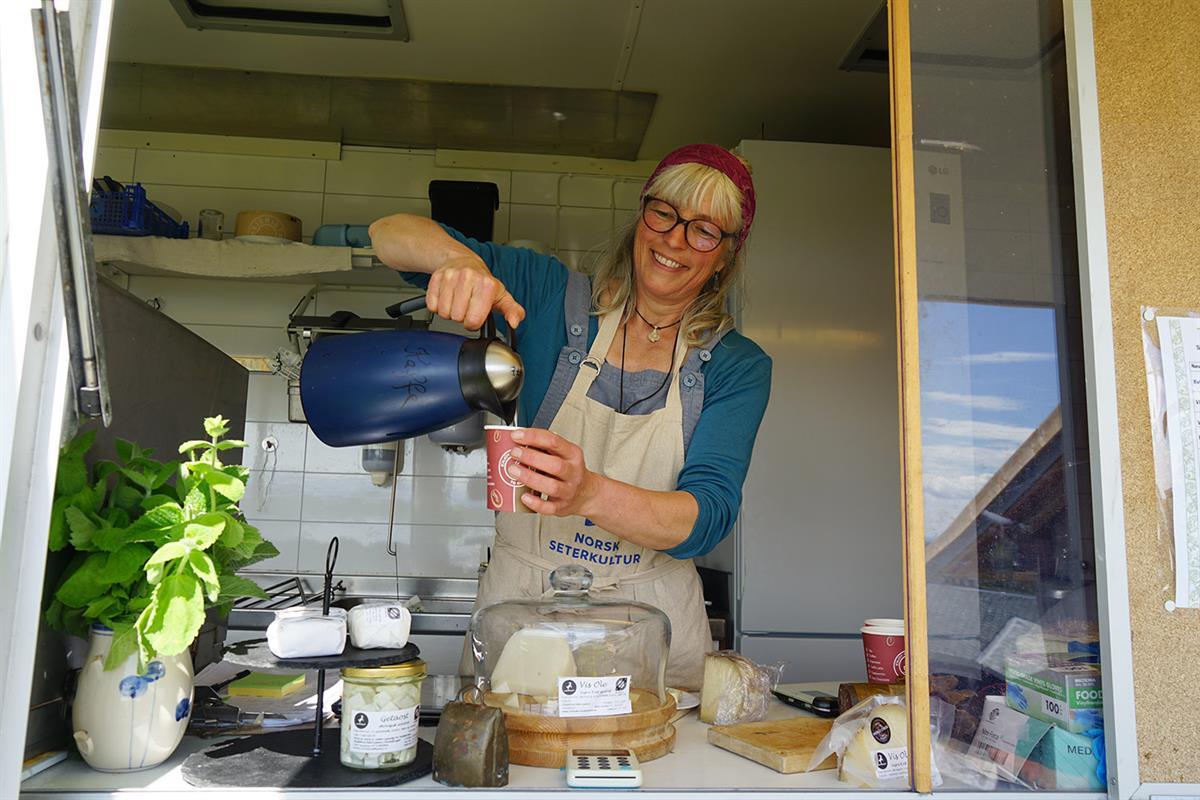
In addition to operating a farm and a summer pasture, Kathrin also produces goat cheese in a very innovative way. She has a mobile cheese factory. In the summer, the factory accompanies her and the goats from their farm to the Olestølen pasture further up in the mountains.
"The cheese production all started in my kitchen and was originally just for our own consumption, but it was too tasty to not share with more people," says Kathrin.
And Kathrin certainly did make a good decision by sharing here cheese with the world! Her Vis Ole, a finely aged firm goat cheese, received a bronze medal in the World Cheese Award (WCA) in 2024, and her version of chèvre, Mugnetind, secured the silver medal.
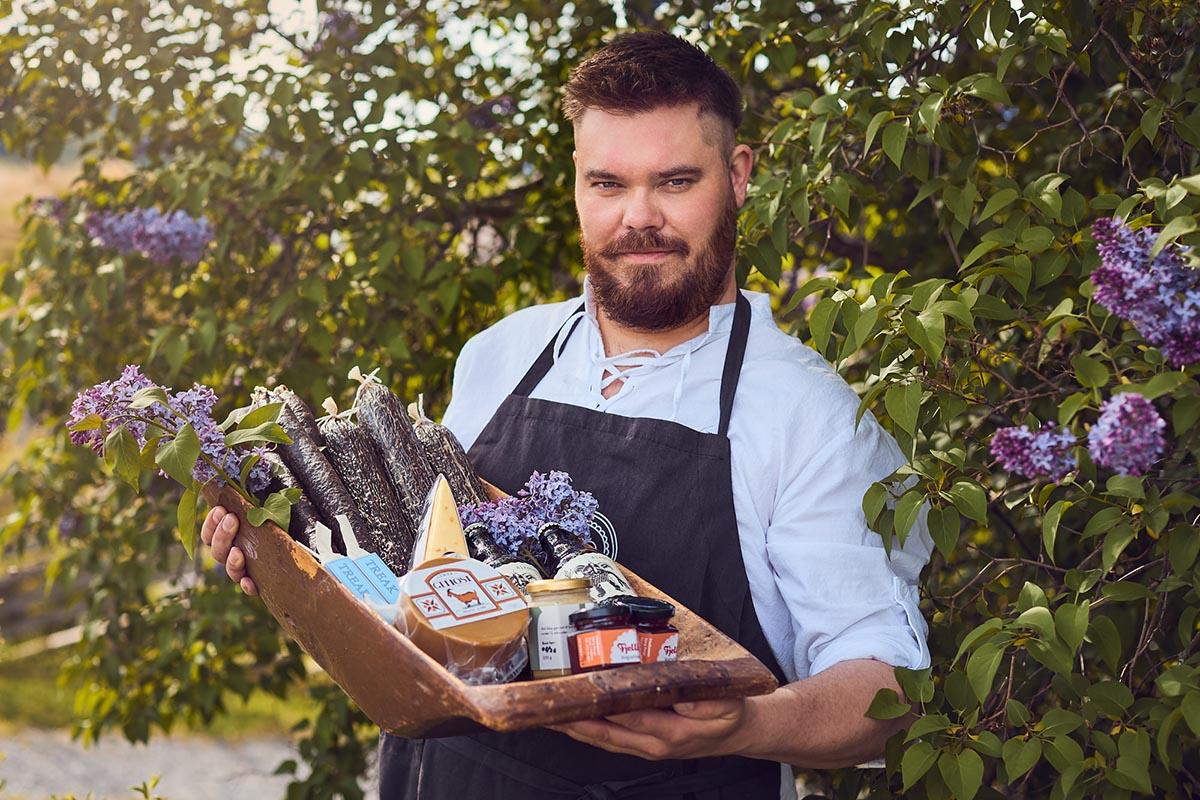
In summer, you can buy cheese and other tasty local products from the summer farm at Olestølen. In autumn and winter, you're welcome to visit Kathrin's farm shop at Nørrestogo farm, called Skimakern & Budeia.
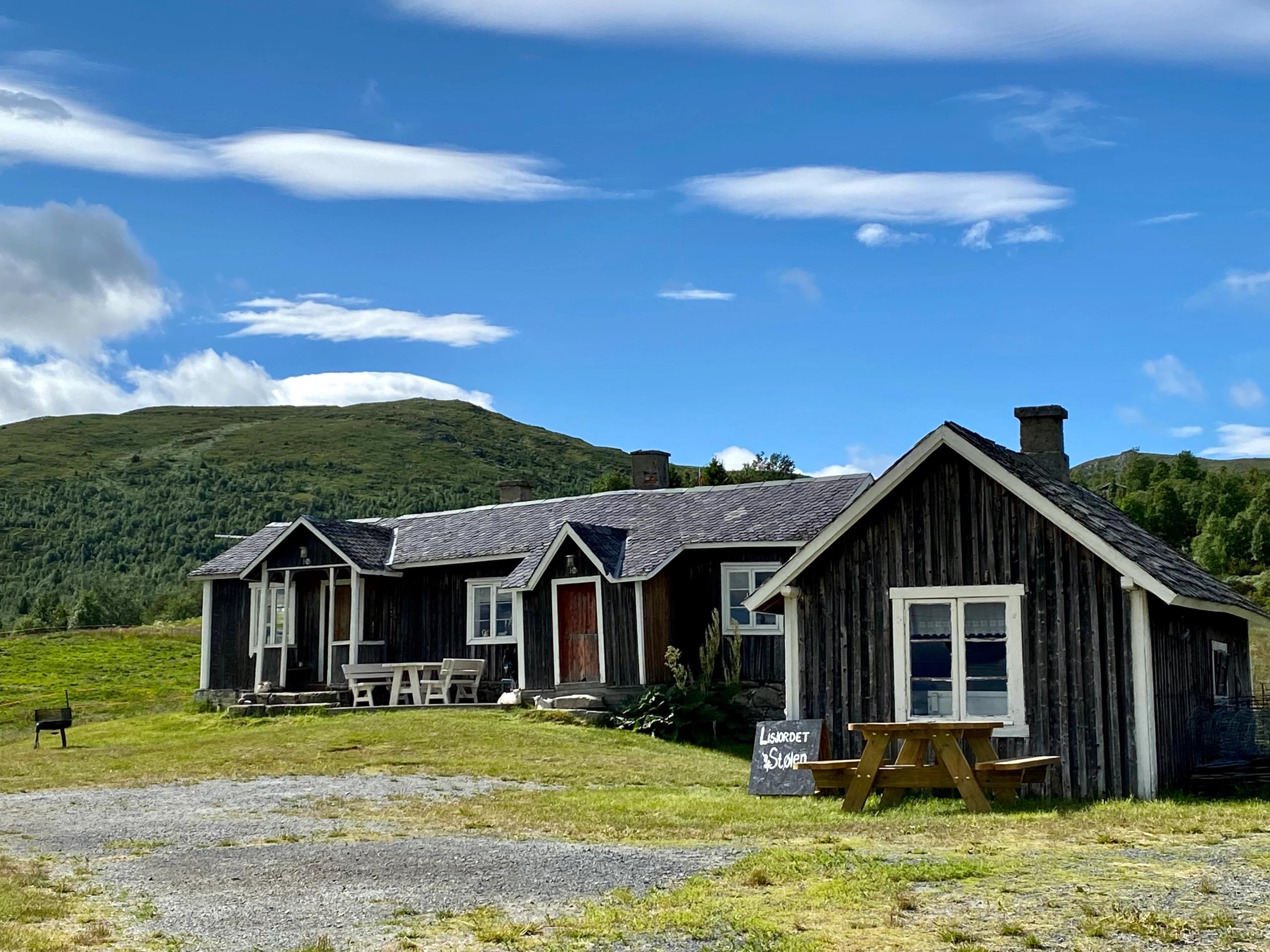
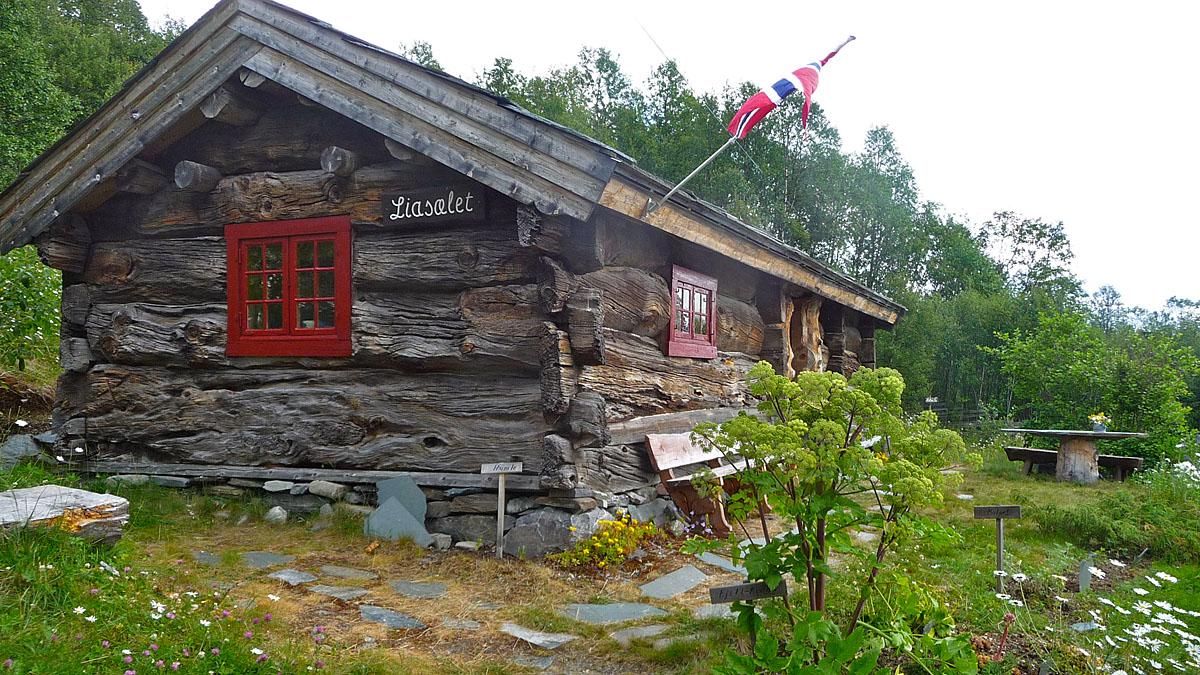
Summer pasture farms in Valdres
Visit Olestølen and other pasture farms in the region.
Local cheese
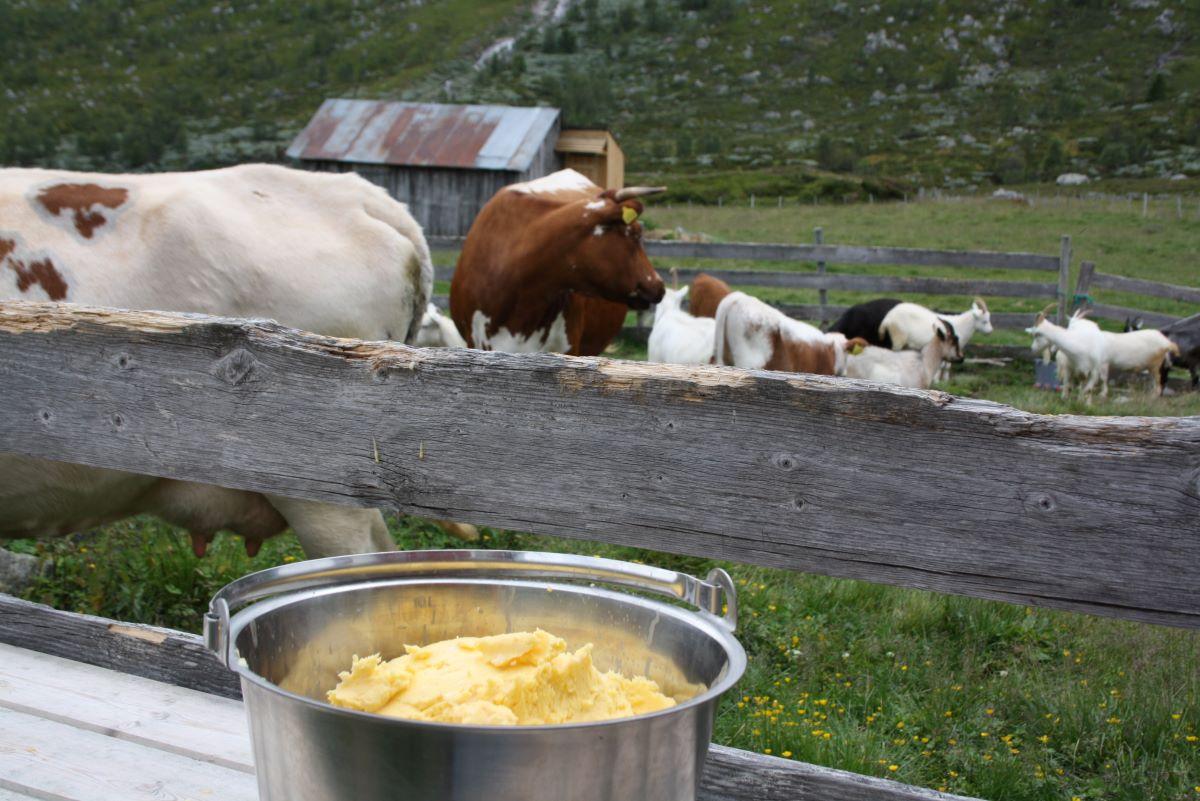
More places to visit for tasty cheese in Valdres.
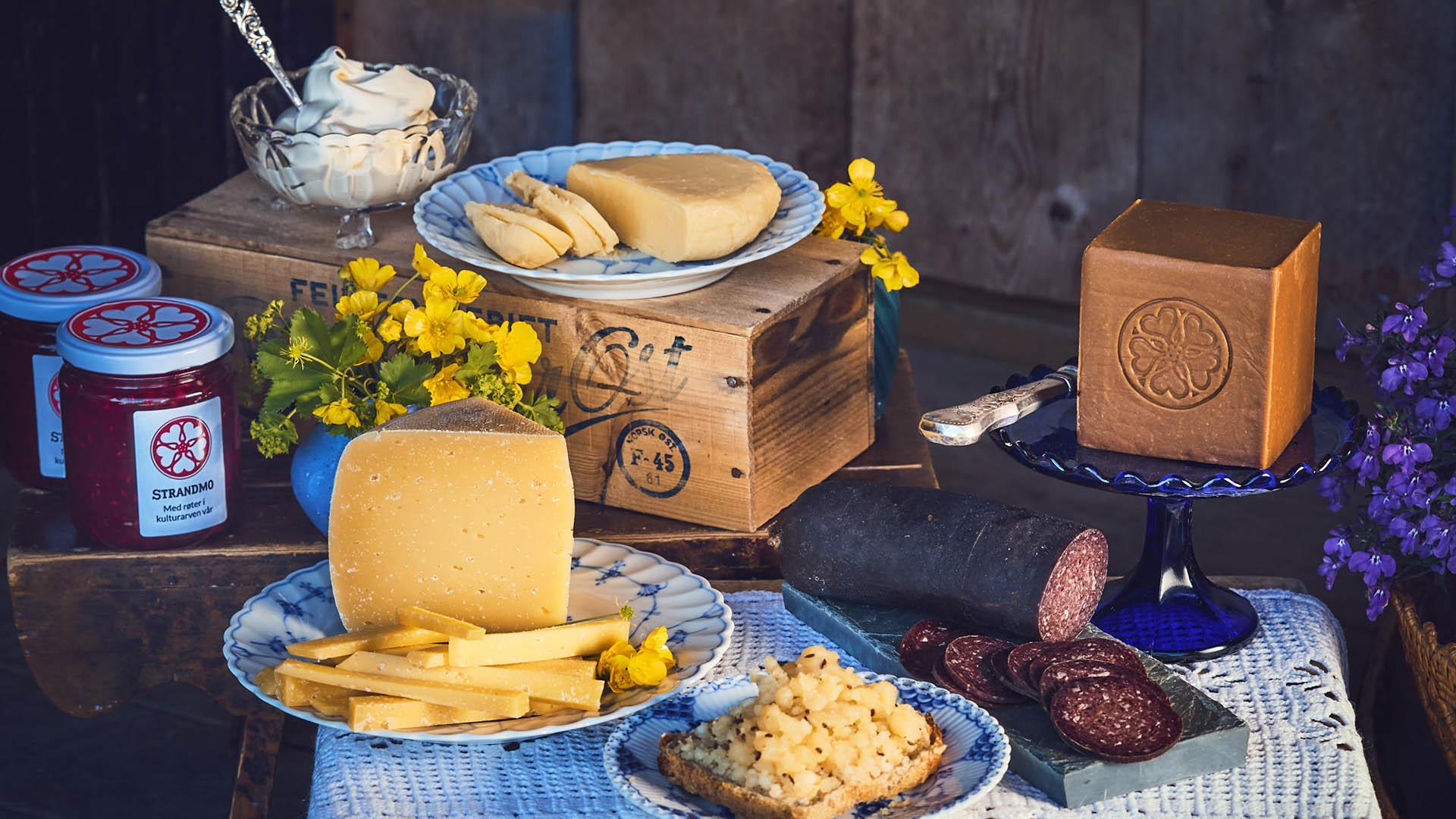
Stølsruta – combine food and hiking
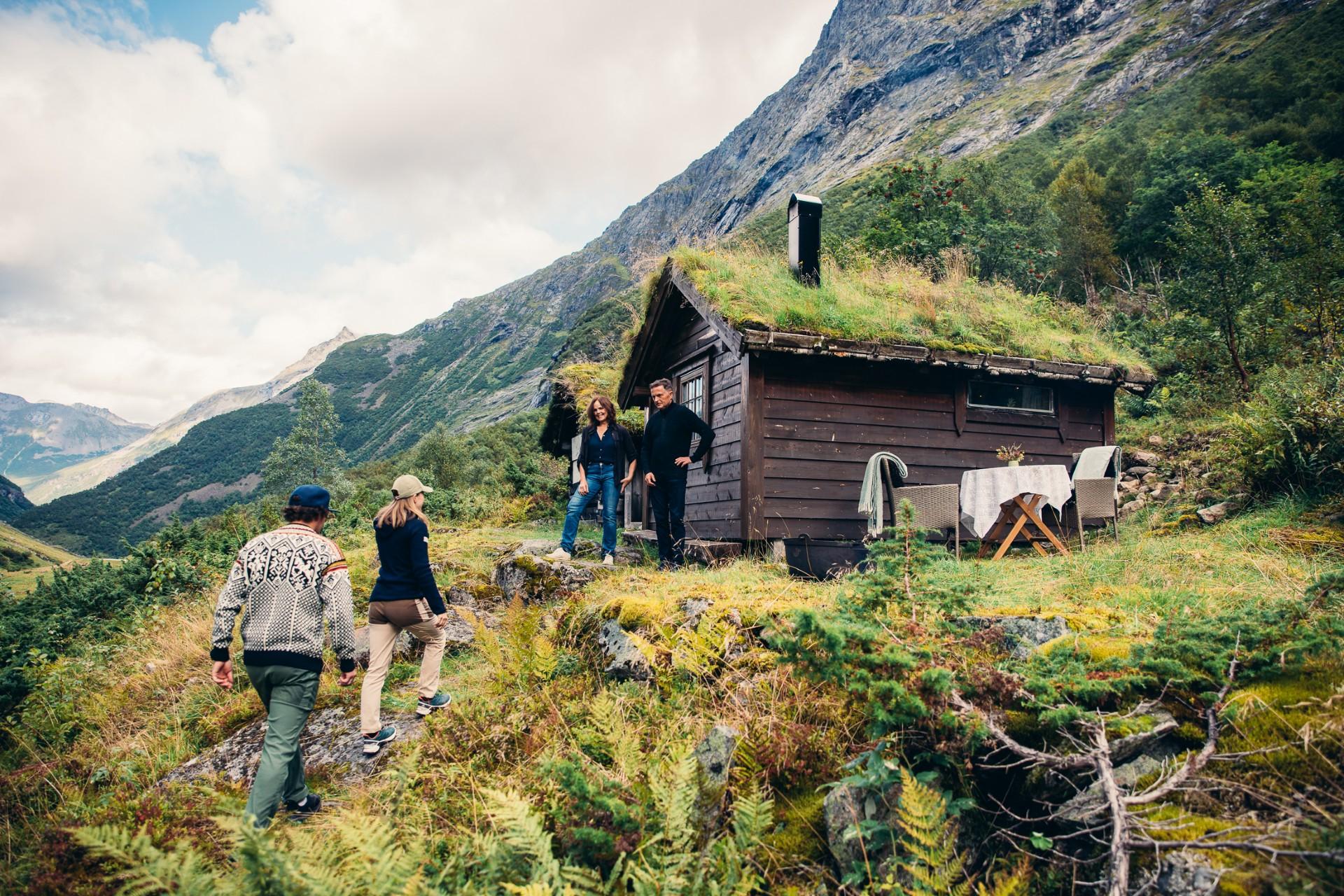
If you want to combine visits to summer parture farms with idyllic mountain hiking, you should consider the historical hiking route Stølsruta.
The route runs on old trails blazed by shepherds from Nord-Aurdal to Vestre Slidre and continues on to Vang in the Valdres region. Spend the night in cosy cabins and traditional Norwegian mountain lodges and enjoy local farm produce along the way.
The hike itself is relatively easy, but the route stretches over 67 kilometres. You should plan to hike for approximately five days.
Do you prefer exploring the area by bike? Join a 4-day cycling holiday in Gol and Valdres.
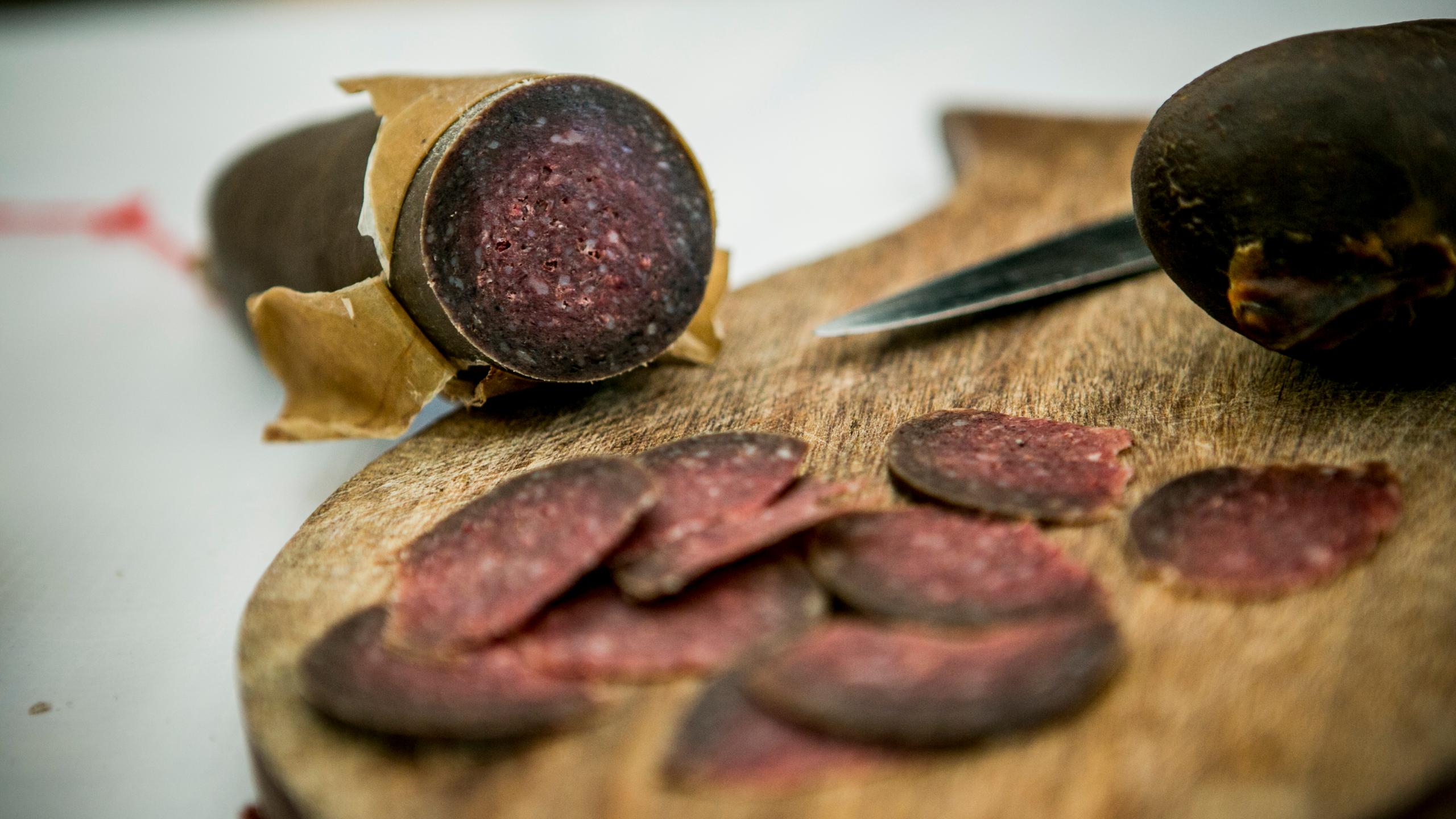
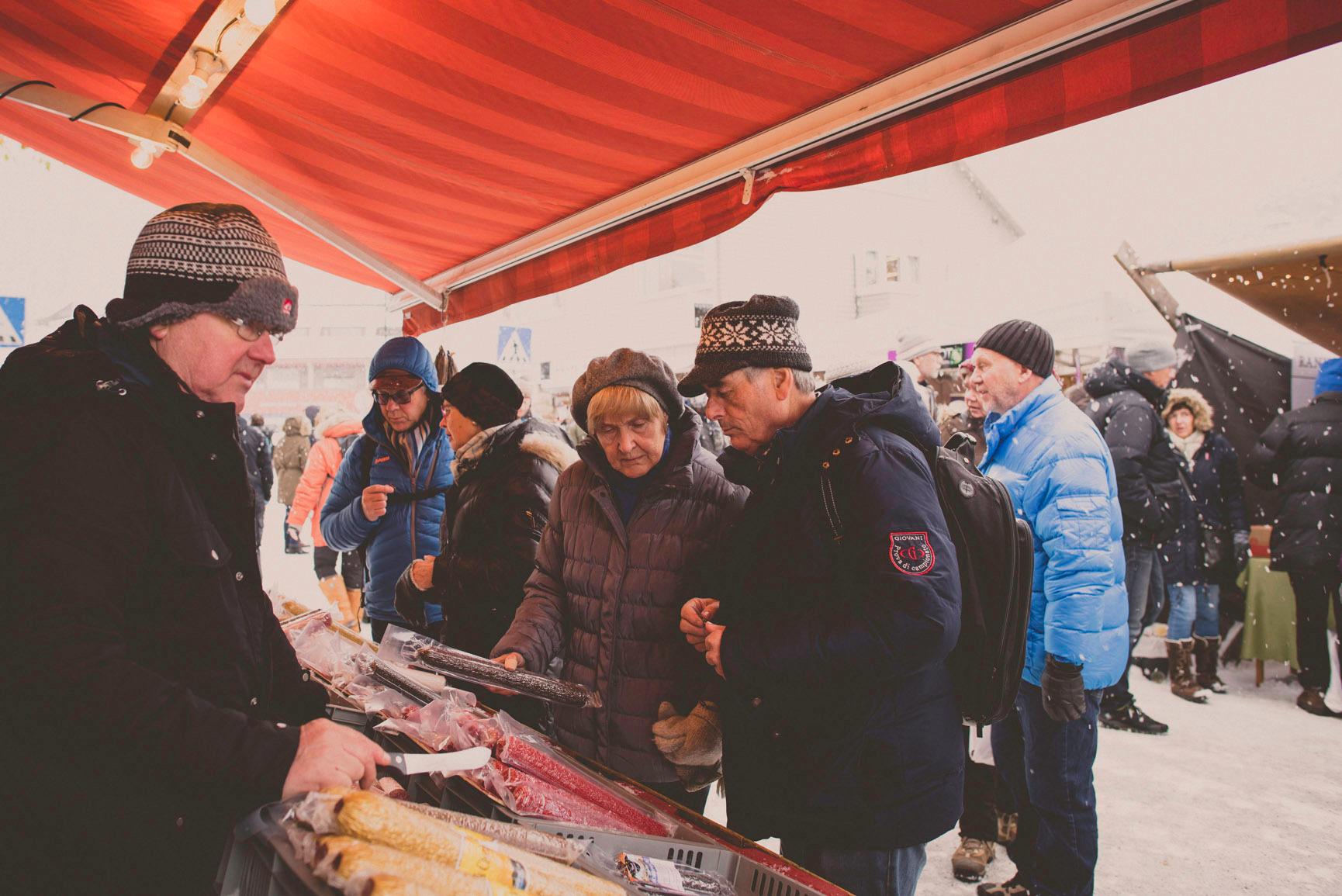
Attention meat lovers: Valdres has something special for you!
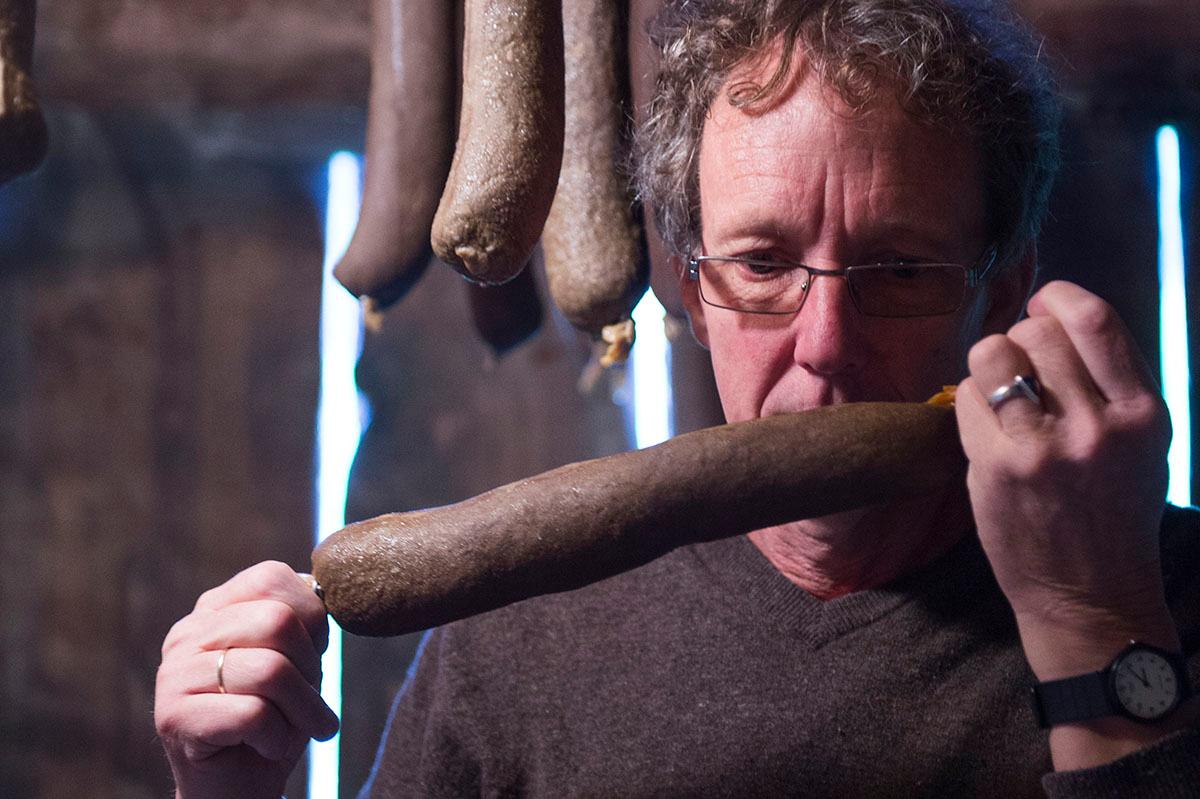
This is kurv, a tasty cured sausage you need to try.
Kurv from Valdres
Like Rakfisk from Valdres, Kurv from Valdres is also a PGI.
These tasty cured sausages are made from beef, goat, sheep or game, and a variety of spices. Local farms often have their own secret family recipe.
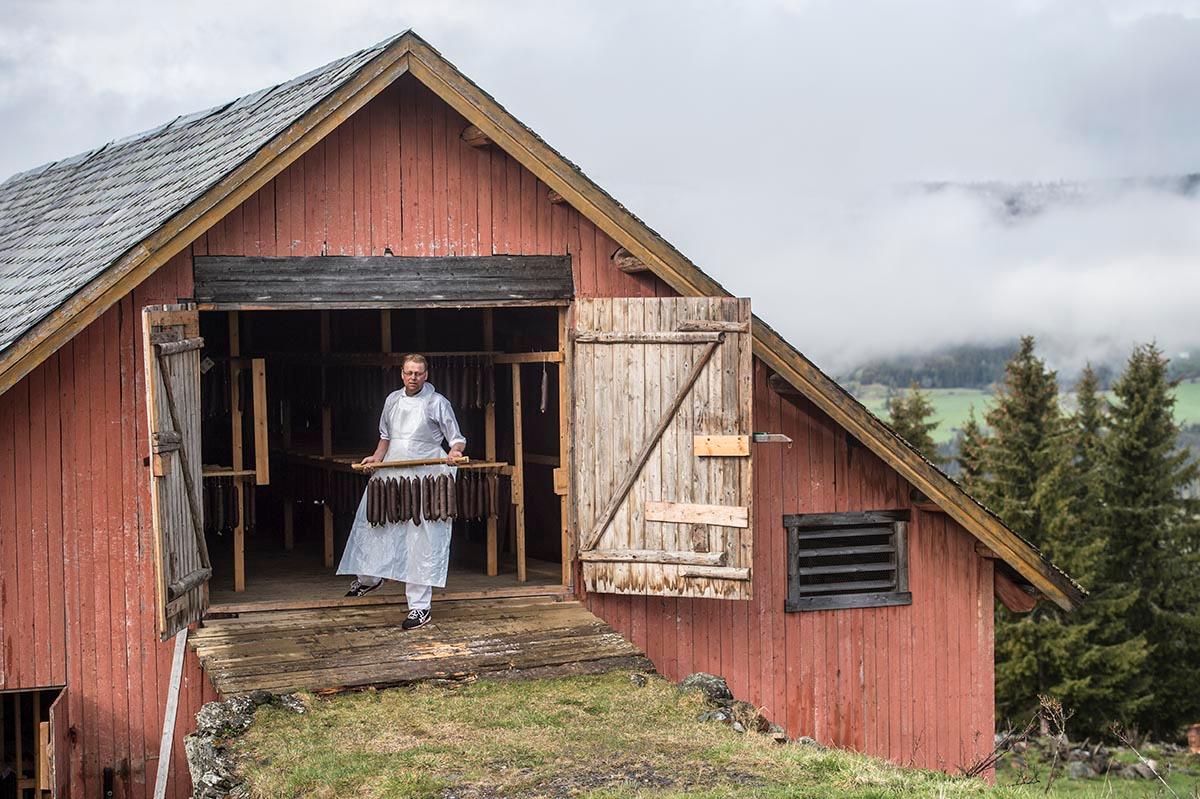
The flavour develops when the kurv hangs in a dry, cold environment in a traditional stabbur, store house for food, from mid-winter to spring. The taste of the product is also influenced by the distinctive soil, climate and environment in the region, making it truly unique.
Kurv can be enjoyed on its own, as a topping on a slice of bread, as tapas, or as a hiking snack. It's also a popular accompaniment to rømmegrøt, sour cream porridge.
Sample it in farm shops and other local shops in the region.
Where to sample Kurv
Eat your way through farm shops and local food shops in Valdres!
Eateries in the Valdres region
Find more fantastic places to eat!
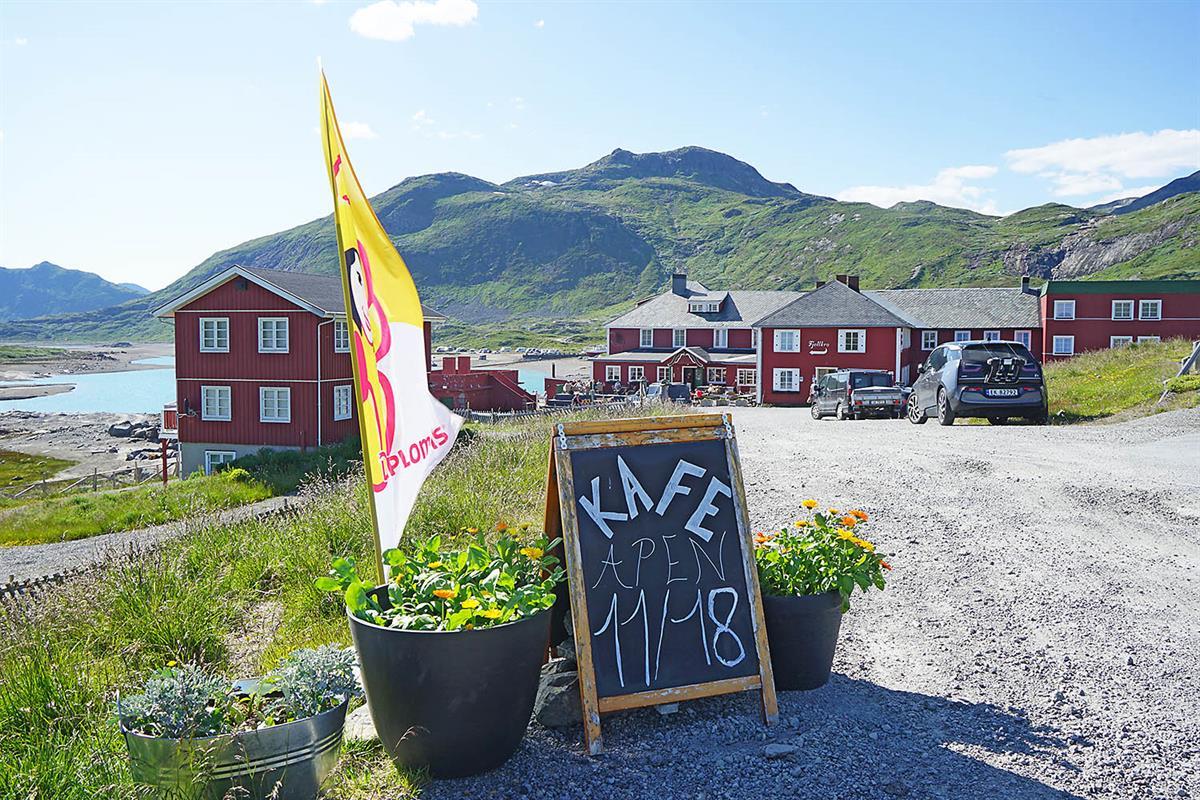
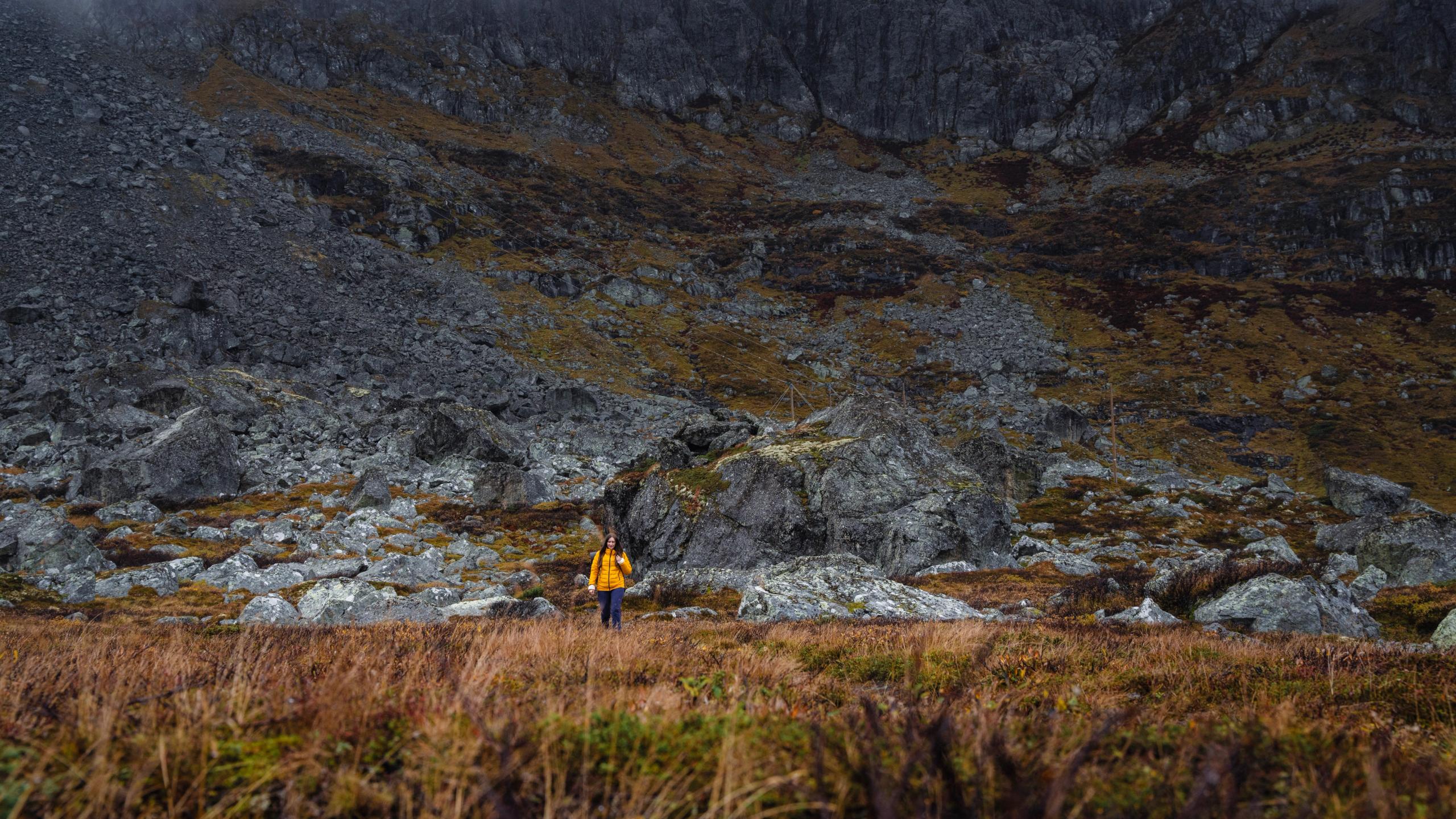
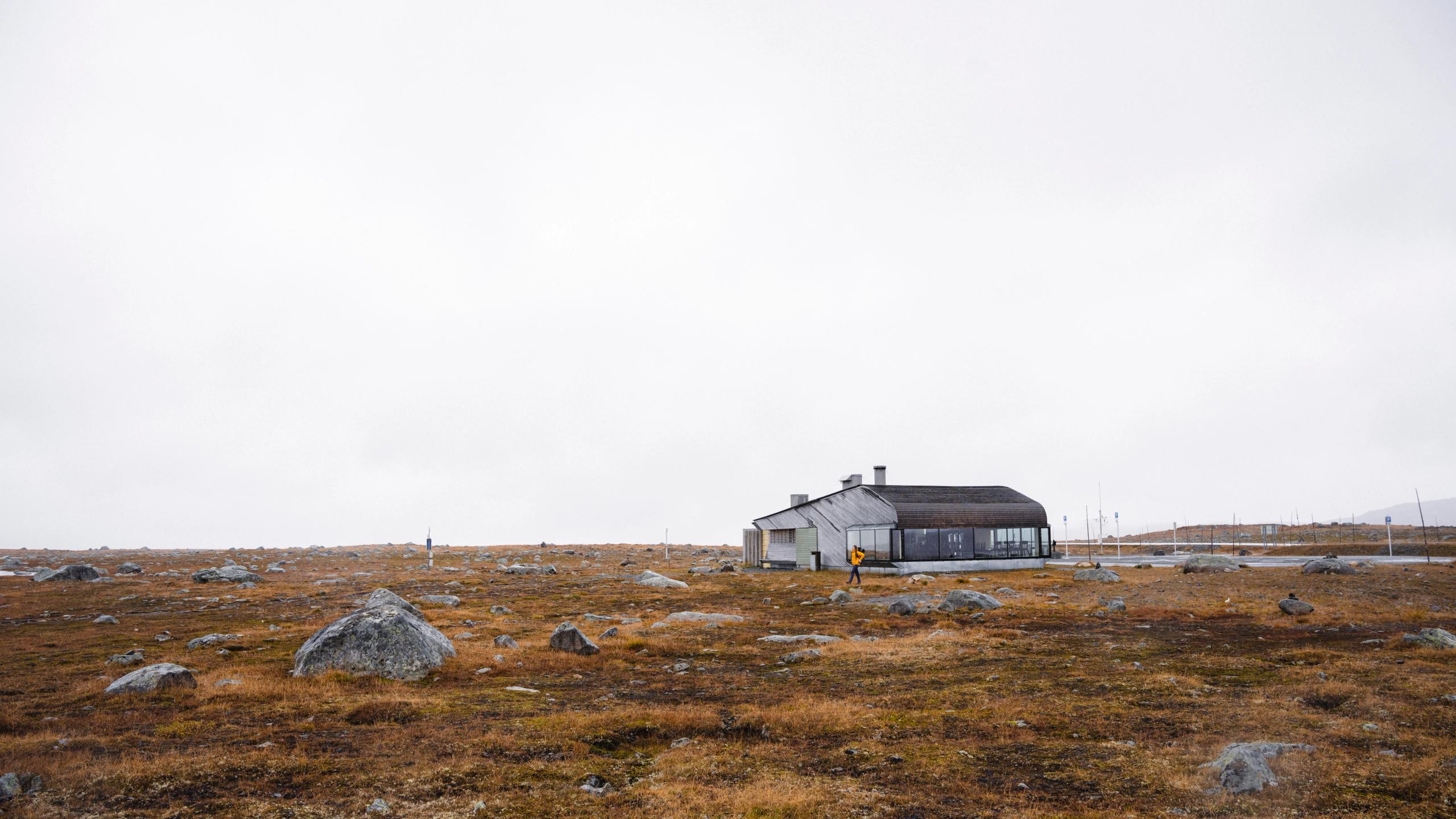
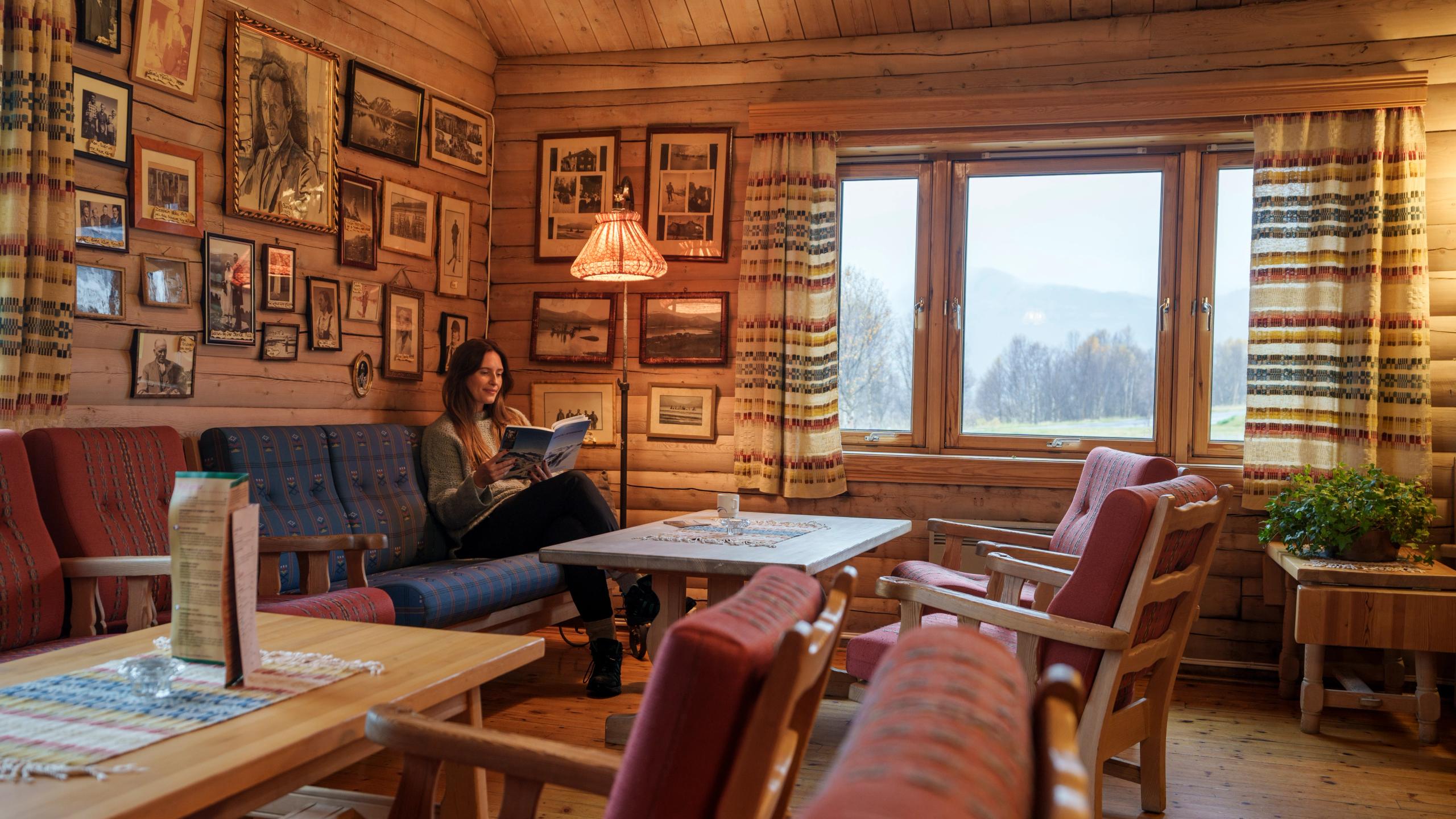
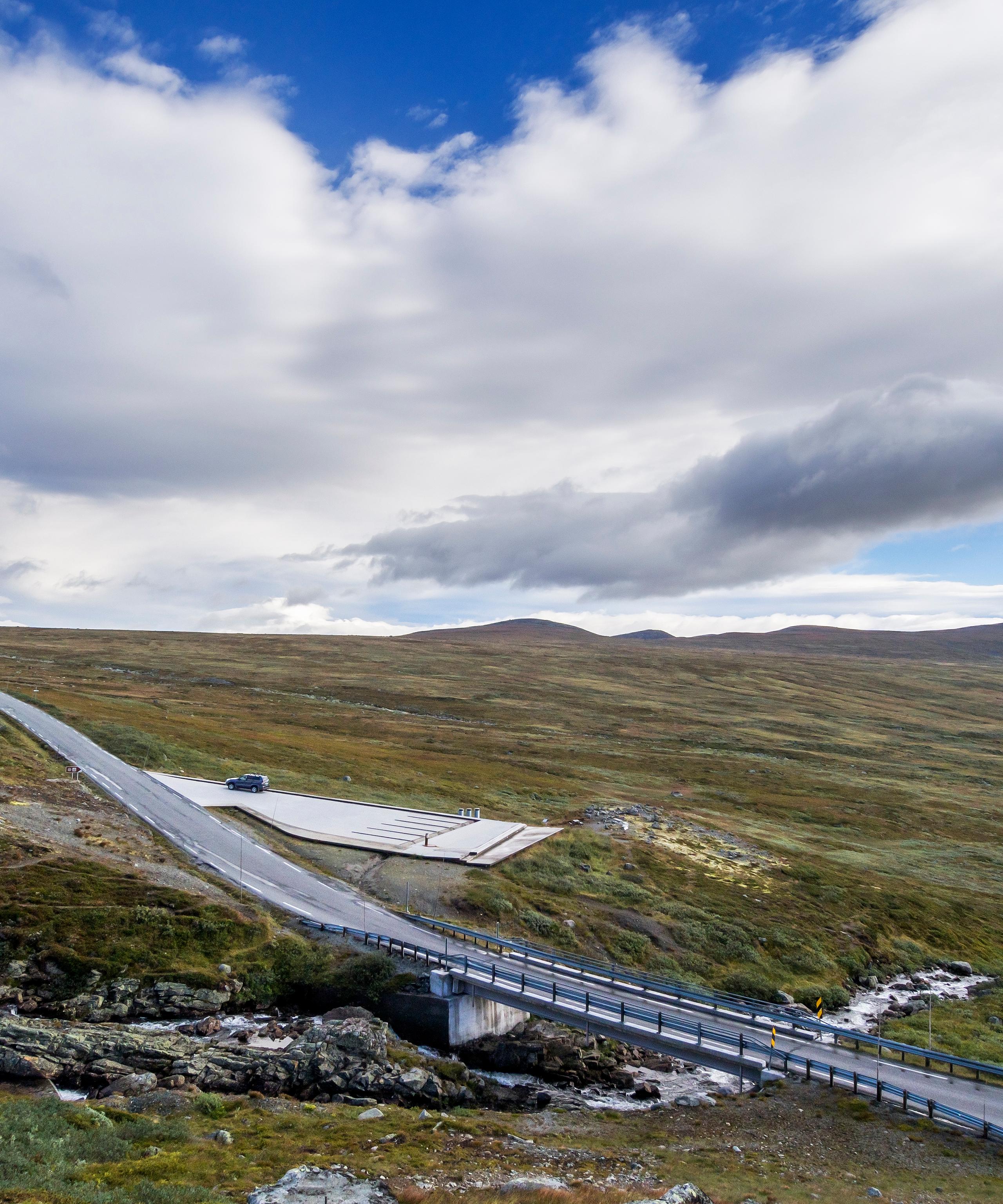
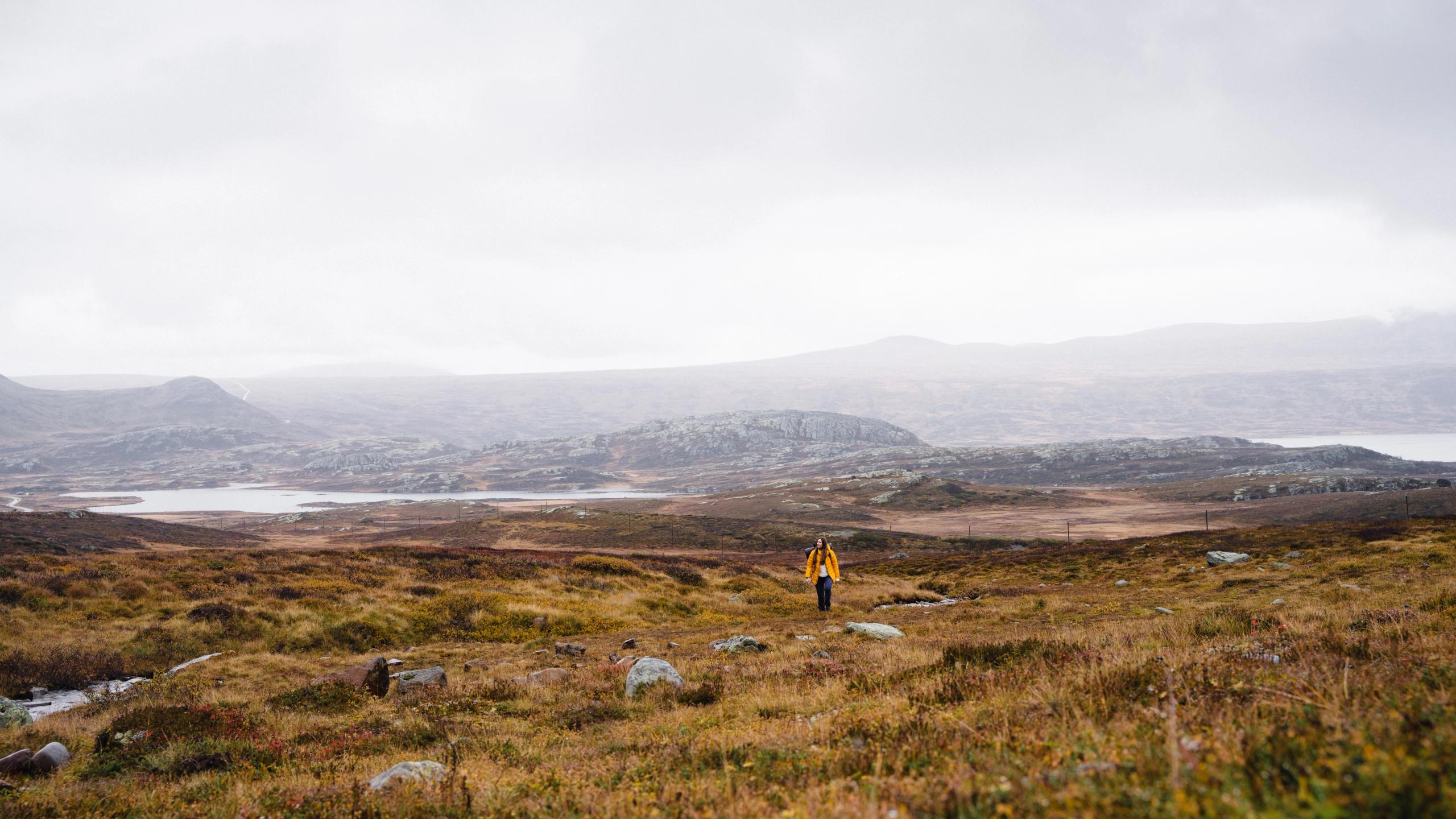
Let's continue north of Valdres and into the Jotunheimen mountains and the Norwegian Scenic Route Valdresflye.
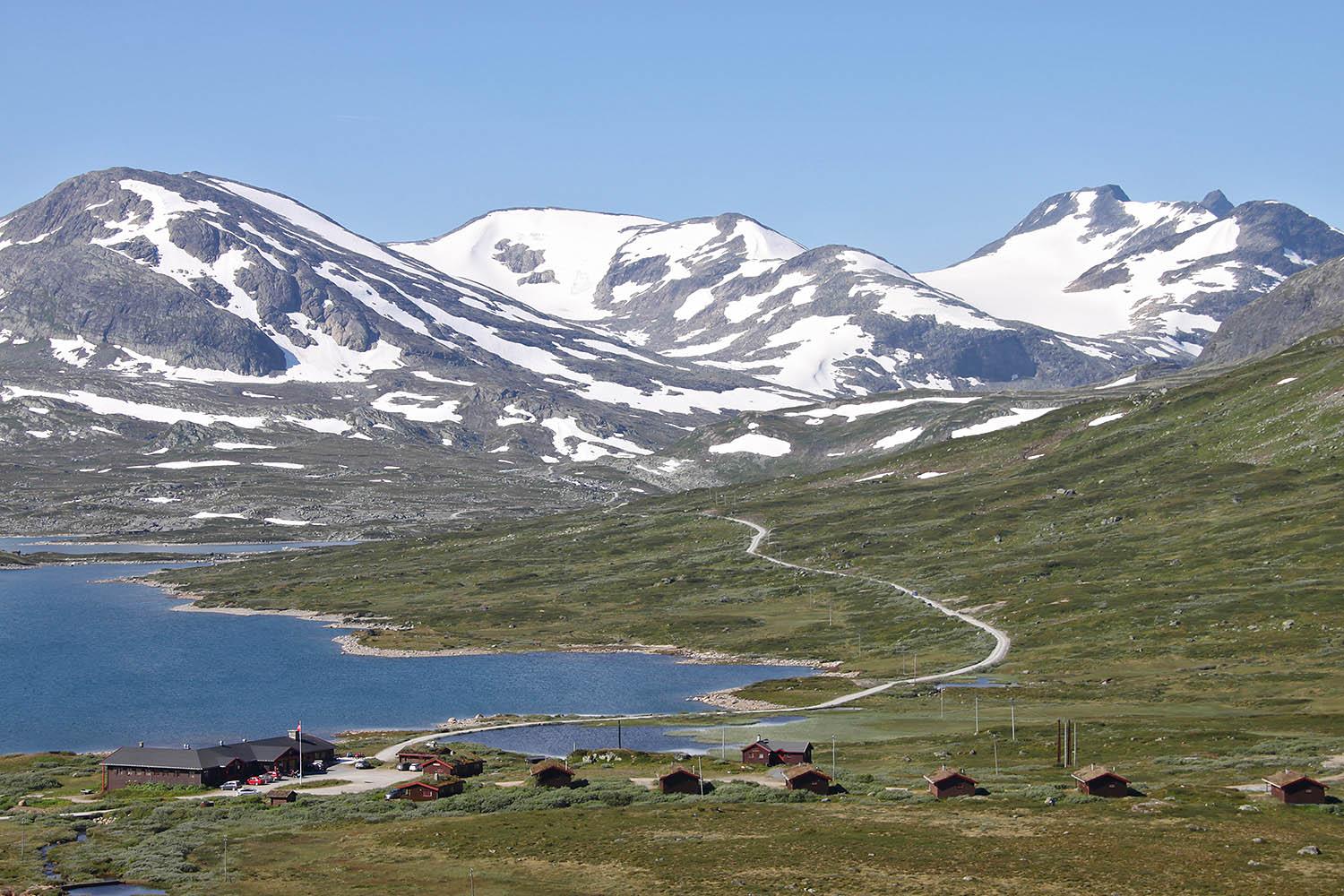
This stretch of the Norwegian Scenic Route runs through the Valdresflye mountain between Garli near Beitostølen and Besstrondsæter in Vågå in Jotunheimen.
Look out for farm cheese shops along the way!
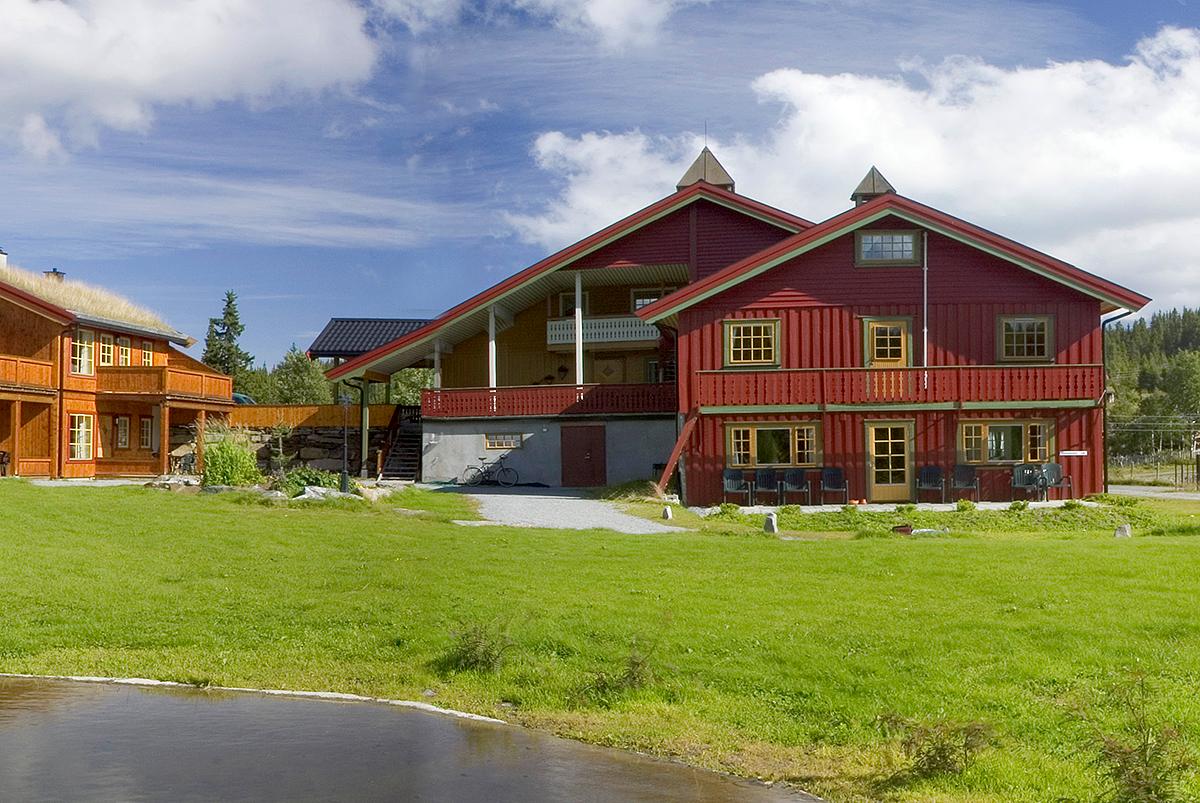
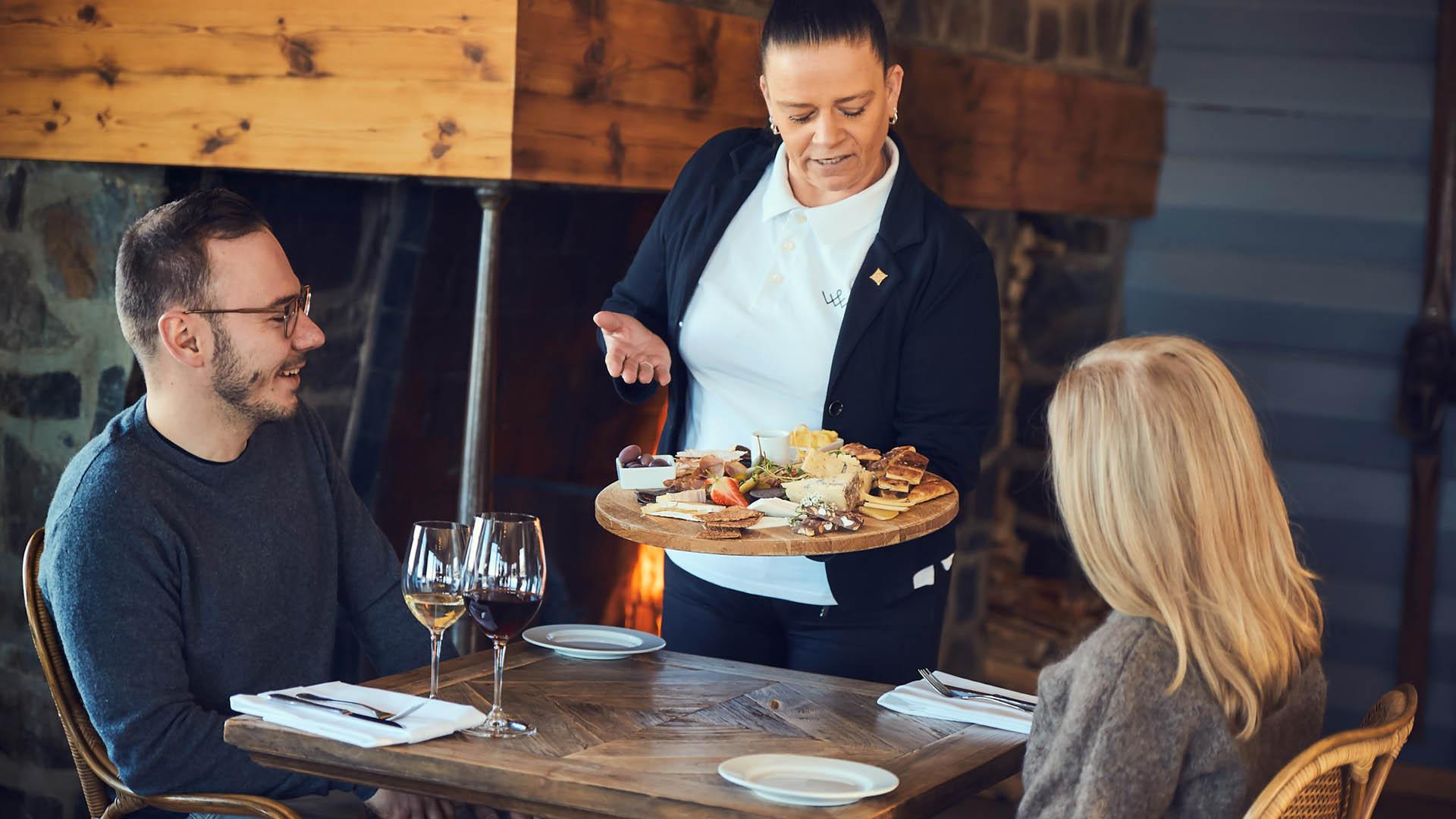
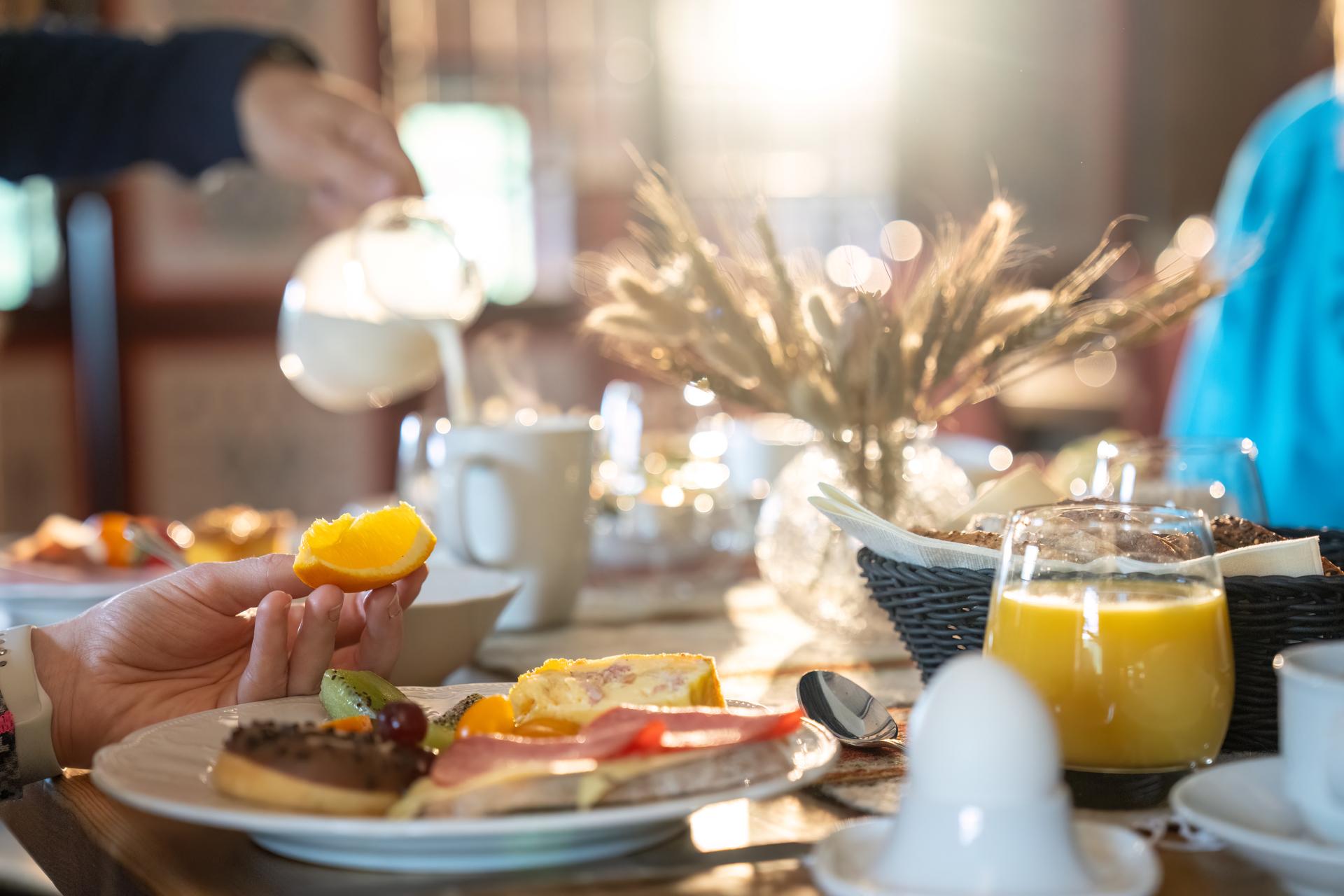
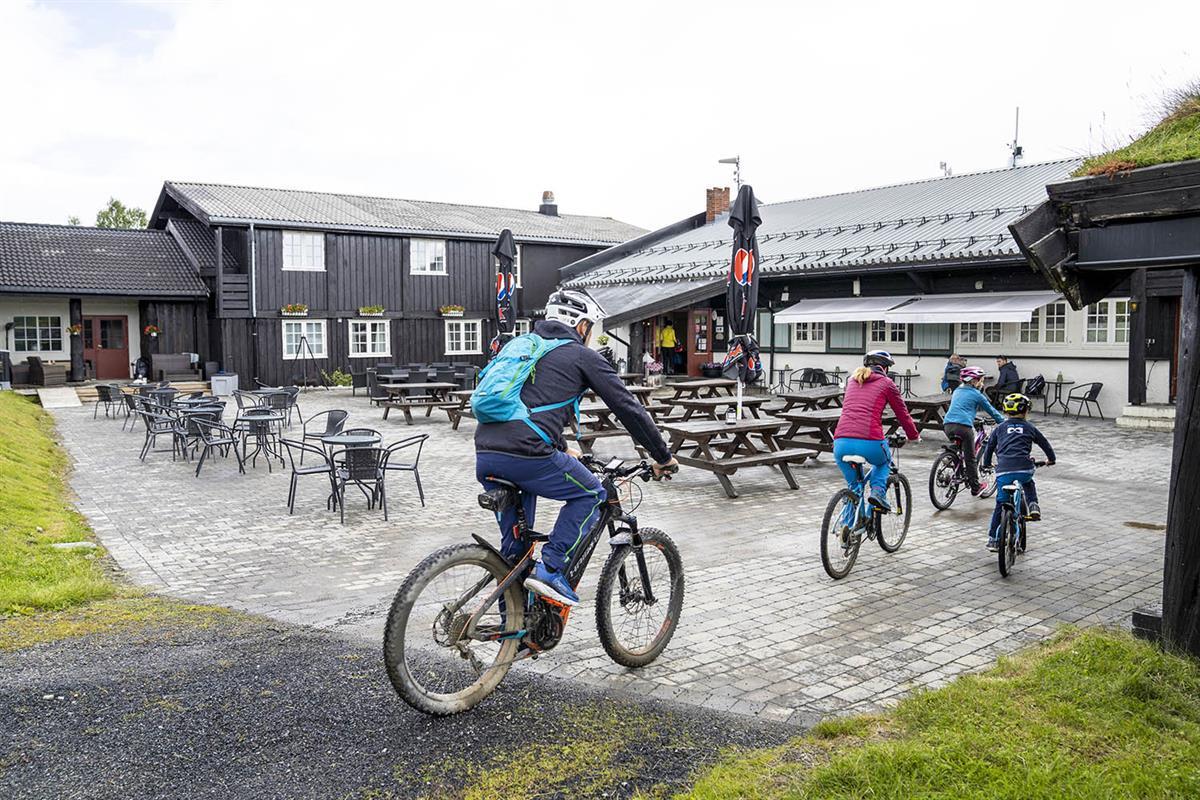
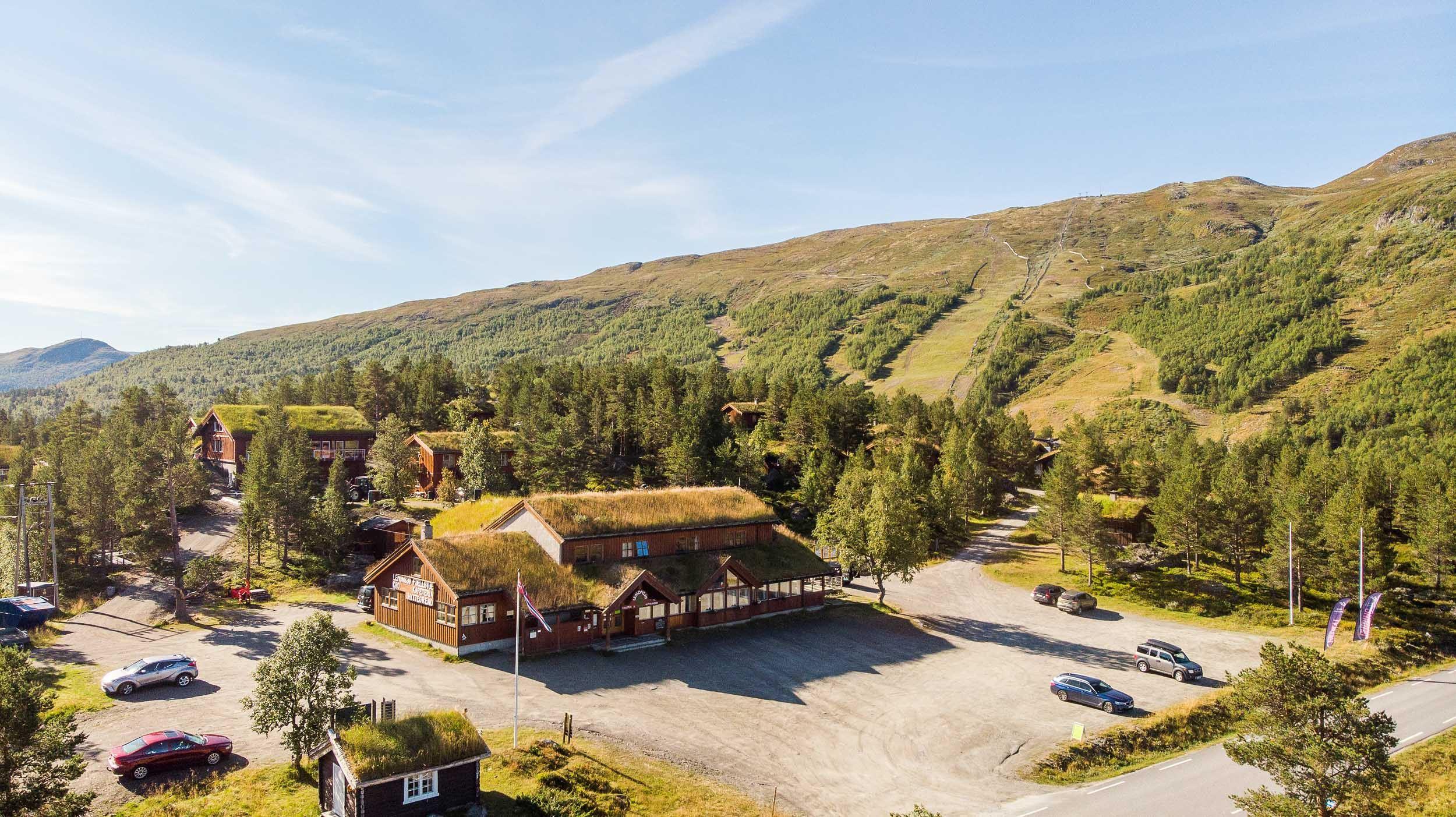
Not only is it worth the drive for the scenery, there are also plenty of tasty stops along the road. Like Valdresflye café (pictured).
And fantastic fjellstuer, traditional Norwegian mountain lodges, where you can both spend the night and enjoy heart-warming local meals.
Let's visit a couple of them!
Bessheim Fjellstue
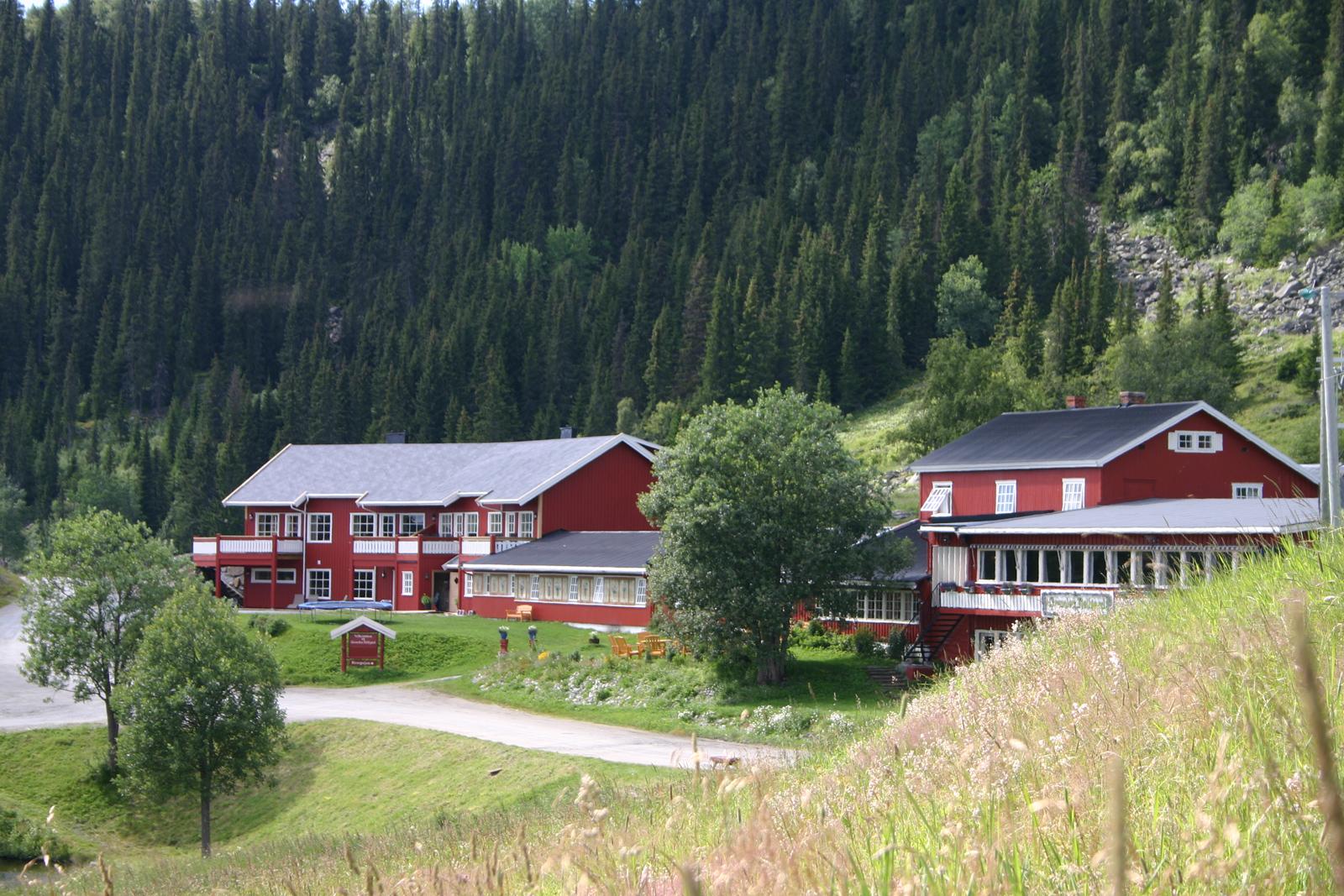
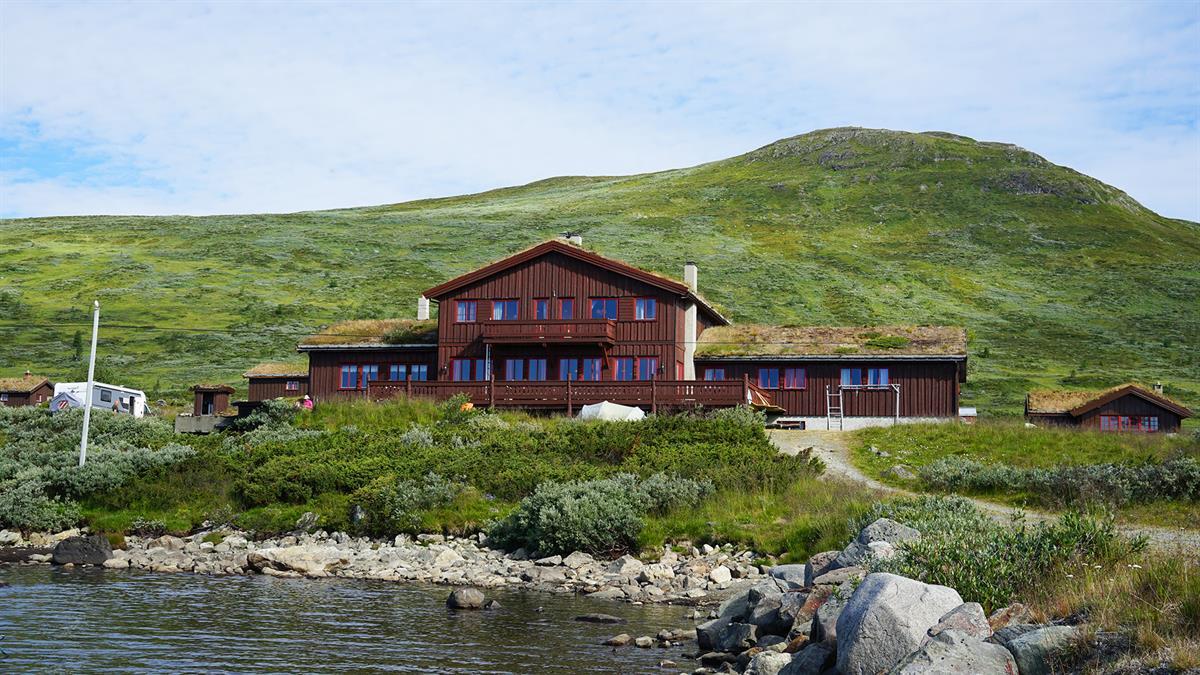
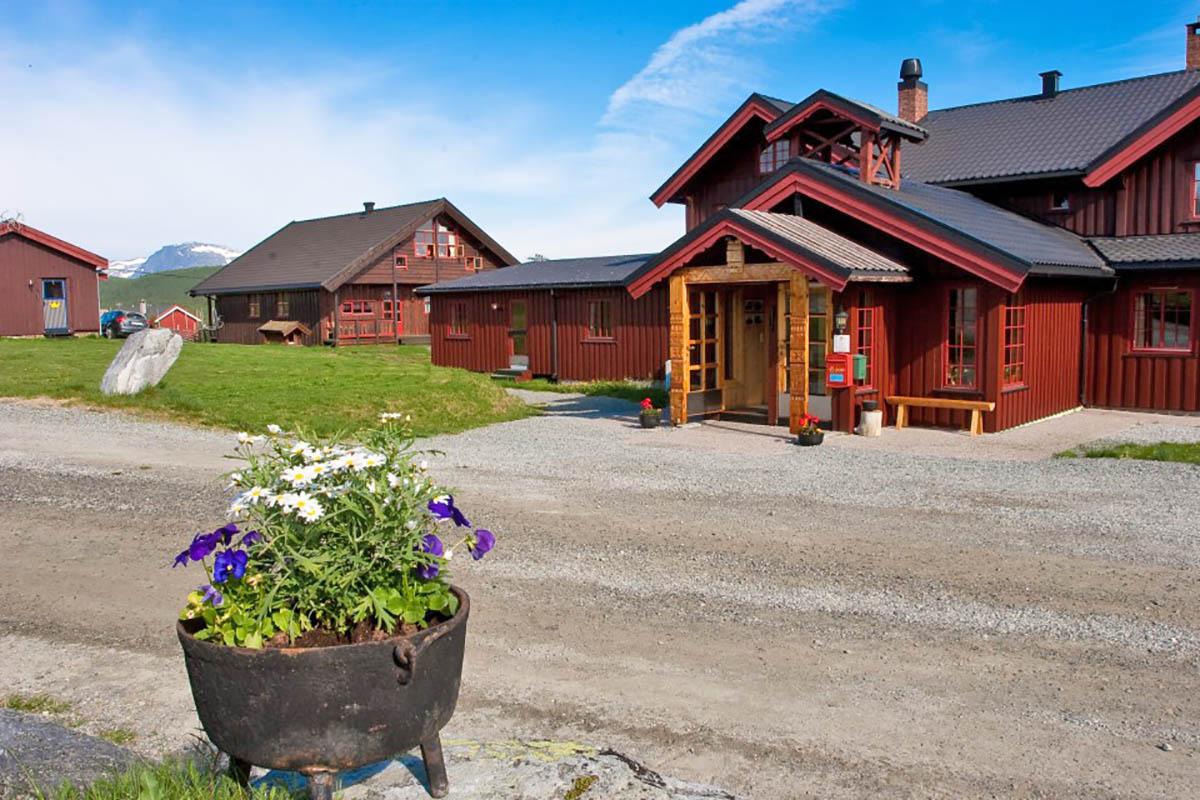
Many traditional mountain lodges are located in excellent hiking areas, making them a perfect place to stop before exploring nature. One such lodge is Bessheim, conveniently located right by county road 51, close to many popular hiking routes in the Jotunheimen mountains.
Bessheim has been welcoming guests since 1890. Today, Kari Lund and Bjørn Ekkerbakke are the hosts at Bessheim, and the mountain lodge has been in Kari's family for generations.
"My great-great-grandmother was the first to welcome tourists at Bessheim," says Kari.
Real Norwegian food
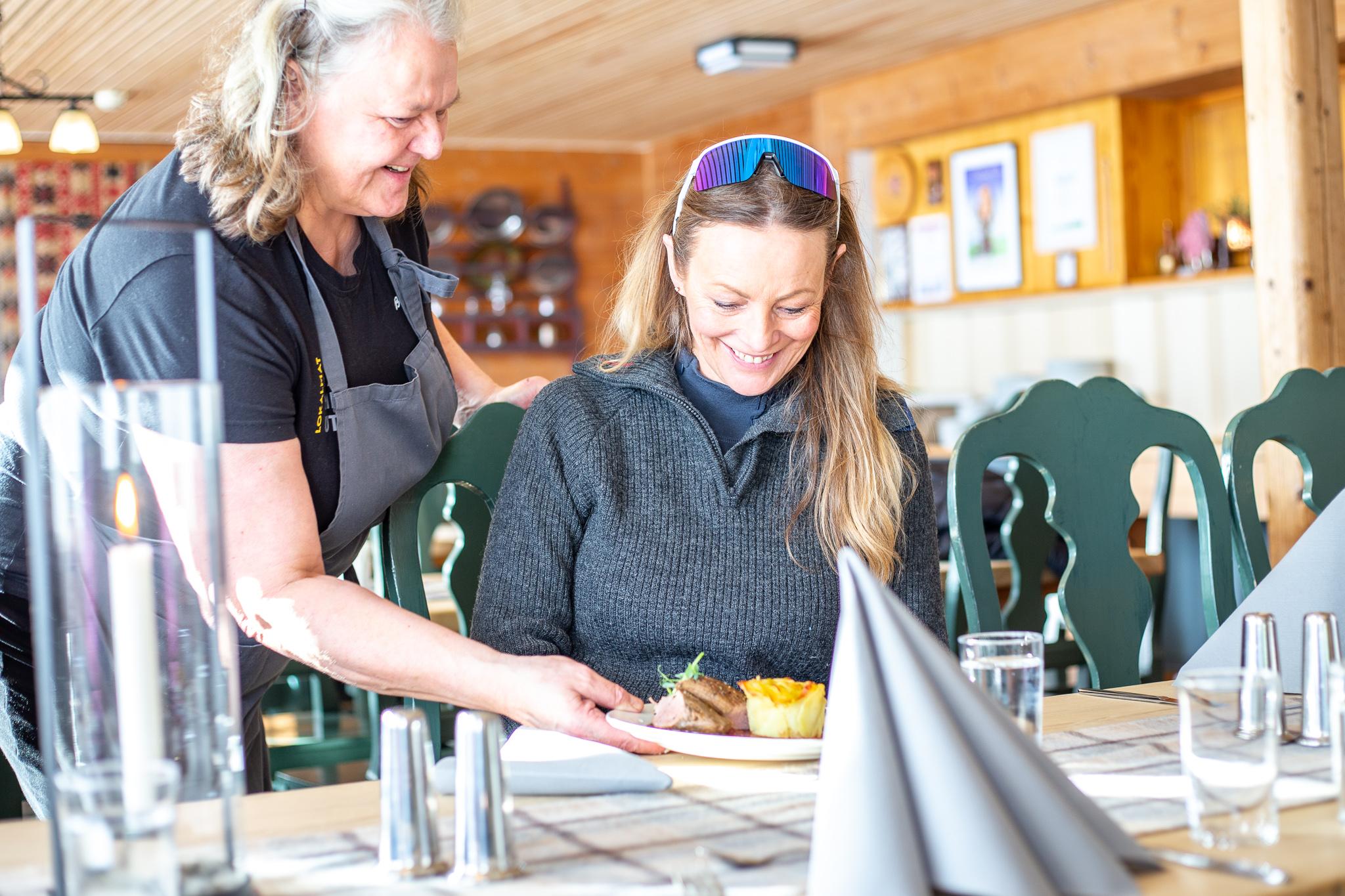
Kari and Bjørn offer both accommodation and meals for visitors. It's also possible to just stop by for a snack, but it's recommended to stay for dinner as well! On the menu, you will find traditional, Norwegian cuisine made with the best produce the area has to offer, and everything is home made.
"Our culinary philosophy is based on severing our guests real Norwegian food. What we serve on the plate is basically what you see around us: mountain trout, reindeer, moose, deer, and lamb," says Bjørn, who is also a chef at Bessheim.
Reindeer meat from the area is a special ingredient that frequently features in the chef's creations.
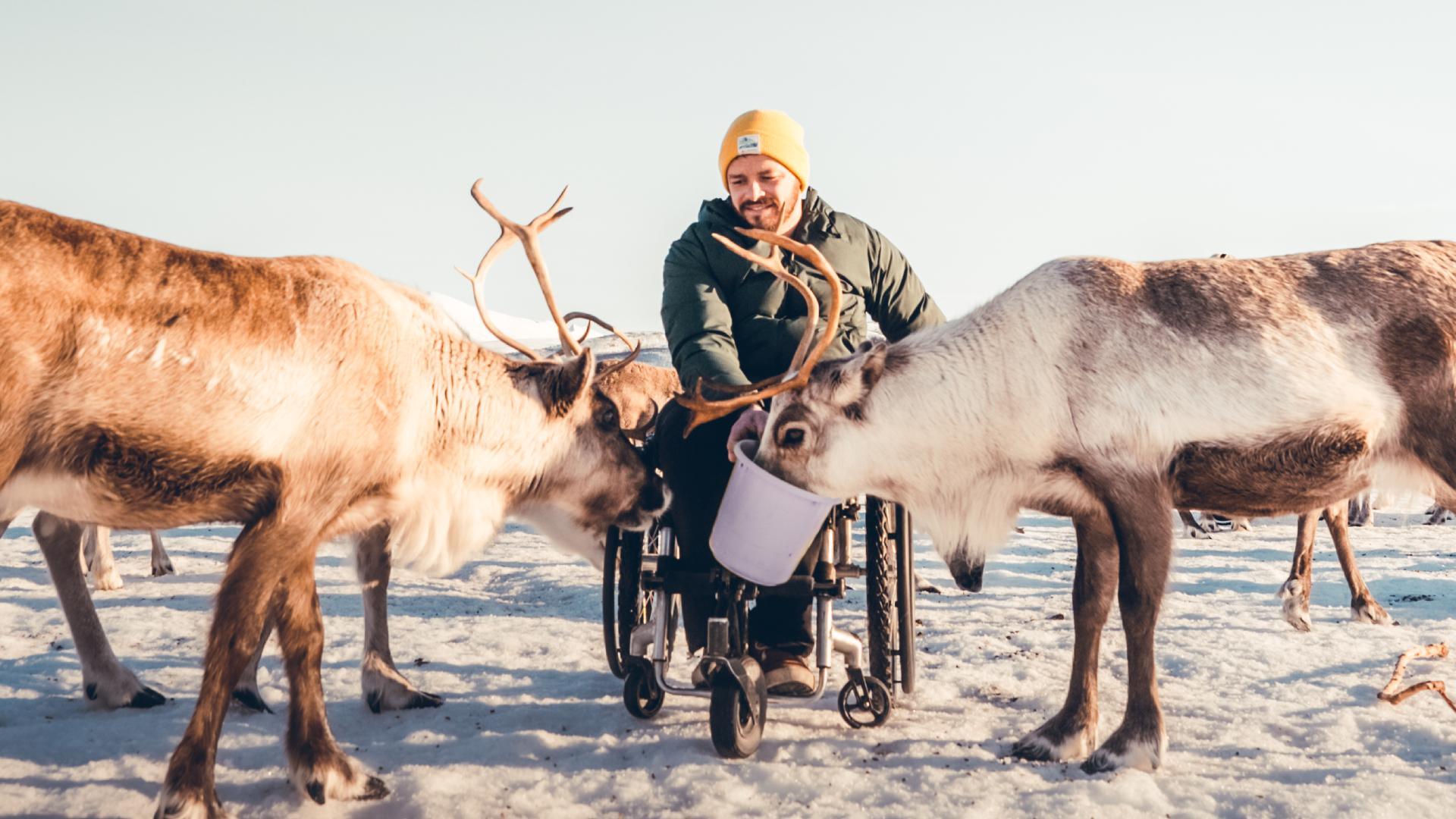
When you travel in the mountains of Jotunheimen, chances are that you can see reindeer which belong to one of the local domesticated reindeer associations. These associations are the only domesticated reindeer husbandries in Norway that are not owned by the Sami people.
The reindeer can find sustenance in very high mountain plateaus, where there's no other grazing possibilities, giving the meat a unique flavour.
"Reindeer tastes like the mountains. It has this incredible wild flavour and tender meat," says Bjørn, adding that they get all their meat from the association Vågå Tamrein, which has been active in Jotunheimen since 1942.
Remember to keep a safe distance to reindeer if you encounter them while hiking in the mountains!
Gjendesheim Mountain Lodge
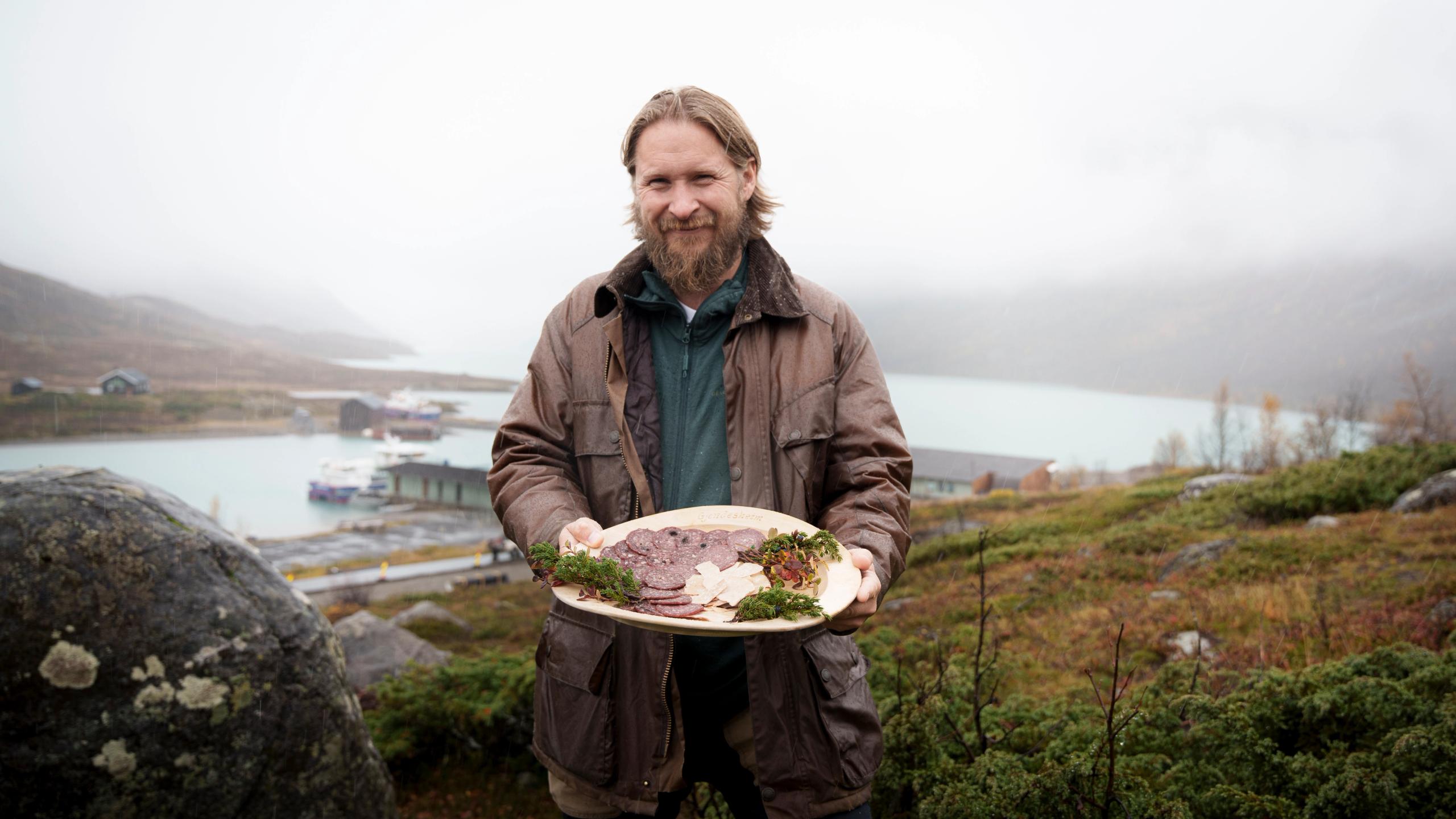
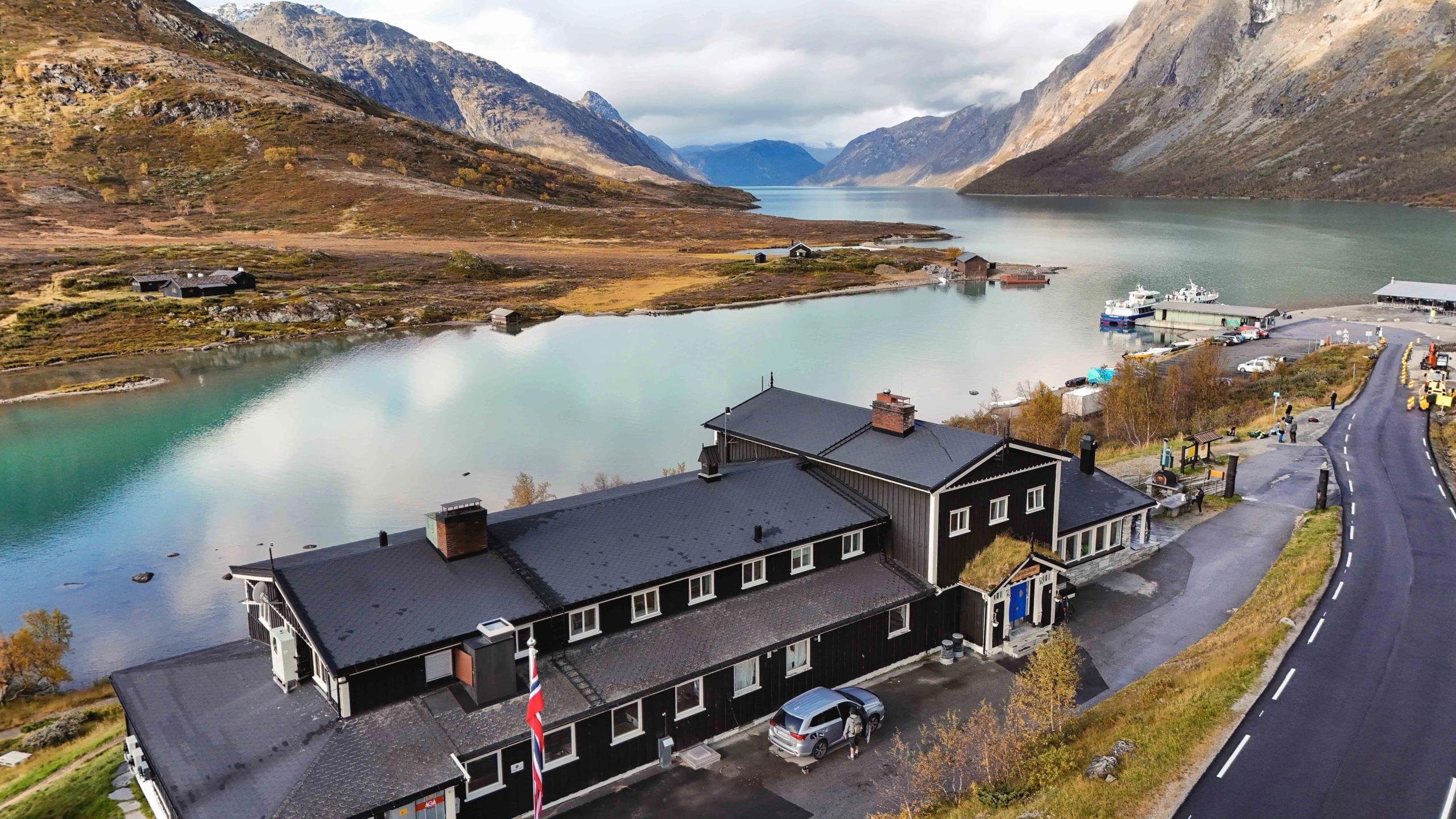
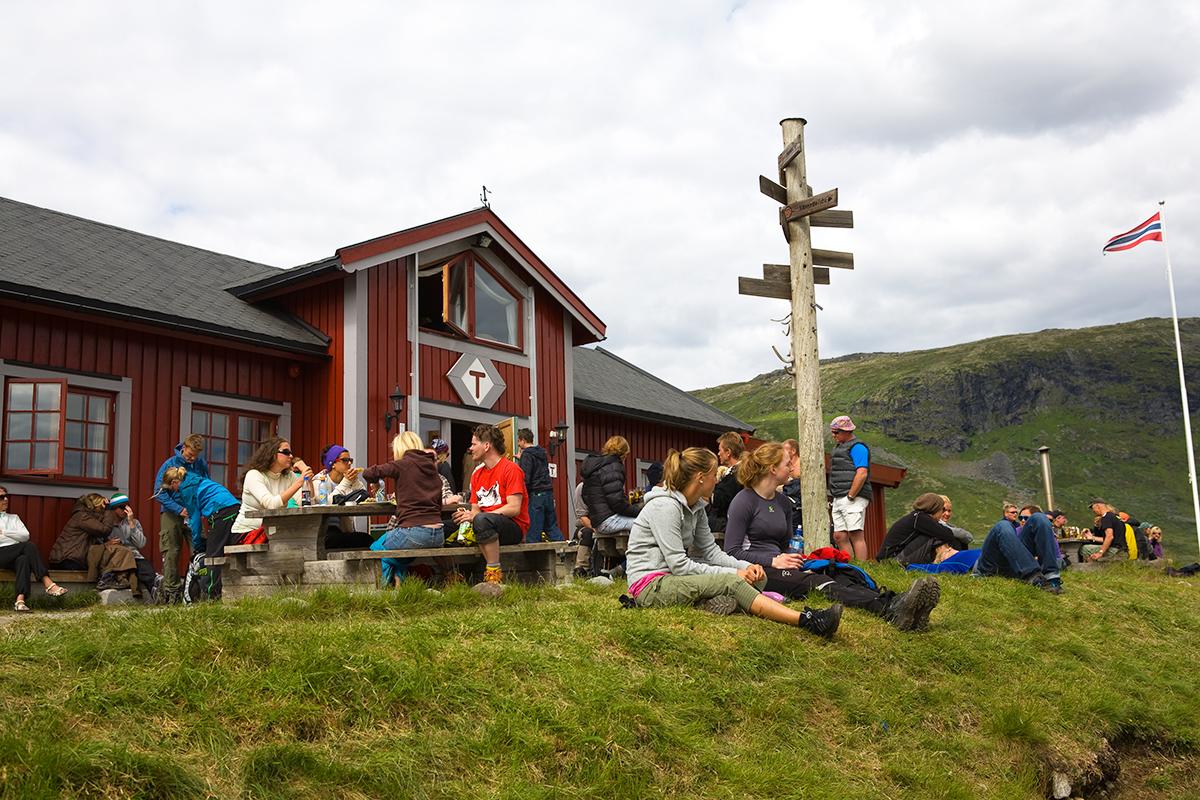
Just a ten-minute drive southwest of Bessheim lies another popular mountain destination: Gjendesheim. This DNT (Norwegian Trekking Association) lodge is located right by the turquoise waters of Gjendesvatnet lake.
From Gjendesheim, you can hike the most popular walking route over the Besseggen Ridge. Take the Gjende boat from Gjendesheim to the starting point of the hike in Memurubu, and hike over the ridge back to Gjendesheim.
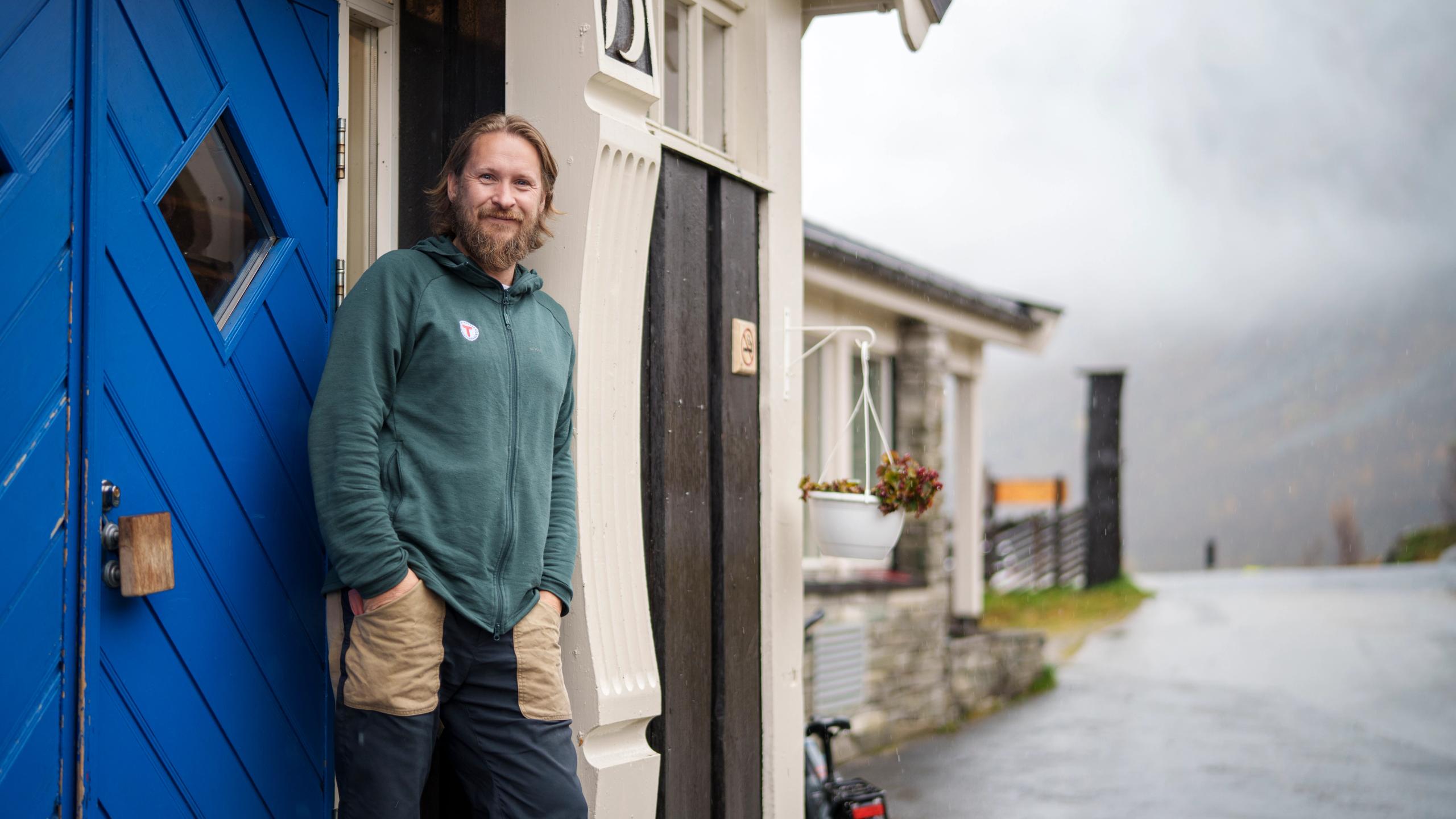
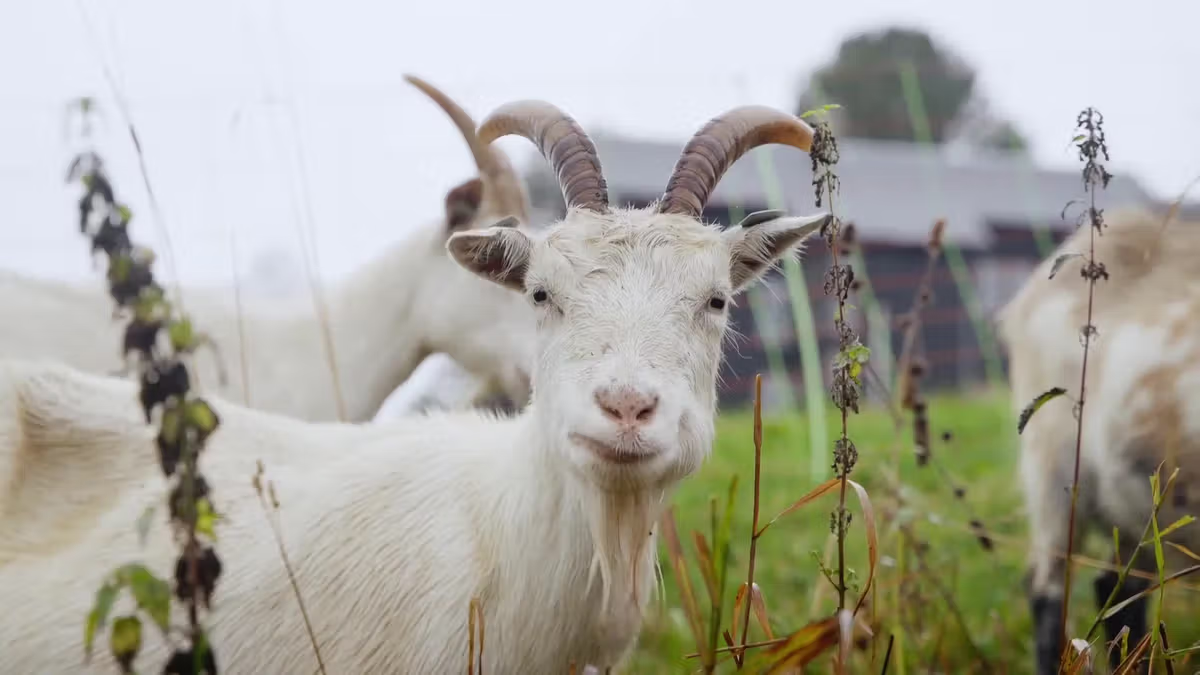
"You might encounter some goats when you hike over the ridge. They actually play an important role in the mountains," says our host at Gjendesheim, Marius Haugaløkken.
The food tells a story
"The goats keep the vegetation low, allowing the local fauna to have more sunlight and nutrition," Marius explains.
For Marius, it's not only important to serve his guests fantastic meals. It's just as important to educate them on where the food comes from.
"For some, it might sound morbid when I tell them the cured sausage we serve at breakfast, is made from the goats they just saw. But most people appreciate knowing that the animals have had a good life and learning more about their role in allowing the nature around us to thrive," he says.
Information about the local products used at Gjendesheim is on display inside the mountain lodge – an initiative that Marius took. During meals, you will also learn more about the food you're being served.
A good collaboration with local farms
At Gjendesheim they even have their own 'food manifesto', which includes rules like never using farmed salmon, choosing organic food if possible, and always using local products.
"There's a lot of focus on eating less meat, but I think it's just as important to encourage people to eat everything on their plate to prevent food waste, and communicating why local products are important," says Marius.
Free-range pigs from Sveen Gard, lambs that have been grazing in the mountains from Snerle Gard, and potatoes harvested at Sve Gard in Vågå are just some of the local produce used in the kitchen at Gjendesheim – good for you as well as for the local farmers.
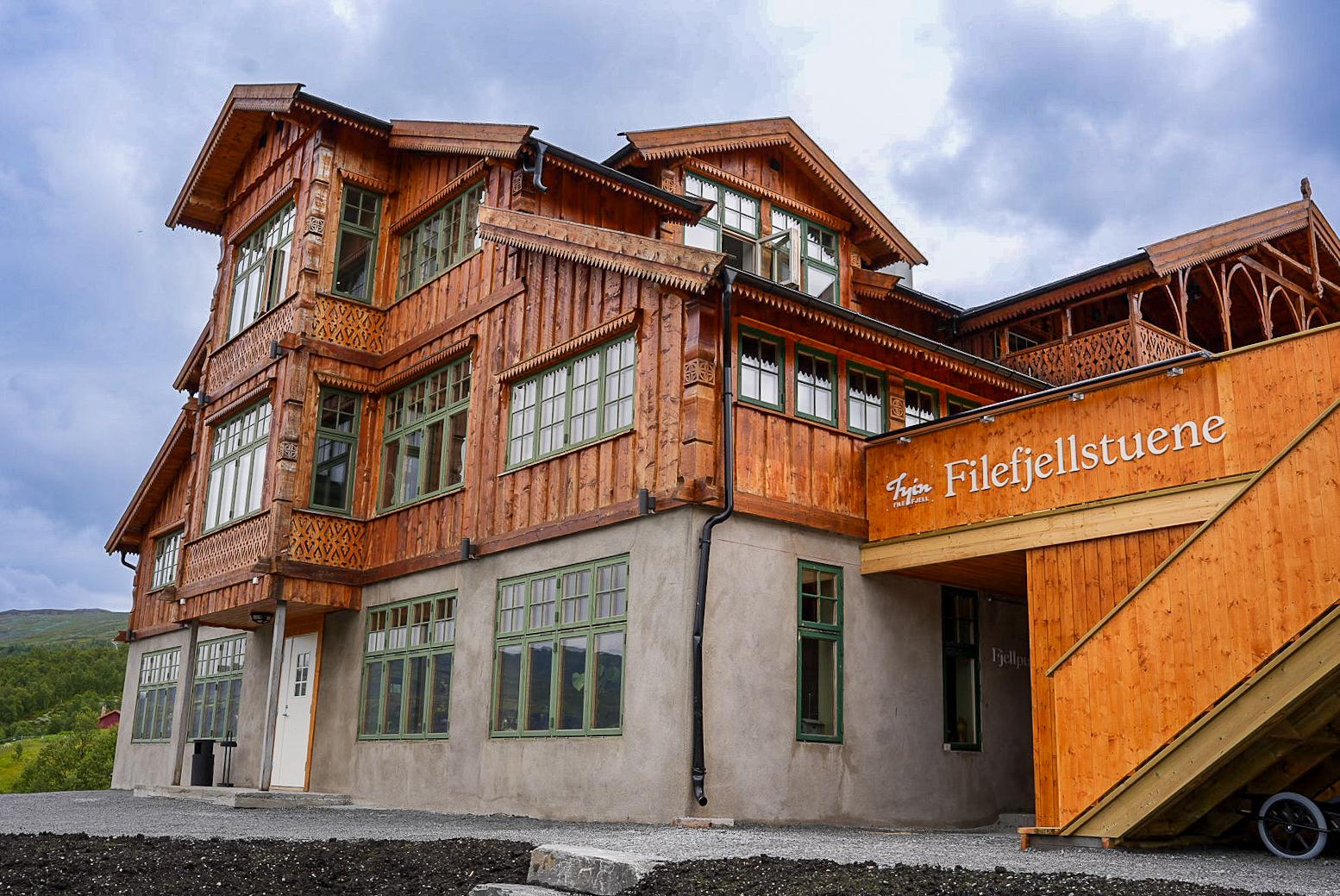
Find a traditional mountain lodge
Unique locations, heart-warming food and hiking opportunities await.
A culinary journey
Taste your way through the mountains in Eastern Norway, including Valdres and the Valdreflye Scenic Route, Lom, and the Gudbrandsdalen Valley.