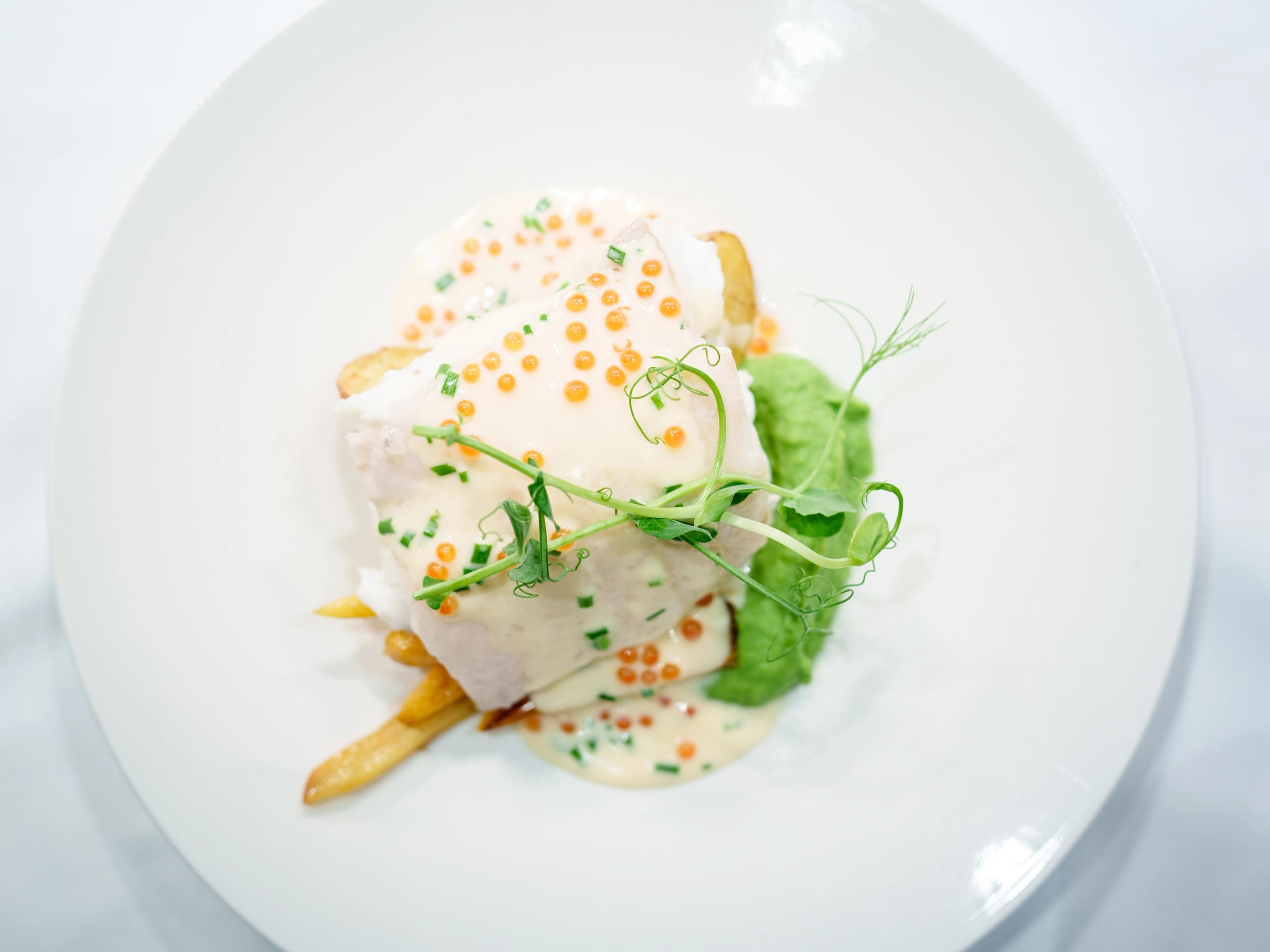
Food is a vital part of Norway's cultural heritage. That's why the National Library has partnered with Michelin-starred chef Heidi Bjerkan to bring Credo back to life. Here, guests can learn about the history of Norwegian cuisine and enjoy its delicious flavours.
The National Library partners with chef Heidi Bjerkan
Credo is back – in Oslo
The famous Norwegian restaurant Credo is open again!
And it's received a new, and very special, home.
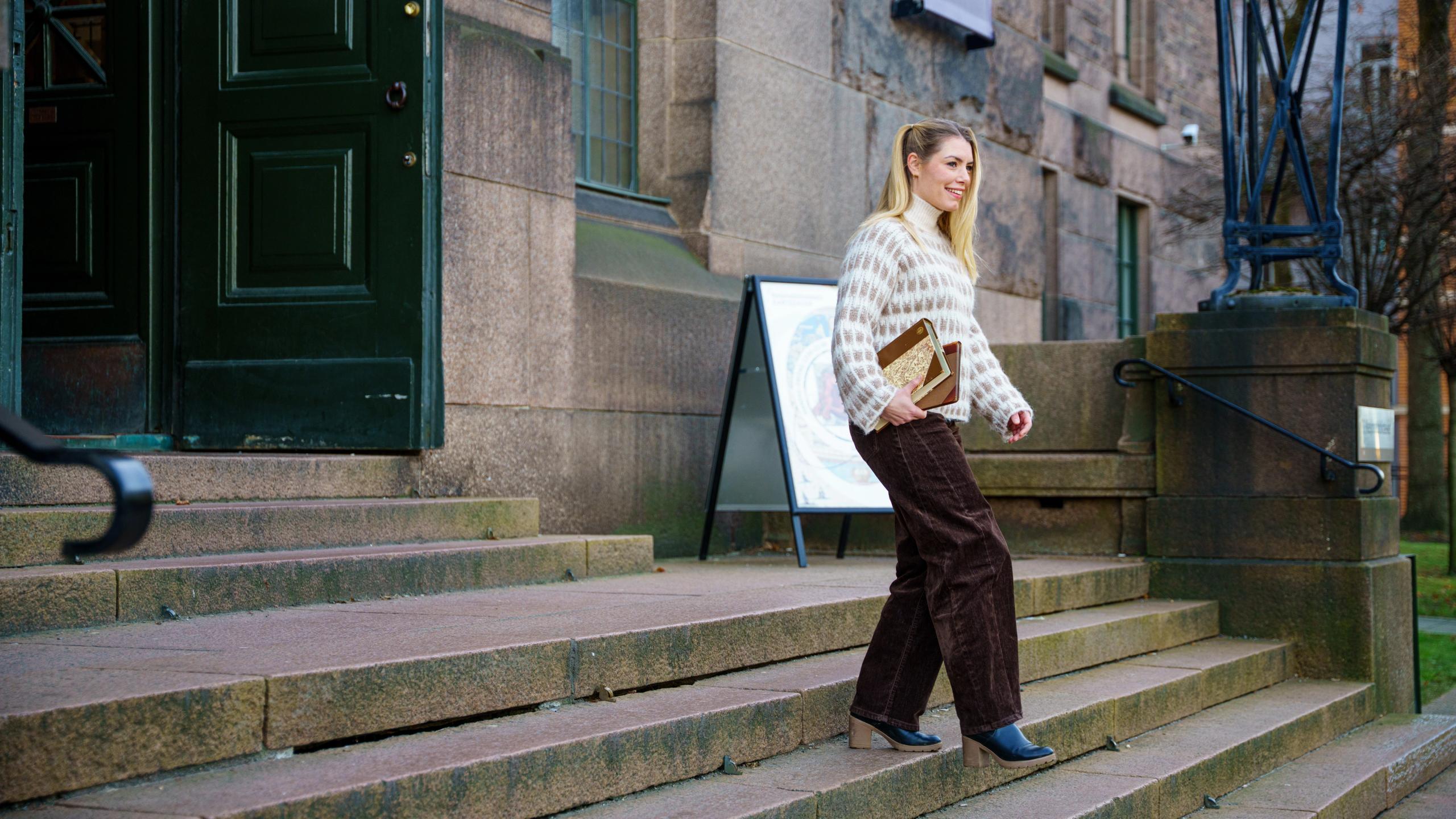
The stately National Library in Oslo has long been a home of knowledge …
… it’s also now added exceptional cuisine to honour Norway’s culinary heritage.
“I want to showcase Norwegian food culture, both its past, present and future.”
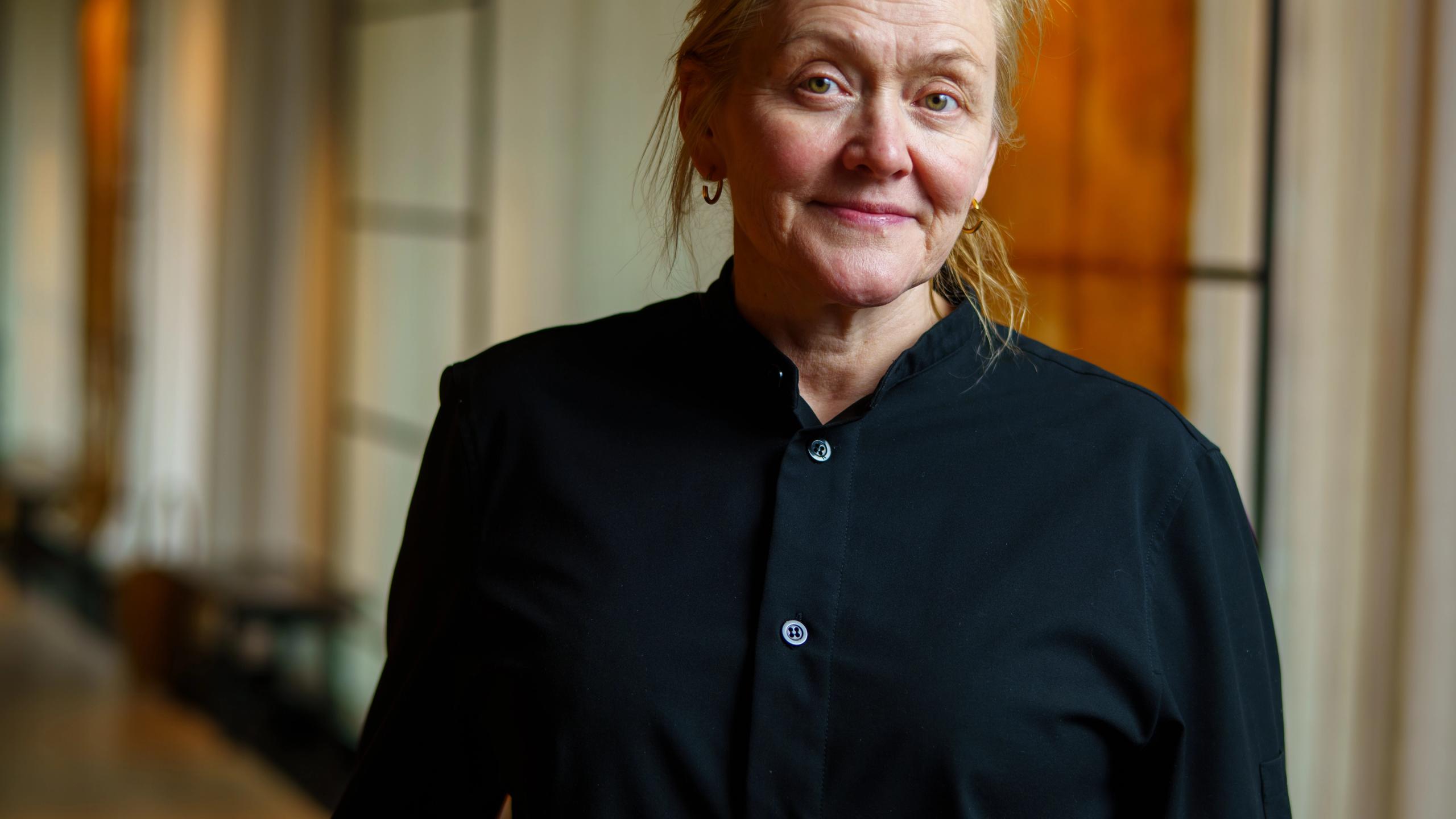
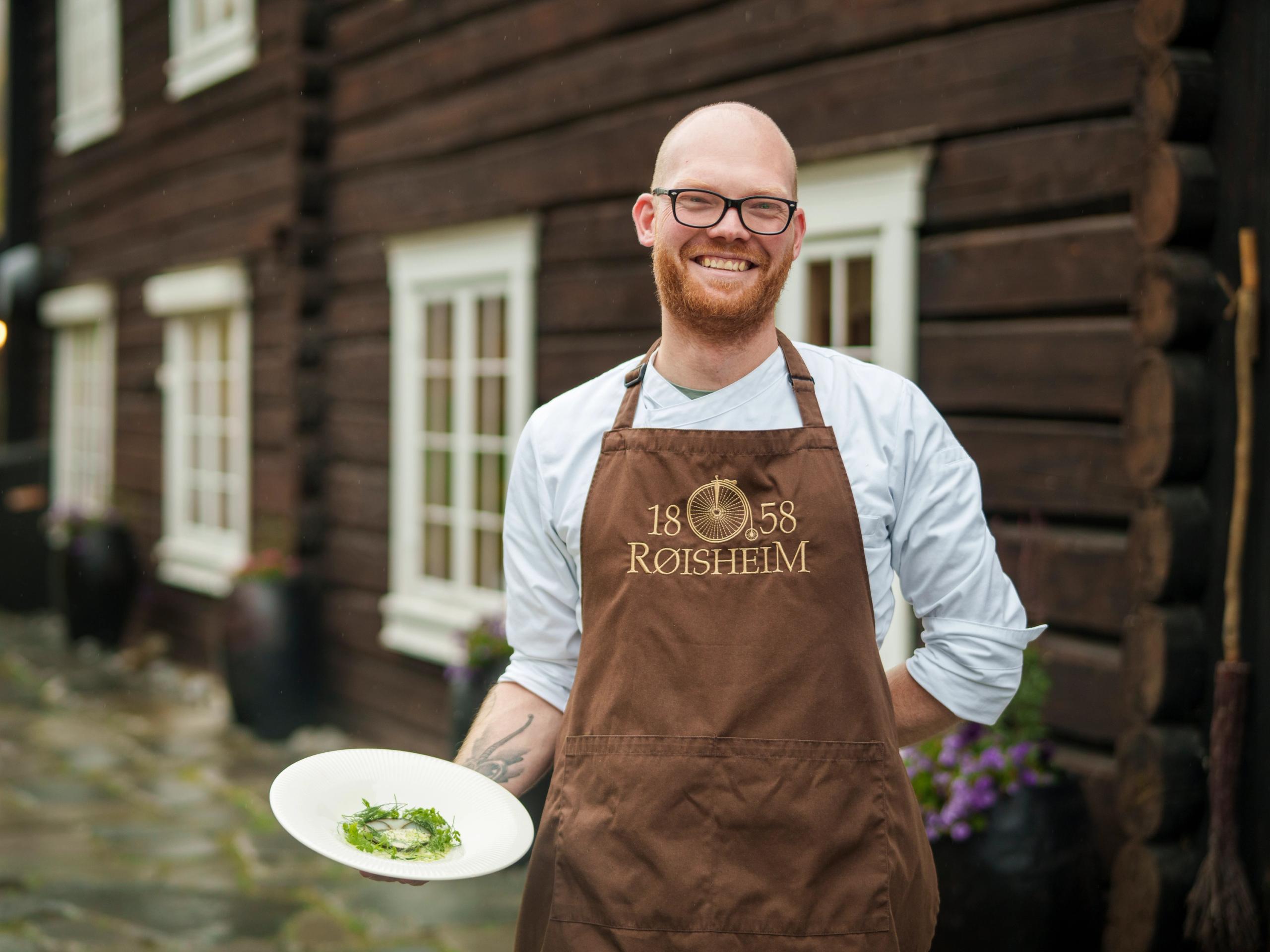
Heidi Bjerkan, star chef and owner of Credo
A cultural expression
“We believe that food is not just nourishment for the body, but also a cultural expression. What we eat is shaped by the nature around us, the resources available to us, inherited traditions, and encounters with other cultures,” says Heidi Bjerkan, the unrivalled queen of Norwegian cuisine.
Bjerkan is not just an ordinary master chef, she is also considered a visionary when it comes to advocating for healthy, sustainable food, and animal welfare, and a guardian of Norway’s rich food culture and traditions.
From Trondheim to Oslo
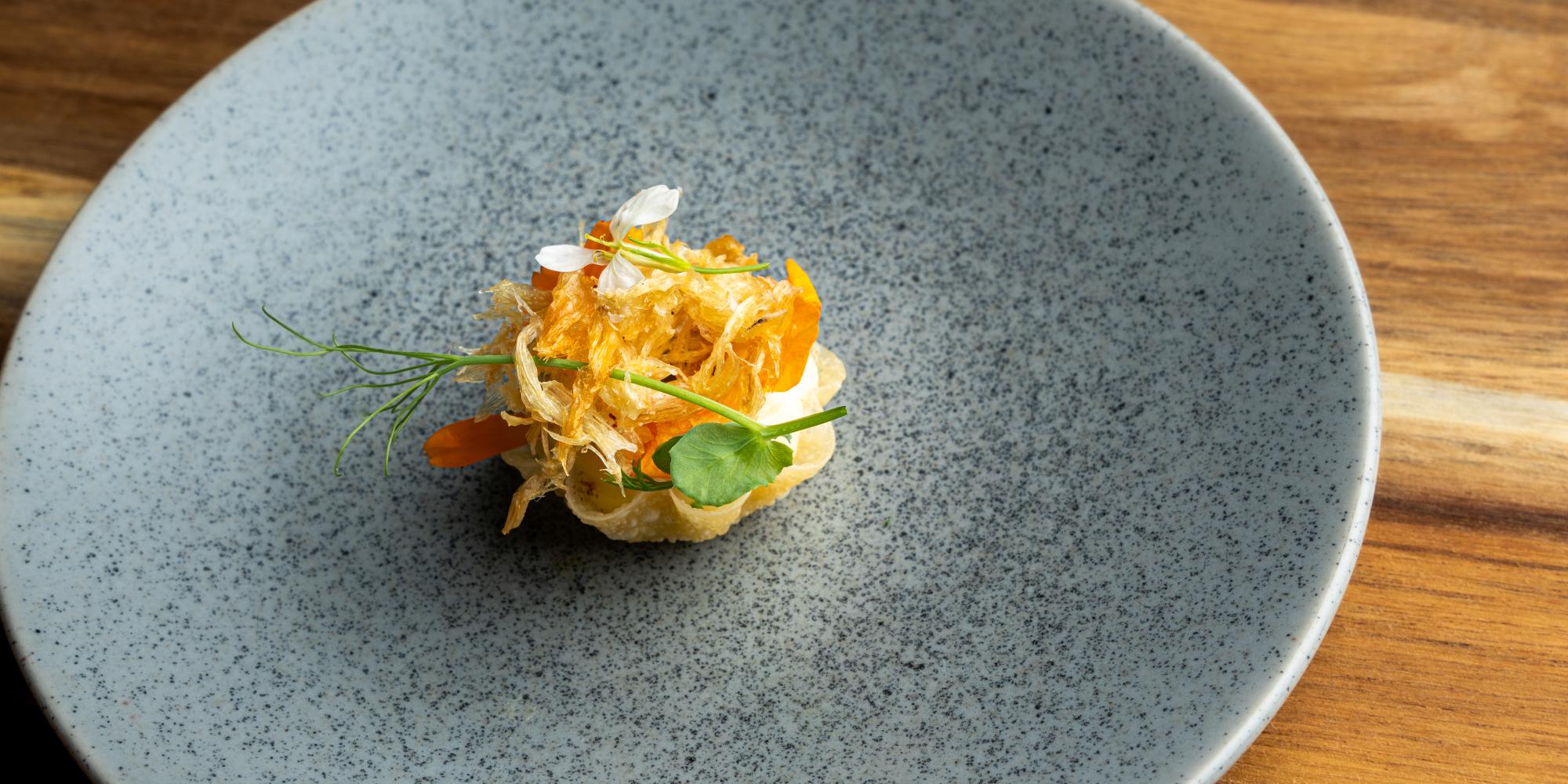
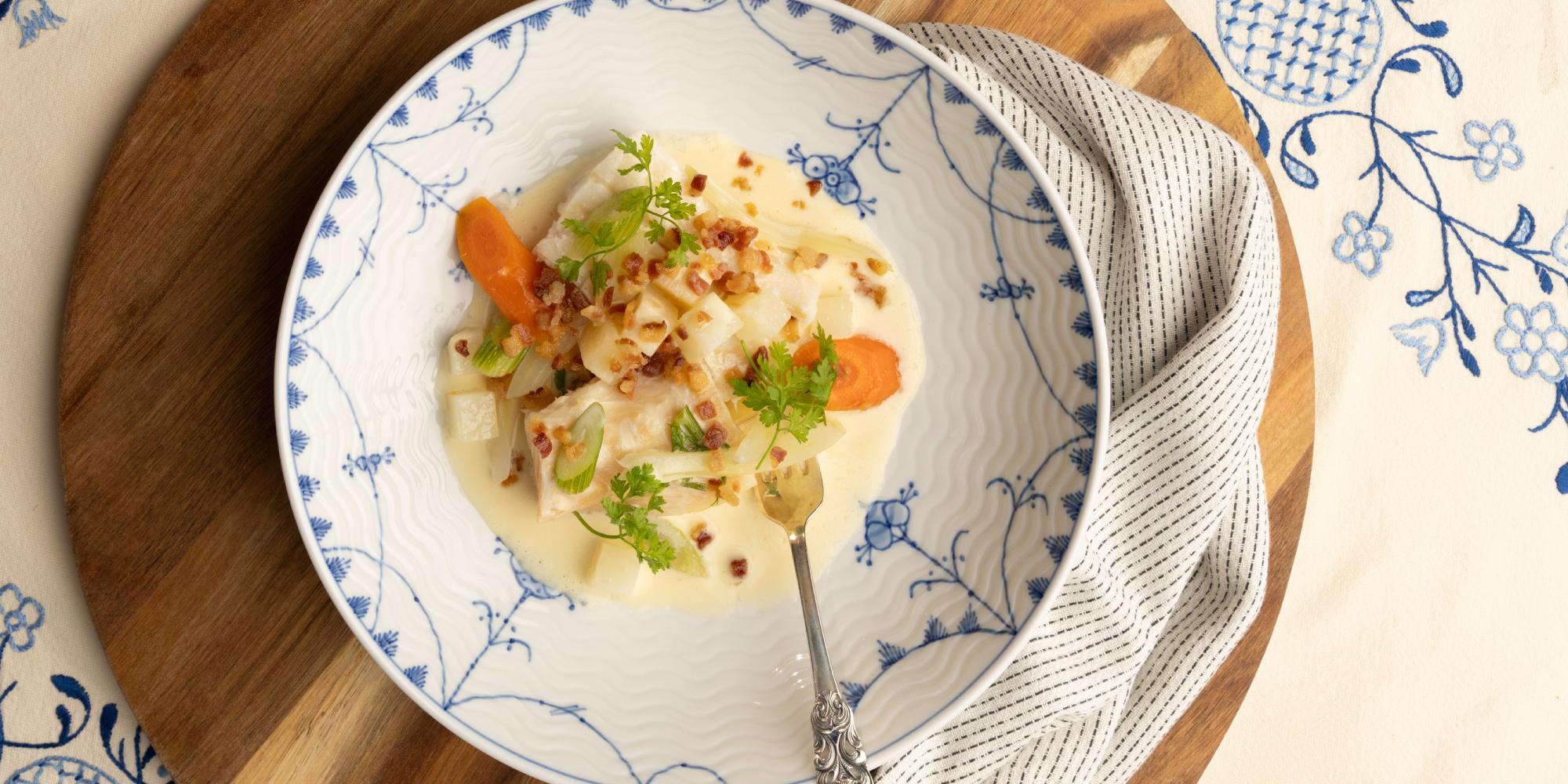
Credo restaurant in her hometown Trondheim was a fixture on the Norwegian culinary scene for almost 25 years and was widely regarded as one of Norway's best restaurants. In 2019 it was awarded a MICHELIN star and became the first restaurant in the world to receive a Green Michelin Star for sustainable gastronomy.
In November 2025, she reopened Credo in Oslo, after several years of hard work, in close collaboration with the National Library.
The new Credo will run according to the same core principles as its previous home.
“We have a kitchen founded on quality ingredients and work with both new and established producers. We want to show how all of us can eat simply, sensibly,and, not least, deliciously, while also taking care of the planet,” says Bjerkan.
But there's an even stronger Norwegian twist to the dishes this time.
“Our food concept is national in that we use local produce from all over Norway. I wish to showcase Norwegian food culture, both its past, present and future,” she says.
Norwegian culinary heritage
The innovative collaboration between the National Library and Credo aims to create a meeting place for everyone, with knowledge of Norwegian food and traditions at its core.
"Food is an important part of our cultural heritage. Credo and Heidi Bjerkan not only want to serve food, but also actively contribute to showcasing our cultural history," former National Librarian Aslak Sira Myhre, who worked on the project, told Norwegian news agency NTB.
For all tastes and wallets
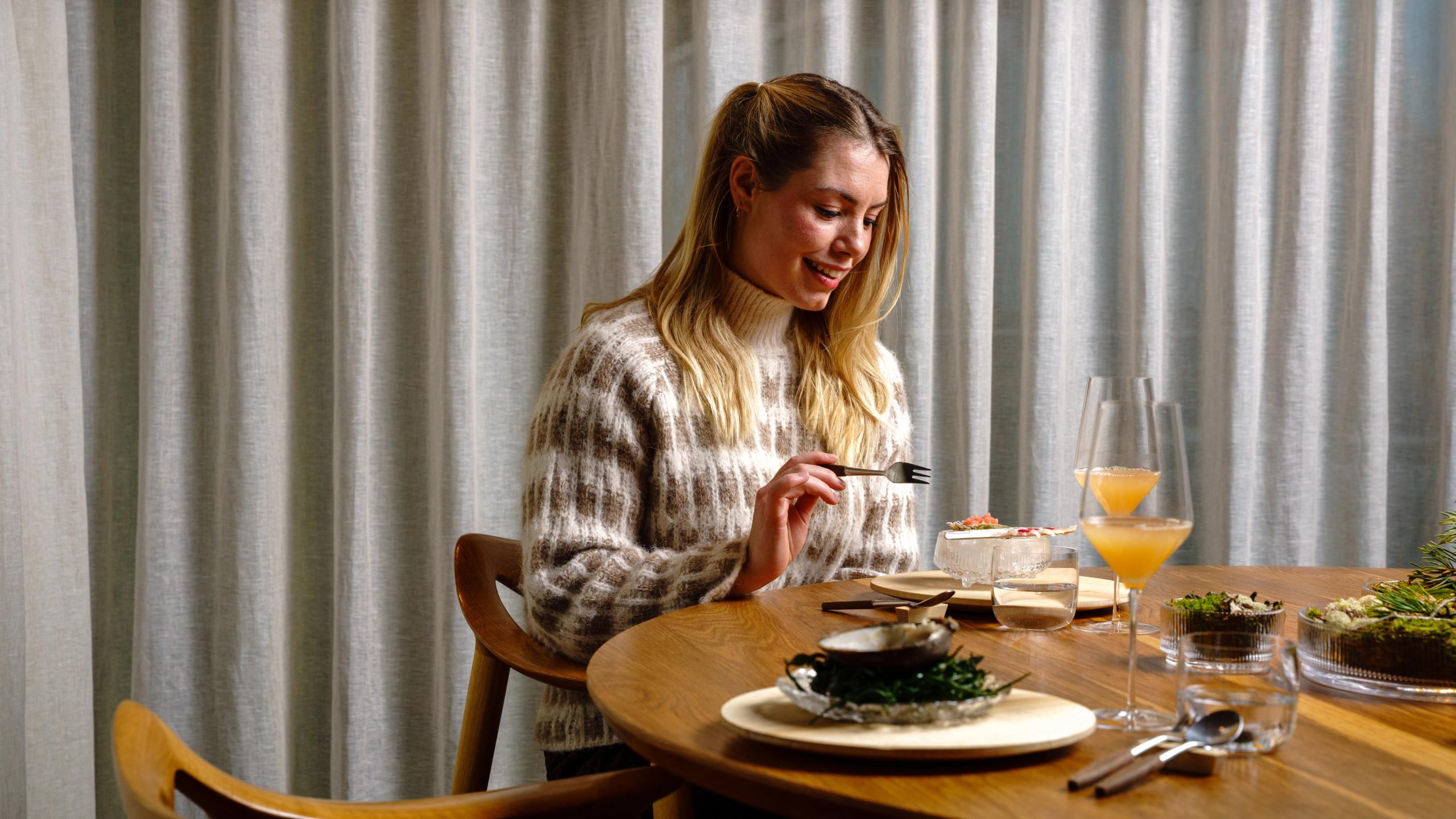
The National Library is full of students and researchers. While heavenly fine dining at Credo might stretch their budget a bit too much, everyone can taste Bjerkan’s culinary magic in the bakery, cafeteria, or in the beautiful, continental library bar on the second floor, which also serves lunch and light set menus at a very reasonable price.
"The most important thing to me is to continue to make great food, and to honour the craftsmanship behind our food culture. The food traditions are one thing, the ingredients are another, but we also have the people who dedicate themselves to producing these ingredients. Their craft is truly unique," says Bjerkan.
Norwegian food culture
"It feels truly nice to be here. I hope it becomes a lively, bustling place, and that we manage to represent Norway as it is today,” says Bjerkan.
Because Norwegian culinary culture is much more than plain fish, meat and potatoes.
"The multicultural aspect is important – because that is also a part of the Norwegian food culture. The way I see it, when we talk about Norwegian cuisine, we often refer to food from 50 or even 100 years back, but eating a kebab is just as Norwegian today," says Bjerkan with a smile.
What we eat, and how we eat it, also changes with time.
She carefully adds garnish on a delicate scallop, while elaborating further on her point.
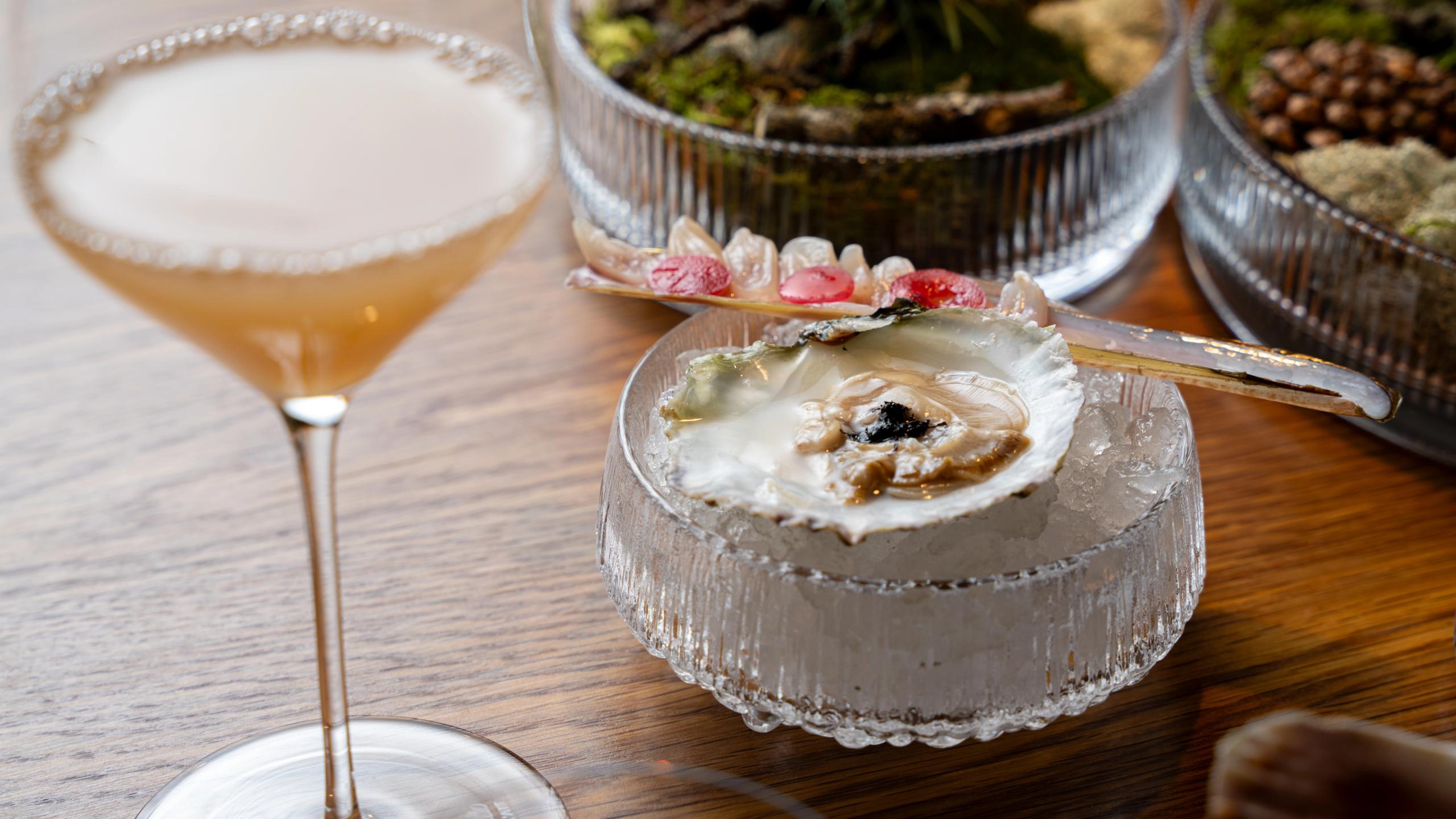
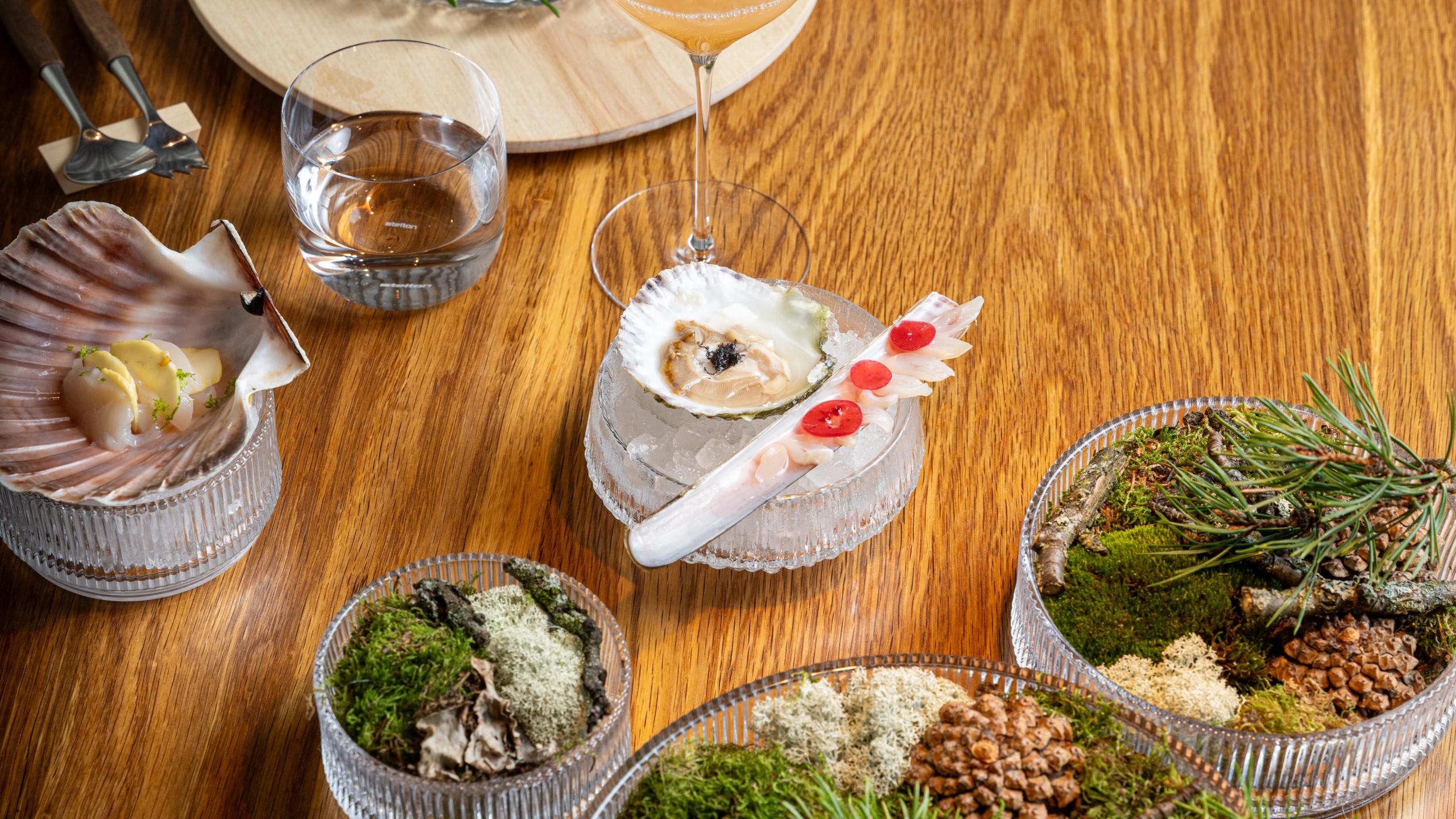
"These scallops are growing along the Norwegian coast, but not further north than Tromsø. We also ate a lot of oysters 2,000 years ago too, but the oysters were usually pickled. My grandfather lived off the coast, but he didn't eat scallops, they used them only as bait to catch fish. Times have changed," says Bjerkan, who now serves scallops as an exquisite delicacy in one of Norway' s most unique restaurants.
A multicultural food history
By diving into history, we can learn a lot about the food we eat today.
"Today’s food culture is the result of a multicultural society. Back in the Viking age, Norway was also multicultural as they had spices and ingredients from other parts of the world. The exotic spices that we don’t grow in Norway that we use in our cooking, for instance at Christmas, come from abroad. They were transported along the Silk Road a very long time ago," she says.
The Silk Road was a network of trade routes connecting East Asia with Europe, exchanging silk, spices and ideas int he same era that the Vikings ruled in Scandinavia.
"It reminds us that we were well-travelled in the past too, and brought exotic ingredients back home to Norway, which became part of our food culture," she says.
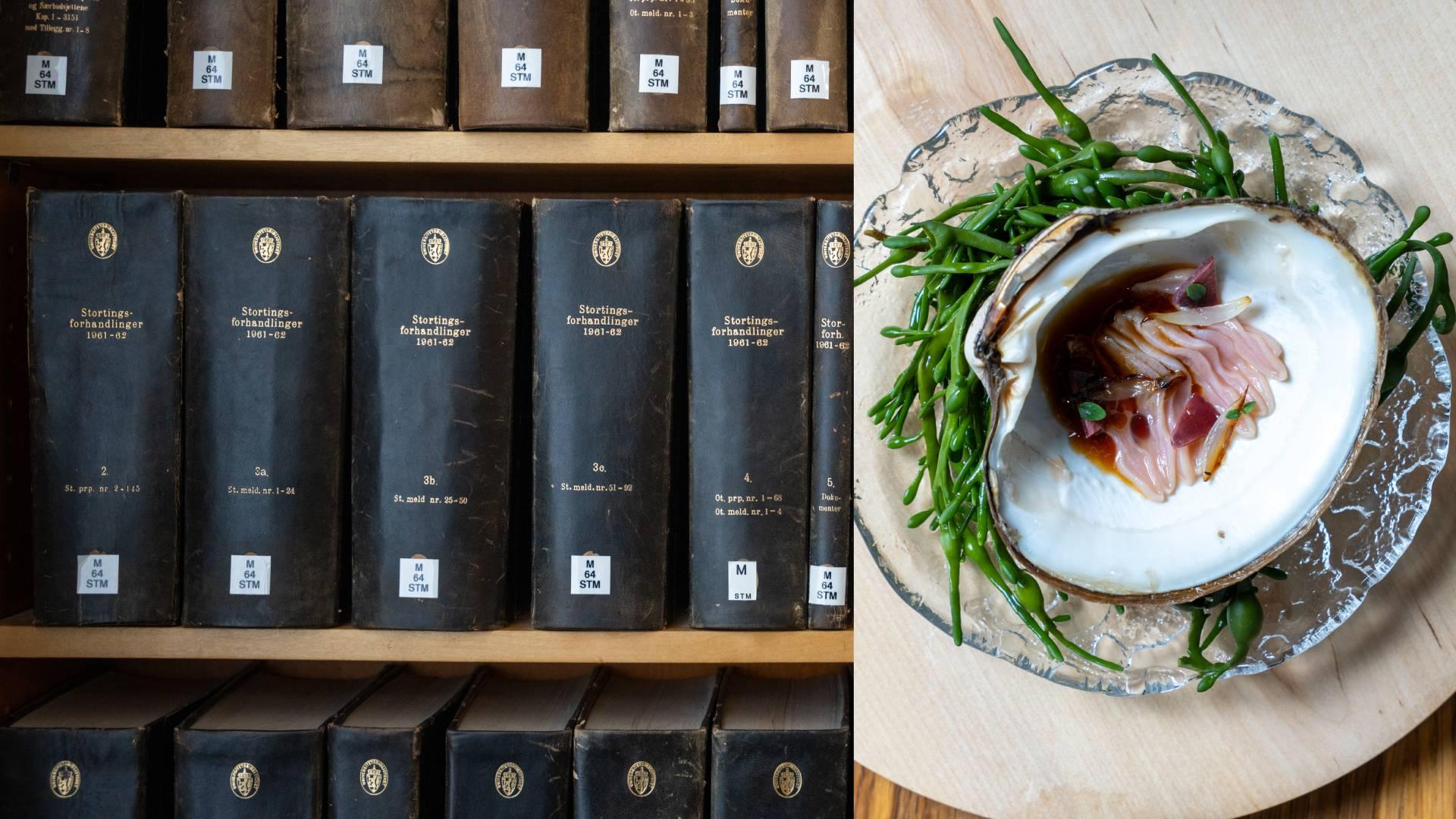
“I don’t think people have enough appreciation of Norwegian food and what we grow in Norway.”
Heidi Bjerkan
500-year-old shells
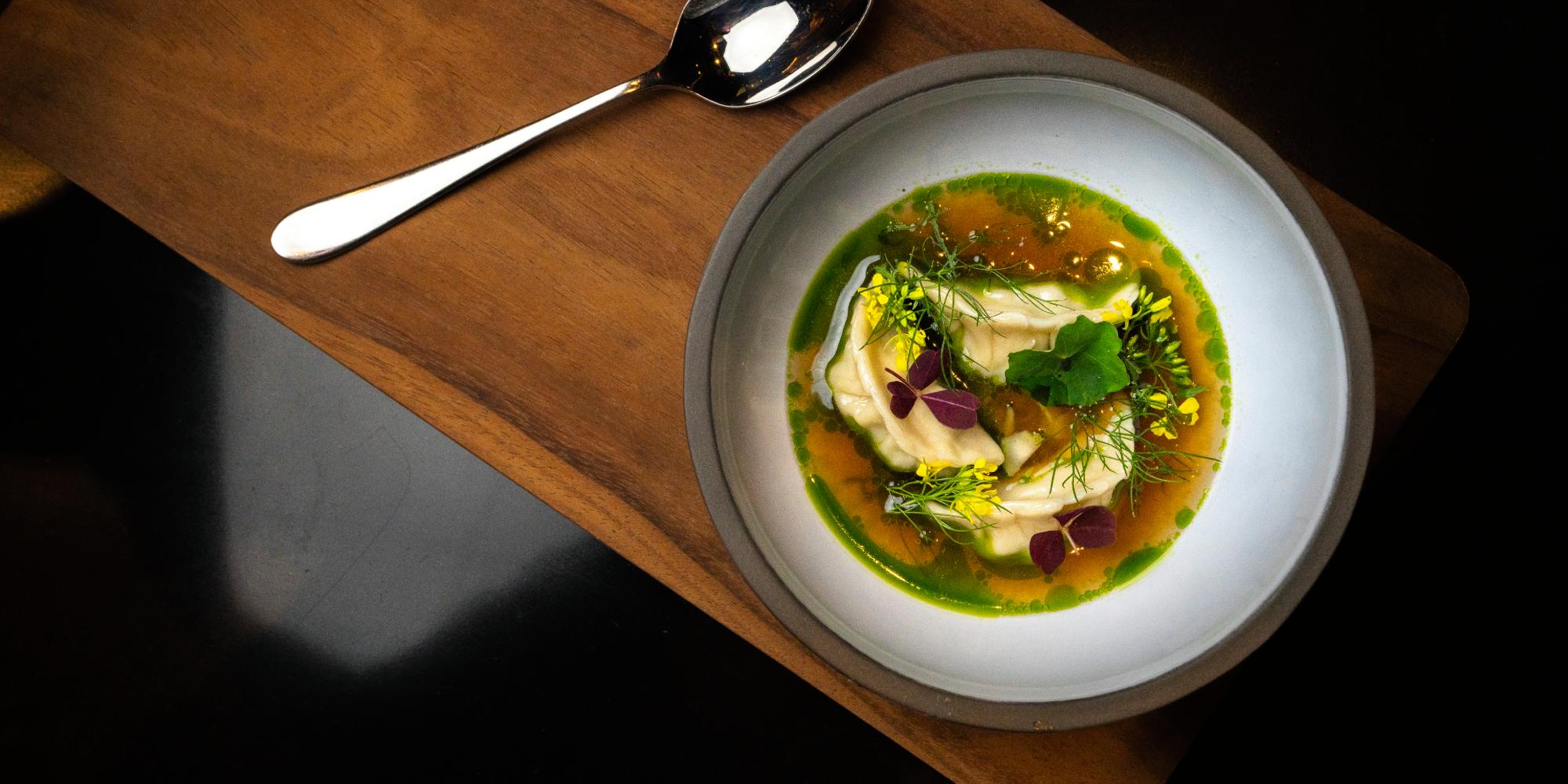
Heidi goes on preparing razor shells and ocean quahog, somewhat lesser-known seafood found along the Norwegian coast.
"Just do your thing," says the photographer as the chef slices the shellfish with expert precision.
"I always do my thing," replies Bjerkan confidently.
The kitchen is where she thrives, and she treats every ingredient with great care.
"Look, they are so lovely," she says looking at the shell, "I don’t think people appreciate Norwegian food and what we grow in Norway enough," she says before adding,
"The ocean quahog is native to the North Atlantic Ocean. They can be more than 500 years old, and you can count the lines on the shell to see its age", she explains. She has to put some muscle into opening the old scallop. "They’re very resistant when they get this old."
"These shells in particular are from divers ay Øygarden outside Bergen. They have a laboratory that cleanses the sea food so that no one gets sick from it. And we use everything in the shell. What we don't eat is great to use in a fish sauce," she tells.
Remember to book early if you want to be able to secure a table at Credo!
A culinary journey at the library
As mentioned, Bjerkan and her Credo team are operating all four eateries at the National Library. Credo’s cafeteria serves a wholesome lunch and offers an a la carte menu for dinner, both of which are popular with library staff and the public.
In addition, Credo has a bakery for all bread-lovers and those with a sweet tooth or who are in need of a good coffee.
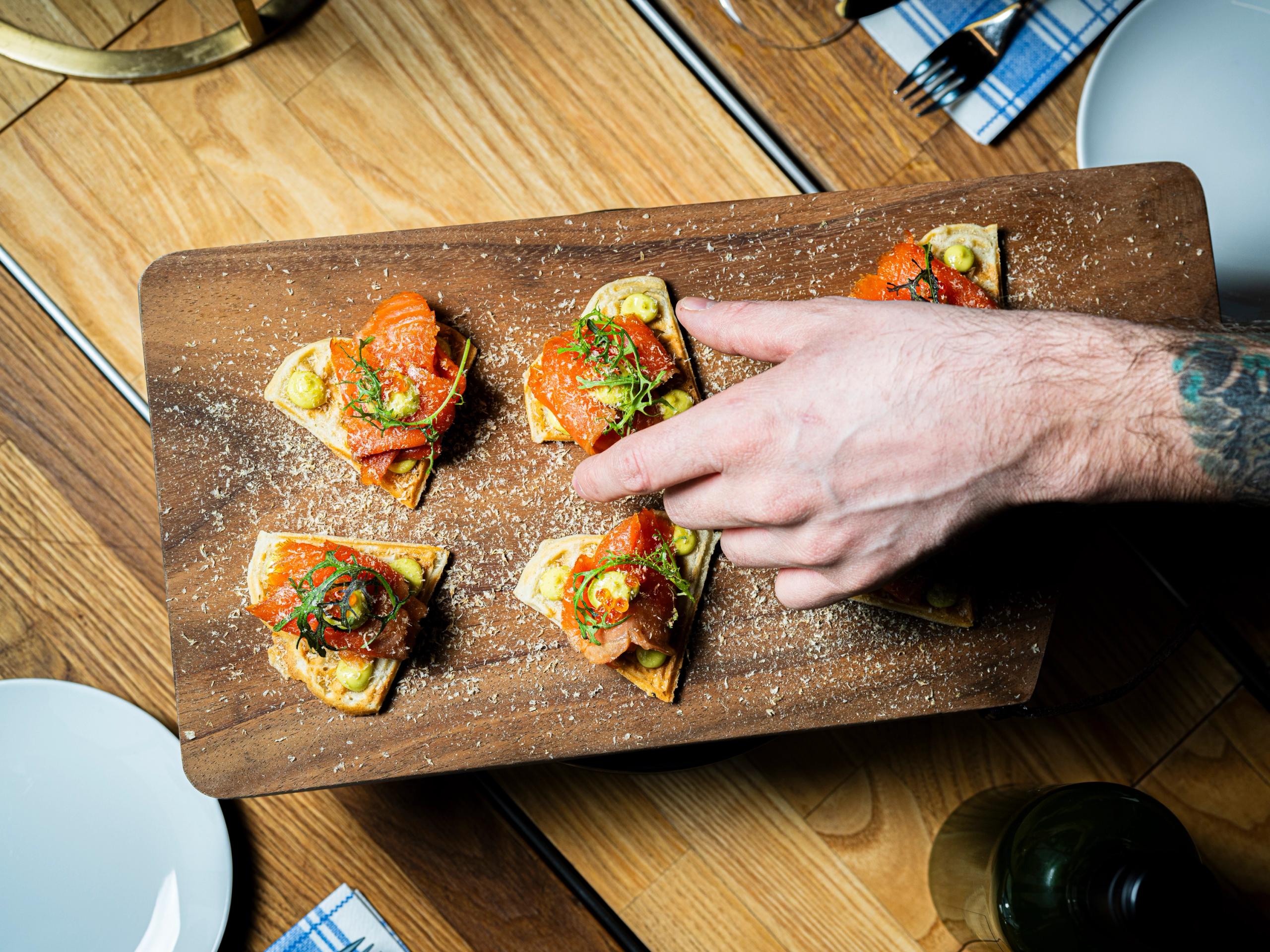
"At the bakery, we will bake with Nordic grain, a type that is different from the grain further south in Europe, and in North America. Nordic grain grows slower and is more nutrient dense. And we focus on using the whole grain. I'm not that fond of eating croissants every day, so at the bakery have a different range on offer, such as griddle-baked goods. We use more whole grain, real butter and proper local produce. Of course, I don't mind a croissant now and then, but our focus is a little different," says Bjerkan.
In the evening, you can visit the sophisticated library bar on the second floor of the main building, which also serves light dishes. Don’t miss the beautiful paintings in the hallways on your way up the stairs!
The National Library
Established in 1811, the National Library preserves the past for the future. With elegant paintings on the walls, and the scent of old books in the air, the library is a popular public meeting place for all those interested in Norwegian history and culture.
In 2025, the National Library opened nearly 900 square meters of its extension building, called Halvbroren, the half-brother, which provides a cultural hub at Solli Plass in Oslo hosting events, workshops, study space, exhibitions, and delicious food for the public.
You can also visit the modern, magnificent Map Centre, which contains the world's most extensive collection of printed maps of Norway, the Nordic countries, and the High North (free entrance!).
The permanent exhibition Enlightened – Views on a Cultural History contains a selection of pieces that showcase important developments in Norwegian public life.
Typically Norwegian
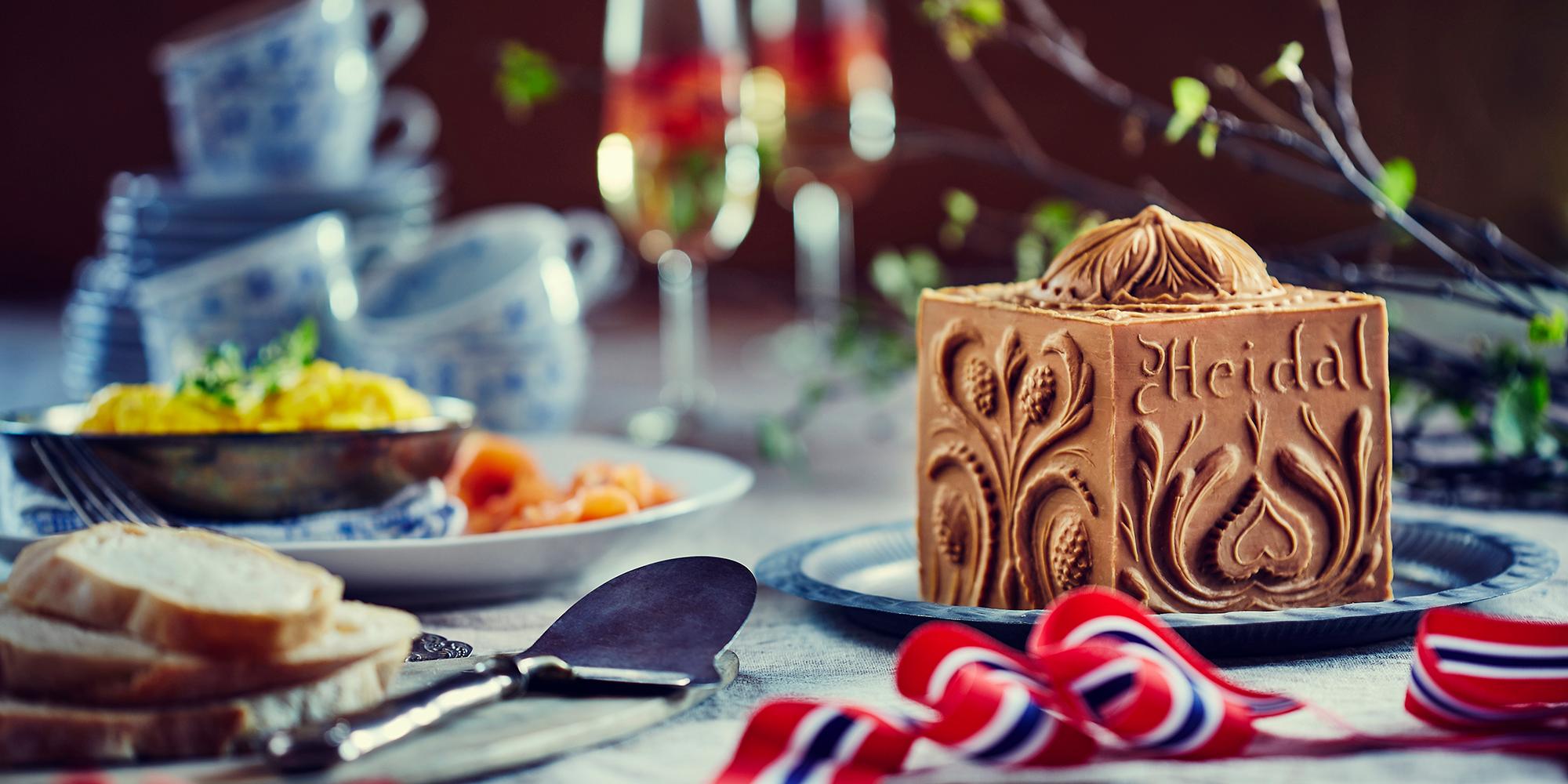
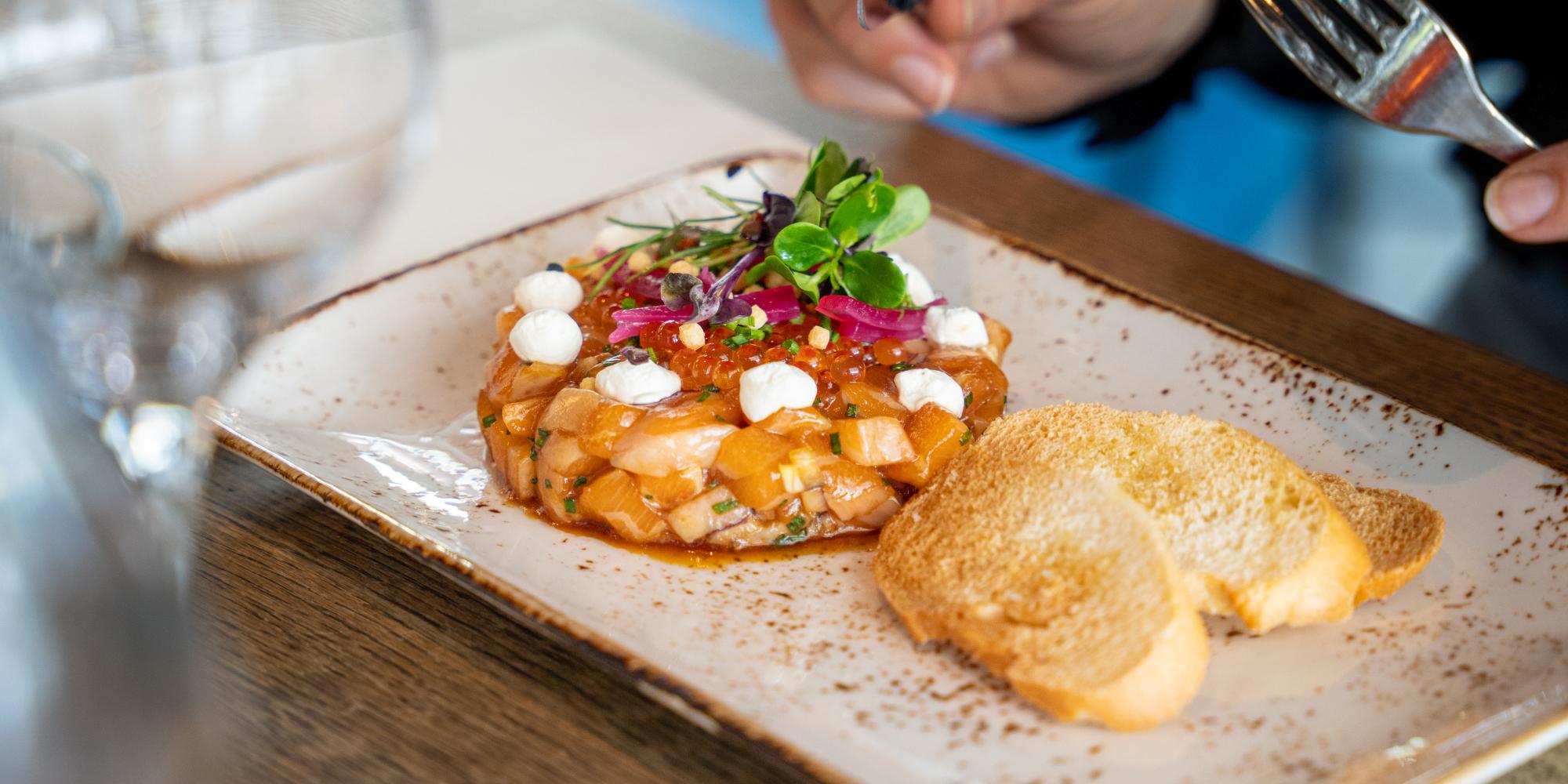
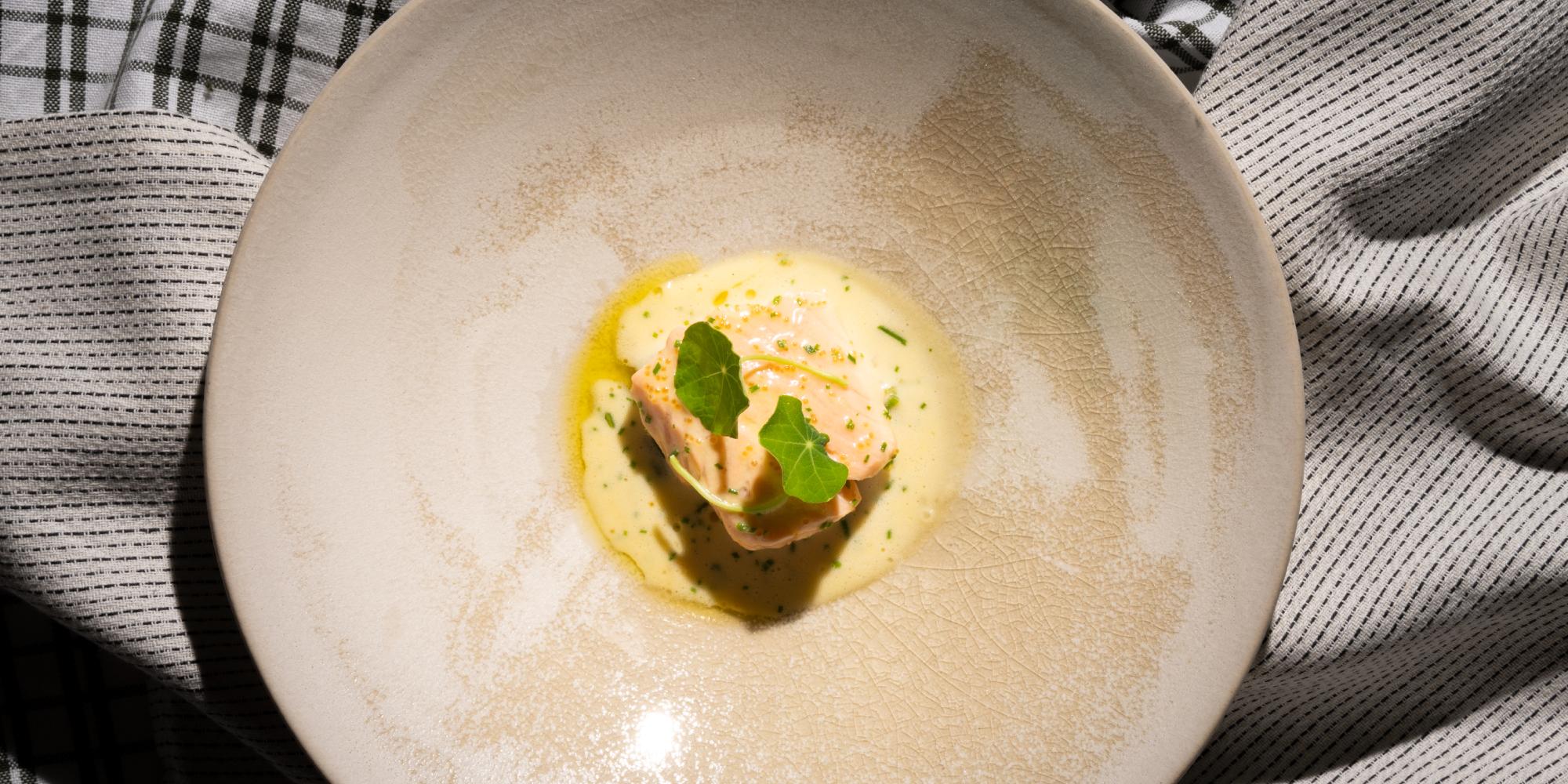
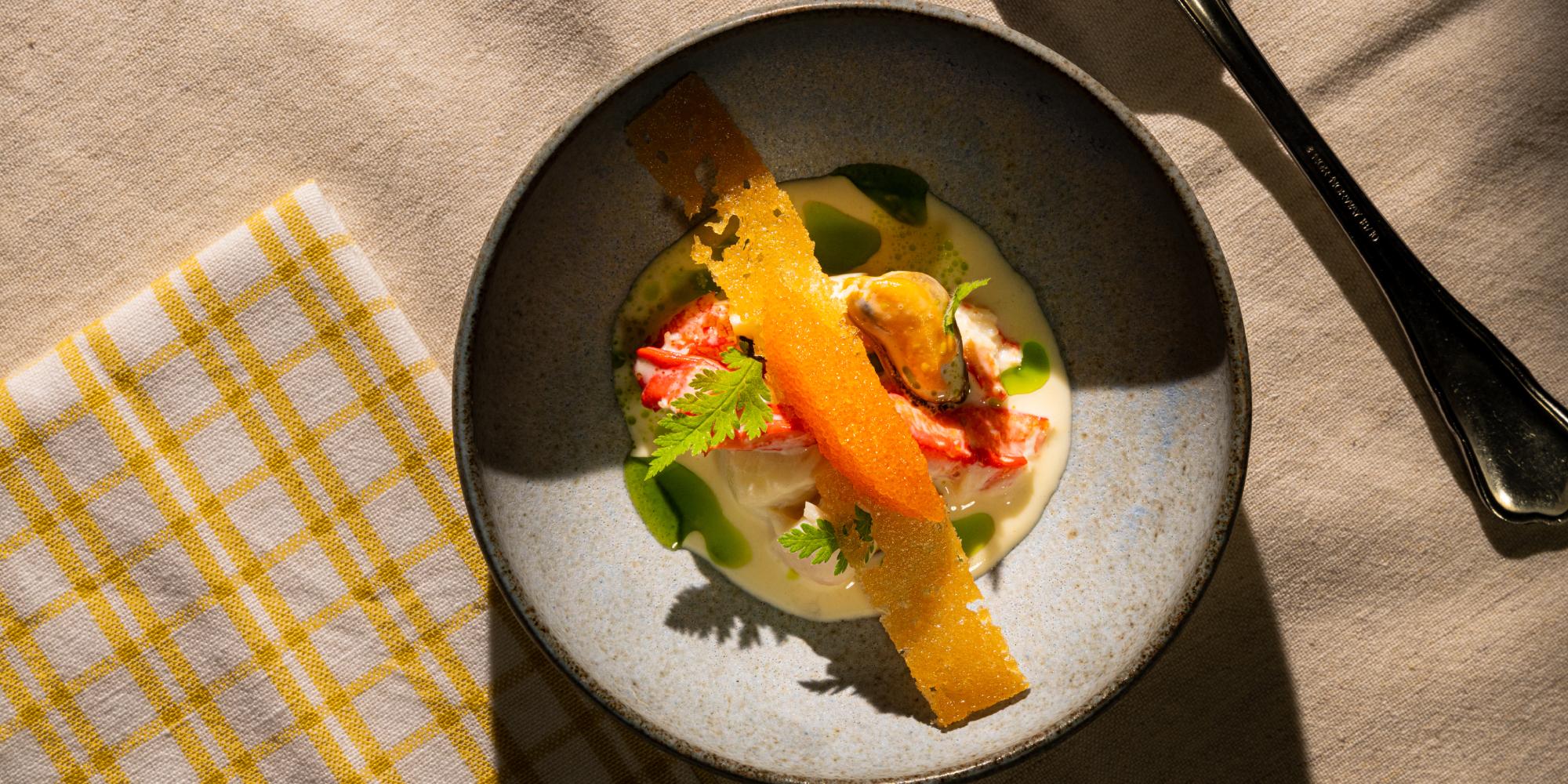
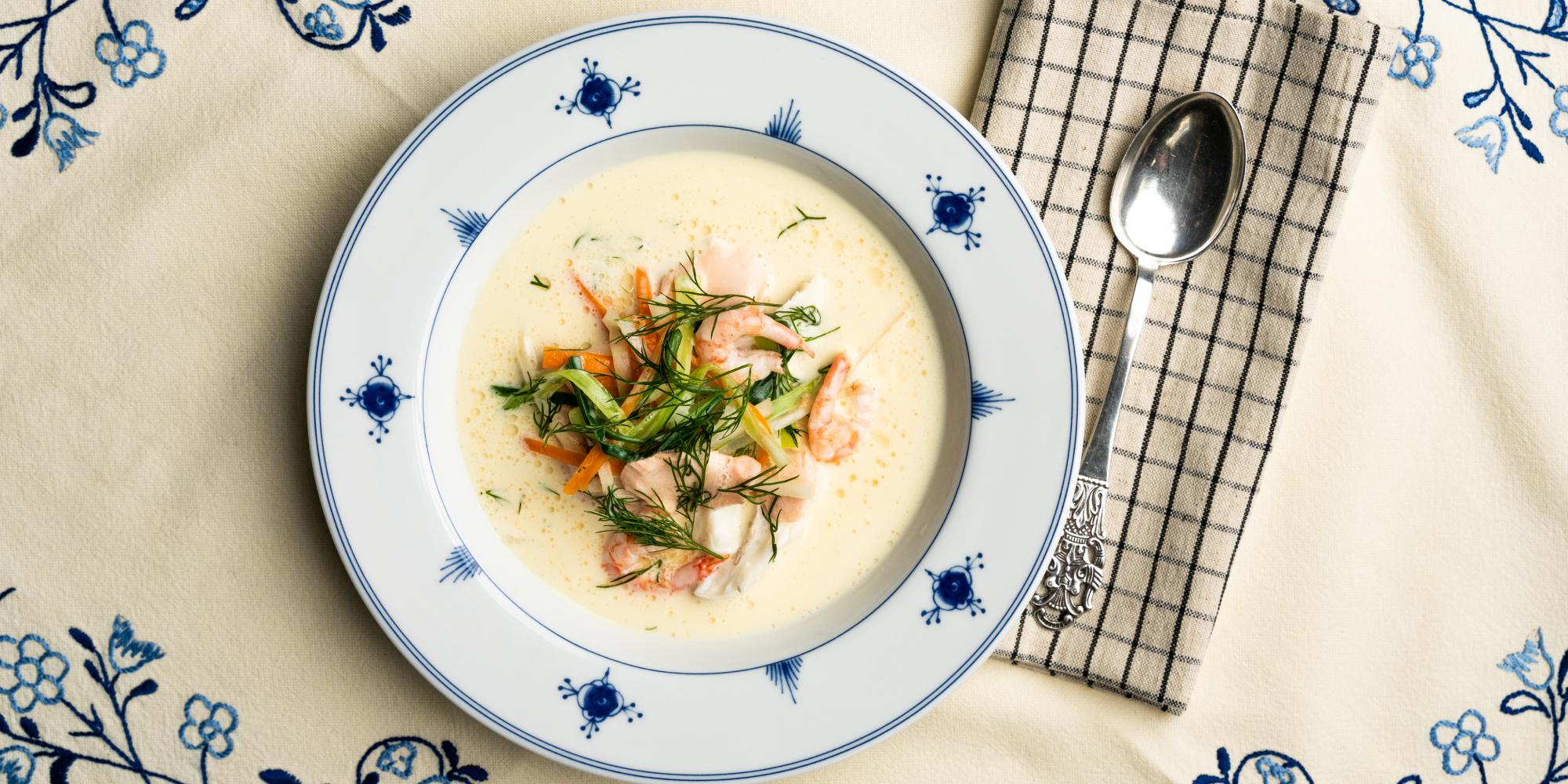
Make your trip to Norway unforgettable by sampling these must-try dishes.
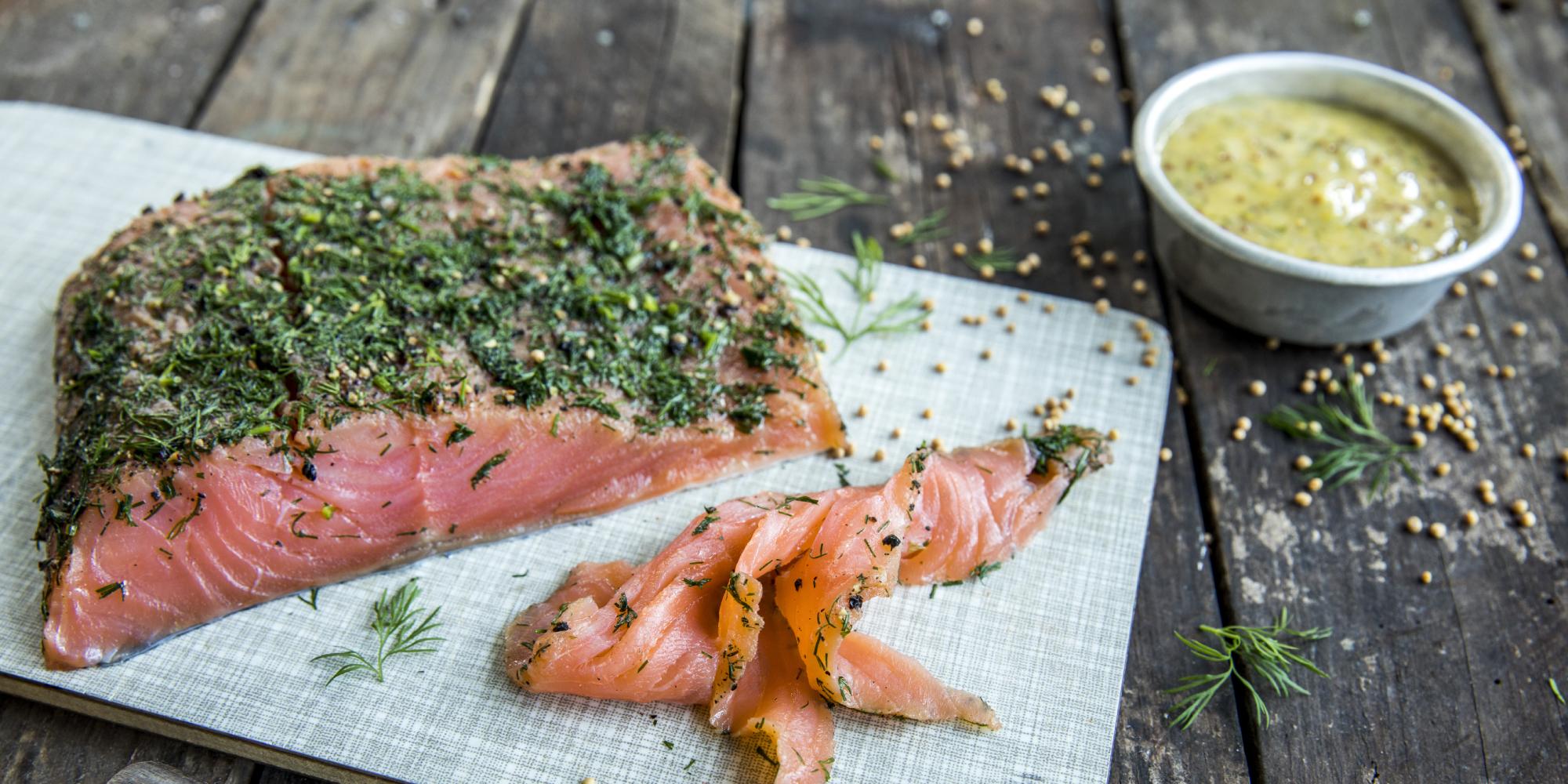

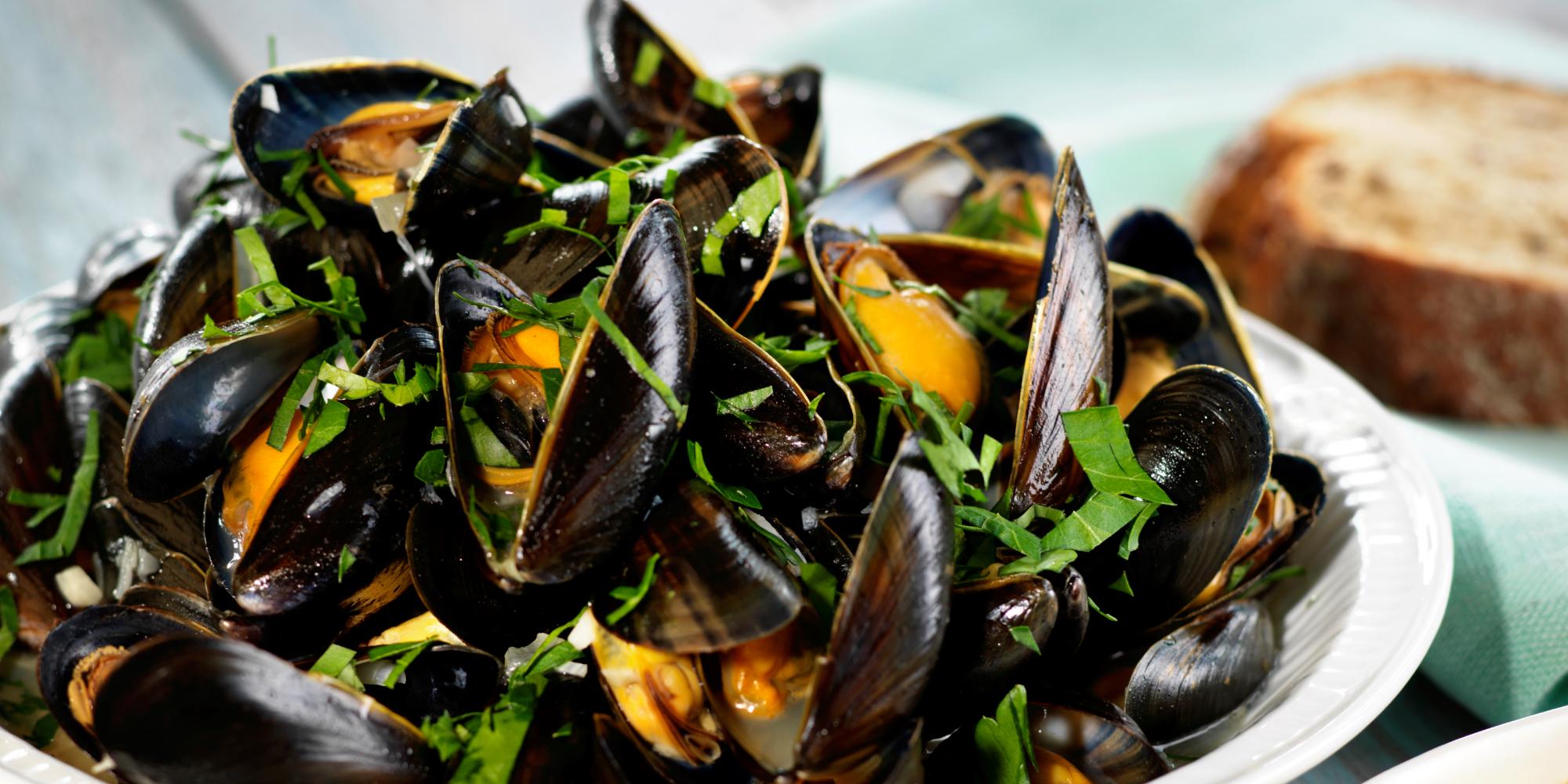
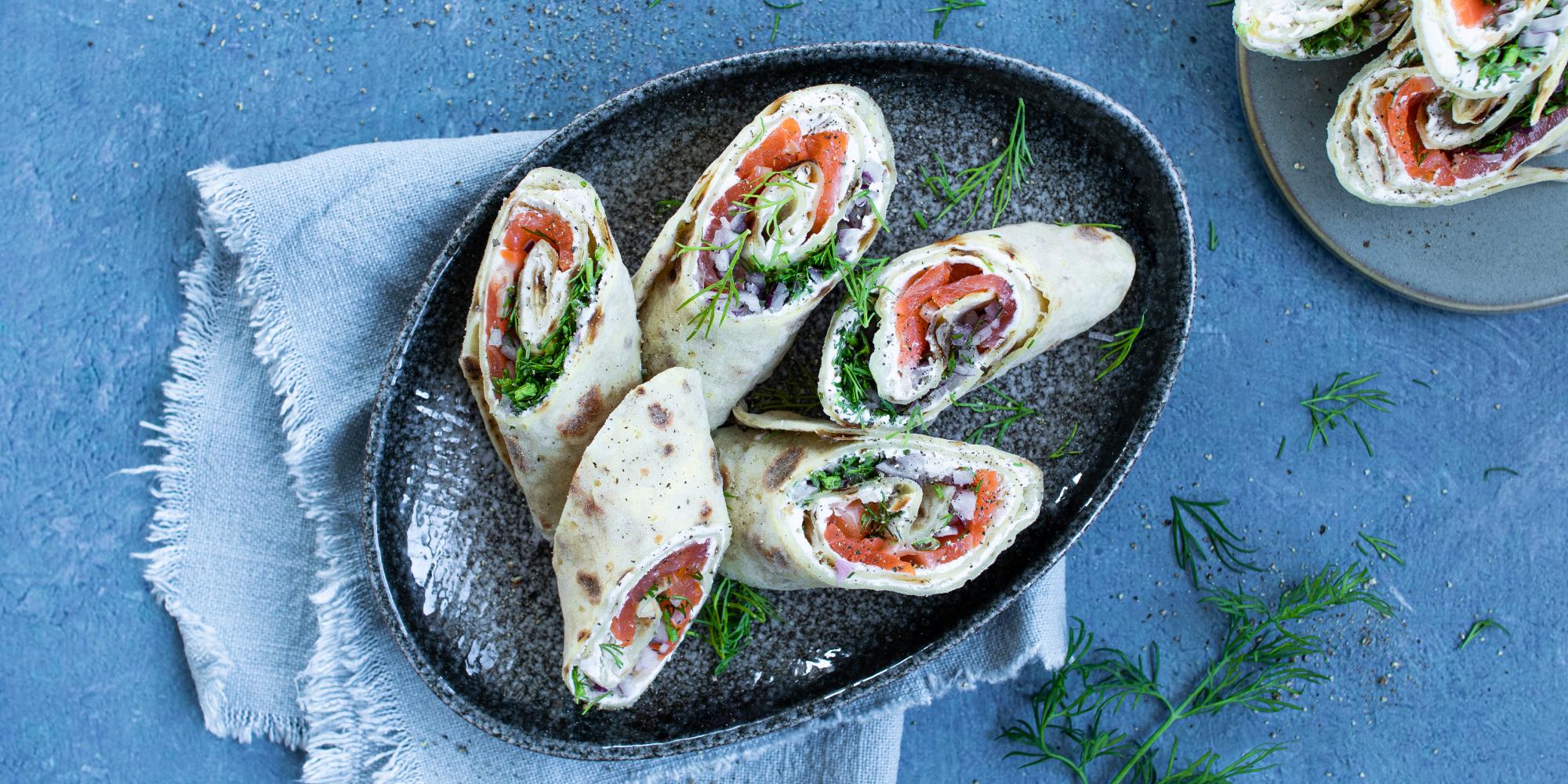
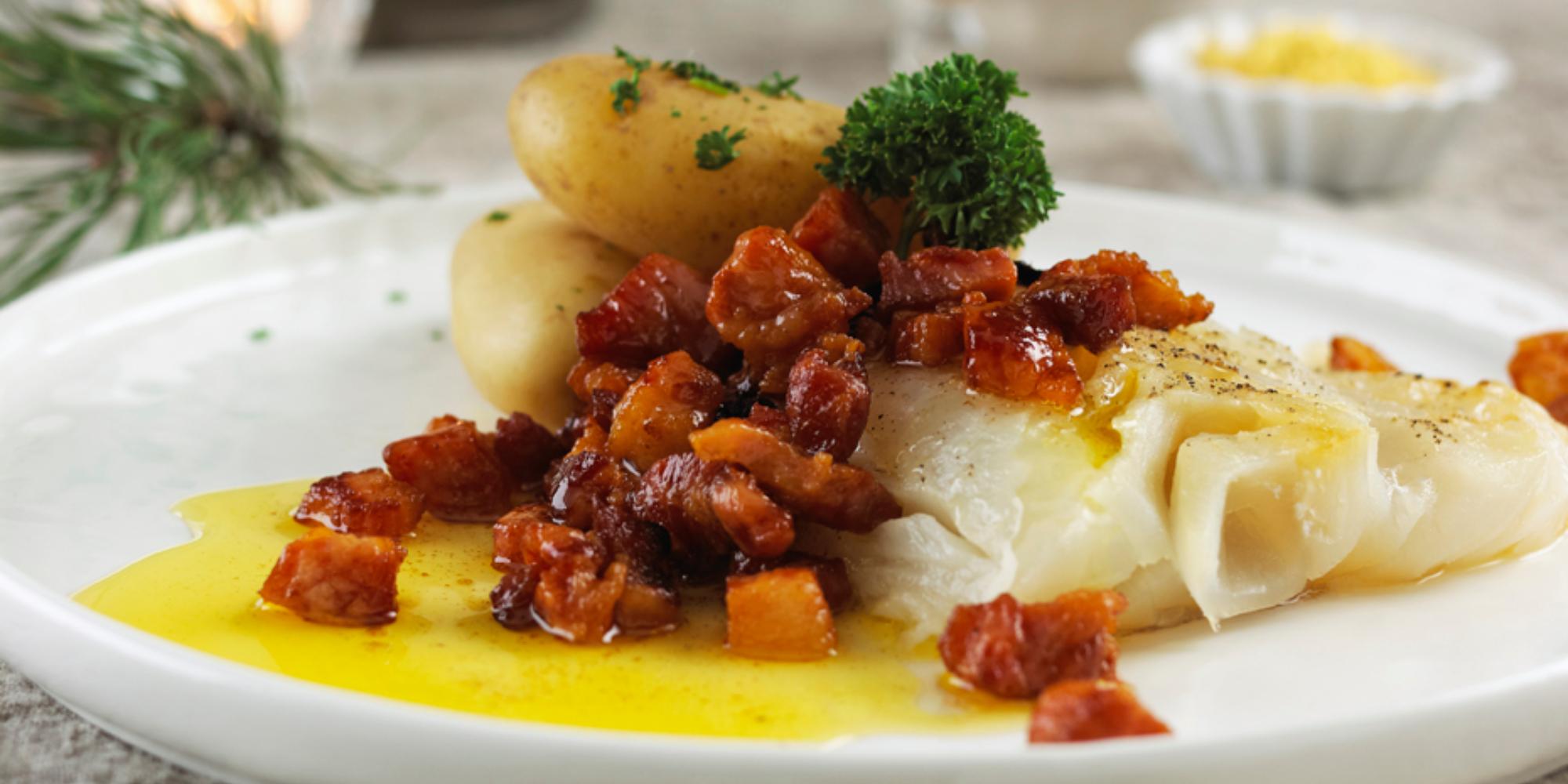
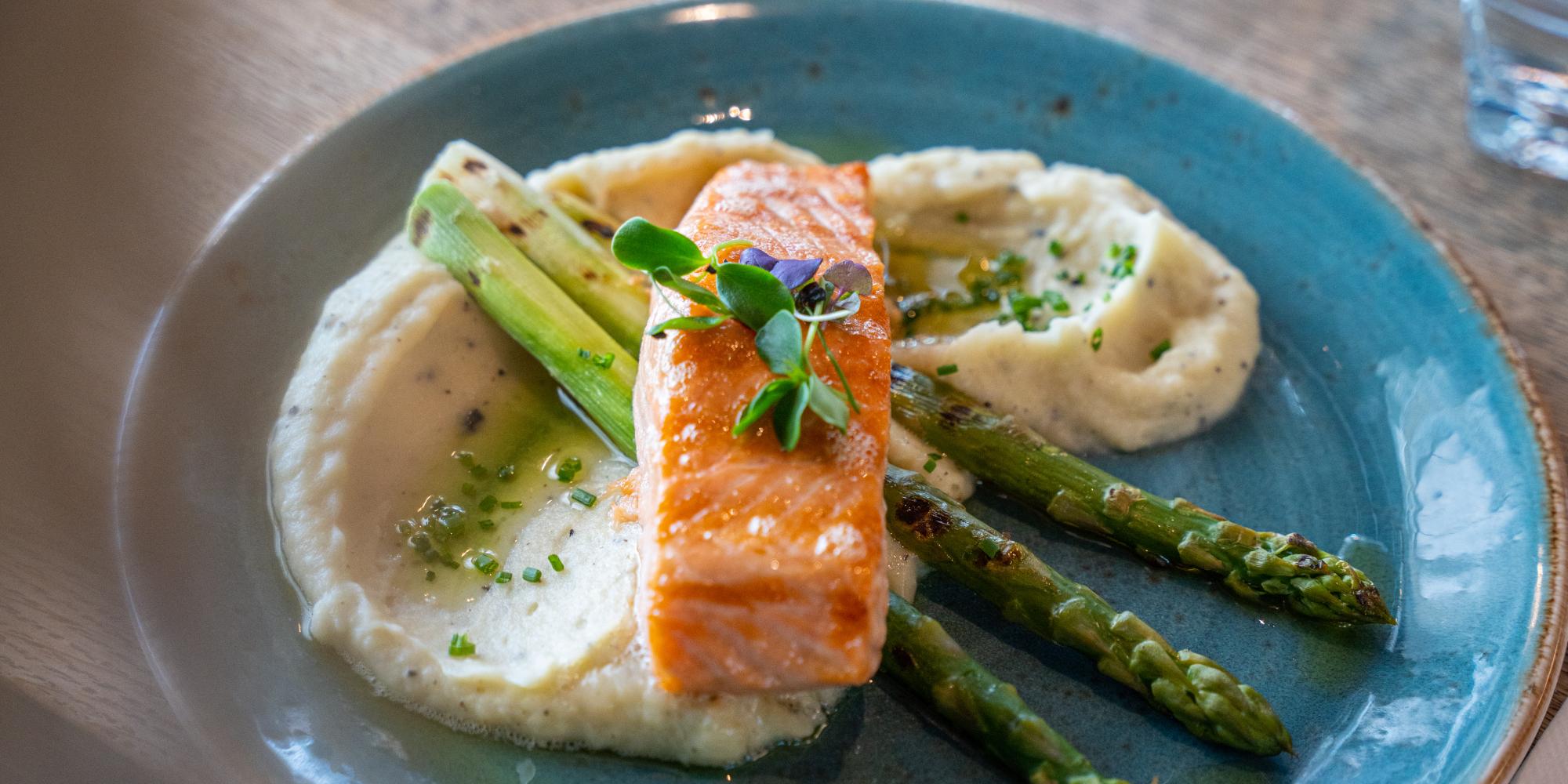
Seafood recipes
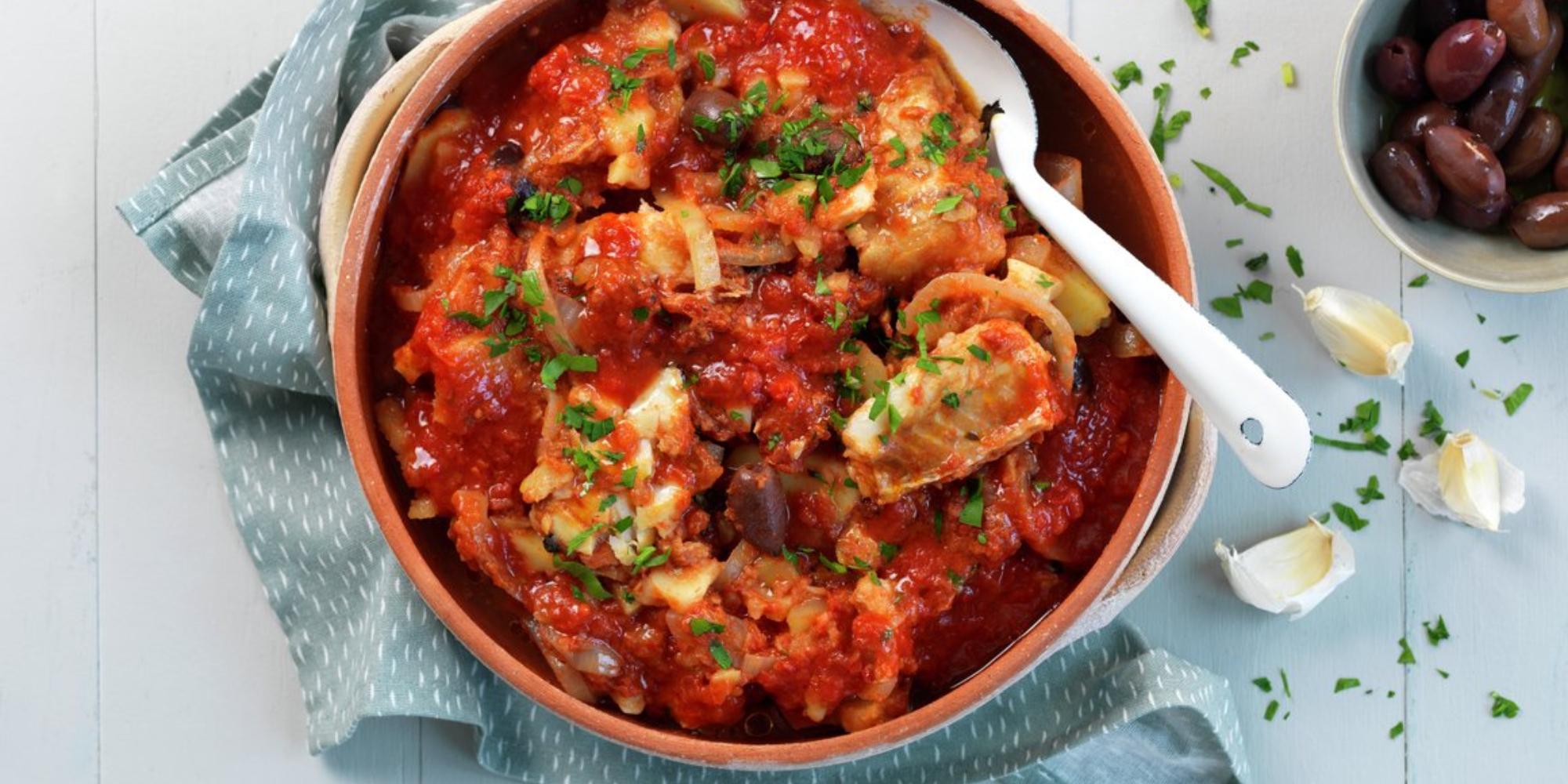
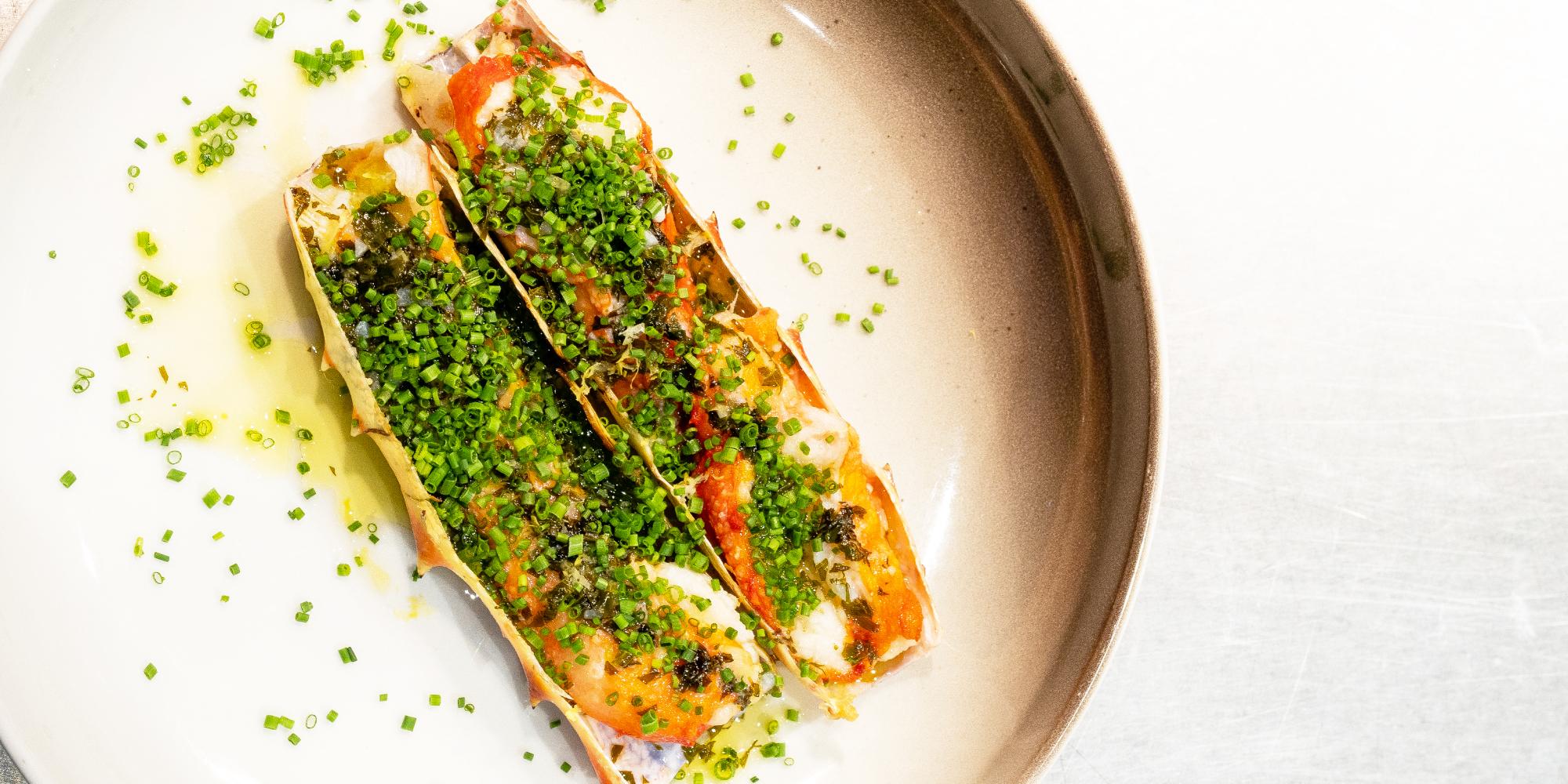
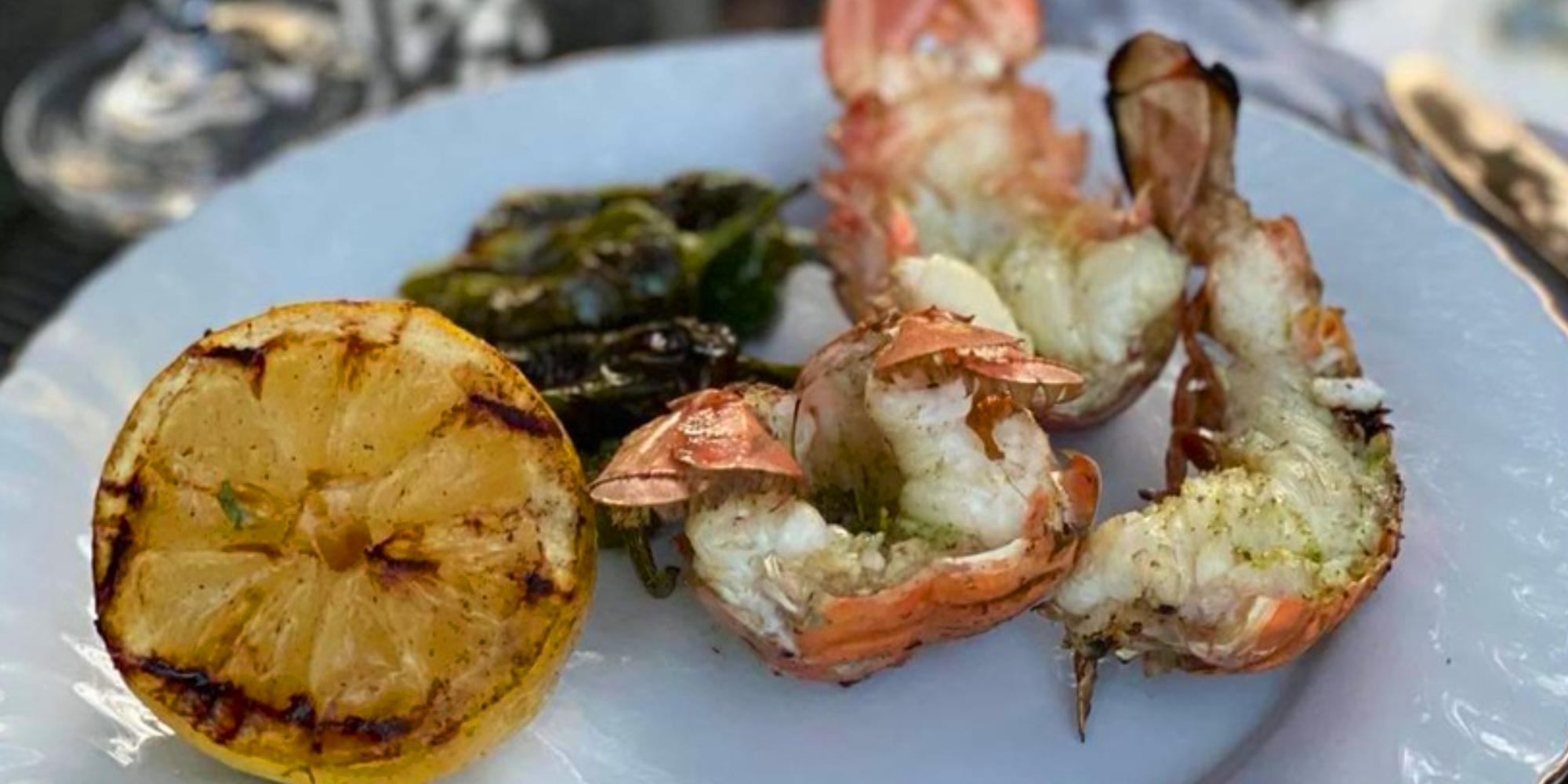
Make bacalao, salmon in lefse, and other tasty seafood dishes from Norway.

Best holiday offers in Eastern Norway
Book your next adventure from our partners.
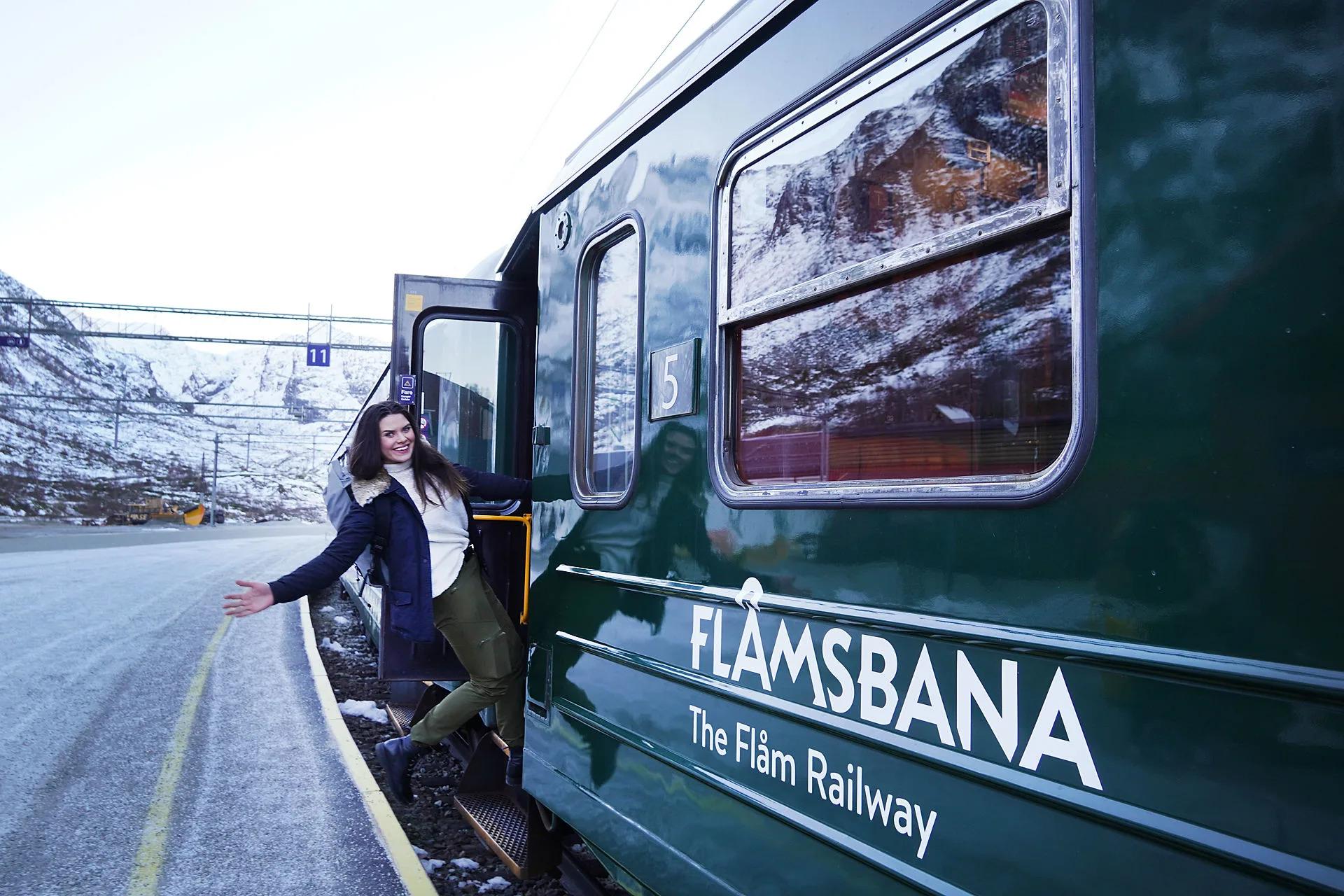 2 Days ・ November - MarchBook now
Winter Fjords & Flåm from Oslo
Discover the fjords in winterCross Norway by train and fjord cruise on a scenic winter journey from Oslo to Bergen, with snowy mountain views, a night in Flåm and the UNESCO-listed Nærøyfjord. / Fjord ToursPrice From 5 526 NOK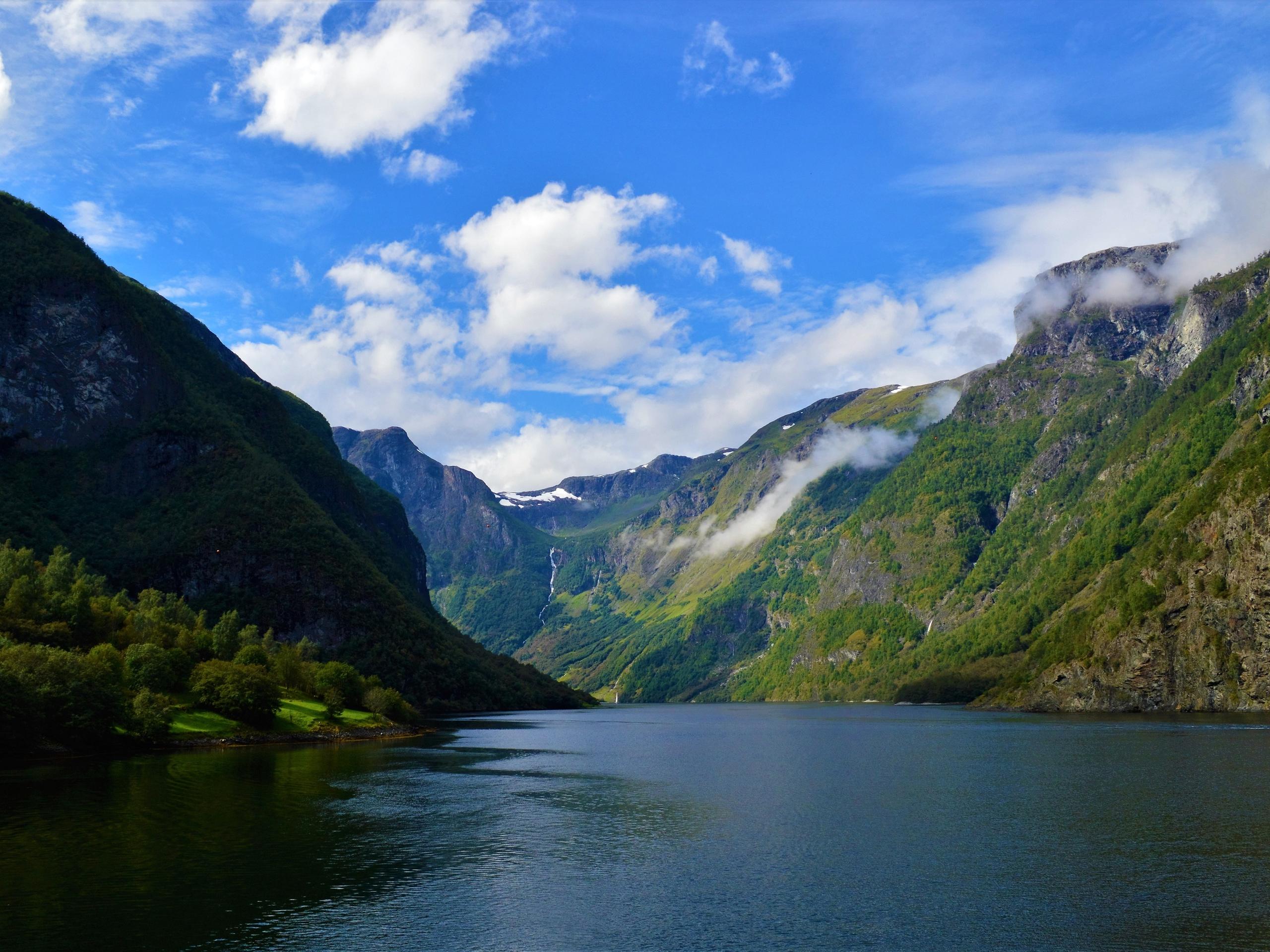 4+ Days ・ All yearBook now
Oslo, Bergen & fjord experience
Oslo, Flåm & BergenExperience the amazing Norwegian fjords. Travel by train on the Bergen & Flåm Railways, spend the night in beautiful Flåm, and join a cruise on the Nærøyfjord. / Authentic ScandinaviaPrice From 6 745 NOK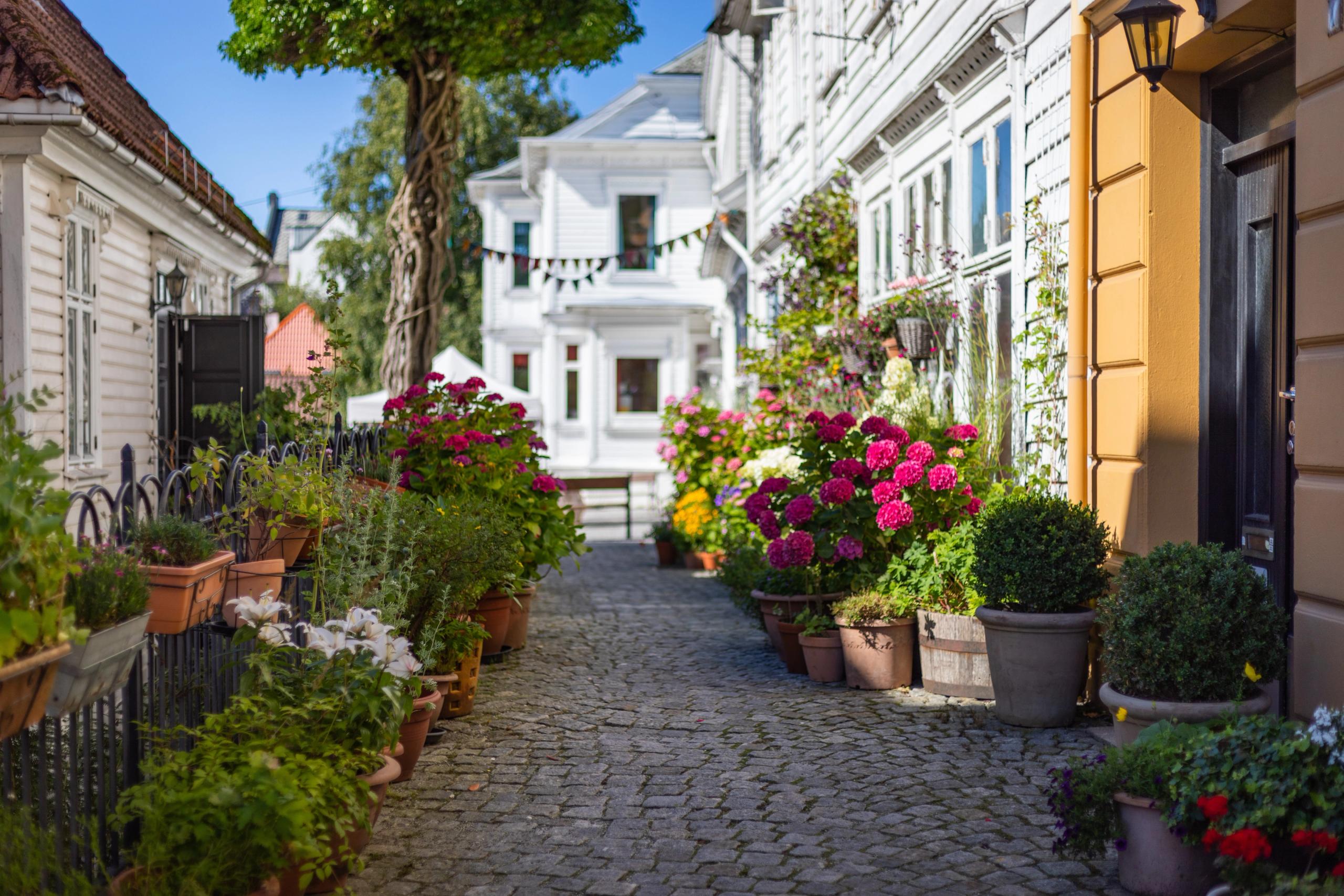 8 Days ・ May - SeptemberBook now
Beautiful Norway
Touring Fjord Norway on our premium mini-coachIndependent tour from Oslo to Bergen using our premium mini-coach to explore 'off the beaten track' fjord locations. / 50 Degrees North NordicPrice From 23 875 NOK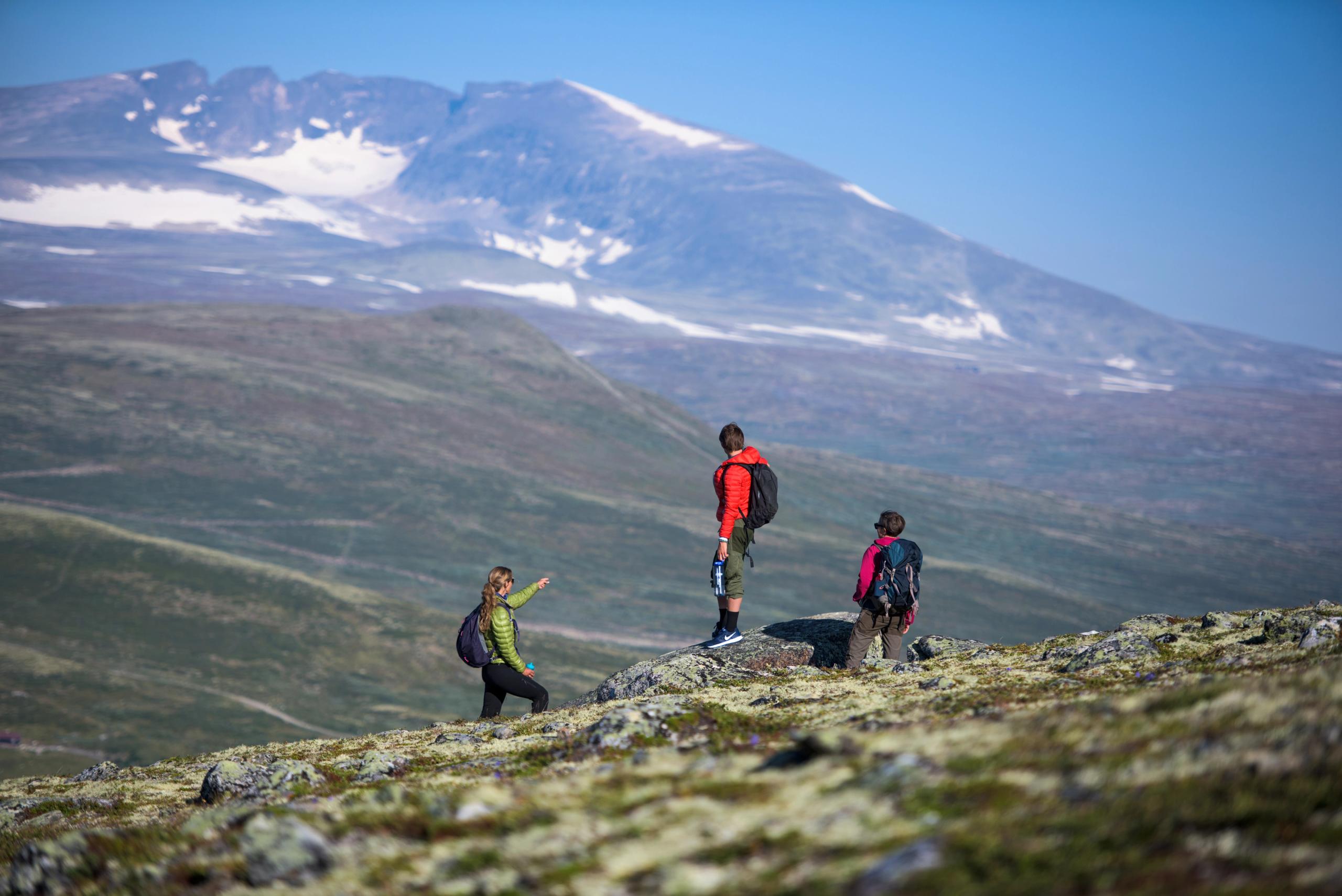 5 Days ・ June - SeptemberBook now
Hike on historic ground
Cross Dovrefjell mountain on the St. Olav’s WaysDo you want to combine mountain hiking with culture? A hike in one of Norway's most majestic mountain landscapes. Varied and easy highland terrain. Hike on your own without a guide. The package includes luggage transport, overnight accommodation, and meals. / Discover NorwayPrice From 8 850 NOK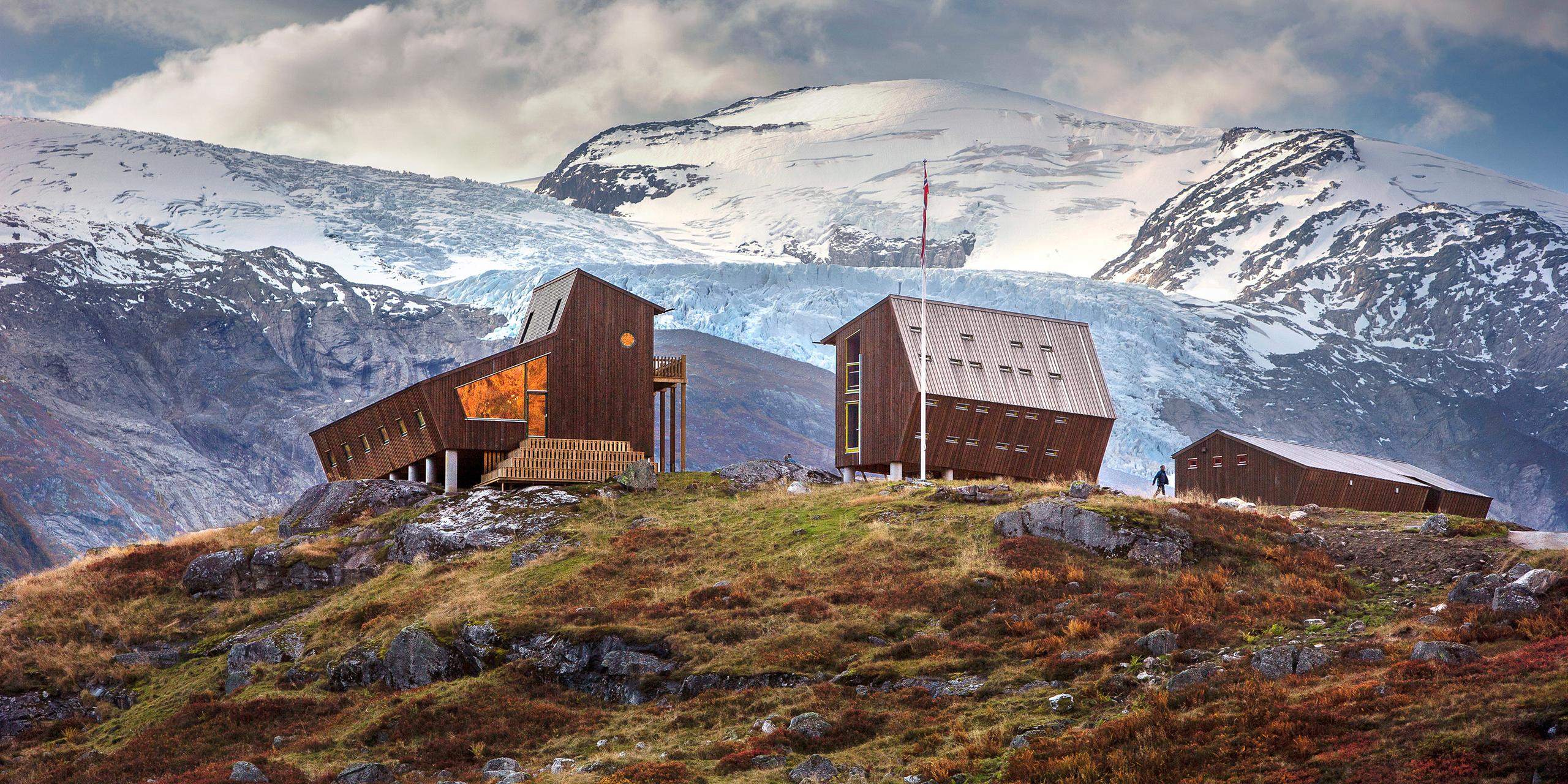 13 Days ・ April - OctoberBook now
Norwegian folklore
Road-trip through entrancing landscapesExperience the same landscapes that have entranced Norway's most famous artists for centuries while travelling through mountains, fjords and coastal landscapes, and from cities to villages. / Up NorwayPrice From 67 100 NOK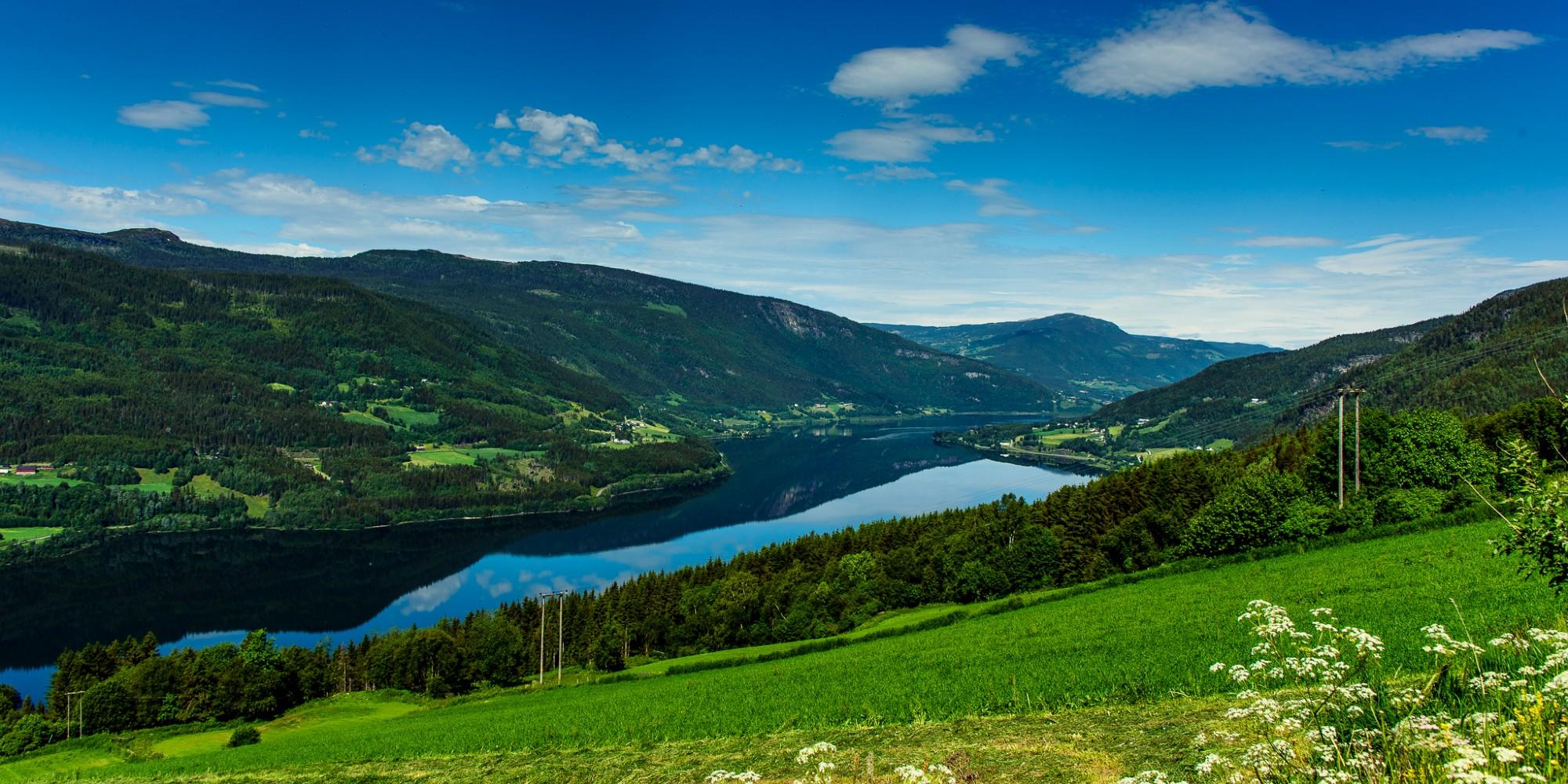 7 Days ・ June - AugustBook now
Mountains and valleys in Gudbrandsdalen
Discover the Gudbrandsdalen valleySelf-guided bicycle tour in the mountains north of Lillehammer. Ride through ancient cultural landscapes in the kingdom of Peer Gynt, with incredible views of some of the tallest mountains in Norway. / Discover NorwayPrice From 13 850 NOK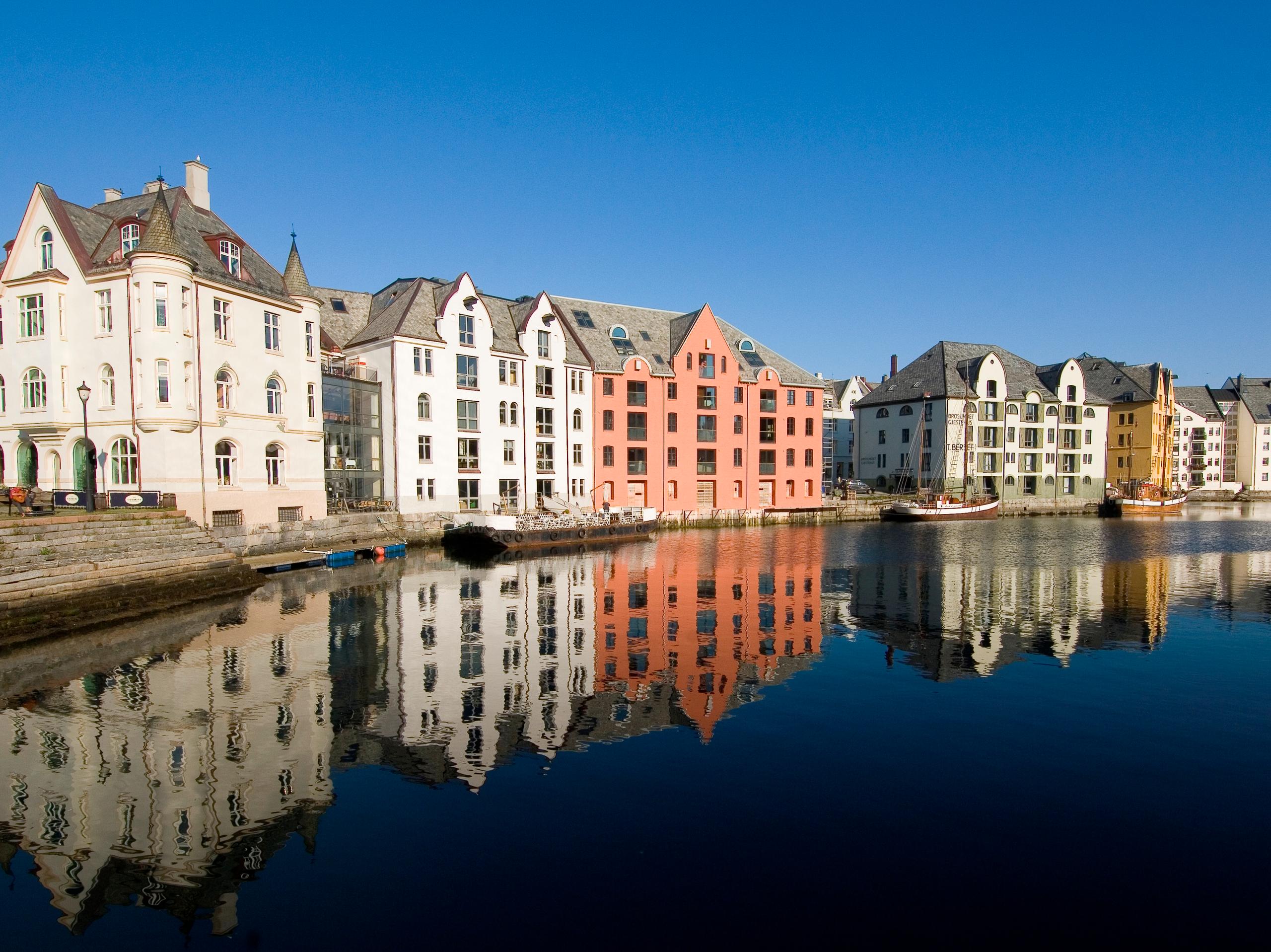 9+ Days ・ June - SeptemberBook now
The golden route
Oslo, Geiranger, Ålesund and Bergen.Explore Oslo, Geiranger, Ålesund, and Bergen on an independent rail tour. Travel with the impressive Rauma and Bergen Railway lines and enjoy a cruise with Hurtigruten on the Geirangerfjord. / Authentic ScandinaviaPrice From 19 945 NOK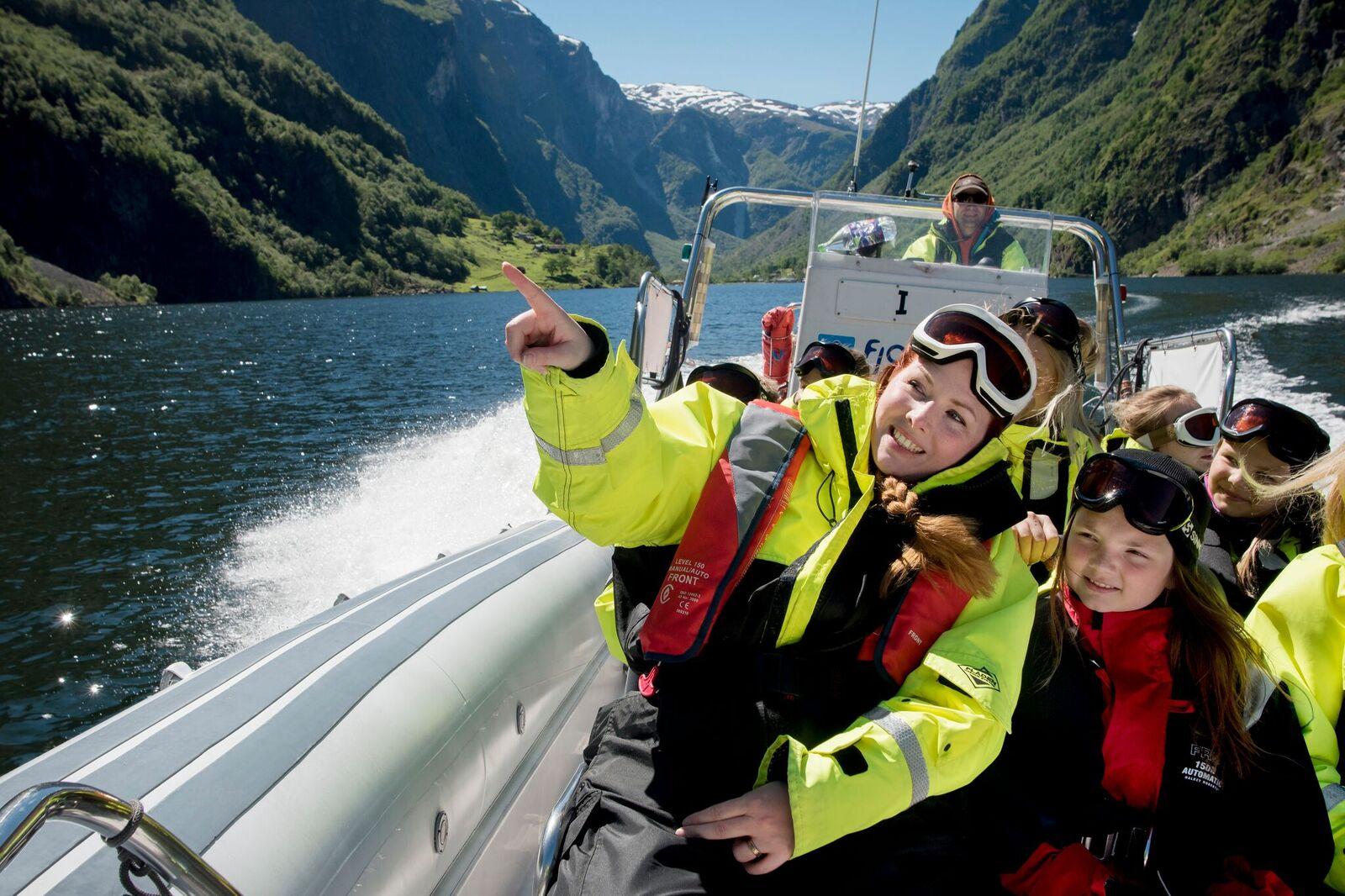 6+ Days ・ June - SeptemberBook now
Oslo & fjord adventure
Oslo, Bergen, downhill biking & fjord safari.Norway activity tour including Oslo, the Norwegian fjord region, Voss, and Bergen. Experience activities like cycling, fjord safaris by RIB boat, and spectacular train journeys. / Authentic ScandinaviaPrice From 12 510 NOK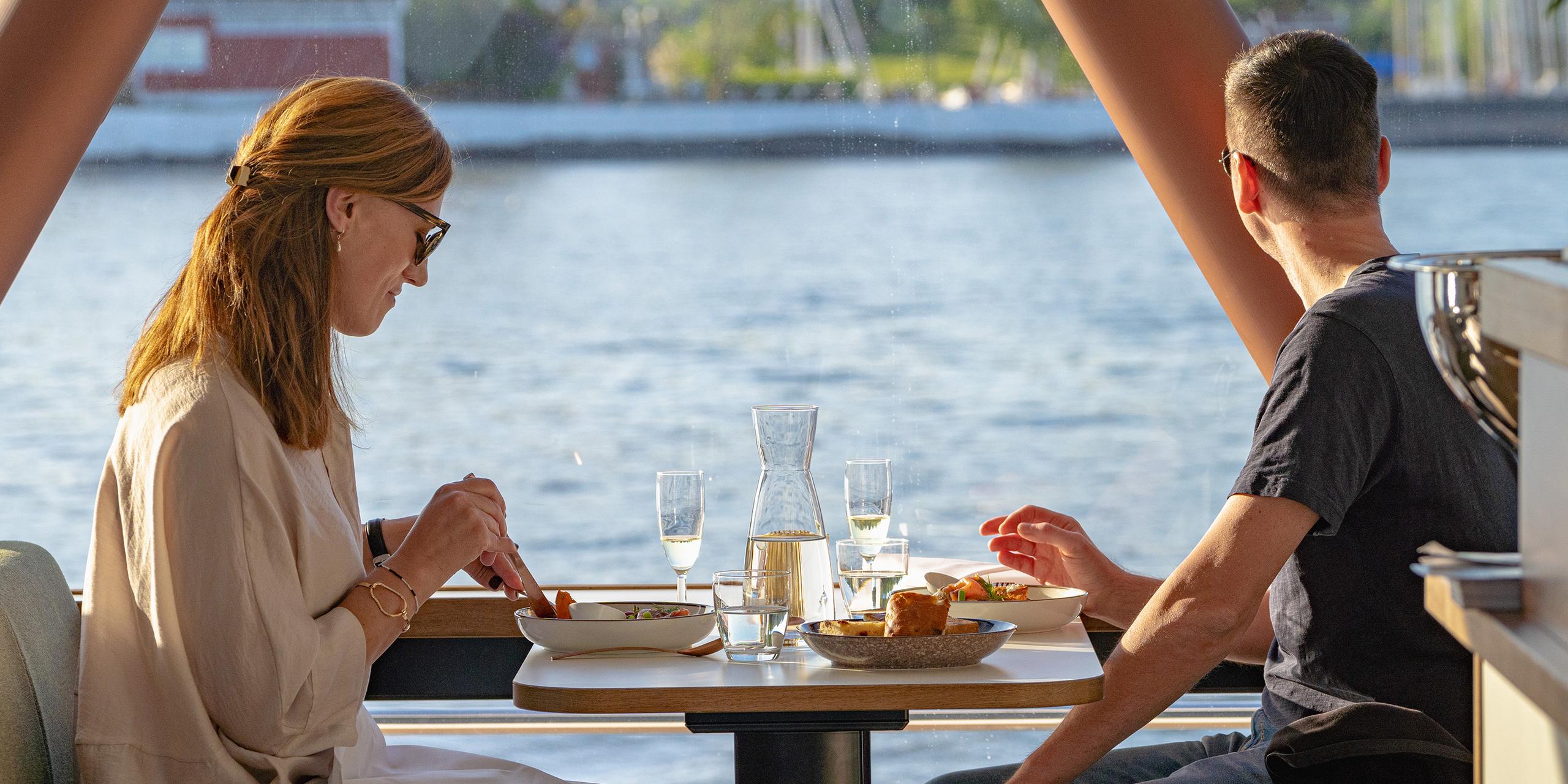 3 Hours ・ All yearBook now
Oslo dinner cruise
3-course meal cruise on the OslofjordEnjoy your dinner while cruising silently past the stunning skyline of Oslo with its modern and historic landmarks. A visit to Oslo is not complete without experiencing the Oslo fjord & the city from the water. / Brim ExplorerPrice From 1 490 NOK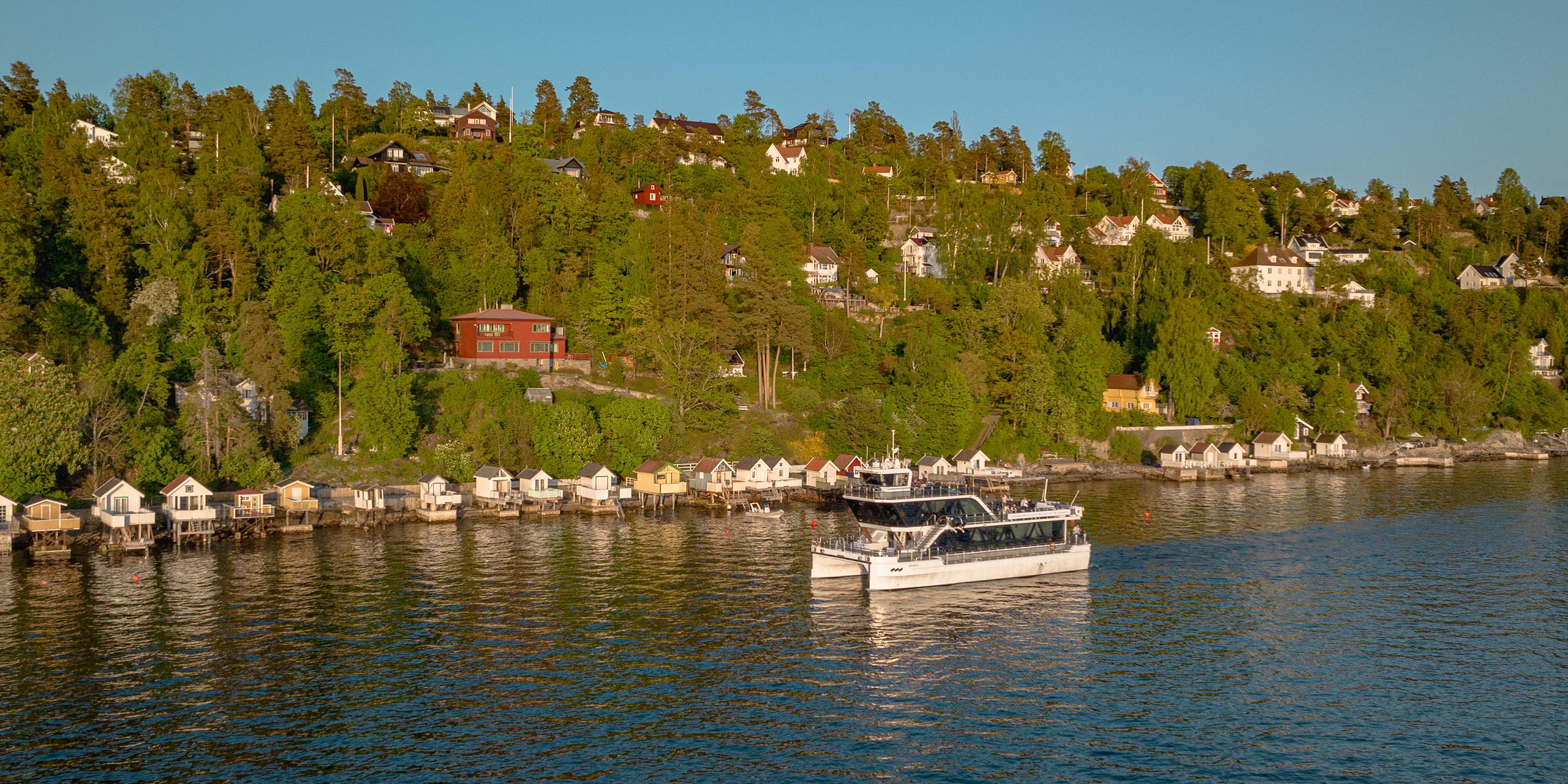 2,5 Hours ・ All yearBook now
Silent Oslo fjord cruise
Sail with us past the iconic landmarks of Oslo while you learn more about the history and the culture of the city and discover the wonders and mysteries of the ocean we float on. / Brim ExplorerPrice From 650 NOK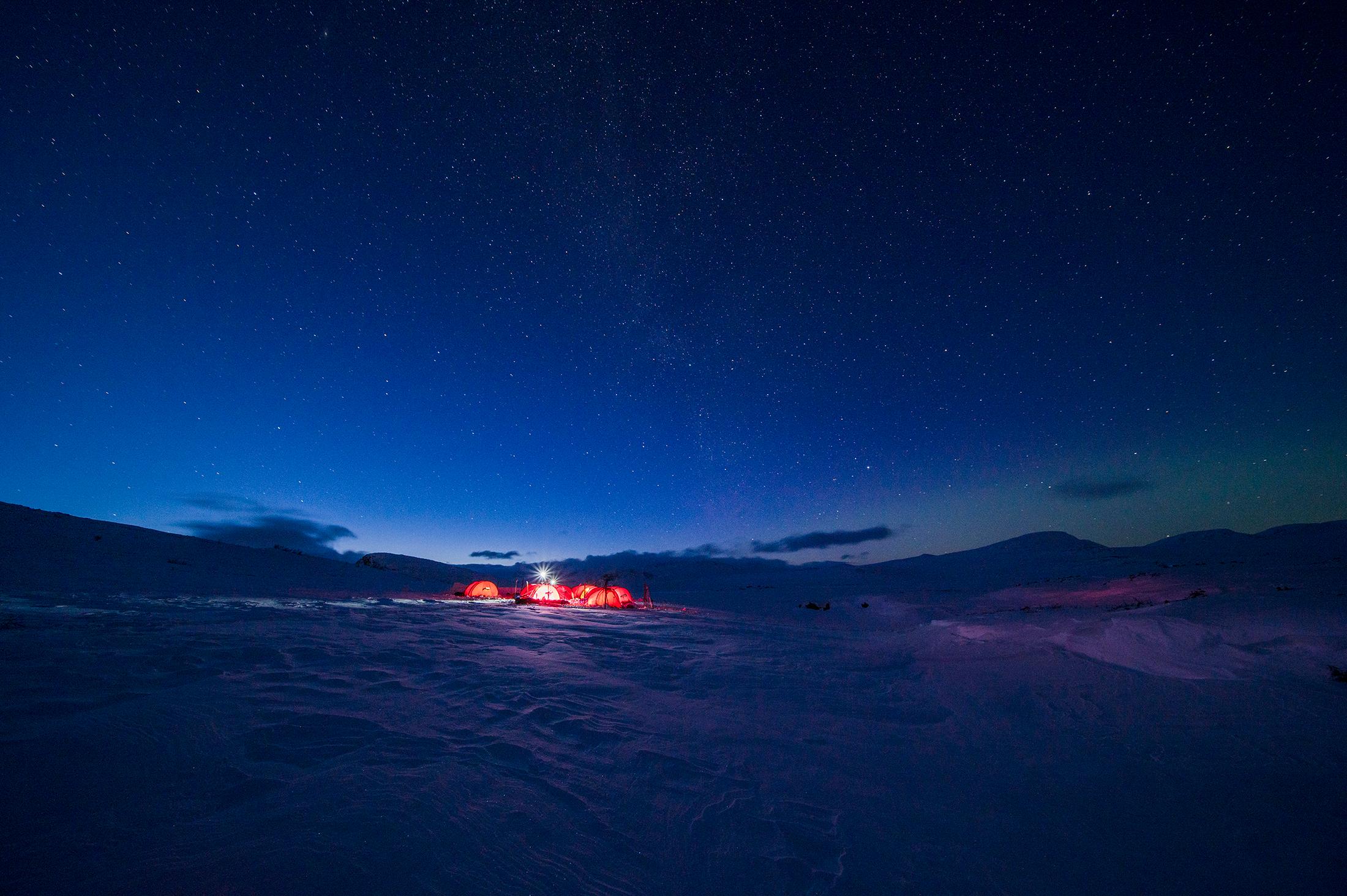 4 Days ・ February - MarchBook now
Expedition course in Jotunheimen
Learn all about ski expeditionsThis long weekend features ski-expedition training for safer adventures. Learn route planning, gear selection, camp routines and risk management. Stay at Bygdin, have a 2-course dinner, then two nights in a tent. / Norrøna AdventurePrice From 8 500 NOK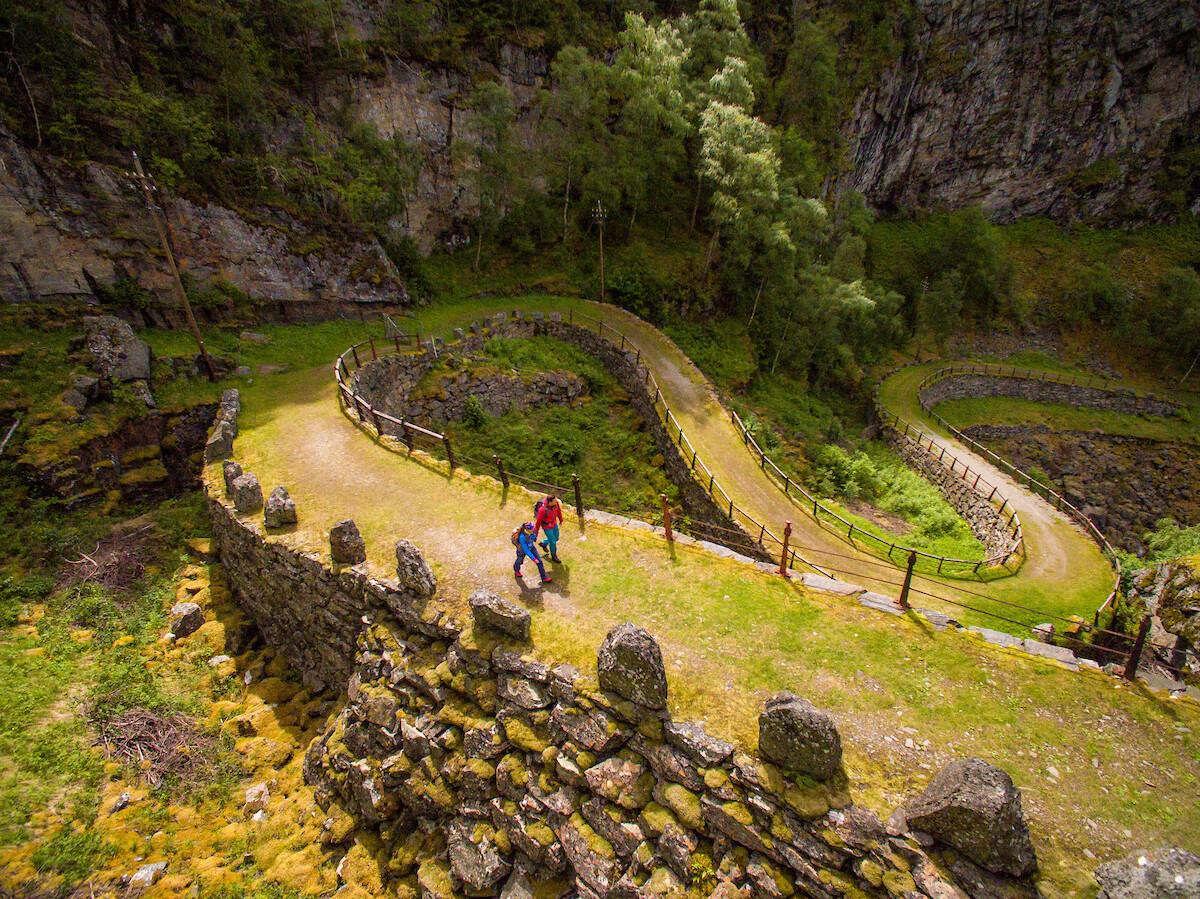 8 Days ・ June - AugustBook now
From mountains to fjords
Jotunheimen and AurlandOn this adventure, you can hike the historical route through mountainous Jotunheimen National Park towards the beautiful fjords in the west. / Norrøna AdventurePrice From 26 000 NOK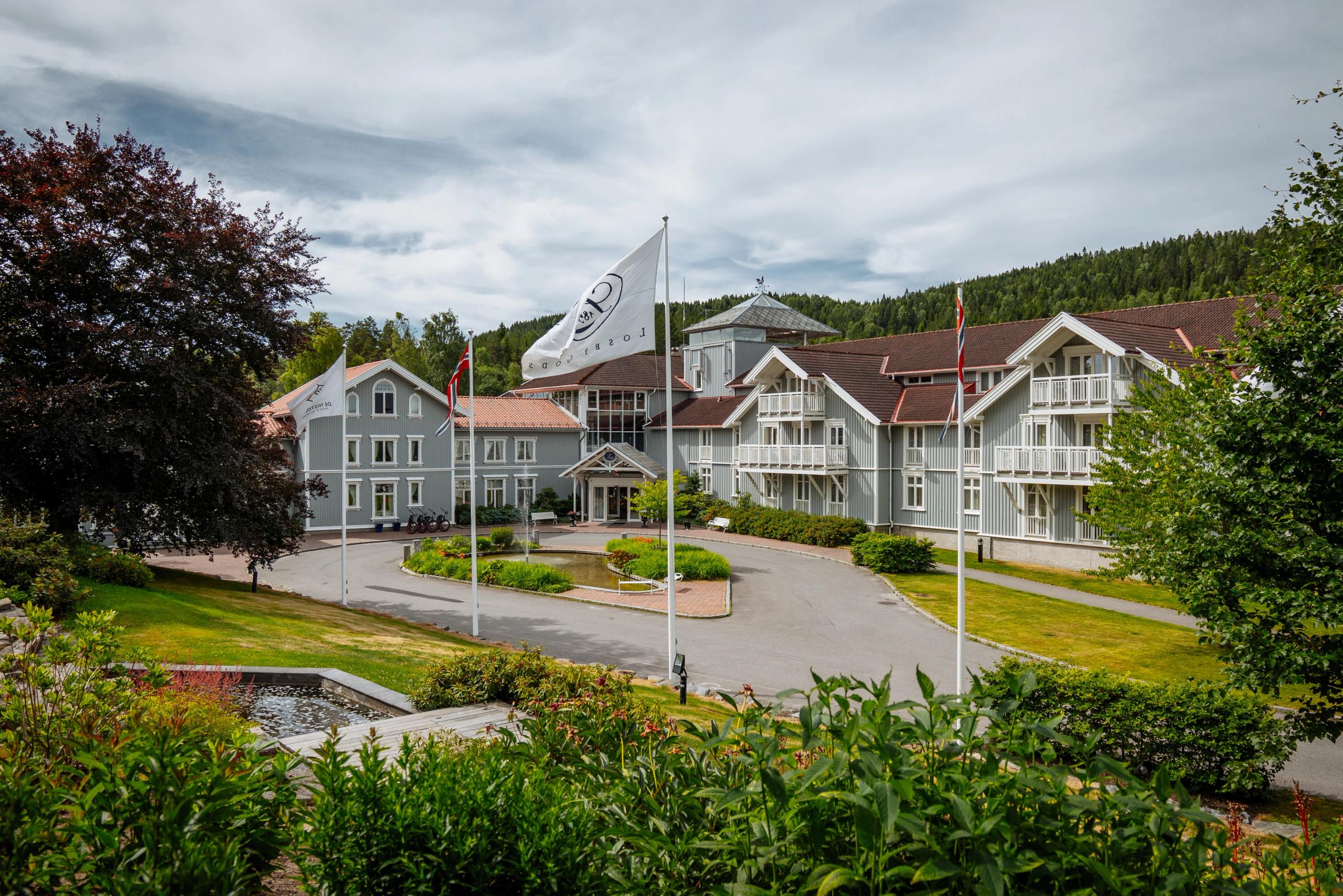 3 Days ・ All yearBook now
City break in style – Oslo
Historic hotel and fjord cruise in OsloGo on a harbour sightseeing cruise, explore the Oslo city centre and choose a stay at one of our iconic hotels in Oslo. Dinner and breakfast is included for both days. / De HistoriskePrice From 3 800 NOK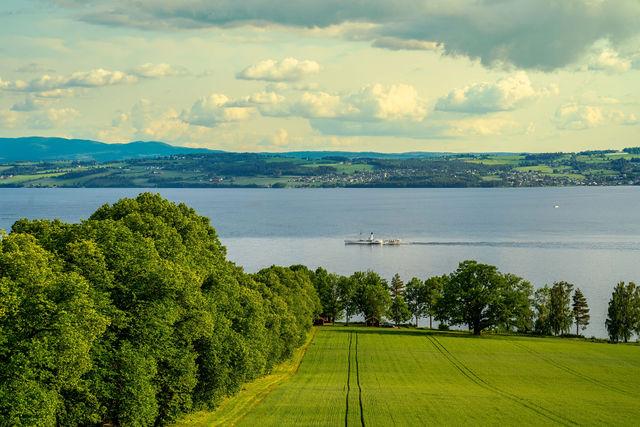 2 Days ・ July - AugustBook now
Manor farm holiday by Mjøsa
Rural luxury by lake MjøsaEnjoy a stay at the charming Hoel Manor with 3-course dinner and breakfast included. Explore Norways’ biggest lake with a cruise on the historical DS Skibladner. / De HistoriskePrice From 2 960 NOK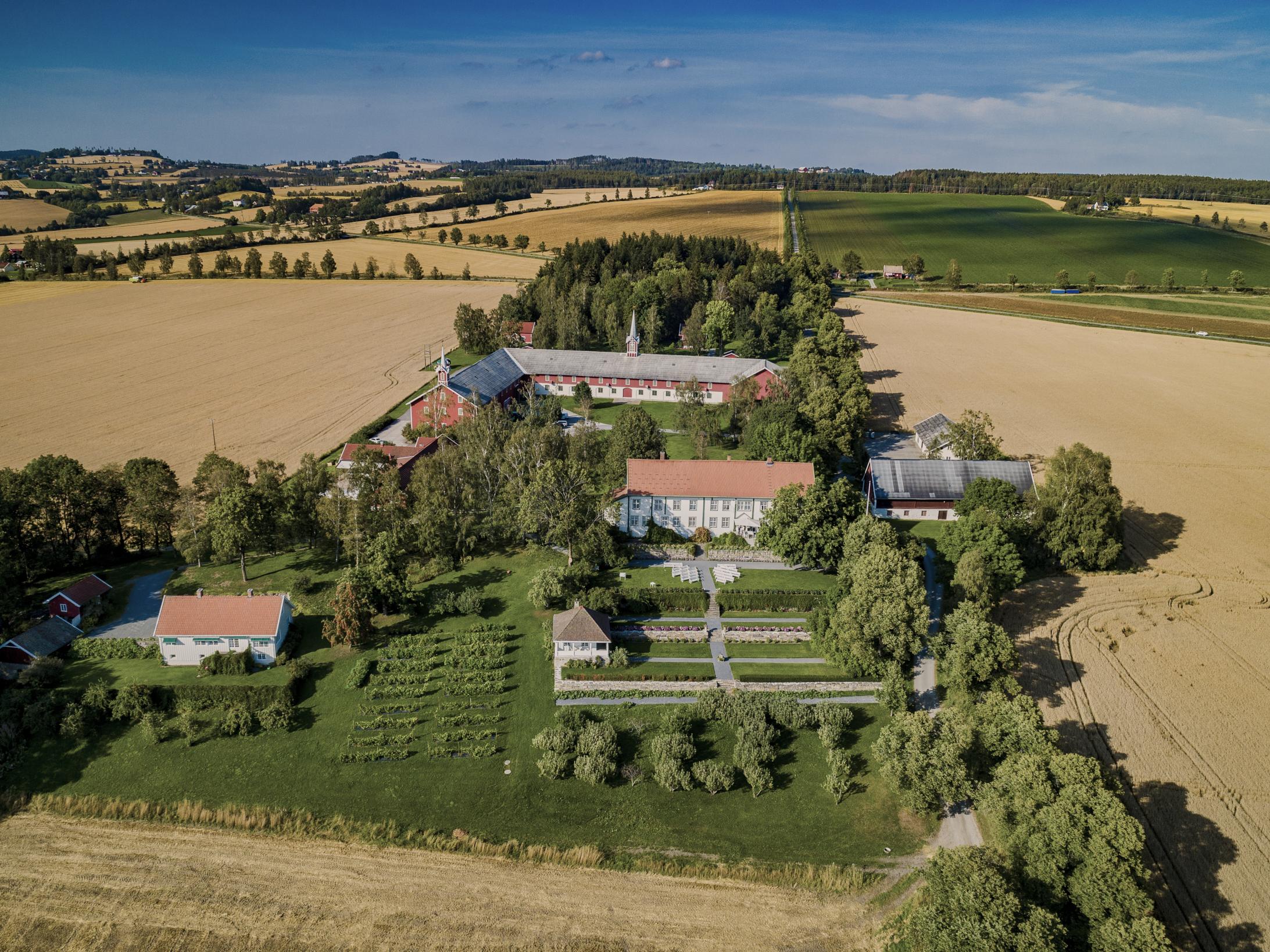 3 Days ・ July - AugustBook now
Manor hotel stays near Oslo
Historic farm and estate hotelsStay at the charming Losby Gods, close to Oslo, and Hoel Gård, in Norway’s Tuscany’, with 3-course dinner included. Enjoy the breathtaking views of Mjøsa lake. / De HistoriskePrice From 4 490 NOK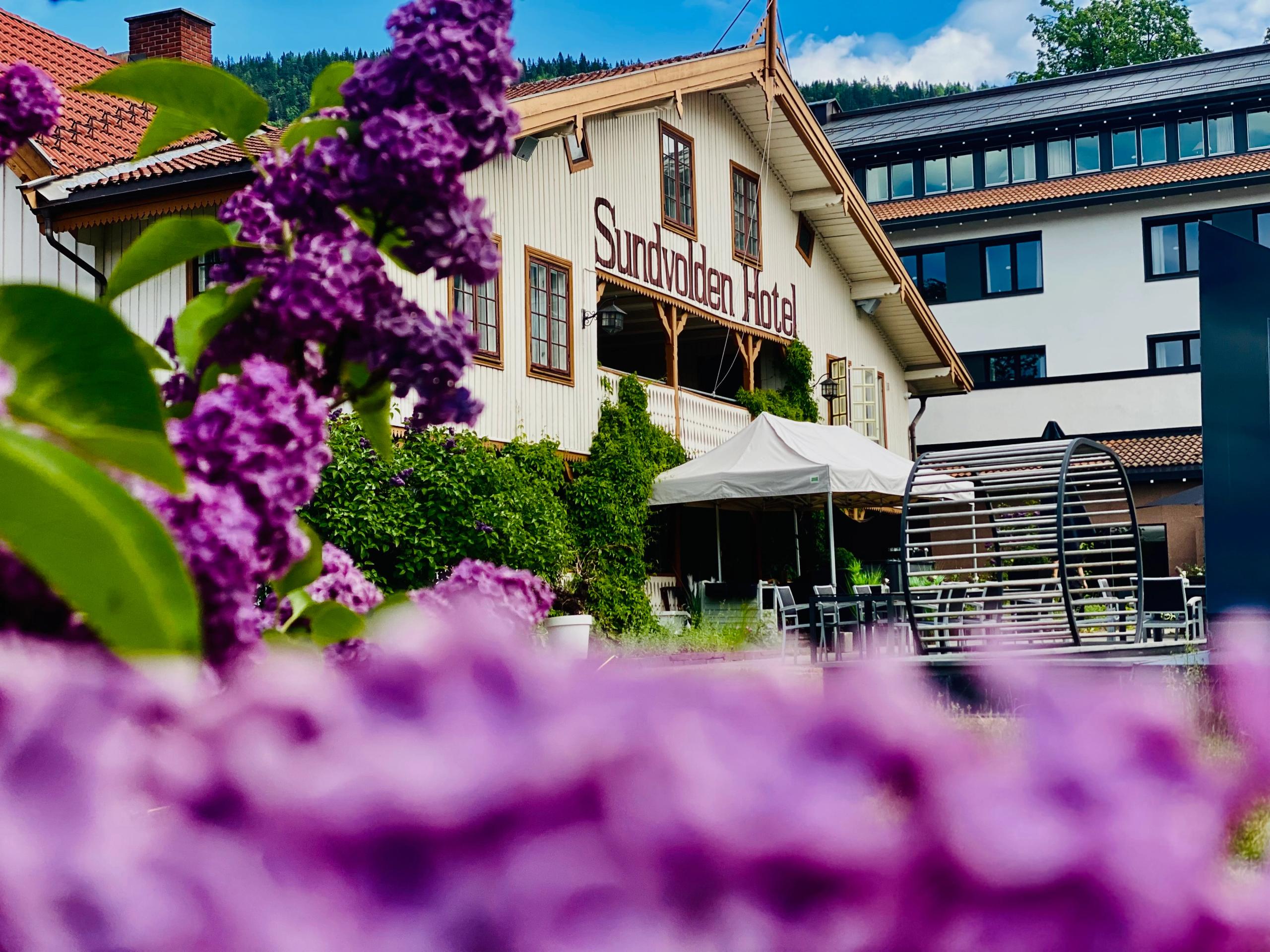 3 Days ・ May - SeptemberBook now
Art break with a Twist
A cultural road trip to Ringerike and HadelandVisit world-renowned art at Kistefos and The Twist, watch glassblowers in action at Hadeland Glassverk and enjoy a stay at Sundvolden Hotel and Granavolden Gjæstgiveri with 4-course dinner each night. / De HistoriskePrice From 4 100 NOK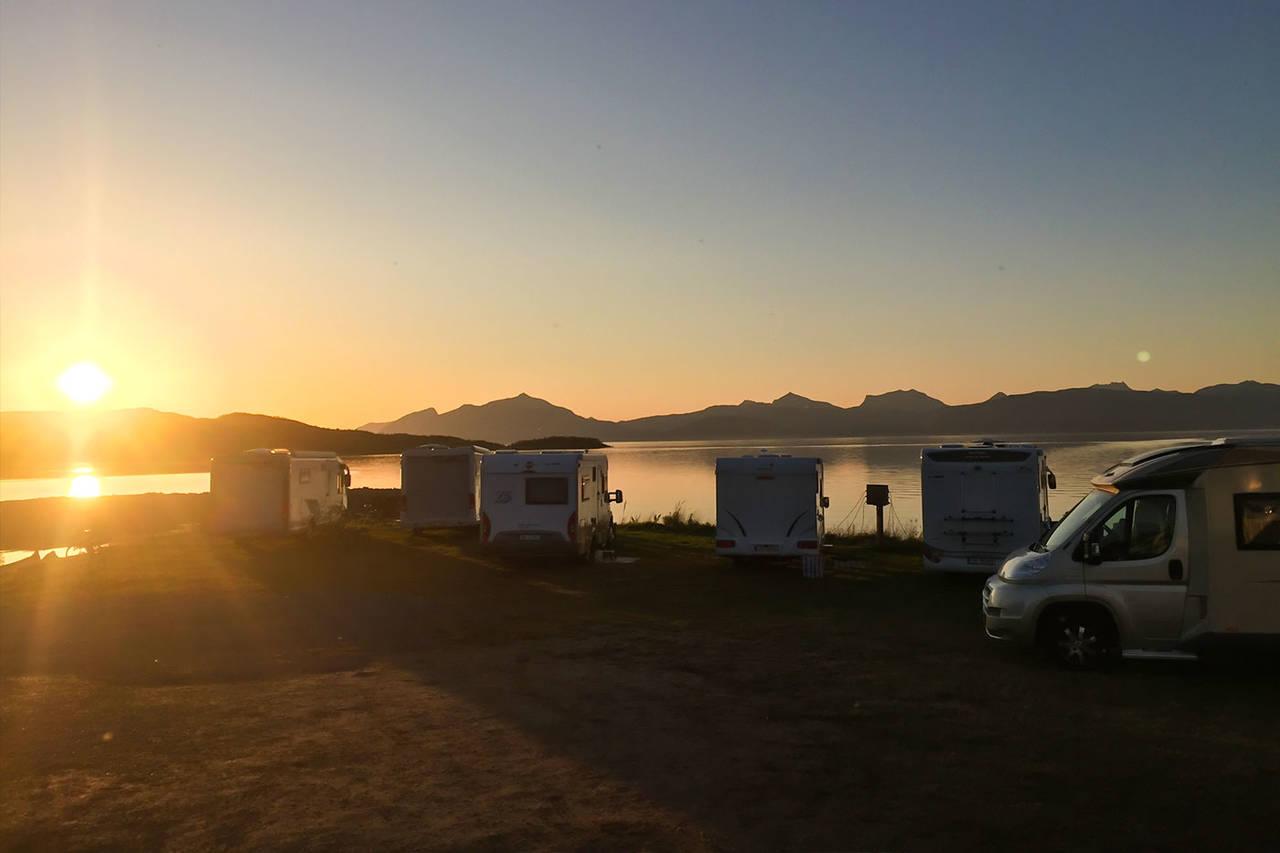 All yearBook now
Camping in Eastern Norway
Discover Eastern Norway with CampcationExperience city life, charming coastal gems, lush valleys, and world-class culture. Eastern Norway has it all. Create memories that last a lifetime!Price From 100 NOK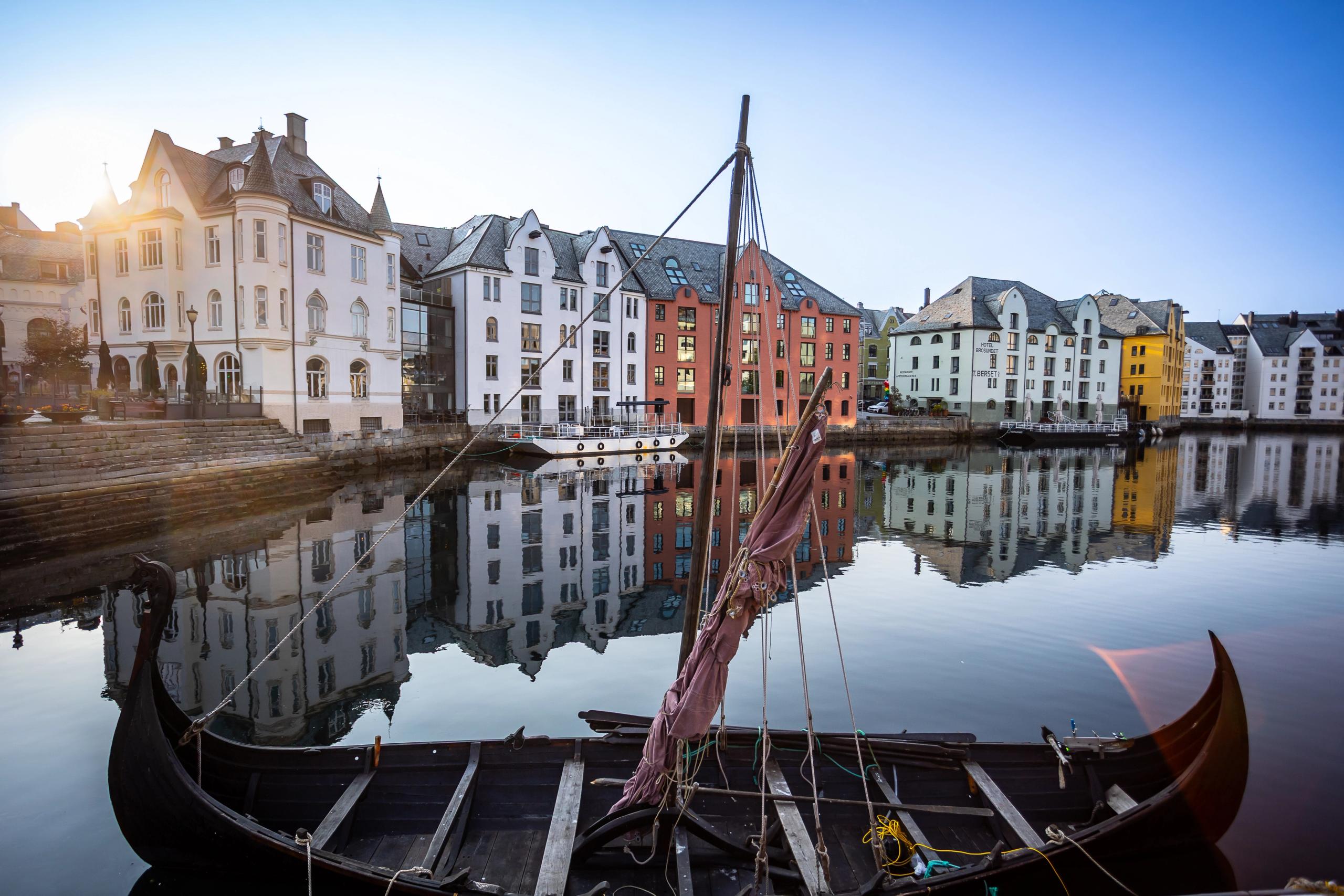 7 Days ・ June - AugustBook now
Local Secrets by Rail
The Rauma Railway, fjords and farm visitsA scenic journey from Oslo to Ålesund, including a stay in the Gudbrandsdalen valley, a guided e-bike ride to Trollstigen, views of the Sunnmøre Alps in Ålesund, and more. / 50 Degrees North NordicPrice From 34 705 NOK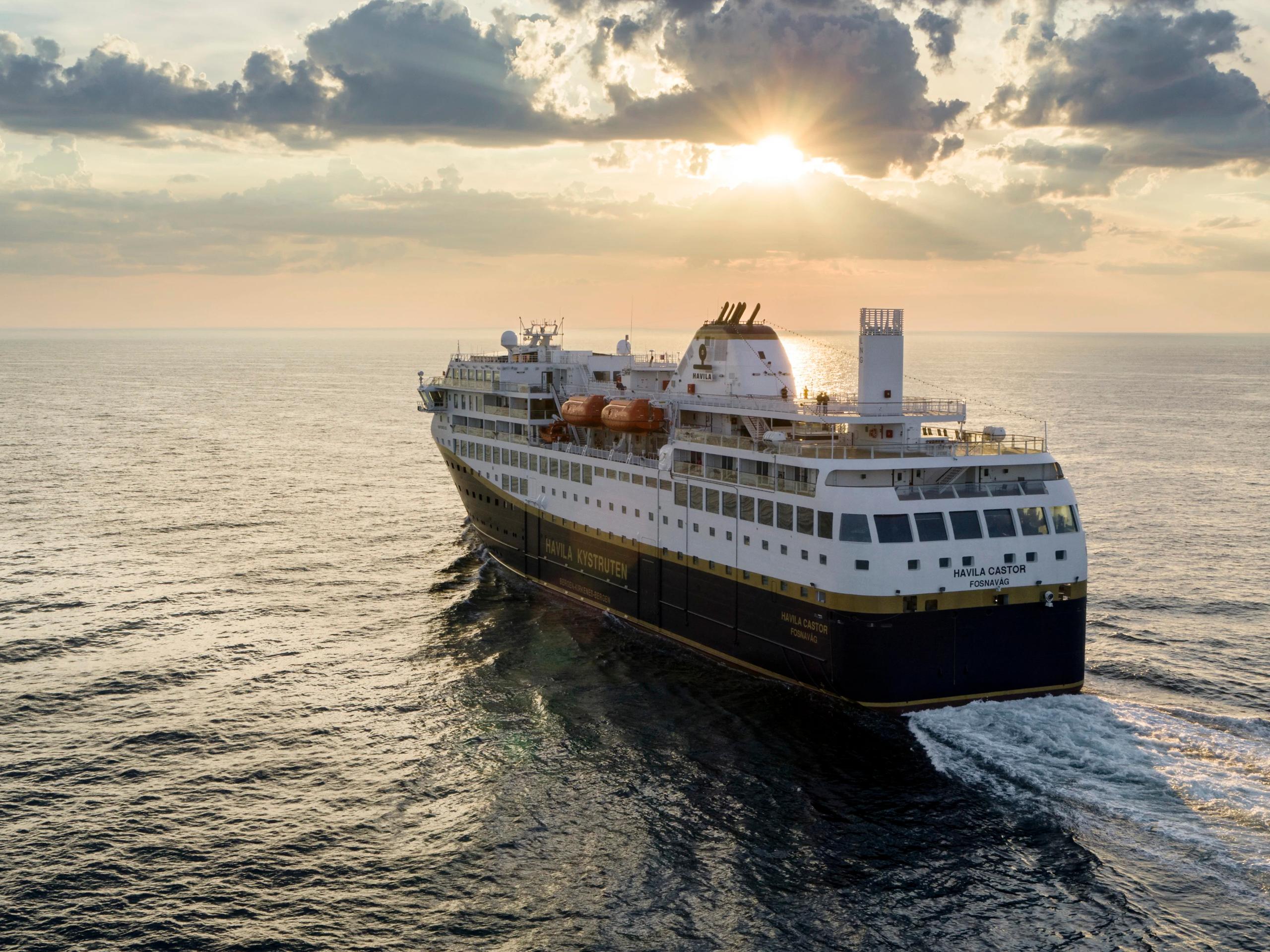 5 Days ・ All yearBook now
Norway Cities, Trains & Fjords
Including Norway in a Nutshell®A 5-day self-guided tour, that includes travel to Oslo, Bergen and Trondheim, some of the world’s most scenic railways, cruises on UNESCO fjords, and breathtaking coastal landscapes. / Fjord ToursPrice From NaN NOK
Take advantage of top offers
See our selection of trusted companies that work hard to make you happy all through your trip.
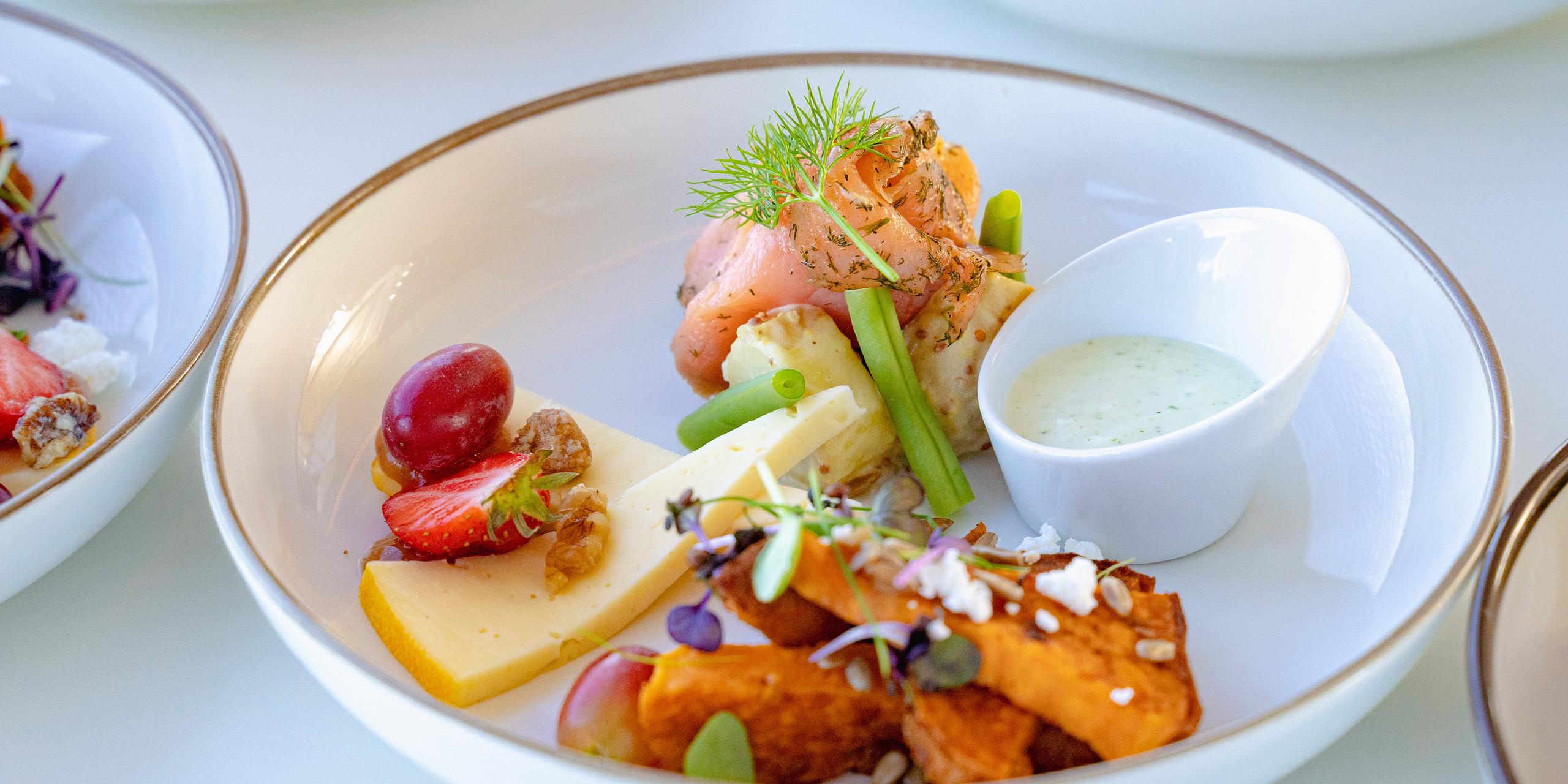 Brim ExplorerQuiet fjord tours on award-winning electric catamarans in Oslo, Tromsø, Lofoten, and Svalbard.
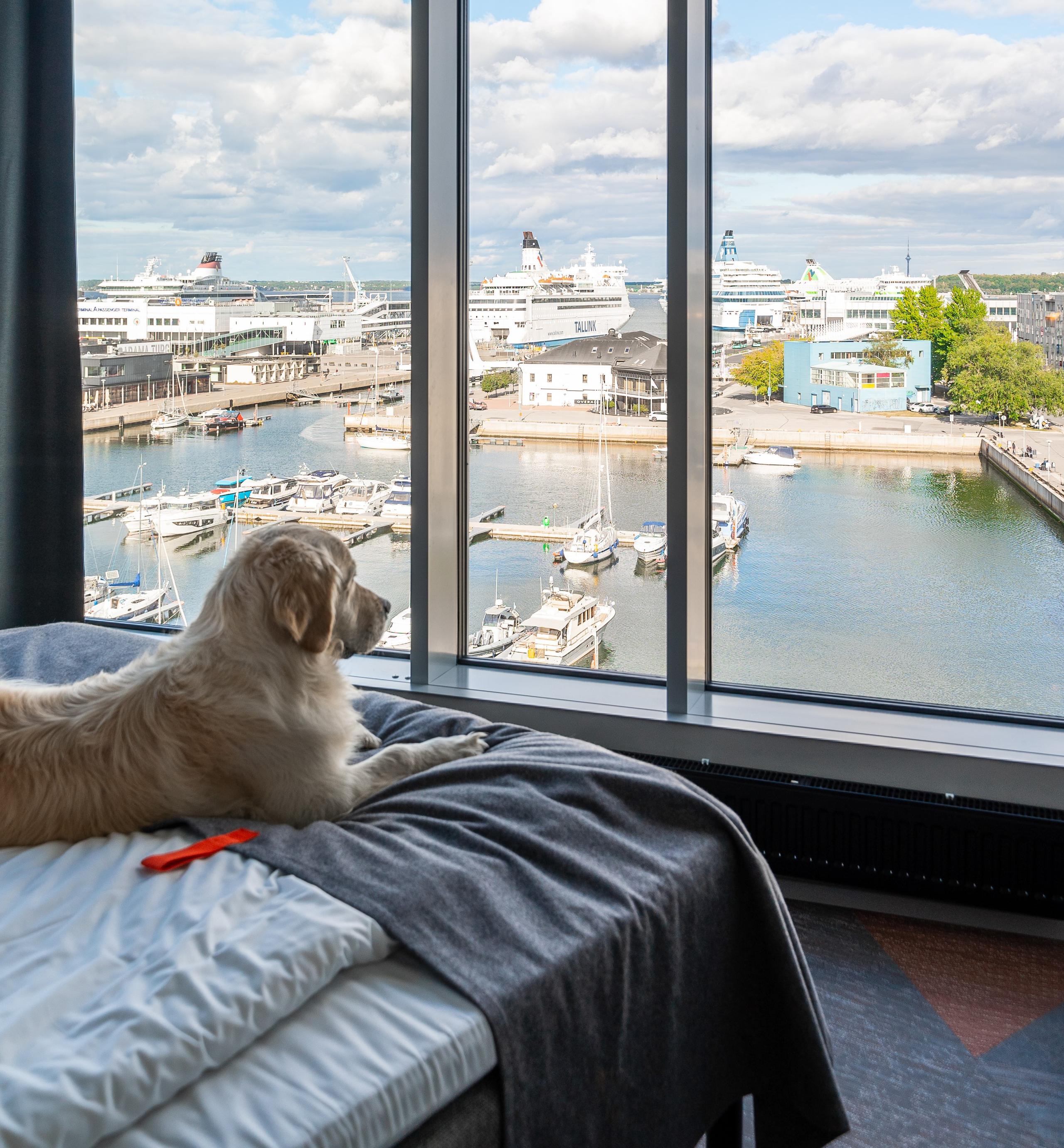 CityboxModern and affordable hotels in central locations in Oslo, Bergen, and Kristiansand.
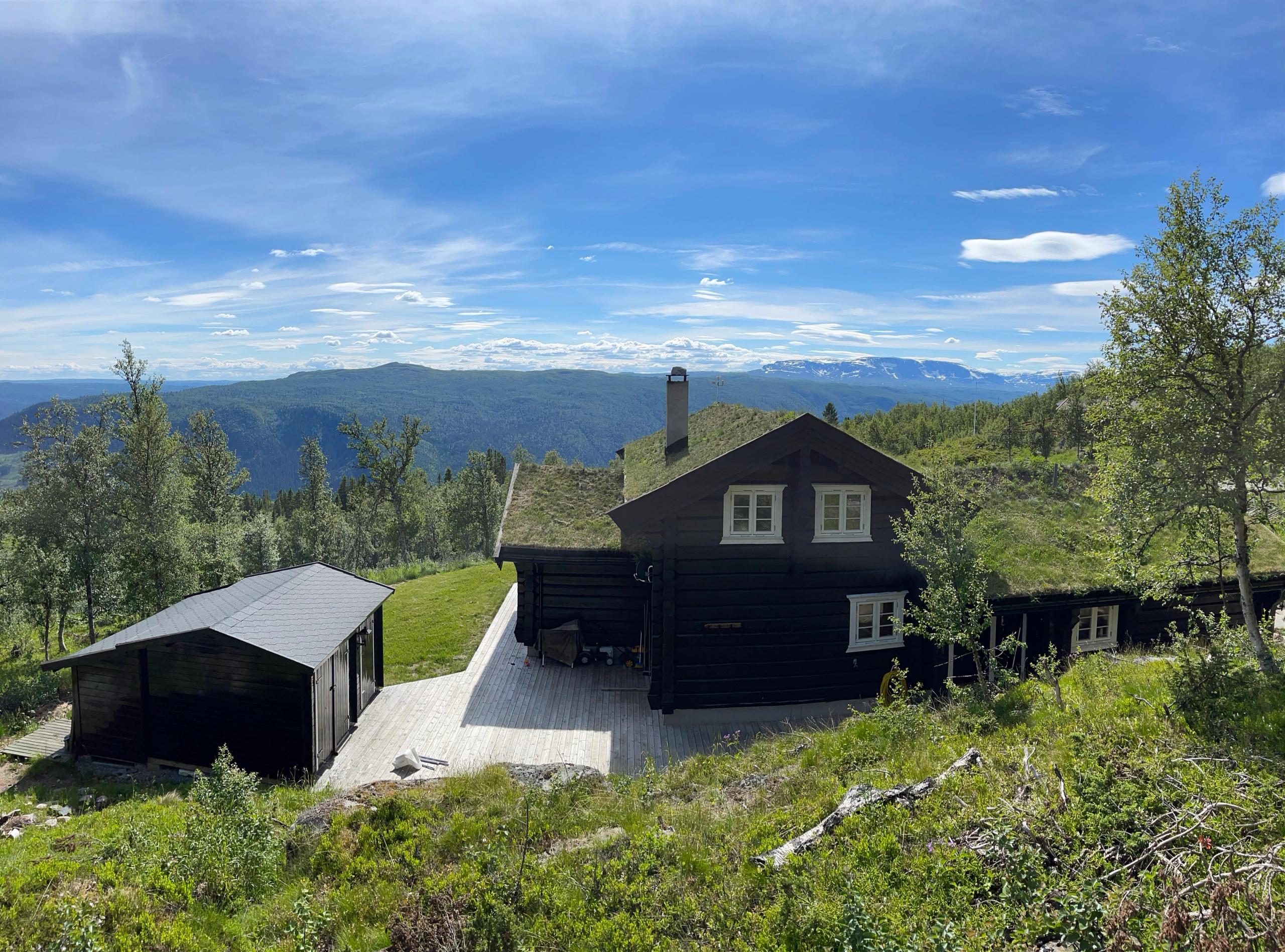 NorgesbookingBook your perfect cabin stay in the fjords, mountains, and valleys of Norway.
 Scandic HotelsExperience Nordic hotel hospitality at its finest at more than 90 hotels across Norway. Special offers are available.
 StrawberryA different hotel company! Look out for great weekend deals at more than 100 hotels in Norway.
 Thon Hotels ASFantastic breakfast included! Experience true comfort and reasonable rates at our 80 hotels in Norway.
 CampcationBook a camping stay in stunning and unique locations all across Norway with Campcation.
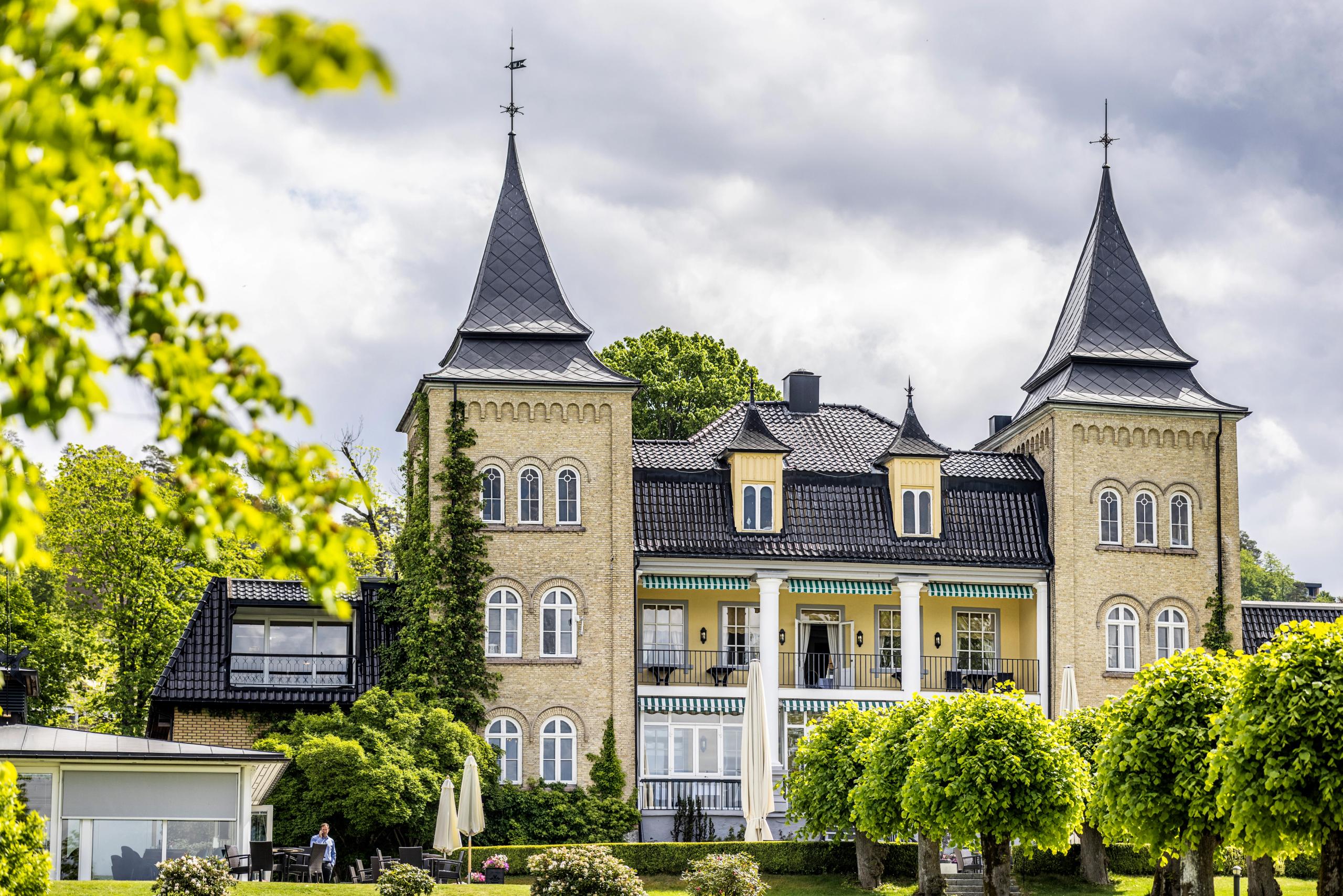 Classic Norway HotelsWhen the hotel is the destination. Book a night to remember in one of Norway's most unique and distinctive hotels.
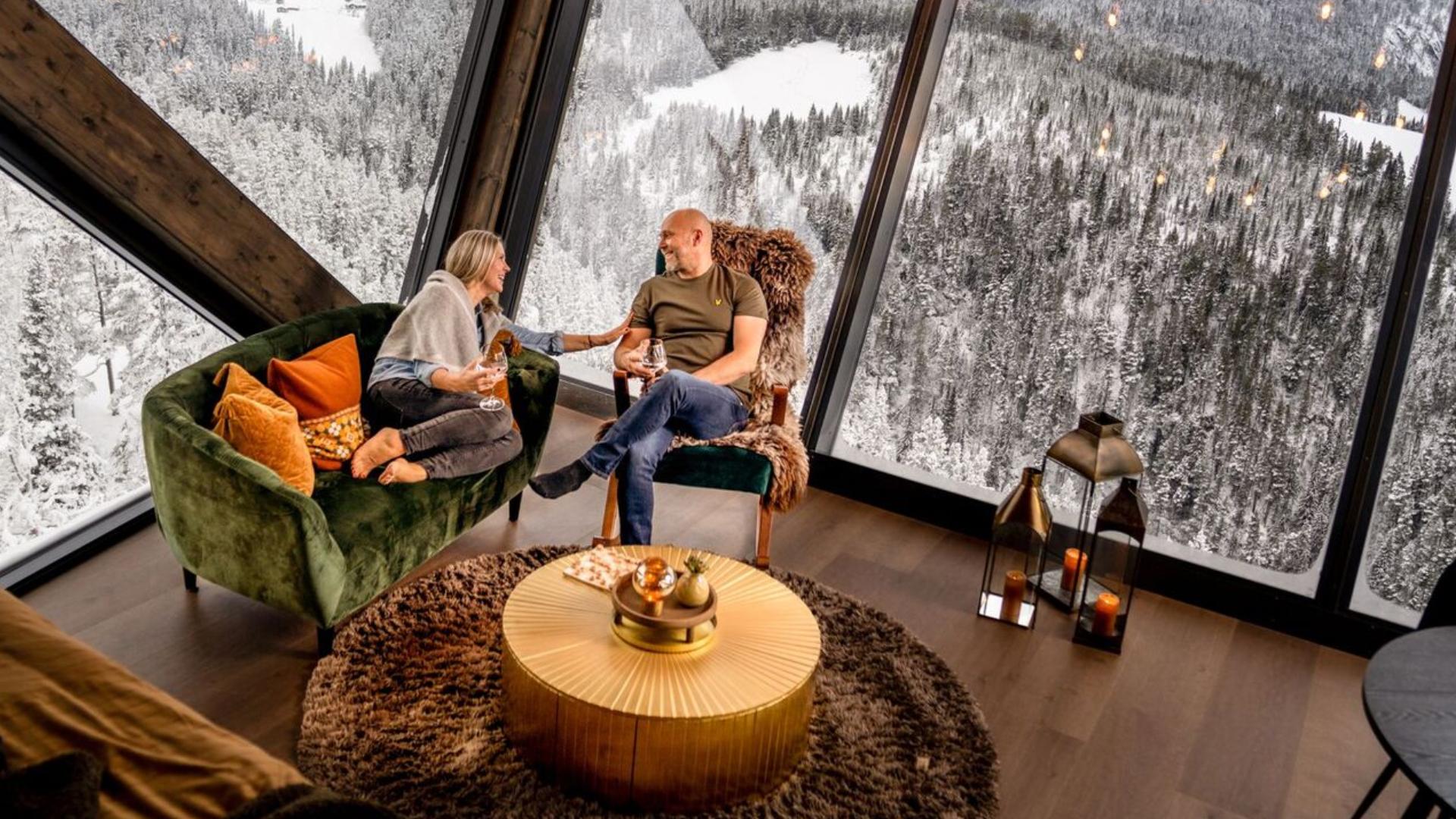 50 Degrees North NordicChoose between unforgettable tailormade individual trips and small, exclusive group tours of Norway.
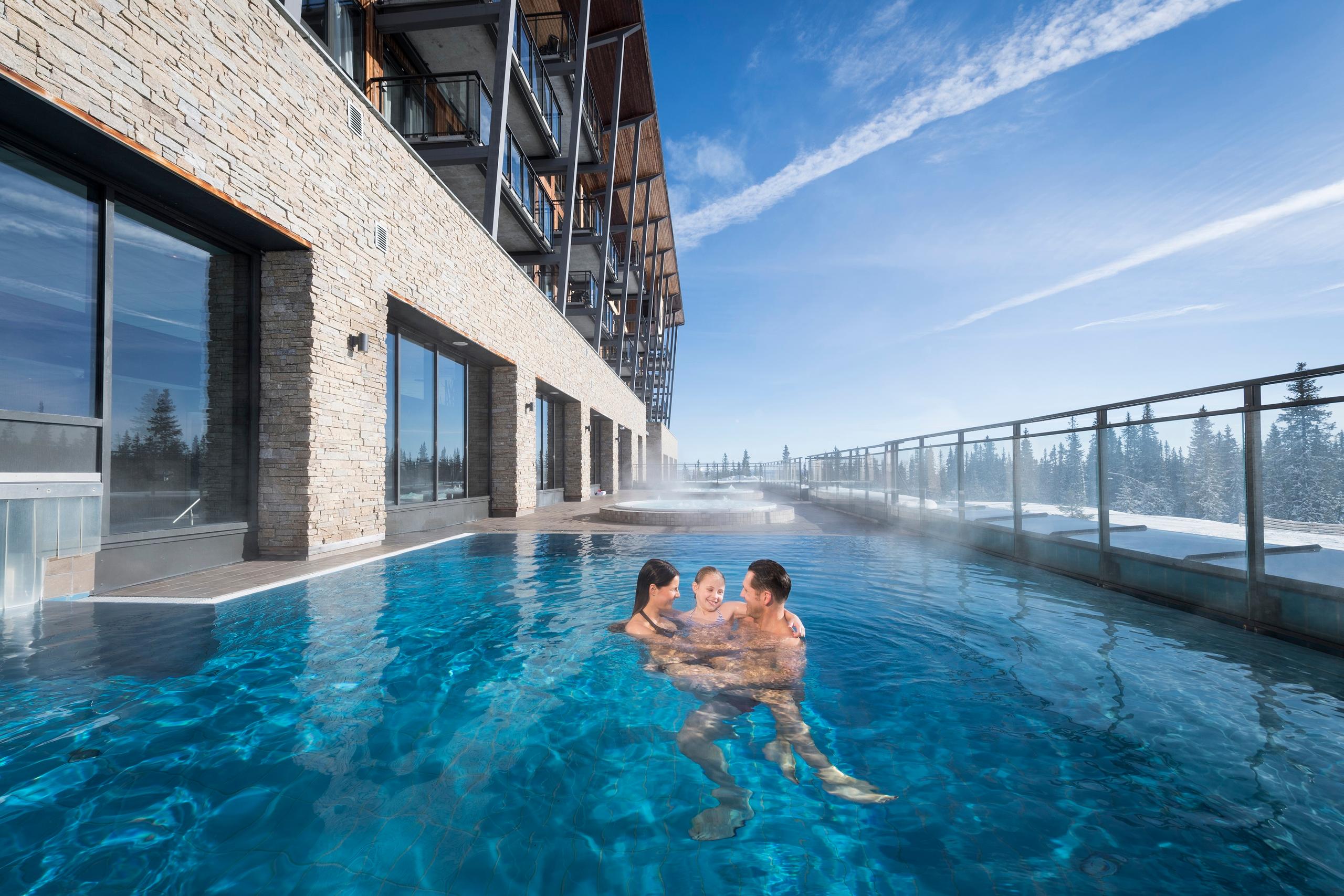 Radisson HotelsGreat value offers and comfortable quality stays in Norway´s major cities, airports, and ski resorts.
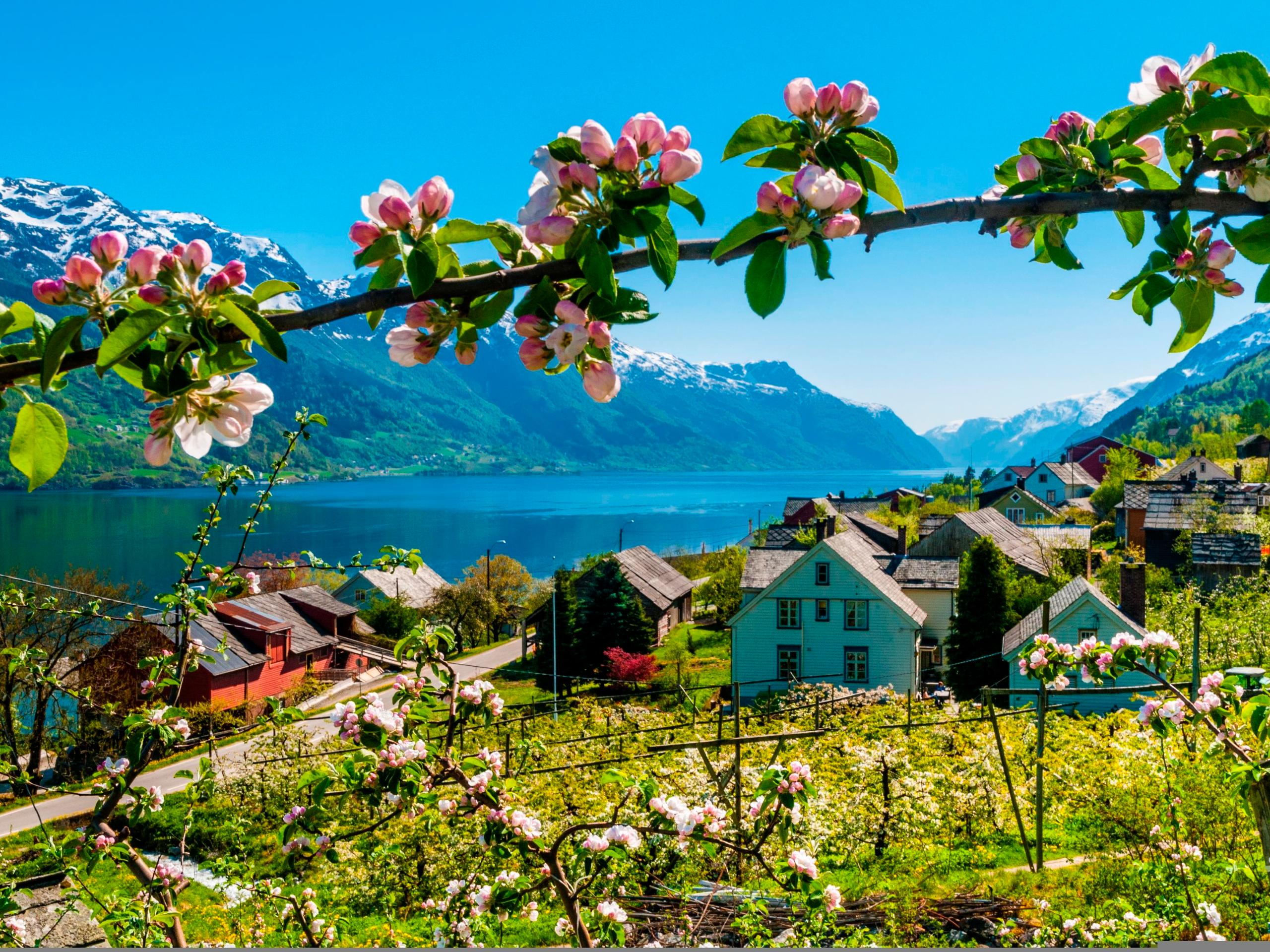 Authentic ScandinaviaTravel curated by locals. Our tailormade tours suit every type of traveller and budget.
 Booknordics.comUnique holiday packages, adventure hotels, tours, and activities.
 Fjord ToursHome of Norway in a Nutshell, Norway's most popular tour. Fjords, mountains, and stunning destinations — all in one trip!
 Go FjordsBook fantastic tours and experiences! We offer tours in Oslo, Bergen, Stavanger, Lofoten, the North Cape, and more.
 HurtigrutenExperience the world's most beautiful sea voyage on an unforgettable cruise along the stunning Norwegian coast.
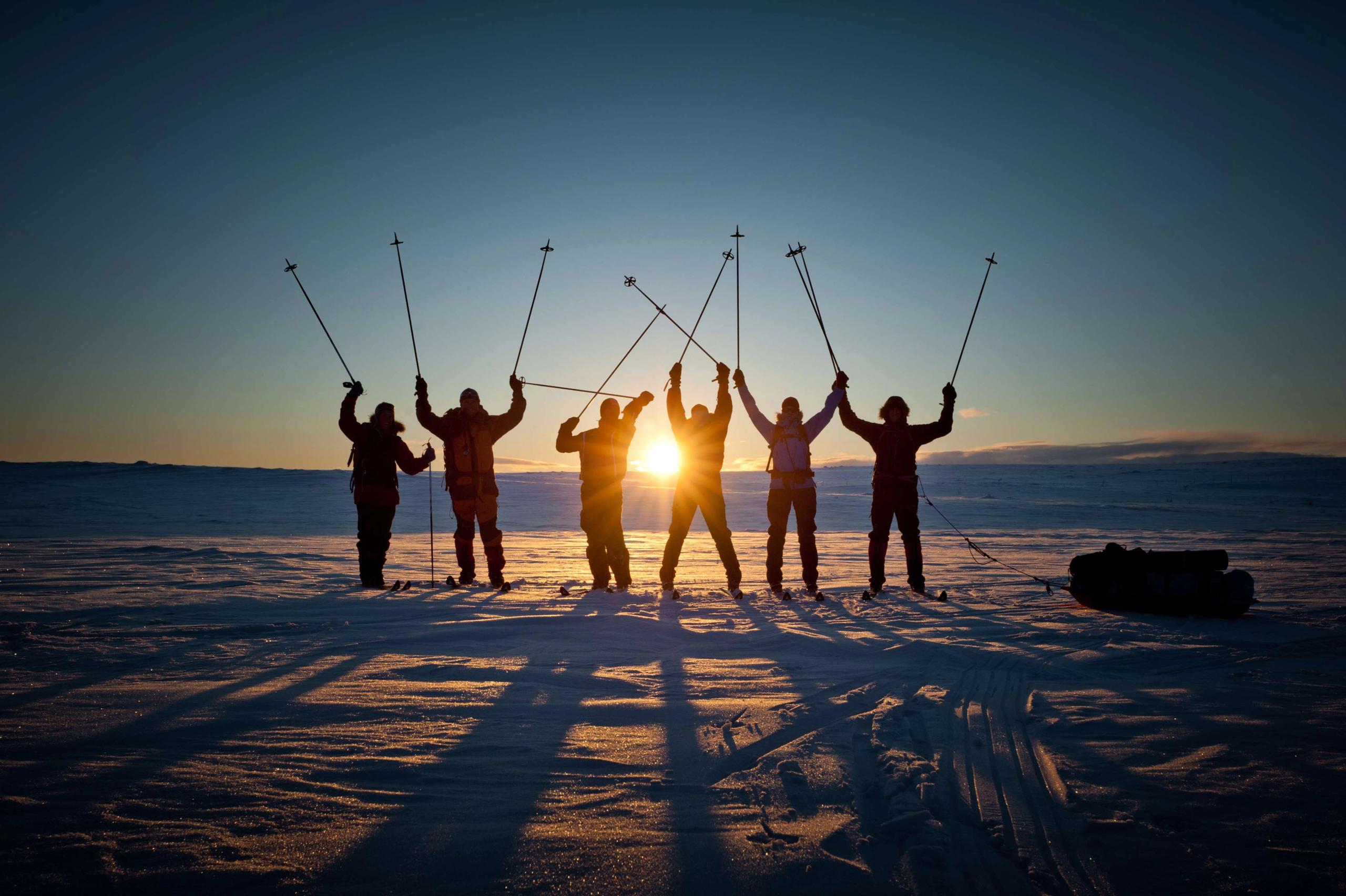 Norrøna AdventureGet ready for expeditions and adventure holidays with Norrøna Adventure. Hiking, skiing, and biking trips.
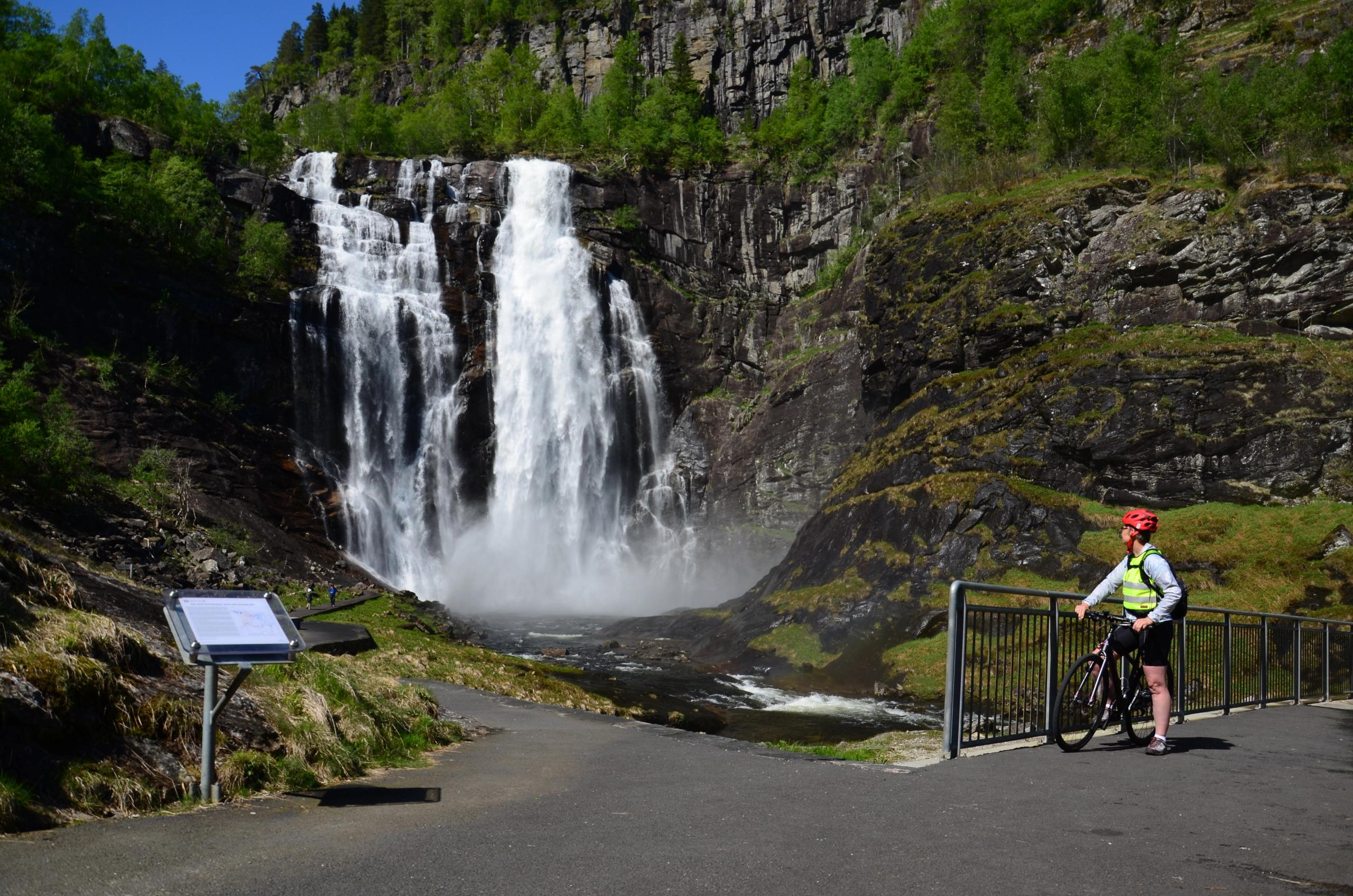 Discover NorwayOffers a range of exciting self-guided hiking, biking, and skiing holidays in Norway. Luggage transfer included.
 Norwegian HolidaysLow-price package holidays with Norwegian. Book your flight, hotel, and rental car all in one place.
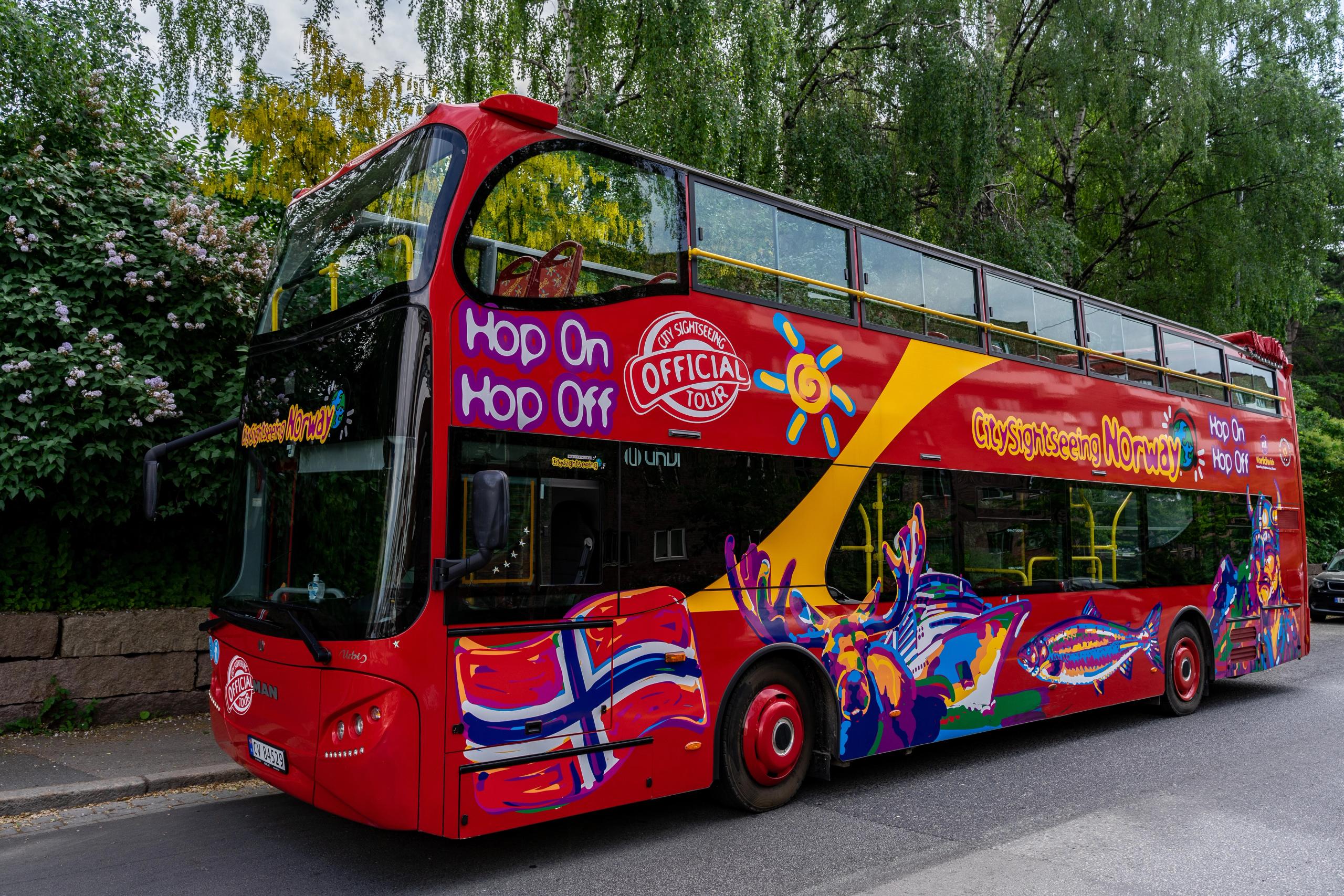 StrömmaSightseeing by bus and boat in several major tourist spots and cities in Norway.
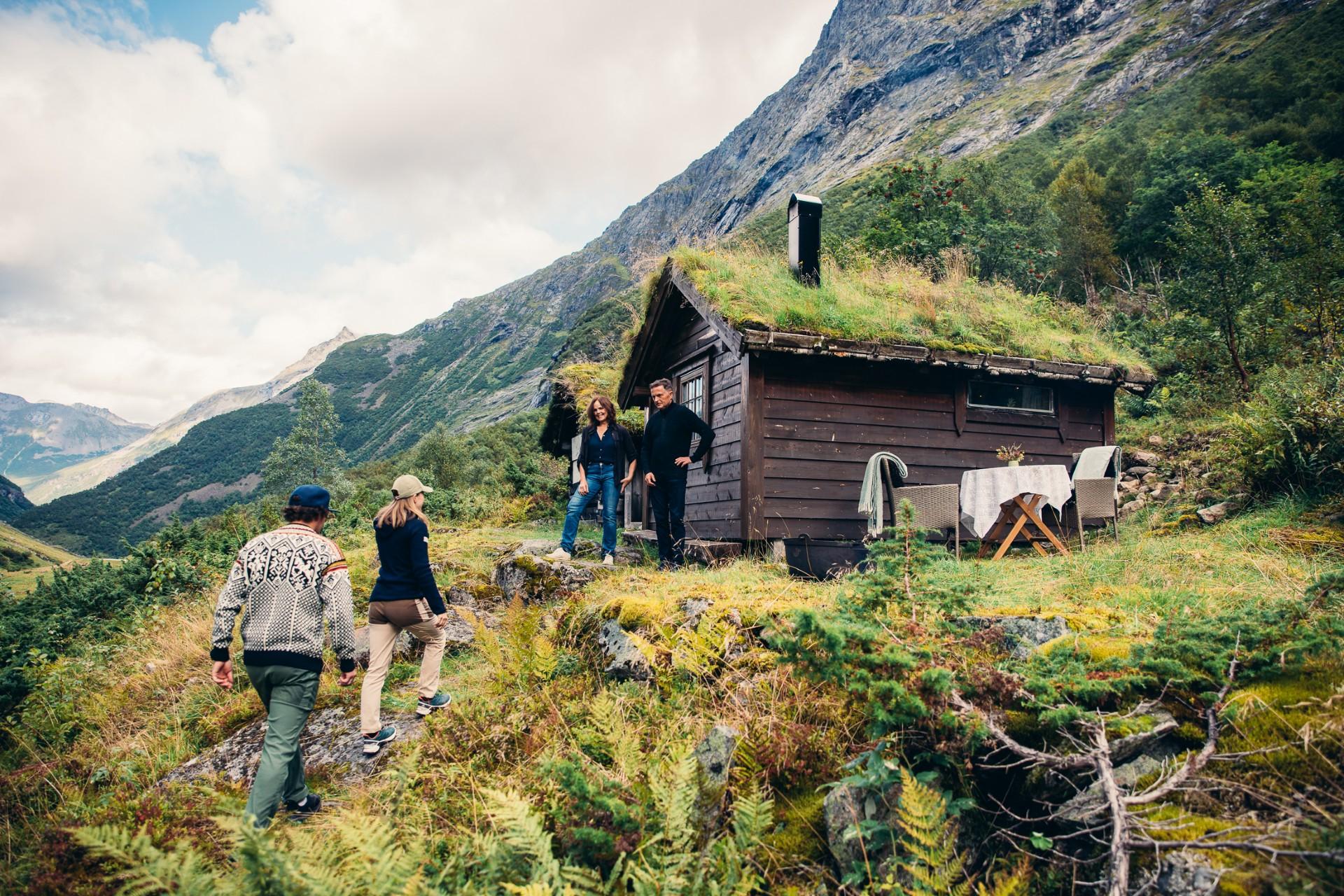 Up NorwayBespoke luxury hand-picked by local experts. We combine your preferences and our knowledge to make an unforgettable journey.
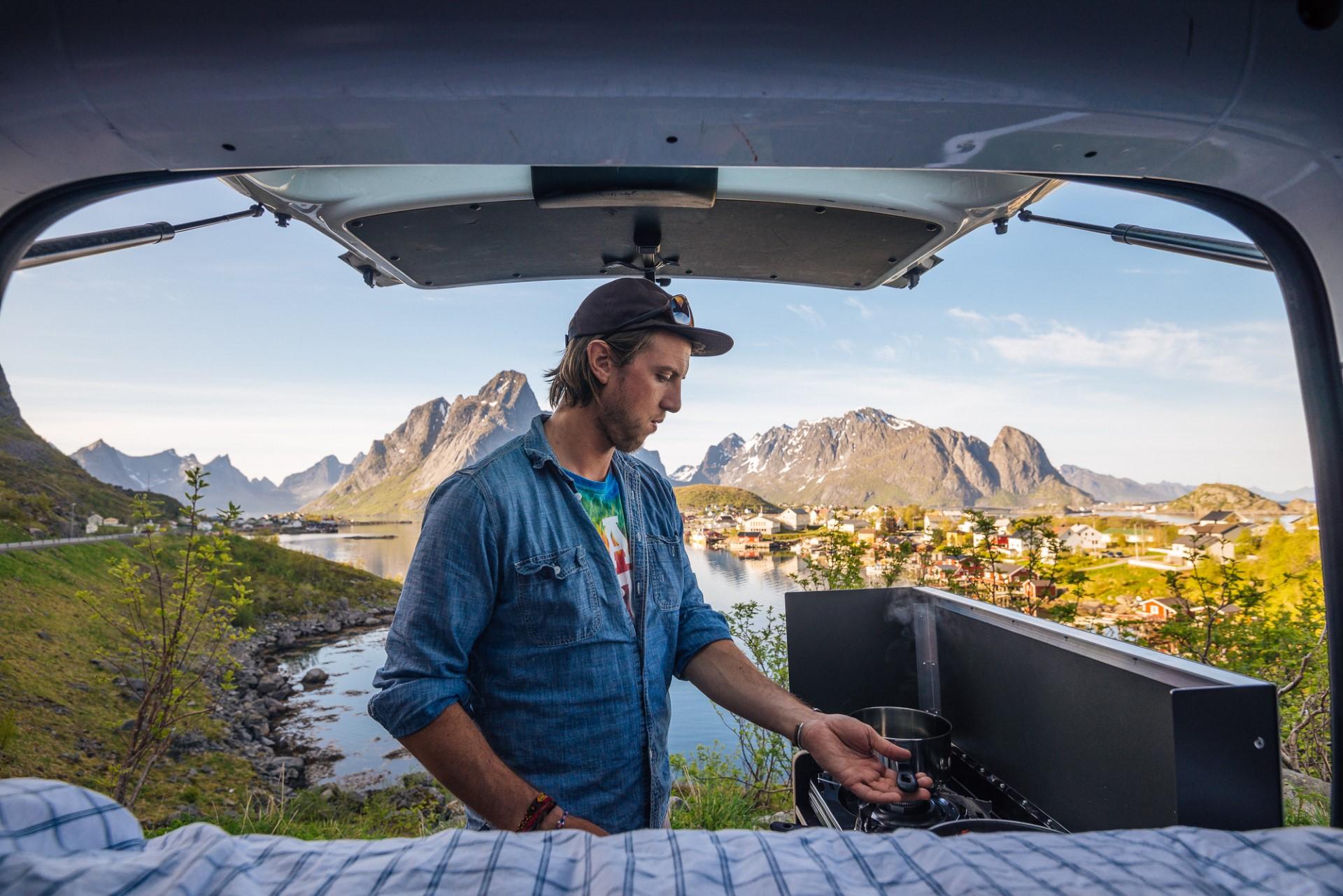 Arctic Campers ASDo you want to try van life? Explore Norway in comfort and style with our smart and cosy campervans.
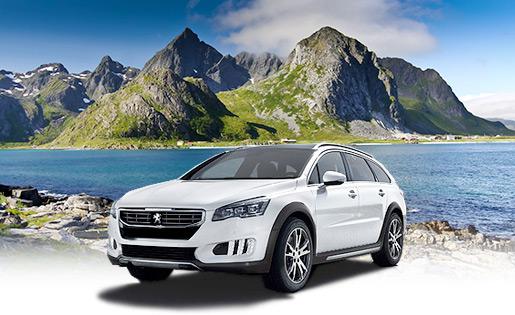 Auto EuropeAlways a smooth car rental experience. Search and compare rental rates. Free cancellation up to 24 hours prior to pick-up.
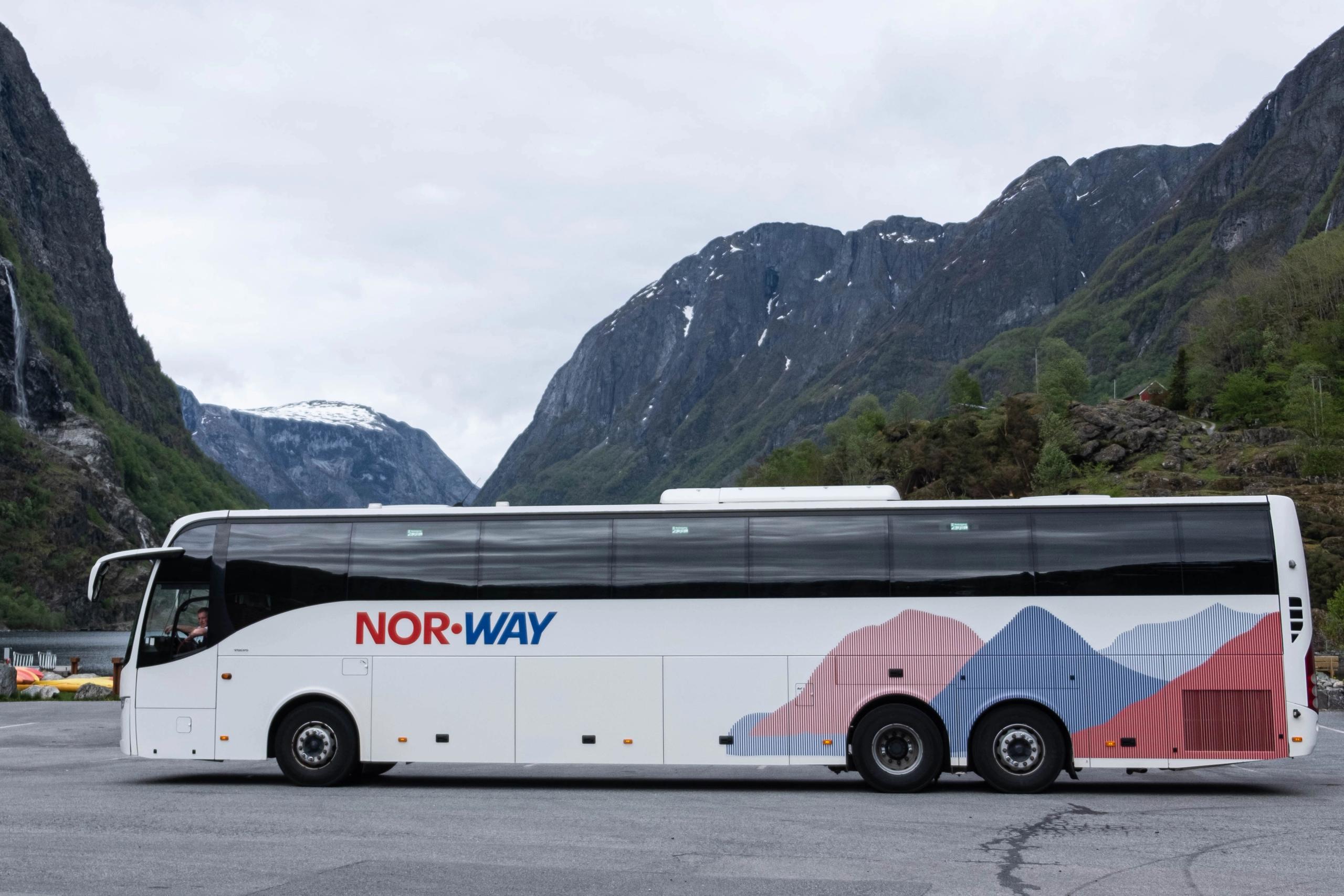 NOR-WAY BussekspressEnjoy scenic views on comfortable bus trips to the fjords and from city to city with our express buses.
 Rent-A-Wreck of Scandinavia ASThe smart and affordable car rental alternative.
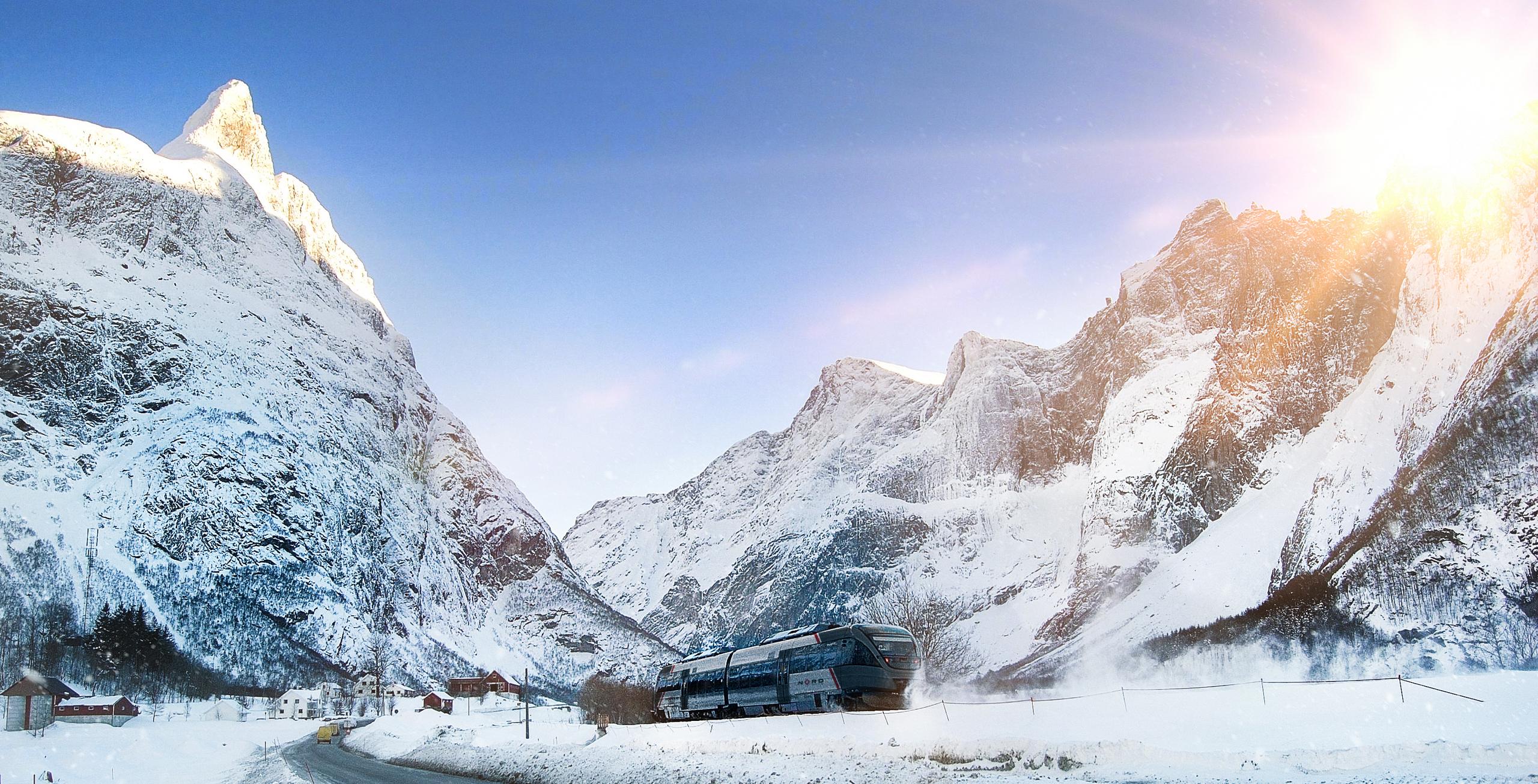 SJ NordSJ NORD - the adventure starts on the train
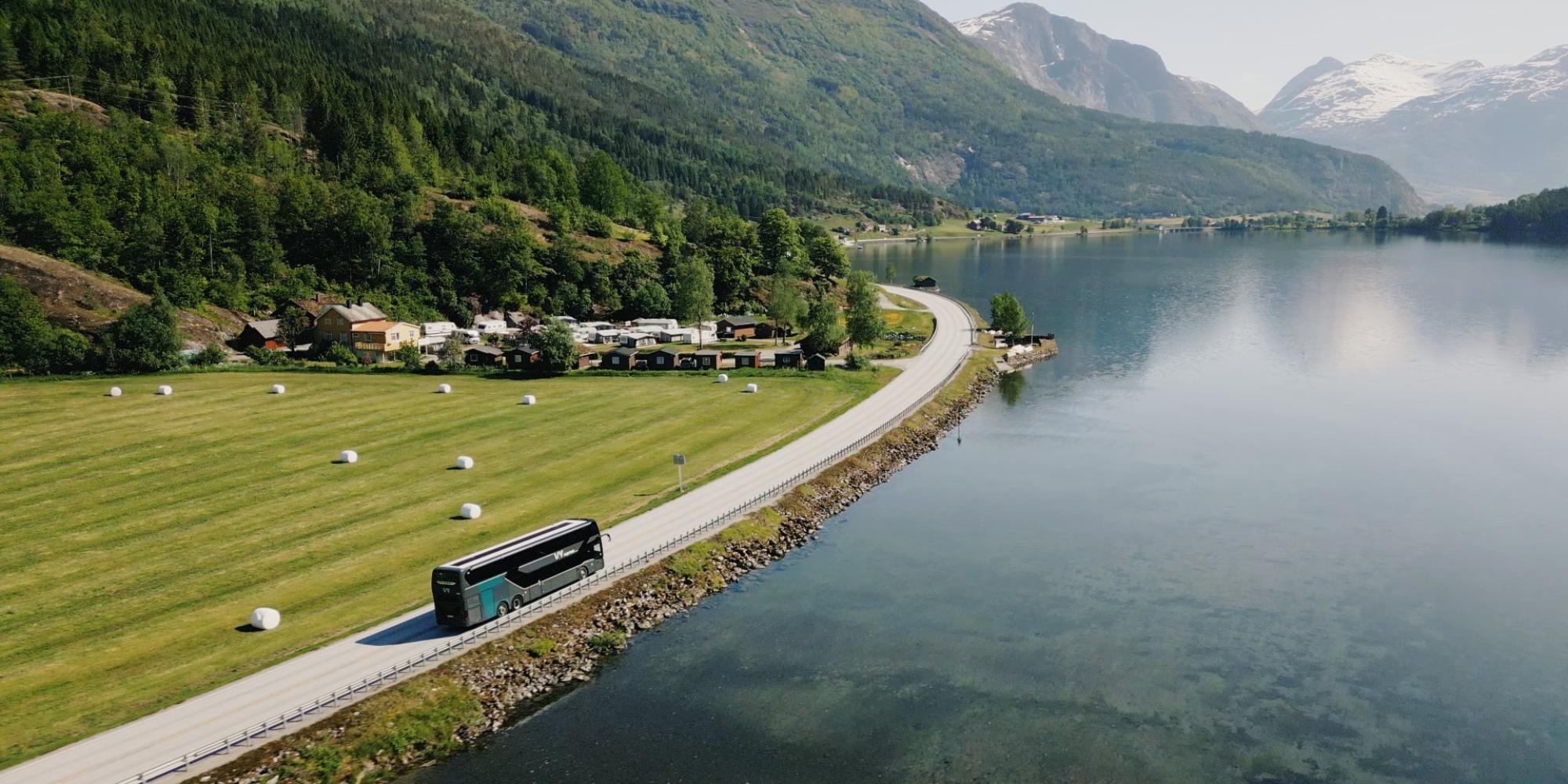 Vy expressDiscover Norway on comfortable express buses that take you between major cities, mountains, and fjords.
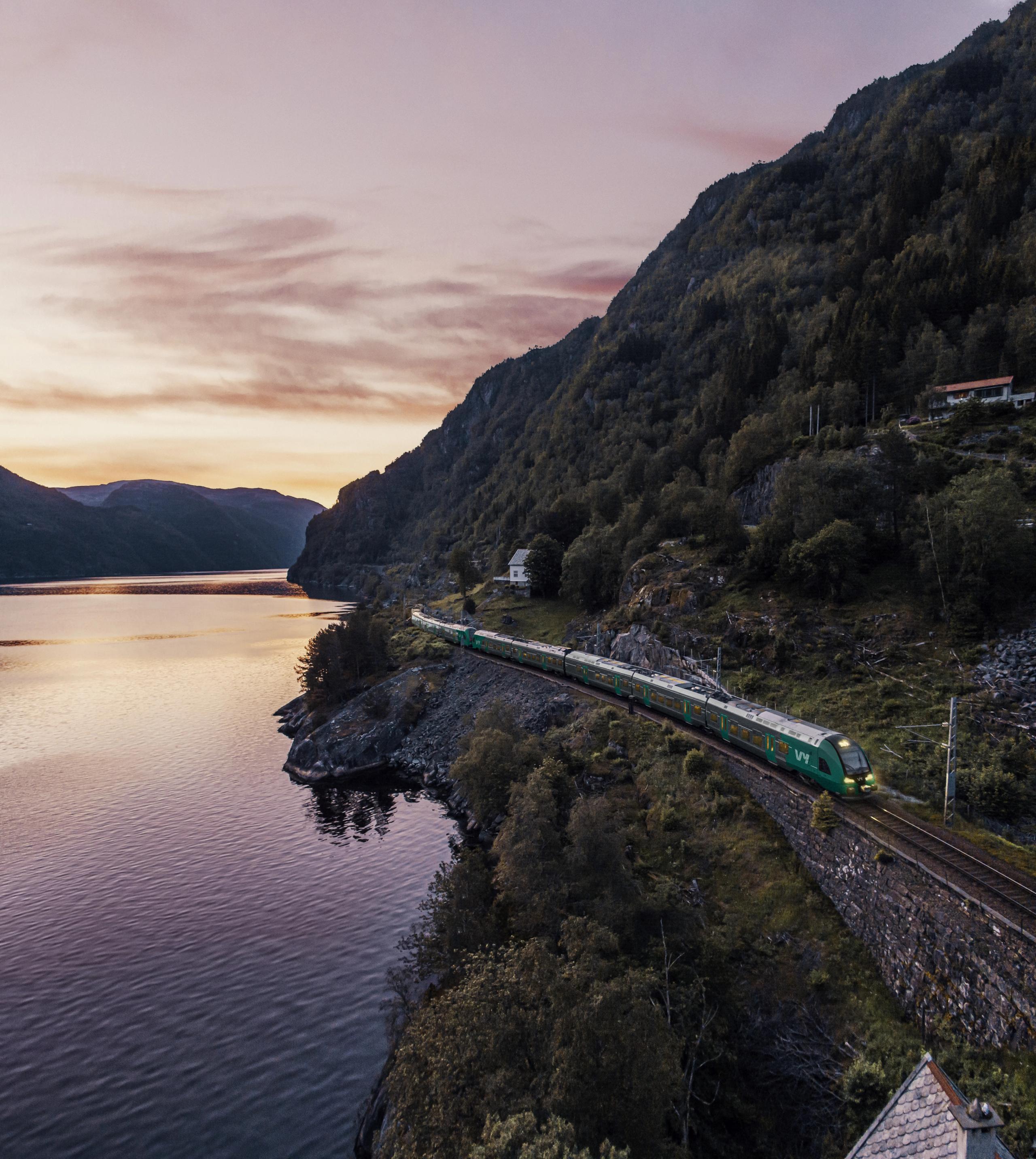 Vy TrainGlide through scenery on a train between Oslo and Bergen on the Bergen Railway and explore the greater Oslo region.
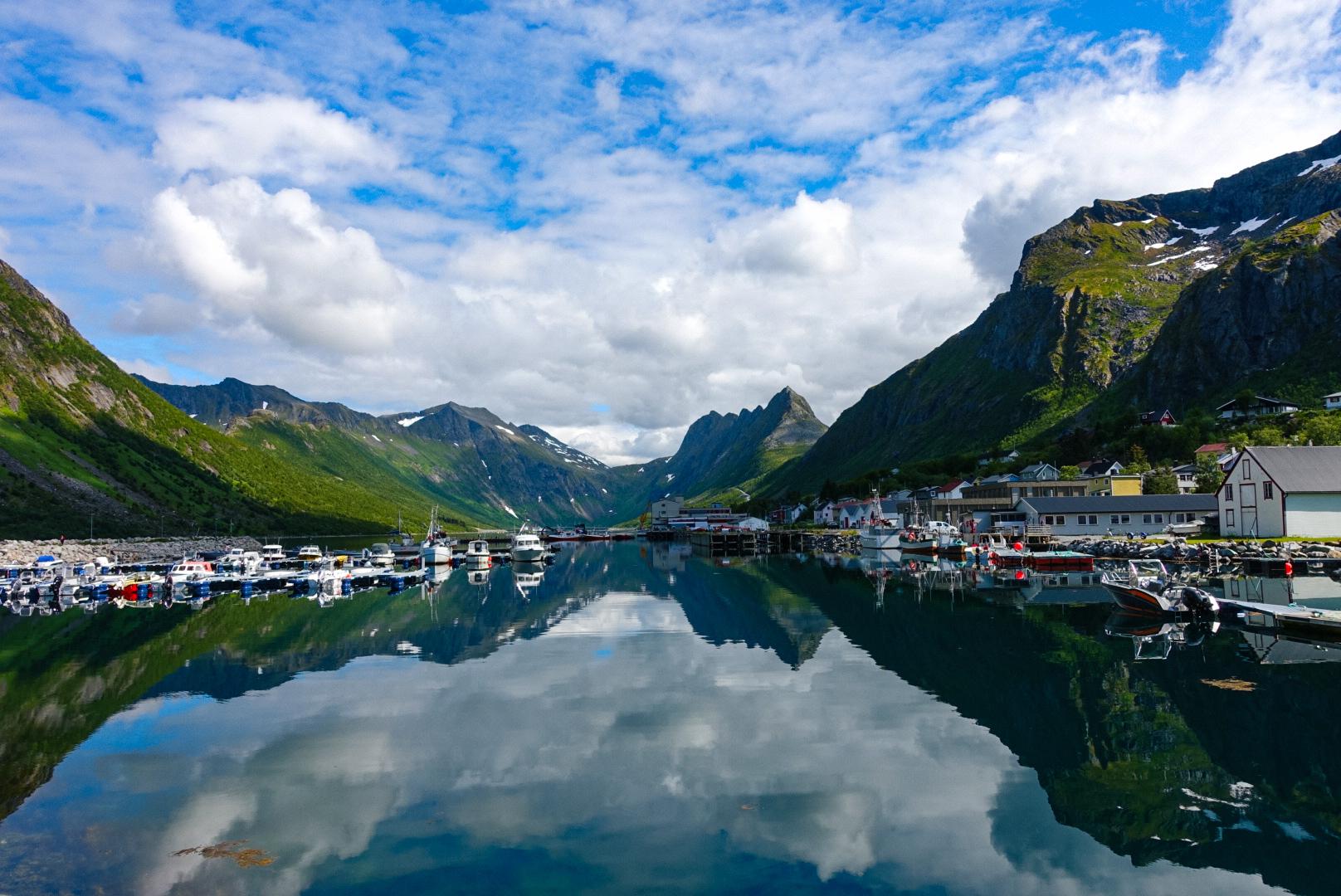 My Nordic TravelChoose between DIY itineraries and pre-packaged holidays to the very best destinations in Norway.
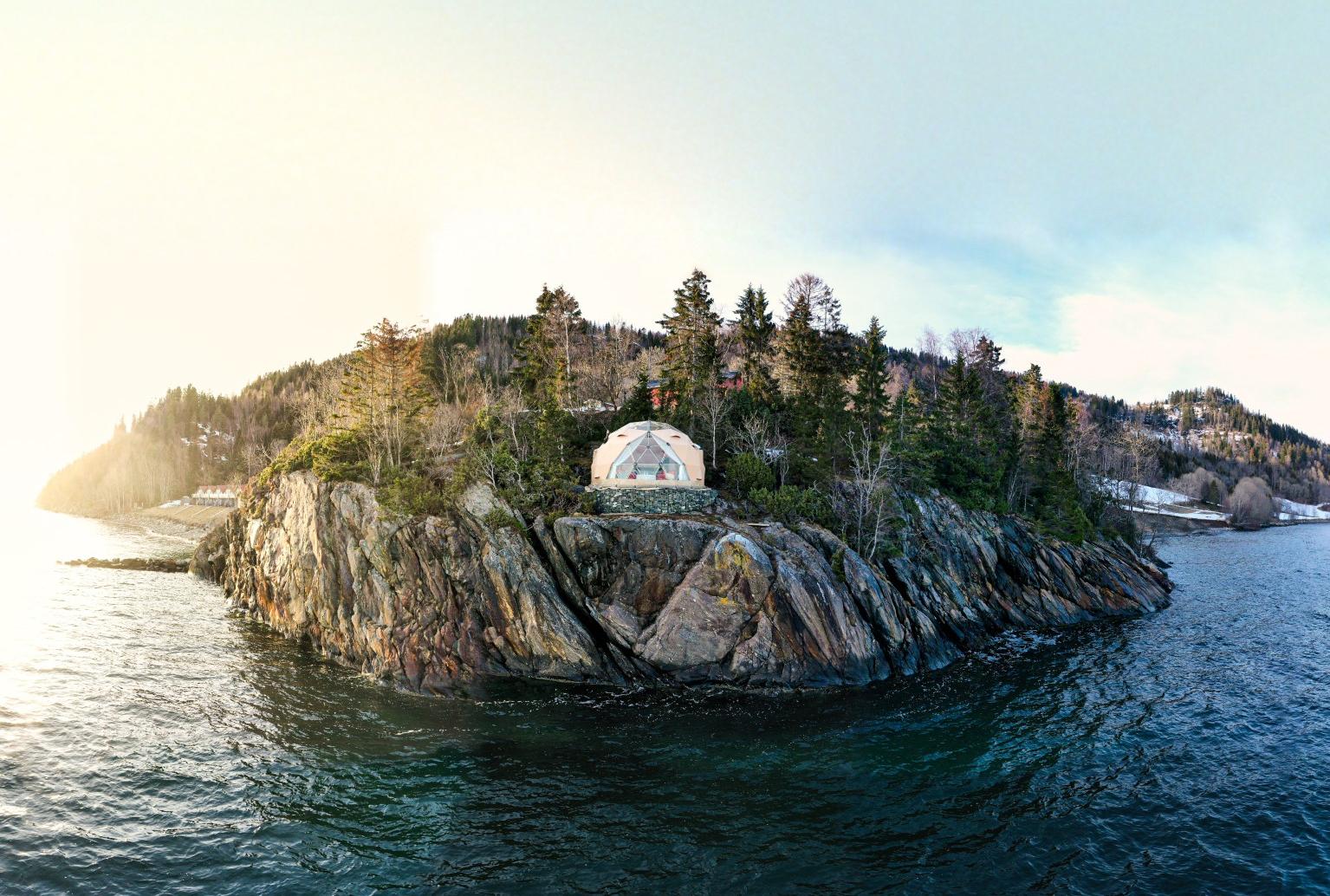 CampanyonUnique camping in nature. Book a stay in a treehouse or glamping tent or rent a motorhome pitch.
 NorwegianNorwegian offers cheap flights in Norway and direct flights from more than 70 European destinations. Book flights through our low fare calendar to your destinations.
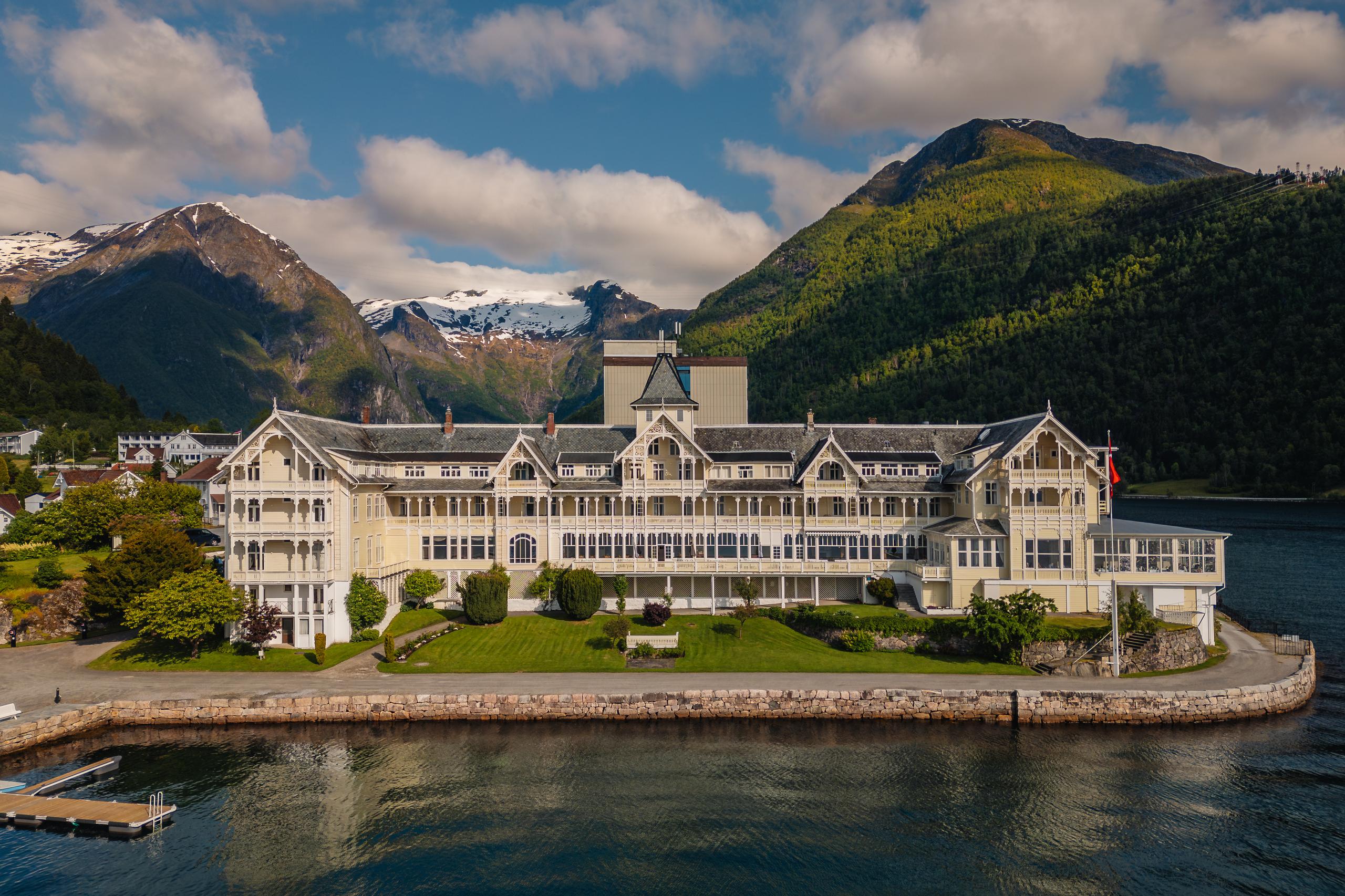 De HistoriskeHave an unforgettable stay at one of Norway's unique, authentic historic hotels. Enjoy first-class dining experiences and a broad range of activities.
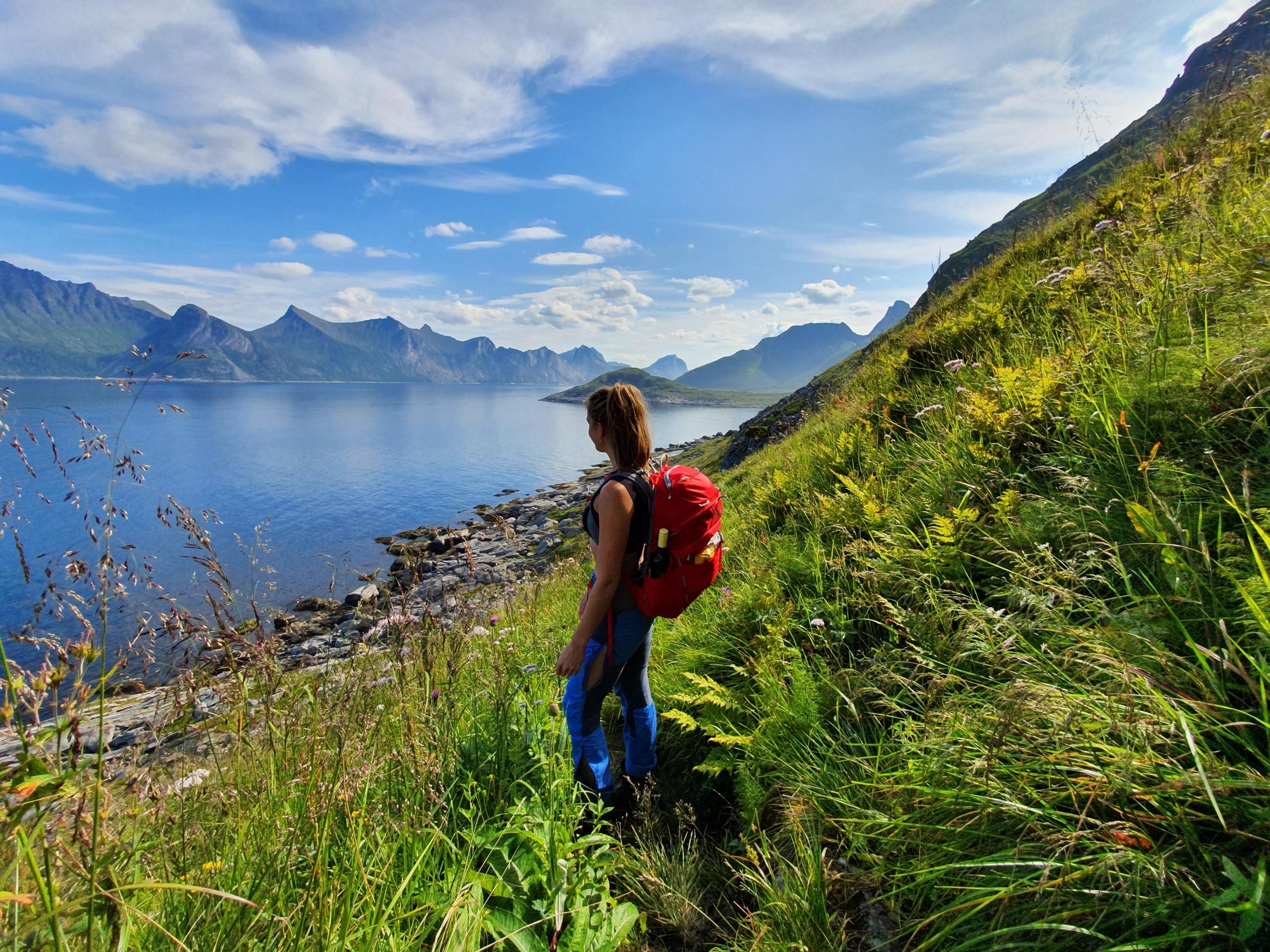 CampioNorway's biggest camping booking site. Find the best camping and motorhome pitches throughout Norway.