Have you been dreaming of going to the winter wonderland that is Northern Norway, but real winter weather is a bit foreign to you? Don't worry, we've got you covered! Here are all the practical tips you need to know, so you can travel to the North like a local.

Everything you need to know about winter in Northern Norway
Go directly to:
Weather | Clothing | Indoor activities | Northern lights | Transport | Responsible Behaviour | Availability | Food
What's the weather like?
Norwegian winter weather can start as early as October and last until mid or late April, or even longer, depending on how far north you are.
The region of Northern Norway is enormous and covers more than a third of Norway's mainland, which means that the climate varies a lot from one end to the other. The weather can change rapidly, so make sure you bring enough clothes.
The winters are often milder along the coast and southern part of the region in areas like Helgeland, Bodø, Lofoten and Vesterålen. You can get everything from sunshine to snow to rain to freezing temperatures. Don't be surprised if you get all of them on the same day. Temperatures in these areas can typically range between 5 degrees to -5 degrees Celsius.
The further north you go, the colder it usually gets. The open plains and inner parts of Finnmark tend to be covered in snow for most of the winter months and temperatures can sink as low as minus 30 degrees Celsius. When it comes to Svalbard, you're almost on the North Pole and the winter season lasts from October to May. During winter, temperatures can drop to between -20 and -30 °C.
You can find weather forecasts for the whole country on Yr.no or by downloading the Yr app for IOS or Android.
What to wear?
As the Norwegians like to say, "There's no such thing as bad weather, just bad clothing".
- Start with a thin wool base layer – like a long-sleeved top and a pair of long johns.
- Add a mid-layer like a fleece or a woolly jumper. On colder days, wear a pair of trousers fit for the outdoors.
- Finish with an outer layer to lock in the heat. Use a thick down jacket and trousers for the coldest winter weather. For milder and more active days, use a windproof and water-repellant jacket and trousers.
It may seem like a lot, but it's always better to be able to remove a layer if it's too warm.
- Wear a hat, gloves or mittens (mittens retain heat better than gloves) and a scarf or roll-neck jumper. These cover areas that tend to chill the quickest.
- Wear waterproof shoes with good soles suitable for snow and ice, and make sure that they have room for woollen socks and/or wool insoles.
- For those slippery icy days, get some shoe spikes or grips from any sports shop or big supermarket.
Plenty of lovely shops in Norway sell proper winter clothing, so don't worry if you can't find what you're looking for in your own country.
Many tour operators hand out thick coveralls that people can use during the activity or tour, but it's crucial to dress in warm base layers underneath. This is extra important if you go to Svalbard, as the winter temperatures there average around -14 degrees Celsius and can drop as low as -20 or -30 Celsius in some periods.
Psst...! A great Norwegian souvenir is quality wool clothing.

What to do when
the weather is bad?
Even if you're properly dressed, it can be nice or even necessary to spend some time indoors in harsh weather conditions.
There are plenty of fascinating museums, galleries, and cosy cafés worth visiting in the North, including the Lofotr Viking Museum. Go back in time and visit a reconstructed longhouse.
Museums and cultural experiences
Visit the largest museums in the North and find exciting activities.
 Andenes
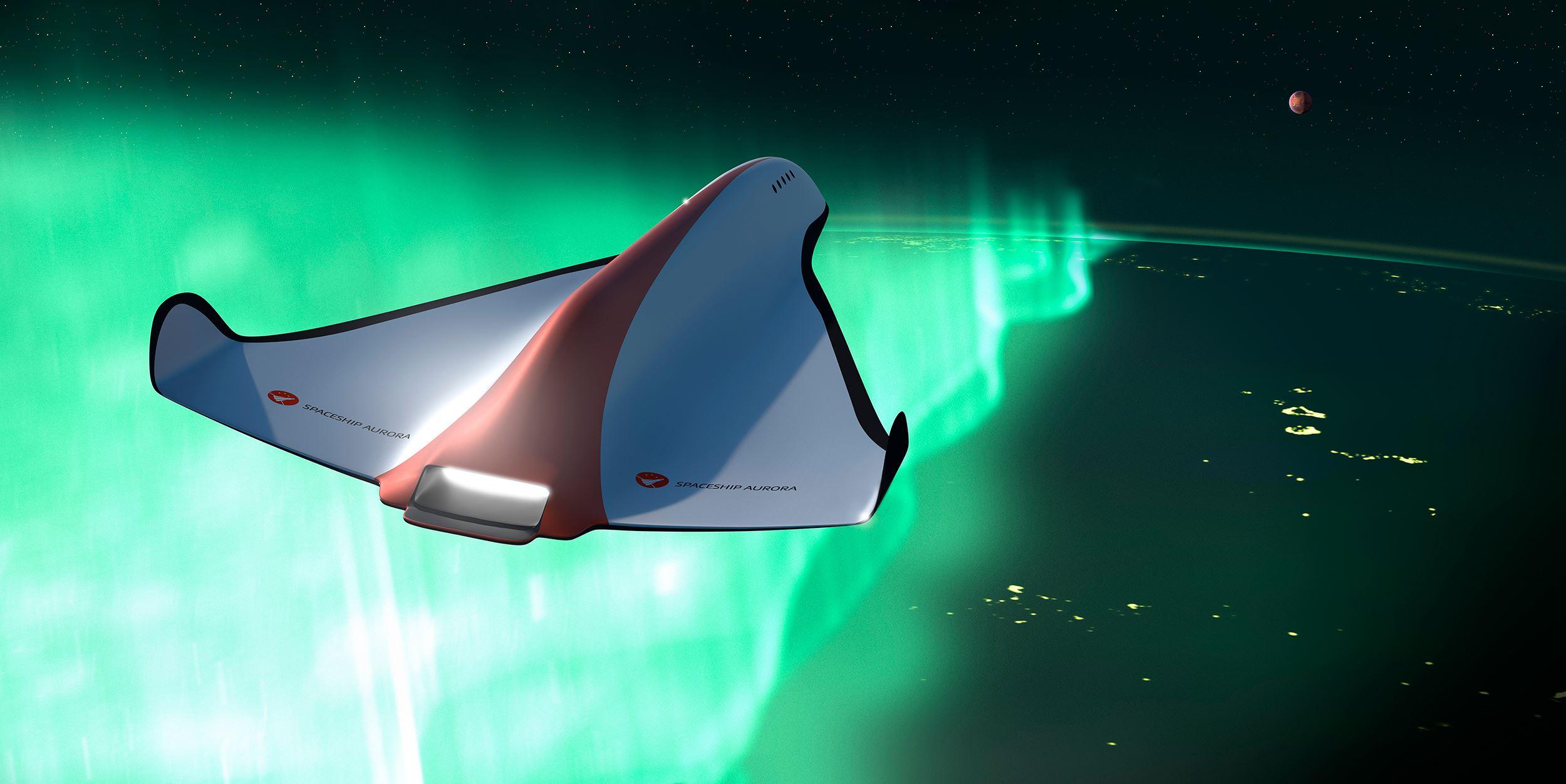
Andøya Space Visitor Center
As Norway’s only operational space center, Andøya Space has enabled researchers from around the world to study the atmosphere, the Northern Lights, and space since 1962. Located along one of Norway’s most scenic coastlines, the Andøya Space Visitor Centre offers visitors the opportunity to explore the Northern Lights and learn more about space exploration and Norway’s space history. Book nowBøstad
Lofotr Vikingmuseum
An Impressive Reconstruction of the Largest Longhouse Found from the Viking Age. During the Iron Age, there were 10-15 chieftain seats in Northern Norway, and one of these was located at Borg in Lofoten. This is the only place where the actual chieftain’s farm has been confirmed. Today, you can experience a living Viking Age environment at the museum in Borg, offering wonderful experiences for the whole family. Learn about the Viking Age and test your Viking skills through games and activities. An impressive reconstruction of the largest longhouse ever found from the Viking Age stands tall at Borg, where the original discovery was made. The chieftain and his wife at Borg were wealthy and powerful, and their house was a staggering 83 meters long! Step inside—smell the tar and the fire, hear the sounds of craftsmen at work, and admire the beautiful decorations and architecture. Step inside—and join us on a journey back in time, more than 1,000 years into the past.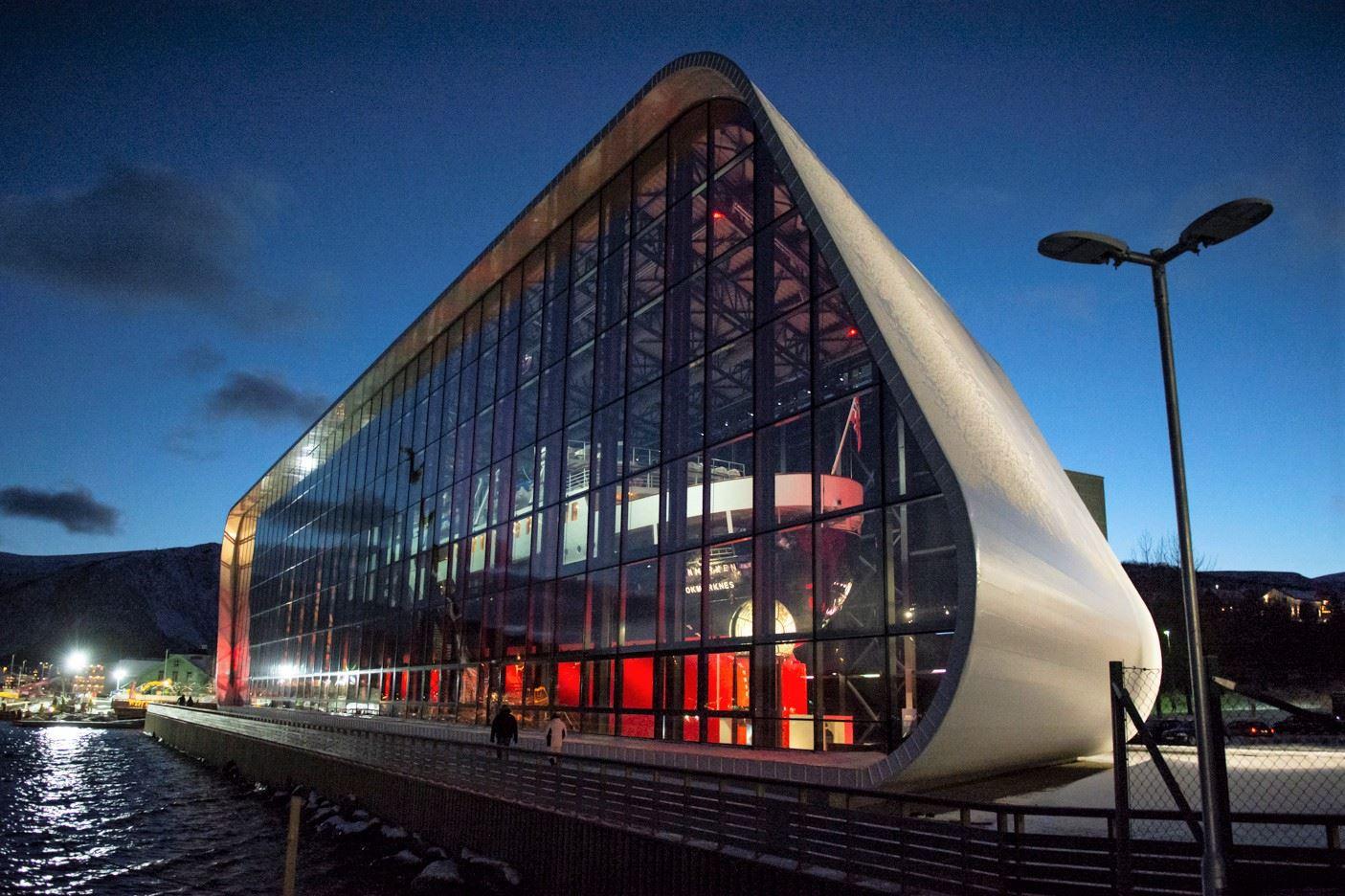 Book nowStokmarknes
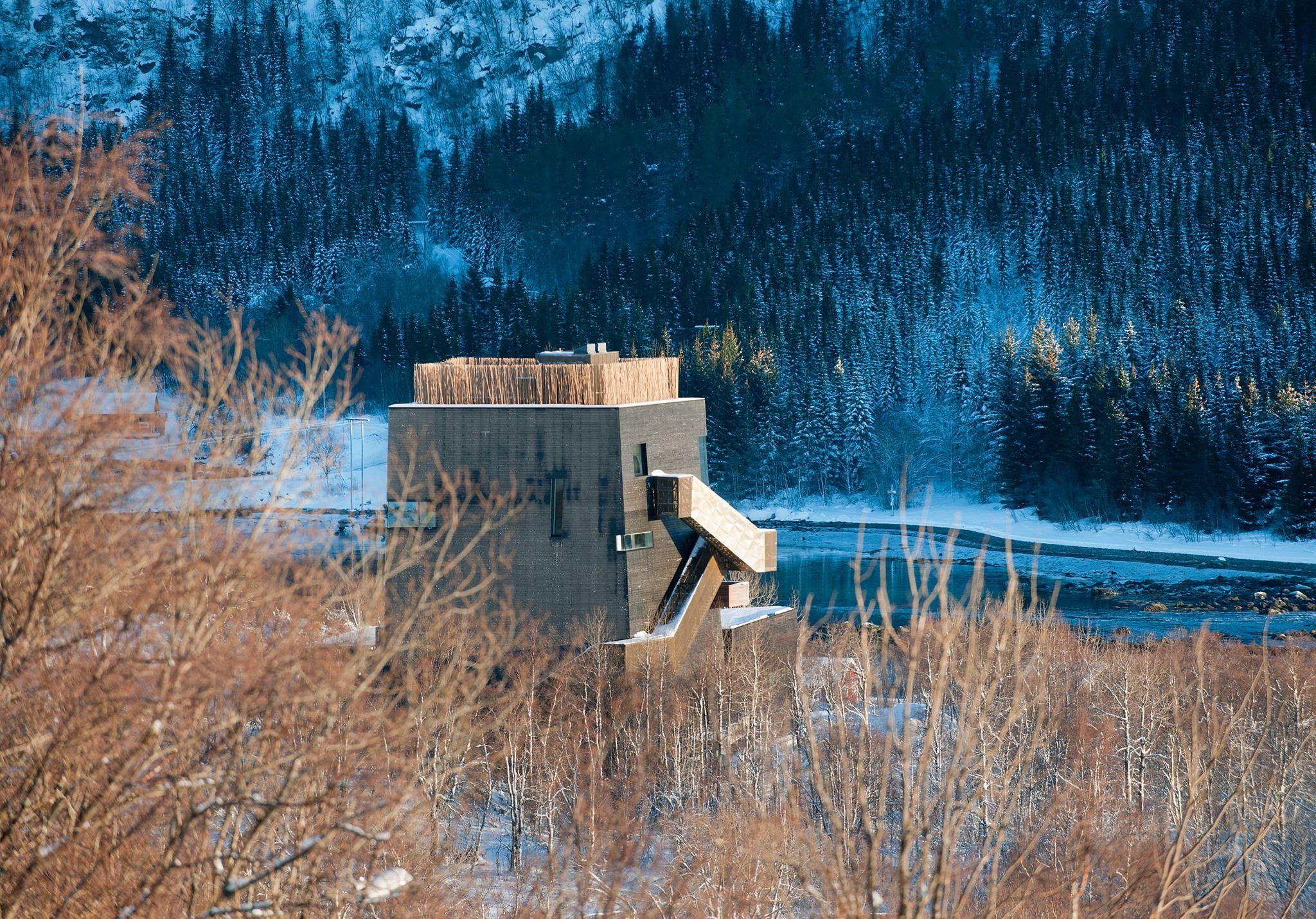
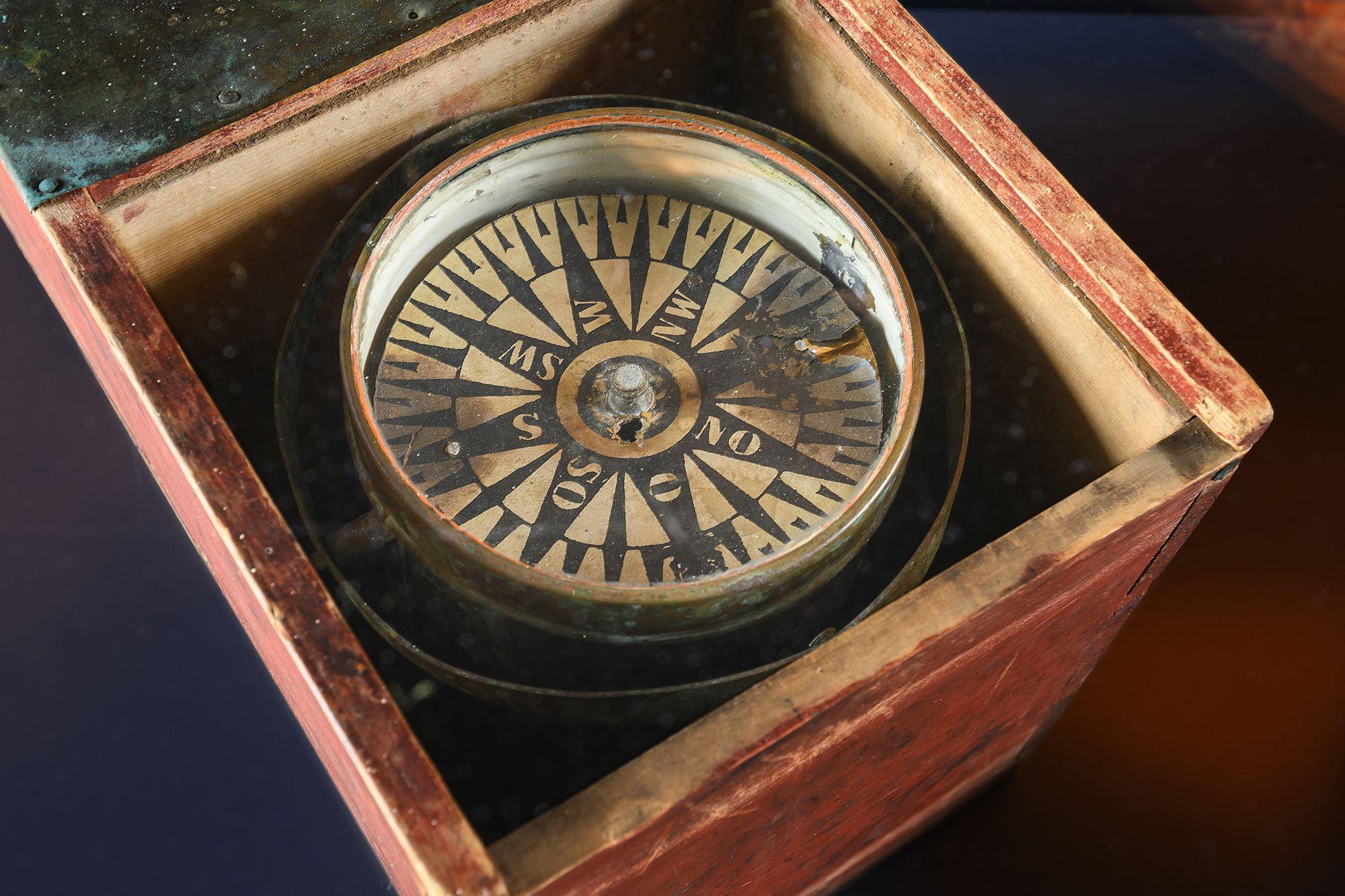
Hurtigrutemuseet
The former coastal express ship MS Finnmarken (1956) stands on land, inside a spectacular protective building. The ship has been restored and is ready to take visitors on a journey through a long and exciting maritime history, where the importance of the Coastal Express for the Norwegian coast is highlighted through a fascinating and unique exhibition.
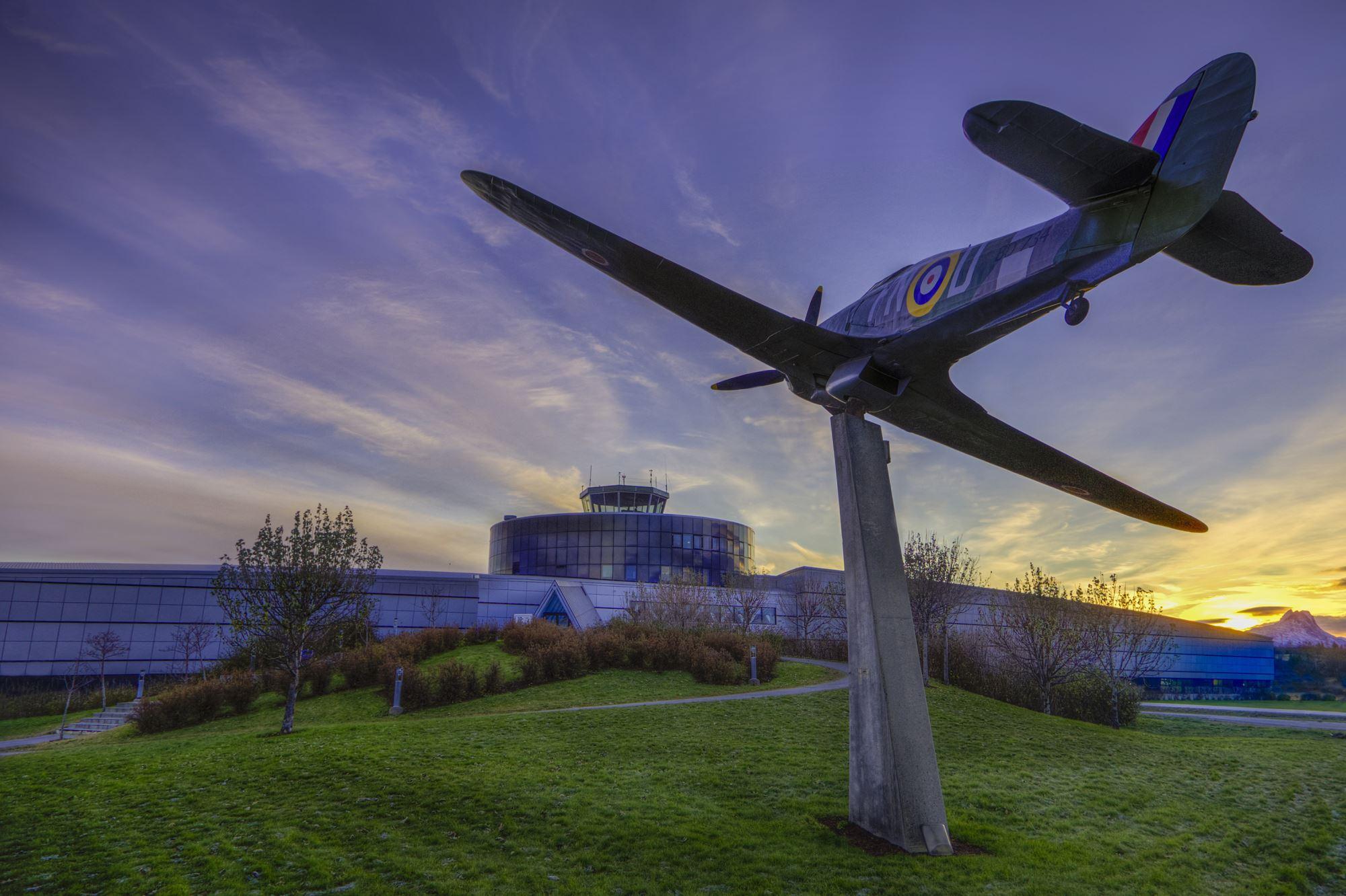
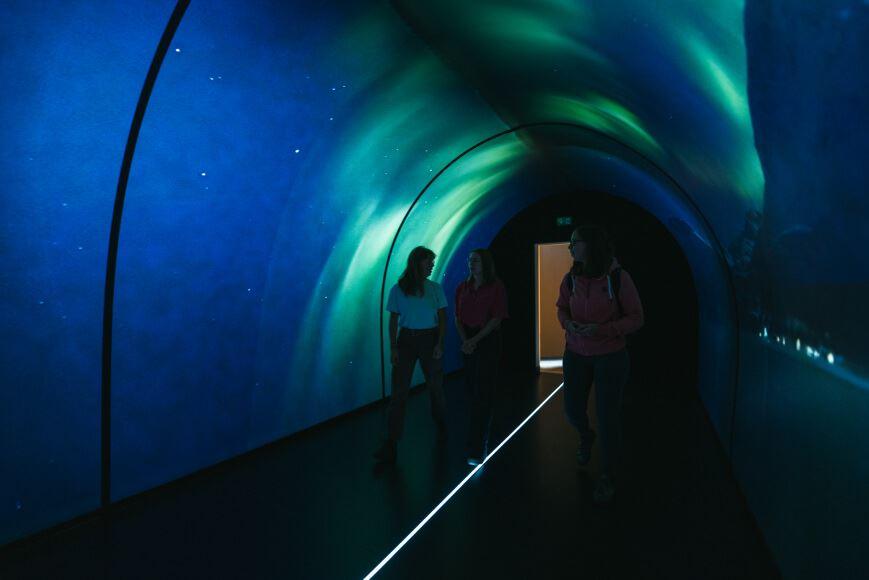
When can you see the auroras?
Witness the mesmerising light phenomenon Aurora Borealis dance across the sky. People come from far and near to see the northern lights, and even Norwegians love them. Lady Aurora can be shy and we can't guarantee that you'll see her, but you can increase your chances on a guided tour.
The northern lights can usually be seen from late September until late March when the sky is dark and clear. Statistically, there's more activity around autumn and spring.
Polar nights
The North is also known for its polar nights. Even though the winter days are shorter and darker, it doesn't make them any less beautiful. During the day, you often have several hours of daylight.
The sun stays just below the horizon and on clear days vibrant sunsets can fill the sky around midday for hours, so have your camera ready! You should also make sure to be outside during the famous "blue hour" when the world is soaked in a deep cobalt blue hue.
This period varies depending on how far north you are and it's not dark all the time. On the Northern Cape, it lasts for over two months, whilst in Lofoten it lasts for less than four weeks. If you visit later in the winter season, there's a lot more light and the days are longer. The sun remains low on the horizon, and the sheer pink, violet and light blue hues of the sky can be incredibly beautiful.
If you're visiting Svalbard, the polar night lasts all day for several months.
Come and see the northern lights
Learn more about the phenomenon and make the most of your trip.


How to get around?
Weather conditions like heavy snow, storms and strong winds are more prone to affect your travels, so make sure you have insurance as things like transport can get cancelled along the way.
You should only rent a car or drive your own if you have previous experience with driving in winter conditions. You'll also need studded car tyres during the winter months. Be patient and always check and respect the forecast for your route at yr.no, as the weather can close mountain passes, bridges, and road sections for hours at a time on short notice. Remember to drive slowly and carefully on icy and snowy roads, and calculate extra driving time for your destination.
Public transport requires a bit more planning in the North thanks to the vastness of the region, and its many remote towns and villages. If you don't know where to start, try one of these stunning round trips. Be aware that public transport can stop running on public holidays.
There are plenty of bus, express boat, and ferry services in the region. They run frequently in the larger cities, but elsewhere there are fewer departures. Find an overview on entur.no or on the Entur app.
How to get to the region?
You can take the train as far north as Bodø, but if you want to go any further you have to use other types of public transport. The railway line is operated by SJ.
The quickest way to reach the north is by plane, and you can fly from Oslo, Bergen or Trondheim. There are major airports in Bodø, Harstad/Narvik (Evenes), and Tromsø. The archipelago in the Arctic – Svalbard, also has an airport. Bodø and Tromsø are very well-connected for further travel, and Tromsø has several international connections.
There are plenty of smaller airports dotted along the region, including in Kirkenes, Hammerfest, Alta, and Bardufoss. The domestic airlines you can choose from are Norwegian, SAS, and Widerøe.
It's easy to travel by sea in the North on ferries, express boats, and local boats. Use them to explore the coast at your own pace. Check The Norwegian Public Roads Administration for ferry timetables and Entur for other boats. However, you can come across rough weather here too, so a good tip is to buy travel sickness tablets from a pharmacy before you head out to sea.
Whatever you choose, Norway's public transport will give you a front-row seat to gorgeous nature and maybe even the northern lights!

Hurtigruten and Havila are great for taking in the fjords and amazing landscapes in a very comfortable way.
They both sail on the coastal route between Bergen and Kirkenes, with plenty of activity-filled stops and high-quality local food along the way. Sail from one end to the other on a 7-day cruise or travel from port to port and set up a route that suits your holiday plans.
You can even visit the Hurtigruten Museum in its birthplace – Stokmarknes.
Or hop on the Arctic Train Ofotbanen. Marvel at dramatic scenery and learn about local history on this 43-kilometre line from Narvik to the Swedish border.
How to stay safe in nature?
Respect weather warnings and closed paths. As beautiful as the winter can be, it can also be quite dangerous. There are many rescue operations each year thanks to the extreme weather conditions and avalanches, and sadly some of these operations result in fatal outcomes. An increase in tourist rescue missions also puts pressure on scarce local rescue resources.
To stay safe during your visit, always ask locals or guides for help and advice if you want to try winter hiking. Never try to hike a closed trail or any trail that is icy or snowy, in steep terrain. It's important to check the weather forecast, what time it will get dark, and where there are potential avalanche risks. Remember to always wear proper footwear and studs.
For snowshoeing and ski touring trips, always go with a local guide. They will be up-to-date on all the information and ensure you have a safe and fun experience in the winter mountains. Read more about winter safety here.
Are things open?
To avoid disappointment, be sure to do your research on opening times. A lot of the beautiful sights in Norway are in more remote areas, and not everything will be open all the time. Shops may close a lot earlier than you're used to and some museums, cafés and restaurants could be closed for certain parts of the season.
It may also be worth looking up toilet facilities, as there can be long stretches of road without any services. Petrol stations have bathrooms that are free to use and there are also some public toilets on popular tourist routes. Otherwise, there should be toilets in museums and cafés. Go when you can and please be respectful of nature and other people's property.
What to eat?
The winter season is the best time for Norwegian seafood. Come and taste fresh and salty king crab, scallops, and sea urchins. You could even try a dish made from stockfish that has been dried traditionally.
Skrei, also known as Atlantic cod, migrates from the Barents Sea to Northern Norway every year to spawn. The long journey gives it a rich flavour that's well worth trying. There's usually an abundance of skrei around Lofoten, Vesterålen and Senja from January until April, so there are plenty of chances to go on a fishing trip.
You should also sample reindeer meat, which is used a lot in traditional Sami cuisine. It can be served in stews, as a steak, dried, and more. Read more about Northern Norway's Arctic cuisine.


Winter in Northern Norway
A winter wonderland awaits!
Christmas in the North
Experience the holidays in Norway.
Summer in Northern Norway
See the incredible midnight sun.


