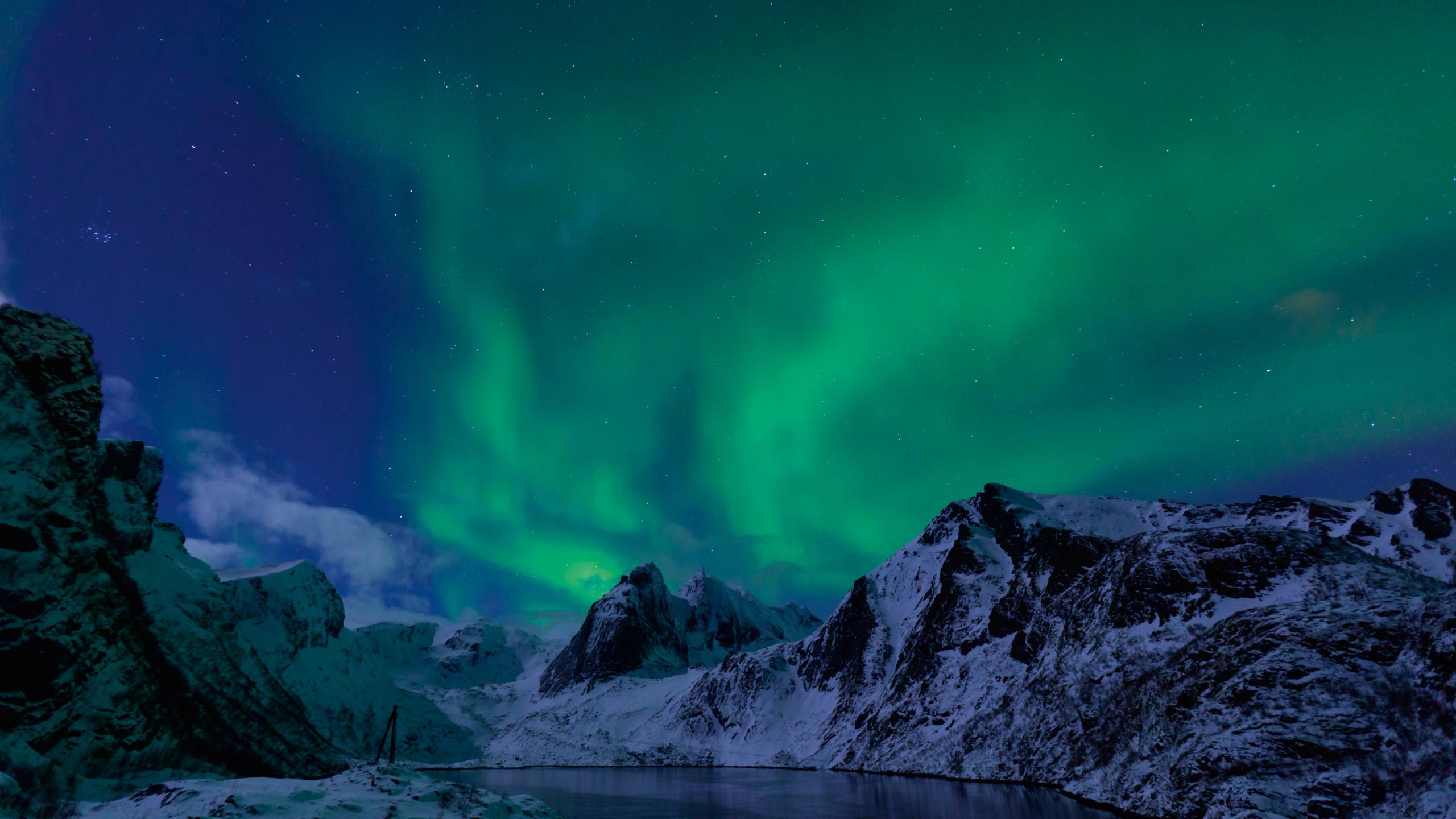
Conditions above the Arctic Circle change drastically when the polar night, known as mørketid in Norwegian, arrives. The sun remains below the horizon for a period each winter, meaning that the nights become longer and magical lights appear.
The Polar Night
Vibrant hues light up the dark
Slowly but surely, as winter approaches, the days become shorter and a well-known natural phenomenon sweeps over Northern Norway.
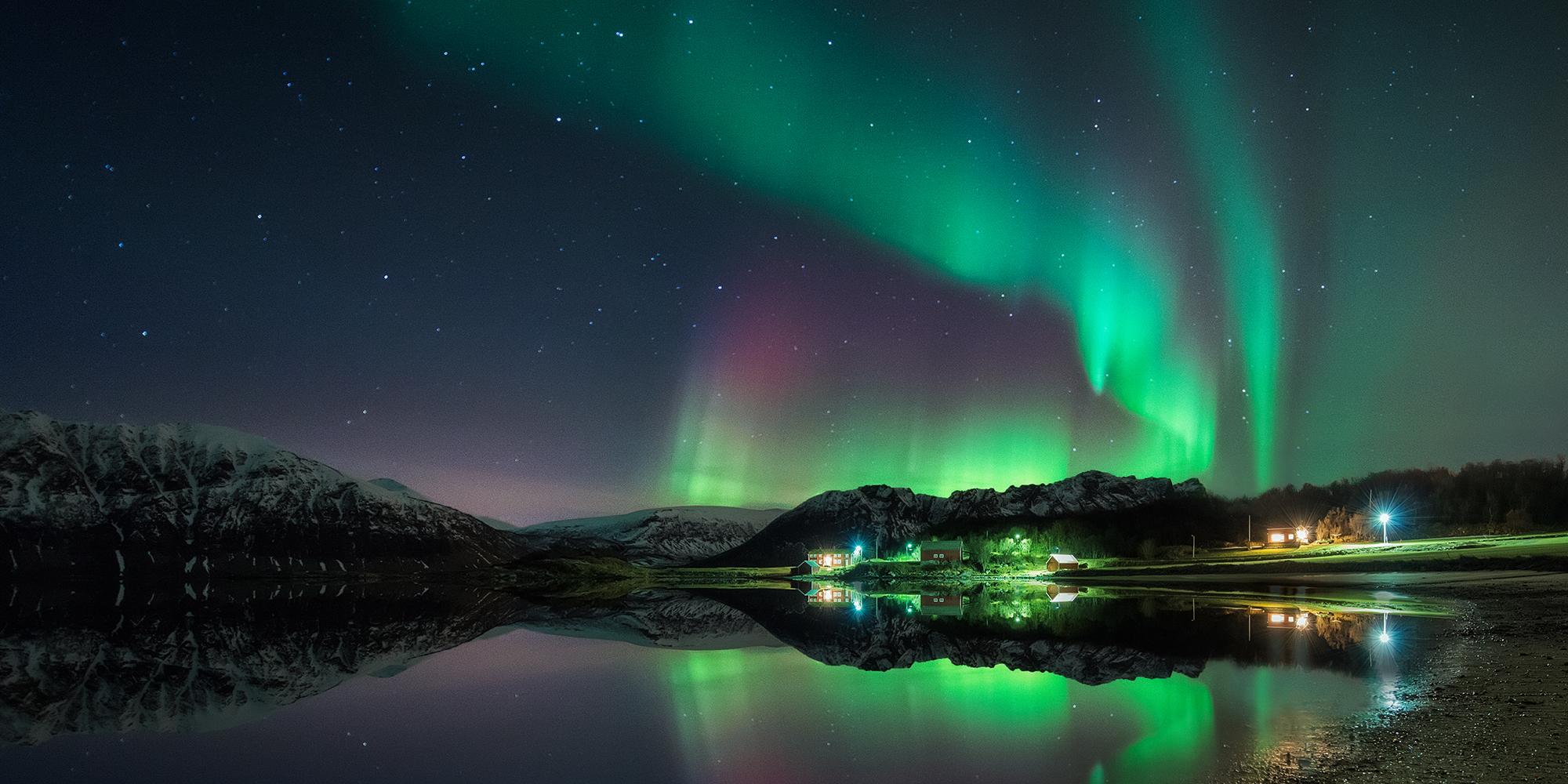
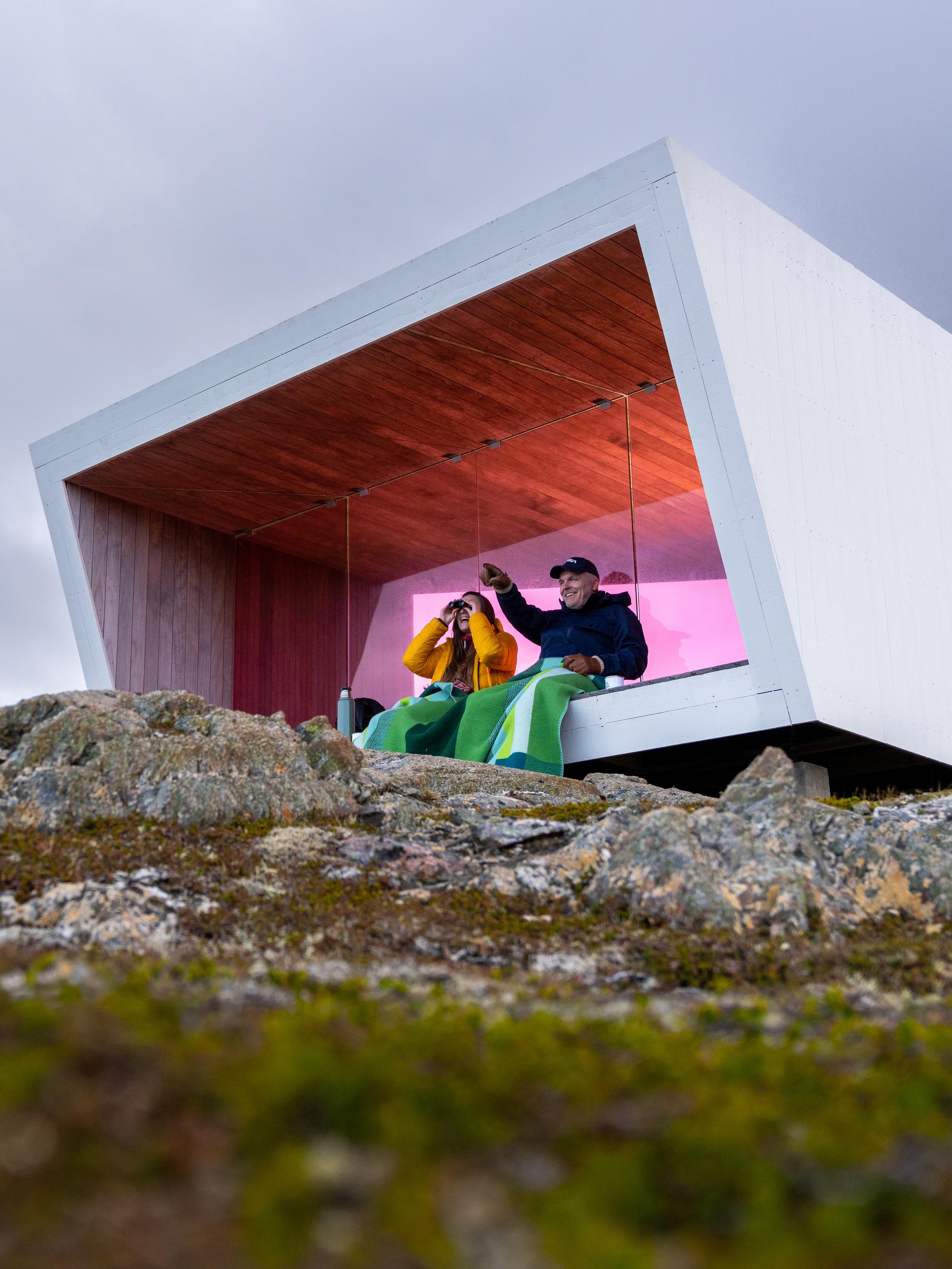
The sun bids a temporary farewell, making way for dreamy pink skies and nights that are often lit by a famous green wonder.
The polar night is nothing new for Northern Norwegians and life goes on as usual, but it can be a bit confusing for people who have never witnessed such unique winter nights. You may lose track of time and feel a bit tired, but the darkness isn't all bad, as it actually brings its own kind of light.
Is it dark all the time?
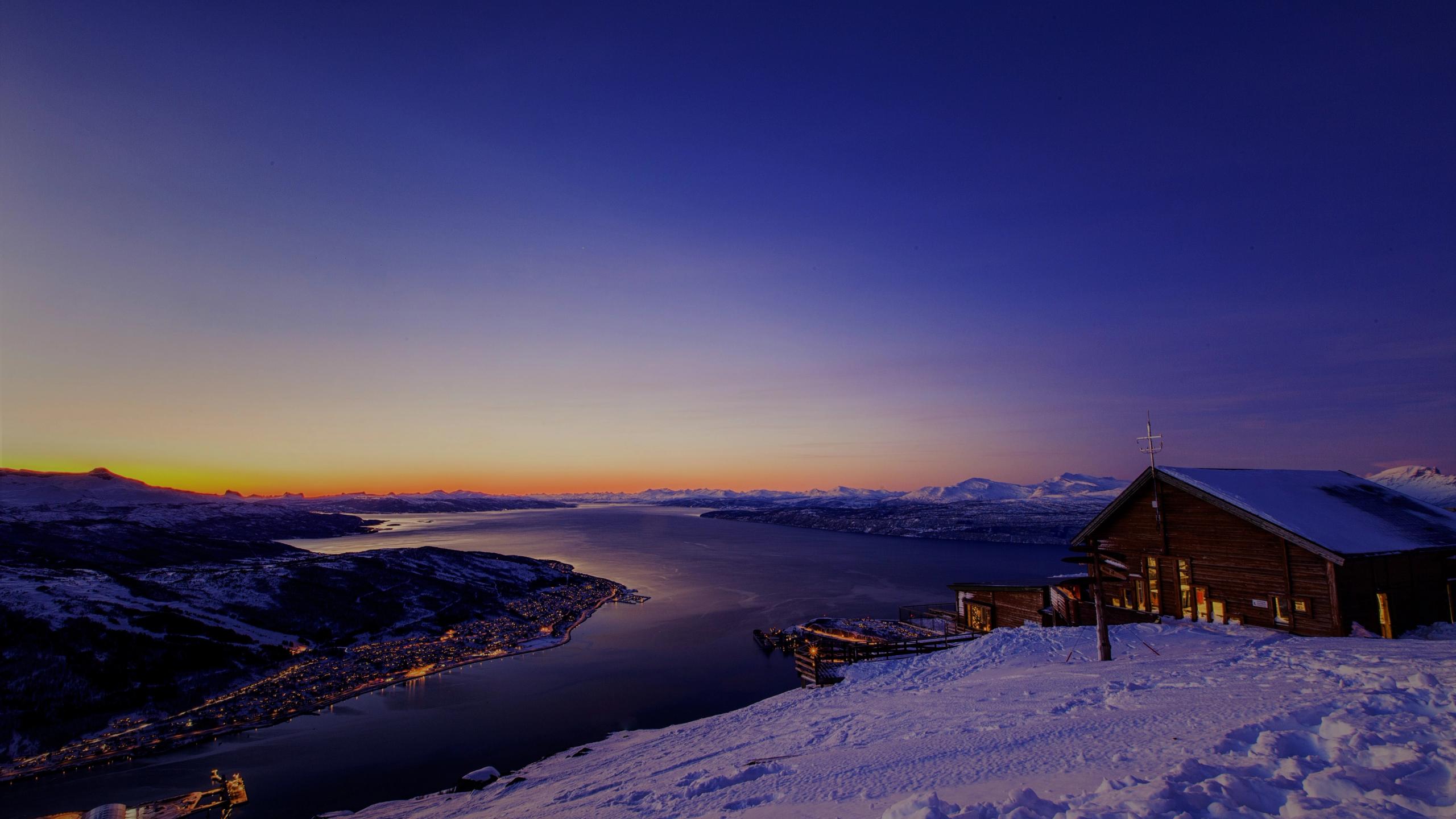
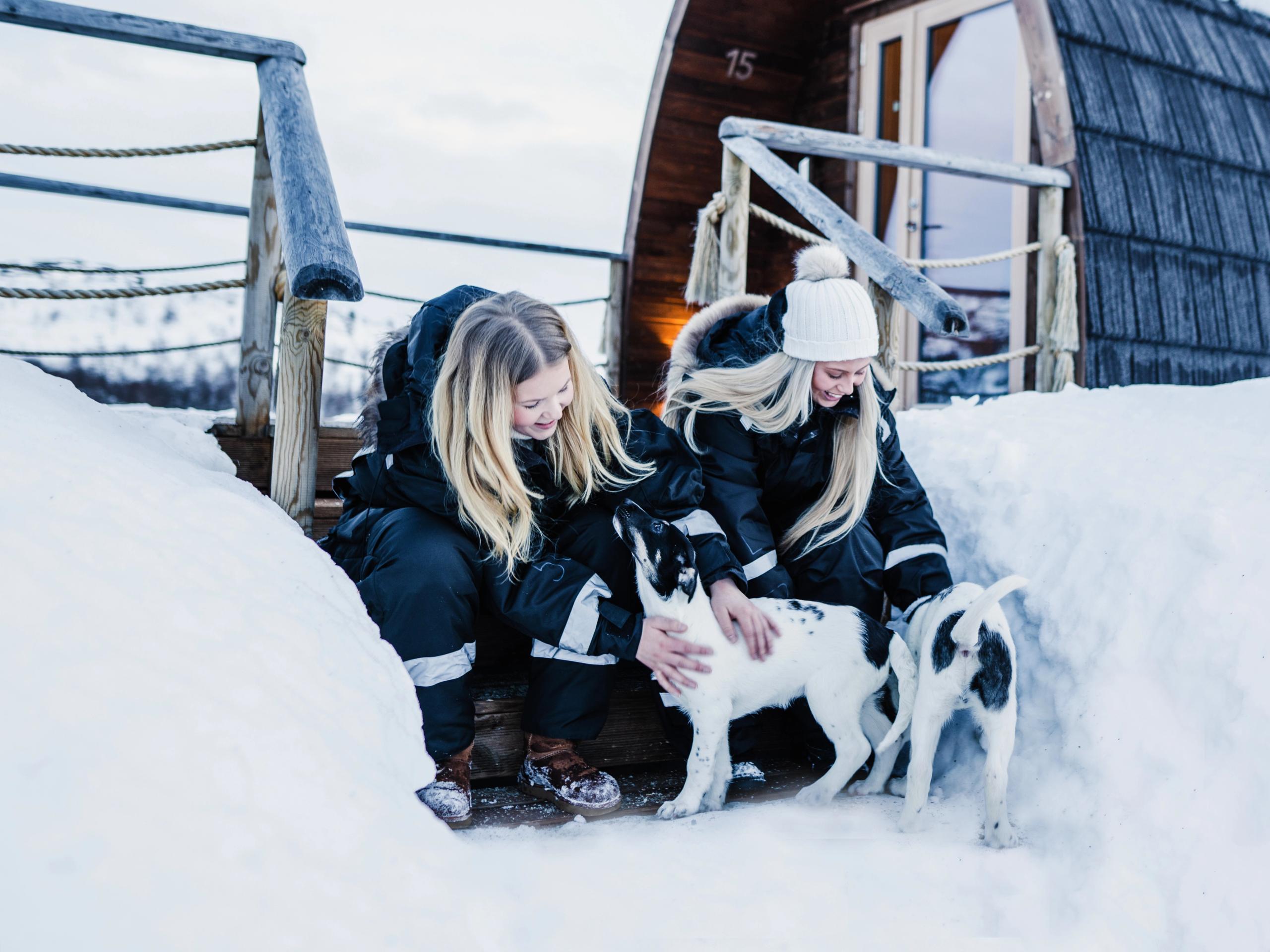
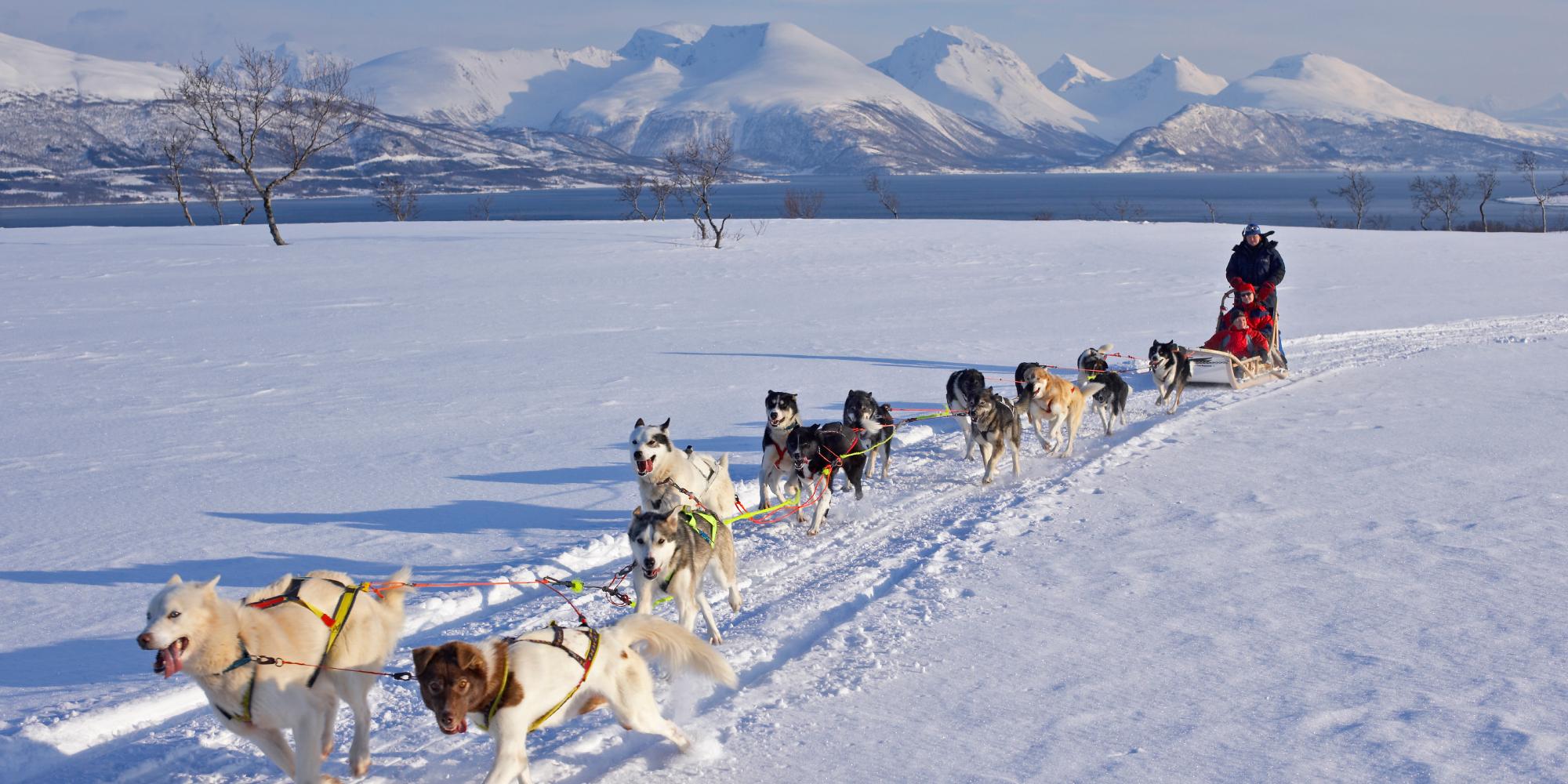
On clear days, you may have some daylight around midday, which gives you plenty of time for fun activities like dogsledding. If you're lucky, the sky can also be filled with pretty pastel pinks or vibrant reds and oranges.
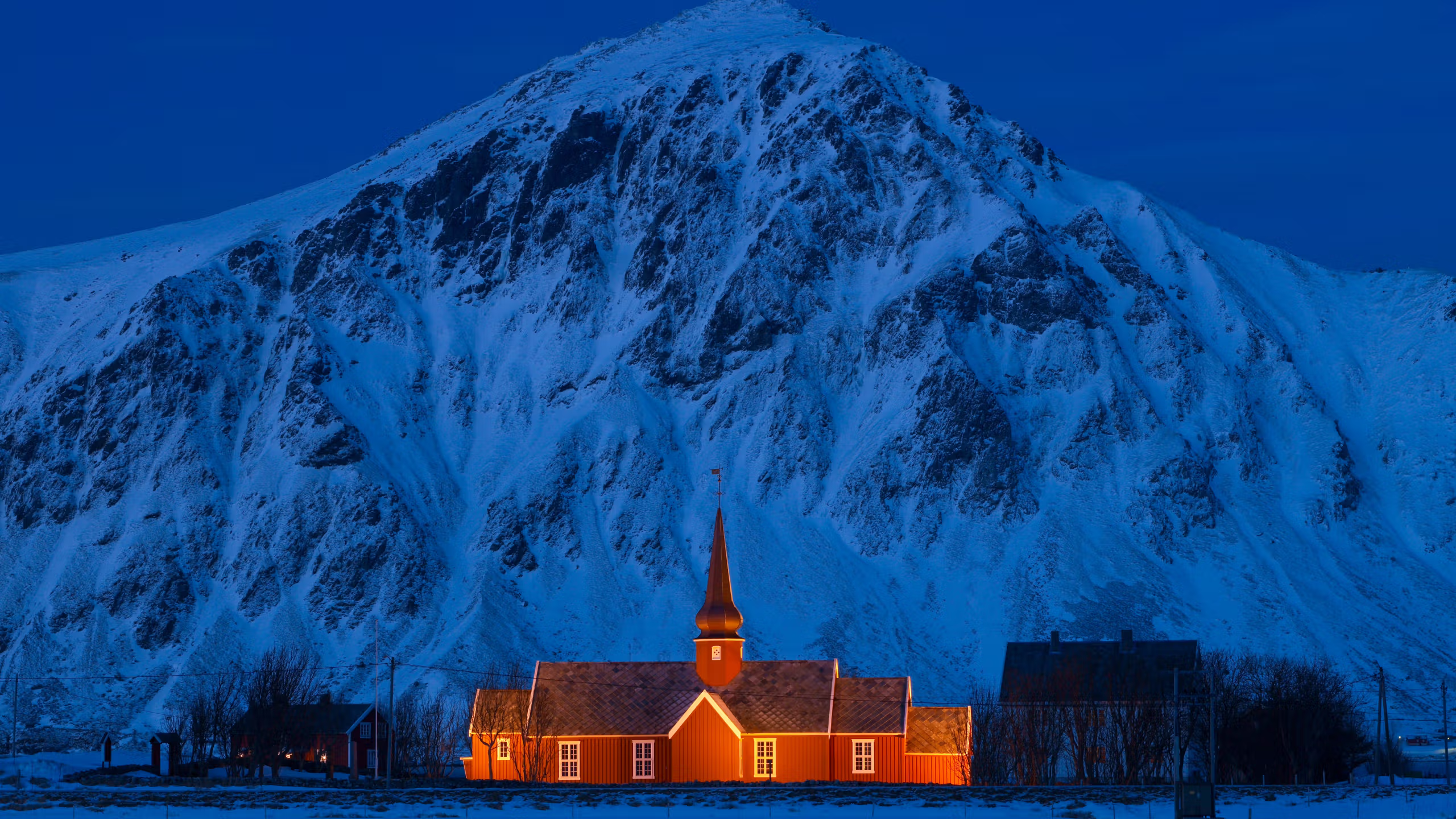
Have you ever heard of Blåtimen? It's also known as 'the blue hour' and only occurs during the polar night period. In the afternoon, light reflects off the sea and snow, draping everything in a magical cobalt-blue hue.
The further north you go, the darker it becomes and the longer the phenomenon lasts.
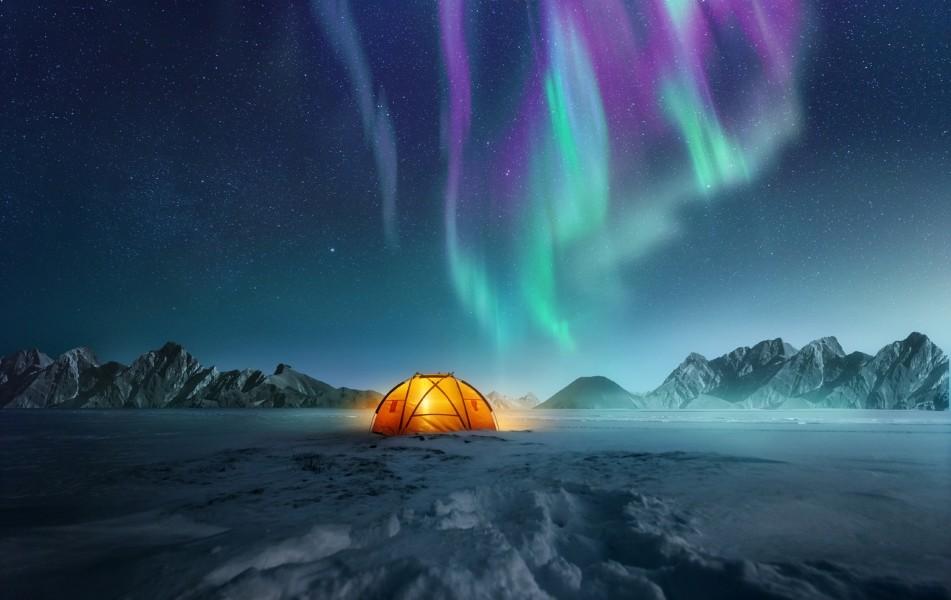
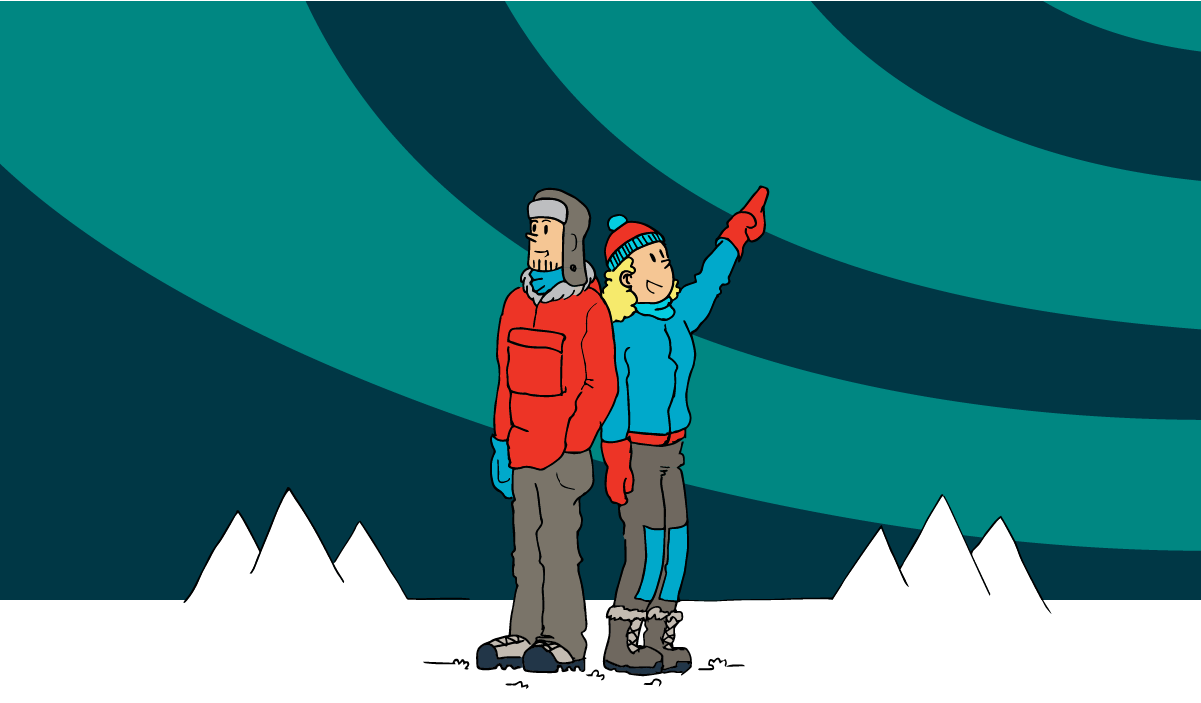
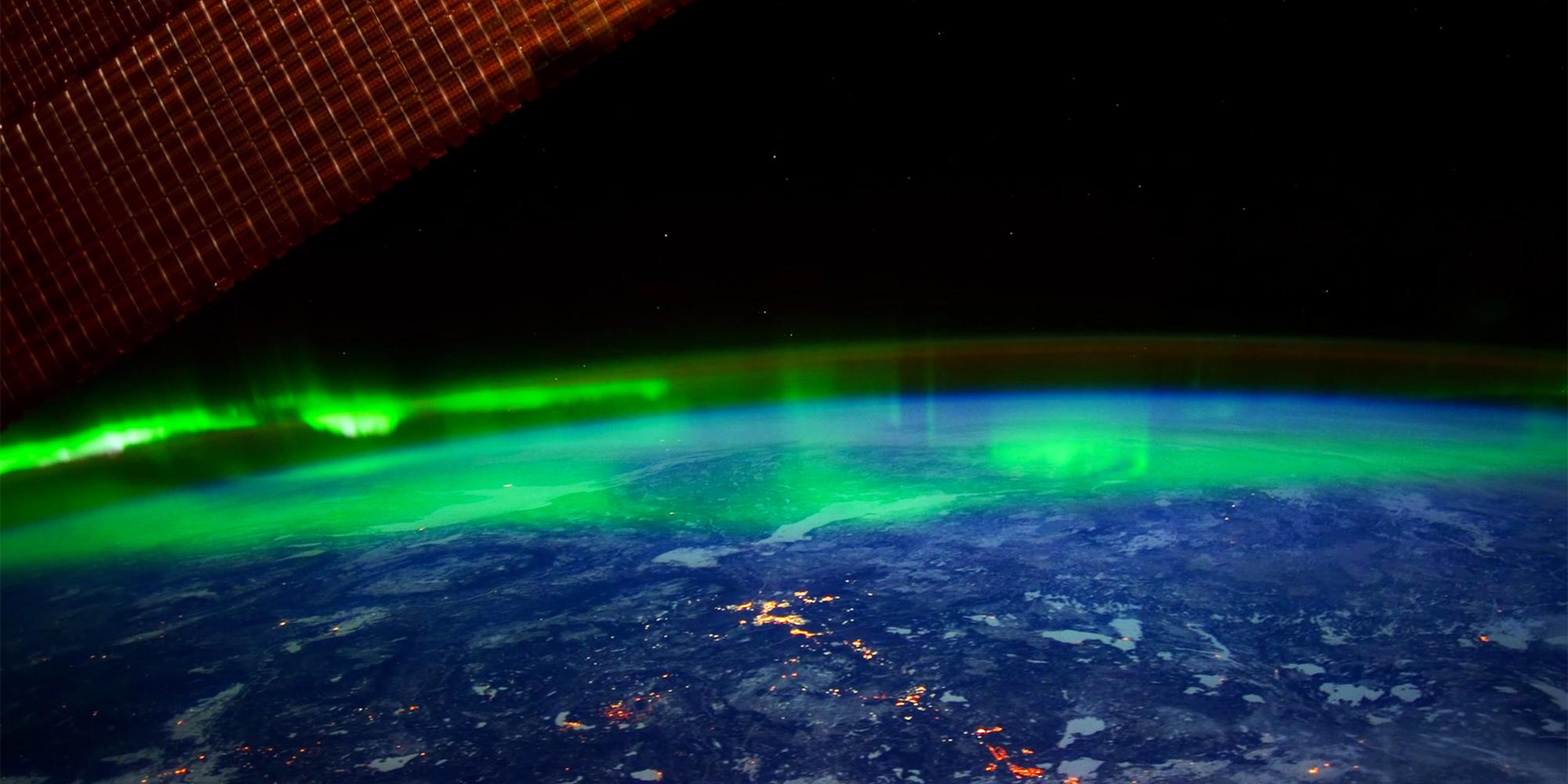
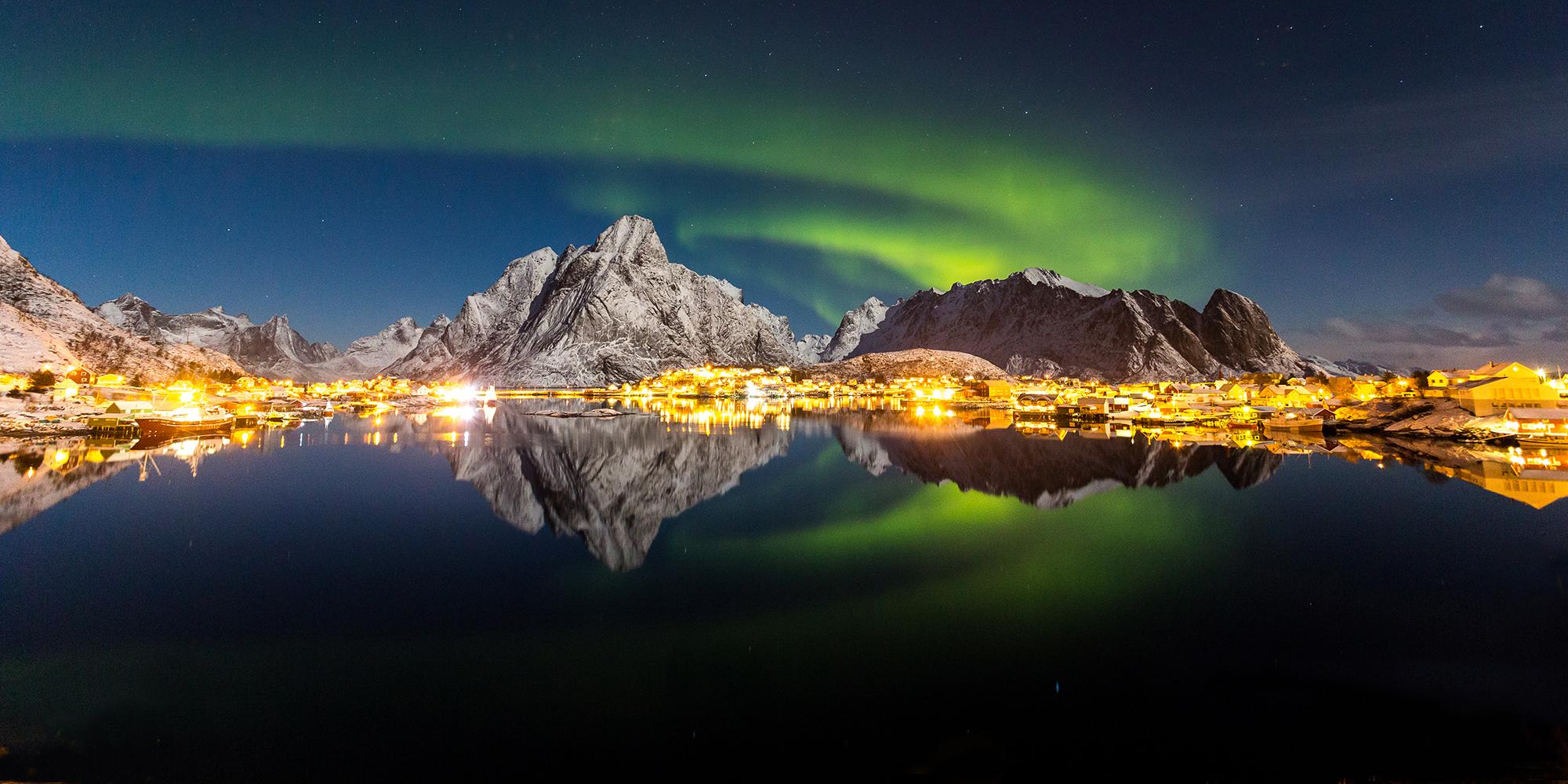
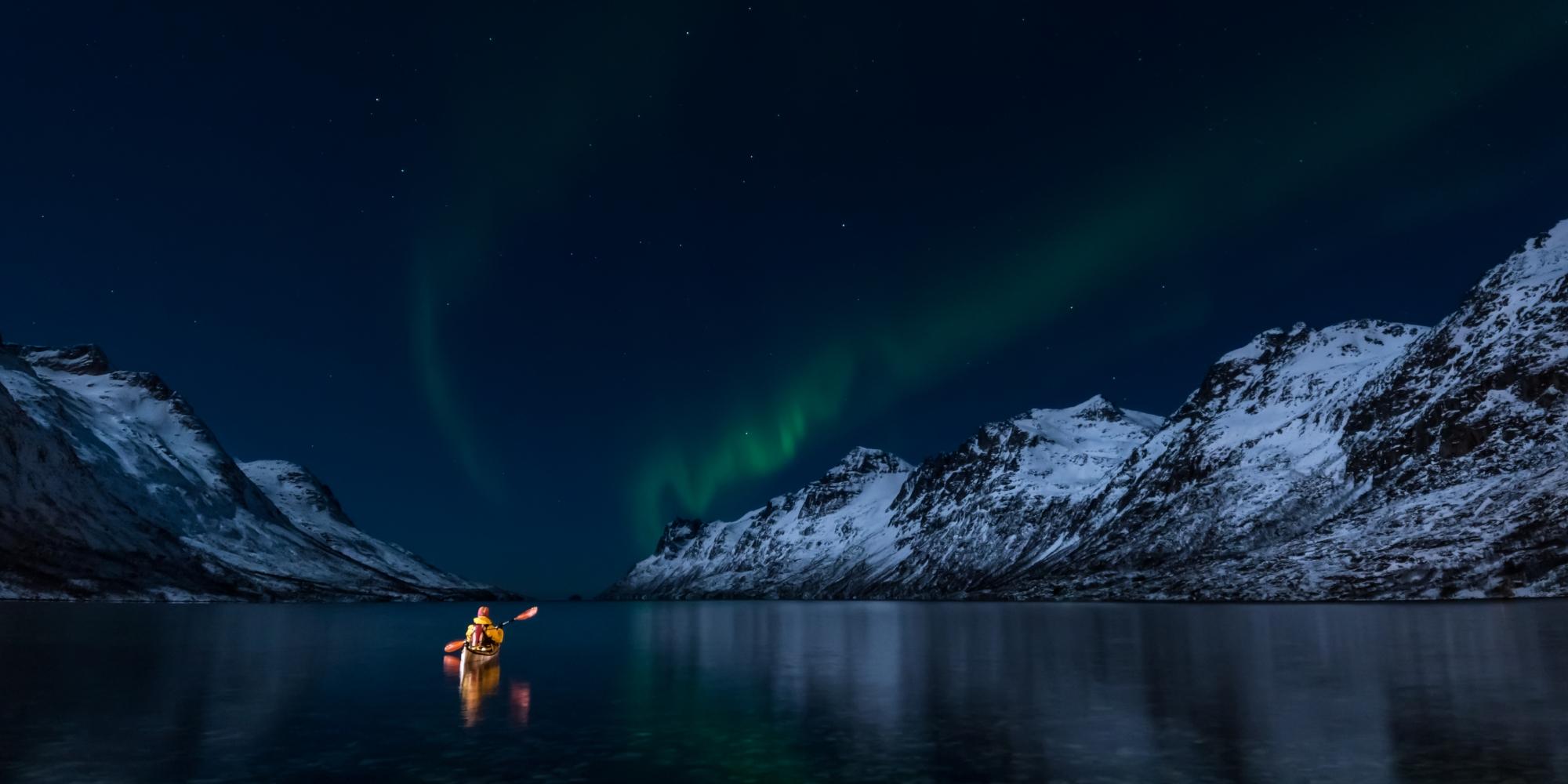
Not to mention the most extraordinary light show of them all! The northern lights are truly special, and watching them dance across the night sky is a mesmerising experience.
When is the polar night?
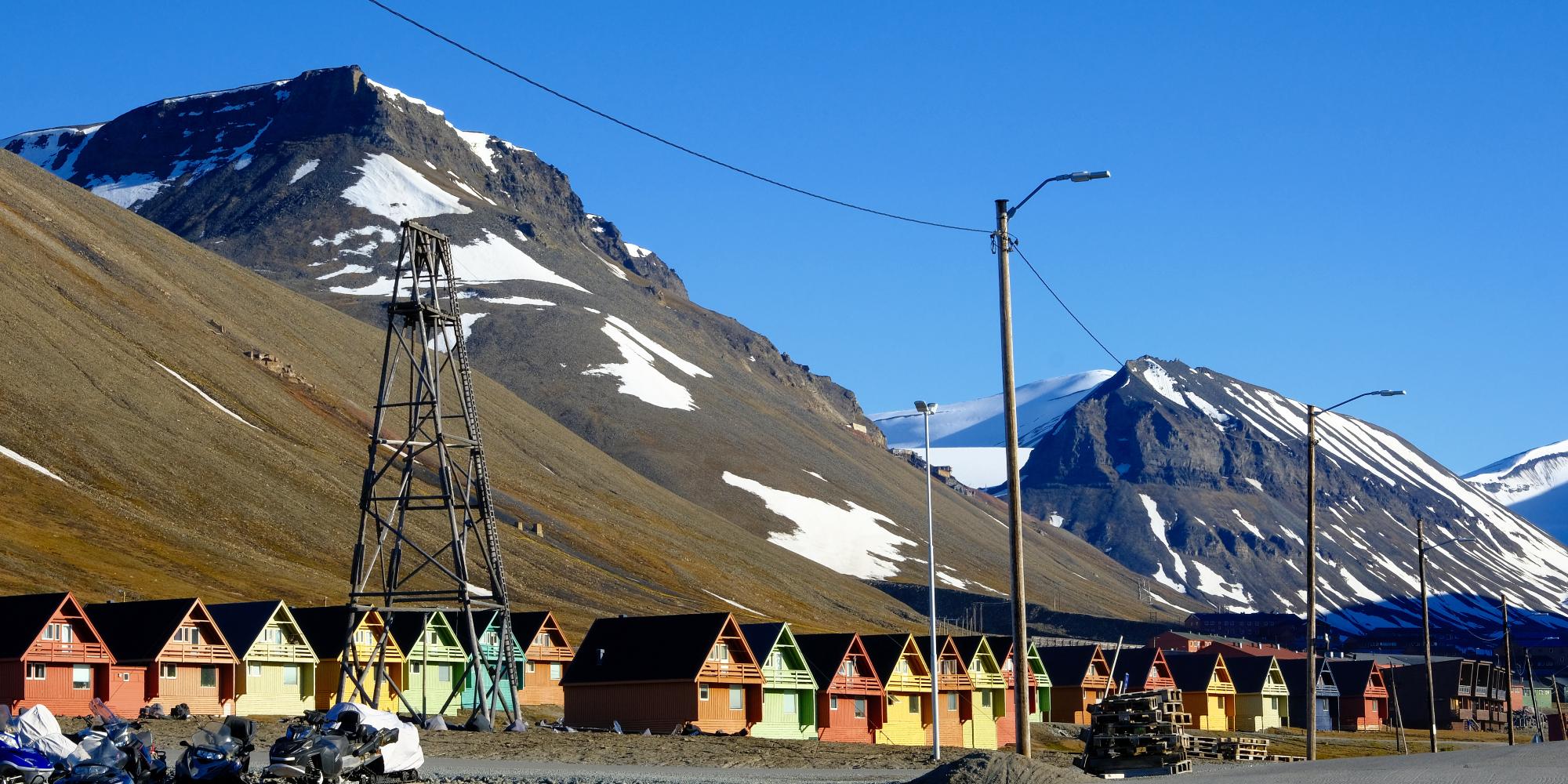
Svalbard: From the end of October to the beginning of February (with complete darkness from mid-November to the end of January).
Kirkenes: From the end of November to the end of January.
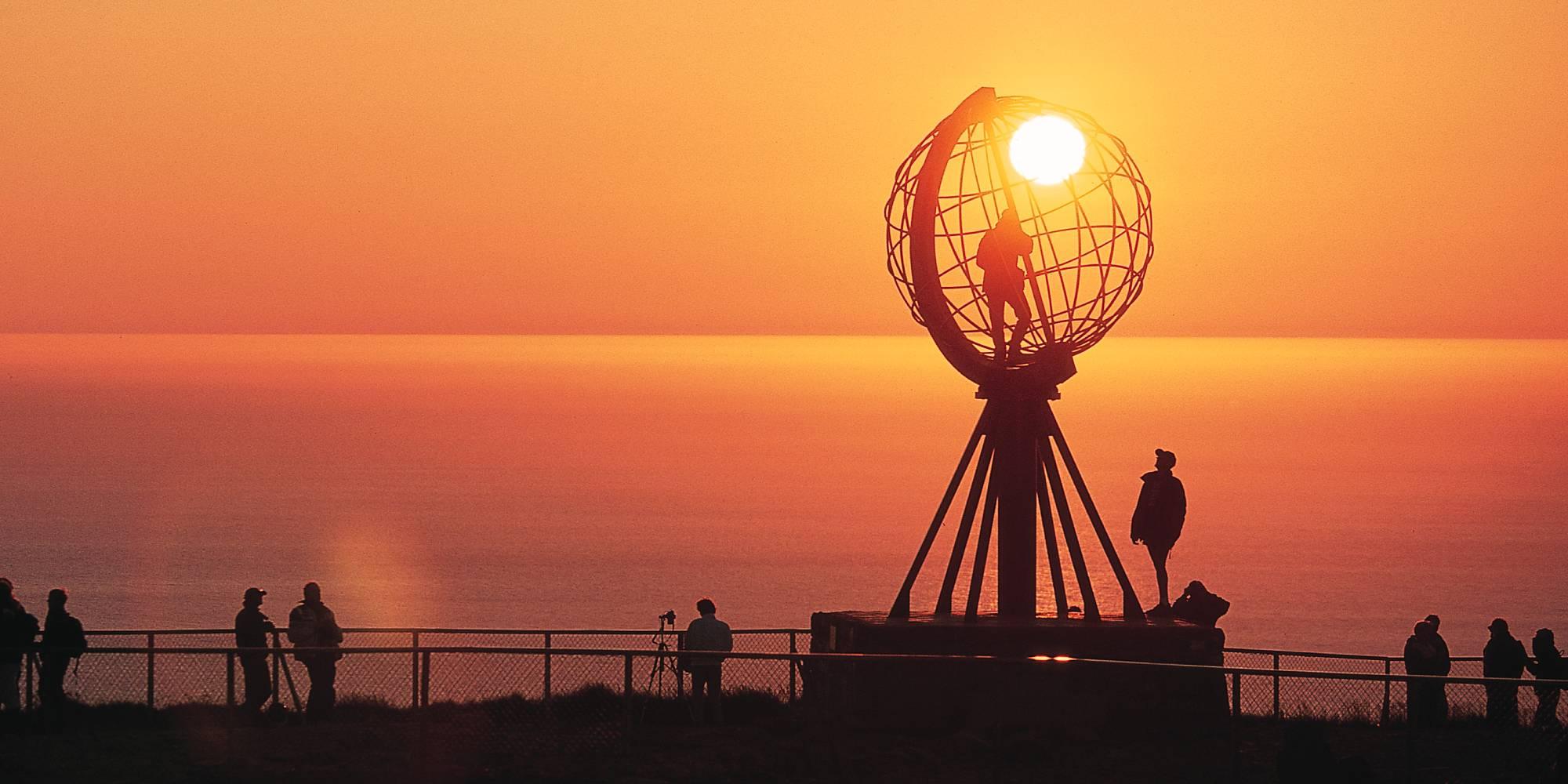
The North Cape: From the end of November to the end of January.
Alta: From the end of November to the middle of January.
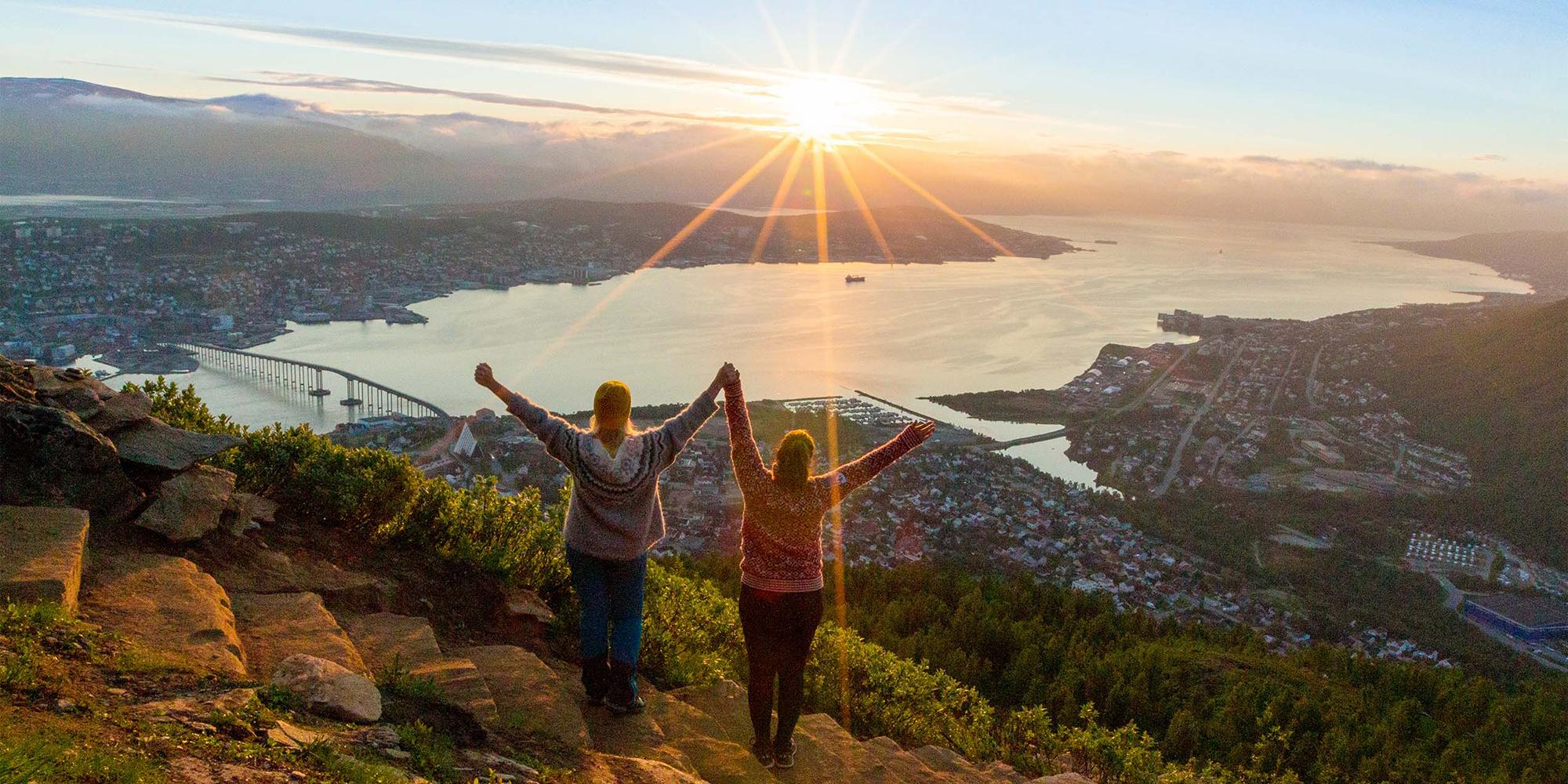
Tromsø: From the end of November to the middle of January.
Lofoten and Vesterålen: From the start of December to the start of January.
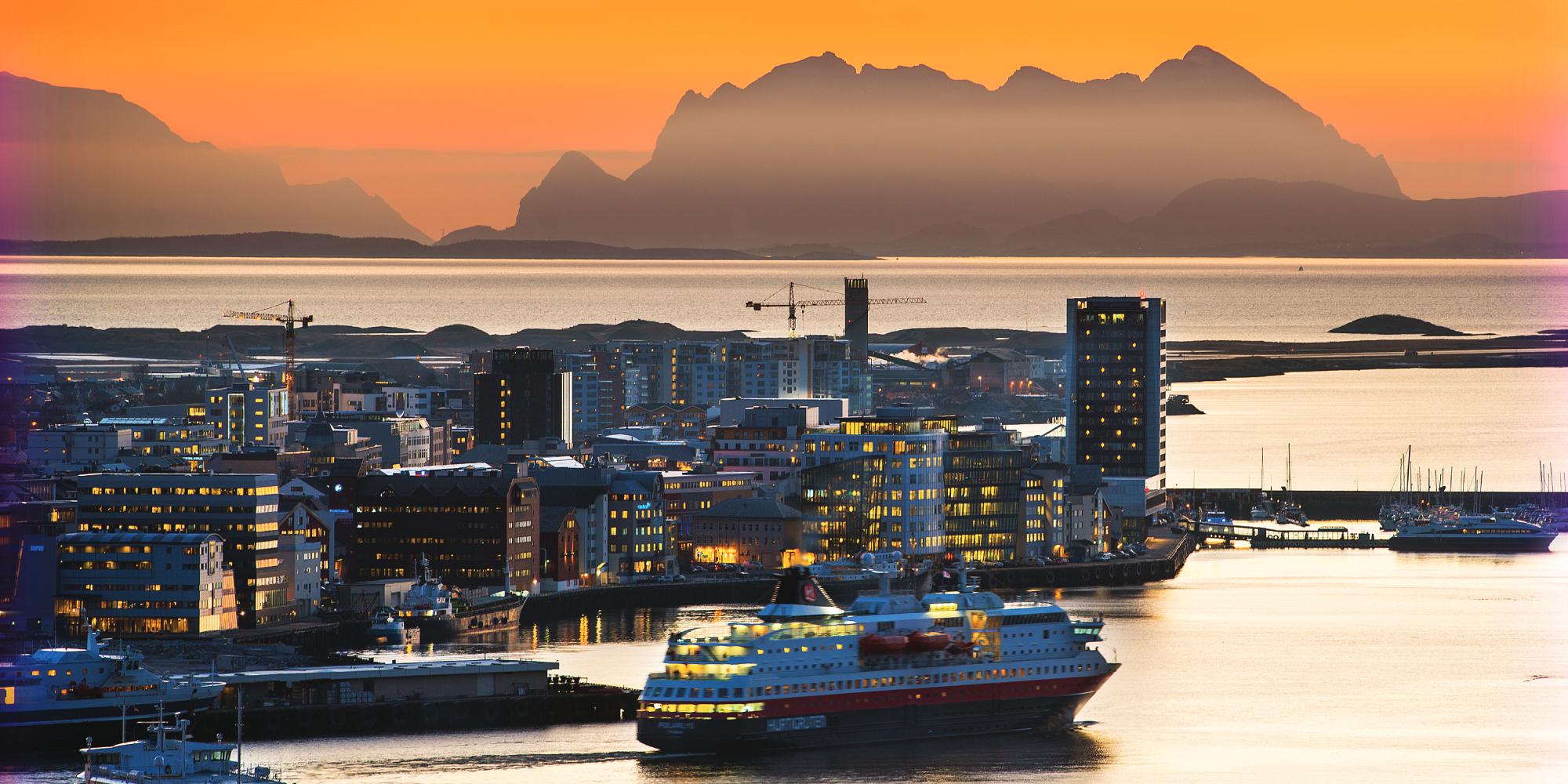
Bodø: Technically, there isn't a true polar night here, but the mountains to the south block the sun during the second half of December.
Source: Nordnorge.com
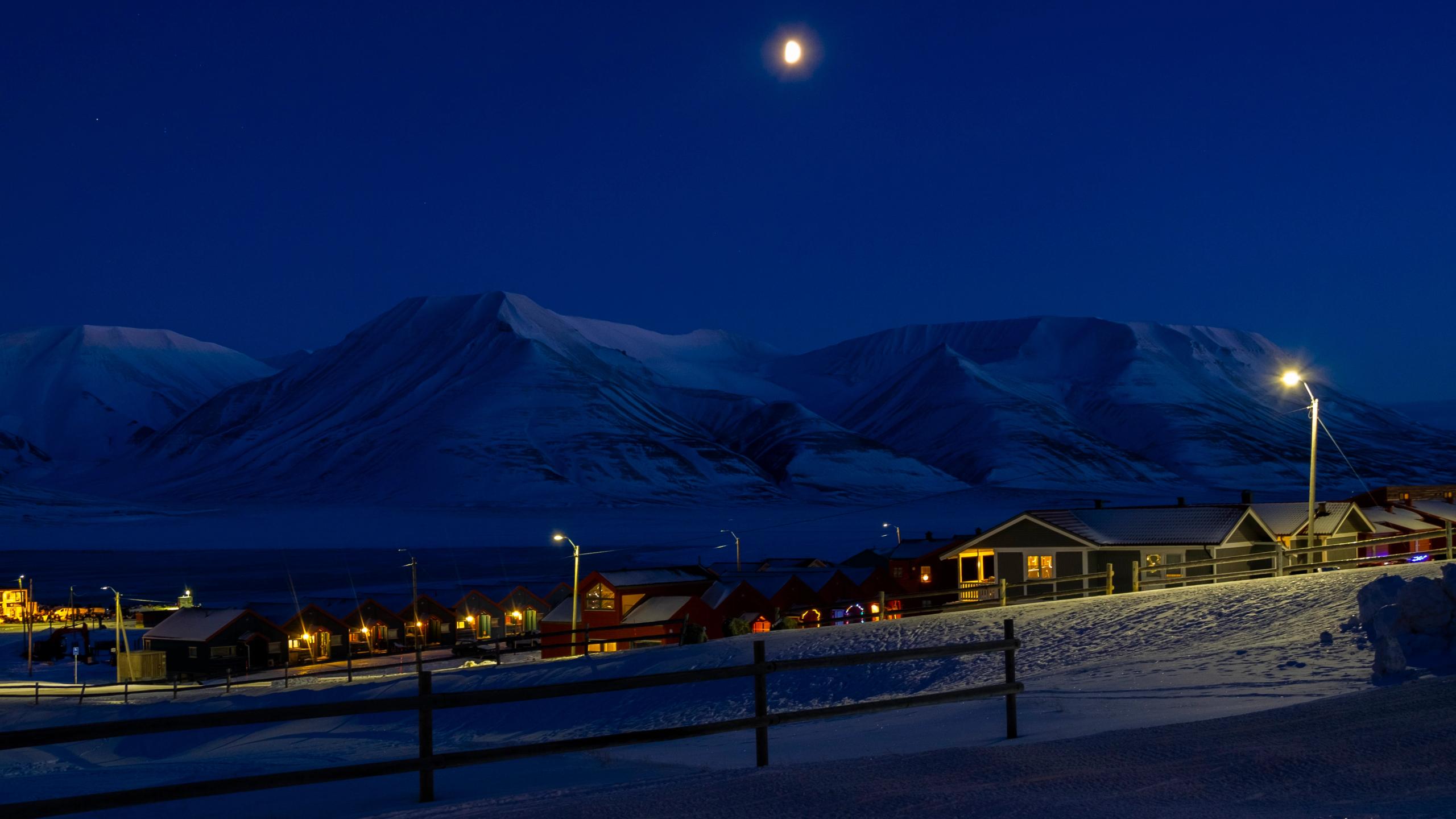
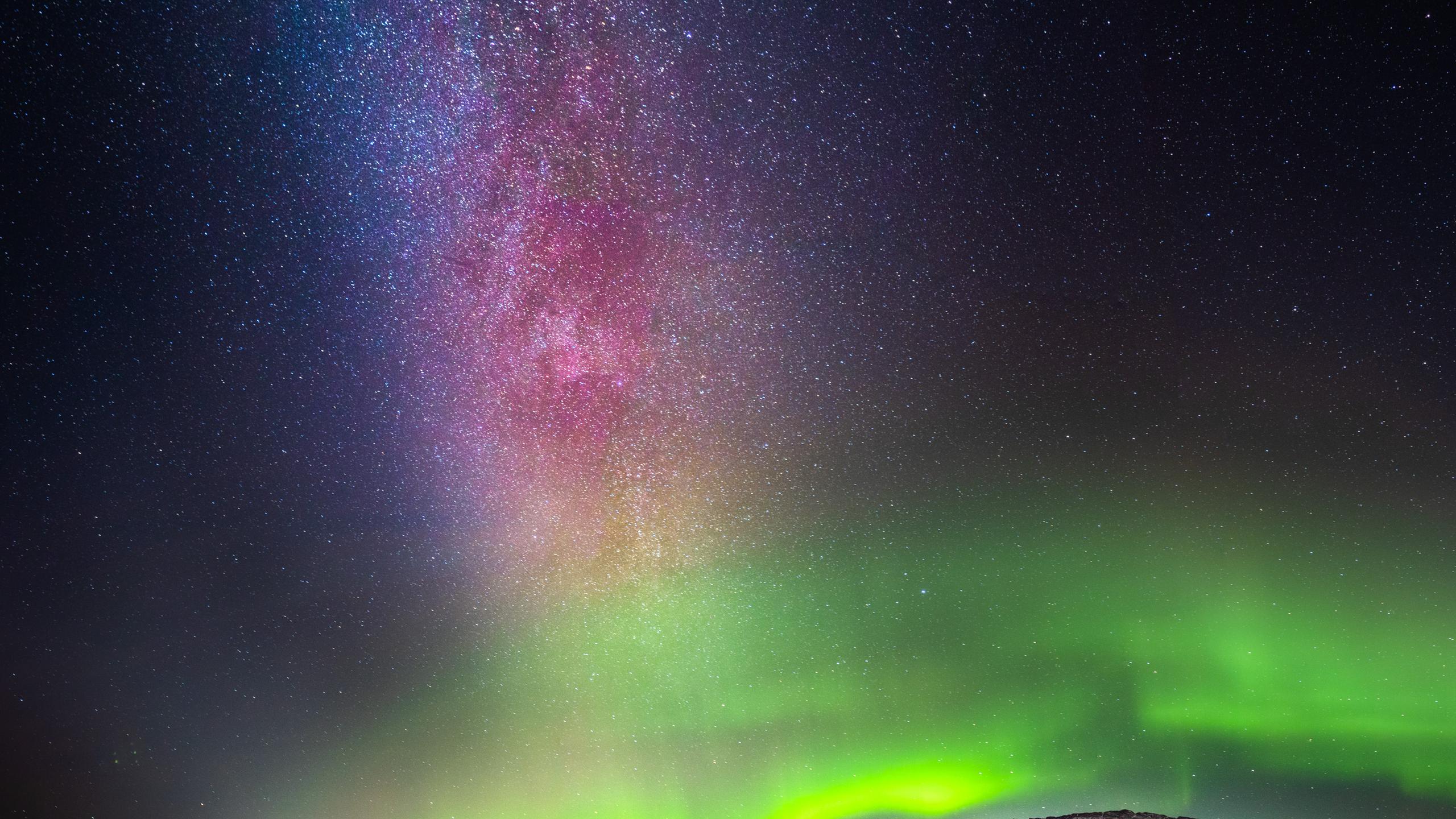
On the Norwegian mainland, the dark period usually begins around November, whereas the Svalbard archipelago in the Arctic receives its yearly visit as early as October, and by November it's completely pitch black there until the end of January.
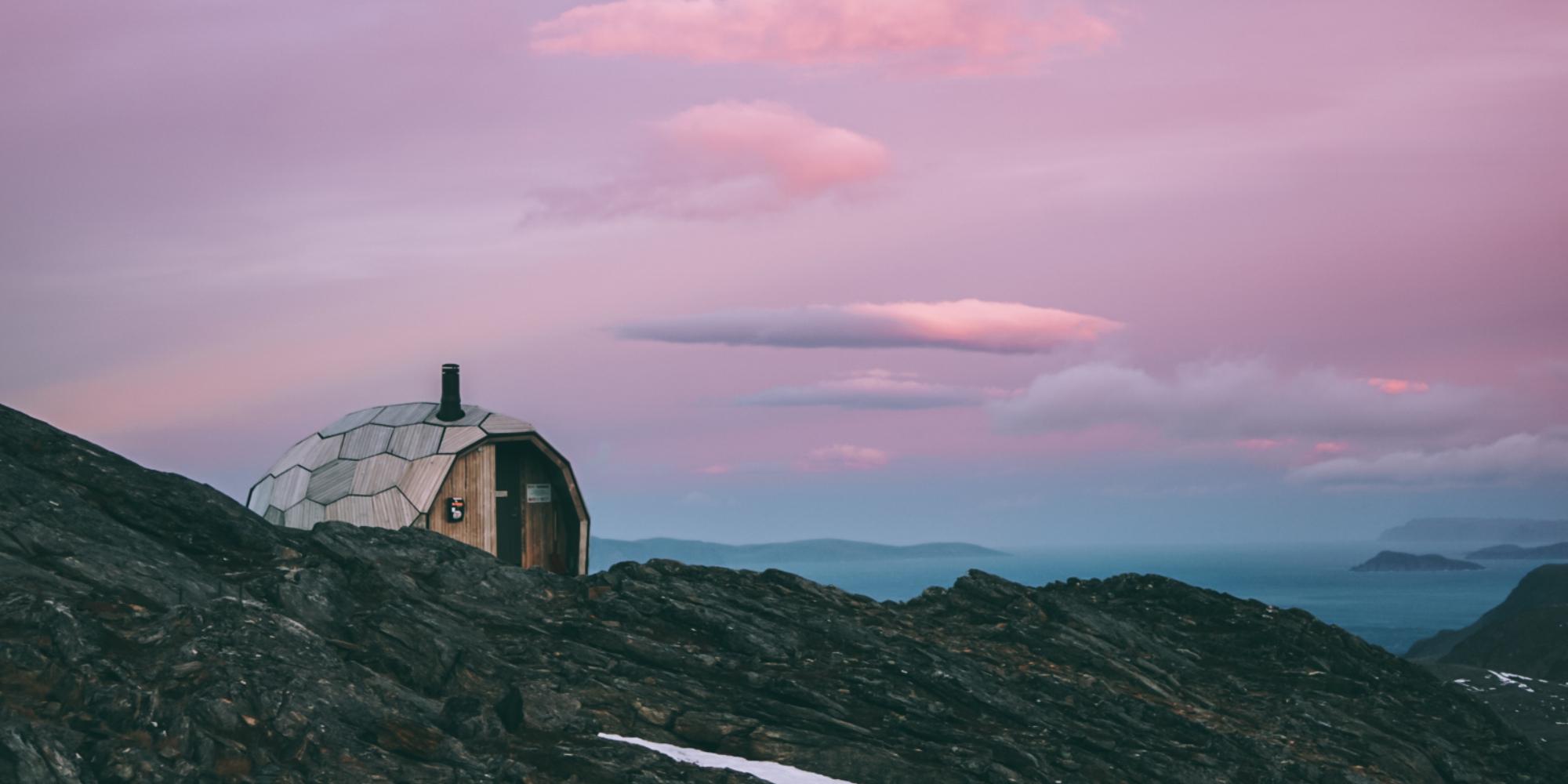
Sun rays can also reach up from below the horizon on clear days, resulting in a spectacular light show of pinks, purples, oranges and reds. Have your camera ready, you don't want to miss this!
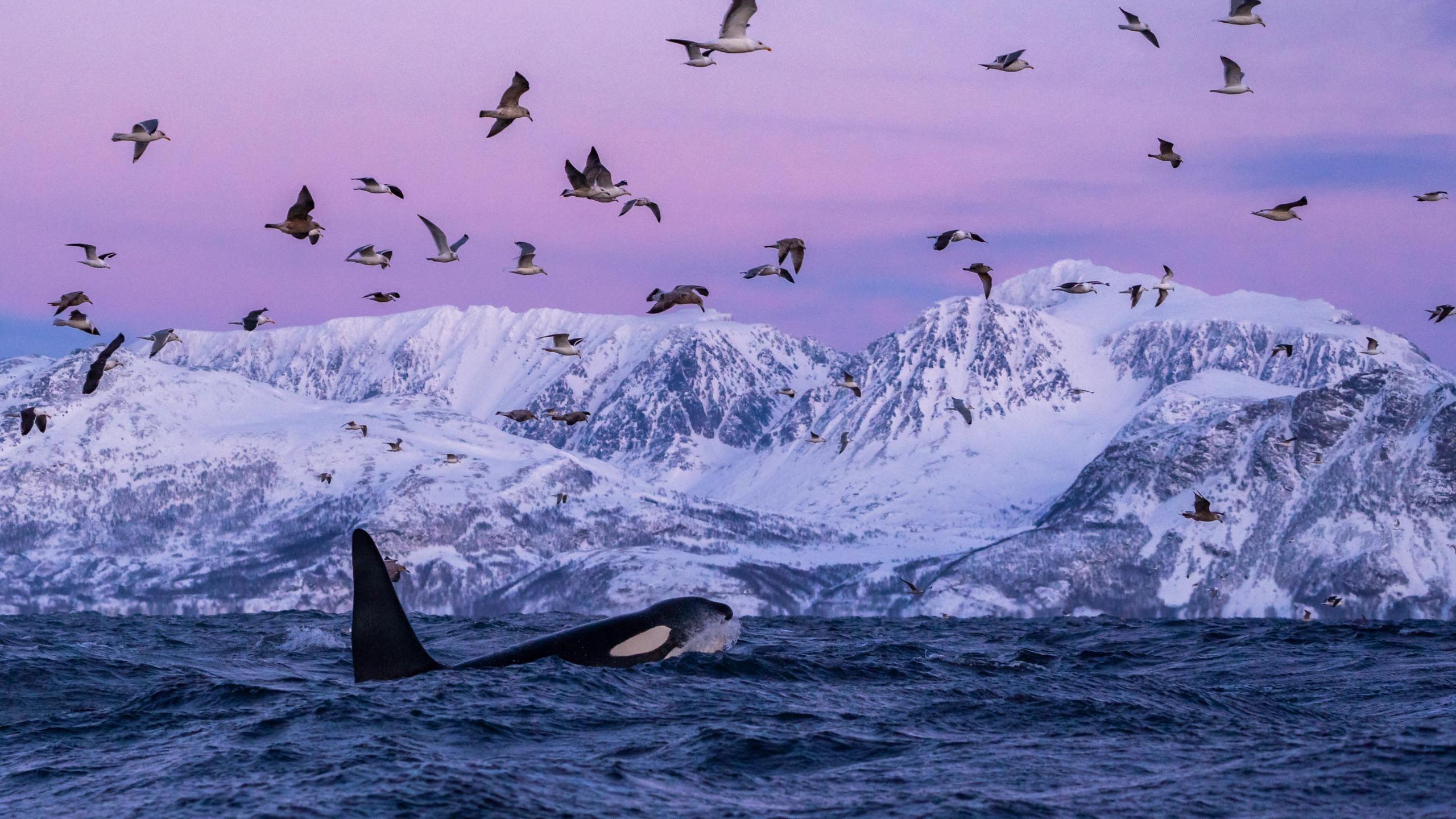
Make the most of the magical yet brief daylight with exciting activities such as whale watching or eagle safaris!
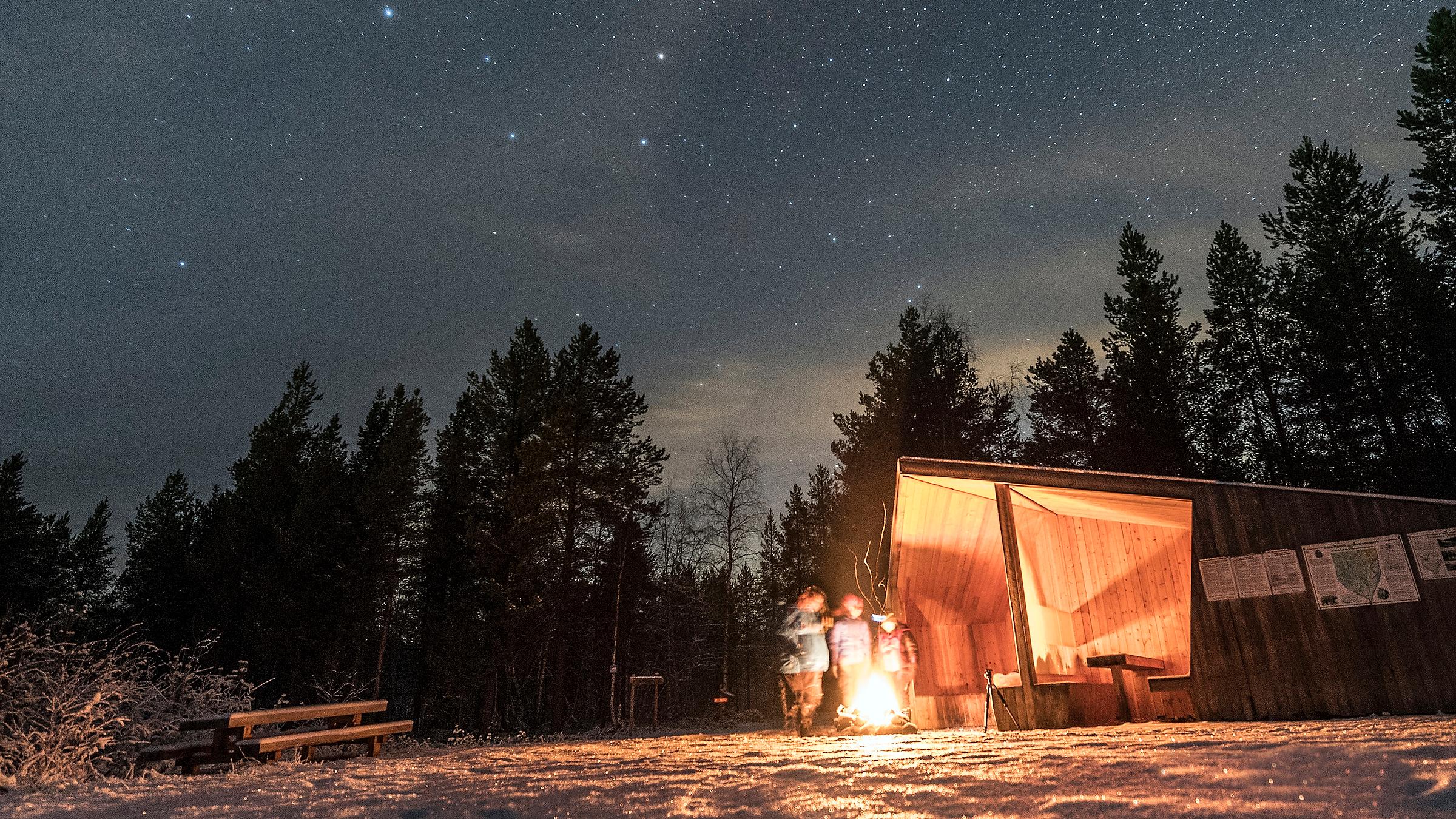
Cold polar nights are perfect for starry skies. Many have forgotten how beautiful the night sky can be, as light pollution affects more than half of Europe. Being able to see magical skies like this is a breathtaking experience. Just look up!
Come and see the northern lights
Learn more about the phenomenon and make the most of your trip.
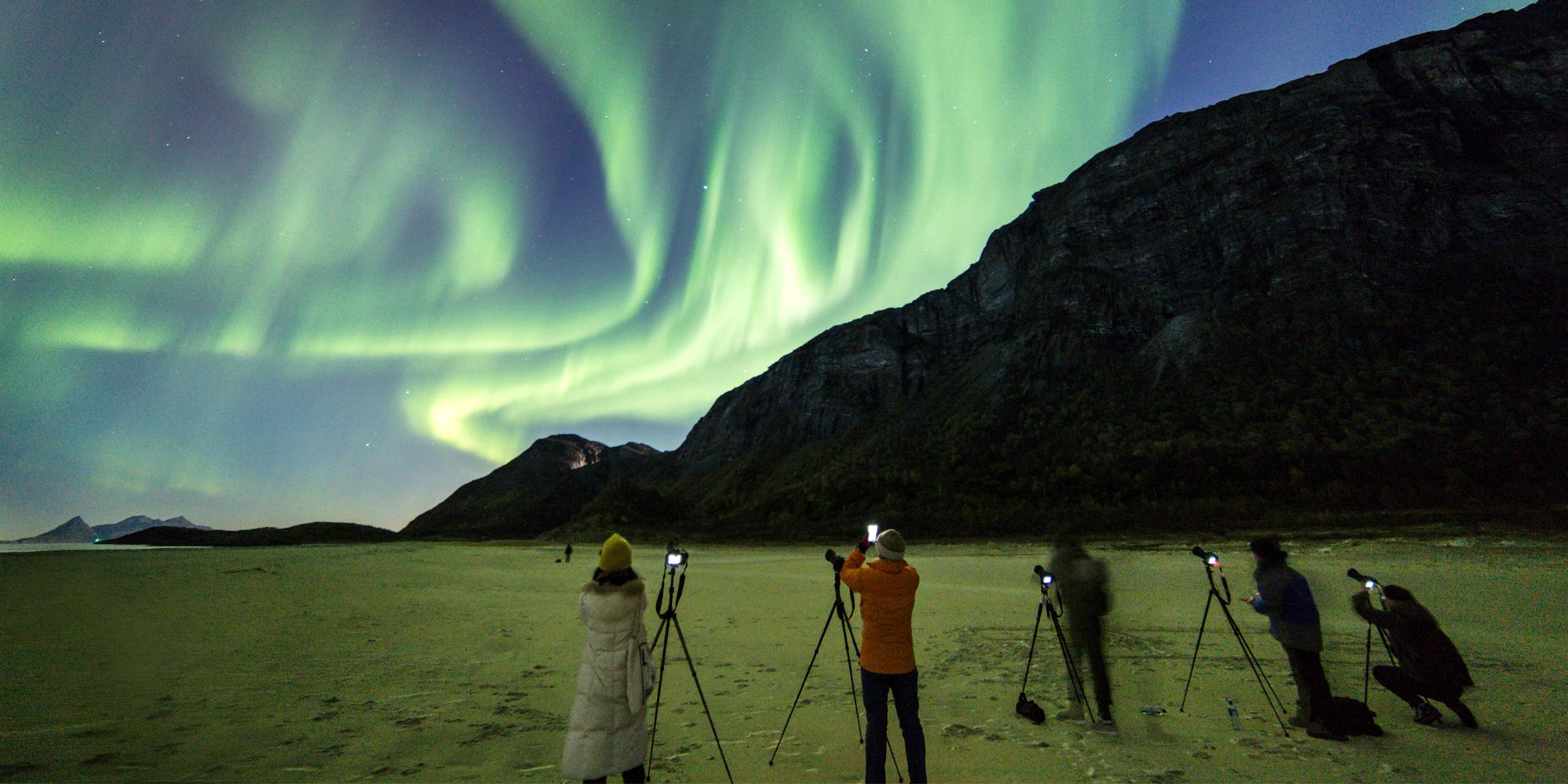
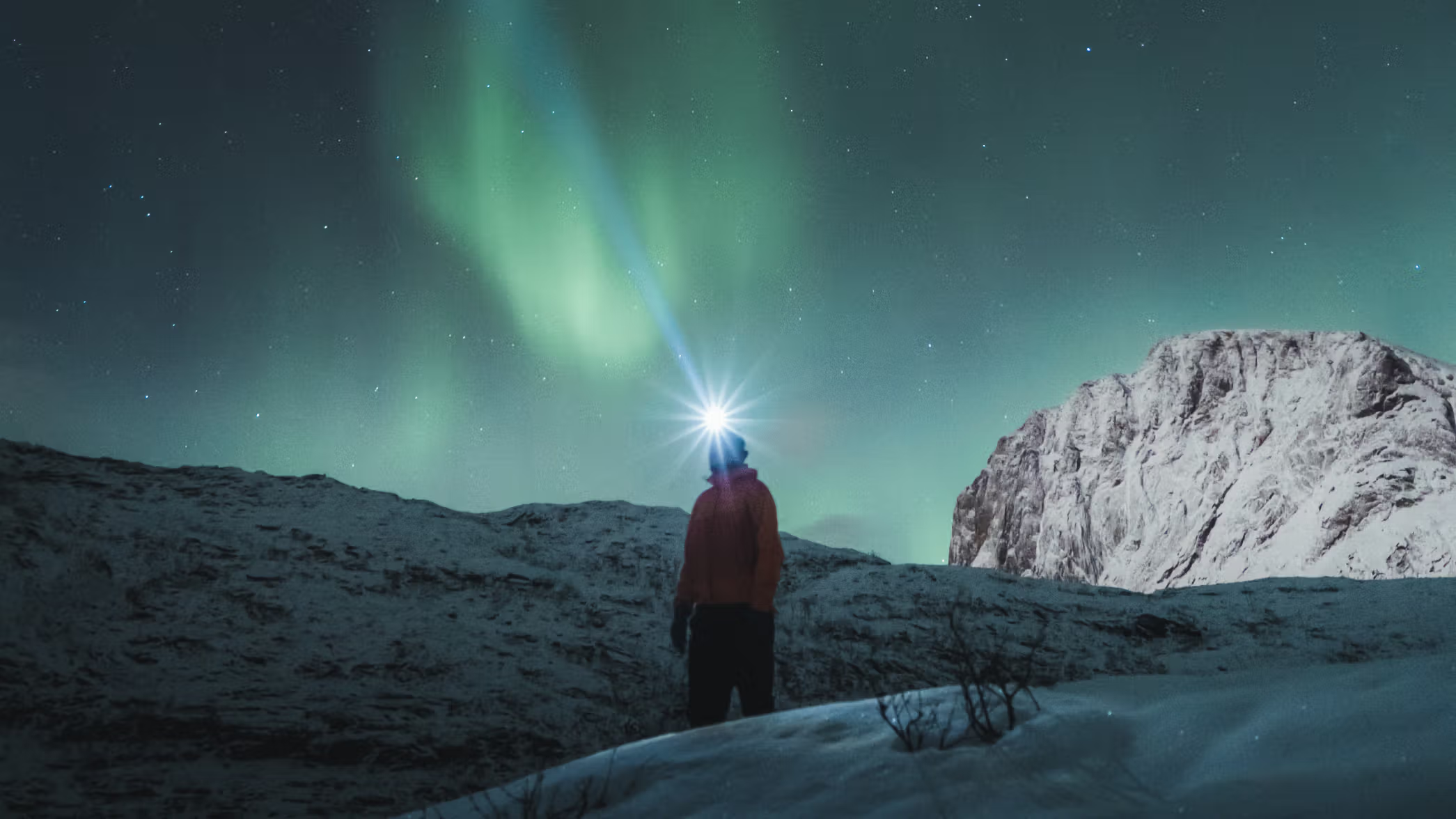
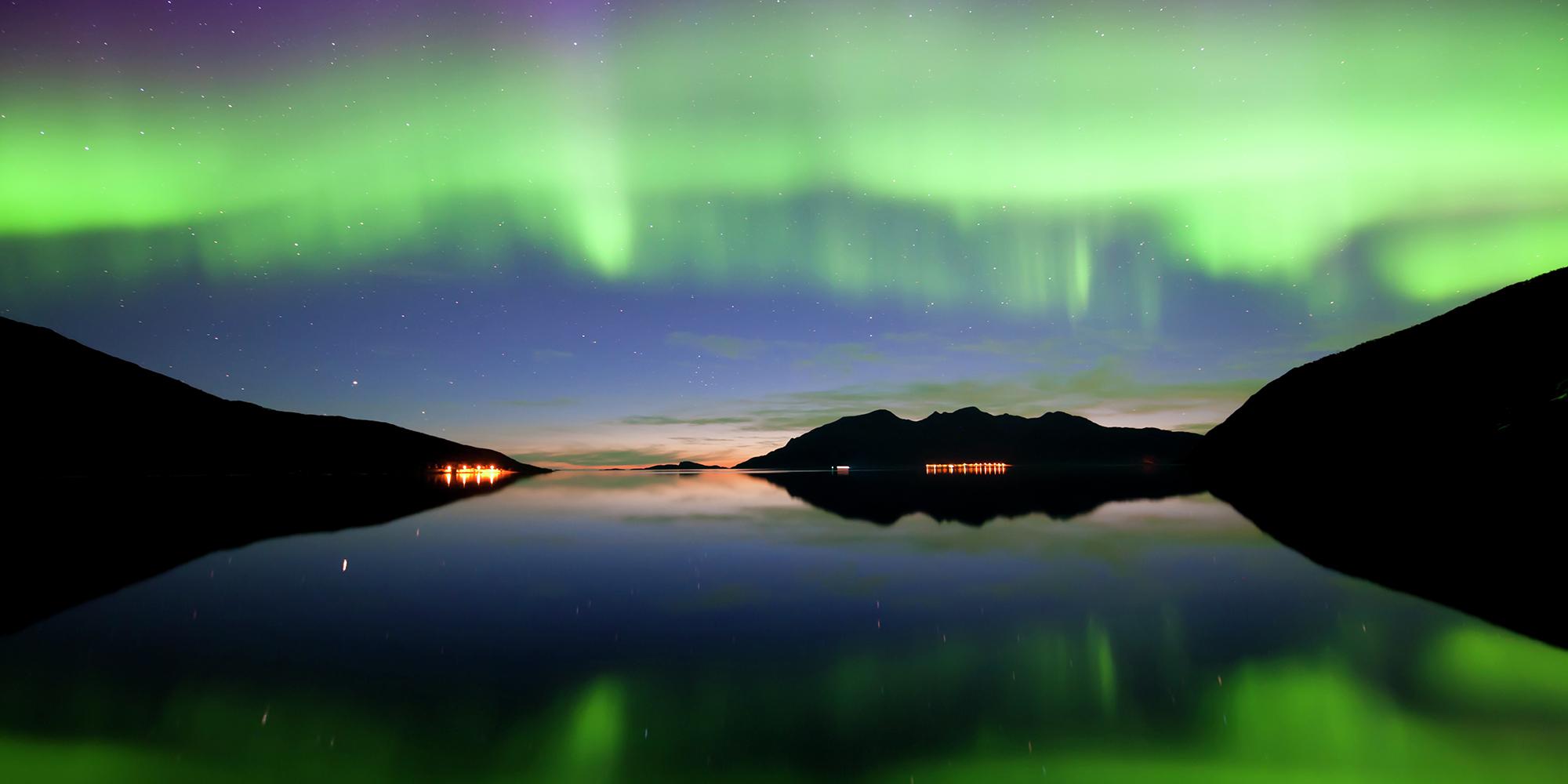

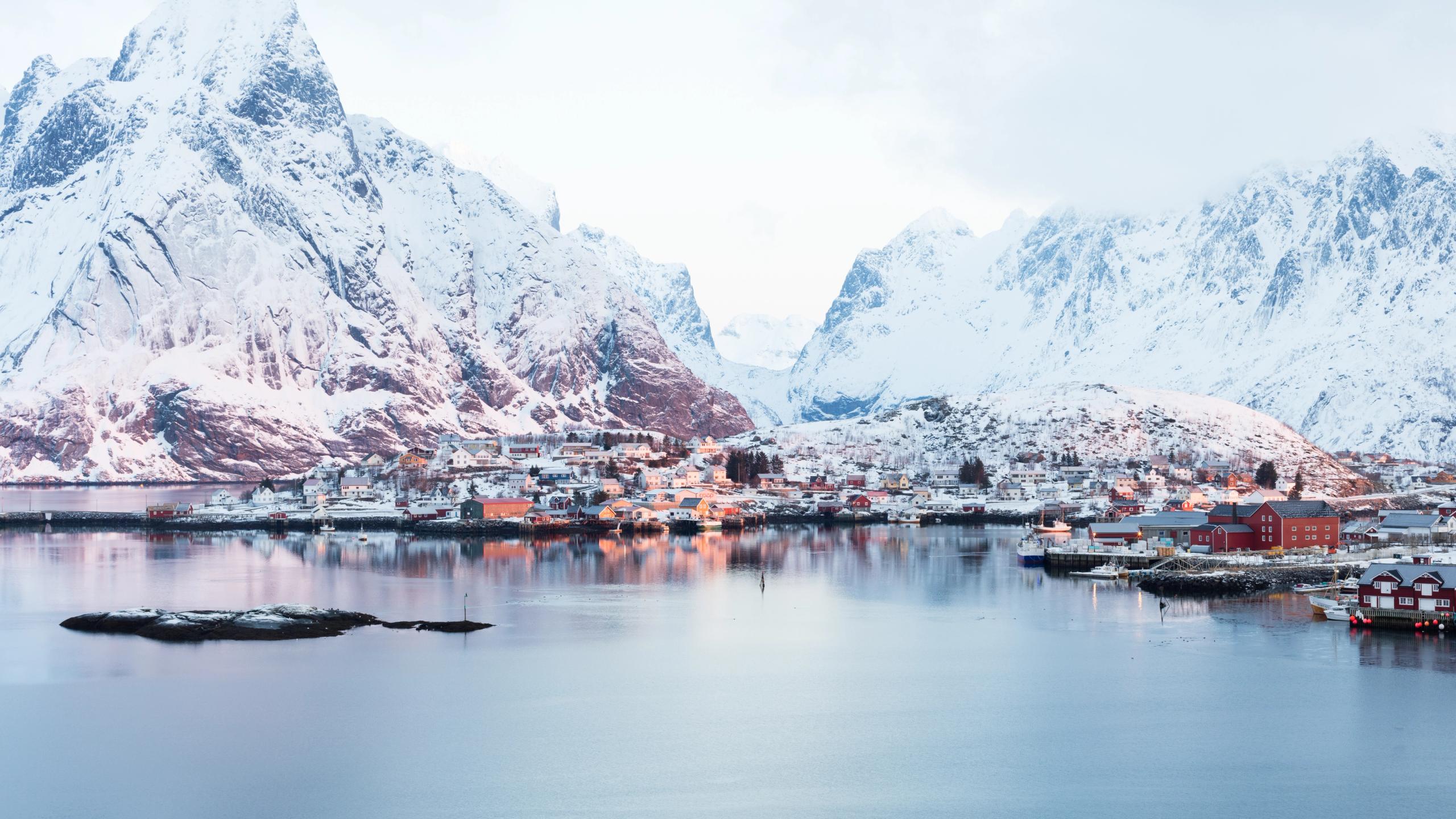

The polar night often leads to people spend more time indoors and make their homes feel extra cosy. There is a word in Norwegian, kos, which embodies all the small joys that make you feel cosy and happy. During this time of year, kos can be quality time with loved ones, good food, a warm blanket, and soft lighting.
People tend to slow down and get more sleep, but otherwise, the Northerners cope quite well. The beautiful colours that appear in the sky help, as does vitamin D.
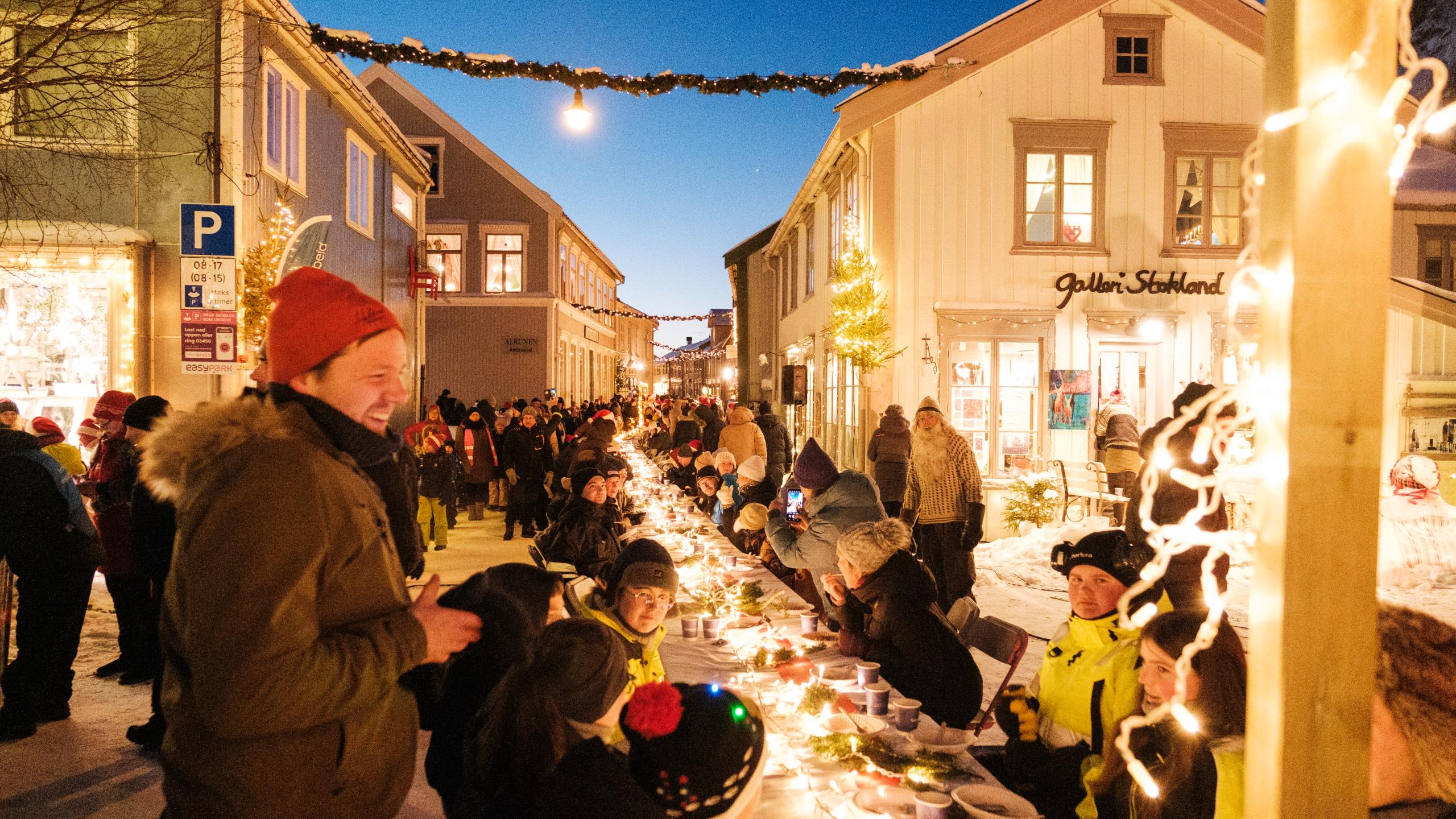
There are also fun events that light up the long nights, such as the world's longest Christmas porridge table in Mosjøen, an annual tradition that brings people together.
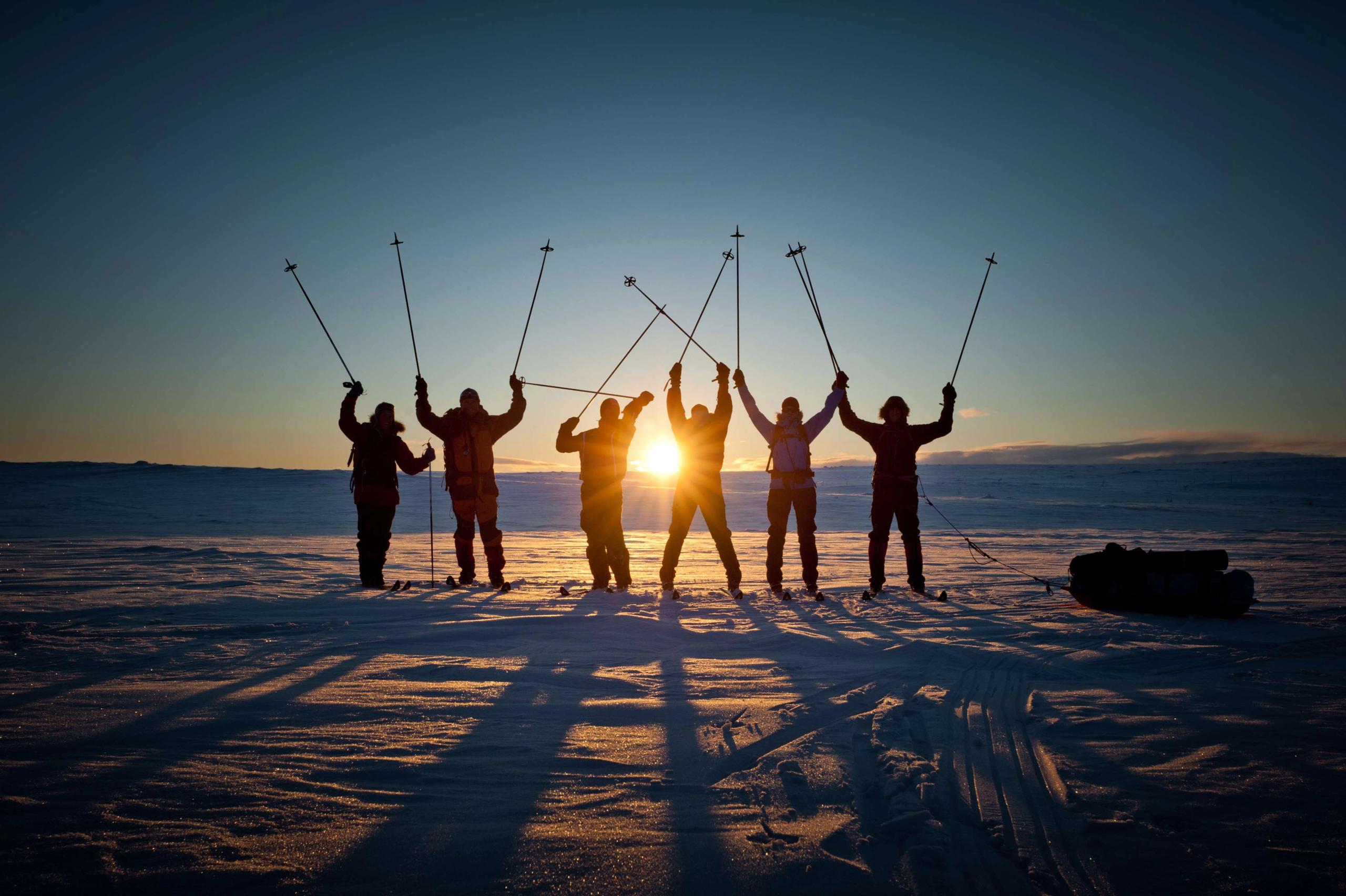
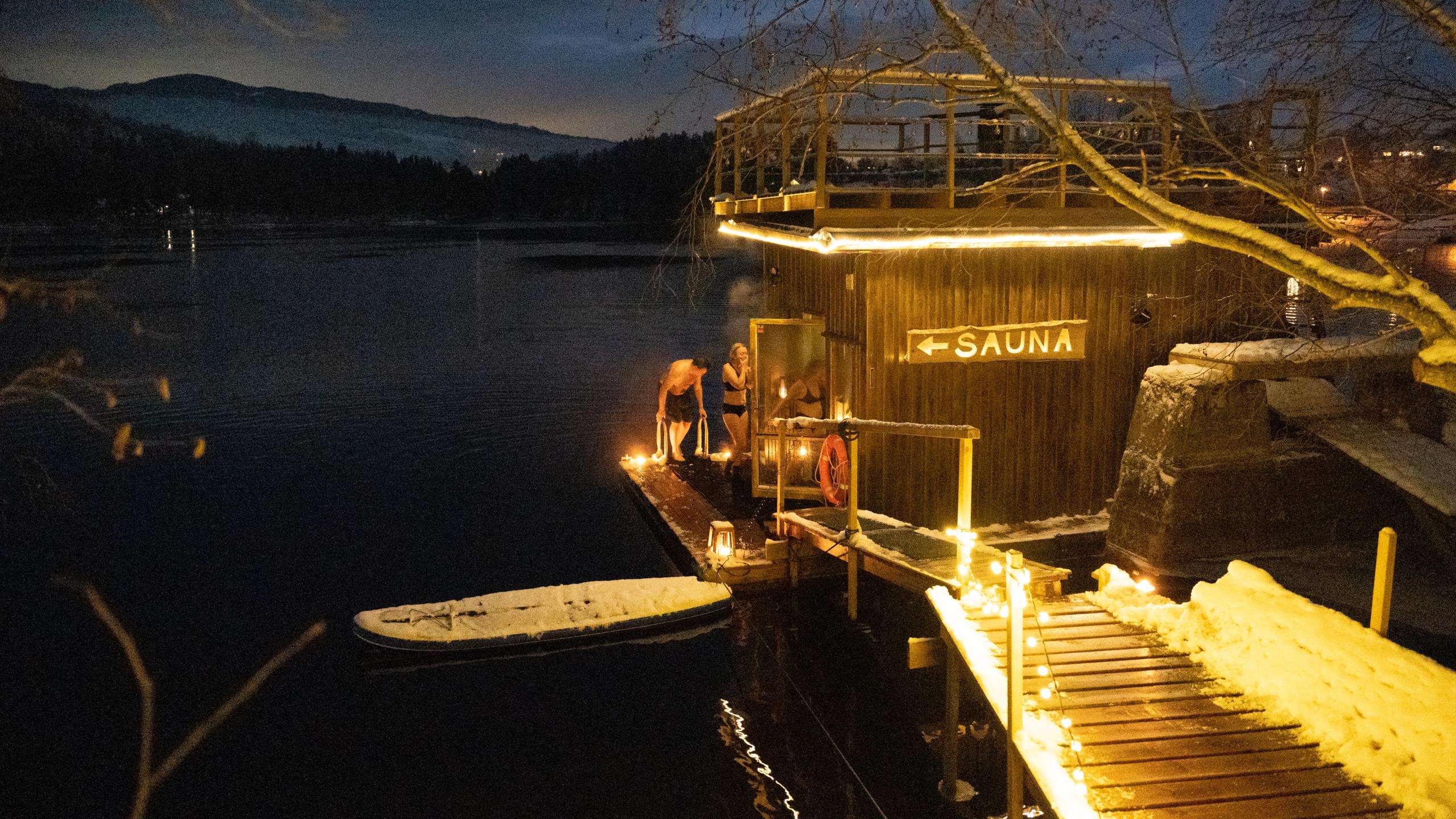
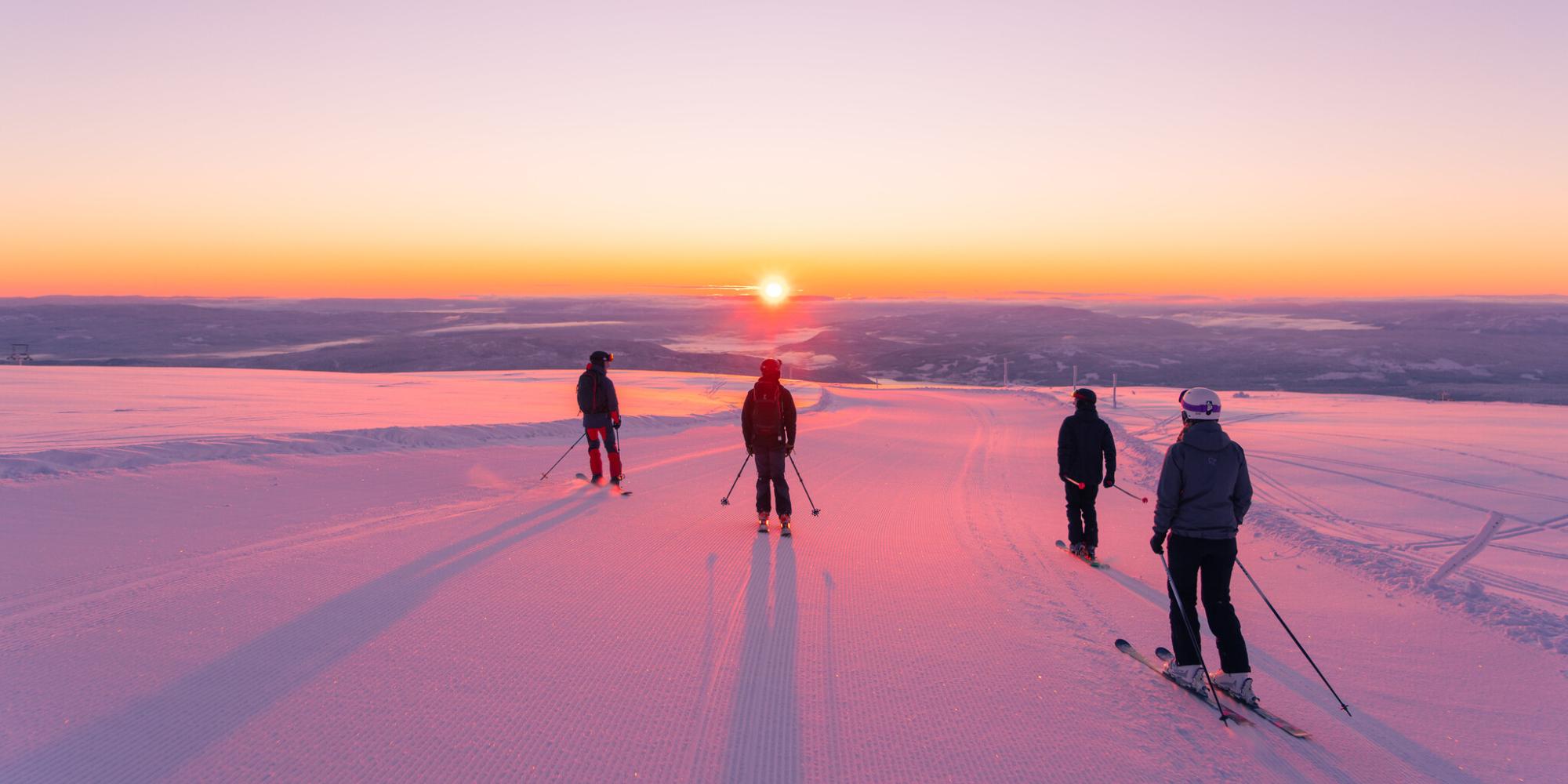
A great way to feel more awake during this time is a trip to a sauna, followed by a dip or two in an icy fjord. Most ski trails are also lit up, so people can still enjoy nature even when it's dark outside.
It also helps that the darkness doesn't last forever. When the sun finally returns, it's celebrated by Northerners.
Soldagen, or 'the sun day', is celebrated on different dates in different places, depending on when the sun actually returns. A popular way to celebrate this joyful day is by eating skoleboller, a sweet bun with a yellow vanilla custard centre, and drinking hot chocolate.
Fill the polar night with fun activities
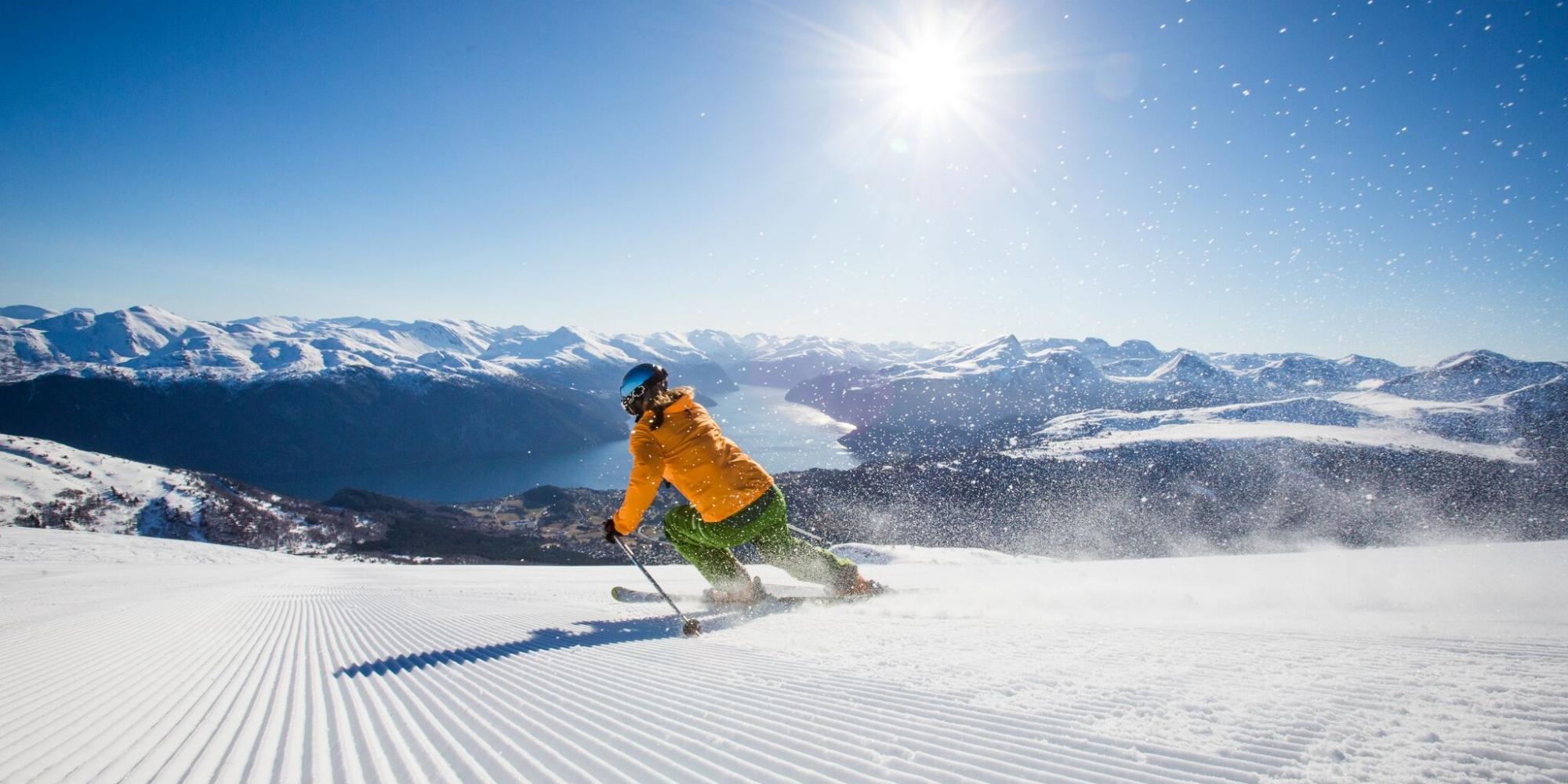
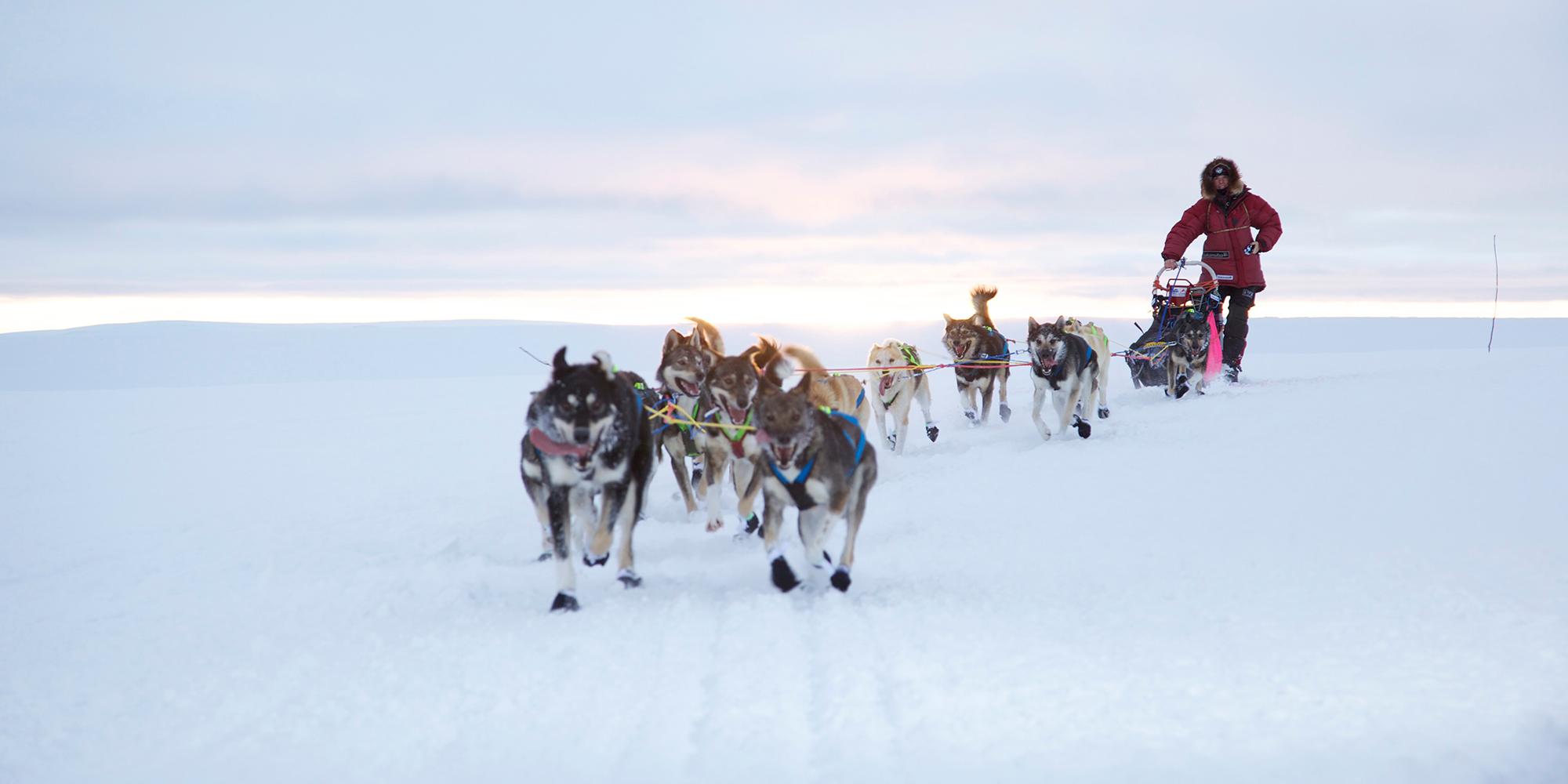
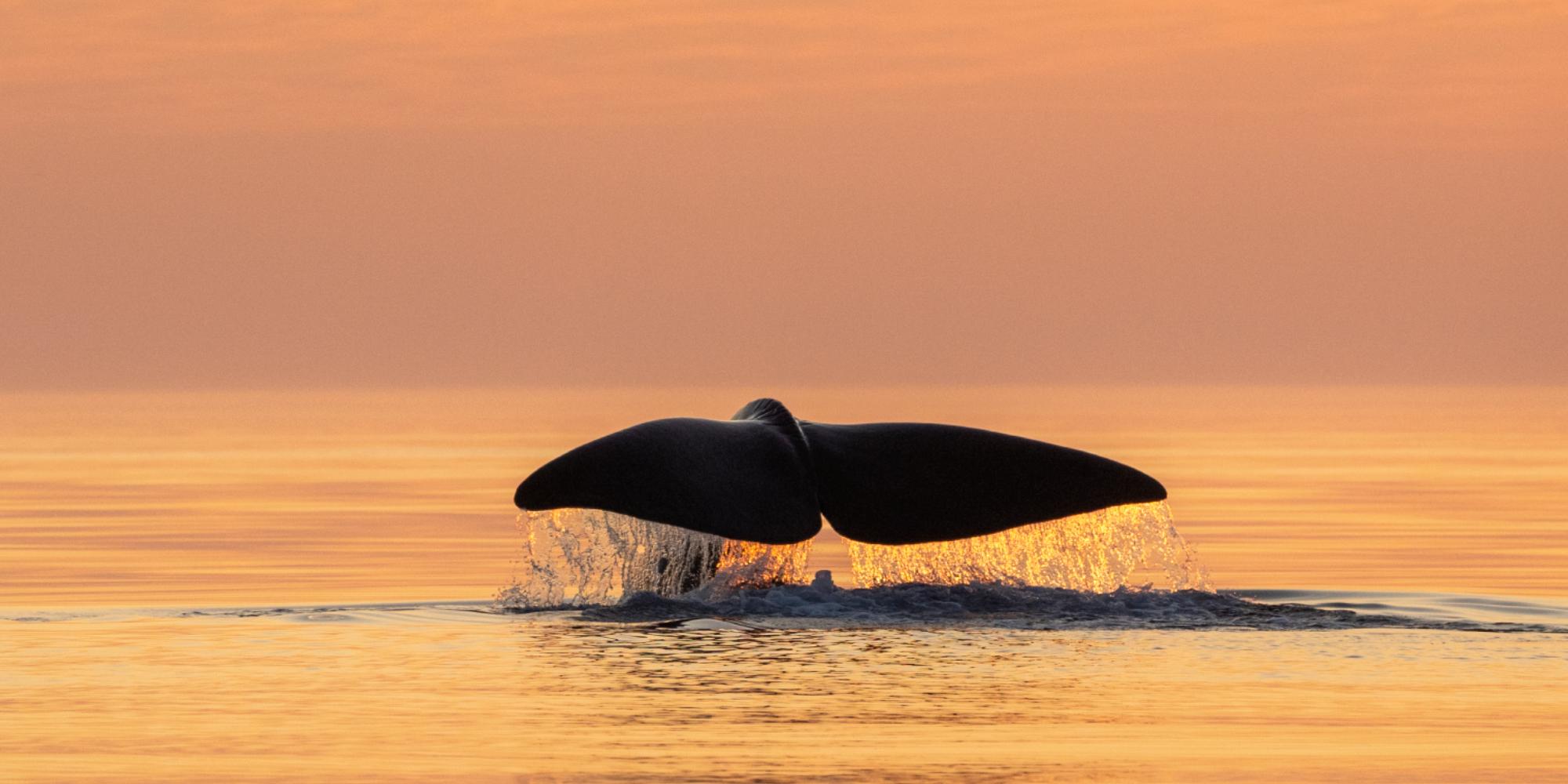
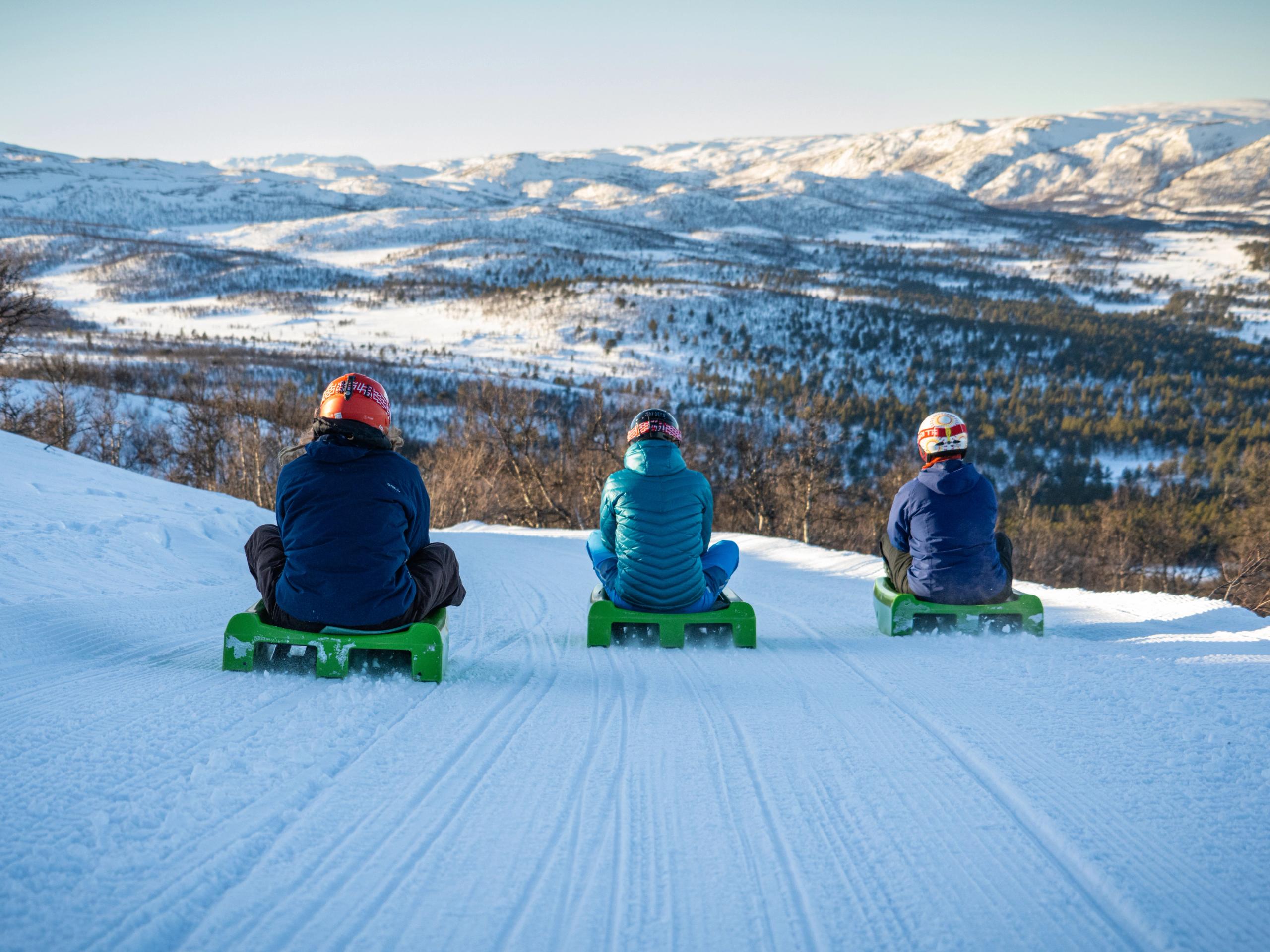
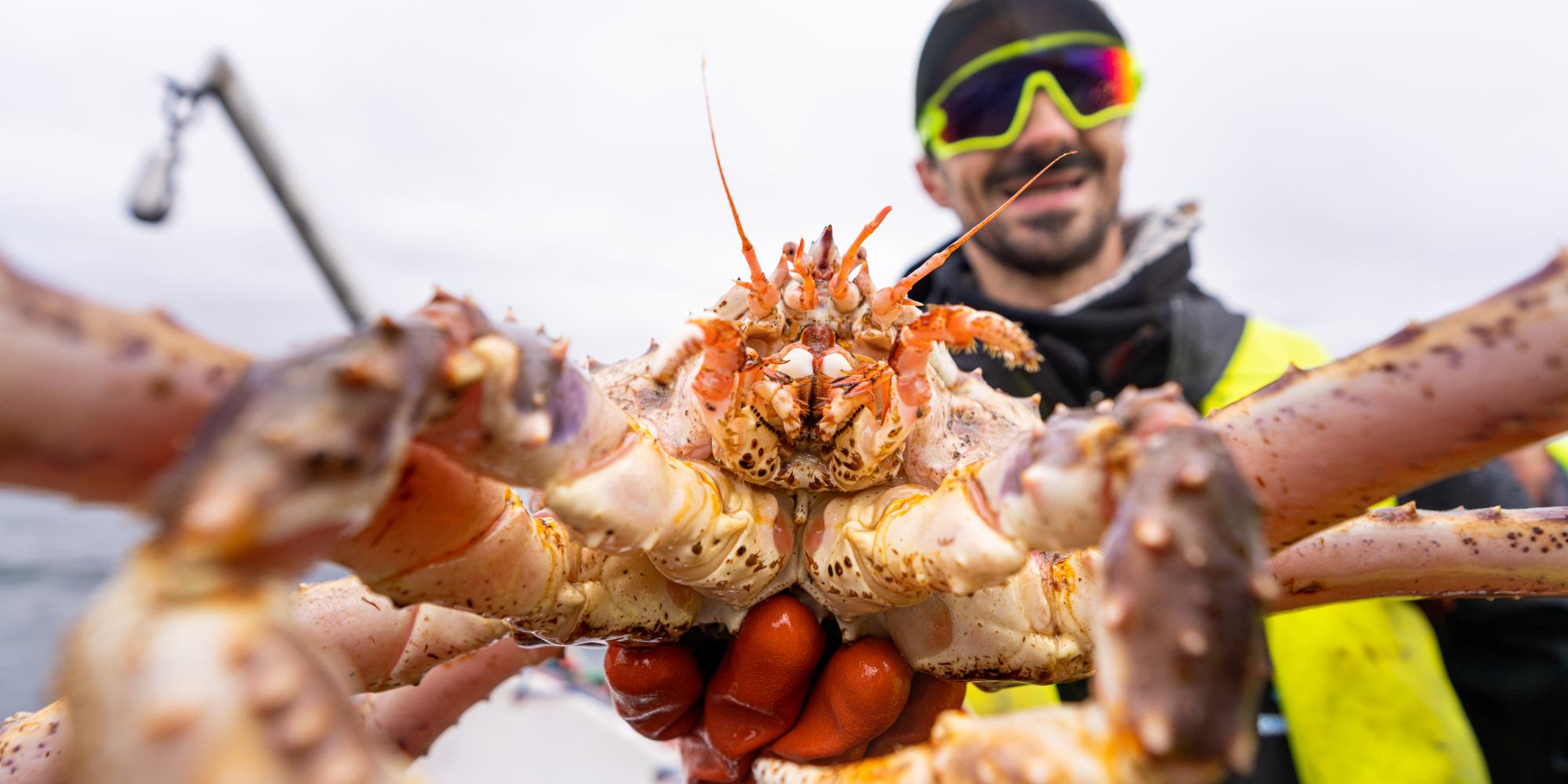
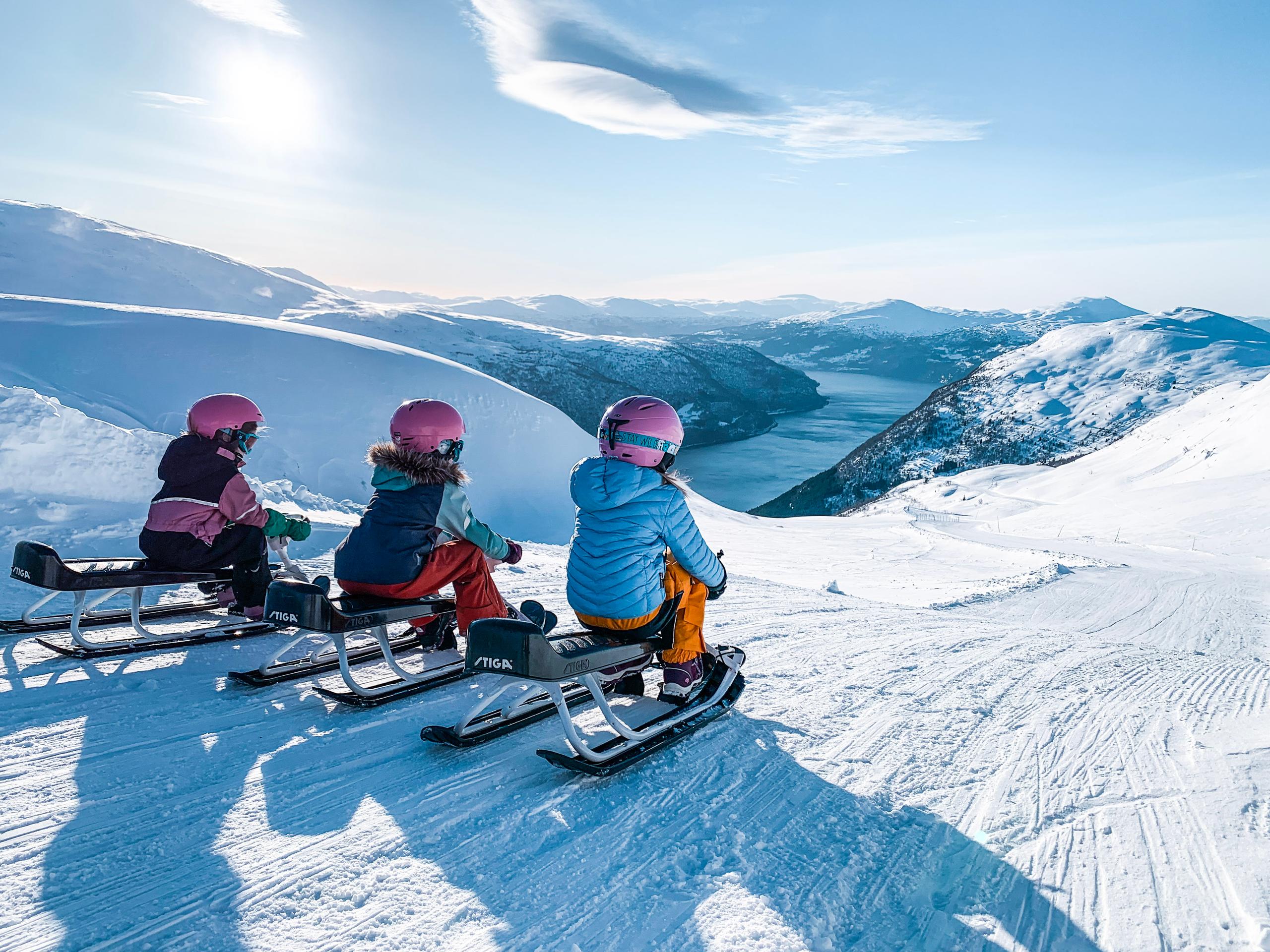
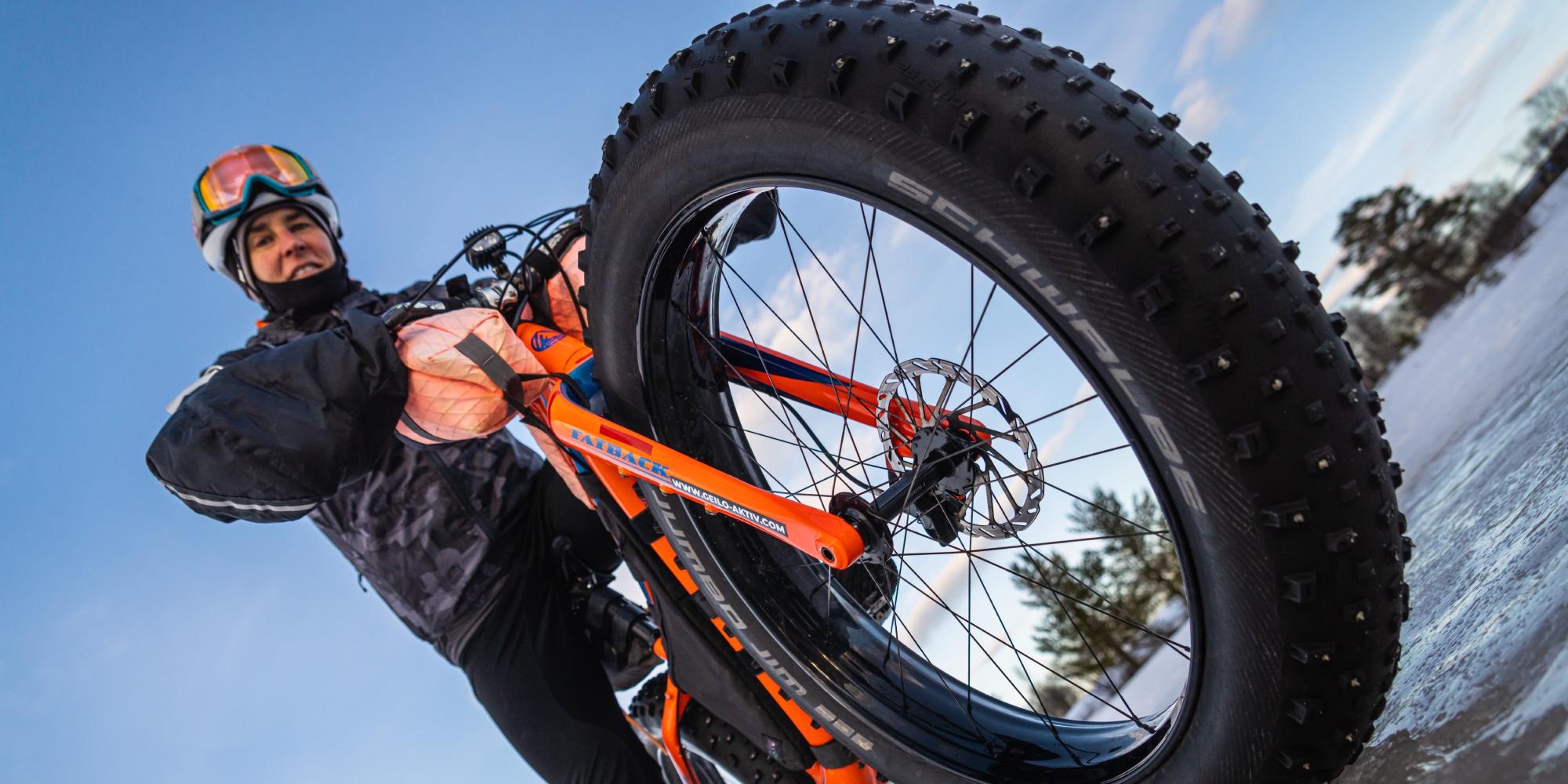
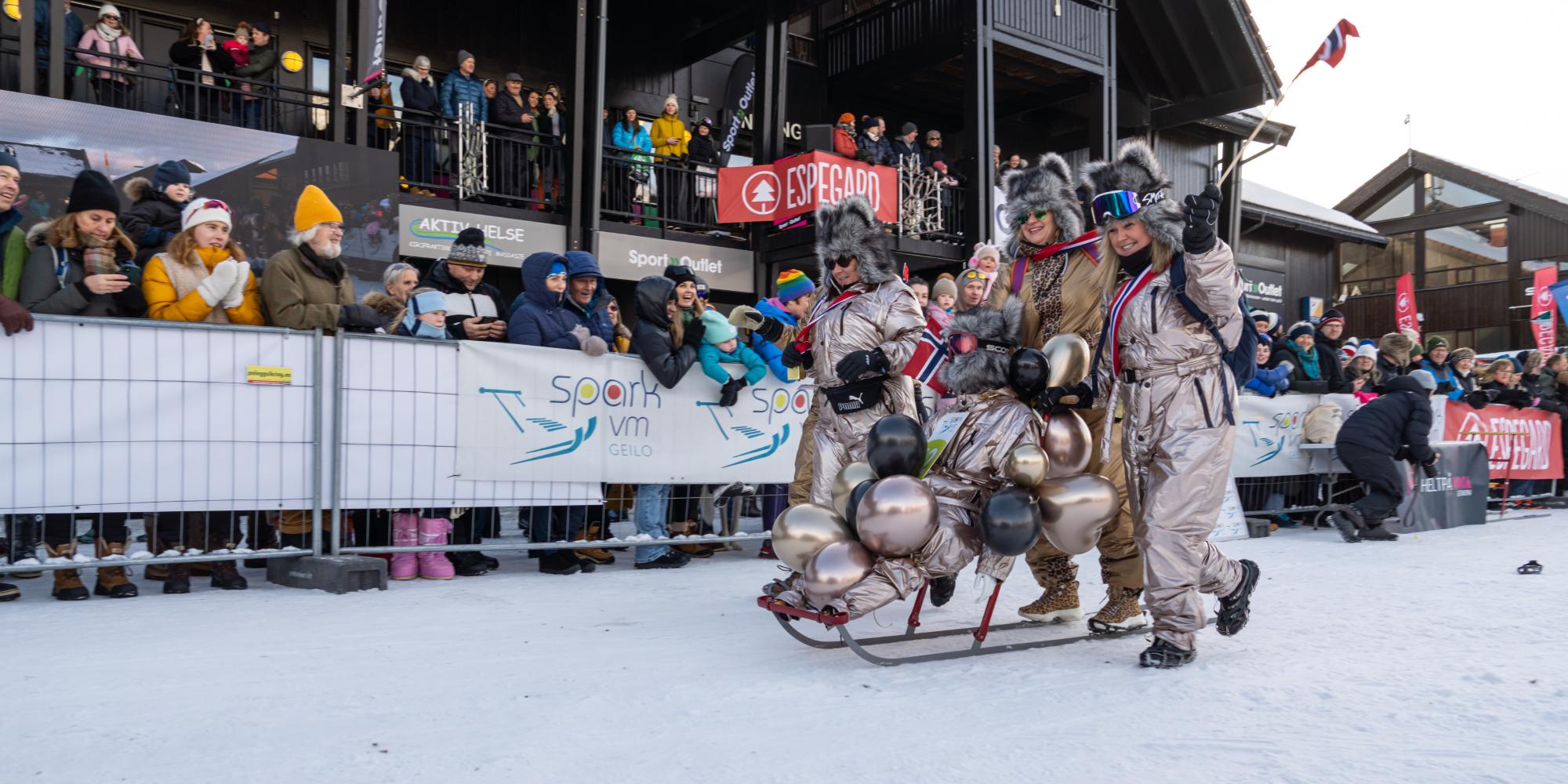
Arctic winter
Winter in the northern part of Norway can be unpredictable, so it's best to be prepared in order to have an enjoyable experience.
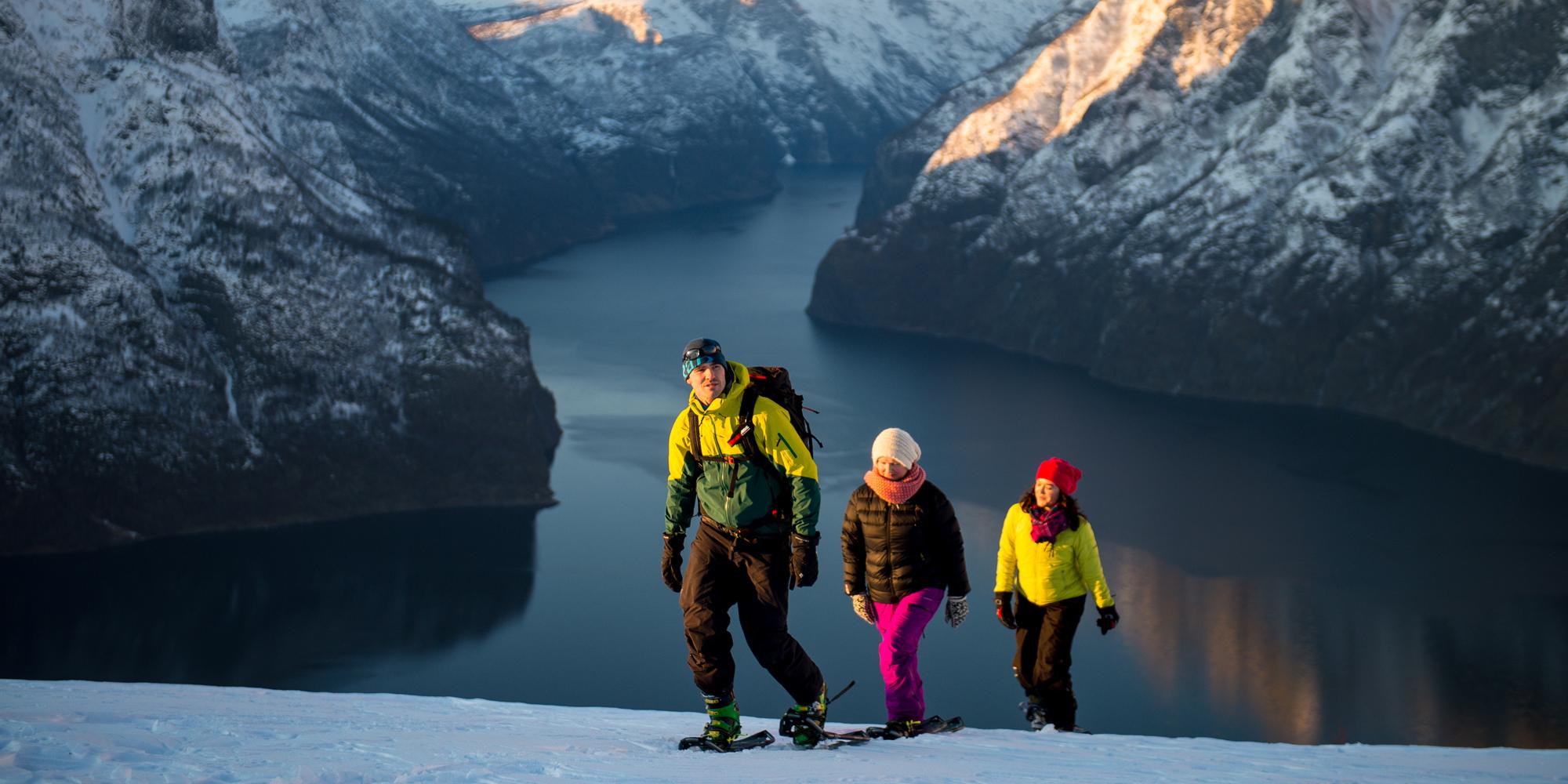
The weather is the main factor to take into consideration. You can experience everything from snow and sunshine, to storms, pure ice and rain. Make sure that you dress in layers on cold days, and wear wind and water-resistant clothing on wet and windy days. It's very important to have good footwear, as it's never fun if your feet get wet and cold.
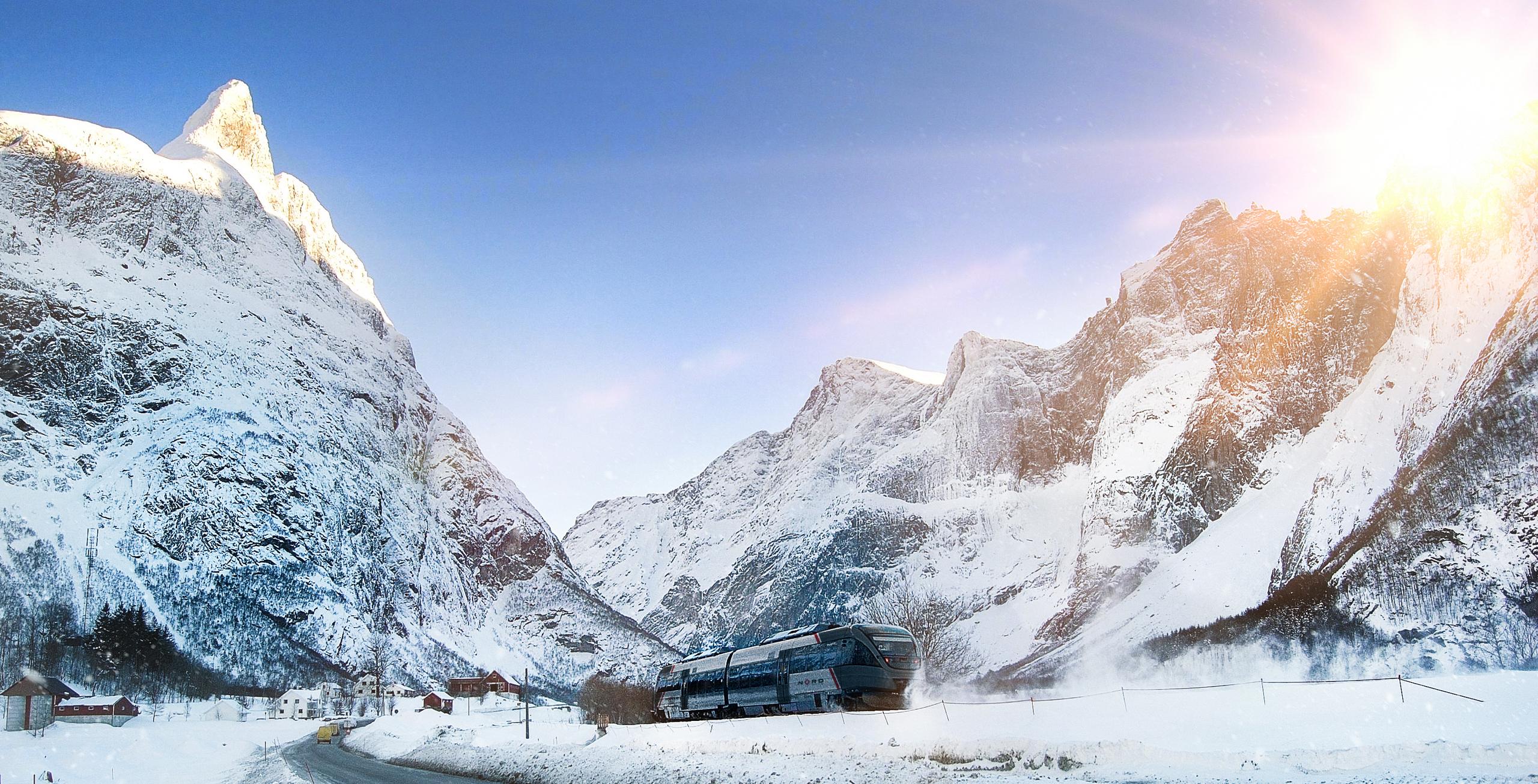
It's also important to keep the weather in mind if you plan on driving in the winter months. It can be quite dangerous if you don't have experience with driving in winter conditions, so if you're not comfortable with it, public transport or hiring a driver is a better option. There may also be delays due to the conditions, so make sure you're not in a rush.
Find more information here:

Winter in Northern Norway
A winter wonderland awaits!
Christmas in the North
Experience the holidays in Norway.
Discover the night sky
Look up and be amazed.
Travel through Northern Norway
Search for the northern lights
Find your next adventure amongst these top offers.
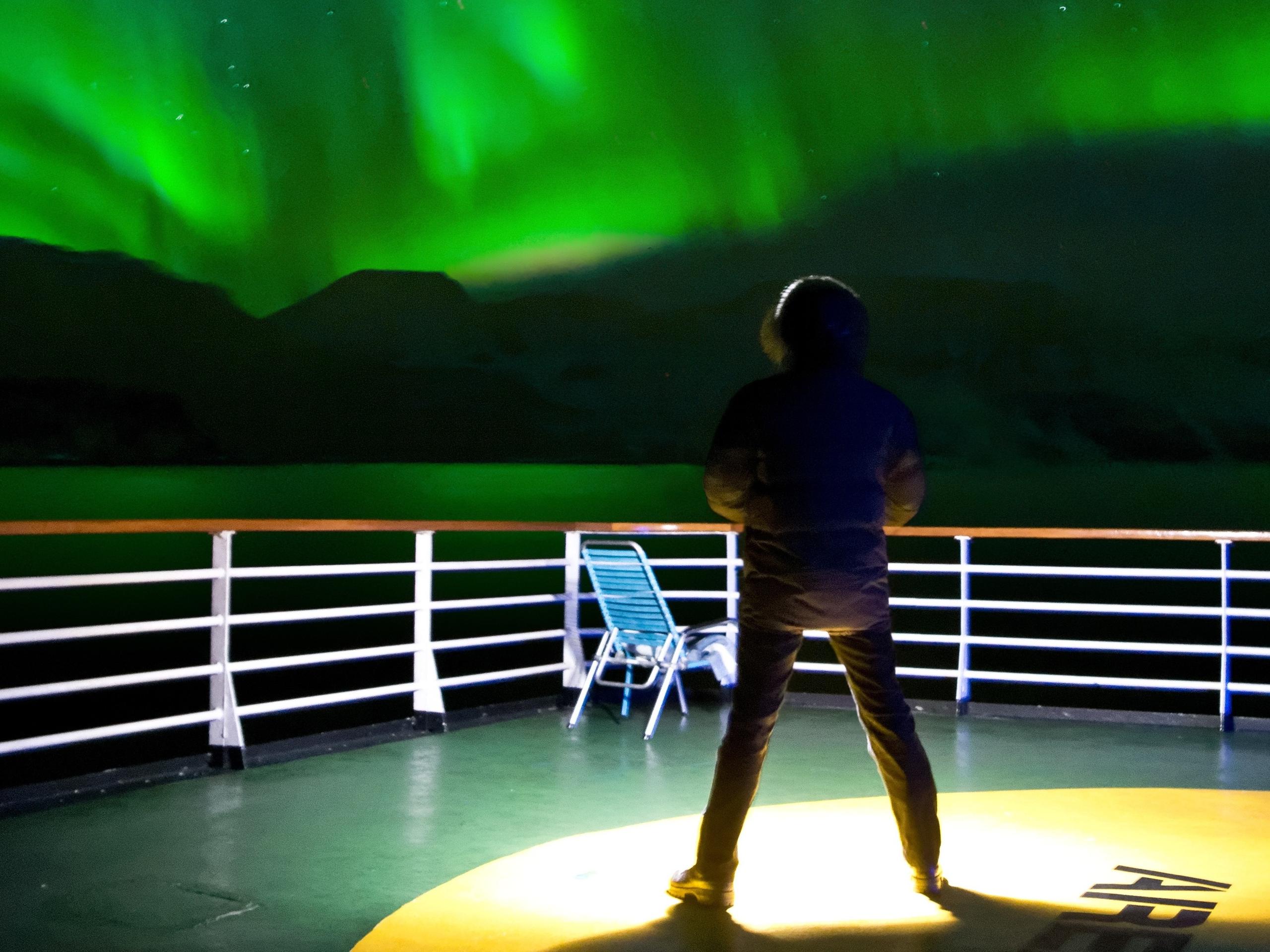 4+ Days ・ September - MarchBook now
Short winter cruise
Tromsø and a Hurtigruten CruiseThis tour includes a cruise with Hurtigruten. Choose from a wide selection of winter activities including dog sledding and northern lights excursions. / Authentic ScandinaviaPrice From 7 355 NOK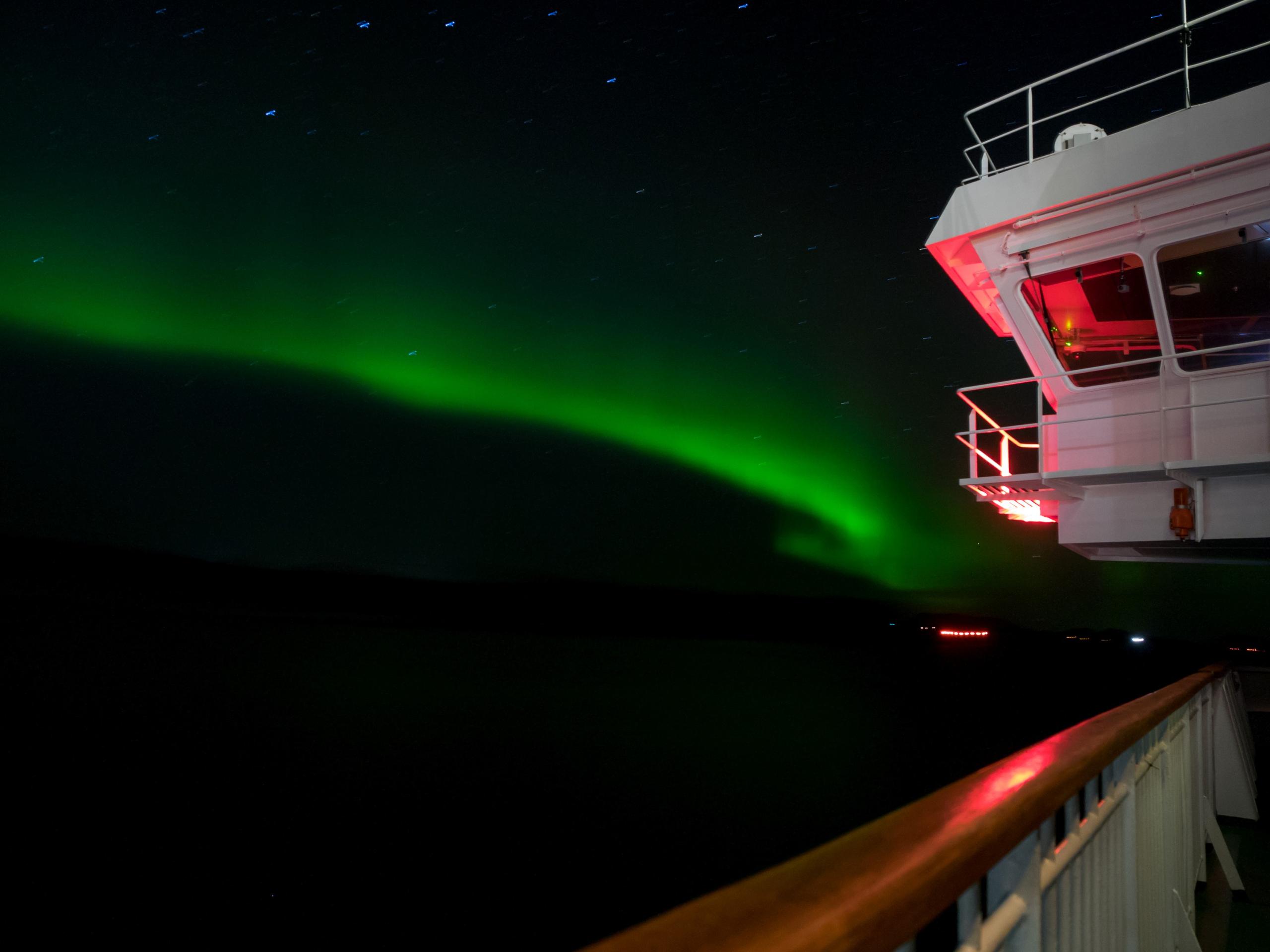 6+ Days ・ September - MarchBook now
Northern lights cruise
Tromsø, the North Cape and KirkenesTour including a return cruise from Tromsø to Kirkenes with Hurtigruten. Visit the North Cape and try winter activities including dog sledding and snowmobiling. / Authentic ScandinaviaPrice From 14 500 NOK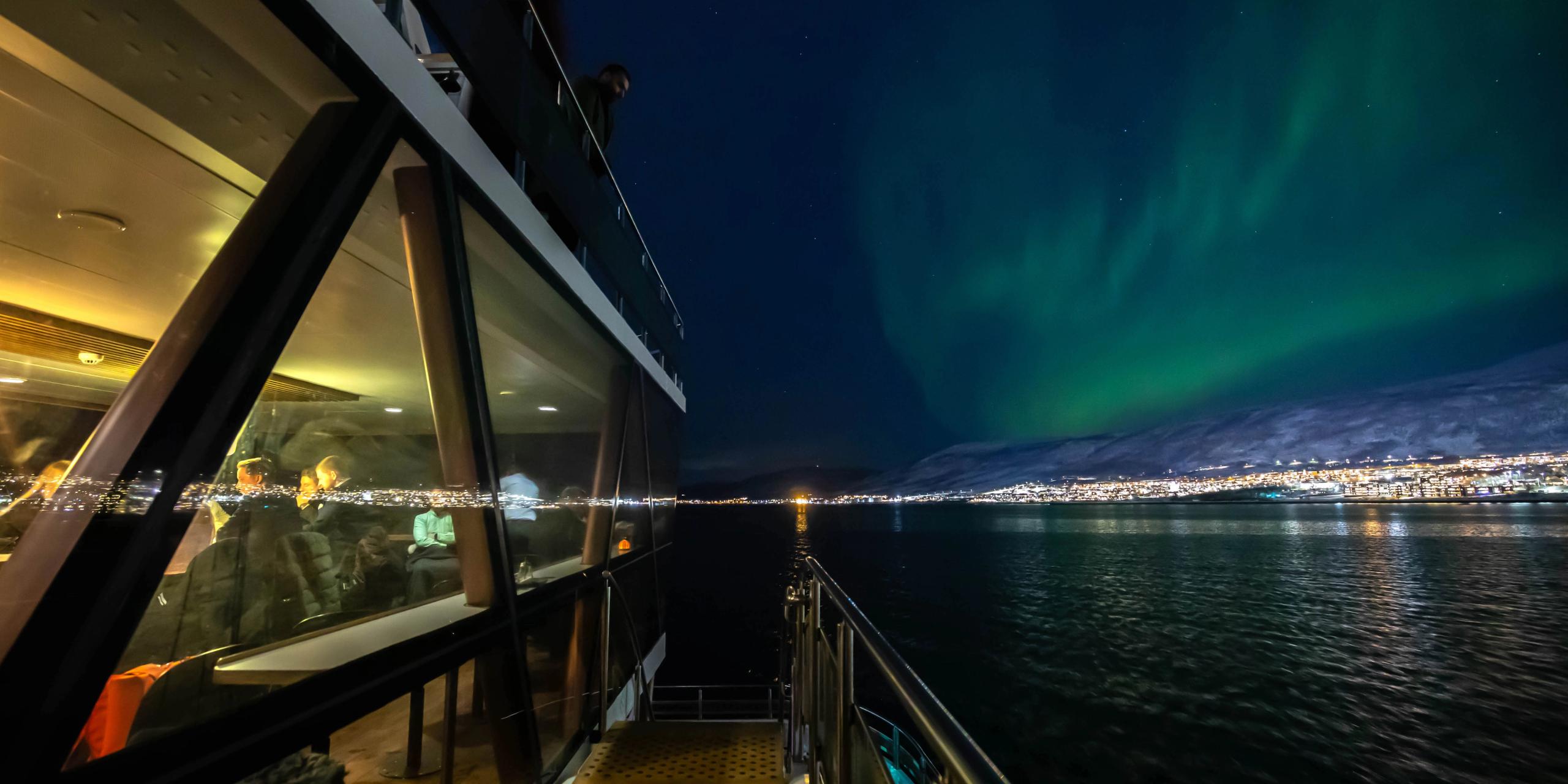 4 Hours ・ September - MarchBook now
Aurora dinner cruise
Boat tour in TromsøJoin a northern lights cruise and enjoy delicious arctic tapas from our partner in Tromsø, while hunting for the northern lights! / Brim ExplorerPrice From 1 890 NOK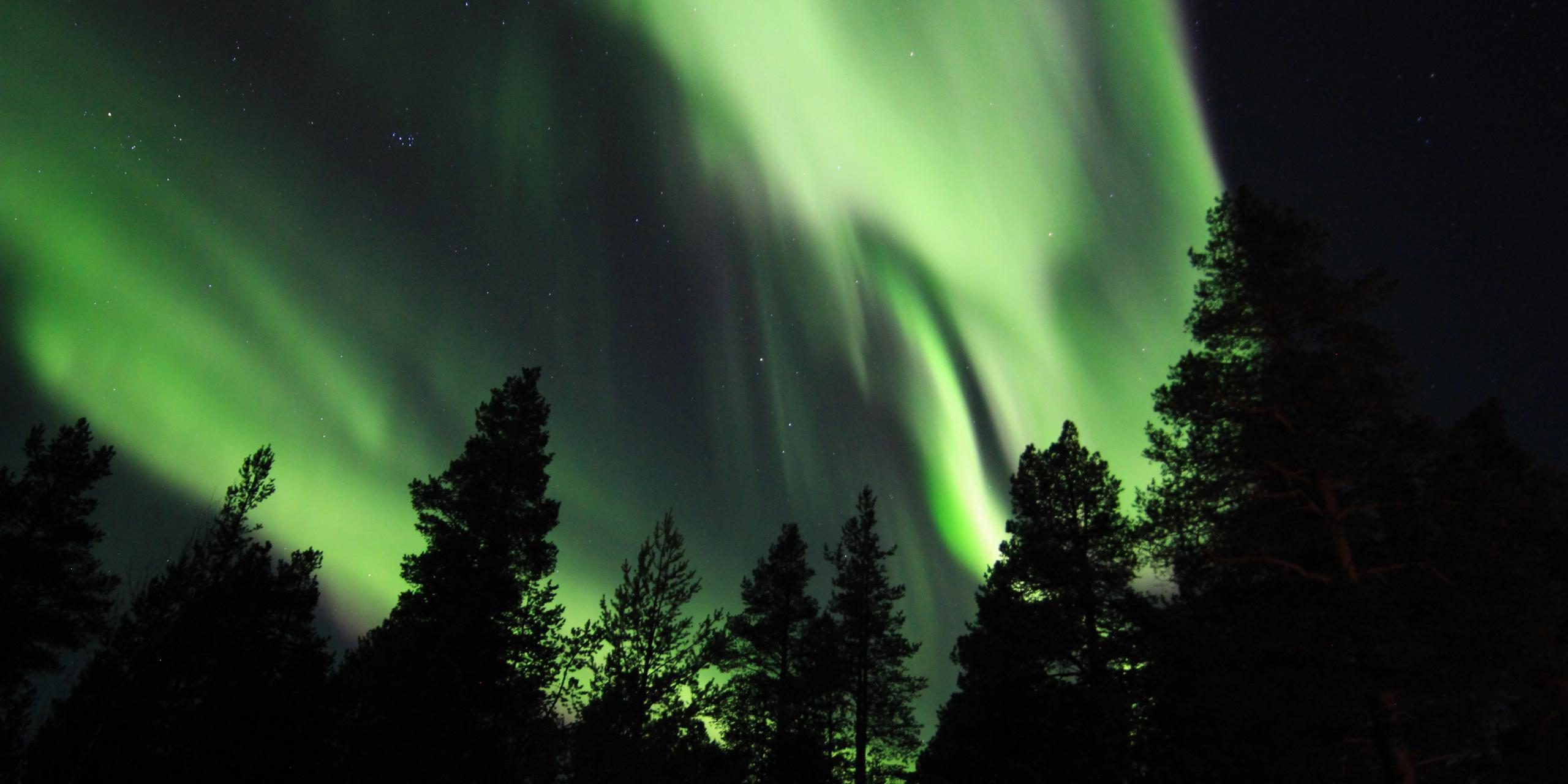 5 Days ・ December - MarchBook now
Magical northern lights
Dog sledding and reindeer sledding in AltaStay in Alta at an Arctic wilderness resort, a forest chalet and an igloo-style dome. Enjoy dog sledding, snowmobiling, and ice-fishing. / Up NorwayPrice From 40 800 NOK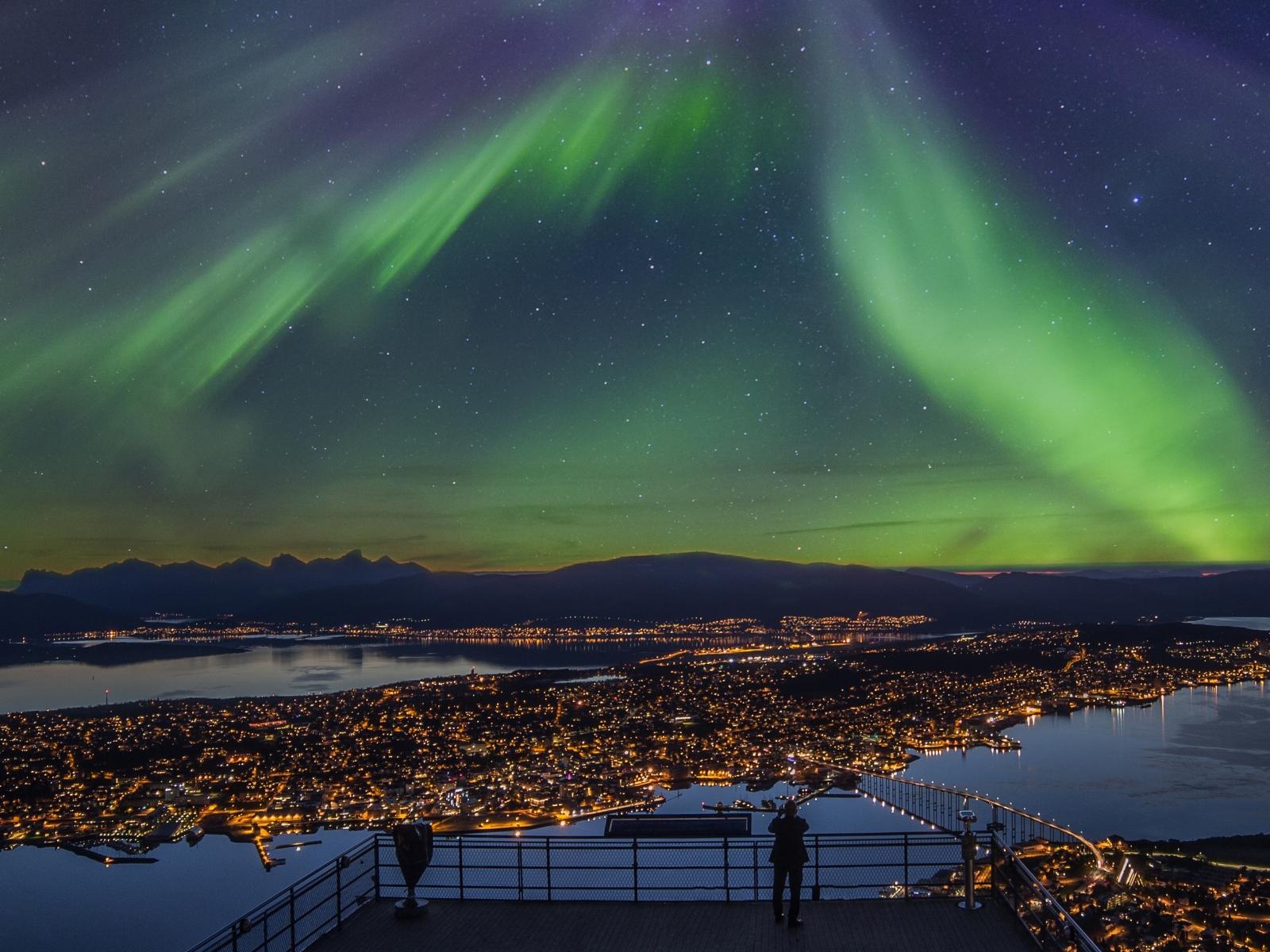 4+ Days ・ November - MarchBook now
Tromsø winter break
Tromsø, northern lights, dog sleddingWinter break to Tromsø, including dog sledding and a northern lights chase by minibus. Additional winter activities can be added. / Authentic ScandinaviaPrice From 10 320 NOK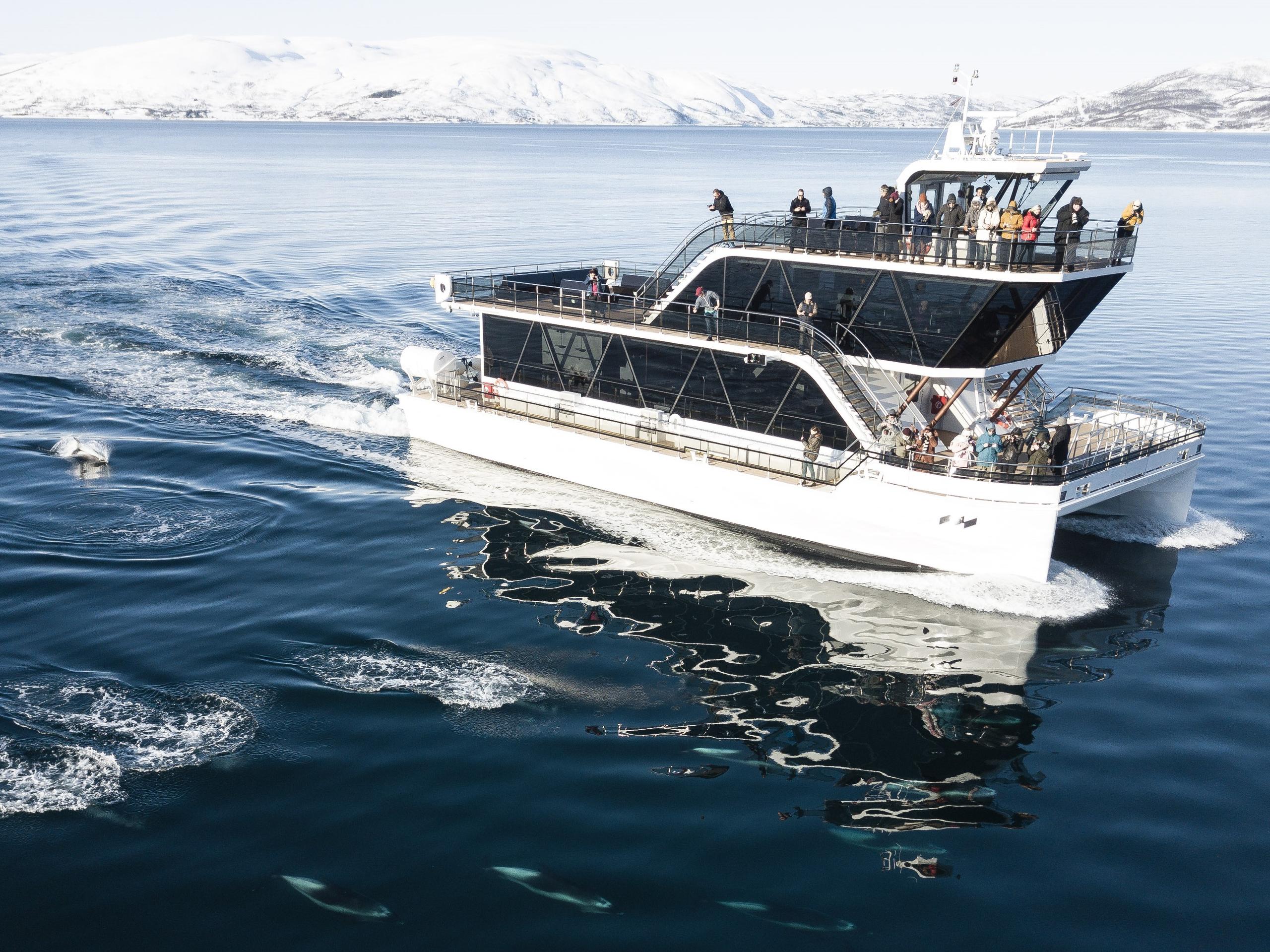 4+ Days ・ September - MarchBook now
Tromsø wildlife & northern lights
City break with a wildlife cruiseTake a break to Tromsø with a cruise and hunt for the northern lights. With one free day, you can add winter activities like dog sledding, a reindeer safari, and more. / Authentic ScandinaviaPrice From 8 310 NOK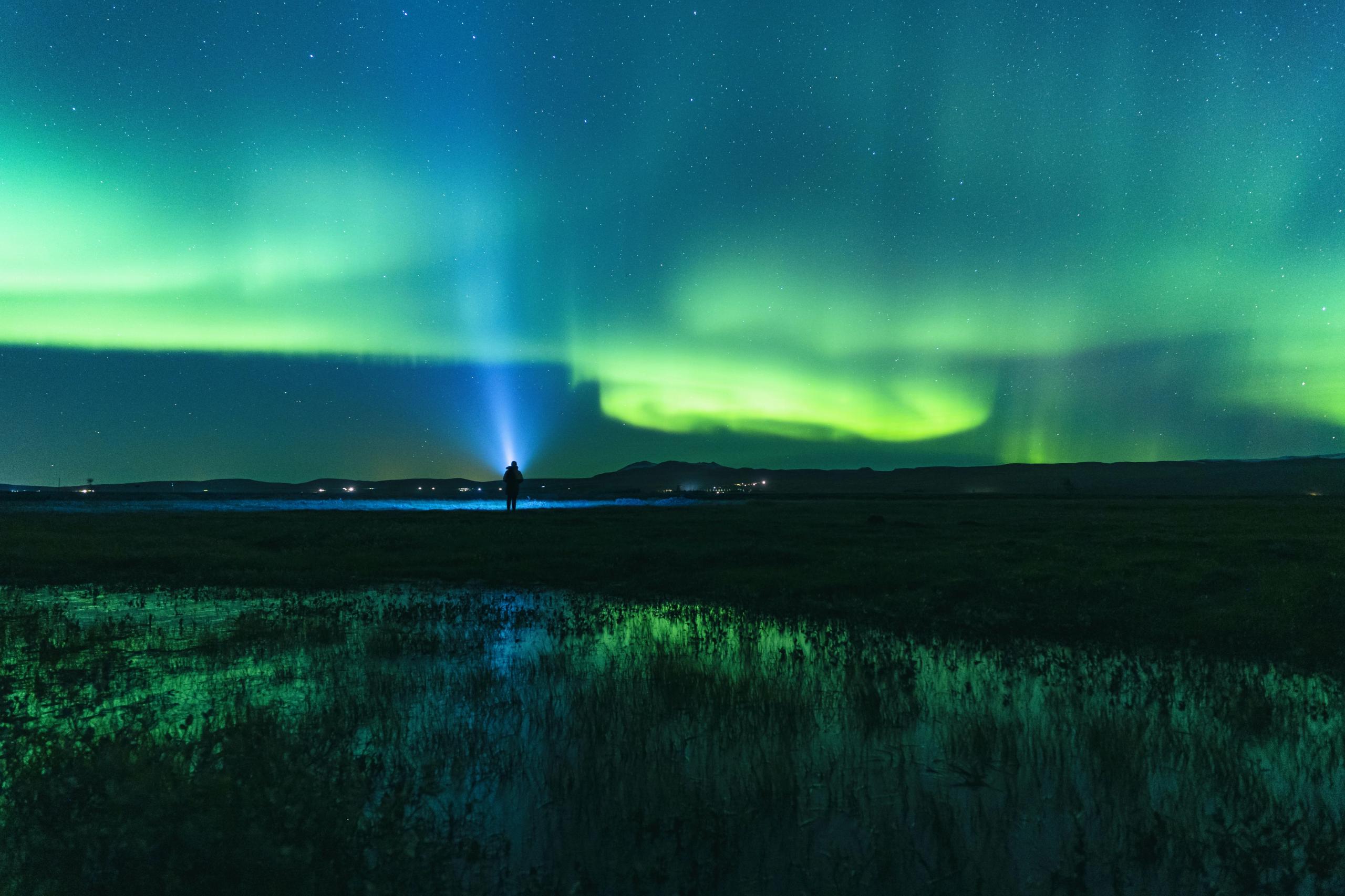 6 Days ・ September - OctoberBook now
Autumn auroras on the coast
Tromsø and SommarøyThis tour includes a guided day tour of Tromsø, sea kayaking, and a sea eagle safari. Stay in a small fishing village and learn how to capture the northern lights on camera. / 50 Degrees North NordicPrice From 16 275 NOK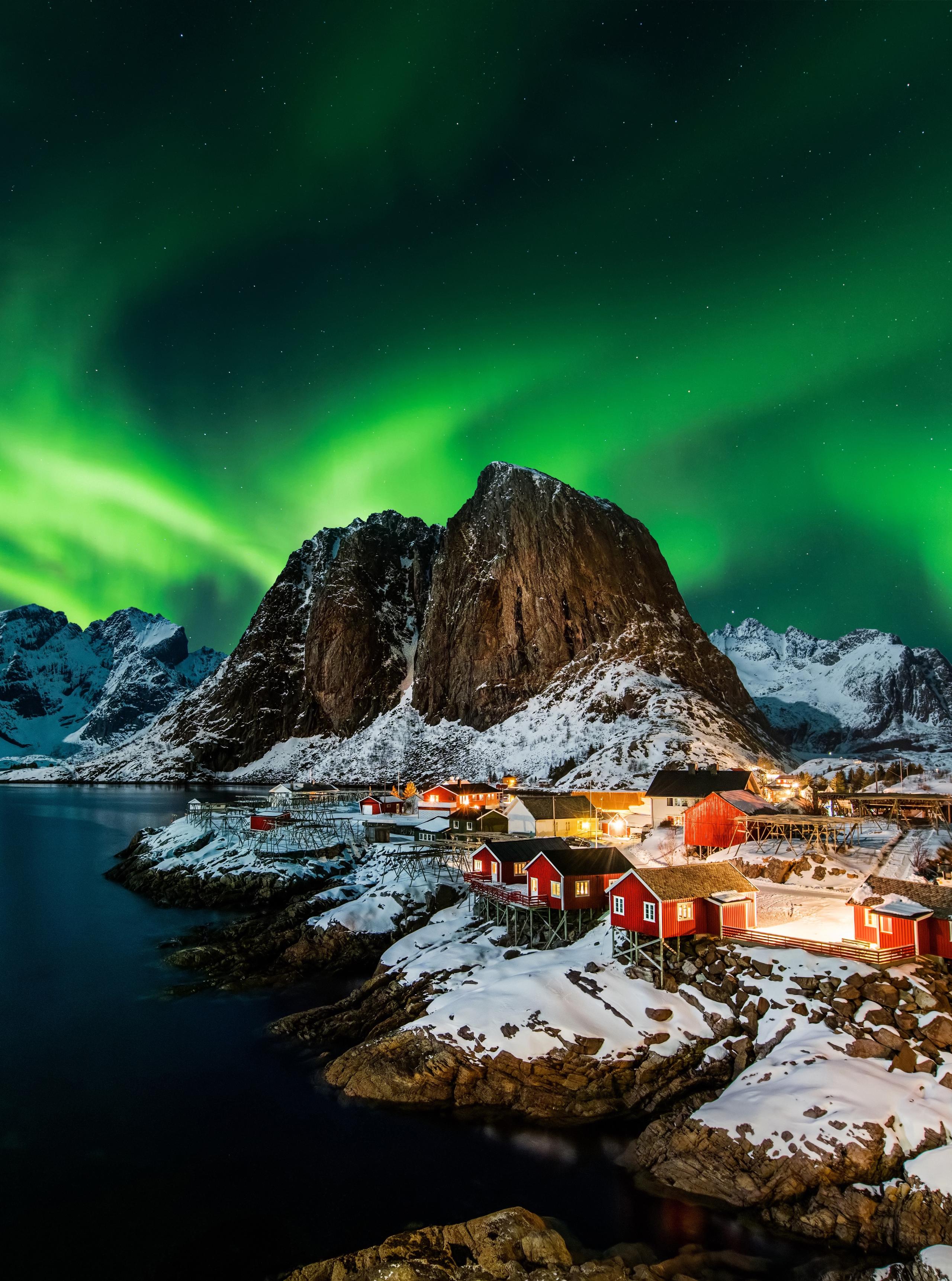 4 Days ・ November - MarchBook now
Lofoten & northern lights
Lofoten archipelago experienceTrip with an aurora-chase guided tour, RIB boat tour, and accommodation in a traditional fisherman's cabin. / 50 Degrees North NordicPrice From 9 498 NOK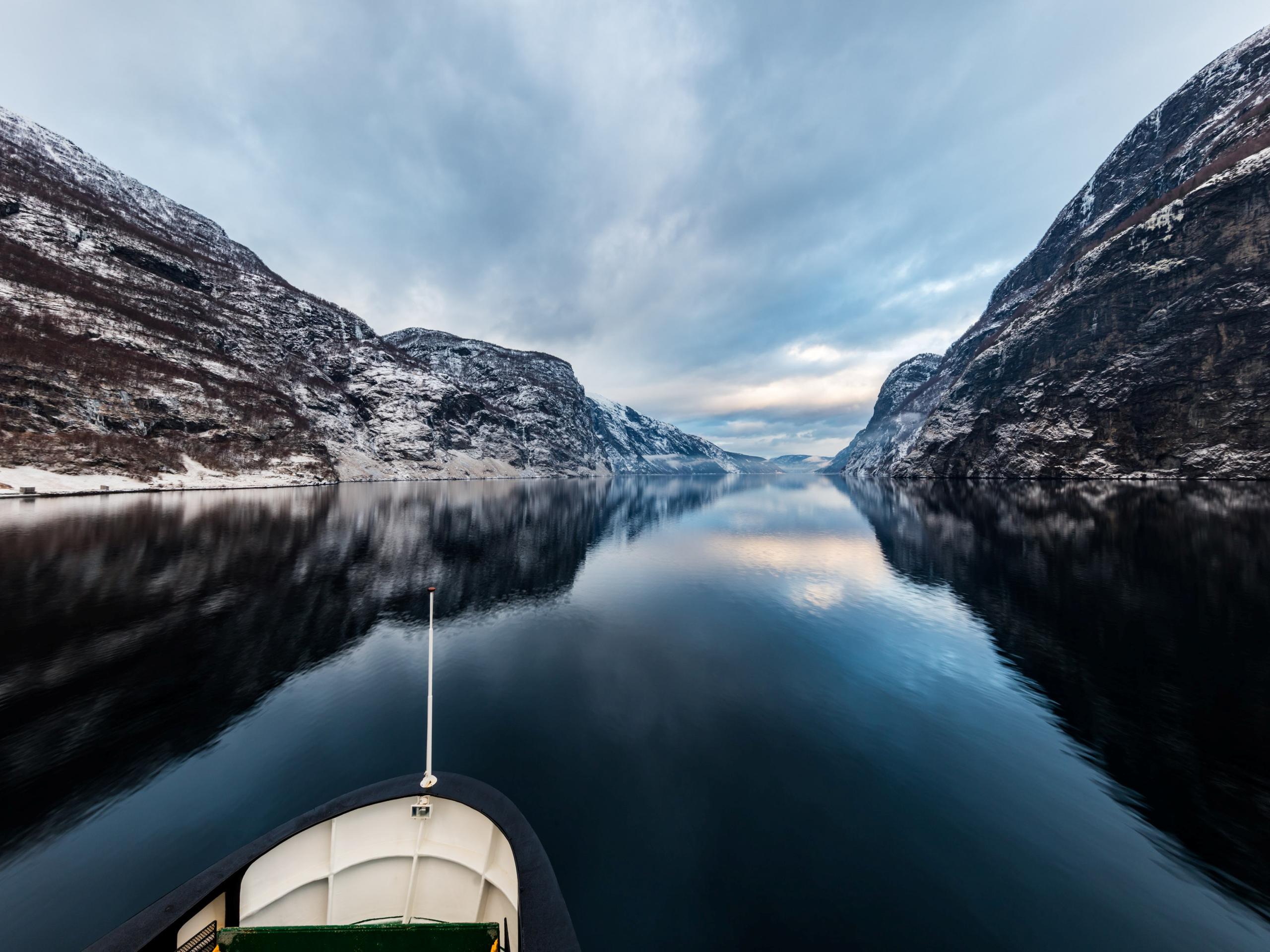 6+ Days ・ September - MarchBook now
Fjords & northern lights
Oslo, Bergen, Flåm and TromsøWinter adventure. See the fjords and the Arctic city of Tromsø. Winter activities like dog sledding, a northern lights safari, and much more can be added. / Authentic ScandinaviaPrice From 10 170 NOK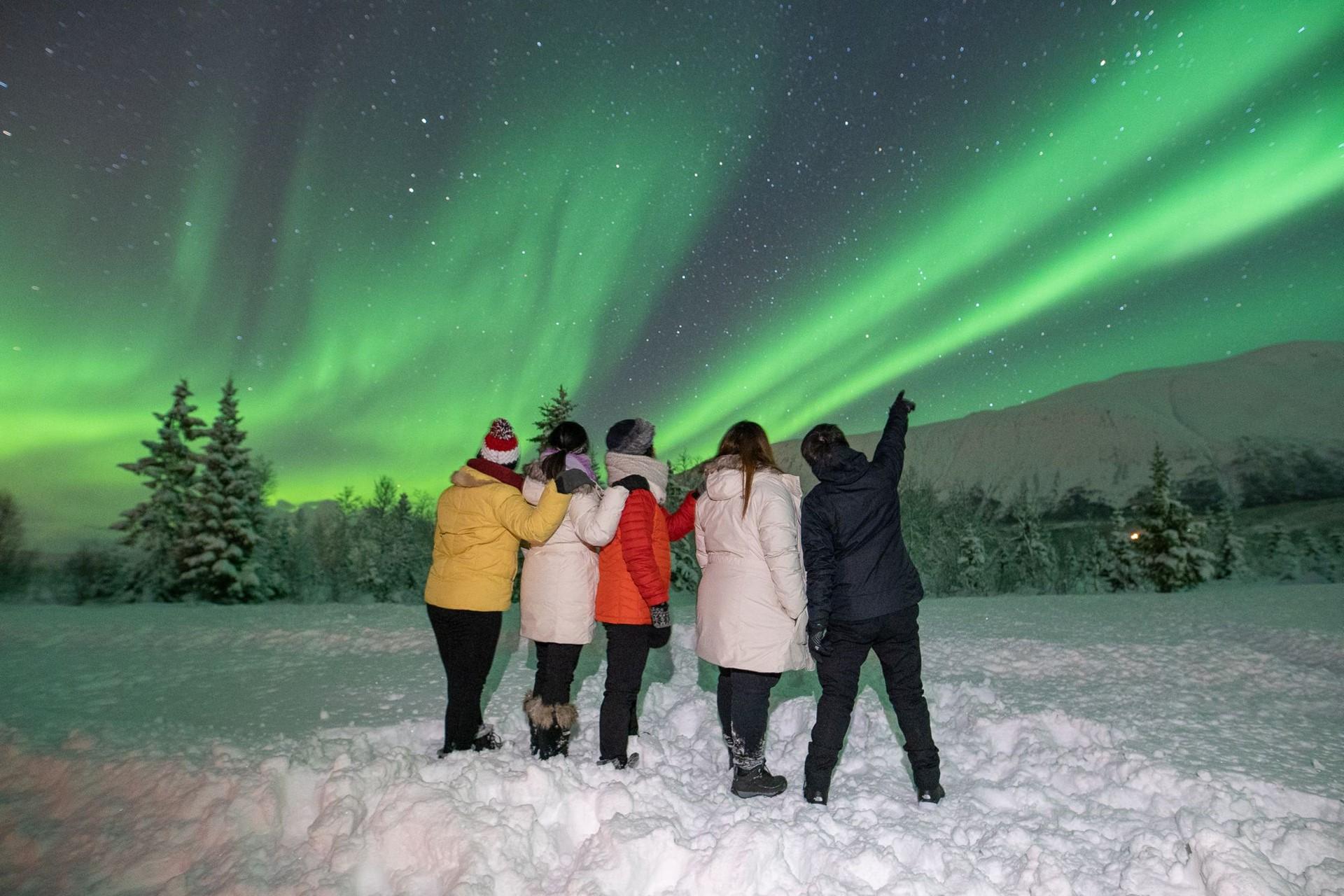 7 Hours ・ October - MarchBook now
Aurora safari camp in Tromsø
Northern lights at a private campYour guide will choose the camp location with the highest chance of seeing the northern lights. All camps have shelters, toilets, campfires, and benches outside. / Fjord ToursPrice From 1 490 NOK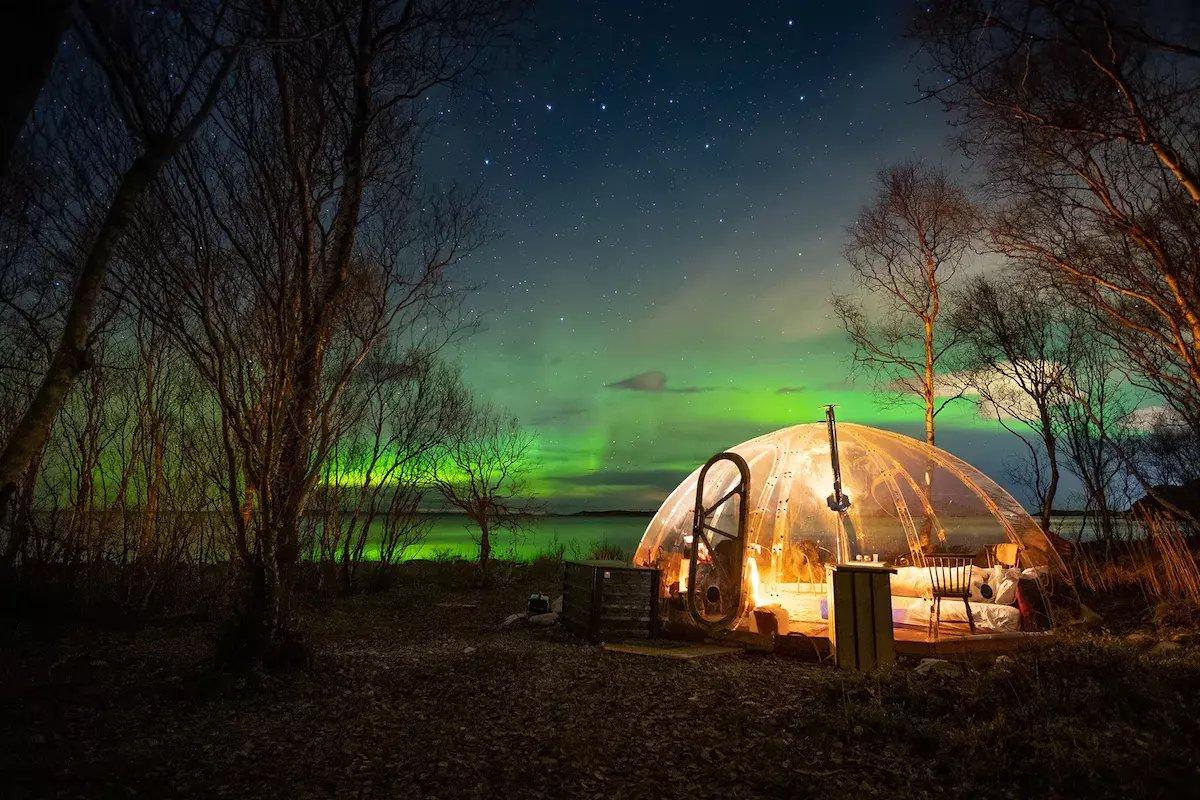 December - FebruaryBook now
Unique northern lights stays
The best northern lights accommodationCombine a northern lights experience with comfort and luxury. These once-in-a-lifetime stays are in prime locations for optimal aurora borealis viewing. / CampanyonPrice From 3 000 NOK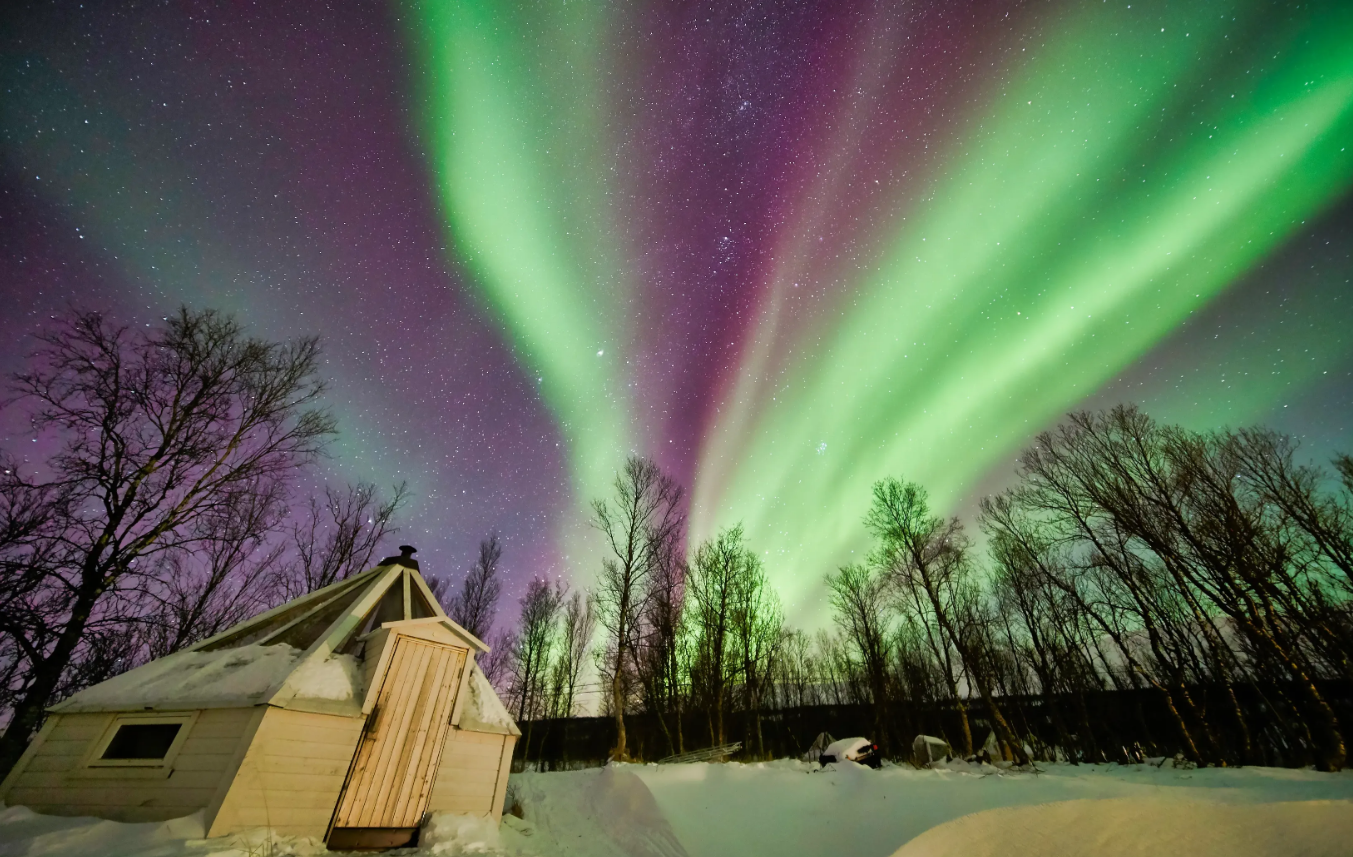 24 Hours ・ December - MarchBook now
Lavvo and northern lights
Winter experience outside of TromsøSpend a night in a private crystal Lavvo in the Lyngen Alps. Learn how to photograph the aurora and try snowshoeing. Return transfers, lunch, dinner, and breakfast are also included. / Booknordics.comPrice From 3 390 NOK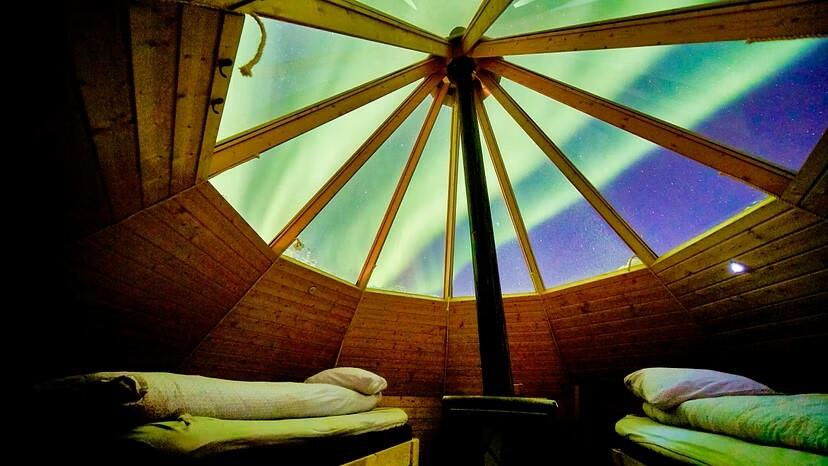 4 Days ・ October - MarchBook now
Holiday package in Tromsø
Trip in Tromsø and the Lyngen AlpsEnjoy two nights in central Tromsø , including a northern lights tour. Stay in a Crystal Lavvo in the Lyngen Alps, with a view of the auroras. Local transfers, activities and meals included. / Booknordics.comPrice From 11 220 NOK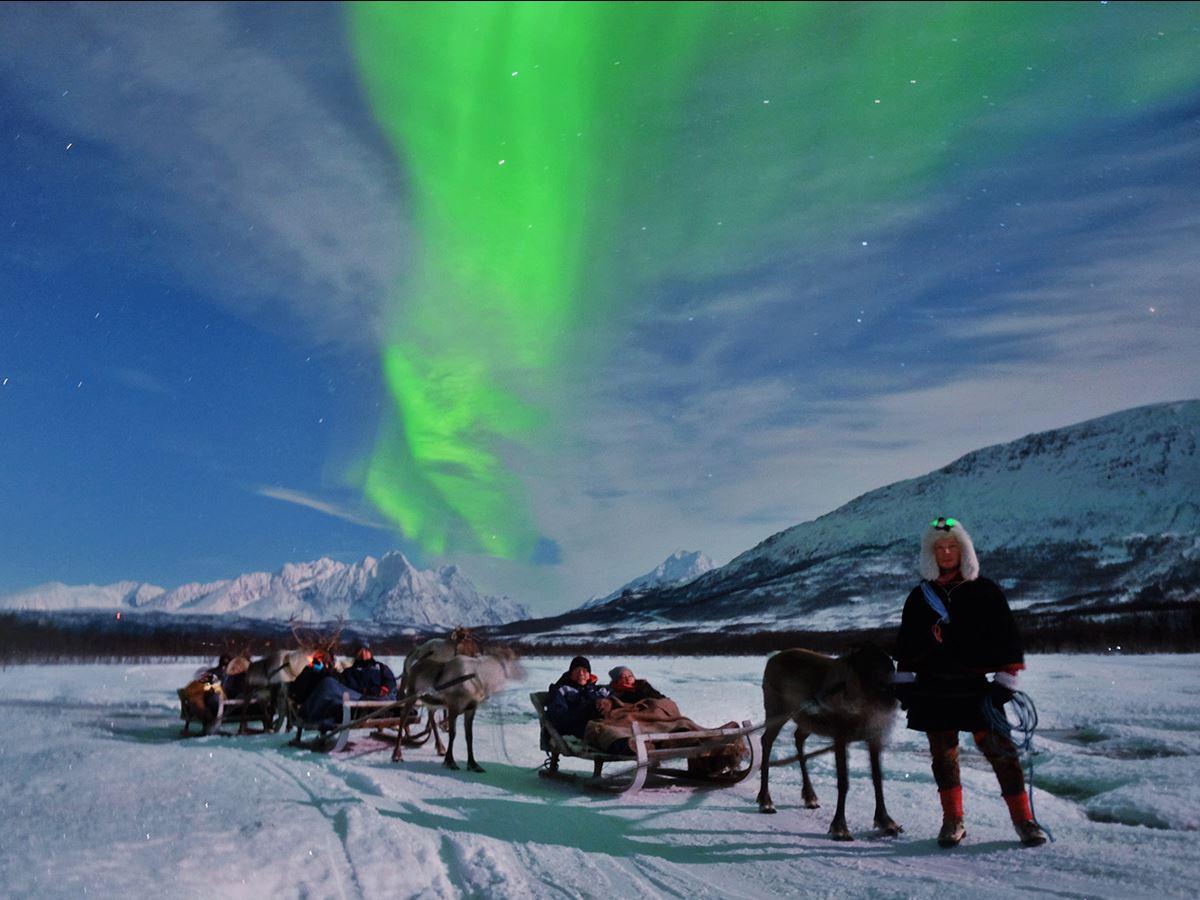 17 Hours ・ November - MarchBook now
Sami experience from Tromsø
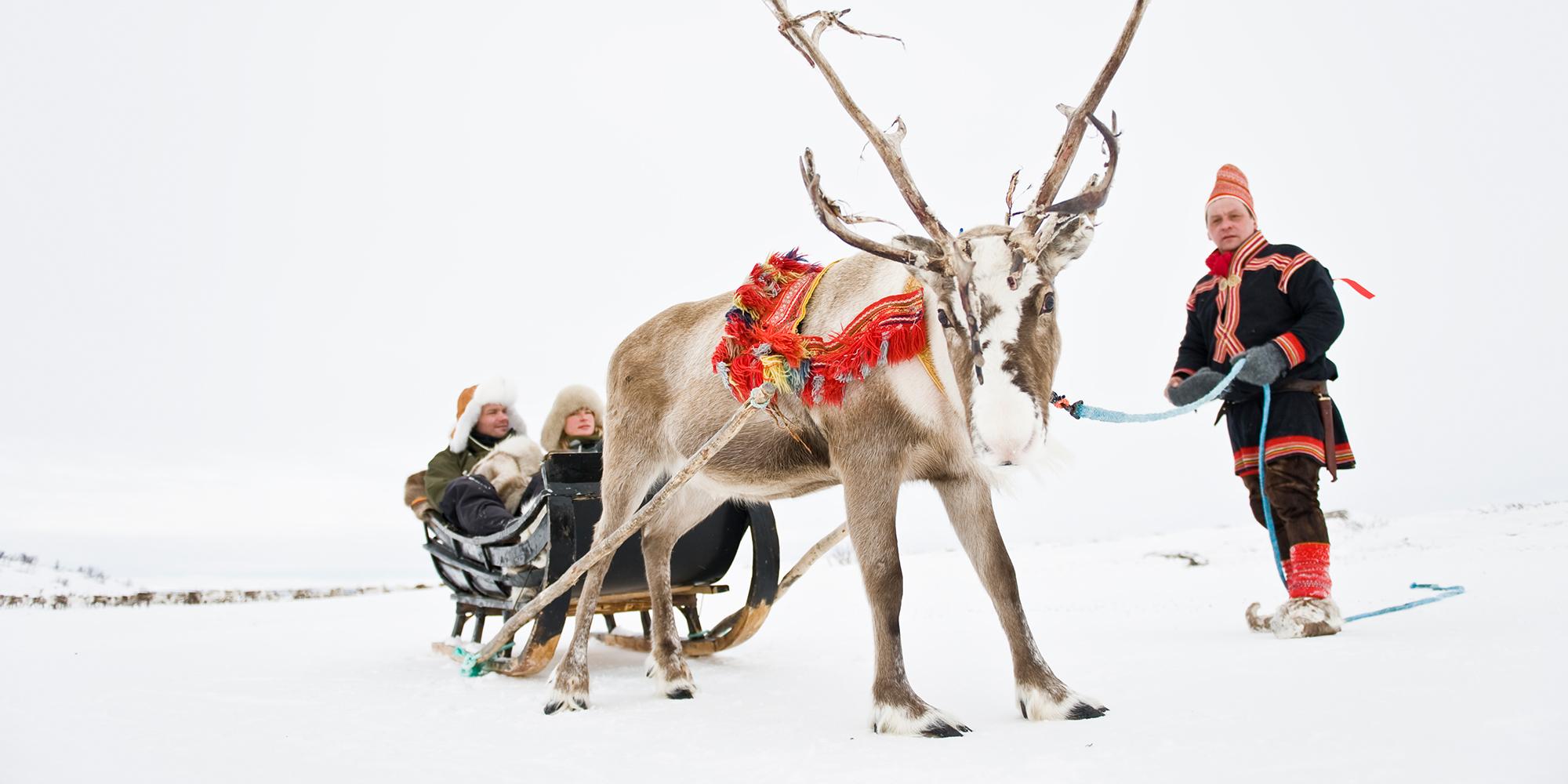
Overnight reindeer sledding tour with lavvo stayTry reindeer sledding, spend the night in a traditional Sami tent, feed reindeer, and enjoy Arctic landscapes. With some luck, the northern lights might appear! / Booknordics.comPrice From 3 995 NOK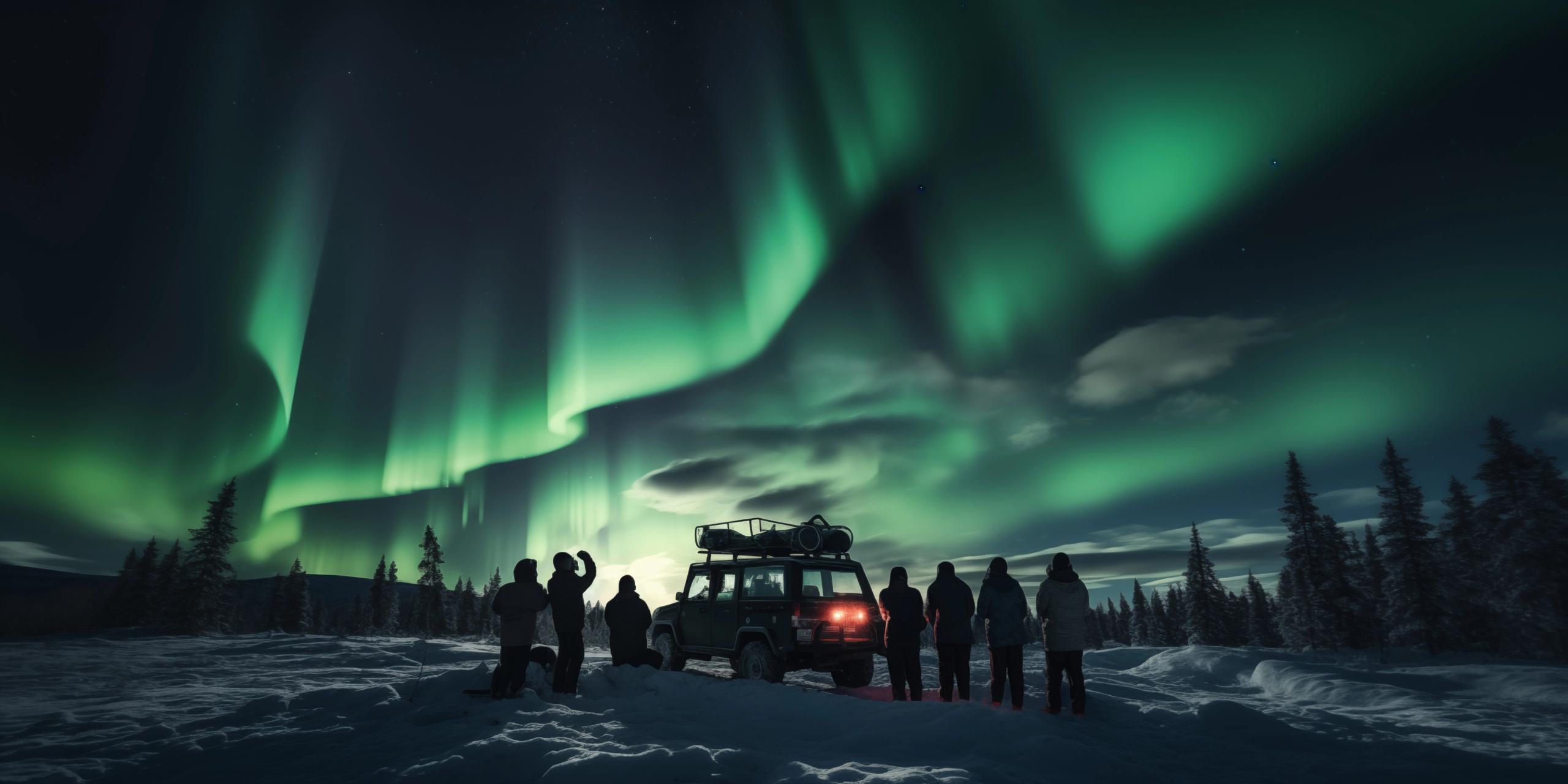 6 Days ・ September - MarchBook now
Northern lights in Tromsø
6 days in Arctic Norway with activitiesSpend three nights in Tromsø, and join three unique excursions: An Aurora safari by coach to a base station, an evening trip by reindeer or husky sledding, and a northern lights evening cruise safari. / My Nordic TravelFrom 25 000 NOK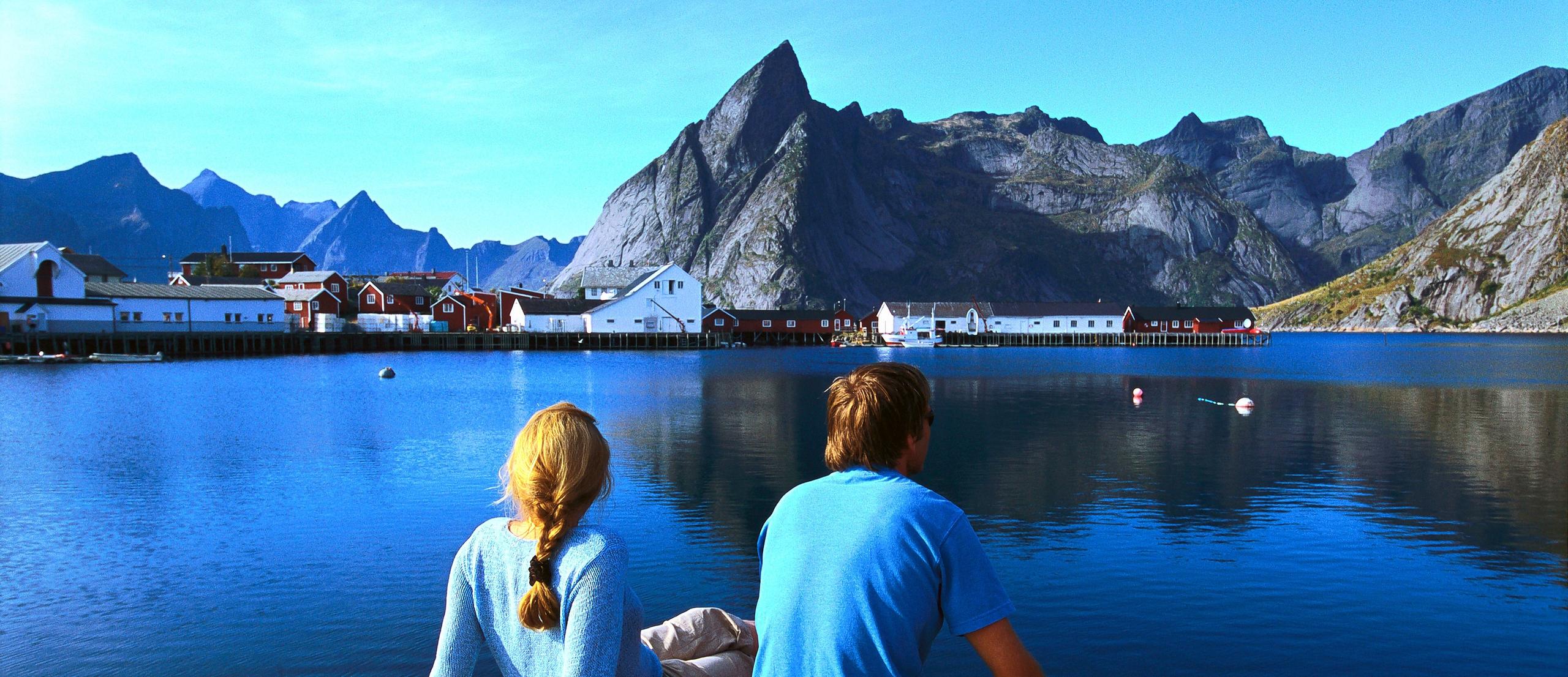 6+ Days ・ April - SeptemberBook now
Lofoten Summer Adventure
Svolvær, Reine and the midnight sunEmbark on a summer adventure to the stunning Lofoten Islands and experience the midnight sun. Journey by bus from Svolvær to Reine and spend three nights in an authentic fishermen’s cabin. / Authentic ScandinaviaPrice From 6 835 NOK