Lefse is a versatile pastry, but as Karlsen points out: it takes time to make it from scratch.
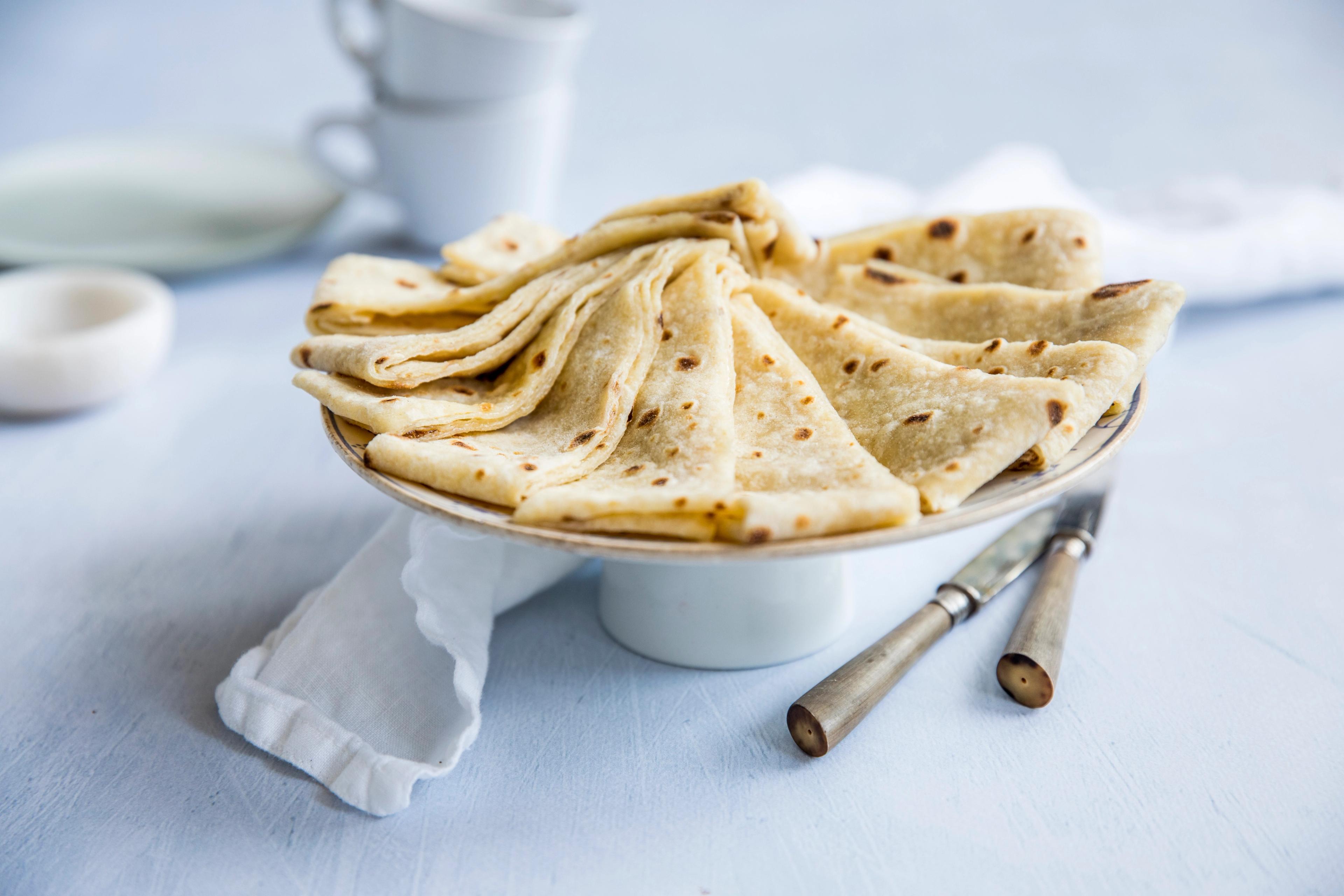
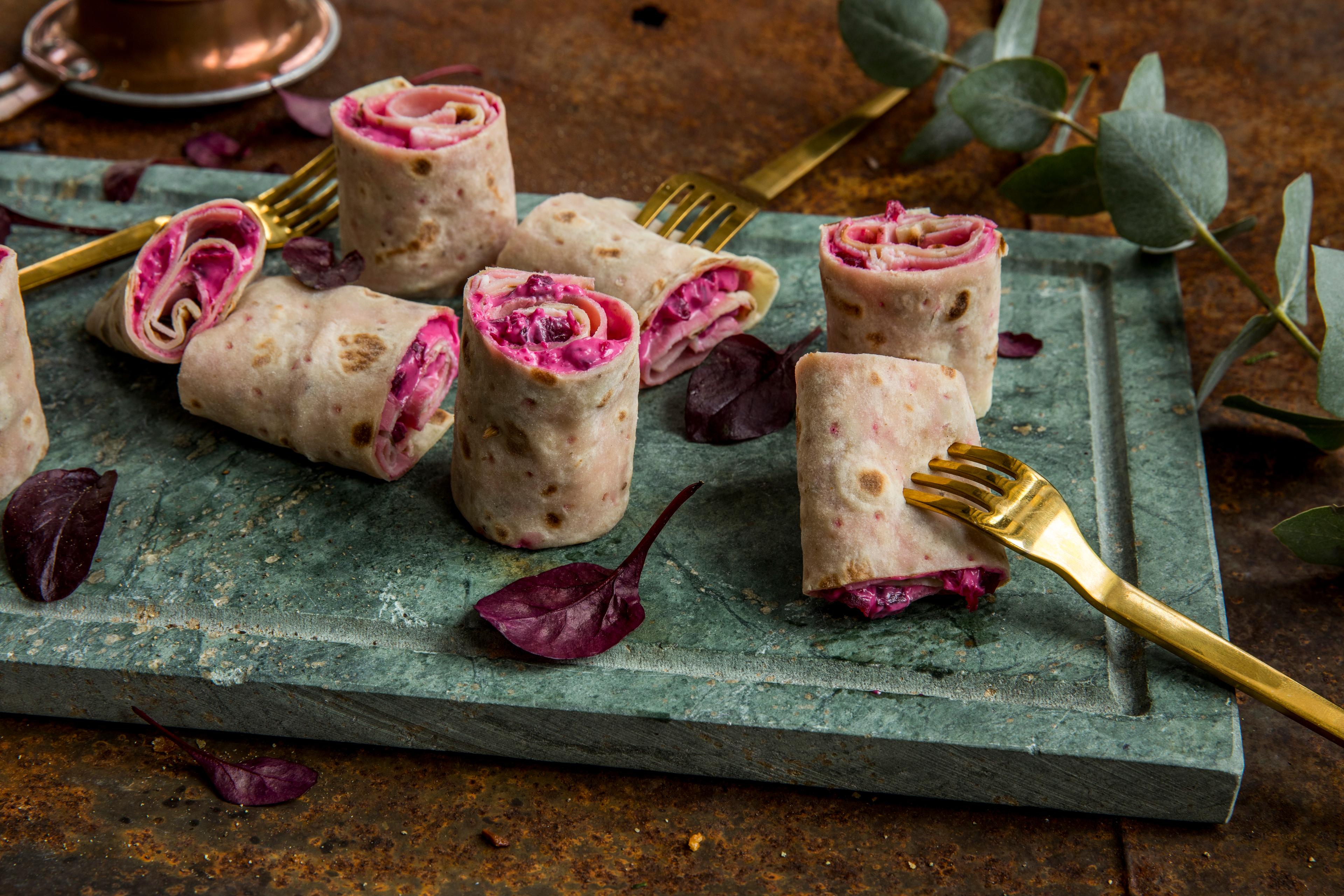
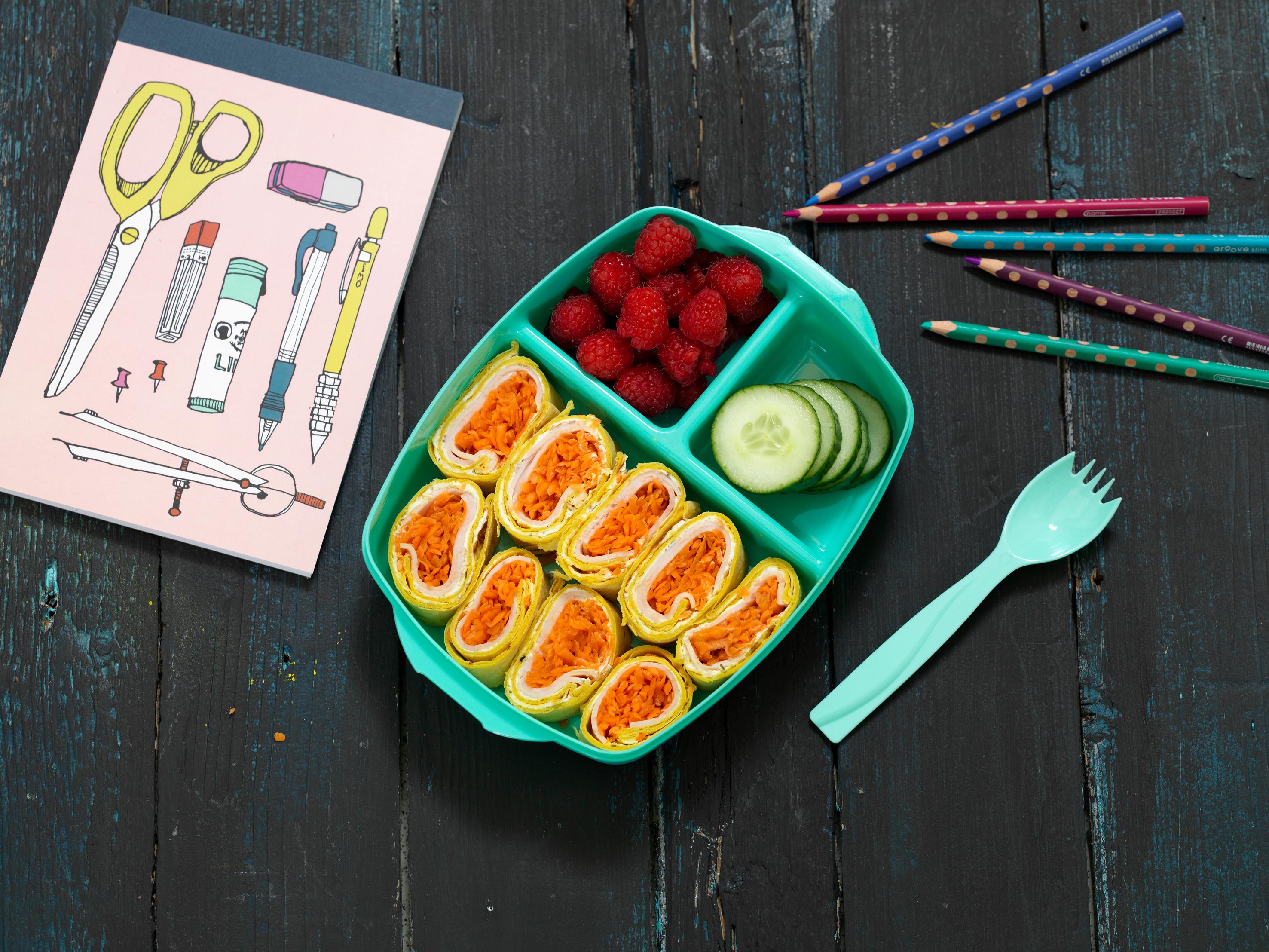
Luckily, you can easily buy potetlefser (lefse made with potatoes) in more or less every grocery store. They are perfect for lunch wraps and tapas. You can also use it as a blanket for your hot dog instead of buns! We just call it pølse og lompe (hot dog with lompe, a small potato lefse).
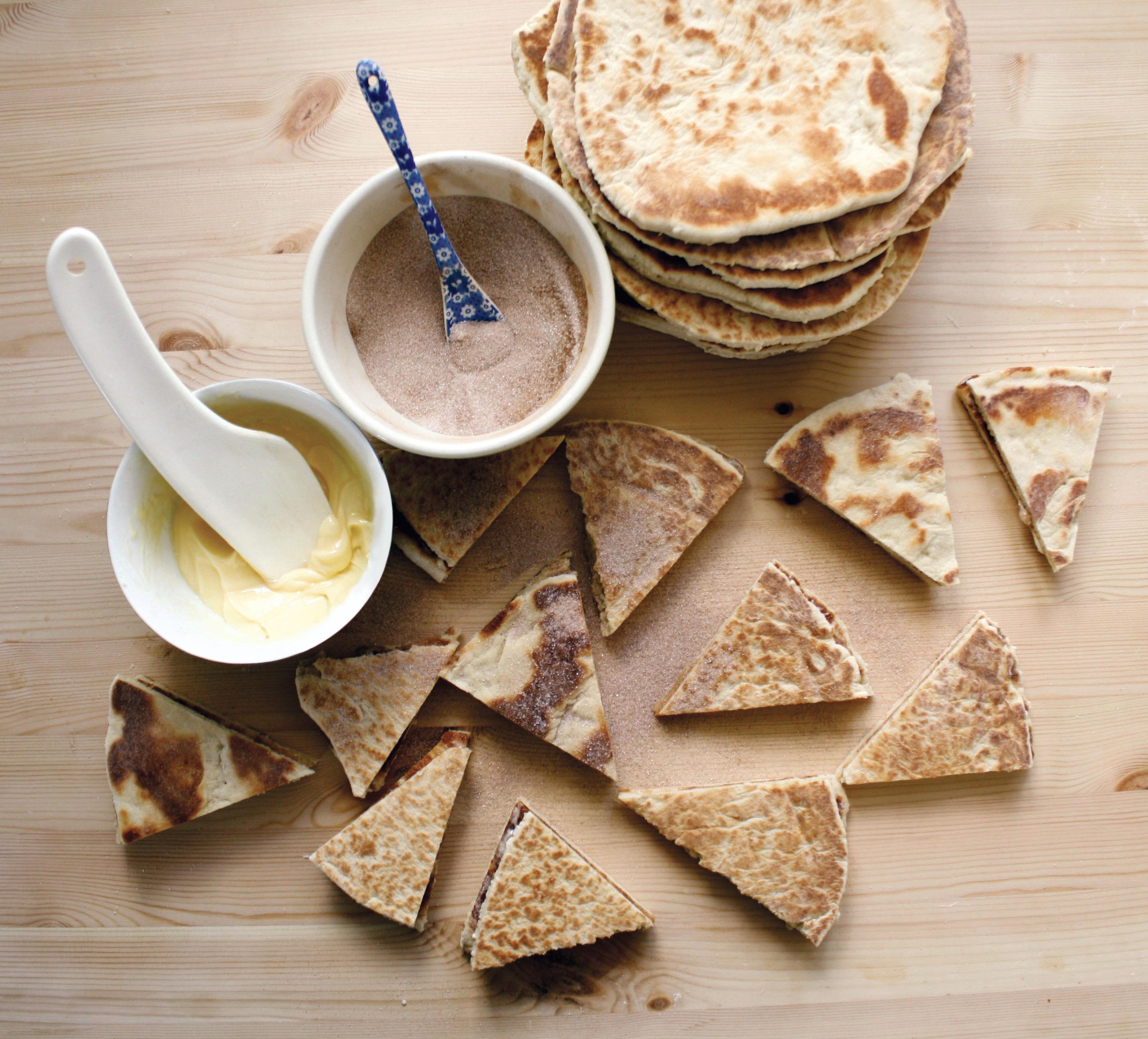
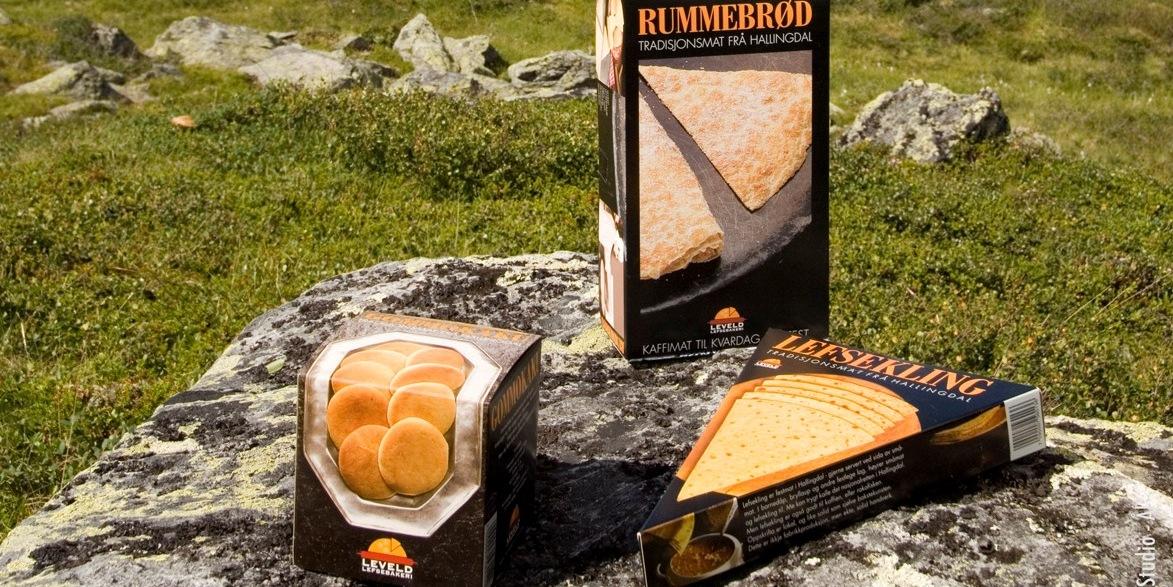
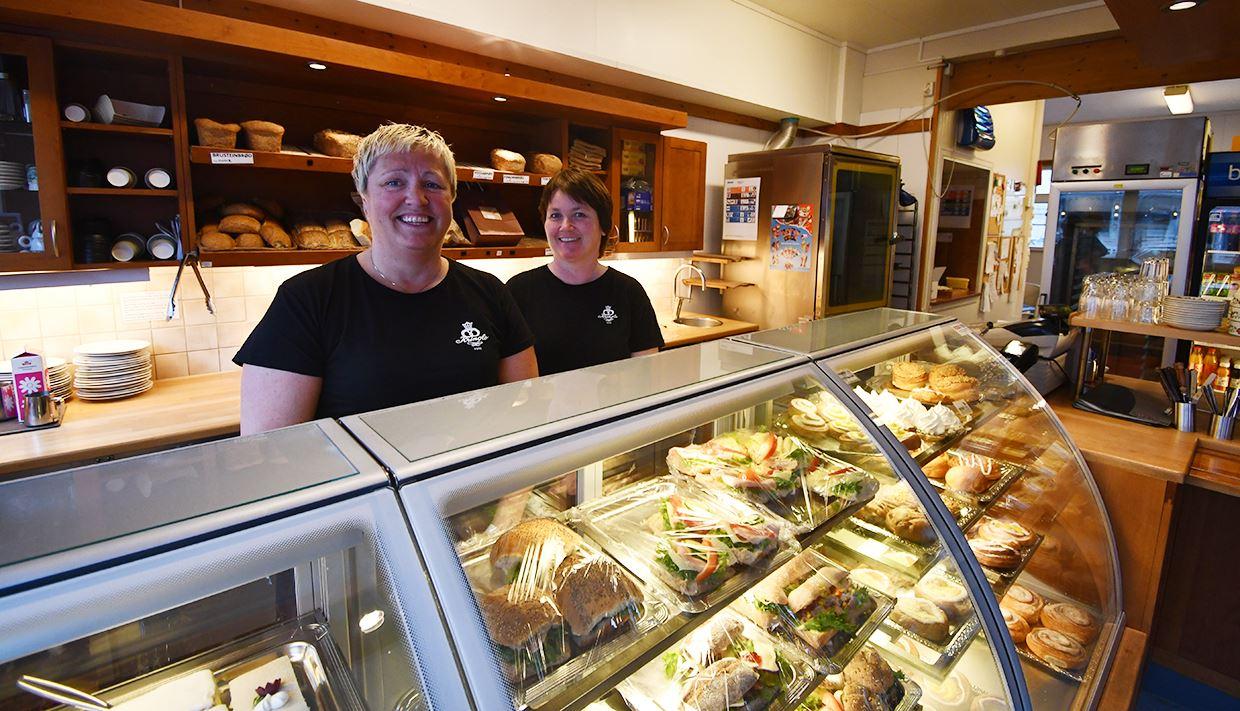
Some shops also sell lefse with sugar and cinnamon, but Karlsen advice you to visit farm shops and bakeries that have lefse as one of their specialities.
“Nothing tastes better than homemade lefse. It’s the first treat to sell out at Christmas markets and the one thing everyone eats at birthday parties or celebrations”, Karlsen says.
Labour of love
The passionate food enthusiasts explain that people often come together when making lefse, dividing the tasks between them to make the job easier.
“Whether you’re old or young, there’s always something you can do to help. Some people make the dough, while others use the rolling pin to make the dough flat. Then someone is in charge of frying the lefse on a large griddle, add sugar and cinnamon, or slice the large lefse into smaller pieces.”
This is how they pass the tradition down to younger generations. It also makes baking fun and social. The lefse is, essentially, made with love.
From dinner to dessert
How the lefse is made and what it is filled with, varies around the country. The lefse we use for dinner, tapas and similar, is not as sweet as those served as a dessert or a treat.
“I’m from Salten in Northern Norway, and møsbrømlefse was a delicious dinner growing up. It is my favourite lefse”, Karlsen explains.
Møsbrømlefse is lefse with a filling called møsbrøm, a brown cheese spread. Karlsen also highlights kjøttlefse (lefse with meat) which is similar to taco, where you add meat between the lefse and heat it.
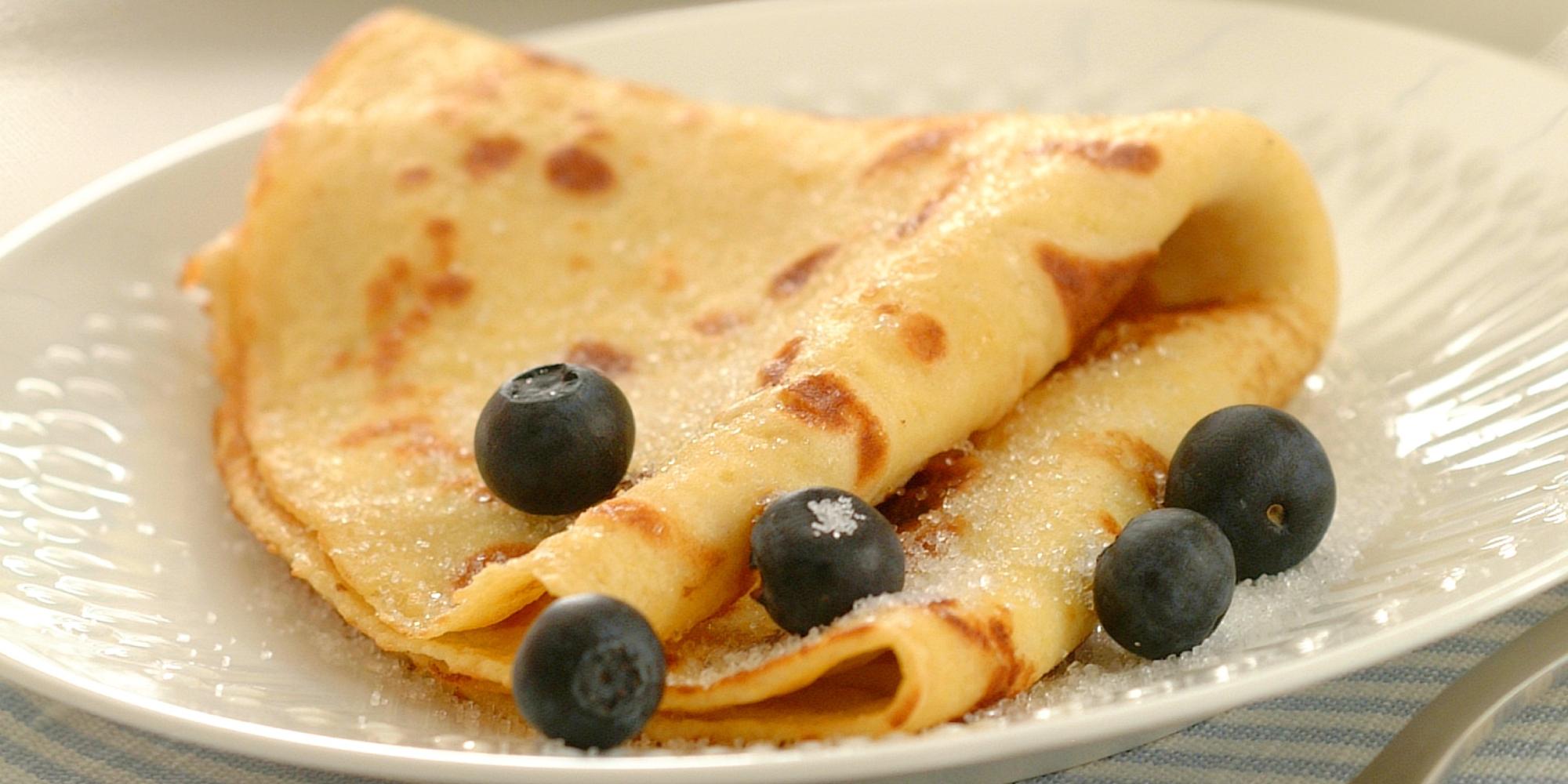
In Fjord Norway, the Vestlandslefse (lefse from Western Norway) is very popular. This is the sweet version with sugar and cinnamon.
“A similar version is the tjukklefse (thick lefse), which also has a sweet filling,” Karlsen says.
Another popular treat is the krinalefse. Originally from Nordland in Northern Norway, this lefse has a lovely pattern and takes a bit more time to make. Back in the day, the pattern represented the farm that produced the lefse.
Passion for flat pastry
Lefse is only one of many popular flat pastries to try in Norway.
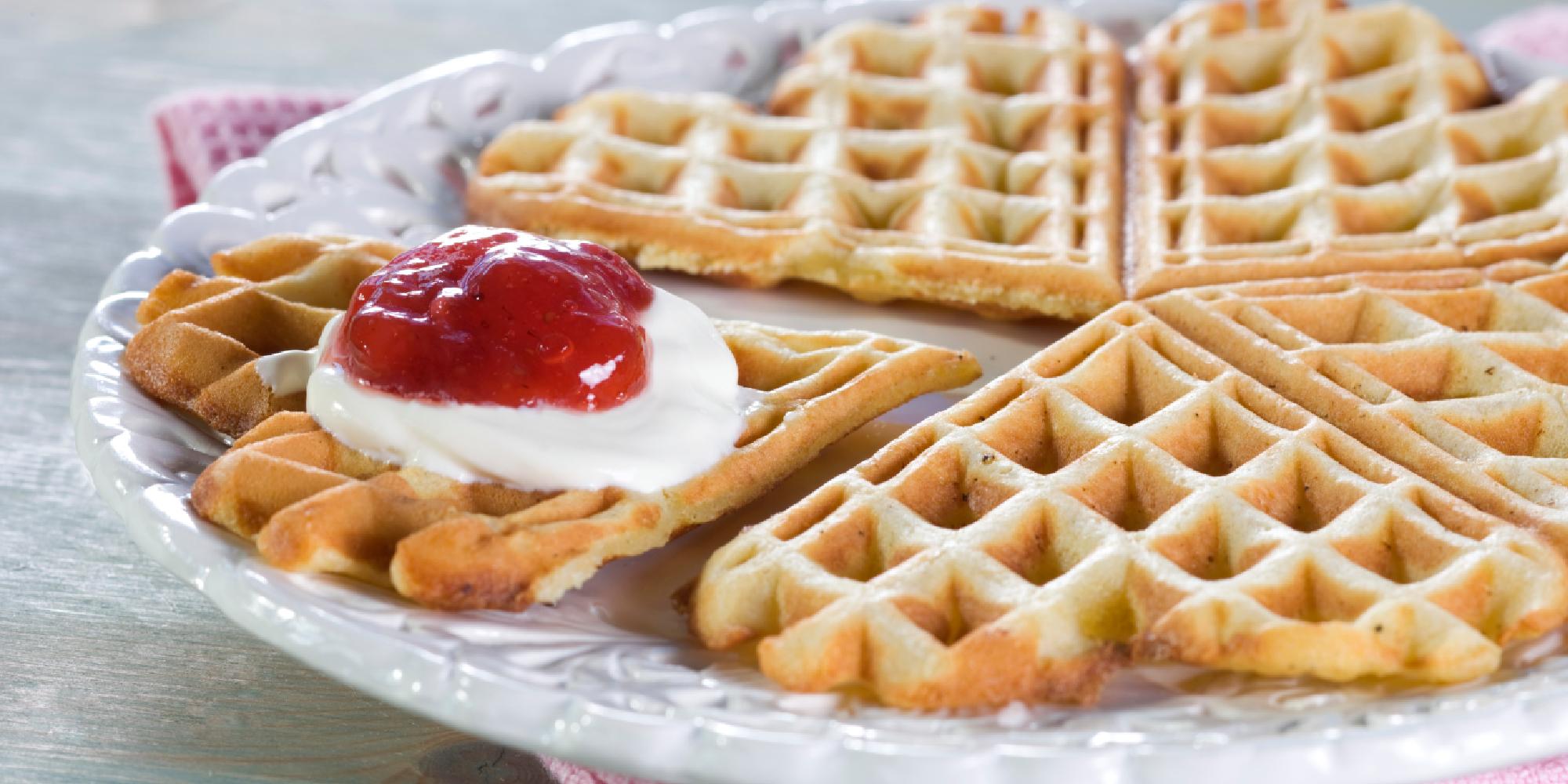
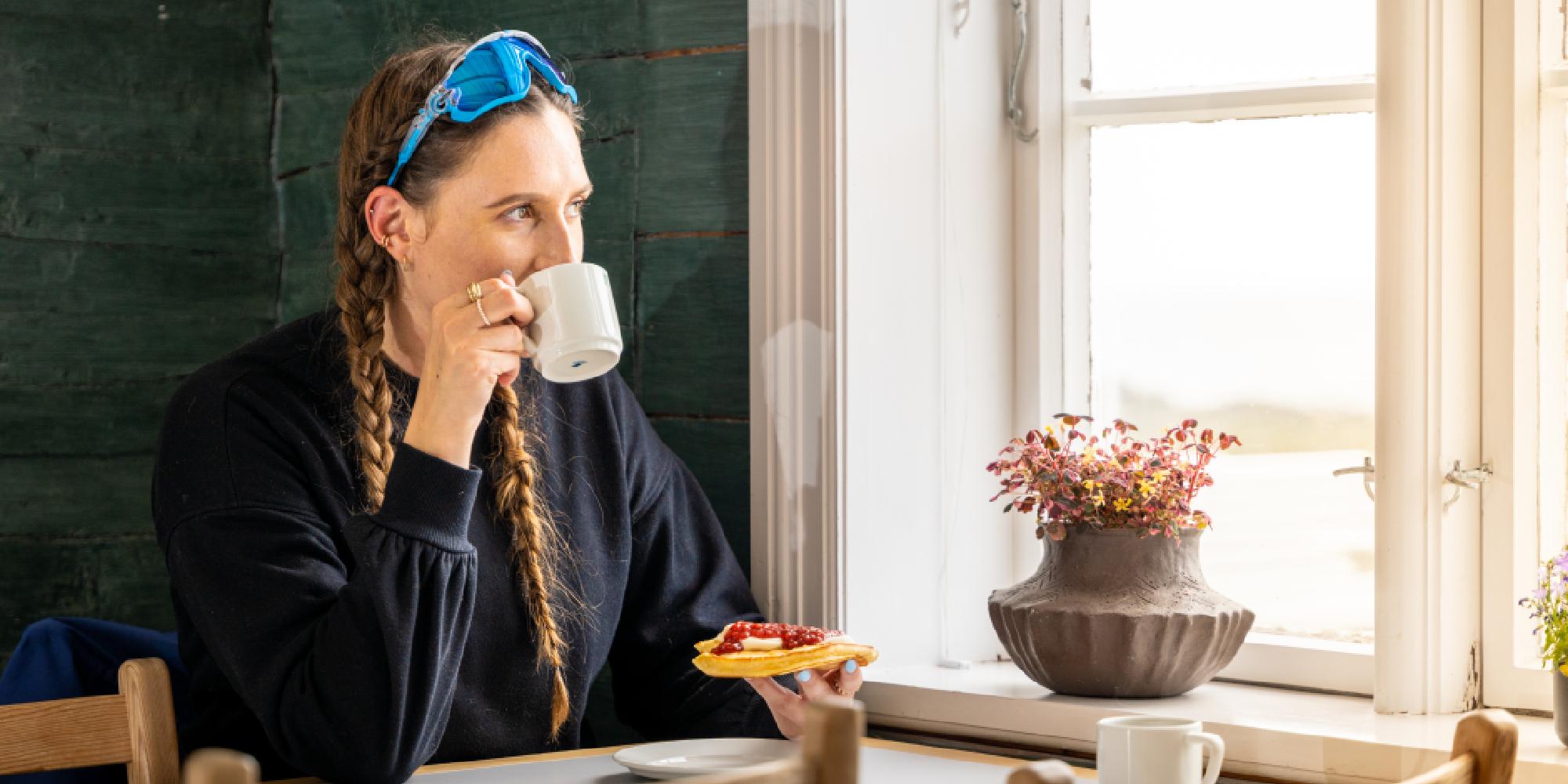
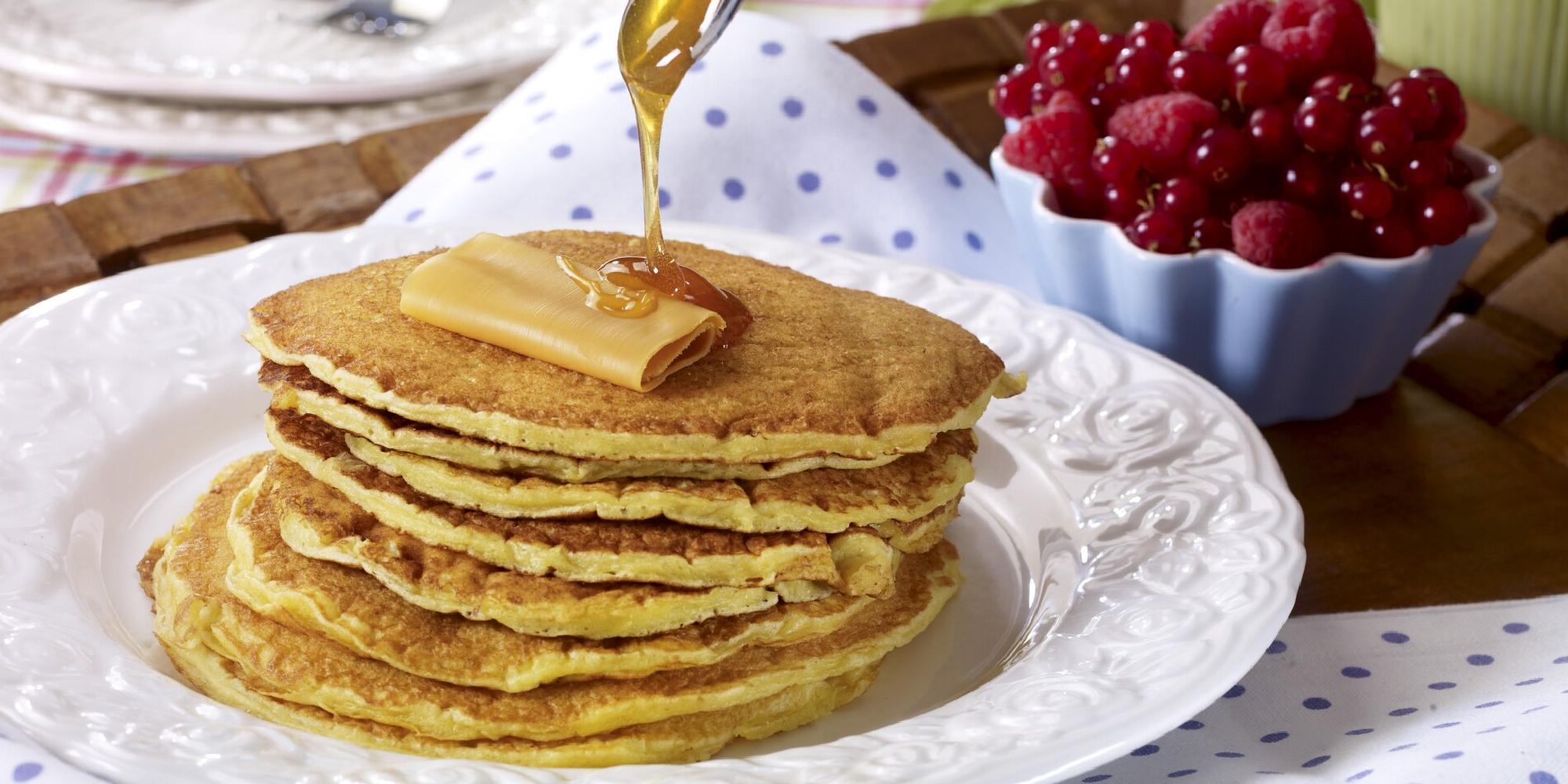
Here, we never ride a ferry without buying a svele, and neither should you. Sveler are Norway’s version of American pancakes. They are eaten as a snack, often with coffee, and served with butter and jam, sugar or brown cheese.
“The locals in the Trøndelag region are known for their pjalt, especially in Røros”, Karlsen explains.
Pjalt is a soft round cake, often served with butter and a delicious Norwegian cheese. The traditional Røros area is well known for its local food, from dairy products to reindeer meat, and the locals all have their own version of pjalt. Here, lefse is also often called lemse.
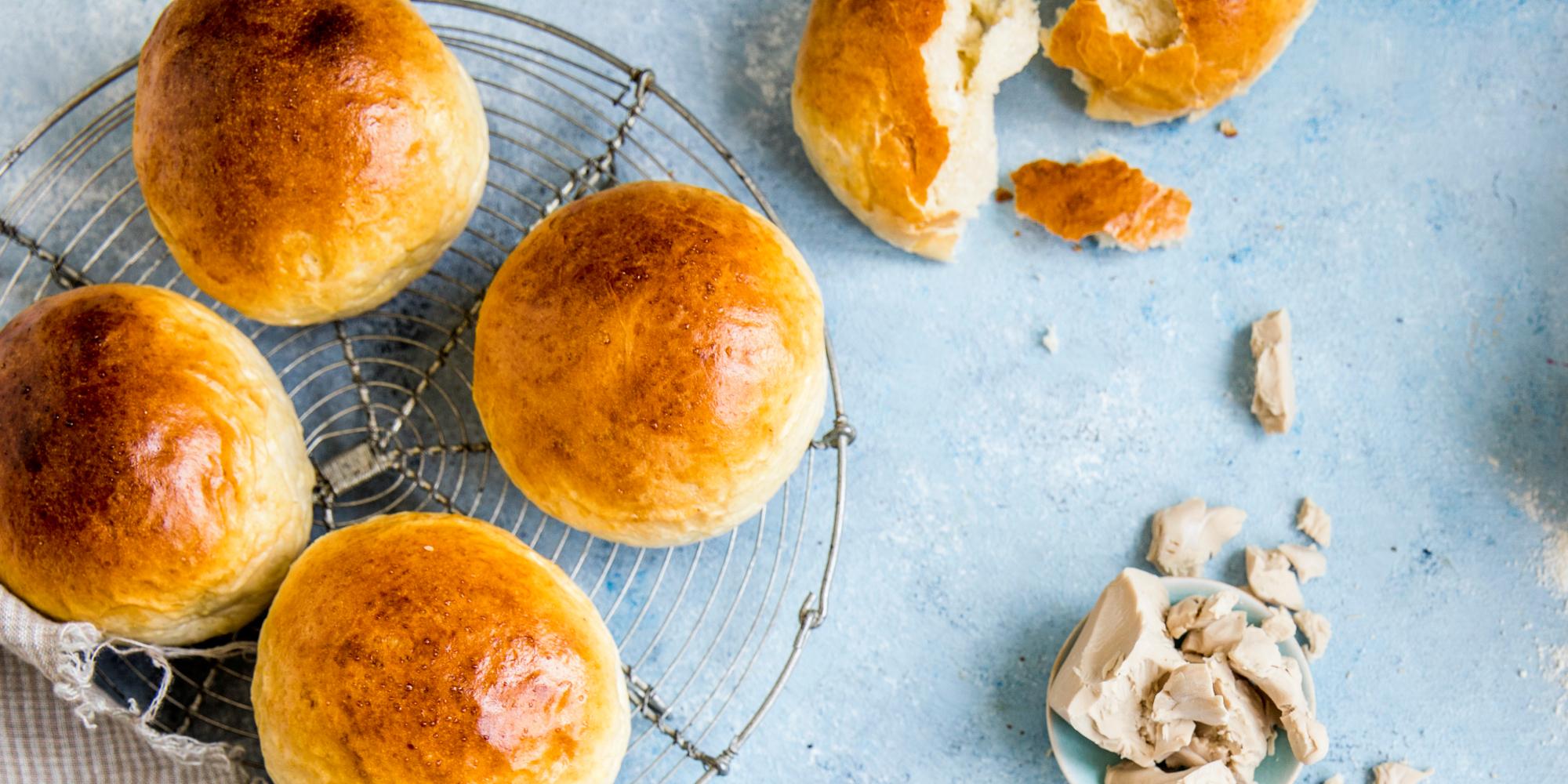
The Norwegian baking traditions also include a great variety of buns – called boller – and bread, our favourite food. Read more about our sweet treats.
Make a quick lefse snack at home
Can’t wait to try lefse? Well, you don’t have to. It might not be the same as homemade lefse, but there is no reason you should try to make a quick lefse snack at home.
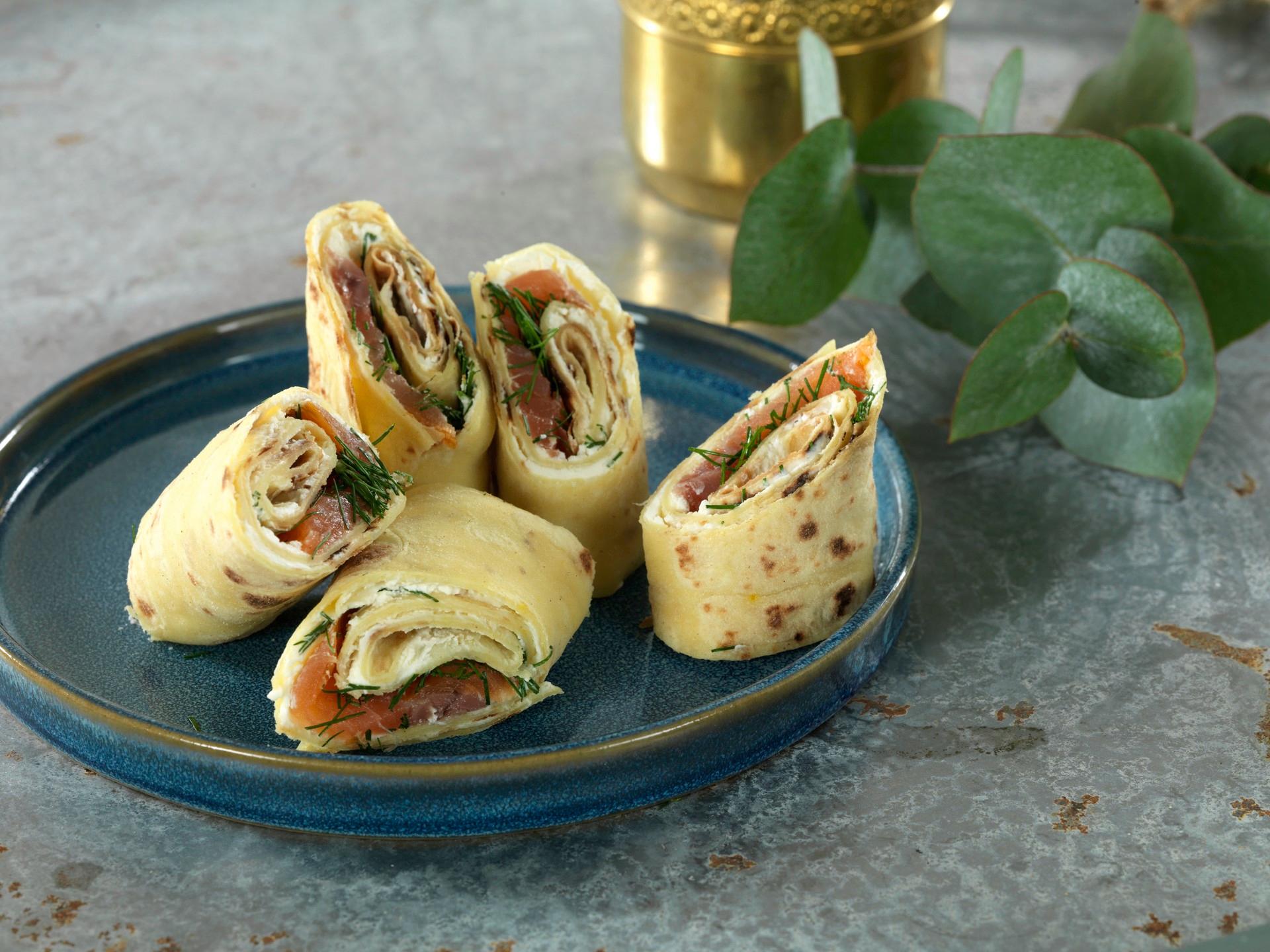
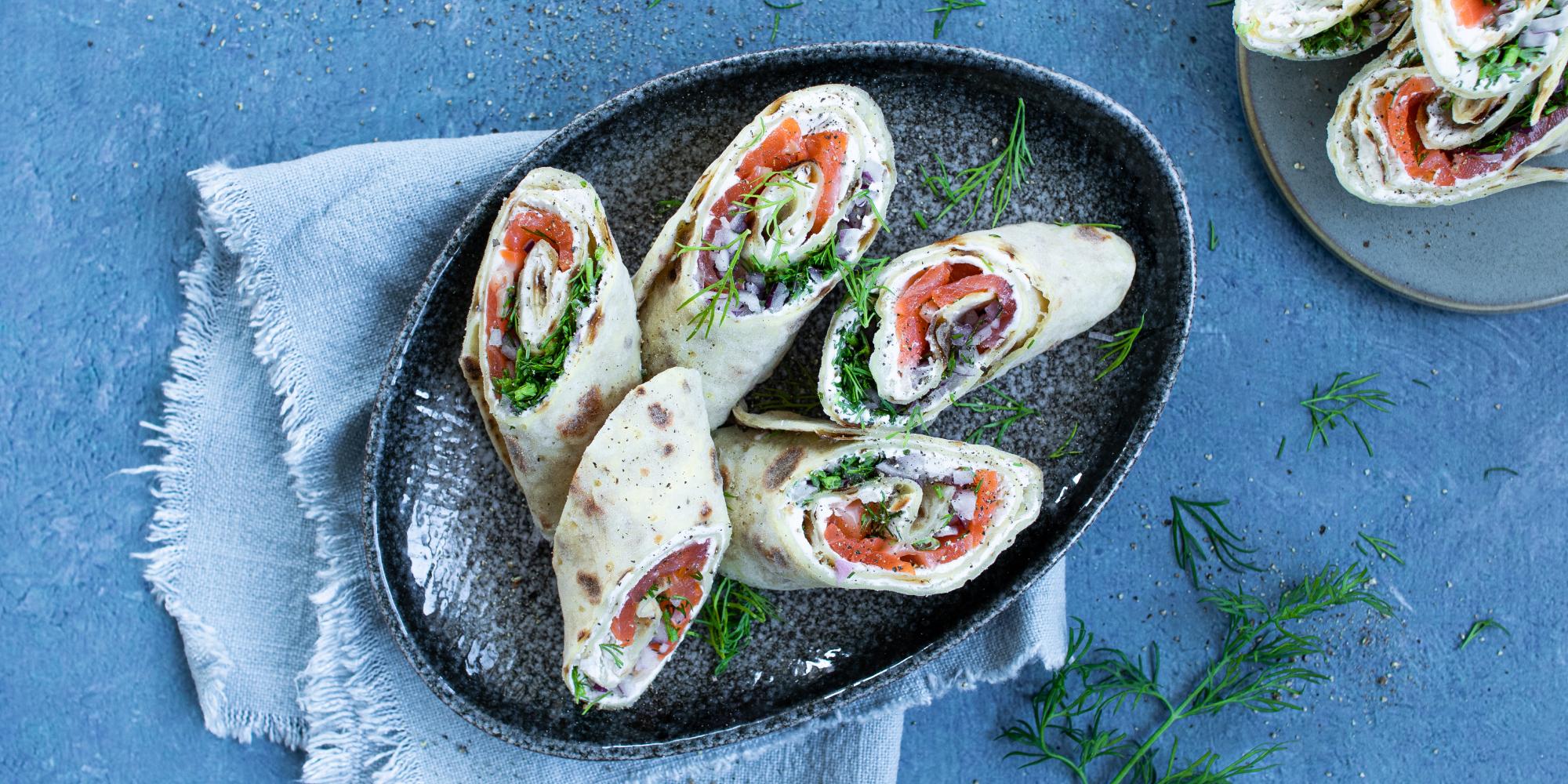
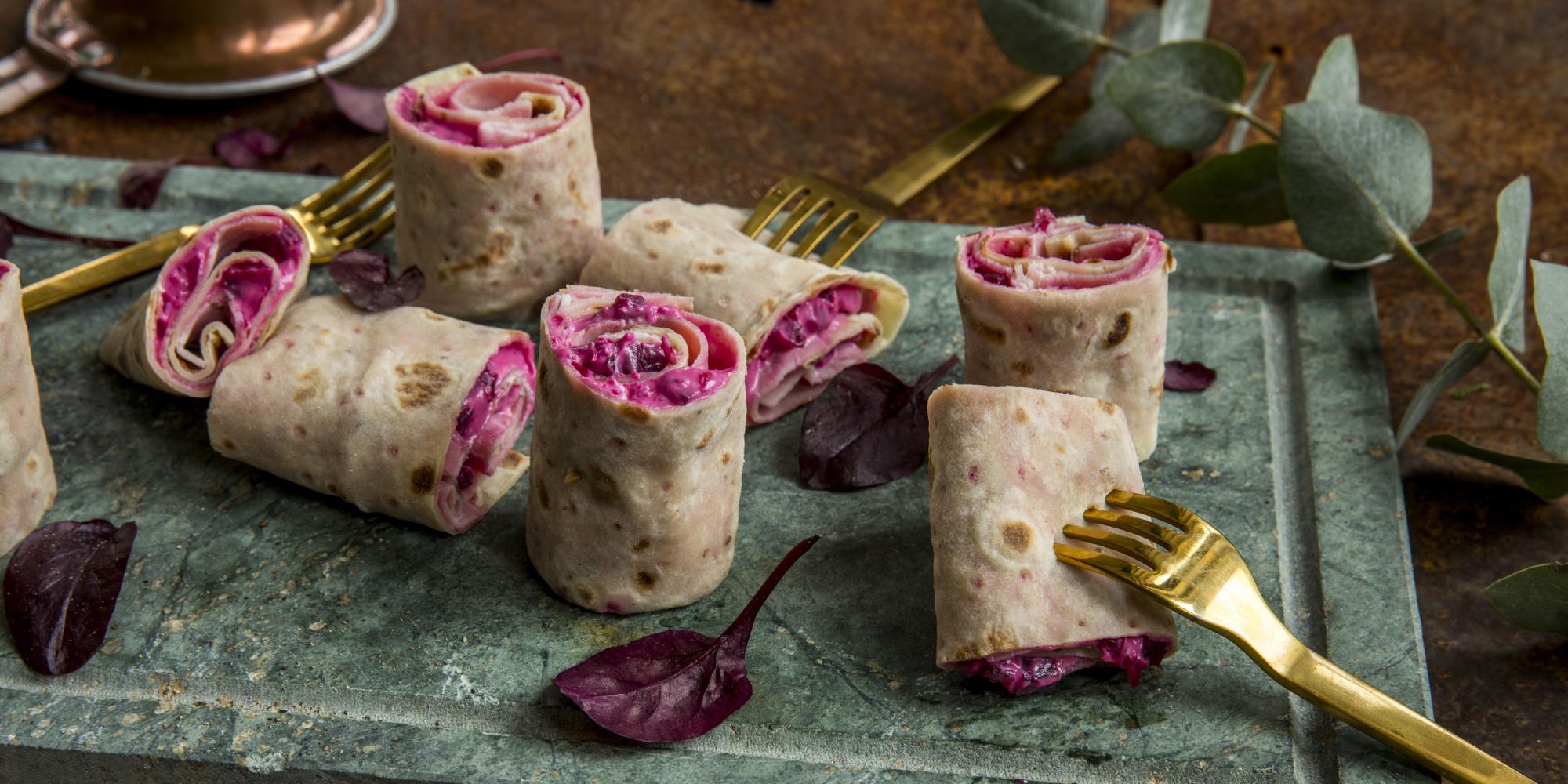
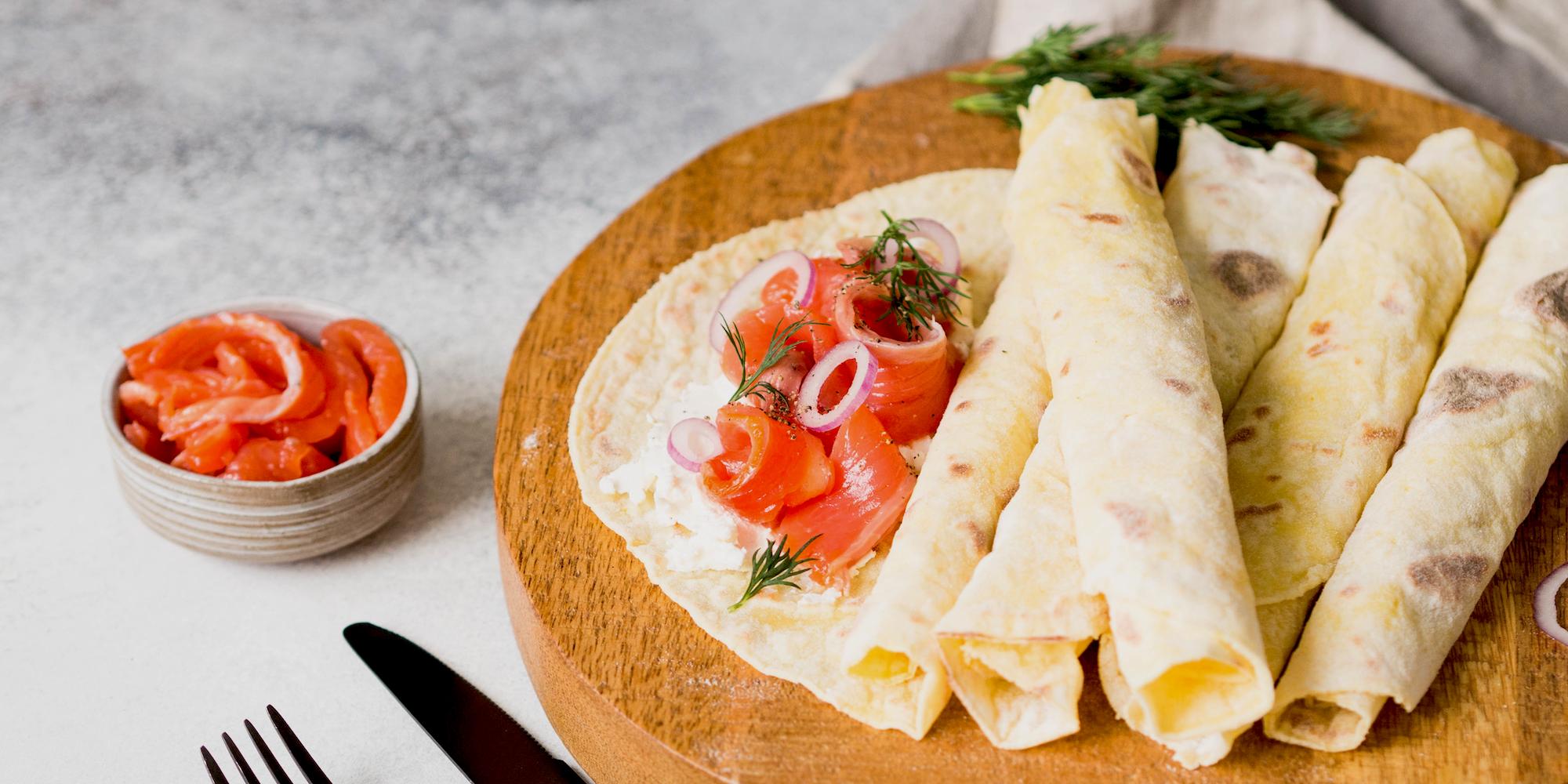
Lefserull (lefseroll)
Perfect for tapas!
Serves four.
You need
5 large soft lefser or lomper
125 g of cream cheese (or “Snøfrisk”, a creamy Norwegian goat cheese)
100 g smoked salmon (or sliced ham if you prefer that)
Rucola salad
Instructions
Spread the cream cheese.
Add thinly sliced smoked salmon and rucola.
Roll and cut into bite-sized pieces.
Sugar and cinnamon bliss
A sweet treat to go with your coffee.
Serves one.
You need
1 large soft lefser or lomper
1 tbsp butter (softened)
1 tbsp sugar
1 tbsp cinnamon, ground
Instructions
Spread the softened butter.
Sprinkle with sugar and cinnamon.
Fold in two, or roll it together.