Sami cuisine
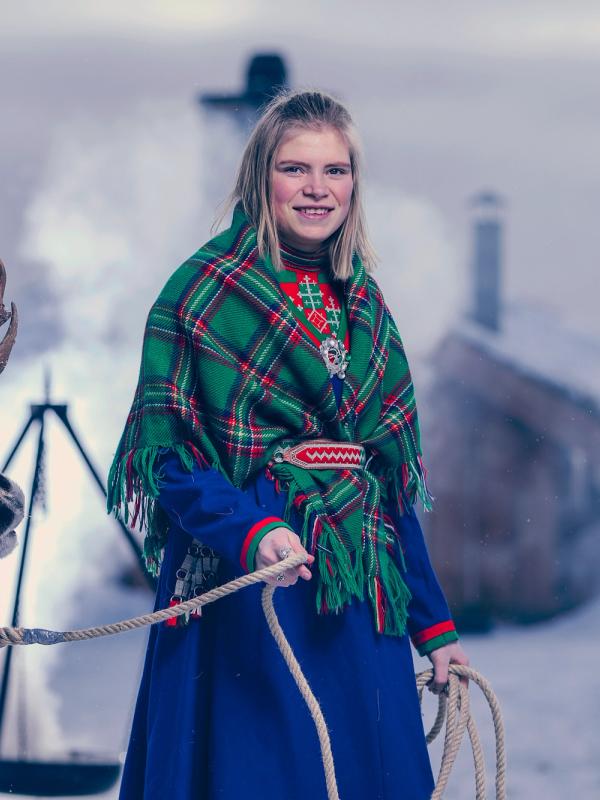
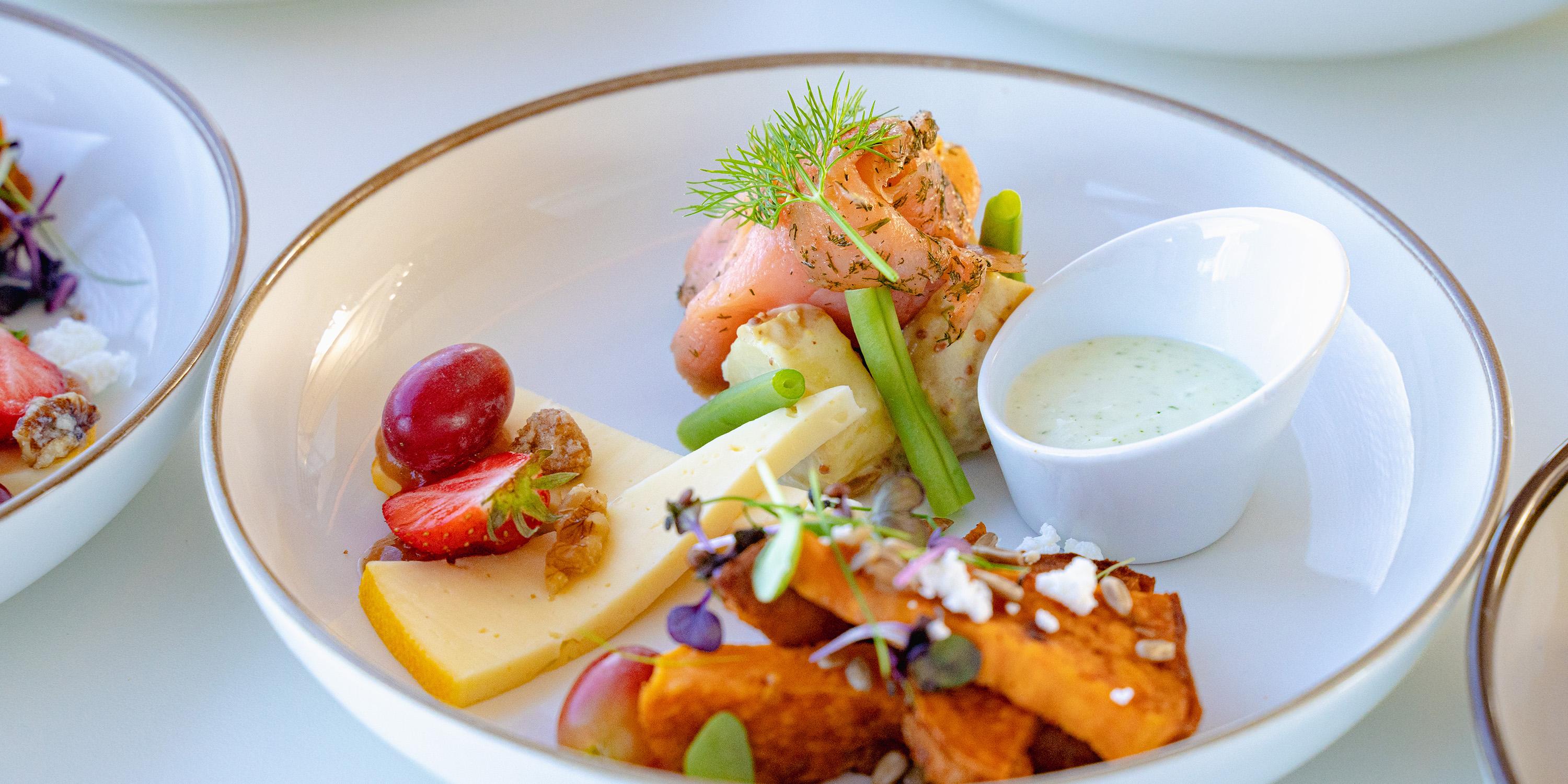
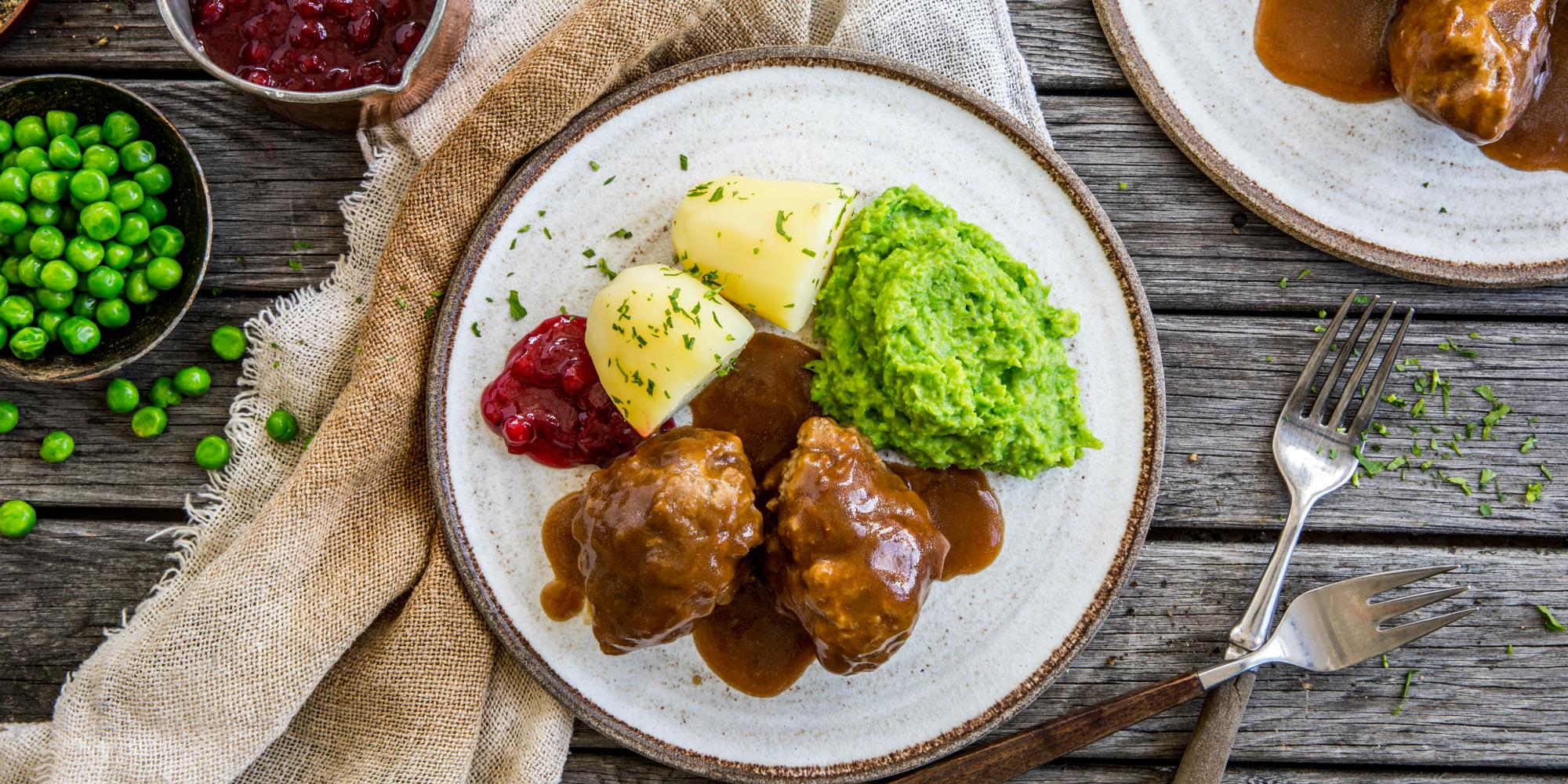
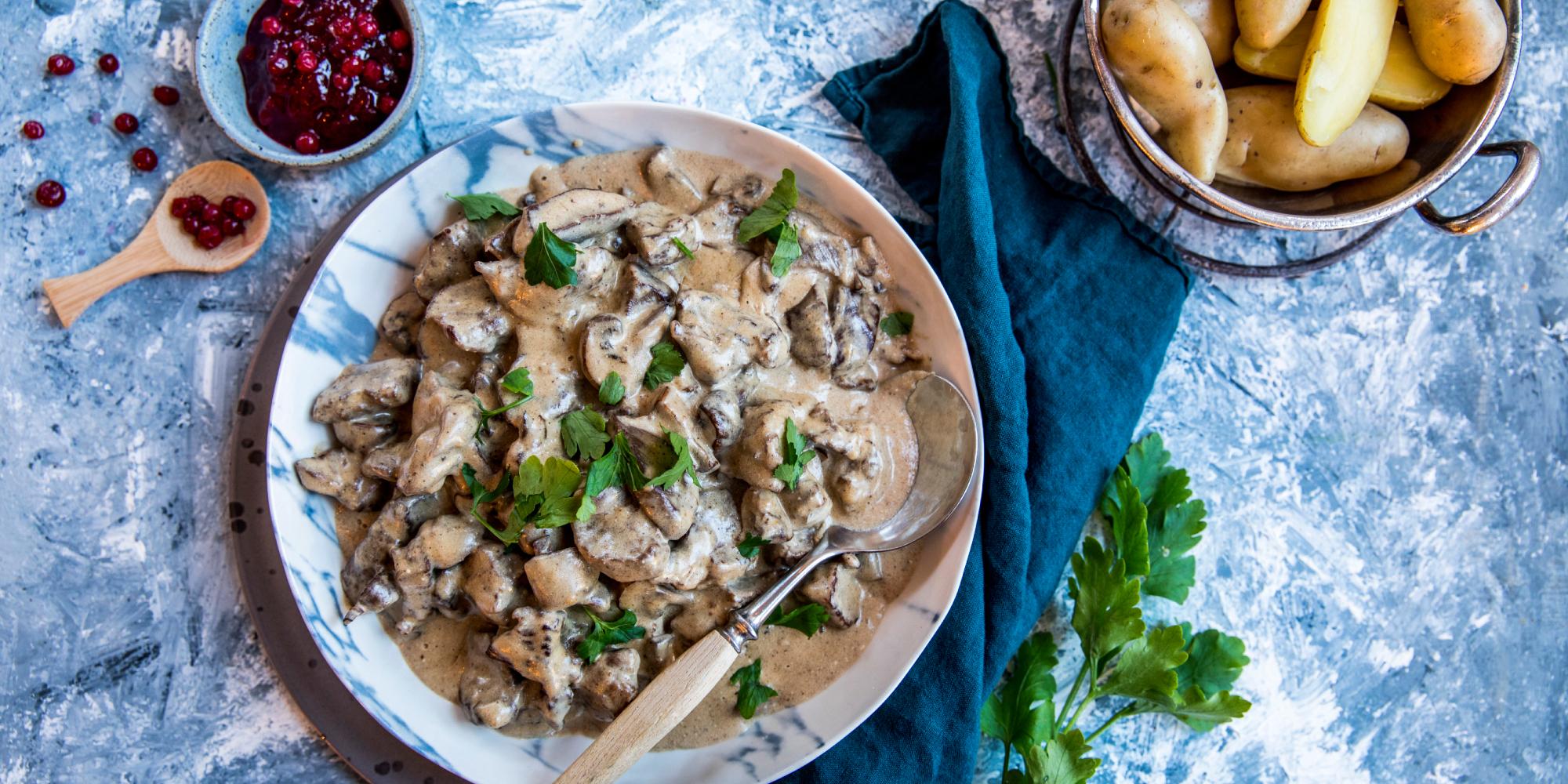
Few chefs bring as much of nature into the kitchen as Scandinavia's indigenous group, the Sami people. Traditional Sami food is based on local ingredients like fish, game, reindeer, berries and herbs. In addition, they often use some less traditional ingredients for cooking.
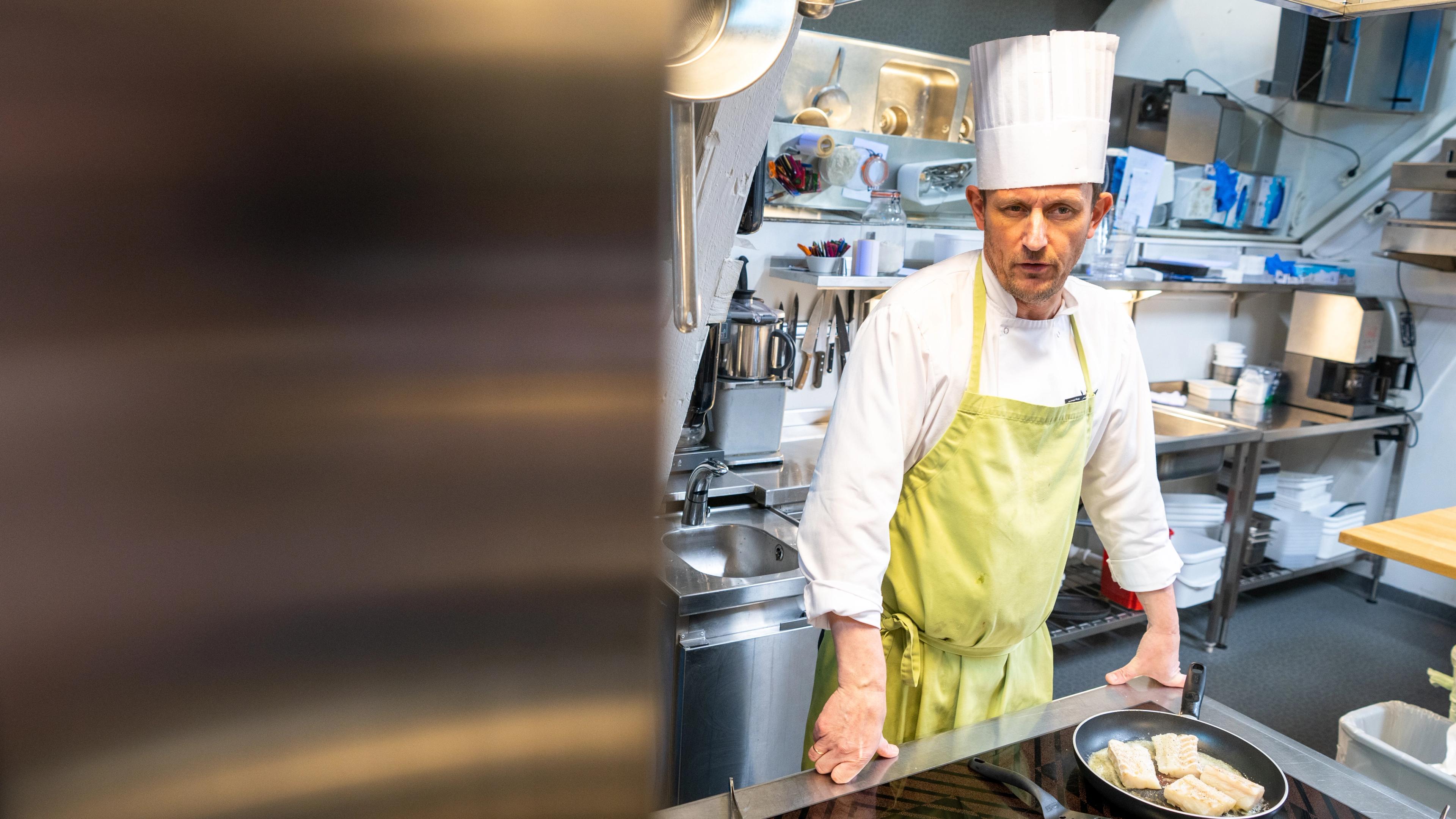
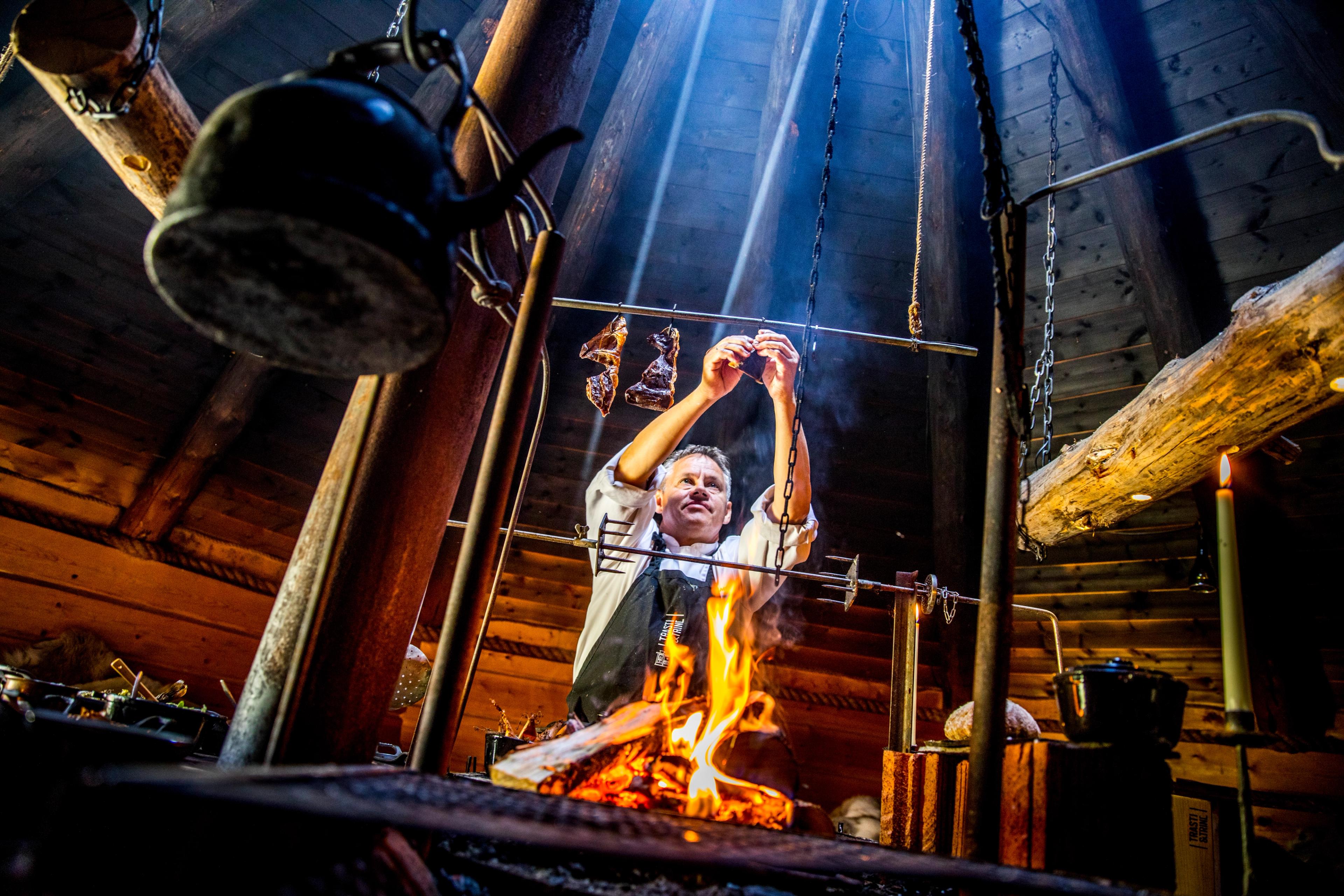
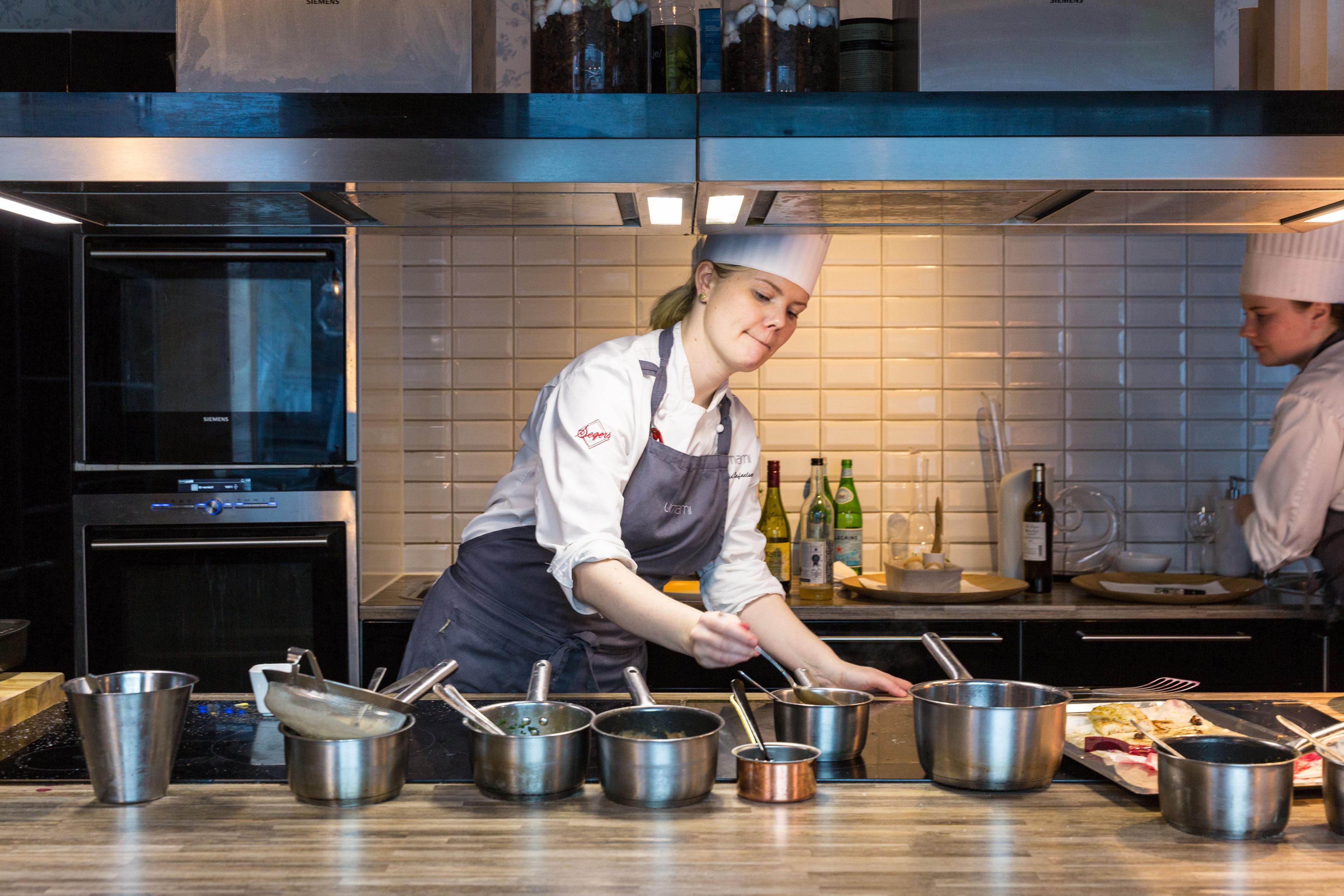
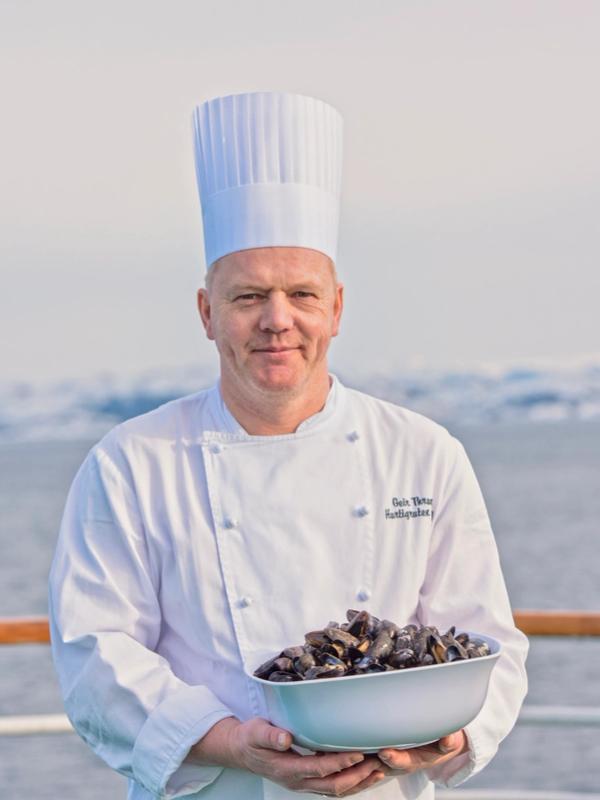
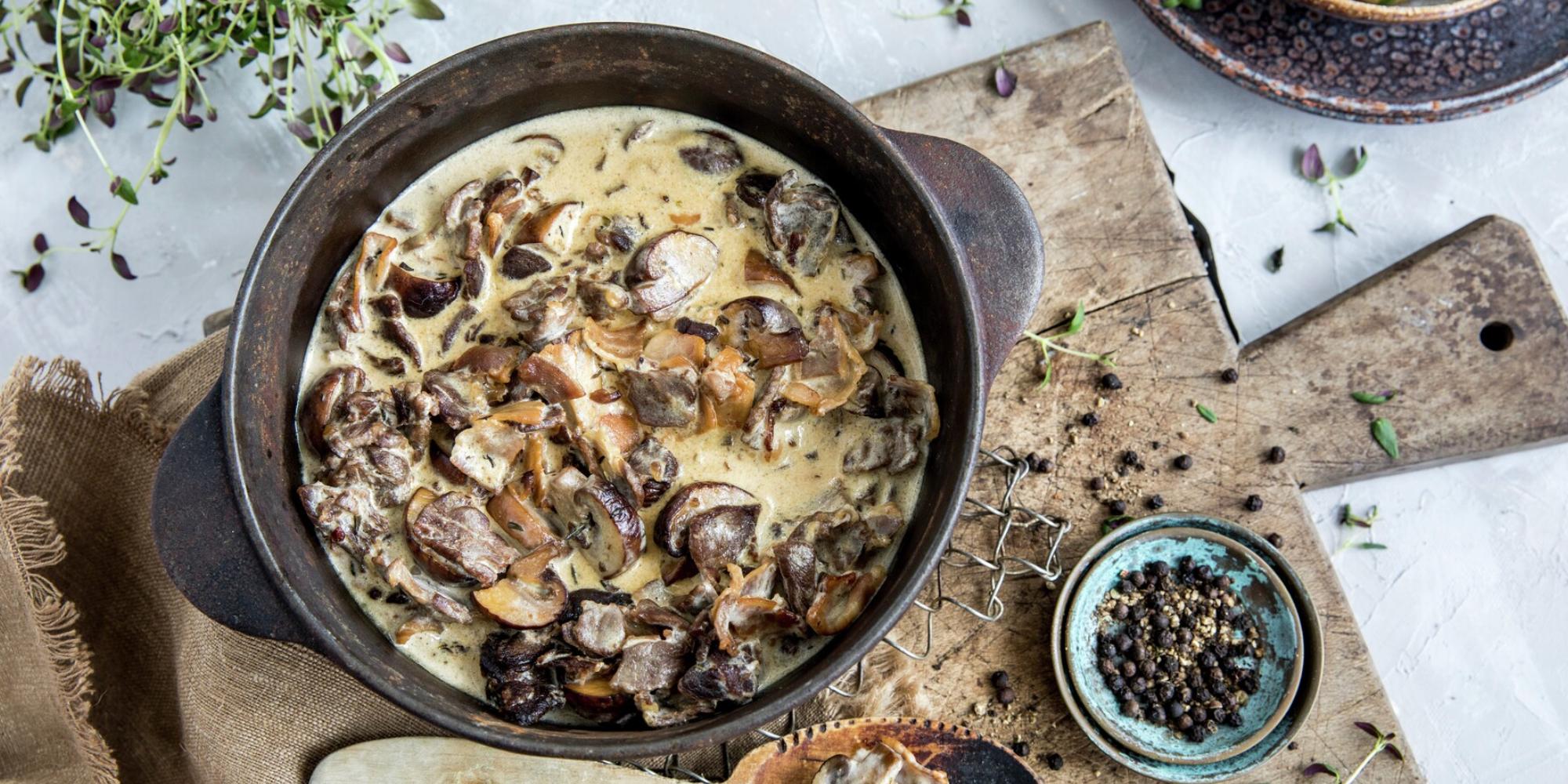
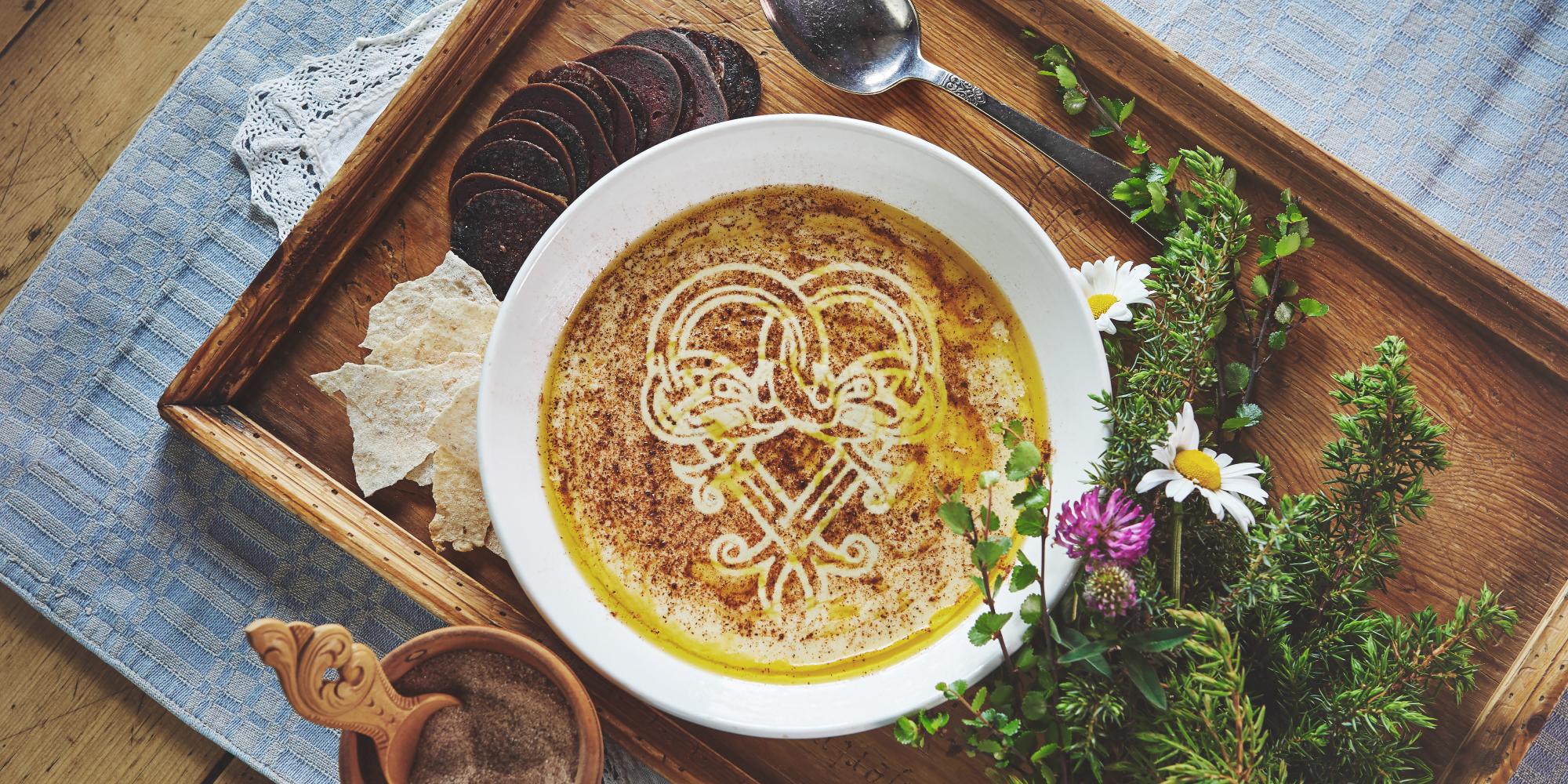
"I use blood and deep-fried reindeer lichen in my cooking. Blood sausage is a traditional food and reindeer lichen is a local ingredient," explains chef Martin Jönsson, a well-known name in Scandinavia and a keen promoter of local cuisine.
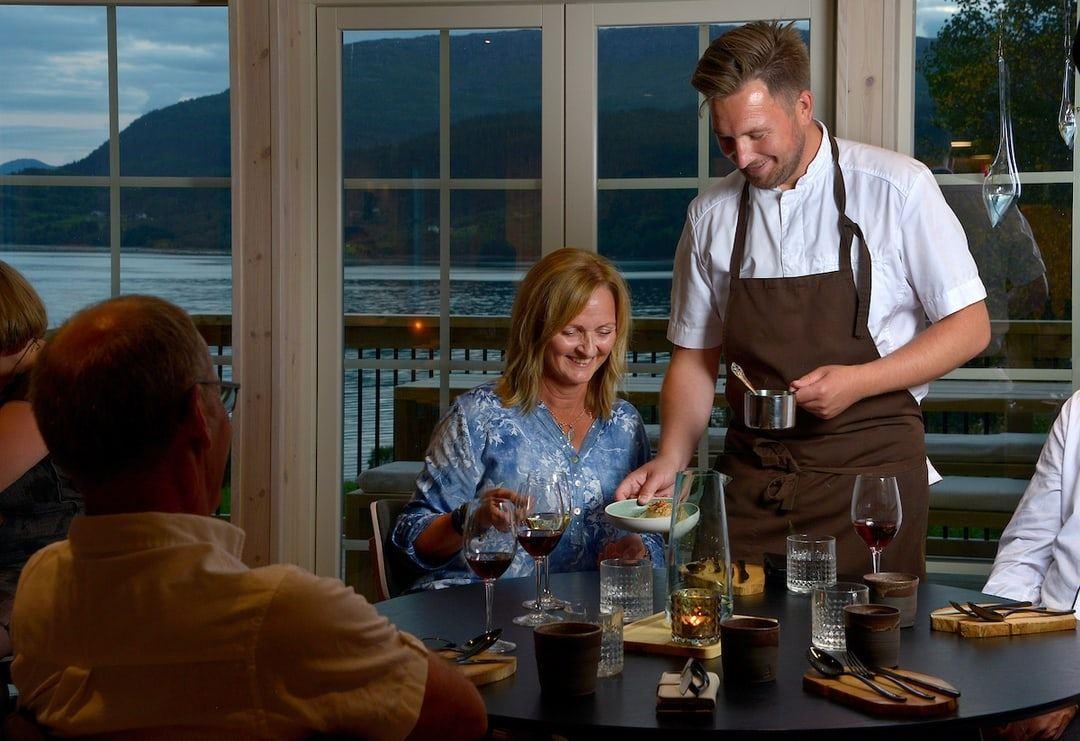
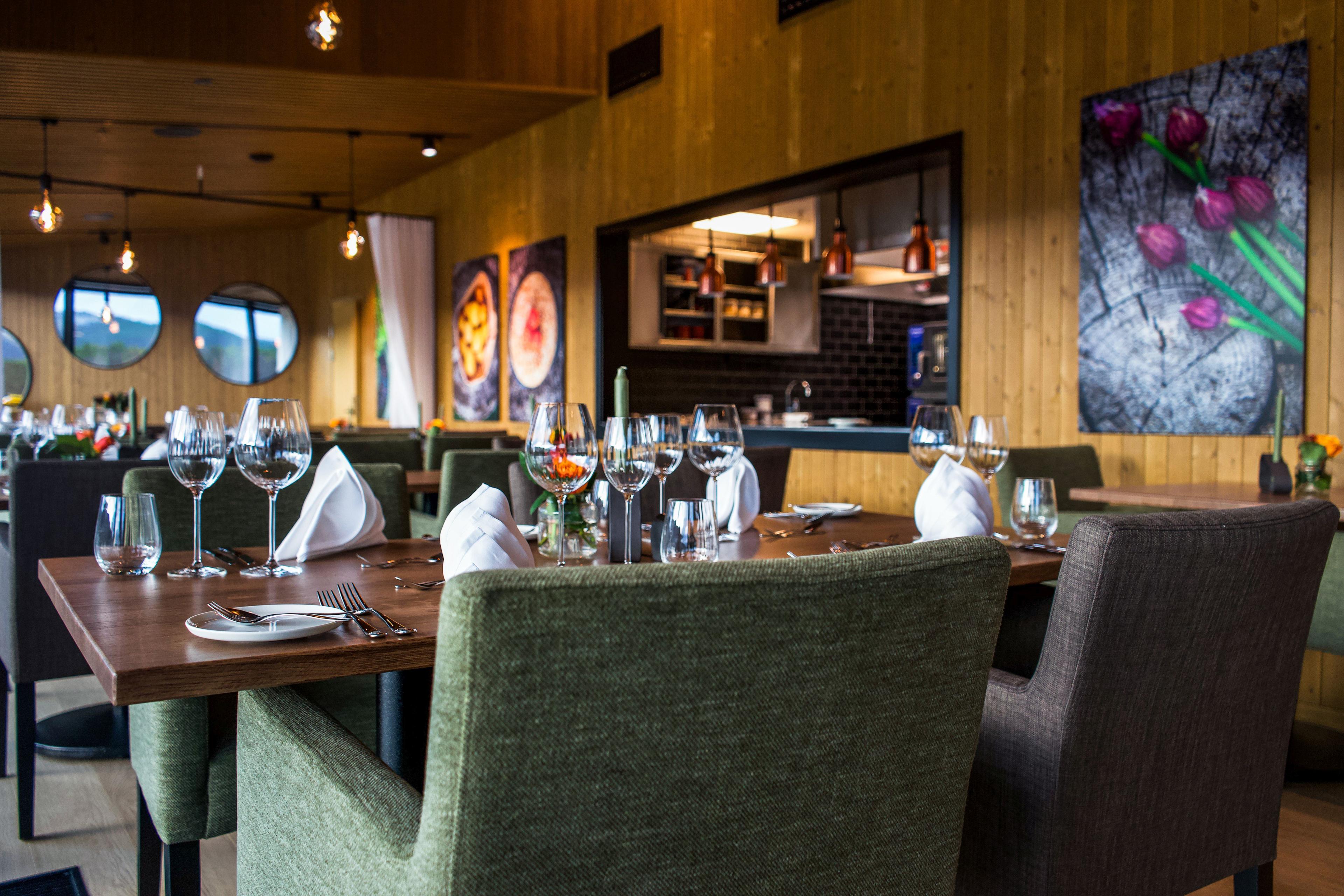
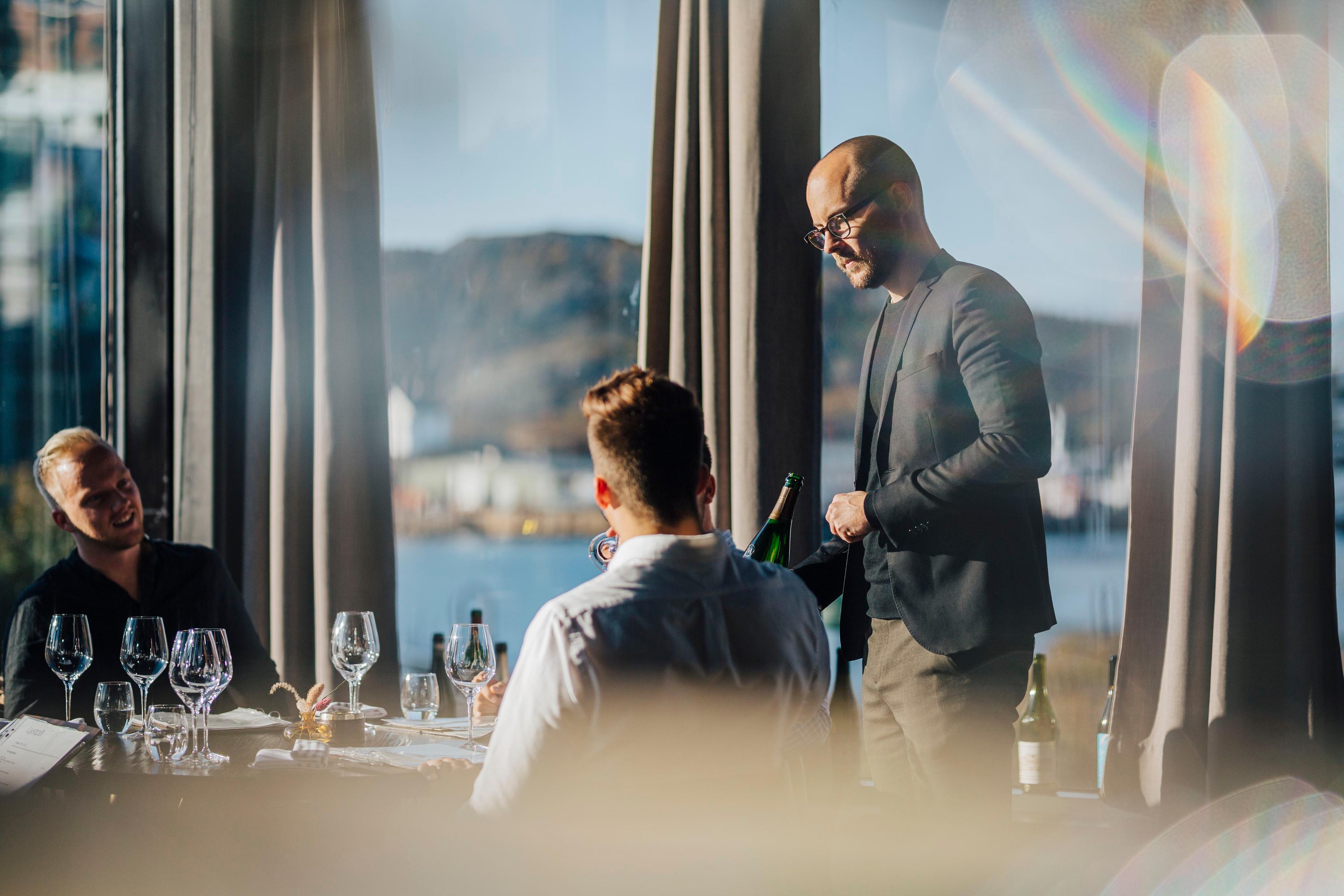
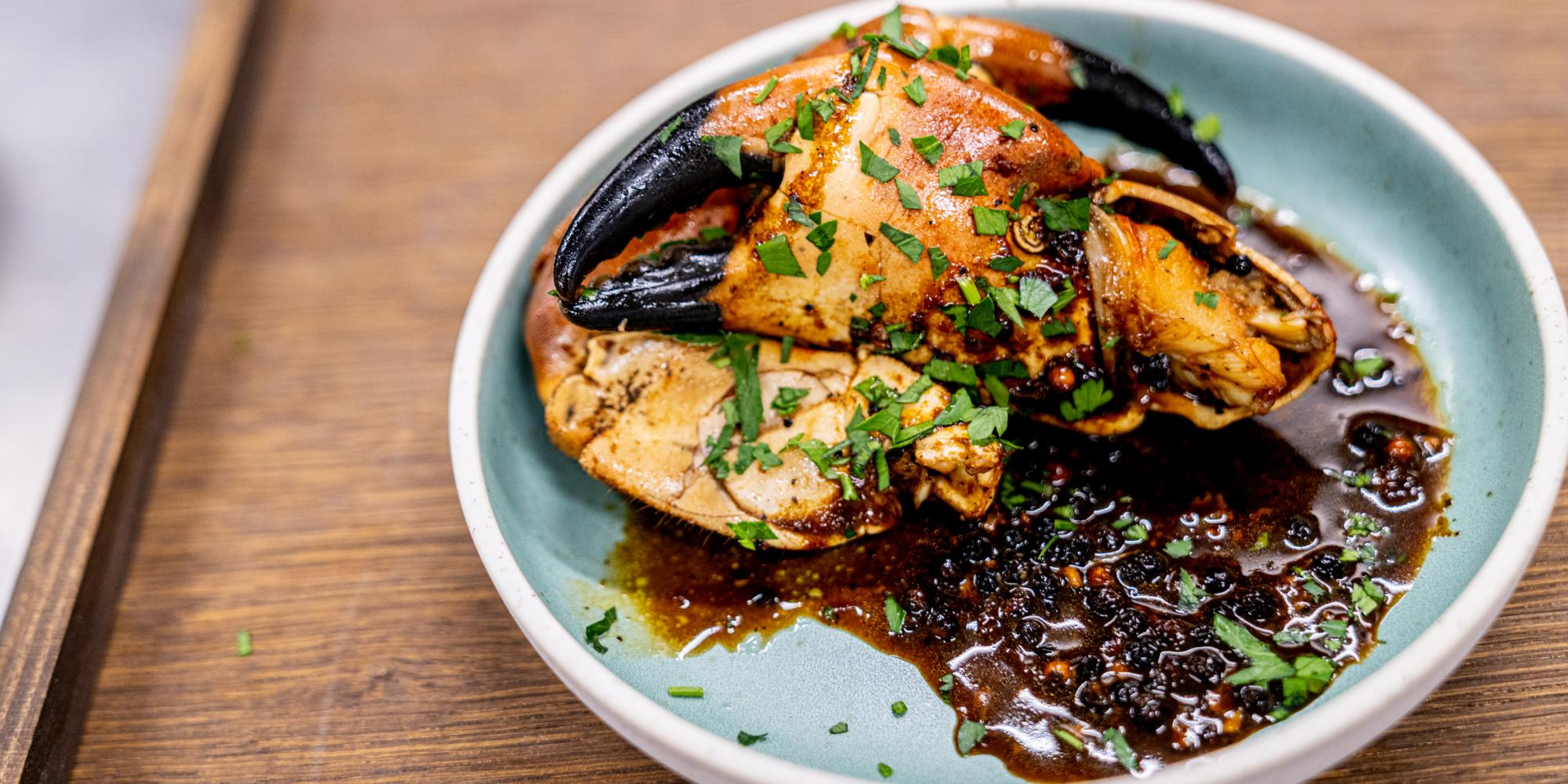
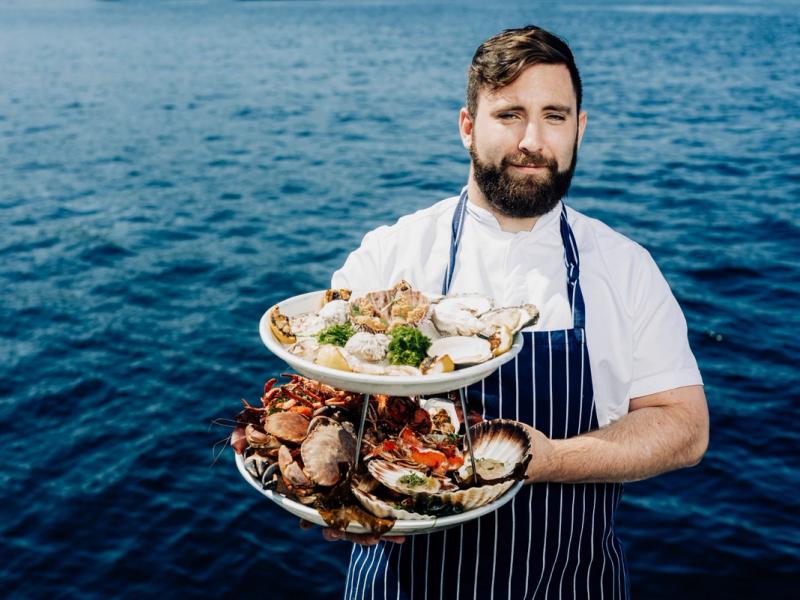
Today he works as head chef at Linken Restaurant & Bar, a tapas restaurant with stunning views in Narvik. Although most of its menu is made of Spanish tapas dishes, locally sourced ingredients like seafood, game, and berries are also used in season to include some Northern Norwegian flavours.
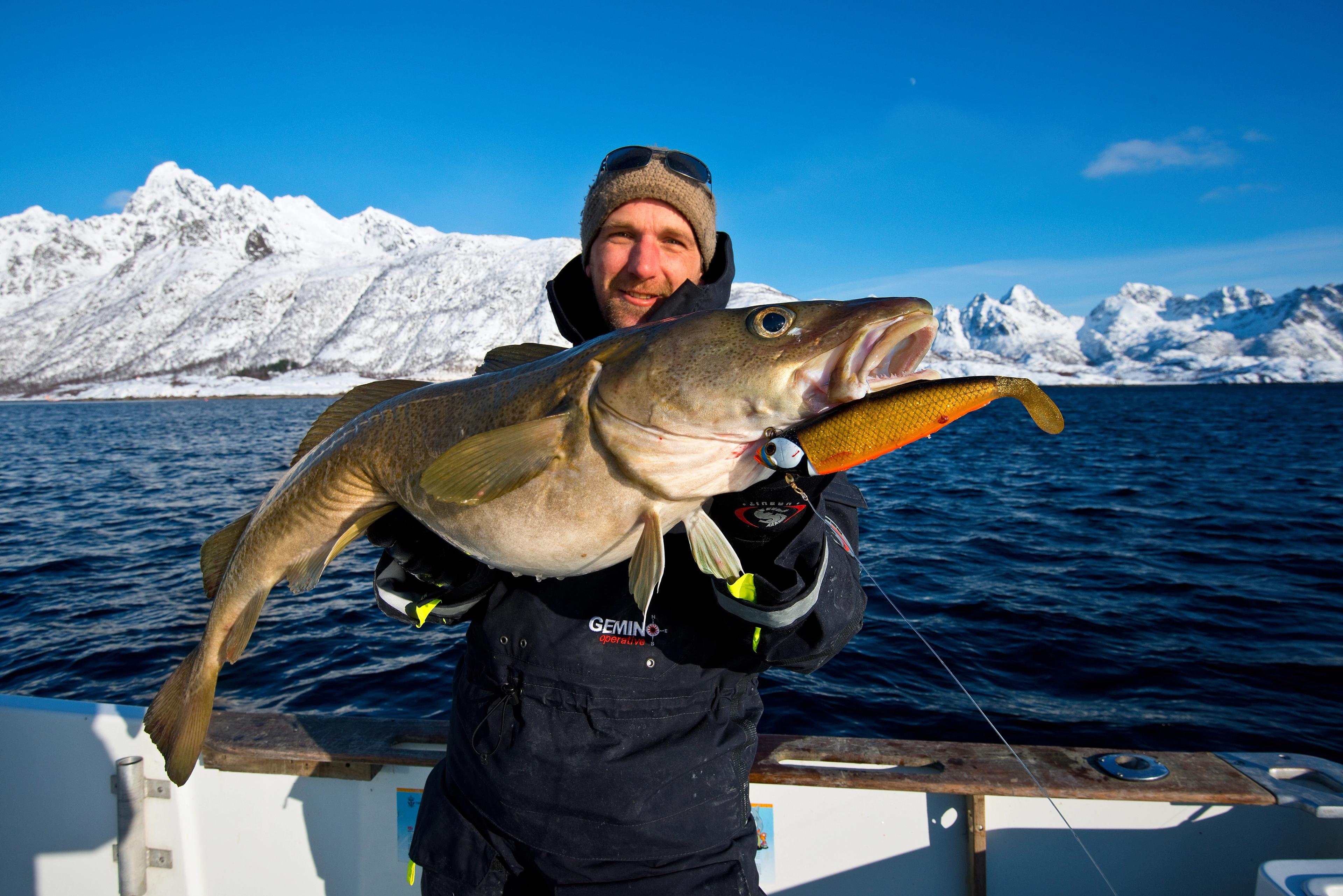
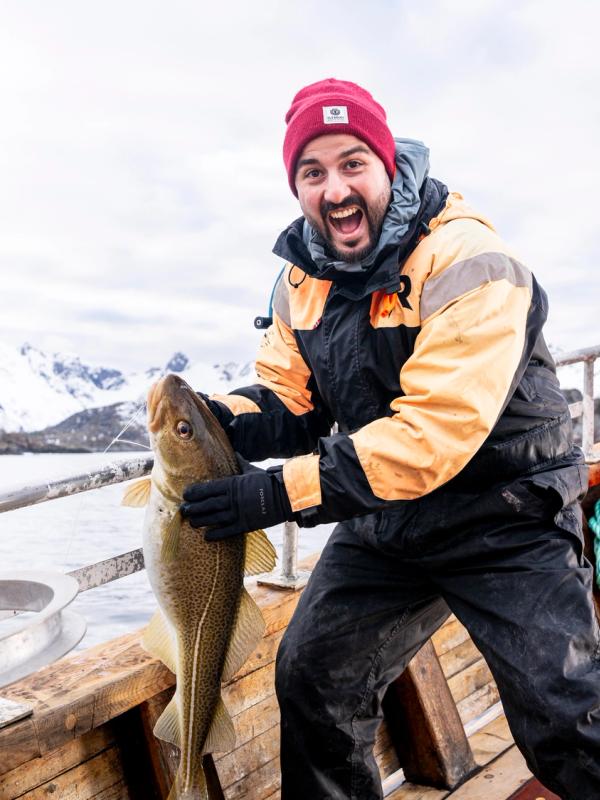
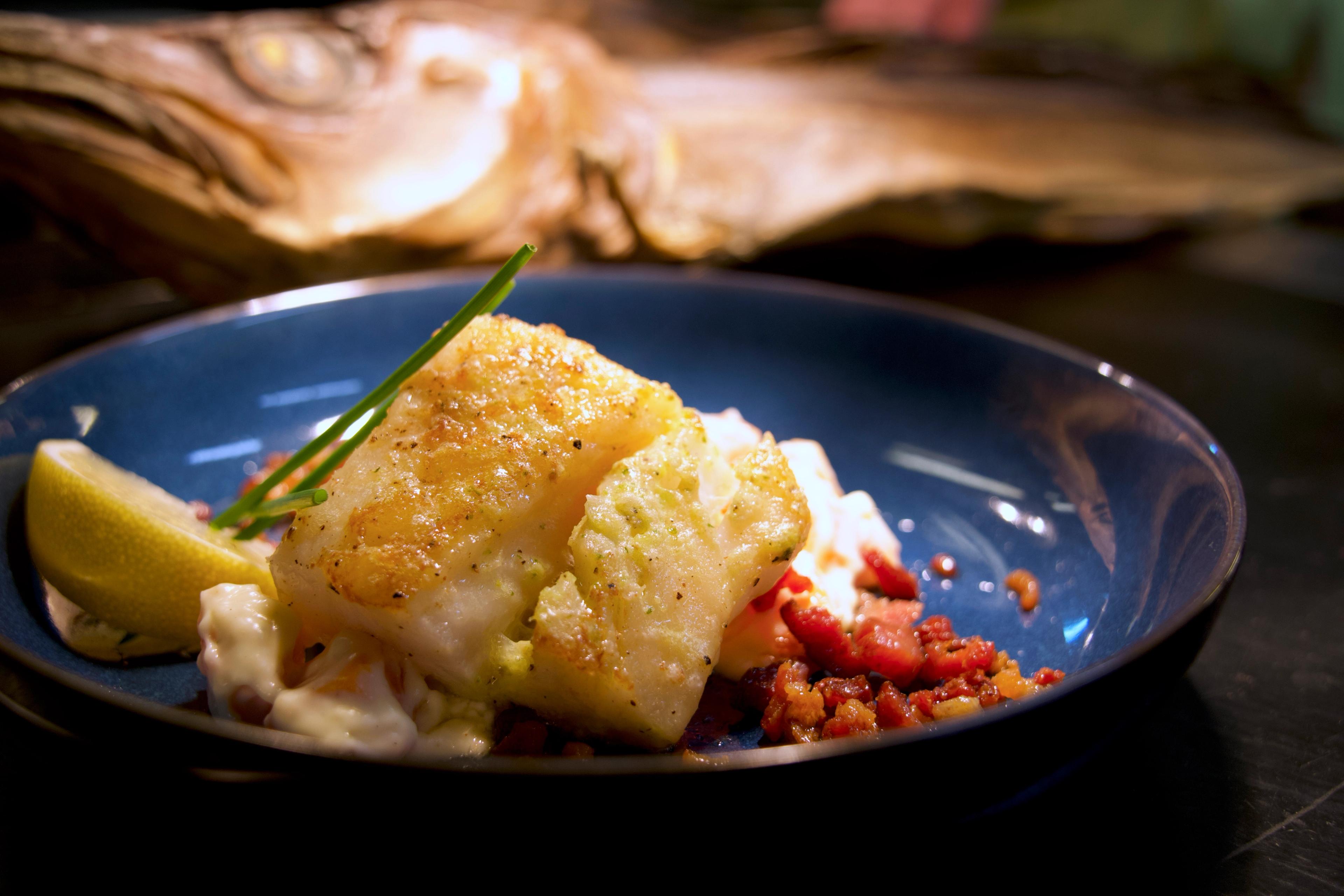
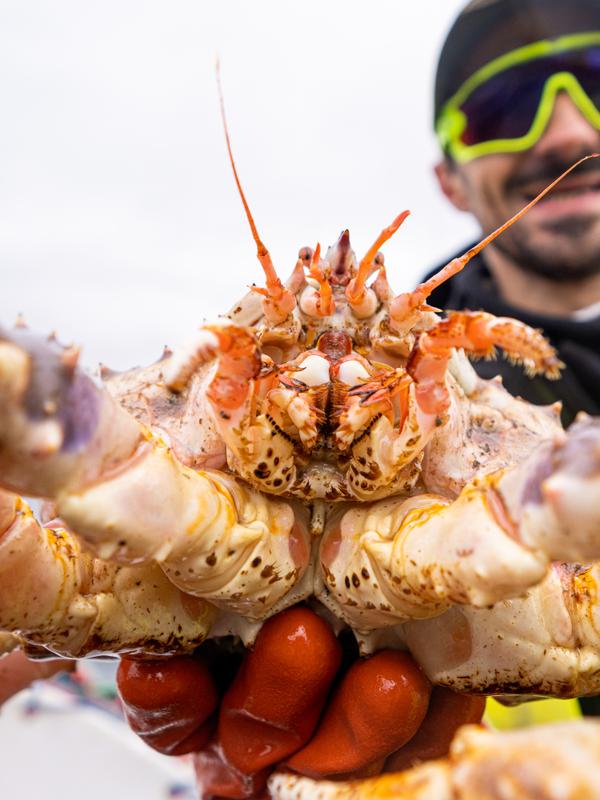
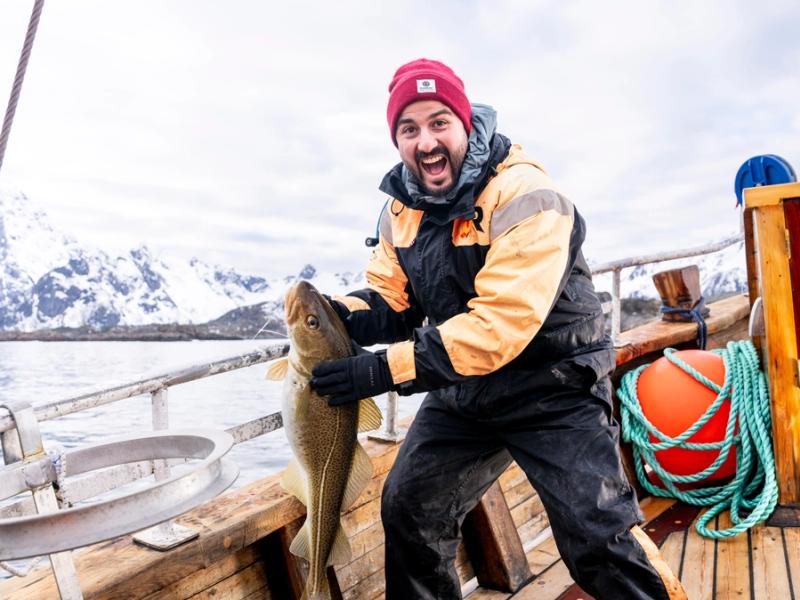
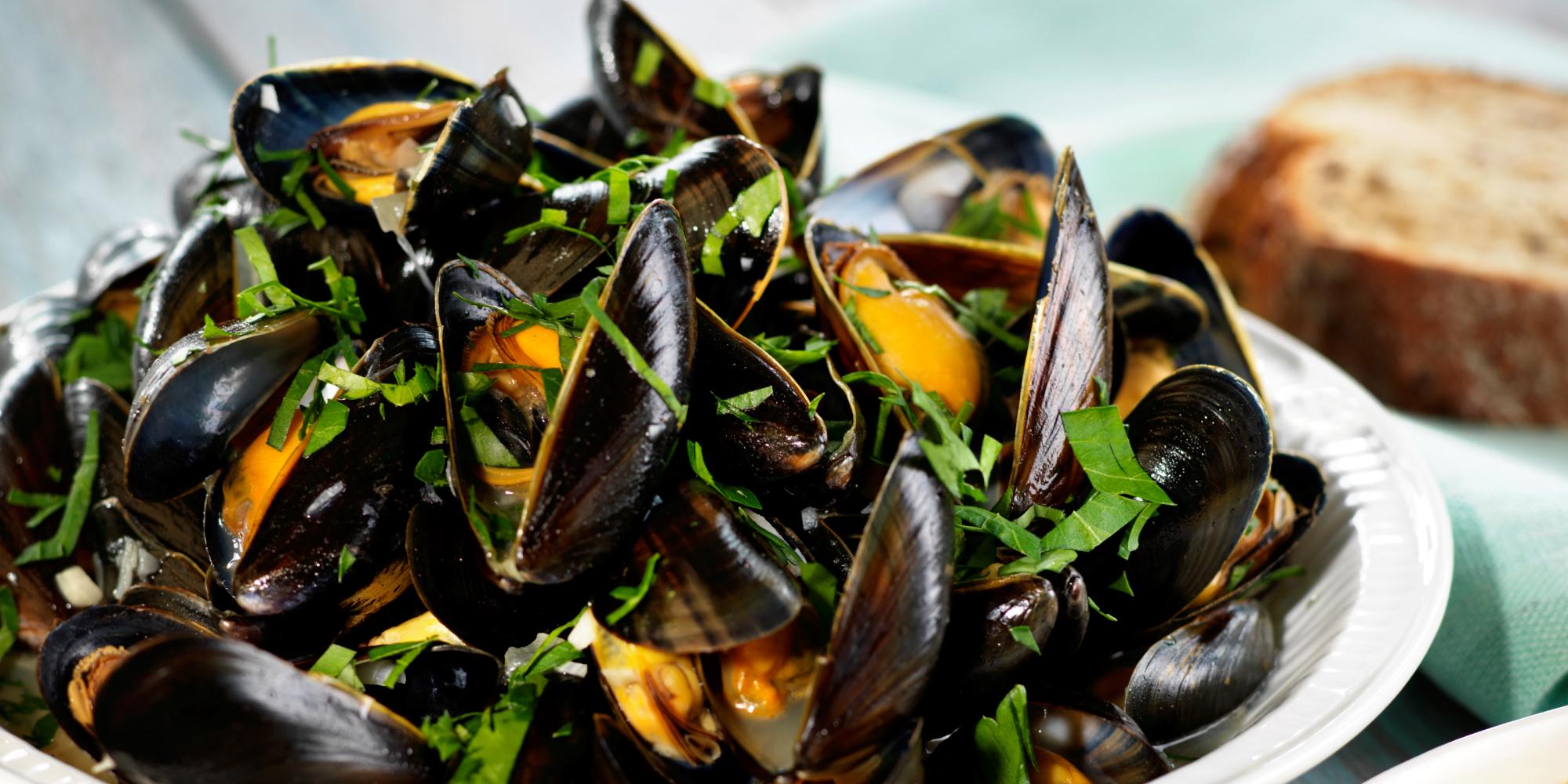
"I like working with fish, and we use a lot of char. The menu varies according to the season," he explains.
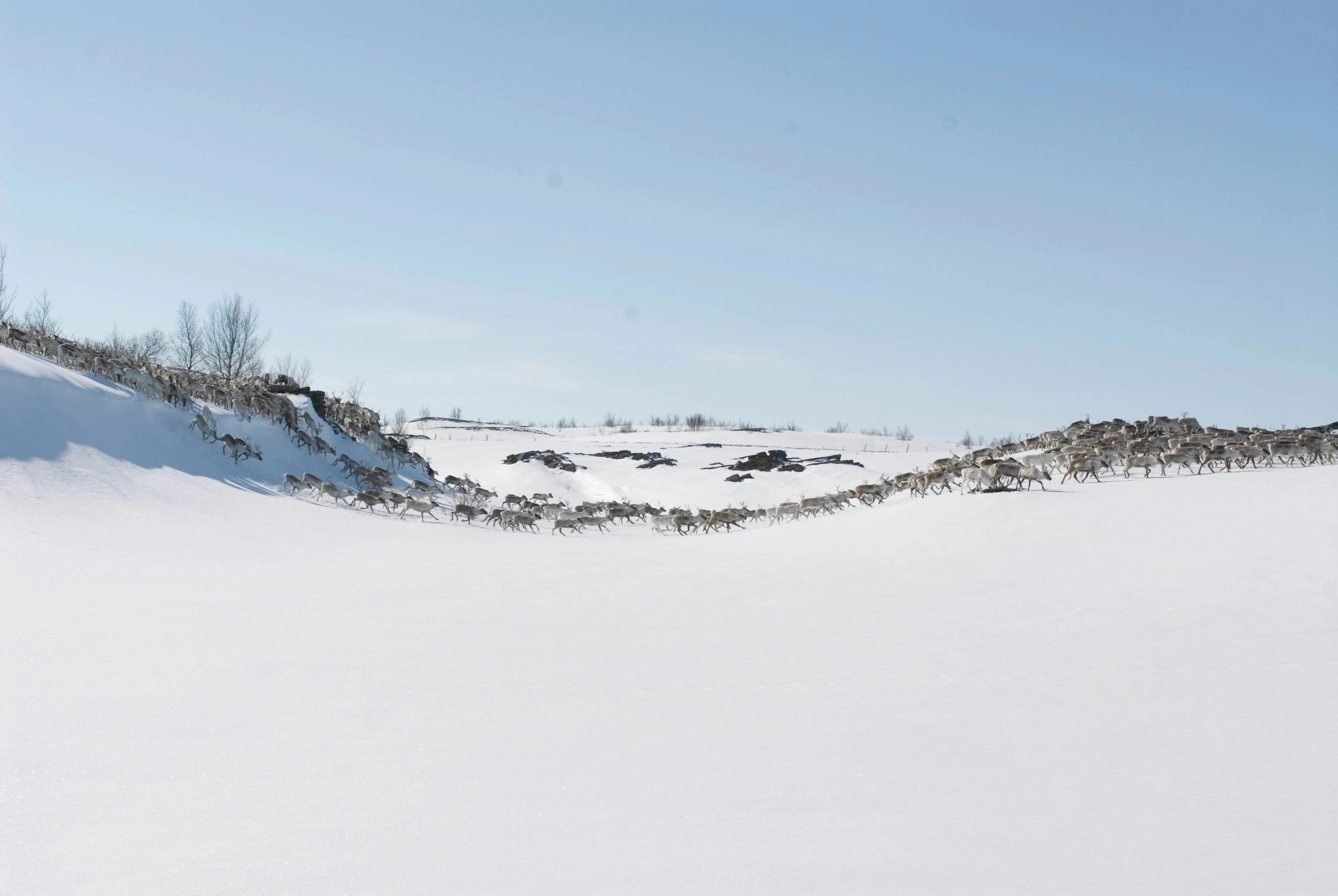
Have you ever tasted reindeer meat? It's wild, tasty mountain aroma is unmistakable. The Sami traditionally use reindeer in almost every part of their everyday life, from meat for cooking, to fur and hides for clothes and shoes.
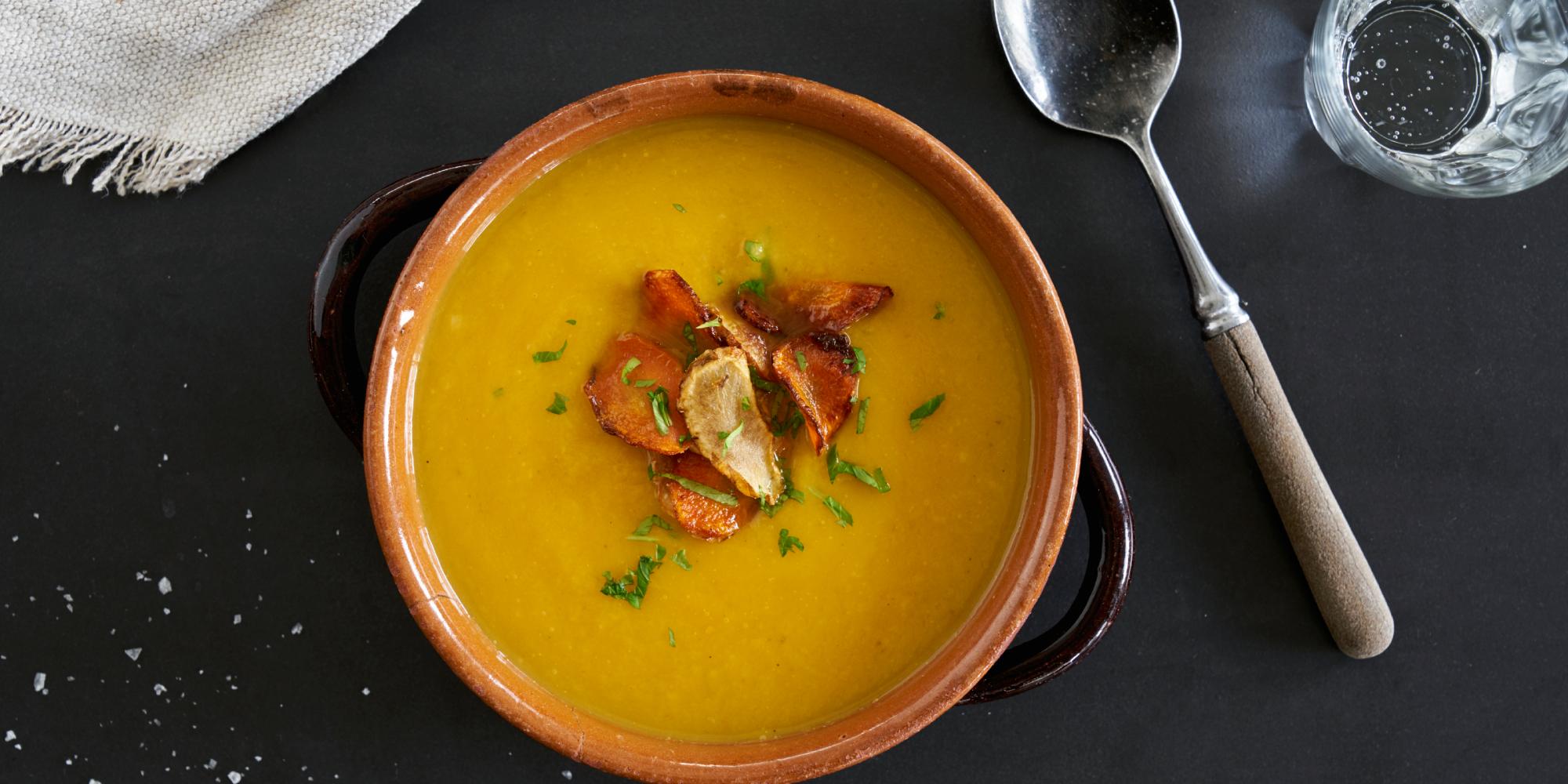
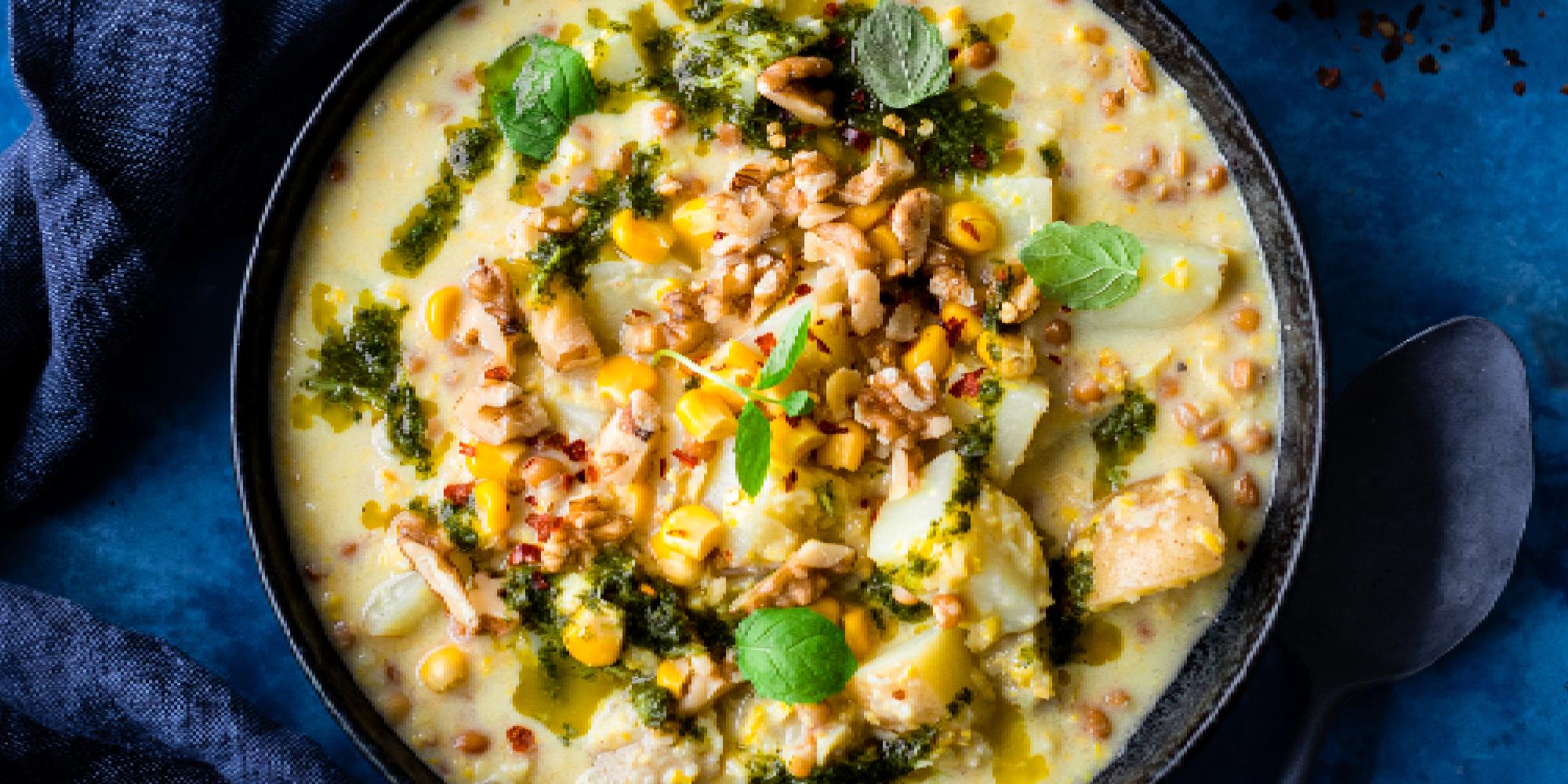
This exclusive meat is a starting point for many traditional Sami dishes, of which bidus is one of the most famous. Bidos is a traditional soup made with carrots, potatoes, and slow-cooked reindeer meat, and is typically served at Sami weddings and other celebrations.
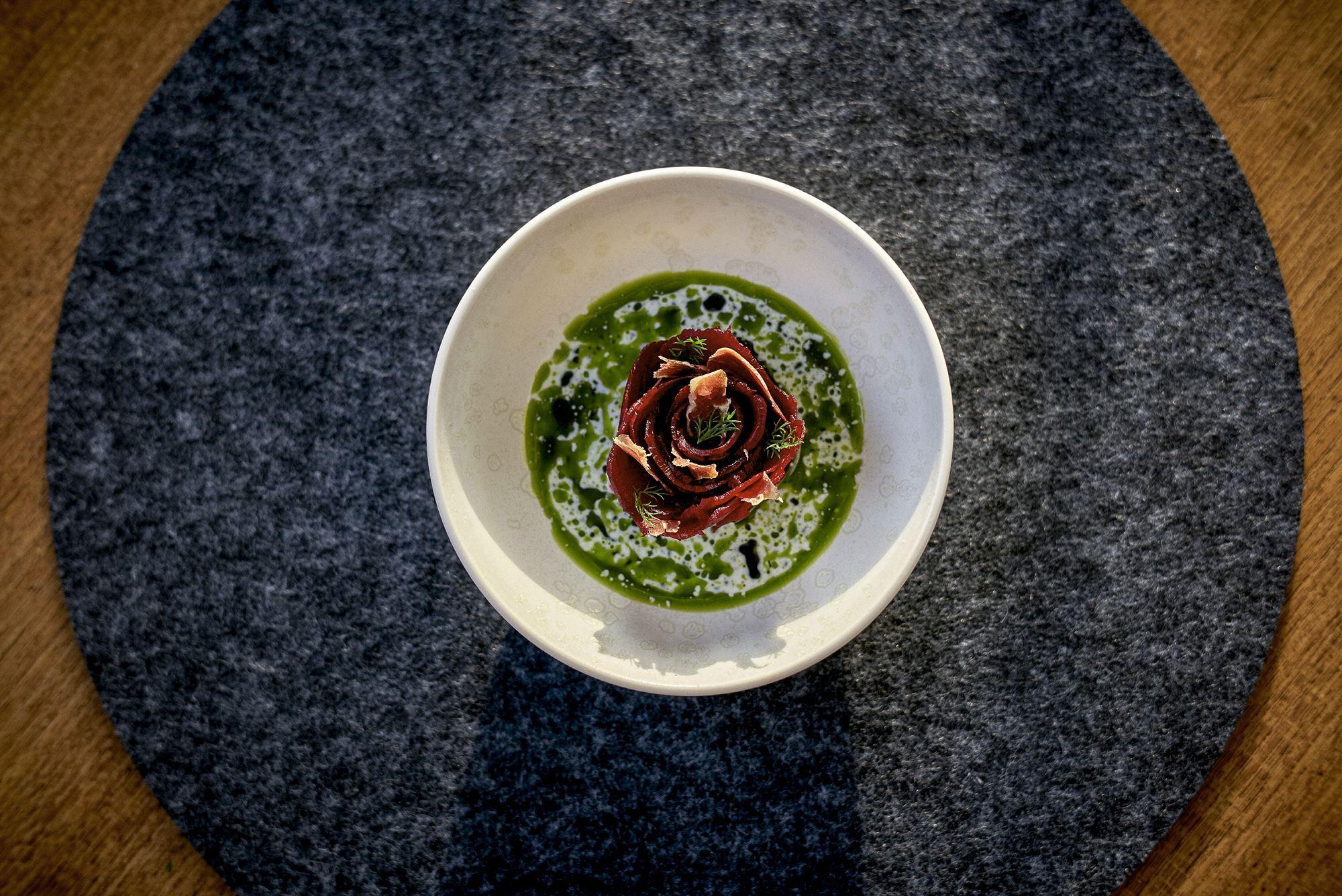
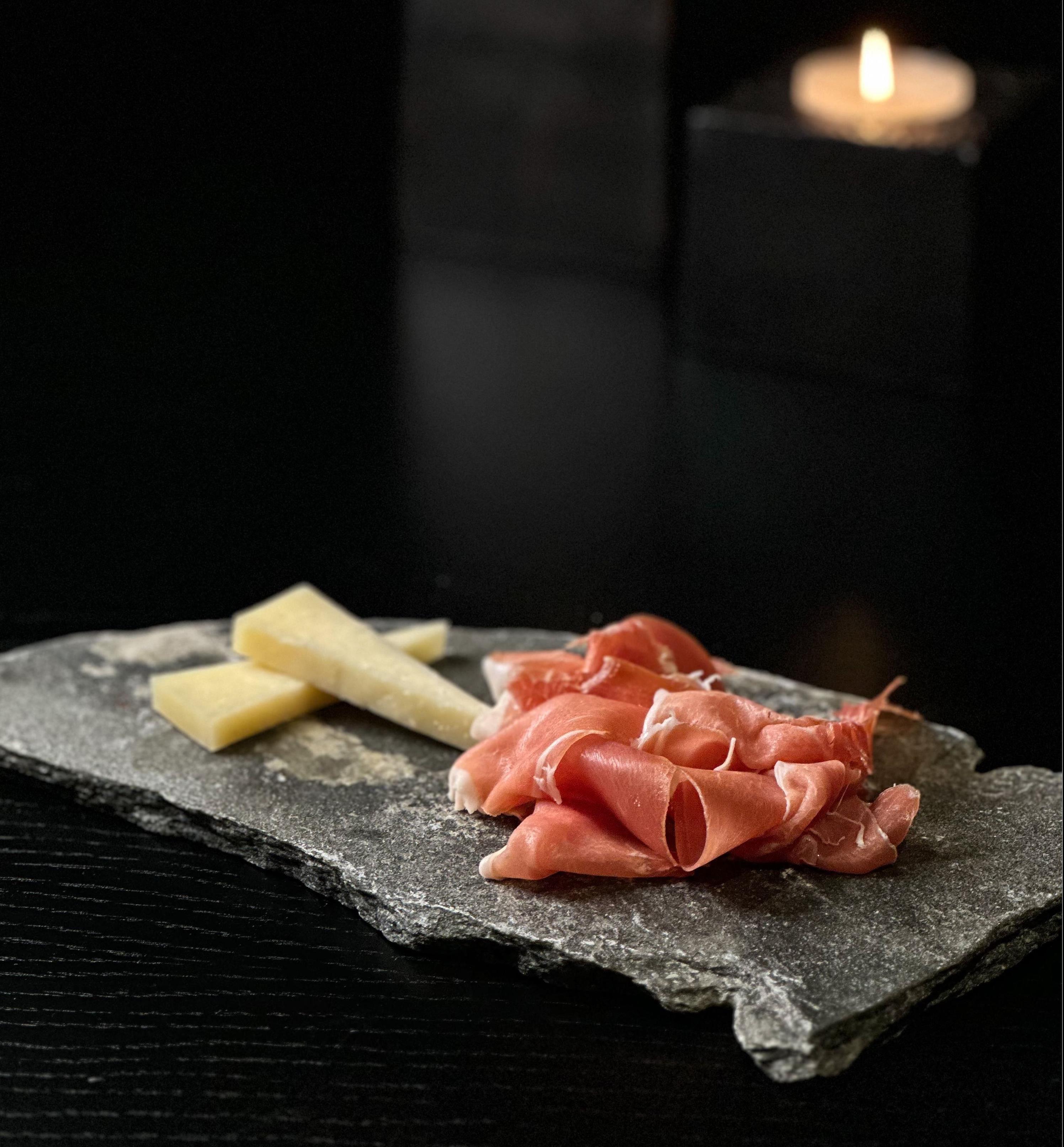
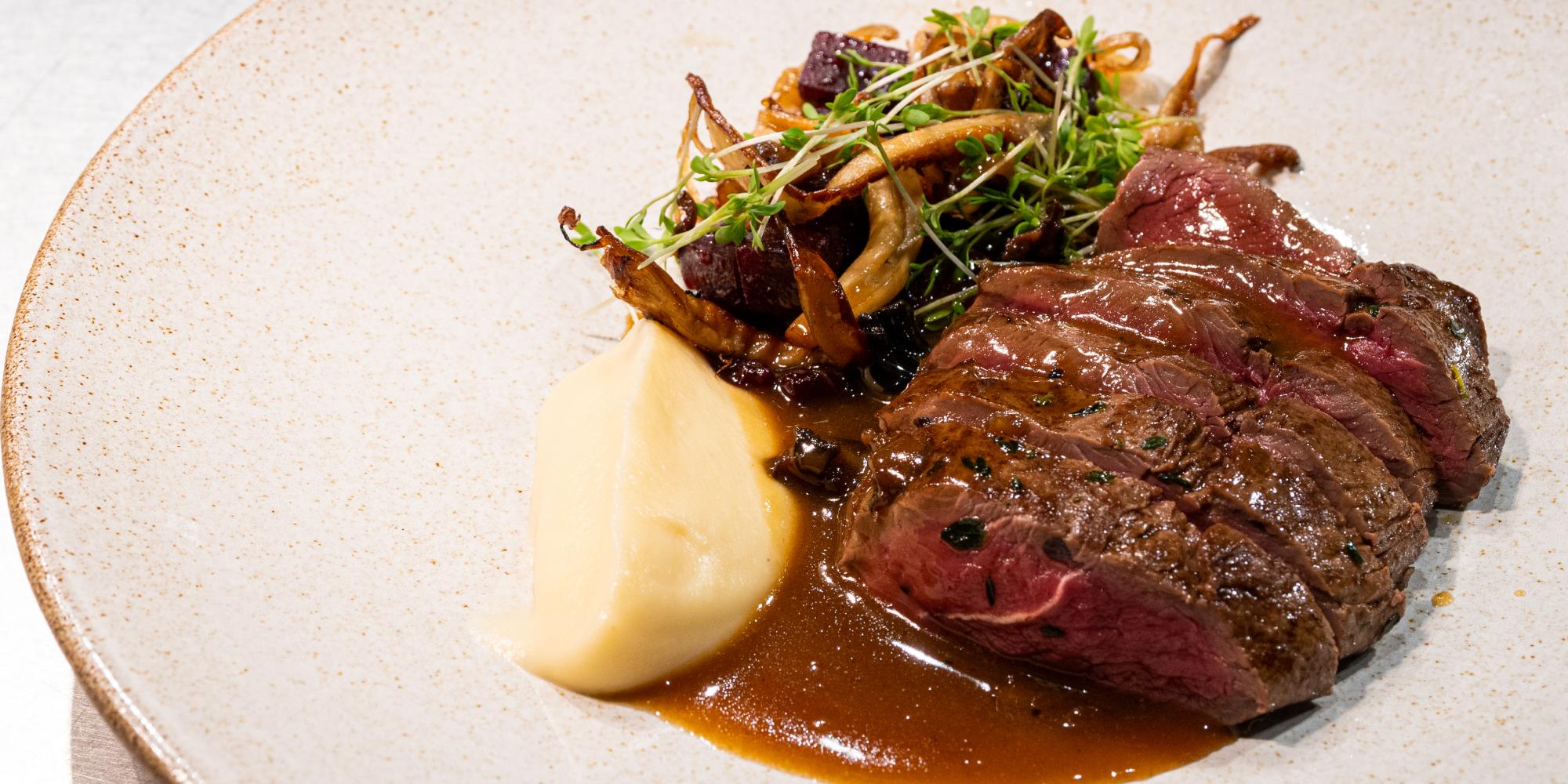
Reindeer is also often served at the very best Arctic restaurants in the region, where you can sample reindeer carpaccio, inside round cuts and soft tenderloin, among others. But reindeer is not the only Arctic treat for meat lovers...
World-class lamb
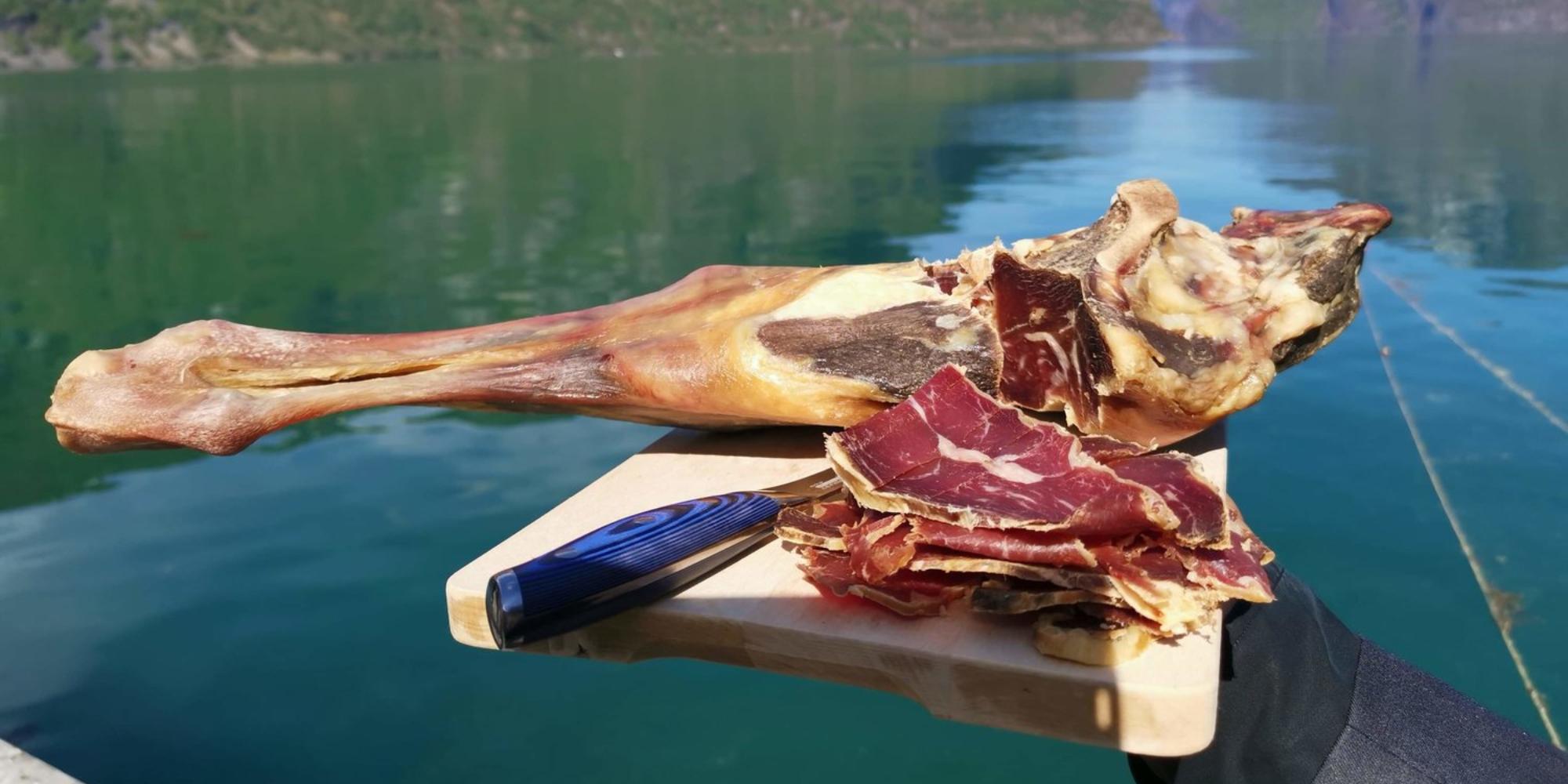
You can have lamb almost anywhere in the world, but only exclusive Lofotlam comes from Lofoten in Northern Norway. The combination good breeding and nutritious grazing on steep mountain sides, means that the lambs' fat is marbled into the meat. This gives Lofoten lamb its unique tenderness and distinctive aroma.
The same goes for Lyngenlam, which grazes in the high mountains on the Lyngen Peninsula. Both Lofotlam and Lyngenlam are officially certified as unique delicacies by Norway, and have Norwegian protected geographical indication certification.
Slow-growing magic
Growing fruit and vegetables in the Arctic is an extreme form of agriculture. However, the struggle is worth it, as it provides chefs in Northern Norway with an abundance of exceptional ingredients. Round the clock daylight in the middle of summer compensates for the long and harsh winters north of the Arctic Circle.
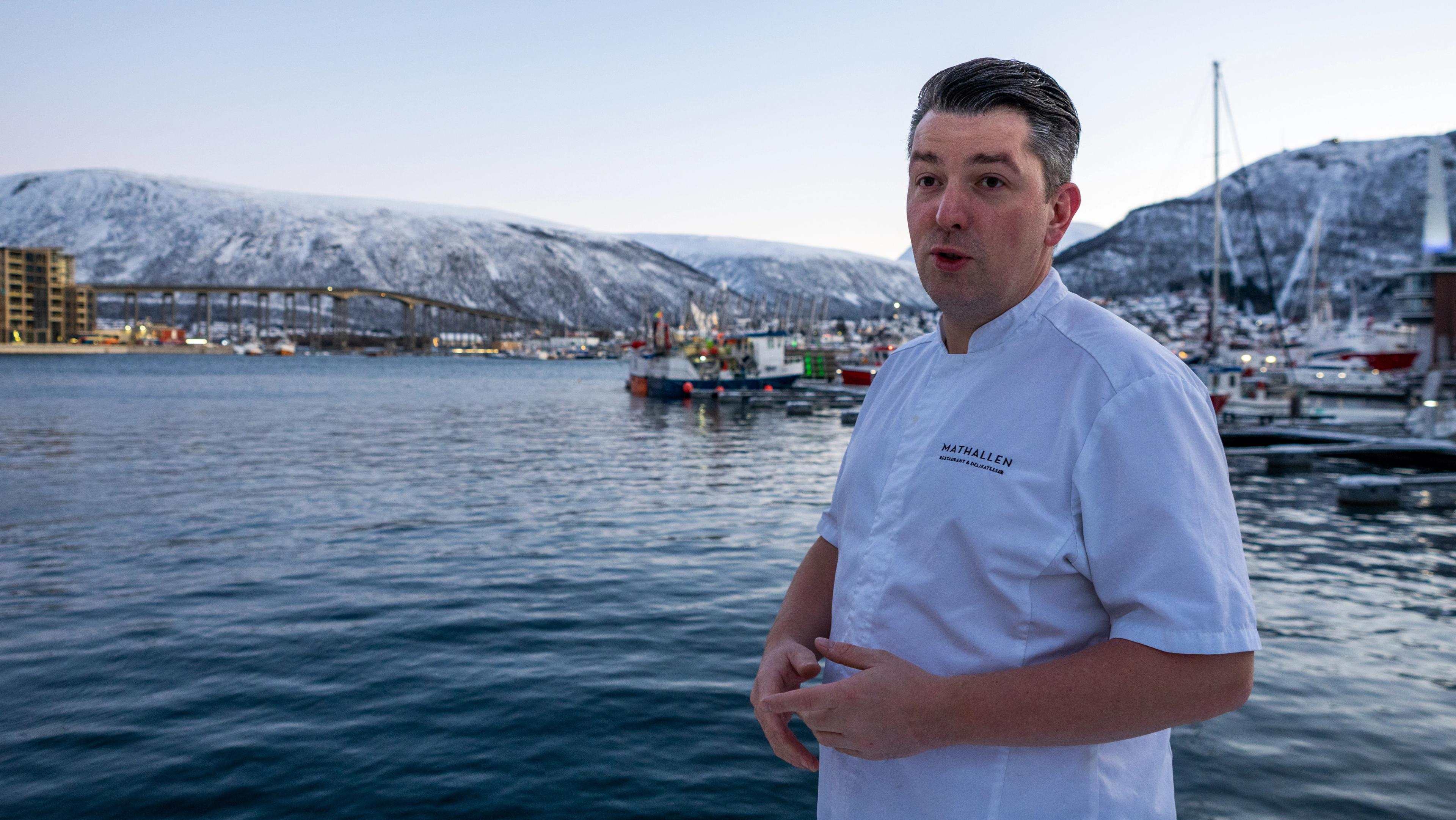
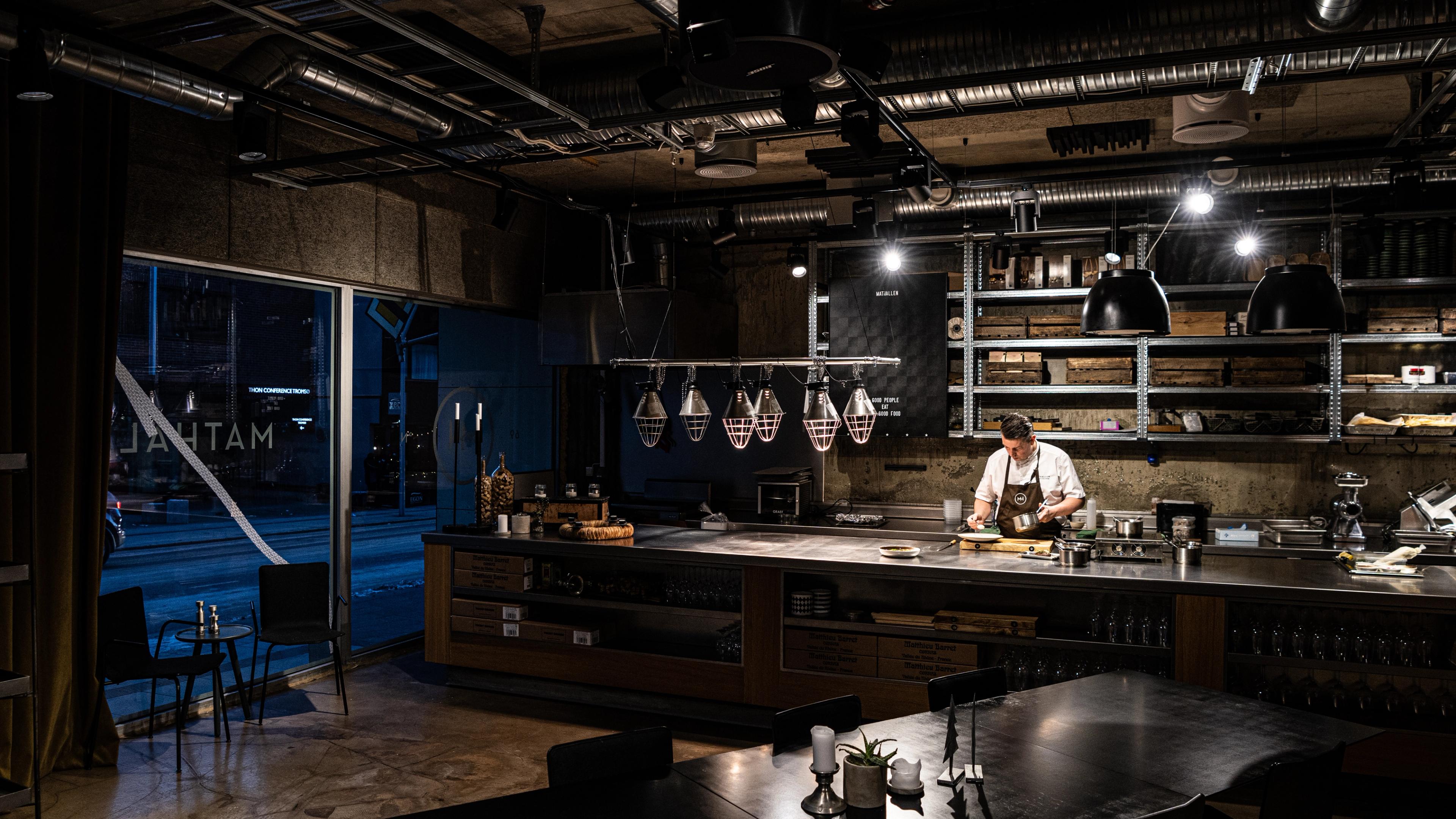
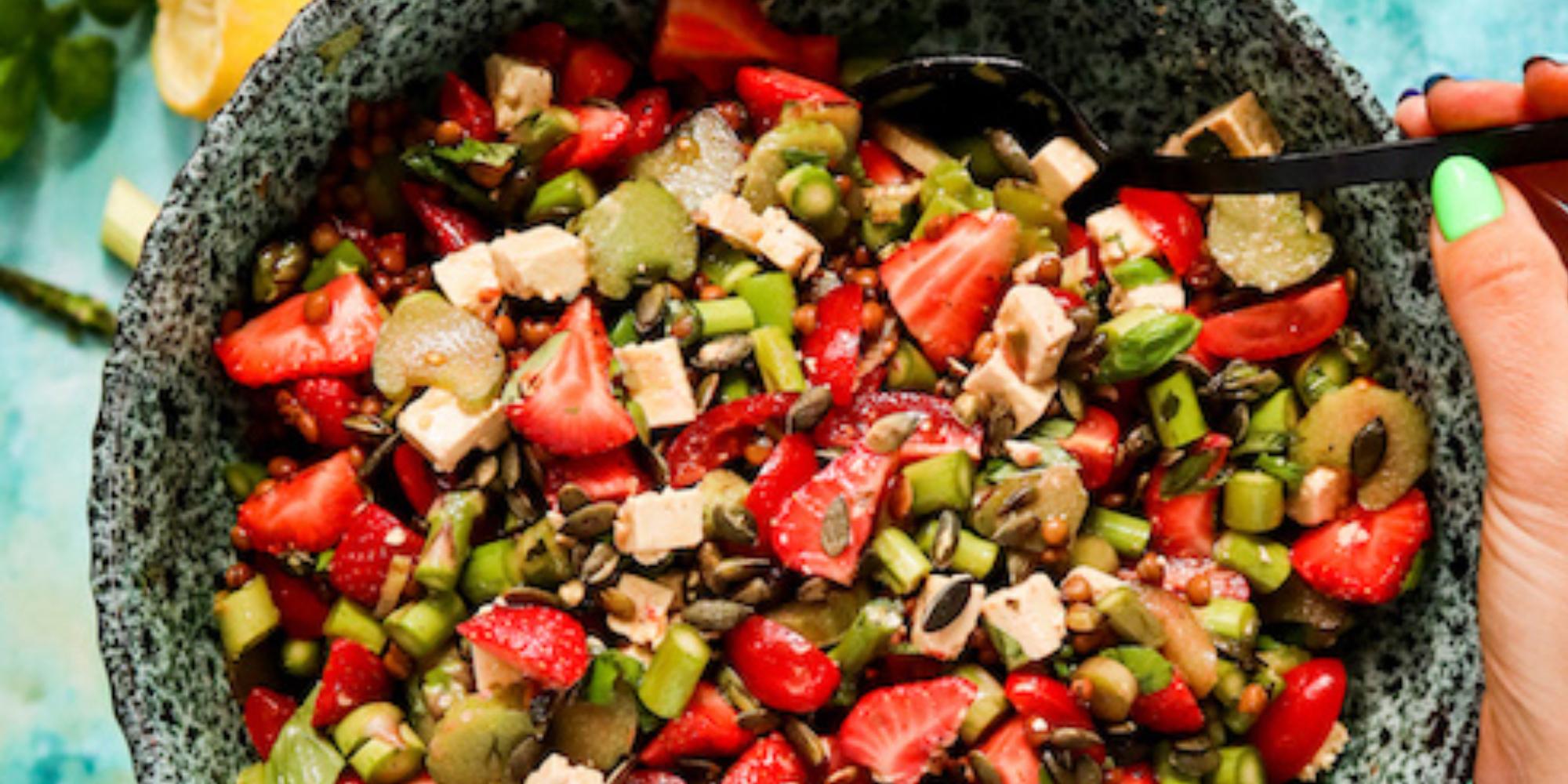
"The midnight sun has a positive effect when it comes to growing fruits, vegetables and berries. Potatoes and root vegetables are extra tasty, and strawberries that have ripened under the midnight sun are especially delicious," says Gunnar Jensen at Mathallen.
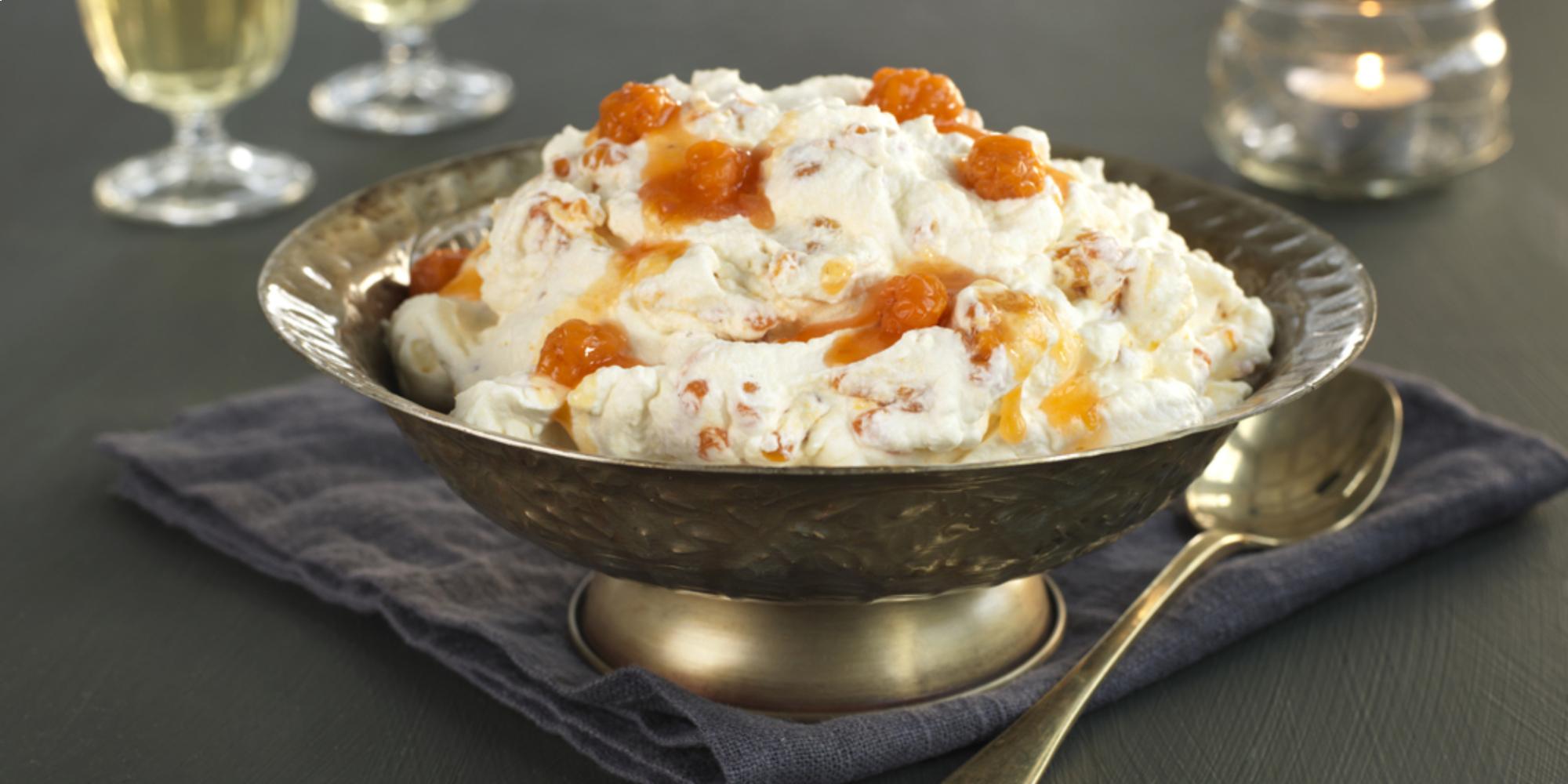
Cloudberry picking has a strong tradition in Northern Norway, where the berries are especially abundant. The golden berry makes a delicious jam, and a very tasty dessert: multekrem (cloudberry cream).
Just remember that the only place in Norway where you are not permitted to pick wild cloudberries is on clearly marked private land in Northern Norway.
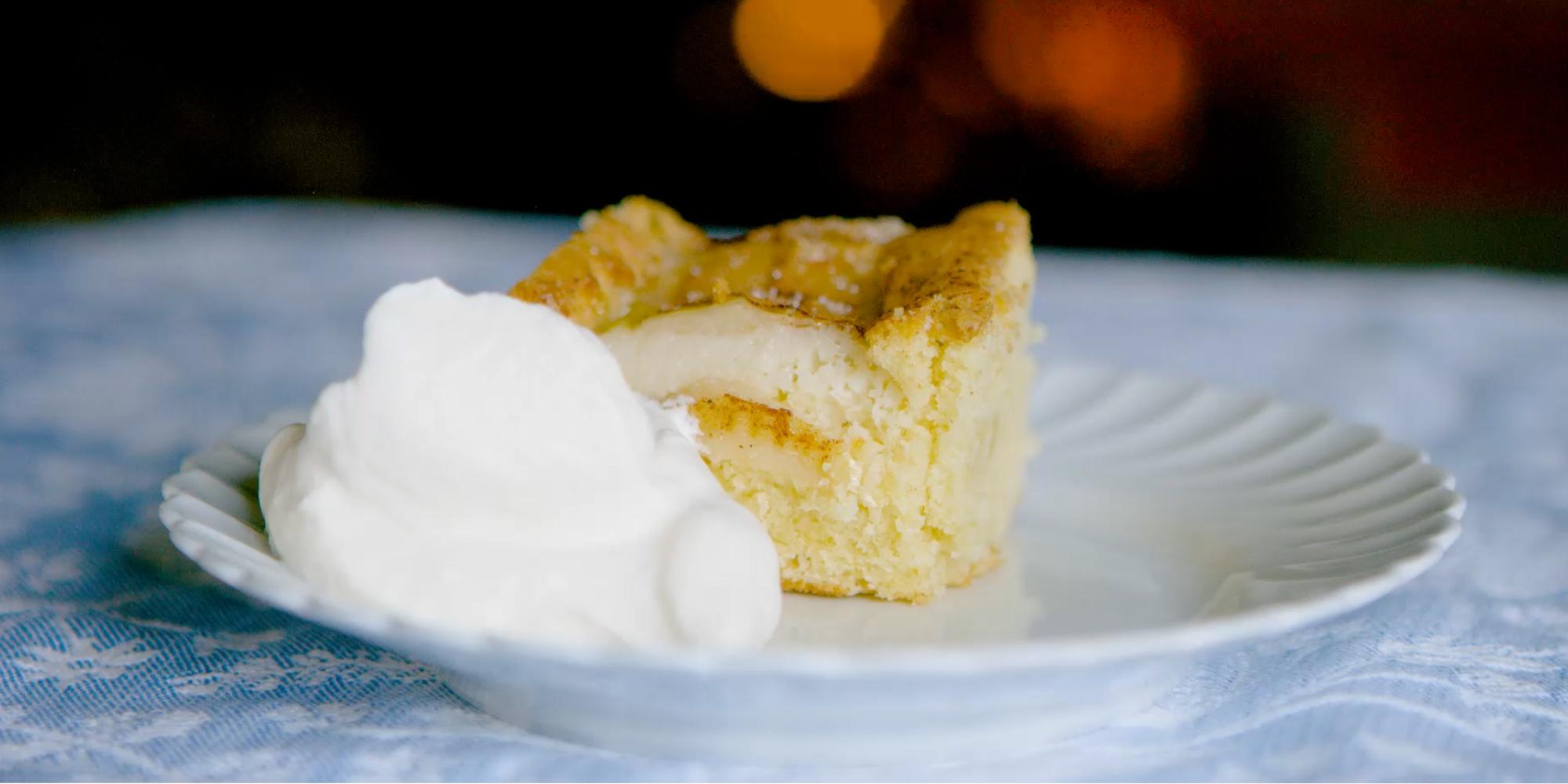
Do you have a sweet tooth? Try Kvæfjordkake, a cake from Kvæfjord that is so good that some just call it "the world's best cake". It has also been named our national cake! Or share a piece of Møsbrømlefse, a well-known sweet treat from the Bodø/Salten area.