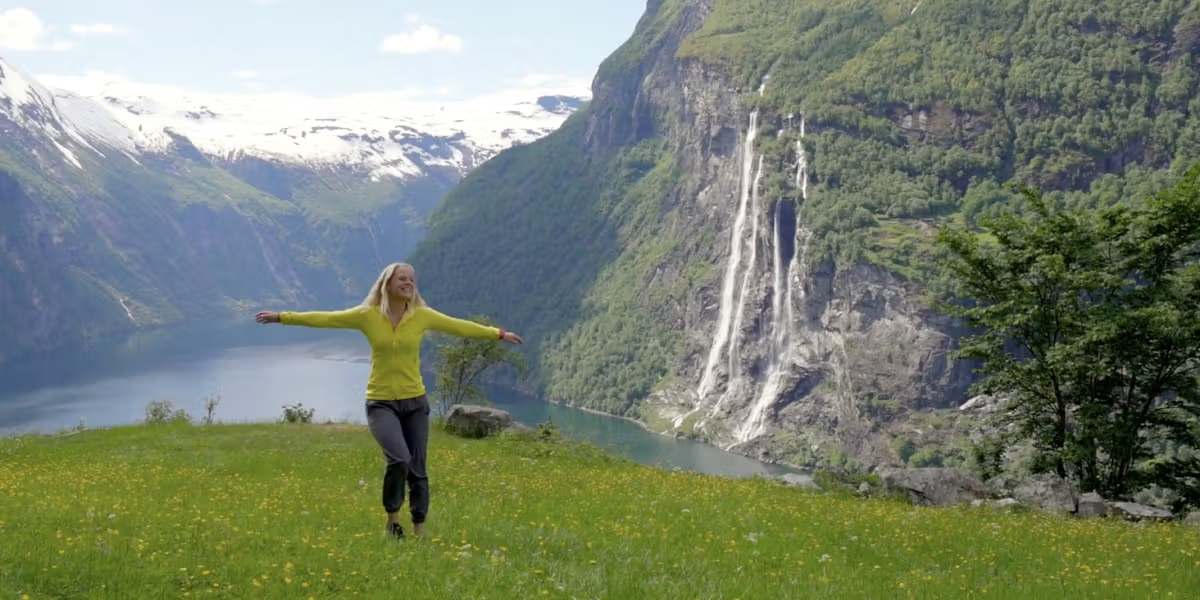
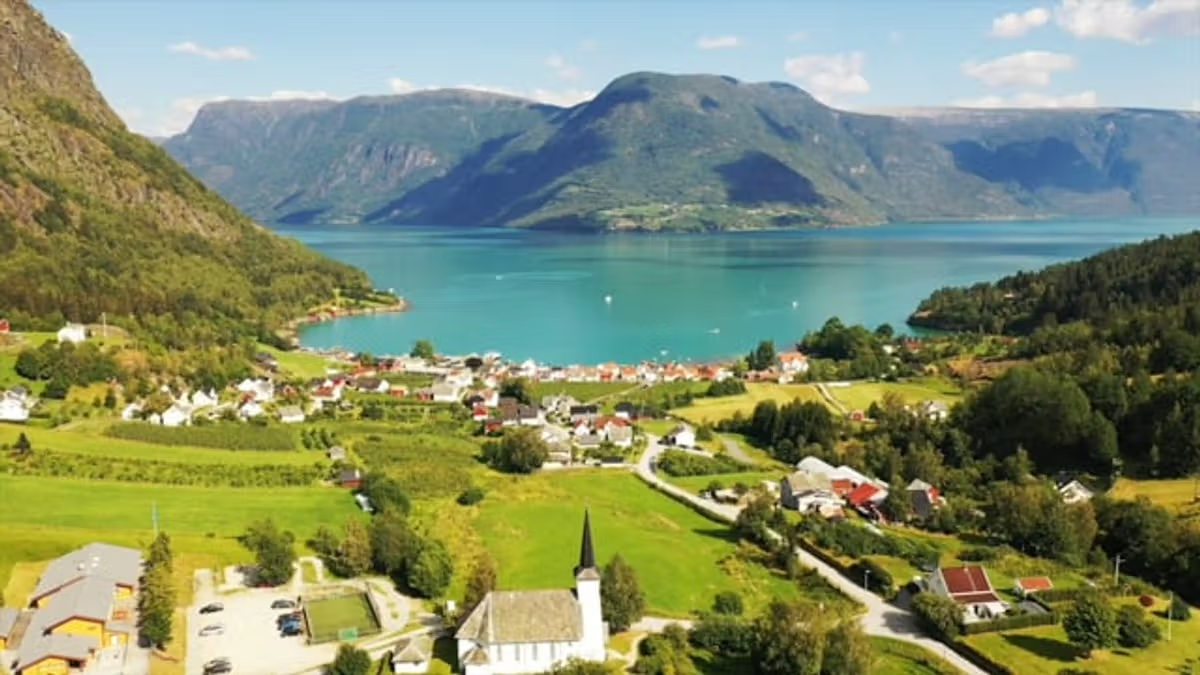
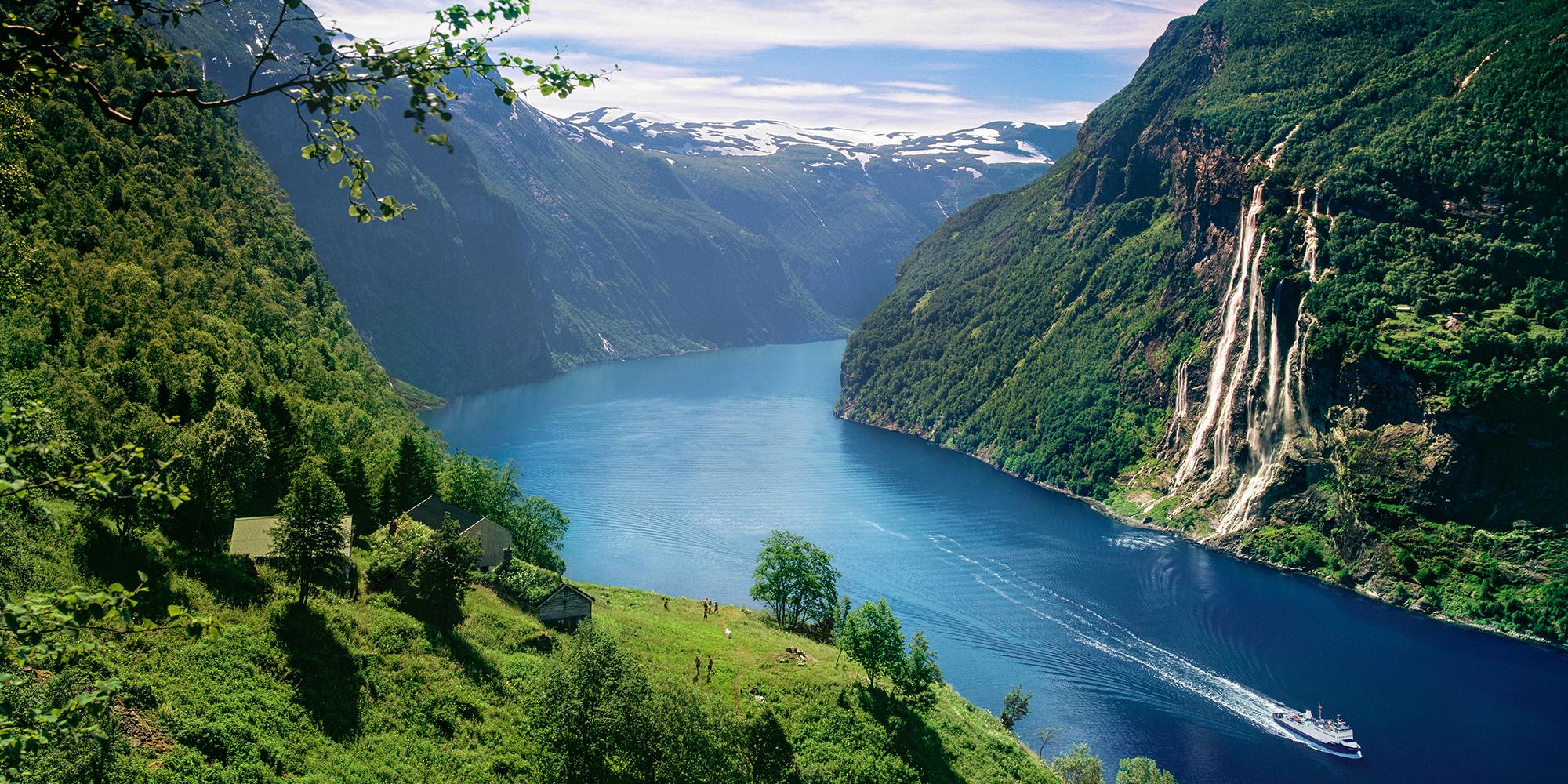
Do your travel habits align with your values? When you visit a Sustainable Destination, you are supporting a place in Norway that is committed to making travel more responsible, both for today and in the future.
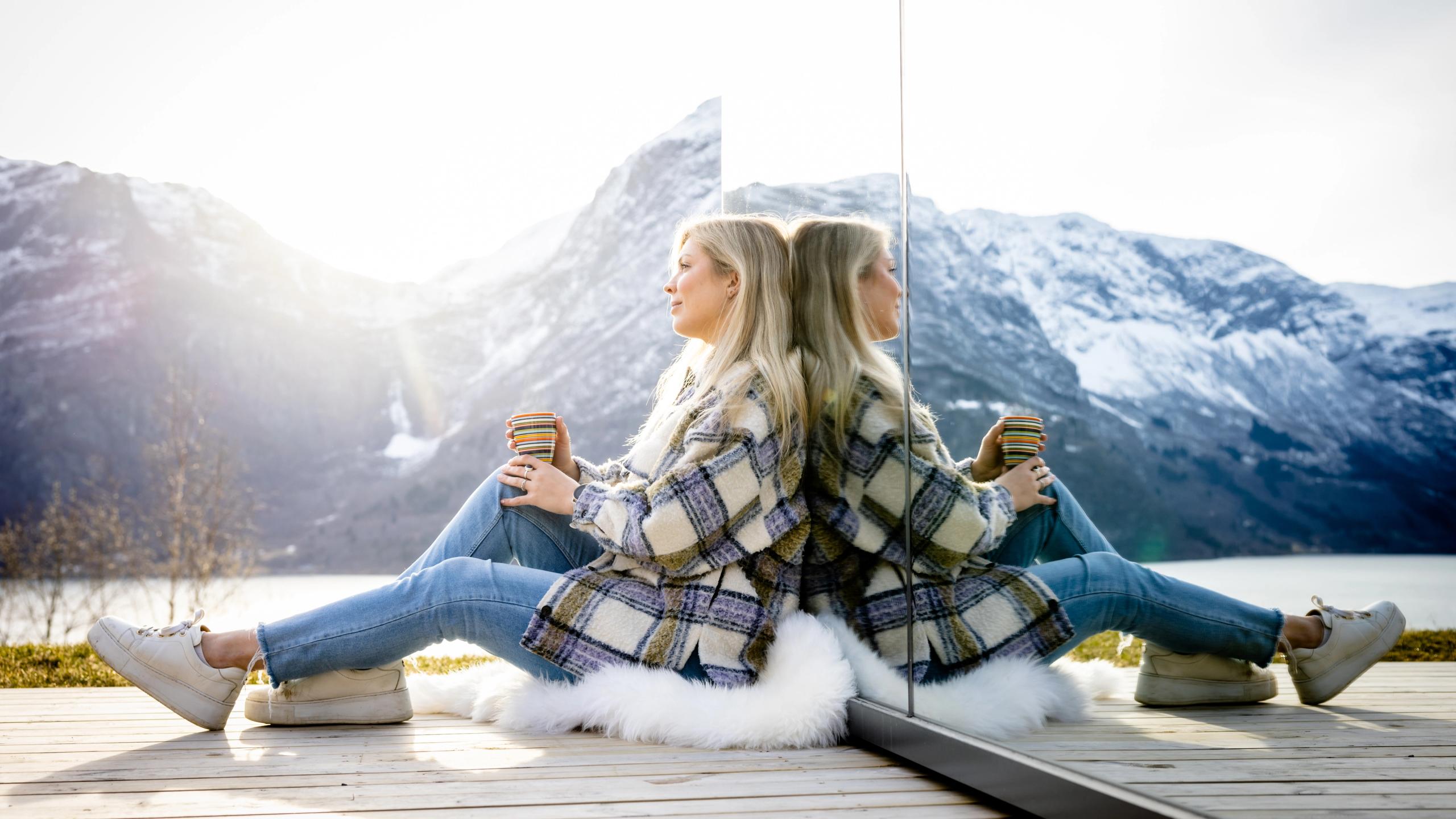
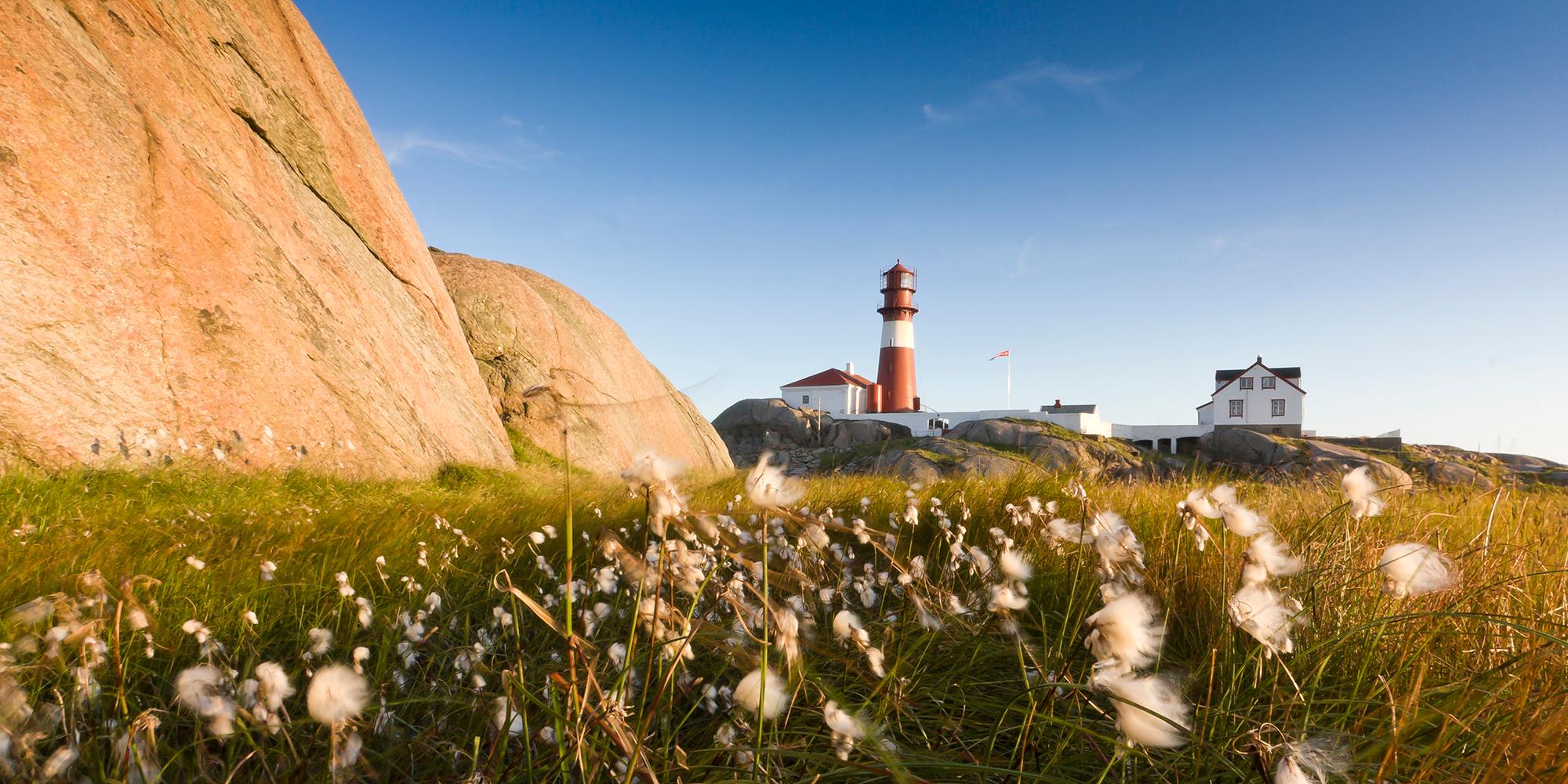
Sustainable Destination
Norway’s national program for developing more sustainable tourism destinations.
A good place to live is a good place to visit.
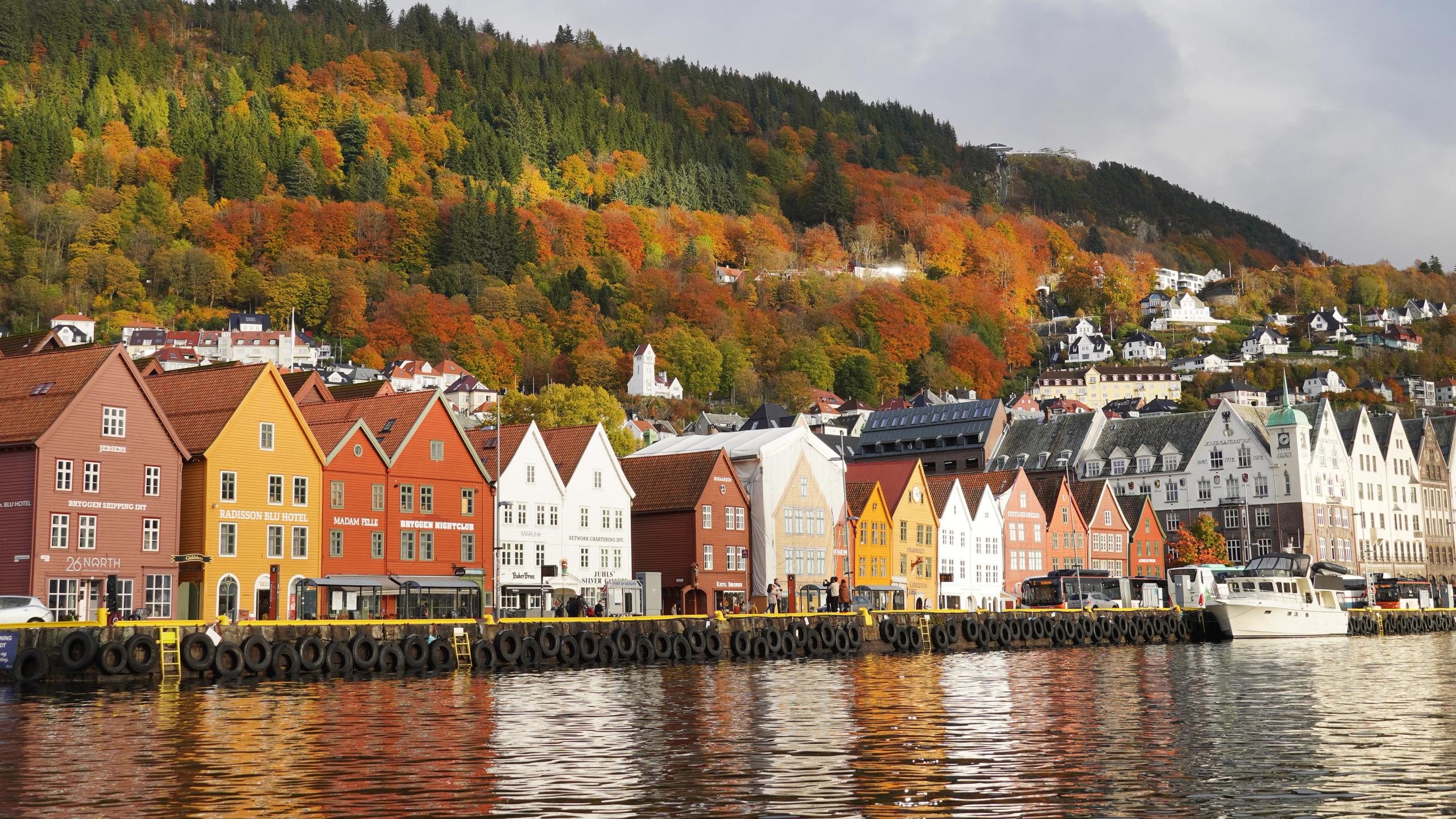
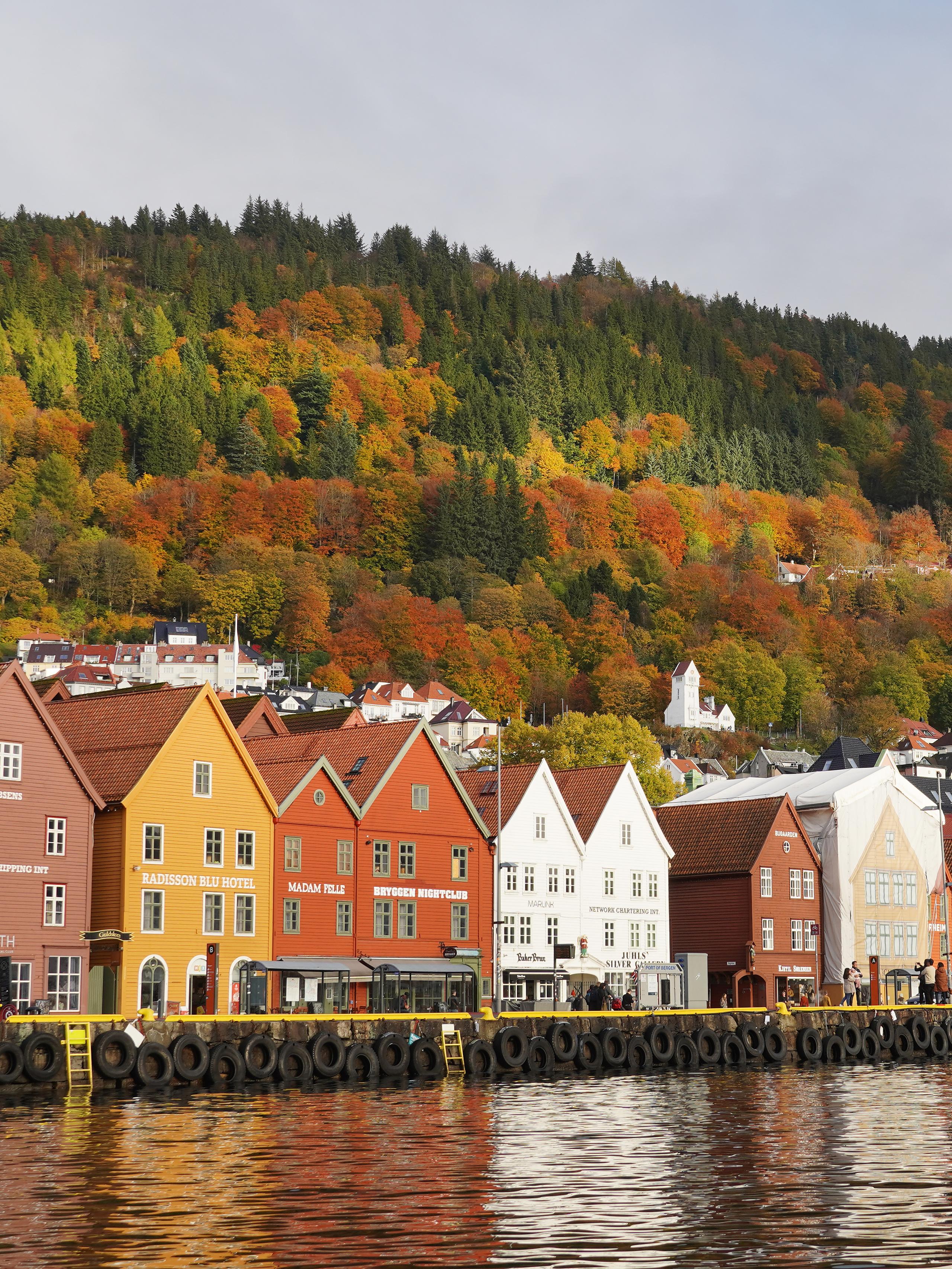
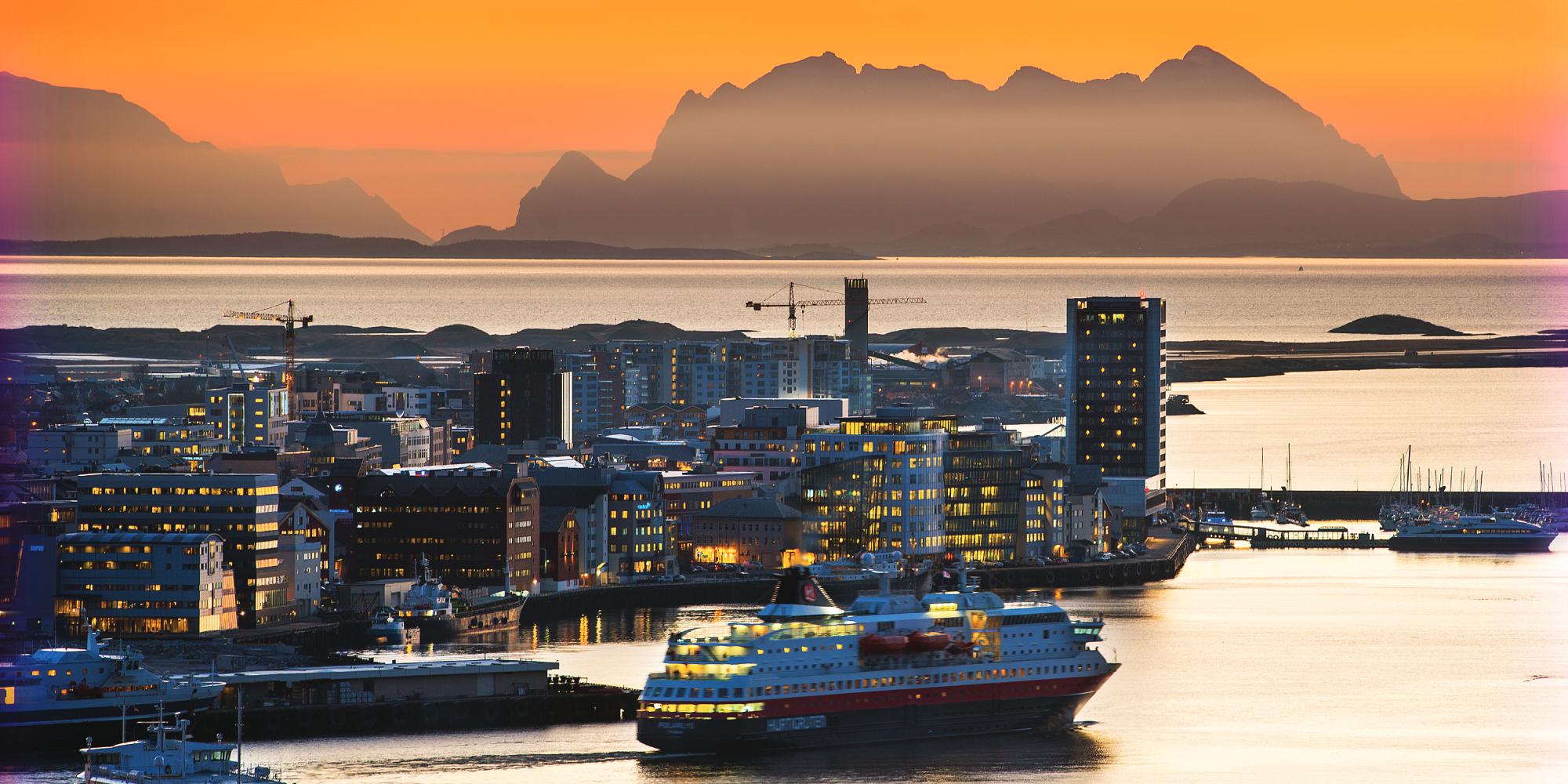
Visit some of the almost 50 destinations in Norway that hold the Sustainable Destination label!
The label indicates that the destination is working systematically to develop tourism in a more sustainable way.
Did you know that the label requires not only environmental improvements, but also improvements in terms of impact on the local community and preservation of cultural heritage?
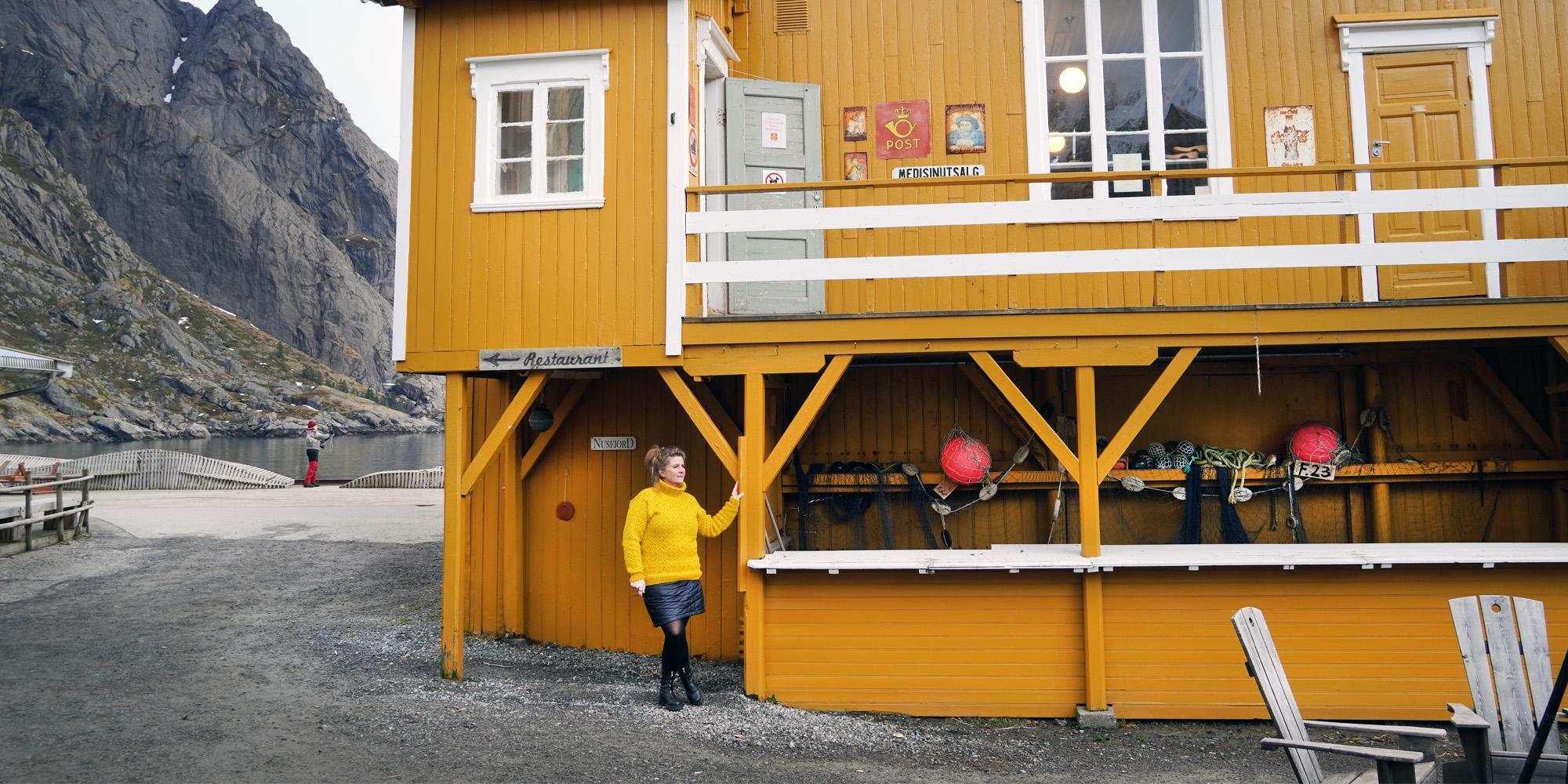
“We live in one of the most beautiful places on earth. We have a great responsibility to keep it that way.”
Line Renate Samuelsen
CEO of Destination Lofoten
There are many positive sides to tourism, but the industry is also facing challenges. If you’re eager to experience a unique destination that aims to minimise travel's negative impacts and maximise its positive ripple effects, you should visit some of the nearly 50 places in Norway that hold the Sustainable Destination label. Many more are in the process of being certified.
These destinations have committed to working systematically towards making tourism more sustainable, with the goal of making them a better place both to visit and to live.
Norway is a forerunner in developing such a national programme, which was first established in 2013. The core of the programme is a Standard containing a set of criteria and indicators that are measured, registered, and regularly monitored. Destinations are evaluated every three years and must document substantial improvement.
The standard has achieved ‘GSTC-Recognized status, given by the Global Sustainable Tourism Council (GSTC).
'Sustainable tourism' is defined by the UN Environment Program and the UN World Tourism Organization as “tourism that takes full account of its current and future economic, social and environmental impacts, addressing the needs of visitors, the industry, the environment and host communities”.

So, what's in it for you, as a visitor?
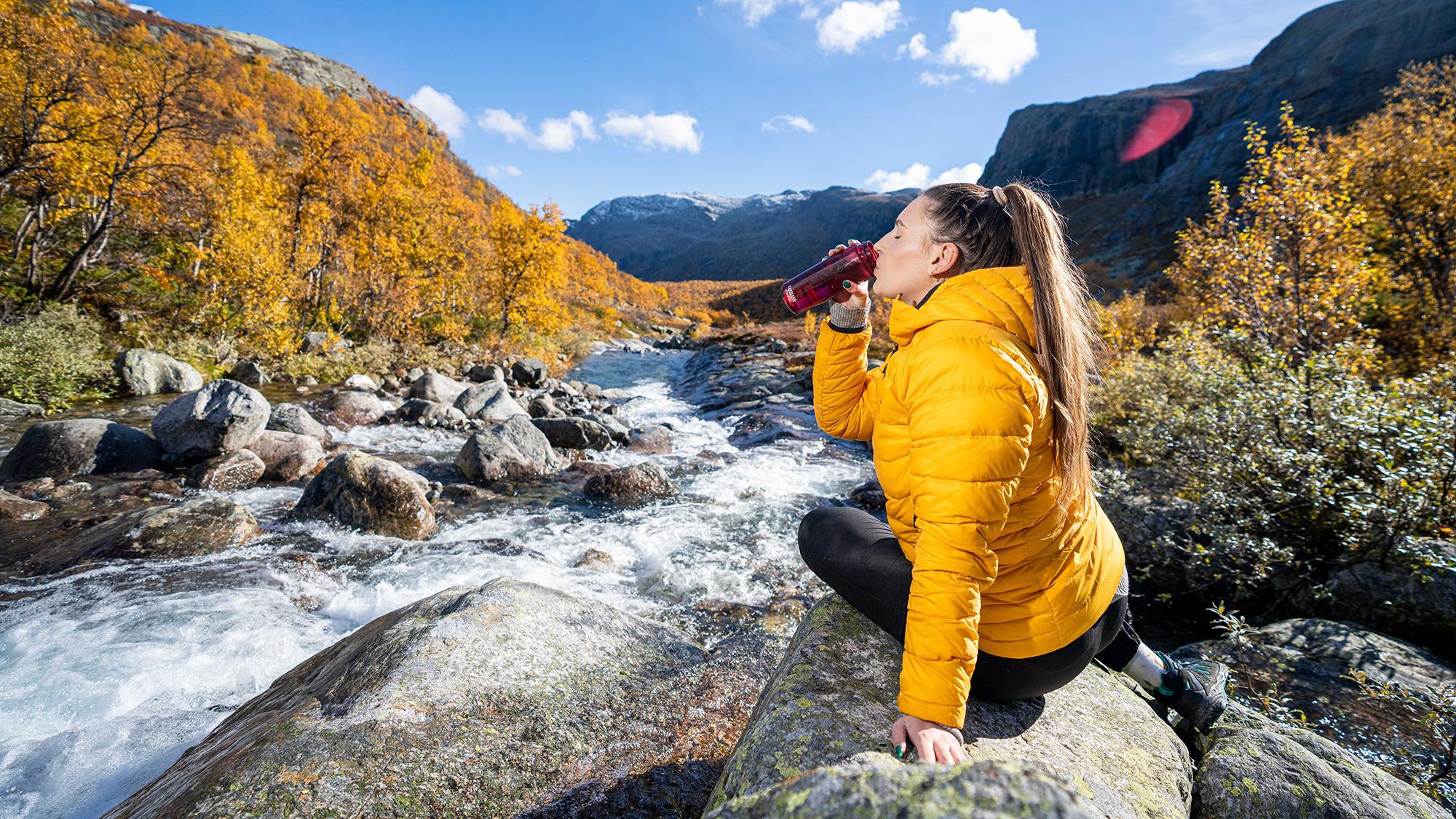
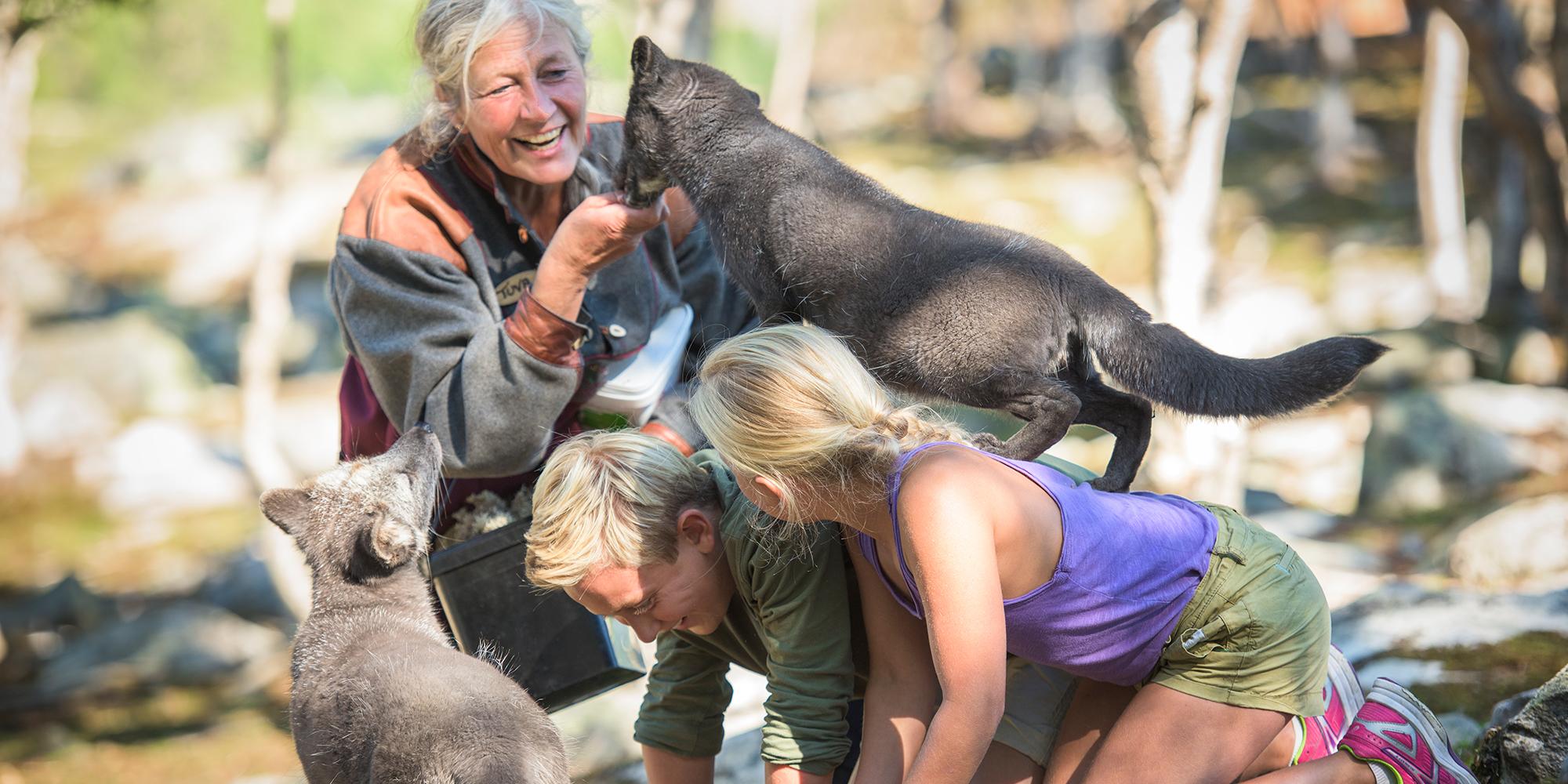
All this means you can travel to a place that makes a big effort to help you minimise your impact on nature, wildlife, and the climate.
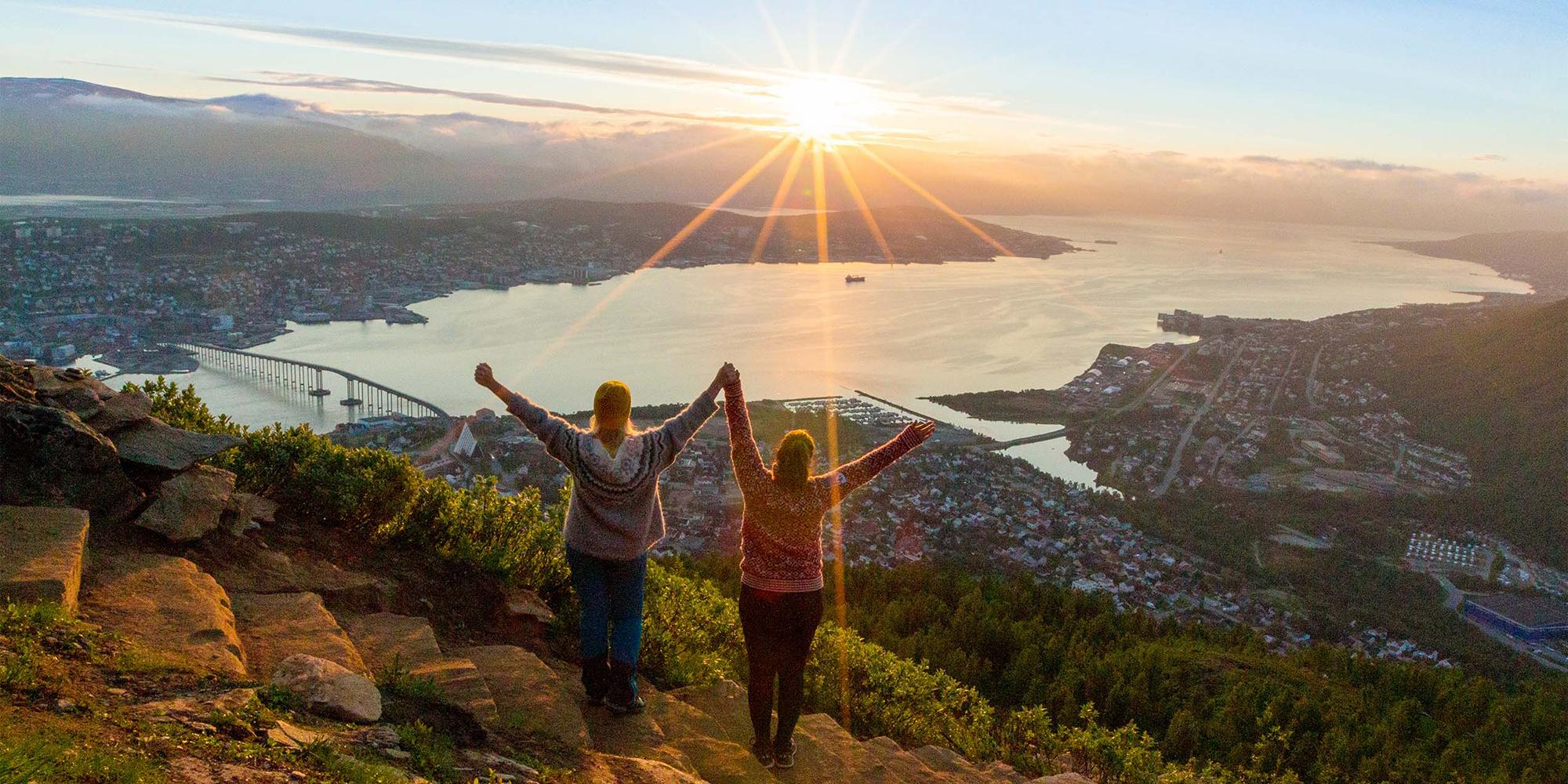
A destination in balance.
Visit destinations that are committed to making local people happy.
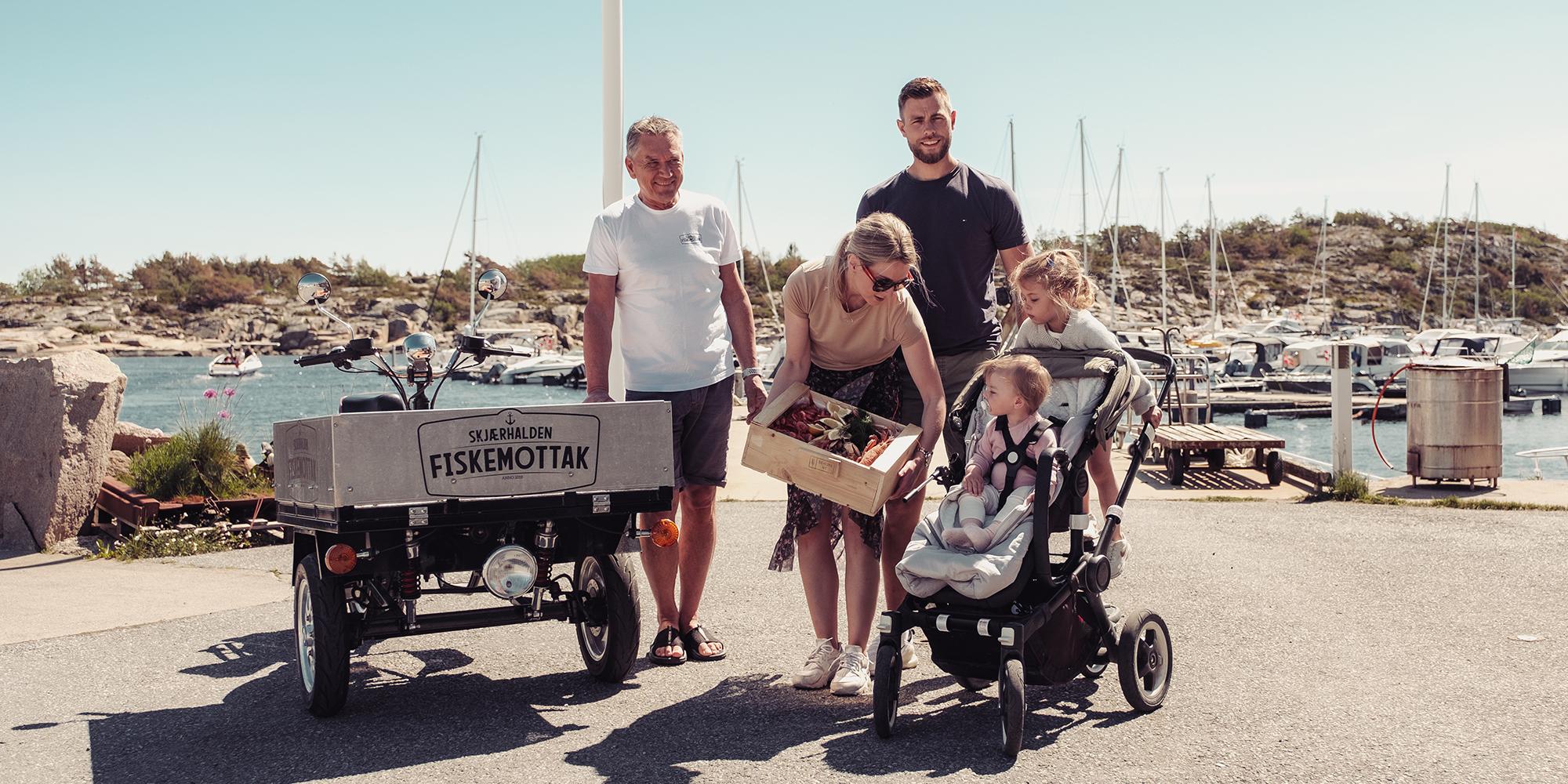
Local destinations, local flavours.
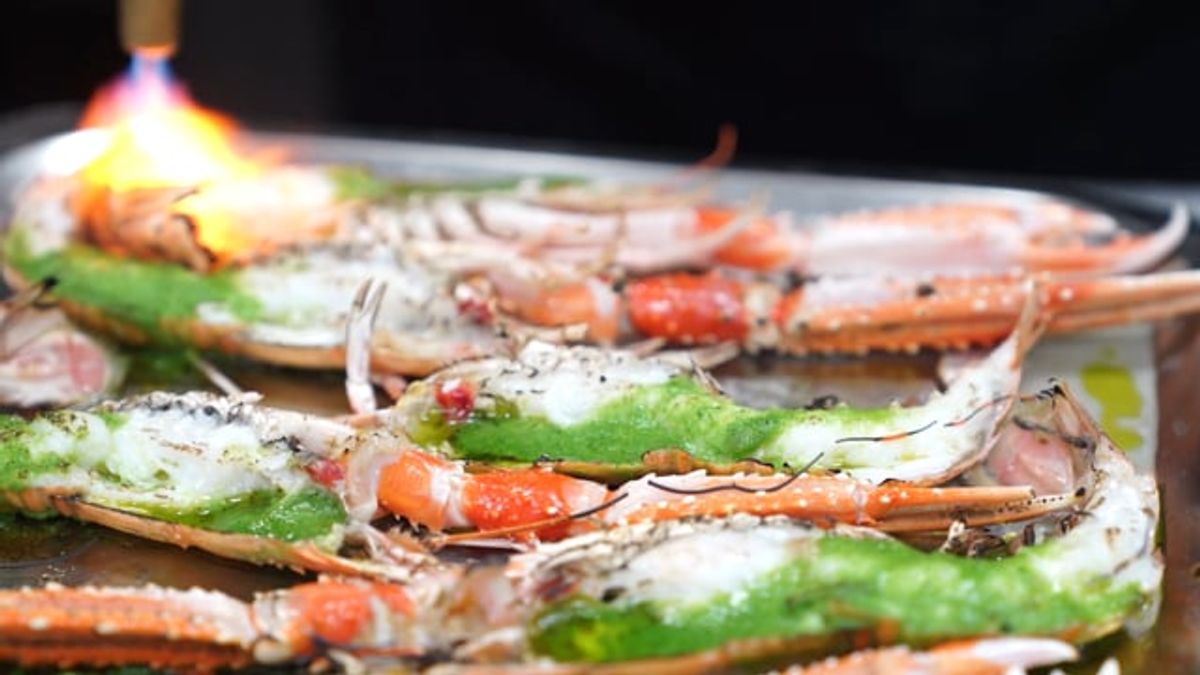
Enjoy local specialities and world-class seafood.
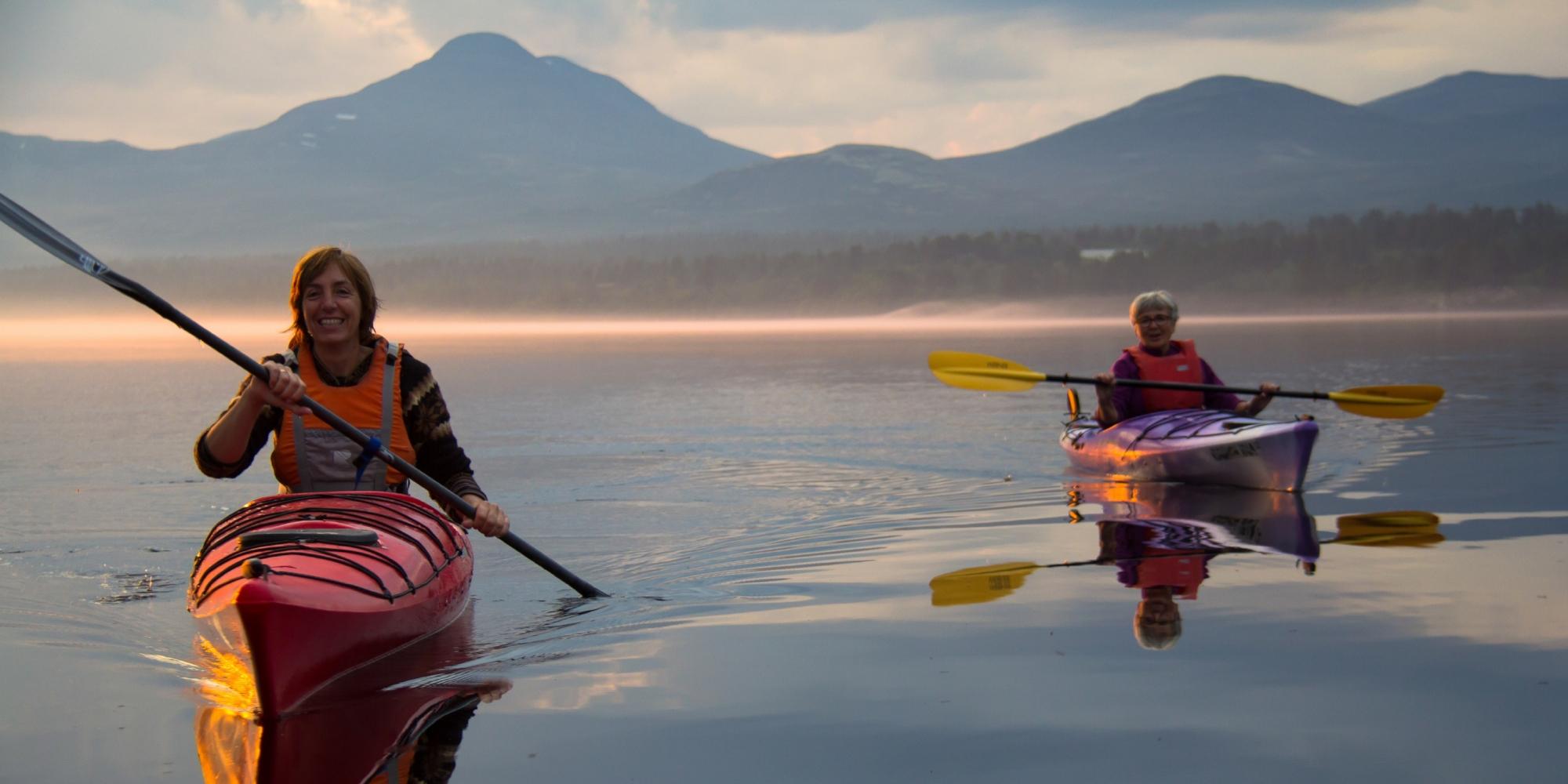
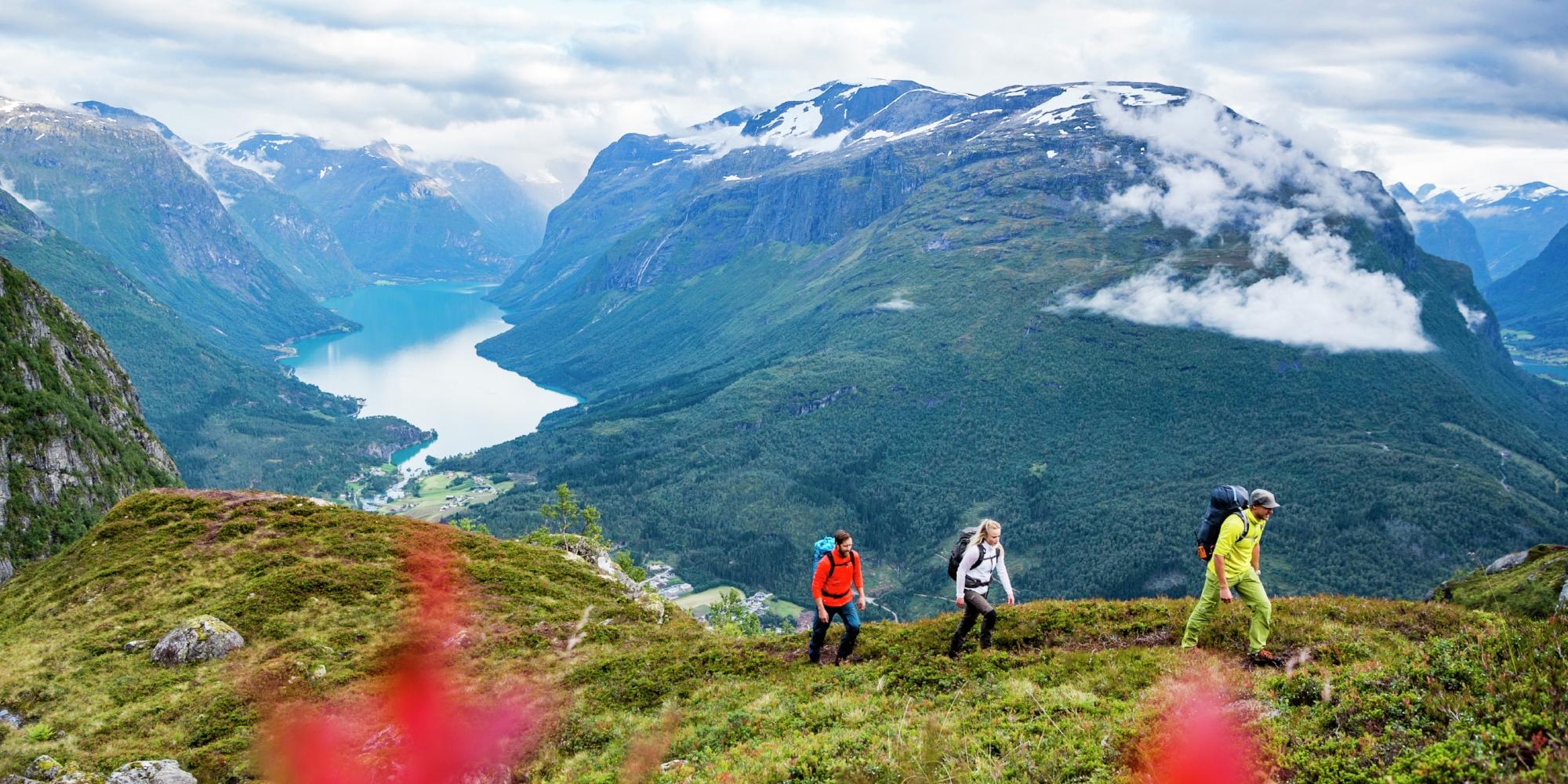
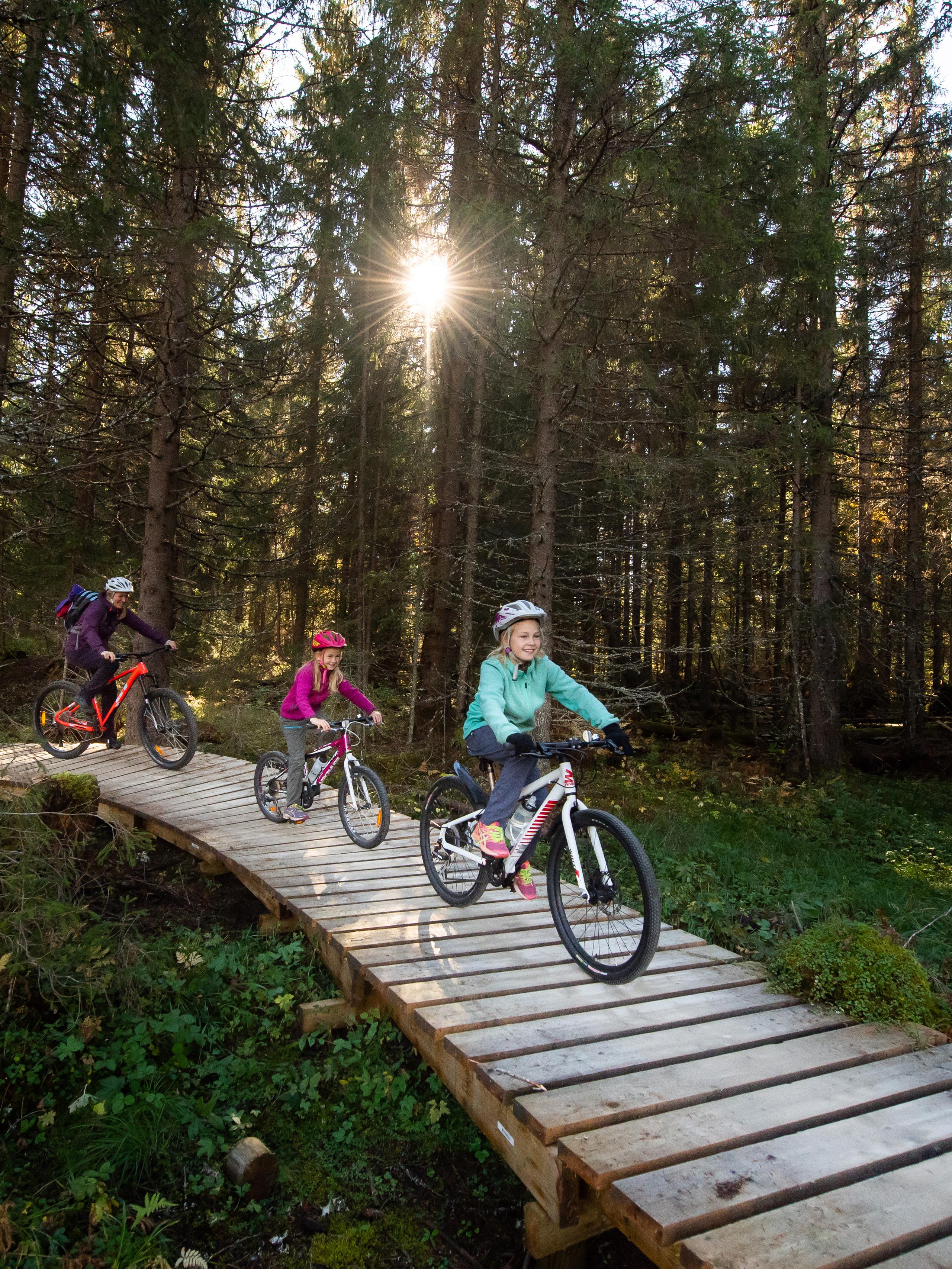
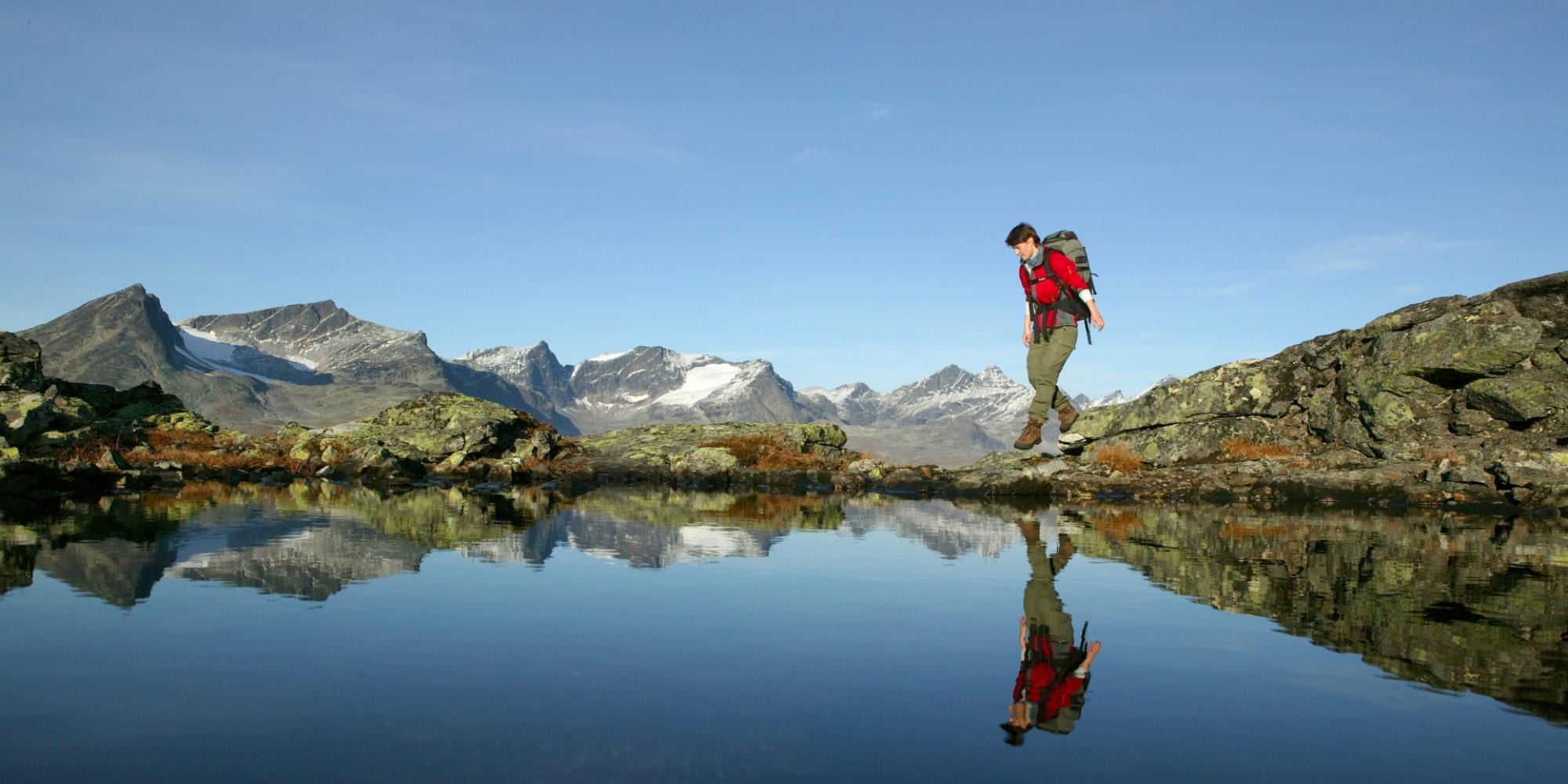
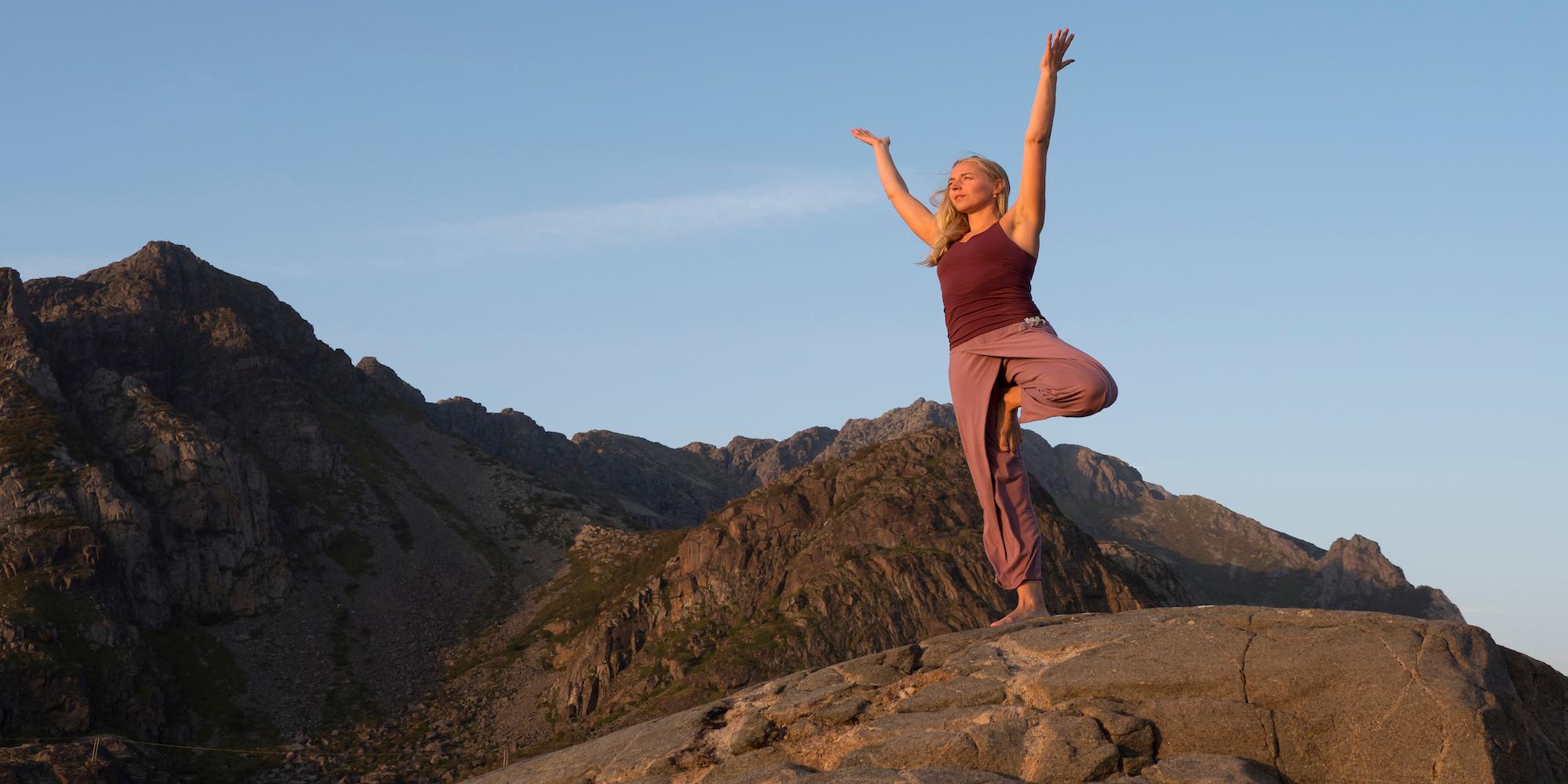
Explore nature.
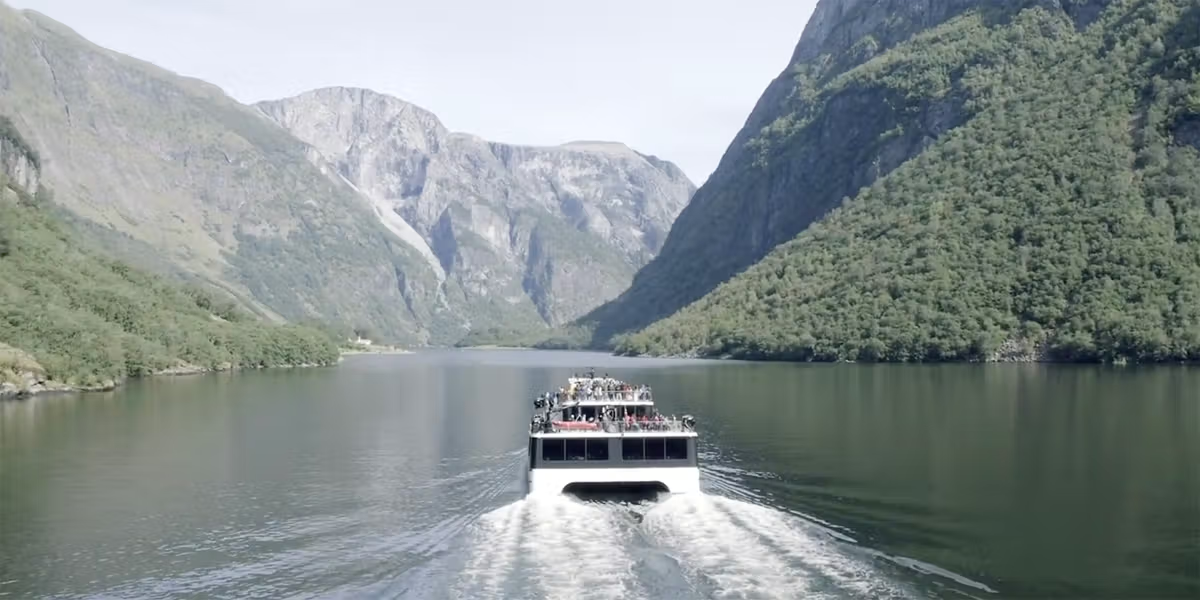
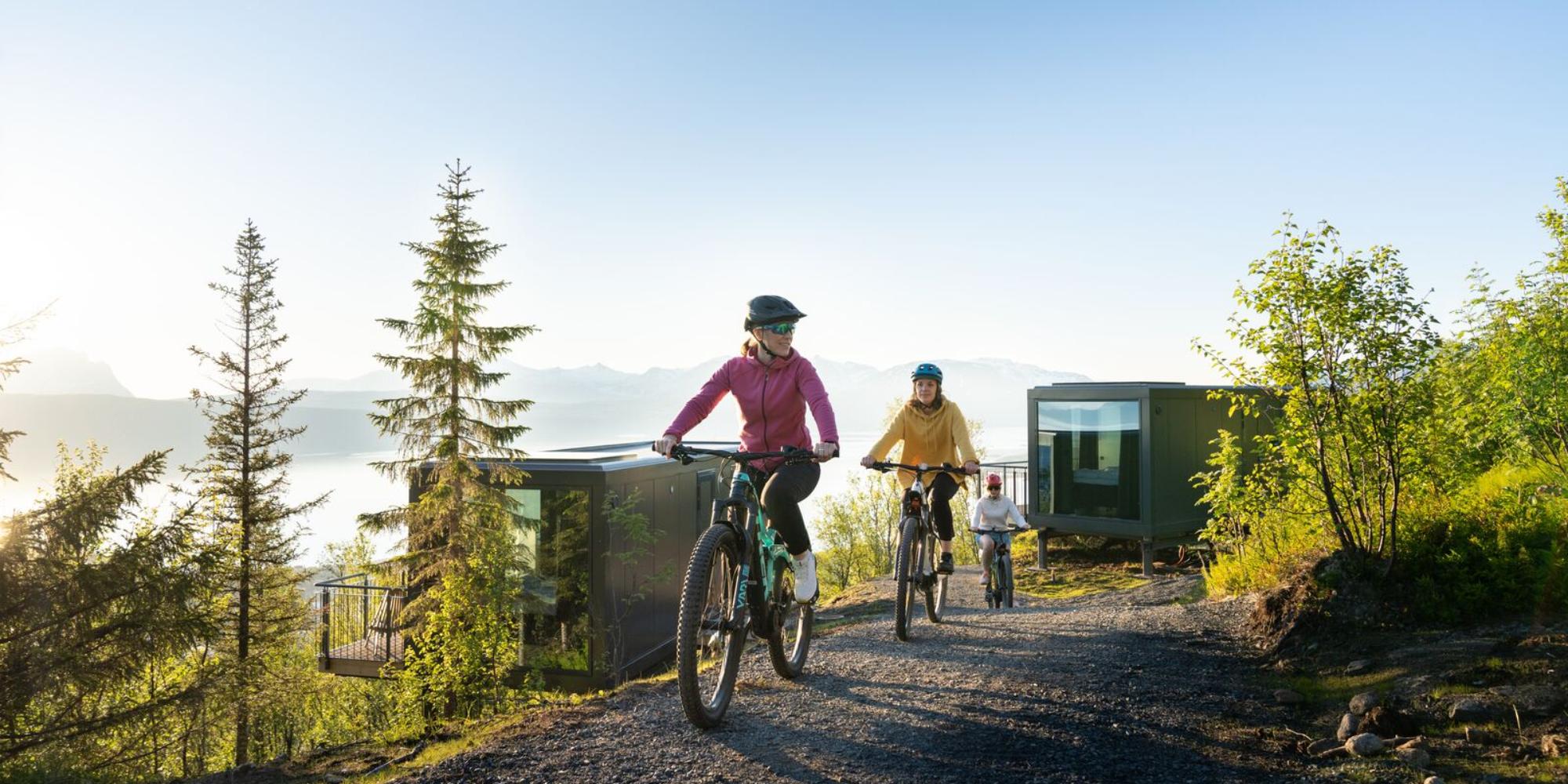
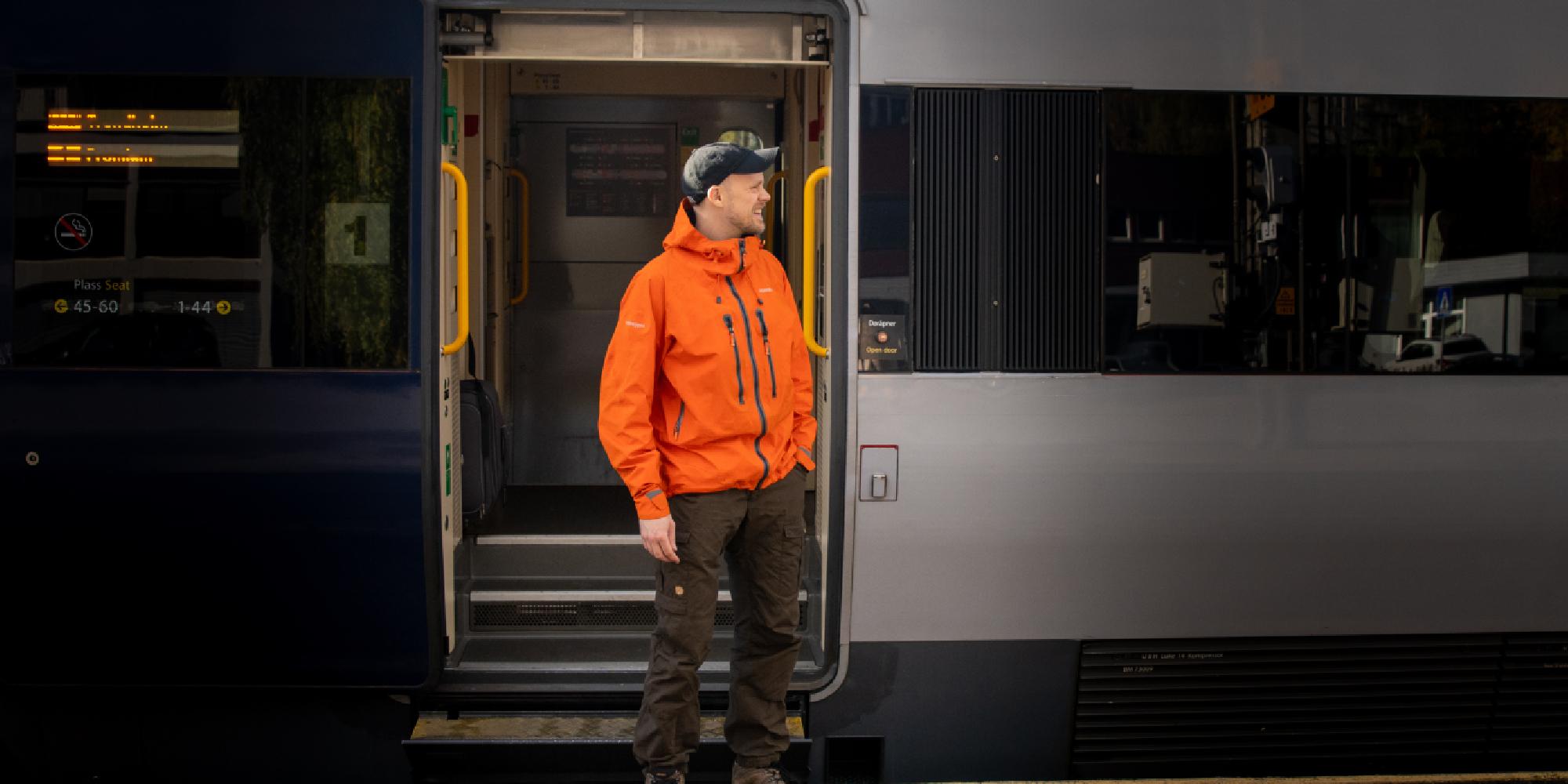
Choose electric or low emission transport whenever you can.
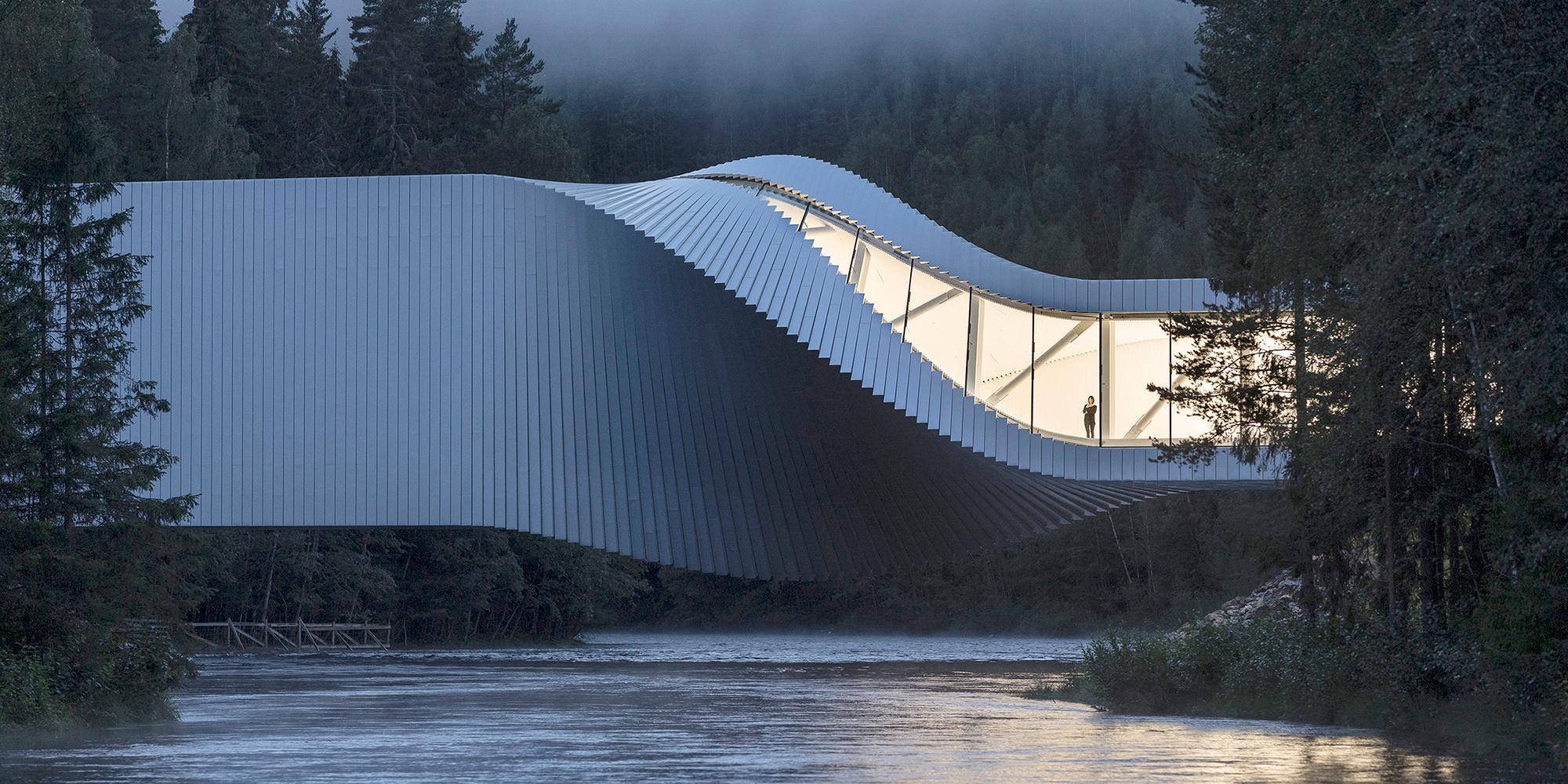
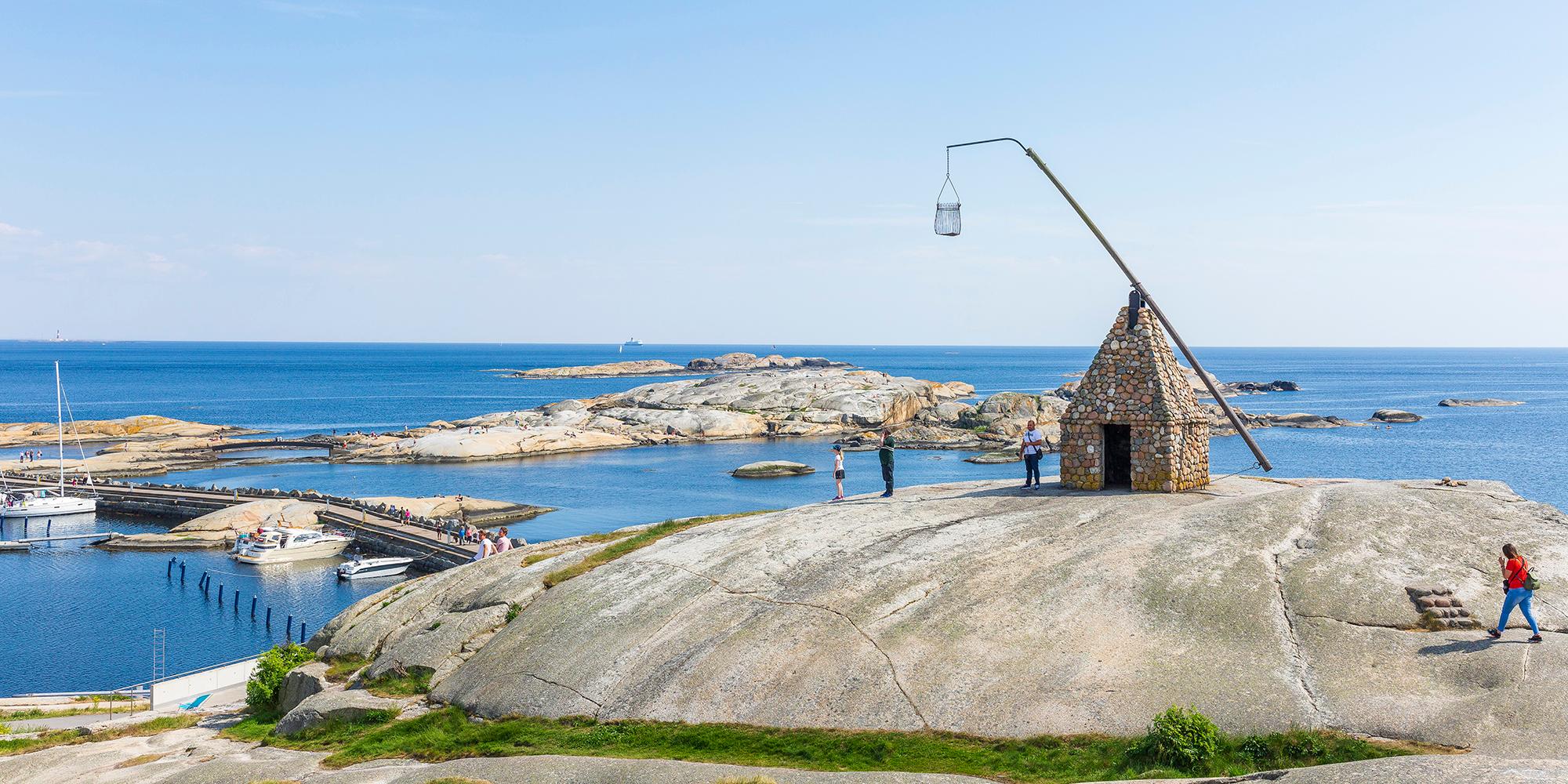
Add some extraordinary culture.
And make some lasting memories.
Discover your next destination
Head to Norway's Sustainable Destinations.
These destinations are also certified:
- Stranda in Sunnmøre
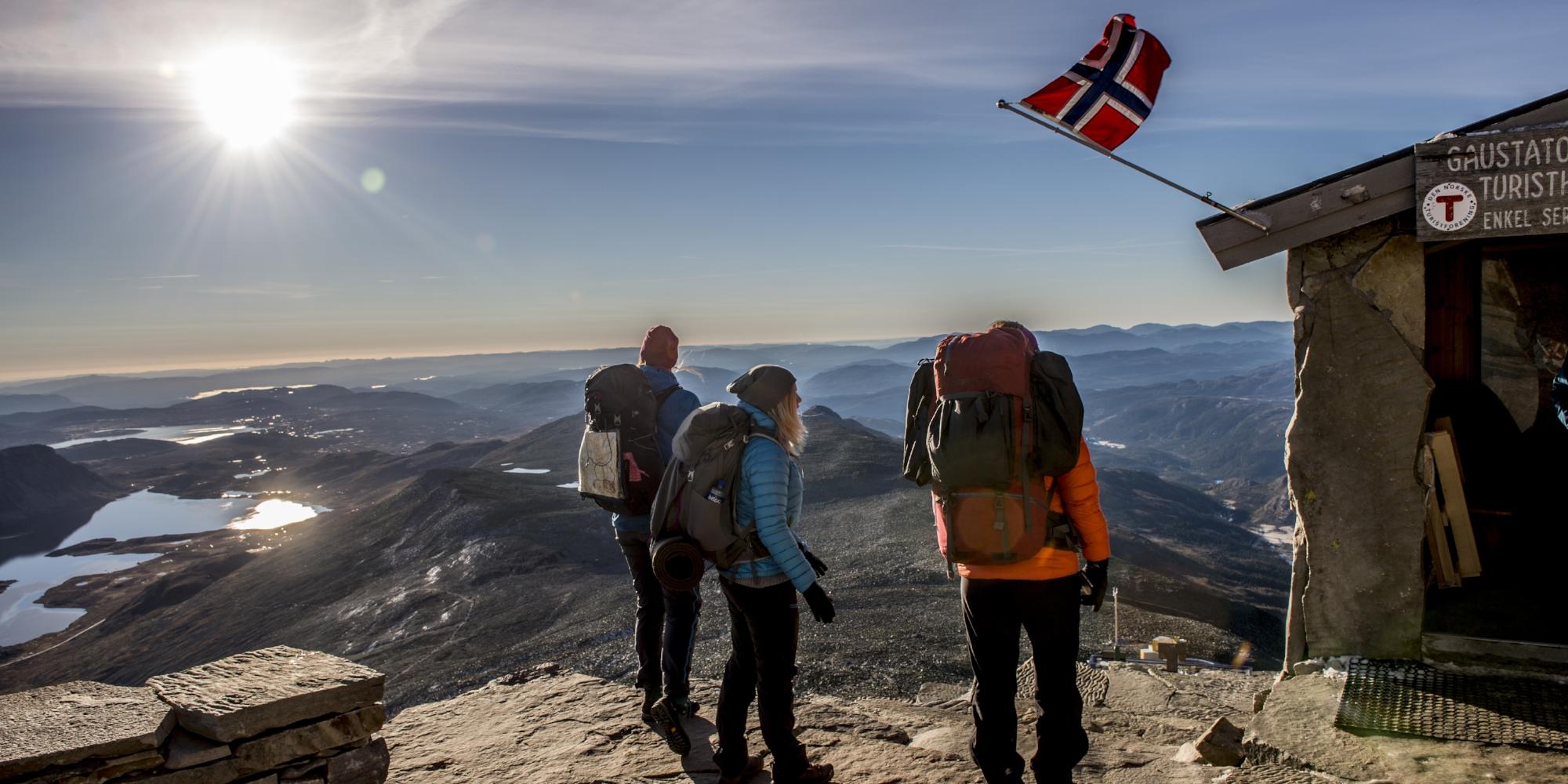
- The National Park Kingdom including Dovre, Dovrefjell, Jotunheimen, Rondane, Breheimen, and Reinheimen
- Åfjord with Stokkøya and Inderøy in Trøndelag
- Lom in Jotunheimen
- Gran, Lunner, Jevnaker and Ringerike in Hadeland and Ringerike
- The Elverum region, including Våler and Elverum in Eastern Norway
- Gjøvik, Østre Toten, Vestre Toten and Søndre Land in the Gjøvik region and Ringsaker
- Vest-Telemark, Midt-Telemark, Nome, Notodden and Hjartdal in Telemark
- Kautokeino in Finnmark
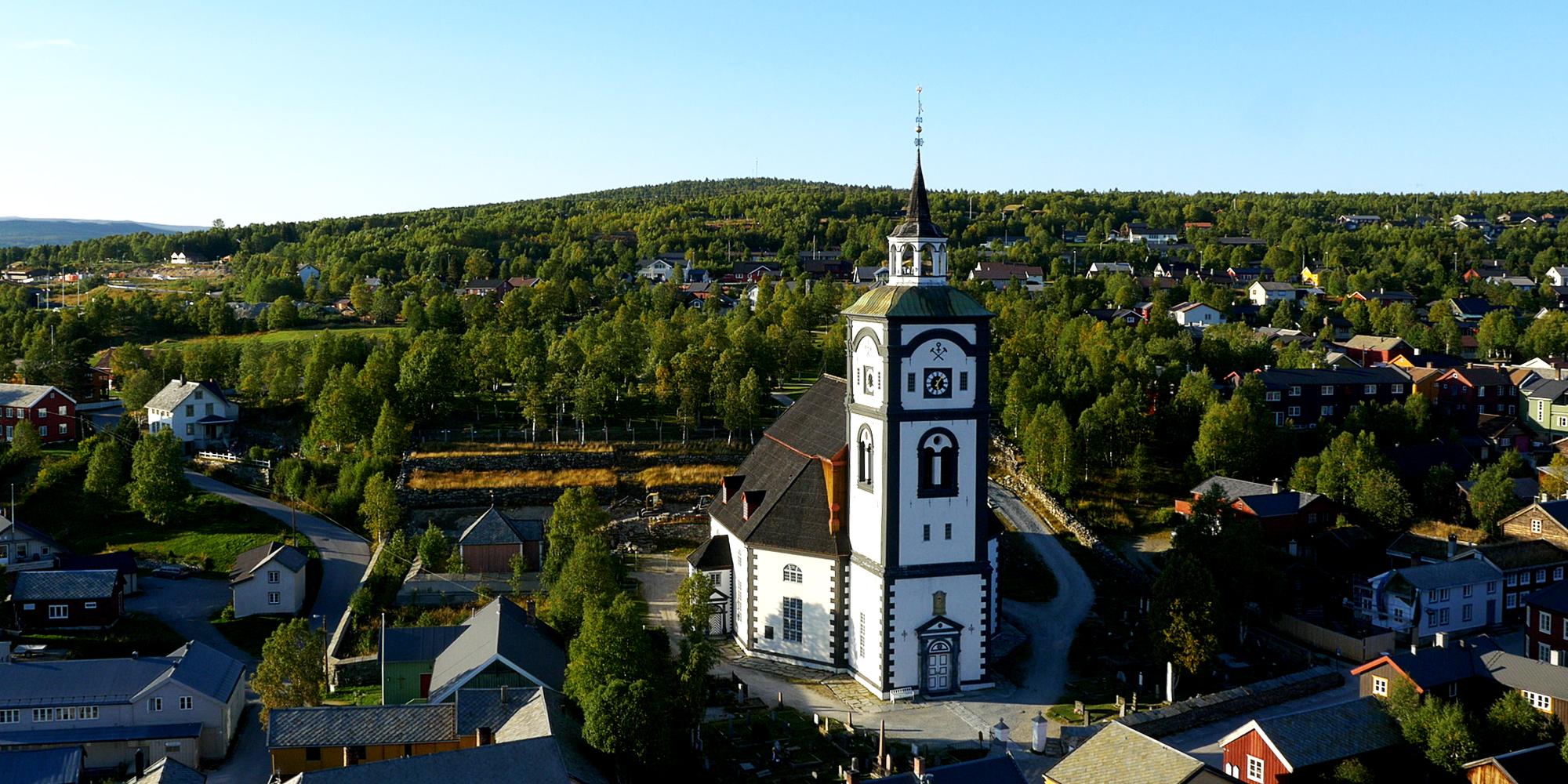
- Røros and Østerdalen, including Alvdal, Os, Tolga, Tynset, Røros and Åmot
- Drøbak and Oscarsborg in Eastern Norway
- Øygarden in Western Norway


Travel better
How you travel matters. A lot.

Let the eco-labels guide you
Choose certified hotels, eateries and travel providers.

The ecolabel Nordic Swan
More than 5,000 products in Norway are certified with Nordic Swan, which indicates that they satisfy strict demands relating to energy efficiency, materials, and chemicals, all the way from raw materials to end products and waste management.
Eco-Lighthouse
Eco-Lighthouse enterprises work towards satisfying requirements and implementing environmental measures on a systematic and ongoing basis in order to create more environmentally friendly operations and safer work environments. Enterprises are certified subject to independent assessment and must undergo a recertification process every three years.

Green Key
Global ecolabel, recognized by GSTC, for hotels, small accommodations, campsites, and attractions. Certified businesses must meet strict criteria for waste, energy, water, procurement, green areas, CSR, and staff involvement. High standards are maintained through annual certificate renewal, rigorous application process, documentation, and frequent audits.
ISO 14001
ISO 14001 is given to enterprises that have a high-quality environmental managing system for organisational performance.
Blue Flag
Global, prestigious award based on a series of stringent environmental, educational, safety-related and accessibility criteria to be met and maintained, aimed at beaches, marinas and sustainable boating tourism operators. More than 4,100 sites in 46 countries are Blue Flag certified.
Discover more




Take advantage of top offers
See our selection of trusted companies that work hard to make you happy all through your trip.
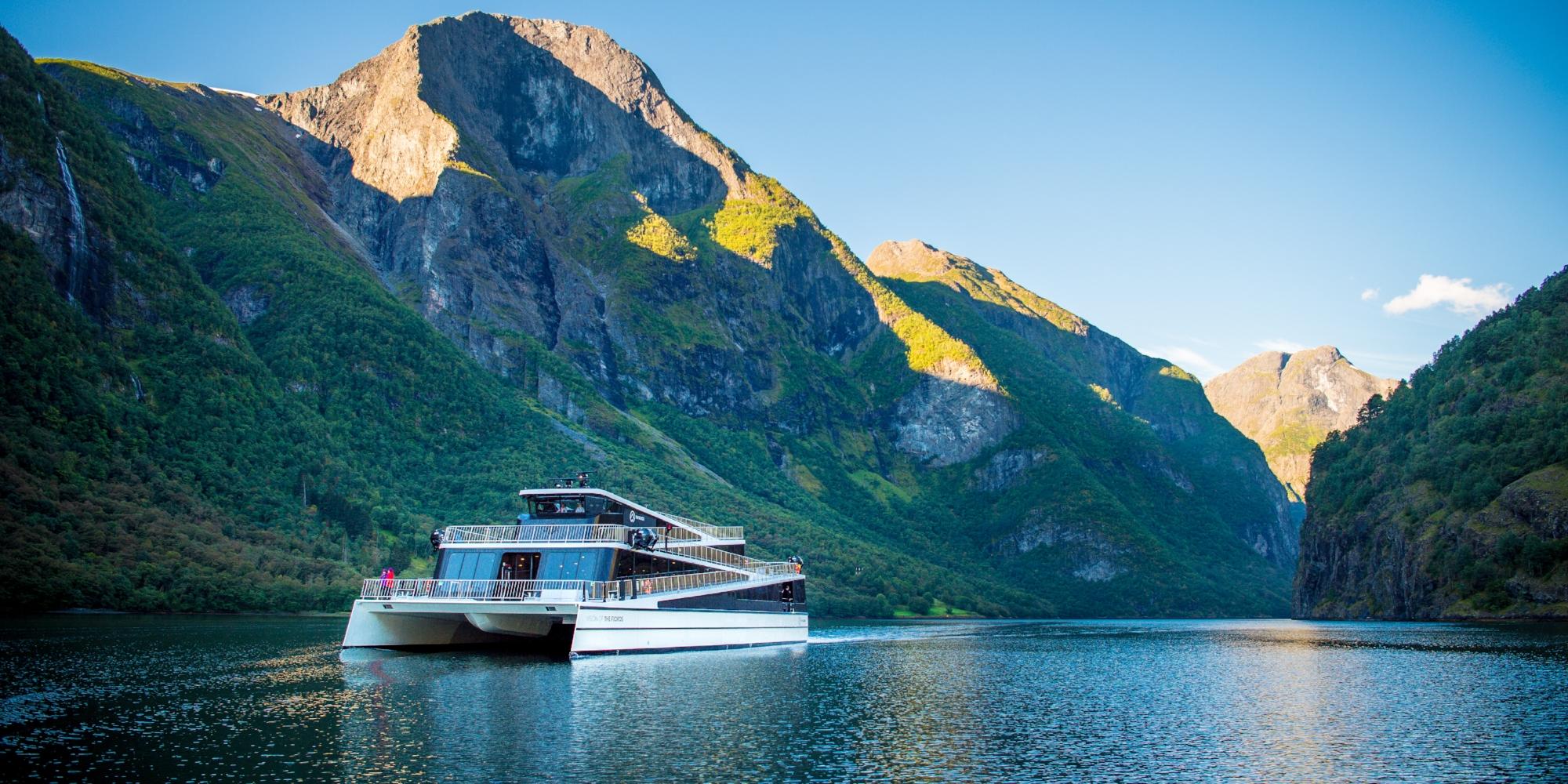
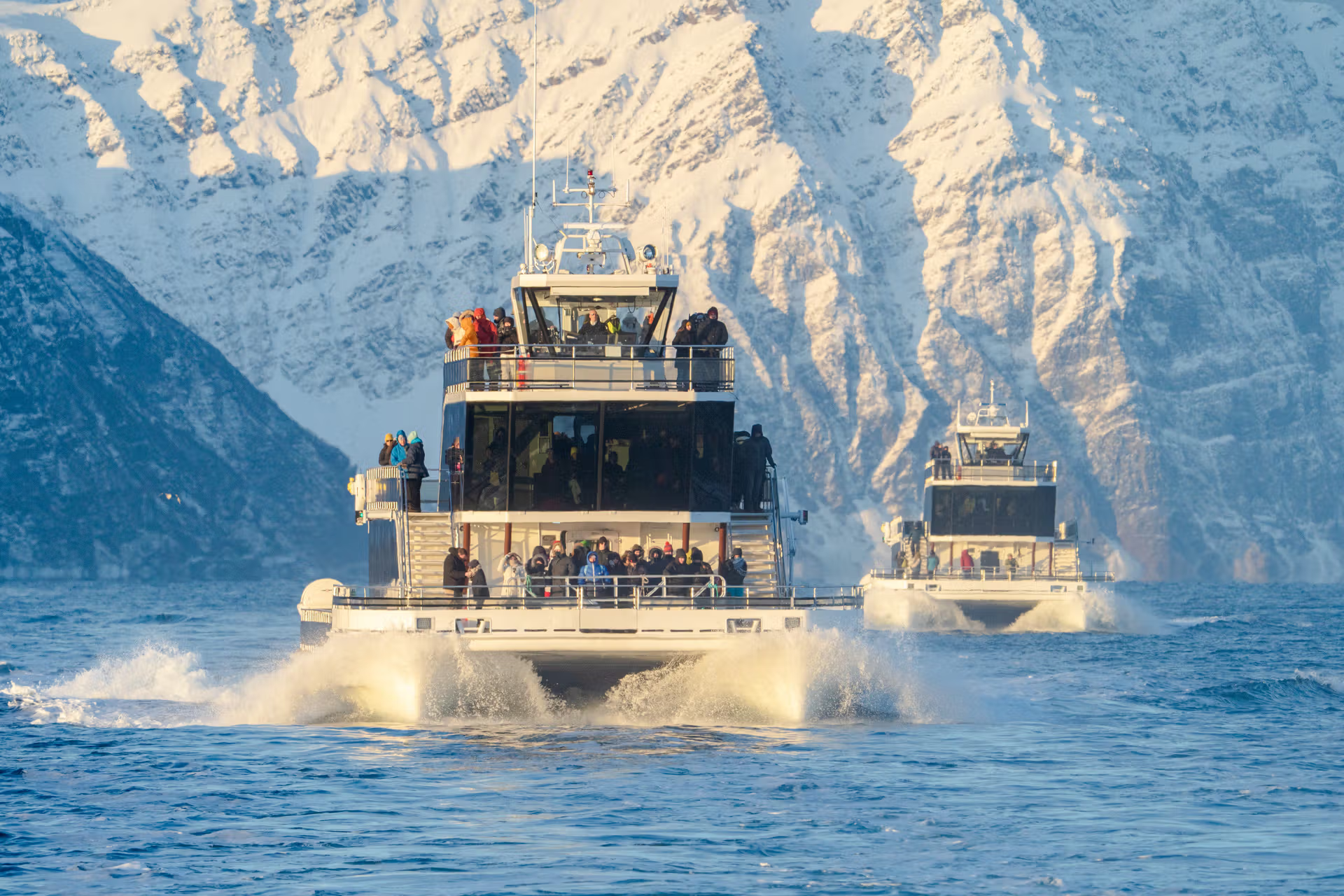
 Brim ExplorerQuiet fjord tours on award-winning electric catamarans in Oslo, Tromsø, Lofoten, and Svalbard.
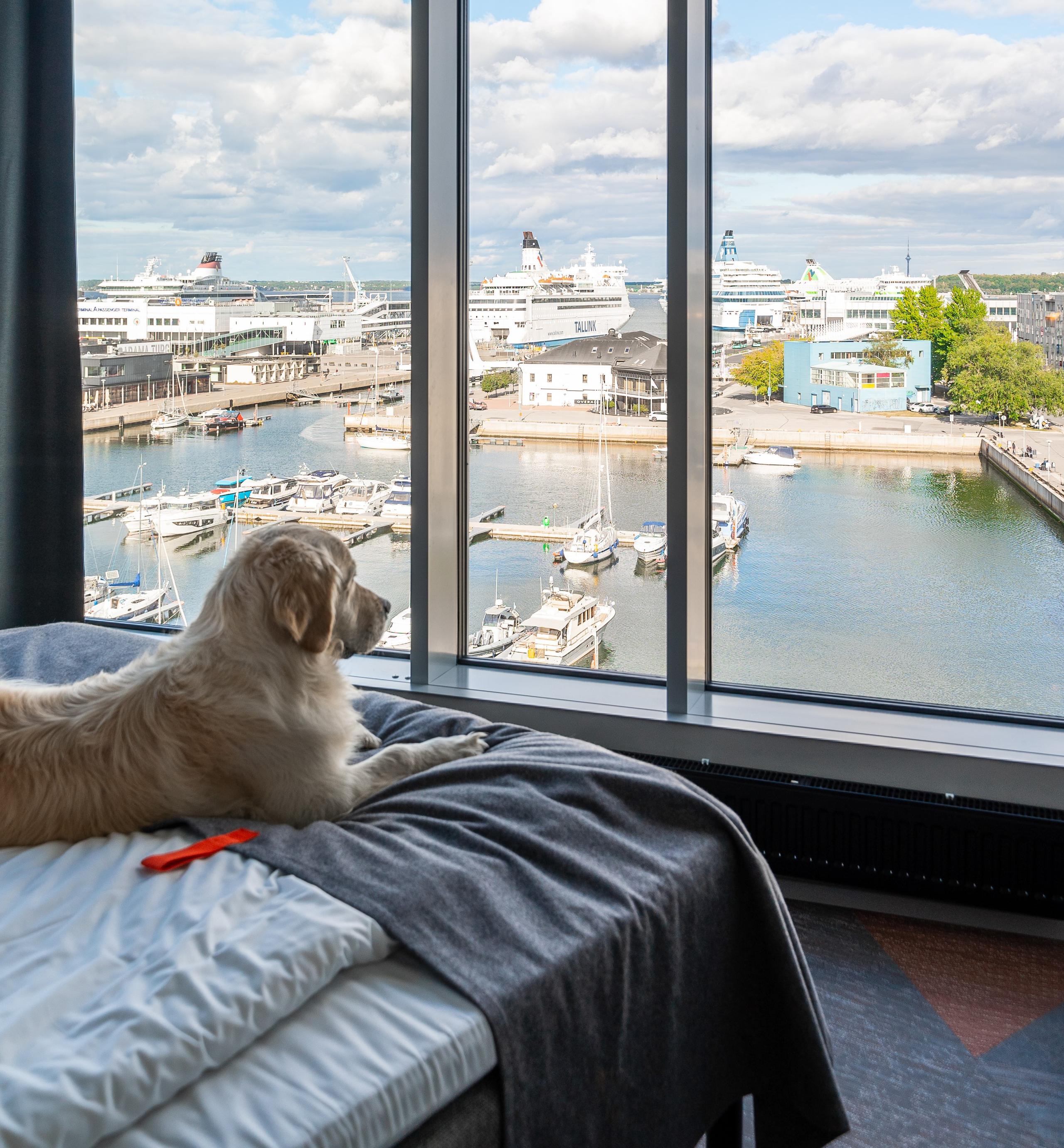 CityboxModern and affordable hotels in central locations in Oslo, Bergen, and Kristiansand.
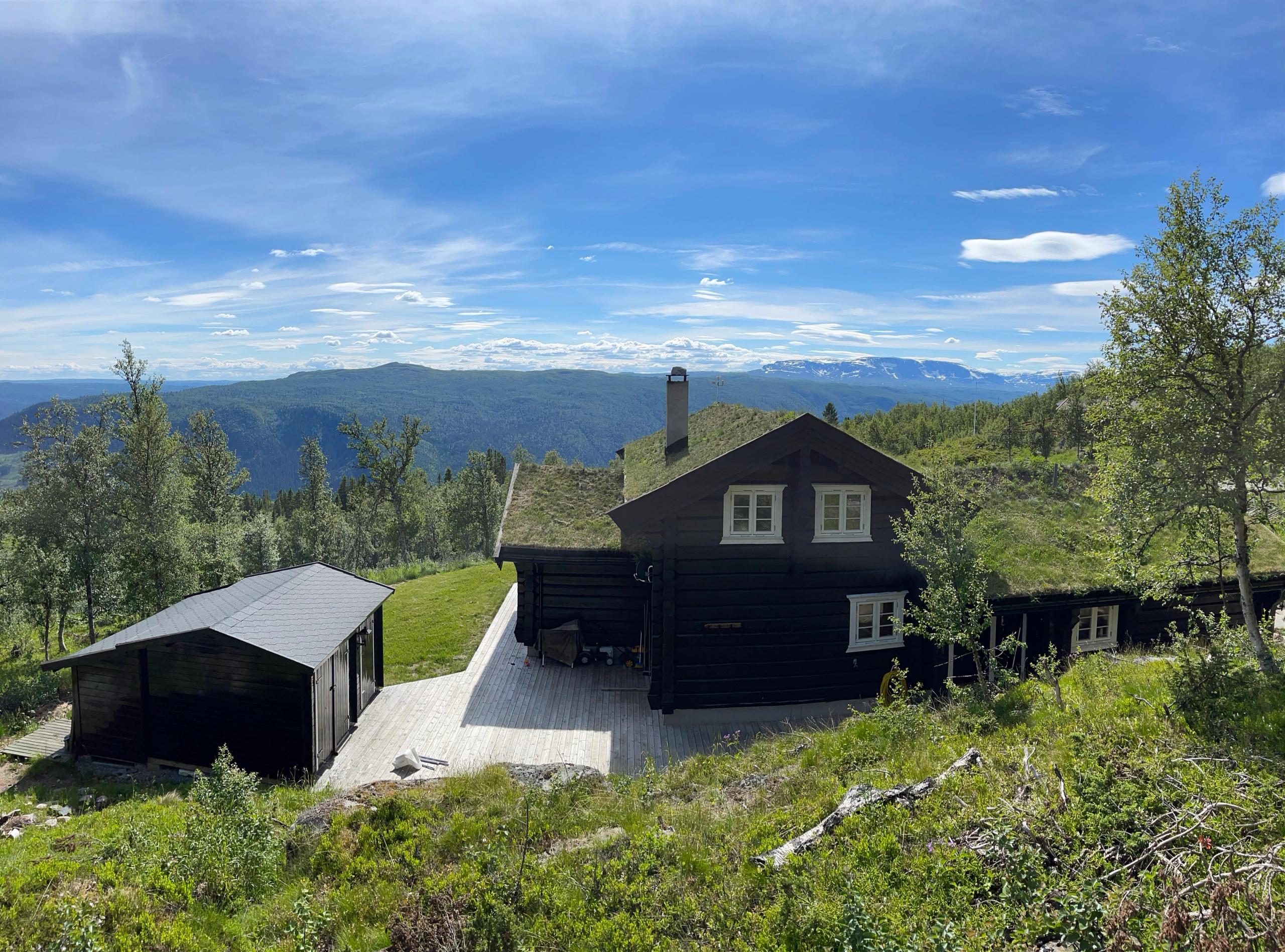 NorgesbookingBook your perfect cabin stay in the fjords, mountains, and valleys of Norway.
 Scandic HotelsExperience Nordic hotel hospitality at its finest at more than 90 hotels across Norway. Special offers are available.
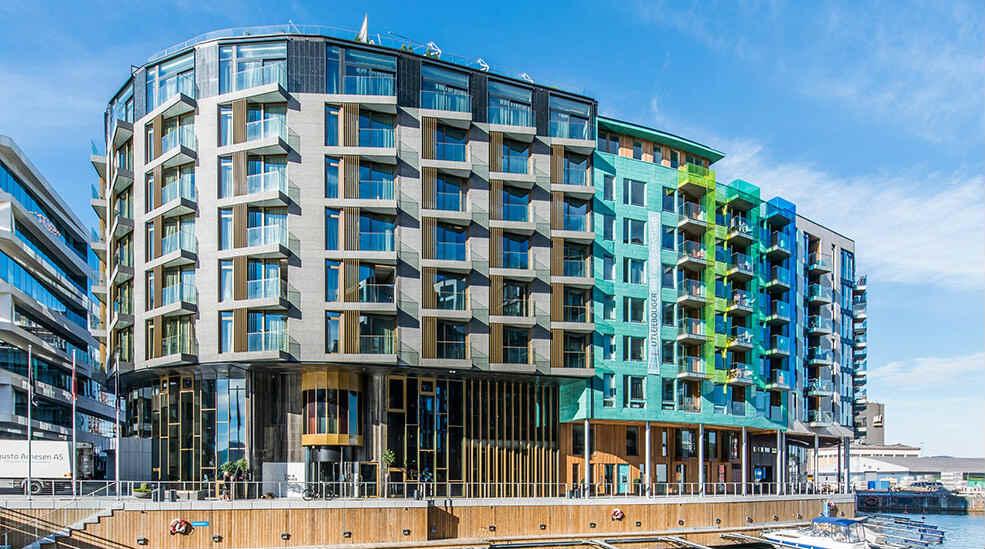 StrawberryA different hotel company! Look out for great weekend deals at more than 100 hotels in Norway.
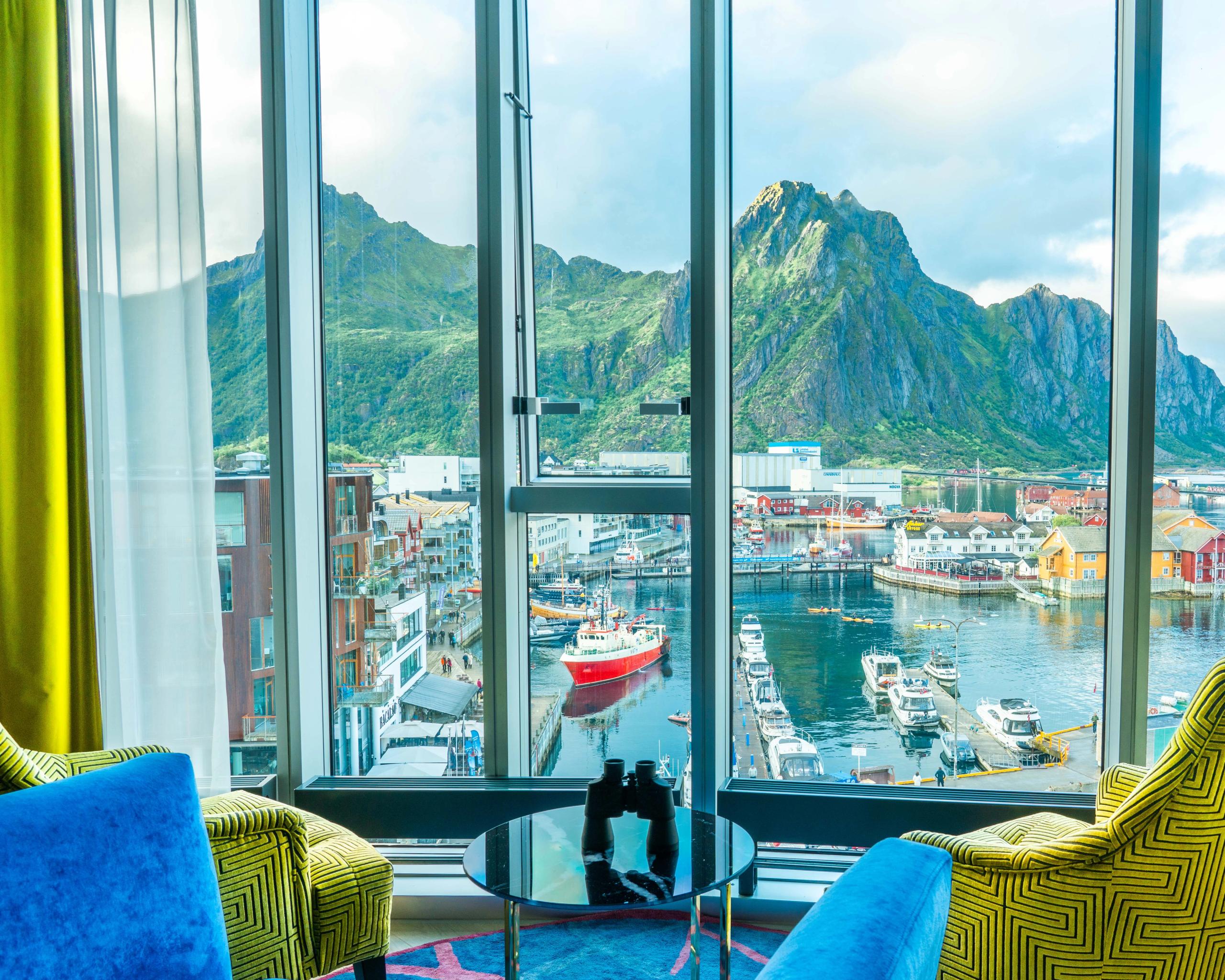 Thon Hotels ASFantastic breakfast included! Experience true comfort and reasonable rates at our 80 hotels in Norway.
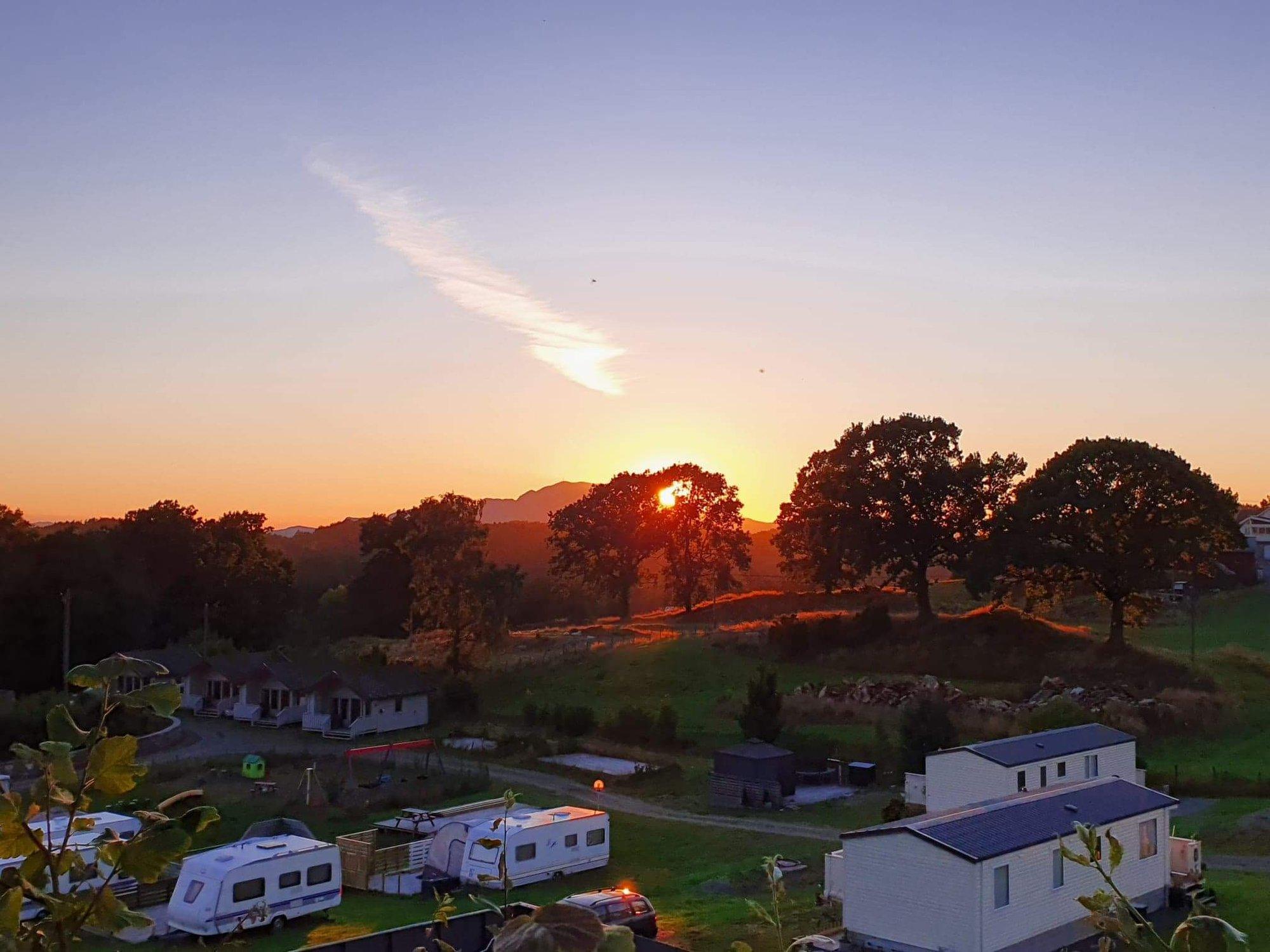 CampcationBook a camping stay in stunning and unique locations all across Norway with Campcation.
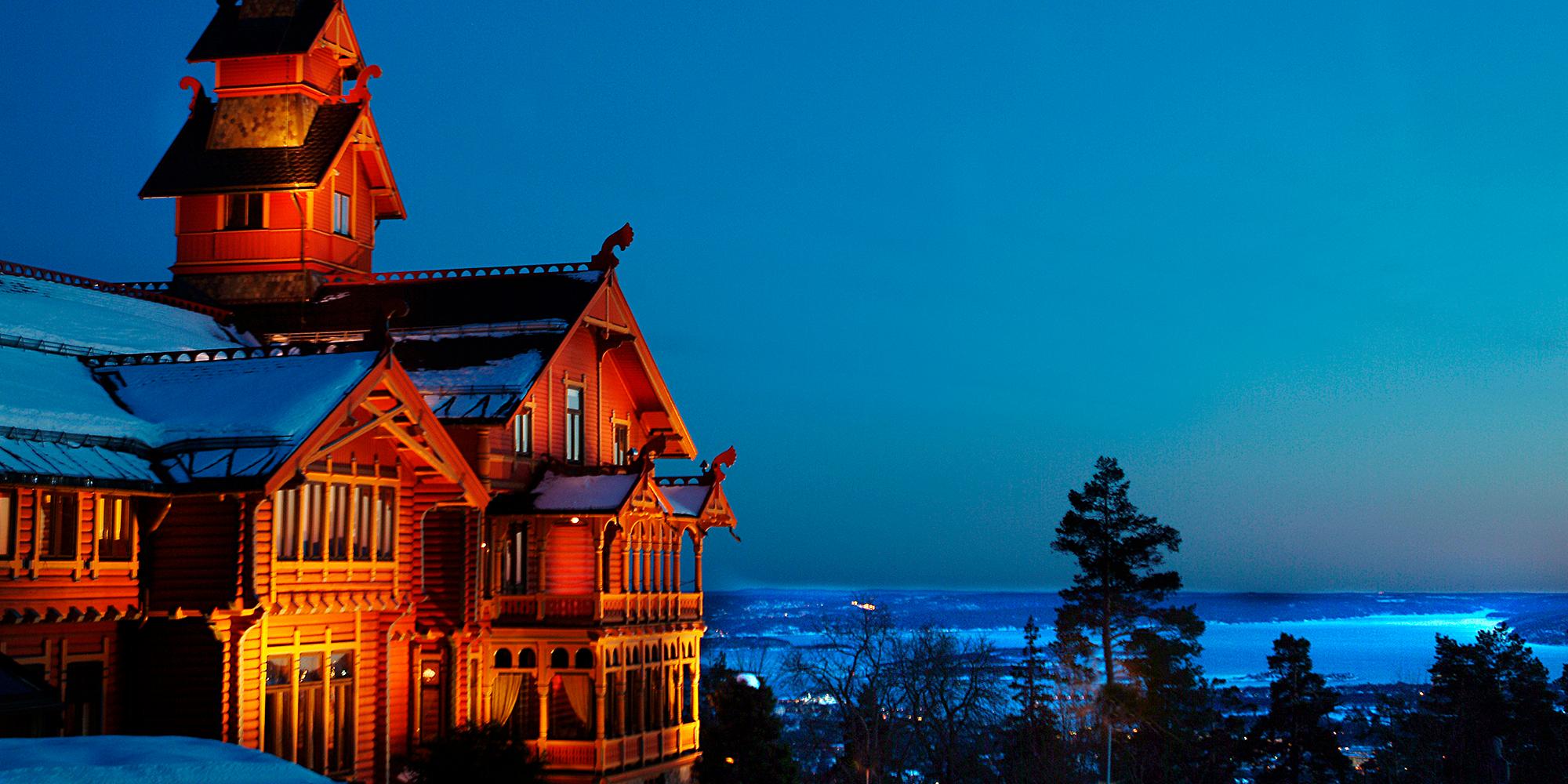
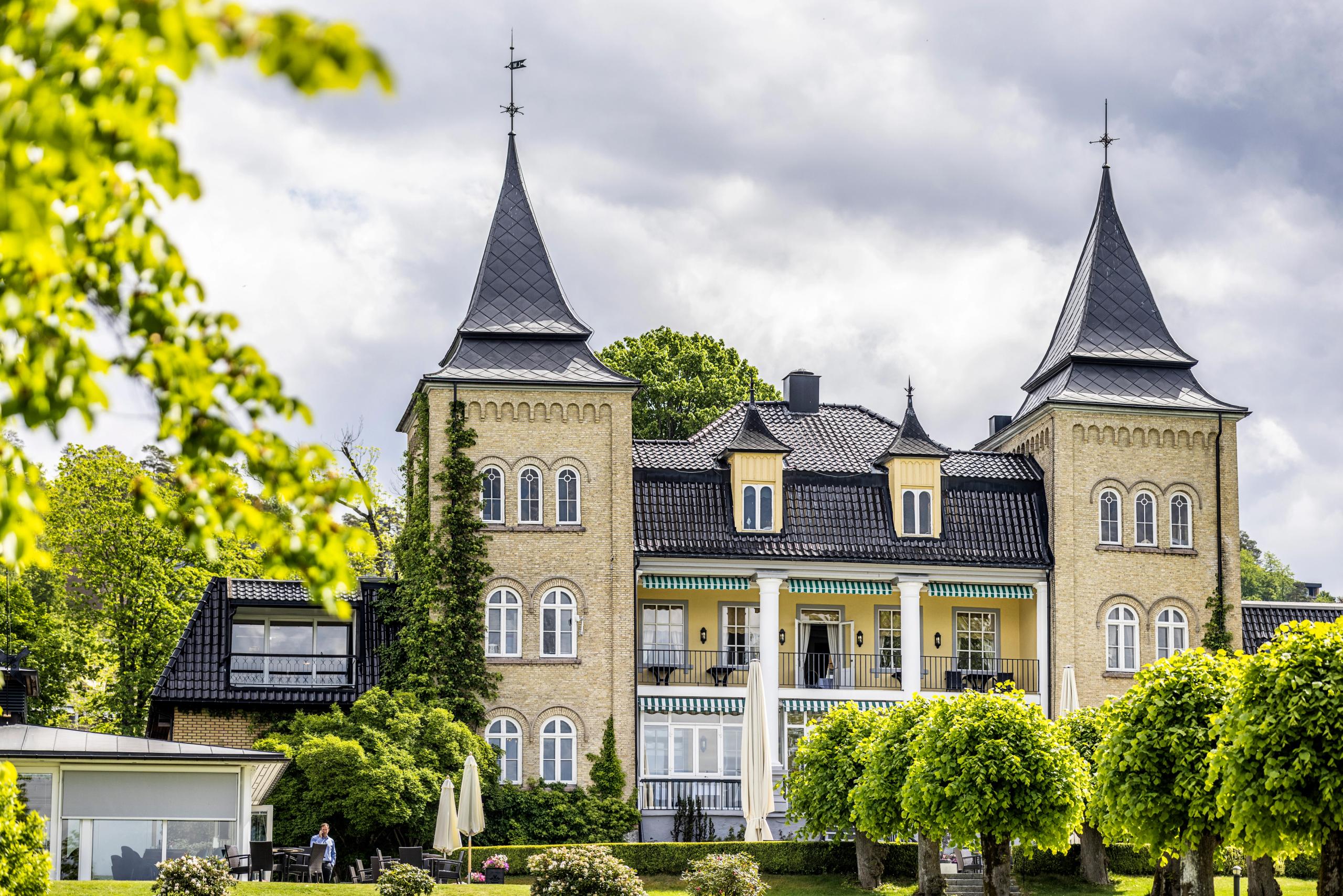 Classic Norway HotelsWhen the hotel is the destination. Book a night to remember in one of Norway's most unique and distinctive hotels.
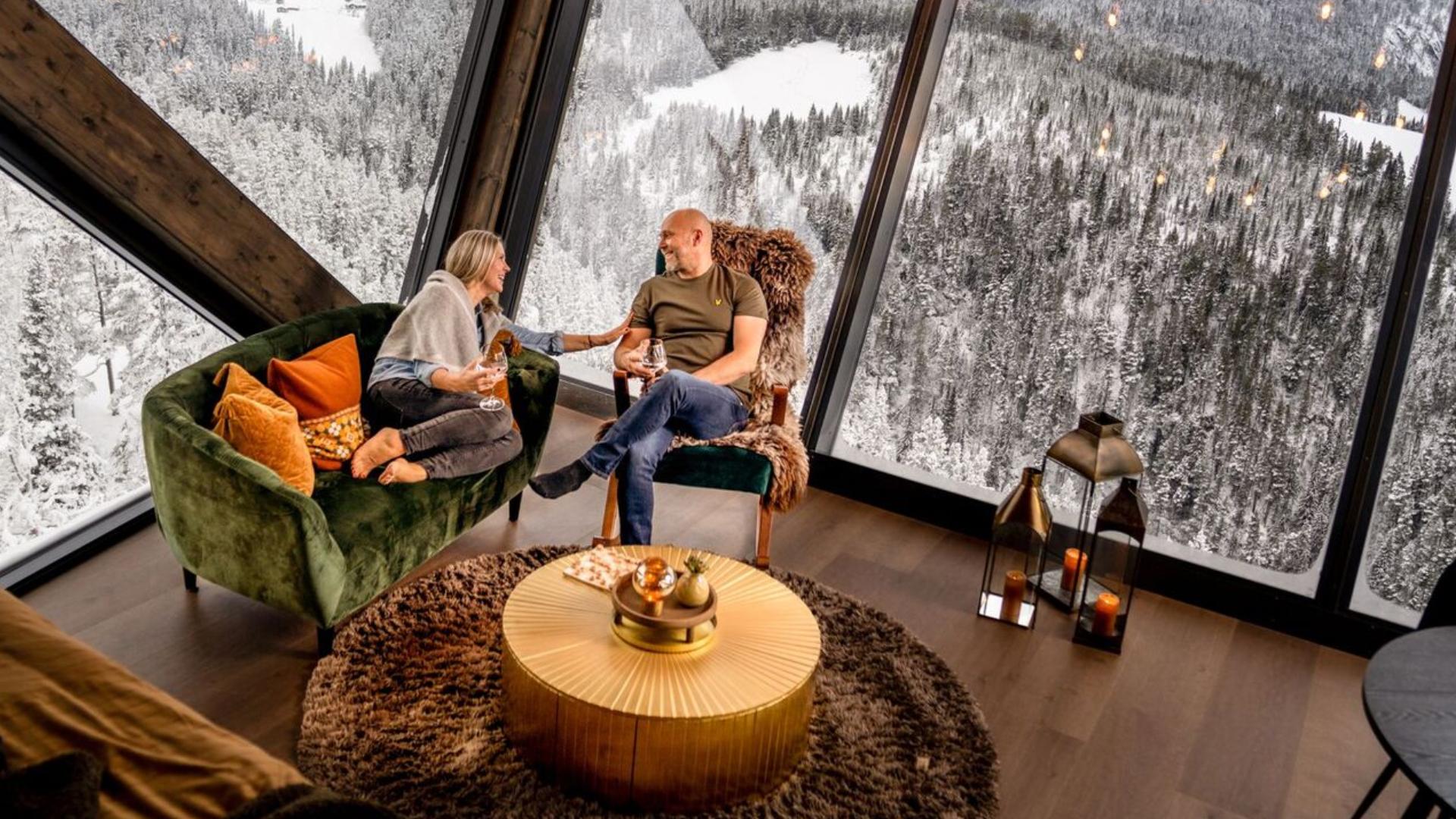 50 Degrees North NordicChoose between unforgettable tailormade individual trips and small, exclusive group tours of Norway.
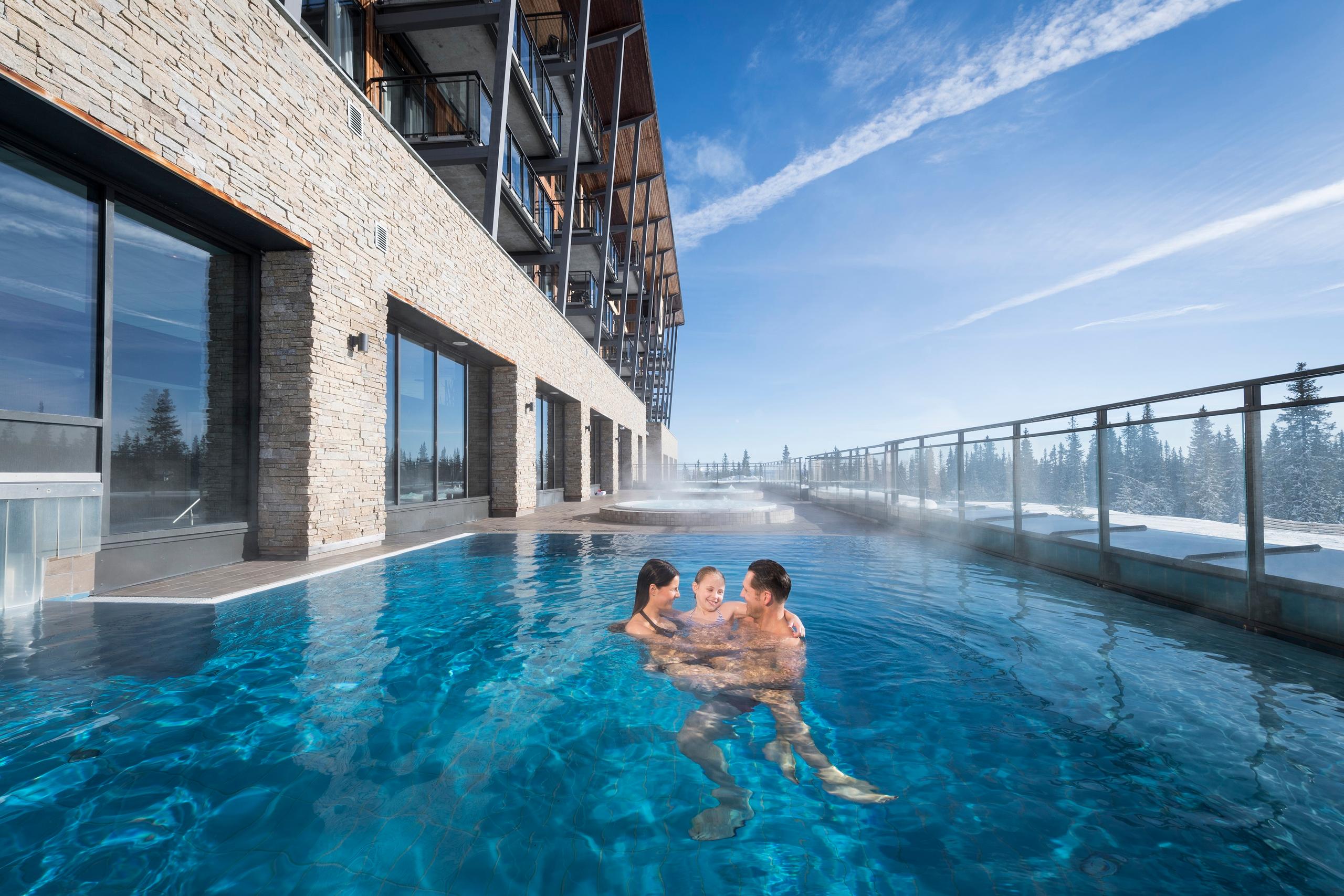 Radisson HotelsGreat value offers and comfortable quality stays in Norway´s major cities, airports, and ski resorts.
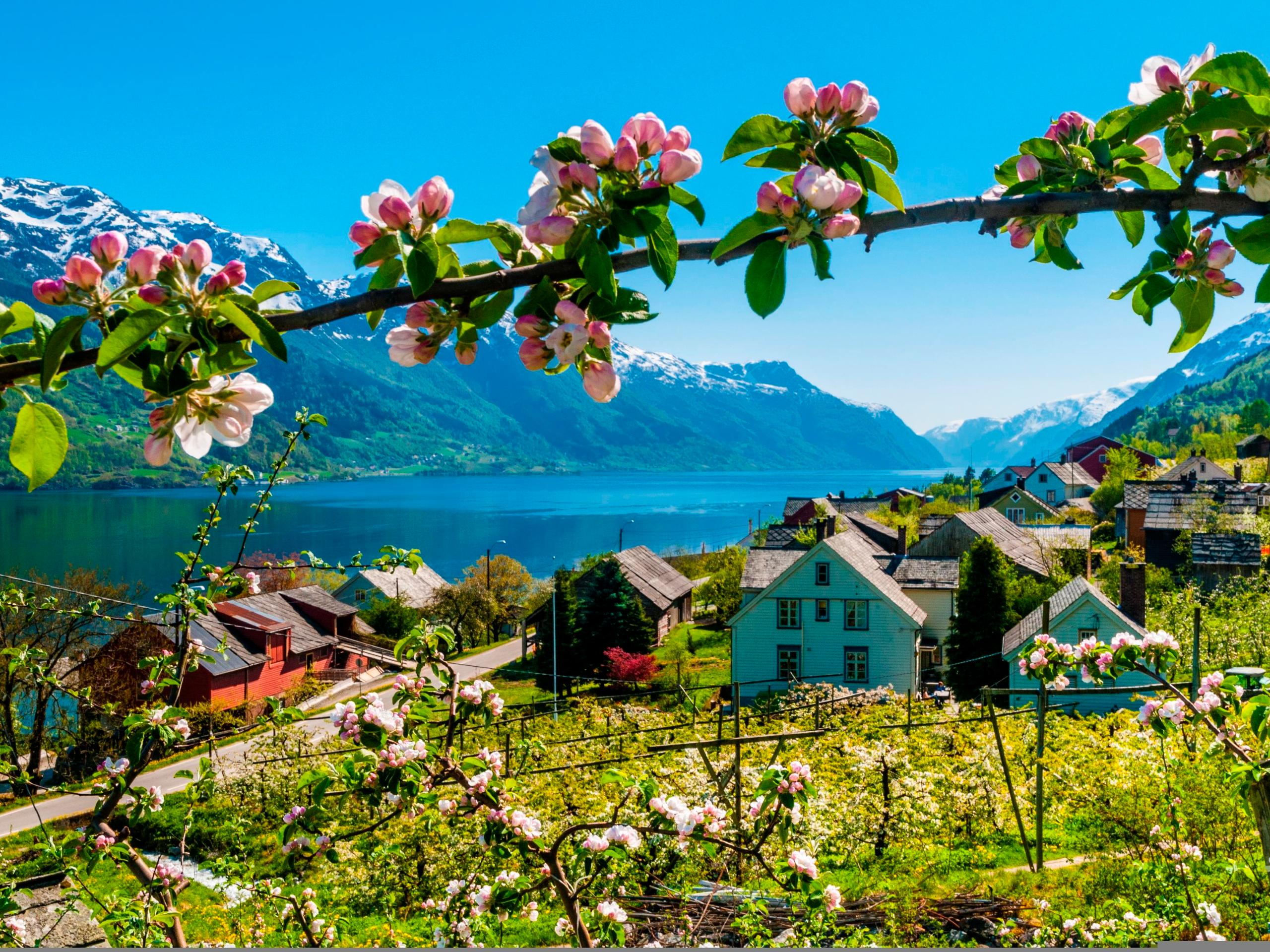 Authentic ScandinaviaTravel curated by locals. Our tailormade tours suit every type of traveller and budget.
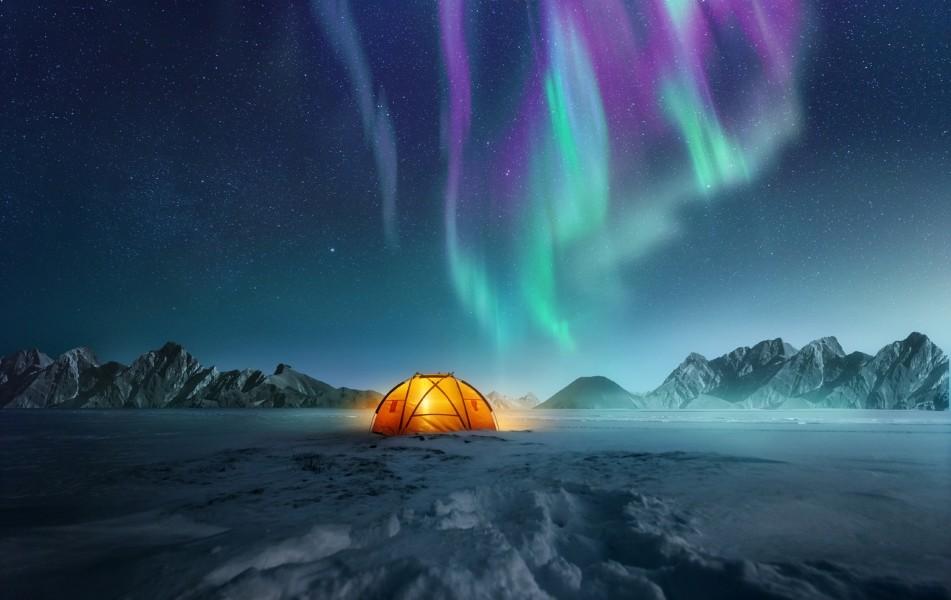 Booknordics.comUnique holiday packages, adventure hotels, tours, and activities.
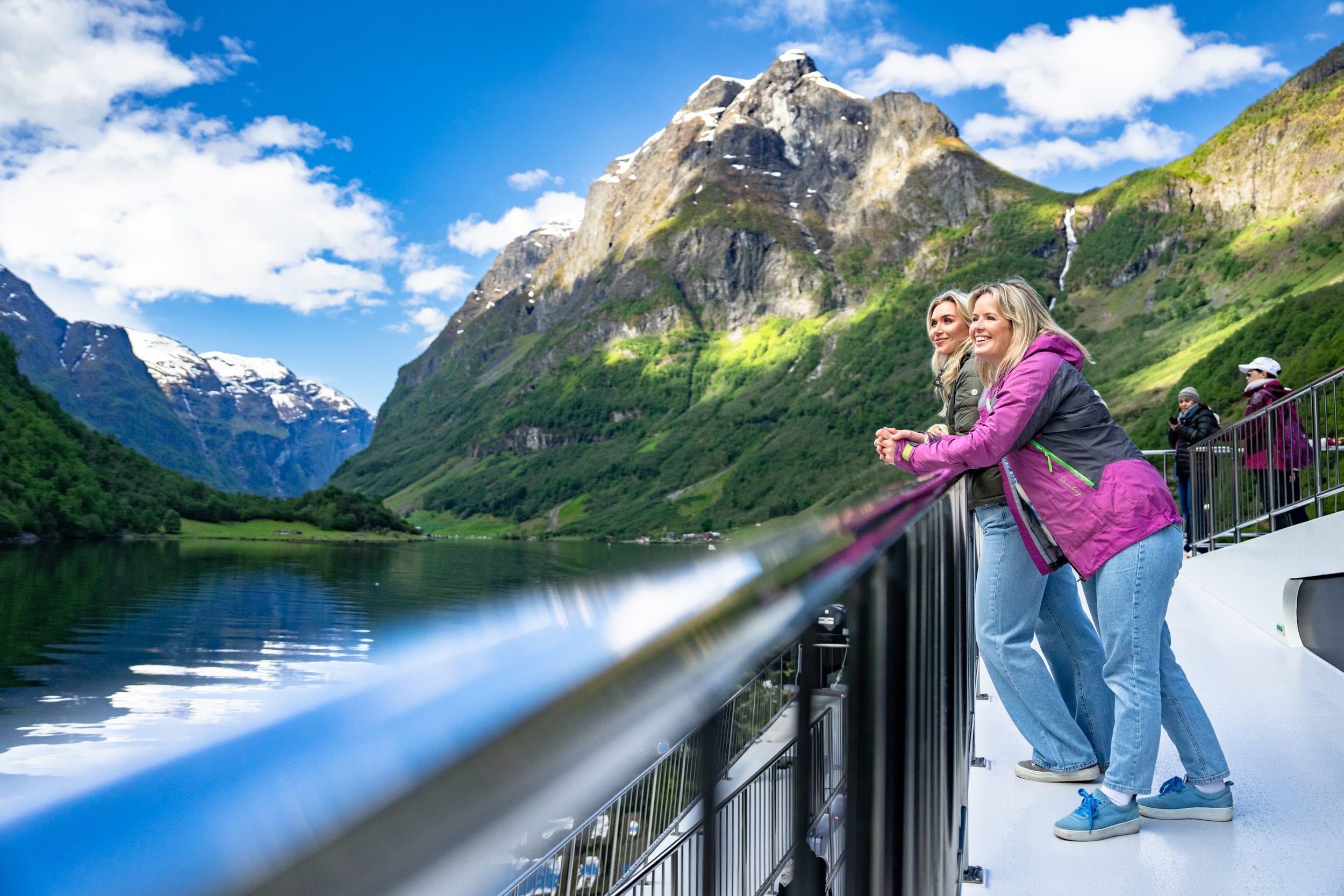 Fjord ToursHome of Norway in a Nutshell, Norway's most popular tour. Fjords, mountains, and stunning destinations — all in one trip!
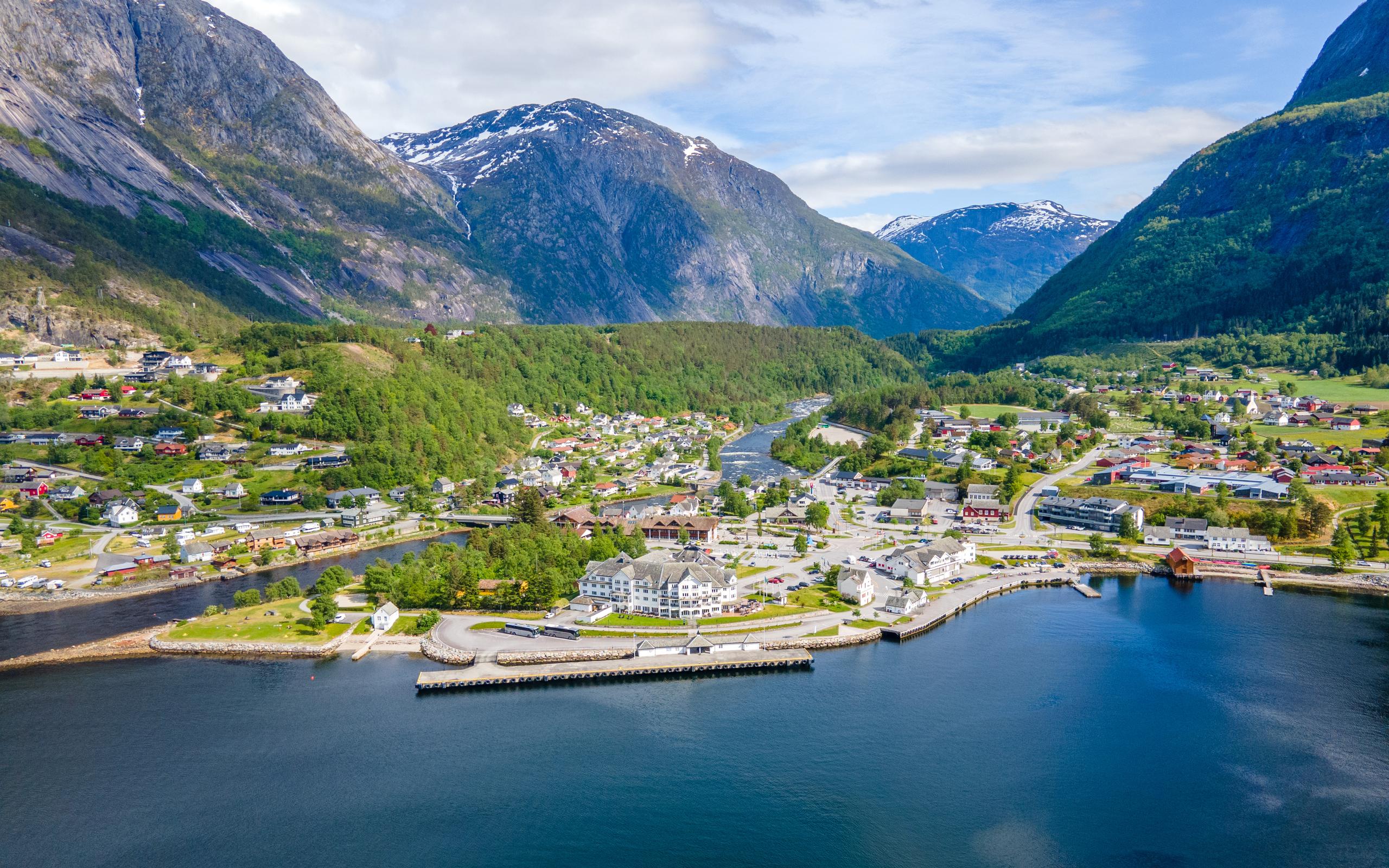 Go FjordsBook fantastic tours and experiences! We offer tours in Oslo, Bergen, Stavanger, Lofoten, the North Cape, and more.
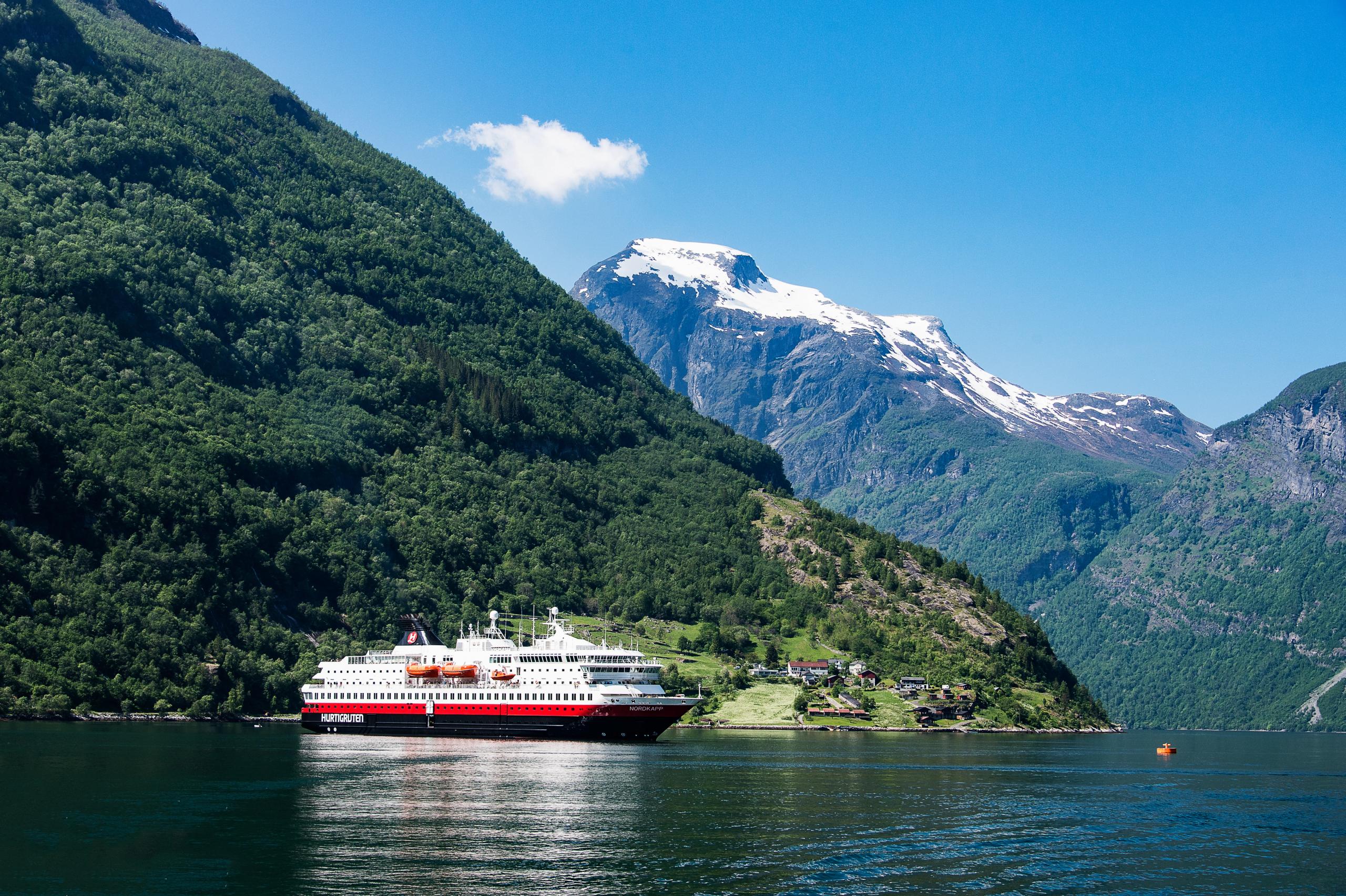 HurtigrutenExperience the world's most beautiful sea voyage on an unforgettable cruise along the stunning Norwegian coast.
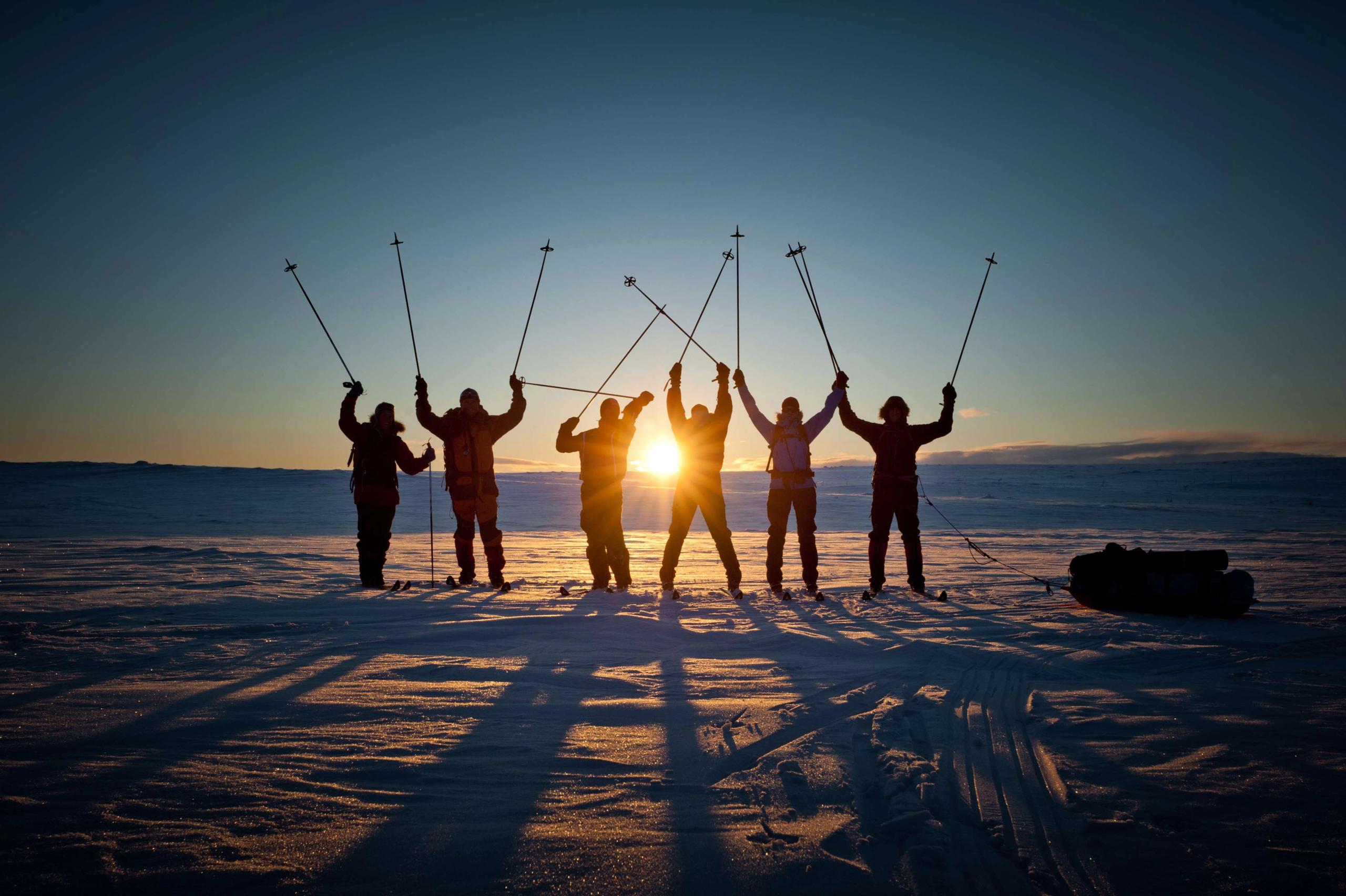 Norrøna AdventureGet ready for expeditions and adventure holidays with Norrøna Adventure. Hiking, skiing, and biking trips.
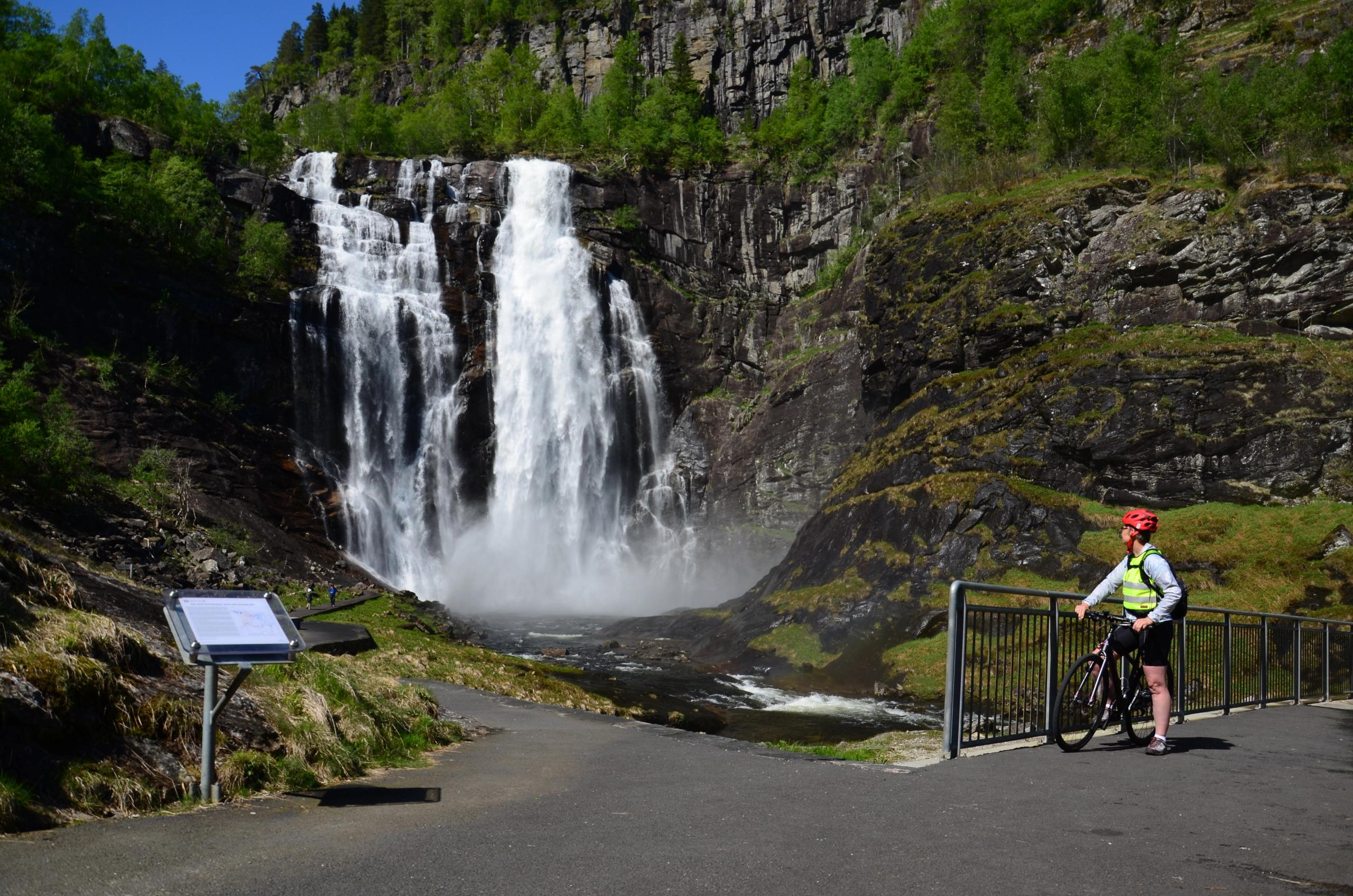 Discover NorwayOffers a range of exciting self-guided hiking, biking, and skiing holidays in Norway. Luggage transfer included.
 Norwegian HolidaysLow-price package holidays with Norwegian. Book your flight, hotel, and rental car all in one place.
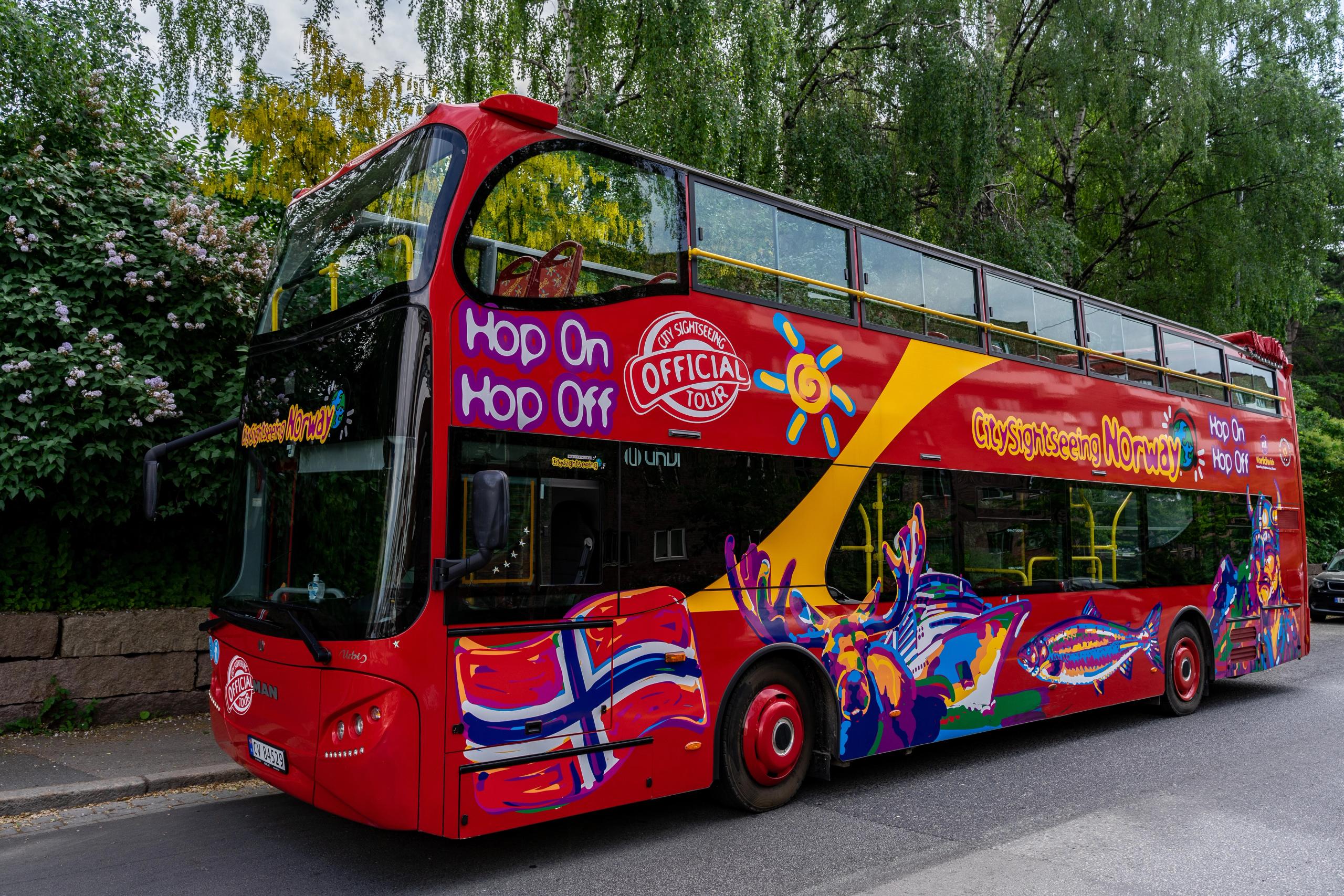 StrömmaSightseeing by bus and boat in several major tourist spots and cities in Norway.
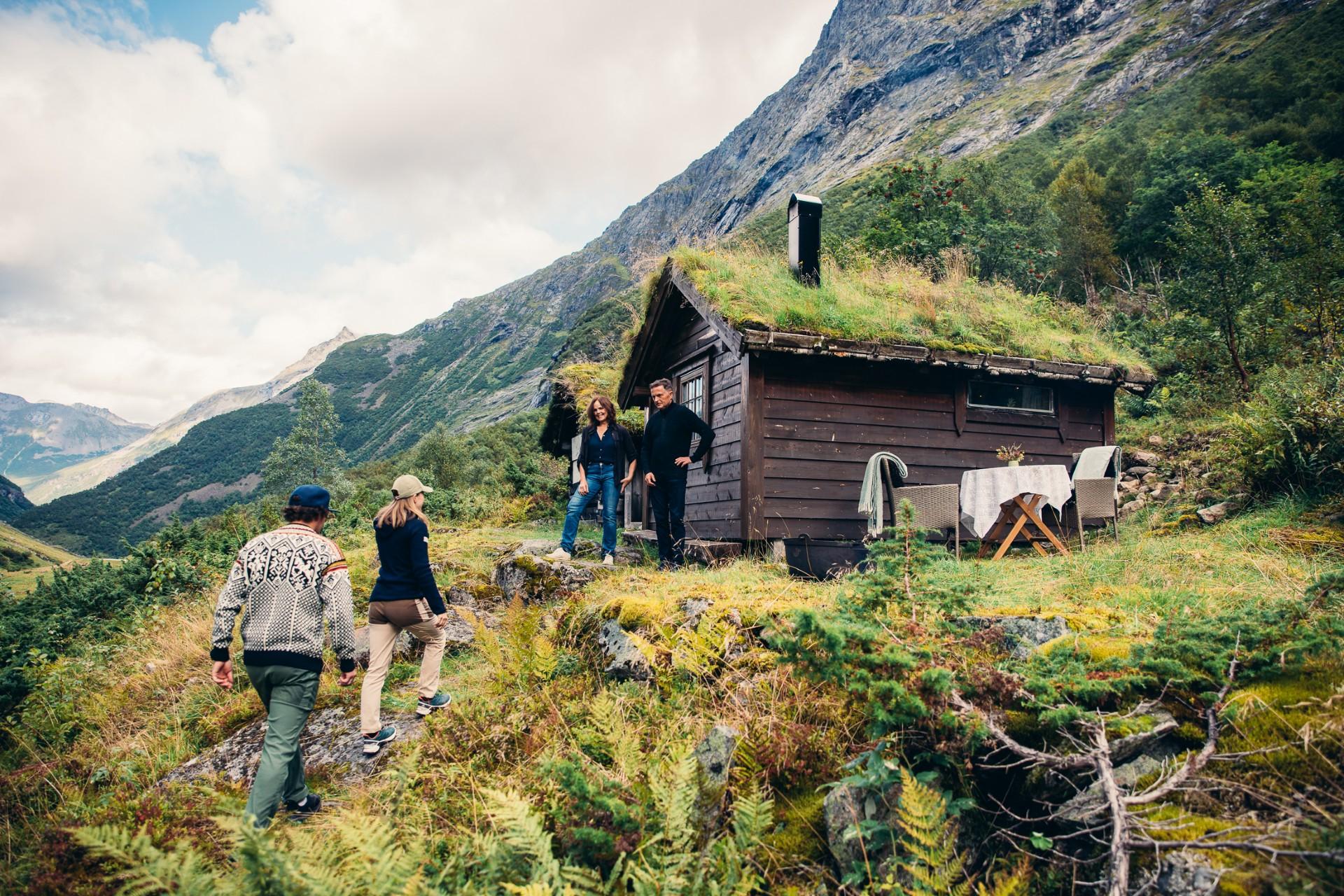 Up NorwayBespoke luxury hand-picked by local experts. We combine your preferences and our knowledge to make an unforgettable journey.
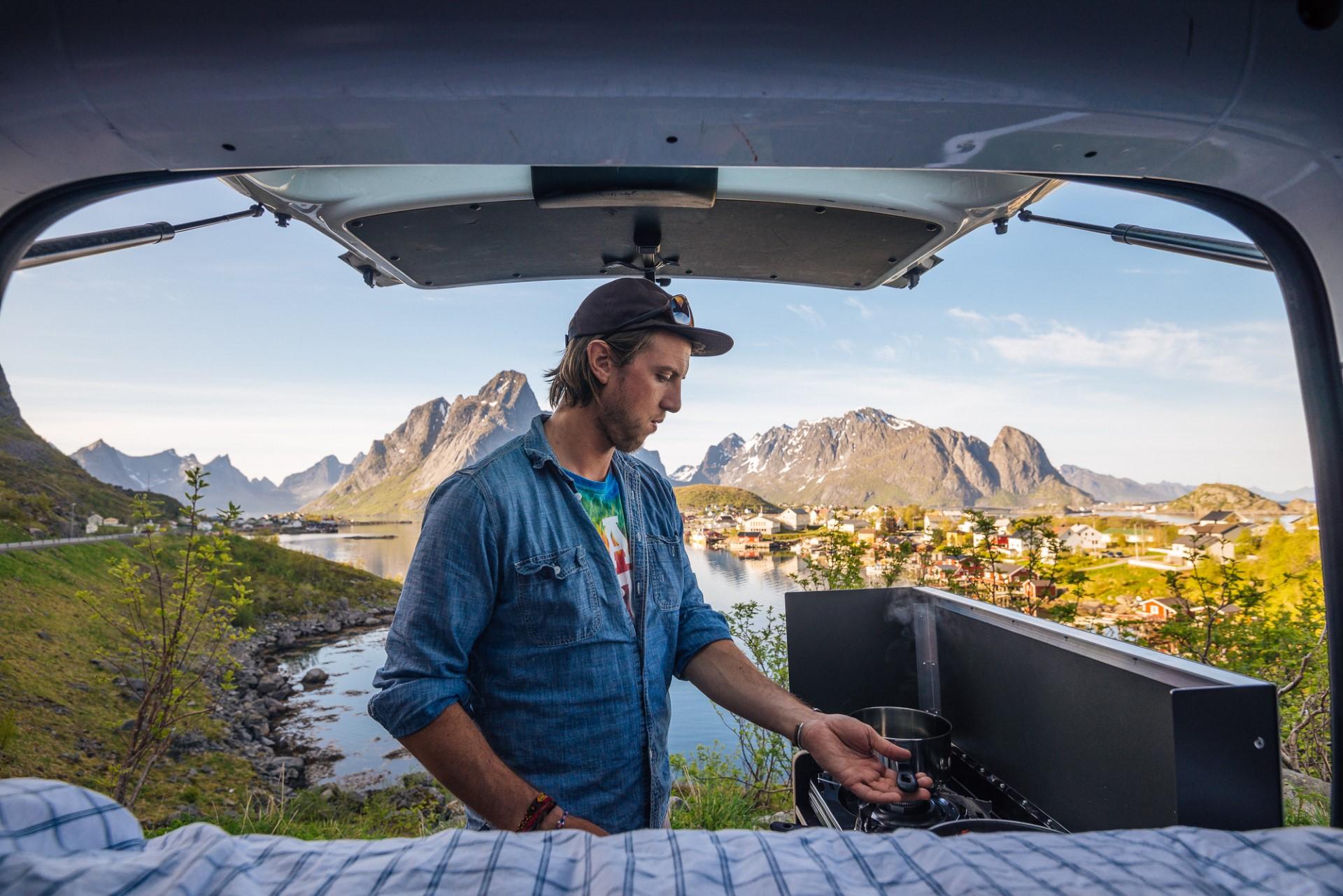 Arctic Campers ASDo you want to try van life? Explore Norway in comfort and style with our smart and cosy campervans.
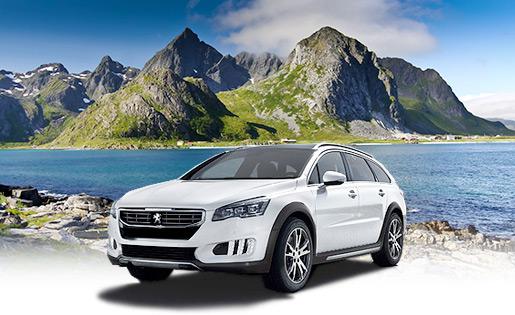 Auto EuropeAlways a smooth car rental experience. Search and compare rental rates. Free cancellation up to 24 hours prior to pick-up.
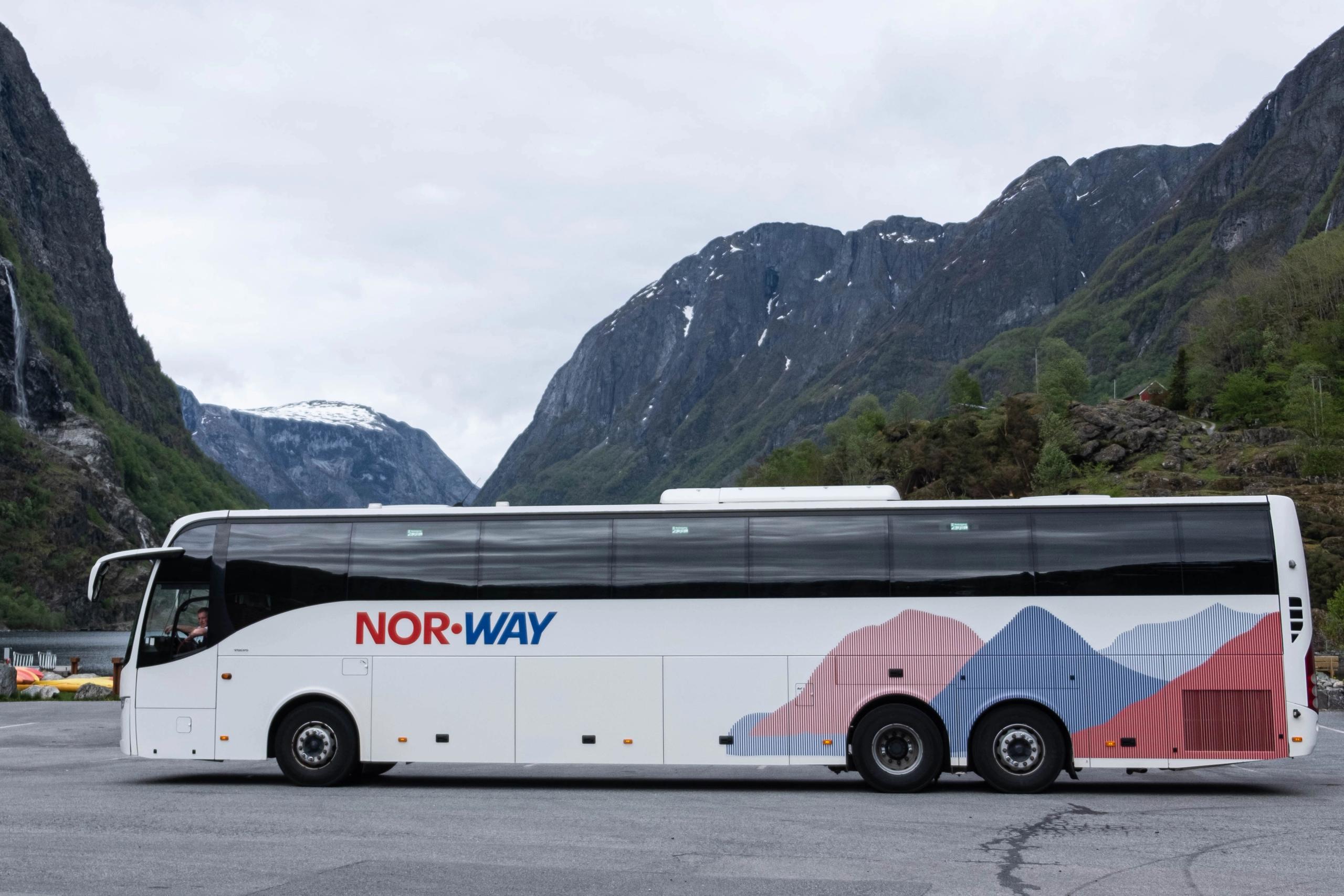 NOR-WAY BussekspressEnjoy scenic views on comfortable bus trips to the fjords and from city to city with our express buses.
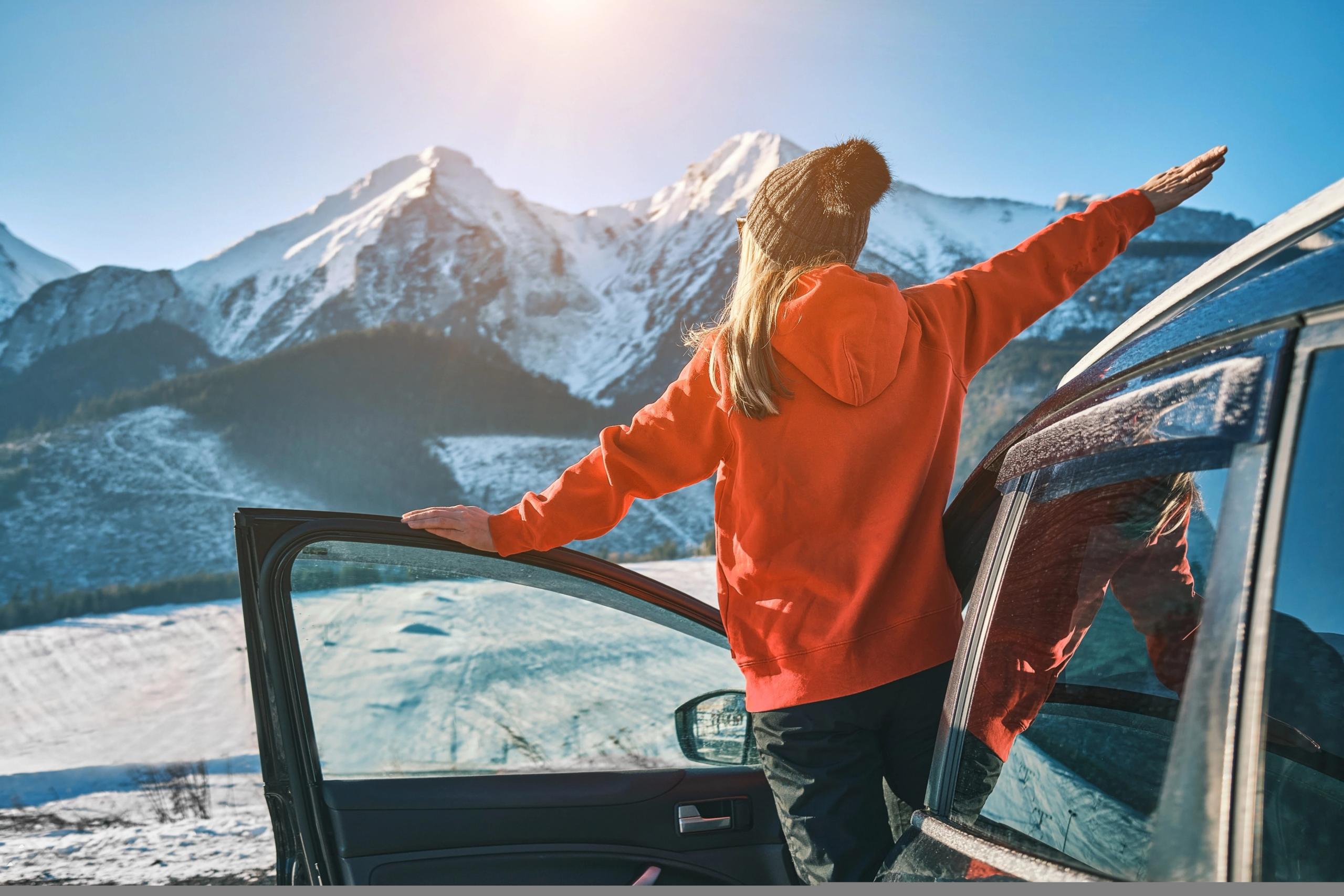 Rent-A-Wreck of Scandinavia ASThe smart and affordable car rental alternative.
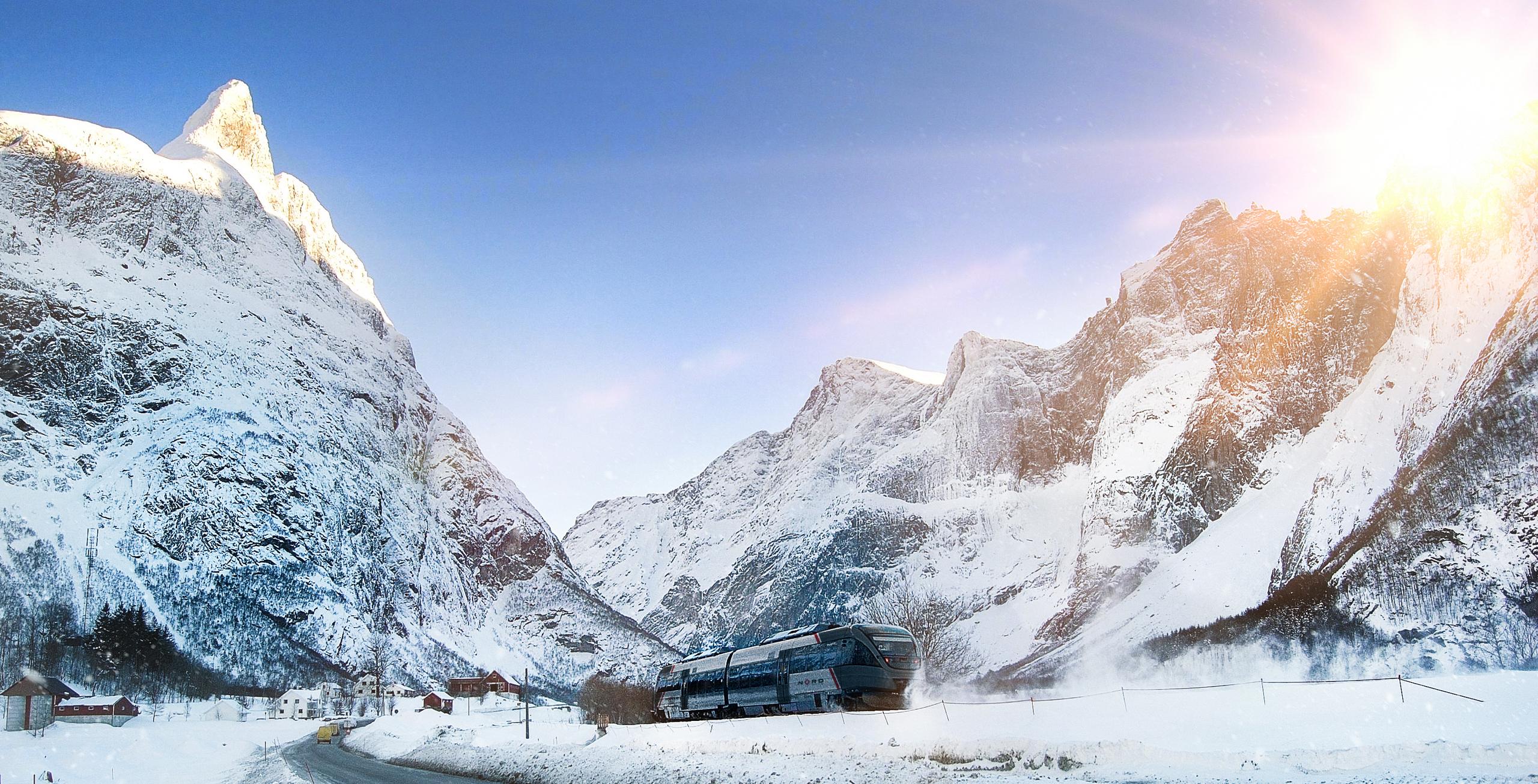 SJ NordSJ NORD - the adventure starts on the train
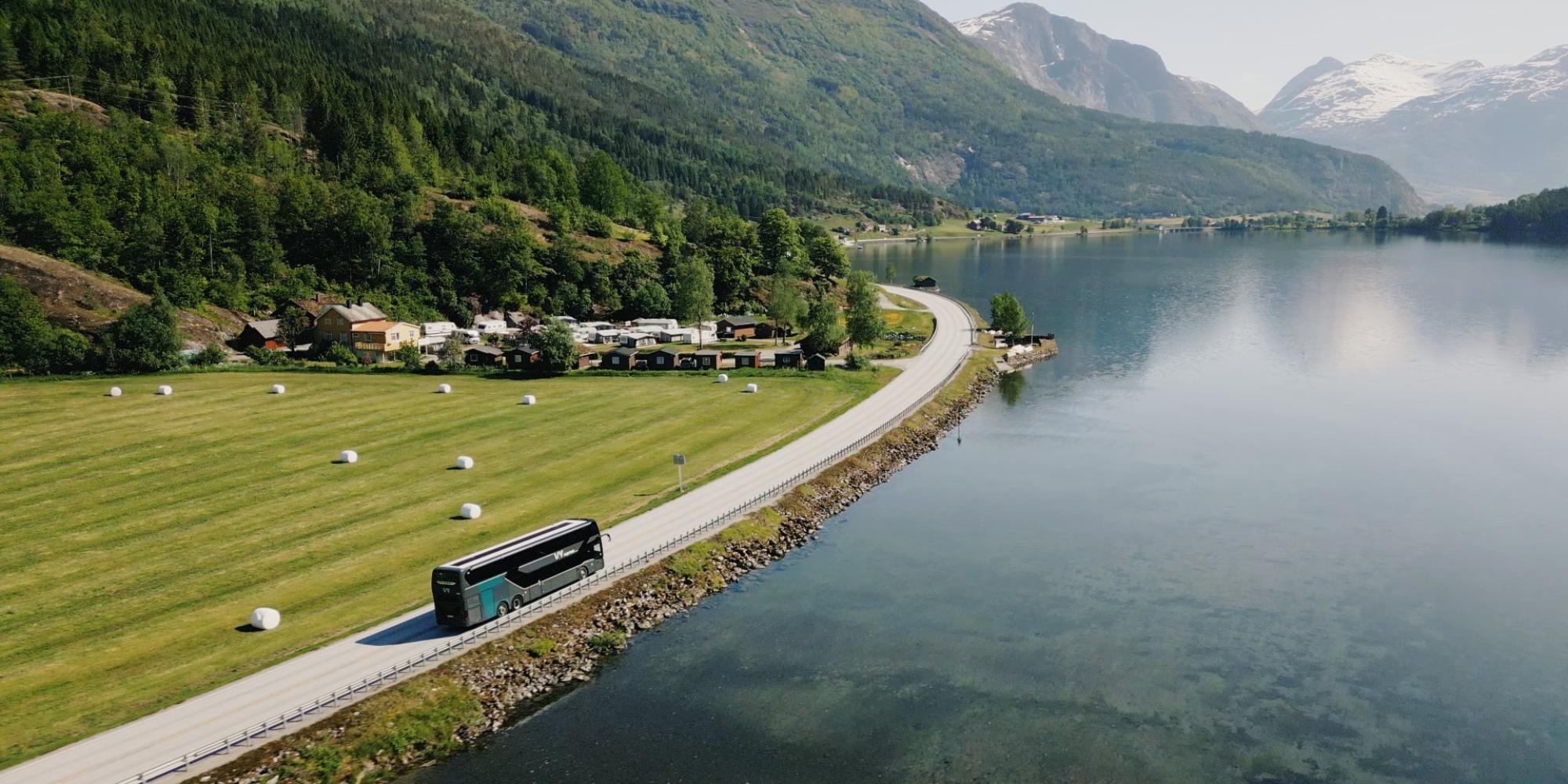 Vy expressDiscover Norway on comfortable express buses that take you between major cities, mountains, and fjords.
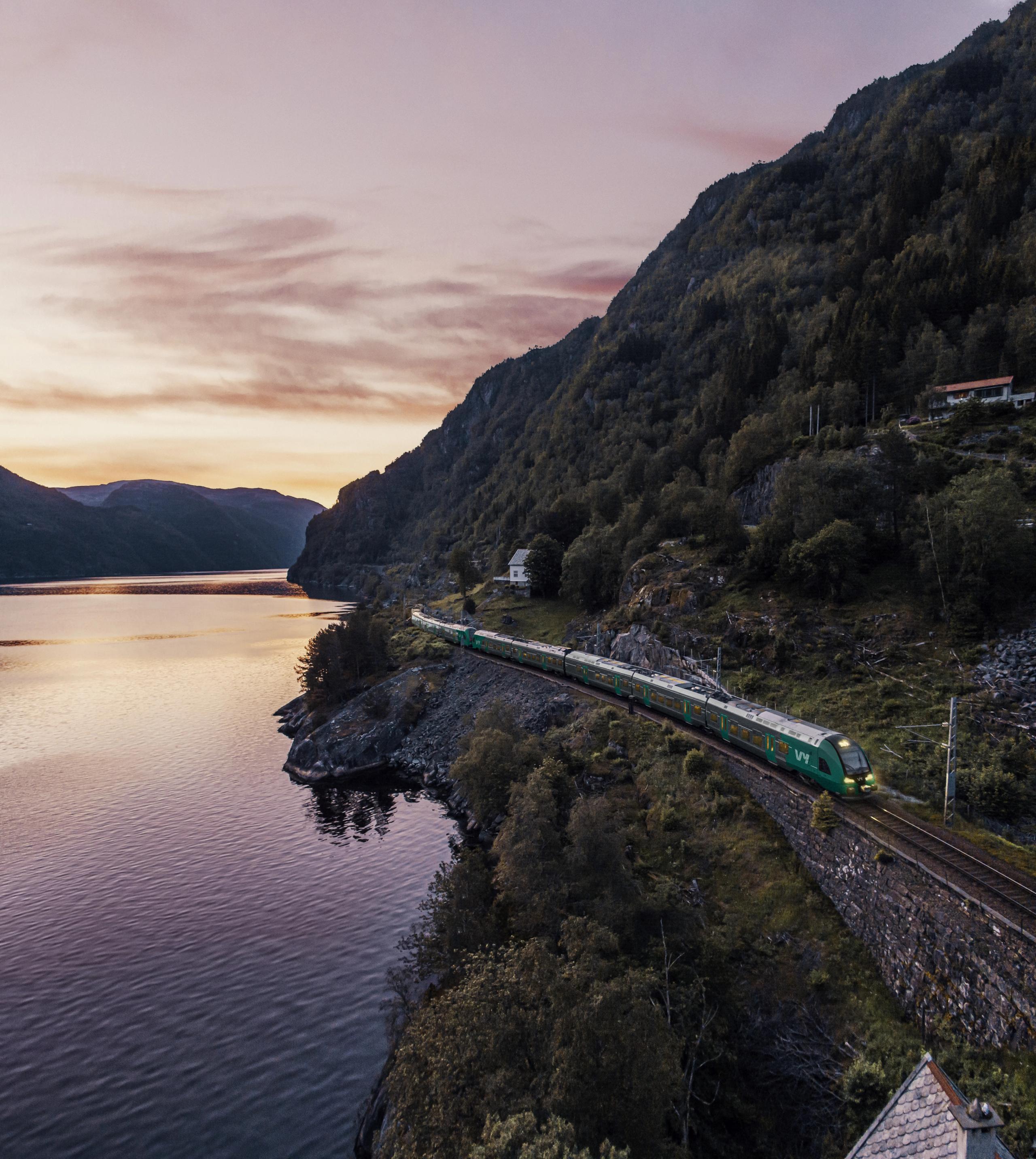 Vy TrainGlide through scenery on a train between Oslo and Bergen on the Bergen Railway and explore the greater Oslo region.
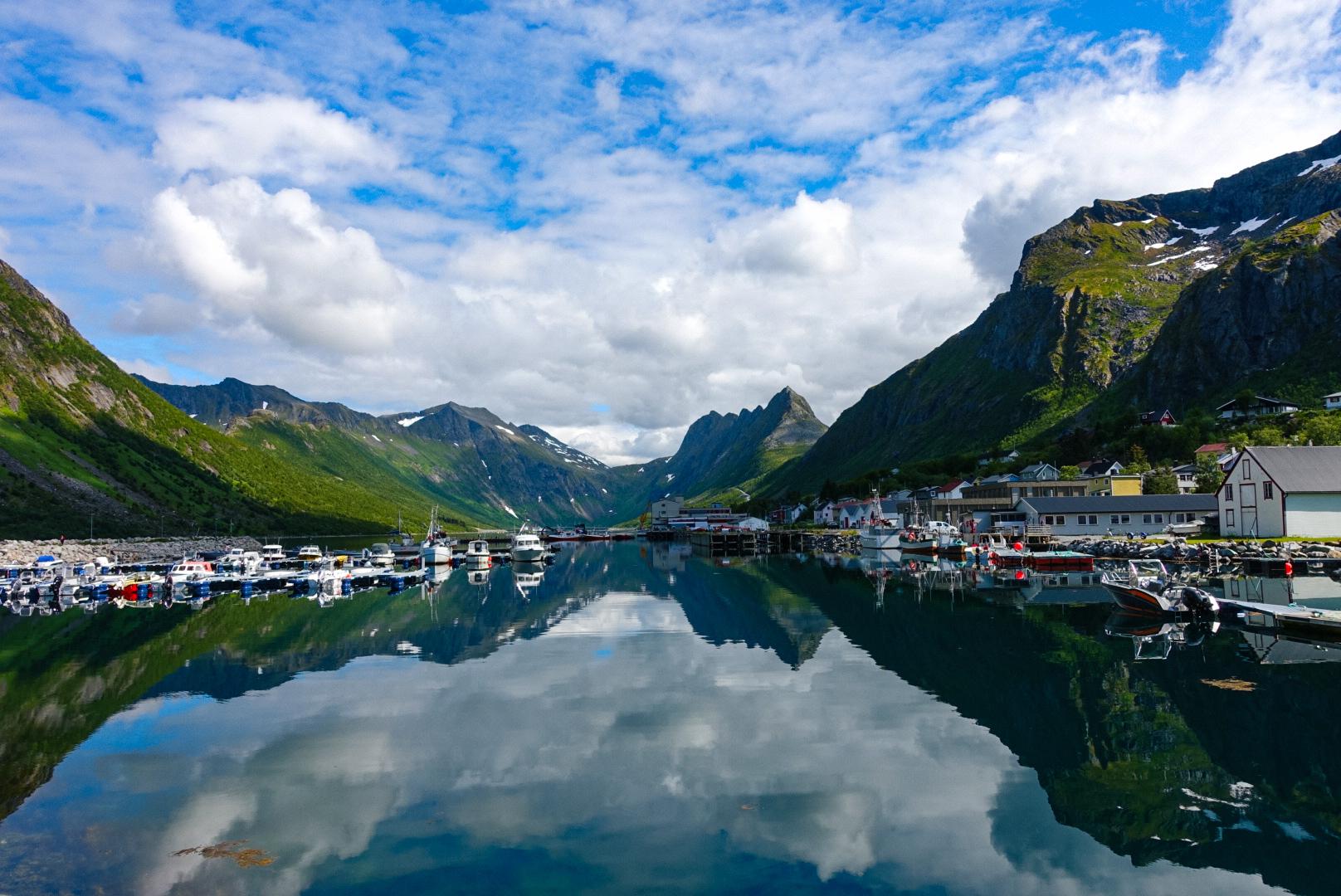 My Nordic TravelChoose between DIY itineraries and pre-packaged holidays to the very best destinations in Norway.
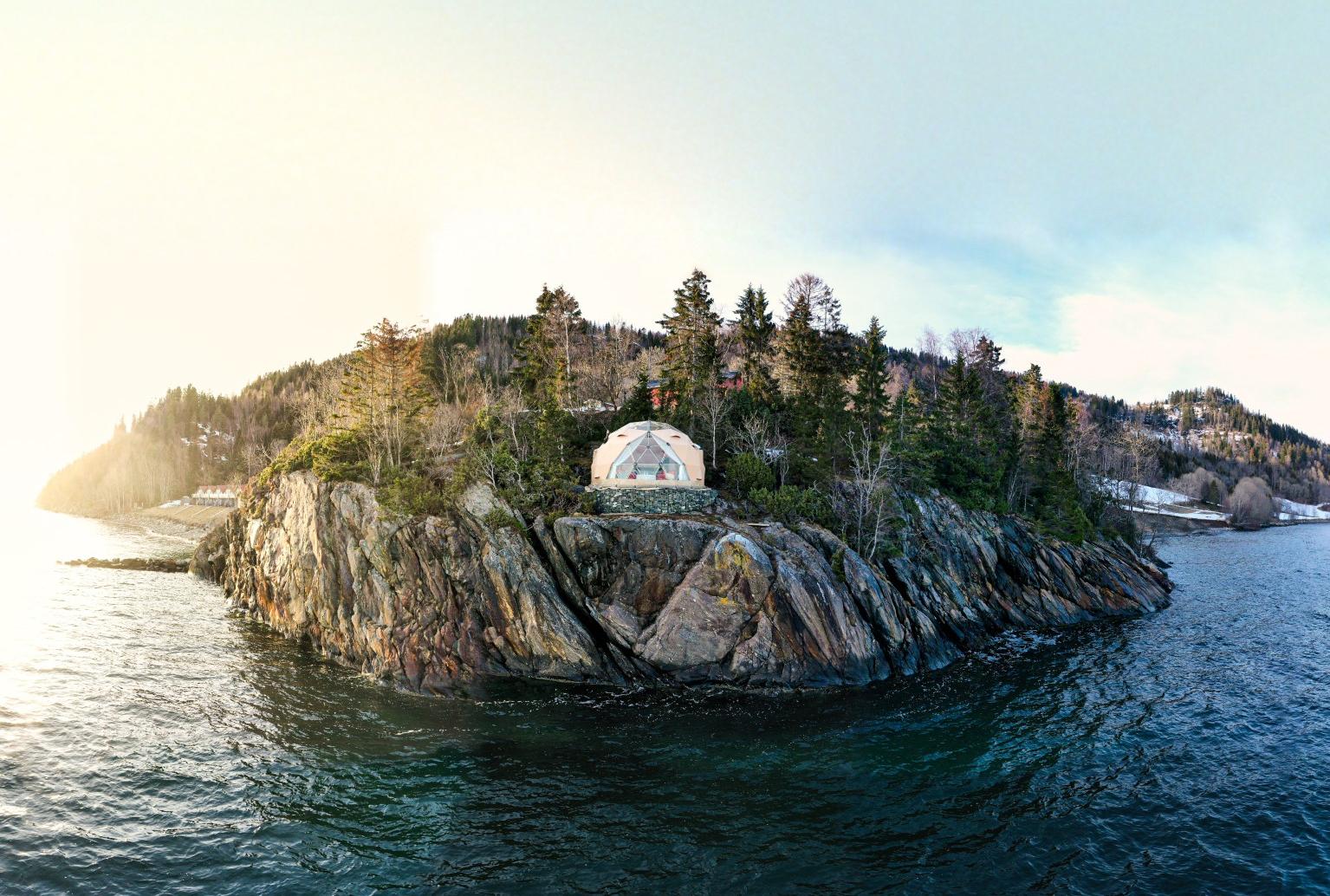 CampanyonUnique camping in nature. Book a stay in a treehouse or glamping tent or rent a motorhome pitch.
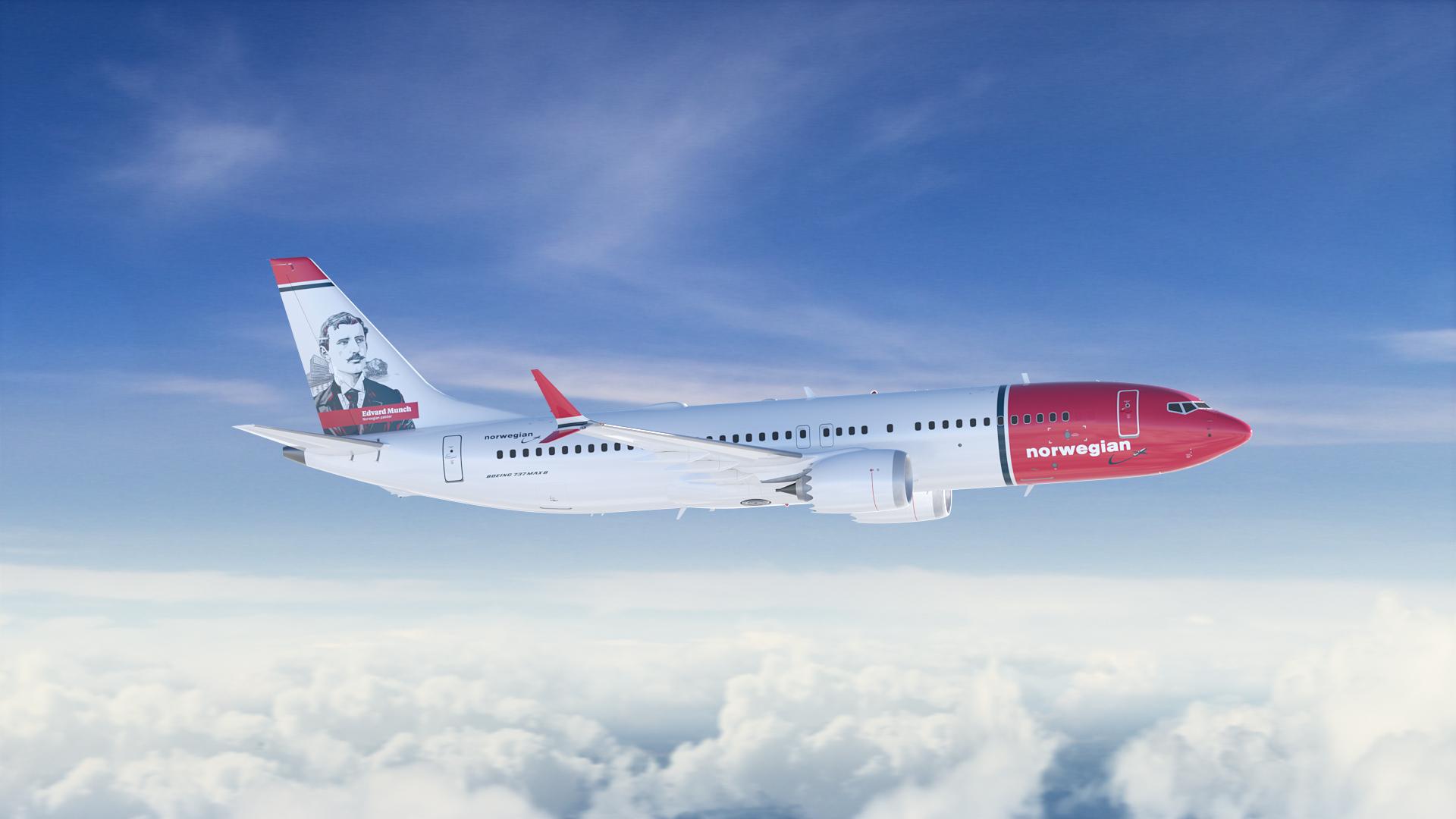 NorwegianNorwegian offers cheap flights in Norway and direct flights from more than 70 European destinations. Book flights through our low fare calendar to your destinations.
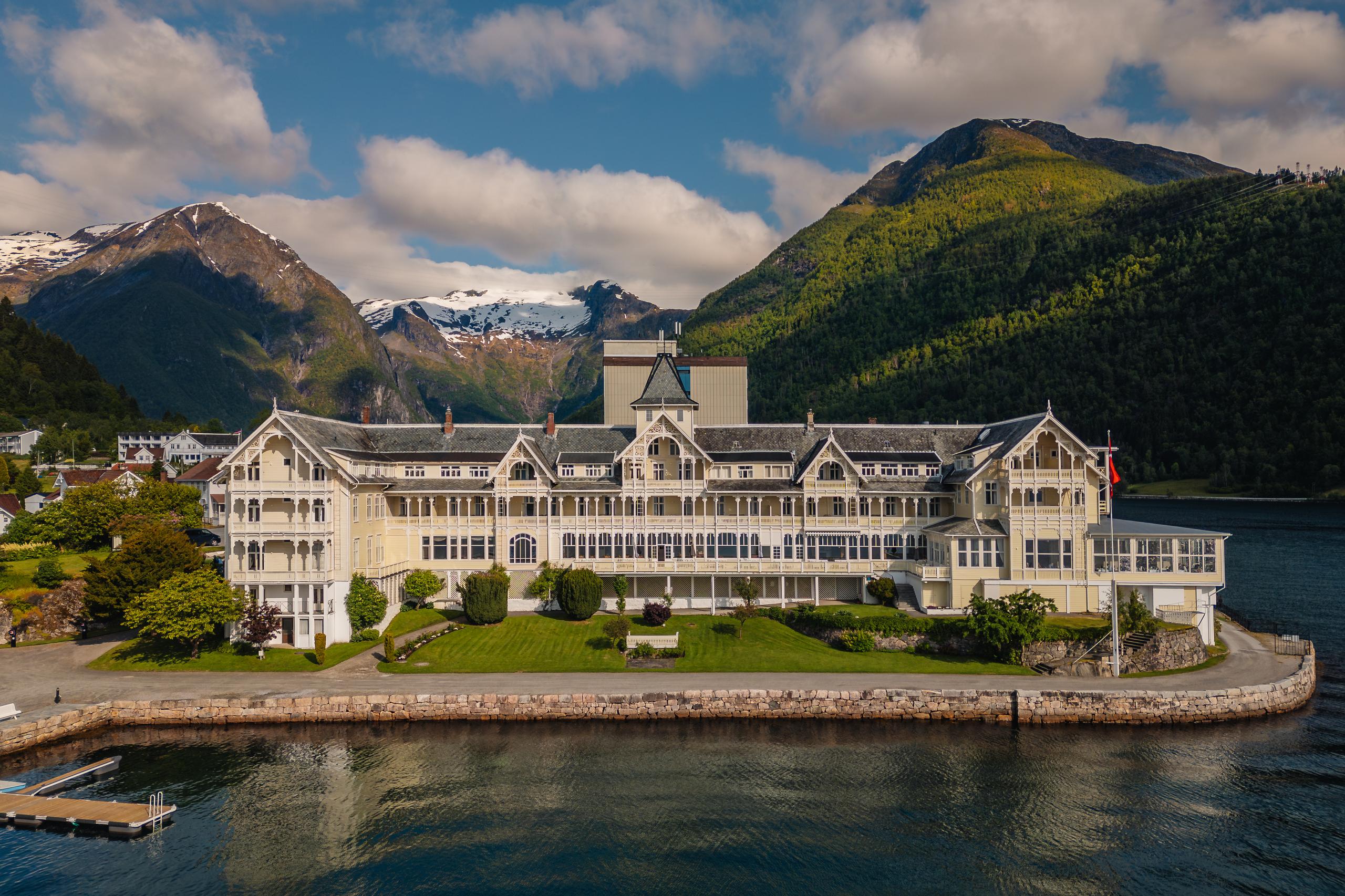 De HistoriskeHave an unforgettable stay at one of Norway's unique, authentic historic hotels. Enjoy first-class dining experiences and a broad range of activities.
 CampioNorway's biggest camping booking site. Find the best camping and motorhome pitches throughout Norway.